
International Research Journal of Engineering and Technology (IRJET) e-ISSN: 2395-0056
Volume: 12 Issue: 03 | Mar 2025 www.irjet.net p-ISSN: 2395-0072
International Research Journal of Engineering and Technology (IRJET) e-ISSN: 2395-0056
Volume: 12 Issue: 03 | Mar 2025 www.irjet.net p-ISSN: 2395-0072
Aarti Sanjay Gawai
1 ,
Shreya Chindam
2 , Ankita
Jogdankar
3
1Assistant Professor, Department of Information Technology and Computer Science, D.G. Ruparel College 2,3 Students, Department of Information Technology and Computer Science, D.G. Ruparel College, Mumbai, Maharashtra, India ***
Abstract - Social media platforms depend on cloud computing for storing data, processing information, and scaling their services. However, this reliance on the cloud brings about various security risks, such as data breaches, unauthorized access, and difficulties with compliance. This paper examines the importance of cloud security for social media platforms, focusing on major threats, protective strategies,andhowtheyinfluenceusertrustanddatasecurity.
By exploring recent advancements like encryption, AI-based security tools, and regulatory measures, we show how these methods improve the security of social media platforms. Additionally, the paper looks at future challenges and developments in cloud security for social media.
Key Words: Cloud security, Social Media Security, Cybersecurity, Data Privacy, Encryption, Cloud Storage, Access Control, AI Security.
Cloudsecurityencompassesthepolicies,technologies,and practices, controls, designed to protect data, applications, andinfrastructureincloudcomputingenvironmentsfrom threats, unauthorized access, and data breaches. As social mediaevolves,effectivecloudsecuritybecomesincreasingly importantforensuringasecureonlineenvironment.
Cloud security has developed alongside cloud computing, beginningintheearly2000swiththeriseofplatformslike AWS, Google Cloud, and Azure. Initially, security relied on traditionalITprotections,includingfirewallsandencryption. Over time, advancements such as identity and access management(IAM),encryptiontechniques,andregulatory compliance (e.g., GDPR, HIPAA) strengthened cloud protection.ModerncloudsecurityincludesAI-basedthreat detection,ZeroTrustarchitectures,andmulti-cloudsecurity approachestocombatevolvingcyberthreats.
Social media has revolutionized digital communication, connecting billions of users globally. Platforms like Facebook, Twitter, Instagram, and LinkedIn rely on cloud computing to store and process vast amounts of user generated content. Cloud services offer scalability, cost effectiveness, and real-time data access. However, this dependencealsointroducessecurityvulnerabilitiessuchas
Cyberattack, data breaches, misinformation and unauthorizedsurveillance.Cloudsecurityaimstomitigate theserisksbyimplementingencryption,accesscontrol,and intrusiondetectionsystems.
In conclusion, cloud security is essential for safeguarding socialmediaplatformsanduserdata.Ongoingdevelopment of security strategies is crucial for maintaining a secure, trustworthy,andvibrantsocialmediaecosystem,supporting long-termsustainabilityandgrowth.
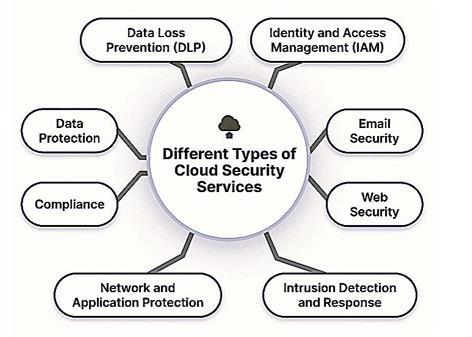
Cloud security is important for keeping social media platformssafefromhackers,dataleaks,andcyberattacks.If userdataisnotprotected,itcanbestolen,misused,orleaked, leading to privacy risks and loss of trust. Social media companiesalsoneedtofollowlawslikeGDPRtoavoidfines andlegaltrouble.
Toavoidthesesecurityrisks,organizationsmustimplement strongsecuritymeasures,includingencryption,multifactor authenticationandproperconfigurationofcloudstorageand APIs.Regularmonitoring,securityaudits,andusingsecure communication protocols can also help identify and fix vulnerabilitiesbeforetheycanbeexploited.Educatingusers aboutonlinesafetyalsohelpspreventscamsandhacking.
International Research Journal of Engineering and Technology (IRJET) e-ISSN: 2395-0056
Volume: 12 Issue: 03 | Mar 2025 www.irjet.net p-ISSN: 2395-0072
By using these security steps, social media can be a safer placeforeveryone.
Accessibility is a major cloud security risk because it providesentrypointstosensitiveuserdata.Hackersoften targettheseaccesspointstostealpersonalinformation.Poor accessibility in cloud security simply refers to situations whereusersorsystemscannotaccesstheirdataorservices inthecloudwhenneeded.
This can happen due to various issues like weak authentication, server downtime, or poor network connections.Whencloudservicesarenoteasilyaccessible,it notonlyaffectstheusers'experiencebutalsoincreasesthe riskofsecuritybreaches.Example: ifusersstruggletoaccess their accounts due to weak security measures, they may resort to unsafe methods like using simple passwords or sharing login details, which can make their data more vulnerable. Ensuring proper accessibility with secure and reliable access controls is essential to maintaining both usabilityandsecurityinthecloud.
Poor accessibility in cloud security can have a negative impact on social media platforms. If users are unable to accesstheiraccountsorserviceseasily,itleadstofrustration and a poor user experience. This can also increase the likelihood of users resorting to unsafe practices, such as usingweakpasswordsorsharinglogindetails,makingtheir accountsmorevulnerabletohacking.Iftheseissuespersist, usersmaylosetrustintheplatform,whichcouldresultina declineinengagementandoveralluserretention.
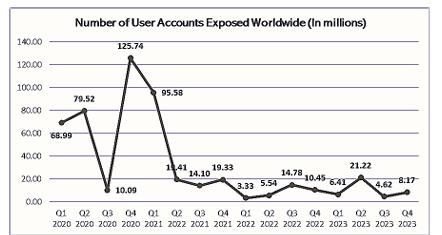
Example: In2016,LinkedIngainedamassivebreachofuser data, involving account credentials (approximately 164 million) due to many reasons like insufficient risk management, ineffective information campaign, the clevernessofthehackers.Additionally,ifcriticalservicesor data become inaccessible, it can harm the platform’s reputationanddriveuserstoseekalternatives.
Misconfiguredcloudstorageincloudsecurityhappenswhen cloudstoragesettingsarenotproperlysetup,leavingdata exposedorvulnerabletounauthorizedaccess.Thiscanoccur when permissions are too broad, files are made public unintentionally,orsecuritysettingslikeencryptionarenot enabled. As a result, sensitive data could be accessed by hackersorunauthorizedusers,leadingtodatabreaches.To avoidthis,it'sessentialfororganizationstoconsistentlytake proactive measures, review and update cloud storage configurations,setstrictaccesscontrols,anduseencryption to ensure that only authorized users can access sensitive information.
Misconfiguredcloudstoragecanhaveseriousconsequences forsocialmediaplatforms.Whencloudstoragesettingsare notproperlyconfigured,sensitiveuserdata,suchaspersonal messages,photos,oraccountinformation,canbeexposedto unauthorizedaccess.Thisincreasestheriskofdatabreaches, where hackers may steal or misuse this information. Such breachescanleadtoAdeclineinuserconfidenceandharmto theplatform'sreputation,andlegalramifications.
Example: In 2018, when FedEx mistakenly exposed thousandsofscanneddocumentsleadtocompany'sfailure in-order to safe AWS cloud storage server. Breached documentincludedpassports,driver'slicenses,information gatheredthroughmailformswhichincludesnames,contacts, home addresses, etc. Users may feel unsafe, leading to decreasedengagementandevenabandoningtheplatform, whichultimatelyaffectstheplatform’sgrowthandstability.
Insecure APIs are a big security risk for social media platformsbecausetheyallowhackerstoaccessuserdataif not properly protected. When APIs are not properly If not properlysecured,theymayserveasagatewayforattackers toexploit,gainingunauthorizedaccesstocloudsystemsor sensitivedata
This can happen if the API lacks proper authentication, encryption,orvalidationofincomingrequests.InsecureAPIs canleadtodatabreachesorallowattackerstomanipulateor steal information. To prevent this, it is important for organizationstosecureAPIsbyusingstrongauthentication methods,encryption,andcontinuousmonitoringtoensure that only trusted users and systems can interact with the cloudservices.
Insecure APIs can have a major impact on social media platforms. If APIs are not properly secured, they become vulnerable entry points for hackers to access user data, potentiallyleadingtodatabreaches.Hackerscouldstealor manipulatesensitiveinformation,suchaspersonalmessages oraccountdetails.Thisbreachofprivacycansignificantly damagetheplatform’sreputation,erodeusertrust,andlead toalossofusers.
Example: Bumblefoundedin2014isusedforfemaleaswell as male users. Female users must show interest in male beforetheycanstartcommunication.Thisappsharesdatato thirdpartylikeFacebook,Instagram.DataBreachoccurred in March 2020. As it also fetches user’s biometrics information(likegeometricmapping)uniquefacialcontours without proper security. This breaks trust of Users of protecting data. Additionally, if attackers exploit insecure APIs to cause harm, the platform may face legal
International Research Journal of Engineering and Technology (IRJET) e-ISSN: 2395-0056
Volume: 12 Issue: 03 | Mar 2025 www.irjet.net p-ISSN: 2395-0072
consequences, further affecting its credibility and user engagement.
ADenial-of-Service(DoS) attacksiswhenhackersoverload asocialmediaplatformwithtoomuchtraffic,causingitto slowdownorcrash,makingitunavailabletousers.These attacks target the resources of cloud servers, such as processingpowerorbandwidth,makingthesystemunable to handle normal operations. As a result, users may experiencedowntime,lossofaccesstocriticalservices,or disruptions in their cloud-based applications. To defend against DoS attacks, cloud providers often implement solutions like traffic filtering, firewalls, and AI based monitoringsystems,loadbalancing,andautomaticscalingto ensure that services remain available even under heavy traffic
Denial-of-Service (DoS) attacks can severely impact social media platforms by making them slow or completely unavailable. When a platform is flooded with excessive traffic, users may experience downtime or be unable to access important features. This disruption can cause frustration, loss of user engagement, and harm the platform'sreputation.Frequentoutagesorslowdownscan leadtoadeclineinusertrustandloyalty,asusersmayturn tomorereliablealternatives.
Example: In 2014, Sony Play station Network Attack was aimed at annoying consumers which crashed the system using both brute forces as well as kept for almost a day. Additionally, businesses relying on social media for marketingorcommunicationcouldfacesignificantsetbacks duringtheseattacks.
Shared resources in cloud security refer to the practice of multipleservicesorcustomersusingthesame underlying infrastructure, like servers and storage. While this setup offersbenefitslikecostsavingsandflexibility,italsocreates security risks. If one service is compromised, it can potentiallyaffectotherssharingthesameresources.
Thisincreasesthechancesofdatabreaches,unauthorized access, or other malicious activities. To ensure security, cloudprovidersmustimplementstrongisolationbetween different users' data and applications, alongside robust protection measures like encryption and continuous monitoring to prevent unauthorized access and protect sensitiveinformation.
Shared resources in cloud computing can have significant impactsonsocialmediaplatforms.Whenmultipleservices usethesameinfrastructure,asecuritybreachinoneservice couldpotentiallyaffectothersusingthesameresources.For social media platforms, this could lead to unauthorized access to user data, data breaches, or malicious activities, compromisinguserprivacy.
Ifsensitiveinformationisexposedortamperedwith,itcan leadtoalossofusertrust,harmtheplatform’sreputation, andreduceuserengagement.
Example: In2016,theDynDNSattackfloodedDyn’sservers withtrafficusingabotnetofinfectedIoTdevices,disrupting major websites like Twitter and Netflix. This attack on a sharedresourcecausedwidespreadoutages,similartothe 2014PlayStationNetworkattack.Thesharednatureofcloud resources increases the risks of such incidents, making platformsvulnerabletobroadersecuritythreats.
Useraccounthijackingisamajorconcernincloudsecurity, where attackers gain unauthorized access to a user's account, often through methods like weak passwords or phishing. In cloud environments, where resources are sharedacrossmultipleplatforms,abreachinoneservicecan leadtohijackingofaccountsinotherservicesusingthesame infrastructure. Once an attacker controls an account, they canstealsensitiveinformation,changedata,orevencarry outmaliciousactionsundertheuser'sname.
To prevent this, cloud providers must implement strong security practices such as multi-factor authentication, encryption, and continuous monitoring to detect unusual activityandprotectuseraccountsfrombeinghijacked.
Useraccount hijackingcan haveseriousconsequencesfor socialmediaplatforms.Whenattackersgainunauthorized access to user accounts, often through weak security measuresorphishing,theycanstealsensitiveinformation, manipulate data, or even post content under the user's identity.Thiscanleadtoprivacyviolations,alossofuser trust,andsignificantdamagetotheplatform'sreputation.If multiple accounts are compromised, it can create widespread chaos and further undermine the platform's credibility.
Example:In 2021, hackers hijacked EA Games’ employee accounts through phishing, gaining access to internal systemsandstealinggamesourcecodes.
International Research Journal of Engineering and Technology (IRJET) e-ISSN: 2395-0056
Volume: 12 Issue: 03 | Mar 2025 www.irjet.net p-ISSN: 2395-0072
Usersmaychoosetoabandontheplatform,andthecompany could face legal and financial consequences due to the breach.
3.1 Encryption: Protect sensitive user data during transmissionandstorage.
3.2 Multi-Factor Authentication (MFA): Addanextralayer Enhance security by prompting users to confirm their identitythroughmorethanonemethod.
3.3 Regular Security Audits: Identifyandfixvulnerabilities beforetheycanbeexploited.
3.4 Monitoring Systems: Detect suspicious activity and allowforquickresponsetopotentialthreats.
3.5 User Education: Teach users about online safety and encouragestrongpasswordpracticestoreducetheriskof account hijacking. 6.Access Controls: Limit access to user data based on roles and permissions to prevent unauthorizedaccess.
4.1 Evolving Cyber Threats: Continuous updates to securitymeasureswillberequiredtostayaheadofnewand moresophisticatedcyberattacks.
4.2 Balancing Privacy and Accessibility: Ensuring user privacy while complying with stricter data protection regulations,suchasGDPR,willbeachallenge.
4.3 Managing Data Complexity: Securinglargevolumesof user-generatedcontentassocialmediaplatformsscalewill requireadvancedsolutions.
4.4 AI and Machine Learning Risks: WhileAIcanimprove security, it also poses risks if misused or manipulated by attackers.
4.5 Securing APIs: Withmoreintegrations,securingAPIsto preventunauthorizedaccesswillremaincrucial.
4.6 Account Hijacking Protection: Ongoingeffortswillbe needed to prevent account hijacking and protect user identities.
4.7 Defending Against DDoS Attacks: Developingstronger defenses against Distributed Denial-of-Service (DDoS) attackstoensureplatformavailability.8.Collaborationwith CloudProviders:Socialmediaplatformsandcloudproviders mustworkcloselytoaddressemergingsecuritythreats.
Cloudsecurityplaysavitalroleinkeepinguserdatasafeand maintaining trust on social media platforms. As these platforms expand, they face growing risks such as data breachesandcyberattacks.Topreventthese issues,social mediacompaniesmustadoptstrongsecuritypracticeslike encryption, multi-factor authentication, and secure APIs. Since cyber threats are constantly changing, security measures need to be updated regularly. Collaboration betweensocialmediaplatformsandcloudproviders,along witheducatingusers,iskeytotacklingthesechallenges.By focusing on cloud security, platforms can ensure a safer experienceforusersandsupportlong-termgrowth.
[1]Ahmad,A.,Saqib,M.,&Aziz,A.(2020)."CloudComputing and Social Media: Security Risks and Solutions." International Journal of Computer Science and Network Security,20(5),80-87.
[2] European Union Agency for Cybersecurity (ENISA). (2021)."CloudSecurityGuideforSocialMediaPlatforms." Availableat:https://www.enisa.europa.eu
[3]NationalInstituteofStandardsandTechnology(NIST). (2021)."GuidelinesonSecurityandPrivacyinPublicCloud Computing."NISTSpecialPublication800-144.Availableat: https://csrc.nist.gov
[4] Zissis, D., & Lekkas, D. (2012). "Addressing cloud computing security issues." Future Generation Computer Systems,28(3),583-592.
[5] Zissis, D., & Lekkas, D. Mather, T., Coomaraswamy, S., Latif, S. (2009). Cloud security and privacy: A business perspectiveonriskandcompliance.O'ReillyMedia.
[6]Tankei,B.&Buya,R.(2012).Aframeworkforsecureand scalablemanagementofinterclouds.JournalofNetworkand ComputerApplications,35(6),18431853.
International Research Journal of Engineering and Technology (IRJET) e-ISSN: 2395-0056
Volume: 12 Issue: 03 | Mar 2025 www.irjet.net p-ISSN: 2395-0072
[7]LiangL,LuJ,LiY,ShaoJ(2015).ResearchonsecureAPI management in cloud computing. Journal of Cloud Computing,4(1),1-18.
[8] Cloud Computing Security Threats and Responses –Farzad Sabahi (Faculty of Computer Engineering) Azad UniversityIran.
[9]Securityandprivacyissuesofcloudcomputing;solutions and secure framework professor: Asha Mathew assistant professor (research), welingkar institute of management developmentandresearch,Bangalore.
[10]Zargar,S.T.,Joshi,J.,Tipper,D.(2013).Anintroduction to defending against distributed denial of service (DDoS) floodingattacks.
[11]Shabtai,A.,Fledel,Y.,Elovici,Y.(2010).Detectmalicious code intrusions with API-level signatures. Security and CommunicationNetworks,3(2-3),157-172.
[12] Hellas, T. & Rao, H.R. (2009). Protection Motives and Deterrents: A framework for security compliance in your organization.
[13]Aquantitativeanalysisofcurrentsecurityconcernsand solutions for cloud computing: Nelson Gonzalez, harles iers,Fernando ed gol, arcosSimpl ci, ere a arvalh, atsNaslundand akan our andi.
[14] Mather, T., Coomaraswamy, S., Latif, S. (2009). Cloud security and privacy: A business perspective on risk and compliance.O'ReillyMedia.
[15]TopthreatstocloudcomputingV1.0preparedbyCloud SecurityAllianceMarch2010
BIOGRAPHIES


Ms.AartiSanjayGawai
M.Sc.InformationTechnology Asst.Prof.,IT/CSDept. DGRuparelCollege
Ms.ShreyaChindam StudentofB.Sc ComputerScience D.GRuparelCollege

Ms.AnkitaJogdankar Student ofB.Sc ComputerScience D.GRuparelCollege