
International Research Journal of Engineering and Technology (IRJET) e-ISSN: 2395-0056
Volume: 12 Issue: 04 | Apr 2025 www.irjet.net p-ISSN: 2395-0072
International Research Journal of Engineering and Technology (IRJET) e-ISSN: 2395-0056
Volume: 12 Issue: 04 | Apr 2025 www.irjet.net p-ISSN: 2395-0072
Ar. Sandhya Singh1, Dr. Richa Ankush Pathe2
1PhD Scholar, Faculty of Architecture, RKDF University, Bhopal (M.P.)
2Proffessor, Faculty of Architecture, RKDF University, Bhopal (M.P.)
Abstract - ThisreportexamineshowVastuShastraprinciplescanbeintegratedwithmoderneco-friendlydesignstocreate sustainableurbanspaces.VastuShastra,anancientIndianscience,focusesonaligninghumanspaceswithnaturalforcesand cosmic energies to foster harmony and resilience. The goal is to demonstrate how Vastu principles can complement contemporaryeco-friendlydesignstodevelopbalancedandsustainableurbanenvironments.
ThemethodologyinvolvesthestudyandanalysisofVastuShastraprinciplesandtheirapplicationinurbansettings.Case studiesfromIndiancities,includingChandigarh,Gandhinagar,Jaipur,andNaviMumbai,showcasesuccessfulimplementations oftheseprinciplesalongsidemodernsustainablepractices.Thesepracticesincludeusingnaturalmaterials,incorporating waterfeatures,ensuringproperventilation,andmaintainingopenspaces.
Theresultsindicatethatthesecitieshaveeffectivelyintegratedgreeninfrastructure,energy-efficientdesigns,andsustainable materialstoaddresschallengessuchaspopulationgrowthandinfrastructuredevelopment.Forinstance,Chandigarhutilizesa grid layout with numerous green spaces, while Gandhinagar emphasizes sector-based planning and environmental sustainability.
Inconclusion,theintegrationofVastuShastra withmoderndesignpracticeshelpscreate resilientandsustainable urban environments.Thiscombinationofancientprinciplesandcontemporaryapproachesensuresabalancebetweentraditionand innovation,underscoringthecontinuedrelevanceofVastuShastrainshapingthefutureofurbanplanninginIndia.
Key Words: Vastu Shastra, Sustainability, Eco-friendly design, Urban planning, Energy efficiency and Environmental sustainability
1.INTRODUCTION :
Inthefaceofgrowingenvironmentalchallenges,sustainableurbanplanningisessential.VastuShastra,anancientIndian science rootedinVedictraditions,offersinsightsinto eco-friendlydesign byharmonizingspaceswith natureandcosmic energies.IntegratingVastuprinciplesintomodernurbanplanningcancreatesustainable,resilient,andharmoniousliving environments.
VastuShastraemphasizesthebalancebetweenphysicalstructuresandspiritualwell-being,aligningdesignswithnatural forces.Itscoreprinciplesfocusonthefiveelements Earth,Water,Fire,Air,andSpace tocreatebalancedlivingspaces.The VastuPurushaMandalaguidesspatialarrangementandenergyflow,ensuringharmonywiththeenvironment.
International Research Journal of Engineering and Technology (IRJET) e-ISSN: 2395-0056
Volume: 12 Issue: 04 | Apr 2025 www.irjet.net p-ISSN: 2395-0072

2. LITERATURE REVIEW:
Vastu Shastra Principles in Urban Settings:
1. Earth: Usenaturalmaterialslikewood,stone,andclayforsustainableconstructionandinteriors.
2. Water:Incorporatenortheastwaterfeaturestoenhancepositiveenergy.
3. Fire:Thesoutheastwithproperventilationtobalancethefireelement.
4. Air:Designopenareasandventsformaximumnaturalventilation.
5. Space:Maintainopenspacesandavoidclutterforsmoothenergyflow.
3. METHODOLOGY
The methodology for this report on "Sustainability Through Vastu Shastra: Eco-Friendly Design Approaches" involves a comprehensive approach to gather, analyze, and present information on the integration of Vastu Shastra principles with sustainabledesignpractices.
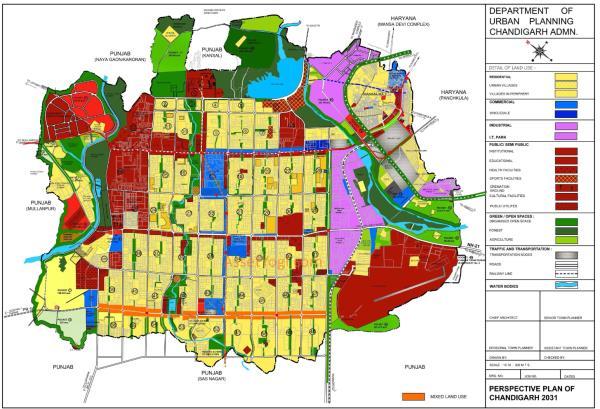
3.1.1 Chandigarh, Punjab and Haryana
Chandigarh, designed by Swiss French architect Le Corbusier, is one of post-independence India's first planned cities. Key architectural features include its grid layout, dividing the city into self-sustaining sectors with residential, commercial, and recreationalspaces.Thecityemphasizesgreeninfrastructurewithnumerousparks,gardens,andtree-linedavenues.Sustainable practicesincorporateVastuprinciples,ensuringharmonyandbalance.
International Research Journal of Engineering and Technology (IRJET) e-ISSN: 2395-0056
Volume: 12 Issue: 04 | Apr 2025 www.irjet.net p-ISSN: 2395-0072
3.1.2 Gandhinagar, Gujrat
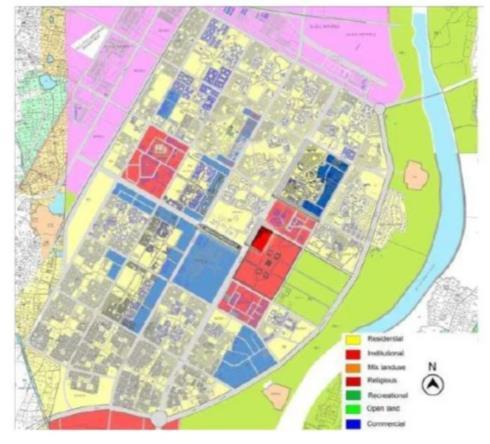
Gandhinagar,thecapitalofGujarat,isrenownedforitsmeticulousurbandesignandgreeninitiatives.Itfeaturessectorbasedplanning,dividingthecityintoresidential,commercial,andinstitutionalareas.Thecityboastsextensivegreen spaces,suchasparksandgardens,emphasizingenvironmentalsustainability.Additionally,Vastuprinciplesareintegrated intotheplanningandorientationofbuildingstoenhancepositiveenergyflow.
3.1.3 Jaipur, Rajasthan:
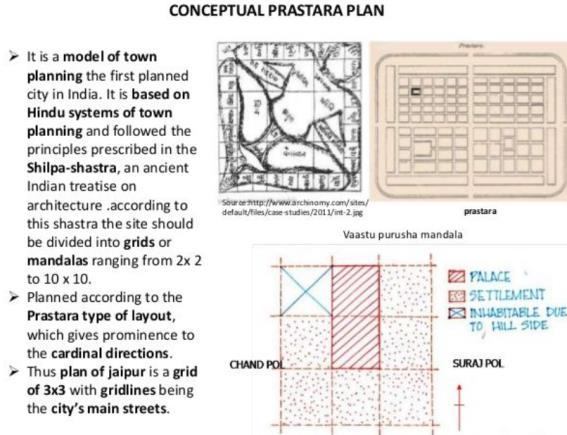
Jaipur, planned by architect Vidyadhar Bhattacharya in the 18th century, exemplifies Vastu Shastra in urban planning. Key architectural features include a grid layout with streets running east-west and north-south. The city is zoned for various activities residential, commercial, and religious following Vastu principles. Additionally, water bodies and gardens are integratedtoenhancethenaturalenvironmentandprovidecoolingeffects.
3.1.4 Navi Mumbai:
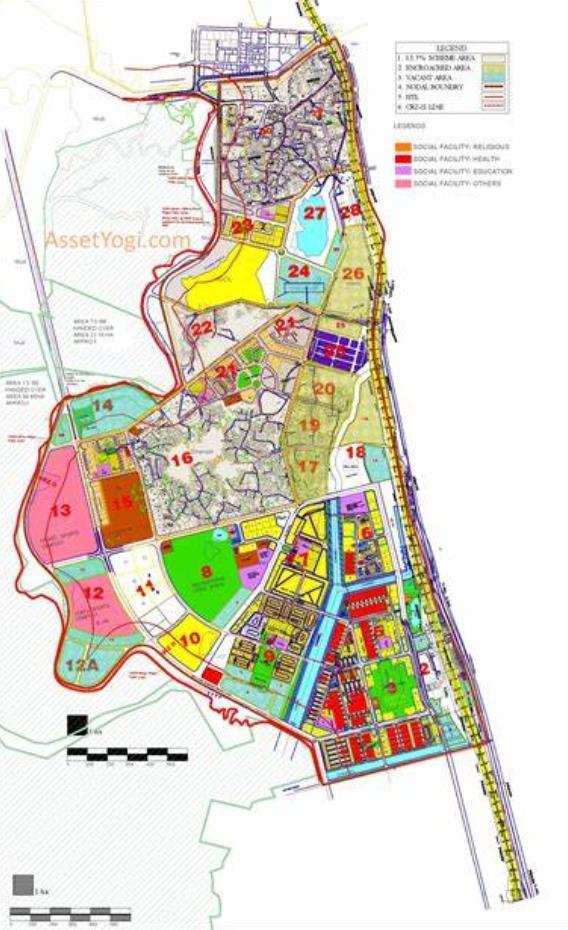
Maharashtra:NaviMumbaiisaplannedsatellitecityofMumbai,designedtoalleviatecongestionandfostersustainability.Key architecturalfeaturesincludesector-basedplanning,dividingthecityintoself-sustainingnodeswithresidential,commercial, andrecreationalareas.Thecityemphasizesgreeninfrastructure,featuringparks,gardens,andgreenbelts.Vastuprinciplesare integratedintotheplanningandorientationofbuildingstoensureharmonyandbalance.
International Research Journal of Engineering and Technology (IRJET) e-ISSN: 2395-0056
Volume: 12 Issue: 04 | Apr 2025 www.irjet.net p-ISSN: 2395-0072
4. Discussion
TheseexamplesdemonstratehowIndiancitiescansuccessfullyintegrateVastuShastraprincipleswithmoderneco-friendly designapproachestocreatesustainableandharmoniousurbanenvironments.Byfocusingongreeninfrastructure,sustainable transportation,renewableenergy,watermanagement,andwastemanagement,thesecitiessetabenchmarkforfutureurban development.
City Overview
Chandigarh OneoftheearliestplannedcitiesinpostindependenceIndia,designedbyLeCorbusier.
Gandhinagar CapitalofGujarat,knownforitswell-planned urbandesignandgreeninitiatives.
Key Features
-GridLayout:Dividedintosectors,eachfunctioningasaself-sustaining unitwithresidential,commercial,andrecreationalspaces.
-GreenSpaces:Numerousparks,gardens,andtree-linedavenues.
-SustainablePractices:IncorporationofVastuprinciplesinthe orientationandlayoutofbuildings.
-Sector-BasedPlanning:Dividedintosectorswithdesignated residential,commercial,andinstitutionalareas.
-GreenInitiatives:Extensivegreenspaces,includingparksand gardens.
-VastuIntegration:ApplicationofVastuprinciplesintheplanningand orientationofbuildings.
-GridLayout:Designedonagridpatternwithstreetsrunningfrom easttowestandnorthtosouth.
Jaipur WalledcityplannedbyarchitectVidyadhar Bhattacharyainthe18thcentury.
-Zoning:Specificareasdesignatedforresidential,commercial,and religiouspurposes,followingVastuprinciples.
-WaterBodies:Inclusionofwaterbodiesandgardenstoenhancethe naturalenvironment.
International Research Journal of Engineering and Technology (IRJET) e-ISSN: 2395-0056
Volume: 12 Issue: 04 | Apr 2025 www.irjet.net p-ISSN: 2395-0072
City Overview Key Features
-Sector-BasedPlanning:Dividedintonodes,eachfunctioningasaselfsustainingunitwithresidential,commercial,andrecreationalspaces.
Navi Mumbai PlannedsatellitecityofMumbai,designedto decongestthemaincity.
-GreenSpaces:Emphasisongreeninfrastructurewithparks,gardens, andgreenbelts.
-SustainablePractices:IntegrationofVastuprinciplesintheplanning andorientationofbuildings.
ThistableprovidesaclearcomparisonofhowdifferentIndiancitiesintegrateVastuShastraprincipleswithmodernecofriendlydesignapproachestocreatesustainableandharmoniousurbanenvironments.
City Challenges SuggestedSolutions
-PopulationGrowth:Overpopulationleadingto strainoninfrastructureandresources.
-InfrastructureExpansion:Developsatellitetownsandimprove publictransportationtoreducecongestion
Chandigarh
-UrbanSprawl:Unplannedgrowthand environmentaldegradation.
-HeritageConservation:Balancingmodern developmentwithpreservationofLeCorbusier's legacy.
-EconomicViability:Strugglestoattractdiverse economicactivities.
-DevelopmentRestrictions:Rigidplanningcontrols hinderingadaptationtogrowthpressures.
-InfrastructureMaintenance:Upkeepofextensive greenspacesandpublicamenities.
-Heritagevs.Modernization:Balancingpreservation ofhistoricalsiteswithmoderninfrastructureneeds.
-TrafficCongestion:Increasedtrafficand inadequatepublictransportation.
-WaterManagement:Scarcityofwaterresources.
-AffordableHousing:Ensuringaffordablehousing whilemanagingsocio-economicdisparities.
-EnvironmentalConcerns:Balancingurban developmentwithpreservationofgreenspaces.
-InfrastructureDevelopment:Delaysinkey infrastructureprojects.
-UrbanPlanning:Implementstricterzoninglawsandpromote verticalgrowthtomanagesprawl
-HeritageManagement:Establishheritageconservationzones andpromoteadaptivereuseofhistoricalbuildings
-EconomicDiversification:Encourageindustriesbeyond administration,suchasITandeducation,tosetupin Gandhinagar
-FlexiblePlanning:Reviseplanningcontrolstoallowformixedusedevelopmentsandprivatesectorparticipation
-Public-PrivatePartnerships:Engageprivateentitiesinthe maintenanceofgreenspacesandpublicamenities
-IntegratedDevelopment:Developinfrastructureprojectsthat respectheritagesitesandpromotetourism
-PublicTransport:Expandandmodernizepublictransportation systems,includingmetroandbusservices
-WaterConservation:Implementrainwaterharvesting, wastewaterrecycling,andefficientirrigationsystems
-InclusiveHousingPolicies:Developaffordablehousingschemes andincentivizedeveloperstoincludeaffordableunitsinnew projects
-EnvironmentalProtection:Enforcestrictenvironmental regulationsandpromotegreenbuildingpractices
-ProjectManagement:Streamlineapprovalprocessesand ensuretimelycompletionofinfrastructureprojects
Thesesolutionsaimtoaddresstheuniquechallengesfacedbyeachcity,ensuringsustainableandharmoniousurban developmentwhileintegratingVastuShastraprinciples.
TheintegrationofVastuShastraintomodernurbanplanningcreatessustainableandharmoniouslivingenvironmentsby aligning human dwellings with natural energies. Cities like Chandigarh, Gandhinagar, Jaipur, and Navi Mumbai highlight successful applications, incorporating green infrastructure, sustainable materials, and energy-efficient designs. However, challenges like population growth and infrastructure development require balanced solutions, including economic diversificationandpublic-privatepartnerships.
International Research Journal of Engineering and Technology (IRJET) e-ISSN: 2395-0056
VastuShastraofferstimelessprinciplesforeco-friendlyurbanplanning,promotingresilienceandsustainability.Itsongoing relevanceensuresalastingimpactonurbanplanninginIndia.
6. Refrences
UrbanHousingDesignwithVastuShastra-kaarwan.com
ModernVastuShastra:HowtoApplyAncientPrinciplesinToday’sHomes
UrbanLivingWithVastu:PracticalTipsForCityApartments-OmegaAstro
GreenCitiesofIndia:LeadingtheWayinSustainableUrbanLiving
IntegratedandSustainableMultimodalTransportSystemsinIndianCities
Top10GreenCitiesofIndia2025:EcoFriendlyCitiesListe
End of Report
Volume: 12 Issue: 04 | Apr 2025 www.irjet.net p-ISSN: 2395-0072 © 2025, IRJET | Impact Factor value: 8.315 | ISO 9001:2008