
International Research Journal of Engineering and Technology (IRJET) e-ISSN: 2395-0056
Volume: 13 Issue: 05 | May 2026 www.irjet.net p-ISSN: 2395-0072

International Research Journal of Engineering and Technology (IRJET) e-ISSN: 2395-0056
Volume: 13 Issue: 05 | May 2026 www.irjet.net p-ISSN: 2395-0072
Dheeraj Kumar1, Pl. Arundhatee Mishra2
1Master of Urban and Regional Planning Faculty of Architecture and Planning, Dr. A.P.J Abdul Kalam Technical University Lucknow, India
2(Assistant Professor) Faculty of Architecture and Planning, Dr. A.P.J Abdul Kalam Technical University Lucknow, India
Abstract - The acquisition of land for development initiativeshasbeenavitalcatalystforeconomicadvancement in India; however, it has also resulted in significant displacementandsocio-economicupheaval.Theenactmentof the Right to Fair Compensation and Transparency in Land Acquisition, Rehabilitation and Resettlement Act, 2013 represented a notable transition towards a more compassionate and transparent methodology for land acquisitionandrehabilitation. Thisresearchinvestigatesthe efficacy of the Rehabilitation and Resettlement provisions outlined in the Act, concentrating on their effects on the communitiesimpacted.Utilizingacasestudymethodology,the study assesses compensation strategies, restoration of livelihoods, social integration, and the institutional hurdles faced during implementation. The results suggest that althoughthepolicyframeworkisprogressiveandcenteredon rights, there are still deficiencies in execution, especially regardingtimelycompensation,involvementofstakeholders, and sustainable rehabilitation results. The paper concludes with recommendations for policy enhancements to fortify implementation andpromote inclusive development.
Landacquisitionhashistoricallybeenacontroversialtopic in India, as it seeks to balance the necessity for infrastructuredevelopmentwiththerightsandlivelihoods ofthoseaffected.TheLandAcquisitionActof1894allowed the state to acquire land with minimal protections for displaced communities, frequently leading to insufficient compensationandinadequaterehabilitationresults.
In response to these issues, the Government of India implemented the Right to Fair Compensation and Transparency in Land Acquisition, Rehabilitation and ResettlementActin2013,whichbroughtaboutsignificant reformssuchasimprovedcompensation,obligatorysocial impact assessments, and thorough rehabilitation and resettlementmeasures.
The principle of RehabilitationandResettlement(R&R) is crucial in ensuring that displaced individuals receive not onlycompensationfortheirlostassetsbutalsothemeansto restore their livelihoods and enhance their quality of life. Consequently,effectiveR&Rpoliciesarevitalforfostering sustainableandinclusivedevelopment.
Thisresearchintendstocriticallyevaluatetheeffectsofland acquisitionandR&RpoliciesinIndia,concentratingontheir implementationandresultsthroughacasestudyapproach.
The research is based on the connection between developmentanddisplacement.
1.2
Land Acquisition: The legal procedure by which the governmentobtainsprivatelandforpublicuse.
Rehabilitation (R): The provision of housing and the physicalrelocationofindividuals.
Resettlement (R): Thereinstatementoflivelihoodsand socialstructures
2.
DevelopmentProjects→LandAcquisition→Displacement →Compensation→Rehabilitation→LivelihoodRestoration →SocialIntegration
Thisframeworkemphasizesthat true success of R&R lies not just in relocation but in restoring quality of life.
Table -1: TheoreticalConnection
S. No. Component Description
1 Development Projects Projectsrelatedto infrastructuresuchas riverfronts,highways,and similarinitiatives.
2 Land Acquisition Theprocessbywhichthe governmentobtainsprivate landforpublicuse.
3 Displacement Individualsaredeprivedoftheir land,homes,andmeansof livelihood.
4 Compensation Financialremunerationor alternativeland/housingis offered.
5 Rehabilitation (R) Theprocessofphysical relocationandprovisionof housingfacilities.
6 Resettlement Therestorationoflivelihoods
International Research Journal of Engineering and Technology (IRJET) e-ISSN: 2395-0056
Volume: 13 Issue: 05 | May 2026 www.irjet.net p-ISSN: 2395-0072
(R) andsocialstructures.
7 Livelihood Restoration Initiativesaimedatproviding employment,income opportunities,andskill enhancement.
8 Social Integration Theprocessofadaptingtoa newcommunityand environment.
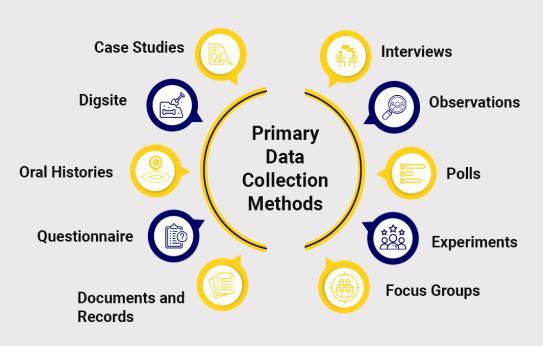
Thisresearchemploysamixed-methodsapproach:
Primary Data:
Interviewsconductedwithimpacted households
Fieldobservationswithinresettlement colonies
Secondary Data:
Governmentpublications
Policydocuments
Scholarlyliterature
Sampling Method:
Purposivesamplingofimpactedfamilies
Tools Utilized:
Surveys
Caseanalysis
4. LITERATURE REVIEW
Previousresearchunderscores:
1. Cernea (2000): The dangers of displacement encompasslandlessnessandunemployment.
2. World Bank reports: Stress the importance of participatoryresettlementandrehabilitation(R&R) strategies.
3. Indian scholars: Identify deficiencies in policy executiondespiterobustlegalstructures.
4. Studies indicate that although policies have seen enhancements,theirimplementationcontinuestobe irregular.
The essential elements of the Right to Fair Compensation and Transparency in Land Acquisition, Rehabilitation and ResettlementAct,2013encompass:
1. SocialImpactAssessment(SIA)
2. Consentfromimpactedfamilies
3. Equitable compensation (up to four times the marketvalueinruralregions)
4. Resettlement packages (including housing, employment,andallowances)
5. Specificprovisionsforat-riskgroups
6. Additionalinitiativesinclude:
7. State-levelRehabilitationandResettlementpolicies
8. Urbanhousinginitiatives
9. Programsforlivelihoodsupport
Ahmedabad has experienced swift development through initiativessuchas:
MetroRail
RiverfrontDevelopment
Industrialexpansion
Theseinitiativesnecessitatedconsiderablelandacquisition anddisplacement.
Findings
PositiveImpacts:
Enhanced compensation relative to previous policies
Improvedhousingoptionsincertainresettlement zones
Accesstoinfrastructure(roads,electricity)
NegativeImpacts:
Erosionoftraditionallivelihoods
Insufficientjobopportunities
Socialdislocation
Holdsincompensationdistribution
CommunityResponse:
Variedlevelsofsatisfaction
Initialresistance
Gradualadaptationovertime
Ineffectiveexecutionofpolicies
Postponementincompensationdisbursements
International Research Journal of Engineering and Technology (IRJET) e-ISSN: 2395-0056
Volume: 13 Issue: 05 | May 2026 www.irjet.net p-ISSN: 2395-0072
Insufficientawarenessamongimpactedindividuals
Inadequaterestorationoflivelihoods
Fragilemonitoringsystems
Socialandculturalupheaval
TheLARRActof2013marksacrucialadvancementin safeguarding the rights of displaced individuals. Nevertheless, the case study from Ahmedabad indicates that there are still gaps in implementation that impact results. Although there have been enhancementsincompensationmechanisms,theareas of livelihood restoration and social integration still requiresignificantimprovement.Toensuresustainable rehabilitation, it is vital to focus on effective policy execution, engage community participation, and maintainongoingmonitoring.
The researcher extends appreciation to academic mentors,participantsfromimpactedcommunitiesin Ahmedabad, and organizations that contributed essentialdataandassistanceforthisresearch.
10. REFERENCES
1. GovernmentofIndia(2013),LARRAct
2. World Bank Reports on Involuntary Resettlement
3. Cernea, M. (2000), Risks and Reconstruction Model
4. PlanningCommissionReports
5. JournalarticlesondisplacementandR&R