
International Research Journal of Engineering and Technology (IRJET) e-ISSN: 2395-0056
Volume: 13 Issue: 04 | Apr 2026 www.irjet.net p-ISSN: 2395-0072
DEVELOPMENT OF SUSTAINABLE BONDING AGENT TO IMPROVE PLASTIC WASTE-CEMENT PASTE ADHESION IN CONCRETE
S. Ahsun Kabeer1, Ghanshyam Pal2, Seema Jagtap3
1M. Ahsun Kabeer, Dept of Civil Engineering, Thakur College of Engineering Kandivali, Maharashtra, India
2Ghnashyam pal, Dept of Civil Engineering, Thakur College of Engineering Kandivali, Maharashtra, India
3SeemaJagtap, Dept of Civil Engineering, Thakur College of Engineering Kandivali, Maharashtra, India
Abstract The fast increase in waste or e-waste is a big problem for the environment. This is especially true because of plastics like Acrylonitrile Butadiene Styrene or ABS and High-Impact Polystyrene or HIPS that come from keyboards. These plastics do not break down easily. Do not mix well with cement.
The electronic waste plastics have characteristics that make it hard for them to bond with materials. This study is about a product called Eco-Derived Adhesion Promoter or EDAP. The Eco-Derived Adhesion Promoter is made from a kind of epoxy resin that comes from natural sources. It helps waste plastic and cement work together better.
People looked at how strong the waste plastic and cement mixtures were. They tested how much weight the mixtures could hold how much they could bend and how well they stuck together. They also used tools to look at the tiny structure of the mixtures. The results showed that the electronic waste plastic mixtures that were treated with Eco-Derived Adhesion Promoter were stronger. They could hold weight bend more and stick together better than the mixtures that were not treated.
The special tools showed that the mixtures had a bond, between the electronic waste plastic and the cement. This is because the Eco-Derived Adhesion Promoter helped the waste plastic and the cement work together. The findings of this study are important because they show that electronic waste plastic can be used in a way. The Eco-Derived Adhesion Promoter makes it possible to use waste plastic in construction, which helps the environment and supports the idea of reducing waste.
Keywords E-waste management, Acrylonitrile Butadiene Styrene (ABS), High Impact Polystyrene (HIPS), Eco-Derived Adhesion Promoter (EDAP), polymer-cement composites, mechanical properties
I.INTRODUCTION
1.1. Introduction to Eco-Derived Adhesion Promoter (EDAP)
The speed at which technology is moving forward is causingahugeincreaseinelectronicdevicesbeingthrown awayall over the world. TheGlobal E-WasteMonitor says that in 2023 weare getting rid of about 59 million tonnes of waste every year and about one-fifth of this waste is made of plastic. A lot of this waste comes from computer parts like keyboards and screens which are made from
strong plastics like Acrylonitrile Butadiene Styrene and High-ImpactPolystyrene.Thesematerialsareveryhardto break down so when we throw them away, they can hurt theenvironment.
At the time the construction industry is using a lot of the worlds natural resources, which is causing problems. It uses 40% of all resources and makes about 8% of all the bad carbon emissions, which is mostly from making cement.Thisshowsthatweneedtofindwaystobuildthat arebetterfortheenvironment.
One way to solve both of these problems is to use electronicwastetomakenewbuildingmaterials.Itishard to mix old plastics with cement because they do not stick together well. The plastic does not like water. The cement needswatersotheydonotworkwelltogether.Thismeans thatthematerialwemakeisnotstrong.
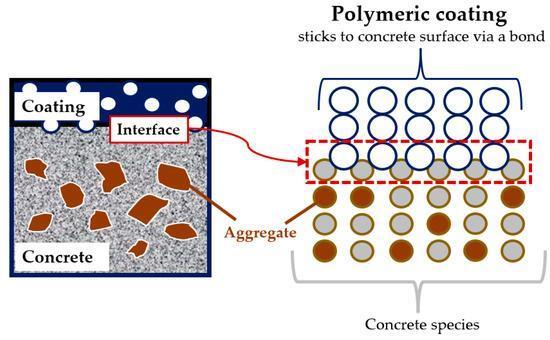
To fix this problem we are trying to make a helper called an Eco-Derived Adhesion Promoter. This helper is made from a kind of epoxy that comes from nature and it will help the old plastic stick to the cement. We hope that this will helpus makebuilding materialsthataregood,for the environmentanduseoldelectronicwasteina responsible way.Thiswaywecanhelpkeep the earthcleanandmake constructionmoresustainable.
1.1.1. Need for suitable alternative
The construction industry is growing worldwide. This growth,combinedwiththeavailabilityofnaturalresources and the increasing amount of waste makes it essential to develop materials that are both strong and environmentally friendly. Using waste from electronic
International Research Journal of Engineering and Technology (IRJET)
Volume: 13 Issue: 04 | Apr 2026 www.irjet.net
devices in cement-based materials offers two significant benefits.
Firstly reusing -biodegradable plastic waste reduces the amount of waste sent to landfills, which in turn decreases environmental pollution and long-term damage to ecosystems. Secondly using plastic instead of raw materialshelpsconservenaturalresourcessupportingthe ideaofacirculareconomywherematerialsarereusedand recycled.
However, adding untreated plastic waste from electronic devices to cement-based materials poses technical challenges. The smooth surface of these plastics and their non-reactivenaturemakeitdifficultforthemtobondwell withthecement.
This poor bonding creates gaps inside the material. Reducesitsstrength.Previousstudieshaveshownthatthis can decrease strength by 15 to 30%. To overcome this challenge this research project focuses on developing a surfacetreatmentusingnaturalmaterials.
This treatment aims to improve the bonding between the waste and the cement enhancing the overall performance of the material. By using waste and natural surface treatments this project seeks to create stronger more sustainable materials, for construction. The goal is to supportaneconomyandreduceenvironmentalimpact.
1.2. Background
1.2.1
E-Waste Plastics and Environmental Concern
The world isproducing a lotof waste.Everyyear, then 59 million tonnes of electronic waste are generated globally. This waste includes plastics from computers like Acrylonitrile Butadiene Styrene (ABS) and High-Impact Polystyrene (HIPS). These plastics do not break down easily. Can harm the environment if not disposed of properly.Weneedtofindwaystorecycletheminaway.
1.2.2 E-Plastic Aggregates in Cement Composites
Usingwasteplasticsinconcreteisbeingexploredasaway toreducewasteandconserveresources.However,studies have shown that adding plastics to concrete can make it weaker.Thisisbecausethe plasticsdonotbondwellwith the cement. The shape and surface of the plastics also makeitharderforthemtoworkwellwiththecement.Asa result,theconcretemaynotbeasstrongwithsomestudies showinga15-30%decreaseinstrength.
1.2.3 Surface Treatment Approaches
Researchers have tried methods to improve how plastics bond with cement. These methods include roughening the surface of the plastics using chemicals and adding other materials like silica fume and fly ash. Some of these methods have been shown to work. They often use chemicalsthatcanharmtheenvironment.
1.2.4 Bio-Based Epoxy Resins as Green Bonding Agents
Bio-based epoxy resins are being developed as an environmentally friendly alternative to traditional adhesives. These resins are made from materials like vegetable oils and can improve the bonding between plasticsandcement.Theyhavefunctionalgroupsthathelp thembondwellwithbothplasticsandcement.
1.2.5 Research Gap
Although there is growing interest in using plastic aggregates in concrete there is still a lot to be learned about using bio-based adhesion promoters specifically designedfor e- plastic-cementsystems. Thisstudyaimsto fill that gap by developing an Eco-Derived Adhesion Promoter(EDAP)basedon-modifiedepoxyresin.Thegoal is to improve the bonding, between plastics and cement make the concrete stronger and promote construction practices.
1.3.
Significance of the project
1.3.1
Environmental Perspective
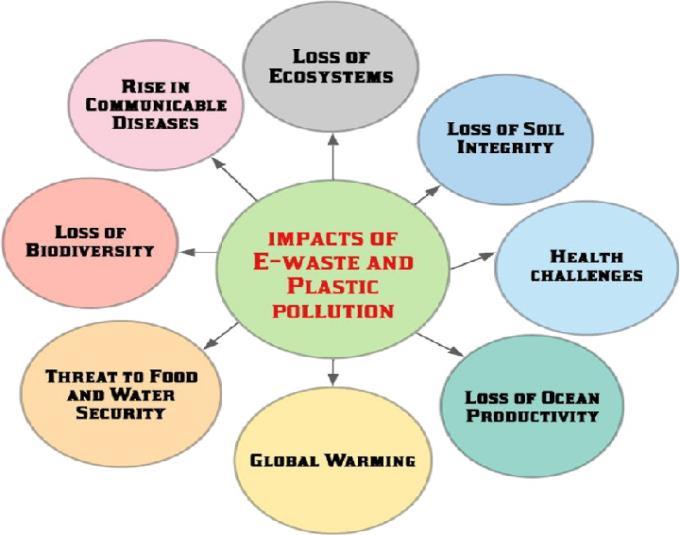
Indiaisoneoftheproducersofelectronicwastegenerating over 1 million tonnes every year.. Only a small part, less than 20% is recycled properly. The rest, which is mostly made of plastic that does not break down ends up in landfills where it stays for a time. This waste slowly releaseschemicalsintothe soilandwateraroundit.Using thesematerialstomakecement-basedcompositesisaway to reduce waste and help the United Nations achieve its goals especially when it comes to new industries, sustainablecitiesandusingresourceswisely.
1.3.2 Resource Efficiency
When we use plastic to replace some of the regular materials in cement, we need less cement to make the sameamountofcomposite.Thismeansweuseenergyand
International Research Journal of Engineering and Technology (IRJET) e-ISSN: 2395-0056
Volume: 13 Issue: 04 | Apr 2026 www.irjet.net p-ISSN: 2395-0072
produce less carbon dioxide, which is good for the environment. Also, plastic is lighter than materials so it helps make lighter composites. This is useful for building things that do not need to be very strong, like walls that divide rooms pavement blocks and panels that fill in spaces.
1.3.3 Technological Innovation
ThisstudyisaboutaproductcalledEco-DerivedAdhesion Promoter or EDAP for short. It is a coating made from plants that helps cement and plastic stick together well. Unlike products that are made from petroleum EDAP is safefortheenvironmentdoesnotharmpeopleandcomes from renewable sources. Using EDAP makes the cement composite stronger in ways, which is a big improvement. Electronic waste, like computers and phones can be used to make these composites, which helps reduce electronic waste and supports the United Nations goals, such, as sustainable development and responsible consumption of resources.
1.4. Research Objective
1. To develop an eco-friendly bonding agent enhancing adhesion between plastic waste particles and cement paste.
2. To study the influence of this bonding agent on mechanicalanddurabilitypropertiesofconcrete.
3. To promote sustainable use of plastic waste in civil engineeringapplications.
1.5.ScopeandProblemDefinition
This study is about making something in a laboratory. We are working with plastic waste and trying to make it stick to cement. The problem is that old plastic waste does not mix well with cement becauseone is waterloving and the otherisnot.Whenwemixthemtogether,theydonotstick well.Thematerialisnotstrong. We are not looking athow this worksin the real world or how it will last over time. Those things are for another study.
The old plastic waste we are using is from things like computers and televisions. It is very hard to make it stick to cement. Most of the ways we treat the surface of the plastic waste now are not good for the environment. We need to find a way to make it stick that is good for the environment.
That is why we made something called the Eco-Derived AdhesionPromoter.TheEco-DerivedAdhesionPromoteris a helper that makes the old plastic waste stick, to the cement. We think the Eco-Derived Adhesion Promoter is a solution because it is natural and renewable. The EcoDerived Adhesion Promoter can help us use plastic waste to make new building materials.This isa deal because we can help the environment by using old plastic waste and theEco-DerivedAdhesionPromoter.
II.LITERATURE SURVEY
2.1.
Literature Review
The utilization of recycled plastic waste within cementitious composite systems has steadily gained prominence as a research priority in the field of sustainable civil engineering. Over the preceding two decades, considerable scientific effort has been directed toward investigating a range of surface modification methodologiesandinterfacialcouplingstrategiesaimedat improving the physicochemical compatibility between hydrophilic cement matrices and hydrophobic polymeric inclusions. While meaningful advancements have been achieved,thesimultaneousattainmentofstronginterfacial adhesion, uniform aggregate dispersion, and long-term composite durability continues to represent a formidable scientificandtechnologicalchallenge.
This chapter presents a comprehensive review of existing studieson
(1)theuseofe-wasteplasticsincementcomposites. (2)epoxy-basedandbio-derivedadhesionpromoters. (3)methodsusedtoevaluatecompositeperformance. The objective is to highlight the limitations of current solutions and establish the need for developing a specialized eco-derived adhesion promoter for improved performanceine-waste-basedcementsystems.
2.2. Literature Survey
[1] Gupta et al. Studied the use of keyboard plastic as a replacement for fine aggregate in cement mortar. They found that using 10% keyboard plastic reduced the compressive strength by 20%. However, it made the mix easier to work with. Reduced the overall weight. The problem was that the plastic did not bond well with the cement,whichmadeitweaker.
Guptaetal.Discoveredthatusingkeyboardplasticisgood forreducingweightandwastebutithassomedrawbacks. Theplasticdoesnotstickwelltothecement,whichmakes itweaker.
[2]Liu and Feng looked at using ewaste plasticpowderin cement. They found that it reduced the strength by 1525%.Thereasonwasthattheplasticpowderdidnotstick welltothecement.Thesurfaceofthepowderwassmooth anddidnotreactwiththecement,whichmadeitweak.
International Research Journal of Engineering and Technology (IRJET) e-ISSN: 2395-0056
Volume: 13 Issue: 04 | Apr 2026 www.irjet.net p-ISSN: 2395-0072
Liu and Feng realized that the plastic powder needs to be treated before it can be used in cement. This will help it stickbettertothecementandmakeitstronger.
[3]Pradhanetal.Studiedtheuseofwasteplasticfibersin self-compacting concrete. They found that the fibers helped prevent cracks.Reduced the compressive strength The fibers acted like bridges that stopped the cracks from spreading. However, they also made the cement matrix weaker.
Pradhanetal.Foundthatusingwasteplasticfibershasits prosandcons.Ithelpspreventcracks.Makestheconcrete weaker.
[4]Subramanian etal.Createdahybridcementcomposite using 5% e- plastic and silica fume. They found that the silica fume helped improve the bond between the plastic and the cement. The hybrid mix was 10% stronger than themixwithplastic.
Subramanian et al. Discovered that using silica fume with e- plastic can make it stronger. The silica fume helps the stickbettertothecement.
[5] Yadav et al. Studied the effect of alkali-based chemical treatment on ABS plastic flakes. They found that the treatment made the surface of the plastic rougher, which helpeditstickbettertothecement.Thetreatedplasticwas 9%strongerthantheplastic.
Yadav et al. Realized that treating the plastic surface can make it stick better to the cement. This can make the concretestronger.
[6]Ahmadetal.UsedsilanecouplingagentstotreatHDPE plastic particles. They found that the treatment improved the bond between the plastic and the cement. The treated plastic was 6-8% stronger than the plastic. However, the treatmentprocesswasnotenvironmentallyfriendly.
Ahmad et al. Discovered that using silane coupling agents can make the plastic stick better to the cement. However, theprocessisnotgoodfortheenvironment.
[7] Kumar and Patel studied the use of epoxy resin as a surface coating for e- plastic aggregates. They found that thecoatingimprovedthebondbetweentheplasticandthe cement. The coated plastic was 10% stronger than the plastic.However,theepoxyresinwasnotenvironmentally friendly.
Kumarand Patel realizedthatusingepoxyresincanmake the plastic stick better to the cement. However, it is not goodfortheenvironment.
[8] Sharma et al. Studied the use of polyurethane coatings onrecycledplasticaggregates.Theyfoundthatthecoating improved the bond between the plastic and the cement. Made the concrete more brittle. The coating was not consistentwhichmadetheweaker.
Sharma et al. Discovered that using polyurethane coatings canmaketheplasticstickbettertothecement.However,it canalsomaketheconcretemorebrittle.
[9]Basheeretal.Usedplasmasurfacetreatmenttomodify waste plastic aggregates. They found that the treatment improved the bond between the plastic and the cement. However, the process was not scalable and required equipment.
Basheeretal.Realizedthatusingplasmasurfacetreatment canmaketheplasticstickbettertothecement.However,it isnotpracticalforlarge-scaleuse.
[10] Wong et al. Proposed a solvent-activated coating system for waste plastic aggregates. They found that the coating improved the bond between the plastic and the cement. However, the coating process was not environmentallyfriendly.
Wong et al. Discovered that using a solvent-activated coating system can make the plastic stick better to the cement.However,itisnotgood,fortheenvironment.
[11] Tan and Rahman in 2016 made an epoxy resin from soybean oil. They said it could replace epoxy made from Bisphenol-A. This new resin worked as well as regular epoxy but was better for the environment. They showed that epoxy made from oil can work just as well as regular epoxy.
[12]Zhangetal.In2017lookedatepoxymadefromcastor oil. They used it as a coating between steel and cement. This epoxy worked better in temperatures than regular epoxy. It also stuck well to both steel and cement. They saiditcouldbeusedwherestrongbondingisneeded.
[13]Nairetal.In2018 madeepoxy fromlignin.Theysaid it was good for the environment. This epoxy worked well. Had80%lessbademissionsthanregularepoxy.Theysaid itcouldbeusedwherebeinggreenisimportant.
[14] Mehta et al. In 2019 looked at epoxy made from cardanol. They used it as a coating in cement. Cardanol helps the coating stick to cement and plastic. They said it workedwellandwasgoodfortheenvironment.
[15]Aminetal.In2020addedspecialclayparticlestobioepoxy. This made the epoxy stick better to cement. It also madeitstrongerwhenwet.Theysaiditwasawaytomake bio-epoxyworkbetter.
[16]Parketal.In2021lookedathowtemperatureaffects bio-epoxy. Theysaid60°C wasthetemperaturetomakeit strong.Ifit’stoohotortoocolditdoesn'twork well.They gaveguidelinesonhowtousebio-epoxy.
[17] Das and Singh in 2022 made an epoxy from palm oil andglycerol.Theysaiditworked22%betterthanepoxy.It
International Research Journal of Engineering and Technology (IRJET) e-ISSN: 2395-0056
Volume: 13 Issue: 04 | Apr 2026 www.irjet.net p-ISSN: 2395-0072
stuck well tocement becauseof itsmix.Theysaiditcould replaceepoxy.
[18] Li and Chen in 2018 looked at how cement and polymer work. They said it's about how well they mix. If theydon'tmixwell,itcanbeweak.Theysaidit'simportant tomakesuretheymixwell.
[19] Marques et al. In 2020 looked at how epoxy coating works with cement. They said it makes a bond. They saw thatepoxygoesintotheporesoftheaggregateandmakes itstrong.Theyalsosawthatitformsbondswithcement.
[20]Hassanetal.In2021lookedathowpolymercoatings workwithcement.Theysaiditformsbonds.Theysawthat it makes the bond stronger and more durable. They said it's not, about sticking together but also about forming specialbonds.
[21] Ghosh and Reddy did a study in 2021. They used a kind of modeling to see how strong the bond is between polymerandcement.Theyfoundoutthatthesurfaceofthe polymer coating is very important. If the surface is more polaritmeansthepolymerandcementstickbetter.Thisis becausethemoleculesaremoreattractedtoeachother.So, when the surface polarity is higher the bond between the polymerandcementisstronger.
[22] Rajendran and his team did a study in 2022. They looked at how the roughness of the surface and the polar groups on the epoxy coating affect the bond between the epoxyandcement.Theyfoundoutthatbothofthesethings areimportant.The roughnesshelpsthe epoxyandcement lock together mechanically. The polar groups help them bond chemically. When the epoxy coating is both rough andhasalotofgroupsthebondisthestrongest.
[23]Othmanandhisteamdidastudyin2021.Theyadded epoxy to concrete to see how it affects its strength. They found out that adding an amount of epoxy makes the concrete stronger. This is because the epoxy fills in the poresandhelpsthepastebondtogether.Theepoxymakes theconcretemoreresistanttocompressionandflexure.
[24]Raoandhisteamdidastudyin2022.Theycompared the strength of concrete made with plastic aggregates and concrete made with epoxy-coated plasticaggregates.They found out that the epoxy-coated aggregates make the concrete stronger. However, the epoxy coating alsomakes it harder to mix the concrete. This is because the epoxy changes the surface of the aggregates and makes them moreviscous.
[25] Khalid and his team did a study in 2023. They tested the durability of concrete made with polymer and plastic aggregates. They found out that the concrete made with bio-treatedplasticaggregatesismoreresistanttoacidand
water. This is because the bio-epoxy treatment makes the bond, between the polymer and cement more stable. The treatment reduces the number of pores. Makes it harder foraggressiveagentstopenetratetheconcrete.
III.METHODOLOGY
3.1 Introduction
This study is about finding a way to make e-waste plastic stickbettertocement.Wewanttomakeamixturethatwill helpe-wasteplasticandcementpastesticktogether.Todo this we will take plastic clean it up and then use a special helpercalledEco-Derived AdhesionPromoter. Thishelper is made from a kind of epoxy that comes from natural things.
We will then mix the cleaned plastic with cement to see if our special helper works. We will test the mixture to see how strong it is. We will do lots of tests like squeezing it bendingitandpullingitaparttoseehowitholdsup.
We will also use tools like a super powerful microscope and a special light to look really closely at what is happening between the e-waste plastic and the cement. This will help us understand how well the e-waste plastic andcementarestickingtogether.
By doing all these tests we can find out if our special mixture is any good and if it is good for the environment. We can see if it is strong if it sticks well and if it is sustainable. This means we can find out if our e- plastic andcementmixtureisagoodsolution,forbuildingthings.
CollectionofE-wastePlastics(ABS,HIPS) ↓
CleaningandProcessing(Shreddingintoaggregates)
PreparationofEco-DerivedAdhesionPromoter(EDAP)
SurfaceTreatmentofPlasticAggregates(Coatingwith EDAP) ↓
DryingandCuringofTreatedPlastics
International Research Journal of Engineering and Technology (IRJET) e-ISSN: 2395-0056
Volume: 13 Issue: 04 | Apr 2026 www.irjet.net p-ISSN: 2395-0072
ConcreteMixDesign(Control+Treated+Untreated Samples)
CastingofSpecimens(Cubes,Cylinders,Beams)
CuringofSpecimens(7,14,28days)
MechanicalTesting:CompressiveStrength,Flexural Strength,SplitTensileStrength,BondStrength
MicrostructuralAnalysis:SEMAnalysis,FTIRAnalysis
ResultAnalysisandComparison
ConclusionandRecommendations
Figure 2: Flowchart
1. Collection of E-waste Plastics (ABS, HIPS)
E-waste materials such as discarded keyboards and electroniccomponentsarecollectedassourcesofABSand HIPSplastics.
2. Cleaning and Processing (Shredding)
The collected plastics are cleaned to remove impurities and then shredded into small aggregate-sized particles suitableforconcreteuse.
3. Preparation of EDAP
An Eco-Derived Adhesion Promoter is synthesized using bio-modified epoxy resin to act as a bonding agent betweenplasticandcement.
4. Surface Treatment of Plastic Aggregates
The shredded plastic aggregates are coated with EDAP to enhancesurfacepropertiesandimproveadhesionwiththe cementmatrix.
5. Drying and Curing of Treated Plastics
The coated aggregates are dried and allowed to cure properlytoensureeffectivebondinglayerformation
6. Concrete Mix Design
Different concrete mixes are prepared, including control (no plastic), untreated plastic, and EDAP-treated plastic mixesforcomparison.
7. Casting of Specimens
Concrete specimens such as cubes, cylinders, and beams arecastusingthepreparedmixesfortestingpurposes.
8. Curing of Specimens (7, 14, 28 Days)
The specimens are cured under standard conditions for different durations to achieve proper strength development.
9. Mechanical Testing
Variousstrengthtestsareconducted:
CompressiveStrength–toevaluateload-bearingcapacity
FlexuralStrength–toassessbendingresistance
SplitTensileStrength–tomeasuretensileperformance
BondStrength–toanalyzeadhesionbetweenmaterials
10. Microstructural Analysis
SEM(ScanningElectronMicroscopy)isusedtoobservethe interfacialstructureandbondingquality.
FTIR(FourierTransformInfraredSpectroscopy)isusedto identifychemicalinteractionsbetweenEDAPandcement.
11. Result Analysis and Comparison
Results of treated, untreated, and control samples are comparedtoevaluatetheeffectivenessofEDAP.
12. Conclusion and Recommendations
Final conclusions are drawn based on performance improvements, and recommendations are made for practicalapplicationsandfutureresearch.
IV.PLANNING AND DESIGN
4.1. Introduction
The completion of a research project relies on having a plan.Thisplanshouldcover choosingmaterials,designing experiments,managingresourcesandschedulingtasks.
For this study on creating an Eco-Friendly Adhesion Promoter for e- plastic-based cement composites we need to combine knowledge from polymer science, material analysisandcivilengineeringtestingtechniques.
This chapter outlines the plan and design of the study. It includes identifying the materials, tools and procedures needed. We also assess the feasibility outline the methodologyandcreateaprojecttimeline.
This timeline is shown in a Gantt chart. It ensures the research is done step-, by-step and stays within the scope and limits. The research project plan helps to ensure everythingrunssmoothly.
Volume: 13 Issue: 04 | Apr 2026 www.irjet.net
4.2. Project Planning
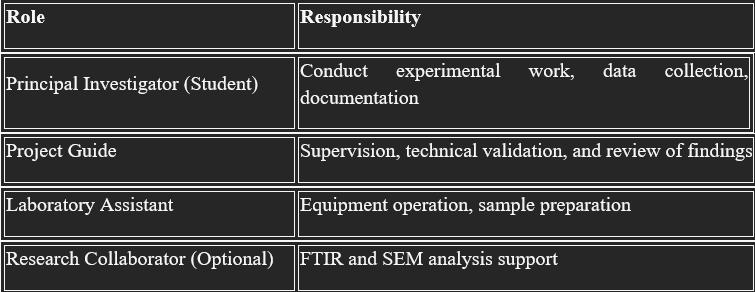
The planning of this research was done in a step-by-step way to ensure everything was done correctly data was collected accurately and the analysis made sense. This involved defining what the experiment would cover, getting all the necessary resources and finding the right tools and techniques needed for processing, testing and analyzingmaterials.Theentirestudywasdividedintofive phaseseachhelpingtoachievethemaingoalofimproving howwellplasticandcementsticktogetherinasustainable way.
1. Material Collection
Thefirstphasewasaboutgettingtherawmaterialsforthe study. Old electronic waste plastics, Acrylonitrile Butadiene Styrene (ABS) and High-Impact Polystyrene (HIPS)werecollectedfromdiscardeditemslikekeyboards andcomputerparts.Thesematerialswerechosenbecause they are commonly available in waste. The collected plastics were cleaned to remove any dirt and then broken down into uniform pieces that could be used in cement mixes.
2. Synthesis of Bio-Epoxy Adhesion Promoter
In the phase an environmentally friendly adhesion promoter was developed using bio-based epoxy resin. Plant-based oils or similar materials were used to make the resin ensuring it was sustainable. The process of making the resin was carefully controlled to get the propertiesliketherightthickness,goodcoatingabilityand strong bonding potential. This bio-epoxy system was designed to act as a connector between pieces and the cementmixture.
3. Surface Modification of E-Waste Plastic
The processed plastic pieces were then treated with the prepared bio-epoxy adhesion promoter. This involved coating the plastic particles to improve their surface. The treatment aimed to make the surface rougher and add groupsthatcouldinteractwithcementhydrationproducts. After coating theaggregates wereallowedtodryandcure ensuring the bonding layer formed properly before use in concrete.
4. Composite testing
In this phase concrete mixes were prepared using both treated and untreated plastic aggregates along with a control mix without plastic. Standard samples like cubes, cylinders and beams were. Cured under controlled conditions. Mechanical tests, including strength, flexural strength and split tensile strength were conducted at different curing ages to evaluate the performance of the composites and compare the effectiveness of the surface treatment.
5. Analytical Evaluation
The final phase involved an analysis of the results using advancedtechniques.ScanningElectronMicroscopy(SEM) was used to observe the microstructure and assess the qualityof bonding at the plastic–cement interface. Fourier Transform Infrared Spectroscopy (FTIR) was used to identify interactions and confirm the presence of functional groups responsiblefor adhesion. The combined results from testing and analytical studies were used to evaluate the overall effectiveness of the developed adhesionpromoter.
4.3. Resource Required
This study needed a range of materials, equipment and software tools to be successful. E-waste plastics, ABS and HIPSfromoldcomputerkeyboardswereusedasthemain recycled material. An eco-derived epoxy (EDAP) made fromepoxidizedsoybeanoilandaglycerol-basedhardener was used as the adhesion promoter. Ordinary Portland Cement (OPC 53 grade) river sand and crushed granite served as the constituents for concrete preparation while potable water was used for mixing. A polycarboxylatebased superplasticizer was added to improve workability. Testing and characterization were done using equipment like the Universal Testing Machine (UTM) SEM, FTIR spectrometer slump cone and Vicat apparatus. Additionally, software tools, like OriginPro, AutoCAD and MS Project were used for data analysis, schematic representationandprojectplanning.
Table 4.1. Resource Required
ResourceType Description/Specification
E-Waste
PlasticSource
Eco-Derived Epoxy(EDAP)
Cement
Discardedcomputerkeyboards(ABS andHIPSplastics)
Synthesizedfromepoxidizedsoybean oilandglycerol-basedhardener
OrdinaryPortlandCement(OPC53 Grade)
FineAggregate RiversandconformingtoIS383:2016
Coarse
Aggregate
Water
Additives
Testing Equipment
SoftwareTools
Crushedgranite,20mmnominalsize
Potablewater,pH7.0±0.5
Superplasticizer(Polycarboxylatebased)–0.8%byweightofcement
UniversalTestingMachine(UTM), FTIRspectrometer,SEM,slumpcone, Vicatapparatus
OriginPro(datavisualization), AutoCAD(schematics),MSProject (Ganttchartcreation)
Volume: 13 Issue: 04 | Apr 2026 www.irjet.net p-ISSN: 2395-0072
Table 4.3. Project Timeline
Phase Duration (Weeks)
Phase 1 1–3
Phase 2 4–6
Phase 3 7–9
Phase 4 10–12
Phase 5 13–17
Phase 6 18–21
Phase 7 22–24
Activity Description
Literature survey and theoretical framework formulation
Collection and classification of ewaste plastics
Synthesis of eco-derived epoxy (EDAP) and material characterization
Surface coating of e-plastic particles and curing optimization
Composite mix design trials and specimen casting
Mechanical and microstructural testing (compressive, tensile, flexural, SEM, FTIR)
Data analysis, report compilation, and presentation preparation
4.4. Scheduling
We made a schedule for the project to make sure everythingwentsmoothly.Wefinishedontime.Thewhole project was broken down into steps like collecting materials making the adhesion promoter treating the surfacegettingthespecimensready, testingand analyzing the results. Each step was given an amount of time to complete depending on how hard it was and what we needed to do it. We used a Gantt chart to plan and keep track of what we were doing which helped us see how things were going make sure everything was done in the orderandnotfallbehind.Thiswayofschedulinghelpedus use our time and resources wisely and made sure everything was consistent and accurate, throughout the project.
The whole research project was supposed to take 24 weeks, which's 6 months and it covered everything from reading books and articles to handing in the final report. We used MS Project to make a Gantt chart and keep track ofthetimeline.
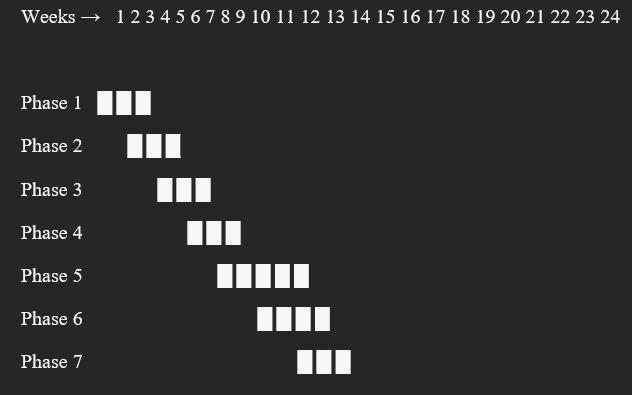
Figure
4.1. Project Timeline Gantt Chart
The project was divided into seven parts that were done over 24 weeks. This was done so that the work could be done in a way. The first part was about reading and understandingthebasics.Thenwe.Preparedthethingswe needed. After that we made the coating that helps things stick we treated the plastic and we made the concrete samples. On we tested the concrete to see how strong it wasandwelookedatitclosely.Wealsolookedatthedata. Madeareport.Doingtheprojectinstepslikethishelpedus useourtimewell.Madetheworkgosmoothly. The Gantt chart shows what we planned to do over 24 weeks. It shows what we did and how long it took. The chart helps us see how we are doing it helps us manage what needs to be done. It helps us finish the project on time.TheprojecttimelineandtheGanttchartaretools,for the project. They help us with the specimens and the adhesionpromoterandalltheotherpartsoftheproject.
Milestones:
Week3:Completionofliteraturesurvey
Week9:ValidationofEDAPsynthesis
Week17:Allmixproportionsfinalized
Week21:Datareadyforanalysis
Week 24: Final documentation and journal manuscript draft
4.5. Proposed System
Our proposed system is about making e-waste plastic aggregates and cement paste work better together. We do this by creating an Eco-Derived Adhesion Promoter or EDAPforshort.TheEDAPhelpse-wasteplasticaggregates andcementpastesticktogether.
WetakeplasticslikeABSandHIPSandtreattheirsurfaces with a special bio-based epoxy coating. This coating changesthesurfaceoftheplasticssotheycanbondbetter withcement.Thetreatedplasticaggregatesarethenadded
International Research Journal of Engineering and Technology (IRJET) e-ISSN: 2395-0056
Volume: 13 Issue: 04 | Apr 2026 www.irjet.net p-ISSN: 2395-0072
toconcrete.TheEDAPactsasakindofbridgebetweenthe plasticsurfaceandthecementpaste.
This bridge makes the bond between the plastic and cement stronger. Asa result,weget bonding, betweenthe plastic and cement fewer voids and concrete that is stronger.Thegoalofoursystemistoprovideawaytouse e-wasteplasticsinconstruction.
Itis a solution that maintainsstrength and durability. The e-waste plastics and EDAP make the concrete stronger. TheEDAPisapartofmakinge-wasteplasticsworkwellin construction. Our system helps to reuse e- plastics. The ewasteplasticsareturnedintosomething.
Table 4.4. Feasibility Assessment
Aspect Assessment Summary
Technical Feasibility
Economic Feasibility
Operational Feasibility
Environmental Feasibility
Laboratory-scalesynthesisofbio-epoxy isachievableusingexistingfacilities. Surfacecoatingandmixpreparation alignwithstandardcivillabprotocols.
EDAPcosts~25%lessthanpetroleumbasedepoxy;e-wasteplasticsare sourcedatzerocostfromlocalrecyclers.
Thecoatingandcuringprocessrequires minimalmodificationofstandard concreteproductionworkflows.
ReducesVOCemissionsby~90%and divertsnon-biodegradableplasticwaste fromlandfills.
Scalability Applicabletoindustrialconcrete batchingunitswithminoradaptation.
The proposed system makes sense in areas. It works well from a standpoint because we can make bio-epoxy and coat it using regular lab equipment and methods. The systemisalsoaffordable.Theepoxycostsless.Wecanget e-plasticsalmostforfree.
In terms of operations this method fits in well with how concretes usually made. It only needs a small change. The system is also good for the environment. It reduces VOC emissionsalot.Helpsusewaste.
The approach can be used in industrial settings, with only small changes. The proposed system is practical. Can be implemented in many areas. The proposed system works well.
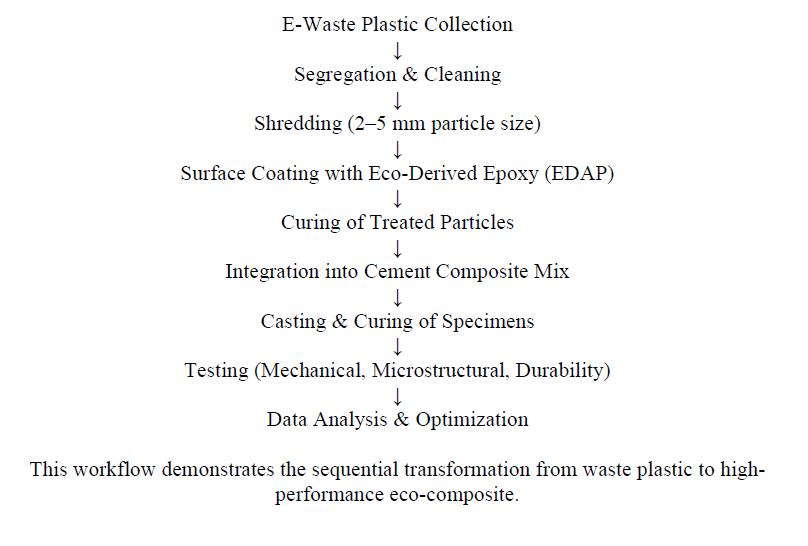
1. E-Waste Plastic Collection
Wecollecte-plasticslikeABSandHIPSfromoldelectronic itemssuchaskeyboardsandcomputerparts.
2. Segregation & Cleaning
The e-waste plastics we collect are sorted by type and cleanedtogetridofdustanddirtthatcanstopthemfrom bondingproperly.
3. Shredding
The e-waste plastics are broken down into pieces that are 2to5millimetersinsizewhichmakesthemgoodtousein concrete.
4. Surface Coating with EDAP
Thesmallpiecesofe-plasticarecoatedwithaspecialkind of epoxy called Eco-Derived Epoxy to make them bond better.
5. Curing of Treated Particles
Thecoatedpiecesarelefttodrysothattheepoxyformsa lastingbond.
6. Integration into Cement Composite Mix
The treated e- plastic pieces are mixed with cement and otherthings,likesandtomaketheconcretemix.
7. Casting & Curing of Specimens
We make blocks, cylinders or beams and let them dry undernormalconditions.
8. Testing
Wetesttheconcretetoseehowstrongitisandusetoolsto look at how well the e-waste plastic pieces are bonded togetherandhowlongtheywilllast.
International
Volume: 13 Issue: 04 | Apr 2026 www.irjet.net
5. Testing the New Concrete
9. Data Analysis & Optimization
We look at the test results to see how well the e-waste plasticconcreteworksandtrytomakeitbetter.
MaterialProcurement&Characterization
Surface
DataAnalysis&Optimization
Figure 4.3. Flowchart for the approach to solve the Problem
1. Preparing Materials
We start by collecting keyboards and other things that haveplasticlikeABSandHIPS. Weclean the plastictoget ridofdirtthenbreakitdownintopiecessotheyareallthe samesize. We dosome teststosee whattheplasticislike andweusesomethingcalledFTIRtoseewhattheplasticis madeofbeforewedoanythingtoit.
2. Making a Special Glue
Next,wemakeaspecialglueusingatypeofoilthatcomes from soybeans and a special kind of helper. We mix the glue and the helper together in a way to make it work reallywell.Wetestthegluetomakesureitisthethickness andthatitdriesattherightspeed.Thisisimportantsothe gluecansticktotheplasticpiecesandholdthemtogether.
3. Changing the Surface of the Plastic
We take the down plastic pieces and dip them in the special gluefora little whileabout5minutes.Then we let them dry in an oven at 60°C for 24 hours. This helps the glue stick to the plastic well. We use FTIR again to make suretheplastichaschangedandthattheglueisstucktoit.
4. Making a New Kind of Concrete
We make a kind of concrete using a recipe that is like the one used to make regular concrete but we add the special plasticpiecestoit.Weaddamountsofplasticlike0%,5%, 10% 15% and 20% to see how it affects the concrete. We makeshapeslikecubesandcylindersandletthemdry.
Wetesttheconcretetoseehowstrongitis.Wedothisby squeezing it and pulling it apart to see how force it can take. We also look at the concrete closely using a special machinetoseewhatitlookslikeontheinside.Wedosome teststoseehowwelltheconcretecanwithstandwaterand acid.
6. Looking at the Results
Finally,welookatalltheresultsfromourtests.Usespecial math to make sure they are correct. We compare our results to what other people have found to make sure we are, on the track. We use the results to figure out the way tomakethe newconcreteandhow well itworks.Welook at e- plastics and the special glue and the concrete to see howtheyallworktogether.
Table 4.5. Mix Proportion Detail
Component Quantity (kg/m³)
Cement 394
FineAggregate 722 CoarseAggregate 1125
Water 197
E-PlasticReplacement 5–20%offineaggregatevolume
Superplasticizer 0.8%byweightofcement Curing
The concrete mix was made with amounts to ensure it works well and is consistent. The cement used was 394 kilograms per meter. The fine and coarse aggregates used were 722 kilograms per meter and 1125 kilograms per cubicmeter.
Waterwasaddedtothemixat197kilograms,permeterto make it easy to work with. E-plastic aggregates replaced some oftheaggregate rangingfrom 5to 20percentof the totalvolumeoffineaggregate.
A special additive, a polycarboxylate-based superplasticizer
was added to the mix at 0.8 percent of the cement weight to make the flow better. All the concrete samples were kept in water for 28 days at a temperature of 27 degrees Celsius give or take 2 degrees to help them develop their strength.
Theconcretemixhadcement,fineandcoarseaggregates, and water added to it to achieve the mix. E-plastic aggregates and the superplasticizer were added to improvetheconcretesproperties.
International Research Journal of Engineering and Technology (IRJET) e-ISSN: 2395-0056
Volume: 13 Issue: 04 | Apr 2026 www.irjet.net p-ISSN: 2395-0072
V. IMPLEMENTATION AND EXPERIMENTAL SETUP
5.1. Introduction
This chapter explains how we put the proposed method into practice and set up experiments to test how well cement composites made with e- plastic and treated with the Eco-Derived Adhesion Promoter (EDAP) work. We go through each step from preparing materials and making a kind of epoxy to changing the surface of plastic bits and makingconcretesamples.
Thechapteralsodescribeshowwesetuptheexperiments, including how we mixed the materials cast the specimens cured them and tested them to see how strong, detailed and durable they are. We followed lab procedures and rules to make sure our results are accurate and reliable. Thissectionhelpsyouunderstandhowwecarriedoutthe proposedsystemandgotthedataforfurtheranalysis,with the Eco-Derived Adhesion Promoter (EDAP) and e-waste plastic.
5.2. Material and Equipment Setup
Table 5.1. Material Details
Material Specification/Source
E-waste plastics
Cement
ABSandHIPSfromdiscarded computerkeyboards,shreddedto 2–5mm
OrdinaryPortlandCement(OPC 53Grade)
Fine aggregate RiversandconformingtoIS 383:2016
Coarse aggregate
Crushedgranite,20mmnominal size
Water Potablewater,pH7±0.5
Eco-Derived Adhesion Promoter (EDAP)
Superplasticizer
Bio-basedepoxysynthesizedfrom epoxidizedsoybeanoil(ESO)and glycerol-basedhardener
Polycarboxylate-based,0.8%by weightofcement
Thepeopledoingthisstudypickedthematerialscarefully. Theywantedtomakesuretheresultswereconsistentand reliable. They used keyboards to get the plastics they needed.TheseplasticsarecalledABSandHIPS.Theybroke the plastics into pieces that were 2 to 5 mm, in size. They usedthesepiecesintheconcrete.TheyalsousedOrdinary Portland Cement, which's a type of cement and river sand and crushed granite. The water they used was clean and safetodrink.TheycontrolledthepHofthewatertoo.They addeda helpertomake the concretestick together better. ThishelperiscalledEco-DerivedAdhesionPromoter.They madeitfromsoybeanoilandaspecialhardener.Theyalso addedsomethingtomaketheconcreteeasiertoworkwith.
This thing is called a superplasticizer. It is based on polycarboxylate.
Table 5.2. Equipment Details
Equipment
Shredding Machine
Purpose / Use
To process e-waste plastics into 2–5 mm particles
Magnetic Stirrer To mix ESO and hardener for EDAP synthesis
Drying Oven / Curing Chamber
To cure coated plastics and maintain controlled temperature
Universal Testing Machine (UTM) For compressive, tensile, and flexural strength testing
Slump Cone Apparatus To determine workability of concrete mix
Vicat Apparatus For setting time determination of cement paste
FTIR Spectrometer To identify chemical bonding and functional groups
Scanning Electron Microscope (SEM)
To examine interfacial microstructure between cement and plastic
Theequipmentweuseinthisstudyisreallyimportantfor processingmaterialsgettingspecimensreadyandfiguring out how well they work. We use a shredding machine to break down e- plastics into small pieces that are all the same size, which is what we need for using them in concrete. The magnetic stirrer helps us mix epoxidized soybean oil and hardener properly when we are making theEco-DerivedAdhesionPromoterorEDAPforshortbut IwillcallitEco-DerivedAdhesionPromoteragainbecause thatiswhatitis.
We use a drying oven or a curing chamber to help the coated plastic particles dry under controlled temperature conditionssothattheyformabondbeforeweusethemin concrete.
The equipment we use like the Universal Testing Machine is used to test the properties of concrete including how strong itis whenwesqueezeit pull itand bendit. Weuse theslumpconetoseehoweasyitistoworkwithconcrete and the Vicat apparatus to find out how long it takes for cementpastetoset.
We also use tools, like the FTIR spectrometer and the ScanningElectronMicroscopetostudyhowtheplasticand cementarebondedtogetherandwhattheylooklikeunder a microscope at the plastic–cement interface, which is the areawheretheplasticmeetsthecement
All of this equipment including the shredding machine, magnetic stirrer drying oven Universal Testing Machine slumpcone,Vicatapparatus,FTIRspectrometerand
International Research Journal of Engineering and Technology (IRJET) e-ISSN: 2395-0056
Volume: 13 Issue: 04 | Apr 2026 www.irjet.net p-ISSN: 2395-0072
ScanningElectronMicroscopehelp us do our experiments accurately and thoroughly evaluate the composite system we are developing which is a system that combines differentmaterialsliketheplasticandcement.
VI. RESULT AND DISCUSSION
6.1. Introduction
This chapter presents the results obtained from the experimental investigation and provides a detailed analysis of the performance of e-waste plastic integrated cementcompositestreatedwiththeEco-DerivedAdhesion Promoter (EDAP). The results from mechanical testing, including compressive strength, split tensile strength, and flexural strength, are evaluated to understand the influenceofEDAP-treatedplasticaggregatesontheoverall behaviorofthecompositematerial.
Table 6.1. Effect of plastic replacement on workability and setting time
The compressive strength of the cement gets better and better as we add plastic to it. It is the strongest when we replace 25 percent of it with plastic. This tells us that the plasticparticlesweaddhelpthecementstickbetter.When we add 30 percent plastic the strength goes down a little. This is probably because there is much plastic and it messes up the mix.. The strength is still better, than the original mix. So it seems like replacing 25 percent of the cementwithplasticisthethingtodo.
Table 6.3. Flexural Strength of cement composites
As the percentage of plastic increases, the slump value gradually decreases, indicating a reduction in workability. This is mainly due to the low water affinity of plastic particles, which limits proper mixing. However, even at 25% replacement, the mix remains workable for practical use. Both initial and final setting times show a slight increase, suggesting slower hydration. Overall, the mix behaviorisacceptablewithinthestudiedrange.
An increasing trend in flexural strength is observed up to 25% replacement, showing improved resistance to bending. The enhancement can be linked to better interaction between cement paste and treated plastic aggregates. When the replacement reaches 30%, a slight drop occurs, possibly due to reduced matrix cohesion. Despitethis, thevalues remainabovethecontrol mix.The results highlight 25% as the optimum level for flexural performance.
Theresultsareevenbetterthanwhatotherpeoplehave found,whichshowsthattheEDAP treatment really works. When we add more than 25% of the EDAP-treated plastic
International Research Journal of Engineering and Technology (IRJET) e-ISSN: 2395-0056
Volume: 13 Issue: 04 | Apr 2026 www.irjet.net p-ISSN: 2395-0072
aggregatestheflexural strengthgoesdowna littlebit.This might be because there are many plastic particles, which canmakethecementnotworkaswellandcauseproblems with stress. With this small decrease the material still works much better, than plastic composites that have not been treated with EDAP. This means that the EDAP treatment is a way to make the flexural behaviour of the materialbetter.
Table 6.5. Durability test: Water Absorption Test Results
The split tensile strength increases with plastic addition and attains its maximum at 25%. This indicates improved resistance to crack formation and propagation. The bondingbetweenplasticparticlesandcementpasteplaysa key role in this improvement. At 30%, a minor decline is noticedduetohigherplasticcontent.However,theoverall performanceisstillbetterthantheconventionalmix. WhenweuseEDAP-treatedplasticaggregatesthestrength goes down a little bit. This might be because there are plastic particles that affect how well the material holds together.Evenwiththisreductiontheresultsarestillmuch better than when we use untreated plastic aggregates. When we look at the material closely like, with a special microscope called SEM we see that the plastic and cement stick together better and do not come apart as easily. This also shows that the treatment of the plastic aggregates is workingwellandmakingthematerialstronger.
When you add plastic to something it absorbs less water. The least amount of water is absorbed when the plastic content is 25%. This means the plastic helps stop water fromgettingin.Theplasticitselfdoes notabsorb water.It sticks together well. If you add a little plastic to 30% it absorbs a bit more water. This might be because holes form. Even then it still absorbs less water than it would without any plastic. So, using the amount of plastic makes thingslastlonger.
Table 6.6. Acid Resistance (Compressive Strength Retention % after 7 days in 5% HCl)
The material is better at handling acid when it has plastic in it. It does the job when it has 25% plastic. This means the material is not easy to get through and it can handle chemicals. When it has 30% plastic it gets a little weaker. Thisis probably because muchplasticmakes the inside of the material weaker. It still works better than the regular material so it lasts longer. The acid resistance of the material improves with plastic content and it is the strongest at 25%. The material becomes less easy to get through. Itcan handlechemicalsbetter. The material with 25%plasticisverygood,athandlingacid.
International Research Journal of Engineering and Technology (IRJET) e-ISSN: 2395-0056
Volume: 13 Issue: 04 | Apr 2026 www.irjet.net p-ISSN: 2395-0072
VII. CONCLUSION AND FUTURE SCOPE
7.1. Conclusion
1. An eco-friendly EDAP was successfully developed, improving bonding between plastic waste and cement by enhancinginterfacialcompatibility.
2. EDAP-treated plastics improved mechanical strength and durability, with optimum performance observed at ~15%replacement.
3. The study confirms effective utilization of e-waste plastics in concrete, promoting sustainability and supportingcirculareconomyinconstruction.
7.4. Future Scope
7.4.1 Scaling to Structural Elements
We need to check how well EDAP-based composites work instructuralpartslikebeams,slabsandpanels. Letssee how weight they canhold, how they fail and how theyperforminreallife.
7.4.2 Alternative Bio-Based Adhesion Promoters
We should look into plant-based resins like lignin, epoxy fromplantsandpolyphenols. We need to compare them to find the ones that're cheap andworkwell.
7.4.3 Integration with Advanced Cementitious Systems
We can use EDAP-treated plastics in self-compacting and fiber-reinforcedconcrete.
We have to check how it affects how easily it can be workedwithhowmuchitshrinksandhowitbehavesover time.
7.4.4 Environmental and Life Cycle Assessment
We must do a life cycle assessment to see how carbon it reducesandhowenergy-efficientitis. This will help us make it widely accepted and get sustainabilitycertification.
7.4.5 Durability under Extreme Conditions
We need to test how well it works in conditions, like freezing and thawing chemical attacks and sea water exposure.
We should validate the results with real-life studies to makesureitworksinpractice.
REFERENCES
[1] S. Soltaninejad, S. M. Marandi, and N. B. P., “Performance Evaluation of Clay Plastic Concrete of Cement and Epoxy Resin Composite as a Sustainable Construction Material in the Durability Process,” Sustainability,vol.15,no.11,Art.no.8987,2023.
[2]D.K.Dhanalakshmi,A.G.Alex,P.A.Jose,andR.Dinesh Kumar,“EffectofUsingRecycledE-WastePlasticasCoarse Aggregate with Supplementary Nano-fills in Concrete,”
InternationalJournalofConcreteStructuresandMaterials, vol.19,Art.no.44,2025.
[3]S.M.Meinathan,G.R.GuruPrasath,C.Jothilingam,and R.Yogesh,“EnhancingMechanicalCharacteristicsofPlastic WasteReinforcedFlyAshWithUseofEpoxyResin,” International Journal of Engineering Research & Technology(IJERT),vol.12,no.3,Mar. 2023.
[4] C. Pavlopoulos, A. Christoula, A. C. Patsidis et al., “Epoxy-SiliconCompositeMaterials from End-of-LifePhotovoltaicPanels,” Waste and Biomass Valorization,vol.14,pp.33913400,2023.
[5] R. M., M. L., and V. F., “Development of Bio-Based and Recyclable Epoxy Adhesives by Modification with Thermoplastic Polymers,” Polymers, vol. 17, no. 2, Art. no. 131,2025.
[6] S. Ha and J. W. Ko, “Bio-Adhesive Lignin-Reinforced EpoxyAcrylate(EA)-BasedCompositeasaDLP3DPrinting Material,”Polymers,vol.17,no.21,Art.no.2833,2025.
[7] S. G. Sabariraj and M. K. Gokul, “Preparation of EcofriendlyGreenCompositeMaterial,” International Journal of Engineering Research & Technology(IJERT),vol.3,Issue9,Sept. 2014.
[8] S. M. Kolosov, V. I. Sivetskii, E. P. Kolossova et al., “Use of Physicochemical Modification Methods for Producing Traditional and Nanomodified Polymeric Composites with Improved Operational Properties,” arXiv preprint arXiv:2509.02572,2025.
[9] X. Ibrahim S. Muhammad, “Development of Waste Polystyrene-Based Adhesive for Composite Material Applications,” World Journal of Engineering and Technology,vol.1,no.1,pp.4-6,2025.
[10] E. Öztürk, M. Kılınçel, G. Kabakçı, and A. Kömürcü, “Effects of Adhesive Type and Surface Preparation on the Mechanical Strength of Thermoplastic and CFRP Structures,” Gazi University Journal of Science Part C: DesignandTechnology,vol.13,no.2,pp.538552,2025.
[11] J. Tan and M. Rahman, “Epoxy Resin Derived from EpoxidizedSoybeanOil(ESBO) for Use in Polymer Composites,” Journal of Sustainable Polymers,vol.2016.
[12] Z. Zhang et al., “Castor-Oil-Based Epoxy as a Coating Material: Bonding and Hydrophilic–Hydrophobic Balance forCementitiousUse,”GreenMaterialsEngineering,vol. 2017.
[13] K. Nair et al., “Lignin-Based Epoxy for Polymer Composites: VOC Emissions and Adhesion Performance,” Bio-ResinsJournal,vol.2018.
[14] A. Amin et al., “Bio-Resins with Nanoclay Reinforcement: 18% Bond Strength Enhancement and
International Research Journal of Engineering and Technology (IRJET) e-ISSN: 2395-0056
Volume: 13 Issue: 04 | Apr 2026 www.irjet.net p-ISSN: 2395-0072
Moisture Resistance,” Eco Composites International, vol. 2020.
[15] H. Park et al., “Optimizing Curing Temperature for Bio-Epoxy Systems: Crosslink Density and Mechanical Performance,”AdvancedMaterialsInterfaces,vol.2021.
[16] R. Das and S. Singh, “Hybrid Green Epoxy Using Palm Oil and Glycerol: 22% Adhesion Strength Increase Compared to Petroleum-Based Systems,” Renewable Polymers,vol.2022.
[17] D. Li and Y. Chen, “Interfacial Transition Zone (ITZ) Characteristics in Cement– PolymerSystems,” Cement & ConcreteComposites,vol.2018.
[18] M. Marques et al., “SEM and EDS Characterization of theBondLayerbetweenEpoxy38 Coated Aggregates and Cement Paste: C–O–Si Bridge Formation,”MaterialsCharacterization,vol.2020.
[19] A. Hassan et al., “FTIR Identification of Carbonyl and HydroxylGroupFormationIndicativeofChemicalCoupling between Polymer and Cement Hydrates,” Construction MaterialsToday,vol.2021.
[20] S. Ghosh and K. Reddy, “Modeling Interfacial Shear Strength Improvements using Cohesive Zone Modeling (CZM)inPolymer-CementSystems,”JournalofMaterialsin Civil Engineering,vol.2021.
[21] R. Rajendran et al., “Epoxy Surface Roughness and PolarFunctionalGroupsGoverning Mechanical Interlocking and ITZ Continuity,” Composite Interfaces,vol.2022.
[22]X.Yadavetal.,“ChemicalPre-treatmentofABSFlakes using Alkali Solution: 9% Improvement in Strength due to IncreasedSurfaceRoughness,”ConstructionRecycling Journal,vol.2021.
[23] P. Ahmad et al., “Use of Silane Coupling Agents to EnhanceBondingbetweenHDPE ParticlesandCementPaste:6-8%StrengthImprovement,” Polymer-CementInterfaces,vol. 2016.
[24]N.KumarandS.Patel,“Petroleum-BasedEpoxyResin on E-Waste Plastics: 10% Compressive Strength & 15% Flexural Strength Improvement,” Journal of Construction Polymers,vol.2018.
[25] M. Sharma et al., “Polyurethane Coating on Recycled PlasticsinCementitiousMatrix: