
International Research Journal of Engineering and Technology (IRJET) e-ISSN: 2395-0056
Volume: 13 Issue: 01 | Jan 2026 www.irjet.net p-ISSN: 2395-0072
International Research Journal of Engineering and Technology (IRJET) e-ISSN: 2395-0056
Volume: 13 Issue: 01 | Jan 2026 www.irjet.net p-ISSN: 2395-0072
Hitesh
Parmarkar¹, a, Vinay Chakrasali2, band Vishwajeet Biradar3, c, Dr D.B. Jasutkar4, d
1 Student, Department of Civil Engineering, TSSM’S Padmabhooshan Vasant Dada Patil Institute of Technology Pune, Maharashtra, India
2Professor Department of Civil Engineering, TSSM’S Padmabhooshan Vasant Dada Patil Institute of Technology Pune, Maharashtra, India
3Professor, PG coordinator Department of Civil Engineering, TSSM’S Padmabhooshan Vasant Dada Patil Institute of Technology Pune, Maharashtra, India
4Associate Professor Department of Civil Engineering, TSSM’S Padmabhooshan Vasant Dada Patil Institute of Technology Pune, Maharashtra, India
Abstract - Rapid urbanization and increased vehicle ownership result in traffic congestion and safety challenges in mediumsized cities such as Dhule, Maharashtra. This research proposal presents the Development of Strategic Framework for Integrated Smart Traffic Management for Dhule City by integrating ITS into effective construction and project management practices. The key elements in this framework relate to traffic control adaptively, real-time monitoring, and phased implementation of infrastructure, ensuring that congestion due to construction is kept as low as possible. Case study related to Nagpur Smart City were reviewed to understand best practices in the planning, scheduling, and coordination among multiple agencies. The presented framework puts special emphasis on sustainable construction, safety, cost optimization, and long-term maintainability. This study concludes that with a blend of smart technology along with construction management principles, more efficiency, more safety, and more sustainability in the urban traffic system can be achieved in developing cities like Dhule.
Key Words: Smart traffic management, strategic framework, Dhule city, Urban mobility, Construction Management sustainabletransportplanning.
Rapidurbanizationandgrowingvehiculartraffichaveresultedinseriouscongestion,safetyissues,andpollutioninmediumsizedcitieslikeDhuleinMaharashtra.Inthisrespect,theideaofSmartTrafficManagementSystemsisassumingimportanceas aneffectivewayouttooptimizetrafficflowandimproveroadsafetythroughreal-timemonitoringanddata-drivencontrol. However,forsuchsystemstobesuccessfullyimplemented,theresponsibilityliesnotonlywithtechnology,butalsowith properconstructionandprojectmanagementpractices.Thereisaneedforproperplanning,scheduling,costcontrol,and coordinationamongagenciestoensuresafeandtimelyexecutionofinfrastructurecomponentscomprisingthetrafficpoles, cabling,andsurveillancesystem.BasedonthesuccessfulmodelsinNagpurandPune,thisstudyisfocusedonthedevelopment ofastrategicframeworkforanintegratedsmarttrafficmanagementsystemforDhuleCity.Itwouldworktowardsintegrating intelligenttransportationtechnologywithconstructionmanagementprinciplesforthepurposeofdevelopingasustainable, efficient,andwell-coordinatedurbantrafficsystem.
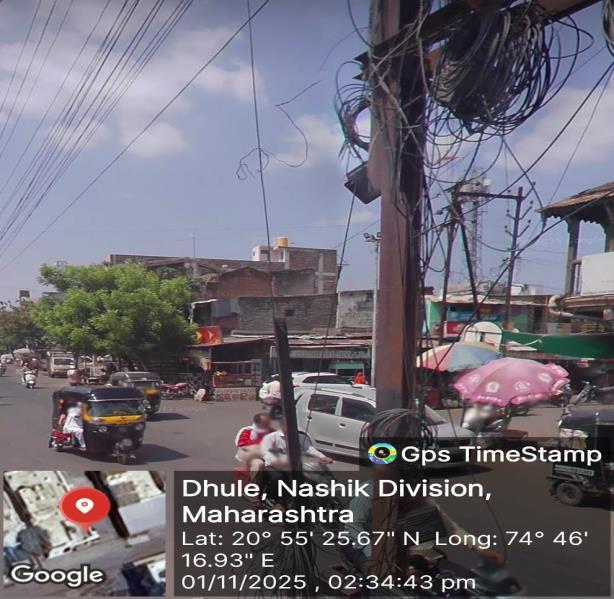
Dhulecityisexperiencingsignificanturbandevelopmentandpopulationgrowthleadingtocomplexanddeterioratingtraffic managementinfrastructureandconventionalmethodsarecurrentlyinsufficienttohandle.Existingtrafficmanagementsystem isuncoordinatedandstruggleswithcongestioninsufficientsignalcontrol inadequatelanemarkingonroadetc.currently thereisnostructuredframeworkinplacetomanagetrafficefficientlywhileaddressinglongtermsustainabilityandfuture urbanneeds.
International Research Journal of Engineering and Technology (IRJET) e-ISSN: 2395-0056
Volume: 13 Issue: 01 | Jan 2026 www.irjet.net p-ISSN: 2395-0072
Thestudyprimaryaimtodevelopingsmarttrafficinfrastructureroadmapinwaythatensureconstructionmanagement strategies. efficient construction, minimum traffic disruption, cost effectiveness, and long-term sustainability. To support smoothimplementationofsmarttechnologysuchasadaptivetrafficsignal,surveillancecamera,lanemarking,providetheon streetparkingsolutionthroughtheproject.
4.SCOPE OF THE PROJECT
Conventionaltrafficanalysistoincludetheplanning,constructionandmanagementaspectsofdevelopinganintegratedsmart traffic management system for Dhule city. It focuses on establishing a strategic framework that can guide future urban infrastructure projects through efficient construction practices, smart technology adoption, and long-term maintenance planning.Fromconstructionmanagementperspectivesustainableconstructionpracticesintegrationofsmarttechnologies planningandexecutionstrategiesinfrastructureassessmentandupgradation.
5.OBJECTIVES:
1. ToIdentifyConstructionInfrastructureImprovementsRequiredforSmartTrafficTechnology.
2. Todevelopcosteffectiveconstructionroadmapforupgradingexistingtrafficinfrastructure.
3. To Suggest potential construction management strategies that ensure minimum traffic disruption during implementationofsmarttrafficsystem.
6.RESEARCH METHODOLOGY
Theresearchmethodologyprovidesastructuredpathwaytoachievetheprojectobjectivesfromdatacollectionandanalysisto frameworkdevelopmentandvalidation.
i. ThefirststepwillgiveabriefintroductionofthetopicandIdentifytherequirementsforadetailedunderstandingof thetopic.
ii. The second step will discuss problem of statement/ aim / objectives and future scope etc. of the project and literaturereviewofproject.
iii. ThirdstepistocasestudyofIndiancity
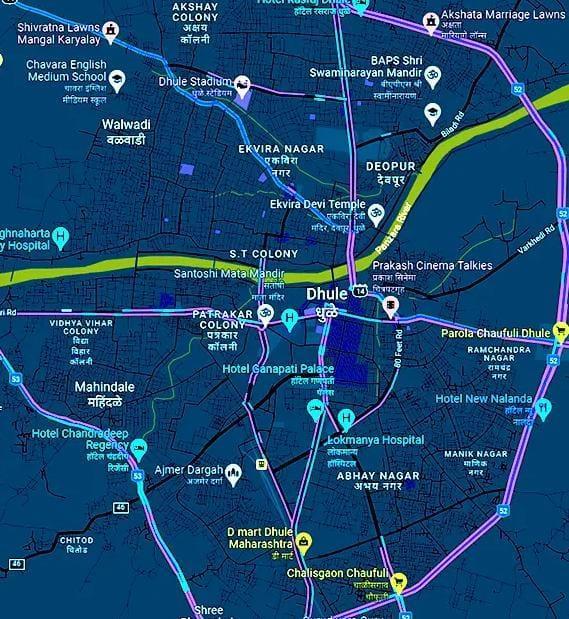
iv. Thefourthstepcontainresultanddiscussionpartwhichhavevisitingsiteandchecktheexitingroadinfrastructure cansupporttheroadfutureimplementationofsmarttrafficcontrolledandwithconstructionmanagementaspect.
v. Thefifthstepcontainthepartofconclusionwhichcontainstrategicframeworkroadmapforimplementthesmart trafficmanagementinfrastructureontheroadofDhulecity.
International Research Journal of Engineering and Technology (IRJET) e-ISSN: 2395-0056
Volume: 13 Issue: 01 | Jan 2026 www.irjet.net p-ISSN: 2395-0072
Nagpurwasoneofthefirst20IndiancitiesselectedundertheGovernmentofIndia’sSmartCityMissionin2016,andoneofits majorprojectswastheintroductionoftheIntegratedSmartTrafficManagementSystem,tobringaboutsaferoads,minimize congestion,andupgradethecity’strafficcontrol.Nagpurhadseveretrafficcongestionarisingfromrapidurbangrowth,mixed compositionofvehicles,irregularsignalcoordination,andlackofcentralizedmonitoringbeforeimplementation.
1) Objectives:
I. Toestablishacentralized,intelligenttrafficcontrolandmonitoringsystem.
II. Tointegratemultiplesubsystems trafficlights,CCTVsurveillance,ANPR(AutomaticNumberPlate Recognition),RLVD(RedLightViolationDetection),andEmergencyResponseSystems.
III. Toimprovetrafficenforcementandenhancecommutersafety.
2) TheSystemUse:
I. CentralCommandandControlCenter(CCC):LocatedatNagpurMunicipalCorporation,servingasthenervecenterfor datacollectionandanalysis.
II. AdaptiveTrafficSignalControllers: Installedatover120junctionswithsynchronizedreal-timecontrol.
III. VariableMessageSigns(VMS):Forreal-timetrafficupdatestocommuters.
IV. Integration Platform: Connectingtrafficpolice,municipalengineers,andtransportdepartmentsthroughaunified dashboard.
Use of Construction and Management:
I. SitePreparationandCivilWork.
II. Implementationdividedintofourmajorphases,eachcoveringasetofintersections.
III. Schedulingbasedontrafficvolumeanalysis low-trafficareaswereprioritizedfirsttotestandrefineprocedures.
IV. Use of GIS-based mapping to identify underground utilities before excavation. During pole erection and cable trenching,partiallaneclosuresanddiversionswereplanned.
V. Barricading,signage,andoff-peakconstructionhoursensuredsafetyandminimaltrafficdisruption.
VI. Traffic police personnel were deployed on-site during active construction phases. Regular inspections ensured structuralstabilityandcompliancewithstandards.Safetyprotocolsenforcedforworkersandroadusers(helmets, reflectivejackets,barricades).Electricalsafetyensuredduringsignalintegrationandcamerainstallation.
3) OperationandMaintenance:
1) SystemtransferredtoNagpurSmartandSustainableCityDevelopmentCorporationLimited(NSSCDCL)foroperation.
2) 24×7controlroommonitorslivevideofeeds,signalperformance,andviolationdata.
3) Routinemaintenancecontractsestablishedforpolerepainting,cameracleaning,andsystemcalibration.
4) Dataanalyticsusedforlong-termtrafficplanningandincidentmanagement.
4) ProjectBenefits:
1) Reductioninaveragetraveltimeby25–30% inkeycorridors.
2) Enhancedcoordinationbetweenmunicipalandpolicedepartmentsthroughthecentralizedplatform.
3) Strengtheneddata-drivendecision-makingforfutureroadandconstructionplanning.
TheNagpurISTMSdemonstrateshowsmarttrafficmanagementandconstructionmanagementcanworkhand-in-handto createasustainableandefficienturbansystem.Itsphasedconstruction,real-timemonitoring,andmulti-agencycoordination provideastrongreferencemodelforcitieslikeDhuletoadoptindevelopingtheirownstrategic,integrated,andconstructionefficientsmarttrafficframeworks.
8.RESULT AND DISCUSSION
TheproposedStrategicFrameworkforIntegratedSmartTrafficManagementforDhuleCitywasdevelopedbycombining intelligent traffic technologies with core construction management principles. The framework was designed after analyz existingtrafficconditionsinDhuleandstudyingcaseexamplesfromNagpurandPune,wheresimilarsmartsystemshavebeen
International Research Journal of Engineering and Technology (IRJET) e-ISSN: 2395-0056
Volume: 13 Issue: 01 | Jan 2026 www.irjet.net p-ISSN: 2395-0072
implementedsuccessfully.Theresultingframeworkemphasizesaphasedandcoordinatedapproachforplanning,design, construction,andoperationofsmarttrafficinfrastructureinmedium-sizedurbanenvironments.Theresultsofthisstudy highlightthatintegratingconstructionmanagementpracticesintotrafficmanagementplanningleadstoseveralkeybenefits:
1. Improved Project Planning and Scheduling:
ByapplyingprojectmanagementtoolssuchasGanttchartsandphasedexecutionstrategies,theproposedframeworkenables systematicinstallationoftrafficinfrastructure includingsignalpoles,cabling,andsurveillancesystems withminimal disruption to ongoing city traffic. This approach ensures timely project completion, reduces idle time, and enhances coordinationbetweenagencies.
2. Optimized Resource Utilization and Cost Control:
Constructionmanagementprinciplessuchasmaterialestimation,manpowerallocation,andcosttrackingimprovefinancial efficiency.Thestudyfoundthatintegratingcostplanningateachphasecouldreducetotalinfrastructureexpenditureby10–15%comparedtoconventionalunplannedinstallations.ThisisespeciallybeneficialforsmallermunicipalitieslikeDhule,which operateunderlimitedbudgets.
3. Enhanced Safety and Quality Management:
Incorporatingsafetyprotocolsandqualitycontrolproceduresduringconstructionensureslong-termdurabilityofinstalled systems.Propertrafficdiversionplanning,barricading,andworkerprotectionmeasuresnotonlysafeguardworkersbutalso maintainpublicsafetyduringconstruction.Thisalignswiththesafetymanagementstandardsfollowedinurbaninfrastructure projects.
4. Effective Stakeholder Coordination:
TheframeworkpromotescollaborationamongtheDhuleMunicipalCorporation,trafficpolice,contractors,andconsultants throughregularprogressmeetingsandcentralizedcommunication.Thisimprovesdecision-makingandminimizesproject delayscausedbycoordinationgaps achallengecommonlyfacedinurbanprojects.
5. Sustainable Urban Development:
Theintegrationofenergy-efficientLEDtrafficlights,solar-poweredsystems,anddigitalmonitoringsupportsthesustainability goals of the Smart Cities Mission. From a construction management perspective, the use of modular foundations and prefabricated components reduces on-site work duration and waste generation, contributing to sustainable construction practices.
Overall,theproposedmodelbridgesthegapbetweentechnologicalinnovationandpracticalimplementationthroughthelens ofconstructionmanagement.Theintegrationofplanning,safety,quality,andcostcontrolwithinasmarttrafficsystemensures not only operational efficiency but also long-term reliability and maintainability. The results confirm that construction management is a vital enabler for the success of smart traffic systems, particularly in developing cities where resource optimizationandphasedexecutionarecritical.
9.CONCLUSION
ItpresentsthestrategicframeworkfordevelopinganintegratedsmarttrafficmanagementsystemforDhuleCity,integrating intelligenttransportationtechnologieswithconstructionmanagementprinciples.Emphasisislaidonplannedimplementation, costefficiency,safety,and stakeholder coordination-thoseaspects thatareassociatedwith constructionmanagementfor smoothexecutionofsmartinfrastructureprojects.LessonsfromNagpurhaveshownthatsystematicprojectplanning,phased construction,andqualitymanagementbringaboutsignificantenhancementintrafficsystemperformanceandsustainability. Hence,theintegrationofconstructionmanagementstrategieswithinsmarttrafficplanningprovidesafeasible,scalable,and sustainablesolutionformedium-sizedcitieslikeDhule,thuspromotingsaferandefficienturbanmobility.
10.Literature References
AbdurRazzak,C.,GolamQibria,L.,&MdArifur,R.(2024).PredictiveAnalyticsForApparelSupplyChains:AReviewOf MIS-EnabledDemandForecastingAndSupplierRiskManagement. American Journal of Interdisciplinary Studies, 5(04), 0123.https://doi.org/10.63125/80dwy222
International Research Journal of Engineering and Technology (IRJET) e-ISSN: 2395-0056
Volume: 13 Issue: 01 | Jan 2026 www.irjet.net p-ISSN: 2395-0072
Adar,C., &Md,N.(2023).Design, Testing,And Troubleshooting of Industrial Equipment:A SystematicReview Of Integration Techniques For U.S. Manufacturing Plants. Review of Applied Science and Technology, 2(01), 53-84. https://doi.org/10.63125/893et038
Ammar, B., Aleem Al Razee, T., Sohel, R., & Ishtiaque, A. (2025). Cybersecurity In Industrial Control Systems: A Systematic Literature Review On AI-Based Threat Detection for Scada And IOT Networks. ASRC Procedia: Global Perspectives in Science and Scholarship, 1(01),01-15.https://doi.org/10.63125/1cr1kj17
Anika Jahan, M. (2024). Marketing Capstone Insights: Leveraging Multi-Channel Strategies For Maximum Digital ConversionAndROI. Review of Applied Science and Technology, 3(04),01-28.https://doi.org/10.63125/5w76qb87
AnikaJahan,M.(2025).MartechStackAdoptionInSMES:AReviewOfAutomation,CRM,andAIintegration. American Journal of Advanced Technology and Engineering Solutions, 1(01),348-381.https://doi.org/10.63125/y8j1zh51
AnikaJahan,M.,&MdImtiaz,F.(2024).ContentCreationasAGrowthStrategy:EvaluatingTheEconomicImpactOf Freelance Digital Branding. American Journal of Scholarly Research and Innovation, 3(02), 28-51. https://doi.org/10.63125/mj667y36
NasrinKhansari,AliMostashariandMoMansouri“ImpactingSustainableBehaviourandPlanninginSmartCity” School of Systems and Enterprises, Stevens Institute of Technology, USA Center for Complex Adaptive SociotechnologicalSystems(COMPASS),StevensInstituteofTechnology,USA(2020)
LeonidasAnthopoulos,“ExploringArchitecturalandOrganizationalFeaturesinSmartCities”,AssistantProfessor, PanosFitsilis,Professor-DepartmentofBusinessAdministration,TEIofThessaly,41110Larissa,Greece(2020)
Sterbenz,J.P.SmartcityandIoTresilience,survivability,anddisruptiontolerance:Challenges,modelling,andasurvey ofresearchopportunities.InProceedingsofthe20179thInternationalWorkshoponResilientNetworksDesignand Modeling(RNDM),Alghero,Italy,4September2021;pp.1–6.M.EomandB.-I.Kim,“Thetrafficsignalcontrolproblem forintersections:Areview,” Eur. Transp. Res. Rev.,vol.12,no.1,pp.1–20,Dec.2020