
International Research Journal of Engineering and Technology (IRJET) e-ISSN: 2395-0056
Volume: 13 Issue: 04 | Apr 2026 www.irjet.net p-ISSN: 2395-0072
International Research Journal of Engineering and Technology (IRJET) e-ISSN: 2395-0056
Volume: 13 Issue: 04 | Apr 2026 www.irjet.net p-ISSN: 2395-0072
Arun yadav1 , Rajeshwari khoshle2 , Sulekha Nishad 3 , Sachin Meshram4, Amit pandey5 1, 2 – B.TECH Scholar Chouksey Engineering College, Bilaspur 3, 4, 5 – Head of Department, Chouksey Engineering College, Bilaspur Department of Electronics & Telecommunication Engineering ***
Abstract - Microstrip patch antennas have become a preferred choice for modern wireless communication systemsduetotheircompactsize,lowprofile,andeaseof fabrication.Thispaperpresentsthedesignandsimulation ofamicrostrippatchantennaintendedfor5Gapplications. Theantennaisdesignedusingstandardtransmissionline models and simulated using electromagnetic simulation software.Keyparameterssuchasreturnloss,VSWR,gain, and radiation pattern are analyzed. The results demonstrate that the proposed antenna operates efficiently within the desired frequency band, making it suitable for next-generation wireless communication systems.
Keywords- Microstrip antenna, 5G communication, patch antenna, return loss, VSWR, radiation pattern, MATLAB, HFSS
Therapidevolutionofwirelesscommunicationsystems has created a strong demand for compact, efficient, and high-performanceantennas.Withtheemergenceoffifthgeneration (5G) technology, communication systems require antennas that can operate at higher frequencies while maintaining reliability and efficiency. Among the variousantennatypes,themicrostrip patchantennahas gainedsignificantattentionduetoitslow-profilestructure, easeofintegration,andcost-effectivefabrication.
A microstrip antenna typically consists of a metallic patchprintedonadielectricsubstrate,withagroundplane ontheoppositeside.Thepatchcanbedesignedinvarious shapes such as rectangular, circular, triangular, or elliptical, depending on the application requirements These antennas are widely used in wireless communication systems, satellite communication, radar systems, and modern mobile devices due to their lightweightandplanarnature.
One of the key advantages of microstrip antennas is their compatibility with integrated circuits and modern fabricationtechniques.Thismakesthemhighlysuitablefor compact and portable devices. However, despite these advantages, microstrip antennas also face certain limitationssuchasnarrowbandwidth,relativelylowgain, andsurfacewavelosses.Therefore,continuousresearchis
being carried out to enhance their performance by modifying design parameters, introducing slots, using advancedmaterials,andoptimizingfeedingtechniques.
In the context of 5G communication, antennas are expectedtooperateefficientlyinfrequencybandssuchas sub-6GHz(e.g.,3.5GHz)andmillimeter-wavebands(e.g., 28 GHz and above). Designing antennas for these frequenciesrequiresprecisecalculationofdimensionsand carefulanalysisofelectromagneticbehavior.Thisiswhere simulationtoolsplayacrucialroleinpredictingantenna performancebeforephysicalfabrication.
MATLABiswidelyusedinantennadesignandanalysis due to its powerful computational and visualization capabilities. It provides a flexible environment for performingmathematicalmodeling,parametercalculation, anddataanalysis.Inmicrostripantennadesign,MATLABis commonlyusedtocalculatekeyparameterssuchaspatch width,effectivedielectricconstant,andresonantfrequency using standard design equations. Additionally, MATLAB allowsengineerstoplotradiationpatterns,analyzereturn loss,andoptimizeantennaperformancethroughiterative simulations.
The integration of MATLAB with electromagnetic simulation tools such as HFSS or CST Microwave Studio furtherenhancesthedesignprocess.MATLABcanbeused for initial design and optimization, while full-wave simulatorsprovidedetailedelectromagneticanalysis.This combinedapproachreducesdesigntime,minimizeserrors, andimprovesoverallantennaperformance.
This work focuses on the design and simulation of a microstrip patch antenna using MATLAB for initial parametercalculationandanalysis.Theaimistodevelop an antenna that meets the requirements of modern wireless communication systems while addressing common challenges associated with microstrip antenna design. The study emphasizes accuracy, efficiency, and adaptabilityofthedesignforreal-worldapplications.
Microstrippatchantennashavebeenwidelyresearched forwirelesscommunicationsystemsduetotheircompact size, low profile, and ease of fabrication. With the emergence of fifth-generation (5G) communication,
International Research Journal of Engineering and Technology (IRJET) e-ISSN: 2395-0056
Volume: 13 Issue: 04 | Apr 2026 www.irjet.net p-ISSN: 2395-0072
significant research has focused on improving antenna performance in the sub-6 GHz frequency band, particularlyaround3.3–3.8GHz.
Earlystudiesonmicrostripantennasprimarilyfocused on single-band operation with limited bandwidth. However,moderncommunicationsystemsdemand higher bandwidth, improved gain, and multi-band capabilities.Researchershaveaddressedtheselimitations using various techniques such as slotting, substrate modification,andadvancedfeedingmethods.
Recent work has explored the impact of substrate materials and feeding techniques on antenna performance. For instance, studies comparing FR4 and low-losssubstrates(suchasRogersRT-Duroid)showthat whileFR4iscost-effective,low-lossmaterialssignificantly improvegainandefficiency.Differentfeedingtechniques like inset feed, coaxial feed, and quarter-wave feed have alsobeenanalyzedtooptimizeimpedancematchingand returnlossperformance.
Toenhancebandwidthandsupportmultiplefrequency bands, researchers have introduced slot-based and defected ground structures. A dual-band microstrip patch antenna using optimized slots and partial ground planesdemonstratedeffectiveoperationat 3.5 GHz and 5.2GHz,makingitsuitablefor5GandWLANapplications. These modifications increase the effective current path, thereby improving bandwidth and resonance characteristics.
3. Antenna Design Methodology
3.1 Design Specifications
OperatingFrequency:3.5GHz
DielectricSubstrate:FR4
DielectricConstant(εr):4.4
SubstrateThickness(h):1.6mm
3.2 Patch Dimensions
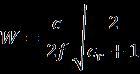
Thewidth(W)ofthepatchiscalculatedas:
Theeffectivedielectricconstant(εeff):

Theeffectivelength(Leff):

Theactuallength(L):

WhereΔLaccountsforfringingeffects.
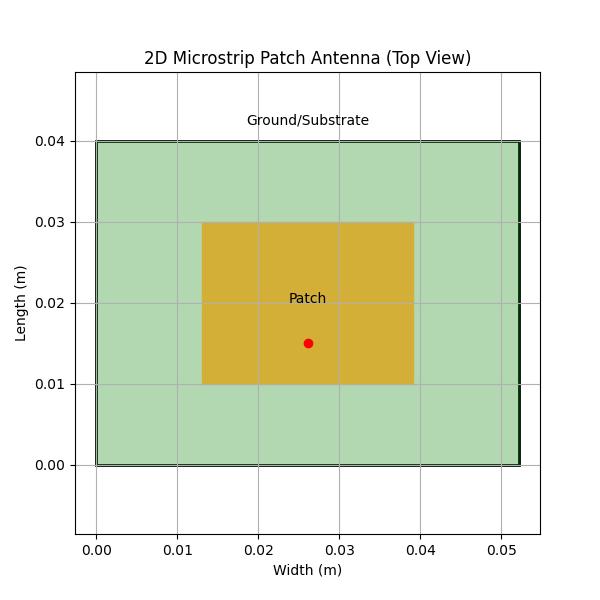
3.3 Antenna Structure
Theantennaconsistsof:
Rectangularpatch
Groundplane
Dielectricsubstrate(FR4)
Microstripfeedline
4. Simulation and Results 4.1 Return Loss (S11)
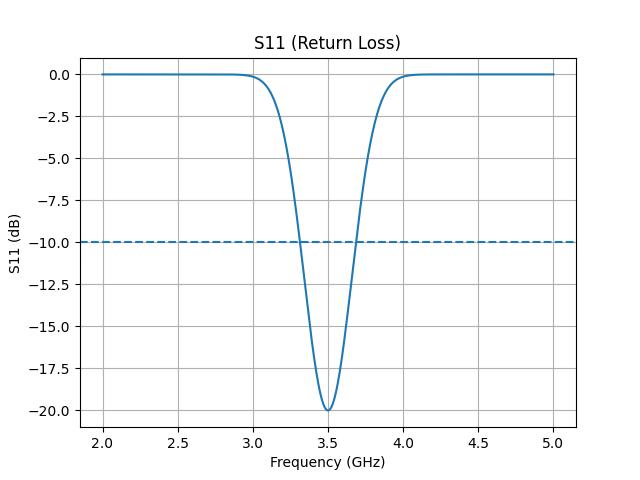
The S11 parameter indicates how well the antenna is matchedtothetransmissionline.Avaluebelow−10dBis consideredacceptable.
Observation:
TheantennaachievesS11≈−15dBat3.5GHz,indicating goodimpedancematching.
International Research Journal of Engineering and Technology (IRJET) e-ISSN: 2395-0056
Volume: 13 Issue: 04 | Apr 2026 www.irjet.net p-ISSN: 2395-0072
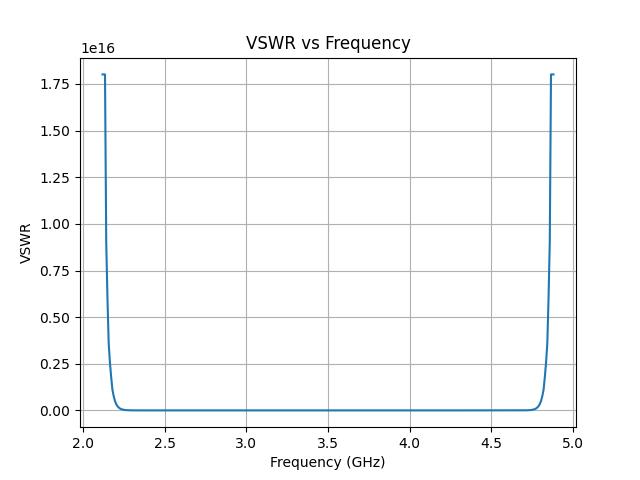
4.2 VSWR
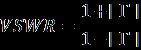
VSWRiscalculatedusing:
Observation:
VSWR≈1.5,whichiswithinacceptablelimits(<2).
4.3 Bandwidth
BandwidthisdefinedasthefrequencyrangewhereS11< −10dB.
Observation:
Theantennaachievesabandwidthofapproximately3–5%, suitableforsub-6GHzapplications.
4.4 Gain
Thegainoftheantennaisapproximately:
Gain ≈ 6–8 dBi
This is sufficient for short to medium range communication.
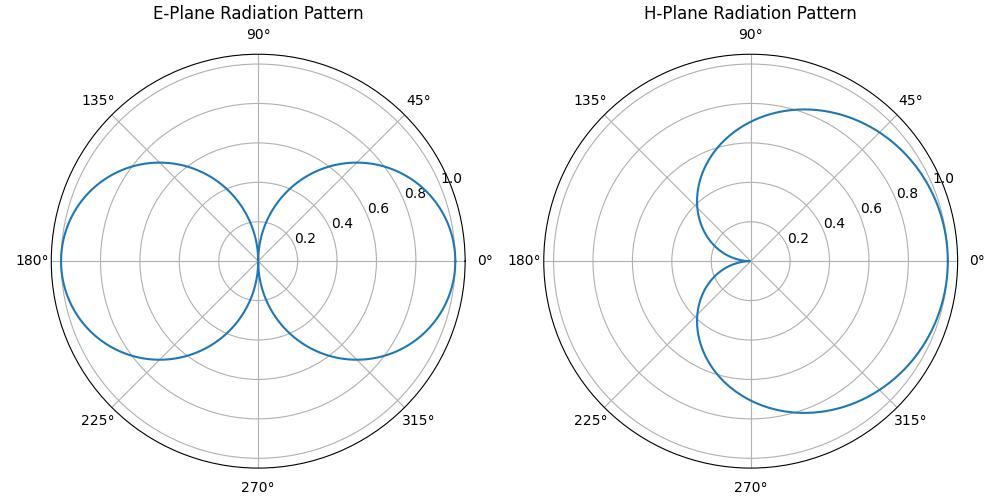
4.5 Radiation Pattern
The radiationpatternshowsa directional behaviorwith maximumradiationperpendiculartothepatchsurface.
E-plane:Broadsidepattern
H-plane:Omnidirectionalnature
5. Results Summary
Parameter Value
Frequency 3.5GHz
S11 15dB
VSWR 1.5
Gain 6–8dBi
Bandwidth ~4%
6. Advantages of Proposed Antenna
Compactsize
Lowfabricationcost
Easydesignmethodology
Suitablefor5Gsub-6GHzapplications
7. Limitations
Narrowbandwidthcomparedtoadvanceddesigns
LossesduetoFR4substrate
Approximatesimulation(notfull-waveEM)
8. Conclusion
This paper presents the design and simulation of a rectangular microstrip patch antenna for sub-6 GHz 5G applications.Theantennaoperatesat3.5GHzandachieves satisfactory performance in terms of return loss, VSWR, gain,andradiationpattern.Thedesignapproachissimple anddoesnotrequireadvancedsimulationtools,makingit suitable for academic and low-cost implementations. Futureworkcanfocusonimprovingbandwidthandgain using advanced techniques such as slotting and array configurations.
9. Future Scope
Useoflow-losssubstrates(Rogersmaterials)
DesignofMIMOantennasystems
Bandwidthenhancementtechniques
IntegrationwithIoTand5Gdevices
International Research Journal of Engineering and Technology (IRJET) e-ISSN: 2395-0056
Volume: 13 Issue: 04 | Apr 2026 www.irjet.net p-ISSN: 2395-0072
10. References
1. C.A.Balanis, Antenna Theory: Analysis and Design
2. R.Gargetal., Microstrip Antenna Design Handbook
3. IEEEpaperson5Gantennadesign
4. Researcharticlesonsub-6GHzcommunicationsystems
2026, IRJET | Impact Factor value: 8.315 | ISO 9001:2008