
International Research Journal of Engineering and Technology (IRJET) e-ISSN: 2395-0056
Volume: 13 Issue: 03 | Mar 2026 www.irjet.net p-ISSN: 2395-0072
International Research Journal of Engineering and Technology (IRJET) e-ISSN: 2395-0056
Volume: 13 Issue: 03 | Mar 2026 www.irjet.net p-ISSN: 2395-0072
Mr. Govinda Channe1, Janhavi Shende2, Muskan Nikose3, Tanushri Nishane4, Dr. Sushma Telrandhe5
DepartmentofComputerScienceAndEngineering,GuruNanakInstituteofEngineeringAndTechnology Nagpur,India
Abstract - The Centralizing Animal and Rescue Adoption Network (CARAN) is a digital platform designed to connect animal shelters, rescue organizations, and potential adopters through a single centralized system, helping to reduce fragmented information and improve the visibility of animals available for adoption. Many shelters and rescue groups operate independently, which often makes it difficult for adopters to find suitable pets and for organizations to manage adoption efficiently. This project aims to solve these challenges by providing a unified online platform where shelters and rescue organizations can register, upload animal profiles, update health and vaccination records, and manage adoption requests in an organized way. Potential adopters can easily search and browse animals based on filters such as species, breed, age, location, and medical condition, making the adoption process faster and more convenient. The system also promotes transparency by providing reliable and updated information about each animal, which helps adopters make responsible decisions. In addition, the platform encourages collaboration among rescue teams, supports volunteer participation, and helps manage foster care activities. By centralizing information and resources, the network improves communication between different animal welfare organizations and increases the chances of animals finding safe and loving homes. Using modern web technologies and centralized databases, the system ensures scalability, accessibility, and user-friendly operation. Overall, theCentralizing Animal and Rescue Adoption Network aims to increase adoption rates, reduce the number of homeless animals, and support animal welfare organizations through an efficient and technologydrivensolution.
TheCentralizingAnimalandRescueAdoptionNetworkisa system designed to connect animal shelters, rescue organizations, and potential adopters through a single, unified platform. In many regions, animal shelters and rescue groups work independently, which often results in scattered information about animals that need homes. Becauseofthislackofcoordination,manyanimalsremain in shelters for long periods or may not receive the attentiontheyneed.Acentralizednetworkhelpssolvethis problem by bringing all adoption and rescue information together in one place, making it easier for people to find andadopt animals.Thesystemallowsshelters and rescue organizations to create profiles for animals, including details such as species, breed, age, health condition,
vaccination status, and location. Potential adopters can searchforanimalsbasedontheirpreferencesandconnect directly with the responsible rescue organization. In addition to adoption services, the platform can also supportfostercareprograms,volunteercoordination,and rescue operations. By sharing information and resources through a centralized database, organizations can collaborate more effectively and ensure better care for animals.Theuseofmoderndigitaltechnologiesmakesthe system accessible, efficient, and easy to use for both organizations and adopters. Overall, the Centralizing AnimalandRescueAdoptionNetworkaimstoimprovethe adoption process, increase awareness about animal welfare, reduce the number of homeless animals, and support rescue groups in their efforts to provide safe and lovinghomesforanimalsinneed.
Several research studies and digital platforms have been developedtoimprovetheprocessofanimalrescueandpet adoption through the use of information technology. One suchsystemisthe AnimalAdoptionSystem,whichprovides a mobile based platform where users can browse animal profiles and send adoption requests directly to shelters. ThesystemusestechnologiessuchasFlutterandFirebase to provide real-time database access, secure authentication, and cloud storage. This approach helps bridge the gap between shelters and adopters while improving transparency and efficiency in the adoption process.
Another study introduced an online Pet Adoption Portal that connects potential adopters with shelters through a user-friendly website. The portal allows users to search animals based on species, breed, age, and location, and it provides detailed profiles including temperament and health information. Before such systems existed, adopters had to physically visit multiple shelters or rely on newspaper advertisements, which limited adoption opportunities and often resulted in overcrowded shelters. The web-based system improves accessibility and increases the chances of animals finding homes more quickly.
Research has also explored the design of specialized adoption platforms such as the Animal Ranger website, which was developed based on interviews with shelters and animal lovers. The study identified that lack of clear
Volume: 13 Issue: 03 | Mar 2026 www.irjet.net p-ISSN: 2395-0072
information and poor communication between shelters and adopters were major challenges in the adoption ecosystem. The proposed platform aimed to provide a structured website that encourages both rescue activities andpetadoptionbyimprovinginformationavailability.
Additionally, modern research has examined advanced technologies for improving adoption outcomes. For example, predictive analytics models have been used to analyze pet profiles and identify factors that influence the speed of adoption. By using machine learning techniques and analyzing shelter data, these models help shelters understand which attributes increase the likelihood of adoptionandassistinbetterdecision-making.
Overall, existing research demonstrates that digital platforms, centralized databases, and data analytics can significantly improve the efficiency of animal rescue and adoptionprocesses.However,manycurrentsystemsfocus on individual shelters or specific regions. Therefore, a centralized network that integrates multiple shelters, rescue groups, volunteers, and adopters into a single platform can further enhance coordination, visibility, and adoptionsuccessrates
TheproposedmethodologyfortheCentralizingAnimaland Rescue Adoption Network focuses on developing a centralized digital platform that connects animal shelters, rescue organizations, volunteers, and potential adopters throughasinglesystem.Thesystemisdesignedtosimplify the process of animal rescue, management, and adoption byprovidingastructuredandeasilyaccessibledatabaseof animals that need homes. The platform will be developed usingmodernwebtechnologiesandacentralizeddatabase to ensure efficient data management, accessibility, and scalability.
The first step in the methodology is system design and requirement analysis,wheretheneedsofshelters,rescue organizations, and adopters are identified. This includes determining the features required in the system, such as animal registration, adoption requests, user authentication, and data management. Based on these requirements, the system architecture and database structure are designed to store and manage animal information,userprofiles,andadoptionrecords.
The second step involves database development and data management. A centralized database is created to store detailed information about animals, including species, breed, age, health status, vaccination records, and shelter location. Rescue organizations can update the animal profiles regularly so that adopters always have accesstoaccurateandupdatedinformation.
The third step is platform development and user interface design. A user-friendly web interface is developed where shelters can register animals, manage adoption requests, and update animal records. Potential adopterscanbrowseanimalsusingfilterssuchaslocation, species, breed, and age. The system also includes login authentication for administrators, shelters, and users to ensuresecureaccess.
The final step involves testing, deployment, and maintenance. The system is tested for functionality, security, and performance to ensure it works efficiently. Aftersuccessfultesting,theplatformisdeployedforpublic use, and regular maintenance is carried out to update features and ensure smooth operation. This methodology ensuresthattheCentralizingAnimalandRescueAdoption Network provides an efficient, reliable, and organized solution for improving animal rescue and adoption processes.
The increasing number of stray and abandoned animals has become a major concern in many cities and communities. Animal shelters and rescue organizations work continuously to rescue, care for, and rehabilitate these animals; however, most of these organizations operate independently. Due to the lack of a centralized system, information about animals available for adoption is often scattered across different websites, social media pages,orlocalshelterdatabases.Thismakesitdifficultfor potential adopters to easily find animals that match their preferencesandlocation.Asaresult,manyanimalsremain in shelters for longer periods, leading to overcrowding, limitedresources,andincreasedoperationalchallengesfor rescueorganizations.
Another significant problem is the lack of proper communication and coordination between different shelters and rescue groups. Without a unified platform, it becomes difficult to share resources, update animal information, track adoption records, and manage rescue activities efficiently. Potential adopters may also face difficultiesinverifyingtheauthenticityofadoptionsources or obtaining accurate details about an animal’s health status,vaccinationrecords,andbackground.
Furthermore, the absence of a structured adoption management system can slow down the adoption process andreduce the chancesof animalsfinding suitable homes. Therefore,thereisaneedforacentralizeddigitalplatform that can integrate multiple shelters, rescue organizations, and adopters into a single network. Such a system would provide organized information, improve communication, and streamline the adoption process. The Centralizing Animal and Rescue Adoption Network aims to address these issues by creating a unified platform that increases
International Research Journal of Engineering and Technology (IRJET) e-ISSN: 2395-0056
Volume: 13 Issue: 03 | Mar 2026 www.irjet.net p-ISSN: 2395-0072
visibility for adoptable animals, improves coordination among rescue groups, and promotes responsible pet adoption.
Table 1: Sample Data of Animals Available for Adoption
Bruno Dog Labrador 2Years Vaccinated Nagpur Shelter Available 2 Kitty Cat Persian 1Year Healthy Mumbai Rescue Center Available 3 Rocky Dog German Shepherd 3Years Vaccinated Pune Animal Care Adopted
4 Bella Cat Siamese 2Years Healthy DelhiPet Shelter Available 5 Max Dog Beagle 4Years Vaccinated Hyderabad Rescue Home Pending
Table 2 : Number Of Adoption
International Research Journal of Engineering and Technology (IRJET) e-ISSN: 2395-0056
Volume: 13 Issue: 03 | Mar 2026 www.irjet.net p-ISSN: 2395-0072
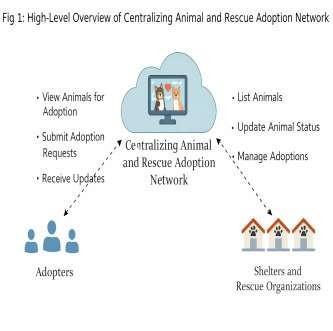
The implementation of the Centralizing Animal and Rescue Adoption Network (CARAN) demonstrates significant improvements in the process of animal rescue and adoption. The centralized platform successfully integrates information from multiple animal shelters and rescue organizations into a single digital system. This allows potential adopters to easily search and view animals available for adoption based on various filters such as species, breed, age, and location. As a result, the systemincreasesthe visibilityofanimalsthatneedhomes andsimplifiestheadoptionprocessforusers.
During the testing phase, the platform showed efficient data management and user interaction. Shelters and rescueorganizationswereabletoregisteranimals,update their health and vaccination status, and manage adoption requests through the system. The centralized database ensured that information was updated in real time, which helpedadoptersreceiveaccurateandreliabledetailsabout animals. This improved transparency and reduced the chancesofmisinformationduringtheadoptionprocess.
The analysis of adoption data also indicates a positive trend in adoption rates when compared to traditional adoption methods. With the help of the platform, more users were able to discover available animals online and submit adoption requests without visiting multiple shelters physically. This not only saves time for adopters but also helps shelters manage their resources more efficiently.
Furthermore, the system improves communication betweenshelters,volunteers,and adopters by providinga structuredandorganizedplatformforinformationsharing. Rescue organizations can coordinate better during emergency rescue operations and foster care activities. Overall, the results show that the Centralizing Animal and Rescue Adoption Network provides an effective
technological solution for improving animal adoption processes, reducing the number of homeless animals, and supportingtheeffortsofanimalwelfareorganizations.
The Centralizing Animal and Rescue Adoption Network (CARAN) provides an effective solution for improving the process of animal rescue and adoption through a centralized digital platform. The system helps connect animal shelters, rescue organizations, volunteers, and potential adopters in a single network, making it easier to manageandshareinformationaboutanimalsavailablefor adoption. By bringing all the adoption-related data into oneplatform,thesystemreducesthechallengescausedby scattered information and lack of coordination among shelters.
Thedevelopedplatformallowsshelterstoregisteranimals, update their health and vaccination records, and manage adoption requests efficiently. At the same time, potential adopters can easily search for animals based on their preferences such as species, breed, age, and location. This improves the visibility of animals that need homes and increases the chances of successful adoption. The centralizedsystemalsoenhancescommunicationbetween different rescue organizations and supports better resourcemanagement.
Overall, the Centralizing Animal and Rescue Adoption Network contributes to improving animal welfare by making the adoption process faster, more organized, and more transparent. The system not only helps reduce the number of homeless animals but also supports shelters and rescue organizations in their mission to provide safe and caring homes for rescued animals. In the future, the platform can be further enhanced by integrating mobile applications, advanced search features, and real-time tracking of rescue operations to make the adoption networkmoreefficientandaccessible.
1. ASPCA. Pet Adoption and Animal Welfare Guidelines. ASPCA provides detailed information about animal rescue, shelter management, and responsible pet adoption practices that help organizations improve animal welfare and adoptionprocesses.
2. World Animal Protection. Animal Rescue and Welfare Programs. This organization works globallyto improveanimal welfare standards and supports rescue operations, adoption programs, andpoliciesthatprotectanimalsfromcrueltyand neglect.
International Research Journal of Engineering and Technology (IRJET) e-ISSN: 2395-0056
Volume: 13 Issue: 03 | Mar 2026 www.irjet.net p-ISSN: 2395-0072
3. Petfinder Foundation. Online Animal Adoption Platforms and Services. Petfinder Foundation supports animal shelters and rescue groups by providing digital tools and resources that help promotepetadoptionandimprovethevisibilityof animalsavailableforadoption.
4. RSPCA. Animal Shelter and Adoption Services. RSPCA offers guidance on rescue operations, shelter management, and animal adoption programs, helping organizations improve care for rescuedanimalsandfindsuitablehomesforthem.
5. HumaneSocietyoftheUnitedStates.PetAdoption and Shelter Management. The Humane Society provides research, resources, and programs that help shelters manage rescued animals effectively andpromoteresponsiblepetadoption.
6. IEEE. Research Papers on Web-Based Adoption Systems. IEEE publishes research papers related to software systems, web applications, and database technologies that support the development of online adoption platforms and centralizedmanagementsystems.
7. W3C. Web Development Standards and Guidelines. W3C develops global standards for webtechnologiessuchasHTMLandCSStoensure thatwebapplicationsareaccessible, efficient,and compatibleacrossdifferentdevicesandbrowsers.
8. MySQL Documentation. Database Management for Web Applications. MySQL provides a reliable relational database system used to store and manage large amounts of structured data such as user profiles, adoption records, and animal information.
9. PHPDocumentation.Server-SideWeb evelopment. PHP is widely used for building dynamic web applications and managing server-side processes such as user authentication, data processing, and databasecommunication.
10. HTML and CSS Documentation. Front-End Web Development Standards. HTML and CSS are essential technologies used to design and structure the user interface of web applications, ensuring that the platform is visually organized, responsive, and easy to use for adopters and rescueorganizations.