
International Research Journal of Engineering and Technology (IRJET) e-ISSN: 2395-0056
Volume: 13 Issue: 05 | May 2026 www.irjet.net p-ISSN: 2395-0072
International Research Journal of Engineering and Technology (IRJET) e-ISSN: 2395-0056
Volume: 13 Issue: 05 | May 2026 www.irjet.net p-ISSN: 2395-0072
Pranali Manohar Rane, Prof. N. V. Alone
1Student, 2Professor of ME Computer, Gokhale Education Society's R. H. Sapat College of Engineering, Management Studies and Research, Nashik
Abstract - In today’s fast-paced recruitment landscape, traditional hiring practices often face challenges such as time consumption, human bias, and inconsistent candidate evaluation. The need for scalable, unbiased, and efficient hiring solutionshasbecomecrucial,especiallywhenmanaging large volumes of applicants. This project, titled “Automated Interview Bot for Hiring Process Optimization Using Machine Learning, addresses these challenges by leveraging Artificial Intelligence (AI) techniques to automate the initial stages of the interviewprocess.ThesystemintegratesMachineLearning (ML) and Natural Language Processing (NLP) to conduct dynamic interviews, analyze verbal and technical responses, and generate performance-based reports. Candidate evaluation is performed through two major components: a role-specificMultipleChoiceQuestionnaire(MCQ)andaverbal interview round. Using sentence transformers and semantic similarity algorithms, candidate responses are evaluated against model Answers,whilesentimentanalysisaddsdepthto the assessment. The system further generates auto-evaluated reports for both candidates and administrators. The entire process is supported through a Flask-based web application with secure authentication, structured data management using SQLite, and PDF report generation using FPDF. This solution significantly reduces the time and effortrequired for preliminary screening while enhancing the fairness and consistency of evaluations. It provides actionable insights to recruiters, promotes a bias-free assessment environment, and delivers a user-friendly experience to candidates. This project demonstrates how intelligent systems can modernize and optimize the recruitment workflow, making it more scalable, reliable, and effective.
Intheeraofdigitaltransformation,therecruitmentprocess has shifted from traditional face-to-face interviews to automatedandonlinesolutions.Withthegrowingnumberof applicantsandtheriseofremotehiring,organizationsneed systems that can efficiently handle large-scale candidate screening while ensuring fair evaluation. Manual recruitmentmethodsaretime-consuming,labor-intensive, and often affected by human bias and inconsistent judgments.Asaresult,skilledcandidatesmaysometimesbe overlooked.
Toovercomethesechallenges,theprojecttitled“Automated InterviewBotforHiringProcessOptimizationUsingMachine Learning”introducesanAI-basedrecruitmentsolution.The system uses Natural Language Processing (NLP) and
Machine Learning (ML) to conduct verbal and technical interviews, analyze candidate responses, and generate automatedperformancereports.
The proposed system reduces human involvement in the initial recruitment stages, promotes unbiased evaluation, andimproveshiringefficiency.Byautomatingthescreening process, it helps organizations save time, maintain consistency,andmakesmarterhiringdecisions.
The traditional hiring process involves several limitations thataffectitseffectivenessandreliability:
1. Time-consumingproceduresduetomanual resumescreeningandinterviews.
2. Subjectiveevaluationsthatmayleadtobiasedor inconsistentoutcomes.
3. Lackofscalabilitywhenhandlingalargevolumeof applicants.
4. Inabilitytoobjectivelyassesssoftskillslike confidence,communication,andattitude.
5. ResourcedependencyonHRpersonnelfor repetitivetaskslikeinitialscreening.
To solve the above challenges, the project is designedwiththefollowingkeyobjectives:
Develop a fully automated interview system that conductsMCQandverbalinterviews.
Implement NLP-based question generation and response interpretation for both technical and behavioralassessments.
Utilize semantic similarity algorithms to score verbalresponsesinreal-time.
•Provideadashboardandautomatedperformancereports for recruiters to make data-backed decisions. Ensure the systemissecure,scalable,andmodular,allowingforfuture integrationofvoice-basedanalysis,multilingualsupport,or facialexpressiondetection.
Theproposedsystemenablescandidatestoregister, choose their preferred job role, and participate in an automatedinterviewsession.Recruitersoradministrators can access an admin dashboard to view candidate scores, monitorindividualandoverallperformance,anddownload
International Research Journal of Engineering and Technology (IRJET) e-ISSN: 2395-0056
Volume: 13 Issue: 05 | May 2026 www.irjet.net p-ISSN: 2395-0072
detailed PDF reports. The platform supports multiple evaluation methods, including MCQ-based tests; verbal interviews,semanticanswerscoring,andautomatedreport generation. Role-specific interview questions are dynamically fetched from CSV files, making the system flexible and easy to customize or expand. The project is developedusingFlaskasthebackendframework,SQLiteas the database, and integrates powerful libraries such as sentence-transformers,FPDF,andSQLAlchemytoenhance functionalityandperformance.
Toimplementafullyfunctionalautomatedinterviewsystem, a combination of AI methodologies, web technologies, and dataprocessingstrategieshasbeenemployed:
2.1 Natural Language Processing (NLP)
NLP is the backbone of the verbal response evaluation module.Itallowsthesystemtointerprethumanlanguage, understandsentencestructure,andevaluatemeaning.
Models like MiniLM or BERT are used to embed candidateanswersandcomparethemagainstideal responses.
Semantic similarity is calculated using cosine similarity of embeddings, providinga quantitative measure of how closely a candidate’ s answer matchestheexpectedresponse.
TextBloborVADERcanbeintegratedforsentiment analysis, identifying the tone and confidence in responsestobehavioralquestions.
2.2 Machine Learning (ML)
ML models are used to provide intelligent scoring of responses.
Candidateanswersareclassifiedorscoredbasedon semantic similarity scores, enabling dynamic and fairevaluation.
Pre-trained models eliminate the need for large training datasets while still delivering accurate insights.
2.3 Web Application Development (Flask)
Flaskservesasthebackendwebframework,enabling:
Routingofcandidateandadminactions.
HTML-basedrenderingofquizzesandinterviews.
SecurAe data handling and user session management.
2.4 Database Management (SQLite + SQLAlchemy)
Arelationaldatabaseismaintainedtostore:
Candidate data, interview responses, scores, and reports.
ORM(ObjectRelationalMapper)withSQLAlchemy simplifiesdatabaseoperationsandsupportsfuture migrationtocloud-hosteddatabaseslikePostgreSQL orMySQL.
2.5 PDF Report Generation
Afterinterviewcompletion:
TheFPDFlibraryisusedtogeneratewell-structured candidateandadminreports.
These reports include performance summaries, observations, and recommendations based on candidatescores.
2.6 CSV-Driven Dynamic Question Loading
Role-specificMCQandtechnicalquestionsarestored inCSV.
Whenacandidateselectsarole,relevantquestions aredynamicallyfetchedfortheinterviewsession.
This method ensures easy customization and modularity.
2.7 Semantic Similarity Scoring
Using sentence-transformers, embeddings of candidate responses and ideal answers are generated.
Cosinesimilaritybetweenthevectorsiscomputedto assignscores(scaledto10).
This enables fair, unbiased evaluation without requiringhandcraftedanswercheckinglogic.
The proposed architecture for the project ”Automated InterviewBotforHiringProcessOptimizationUsingMachine Learning” is designed to automate and streamline the recruitment process using modern technologies such as MachineLearning(ML),NaturalLanguageProcessing(NLP), and Computer Vision. This architecture ensures efficient handling of inputs, intelligent evaluation of candidate responses,securedatastorage,andautomatedreporting.
Thesystemconsistsofseveralinterconnected componentsthatworktogetherinapipelinefrominputto output:
Thecandidatefirstregistersintothesystemandselectsthe desiredjobrole.Afterregistration,thecandidateattendsthe interviewprocessbyprovidinginputsthroughregistration forms,MCQ-basedtests,andtypedorspokenresponsesfor theverbalinterviewsection.
The system automatically evaluates MCQ answers using dynamicscoringtechniques.Verbalresponsesareanalyzed with the help of NLP models such as Sentence-BERT to measure semantic similarity and assess answer quality. Additionally,OpenCV-basedreal-timefacedetectionisused to ensure candidate presence and maintain interview authenticity.
International Research Journal of Engineering and Technology (IRJET) e-ISSN: 2395-0056
Volume: 13 Issue: 05 | May 2026 www.irjet.net p-ISSN: 2395-0072
Allcandidateinformation,interviewscores,andactivitylogs aresecurelystoredinaSQLitedatabase.SQLAlchemyORM is integrated to provide efficient, reliable, and secure communicationbetweentheapplicationandthedatabase.
Theadmincanmonitorcandidateperformancethroughthe dashboardandgeneratedetailedPDFreports.Thesereports include registration details, MCQ scores, NLP-based evaluation scores, face detection results, and the final interviewoutcomeordecision.
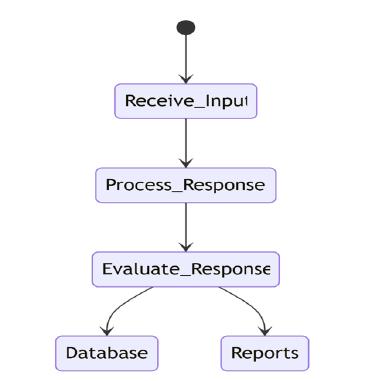
Fig1: Proposed System Architecture of Automated Interview Bot
Thearchitecturefollowsalinearandmodularpipeline:
• Input Phase: Candidate registers → selects job role → answersMCQsandverbalquestions.
•ProcessingPhase:
–BackendevaluatesMCQsinstantly.
Verbal responses passed to an NLP model for scoring.
Facedetectionensuresonlytheintendedcandidate ispresent.
StoragePhase:Allinputsandscoresaresavedinthe database.
Output Phase: Admins generate reports and view candidatestatus.
4. REAL-WORLD APPLICATIONS
Government recruitment agencies can use the system to automate initial candidate assessments for large-scale examinations and hiring processes. It ensures faster and moretransparentshortlisting,reducesmanualworkloadand corruption risks, and verifies candidate identity through real-timefacedetectiontechnology.
Educational institutions and placement cells can use the system for mock interviews and student pre-screening duringcampusrecruitmentdrives.Theplatformprovidesa standardized method for evaluating students, offers feedback on communication and technical skills, and supports efficient management of large-scale placement activities.
Thesystemsupportsremotehiringbyenablingcompanies to conduct interviews with candidates from different geographicallocations.Itallowsverbalinterviewsthrough voice or text responses, performs real-time candidate authentication using webcam monitoring, and removes barriersrelatedtolocationandtimezones.
The Automated Interview Bot can also be integrated into online learning and skill assessment platforms. EdTech companiescanuseittoconductMCQandverbaltests,track learner performance, provide certification-based analysis, andhelpusersprepareforreal-worldinterviews.
Start-ups and small businesses with limited HR resources canusethesystemtoautomatetheirrecruitmentprocess.It helpsthemreducedependencyonfull-timeHRstaff,focus onbusinessgrowth,andquicklyidentifyqualifiedcandidates throughautomatedpre-screeningandevaluation.
Theprojectwassuccessfullyplannedandexecutedovera span of six weeks, adhering closely to the predefined milestones and task dependencies. Each week focused on incremental development, starting from requirement gatheringtofinaltestinganddocumentation.Despiteminor delaysduetointegrationchallengesandmodeltuning,the overall effort closely matched the estimated hours, indicatingeffectiveplanningandresourcemanagement.
Risk factors such as technical dependencies and infrastructureconcernswereidentifiedearly,allowingfor timely mitigation without major disruptions. The team maintained strong coordination across different roles, ensuringsmoothtransitionsbetweentasksandmodules.
The final deliverables met the functional and technical objectivessetatthebeginningoftheproject,demonstrating theeffectivenessofstructuredplanning,agileexecution,and proactive risk management. Let me know if you’d like the conclusion tailored for a seminar report, presentation, or projectsubmission.
International Research Journal of Engineering and Technology (IRJET) e-ISSN: 2395-0056
Volume: 13 Issue: 05 | May 2026 www.irjet.net p-ISSN: 2395-0072
[1]J.Devlin,M.-W.Chang,K.Lee,andK.Toutanova,“BERT: Pre-training of Deep Bidirectional Transformers for LanguageUnderstanding,”ProceedingsofNAACL-HLT,2019.
[2]N.ReimersandI.Gurevych, “Sentence-BERT:Sentence Embedding’s using Siamese BERT-Networks,” EMNLPIJCNLP,2019.
[3] A. Radford, J. Wu, R. Child, D. Luan, D. Amodei, and I. Sutskever, “Language Models are Unsupervised Multitask Learners,”OpenAI,2019.
[4]E.D.Liddy,“NaturalLanguageProcessing,”Encyclopedia ofLibraryandInformationScience,2001.
[5]Y.Liu,Z.Tang,andJ.Li,“AutomatedInterviewSystems Based on NLP and Machine Learning Techniques,” InternationalJournalofAdvancedComputer ScienceandApplications,2020.
[6]C.J.HuttoandE.Gilbert,“VADER:AParsimoniousRulebasedModel forSentiment AnalysisofSocial MediaText,” ProceedingsoftheInternationalAAAIConferenceonWeb andSocialMedia,2014.
[7] Armin Ronacher, “Flask Web Development, O’Reilly Media,2018