
International Research Journal of Engineering and Technology (IRJET) e-ISSN: 2395-0056
Volume: 13 Issue: 05 | May 2026 www.irjet.net p-ISSN: 2395-0072

International Research Journal of Engineering and Technology (IRJET) e-ISSN: 2395-0056
Volume: 13 Issue: 05 | May 2026 www.irjet.net p-ISSN: 2395-0072
1234Selection Grade Lecturer, Dept. Mechanical Engg. Government .Polytechnic, Bagalkot
Abstract – Nowadays industries plays important role in the national development. So it necessary toproducegoodquality of products as per acceptable standards. During basic manufacturing process defects free casting production depends upon selection type of material, casting conditions majorly based on the application where the product is used. The design of casting based on strength, damping property and sustainability during prolong period of time. At the same time there is chance that rejections of casting due the hidden defects due variations in composition differ from product to product based on the different design conditions. Therefore it is necessary to have at least fewmaterialcomparisons toknow their manufacturing difficulties for minimize rejections of casting to enhance safe design and development conditions.
Key Words: Design, Development, Casting, Manufacturing, Damping, Material
1. INTRODUCTION
In order to optimize the manufacturing conditions for production of different type of casting products it is necessarytounderstandthebehaviorofthemoltenmetal underworkingconditions.Thematerialcompositiondiffers based on the mechanical, electrical, chemical, magnetic properties etc.at end use of product. The manufacturing conditionsofCastIronalloy castingswere differ fromthe aluminums alloy castings. The aluminums alloys castings havethemoremanufacturingfusibilitythanCastIronalloy productsduetotheirlessdensity,goodflowability,andlow melting boiling temperature comparatively. The other parameters like pouring time pressure, temperature, solidificationtimeandtimeofejectionofcastingfromthe die. Theseparameters need tooptimize to enhancedefect free castings under different operational work personals. Alsothereischanceofgettinghiddendefectsbasedonthe structure,alloycomposition,designaspectswhichrestricts theeasyflowofmoltenmetaltooccupymoldneedtofocus. Duringsolidificationmoltenmetalatthesharpcornermay notfilledtovariationintemperatureattheinnersurfaceand outersurfaceduetodifferentrateofsolidificationshrinkage. Comparison of study of different materials is necessity to achieve common goal of getting sound castings for under differentdesignconditionsfordifferenttypesofmaterials.
2. PROBLEM FORMULATION
Castingswithmorecommondefectsinaluminumsandcast iron castings data were compared to observe more significant defects in manufacturing were due to
manufacturingdifficultiesbasedontheirapplications.And common defects remedies were determined to get sound castingswitheaseinmanufacturing.
3. METHODOLOGY
Kind of defects arises during manufacturing of both aluminium and cast iron castings were studied and few monthsdataiscompared.Anddefectswithmoresignificant occurrenceswerefocusedtodeterminethemanufacturing difficulties and the common remedies to avoid the future repetitions. Conclusion is made with the material with its suitabilityregardingitsoperationalconditions.
4. ALUNIUM CASTINGS.
Study is conducted for the Breaking bracket aluluminium alloy component in the year 2024
4.1 Pareto chart analysis for Aluminium alloy Breaking bracket component.
Aparetochartdemonstratesthemostcommondefectsinthe castingprocess.Italsoexplainsthedefect’scontributionas wellascumulativedefectscontributionforeachdefect.As perpareto80%ofproblemswillbesolvedby20%solutions. Forthisinstance5typesofdefectsviz.shrinkage,blowhole, unfilling,Rubbinganddiecoatcumulativelycontributes88% ofthedefects.Ifrootcausesandremediesforthesedefects canbeanalysedandimplementedthen90percentagecanbe minimised.Thisstudyfocusesonmostcommondefectand theirremediestominimizetherejectionrateofthecasting components.
International Research Journal of Engineering and Technology (IRJET) e-ISSN: 2395-0056
Volume: 13 Issue: 05 | May 2026 www.irjet.net p-ISSN: 2395-0072
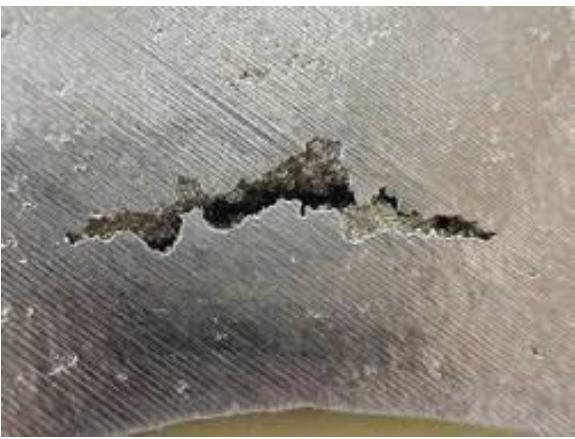
4.1.1 Shrinkage defect
Paretochart forBlowhole Defect
Fig.2. ParetoanalysisforRejectionofcomponentdueto shrinkagedefect.
Paretochartforshrinkagedefectexplainshowfrequently The shrinkage defect occurs. It is caused by volume reductionduring solidificationresultsinvoidesorporous zonesonthesurface.
Remedies: Optimizerisersizeandlocationsothatallowing molten metal to feed to mould continuously and it has to freeze last. Insert chills in thin sections to promote directional solidification. Maintain mould temperature properlytopreventprematuresolidification.
4.1.2
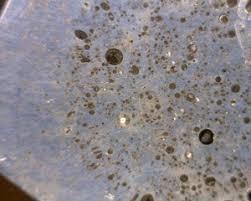
Paretochartshowshowfrequentlyblowholedefectoccurs continuously.Sphericalorroundedcavitiesduetoentrapped gasduringsolidification.
Remedies: Itcanbeminimizedbycontrollingsandmoisture in the mold, increasing number of vents and Optimizing pouring parameters like velocity, temperature to reduce turbulenceduringpouring.
defect
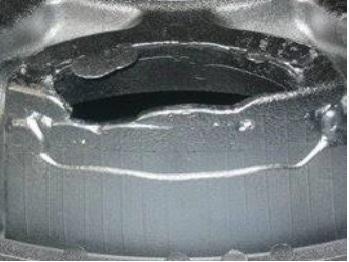
Fig.6. ParetoanalysisforRejectionofcomponentdueto Unfillingdefect.
ParetochartshowshowfrequentlyUnfilldefectoccurswhen molten metal fails completely to fill the mold cavity and leavingincompleteparts.Itiscausedbylowmetalfluidity, lowpouringtemperature,impropergatingdesign.
International Research Journal of Engineering and Technology (IRJET) e-ISSN: 2395-0056
Volume: 13 Issue: 05 | May 2026 www.irjet.net p-ISSN: 2395-0072
Remedies: It can be reduced by enhancing fluidity, Improving gating system, Increase section thickness to preventprematurefreezing.
4.1.4 Rubbing defect
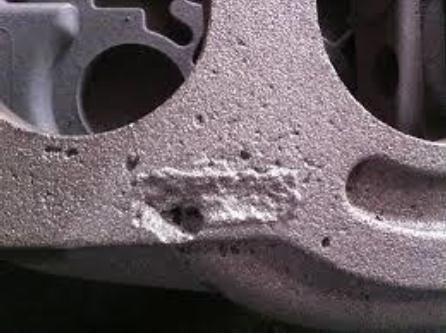
8. ParetoanalysisforRejectionofcomponentdueto rubbingdefect
Pareto chart shows how frequently rubbing or sand inclusion defects occurs frequently. Surface irregularities due to rubbing of mold by molten metal. Irregular projections accompanied by depression appear on the castingsurface.
Remedies: It can be reduced by Better design of gating system,betterramming,usinghighqualitysandandreduce moisturecontentinsand.Improvethedesignoftherunner systemtocontroltheturbulence.
4.1.5 Die coat defect
Paretochartfor Die coat defect
ParetoChartshowshowfrequentlydiecoatdefectoccursit isduetosurfacebleminesh,reactingofalluminiummolten metalwithdiematerial.
Remedies: EnsuredieisnottoohotortoocoldOptimized die coat is used. Controlling the concentration of die coat basedontemperature.Byusingautomatedsprayersforeven coating. By regularly cleaning and treat the die with appropriatecoatingthisdefectcanbeminimized.
Study is conducted for the Trumpet Housing Cast iron component of Tractor for the year 2024
International Research Journal of Engineering and Technology (IRJET) e-ISSN: 2395-0056
Volume: 13 Issue: 05 | May 2026 www.irjet.net p-ISSN: 2395-0072
ParetoChart for Blowholes
Pareto chart shows how frequently the blow hole defect occursduetoentrappedgasesduringsolidification.
Remedies: Itcanbeminimizedbycontrollingsandmoisture in the mold, increasing number of vents and Optimizing pouring parameters like velocity, temperature to reduce turbulenceduringpouring.
Paretochart for Porosity
ParetochartshowshowfrequentlySanddropdefectoccurs duedropofmoldsandinthemoltenmetalresultsinsticking ofsandoncastingsurfaceunfillsurfaceappearsasaftersand blasting.
Remedies: It can be reduced by Better design of gating system,betterramming,usinghighqualitysandandreduce moisturecontentinsand.Improvethedesignoftherunner systemtocontroltheturbulence.
Paretochartshowshowfrequentlyporositydefectoccurs small tiny holes appears on the casting surface due to entrapped gases which were not escaped during solidification.
Remedies: Proper and sufficient number of vent holes, adequatedesignofrunnerandgatingsystem,propercontrol ofthesandcomposition.
Defect.Qty Cumulative %
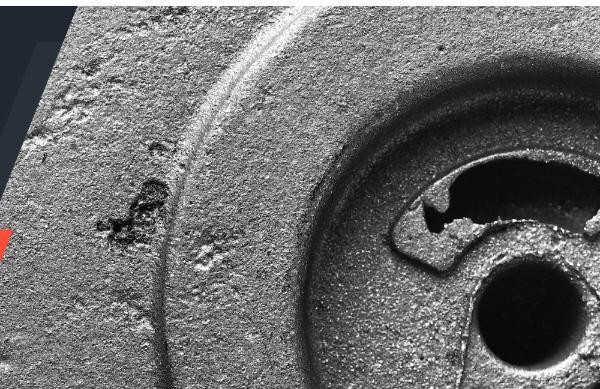
Paretochartshowshowfrequentlydepressiondefectoccurs it is due insufficient supply of molten metal during solidification. When molten metal contractsearly freezing occursinthecasting.
Remedies: Optimizerisersizeandlocationsothatallowing molten metal to feed to mould continuously and it has to freeze last. Insert chills in thin sections to promote directional solidification. Maintain mould temperature properlytopreventprematuresolidification.
International Research Journal of Engineering and Technology (IRJET) e-ISSN: 2395-0056
Volume: 13 Issue: 05 | May 2026 www.irjet.net p-ISSN: 2395-0072
6. Alluminium and Cast Iron Casting common defects Analysis

Fig 15. AlCastingpercentageofdefects
Graphshows88%ofcastingdefectsoccursduetoshrinkage, blow holes, unfilling, rubbing and die coat. It can be minimizedbypropercontrolofprocessparameters,molding pouringconditions.

Fig 16. CastIronCastingpercentageofdefects
Graph shows rejection percentage of cast iron castings. Majorly 82 percentages of rejections occurs due to blow hole,sanddrop,Porosity,depression(shrinkage).Thesecan beminimizedbycontrollingminimumparameters
7. CONCLUSION
ByapplyingtheQualityControlToolsdefectscanbestudied which include their monthly rejection analysis and using brainstorming final solution is made for eliminating the defectswhichafterbeingappliedtotheproductionprocess leadtosignificantreductioninthepercentagerejectionthus reducingcostsandmakingprofitfortheindustry.
Ifwe properlydesign runner,riser,gatingsystem, casting temperatureparameters,moulddesignparameterswecan control80percentagesofrejectionscontributinginreducing theproductioncosttominimal.
Aluminium is light weight material has more fluidity can occupymouldeasilybygivingradiusatthecornerof molud
unfilling defectcanbeavoided.Byproperdesigningriserto supplymoltenmetalduringsolidificationshrinkageproblem canbeminimized.
Castironisheavymaterialbyproperchemicalcomposition fluiditycanbecontrolled.Byproperdesignofrunnergating system unfilling, shrinkage defect can be controlled. By properdesignofmouldcavityandventingsanddropandgas porositycanbecontrolled
[1]. Lalit K. Toke, Vishal Dhore, Shubam Suryavanshi , Causes Of Defects In Gravity Flow Die Casting Process: Industrial Case Study, Industrial Engineers Journals, Vol. Xviii&IssueNo.04April–2025
[2]. Jatoth Ramachander, Casting Defects With Respect To IndianStandardsOnCastIronInFoundry,IndianFederation OfUnitedNations,AssociationNewDelhi,India,Icristme-16
[3].JadhavB.R,JadhavJ,InvestigationAndAnalysisOfCold ShutCastingDefectAndDefectReductionByUsing7Quality ControlTools,InternationalJournalOfEngineeringResearch AndStudies,1(4),2013,28–30.
[4].JhaM,TyagiR.K.,GuptaG(2013),“ReductionofRejected ComponentsinanAutomobileAssemblyLineUsingQuality Tools,” European Journal Of Applied Engineering And ScientificResearchAndTechnology,Vol.2,No.3,Pp.13-17
[5].BeereshChatrad,NithinKammar,PrasannaPKulkarni, SrinivasPatil,AStudyOnMinimizationOfCriticalDefectsin Casting Process Considering Various Parameters, International Journal Of Innovative Research In Science, EngineeringAndTechnology,Vol.5,Issue5,May2016.
[6].Review Of Casting Defect Analysis to Initiate the Improvement Process “A.P.More, Dr.R.N.Baxi, Dr.S.B.Jaju MechanicalEngineeringDepartment,G.H.RaisoniCollegeof Engineering,Nagpur.440016(India).
[7].Uday A. Dabade and Rahul C. Bhedasgaonkar “Casting Defect Analysis Using Design of Experiments (Doe) And Computer Aided Casting Simulation Technique” Elsevier FortySixthCirpConferenceonManufacturingSystems2013
[8].Tapan Roy “Analysis of Casting Defects in Foundry By Computerised Simulations (Cae) - A New Approach Along With Some Industrial Case Studies” Transaction Of 61st IndianFoundryCongress2013.
[9].PrateekBhatt,RohitSingla,InvestigationAndAnalysisOf Metal Casting Defect By Using Quality Control Tools On Trumpet Housing Of A Tractor, International Journal Of InnovativeResearchInScience,EngineeringAndTechnology, Vol.6,Issue10,October2017.
[10].B.Chokkalingam,S.S.MohamedNazirudeen,“Analysis of Casting Defect through Defect Diagnostic Study Approach”,JournalofEngineering.