
International Research Journal of Engineering and Technology (IRJET) e-ISSN: 2395-0056
Volume: 13 Issue: 03 | Mar 2026 www.irjet.net p-ISSN: 2395-0072
International Research Journal of Engineering and Technology (IRJET) e-ISSN: 2395-0056
Volume: 13 Issue: 03 | Mar 2026 www.irjet.net p-ISSN: 2395-0072
Dr C. ARUN PRASATH. M.E.,PhD [1], N.G. SANDEEP [2],A.YOKESHWARAN [3],A.THARUN[4],M. SAI SANJAY[5].
1 , Prof Assistant Professor, Department of ECE, MAHENDRA ENGINEERING COLLEGE , Tamil Nadu, India
2,3,4,5 Student Department of ECE, MAHENDRA ENGINEERING COLLEGE , Tamil Nadu, India
ABSTRACT- In the context of smart cities in India, accurate meter readings are crucial for managing household water and energy systems efficiently. However, traditional meter reading methods are costly and timeconsuming due to the large number of users and the lack ofdaily usage analysis leadingtocustomer dissatisfaction. The proposed solution to tackle this matter involves implementing an integrated wireless smart energy and water metering system that utilizes smart metering technology. This system can potentially revolutionize how utilities handle energy and water management. The integrated system is designed to replace the mechanical water meters and conventional digital energy meters, whose primary function is to accurately record meter readings for payment purposes, for automatic meter readings that do not require frequent trips to the location where the meters are installed. This article proposes a smart, integrated wireless metering system to revolutionizecustomerengagementandenergyandwater utility management. This technology enables the transmission of precise and secure data on water and energyconsumption in real-time by employing Low Power Wide Area Networks (LPWAN) technology, known for its low power consumption, cost-effectiveness, long-range coverage, and efficient penetration. The system has a waterflowsensorandPZEM-004Tforreal-timewaterand energy consumption readings. The interoperable features in the integrated water flow and energy meter are achieved through trial-and-error methods. The trials led to experimental findings that enabled successful communication between the energy and water flow meters and recorded accurate readings. The device provides the utility provider with real-time consumption statistics and the flexibility to turn on and off the system remotely. The system also helps the users by giving them real-time consumption data and preventing overloading situations. The device also notifies the utility company of the theft ofelectricity. The proposedsystemovercomes the gaps reported in the traditional systems and design challenges.
Keywords: smart readings, meter readings, wireless smart energy and water metering system.
The rapid growth of urban populations and the expansion of modern cities have significantly increased the demand for essential resources such as water and electrical energy. Efficient monitoring and management of these resources have become critical challenges for utility providers and city administrators. Traditional metering systems, which use separate mechanical water meters and conventional energy meters, rely heavily on manual data collection and periodic readings. These methods are not only time-consuming and laborintensive but also prone to human error, delayed reporting, and inaccurate billing. Furthermore, conventional systems do not provide real-time consumption data, making it difficult to detect issues such as resource wastage, leakage, overload, or unauthorized usage. These limitations reduce operational efficiency and affect both service providers and consumers. With the advancement of smart city technologies, there is a growing need for intelligent metering solutions that enable automated monitoring and efficient resource management. A unified metering system offers an effective solution by integrating water and energy monitoring into a single platform. This system utilizes smart sensors and Internet of Things (IoT) technologies to continuously measure water flow and electrical parameters such as voltage, current, and power consumption. The collected data is transmitted wirelessly to a centralized system or cloud platform, where it can be processed, analyzed, and stored for furtheruse. Thisenablesutilityprovidersto accessrealtimeconsumptioninformation,improvebillingaccuracy, andrespondquicklytoabnormalconditions.Theunified metering approach also enhances operational efficiency by reducing the need for manual meter readings and minimizing infrastructure redundancy. It enables automated billing processes, improves data transparency, and supports remote monitoring and control of utility services. Additionally, the system can detectunusualconsumptionpatterns,helpingtoidentify water leakage, energy theft, or system faults at an early stage.Thisimprovessystemreliabilityandhelpsprevent resource loss. From the consumer perspective, the unified metering system provides greater visibility into resource usage. Users can monitor their consumption patterns through digital interfaces such as web
International Research Journal of Engineering and Technology (IRJET) e-ISSN: 2395-0056
Volume: 13 Issue: 03 | Mar 2026 www.irjet.net p-ISSN: 2395-0072
dashboards or mobile applications, enabling them to make informed decisions and adopt energy- and watersaving practices. Increased awareness encourages responsible consumption and contributes to overall resource conservation. Moreover, the unified system supports smart city development by providing valuable data for planning and decision-making. City authorities and utility providers can analyze consumption trends, optimize resource distribution, and improve infrastructure planning based on accurate and real-time data. This leads to better service delivery, reduced operational costs, and improved sustainability. . By integrating sensing, communication, and data management technologies into a single framework, the system improves efficiency, accuracy, and reliability in resource monitoring. This innovative solution plays an important role in supporting sustainable resource management and contributes to the development of intelligentandefficientsmartcityinfrastructure.
Intheexistingsystem,waterandelectricityconsumption aremonitoredseparatelyusingconventionalmetersthat require manual reading and periodic data collection. These traditional metering methods lack real-time monitoring capabilities, making it difficult to detect issues such as water leakage, excessive energy usage, or abnormal consumption patterns at an early stage. In most cases, utility departments store and manage consumption data independently, resulting in disconnected information systems and inefficient resourcemanagement.Manualmeterreadingandbilling processes increase the risk of human errors, inaccurate billing, and delays in payment processing. Furthermore, consumers have limited access to detailed information about their actual usage, which reduces awareness and makes it difficult to adopt effective conservation measures. Overall, the existing system is timeconsuming, less reliable, and unable to meet the efficiency, accuracy, and automation requirements of modernsmartcityenvironments.
Water and electricity meters operate independently, resulting in a lack of integrated consumption data. This separation makes it difficult for utility providers to achieve efficient coordination and effective resource management.The system reliesheavilyon manual meter reading, which requires significant human effort and time. This manual process increases the possibility of errorsduringdatacollectionandrecording.Theabsence of real-time monitoring prevents the early detection of problems such as water leakage, excessive power consumption, or abnormal usage patterns. This leads to unnecessary resource wastage and financial losses for both consumers and utility providers. Manual billing
procedures may result in delayed or incorrect billing, reducingtransparencyandnegativelyaffectingcustomer trust.Itcanalsoimpacttherevenuecollectionprocessof utility companies.Consumers have limited access to detailed information about their usage patterns, which reduces awareness and makes it difficult to promote responsible consumption, conservation practices, and sustainableuseofwaterandenergyresources.
The proposed system introduces a unified smart metering framework designed to simultaneously monitor water and energy consumption within a smart city environment. Unlike conventional systems that operate independently, this solution integrates smart water flow sensors and digital energy meters with IoTenabled controllers to enable coordinated monitoring across residential, commercial, and industrial locations. The system continuously collects real-time consumption datafrommultipleendpoints,ensuringaccurateandupto-date measurement of resource usage. The collected data is transmitted wirelessly to a centralized cloudbased platform, where it is securely stored, processed, and analyzed. Through user-friendly dashboards and digital interfaces, both utility providers and consumers can access detailed insights into consumption patterns. This enables continuous monitoring, automated and accuratebilling,andrapididentificationofissuessuchas water leakage, energy wastage, overload conditions, or abnormal usage behavior. By consolidating water and energy monitoring into a single integrated framework, theproposedsystemreducesoperationalcomplexityand improves coordination between utility services. It enhances resource optimization, minimizes losses, and supportsproactivemaintenancestrategies.Furthermore, real-time notifications and data analytics empower authorities and consumers to make informed, datadriven decisions that encourage conservation, sustainability, and efficient urban development. Overall, the unified smart metering system represents a reliable and scalable solution for modern smart city infrastructure.
The integration of water and energy monitoring into a single unified platform improves coordination and provides a complete and real-time overview of resource consumption, enhancing overall operational efficiency. Automated data collection eliminates the need for manual meter reading, reducing labor requirements, minimizinghumanerrors,andimprovingtheaccuracyof recorded data. Real-time monitoring enables the early detection of issues such as water leakage, excessive energy consumption, and abnormal usage patterns, helping to reduce resource wastage and operational losses. The system ensures accurate, transparent, and timely billing, which improves revenue management for
International Research Journal of Engineering and Technology (IRJET) e-ISSN: 2395-0056
Volume: 13 Issue: 03 | Mar 2026 www.irjet.net p-ISSN: 2395-0072
utility providers and increases customer confidence in the billing process.User-friendly dashboards and digital interfacesprovideconsumerswith detailedinsights into their consumption patterns, encouraging awareness and promotingresponsibleandefficientuseofresources.The unifiedsystemsupports betterdecision-makingforboth utility providers and consumers by providing reliable data, leading to improved resource planning, cost savings, and sustainable management of water and energy.
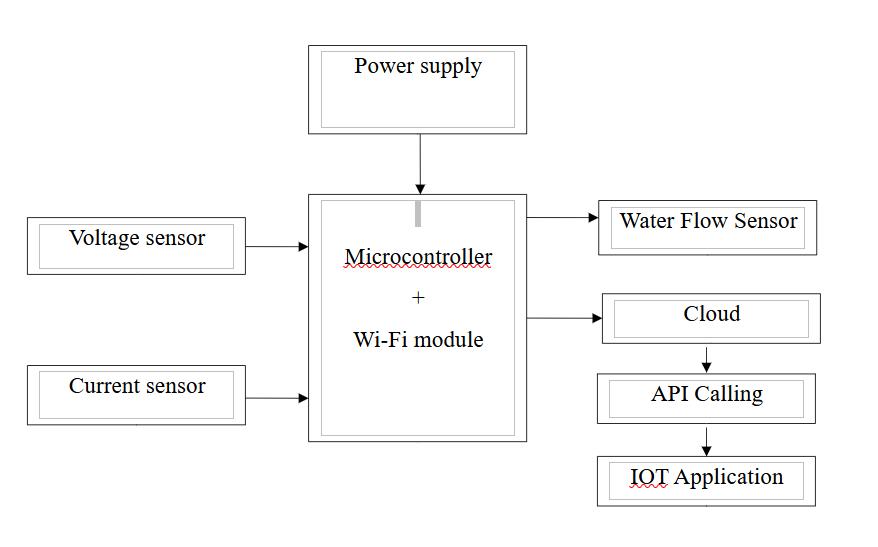
Figure 1: Block Diagram of the Unified Smart Metering System
Thesystemconsistsofseveralkeycomponentsincluding a power supply unit, voltage sensor, current sensor, water flow sensor, microcontroller with Wi-Fi module, cloudplatform, APIinterface,and IoT application. These components work together to collect, process, transmit, and display real-time consumption data. The power supply unit provides the required electrical power to operate the microcontroller and connected sensors. It ensures stable and regulated voltage levels for reliable functioning of the system. Since electronic components requirespecificvoltagelevels,thepowersupplyconverts andregulatestheinputpowertosuitablelevels.Astable power source is essential to ensure continuous monitoring and uninterrupted system operation. The voltagesensorisusedtomeasurethevoltagelevelofthe electrical system. It continuously monitors the voltage supplied to the connected load and sends the measured data to the microcontroller. This information helps in calculating electrical parameters such as power and energy consumption. Monitoring voltage also helps in detecting abnormal conditions such as voltage fluctuations or overload situations. The current sensor measures the flow of electrical current in the circuit. It provides real-time current readings to the microcontroller. By combining voltage and current values, the system can calculate power consumption accurately.Thecurrentsensorplaysanimportantrolein monitoringenergyusageanddetectingexcessivecurrent flow, which may indicate faults or abnormal
consumption. The water flow sensor is responsible for measuring the amount of water consumed. It works by detectingtheflowrateofwaterpassingthroughthepipe and generating pulses proportional to the volume of water. These pulses are sent to the microcontroller, which converts them into meaningful consumption values such as liters or cubic meters. This enables accurate monitoring of water usage in real time. The microcontroller is the central component of the system. It collects data from the voltage sensor, current sensor, andwaterflowsensor.Themicrocontrollerprocessesthe receiveddata,calculatesenergyand waterconsumption, and prepares the data for transmission. The integrated Wi-Fi module enables wireless communication between the microcontroller and the cloud platform. This allows automaticandremotedatatransmissionwithoutmanual intervention.
The implementation of the unified smart water and energy metering system focuses on integrating sensing devices, IoT-enabled controllers, wireless communication, and cloud-based data management into a single functional platform. The system is designed to automatically monitor, collect, transmit, and display consumption data in real time, eliminating the need for manual meter reading and improving overall efficiency. Thehardwarecomponentofthesystemconsistsofsmart sensors, energy measurement modules, a microcontroller unit, and communication modules. A water flow sensor is used to measure the volume of water consumption. This sensor works by detecting the flow rate of water passing through the pipe and generating electrical pulses proportional to the amount of water used. These pulses are received and processed by the microcontroller to calculate total water consumption.
Forenergymonitoring, an energy meter modulesuchas the PZEM-004T is used. This module measures important electrical parameters including voltage, current, power, and energy consumption. It communicates directly with the microcontroller and provides accurate real-time energy usage data. The microcontroller acts as the central processing unit, collecting data from both the water flow sensor and the energy meter. An IoT-enabled microcontroller, such as ESP8266 or ESP32, is used due to its built-in wireless communicationcapabilities.Itprocessessensordataand transmits it to the cloud platform using wireless communication technologies such as Wi-Fi or LPWAN. The hardware components are properly connected and poweredusingaregulatedpowersupplytoensurestable andcontinuousoperation.
International Research Journal of Engineering and Technology (IRJET) e-ISSN: 2395-0056
Volume: 13 Issue: 03 | Mar 2026 www.irjet.net p-ISSN: 2395-0072
The software component is responsible for data acquisition, processing, transmission, and visualization. The microcontroller is programmed using embedded C or Arduino programming language. The program continuously reads data from the water flow sensor and energy meter module, calculates consumption values, and prepares the data for transmission. The microcontroller sends the collected data to a cloud server through an internet connection. Cloud platforms such as ThingSpeak, Blynk, or Firebase can be used to store and manage the data. These platforms allow realtime data storage, processing, and visualization through graphical dashboards. The cloud system also performs data analysis to identify abnormal conditions such as excessiveenergyusageorwaterleakage.Ifanyabnormal consumption is detected, the system can generate alerts or notifications to inform both utility providers and consumers. The collected data is displayed on a userfriendly dashboard that can be accessed through a web application or mobile application. The dashboard shows real-time information such as water consumption, energy usage, voltage, current, and power. It also provideshistoricaldataintheformofgraphsandcharts, helping users understand their consumption patterns. Utility providers can use the dashboard to monitor multiple users, manage billing, and detect abnormal conditions. Consumers can also access their usage information, allowing them to take necessary actions to reduceconsumptionandimproveefficiency.
TheUnifiedSmartMeteringSystemforwaterandenergy monitoring provides an effective and modern solution for improving resource management in smart city environments. By integrating both water and energy monitoring into a single intelligent platform, the system overcomes the limitations of traditional metering methods, which rely on manual data collection, delayed reporting, and separate monitoring systems. The implementation of smart sensors, IoT-based communication, and cloud data management enables accurate, real-time measurement and continuous monitoring of resource consumption. The system enhances operational efficiency by automating data collection, billing, and reporting processes, thereby reducing manual effort and minimizing human errors. It also enables early detection of problems such as water leakage, excessive energy consumption, and abnormal usage patterns, helping utility providers take timely corrective actions. This improves resource conservation, reduces operational losses, and ensures reliable service delivery.
However, the system can be further enhanced by incorporating advanced technologies and additional features to improve its functionality, scalability, and efficiency. One of the major future improvements is the integration of predictive analytics using machine learningalgorithms.Byanalyzinghistoricalconsumption data,thesystemcanpredictfutureusagepatterns,detect potential faults in advance, and help utility providers planresourcedistributionmoreeffectively.
1.S.Joshi,S.Saxena,T.Godbole,andShreya,“Developing smart cities: An integrated framework,” Proc. Comput. Sci., vol. 93, pp. 902–909, Jan. 2016, doi: 10.1016/j.procs.2016.07.258.
2. V. Yilmaz and C. Telsac, “Smart city components,” in Proc. Int. Conf. Social Sci., 2021, pp. 259–266. [Online]. Available: https://www.researchgate.net/figure/TheSmart-city
3. UNESCO. Accessed: Aug. 24, 2022. Leaving no One behind: The United Nations World Water Development Report 2019. [Online]. Available: https://en.unesco.org/themes/watersecurity/wwap/wwdr/2019
4. T. AL-Washali, S. Sharma, R. Lupoja, F. AL-Nozaily, M. Haidera,andM. Kennedy,“Assessmentof waterlossesin distribution networks: Methods, applications, uncertainties and implications in intermittent supply,” Resour., Conservation Recycling, vol. 152, Jan. 2020, Art. no.104515,doi:10.1016/j.resconrec.2019.104515.
5. H. Saghi and A. A. Aval, “Effective factors in causing leakage in water supply systems and urban water distributionnetworks,”Amer.J.CivilEng.,vol.3,nos.2–2, pp.60–63,2015,doi:10.11648/j.ajce.s.2015030202.22. 6.R.Ferroukhi,D.Nagpal,A.Lopez-Pena,T.Hodges,R.H. Mohtar,B.Daher,S.Mohtar,andM.Keulertz,“Renewable energyinthewater,energyandfoodNexus,”inProc.Int. Renew.EnergyAgency,AbuDhabi,UnitedArabEmirates, 2015, pp. 1–125. [Online]. Available: https://www.irena.org
7. P. H. Gleick, “Basic water requirements for human activities:Meetingbasicneeds,”WaterInt.,vol.21,no.2, pp. 83–92, Jun. 1996, doi: 10.1080/02508069608686494.
8. A. S. Vieira and E. Ghisi, “Water–energy Nexus in houses in Brazil: Comparing rainwater and gray water usewithacentralizedsystem,”WaterSupply,vol.16,no. 2,pp.274–283,Apr.2016,doi:10.2166/ws.2015.137.
International Research Journal of Engineering and Technology (IRJET) e-ISSN: 2395-0056
9. S. Palaniappan, R. Asokan, S. Bharathwaj, and N. Sujaudeen, “Automated meter reading system A study,” Int. J. Comput. Appl., vol. 116, no. 18, pp. 39–46, Apr. 2015,doi:10.5120/20440-2783.
10. N. A. Mat Tahir and S. A. M. Al Junid, “Design of an automatic meter reading (AMR) data logger with Xbee,” Int. J. Simul. Syst. Sci. Technol., vol. 13, no. 1, pp. 67–73, Feb.2012,doi:10.5013/ijssst.a.13.01.11.
Volume: 13 Issue: 03 | Mar 2026 www.irjet.net p-ISSN: 2395-0072 © 2026, IRJET | Impact Factor value: 8.315 | ISO 9001:2008 Certified Journal | Page