Interdisciplinary Collaboration
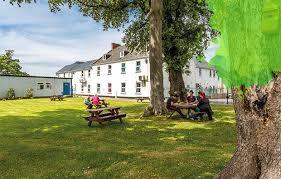
Beechwood College
• Iris Care Core Values
• Service Overview
• Occupational Therapy
• Speech and Language Therapy
• Collaborative Working
• Case study
• Current Collaboration
• Important Policies and Legislation
• Identified Barriers to Collaboration

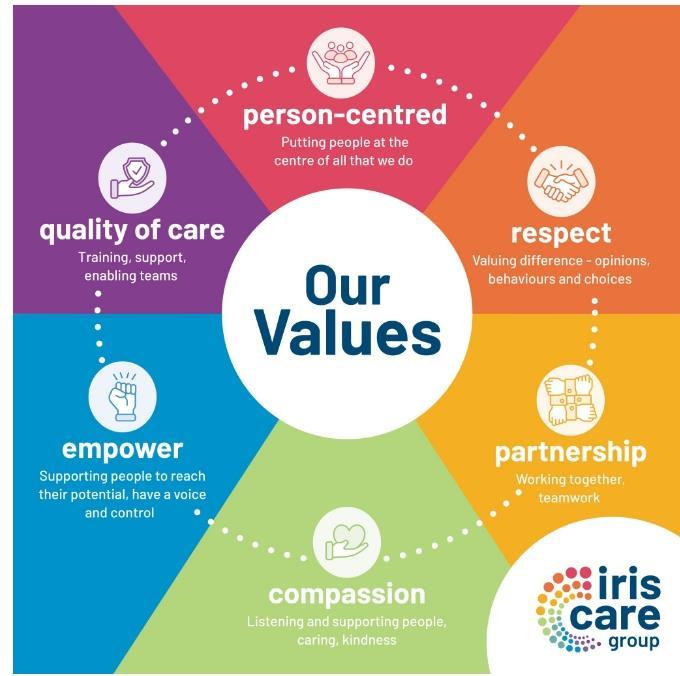
Iris Core Values
The Core Values of Iris Care Group are reflected in all practice throughout Beechwood College: 1. Person- Centred – Specialist adaptations. 2. Respect – Maintaining respect for everyone Beechwood.
3. Partnership – Liaising with all departments across BWC to streamline services. 4. Compassion – Constructive communication Empathy vs sympathy. 5. Empower – Empower with O.T and empower with Salt. Makaton Club, Gardening etc.
6. Quality of Care - Ongoing increase in standards and proactive and reactive planning.
What Is Beechwood College?
• College for residential and day students
• Autism specialist college
• Person-centred and evidence-based curriculum
• Focus on collaboration and co-production with students and parents/carers
• Overarching goal = to help our students develop as confident adults, reach their full potential and to integrate happily into the community


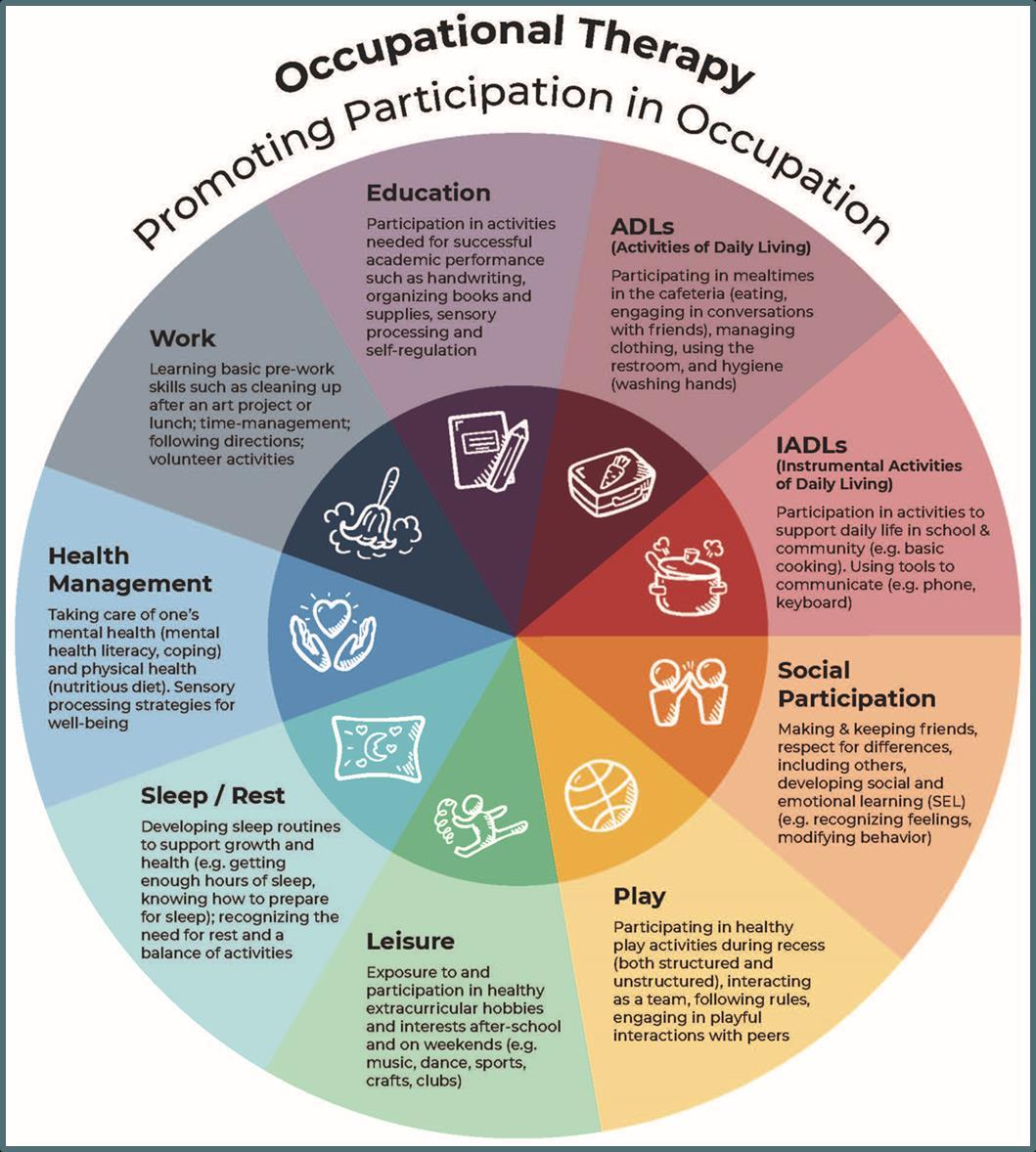
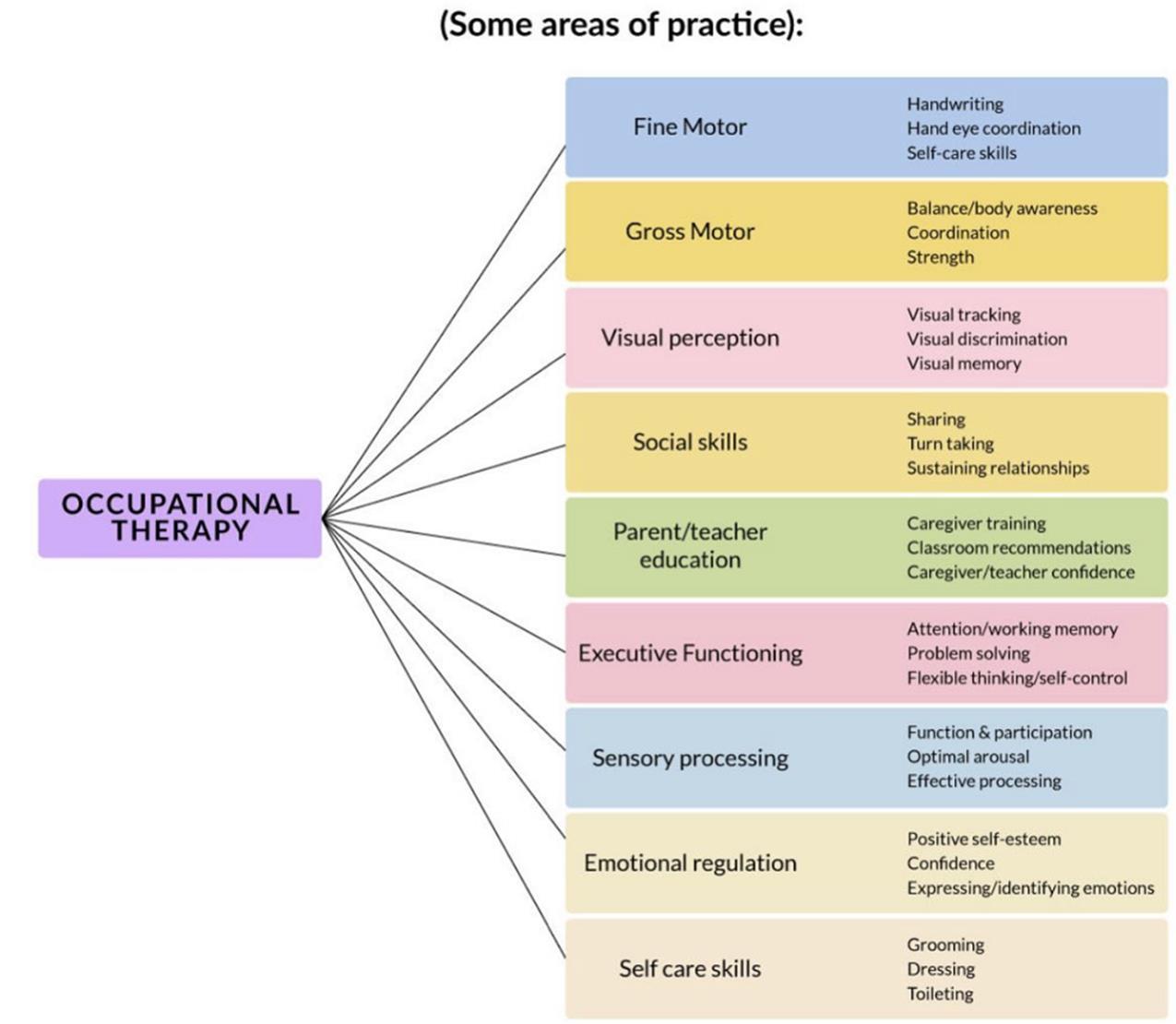
Occupational Therapy



Speech and Language Therapy (SALT)
What do Speech and Language therapists do at Beechwood College?

• Observations
• Information gathering from Carers
• Formal Communication assessments
• Eating and drinking Assessments

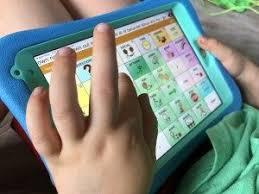
• AAC – (Augmentative and Alternative Communication)
• Language Development
• Speech Work
• Development of eating skills
• Resource Making
• Social Stories
• Communication Passports
• Advice
• Liaison
• Reports
• Formal meetings
• Eating and drinking profiles

Setting the scene in autism: RCSLT Neurodiversity statement
In a society largely designed for the neuromajority, we commit to taking deliberate steps to develop neurodiversity affirming practice within our profession.
We commit to understanding the needs and preferences of neurominorities such as autistic people, including listening to parents and carers of people who cannot make these decisions themselves.
This includes the ways in which autistic individuals are excluded or included, the ways we can make adjustments to everyday expectations, interactions and environments, and the teaching and sharing of specific skills where this supports quality of life, inclusion and reduces risk and harm.
In particular, our profession has a key role in optimising communication experiences via the use of a neurodiversity informed lens.
Collaborative Working
What is collaboration and why is it important?
• According to WHO, "Collaborative practice happens when multiple health workers from different professional backgrounds work together with patients, families, carers and communities to deliver the highest quality of care across settings” (WHO, 2010)
• Promotes effective healthcare (NHS, 2014)
• Emphasis on importance of ‘partnerships’ in HCPC (2024) standards of conduct, performance and ethics
• Key factor in job satisfaction for healthcare workers (Chang et al., 2009)
• Breakdown in collaboration cited as key in care failures (e.g., Francis Report, 2013)

Case Study
Overview:
Tom* is a 21 year old student at BWC. He has a diagnosis of Autism Spectrum Condition, and a learning disability, and has lived at BWC since 2021.
Tom had been presenting with increased behaviours that challenge and his community engagement had decreased.

MDT meeting with wider team
Shared goal to increase Tom’s community engagement
Clinical team working together to implement and monitor graded plan
Collaborative working to share knowledge and plans
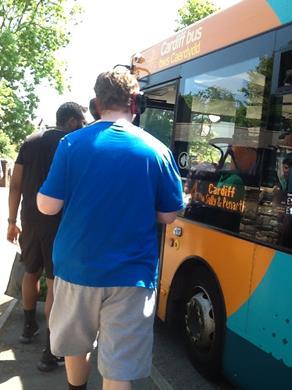
Successful intervention resulting in Tom going out more, and even getting on a public bus for the first time!
*Pseudonym used
Current collaboration
Collaborative working between O.T and S.A.L.T is critical in providing comprehensive care for autistic individuals who may experience a range of sensory, motor, communication, and social challenges.
Aligning goals
• Sensory integration
• Engagement in activities of daily living
• Social skill development
• Emotional regulation
Joint approaches
• Visual supports e.g., social stories
• Environmental adaptations
• Mealtime interventions
• Cognitive behavioural approaches
• Assistive technology and adaptive equipment
Important Policies and Legislation



Barriers to collaboration
• EHCP limitations – funding
• Schedules (e.g., external therapists)
• Caseload sizes – difficult to joint work
• Big multi-disciplinary team (made up of 3 core teams)

• Office divide/Separation of team – separated from psychology