


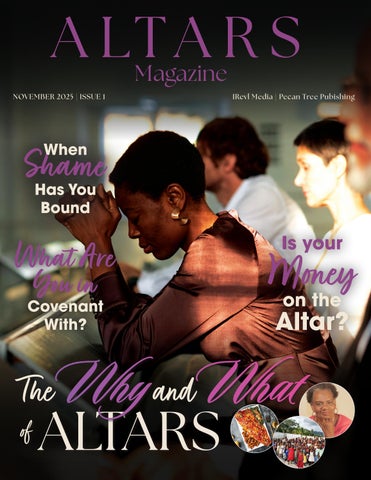
Welcome to the inaugural issue of ALTARS Magazine.
This publication was born from a simple, profound conviction: The altars are missing.
This launch issue introduces us and identifies our purpose: to tear down false altars, however and wherever they have and are manifesting, and be active and forward-moving in the radical return to God’s holy altar. It is more than just an academic assignment; it’s being used as a mirror held up to our souls, our systems, and our communities. It asks the uncomfortable, yet essential, question: Where do we find our ultimate loyalty, identity, and security? We know that true spiritual warfare often isn’t fought against demons, but against the deeply entrenched idols of self-reliance, fear, ambition, and the subtle, seductive power structures we allow to compete with Christ’s absolute sovereignty. The word of the Lord is a call to return to the altar. Not just as a biblical concept, but as a sacred, available space, a temple to carry pain and find healing.

In this issue, you will find practical insights for casting down these false gods:
• How your sacred desk (or personal ministry) can lose its sanctity.
• The warning signs that your business has become an errant altar.
• How to stop eating your future by casting down the altar of poor financial stewardship.
• The call to cleanse your house by breaking ties with unholy covenants and organizations.
As you read through these articles and are propelled into immediate, practical action, I ask and encourage you to support the work that allows this vital message to reach others. Your support through advertising is essential for this magazine to grow and fulfill its apostolic assignment, to prepare the altars and anoint the sanctuary of believers worldwide.
Finally, click here for a video message from yours truly, where I expound on the concept behind ALTARS became my assignment, and what I believe is the calling and mandate for the future of this magazine.
Emily Claudette Freeman

ALTARS restores the significance of God’s Kingdom assignment and purpose. Serving as an “apostolic sacred desk,” it challenges misplaced structures and philosophies with biblically rooted, revelation-rich articles. We trace the altar from Genesis to today’s call for authentic worship, obedience, repentance, justice, sanctification, and formation.
Publisher Irevl Media
Editor-in-Chief
E. Claudette Freeman
Associate Editor Carol Lynne Wheeler
Writing Team
Toni Seaton Cie Thomas Sasha March
Bookstore Manager Tamijah Scriven
exists to amplify Kingdom truth with editorial excellence and practical discipleship for daily life. We curate voices, stories, and resources that help readers encounter God, apply Scripture with wisdom, and live the “exceedingly abundant life” with integrity, stewardship, and joy.

Patricia Laurenceau
Jean-Louis is a graphic & web designer, and strategist helping entrepreneurs, authors, and coaches build businesses with both creativity and Kingdom purpose. With over 15 years of experience, she is passionate about equipping others to steward their vision without losing sight of their faith. Learn more at https://www.laurenceaudesignstudio.com

Dr. Tiffany Crayton is a strong believer in our inherent worth and value as human beings by simply embracing who we are. She is a dedicated speaker who covers a diverse range of mental health topics, including imposter syndrome, workplace stress, anxiety, the importance of relationships and connections, coping strategies, and what it means to be culturally competent.
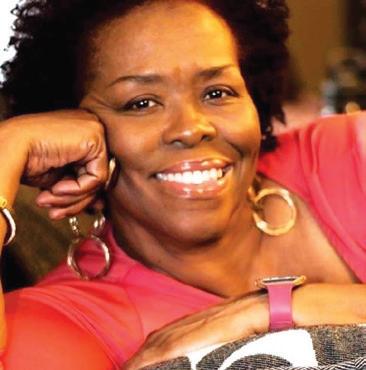
Brenda L. Jackson is a minister and creative spirit. Brenda says her assignment in life is to encourage and uplift those who feel less than or forgotten. Her sense of humor and creative spirit combine for wonderfully eclectic and delicious culinary designs. When not cooking, Brenda is a Supervisor in the Media and Marketing Department of Cole, Scott & Kissane, P.A., and is an active part of the Ministerial Alliance of New Birth Baptist Church, Miami, FL. Her first cookbook, “Culinary Roots,” was released in February 2009.
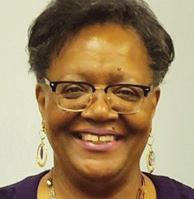
Melissa Smith is an author and publisher who shares stories of faith, healing, and hope through Grace to Bloom Publishing. Visit MelissaWrites.com to learn more.

Shirley King is the owner and Chief Strategy Officer at Optimize Solutions Group. The group empowers growth, bridges gaps in operational processes, and aligns leadership strategies to strengthen people-focused solutions that foster sustainable growth and empower employees. She is the author of Bold and Thriving: Seeking Fulfillment Beyond Success, for high achievers daring to live boldly, thrive unapologetically, and transcend mere success.

Marsha Tate is a Kingdom business strategist, writer, and speaker who equips Christian women to align their purpose with God’s plan. As a wife, mom of five, and founder of M. Tate Consulting, she inspires others to build with boldness, faith, and excellence.
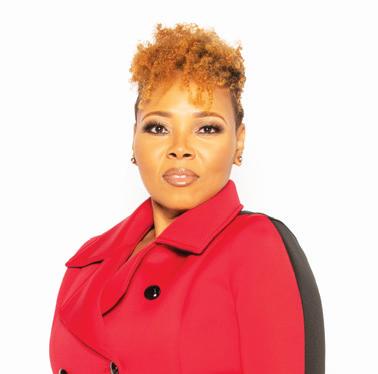
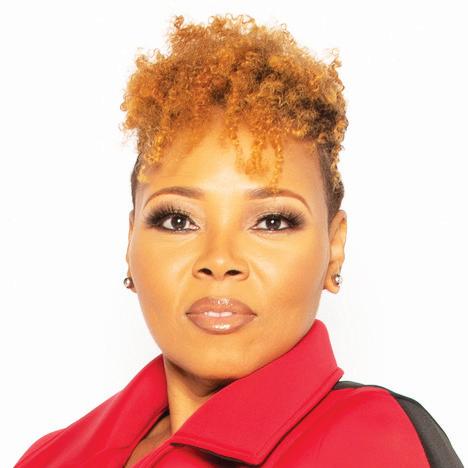
Ereka Thomas is an author and identity strategist who helps believers recognize the lies they’ve agreed with and step into the truth of who they already are in God. Through her Journey to Freedom FrameworkTM, she walks people through a process of awareness, release, and realignment that leads to lasting transformation. Ereka is the author of Breaking Covenants with Counterfeits: Journey to Freedom A Love Story, and her work centers on faith, identity, and freedom that lasts beyond the moment.

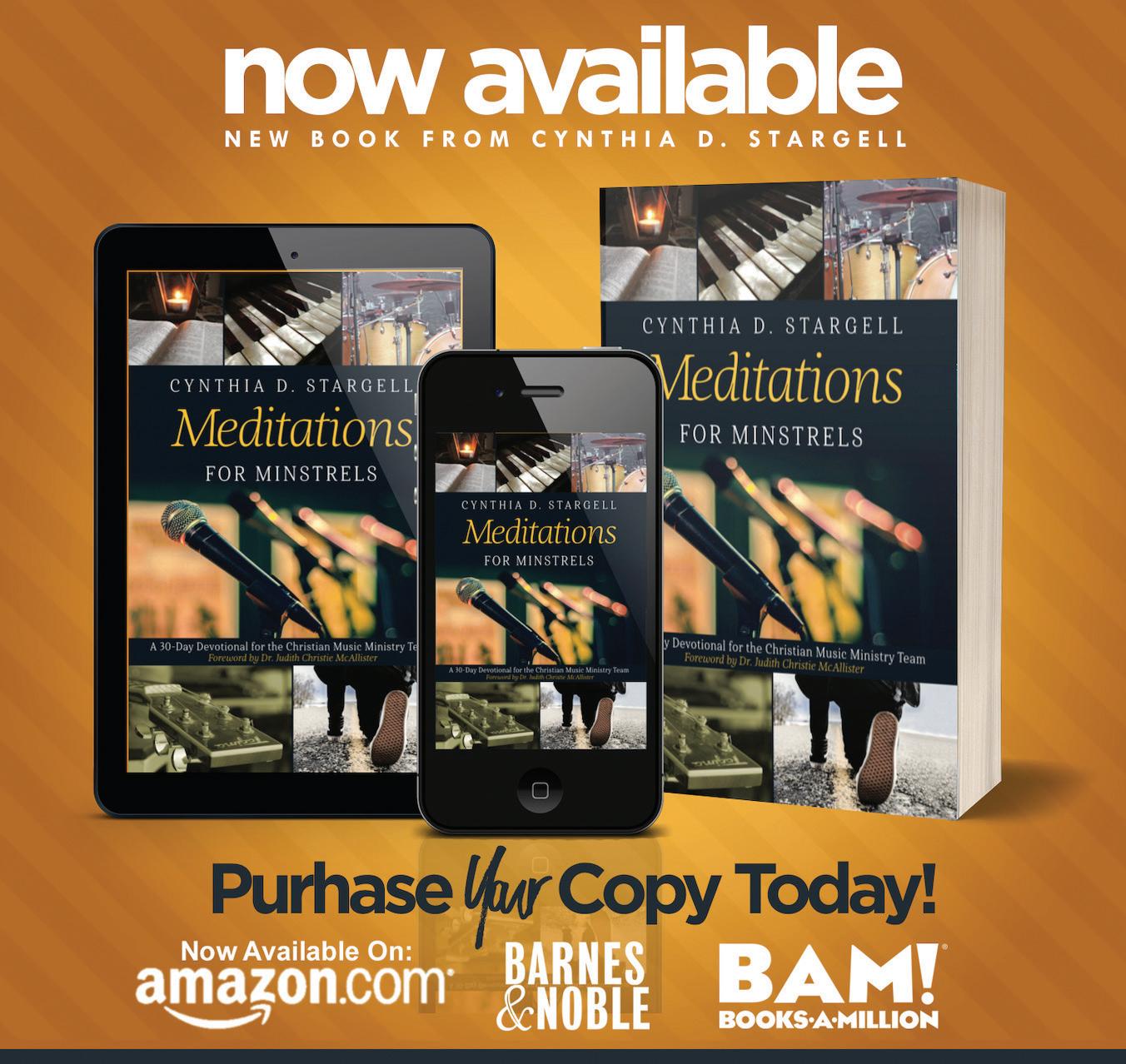
Cynthia D. Stargell is a blessed servant of God cultivating music, writing, visual communications, and worship for His glory! She is the author of Meditations for Minstrels, and, as a content writer, pens Daily Meds, providing powerful spiritual wisdom and insight.
On a recent Tuesday morning, as I was praying for my family, something I’ve done every Tuesday for the last two years, the Lord shifted me.
He said, “Don’t just pray for your family . . . pray for all families.”
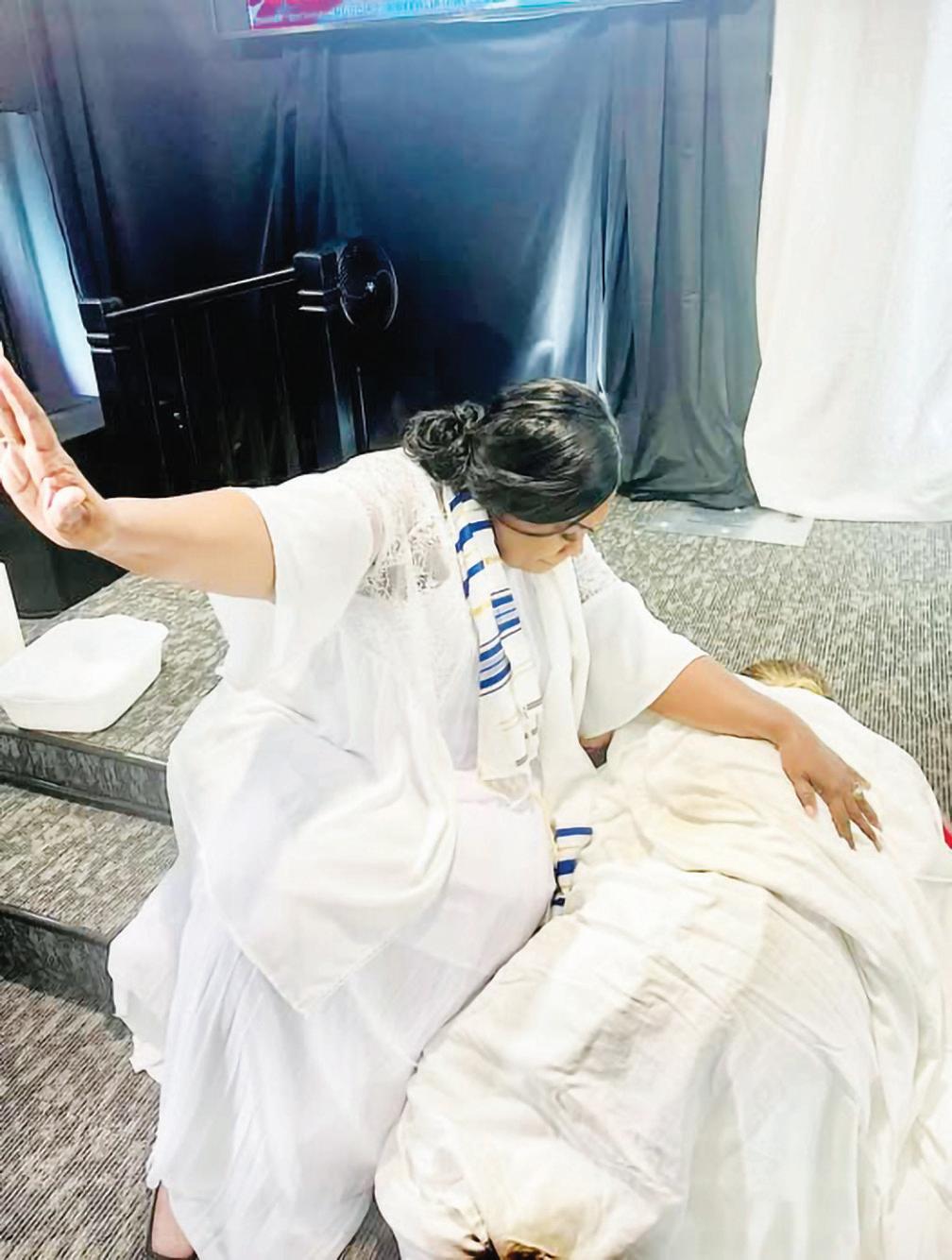
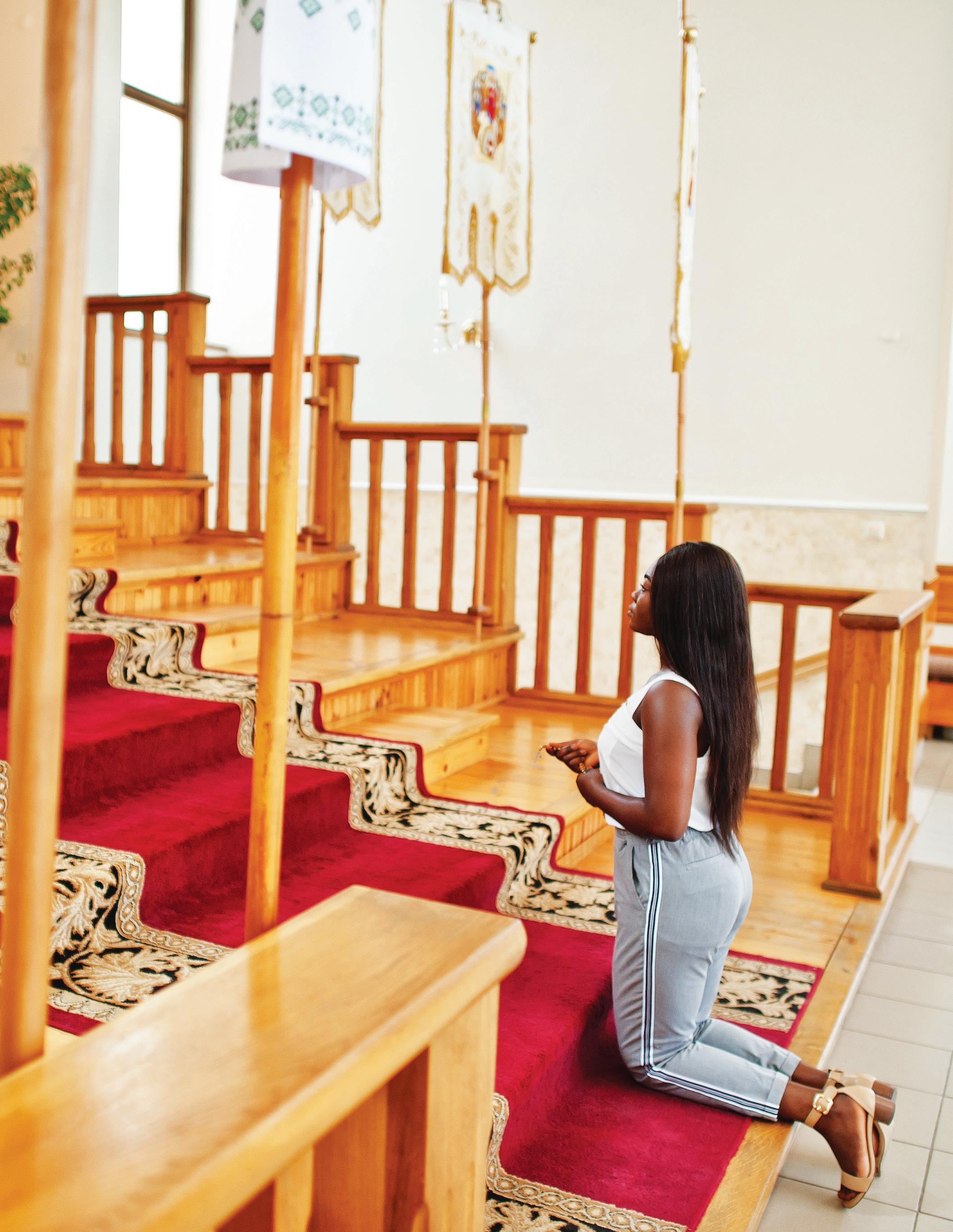
When I finished praying, I came across the photo here of me in all white, praying at the altar during our first 6 AM Women of Wisdom Prophetic Prayer in 2022. The photo was confirmation. God is calling us back to the altar. If we want to see our families restored, our homes healed, our lives filled with miracles, signs, and wonders, it starts with altar work.
It’s time to reflect, look at the man in the mirror, and ask God to change what needs to be changed. It’s time to repent and to be restored, so that God can release and recover everything that’s been lost.
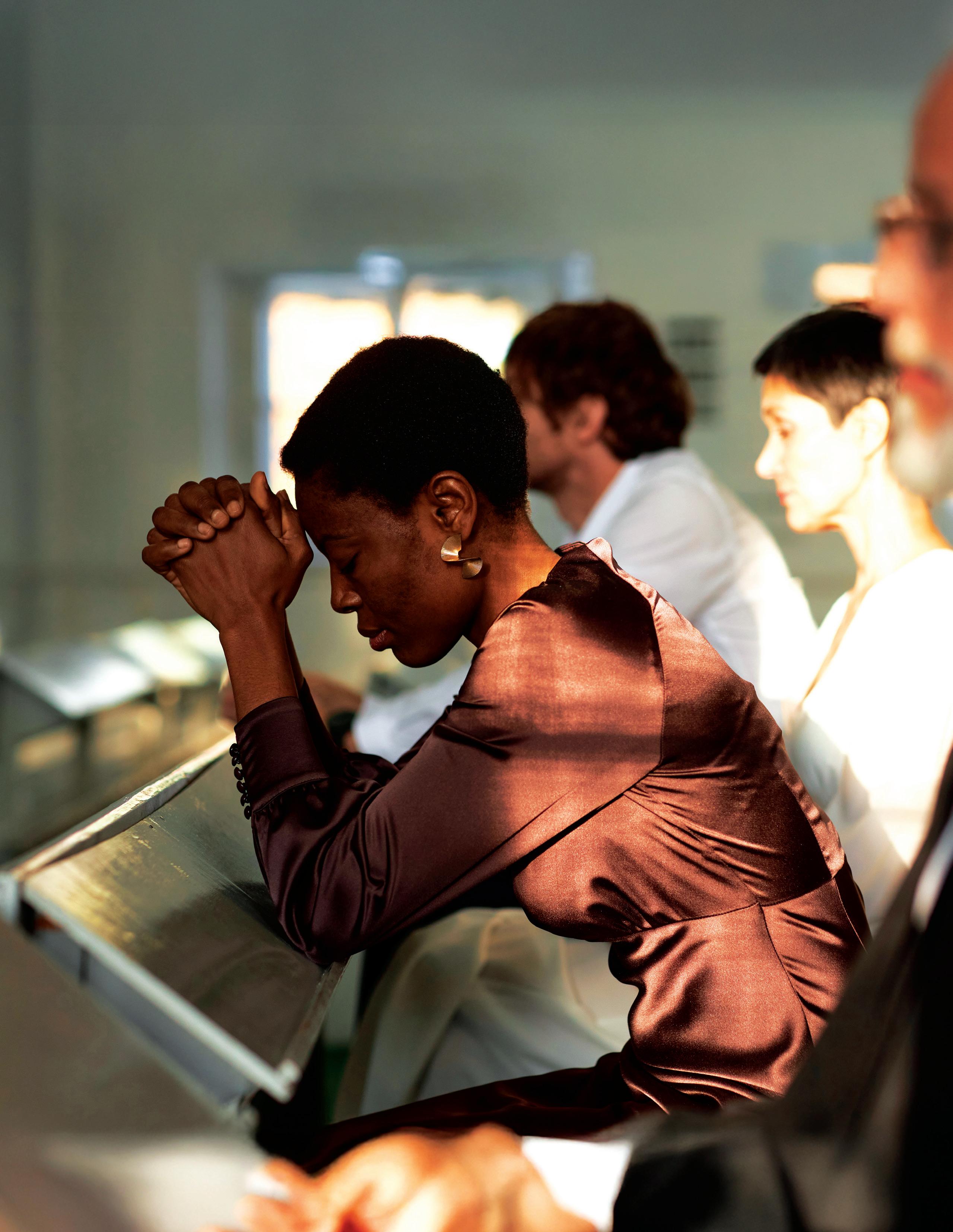
But hear me. This requires you. Not just your faith, but your obedience. Sometimes obedience looks like the picture — On your face before the Lord, crying out until heaven responds, unbothered by who’s watching, desperate for God to fix what’s broken.
Because this is the posture that saves families. This is the posture that heals marriages. This is the posture that breaks cycles and restores order.
The church has become scattered. Leaders are coming to church but not becoming the church, believers wounded by offense are hiding at home, and sheep are caught in other folds. Our conversations are off and don’t align with the word of God. The conversations are disturbing what’s happening.
But the Lord says, “Return
to the altar. That’s where I’ll meet you. That’s where I’ll heal you. That’s where I’ll release you.”
The altar is still open. The power still flows. And Jesus is still the answer.

By Carol Lynne Wheeler
A LTARS. Here we are diving into a matter that we likely don’t give much thought to unless we invite congregants to salvation or prayer, or we are discussing idols. For a deeper understanding, we must consider the biblical history and purpose of the altar, what it is, why it exists, and how Scripture records its power to shape the people of God.
Author Carol Lynne Wheeler dove into the examination of altars from Genesis, the tabernacle and temple, the prophets, and the early church, to a present-day call to recover authentic worship at God’s altar.
The altar stands as the cornerstone of authentic worship throughout biblical history. In these sacred spaces, divine encounters transformed lives and nations. These were holy meeting places between God and humanity. From the earliest accounts of worship, altars served as physical monuments marking spiritual milestones. These were places where heaven’s purposes intersected with human devotion, where sacrifices were offered, and where God’s presence was manifested in tangible ways.
In today’s context, while physical altars may have changed form, their spiritual significance remains unchanged. The altar continues to represent that sacred space where believers encounter God’s presence, offer their worship, and experience divine transformation.
Genesis: The First Altar (Genesis 8:20)
As the crushing waters of divine judgment receded and creation exhaled, Noah, a man who had learned obedience in the furnace of crisis, stepped onto a cleansed earth. With hands still trembling from the weight of survival, he gathered stones for the first recorded altar in sacred history. This wasn’t merely an arrangement of lifeless rocks, but a profound act that would pierce the barrier between heaven and earth (Genesis 8:20). Here, amid a world scrubbed clean by flood waters, where every grain of soil bore witness to both judgment and mercy, Noah dared to approach the Divine through the ancient language of sacrifice.
In this sacred moment, the very concept of the
altar was birthed into human consciousness, not as a cold religious ritual, but as the meeting place between mortal and Divine. That first altar established a pattern that would echo through millennia.
Abraham, Isaac, and Jacob: Altars of Encounter
Abraham built several altars during his journey. His first altar was at Shechem, where God promised him the land. He built another altar between Bethel and Ai, where he regularly worshipped. His most significant altar was on Mount Moriah, where God tested him by asking him to sacrifice Isaac but then provided a ram instead (Genesis 12:7–8; 22:9–14). This event would later be seen as a foreshadowing of God’s plan of salvation.
Isaac built his altar at Beersheba, where God appeared to him and confirmed the covenant He had made with Abraham. This showed that God’s promises continued through the generations. The altar was built near the wells that Isaac’s servants had dug, making it a center for both physical and spiritual life in the region (Genesis 26:24–25).
Jacob built altars at significant points in his life. After wrestling with God at Peniel, he built an altar to mark where God changed his name to Israel. He built another altar at Bethel upon returning from his time with Laban, fulfilling the vow he had made when he first saw the vision of the ladder to heaven (Genesis 28:18–19; 35:1–7). These altars marked major turning points in his life and served as historical markers of God’s interactions, preserving memory for later generations.

In the outer courtyard stood the bronze altar of burnt offerings, the central place of sacrifice and atonement. Built of acacia wood and overlaid with bronze according to God’s exact specifications, it measured five cubits square and three cubits high, with horns at its four corners and a perpetual fire burning upon it. This altar served as the primary location where the priests offered sacrifices to the Lord (Exodus 27:1–8; Leviticus 6:13; 17:11).
Inside the Holy Place, before the veil, stood the golden altar of incense. Though smaller than the bronze altar, it was no less significant. Here, the priests burned sacred incense every morning and evening, its sweet aroma representing the prayers of God’s people rising before His throne (Exodus 30).
These two altars worked together in God’s plan of redemption: the bronze altar provided atonement through sacrifice, while the golden altar before the Holy of Holies enabled the priests to draw near to God in
worship. This divine pattern pointed forward to the One who would fulfill the meaning of both altars through His perfect sacrifice and eternal intercession.
King Solomon built the Temple in Jerusalem as the place for God’s Name. The Temple’s construction took seven years and required skilled craftsmen from various regions. The altar of burnt offerings was central to the Temple’s function, measuring 30 feet square and 15 feet high (2 Chronicles 4:1). The Temple fulfilled both David’s vision and God’s promise to establish a permanent place of worship in Jerusalem. The bronze altar was large enough to accommodate the numerous daily sacrifices required by the Mosaic Law. The presence of God, known as the Shekinah glory, filled the Temple sanctuary until its destruction by Babylon in 586 BCE, marking a significant change in worship practices (2 Kings 25; 2 Chronicles 36).
Altars were sacred intersections between heaven and earth, spiritual bridges spanning time where mortal hearts connected with immortal purposes. The dramatic confrontation on Mount Carmel stands as a testament to the altar’s power as a meeting place with God. When Elijah challenged the prophets of Baal and repaired the altar of the Lord, the consuming fire that fell from heaven validated not just Elijah’s faith, but the very purpose of altars as focal points of God’s manifest presence (1 Kings 18:30–39).
The children of Israel turned away from the LORD and built high places, burned incense to other gods, and
bowed down to idols. The LORD sent His prophets to warn them, Elijah on Mount Carmel; Jeremiah standing in the gates of Jerusalem, Hosea speaking of unfaithfulness, yet the people mixed the worship of foreign gods with the service of the LORD, breaking the covenant. God’s righteous anger against betrayal brought consequences for sin, even as His mercy offered a path back (Jeremiah 2:13).
In a calculated act of spiritual rebellion, King Jeroboam established false worship centers at Dan and Bethel, complete with unauthorized priests and counterfeit festivals that mimicked the true Temple worship. His actions fractured the nation’s religious unity and initiated patterns that would corrupt worship for generations (1 Kings 12:28–33).
New Testament Frames: Discernment, Prayer, and Power
In Athens, Paul confronted polytheism at the Areopagus, using the “altar to an unknown god” to proclaim the Creator who “does not live in temples made by human hands” (Acts 17:16–34). In Philippi, Paul and Silas turned a prison cell into an altar of worship; as they prayed and sang, an earthquake opened the doors, and a family was saved (Acts 16:25–34). The early church devoted itself to prayer and fellowship, breaking bread, sharing, and learning, patterns that formed durable spiritual altars in community (Acts 2:42–47; 4:32–35).
Restoring the Altar: Revival and Transformation
The story of King Hezekiah shows how one leader’s dedication to God can spark revival across a nation. In his first month as king, Hezekiah reopened and cleansed the Temple, called the Levites to purify themselves, and reinstated worship. Idols were removed, even the bronze serpent that had become an object of idolatry (2 Chronicles 29–31; 2 Kings 18:4; 2 Chronicles 29:3). Hannah’s fervent prayer and vow stand as a tender portrait of altar devotion that shaped a generation (1 Samuel 1–2).
Consecration, Intercession, Repentance, and Hope
Scripture calls for consecration and fresh fire (Leviticus 8–9), for intercession that stands in the gap (Esther 4:16; Exodus 32:11–14), and for wailing before the altar, a holy lament that returns hearts to God (Joel 1:13–14; 2:12–17). Christ’s people are called to worship in spirit and truth (John 4:23–24), to present their bodies as living sacrifices (Romans 12:1), to love one another (John 13:34–35), to shine as light (Matthew 5:14–16; Ephesians 5:8), to rest in peace that surpasses understanding (Philippians 4:7), and to stand in the assurance that nothing can separate them from the love of God (Romans 8:38–39). Hope rises in promises like Isaiah 43:19 and 2 Corinthians 5:17, with the steady mercy of Lamentations 3:22–23 and the
prayer, “Create in me a clean heart, O God” (Psalm 51:10; Jeremiah 29:11; Philippians 4:13).
From Genesis onward, altars stood as sacred places of meeting, covenant, and sacrifice before God. Noah built an altar after the flood, Abraham raised altars wherever God revealed Himself, and Moses established altars where blood was shed for the atonement of sin. Each of these pointed toward something greater, someone greater. In Christ, the shadow becomes substance. He is not only the Lamb who was slain, but He is also the very altar upon which the final sacrifice was made. The writer of Hebrews declares, “We have an altar from which those who minister at the tabernacle have no right to eat” (Hebrews 13:10), showing us that the cross itself fulfills what the altar once foreshadowed. Just as the bodies of sacrifices were taken outside the camp, so Jesus suffered outside the city gate, sanctifying His people through His own blood (Hebrews 13:12). His body became the temple, His cross became the altar, and His blood became the once-for-all sacrifice (John 2:19–21; Hebrews 9:26; Hebrews 10:12). No longer must we build stone altars, for Christ Himself is the meeting place between God and humanity. And because He is both altar and offering, we are now called to present our own lives upon Him as living sacrifices, holy and acceptable to God, which is our true act of worship (Romans 12:1).
Today, the altar is no longer made of stone or wood, but it is found in Christ Himself. Every time we come to Him in worship, surrender, or prayer, we are approaching the living altar where heaven and earth meet. Laying down our plans, our pride, and even our burdens at His feet is the modern expression of offering sacrifice. In Christ, our daily choices, our acts of obedience, and our hearts of worship become living offerings upon the altar that never fails. Just as the altars of old pointed forward to God’s ultimate provision, so our lives laid on Jesus reveal the fullness of His sacrifice and the depth of His love. To step onto this altar is to enter into intimate fellowship with God, trusting that the One who is both our altar and our offering will carry us, sanctify us, and make all things new.
Music, Talk, Poetry, Meditation and More
All about Edification, Inspiration, Evangelism, and Discipleship
Be ready for ear-pleasing Kingdom radio like you’ve never experienced.
By ALTARS Editorial Team
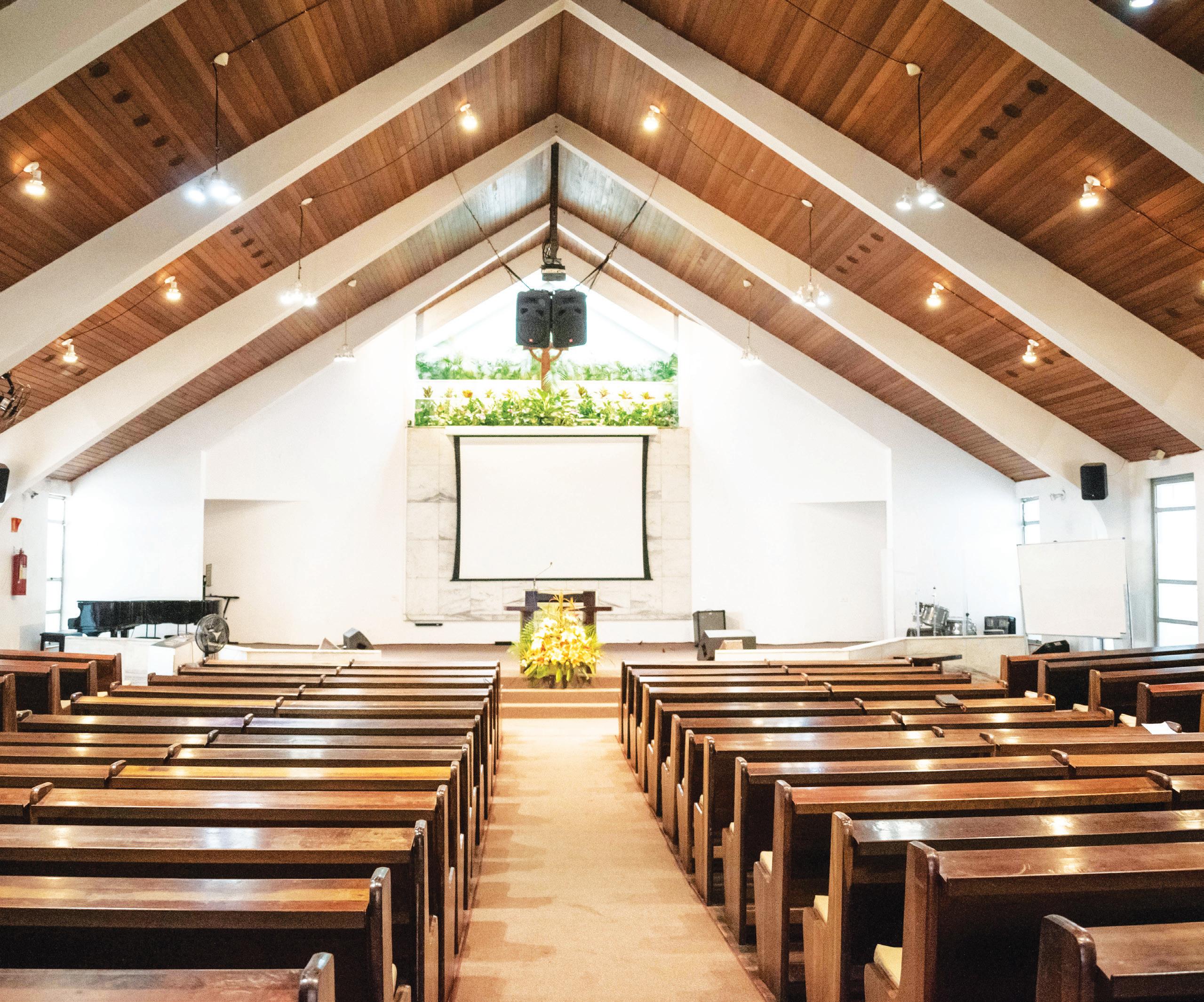
The concept of the altar as a sacred place of meeting between God and humanity is deeply rooted in biblical history. From the earliest accounts in Genesis through the detailed construction of the tabernacle and temple, altars were not improvised. They were intentionally designed, carefully dressed, and strategically positioned. In contrast, many modern worship spaces—particularly in growing megachurches and contemporary ministry environments—prioritize production aesthetics, which often shift focus from the altar as a sacred centerpiece to the platform as a performance zone.
In the Old Testament, altars were designed according to specific divine instructions. In Exodus 20:24–26 (KJV),
God commands the Israelites: “An altar of earth thou shalt make unto me… And if thou wilt make me an altar of stone, thou shalt not build it of hewn stone: for if thou lift up thy tool upon it, thou hast polluted it.”
This instruction emphasized natural materials—earth and uncut stones—to avoid human manipulation or artistic interference. The sanctity of the altar was tied to its rawness and purity. Exodus 27:1–8 outlines the design of the altar in the Tabernacle, specifying acacia wood overlaid with bronze, a grating of bronze network, and rings for transport.
Priestly functions also shaped how altars were dressed. Exodus 30 describes the altar of incense, which required specific anointing oils and fragrances. Levitical priests were required to wear consecrated garments (Exodus 28) and follow strict cleansing rituals before approaching the altar.
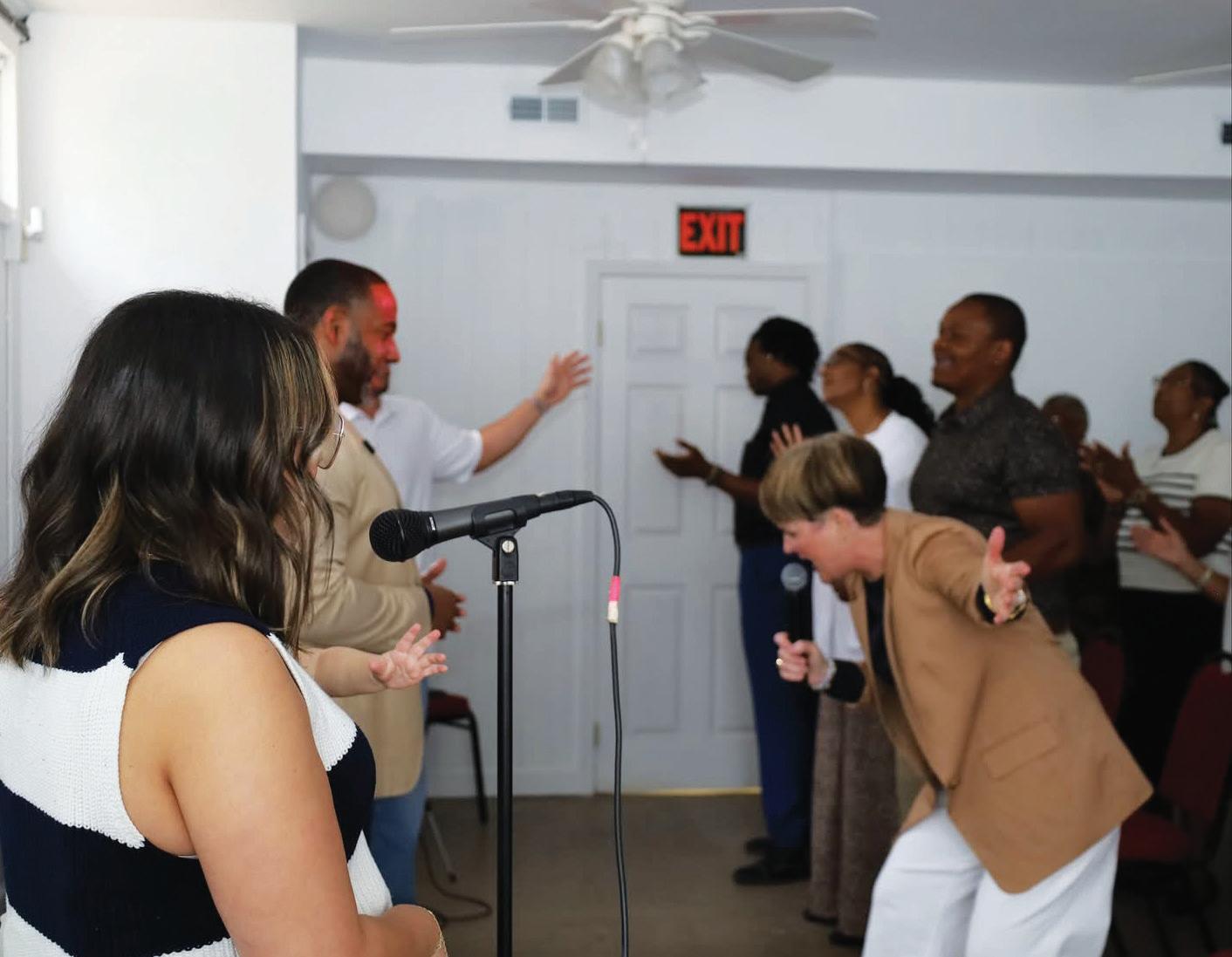

Sacrificial fire was central. According to Leviticus 6:13, “The fire shall ever be burning upon the altar; it shall never go out.” Maintenance of the fire was not optional—it symbolized ongoing communion with God. Additionally, blood from animal sacrifices was to be sprinkled on the altar, marking it as a place of atonement (Leviticus 17:11).
In the First and Second Temples, the altar held a prominent position. Historical records—including biblical texts and Jewish rabbinical writings—indicate that the altar of burnt offering in Solomon’s Temple was built of stone and measured 20 cubits square by 10 cubits high (2 Chronicles 4:1). It was located in the outer court, visible and central.
Later synagogues adopted teaching-centered layouts rather than sacrifice-centered ones, but even then, a
designated place of prayer and reverence remained present. Altars remained a conceptual framework even when literal sacrifices ceased.
Modern church architecture has undergone significant changes over the last century. A 2022 report by the Faith & Form Journal highlighted a marked trend toward performance-style layouts in new church buildings.
These include:
• Stadium seating designed for optimal viewing
• LED lighting and immersive sound environments
• Flexible stages with no fixed pulpit or altar furniture
The report noted that while these changes support multimedia communication and larger audiences, they

often reduce or eliminate visual cues associated with sacredness—especially the traditional altar. In many churches, the altar is replaced by a center platform used interchangeably for music, announcements, and sermons.
Some denominations, including Anglican, Catholic, and Orthodox communities, retain formal altars in both architecture and liturgy. However, in many evangelical and non-denominational churches, the altar is symbolic at best, often represented by a raised platform or general prayer area with minimal structural design.
Further, for some ministries, worship is not held in “normal settings.” More frequently, worship services are being held in venues like movie theatres, recreation centers, or shared spaces, allowing multiple churches to hold services concurrently. These more fluid or mobile church settings are less tailored to creating environments with traditional church décor, inclusive of pulpits, floral dynamics, pastoral seats, and similar. Opting instead to focus on creating an open and safe space for praise, worship, and teaching.
While the settings may initially give pause for those who grew up in traditionally grand-designed sanctuaries, what must be measured is the presence of the Holy
Triune not only in church leaders, but also in volunteers and the congregation at large. Is the most prevalent atmosphere one where the essence of Jesus Christ reigns, is modeled, and taught boldly?
Despite stylistic diversity, some common factors remain relevant when designing or preserving altar space today:
• Visibility: Is the altar clearly marked and set apart from the rest of the platform?
• Functionality: Does the altar still serve as a space for prayer, repentance, communion, or commitment?
• Design Intent: Are materials and layout chosen with theological purpose or merely aesthetic appeal?
• Sacred Use: Is the space treated differently than the rest of the worship area during services?
In re-evaluating modern altar spaces, architects and ministry leaders face a key decision: whether the altar will remain a centerpiece of spiritual focus or become an accessory to stage design.


By Patricia Laurenceau
There was a season in my business when I found myself slipping into the trap. With the help of social media, it is so easy to do so because the information, stories, and experiences of others are right in front of you in full display. I became so focused on meeting deadlines, attracting new clients, and comparing my progress to other entrepreneurs that prayer was no longer part of my daily strategy. Prayer became the thing I ran to when things got tough. Instead of seeking God first, I was running on analytics, hustle, and pressure. The weight of it left me exhausted and disconnected from the peace that comes when Christ is at the center. I became overwhelmed, frustrated, and got to a point where the zeal I had for the business began to fade, and I no longer enjoyed what I was doing.
As Christian business owners, we live at a unique intersection of faith and marketplace commerce. On one hand, we are driven by vision, strategy, and goals. On the other hand, we know that our ultimate CEO is the Lord, and our businesses belong to Him.
But here is one of our major struggles: if we’re not careful, the very thing God entrusted to us as a tool for impact can become an altar of idolatry. What began as a God-given assignment can morph into a place of
pride, self-sufficiency, or misplaced worship. That may be difficult to take in, but it is true.
As an entrepreneur and business owner, my goal is to evaluate how I see and steward my business, not as a position of power or a personal altar, but as a purpose I must respect, honor, and manage under God’s direction. That should be your goal as well.
In the Old Testament, altars were sacred. They were places where God’s people made sacrifices, renewed their covenant, and sought His presence. However, when Israel began building altars apart from God’s instructions and design, they became errant altars. These places of worship looked spiritual but were rooted in disobedience.
The same danger exists in business. If we build our companies apart from God’s guidance, we risk creating an errant altar. It may look successful on the outside with increasing clients, growing income, a busy calendar, and increased visibility, but in God’s eyes, it can still be misaligned. One of the things I regularly check myself on is: Am I building my business as a response to God’s call, or am I building something that ultimately glorifies myself?
It wasn’t until I intentionally pressed pause. I chose to step back, repent, and return prayer to its rightful place


in my business. In doing so, I realized that I could no longer continue to operate relying more on my own abilities than on God. I decided to stop taking new clients, completed current projects I was working on, and began to quietly realign with God’s plan and direction. I learned that when competition or self-reliance tries to take the driver’s seat, surrendering the business to (or back to) God through prayer and rest keeps me grounded. That shift brought clarity and reminded me that success isn’t measured by outpacing others but by staying obedient to the One who called me. That is truly the only way for me. This has also allowed me to be more intentional about the work I decide to take, the clients I choose to work with, and the impact I want to make in this world.
Your business is not a throne for you to sit on. It’s not meant to elevate your ego or replace your identity in Christ. Rather, your business is a vineyard to tend. It is a responsibility given by the Master for you to cultivate and multiply. Jesus illustrated this in the Parable of the Talents (Matthew 25:14–30). The servants were entrusted with resources. Their task was to steward
“Am I building my business as a response to God’s call, or am I building something that ultimately glorifies myself?”
those resources, not to self-glorify or lord over. Likewise, God entrusts us with ideas, clients, finances, and influence.
When we respect our business as a purpose, we:
• Approach our work with excellence, knowing it reflects God’s character.
• Honor commitments to clients and customers as an extension of our witness.
• See employees and contractors as people to nurture, not just tools to profit from.
• Build in a way that contributes to the Kingdom, not just our own empire.
Let’s be honest: idolatry in business doesn’t always look like golden calves. It shows up subtly. It creeps in.
Here are a few warning signs to be mindful of:
1. Your identity rises and falls with your business success.
When sales are up, you feel valuable. When sales are down, you feel worthless. Your identity has become entangled with your company rather than rooted in Christ.
2. You sacrifice family and faith at the altar of hustle. Long hours are sometimes necessary, but if your spouse, children, or relationship with God consistently get the leftovers of your energy, your business may have taken God’s place.
3. Prayer is absent from your strategy. If your business decisions are made solely based on logic, analytics, or industry trends, and you rarely pause to invite the Holy Spirit into the process, you may be building on human wisdom alone. That’s dangerous for a business you steward, but God owns.
4. You’re driven more by competition than by calling.
When your motivation is to beat out, outdo, and top others for the sake of the thrill, money, or influence, rather than serve well and glorify God, your altar is built on envy and pride, not purpose.
So, how can you guard against your business becoming an idol on a false altar? Consider these three things to do and the advice on how to do them:
1. Return the Glory to God
Deuteronomy 8:18 reminds us:
“But remember the Lord your God, for it is He who gives you the ability to produce wealth.” sign, every idea that works, every door that opens—it’s all by God’s grace.
Practical application:
business meeting, launch, or milestone with gratitude. Say it out loud. Let your team and clients know you recognize God’s hand. Gratitude keeps you grounded.
2. Submit Your Plans Daily
Proverbs 16:3 says: “Commit your work to the Lord, and your plans will be established.” Notice the order: commit first, then see establishment.
Practical application: Before your workday begins, take five minutes to pray over your schedule, calls, and decisions. Write Proverbs 16:3 on a sticky note at your desk as a daily reminder.


Rest is a declaration of faith. By choosing Sabbath, you declare, “God is my source, not my effort.” Overworking may look noble, but it often reveals a lack of trust. Practical application: Establish clear boundaries for rest. That might mean no emails on Sundays, a family-only dinner policy, or unplugging during vacations.
Now, what does it look like to build your business as an altar aligned with God’s will?
• Excellence as Worship: Delivering quality work isn’t just good business; it’s worship. Colossians 3:23 reminds us: “Whatever you do, work at it with all your heart, as working for the Lord, not for human masters.”
• Integrity as Witness: Paying your team fairly, keeping your word with clients, and avoiding shortcuts are ways you testify about the God you serve.

“Whatever you do, work at it with all your heart, as working for the Lord, not for human masters.”
– Colossians 3:23
• Generosity as Partnership: Your business can be a conduit for Kingdom work. Whether through tithing, sponsoring missions, or serving your community, giving transforms profit into purpose.
• Prayer as Strategy: Before implementing that new service or hiring that new employee, pause and ask: “Holy Spirit, is this the right step?” You’ll find that divine strategy often outperforms human strategy.
Finally, writing the vision makes it plain, and journaling is a wonderful way to do that. Here are a few journaling prompts to help you align your business with God’s purpose:
• Have I made my business an idol in any area of my life?
• Do I see my employees, clients, and vendors as Kingdom relationships or just profit points?
• How can I honor God more intentionally in my daily business practices?
• What safeguards (accountability, prayer routines, rest
schedules) can I put in place to keep my altar aligned?
Your business is not an errant altar. It’s a sacred trust. It’s not a platform for pride but a purpose for stewardship. When you surrender your business daily, you invite God to breathe on it, multiply it, and use it as a testimony to His goodness.
Remember: You are not just a business owner. You are a Kingdom ambassador in the marketplace. Build wisely, lead humbly, and always return the glory to the One who gave you the vision in the first place.



By Shirley King
We want to believe that everyone shows up to work firing on all levels and void of the experiences that we are engaged in outside of the workplace. It’s a fallacy. We all have a home life, a social life, a purpose life, and a work life, and they are all critical parts of our whole selves.
Self-fulfillment is a direct result of your purposeful life. Fulfillment is the true motivator. You can’t buy it, you can fake it, you can’t wish it because fulfillment is soulful, while happiness is emotional and based on experiences. Your positive experiences from your purposeful life will surely have the capacity to influence your employees’ work lives and help them optimize results and achieve goals. A leader who has discovered their purpose delivers with a sense of purpose that everyone on the team has something to contribute.
A 2015 Harvard Business Review article provides insight into key differences between purposeful leadership and traditional leadership. Purposeful leaders focus on strengths to realize career aspirations, vs.
traditional leaders who focus on weaknesses to address performance. Purposeful leaders start at the end and move backwards, as opposed to traditional leaders who focus on the present, moving forward. Purposeful leaders take a holistic look at work and family, while traditional leaders may often disregard responsibilities outside of the workplace.
There are four areas that Purposeful leaders are exceptionally good at:
• Purposeful Leaders are Empathetic. They face challenges head-on. But they will also take a moment to intentionally understand the feelings of others and address them. Their purpose in life is what gives this leader the resilience to take a lot in and let it go.
• Purposeful Leaders are Direct. They will be direct when it is necessary. They have established trust with colleagues and employees. Difficult conversations are driven from a place of trust, versus being emotional and self-motivated.


• Purposeful Leaders are Emotionally Quotient. They have discovered their purpose, which includes discovering what they are not good at; therefore, they are a bit more adept at perceiving and managing their own emotions.
• Purposeful Leaders are Committed to their careers. They have given their purpose a space to flourish. Their peace and happiness are not wholly aligned with who they supervise and what they do in the workplace. They can authentically commit to their organization’s strategic goals and completely support change management.
Purpose is often recognized as a soft skill. This is especially true in current workplace environments where three to four generations comprise the workplace. Among technology’s ever-changing landscape and diverse work groups, purposeful leadership should be a part of strategy and embedded in change Management.
You don’t have to choose one and stick with it, no matter what. Try infusing purposeful leadership strategies into traditional leadership, and if you are already a true purposeful leader, if infusing traditional strategy (at times) seems to work, do it.
We are all global citizens leading, doing business, and building relationships on our own terms for our true life best lived.




Dr. Tiffany M. Crayton, Ph.D., LPC, NCC, DARTT, LSATP
During our lifetimes, we have opportunities to reflect on things from our pasts. In doing so, we reminisce about what we could have, should have, or wish we had done. Some of these things we pull from our emotional closets may cause some challenging emotions. If we are not careful, we may not move forward in our lives due to one huge emotion. Shame.
When we allow shame of around decisions or decision-based results to take hold of our being, our voices can become silenced. We may feel that what we have to say does not matter, or we fear what others may say based on what we share. Here is a truth that many of us were told at a young age: “If they are talking about you, they will talk about you, whether you are silent or speak up.” So, give them something to talk about! Give the power of your words, freed from shame.
When I was a little girl, I remember hearing women sitting around sharing their regrets. Sharing stories of what they wished they had not done. That if they knew what they knew now, they would have done things differently. They would say I regret when I ___________. I remember saying to myself that I never wanted to be the woman who said I have regrets. I would not be that woman I proclaimed! In my naivety, I viewed what they shared as life-altering mistakes made. An event in their lives that created so much shame they wished it had never happened. What I now realize is that it was giving voice to wisdom. It was sharing the triumphs and the lessons learned on their journey. They desired to share their pain in hopes of preventing another woman from having a similar mishap in their life.

Shame will have you sitting in your pain alone, pretending everything is good, not realizing that sharing your experience could be a blessing for someone else. The enemy is clever in this because if he can keep us silent, if he can keep us fearful and ashamed, he can keep us from being free. It is okay to acknowledge the fear you are experiencing because it is real, just as real as your faith. If you lean into your fear and trust God, He will consume the fear on your behalf.
Here are three things that helped me shatter shame. Give them a try. These things can be employed against guilt, stings of rejection, and similar crippling emotions that keep us wallowing in and worshipping our pain.
1. Surround yourself with people who love you and will not allow you to stay stuck in pain. They push you towards your purpose and will say what needs to be said, even if it is something you do not want to hear. It will be the very thing you will need to nourish your soul.
2. Give yourself grace. Believe that all things work together for the good of them who love the Lord. Even when we may do what we think is the right thing to do, or we do what is outside of what God has told us to do, He will still work that thing out to get the glory. He will take our mess and deliver a message that will be deliverance to you and someone else.
3. Be obedient. Do what God tells you to do. Even when it does not make sense. His plan is always better and greater than what we can imagine.
Shattering is defined as the disruption or annihilation of something. Are you ready to disrupt the shame and create a space for healing and freedom? When you do, you will discover the liberation that comes from spreading hope and love in your family, in your community, and in this world. Take steps towards YOU. The YOU who is free indeed from anything that keeps you in bondage.



IS YOUR
ALL
(OR JUST YOUR MONEY) ON AN ALTAR?

By Cynthia D. Stargell
We have come a long way. Blood, sweat, and tears have gone into doing better, getting better, and feeling better about ourselves, and more specifically, our image before others. Unfortunately, in this pursuit of “better,” we now find ourselves focusing on money more than ever before. We have traded in our altars of prayer to kneel before the god of this age— money.
If we are truthful, we built altars for our debit and credit cards, for money transfers and elite memberships, for our investments, our kids, our houses, and our cars. We robbed Peter to pay Paul, then shot both of them in the process to leave no witnesses behind, all for sacrificial encounters of the self-centered kind, satisfying an outward desire to look like all is well when it is not. And for some, it became absolute greed, losing sight of what is enough and what we should use our resources for in the first place.
Yes, money was always a game-changer for getting ahead, but in playing the game, we lost sight of the One who can bring about change. Our in-home altars were once a place of prayer and meditation. A space to hear what God was saying for our lives. We prayed for career opportunities, also known as “good jobs.” We believed God would cause someone to give us the chance to bring a greater tithe to the storehouse and be a blessing to those in need. Now, our altars lean toward a direct connection to chasing money, spending it, flaunting it, and worshiping it. We may find instances to be charitable with it, but it’s really not out of humanity to help others. It’s the exchange of what I will get out of such a contribution.
Worshipping money affects our spiritual and natural lives in multiple ways. It creates a disconnect from God’s plan for us. His will for us is not to live in poverty but to live an abundant life in Him! When Jesus shares in

Matthew 6 that no one can serve two masters, he makes it clear you will hate one and love the other; you will be devoted to one and despise the other. It’s about taking inventory of our motives because you cannot serve God and be enslaved to money. In that same passage of scripture, Jesus teaches us that life is more than food and clothing; it is more than appearance and posing. Real life is seeking the Kingdom of God first, then things will be added. But in the self-centered, self-satisfying, and self-reliant life this world has become, even we, as children of the Most High God have been caught up seeking things—material or in public accolades—not the Word of God, not the power of God, but a life of luxury-what makes us look good, what makes us feel good, what makes us and not He who made us. We lose sight of the Creator, focusing on the creation. Remember, no man can serve two masters. So, where, or better yet, what is your altar? Have you poured everything into achieving and acquiring what you believe is the best for you? Hmmm… and you’re still not happy. Maybe it’s time to shift the narrative back to the Word of God. Staying with Matthew 6, the 33rd verse reads, “But seek ye first the kingdom of God, and his righteousness; and all these things shall be added unto you.” You are wearing yourself out trying to gain
and obtain. Now it’s time to seek God for direction on how to acquire your resources. Doesn’t it make sense to go to the Source? Seek the kingdom of God— His spiritual reality in the earth. Seek His righteousness because there is nothing righteous about any of us, and then the things, the wisdom and knowledge, not only of what to acquire, what to do with it after you acquire it--all the things shall be added unto you.
Elisha Hoffman penned the lyrics to a sacred hymn of the church, “Is Your All on the Altar?” The first verse and refrain say:
You have longed for sweet peace, And for faith to increase, And have earnestly, fervently prayed; But you cannot have rest, Or be perfectly blest, Until all on the altar is laid. Is your all on the altar of sacrifice laid? Your heart does the Spirit control? You can only be blest, And have peace and sweet rest, As you yield Him your body and soul.
Think on these things and be blessed.



By E. Claudette Freeman

Sitting with a financial planner can be one of the most revealing and humbling experiences of your life. I know it was for me. I remember the hot shame I felt when my advisor and I did the math on my spending. The numbers on the page told a story I didn’t want to read: I had eaten my way through thousands of dollars that were meant for my family’s security, my future, and the vision I believe God gave me. One year, it was over $12,000 spent on takeout, convenience snacks, and restaurant meals. It was a painful but necessary wake-up call. Before you judge, I invite you to ask yourself: what is your number?
A great way to find out if your money is disappearing into your mouth is to track every single food purchase for one month. You might be just as dismayed as I was. It is not just about eating your money; it is about consuming the very resources meant for things that are likely crying out for your attention. I’m talking about eliminating debt, creating precious family memories, funding a business, and the big ones: establishing savings, emergency, and investment accounts. As people of faith, we are called to be good stewards of the blessings God provides, and that requires an honest look at where our money truly goes.
After housing, food is usually the largest expense for a household. While rent or mortgage payments are typically fixed, our food costs are variable. This is the very area where we have the most control yet often exercise the least. The rise of food delivery services has made it incredibly easy to satisfy any craving without leaving home. But that convenience comes at a steep price. That $10 meal can quickly become $25 or more once you add taxes, service fees, delivery charges, and a tip. Do you see how much of your financial future you just ate?
According to the latest USDA food cost report from May 2024, a family of four on a moderate budget can expect to spend approximately $1,379 per month on groceries. Yet, by the time we add takeout, deliveries, pre-packaged lunches, daily coffee runs, and snacks for the home and office, that budget can easily swell by 40 to 50 percent. Our money continues to flow directly into our mouths.

So how can we become better stewards and stop eating our financial progress? It begins with intention. Financial expert Dave Ramsey’s team puts it this way:
“When you budget, you’re giving your money a job to do—before you get your paycheck. This way you know exactly where your money is going, and you can be sure you’re putting it toward what’s important to you” (Ramsey Solutions, “How to Save Money on Groceries”). Being intentional means having a plan. The Bible reminds us in Proverbs 21:20, “The wise store up choice food and olive oil, but fools gulp theirs down.”
One of the most effective strategies is to reduce your trips to the grocery store. Marla, The FLY Mom, advises, “Create a meal plan for the week. Knowing what you will eat for breakfast, lunch, and dinner will prevent you from guessing, and it will prevent you from ordering takeout when you are tired and hungry” (“11 Practical Ways To Save Money On Groceries”). By planning your meals for a week or two at a time, you can shop once and have everything you need, which helps you avoid those impulse buys that break the budget.
aged options ready to go. This shift not only saves money but also honors your body. Turning to a diet rich in whole, organic foods and healthier meat options is an act of stewardship over your health. Nutritionists often encourage incorporating more plant-based meals, which are often less expensive than meat.
“Whoever can be trusted with very little can also be trusted with much.”
Preparing meals and snacks ahead of time is another powerful tool. You decrease the temptation to buy convenience meals when you have healthy, prepack-
Registered Dietitian Nutritionist Jennifer Fiske offers this practical advice: “Shop the sales and build your meal plan around what you buy. This is the number one way my family saves money on food. If you can be flexible with your meal ideas, you can plan your meals around sale items and save a ton of money over time” (Eating with Ease, “10 Realistic Tips for Eating Healthy on a Budget”). She also suggests using coupons, buying generic brands, and shopping with a full stomach to avoid impulse buys. Ultimately, our spending habits reflect our priorities. Poor food spending can lead to poor nutrition, creating physical and mental stress that affects our decision-making in other areas of life. The next time you are about to spend money on food outside of your planned budget, I encourage you to pause and ask yourself a question: Am I about to eat what God has purposed for my vision, my dreams, or my family’s future?
A great way to find out if your money is disappearing into your mouth is to track every single food purchase for one month.



Then, take that money and put it away in what I call an “I DIDN’T EAT IT FUND.” Watch how quickly your faithfulness in the small things adds up to big blessings. As it says in Luke 16:10, “Whoever can be trusted with very little can also be trusted with much.” Let’s honor God by becoming better stewards of our resources, one meal at a time. Use what you didn’t eat to feed something that serves a more Godly purpose for you or a charitable organization.
Those with poor spending habits when it comes to food may also be practicing poor nutritional habits, creating physical and mental stress, which may show up as poor money decision-making in other life areas. The next time you prepare to spend money on something to eat, outside of necessary food for you or the family, ask yourself: Am I about to eat what could be spent on God’s purpose for my life, my vision, my dreams, or my desires?

HBy Ereka N. Thomas
ave you ever been in a season that looked blessed but didn’t feel right? Maybe you said yes to an opportunity everyone celebrated, but peace never came with it. Or you stayed in a relationship that felt safe at first but slowly started to shrink you. Maybe you’ve been pouring yourself into work or ministry that looks fruitful yet quietly drains your joy.
Those moments are hard to name. On the outside, everything seems fine. But inside, there’s that quiet nudge—the sense that something has shifted. Sometimes that uneasiness is Holy Spirit bringing things to the surface. He’s revealing where our hearts have started to settle for what feels comfortable instead of what’s true.
“It doesn’t mean we failed. It just means something has shifted. The altar of our heart has started to serve the wrong thing.”
And God, in His mercy, is calling us back—not to punish us, but to realign us with truth.
When God calls us back to truth, He’s not just asking for another sacrifice; He’s inviting us to become one. That’s
what Paul is describing in Romans 12:1–2 when he says, “Present your bodies as a living sacrifice.”
Worship isn’t about a physical altar anymore; it’s about a surrendered life. Every thought, decision, and motive becomes an offering that reveals who or what we truly trust. In Scripture, a covenant is the agreement formed at that altar. Every yes creates one. We come into a covenant with whatever we continually agree with, whether that is truth or deception, faith or fear. When our altar is built on truth, peace follows. When it’s shaped by striving or self, we end up serving what we were meant to surrender.
False altars don’t show up in rebellion; they form in reasoning—when we start trusting what makes sense more than what God actually said.
Sometimes it starts with an opportunity. We chase the open door without asking who opened it. Sometimes it comes from pain. We build walls to protect ourselves and start calling them wisdom. Other times it’s pressure, the quiet drive to perform or prove we belong.
Before we know it, we’ve made a quiet trade. We give up peace for progress or intimacy for image. We convince ourselves of its purpose and keep moving, but it never feels settled. The more we do, the less peace we have, until we realize we’ve been carrying something God never asked for.
That realization isn’t failure—it’s grace. God isn’t trying to shame us; He’s helping us see where we’ve been striving so He can lead us back to rest.
Covenants are formed through agreement. Every time we say yes—out loud or in our hearts—we align with something. Sometimes it’s a quiet belief, like “If I stop doing this, I’ll lose everything,” or “I just need to hold it all together.” Over time, those thoughts shape how we see ourselves.
They can also show us through vows, affiliations, or memberships that carry expectations we didn’t fully understand. Anytime loyalty to a group, role, or relationship starts to outrank obedience to God, a counterfeit covenant forms. God isn’t against connection. He wants to make sure nothing we’re tied to sits higher than Him.
or what am I serving here? Awareness is the first step toward freedom.
Breaking a counterfeit covenant isn’t instant, and it’s rarely easy. It takes honesty, time, and a willingness to let God walk you through it. Sometimes that means grieving what you’re letting go of or unlearning patterns that once felt like protection. But freedom grows as you choose truth over comfort and start trusting that His way really is better.
The beauty of God’s mercy is that He never exposes what He won’t heal. When He shows us a false altar, it’s not to shame us, it’s to remind us that we can start again from truth.
Returning to the true altar begins with one honest yes. In the same way false covenants are built through agreement, freedom comes through a new agreement, one that aligns with who God says we are. It’s a quiet exchange: surrender instead of striving, truth instead of image, peace instead of pressure.
“When we live from truth, we become the altar—steady, surrendered, and filled with His presence.”
You’ll usually know something’s off when peace becomes hard to find. What once felt purposeful now feels heavy. That’s the moment to pause and ask, Who
You don’t have to rebuild overnight. Just ask, “Where did I make the exchange?” Then let God meet you there. His goal isn’t perfection, it’s alignment.

“When we live from truth, we become the altar— steady, surrendered, and filled with His presence.”


A little delectable manna for your table
Preheat oven to 375 degrees
• 1 whole salmon filet side (skin on or off)
• 1 tbsp minced garlic
• ½ cup dark soy sauce
• 2 tbsp dark brown sugar
• 1 tbsp minced ginger
• 1 tbsp sriracha
• ¼ cup grapeseed oil
• 1 tbsp black pepper
• 1 tbsp red pepper flakes
• Cayenne pepper (to taste)
• 1 cup sweet pepper relish
Garnish
• 3 stalks scallions (chopped)
• 6 mini red, yellow, and orange sweet peppers (cut horizontally for circular slices)
Salmon
You’ll need a large baking pan for the filet. I use one full-size aluminum pan for marinating and baking the salmon. (Easy cooking and cleanup). Gently rinse the salmon and pat dry. If the salmon is skin-on, be sure to check for and remove any remaining scales on the skin.
Marinade
In a small bowl, add and blend well the garlic powder, dark soy sauce, dark brown sugar, minced ginger, siracha, grapeseed oil, black pepper, red pepper flakes, and cayenne pepper. Pour the marinade onto the salmon. Then gently brush the marinade to cover the entire filet. Cover and place in the refrigerator for 1 hour or overnight. (I prefer overnight, so the flavors saturate the salmon).
Uncover the salmon and place it in the oven. Bake it for 15 minutes, remove from the oven, and spread the sweet pepper relish on top of the filet. Bake for another 5-10 minutes, allowing the relish to caramelize.
Garnish with scallions, mini sweet peppers, and drizzle with sriracha for added heat (if you like spice).

Preheat oven to 400 degrees
• 4- medium sweet potatoes – peel on – rough cut small bites
• 2 tbsp black pepper
• 1 tbsp ground ginger
• Grapeseed oil (as you prefer)
Thoroughly wash and pat dry the sweet potatoes. Leaving the peel on, prep the potatoes with a rough cut, yielding small bites.
In a large bowl, add sweet potatoes, black pepper, and ground ginger. Lightly drizzle everything in the bowl with grapeseed oil, then vigorously toss, ensuring the potatoes and spices are completely coated.
Line a baking pan with parchment paper and add sweet potatoes. Place the potatoes in a 400-degree oven for 25 minutes until firmly tender.
Sweet potatoes are best when roasted. The natural sweetness comes through, so they don’t require any sugar, honey, etc.
TBy L. Melissa Smith, Author (MelissaWrites.com)
here is a quiet tragedy taking place in the hearts of many believers today. We are kneeling faithfully, reverently, even passionately, but before the wrong altar. It is not the altar of surrender or gratitude. It is the altar of pride and false humility, where self subtly replaces the Savior. And though the posture may look spiritual, the fruit it bears is often exhaustion, comparison, fear, and stagnation.
Pride is easy to spot in others but difficult to recognize in ourselves because it disguises itself as strength, self-confidence, or even excellence. It whispers, “You don’t need help. You can handle this on your own.” It resists correction and avoids vulnerability. Pride wants the approval of others but not the accountability that comes with genuine growth.
When we live bowed before the altar of pride, we measure our worth by achievements, titles, or the applause of men. We become our own gods, trying to control outcomes that only God can decree. Pride blinds us to wisdom because it cannot live with teachability. As Proverbs reminds us, “Pride goes before destruction, and a haughty spirit before a fall.”
The heartbreaking irony is that pride promises elevation but produces isolation. It walls us off from genuine relationships and divine direction. It makes us too busy to pray, too defensive to repent, and too distracted to discern.
On the opposite side of the same coin lies false humility: a counterfeit virtue that sounds holy but still centers on self. False humility says, “I’m not worthy. I’m not talented enough. Someone else could do it better.” It hides behind insecurity and fear of rejection. At first glance, this may look like meekness, but it is often pride in disguise.
Why? Because false humility still keeps the focus on me. It denies what God has placed within us and refuses to walk in the confidence that comes from His calling. When God says, “Go,” false humility says, “Not me.” When He opens a door, it hesitates at the threshold, rehearsing every reason it might fail.
Moses struggled with this at the burning bush. He argued with God about his speech and his worthiness, unaware that his hesitation was not humility but unbelief. In the same way, when we downplay our gifts, refuse to use them, or constantly defer our assignments, we are not being humble; we are being disobedient.
In our spiritual lives, pride and false humility choke intimacy with God. Pride says, “I’ve got this,” while false humility says, “I could never.” Both keep us from dependence on grace. True humility, on the other hand, acknowledges that apart from God we can do nothing, but through Him, all things are possible.

In our relationships, pride demands to be right, while false humility refuses to speak truth. Pride fuels conflict; false humility breeds resentment. Marriages suffer when one partner refuses to apologize or when both suppress their needs to maintain an image of peace. Friendships crumble when egos lead, and empathy drags its feet.
In our work and ministry, pride seeks recognition, while false humility refuses responsibility. Pride takes credit for God’s work; false humility hides behind fear, leaving God’s work undone. Both hinder progress and rob communities of the unique gifts God intends for each of us to contribute.
Even in our emotional and physical health, these two impostors play a role. Pride can keep us from seeking help or admitting weakness, while false humility convinces us we don’t deserve rest or joy. We carry burdens we were never meant to bear and wonder why we’re exhausted.
The Way Back to the True Altar
Freedom begins when we recognize the altars we’ve built and choose to tear them down. True humility is not thinking less of ourselves; it’s thinking of ourselves less. It’s standing in awe of God’s greatness, not wallowing in our shortcomings.
The altar of true worship is not built on performance but on surrender. When we kneel there, we acknowledge that every gift, talent, and opportunity comes from God. We
stop seeking praise and start serving with gratefulness.
Philippians 2 reminds us that Jesus, though equal with God, “made Himself of no reputation.” His humility was not self-deprecation but obedience. He didn’t shrink back from purpose—He fulfilled it. That is the model we are called to follow: to walk boldly in God’s will while remaining deeply dependent on His strength.
Perhaps the question for us today is simple: Where am I kneeling?
Are we seeking God’s glory or guarding our own image? Are we holding back because of fear disguised as modesty? Have we mistaken silence for humility or stubbornness for strength?
If we dare to answer honestly, we might find that the altar of pride and false humility has cost us far more than we realized: missed opportunities, strained relationships, and spiritual dryness. But the good news is, the moment we rise from those false altars and turn our hearts toward the true one, grace meets us there.
At the true altar, the altar of surrender, we rediscover freedom. We find peace in letting God be God. We find the courage to walk in our calling. And we find that when pride and false humility fall away, purpose finally has room to bloom.

- Books, Bible studies, and more supporting growth, maturity, and intimacy with God -
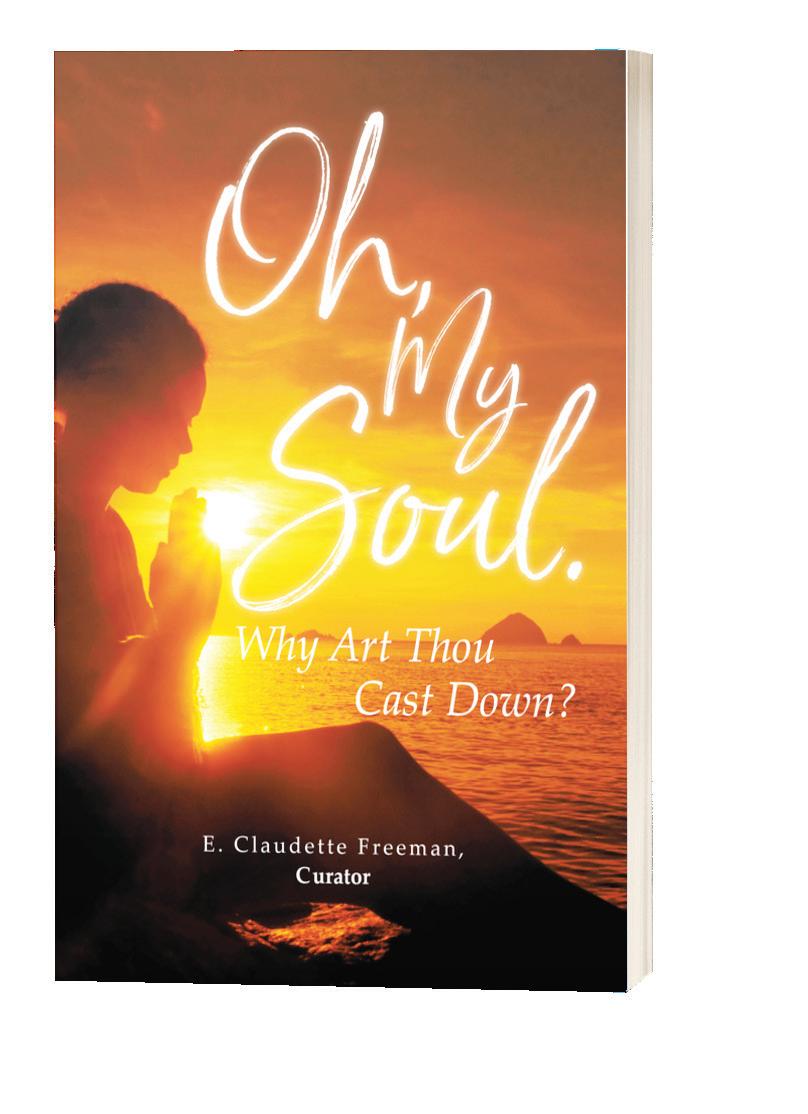
Born out of a personal wrestling with Psalm 42, this collection gathers devotionals, prayers, articles, and poems from multiple voices who refuse to leave the soul in a pit. The project traces how grief, weariness, and spiritual fog can distort what we know to be true, then invites readers into a different conversation with the self. Each entry nudges the heart toward hope in practical ways, whether that is through Scripture reflection, honest prayer, or simple tasks that help reframe the day. The tone is encouraging and candid. Rather than promising quick fixes, the writers model a steady, Scripture-soaked way of talking back to despair and remembering God’s presence. It reads like sitting with wise friends who have known discouragement and found language to climb out, one faithful sentence at a time.
Publisher: Revealed Word Books
ISBN: 9798986421575
Format: Paperback
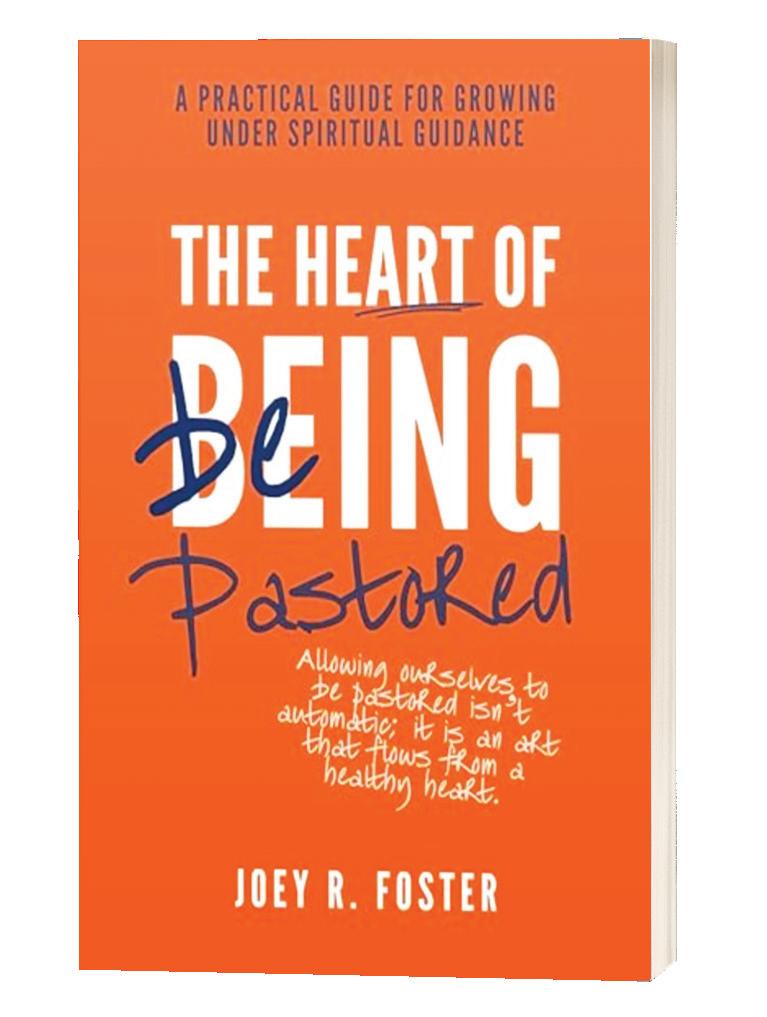
This is a straight-talking field guide for people who want to grow in a local church. It lays out why being pastored is not a formality but a posture that shapes how we listen, follow, and heal. Foster urges readers to move from consumer habits to engaged discipleship, making the case that honor and teachability open doors for spiritual and even practical growth. The book also addresses how to process past church hurt without staying stuck. Expect short chapters, clear ideas, and a tone that aims to coach rather than lecture. If you are a pastor, it offers language for the culture you hope to build. If you are a member, it offers handles for thriving under pastoral care and participating in the health of your church community.
Publisher: Joey R. Foster
ISBN: 1732013926
Format: Paperback

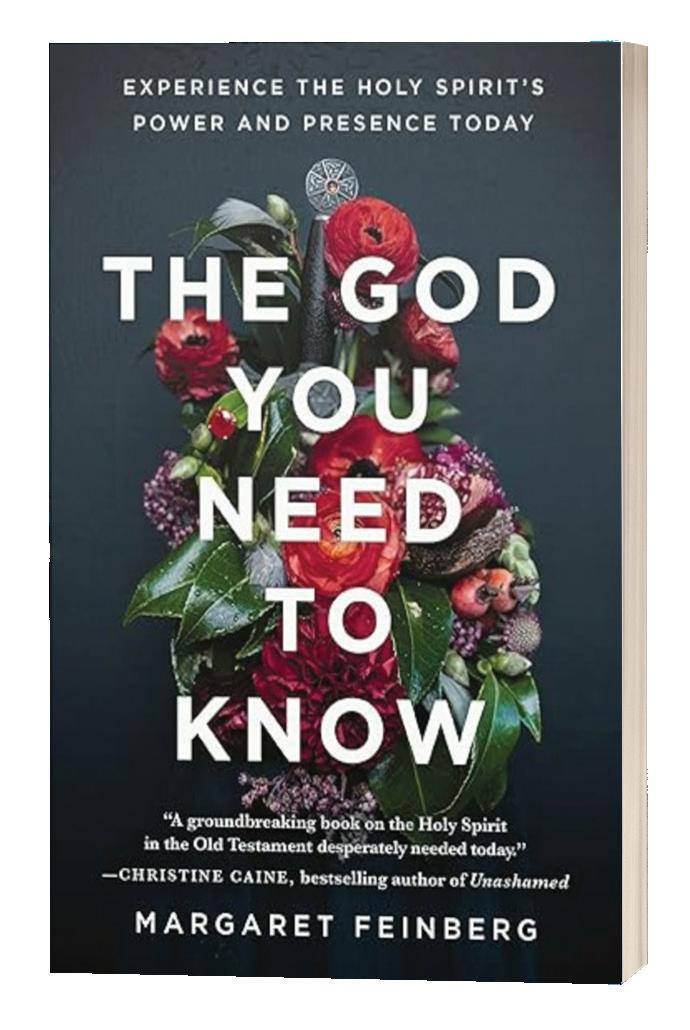
The God You Need to Know: Experience the Holy Spirit’s Power and Presence Today — Margaret Feinberg
Feinberg invites readers to trace the Spirit’s work from Genesis to Pentecost and then into ordinary days. The aim is clarity and accessibility. The book explains how to recognize gentle promptings, how the Spirit is at work in the Old Testament, and how to cultivate daily awareness without pressure or hype. The writing leans on Scripture and practical rhythms that help readers pray, notice, and respond. It is for those who believe but feel disconnected, and for the curious who want a grounded way to explore. The tone is warm and steady, offering ideas you can try right away while keeping the focus on God’s presence rather than personal performance.
Publisher: Zondervan
ISBN: 9780310362890
Format: Paperback
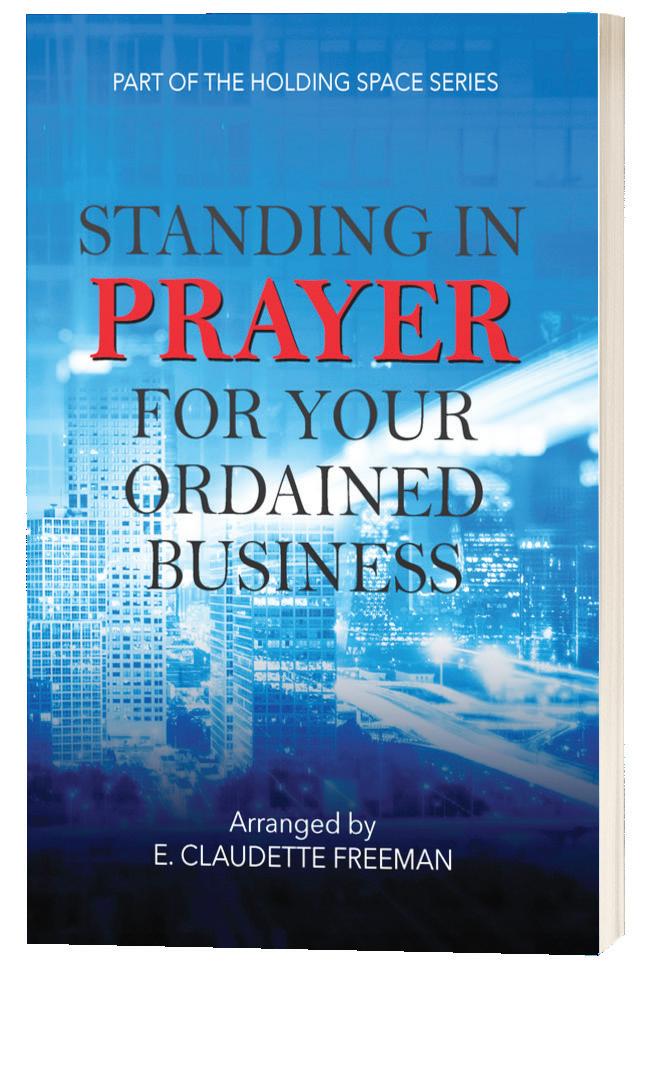
Standing In Prayer For Your Ordained Business — Holding Space Series — Contributors, Zora James Publishing
Entrepreneurs and managers know that budgets, people, and deadlines can wear on the soul. This prayer and devotional resource treats business as a place for seeking wisdom from God. Short readings encourage owners and teams to pause, align purpose and practice, write vision and mission, and fast when clarity is needed. The selections offer Scripture, prompts, and encouragement for marketplace ministry without pretending that decisions are simple. It is designed to sit on your desk or in your briefcase or bag for a quick return to empowerment. It is the kind of book you open between meetings to reset your posture and ask for help. The connecting line is dependence on God for guidance and integrity in the work He has given you to do.
Publisher: Zora James Publishing
ISBN: 9781737262176
Format: Paperback
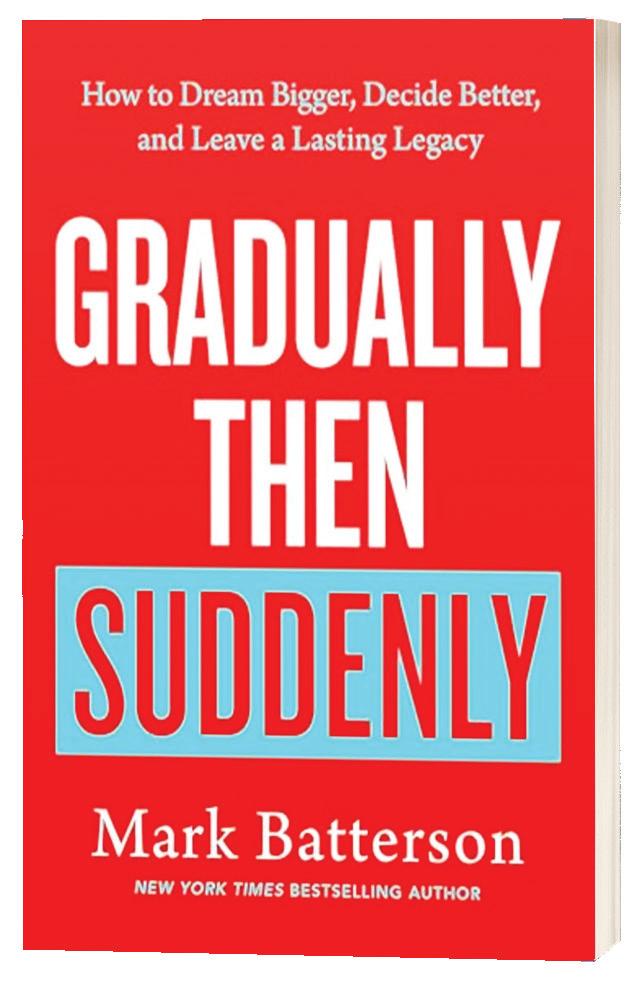
Gradually Then Suddenly: How to Dream Bigger, Decide Better, and Leave a Lasting Legacy — Mark Batterson
Batterson riffs on the idea that what looks like overnight success usually comes from years of small, faithful choices. The book encourages readers to think long term, build habits that compound, and hold to convictions when opinions shift. Stories from Scripture, history, and ministry show how persistence and patient obedience stack up over time. The tone is pastoral and practical, with an emphasis on daily actions that match the future you are praying for. If you are in a long middle season, this is a reminder that steady work matters and that a breakthrough often follows a quiet build.
Publisher: Multnomah
ISBN: 9798217152070
Format: Hardcover

This 100-day devotional pairs Scripture with brief reflections and simple practices for moments when anxiety spikes or sleep slips away. Keife writes as someone who knows anxiety from the inside and who has learned to reach for prayer, breath, and truth. Entries are concise and gentle. You can read one in a few minutes and carry a line with you. The focus is on steadiness rather than striving. Over time, the daily rhythm helps readers interrupt mental loops, connect with God, and remember that worry does not have the final word. It is a friendly companion for a season when you want peace to become a habit.
Publisher: WaterBrook
ISBN: 9780593602713
Format: Hardcover
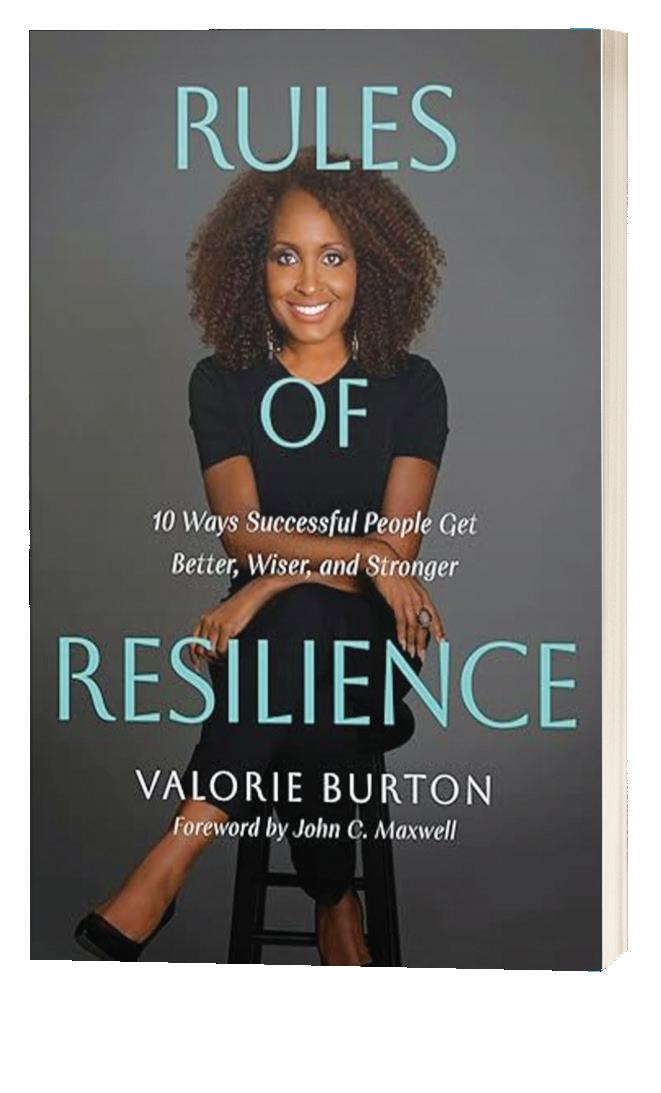
Rules of Resilience: 10 Ways Successful People Get Better, Wiser, and Stronger —
Burton distills research and coaching experience into ten habits that help people recover and grow. The framework is straightforward and practical. Readers learn how to build mental and emotional fitness, respond to setbacks, and make choices that align with purpose. Chapters translate ideas from positive psychology into steps you can try right away, whether you are facing work pressure, relational strain, or a personal pivot. The tone is coaching and kind. Rather than promising a quick turnaround, the book shows how resilience is formed over time and why a few simple practices can change the way you move through hard weeks.
Publisher: Tyndale Refresh
ISBN: 9798400505256
Format: Paperback
Rainbows In Dark Places — Patrice Carter
Rainbows in Dark Places is a gripping, emotionally raw page-turner that explores survival, spiritual warfare, and the search for truth in a world filled with shadows. This suspense-filled novel follows Grace, a young woman whose life is suddenly unraveled by danger, deception, and decades of hidden truths. Carter says, “ I wrote this book because the Lord said to. It is for the unchurched, the unsaved, the undecided, and those who have wandered off the path due to shock, grief, or disappointment.”
Publisher: Amazon KDP
ISBN: 9798218538675
Format: Paperback


This is reality TV in literary form, and an entertaining look at a group of women under scrutinizing microscopes, through a different lens. When I Kill Him, Jesus Can Have Him was born out of one humorous social media post by Contributing Author Yolanda Davis-McCullough. This collection of short stories peeks in on first ladies who are or have lost their ever-loving minds. She might be plotting to kill her husband. She might be practicing voodoo. She might be the biggest gossip and busybody ever. She might be a woman with a past, who is as uncomfortable being married to a preacher. Nine authors pen nine stories about nine women who are handling kerosene near a fire. And it does get explosive!
Publisher: Freeman Thomas Books
ISBN: 9781732831155
Format: Paperback

Be sure to shop the IREVL MEDIA GOODIES aisle at our bookstore for these titles: https://bookshop.org/shop/pecantreebooktique


By Carol Lynne Wheeler
Across the earth, there is a stirring in the Spirit of God that cannot be ignored. We are living in a time where political powers, social movements, and economic systems are rising as objects of devotion, drawing the attention and allegiance of people away from the Living God. These structures and ideologies have become modern-day false altars, inviting humanity to kneel in worship that does not belong to them. Yet Scripture is clear. The people of God must tear down every false altar, both corporate and personal, and return to pure worship of the One true God.
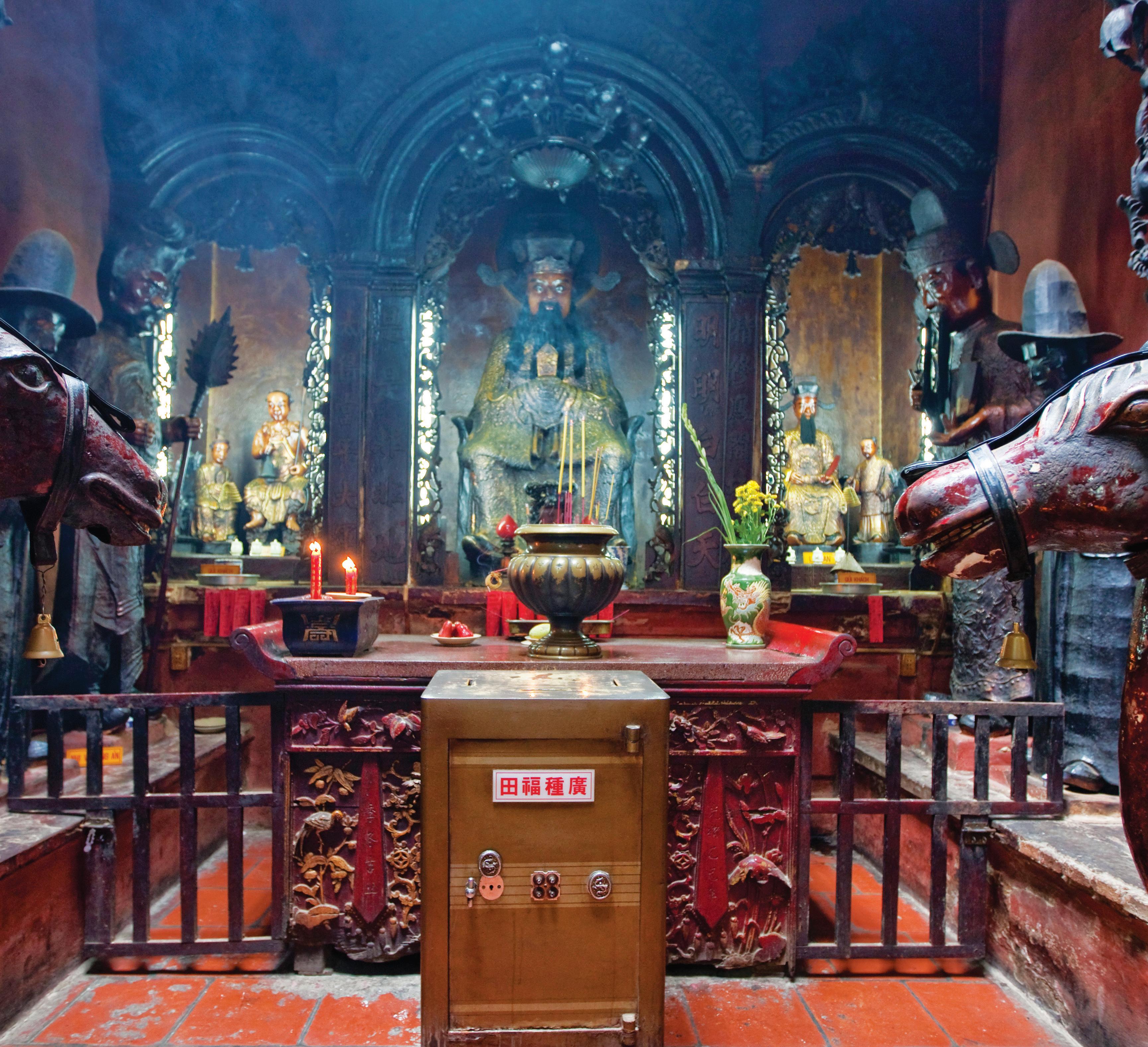
Biblically, altars were always a place of worship, sacrifice, and covenant. When Noah left the ark, he built an altar to the Lord (Genesis 8:20). Abraham built altars as he traveled, marking his faith and obedience (Genesis 12:7–8). Elijah rebuilt the altar of the Lord on Mount Carmel before calling down fire from heaven (1 Kings 18:30). But Israel also built altars to Baal, Asherah, and other false gods. These competing places of worship represented divided hearts and broken covenants. The Bible also records false altars and idols throughout the Old Testament. These false altars were often used by those chosen by kings as prophets and wise men for divination and to call upon their various gods. These altars, like Godly ones, were also often structures.
Today, false altars may not be physical stones stacked together, but they are just as real. The altar of politics arises when believers place national identity above
kingdom identity. The altar of social approval appears when people sacrifice truth for cultural acceptance. The altar of economics takes shape when wealth, consumerism, or job status become ultimate sources of security. False altars also live within us whenever pride, unforgiveness, or self-reliance take the throne of our hearts.
Throughout Scripture, we clearly witness that idolatry always leads to destruction. When Israel turned to other gods, their land was invaded, their temple destroyed, and their joy lost. Isaiah declared, “Their land is full of idols; they bow down to the work of their hands” (Isaiah 2:8). In the New Testament, Paul warned that greed itself is idolatry (Colossians 3:5). The fruit of worshipping false altars is bondage, deception, and separation from God’s presence.
We still see the same consequence. Political idolatry has divided nations and churches. Social idolatry has birthed confusion about identity, truth, and morality. Economic idolatry has created systems of oppression, poverty, and exploitation. False altars do not simply affect individuals. They shape cultures, institutions, and global patterns of behavior.
The command of God is consistent: false altars must be torn down. In Judges 6, the angel of the Lord appeared to Gideon and instructed him to destroy his father’s altar to Baal and cut down the Asherah pole beside it (Judges 6:25–26). Only then could Gideon be used as an instrument of deliverance for Israel. In

2 Kings 23, King Josiah purified Judah by smashing idols, tearing down altars, and removing objects of false worship from the temple.
For the Church today, the command is the same. We cannot serve two masters (Matthew 6:24). Worship must
be redirected back to the living God. This tearing down is both external and internal. On a global scale, it requires confronting systems of injustice, corruption, and idolatry that shape nations. On a personal level, it means examining the altars of our own hearts.
How do we properly realign our souls to worship God in spirit and truth?
Scripture provides the blueprint.
REPENTANCE: True realignment begins with repentance. Ezekiel 14:6 declares, “Repent and turn from your idols, and turn away your faces from all your abominations.” Repentance acknowledges that our worship has been misdirected and seeks God’s forgiveness.
SACRIFICIAL LIVING: Romans 12:1 calls us to present our bodies as living sacrifices, holy and acceptable to God. This is true worship. Realignment is not a one-time prayer but a daily surrender of our desires, ambitions, and affections. 1 2 3 4 5
RENEWAL OF THE MIND: Paul instructs us to “not be conformed to this world, but be transformed by the renewal of your mind” (Romans 12:2). False altars often begin with false thinking. By soaking in the Word, we replace lies with truth.
REBUILDING THE ALTAR OF THE LORD: Just as Elijah repaired the broken altar on Mount Carmel, we must rebuild personal and corporate altars of prayer, worship, and obedience. The fire of God falls on altars that are consecrated to Him.
EXCLUSIVE DEVOTION: God commands exclusive worship. “You shall have no other gods before me” (Exodus 20:3). Realignment requires intentional devotion, refusing to give loyalty to systems or ideologies that rival God’s kingdom.
The restoration of true worship requires action. Scripture shows us that fasting, prayer, and prophetic calling are vital when it comes to God’s people returning to Him.
• Fast: Fasting humbles the soul before God, loosens the grip of idols, and sharpens spiritual vision (Isaiah 58:6). It clears away distractions so we may discern where altars in our lives or in our nations must be torn down.
• Pray: Prayer is the rebuilding of the altar in our own hearts. When we seek the Lord with persistence, He answers with power. Elijah prayed, and fire fell on the altar (1 Kings 18:36–38). In the same way, our prayers invite heaven’s fire to consume false worship and ignite true devotion.
• Call: Every believer carries a voice. Like Gideon, Josiah, and Elijah, we are called to raise a prophetic cry, calling families, communities, and nations back to the Lord. Joel 2:1 says, “Blow the trumpet in Zion; sound the alarm on my holy hill.” The call of the Church must ring loudly in this generation.
When we fast, pray, and call, we take part in restoring the altar of the Lord not only in our own lives but also in the world around us.
This global call to cast down false altars is not optional. It is necessary for the advancement of God’s kingdom. The nations are shaking, but Scripture reminds us that the kingdom of God cannot be shaken (Hebrews 12:28).
The church must rise as a prophetic voice, exposing idolatry and leading the way in repentance and renewal.
“Little children, keep yourselves from idols” (1 John 5:21).
Politically, this means placing the kingdom of God above party, nation, or ideology. Socially, this means standing for biblical truth even when culture opposes it. Economically, this means stewarding resources with integrity and rejecting greed. Spiritually, this means allowing God to search our hearts, revealing any altar that competes with His presence.
The end goal is worship of the Most High God, and He alone. Jesus told the Samaritan woman that the Father seeks those who will worship Him in spirit and in
truth (John 4:23–24). The tearing down of false altars is not simply about removing sin or error. It is about restoring intimacy with God, where our souls are aligned with His will, our lives are surrendered to His ways, and our voices join with heaven in pure worship.
The world is filled with false altars, but the Lord is calling His people to be set apart. The prophets of old cried out against idolatry, and that same prophetic cry is sounding today. We must cast down every idol politically, socially, economically, and personally. We must realign our worship to the One who is worthy.
Let this be the declaration of the church: we will no longer bow to the systems of this world, but to the Lamb who was slain. We will not worship at the altars of power, pleasure, or pride, but at the altar of Christ, whose blood redeems and whose Spirit sanctifies. And as we return to true worship, the glory of God will be revealed in the earth.
“Little children, keep yourselves from idols” (1 John 5:21).

By Marsha Tate


One of the most powerful places a believer can worship is not in a crowded sanctuary with lights, music, and noise—it’s in stillness.
The Bible says plainly, “Be still, and know that I am God” (Psalm 46:10). Notice the connection: stillness and knowing. Stillness is not passive; it’s an active position of trust. Yet for many of us, myself included, it’s one of the most difficult places to remain.
I used to struggle with that verse. I’d roll my eyes at the first part and cling to the second. Deep down, I knew that God was God, but how obedient was I really if I refused to embrace the stillness that comes with truly knowing Him and serving Him?

And He did. He still does.
In our culture (and let’s be honest, even in the Church), we glorify busyness. We treat it like a badge of honor. We equate movement with momentum and doing with depth.
But Jesus flipped that narrative in Luke 10:38-42. He lovingly corrected Martha, who was busy serving, while Mary sat at His feet, choosing the better portion.
Stillness is not passive; it’s an active position of trust.
To be fully transparent, I’ve gone my entire life managing a healthy dose of undiagnosed ADHD. So calming my mind isn’t just hard; it feels nearly impossible some days. My thoughts race faster than my feet. Being still felt uncomfortable and almost unnatural. I could be sitting quietly on the outside, while inside I was planning dinner, solving problems, coaching clients in my head, and wondering if I forgot to switch the laundry again.
But what I’ve learned (and continue to learn) is this: God is not intimidated by my scattered mind. He’s not asking me to be perfect, focused, or polished when I come to Him. He’s just asking me to come.
For years, I equated busyness with devotion. I thought if I was always serving on every committee, at every event, doing all the “God things” then surely I was close to Him.
But the truth? My calendar was packed, but my spirit was depleted.
Stillness felt like a luxury I couldn’t afford. Especially with ADHD, I assumed silence would be frustrating, not fruitful. But the Lord kept drawing me back to it, gently saying, “You don’t have to fix your mind to find Me. I’ll meet you in the middle of the mess.”
Busyness doesn’t always equal fruitfulness. If we skip stillness, we risk building ministry without intimacy. We end up doing work for God without walking with Him.
No amount of serving, giving, or prayer can substitute for making room for God’s presence. You can be busy for Him and still miss being with Him. At the end of the day, God isn’t looking for your performance; He’s after your posture.
A surrendered, still heart will take you further than a packed schedule ever could.
Stillness is not just about being quiet; it’s about being present. It’s worship that says, “God, You’re enough. I don’t have to perform. I don’t have to strive. I want to know You.”
Even with my ADHD, I’ve learned to stop shaming myself when my mind wanders. Instead, I gently bring it back. Again and again. I sit in the presence of God like a child, sometimes wiggly, sometimes distracted, but always welcomed.
God is not intimidated by my scattered mind.
David painted this picture perfectly in Psalm 131:2: “I have calmed and quieted myself, I am like a weaned child with its mother.”
That’s stillness. Not perfection. Not mental control. Just trust.
Avoiding stillness keeps us running on fumes, stuck in a cycle of burnout we’ve normalized. It’s like never letting the soil rest: eventually, nothing grows, no matter how hard you work.
When we avoid stillness, we miss God’s whisper. Our prayers become monologues. Our worship turns into a ritual instead of a relationship.
And for those managing ADHD, juggling family, business, and Kingdom purpose, avoiding stillness only multiplies the chaos.
But when we lean into it, even imperfectly, we create space for God to steady our hearts… even if our minds are still catching up.
Here are four simple ways to start practicing stillness in a loud world and when your brain feels like a browser with 50 tabs open:
• Start small and surrender control. Give God 5–10 minutes. Set a timer. No expectations, just presence.
• Release the guilt. You don’t need a quiet mind to have a quiet moment. God sees your effort. He honors the reach.
• Anchor in His Word. Meditate slowly on verses like Psalm 46:10 or Isaiah 26:3. Let them wrap around your thoughts.
• Breathe. Literally. Take slow, deep breaths and invite the Holy Spirit to settle your spirit.

You don’t have to force stillness. You practice it. And the more you practice, the more familiar His voice becomes.
Stillness doesn’t mean everything around you (or inside you) is calm. It means your spirit is anchored in Him even when everything else is spinning.
God doesn’t need your devotional time to be perfect before He speaks. He speaks in the quiet. In the ordinary. In the stillness.
Here’s how:
• His Word – The clearest and most reliable way God speaks (2 Timothy 3:16)
• A Whisper – That gentle nudge that aligns with His truth (1 Kings 19:12)
• Peace or Conviction – He leads with peace, not pressure (Colossians 3:15)
• Confirmation – Through wise counsel, repeated Scripture, or a Word that won’t let go
You don’t have to force stillness. You practice it. And the more you practice, the more familiar His voice becomes.
When your mind feels like a whirlwind, when your life feels noisy, and when your soul feels dry, know that I see you. I am you.
And I want to remind you:
Stillness isn’t about fixing your focus. It’s about fixing your eyes on the Father.
Busyness may look like devotion. But stillness proves it.
That’s where clarity is born. That’s where strategy is downloaded. That’s where real worship happens.
So today, whether your brain is loud, your house is chaotic, or your heart is tired — choose stillness. Even if it’s messy. Even if it’s short. Again, God isn’t asking for your perfection. He wants your presence.
One of the most powerful places you’ll ever worship… Isn’t loud.
Isn’t busy.
Isn’t crowded.
It’s still.
By Cie Thomas

“Inasmuch as you did it to one of the least of these, you did it to me.” Matthew 25:40 is not a mood or an afterthought. It is a mandate. It is the invitation to think about what is happening with the world outside of your church doors and then saying, Let me serve. If the church is the body of Christ, our feet belong on sidewalks, in shelters, refugee corridors, and school halls just as much as in sanctuaries. This is a call to step decisively beyond church walls (perhaps now more than ever) and serve our neighbors near and far. Where is the global church now, and what could your congregation do next?
Across the world, many churches are rediscovering outward ministry after years of inward focus. Barna Group research signals “spiritual openness growing among younger adults.” David Kinnaman, CEO of Barna Group, says, “The influx of new generations represents a massive opportunity for congregational leaders, but this renewed interest must be stewarded well. Our research clearly shows that churchgoing alone does not in itself create devoted disciples. Even with the increasing participation of younger generations, there is still the challenge of shaping hearts and minds to live out their
faith beyond church participation.”
Kinnaman notes this shift and shaping of hearts beyond the church creates a window for compassionate witness when churches are present where people actually live and are hurting. That moment will be lost if we treat mission work (globally and locally) as a program instead of a posture.
Pastor Scott Strissell admonishes us, “Picture this: You’re driving through town, and there’s the church on the corner—steeple piercing the sky, stained glass glowing, maybe a sign out front with a catchy phrase like, “Too blessed to be stressed!” It’s comforting, familiar. It’s where we gather to sing, pray, and hear a sermon. But what if we’ve gotten so comfortable inside those walls that we’ve forgotten what the church is supposed to do? What if we’ve turned church into a destination instead of a movement?”
The question should draw our concern to the mandate in Matthew 5:13-16, (New King James Version). “You are the salt of the earth; but if the salt loses its flavor, how shall it be seasoned? It is then good for nothing but to be thrown out and trampled underfoot by men. You are the light of the world. A city that is set on a hill cannot be hidden. Nor do

they light a lamp and put it under a basket, but on a lampstand, and it gives light to all who are in the house. Let your light so shine before men, that they may see your good works and glorify your Father in heaven.”
Pastor Strissell’s blog, “Pastor’s Ponderings,” names the heart of the matter in plain words. Church cannot be contained by four walls. The call is to go into our communities, beginning with simple, faithful acts that meet physical needs while pointing to Christ. His reflections are a helpful plumb line for leaders who want to reset culture around presence and service.
A living picture of outward posture is Alfred Street Baptist Church in Alexandria, Virginia, whose Pastor is Howard-John Wesley. Their Missions and Community ministry organizes year-round local and global outreach under the core values of evangelism, excellence, relationships, and stewardship. They are known for large mobilizations like “Feed the 5000,” a citywide effort that activates volunteers to meet tangible needs at scale. Annual backpack and computer giveaways, and scholarships for area students are part of their local mission effort. Perhaps one of their consistent and largest mission activities is their dynamic financial support of Historically Black Colleges and Universities.
Other houses of worship, like the Center for Manifestation (Pastor Mark Jones) in Tampa, Florida, took their
mission work into creating cross-concern entities. Pastor Jones and the congregation have turned mission work into social and healthcare initiatives through what they call Manifestation City. The “city” features an assisted living facility, CFM Empowerment House, which provides weekly and varying relief to those who are oppressed and in lack, and a series of residences serving veterans (Manifest Veterans Village).
So how can a congregation create and manage an effective social concerns ministry that actually serves neighbors and not just a calendar? A great way is to be mindful of what is happening in the communities around you and in local and national news. This will give some insight into how social and political climates may present opportunities to create community mission work. Can your church open its doors for a couple of hours in the afternoon to help partner youth who need community-service hours with others who need tutoring? Can you host a monthly or quarterly sit-down neighborhood dinner in surrounding communities so that struggling families can be fed? If families are struggling with the weight of caregiving, can you host a respite pampering day?
The Chalmers Center suggests starting by mapping local partners and needs. Choose one or two initiatives your ministry can sustain for years, rather than a dozen you will abandon in one quarter. Chalmers also recom-
mends recruiting a lay leadership team with clear roles, a budget, safety training, and a monthly rhythm of prayer and evaluation. Seasoned guides outline practical ways to take church to the community, from holding listening sessions in neighborhoods to moving key church events off-site to where your neighbors already gather.
Globally, missions is shifting toward collaboration, bi-directional partnerships, and empowering local leaders. Networks and denominations are experimenting with smaller expressions and shared best practices, often led by laypeople and hosted in unconventional venues. If your church partners overseas, aim for long-term relationships, shared planning, and a learning posture instead of project tourism. Rather than landing on the group in various regions, though that work remains critical, perhaps your church’s role could lean more towards adopting and supporting established national and international efforts.
What about each of us as the church in daily life?
The Chalmers Center suggests beginning with a weekly practice you can keep. Carry a simple rule of life for service: pray for one neighbor by name, serve one hour beyond your church, give one intentional gift to relieve real need. Look for existing efforts in your area and join them rather than starting from scratch. And keep watch for holy interruptions. The Spirit often opens doors in ordinary places when we show up with listening ears and willing hands.
What if we’ve turned church into a destination instead of a movement?
The walls do not come down in a day. They come down when congregations like yours decide to reorder calendars, budgets, and energy around Matthew 25 people. They come down when members stop asking what the church is doing and start asking what we are doing. If you are ready to move, begin with one neighbor, one partner, one practice, and let faithfulness multiply.

“I
“When you serve here, you meet Jesus”
nasmuch as ye have done it unto one of the least of these my brethren, ye have done it unto me” (Matthew 25:40, KJV). The 25:40 section exists to help readers find faithful, on-the-ground ministries where serving the hungry, the sick, the orphaned, and the elderly is an act of worship to God. This month’s feature introduces Mission of Grace, a Christ-centered ministry serving along Haiti’s coast in Carries and in the mountain community of Plaisance du Sud.
Mission of Grace is the kind of place where “service” stops being an idea and becomes a person. In Carries and Plaisance, their teams care for children, students, elders, and families through an integrated web of ministries—Children of Grace Orphanage, Grace Community Christian School, Grace Community Medical Clinic, Home of Grace elderly homes, Grace Girls Home, Grace Community Church, and a daily Soup Kitchen.

Mission of Grace began responding to acute need after Haiti’s 2010 earthquake and has grown into a multi-ministry presence that pairs practical help with the hope of Christ. The Children of Grace Orphanage now operates in two locations (Carries and Plaisance de Sud) and cares for more than 220 children with housing, food, clothing, medical care, and schooling—replacing despair with a future rooted in love and discipleship.
The Grace Community Christian School enrolls over 500 students from pre-K to 11th grade, many from mountain villages. It offers free education funded by sponsors; $210 per year covers a student’s classes, uniforms, textbooks, and two daily meals.
Hunger is an everyday reality in Carries, so Mission of Grace opened a Soup Kitchen in 2015 that now feeds
more than 200 people daily, seven days a week. This provides a simple, steady mercy that keeps children from going days without food. Health care is just as crucial: the Grace Community Medical Clinic runs five days a week, offers free treatment and medication, staffs two doctors and four nurses, and even provides monthly prenatal ultrasounds for expectant mothers.
Dignity is also extended to Haiti’s seniors. In Carries, Home of Grace provides daily care with dedicated caregivers. In Plaisance, the home serves 16 elderly residents, an increase from three after the August 2021 earthquake, supported by a local staff of fifteen. For vulnerable young women, Grace Girls Home houses 16 girls (ages 17–24) with mentoring, education, and service opportunities in church and mission programs.
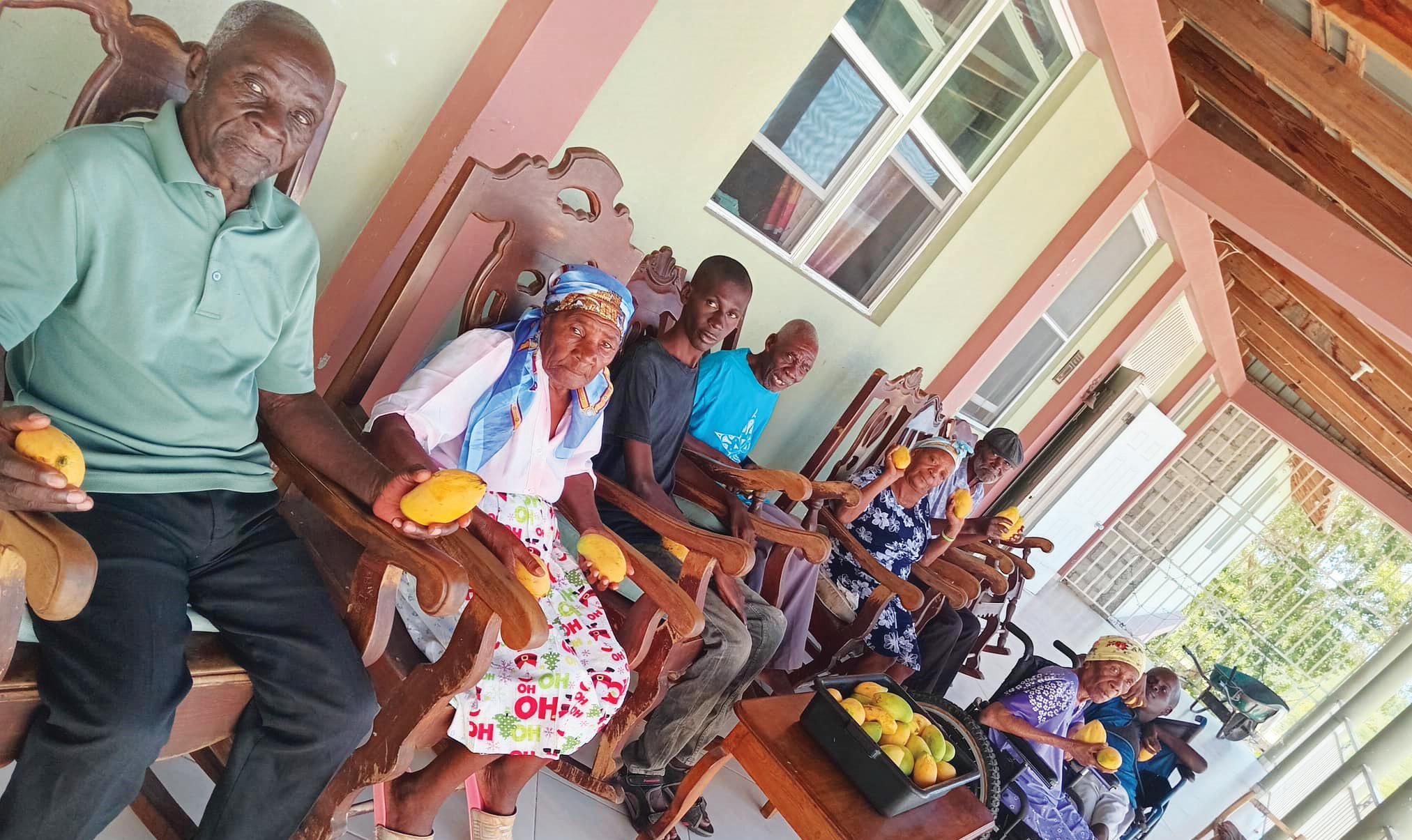
For anyone who has ever prayed, “Lord, where can I make a difference?” Mission of Grace makes that answer tangible:
• Sponsor a student in Plaisance for $300/year (USD) to cover classes, textbooks, and supplies; sponsors receive updates and photos as their student advances.
• Feed an entire school day in Plaisance: $200 provides hot lunch for approximately 500 students—a high-impact, immediate need the ministry invites partners to underwrite.
• Fuel the daily Soup Kitchen so no child goes hungry this week.
• Adopt an elder or sponsor a child/teen through Mission of Grace’s sponsorship portal. Their recent communications continue to call supporters to pray, give, and sponsor, pointing readers to donation and sponsorship links and inviting the community to gather for regular prayer times for Haiti and the mission.
For any church, school, or friend group ready to go, Mission of Grace welcomes short-term teams for general ministry, construction, medical/dental, sewing, music, and even massage/nails for community care days. Teams help with everything from the clinic pharmacy and vehicle maintenance to the soup kitchen and elder visits. Lodging is arranged nearby so teams can rest and go again the next day. For those called to longer service, the mission also offers internships (1–6 months) and will match a person’s gifts with areas of highest need.
Answer the 25:40 call.
This isn’t abstract charity. It’s a hot meal on a hard day, a blood-pressure check that saves a life, a math lesson that opens a future, and a grandmother reminded she is not forgotten. Those whose hearts are stirred can take the next step—sponsor, donate, bring a team, or apply to intern. A “yes” today becomes someone’s answered prayer in Carries and Plaisance du Sud.

Dear Altars Family,
Have the words in this issue stirred a conviction within you? Have you recognized a secret vow, an unholy covenant, or an organizational allegiance (in a club, a business, or even a past religious community) that has effectively become a false altar demanding tribute that belongs only to God?
It is in the naming of the idol that its power begins to crumble. We invite you to specifically submit requests for freedom and severance related to these false altars and idolatries. We want to stand in faith with you as you renounce old loyalties and break ties with anything spiritual, emotional, or contractual, that sits above your covenant with Jesus Christ.
Beyond the theme of this issue, we are committed to being more than just publishers; we are called to be intercessors. We believe in the power of the corporate body of Christ to stand shoulder-to-shoulder in prayer. Therefore, we also warmly invite you to submit any general prayer requests you may have. Whether you are contending for healing, seeking clarity in a new season, facing family challenges, or simply need encouragement, please share your needs. Our team will faithfully bring your requests before the true Altar, committing to stand with you and contend for your breakthrough.
Click the link below to access our secure submission form. Please keep your requests concise and specific so we may pray effectively.
ALTARS PRAYER REQUEST

In the New Covenant, the place of sacrifice is replaced by the place of access, the throne of Grace, where Christ Himself is your High Priest. We are honored to join you there. May the Holy Spirit empower you to demolish every false altar and find true freedom in the sovereign, matchless, all-powerful, ever-victorious name of Jesus The Christ.
In His Service, The Altars Magazine Team




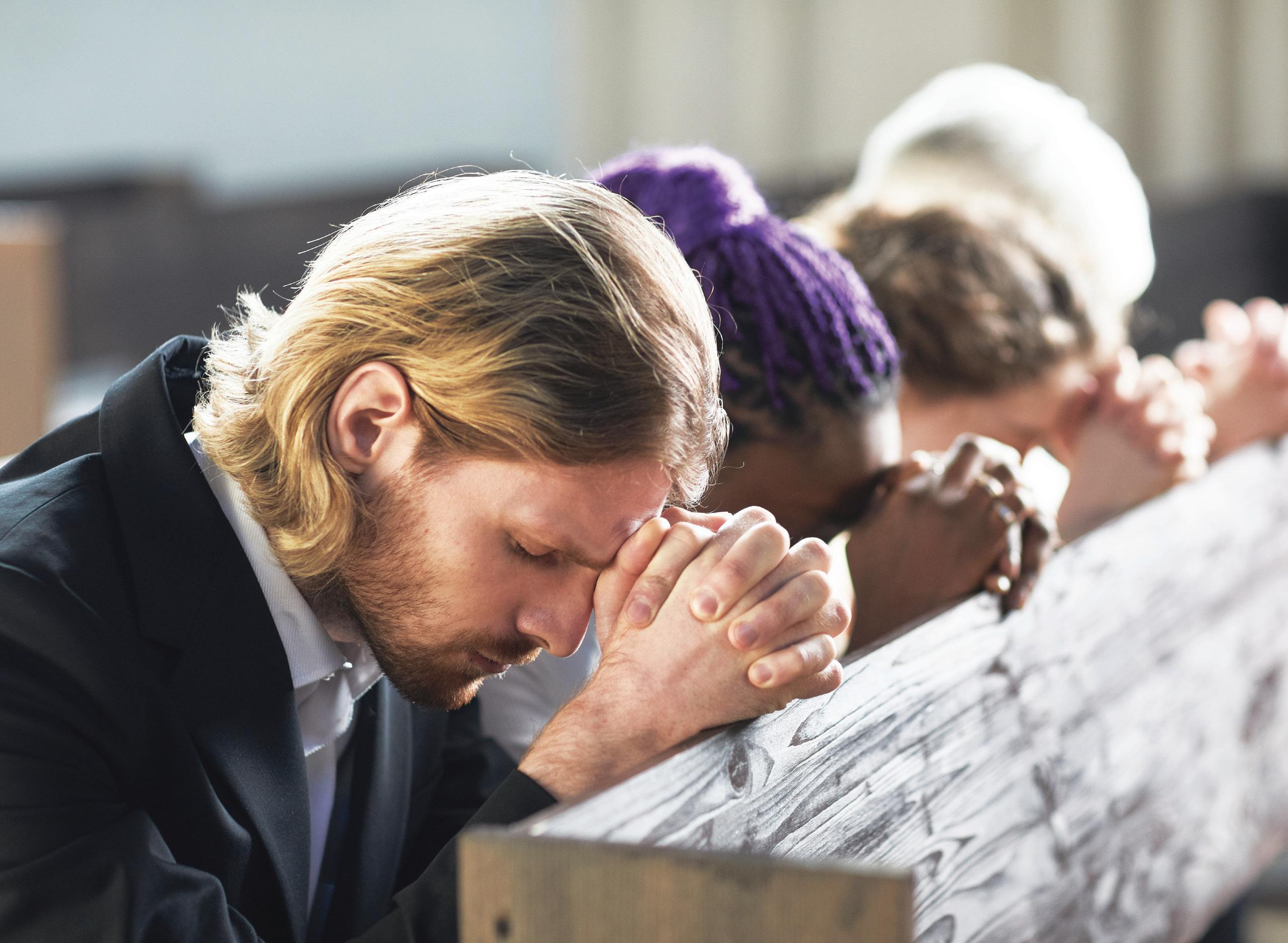
We hope this inaugural issue sparks conversation, a desire to dig deeper, and increased intimacy with the Savior. Our next issue: WHO IS THIS JESUS? Drops February 2026
For advertising, sponsorship, or other information, email irevlmedia@pecantreebooks.com