



Since July 2024, UNIPVC has been a member of the SUNRISE Alliance (Smaller Universities Network for Regional Innovation and Sustainable Evolution), one of the European University Alliances funded by the European Commission under the 2024 Erasmus+ European Universities Initiative.
SUNRISE: Empowering Regions. Inspiring Europe
We are proud to announce that the SUNRISE Alliance has been selected for funding by the European Commission under the 2024 Erasmus+ European Universities Initiative. Today, SUNRISE is part of a growing community of 73 European University Alliances working together to shape the future of higher education in Europe.
14 56
SELECTED ALLIANCES in 2024 Call
SUNRISE is an alliance:
73
TOTAL APPLICATIONS 2026
EUROPEAN UNIVERSITIES ALLIANCES
• of nine smaller-sized European universities
• with a STEAM focus (STEM + Arts)
• located in regional / non-metropolitan areas
60,000+
STUDENTS
7,000+
ACADEMIC AND PROFESSIONAL STAFF
47+
ASSOCIATED PARTNERS
7
REGIONAL CLUSTERS ACTIVATED

Discover more:
Strengthening Regional Innovation Ecosystems
Enhancing Education and Talent Development
Advancing Collaborative Research
Driving Sustainable Regional Transformation
Strengthening the European Dimension
THE SUNRISE NETWORK INCLUDES THE FOLLOWING PARTNER UNIVERSITIES:
GERMANY TECHNISCHE UNIVERSITÄT ILMENAU
ITALY FREE UNIVERSITY OF BOZEN-BOLZANO
POLAND UNIVERSITY OF INFORMATION TECHNOLOGY AND MANAGEMENT IN RZESZOW
FRANCE UNIVERSITÉ DE TECHNOLOGIE DE COMPIÈGNE
CYPRUS EUROPEAN UNIVERSITY CYPRUS
SWEDEN MÄLARDALEN UNIVERSITY
ITALY UNIVERSITÀ POLITECNICA DELLE MARCHE
BOSNIA AND HERZEGOVINA
“DZEMAL BIJEDIC” UNIVERSITY OF MOSTAR
PORTUGAL POLYTECHNIC UNIVERSITY OF VIANA DO CASTELO


Founded in 1980, the Polytechnic University of Viana do Castelo (UNIPVC) is located in Alto Minho, in north-western Portugal, a region where human occupation and activities are developed in a tradition of valorisation of natural resources. In this territory, where the sea and the river coexist side by side, it is still possible to find the only Portuguese protected area classified as a National Park, Peneda-Gerês.
It is in this context that the UNIPVC pursues the objective of providing quality human, cultural, scientific, technical and professional training, developing research appropriate to the pursuit of its mission and cooperating with the regional community, particularly in its productive and business fabric, in a perspective of permanent dialogue and mutual appreciation.
Like many other higher education institutions, UNIPVC is experien cing a period of profound change, shaped by economic, political, social, environmental and technological dynamics at both national and global levels. We are and will be prepared to reflect on our role and strategic positioning within the increasingly complex and demanding community we serve.
“Based on principles of innovation and an increasingly global vision of higher education,
on the institutional capacity to anticipate trends and consequences, through the development of future-oriented actions, UNIPVC intends to assert itself among its peers as a reference higher education institution, capable of valuing the knowledge it generates and globalising its brand.”
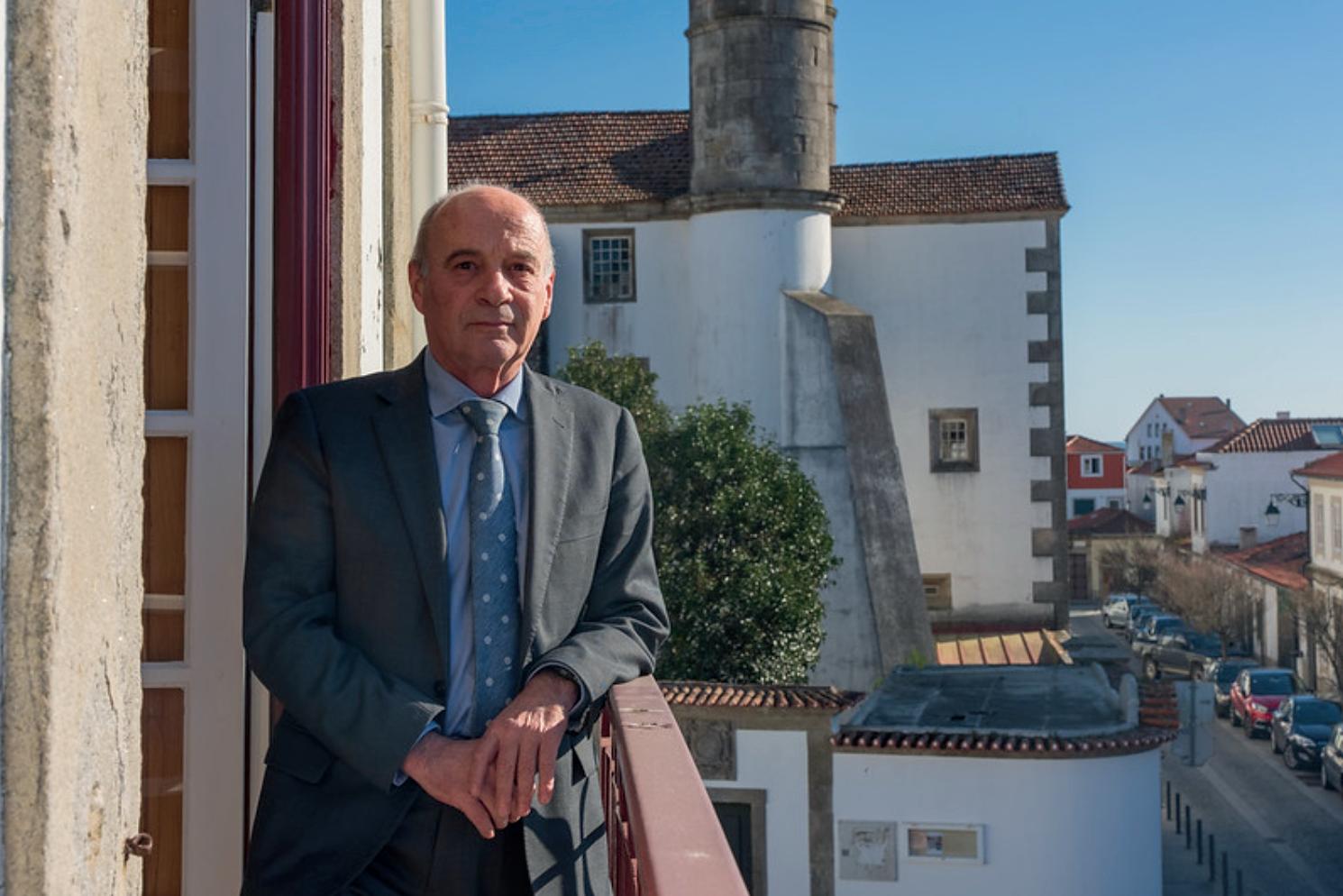
With more than: + 6474 students 682 employees
we want to build an institution "without walls", open and committed to society, inserted in a wide network of local, national and international partnerships, without compromising its mission and principles. A Polytechnic University able to o er a unique combination of teaching/learning, research, innovation, cultural mission, knowledge transfer to support an open, pluralistic and democratic society.
ALTO MINHO
10 municipalities
2.219km2 total area 245k inhabitants 23k companies

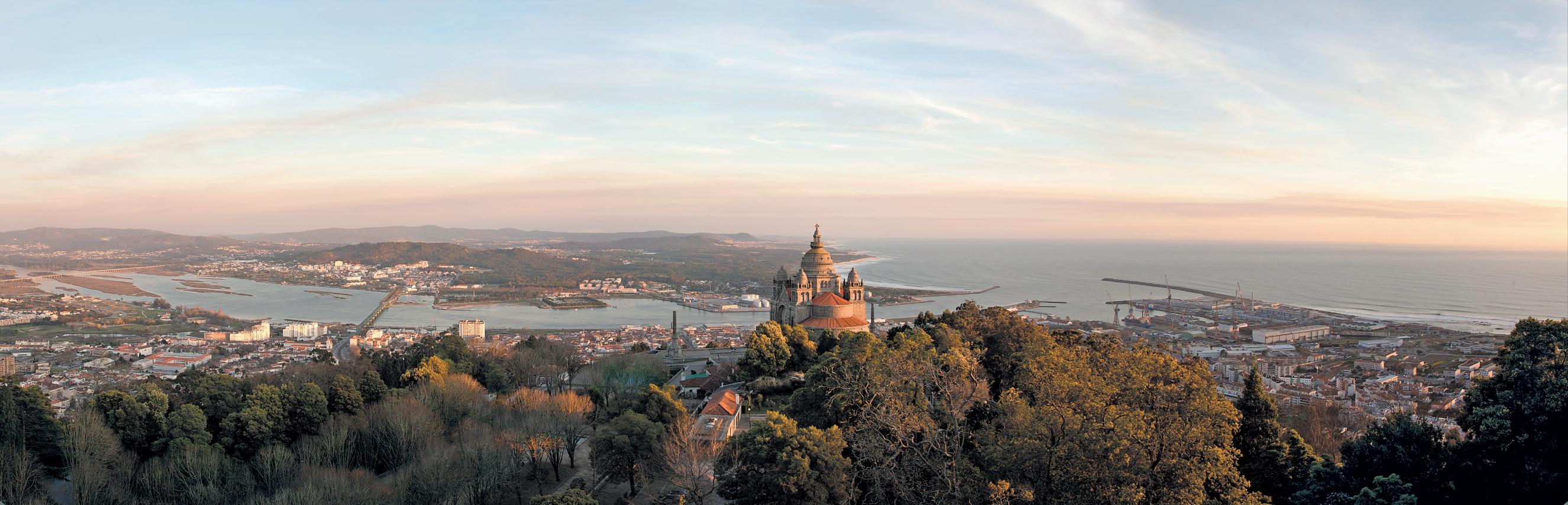

Alto Minho, in the Norte region of Portugal, borders Spain to the north and east, the district of Braga to the south, and the Atlantic Ocean to the west. It comprises ten municipalities: Arcos de Valdevez, Caminha, Melgaço, Monção, Paredes de Coura, Ponte da Barca, Ponte de Lima, Valença, Viana do Castelo and Vila Nova de Cerveira.
Situated on the western coast of Europe, Alto Minho benefits from an excellent geostrategic position for entrepreneurial activity, between Europe, America and Africa.
With a total area of 2,219 km2, 245,000 inhabitants and more than 23.000 companies, Alto Minho has a local market of more than 3 million people, less than 60 minutes away, covering:
• The Porto Metropolitan Area, south;
• The Braga/Guimarães urban axis, east;
• The Vigo Metropolitan Area (Galicia, Spain), north.
Alto Minho also has a wide, qualified and competitive o er of business parks, where the factors innovation, quality and environmental qualification are well represented and incubators of technology-based activities and creative industries, which are support centres for the creation or development of small businesses or micro-enterprises, supporting them in the early stages of their lives.
The natural environment is one of Alto Minho's greatest assets: from maritime and river landscapes to lush inland valleys, the region boasts a rare ecological harmony. Peneda-Gerês National Park, together with Galicia's Xurés Park, forms a cross-border UNESCO World Biosphere Reserve spanning over 70,000 hectares.
Rich in history and tradition, the urban centres of its municipalities combine ancient heritage with modern vibrancy, attracting visitors year-round. Alto Minho also benefits from excellent transport links, including Francisco Sá Carneiro Airport (Porto), Vigo Airport (Galicia, Spain), and the ports of Viana do Castelo, Leixões and Vigo.
UNIPVC is a public higher education institution committed to the development of people and society through the creation and dissemination of knowledge, science, technology and culture. It promotes lifelong learning by integrating education, research and innovation, while fostering sustainability, digital transformation, cooperation and social responsibility.
Students, academic sta , researchers and professional sta are at the heart of the University's mission. UNIPVC promotes critical thinking, employability and entrepreneurship, while strengthening its links with businesses, public institutions and society. Through a strong commitment to regional development, internationalisation and knowledge transfer, UNIPVC contributes to a smarter, more sustainable and more inclusive future.
Strengthen the dissemination of the scientific knowledge created to the community and the general public.
Integrate an European University.
Implement the Distance Learning Unit UEaD.
Create two associations in a model of Technology and Innovation Centres (Sea Economy and Agri-Food).
Strengthen participation in European RDI&T networks.
Consolidate existing Research Units and prepare others for evaluation.
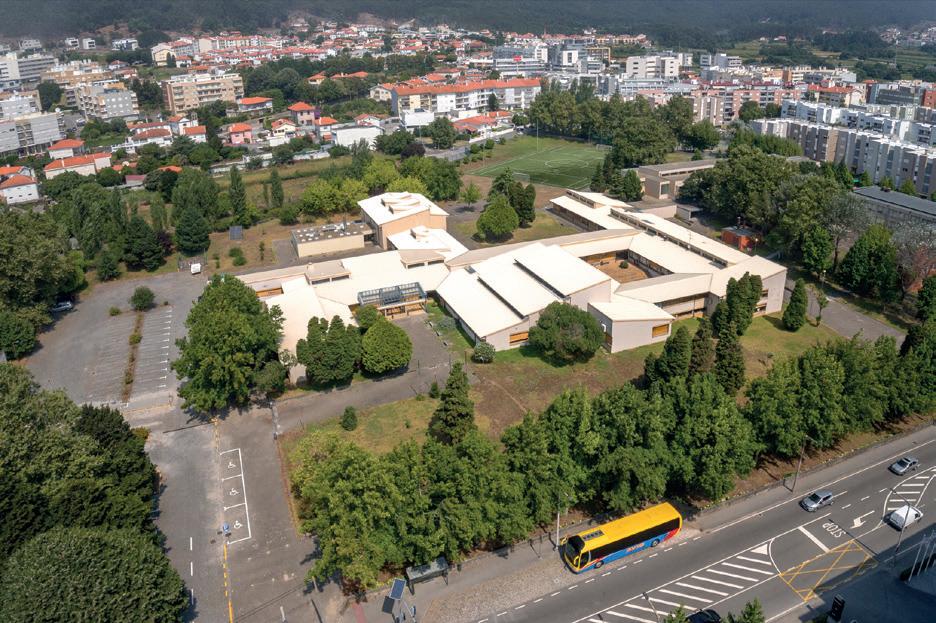
School of Education
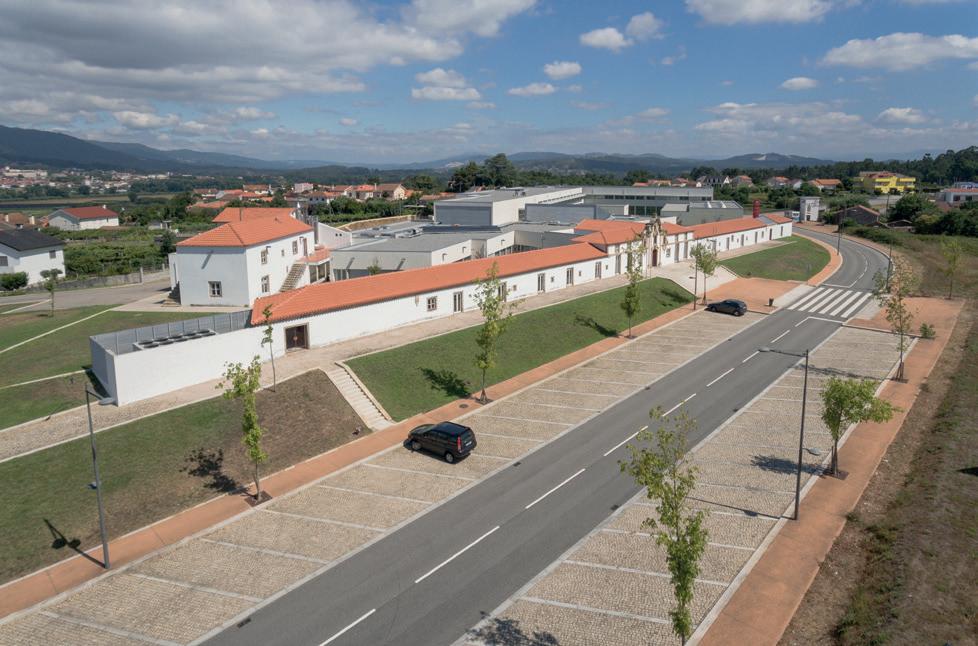
Agrarian School PONTE DE LIMA
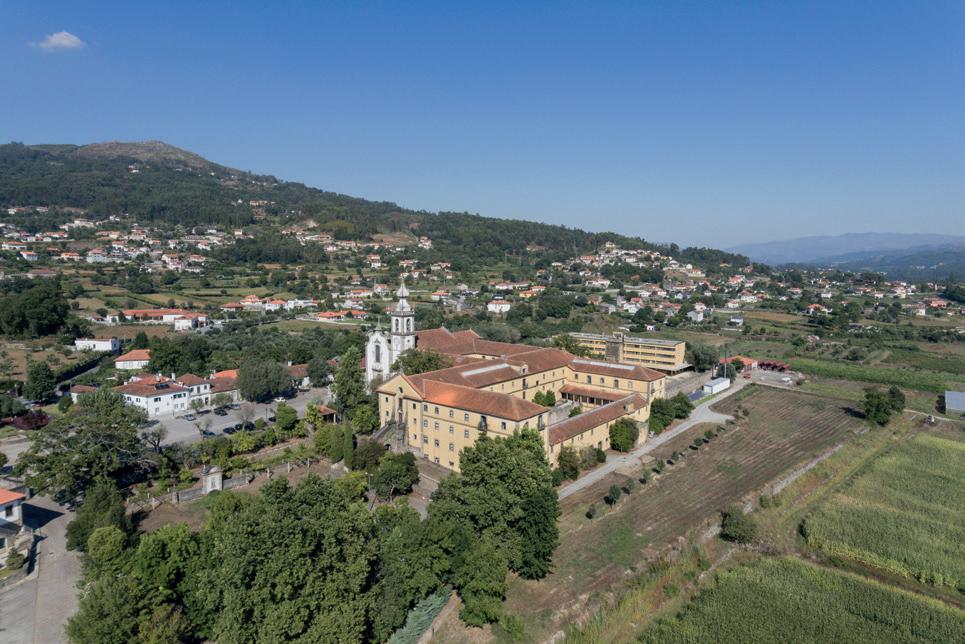
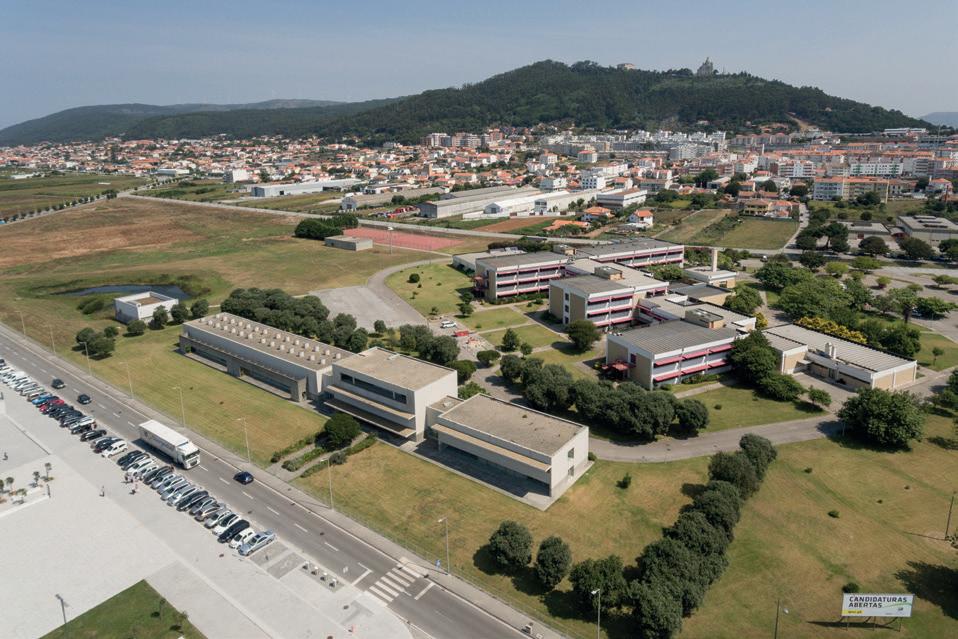
20 CTeSP Higher Professional Technical Courses
School of Technology and Management
27 Bachelor’s Degrees
School of Business Sciences
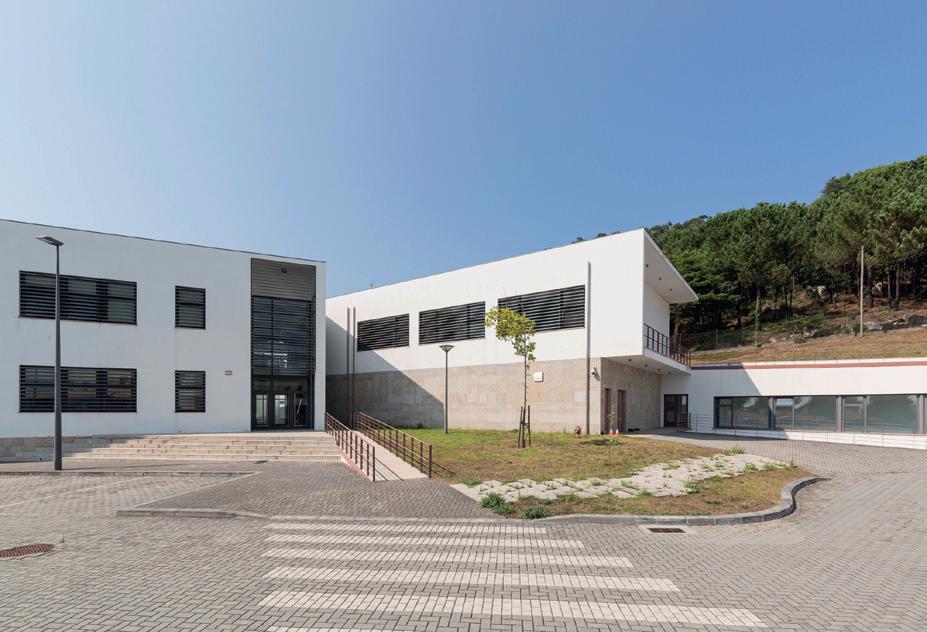
School of Health
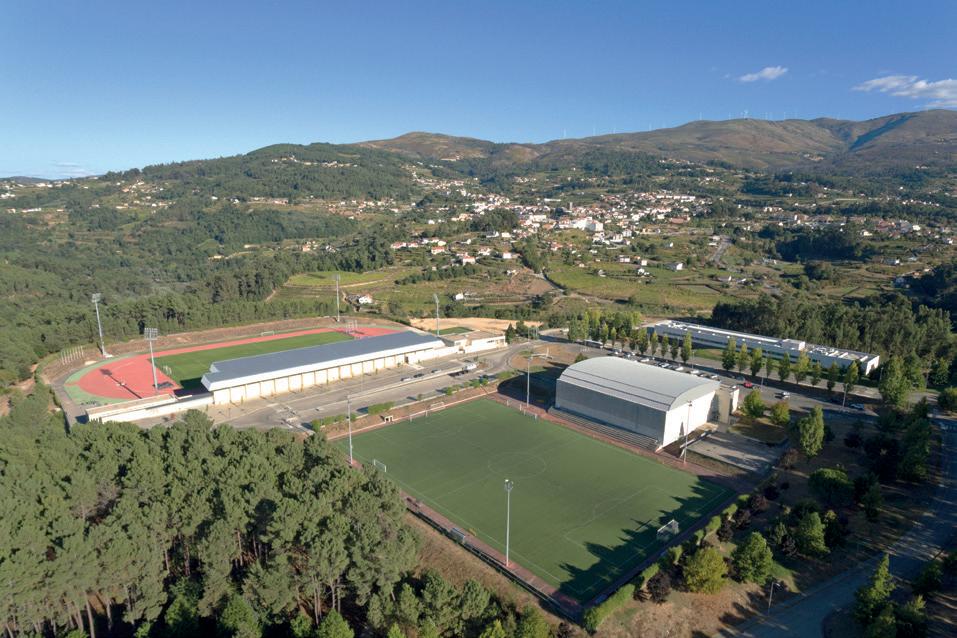
School of Sport and Leisure
23 Master Degrees
6 Postgraduate Degrees
MANAGEMENT
GASTRONOMY
INFORMATION AND COMMUNICATION
TECHNOLOGIES
ENGINEERING
EDUCATION AND SOCIAL SCIENCES
TOURISM
BIOTECHNOLOGY
MARKETING
ADMINISTRATION AND BUSINESS
HUMANITIES
UNIPVC has its UI and integrates other UI in a consortium or with UNIPVC associates:
UNIPVC UI accredited by Foundation for Science and Technology (FCT):
Center for Research and Development in AgriFood Systems and Sustainability
Research Lines:
– Food products authenticity and certification
– Products and processes development towards health, well-being, and safety
– By-products as potentially functional ingredients
– Endogenous resources and traditional food products
– Sustainable agricultural productivity
– Water-use e ciency, soil and plant protection, and agrobiodiversity.
Research Unit for Materials, Energy and Environment for Sustainability
Research Lines
– Sustainable technologies for energy production and storage
– Recycling and reuse of materials and/or industrial waste
– Energy-e cient systems
– Sustainable design, construction, and restoration
– (Eco)technologies for water and soil treatment
– Natural resource management and assessment of ecosystem services
Research Lines:
– Conduct and promote applied research in the design, development, and evaluation of digital services;
- Serve as a platform for exchanging knowledge on digital transformation among companies, administration, academics, and society in general;
- Assist organizations in developing their capabilities through training and consulting services.
These UNIPVC UI have their internal regulations, prepared by the respective unit and approved by the Institute's President.
Associated Research Units:
Sport Physical Activity and Health Research & Innovation Center
CIMO Mountain Research Center
UNIAG
Applied Management Research Unit
UICISA:E
Health Sciences Research Unit: Nursing
CITUR
Centre for Tourism Research, Development and Innovation
CIAUD
Research Center for Architecture, Urbanism and Design
InED
Center for Research and Innovation in Education
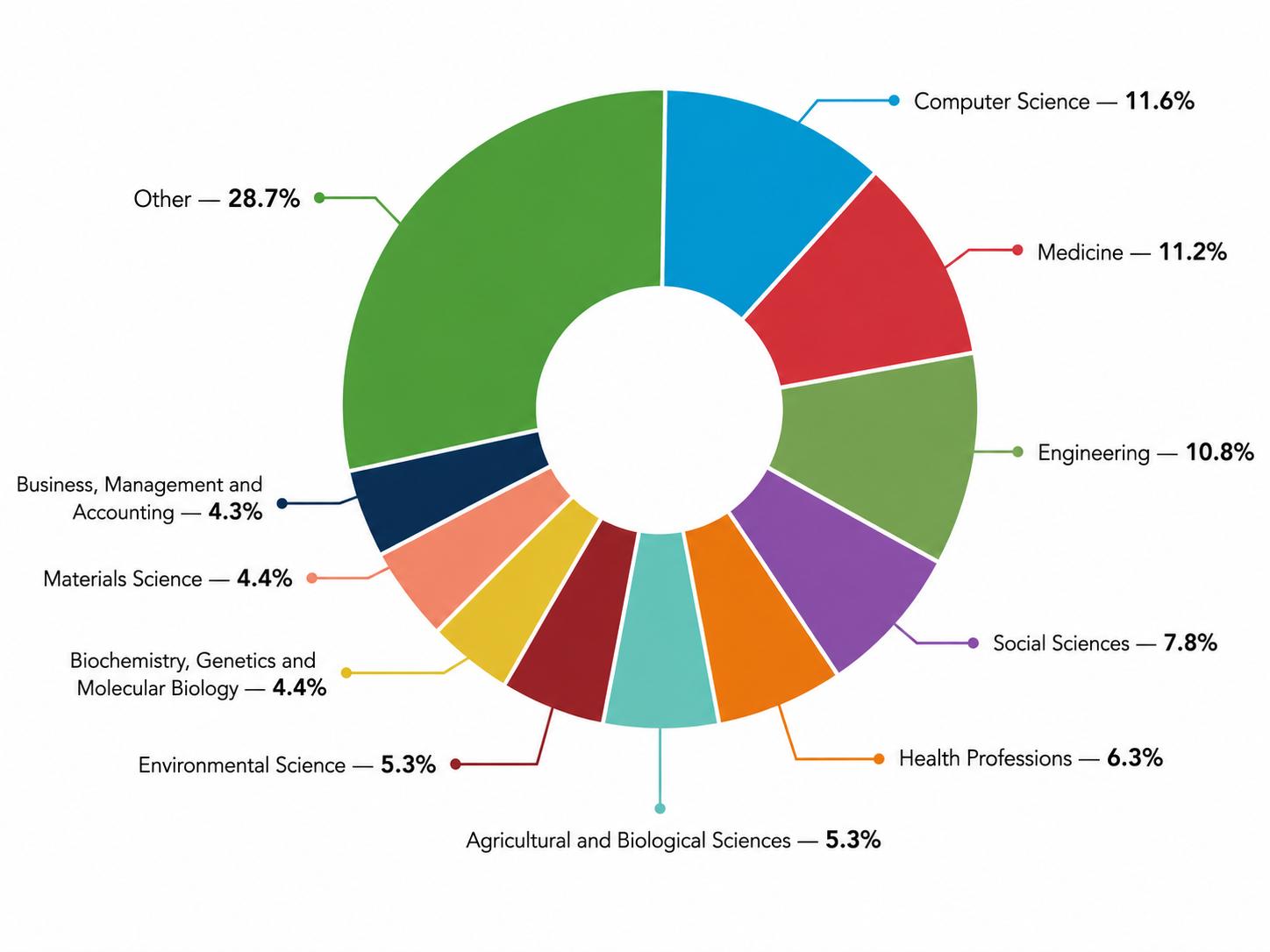
Developed by UNIPVC for the SUNRISE Alliance, this platform provides a comprehensive analysis of the scientific production of partner universities based on Scopus-indexed publications. Through advanced analytics, it supports the identification of research strengths, collaboration opportunities, RIS3 alignment and the development of future European research consortia.
An innovative research intelligence tool supporting evidence-based decision-making across the SUNRISE Alliance.
Documents by subject area
5.687.545,94€ 52.207.193,89€ 3.325.059,99€ 788.486,30€ 1.573.999,65
CiTin is a scientific, technological, and technical assistance association, non-profit and of private nature. It aims to develop Applied R&D, Technology Transfer and Advanced Training Activities, operating as a driving force for innovation in the industrial ecosystem, at a regional, national and international level.
Advanced Production Systems
– Automation and Mechatronics
– Collaborative Robotics
– Human-Machine Interaction
– Flexible Manufacturing Systems
Cyber-Physical Systems
– Industrial Informatics
– Artificial Intelligence
– Big Data and IoT
– Embedded Systems
Mobility and Environment
– Automotive components production
– Development of new materials
– Circular Economy
– Eco-Innovation
Data CoLAB's vision is to develop a cross-sectoral ecosystem with diverse stakeholders that will use data to improve the way we produce, consume, and live. To achieve this vision, Data CoLAB works across the entire data value chain in order to provide services to citizens, businesses, and the public sector, actively contributing to its digital transformation.
Activity Clusters:
– Communities, Energy, and Oceans
– Health and Pharmaceutical
– Industry and Maintenance
– Agriculture, Forestry and Biodiversity

In.Cubo - Innovative Business Initiatives Incubator was created by ACIBTM - Association for the Minho Technology-Based Incubation Centre. It is a strategic bet on entrepreneurship as a key area for regional development.
In.Cubo's purpose is the creation of conditions for the development of Business Plans of companies and for the hosting of R&D projects, namely technology-based companies that foster and propagate innovation within the economic base installed in its territorial area.

SUSTEMARE – the Center for Technology and Innovation in Ocean Energy and Technologies – was founded with a clear mission: to promote a sustainable transition in ocean exploration, integrating science, technology, and economics.
A technological innovation center was established in Viana do Castelo, promising to position Alto Minho and Portugal on the international blue energy map. Coordinating applied research, business support, and a collaborative model between academia, the public sector, and industry, SUSTEMARE emerges as a strategic infrastructure to respond to the global challenges of the ocean economy and transform the region through technology.
The new center connects with the regional and national ecosystem, promoting R&D projects, providing specialized services, technical testing, training, and technology transfer.
Activity Clusters:
– Blue Energy – Development and structural monitoring of o shore infrastructure, hydrogen production, and green ammonia. Ocean Technologies
– Study of materials in the marine environment, inspection, maintenance, and logistics systems. Complementary Services
– Environmental monitoring, marine biotechnology, and aquaculture.
3AR brings together science, technology, businesses, local authorities, and the region to generate innovation, promote sustainability, and enhance the resources of Alto Minho.
There are the pillars of 3AR, which will invest heavily in applied research and technology transfer:
✅ Gastronomy
✅ Endogenous resources, with a special emphasis on wine
✅ Territory and sustainability
The objective is clear: to transform knowledge into real development, with a direct impact on the agrifood sector and the region.
Activity Clusters:
– Food and Gastronomy, through GastroLAB, an innovation and entrepreneurship laboratory for the agri-food sector;
– Endogenous Resources, focusing on the promotion of indigenous breeds and varieties and the conservation of plant and animal biodiversity;
– Territory and Sustainability, strengthening the environmental quality and natural capital of Alto Minho, with a focus on the Peneda-Gerês National Park.
- Tourism
- Agri-Food
- Logistics
- Civil and Environmental Engineering
- Social Gerontology
- Mechanical Engineering
- Accounting and Taxation
- Business Organisation and Management
- Tourism
- Agri-Food
- Teachers Education
- Citizenship and Development
- Sports and Leisure
- Logistics
- Business Organisation and Management
- Information and Communication
Technologies
- Tourism
- Sports and Leisure
8,564
29
10 worldwide
Portuguese Higher Education Institutions
Portuguese Polytechnic Institutes th th th
7,675
156
3 points worldwide nationally th rd
13 nationally th
Scan the QR to see all the rankings
Since July 2024, UNIPVC has been a member of the SUNRISE Alliance (Smaller Universities Network for Regional Innovation and Sustainable Evolution), one of the European University Alliances funded by the European Commission under the 2024 Erasmus+ European Universities Initiative.

Rua