PTAC
Noise Levels Explained: How Loud Are They and What Can You Do About It?
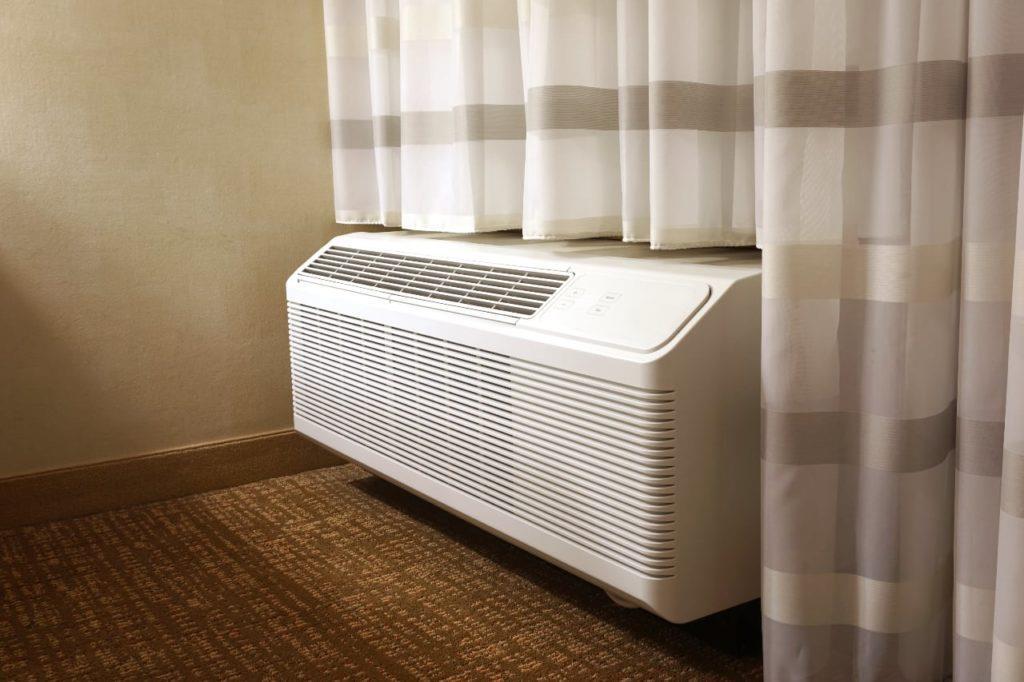
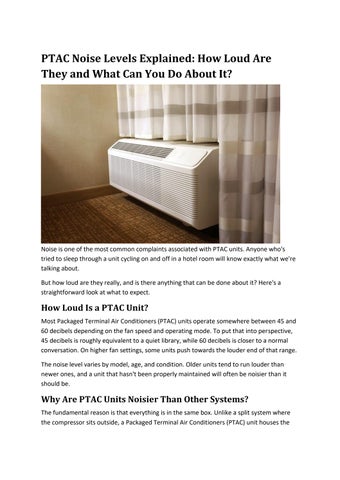
Noise is one of the most common complaints associated with PTAC units. Anyone who's tried to sleep through a unit cycling on and off in a hotel room will know exactly what we're talking about.
But how loud are they really, and is there anything that can be done about it? Here's a straightforward look at what to expect.
How Loud Is a PTAC Unit?
Most Packaged Terminal Air Conditioners (PTAC) units operate somewhere between 45 and 60 decibels depending on the fan speed and operating mode. To put that into perspective, 45 decibels is roughly equivalent to a quiet library, while 60 decibels is closer to a normal conversation. On higher fan settings, some units push towards the louder end of that range.
The noise level varies by model, age, and condition. Older units tend to run louder than newer ones, and a unit that hasn't been properly maintained will often be noisier than it should be.
Why Are PTAC Units Noisier Than Other Systems?
The fundamental reason is that everything is in the same box. Unlike a split system where the compressor sits outside, a Packaged Terminal Air Conditioners (PTAC) unit houses the
compressor, fan, and all mechanical components inside the room. NHS mentioned to us that when the compressor kicks in, you hear it. When the fan ramps up, you hear that too.
It's not a design flaw as such, it's simply a trade-off that comes with the self-contained format.
Common Sources of PTAC Noise
Not all PTAC noise is normal. It's worth knowing the difference between standard operational sound and something that needs attention.
Normal sounds include:
● A low hum when the compressor is running
● Airflow noise from the fan
● A faint click when the unit switches between modes
Sounds
that warrant investigation:
● Rattling or vibrating panels, often caused by loose screws or debris inside the unit
● Banging or clanking, which can indicate a problem with the fan blade or compressor
● Gurgling sounds, sometimes caused by refrigerant issues or a blocked condensate drain
How to Reduce PTAC Noise
There are a few practical things that help bring noise levels down without replacing the unit entirely.
Cleaning the filter and coils regularly keeps the unit running smoothly and prevents the fan from working harder than necessary. A clean unit is almost always a quieter unit.
Check that the chassis is sitting properly in the wall sleeve with no loose panels or gaps.
Vibration from a poorly seated unit adds considerably to the overall noise level.
Choosing a lower fan speed setting where the room allows it also makes a noticeable difference, particularly overnight.
When Quieter Really Matters
In upmarket hotels or residential settings where guest and tenant comfort is a priority, noise becomes a genuine consideration during unit selection. Several manufacturers now produce low-noise Packaged Terminal Air Conditioners (PTAC) models specifically designed for environments where quiet operation is important.
If noise is a persistent issue despite good maintenance, it may simply be time to upgrade to a newer, quieter model.
PTAC Noise Reduction Case Study
Eliminating Guest Noise Complaints with Low Noise PTACs.
A medium sized hotel was experiencing numerous guest complaints about the noise levels coming from their older PTAC units. Although the PTAC units were still functioning properly heating and cooling the rooms, there were frequent guest complaints about loud compressor cycling, rattling noises and high pitched fan noise during the night.
Upon further investigation of guest complaints and maintenance records, it was found that many of the PTAC units were over 10 years old. Additionally, some of the units had become loose in the wall sleeve, had dirty coils and had worn fan motors which can dramatically increase operating noises.
The hotel decided to take on a gradual PTAC upgrade project which consisted of:
● Installing newer low noise PTAC models to replace the older units
● Regular cleaning of coils and air filters
● Inspecting wall sleeves and mounting brackets for wear
● Replacing worn fan motors
● Training maintenance technicians to recognize vibrations early
Results:
Within 6 months the hotel experienced:
● Reduced guest complaints about noise in their rooms
● Increase in guest satisfaction ratings
● Heating and Cooling rooms more efficiently
● Less maintenance call-outs for the older rooms
● Increased comfort for guests
The hotel management team realized that by investing in low noise PTAC units, not only did it increase guest satisfaction but it also cut down on mid-night disturbances. This case study showed how proper maintenance and older equipment can affect noise levels.
Resource: https://twstransworld.com/avoid-noise-complaints-looking-ptac-features/