1 minute read
Survival Instincts

Perfume
Advertisement
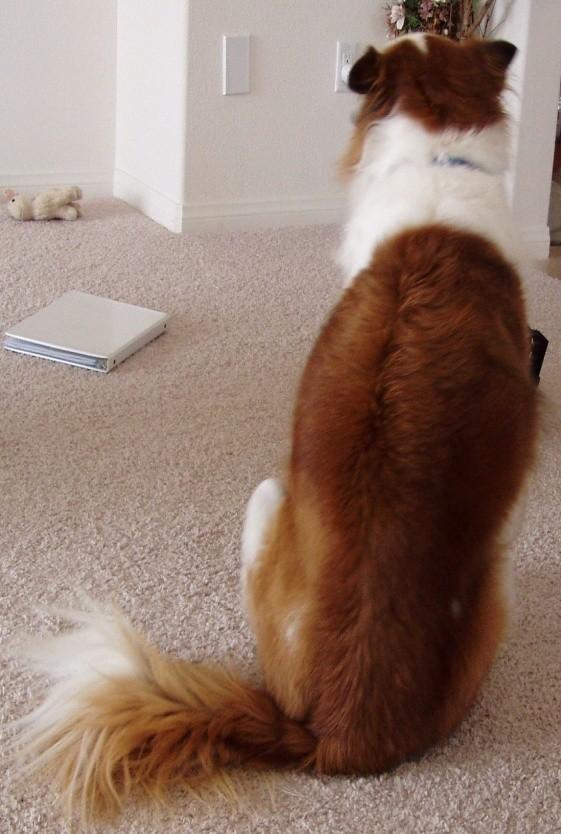
Scent is one of the most important territorial and communication animal attributes, from Dog to Bear to Human. Animals have or want a smell of distinction. Removing scent glands does not always change this fact, and Skunk and Ferret continue a strong inherited odor even when living in a house and sleeping on the couch.
Indigenous
Due to animal rescue and reintegration programs, diets will change for survival due to human manipulation of animal habitats. Polar Bear is an omnivore, but is now almost exclusively a meat eater due to changing surroundings.
Doctor Thyself
It is thought that animals “treat” themselves medicinally with plant sources for digestion, and antibiotics to kill parasites.
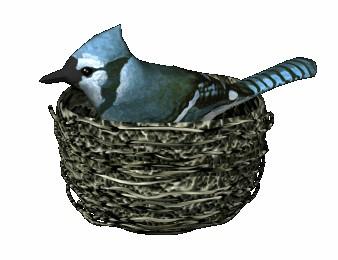
“Anting” is a bird behavior that Jays and Hummingbirds use. They rub against Ant, which emits Formic Acid that kills parasites.
Wild Health: How Animals Keep Themselves Well and What We Can Learn From Them
Animals Survive
Gloger’s Rule: Humid climates tend to have darker animals, possibly because of darker vegetation reflections.
Allen’s Rule: Animals in warmer climates tend to have longer arms, legs, tails…body extensions. Longer limbs radiate more body heat while shorter appendages conserve heat.
Bergmann's Rule: Animals living in cold climates are larger. This may be because larger bodies retain body heat better.
Animal Rules
Animal food for thought as rules are made to be broken…
Animals Learn to Learn: Science of ‘behavior analysis’, communication, teaching…
Thorndike: Studied animal behavior and the learning process creating the theory of connectitism ( philosophy of the mind) for educational psychology.
Skinner: Learning is a function of change.
Pavlov: How organisms learn classical conditioning.
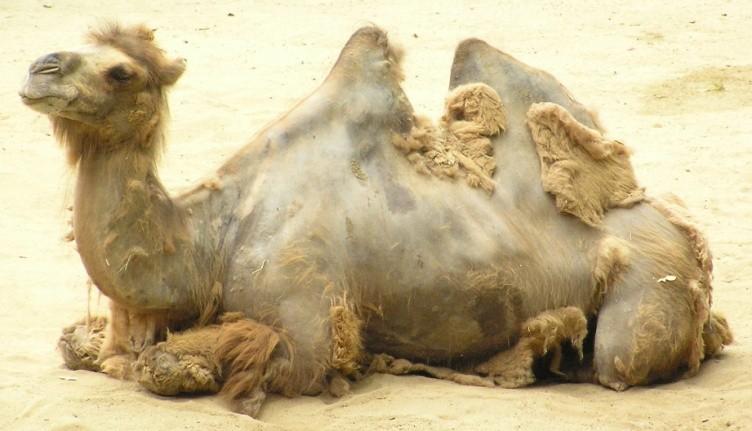
Dromedary (1 hump) camels are desert. Bactrine (2 hump) is cold mountain living.
Animal Body Speak
LISTEN & you shall become a better Human…
Animal Talk : Breaking the Codes of Animal Language
The Language of Animals: 7 Steps to Communicating with Animals
Animal Voices: Telepathic Communication in the Web of Life
Straight from the Horse's Mouth: How to Talk to Animals and Get Answers
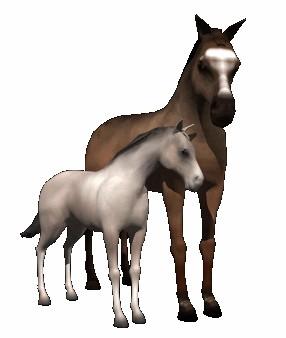
Animals receive their first massage from their mothers at birth, which stimulates breathing and bonding. Humans see animals speaking through touch, smell, vision, and sound. We can analyze all day long but do we really know what is going on? Humans use tactile, olfactory, visual cues, and sounds for life... So do non-human animals.