2 minute read
Eating

Herbivores: plant eaters in two categories
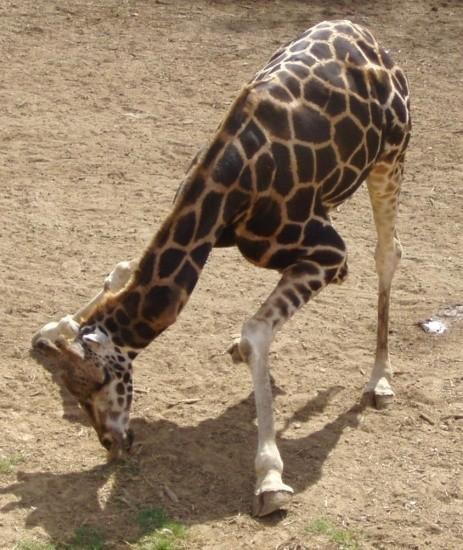
• Grazers eat grass and plants (Antelope, Camel).
Advertisement
• Browsers eat branches and leaves (Deer, Moose).
Omnivores: plant & animal eaters such as Pig, Bears, Human.
Carnivores: meat eaters, such as Cat families and canines
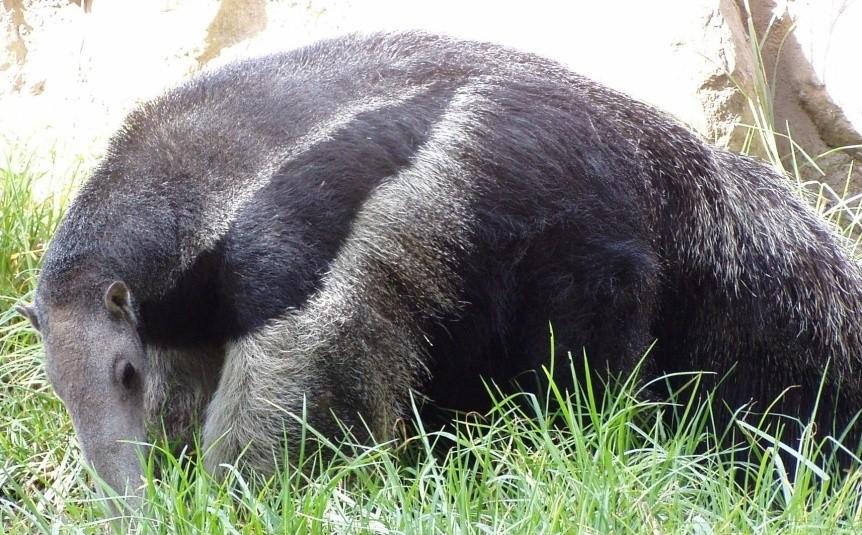
Insectivores: They follow the same hunting patterns as carnivores. Armadillo, Hedgehog, and Shrew dine on insects, which are nutritious and have a high protein content.
How to Chew
Masseter muscle: molar pressure is for plant grinding (herbivore).
Temporalis muscle: canine teeth tear meat (omnivore/carnivore).
What to Chew
Herbivores: tall molar teeth with flat surfaces, and some absent canines. Motion is side-to-side to soften fibrous plants. Beaver chew in this manner. Elephant teeth work on a conveyer belt throughout their lifespan, and they die from starvation at old age due to tooth loss.
Carnivores: sharp teeth tear flesh and flat back teeth crush bones. Motion is up and down, scissor-like, for cutting function. Jaws are curved for increased tearing pressure.
Omnivores: combination of flat molars and sharp canines. Polar Bear, due to indigenous life styles, have changed their eating habits for survival. Bird and Turtle do not have teeth.
Hearing
Auditory Bullae is the hearing anatomy. The size of the outside of the ear plays a role in magnifying sounds.
The Head
Independent ear movement patterns are used for hunting and protection.
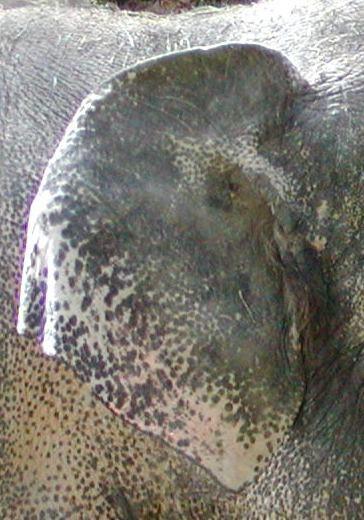
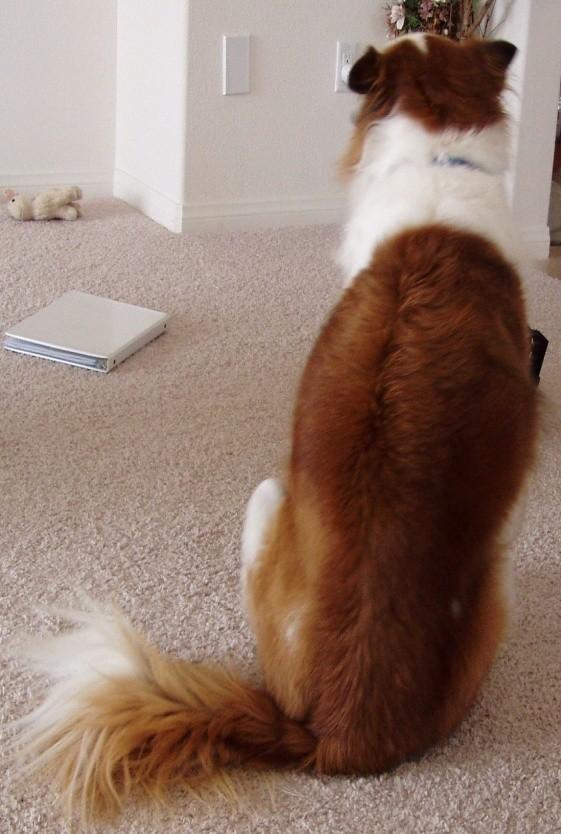
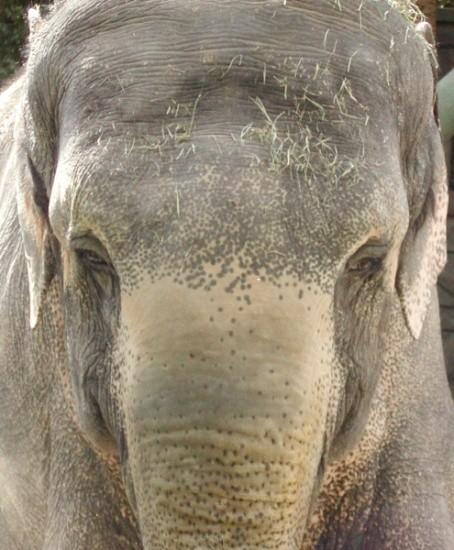
Communication: The outer ears and their position enable animals to “speak” to each other. Docking ears can give the wrong messages for some animals, like Dog in the dog park. Elephant hears and communicates with low-frequency tones that the human ear cannot pick up.
Temperature Control: The elephant ear is a portable air conditioner.
Head Decorations
Horns are permanent.
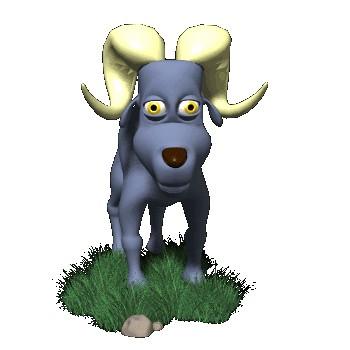
Antlers shed each year.
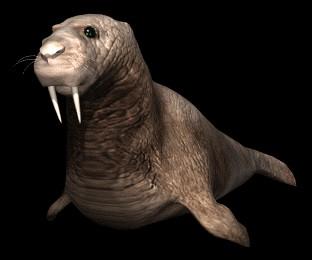
Tusks are displayed canines used for defense, determining age, sex distinction, mating rituals, communication, and more.
Eyes in the front, animals hunt
Eyes on the side, animals hide.
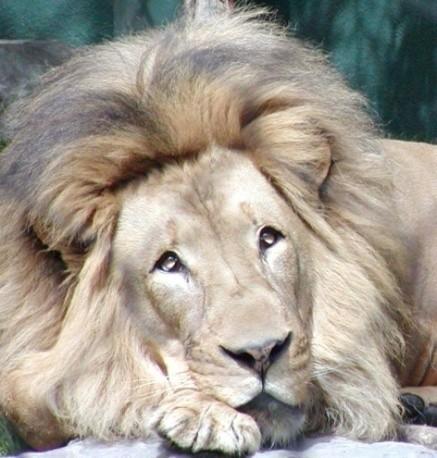
Distance Apart: hunting, defense, nightday use, movement pattern awareness.
Prey Animal: eyes onside: Peripheral vision is for a large view around the body. Grazer: Eyes are far back, so when the head is down to eat, vision for predators continues. Browser: Eyes are positioned up and slightly more forward. Due to the high eye position on the head, a browser’s vision can protect against predators and prevent eye injury when eating stick material.
Predators: Eyes forward in front: Binocular vision is for depth perception. Monkeys use this eye position for jumping from tree to tree.
Night Vision: Large eye socket: The eye socket is larger for a bigger eyeball. Cat and Owl use this for depth awareness while hunting.
Eyes& Breathing Holes on Top of Head: Animals that spend living time in water but breath air, such as the Dolphin and Crocodile.
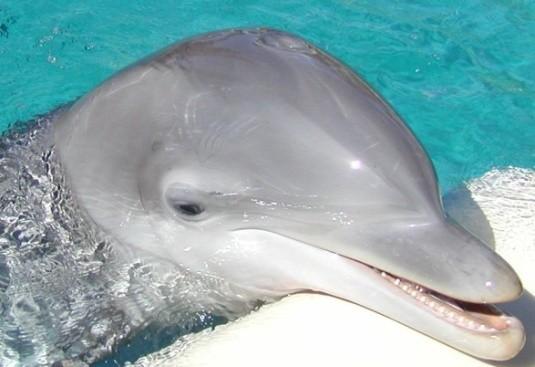
Eyes & Breath On Top
Animals Hunt Grazer or Browser?
Animals Hide