
One Group, One Vision:
Engineering Excellence for ZLD & Anodizing Finishing Lines
Anodizing & P
Waste Wa Chemicals
Waste Wa


In a world that never stands still, and where what came before shapes what comes next, balance is everything. It’s this sense of harmony — between the familiar and the new — that shapes the Futura 2026–2029 Collection from Interpon. Two palettes bridge comfort and curiosity: High Serenity, grounded in calm and connection, and Bold Adventure, alive with energy and exploration. Together, they offer a spectrum of superdurable finishes with fine and coarse textures, soft metallics, and rich tones.
Each finish delivers exceptional color retention and film integrity, proven to withstand time, weather, and wear.
Part of our Eco+ portfolio Interpon D2525 Futura Collection supports the sustainability goals across the construction supply chain by reducing the total energy consumed, enhancing production line efficiencies and lowering carbon footprint while still delivering the optimum level of performance to leave a lasting legacy and protect the world around us.
Available with up to a 25-year global warranty when applied by an Interpon D Approved Applicator, the range carries Qualicoat Class 2 and GSB Master certifications and meets the requirements of AAMA 2604.
Your imagination starts with our finish.
interpon.com



YOUR SOLUTION PROVIDER
Teaching robots to paint with movements free from the robotic arm with Lesta GESTURE
Industrial paint stripping for medium-large components: ALIT launches the new FASTRIP T6 immersion tank
Fluidised bed coating: a new plant designed to meet the evolving needs of thermoplastic powders in the household appliance sector
Alkyd resins and emulsions: the backbone of modern coatings and paints
From waste to raw material: Recycla’s strategy for turning industrial coating waste into a valuable resource
ASD Lighting: innovation and sustainability in the
A choice that stands the test of time: anodizing and painting integrated into a vertical line at ÇUHADAROĞLU
Laser curing for powder coatings: a smarter curing approach for high performance manufacturing
goes beyond the surface
driving efficiency in industrial and automotive painting processes through green chemistry
Clerprem is redefining the future of railway interiors with anti-graffiti and anti-corrosion powders that meet the sector’s highest standards
When coating meets excellence: Linea Eco Air technology at the service of supercars
The new BMW Group Plant Munich: more efficient, more flexible and more digital for production of the Neue Klasse
Chrome+: Kenosistec’s latest innovation for plastic car part finishing
Eisenmann designs, plans, and installs pretreatment and cathodic dip coating systems for an automotive manufacturer
Burrow Fabrications completes premium Scania 560 refinish with HMG Acrythane 4G
BENSELER sets standards in coating beyond the automotive industry
An optimised powder coating process for wheel rims: efficiency, quality, and sustainability

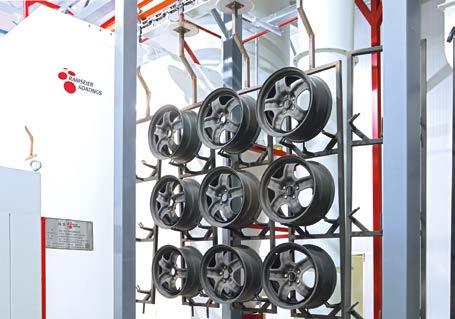



The strength of Europolveri powder coatings comes not from the carefully selected blend of raw materials alone, but from the people who study, shape and formulate these products thanks to more than 40 years of experience, and provide customers with a range with more than 1 000 products available in stock and over 40 000 already formulated

Prima Sole Components, where the future of automotive part coating is shaped
Dürr’s paintshop of the future: a path to performance
Rosso Centenario: Ducati’s new livery to celebrate 100 years of
A new coating water treatment system for the automotive industry
Paint Express: management system for special colours
MagicControl
and OptiCenter® All-in-One (OC11)
The power behind perfect coating results
ST Powder Coatings transformed design into a sensory experience at Fuorisalone 2026
OF THE
J. Wagner focuses on the “Automation Made Easy” approach
A tinting system designed to deliver efficiency, consistency, and sustainability is supporting the development of DUPA Paints
Performance and carbon footprint reduction:
develops a new generation of additives
Lechler

HELIOS QUARTZ: combining innovation and tradition in IR and UV technology since 1940
Waste water treatment in paint shops: technologies, solutions, and best practices
Who will work in finishing in the future? Skills, training, and the sector’s appeal
Anastasios Vergani and the ipcm®Academy training course on waste water treatment and purification in industrial surface finishing processes
Innovation and sustainability in industrial cleaning: introducing DOLLMARSOL G120
The right balance between cleaning technology and process chemistry ensures quality in the dental sector
Phosphodegreasing as an alternative to phosphating for the pre-treatment of automotive components
Knorr-Bremse introduces a new closed-loop cleaning system for the remanufacturing of railway components
Intelligent process control with Lab-on-a-Chip and AI-based Smart Drying



Alessia Venturi Editor-in-chief Direttore Responsabile
Are cars still aspirational goods, emblematic of a desired lifestyle, or is their symbolic and emotional value gradually diminishing?
Back in the 1980s, a Golf GTI was enough to make 18-year-olds across half of Europe dream; today, most young people consider the car an uneconomical, unsustainable, and unsafe commodity: something to be intimidated by rather than attracted to, a threat to the planet and a drain on the wallet. More of a burden than an essential asset.
I found myself reflecting on this shift in perspective as we prepared our annual focus on the automotive and transport sectors for this issue of ipcm®, especially after reading an Instagram post that praised the decision by the majority of Gen Zers not to get their driving licence at 18, or not to get one at all, and to rely instead on public transport or alternative forms of mobility.
Setting aside any sociological or behavioural considerations, which would be of little relevance here, I have pondered the potential implications of this shift in attitude amongst a significant market segment for an industry that has been the backbone of many countries’ economies, particularly Germany and the United States, for decades, employing many people, setting technological trends, and guiding and accelerating R&D thanks to the vast investments made by car manufacturers.
Today, in Europe, the debate about the crisis in the automotive industry centres on the consequences of an early, poorly planned transition to electric mobility. However, I believe that, alongside industrial and geopolitical challenges, a deeper cultural shift is also emerging: for some members of the younger generation, cars are no longer a symbol of independence, self-fulfilment, and aspiration, as they have been for decades. Meanwhile, China is dominating the transition to e-mobility, reshaping the tastes, needs, and desires of a market that was once the domain of European OEMs. Only supercar brands seem to have emerged unscathed from this scenario, still capable of retaining a strong emotional and identity-defining appeal.
The shift towards other modes of transport has undoubtedly driven technological innovation across their related industries in terms of design, manufacturing, and finishing techniques: from high-performance e-bikes with ‘aerodynamic’ finishes to high-speed trains fitted with seats highly resistant to corrosion and graffiti, right through to aircraft designed with ultra-lightweight materials and liveries to boost operational efficiency. Yet the automotive industry remains the testing ground for the most cutting-edge technologies, particularly in the coating, sealing, and assembly phases.
This is demonstrated by the content of the special feature in this issue of ipcm®, which covers new state-of-the-art OEM plants, an innovative on-demand coating system designed to efficiently manage special colours even in extremely small volumes, an optimised powder coating process for alloy wheels, and technological innovations that can guide manufacturers towards greater performance in terms of flexibility, service, and sustainability.
Richiedi la versione in italiano a info@ipcm.it
As always, the content of ipcm® extends beyond this issue’s focus: on the following pages, we explore disruptive innovations in powder coating curing, cutting-edge methods for recycling industrial coating waste, and the evolution of biological treatments for industrial waste water. Finally, there are numerous case studies on the industrial applications of different finishing technologies, from anodic oxidation to fluidised bed plastic coating, right through to pre-treatment nanotechnology. And so we continue our journey towards issue number 100!
As part of its continued expansion in Europe, AD Chemicals has established a subsidiary in Emmerich am Rhein, Germany, with the aim of providing German customers with faster response times, direct market access, and closer technical support.
New AD Chemicals GmbH strengthens local service and technical support for Germany. AD Chemicals has established AD Chemicals GmbH as its German sales office in Emmerich am Rhein. With the new entity, the company aims to provide customers in Germany with shorter response times, local market access, and closer technical support for chemical surface treatment of metals. The launch is part of AD International’s continued expansion in Europe in 2026. AD Chemicals GmbH will serve customers across key segments including General Industry (steel), Aluminium Finishing & Anodising, Hot-Dip Galvanizing, and the Coil, Tube & Wire industry. The portfolio covers applications for aluminum, galvanized steel, steel, and multimetal substrates. By building a local presence, AD Chemicals intends to support German customers more directly in process optimization, product selection, and implementation, with a focus on operational stability and measurable efficiency.
According to the company, its portfolio centers on future-proof pretreatment and passivation technologies, combined with application support to help reduce energy, water and chemical use and to lower maintenance effort through fewer bath changes and cleaning cycles. AD Chemicals positions this approach in line with industrial sustainability targets and policy direction in Europe, including the EU Green Deal. The company says its pretreatment systems are designed as an alternative to conventional multi-step processes, with a focus on corrosion protection and paint adhesion. One example is MM31®, a one-step pretreatment technology that combines cleaning, degreasing and conversion coating in a single process step.
Tobias Fischer, Sales Manager, AD Chemicals GmbH, says: 'That's how we've always done it’ is one of the most expensive sentences in purchasing. Decisions made out of habit can feel safe, but they are not always the best option. When companies take a closer look at alternatives, they often find better performance, more robust supply, and more economical solutions.”
AD Chemicals also references alignment with international requirements and frameworks used in the market, including Qualicoat, QualiMarine, Qualanod, GSB, Qualisteelcoat, NACE/FROSIO, and MIL.
For further information: www.adinternationalbv.com
GSB International e.V. has launched a new training portal to expand and make access to its technical courses more flexible, now also open to non-member companies.
GSB’s quality guidelines require member companies to undertake regular training courses. At least once every two years, a company must send at least one technical staff member to attend a GSB training course. These can take place in person or online, with the latter becoming increasingly popular. A new training portal now also offers non-members the opportunity to register and participate. To respond even more flexibly to the needs of businesses, the GSB has launched a new training portal just in time for the Paint Expo trade fair, where those interested can register for training courses. All available events are listed there and presented with a brief description of their content, and are offered in German and English. Registration can take place as soon as dates are confirmed. For training events for which no date has yet been set, interested parties can put their names down. Registration will take place once the minimum number of participants has been reached. “This represents a significant improvement on the previous approach, where invitations to a single fixed training session were sent out several times a year via newsletter. Furthermore, the newsletters limited us to the circle of member companies. Through the training portal, we can now also reach companies outside our membership,” notes Guido Rohloff, Technical Director and initiator of the project.
In addition to the now well-established two-part “Training for qualityresponsible staff in GSB-certified coating companies”, which focuses not only on the structure of the GSB but above all on staff responsibilities, testing procedures and surface pre-treatment, training courses on specialist topics are now also being offered: for instance, there will be a colourimetry seminar in the autumn; specialised training courses will highlight the benefits of well-managed factory production control and how to achieve it; and, last but not least, the basics of powder coating will also be explained. For 2027, specialist presentations by industry experts from the fields of plant engineering, coating technology and testing are planned. In conclusion, Guido Rohloff notes: “As I come from a practical background myself, it is important to me to present the topics clearly using practical examples and to speak the language of the respective target group. This is not a language course; it is about the content. After the course, we are available to answer questions of any kind."
For further information: www.gsb-international.de/schulungen/
By combining technical excellence with environmental responsibility, the 2026–2029 Collection offers a modern toolkit for designers looking to create spaces that are as resilient as they are visually striking.
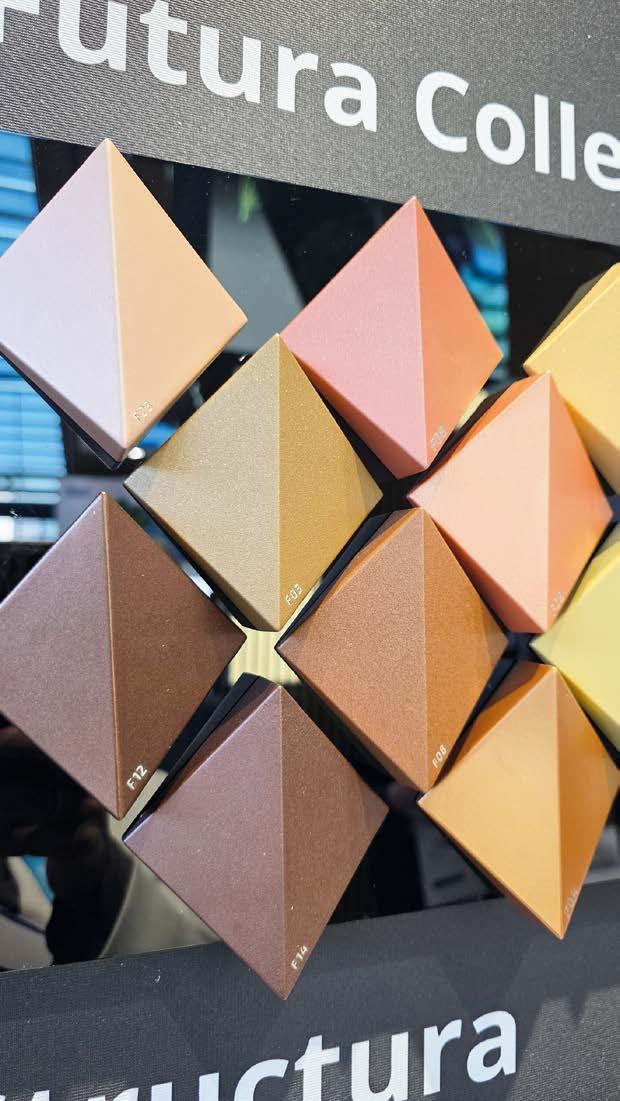
AkzoNobel Powder Coatings has officially launched its Interpon D2525 Futura 2026–2029 Collection, introducing a fresh palette of superdurable finishes to the European and North American architectural markets. The new range aims to bridge the gap between “heritage-inspired” aesthetics and the rigorous sustainability demands of the future.
For over two decades, the Futura series has served as a benchmark for architectural trends. The latest iteration continues this legacy through two distinct design pillars:
High Serenity: a palette of muted, nature-derived tones—think warm stone and quiet browns—designed for understated elegance.
Bold Adventure: a more vibrant selection featuring earthy reds and regal blues with glistening finishes intended to inspire confidence. In a significant shift for the industry, AkzoNobel is integrating its Eco+ sustainability features as standard rather than optional extras. The collection utilises Low-E (Low Emission) technology, allowing the powder to cure at lower temperatures or higher speeds, thereby reducing energy consumption during the manufacturing process. Furthermore, all products manufactured within the EMEA region will now feature bio-attributed raw materials, significantly lowering the carbon footprint of the coating without compromising its famed durability.
“Sustainable coating choices should not come at a higher cost or as a specialist option. Futura reflects our ‘Own Your Impact’ approach— delivering practical benefits that help architects make responsible choices with confidence,” has stated Jorrit van Rijn, Global Marketing Director at AkzoNobel Powder Coatings.
For further information: www.interpon.com/products/architectural/interpon-dfutura-2026-2029
This merger represents a significant development for the WAGNER Group, aimed at reducing operational complexity and leveraging synergies to strengthen the Group’s future. This move allows customers to benefit from an almost complete, comprehensive portfolio of surface coating technologies.
In fiscal year 2026/27, the long-standing WAGNER subsidiary, Walther Spritz- und Lackiersysteme GmbH, will become part of J. Wagner GmbH. Moving forward, the business will operate under the globally recognised WAGNER brand.
Managing Director Ralf Mosbacher, who has led Walther Spritz- und Lackiersysteme GmbH since 2020, was appointed to the management team of J. Wagner GmbH on February 1, 2026. He remains the primary contact for the former Walther business and will continue to drive its integration.
The three German sites, Markdorf, Wuppertal, and Struthütten, will work in close collaboration, with the Struthütten site continuing its role as a competence center for laser and welding operations and cyclone manufacturing for powder coating.
For further information: www.wagner-group.com
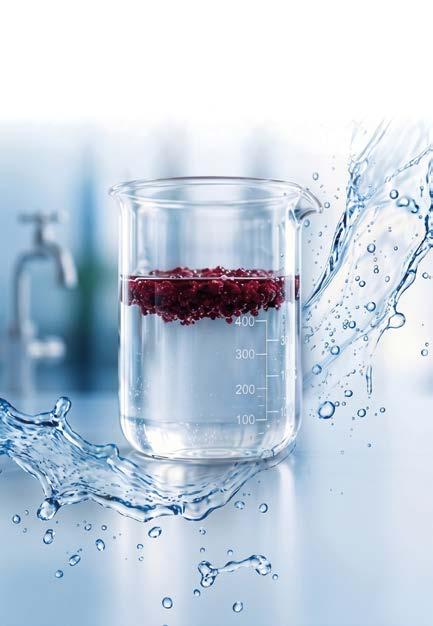


INNOVATIVE ECO-FRIENDLY WATER TREATMENT CHEMICALS
Discover cutting-edge biopolymer-based and advanced products for efficient water/ wastewater treatment and paint coagulation
SUSTAINABLE Eco-friendly biopolymer solutions
EFFICIENT Improved water clarity & treatment efficiency
COST-EFFECTIVE Reduced chemical usage & operational costs
VERSATILE
Optimized for industrial & municipal applications
EXPLORE OUR SOLUTIONS
Discover how CHEMBION can achieve cleaner water, sustainably
www.chembion.se
CHEMBION aqua AB Stadiongatan 65 21762 Malmö, Sweden
+46 40 620 7070
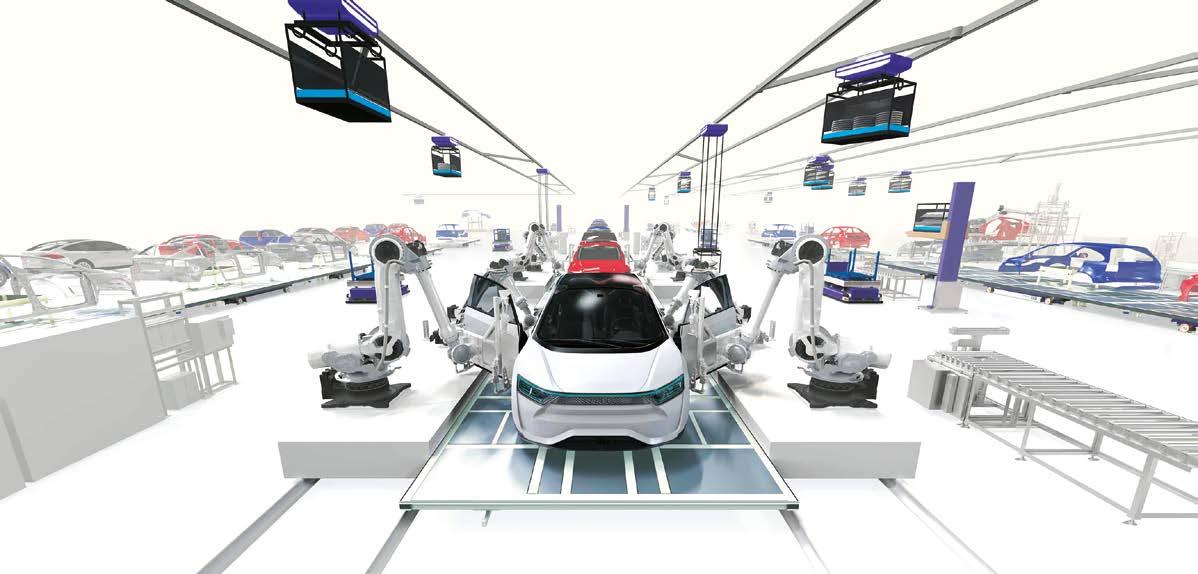
Eisenmann GmbH announced that Daifuku Co., Ltd. (Japan) will acquire 100% of the shares of Eisenmann GmbH from its current shareholder Nimbus Hands-on Investors (Netherlands).
Based on its long-term vision, “Driving Innovative Impact 2030,” the Daifuku Group is working to expand its business operations outside Japan and strengthen its competitiveness. The acquisition of Eisenmann will strengthen the Group’s core business of manufacturing systems for the automotive industry.
The Daifuku Group provides systems for a wide range of industries from its production and sales bases in 24 countries and regions worldwide, with systems for automobile production lines representing one of its core businesses
By acquiring Eisenmann’s shares, Daifuku gains the ability to offer even more comprehensive coverage in automotive and industrial manufacturing, especially in the field of painting – from quotation and planning through commissioning and after-sales support – tailored to European standards and customer-specific requirements, which is becoming increasingly important. Daifuku and Eisenmann have therefore decided to join forces and integrate Eisenmann into the Daifuku Group in order to strengthen and expand their capabilities in the field of system solutions worldwide.
Eisenmann offers innovative automation technologies as well as proprietary, sustainable and economical solutions in the field of painting and final assembly, which are mainly used by European manufacturers of automotive and industrial components.
Daifuku, on the other hand, has a strong global presence, a broad product and solution portfolio, in-depth expertise in project execution, and a very strong research and development team. The business areas of Eisenmann and Daifuku complement each other perfectly, particularly in the field of industrial painting and surface treatment systems.
Through this acquisition, Daifuku as well as Eisenmann expect to enhance their proposal capabilities and expand integrated offerings in the automotive production line systems field, leading to increased value provided to customers and expanded order opportunities.
The current Eisenmann management team will remain in place and Eisenmann’s corporate culture, the existing business contacts, and its customer centric approach will remain unchanged.
Ther transaction is expected to close in the second quarter of 2026.
For further information: www.eisenmann.com
Founded 50 years ago, ChemQuest provides bespoke market intelligence and M&A advisory services to raw material suppliers and financial investors across the specialty chemicals sector.

The ChemQuest Group, a leading global consultancy specialising in specialty materials, has announced the appointment of Scott Reams as its newest Director.
Scott Reams joins the company with over 35 years of industry experience, much of which was spent at Milliken & Co. His extensive background spans strategy development, process improvement, and technical sales within niche markets. During his tenure at Milliken, Scott Reams held several senior leadership positions, including Director of International Licensing and Director of Residential Floorcovering. He also served as a process management improvement leader and an advanced process chemist.
“I’m excited to be a part of the ChemQuest team and to leverage my expertise with a group that brings such meaningful impact to clients navigating dynamic market expansion,” has stated Scott Reams. Daniel Murad, Chairman of ChemQuest, welcomed the appointment, noting that Reams’ vast experience in Business Strategy & Transformation will be a significant asset to the firm’s core pillars, including Operational Excellence and Technology Development.
For further information: www.chemquest.com
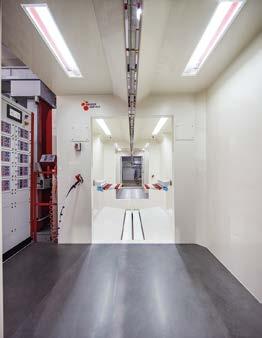


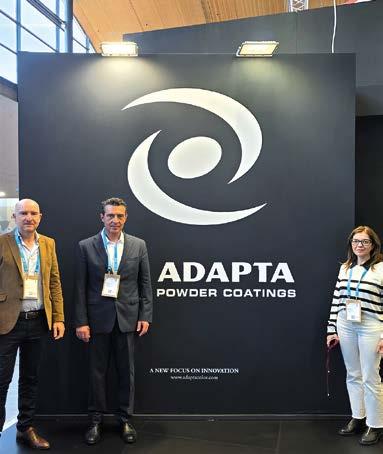
Ten years after its last appearance at PaintExpo in Karlsruhe, the world’s leading trade fair for industrial coating technologies, Adapta Color returned with a striking exhibition booth where architectural design and colour innovation merged to transform a simple exhibition space into an immersive and refined sensory experience for visitors.
Founded in 1997, Adapta Color established itself as one of Europe’s leading manufacturers of powder coatings for both architectural and industrial applications. What has always distinguished the company within the powder coating market is its ability to combine cutting-edge aesthetics — particularly in the field of metallic-effect colours — with outstanding technical performance. For a brand so strongly focused on visual impact and surface quality, its PaintExpo booth needed to provide a setting capable of enhancing the material itself.
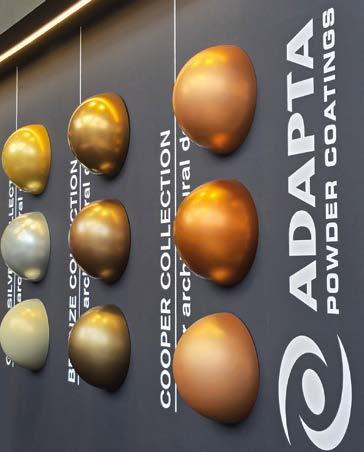
The design concept developed by Timecore, the Monza-based company responsible for designing and building the booth, was both bold and minimalist. The stand featured an all-encompassing use of black, seamlessly covering the floor, walls, and impressive suspended structure. This choice was not merely aesthetic, but functional: black acted as a visual “void,” eliminating the distractions of the exhibition environment and allowing the true protagonist — colour — to stand out. Along the walls, the displayed hemispheres — physical samples showcasing the various finishes within Adapta’s portfolio — appeared to float in the darkness. Thanks to this sharp chromatic contrast, every shade, reflection, and texture of the powder coatings was enhanced to the fullest, enabling visitors to perceive the depth and brilliance of the products as if they were displayed in a contemporary art gallery.
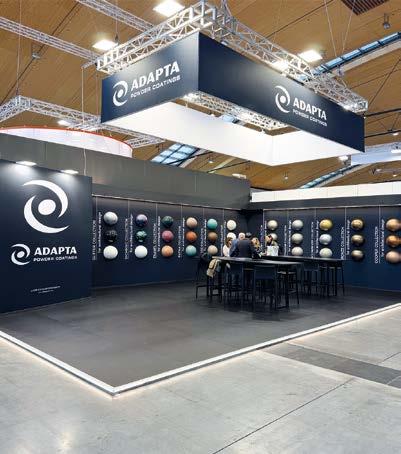
The elegance of the booth was further emphasized through the sophisticated use of technical lighting. The platform was outlined along its entire perimeter with an LED strip, visually separating the space from the rest of the hall and giving the booth an almost ethereal and sophisticated appearance. The products mounted on the walls were also individually illuminated by integrated LED strips, ensuring perfect colour rendering of the samples.
Another key design element was the open structure. The booth was conceived to break down both physical and psychological barriers between the company and visitors. The absence of perimeter enclosures encouraged professionals to enter freely, fostering interaction and networking within an environment that, while highly professional, also felt welcoming and dynamic.
For further information: www.adaptacolor.com
High-performances coating systems for any application

Edited by Lesta Srl Dairago (Milan), Italy sales@lesta.it
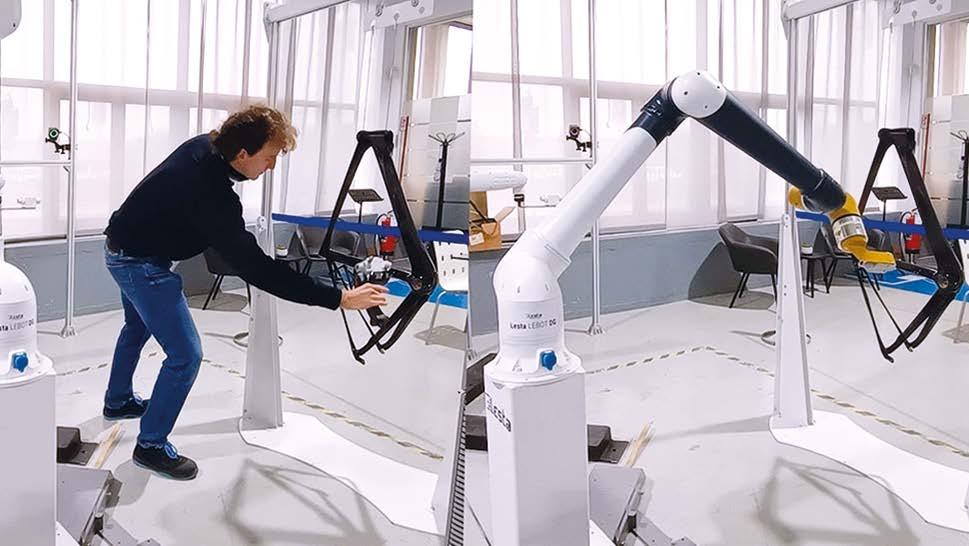
Thanks to the use of cameras and sensors applied to the spray gun, the system allows the recording of the process in a 3D virtual environment and its replication with extreme fidelity on subsequent pieces in the real world. This solution is designed to improve productivity, reduce programming times, and simplify robotic teaching even in complex production environments.
Teaching robots to paint with movements free from the robotic arm is one of the main requirements for companies that want to automate processes while maintaining precision and quality of the final result. This is where Lesta GESTURE comes in: the system developed by Lesta that captures the operator’s movements during painting and automatically transfers them to an industrial robot.
Many companies operating in industrial painting, especially in the metal sector, face challenges related to process automation. Some of the most common critical issues include limited spaces inside paint booths, need to maintain high aesthetic quality and coating uniformity, long and complex programming times for industrial robots, and difficulty in manually replicating complex processes on multiple parts.
Lesta GESTURE was created specifically to overcome these problems. The system records the operator’s natural movement while painting the first part, automatically transforming it into a precise and repeatable robotic path.
The main advantage is the ability to program the robot intuitively, reducing start-up times and simplifying the teaching process, even in production environments with limited space.
The operation of Lesta GESTURE is based on extremely advanced and simple-to-use motion capture technology.
The system uses a joystick mounted under the painting gun, equipped with visual markers detected by dedicated cameras. During the process:
The operator paints the first part using the gun equipped with the joystick
The cameras track the markers’ movements and transfer them into a 3D virtual environment
The recorded path is processed and converted into a robotic program
The industrial robot, such as a KUKA or a Lesta LEBOT DG, automatically replicates the work on subsequent parts.
One of the strengths of the system is that recording is independent of the robotic arm, which allows the operator to move with great freedom and naturalness, improving teaching accuracy and ease of use.
It is important to note that, although this is an extremely effective solution, for some particularly complex or high-performance applications, technologies like Lesta LEBOT MV A6 still represent the most advanced benchmark on the market.
Lesta GESTURE is particularly suitable for companies operating in industrial painting requiring a flexible and easy-to-integrate automated solution. In particular, it finds application in companies producing medium to large metal components, powder coating systems, industrial coating processes for steel, production facilities with small painting booths, and systems where the installation of more complex robots is difficult. Thanks to its versatility, this technology allows for improved productivity while maintaining high quality standards, without requiring invasive structural interventions on existing systems.
With Lesta GESTURE, Lesta introduces a new approach to robotic teaching in industrial painting, combining technological innovation, operational simplicity, and application flexibility. The system represents an ideal solution for companies that want to approach automation or optimize their production processes, reducing programming times and improving process repeatability. By transferring the operator’s experience directly to the robot, Lesta GESTURE combines human skills and advanced technology, offering a true competitive advantage in the industrial painting sector.


Edited by ALIT Technologies SpA San Bonifacio (Verona), Italy info@alit-tech.com
The new FASTRIP T6 paint stripping immersion system, developed by ALIT Technologies SpA, is designed for the cleaning and recovery of medium- to large-sized racks, hooks, and metal components.
In industrial coating processes, paint stripping is often considered a necessary but secondary step. Until it becomes a problem. When production volumes increase, coatings become more resistant, and operations cannot afford slowdowns, this phase stops being marginal and becomes critical. Not so much for the ability to remove paint, but for the difficulty of keeping the process stable over time.
FASTRIP T6 was developed precisely in response to this scenario: the new ALIT solution for immersion paint stripping of medium-large components.
Immersion technology is well established, but in daily operations it comes with variables that directly impact costs and production continuity: uneven temperature, bath degradation, and inefficient rinsing management.
FASTRIP T6 addresses these aspects through a targeted design. The integrated wall heating system, full insulation and vertical mixers work together to keep the bath active and uniform, even when dealing with complex coatings such as epoxy-based paints.
FASTRIP T6 is designed to handle medium-large components, with configurations ranging from approximately 2400 up to over 5500 litres, and usable lengths up to 3500 mm. This allows the processing of large parts without the need to split loads or adapt the process. From a construction standpoint, the machine is built in AISI 304 stainless steel, ensuring chemical resistance and long-term durability even under continuous operation. Full insulation on all sides contributes not only to energy efficiency, but also to bath stability, reducing heat loss and maintaining consistent working conditions. The integrated electric heating system, combined with vertical mixers, allows operation up to 80° C while ensuring uniform treatment across the entire load. Additional technical features include a guided microwave level sensor, pneumatic lid, and a design that facilitates easy access and maintenance.
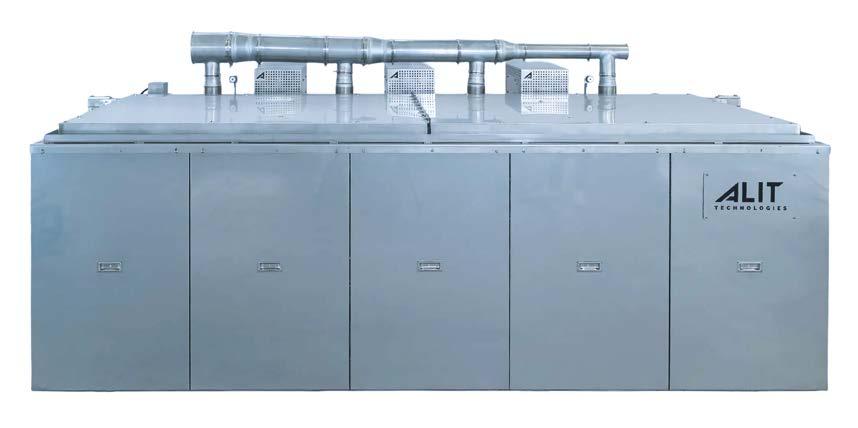
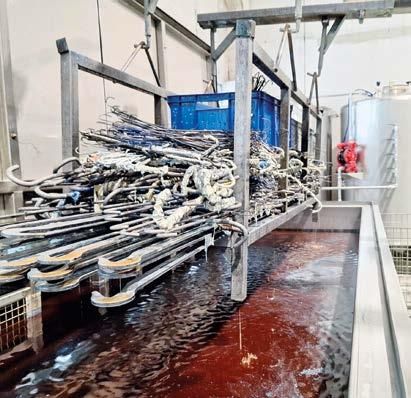
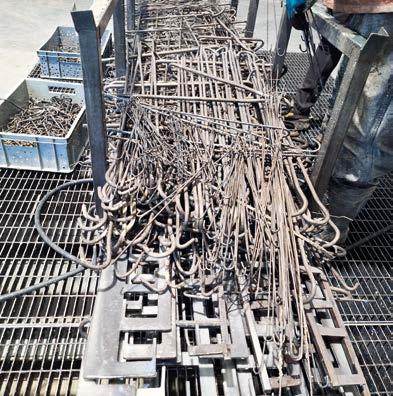
Initial industrial applications confirm this approach. A FASTRIP T6 unit has been installed in a real production environment in Northern Italy, within a company specialized in industrial coating services. After several months of operation, feedback has been highly positive: the process remains stable over time, cycles are effective even on difficult-to-remove coatings, and chemical consumption remains consistent with the workload. The system has been smoothly integrated into the production flow, with simple operation for operators and easy maintenance access. In environments where equipment must be continuously available, this translates into fewer interruptions and improved operational continuity.
The key point is not only technical, but also economic. When comparing different stripping technologies, the difference lies in energy, chemicals, water consumption and operational time.
FASTRIP T6 is designed to act on these variables in a practical way. Insulation reduces heat loss, bath management extends chemical life, and cycle organization allows optimization of rinsing water usage.
In existing applications, practices such as water reuse and combined immersion/rinsing cycles contribute to making the process more efficient and controlled.
For years, pyrolysis ovens have been considered the default solution for medium-large components— not necessarily for efficiency, but due to habit and perceived capacity. Today, this scenario is changing. Immersion stripping, when properly designed, allows greater process continuity and control over variables that are more rigid in pyrolysis systems: cycle times, batch management, energy consumption, and performance on complex coatings.
With FASTRIP T6, this approach becomes applicable even to medium-large components, overcoming the traditional limitations of immersion technology at this scale.
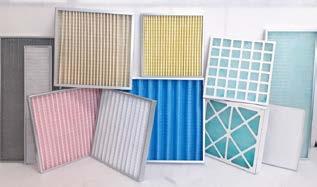
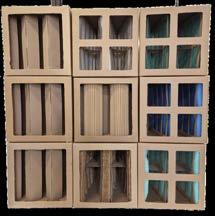
Another key aspect is the system approach. FASTRIP T6 is not designed as a standalone machine, but as part of a broader process that includes fluid management, filtration, recycling and digital control. In this context, even auxiliary components become strategic in daily operations, helping simplify activities and improve overall efficiency.
Ilaria Paolomelo, ipcm®
Dradura Italia has recently installed a new fluidised bed coating plant for thermoplastic powders, developed by LEM Impianti, to expand its coating options for wire components used in the household appliance sector.
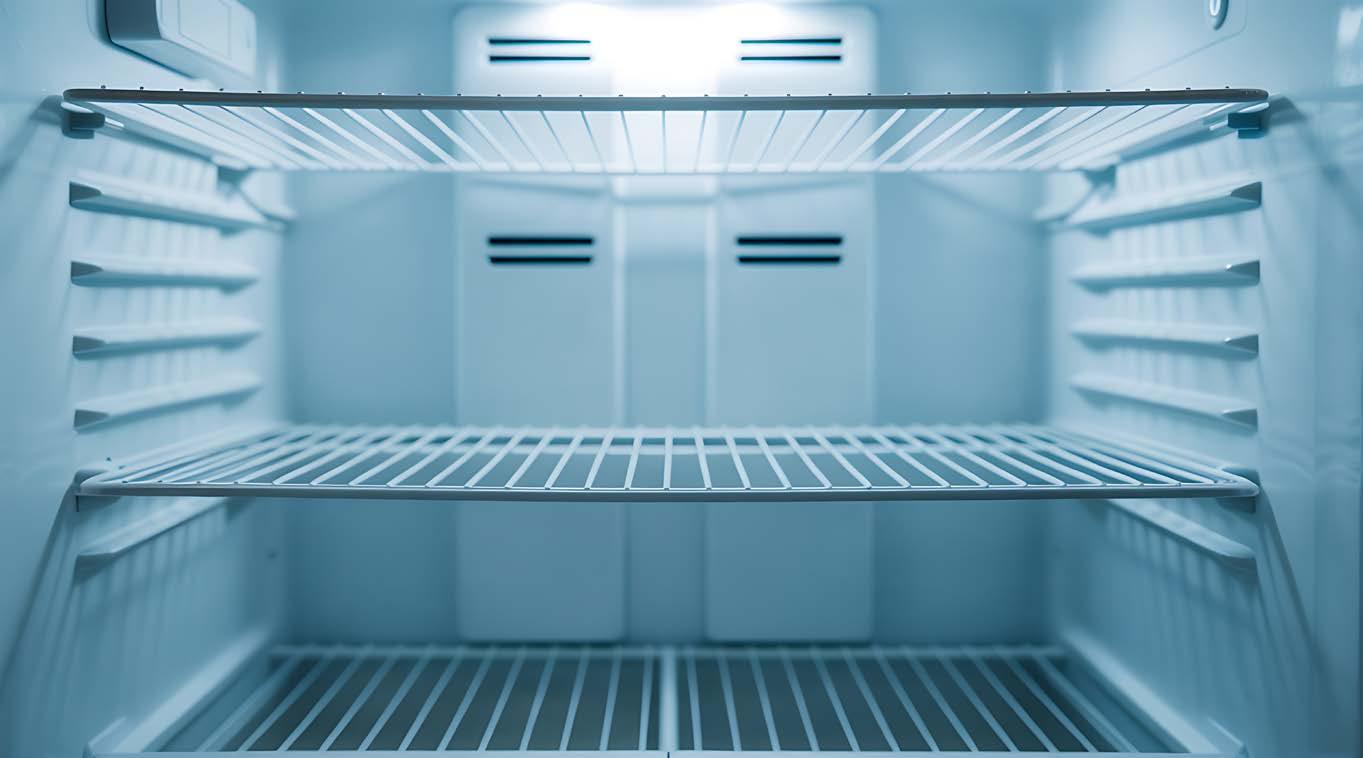
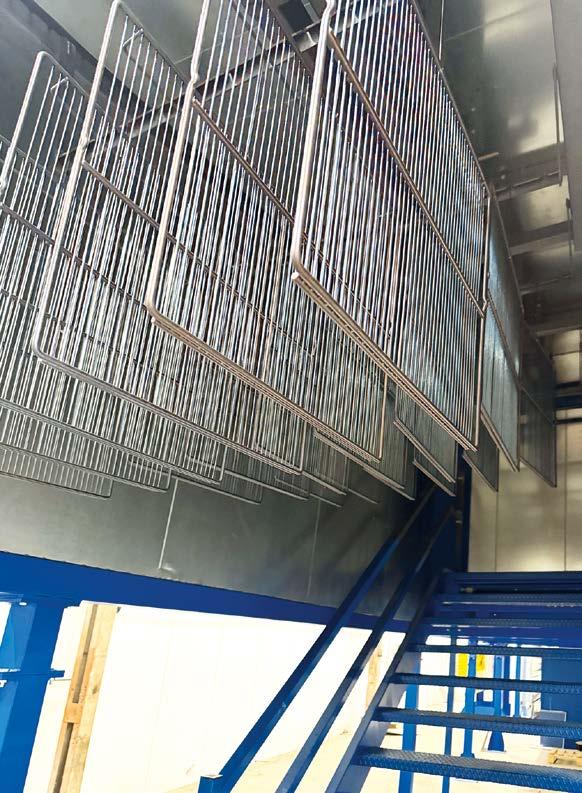
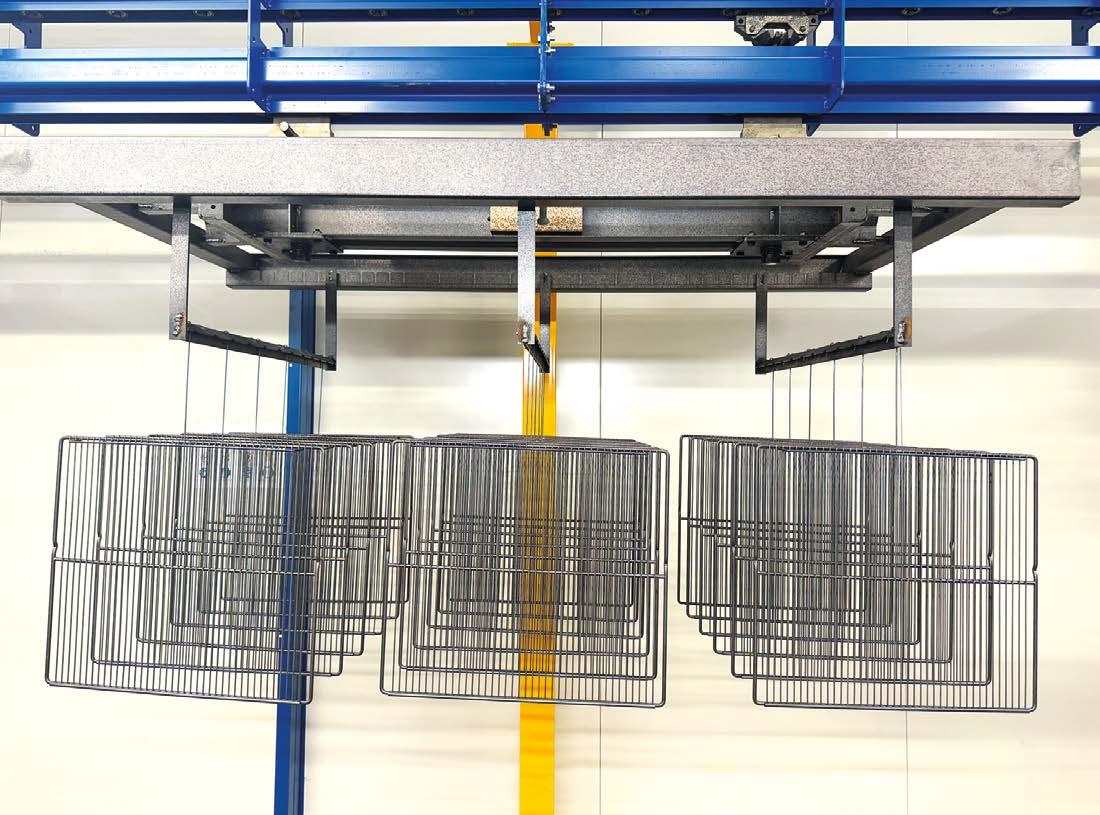
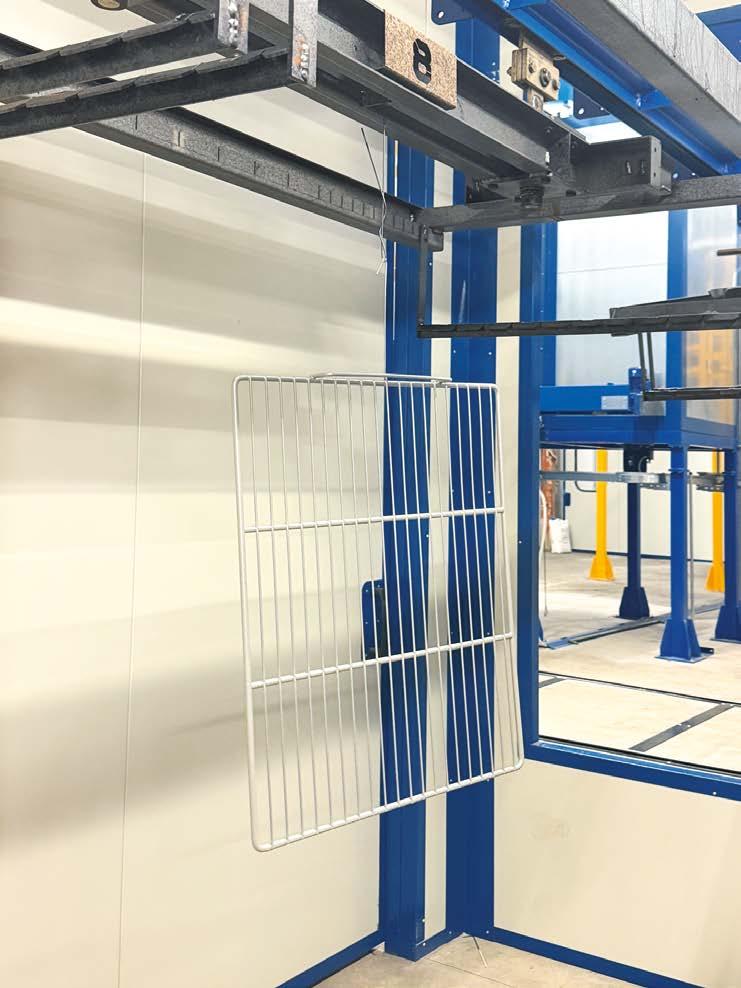
From dishwasher baskets to oven and fridge racks, as well as bottle racks, the wire components used in the household appliance sector must meet increasingly stringent requirements for corrosion resistance, durability, food safety, and aesthetics.
Indeed, they operate in particularly demanding environments, being subjected to high-temperature cleaning cycles, continuous exposure to moisture, aggressive detergents, and thermal shocks, all of which call for consistently high performance over time. For this type of product, the quality of surface finishes is a key factor in meeting both functional and aesthetic requirements. Among the various surface treatment technologies available on the market, plastic coating has established itself as one of the most effective solutions for protecting and enhancing these components, providing film uniformity, chemical and mechanical resistance, electrical insulation, and good visual appeal, while improving the user experience by delivering surfaces that are safer to touch and less prone to damage.
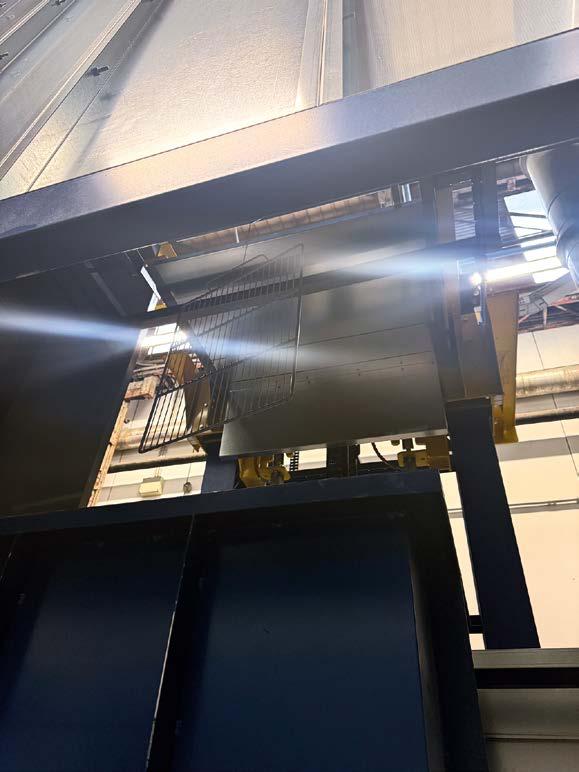
Dradura Italia, a company specialising in the processing of metal wire for the household appliance industry, has been performing plastic coating at its San Donà di Piave site for over fifty years. To modernise its finishing department, the company recently invested in a new fluidised bed coating plant that uses not only polyethylene-based thermoplastic powders but also high-performance, next-generation polymeric materials. It entrusted the construction of this plant to LEM Impianti (Carate Brianza, Monza e Brianza, Italy).
Dradura was founded by the Stein family as a small family-run business in Germany more than eighty years ago. From the outset, it has specialised in producing wire components for the household-appliance sector, developing highly sophisticated expertise over time. Over the decades, it has consolidated its market position and evolved from a local business
into a structured industrial Group, without ever losing sight of product quality and reliability. “This journey has led us to establish ourselves as a trusted partner to some major international household-appliance manufacturers, including Electrolux, Liebherr, BSH Hausgeräte, and Gorenje,” explains Maurizio Scalabrino, Head of Engineering at Dradura Italia Srl.
“In recent years, our company has undergone a significant corporate transformation. Dradura was acquired by Linkk Industrial GmbH, a German investment fund that brings together various companies from the industrial world. Within the Group, we are the hub specialising in metal wire processing and finishing, as part of an ecosystem that also includes companies active in the automation and production of systems for the automotive, pharmaceutical, and medical sectors. This integration enables us to leverage cross-functional expertise and support a growth trajectory focused on technological innovation,” says Scalabrino. Today, Dradura
is an international player headquartered near Kaiserslautern (Germany), with a logistics centre in the United States and three production plants in Europe: in San Donà di Piave (Verona) and Casale Monferrato (Alessandria) in Italy, and in Łódź, Poland.
The San Donà di Piave site, where the new plastic coating plant was installed, specialises primarily in baskets and grids. The production process for these items begins with the procurement of metal wire, supplied in coils or spools, with a diameter of 2.2 to 8 mm. “The first stage involves straightening and cutting operations, carried out using wire-straightening machines that transform the material into bars of the required lengths; alternatively, for certain types of components, CNC-controlled systems are used to process the coil directly, producing pre-formed elements and components ready for the subsequent stages.
This is followed by the production of blanks, which can be carried out using manual, semi-automatic, or fully automatic processes, depending on production volumes and the type of product. In this phase, the parts that make up the structure of the finished products are assembled and welded. It is also at this stage that any features required for the subsequent surface treatment phases are prepared; for example, in the case of plastic coating, the parts are fitted with special hanging lugs, which are then removed once the process is complete,” explains Scalabrino. The components are then transferred to the finishing department, where Dradura has a wide range of technologies at its disposal, including a galvanising plant, three powder coating lines, a chrome plating line, an electropolishing line, and the new plastic coating plant. “A few years ago, in line with regulatory developments and a growing focus on sustainability, we also replaced a hexavalent chromium plating system with a trivalent chromium line, significantly reducing our environmental impact and






























improving process safety,” he adds. After finishing, the products undergo quality control and are packaged to meet specific customer requirements.
“The dishwasher baskets and fridge racks produced at this plant undergo a plastic coating process because they must withstand repeated thermal cycling, exposure to aggressive detergents, and high-humidity conditions,” says Scalabrino. The system installed by LEM Impianti is designed to efficiently handle components with different geometries and weights, including wire diameters of up to 8 mm. “The new plant can operate with various types of polyethylene as well as new polyamide-based materials. In both cases, the pre-treatment processes have been optimised to improve environmental sustainability.”
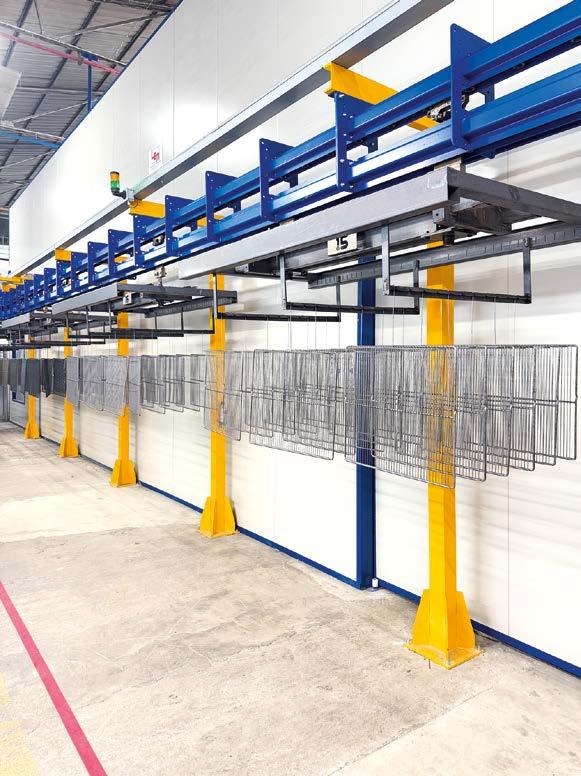
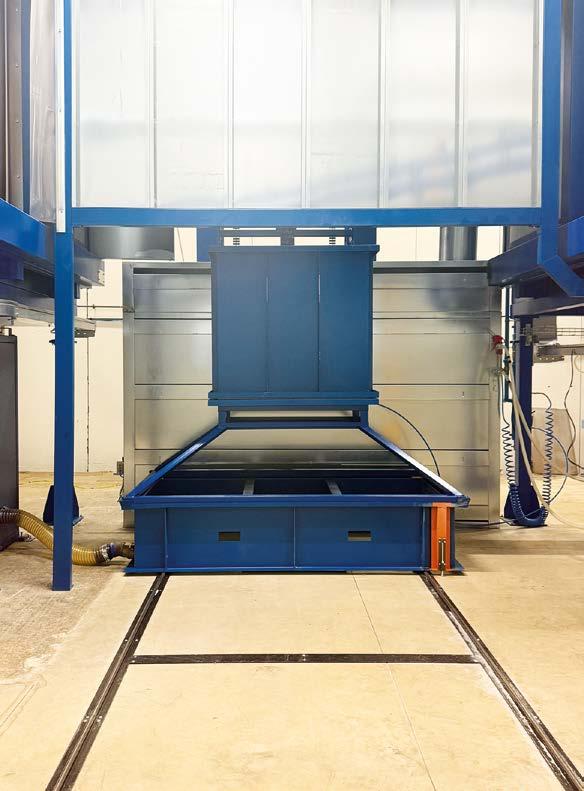
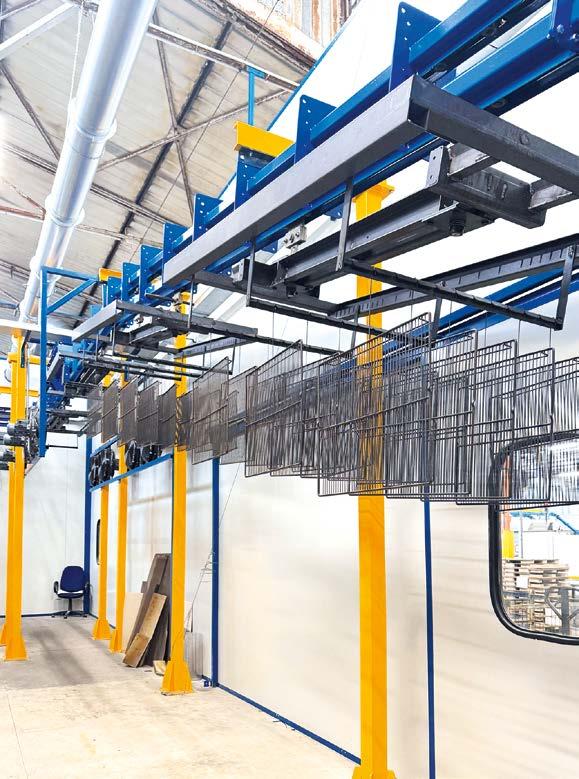
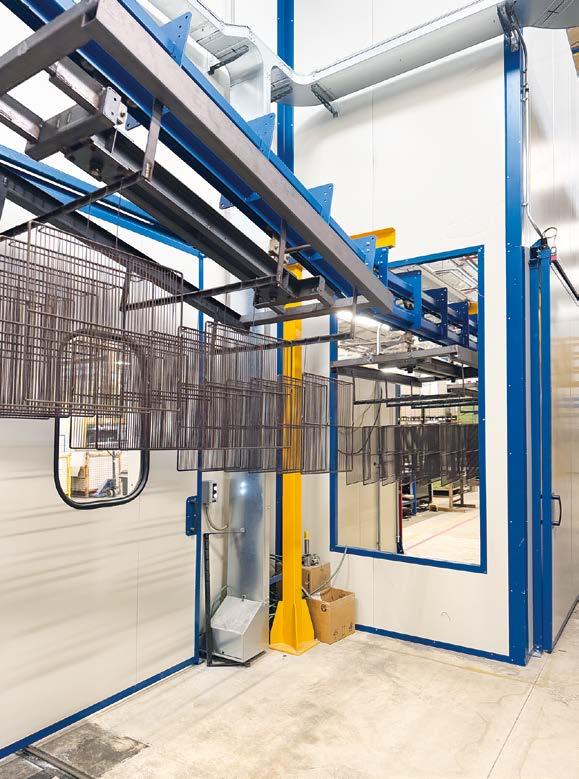
On the new plant, the cycle begins with the manual loading of components onto the power & free conveyor. This transports them to the hybrid preheating oven, which can be fuelled by gas or electricity. “Its temperature is carefully adjusted so that the metal mass reaches the required thermal level for adequate thermal inertia. The components are then immersed in the fluidised bed tank,” illustrates Paolo Sala, owner of LEM Impianti.
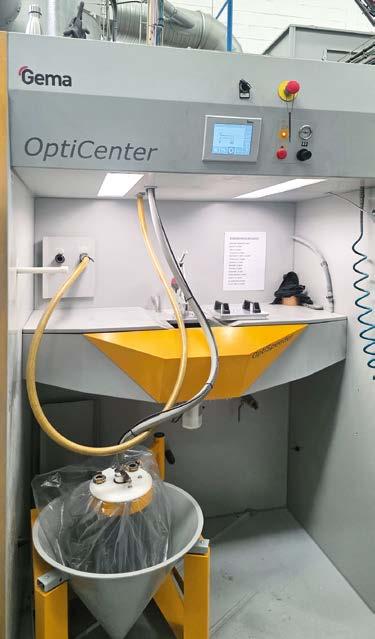
The plant is equipped with two Gema OptiFeed BigBag powder feeding systems, designed to transport and handle powder contained in BigBag sacks. After the thermoplastic coating is applied, the components are first transferred to the bell-type curing oven, then to a storage buffer, and once cooled, to the manual unloading station. Here, an operator can manually remove the hanging lug and, if necessary, touch up the finished product.
“The system is characterised by high flexibility and operates in both automatic mode, using pre-set recipes, and manual mode, with the
option to set and adjust each process parameter individually, according to specific production requirements. The plant’s configuration allows it to operate with a small staff, involved exclusively in the loading and unloading phases, while the rest of the process takes place within a fully controlled environment, protected by barriers fitted with interlocking devices to ensure maximum operational safety,” notes Sala. The challenge posed by polyamide and the role of the plant engineering partner
The ability to use different polymeric materials in the plastic coating process enables the fulfilment of specific application requirements. Polyethylene is a well-established solution for numerous standard applications, even under low-temperature operating conditions, and can be modified with specific additives to improve its UV resistance or prevent yellowing over time.
Alongside this technology, shifting market demands are driving the adoption of higher-performance materials, such as certain polyamides. These materials offer superior mechanical strength, abrasion resistance, and corrosion resistance, broadening the range of possible applications. However, they also require a more complex manufacturing process. In fact, polyamides require more demanding operating conditions than polyethylene, particularly with regard to processing temperatures and thermal cycle management. These characteristics call for careful optimisation of the preheating, immersion, and curing stages. With the new fluidised bed coating plant installed at Dradura, the challenge was to optimise the process parameters to accommodate both materials. Polyethylene requires lower operating temperatures, whereas polyamide demands higher ones and specific cooling conditions, potentially involving thermal shock in water. “During the current development phase, LEM
Impianti’s contribution is proving crucial, supporting our team in fine-tuning the process thanks to its technical expertise and know-how. The plant’s flexibility, which allows testing in both automatic and manual modes, has also enabled us to experiment with different application configurations and to accelerate parameter optimisation, reducing development times and improving our understanding of material behaviour,” says Scalabrino.
The path Dradura has taken in recent years demonstrates that tangible innovation is possible even in a highly established sector, through advances in technology, processes, and materials. This company’s investments in its finishing department, particularly the installation of the new fluidised bed coating plant developed by LEM Impianti, marked a significant step towards more efficient, sustainable, and quality-oriented production. At the same time, Dradura’s openness to high-performance materials, such as polyamide, confirms its commitment to keeping pace with market developments and expanding its technological expertise.

“The choice of our technology partner was the result of a careful technical assessment that also took into account the level of technical assistance offered. The existing collaboration was also a decisive factor: LEM Impianti has always ensured ongoing maintenance of other installed systems and has provided prompt technical support when required. This aspect was fundamental in identifying a business capable not only of supplying the technology but also of supporting us as a true partner,” states Scalabrino.
“Although the plant has only been in operation for a few months and testing of different coating products is still ongoing, the main benefits observed include streamlined tank cleaning and significantly reduced colour change times, thanks to Gema’s automated OptiFeed system. At the same time, finishing quality has improved, and operator safety has increased through the ergonomic redesign of the loading and unloading stages, the reduction of the most strenuous manual tasks, and the introduction of protective barriers. Cycle automation and plant layout optimisation have also reduced staffing requirements, resulting in resource rationalisation and improved work organisation.
“Finally, a key factor concerns the sustainability of our production process. The introduction of a hybrid gas/electric system, together with improved energy efficiency and reduced heat loss in the oven, has helped minimise energy consumption and the plant’s overall environmental footprint. At a time when energy costs are a growing concern, this is a strategic factor of the utmost importance,” Scalabrino concludes.
Edited by Frigmaires Engineers Mumbai, India info@frigmaires.com
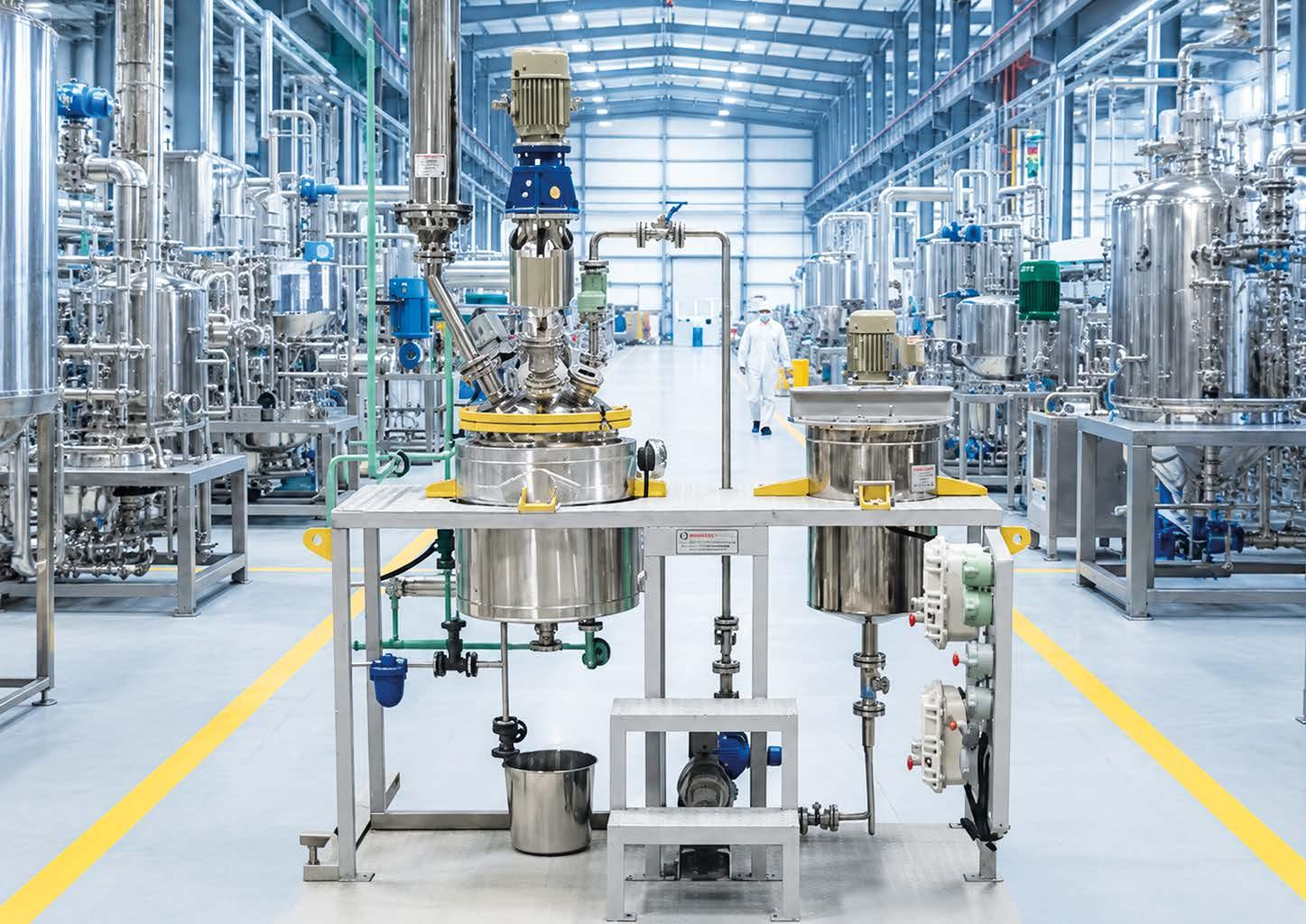
Supported by advanced process engineering and integrated plant technologies developed by Frigmaires Engineers, alkyd resin and emulsion systems continue to evolve as reliable solutions for modern coatings and paints applications.
The coatings, paints, and surface protection industries have undergone significant technological evolution over the past decades. Despite the emergence of alternative binder chemistries, alkyd resins
continue to play a central role thanks to their versatility, reliability, and wellbalanced performance profile. Widely used in both decorative and industrial applications, alkyd systems are valued for their ability to deliver high gloss, good adhesion, and durable finishes. In recent years, the development of alkyd emulsions has further expanded their relevance, combining traditional performance with improved environmental compatibility. Frigmaires Engineers designs and manufactures complete alkyd resin manufacturing plants and emulsion processing systems to support coating producers in achieving consistent product quality, efficient production, and compliance with international standards.
The production of alkyd resins typically involves two main stages: alcoholysis (or transesterification), followed by esterification, both carried out in controlled reactor systems.
Alkyd resins are synthetic polyesters produced through the reaction of polyols (such as glycerol or pentaerythritol), dibasic acids or anhydrides (e.g., phthalic anhydride), and fatty acids or natural oils. Within a coating formulation, they function as binders, ensuring pigment dispersion, film formation, and adhesion to the substrate.
Key properties include:
High gloss and good flow and levelling;
Excellent adhesion to a variety of substrates;
Balanced mechanical resistance and flexibility;
Good compatibility with pigments and additives.
Depending on the oil content, alkyd resins are typically classified as:
Long oil alkyds (60–70%) – mainly used in architectural and decorative coatings;
Medium oil alkyds (40–60%) – suitable for industrial finishes and enamels;
Short oil alkyds (30–40%) – used in baking enamels and high-performance coatings. This classification directly influences drying time, hardness, and final film properties.
Alkyd-based systems are widely used in decorative paints and varnishes, industrial coatings and metal primers, marine and protective coatings, wood finishes and furniture coatings and automotive and refinish systems. In particular, alkyd emulsions are gaining increasing adoption in decorative coatings, offering a balance between performance and sustainability.
The production of alkyd resins typically involves two main stages — alcoholysis (or transesterification), followed by esterification — both carried out in controlled reactor systems.
During the alcoholysis stage, natural oils or fatty acids react with a polyol at elevated temperatures (typically 220–250 °C) in the presence of a catalyst, leading to the formation of monoglycerides.
These intermediates are more reactive and enable the subsequent esterification step.
In the second stage, the reaction mixture is combined with dibasic acids or anhydrides under carefully controlled temperature and vacuum conditions. The continuous removal of water formed during the reaction is essential to drive the process toward completion and achieve the desired resin characteristics.
Precise control of key process parameters — including temperature, agitation, vacuum level, and water removal rate — is critical to obtaining consistent viscosity, acid value (typically 5–15 mg KOH/g), and overall resin performance.
From an engineering perspective, reactor design, heat transfer efficiency, and process automation play a crucial role in ensuring product quality and reproducibility. In this context, the integrating advanced control technologies developed by Frigmaires Engineers optimize mixing, and efficient condensation units to support stable and repeatable production cycles.
Increasing regulatory pressure on VOC emissions has accelerated the shift toward water-based technologies. Alkyd emulsions represent a significant step forward, allowing formulators to retain the performance characteristics of traditional alkyds while reducing environmental impact. These systems consist of alkyd resins dispersed in water through controlled emulsification processes. Key advantages include:
Reduced VOC emissions;
Lower odour during application;
Good adhesion on multiple substrates;
Fast drying and durable finishes;
Compatibility with waterborne systems.
The production of alkyd emulsions requires precise control of shear forces, temperature, and dispersion stability. Dedicated emulsion plants, such as those engineered by Frigmaires Engineers, are designed to ensure uniform particle size distribution and longterm stability of the final product.
• Without tooling costs
• Perfect for fitting tests
• No minimum order quantities

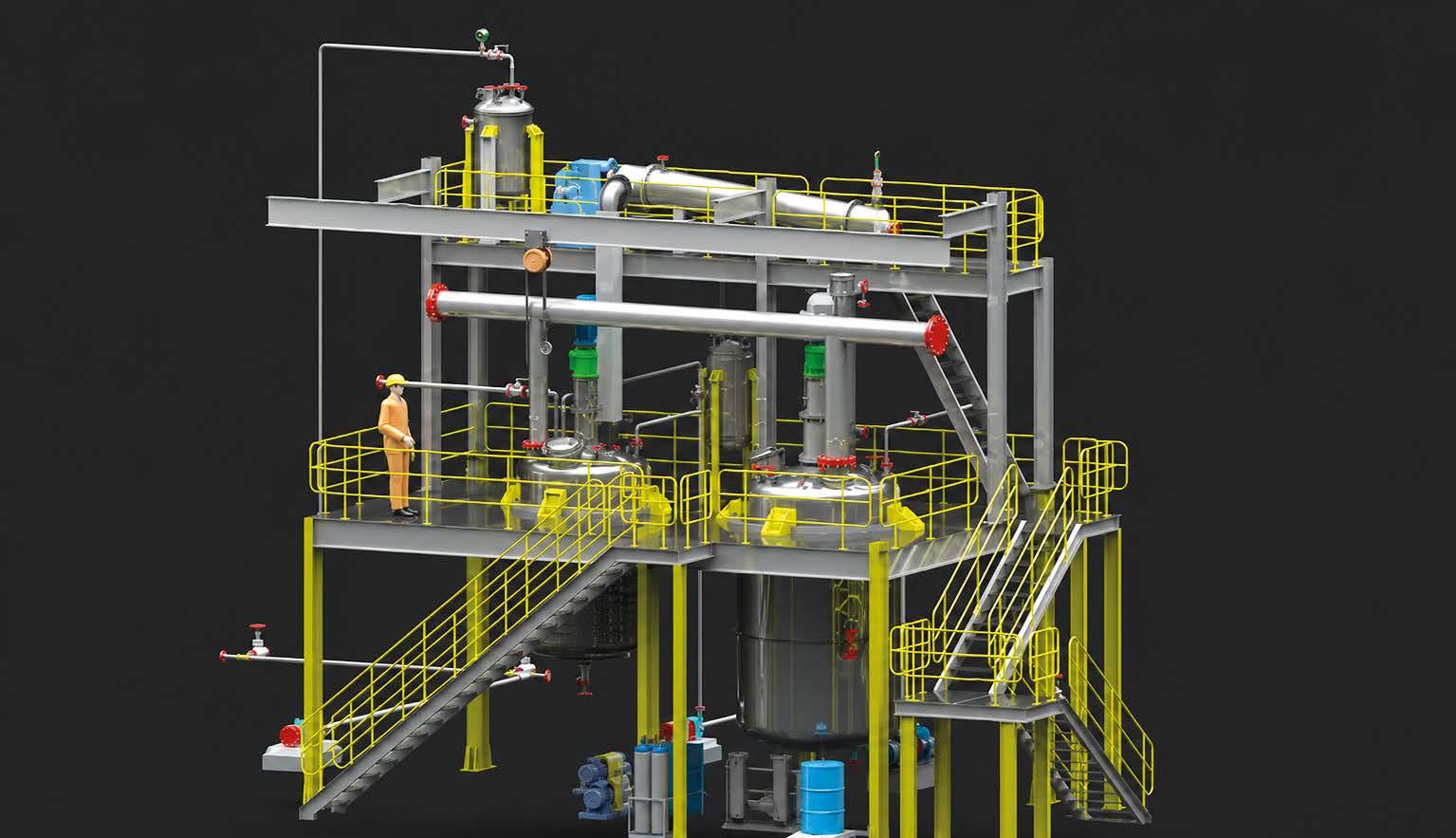
The performance of alkyd resins is influenced not only by formulation, but also by the design and operational efficiency of the manufacturing plant. From an engineering standpoint, precise temperature control throughout the reaction, effective vacuum and condensation systems, uniform heat distribution, reliable mixing, and integrated process automation all play a fundamental role in ensuring consistent product quality. At the same time, operational safety and energy efficiency are increasingly critical parameters in modern plant design. In this context, Frigmaires Engineers designs and supplies complete resin manufacturing plants, emulsion systems, and auxiliary equipment tailored to different production capacities and formulation requirements. These systems typically integrate reactors, condensers, receivers, and centralized control units, all engineered to ensure process consistency, scalability, and ease of operation.
As sustainability becomes a key driver in the coatings industry, alkyd emulsions are expected to play an increasingly important role. At the same time, advancements in plant engineering and process control are enabling manufacturers to improve efficiency while maintaining high product quality.
Alkyd resins remain a cornerstone of the coatings industry due to their versatility, reliability, and well-established performance. The transition toward water-based systems, particularly through alkyd emulsions, reflects the industry’s commitment to reducing environmental impact without compromising on performance.
Supported by continuous innovation in both chemistry and process engineering, and by specialized technology providers such as Frigmaires Engineers, alkyd systems are set to maintain their relevance in an evolving market.
TRATTAMENTO ACQUE
WATER TREATMENTS
PREVERNICIATURA
E NANOTECNOLOGIE
COATING PRETREATMENT AND NANOTECHNOLOGIES
SGRASSANTI INDUSTRIALI DEGREASERS
SVERNICIANTI
PAINT STRIPPERS
Martina Stucchi, ipcm®
Managing waste from industrial coating processes is a strategic environmental and manufacturing challenge. However, Recycla’s experience shows that it can be turned into an opportunity by transforming waste into usable resources. Indeed, this company collects and processes industrial waste to convert it into alternative fuels for cement works, following a model that treats waste as a raw material to be reintroduced into production cycles.
Every year, industrial coating generates tonnes of waste: managing and treating it is one of the least visible and often overlooked challenges facing today’s manufacturing industry. Yet the efficient treatment of processing residues is not only an environmental necessity but also a strategic factor for the entire production chain. Recycla was founded in Maniago (Pordenone, Italy) in 2000 precisely to address this need: it has built its business model around the collection and
treatment of industrial waste in the manufacturing districts of northeastern Italy. “Initially, we focused on serving local businesses, from the furniture district in the Pordenone area to the mechanical engineering sector and the tanneries in the Vicenza area, handling waste collection and treatment at our facilities,” explains operations director Davide Sossai. Over more than twenty-five years in business, Recycla has grown and transformed, culminating in its acquisition in 2021 by Herambiente, a Hera Group company and Italy’s leading operator in waste management and recovery. With a network of over 90 facilities, including waste-toenergy plants, landfills, and sorting, recovery, and composting plants, Herambiente manages urban and industrial waste (special, hazardous, and non-hazardous) and converts it into valuable resources and energy. Recycla currently has 125 employees and is characterised by strong growth prospects and continuous investment to expand its sites and drive ongoing innovation.
In its early years, Recycla’s business model was based on traditional practices: the collection and disposal of waste through incineration
or landfill. Over time, however, it has adopted a radically different and innovative approach, inspired by manufacturing methods: waste is no longer seen as rubbish to be disposed of, but as a potential raw material to be utilised. Since 2010, the company has embarked on a strategic transformation focused on the in-house production of alternative fuels from the processing of industrial waste. The coating industry has proved particularly well-suited to this project: the waste it generates has chemical and physical properties, in particular a high calorific value, that make it ideal for energy generation.
Recycla identified cement works – and other factories performing hardto-abate activities – as the businesses best suited to use the resulting product, as this sector has historically been among the most receptive to alternative fuels, owing to the very nature of the cement production process. “We have integrated waste collection with a fully fledged manufacturing process, and we have started producing both liquid and solid alternative fuels for European plant facilities,” says Sossai. “In this sector, our fuel not only provides energy but also contributes to the chemical reactions required for cement production by leveraging the properties of coating residues.”
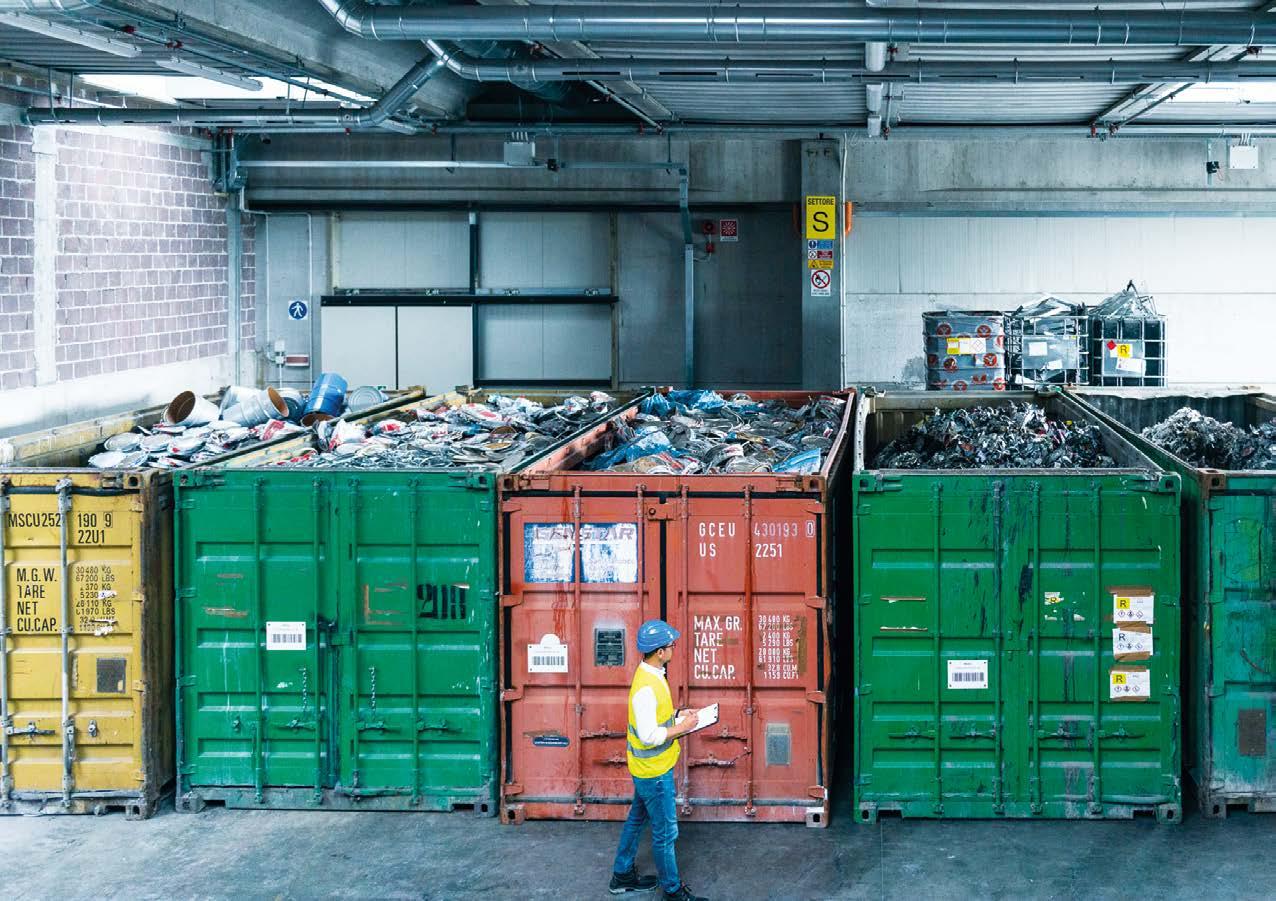
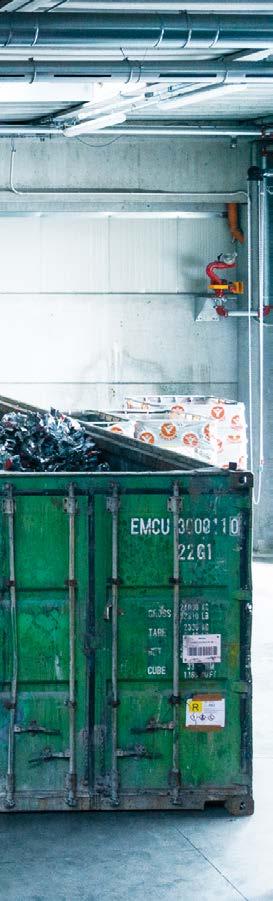
Recycla facility dedicated to the collection and management of waste generated by painting process residues.
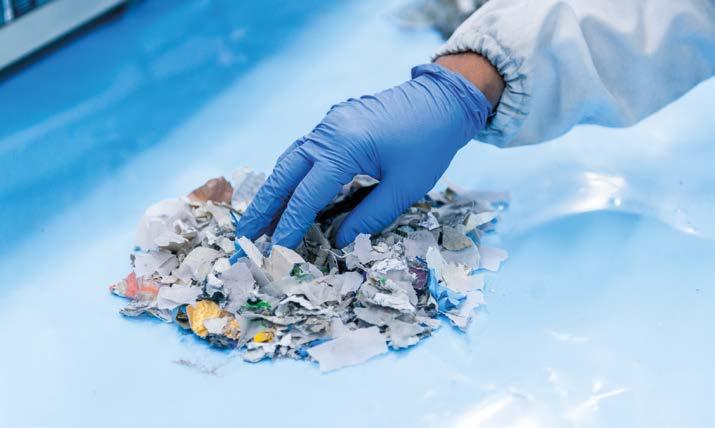
Waste materials generated by Recycla’s clients are transformed into alternative fuels for cement plants across Europe.
Recycla headquarters, based in Maniago, in the province of Pordenone, Friuli-Venezia Giulia, Italy.
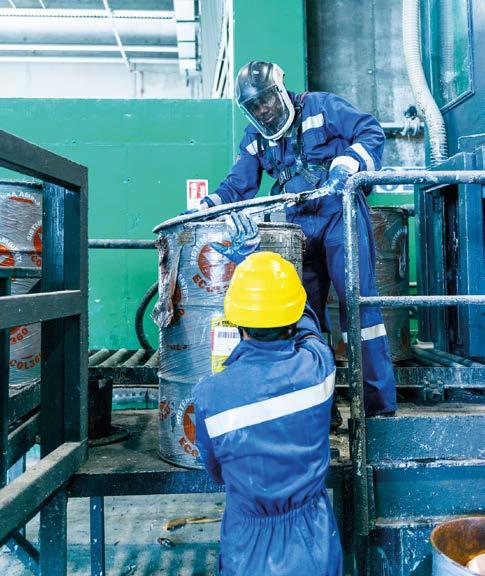
Currently, around 50% of Recycla’s customers are in the wood, plastic, and metal coating sectors, as well as the tanning industry. The company’s approach is to collect waste directly from the customers generating it, thereby gaining accurate, reliable knowledge of the collected products and ensuring controlled management of the entire supply chain. “For every vehicle carrying industrial waste that enters the Recycla plant, another leaves, bound for cement works across Europe, loaded with material that has been treated and transformed into ready-to-use alternative fuel.”
Depending on the characteristics of the collected material, various types of fuel with specific properties can be produced from paint waste. “A viscous fuel can be obtained from the residues of solvent-based paints that cannot be regenerated or recovered: it takes the form of a very thick liquid, used as an alternative to natural gas to fire cement kilns by being sprayed directly into the kiln head to help achieve the required temperatures,” explains Sossai. “A second, more fluid formulation is derived mainly from solvent-based ink residues; in this case, the product has different characteristics, such as a higher flash point, and is intended for plants with specific technical requirements. A third type of product is a liquid fuel based on petrolatum and oil, produced by treating waste emulsions and oils; this is also employed as an alternative fuel to be injected into industrial kilns.” Production takes place entirely at Recycla’s facilities,
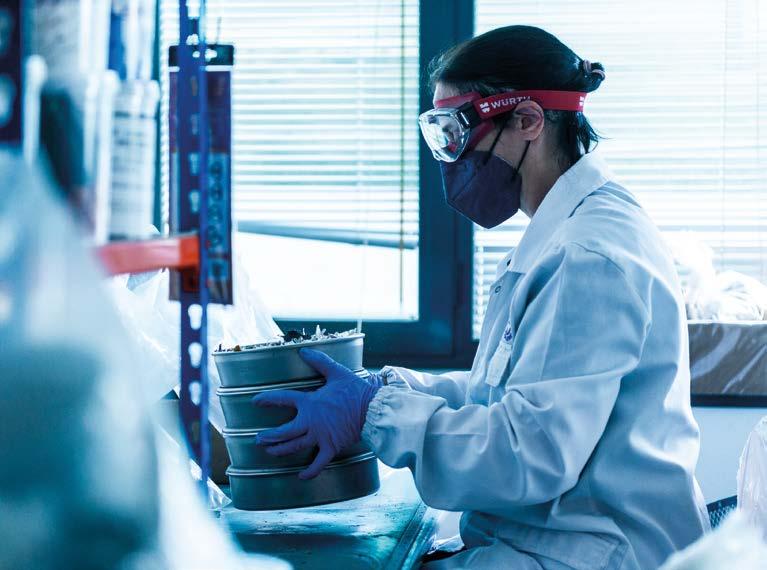
which also house a laboratory dedicated to quality control and formulation development. Indeed, the starting point is always an analysis of the cement works’ requirements to identify the necessary characteristics and develop formulations tailored to the needs of each end user.
Recycla manages and processes a wide range of waste to serve the entire industrial supply chain: solvent- or water-based powder and liquid paints, sludge, formulation residues, expired raw materials, and even contaminated containers. Dedicated plant lines have been developed for each waste type, optimising every recovery process.
Simultaneously, the company has created ECOL360°, a structured service designed to work directly within its customers’ production process to enable correct and simpler sorting of waste materials. The system includes the provision of designated containers for the separate collection of waste, along with an annual collection schedule based on the end customers’ production data. The aim is twofold: on the one hand, to prevent waste build-up and inefficiencies and to ensure compliance with waste management regulations; on the other, to guarantee a consistent and standardised supply of alternative fuels. “Separation at source is essential for achieving a final product that is consistent and meets the specifications required by cement plants: since we treat waste as a raw material, we must ensure a secure and continuous supply,” emphasises Sossai.
The ECOL360° service also includes waste monitoring via the ECOLWEB digital platform and annual training through the PEOPLE360° service, featuring an in-depth analysis of habits and production processes. “Thanks to this meticulous data collection, we produce annual reports that track each of our customers’ green performance, including the amount of waste sent for recovery, the amount of fossil fuel saved, measured in tonnes of oil equivalent (TOE), and the amount of packaging avoided through Recycla’s returnable container scheme. Starting this year, the report also includes a new training indicator that calculates the number of training hours provided to each company and the percentage delivered in person.”
Technological innovation is a key element of Recycla’s strategy. In recent years, the growing use of water-based coatings across various industrial sectors has posed new challenges for waste treatment. The company has therefore developed a specific process to separate these paint products’ components, maximising material recovery and minimising the amount of waste destined for disposal.
“We separate the sludge fraction containing the pigments from the liquid phase,” indicates Sossai. “Once purified, the water can be sent for treatment and reused, while the pigments, recovered in solid form, can re-enter the production cycle to become an alternative fuel.” After years of research and development, Recycla has built a new facility in Maniago devoted to this process, which is scheduled to open later in 2026.
The field of industrial waste management is relatively new and still evolving. According to Sossai, its future necessarily lies in increased specialisation: “For years, a very generalist approach was adopted. Today, to stand out and optimise recovery to reduce waste, it is essential to develop specific skills and solutions for each type of waste and each waste stream.” The path taken by Recycla, based on technological innovation, integrated production processes, and the circular economy, is a concrete example of how the waste collection sector can continue to evolve, differentiate itself, and innovate.


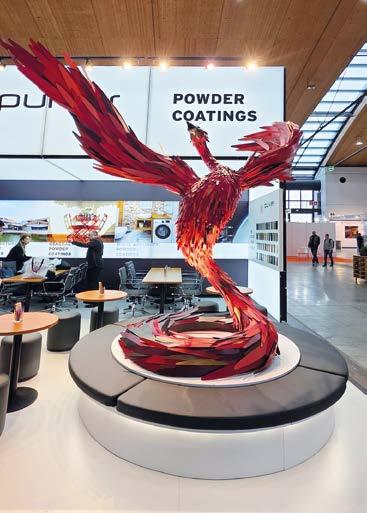
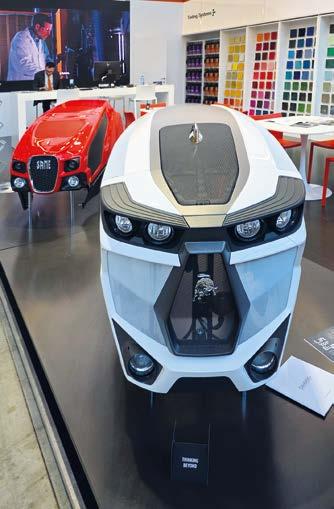
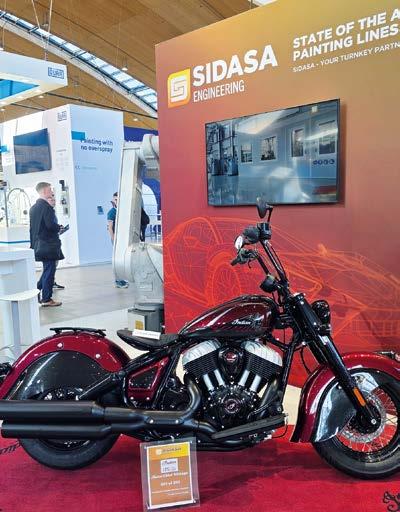
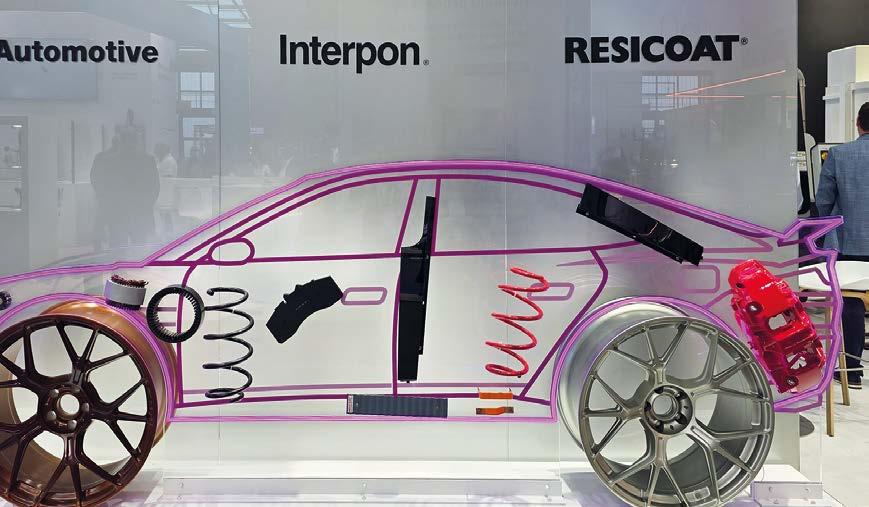
Christina Siebenhüner, Leipziger Messe GmbH – Leipzig, Germany c.siebenhuener@leipziger-messe.de
PaintExpo, the number one trade fair in its field worldwide which took place in Karlsruhe (Germany) from 14-17 April, sends a strong signal with its global reach and innovative strength in a challenging market environment.
Real projects, lively discussions, tangible energy – PaintExpo showcased its most dynamic side in 2026. In the exhibition halls, there were lively discussions, contacts were established and deals were done, fuelled by high visitor numbers and an international trade audience. The atmosphere: electric. And perhaps most surprisingly: in the midst of a challenging economic climate, a clear sense of optimism prevailed, paired with a determination to take the next steps proactively. “Despite industrial action in aviation and challenging economic conditions, PaintExpo 2026 was a resounding success.” “We have shown once again that the world’s leading trade fair for industrial painting technology is the sector’s most powerful driving force and an indispensable platform,” declares Markus Geisenberger, Managing Director of Leipziger Messe. With 10,200 visitors from 68 countries as well as 425 exhibitors from 30
countries, it is clear that the tenth edition was a huge success, attracting visitors from all over the world. It is a must-attend event for first-time visitors and existing customers. Almost 45 per cent of visitors do not attend any other trade fair. “I am very pleased with the high level of public interest we received at PaintExpo 2026.” As in previous years, our stand had consistently high visitor numbers, and we held many productive, highlevel discussions. “I’m particularly impressed by the high proportion of international visitors,” says Michael Müller, CEO of the WAGNER Group. PaintExpo has further boosted its international standing: the proportion of international exhibitors rose from 48 to 52 per cent, which also impacted the visitor profile. Almost 40 per cent of visitors came from abroad, turning the trade fair into a global hub for the industry. Trade visitors from 68 countries use the platform to gain insights into companies from 30 different countries, establish international business contacts and break into new markets. This strong global presence promotes the international exchange of expertise and innovation. This is also confirmed by Thomas Querfurth, Sales Coordinator Germany at HangOn: “There’s simply no other event where you can meet all the necessary trades and discuss the latest technology across three exhibition halls in just a few days. And we’re talking about companies from countries ranging from Japan to the USA.”
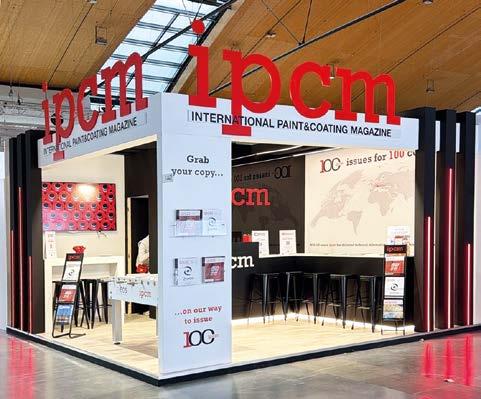
Innovation is shaping the industry: this year’s event focused on sustainable, energy-efficient and digitalised painting processes in the areas of powder coating, liquid painting, dip coating and electroplating. Automation and the use of artificial intelligence also dominated events, reflecting the industry’s current need to simplify processes for users, redefine standards and boost flexibility. Numerous global and trade fair premieres demonstrated how companies can make their processes both more costeffective and environmentally friendly. “Inperson interaction is particularly important to us and cannot be replaced digitally, because it is only through one-to-one conversations that our technologies, solutions and services can be made tangible and comprehensible. But PaintExpo is also important to us as a trend
barometer. Here we can decide which future areas of application to explore,” adds Matthias Haarer, Managing Director of Eisenmann. A platform for networking and business development: PaintExpo 2026 not only impressed attendees with its comprehensive range of products and solutions, but also as a communication and business platform for decision-makers and managing directors, with two out of three visitors among the top decisionmakers in their companies. In-depth technical discussions, tangible project initiatives and a lively exchange between suppliers and users shaped the event – a key factor in its success and the basis for the high levels of satisfaction among exhibitors and visitors at previous events. 89 per cent of exhibitors say they achieved the goals they set for their participation in PaintExpo.
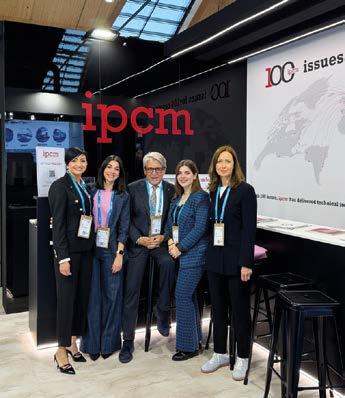
“Simply put, PaintExpo manages to bring the entire industry to Karlsruhe and present a comprehensive showcase of surface technology. PaintExpo is the most important trade fair for Krautzberger,” explains Thomas Weidmann, Managing Director of Krautzberger GmbH.
Focus on nurturing young talent: on the final day of the trade fair, PaintExpo 2026 also focused on nurturing young talent with its Career Day. Students and graduates gained specific insights into industrial painting technology and were able to speak directly to companies. A compact programme of talks, guided tours of the trade fair and networking provided practical guidance on entry-level opportunities and career paths. This is how PaintExpo is strengthening its role as a platform for connecting professionals and industry.
All eyes already on the next event: the next PaintExpo will take place from 25 to 28 April 2028 and is already attracting interest. Many exhibitors are already taking advantage of the rebooking option during the current trade fair to secure their preferred stand location well in advance.
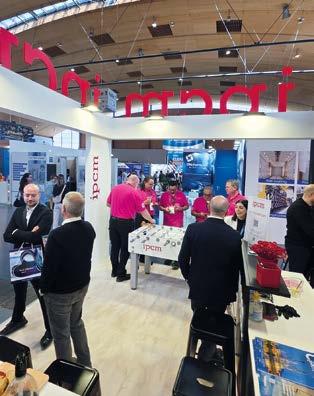
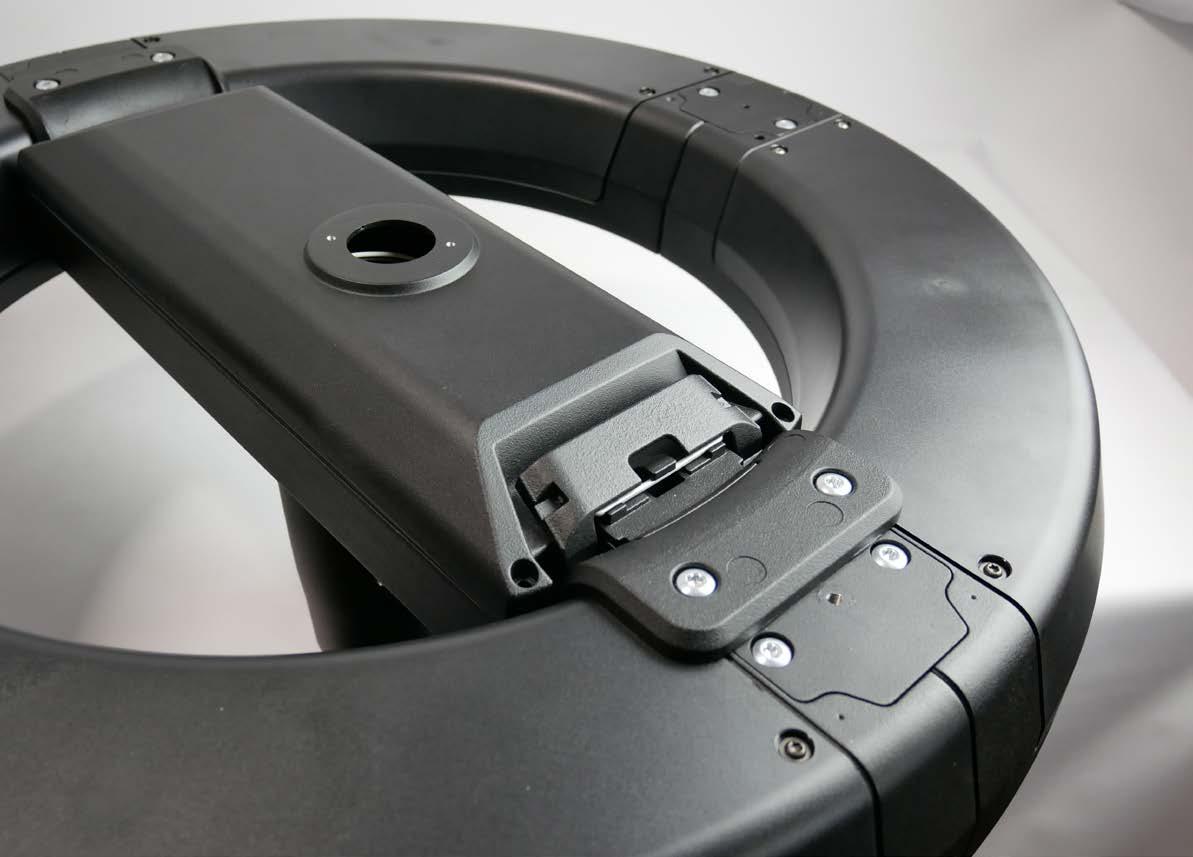
Martina Stucchi, ipcm®
The British company has installed a powder coating plant for the treatment of components used in the production of indoor and outdoor lighting systems. The solution incorporates the innovative TORAN 3® pre-treatment technology developed by Chemtec, designed to ensure effective and environmentally friendly preparation of metal surfaces.
The lighting industry in the United Kingdom represents today a highly competitive and continuously evolving market, driven by technological innovation, sustainability, and a growing focus on product quality and performance. One of the pioneering companies in this field is ASD Lighting, a British company with over forty years of experience, which has evolved from a manufacturer of automatic solutions for domestic lighting into an established player in the office, healthcare, rail, and street lighting sectors.
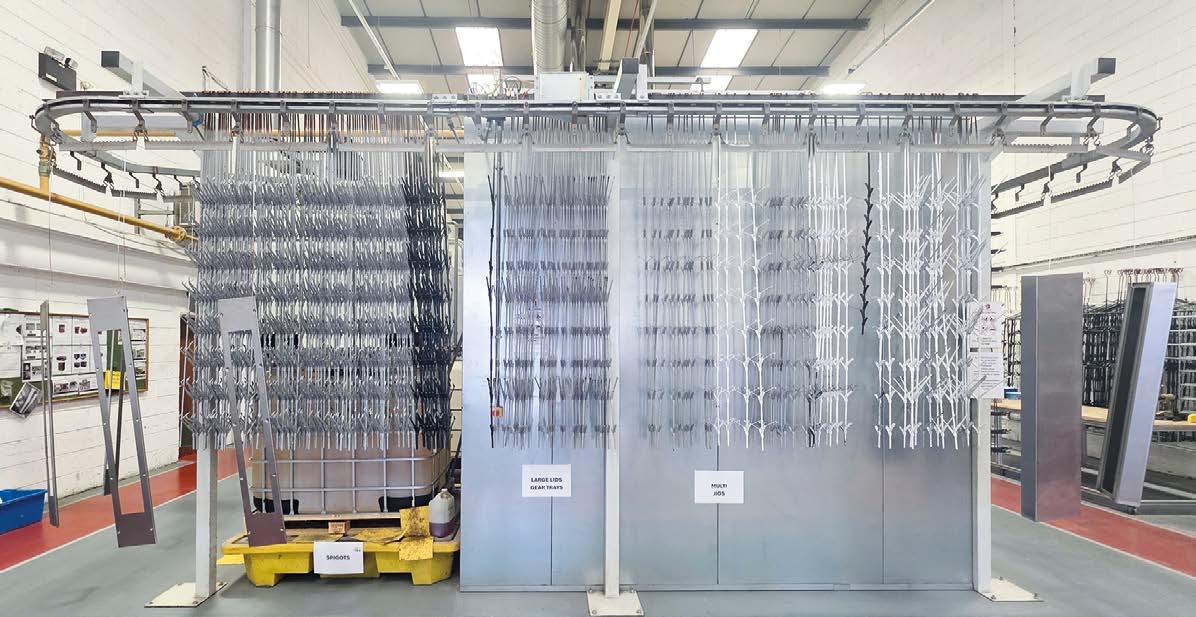
Based in Rotherham, South Yorkshire, the company has progressively expanded its production capabilities by investing in in-house processes and advanced surface finishing technologies. Among these, particular importance is given to the development, in recent years, of a fully customized powder coating line designed to optimize quality, flexibility, and production sustainability, thanks to the adoption of the innovative TORAN 3® pre-treatment system, a single-stage cold process developed by Chemtec, an Italian company based in Corbetta (MI) and supplied in the UK exclusively by Metavate Ltd. This choice confirms ASD Lighting’s commitment to industrial innovation and operational efficiency.
ASD Lighting’s history began in November 1982 from an idea by Tony Stewart, who at the time ran an electrical contracting company with 25 electricians and two shops. One day, he became aware of PIRs (Passive Infrared Sensors), devices used in the burglar alarm industry and equipped with LEDs that lit up whenever someone passed by. This system became a source of inspiration for Stewart, prompting him to develop a technological innovation: an incandescent lamp capable of switching on automatically through an infrared sensor. It was no longer an application intended for the security sector, but rather a utility designed for everyday use: a welcome light, an automatic light.
From this intuition, ASD Lighting was born and gradually developed into a company that, over more than 40 years of activity, has undergone numerous changes, expanding its production and introducing new and diversified product ranges. Today, the company operates in markets ranging from office and commercial lighting to more recent sectors such as rail and street lighting.
“In recent years, we have also been expanding into sectors such as healthcare and education, which are now particularly strategic,” says Ian Skirrow, Head of Operations at ASD Lighting. “There is currently growing attention towards product quality: customers are beginning to realize that the cheapest solution is not always the most suitable one. This allows us to strengthen our position in the market thanks to our wide range of products and consistently high quality.”
The first step in the lighting creation process is design. “We have an in-house product design team that identifies gaps in the market, areas that are not yet covered by our range, and evaluates whether a new product is needed. If so, they proceed through all stages of research and development. They design the product and select the appropriate materials,” continues Ian Skirrow.
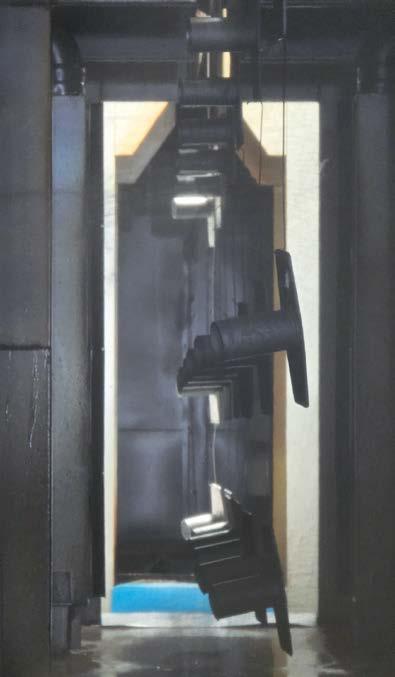
“We rely on external suppliers for certain processes such as metal casting and extrusion, while many other processes are carried out in-house. These include injection moulding, for example for polycarbonate components. We also manufacture our own LED boards, operate our SMT line, produce our own gaskets, and even make our own cardboard packaging. In addition, we coat our own wires. As a result, a large proportion of the components used in the production of a lighting product are made internally. The majority of our sales are in the UK, but we are also quite active in the street lighting sector in Ireland, and we supply products to the Middle East as well. In addition, we have a major customer in the Netherlands, so these are currently our key markets. We would definitely like to expand our export business further, although the lighting industry can be quite challenging internationally”. The Rotherham facility also handles the assembly and dispatch of the finished products, with a current lead time of 10 days.
In 2015, during the massive global transition from fluorescent to LED lighting, ASD Lighting entered the street lighting sector. At the same time,
the company identified a growing need to bring the powder coating process in-house, with the aim of reducing lead times, facilitating colour changes, and making the process more flexible and capable of delivering higher quality. It was this need that led to the partnership with Metavate Ltd, with whom ASD Lighting began the research and design process for the powder coating line in 2017.
The collaboration with Metavate, Chemtec’s sole UK distributor, played a key role in the development of the new plant. “We worked with ASD Lighting for around 18 months, carrying out tests and preliminary trials. We also involved TD Finishing, which designed the plant together with us,” says Rachel Stevens, Director of Metavate.
“I believe ASD Lighting chose Metavate not only for the economic and environmental advantages offered by our solution, but also because of the limited available space. A traditional multi-stage phosphodegreasing system would not have been feasible under these conditions.
Thanks to Chemtec’s TORAN 3® technology, the company was able to achieve the required level of protection within a reduced footprint and with a fully customized system. We demonstrated that it would be much more cost-effective for them to bring the function in-house rather than continue outsourcing it at that time, so we worked closely with them on cost analysis and related financial evaluations. Payback on the initial capital investment was determined to be around 18 to 24 months.”
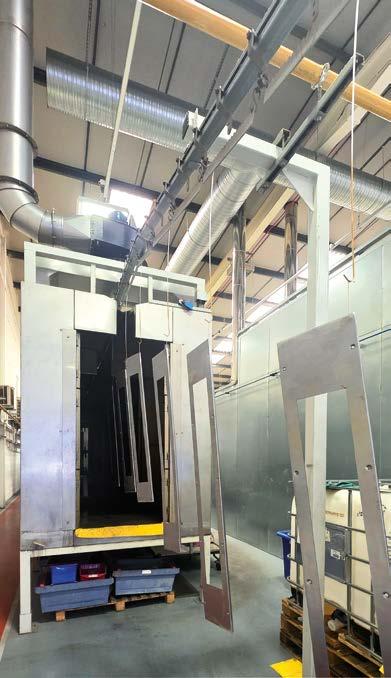
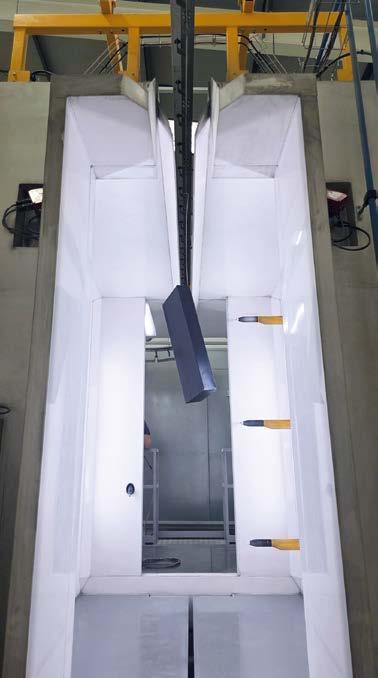
The plant was installed in February, while production started in midApril 2019. The powder coating line extends over a length of 93.5 metres and is equipped with an automatic conveyor operating at a speed of one metre per minute. The process is divided into several stages: pre-treatment using TORAN 3® technology, including a solution recovery and extraction section, a drying oven, and a powder coating booth.
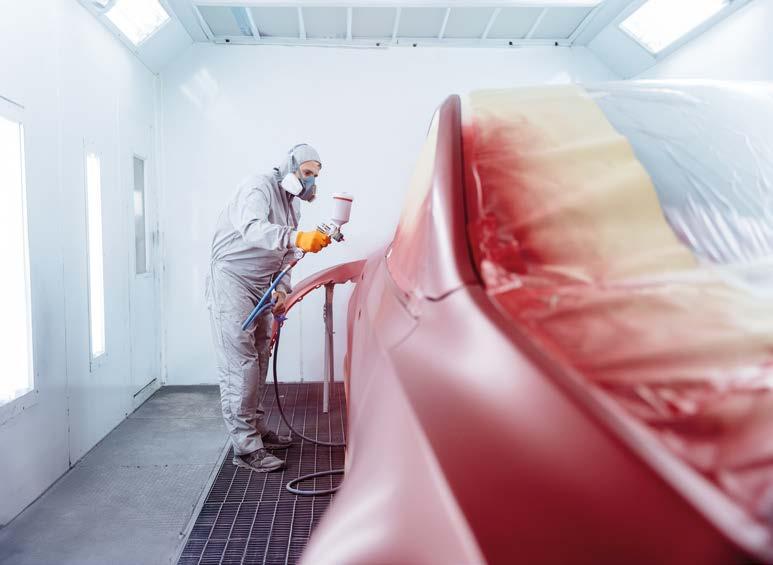
Components are coated with industrial polyester powders inside a Gema booth equipped with automatic spray guns; certain specific parts, however, require manual application.
The entire production cycle takes approximately one hour and thirty minutes. The number of coated parts varies depending on the product type: for some street lighting pole models, productivity can reach approximately 280 pieces per hour. In addition, colour changeovers can be completed in just 15 minutes.
“We test the product every hour, or every couple of hours, for adhesion after curing. We have strict quality control procedures in place on the powder coating line,” says Steve Donson, Plant manager.
One of the key distinguishing features of this coating line is the singlestage pre-treatment process, carried out through spray application. “In my previous experience, I worked with a 10-stage pre-treatment system. When this single-stage solution was first proposed to me, I was sceptical, but I had to change my mind because it works effectively,” continues Steve Donson. “We achieve over 2,000 hours in a salt spray test chamber. There is no heat involved and very little maintenance is required; we mainly just top up the system and occasionally replace filters. The chemical solution is sent for testing every three months, and any adjustments we make are very rare, as the system performs consistently well.”
The technology developed by Chemtec does not require rinsing or pre-degreasing; therefore, no sludge or wastewater is generated for disposal. The anhydrous process uses high-boiling organic fluids for optimal degreasing and immediate protection against oxidation. “Every three months, the quality of the bath can be monitored because, for Chemtec and Metavate, it is essential to maintain strict control over process quality,” says Beatrice Turri, Sales & Marketing Manager at Chemtec.
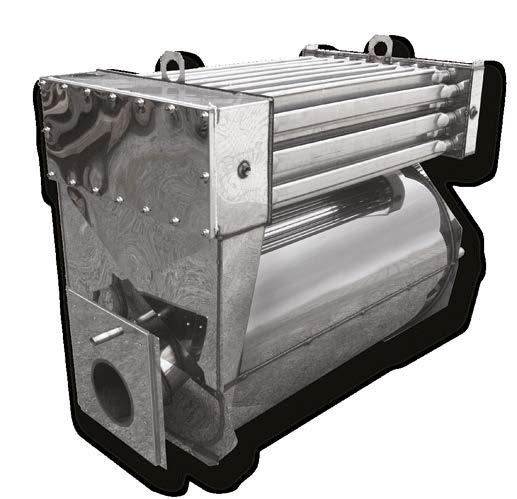
“In our laboratory, we use highly innovative instruments that allow us to carry out precise checks and provide immediate feedback, so that any potential issues can be quickly identified and addressed. TORAN 3® is a truly innovative product because it eliminates the use of water and energy and, most importantly, produces no sludge. This means the customer does not need to manage or dispose of sludge, resulting in significant savings in both energy consumption and maintenance costs. The system is also very simple to operate, as it does not require titration or pH control, making the chemistry far simpler compared to traditional processes. In addition, it is safer for operators working in the plant. Overall, it is a sustainable, safe, and user-friendly solution.”
ASD Lighting’s investment in a fully customised powder coating plant demonstrates how technological innovation and process optimisation can support growth in an increasingly demanding lighting market. By bringing key production stages in-house and adopting advanced solutions such as Chemtec’s TORAN 3® pre-treatment technology, the
company has improved flexibility, reduced lead times, and strengthened quality control across its manufacturing operations. This project reflects ASD Lighting’s broader strategy of combining product diversification, operational efficiency, and sustainable manufacturing practices, reinforcing its position as a competitive player in the UK lighting industry.


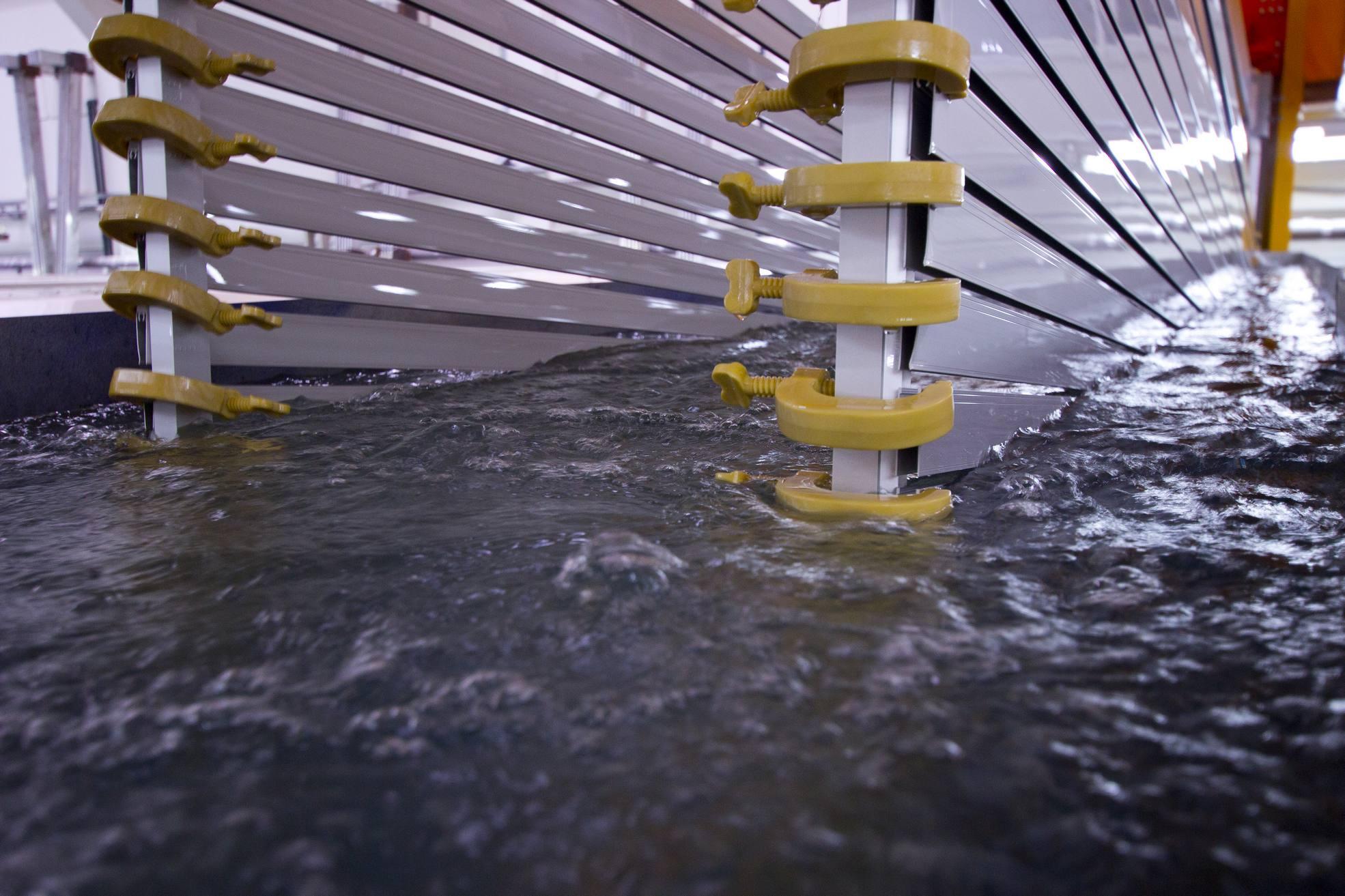
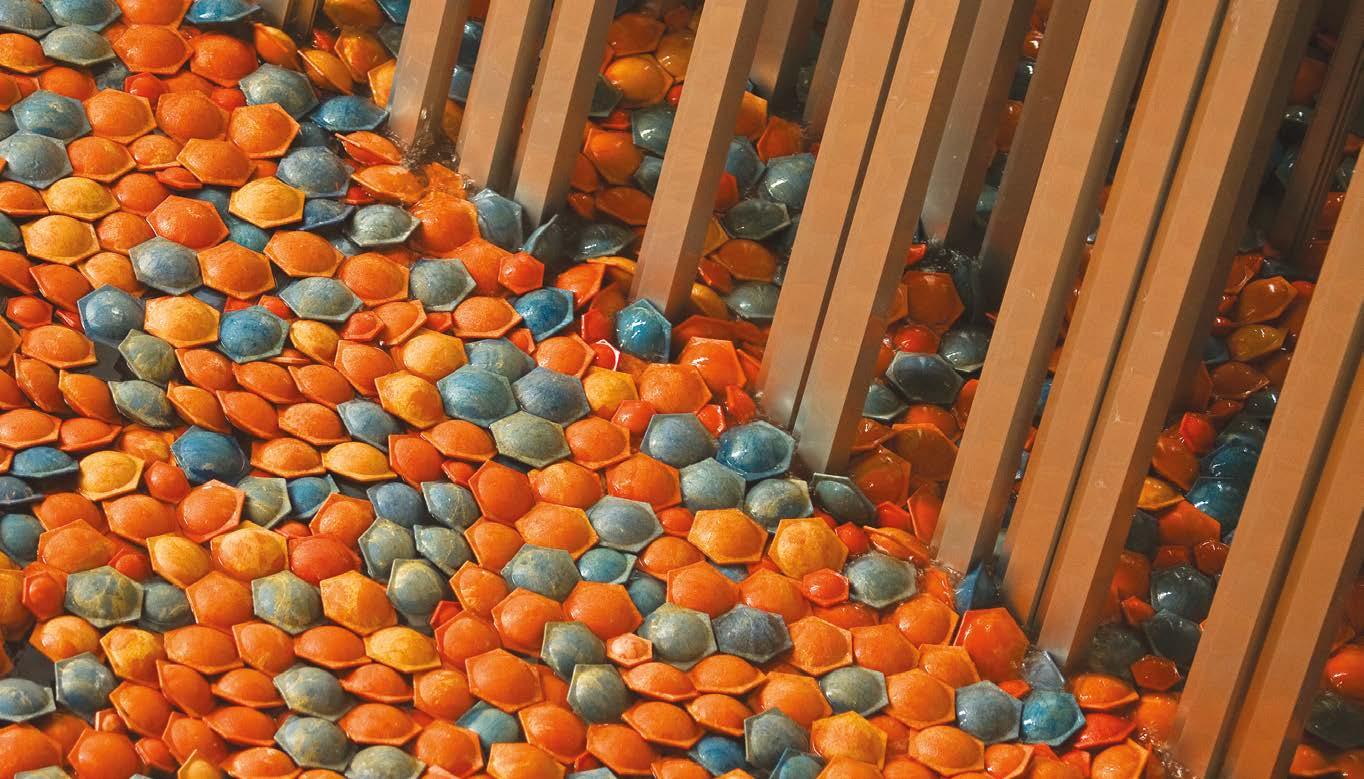
Operating in the highly competitive aluminium processing and surface finishing market, the Istanbul-based company ÇUHADAROĞLU has progressively strengthened its industrial capabilities through continuous investments in advanced surface treatment technologies. Nearly two decades ago, ÇUHADAROĞLU invested in a unique anodizing and powder coating line supplied by CISART (whose know-how has now been acquired by CIE SpA), with the objective of improving production efficiency, ensuring consistent surface quality, and optimizing environmental performance, with a strong focus on wastewater treatment and regulatory compliance.
Pioneers are not afraid. Not of taking risks, making mistakes, failing, or being copied. They simply believe so strongly in the value and legitimacy of their own ideas that they are willing to pursue them at any cost, even at the risk of failure. Yet, when they succeed, pioneers reap the benefits of their choices for decades. And when they set the bar exceptionally high, it may take a very long time before anyone else can reach it.
Twenty years ago, in the aluminium finishing industry, increasing environmental regulatory pressure and the need to reduce energy consumption were already reshaping the design criteria for surface treatment plants. While only a few years earlier parameters such as productivity, aesthetic quality, and
outdoor durability had been the primary factors in selecting anodizing and coating technologies, companies were beginning to embrace additional aspects such as resource efficiency, carbon footprint reduction, recovery and recycling systems, and sustainable wastewater management. Today, the integration of different processes within hybrid plants represents one of the most advanced technological developments in surface treatment, not only for aluminium. This approach makes it possible to increase production flexibility, improve operational efficiency, reduce the overall environmental impact of the process, and optimize the space required for manufacturing activities. A cuttingedge choice today; almost science fiction twenty years ago. And yet, there was one company that, as early as 2008 and well ahead of its time, decided to bet on the operational feasibility of a vertical hybrid plant capable of combining anodizing and powder coating for aluminium profiles. Time and market success have proven that this forward-looking decision was
the right one, not only in terms of operational performance and final surface quality, but also for its contribution to reducing carbon emissions and improving overall sustainability. That company is ÇUHADAROĞLU, a Turkish industrial organization with a vertically integrated structure covering the entire aluminium value chain, from billet casting to finished products, including complete architectural façade systems. Listed on Borsa Istanbul (BIST) and supported by a portfolio of internationally significant projects, the company has incorporated globally recognized quality standards and certifications into its production philosophy.
In 2008, in collaboration with CISART — an Italian brand now part of CIE SpA, which designs, manufactures, and supplies systems building on the continuity, proven technology, and expertise developed through nearly 50 years of activity and anodizing plants installed worldwide by CISART - ÇUHADAROĞLU installed the first — and still today the only —
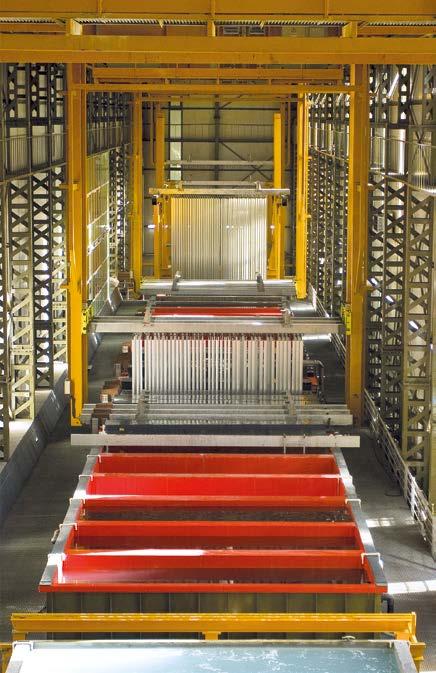
vertical hybrid line for anodizing and powder coating aluminium profiles.
Seventy years of innovation across the integrated aluminium value chain
With a corporate history spanning more than seventy years, ÇUHADAROĞLU has established itself as one of Turkey’s most recognized and trusted names in the aluminium industry.
In the field of aluminium surface treatment, ÇUHADAROĞLU became the first company in Turkey to obtain both Qualicoat and Qualanod certifications. Based in Istanbul, the company has developed a diversified production portfolio serving demanding applications in which coating quality, process reliability, and environmental compliance are critical factors.
“Our company’s journey began under the leadership of our founder, Ahmet ÇUHADAROĞLU, who was trained as an architect,” explains Metin YILMAZ, member of the board at the company. “In the early years, this architectural background naturally
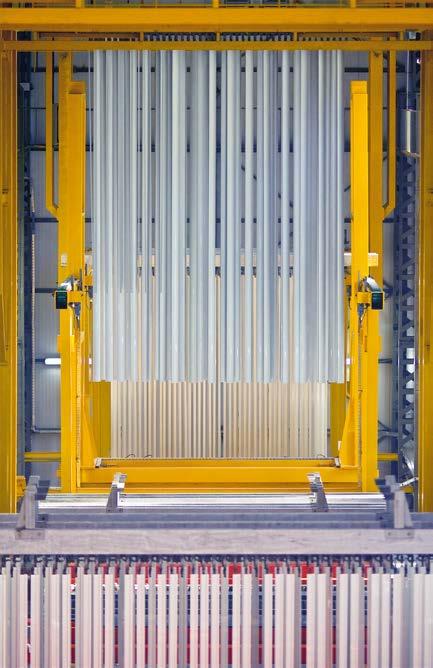
and
coating line designed by CISART for ÇUHADAROĞLU.
The line can process aluminium profiles up to 8 metres in length.
guided the company toward façade systems as its primary focus. Over time, however, the scope of our operations expanded significantly.
Today, we are active across a wide range of industrial sectors, including automotive, defence, aerospace, lighting, cooling systems, electronics, and transportation.
“One of the key strengths of our group companies lies in our deep-rooted expertise in the aluminium industry, combined with a strong scientific and technical foundation. This combination enables us to successfully manage complex projects and develop solutions tailored to the specific needs of end users. As a result, we have established ourselves as pioneers in several areas within our domestic market. Rather than positioning ourselves solely as a supplier of products or services, we aim to be a reliable and capable partner in every collaboration.
“As aluminium continues to gain importance across industries due to its lightweight structure, durability, and virtually infinite recyclability, we remain committed to further expanding our sectoral reach. In parallel with this growth, we continuously invest in strengthening our aluminium production capabilities and advancing our surface treatment technologies, ensuring higher quality standards and stronger operational performance.”
ÇUHADAROĞLU operates the only facility in Europe where anodizing and powder coating processes are integrated within the same hybrid surface treatment plant. The plant was designed by CISART, now a brand of CIE SpA, a single-source supplier of technologies and chemical products for aluminium finishing that continues its technological legacy and plant engineering expertise.
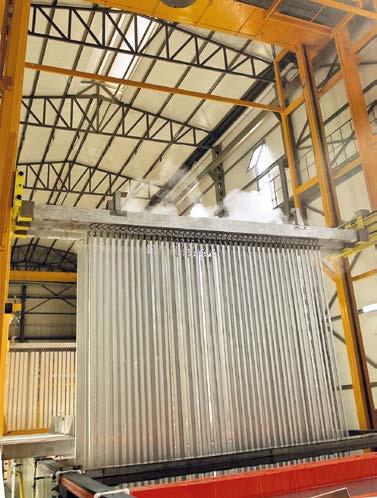
The integration of these technologies reflects a strategic approach to technology selection focused on process control, operational flexibility, and long-term sustainability.
The surface treatment system is based on a vertical processing configuration capable of handling aluminium profiles up to approximately eight metres in length. Profiles are loaded and unloaded at the same stations, while most pre-treatment operations, including degreasing and etching, are carried out in shared tanks. The system was designed with extensive automation at every operational stage, ensuring efficient and environmentally responsible production. This high level of automation provides significant advantages in terms of sustainability, process consistency, and the implementation of customized surface technologies. The line also incorporates proprietary solutions that differ from conventional practices, particularly in the areas of racking systems, electro-colouring processes, and heating and cooling mechanisms. These innovations deliver measurable savings in labour, energy, water consumption, and processing time, while maintaining superior surface quality.
“In terms of line efficiency, throughput, and process stability, the vertical production configuration, combined with proprietary energy and process
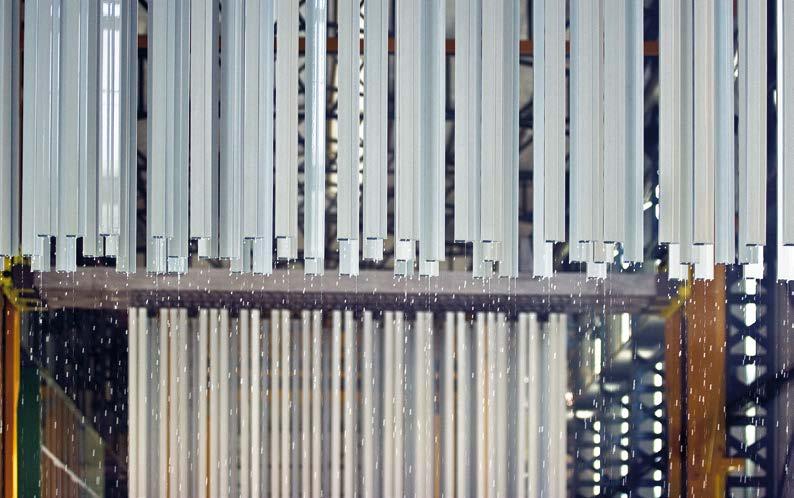
technologies, offers significant advantages over conventional horizontal anodizing lines. One of the key operational benefits is the ability to process both anodized and powder-coated profiles within the same loading and unloading areas, using common chemical pretreatment baths. This configuration ensures efficient space utilization and an optimized plant layout,” explains Claudio Cittadini, Technical Sales Manager of the Anodizing Division at CIE SpA.
The flexibility of the line allows a certain degree of capacity exchange between anodizing and powder coating, enabling the processing of a wide variety of aluminium products, ranging from extrusions and sheets to small aluminium accessories. In addition, the facility demonstrates advanced digitalization capabilities compared to comparable installations, providing enhanced traceability, process monitoring, and quality assurance.
Compared with standard anodising horizontal systems, the distinctive operational model of ÇUHADAROĞLU’s vertical anodizing facility delivers several measurable quality improvements:
More vivid and metallic surface appearance
Uniform coating thickness distribution
Precise electrolytic colouring capability
Homogeneous pore formation
Reduced contact marks
High coating thickness values compliant with international standards
Low mass loss test values
Extended salt spray resistance (up to 2,000 hours)
Capability to achieve anodic coating thicknesses up to 30 µm.
“These high-quality results stem not only from the advanced technologies installed, but also from rigorous quality control procedures and extensive expertise in surface treatment applications,” adds Yilmaz. “Together, these factors ensure superior corrosion resistance, long-lasting surface durability, and outstanding aesthetic performance.”
“The vertical production line we engineered for ÇUHADAROĞLU’s inherently minimizes chemical drag-out between process baths, resulting in substantial reductions in water consumption, energy demand, and chemical usage. In addition, extended bath life and reduced bath renewal frequency further enhance overall resource efficiency,” explains Claudio Cittadini.
“The integration of cascade rinsing, intermittent spray rinsing, and other advanced recovery technologies significantly reduces water consumption. Collectively, these measures have led to a substantial reduction in wastewater generation, lower treatment costs, reduced environmental impact, and shorter overall process cycle times, ultimately enhancing operational efficiency.”
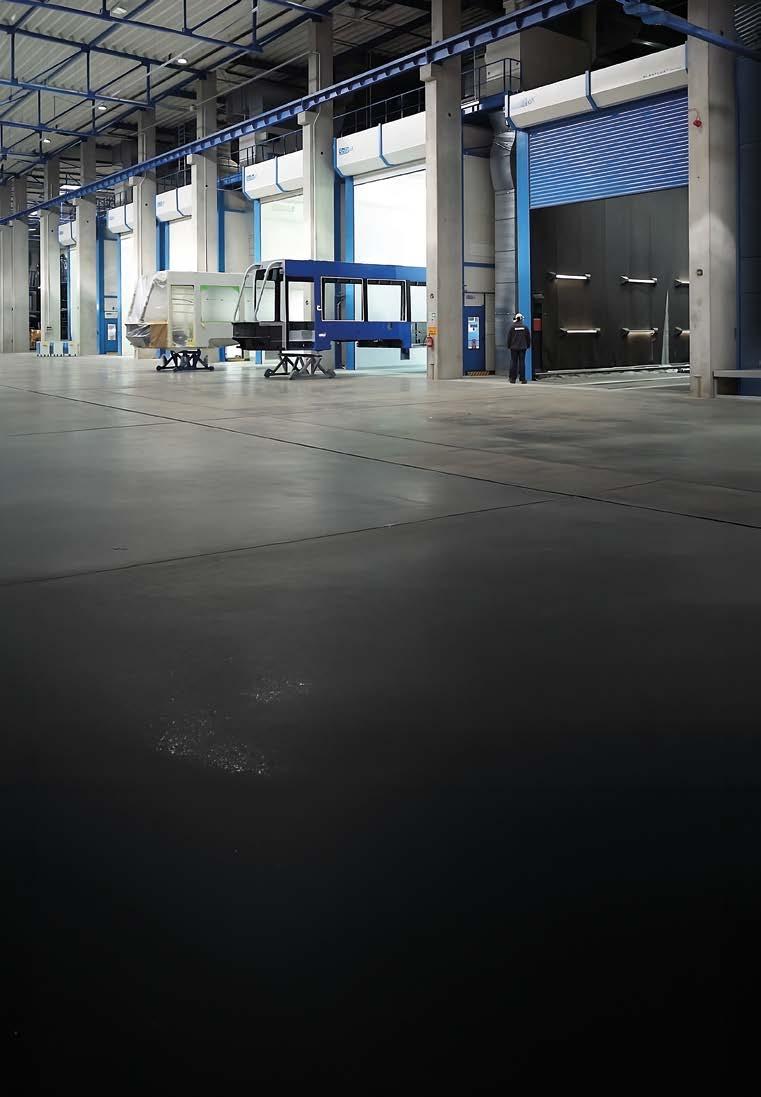
Complete surface treatment solutions tailored to the unique needs of the rail industry - delivered with full process automation, turnkey installations, and VOC abatement systems.
From concept to commissioning - SciTeeX, your partner in advanced surface treatment for rail industry.
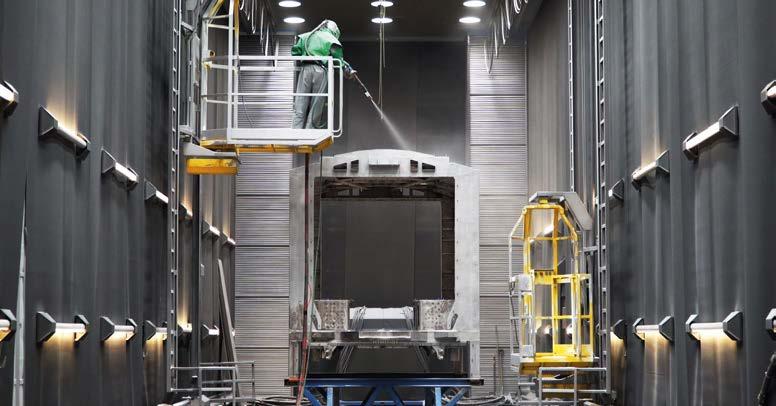
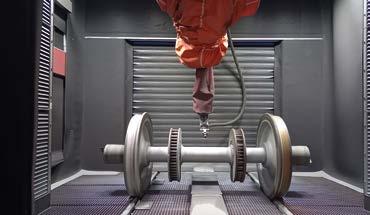
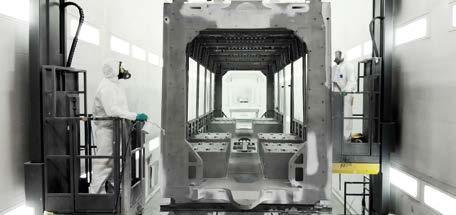
International references: ALSTOM, AXTONE, BOMBARDIER, CFL, GMEINDER LOKOMOTIVEN, GREENBRIER, LUCCHINI, SBB, SCHWIHAG, SIEMENS, SNCF, STADLER, TRANSPORT FOR LONDON, VTG...
“Beyond system design, our sustainabilityfocused production approach and ongoing commitment to continuous improvement play a fundamental role in achieving these environmental benefits. Looking back, it is clear that the line we invested in already incorporated many features that are now recognized as Best Available Techniques (BAT),” adds Metin Yilmaz. “With more than seventy years of industrial heritage, we fully recognize the critical importance of wastewater treatment systems in sustainable manufacturing. We are fully aware that environmental regulations will become increasingly stringent in the coming years. Accordingly, our production departments consistently implement resource optimization strategies aimed at reducing the consumption of water, chemicals, energy, and raw materials, while further improving operational efficiency and sustainability.
In terms of regulatory requirements, Turkey, as a candidate country for EU accession, aligns closely with European environmental regulations, creating a highly demanding framework for industry. At ÇUHADAROĞLU, we began addressing environmental and sustainability challenges nearly two decades ago, driven by the need to remain both competitive and sustainable in the European market. This has required continuous efforts to reduce resource consumption, particularly in water, energy, and chemicals.”
“At the time of our investment in surface treatment technologies, we engaged with several experienced engineering companies from around the world. However, our objective –to establish a vertically integrated hybrid model combining anodizing, coloured anodizing, and powder coating processes – had not yet been implemented anywhere. This level of innovation led many companies to approach the project cautiously,” Yilmaz continues.
“CISART distinguished itself through its openness to innovation, its original engineering perspective, and its flexible, solution-oriented
approach, despite the absence of reference installations for such a system. These qualities proved decisive in our selection process. Since the construction phase, our collaboration with CISART – today part of CIE SpA – has evolved into a partnership spanning nearly two decades, characterized by strong technical cooperation and mutual trust. It is undeniable that ÇUHADAROĞLU’s strong technical expertise and long-standing experience in aluminium surface treatment also played a decisive role in defining the project requirements and assessing the feasibility of such an innovative system”.
future: Further enhancement of operational excellence, environmental performance, and product competitiveness
ÇUHADAROĞLU operates both as a system designer and as an integrated manufacturer. The company transfers its extensive expertise in aluminium to industrial clients while incorporating advanced surface treatment quality into the performance of its architectural and industrial solutions.
In an industry characterized by intensifying competition and increasingly demanding quality standards, the company’s strategic priorities include delivering tailored solutions to stakeholders, maintaining high technical performance in both design and manufacturing, driving sectoral innovation and creative differentiation, expanding research and development activities, and last but least commissioning new aluminium production lines in Kırklareli / Lüleburgaz with capabilities aligned with future market and generational demands” concludes Metin Yilmaz.
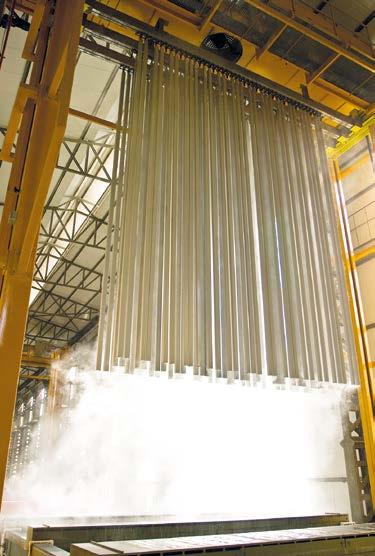
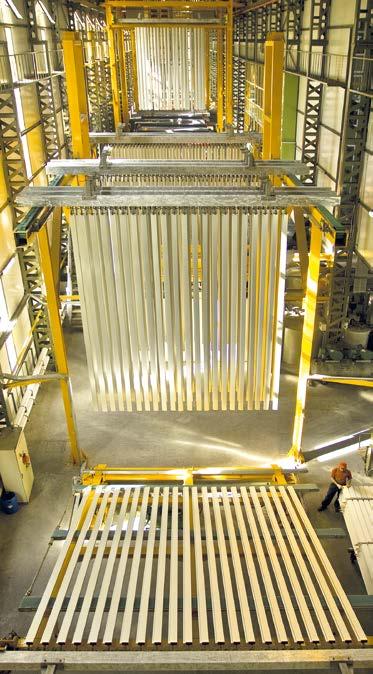
The ELETTROSPRAY® manual and automatic painting equipment both for liquid and powder paints application are fully designed and made by RAVARINI CASTOLDI & C. S.r.l. and are on the market since 60 years.
ELETTROSPRAY® electrostatic generators in particular represent a “unicum” in the solvent and water based painting equipment market.
The ELETTROSPRAY® are compliant with CEI/CENELEC standards to guarantee the maximum working safety.
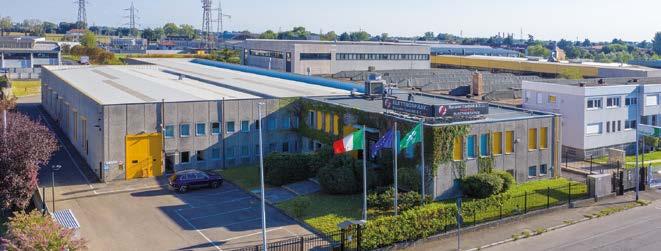
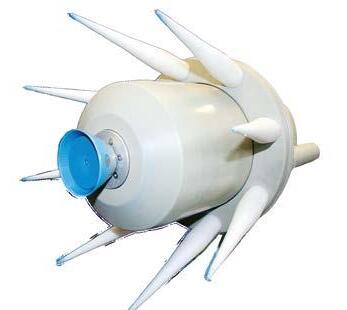
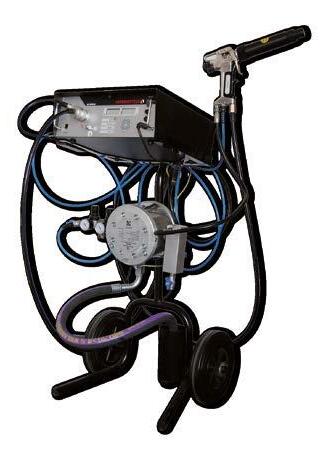
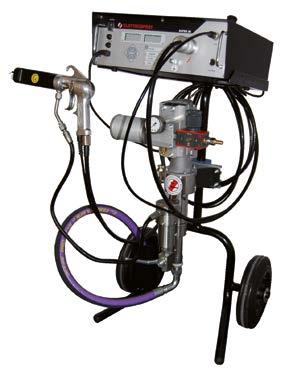
Alessia Venturi, ipcm®
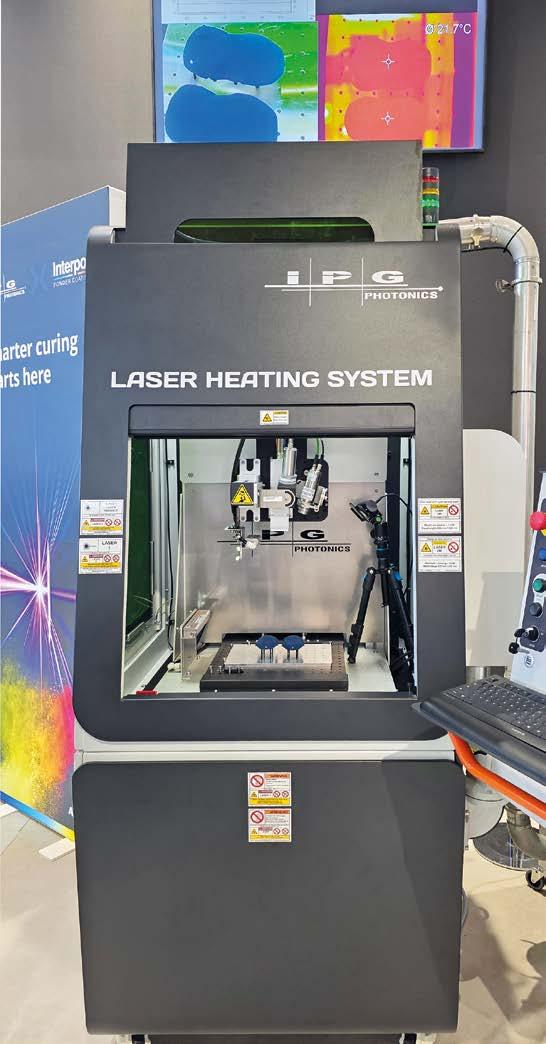
At PaintExpo 2026, AkzoNobel Powder Coatings and IPG Photonics demonstrated how powder coatings can be cured using laser technology, delivering significant performance advantages through greater speed, precision, and energy efficiency where it matters most: on the production line.
Every technology has its Achilles’ heel, even the cleanest, most advanced, and most sophisticated ones. In the case of powder coatings—widely recognised as sustainable due to their solvent-free nature and high recovery rate during the application process—that weakness lies in the energy required for curing. Ranging between 180°C and 200°C for an average exposure time of 20 minutes, depending on the mass of the parts being cured, powder coating crosslinking requirements often represent one of the highest energy costs in the entire process. In recent years, all powder coating manufacturers have focused on developing low-bake powders precisely to address this energy-related issue. To a lesser extent, they have also concentrated on developing alternative curing technologies capable of making this stage of the process faster, more efficient, and less costly.
PhotoniCURE, a laser-based curing system developed by IPG Photonics for powder coating applications, offers a practical alternative to traditional curing methods.
This advancement is underpinned by a strategic collaboration between AkzoNobel Powder Coatings and IPG Photonics, bringing together complementary expertise in powder coatings and laser systems. Together the partners are creating a platform for innovation that supports nextgeneration manufacturing solutions, and a smarter, more sustainable approach to production, aiming at replacing large ovens with targeted laser energy applied directly to the coating layer. The result is faster curing, lower energy consumption, and improved consistency across every coated part.
Laser energy benefits from selective heating of the applied powder coating in a so-called “cold oven” environment to enable a full cure in just minutes. Using laser light in the near-infrared range, powder coatings are melted and cured exactly where they are applied – directly on the surface. The powder
flows and chemically crosslinks to create durable, high-quality finishing in smooth, fine, or coarse textures, while curing times are reduced from 1520 minutes to just a few. Faster curing enables higher throughput, shorter production layouts, and greater responsiveness to changing production demands.
Laser curing supports modern, automated manufacturing through compact system design, inline integration, and precise process controls. In addition, it allows manufacturers adapt to new products or coatings requirements.
Laser energy rapidly cures powder coatings in just a few minutes by selectively heating only the applied coating, less so the part beneath, and without heating the oven environment at all. This “cold oven” approach reduces production time, eliminates waste heat spillage into the factory, enables instant on-and-off operation and supports fast, inline automation with precise metrology for temperature control. Because there is no need for thick oven walls or extended cool-down zones, laser curing allows for significantly shorter production lines, making inline automation faster to deploy and easier to integrate into space-constrained manufacturing environments.
Reduced energy consumption, compact equipment, and minimal maintenance requirements contribute to significantly lower operating and capital costs. In high-volume production environments, replacing conventional curing ovens with laser system can substantially reduce both energy use and factory footprint, while simplifying overall line infrastructure.
Compact, modular laser curing system integrate into automated production lines, freeing up valuable floor space and removing the need for large ovens, cooling zones, or extensive HVAC infrastructure. The modular design allows production capacity to be expanded at a later stage as demand grows, without major line redesign. Laser curing systems can be configured for stop-and-go or continuous conveyor operation, and are available as fixed installations or flexible robotic solutions, allowing the system to be tailored to your production flow and automation strategy.
Smarter curing line integration
Laser curing integrates directly after powder coating application with a compact laser station. Its modular architecture supports both continuous conveyor and stop-and-go production, creating a shorter, more efficient line layout with scalable production capacity.
Laser curing further strengthens the sustainability advantages already
associated to powder coatings, reinforcing a low-waste, VOC-free finishing process with a more energy efficient curing method. By dramatically reducing energy consumption, reducing production times and eliminating unnecessary heat emissions, laser curing supports the transition from gas to electricity and renewable energy, overall lowering carbon footprint without compromising productivity.
The demonstration began with the application of a dark blue, slightly metallic super-durable powder coating onto an aluminium part. The coated component was then positioned under an R&D laser curing system, although the company also offers production-oriented versions for industrial use.
Inside the system, a projection head – conceptually similar to a cinema projector – distributes the laser beam across the entire surface instead of concentrating into a single point. The equipment integrates temperaturedetection sensors and a thermal camera to monitor the substrate temperature and verify the homogeneity of the heating process in real
engineering solutions, delivering excellence
/ CONTINUOUS

REACTORS: Precision reactors for consistent quality.


HEAT TRANSFER: Efficient heating & cooling systems.
PIPING & VALVES: Reliable piping for safe flow control.
AI BASED AUTOMATION: For real-time control and process efficiency.
COMPLETE SERVICE: Installation, commissioning, formulations and RM sourcing.
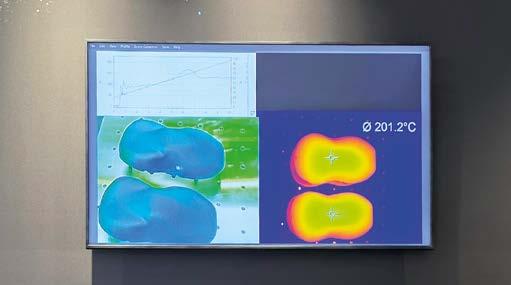
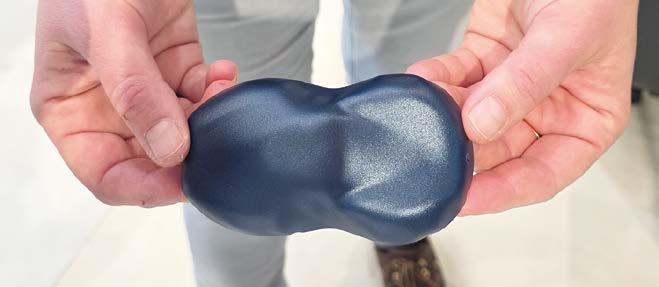
time. On the control screen, operators can simultaneously observe the thermal image and a visible GoPro feed, where the powder’s melting and curing phases become clearly visible during the process.
The curing cycle lasts approximately 90 seconds, with a total process time of around 110 seconds. One of the most significant aspects of the demonstration was the heating speed: the coating reaches approximately 210–220 °C in only 10 seconds using about 80% of the laser power. Once the target temperature is reached, the system drastically reduces the energy input, requiring only a fraction of the initial power to maintain the curing temperature.
After the curing phase, the laser switches off and the temperature decreases rapidly. Because the system is classified as a Class 1 laser installation with integrated safety controls, the chamber door opens automatically once the part cools to approximately 60 °C, allowing operators to remove the fully cured components immediately. Unlike conventional convection ovens, the laser technology heats mainly the coating and the upper surface of the substrate rather than the entire mass of the component. This selective energy transfer significantly improves efficiency, as it avoids heating large quantities of metal unnecessarily for a relatively small amount of powder coating.
According to the developers, the cured coatings achieve the same mechanical and chemical performance as those processed in traditional ovens. Adhesion, chemical resistance, and overall finish quality are equivalent, provided that identical film thicknesses and comparable geometries are used during testing. No significant colour variations were observed under consistent application conditions.
The technology is compatible with multiple powder chemistries, including epoxy, hybrid, and polyester formulations. Although the demonstrated application involved flat aluminium panels, the system can also process more complex three-dimensional parts. For industrial applications, IPG offers a fully automated PhotoniCURE system integrating robotics, gas extraction, metrology, and modular optical units. Unlike conventional ovens, which are typically oversized to
accommodate long-term production forecasts, the modular architecture allows manufacturers to invest only in the capacity initially required and expand the system progressively by adding further laser modules. Currently, the largest optical head can cover an area of approximately 1.6 m by 60 cm, while multiple heads can be combined to adapt to larger components or higher productivity demands.
At this stage of development, the technology is primarily being evaluated for relatively flat and geometrically consistent components. However, the long-term objective is to extend the process to increasingly complex parts and a broader range of industrial sectors, potentially including automotive and general industrial manufacturing.
Despite the clear OPEX advantages in terms of speed, energy efficiency, reduced footprint, and production flexibility, laser curing for powder coatings inevitably faces one of the main challenges shared by all emerging technologies: the initial investment cost. The integration of high-power laser sources, advanced control systems, sensors, and dedicated automation can in fact require a higher upfront investment compared to conventional curing ovens, especially for companies that already operate fully amortized traditional lines. However, limiting the economic assessment to CAPEX alone risks providing only a partial view of the technology’s actual industrial impact. As is often the case with innovations destined to transform manufacturing processes, the real differentiating factor will not simply be the up-front cost of the technology, but companies’ ability to recognize the economic benefits on a daily basis while leveraging its short cycle time and low energy consumption from a long-term perspective.
SAVIM EUROPE DESIGNS AND BUILDS HIGH-VALUE INDUSTRIAL PAINTING SYSTEMS.

Advanced technologies and a highly tailored approach make every project unique - from initial assessment and engineering to post-installation support Built for special applications and complex processes, our plants ensure high performance, consistent quality, and maximum safety, fully compliant with the most rigorous sustainability standards. savimeurope.com
UCIF – Italian Surface Treatment Equipment Manufacturers’ Association Milan, Italy ucif@anima.it
On the occasion of the Milan-Cortina Winter Olympics, UCIF and Poliefun – two organizations sharing a common goal: raising awareness of the value of finishing in everything around us – used social media to highlight the often invisible yet essential role of surface finishing, drawing parallels between sports equipment, technical apparel, infrastructures, and surface treatment technologies. A mini-series of LinkedIn content demonstrated how behind every athletic movement, every fraction of a second, and every space designed for sport, there are materials, technologies, and surface treatments that make performance possible.
Every major sporting event is, in fact, the result of materials, technologies, and processes that work because surfaces are properly protected, treated, and finished. From athletes’ equipment to technical clothing, from sports infrastructures to hospitality areas, nothing is left to chance.
One of the first examples focused on skis and snowboards, which are far more than simply well-designed objects: they are truly engineered surfaces. Finishing plays a decisive role in the glide performance of bases, abrasion and moisture resistance, protection of composite materials, and long-term performance stability. Surface treatments, coatings, and advanced painting processes allow athletes to rely on equipment capable of performing even under the most extreme conditions. At the Olympics, what people see are hundredths of a second. Behind those hundredths, there is often a properly finished surface.

The narrative then moved to winter technical apparel, where finishing is not an aesthetic detail but an essential functional component.
Zippers that must slide smoothly even in ice and snow, metallic and plastic components subjected to thousands of opening and closing cycles, surfaces treated to reduce friction, wear, and corrosion: every element is designed to ensure reliability and comfort. Athletes, professionals, and spectators use garments and accessories every day that work precisely because their surfaces have been engineered to last. Finishing, once again, is what makes the problem invisible and performance visible.
Another field where finishing plays an essential role is sports infrastructure: arenas, stadiums, sports halls, and hospitality spaces. These structures must not only be aesthetically appealing but also withstand intensive use and exposure to weather conditions while ensuring safety and quality over time.
Finishing is everywhere: in faucets and handles within service areas, in stadium seating, and in structural metal components exposed to wear and harsh environmental conditions.
Surface treatments and finishing processes ensure hygiene, safety, durability, and long-term perceived quality.
The Olympics shine a spotlight for a moment. The infrastructures remain — and continue functioning thanks to surfaces engineered to last.

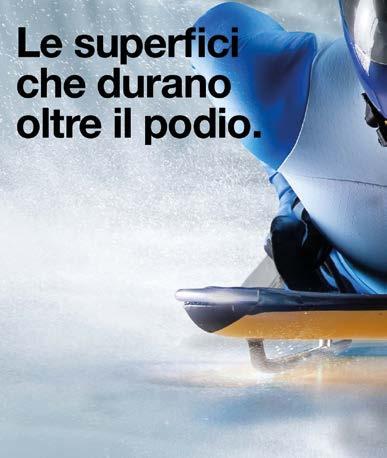
The content series concluded with the symbolic transition from the Olympics to the Paralympics, introducing an even more meaningful theme: customization. If every Olympic record is made possible by precisely engineered surfaces, Paralympic sport is also built on an even deeper principle: engineering that adapts to the individual. Sports wheelchairs, prosthetics, support systems, and mechanical components are the result of tailor-made design, advanced materials, and surface treatments that ensure smoothness, lightness, resistance, and reliability. Here, finishing is not merely about protection or aesthetics: it becomes ergonomics, safety, and inclusion. If, in the Olympics, the role of finishing is encapsulated in performance, in the Paralympics the message becomes even more powerful: the ability of engineering to adapt to the athlete — not the other way around.
The goal of this content series was not simply to “talk about the Olympics,” but to use the sporting event as a narrative lens to reveal what usually remains behind the scenes: the decisive role of surface treatments in the performance, safety, and durability of equipment, technical apparel, and infrastructures. This initiative was not a one-off communication activity but part of a shared journey between UCIF and Poliefun: two organizations that, from different yet complementary perspectives, work to spread the culture of finishing. UCIF represents manufacturers of surface treatment systems, while Poliefun builds a bridge between industry and academic research in the field of surface treatment and finishing. Through the LinkedIn series dedicated to the Olympics, the two associations demonstrated how communication can become a strategic tool to raise awareness of the value of surface treatment, connect technical expertise to recognizable and emotionally engaging contexts, and make understandable what normally remains “behind” an object or a structure. Because behind every performance, every functional space, and every achievement, there is always a surface that has been designed, treated, and made reliable over time. And telling this story means giving visibility to technical expertise that deserves recognition.
electrostatic systems for liquid painting

electrostatic systems and spraying booths for powder coating pneumatic systems for high-, medium-, and low-pressure painting
and UV drying systems
and reciprocators
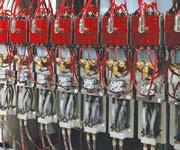
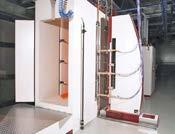
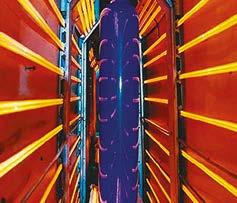
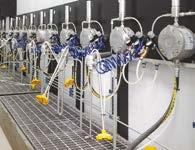
06 – 08 October 2026
Exhibition Centre Düsseldorf, Germany
ALUMINIUM is the meeting place for the global aluminium industry –the platform to discover innovations, explore sustainable solutions and build valuable business connections.
Gain insights, meet leading suppliers and shape the future of aluminium.
With PIROMAX ovens thermal paint-stripping is performed only through heat, paint is incinerated without altering the piece dimensionally or mechanically.
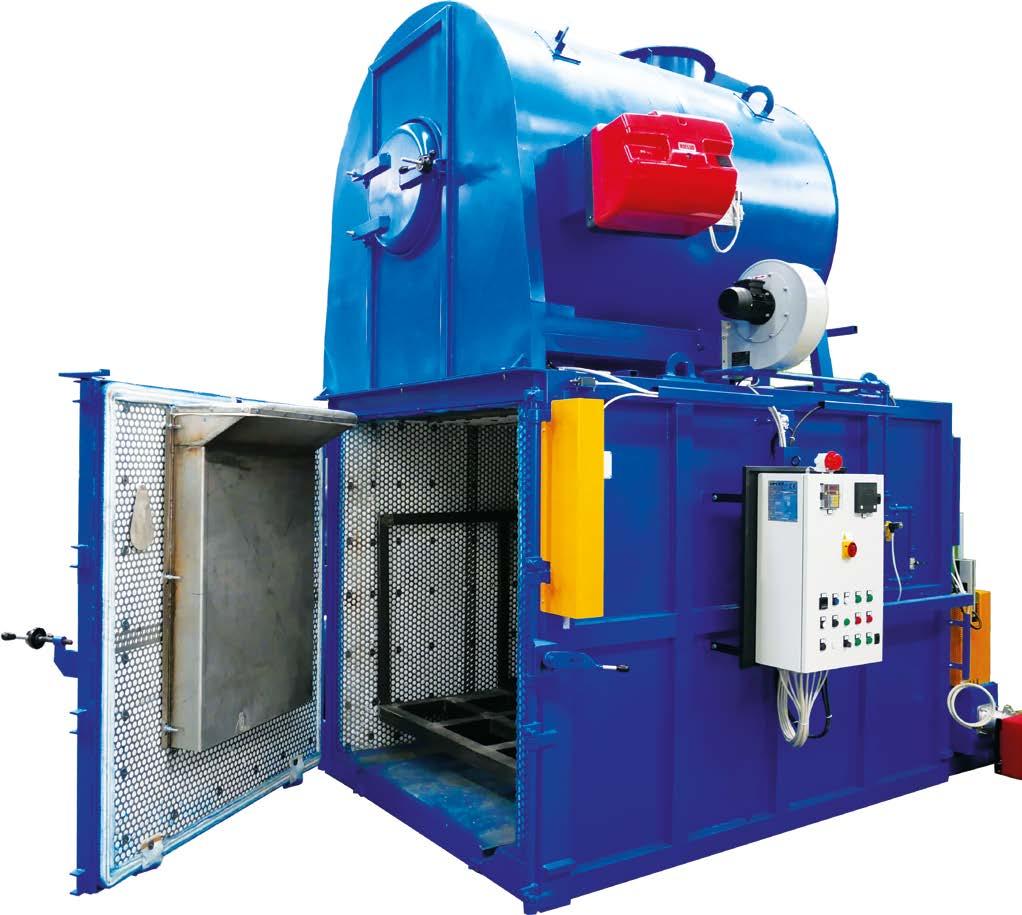

A new addition to the family of portable spectrophotometers developed by BYK-Gardner for colour and gloss control and measurement: color2go, based on digital standards, is ideal both for routine quality control and for more complex applications.
BYK-Gardner – worldwide partner of the automotive, paint and plastic industries for quality control of colour, appearance and physical properties – is introducing the new color2go, a portable spectrophotometer that combines precise colour and 60° gloss measurement with digital standards. The instrument complements the newly introduced color2check and extends BYK-Gardner’s portfolio to meet the full range of customer requirements from price-sensitive beginners to professional users with high specifications.
The color2go features a lightweight and rugged design with horizontal alignment, making colour and gloss measurements simple, stable, and secure. Its 2.8-inch colour touchscreen with icon-based menus, clear data tables and graphical displays ensures intuitive operation. “Touch and swipe” can be used as on a smartphone — even when wearing gloves — enabling efficient use in laboratory, production, or field environments. To ensure long-term protection, the instrument is delivered with a dedicated garage. When not in use, the color2go can be safely stored to protect it from dust. The garage also provides space for the test standard box so that it’s always close at hand.
Technical performance is a key criterion when selecting a portable spectrophotometer, especially when they are used in a global supply chain process. The color2go offers improved measurement accuracy and supports the exchange of digital standards, enabling consistent colour management across locations and partners worldwide. For materials containing fluorescent ingredients, long-term colour stability may be affected by exposure to sunlight. The color2go detects fluorescence and provides a warning message when such materials are measured. This helps users evaluate potential colour changes over time and ensures greater confidence in quality assessments.
To support smart and efficient data analysis, the color2go is supplied with two smart-chart licenses. The intuitive software enables comprehensive evaluation of colour and appearance data. It is available in two versions:
smart-lab for flexible laboratory workflows e.g. QC of supplied parts or R&D tasks;
smart-process for a standardized global process control with defined measurement procedures and consistent reporting across locations. With its combination of precise measurement technology, practical design, integrated software, and user-focused functionality, the color2go offers a well-balanced solution for both – routine quality control and more demanding applications. For budget-conscious beginners in colour measurement, the color2 family also includes the color2check, which completes the product line.
For further information: www.byk-instruments.com
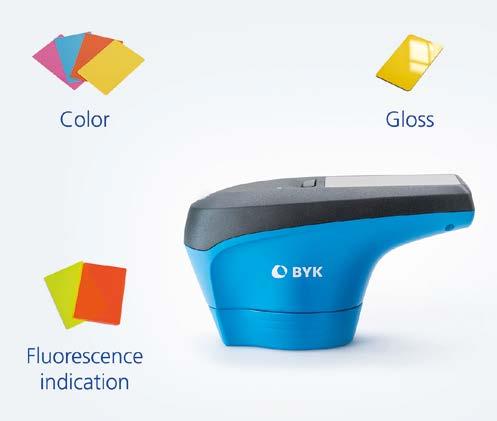
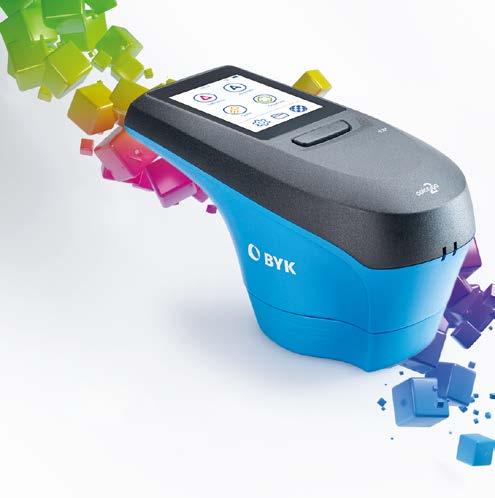
BASF to remain preferred paint supplier for Volvo’s Approved Bodyshop Network.
BASF Coatings has confirmed a three-year renewal of its partnership with Volvo Car UK, continuing as the preferred supplier of premium paint brands Glasurit and R-M for the Volvo Approved Bodyshop Network. The agreement ensures that body shops across the UK will have access to advanced refinish practices, technical support, and training, allowing repairs to be carried out according to Volvo’s exacting standards while maintaining a high-quality finish.
“BASF Coatings’ expertise and paint solutions are instrumental in helping our approved body shops deliver repairs to Volvo’s rigorous standards. We are pleased to extend our partnership,” has commented Rob Deane, Commercial Operations Director at Volvo Car UK.
“Renewing our long-standing collaboration with Volvo Car UK underlines our shared commitment to premium quality, innovation, and sustainability.
We look forward to supporting the Approved Bodyshop Network as it adapts to the evolving automotive landscape, while continuing to benefit both the industry and the environment,” has stated Sally Jones, Managing Director of BASF Coatings UK Ltd. Volvo Car UK operates 78 Approved Body Repair Centres nationwide, aligned with its retailer sites. The network provides comprehensive car damage repair services, ensuring customers receive a consistently high standard of work.
For further infomation: www.basf-coatings.com
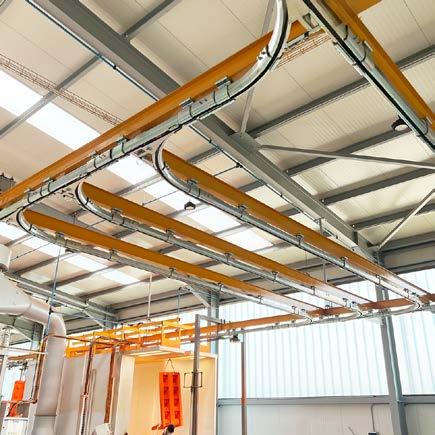
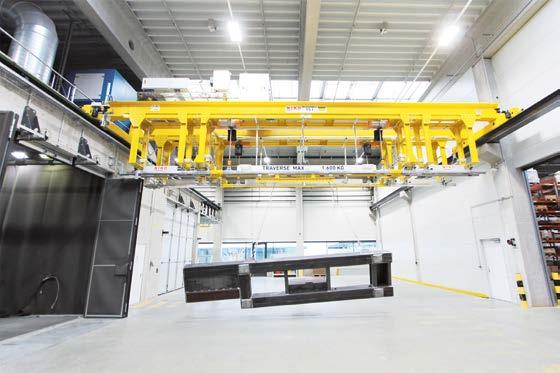
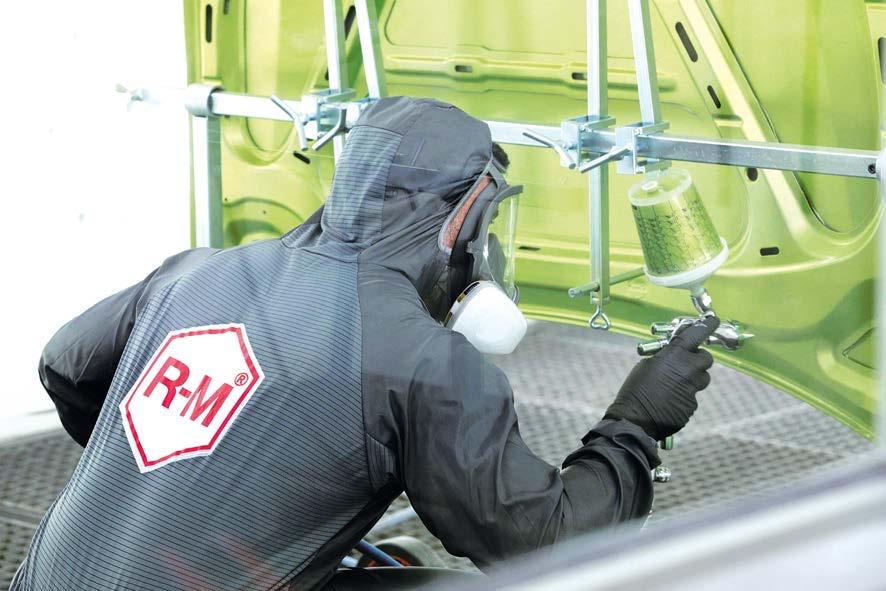
The Stellantis plant in Sochaux has launched its new paint shop, designed to improve process efficiency and sustainability.
According to customer satisfaction analyses, the Stellantis plant in Sochaux (France), where the Peugeot 3008 and Peugeot 5008 are produced, ranks among the Group’s best-performing manufacturing sites, formed through the merger between FCA and PSA Group. By the end of 2025, the site reached an annual production of almost 230,000 units, a volume expected to be maintained this year. Since 2017, the plant has been undergoing a major transformation plan aimed at meeting new energy and production requirements. After the revamping of the logistics, welding, stamping, and assembly departments, the project has now extended to the paint shop, which is currently in an advanced stage of renovation.
On November 27, the first car body of a Peugeot 3008 was painted in the new facility, designed to replace a process that had been in use for over 30 years and was no longer aligned with current efficiency and sustainability standards. Following the same approach adopted for assembly, the new line has been made significantly more compact, shrinking from 136,000 to 35,000 m².
At the same time, the process has been simplified: the number of processing stages has been reduced from 12 to 7, with a single paint booth instead of two, and the curing phase has been consolidated into one final step, eliminating the previous intermediate stages. The new facility is also strategically located between the welding and assembly departments.
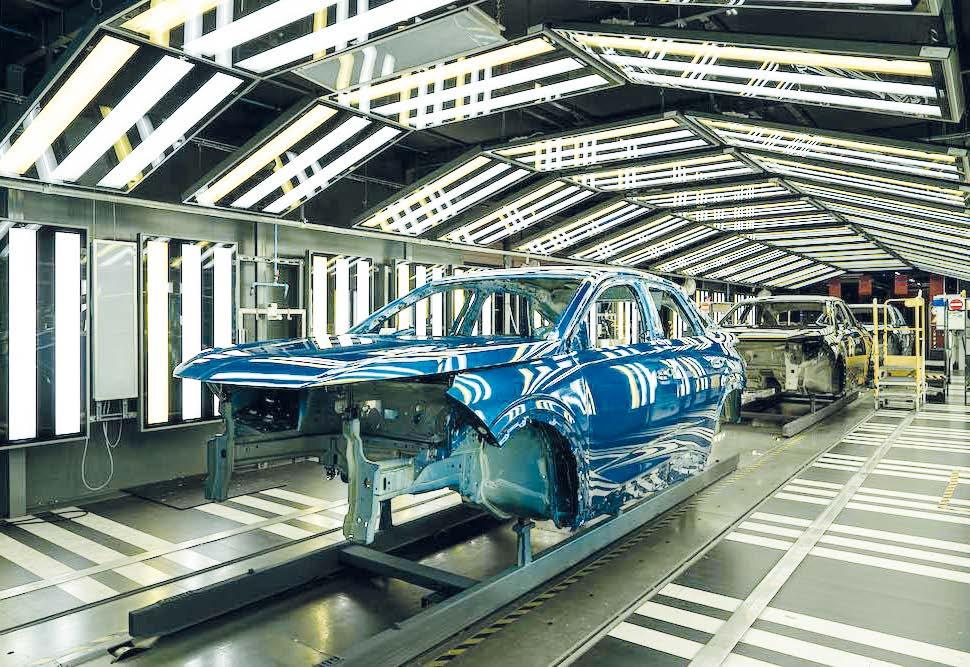
The total investment, amounting to approximately €120 million, has also enabled increased automation levels and improved fault detection systems.
From an environmental standpoint, the project aims to reduce total energy consumption by 30%, primarily through the replacement of gas-fired ovens with electric ones, cut water consumption by 50%, and lower CO₂ emissions by up to 92%.
The revamping of the paint shop is part of a broader plant upgrade program. The moulding department has been equipped with a more versatile and flexible system, capable of producing up to four components in a single operation, while assembly and logistics have been optimized to streamline internal flows and reduce handling times.
At the same time, some previously outsourced activities have been brought back in-house.
“Certain production processes, such as the assembly of dashboards, roof linings, tailgates, and trim components, have been reintegrated into the plant,” said Manuel Gentile, VP Plant Manager of the Sochaux site.
An initial team of operators began managing the new facility last April. The plan calls for a gradual ramp-up in production volumes until October, when all paint shop teams will be fully operational.
“This gradual start-up allows us to fine-tune the production system, as already done for the new assembly department,” Gentile concluded.
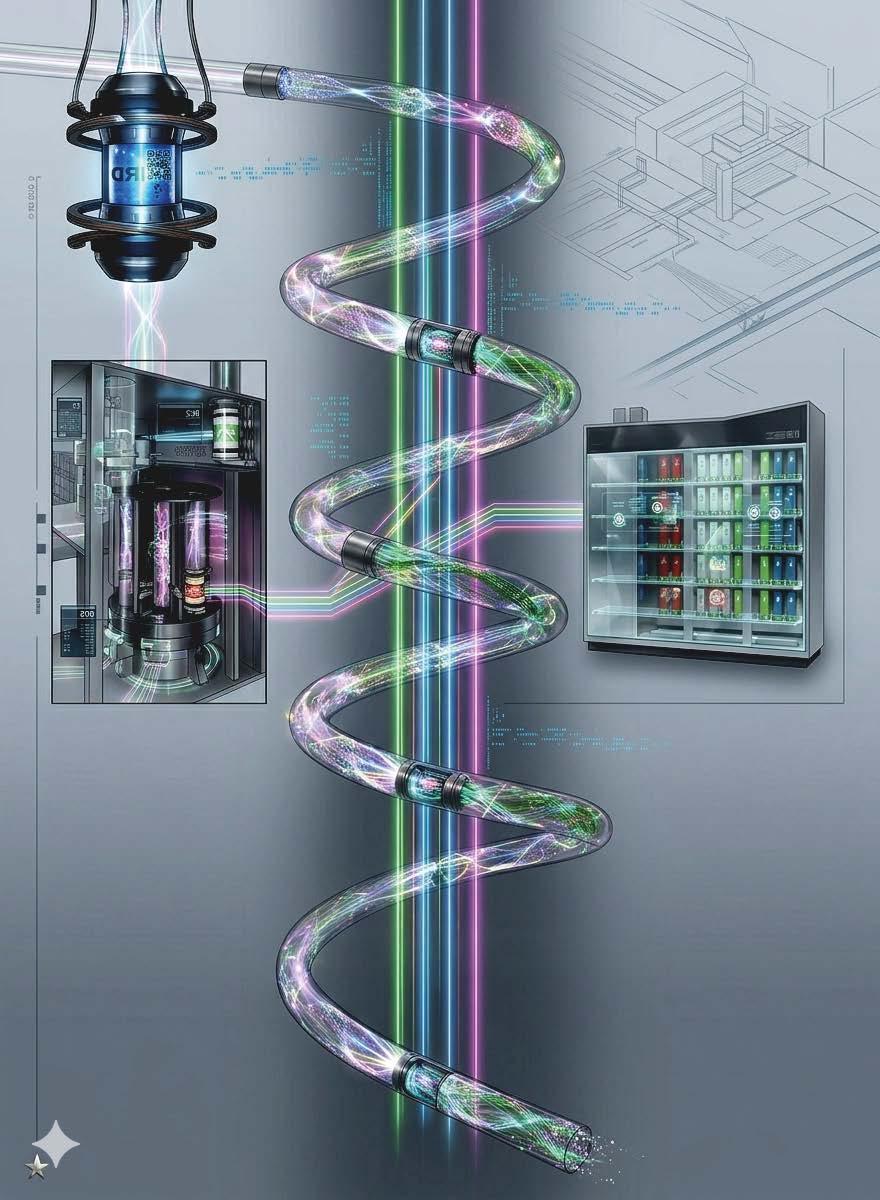
From an interview with Daas Jabbour, CHEMBION - Malmö, Sweden djabbour@chembion.se
In the industrial and automotive sector, the efficiency of coating processes is a key factor not only for final product quality, but also for environmental sustainability and cost management. CHEMBION, which stands out for developing innovative, low-impact chemical solutions for water treatment and paint detackification, explores how green chemistry and a structured methodology can deliver tangible performance improvements.
In modern industrial and automotive painting lines, even minor inefficiencies in the operation of spray booths, overspray management, or water treatment systems can quickly translate into increased downtime, higher operating costs, and reduced coating quality. As production lines become increasingly automated and performance expectations continue to rise, manufacturers face growing pressure to ensure process stability while simultaneously complying with increasingly stringent environmental regulations and sustainability targets. In this
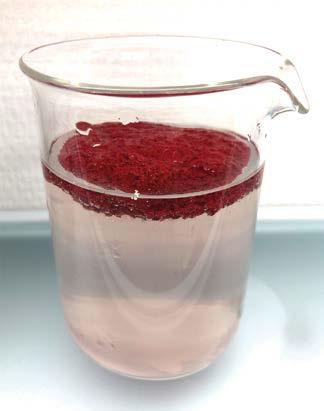
context, the ability to efficiently manage paint detackification (coagulation) and water treatment is no longer a secondary aspect, but a critical factor that directly impacts operational performance and competitiveness. Within this framework, CHEMBION positions itself as a specialised technology partner developing and supplying green chemicals designed to optimize paint detackification (coagulation) processes in both automotive and industrial applications, as well as industrial water and wastewater treatment. The company was founded in 2016 in Malmö, Sweden, with the objective of developing and implementing customised, environmentally friendly technologies in the field of industrial coating and water treatment. From the outset, CHEMBION’s vision has been closely aligned with innovation and sustainability, combining strong chemical expertise with a deep understanding of industrial processes and real-world operational requirements.
To gain deeper insight into the company’s product portfolio and technological approach, to explore the role of green chemistry, and to better understand the advantages of these solutions compared to more traditional technologies, as well as the key challenges associated with their adoption, we interviewed Daas Jabbour, Founder and CEO of CHEMBION.
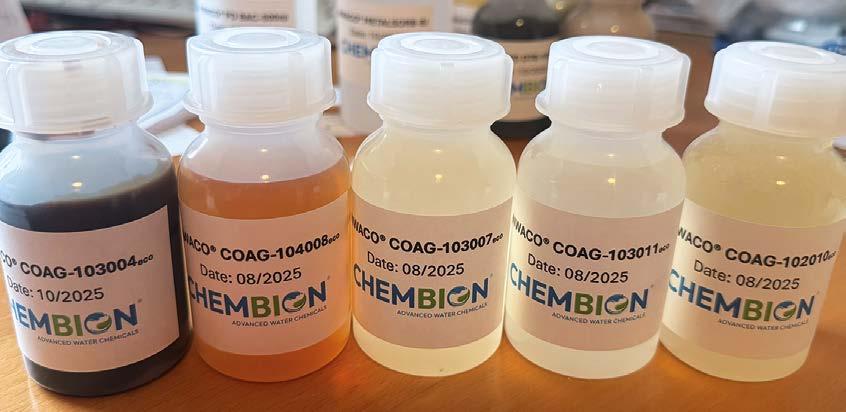
CHEMBION operates across several areas of the automotive and industrial coating sector. Could you describe the scope of your activities and the main segments you serve?
“CHEMBION supports a wide range of industrial segments within the automotive and coating industries, including vehicle manufacturing plants, Tier 1 suppliers, and construction equipment manufacturers. In these environments, the company provides integrated operational, mechanical, and chemical-oriented solutions designed to ensure process stability, efficiency, and consistent performance. Our offering includes a wide range of advanced chemical formulations and customized process equipment for industrial water and wastewater treatment. On the chemical side, the portfolio covers solutions for detackification, precipitation, coagulation, adsorption, dispersion, cleaning, flocculation, pH control, antifoaming, and microbiological control.In parallel, we offer a comprehensive range of equipment and technologies, including flotation systems such as flotation, dewatering, dosing, and automation systems.”
One of your core products is detackifiers. Paint detackification is a critical step in coating processes. How does this process work and why is it so important in automotive applications?
“In spray booth environments, paint overspray is an unavoidable byproduct of the coating process. Not all the paint applied to the substrate








adheres to the surface; a portion is first captured from the exhaust air through wet scrubbing systems and transferred into a circulating water loop. Within this system, paint detackification is the chemical process that neutralises the adhesive properties of these paint particles, preventing them from sticking to equipment surfaces and enabling their effective separation from the water. When properly managed, this process ensures stable booth operation, reduces contamination in the recirculating water, and minimises the formation of deposits and sludge.”
From an operational standpoint, effective detackification supports consistent coating quality, reduces unplanned downtime, improves process reliability, and helps extend the lifetime of equipment. It also contributes to maintaining efficient downstream water treatment performance, while the overall scrubbing and capture system helps ensure cleaner air and protects the booth and associated equipment.”
Your company places strong emphasis on green chemistry. How does this approach translate into your chemical solutions and industrial processes?
“Our approach to green chemistry is focused on developing formulations that reduce environmental impact while maintaining or improving process performance. This involves designing solutions that can replace or significantly reduce the use of conventional or hazardous substances

















such as certain biocides or melamine-formaldehyde-based compounds. By optimizing chemical consumption and improving overall process efficiency, our solutions help reduce paint sludge generation, enhance operator safety, and lower the environmental footprint of coating operations. In many cases, these improvements also translate into economic benefits when considering the total cost of ownership, rather than focusing solely on the initial cost of chemicals. For us, green chemistry is not only about compliance with environmental regulations, but about enabling more efficient, stable, and sustainable industrial processes.
However, this transition is not always immediate. One of the main challenges in the sector is that many companies still rely on conventional technologies, often due to familiarity and perceived reliability. There is frequently a certain level of reluctance to change, driven by factors such as risk aversion, cost considerations, portfolio limitations, and time constraints. In many cases, companies do not immediately recognize that green chemistry can deliver superior results while also generating cost benefits that positively impact the overall process.”
To address these challenges, CHEMBION applies a structured methodology based on Mechanical, Operational, and Chemical performance. Could you explain how this model works in practice?
“We evaluate plant performance through a holistic methodology that considers three interconnected dimensions: mechanical conditions, operational practices, and chemical treatment. We refer to this as a total performance approach, where the overall efficiency of the system depends on the interaction between these elements. Mechanical performance relates to the condition of the equipment; operational performance concerns how the system is run and maintained; and chemical performance refers to the effectiveness of the treatment solutions. By analysing these three aspects together, we are able to identify inefficiencies that might not be visible when looking at each component
separately. This allows us to define targeted optimization strategies that address the root causes of performance issues, leading to more stable and predictable industrial processes.”
How does your process typically progress from initial assessment to full-scale implementation?
“The process begins with a technical audit, during which we analyse the plant in detail to understand its current performance and identify areas for improvement. This phase provides a comprehensive overview of both operational conditions and system constraints.Then, laboratory testing is carried out to evaluate different treatment concepts under controlled conditions. This stage allows us to simulate real operating conditions, compare alternatives, optimise chemical formulations, and identify the most suitable approach for the specific application. By reproducing plantspecific conditions at a smaller scale, we can better predict how a solution will perform in practice, reducing implementation risks and ensuring that the final solution is tailored to each system’s requirements.
Once a solution is validated at laboratory level, full-scale trials are conducted directly at the customer’s facility and if the results are satisfactory, the solution is implemented at full scale, supported by a continuous improvement plan that includes ongoing monitoring and optimisation over time.”
Looking ahead, which areas of innovation are you currently focusing on to further evolve your technologies?
“Our ongoing R&D efforts are focused on addressing emerging challenges in both the automotive and industrial sectors. Key areas of development include advanced precipitation technologies for the removal of contaminants such as PFAS, as well as new dispersants and detackification solutions designed for solvent-based and UV-curing coatings.”
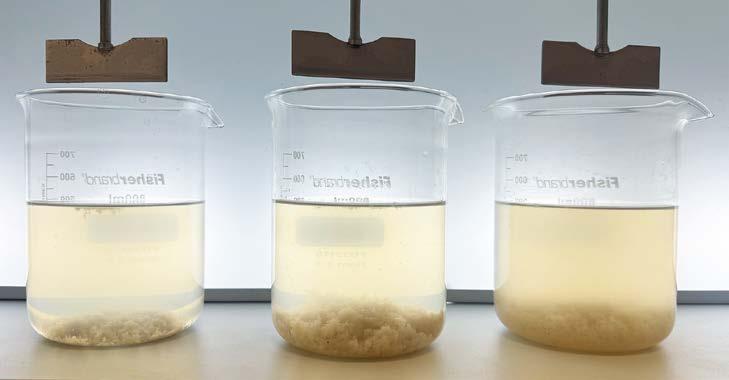
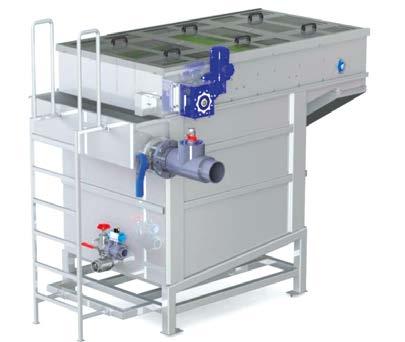

Monica Fumagalli, ipcm®
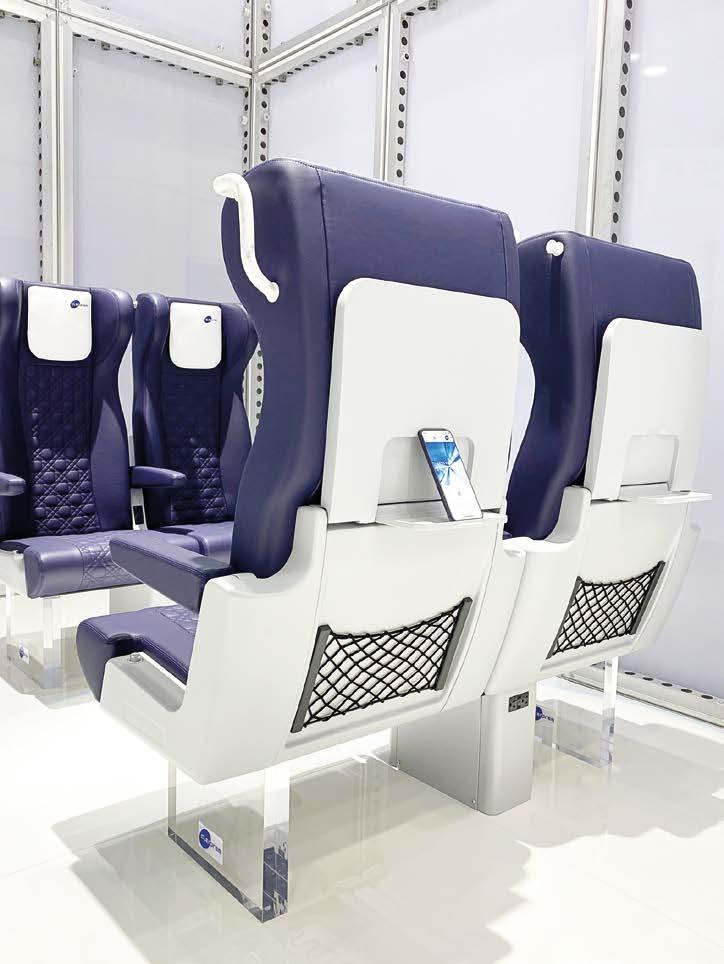
Clerprem, a global leader in the design and manufacturing of ergonomic seating systems and interior components for the transport industry, has chosen TIGER Coatings’ powders to optimise the performance of its finishes for a market that demands ever-higher levels of graffiti resistance, corrosion protection, and application reliability across various metal substrates.
Traditionally, in the railway sector, innovation has been synonymous with improvements in interior design, aesthetics, and comfort, aiming to provide passengers with an increasingly welcoming environment and to make their journey a more pleasant experience. This is a trend the premium automotive sector has followed for many years, investing in the development of interiors that combine ergonomics, aesthetic appeal, and on-board well-being, to the point that the driving and travel experience has become one of the key factors in choosing a vehicle. The rail sector is now following suit, combining aesthetic and comfort requirements with new priorities for sustainability, accessibility, and the integration of advanced technologies into train interiors. Maintaining the aesthetic quality, cleanliness, and functionality of carriages over time is therefore essential for transport operators, who are expected to ensure high standards of service efficiency and interior appeal. Defaced walls, damaged surfaces, and graffiti are widespread problems not only in urban public spaces but also in railway stations and on public transport. According to estimates from German state railway company Deutsche Bahn, damage caused by graffiti, scribbles, and tags on floors, walls, and train interiors amounts to around €12 million and is on the rise.
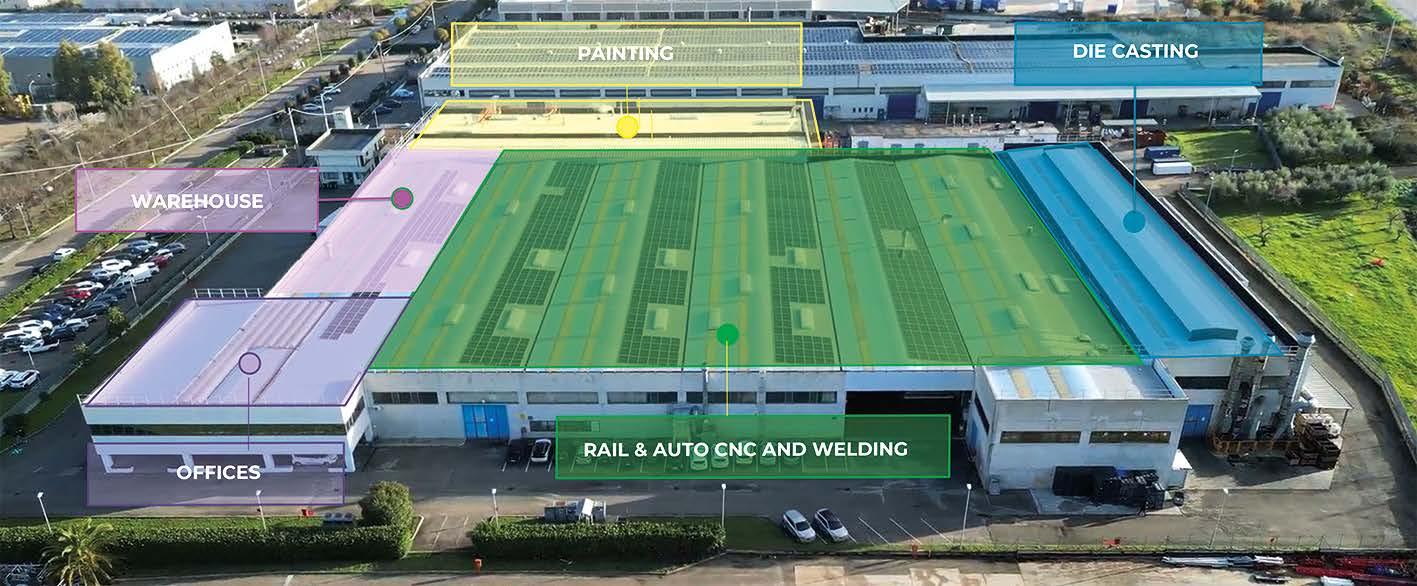
The company has also highlighted that this negatively affects passengers’ perceptions and calls for prompt removal by specialist staff.
While the ‘social’ tools available to combat vandalism remain limited, technology, particularly coating technology, now offers effective solutions, at least for preventing damage and speeding up cleaning. Specially developed coating systems simplify the removal of graffiti, reduce intervention times, restore the carriages’ original aesthetic appearance more quickly, and protect the quality of the treated surfaces. This requirement is inevitably reflected throughout the entire production chain, including manufacturers of parts for train interiors. One of these is Clerprem SpA (Carrè, Vicenza, Italy), which has been active for over fifty-five years in the design and manufacture of components for the transport sector.
“We develop seating systems for the automotive, railway, public transport, and commercial vehicle industries, always with the aim of delivering a superior travel experience for passengers,” explains marketing manager Elena Marchesi. “To achieve this, we must ensure that every component, from seating systems, headrests, and armrests to consoles and polyurethane padding, is manufactured using advanced processes without compromising Clerprem’s signature all-Italian craftsmanship.”
This level of quality is ensured not only by machining operations carried out on innovative equipment but also by the coatings applied to aluminium, magnesium, and steel components. “For the railway sector, in particular, we use TIGER Coatings’ approved anti-graffiti powders, which facilitate the cleaning of defaced surfaces without the need for repainting and, at the same time, provide excellent corrosion protection.”
The history of Clerprem began in the late 1950s, when an innovative and unknown material was discovered: polyurethane. “At that time,” says Elena Marchesi, “the potential of this innovative material for padding cushions, armchairs, and sofas had yet to be fully explored, but it immediately became the starting point for developing this company, founded by Roberto Marchesi in Milan as the first business in Italy dedicated to the importing, processing, and distribution of polyurethane blocks.”
In 1971, Clerprem relocated to Carrè in the Veneto region, building its first and main production plant there, which is now the Group’s headquarters. It then became one of the first companies to specialise in the cold foaming of polyurethane moulded components for automotive seats. Seven years later, Clerprem opened a second plant in Cumiana, near Turin, at the heart of Italy’s largest automotive hub. This specialised in the production of armrests, headrests, seatbacks, and seats, with the aim of ensuring just-intime supplies to leading national OEMs, including Alfa Romeo, and Fiat.
During the 1980s, Clerprem further expanded its expertise and diversified its production by launching new business units, including office chairs and armchairs for the furniture sector, as well as faux leather for the footwear and accessories sectors for the fashion industry - divisions that are no longer active. The expansion of its manufacturing capabilities continued with the opening of another plant in Atessa (Chieti) in 1989, dedicated to highly specialised processes such as CNC milling, tube and profile bending, robotic MIG, TIG, and laser welding for structural seat components, die-casting of aluminium components, and powder coating.
“A key milestone in our company’s history,” adds Elena Marchesi, “was the acquisition of a factory specialised in manufacturing seats for railway coaches in the former East Germany, near Dresden, in 1991, shortly after German reunification. This marked the birth of Clerprem Deutschland, which then transferred part of its assembly operations to Neustadt in Sachsen to supply seats on a just-in-time basis to the national railway industry. In 1997, Clerprem produced its first complete railway
seat, thereby consolidating its second major core business alongside automotive components.”
The just-in-time model as a winning strategy
Whereas the first generation led by Roberto Marchesi focused on the construction and development of new plants across Italy, the second generation led by Gian Roberto Marchesi embarked on a path of
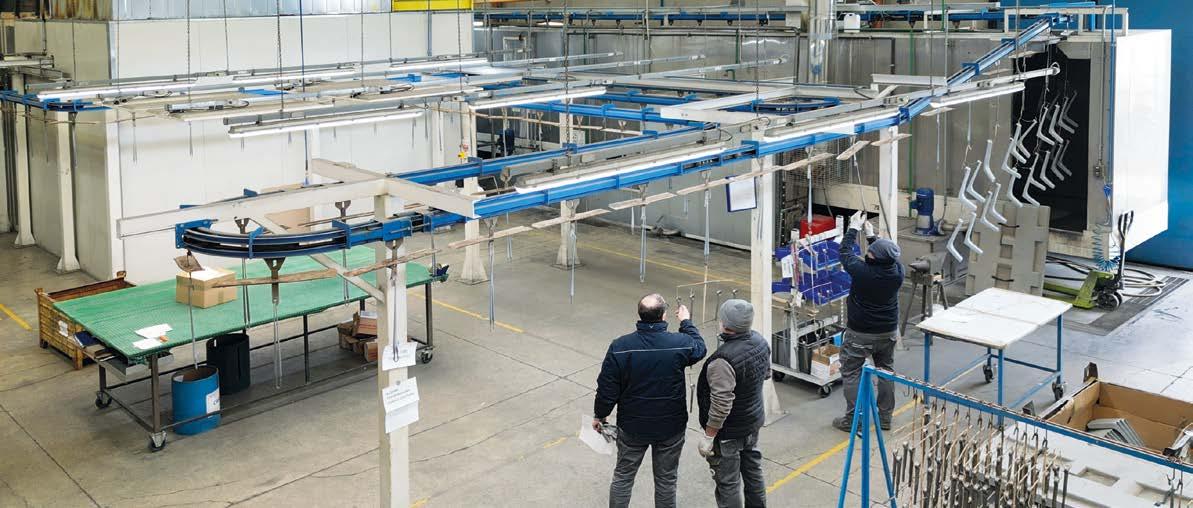
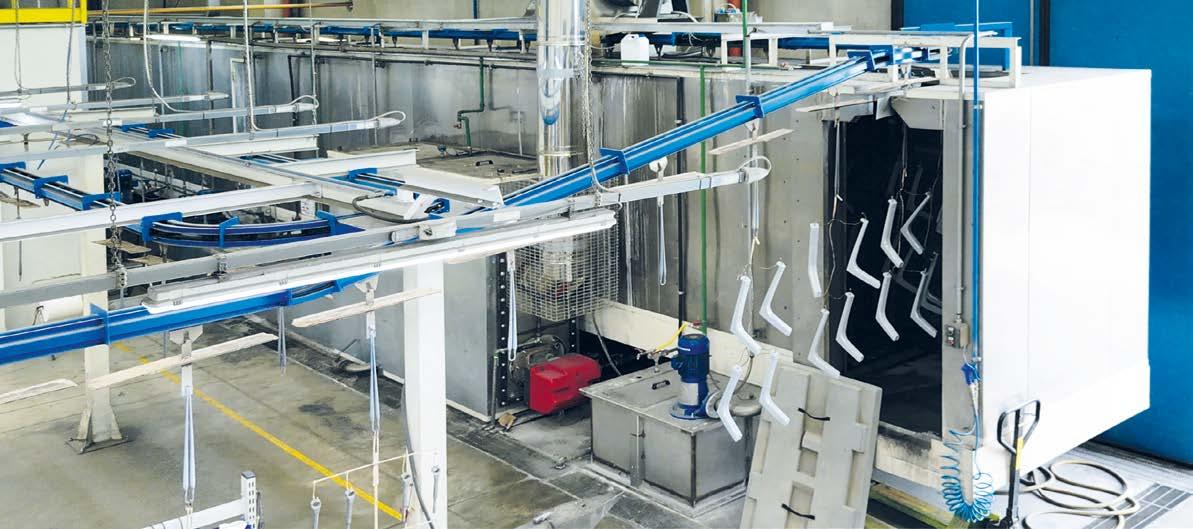
international expansion, opening new production sites in Tunisia (2008), Mexico (2015), and the United States (2018). Following its entry into the American railway sector, Clerprem also began processing steel to meet the specific requirements of this market, which is traditionally less oriented towards the use of light alloys than the European market. “Growth has been driven by an industrial strategy centred on a just-intime approach and close customer relations,” states Elena Marchesi. “This has helped strengthen Clerprem’s role as a preferred partner to major international players, thanks to long-standing relationships, a high level of operational reliability, and the quality of our Italian-made products, tailored to our customers’ needs and perfectly blending comfort, safety, and design.”
Today, the Group employs around 2,000 people worldwide and serves a high-end clientele, particularly in the premium automotive sector, where a high level of specialisation and the use of high-performance materials characterise Clerprem’s production. Major automotive OEM customers include the Volkswagen Group (Audi, Porsche, Škoda, Bentley, and Lamborghini) Ferrari, Maserati, Cupra, Renault, Mercedes, and BMW. In the railway sector, the customer base is exclusively international and includes transport operators such as Deutsche Bahn, Siemens, Alstom, and Via Rail. In the automotive sector, Clerprem operates as both a Tier 1 and Tier 2 supplier and exports around 95% of its production; in the railway sector, it operates primarily as a Tier 1 supplier, directly providing complete seating systems and managing the full production cycle through to delivery to rolling stock manufacturers and transport operators.
“The powder coating process is carried out in a dedicated facility within the Clerprem Group, in the Atessa metalworking plant, as it is a demanding process”, points out Andrea D’Intino, the facility’s administrative manager, who leads the operational team alongside production manager Giacinto Giallonardo and maintenance manager and coating coordinator Rosato Mazzolena. “At this site, we carry out die-casting of aluminium components for railway carriage seats, as well as deburring, tumbling, shot blasting, and CNC milling. We also perform tube and copper-coated wire bending, laser cutting, automated MAG, TIG, MIG, and laser welding, as well as the final powder coating of steel, aluminium, and magnesium-alloy components. We stand out from our competitors through Italian aesthetic sensibility and artisan manufacturing: our processes are highly specialised, yet we never lose sight of attention to details and the human touch that defines true craftsmanship.”
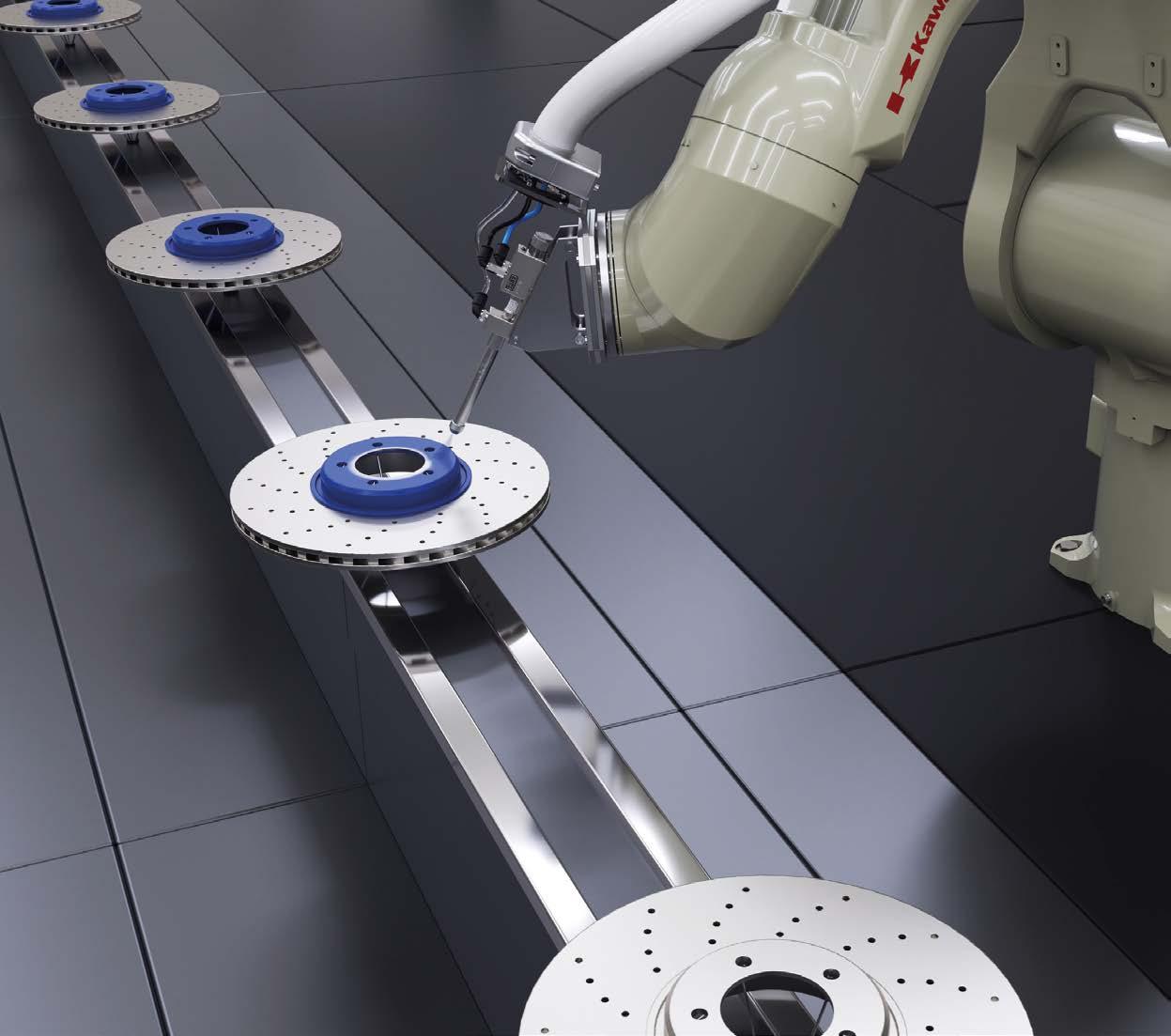
Bringing your surface to perfection.
Verind offers painting solutions from manual to automatic application, high-quality and easy to integrate.
Focus on detail is one of the cornerstones of the company’s manufacturing philosophy. “The components we produce are all visible,” emphasises D’Intino. “The care we devote to every aspect is greatly appreciated by our premium customers, who are extremely
obsessed with the perceived quality of the final product. Every component must appeal to both our direct customers and the passengers who will use the train coaches, and finishes are key to creating an immediate positive impact.”
According to Clerprem, the rail sector is adopting quality standards that are increasingly aligned with those of the automotive industry, particularly in relation to surface aesthetics. “In addition to ever more strict requirements regarding finishing quality,” continues Mazzolena, “over the last ten years, the use of anti-graffiti paints has become increasingly widespread on both train interiors and exteriors to speed up cleaning and maintenance operations. These are delicate paint products, however, with a more glassy and brittle texture, which require careful and complex application processes.”
Another change affecting this industry is the structural evolution of seating systems, which are now increasingly integrated with displays, USB ports, and other technological devices. “Alongside this development, it is necessary to keep the overall weight of the seats under control: this means making them lighter while still ensuring they pass the crash tests required by regulations. That is why we have begun exploring the use of magnesium, an extremely lightweight alloy that is also very tricky to
handle because it is flammable. The change in alloy has inevitably required a review of our coating process: on die-cast components, some defects can only emerge after the paint has been applied, resulting in reworking costs.”
Clerprem’s coating process takes place on a recently revamped line that includes a monorail conveyor, an eight-stage pre-treatment system, a drying oven, a powder coating booth equipped with Nordson dense-phase application equipment, and a curing oven, entirely managed by a single PLC. “We apply two coats to all die-casted parts, which account for around 90% of our production,” explains Rosato Mazzolena. “Powders must therefore offer high flexibility and consistent performance regardless of the substrate.
“In recent years, with the increase of orders from German and American railway operators, we have chosen to apply TIGER Coatings’ approved antigraffiti and anti-corrosion powders. For us, it is essential to rely not only on suppliers capable of offering products approved by our customers, but also on actual partners that support us in developing solutions truly suited
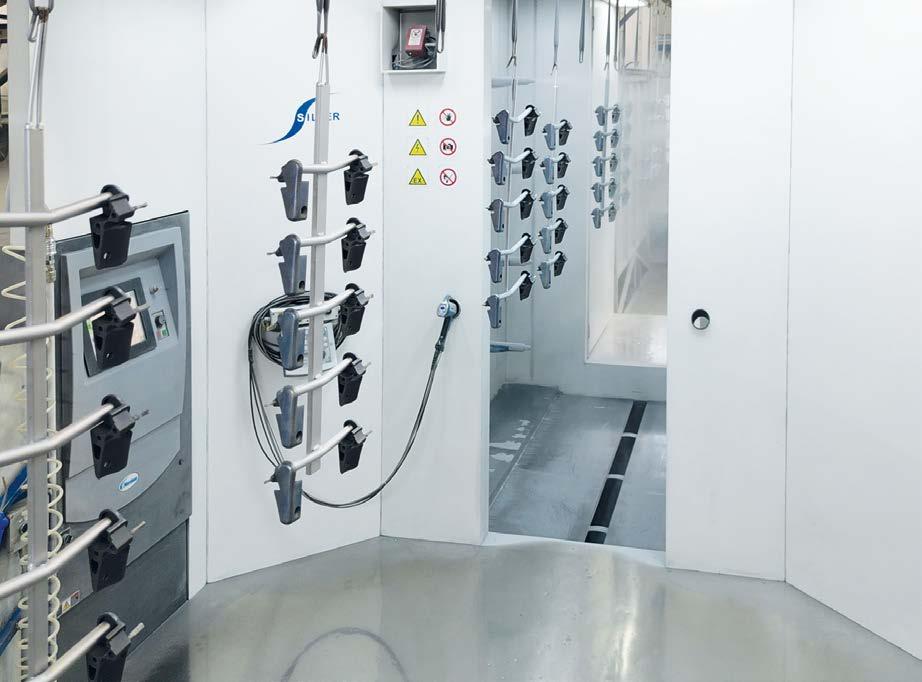
to our production needs. Our global distribution network requires the management of over 1,000 products, which means that, within a month, we can apply up to 40 different colours, with special effects ranging from micaceous and metallic to textured, smooth, and satin finishes. Within our Group, we are constantly working to raise the bar in terms of quality and ensure high standards for customers worldwide, making the management of the coating process a task that must be meticulous, flexible, and efficient.”
“We supply Clerprem with a range of anti-graffiti and anti-corrosion powders specifically developed for the railway sector,” says Alberto Zancan, the sole director of TIGER Coatings Italia. “The epoxy-polyester products used as primers offer high anti-corrosion performance and functional characteristics that promote degassing, which is critical when coating magnesium alloys to ensure high performance and resistance to over-baking. As a top coat, we supply a polyurethane resin-based product from our 287 series, approved in accordance with the Deutsche Bahn DBS 918 340 standard for aluminium and steel components for both internal and external use; it ensures high resistance to weathering and corrosion, provides good application properties, and complies with standard EN 45545-2 regarding fire protection in the railway sector.”
“Alongside powder quality, the most positive aspect of our partnership with TIGER Coatings is the sense of trust we have built over time through ongoing mutual exchange,” emphasises Mazzolena. “For example, its technical team helped us resolve a serious issue with the processing of magnesium components, enabling us to bring the coating quality of these parts up to the same standard as other substrates.” Indeed, magnesium is a particularly delicate material to handle during surface preparation.
“Unlike aluminium, it cannot be shot-blasted to remove defects resulting from die-casting. Together with TIGER Coatings, we have found a coating solution that avoids the need of subsequent reworking, and we have also established a research team to identify alternative chemical or thermal solutions capable of replacing mechanical pre-treatment.”
The inside of the booth during the application phase.
The booth’s powder centre. A detail of the powder application phase.
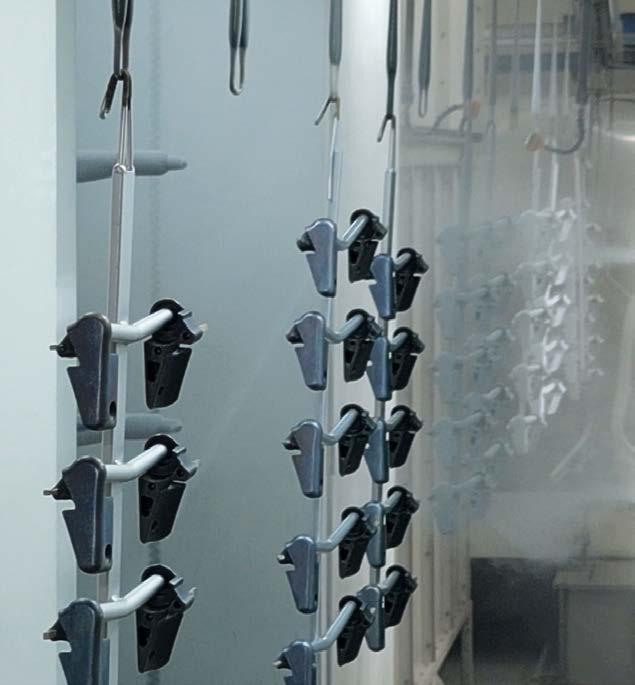
Another key aspect of this partnership is the paint manufacturer’s responsiveness. “We initially began by applying TIGER Coatings powders because they were included in one of our customers’ specifications,” says Mazzolena. “Subsequently, as around 90% of the coatings we use are now developed specifically for our requirements, we have also come to appreciate their speed in handling our requests, from formulation to delivery. This is a very important factor for our production line."
“One of TIGER Coatings’ strengths,” Zancan states, “is that it is a global company that still maintains a family-run structure, just like Clerprem. This enables us to retain considerable operational flexibility and to truly put ourselves at the service of our customers. We can compete internationally without compromising our fast response times, which make all the difference today: we can produce customised powders even in minimum batches of 60 kg, with average production times from two to three weeks from the first order receipt. Moreover, thanks to the widespread presence of TIGER Coatings sites internationally, we can support customers operating in different markets, adapting to local regulations and to the constantly evolving application requirements of the railway and other sectors. The ability to guarantee consistently high aesthetic and performance standards worldwide is now a fundamental strategic requirement for manufacturers operating in the premium segment of the railway industry.”
“Shaping the mobility of the future,” concludes Elena Marchesi, “also means creating products whose surfaces can withstand wear and tear over time without compromising aesthetics, while preserving the comfort and character of the spaces people travel through every day.”
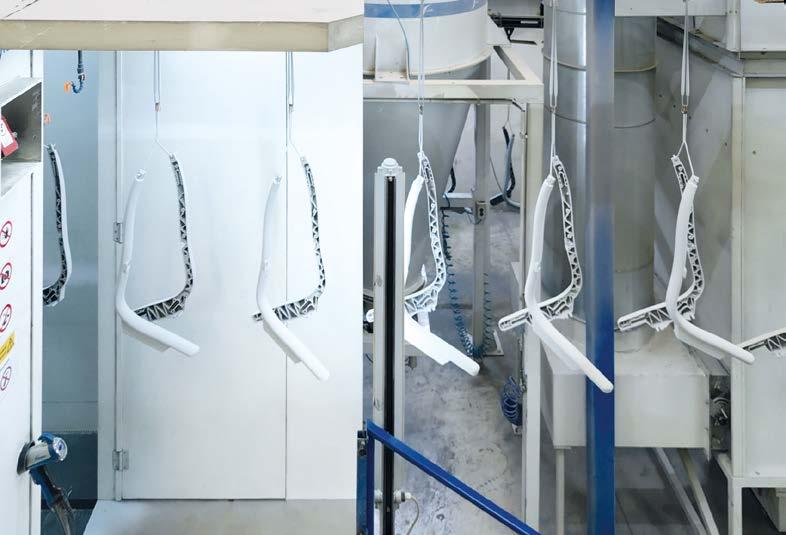
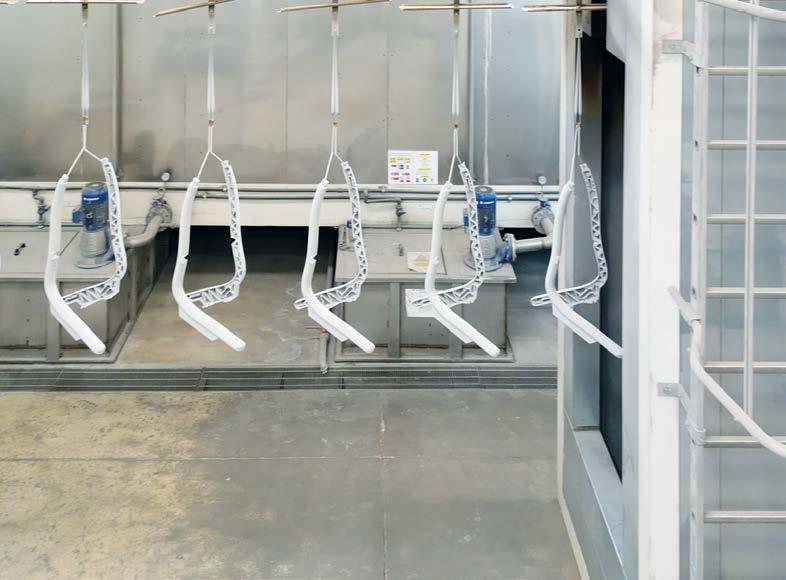

CHEMTEC’S technologies are designed to have a very limited environmental impact, to reduce consumption of resources and for a greater operational simplicity.
CHEMTEC develops customized solutions that aim to maximize the customer’s satisfaction.
NANOTECHNOLOGICAL CONVERSION COATING
WATER PURIFICATION AND RECIRCULATION
ONE STEP METAL PRETREATMENT
PAINT STRIPPERS
DISCOVER MORE ON WWW.CHEMTEC.IT
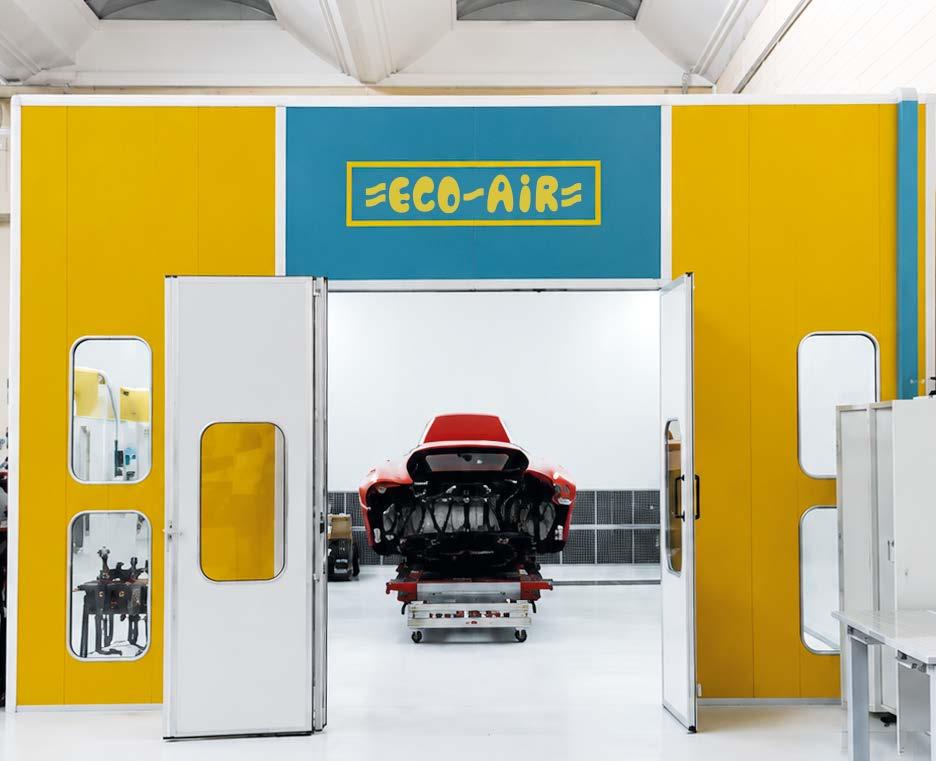
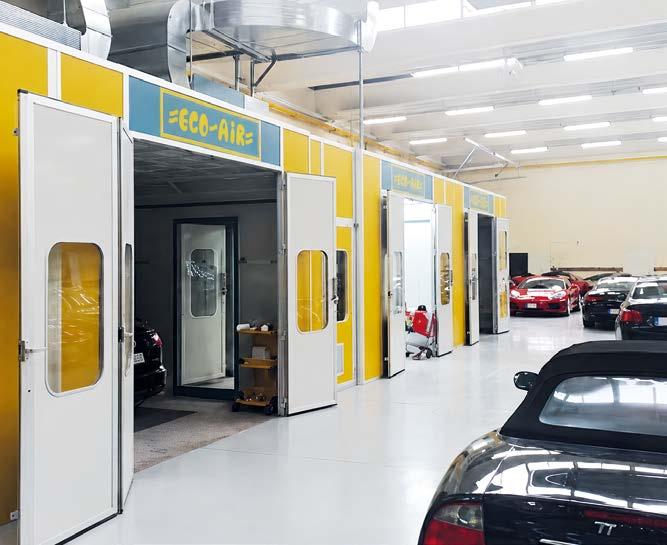
In the supercar sector, colour is a key element that goes beyond aesthetics, expressing identity, style, and performance. Yet behind every finish lies a highly technical coating process, essential to ensuring quality, resistance, and durability. Linea Eco Air, a benchmark designer of advanced systems for the automotive sector, demonstrates that attention to technical detail is essential for any company seeking to stand out in this field.
In the world of supercars, colour is much more than an aesthetic choice: it is a defining feature, a statement of style and character, a detail capable of evoking emotion and revealing the driver’s personality. Yellow conveys energy, visibility, and a bold temperament. Blue is associated with elegance, innovation, and understated sportiness. Green, unusual and distinctive, conveys exclusivity and uniqueness. Red, an iconic shade, is a universal symbol of passion, speed, and performance. Behind the aesthetic perfection of these finishes, however, lies an extremely complex technological process. In fact, coating a supercar is not merely about enhancing its design: high resistance, protection, and durability must also be ensured, along with colour uniformity. In an industry where every detail is synonymous with excellence, coating quality is integral to the end product’s value.
Linea Eco Air (Sona, Verona, Italy) has been designing, manufacturing, and installing coating systems and booths for the most demanding sectors for over forty years. Thanks to its established expertise and ongoing R&D, it is now a key partner for numerous operators in the automotive industry, including coaters of high-performance cars.
One of Linea Eco Air’s most significant collaborations is with a leading company specialising in the coating of luxury cars. Over the course of this long-standing partnership, Linea Eco Air has designed and built numerous bespoke solutions to meet the rigorous quality standards of supercar finishing. The aim is always to create a production environment that ensures absolute precision, maximum cleanliness, and process continuity.
Every high-quality coating cycle begins with thorough preparation of the metal surface to be treated. That is why Linea Eco Air has supplied this customer with several ECO-SMART preparation, sanding, and coating stations, designed to ensure optimal operating conditions and maximum control of contamination. These systems can operate in different modes (extraction only, supply and extraction, or with partial or total air recirculation in a closed-loop cycle) to adapt to different processes while maintaining a consistent quality of the work environment.
The ECO-SMART stations are available in various sizes; the Big version can be fitted with a mobile deflector operated by a precision crank, allowing the airflow to be directed according to the operator’s needs and the component’s geometry. They are used for sanding, cleaning, and surface preparation, which are essential for eliminating imperfections and ensuring perfect coating adhesion.
At the heart of the process are the vertical and semi-vertical booths installed by Linea Eco Air: 24 units dedicated to the manual coating of complete supercar bodies. Inside them, highly specialised operators can apply paint products with spray guns, ensuring even coatings and flawless finishes. The bodies are then transferred directly to the drying stage, where the paint acquires its final characteristics of gloss, hardness, and durability.
One of the distinctive features of Linea Eco Air’s booths is their loadbearing structure, made entirely of aluminium: this material combines lightness, strength, and versatility, enabling the construction of largescale systems that meet high standards of stability and durability. Their vertical and semi-vertical design allows for optimal use of space and enables the treatment of parts of various sizes without the need for deep pits or complex foundations. The booths are also integrated with a drying system featuring a four-pass combustion chamber, which ensures uniform heat distribution, reduces drying times, and improves energy efficiency. Precise temperature control and high airfiltration capacity help maintain a clean work environment, minimising dust and ensuring perfect finishes even with the most complex colours and on high-visibility surfaces.
In addition to body coating, Linea Eco Air has designed and installed a complete finishing system for carbon fibre car parts at this customer’s premises. Carbon fibre is a strategic material in the world of supercars for its exceptional balance of lightness and mechanical strength.
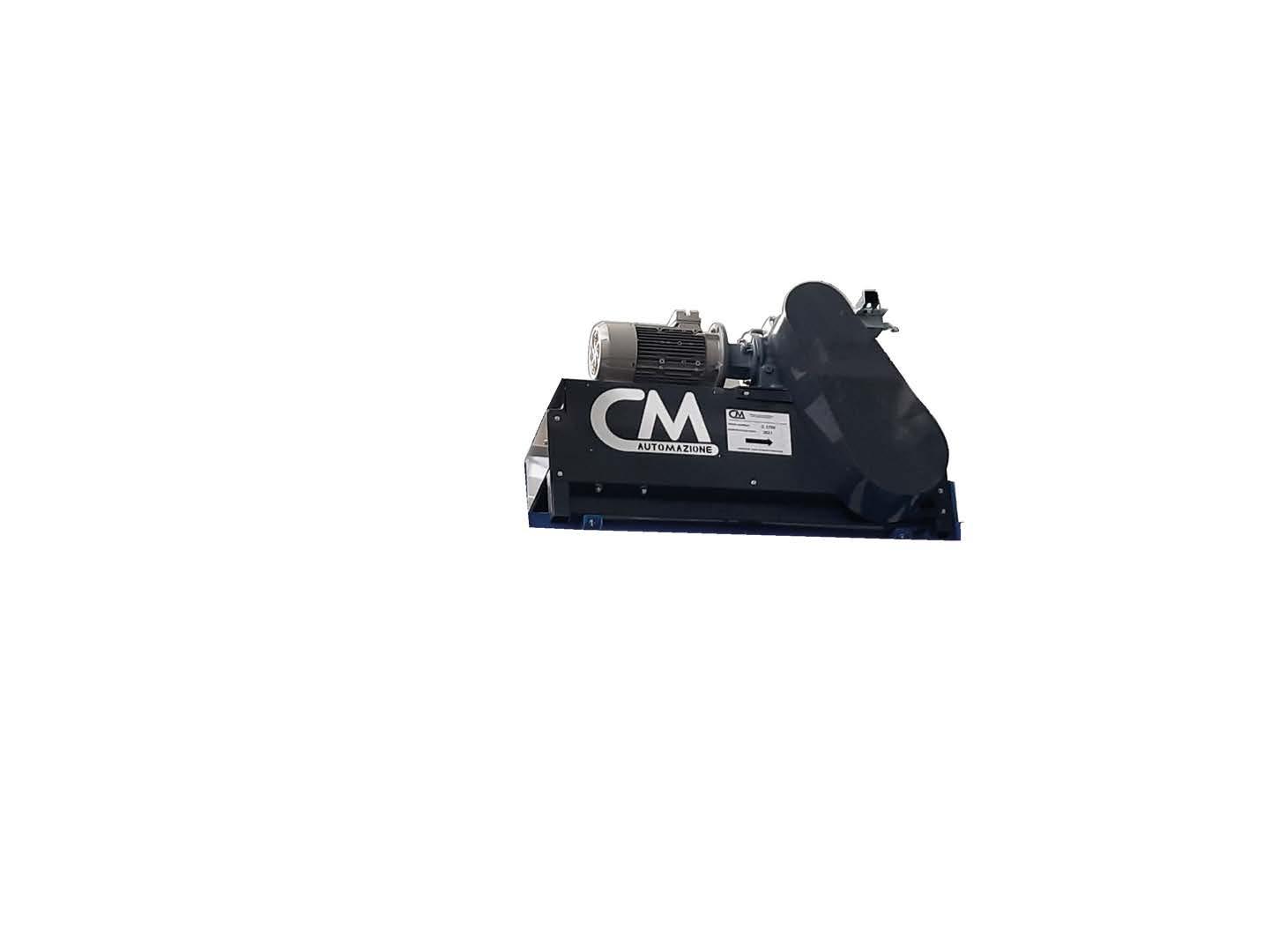
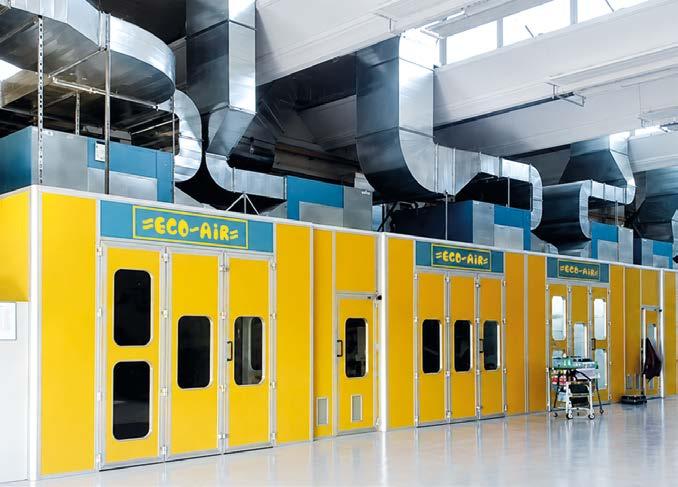
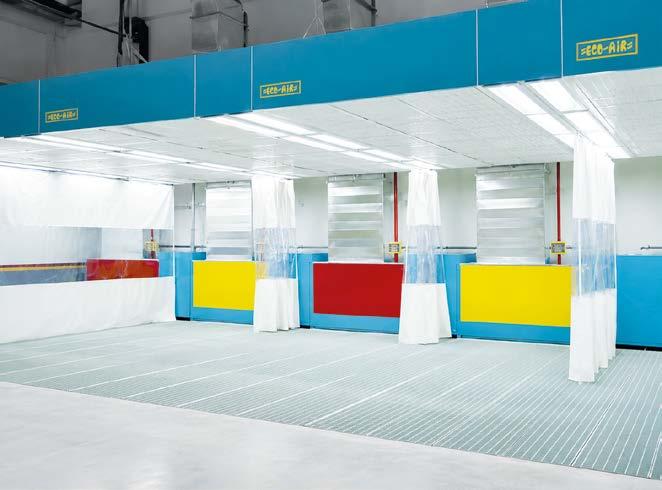
As weight reduction is a key factor in improving vehicle acceleration, handling, and overall efficiency, carbon fibre components require extremely reliable coating processes that preserve their structural characteristics while maximising their aesthetic appeal. The finishing process for carbon fibre parts begins with sanding, cleaning, and sandblasting, which are fundamental to achieving perfectly uniform surfaces ready for subsequent treatments. Specific primers are then applied to ensure the adhesion of the various layers of paint. The parts, handled by an inverted automatic conveyor, pass through the coating booths and drying ovens in a carefully controlled cycle. Depending on requirements, up to 7 layers of paint may be applied. The result is a finish of the highest quality, capable of enhancing the carbon weave while providing high protection against atmospheric agents, abrasion, and mechanical stress.
The solutions designed by Linea Eco Air focus not only on finishing quality but also on optimising consumption and safeguarding the work environment. The energy efficiency of the booths, the high performance of the filtration systems, and the precise control of process parameters ensure lower operating costs and safe working conditions for operators. These aspects are particularly important in a sector where manufacturing excellence must go hand in hand with reliability, operational continuity, and sustainability.
This success case demonstrates Linea Eco Air’s ability to develop customised systems for high-value applications where precision, reliability, and attention to detail are essential. From the ECO-SMART preparation stations to the aluminium coating booths and the finishing systems for carbon fibre parts, each solution is designed to deliver consistent, perfectly repeatable results, fully compliant with the automotive industry’s highest standards.
When colour becomes a symbol of identity, performance, and status, coating quality is decisive. Every perfectly polished surface, every flawless reflection, and every subtle shade is the result of advanced technologies, specialist expertise, and meticulous attention to detail. With over forty years’ experience and hundreds of plants installed worldwide, Linea Eco Air continues to transform coating technology into a key pillar of Italian manufacturing excellence, helping to shape and colour some of the world’s most iconic and sought-after cars.
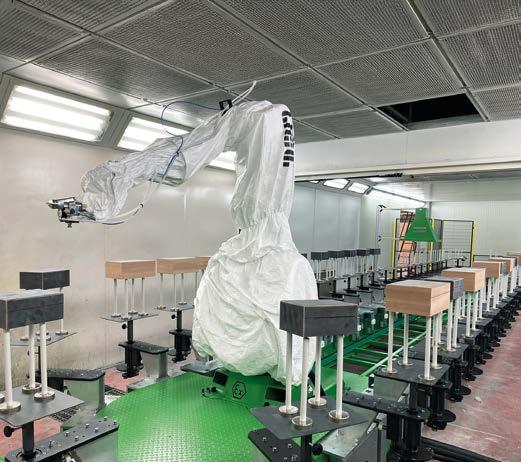
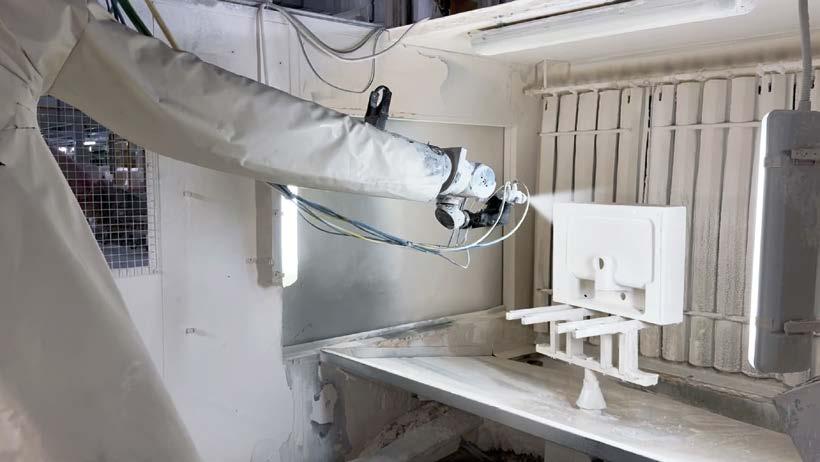
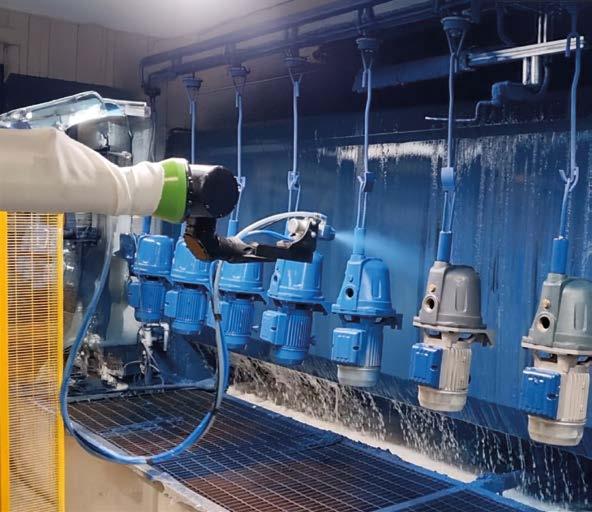
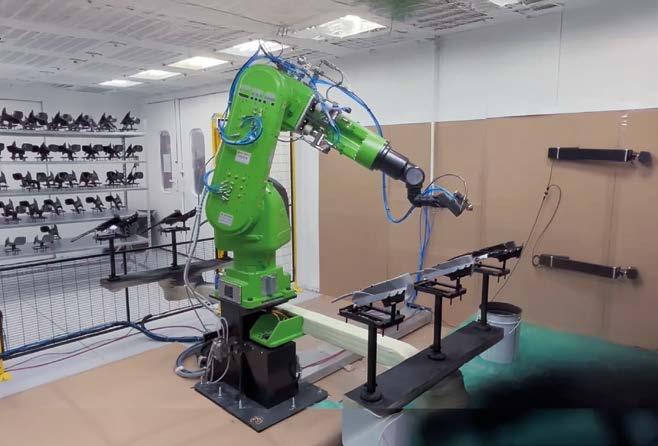
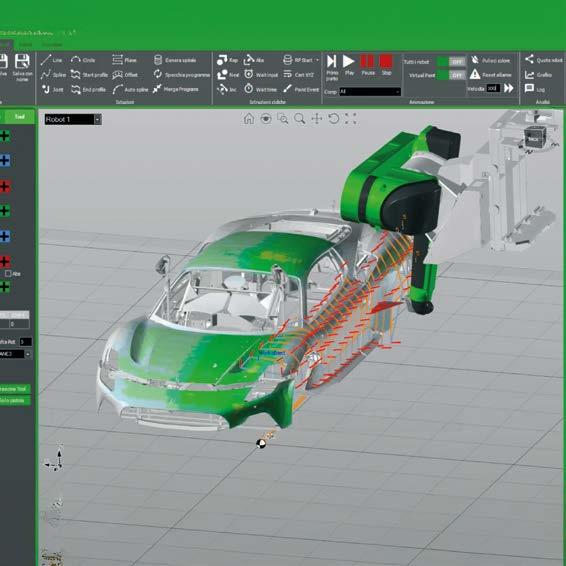
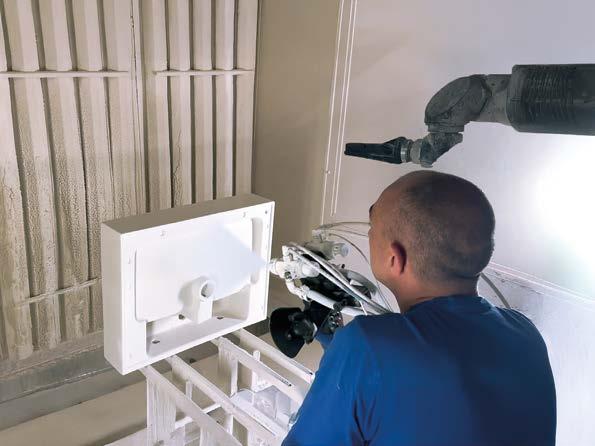
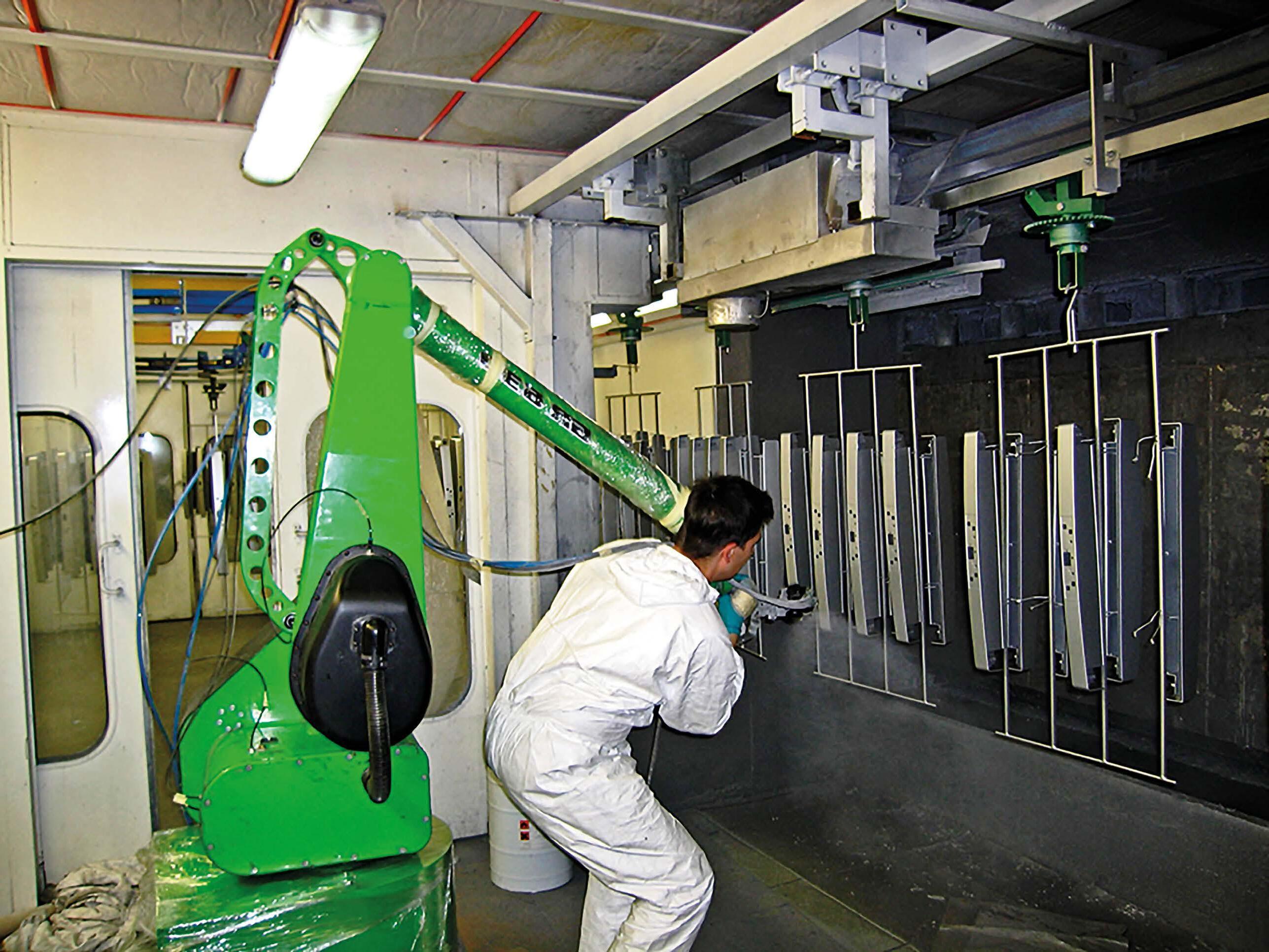
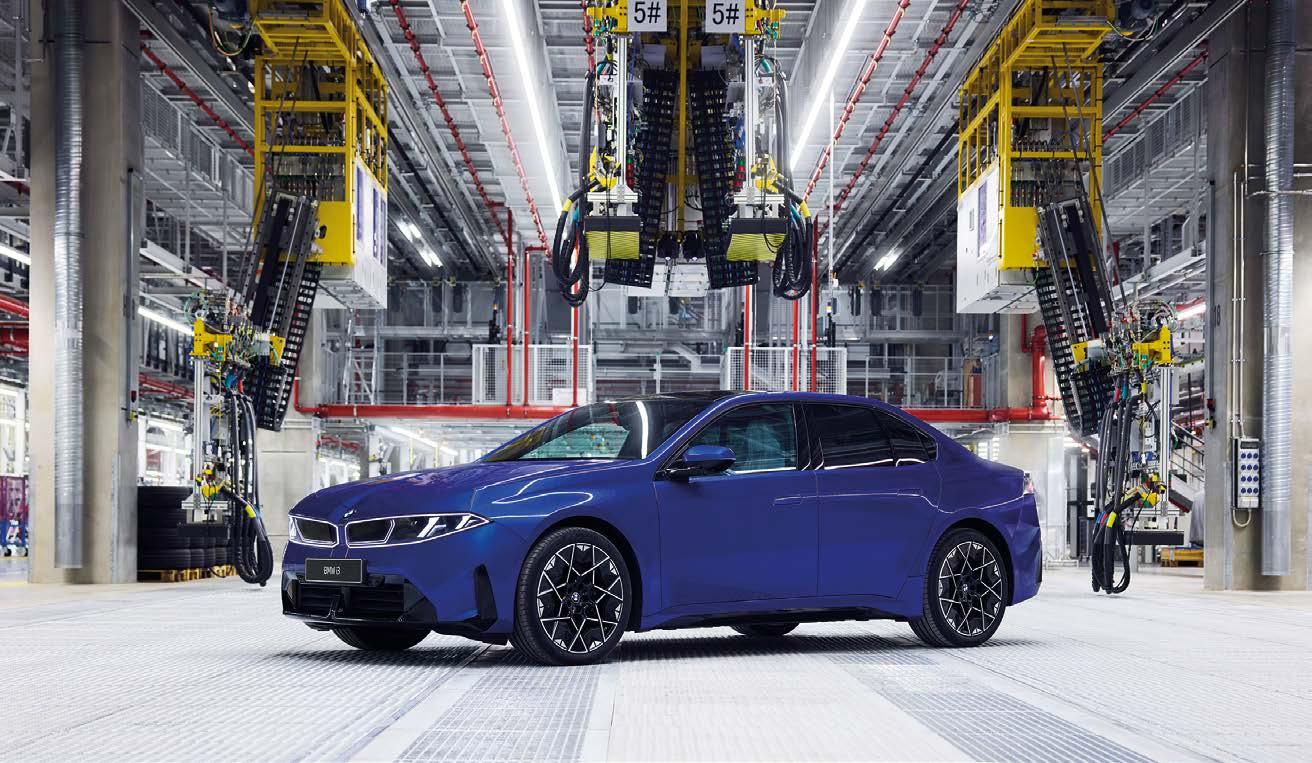
SPECIAL ISSUE ON AUTOMOTIVE &TRANSPORTATION
Sandra Schillmoeller, BMW Group – Munich, Germany Sandra.Schillmoeller@bmwgroup.com
The BMW Group Plant in Munich has been transformed into a true digital factory, with the paint shop remaining its beating heart, for the fully electric production of the new BMW i3. Here, digital and AI-assisted systems manage key quality processes, and an energy-efficient, electrically powered eRTO system for exhaust air purification has been integrated with heat and energy recovery systems as well as water-saving cycles.
BMW Group Plant Munich is approaching the biggest milestone in the transformation process: series production of the BMW i3, the second model in the Neue Klasse range, gets underway here in August. This marks the start of the rollout of the Neue Klasse within the BMW Group’s global production network.
“We have been making rigorous preparations. With the BMW iFACTORY we have devised a consistent, strategic framework for our production,” explains Milan Nedeljković, Member of the Board of Management of BMW AG, Production. “We have paved the way for the upcoming start-ups in all our plants and have invested heavily in technologies, digitalisation and AI.”
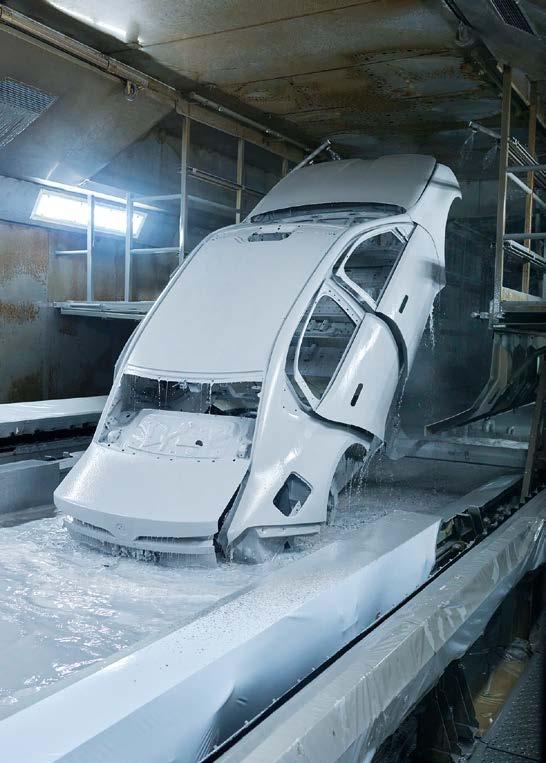
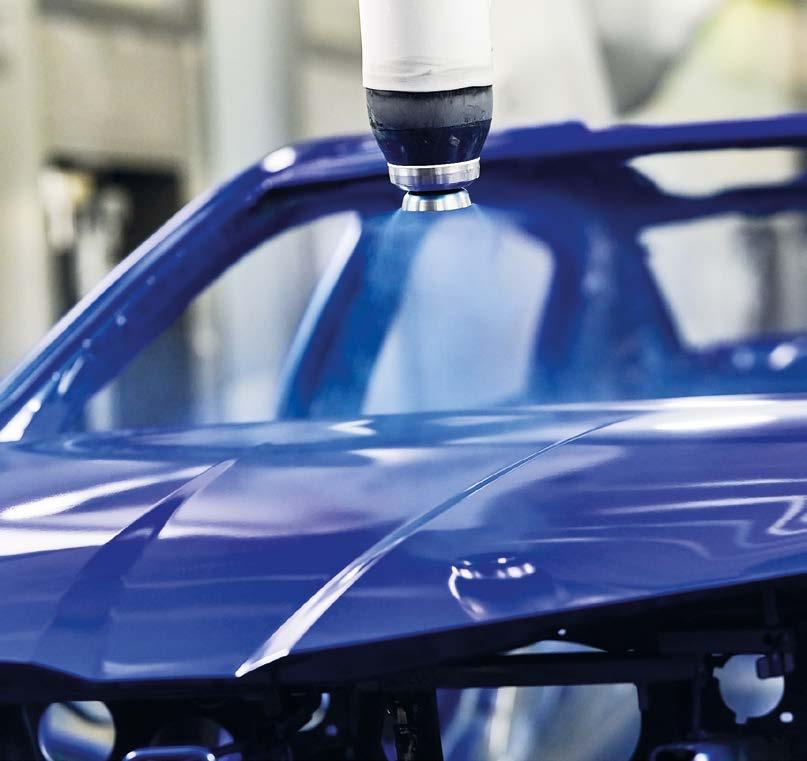
BMW Group Plant Munich has undergone extensive modernisation in recent years. The result is a plant that now works even more efficiently, flexibly and digitally, and is optimally positioned for the requirements of electric mobility and the Neue Klasse.
But that’s not all: as of 2027, the Munich plant will exclusively produce all-electric vehicles and thereby achieve a further boost in efficiency. This is assisted by proactive planning, close collaboration with development teams and suppliers, as well as modern production technology in the new structures. “We have considerably reduced production costs over recent years. With the start of production of the BMW i3, we will reduce overall production costs at the Munich plant by a further 10 per cent, bringing them below the level of the current vehicle generation,” says Peter Weber, Head of BMW Group Plant Munich. In addition to optimised production processes and targeted automation and digitalisation, the new vehicle architecture of the Neue Klasse also ensures efficiency.
Plant Munich is investing around 650 million euros in its transformation into a fully electric production site.
Plant Munich has been consistently reinventing itself for more than 100 years – from a location outside the city to today’s site surrounded by it.
The facility has undergone a fundamental process of redevelopment for the Neue Klasse – with production of up to 1,000 vehicles a day continuing during this period. A new body shop and state-of-the-art vehicle assembly including new logistics areas were set up on an area spanning around a third of the plant’s footprint. Extensive updates have also been made to existing technologies. Plant manager Peter Weber highlights what the workforce has achieved: “The people at the factory played an essential role in making this transformation a success. With their high level of expertise, enthusiasm and tremendous dedication, our employees have shown that world-class industrial production is possible even under the toughest conditions. The BMW i3 is just the beginning – several Neue Klasse models will be manufactured in Munich in the future, including the BMW i3 Touring.”
The BMW iFACTORY focuses on the areas of efficiency, sustainability and digitalisation. Within this framework, the company’s plants around the world are implementing site-specific solutions and, in so doing, strengthening the company’s resilience as well as its ability to deliver reliably at any time and worldwide. This vision has now also been consistently implemented across all technologies at BMW Group Plant Munich.
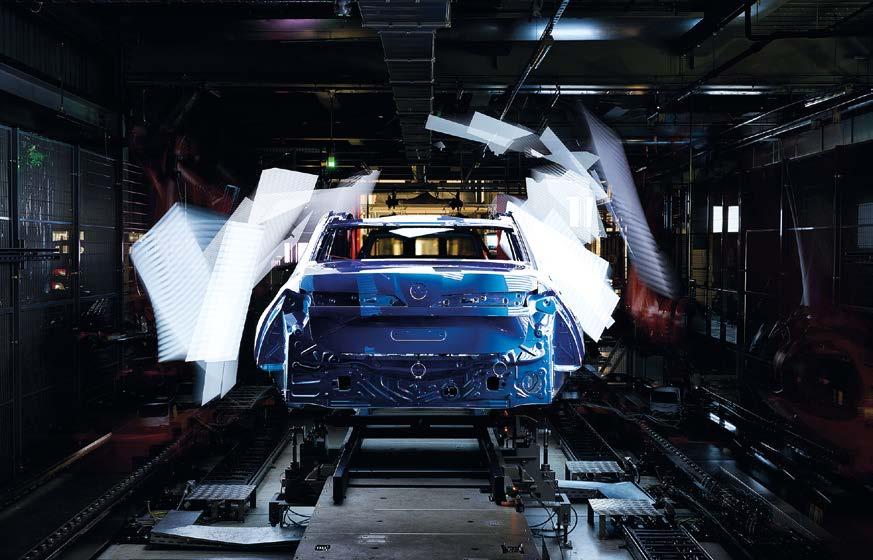
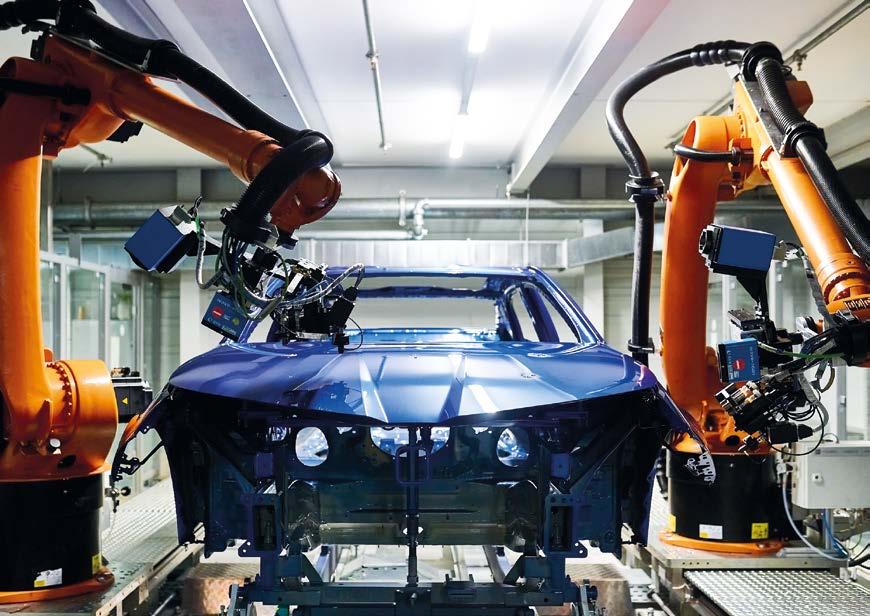
“We have rethought the entire value stream from supplier to finished customer vehicle. We have looked at every single process in detail and made optimisations. Now our plant is even more efficient, more flexible and even more digitised than ever before. We are thereby safeguarding the future viability of the plant,” adds Peter Weber.
In the press shop, steel and aluminium boards are turned into tens of thousands of components on highly automated press lines daily. Uniform press and tool standards across the global production network result in efficiencies on many levels: installation and integration of the systems are standardised, tools for the presses can be swapped within the network, and employees can work at various locations and help each other. An AI-assisted camera system supports quality control before an underground transport system moves the parts to the body shop. Output has increased significantly compared with previous structures. Cuts of steel and aluminium are collected, sorted and then used to manufacture new steel or aluminium coils.
Plant Munich has set up a new body shop for the Neue Klasse featuring systems planned and realised using a virtual twin. A total of 800 new industrial robots take care of the joining processes here; decreasing the number of joining processes to five reduces process complexity. With an automation rate of around 98 per cent, robots perform the majority of standardised processes. Automated surface inspection (ASI) assists with quality assurance. The energy-efficient building complies with the KfW 40 EE standard and uses a photovoltaic system to generate its own electricity.
Numerous new technologies have benefited the paint shop at the Munich plant, which was reopened in 2017. In a production area of approximately 13,500 square metres, up to 1,000 car bodies are painted each
day. Innovative six-axis robots enable maximum freedom in painting processes and therefore allow the paint shop to respond flexibly to special customer requests, such as individual colours and matt paints. Like in the body shop, automated surface inspection (ASI) is also performed in the paint shop; it uses artificial intelligence to detect irregularities and record the smallest deviations digitally. Automated surface processing (ASP) then rectifies the deviations. This paint shop has been implementing the innovative eRTO process to purify exhaust air since the middle of the year. eRTO stands for “electric regenerative thermal oxidation”, a process that purifies exhaust air from the paint lines at temperatures of 800 to 900 degrees Celsius and, unlike in the past, runs exclusively on electricity. During the purification process, the exhaust air passes through a ceramic bed, where solvent residues are burned off. For this, the air must be heated to high temperatures in a short space of time. Due to its high thermal recovery rate, with heat effectively retained within the system, the eRTO system delivers a high level of energy efficiency. To conserve energy when heating and cooling the general factory air, the paint shop uses a rotary heat exchanger in various buildings. The supply and exhaust air is routed through this heat exchanger all year round. Depending on the time of year, the fresh air is
either warmed or cooled by the exhaust air. This enables 72 per cent of the heat to be recovered.
The process temperature from the drying machines is also recovered. A hot water heat exchanger is used for this purpose, to prevent the waste heat from being released unused and unnecessarily into the environment.
The thermal energy gained in this way is fed into the paint shop’s heat network and thus made available again to process-related heat consumers. Water is an essential element of the painting process. Thanks to efficient processes and innovative technologies, water consumption per vehicle has already been reduced in recent years. A particular attribute of the Munich plant is that groundwater from the site – rather than fresh water – is used as process water.
At BMW Group Plant Munich, a new fully digitalised assembly area has replaced engine production: during the assembly process of the BMW i3, it will be possible to digitally transmit to the production system the status of up to 20,000 features.

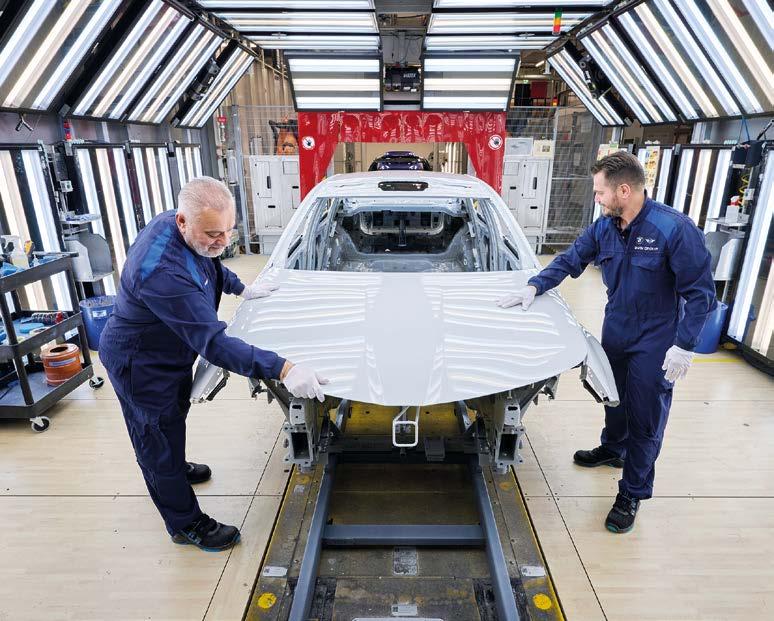
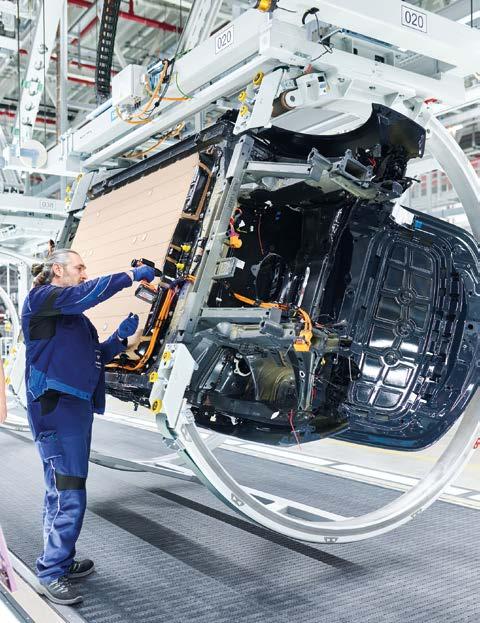
Plant logistics focuses on efficiency and direct integration with production, leveraging a multi-storey structure to reduce internal transport, optimise space and speed up supply processes. At the same time, automation has been significantly increased: automated systems, robots and autonomous vehicles will handle around 60% of logistics activities. A unique feature of the Munich plant is its in-house seat manufacturing: a true “plant within a plant”, regarded as a benchmark for quality assurance within the BMW Group, thanks to modern, largely automated processes.
With the new assembly plant for high-voltage batteries in IrlbachStraßkirchen (Lower Bavaria, Germany) around 90 minutes away, the BMW Group is significantly boosting value creation in the Bavaria region. In keeping with the “local for local” approach, Irlbach-Straßkirchen will deliver high-voltage Gen6 batteries to the Munich plant as well as other German locations. Here, the batteries will be installed in the BMW i3. Manufacture of the high-voltage batteries combines a rigorous zero-defect approach with the latest production technologies, which were developed at Bavarian pilot plants.
With seamless inline quality controls, digital twins and the systematic use of artificial intelligence, the BMW Group is setting new standards in battery production.
The Gen6 e-motor for the BMW i3 is produced at BMW Group Plant Steyr in Austria – a location that has been manufacturing drivetrains for over 40 years. With the first e-motor in the portfolio, the plant is developing its role as a prime example of technology openness. All core components of the highly integrated e-drive – from the rotor and stator to the inverter and transmission – are produced on-site. New production lines and state-ofthe-art clean room environments have been set up for this. The aluminium foundry at BMW Group Plant Landshut supplies the e-motor housing for Plant Steyr.
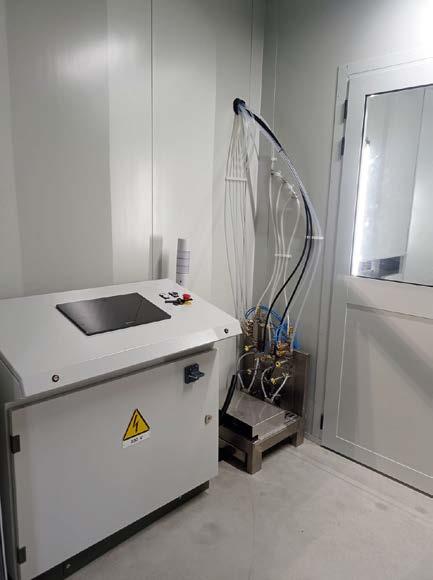
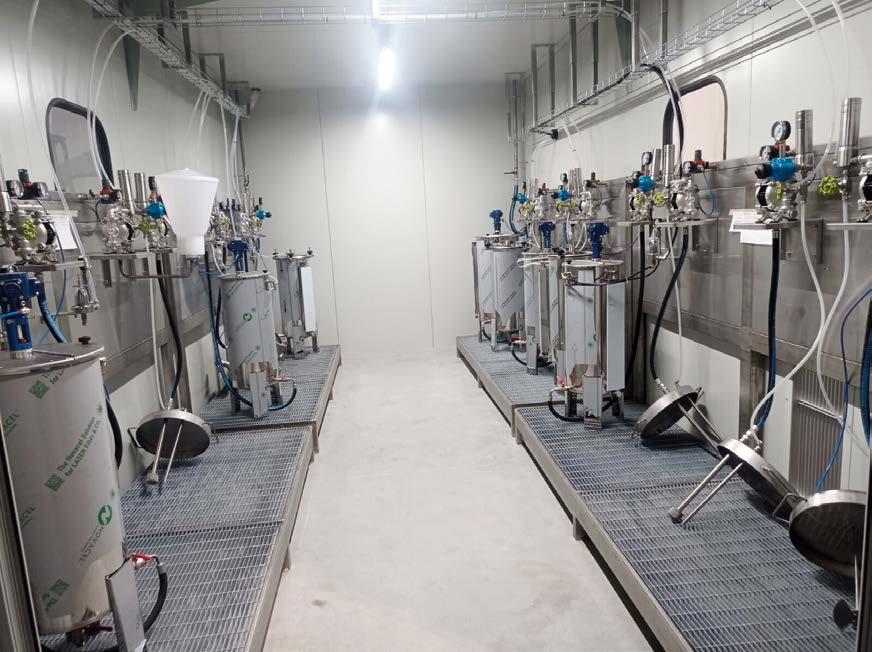
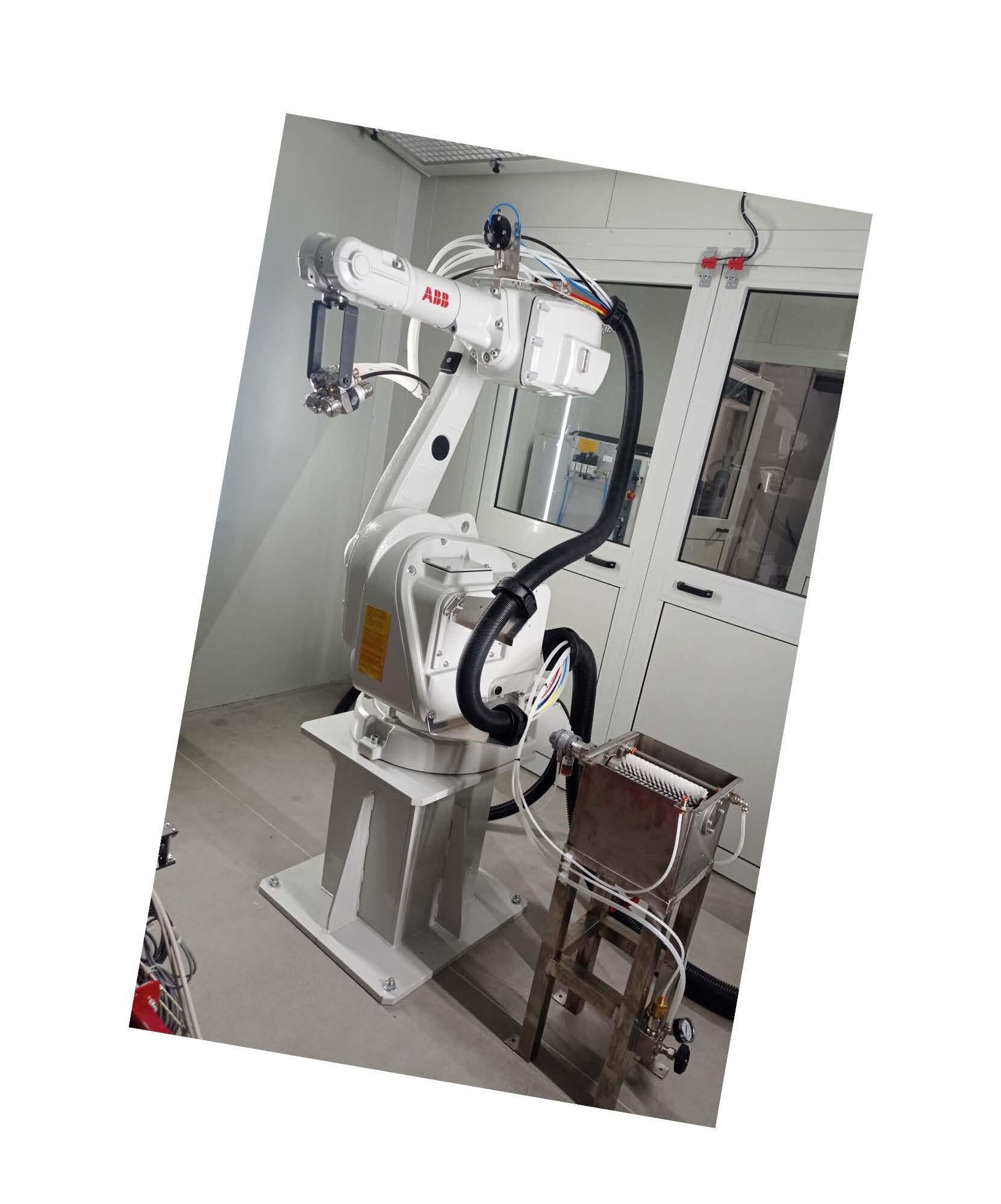

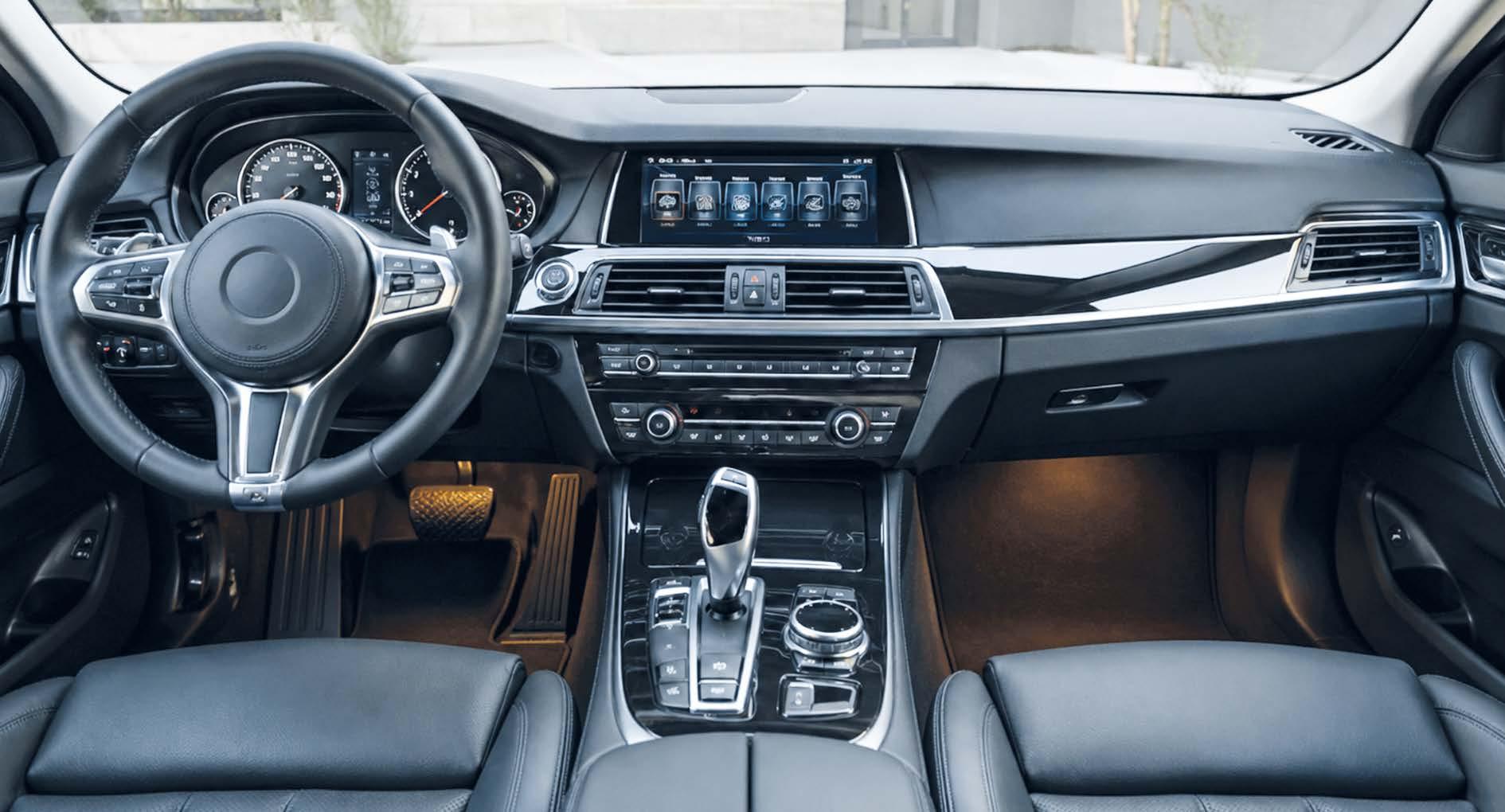
SPECIAL ISSUE ON AUTOMOTIVE &TRANSPORTATION
Antonio Angolemme
Kenosistec (Casarile, Milan, Italy) antonio.angolemme@kenosistec.it
Kenosistec’s PVD technology redefines chrome plating for plastic components, optimising processes, performance, and sustainability in the automotive sector.
Aesthetics, performance, and sustainability: these are the three pillars underpinning Chrome+, a PVD technology developed by Kenosistec to redefine chrome plating on plastic components in the automotive sector. Chrome+ introduces an innovative approach to producing highly aesthetic chrome-plated surfaces by streamlining production processes and meeting the latest requirements for design, efficiency, and industrial sustainability.
A breakthrough in chrome plating for the automotive industry
Chrome+ was developed to address the limitations of traditional finishing processes. This patented plastic coating technology eliminates the need for electroplating, replacing it with an innovative two-layer process: a base layer featuring a patented UV coating and a PVD layer, with no need for a top coat. The result is a glossy, satin, or matt chrome finish that can be applied directly to plastic parts, which are increasingly common in automotive interiors because they reduce weight, costs, and manufacturing complexity.
Handles, mouldings, trims, logos, and interior details can thus achieve a high-end aesthetic without resorting to metal, while maintaining lightness, design flexibility, and production efficiency.
From an industrial perspective, the advantages are clear: lighter components, significantly reduced production costs, and greater freedom to develop customised aesthetic solutions. And, above all, visual quality comparable, if not superior, to that of traditional materials.
The heart of Chrome+ is Hi.P.PO, the PVD technology developed by Kenosistec to enable the deposition of chromium at low temperatures and high deposition rates. This is crucial because many plastics, particularly recyclable ones, are heat-sensitive and difficult to process using conventional methods. Thanks to this innovation, Chrome+ ensures:
no deformation of the plastic substrate;
uniform, durable coatings;
reduced processing times;
improved finishing stability and repeatability;
compatibility with materials that meet current sustainability requirements.
This combination of aesthetics, durability, and process stability makes Chrome+ a particularly attractive solution for OEMs and designers.
One of the most significant benefits of Chrome+ is its contribution to industrial sustainability. Its technology aligns with REACH and RoHS regulations, thanks to the absence of hazardous materials and the elimination of traditional electroplating. For the automotive industry, increasingly focused on the green transition, this offers a tangible competitive advantage by reducing the environmental impact of the finishing process without compromising aesthetic quality or technical performance. Chrome+ demonstrates that technological innovation and sustainability can move in the same direction, generating value for manufacturers, designers, and end users.
In recent years, plastic has become increasingly important in automotive engineering and design. However, the challenge has always been to balance lightness, efficiency, and perceived quality. Chrome+ precisely addresses this need by transforming plastic materials into highly aesthetic, durable surfaces suitable for high-value applications. PVD technology is already considered a key solution for achieving high-quality finishes in the automotive industry, thanks to its ability to produce thin, uniform, and durable coatings, opening up new possibilities for:
interior components such as dashboards, decorative inserts, and functional details;
exterior elements such as trim, logos, mouldings, and aesthetic components.
Efficient and space-saving powder management, equipped with OptiSpray All-in-One application pump technology and DualSpeeder. The OptiCenter uses MultiColor Switch technology, which enables the fastest switching between OptiSpeeder containers and the cleanest color change between alternating colors.


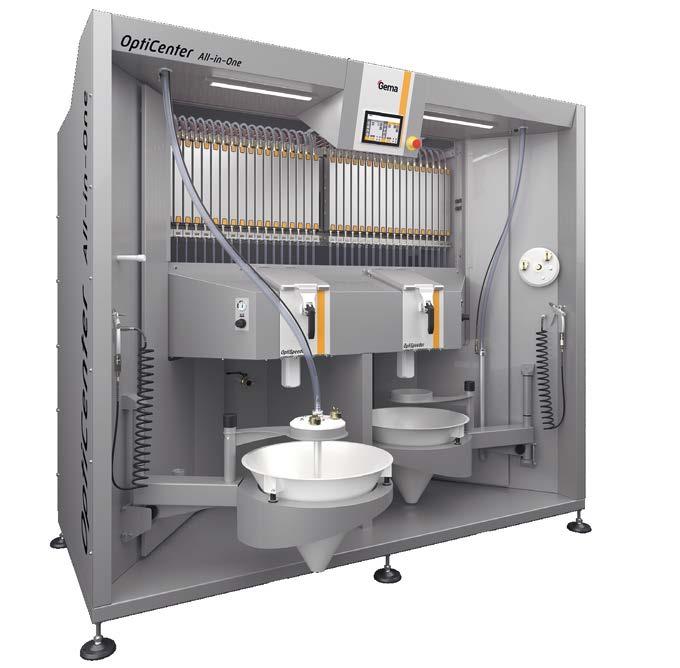


Now, Chrome+ expands the language of automotive design through new combinations of material, colour, surface finish, and technical performance.
One of the most significant projects Kenosistec is developing focuses on colour. The aim is to produce lighter, more cost-effective components while maintaining very high quality standards and, at the same time, expanding the colour range to the limits permitted by PVD technology. Today, the automotive market demands ever greater customisation and stylistic consistency between interiors and exteriors, making colour a central element in design rather than a mere decorative feature. That is why the company is working to overcome the traditional limitations of chrome plating, opening up new creative possibilities while continuing to deliver the technical performance required by the sector in terms of strength, durability, and long-term stability. The challenge is twofold: on the one hand, to expand the colour palette; on the other,
to ensure uniformity and repeatability on an industrial scale, both of which are key priorities for automotive manufacturers. PVD technology provides an advanced foundation, but it requires ongoing research into materials, processes, and the interactions between plastic substrates and coatings. The ultimate goal is to offer designers almost total creative freedom, with surfaces that are lightweight and sustainable yet capable of standing out aesthetically. Looking to the future, Kenosistec envisions a scenario in which finishes are no longer a technical limitation but a creative tool that supports the evolution of automotive design towards increasingly innovative and distinctive solutions.
Chrome+ offers designers greater flexibility, providing not only the classic chrome effect but also a wider range of finishes. At the same time, this versatility remains aligned with the technical requirements of the automotive sector, as surfaces must continue to guarantee
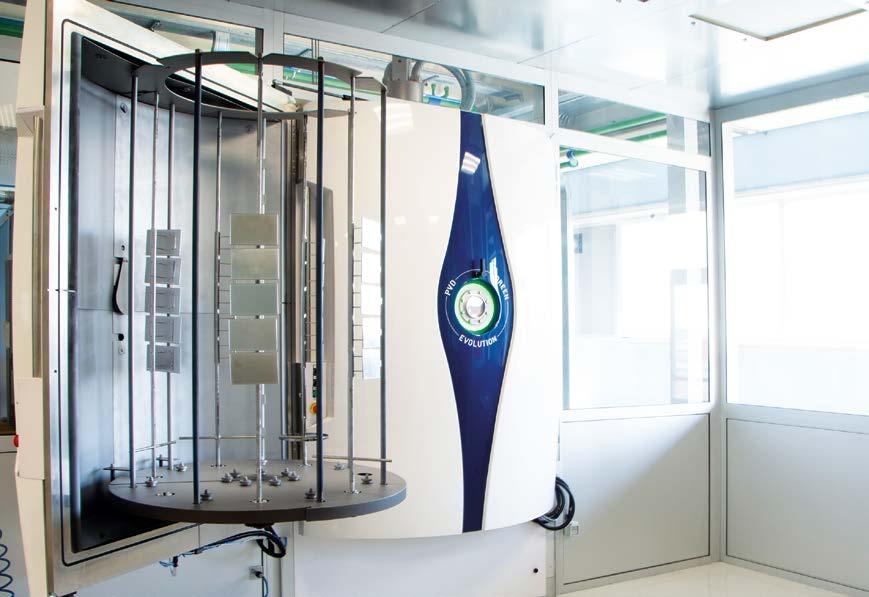
wear resistance, long-term stability, visual consistency, and compatibility with high-efficiency production cycles. This is precisely where Chrome+ makes the difference: it expands aesthetic possibilities while maintaining the high standards required by the sector.
Another key aspect is industrial scalability. Offering colour variants is only valuable if they can be precisely replicated at high volumes, in line with OEM specifications. For this reason, Kenosistec’s research focuses not only on aesthetics but also on process and result repeatability, achieved through the development of specific formulations and a structured R&D programme.
Chrome+ marks a turning point in an industry where every gram counts and every aesthetic detail shapes brand perception. The ability to combine plastic, lightness, and premium finishes with a technology that streamlines the workflow and reduces manufacturing costs opens new possibilities for the design and production of automotive components. Moving forward, the evolution of finishes for the mobility sector will increasingly rely on sustainable, versatile solutions that overcome the limitations of traditional materials. Chrome+ fits into this trend as a technology designed to foster a new generation of smart, customisable surfaces that meet the needs of a constantly evolving automotive industry.
Kenosistec continues to develop advanced PVD solutions to guide OEMs, designers, and industrial companies towards new standards of innovation, sustainability, and reliability.
SINCE 1950
INNOVATION THAT STANDS THE TEST OF TIME, PRECISION BEYOND BOUNDARIES. We do not merely treat surfaces: we transform them into symbols of efficiency and beauty. For more than 75 years, Tecnofirma has been a global partner, enhancing your products with customized solutions and state-of-the-art technologies in the fields of washing, coating, and impregnation. From Italy to the world, we shape excellence with the meticulous craftsmanship of the past and the technological precision of the future.
“Tecnofirma: where technology meets beauty and performance”
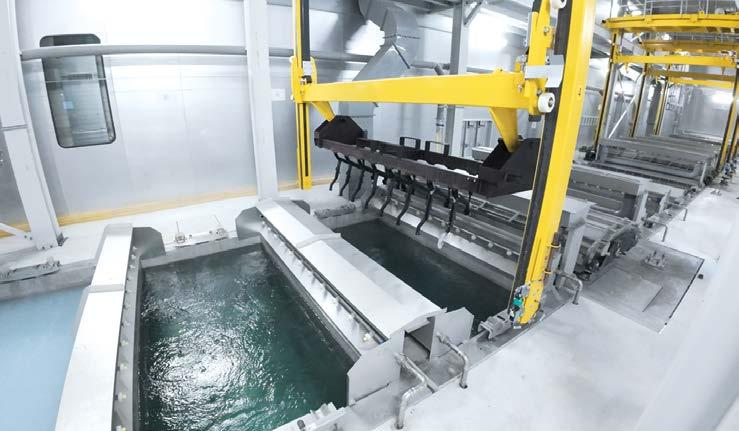
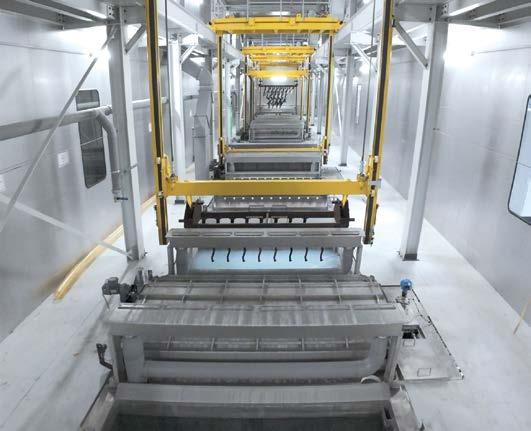
The BMW Group commissioned plant manufacturer Eisenmann GmbH to modernise the PT/ED system for axle carrier production at its Dingolfing plant, the BMW Group’s largest vehicle plant in Europe.
Specialized in international plant engineering for sustainable paint shops, Eisenmann GmbH with headquarter in Böblingen, Germany, has the world’s largest portfolio of conveyor systems for pretreatment and cathodic dip coating processes (PT/ED) in the automotive industry. Thanks to numerous successfully completed complex projects, Eisenmann has extensive experience in optimally utilizing limited floor space in existing plant environments for the benefit of its customers. Against this background, the BMW Group commissioned the plant manufacturer to modernise the PT/ED system for axle carrier production at its Dingolfing site.
The new axle carrier production facility at the BMW Group plant in Dingolfing is designed as a two-stage process, with all process steps fully automated and digitally interconnected. After the front axle carriers are assembled from individual sheet metal parts using welding systems and robots, the chassis components are coated with cathodic dip coating in the second production stage to ensure long-term corrosion protection.
Pretreatment and cathodic dip coating form the foundation of the complex automotive painting process. Even at this early stage, minor details are decisive for a smooth production flow and high coating quality. Within an existing production hall, Eisenmann implemented a pretreatment and cathodic dip coating system measuring 55 × 25 meters with a height of 9 meters. The electric exhaust air purification system (a three-chamber E-RTO unit with a capacity of 1,500 Nm³/h) as well as the cooling unit for the cathodic dip coating bath /ED-bath and supply air were installed on the hall roof.
Approximately 5.5 km of piping and more than 50 km of cables were installed to connect the various system components. The plant comprises 25 process tanks with a total volume of around 236 m³, eight of which are heated and one cooled.
In the approximately 50-meter-long process tunnel, the front axle carriers are cleaned, rinsed, pickled, zinc-phosphated, and finally primed in the ED section in a synchronized cycle process. For this purpose, workpiece carriers loaded with eight axle carriers each are transported in sequence into the respective process and treatment tanks by seven fully automated hoist systems, remaining in the immersion baths for between 60 and 300 seconds depending on the process step. Tilting devices in the ED tanks and activation zones ensure the necessary freedom of movement for the components.

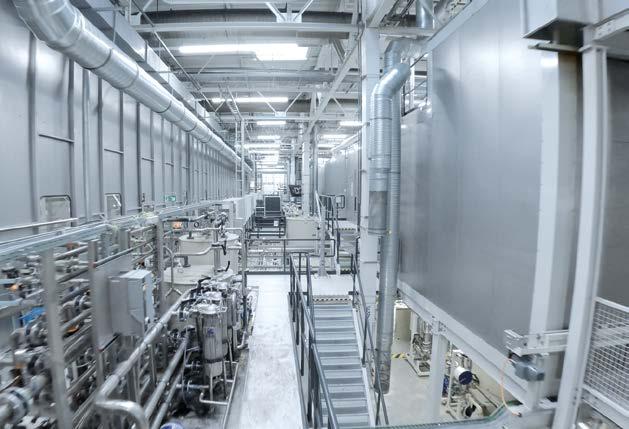
To prevent the escape of vapours into the hall atmosphere, the heated process tanks are covered with folding closures. Additional edge extraction systems and a dust protection tunnel installed over the entire PT/ED area provide further protection against contamination. The 25 PT/KTL system tanks as well as 20 storage and counterflow tanks are located at the 0-meter level. The tanks for intermediate wastewater buffering have a total volume of 160 m³ and are divided into oil-containing and acidic media. This level also houses the fully automated replenishment stations for the activation baths as well as the pumps and filters required for bath maintenance. The entire system was installed in a recessed containment basin with a retention volume of 198 m³. Ventilation of the process tunnel is provided by a supply and exhaust air system, whose crossflow heat exchanger is also used for energy recovery.
To improve the CO₂ footprint, an electrically heated KTL curing oven with nine cycles and a heating capacity of 650 kW was integrated. After curing, the coated components are cooled in two cooling zones. Outside the process tunnel, material transport is handled by the Eisenmann Power & Free conveyor system, designed for loads of up to 500 kg. The workpiece carriers, measuring 2.6 m in length and 1.4 m in width, are transported to an empty carrier storage area located beneath the hall roof. Transfer between the loading units and the Power & Free system is fully automated.
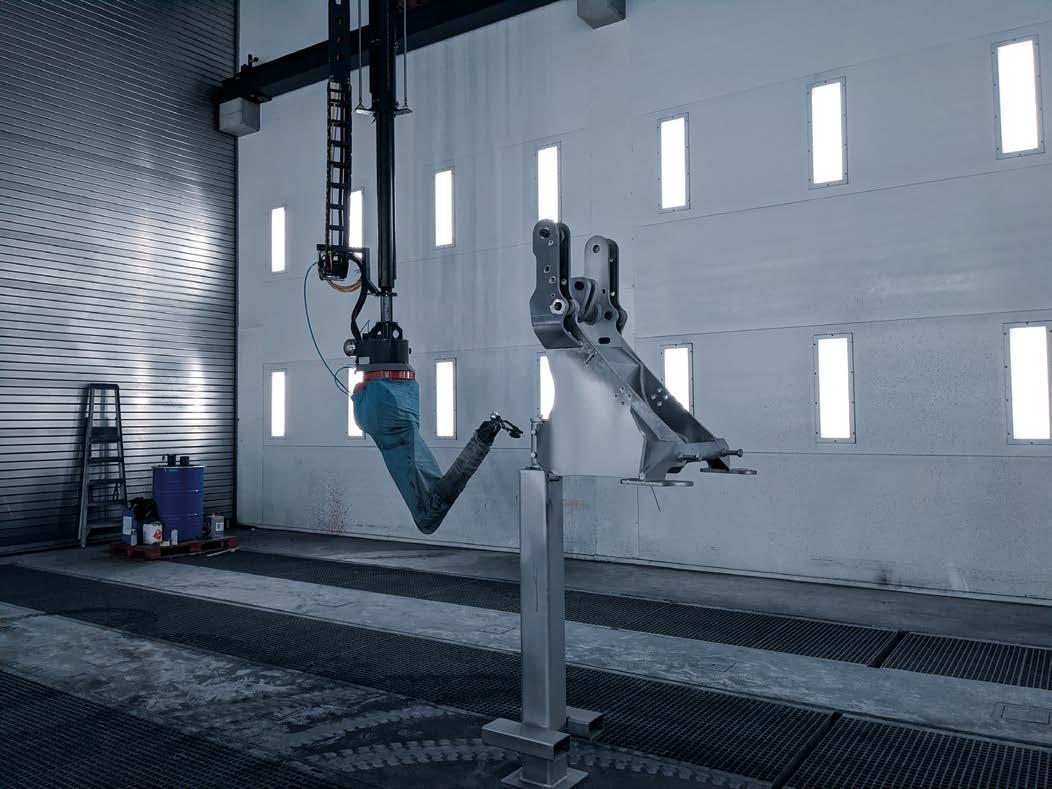
As a general contractor, Eisenmann delivered the complete solution from a single source. As part of the two-stage high-tech production line, the modern PT/ED system makes a significant contribution to increased efficiency and flexibility in response to changing production requirements.
For further infomation: www.eisenmann.com
Burrow Fabrications restored a Scania 560 by using Acrythane 4G, a next generation commercial topcoat. The project was a collaboration between high-performance paint manufacturer HMG Paints and its long-time distributor Mallaband Factors.
Acomprehensive refurbishment project on a Scania 560 has been successfully completed by James Burrow of Burrow Fabrications, using high-performance coatings manufactured by HMG Paints and supplied by Mallaband Factors. The refurbished vehicle will be returning to the road in a high gloss red thanks to HMG’s market leading Acrythane 4G. The project involved a full sandblast and restoration of the vehicle, ensuring a clean foundation for a durable and high-quality finish. By combining expert fabrication and preparation with industry-leading coating systems, the refurbishment has delivered a long-lasting and professional result across all areas of the vehicle.
To ensure maximum durability and protection, working with HMG Paints, the team at Mallaband Factors were able to specify a multi-stage coating system applied to different areas and substrates of the vehicle, each of which was carefully selected to suit the demands of heavy-duty commercial transport.
Speaking of the project James Mallaband, Partner at Mallaband Factors said “When we were approached by our customer James Burrow Fabrications to provide a high spec commercial vehicle refurbishment system, we knew that partnering with HMG Paints would be the solution, and we knew that Acrythane 4G topcoat would provide the ultimate high gloss, durable finish that the customer was seeking. In consultation with HMG’s technical team, a full system was designed and presented to James Burrow to meet the overall durability, protection, and final appearance that he was seeking.”
The chassis was treated with a robust protective system designed to provide long-term corrosion resistance and a high-quality finish.
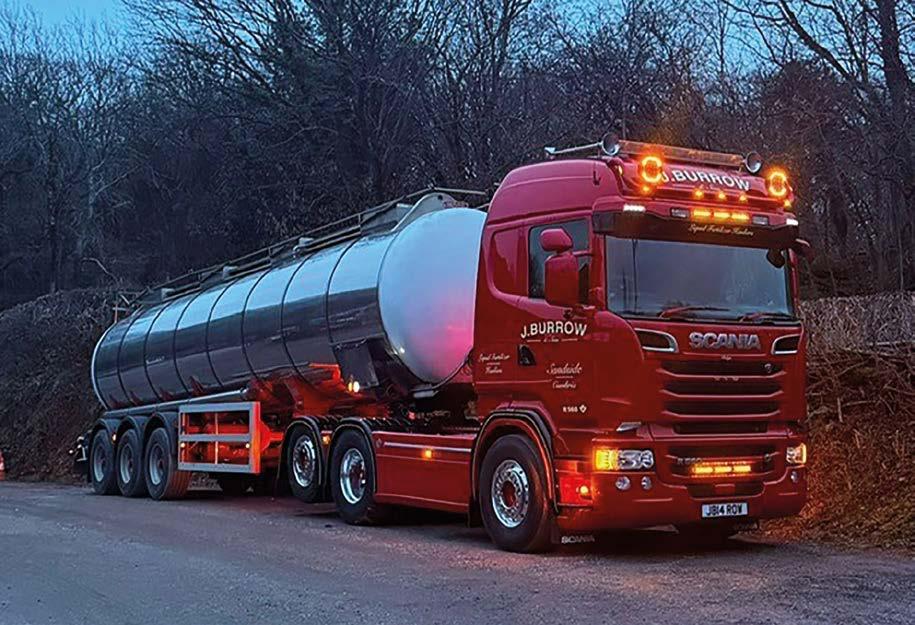
The process included the application of EpiPrime, a Zinc Phosphate 2K Epoxy Primer, containing MIO, designed to offer the ultimate in heavy duty anticorrosion protection. This was then overcoated with EP2 Epoxy Primer and followed by Acrythane 4G black topcoat in RAL. The trifecta of products ensures exceptional adhesion, protection, and gloss retention in demanding operating environments. For the cab, a high-gloss premium finish was required, developed to provide outstanding gloss, final appearance and durability Acrythane 4G was the perfect choice. EP2 Epoxy Primer was selected as the primer of choice and overcoated by a coloured coat of Acrythane 4G in Red, an additional coat of Acrythane 4G Clear Gloss was used to enhance the distinctiveness of image and provide enhanced depth, shine, and long-term surface protection. Other vehicle areas, including plastics and secondary components, were coated using the same go-to system of EP2 Epoxy Primer and Acrythane 4G in a variety of colours, this approach ensured a consistent, high-quality finish across all surfaces of the vehicle.
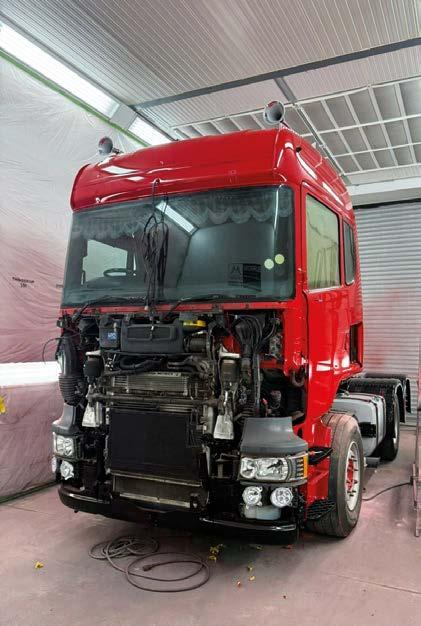
“We are thrilled with the professional support provided by Martin Binnington, Tony O’Connor from our paint manufacturer partner at HMG which helped ensure the supply experience, and end result for the customer exceeded expectations,” said James. A key success of HMG’s growth has been its close working relationship with its network of distributors who are all specifically selected.
Since launching in 2019, Acrythane 4G, with an optimised balance of early hardness, fast cure and long pot life, has fast become the go-to product for OEM’s, repairers and refinishers in many demanding marketplaces.
Acrythane 4G is available in a wide choice of colours, including over 2400 from the HMG ColourBase Colour Box. The ColourBase Colour Box tool consists of colour chips, displayed in chromatic order within 20 fan decks. The ColourBase Colour Box is a multifunction tool, in the sense that not only each colour has a chromatic code that identifies its position in the colour sequence, but it also corresponds to a colour existing on the market for reference. Acrythane 4G and its library of colours is available nationwide from HMG’s distribution partners, who like Mallaband provide local customers with market leading service and products.
The project highlights the effectiveness of combining professional craftsmanship with advanced coating technology. With materials from HMG Paints, supplied by Mallaband Factors, and the skilled workmanship of Burrow Fabrications, the Scania 560 has been restored to a standard that delivers both durability and visual excellence. This refurbishment demonstrates how modern coating systems and expert support and application can significantly extend the lifespan and appearance of commercial vehicles.
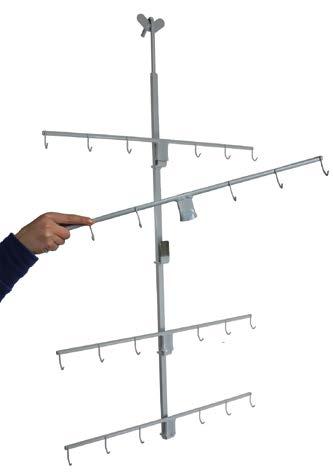
P25 column standard or customizable system to hang from the smallest parts to heavy 6-metre long bars

SPECIAL ISSUE ON AUTOMOTIVE &TRANSPORTATION
BENSELER coats plastic parts for cabinet lock manufacturer BURG and exclusive speed pedelec pioneer Stromer using two different processes: while the high-quality PVD process is used for BURG, BENSELER uses a precisely coordinated wet paint coating for Stromer. Both applications are prime examples of how expertise from the automotive industry can be transferred across industries to sophisticated components with high design standards.
PVD (Physical Vapour Deposition) is a vacuum-based coating process in which the starting material is converted into the gas phase using physical processes and then deposited on the component in thin layers between 3 and 350 nm. The technology is suitable for plastics as well as glass, aluminium, and metallic components and is mainly used in the automotive industry as a substitute for electroplating. However, the surface specialists at BENSELER also use the process specifically for exclusive design elements – for example, for high-quality office furniture or control elements with additional functions.
BENSELER carries out the wet painting of the side battery box flap for the Swiss speed
pedelec manufacturer Stromer. This flap is a key design element in high-quality S-pedelecs, but it must be particularly robust, as stone chips, dirt, and splashing water are inevitable. At the same time, its colour must match that of the frame exactly – across the entire colour palette of the exclusive S-pedelec editions. In order to meet these high design and functionality requirements, the polyamide (PA) flap undergoes a demanding pretreatment and coating process at BENSELER, as well as a multi-layer wet paint finish. The colour fidelity of all parts is checked against an original sample using an optical light measuring device. With this solution, BENSELER contributes to the aesthetics of the S-pedelecs while maintaining the highest quality standards.
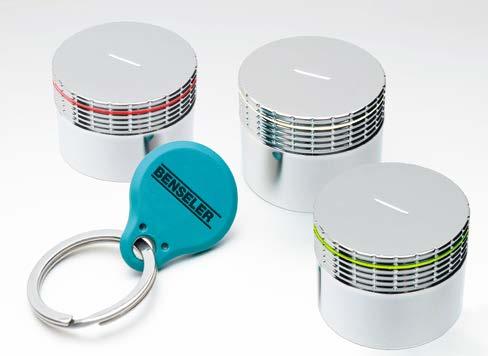
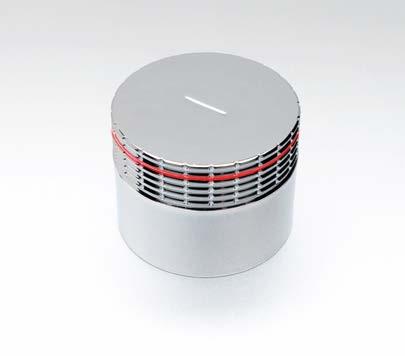
The PVD coating on BURG's Knauf cabinet locks not only ensures an attractive chrome look in USM's high-quality office furniture collection, but is also crucial to the functionality of the lock. Furthermore, the PVD coating from BENSELER provides reliable protection against scratches and abrasion, ensuring a high-quality appearance that even hand perspiration and skin creams cannot damage.
Knauf cabinet lock with Bluetooth technology
Another example of the versatile use of PVD coatings are the Knauf cabinet locks from BURG for the designer furniture manufacturer USM with integrated Bluetooth chip and light signal. A green or red light ring signals to the user whether the lock is locked or open. The PVD coating not only ensures an attractive chrome look in a high-quality office furniture collection, but is also crucial for the functionality of the lock: in addition to the transparency of the coating for the built-in light signal, its permeability for the Bluetooth wave spectrum is also required. In addition, it should ensure a high-quality appearance in two colour variants, be resistant to hand perspiration and skin creams, and be reliably protected against scratches and abrasion.
To achieve this, the polycarbonate (PC) components are first subjected to a complex pretreatment process. This is followed by priming with wet paint using a spray process and the application of chrome colours as a PVD coating. The light ring is then milled out by removing the PVD coating, which provides the necessary transparency for the light signal. Only then is a scratch-resistant clear coat applied as a finishing touch. The combination of these processes results in high durability and a very high-quality appearance. Here, too, absolute colour consistency is a top priority, as the cabinet system itself has metal components that the locks must match. BENSELER ensures the
desired Bluetooth functionality not least thanks to its expertise in the demanding automotive industry, where PVD coating is a popular process for radar and lidar applications.
BENSELER is a competent service provider and partner for technically sophisticated solutions in the fields of coating, surface finishing, deburring, and electrochemical metalworking of series parts.
The BENSELER Group, based in Markgröningen near Stuttgart (Germany), consists of two business divisions: Coatings and Deburring. In 2018, the company also entered the field of additive manufacturing in the metal sector.
The company is constantly developing its core processes, supplementing them with upstream and downstream processes and maintaining system partnerships with its customers. BENSELER therefore understands the needs of the market and can offer solutions with added value. Several locations in Germany, the new subsidiary in Poland and holdings in Switzerland and Czechia ensure proximity to customers.
The BENSELER Group achieved a turnover of around 135 million euros in the 2024 financial year. It currently employs around 980 people, including 30 trainees. Sustainability and social commitment, alongside technical expertise, have shaped the actions of this family-owned company for more than 60 years.

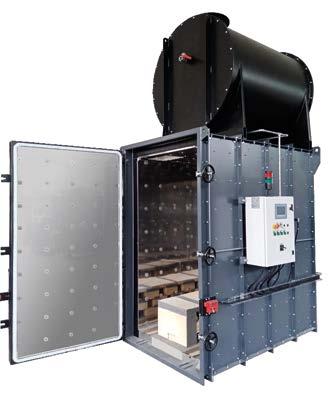
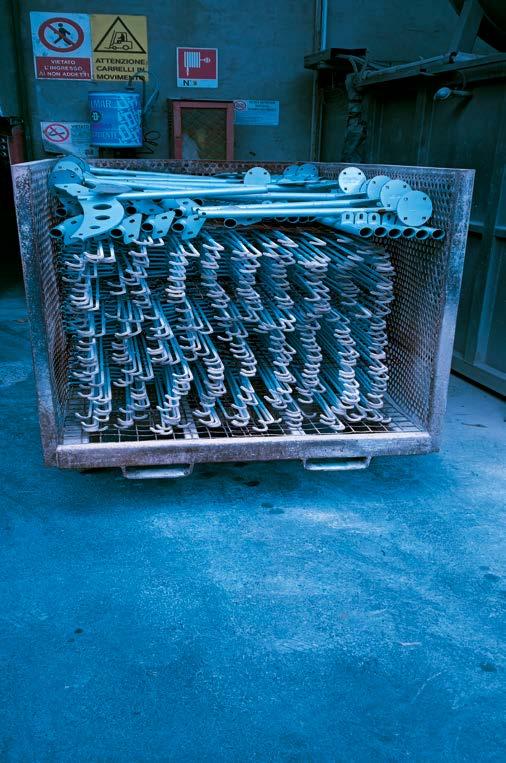

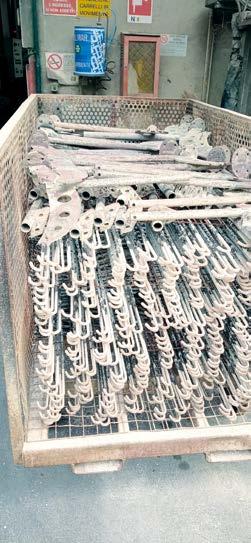
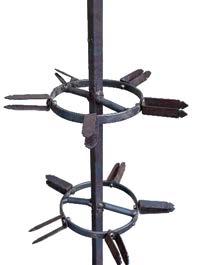
Oscar García Spray S.A. - Barcelona (Spain) oscar.garcia@spray-sa.com
Rising quality standards in the automotive sector call for increasingly automated coating solutions. This article describes a powder application system for wheel rims that utilises 3-axis robots and advanced electrostatic technology to deliver uniform coating thicknesses without manual intervention. The integration of a PRS-A part recognition system and a KPC-4 powder centre completes a technically advanced and economically sustainable solution in the long term.
The growing demand for high-quality finishes in the automotive industry calls for coating solutions that are increasingly precise, efficient, and sustainable. This article describes the engineering, design, and commissioning of an automated electrostatic powder application system for car wheel rims, which operates fully automatically thanks to the integration of 27 S600 electrostatic spray guns and 3 3-axis coating robots specially conceived for this application. Based on ZoftSpray® technology with electrostatic TCC (Total Charge Control) integrated into GCU-S600 control modules, the plant enables uniform coating thicknesses of 70–90 microns to be achieved on 14–18-inch rims without the need for manual touch-ups.
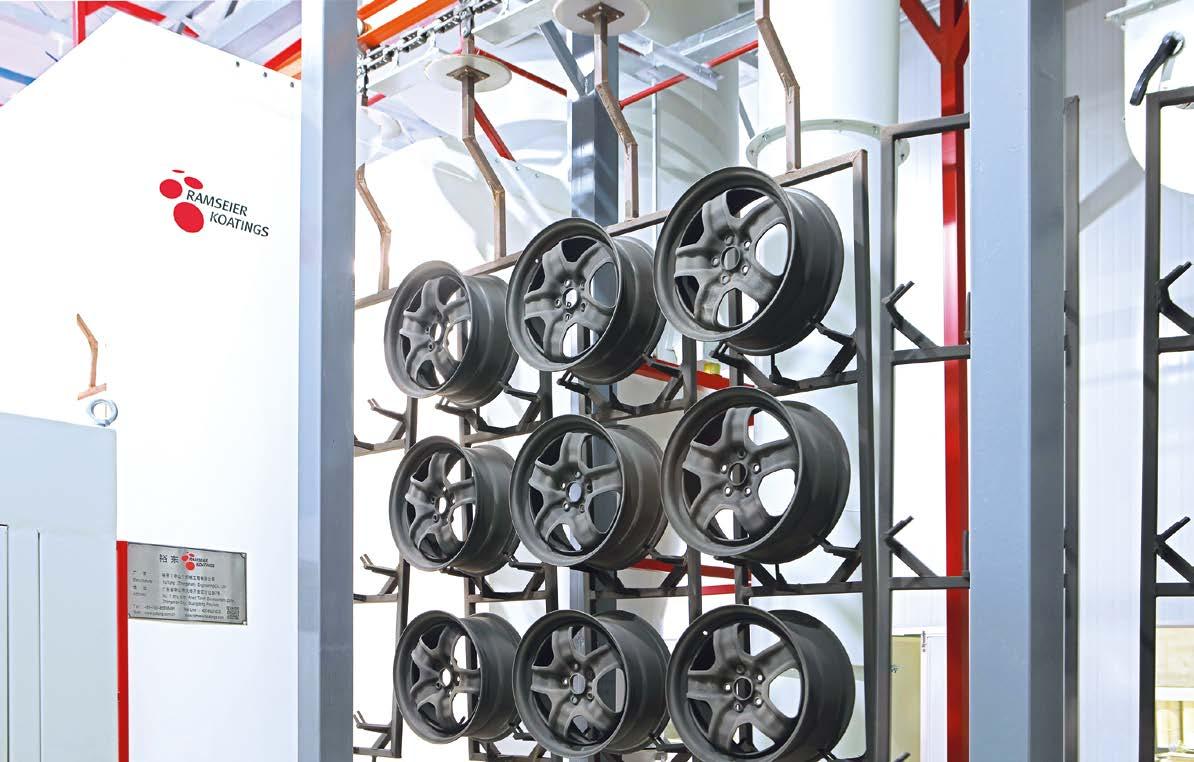
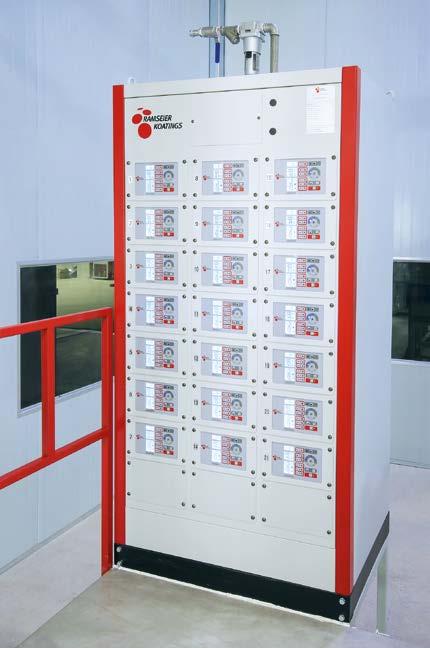
PARAMETER
Product Car wheel rims
Size range 14–18 inches
Workpiece dimension 1,700 × 500 mm (height × width)
Booth entrance 2,300 × 750 mm (height × width)
Coating type
Epoxy-polyester
Coating thickness 70–90 µm Line speed 1.0–2.5 m/min
Hanging method
Vertical (overhead conveyor)
Automation degree Fully automatic, no manual touch-ups required
It incorporates a rapid colour-change ColorQueen booth, a KPC-4 powder management and recovery centre, and a 2-stage extraction system with a capacity of 21,000 m³/h, ensuring a safe work environment that complies with current environmental regulations. The results demonstrate that robotic automation of powder coating not only significantly improves the quality of surface finishes but also reduces operating costs, minimises material waste, and shortens colour-change times, providing wheel manufacturers with tangible and measurable competitive advantages (Fig. 1).
Powder coating has become the leading technology for surface finishing in the car parts sector thanks to its high resistance to corrosion, mechanical impact, and chemical agents. It is also more environmentally friendly than traditional liquid coating. The absence of volatile organic compounds (VOCs), combined with high recovery and reuse rates for excess powder, makes it particularly well-suited to industrial production environments committed to sustainability. Wheels, with their complex geometry characterised by concave surfaces, spokes, flanges, and hard-to-reach areas, are among the most
challenging applications in automated powder coating. Achieving uniform thicknesses across all surfaces, including the most critical surfaces such as edges, cavities, and hidden areas, requires advanced process engineering, including the optimised design of electrostatic guns, precise kinematics, and high-definition electrostatic control. This article outlines the development and implementation of an integrated solution to address these technical challenges and offers a detailed description of the system components, the process parameters adopted, and the operational benefits achieved. The aim is to provide technicians and managers of coating plants with a practical and reliable overview of the true potential of automation in the powder coating of wheel rims for the automotive sector.
The starting point for any powder coating system is the precise definition of process parameters and the characteristics of the product to be treated. In this project, the design constraints were defined in collaboration with the client, based on an analysis of the component, finishing quality requirements, and the line’s production needs. Table 1 summarises the main parameters used.
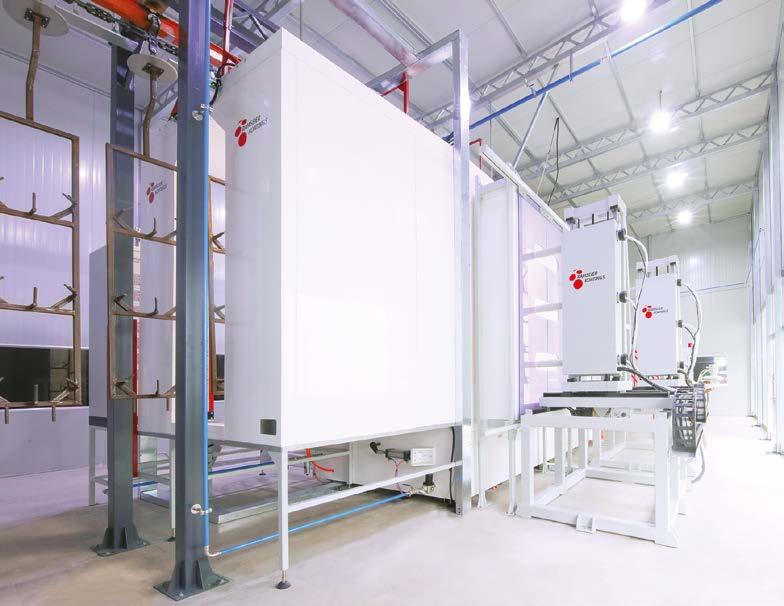
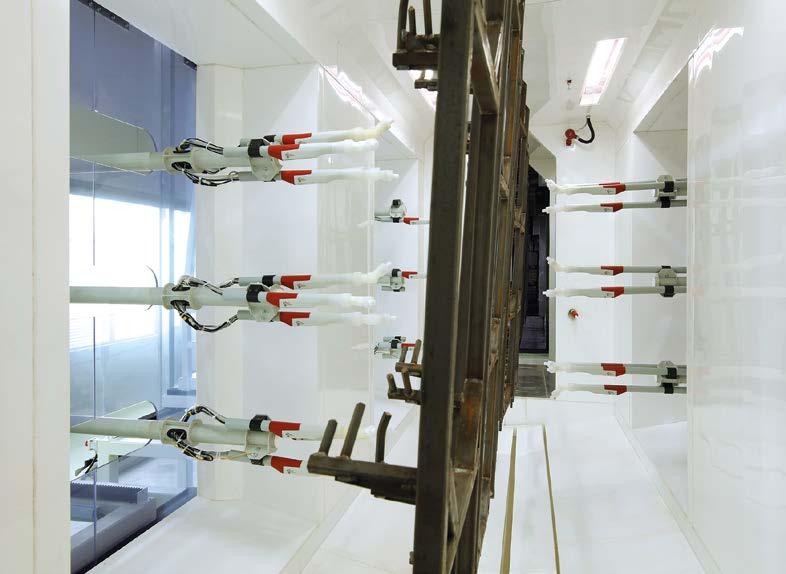
Epoxy-polyester powder was chosen because it meets the typical requirements of the automotive industry, ensuring excellent adhesion to steel, high resistance to corrosion and impact, and good aesthetic performance. Hanging the rims vertically on the overhead conveyor facilitates access for the spray guns to all treated surfaces and optimises electrostatic coating efficiency.
The powder-coating plant we designed and installed is a bespoke solution comprising five main functional units, designed to operate both synchronously and independently: the robotic application system, the coating booth, the powder centre, the extraction and filtration unit, and the central control system. This modular architecture enables efficient maintenance, supports future expansion, and ensures full process traceability (Fig. 2). The design phase was preceded by in-depth analyses of components and electrostatic coating simulations, which helped optimise the position, number, and configuration of the spray guns, as well as the robots’ kinematic parameters, before building and assembling them.
ZoftSpray® technology and S600 electrostatic spray guns
The technological heart of the line is ZoftSpray®, an electrostatic application technology that combines three highperformance elements: S600 spray guns (ATEX-certified), a TCC (Total Charge Control) charge management system, and lastgeneration KVM6 pumps with Venturi injectors. This combination delivers a dense, uniform, low-velocity powder cloud that is particularly effective at penetrating cavities and hard-toreach areas, typical of wheel rims.
The S600 guns have demonstrated superior coating performance on complex geometries, achieving uniform finishes even on the most critical surfaces. The TCC technology regulates the electrostatic charge applied to the powder in real time, reducing the shielding effect in critical areas (Faraday cage effect) and preventing the phenomenon of ‘back ionisation’, thus ensuring uniform deposition across the entire metal surface of the wheel rim.
The KVM6 Venturi pumps, designed according to the ZoftSpray® concept, significantly reduce compressed air consumption compared with conventional systems, while extending the service life of components in contact with the powder (bushings, nozzles, diffusers, and electrodes) and minimising abrasive wear. This results in consistently high powder transfer efficiency, which also reduces the cost per finished part (Fig. 3).
The most distinctive feature of this plant is its 3 3-axis powder coating robots (model ROB(SD)02-3/9), designed and built specifically for car wheel rims.
Each robot supports a set of 9 S600 guns arranged in 3 assemblies of 3 guns each, rotating in both directions (clockwise and anticlockwise) to ensure complete coverage of the wheel’s curved surfaces.
The robots’ 3 axes, labelled X, Y, and U in the control system, enable precise, repeatable replication of the relative motion between the moving wheel rims and the spray guns. The Y-axis synchronises the robot’s movement with the speed of the overhead conveyor, following each part throughout the powder application cycle. The X-axis maintains the optimal distance between the guns and the rim’s surface. The U-axis controls the rotation of the gun assemblies. The height of the gun assemblies is manually adjustable within a range of ±150 mm (Z-axis) to accommodate rims of various sizes in the 14–18-inch range (Fig. 4 and Table 2).
To maximise powder consumption efficiency and prevent unnecessary dispensing, the system incorporates a PRS-A (Product Recognition System-Automatic) solution designed to operate in synchronisation with the 3 coating robots.
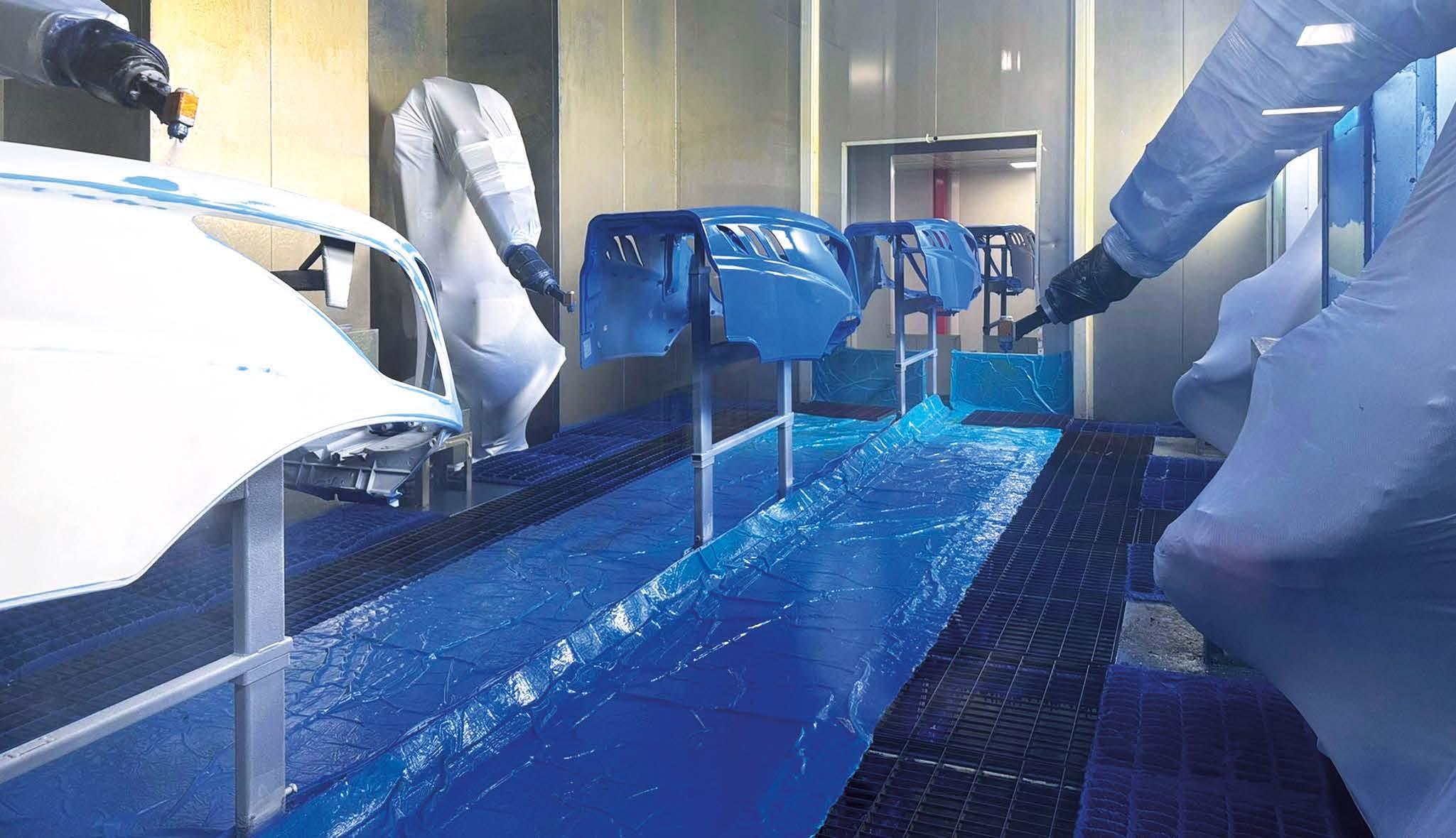

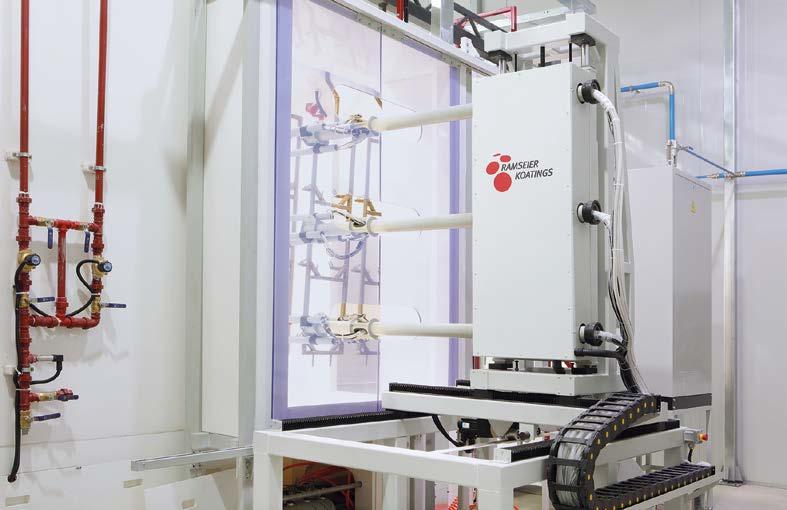
AXIS / PARAMETER
Model
Power supply
Servomotors
TECHNICAL SPECIFICATIONS
ROB(SD)02-3/9
Three-phase, 380 V / 50 Hz
X-axis / Y-axis / U-axis: 1.3 kW (3 units)
X-axis – Depth Stroke ≤ 600 mm · Speed ≤ 7.5 m/min (coating position)
Y-axis – Tracking
Z-axis – Height
U-axis – Rotation
Speed 0-2.5 m/min (workpiece tracking) · Return speed ≤ 7.5 m/min · Stroke ≤ 800 mm
Manual adjustment ±150 mm (adjustment to different rim sizes)
Bidirectional rotation (clockwise/anticlockwise) of the spray gun assemblies · Speed ≤ 11 rpm
No. of spray guns per robot 9 (3 assemblies × 3 spray guns/assembly), customisable
Compatible line speed
PARAMETER
No. of coating robots
Total no. of automatic spray guns
1.0–2.5 m/min
VALUE / DESCRIPTION
3 (model ROB(SD)02-3/9)
27 (9 per robot)
Spray guns per assembly 3
No. of gun assemblies per robot
No. of manual spray guns
3 (rotary)
2 (1 at each end of the booth)
Detection system PRS-A (2 sets of photoelectric sensors + encoder)
Electrostatic technology
Pump type
ZoftSpray® with TCC
Venturi KVM6
2 sets of photoelectric sensors installed at the entrance to the coating booth continuously monitor the presence and position of the rims on the conveyor.
The first set of sensors, together with the overhead conveyor’s encoder, determines the exact position and dimensions of each rim in real time and calculates the optimal trajectories for the spray gun assemblies. The second set detects the presence or absence of parts: when no wheel is present in the application zone for a preset period, the system automatically stops the output of all automatic spray guns, eliminating powder waste during the intervals between one part and the next. This function is particularly useful in intermittent production or during line start-up and shutdown phases.
The plant has a total of 27 S600 automatic guns distributed across the 3 robots (9 per robot), plus 2 S600 manual guns positioned at the ends of the booth for any touch-ups in critical areas, although these are not required under normal operating conditions. Table 3 shows the complete configuration of the application system.
The coating booth is at the heart of the process. This line features a ColorQueen booth (model CQB), constructed entirely from non-conductive, fire-retardant PVC, which combines two properties essential to the powder coating process: its low surface energy significantly facilitates powder removal during colour changes, and it eliminates the risk of unwanted electrostatic charges building up on the walls, which could interfere with the electrostatic application field.
The booth’s aerodynamic design ensures balanced internal airflow that performs two critical functions: achieving high powder transfer efficiency onto the components and keeping the concentration of suspended dust inside the booth below the regulatory limit (less
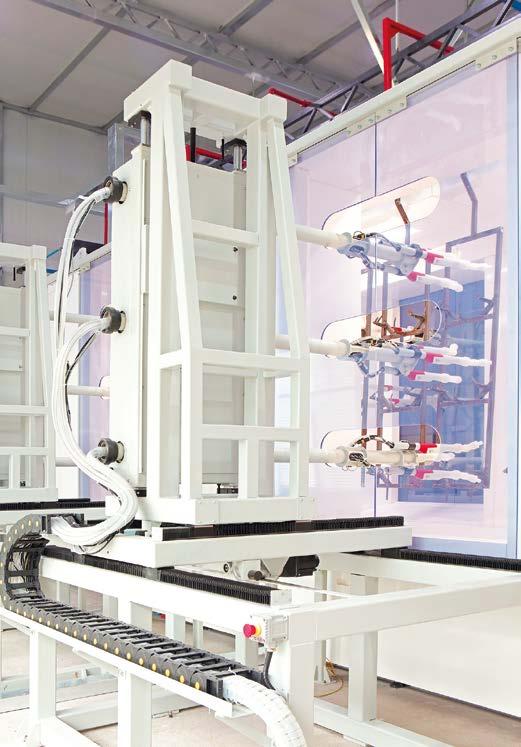
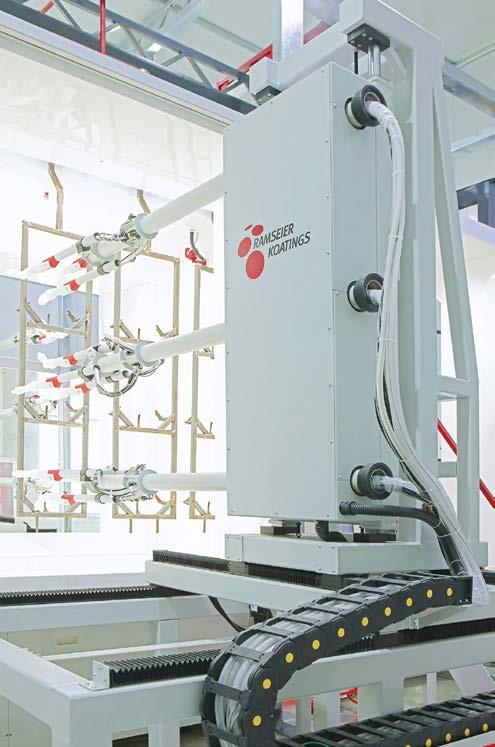
than 10 g/m³), thereby maintaining operator safety and process quality. The booth’s openings – 2,300 × 750 mm (height × width) – are sized to easily accommodate the rims in a vertical position, including the hanging hooks, and to allow smooth passage without friction or interference. The arrangement of the gun openings, i.e. 1 on the left-hand side and 2 on the right-hand side, reflects the optimal configuration defined during the preliminary application study (Fig. 5 and 6).
The efficient management of uncollected powder is one of the factors with the greatest impact on the operating costs and environmental sustainability of a powder coating plant. A KPC-4 powder centre has been implemented on this line: it is a compact unit that integrates powder feeding, recovery, and screening functions, together with a dedicated extraction system that helps keep the work area clean.
Given the high number of spray guns in operation during production (27 automatic ones), the KPC-4 has been equipped with 2 vibrating screens to handle the volume of recovered powder and prevent bottlenecks in the recirculation process. The integrated PLC control system automatically cleans the internal pipes and the spray guns’ ducts between colour changes, reducing downtime and cross-contamination between tints. The recovery cycle operates as follows: excess powder not deposited on the rims is intercepted by a high-efficiency cyclone (model KLC1500, capacity 21,000 Nm³/h), which separates the coarser particles and returns them to the KPC-4 for immediate reuse via a BV-1 Venturi transfer pump; the finer particles that escape the cyclone are retained by a post-filter (model KFD16-32, 21,000 Nm³/h) before the air is returned to the shop floor, ensuring minimal emissions into the work environment. The postfilter is also equipped with an explosion venting system that protects the operator in the event of any malfunctions (Fig. 7).
The plant’s air treatment system operates in two complementary stages, with a total capacity of 21,000 m³/h, designed to ensure adequate air exchange when the 27 spray guns operate simultaneously at maximum line speed. The first stage consists of the high-efficiency KLC1500 cyclone, which acts as an inertial pre-separator: powder particles of sufficient mass are centrifuged towards the cyclone walls and fall by gravity into the collection hopper, from which they are pumped back into the KPC-4; this significantly reduces the powder load reaching the final filter, thereby extending its service life.
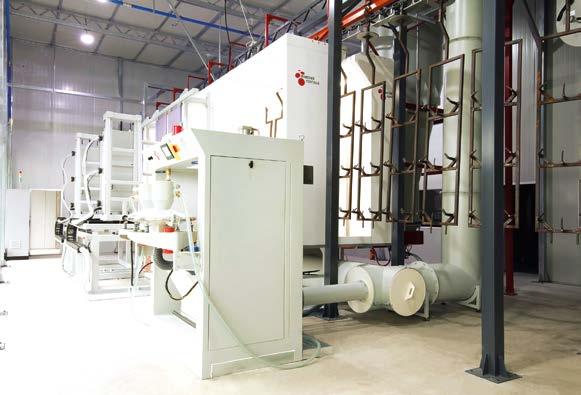
The second stage consists of the KFD16-32 post-filter, a cartridge system with a large filtration surface area that retains the finest powder particles not captured by the cyclone.
An automatic filter-cleaning system maintains a stable pressure differential without interrupting the production process. The explosion venting unit integrated into the post-filter complies with European safety directives for plants handling combustible dusts and ensures operator protection in the event of internal explosions (Fig. 8).
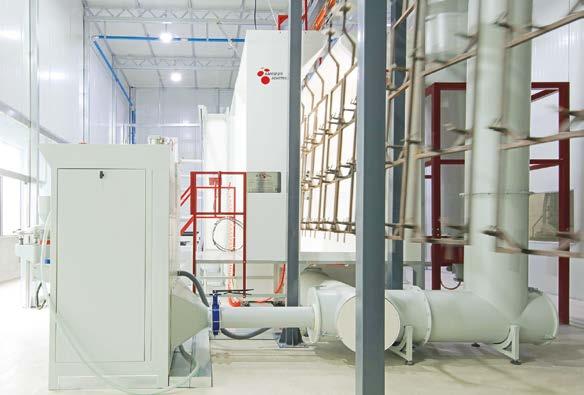
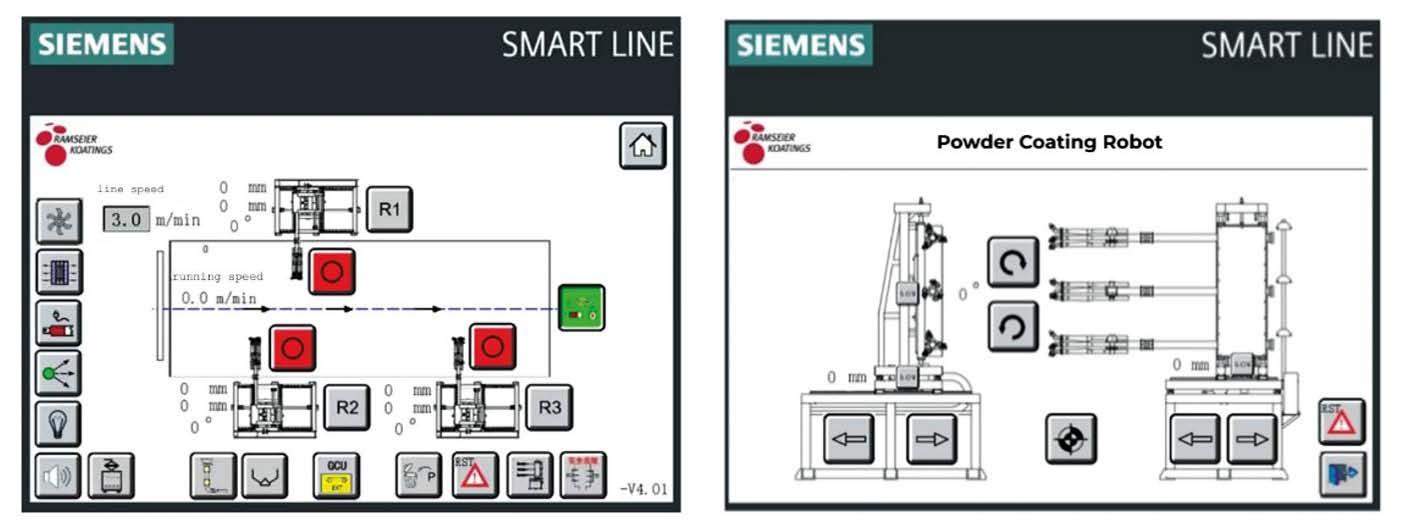
The entire plant is controlled by a central control system (CCS) based on a highly reliable PLC, with an operator interface provided by a Siemens Smart Line touchscreen. The control software was developed specifically for this line and manages all production phases, colour changes, automatic cleaning cycles, and alarms. The operator benefits from a user-friendly graphical interface that displays the status of each robot, the line’s speed, the electrostatic parameters of each spray gun, and the status of the extraction system in real time. Recipe-based programming for different types of wheel rims allows the optimal parameters for each product to be stored and automatically recalled, reducing set-up times and batch-to-batch variability. Synchronisation among the central PLC, the servomotors of the 3 robots, and the overhead conveyor’s encoder is achieved via real-time communication, ensuring that the robots’ tracking movements and the spray guns’ activation are perfectly synchronised with the exact position of each wheel rim, regardless of any variations in conveyor speed (Fig. 9a and 9b).
Table 4 provides a comprehensive technical description of all the main plant components, including their model numbers, to facilitate technical consultation and comparison with other systems in the sector.
The implementation of this robotic powder coating system for steel rims has delivered measurable improvements across several areas, summarised as follows:
100% automated process: the system operates without manual touch-ups under normal production conditions, eliminating humaninduced variability and ensuring consistent, repeatable finishing quality throughout a full production day.
Superior coating quality: the combination of S600 spray guns, TCC technology, and 3-axis robots with rotating spray gun assemblies ensures a thickness of 70–90 µm across the entire rim geometry, including the most difficult-to-reach surface areas, exceeding industry quality standards.
Quick and efficient colour changes: the PVC ColorQueen booth and the KPC-4 powder centre, with an automatic pipe cleaning system, enable colour changes in very short times and minimise plant downtime.
High powder utilisation efficiency: the 2-stage recovery system (cyclone + post-filter) and the PRS-A control, which stops powder delivery when no parts are present, reduce paint waste, improve material utilisation efficiency, and lower the cost per part.

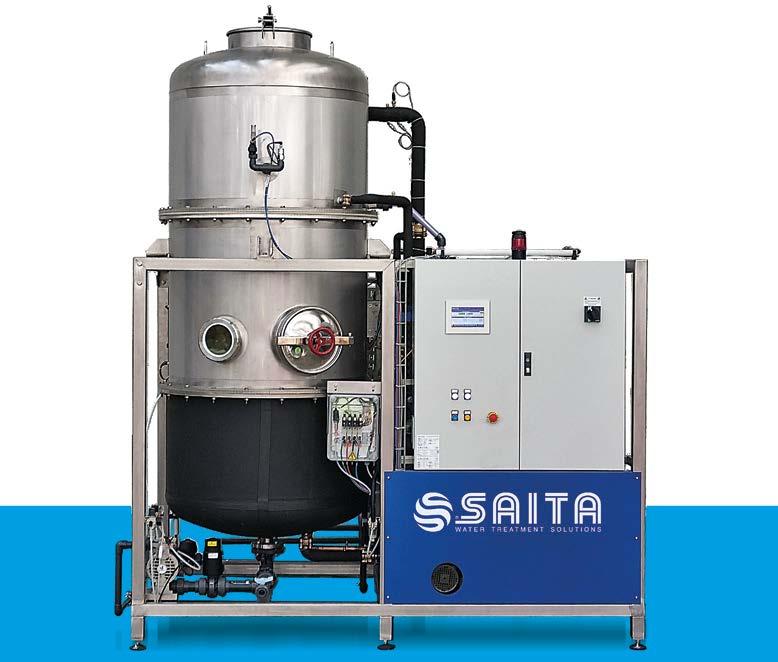
• > 90% WATER RECYCLING
• REDUCTION OF DISPOSAL COSTS
• ZERO LIQUID DISCHARGE
• ZERO EMISSIONS
• EASY MAINTENANCE
• FULLY AUTOMATIC
COMPONENT
Coating booth
Electrostatic spray guns
Automatic spray guns (total)
Manual spray guns
Coating robots
Part recognition system
Powder centre
Cyclone
Post-filter
Control system
DESCRIPTION / SPECIFICATIONS
ColorQueen – Fire-retardant PVC, quick colour change CQB
Model S600, ATEX certification, TCC technology
27 units (9 per robot, divided into 3 assemblies of 3)
2 units (1 at each end of the booth)
3 axes, 9 guns/robot, workpiece tracking
Photoelectric sensors + conveyor encoder
Feeding, recovery, and sieving (2 sieves)
High efficiency, 21,000 Nm³/h
21,000 Nm³/h, with an explosion venting system
ROB(SD)02-3/9
KFD16-32
PLC + Siemens Smart Line touchscreen SCC Pumps
High-efficiency ZoftSpray® Venturi nozzles KVM6
Table 4: Full technical description of all the main line components.
Reduced operating costs: ZoftSpray® extends the service life of wear-prone components (nozzles, pumps, and electrodes) and reduces compressed air consumption, delivering a direct and measurable impact on maintenance and energy costs.
Safe and clean work environment: the 21,000 m³/h extraction system, with a post-filter and an explosion venting unit, together with the extraction system integrated into the KPC-4 centre, keeps airborne dust concentrations below regulatory limits, protecting operators’ health and the work environment.
Minimal human intervention: the system, which features only 2 manual touch-up stations for support, can be operated with a reduced workforce, thereby optimising labour costs.
Conclusions
The system described in this article demonstrates that fully automated powder coating of steel wheel rims is a technically proven and commercially viable solution for the automotive sector, provided an integrated engineering approach is adopted to coordinate all the plant’s subsystems: electrostatic application, robotic kinematics, powder management, filtration, and control.
The success of this line lies primarily in the bespoke design of the 3-axis robots with rotating gun assemblies, which overcome the challenge posed by the rim’s complex geometry, and in the ZoftSpray® technology with TCC control, which ensures uniform and efficient electrostatic deposition across the entire surface of the products. The integration of a PRS-A system and a KPC-4 powder centre completes a solution that is not only technologically advanced but also economically sustainable in the long term.
Automotive wheel or component manufacturers wishing to modernise or set up a new surface finishing line can find in integrated solutions like this a concrete response to the growing demands for quality, productivity, and sustainability in today’s market.
A new line of nanotechnologic conversion for corrosion classes C3H – C4H – C5M

DOLLCOAT GP 107 based on graphite engineered by
Multimetal no rinse product to be used at room temperature
Compatible with any plant and applied by spraying, deep immersion or by nebulization modules
Excellent pre-cataphoresis pretreatment
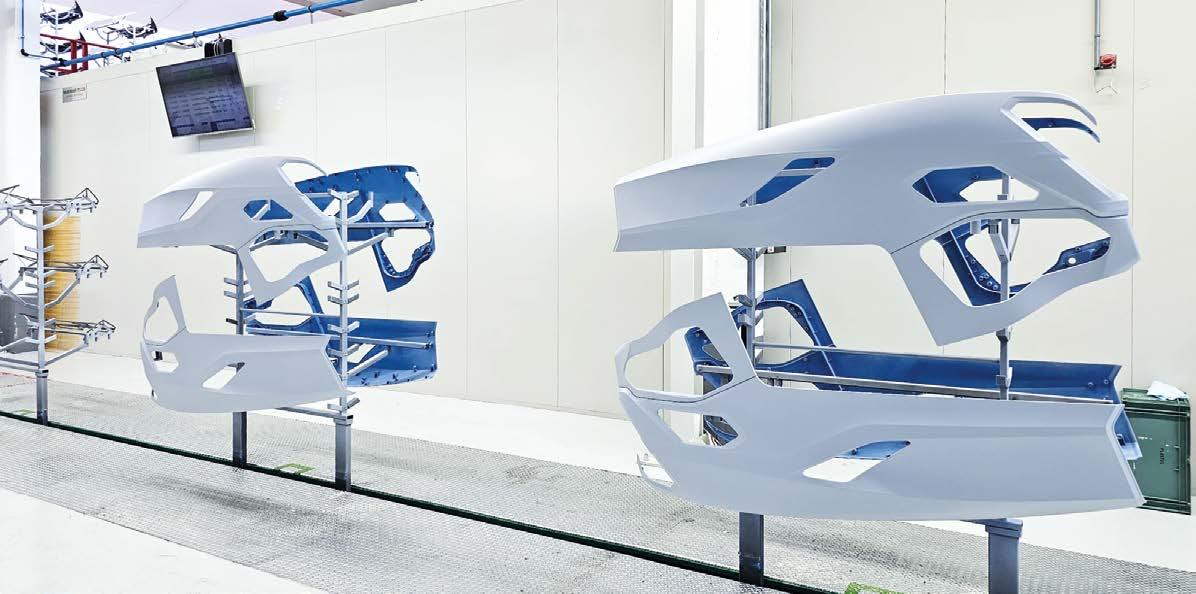
The PSC–Prima Sole Components Group has been operating for over 50 years in the sector of plastic components for the automotive, transport, and household appliance industries.
SPECIAL ISSUE ON AUTOMOTIVE &TRANSPORTATION
Monica Fumagalli ipcm®
For a company, expanding its range of target sectors and positioning itself as the ‘factory of the future’ for automotive components requires advanced coating plants, such as the one designed by Trasmetal’s Varnish Tech division for Prima Sole Components’s Oderzo site. Based on a skidhandling system that replaces the traditional power & free conveyor, this new line enables the intensive coating of large components thanks to opposing robots inspired by the automotive industry, which increase its flexibility and application capacity.
When we imagine a futuristic car factory, our minds immediately turn to robotic arms moving in concert, welding sparks lighting up endless assembly lines, and car bodies gliding silently through the coating, sealing, and assembly stages.
This vision seems straight out of science fiction, yet it stems from a tangible truth: for over a century, the automotive industry has been a testing ground where automation, precision, and mass production have reached their peak. Therefore, it is no coincidence that the very concept of the ‘factory of the future’ takes the form of a perfectly synchronised automotive production line.
PSC-Prima Sole Components, a Group operating in the sector of plastic components for the automotive, transport, and household appliance industries and specialising primarily in systems for vehicle exteriors and interiors, has replicated this scenario at its headquarters in Oderzo (Treviso, Italy). In response to ongoing global instability affecting the sector, it has set itself the objective of renewing and modernising its production processes, both to meet the challenges of decarbonisation, in line with the European targets of the Green Deal for 2030, and to integrate emerging technologies such as artificial intelligence into its organisational and industrial models, with the aim of optimising production performance, improving product quality, and making organisational management more efficient.
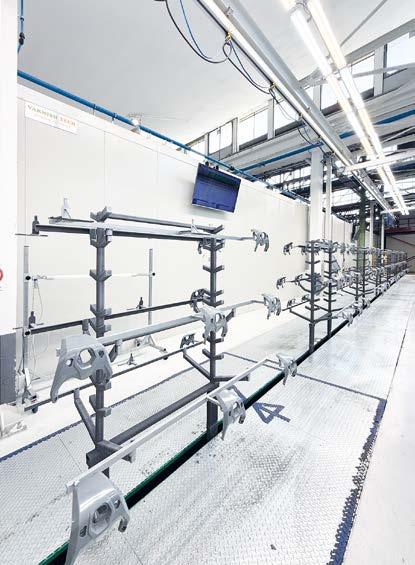
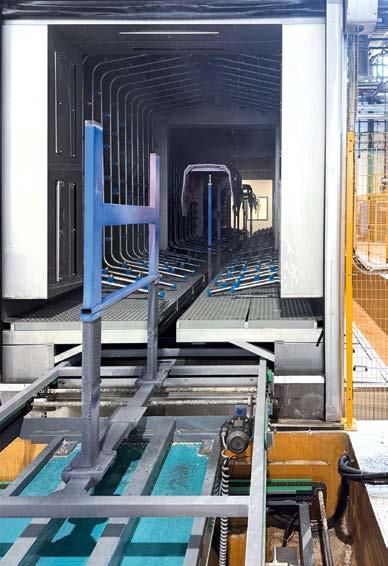
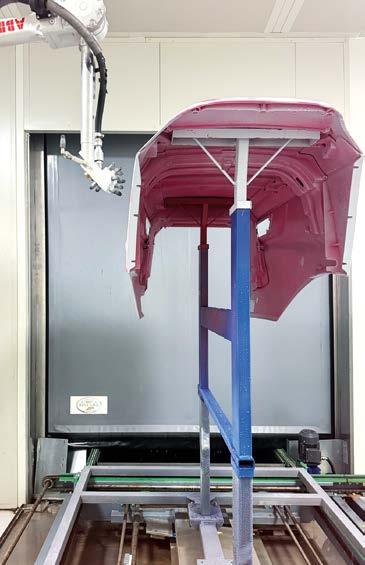
With 70,000 m² of production space and around 450 employees, the PSC Group’s Oderzo facility is one of the largest industrial hubs in the region. The site is divided into three operational departments dedicated to plastic injection moulding, coating (with 3 dedicated lines), and the bonding and assembly of finished products. One of the company’s most recent investments concerned the coating department, developed with the support of Varnish Tech – now Trasmetal (Milan, Italy) — which had already collaborated on the system installed at the company’s plant in Poland. The goal was to create an innovative two-level line capable of meeting the growing need for market differentiation, handling the resulting increase in production volumes, and coating large-sized components. In collaboration with the technical team of the Varnish Tech division, the Oderzo-based company introduced a technology typically used in the automotive sector: opposed robots. This made it possible to overcome application limitations linked to the complexity of specific components while maintaining high production efficiency.
PSC’s history is closely intertwined with the evolution of the automotive and motorbike industries, with coating at the heart of its development. Founded in 1973 to serve the furniture sector, the company shifted its focus in the 1980s to producing components for the automotive, aeronautical, and railway industries, establishing partnerships with major Groups, and
securing its first contract with Fiat Auto in 1987 for plastic parts for car exteriors.
Between the late 1980s and the 1990s, it consolidated its expertise by establishing Prima I.Ver., specialising in the coating of plastics, while expanding its target markets to include international clients. During the same period, the Group also entered the motorbike sector with Metalplastic, devoted to the production and coating of plastic components for motorcycles, and further strengthened its coating expertise through the acquisition of Tecnoproduct in Sezze (Latina, Italy), later renamed Tecnoprima. At the same time, PSC diversified its business by entering the household appliances sector with the creation of P.A.D., a plant dedicated to Merloni Elettrodomestici.
Following the launch of an internationalisation process in the early 2000s, the Group completed a strategic phase of its expansion in 2010 with the acquisition of Plastal Italia, later renamed Sole S.p.A., which also included the Oderzo plant – now one of the key sites for the production and coating of plastic components for the automotive and motorcycle sectors. “The Oderzo site,” explains its CEO, “was established in the early 1960s as Società Opitergina Lavorazioni Elettromeccaniche, owned by Electrolux. In 1993, it launched a joint venture with Plastal, a Swedish Group that entered administration following the 2008 crisis, leading to its subsidiaries being acquired by other industrial Groups: the Oderzo plant thus became part of Prima Sole Components.”
Today, the division operates in four main sectors and collaborates with the most important international OEMs of the automotive, truck, motorcycle, and light vehicle industries.
The Oderzo site, together with those in Suzzara (Mantua, Italy) and Pontedera (Pisa, Italy), forms part of the Group’s thermoplastics division, whereas the sites in Scanzorosciate (Bergamo, Italy) and Hörgertshausen (Bavaria, Germany) make up the thermosets division.
Within the Oderzo facility, the moulding department is organised according to a production model based on advanced automated cells, dedicated to the manufacturing of components for the automotive and motorcycle industries, in line with the highest quality standards. The department also integrates several automated phases of assembly, accessory fitting, and quality control directly on the machine, as well as advanced technologies such as laser sprue cutting. Among the most sophisticated applications are components with soft-touch finishes intended for industrial vehicles, developed to meet the requirements of the premium market segments.
Today, the facility integrates several cobots distributed across its production departments and advanced video management systems: these technological solutions have already been widely adopted in the moulding area and are now being progressively extended to the coating shop as well.
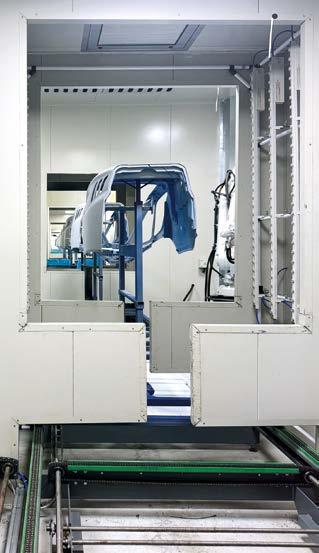
There are 3 coating lines in operation at the Oderzo site. The first, installed in 2011 and expanded with a second booth in 2019, comprises 2 booths and 4 robots and is used to coat grilles and small components for both vehicle interiors and exteriors. The second plant, also commissioned in 2011, comprises 3 water-curtain booths and 6 robots. The third plant, called NIVE, is equipped with three booths and ten robots. Commissioned to Trasmetal — which later merged with the Milan-based company Trasmetal, where it now operates as a specialised spray-coating division — the project was completed in 2026 and represents the most advanced solution. “The main difference among these plants,” explains the plant manager, “lies in the layout of their automated equipment: whereas in the first two, the robots are arranged in a face-to-face configuration, in the NIVE one, they are positioned according to a plant engineering logic that allows greater flexibility in production cycles. In addition, for the older line, continuous operation required a longer pre-treatment tunnel, whereas the skid-based configuration adopted in the two more recent ones allows for better modulation of the timing of individual process stages.” Particular technological solutions were also introduced, such as the integration of blow-off robots after the pretreatment stage in both the second system and the NIVE, with different application methods for single-component products compared to two-component products. Significant differences also concern the management of the application phases: in the second plant, the final finish is applied in the second booth, whereas in the NIVE
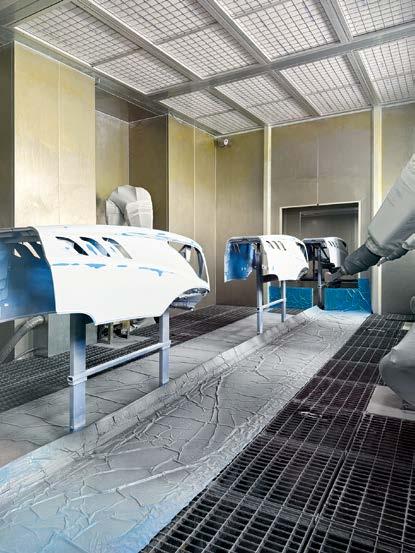
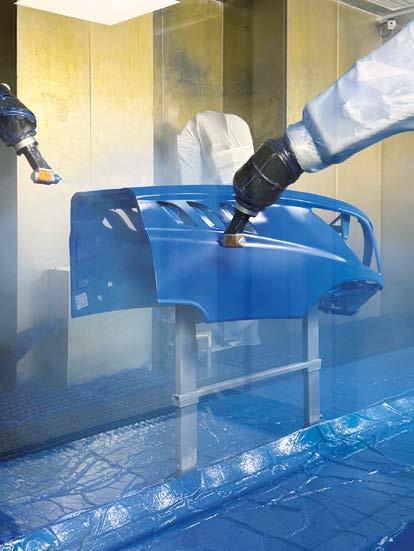
system, this phase was redesigned for process stability reasons. “In the Trasmetal system, the conditions ensure constant internal airflow and provide more stable control over viscosity and film behaviour.”
“The system consists of a series of skids capable of handling large e heavy components, distributed across the various stations along the line,” explains the head of the coating department. “The first is the loading area, where each skid is fitted with the required hanging devices. Following receipt of an order by the logistics department, the cycle is initiated.” Afterwards, the components are conveyed to an automatic pre-treatment tunnel. At the end of the tunnel, a robotic blow-off station has been installed, where two robots operate sequentially on both sides of the parts, with programs tailored to each component.
After blow-off, the skids transport the parts to the drying oven, and then into a rotation station, which ensures correct positioning before entry into the first coating booth. This stage also includes a thermal stabilisation phase, which allows the components to cool gradually to room temperature, reducing thermal shock on entry to the coating process,” the technician continues. Here, the coating phase begins with a surface activation step, necessary for treating low surface-energy material that require a preliminary treatment to ensure paint adhesion. “This is followed by the first coating booth, equipped with 2 opposing robots, a flash-off station, and the second booth for base coat application. In the third booth, depending on the specifications, either a clear coat or a top coat is applied, or the parts simply pass through in the case of special cycles. Finally, after a short flash-off phase, the parts enter the curing oven,” he continues.
Once out of the oven, the components are transferred to an elevator that lifts them for controlled cooling to temperatures suitable for manual handling and subsequent packaging operations. For heavy parts, such as SMC parts, the system is supported by dedicated manipulators during both loading and unloading, following an ergonomic ‘zero-gravity’ approach that reduces the operational load on staff and enables handling of even very heavy parts. The line ends with a quality control station: all coated components are 100% inspected as they leave the line before being sent to the final assembly department.
Digital transformation represents one of the key elements in the evolution of the plant’s production model. “Through advanced supervision and monitoring systems, the company is able to support production continuity, improve activity planning, and ensure greater stability in operational flows. The main process variables are continuously monitored via automated systems designed to ensure

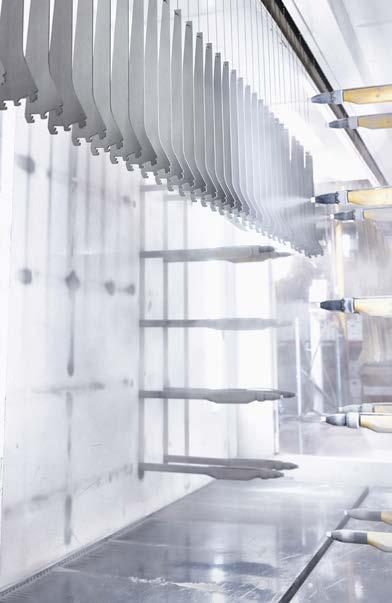
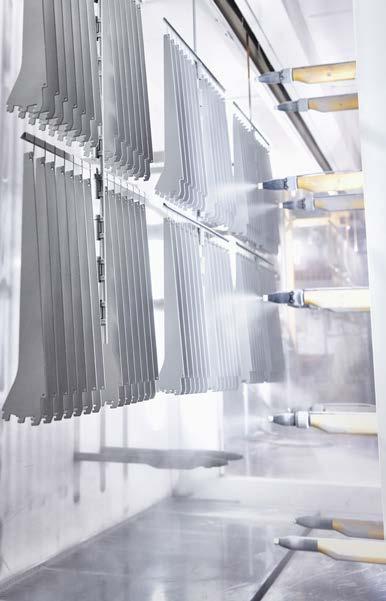

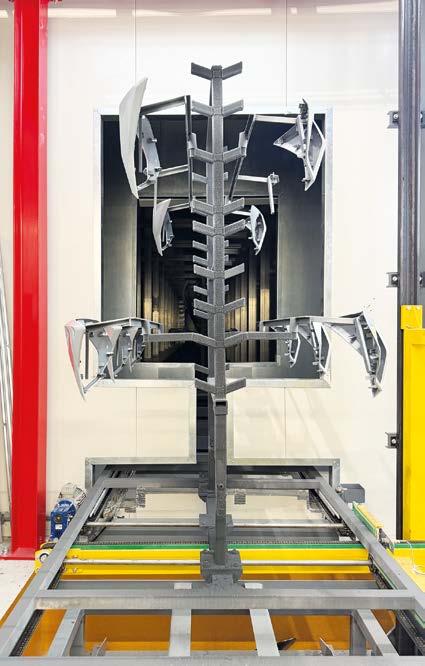
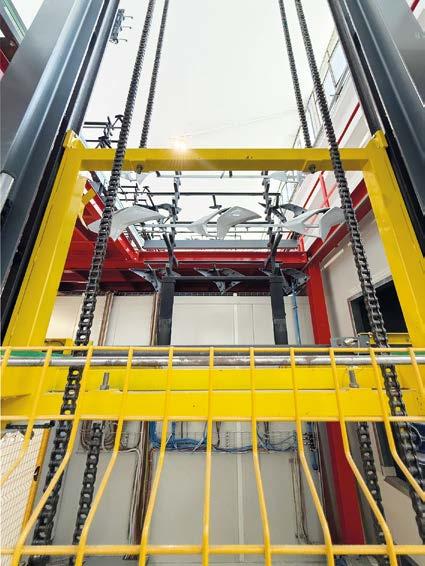
high standards of reliability and quality. The integration of digital monitoring and traceability tools also enables more efficient management of production activities and continuous control of plant performance,” the technician explains.
To support process design and optimisation, advanced virtual simulation technologies are used to validate adopted solutions and improve operational efficiency across the various production stages.
The integrated management of production data represents an additional strategic element of the group’s industrial model, helping to strengthen coordination between different operational areas and supporting increasingly fast and effective decision-making processes.
“Overall, digitalisation acts as a key enabling factor in consolidating PSC’s role as a strategic partner for the automotive sector and in developing innovative industrial solutions focused on quality, efficiency, and sustainability,” the CEO concludes.
The system built by Varnish Tech was initially designed to coat large bonnets, but over time its scope has gradually expanded to include new sectors and product types. “Today,” the PSC team states, “we can also paint other products, such as van grilles, and we have new applications planned in order to enter new strategic markets.”
“The choice of Varnish Tech was guided by the build quality we observed at the plant installed in Poland,” continues, “and confirmed by this supplier’s consistent support throughout all phases, from the construction of the line’s housing to after-sales support. This plant technology departs from traditional standards, replacing the power & free conveyor with a skid-based system – intrinsically more complex but more flexible in managing production flows – borrowed from the automotive sector. It is precisely this flexibility that defines the future of manufacturing: no longer rigid, vertical lines but production platforms capable of adapting to different products, markets, and volumes without compromising efficiency.”


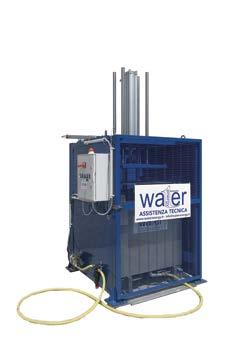
Turn key solutions for industrial wastewater treatment - Design and manufacturing of plants and chemicals for industrial wastewater treatment
Chemical-physical plants - Sludge treatment and compactor systems - Ion exchange demineralization systems and reverse osmosis systems - Oil separators - Filtering systems

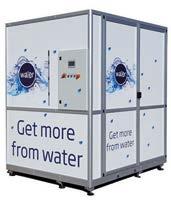
Batch type systems - Flotation units - Chemicals and spare parts for water treatment - Technical service, support and maintenance of wastewater treatment plants
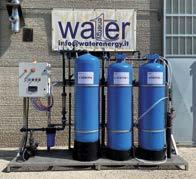
We don’t just treat water, we give it a second life. Every drop matters: our ongoing commitment to zero discharge and total water reuse drives every solution we design.


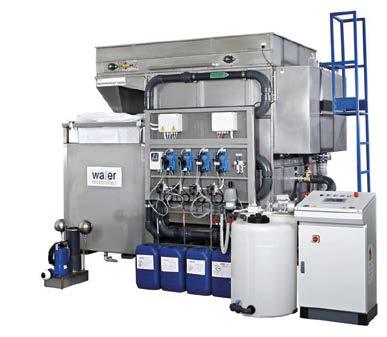
Alessia Venturi ipcm®
One of the most anticipated events in the automotive industry calendar is the open house organised by the Dürr Group to showcase its latest technologies in plant engineering, automation, conveying systems, application technologies, curing, quality control, as well as process management and control software, predictive maintenance, and data processing solutions to OEMs and Tier 1 suppliers. The Dürr’s Open House 2026 was broadcast live across 3 days, from April 21 to 23.
Organised every two years with great attention to detail, for many editions the Dürr open house took place at the Group’s Technology Campus in Bietigheim-Bissingen, in the Stuttgart region, where guided tours through the various technology stations allowed customers, journalists, and partners to experience the innovations first-hand, observe them in operation, and engage directly with the company’s engineers. Since 2021, this celebration of research and development in the field of surface treatment for automobiles and their components has evolved into a digital event, streamed over two or more days and produced with remarkable expertise in the style of a real television broadcast.
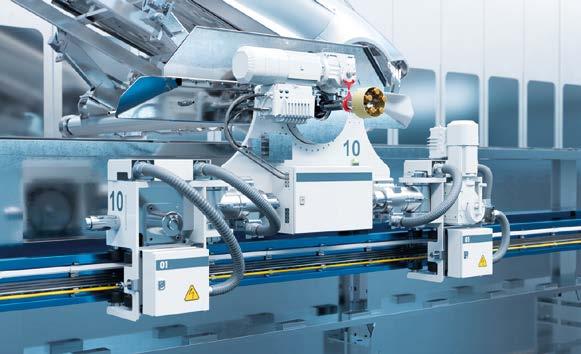
Under the motto “path to performance”, the Dürr Open House 2026 took place from April 21 to 23, livestreamed across multiple time zones over three days.
In just about two and a half hours per broadcasting session, Dürr showcased a wide range of solutions designed to help achieve an optimally configured paint shop—whether for new greenfield projects, upgrades of existing brownfield facilities, or through targeted service solutions aimed at fine-tuning operations.
Three central themes accompanied the entire event, with highlights including:
Flexibility - Flexible to customer requirements
• Individual graphics were painted LIVE onto car bodies in no time at all using the new EcoNextJet;
• Fully automated sealing processes delivered higher throughput and greater flexibility;
• The new RoDip® demonstrated an unprecedented level of flexibility for car-bodies pre-treatment.
Sustainability - Environmentally friendly and efficient
• Ovens with high energy-saving potential were presented through the new EcoSmartCure;
• The intelligent energy management concept EcoQPower, that enables highly efficient plant operation;
• EcoBell4, which sets new standards in the paint booth, significantly improving material efficiency.
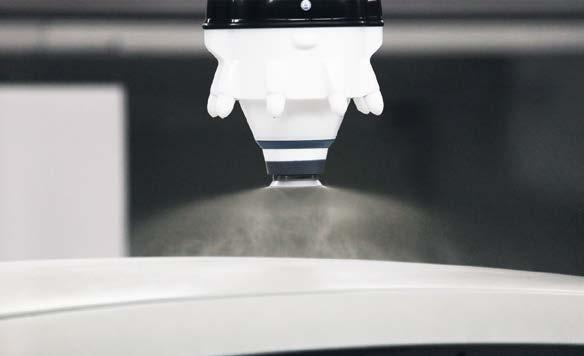
Service - Maximum performance, minimum downtime
A wide range of modernisation solutions that reduces costs and delivers rapid return on investment were presented, including:
• The transition from wet to dry washing;
• Simplified electrification through the switch from gas to electricity;
• Process optimisation through nanofiltration and backwash filters. Participants who had secured their place for one of the three livestream days, gained exclusive insights, live demonstrations, and engaging discussions about the future of coating technology. At selected Dürr locations, the company also offered open house events with on-site supporting programmes.
Below, we present the key features of some of the technologies showcased.
It is the latest evolution in Dürr’s rotational dip coating technology, designed to enhance flexibility and efficiency in industrial systems design. The new system marks a significant step forward through the implementation of a cycloidal drive system. In comparison to its predecessor, the proven RoDip E, the entire system has been redesigned, from the trolleysand rail system to the power control. The rotary drive uses a compact cycloidal transmission, a technology with a long track record of efficiency and reliability in Dürr’s industrial robots, ensuring a system that is both compact and easy to
Surface Cleaning preparation
IBIX systems remove rust, scale, and old coatings to reach SA 2 5 grade (ISO 8501-1)
Anchor Profile
Controlled blasting creates uniform roughness for optimal coating adhesion.
Portable powder Coating Technology
For long-term anti-corrosion and waterproofing thermoplastic coatings
maintain. Furthermore, RoDip Ezy1 features a standardised trolley concept suitable for various weight classes, ranging from passenger cars to vans. A key innovation in RoDip Ezy is the curved path. Complex turntables are no longer required, which reduces the system complexity and allows for a more flexible process line. In addition to the classic two-loop system (with separate trolleys for pretreatment and cathodic dip coating), it is now possible to implement a shared circuit (single-loop system) using the same trolleys for both processes.
Up to now, ovens used in automotive drying have always been designed for a specific heating method. Fluctuating energy prices, insecure supply, and ambitious CO₂ targets are increasing calls for more flexible systems. With its Qflex2 technology, Dürr introduces a new concept that enables a complete decoupling of all ovens from the heat source. The variable heating circuit in the ovens can be operated with all relevant heat sources, whether natural gas, electricity, or even hydrogen in the future. This allows car manufacturers to use different energy sources or switch from one source to another in the future without structural changes to the oven.
1 https://www.ipcm.it/en/post/durr-rodip-ezy-rotational-dip-coating.aspx

2 https://www.ipcm.it/en/post/durr-introduces-qflex-technology.aspx
Resistance to extreme weathering, UV and salt spray protection Fast turnaround: immediate use of coated items
Easy to repair
THE FLAME SPRAY TECHNOLOGY IS THE ONLY SYSTEM WHICH CAN APPLY POWDERS ON SITE AND WITH NO NEED FOR A COATING


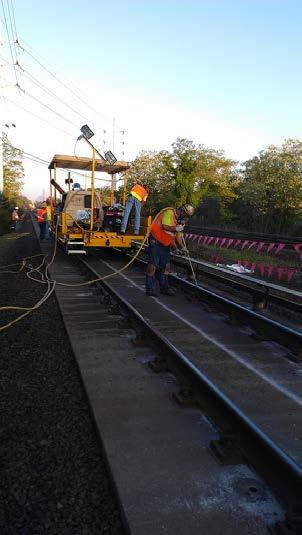
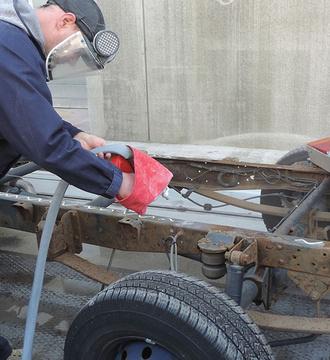
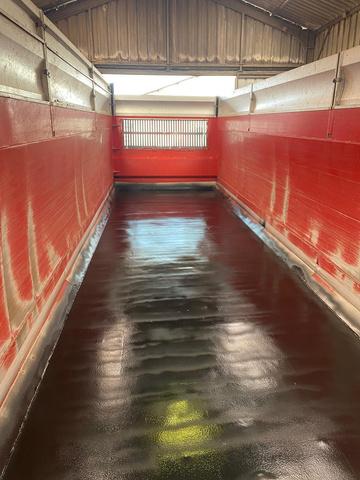
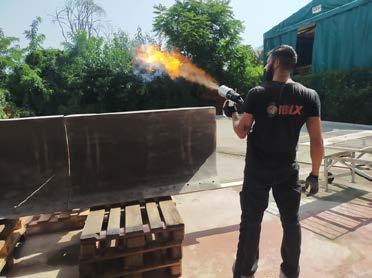
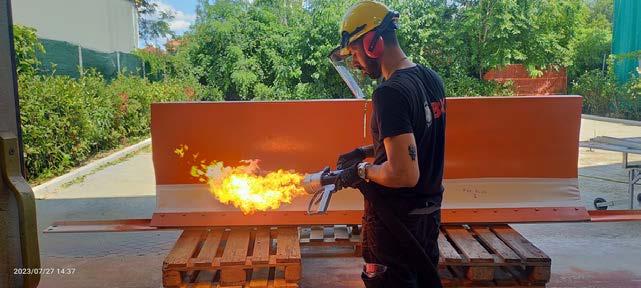
The high rotation atomizer EcoBell4 HTE impresses with its excellent painting quality while minimizing material and solvent consumption. The EcoBell4 HTE solution achieves an efficiency of up to 98%. With an optimized bell disk / shaping air ring system, the shaping air quantities required are already 30% lower. By adapting the painting parameters, such as a lower speed, a smaller painting distance and the reduction of the high voltage, the application efficiency could be significantly increased once again.
The EcoBell4 also allows for very flexible control of the spray jet width, with a wide range of paint quantities. This has a particularly positive effect on small surfaces such as the A-pillar or edge areas. All in all, the EcoBell4 HTE technology provides for a more compact and more cost-efficient painting booth. Both reduce the paint consumption and the energy costs and minimize the maintenance work.
The new EcoRP43 generation optimises accessibility and reduces operational costs for high-volume automotive painting. The EcoRP4, a fourth-generation painting robot, with its asymmetric architecture provides smart, effortless performance for flexible, future-proof painting processes. The tool centre point (TCP) is offset laterally by more than 200 mm from the main axis. This asymmetric architecture allows the applicator to reach difficult areas like door rebates and hinges with ease.
A slimmer “Arm 1” reduces the footprint in the workspace while increasing clearance around the car body. Most control technology is housed in Arm 1, featuring a new continuous cover with side access for faster maintenance. Axes 2 and 3 now use a direct pinion gear drive on the motor shaft, eliminating extra gear stages to reduce wear and costs.
3 https://www.ipcm.it/en/post/durr-ecorp4-robot.aspx
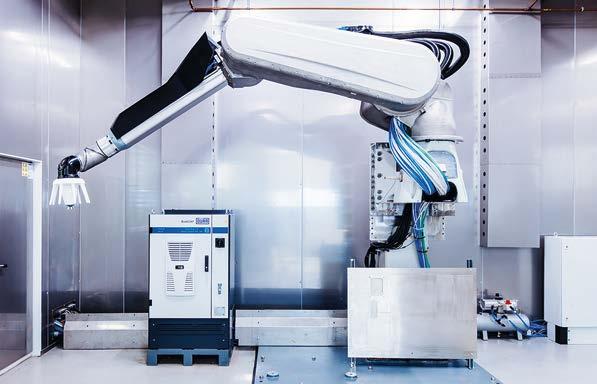
The EcoRP4 also minimises paint and rinsing agent loss due to short tubing lengths in Arm 2. It supports the HTE process and is available in mirrored versions for both sides of the production line.
Digital painting – graphics at its best
For precise, overspray-free application, there are two technologies designed for different requirements: the EcoPaintJet Pro for precisely defined surface painting and the EcoNextJet4 for high-precision graphic designs. Both systems enable maximum customization with the highest process quality. EcoNextJet, a new automated application system that prints complex graphics, patterns and lettering directly onto vehicle bodies as part of the painting process. Designed to replace films and labour-intensive manual steps, EcoNextJet integrates custom designs into series production, offering manufacturers a faster and more resource-efficient approach to vehicle personalisation. The lines printed by EcoNextJet are as fine as a human hair. Regardless of the body’s geometry or alignment, detailed designs with high surface quality can be applied in almost any position. Once clear coated, the graphic is no longer perceptible to the touch. The system is based on drop-on-demand technology. A printhead equipped with 2,000 individually controllable nozzles is mounted on a painting robot. Each nozzle releases paint only when required, with up to six drops per pixel. During flight, the droplets merge into a single larger drop before reaching the vehicle surface. This approach enables highly precise control of drop size and speed. The result is a paper-thin image with a paint film thickness of around five micrometres and a resolution of up to 720 dpi. A two-channel printhead allows two colours to be applied simultaneously.
In addition to the live demonstrations of several of the showcased technologies, the added value of the Dürr Open House 2026 lay in the presentation of three successfully executed projects featuring efficiently planned layouts implemented on time and within budget.
The first case study focused on Sinotruk Zhangqiu, a greenfield paint shop for commercial vehicles in China; the second presented a CO₂-efficient paint shop delivered as a turnkey project for Volkswagen; and the third marked a world premiere: the installation of a complete Paint Shop of the Future for CEER5
4 https://www.ipcm.it/en/post/durr-econextjet-vehicle-customisation.aspx
5 https://www.ipcm.it/en/post/durr-paint-shop-saudi-ev-brand-ceer.aspx
Edited by ipcm®
As part of its centenary celebrations, Ducati has developed a new colour for the Ducati Desmosedici GP26
livery: Rosso Centenario red, a contemporary reinterpretation of its iconic colour.
Red has always been the colour of extremes, a symbol of passion, dynamism, energy, and speed. That is why it is also the colour most closely associated with Ducati, one of the legendary brands of the Italian motorcycling industry. Founded in 1926 in Borgo Panigale (Bologna), it remains a symbol of Italian motorsport, with liveries that have distinguished its racing bikes on circuits around the world for decades.
This year, to celebrate the company’s centenary, the Ducati Desmosedici bikes competing in the MotoGP championship are sporting a new commemorative livery. As stated in the official press release, the design project, developed by Aldo Drudi – the renowned designer “who
brings colour to speed” – in collaboration with the Ducati Style Centre, draws on several key elements of Ducati’s identity: the world of racing, the brand’s historic tradition, the centenary of its foundation, and of course, the colour red, which has always been an integral part of the manufacturer’s heritage. These influences take shape in the new Rosso Centenario red, an intense shade inspired by historic motorcycles, from the 1949 Ducati 60, the first complete model produced by the company, to the 1955 Gran Sport ‘Marianna’, the first Ducati designed specifically for racing and created by engineer Fabio Taglioni.
The livery is completed by graphic elements typical of the racing world, such as the two
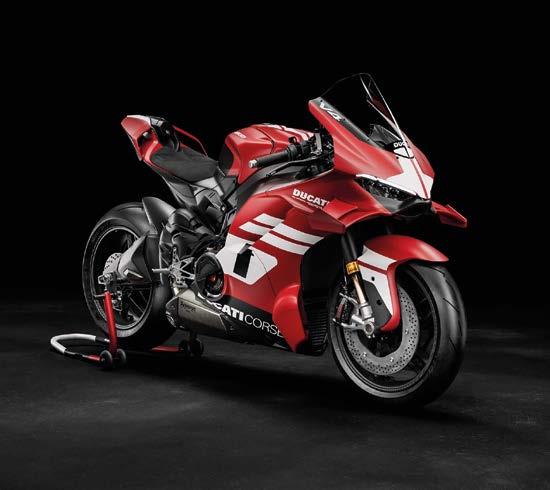
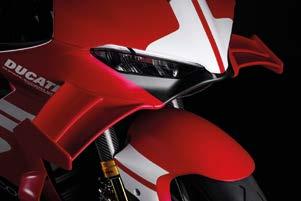
central stripes that run the length of the bike to the front air intake. Set against a matt red background, these reinforce the reference to Italian sporting tradition and to Ducati’s visual identity. The choice of a matt finish also emphasises the material quality of the surfaces and the technical character of the bike. The same colour scheme had already been adopted for the new Ducati Superleggera V4 Centenario, produced in a limited series of 500 numbered units. Based on the seventh generation of the Ducati Superbike, this motorcycle features a fully carbon-fibre chassis and introduces technical innovations never before seen on a road-legal model, including a carbon-ceramic braking system and a fork with carbon-fibre stanchions. Its engine delivers a maximum power output of 228 hp, rising to 247 hp in racing configuration; the weight without fuel is 173 kg, dropping to 167 kg when fitted with the dedicated racing kit. Produced in an extremely limited series, the Superleggera V4 Centenario fits into Ducati’s tradition of highperformance collector’s bikes, models designed to bring racing technologies, materials, and solutions to the road.
Deep, textured, and intense, Rosso Centenario red is much more than a livery: it is the aesthetic synthesis of a hundred years of racing, research, and Italian passion for speed.
Celebrating its 30th anniversary in 2026, Berizzi (Cisano Bergamasco, Bergamo, Italy) has added a new gravity-fed solution to its PHANTOM spray gun range, with the model set to be previewed at the Automechanika trade fair in Frankfurt (Germany). This new gun joins the pressure- and suction-fed versions already in the company’s portfolio, strengthening its position in the industrial spraying sector.
Berizzi will exhibit at Automechanika, scheduled for 8-12 September in Frankfurt, at Stand F16 in Hall 11.1. On that occasion, it will present a new gravity-fed solution designed to expand its PHANTOM range of low-pressure manual and automatic spray guns, which was unveiled to the public at PaintExpo 2024.
Specialising in the manufacture of pumps and accessories for spray and fluid transfer technologies, the company is consolidating its product range to deliver application precision, reliability, and operational continuity. The PHANTOM range of spray guns, in particular, has been developed for intensive industrial applications involving spray finishes, coatings, abrasives, enamels, and other materials requiring highly complex
atomisation. Its key strengths include high transfer efficiency, rapid application, and adaptability to different surfaces and processes. In terms of design, the range focuses on ergonomics and robustness: an aluminium body, stainless steel components for materials transfer, ease of handling, and high durability even in the most intensive production cycles.
The range currently comprises four main models: two manual spray guns and two automatic airbrushes.
PHANTOM-P: the manual, pressure-fed version, intended for professional applications requiring versatility in handling paints of varying viscosities.
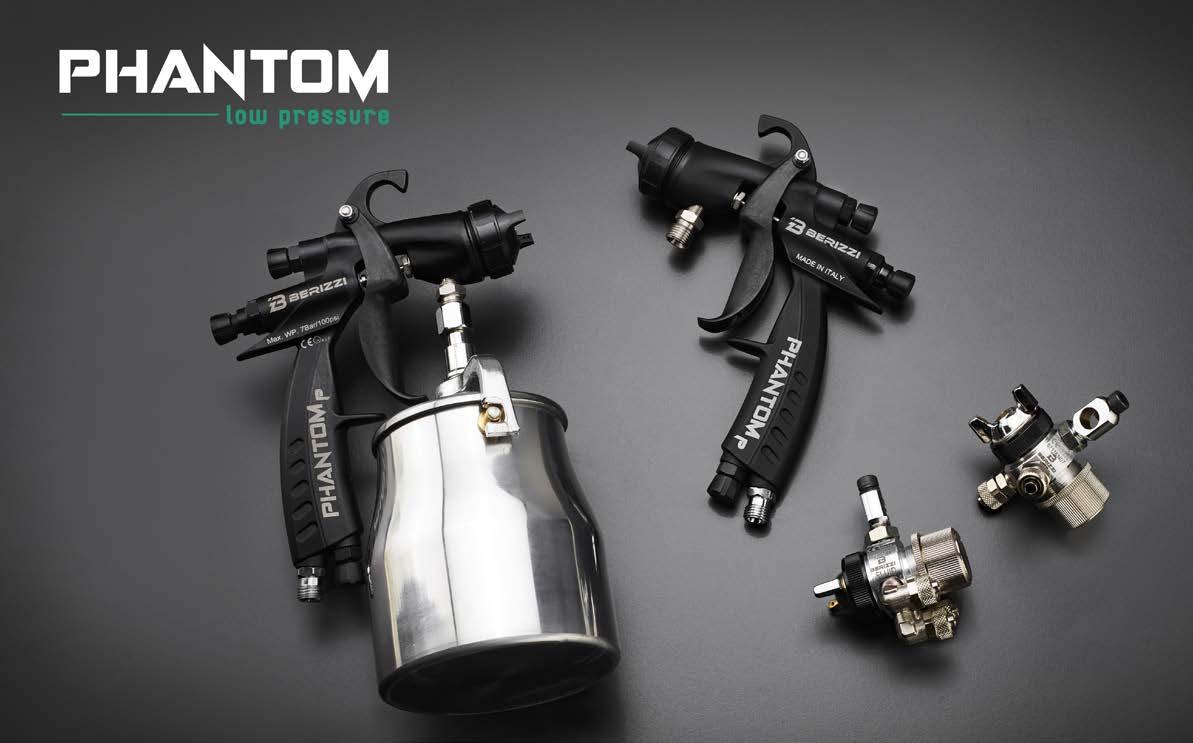
PHANTOM-S: the manual, suction-fed version with a reservoir, developed to offer convenience and flexibility while maintaining high application control.
PHANTOM-AB: the automatic version.
PHANTOM-AD: the high-precision automatic version; the third inlet regulates atomisation for absolute control.
With the launch of the new gravity-fed version, Berizzi further expands the modularity of its PHANTOM range by introducing a new system designed to meet specific application requirements and to offer greater control in precision coating operations.
For low-pressure applications, in addition to spray guns, the company manufactures B24 double-diaphragm pumps, filters (cup, mesh, and screen types, compatible with the main brands on the market), pressure tanks, hoses, fittings, gravity tanks, and other accessories. These components are made from various materials and can be used across a wide range of applications, including the bodywork, automotive, wood, furniture, marine, and building industries. With its latest innovation, Berizzi further strengthens its position in the spray and fluid transfer technology market, reaffirming an approach focused on process reliability, all-Italian manufacturing quality, and the development of professional solutions tailored to specialist operators.
For further information: www.berizzi.it/en
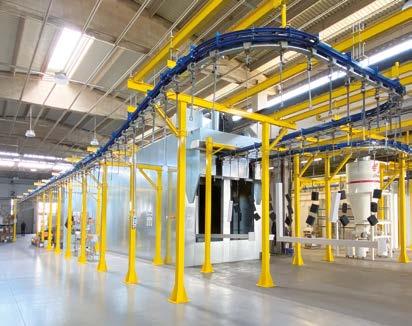
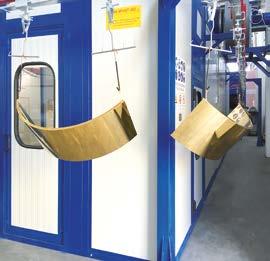
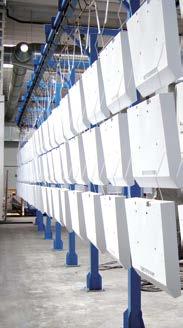
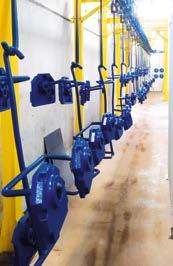
Verona Impianti designs, manufactures, and installs tailor-made coating plants, pretreatment lines, and drying systems.
Reliability, competence, and experience: these are the three nouns that best describe the team of VERONA IMPIANTI 2002.
A new integrated production line for trailer components combines shot blasting, powder and liquid primer application, liquid top coat application, automation, and digital process management.
In the automotive and transport industries, the coating of large components requires systems that combine robustness, production flexibility, consistent quality, and consumption control. IMEL has designed and installed a new plant for the treatment and coating of trailer components, including chassis, bodies, axles, and structural parts, which meets precisely these needs. In particular, it can alternate or combine powder and liquid coating, depending on production and performance specifications, thus optimising the process, keeping operating costs down, reducing environmental impact, and ensuring high-quality standards in terms of coverage, uniformity, and film distension.
One of the most distinctive features of this plant is its layout, organised into eight parallel lines. Each of them incorporates several processing stations, with two automatic cranes at the ends to handle load bars and enable multiple cycle combinations, even when treating large and heavy components (up to 17 m and 8,000 kg). The first line comprises an automatic shot blasting booth with two robots, a manual shot blasting booth, two preparation stations, and storage buffers. The second line is dedicated to the automatic and manual application of powder primers, with a curing oven and a cooling station. The third line features a manual booth for liquid primers and its associated drying oven.
The fourth line incorporates two booths and ovens for the application and drying of top coats. Three lines have already been designed to accommodate future expansion, including a new powder coating line and two liquid coating lines. Finally, the last line is devoted to the coating of axles and small components.
The plant’s complex layout, covering 12,000 m², is complemented by the proprietary i4PaintShop platform, which transforms it into a smart control centre. The system enables real-time monitoring of consumption, quality, and performance, as well as batch traceability, comparison of nominal and actual process data, OEE measurement, and maintenance management. Visual management stations in the manual areas provide operators with clear, precise instructions.
The result is a plant designed to increase production efficiency, improve coating quality, and reduce waste, consumption, and downtime. This solution confirms IMEL’s role as a technology partner to the automotive industry, capable of integrating engineering, automation, and digitalisation into comprehensive, scalable, and sustainability-focused systems.
For further information: www.imelspa.com
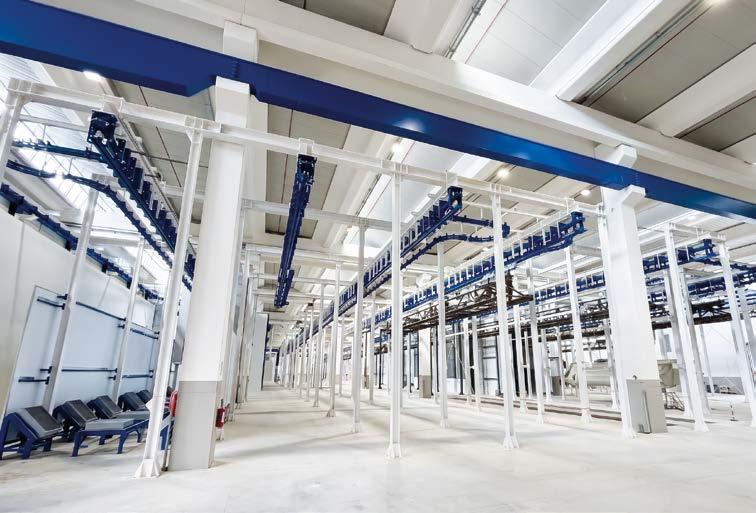
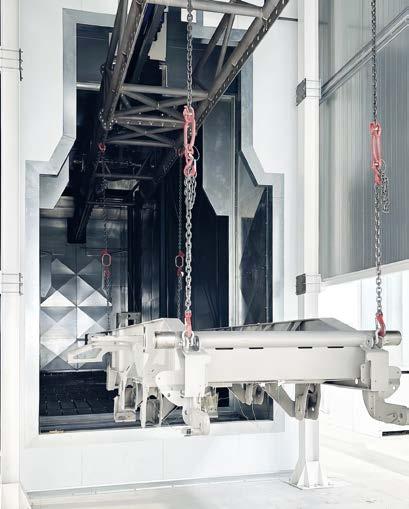
FILTRATION QUALITY - CUSTOMIZATION - INNOVATION
Edited by ipcm®
As part of a new coating line for automotive components, Water Energy has installed two Skimmerflot systems to treat and purify the waste water produced by the application booths.
To support increased production capacity and meet the high quality standards required by the automotive sector, a Polish company specialising in the moulding and liquid coating of plastic components for car interiors and exteriors has recently invested in a new, fully automated coating line.
Comprising two booths, one for primers and the other for base or clear coats, depending on the required coating system, the plant is equipped with two Skimmerflot sludge separators, designed and installed by Water Energy (San Pietro in Casale, Bologna, Italy). The two sludge removal plants are designed to treat the water used in the booths’ overspray capture systems, ensuring high operational continuity, process efficiency, and finishing quality.
The two Skimmerflot systems installed by Water Energy are housed in a dedicated technical room adjacent to the coating booths, each with a
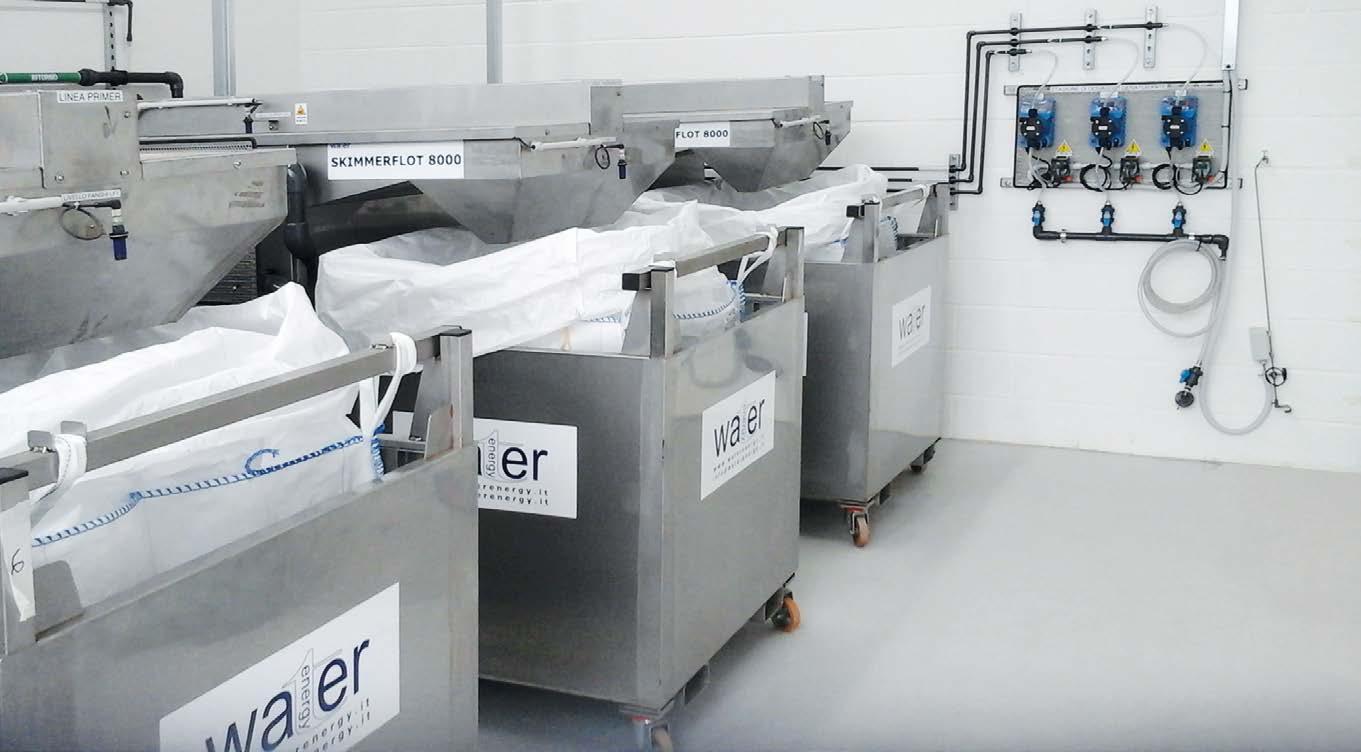
treatment capacity of 5,000 l/h. Their technology is based on the chemicalphysical separation of paint in the booths’ overspray capture water, enabling the continuous removal of suspended pollutants by forming a sludge layer that floats on the water’s surface. The treatment process consists of three main stages:
paint denaturation/coagulation: the paint in the waste water is rendered nonadhesive, reducing its ability to adhere to surfaces. This is essential to prevent scaling on walls, pumps, and recirculation circuits;
flocculation: the denatured particles aggregate into larger flocs for easy separation from the aqueous medium;
flotation: by introducing micronised air into the treatment tank, the flocs rise to the surface and form a layer of floating sludge, which is continuously removed via an automatic skimming system. The floating material is then conveyed into dedicated containers (two tanks per Skimmerflot) fitted with draining big bags, where the sludge is collected and dewatered before disposal. The entire plant is managed via a centralised electrical control panel with a PLC and a 7” touchscreen interface, which provides complete control of the sludge separators and the automated dosing of chemicals supplied by Water Energy, including flocculants, denaturants, defoamers, and pH adjusters. The system is managed through predictive level sensors capable of continuously monitoring product availability and providing advance warning before the containers run empty. All systems are integrated with the coating line and configured for continuous remote monitoring, both by the customer and, upon request, by the technical support service of Water Energy.
In addition, the Bologna-based company’s local service team keeps the main chemicals required for plant operation in stock, ensuring rapid interventions and prompt supplies, even in urgent situations.
The installation of the Skimmerflot systems has enabled the Polish company to significantly improve waste water management by continuously removing overspray from the recirculated liquid and maintaining a high degree of cleanliness throughout the line. By reducing deposits and scale build-up on booths, walls, pumps, and abatement systems, costs associated with routine and non-routine maintenance have been cut by up to 80%. At the same time, the process ensures sludge recovery efficiency of up to 80%. The sludge removal system produces residue that is directly collected in big bags and has a moisture content of less than 40%, further streamlining sludge management and disposal operations.
Another operational advantage is the significant reduction in the frequency of booth water replacement, which is limited to about once a year. Finally, the combination of dedicated chemical treatment, flotation separation, and full process automation ensures stable operating conditions in the coating shop, improving reliability, production continuity, and process control.
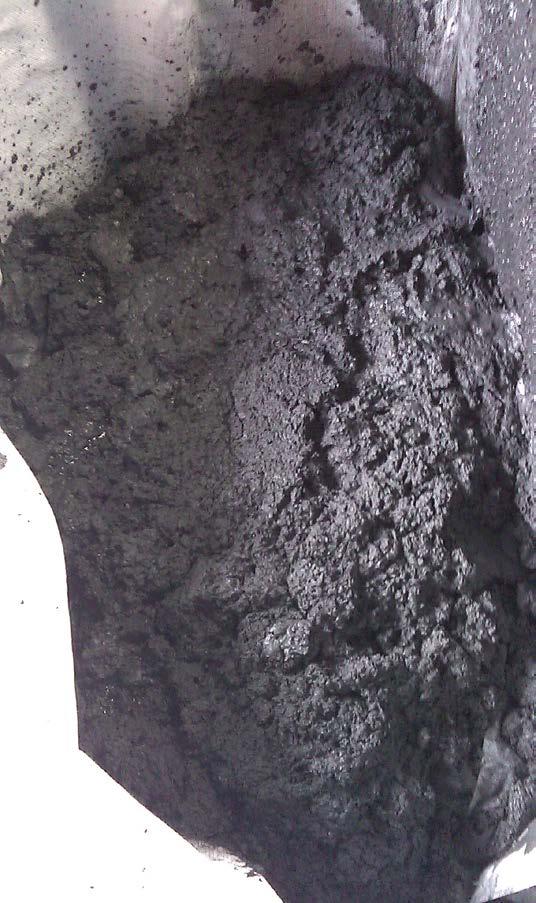
Edited by Geico S.p.A.
Cinisello Balsamo, Milan (Italy) sales@geico-spa.com
Geico, an international company specialised in automotive paint shop systems, has developed Paint Express, an innovative paint distribution system for the automotive sector designed to reduce material waste and optimise operations within paint shops.
In the automotive sector, the growing demand for customization is profoundly transforming painting processes.
Among the most significant challenges is the management of special colours—specifically, colours dedicated to small batches or even single vehicles (bespoke).
Traditionally, managing these colours involves manual tasks by line operators, featuring complex emptying, cleaning, and refilling cycles. This approach implies high time consumption, paint waste, significant use of solvents, and the subsequent management of contaminated solvent.
Furthermore, to properly feed the system, it is necessary to fill the entire distribution circuit, generating an excess of paint compared to the actual requirement.
To overcome these limitations, Geico introduces Paint Express, an innovative system designed to efficiently manage both standard and special colours, even in the presence of extremely low volumes.
The system eliminates the need to fill long pipelines and use recirculation circuits, allowing for the delivery of exclusively the amount of paint required for the single process.
The system is mainly composed of the following elements: Paint Bullet: paint-containing capsules
Paint Library: automated storage system
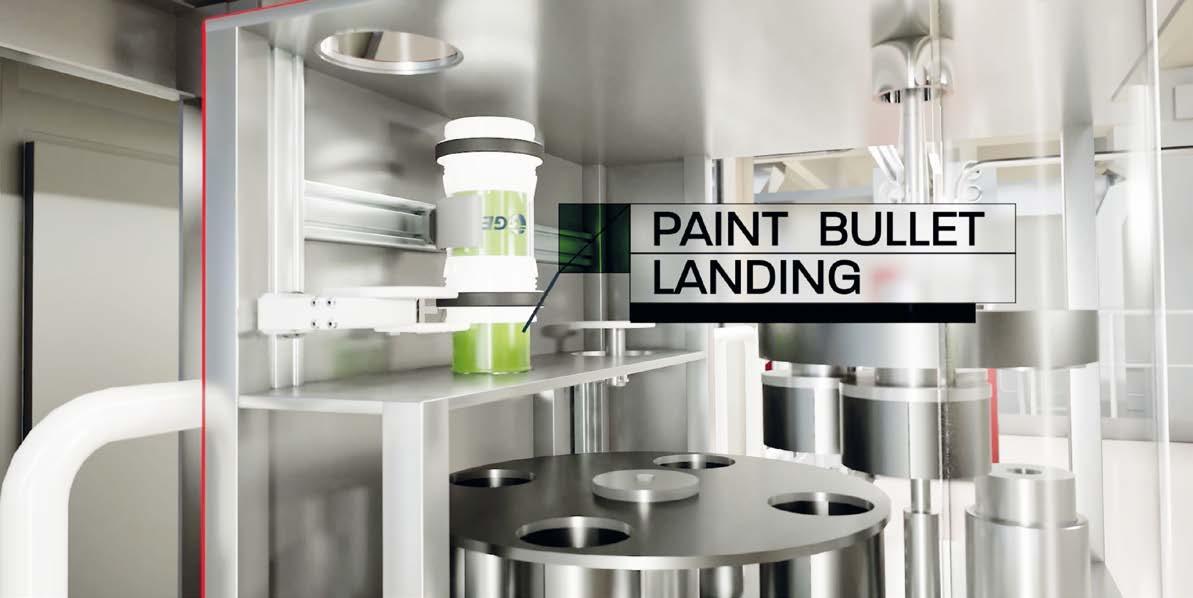
Pneumatic Tube Mail System: transport system
Revolver: distribution unit at the robots When requested, the capsules are automatically sent from the paint library, via the pneumatic transport system, to the revolvers, which discharge the paint and feed the robots. The system therefore guarantees a just-in-time supply only when necessary.
Furthermore, the absence of circulation systems leads to a significant reduction in solvents, plant simplification, and lower maintenance.
The system can be installed on both new and existing plants and easily adapts to any layout. Finally, the software developed by Geico, based on AI and Digital Twin technology, allows for the optimization of module configuration and positioning.
Therefore, Paint Express brings multiple advantages from both a technological and sustainability standpoint. Here are the main ones:
reduction in energy consumption
reduction in solvent use
reduction in raw materials
waste reduction
improvement of working conditions. Last but not least, Paint Express proves to be a highly flexible solution in terms of ease of use, modularity, and scalability, as well as being a customizable product that can be installed in any plant.
Consequently, Paint Express represents an innovative solution for special colours management, improving efficiency, sustainability, and production flexibility: “Paint Express, just-in-time paint supply, only when needed and where needed”.
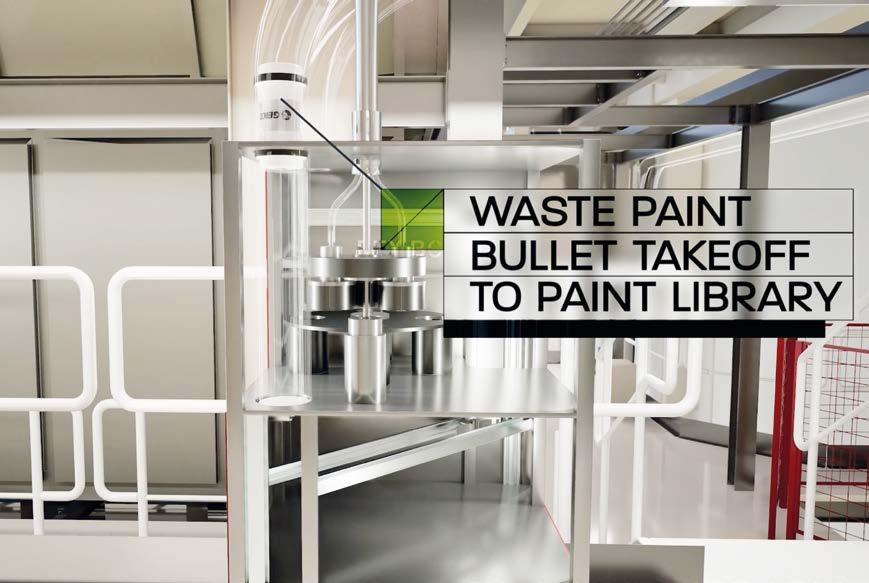
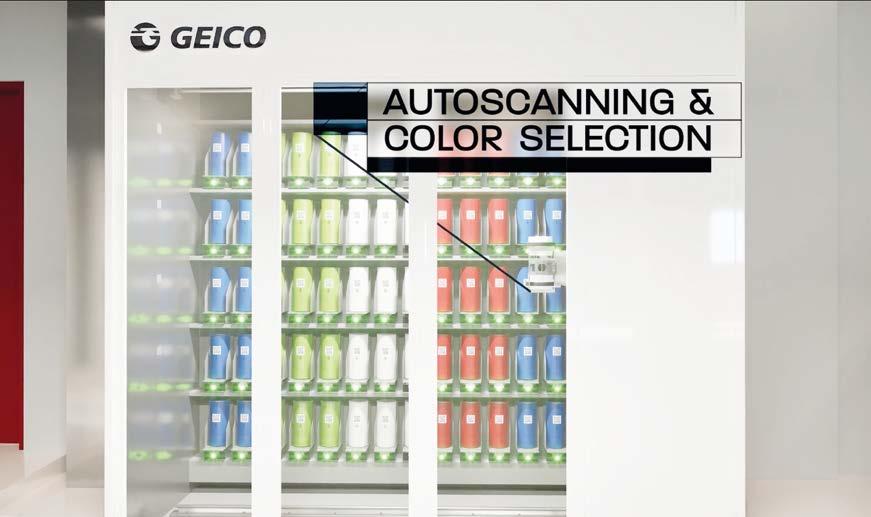
Edited by Gema Switzerland GmbH Gossau, Switzerland info@gema.eu.com
PaintExpo 2026 was an exciting platform for Gema Switzerland, offering the ideal opportunity to showcase its latest development in powder coating technology. This year, the spotlight was on the brand-new MagicControl MAX, the next-generation control unit for powder coating systems designed to improve process efficiency and to enhance the user experience. Visitors also showed great interest in the OptiCenter® All-in-One OC11 powder management centre with DualSpeeder and OptiSpray pumps. The high level of engagement and the many insightful conversations with international visitors made PaintExpo 2026 a great success.
Automation and digitalization are transforming industrial coating processes and require control systems that are not only powerful but also seamlessly integrated and easy to operate. With MagicControl MAX, Gema Switzerland GmbH has developed a next-generation control solution that embodies these principles — combining precision, connectivity and automation expertise to deliver perfect coating results every time. MAX stands for Machine intelligence. Automation. eXperience simplified. Together, these three dimensions redefine what’s possible in powder coating control.
At the core of MagicControl MAX lies a multi-core processor and modular platform architecture that centralize all coating operations within one integrated system control. Every component and the entire steps of the application process are connected through a standardized communication structure. This powerful system architecture performs all control system functions with maximum efficiency and supports real-time monitoring, process diagnostics and maintenance assistance. With its intelligent control structure, MagicControl MAX ensures high system availability and stable process conditions. Advanced features such as Dynamic Contour Detection enable data-driven process control. Using laser scanning, the system identifies part geometries and adjusts gun positionings and axis movements accordingly. This ensures accurate powder application, reduced overspray and consistent coating quality – even fine geometries of complex parts at high conveying speeds.
Machine intelligence in MagicControl MAX means more than automated control; it represents adaptive precision, ensuring reproducible coating results across variable production conditions.
MagicControl MAX achieves a high degree of automation by linking all components of the coating system into a networked control system.
It facilitates vertical integration with MES and higher-level production systems and horizontal communication between all components of the coating process.
This reliable control makes powder coating processes more autonomous and leads to increased efficiency with improved and consistent coating quality, reduced operating costs and process flexibility.
The control unit enables seamless interaction between part detection and coating process, powder circulation and color change as well as ideal coating conditions in the booth,
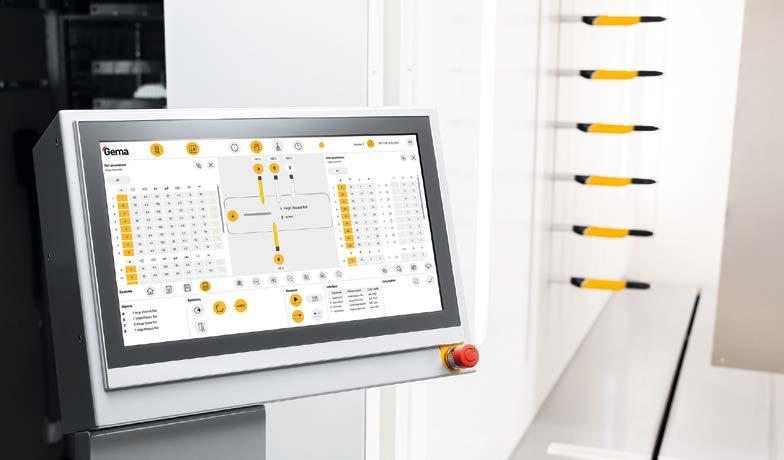
while complying with all safety guidelines. All operational parameters and application programs can be stored, retrieved or modified at any time. Process data and performance indicators are made accessible through the associated GemaConnect® Dashboard, which visualizes efficiency metrics, maintenance needs and system status in real time.
Automation through MagicControl MAX reduces manual intervention, minimizes downtime and ensures repeatable coating results while optimising powder, energy and time usage.
Despite its technological sophistication, MagicControl MAX is designed for straightforward and easy operation. Its 18.5” HMI touchscreen interface enhances humanmachine-interaction by providing clear process visualization and intuitive access to all coating parameters. Operators can quickly adjust gun settings, axis configurations and colour change sequences through user-defined favorites and direct menu access.
The control unit simplifies training and operation by presenting complex system functions in an organized, graphical format.
Routine procedures such as colour change, cleaning and maintenance are easily performed with visualized work steps, reducing operator’s workload and preventing operating mistakes. Status monitoring functions, warnings and automated diagnostics further enhance system transparency. Maintenance tasks can be planned proactively, minimizing unplanned downtime and supporting continuous production efficiency.
With its modular structure, MagicControl MAX is scalable for any plant configuration — from compact lines to multi-axis robotic systems. Extensions and upgrades can be integrated seamlessly, ensuring long-term use of the investment.
MagicControl MAX combines machine intelligence, automation and simplified operation in one integrated control platform. The control provides a complete overview of the coating process, ensures precise control of every parameter and offers full digital connectivity for state-of-the-art production environments. Engineered for high reliability, MagicControl MAX delivers stability and reproducible coating results, total process transparency and sets a new benchmark in powder coating control technology.
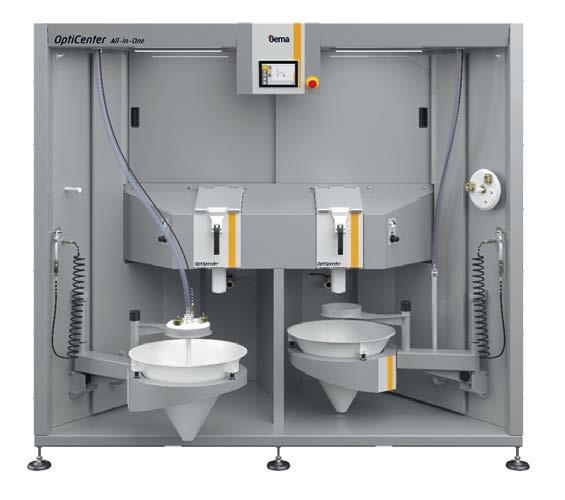
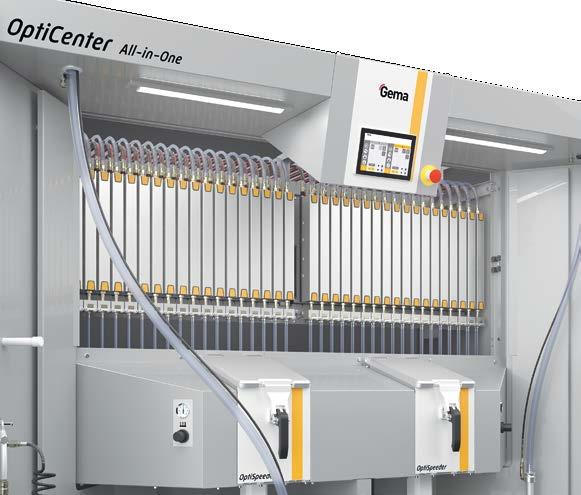
OptiCenter All-in-One OC11 is the cutting-edge powder management system with two OptiSpeeder powder hoppers (DualSpeeder), combined with latest OptiSpray All-in-One pump technology, which combines advanced powder loading technology with second generation SIT dense phase powder delivery technology in one compact unit. The OC11 two powder hoppers enable coating of two independent colours in succession with ultra-fast colour change. The OptiCenter uses MultiColor Switch technology, which provides the fastest switching between OptiSpeeder hoppers and the cleanest colour change between alternating colours. A switch occurs in as little as 60 seconds, providing colour flexibility and operational efficiency for short-batch production. Another feature of the OptiCenter All-in-One OC11 is its ability to coat simultaneously from both powder hoppers. On the one hand, it is possible to coat in parallel with only fresh powder from one container and recovery powder mix from the other, allowing independent application. Fresh powder is used for surfaces requiring premium quality, while recovery powder is applied to visually less critical areas. This optimization ensures the highest product quality and maximum powder utilization, which ultimately reduces scrap and increases cost efficiency. In addition, the two powder hoppers can be used as a dual fresh powder source of the same powder. The user benefits from continuous automatic fresh powder supply, especially for long production batches. This prevents plant downtime due to powder shortages.
With the integration of electrostatics and powder conveying via the proven Gema OptiSpray pump technology in one compact unit, the new OptiSpray All-in-One pump is the first of its kind in the powder coating industry. This combination ensures seamless interaction between pneumatic and electrostatic functions, resulting in responsive powder delivery, instantaneous powder cloud control and the highest application efficiency. Up to 36 OptiSpray All-in-One can be integrated directly in the OC11 in a very space-saving way, eliminating the need for the otherwise commercially available gun control cabinet, which saves space and provides ergonomic plant layouts that can be installed quickly. With OptiCenter powder management and the integrated OptiSpray All-in-One pump, users benefit from the fastest colour changes, stable coating results, intuitive operation and trouble-free maintenance. The OC11 can be tailored to individual requirements with various equipment options, such as the US07 ultrasonic sieve insert. In addition, customers can choose between various internal fresh powder systems, including the standard cone, the cone with weighing device, the vibration table for the powder box or the external fresh powder supply with the OptiFeed FPS series.

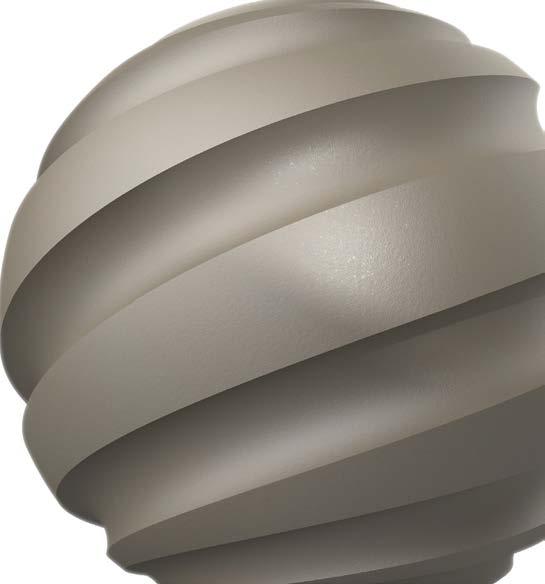
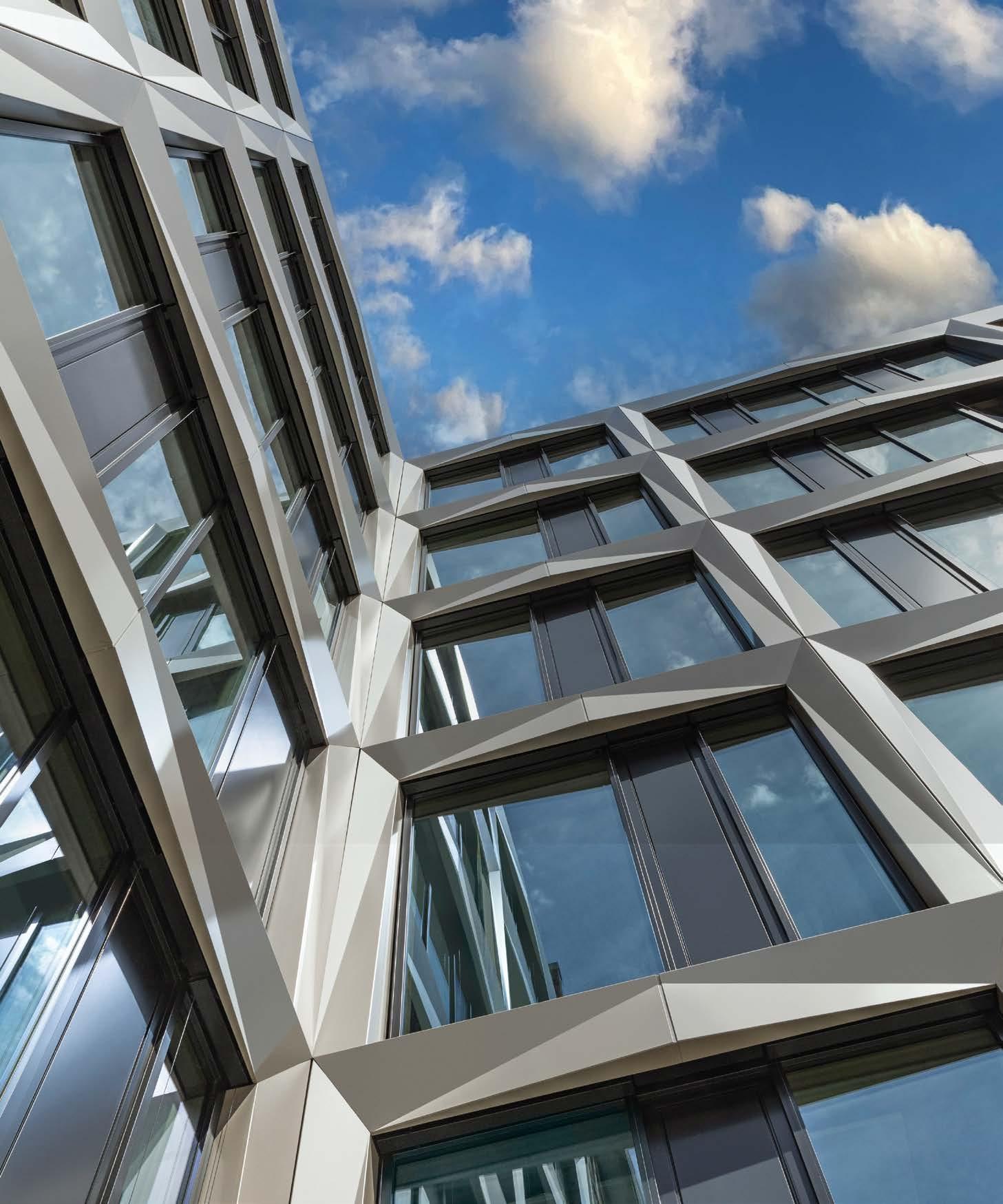
SciTeeX and V+S – Vogel & Schemmann Maschinen GmbH join engineering expertise and industrial manufacturing capabilities to develop integrated surface treatment solutions, enhancing quality, reliability, and project execution across the blasting sector.
SciTeeX and V+S - Vogel & Schemmann Maschinen GmbH have established a cooperation that strengthens both companies in industrial surface treatment. The partnership combines SciTeeX’s modern production resources, engineering capacity and integration experience with V+S’s German precision and more than 130 years of know-how in blasting technology.
For SciTeeX, the cooperation expands its ability to offer complete, tailormade solutions based on a broader technological portfolio. Its modern factory, assembly infrastructure and certified manufacturing system, including EN ISO 3834 and EN 1090, allow large-scale preassembly, quality control and Factory Acceptance Tests before delivery.
For V+S, the partnership creates access to SciTeeX’s industrial manufacturing base, project execution resources and international customer network, supporting larger and more complex projects.
Customers benefit from integrated, reliable and efficient solutions designed around real production needs. They receive proven blasting technology combined with full project support: design, manufacturing, preassembly, FAT, installation, commissioning and service. The cooperation reduces technical risk, improves quality control and shortens implementation time.
The joint presence of SciTeeX and V+S at PaintExpo 2026 confirmed the shared message: where innovation meets tradition. Together, both companies create stronger value for industry, proving that surfaces are not superficial.
For further information: www.sciteex.com and www.vs-shotblasting.com
Condoroil has taken a strategic step forward in the industrial surface treatment sector by announcing an exclusive distribution agreement for the Italian market with NIPPON PAINT, a Japanese multinational and a global leader in industrial paints and coatings.
Founded in Japan in 1881, NIPPON PAINT is a world leader in the industrial coatings sector, with over 140 years of experience and a well-established presence across all major international markets. Through its partnership, Condoroil further strengthens its offering in the cataphoresis coating segment, bringing technologically advanced, high-performance solutions to the Italian market. This agreement is a key part of the company’s growth strategy, aimed at expanding its product portfolio and delivering increasingly comprehensive, innovative, and integrated solutions for treating and protecting metal surfaces. Condoroil’s technical team has also recently completed an intensive specialist training programme on the management and control of cathodic electrophoresis baths. Held on-site with support from NIPPON PAINT specialists, the programme enabled Condoroil’s technicians to deepen their understanding of all aspects of the control, management, and optimisation of e-coat systems, consolidating highly specialised
expertise in a constantly evolving sector. This is not only a significant investment in in-house technical know-how but also a concrete demonstration of the company’s commitment to supporting its customers with increasingly qualified and reliable assistance.
“Entering the e-coat sector through such a high-level partnership is a great opportunity for us to grow both technologically and commercially,” the company comments. “We are proud of the trust NIPPON PAINT has placed in us, and we are ready to step up to the challenge and supply the Italian market with cuttingedge solutions, drawing on our technical expertise.”
Condoroil once again confirms its commitment to innovation, technical specialisation, and the development of international partnerships that generate value for the market and its customers.
For further information: www.condoroilchemical.com
Frank T. Brettel, Sales Director for Germany (OEM and OES) at Nippon Paint Automotive Europe, alongside Marco and Paola Zavattoni, CEO and Chief Operating Officer of Condoroil Chemical, respectively.
With 16 fresh colors, the ultra-matte series offers a smooth, low-gloss, metallic appearance designed to simulate the colors of anodizing — but with the added advantages of hiding surface imperfections and defects in the metal.
Sherwin-Williams is proud to announce its Anodite® Plus collection — a new generation of polyester powder coatings for the Architectural market. The coatings are designed to enhance aluminum and steel substrates for both internal and external applications.
Anodite Plus coatings combine the beauty of anodizing with the benefits of powder coatings. They also meet the requirements of Qualicoat Class 2 and GSB Florida 3 set by the Quality Associations, which is extremely important for this market.
Anodite Plus provides enhanced color consistency while remaining highly resistant to light and the effects of weathering. In addition, the collection features:
Superior resistance to UV rays.
Protection of structural integrity.
Superior toughness for exteriors: ideal for residential, light commercial, industrial or institutional buildings and for use in storefronts, entry systems, windows, handrails and photovoltaic solar panels.
Lower gloss levels than standard matte powders, with excellent flow.
For further information: https://industrial.sherwin-williams.com/ emeai/gb/en/general-industrial/architects/anodite-plus.html
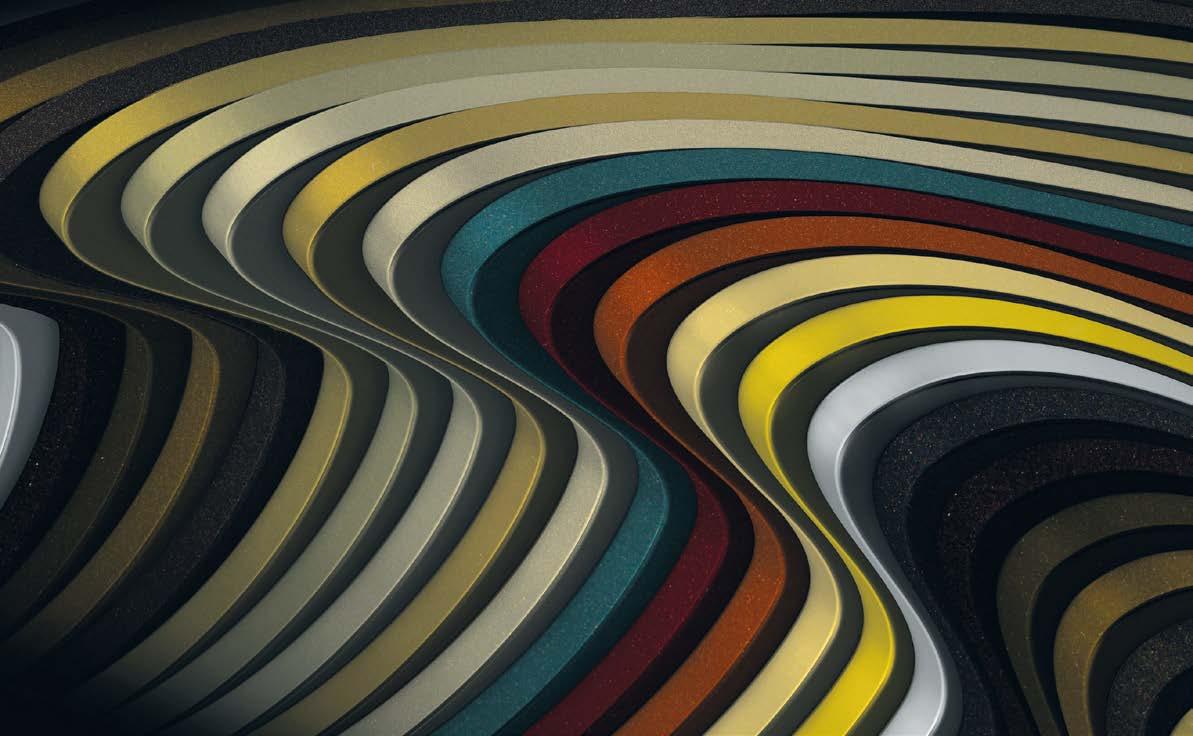
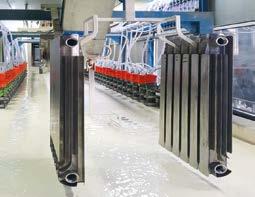
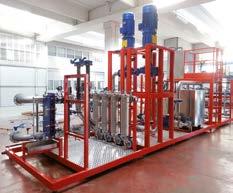
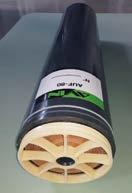
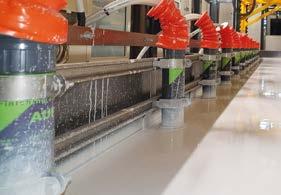
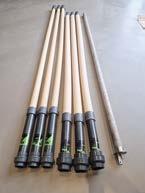
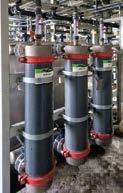
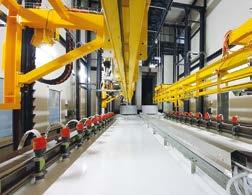
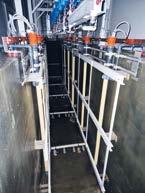
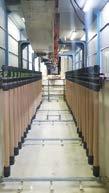
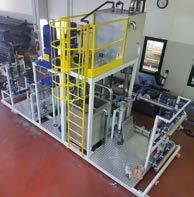
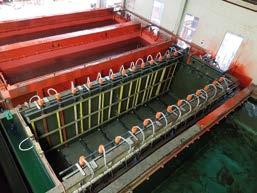
Giulia Gentile, ipcm®
During Milan Design Week 2026, ST Powder Coatings once again participated in the Fuorisalone event as part of the Materially circuit, reaffirming its leading role in the architecture and design sector.
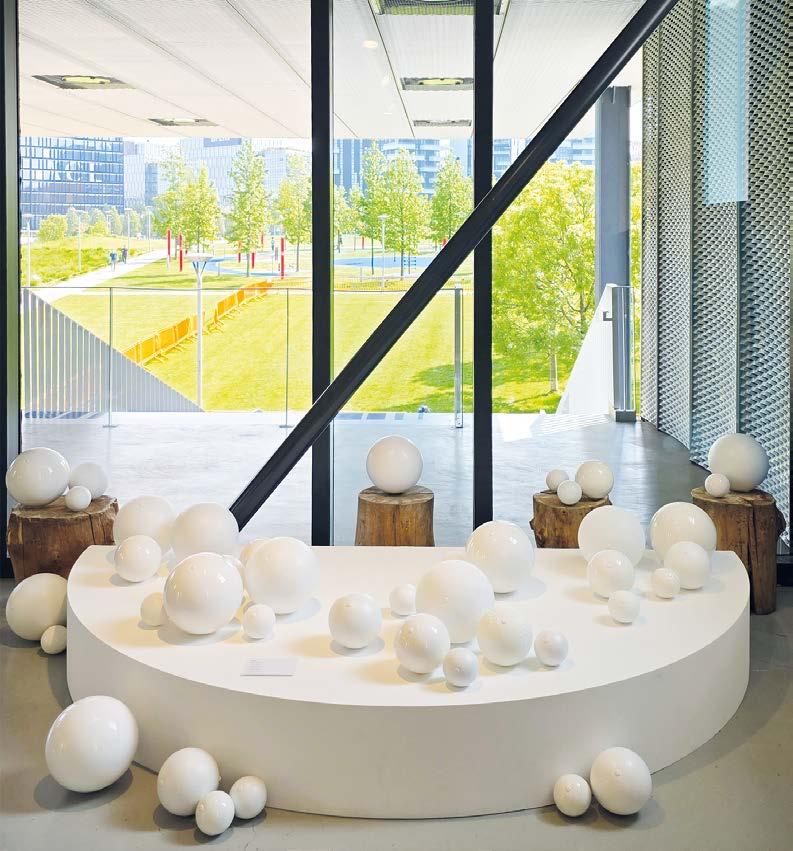
For ST Powder Coatings, a company based in Montecchio Maggiore (Vicenza, Italy) specialising in the production of powder coatings, participation in Fuorisalone has become a well-established tradition, cementing its position as a successful player in the design sector. Over the years, its presence has proved not only effective but also a real source of value: “Being part of Materially’s circuit has become a must for us and, over time, has delivered results that have exceeded all our expectations,” says Marco Zadra, CEO of ST Powder Coatings, highlighting how direct engagement with the design world has helped strengthen the brand’s reputation even beyond traditional industrial contexts. Indeed, the added value of Fuorisalone lies in its hybrid nature: it is not a simple trade fair but an environment where relationships, languages, and trends are forged. This is where ST Powder Coatings fits in: at the point where materials – in this case, coatings – meet design culture.
Materially and ‘The New State of Materials’
ST Powder Coatings participated in the exhibition ‘The New State of Materials’, curated by Materially and dedicated to the contemporary evolution of materials for product and environmental design. The 2026 edition focused on some key questions: in which directions is innovation heading? What sustainability and performance targets have different categories of materials achieved to date? What challenges can materials help address beyond environmental ones? The focus, therefore, shifted to the ability of materials to become active tools in the design process, capable of influencing not only aesthetics but also decision-making processes and modes of interaction with objects. ST Powder Coatings found in this theme an opportunity to reflect on the relationship between surfaces, perception, and experience.
ST Powder Coatings has developed an extensive range of polyester, epoxy-polyester, epoxy, polyurethane, and silicone-based coating systems, comprising over 17,000 formulations and more than 1,000 products available from stock. These technical capabilities are matched by a wide variety of aesthetic finishes: from super-matt to gloss, smooth, and textured (embossed, crinkled, damask, hammered) surfaces, as well as a range of special effects, including metallic, micaceous, pearlescent, fluorescent, and iridescent.
However, a key point that also emerged from discussions with designers and architects during Design Week was a new approach: materials are
no longer chosen solely for their aesthetic performance but also for their ability to create an experience. “Contemporary design is moving towards greater awareness, making it essential to understand both the technical characteristics and the sensory potential of each material,” says Zadra.
This new take on materials found direct expression in the installation presented by ST Powder Coatings at Fuorisalone 2026. The exhibition project explored the theme ‘The New State of Materials’ through an immersive space conceived as a stroll amongst suspended elements, a sort of abstract landscape composed of spheres and circular volumes coated with various powder finishes. “The choice of the spherical form is not merely aesthetic but conceptual, as it refers to the very nature of powder, which consists of particles. It enabled us to emphasise the relationship between surfaces, light, and three-dimensional perception,” explains Zadra.
With different textures and levels of reflectivity, the surfaces looked different depending on the viewpoint and their interaction with light, making it clear that matter is never static but is constantly revealed through the gaze and movement. Visitors were not just observers but active participants in the exhibition: direct contact became a means of better understanding materials. A distinctive feature of the 2026 edition was the integration of magnetic surfaces – developed in collaboration with magnetic systems manufacturer KalaMitica and finished with ST Powder Coatings’ products – onto which objects and accessories could be attached and repositioned freely, creating dynamic configurations. In short, the exhibition sought to convey that coatings are part of a broader design system with which the environment and people interact. Through this relationship, a coating becomes an active component of any finished product, contributing to its aesthetic and functional identity.
ST Powder Coatings’ presence at Fuorisalone 2026 confirms a path of progressive integration between industrial and design cultures, in which powder coating evolves from a technical feature into an expressive tool. Through an installation that focuses on the relationship between matter, light, and interaction, the company reaffirmed its position in an increasingly hybrid segment, where technological innovation and design research converge to define new ways of experiencing materials. “We are very pleased with the work we are doing in the design sector: ST Powder Coatings can support designers in gaining an ever deeper understanding of the characteristics of coating products and how they translate into both visual and tactile sensations,” concludes Zadra.
Alessia Venturi, ipcm®
At PaintExpo 2026, J. Wagner GmbH chose to transform its booth into an experiential environment designed to concretely demonstrate to professional visitors the value of its technological innovations. Rather than a simple product showcase, the company created a journey built around the idea of making the benefits of industrial solutions tangible in terms of productivity, sustainability, operational simplicity, and application quality for both liquid and powder coatings.
“Similarly to what we did at the 2024 edition, this year we once again wanted customers to experience our technologies firsthand. Not only to see the products, but to immediately understand their added value within the production process,” stated Jens Arnoscht, CTO Industrial Solutions at Wagner Group, during an insightful interview at the exhibition.
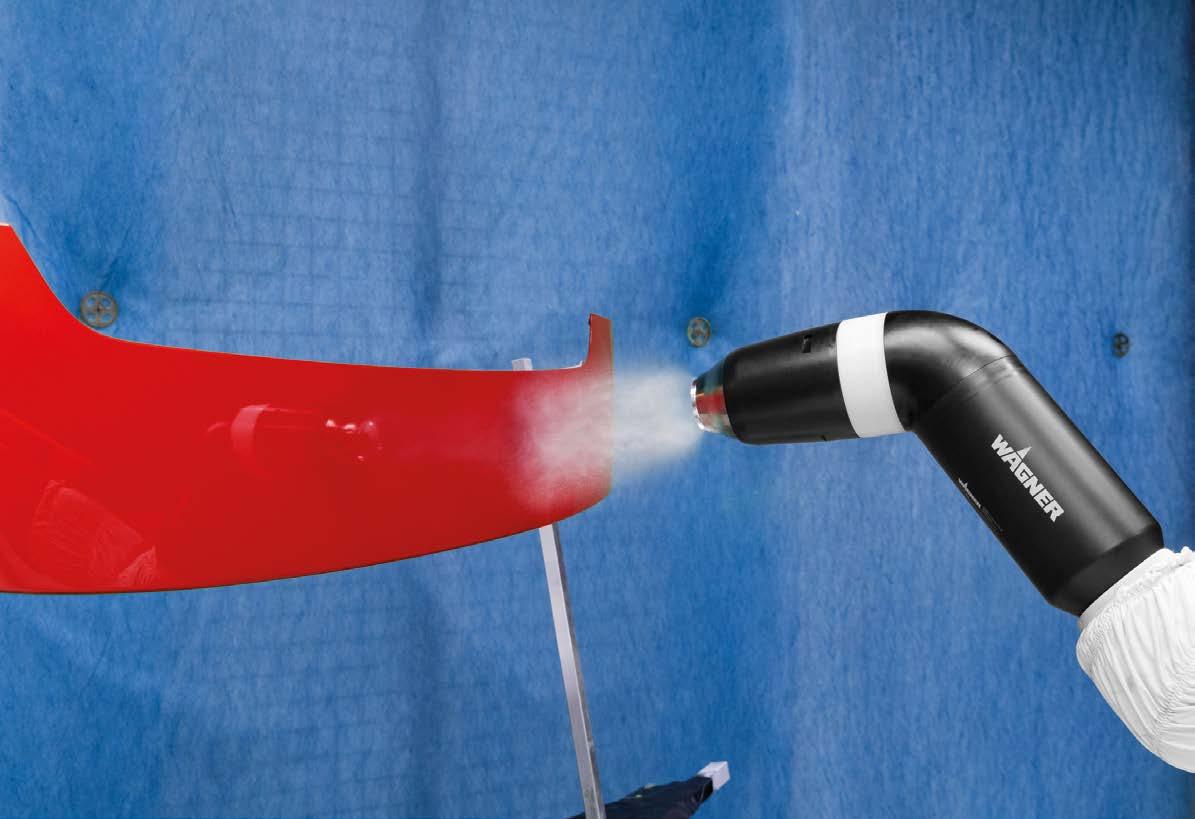
“The company’s strategy revolves around a precise concept: developing advanced technologies that are increasingly easy to integrate and use. Wagner considers this approach essential to addressing the new challenges facing the European market: shortage of skilled labour, growing international competitive pressure, the need to increase productivity, and the simultaneous reduction of the environmental impact of industrial processes.”
One of the main highlights of the Wagner booth was the new generation of TopFinish Bell 21 rotary atomizers for solvent- and water-based liquid coating applications, developed with the aim of extending to the general industry a technology historically associated with the automotive sector.
“The market is showing growing interest in rotary atomization systems also for industrial applications, especially for finishing components with complex geometries and surfaces requiring high aesthetic quality. Their main advantage lies in their ability to generate extremely fine and uniform paint particles, ensuring high surface quality and improved transfer efficiency. In the past, these systems were considered complex and almost exclusively dedicated to the automotive world, but today there are many industrial applications where this technology can deliver concrete benefits,” said Arnoscht.
The new rotary atomizer was presented in combination with the DP 1-40 doublediaphragm pneumatic pump. The solution was developed to further improve application stability while reducing material consumption during cleaning operations.
One of the most relevant technological aspects is the pump’s ability to operate at extremely
1 https://www.ipcm.it/en/post/wagner-bell-portfolio-topfinish-bell-2-wacon-spray.aspx
low pressures — down to 1 bar — while simultaneously maintaining minimal pulsation. At PaintExpo, Wagner chose to demonstrate this feature concretely by directly connecting the pump to the new rotary bell without intermediate material pressure regulators, specifically to highlight flow stability.
The reduction of the internal material volume also represents a significant advantage during equipment flushing operations: the amount of material to be cleaned and discharged is extremely limited, with positive effects on both solvent consumption and production downtime.
“The main historical limitation to the diffusion of rotary bells in the general industry is integration and management complexity,” explains Jens Arnoscht.
“Traditional systems require the simultaneous management of high voltage, rotational speed, spray pattern, and numerous control parameters, often handled through dedicated PLCs and specialized programmers. This level of complexity is incompatible with many medium-sized industrial companies.”
To overcome this barrier, Wagner developed a new hardware and software architecture
focused on ease of use. The user interface adopts the design already introduced with the Sprint 2 Expert manual platforms and is based on a plugand-play logic conceived for integrators already familiar with conventional automatic guns. The idea is to transform the rotary atomizer into a solution that can be easily installed inside a preconfigured “black box”: operators only need to manage essential functions such as start-up, shutdown, and safety, while the atomization parameters are simplified and automated by the Wagner system.
Maintenance of the new TopFinish Bell 2 was also designed according to operational simplification criteria. Wagner developed a structure that allows rapid access to internal components and replacement of wear parts with a limited number of operations and tools. “If we want to increase the use of rotary bells, we must make them intuitive for both integrators and operators. Automation must become easy to use,” emphasized Arnoscht.
Among the technologies that attracted the most attention during PaintExpo was Activeflush2, a solution developed by Wagner to optimize flushing processes in liquid paint circuits.
2 The Activeflush process is well visible in this video https://www. youtube.com/watch?v=ySIBMkLq914
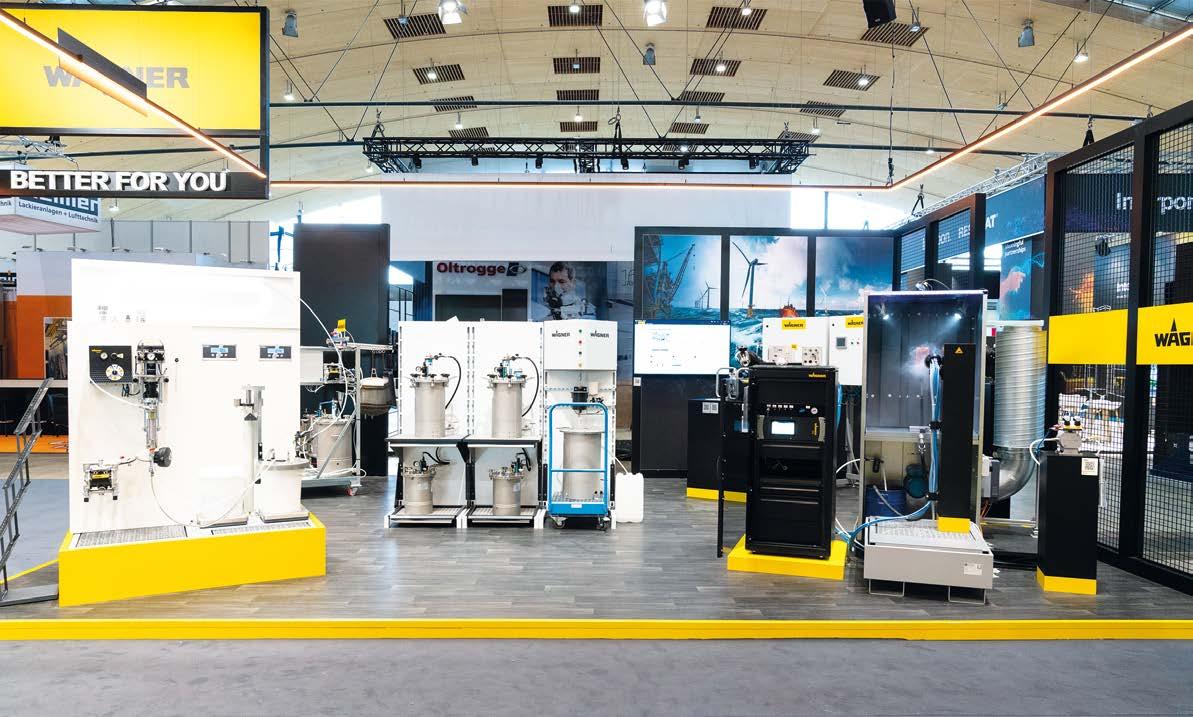
Initially presented as a technological demo at PaintExpo 2024, the solution has now been transformed into a configurable standard product following strong market interest.
The operating principle is based on the combined use of compressed air and solvent in pulsed mode during the different cleaning phases of pumps, filters, and piping. This technique drastically reduces the amount of solvent required to clean the circuits.
“For a line with approximately 15 meters of hose lenght, traditional consumption can reach 5–7 litres of solvent per cycle, whereas with the Activeflush system the value drops below one litre, with overall savings estimated at up to 70% in terms of solvent, residual paint, and operating time,” explains Arnoscht. “From an economic standpoint, the system can guarantee a return on investment in less than one year, even with just one flushing cycle per day. In the presence of frequent colour changes, the payback becomes even faster. The solution can also be retrofitted onto IceBreaker pumps already installed on the market, which represents a strategic factor for accelerating industrial adoption.”
“The main obstacle to the introduction of new technologies is often cultural rather than technical,” commented Jens Arnoscht. “The coating industry tends to maintain long-established processes, especially when related to operations considered critical, such as flushing. This is why Wagner has worked extensively on simplifying operational procedures. The system uses guided control through an intuitive interface that accompanies the operator step by step throughout the various stages of circuit emptying, cleaning and drying. The goal is to minimize the need for specialized training and facilitate operational change.
In the powder coating application sector, Wagner continues to invest in expanding the Sprint platform, with particular attention to manual applications. Among the new developments presented were dual-gun configurations and new integrated cleaning stations designed to speed up colour-change and maintenance operations.
“The manual application market continues to offer interesting growth opportunities, especially thanks to the demand for systems that are easy to use even for less experienced operators,” explains Arnoscht. “This is where the magic of the Recipe Wizard integrated into the Sprint 2 Expert platform comes into play. The system guides the operator through a few questions related to part geometry, coating material, application type, and coating recipe, automatically generating optimized application parameters. This solution significantly reduces training times and also enables personnel with limited experience to achieve high-quality results. This is a major advantage in a market where finding qualified personnel is becoming increasingly difficult.”
The shortage of skilled labour represents one of the central themes in Wagner’s analysis of the European industrial coating market.
“More and more customers are turning to automation not only to reduce operating costs, but also to compensate for the growing difficulty of finding skilled painters. For Wagner, this scenario requires the development of a new generation of industrial automation: advanced
systems that are also easy to use, capable of reducing dependence on highly specialized programmers and dedicated technicians,” states Jens Arnoscht. “I believe the main trend can be defined as ‘automation made easy.’ In Europe, we cannot compete simply by working harder: we must automate, but do so in an accessible and intuitive way.”
The strategy also includes expanding robotic solutions featuring easyteaching systems and position compensation technologies designed to simplify robot programming in industrial coating applications.
Another pillar of this strategy is COATIFY, the company’s digital IoT platform.
At PaintExpo, Wagner presented a completely renewed version of the software environment, developed to make process data management more intuitive and accessible. The goal is to transform digitalization into a tool that can actually be used by line operators, avoiding overly complex interfaces and prioritizing the usability of operational information.


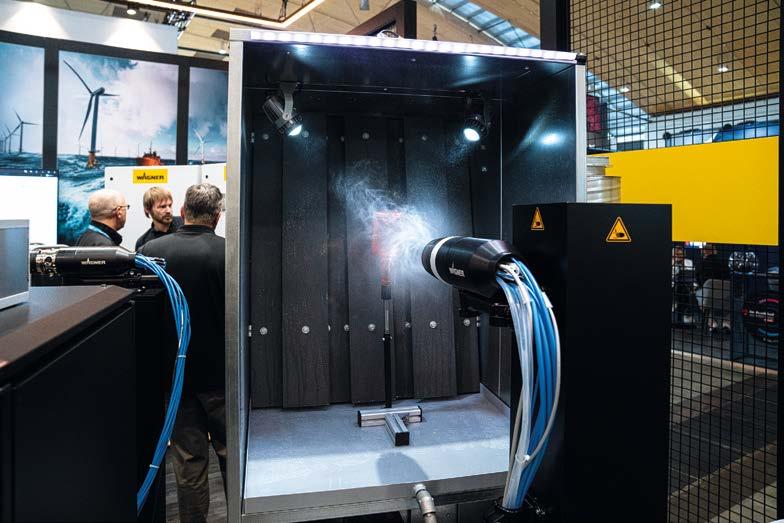
The new platform integrates advanced data-monitoring and process-management functions, confirming the growing convergence between coating technologies, automation, and digital analysis of production performance.
From a market perspective, Jens Arnoscht describes a European scenario still characterized by caution in industrial investments. Geopolitical uncertainties, energy costs, and economic pressure are prompting many companies to slow down investment decisions.
“Despite this context, we recorded growth in Europe over the past year, mainly supported by the strong internationalization strategy developed in recent years. Asia now represents one of the group’s main growth drivers. Wagner recently opened a subsidiary in India and acquired a production site with a development centre in Vietnam, strengthening its industrial presence in the region. At the same time, the group is accelerating its expansion in South America through its new Brazilian subsidiary3, which is also intended to support all other South American markets with a local presence closer to customer needs,” concluded Jens Arnoscht. “The US market also continues to show positive dynamics, contributing to the growth of the company’s global industrial business. Once again, despite the current challenges, the market continues to offer significant opportunities for technologies capable of combining sustainability, automation, reduced consumption, and operational simplicity.”
3 https://www.ipcm.it/en/post/wagner-expands-coating-tech-footprint-into-brazil.aspx















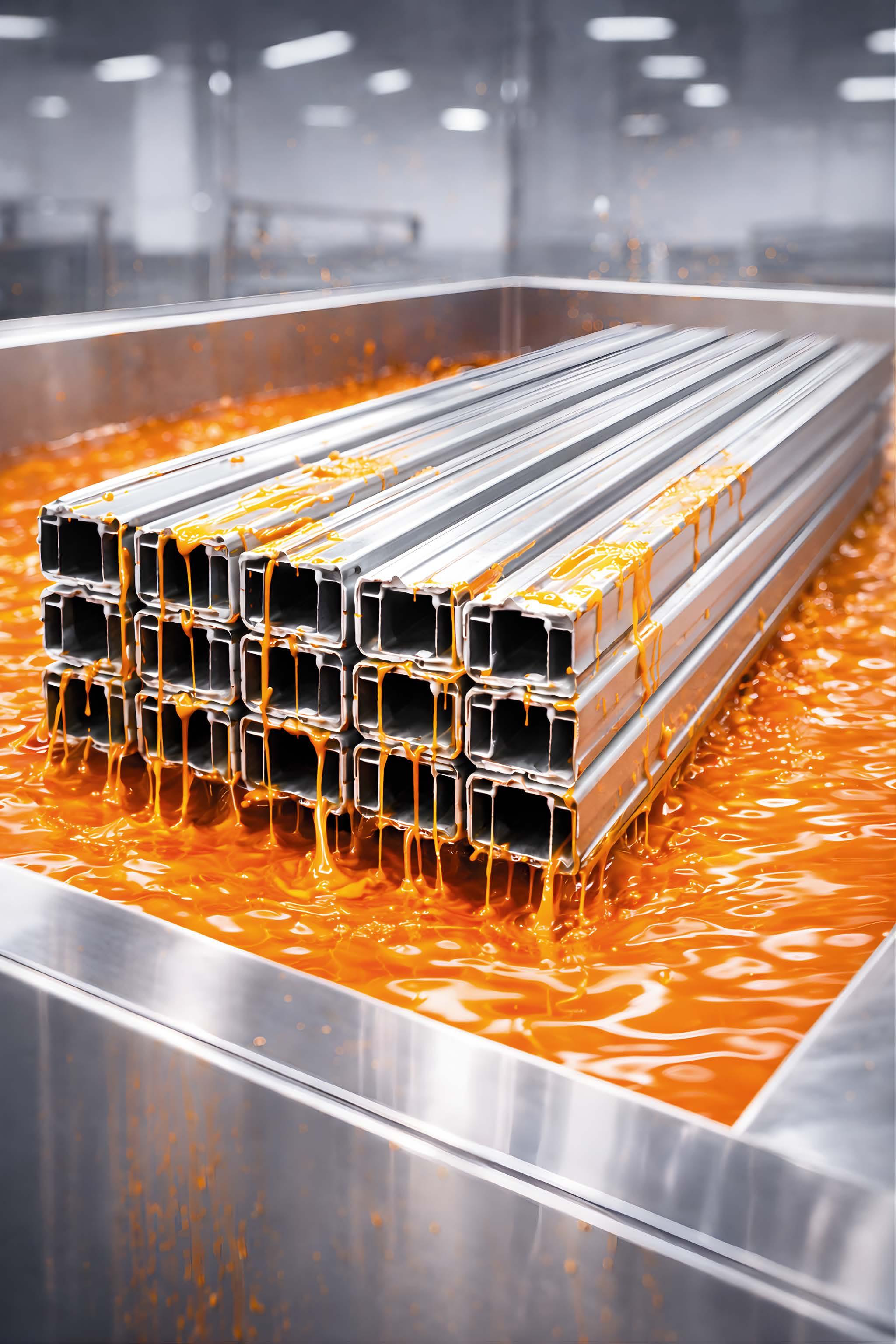
A tinting system designed to deliver efficiency, consistency, and sustainability is supporting the development of DUPA
Alessia Venturi, ipcm®
The integration of the Tintingale system at DUPA Paints was driven by a clear objective: accelerating and optimising the implementation of professional tinting systems while reducing operational complexity. Developed by Ralston Tinting Systems, Tintingale was conceived as a service-oriented concept capable of supporting paint manufacturers in designing more efficient, scalable, and sustainable colour production processes.
The entire tinting systems sector is evolving rapidly under the pressure of sustainability requirements and the growing adoption of environmentally responsible raw materials for both coatings and colourants.
Industrial coating manufacturers, historically less connected to the world of retail distribution and paint stores equipped with tinting systems, increasingly recognise that local colour-making capabilities are becoming a strategic enabler for geographical expansion.
Compared with decorative coatings, industrial tinting environments typically involve larger series and larger packaging formats, making efficiency, throughput, and reliability even more critical. The benefits of this evolution extend directly to coating applicators, end-users and processing companies, which can significantly reduce time, costs, and material waste by reproducing a wide range of colours in-house, on demand, and in exactly the required quantities.
A particularly significant example of how the technological evolution of professional tinting systems is supporting the development of retail distribution networks and paint stores is provided by DUPA Paints, a Surinamese manufacturer specialised in professional paints and accessories, represents. What initially began as the production of an ecological, highly matt, and scrub-resistant wall paint has progressively evolved into a complete portfolio of high-quality coatings, including primers, lacquers, and specialty products developed and manufactured locally in Suriname.
The collaboration with Ralston started with an in-depth analysis of the total cost structure associated with tinting systems based on four, three, or two base paints. Traditionally, four-base systems were considered necessary to overcome compatibility issues between paints and colourants. Today, however, the industry scenario has changed significantly. Reducing the number of base paints immediately translates into lower inventory levels, fewer SKUs, simplified logistics, faster production cycles, and improved operational control. Complexity and risks are reduced without compromising colour quality or reproducibility. In this context, the Tintingale concept provides manufacturers with the analytical tools and technical insights required to develop a more costefficient tinting system while fully safeguarding colour performance.
One of the core strengths of the Tintingale approach lies in its ability to guarantee extremely high levels of colour accuracy and repeatability compared with conventional tinting systems. This is achieved through a deep, end-to-end understanding of the entire tinting process, including the critical quality-control parameters of base paints.
Batch-to-batch consistency, colour strength verification, and colour stability are continuously monitored through systematic quality checks integrated throughout production and tinting operations. This rigorous approach ensures reliable colour reproduction over time and across different production environments.
At the centre of the system are the Ralston UNI Plus colourants, developed to ensure outstanding compatibility, stability, and colour performance across both water-based and solvent-based paints. The UNI Plus range combines premium-quality pigments with relatively high pigment concentrations, delivering exceptional tinting strength and allowing the creation of deep, vibrant colours with excellent hiding power even at lower dosage levels. Besides enhancing visual impact, this high colour strength contributes to production efficiency, stable colour reproduction, and long-lasting coating durability.
An additional distinguishing feature is the Zero-VOC formulation, which offers a more sustainable and healthier alternative without compromising
versatility or performance. Thanks to their excellent compatibility and proven long-term stability, UNI Plus colourants can be successfully applied across a broad range of products, from decorative interior paints to premium exterior enamel systems.
The modular structure of the UNI Plus system also enables the creation of an extensive and durable colour spectrum capable of maintaining brilliance and aesthetic quality over time.
Maintaining colour consistency across geographically decentralised production facilities is one of the major challenges in the coatings industry. Ralston addresses this issue through a fully standardised production approach.
All UNI Plus colourants are manufactured in a single dedicated facility in the Netherlands under tightly controlled tolerance specifications. This centralised production model guarantees predictable and consistent colour quality worldwide.
At the same time, all colour formulations within the UNI Plus tinting system are centrally developed, validated, and maintained. Since base paints play a decisive role in the final colour result, the critical qualitycontrol parameters for these bases are transparently shared and continuously monitored. The result is a perfectly balanced interaction between colourants and base paints capable of delivering reliable and repeatable colour performance across different markets and applications.
Another major advantage of the UNI Plus system concerns process efficiency. Tinting speed can be significantly increased when manual dispensing systems are replaced with automated tinting equipment. This transition has already been successfully implemented at DUPA Paints in Suriname through a strategic partnership launched in late 2025. Beyond point-of-sale tinting applications, the same UNI Plus colourants can also be integrated into in-plant tinting processes for larger production volumes. This dual applicability increases operational flexibility, accelerates throughput, and guarantees consistent colour quality across both smallscale and high-volume production environments.
Sustainability represents another fundamental pillar of the Tintingale philosophy. Traditionally, implementing or expanding a tinting system required the shipment of base paint samples to external laboratories, often involving complex international logistics.
Tintingale eliminates this requirement entirely by enabling all testing activities to be carried out directly on-site. This approach dramatically accelerates implementation times while reducing logistical inefficiencies and environmental impact.
Keeping samples local significantly lowers transport-related emissions, reduces packaging waste, and minimises material consumption. The result is a cleaner, faster, and more environmentally responsible workflow that combines operational efficiency with a measurable reduction in carbon footprint.
The Tintingale concept was intentionally developed as a scalable and tailor-made service solution suitable for paint manufacturers worldwide that do not produce their own colourants. The system gives local producers direct access to technical expertise, technologies, and application know-how necessary to implement and optimise professional tinting systems with confidence.
At the same time, Tintingale also creates new opportunities for distributors of raw materials and additives for the coatings industry. By acting as local Ralston partners, distributors can expand their service portfolio through training, testing, and tinting support activities, strengthening relationships with regional paint manufacturers and positioning themselves as longterm technical partners in colour development and system optimisation.
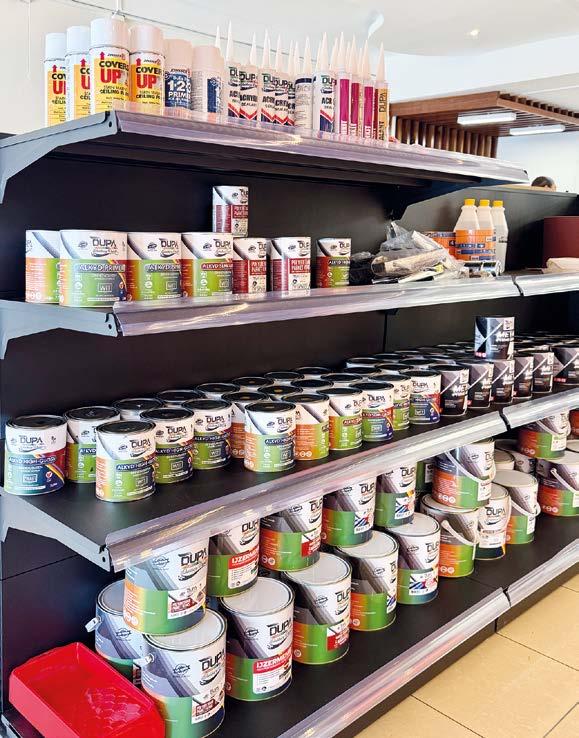
Ralston is also continuing to invest in software innovation. The latest software releases developed for selected tinting equipment allow manufacturers to collect significantly more accurate data regarding colour usage and emerging colour trends. This enhanced level of insight improves process control, supports more informed decision-making, and creates new opportunities for optimising tinting operations through datadriven management.
One of the main challenges remains market awareness. Despite its technical advantages, Tintingale is still relatively unknown within the global coatings industry. The company’s priority is therefore to strengthen recognition and trust around the concept, making high-quality tinted paints with superior colour accuracy accessible on a global scale.
The Tintingale concept is already attracting interest beyond South America, particularly in the Middle East, where similar collaborations are currently being developed.
More broadly, the entire tinting systems sector is evolving rapidly under the pressure of sustainability requirements and the growing adoption of environmentally responsible raw materials for both coatings and colourants.
Within this framework, Ralston recently introduced IND Pro, a universal Zero-VOC colourant range specifically developed for industrial coatings applications. Comprising 16 high-performance pigments, IND Pro combines sustainability with the performance standards required by demanding industrial environments. The possibility of integrating the ZeroVOC UNI Plus and IND Pro ranges into a single 32-canister tinting system further expands operational flexibility, enabling manufacturers to tint virtually every type of paint and coating from one optimised platform. This approach closely reflects current market dynamics, where decorative paint producers increasingly offer industrial coatings and vice versa. In addition to this, local distributors already managing regional logistics networks can therefore be equipped with high-output industrial dispensing systems capable of continuous operation.
For Ralston, the future of tinting technology will continue to evolve along multiple directions, but one element will remain constant: sustainable innovation as the long-term driving force behind the sector’s transformation.



From an interview with Fabrizio Colombo, Sales Community Leader at BASF Italy and Head of BTC Italy
As the European chemical industry undergoes a transformation that is radically redefining it, BASF is accelerating its efforts in a precise direction: combining decarbonisation, efficiency, and innovation without compromising performance. This approach spans the entire value chain and is also being put into practice in the industrial and construction coatings sector, thanks to a new generation of high-performance additives.
BASF Additives and BTC’s focus for 2026 centres on three key areas: innovation, performance, and sustainability. “Growth must be sustainable in every sense, both environmentally and economically,” explains Fabrizio Colombo in an interview with ipcm® following the Paint&Coatings 2025 event in October. “That is why we are allocating significant resources to the energy transition, with a gradual shift towards renewable sources, and we are fundamentally rethinking all our raw materials. From an energy perspective, the European context, and in particular the German one – BASF is headquartered in Ludwigshafen (Germany), Ed.– has made it necessary to accelerate the diversification of energy sources.”
“At the same time, BASF is integrating alternative feedstocks of circular origin. These include pyrolysis oil derived from end-of-life tyres and post-consumer plastic waste, as well as biomass from organic waste. These materials can be converted into biogas or biodiesel, making a significant contribution to reducing the carbon footprint.” This conversion is complemented by intensive efforts to improve the efficiency of production facilities, aimed at achieving a structural reduction in energy consumption. “Combining renewable energy, circular raw materials, and operational efficiency is now one of the most effective ways to limit emissions in the chemical sector,” states Colombo.
In the paint dispersions and additives sector, these principles translate into a shift in formulations that focuses not only on sustainability but
also, above all, on durability. “True sustainability comes from extending the service life of products. If, with our additives, we can make a façade last thirty years instead of twenty, we are tangibly reducing the overall consumption of resources,” emphasises Colombo.
“In the construction sector, it is about greater resistance to issues such as yellowing, mould, and mildew; in the industrial sector, better substrate protection and the prevention of degradation caused by moisture or external agents. The new solutions developed by BASF address critical parameters such as film formation and coating system stability. The aim is to extend the service life of coatings from the application stage, improving their performance over time.”
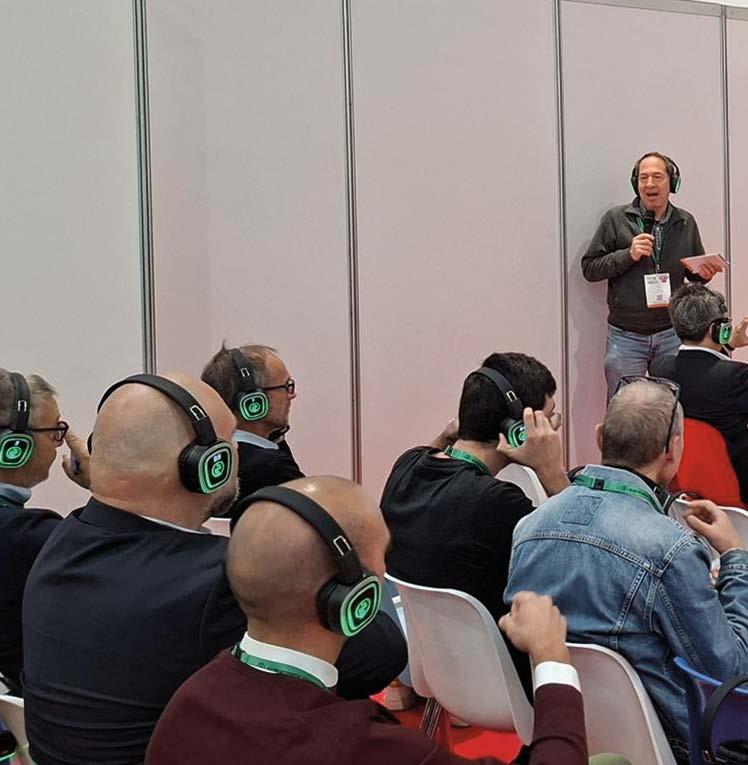
Among the products presented by BASF at Paint&Coatings, the most innovative is Irganox 1010-DW ECO, a specialised thermal stabiliser designed to address the problems associated with heat exposure in water-based formulations. “Traditional antioxidants, although effective in providing thermal protection, are generally insoluble in water, which limits their use in water-based systems. This limitation can result in insufficient stability and performance at high temperatures, particularly in environments where products must withstand prolonged exposure to heat,” explains Colombo.
“Using NEAT (Novel Encapsulation of Additive Technology), BASF made the active ingredient in Irganox 1010 available in aqueous systems: the result was Irganox 1010-DW ECO. Its unique formulation not only improves thermal stability but also ensures that paint products maintain their integrity and performance over time, even under harsh environmental conditions. By incorporating this stabiliser into formulations, manufacturers can extend the service life of coatings, reduce the risk of degradation, and increase overall durability. Additionally, the additive’s use in water-based systems enables a reduction in solvent content in paints, coatings, adhesives, sealants, and elastomers, achieving performance comparable to or better than conventional solvent-based systems. From
a regulatory and safety standpoint, it also offers significant advantages: it requires no hazard labelling, is tin-free and VOC-free, and has clear benefits for both human health and the environment.”
“Two further flagship products for 2026 are light stabiliser-modified dispersants, created by combining two categories of additives in which BASF is a market leader, namely light stabilisers and dispersants,” says Colombo. “They protect and stabilise pigments by acting directly on their surfaces. In addition to ensuring excellent dispersion of pigments (particularly organic ones), they improve colour retention and reduce chalking under UV exposure. Finally, acResin UV is an acrylic resin for hot-melt pressure-sensitive adhesives (PSAs) with UV cross-linking that minimises solvent use and the hazardous nature of products.”
Despite their small proportion in formulations, additives can radically alter end results. “That is why it is essential not only to choose the right product but also to know how to use it correctly,” concludes Colombo. “Hence the importance of technical assistance. In Italy, the BASF hub in Cesano Maderno serves as a point of reference for paint manufacturers, offering support in formulation development and performance optimisation, guiding research, avoiding ineffective attempts, and reducing development times.”
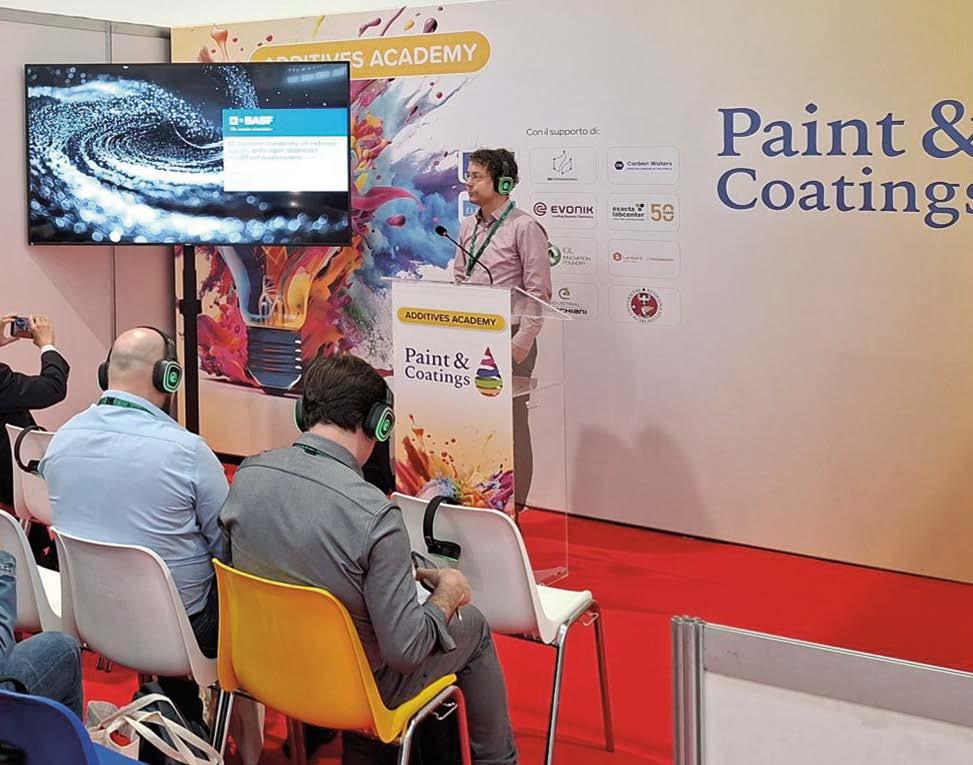
Monica Fumagalli, ipcm®
During the FuoriSalone event at Milan Design Week, Lechler hosted a dual-format event, combining the launch of The Way of Sportin' Life collection with the presentation of the Alchimia Urbana project. As part of the latter, the special livery of the AURUM MAGMA AU109 bicycle, the star of the 109th edition of the Giro d’Italia, was unveiled for the first time.
On 23 April, during Milan Design Week’s annual FuoriSalone event, Lechler unveiled its new colour collection, The Way of Sportin' Life, at the Antica Fabbrica 14 venue on Via Tortona. Developed to reflect the evolution of lifestyles and the new relationship among domestic spaces, well-being, and physical activity, the collection was presented in a setting that emphasised its natural connection with an object that has become an iconic symbol not only of environmental sustainability but also of a passion for both professional and amateur sport: the bicycle. Here, the bike was reimagined through the language of élite cycling, represented by Team Polti VisitMalta and Aurum, an exclusive brand founded by multiple Grand Tour winners Alberto Contador and Ivan Basso. The new colour collection, developed in collaboration with international color designer Francesca Valan, reflects a fundamental shift in lifestyles: “Sport is no longer an activity separate from everyday life but an integral part of both personal and collective identities,” says Alessandra Damaschino, marketing communications manager at Lechler. “According to this vision, domestic spaces are also evolving towards more fluid
and multifunctional configurations, in which areas dedicated to physical activity integrate naturally into living environments.”
“In this scenario, the language of objects also changes,” explains Francesca Valan. “Elements associated with sport enter the domestic sphere, transforming into aesthetic features that express habits, passions, and identity. Colour thus becomes a design tool for expressing contemporary values of sustainability, harmony, and quality of life.” With The Way of Sportin' Life, Lechler therefore promotes a new concept of living: dynamic, personal, and deeply connected to everyday experience, in which colour, material, and function help redefine the relationship between individuals, spaces, and movement.
There is no single way to be a sports enthusiast. Some seek balance and introspection, while others seek energy and performance. This diversity has given rise to the four colour collections of The Way of Sportin' Life, each comprising sixteen hues:
WOOD: designed for light, recreational, and relaxed activities, it evokes a sense of well-being connected to nature and simple spaces. Warm tones, including sage and moss greens, dusty blues, luminous whites, and warm browns, interact with matt and satin-finish surfaces inspired by wood, stone, and organic elements. The result is a natural, luminous palette that creates harmonious, minimalist, and relaxing environments.
BRONZE, on the other hand, embodies the more dynamic, playful, and experimental side of amateur sport. This collection combines intense colours and polychromatic patterns, with vibrant yellows, synthetic purples, and blue-green shades intertwining with coppery reflections, rose
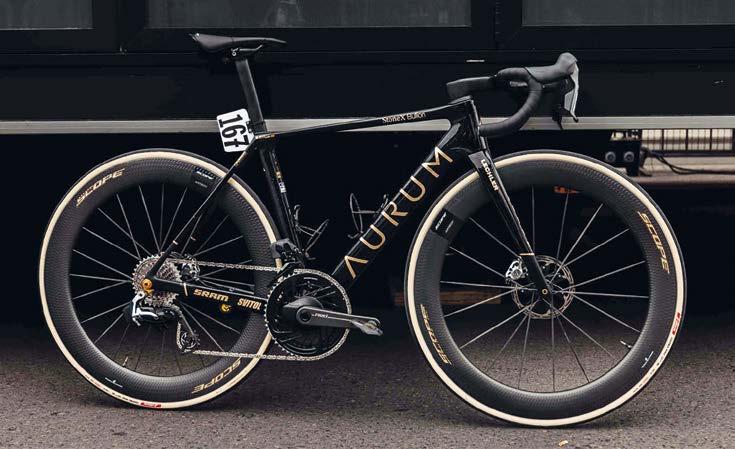
golds, and wood-effect textures. Super-matt and super-glossy finishes alternate across the surfaces, creating contemporary, energetic, and highly evocative spaces.
SILVER: designed for those who approach sport with consistency and intensity, it explores a more technical, performance-oriented aesthetic. This palette features cool greys, metallic surfaces, brushed finishes, and achromatic contrasts, punctuated by saturated accents in shades of red and blue. The atmosphere evokes minimalist, high-intensity environments where the rhythm of physical activity takes centre stage.
GOLD embodies the most competitive and rigorous aspects of sport. The collection draws inspiration from classic materials and colours: satin golds, dark woods, English greens, and amaranth reds are paired with surfaces that are either highly polished or deeply matt. Designed for spacious, light-filled environments, it creates sophisticated, timeless spaces that foster concentration, consistent training, and the pursuit of performance.
The Alchimia Urbana project is the result of the encounter between chemical research and the culture of colour, interpreting gold and its qualities as a contemporary element capable of becoming material, surface, and visual identity. This finds its most complete expression in MAGMA AU109. “This venture brought together four companies united by a single goal: to promote a high-end aesthetic vision where technology and performance come together,” explains Damaschino, referring to AURUM for its engineering excellence, Lechler for colour development and coating products, Polti VisitMalta as a professional sports team, and StoneX Bullion, one of Europe’s leading precious metal retailers, which has made gold accessible.
AU109 – a name combining the chemical symbol for gold (Au) with the number 109, the edition of the Giro d’Italia in which this bicycle makes its debut – features an exclusive finish with details in 24-carat gold-leaf. It is designed to deliver a dynamic visual experience that constantly changes as it interacts with light. The project of the contrast between

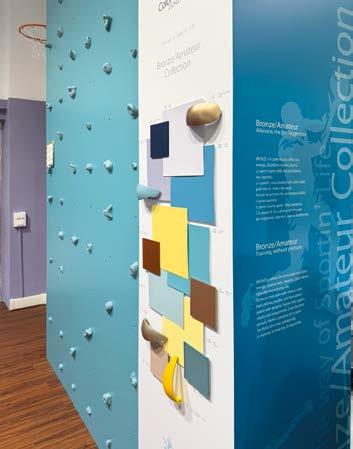
gold and three different shades of black – glossy, matt, and carbon-look – developed by Lechler creates a balance of shiny and textured surfaces that alter the bike’s appearance as it moves.
“Thanks to the experience we have gained working with Alberto Contador in international competitions,” emphasises Ivan Basso, “we have developed a lighter, more technologically advanced bike that not only performs on the race course but also stands out for its aesthetic identity. Every frame in the MAGMA series is unique, crafted from 350 layers of carbon fibre according to a protocol tailored to each size. Bonding and sanding are done by hand to ensure the highest quality. The use of latexcoated EPS foam cores ensures better mechanical performance and a flawless finish, and high-precision steel moulds allow for optimal fibre consolidation and perfectly smooth surfaces.”
For the AU109 series, producing each frame takes three days of specialist work. The finishing process for this special model begins with a deep black base coat, onto which gold droplets are sprayed to create a unique texture. The logos and graphics are then placed, and the exposed carbon fibre areas are masked. The Lechler coating with ultra-fine particles is then applied, followed by a clear top coat. “AU109 epitomises perfectly where we are headed, as a sports project that reinforces our vision and identity through meaningful synergies. Bringing this bike to the Giro d’Italia means telling the story not just of a team, but of an idea of advancement,” states Basso.
With The Way of Sportin' Life and Alchimia Urbana, Lechler brings together two increasingly interconnected dimensions of contemporary life, home and sport. Colour becomes the meeting point of space, matter, and movement, while gold serves as both a symbolic and material element that reflects a new idea of dynamic luxury by turning a technical object into an aesthetic statement. It is within this ongoing interplay between design and Sportin' performance that a new culture of colour takes shape.
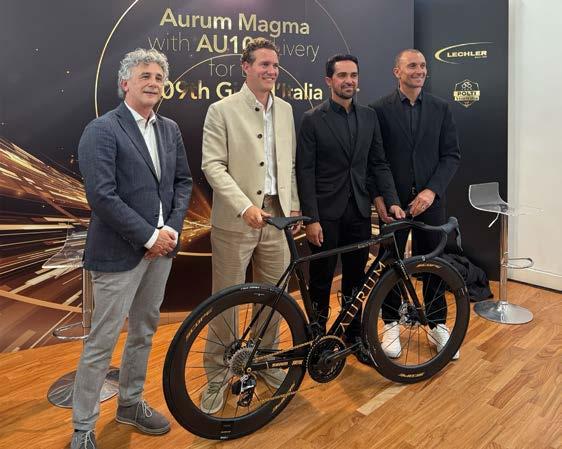
From left to right: Luciano Valli, general manager of Lechler, Daniel Marburger, managing director of StoneX Bullion, and Alberto Contador and Ivan Basso, the two cycling champions who founded Aurum, presented the first AU109 model in a world premiere.
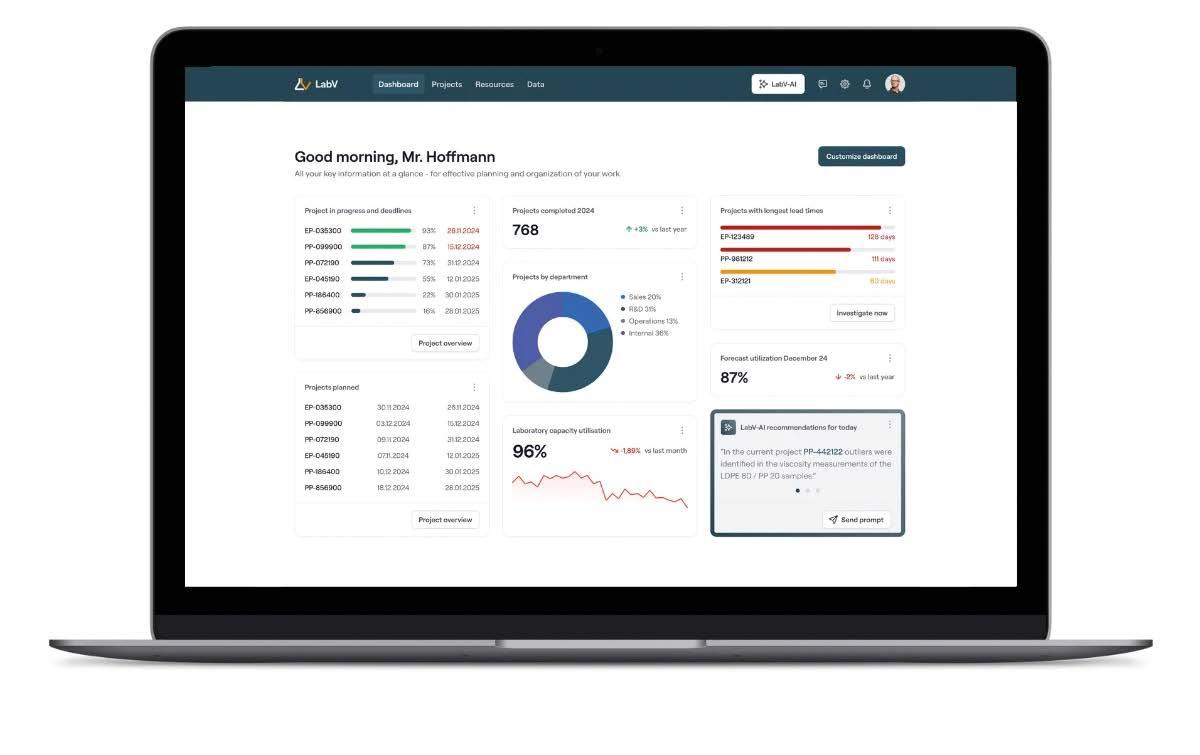
Already trusted by industry leaders such as Varta, J.W. Ostendorf, and GEALAN, LabV is now focusing on establishing local partnerships and direct collaborations to drive data-led innovation within Italy’s industrial landscape.
LabV Intelligent Solutions GmbH, part of the NETZSCH Group, has officially announced its expansion into the Italian market. The company aims to revolutionise how manufacturing companies manage laboratory data by introducing an AI-driven Material Intelligence Platform, a sophisticated alternative to traditional Laboratory Information Management Systems (LIMS).
While conventional LIMS are primarily designed for sample tracking and documentation, LabV’s solution addresses the persistent issue of data silos. In many R&D environments, critical information remains scattered across disconnected instruments and files, hindering effective analysis. The LabV platform centralises diverse data streams, including:
Experimental results and historical data.
Formulation details.
Technical documentation and analytical systems.
By creating a unified and coherent dataset, the platform enables AIsupported analysis to uncover patterns and correlations, significantly accelerating product development cycles.
“Italian organisations are increasingly grappling with fragmented IT ecosystems and surging data volumes. This is precisely where our approach comes in. We bridge the gap where LIMS often fall short— integrating data to effectively support strategic decision-making,” has stated Charles Jouanique, Co-Founder of LabV.
For further information: www.labv.io
By combining specialist knowledge with digital innovation, AkzoNobel aims to transform sustainability ambitions into measurable operational gains.
AkzoNobel Powder Coatings has officially unveiled Eco+ Services, a comprehensive suite of technical and digital solutions designed to help manufacturers measure and enhance the sustainability of their coating operations.
The new offering integrates digital tools with technical expertise and verified environmental data. This combination allows customers to gain a precise understanding of their environmental footprint, ranging from carbon emissions and energy usage, to identify specific areas for operational improvement. Customers today are looking for more than high-performance coatings. Manufacturers want partners who can help them run more efficient operations. Eco+ Services provides the insights needed to make informed decisions,” has stated Jorrit van Rijn, Marketing Director of AkzoNobel Powder Coatings.
The service arrives at a time when manufacturers are under increasing pressure to optimise processes and lower energy consumption. By providing clearer sustainability metrics, Eco+ Services enables businesses to take ownership of their environmental impact through data-driven insights.
The initiative focuses on three primary areas:
Application Optimisation: Features tools like Flightpath Pro, an AIbased solution developed with coatingAI. It uses cloud-based analysis to adjust spray gun settings, reducing defects and overspray while ensuring consistent thickness and lower material waste.
Energy Savings: Provides data-driven consulting on curing operations to help manufacturers streamline coating line efficiency and reduce emissions.
Verified Environmental Data: Offers third-party certified Environmental Product Declarations (EPD) for the Interpon D range, compliant with ISO 14025 and EN 15804 standards. This transparency supports green building certifications like LEED and BREEAM.
For further information: www.interpon.com
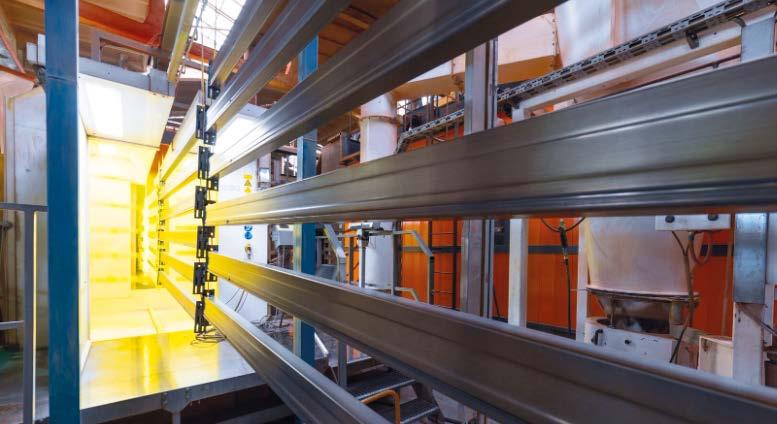
Edited by HELIOS QUARTZ, Cambiago (Milan, Italy) italy@heliosquartz.com
Energy efficiency, reduced consumption, and increasingly rapid and sustainable production processes are reshaping the industrial coating sector. In response to these needs, Helios Quartz develops high-performance infrared and ultraviolet solutions to optimise heating and curing in modern production facilities.
In the industrial coating sector, energy efficiency and reduced consumption have become absolute priorities. For more than eightyfive years, Helios Quartz has been synonymous with innovation in industrial heating, developing advanced solutions that make production processes faster, more sustainable, and more reliable. Today, the Group is internationally recognised for its quartz infrared and
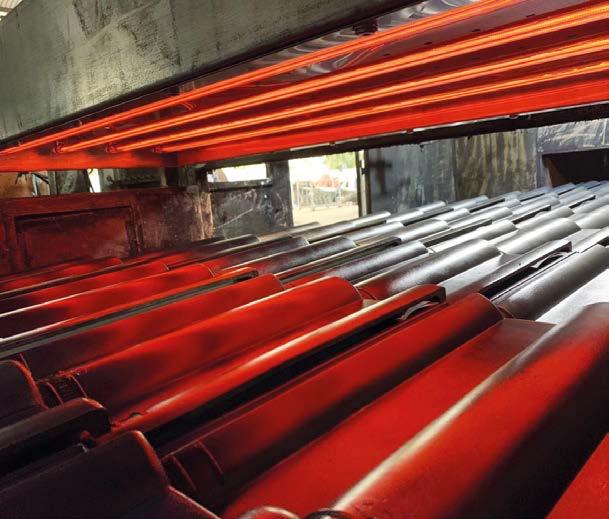
ultraviolet lamps, which are designed to deliver excellent performance in heating and curing processes where speed and efficiency are essential to maintaining competitiveness and high quality standards. Helios Quartz’s IR modules feature advanced technology and integrate easily with both new and existing lines, ensuring high reliability and performance even in the most demanding production environments. Compared with traditional systems, infrared heating is instant, uniform, and efficient, reducing energy loss. Compact, powerful, and easy to use, IR modules are the ideal choice for faster, more effective production in composite processing, lamination, coating, pre-heating of materials for printing, and thermoforming. Ultraviolet lamps offer a high-performance alternative for curing. UV radiation acts directly on the coating, triggering the chemical reaction that ensures rapid and uniform cross-linking, high-quality finishes, and a significant reduction in production times and energy consumption compared with conventional methods.
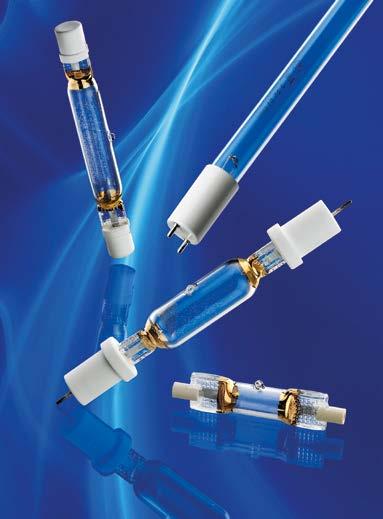
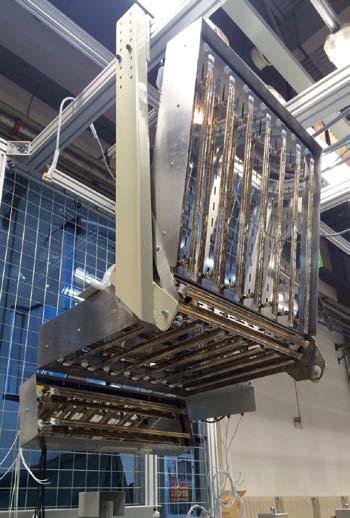
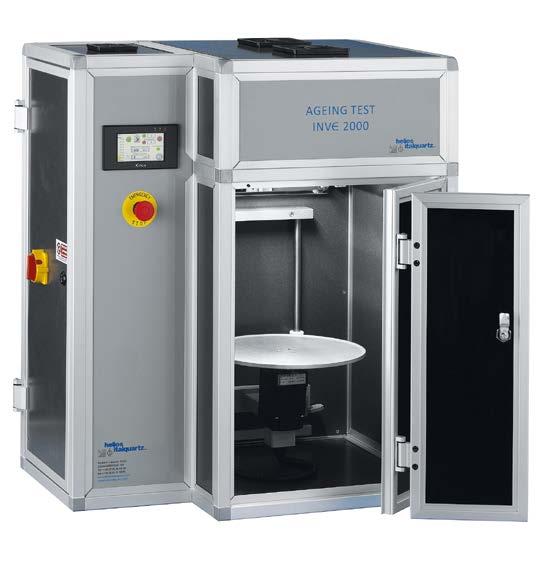
Thanks to decades of experience in the manufacture of UV systems, Helios Quartz can supply the most suitable lamp for every product requiring curing.
In addition to IR and UV solutions, the company has been manufacturing accelerated ageing test equipment, such as the INVE 2000 series, for over seventy years; it is appreciated for its simplicity, reliability, and cost-effectiveness. The Cambiago (Milan, Italy) site also houses a test centre where new processes and materials are jointly assessed with customers: the data collected enables Helios Quartz to develop the most effective solution for every application, guaranteeing optimal performance and results. This TÜV-certified company thus stands out for its flexibility and global reach, positioning itself among the leaders in quartz glass processing, the production of IR and UV lamps, and the development of equipment for the automotive, industrial, scientific, and medical sectors. Behind this success lie multidisciplinary expertise, highly specialised processes, and a skilled team capable of meeting even the most complex requirements. Helios Quartz not only supplies high-quality products but also develops bespoke solutions tailored to each client’s needs, making it a reliable and innovative partner.
Engineering specialized in the supply of systems for surface treatment, painting and coating
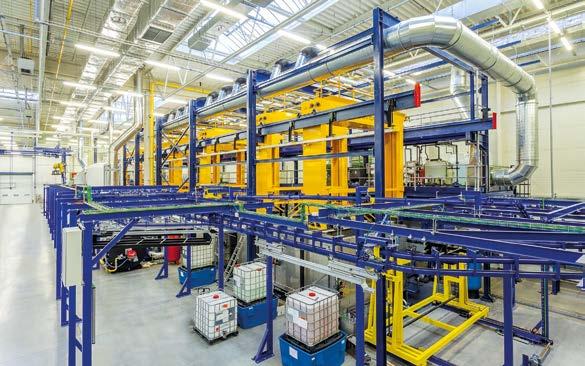
E-COAT SYSTEMS
LIQUID PAINTING SYSTEMS
POWDER COATING SYSTEMS
SELF-LEARNING ROBOTS FOR AUTOMATED PAINTING
SYSTEMS FOR THE TREATMENT OF VOCs EMISSIONS
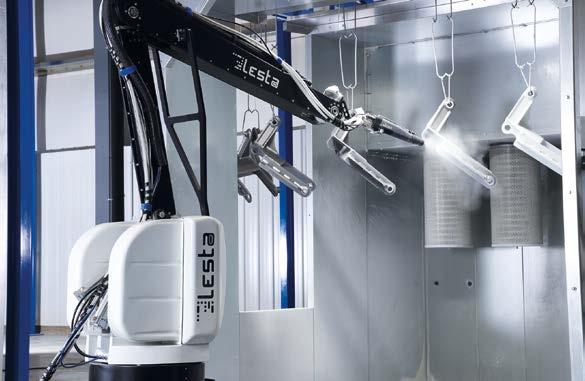
Federica Alberti, SG Projects, Voghera (Pavia, Italy) federica.alberti@sgprojects.it
Advanced technologies such as MBR membranes are revolutionising waste water treatment in industrial coating applications by providing an efficient, sustainable solution that reduces operating costs, recovers up to 80% of treated water, and improves environmental performance.
Industrial coating is among the production processes with the greatest impact on waste water quality. During pre-treatment, paint application, and equipment cleaning operations, effluents rich in complex chemicals are generated, including solvents, heavy metals, surfactants, pigments, resins, and other organic compounds. Disposing of or treating them correctly is not only a regulatory obligation but also a responsible choice for the environment and, often, a driver of economic efficiency. Companies that invest in adequate purification systems reduce disposal and plant management costs, enhancing their sustainable footprint in the market. In this article, we explore some of the main technologies available for waste water treatment.
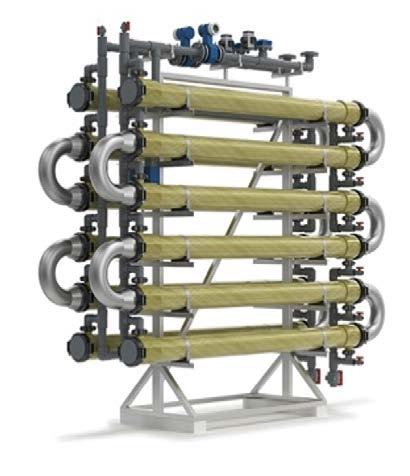
To select the most suitable treatment system, it is essential to understand the composition of the effluent. Waste water from a coating plant may contain:
Total suspended solids (TSS): paint particles, dust, and undissolved pigments;
Organic compounds (COD/BOD): solvents, resins, and other chemicals that increase the chemical oxygen demand;
Heavy metals: zinc, chromium, nickel, and lead, originating from surface pre-treatment stages and special paints;
Oils and greases: lubricants and release agents used in upstream machining processes;
Surfactants and detergents: used in cleaning and degreasing stages;
Dyes and pigments: they add colour and turbidity to waste water. The variability of these parameters depends on the type of coating process (powder, liquid, cataphoretic, etc.), the pre-treatment cycle, and production volumes. Therefore, a tailored approach is required when choosing a treatment technology.
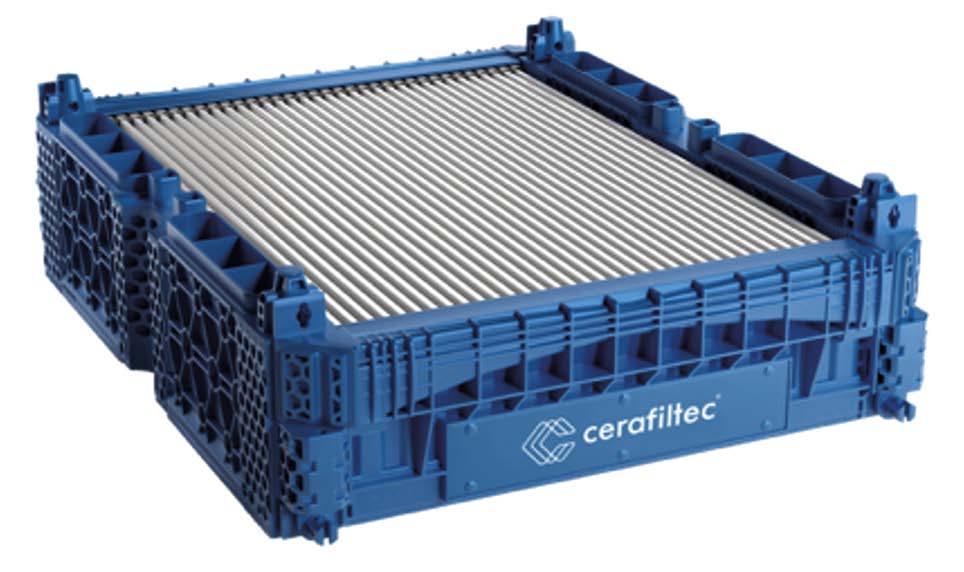
MBR membranes: next-generation technology
Membrane BioReactor (MBR) membranes represent the most advanced development in the field of biological treatment of industrial waste water. They combine activated sludge biological treatment with membrane ultrafiltration or microfiltration within a single system, delivering significantly better performance than conventional solutions. This type of membrane enables recovery and reuse of up to 80% of water within a production cycle, thus significantly reducing water consumption and disposal costs, an increasingly significant advantage in a regulatory and economic context focused on sustainability.
In an MBR system, microorganisms (activated sludge) biologically break down the organic compounds in the effluent. Instead of relying on gravitational sedimentation, as in traditional systems, the membranes immersed in the biological reactor physically retain both the sludge and other particles larger than the membrane pores (generally 0.04-0.4 µm). The result is a purified liquid of the highest quality, with very low levels of TSS (practically zero), COD, nitrogen, and phosphorus. In many cases, the treated water is of sufficient quality to be reused in the process, with clear economic and environmental benefits.
Excellent effluent quality: suitable for discharge into environmentally sensitive water bodies or for reuse in production cycles.
Compact footprint: the combined biologicalmembrane process in a single reactor significantly reduces the space required compared with traditional systems.
Higher biomass concentration: greater biological efficiency for the same volume.
No sedimentation issues: separation is physical and does not depend on the quality of biological flocs.
Automated operation: modern MBR systems can be easily integrated with remote control and continuous monitoring devices.
In paint shops, MBR membranes are ideally suited to treating water used in the cleaning and rinsing stages of pre-treatment tunnels, where concentrations of organic matter, surfactants, and metals can vary considerably. The MBR system’s ability to handle variable loads without compromising effluent quality is one of its key strengths.
There are various types of MBR, each providing distinct solutions while always ensuring highquality output. The first major difference is between submerged and external membranes, relating to the position in which the membranes are placed and the way the liquid passes through. With submerged membranes, the modules are immersed directly within a tank where the biological process takes place. Suction is the driving force behind this type of filtration process, drawing in clean water via an internal vacuum. These membranes require a constant supply of air from the bottom to clean the surfaces and prevent clogging. In external membrane systems, on the other hand, the modules are housed in a separate external unit. The contaminated liquid is drawn from the biological tank and pumped out to the membranes. This type of process offers greater operational flexibility and easier cleaning, but often has a more significant energy impact. A second difference concerns the material from which the membranes are made, distinguishing between:
Polymeric: synthetic organic membranes made from PES or PVDF. These materials are modified using patented processes developed by individual manufacturers to enhance the membranes’ hydrophilicity and filtration performance.
Ceramic: composed of aluminium oxide (Al₂O₃) or silicon carbide (SiC), ceramic membranes are characterised by greater mechanical, thermal, and chemical resistance, higher flow rates, and less frequent chemical cleaning.
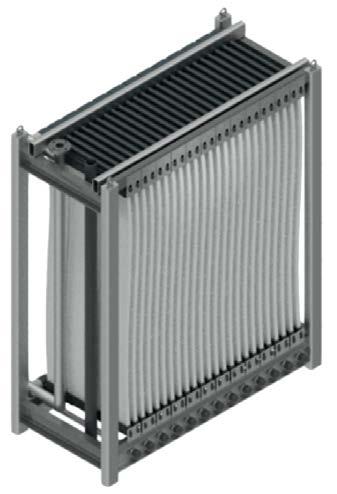
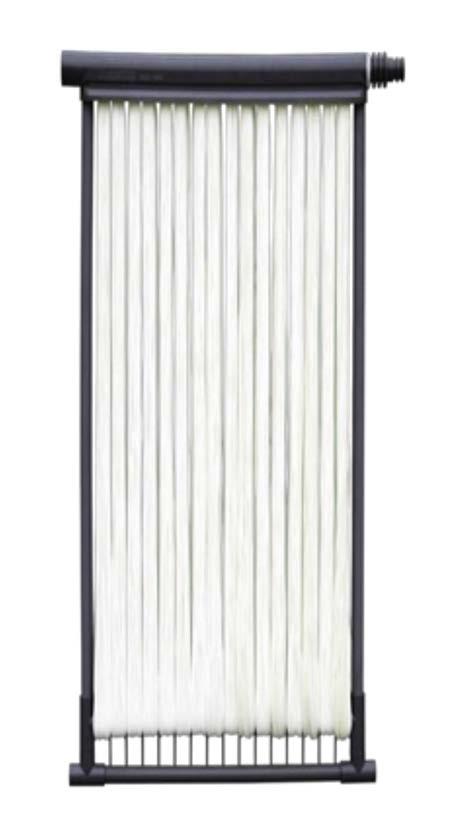
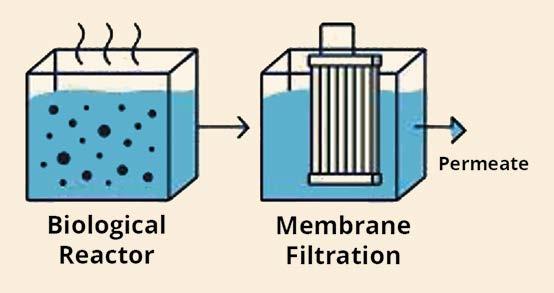
Operating principle of MBR membranes.
This increased resistance allows backwashing at higher flow rates and more aggressive chemical cleaning. Looking at how membranes operate, we can distinguish two categories:
Dead-end (or full-flow): the feed flow is perpendicular to the membrane. This configuration consumes less energy, but filtration resistance is higher, so more frequent cleaning is required to restore operating parameters. It is generally used with water that has a low concentration of suspended solids and substances capable of fouling the membranes.
Crossflow (or tangential): the feed flow is parallel to the membrane and perpendicular to the permeate flow, while the concentrate flows continuously to the membrane module outlet. This option reduces filtration resistance over time but increases energy consumption due to concentrate recirculation or the use of air to agitate the membranes. It is mainly employed with waste water rich in suspended solids and substances considered highly fouling.
Depending on the direction of the liquid flow, we can differentiate between:
Out-in: typical of flat-sheet and hollow-fibre membranes, where the permeate is collected on the inside. A negative pressure is usually applied, generally between 0.05 and 0.5 bar, and the system operates at a constant flow rate.
In-out: typical of tubular membranes, where the liquid flows through the membranes and the permeate is collected on the outside. The positive pressure is usually between 2 and 7 bar. Finally, depending on the geometry of the modules, the following types can be identified:
Hollow-fibre membranes (HF): these are produced by depositing a polymer solution around a cylindrical support, which may be made of porous paper (unsupported fibres) or fabric (supported fibres). The latter is preferred in MBR applications for its superior mechanical strength. The outer diameter of individual fibres does not exceed 3 mm; the fibres are grouped into modules. The most critical areas are the fibre ends, which are subject to mechanical stress, and low-turbulence zones, where sludge and debris can accumulate.
Flat membranes: the ceramic version, which offers high mechanical strength and resistance to chemical cleaning under extreme conditions. Flat-sheet membranes are assembled into blocks, which are then mounted on frames to form modules. The correct spacing between adjacent membranes is a critical design parameter.
Tubular membranes (Multi-Tubular, MT): the polymer solution is deposited within a support cylinder made of porous paper or plastic. The internal diameter is 4 mm or greater, distinguishing this geometry from that of hollow fibres. The individual tubes are assembled into modules using epoxy resin or equivalent bonding systems. The main critical issues concern the integrity of the bonding points and the risk of flow channel occlusion.
Waste water treatment in coating shops is a technical challenge that requires expertise, experience, and appropriate technologies. Support from professionals familiar with different types of products is essential for implementing an efficient process or upgrading an existing one. Investing in waste water treatment systems not only ensures compliance with environmental regulations but also reduces operating costs in the long term, enhances corporate image, and makes a tangible contribution to the protection of water resources. SG Projects and its technical team are on hand to support customers in assessing their needs and designing bespoke solutions.

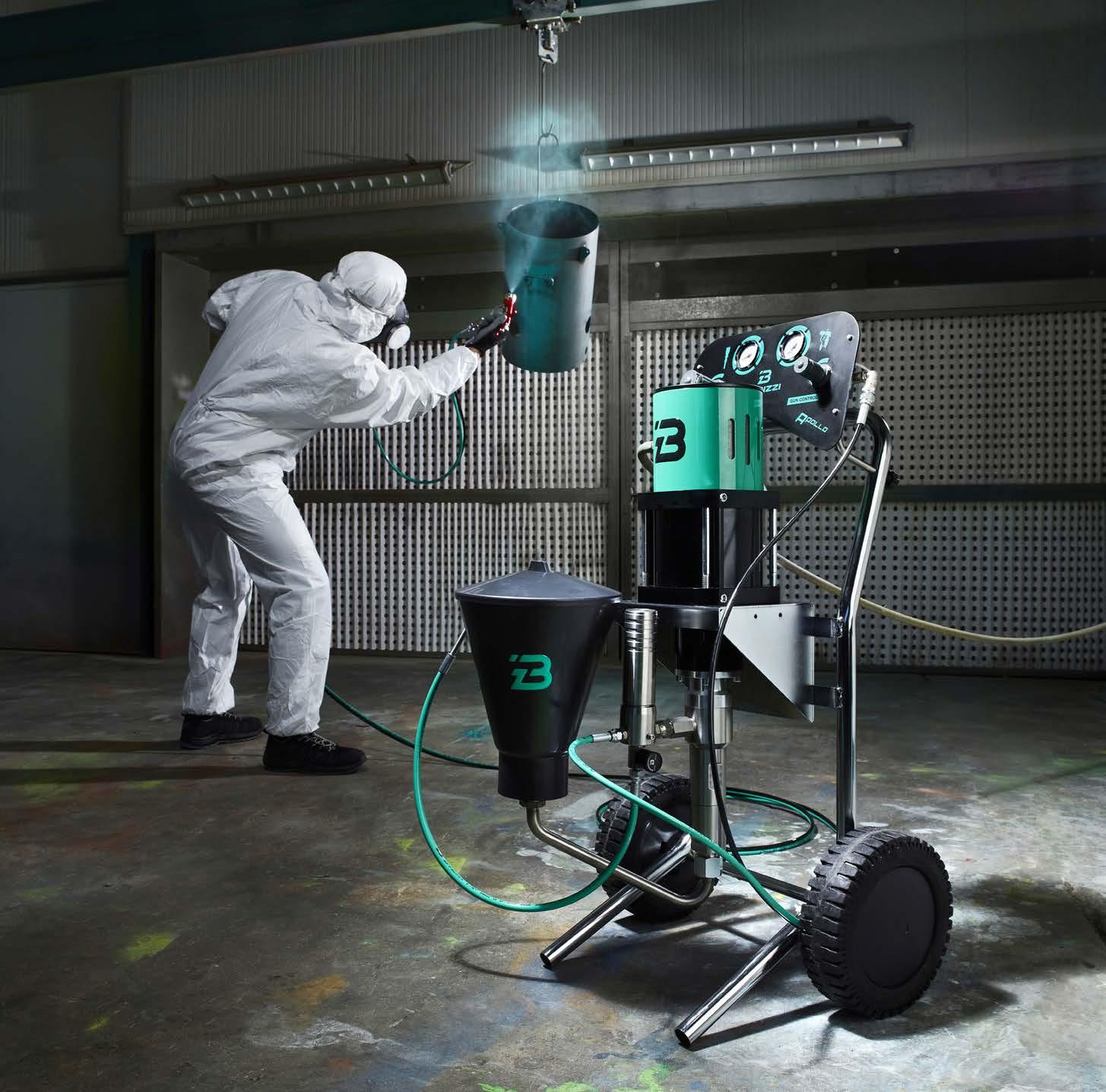




Manuela Casali
UCIF
– Italian Surface Treatment Equipment Manufacturers’ Association, Milan, Italy ucif@anima.it
One of the least visible yet most critical issues for the future of the surface finishing industry concerns skills. Amid growing technological, regulatory, and organisational complexity, the availability of a qualified workforce is becoming a key factor in businesses’ competitiveness. Many companies in the sector report increasing difficulty in finding specialised technical staff at both operational and engineering levels. Industrial finishing, despite underpinning numerous products and applications, still suffers from a lack of visibility, which limits its appeal to younger generations.
It is not just a perceived problem: there is growing evidence to support this. In some fields, up to 25% of specialist roles remain unfilled, indicating a structural mismatch between the supply and demand for skills. At the same time, it is not a localised issue but a phenomenon affecting the entire manufacturing sector. It also directly affects business performance. The shortage of skilled staff can reduce a company’s service delivery capacity by up to 35%, impacting lead times, process quality, and the ability to respond to market demands. In a sector where precision, operational continuity, and reliability are key, this poses a significant risk.
At the European level, the picture confirms the systemic nature of the problem. In several countries, almost all manufacturing companies report difficulties in finding qualified talent, while an ageing workforce is gradually reducing the pool of available skills. The risk is not only failing to find new talent but also losing the expertise accumulated over time. What makes the picture even more complex is the changing nature of the skills required. Today, finishing companies are not just looking for specialised operators but for candidates who can combine technical knowledge, process management capabilities, an awareness of environmental issues, and familiarity with digital tools. Industrial finishing is becoming an increasingly multidisciplinary field. The result is a growing gap between available and required skills, which threatens to slow the adoption of new technologies and the sector’s development. The availability of skills, therefore, becomes both a key enabler and a potential constraint on the sector’s growth.
Addressing this challenge requires a structured approach. On the one hand, it is necessary to strengthen dialogue between the industry and the education system, developing training programmes that are more closely aligned with the real needs of businesses. On the other hand, companies need to invest systematically in in-house training, making the
most of existing skills and encouraging the transfer of know-how between generations.
Another vital element is communication: presenting the surface finishing sector as an innovative, technology-driven, and strategic industry is essential to attracting new talent. The developments underway, from smart surfaces to sustainable processes and digitalisation, are critical drivers of the sector’s image revitalisation and increased attractiveness. This is where industry associations play a vital role. As a key player in the finishing industry, UCIF can help promote training initiatives, foster dialogue with institutions and academia, and highlight the skills available within the supply chain.
The future of this sector depends not only on technological innovation but also on the ability to attract, develop, and retain skilled workers: investing in people means investing in long-term stability and competitiveness.
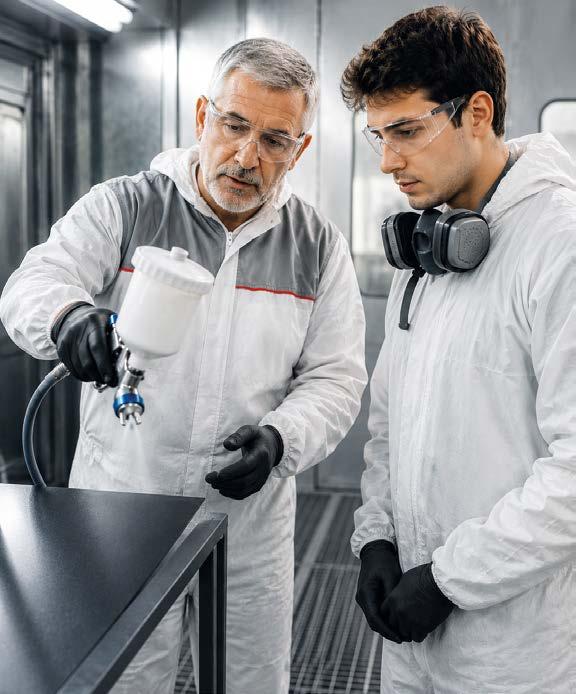
Federico Melideo, ipcm®
Anastasios Vergani, an ipcm® Academy lecturer specialising in waste water treatment and purification, explains how the Academy’s courses can help professionals in the metal surface treatment sector develop advanced practical skills. In this interview, he discusses his career in the industry, the role of water treatment in production cycles, technological innovations and sustainability strategies, the most common mistakes and best practices, and the practical value of technical training for managing efficient, safe, and compliant plants.
In the surface treatment sector, the focus is often on aesthetics and coating performance, leaving wastewater management in the background. However, experience shows that a poorly run treatment plant can compromise the entire production cycle, cause machine downtime, and generate production waste due to quality defects. Neglecting this aspect entails regulatory risks, increases operating costs, and compromises coating results. In a market that demands increasingly high standards and sustainable
processes, water treatment must therefore become a central focus. In this interview, Anastasios Vergani analyses the most common challenges and the opportunities presented by new water purification technologies. Drawing on his extensive experience in the field, he explains how technical training can transform water management from an unavoidable cost into a tangible resource that reduces waste and improves the efficiency of the entire coating department.
Could you tell us how you came to specialise in the treatment and purification of industrial water, and which skills you consider essential for anyone working in metal finishing?
My journey towards specialising in industrial water treatment began with technical and scientific education, complemented by hands-on experience in plant engineering. Working closely with companies in the surface treatment sector, I have come to realise that water management is a critical factor, often underestimated yet decisive for process quality and regulatory compliance. Regarding the core skills required in the field of metal finishing, I consider a solid understanding of treatment processes, the ability to control and maintain stable parameters, attention to the management of rinsing phases, and a good grasp of plant functions to be essential. Added to these is the ability to understand the entire workflow, recognising how each stage, including water management, influences result quality, yield, and repeatability.
How does water treatment fit into metal finishing processes, and what issues can arise if it is not properly managed?
Water treatment is an integral part of metal finishing operations, as it plays a role in both process water handling, for example, in rinses, and waste water treatment. Effective

management helps to maintain stable baths, reduce water and chemical consumption, and ensure high product quality.
Improper management, on the other hand, can lead to a number of critical issues: contamination of rinsing water, bath instability, surface defects on finished products, increased operating costs, and above all, the risk of noncompliance with environmental regulations. In many cases, problems that appear to be ‘production-related’ actually stem from inadequate water management.
What innovative technologies or strategies are improving the efficiency and sustainability of waste water treatment plants, and how can companies translate these into tangible benefits for their operations?
Recent years have seen significant

technological advances, particularly in water recovery and reuse solutions.
From a strategic perspective, the key shift is to view the treatment plant not as a cost but as a resource. Companies that invest in efficient technologies can reduce their water and reagent consumption while improving the stability of their production processes.
What are the most common mistakes in industrial water management, and what best practices would you recommend to ensure reliable, long-lasting results?
Among the most common mistakes are designs that do not meet production requirements, a lack of continuous monitoring, reactive rather than proactive management, and inadequate training for operational staff.
Good practices, on the other hand, include periodic analyses and continuous monitoring of key parameters, scheduled maintenance of plants, technical training for staff, integration between the production and environmental management departments, and the adoption of continuous optimisation strategies. It is also essential to maintain a long-term vision and avoid stopgap solutions that do not address the root causes.
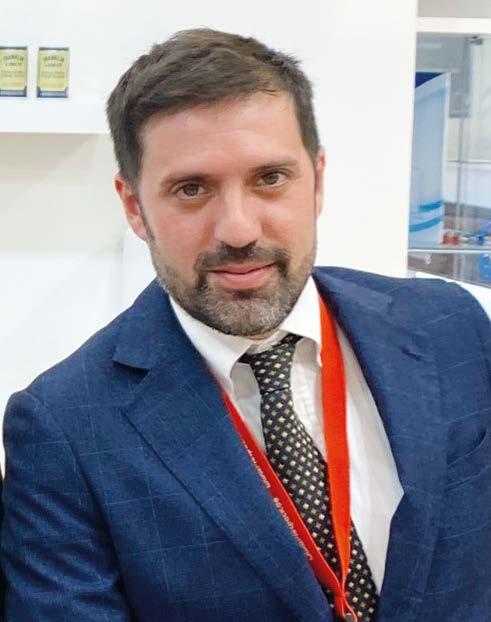
How do ipcm® Academy courses help participants develop practical skills that can be applied immediately to the management of water treatment and purification plants?
The courses offered by ipcm® Academy are distinguished by an approach tailored to the real needs of businesses. The aim is not merely to impart theoretical knowledge but to provide practical tools that can be applied immediately. Through case studies, concrete examples, and the analysis of real-world issues, participants learn to identify critical issues and take effective action. Direct interaction allows for an immediate, in-depth examination of specific situations.
In an industrial landscape increasingly focused on efficiency and sustainability, waste water management remains a key factor in process quality and business competitiveness. Investing in technical training equips professionals with the tools to tackle the sector’s operational and regulatory challenges with confidence. The experience of ipcm® Academy demonstrates that a practical approach, centred on real-life scenarios and applicable skills, can make a difference in the day-to-day management of plants, transforming challenges into opportunities for continuous improvement and creating lasting value for professionals and businesses.
For further information: www.ipcmacademy.com
On 25 March 2026, ipcm® was invited by Water Energy to participate in a technical session on industrial sustainability in the Nassirya Room of Palazzo Madama, home to the Italian Senate. As part of the activities surrounding World Water Day, the event provided an important opportunity for dialogue on industrial processes, water resource management, and energy efficiency, and brought together businesses, institutions, and the academic community.
To mark World Water Day, the Italian Senate hosted a high-profile event focused on the future of industrial sustainability in Italy.
Organised by Senator Antonio Salvatore Trevisi, the event brought together institutions and businesses for a substantive discussion on industrial processes, water, and energy, with Water Energy, a leading Italian company in industrial waste water treatment, participating as a technical partner. At the heart of the debate was the growing strategic role of process water reuse and energy efficiency as key levers for strengthening the competitiveness of the Italian production system, through an approach that goes beyond environmental sustainability to promote a truly advanced industrial model combining technological innovation, resource optimisation, and economic growth.
The event highlighted today’s need for an integrated vision, underpinned by data and technical expertise, to help businesses produce more while consuming less and managing resources such as water and energy more responsibly. Particular emphasis was also placed on treatment and reuse in waterintensive industrial processes, such as coating, where optimising cycles and reducing waste are key to both environmental performance and production efficiency.
The discussion was attended by leading representatives from political institutions, including members of the Government and the Senate, and featured contributions from the academic and scientific research communities, as well as major industrial organisations.
This diverse group of participants enabled the topic of the water cycle and its reuse to be addressed from multiple perspectives: regulatory, technological, production-related, and environmental. The speeches clearly highlighted the need to accelerate the shift towards integrated management models for water, energy, and materials, with a view to achieving full industrial circularity. At the same time, considerable attention was paid to the opportunities offered by the Transition 5.0, which introduces tools to measure, certify, and effectively capitalise on industrial savings, transforming them into a tangible competitive advantage for companies. Companies, technicians, and experts shared experiences, solutions, and case studies, demonstrating how process innovation can deliver tangible benefits in terms of both operational efficiency and reduced environmental impact. Dialogue between the public and private sectors was confirmed as essential to driving change and to building an Italian industry that is increasingly resilient, efficient, and sustainable. The initiative thus offered not only an opportunity for in-depth discussion but also a chance to reaffirm the urgency of a shared commitment to a new production paradigm in which technology, sustainability, and competitiveness go hand in hand.
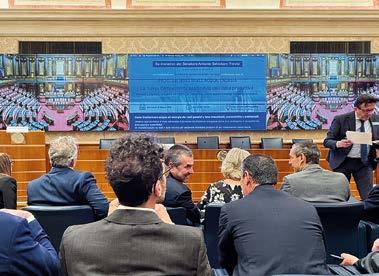
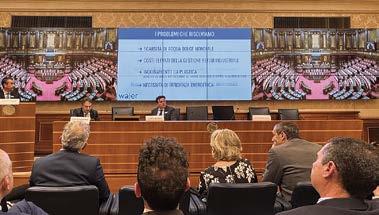
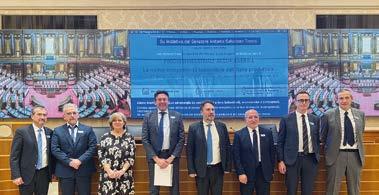
The conference “The new sustainable competitiveness of Italy’s manufacturing sector” took place on 25 March in the Nassirya Room at Palazzo Madama; Tommaso Ponara, CEO of Water Energy, discussing issues relating to the treatment and reuse of industrial water;
The conference speakers with Senator Antonio Salvatore Trevisi.
Paint & Coatings Italy 2026 is expanding and moving to a new location: this year’s event will take place at the Allianz MiCo in Milan on October 28th and 29th
There are moments in any industry when the conditions for genuine innovation align; when regulatory direction, sustainability ambition and technical possibility converge to push chemistry somewhere new. For coatings formulators, this is one of those moments.
The PFAS restrictions moving toward legislative conclusion across Europe in 2026 and 2027, combined with continuing VOC reduction targets and the broader sustainability agenda, are reshaping the raw material landscape at pace. New binder systems, next-generation additive packages and compliant alternative chemistries are emerging from suppliers across the supply chain, and for formulators, that means an unusually rich period of discovery. The challenge isn’t just managing what’s being phased out; it’s finding and evaluating what’s coming through to replace it and understanding which of those emerging options will genuinely perform at production scale.
That process of discovery, from getting hands-on with new materials, to interrogating performance data and understanding the formulation possibilities that didn’t exist two or three years ago is where Paint & Coatings Italy 2026 becomes directly relevant.
The event returns to Milan’s Allianz MiCo, a bigger venue following last year’s success, on 28 and 29 October with a clear proposition: a focused, high-value event designed for the entire paint, coatings and surface technology supply chain. The event brings together raw materials, formulation technologies, testing, and production solutions in one place, creating two days of technical insight, product discovery and meaningful industry connections.
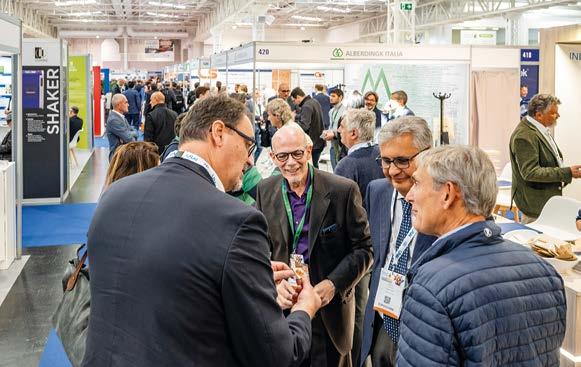
Building on its highest-ever attendance in 2025, the event brings together raw material producers, resin and binder specialists, additive innovators and technology partners alongside laboratory, testing and measurement equipment providers. For formulators, that breadth matters: new chemistries don’t exist in isolation and understanding how an emerging raw material performs requires access not just to the supplier conversation but to the testing and analytical tools that sit around it.
Having both in the same space, across two focused days, makes for a genuinely productive visit.
The content programme deepens that further. The main Conference, TechFocus, Inks Academy, Sustainability Academy and Adhesives Forum create opportunities to explore not just the regulatory direction of the sector but the technical frontiers, where the most pressing formulation problems are being solved, and what the most promising solution pathways look like.
The event is also strategically well-timed. Attending in October means arriving with live projects and returning with supplier conversations, technical data and contacts that feed directly into 2027 planning cycles, which is precisely when the regulatory clock is loudest.
For formulators who want to stay genuinely close to where coatings chemistry is heading, not just the compliance story, but the innovation story, Paint & Coatings Italy 2026 is the place to be.
For further information: www.paint-coatings.it/en/
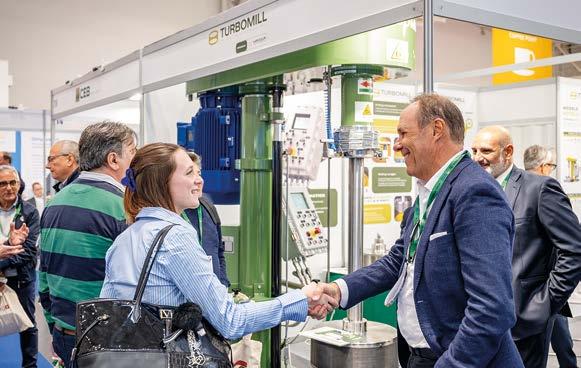
EXHIBITION
ADHESIVES FORUM
INKS ACADEMY
WOOD INDUSTRY CONFERENCE
(ORGANISED BY OCTIMA)
Paint & Coatings Italy brings together the entire coatings supply chain for two days dedicated to technical content, product discovery, and valuable industry connections. From raw materials to formulation technologies, through to testing and applications, the exhibition offers a clear view of the innovations shaping the future of coatings.

CONFERENCE
TECHFOCUS
SUSTAINABILITY ACADEMY


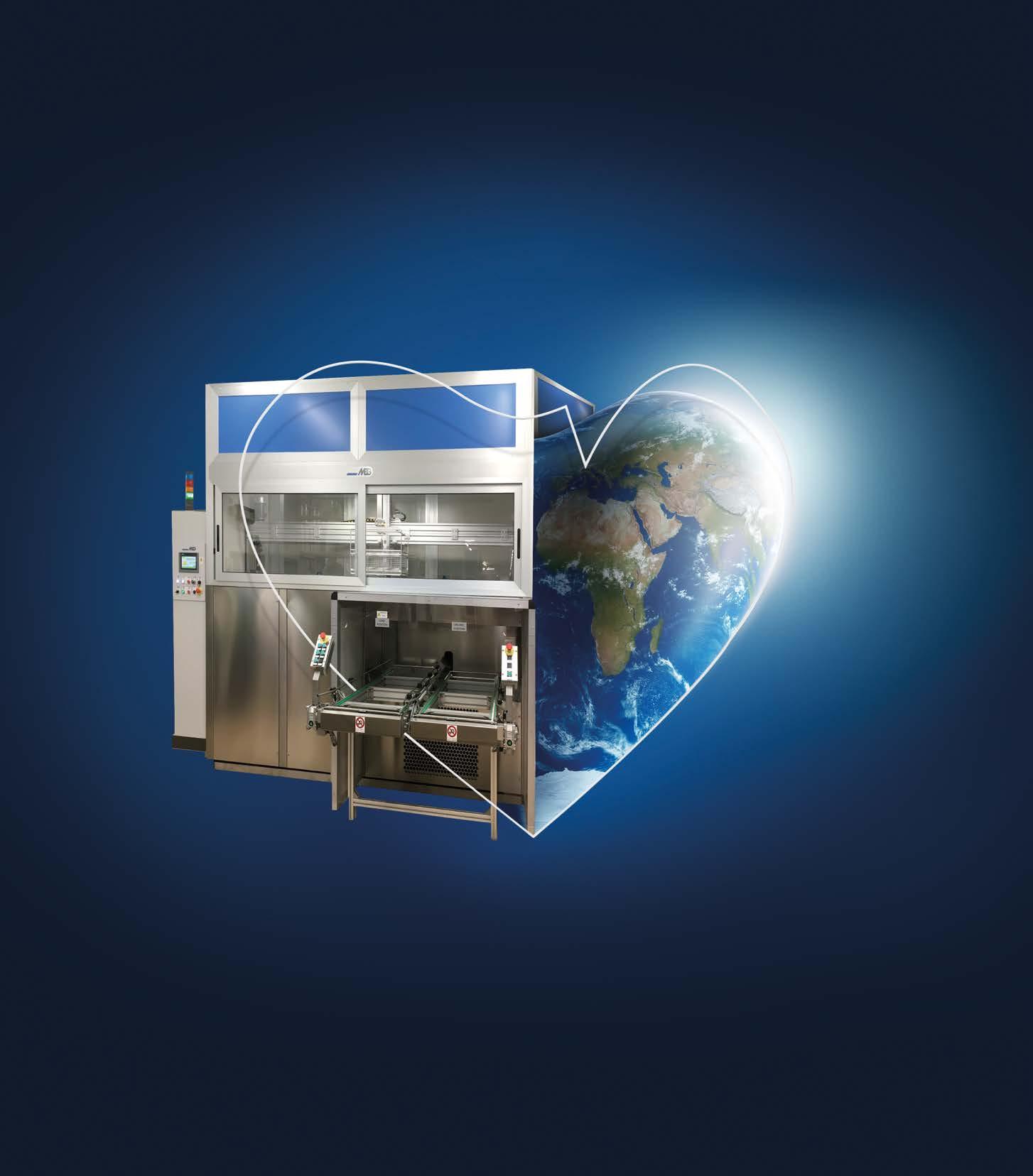
CONDOROIL CHEMICAL has developed CONDORITE 796 N, a neutral product ideal for deoxidising metals after thermal deburring, even at low temperatures, without damaging the components’ surfaces.
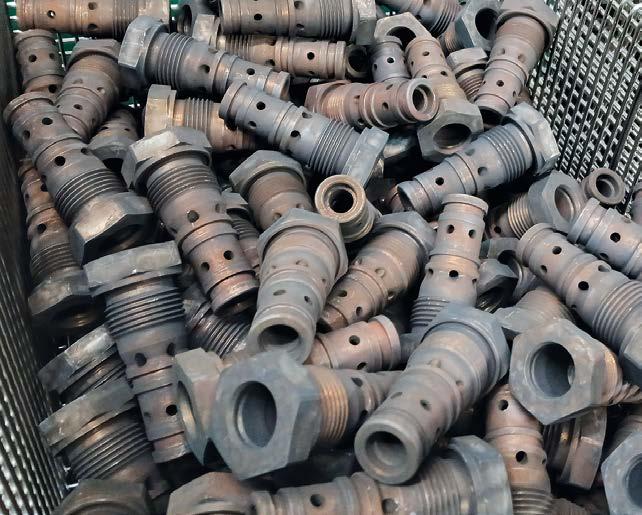
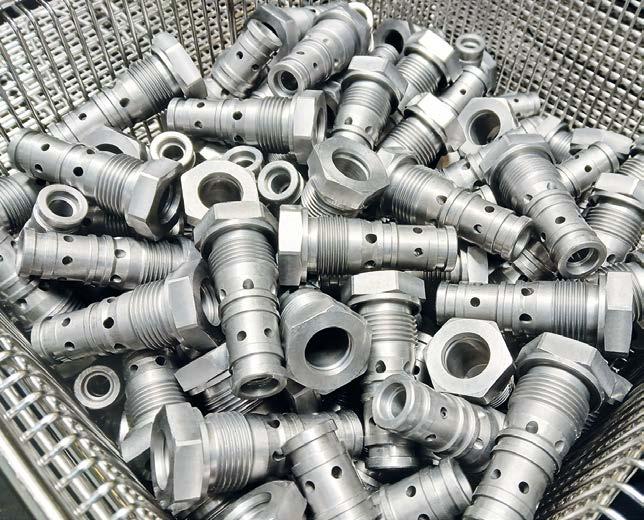
After thermal deburring, carbon steel parts tend to develop oxidised surfaces: chemical solutions capable of restoring the material’s original properties are therefore critical. CONDORITE 796 N is a neutral product developed by CONDOROIL CHEMICAL Srl (Casale Litta, Varese, Italy) and is suitable for deoxidising metals even at low temperatures, making it ideal for these cases. Its balanced composition and near-neutral pH protect the base material by concentrating its action on the contaminants to be removed. Its inherent ability not to corrode the workpieces also ensures considerable flexibility in operating parameters.
The product can remove oxides resulting from other processes as well, such as thermal oxides generated by laser cutting or welding operations, heavy layers of scale resulting from heat treatments, and rust caused by storage issues. It is odourless, does not emit harmful fumes, and is not classified as hazardous under Regulation (EC) No. 1272/2008 (CLP) and subsequent amendments and adaptations. In essence, the use of CONDORITE 796 N delivers top-tier technical performance without any compromise in terms of costs or workplace safety.
CONDOROIL CHEMICAL strongly believes that there will soon be no place for technologies with a high environmental impact, and that only eco-friendly production processes will be used in the near future. “With this in mind, we believe that investing time and resources in optimising these processes means investing in the future. The product we have just presented stems precisely from this vision,” the company states.
CONDOROIL’s technical service is at customers’ disposal for laboratory tests and demonstrations, allowing anyone to assess, without obligation, the effectiveness of the suggested solutions before in-line application.
For further information: www.condoroilchemical.com

most
myFAIR is a free web app that can be accessed from both desktop and mobile devices, which allows you to stay up-to-date with the leading events of the surface treatment sector.

Efficiency, environmental friendliness and excellent results: how modified alcohol is revolutionising degreasing processes in precision engineering.
In today’s manufacturing landscape, industrial cleaning is no longer seen as a auxiliary step, but as a critical phase that determines the quality of the finished product. With increasingly rigorous environmental regulations and the need to ensure absolute cleanliness standards, companies face a complex challenge: how to achieve perfect degreasing whilst reducing both environmental impact and operating costs? The answer to this need is DOLLMARSOL G120, the latestgeneration modified alcohol developed to redefine the standards of metal cleaning.
For years, the industry has relied on chlorinated solvents or complex water-based washing systems. However, the former present increasingly evident issues in terms of operator safety and environmental impact, whilst the latter require enormous energy consumption for drying and complex wastewater treatment processes.
DOLLMARSOL G120 fills this technological gap perfectly. Designed specifically for use in modern closed-loop and vacuum cleaning systems, this organic solvent combines the advantages of traditional systems whilst eliminating their shortcomings.
The success of this product lies in its unique chemical formulation, which guarantees superior performance on multiple fronts: Superior degreasing power: DOLLMARSOL G120 is characterised by excellent solvent power, ideal for removing oils, greases, polishing pastes and emulsions. Its low surface tension allows it to penetrate complex geometries, blind holes and micro-cavities, ensuring impeccable cleaning even on the most difficult parts.
Safety and low environmental impact: Unlike traditional chlorinated solvents, this modified alcohol offers a significantly better toxicological and environmental profile.
When used in closed systems, it ensures near-zero atmospheric emissions and a safe working environment for operators.
High distillability and cost savings: One of the key strengths of DOLLMARSOL G120 is its exceptional stability and ease of distillation. The product can be continuously regenerated within the system, drastically reducing the consumption of fresh solvent, waste disposal costs and, consequently, the total cost of ownership (TCO).
Multi-material compatibility: It is extremely gentle on materials. It can be used with complete confidence on a wide range of metals, including the most sensitive ones such as aluminium, brass, copper and special alloys, without any risk of oxidation or staining.
Integrating DOLLMARSOL G120 into your production cycle is a strategic choice. It is not just a matter of complying with current regulations, but to take a step forward from a technological perspective. Rapid, streak-free drying (thanks to the vacuum operation of compatible systems) leaves components ready for subsequent finishing, welding, bonding or assembly processes, eliminating waste caused by washing imperfections.
Today, choosing DOLLMARSOL G120 means opting for the reliability of a cutting-edge product, capable of combining the maximum aesthetic and functional performance of components with the fundamental principles of industrial sustainability.
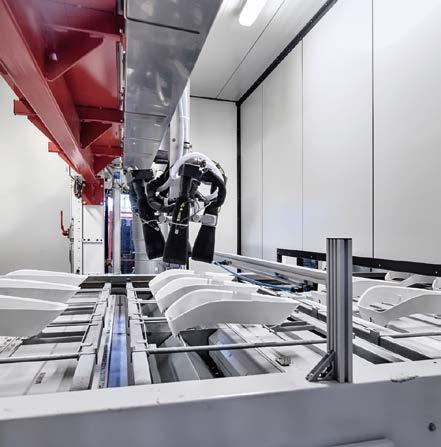
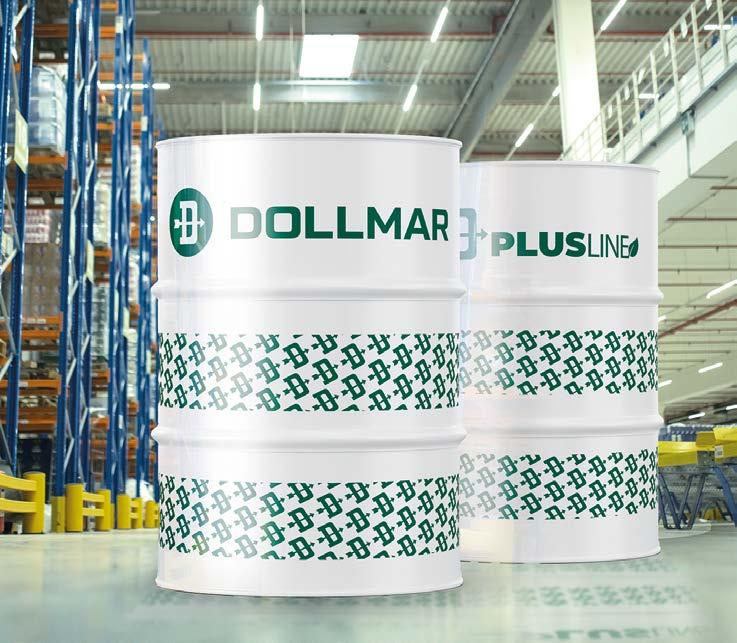
| Stuttgart | June 9-11, 2026 | Hall 3, Booth G-62
We supply you with individualized finishing lines.

Medesy, a company specialising in the manufacture of dental instruments, has identified the cleaning phase as a key process in its workflow. Through collaboration with IFP Europe and Dollmar, it has adopted a modified alcohol-based system that combines high performance with sustainability.
In the heart of Italy’s Friuli Venezia Giulia region, in the foothills of the Alps, lies Maniago, a small town that has been an international hub for metalworking for over six centuries, earning it the nickname ‘the city of knives’. In this manufacturing district, craftsmanship, precision, and the sharing of knowledge have been intertwined for generations. Its origins date back to the Republic of Venice, when the area was chosen for the production of iron weapons and tools. Since then, the skills of local blacksmiths have evolved and specialised, adapting to technological changes and market demands: production has shifted from weapons to knives, scissors, and tools, and on to industrial components and highprecision instruments for the medical sector. This is the field in which Medesy Srl has built up its expertise.
“My grandfather, Guglielmo Ghezzi, founded this company in the postwar period, when Italy was focused on rebuilding the country and driving industrial development. Initially, it produced surgical instruments, and then it gradually narrowed its scope to focus on a highly specialised niche: the dental sector,” says Diego Ghezzi, now at the helm of Medesy. “With my father Claudio taking over the leadership, Medesy took a further evolutionary leap by introducing new machinery, including the first machining centres. That is when we started a modernisation process aimed at improving production efficiency, without losing sight of the attention to detail and quality that have always been the hallmarks of our artisan tradition.”
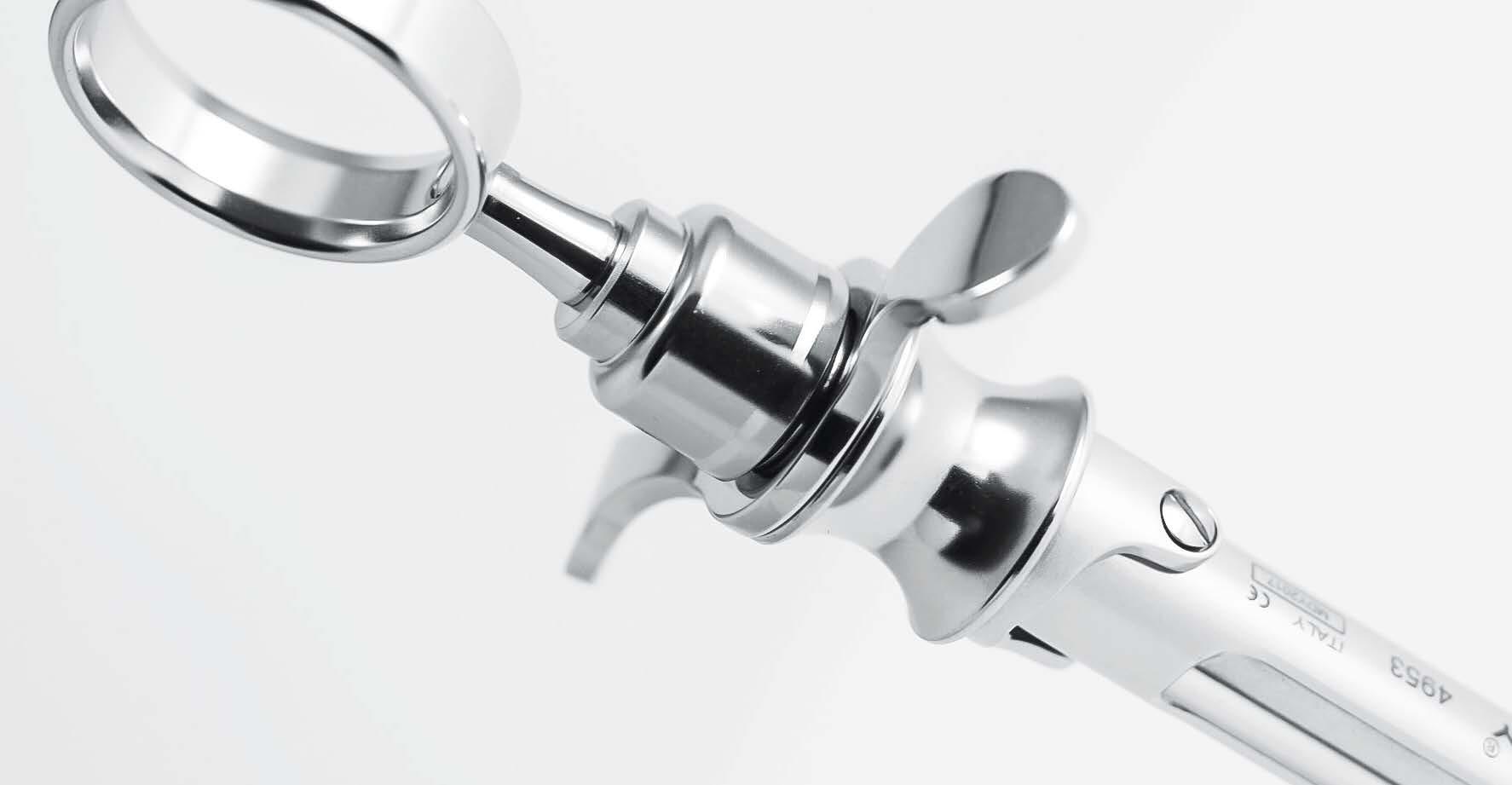
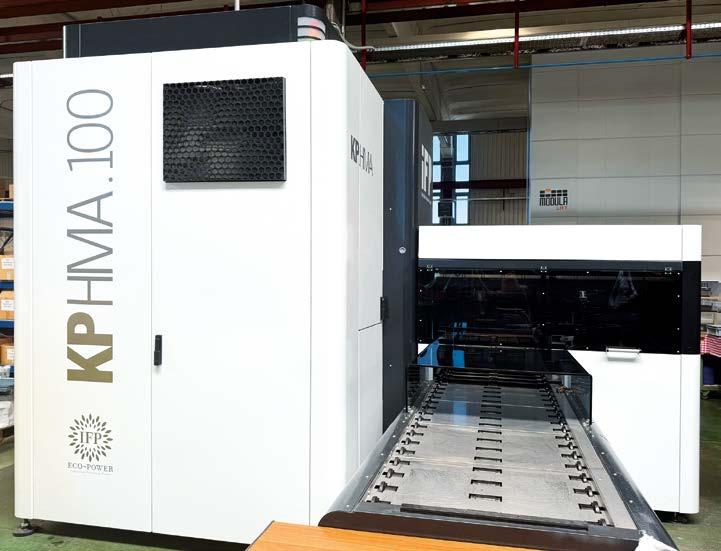
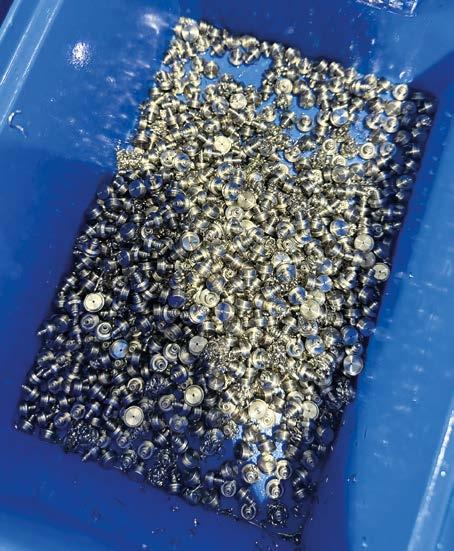
Today, with the third generation at the helm, represented by Diego, Lisa, and Camilla Ghezzi, the company continues to grow by adopting increasingly advanced and interconnected technologies in line with Industry 4.0, which ensure optimised processes, improved traceability, and ever-higher quality standards. At the same time, Medesy is investing in research into new, higher-performance materials, such as nextgeneration steels and high-performance polymers, which deliver greater stability, strength, and durability. Its most recent investments include a new modified alcohol-based cleaning system provided by IFP Europe (Galliera Veneta, Padua, Italy), with support from Dollmar (Caleppio, Milan, Italy) for the supply of chemicals. The synergy between these companies has supported a process of workflow optimisation and quality standard enhancement, aimed at making the cleaning phase more efficient, high-performing, and sustainable.
At Medesy, cleaning is a strategic process step, crucial to achieving the high degree of precision and cleanliness required for dental instruments. “We carry out in-house most of the machining processes required for our products, which are made from 303 or 420B stainless steel, depending on the component type. For some operations, such as forging, heat treatment, laser cutting, and electropolishing, we rely on specialist
companies in the Maniago district with which we have an established partnership,” explains quality manager Alessandro Cecchin.
“Precisely because of its importance within our production cycle,” he adds, “we have always managed the cleaning phase in-house, both as an intermediate stage between machining operations and as a final stage before quality control, packaging, and dispatch to the 105 countries where we distribute our instruments. Intermediate cleaning is undoubtedly the most critical phase because, during machining operations, the parts come into contact with oils, emulsions, and abrasive pastes used in turning, grinding, and polishing, as well as with solid residues such as swarf and shavings, which can also accumulate in hard-to-reach cavities. Removing them is essential to ensure the correct execution of subsequent stages. Final cleaning, on the other hand, ensures an additional level of cleanliness for our finished products. Although not always strictly necessary from a production point of view, it reflects a specific company policy aimed at continuously raising our quality standards.”
“The process was initially developed in line with ISO 9001 requirements and subsequently took on an even greater role with the adoption of ISO 13485, the standard specific to the medical sector. It is therefore one of the phases most closely monitored during inspections, which assess not only operational effectiveness but also performance stability over time in accordance with our standards,” says Ghezzi.
The new cleaning plant
Medesy’s need to upgrade its cleaning system stemmed from the necessity to further improve efficiency. “We were looking for a plant capable of delivering more effective, high-performance cleaning and able to remove contaminants completely. The main issue we encountered with the previous system concerned the oil used in the turning stage. As it is a light contaminant, it tended to rise to the top: with an immersion plant, although the parts were cleaned during the cycle, they came into contact with that layer of oil on the surface upon extraction, compromising the cleanliness level that had just been achieved,” explains Cecchin.
To address this issue, the choice fell on a KP HMA 100 plant, a modified alcohol-based system designed by IFP Europe to meet high production demands and effectively remove the most complex contaminants.
“Thanks to a vacuum treatment cycle down to 1 millibar, the KP HMA
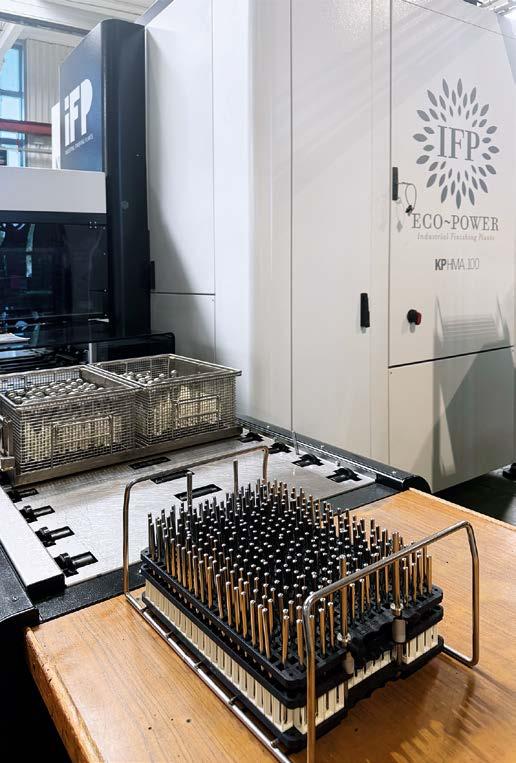
technology integrates cleaning, drying, and decontamination into a single process, ensuring high performance in both standard and customised configurations,” states Giampaolo Rossi, sales manager at IFP Europe.
“The process is fully automated: the operator only loads the basket, which is then transferred into the cleaning chamber by an automatic roller system. Once the most suitable cycle has been selected, the process runs autonomously through to the unloading stage. The preset cycles can be easily managed via the company’s MES software. Load management within the baskets is a key factor in achieving a high degree of cleanliness. Semi-finished parts, typically treated in intermediate cleaning stages and characterised by a higher level of contamination, are loaded in bulk; during the cycle, a tilting system promotes their oscillation and movement, allowing the modified alcohol vapours to penetrate even the most complex geometries and ensure
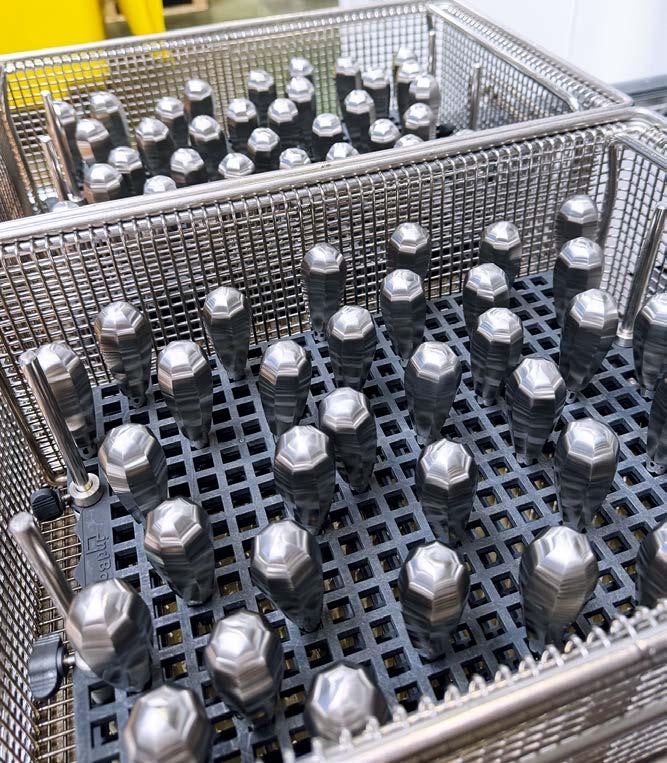
thorough cleaning. For finished and pre-assembled components, on the other hand, we use special workpiece holders that ensure precise positioning and more delicate handling during treatment,” notes Medesy’s quality manager. The cycle time averages around 15 minutes. Since Medesy produces around one million units a year, and since some products, such as syringes, consist of around 12 components to be assembled, cleaning speed and efficiency are key factors for productivity.
“The KP HMA plant also offers a high degree of configuration flexibility thanks to numerous additional options, including robotic loading systems, supplementary drying modules, solutions for applying protective treatments, and the possibility of integration into clean room environments. It is therefore a scalable solution, designed to adapt to the most advanced production requirements and perfectly aligned with Industry 4.0 parameters,” concludes Rossi.
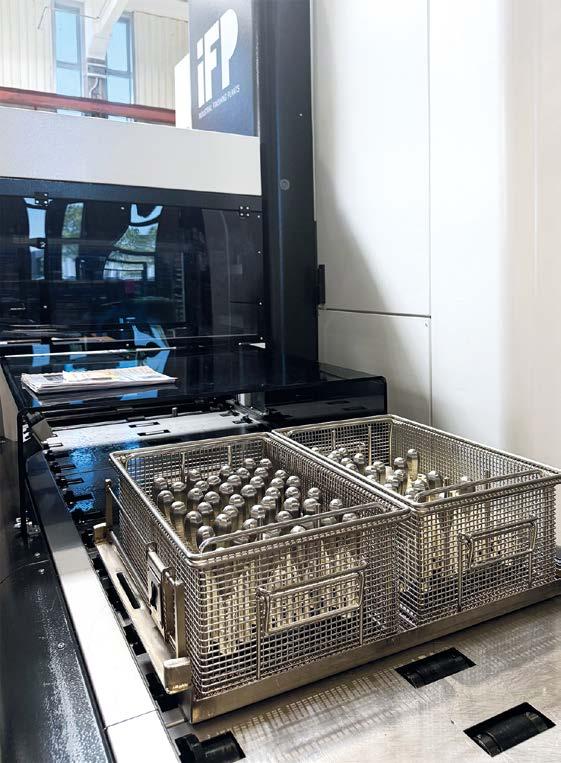
Dollmar’s cleaning chemicals and technical support
"Regarding the chemical products, we are collaborating with Dollmar, which has supported us in improving the process", says the quality manager.
“First, we checked the compatibility of modified alcohols with the oils used in the turning process through stress tests carried out in our laboratories. Then, we supplied the modified alcohol Dollmarsol G 120, developed to ensure high performance in cleaning and degreasing processes. Its formulation delivers high oil, grease, and machining residue removal capacity, guaranteeing consistent, controlled levels of cleanliness. At the same time, we introduced the pH stabilizer for the modified alcohol, Dollmarstab G, which helps maintain a stable cleaning process, improving the plant’s overall performance,” explains Mario De Cenzo, Dollmar’s sales director. “Our support is not limited to the supply of chemicals but includes ongoing analysis and technical assistance.
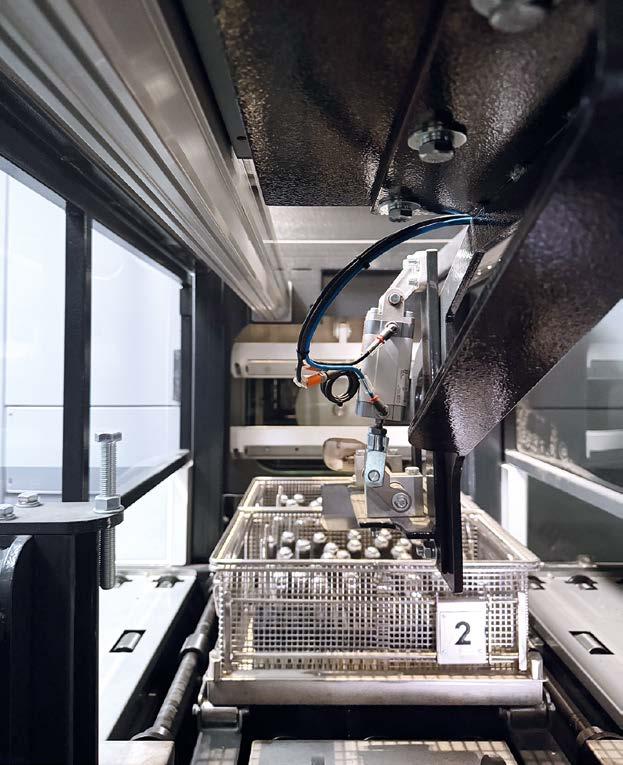
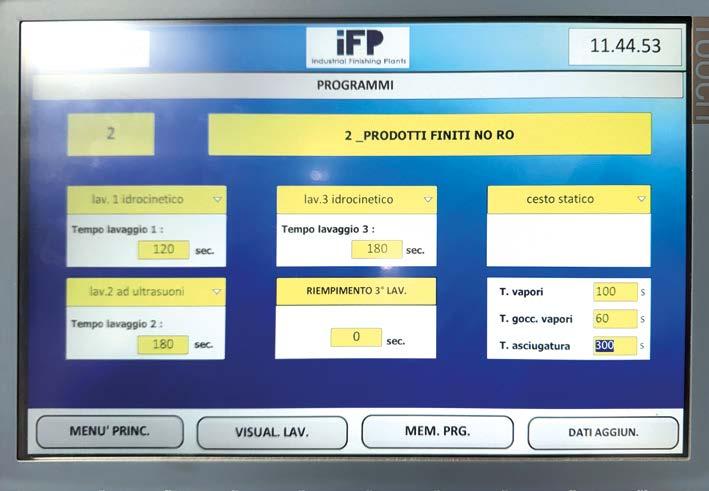
Through regular checks and laboratory tests, Dollmar provides detailed reports on the condition of the solvent, offering a constant snapshot of the cleaning bath’s operating state, and recommends any necessary corrective measures.”
“The technical support and regular analyses, certified by its in-house laboratory, enable us to continuously monitor the solvent’s behaviour and provide useful guidance to enhance our internal quality systems,” says Cecchin.
IFP Europe’s KP HMA 100 system, together with the high-performance chemicals developed by Dollmar, has enabled Medesy to make a significant leap in quality, improving cleaning efficiency, process stability, and the control of operational variables over time. It was not just the plant technology that made the difference, but the synergy among the system, process chemistry, and specialist technical support. In fact, this integrated approach has transformed a production challenge into a concrete opportunity for optimisation and growth. Alongside production performance, process sustainability also played a central role.
“We designed this plant as a closed-loop system that prevents direct contact with cleaning fluids and enables the safe, controlled management of the entire cycle. The integrated filtration, purification, and separation units allow the recovery of oils, water, and metal microparticles, significantly reducing waste,” says Rossi.
“The use of modified alcohols is also an advantageous choice, as the solvent’s controlled volatility and low toxicity make it a more sustainable alternative to traditional systems. This translates into a reduction of the impact on operators’ health and, more generally, on the working environment," adds Adina Diaconu, marketing manager at Dollmar.
Tecnologia avanzata per il lavaggio e la finitura di componenti metallici.
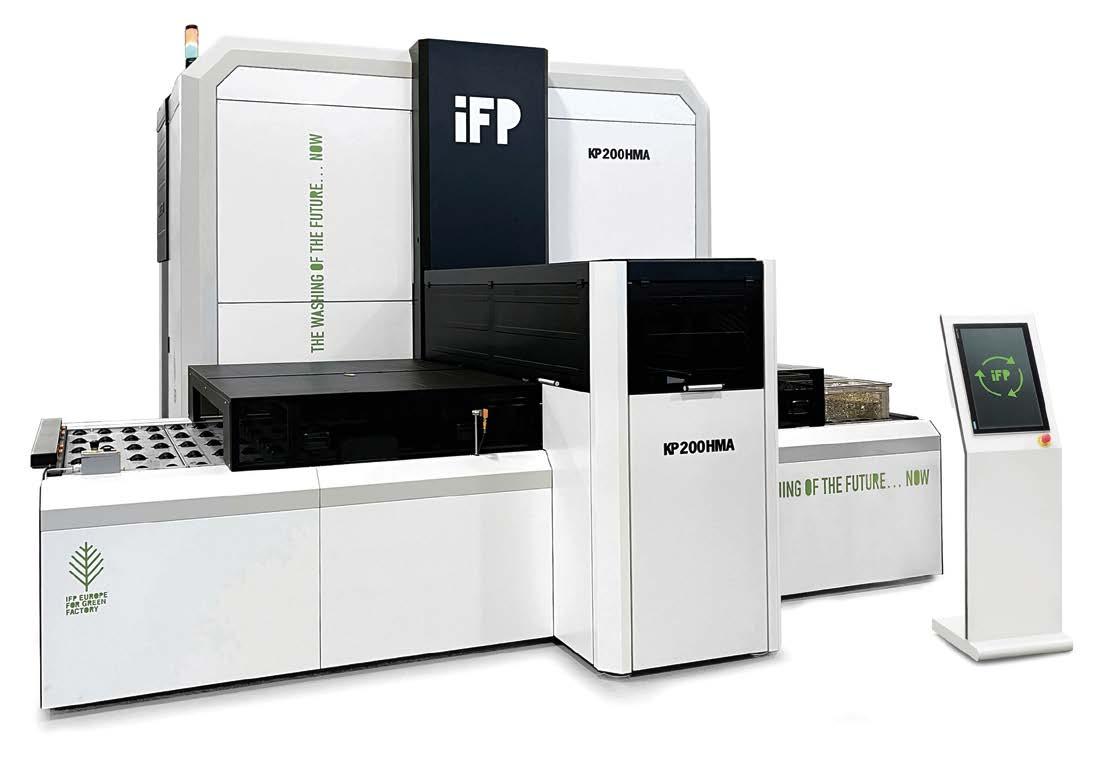





LA NOSTRA TECNOLOGIA, LA VOSTRA ECCELLENZA IFP PORTAL
Controlla i tuoi impianti di lavaggio KP Kleen Power da qualsiasi luogo, in modo sicuro.
✓ Sicurezza e controllo.
✓ Monitoraggio in tempo reale.
✓ Ottimizzazione dei consumi.
✓ Reportistica semplificata.
✓ Gestione multi-impianto.
✓ Manutenzione predittiva.
✓ Massima reattività.
LAVATRICI SOTTOVUOTO ALCOOLI MODIFICATI - IDROCARBURI
Per maggiori informazioni contattaci. Tel.+39 049.5996883 info@ifpsrl.com
IFP Europe Società Benefit
Via Po,1 35015 Galliera V.ta (PD) IT
Widely used in the automotive industry, the phosphodegreasing process removes surface contaminants and simultaneously deposits a phosphate conversion coating that enhances paint adhesion and provides corrosion protection. Therefore, it offers a less aggressive and less complex alternative to conventional phosphating.
Phosphodegreasing is an industrial cleaning and pre-treatment process used to prepare metal surfaces for coating. Its main purpose is to protect parts from corrosion and improve the adhesion of organic coatings. It is particularly used in the automotive sector for components such as brake discs, axles, and transmission parts. Using phosphate- and surfactant-based solutions, it performs both degreasing and surface conversion in a single step, removing contaminants and preparing substrates for the subsequent stage.
Finally, it is characterised by lower chemical aggressiveness compared with conventional pre-treatment cycles, especially phosphating.
In this article, D.B.M. Tecnologie, a company based in Casale sul Sile (Treviso, Italy) and specialising in the design and manufacture of cleaning and surface treatment systems, presents its phosphodegreasing plant solutions, including their technical characteristics and application benefits.
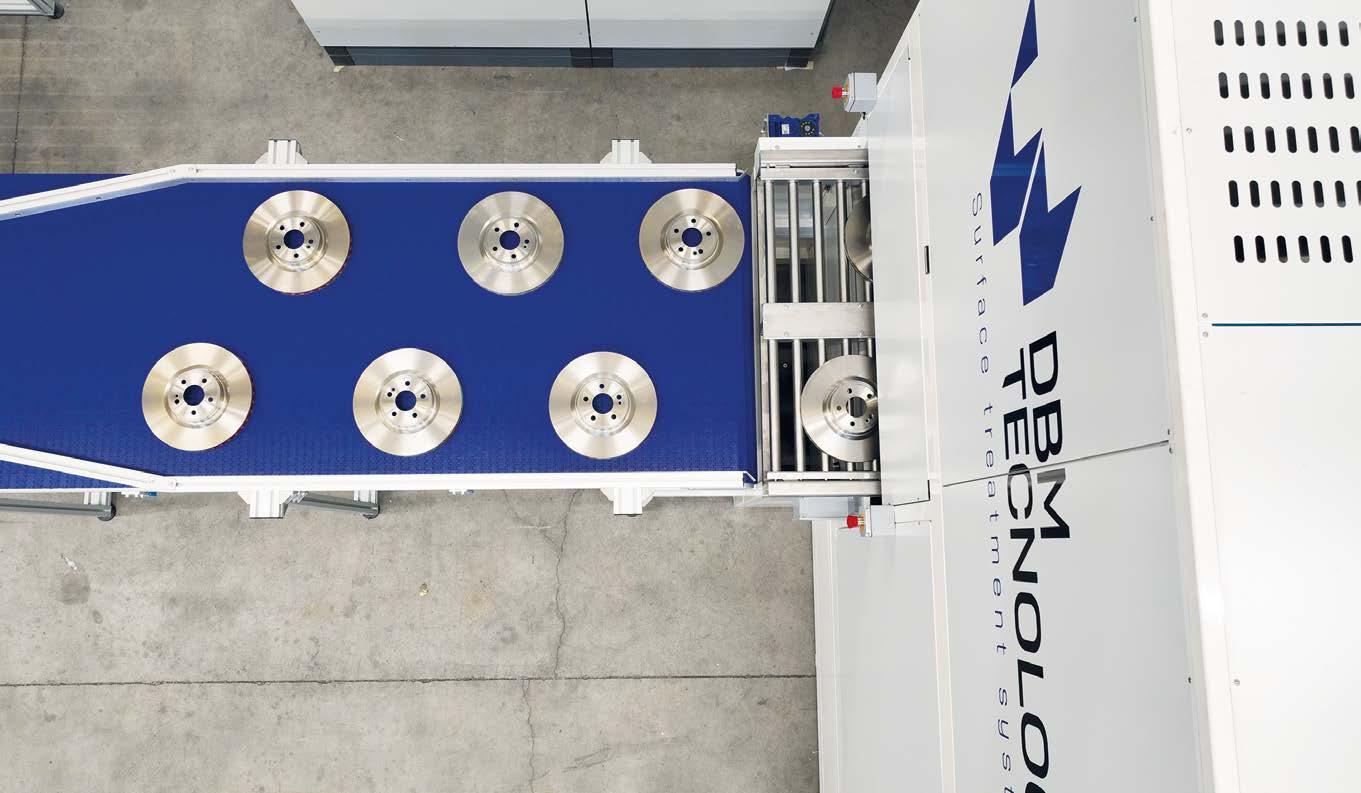
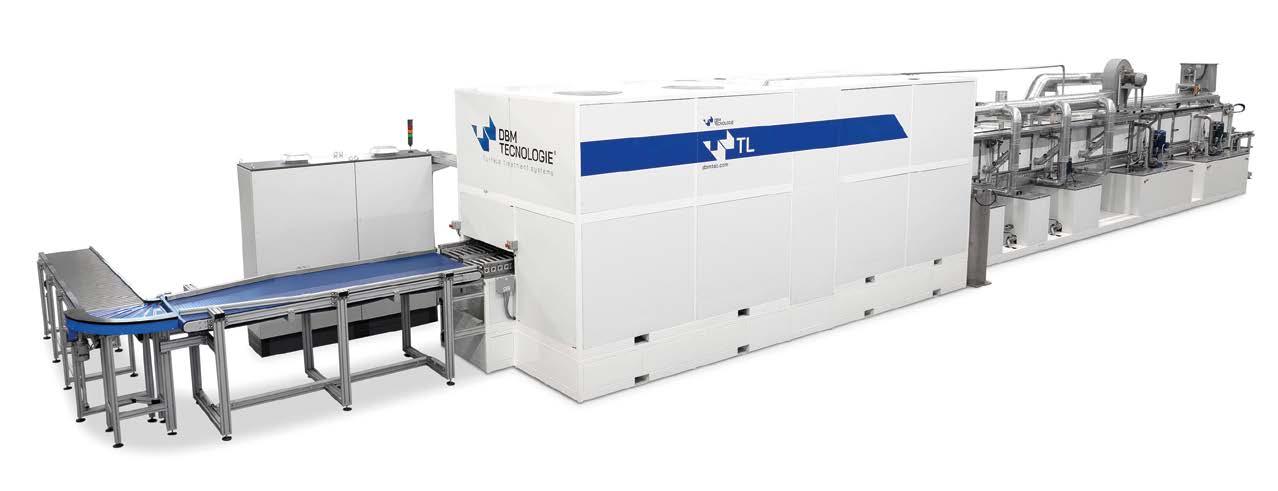
The advantages of phosphodegreasing and its differences from phosphating
Phosphating is a surface chemical conversion process that forms a crystalline layer of metal phosphates on the treated substrate. The coating composition varies with the application and may be based on iron, zinc, or manganese, depending on the material being processed and the performance requirements. The process comprises several distinct stages, including surface preparation and cleaning, the conversion reaction, intermediate rinses to remove residues, and final drying. Control of the cycle is closely linked to chemical and physical parameters such as temperature, pH, accelerator concentration, and solution stability; this requires continuous monitoring to ensure the uniformity and repeatability of the treatment.
Phosphodegreasing is similar to phosphating in terms of its objective, as it is designed to protect the surface from corrosion. However, it differs from phosphating in that it uses a single product that combines degreasing and phosphating actions. It is also less chemically aggressive and easier to handle, as the use of a single chemical simplifies plant management and reduces the number of steps required for surface treatment. The main advantages of phosphodegreasing compared with traditional phosphating include:
reduced plant complexity and fewer process tanks;
streamlined chemical management;
lower sensitivity to variations in operating parameters;
greater stability of the treatment cycle;
shorter overall process times.
From an application perspective, the effectiveness of a phosphodegreasing treatment is closely tied to its integration with the subsequent coating stage, which is decisive for the workpiece’s level of corrosion protection. This makes it particularly suitable for industrial cycles in the automotive sector, where high process repeatability and production continuity are required for components such as brake discs, axles, and transmission parts.
The phosphodegreasing plant solutions developed by D.B.M. Tecnologie are the result of advances in industrial cleaning and are designed to integrate into automated surface treatment lines. They are available in various configurations, including single-chamber and multi-tank versions, to suit production and plant layout requirements.
D.B.M.’s phosphodegreasing systems:
require minimal maintenance;
consume less energy than phosphating plants;
entail lower initial investment costs and less burdensome waste water management.
In addition, the systems designed and installed by D.B.M. Tecnologie adapt flexibly to the pace of any production cycle. Depending on customer requirements, they can be configured with different technical features to accommodate varying production rates and volumes. This flexibility is also enabled by advanced automation systems, such as those integrated into multi-tank and single-chamber cleaning plants.
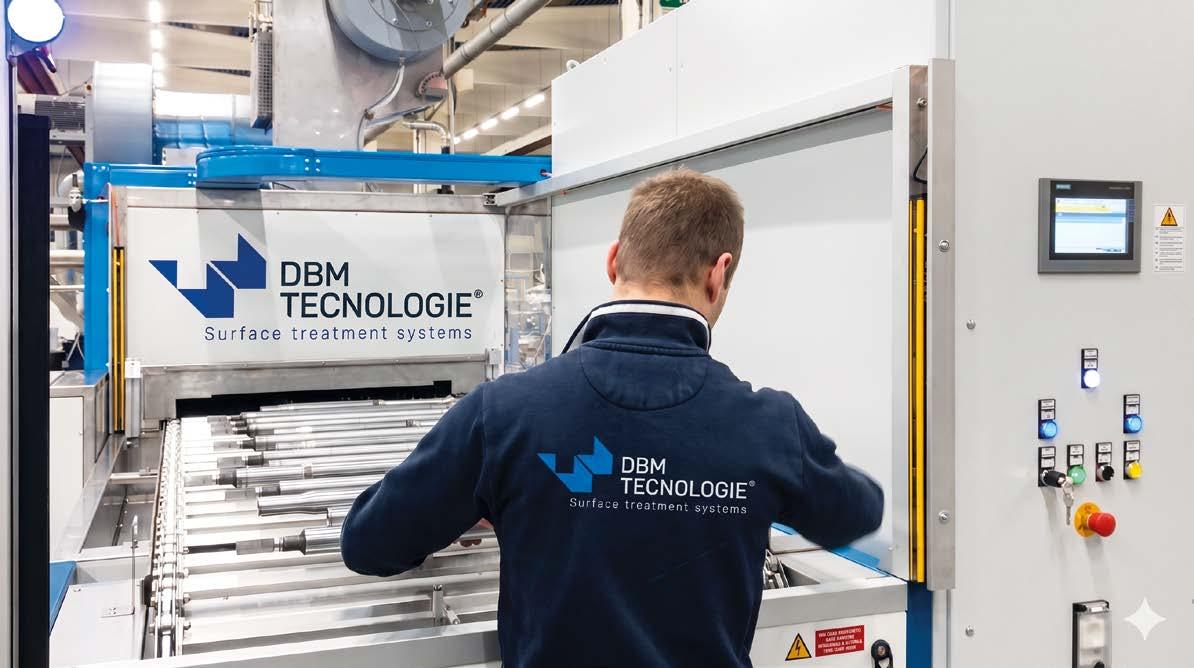
The simpler process, which requires less monitoring than phosphating, also facilitates the adoption of automated technologies. The main field of application of D.B.M. Tecnologie’s phosphodegreasing systems is the pre-treatment of metal components, such as brake discs, for the automotive sector.
In the automotive sector, phosphodegreasing is used as a pre-treatment prior to coating metal components that require high levels of corrosion resistance and functional reliability. Its main applications include:
The treatment produces chemically active, clean surfaces suitable for the application of protective coatings. The aim is to ensure paint adhesion and system stability under conditions of high thermal and mechanical stress.
Used on axles and axle shafts, this process improves surface wettability and coating film uniformity on complex geometries and machined surfaces.
Phosphodegreasing offers an alternative pre-treatment solution to traditional phosphating cycles when there is a need to reduce plant complexity and improve process integration. The use of automated systems enables stable, repeatable cycles, optimises consumption, and streamlines operational management.

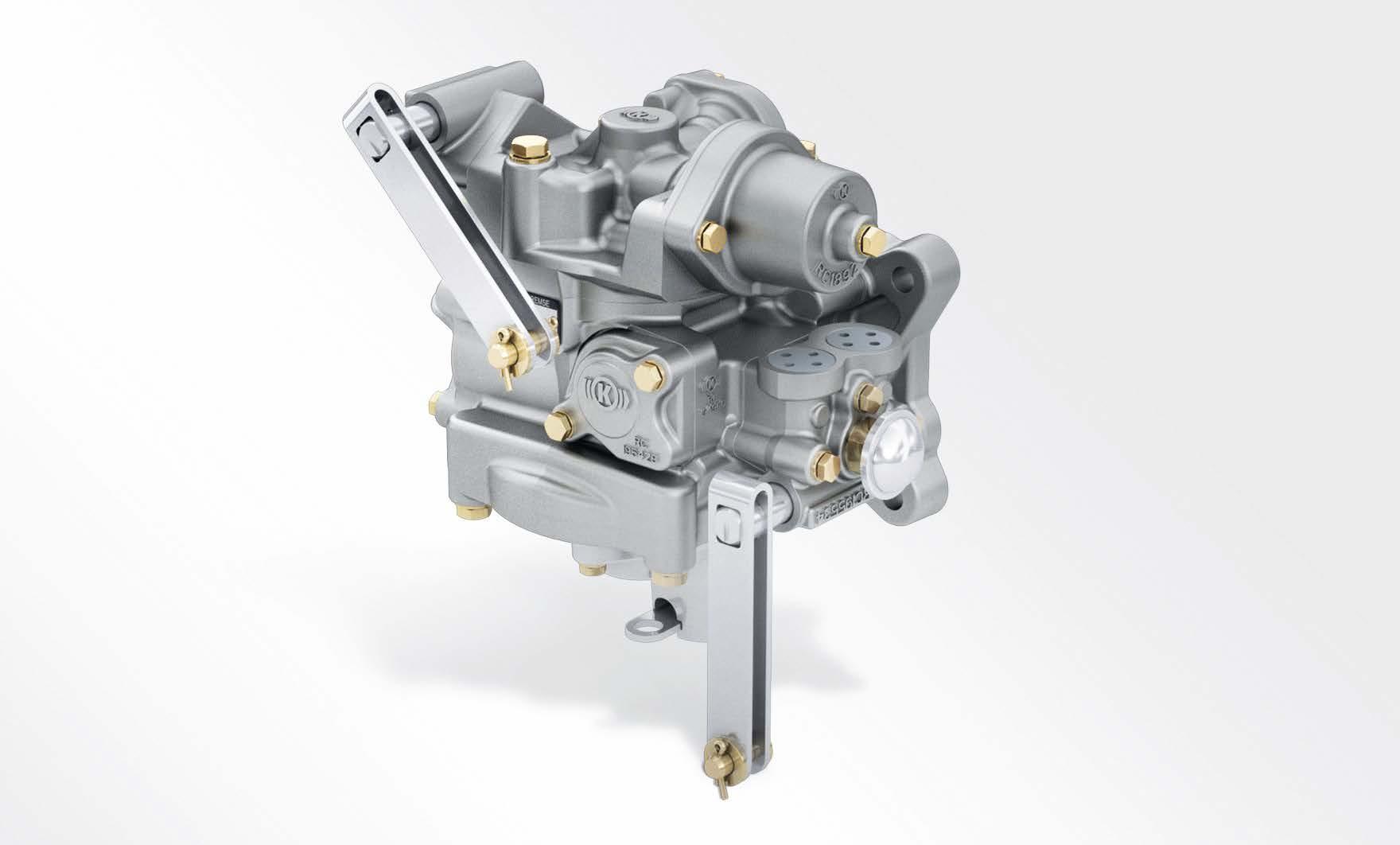
The German multinational, a leading manufacturer of braking systems and other safety systems and remanufacturing components for the railway sector, has integrated its cleaning department with a new automatic closed-loop system supplied by ILSA-MC. This modified alcohol-based solution has standardised the cleaning process, improved repeatability, reduced operating times, and enhanced environmental sustainability despite rising volumes.
For over a century, rail transport has been an essential part of Italy’s mobility system. With a network comprising over 16,700 km of railway lines, around 200 km of metro lines, and 400 km of tram infrastructure, the sector plays a strategic role in daily commuting and in medium- and long-distance travel. The green transition and the growing focus on reducing energy consumption and emissions are now making rail transport even more central to sustainable mobility policies.
Thanks to its high energy efficiency and lower environmental impact compared with road and air transport, rail is one of the most sustainable travel options, second only to active modes of transport such as walking and cycling. In such a vast and diverse industry, numerous companies help ensure that rail vehicles, from high-speed trains to urban trams, operate safely and efficiently.
One of the longest-standing and most significant of these is KnorrBremse, a German multinational founded in 1905, which has been contributing to the mobility of millions of people around the world every day for over 120 years. Its Italian plant in Campi Bisenzio (Florence) is one of Europe’s leading hubs for the design, manufacture, and maintenance of pneumatic, electro-pneumatic, and electro-hydraulic braking systems for rail, metro, and tram vehicles. Recently, it has installed a closed-loop cleaning system operating under vacuum and using modified alcohol, designed and supplied by ILSA-MC (San Pietro in Casale, Bologna, Italy), to treat components for remanufacturing. The aim is twofold: to reduce operating costs and further improve environmental sustainability.
Founded in 1905, Knorr-Bremse is a German multinational headquartered in Munich. Today, with around 100 sites in 30 countries and over 30,000 employees, it is a world leader in braking systems for
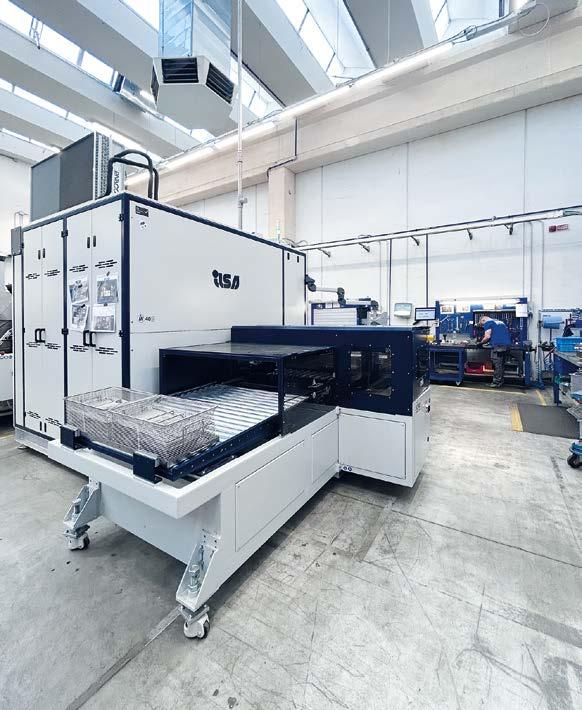
the railway and industrial vehicle sectors: its core business is evident in its name, as Bremse means ‘brake’ in German. 7% of its annual turnover of around €8 billion is invested in research and development at its dedicated centre in Munich, reflecting a strong focus on technological innovation and sustainability.
In Italy, the Campi Bisenzio site, which has been serving the railway industry since 1990, specialises in designing, manufacturing, and integrating pneumatic, electro-pneumatic, and electro-hydraulic braking systems for rail, metro, and tram vehicles. Its portfolio also includes air conditioning systems, automatic doors, on-board supervision and control systems, video surveillance devices, inverters, auxiliary units, battery chargers, converters, driver assistance systems, and closed-loop hydraulic solutions.
“We manufacture products for original equipment, such as tanks for sanitary systems, door mechanisms, and control units for on-board sanitation systems. However, component remanufacturing accounts for 80% of our business,” says Alessandro Bartoloni, KPS coordinator at Knorr-Bremse.
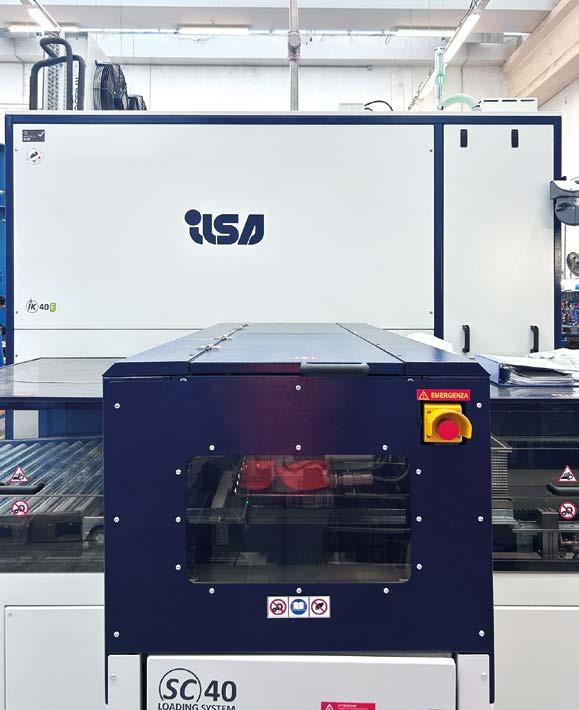
A railway product portfolio differs significantly from an automotive one: in the latter, a few part types are produced in the millions, whereas in the former, there are thousands of different products, each manufactured in limited volumes and often highly customised. “Our production is not based on large batches, but on an extremely wide variety,” explains Giulio Lastrucci, shop floor and manufacturing manager at Knorr-Bremse. “The same product can be modified to meet specific customer requirements, resulting in numerous part numbers derived from a single family of components. This makes it very difficult to insource all remanufacturing activities in a single plant, as each product has its own requirements and characteristics. We are highly specialised in some of them, and we rely on the entire Knorr-Bremse supply chain to treat other parts: at our site, we have selected the products most commonly used in the Italian railway sector.” The components handled at this plant include brake calipers for regional trains and metros, pneumatic panels, brake system distributors, control valves, compressed
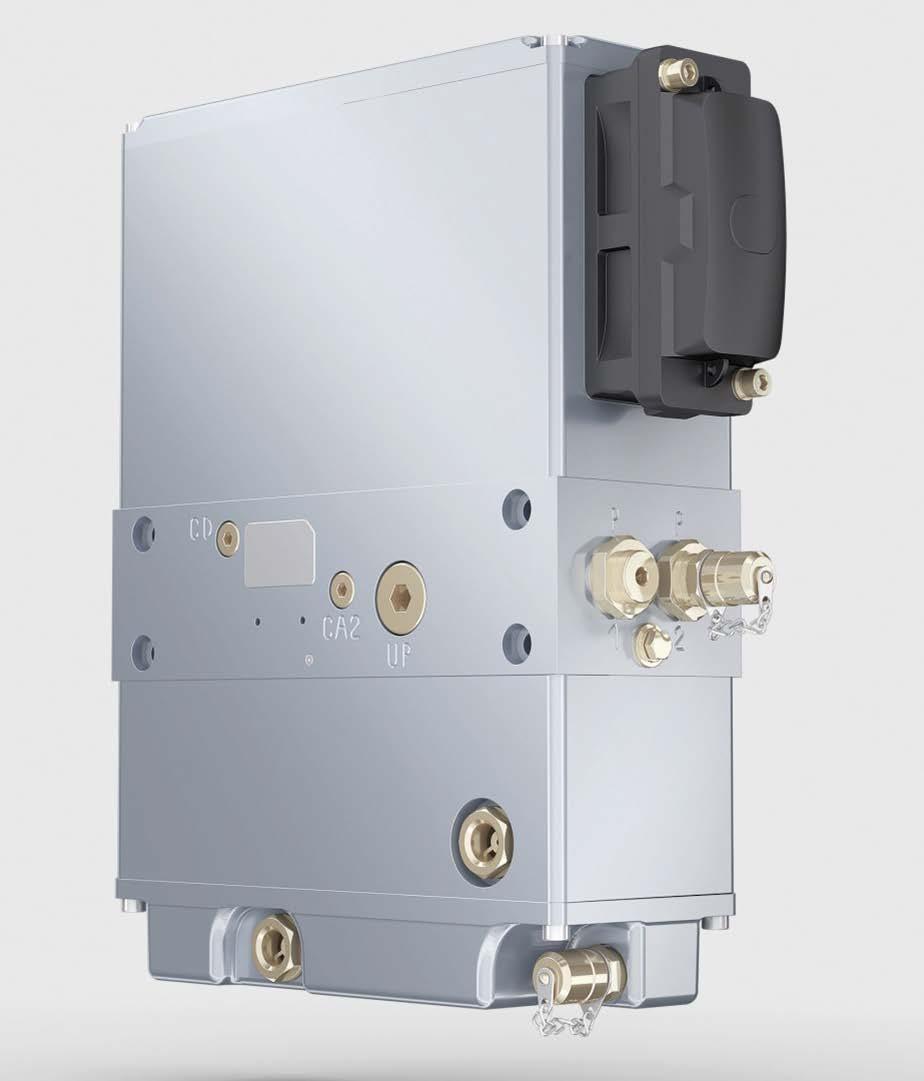
air generation units, and hydraulic calipers for light rail trams, which require shorter braking distances.
The routine maintenance and major repair activities carried out at the Campi Bisenzio site are crucial to Knorr-Bremse’s supply chain. Indeed, trains have very long lifespans, often lasting thirty to forty years. Throughout this period, components are overhauled several times, as they are high-value products characterised by specific technical requirements, manufactured in small batches, and often customdesigned for a particular vehicle. As one of the first process steps upon part receipt, cleaning plays a key role in this.
“The cleaning phase marks the product’s entry into our maintenance chain. It should also be noted that a caliper that has been operating on a train for ten years, for example, is almost unrecognisable by the time it arrives for treatment. We started with just a few cleaning tanks and
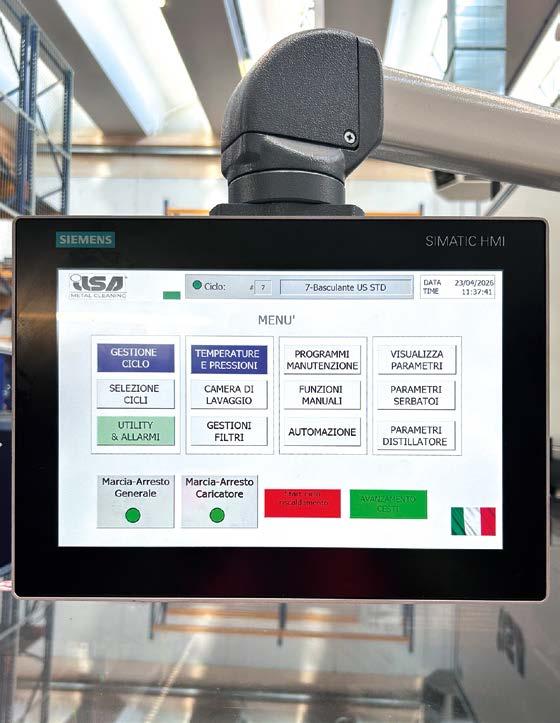
now have 14 in total, including both manual and semi-automatic ones,” explains Bartoloni. “Over time, it became clear that pre-control cleaning of components needed to be automated, particularly for small valves for brake panels. These parts, which are not directly exposed to the outside environment, are less contaminated than calipers but are mainly soiled with grease and functional oils.”
Knorr-Bremse’s growing specialisation in the maintenance of these valves has made it a centre of excellence, also handling components from Switzerland and the Netherlands, leading to higher volumes. This growth prompted the company to install a new automatic cleaning machine, with ILSA-MC as the ideal partner. The system, installed in January 2026, was seamlessly integrated with the site’s other cleaning plants.
The remanufacturing process begins with the valves being dismantled and stripped of all rubber parts, retaining only the recoverable metal components. The material is then analysed to assess its integrity and
suitability for recovery. Suitable parts are sent to the cleaning area. The new plant installed is a closed-loop vacuum machine using modified alcohol, model IK40, with an SC40 system for automatic loading and unloading. It can handle 2 baskets per cycle and has a storage buffer with 5 slots at the input and 5 at the output, totalling 10 baskets per side. “Our solution incorporates an ultrasonic system from Weber Ultrasonics, 2 fine filters for greater autonomy in managing solid contaminants, and 2 cartridge filters to trap even the finest solid particles, thereby ensuring a high level of cleanliness in both the solvent and the parts being treated,” explains Veronica Pancaldi, technical sales specialist at ILSA-MC. “The plant is also equipped with a plug-and-play system using air heat exchange for the refrigeration unit, which avoids the need for external chillers or connections to the mains water supply. Like all ILSA-MC plants, this is based on the principle of continuous distillation: the solvent in the main tank is constantly distilled and filtered, ensuring it remains clean and ready for subsequent cycles. This aspect is fundamental to preventing contamination among components belonging to different families and to ensuring the process’s quality

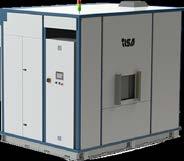
Vasta gamma di soluzioni per il lavaggio di precisione Wide range of precision cleaning solutions

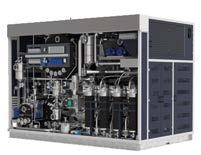
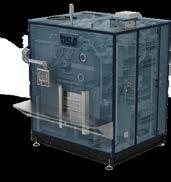
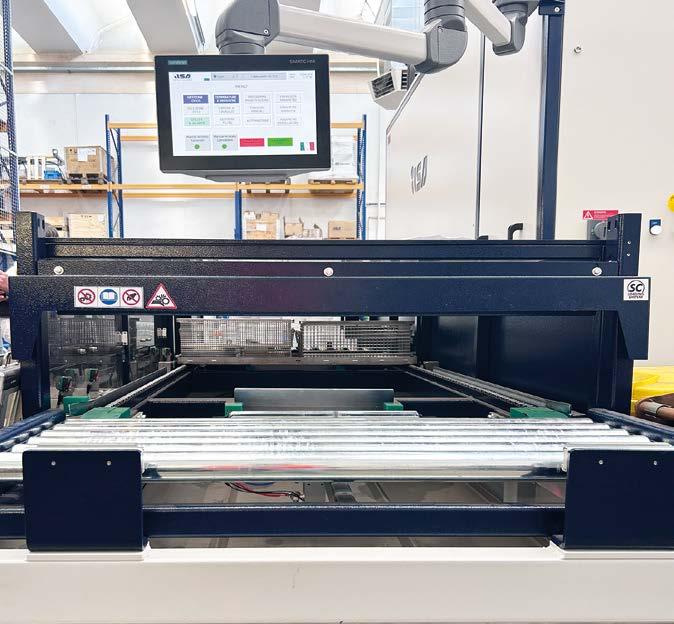
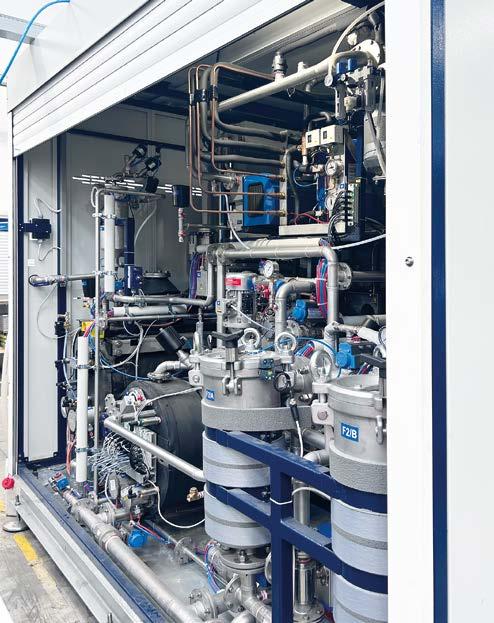
and stability. The absence of water and reduced consumption of cleaning liquids also help to keep operating costs down and improve environmental sustainability.”
Thanks to vacuum operation, the components leave the machine completely dry and immediately ready for the next stages. Automatic loading and unloading reduce the time between cycles, maximising productivity. This is further supported by a storage buffer consisting of 5 trays, each containing 2 baskets, from which each load can be assigned to a different cleaning cycle depending on the components’ specifications.
Installed in January 2026, the new solution has effectively met KnorrBremse’s production requirements, contributing to a more controlled, standardised, and repeatable remanufacturing process and a significant reduction in manual tasks and component handling. “We chose this technology even though we were aware of its limitations within our production cycle,” Lastrucci points out. “We had to identify which products could be treated with solvents and which should continue to be treated using the traditional cycle: this approach enabled us
to implement innovative technology without disrupting established processes, integrating it in a targeted manner where it could deliver the greatest value. ILSA-MC’s machine specifically creates consistent and repeatable conditions for cleaning components that must subsequently be reassembled as new.” In the first few months of use, Knorr-Bremse worked to optimise process parameters and develop programmes for different levels of contamination and component types.
“We will continue to test and fine-tune this technology to maximise its potential.”










































Consistently high process quality and savings in energy, resources, and operating costs—these are the demands that water-based cleaning processes must meet today. To meet these requirements reliably and efficiently, Ecoclean has developed the innovative Lab-on-a-Chip system. It maintains the quality of the cleaning and rinsing baths at an optimal level through automated analyses based on various measurement methods. The new Smart Drying technology enables AI-supported, intelligent control and optimization of drying processes with hot air and vacuum.
Increasing demands on component quality are leading to more complex cleaning processes. Specified cleanliness specifications must be maintained in a stable and reproducible manner. This is increasingly associated with higher documentation requirements for process parameters. At the same time, there is a demand for more energy- and resource-efficient cleaning in order to reduce the CO2 footprint and costs. This is offset by a shortage of skilled personnel with the appropriate training and cleaning expertise.
Ecoclean is responding to this situation with innovative developments such as the Lab-on-a-Chip (LOC) system and Smart Drying technology for automated monitoring and intelligent control of cleaning quality. These solutions ensure that cleaning and drying processes run optimally and also meet documentation requirements through constant recording of parameters.

Until now, a wide variety of sensors have been required to analyse the concentration of cleaning or passivation media and bath contamination, which are used in the baths in accordance with the respective medium or process. The measurements also usually require numerous manual interventions. The time-consuming determination of bath quality often leads to cleaning media being added regardless of consumption. Likewise, bath changes are still sometimes carried out on a timedependent basis. Both can lead to suboptimal bath and thus cleaning quality, as well as a waste of resources.
This changes with the new LOC system, which can be integrated into both multi-bath immersion and chamber systems. The combination of different measurement methods in a single system opens up an enormous range of possibilities for cleaner and bath analysis. And this without having to equip each bath with different sensors and regardless
of the cleaning or passivation medium and process used. With the system-integrated systems, sampling is carried out automatically from the respective stations connected to the evaluation unit. Titration, pH value, conductivity, and, for the first time, surface tension measurement are available for determining the cleaner concentration. In modular cleaning systems, the latter allows the surfactant content in the bath to be determined separately, enabling targeted re-dosing of this component. The contamination of the baths can be determined by means of fluorescence and conductivity measurements. In the future, these measurement methods will be supplemented by methods for determining total organic contamination (TOC) and particle measurement. The measurements to be performed on the sample taken from the bath can be entered via the system control. Between sampling from the baths, an automatic rinsing system ensures that the results are displayed accurately on the display and, if necessary, appropriate actions are initiated, such as the addition of medium or water or a bath change. When it comes to consistently



















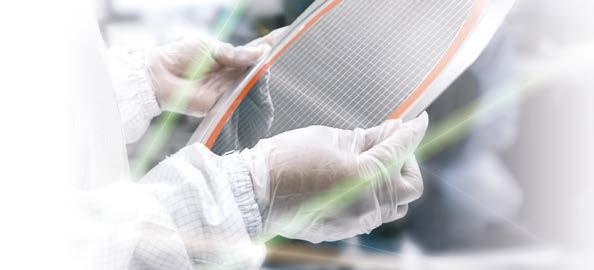
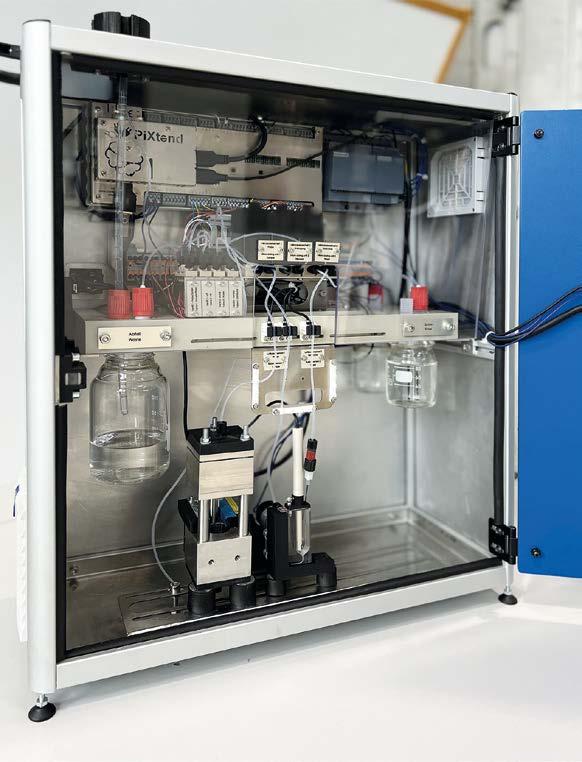
The methods available for determining the actual cleaner concentration are titration, pH value, conductivity, and surface tension measurement, while bath contamination can be detected by means of fluorescence and conductivity measurement. The measurement methods can be combined as required, and additional functions or new measurement methods can be easily integrated.
With the standalone version, which is also available, the samples are taken manually from the baths to be tested, and the rest of the procedure is also automatic. With both alternatives, the measurement methods can be combined as required, and additional functions or new measurement methods can be easily integrated.
Drying is not only one of the most energy-intensive processes, but also the bottleneck in parts cleaning due to the time required. Nevertheless, problems often arise – especially when different components need to be cleaned and dried. To be on the safe side, drying processes are often designed to be too long based on a worst-case scenario, which results in increased energy consumption with correspondingly high costs and reduced productivity.
The goal is therefore to obtain optimally dried parts from the system with minimized energy and time requirements. Ecoclean has implemented this with its AI-supported, intelligent Smart Drying technology for combined hot air vacuum drying processes. The basis for this is a humidity and temperature sensor specially developed for this application, which is now standard in various types of the manufacturer’s systems.
In order to control the drying process in a time- and energy-optimized manner, the AI model of the Smart Drying technology was first trained with data from thousands of drying tests with a wide variety of components and target parameters. Based on this know-how, the AI evaluates the quality of the respective drying process by analysing the parameters of humidity, temperature, and pressure in the process chamber. It then decides which action is most appropriate for optimal drying. For thin-walled parts or plastic workpieces, for example, this may be the supply of warm air. Essential for the use of Smart Drying technology are process-stable, reproducible processes that ensure consistent conditions in the process chamber. Worn seals or sensors that are not calibrated regularly, for example, lead to changes here. One of the next development steps at Ecoclean is to transfer the findings from machine learning to the use of AI for the control and optimization of cleaning and rinsing processes.

Essential process for micro-technical applications, the surface treatment is getting up to date. Omnipresent at Micronora, robotic and smart solutions meet the ecological and productive requirements of specialized companies.
Visitors to the upcoming international trade show for precision and micro-techniques will discover from September 29 to October 2, 2026 in the exhibition halls of Besançon-France, situated in the wonderful region of Bourgogne-Franche-Comté, the latest developments in the field of micro and nanotechnology. From R&D to design, including subcontracting, machines and peripherals, tooling, measurement control, surface treatment, software and service providers, the 800 exhibitors will cover with their innovations the entire value chain of the micro-technical ecosystem. The rise of artificial intelligence and automation, increasingly sophisticated yet easily exploitable, allows companies specializing in surface treatment to improve data exploitation and productivity. An approach that also promotes predictive maintenance operations, which has made reliable the well-proven facilities for heat treatments, surface treatments, polymer coatings, brazing, additive manufacturing and postprocessing. etc. These solutions are destinated for different industries such as the automotive industry, mechanical engineering or medical technology, aeronautics-space, luxury goods, medicine, defence, electronics, automotive, energy, railway, telecommunications, and so on.
This year, the show will highlight applications in aeronautics, space and defence (ASD), industries that are extremely keen on innovative surface treatment solutions. True mini-exhibition, the ZOOM will bring together more than 40 companies and research laboratories and will be a privileged place to observe, very concretely, what already works... and what is being invented for tomorrow,” explains Fanny Chauvin, general manager of Micronora. Examples: drones, means increasingly used to ensure the maintenance of aircraft. Aircraft paint maintenance has reached new heights of precision and predictability with the latest evolution in digital management systems and the help of drones. The almost obsessive, in the best sense of the word, objectives of cost reduction, quality improvement and productivity are forcing suppliers of means for surface treatment to surpass themselves. New equipment that consumes less energy and significantly reduces pollution is emerging. Like cobots or adaptive automation tools. Assisted by vision, these are able to meet different applications. Dedicated to the assembly and disassembly of parts on supports used for surface treatment (electrolysis, painting, lacquering, metallization, etc.), robots adapt to different configurations by being able to reconfigure themselves quickly and automatically with each change of tooling. Testing operations also benefit from artificial intelligence
capable of detecting the slightest case of point-by-point contamination of parts before they undergo finishing processes. They also simplify the evaluation of the thickness and homogeneity of oil films during lubrication and preservation. Very interesting for the surface treatment, the latest laser innovations will be presented by members of the Club Laser et Procédés (CLP). A tool that is proven in many applications, such as biofunctionalization, cleaning, glass and thermal treatments, marking, polishing, texturing, etc. You can combine different manufacturing methods such as, the combination of the Laser Powder Bed Fusion process with post-treatment laser processes to improve products. Ultrafast lasers enable high-precision structuring of almost any material or selective thin-film ablation. Due to ultra-fast high-power lasers and multi-beam processes, it is possible to change structuring processes and significantly reduce processing times. Targeted photochemical functionalization in medical technology or biophotonics can be used to control the wetting properties and cell adhesion properties of surfaces. Some developments to follow...
For further information: www.micronora.com
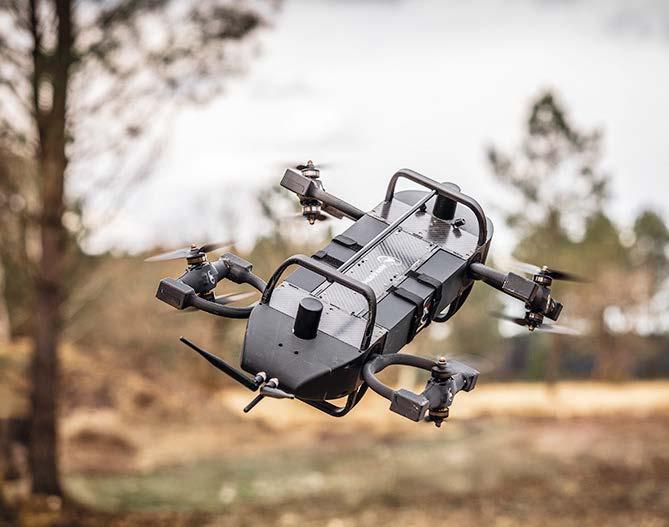
The 8th edition of Global Industrie, held from March 30th to April 2nd, 2026, at Paris Nord Villepinte, welcomed 60,000 industry professionals and 8,000 young people, marking a 12% increase compared to Global Industrie Paris 2024.
Global Industrie has become the central hub where institutions, top executives, professional federations, and companies of all sizes come together to connect and collaborate.
Highlighting the strategic role of industry for economic and technological sovereignty, the event hosted nine ministers, alongside representatives from across the political spectrum, as well as delegations of parliamentarians and senators.
A forward-looking platform on the industry of tomorrow, “La Grande Scène” addressed key topics such as international expansion, innovation and its support systems, technological breakthroughs—particularly in energy and digital—talent attractiveness, and skills development. Global Industrie also strengthened its international dimension with the participation of Germany’s Deputy Minister for European Affairs, Gunther Krichbaum, and with 25% international exhibitors representing 91 countries.
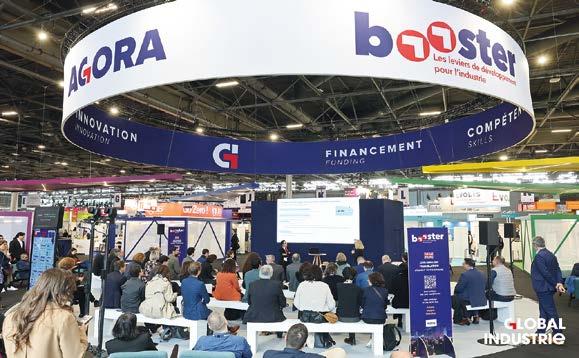
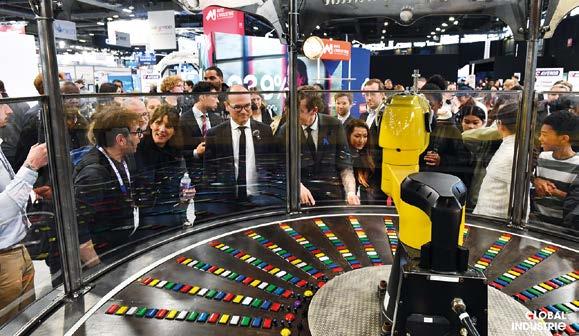
With 2,300 exhibitors across 14 industrial sectors, 50 end-user industries represented, over 3,000 machines in operation, 240 conferences, and 700 speakers, Global Industrie provided companies with the tools, solutions, equipment, and expertise needed to modernise and enhance competitiveness.
The event highlighted the increasing convergence between industry and digital technologies through dedicated areas on data, AI, cloud, and cybersecurity.
It also provided targeted support for companies via the Booster area, focusing on financing, innovation, and skills development, alongside spaces dedicated to R&D and supply chain innovation.
Global Industrie focused on addressing the industry’s talent shortage, with 130,000 expected recruitments in France in 2026, by engaging 8,000 students and job seekers through hands-on activities and direct interaction with professionals. Initiatives like GI Avenir, the Golden Tech competition, and live demonstrations showcased industrial careers and technologies. Visitors also observed training sessions of WorldSkills champions preparing for the 2026 global competition in Shanghai in fields such as robotics, additive manufacturing, and electronics
This year also saw the launch of a Manifesto, promoting a vision of a more innovative, responsible, and sovereign industry. Signed 370 times, it echoed a strong rallying message across the exhibition halls: “We have the strengths. We have the players. We have the drive.”
The initiative will continue beyond the event, inviting all industry stakeholders to sign and join the movement. The next opportunity for in-person signing will take place at SEPEM Brest.
The message behind the Manifesto: “Let’s commit with strength, ambition and determination to make industry the key to our future. I believe in it. I sign: https://global-attendee-registry.lovable.app/en
“This manifesto is a movement we want to make visible everywhere— open to all. Signing means committing: believing in industry, supporting it, being part of it—or aspiring to be. It’s about engaging for our country, our sovereignty, and our future,” said Julie Voyer, Director of Global Industrie.
EDITOR IN CHIEF
ALESSIA VENTURI venturi@ipcm.it
EDITORIAL DIRECTOR
FRANCESCO STUCCHI stucchi@ipcm.it
EDITORIAL OFFICE redazione@ipcm.it
PAOLA GIRALDO giraldo@ipcm.it
MONICA FUMAGALLI fumagalli@ipcm.it
NICOLE KRAUS kraus@ipcm.it
MATTEO SOTTI sotti@ipcm.it
ILARIA PAOLOMELO paolomelo@ipcm.it
FEDERICO MELIDEO melideo@ipcm.it
GIULIA GENTILE gentile@eosmarketing.it
MARTINA STUCCHI mstucchi@ipcm.it
MEDIA SALES
FRANCESCO STUCCHI stucchi@ipcm.it
ILARIA PAOLOMELO paolomelo@ipcm.it
MARTINA STUCCHI mstucchi@ipcm.it
NICOLE KRAUS kraus@ipcm.it
GRAPHICS
ELISABETTA VENTURI grafico@ipcm.it
TRANSLATIONS
CHIARA FOPPA PEDRETTI chiara.foppapedretti@gmail.com
SEBEGRAF SRL | info@sebegraf.eu
EDITED BY
EDITORIAL BOARD
Prof. Stefano Rossi
Material Engineering and Industrial Technologies, University of Trento - Product Design
Kevin Biller
ChemQuest Powder Coating Research
Gianmaria Guidi
Consultant for industrial and anticorrosive coating processes
Gianmaria Gasperini
Head of the Paint&Coatings Laboratory of Innovhub SSI Divisione Oli e Grassi
Paolo Rami
Director of ipcm®Academy, expert in anticorrosion, coating defects analysis, and process optimization


SUBSCRIPTION SERVICE / SERVIZIO ABBONAMENTI
Sale only on subscription - Vendita solo su abbonamento E-mail: info@ipcm.it
Subscription Rates 2026
Annual subscription print + digital:
EMEA €110,00 (postage included)
Rest of world €350,00 (fast airmail shipping included)
Single copy: €15,00
EMEA (postage included) - Rest of world (postage excluded)
Back issues: €30,00
EMEA (postage included) - Rest of world (postage excluded)
Subscriptions can be made via payment online at www.myipcm.com. Subscription and the sale of individual issues are exempt from VAT under Italian law: Article 74.1, letter C of DPR 633/72, DM 29/12/1989.

Tariffe Abbonamento 2026
Abbonamento annuale cartaceo + digitale:
EMEA €110,00 (spese postali incluse)
Rest of world €350,00 (spedizione via aerea inclusa)
Fascicolo singolo €15,00
EMEA (spese postali incluse) - resto del mondo (spese postali escluse)
Arretrati €30,00
EMEA (spese postali incluse) - resto del mondo (spese postali escluse)
Gli abbonamenti possono essere sottoscritti con carta di credito sul sito: www.myipcm.com. L’Iva sugli abbonamenti, nonchè sulla vendita di singole copie è assolta ai sensi dell’art.74 comma 1 lett. C DPR 633/72, DM 29/12/1989.