YEARS

There are moments when the world seems to accelerate all at once - when talent, beauty, ambition and innovation collide in a blur of colour and chrome. This new edition of Force One Magazine was conceived in precisely that spirit: at full speed, yet with an eye always fixed on elegance.
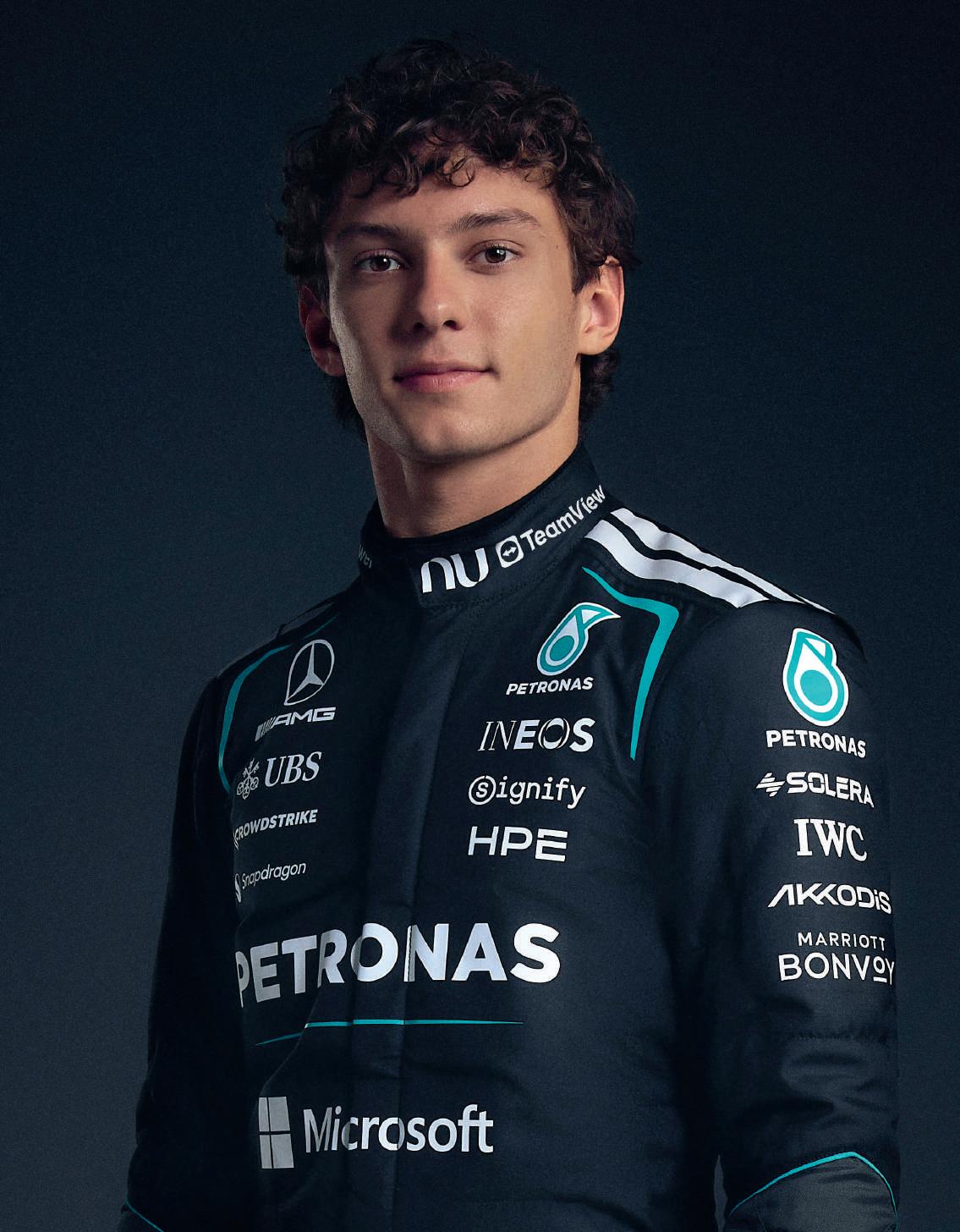
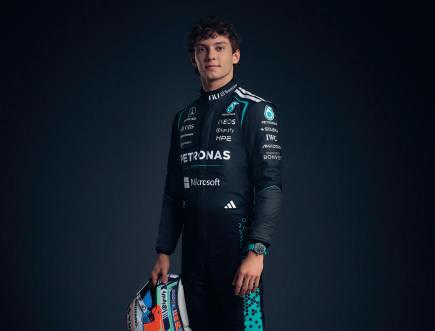
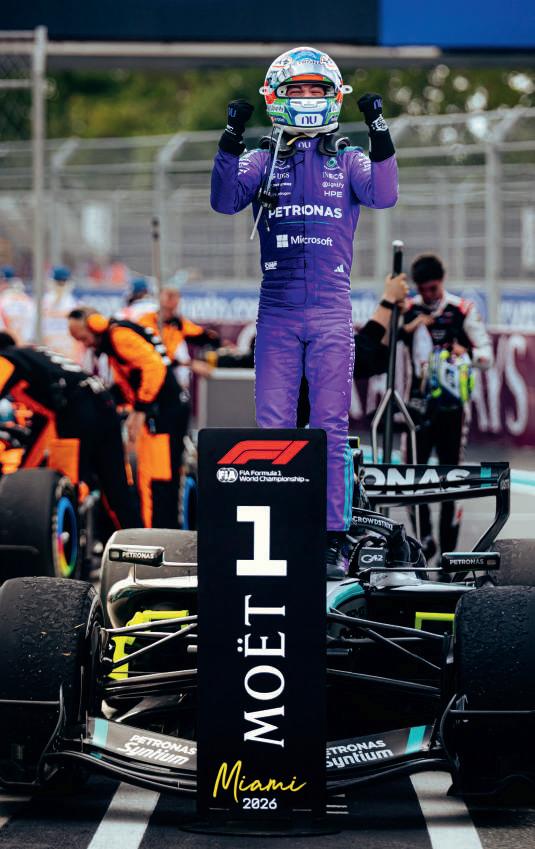
Our cover star embodies this momentum better than anyone. At just nineteen, Andrea Kimi Antonelli has become Formula 1’s brightest new phenomenon, conquering the last three Grands Prix with the kind of composure usually reserved for legends. His rise feels less like a debut than the beginning of a new eraone driven by instinct, precision and fearless velocity.
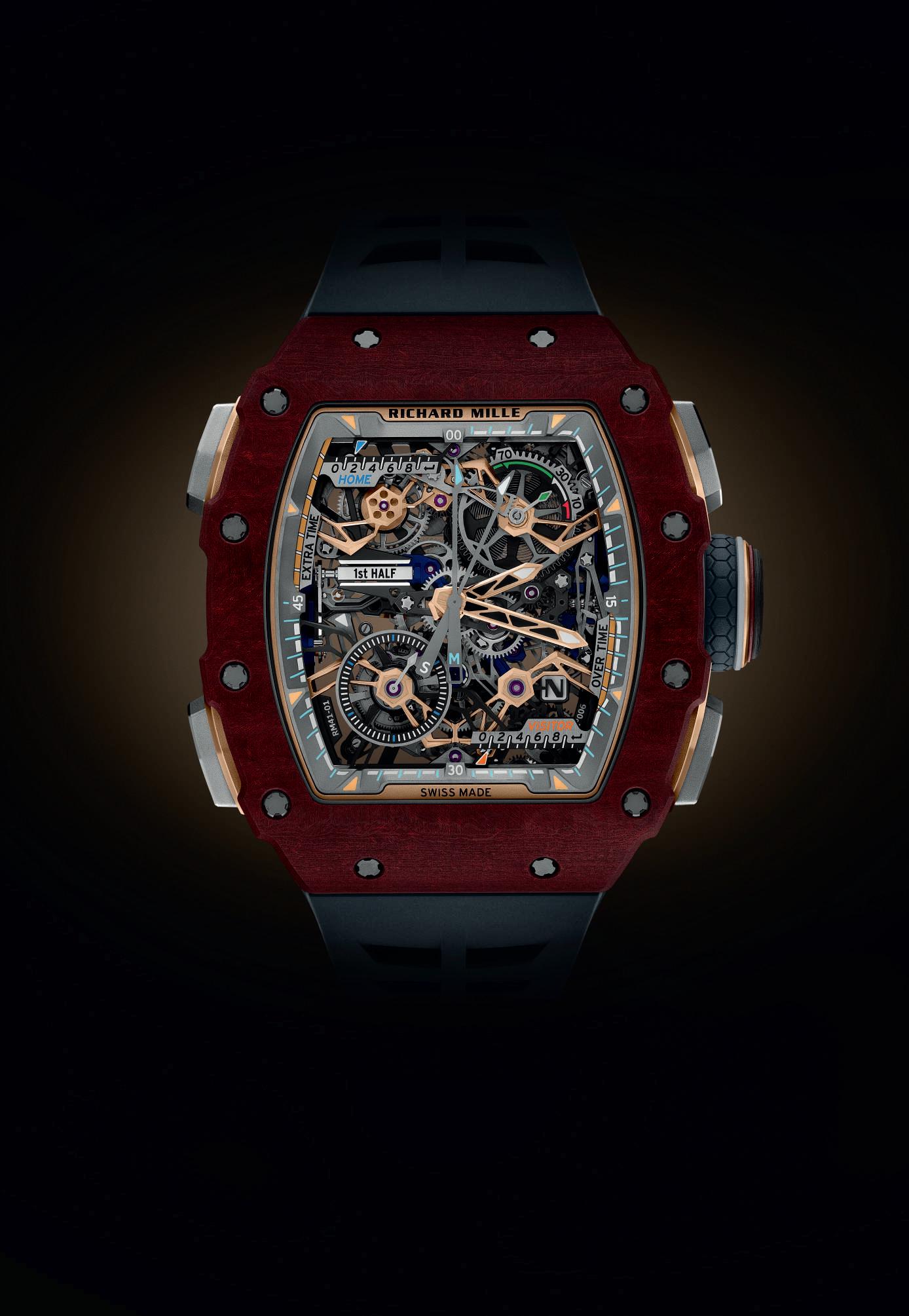
Naturally, speed is never far from style. As these pages unfold, we explore the intimate relationship between watchmaking and Formula 1 through the timepieces chosen by the sport’s most celebrated drivers - mechanical masterpieces engineered with the same obsession for performance as the cars themselves.
Art, too, takes pole position. We encounter the singular universe of Hervé Nys, whose sculptural language transforms fragments of automobiles into poetic forms, extending the legacy of the legendary School of Nice. Elsewhere, the futuristic photographic visions of Anaël Boulay capture motion and modernity with cinematic intensity, in collaboration with The Collection Paris.
From the timeless spectacle of the Venice Biennale to an unexpected and deeply personal conversation with Élie de Rothschild, this issue moves effortlessly between heritage and reinvention.
We also turn our gaze towards Dubai, where architecture, investment and imagination continue to shape a future fuelled by unapologetic optimism. And because summer has finally arrived, we escaped to the finest tables along the French Riviera - lingering as much over long lunches as extraordinary addresses.
Fashion and high jewellery, naturally, remain part of our DNA. Because beauty, much like speed, is best experienced intensely.
Dense with stories, encounters and inspiration, this new issue of Force One invites you to accelerate with us once again.
Luca Marotta Publisher and Creative Director



































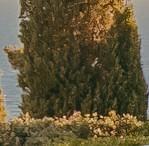










































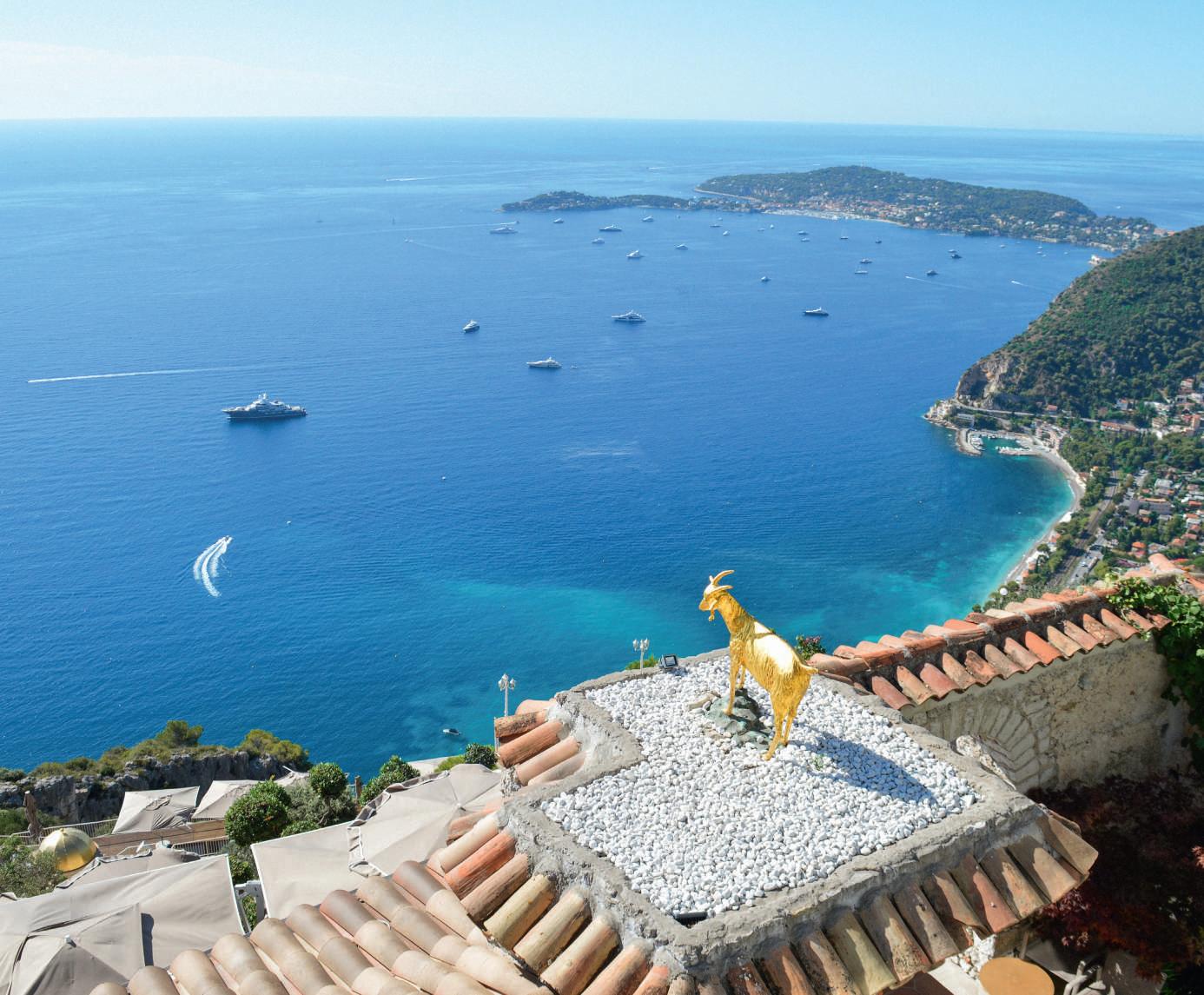
Located between Nice and Monaco, in the heart of the medieval village of Èze, Château de La Chèvre d’Or stands as one of the most iconic establishments on the French Riviera. Since 1953, this legendary address has been writing its story through the seasons, gradually expanding its hospitality offering while preserving the soul of the village and its heritage. Today, its 45 rooms and suites welcome a discerning international clientele in search of a rare and timeless experience.
A true Riviera institution, La Chèvre d’Or has continually reinvented and distinguished itself over the years, steadily affirming its status as an exceptional destination among the most exclusive in the world. One of the highlights of any stay remains a stroll through its magnificent terraced gardens, adorned with works of art and opening in to breathtaking Mediterranean views.
Here, the colors of the sea transform with the passing seasons: in the morning, the gentle dew of dawn enchants visitors, while after sunset, the lights of the coastline shimmer like a necklace of diamonds along the silent shore.







a new setting for haute gastronomy
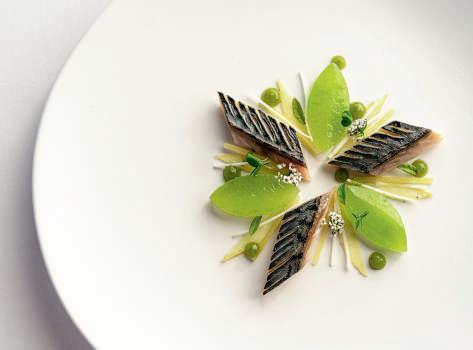
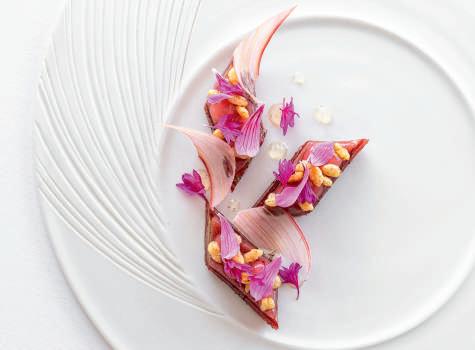
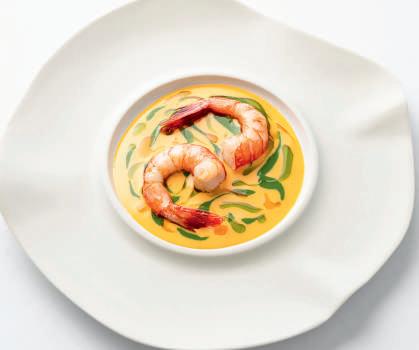
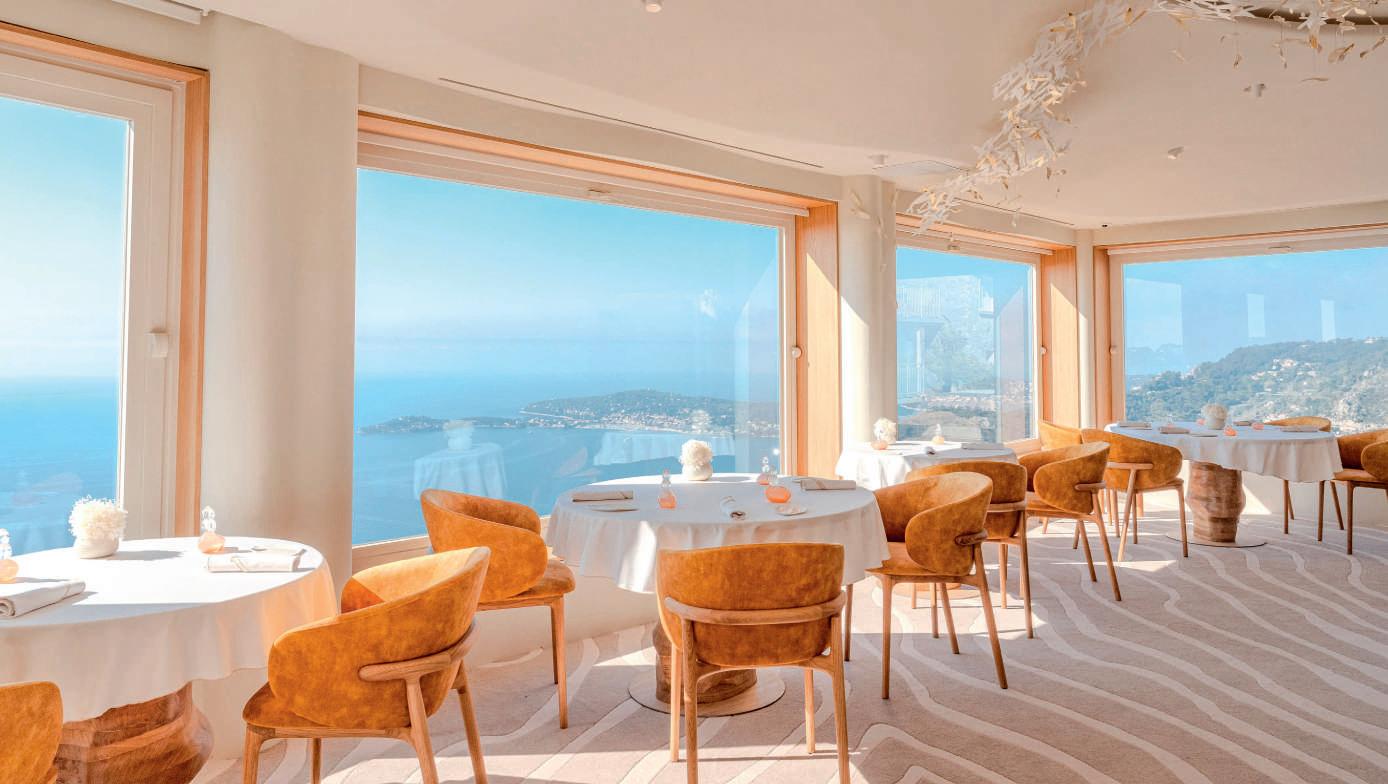
Faithful to its constant pursuit of excellence, the Château is now reinventing its gastronomic restaurant, perched at the top of Èze and overlooking one of the Mediterranean’s most spectacular views.
A member of Relais & Châteaux and an iconic Riviera destination, La Chèvre d’Or is transforming one of its most emblematic spaces around a shared ambition: to create a seamless dialogue between architecture, cuisine, and the art of service, so that together they form one singular experience.
More than a transformation, this project embodies a true vision. The intention was not merely to renovate a dining room, but to accompany the natural evolution of a great restaurant, restoring to the space the same intensity, coherence, and exacting standards now expressed through the cuisine of Chef Tom Meyer and the teams responsible for service in the dining room.
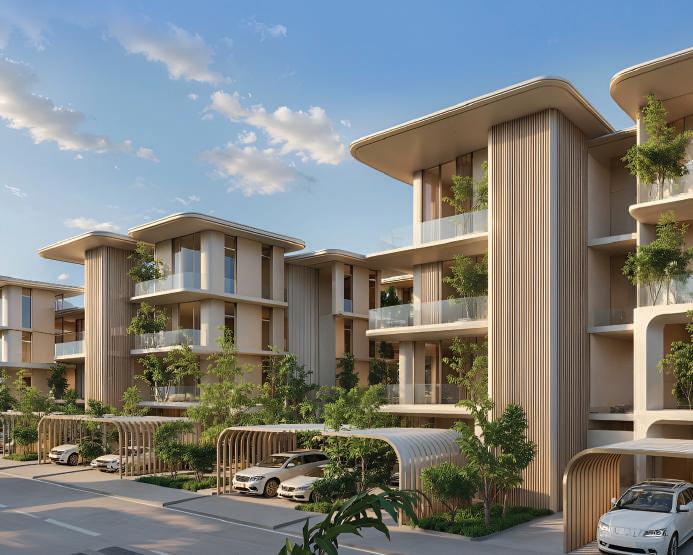
Conceived by architect Caroline Tissier as an organic, mineral, and luminous space, the new dining room at La Chèvre d’Or now unfolds as a contemporary and sensory setting, designed to prepare, accompany, and elevate the dining experience.
by Ryan Reds
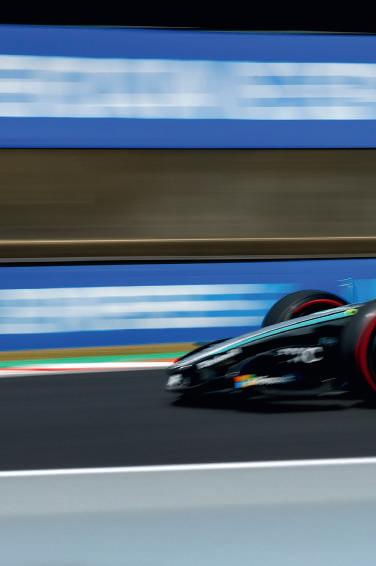
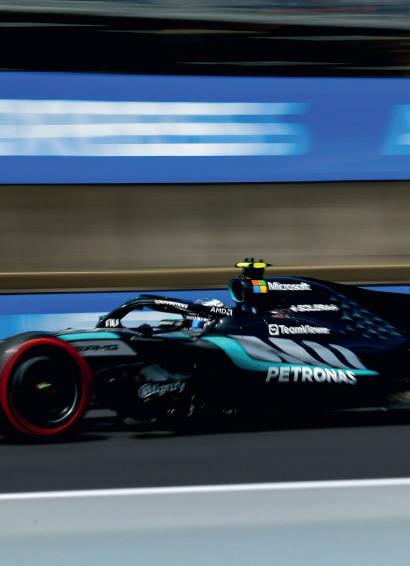
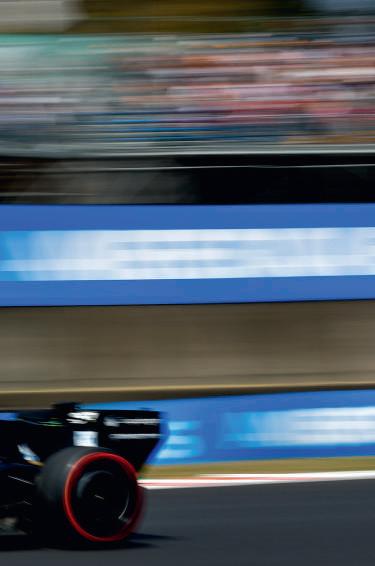
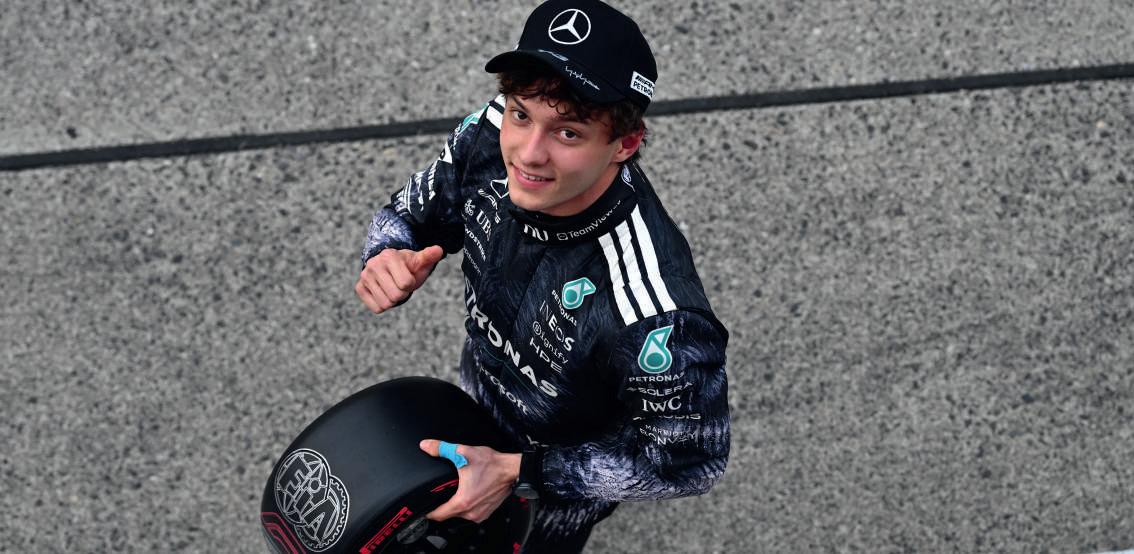
There is something striking about Andrea Kimi Antonelli before he even puts on the helmet. The calm. The measured answers. The absence of theatre. At nineteen, he already carries himself like a veteran. Italy has seen prodigies before, but Antonelli belongs to a different generation of champions: talented enough to dominate, disciplined enough to handle the pressure surrounding him
Much like Jannik Sinner, another young Italian redefining expectations with astonishing maturity, Antonelli seems untouched by noise. Fame follows him everywhere now, yet he moves through it with the same focus he shows on track. No exaggerated gestures, no attempts to build a character. Just precision.
Inside Mercedes, they recognised it long ago.
Toto Wolff has often spoken about Antonelli with the instinct of someone protecting a rare talent. Replacing Lewis Hamilton was never supposed to be easy.
Yet Antonelli absorbed the responsibility naturally, growing race after race into the figure Mercedes believed they had discovered years earlier. Wolff himself compared his rise to Sinner’s impact in tennis, highlighting the same discipline and clarity under pressure.
The story began in Bologna, inside a family where racing was part of everyday life. His father Marco, a racer himself, never forced expectations onto him.
Those close to the Antonellis describe a household built around balance rather than obsession. Perhaps that explains why Kimi still speaks with the grounded attitude of someone who understands how quickly motorsport can change.
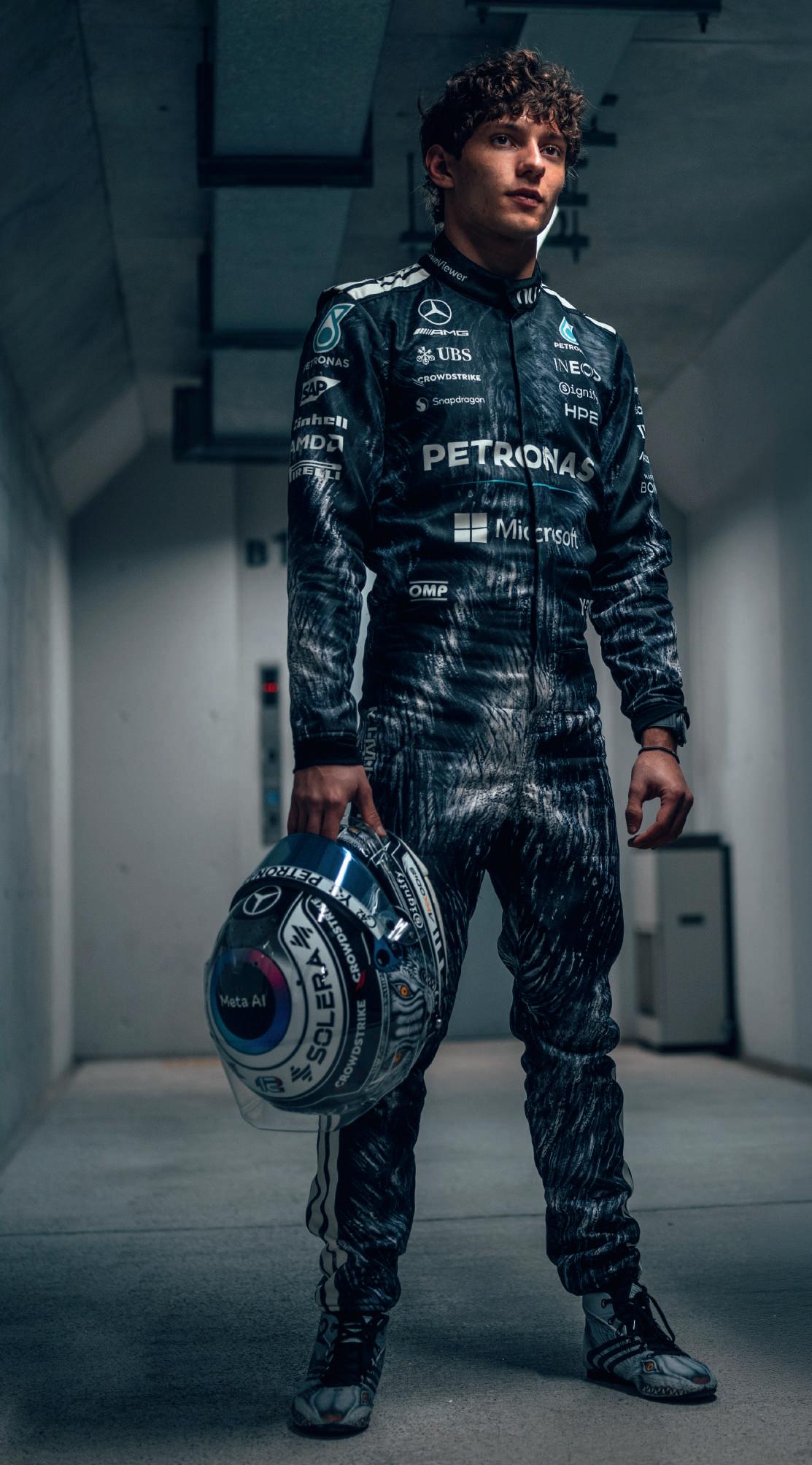
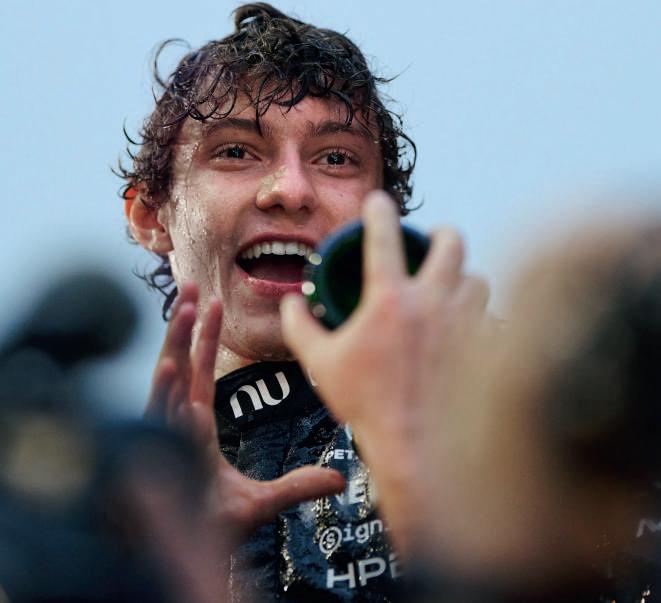
Giovanni Minardi, among the first to recognise Antonelli’s extraordinary potential, still remembers watching him as a child during a karting event in Sarno. Two laps were enough. “Perfect lines,” Minardi recalled, describing an eight-year-old already driving with remarkable instinct.
Mercedes moved quickly afterwards. The junior programme became his home, and Antonelli climbed every category with brutal efficiency. Italian Formula 4, Formula Regional, Formula 2. Every step seemed accelerated, yet never rushed. What impressed engineers was not merely his speed but his capacity to process information like an experienced professional. He listened more than he spoke.
That maturity now defines him.
When Antonelli talks about racing, there is very little romanticism. He analyses. He studies. Ahead of Miami this season, he admitted feeling “more in control” after learning from the difficulties of his rookie year. It is an unusually reflective approach for someone so young.
And yet success has arrived quickly anyway.
Three victories in four races (in the moment I write) transformed him from promising talent into a genuine title contender. In Italy, the excitement exploded immediately. Formula One had been waiting decades for a figure capable of reconnecting the country to its glorious past.
His greatest strength may be psychological. Drivers much older have struggled beneath the weight of national expectations and media obsession. Antonelli remains strangely insulated from all of it. Inside the paddock, people notice how little his behaviour changes whether he wins or finishes sixth.
There are fast er drivers over one lap. There are more experienced racers. But very few possess that rare sense of inevitability. The feeling that they are moving towards greatness without forcing it.
And when the lights go out on Sunday afternoons, Andrea Kimi Antonelli already looks like a man who is not here to participate in Formula One. He is here to win.
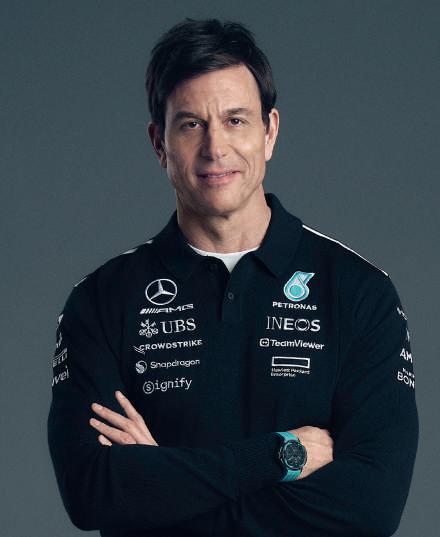
Behind Kimi Antonelli’s meteoric rise stands Toto Wolff, a man who has built his career around mastering speed and respecting time.
In Formula 1, where every fraction of a second matters, Wolff has shown courage in two opposite directions: first by giving an 18-year-old his debut at the pinnacle of motorsport, then by insisting that Antonelli must be allowed to develop without pressure or haste, even amid early success.
It is fitting, then, that Wolff wears the Big Pilot’s Watch Shock Absorber XPL Toto Wolff x Mercedes-AMG PETRONAS Formula One Team , a 100-piece limited edition by IWC Schaffhausen engineered to absorb extreme forces while embodying precision, resilience and control.
In Formula 1, true speed is also knowing when to give time its value. iwc.com
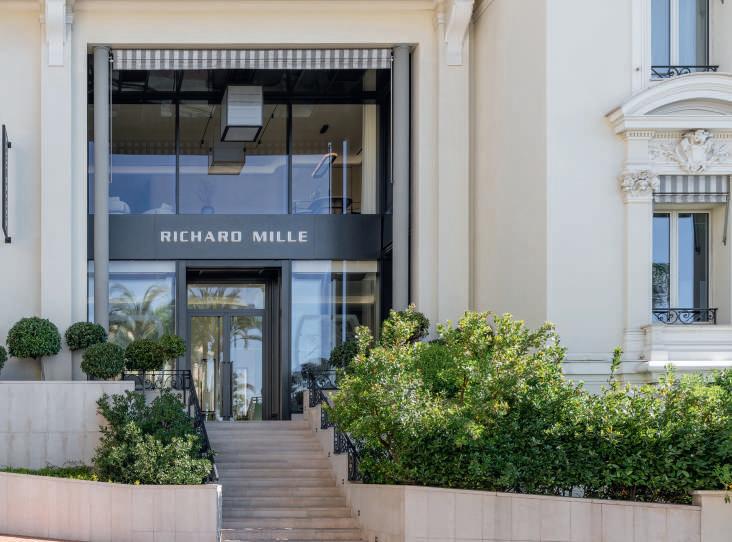
In Monaco, speed is never confined to the circuit. With the opening of its new boutique at 20 Avenue Princesse Alice, Richard Mille introduces a space that feels less like a traditional showroom and more like a private clubhouse for those who live life in the fast lane.
In the Principality of Monaco discretion often speaks louder than spectacle, Richard Mille’s new MonteCarlo boutique arrives with quiet confidence. Set across two levels overlooking the harbour,
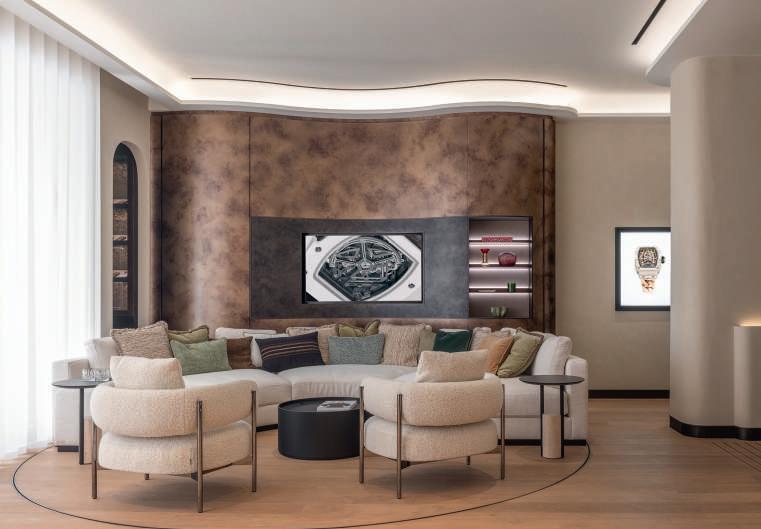
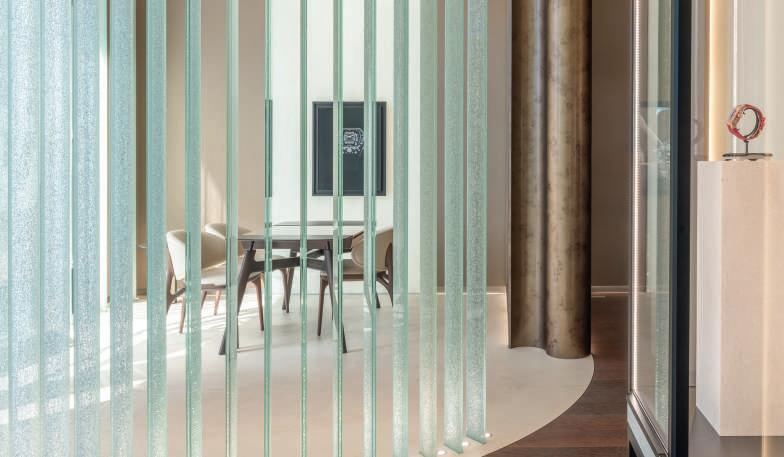
the high-ceiling 205-square-metre space perfectly reflects the luxury brand’s unmistakable universe: architectural, technical and unapologetically modern.
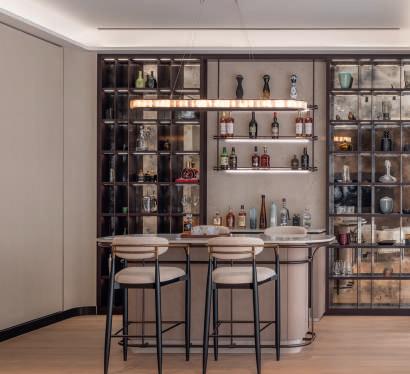
The interiors avoid the predictable codes of luxury retail. Instead, sculptural forms, liquid metal finishes and tailored plaster walls create an atmosphere somewhere between contemporary gallery and refined motorsport lounge. A four-metre sofa frames panoramic harbour views, while a private bar and cigar humidor reinforce the sense that this is designed as much for conversation as for commerce.
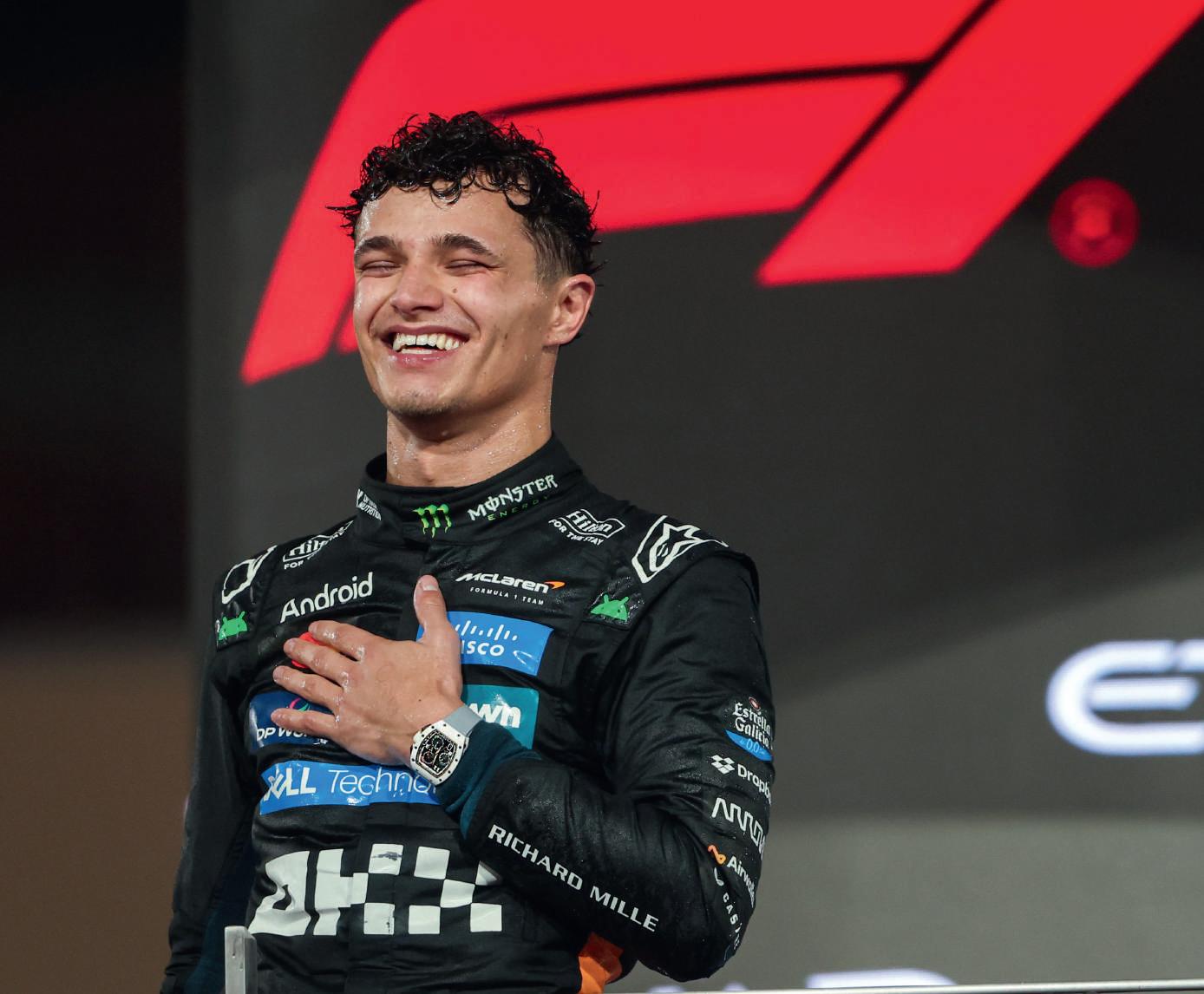
The opening also deepens the maison’s long-standing relationship with Monaco - a connection shaped by performance, competition and a certain understated glamour. It is no coincidence that Richard Mille has become the watch of choice for many Formula 1 drivers, including reigning World Champion Lando Norris, whose partnership with the brand reflects its obsession with precision engineering and extreme lightness.
The link to Monaco extends beyond the paddock. Pierre Casiraghi, one of the brand’s ambassadors, embodies the same blend of sporting spirit and contemporary elegance that defines the new boutique.
“Monaco has always held a special significance for Richard Mille,” explains Peter Harrison, CEO of Richard Mille EMEA, describing the new address as “an immersive and highly personalised experience” designed to strengthen the brand’s relationship with the principality’s international community.
The new boutique is located at 20 Avenue Princesse Alice, Monaco.
Outside of the outright power and dynamics, the Valhalla delivers on all of the raw feelings and emotions you look for when behind the wheel of such a car.
Fernando Alonso
by Richard McCreery
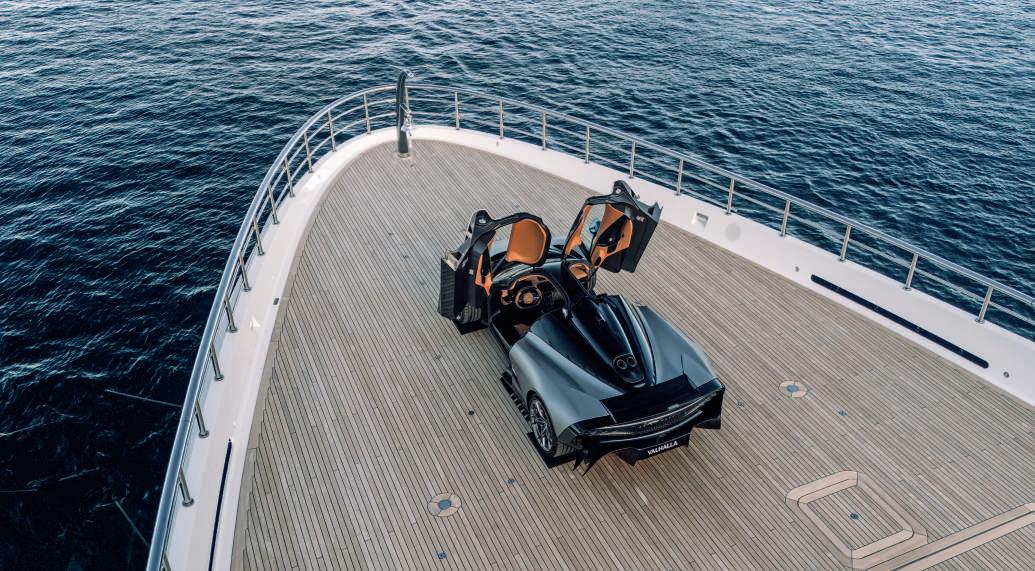
There are moments in the automotive world that feel less like a presentation and more like the unveiling of a future already in motion. Thanks to Aston Martin Monaco, Force One had the privilege of beginning its journey into the Aston Martin universe with one of the most significant creations in the brand’s modern history: the Valhalla. And Monaco, as always, provided the perfect stage.
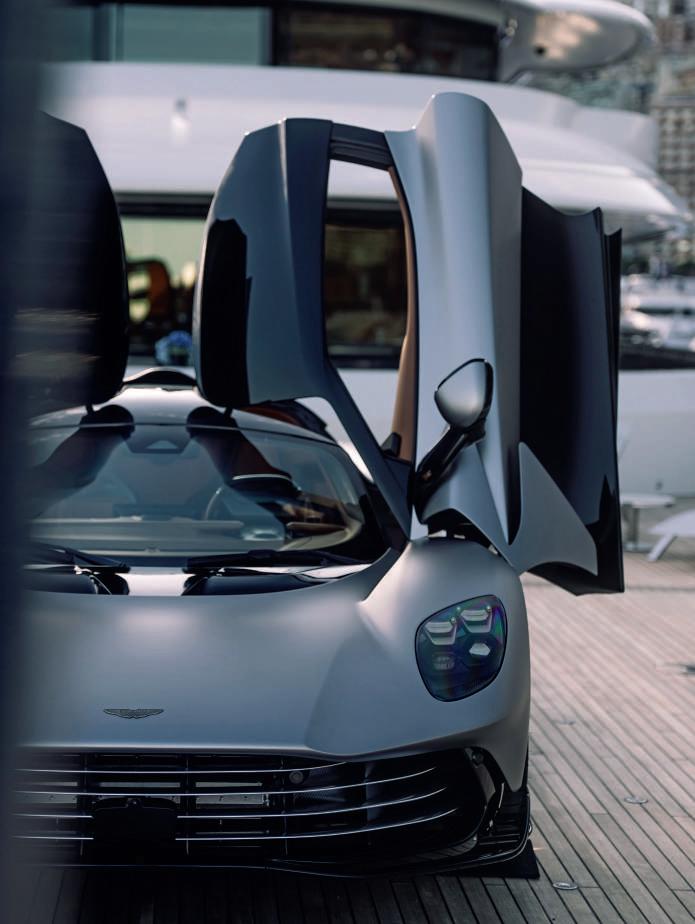
Resting on the deck of a megayacht in Port Hercule, the Valhalla appeared suspended between maritime elegance and cutting-edge performance. Under the Mediterranean light, its sculpted carbon-fibre surfaces reflected the marina like a living object.
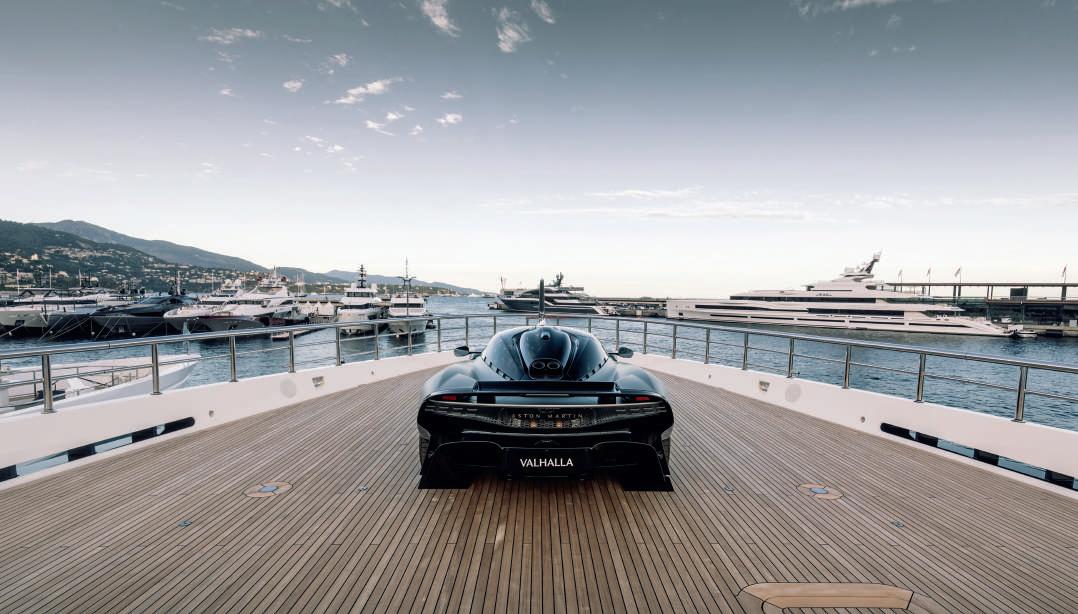
Even at rest, the car suggests motion, as aerodynamic forces already define its character.
The Valhalla is a supercar of extraordinary scope and a clear statement of intent. It delivers a defining combination of road and track capability, developed through Aston Martin’s close collaboration with Aston Martin Performance Technologies and Formula 1®-inspired engineering methodologies. At its core lies a plug-in hybrid powertrain delivering a total of 1079 PS and 1100 Nm of torque, combining an 828 PS 4.0-litre twin-turbo flat-plane crank V8 with three electric motors contributing a further 251 PS.
Performance figures reflect its ambition: 0–100 km/h in just 2.5 seconds and an electronically limited top speed of 350 km/h. The driving experience is shaped as much by control as by acceleration. Active aerodynamics generate and maintain over 600 kg of downforce from 240 km/h up to maximum speed, supported by DRS and air-brake functionality that continuously adapts the vehicle’s balance. Even at a standstill, this technical depth is visible across
every surface. Each intake carries a function, each line follows airflow, and each detail reflects aerodynamic purpose rather than ornament.
The experience inside the Valhalla continues this philosophy. The cockpit is pure driver focus - minimal, precise, and deeply integrated with hybrid technology and digital control systems. Electric torque vectoring, regenerative braking, and multiple drive modes, including EV-only operation, define a machine capable of changing its entire character depending on its environment.
The Valhalla represents Aston Martin’s next architectural language of performance, shaped by Formula 1 knowledge, advanced materials, and design purity, expressing a synthesis of engineering and emotion,
In Monaco, surrounded by symbols of luxury and excess, the Valhalla establishes its own presence. It stands as a vision of future performance luxury, defined by precision, balance, and intent.
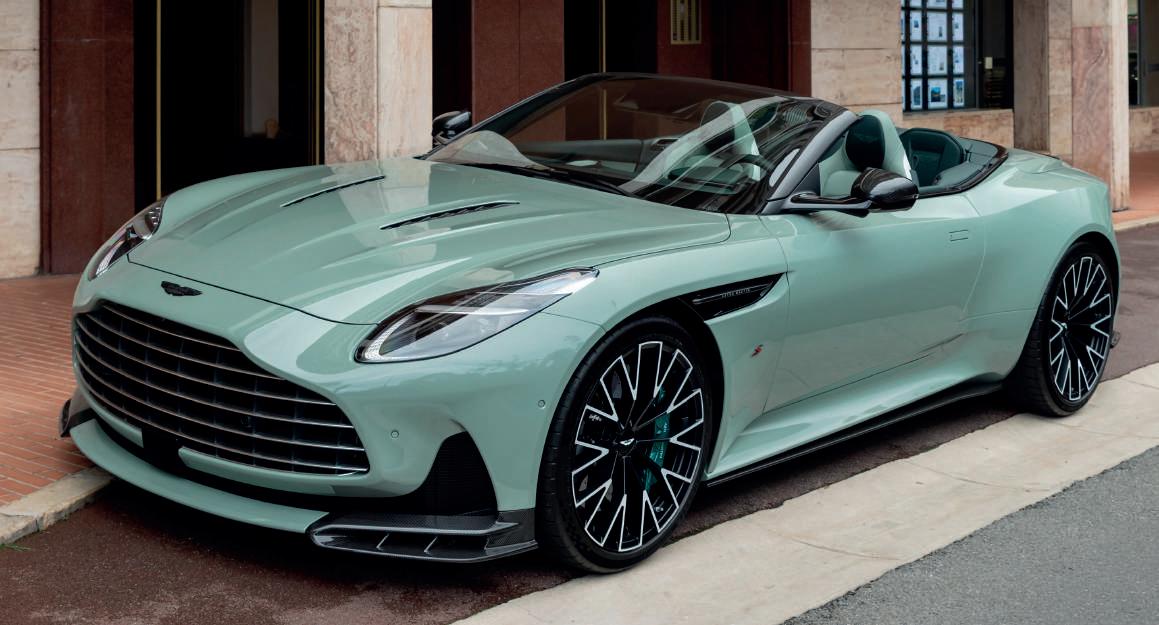
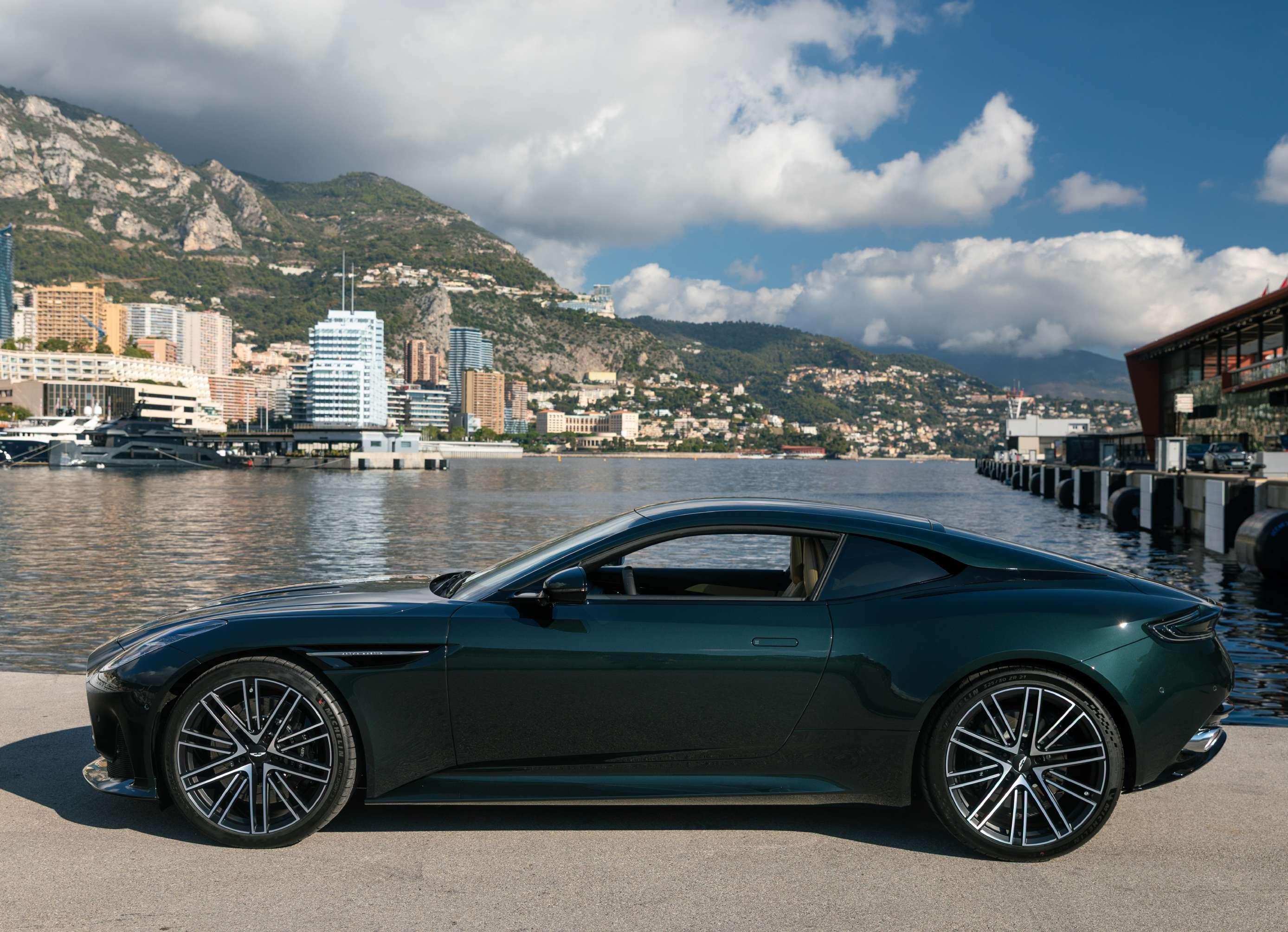
If the Valhalla represents Aston Martin’s most radical vision, the DB12 S reveals the brand at its most refined expression of performance and grand touring excellence - a machine where power, elegance, and emotional design converge with remarkable natural balance.
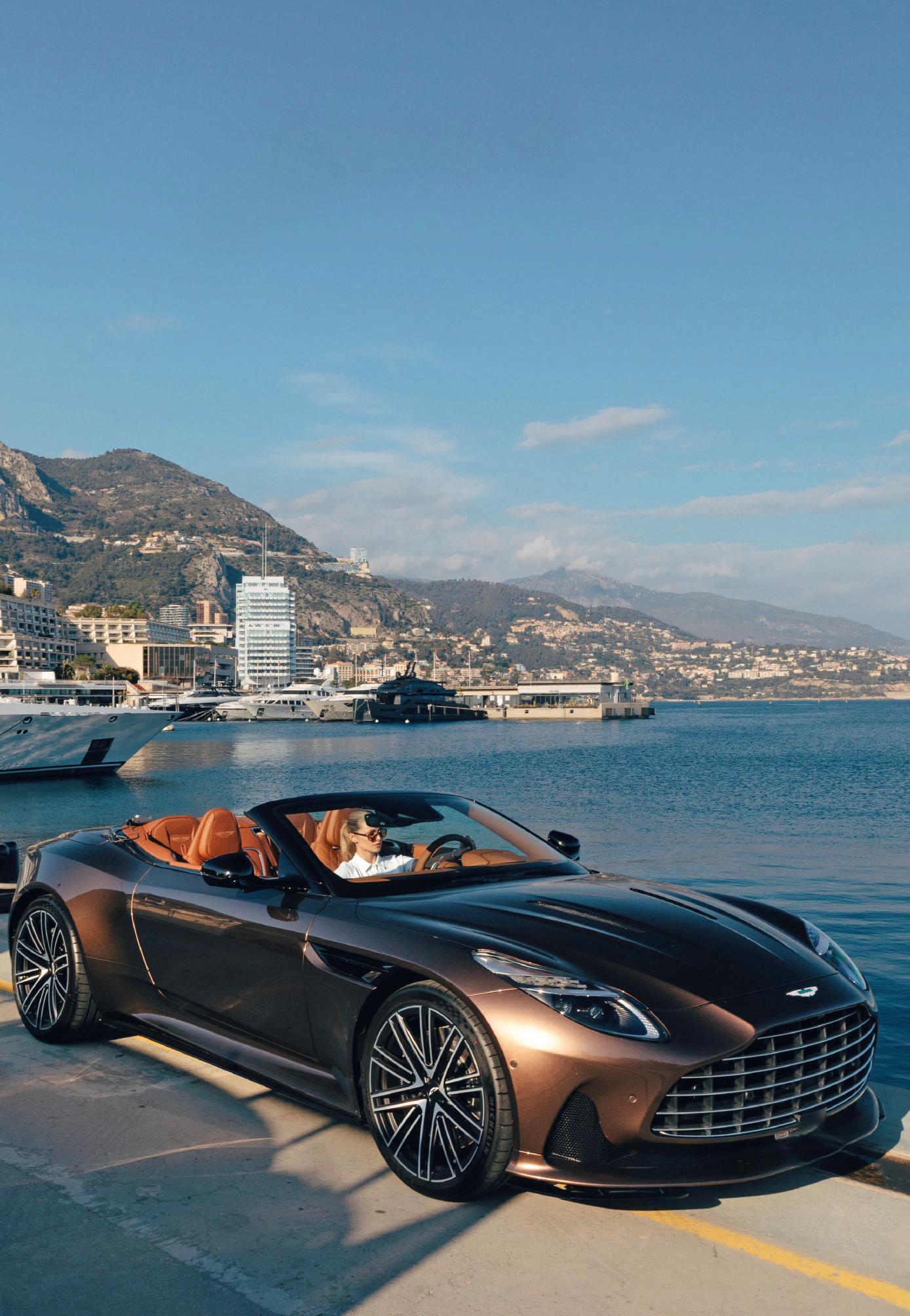
As per the previous article, we experienced the DB12 S in the dynamic setting of the Principality itself: a dense urban landscape defined by vertical architecture, sculpted roadways, and a constant interplay between elevation, shadow, and light. In this environment, the DB12 S does not simply appear as a car, but as part of a broader architectural rhythm - a moving object integrated into the geometry of the city.
In the images captured along the streets of the Principality, the DB12 S is shown with its roof open, allowing light and air to fully enter the cabin. Even in this configuration, the car maintains a strong sense of structural purity. The silhouette remains taut and sculpted, with every surface reflecting the surrounding urban fabric like a piece of architecture in motion. Nothing feels excessive. Everything feels intentional.
The DB12 S immediately communicates a more focused identity compared to the standard DB12. The design language is sharper, more assertive, defined by a wider grille, enhanced aerodynamic elements, a fixed rear spoiler, and quad exhaust outlets that underline its performance intent. Yet despite this more aggressive technical signature, the car remains unmistakably Aston Martin - elegant, controlled, and deeply refined.
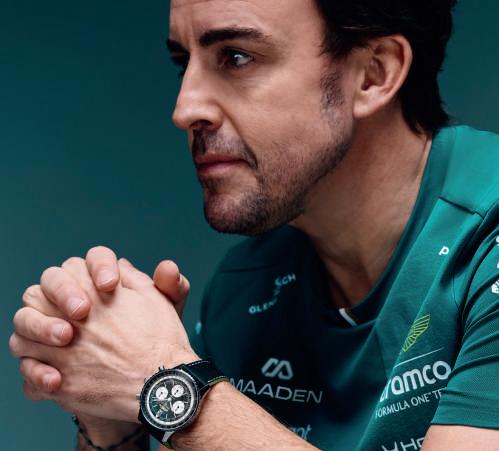
As Fernando Alonso continues to push the limits with the Aston Martin Aramco Formula One™ Team, Breitling joins the journey as Official Watch Partner. The partnership brings together Aston Martin’s racing spirit and Breitling’s expertise in precision watchmaking, united through the new Navitimer B01 Chronograph 43 Aston Martin Aramco Formula One™ Team.
Limited to 1,959 pieces, the chronograph features Aston Martin Racing Green details, a titanium case and a carbon-fibre dial inspired by Formula 1® technology. Visible through the sapphire caseback, the Breitling Manufacture Caliber 01 delivers COSC-certified precision with a 70-hour power reserve.
breitling.com
And in Monte Carlo, that balance becomes even more powerful. Parked along the winding city streets, framed by layered façades, tunnels, and tight corners carved into the rock, the DB12 S feels seamlessly integrated into its environment. It does not compete with the architecture; it converses with it. The Principality’s light filters between buildings, tracing the contours of the bodywork and revealing subtle shifts in curvature, almost as if the car were responding to the city itself.
Technically, the DB12 S represents a significant evolution of Aston Martin’s V8 grand touring platform. Its 4.0-litre twin-turbocharged engine delivers 700 PS and 800 Nm of torque, enabling acceleration from 0 to 100 km/h in approximately 3.5 seconds. But beyond the numbers, the real transformation lies in its dynamic character: revised chassis calibration, sharper steering response, improved rigidity, and a braking system designed for higher performance thresholds. The result is a grand tourer that feels more immediate, more connected, and more emotionally responsive, without sacrificing longdistance comfort.
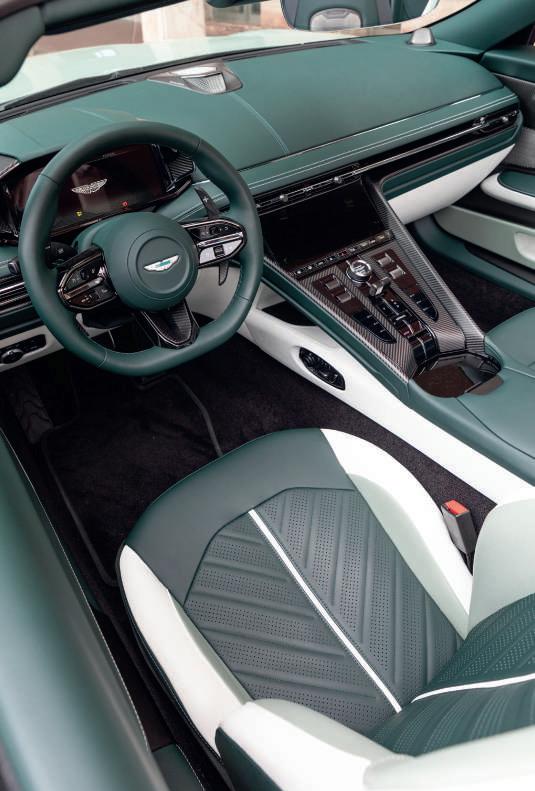
Inside, the cabin continues Aston Martin’s commitment to craftsmanship. Materials are carefully selected, surfaces are tactile, and the driving position is designed to create intimacy rather than aggression. It is a space that encourages time, distance, and immersion rather than pure speed.
What defines the DB12 S, ultimately, is not its performance alone, but its ability to translate engineering into emotion. In a world where many performance cars rely on exaggeration, the DB12 S chooses clarity. It is powerful, but controlled; modern, but timeless; expressive, but never loud.
In the setting of Monaco’s peculiar urban architecture, it becomes an object of design in motion - a reflection of Aston Martin’s most sophisticated interpretation of performance luxury.
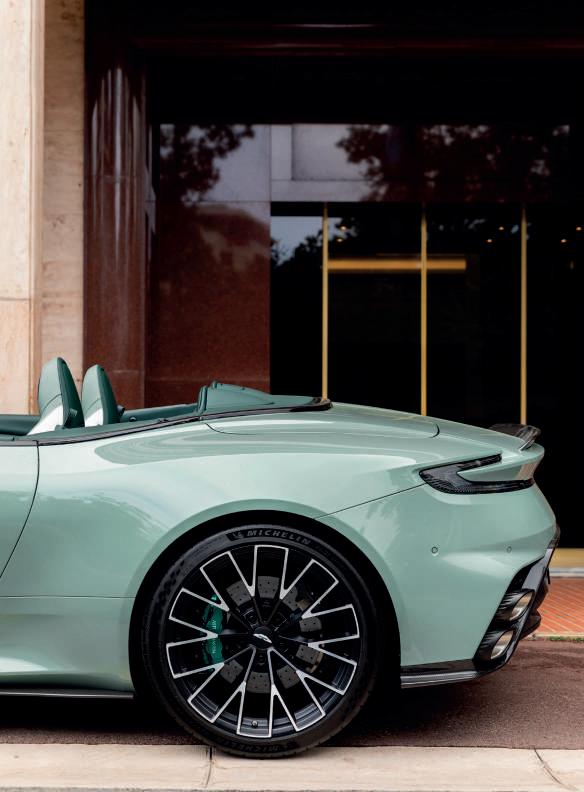
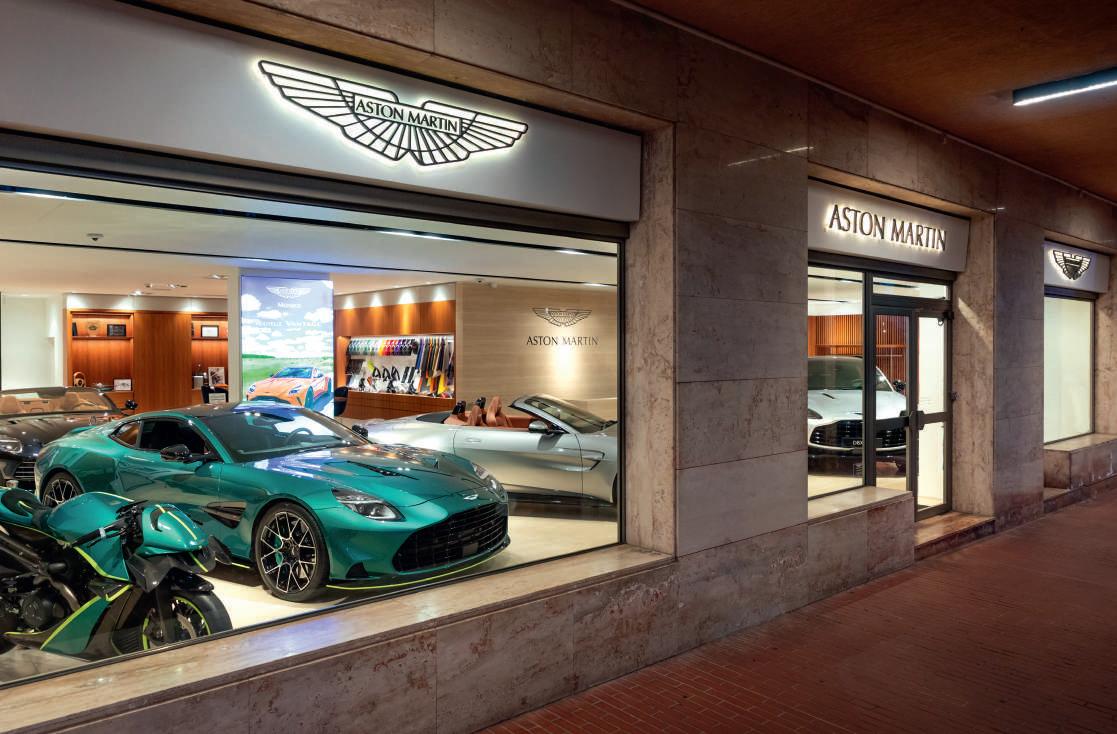
For those looking to experience the Valhalla and the DB12 S firsthand, Aston Martin Monaco offers a direct connection to the brand in the heart of the Principality. The showroom reflects the elegance, craftsmanship and sporting heritage associated with Aston Martin, welcoming clients into a refined and private setting.
From discovering the latest models to creating a fully personalised specification, clients are accompanied by a dedicated team with careful attention to every detail. The approach is centred on discretion, personal service and a genuine passion for British automotive culture.
Aston Martin Monaco has also recently opened a new after-sales workshop in Fontvieille. Spanning over 2.000 square metres, the facility is entirely dedicated to servicing, maintenance, bodywork and aesthetic preparation. Official Aston Martin distributor and repairer in Monaco for the past fifteen years, the company continues to provide owners with specialised expertise and a level of service in keeping with the marque.
by @Manuela_Schinaia_Coach / manuelaschinaia.com
Certified Strategic Coach and Evolutionary Tarologist, with 25 years experience as a marketing strategist in Monaco, Manuela transformed her own career path to guide others through authentic professional evolution, specializing in professional transitions for executives and high-achievers. Through her unique methodology combining strategic coaching and intuitive tarology, she helps clients dismantle limiting career patterns and design lives aligned with their true essence.
Her SSI (Strategic Symbolic Integration) method has supported professionals in Monaco, France and Italy. Her recent collaborations include exclusive workshops in Monaco, Nice and southern Italy and private coaching retreats for international executives seeking reinvention without compromise.
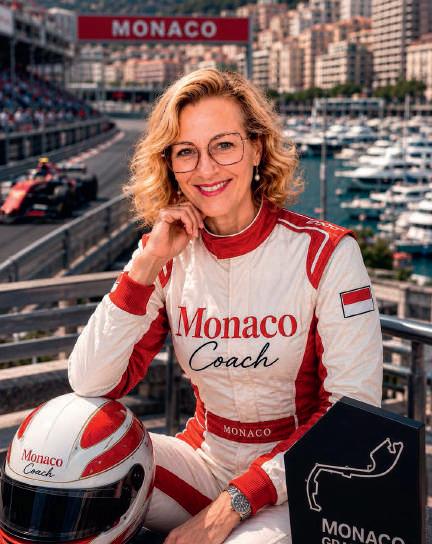
There is a paradox at the heart of the Monaco Grand Prix. The most glamorous race in the world is decided in its most invisible moment.
In Monaco, overtaking is almost impossible - the circuit too narrow, the barriers too close, the margin for error measured in centimetres. Whoever lines up at the front on Sunday morning has, in most cases, already won. The race itself is simply the confirmation - elegant, almost ceremonial - of a result sealed twenty-four hours earlier, in qualifying, in the quiet.
I think about this every time I sit down with a manager or executive who is waiting for the right moment to make their move.
What I see, again and again, is talented professionals hoping to overtake on Sunday - on a circuit where overtaking does not happen. Waiting for the perfect project, the ideal conditions, the clear signal that now is the time.
What I do with them is take them back to Saturday. Together, we run the qualifying lap before the race begins - mapping the transition before the pressure arrives, building clarity before the opportunity demands an answer in thirty seconds, identifying what has been left unexamined precisely because it felt too
slow, too quiet, too unglamorous to count as real work.
It is not spectacular work. But it is the work that makes Sunday look effortless - and that most professionals never stop to do.
In tarot, the ninth major arcanum - L'Ermite - has always struck me as the most misunderstood figure in the deck. He is not retreating. He is not lost. He walks deliberately, in near-darkness, carrying his own lantern, because he understood long ago that he cannot wait for the road to be fully lit before he moves. He brings the light with him, one step at a time.
This, to me, is what genuine career preparation looks like from the inside. Not a dramatic pivot. Not a sudden leap. A quiet, deliberate advance - guided by a clarity that was built in private, long before anyone was watching.
Before you wait for the opportunity - ask yourself honestly: have you run your qualifying lap?
Not the lap you will describe in the interview. The one you have actually done, in the quiet, when no one was timing you.
That is where Monaco is won. That is where careers are won.
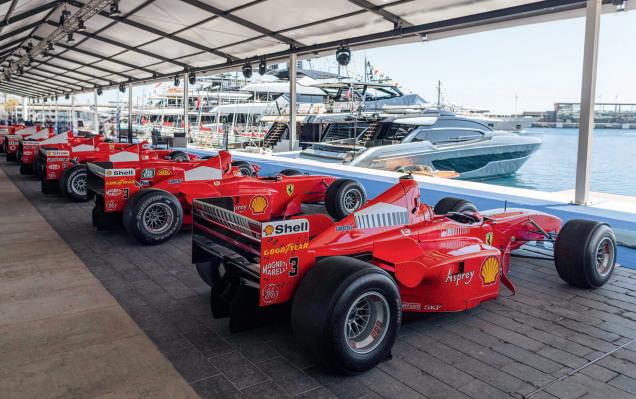
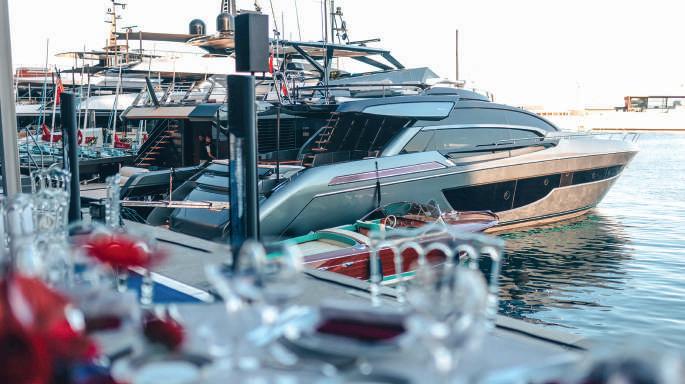
From the 23 rd to the 26 th of April, Monaco became the backdrop for one of the season's most coveted gatherings - a weekend where Italian automotive legend locked eyes with Italian nautical mastery, and the result was nothing short of extraordinary. riva-yacht.com
For its 35th anniversary edition, Cavallino Classic broke new ground with its first Concours d'Elegance held in Monaco, staged at the Yacht Club de Monaco with the Principality's famous racing circuit as a dramatic backdrop. Riva, the storied boatyard, joined as its natural companion in beauty.
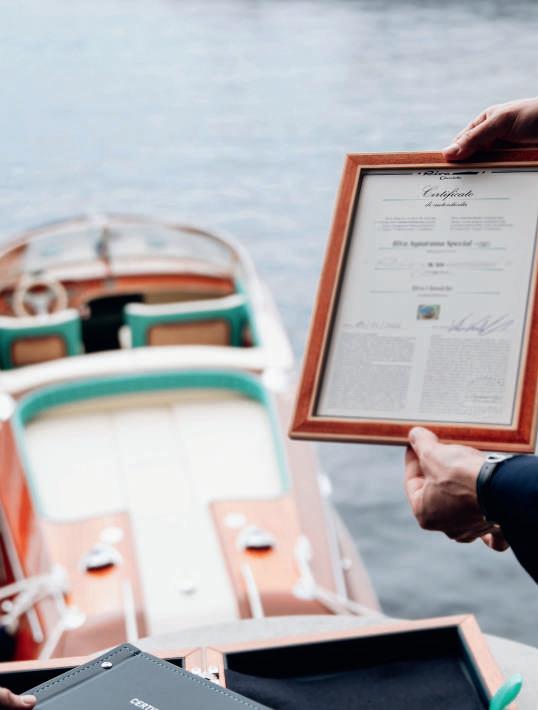
The centrepiece of Riva's presence was an Aquarama Special from 1986, meticulously restored by Riva Classiche - the brand's dedicated division for the preservation of vintage craft. More significantly, this mahogany jewel became the first boat to receive Riva Classiche's Certificate of Authenticity: a rigorous process combining technical inspection, aesthetic scrutiny and dynamic water trials, certified under RINA ISO 9001, and concluded with a scored assessment of originality presented in a bespoke mahogany case.
At the Riva Aquarama Lounge, guests watched Ferrari single-seaters thunder through their hot laps from a privileged vantage point overlooking the Marina - a setting that felt less like a motor show and considerably more like a private dream.
The Riva fleet was formidable: the monumental 54METRI, a 76' Perseo Super, and a selection of Ferretti Group yachts - Custom Line, Wally, Pershing - each brought to Monaco by their owners. Further highlights included driving sessions on the circuit arranged with the Automobile Club de Monaco, a tender service aboard a Riva Iseo linking the Marina to the Grand Prix Historique paddock, and the celebrated Party Under the Stars. The weekend concluded with the Riva Steering Award, presented to the Best of Show winner of the Concours d'Elegance.
by Asia Fernandez Zhou
Platinium Group occupies a prominent position in the international ticketing and hospitality industry, collaborating with some of the world’s biggest names in sports and entertainment. Through cutting-edge technology and decades of expertise, the company provides powerful ticketing solutions to event organisers worldwide, helping shape how fans access major global events.
Operating across multiple sectors, Platinium Group combines innovation with premium service through its B2C ticketing brand, GooTickets www.gootickets.com, while also delivering bespoke hospitality travel experiences via Monte-Carlo Travel.
With a strong presence in motorsport, entertainment, and global events, Platinium Group has established itself as a trusted name for seamless ticketing, premium hospitality, and personalised event solutions on an international scale.
gootickets.com
In today’s evolving world of motorsport, GooTickets has become far more than a ticket provider; it is a global gateway to unforgettable race experiences. As Platinium Group’s fl agship ticketing brand and an official and trusted partner, GooTickets offers access to Formula 1, MotoGP, and other major sporting events worldwide, giving fans the freedom to choose the experience that suits them best. From booking to race day, GooTickets simplifi es the journey while connecting fans to the world’s most iconic racing destinations through expertise, fl exibility, and premium service.
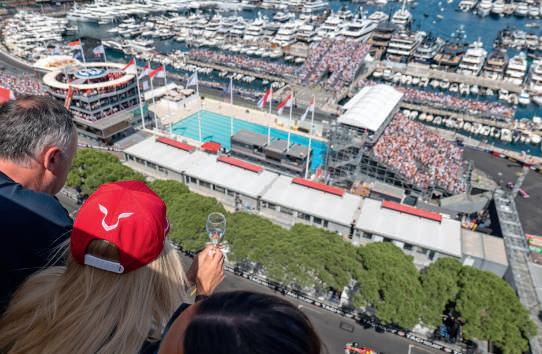
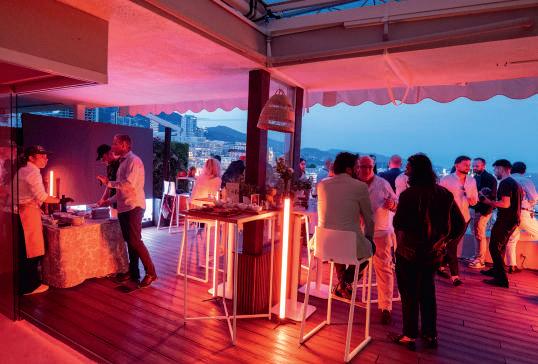
For Monaco, GooTickets has become synonymous with exclusivity. With premium hospitality terraces, premium packages, yacht experiences, and innovative new concepts such as the VIP Race Garden and the Night Yacht or Garden Parties, fans can enjoy the Monaco Grand Prix from some of the most coveted vantage points in the Principality. This year, Monaco fans can already look ahead, as 2027 Monaco Grand Prix ticket sales will officially open during the 2026 race weekend, offering early access to one of motorsport’s most sought-after events.
But Monaco is only part of the story. Across Europe, GooTickets continues to expand and innovate. In Belgium, premium products such as the Loge and Mezzanine packages elevate the Spa-Francorchamps experience, offering exceptional views and hospitality. Meanwhile, the arrival of Madrid on the Formula 1 calendar marks an exciting new chapter, with GooTickets ready to position fans at the heart of this fresh destination from day one.
For lovers of legendary and high-energy races, Monza and Brazil remain essential. From the passion of the Tifosi in Italy to the incredible atmosphere of São Paulo’s Autódromo José Carlos Pace, GooTickets offers premium access across both destinations, including standout products such as the exclusive Grand Prix Club, designed for fans seeking a more elevated race weekend. Looking further afield, Singapore continues to be a key focus as one of Formula 1’s most spectacular night races.
From general admission and grandstands to premium hospitality offerings, GooTickets provides fans with multiple ways to experience this iconic event. Beyond race day, unique experiences such as the Fan's Race Club event, featuring food, drinks, exclusive interviews, and appearances from renowned F1 drivers, offer a unique behind-the-scenes look at the world of F1.
What truly sets GooTickets apart is the diversity of its offerings. Whether fans are searching for grandstands, VIP hospitality, flexible booking options, instalment plans, or premium add-ons, GooTickets creates tailored solutions for every type of traveller, from fi rst-time fans inspired by F1’s global rise to seasoned race-goers seeking premium access.
Beyond tickets, GooTickets delivers a complete motorsport travel experience. From hospitality packages and gourmet catering to premium entertainment, exclusive appearances, and destination expertise, the brand transforms motorsport events into lifelong memories.
At its core, GooTickets is about bringing fans closer to the action, wherever in the world that action happens.
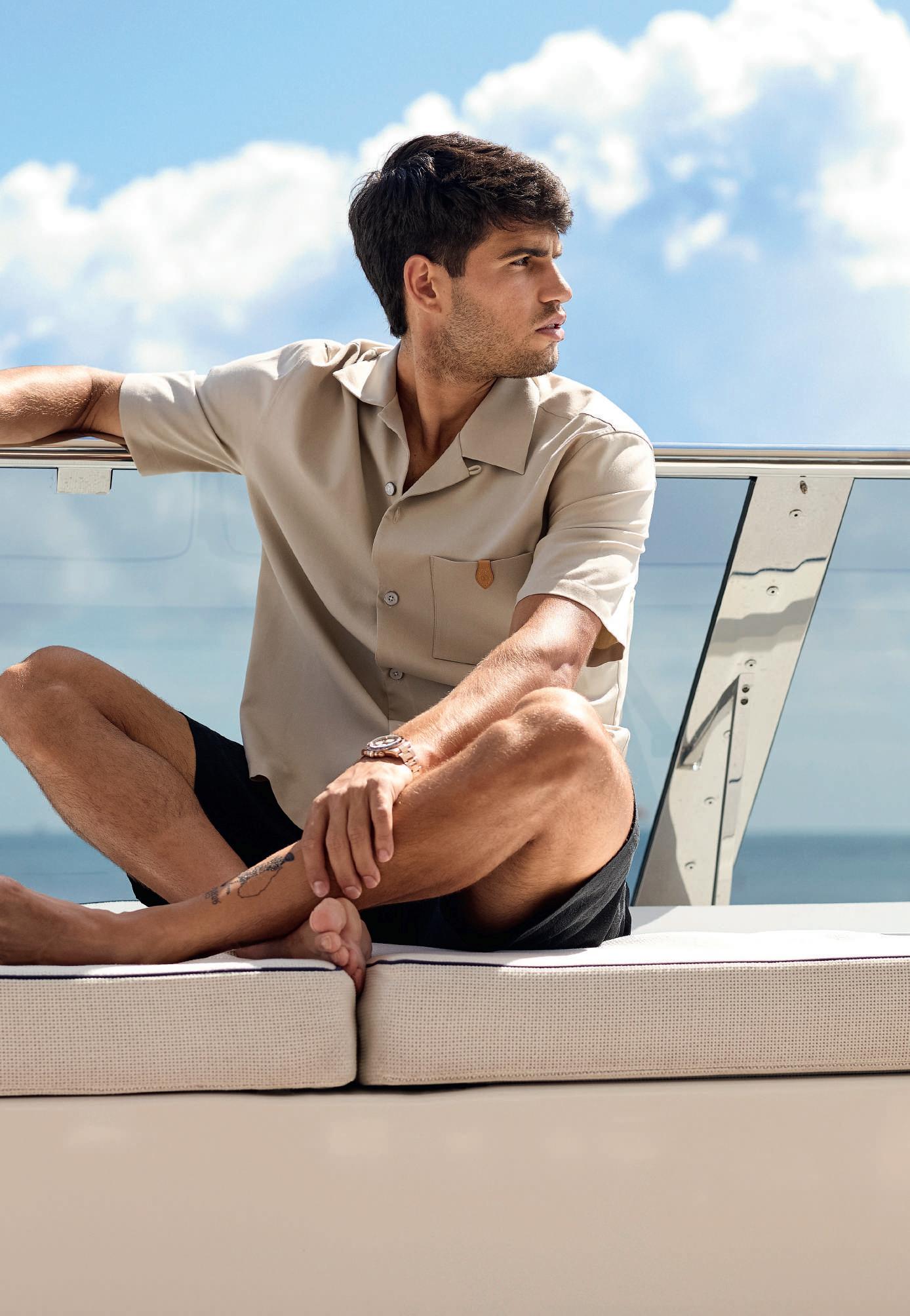
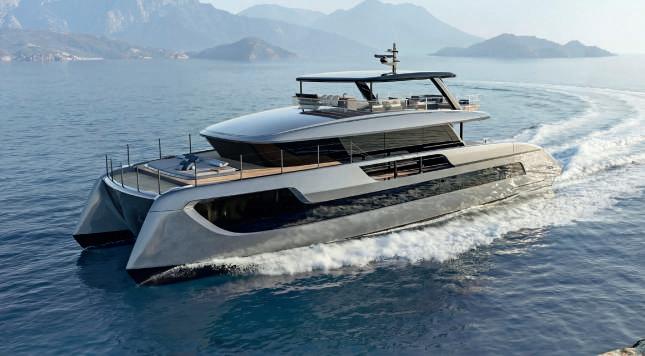
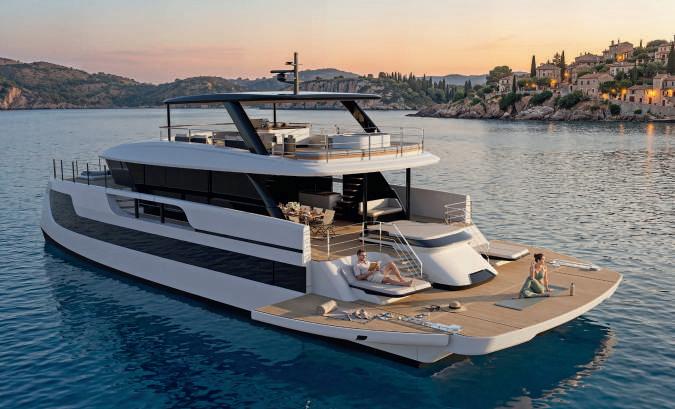
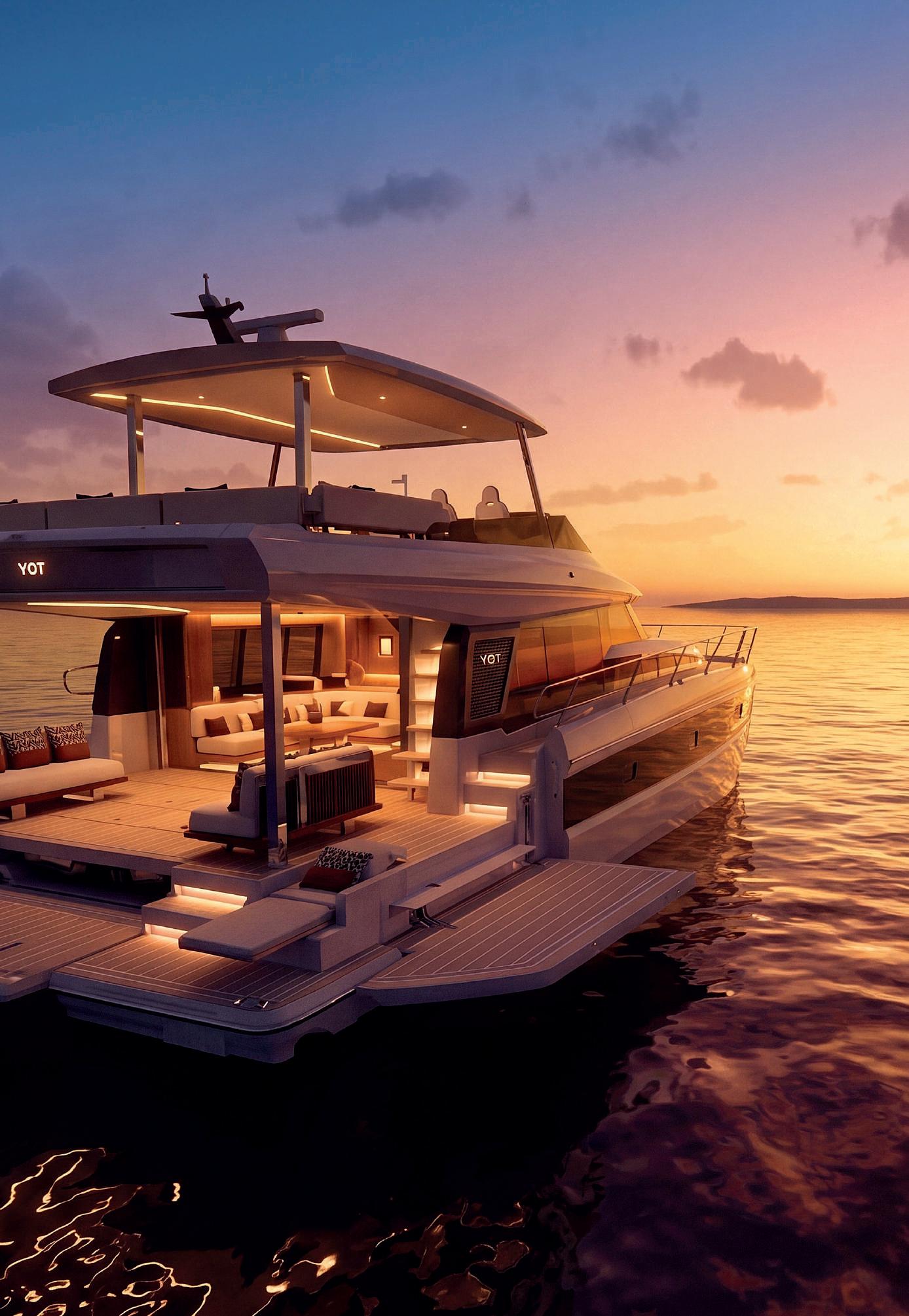
Carlos Alcaraz’s decision to commission a Sunreef Ultima 88 says as much about the future of luxury yachting as it does about the meteoric rise of the Spanish tennis star.
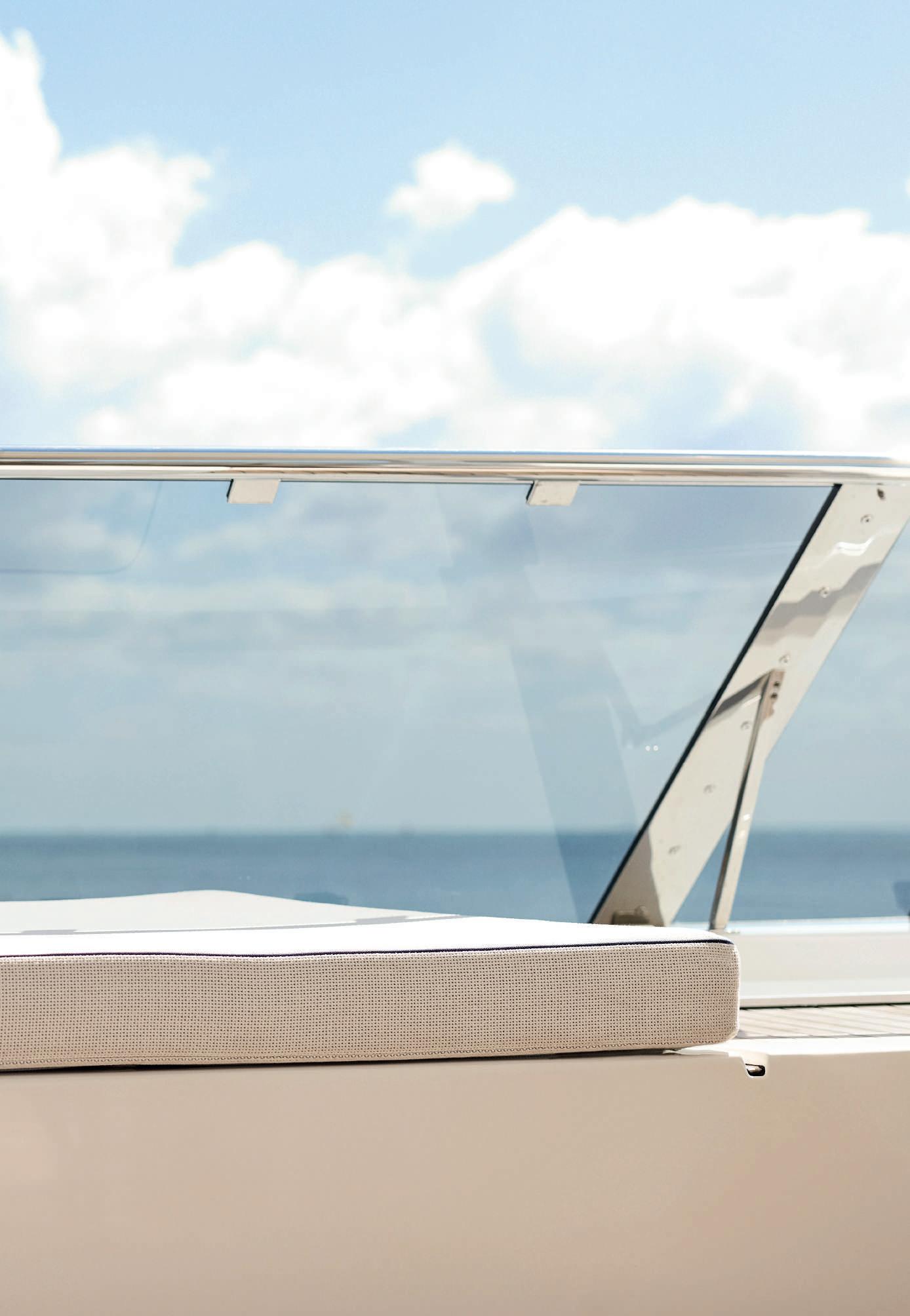
In choosing Sunreef, Alcaraz joins a select circle of athletes drawn not simply to speed or status, but to a radically different philosophy of life at sea.
Sunreef Yachts has spent the past decade reshaping the perception of the luxury catamaran. While much of the superyacht industry remained attached to the conventions of the monohull, the Polish shipyard recognised something others overlooked: true luxury is not excess, but ease. Space, silence, stability and freedom have become the defining codes of modern yachting, and no builder has interpreted them with greater sophistication.
It is precisely this vision that has attracted sporting icons such as Rafael Nadal, Fernando Alonso, Robert Lewandowski and Nico Rosberg. Now, Carlos Alcaraz enters the House of Sunreef with a fully customised Ultima 88.
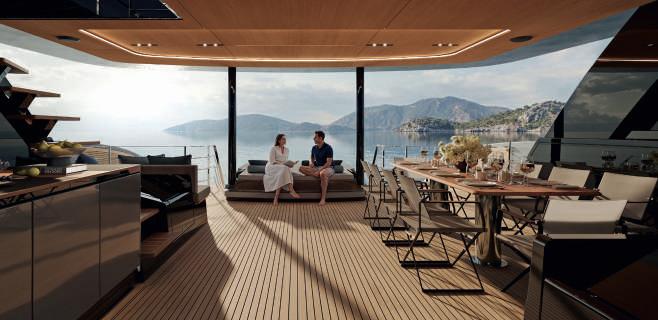
The yacht itself reflects a new generation of multihull thinking. Capable of reaching 26 knots, the Ultima 88 combines sleek proportions with the remarkable comfort only a catamaran platform can provide. Expansive social areas, seamless access to the sea and a deeply personalised layout transform the yacht from a mere object of luxury into a floating private sanctuary.
For Alcaraz, whose career is defined by intensity and precision, Sunreef represents something increasingly rare in modern luxury: balance.
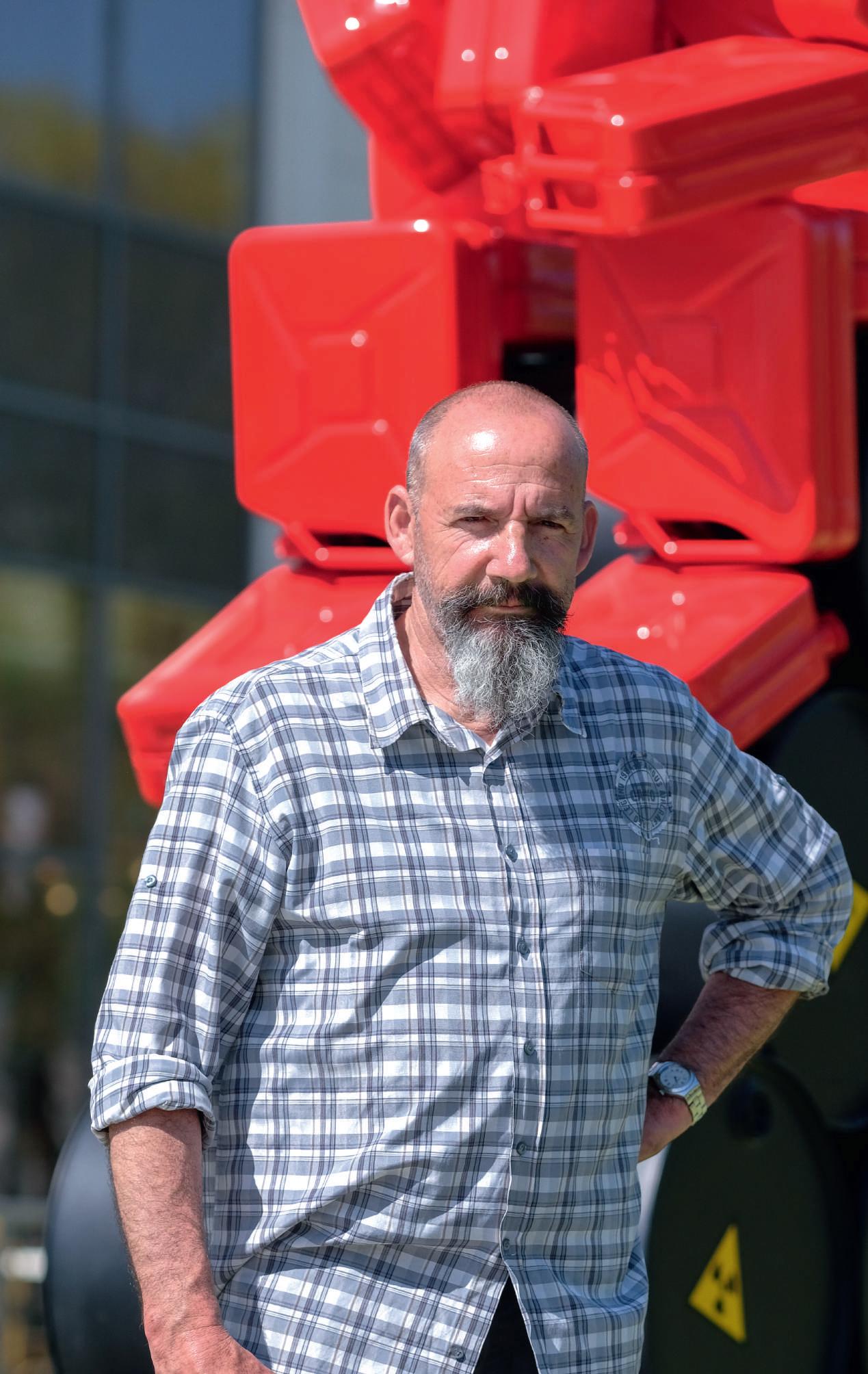

by Luca Marotta
It takes time to find Hervé Nys's studio. Not because the address is wrong, but because one cannot quite tell where the woodland ends and the work begins. On the heights of Cagnes-sur-Mer, at the end of a path that winds between pines and oaks, the boundary between nature and creation simply does not exist. You look for it, you do not find it. And you understand, fairly quickly, that this is intentional.
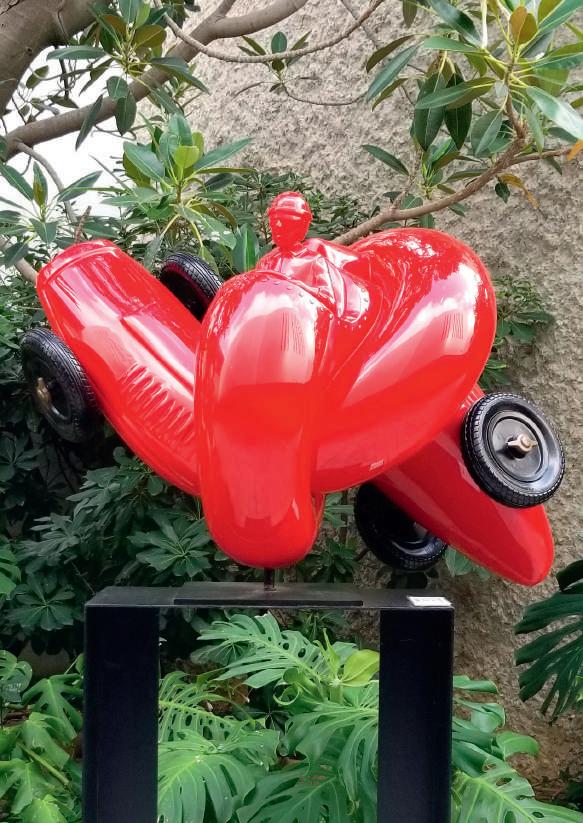
Ce que j'aperçois en descendant de voiture ressemble d'abord à un capharnaüm magnifique: de vieilles carrosseries posées là comme des bêtes endormies, des tuyaux d'échappement empilés avec une précision qui tient de l'instinct, des moules à cire perdue, un four, des pièces de bois, le crâne d'un sanglier, des autocollants, et... des post-it. Des dizaines, peut-être des centaines, soigneusement rassemblés dans un carnet qui ressemble à un journal intime de l'inspiration. Ici, rien ne se jette. Tout attend son heure.
What I glimpse as I step out of the car looks at first like a magnificent shambles: old car bodies resting there like sleeping beasts, exhaust pipes stacked with a precision that borders on instinct, lost-wax moulds, a kiln, pieces of wood, the skull of a wild boar, stickers, and... Post-it notes. Dozens, perhaps hundreds, carefully gathered in a notebook that resembles a personal diary of inspiration. Here, nothing is thrown away. Everything waits its turn.
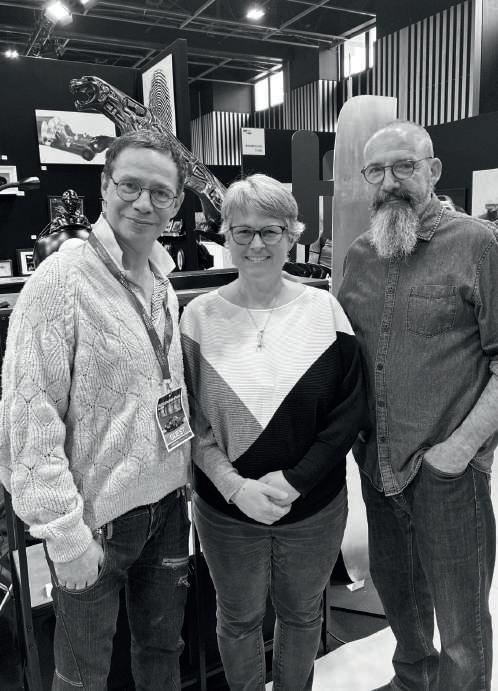
It is Christine, Nys's wife, who greets me first. She smiles with the serenity of someone who has long since learned to navigate this fertile chaos. Hervé joins her. Gentle, reserved, with the hands of someone who truly works with them. He extends his with a shyness that has nothing affected about it. It is simply his nature. And he wastes no time confirming this, in his own way - with that deadpan humour you never see coming: Without her I would not be here, I would not be here today. Me, I am in the Bronze Age - and her, she is the digital age.
And the visit begins.
The region has a particularly rich artistic history - César, Arman, Sosno, the École de Nice... Do you see yourself as continuing in the tradition of these artists? Indeed. Although, I am still alive, myself! (laughs) In a certain way, I extend the artistic vision of those who came before us, those who influenced us.
Precisely - what strikes me about your work, as with some of your predecessors, is the omnipresence of mechanics. But you seem to me even more specialised, more radical in this choice. How do you situate yourself within this history? In the mechanical world, I was marked by Arman with his automobile accumulations, César who compressed them, there was also Calder, who worked with mechanical elements. And it is true that it has always drawn me - because of my training as a mechanic, and the contact I subsequently had with the art world. I spent ten years in a foundry, alongside artists who truly made everything: nudes, twisted forms, contemporary pieces. It soaked into me. And I realised that mechanics was my only real starting point. So I used it as a springboard to explore the artistic world, the imaginary world.
Tell me about your beginnings. Where does all this come from? My father was an agronomical engineer. His dream was to own a property, to grow plants, to raise animals — as a child he had suffered from hunger during the war. So I was born in an agricultural, rural place, rooted in the earth. And when a hand was needed for the tractor, it was not my sisters who were called - it was me.
I lived amongst the soil, nature, the plantations. Mechanics came to me out of necessity: if the tractor broke down and no one could be found to repair it, we did it ourselves, by hand. My first engine, I was ten years old. My father gave it to me in pieces, saying: "Here, it's yours." I put it back together, mounted it on a wooden chassis with wheels, and I started it up. It spluttered and banged. It was magical. Even though it had no drive train, I would put it on a slope and imagine myself at the 24 Hours of Le Mans...
The taste for art grew in my mind little by little. Since childhood, as with everyone, I imagine.
I would like to understand something better: to what extent is the mechanical part a constraint, and from what point does it become a support for creativity? Is a sculptor who starts from a raw block of wood not more free?
Yes and no. I too can start from a tree... a camshaft! And transform it into a beetle. (He points to a piece resting on the workbench.) Thanks to the lost-wax technique, the rigidity of a mechanical part disappears, which allows me to go further in my creation compared to an artist who works with assemblage. This, for instance, is a car turbocharger. I see a snail in it.
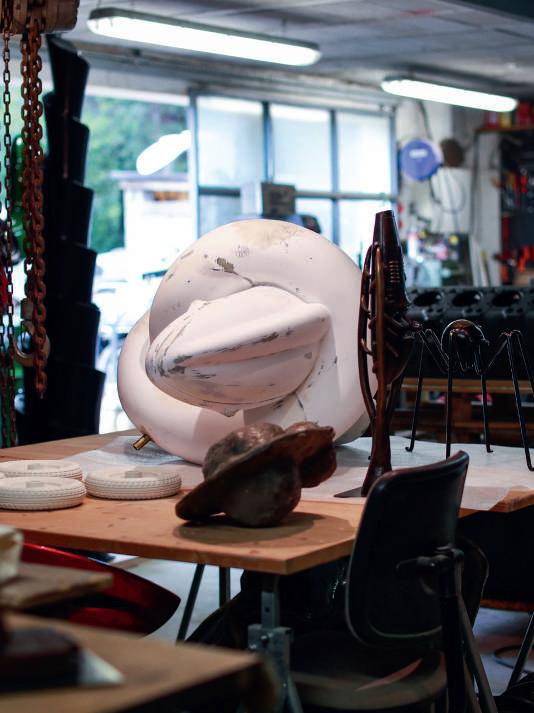
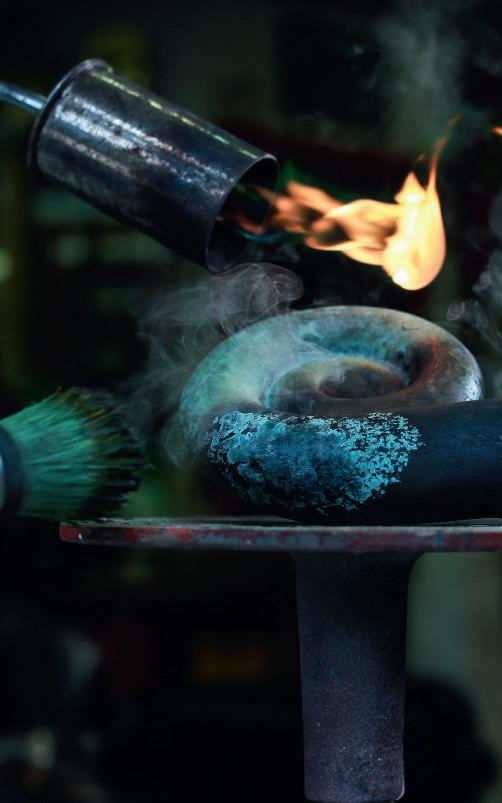
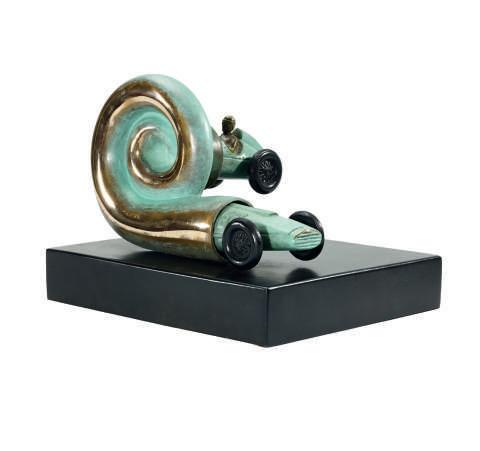
It is quite striking: the turbocharger is designed to increase power, to go faster. And you turn it into a snail - the slowest creature there is. It is almost a complete inversion. It is the double meaning.
It is ironic, even.
It is the two extremes. And in fact, it is something that often runs through my work. It is not: "I make a piece" - it is in the mind, it is difficult to explain. There is what you see at first, and when you scratch a little, there is a second message.
Nys stands up, resumes wandering through the studio, pointing out objects, sketches, works halfway between idea and final form. He stops in front of a motorcycle.
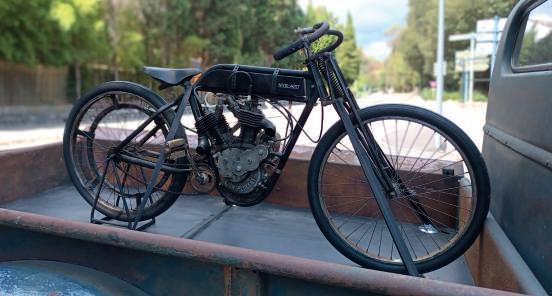
This is a "Bitza". I only had the engine, and I designed it like the Boardtrack bikes of the 1920s - those motorcycles that raced on wooden tracks. They had no brakes. Those machines are untouchable. But it is always about speed. And they risked their lives, too.
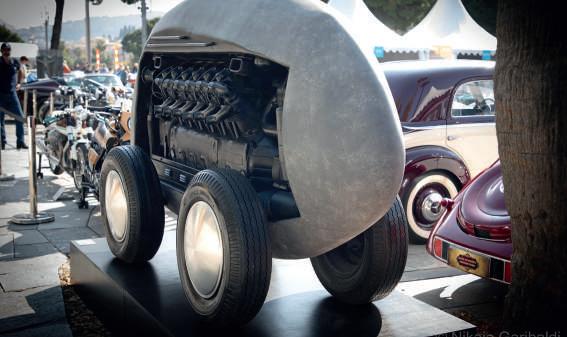
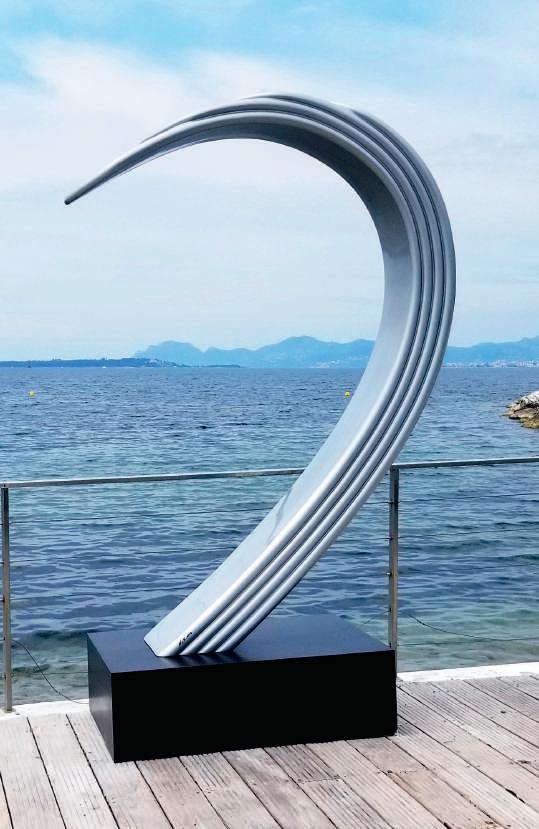
I mention the Italian Futurists, their fascination with mechanics in the service of speed, of the new man. He listens, nods in agreement. What is interesting, he continues, is that once the mechanism is triggered in an artist's brain, everything becomes logical. It is like an exercise, a form of mental gymnastics. As though I were wearing filters on my glasses, and they transformed all objects. Like someone who has a gift for wordplay - it is a practice, it sharpens over time.
He stops in front of a tyre... This one, I must turn it into a snake. I admit that when I came in, I thought I had seen a real one.
There is something I wanted to raise. You are an established artist, with a substantial body of work and genuine recognition. And yet you also take part in art fairs, with serial pieces at very accessible prices. Are these two things compatible?
I had Sacha Sosno as a mentor. I was at his side for ten years. And he used to start from the postcard to disseminate his creations. As he put it so well: "The artist must walk the pavement. Step outside the galleries, the museums... Be seen by the young, the less young, the learned, the uninitiated, the wealthy, the poor..."
One must not forget the small collectors. The enthusiast who loves my work and could never afford a monumental piece or a bronze - he will leave with a small painting.
And he will be content, because he has a piece of me, at his own level. That touches me. I reach every audience, including children, and that is exactly what I want.
But then, how do you reconcile that with the notion of artistic competition you mentioned a moment ago?
There are competitors and competitors. We know artists who want at all costs to shine, to be seen everywhere, who have their teeth dragging along the floor, as we say round here - ready to do anything. Me, that is absolutely not it. My competition is in the technique. I battle with myself.
Is there also, somewhere, a lack of confidence in yourself?
I do not feel credible alongside all these great artists. There are those who have passed away, and then there are the very great living ones. I cannot keep up with them. In my mind, it is... a form of shyness.
And the ego, in all of this?
Me, absolutely none. To understand me, you have to come here, see this land, my nest. These are not the grand studios with several assistants. I rubbed shoulders with all of that when I worked in the foundry.
He does not finish the sentence. He has no need to. He picks up a piece, shows it to me, and we begin again...
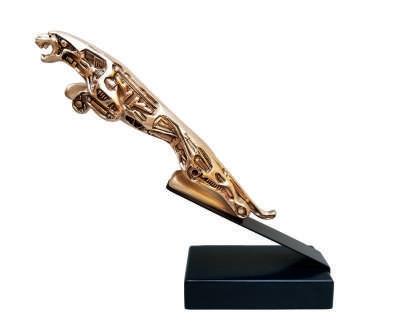
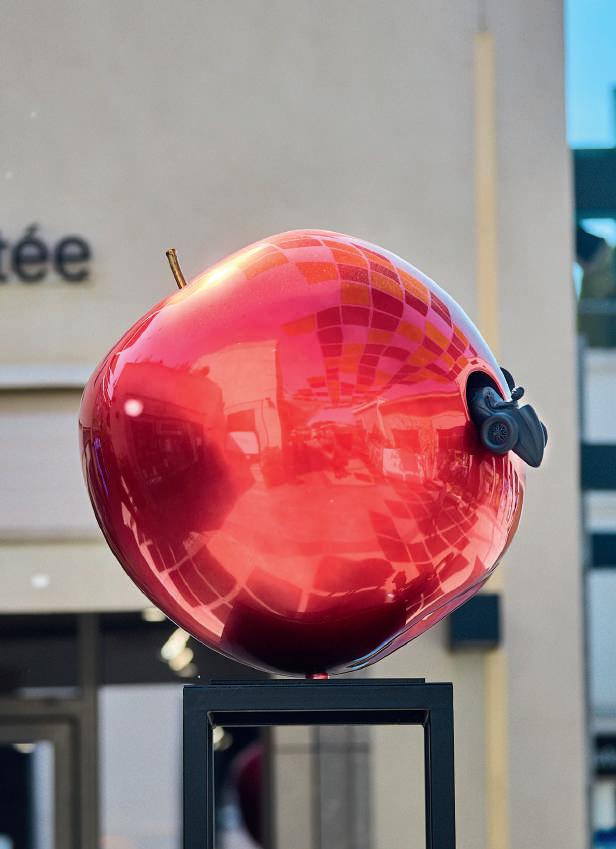
This is an apple. And here... it is the Jaguar - the car marque. Look here...
I make my way back down the path with an impression that is difficult to put into words, yet powerful. Hervé Nys is one of those artists who has no need of a Parisian gallery to exist.
His studio is his statement. The apparent disorder there is in reality a secret organisation, a language that he alone masters entirelyand which he translates, piece by piece, into objects that regard us with a gentle and intelligent irony.
His shyness, which I might have mistaken for a lack of ambition, is in reality something rarer: a form of inner peace. Nys has no need for validation. He needs to work. And it is precisely this detachment - this absence of calculation, of self-staging - that gives his work an authenticity one feels immediately, physically, the moment one sets foot in this corner of woodland perched above Cagnes.
The technical mastery he has acquired - lost-wax casting, chasing, bronze patination, and before that agricultural mechanics, naval aeronautics, leatherwork - is not a curriculum. It is a language.
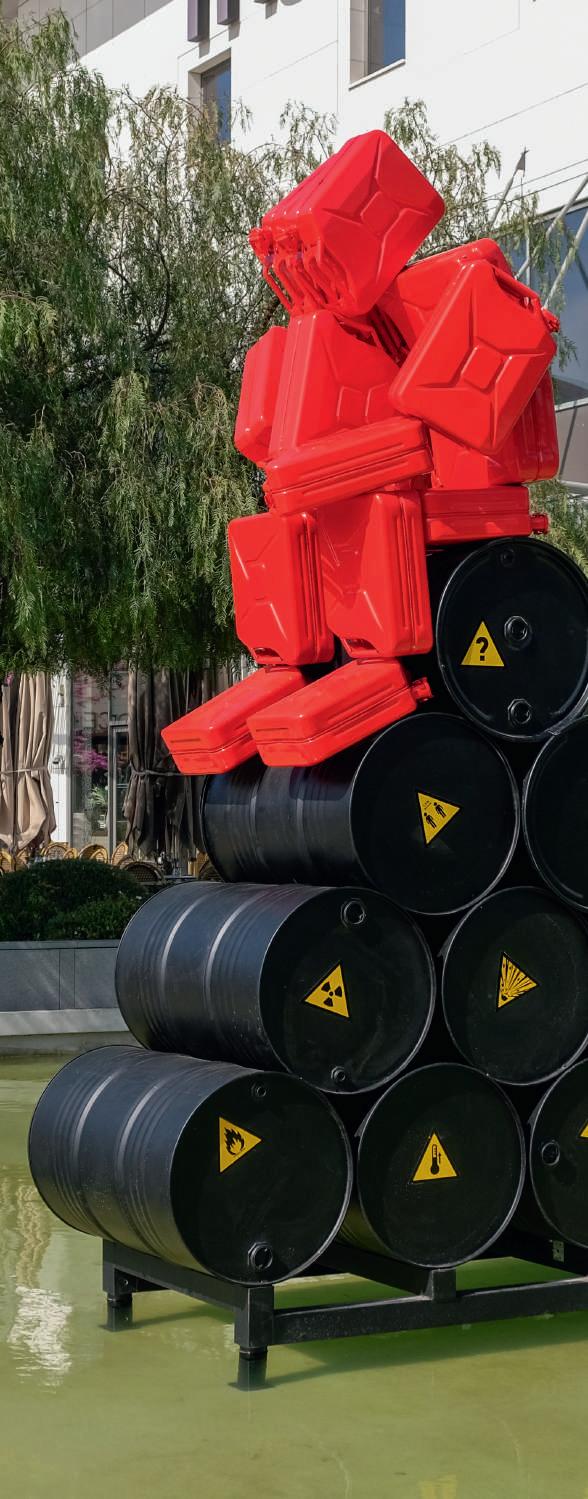
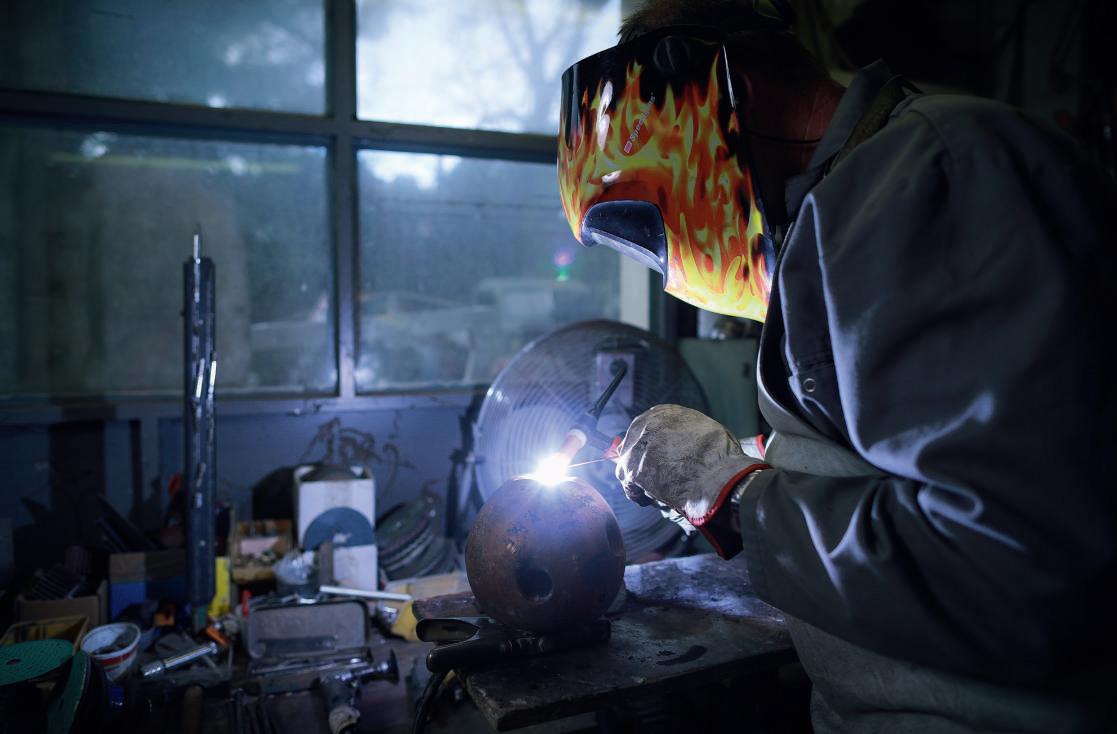
A language in which he has thought, dreamt and created since childhood. And to see it at work in a piece such as this turbocharger turned snail is to understand that the boundary between craftsman and artist has, in Nys's case, long since been abolished.
He deserves, in my view, far more attention than he receives today. But perhaps it is precisely he who has decided it thuswithout being fully aware of it. Because true freedom, in art as in life, is not needing to be seen in order to know one's own worth.
Hervé Nys works on the heights of Cagnes-sur-Mer and exhibits at Art'mada Riviera (Centre Shopping Promenade Riviera in Cagnessur-Mer). His works are held in private collections around the world.



On 30 April 1895, King Umberto I and Margherita of Savoy inaugurated the first International Art Exhibition in Venice - the event that, by virtue of its recurring cycle, would go on to become the Biennale.
Great scandal was caused at the time by Giacomo Grosso's painting
The End of a Don Giovanni, which depicted an open coffin, inside a church, watched over by five completely nude female figures. The Patriarch of Venice and the press aligned with him cried out in outrage; Italian and foreign newspapers picked up the story, and the work was relegated to a secluded space. A commission nonetheless established that the painting offended no moral code whatsoever. The outcome was remarkable: a prize voted by the public was instituted, and a great many of the two hundred thousand visitors to the Biennale awarded it to the very work in question, fuelling further controversy.
This 2026 Biennale too risks becoming another lost opportunity. The international jury tasked with awarding prizes had indeed decided to exclude Russian and Israeli artists. Following the decision by the President of the Foundation, Pierangelo Buttafuoco, to reinstate the pavilions of both nations, the jury resigned, inevitably sharpening the tensions. One can only hope that someone will recall what happened in 1895, and that it will once again be the public - perhaps through a popular vote - who resolves the impasse. I consider it indispensable that spaces dedicated to art - exhibitions, concerts, dance, music - be respected by politics. The point of absurdity had already been approached when a certain faction demanded the exclusion of Fyodor Dostoevsky from academic curricula. Let us honour cultural debate instead. How can one possibly imagine weakening a nation's political power by discriminating against an artist's intelligence or talent? In so doing, in my view, one comes perilously close to the grotesque. For what reason should an artist be held responsible for the decisions of those who govern? The spaces of culture cannot be dismantled by politics: history teaches us as much.
Culture has always been a bridge capable of improving society; the
independence of expression is life itself.
President Buttafuoco was therefore right to act as he did, and he has my full solidarity.
Let us return now to the 61st International Art Exhibition of the Venice Biennale. Minor Keys, the title chosen by curator Koyo Kouoh - who sadly passed away before the opening - trains its attention on artistic traces that operate outside the spotlight. A genuinely interesting theme, developed by her team following the death of the Biennale's first African curator, which occurred a year before the exhibition opened, but one that might, had she been present, have taken a more selective form in presenting the many artefacts her team considered artistic.
"The craftsman's work can become art": this, in my view, is the true focus of the Biennale.
Leaving aside the fact that no Italian artist was invited - a curious choice in a country that has made excellence in craftsmanship one of its defining cultural identities - the demonstration of how authentic works of art can emerge from manual skill has too often been misconstrued: few truly succeed in the endeavour. In many cases, one has the distinct impression of wandering through a well-stocked ethnic craft fair. Ceramics depicting exotic animals, not unlike those purchased on an African safari; braided hair displayed alongside informal canvases; monumental constructions of feathers and beads; lacework housed in glass cases with subtle chromatic accents. Truly rare - genuinely rareare the artists capable of leaving an authentic mark.
Fortunately, the pavilions at the Giardini, the Arsenale, and the Collateral Events that have spread across the entire city offer some comfort to the intrepid visitors who, during the Preview, endure interminable walks and endless queues to access the exhibitionsto admire or to criticise.It may well be useful, for professionals and enthusiasts alike, to obtain information about works via QR codes available at the desks of the various pavilions; yet this leaves nothing of lasting, historical substance on our bookshelves. We still wish to indulge ourselves with paper.
At the Giardini, a particular mention for poor manners goes to the French Pavilion, where QR codes were available only in English and
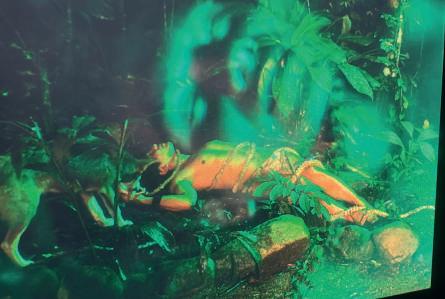
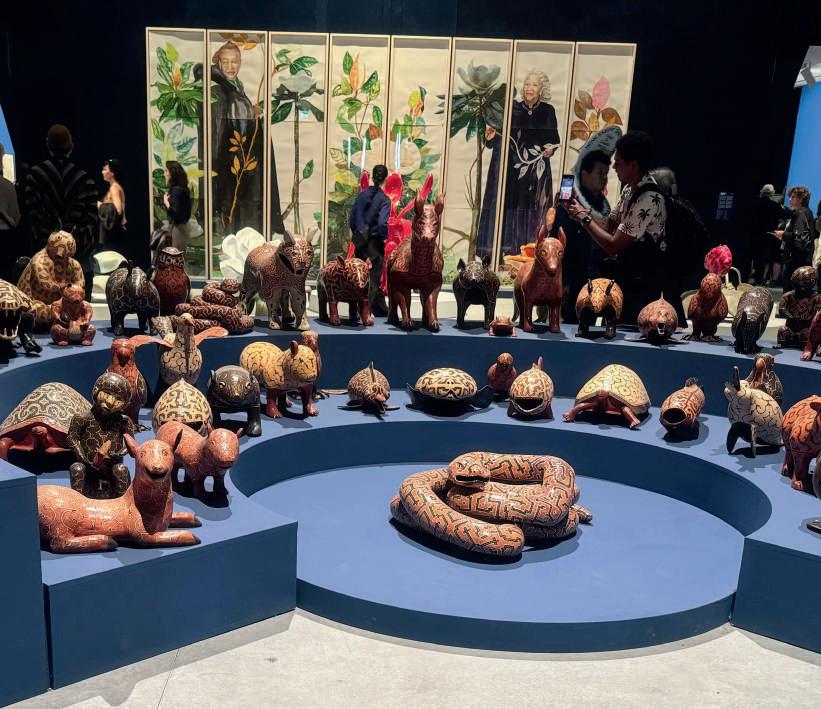
French: a rather dispiriting persistence of a chauvinism belonging to another era. The visit itself, however, is well worth the effort.
Interesting, captivating and deeply felt is the offering of the Serbian Pavilion, where Pedia Djakovic presents From Golgotha to the Resurrection - a significant and compelling exhibition not to be missed.
An absolute must is also the Uruguayan Pavilion, with the work of South American art pioneer Margaret Whyte, whose practice reflects on the persistence of memory through materials. A great and gentle surprise awaits in the spaces of Japan, which draws visitors in with genuine warmth.
On the stretch between the Giardini and the Arsenale, it is well worth pausing at the Ecuadorian Pavilion - an engaging presentation devoted to the preservation and activation of the country's cultural memory, making its brave first appearance at the Biennale.
Continuing this marathon, one is struck by the remarkable work presented by Azerbaijan, the "land of fire": a courageous project of powerful cultural resonance.
Macao, as always, receives visitors with elegance right at the entrance to the Arsenale. Here, in the Argentine Pavilion, Matias Duville's Monitor Yin Yang is not to be missed - a physical experience oscillating between the intimate and the collective, between rejection and energy, between ruin and promise.
Moving through the sequence of pavilions, one is drawn in by the force of the Indian presentations and astonished by the robot in the Chinese Pavilion, which pulls us towards an already imminent future by writing its own name on a sheet of paper in perfect calligraphy.
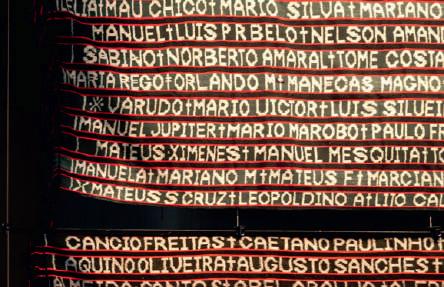
Personally - and I believe this will hold true for many - the Timor Pavilion represents one of the most intense moments of the entire Biennale. Across Words is a journey into a young nation that, through images of everyday life accompanied by a profound
interweaving of ancient languages and traditional dances still very much alive, manages to strike deeply. Alongside the video emerges an extraordinary textile work, created between 1994 and 1999 by the ninety-year-old Pereira Maia - illiterate - who wove names, interpreting them as symbols of the 271 victims massacred in 1991 during the dictatorship. It is a work of profound cultural resilience.
This, I believe, is the very piece that represents the pearl of what Koyo Kouoh wished to highlight. Through matter and the hand of the craftsman, true art sometimes comes into being. Here, the spirit of the Biennale is perfectly present. The artist would deserve a nomination - whether it will still be called, as it was until 2024, the Golden Lion, remains to be seen - and we shall observe how the popular jury conducts itself.
Regrettably, these first days have once again been tainted by politics. We all abhor every form of violence - war above all; but to find oneself compelled, should one not have visited all the pavilions within the first two days, to endure the arrogance of those who - in my viewsimply wish to feel important by striking against the war, shutting certain pavilions in their capacity as workers or resident artists, means denying thousands of visitors the very possibility of seeing the work. In former times, the Biennale generated scandal through the force of the art itself; today, all too often, the scandal arises instead from the ideological surroundings that frame it. That is a substantial difference. People arrive from all over the world to visit this magnificent city and see what is universally recognised as the most important event in contemporary art - and to be subjected to the aggression of a few, who could certainly express their views in a far more considered manner, leads one only to regard them, with a certain bitterness, as cleverly empty.
It is heartening to observe that, despite everything, the public continues to move through the calli and pavilions driven by authentic curiosity. A sign that art, when it is truly art, always survives cultural fashions and ideological rigidities.
In this 61st Biennale, politics occupies the present; culture, when it is genuine, belongs instead to time itself.
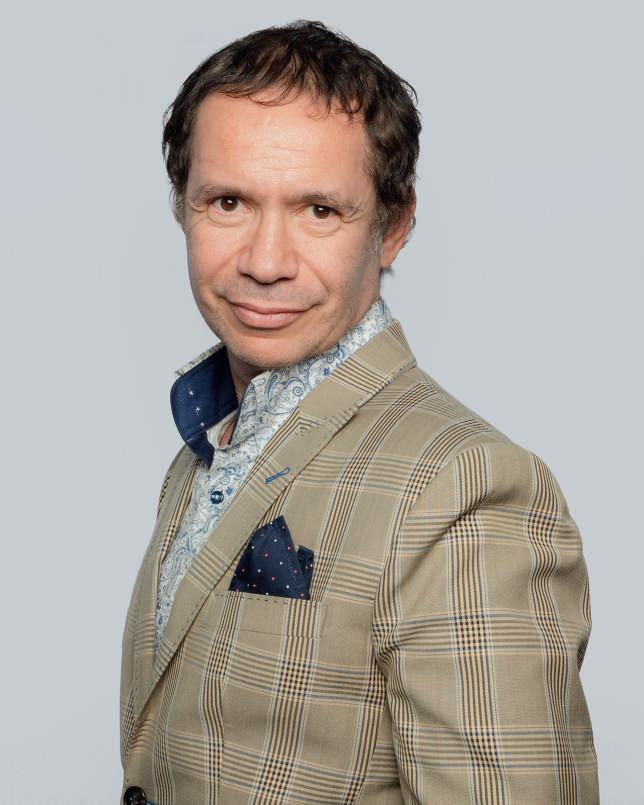
Élie de Rothschild jr on conspiracy myths, dynastic secrets, and the quiet freedom of choosing one's own path.
by Luca Marotta
There is a name that arrives before the man does. It precedes him like weather - like a verdict already delivered. Rothschild. Syllables that have accumulated, over two and a half centuries, the full weight of conspiracy theory, dynastic myth and the particular resentment that extreme wealth tends to generate, whether its bearer invites it or not.
I meet Élie de Rothschild jr in a Paris apartment that offers none of what one might expect. No gilded excess, no studied grandeur. The space is comfortable, lived-in, entirely human in scale. The man himself is something of a surprise: warm in a way that feels entirely uncontrived, quick to digress - onto art, onto travel, onto the textures of a world he observes with considerable appetite - and possessed of a frankness that sits at a rather uncomfortable distance from diplomacy. It takes time before I stop searching, instinctively, for the gap between the character and the person. I arrive, as one does, with assumptions.
Élie de Rothschild jr is, in his own telling, simply not built for banking. Mathematics hold no appeal; people, the arts, and the mechanics of human relationships do. And so he stepped, quietly but deliberately, off the path that a name like his tends to pave in advance. It is not an act of rebellion he would frame as such - resistance, he will tell you, is not something one practises for pleasure. It is, rather, a life shaped by temperament rather than inheritance. Or, as he might put it: a life that simply turned out to be his own.
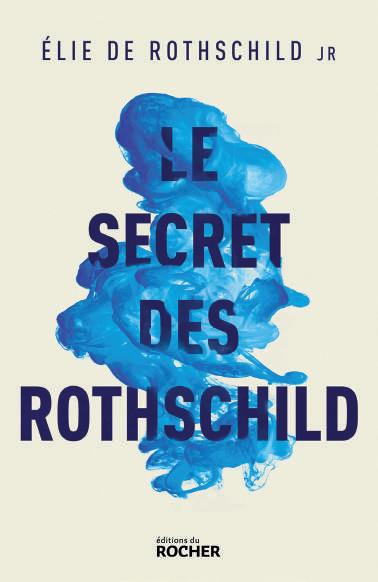
His recent book, Le Secret des Rothschild (2022), traces the family's extraordinary arc - from the Frankfurt ghetto of 1744 to what he does not hesitate to describe as arguably the world's first multinational institution - and does so with a candour that sits at some distance from the family's historically sealed discretion. The conversation that follows is dense with reflection: on power, on legacy, on the peculiar burden of carrying a name the world has long since decided it understands.
Some of what he says will not sit comfortably with everyone - and across the social spectrum, at that. One suspects he is rather at peace with that.
As soon as the Rothschild name comes up, it tends to provoke passionate reactions. Why does it generate such feeling? The power of money irritates people, naturally. And since no one has ever really known what goes on behind the scenes, from as early as the 19th century journalists began inventing stories - to sell their daily rags more effectively. Things had quietened down over time; but today, it has all started up again with a vengeance, thanks to social media.
What is the most absurd rumour you have ever heard about your family?
That we are reptilians, come to earth to enslave humanity.
And the theory that irritates you most?
That we exploited the poor to build our fortune. In reality, we rose through the wealthy - by making the wealthy wealthier - before redistributing to the community far more than so many others in our position ever have.
How has your family managed its image in the face of all these legends?
Very poorly. Given the nature of our affairs, everything has always been kept secret. That was true in the past, and it remains true today.
As a child, when did you first become aware that your name carried a history larger than your own life?
And how did that awareness influence - or hinder - your desire for freedom?
I don't recall the precise moment i understood that my father's name created difficulties, and that it would be better to use my mother's. Around the age of nine, someone had to explain to me where I truly came from. And gradually, concealing certain things about my origins became quite normal.
The path you have chosen seems to diverge from what was traditionally expected of someone with your name. Did that freedom come as an inner necessity, or as a form of resistance?
One doesn't resist simply for the pleasure of it. If I chose a different path, it was first and foremost because I was not built for mathematics. I enjoy strategy, certainly, but the technical execution - that is not for me. Thriving in a bank would have been impossible. I have more of an artistic sensibility; performance, marketing, people - these interest me far more. Client relations, too, are much more in my nature.
Growing up in a world that is often perceived as exceptional can create a distance from ordinary reality. How did you build your own relationship with the concrete, the simple, the everyday?
I was not raised in some extravagant environment. Bourgeois, certainly, but without excess - my parents were fairly straightforward people. The only privileges i can identify from my childhood are perhaps having met eminent figures: diplomats, politicians, artists. I also attended events that were, no doubt, rather elitist. Occasionally enriching, but often deeply tedious for the child, and later the adolescent, that I was.
In a life where context and the gaze of others can shift constantly, how do you preserve a sense of inner coherence? Is there a guiding thread that defines you beyond circumstance?
I try always to be exemplary, even when faced with people who may disappoint me, deceive me, or betray me. "Noblesse oblige", as my father used to say - with no shortage of irony.
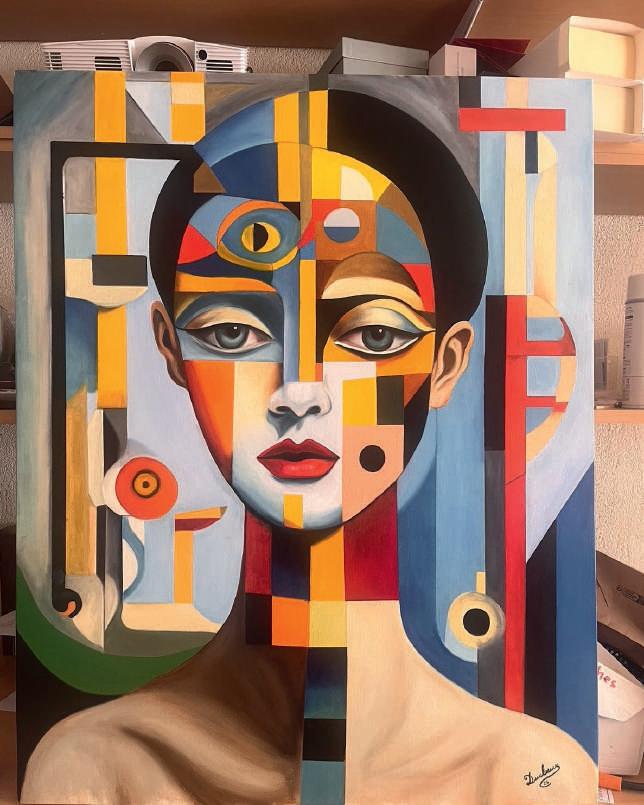
What role does art play in your life today - refuge, expression, or a way of questioning the world and your own place within it? Whatever happens, men pass and art endures. I make a point of visiting at least one museum or exhibition per week - meetings and business consume so much time. I have recently discovered a young artist whose story is quite remarkable and whom I am trying to promote: JeanLouis Duclaux. He deserves to be known.
Your recent book, le secret des Rothschild, seems to be an act of transmission. Is it a way of fixing a memory, or of reinterpreting it through your own lens?
To be honest, it was not my idea - it came from a television producer who was curious to know whether i would be capable of writing my family's history. And so I began to write, until it became a book that answers all the questions people ask about the Rothschilds: how it all began, in the Frankfurt ghetto in 1744; the gradual progression to survive, to escape poverty by selling anything and everything; the slow accumulation of wealth over the decades; the decision to begin lending money in order to avoid having it stolen; the eventual rise to fortune. I also write about our entry into wine, and about all the family figures who deserve to be remembered for what they contributed to humanity - not only in financial terms: opening up investment to all at a time when only the privileged could grow wealthy; the creation of the railway network; science, too, in certain cases.
Behind the Rothschild name, there is a less well-known history. How would you summarise it?
We started with very little: shopkeepers, then confidants of the powerful, smugglers during the napoleonic wars, moneylenders to kingdoms - while they chased us down the roads, hunting the black market - and finally, once peace returned and the fortune was made, we became bankers.
"Le
Five branches, five countries - pure strategic genius. In retrospect, can one say the Rothschild bank was the world's first multinational?
Absolutely. But above all, it was a matter of survival. We had no way of knowing where to go to avoid the wars that were brewing between nations; so we created refuges in five countries, just in case. In the beginning, I do not believe there was any genuine intention to expand internationally. It was simply a series of circumstances.
Your family is said to have financed wars, states, empires. If you had to name one Rothschild decision that changed the course of history, what would it be?
We financed nations, some of which went on to enter into conflict with one another. But contrary to the legend, we never profited from it. On the contrary - every loan contract contained an early repayment clause in the event of war. Indirectly, and thanks to that clause, the Netherlands, for example, renounced its plan to attack Belgium around 1830.
Let's return to the book. What is the broader lesson?
In 200 years, we have done a great many things - things we have since forgotten. But when all these secrets are assembled end to end, something emerges beneath the surface: a thread that can help one navigate life, and even to succeed in it. Because nothing changes. We are the same as we have always been, for centuries. Except that today, we have wifi as well.
Will you give me a taste?
All right, I'll point you in the right direction: education is the key to lasting. Many other historic financial or industrial families somewhat neglected the education of their children - and as a result, they have disappeared over time. We are still here.
Élie, I have the impression you rather enjoy being provocative - you confided at one point that you consider yourself something of a marxist. Rather unexpected for a Rothschild, no?
But I am not a marxist. I say that to irritate those who believe the business owner deserves to be spared because he provides employment. I think that is nonsense. He is at the helm of the ship, certainly - but even if he had a few good ideas and was the first to invest, it is the employees who are in the engine room, who drive the company's long-term prosperity. He should therefore be happy to pay his taxes and thank his lucky stars that he is not in the position of those who have not had his good fortune.
Hardcover - 15.3 x 3 x 23.5 cm - 464 pages - Edition 2022
- The Art Chapter -
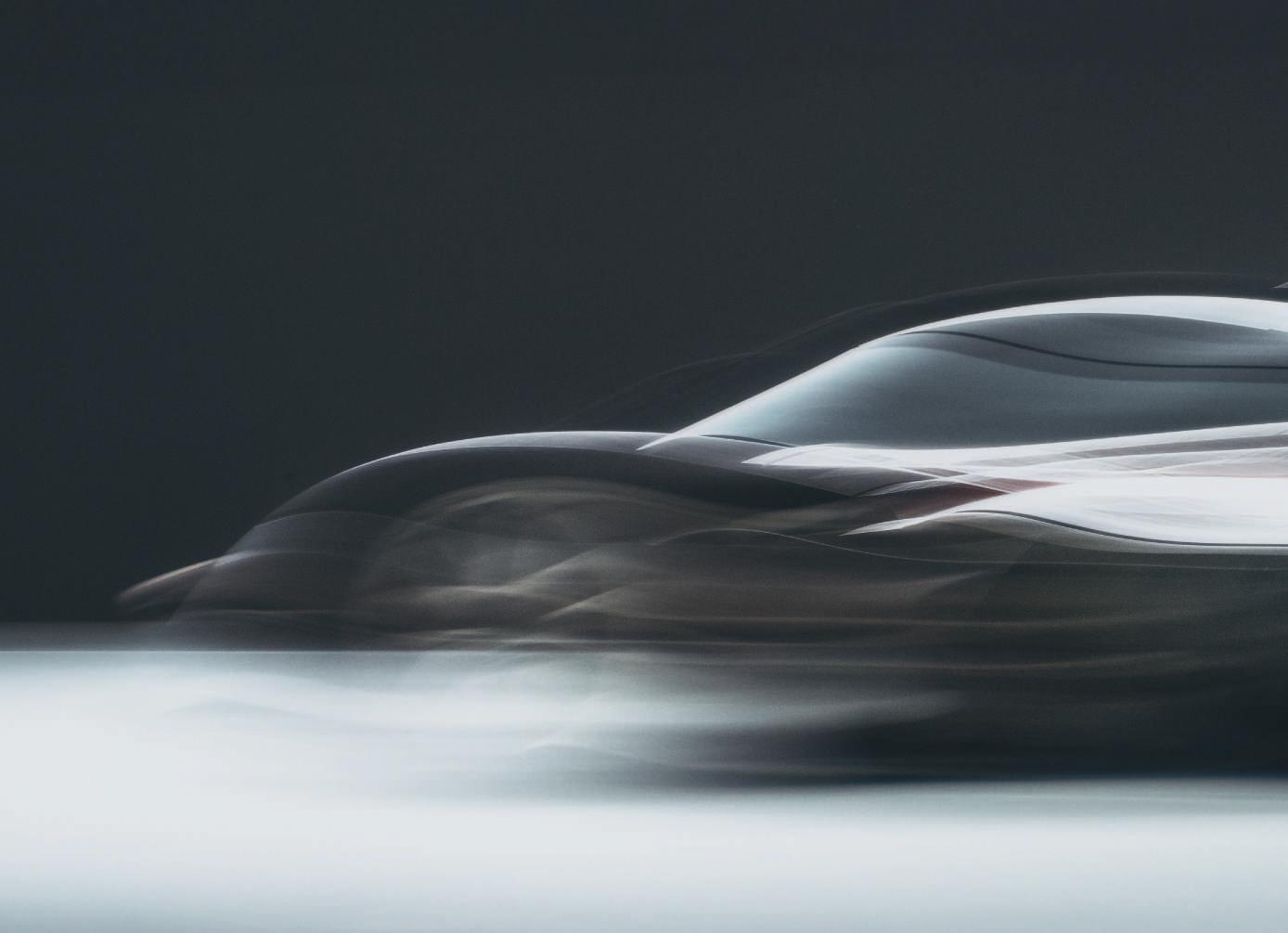
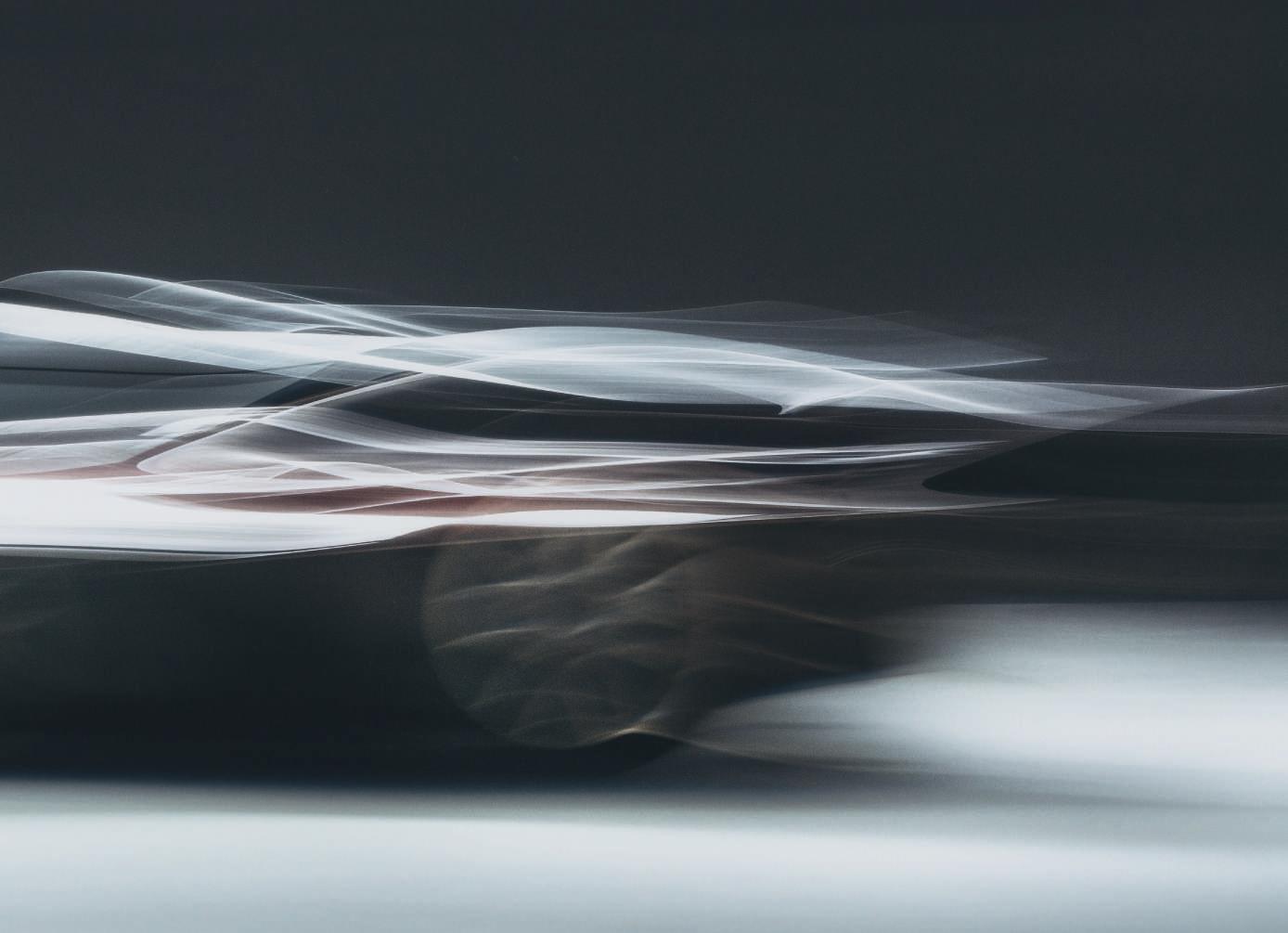

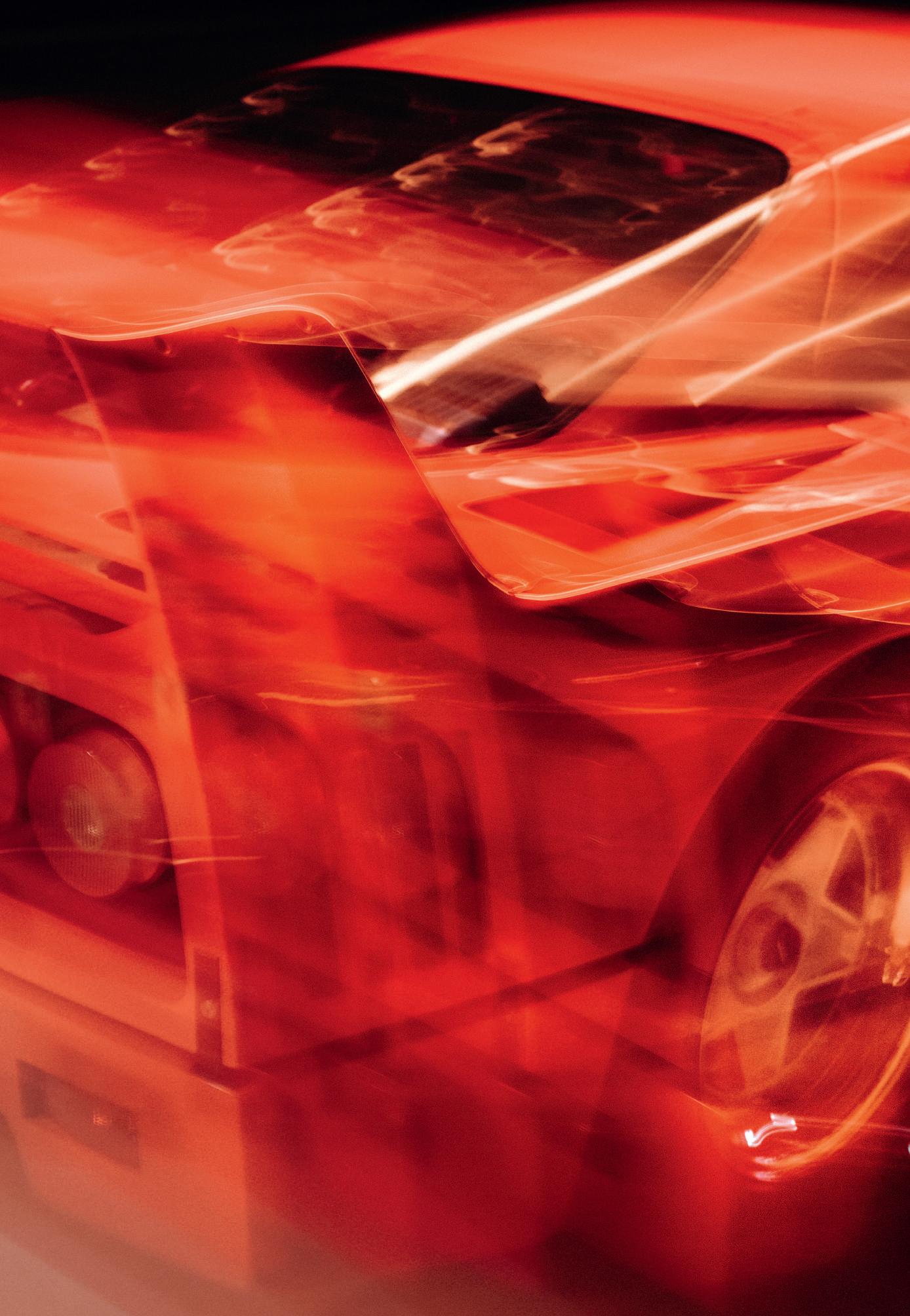
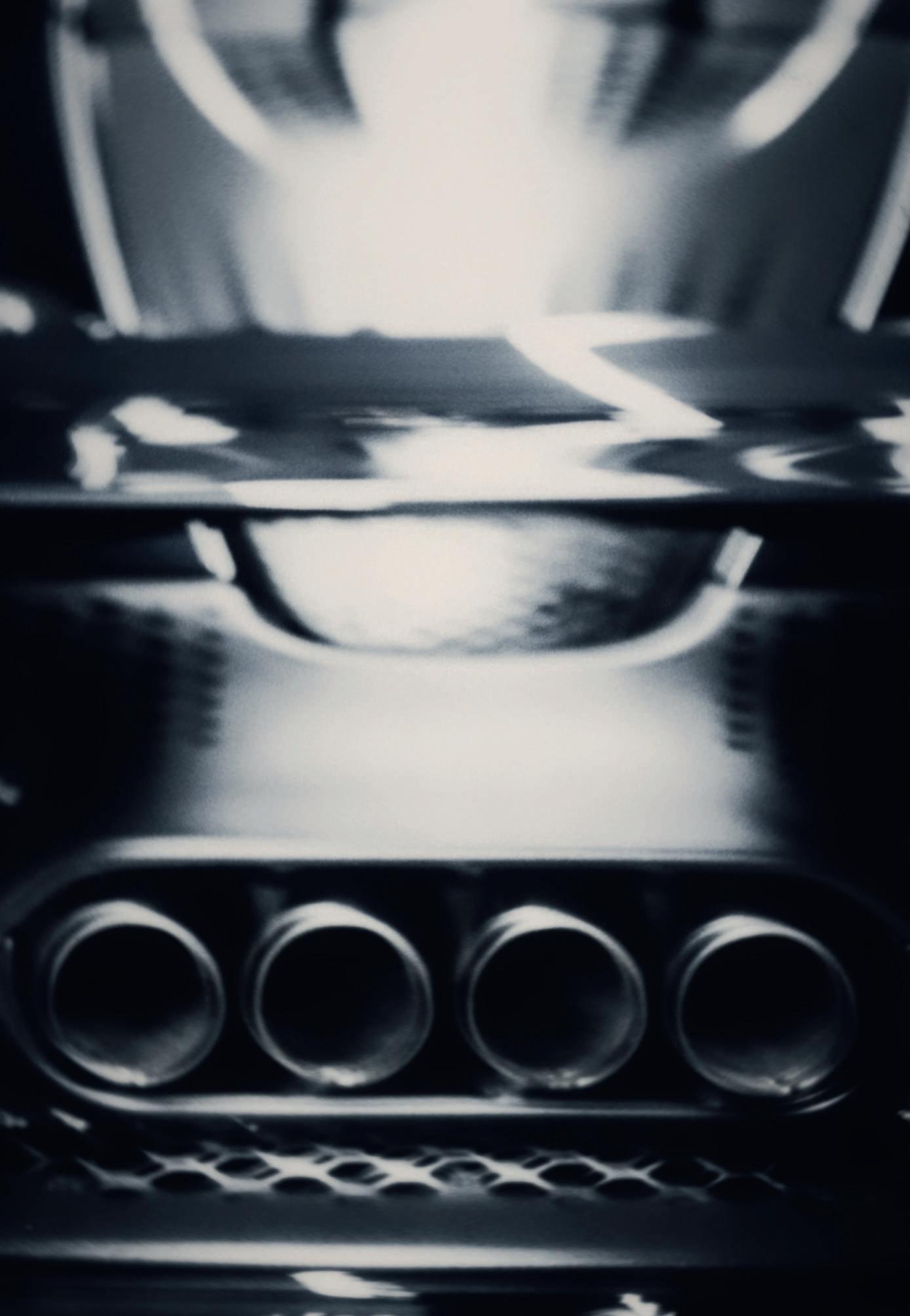
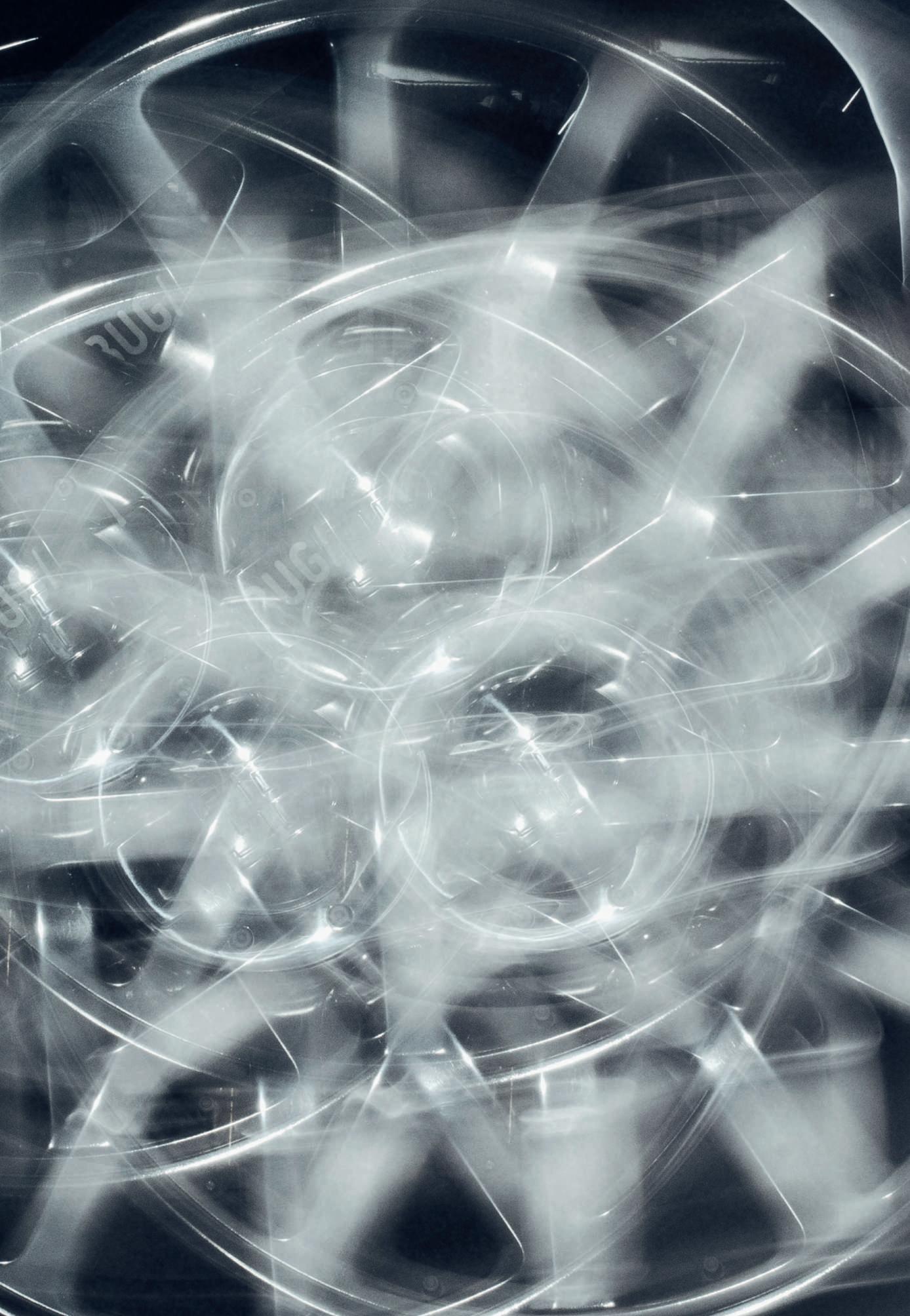
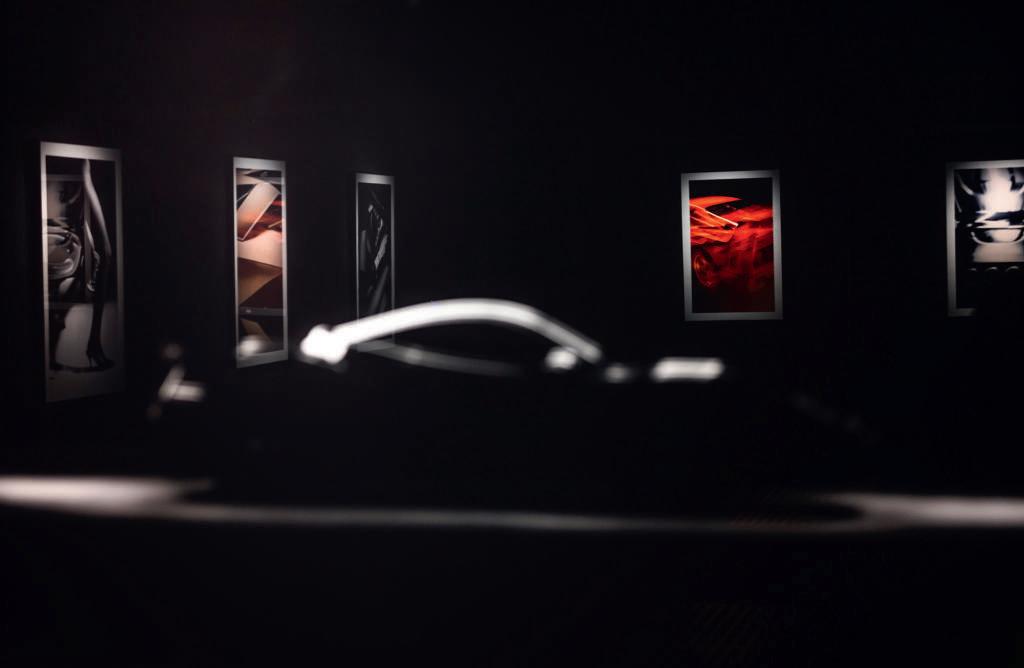
At Place Vendôme, behind the discreet doors of The Collection Paris, a new exhibition space has emergedperhaps the most secret gallery in Paris, accessible only by invitation. Its inaugural exhibition is devoted to the work of photographer and creative director of the club Anaël Boulay, whose images transform the automobile into something far beyond engineering or status: a pure graphic gesture.
The vision perfectly reflects the philosophy of The Collection Paris. Here, supercars and hypercars are not objects of obsession, but a common language through which members share aesthetics, culture and emotion. In Boulay’s photographs, the car becomes line, movement, light - an almost abstract form suspended between velocity and disappearance.
There is, unmistakably, an echo of Italian Futurism. A little more than a century after Velocità d’Automobile (“Speed of Automobile”) by Giacomo Balla, Boulay revisits the mythology of speed with a contemporary photographic vocabulary that feels even more dynamic than paint ever allowed. One imagines Umberto Boccioni or Carlo Carrà fighting for membership to such a club: photography has finally achieved the sensations they could only anticipate on canvas.
Boulay himself remains refreshingly unconventional - equally at ease in his role as creative director of one of the world’s most selective automotive circles as he is wandering alone through rain-soaked Parisian streets with nothing but a Leica and instinct.
Without assistants or artificial lighting, he captures beauty at the exact moment it threatens to vanish.
At The Collection Paris, mechanical masterpieces are transfigured into photographic art, and photography itself becomes a way of translating speed, elegance and impermanence into emotion.
In my eyes, The Collection Paris is not truly a club; it is more a vision of life and its beauty.
by Luca Marotta
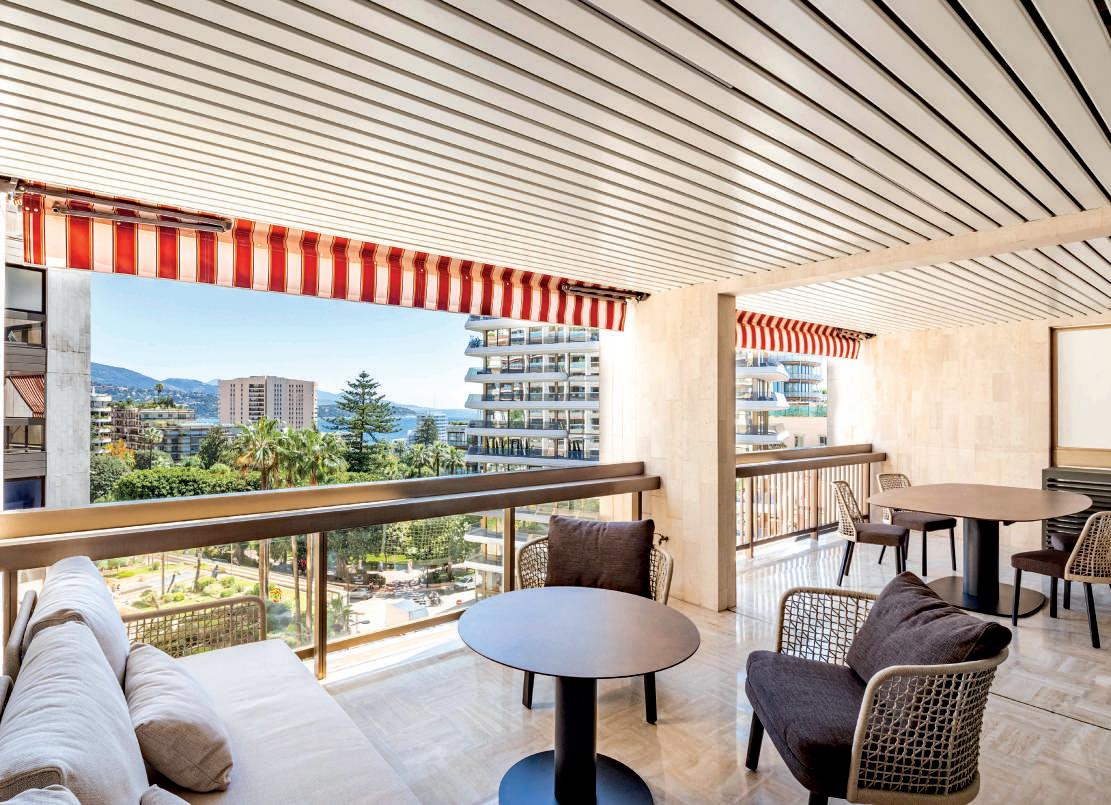
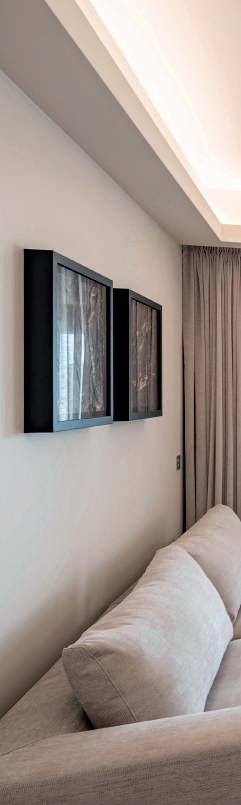
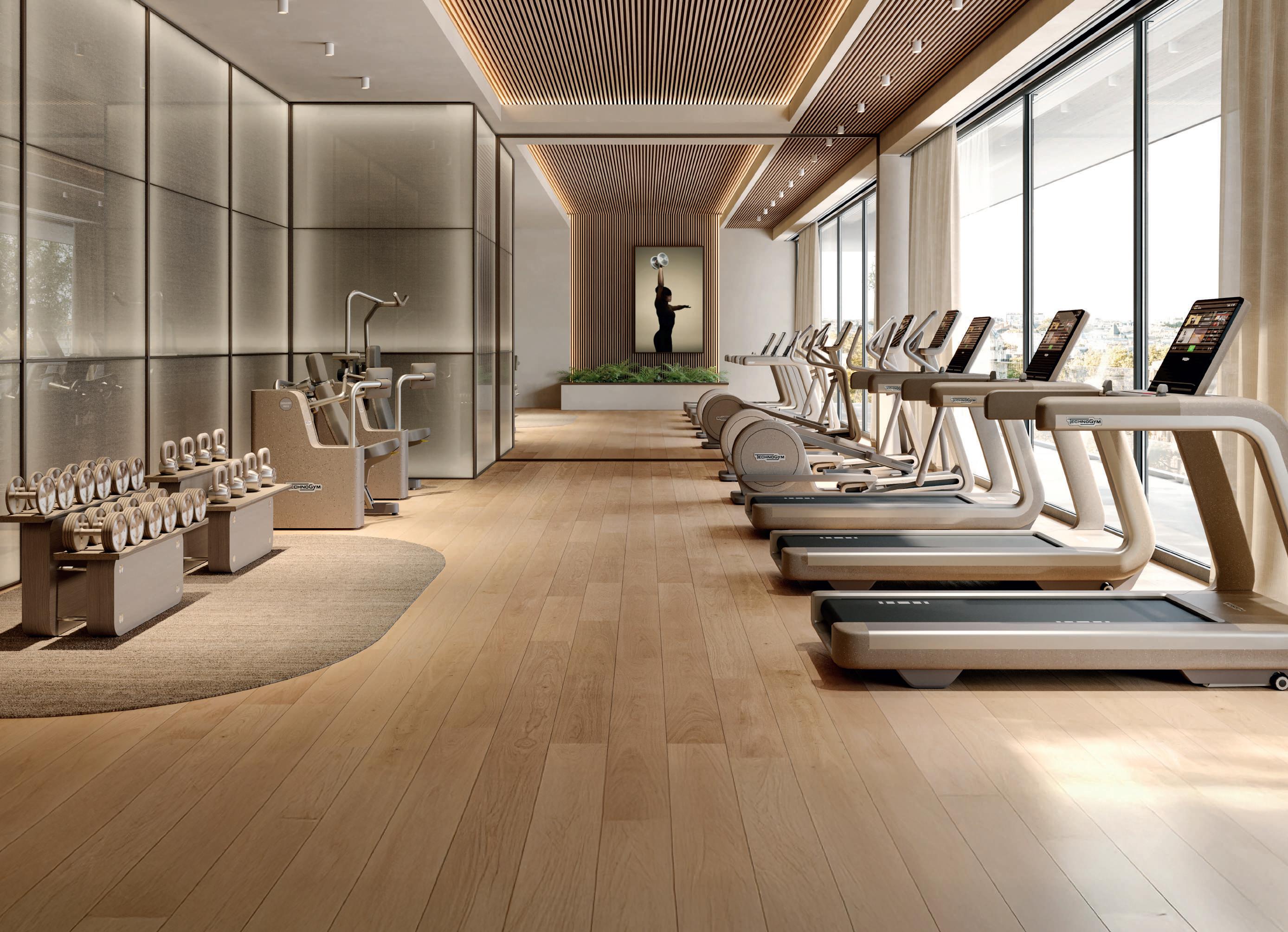
At the heart of the prestigious Carré d’Or district, this exceptional apartment is set within a luxury residence offering premium amenities including 24/7 concierge service, an indoor swimming pool and a fully equipped fitness centre. Entirely renovated using refined, carefully selected materials, this outstanding property captivates with its elegant, contemporary and welcoming atmosphere. Spacious and filled with natural light, it enjoys breathtaking views over the Casino gardens, enhanced by a beautiful sea view from its terrace.
Available immediately - Exclusive listing by La Costa Properties Monaco
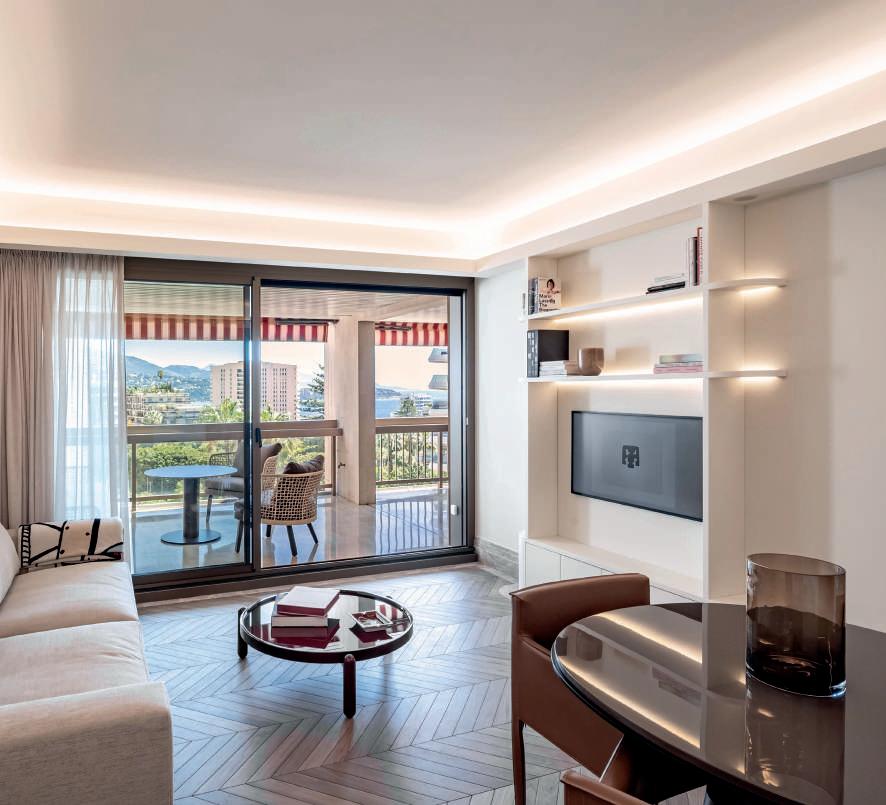
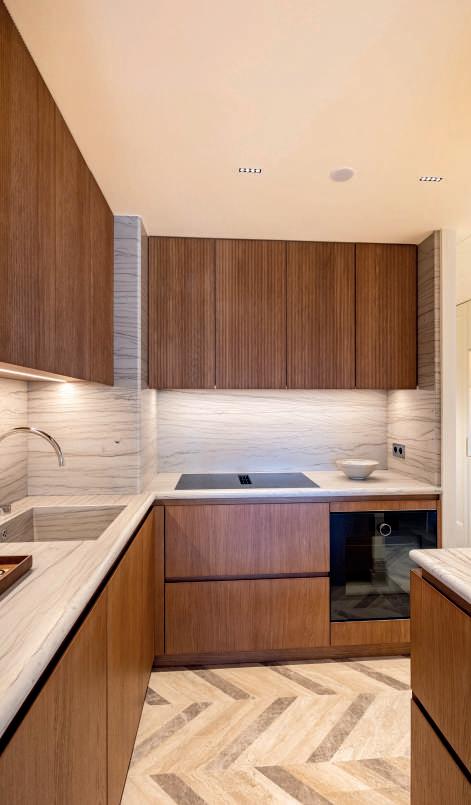
Meticulously redesigned throughout, the layout has been thoughtfully optimised to create harmonious living spaces combining comfort, fluidity and functionality. The apartment features a living room, a fully equipped kitchen, a spacious bedroom, a bathroom, guest toilets and a large terrace - a true outdoor extension ideal for embracing the Monaco lifestyle. A discreet and highly sought-after address combining prestige, serenity and an exceptional location a rare opportunity in the heart of Monaco.
by Andrea Dini
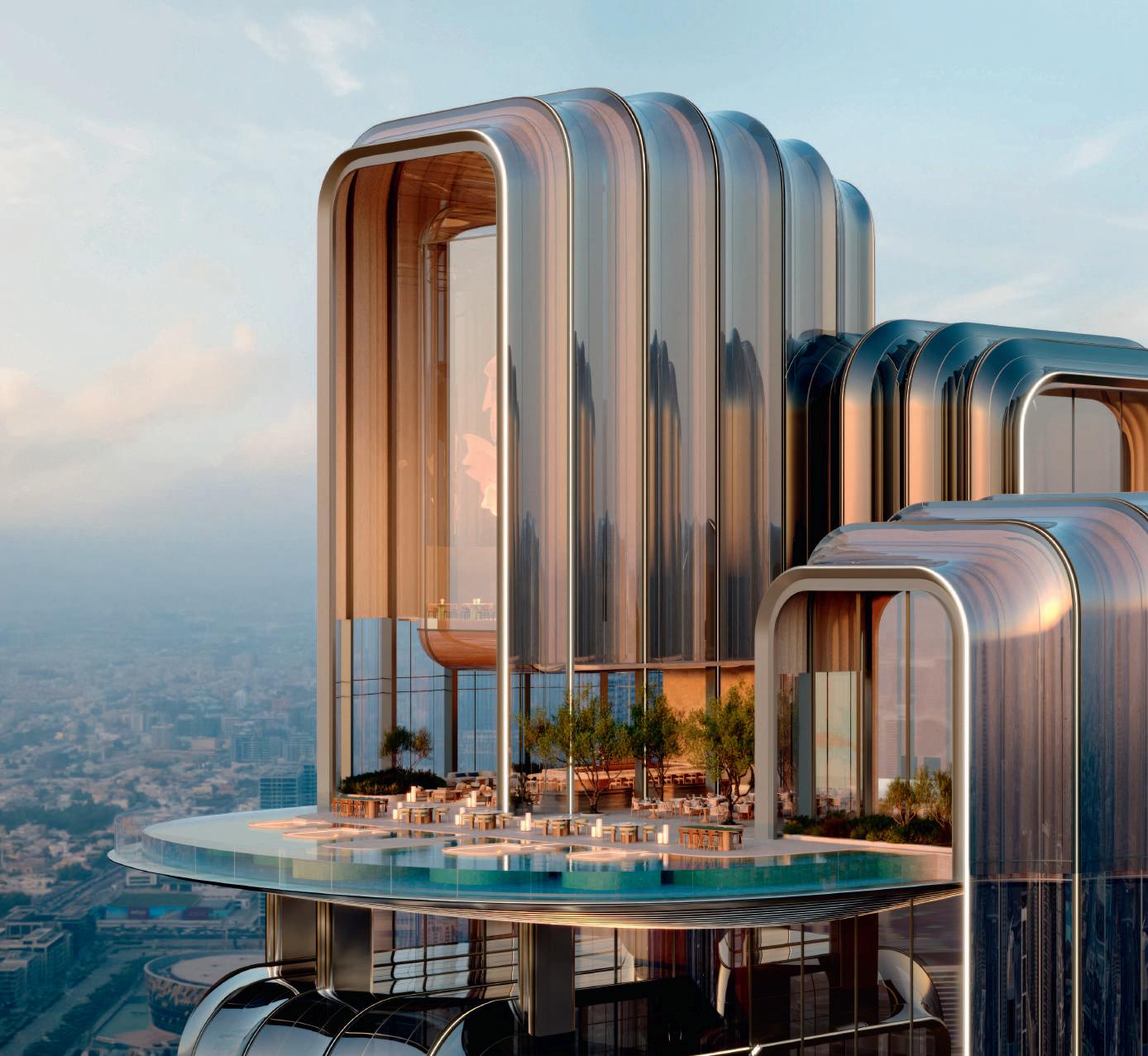
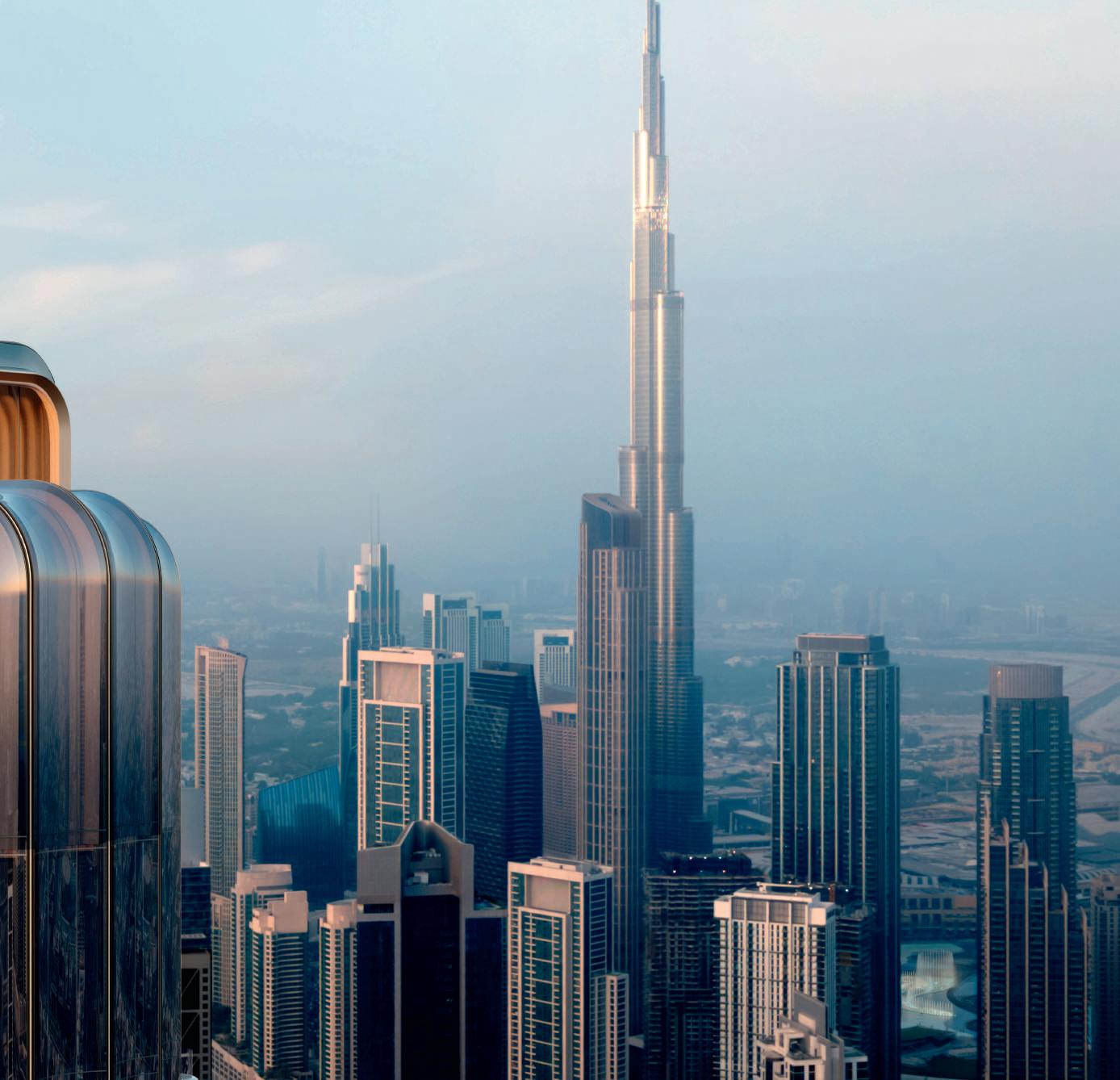
There are cities that grow, and cities that transform. Dubai belongs to neither category - it accelerates. In less than a decade, it has repositioned itself as the world's most compelling destination for high-net-worth individuals, visionary investors, and ambitious families who have decided that living well is no longer a compromise.
THE NUMBERS THAT CHANGED THE CONVERSATION
Henley & Partners' data tells a story that few European capitals want to hear. Dubai is now home to 81,200 millionaires - a figure that has doubled in a decade, marking a 102% increase. In 2025 alone, 9,800 high-net-worth individuals relocated to the emirate, bringing with them an estimated €54 billion in capital. These are not part-time residents with a secondary property in mind. These are people who made a permanent decision.
The real estate market reflects that conviction with precision.
Freehold apartments enter at €2,700 per square metre, while prime addresses - Downtown Dubai, Palm Jumeirah, Business Bay - trade between €5,000 and €10,000 per square metre, following an 18% year-on-year appreciation. For incomefocused investors, the arithmetic is equally persuasive: residential properties generate gross rental yields averaging 6.76%, while Grade-A offices in DIFC and Business Bay deliver between 7% and 9% - performance figures that sovereign bonds and most European property markets have not matched in years.
Commercial momentum runs at a comparable pace. In 2025,
over 71,800 new companies registered in Dubai, fuelling demand for premium workspace and tightening supply across the city's most sought-after business corridors. This is an economy in expansion, not consolidation.
The numbers grow more compelling when taxation enters the equation. Dubai levies zero personal income tax, zero capital gains tax, and zero inheritance tax. For those generating corporate revenue, the framework is measured: a flat 9% corporate tax applies only above €87,400 in annual profitbelow that threshold, the rate is zero.
For European investors accustomed to marginal rates that can exceed 50%, this is not simply an advantage. It is a structural difference. Returns that would be materially eroded elsewhere
are preserved in full, and the compounding effect over a five- or ten-year horizon is considerable.
RESIDENCY: FROM DECISION TO DOCUMENT IN A FORTNIGHT
The UAE Golden Visa programme adds a final, decisive argument. A property acquisition of €466,000 or above qualifies the buyer - and their entire family - for a 10-year renewable residency visa, with issuance typically completed within two weeks. Few comparable programmes anywhere in the world operate at that speed.
From April 2026, access broadens further: a renewable twoyear residency becomes available with no minimum property investment required. The barrier to entry, already accessible by international standards, has been lowered again.
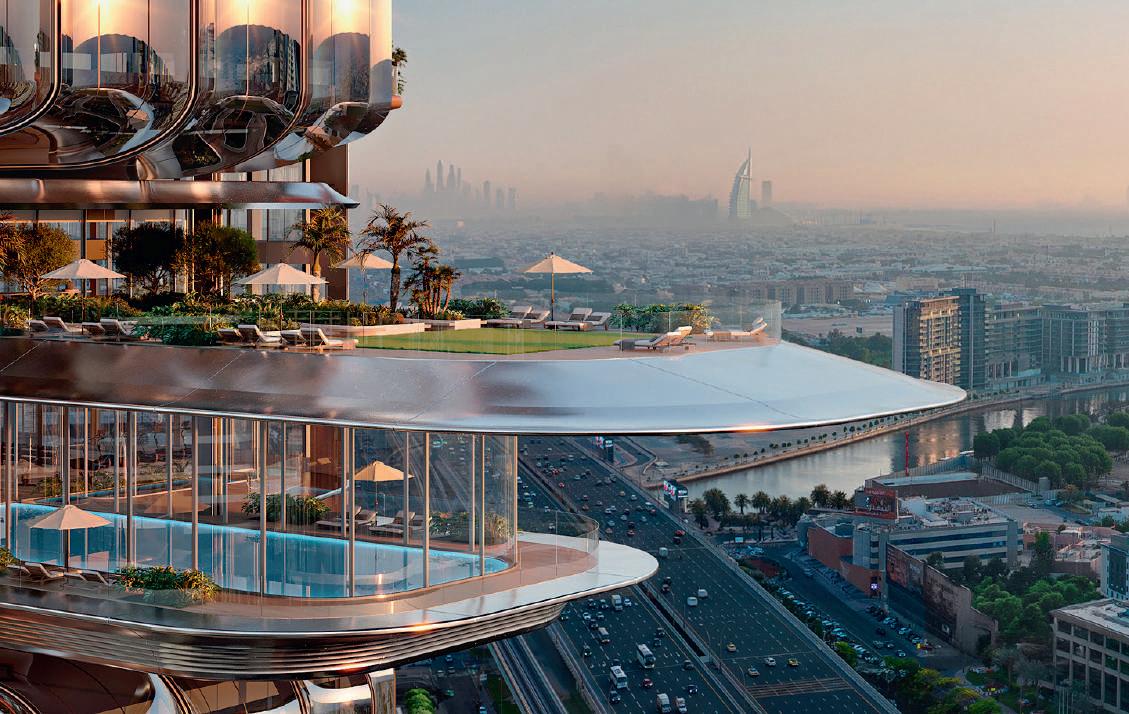
ALCENZA PROPERTIES:
THE ARCHITECTURE BEHIND THE TRANSACTION
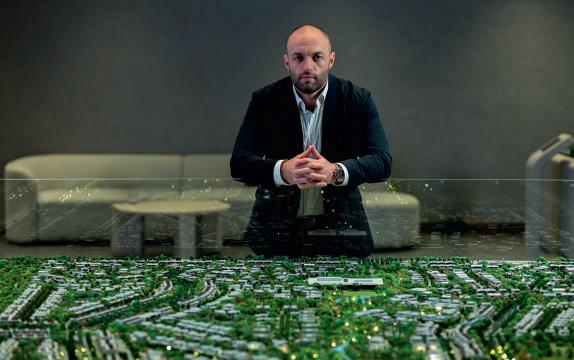
Understanding a market and navigating it with precision are two different things. This is where Alcenza Properties operates - not as a conventional broker, but as a fully integrated partner across every stage of the client journey.
With over 15 years of international expertise and more than €1 billion transacted in the past two years, Alcenza has built a track record measured in outcomes rather than intentions. Their model is deliberately comprehensive: property acquisition, company formation, banking setup, residency applications, tax planning, school selection, and full relocation coordination - managed through a single point of contact, without the client needing to chase a dozen different providers.
Developer relationships place Alcenza among the most wellconnected agencies in the market. The firm holds preferredpartner status with the UAE's most prestigious names: ranked #7 EMAAR Partner in H1 2025, placed in the Top 10 EMAAR Partners for 2025 overall, and ranked #5 with both Meraas and Nakheel. Off-market allocations from these developersinventory that never reaches the open market - are among the
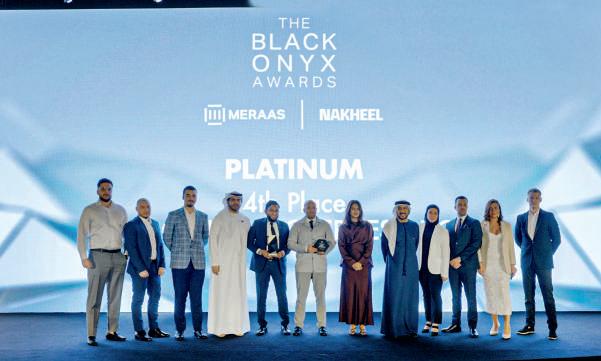
exclusive advantages Alcenza extends to qualifying clients. The agency's standing has also been recognised beyond developer league tables: Alcenza Properties received an award at The Black Onyx Awards, confirming its position among the UAE's elite real estate operators.
A 98% client satisfaction rate reflects an approach that prioritises the depth of service over the volume of transactions.
ONE CALL. EVERYTHING IN PLACE.
CEO Amirans Kavtaradze frames the Alcenza philosophy with characteristic directness: "Our clients come with an ambition and leave with everything in place. No paperwork, no chasing, no headaches - we take care of it all."
In practice, this means a client can arrive in Dubai with a clear investment objective and, within weeks, hold property keys, a valid residency visa, a registered company, and an active bank account. Alcenza manages the sequencing, the documentation, the developer negotiations, and the administrative landscape - so that clients can focus entirely on what brought them there in the first place.
The agency's mortgage division adds a further dimension: flexible financing solutions covering primary purchases, refinancing, and investment property acquisition, structured
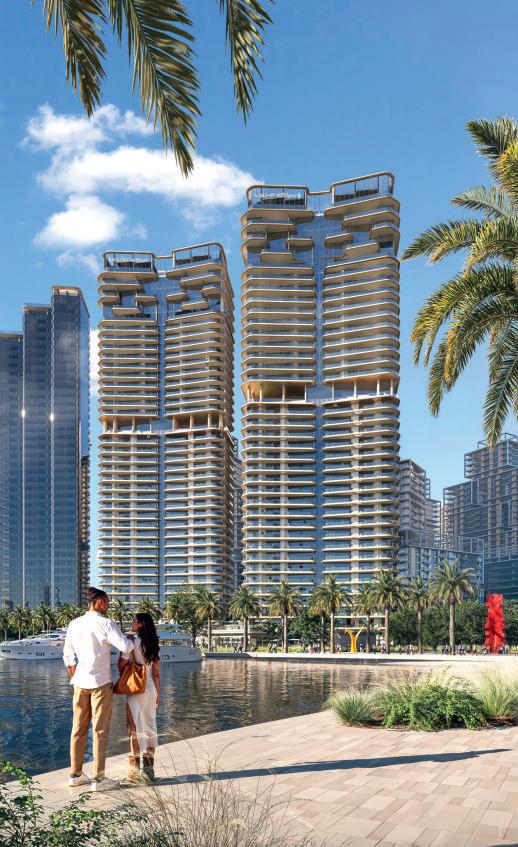
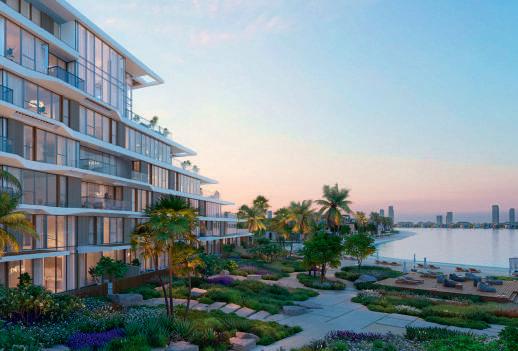
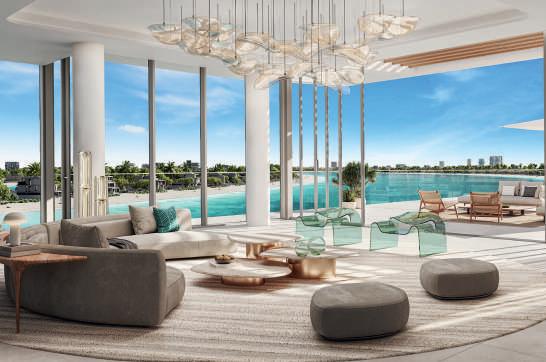
around a digital-first approach that accelerates approvals without sacrificing precision.
THE RIGHT PARTNER FOR AN EXCEPTIONAL MARKET Dubai will not decelerate. The infrastructure investment, the regulatory clarity, and the sustained demand from international capital continue to move in one direction.
For investors and families weighing the move - whether the objective is yield, lifestyle, or long-term wealth preservation - the question is no longer whether Dubai makes sense. It is who will guide them through it with the experience and connections that turn ambition into results.
Alcenza Properties offers one answer: fifteen years of expertise, a billion euros of proven performance, and the full-service capacity to handle everything from the first conversation to the final signature.
Alcenza Properties - Dubai, UAE info@alcenza.ae | +971 58 234 53 59
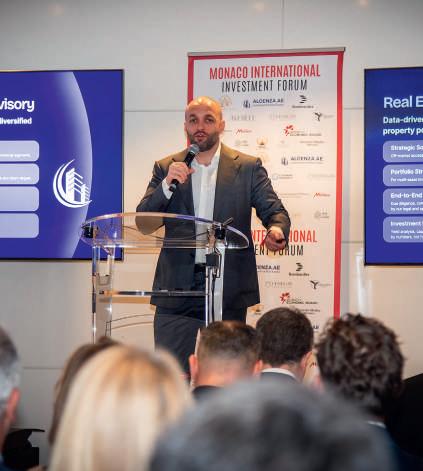
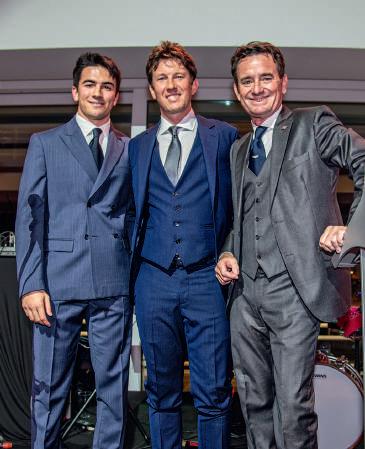
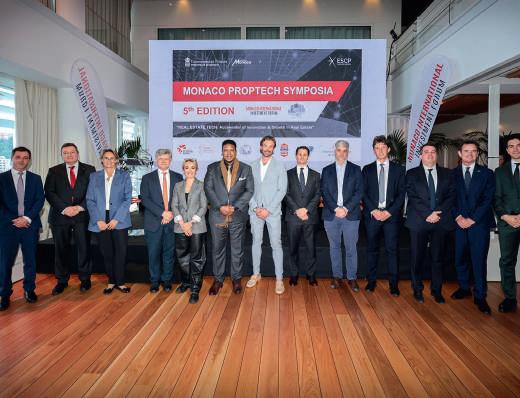
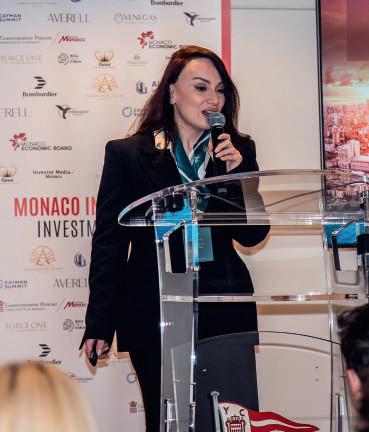
The Monaco International Investment Forum (MIIF) successfully hosted its 5th edition on 18th and 19th of March 2026, at the prestigious Yacht Club de Monaco, welcoming over 600 guests, including investors, family office representatives, industry leaders, UHNWIs and VHNWIs, entrepreneurs, and innovators from around the world.
Over two dynamic days, MIIF further reinforced its reputation as a premier platform for global investment, meaningful dialogue, and international networking. This year’s edition marked a significant increase in scale and visibility, also thanks to the partnership with The Interministerial Delegation in Charge of Digital Transition of the Government of the Principality of Monaco, confirming the forum’s growing relevance within Monaco’s investment and innovation ecosystem.
The MIIF unfolded over two full days of activities. The forum opened on 17th of March with a welcome cocktail for
sponsors and partners at the stunning Bombardier Aviator Lounge. On the first day, the forum focused on business activities, giving exhibitors the opportunity to engage directly with investors at their private booths and present their products and services to attendees. A major highlight of the day was the high calibre of participating companies and the quality of investors attending from around the world. Day 1 also featured the MIIF 2026 Gala Dinner, which took place in the Yacht Club de Monaco ballroom and brought together guests in an exclusive setting supported by outstanding sponsors including Alcenza Properties,
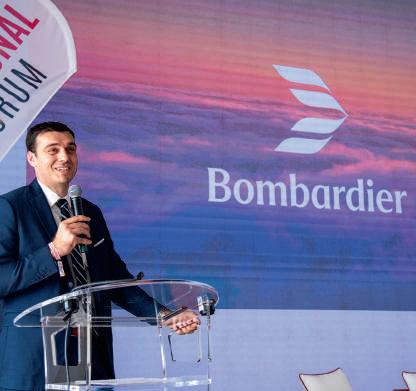
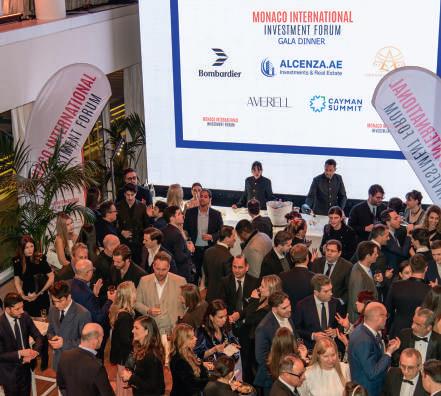
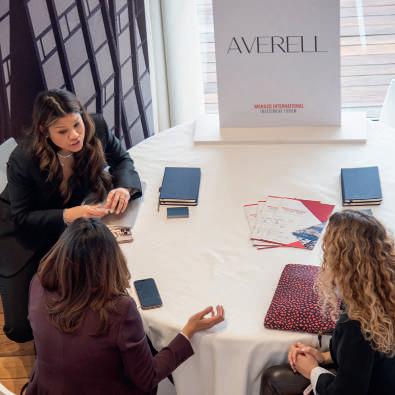
Ambassadori Island Batumi, Averell, Bombardier, and Cayman Island Summit.
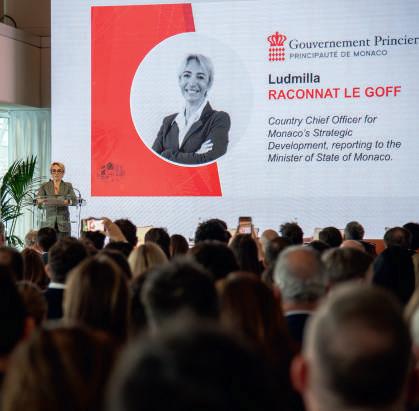
On Day 2, the first part was dedicated to panel and keynote sessions covering highly relevant topics such as family office investing, digital transformation in practice, the new landscapes of real estate investment, data security, and defense. In the second part of the day the 5th Monaco PropTech Symposia took place, held by The Interministerial Delegation in Charge of Digital Transition of the Government of the Principality of Monaco, further underlining the importance of innovation and digital transformation in shaping the future of investment and economic development. MIIF 2026 also had the pleasure of welcoming Madame Ludmilla Raconnat Le Goff, Delegate for Monaco’s Strategic Development, who joined the audience and
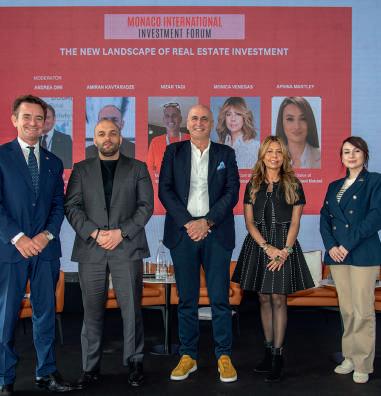
delivered a speech during the event.
MIIF 2026 also welcomed more than 50 family offices, for whom a dedicated invitation-only breakfast was organized on 17th of March, offering a high-level setting for targeted exchange and relationship building ahead of the main forum. With yet another remarkable edition concluded, MIIF continues to strengthen Monaco’s position as a global hub for investment excellence, strategic dialogue, and international collaboration. Looking ahead, the forum remains committed to shaping the next era of investment innovation by connecting capital, ideas, institutions, and opportunities across borders.
As announced during the event, MIIF will hold its second edition in Dubai on 18th of November 2026, while the 6th edition in Monaco is scheduled for March 2027.
In Italian, "zia" means aunt. Not the formal kind. The other kind - the one who insists you eat more, who fills the table before you've even sat down, who makes you feel that the afternoon has nowhere better to be than right here.
It is a deliberate choice of name, and at Zia at Odyssey, it sets the tone for everything that follows.
Beside the pool designed by Karl Lagerfeld, within the elegant and discreet grounds of the Hôtel Métropole Monte-Carlo, Zia at Odyssey returned on 20th April 2026 - and at this point, its arrival each spring has become something Monaco's food lovers quietly count on.
The concept, conceived and led by Manon Santini and Rocco Seminara, runs from April to October, and the talented duo have built something that feels increasingly rare in a city of high-polish dining: a place that actually wants you to relax.
The new menu is contemporary Italian - bright, generous, unfolding from breakfast to dinner. It moves across the day with the ease of a long Italian Sunday, never rushed, always with something worth lingering over.
Mornings begin with what the menu calls Zia Colazione - a proper Italian breakfast. A crisp sfogliatella filled with vanilla cream and strawberries, a hazelnut biscuit with a molten milk chocolate centre, or a delicate parmigiano reggiano DOP soufflé, elevated with truffle or Kristal caviar according to mood. It is the sort of breakfast that makes checking your phone feel like a waste of a good morning.
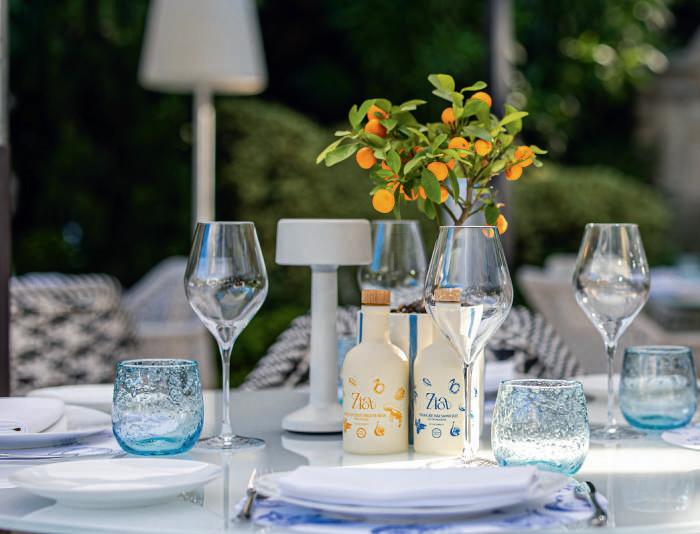
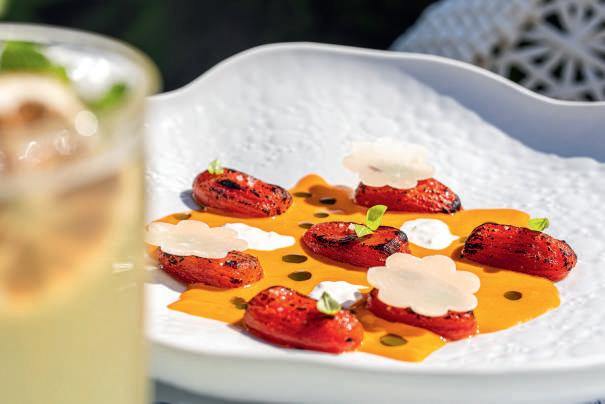
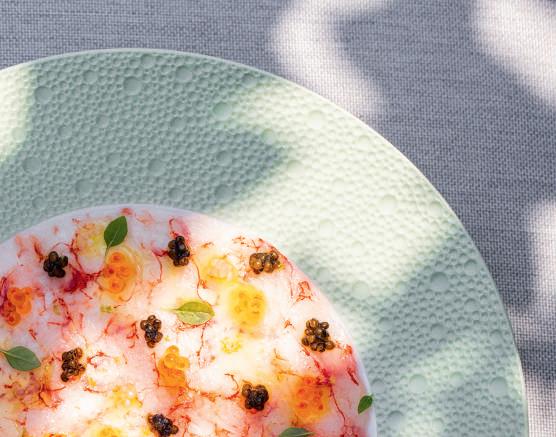
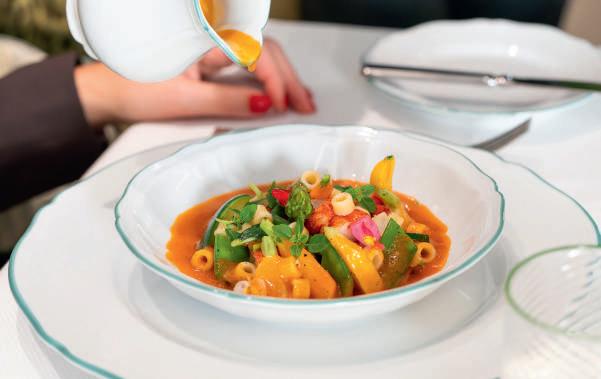
At lunch, the menu turns to frank, sun-drenched Mediterranean flavours: raw amberjack with Sorrento confit lemon and smoked olive oil, capocollo with Puglian tomato sauce and 'nduja, roasted sea bass with puttanesca and gremolata.Dishes that taste like they come from somewhere, not from a concept. And then there is the pizza - light, airy, properly done - which has quietly earned its reputation as the finest in the Principality. At Zia at Odissey, it arrives without ceremony and disappears at much the same speed.
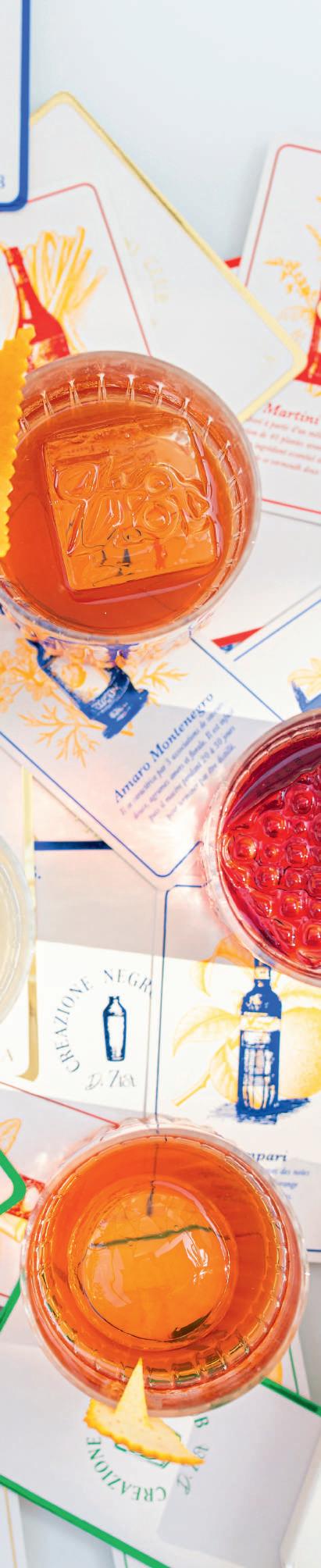
Come evening, the aperitivo hour takes hold around the shimmering pool. The music builds gradually, the energy shifts, and at the centre of it all: the Negroni Club. The idea is beautifully simple - guests draw illustrated cards from three categories, gin, bitter, vermouth and aromatic, and compose their own personalised negroni.
The combinations are effectively limitless. Alongside this, Santini and Seminara have developed five signature recipes: a smoky Mezcal Negroni, a fresh and herbal Verde, and the subtly spiced Rosa Negroni. It is the kind of ritual that turns a drink into an event.
Dinner, launching 27th May and running Wednesday to Sunday, unfolds beneath a starred Monte-Carlo skyantipasti giving way to plates of pulling provolone with aged capocollo, pappa al pomodoro with Sardinian bottarga, and the inevitable, irresistible pizzette.
Zia does not ask you to be impressed. She simply pulls up a chair, pours something cold, and tells you to stay a while. In Monaco, that is quietly revolutionary.
April. Dinner from 27th May. Last service: 27th September.
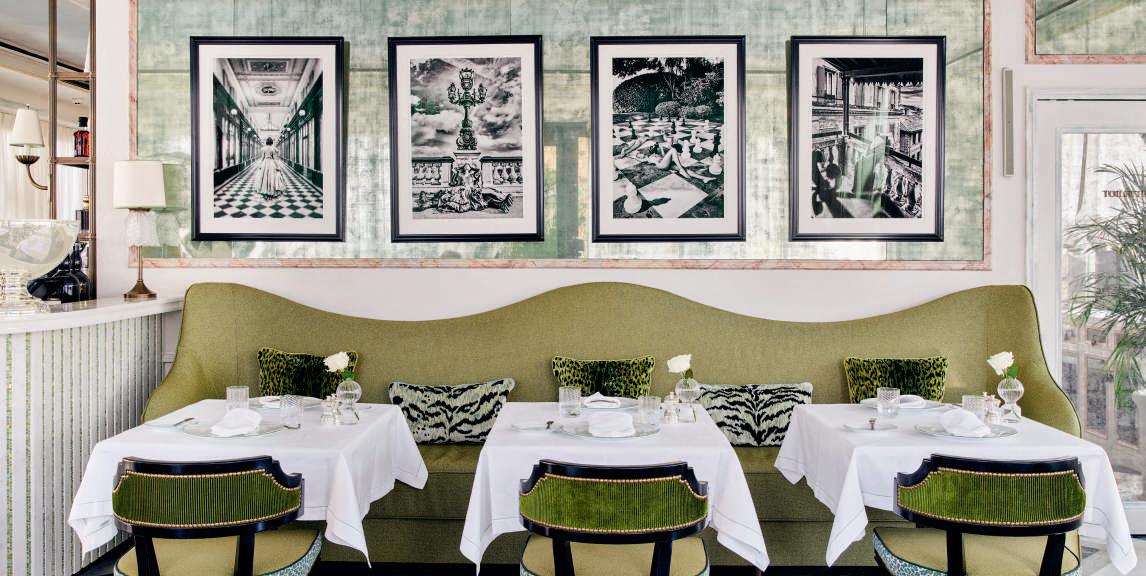
There are evenings in Monaco when everything feels inevitable.
The harbour quiet, the hills lit gold, the sense that this small Principality - one of the world's tiniest nations - somehow contains more excellence per square metre than almost anywhere else on earth.
On one such evening, at the Grimaldi Forum, Robuchon Monaco received its first Michelin star.
It is the fourteenth star to join Monaco's culinary constellation. A remarkable figure for a country of this scale, and a clear signal that the Principality has long since ceased to be merely a backdrop for glamour - it is a serious gastronomic destination in its own right.
The Robuchon name carries extraordinary weight in this world. Joël Robuchon was the most starred chef in culinary history, but what those who knew him remember most is not the trophies. It is the warmth. A man genuinely delighted by the act of cooking and by the pleasure it gave others - precise and demanding in the kitchen, yes, but never cold. His legacy is one of rigour in service of joy, and that balance is not easy to inherit.
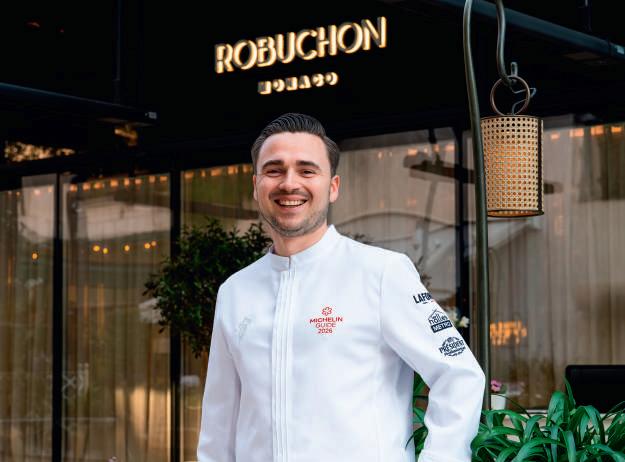
At Esplanade du Portier, it falls to Chef Jonathan Larrieu to carry it forward. Leading his team with commitment and consistency since opening day, Larrieu has approached his role with the quiet seriousness of someone who understands what the name above the door means. "This star crowns a strong ambition: to make the Robuchon name shine
by Maurizio DiMaggio
again in Monte-Carlo," he said upon receiving the distinction. "It rewards a project driven every day by exigence and passion." There is no performance in those words - only the straightforward pride of a chef who has done the work.
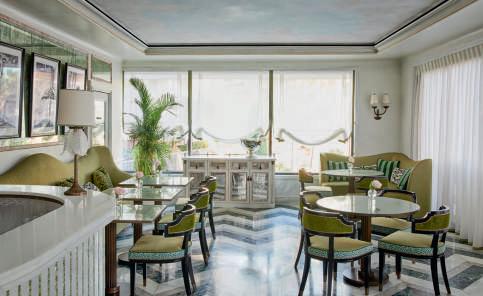
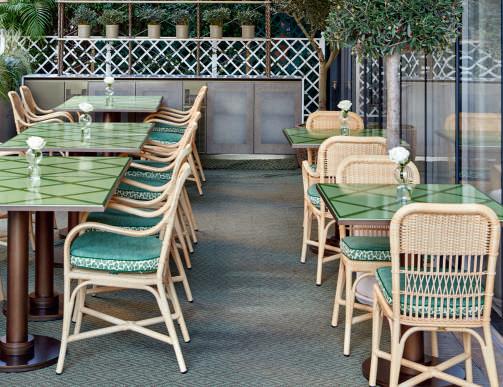
The work, in this case, was set in motion by Manal Arman. An entrepreneur with a perfectionist's eye and an instinctive fluency in the codes of luxury, Arman conceived an ambitious project from the outset: three distinct dining concepts at the heart of Monte-Carlo, developed in collaboration with renowned designer and interior architect Francis Sultana. The goal was nothing modest - a genuine reimagining of haute gastronomie in the Principality, where contemporary sensibility meets the deep precision of French culinary tradition. This Michelin
star is, in many respects, the clearest proof that the vision has become reality.
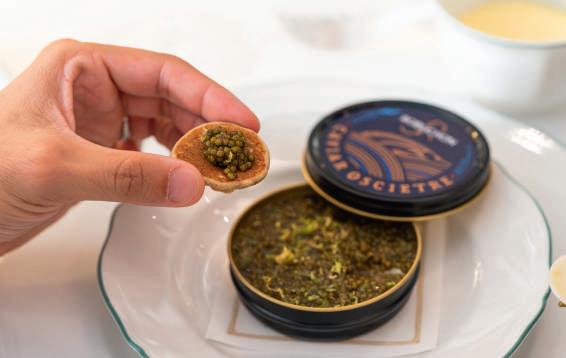
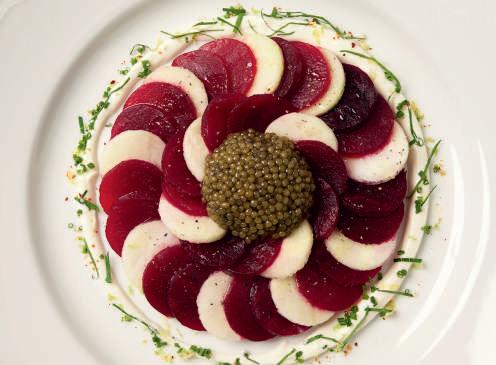
At Robuchon Monaco, the details are everything. From ingredient selection to plating, each element is considered. The cuisine honours the essence of classic French cooking while moving it forwardnot through provocation, but through care. It is a restaurant that takes its responsibilities seriously: to its heritage, to its guests, and to a Principality that has staked a genuine claim among Europe's finest culinary destinations.
Joël Robuchon once said that cooking was above all a gift. At Robuchon Monaco, that gift - meticulous, warm, and entirely without shortcuts - is very much alive and evolving.
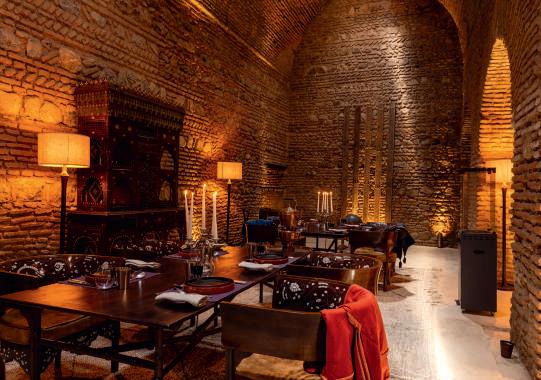
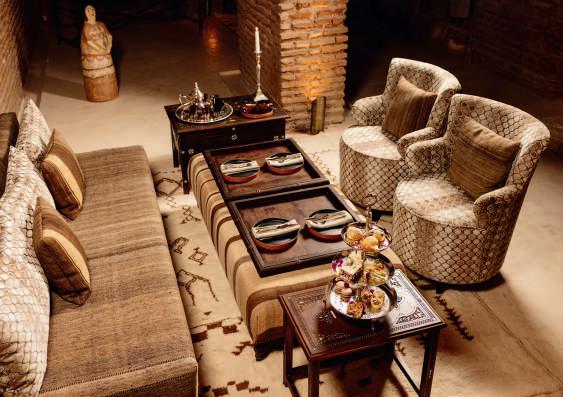
Hidden within the winding alleys of the Medina, where lanterns glow against ancient walls and the scent of spices drifts through the evening air, Almisbah offers far more than a simple dinner. It is a place where Marrakech reveals its quieter soul, inviting travellers to pause, breathe, and savour the rhythm of the city.
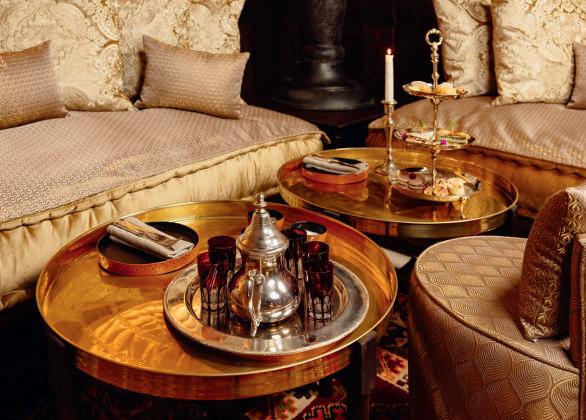
The restaurant blends Moroccan tradition with refined hospitality, creating an atmosphere that feels both intimate and timeless. Guests are welcomed with warm smiles, delicate mint tea, and the gentle sound of conversation rising beneath carved wooden ceilings. Every detail, from the textured fabrics to the flicker of candlelight, reflects the elegance of Moroccan craftsmanship.
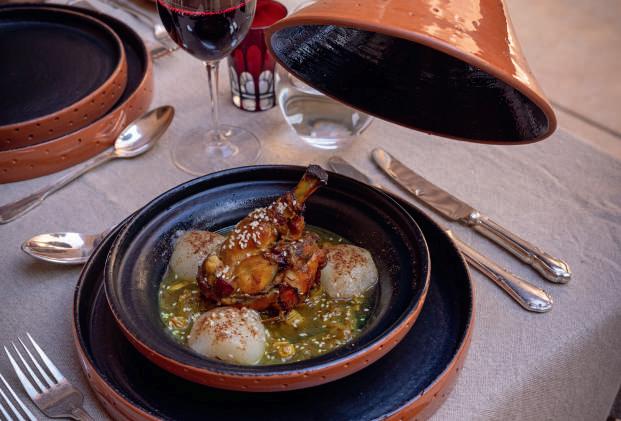
The menu celebrates the richness of local cuisine while embracing a contemporary sensibility. Fragrant tagines arrive at the table slowly simmered with spices, tender meats, and seasonal vegetables. Freshly baked bread, colourful salads, and subtle desserts scented with orange blossom complete an experience designed for lingering evenings rather than hurried meals. Each dish carries the memory of the souks nearby, where traders, storytellers, and artisans have animated the Medina for centuries.
Yet what makes Almisbah truly memorable is its setting within Marrakech itself. Beyond the restaurant doors, the city hums with life: hidden courtyards, distant calls to prayer, and narrow passages illuminated by hanging lamps. Dining here feels like stepping into a living tale, suspended between history and modern luxury.
As night settles over the ochre rooftops, Almisbah becomes more than a restaurant. It becomes a moment of calm in the heart of the Medina, where flavours, music, and atmosphere merge into something unforgettable, leaving visitors with the sensation that Marrakech will continue to linger long after the journey has ended.
Whether shared between friends after a day exploring the labyrinthine streets, or discovered during a romantic evening beneath the stars, every visit carries a sense of occasion. In a city celebrated for spectacle and colour, Almisbah succeeds in offering something increasingly rare: authenticity, serenity, and the simple pleasure of feeling entirely present in the moment at once.
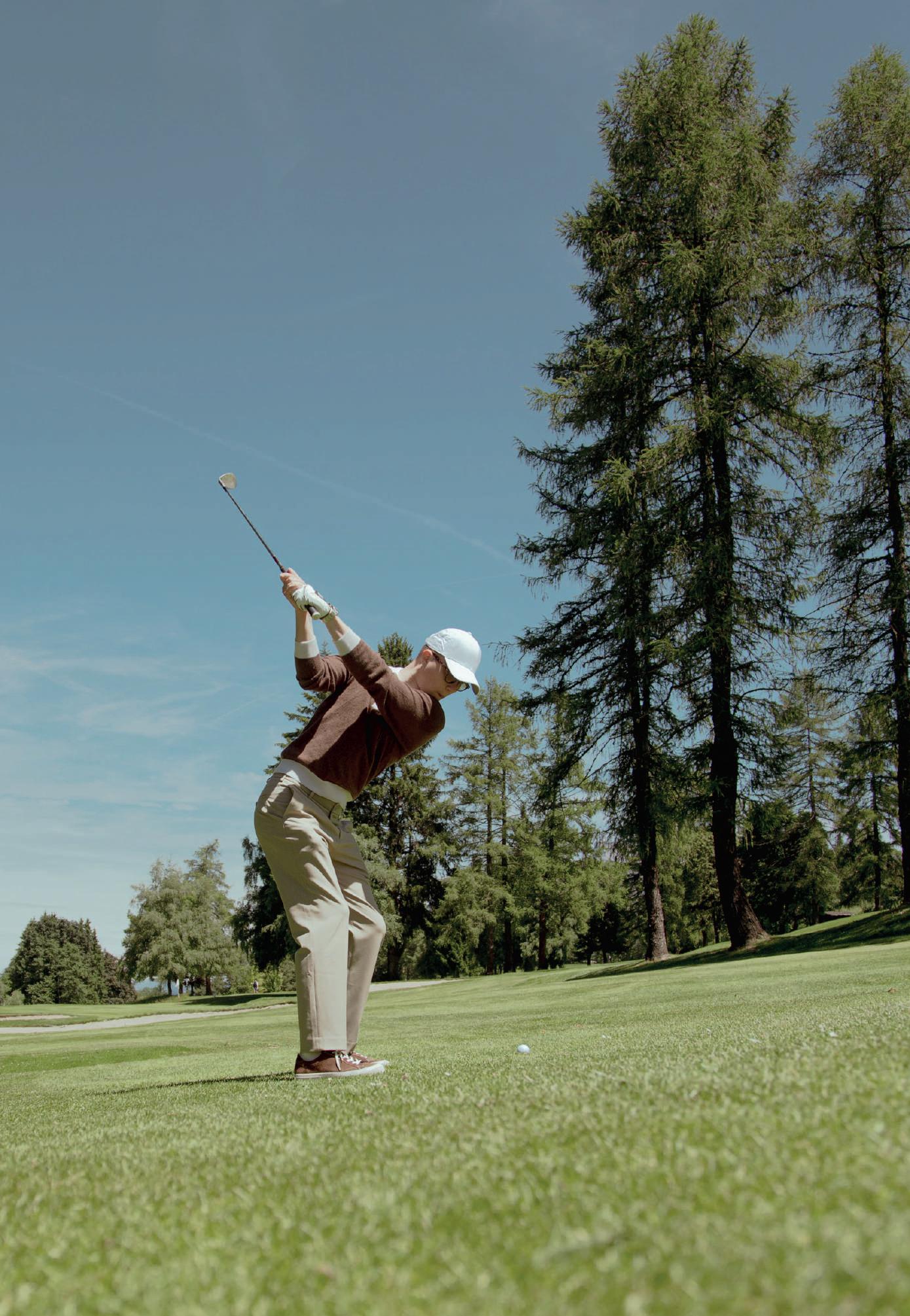
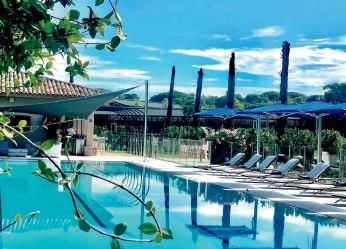
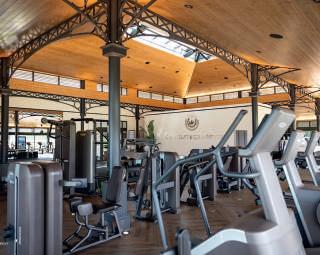
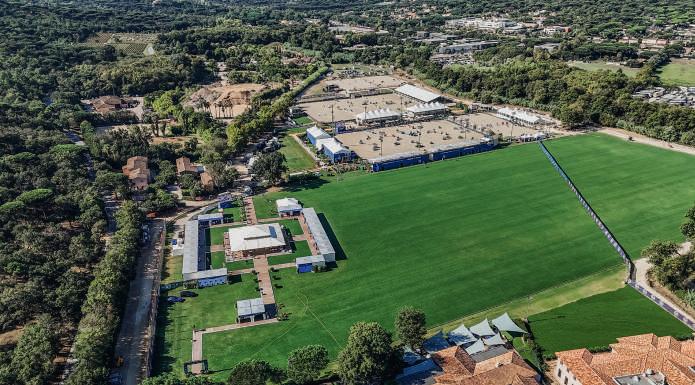
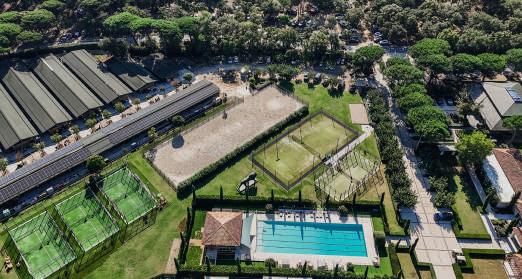
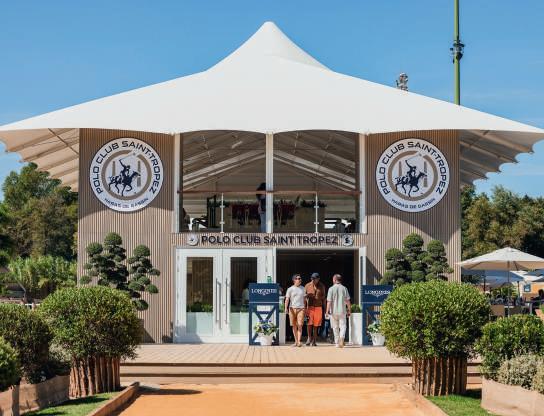
We are delighted to present the 2026 competition calendar of Polo Club Saint-Tropez – Haras de Gassin, where world-class equestrian sport, Riviera elegance and refined lifestyle experiences unite throughout the season.
POLO RESORT & COUNTRY CLUB
In 2018, the club opened a new chapter in its history with the creation of the exclusive Polo Resort & Country Club concept. Ranked among the largest and most prestigious in Europe, it has rapidly become a leading destination for international equestrian sports enthusiasts.
Set within a private and secure 100-hectare estate, the Polo Resort & Country Club offers a true escape while providing its members with a vibrant lifestyle throughout the year.
Designed as a place for connection, relaxation and discovery, the Country Club features premium services and facilities including a wellness area, sauna, hammam, cryotherapy, fitness centre, tennis and padel courts, heated swimming pool with pool bar, restaurant and equestrian stables.
POLO 1999 RESTAURANT - Open to All
Nestled within the Polo Club Saint-Tropez – Haras de Gassin, Polo 1999 offers a timeless gastronomic escape.
Set against an exceptional natural backdrop, our chef presents an inspired, local and contemporary cuisine. Here, gastronomy becomes an art of living, defined by elegance, authenticity and refinement.
polo-st-tropez.com
CSI 2026 Edition Across 12 Dates - Open to the public
Recognised as one of the leading international show-jumping venues on the French Riviera, the site will host twelve international competitions in 2026, ranging from CSI 1* to CSI 5*, including Young Horse (YH) and pony classes. Running from February through October, these events bring together professional and amateur riders, exhibitors, partners and an enthusiastic international audience.
Among the highlights of the season, the Longines League of Nations, taking place from 17 to 20 September 2026, stands as an exceptional event. Considered one of the world’s most prestigious show-jumping competitions, this stage marks a major milestone for the venue.
Hosting this qualifying round of the international circuit further strengthened the venue’s position in 2025 among the essential destinations of global show jumping, while contributing to the sporting and tourism influence of the region.
This CSI 5*, a true pinnacle of international show jumping, brings together the world’s ten leading nations and delivers an extraordinary spectacle to hundreds of spectators as well as a wide digital audience. The venue comes alive with elite-level competition, a unique atmosphere and world-class sporting performances.
This landmark edition marked a turning point for Polo Club Saint-Tropez – Haras de Gassin, confirming its status as a benchmark in international show jumping while enhancing the sporting and economic appeal of the region.
May: 28–31
June: 4–7
September: 17–21 & 24–27
October: 15–18 & 22–25
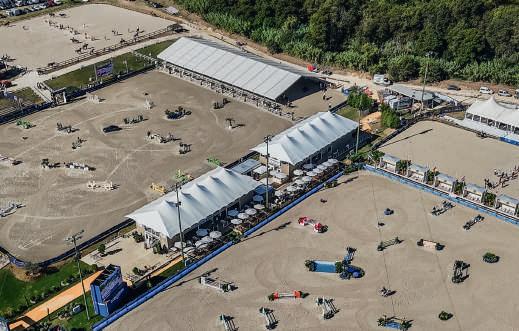
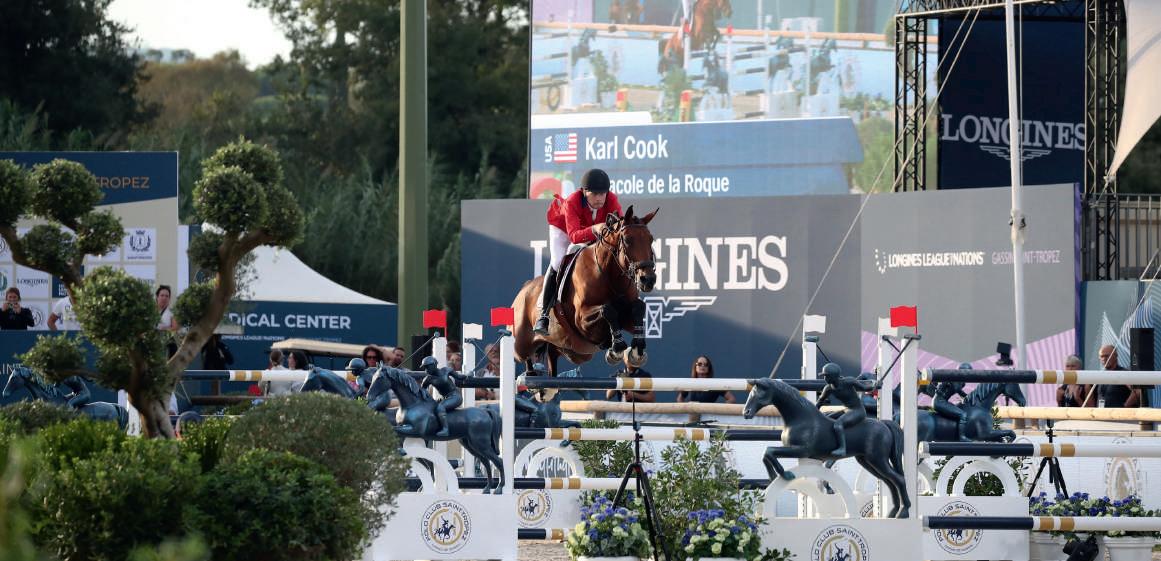
In its commitment to celebrating equestrian excellence, the club proudly brings together the world’s finest riders, offering a spectacular showcase of talent within its prestigious grounds.
Haras de Gassin – Polo Club Saint-Tropez: where elegance and sporting spirit blend seamlessly in a setting of sheer beauty…
Open to the public
MAY
7-10: Spring Cup (4–6 goals)
14-24: La Saga Challenge (4–6 goals)
28-31: Weekend Tournament (4–6 goals)
28 May-31: Women's Polo Series (8-12 goals)
JULY
2 -12: Open de Gassin (4–6 goals / 8–10 goals)
16-26: Ambassadors Cup (8-10 goals)
27-02 AUG: Polo Exhibition Week Practices (TBA)
JUNE
4-14: Gold Cup (4–6 goals) (8–10 goals)
8-28: Sun Trophy (4–6 goals) (8–10 goals)
AUGUST
6-16: Côte d’Azur Cup (8–10 goals / 14–16 goals)
20-29: Federations Cup (8–10 goals / 14–16 goals)
3-13: Open du Soleil (4–6 goals) 10-13: Women's Polo Series (12-14 goals)
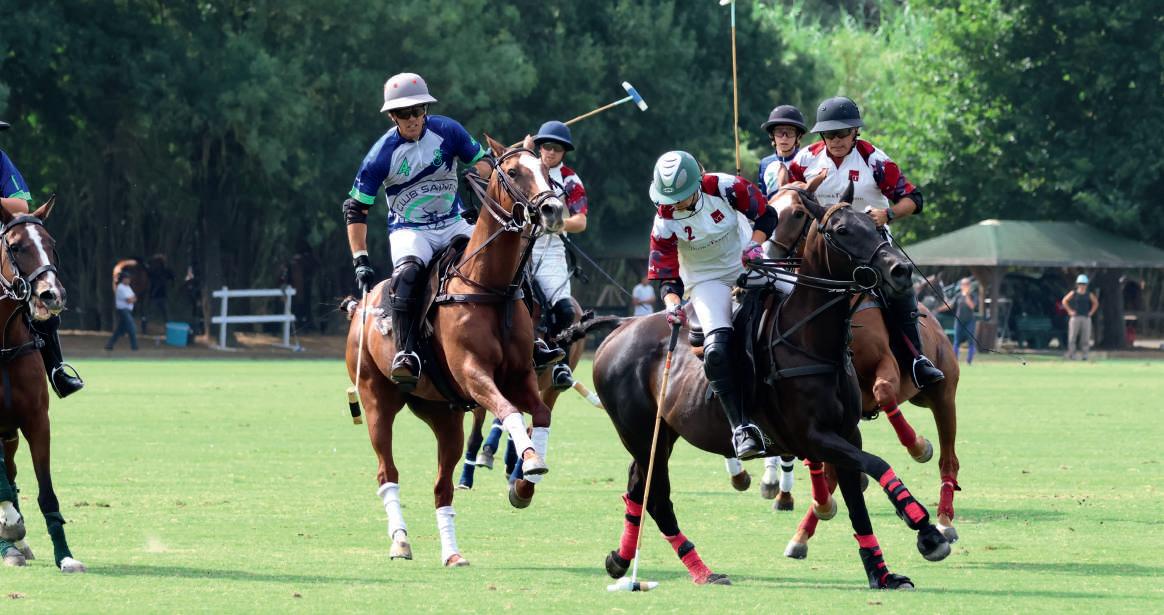
The club’s facilities remain open throughout the year, offering a perfect balance between sport and wellbeing. Its polo season, running from May to September, is recognised as one of Europe’s finest, particularly during the peak months of July and August. Throughout the season, the club hosts more than 170 matches, over 700 chukkers, more than 50 teams, 110 players and over 600 horses. Polo Club Saint-Tropez represents a prestigious institution where refined lifestyle and world-class sporting excellence come together in perfect harmony.
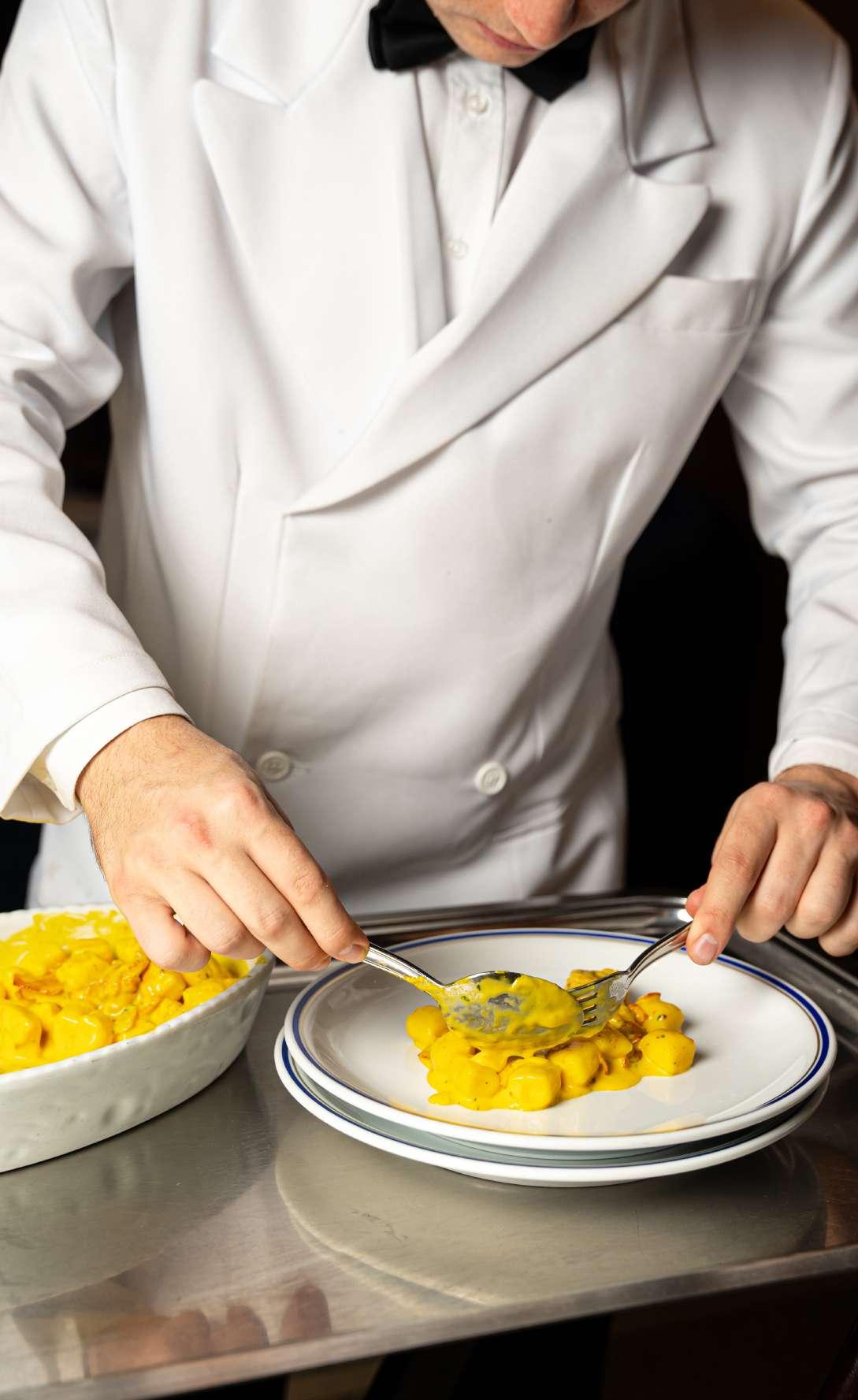
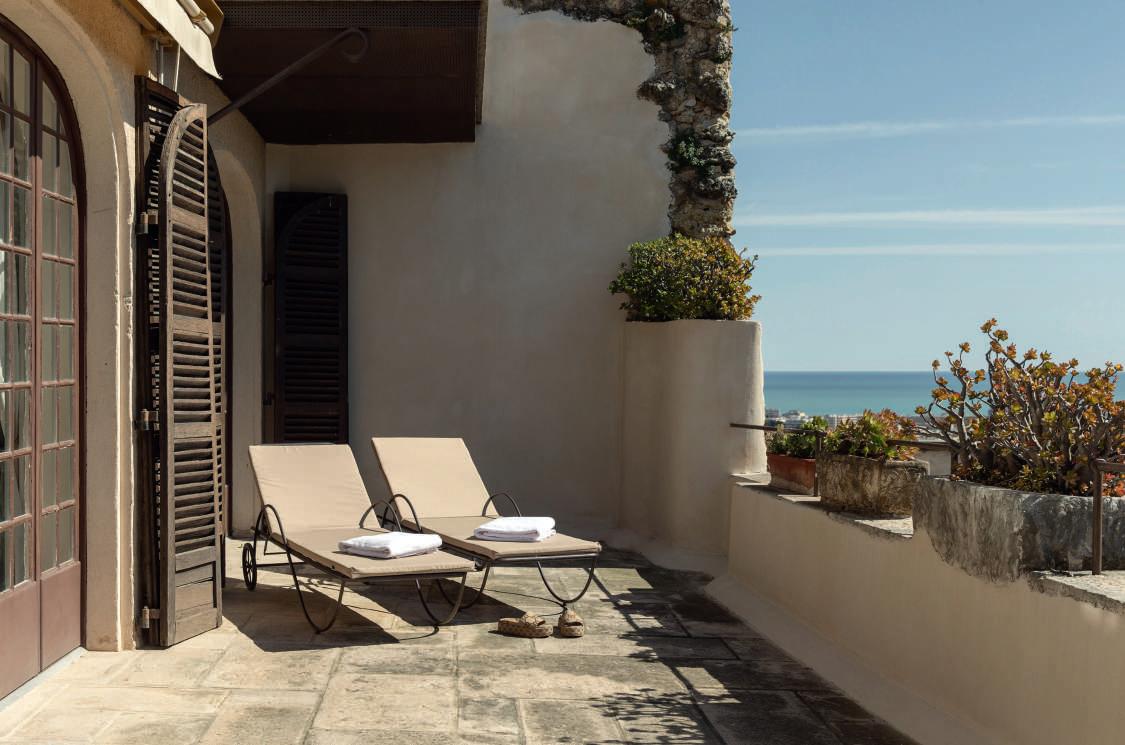
The hills above Cagnes-sur-Mer rise like a slow breath from the Mediterranean, where light dissolves into silence and the Riviera unfurls in a shimmer of blues and distant heat. Up here, suspended between sea and sky, Château Le Cagnard appears almost imagined at first glance, a stone-clad reverie clinging to the contours of the old village, as though it had grown naturally from the hillside itself.
A proud member of Small Luxury Hotels of the World, this boutique hideaway offers just 36 individually designed rooms, each one a quiet homage to art and history. No two are alike. Each bears the name of an artist whose spirit seems to linger in the textures, colours and carefully preserved details, turning every stay into something intimate, almost private in its sense of discovery. It is a place where time loosens its grip, and history does not sit behind glass but breathes through the walls. Above the Riviera, everything feels heightened: sound softened, colours deepened, emotions subtly amplified. Morning arrives through lace-thin curtains with the scent of stone warmed by sun; afternoons stretch lazily across terraces where the horizon feels close enough to touch.
In the restaurant, French culinary tradition meets Nordic elegance in a dialogue of restraint and purity. Beneath
hand-painted ceilings or on the terrace suspended above the coastline, breakfast unfolds in pale light, cocktails catch the afternoon sun, and dinners arrive as the sky slowly drains into twilight. The view is never an accessory here; it is the centrepiece, quietly commanding every moment.
The rooms themselves echo the landscape outside: Provençal warmth balanced with artistic minimalism, soft fabrics, muted tones, and windows that open onto an endless Riviera. The air carries jasmine, salt, and the memory of distant gardens.
Up here, above Cagnes, everything feels gently slowed, as if the world had agreed to pause just long enough for you to remember it.
54 rue Sous Barri - Cagnes-sur-Mer - France contact@lecagnard.com
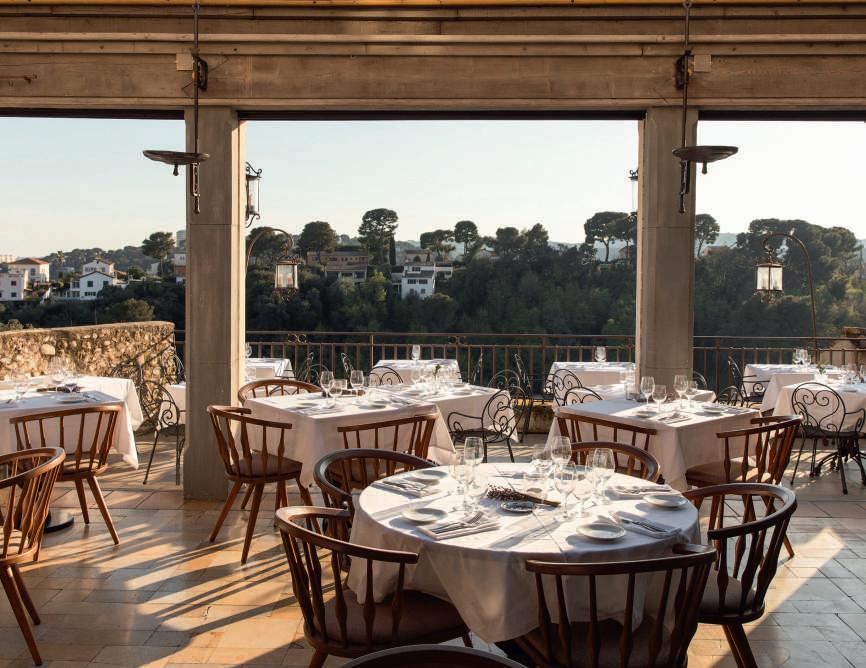
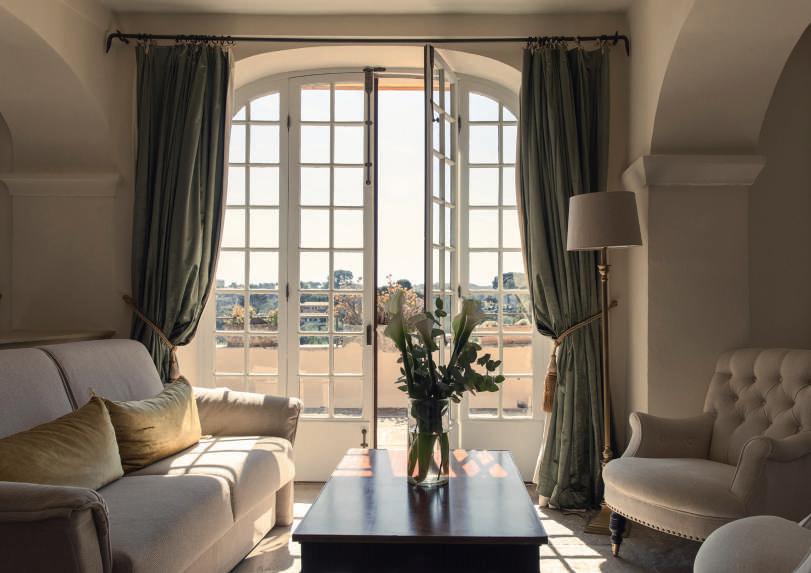
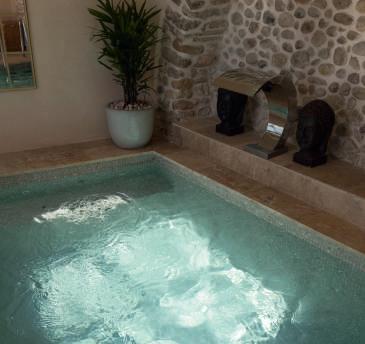
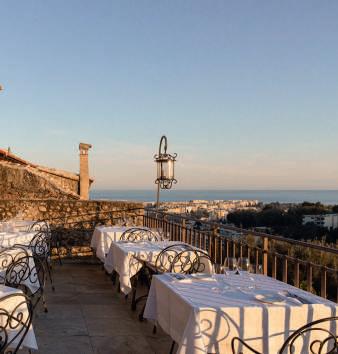
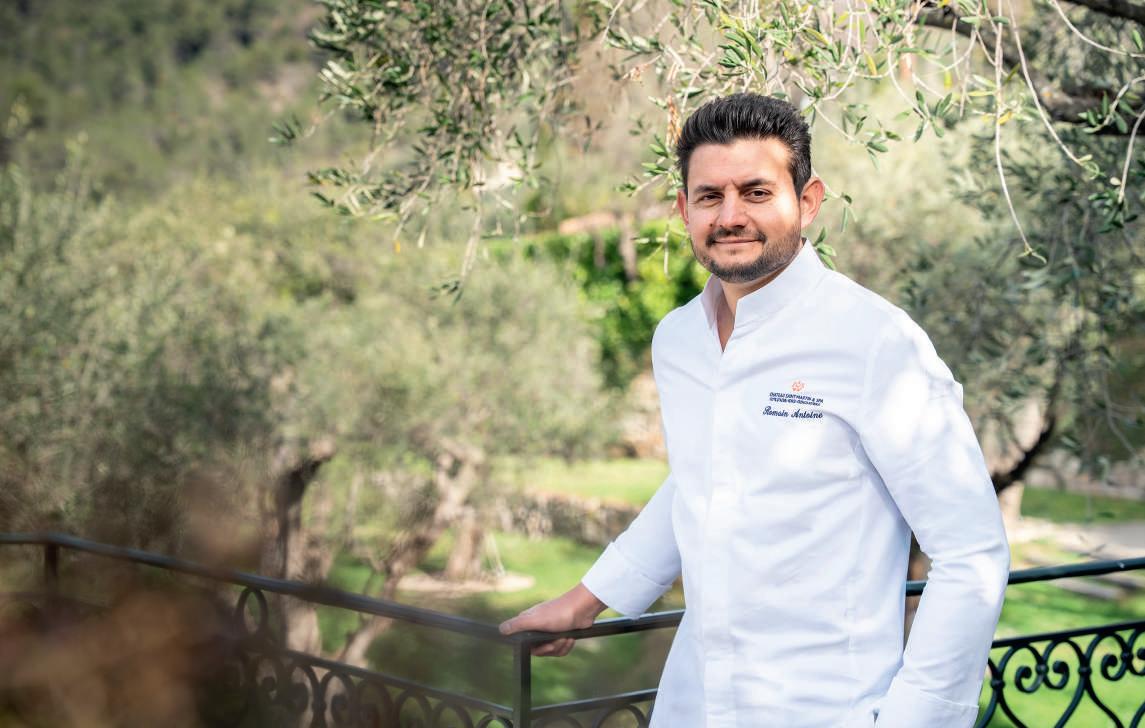
by David Ross
The Château Saint-Martin & Spa, a 12th-century Templar commandery turned Oetker Hotels property, sits above Vence with quiet, white-walled authority. The gardens greet you first: cypress-lined paths, flowering beds whose colours shift week by week, open views across the hinterland.
This is a place that has always drawn artists - Chagall and Matisse, amongst others, were captivated by its particular light, the understated elegance of the Vence hillside. Their presence still resonates throughout the hotel, where art inhabits the interior corridors as much as the terraces and the sheltered corners of the park. Fourteen hectares of preserved grounds, an infinity pool, a La Prairie spa, and two restaurants led, since the opening of the 2026 season, by a new executive chef: Romain Antoine, 35.
You turn 36 in a fortnight. And already executive chef of an establishment of this calibre. We are seeing more and more chefs taking the helm of great houses at 30, 35. Is this a recent trend?
Romain Antoine smiles.
From the age of 30, you start getting some decent young talent!
The line is delivered with the self-deprecation of someone who knows exactly what he is worth. But behind the lightness, the thinking is serious.
I think there is simply more openness around kitchens. Before, if you wanted to see someone's cooking, you had to go and eat there. Now, with social media, you feel as though you know it without necessarily having tasted it. Everyone shares their techniques, their produce. Before, if you wanted to learn something, you had to go and work with a chef. There was no other way.
He describes himself as a generation caught between two worlds: I am somewhere in the middle. I truly learned from people, but I also grew up with the digital side. I have that hybrid quality: I learned the old way, and at the same time I could see what was happening elsewhere.
His career confirms it. A native of the region, he trained at the École Paul Augier before joining the kitchens of La Villa Archange in Cannes, under Michelinstarred chef Bruno Oger. I was there for the opening!
Seven years at La Paloma in Mougins followed - first as sous-chef, then as head chef in 2016, the year the restaurant earned two Michelin stars. This past winter, he was running the kitchens at L' Apogée Courchevel.
oetkerhotels.com/hotels/chateau-saint-martin
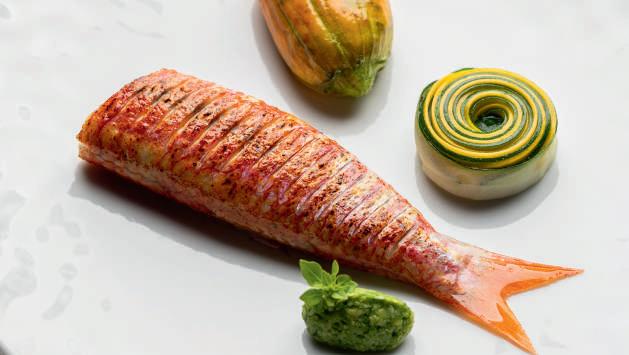
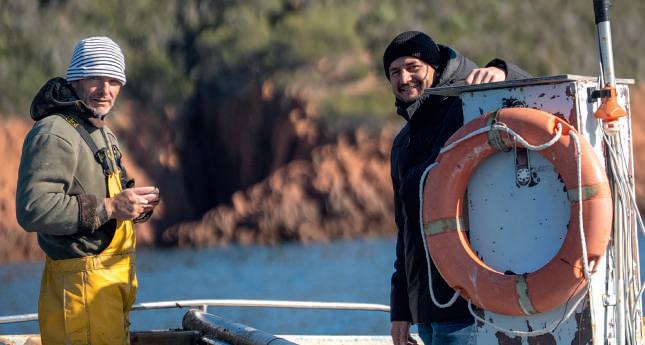
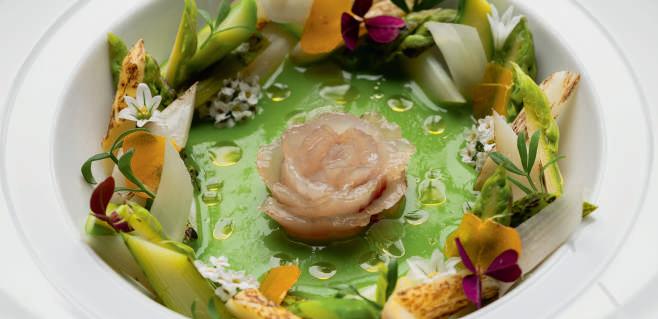
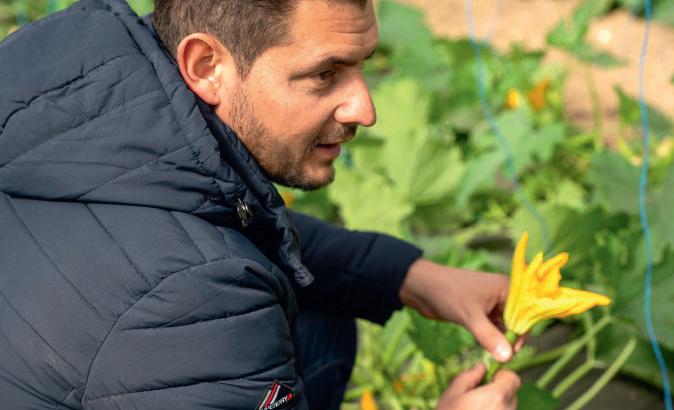
Is the clientele at Courchevel the same as at the Château?
At Courchevel, it's all about atmosphere, parties, everyone seeing everyone. Here, guests will be in a very different frame of mind - one of serenity, relaxation, taking time. For me, they are two entirely different subjects. Here, this will truly be my cooking, my culinary identity. I will have more time to give to our guests, to go and meet them, to talk with them.
Let us talk about that cooking. What defines it?
The produce. That is what makes the quality of my cooking. The selection of the people we work with. It is bespoke: going out to find the right product and, above all, the right person who knows how to work with it.
For Romain Antoine, the relationship with suppliers goes well beyond placing an order. He visits his producers in person, selects himself, touches, tastes. For fish, he goes further still: when he has the occasion, he joins the fishermen at sea. His main supplier is Marius, based at the port of La Figuerette - He is the one who brings us the red mullet, the rockfish, the scorpionfish.
The photographs of the chef out at sea are not staged for social media. It is his life before the brigade. I go spearfishing. I have memories of going out with my grandfather to fish for soupe de roche, in Corsica. And now, with my son, we go fishing together.
And on the plate?
Romain Antoine's cooking rests on an apparent paradox: visually pared-back compositions that conceal flavours of an almost nostalgic intensity.
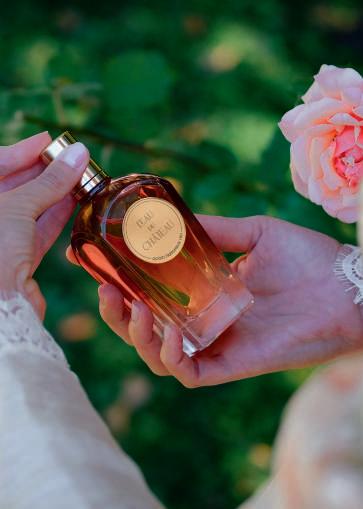
What I love is recovering the tastes of childhood. When you eat a tomato, you get the real taste of a tomato. We are not going to dress it up with unnecessary additions.
He reinvents the defining recipes of the region - lighter, more elegant in form, but honest in flavour.
You can have a pissaladière, but with real refinement. And when you eat it, you taste the pissaladière. The same goes for minestrone: an everyday dish, served with elegance, its flavour direct and unmistakable.
There will be no fusion. It will be genuinely local, rooted in the cultural and culinary heritage of the Côte d'Azur.
A dish that represents you?
The red mullet with courgette flower. It is a very delicate fish, one with character, that goes to waste in the wrong hands.
The flowers come from Monsieur Orso - a former rugbyman turned exceptional market gardener, who lives three minutes from the chef's home. The red mullet is served with a soupe de roche - my grandfather's recipe. That dish brings together everything I love and everything I want people to discover.
There are chefs who speak of their cooking as though it were a fortress of concepts. Romain Antoine speaks of his grandfather, his son, a market gardener three minutes from his home, a fisherman called Marius. That humility runs through every answer with a disarming naturalness. And experience bears it out: the more simply a chef of this level speaks, the denser and more honest what he puts on the plate - charged with something you cannot quite name, but recognise at the very first bite.
The Château Saint-Martin & Spain, in collaboration with Maison Godet, an artisanal perfumery in Saint-Paul-de-Vence, has created its signature scent. At its heart, the Rose Tango - the floral emblem of Vence, with the scent of freshly picked fruit - surrounded by grapefruit, bergamot, peony and jasmine. An olfactory connection to the Château's gardens that guests may now take homwe with them. Available at the Château Saint-Martin & Spa, at the Godet boutique in Saint-Paul-de-Vence, and at parfumsgodet.com

by David Ross
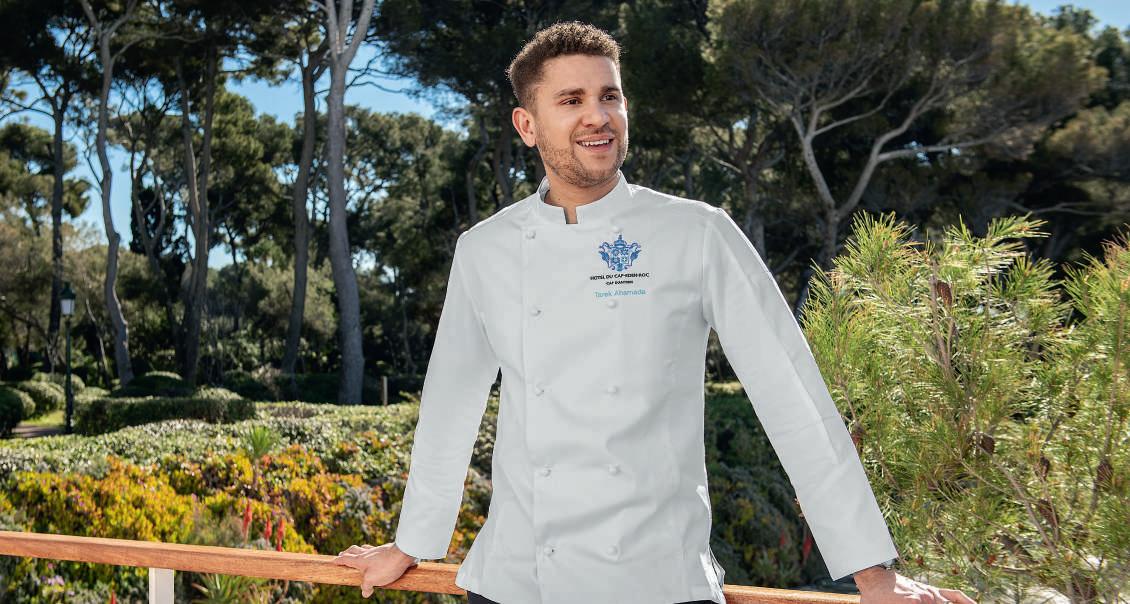
After meeting Romain Antoine at the Château Saint-Martin & Spa, we head to Antibes and the other jewel of the Oetker Hotels on the Riviera: the Hotel du Cap-Eden-Roc. This is where we find Tarek Ahamada, 33, Executive Pastry Chef, who arrived from the George V in Paris in 2024.
We catch him in the middle of preparations for a wedding of 180 guests - and yet his composure is absolute, his smile disarming. Only one thing, it is said, can unsettle him: suggesting that his tiramisù needs updating.
You arrived from the George V two years ago: Do you miss Paris? No! (A smile) - Seriously, I love Paris - I spent eleven years
there. But I think there's a right time for everything. It was the moment to come back south, to be close to my family.
I asked Romain Antoine the same question yesterday. You are 33. What is happening with chefs in their thirties?
If anything - for a pastry chef, some are even younger. Some are 25! I was never in a rush. I preferred to stay as sous-chef for a long time: you keep learning, and you have less on your shoulders. By my thirties, I felt ready.
Pastry has been moving towards lighter creations. How do you make a very light tiramisù?
(The question is not asked by chance - it is the chef's favourite dessert)
Tiramisù is light in taste, but it is not light in calories. There is no need to change it. It irritates me when people
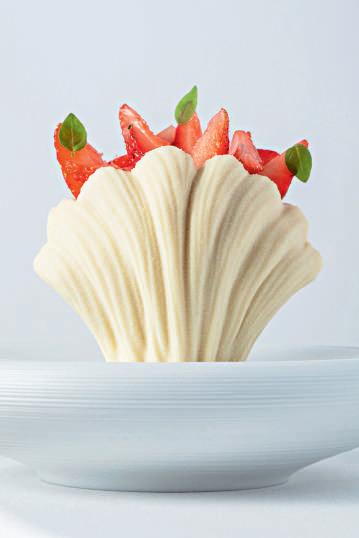
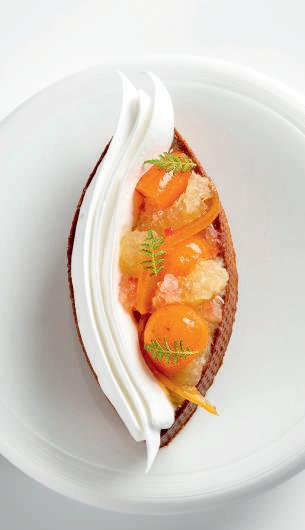
do - it is one of the most deconstructed recipes around, everyone wants to reinvent it. I like it classic!
In a restaurant, there is the chef - and the pastry chef comes at the end. How do you work with the chef?
We build together. I like tasting what the chef is preparing, and vice versa. At the Grill, you'll find reassuring desserts — no need for complicated combinations.
But at the Louroc, for a gastronomic experience, it's more considered. Guests may have had four or five courses before. A dessert that is too rich doesn't sit well. There must be continuity with the kitchen, and it must not feel heavy.”
Taste or aesthetics - what is the right balance?
I prefer it to be very good. If I have a dessert that is visually stunning, but the decoration risks being too sweet, I choose to remove it. We eat first with our eyes, but afterwards we can be disappointed. I would say 70% taste, 30% visual.
What are your favourite flavours to work with?
Coffee. And I love citrus - I order them in winter and confit them so I can use them on the first menu. And everything that is very fresh: eucalyptus, geranium, things that are floral and light.
That also means moving away at times from butter and cream. Is that a deliberate choice?
You realise that the moment you take away the cream and butter, you no longer know what to do. But that is precisely the challenge. Here in the south, butter and cream are not typical local products. You need them, of course - but it's good to see that you can do something different.
And with a brigade of 25 people covering pastry, bakery and chocolate, we are lucky to have enough time to experiment: preparation of the menus begins in winter, two months of test on flavours and then on plating, before each season opens.
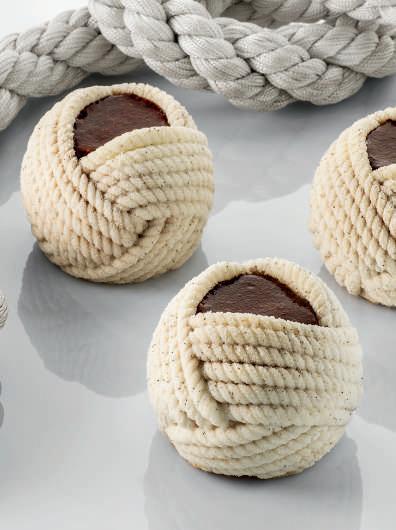
We can see you in the middle of preparations for a wedding. Is it stressful?
No, it's wonderful! A wedding erases the boundaries between the restaurants. There is no more Grill, Louroc, Giovanni's - we are all together for these guests. It's a real team-building exercise. And at the same time, we keep moving forward on the menu.
I've been told you draw inspiration from works of art, from craftsmanship. And even that you once considered becoming a lapidary.
Pastry is perhaps the part of the kitchen where you can be the most creative. When people tell me it is art, I say no - but we are inspired by art, certainly. And by crafts as well: marquetry, bronze, wood. If I hadn't gone into pastry, I would have become a lapidary - a cutter of precious stones. A craft, an art.
The precision of the gesture, the form, the colour, the material worked with patience - the connection is clear. With one essential difference: precious stones have no taste
A few kilometres apart on the Riviera, two young chefs, two Oetker establishments, one shared conviction: that the best of a dish lies above all in what cannot be seen.
It irritates me when people change Tiramisù. I like it classic!
Tarek Ahamada
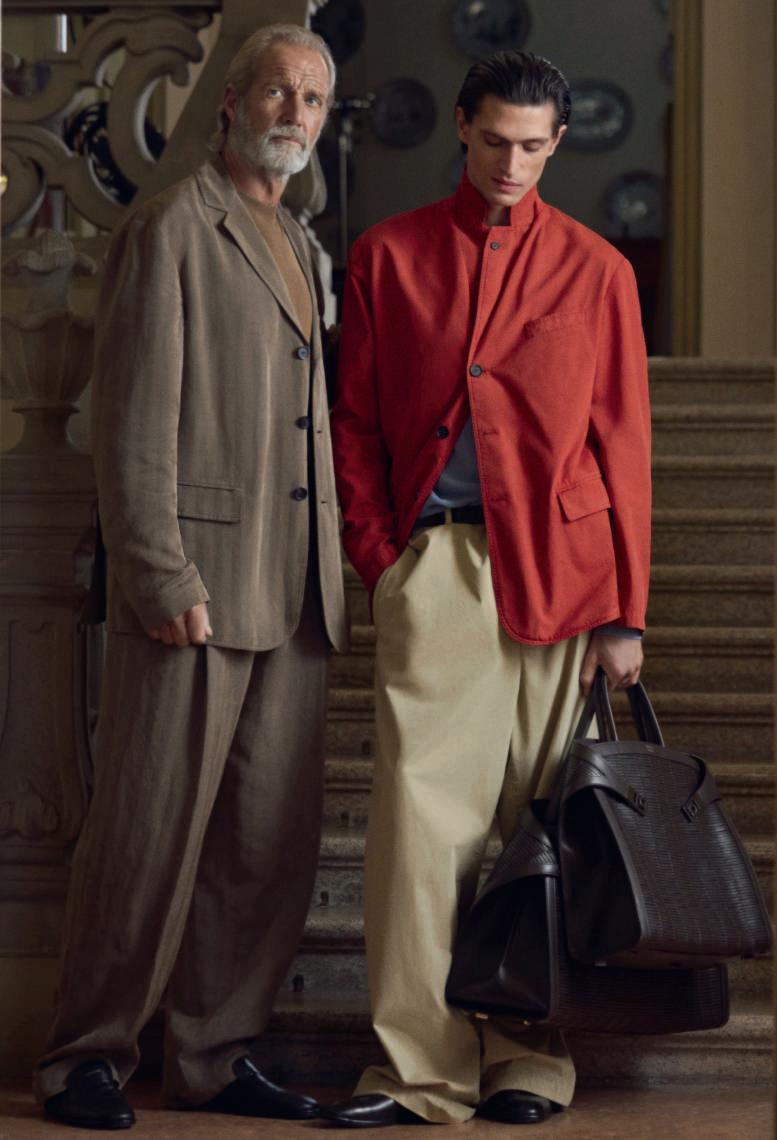
by Dafne Funeck
Contemporary menswear is shedding every trace of rigidity to explore a new idea of elegance: more fluid, instinctive, and personal. Tailoring remains central, yet loses its structure to make room for softer silhouettes, relaxed volumes, and details that blend formality with ease. The result is a sophisticated but less constructed aesthetic, where luxury is measured through character.
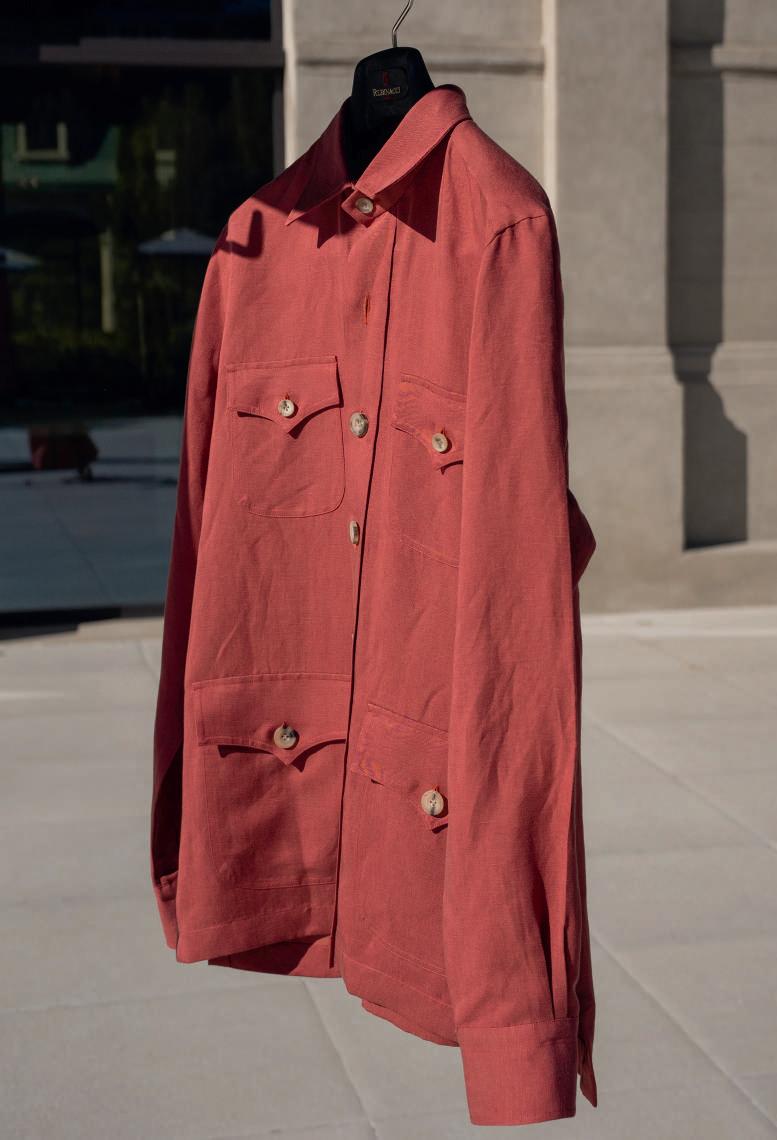
The new season speaks of a masculinity freer to oscillate between strength and vulnerability, rigour and sensuality. Rétro references and relaxed styling build an imaginary in which clothing no longer defines a precise role, but accompanies the identity of the person who wears it.
Within this landscape, tailoring lightens through deconstructed jackets, fluid trousers, and lightweight textures that follow the body with natural ease. Ferragamo interprets this evolution through elongated proportions and intense colour, whilst Rubinacci continues to reread Neapolitan sartoria through soft construction and spontaneous elegance.
The decorative language shifts direction as well. Brocades, jacquards, printed silks, and couture details introduce a more emotional and theatrical dimension, where the men's wardrobe allows itself to be informed by the intimate universe and a heightened aesthetic sensibility. Gentile Milano explores this tension through sensual silhouettes and nostalgic atmospheres, suspended between desire and memory.
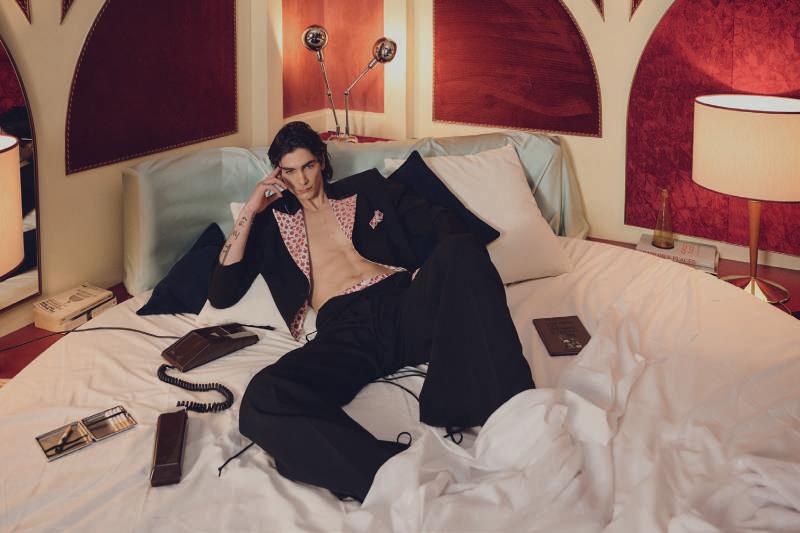
Gucci takes a more graphic and contemporary approach: with Generation Gucci, the house weaves archive codes and new proportions into an essential yet strongly identitarian wardrobe. Leather, suede, structured accessories, and equestrian details redefine the idea of formalwear through a more fluid and personal sensibility.
Canali, by contrast, chooses lightness of texture and the warmth of natural tones. Crochet knits, fluid shirts, and relaxed volumes evoke a Mediterranean elegance that places comfort, craftsmanship, and freedom of movement at its centre.
Today, male dressing no longer answers to rigid codes or pre-set formulas. It speaks instead to the personal profile of the person wearing it. Elegance thus becomes an individual language - one made of details, proportions, and gestures capable of transforming clothing into an authentic form of expression.
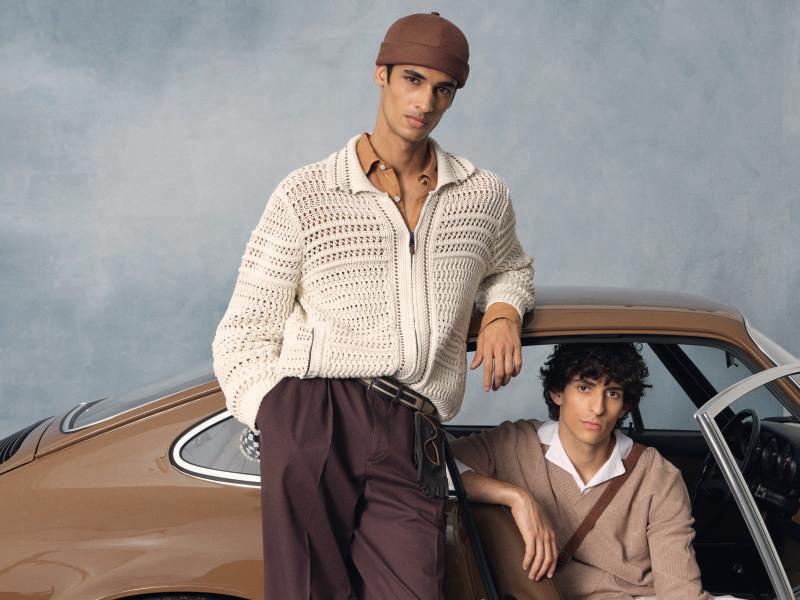
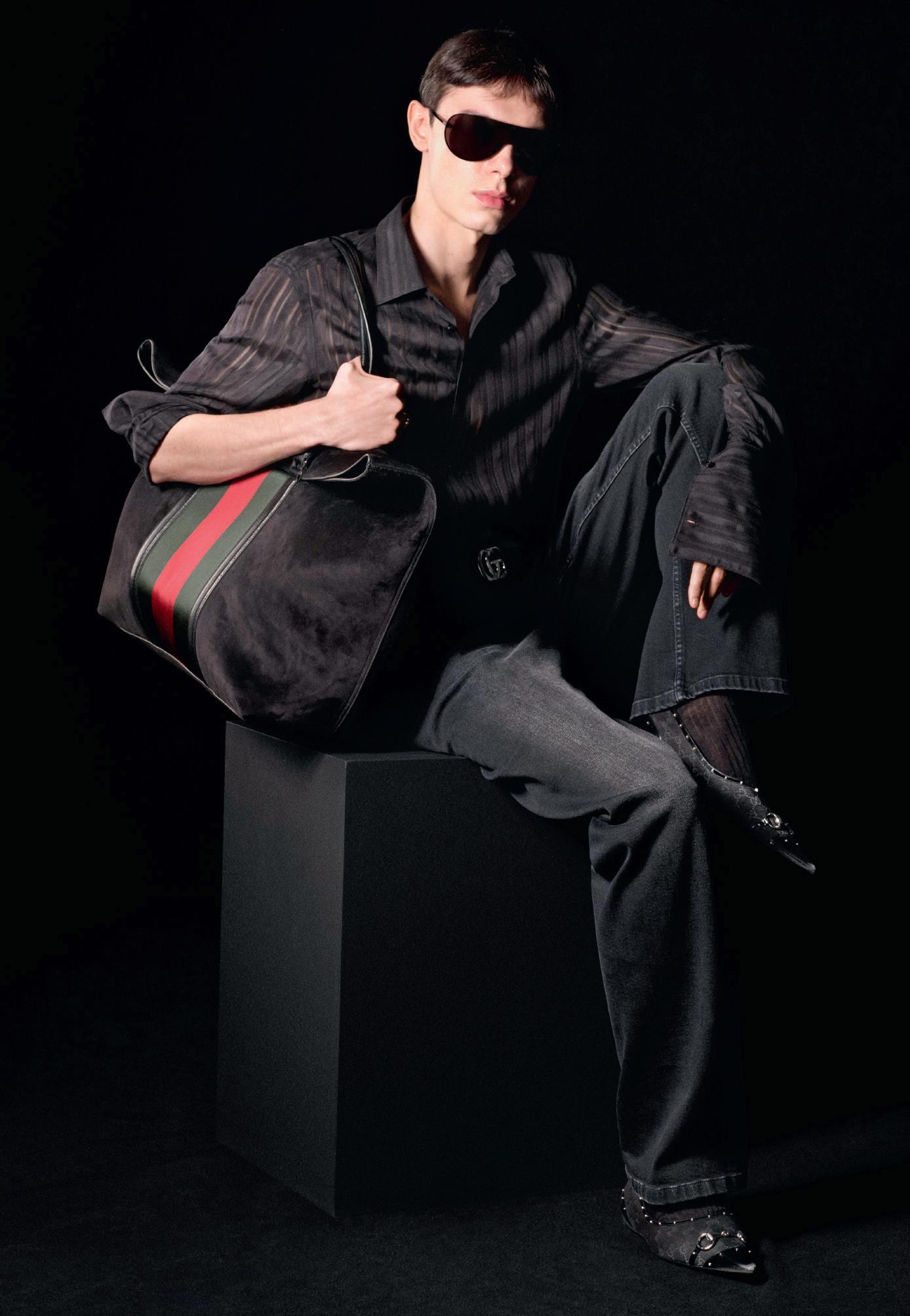
by Dafne Funeck
Bold silhouettes and sculptural volumes transform jewellery into a statement of style. Between couture references and naturalistic evocations, haute joaillerie embraces a bolder, more scenographic attitude, conceived for those who wish to leave their mark.
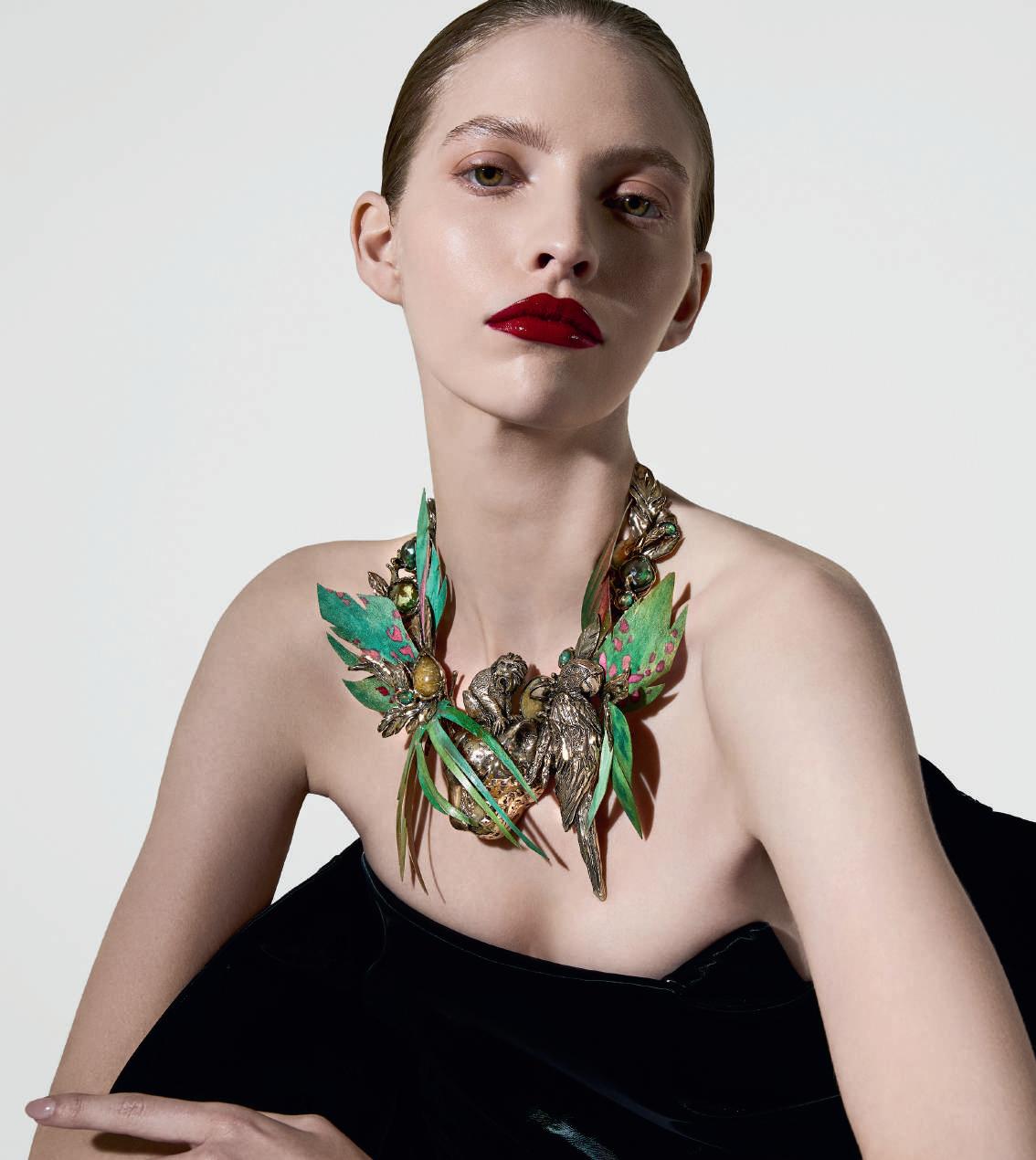
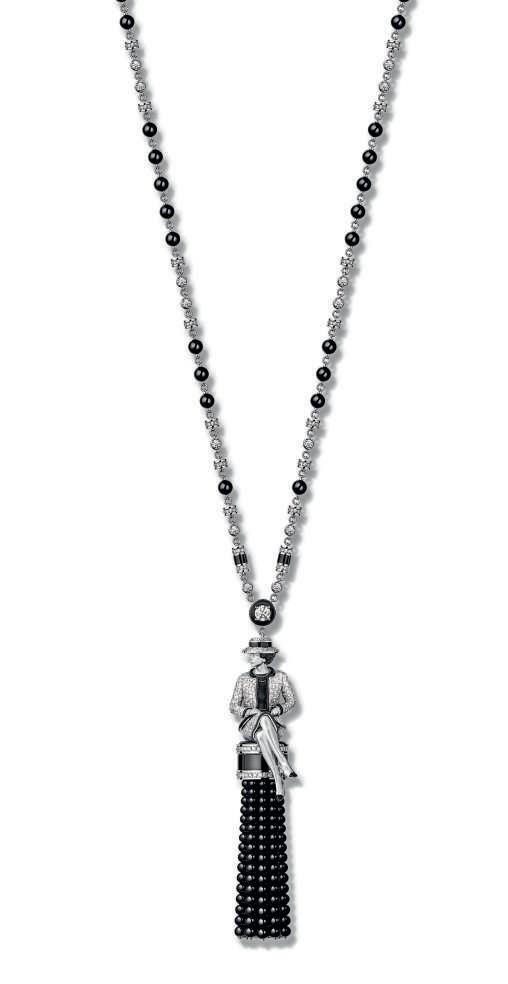
CHANEL - HAUTE HORLOGERIE
Gabrielle Sautoir
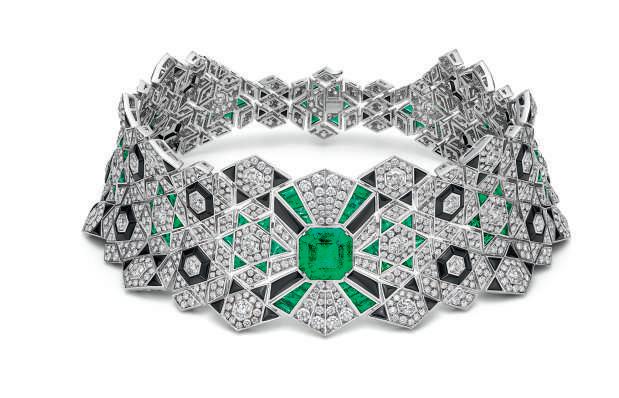
Necklace in white gold, inspired by the Moorish mosaics of the Sammezzano Castle, featuring an octagonal Colombian emerald of 10.12 carats at centre, diamond pavé, emeralds, and black onyx inserts. Modular structure composed of 180 articulated elements and over 1,000 hours of artisanal craftsmanship.
In 18-carat white gold featuring a sculpted silhouette of Gabrielle Chanel with tweed-effect diamond pavé. Black lacquered details inspired by the Maison's iconic codes. Watch with high-precision quartz movement and chain set with brilliant-cut diamonds, onyx beads, and a natural central diamond. 1,096 brilliant-cut diamonds (≈10.44 carats).
Nature turns instinctive and primordial in the one-of-a-kind creations of Giovanni Raspini. Burnished bronze, rutilated quartz, zoisite, green agate, and wooden elements merge into a composition of wild, almost tribal allure, where the material retains its full expressive force.
Chanel pays tribute to its founder with the Gabrielle Sautoir, a pendant concealing a secret timepiece illuminated by over one thousand brilliant-cut diamonds.
With the Eclettica Haute Joaillerie collection, Bvlgari transforms theatricality into architecture. The choker follows the lines of the neck through a geometric construction inspired by the Moorish decorations of the Castello di Sammezzano: emeralds, diamonds, and black onyx trace a luminous and magnetic structure of powerful visual impact.
Harry Winston transforms the delicacy of the forget-me-not flower into a contemporary twin ring featuring pear-cut, marquise, and brilliant-cut diamonds of strong sculptural impact.
HARRY WINSTON Forget-Me-Not Collection
Twin ring in platinum with pear-cut, marquise, and brilliant-cut diamonds. Wraparound design inspired by the delicacy of the forget-me-not flower, with an elegant and bold profile.
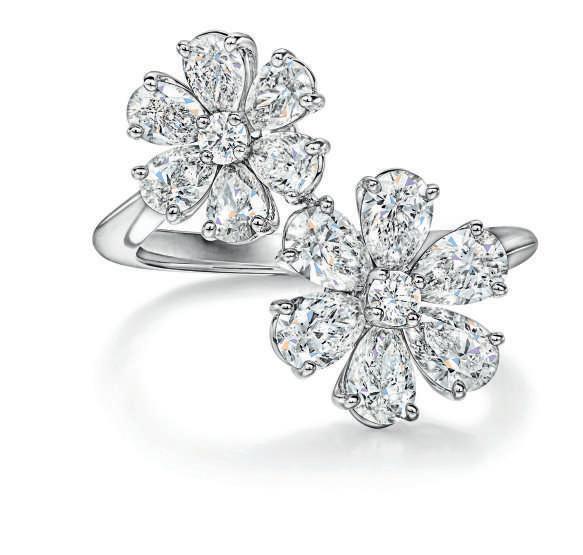
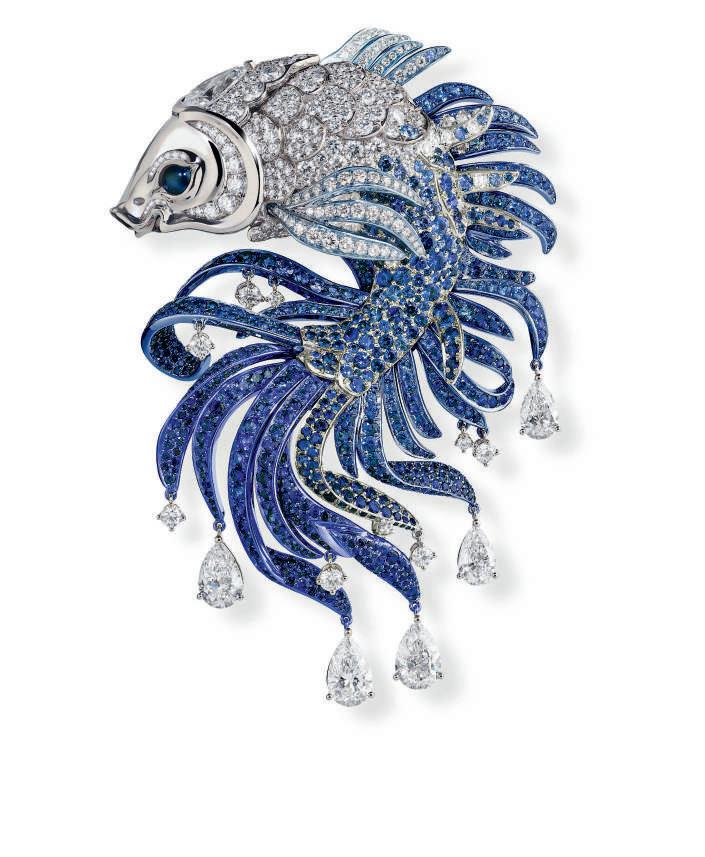
CLEEF & ARPELS - Ludo Collection
Ludo Secret Watch
In yellow gold with sapphires and a guilloché white mother-of-pearl dial with Swiss quartz movement.
Jewellery-motif bracelet with integrated opening mechanism and sapphire-set details.
Carp-shaped brooch in 18-carat ethical white gold and titanium, set with pear-cut diamonds (5.17 carats), brilliant-cut diamonds (5.97 carats), and brilliant-cut sapphires (12.21 carats)
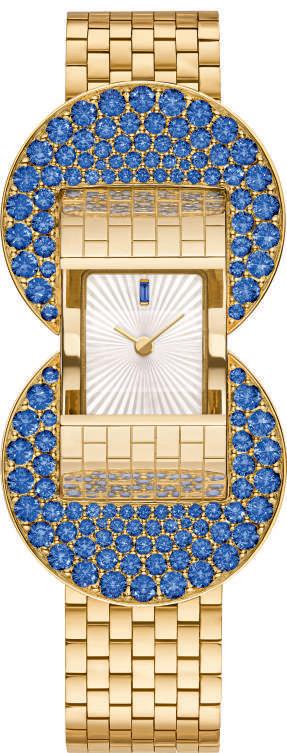
Nature continues to inspire Chopard, which sculpts a fantastical carp in titanium, sapphires, and diamonds, suspended between dream and reality.
More graphic is the language of Van Cleef & Arpels with the Ludo Secret Watch, a reinterpretation of Thirties glamour through paredback lines, yellow gold, and details set with sapphires.
Garatti, a maison renowned for its expertise in rare diamonds and fancy colour stones, presents Eterea Necklace, a line of diamonds suspended against the skin caresses the back with absolute restraint, gifting the wearer an expression of identity.
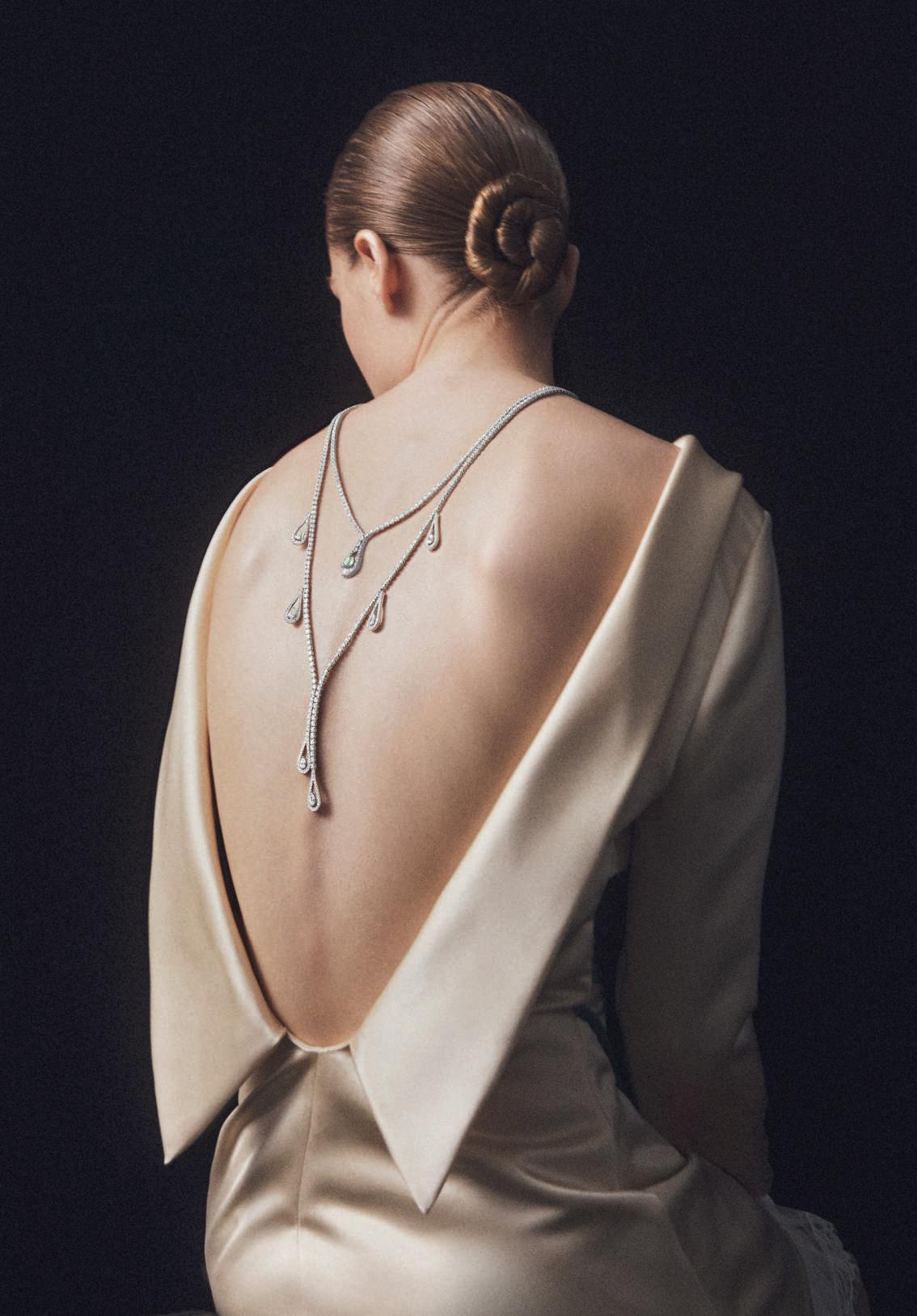
TIFFANY & CO.
Blue Book 2026 Haute Joaillerie Collection
Bird on a Rock Brooch
Iconic brooch designed by Jean Schlumberger in 1965.
Bird in platinum and 18-carat yellow gold with brilliant-cut diamond pavé, blue sapphires, emeralds, and coloured stones, centred on a large orange spessartite cabochon.
The iconic Bird on a Rock brooch by Jean Schlumberger for Tiffany & Co returns in a vivid composition of orange spessartite, blue sapphires, and emeralds.
Piaget captures the vibrant energy of summer with Sparkling Yuzu, a transformable cocktail ring in 18-carat rose gold set with citrine, carnelian, engraved spessartite, and diamonds. Designed to be worn in two different ways, it interprets colour through luminous shades inspired by Mediterranean citrus fruits.
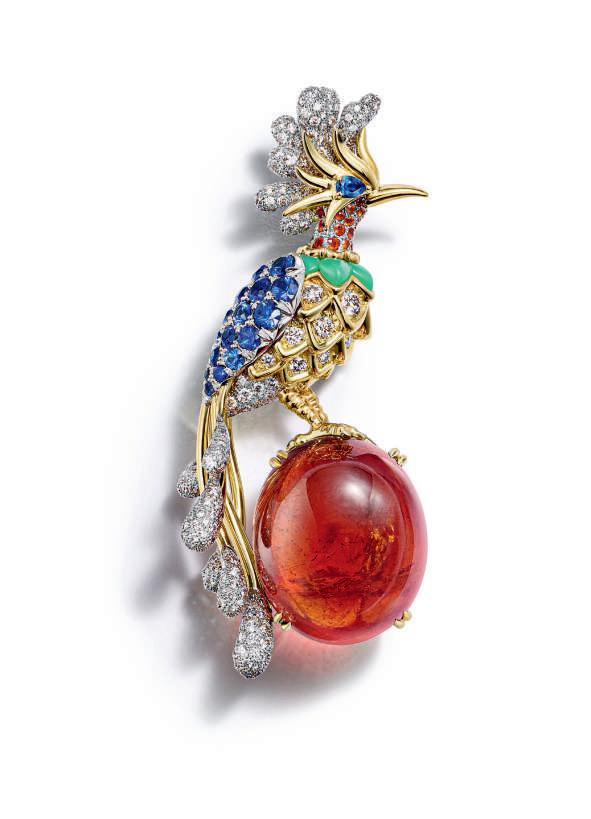
Chantecler closes the selection by celebrating Capri and its luminous spirit with the Cherie Ring, where red coral meets a diamond pavé in a sensual tribute to the island's intense light and vibrant soul.
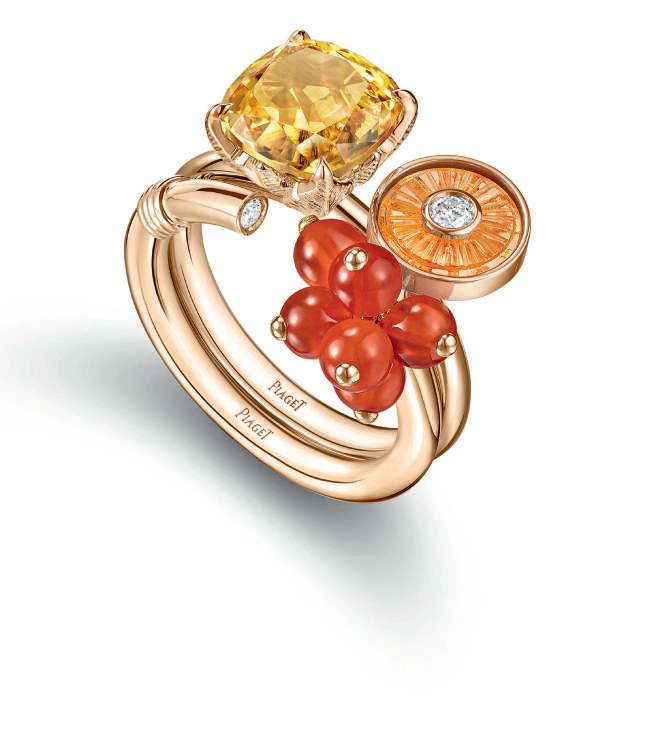
CHANTECLER - Tu Sei un'Isola Collection
Cherie Ring
Wide band ring in 18-carat rose gold with a central red coral and diamond pavé; 71 diamonds totalling 5.26 carats; 18-carat rose gold (16 g) and pavé-set diamonds (8.50 ct).
Cocktail Collection
Sparkling Yuzu
Transformable ring in 18-carat rose gold with dual wearability, adorned with a central citrine of approximately 3.5 carats, six carnelian spheres, one engraved spessartite, and brilliant-cut diamonds.
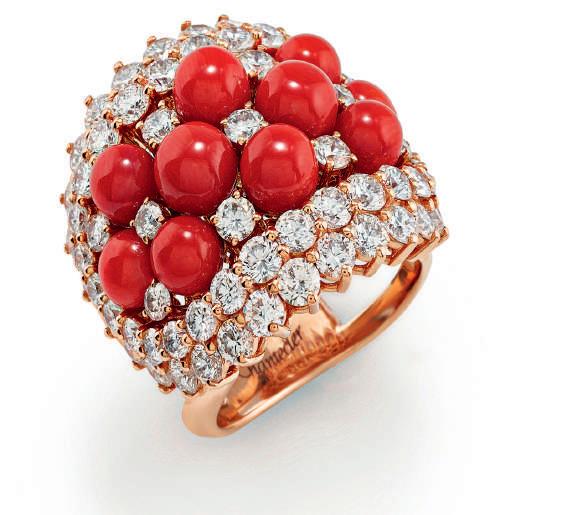
Cullinan Diamond Report®
The hallmark of natural diamond quality. Your diamond’s identity, preserved, even once cut.
MAC COSMETICS
Illuminating powder bronzer with a warm radiant finish. maccosmetics.com
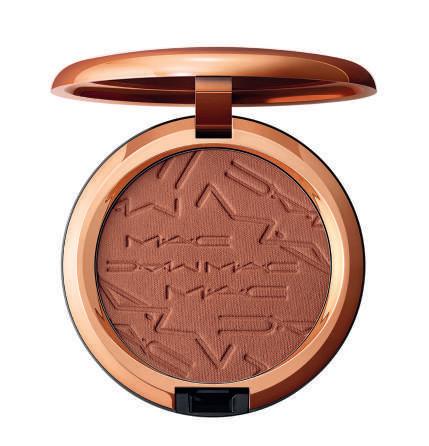
CARON
Atmah Eau de Parfum
A fragrance blending vanilla and spicy juniper with a floral heart parfumscaron.com
GHD
Beauty Look ghdhair.com
LAVIKA
SPF 50+ face cream
featuring a lightweight texture enriched with Aloe Vera and hyaluronic acid lavikalab.com
BIENAIMÉ PARFUMEUR
La Vie En Fleurs candle
A fresh and joyful fragrance blossoming into a floral heart, presented in a porcelain holder. bienaime1935.com
GUCCI
Glow Oil In Water Tint Liquid Lipstick
A lightweight and nourishing liquid lipstick. gucci.com


A new generation of skin longevity designed to help the skin appear healthier, stronger and visibly younger over time.
HOMME PLISSÉ ISSEY MIYAKE
Shor t-sleeved pleated polo shirt. isseymiyake.com
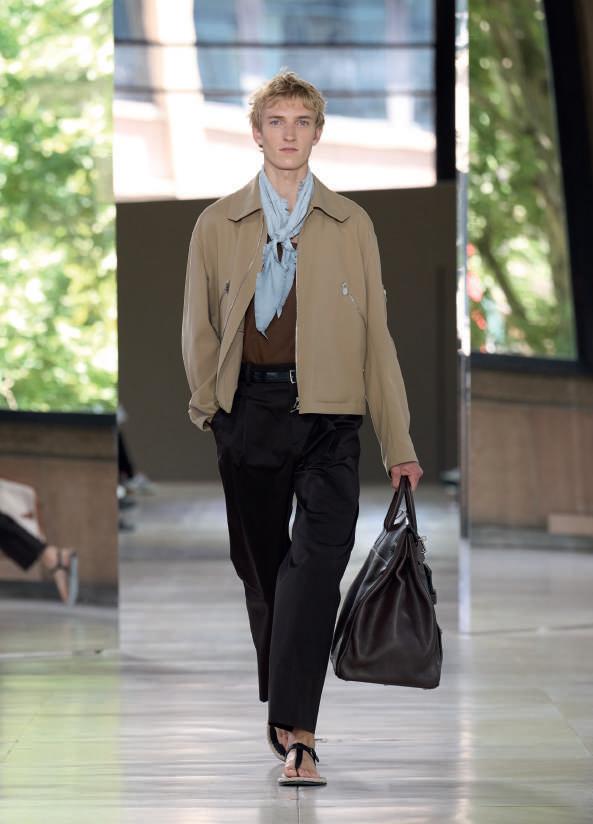
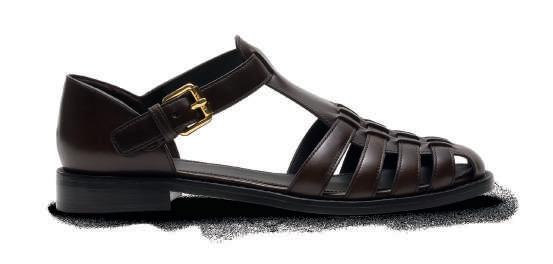
CHURCH’S
Fisherman-style sandals in calf leather with side strap. church-footwear.com
A. LANGE & SÖHNE
Saxonia Annual Calendar watch in white gold with leather strap. alange-soehne.com
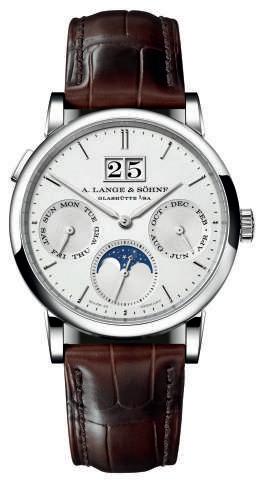
AMOUAGE
Warm citrus fragrance with a floral heart and deep base notes. amouage.com
HERMÈS
Total Look SS 2026 hermes.com
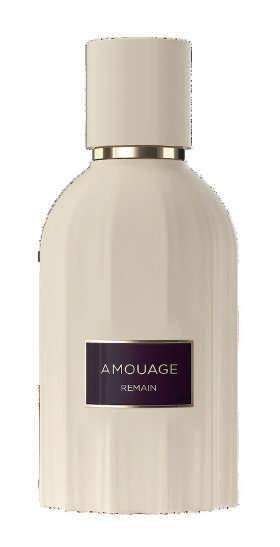
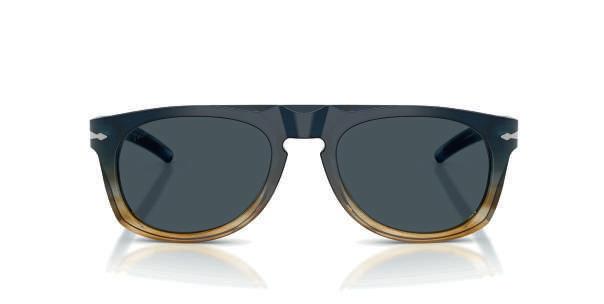
Limited-edition sunglasses in striped blue acetate. persol.com
Total Look SS 2026 kiton.com
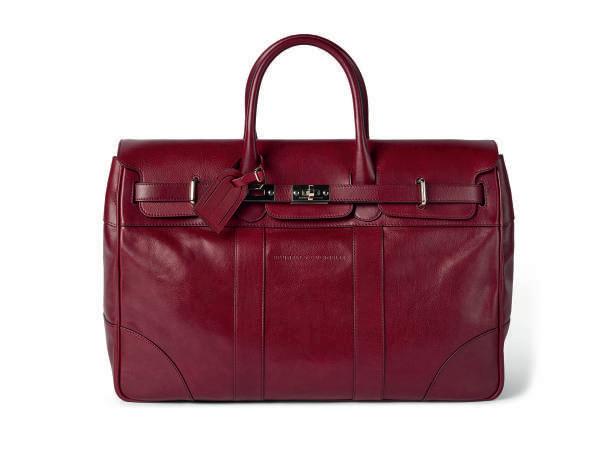
Spacious burgundy leather duffle bag with short handles. brunellocucinelli.com
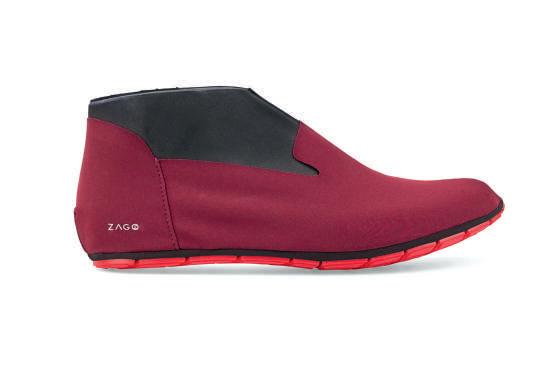
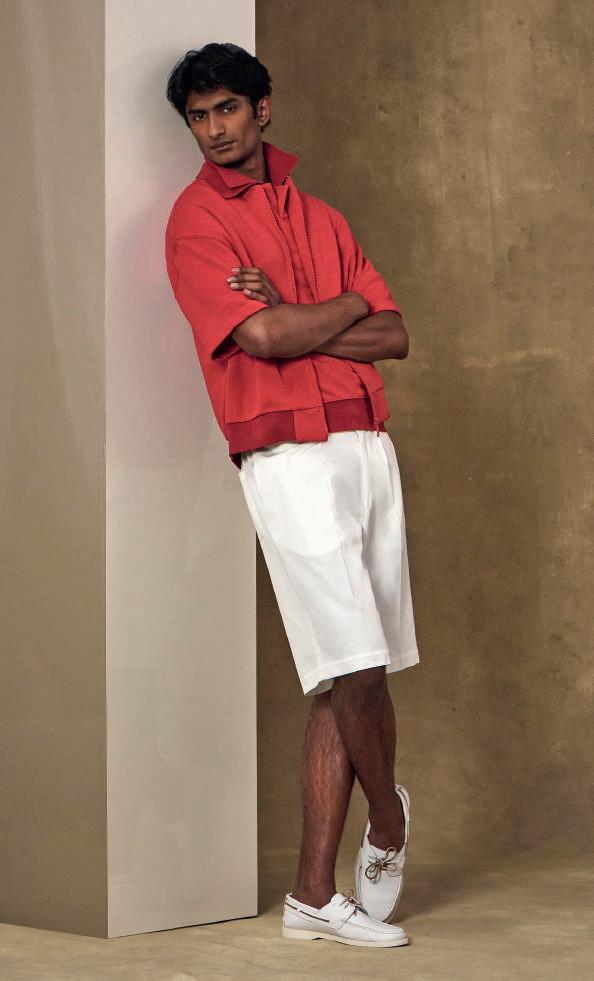
HENDRICK'S
Gin crafted with botanical herbs and infused with orange blossom and cocoa. hendricksgin.com
ZAGO
Sea Bordeaux Slipper zagogz.com
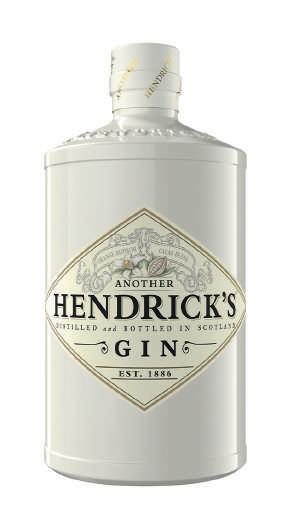
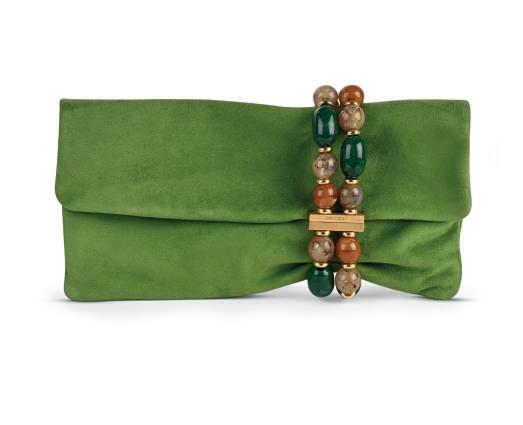
JIMMY CHOO
Clover-colored suede clutch with beaded bracelet handle. row.jimmychoo.com
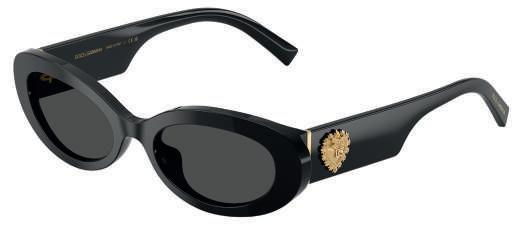
DOLCE & GABBANA
Sunglasses with dark oval lenses and a golden heart detail on the side temples. dolcegabbana.com
LA REVÊCHE
One-piece swimsuit with sweetheart neckline and three contrasting white flowers. lareveche.com
Total Look SS 2026 vivetta.com
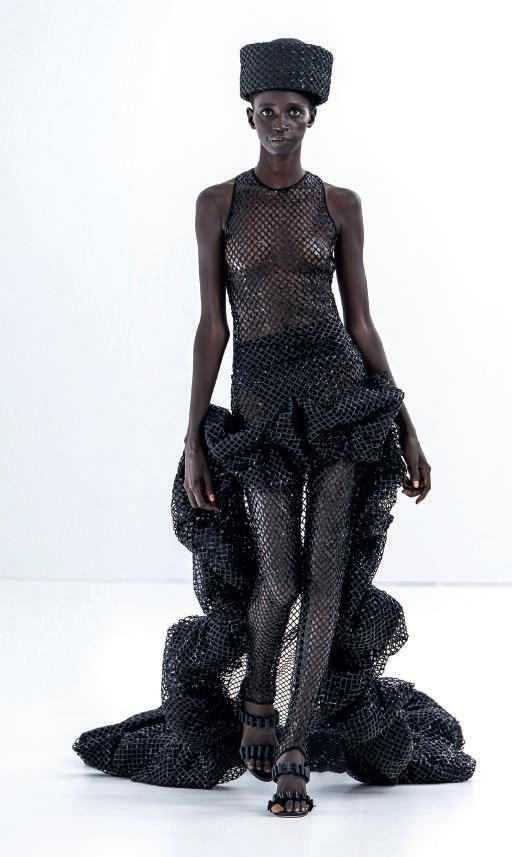
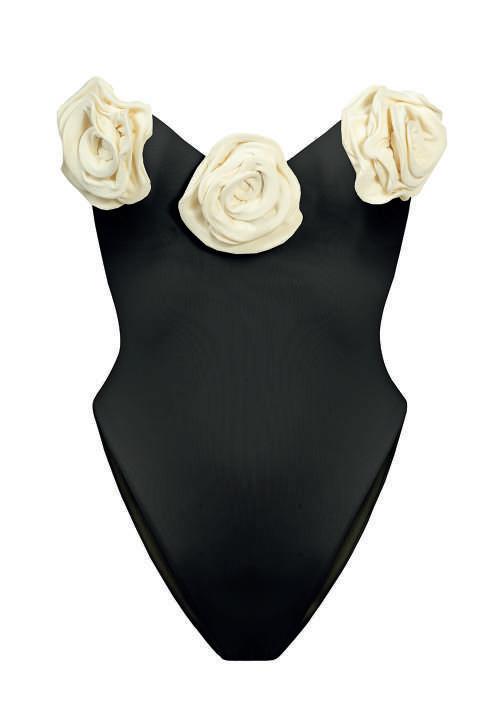
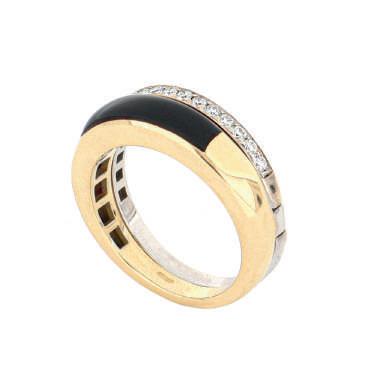
Onyx and Diamond ring in yellow gold with a minimal design tavantijewels.com
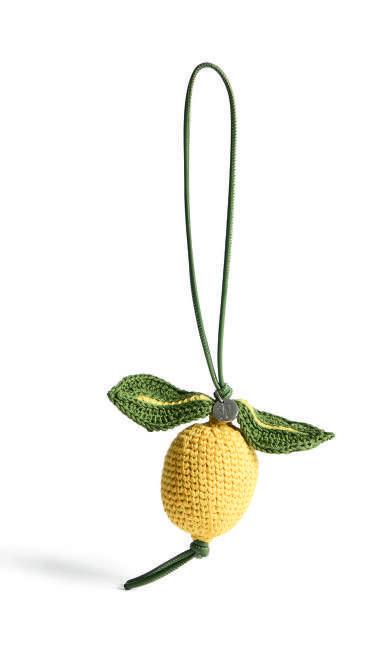
JW ANDERSON
Yellow Lemon crochet bag charm with leather strap . jwanderson.com
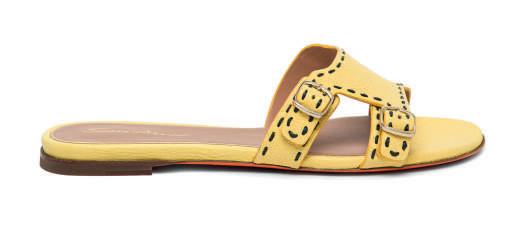
SANTONI
Didi yellow leather sandals with contrasting stitching and double buckle. santonishoes.com
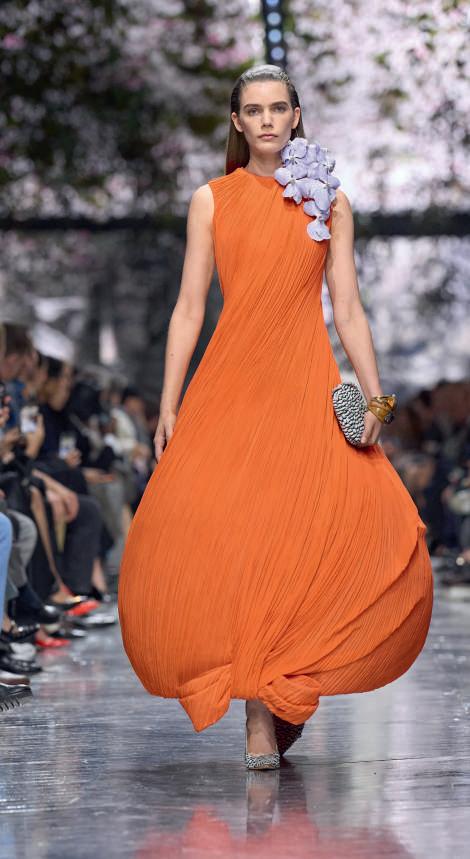
Heliconia straw hat with colorful band and floral detail. amorymezcal.com ERIKA CAVALLINI
Semi-sheer long silk shirt with front pockets. erikacavallini.com
In a world where declaring the number of followers and clicks has become an obsessive demand, it's important to understand that if you work and live in luxury, factors such as credibility and the genuine exclusivity of the venues where you are visible are truly the only things that matter. In luxury, less is more, as long as this "less" is the best one ;-)
MONACO & SURROUNDINGS
• Hotel Metropole
• Hôtel de Paris / Hall
• Fairmont Monte Carlo / Spa
• Negresco (Nice)
• Cap Estel (Èze bord de mer)
• Hôtel du Cap Eden-Roc (Cap d’Antibes)
G&M Design Gallery Cipriani
RELAIS & CHÂTEAUX
• Château de la Chèvre d’Or (Èze Village)
• Château Le Cagnard (Cagnes Sur-Mer)
• Château Saint-Martin & Spa (Vence)
• Monte-Carlo Beach (Roquebrune Cap Martin)
MEGÈVE
• Les Fermes de Marie
• Le Mont-Blanc
• Le Lodge Park
• Les Chalets de Fermes de Marie
• Chalet du Mont d’Arbois
• Flocons de Sel
• Alpaga
• Le Chalet Zannier
COURCHEVEL
• L’ Apogée
• Le K2 Palace
• Le K2 Altitude
• Le K2 Djala
• Le K2 Chogori
• Private Chalet Razzie
• Private Chalet Edelveiss
• Private Chalet Gentianes
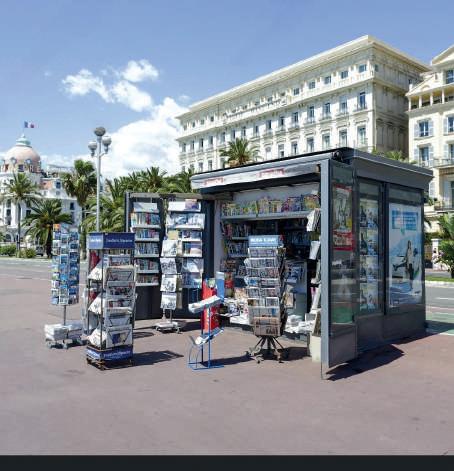
PRIVATE CLUBS
• The Collection Paris (Monaco & Paris)
• Monaco Yacht Club
• Monte-Carlo Country Club
• Club 39 Monte Carlo
• Luxury Professionals Monaco
• CREM (Club des Résidents Étrangers Monégasques)
PRIVATE AVIATION & LIMOUSINES
• Heliair Desks & Private Flights
• Nice Airport private lounges: AviaVIP, Signature, DC-Aviation
• Let’s Fly (Cannes/MandÉlieu Airport)
• AAA Luxury Limousines including Cannes Film Festival and Monaco GP
GOLF & POLO COURSES
• Golf Club de Cannes-Mougins
• Monte-Carlo Golf Club
• Domaine de Barbossi (MandÉlieu - La Napoule)
• Domaine de Terre Blanche (Tourrettes, Var)
• Polo Club de Saint-Tropez
SAINT-TROPEZ & CANNES / AND...
• Annex Beach • Private Beaches Cannes
• Villa Marie (Saint-Tropez)
• Lily of the Valley (Saint-Tropez)
• Kube (Saint-Tropez)
• Aéroport International du Golfe de Saint-Tropez
• Le Cagnard
• Domaine des Andeols
MONACO
• Monaco luxury boutiques
• Prestigious residences
• Private Mailing List of 2500 addresses
THE MOST EXCLUSIVE EVENTS
• Formula 1 Grand Prix of Monaco (in partnership with Gootickets)
• Monaco Yacht Show
• International Jumping Monte-Carlo
• Monte Carlo Music Masters
• Pro Am des Parfumeurs
• My Yachts Events (Monaco, Hong Kong, Miami, St. Barth)
...PORTO MONTENEGRO, YACHT CLUB CORTINA D'AMPEZZO, MAGNA PARS HOTEL, L'ARGENTAIA, L'ARGENTARIO GOLF, PORTOFINO
NEWSSTANDS FROM MONACO TO NICE AND MORE...
force-one.net
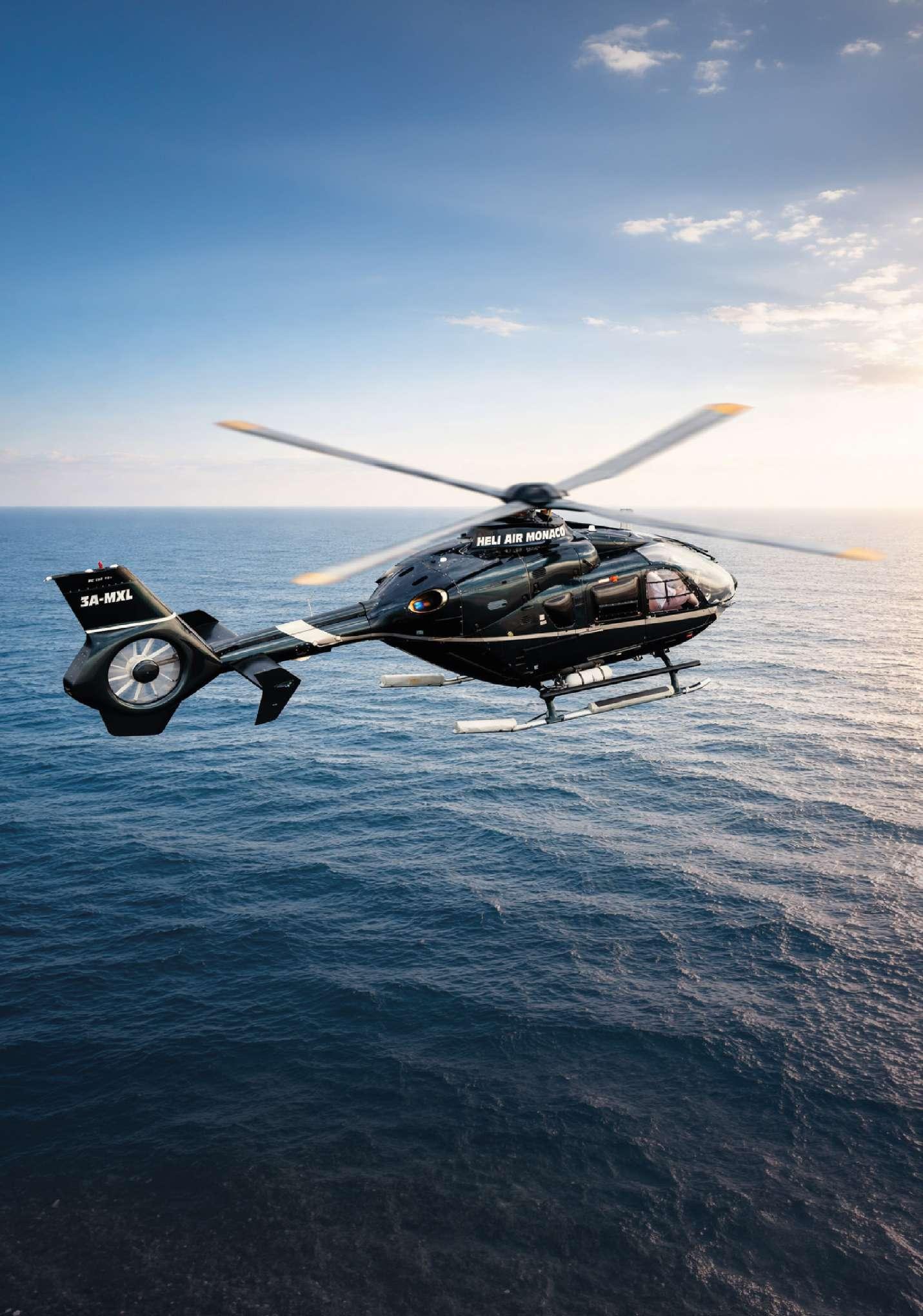
PRIVATE FLIGHTS
French Riviera, Italy, Switzerland, Corsica, Sardinia... From the beaches of Saint-Tropez to ski gateway in Courchevel.
PANORAMIC FLIGHTS
Discover the French Riviera from the sky : departing from Monaco, Nice & Cannes.
GOURMET JOURNEY
Wine and culinary experiences at the most prestigious estates in Provence and Italy.