



“In addition to being a supplier of critical materials and a diversified economic hub, in Minas Gerais we want to make life easier for those who work, and that's what the state government is doing. By creating an environment that makes investment immune to political interference we work to instill trust in investors that in Mining State, the rules are followed, and those who make business in Minas Gerais will be rewarded swiftly.”
 Romeu Zema, Minas Gerais State Governor







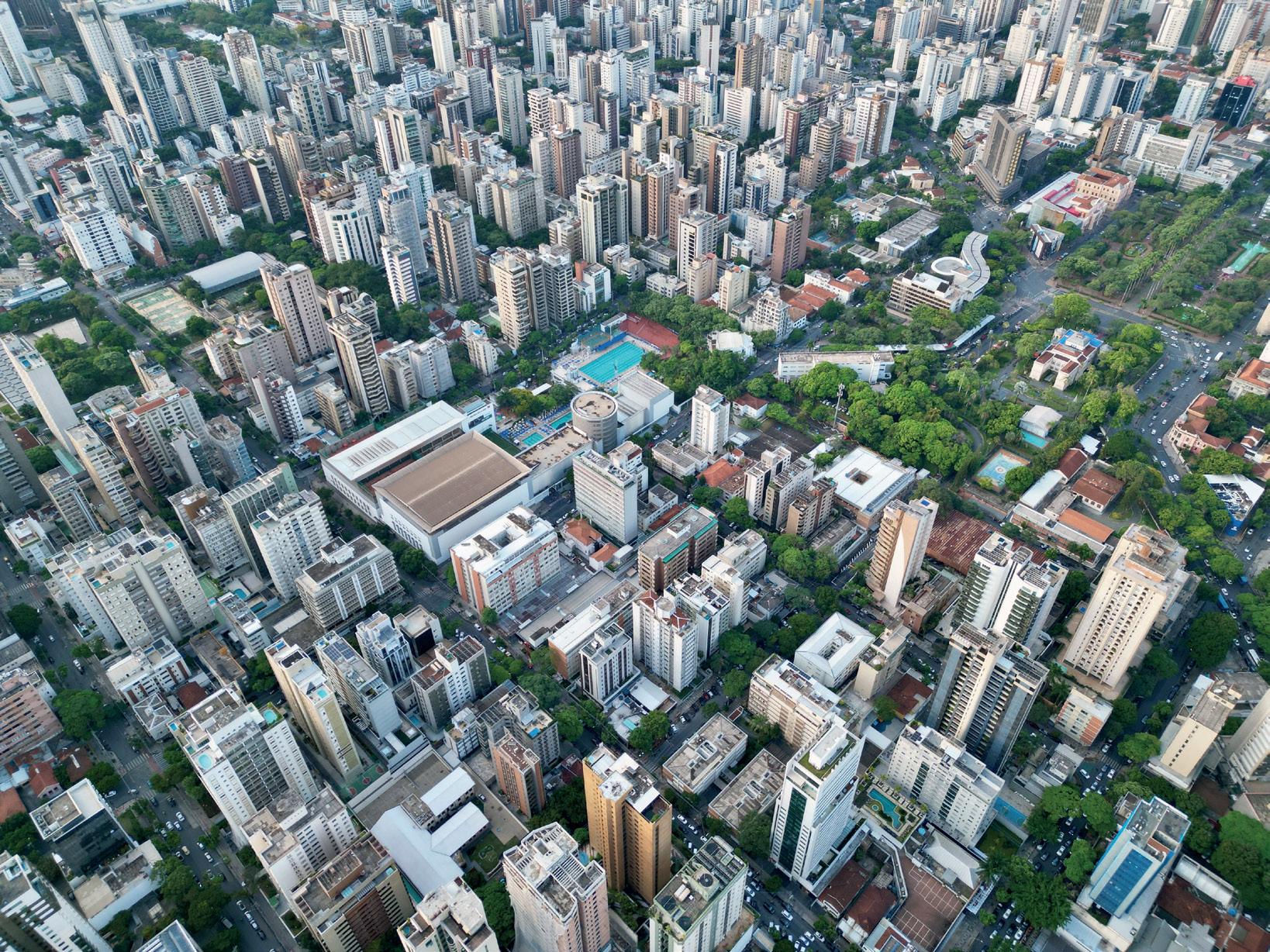
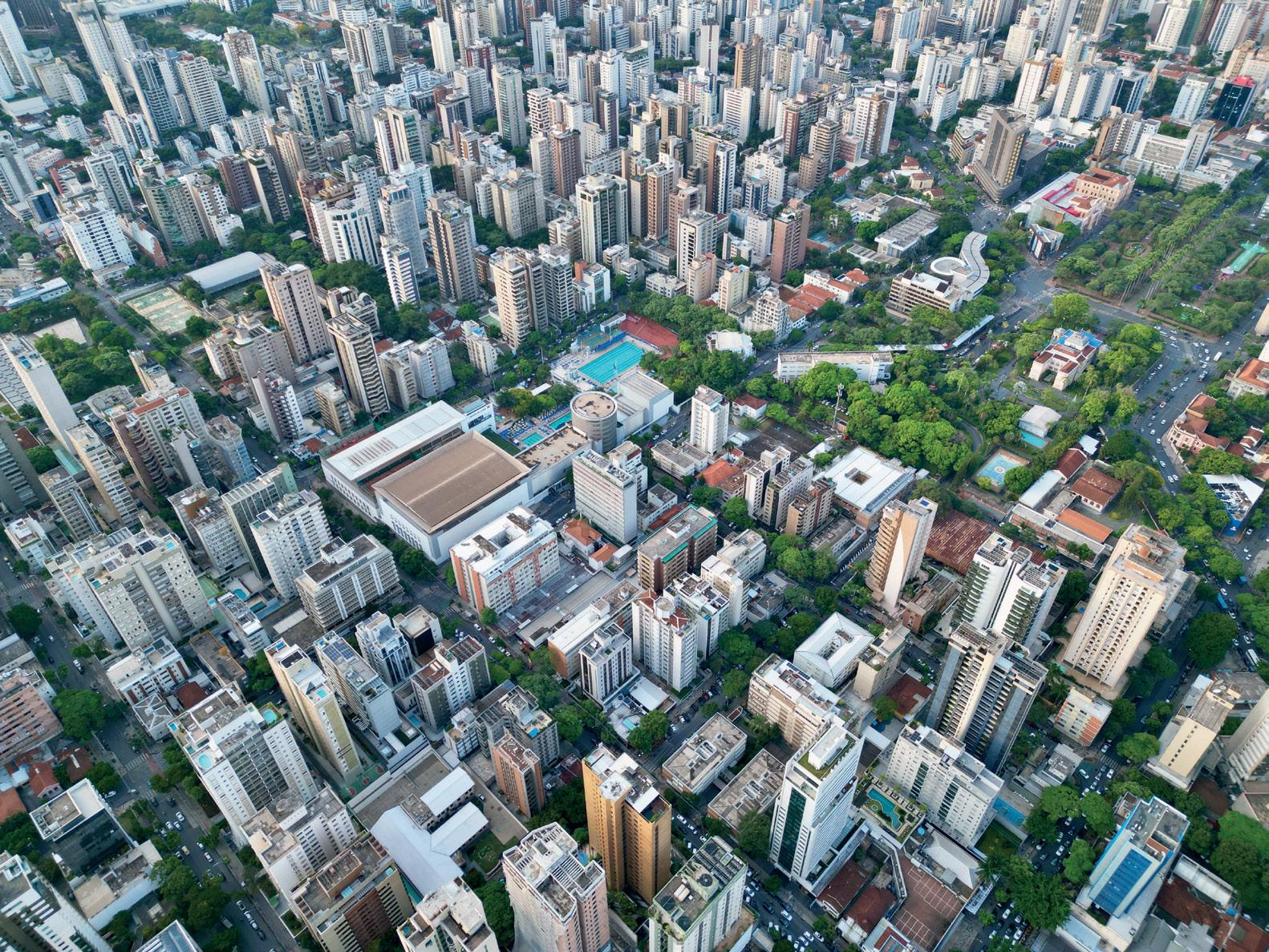
With 21 Million inhabitants, Minas Gerais is the second most populous state in Brazil. It is market, second highest exporter (US$ 38.3 Billion in 2020), third strongest economy with a park, contributing significantly to Brazil's industrial output. began more than 200 years ago with the extraction of diamonds and gold, and continues today through national and multinational companies that extract iron, gold, niobium, and critical materials such as lithium, rare earth materials, graphite, and silicon metal.
Minas Gerais has positioned itself as a supplier of critical materials for many industrial chains involved in the energy transition and other current technological challenges. Even the highquality iron ore found in the state can contribute to the decarbonization of steel through production processes that use charcoal instead of coal.
Supported by a robust education system and a thriving R&D ecosystem, the state's mining strength in metallurgy and steelmaking represents an important advantage. Minas Gerais is machinery factories.
Beyond mining, Minas Gerais boasts a diverse economy, with strong footholds in agribusiness, information technology, life sciences, logistics, and electricity generation. The state has made a notable commitment to clean energy, with 99.5% of its energy mix sourced from renewable sources, including solar, hydroelectric, and biomass.
Thanks to its strategic location, extensive transportation infrastructure (roads and railways), and businessfriendly environment, Minas Gerais serves as a vital logistics hub. It hosts key distribution centers for the global marketplace and e-commerce companies, capitalizing on its connectivity and favorable investment climate.
The government of Minas Gerais, through the Secretariat of Economic Development and Invest Minas, provides a unified service to investors, acting in conjunction with public agencies and private companies to ensure the success of their projects at every stage.
The government's actions, the hospitable business environment, and the diverse economy have resulted in record investments over the last five years. Companies from various countries and sectors have chosen to do business Minas Gerais, and with great success. Over the following pages, you will discover more about the business opportunities offered by Minas Gerais and the public policies that are fostering an environment so conducive to investment.
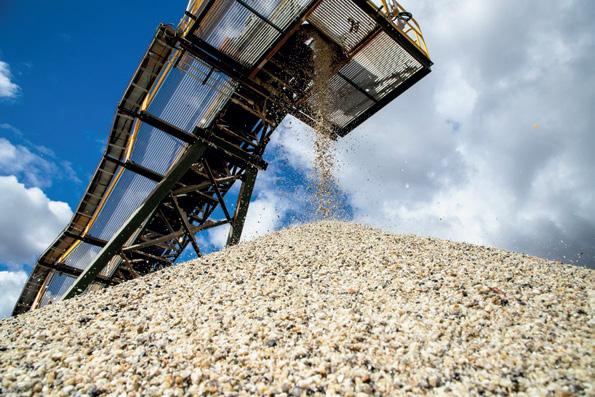
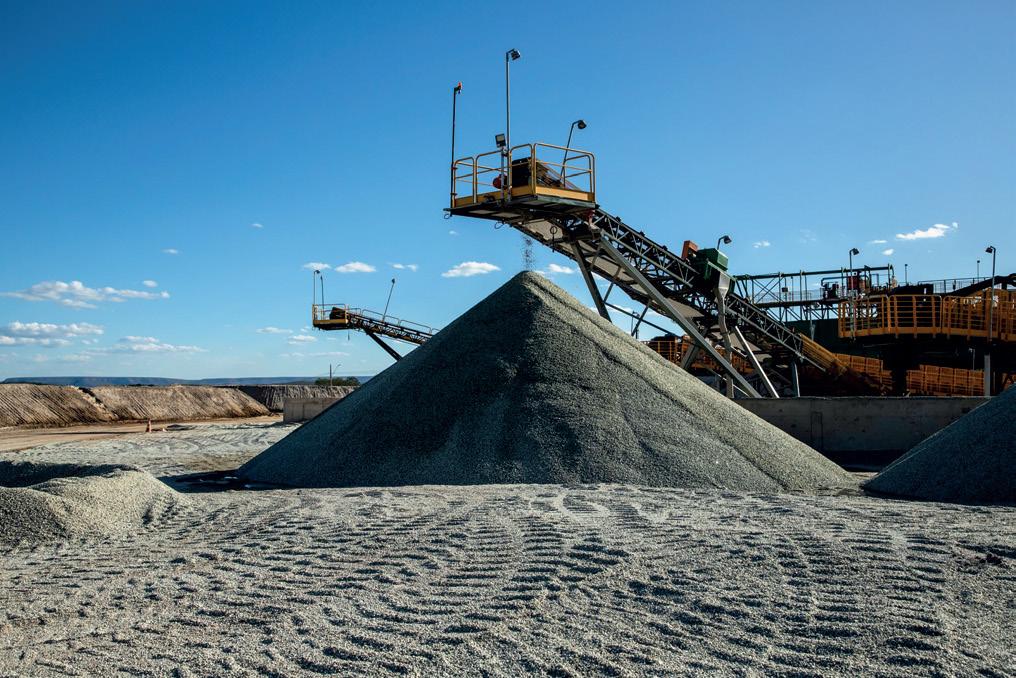
Source: Image Repository – Sigma Lithium Resources



Invest Minas is the Minas Gerais State Government investment promotion agency
and facilitate investment for more than 50 years, helping create jobs and generate revenue in Minas Gerais.
Invest Minas is currently maintained by the Development Bank of Minas Gerais (BDMG) and the Minas Gerais Development Company (CODEMGE).
The BDMG supports the public and private sectors, offering credit to companies of all sizes and in all industries, as well as municipal public service concessionaires.
CODEMGE is a state-owned company whose mission is to facilitate the promotion of economic and social development in Minas Gerais.



Unified service for investors, acting in conjunction with public agencies and private companies to ensure the success of projects at all stages.

Support in the development of suppliers and clients.
Support and identification of appropriate municipalities and properties for projects, in line with the criteria set by the investor and in liaison with municipal authorities.
Proposition of public policies that favor the business environment and enhance competitiveness in Minas Gerais.



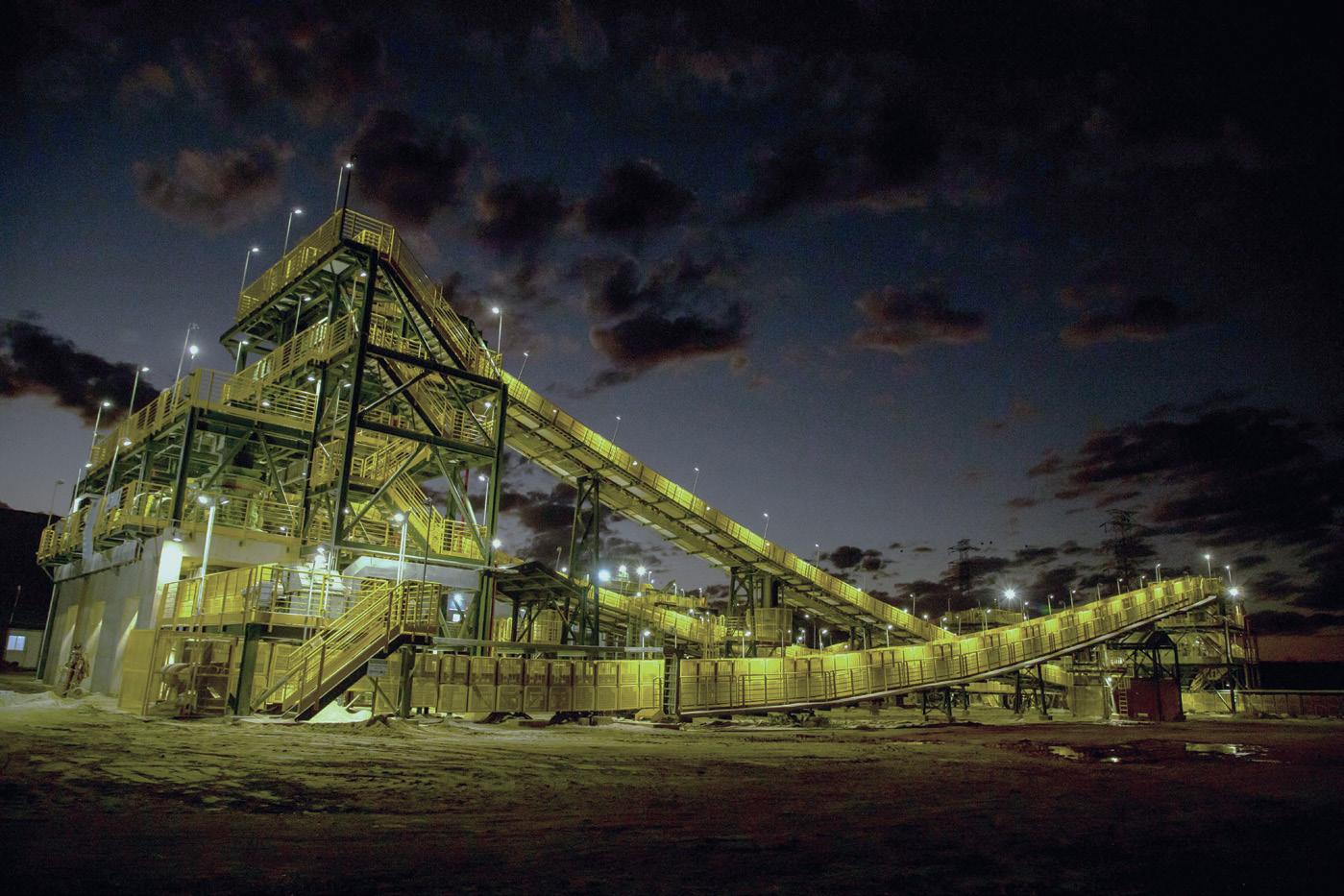
Source: Image Repository – Sigma Lithium Resources
World's fifth-largest country in land area
Slightly smaller than the USA
World's sixth-largest population
Population 203 million
Urban population - 61% -biggest economy
2020 GDP: US$ 1.44 trillion (R$ 7.47 trillion)
Farming - 6.83% | Industry - 20.41% | Services - 72.76%

11th-highest receipt of Foreign Direct Investment (FDI) worldwide US$25 billion (R$129 billion)in 2020
83.9% of primary energy supply is renewable OECD average is 11%.
• World's biggest producer and exporter of coffee and sugar
• Second-biggest soy producer and exporter
• Second-biggest exporter and third-biggest producer of meat (beef, pork, and chicken)
• Second-biggest exporter and fourth-biggest producer of grain
Sources: World Bank, Brazilian Agricultural Research Corporation (EMBRAPA), Brazilian Geographical & Statistics Institute (IBGE), Brazilian Geographical & Statistics Institute (UNCTAD).
4


4.1 - AGREAT STATE
4.2 – A BUSINESS ENVIRONMENT
4.3 - THE BRAZILLIAN CORRIDOR
4.4 - DIVERSE ECONOMY
4.5 - SUSTAINABILITY
4.6 - MINING ECOSYSTEM
4.7 - RESEARCH AND DEVELOPMENT 4.8 -


586,000 km² of land area
Bigger than Spain and France
21 million inhabitants
- more than Chile or the Netherlands
R$ 457 bi (US$ 88.5 bi) in consumption potential
SecondSource: IPC Maps 2020.
Brazil's second-biggest exporting state; equivalent to all of Colombia's exports
R$154.8 bi (US$30 bi) in industry Gross Added Value (GAV)
Second-biggest transformation industry in the country, with 11.2% of national GAV
R$860 bi (US$176 bi) of GDP (2021)
Third-largest economy of Brazilian states; bigger than Slovakia or Ecuador

Minas Gerais is emerging as one of the best business environments in Brazil according to the Doing Business Subnational 2021 report by the World Bank, which assesses the country's business sound practices has attracted major mining companies, thanks to an efficient environmental licensing system that is closely aligned with ESG principles.
Brazil is renowned for its pro-mining legislation, with a traditional mining jurisdiction and an efficient licensing process. The mining sector is overseen by the National Mining Agency (ANM), tasked with issuing mining permits and licenses while ensuring adherence to ESG protocols.
The expedited environmental licensing process upholds rigorous environmental standards, ensuring legal, social, and economic stability in the sector and thereby fostering sustainable and responsible mining operations.


The state government has also established various initiatives, such as Crescer (“Minas Free to Grow”), a program that seeks to place Minas Gerais as Brazil's foremost state for entrepreneurialism, enhancing competitiveness, incentivizing investment, driving economic expansion, and amplifying the generation of jobs and income; and “Compete Minas,” a program designed to make mining companies more competitive and innovative through public investment in technological innovation projects that benefit the mining production
As testament to the business-friendly environment in Minas Gerais, the government made a landmark achievement in 2023, attracting a record US$ 23 Billion in private investments. Cumulatively, this amounts to US$ 77 Billion in private investment since 2019, distributed across 655 projects in 265 cities. Infrastructure, mining, and energy stand out as the primary drivers of investment attraction. In 2023, Minas Gerais recorded a positive job creation balance, generating a total of 140,836 formal jobs and placing third in positive formal job balance rankings. Across the entire year, 85,904 new companies of all kinds were opened in Minas Gerais, a 10.54% increase over 2022.
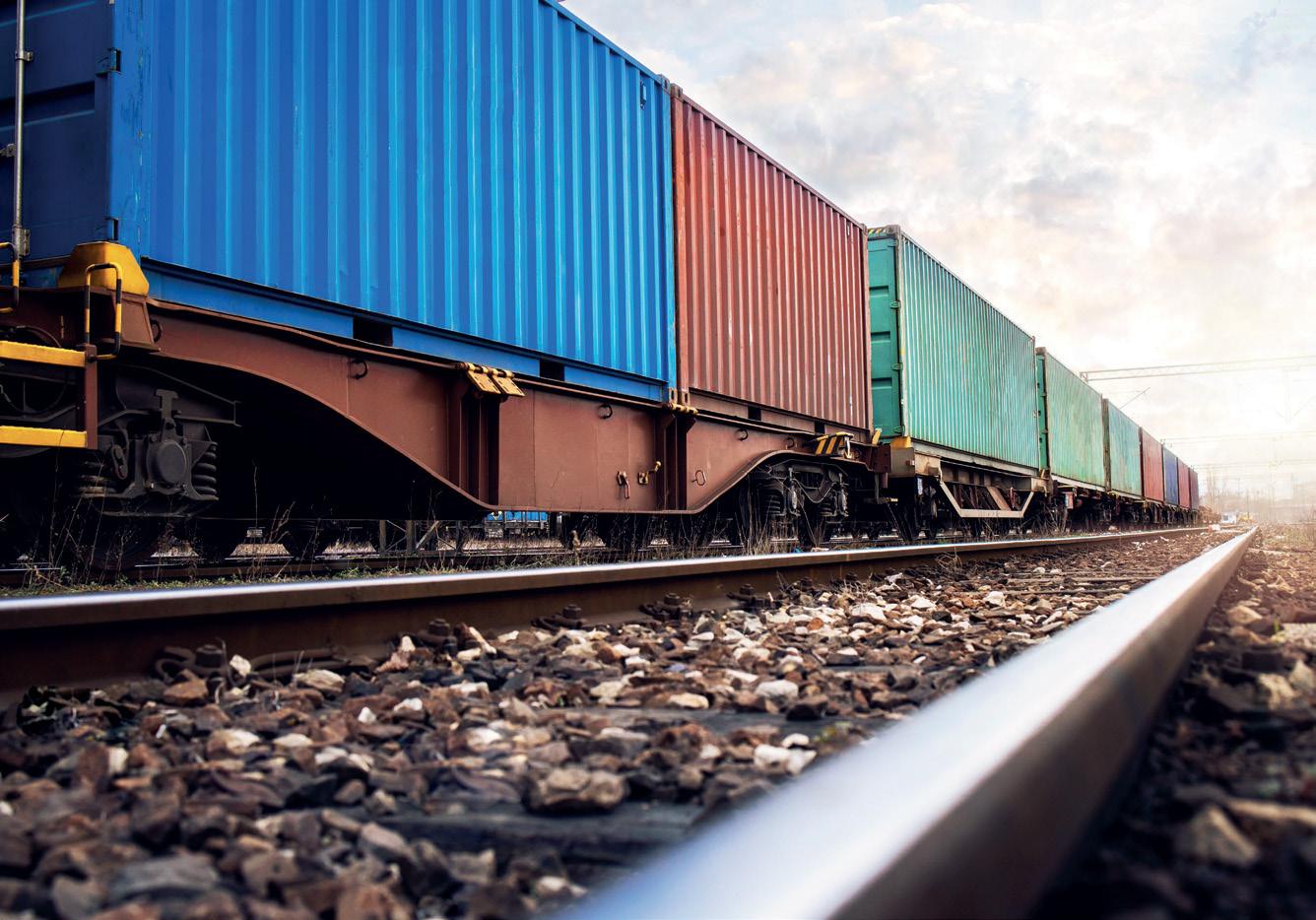
Minas Gerais is renowned for its solid infrastructure and efficient logistics system, both of which are essential to boosting the state's economic development. With an extensive road, rail, and river network, Minas Gerais has strategic connections that facilitate the transportation of goods to different regions of Brazil and even abroad. Important highways, such as BR-381, BR-040, and BR262, provide easy access to the country's major urban centers and ports, contributing to the flow of industrial and agricultural production.


The railway network, notably the Vitória to Minas Railway (EFVM) and the CentroAtlântica Railway (FCA), plays a crucial role in transporting iron ore and other mineral products, strengthening the state's mining sector. Dry ports and intermodal terminals in Minas Gerais make it easy to transfer of goods between various modes of transportation, ensuring efficient and competitive logistical operations. In addition, Belo Horizonte International Airport is the country's first customs warehouse, with a complete solution for logistics, storage, and end-to-end cargo control. With a direct connection to a primary import and export zone, it enjoys exemptions from federal and state taxes to produce

Second most extensive rail network
(more than 5,000 km)

Longest extension of paved highways
(more than 29,000 km)

Six dry ports
(in the cities of Betim, Varginha, Uberlândia, Uberaba, Juiz de Fora and Pouso Alegre)

An 800 km radius of Belo Horizonte comprises:

BH Airport
(Considered the world's most punctual airport by the consultancy Cirium in 2021)

64.4% of Brazilian GDP
52.1% of the Brazilian population
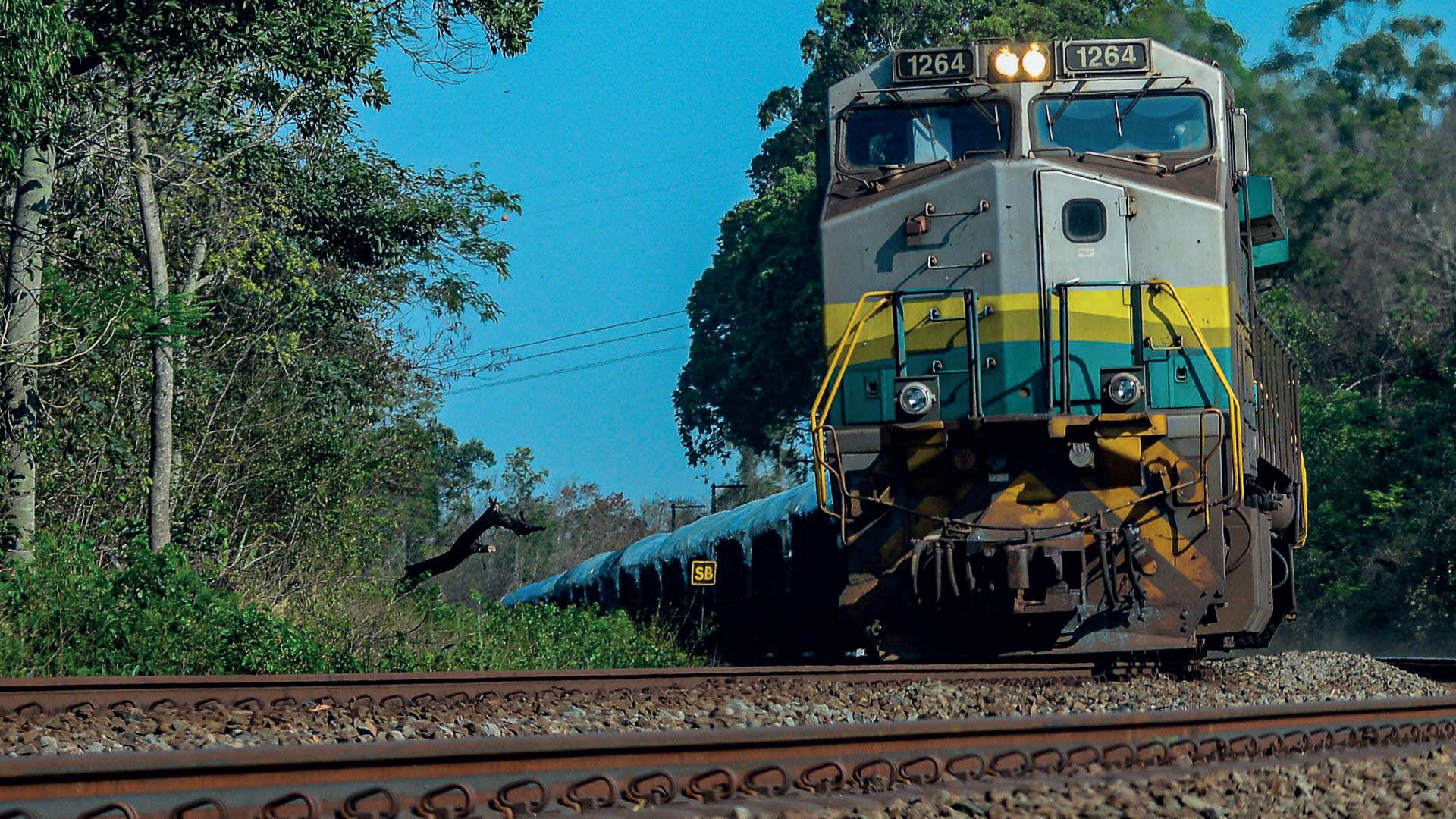
Minas Gerais continues to break records when it comes to attracting investment, solidifying its position as a highly diverse economy. The state boasts a sophisticated industrial park home to a range of industries, from pharmaceutical giants to niche manufacturers – it has the only helicopter and locomotive factories in Latin America, for example.
In agribusiness, Minas Gerais is the leading Brazilian state in coffee, milk, and potato production, contributing significantly to Brazil's agricultural sector.
The state's economic diversity extends to renewable energy generation, further reinforcing its importance in various economic sectors. From international pharmaceutical investments to agricultural dominance, Minas Gerais stands out as a key player in Brazil's economic landscape.
The following slides present data relating to the economic diversity of Minas Gerais.

Metallurgy
Biggest producer of pig iron, metal alloys and steel.


Automotive


50% of Brazil's metallic mineral production.
production (225 Mt @62%Fe).
Mining Strategic minerals:
30% of Brazil's total mineral production.
300 mines operating.
• Niobium - almost 85% of Brazilian production, representing more than 75% of global output.
• Graphite - almost 100% of the processed production in Brazil.
• Lithium - 100% of national production. Brazil's biggest vehicle market (2021) and second-most significant producer.
Second-largest auto parts producer.


Energy
z
First place in photovoltaic solar energy capacity (distributed generation).
Second-largest number of IT companies in Brazil

Second-biggest biotechnology center.
Third-biggest pharmaceutical industry.

Agribusiness
Brazil's biggest producer of coffee, milk, and potatoes.
Highest number of dairy cattle and horses.
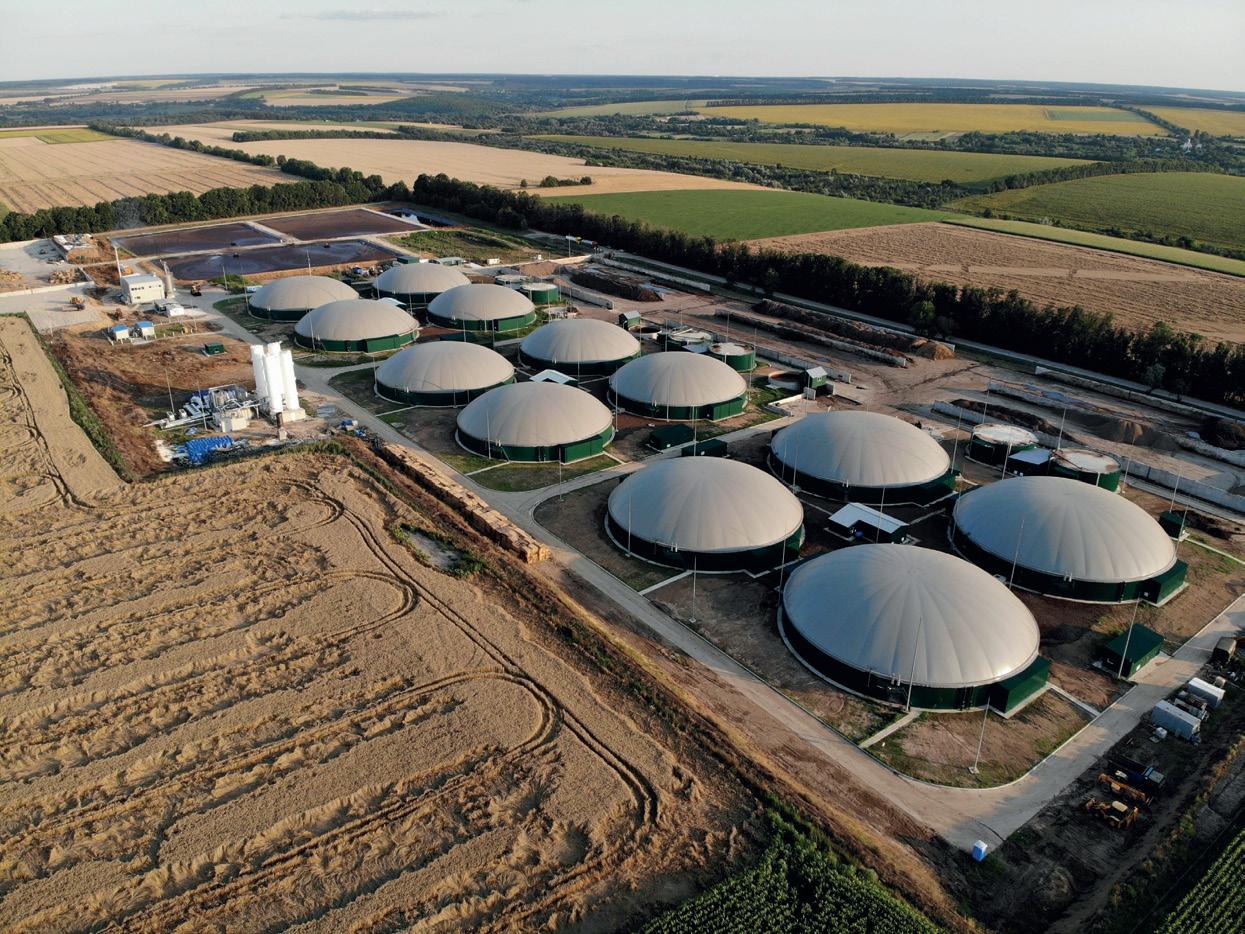
In line with the global trend towards decarbonization and Hydro and solar power dominate the state's energy landscape, providing for internal consumption and supplying surplus energy to the national grid to meet demand in other Brazilian states. Tax exemptions for electricity generated from renewable sources, including solar, wind, biomass, and small hydro power plants, have fostered an environment conducive to the growth of renewable energy in the state.
Minas Gerais also leads the way in expansion of planted eucalyptus forests for biomass production. This initiative not only enhances the state's renewable energy capacity but also promotes sustainable forestry practices and contributes to carbon sequestration.
In addition, the Brazilian steel industry in the state is pioneering the use of charcoal as both a source of energy and a replacing coal and reducing carbon emissions in the steelmaking process.
Minas Gerais has also received substantial investment in the sugarcane sector, totaling over U$ 2.5 billion in 2023. This investment will allow the state to position itself as the second-largest ethanol producer in Brazil.
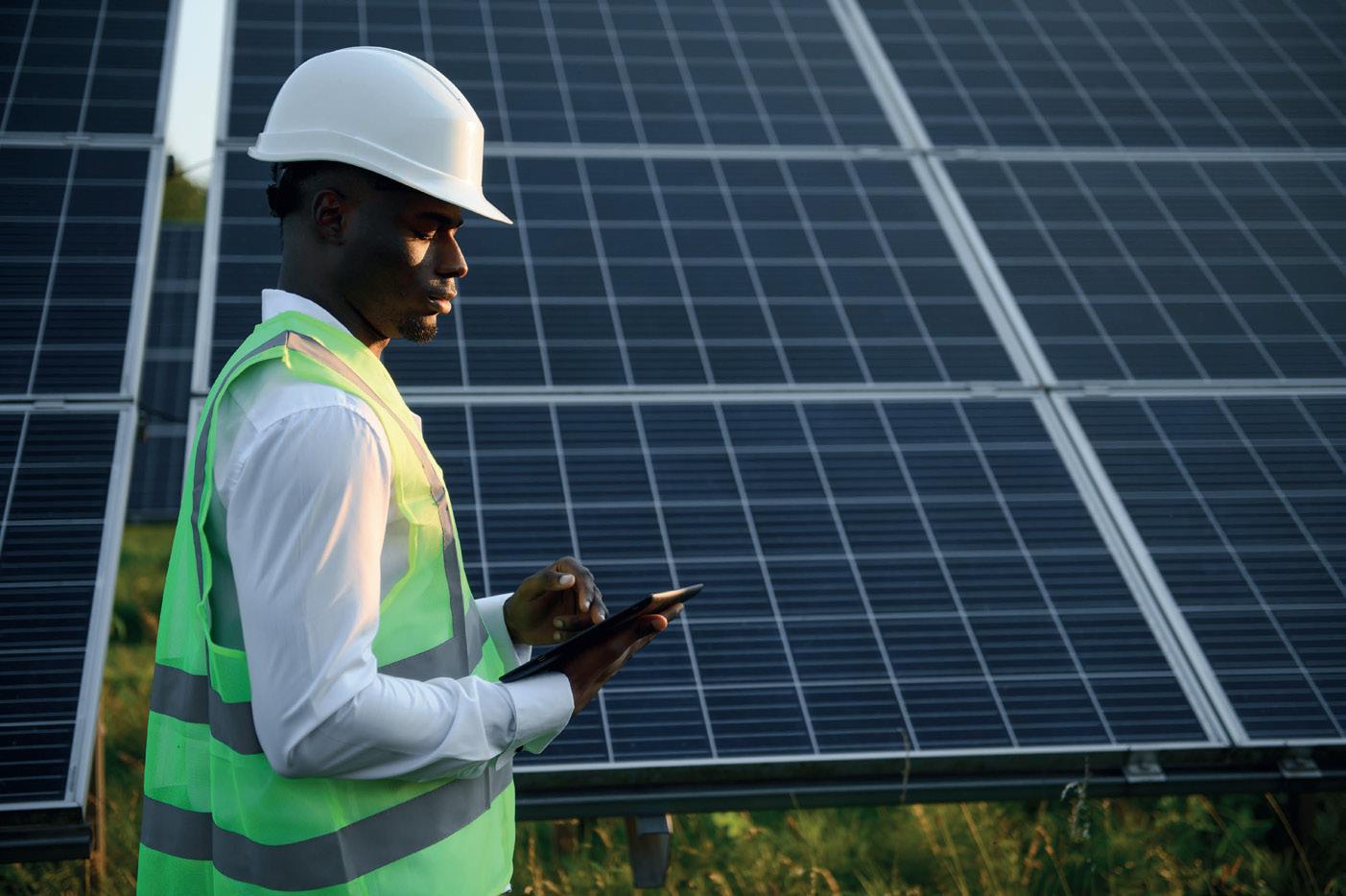
THE NET ZERO RACE is taken seriously in Minas Gerais . . .
The Decarbonization Route is an alliance between key economical players in Minas Gerais to accelerate the transition to a low-carbon economy, boost investments and green jobs, and enhance the global competitiveness of products from Minas Gerais.
On June 9, 2021, Minas Gerais became the first state in Latin America to join the Race to Zero campaign.
The campaign aims to engage governments, the private sector, and the community. It is a result of growing concern for the environment, climate change, and

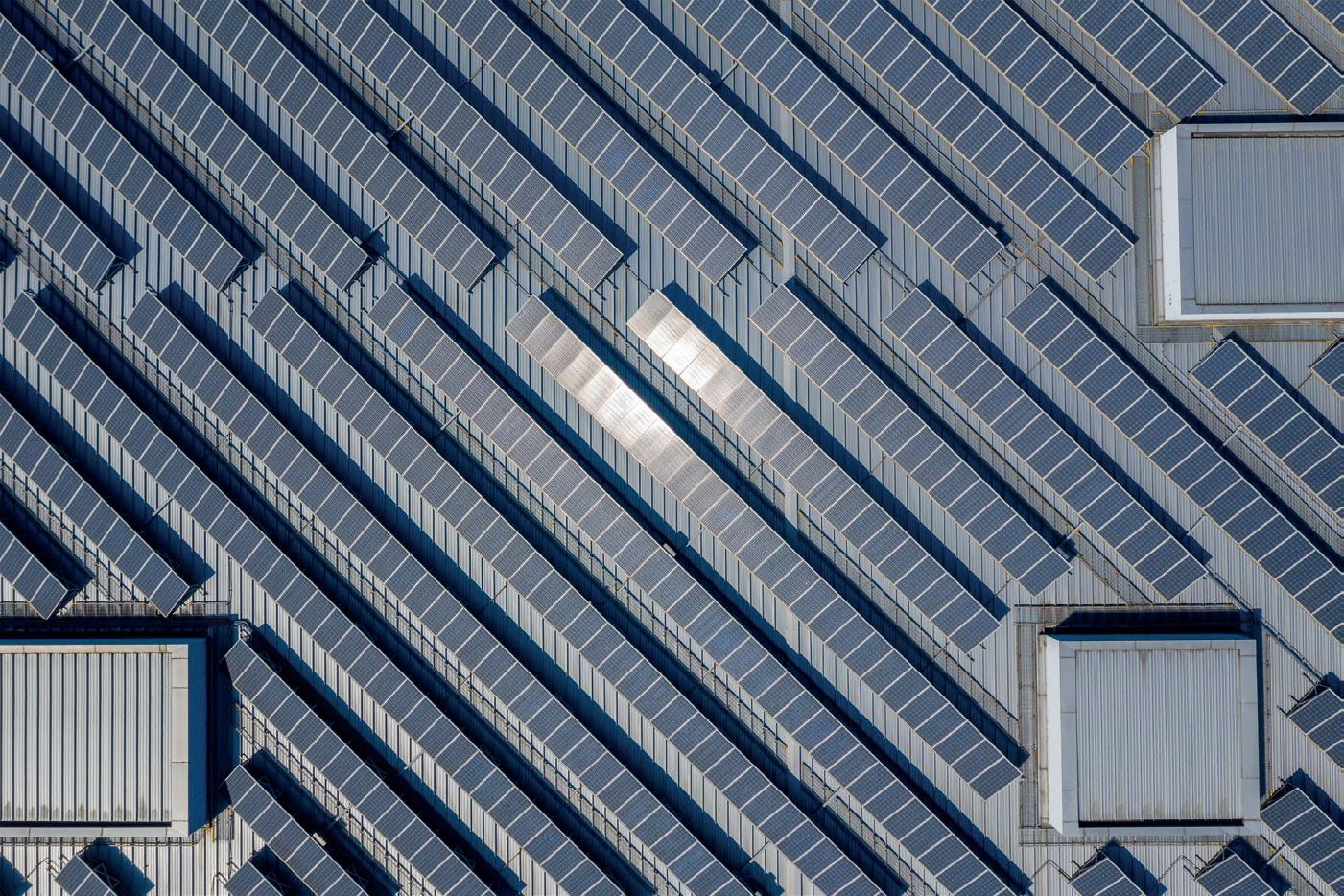
Minas Gerais is a renewable sources
Surpassing the capacity milestone of 7 GW, equivalent to half of the Itaipu Hydroelectric Plant.
Over R$ 12 billion of investment in sugarcane in 2023. Minas Gerais is on track to become the second-largest producer in Brazil. Agreement with Acelen/Mubadala for advancements in macaúba research and cultivation for Sustainable Aviation Fuel (SAF).

Significant potential for production and consumption in mining, steelmaking, and fertilizer sectors.
Largest expanse of planted eucalyptus forest in Brazil (2.3 million hectares).

We intend to build an economy of opportunities for the people of Minas Gerais, in harmony with the planet.

due to the wide variety of mineral goods found within its borders, which have been mined since the 17th century
More than 300 mines operating
40% of biggest mines in Brazil
67% of Brazilian mines with production of over 3 million tons/year
Global leader in niobium production, (Araxá), which accounts for 75% of the global market share
,
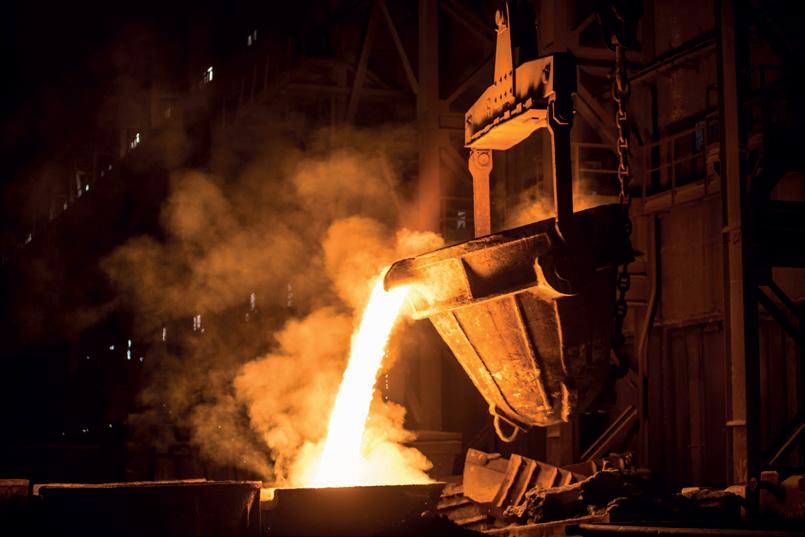
Helping to decarbonize the steel and infrastructure industries
Sole domestic producer of lithium (spodumene concentrates and chemical compounds)
Close to 50% of national production of processed metallic minerals
More than 30% of all mineral production in Brazil
Largest steel producer in the country, 29.8% of national production, equivalent to 10.1 million tons per year
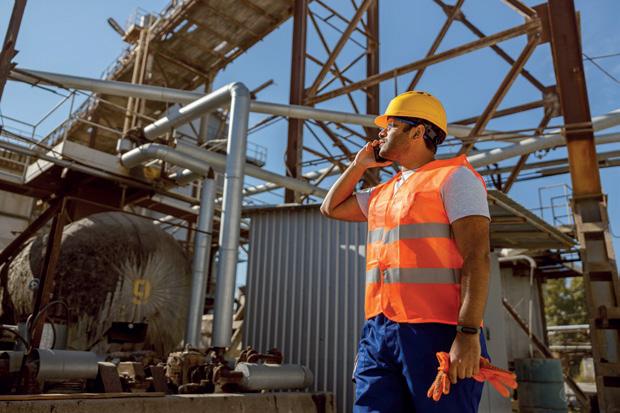
The economic diversity of Minas Gerais fuels a chain of specialized services and supplies, catering to a wide range of industries. In the upstream segment of the mining value chain, the state is home to the operations of international geological research companies and providers of cutting-edge technological solutions, encompassing measurement, monitoring, planning, and mining operations.
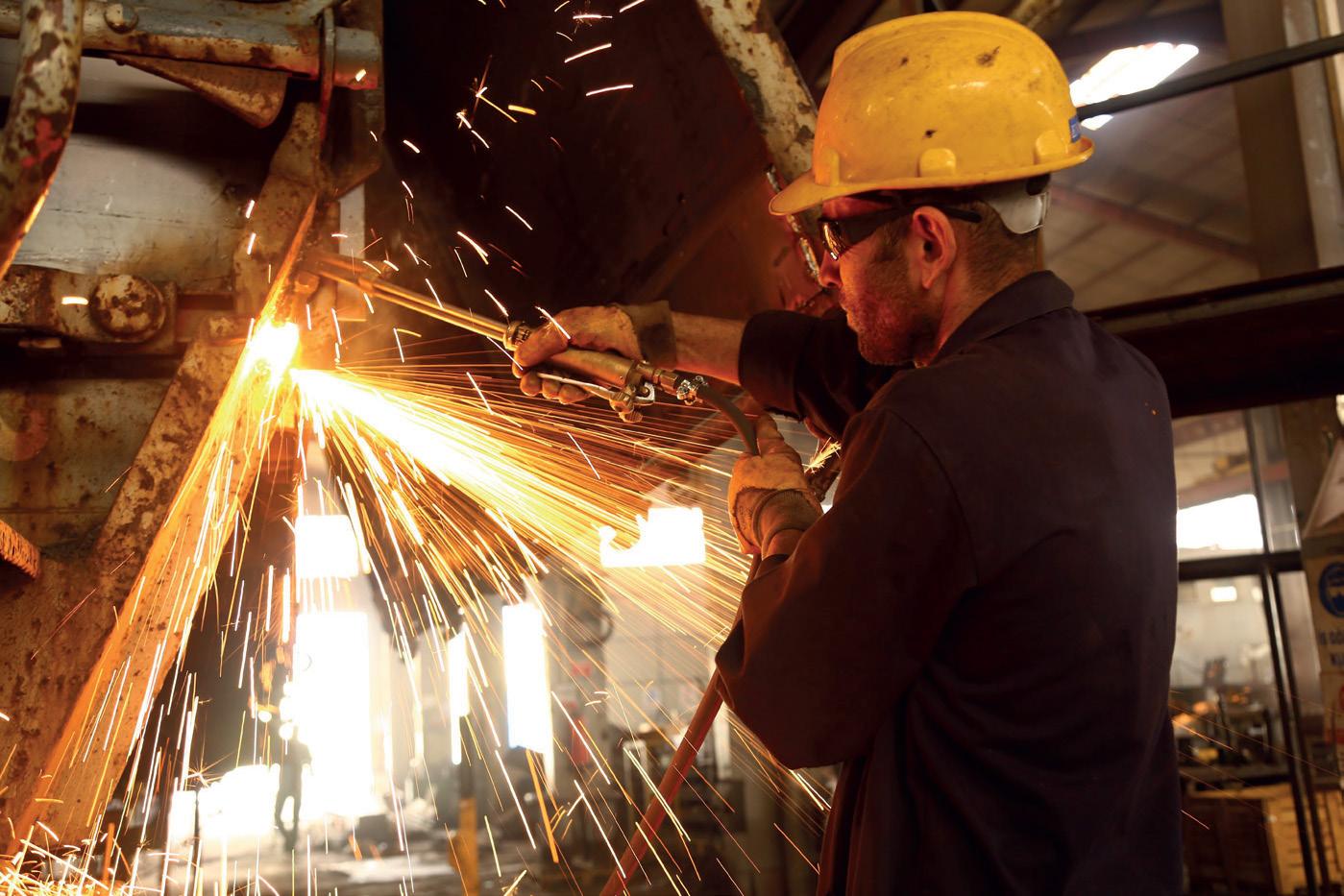
Minas Gerais's metal mechanical hub manufactures complex structures for a wide range of industrial sectors, with a particular emphasis on mining and oil & gas. From mechanical engineering to manufacturing, the hub ensures the seamless integration of components into large-scale projects, boosting efficiency and innovation in industrial processes.
Brazilian and multinational companies contribute significantly to the supply of machinery and equipment, further enhancing the state's industrial capabilities and competitiveness on both domestic and international fronts.
In the downstream segment, the operations of major Brazilian metal and steel companies take center stage, underpinning Minas Gerais's position as a leader in metal production and processing. These companies play a key role in driving economic growth, fostering innovation, and supporting local communities through job creation and infrastructure development.
























Minas Gerais has a broad capacity for research, development, and innovation, supporting the private R&D institutions provide essential resources for research in materials analysis, surface engineering, manufacturing processes, and the processing of ores and tailings. These include:


engineering and metallurgy, geology, working closely with related centers and institutions, such as the nanomaterials and graphene technology center CT Nano.

a national leader in research and innovation for the mineral sector, focused on technological solutions to increase productivity, optimize processes, reduce losses, and minimize environmental impacts.


an innovation initiative open to all members of the mining chain, seeking solutions to common challenges in the sector, bringing together mining companies, suppliers, startups, researchers, and investors, generating opportunities and connections for different mining stakeholders.
Continued investment in research, development, and sustainable practices show that the state is poised to maintain its leadership in the industry, contributing to economic growth, technological advancement, and environmental stewardship for the mining chain – R&D centers at CBMM, Usiminas, and Arcelor Mittal, for example – as well as other sectors of the economy, with the state also being home to research centers for companies such as Google, Stellantis, and Embraer.

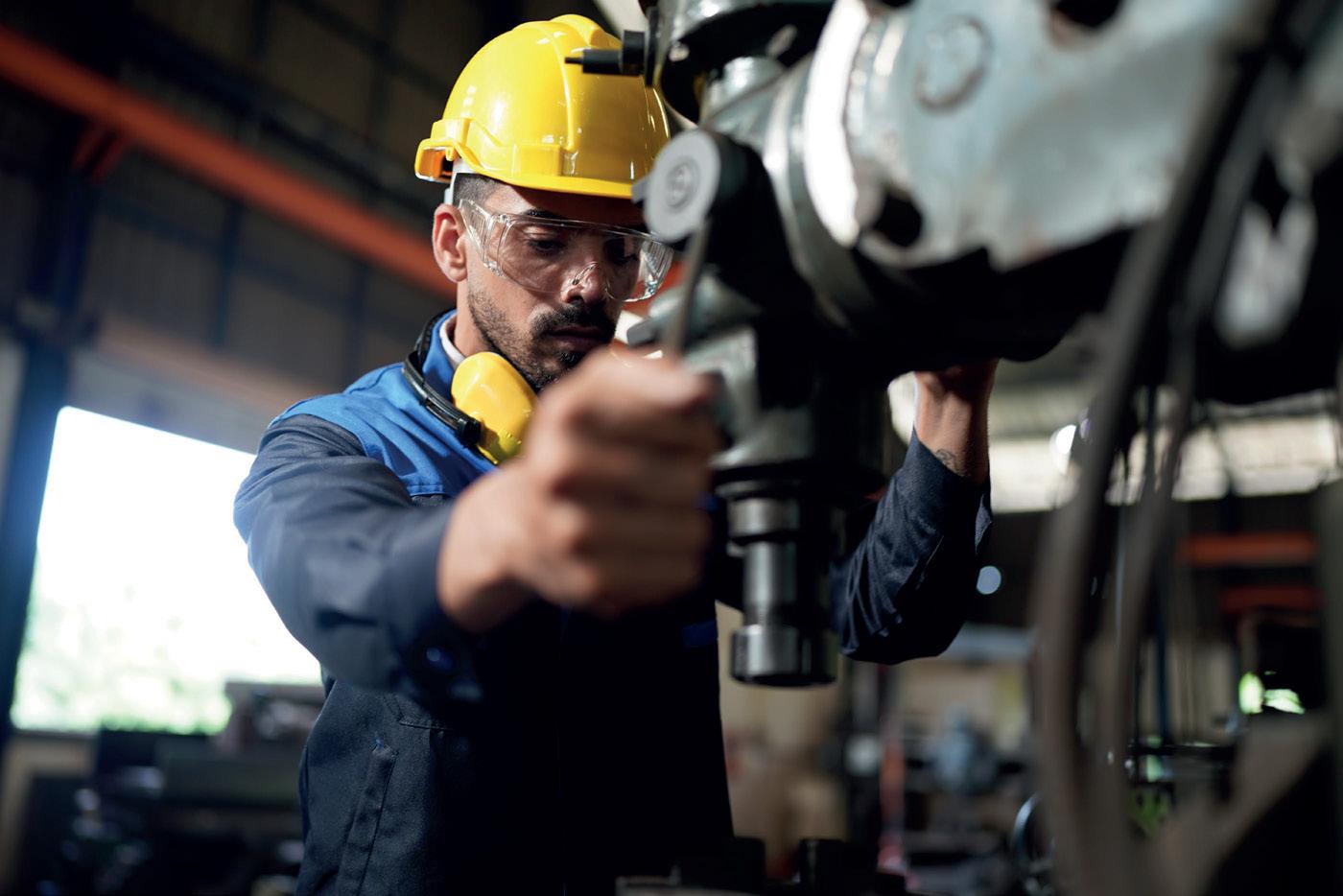
Professionals involved in the mining sector in Minas Gerais represent a diverse range of specialties, including geologists, mining engineers, mining technicians, heavy equipment operators, environmental specialists, and others.
Beyond the variety of undergraduate (98) and graduate (51) courses available in the state, Minas Gerais also has an excellent structure for technical courses offered through public and private educational institutions – 30,000 students are currently enrolled in technical courses related to mining, for example.
Similarly, as an acknowledgment of the importance of well-trained professionals in technical fields, the Minas Gerais state government launched a project called “Trilhas de Futuro” (“Pathways to the Future”), which aims to offer vocational training through free technical courses with a focus on employability, leveraging existing infrastructure and the expertise of public and private institutions. There are 82 courses available at 283 accredited institutions across 133 municipalities in Minas Gerais.
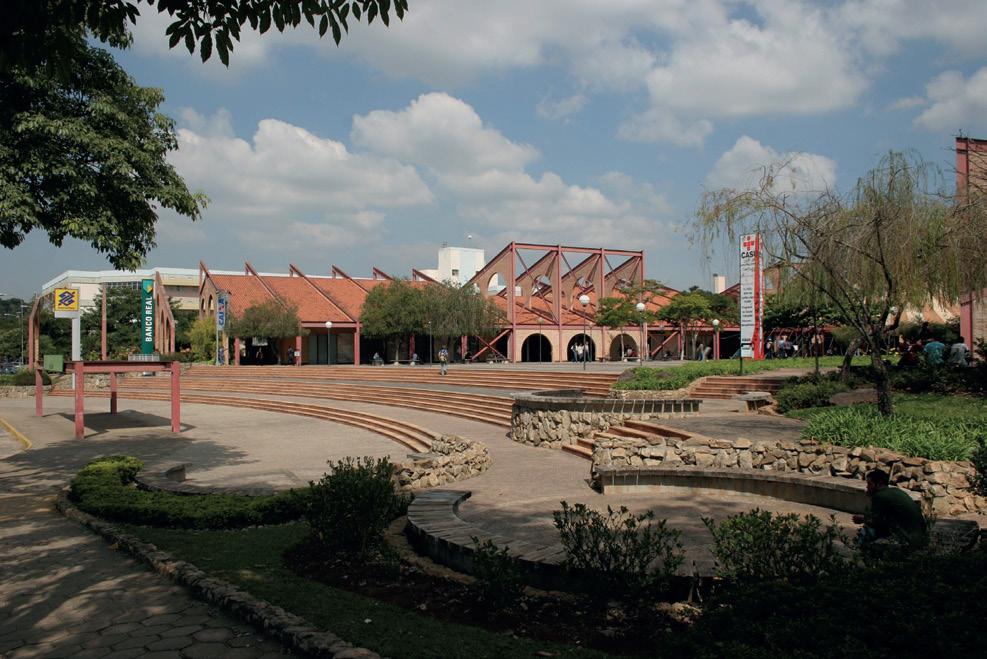
Mining related education system*

Highest number of Federal University campuses in Brazil.
Three of the 10 best Federal University units in the country are located in Minas Gerais. 20 public higher education institutions.

98 undergraduate courses
51 graduate courses
92 Technical courses
*Courses focused on mining-related fields, such as geology, mine and geotechnical engineering, mineral engineering, environmental science, ecology, and mechanical engineering


5.1 - LITHIUM VALLEY
5.2 - SILICON
5.3 - RARE EARTH ELEMENTS
5.4 - GRAPHITE

Minas Gerais offers numerous opportunities in the mining sector, including materials considered critical to the global goals of energy transition and decarbonization. The following slides highligh some of the critical materials naturally found in the state, presenting investment opportunities.
It should be noted that through various stakeholders, such as CODEMGE and the Secretariat of Environment, the state of Minas Gerais provides a series of technical and geological data that demonstrate the mineral potential of the state in depth , serving as tools for mineral prospecting. For example, the state has been completely geologically mapped on a 1:50,000 scale and airborne geophysical survey (gamma spectrometry and magnetometry) coverage of the entire state is available.
Other state initiatives are under development, such as the “Mineral Projects Marketplace,” which aims to connect investors and mineral project title-holders through an online georeferenced platform.









The Program has a potential to transform the socioeconomic outlook for more than 980,000 inhabitants across 55 municipalities, in the region with the lowest Human Development Index (HDI) of Minas Gerais.
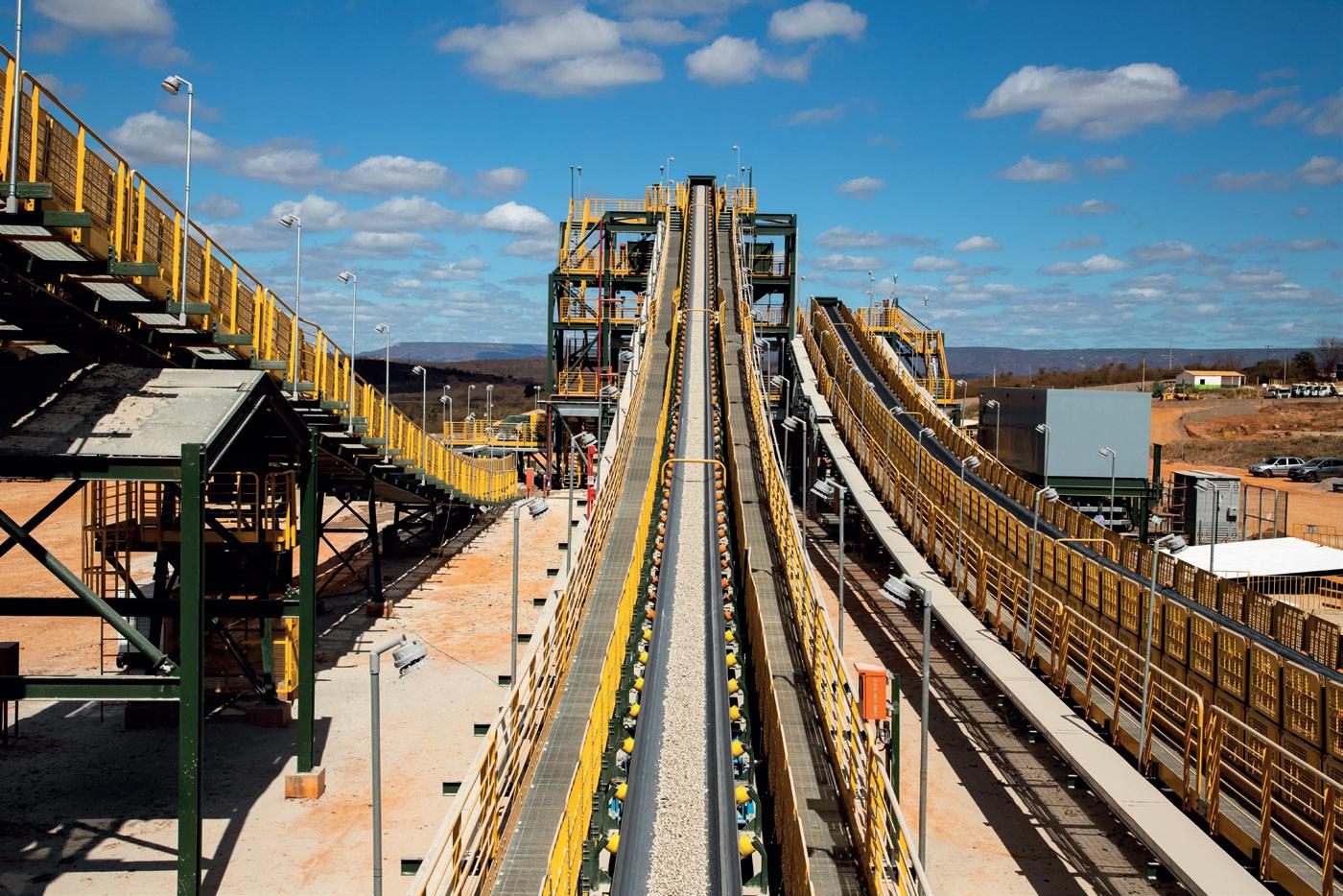
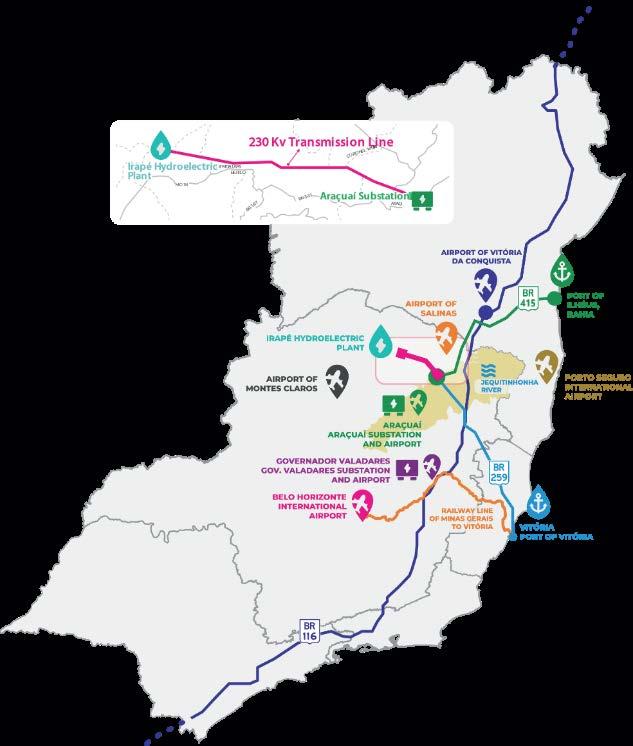
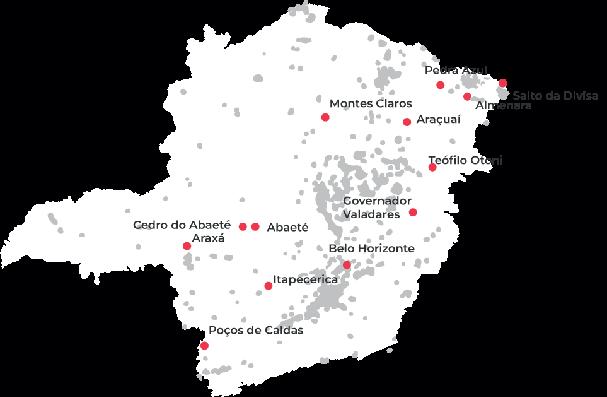
The Lithium Valley Brazil is a socio-economic program created by the Minas Gerais state government based on the lithium production chain. The area is home to Brazil's largest proven lithium reserve, as determined by the Brazilian Geological Service.
The program aims to promote investment, business, and employment in the Vale do Jequitinhonha, and to introduce Minas Gerais into the international lithium chain. It also seeks to attract investment across the entire lithium chain to facilitate downstream opportunities and create jobs, thus raising average income in the Vale do Jequitinhonha area.
Conceived by Invest Minas, the project involves liaising with multiple state and municipal government bodies to formulate public policies, addressing challenges such as workforce qualification, innovation & technology, and infrastructure.
Minas Gerais has been exploring and industrializing lithium and its derivatives since the 1990s through CBL, a company that exports lithium carbonate and hydroxide from its plant in Divisa Alegre, Minas Gerais. The state is also home to Sigma Lithium, which began exporting spodumene concentrate in 2023. Leveraging the state's




45 large lithium deposits


lithium reserves and the global growth in demand for the material, the Minas Gerais government launched a program on NASDAQ in May 2023 to demonstrate to the world that the state is open to receiving new players and that it offers entrepreneurs all the support they need to establish a business.


R$ 5.5 billion currently being invested in the region
Projected investment of ~R$ 30 billion by 2030

More information is available on the website:

Short distance to the USA: Atlantic port access offers the advantage of faster delivery, reducing shipping costs and lowering the carbon footprint
New EU Critical Raw Minerals proposal to make trade agreements with the aim of securing supply from Latin America
Brazil offers an alternative source of critical minerals supply compared to the current majority, including lithium and graphite


Silicon is a key material to the energy transition, because it is used in the solar cells of photovoltaic panels. The silicon value chain, from quartz to the solar panels, is shown in the figure below.
-largest silicon metal producer and that Minas Gerais is the biggest producer in Brazil, the state has emerged as a reliable alternative source of silicon. Furthermore, because it uses reforested eucalyptus as a bioreducer instead of coal, and because its power comes from 100% renewable sources (either solar or hydroelectric), the silicon metal produced in Minas Gerais is classified as GREEN SILICON. In fact, it is as green as it can possibly be, with some traditional companies producing it with a negative carbon footprint.
Sources: USGS; ABRAFE; EMIS/MordorIntelligence; BernreuterReserach; IEA

ALREADY IN MINAS GERAIS



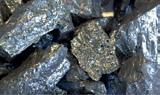

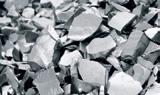


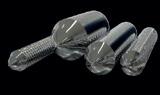



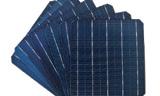
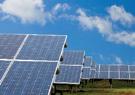


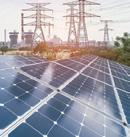





Brazil is also one of the biggest and fastest growing markets for photovoltaic (PV) energy, with Minas Gerais in the lead. The current capacity of all solar energy projects completed or under construction in Minas Gerais is nearly 7GW , representing 35% of the Brazilian total. As a result, solar modules were the fourth most imported product in the state in 2022. There is therefore a market opportunity to develop the downstream chain in Minas Gerais (polysilicon for solar modules), taking advantage of both the green silicon availability and the strong demand for solar panels in Minas Gerais, Brazil, and worldwide.
In addition, the global polysilicon market, driven by the race to net-zero, is forecast to reach a value of US$20 billion by 2027. Currently, four of the top five polysilicon manufacturers are Chinese, illustrating a high market concentration in China. The photovoltaic industry as a whole is highly concentrated in China –the top five cell and module manufacturers are also Chinese.
Based on initial explorations indicating large volumes of resources and the highest REE concentrations in the world, Minas Gerais, especially the Poços de Caldas region, could be the next South China – a potential hub for rare earth elements. Confirmation of these deposits and subsequent mineral extraction will have a deep impact on the global rare earth mining industry, with Minas Gerais at the very forefront.
One of the key advantages is the extraction of ionic clay, which provides major cost reductions from an operational and capital perspective. The low CapEX of ionic clay due to its simpler extraction provides a highly economic and disruptive opportunity, while also boasting a significantly lower carbon footprint. The primary application of these mineral resources is intrinsically linked to the manufacturing of renewable energy equipment (wind turbines, electric motors, solar panels, and more).


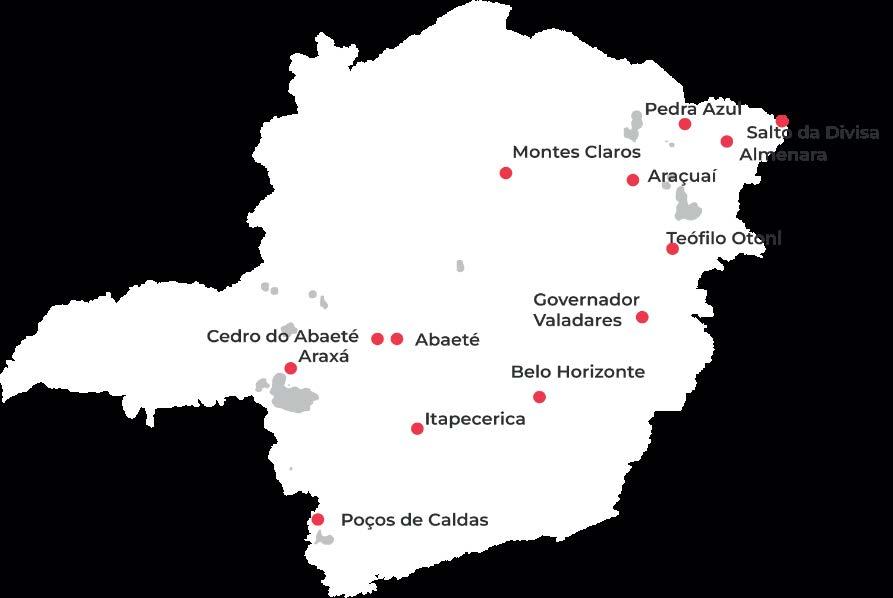
Significant mineral research efforts are already underway to further quantify and qualify the existing mineral deposits, led by pioneering companies such as:

US$ 270 Million
US$ 240 Million


US$ 500 Million in new investments





Other promissing projects
Due to the range of potential industrial applications essential to the race to net-zero, such as batteries, graphene, automobiles, and agribusiness, graphite is considered a critical mineral by eight major economies: the USA, Japan, the EU, the UK, India, Canada, Australia, and Brazil.
With annual production of 850 kt, China is responsible for 65% of the reserves of natural graphite and it is the 4th largest graphite producer (87 kt). Based on growing demand linked to the energy transition, global graphite production is expected to increase from 1.3 Mt in 2022 to 7 Mt in 2033, requiring approximately 100 new graphite mines. As a consequence, the global market is expected to increase from US$ 23 billion to US$ 46 billion in the same period.


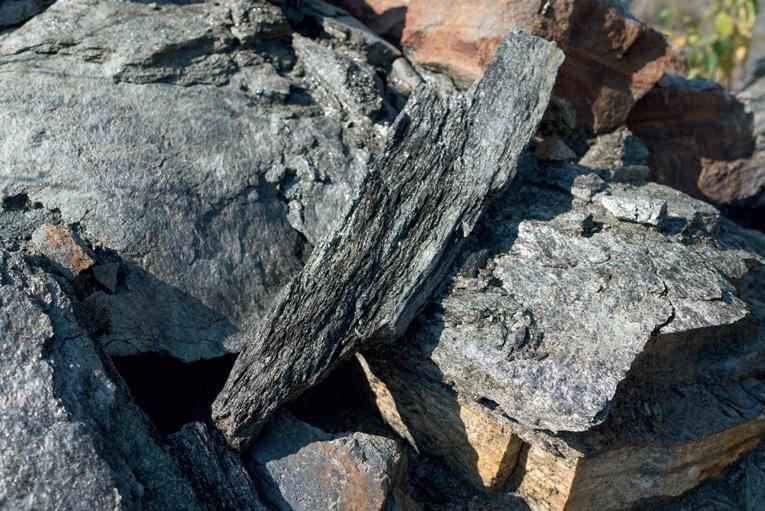 BATTERIES GRAPHENE AUTOMOBILE INDUSTRY
On this landscape, Brazil – and primarily Minas Gerais – are emerging as important sources of natural graphite for the world. Minas Gerais has more than 40% of the known Brazilian graphite resources and is Nacional do Grafite producer, capable of providing low-carbon-footprint graphite for many applications, such as batteries, electrodes for electric arc furnaces, and agribusiness.

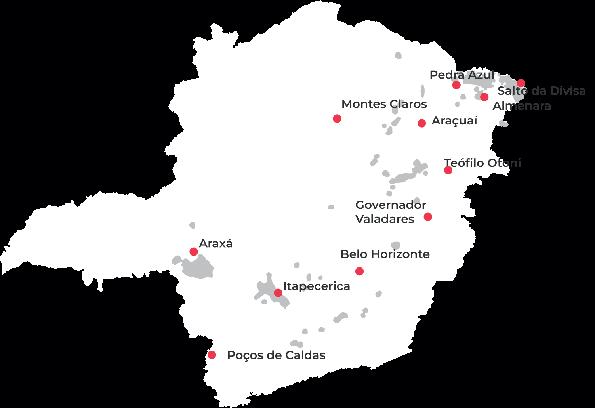

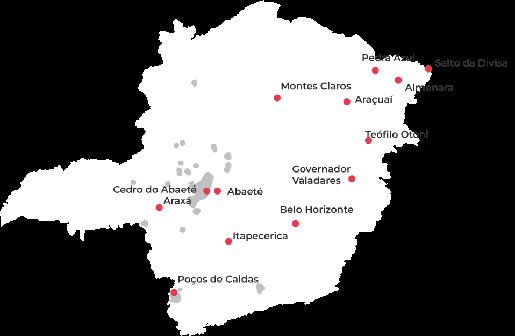
There are 400 graphite mining rights across more than 60 municipalities in Minas Gerais. The majority are in the northeast part of the provinces (Bahia-Minas province) is located.
For many reasons, including potential applications in the automotive, battery, and wind turbine industries, manganese is considered a critical material by the USA, Japan, EU, India, Canada, Australia, and Brazil. By 2030, the demand for manganese is expected to reach 230,000 metric tons. Similarly, the global manganese market is anticipated to register a CAGR of over 4.19% in the period 2023 to 2027.

STEEL INDUSTRY AUTOMOTIVE STAINLESS STEEL


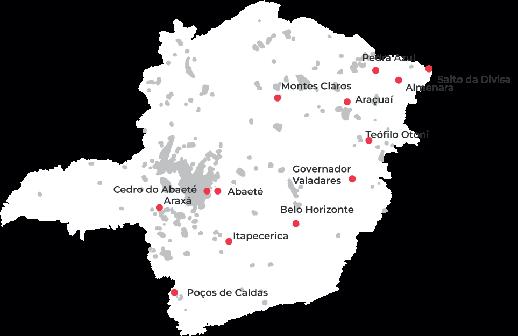
Brazil currently has the third-largest manganese reserves in the world with 270 Mt. Minas Gerais is home to much of this volume, with 3.77 Mt @21.62% run of mine produced in the state from 2013 to 2022. As shown on the map bellow, there are thousands of manganese mining rights in Minas Gerais, most in the Iron Quadrangle region (central area of the state) and the Espinhaço mountains (which run north to south).
Of these mining titles, some relate to historical activities (beginning of the 20th century) and others are associated with the new frontier for the energy transition. One example of the latter is a mining title owned by Casa Grande company, which intends to produce electrolytic manganese dioxide, an essential product to the battery industry. There are many other opportunities in the state that are similar to the Casa Grande project for those who want to establish a successful manganese project.

PHOSPHATE POTASH 5.5 | RAW MATERIAL | POTASH AND PHOSPHATE
the second-biggest producer and exporter of soy, and the third-biggest producer of meat (beef, pork, and chicken). Minas Gerais contributes substantially to these figures. In 2020, more than 34 million bags of largest milk producer – the state produced almost 10 billion liters of milk in 2020 (30% of Brazilian production).
To make all of this possible, millions of tons of fertilizers are needed each year, such as potash and phosphate. Brazil consumes more than 10 Mt of potash per year , of which more than 90% is imported. Similarly, the country uses more than 10 Mt of phosphate per year, 50% of which is imported. Driven by this demand, the Brazilian potash market is expected to register a CAGR of over 4.48% in 2023–2028 and the global market value is projected to reach 93.5 billion by 2032. The global phosphate fertilizer segment is projected to have a CAGR of 5.7% in 2023–2027. BRAZIL

BRAZIL
Minas Gerais is currently biggest producer of phosphate (40%) and has the largest known phosphate reserves in the country (67%), found in Cretaceous alkaline carbonatite intrusions and Precambrian sedimentary deposits. The Mosaic Company and EuroChem Brasil are the two main phosphate fertilizer companies established in the state.
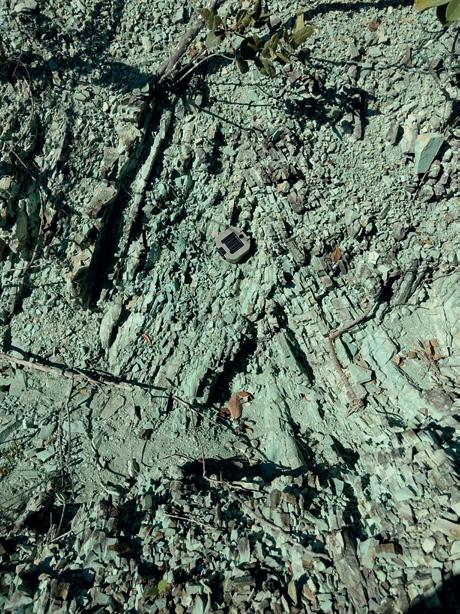
Although Minas Gerais does not have any known traditional potash deposits (i.e., potassium chloride – KCl), it has lots of potassium silicate deposits (140+ mining titles). This kind of potash, known as remineralizer, is a complementary alternative to NPK fertilizer and can increase the efficiency of these sources when combined. It also has many advantages compared with traditional potassium chloride, the biggest of which is that it has a much lower carbon footprint. With the race to net-zero gaining more impetus with each passing day, products with a lower carbon footprints are becoming ever more valuable. Fortunately, there are many opportunities for potash remineralizer projects in Minas Gerais. Verde Agritech, Harvest Minerals, and Yoorin Fertilizantes are some of the key players already in the state, reflecting the viability of this kind of venture.