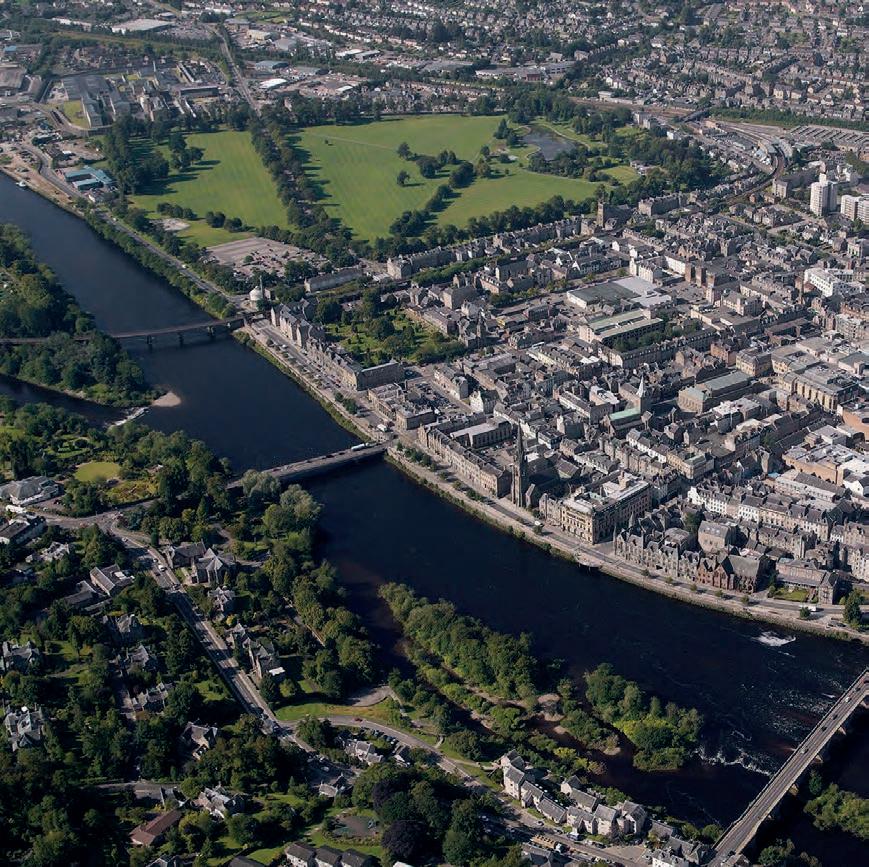
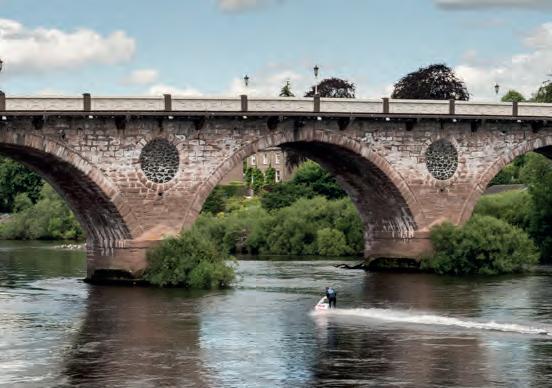
This is the second edition of the Perth City Plan. The document has been prepared on behalf of the Perth City Development Board. The Board, which brings together senior representatives of the private and public sector in Perth and Kinross and the wider region, reviews and updates strategy and aims to inspire public sector bodies, business groups and partnerships to deliver the City Plan.
Perth City Development Board Membership
Perth & Kinross Council
St Johnstone Football Club
USSIM
Scone Palace
Inveralmond Brewery
Duncan of Jordanstone College of Art and Design
The Parklands Hotel
Aviva
Stagecoach East Scotland
Hiscox
The Gannochy Trust
Scottish Enterprise
Perth College UHI
Kilmac Construction
NHS Tayside
Perthshire Chamber of Commerce
Scottish & Southern Energy
Smart Growth for Perth City
Welcome to this new edition of the Perth City Plan, which sets out our long-term vision for Perth as one of Europe’s great small cities. The document sets out a framework for investment in strategic infrastructure, together with a 5-year delivery plan for economic development and placemaking.
The Perth City Plan reflects the City Development Board’s aspiration to be bolder and aim higher than ever before. Focusing on the themes of economic development and placemaking, the Plan embodies the aims and objectives of a wide range of partners. It will act as the spur for a collective, city-wide effort which will lead Perth through an exciting period in its history, creating a framework for public and private investment.
The City Plan will deliver jobs, a high quality environment and a great quality of life. The document sets out proposals to accelerate growth and build a high-performance economy, and to facilitate the significant increase in population and jobs anticipated in the next 20 years.
Critically, the plan aims to guide Perth through these changes in a way that will preserve and enhance the things we most love about the city. That’s what we mean by smart growth - a city that uses digital and environmental technologies, thoughtful design and next generation concepts to make Perth a place where:
• people live well, work in quality jobs and play in a great environment - a prosperous, balanced community not a commuter dormitory;
• the city will grow in a responsible way, reducing car dependency and encouraging the use of public transport;
• we take full advantage of digital technologies to create a city which is efficient and connected;
• low-carbon will be a way of life, founded on energy-efficient homes and businesses;
• the unique characteristics of the historic city centre and Perth’s natural setting will be celebrated and enhanced.
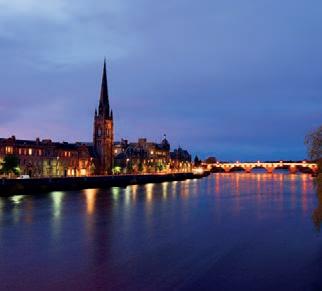
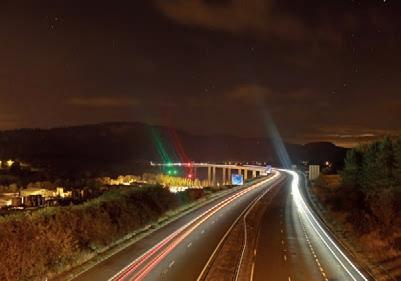
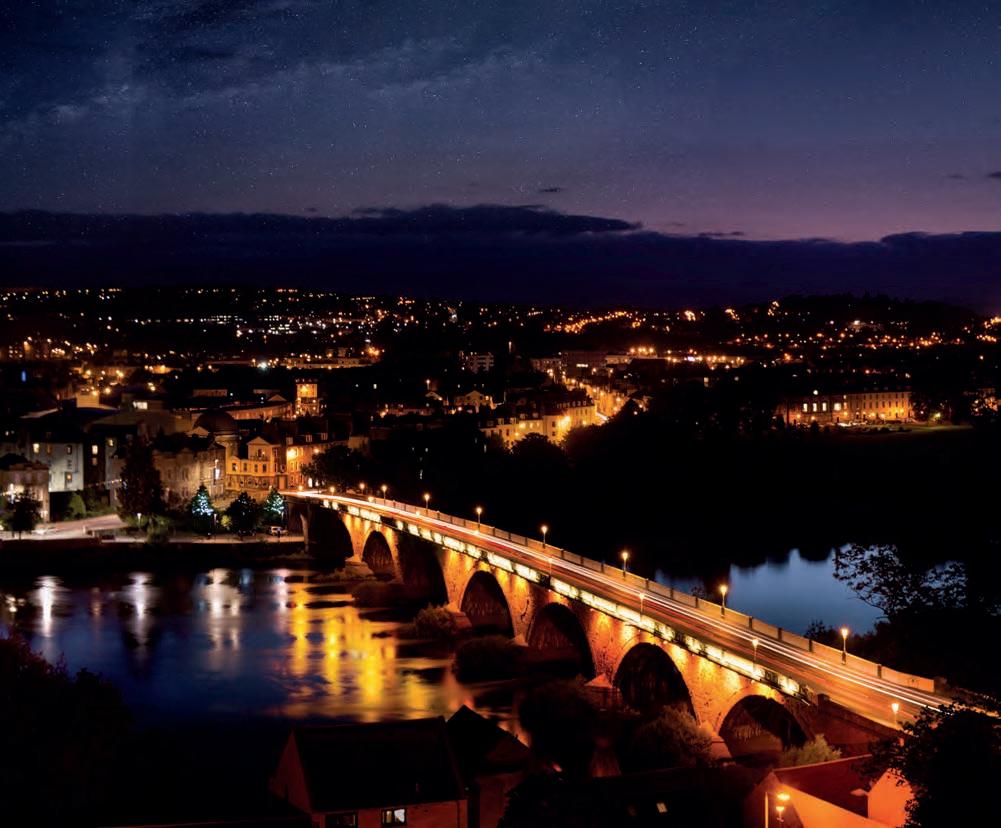
• environmental technologies will be a key driver of economic growth and innovation; River Tay at night
Our Vision:
We have drawn inspiration from the example of successful small cities in the UK and Europe. We have looked at a group of dynamic places that combine liveability and quality of life with a global presence and a reputation for innovation and competitiveness. They have competitive, knowledge-based economies, skilled workforces and highly regarded universities. They attract inward investment, nurture great start-up businesses, and appeal to talented people. Case studies of four such cities - Exeter, Freiburg, Karlstad, and Umeå - are contained in Appendix 1.
Exeter, UK Freiburg, Germany
Freiburg, Germany
Umeå, Sweden
Exeter, UK
Karlstad, Sweden
Umeå, Sweden
Our Vision: Perth Will Be One of Europe’s Great Small Cities
These exemplar cities have given us the confidence to aim high. Perth has blue-chip companies, a new university, a strategic location at the heart of Scotland, a beautiful natural setting and an enviable quality of life. To fully capitalise on these assets we need to match the ambition, energy, determination and self-belief of Europe’s great small cities.
We know that achieving our goals will be a test of leadership, resolve and good governance. We have learned that the most successful cities, whatever their scale, have a culture based on mutual respect, a willingness to listen and learn, and a shared determination to overcome barriers to progress. These cities have come a long way in a generation and we believe that Perth can do the same.
The
20-year vision for
Perth
• By 2035 Perth will have a population of around 60,000 and will be the centre of a successful city-region of 160,000 people. It will have an international reputation for enterprise, learning, culture and an exceptional quality of life.
• A core group of blue-chip companies will provide the foundation for Perth’s prosperity and enviable quality of life, together with a cohort of fast-growing SMEs - international businesses and leaders in science, technology and creativity.
• Perth College University of the Highlands and Islands (UHI) will have a reputation for excellence in teaching and niche research strengths and will attract a cosmopolitan population of high calibre first degree and graduate students to the city.
• Perth will represent the best in small city living: great architecture and public spaces, stylish shopping, fine food, and a vibrant arts and culture scene. It will be an elegant historic city with a superb riverside promenade and access to wonderful countryside and outdoor recreation.
• Perth will have new hotels, facilities and attractions; capitalising on its strategic location, it will be a destination of choice for tourists, business visitors, conferences and meetings.
• The new River Tay crossing, investment in public transport, walking and cycling networks and digital infrastructure will create an accessible city that encourages active travel and reduces car dependency.
• Perth will meet the challenge of smart growth: its new neighbourhoods will be mixed-use, carbon-neutral communities fully integrated into the life of the city. The use of renewable energy and waste reduction initiatives will minimise the environmental impact of residents and businesses.
• Perth will work together with Dundee to create a prosperous city region - Scotland’s east coast powerhouse of creativity and innovation.
• The benefits of Perth’s success will be shared throughout Perth and Kinross and the wider region. A prosperous, lively and attractive local capital is good for the whole community.
The Context: Place, People, Policy and Investment
This document has been prepared by the Perth City Development Board (PCDB), assisted by other stakeholders and experts from the private, public and third sectors. The document builds on the first edition of the City Plan (2013) and reflects a shared view that we need to be more ambitious and set our sights even higher.
We have looked at what’s best about Perth and where it needs to improve. The city’s key strengths today include:
• its location at the heart of Scotland, with easy access to the major Scottish cities, UK and international markets via road, rail and air;
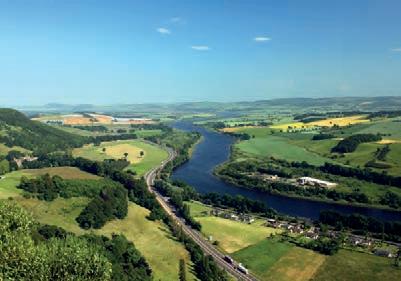
• its setting on the banks of the Tay, high quality townscape and outstanding natural environment;
• its strong commitment to community and partnership working;
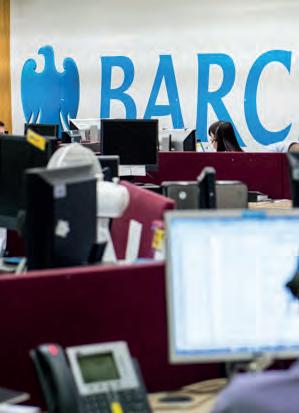
• a strong business base, with FTSE100 and other top companies represented in the city;
• key sector strengths in tourism, food and drink, renewables, energy and financial services;
• a new university and a successful college;
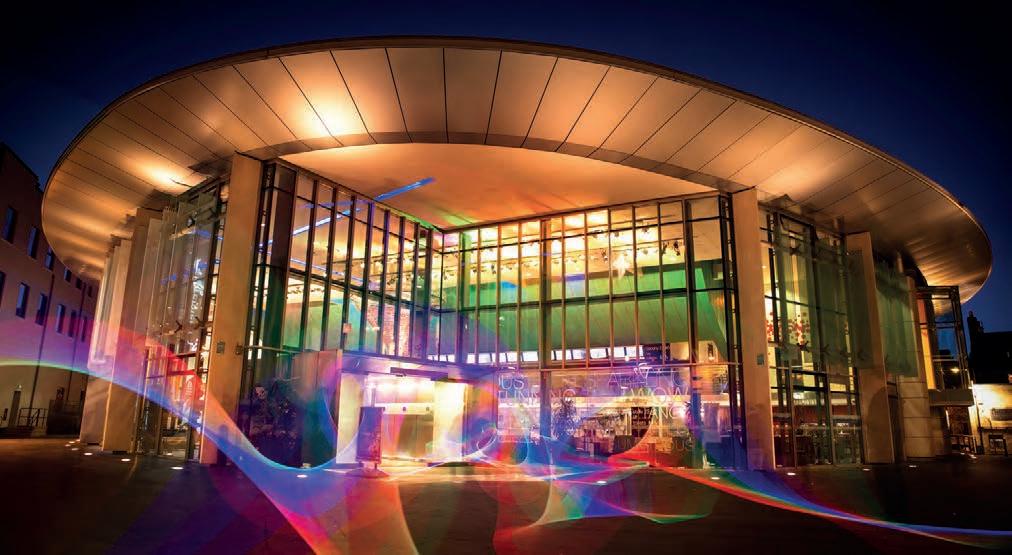
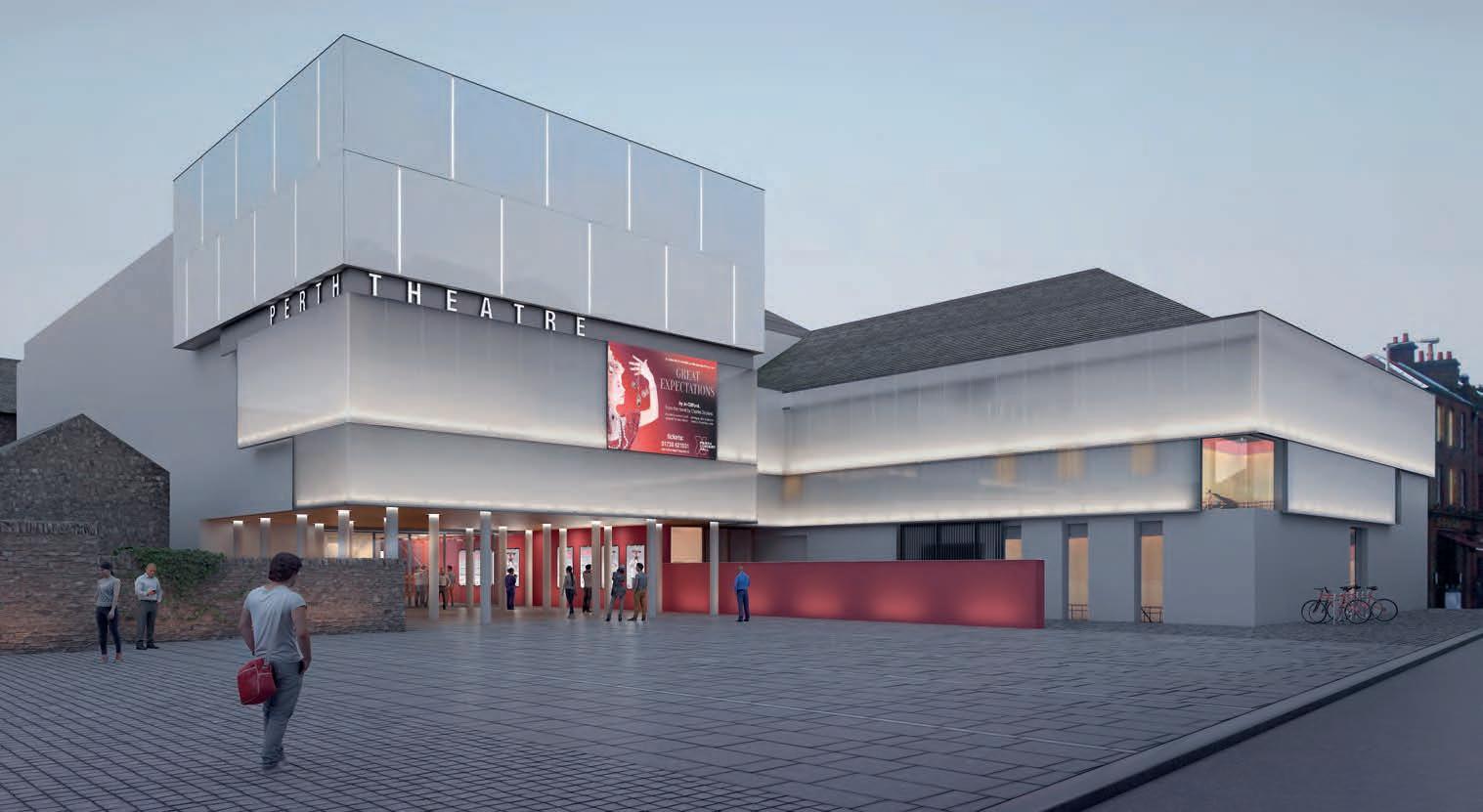
• a strong performing arts offer, with the worldclass Perth Concert Hall and redevelopment of Perth Theatre under way;
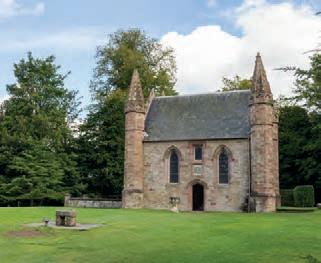
• a rich history and cultural heritage;
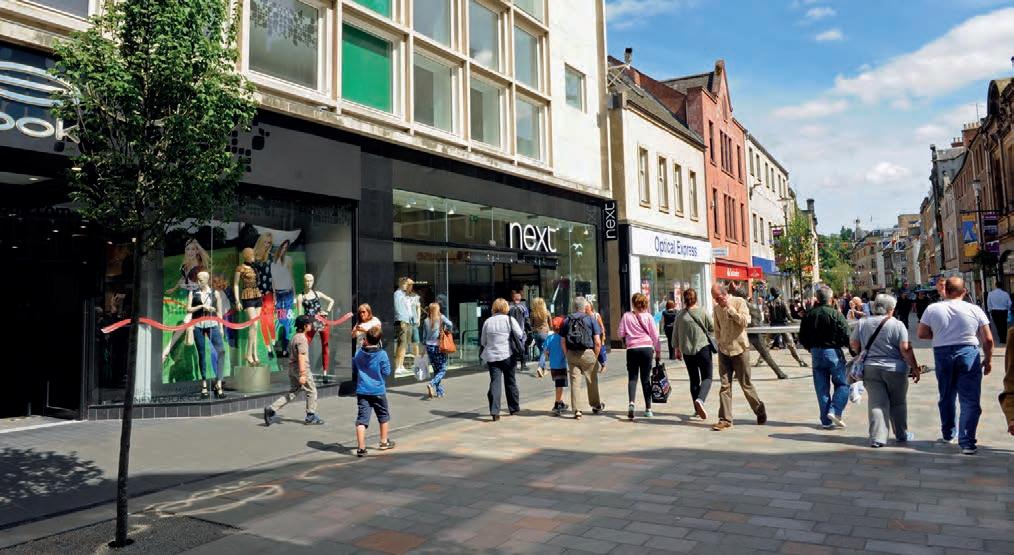
• popular city centre shopping with great independent retailers;
• a strong food and drink offer;
• excellent quality of life.
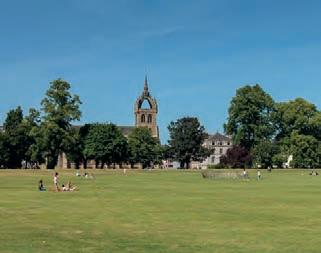
South Inch, Perth
The Context: Place,People,Policy and Investment
But we have also identified opportunities for improvement and new sources of growth:
• More knowledge-based small and mediumsized enterprises (SMEs) to diversify the local economy and accelerate growth.
• A more vibrant and competitive business base to increase the number of high-wage professional, scientific and technical jobs.
• Tackling pockets of persistent poverty in some parts of the city, ensuring that the whole city benefits from economic growth.
• Perth College UHI is a vital asset: we need to encourage it to grow and develop, helping Perth to become a true university city.
• Perth needs to make more of its rich history and invest in its cultural attractions.
• We need more quality hotels and additional facilities for conference and events.
• We have an attractive historic city centre, but we need to improve aspects of the visitor experience– especially at night - and encourage more people to live in the heart of the city.
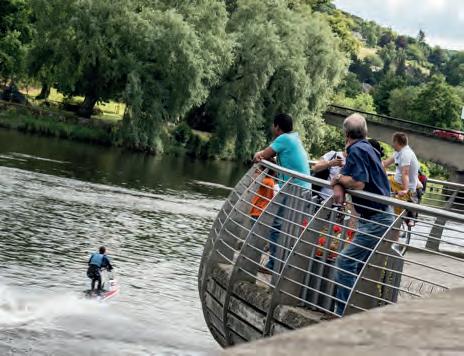
• We need to make more of our great natural assets, especially the river Tay and the surrounding countryside, for tourism and recreation.
• The speed, quality and frequency of the rail service to Edinburgh needs to be improved.
The policy context
We have framed this document in the context of national, regional and local planning and economic development policies.
Scotland’s Economic Strategy sets out four priorities for sustainable economic growth - investment, innovation, internationalisation and inclusive growth (Figure 2). The Perth City Plan addresses all of these priorities, as well as the themes of the Scottish Government’s Agenda for Cities.
Perth is a member of the Scottish Cities Alliance (SCA) which is working to maximise the contribution of cities to future economic growth by:
• providing digital and transport infrastructure;
• identifying development opportunities;
• securing investment and developing new funding models;
• strengthening cities’ role as creative centres based on productivity, knowledge and culture;
• promoting sustainability and smart technology;
• delivering social justice;
• promoting Scotland’s cities on the global stage.
The Bothy, Perth SSE, Perth
The Context: Place,People,Policy and Investment
Perth and Dundee are at the heart of a twin city region of over 400,000 people. The Perth City Plan also needs to sit within the context of the ambitions for the wider TAYplan area (Figure 3). By working together at the regional scale and building on our respective strengths we can make a stronger case for City Deal and other funding to help us deliver our ambitions for Perth.
The Perth City Plan Framework
The City Plan balances a long-term perspective with a commitment to early action. Our framework for action (Figure 4) comprises two key elements:
• A programme of long-term investments in infrastructure for smart growth with the focus on transport, digital connectivity and a smart city prospectus to promote high quality design, digital and a new generation of sustainable neighbourhoods.
• A short-medium term delivery plan based on four strategic themes and eight big moves, to promote investment in economic development, learning and skills, placemaking and tourism.
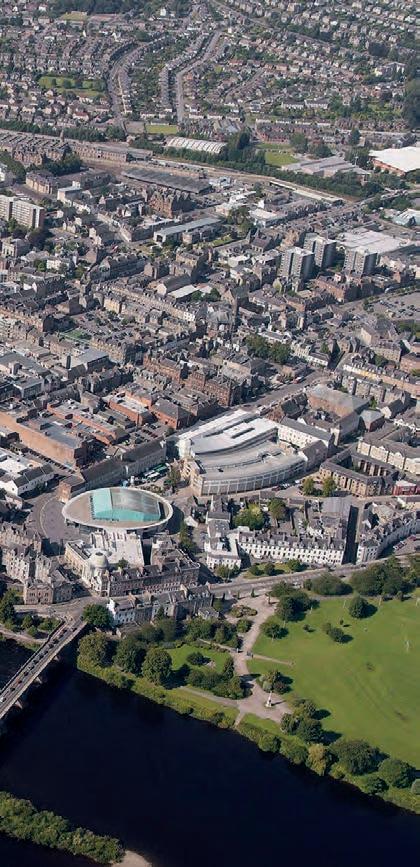
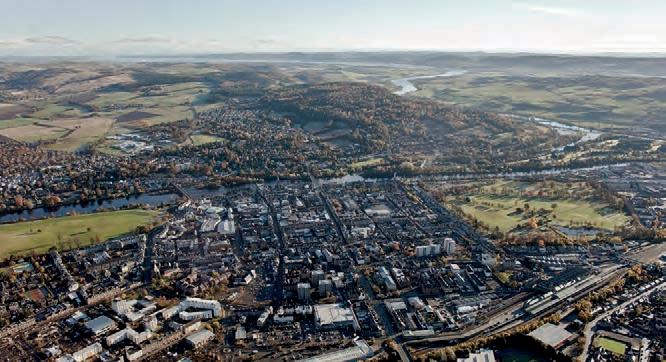
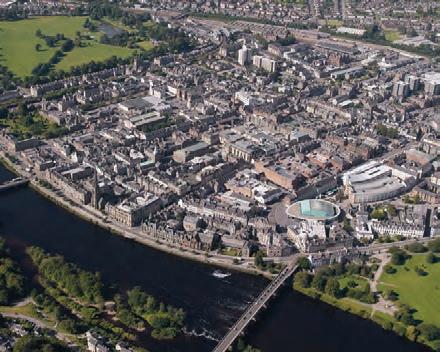
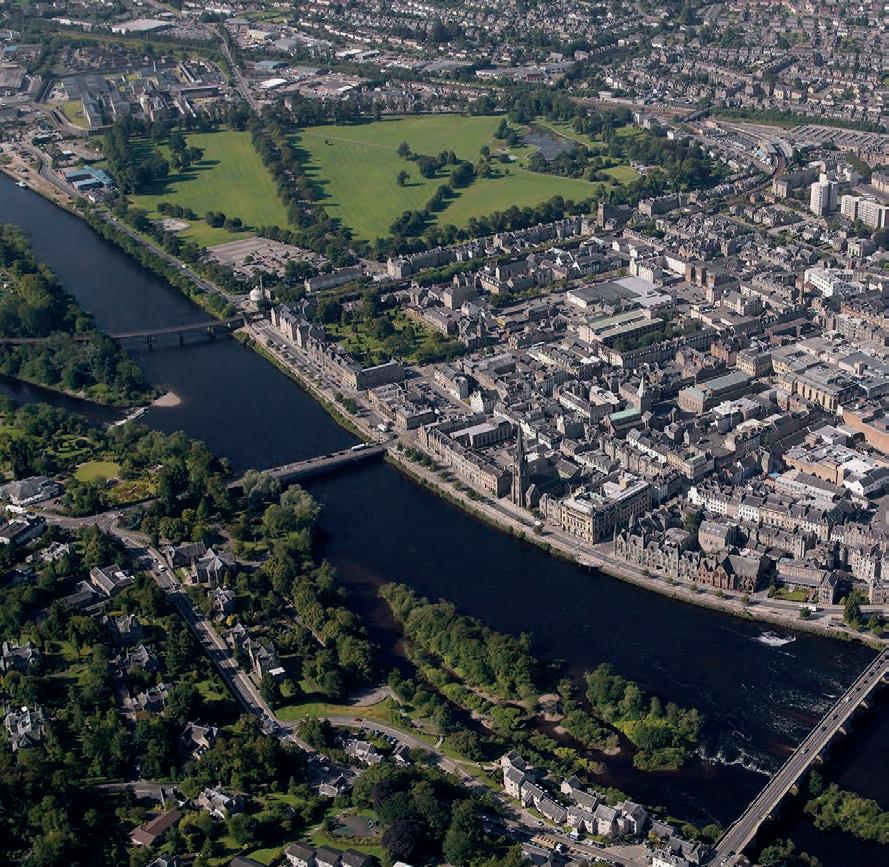
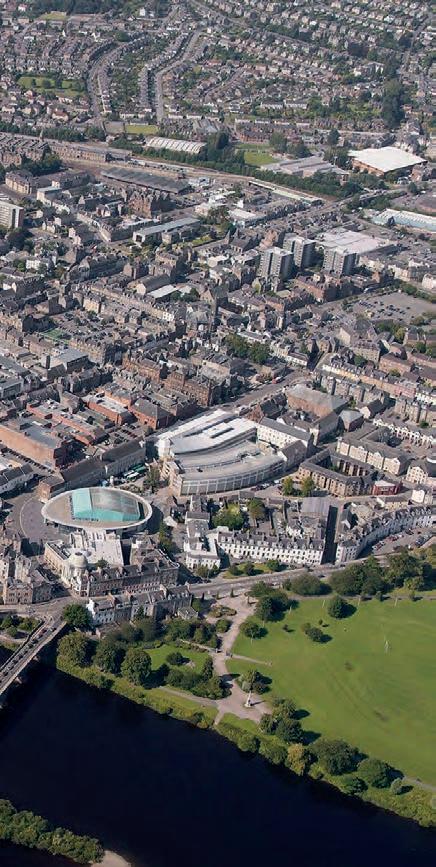
Aerial view of Perth City Centre
Infrastructure for Smart Growth
Our long-term (15-20-year) plans to invest in infrastructure for smart growth will help create a city which encourages growth and innovation, protects the environment and promotes social cohesion.
We will focus on three key priorities:
• Transport Infrastructure
• Digital Connectivity
• Smart Growth Transport Connections
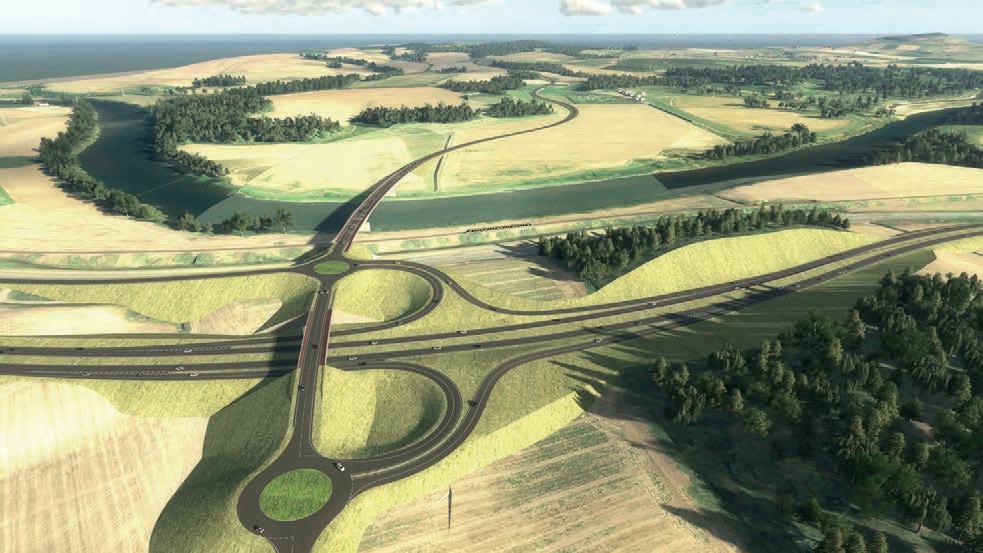
The cross-Tay link road is a key element of the Perth Transport Futures project. The new road is a strategic priority for the wider city region and is central to many of our aspirations for Perth. The new bridge will open up opportunities for development to the north and east of the city, and remove non-essential through traffic from the city centre. It is therefore a vital enabling investment both for our growth plans and our aspirations for a liveable, pedestrian-friendly city centre.
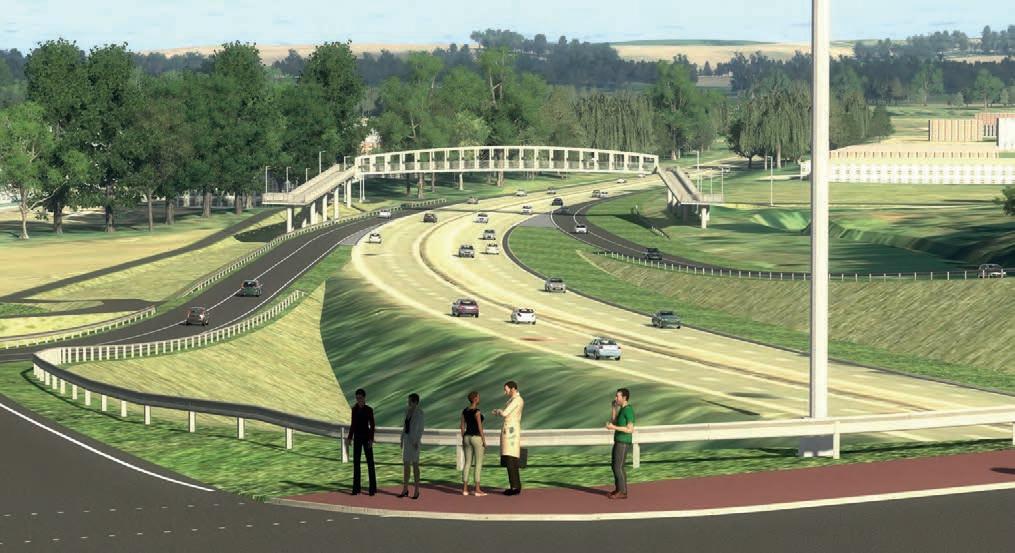
The design of new and upgraded major roads should aim to integrate them more effectively into the fabric of the city. The aim should be to keep traffic moving freely and to relieve congestion, but not to allow major roads to fragment the city or to divide Perth between places inside and outside the ring road.
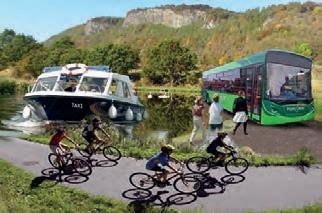
We need a transport network that reduces car dependency and encourages citizens to use sustainable modes of transport to travel to work, and for shopping, leisure and recreation. We need to help people to change their travel behaviour by offering attractive alternatives in terms of speed, convenience, comfort and safety, and promoting active travel.
The Scottish Government has announced plans to upgrade rail services from Glasgow to Dundee/ Aberdeen via Perth, but improvements to the Edinburgh service are also essential with better trains and faster and more regular services to the capital and Edinburgh airport.
Our priorities for action are:
• Secure funding for the cross-Tay link road and set a timetable for delivery.
• Establish design principles for the cross-Tay link road and the A90 to promote integration, accessibility, movement and active travel.
Infrastructure for Smart Growth
• Establish design principles for the principal approaches to the city to create mixed priority routes which will be attractive gateways to the city.
• Take practical steps to encourage public transport usage through development of parkand-ride facilities, bus lanes and neighbourhood design.
• Continue to invest in the city’s walking and cycling networks.
• Lobby for improvements to the Perth-Edinburgh rail service by increasing capacity, speeds and frequency and upgrading trains.
Park and Choose
to the wider city region
Infrastructure for Smart Growth
Digital Connections and Services
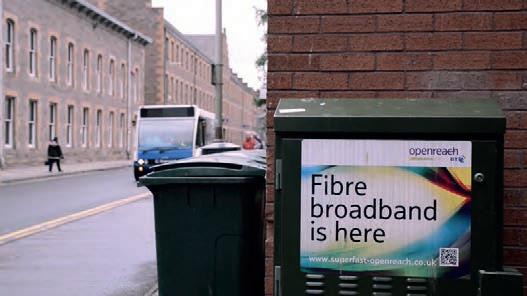
Perth is on track to become a Super-Connected City, making it one of the best digitally connected cities in Scotland and the UK. Our digital infrastructure will soon provide access to ultrafast broadband (at least 80mbps) to all premises.
This investment will provide the basis for a range of other smart city services including the provision of Open Data, enhanced urban traffic management and car parking systems, LED and intelligent street lighting, smart waste systems and smart grids to promote energy efficiency.
Our priorities for action are:
• Development of a digital strategy for Perth and Kinross, setting out priorities and a plan to drive digital investment, encourage new applications and promote take-up.
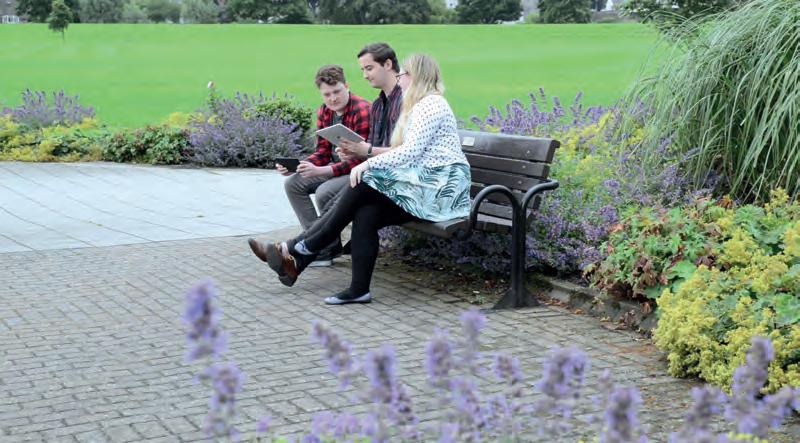
• Provision of a network of public hotspots across the city, offering free wireless access to residents and visitors to complement existing commercial services.
• A targeted effort to work with mobile phone providers to extend 4G coverage throughout the city.
• Working in partnership with the private sector to support the development of digitally enabled health, energy, transport, waste and other services.
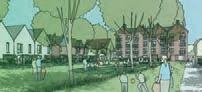
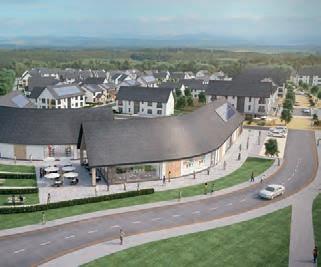
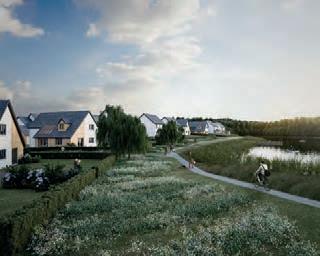
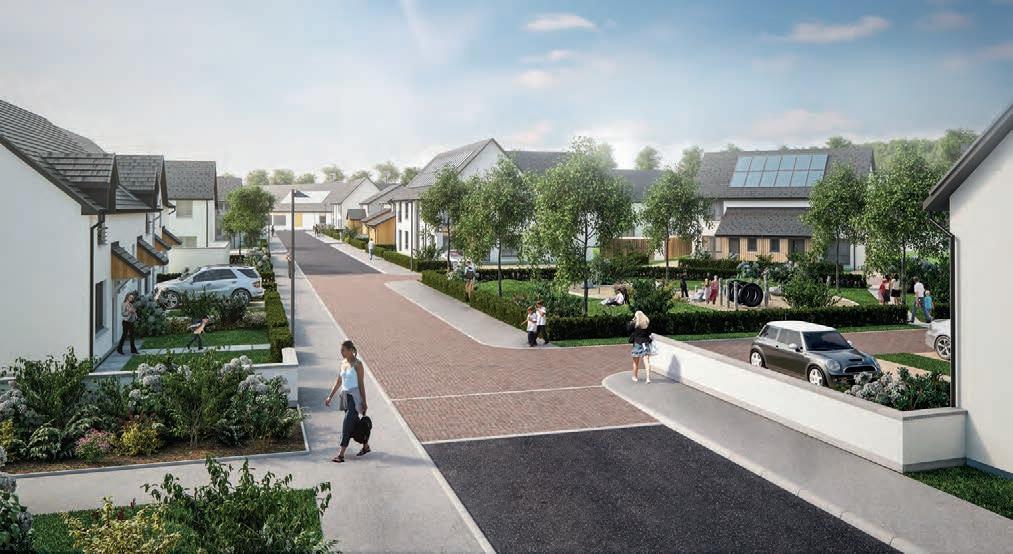
The population of Perth is expected to increase by about 25% in the next 20 years with a requirement for around 7,000 new homes. Demand will be met in part by repopulating the city centre and developing existing brownfield sites, but it will also mean the expansion of the city to create new neighbourhoods. Doing that in a smart way will be a big challenge. We want to create lively, mixed-use communities not anonymous dormitory suburbs. That means creating places that will provide employment opportunities, integrated public transport, shops, schools and social infrastructure as well as a range of housing by type and tenure. We therefore propose to publish a Smart City Prospectus to provide guidance for developers on quality and design principles.
The Smart City Prospectus will contain guidance on:
• the creation of new mixed-use neighbourhoods offering homes, jobs, shopping and other amenities;
• delivering high quality architecture, urban design and green infrastructure;
• energy efficient, sustainable development;
• ensuring that new neighbourhoods form an integral part of the city, with strong connections to the city centre, business locations and shopping and leisure facilities;
• reducing car dependency by making provision for public transport and active travel;
• embedding digital infrastructure.
New neighbourhood centres
Pedestrian and cycle links to city and countryside and sustainable urban drainage
The 5-Year Delivery Plan: Themes and Big Moves
The major infrastructure projects will be implemented over the next 15-20 years, but the change process has to start now and we therefore also need a programme of practical action for the short-to-medium term.
The Perth City Development Board has agreed a 5-year delivery plan, which will drive change in four key areas:
The delivery plan is framed around these four themes and, for each of them, two key priorities for action - the big moves shown in Figure 6.
Big Move 1: Invest in Perth
Perth has an established reputation as a headquarters location for major companies and the measures set out in the City Plan will broaden the city’s appeal as a base for advanced manufacturing and professional, scientific and technical services. We will therefore ramp up the business-winning effort, led by Invest in Perth and focusing on:
• expansion and reinvestment by firms based in Perth;
• a targeted inward investment campaign focused on key sectoral strengths including financial services, environmental industries, tourism and food and drink;
• capturing ambitious, knowledge-based start-ups.
The dedicated professional team at Invest in Perth will lead this effort, learning from the experience of York, Exeter and other small cities with a strong record. Invest in Perth (IiP) will play a key role in delivering the City Plan, combining inward investment, engagement with developers and destination marketing. IiP will work alongside key partners including Scottish Enterprise and Scottish Development International.
Our priorities for action are:
• To develop an inward investment strategy which will identify key target markets and sectors, specify the services provided by Invest in Perth and set out available support packages.
• A strategic account management service (to be delivered by Scottish Enterprise and Perth & Kinross Council) to maintain strong links with Perth’s key companies, gather market intelligence and support plans for expansion/ reinvestment.
• A targeted, cost-effective programme of direct marketing activities (exhibitions, online and media campaigns) focusing on key sectors, strategic sites and development opportunities
Big Move 2: High Productivity Economy
Perth needs more high-performance SMEs, to diversify the local economy, increase output and create high-skill, high-wage jobs. We need to build on the core group of knowledge-based businesses, emerging industry clusters and the research strengths of Scottish universities. A knowledge-
The 5-Year Delivery Plan: Themes and Big Moves
based economy cannot be switched on overnight, but it is central to our aspirations for Perth.
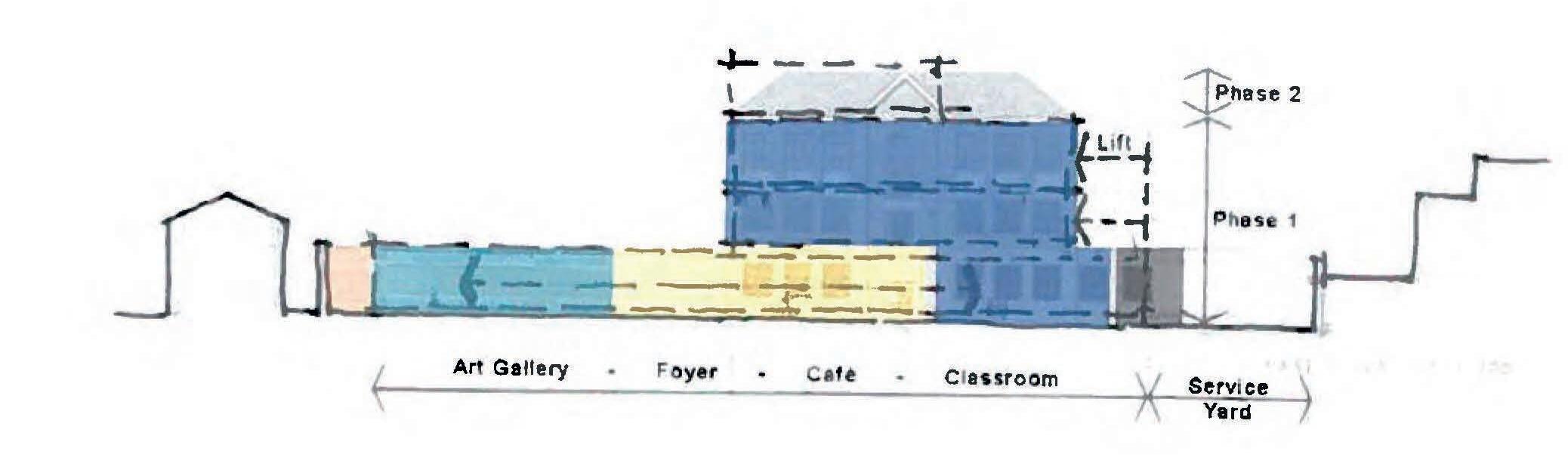
A flagship project is the proposal to transform the former St John’s School into a Business Innovation & Creative Industries Hub offering workshops, studios and serviced business space.
Our priorities for action are:
• Identify key companies with growth potential and map sectoral strengths/specialisms.
• Working with Scottish Enterprise, establish a programme to engage with all the key companies to identify needs, aspirations and barriers to growth - and frame support services and other interventions.
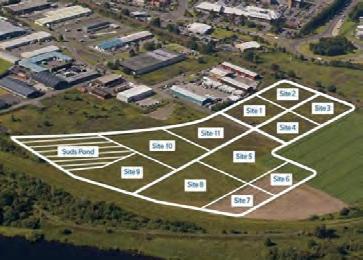
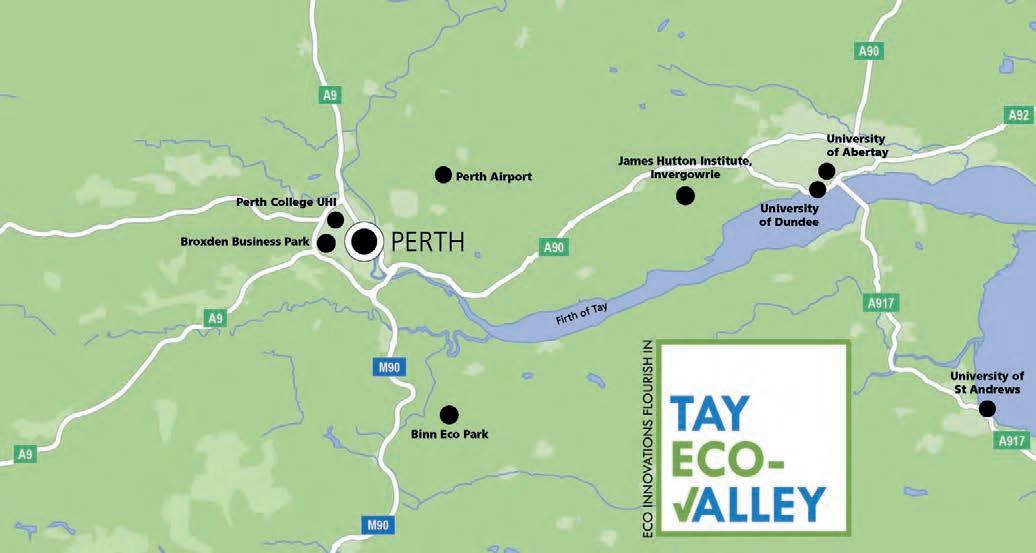
• Continue to implement the Tay Eco-Valley initiative and bring forward other sectoral action plans.
• Through Invest in Perth and dialogue with Scottish universities and research centres, promote the city as an ideal location for the commercialisation of research.
• Encourage and support business start-ups in key sectors.
• Market test and establish a business model for the proposed Business Innovation & Creative Industries Hub.
Growing Perth’s Key Industries
Perth is too small to sustain substantial industry clusters. We need to be flexible and adaptable and to focus on creating skilled, knowledge-based jobs in a diverse economy. However, we have existing strengths - in food and drink, environmental technologies, tourism and financial serviceswhich we will seek to strengthen through inward investment, business growth and start-ups. We will also seek to build on specialised teaching and research at Perth College UHI to grow new industries, for example in the creative economy.
Figure 7: Proposed Business Innovation and Creative Industries Hub,St John’s Primary School, Perth
City of Knowledge and Learning
Big Move 3: University City
The creation of the University of the Highlands & Islands (UHI) means that Perth is now a university city. UHI is a unique institution which offers integrated further and higher education on multiple sites. By 2017 there will be 3,000 UHI undergraduates from Scotland, the UK and overseas studying in Perth. We expect the university to be a driving force in the local economy, with an international reputation for degree and postgraduate education and niche research strengths. Universities have played a pivotal role in the success of our four exemplar cities, and the City Plan will support efforts to accelerate the growth and development of Perth College UHI and to maximise its economic, social and cultural impact, making Perth a more exciting and cosmopolitan place. At the same time we will encourage other universities to choose Perth as an ideal location for outreach and satellite centres.
Our priorities for action are:
• Encourage and support Perth College UHI to grow its undergraduate and postgraduate teaching programme and develop specialist strengths such as sustainable resource management, advanced engineering, applied health and the creative industries.
• Encourage Perth College UHI to develop niche research strengths, and (through Invest in Perth) identify opportunities for commercialisation and business-winning.
• Identify and facilitate opportunities to expand the presence of Perth College UHI in the city centre, for example student housing, production space or a business incubator.
• Through Invest in Perth, target investment by Scottish universities and research centres in learning centres, start-up space and other facilities.
The 5-Year Delivery Plan: Themes and Big Moves
Big Move 4: Skilled Workforce
Perth College UHI’s Strategic Plan highlights Perth College UHI’s Strategic Plan highlights meeting the needs of the local economy as a key aim, based on “planned and meaningful engagement with employers including the development of apprenticeships, the exchange of knowledge and opportunities for growth”. Perth is one of Scotland’s top performing colleges and it can offer students flexible curriculum pathways across a wide range of disciplines and occupations. The City Plan offers an ideal opportunity to review the present and future skills requirements of Perth’s key companies of all sizes, so that they can be reflected in future training, further and higher education, and research provision.
Our priorities for action are:
• Perth College UHI, Perth & Kinross Council and Skills Development Scotland to jointly commission a workforce skills study which will inform a review of demand and supply of training services in Perth.
• Following the review agree a new skills plan for Perth which will refresh, update and relaunch training, recruitment and workforce skills provision.
• A communications exercise to tell students, parents, schools and employers about the quality and flexibility of local services and the opportunities for progression.
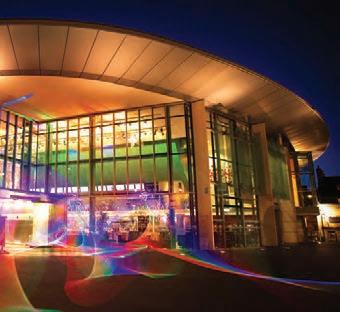
Perth Concert Hall, Perth
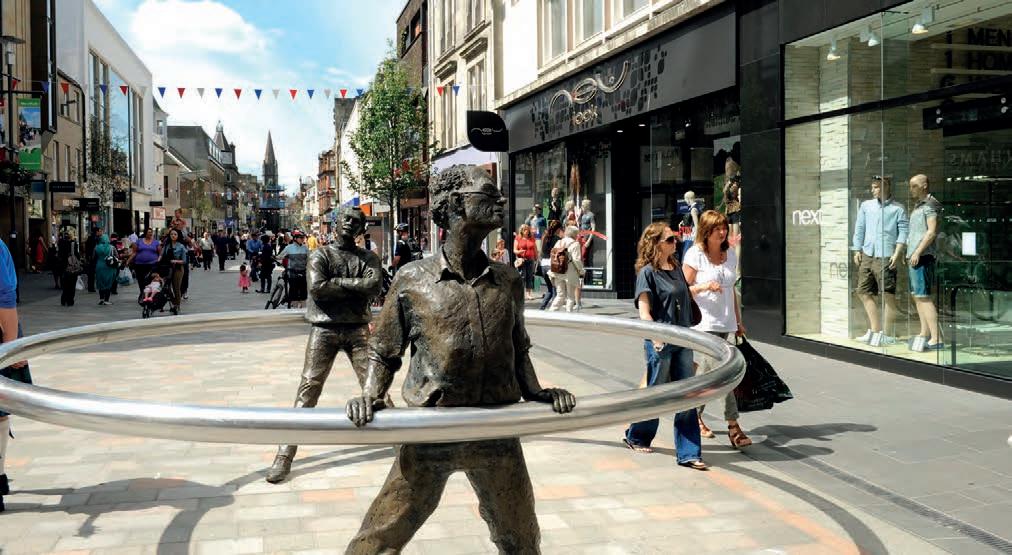
The Peacock and the Tortoise, Perth
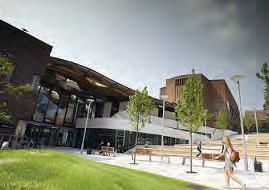
Perth College UHI
The City Centre
Big Move 5: City Centre Placemaking
Perth city centre is attractive and popular. It has fine historic buildings, excellent shops and restaurants, a great Concert Hall and other attractions. The city centre is compact – about a kilometre square - and it has a robust, permeable form with a well-established grid of streets and vennels and a superb location beside the River Tay.
But aspects of the city centre experience still disappoint, and there is room for improvement on
a number of fronts to make the city centre livelier, more diverse, attractive and pedestrian-friendly, and to find new uses for gap sites and underused. The city centre fringes are ragged in places and lack coherence. Some of these challenges relate to development opportunities (see Big Move 6 p40) and cultural attractions (see Big Move 7 p42) but there is also a need for a more proactive approach to placemaking and the public realm and for better city centre management, possibly in the form of a Business Improvement District (BID).
The 5-Year Delivery Plan: Themes and Big Moves
Our priorities for action are:
• Perth & Kinross Council to develop Supplementary Planning Guidance for the city centre focusing on key themes including:
- developing a strategy for traffic, access and movement;
- creating a hierarchy of streets, public spaces and walking/cycling routes;
- improving the environmental quality of key city streets;
- establishing a framework of green infrastructure;
- identifying and upgrading Perth’s public spaces;
- reducing the impact of traffic and extending car-free areas and shared surfaces;
- creating attractive points of arrival, especially at the railway station and investing in “gold routes” radiating out from the city centre;
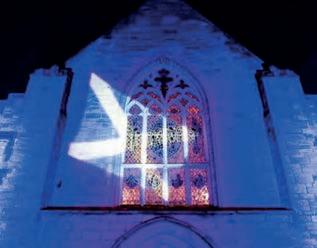
- creative lighting for Perth’s landmark buildings, spaces and landmarks.
• Perth City Development Board to consider supporting the development of a City Cente Business Improvement District (BID) to fund city centre management, events and promotions.
City Centre Placemaking Principles
Perth has a lively and attractive city centre in a stunning location, but it could and should be better.
Building on Perth & Kinross Council’s Placemaking Guide, we will develop Supplementary Planning Guidance to establish guiding principles and standards for future development, to create a more attractive, stylish and diverse city centre - a better place to live, work, visit or invest.
The 5-Year Delivery Plan: Themes and Big Moves
Streetscape - we will develop a long-term strategy to lift the quality of streetscape in the city centre by improving surfaces, details, signage and lighting, with an early action plan, linked to new property developments, to upgrade Mill Street and Canal Street.
Green infrastructure makes the city more beautiful and delivers a range of other benefits: it retains rainwater and mitigates flood risk, collects water for outdoor irrigation, reduces air pollution, cools urban areas and reduces energy consumption, provides habitats for plants and wildlife
Public spaces - the city needs a variety of public spaces in terms of scale, character and purpose, ranging from sites for major events and celebrations, through to quiet retreats; as a first step, we will bring forward a programme to invest in St John’s Place, Horsecross, St Paul’s Square and New Row
Traffic free and shared streets - Perth city centre is traffic dominated; we will develop detailed proposals to shift the balance in favour of pedestrians and cyclists by winning back roadspace; completion of the cross-Tay link road will reduce through traffic and create an opportunity to exclude traffic from some streets altogether and to introduce shared surfaces.
Gold routes - we will focus attention on a series of key linkages between the city centre and important
edge-of-centre locations such as the railway station, the river and the harbour, PH20 and Perth College UHI, creating attractive, legible, walkable routes.
Lighting - we will develop and implement the City of Light strategy, which will illuminate prominent buildings, the skyline, green spaces and the riverside to attract visitors, animate the city, encourage public life in the dark months and boost the evening economy.
Big Move 6: Investment and Development
Our research has identified numerous sites with development potential in and around the city centre. Figure 11 (p41) shows development opportunities identified in the Local Development Plan and other locations where buildings are at the
end of their useful life or which are crying out for regeneration. We are in contact with the owners of some of these sites and properties, and we will also speak to prospective developers and investors to explore future uses. We have already identified opportunities including residential development, student housing, hotels, commercial leisure development, serviced offices and studios.
There is sometimes a gap between identified development opportunities and the conventional wisdom of the market place. Perth & Kinross Council will seek to bridge that gap through proactive planning, as recommended by the Scottish Government, and by sharing risk and reward with the private sector.
Our priorities for action are:
• An intensive proactive planning initiative, comprising:
- appraisal and prioritisation of development sites;
- discussions with owners and agents to establish investment intentions;
- where appropriate, commission development frameworks and masterplans to guide development;
- active engagement with landowners.
• Sharing risk and reward with the private sector to remove barriers to investment, for example by
- accelerating planning consents;
- de-risking sites and investing in the public realm;
- participating in joint ventures.
• Publication of a city centre development prospectus to be used as a marketing tool by Perth & Kinross Council and Invest in Perth.
The Visitor
Big Move 7: Cultural Attractions
Research commissioned by Perth & Kinross Council shows that Perth’s cultural attractions are underperforming. The completion of the outstanding Concert Hall and the improvements now under way at Perth Theatre mean that the city will be well supplied with quality performance venues, but Perth’s museums and galleries are struggling to attract local visitors and tourists. The market potential is very substantial and the development of the V&A in Dundee will attract many new visitors to the region.
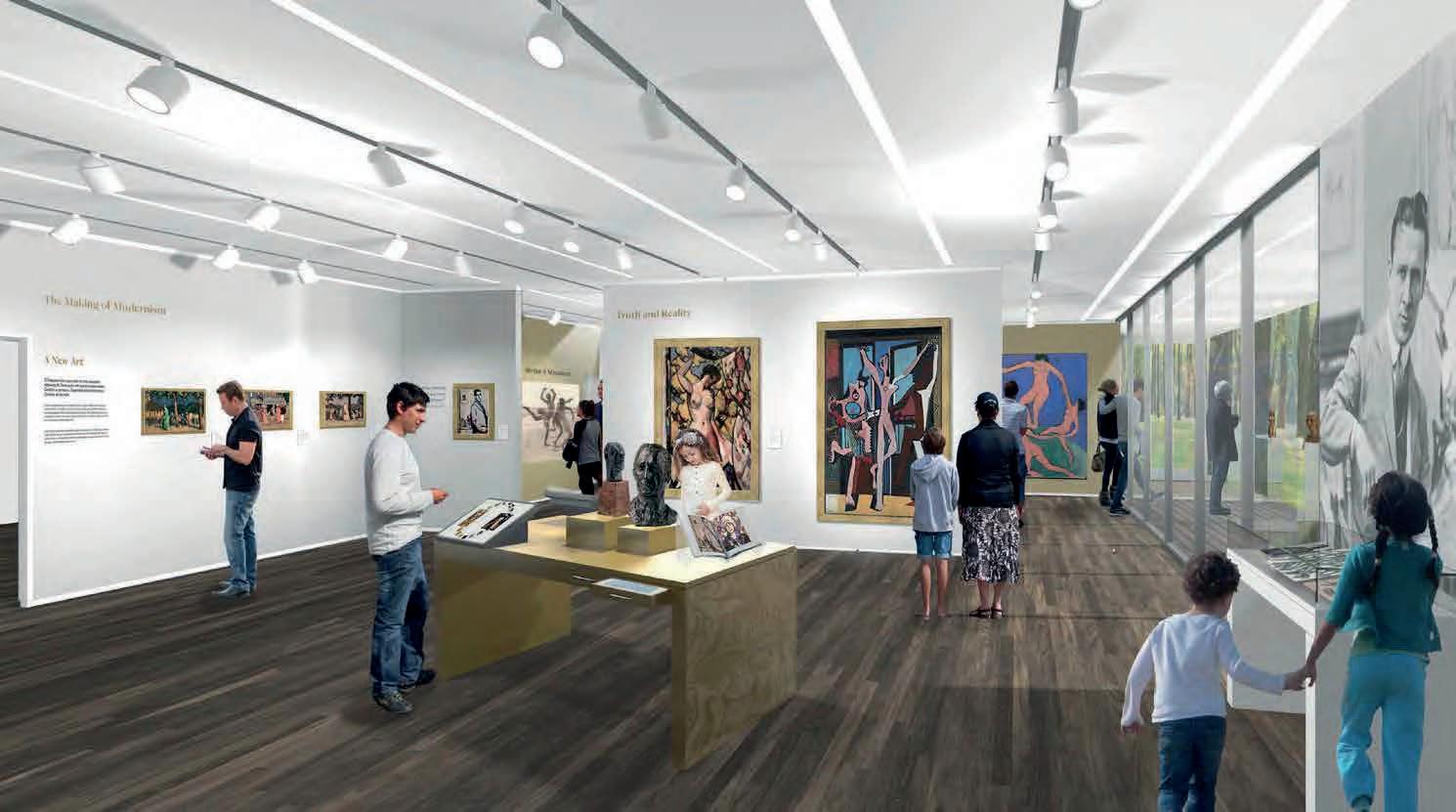
The research has highlighted an opportunity to revitalise Perth’s cultural attractions. In the short term this may mean improving signage and walking routes between attractions as well as joint ticketing and other promotions. We are also developing plans to build on Perth’s assets to create a mustsee attraction for Scottish, UK and international tourists, and to attract visits (and repeat visits) from local residents. These plans focus on the Museum & Art Gallery and the Fergusson Museum which have strong core collections reflecting both the city’s key role since the birth of Scotland and its contribution to Scottish modernism.
Our priorities for action are:
• An initiative to improve the marketing and promotion of Perth’s cultural attractions;
- ensuring that placemaking interventions (Big Move 5) include walking and cycling routes between attractions and signage.
• To accelerate a review of the operational and site options for a new cultural attraction in Perth city centre, focusing on four key issues:
- establishing a compelling narrative to showcase the city’s permanent collections;
- partnerships with national (UK and Scottish) institutions to secure long-term loans;
- developing (with strategic partners and others) a year-round programme of major, international standard temporary exhibitions;
- accommodation, taking account of options including the re-use of existing museum/ gallery buildings, conversion of other premises or new build.
• To identify the preferred option(s) and agree an implementation plan, business plan and funding strategy.
Visualisation of Modern Scots
The 5-Year Delivery Plan: Themes and Big Moves
Big Move 8: Business Tourism
Perth is the home of a number of major companies and it has a long history of hosting small and medium-sized conferences, traditionally in the City Hall and latterly in the new Concert Hall, an excellent venue, adaptable and with a full range of facilities. Perth’s central location, with transport links to all Scotland’s major cities and airports, makes it an ideal venue and delegates value the city’s food and shopping in particular. However, the review suggests Perth is not taking full advantage of its potential as a centre for business tourism. There are two key capacity constraints. The Concert Hall is, as the name suggests, primarily a performance venue, so the number of days when it is available for conferences is limited; there is also a shortage of high quality 4/5-star hotels with dedicated conference facilities in the city.
Our priorities for action are:
• Perth & Kinross Council to work with VisitScotland and Scottish Development International to establish whether there is demand for a new 4/5-start hotel with conference facilities, and agree a marketing strategy.
• The Concert Hall and other venues to target a significant increase in the volume and value of conference business.
• Invest in Perth to establish a convention bureau function, working in partnership with VisitScotland, hotels, attractions and venues.
Iconic Scotland
Historic City Building on the hotel offering
Making It Happen: Action Plan Summary
The Perth City Plan has been produced following extensive engagement with the Perth City Development Board, Perth & Kinross Council, other partners and agencies, business leaders and experts. The Plan has also been the subject of a public consultation process, online and in public meetings throughout Perth and Kinross. We will continue to keep communities informed about the progress of the City Plan and to consult on specific proposals.
The document sets out an ambitious and challenging vision - to make Perth one of the great small cities in Europe. We should set our sights high, but we should be in no doubt about the scale of the challenge. Perth is a great city with many strengths and attributes, but there is still untapped potential and a gap to bridge before we can match the economic vitality, productivity and quality of life of the benchmark cities we have identified. Closing the gap will be a long-term task and it will require systemic change - simultaneous action on a number of fronts to boost the economy, stimulate enterprise, create a university city, build a skilled workforce, invest in the city centre, and attract discerning visitors and business tourists.
Developing the City Plan has been a partnership effort, and we are now working on a detailed delivery framework. The City Development Board has set up sub groups to monitor progress on each of the City Plan themes, and project groups for each of the big moves. The latter will provide opportunities for other business leaders and delivery partners to contribute. Perth & Kinross Council is mobilising its resources and reviewing existing policy frameworks. A number of key partners - notably the University of the Highlands and Islands and Scottish Enterprise - have already contributed and we will be working with them and others to align their programmes with the City Plan agenda. We are also active at the national level,
collaborating with our friends in Dundee on a City Deal and playing a key role in the Scottish Cities Alliance.
The private sector has a key role to play, in terms of leadership and investment. Hundreds of millions of pounds will be required to deliver business growth and physical regeneration. The City Plan aims to give businesses, property developers and investors confidence in Perth’s future and a clear understanding of what smart growth means in practice. The Council and other public sector bodies will be active partners and supporters, sharing risk and participating in joint ventures where necessary to stimulate investment and accelerate growth.
Performance management will be an important part of the delivery framework. We will monitor goals and targets for our key initiatives and programmes, and we will continue to monitor economic performance, as well as demographic and social change in the city.
Appendix 1: Case StudiesFour
Successful Small Cities in Europe
The global economy is dominated by a group of very large world cities, but a growing number of attractive and enterprising small cities have found a way to prosper by offering something different and distinctive.
We have looked at the experience of four successful small cities in Europe, all of which are sources of inspiration and ideas for an ambitious city like Perth:
• Exeter (England)
• Karlstad (Sweden)
• Umeå (Sweden)
• Freiburg (Germany)
These cities represent good practice in many of the areas identified in The Perth City Plan. They have different strengths and areas of expertise, but they all show how small cities can grow and prosper in the global economy. These traditional regional centres have reinvented themselves as dynamic, sophisticated, modern cities. Their key attributes include:
• competitive, knowledge-based economies;
• skilled, highly qualified workforces;
• highly regarded universities with specialist research strengths;
• a cosmopolitan outlook connected to global networks;
• rich and diverse cultural life;
• high-quality built and natural environments;
• ambitious low-carbon targets;
• attractive cities with an excellent quality of life.
How Europe’s Best Small Cities Compete and Prosper
People
Skilled, highly qualified workforce.
World-class higher education and research. Business
High-productivity, knowledgeintensive businesses. Export focus and global networks.
Quality of Life
Attractive built and natural environment.
Low-carbon commitments.
Culture
Diverse, cosmopolitan, outward-looking. Rich cultural and creative life.
Exeter has a population of 110,000. In the last 20 years, it has achieved rapid population growth and completed the transition from an historic county town to a dynamic small city, with a thriving economy and an outstanding university. It is an island of economic vitality in a rural area characterised by low wages and productivity. Exeter’s success has been highlighted in independent reports by the Work Foundation and the Centre for Cities, both of which have identified it as one of the UK’s high-performing small cities.
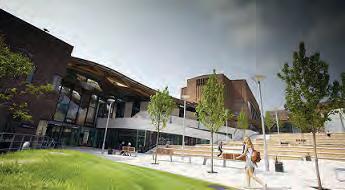
Exeter has a long-established university which was ranked 8th out of 121 UK universities in the Times and Sunday Times Good University Guide
2014. It is one of the prestigious Russell Group universities and is recognised for world-class research in science, engineering, maths, medicine and social services; Exeter has a strong record of business partnerships, including many in south west England.
The Met Office moved its headquarters from Berkshire to a purpose-built facility in Exeter in 2003. The operation is estimated to contribute £40m a year to the local economy and £70m to the south west region. More than 1,000 people - including many scientists and skilled technical staff - work at the Met Office, which is also home to the world-leading Hadley Centre on climate forecasting.
The regional airline, Flybe, is headquartered at Exeter where more than 800 people are employed in technical, marketing, customer service and administrative jobs. Other major employers include EDF Energy, which has one of its largest customer service centres in the city, employing more than 1,000 people.
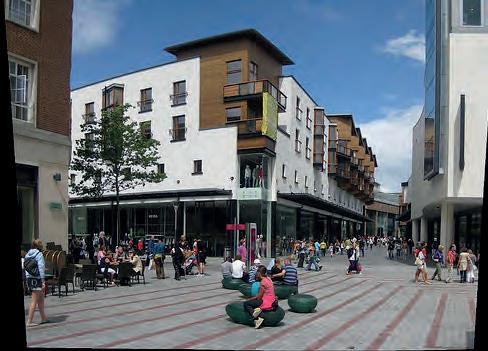
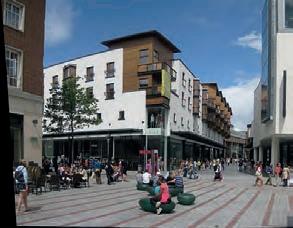
The Princesshay shopping centre, which opened in 2007, broke the mould for modern retail development. Effectively a mall without a roof in the city centre, it is formed around a network of streets, creating a permeable urban grid accessible at all hours and connected to the historic heart of the city.
Exeter, UK
Exeter, UK
Case Studies - Four Successful Small Cities in Europe
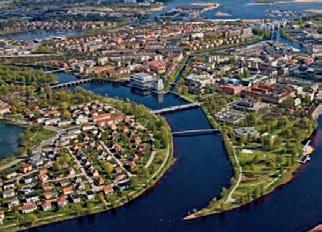
Karlstad is an historic city on the shores of Lake Vänern in central Sweden. With a population of 62,000 (89,000 in the wider municipality) it is very similar in size to Perth. Historically, the thinlypopulated rural area around the city was largely devoted to timber growing and processing, and the lake has long been a popular resort.
The past 20-30 years have seen dramatic changes, many of them prompted by the establishment of a new university, including a highly regarded business school. The university has developed strengths in applied research in Information & Communications Technology, service management, regional development and other disciplines. It is the home of Sweden’s internationally-renowned Civil Contingencies Agency, and the transformation
of the economy was reflected in 2007 when Karlstad was adjudged to be the Financial Times European Region of the Year.
The Paper Province is a business cluster for the region’s pulp and paper industry that was established in 1999. The cluster organisation is owned and operated by 90 member companies of all sizes which encompass the entire value chain, including the development of new technology for the industry, much of which originates in the Karlstad area. The member companies generate sales in excess of £1.5bn a year, including £1.2bn of exports. Paper Province initiatives include the Packaging Greenhouse, a Research & Development centre based at Karlstad University, and the Energy Square, the world’s first energy efficiency centre
for the paper and pulp industry: these are both international projects.
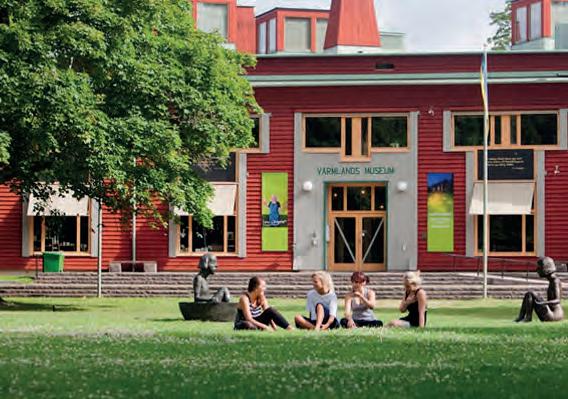
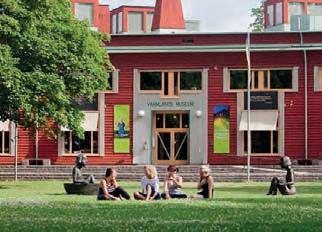
Karlstad has also been working to update its visitor offer and diversify its attractions and facilities. The new Värmlands Museum showcases the history, culture and environment of the region.
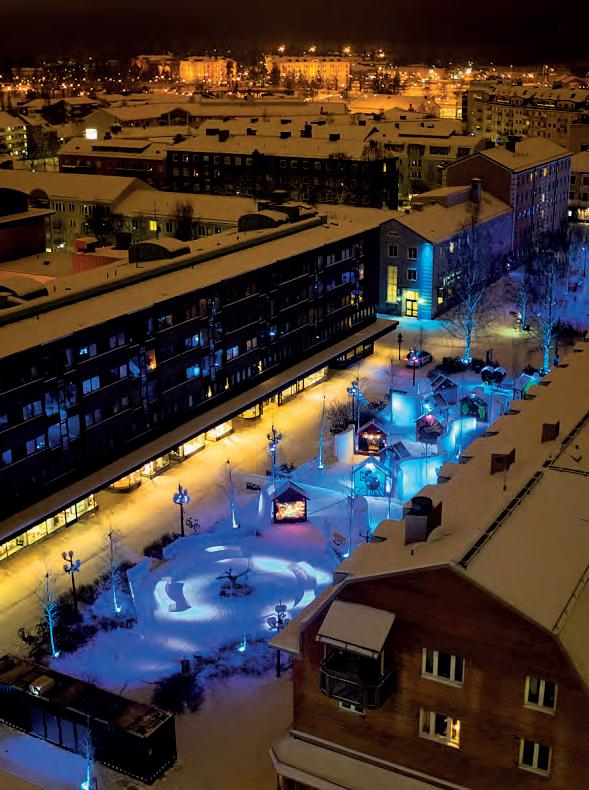
Umeå is a small city (80,000 population) in the north of Sweden. It has doubled in size in the past 30 years, with growth driven primarily by the development of the university and inward investment. Rapid population growth and an expanding student population have made Umeå a very youthful place, and the long-term development strategy aims to make the city
more attractive to students, new residents, entrepreneurs, creators and investors.
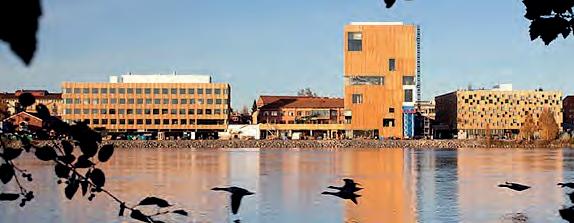
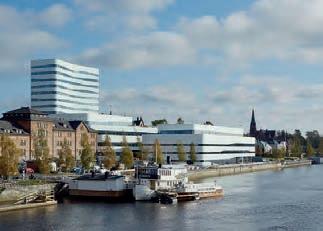
Umeå was one of the two European Capitals of Culture in 2014 (with Riga). This accolade fulfilled one of the key goals of the city strategy, and was the catalyst for new investments including the Väven Cultural Centre on a spectacular riverside site in the centre of the city and the Bildmuseet, a contemporary art gallery on the university campus.
The university has been independently rated as the best of the new generation of universities in the Nordic countries. The Institute of Design has an international reputation and there is a new school of architecture. It is a leader in Information Technology and produces world-class research in life sciences and ecology. Umeå is also an important centre for manufacturing (Komatsu and Volvo Trucks) and finance (Handelsbanken and Siemens Financial Services).
The city’s sub-arctic climate and wilderness landscapes make it an important centre for winter sports and adventure holidays, and there is a growing interest in the local food culture.
Freiburg is a medium-sized city with a population of 220,000, situated in south west Germany, close to the borders with France and Switzerland. The city has long had a reputation as one of the most
environmentally aware places in Europe, but in the mid-1990s it stepped up a gear by pledging to reduce carbon emissions by 25% in 15 years, and by 40% in 35 years.
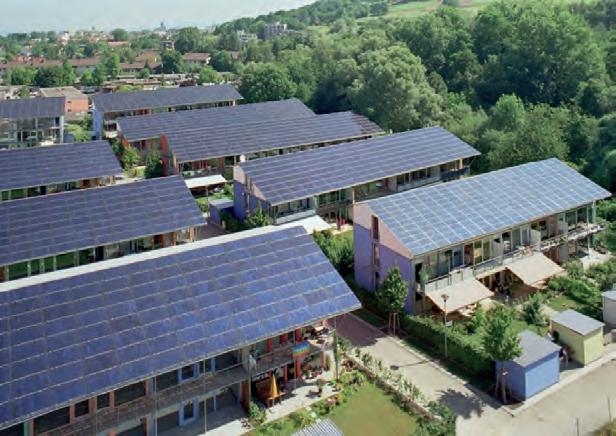
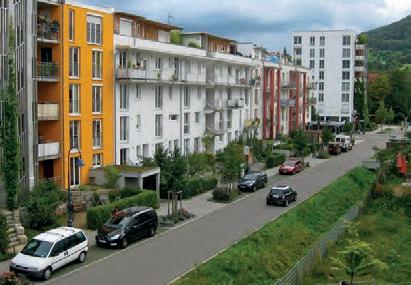
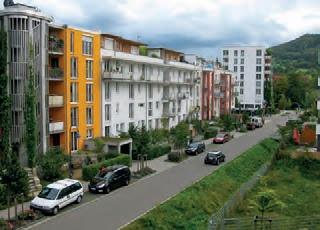
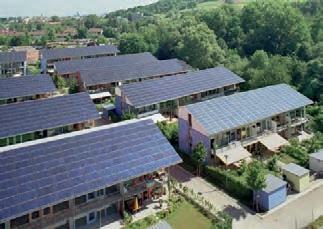
The city’s green vision is backed up with rigorous urban planning and environmental standards. These are best exemplified in two new sustainable neighbourhoods, Riesefeld and Vauban, which were designed around principles including excellent public transport, low-energy construction, energy conservation, use of renewable resources and high-density housing, and are served by district heating systems. CO² emissions are 20% lower in the new districts than in typical Germany housing developments, which are
themselves more energy efficient than in the UK.
The city’s planning policies are founded on three key documents: the land use plan, the landscape plan and a design guide, all of which run through to 2020.
Freiburg has leveraged its green credentials to become a leading player in the environmental economy, with nearly 12,000 people employed in the sector which contributes approximately €650 million to the economy. Solar energy is a particular local specialism, and the Fraunhofer Institute for Solar Energy Systems has stimulated the launch of hundreds of spin-off companies, service providers and sector organisations. The city’s long-term objective is to create value chains extending from basic research to technology transfer and global marketing.
Freiburg, Germany
Freiburg, Germany
Kulturväven, Umeå, Sweden Aerial view, Karlstad, Sweden
Varmlands Museum, Karlstad, Sweden
If you or someone you know would like a copy of this document in another language or format, (on occasion, only a summary of the document will be provided in translation), this can be arranged by contacting the Customer Service Centre on 01738 475000.
You can also send us a text message on 07824 498145.
All Council Services can offer a telephone translation facility.