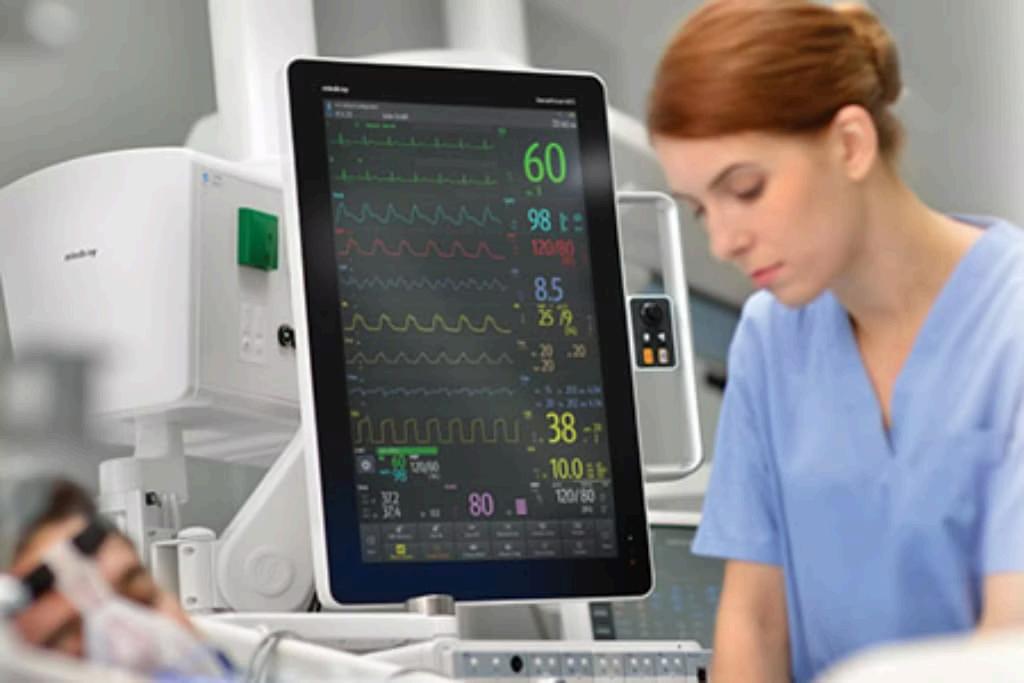

Patient privacy monitoring plays a crucial role in healthcare organizations by safeguarding sensitive medical information and protecting patients' rights. In today's digital age, where the exchange of electronic health records (EHR) is common, ensuring the confidentiality and security of patient data is paramount. This paper explores the importance of patient privacy monitoring, the key features and benefits of privacy monitoring platforms, and how organizations can proactively ensure patient privacy and regulatory compliance.
Healthcare organizations handle a vast amount of patient data on a daily basis, ranging from medical history and test results to personal contact details. Any unauthorized access or breach of this information can have significant repercussions, including identity theft, financial fraud, and violation of patient trust. Patient privacy monitoring systems are designed to detect and prevent unauthorized access or misuse of patient data by employees within the organization. By establishing proactive alerts, organizations can identify suspicious behavior and policy violations, thereby mitigating potential security risks.
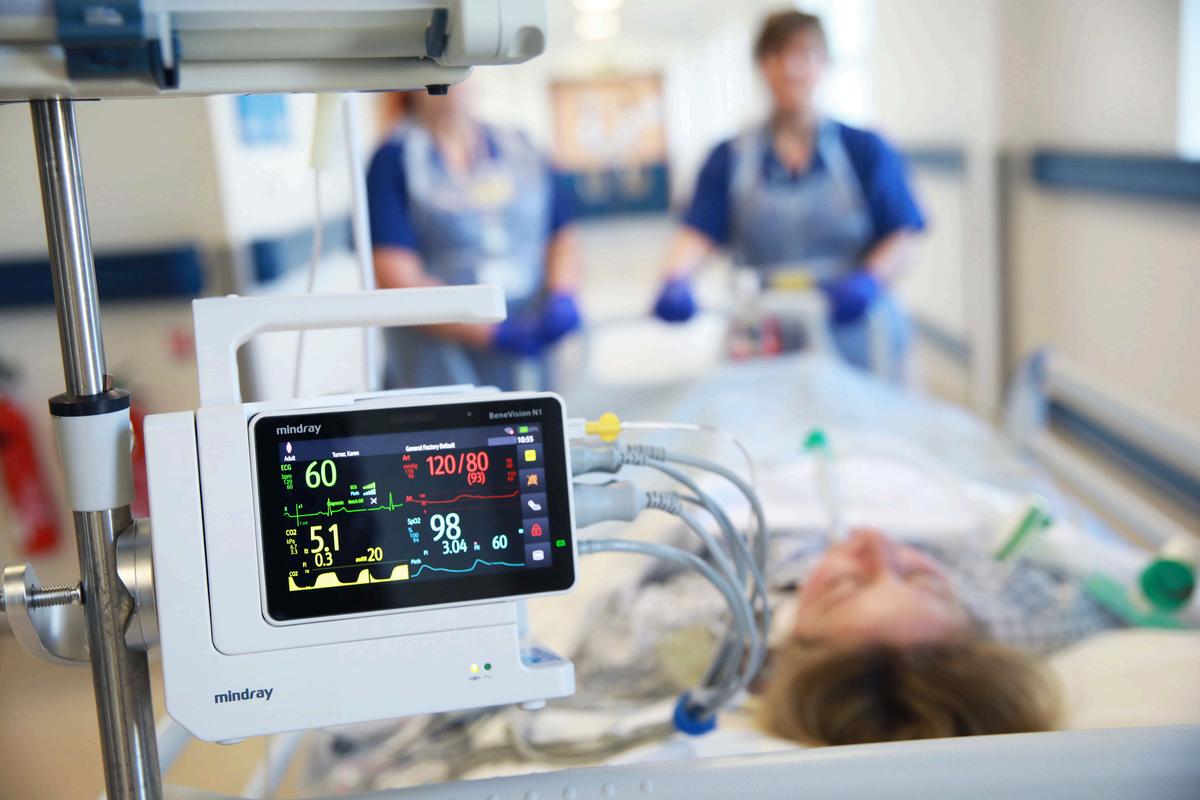

The patient privacy monitoring platform offered by Intruno provides a comprehensive set of features aimed at enhancing user access monitoring and ensuring patient privacy. Some of the key features include:
Family Lookup: Detecting users snooping on family members without authorization.
Employee Lookup by Manager: Identifying supervisors or managers snooping on their employees without a valid reason.
Self-Record Modification: Flagging users modifying their records for possible fraud.
VIP Viewing: Monitoring unauthorized access to VIP patients.