



The Health Insurance Portability and Accountability Act (HIPAA) and its Office for Civil Rights (OCR) compliance requirements play a crucial role in safeguarding the confidentiality, integrity, and availability of electronic protected health information (ePHI). Maintaining HIPAA OCR compliance offers a multitude of benefits that extend far beyond the legal and regulatory realm, positively impacting healthcare organizations, their patients, and the overall healthcare ecosystem.
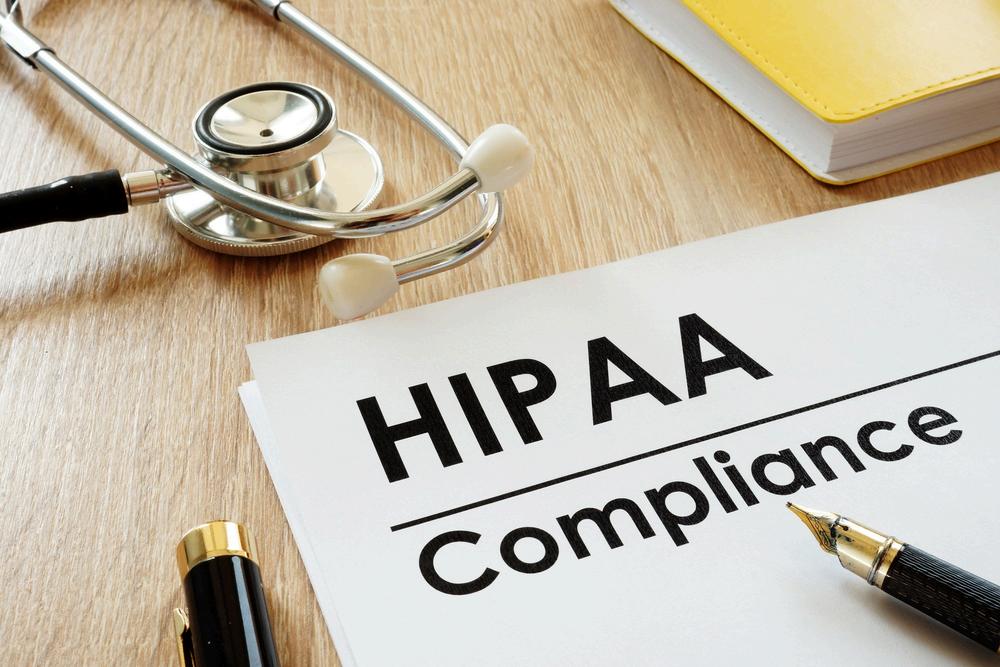
Compliance with HIPAA OCR standards demonstrates a healthcare organization's commitment to protecting the privacy and security of patient data. Patients entrust their sensitive information to their healthcare providers, and by adhering to HIPAA regulations, organizations can foster a sense of trust and confidence among their patient populations. This trust is essential for maintaining strong patient-provider relationships, encouraging open communication, and ensuring that patients feel secure in sharing their health information.
HIPAA OCR compliance requires the implementation of robust security measures to safeguard ePHI against unauthorized access, disclosure, and misuse. By adopting these security protocols, healthcare organizations can significantly reduce the risk of data breaches and cyber threats, which can have devastating consequences in terms of financial, reputational, and legal implications.
Maintaining HIPAA OCR compliance helps organizations stay ahead of evolving cyber threats and protect the sensitive data entrusted to their care.
Compliance with HIPAA OCR standards often necessitates the implementation of streamlined processes and procedures for managing ePHI. This can lead to enhanced operational efficiency within healthcare organizations, as employees become better equipped to handle sensitive data, reduce errors, and optimize workflow. By streamlining data management and communication practices, healthcare organizations can improve overall productivity, reduce administrative overhead, and allocate resources more effectively.
In the healthcare industry, where patient trust and data security are paramount, HIPAA OCR compliance can serve as a competitive differentiator. Healthcare organizations that can demonstrate their commitment to protecting patient information may be more attractive to potential patients, business partners, and insurance providers. This can lead to increased patient referrals, expanded partnerships, and improved reimbursement rates, ultimately enhancing the organization's overall competitiveness and financial stability.