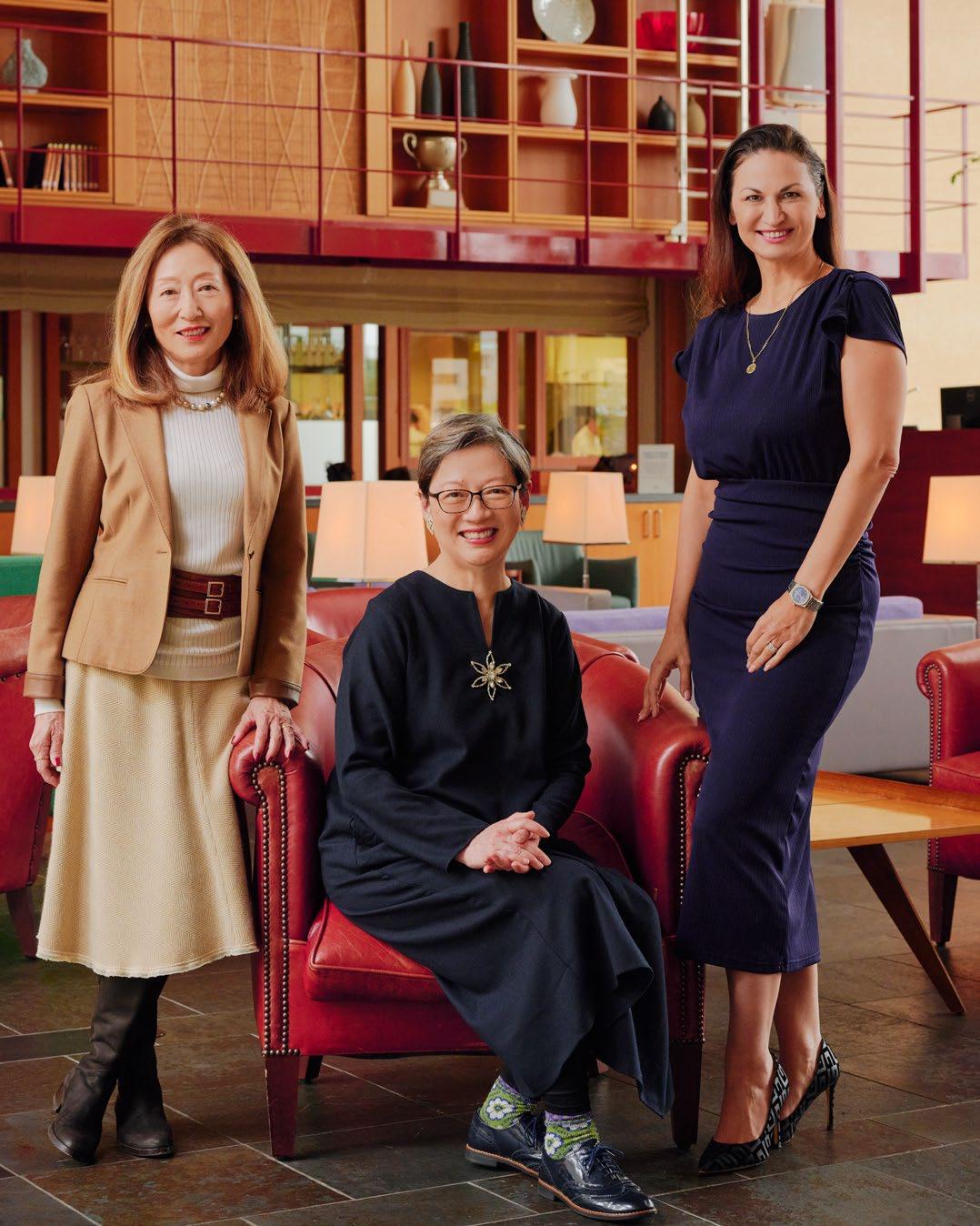






























www.nskre.co.jp/english


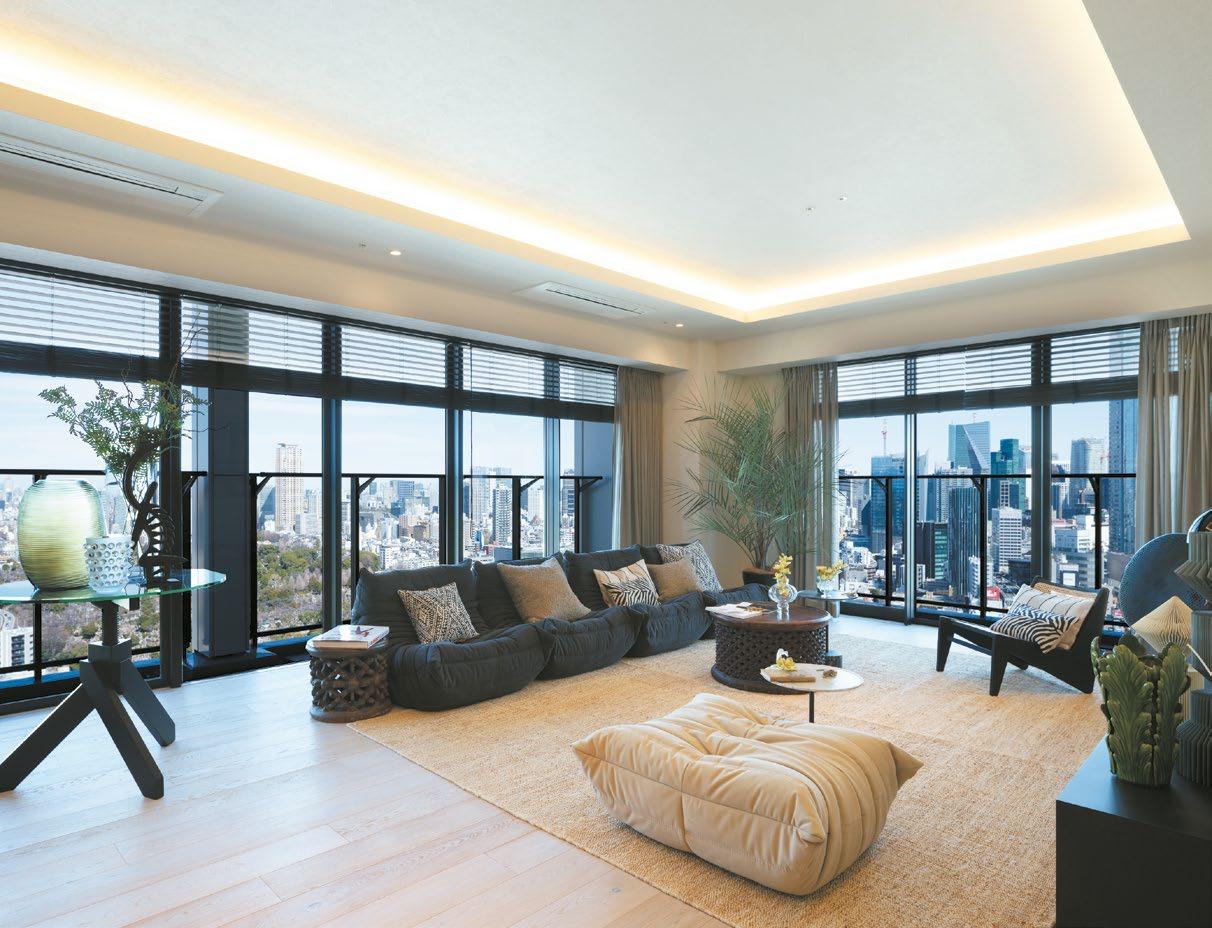

We don’t just offer places to live, but locations where communities can grow.
Our newest project, Livio Residence Nishiazabu, is a 32-story, high-rise tower that is surrounded by lush greenery, standing out as an oasis in the heart of the city as well as an architectural landmark. It offers a wide range of amenities to enrich residents’ daily lives, from a fully appointed fitness room to a comfortable teleworking lounge. This property is the latest example of our dedication to providing high-quality housing in Tokyo’s city center for our discerning customers.
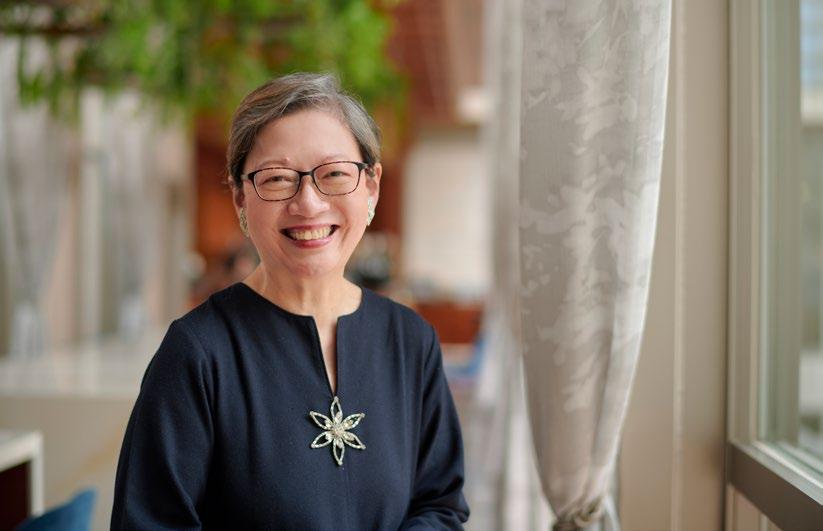
Cynthia Usui shares how all paths are possible as Connections celebrates International Women’s Day.
13
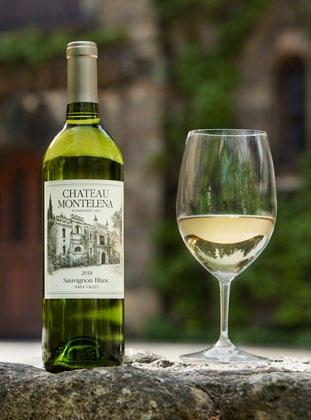
Half a century after turning the tables on the establishment, Chateau Montelena’s Bo Barrett brings the wines—and the stories—that made California wine royalty to 51 East.
18
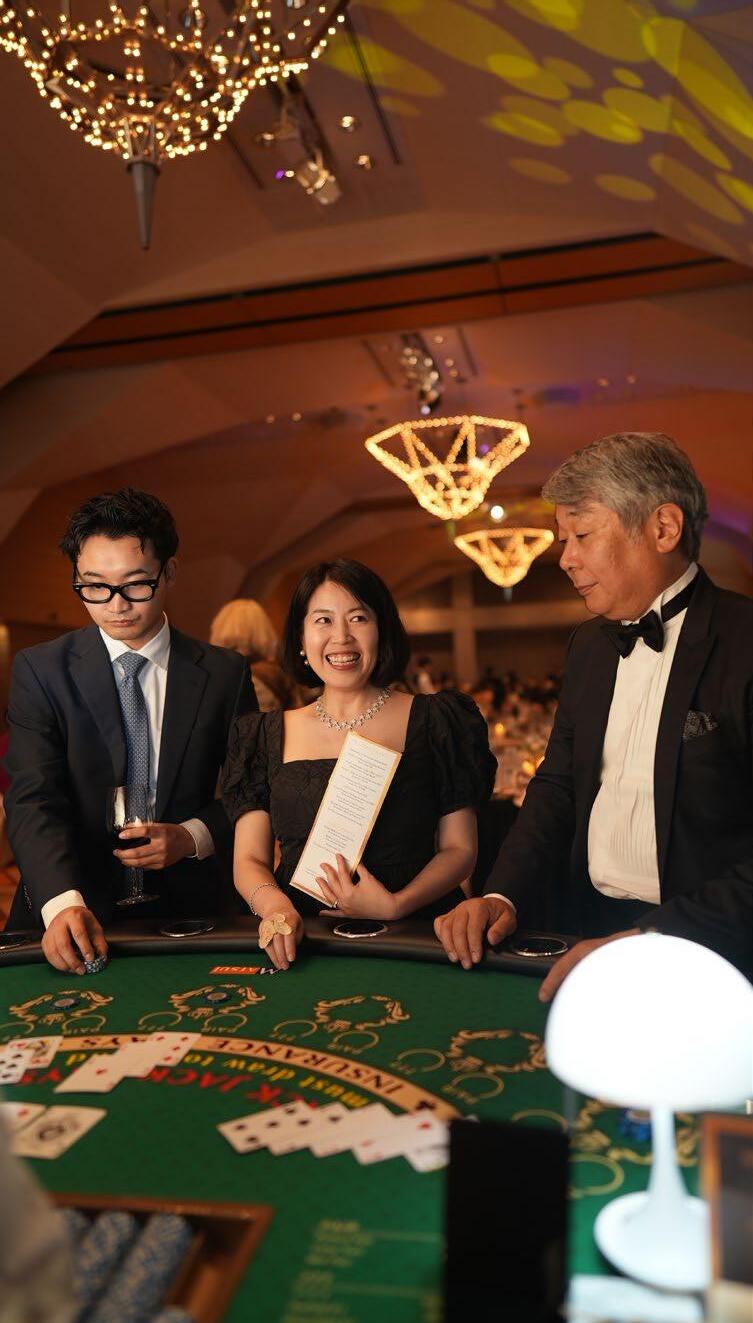
The Club’s second annual Charity Gala will benefit the Salvation Army with a night of high-rolling fun, flavors, and prizes.

Representative Governor Nils Plett (2026)
First Vice President David Hackett (2026)
Second Vice President Agnes Ouellette (2026)
Secretary Lin Shi (2026)
Treasurer Hiroshi Miyamasu (2026)
Governors Vibhu Jain (2027), Geoffrey Kamizuru-Bowman (2026), Ren Kuroda (2027), Gregory Lyon (2027), Justin Negrón (2026), Dean Rogers (2026), Reiko Saito (2027), Douglas Schafer (2027), Christa Wallington (2027)
Statutory Auditors Alok Rakyan (2026), John Sasaki (2027)
Parentheses denote term limit.
Centennial Anniversary Brian Nelson (TBA)
Compensation Justin Negrón
Culture, Community & Entertainment Matthew Tappenden (Vibhu Jain)
Finance Dennis Hubbs (Hiroshi Miyamasu)
House Mike Foley (Ren Kuroda)
Long-Range Planning Ron Lenore (Reiko Saito)
Membership Yan Fan (Lin Shi)
Nihonbashi Rike Wootten (Geoffrey Bowman)
Nominating Steven Greenberg
Recreation David Lee (Agnes Ouellette)
Parentheses denote Board liaison.
GENERAL MANAGER
Dustin McAvoy
ASSISTANT GENERAL MANAGER
Nori Yamazaki
DIRECTORS
Brand Marketing & Communications Shane Busato
Facilities Richard Woods
Finance Naoto Okutsu
Food & Beverage Gerard Bonenfant
Human Resources Jason Dominici
Member Services Jonathan Allen
Operations Thomas Zaleski
Recreation Kaitlyn Giguere
INTOUCH
Managing Editor C Bryan Jones
editor@tac-club.org
Communications Editor Alec Jordan
Designers
Kohji Shiiki
Anna Wong
Designer/Photographer Clara Garcia
CONTRIBUTORS
Writers
Andrew Heffernan
Tim Hornyak
Hiroshi Miyamasu
Blanka Kobayashi
Lisa Wallin
Photographers
Yuuki Ide
Kyosuke Nagata
Takumaru Suzuki
Kayo Yamawaki
Illustrator
Tania Vicedo
INTOUCH is printed on Forest Stewardship Council-certified paper, harvested from sustainably managed forests.
ADVERTISING IN INTOUCH
Explore the Club’s range of advertising possibilities by talking to the Club’s exclusive advertising agency, Custom Media.
Custom Media CEO Robert Heldt
Custom Media Publisher Simon Farrell Sales Director Edvard Vondra
JOINING TOKYO AMERICAN CLUB
To arrange a tour of the facilities, contact the Membership Office.
Tokyo American Club 2-1-2 Azabudai, Minato-ku, Tokyo 106-8649
advertising@tac-club.org 03-4540-7730 | custom-media.com
membership@tac-club.org 03-4588-0687 | tokyoamericanclub.org
All prices referenced in INTOUCH include consumption tax.


























Hawaii Living is Honolulu’s premier real estate
Our team has represented clients in every luxury condominium across Ward Village, Kakaako, Ala Moana, and Waikiki. This includes the newest ultra-luxury projects, Melia and Ilima. Park Lane Resort & Villas (Phase 2) is anticipated in the near future. Please contact us to discuss.


Meet Maki Kimura, your Tokyo contact and fellow Tokyo American Club member. Fluent in Japanese and English, Maki can meet with you at the Club to discuss Hawaii real estate and connect you with our Honolulu-based agents who are fluent in English, Japanese, Korean, Mandarin, and Cantonese.
If you are thinking about purchasing property in Hawaii or selling your condominium, please feel free to reach out. We are
to provide guidance with no obligation.


KA International School is characterized by a strong culture of care and support, where every student is known as an individual and feels a deep sense of belonging. We cultivate meaningful community connections that create an environment where learning is joyful, relationships are genuine, and students feel confident to take risks and grow.

Rigorous Academics & Creative Learning
Japan’s First Visible Learning School
Research-Based, Data-Driven Teaching Strategies
Culture of Care & Support
Strong Sense of Community
A Personalized Approach
WORDS HIROSHI MIYAMASU IMAGE KAYO YAMAWAKI
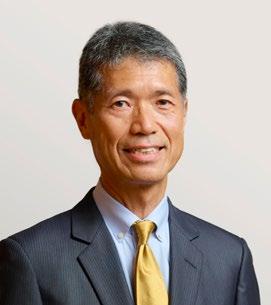
As the Club’s treasurer, I am pleased to be participating in the long-range planning process from a financial perspective for the second time.
My first experience was about 10 years ago, when John Durkin, then representative governor, led the TAC 20/20 long-range planning initiative. That effort played a critical role in steering our Club away from a serious financial crisis.
At the time, my role was to support the execution of the plan. Today, I am again involved in long-range planning, working closely with Ron Lenore, chair of the Long-Range Planning Committee, as introduced in the February issue of INTOUCH
I would characterize the previous effort as one that focused primarily on financial stabilization, while the current initiative is about adapting to a fundamentally changed environment. Compared with 10 years ago, the
external landscape has shifted significantly, particularly after Covid-19. Key changes include:
• slow economic growth
• an aging society
• rising labor, energy, interest, and other operating costs
• increasing social and economic polarization
• rapid technological advances, including AI
Our Club has also evolved. Usage of the Azabudai facilities is approaching capacity—especially the Fitness Center on weekdays and Rainbow Café on weekends. We face substantial building maintenance requirements over the next 30 years, and Member lifestyles and usage patterns have changed, including greater demand for business facilities and racket sports.
Taken together, these factors place increasing pressure on the Club’s financial structure, requiring us to move away from the volatility and crowding associated with continuing to let new Members into the Club because of our reliance on entrance fees. We will need to look at all options to stabilize our finances.
Before summer, my goals are twofold: first to continue to improve operational efficiency by working closely with the Board of Governors, committees, and—most importantly— the Club’s management team, led by General Manager Dustin McAvoy; and second to provide the Long-Range Planning Committee with the financial information needed to develop a sustainable plan to present to Members.
During summer, the Long-Range Planning Committee will hold town halls and other informational gatherings to share their strategic solutions and gather further feedback. I look forward to participating in those meetings to share my findings and listen to Members as we look to present a new set of plans for the Club’s future at the Annual General Meeting.
Hiroshi Miyamasu is the Club’s treasurer.
“During summer, the Long-Range Planning Committee will hold town halls and other informational gatherings to share their strategic solutions and gather further feedback.”
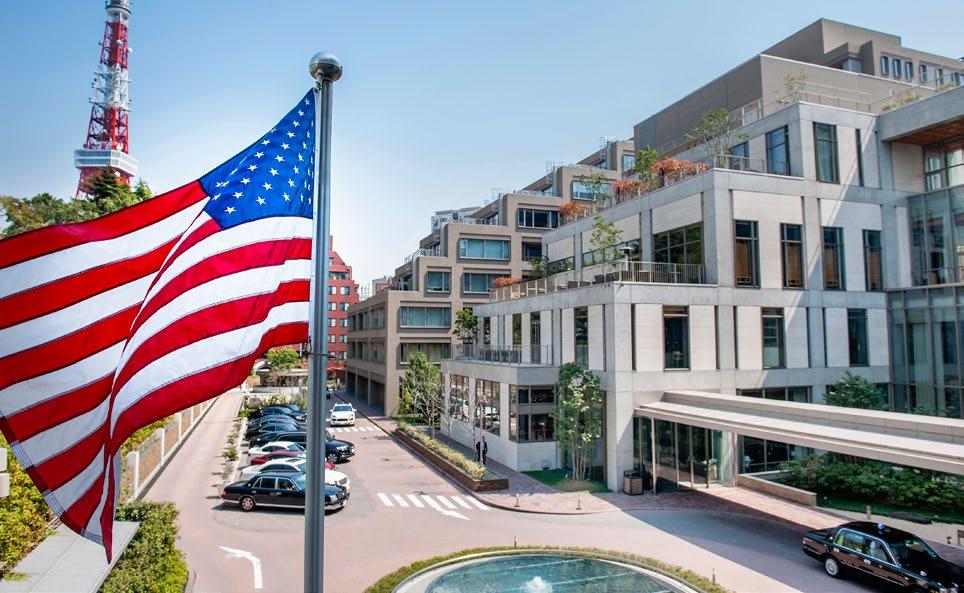
Welcoming guests has always been central to the Club’s culture, offering Members the opportunity to share the community, facilities, and unique sense of belonging that it offers. But with growing membership and evolving usage patterns, it has become clear that refinements are needed to preserve the highquality experience Members expect.
Recent Member surveys have pointed out recurring concerns around peak-period crowding, reduced access to dining and recreational spaces, and inconsistent enforcement of guest procedures. And guest use has recently been reaching record levels. Monthly registrations now regularly top 5,000, and last November they exceeded 6,500—an all-time high.
In closely comparing our practices to those of other private clubs across North America, we have found that many have adopted clearer guest limits, stronger accountability measures, and club-wide guest fees to ensure fairness and service sustainability.
Based on this extensive review by the House Committee and the Board of Governors, the Club will be launching new guest access policies that will take effect April 1. These will set consistent guest limits, clarify hosting responsibilities, and set a standardized facility guest fee.
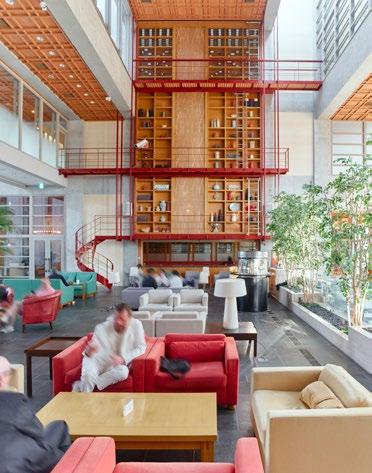
As Club General Manager and COO Dustin McAvoy explains, “These changes are designed not to restrict the social fabric of the Club, but to protect service quality, manage demand, and ensure that Members continue to enjoy the exceptional experience they value.”
We invite you to stay tuned to the Club website and upcoming emails for specific details about these policies. AJ
Young Member Mackenzie Orbell first fell in love with books when her parents read her the Peppa Pig stories. Since then, the eight-year-old has been on a mission to explore other places and adventures, making the secondfloor Library one of her favorite spots in the Club.

Valentine’s Day may have come and gone, but that doesn’t mean you’re not allowed to keep indulging in fine chocolate. Now on offer in The Cellar, the Club’s exclusive bean-to-bar chocolate has been created by Craft Chocolate Works, a Tokyo-based chocolatier that sources its beans from around the globe. Attractively decked out in Club-branded wrapping, the 70 percent cocoa bar is made with beans from Ghana, which has a rich history and tradition of producing superior chocolate. Connoisseurs will enjoy the fruity undertones and rich spiciness, but it’s a treat that all palates can savor and makes for a perfect gift—any time of year. AJ
What was your favorite early childhood book? Besides Peppa Pig, I loved hearing Julia Donaldson’s Jack and the Flumflum Tree . When I started reading on my own, I really liked the Biff, Chip, and Kipper books—and then I got totally obsessed with Dog Man. The movie is super fun, too! What inspired your love of books? When I joined the Club in 2024, I suddenly started reading way more. My school, the British School in Tokyo, is really close, so I can pop into the Library after school or before swimming class to grab new books. It has made reading super easy. What genre do you most enjoy?
I love graphic novels—they are fun and entertaining and interesting and just the best thing on earth! I think I’ve read almost every single one in the Library, so now I read my favorite ones over and over again.
What are you currently reading? Right now, I’m reading the Lightfall series by Tim Probert. When were you last unable to put down a book?
When I sat on my beanbag at home and read Thea Stilton’s The Secret of the Snow. I love all the adventures she has in the different fantasy lands. I never want to stop reading!

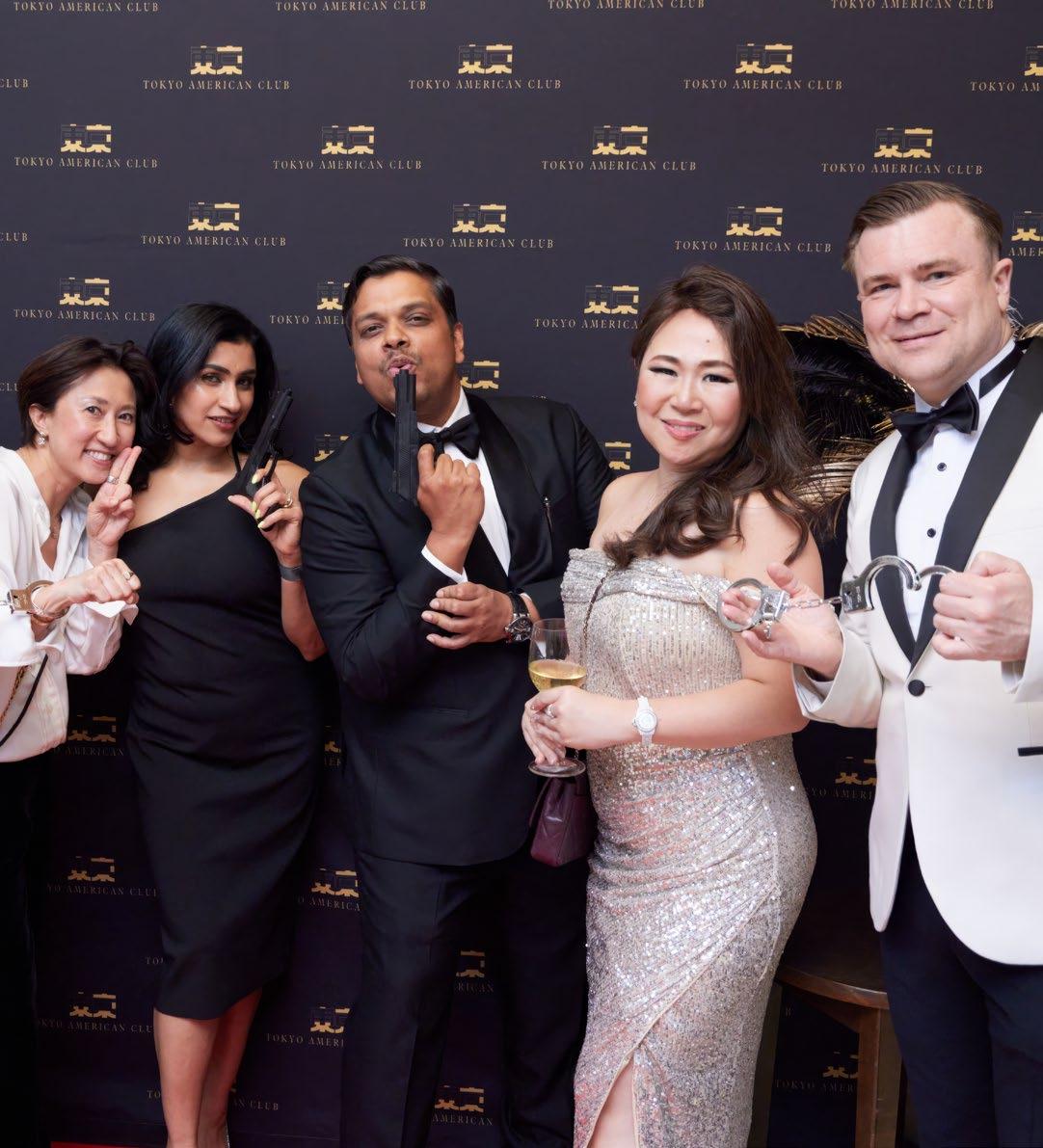
Jacob Elordi. Callum Turner. Idris Elba. Sydney Sweeney. As the search for a new Bond continues, could the next MI6 legend be found in the Winter Garden?
Members will get their chance to channel one of the world’s most famous superspies as 007 Night returns for its second thrilling chapter—because one night simply wasn’t enough.
Dress for the part and step into a sophisticated evening inspired by the exploits of M’s most effective operative as the Club hosts a cloak-and-dagger evening of international intrigue and Philip Woo and his band set the stage with six decades of iconic sleuthing sounds.
Be sure to get your assignment quickly: the first 100 agents to sign up for this mission will be entered into a drawing for two 60-minute rejuvenating treatments at The Spa.
There are missions for the young ones, too. While moms and dads are getting their next assignment, Club kids can investigate their favorite flicks and munch on snacks at Movie Night. CBJ
• 7–9pm • Winter Garden • ¥2,750 (walkins: ¥3,850); guests: ¥7,150 (walk-ins: ¥8,250) • Limit five guests per Member • Adults only • Nihonbashi Members welcome • Sign up online
1
Introduction to Squash
Club instructor Rico Cheung leads families through the basics.
• 4:30–6:30pm • Squash Court 1 • Free
• Members only • Ages 6 & above
• Sign up online
Culture Connections
Club Recreation Director Kaitlyn Giguere shares insights about the Club’s wellness offerings.
• 10–11:30am • Toko Shinoda & Yukiko Maki classrooms
• Connections members: free (nonConnections members & guests: ¥1,000) • Details online
2
Nihonbashi Spring
Afternoon Tea
Welcome warmer weather with the American Room’s seasonal selection of sweet and savory bites and robust teas. Continues through May 29.
• 2–5pm • American Room • ¥3,500
• Details online
4
Rombauer Vineyards
Chef’s Table
Head winemaker Richie Allen visits the Nihonbashi Club to share a lineup of beautifully crafted wines from California.
• 6–8pm • American Room (private dining room) • ¥22,000 • Adults only
• Sign up online
6
Movie Night
Club kids enjoy pizza and flicks while moms and dads go undercover at First Friday.
• 6–9pm • Washington & Lincoln rooms
• ¥2,750 (guests & walk-ins: ¥3,300)
• Ages 5–12 • Sign up online
8
Troop 51 Meeting
Discover adventure and lifelong skills through the Club-sponsored Scouting troop.
• 5–7pm • Activity Room • Free • Ages 11–17 • Details online
According to legend, around the year 386, the Irish king Niall Noígíallach, known as Niall of the Nine Hostages in English, sent raiders to a coastal village that was home to a 16-year-old pagan boy named Succat. Kidnapped and enslaved as a sheep herder for the next six years, the boy eventually escaped, became a priest, and returned to Ireland, where he came to be known as St. Patrick.
Patrick wrote about the ordeal and how he overcame it in his autobiography the Confessio, claiming an angel appeared and told him that because he had fasted well, he would soon be free.
Some scholars debate the account of how he went from pagan to priest, but whether or not the story is true, Members turn suffering into celebration, fasting into feasting with special sips and bites as Traders’ Bar marks St. Patrick’s Day.
From March 13 to 17, pints of Guinness are just ¥900 and Magners Irish cider is ¥600. There are also two shamrock-worthy cocktails: the Green Jameson, a blend of Jameson Black Barrel whiskey, Get 27 mint liqueur, and Green Chartreuse herbal liqueur; and the Irish Hopper, which mixes Jameson Black Barrel with crème de menthe, crème de cacao, and fresh cream.
And when it comes time for the feast, there’s a St. Patrick’s Day dinner special featuring Guinness-braised Irish beef stew with carrots and potato cake for ¥3,000.
Come raise a glass to Ireland’s patron saint! CBJ
• Friday & Saturday: 5–11pm (last orders: food: 10pm; drinks: 10:30pm); Sunday–Tuesday: 5–10pm (last orders: food: 9pm; drinks: 9:30pm) • Traders’ Bar

International Women’s Day Luncheon
Celebrate women in all walks of life with a delectable meal and discussion. Learn more about this year’s keynote speaker, Cynthia Usui, on page 20.
• 11:30am–2pm • Manhattan III
• ¥10,000 (guests: ¥11,000) • Table with up to eight seats: ¥80,000 • Sign up online
Cocktail Connections
Celebrate hump day at this fun evening of mingling over drinks.
• 5–7pm • 51 East Bar & Lounge
• Connections members: free (nonConnections members & guests: ¥1,000)
• Details online
The Magic of Bollywood
This lively and energizing monthly session combines expressive movement, vibrant music, and joyful rhythms to help you feel refreshed, confident, and inspired.
• 11am–1pm • The Studio • ¥16,500
• Members only • Ages 16 & above
• Sign up online
Squash Night
Enjoy casual games on the second Thursday and final Tuesday of the month.
• 5:30–7:30pm • Squash Courts
• Details online
Cub Scout Meeting
Elementary school kids are introduced to the world of Scouting through the Club-sponsored Pack 51.
• 6:30–8:30pm • Toko Shinoda & Yukiko Maki classrooms • Details online
18
Nihonbashi Mixer
With plum blossoms bursting to life this month, Members will taste umeshu plum wine from Edo Period sake brewery Meiri Shurui.
• 6–7:30pm • Muromachi Lounge
• ¥3,000 (walk-ins: ¥3,500); guests: ¥4,000 (walk-ins: ¥4,500) • Limit: two guests per Member • Sign up online

Born in 1949 in the Niigata Prefecture town of Takada, now part of Joetsu City, painter Nagatoshi Shibata was profoundly drawn as a child to the colors and forms of the natural world.
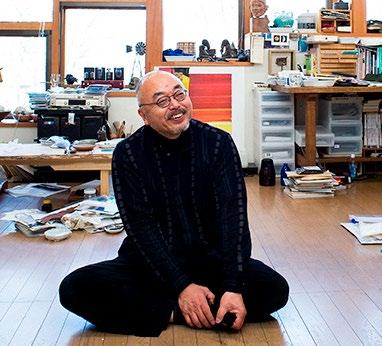
As a young man traveling the Ganges River in India, he was captivated by the sight of people offering prayers. Witnessing this spiritual connection inspired him to capture the landscapes that serve as vessels for human faith.
To do so, he turned to the traditional Japanese medium of Nihonga, with its vibrant pigments known as iwa-enogu, crafted from crushed natural minerals, corals, and shells. For Shibata, painting was a continuous dialogue with the raw elements of nature, and he often pulverized these materials himself to create his own palette.
Shibata passed away in 2022 of progressive supranuclear palsy, a rare brain disease. But his view of the world—one in which each of us is but a single grain of sand that is essential for the universe’s very existence—lives on in his works painstakingly handcrafted from materials born of stardust.
This posthumous solo exhibition is presented by his son, Yoshi Shibata. “We are deeply honored to host this retrospective at Tokyo American Club,” he says on behalf of the family. “It is our privilege to share the world he loved with you, and we hope his works speak to your heart.” CBJ
• Through April 6 • Frederick Harris Gallery • Artworks available for purchase through Member Services • Details online

Nestled along the Sea of Japan coast, south of Kanazawa, Fukui Prefecture is a hidden gem whose fertile land and crystal-clear water have drawn those seeking a treasure trove of gourmet ingredients for thousands of years.
Members can immerse themselves in the culture of Fukui without leaving the Club as the Culture, Community & Entertainment Committee presents the flavors and crafts from the land once known as Etsuzan Jakusui (majestic mountains and pure water).
Indulge in seasonal delicacies, including sweet shrimp, snow crab cakes, and Fukui clear-water salmon marinade. Wakasa wagyu and Fukuchi chicken are among the many other rich flavors rounding out the buffet spread at this standing-style event.
Beyond the taste buds, Fukui also engages the senses with traditional arts, including Echizen washi papermaking, which has been practiced there for more than 1,500 years, and suminagashi , the process of creating marbled patterns on paper using water and sumi ink. Members can learn more about these signature crafts during the evening.
Cap off the evening with prizes that include Wakasa wagyu, Fukui sake, and even plush dinosaurs—another local favorite (though not a culinary one), as the area was home long ago to the Fukuiraptor and today to a world-class dinosaur museum.
Whet your appetite for a trip to Fukui Prefecture—just a few hours away on the Hokuriku Shinkansen—with this enticing evening of food and culture. CBJ
• 6:30–8:30pm • Manhattan III • ¥7,500 (guests: ¥9,000) • Standing buffet • Limit three guests per Member • Adults only • Sign up online
Spring Basketball Camp Member and 3x3 pro Spencer Jennings leads a weeklong skills camp filled with fun, learning and prizes.
• 3:30–5:30pm • Gymnasium • ¥23,100 (guests: ¥27,720) • Ages 7–12 • Sign up online
25
Chateau Montelena Wine
Dinner with Bo Barrett
The winemaking legend and subject of the film Bottle Shock shares the wines and stories that put California vineyards on the map. Learn more on page 13.
• 6:30–9:30pm • 51 East • ¥36,000
• Limit two guests per Member • Sign up online
28
The Tokyo American Club Charity Gala
The Club’s grand fete returns for a second edition of gourmet cuisine, high-stakes casino games, and outstanding entertainment, all in support of a good cause. Learn more on page 18.
• 6–10pm • New York Ballroom and Brooklyn rooms • ¥25,000 (guests: ¥30,000) • Includes ¥5,000 in gaming money • Table with up to eight seats: ¥200,000 • Nihonbashi Club
Members welcome • Limit seven guests per Member • Adults only • Dress code: Black-tie attire recommended • Extended childcare hours available if arranged in advance • Sign up online
31
Nihonbashi Cocktail Hour
Learn to craft “On a Little Wooden Bridge,” a blend of Suntory The Chita whisky, Amaro del Capo, dry vermouth, Angostura bitters, and lemon peel.
• 5:30pm • Muromachi Bar • ¥2,200
• Members only • Sign up online
Check the Club website for the most up-to-date information on events and programs.
WORDS ALEC JORDAN
IMAGE KAYO YAMAWAKI
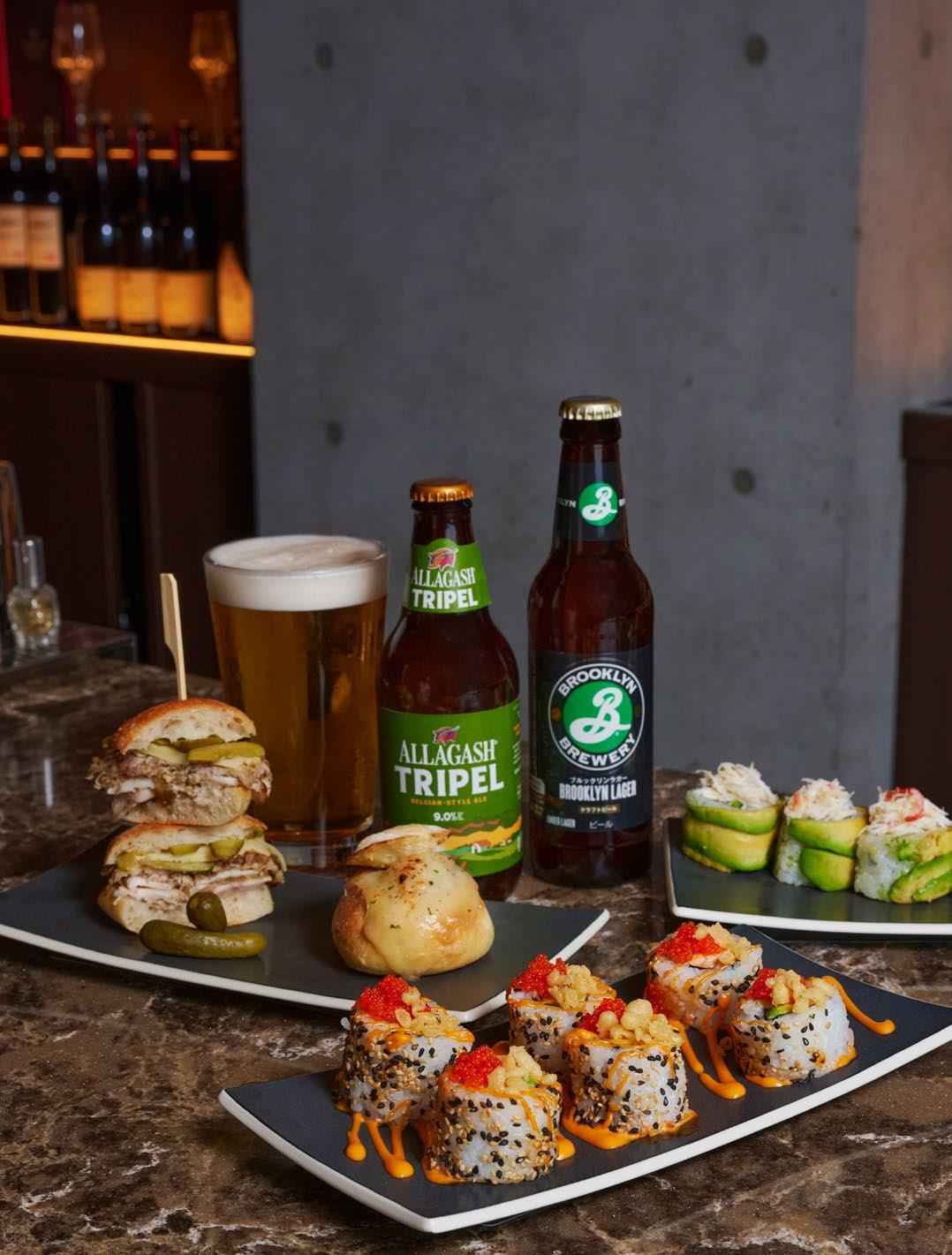
Weekdays just got a little more delicious , thanks to a new lineup of happy hour food specials in the Club’s watering holes. Feast on the likes of clam chowder fries—which pair the Club-favorite soup with crisply fried potatoes—and all-you-can-eat wings at Traders’ Bar or head upstairs to 51 East Bar, where you can enjoy mini Cubano sandwiches and meatball subs on Mondays and Wednesdays, and American-style California and dragon rolls on Tuesdays and Thursdays. They’re truly toast-worthy tastes!
• Traders’ Bar and 51 East Bar • Weekdays • 3–7pm
Half a century after turning the tables on the establishment, Chateau Montelena’s Bo Barrett brings the wines—and the stories—that made California wine royalty to 51 East.
WORDS C BRYAN JONES
On the morning of January 24, 1848 , American carpenter James W. Marshall noticed the glint of small flecks while inspecting the water-carved ditch below his sawmill northeast of present-day Sacramento. He soon confirmed the reason for their sparkle, and the rush for gold began.
A year later, fortune seekers arrived from Northern Italy, primarily Liguria, Tuscany, and Piedmont. They would ultimately find riches, but not in muddy riverbeds. Instead, it was hidden in Northern California’s rolling hills and Mediterranean climate.
They were but a small portion of the roughly 300,000 people who took part in the California Gold Rush, but their impact would change the future of the state.
When Italians arrived on new shores, they tended to make wine wherever they landed. They had to, so they could drink it. But while most of these 49ers were not winegrowers or winemakers, they drew on their identity as Italians to learn the craft and soon created a vibrant wine scene in late-1800s California.
That business boomed until it was almost completely destroyed in 1920 by Prohibition, the US government’s ban on alcohol.
“Sadly, the end of Prohibition in 1933 coincided with the Great Depression, so the California wine business didn’t bounce back,” explains Club Member William Campbell, owner of Hotei Wines. “By the late 1960s, there were a few people willing to try again—most notably Robert Mondavi. There was definitely progress, but growth was slow.”
In 1976, everything changed. California wine defeated French wine in a blind tasting at a competition that became known as The Judgment of Paris. Chateau Montelena CEO Bo Barrett, then an assistant working under the tutelage of master winemaker Miljenko Grgich, was there. And this month, 50 years after that turning point for California wine, he will guide Members through a tasting and course dinner in 51 East.
The story of The Judgment of Paris was dramatized in the 2008 film Bottle Shock. Barrett was played by Chris Pine.
“The role was elevated to a much higher pay grade,” he says of seeing himself portrayed by a new generation’s Captain Kirk. “He’s almost as good looking as me. But no one would’ve sent the No. 2 guy. It wasn’t quite accurate; I was always the first person to come to work and the last to leave.”
During the dinner, Members will taste Chateau Montelena’s 2023 Potter Valley Riesling along with five Napa Valley wines: the 2023 Chardonnay, 2021 Zinfandel Calistoga, 2021 Cabernet Sauvignon, 2021 Estate Cabernet Sauvignon, and from the winery’s private library, the 2016 Estate Cabernet Sauvignon.
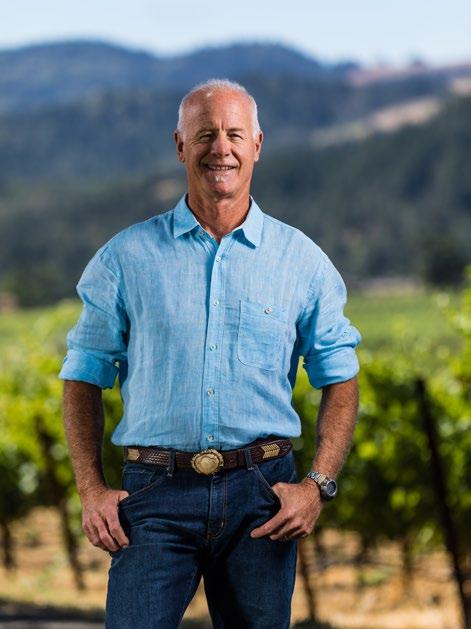
Barrett says Members can expect great storytelling that showcases wines that every collector should have in their cellar—bottles that are stylistically consistent and are “a statement of the land, the light, and the place.”
Of winemaking, he says “it’s like baseball, every year is a new season, another opportunity to excel. The search for excellence is never ending. We have better rootstocks, vines, analytical tools, and—most of all—decades of experience with our lands.”
Looking back at history, 1976 put the focus on quality for winemakers worldwide, Barrett and Campbell agree. “It moved and accelerated the evolution of American wine by 20 to 30 years.”
Step into that history—and how it changed the trajectory of American wine—at this rare chance to meet one of California’s most legendary winemakers.
Chateau Montelena Wine Dinner with Bo Barrett • March 25 • 6:30–9:30pm • 51 East • ¥36,000 • Limit two guests per Member • Sign up online








WORDS ANDREW HEFFERNAN
IMAGE CLARA GARCIA

Wine is ancient . Yet we often forget that the industrialization of viticulture is relatively new. The vineyards of the past were handtended, protected not by sprays, but by vigilant vignerons, cover crops, and the genomic diversity of the vineyard and healthy soils.
To maximize yields and reduce labor, the modern era introduced monoculture: vast tracts of vines kept free of weeds, disease, and pests, healthy via synthetic agrochemicals, and harvested with heavy machinery.
While this is effective in the short term, monoculture crops are more prone to diseases and pests due to lack of diversity. Nutrient-depleted soils require more synthetic fertilizers, and weakened ecosystems become more prone to pests, requiring even more treatments. Residual chemicals work their way into groundwater and eventually the winemakers themselves. Despite being stable and commercially viable, the resulting wines lose connection with nature and their sense of character and charm.
This paved the way for the natural wine movement. Whether the farming is organic, biodynamic, or regenerative, the goal is minimal intervention and treatment.
However, even if the vineyard is organically farmed, the wine can still contain an ingredient list as long as a bag of Cheetos. In fact, more than 50 additives are approved for organic wine by the European Union! These manipulate color, flavor, and texture, often masking poor-quality fruit and faulty winemaking. Ever wonder how that buttery Napa Chardonnay always tastes the same or why that rosé is bright neon pink?
Natural winemaking is laissez-faire. It requires high-quality, hand-harvested fruit fermented with indigenous yeasts. Fining and cross-filtration are generally avoided. Natural winemakers prefer the slow, traditional processes of sedimentation and racking, which maintain the wine’s vibrant color, aromatics, and natural taste.
In reality, most natural wines are not “zero-zero,” meaning no additives and no added sulfur. A small amount of sulfur is more often than not added at bottling to ensure stability. Some wines are filtered to prevent secondary in-bottle fermentation, and may be fined using bentonite to remove fine lees, which can cause cloudiness.
It comes as no surprise that the world’s most prestigious estates such as Domaine de la Romanée-Conti and Champagne legends like Jacques Selosse follow these viticulture and low-intervention principles, even if they eschew the “natural” label for marketing reasons.
Natural wine is essentially about sustainable farming and only intervening when nature demands it. When done correctly, natural wine offers a stunning complexity of taste and a sense of place— proving that sometimes, the best way to move forward is to look back.
Visit The Cellar to explore a curated selection of natural wines.
Are natural wines faulty? No, bad wine is faulty. Making clean natural wine requires extreme quality standards. Some funky aromas—like flint or smokiness—will blow off quickly with exposure to oxygen. Just give your glass a big swirl, sit back, and enjoy.
Must I finish it quickly?
Quite the opposite. Properly made natural wine is microbially robust. As the wine is exposed to oxygen, it evolves and becomes more complex. You can enjoy it by the glass over many days. That’s a key reason why natural wine is so popular!









Malvern College Tokyo’s fourth annual Sakura Culture Festival on April 4 invites families to experience a vibrant fusion of British heritage and Japanese tradition.
Spring in Tokyo is synonymous with hanami flower viewing, but at Malvern College Tokyo (MCT), the season offers more than just blossoms. It signals the return of the Sakura Culture Festival, an event that has rapidly evolved from a modest school gathering into a dynamic celebration of internationalism.

“WE TRY TO MOVE AWAY FROM IT BEING A PASSIVE EVENT INTO ONE THAT’S REALLY ACTIVE.”

This year’s Sakura Culture Festival, set for April 4 on the school’s Kodaira campus—an appropriately scenic venue housed in a former university building— promises to be the most ambitious yet. The campus is renowned for its mature gardens, and it was the view from the light-filled upper-floor studios, where mirrors reflect the cherry trees, that originally inspired the event.
“We are committed to the blend of our British identity and our place in Japan,” says Ewan McCallum, headmaster at MCT. “The festival is a demonstration of that mix, representing not just those two cultures, but the 23 nationalities in our student body.”
What began four years ago on a campus still partially under construction, ahead of the school’s official opening, has since blossomed into a vibrant community hub, now welcoming nearly 400 guests
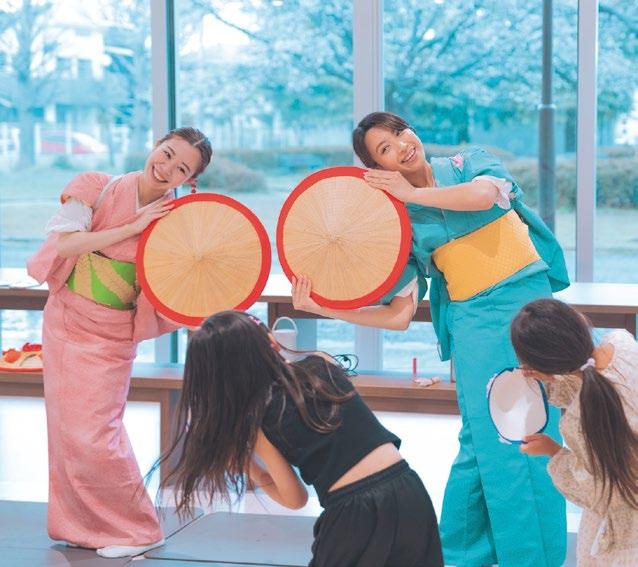
who are all eager to experience the school’s unique blend of British boarding school ethos and Japanese cultural depth. True to MCT’s action-oriented philosophy, the festival is designed to be an immersive encounter.
“We try to move away from it being a passive event into one that’s really active,” McCallum explains.
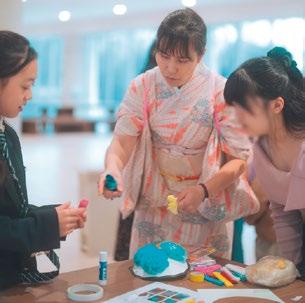
The main performance is one small piece of the festival; the itinerary encourages visitors to walk around and discover activities happening throughout the campus. Malvern’s community comes to life as pupils, parents, and staff warmly welcome new families and guests, encouraging them to participate in a number of activities.
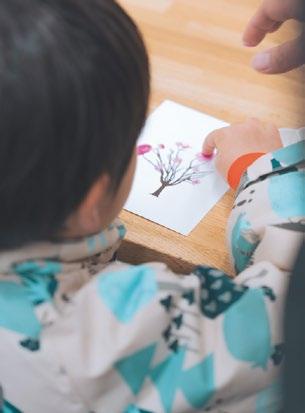
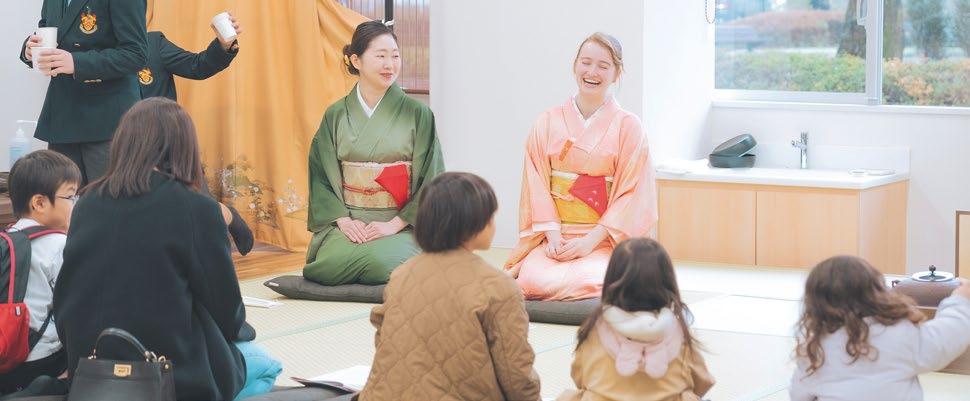
Families can navigate a global tasting tour of tea ceremonies—comparing Japan’s frothy matcha with the brewed comforts of British tea. Beyond the tea rooms, the day features a carousel of cultural activities. Attendees can try their hand at composing poetry rooted in Western or Japanese haiku traditions, craft traditional hanagasa flower hats, or engage in an array of musical and athletic challenges that reflect the school’s holistic curriculum.

The centerpiece of this year’s program is Move, Culture, Tradition x Sakuragaku 2026, a visionary project that transcends the strict boundaries often found in traditional Japanese arts. Supported by the NPO ACT.JT—headed by Living National Treasure Man Nomura—the performance honors the legacy of the specific discipline’s creator, the late Manjo Nomura.
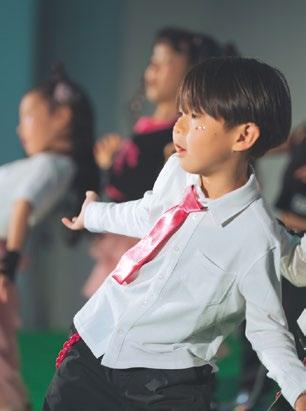
The project creates a harmonious fusion of disciplines that rarely share the same stage: the classical comedic theater of Izumi kyogen, traditional instrumentation, and regional folk dances. In a display of student agency—a core tenet of the school’s International Baccalaureate curriculum—30 middle-school pupils have volunteered to train and perform alongside these professionals.
This collaboration is defined by three core pillars. First, “Move” activates heritage, treating tradition not as a static museum piece but as a dynamic movement that is lived by a new generation. Second, “Culture” fosters cross-cultural dialogue where British educational values meet Japanese local wisdom to inspire mutual respect. Finally, “Tradition” ensures respectful continuity, grounding students in local excellence while nurturing global citizenship.
“By bringing these artistic disciplines into an international school environment, we ‘move’ tradition forward,” McCallum notes of the project’s philosophy. “It becomes a modern stage where timeless disciplines are reimagined.”
The Sakura Culture Festival is also a testament to the school’s tight-knit community.
Supported by the Friends of Malvern parent group, the event sees teachers and families from diverse backgrounds hosting booths and sharing their heritage.
For visiting families, the day offers a window into the daily life of a school that prioritizes thinking sharply and acting wisely. By engaging directly with the heartbeat of Japanese tradition through a global lens, students develop a profound sense of place in their host country.
“We want our children to be articulate and confident,” says McCallum. “Building that resilience requires engaging with people outside their immediate family.” While the textbook is the map, these events are the journey that builds character.

Admission is open to the public, and registration is available via the school’s website: malverncollegetokyo.jp
The Club’s second annual Charity Gala will benefit the Salvation Army with a night of high-rolling fun, flavors, and prizes.
WORDS TIM HORNYAK
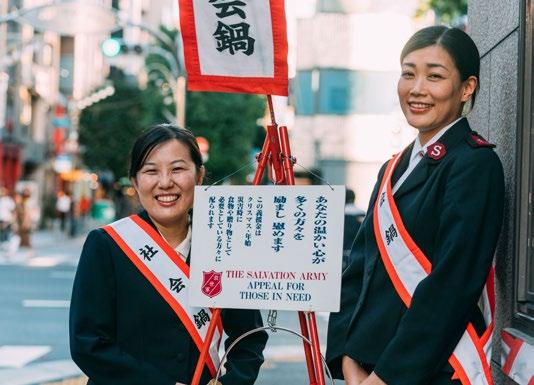
For people from the UK and North America, one of the iconic images of Christmas is a Salvation Army volunteer ringing a bell to solicit donations. The group’s philanthropic activities trace their history all the way back to East London in 1865—a time when Japan was still under samurai rule. Thirty years later, 12 British Salvation Army officers arrived in a rapidly modernizing Japan and began their charitable works. This year, the Salvation Army in Japan is the beneficiary of the Club’s second annual Charity Gala, a night of tapas, Champagne, raffles, gaming, and jazz set for March 28.
Methodist preacher William Booth founded the movement based on a desire to address social ills such as crime, unemployment, poverty, and poor health. As its first general, he emulated military discipline and organization, and introduced uniforms, ranks, and insignia.
The approach proved effective as the movement spread overseas to continental Europe and beyond. The first Japanese officer was
Gunpei Yamamuro, who joined in 1895 and worked to free women from prostitution and to establish a tuberculosis sanatorium. Today, the Salvation Army is active in 135 countries and territories, as well as all of Japan’s major cities. Its mix of philanthropy and spirituality remains largely the same.
“We work under the motto of ‘Soup, Soap, and Salvation,’” says Ken Hanasaki, a fundraising officer and spokesperson for the Salvation Army Japan Territorial Headquarters. “In order to preach the gospel, people first have to fill their stomachs. In the early days, many people were unable to bathe or shower, so we provided daily necessities.”
In Japan, the Salvation Army has some 1,800 church members and 1,200 employees. It operates 22 social welfare and medical facilities, including its well-known thrift shops, as well as hospitals, nursing homes, and children’s homes. For instance, in Tokyo’s Suginami Ward, the group has a thrift store, a church, a seniors’ residence for 80 people, a seniors’ day center, and children’s homes—all within the same neighborhood.
About 50 children aged two to 18 live in the homes. Many suffered abuse at the hands of their parents and were placed in the homes by government agencies. The sale of donated clothing, books, and other goods at thrift shops directly funds these social welfare programs. Services also include the distribution of bento boxes and other meals, clothing, and hand warmers to people in need throughout Tokyo, especially in winter. Annually, the Salvation Army provides assistance to roughly 300,000 to 400,000 people, according to Hanasaki. As Japanese society ages, there are more elderly people experiencing homelessness and loneliness.
journeys across Japan. As those journeys took their toll, he spent his pay on leisure, lost his family and job, and ended up living a homeless life near Tokyo Station. He didn’t get along with other homeless people and despaired that his life was worthless. One winter, he met a Salvation Army officer distributing hot food who invited him to church.
“He was greeted with a big smile, began participating in church activities, and his heart began to change,” says Hanasaki. “He was able to escape homelessness and became a church member. Now he helps other homeless people himself.”
Club Members have been supporting the Salvation Army for some 30 years. Recent activities include donations to the thrift stores and the Angel Tree program, which provides Christmas presents for children in the orphanages.
Choosing one of the largest charitable organizations in Japan marked a change from the inaugural gala last year, when five smaller groups were the recipients of more than ¥3 million thanks to Member support.
“We’re thrilled to work with the Salvation Army because we know how effective they are in providing support for those who need it most,” says Kuniko Weeks, head of charity activities for the Connections group. “The Charity Gala will be a wonderful dinner with drinks, a live band, raffles, casino games, and silent auctions.”
Hanasaki is eager to put the proceeds to good use.
“I want to thank all the Members for supporting the works of the Salvation Army for a long time. I hope more Members will get to know us better through this special event, join other supporters, and visit us in our locations such as Jimbocho, Suginami, and Azabu Juban. That’s where you can start to participate in our activities.”
“We’ve been seeing a shift in needs—isolation is a growing problem, and people are looking for a connection with others. We focus on getting into local communities, making those connections, and building those relationships. When we do our ministry and social welfare work, we focus on fostering relationships so people can thrive in their lives.”
Hanasaki points to the example of Tadashige Fujiwara, a husband and father whose work took him on solitary
The Tokyo American Club Charity Gala
• March 28 • 6–10pm • New York Ballroom and Brooklyn rooms • ¥25,000 (guests: ¥30,000) • Includes ¥5,000 in gaming money • Table with up to eight seats: ¥200,000
• Nihonbashi Club Members welcome • Limit seven guests per Member • Adults only • Dress code: Black-tie attire recommended • Extended childcare hours available if arranged in advance • Sign up online
“We focus on getting into local communities, making those connections, and building those relationships.”
Cynthia Usui shares how all paths are possible as Connections celebrates International Women’s Day.
WORDS LISA WALLIN IMAGE KAYO YAMAWAKI
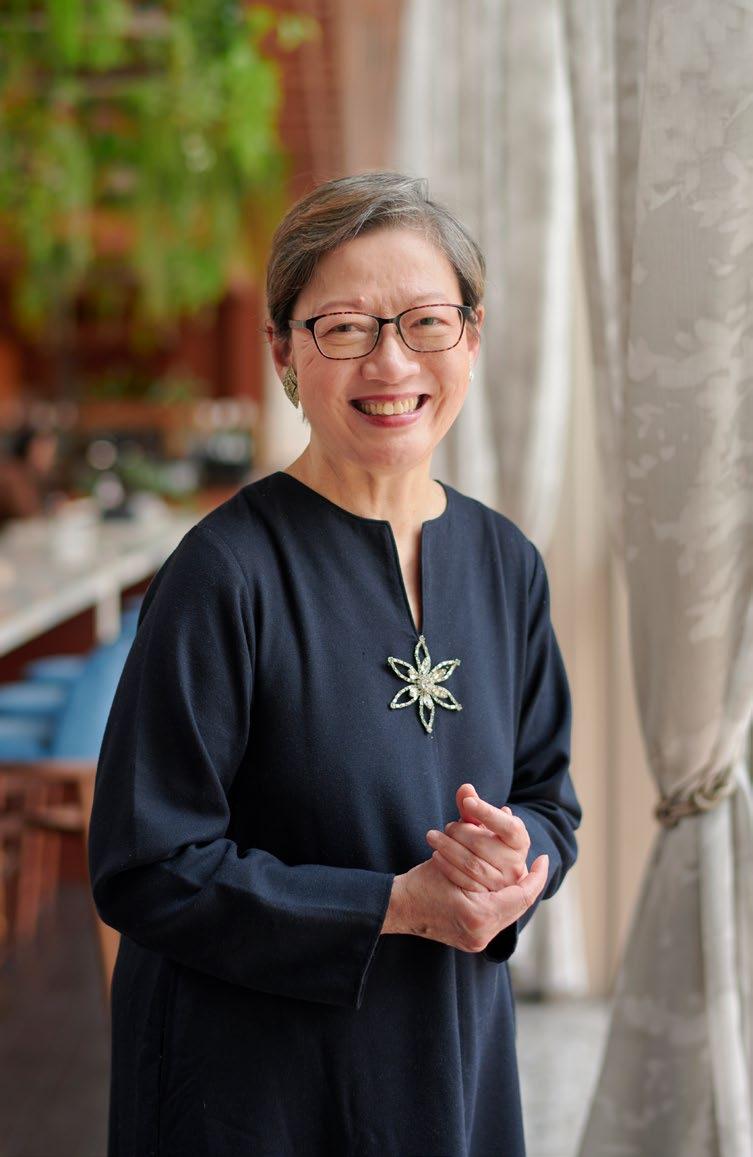
For Cynthia Usui, International Women’s Day is not about celebrating a single version of success. It is about recognizing choice—and acknowledging the many forms of labor, paid and unpaid, that shape women’s lives.
Born in 1959 in the Philippines to a Chinese-Filipino family, Usui came to Japan as a government-sponsored international student and graduated from Tokyo University of Foreign Studies. She began her career in a trading company, married a Japanese diplomat, and became a mother at 30. What followed was a chapter that rarely fits neatly into professional biographies: nearly two decades spent living in five countries, focused primarily on raising her daughter.
“I grew up with a Western education believing I could have everything,” Usui says. “Then I had my daughter and hit a wall. I realized maybe I can’t—and no one had taught me what to do when that happens.”
After years centered on caregiving, Usui took her first step back into paid work at 47—not in Japan, but in Bangkok, where she accepted a parttime cafeteria job at her daughter’s school. It was a modest role, but a decisive one. Rather than waiting for a perfect opportunity, she chose
momentum, beginning what would become a second career built through steady movement rather than a single leap.
When she later returned to Japan, she continued that approach at the Club, working as a junior member of the banquets team. For Usui, it was about reentering professional life, rebuilding confidence, and proving—to herself as much as to anyone else—that a long pause did not erase her ability to contribute.
From there, she kept moving. She joined ANA InterContinental Tokyo, rising to a senior business development role within three years before moving to Shangri-La Tokyo. In 2018, she was appointed senior hospitality manager for the Tokyo 2020 Olympic and Paralympic Games at The Coca-Cola Company. When the pandemic delayed the Games and her role disappeared, Usui adapted once again—working as a supermarket cashier while continuing her job search. She moved on to leadership roles in hospitality and technology, and today also serves as an adviser to an NPO supporting single mothers.

roots in labor movements, she remains uneasy with how narrowly the day is often framed. “There are two kinds of labor: paid and unpaid,” she says. “International Women’s Day should celebrate whatever decision a woman makes about how she wants to live.”
What connects these transitions is not a linear plan, but a clear decision-making philosophy. “I think about worst-case scenarios,” she explains. “What can I live with? Where is my red line? I ask myself if I like the person I see in the mirror.”
That clarity shapes the advice she shares with women navigating career breaks. Rather than urging people to wait for the “right” role, Usui encourages action. She often compares careers to the Tokyo Metro. “Whatever train stops in front of you—get on,” she says. “You can always change trains later.”
Through Career Breaks, the platform she founded, Usui reframes time away from paid work not as a failure, but as a phase that builds resilience and perspective. While her first book was written for women in their fifties, she now hears frequently from readers in their thirties who say it helped them make decisions earlier, without fear that a pause would permanently derail their careers.
This broader perspective is what she hopes to bring to the Connections group’s International Women’s Day luncheon on March 10—creating space for multiple paths, and for reinvention at any age.
Reinvention remains part of Usui’s own life. Her latest challenge is an illustrated children’s book titled I Love Tokyo. Similar to the Where’s Waldo? series, the picture book celebrates the city and its sights and culture. She is planning it as a crowdfunding project after years of being told it was unviable. “I want to prove they’re wrong,” she says with a laugh. Embracing new collaborators and tools, she sees the project as another extension of her belief that it is never too late to begin again.
“Whatever train stops in front of you—get on. You can always change trains later.”
Her advocacy is notably practical. Throughout her career, she has used positions of influence to bring women back into the workforce by redesigning roles to fit real lives. The focus is on learning ability and potential rather than uninterrupted résumés. “Don’t just point out where the mines are,” she says, “remove them.”
That lived experience also shapes how Usui views International Women’s Day. While she acknowledges its
Alongside her independent work, Usui currently serves as chief empowerment officer at Sekaia Inc., continuing to advocate for women navigating career pauses and non-linear professional paths.
At a stage of life when many are encouraged to slow down, Usui keeps moving forward—not because she has something to prove, but because she knows she can always start again.
“Just get on the train,” she says. “Once you’re moving, everything else becomes possible.”
International Women’s Day Luncheon
• March 10 • 11:30am–2pm • Manhattan III • ¥10,000 (guests: ¥11,000) • Table with up to eight seats: ¥80,000 • Sign up online
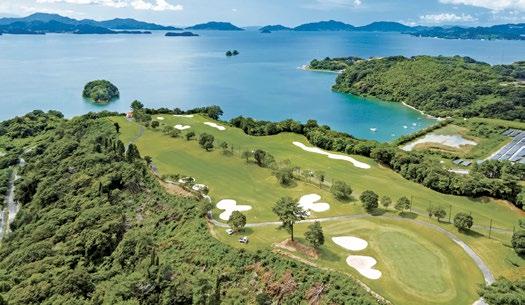
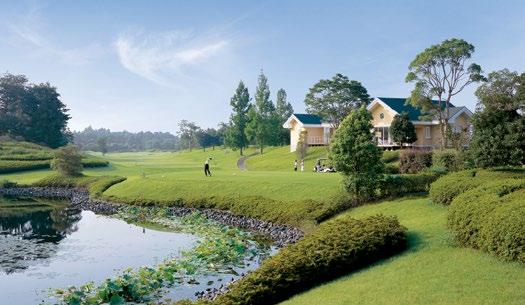



RESOL Golf Group
• 15 World-Class Courses
• 4 Resort Courses

• Custom Golf Plans
• Corporate Outings
• Golf Plans
• English Booking available




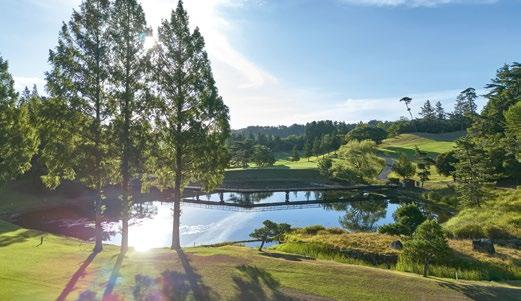
















The Men’s Golf Group brings Club Members together throughout the year on Japan’s finest courses.
WORDS C BRYAN JONES
Few sports build camaraderie and long-term friendships like golf. Spending hours on the links together offers a chance to connect at a pace rarely found in today’s world.
“Golf is a universal language,” says Masaki Sato. “The Club is a melting pot of nationalities and backgrounds, but for those of us who love the game, finding common connections and bonds is easy.”
Members of the Men’s Golf Group gathered on January 8 for their 2026 kickoff party in the Washington and Lincoln rooms, celebrating the past year and looking ahead with an evening of drinks and prizes. Highlights can be seen on page 31.
Shinichiro Kohri, who takes over as group chair this year from Sato, says there was a lot of excitement among the 50 attendees. “Everybody was anxious to find their partner and start the new season.”
With events every second and fourth Saturday of the month, plus two multiday trips—one domestic and one overseas—members refine their game throughout the year.
“We had an overwhelming number of people sign up for the pairings,” says Sato. “Playing as pairs like this is something you cannot do at a Japanese country club, even if you are a member.”
against Team Japan. Each side has 12 golfers, chosen based on points earned through the year.
“Japan has lost the last two years, so it’s about time we take back the cup,” he says.
Started in 1986 and played as the President’s Cup until 2019, the Emperor’s Cup is the perfect example of what sets the Men’s Golf Group apart, according to Sato. “It’s a very special culmination to the season, as no private country club in Japan can run this type of competition.”
Sato hopes to win the 2026 Jiro Matsumura Trophy, named after the longtime Member and honorary Club president. It would be his sixth since joining the group three decades ago.
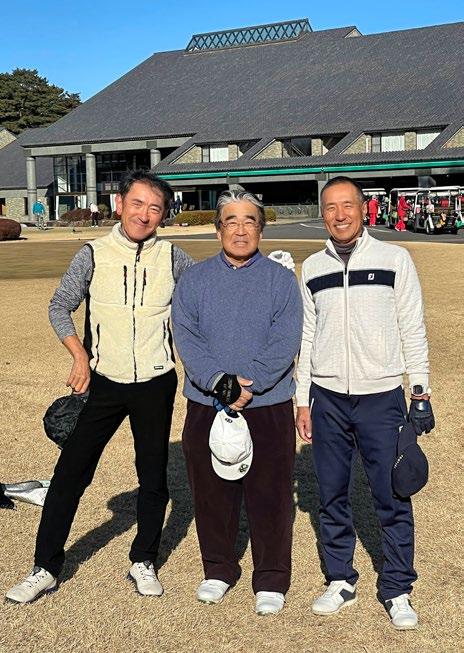
(l–r)
That format and the diversity are reasons Masato Marumo loves being part of the group. “If you belong to a Japanese golf club, it’s very domestic. You don’t have this international atmosphere. In fact, if you’re too international, you stand out like an outlier,” he explains. “So, for those who like the international atmosphere, the Men’s Golf Group is a unique setting.”
Masato Marumo, Masaki Sato, and Shinichiro Kohri
This year, Marumo has his sights on winning the Emperor’s Cup, a group event that pits Team International
Kohri is most looking forward to the Spring Stag Tournament. Dating back to 1983, it was played overseas until the pandemic. After a fouryear domestic stint, the group’s oldest competition headed to Vietnam last year. Kohri was unable to join, but will this month as they return to the same destination from the 20th to the 22nd.
While there are milestone competitions on the calendar, the most important goal of the group is to have fun.
“The biweekly events are more relaxed, it’s just your own game,” notes Sato.
“There’s no winning or losing in terms of contest, you just play against your handicap.”
For those not yet members, Marumo has just two words. “Join us,” he says.
“This is a rare balance of play that’s competitive enough to really push you in the game but also very welcoming. Every round is so enjoyable.”
For information on scheduled matches and more, check the Club website or visit the Recreation Desk.
• Onsite Support and Managed Services
• On-Call and Remote Support
•
Vulnerability Assessments and Remediation

•
•
•
•
• Relocations and Re-stacks
• Technology Upgrades
• Cloud Solutions
• ISO-27001 Certified










Member John Collins
Joyce shares how he pushed himself in a new direction by setting sights on the bodybuilding stage.
I’ve spent the past 25 years—20 in Japan working in finance. That means a lot of late nights, client dinners, and constant travel. But through it all, I’ve stayed disciplined about training. I’ve done Ironman triathlons and Muay Thai, but recently I decided to test myself in a completely different way—competing in classic physique bodybuilding.
Classic physique embodies the 1960s bodybuilder aesthetic: natural-looking proportions and silhouettes. This was a departure for me. I’d always trained for football or functional fitness, but here I decided to train purely for aesthetics and see what I could achieve.
What appealed to me intellectually—as well as physically—was having multiple variables to optimize: nutrition, cardiovascular work, and weight training. As opposed to just lifting weights, you have all these factors that you can adjust to create the outcome you want.
I've always trained at the Azabudai Fitness Center, and Paolo [Olivieri] has been an incredible energy source there. He pushes me to do more reps, more sets. He’s been a great spotter and brings real gravitas and energy. He’s been my anchor.
This journey traces back to the start of Covid. I had relocated to Hong Kong to oversee all of Asia for my work. Then the lockdown hit. The timing couldn’t have been worse. I was stuck there for almost three years with no gym access. When I finally came back to Japan in 2022 and walked into the Fitness Center, I thought, “This is paradise.” The whole staff is fantastic, but Paolo in particular is great.
Ironically, that forced hiatus rekindled my passion for weightlifting. Training is my ballast. It’s the one thing I can own in my day. Whether I’m at our company gym at 5am or the Fitness Center when it opens at 6am, as long as I get that done before I start my workday, I’m untouchable. It gives me incredible mental clarity and emotional equanimity.
I’ve always approached work and training in a similar fashion. It’s about the small, compounding nature of effort that leads to results rather than immediate gratification. Just that constant grind of doing something a little bit better each day—whether in the office or in the gym.
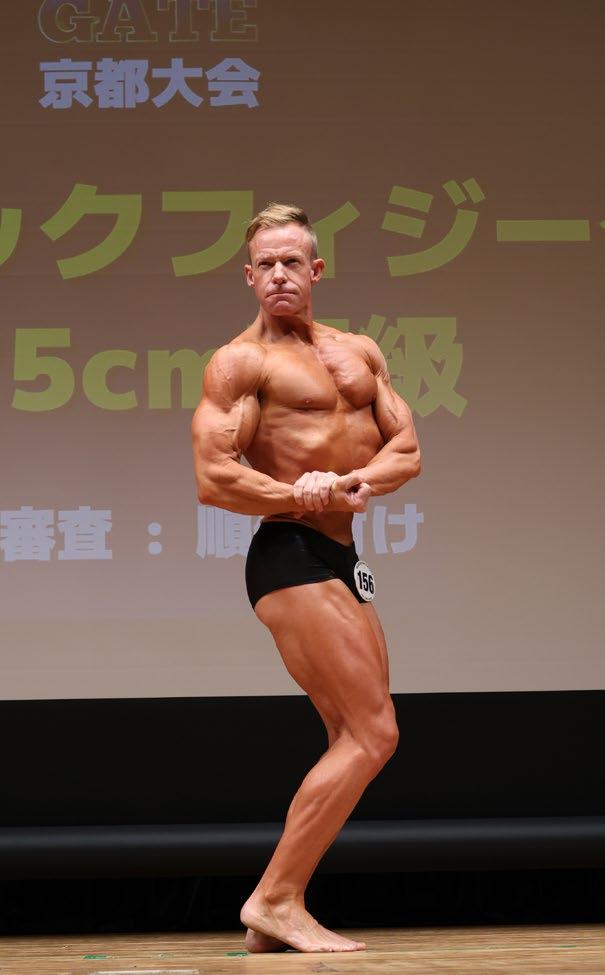
For the competition in Kyoto last October, I spent six months preparing, adjusting my macros, my calories, and doing carb cycling. My sole focus was cutting fat without losing mass. I won the competition, and I’ve been invited to compete at the national level, which I’m considering.
What I learned through this process is that I’m not good at training without a goal. I need a specific vision to drive intensity and structure. I’m very task-oriented, which is probably why I’ve survived in my field 25 years. Anything amorphous, I’m not good with.
For fellow Members looking to improve their fitness, my advice is that it’s about consistency, being thoughtful about your intentions. Consistent, slow gains lead to nonlinear outcomes. Play the long game and do it for yourself, not for anybody else.
As told to INTOUCH’s C Bryan Jones.

At ONE DESIGNS, we offer complete refurbishment services for your residence, office, or showroom. From curating the ideal mix of materials, fabrics, and colors to selecting topquality furniture and decor, we make every detail shine.
We also provide design, construction, and renovation services for hotels and retail spaces, handling all local regulations and approval processes for you.
Our English-speaking team at ONE DESIGNS is here to assist with any inquiries you may have.
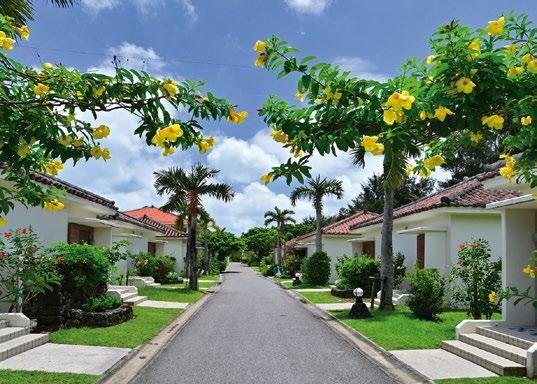
Savor the wonders of Ishigaki Island, with its crystal-clear ocean and pure white sand, at Fusaki Beach Resort Hotel & Villas. Its cozy yet contemporary spaces offer the perfect backdrop for experiencing the heart and soul of one of Okinawa’s most idyllic destinations.

1625 Arakawa, Ishigakishi, Okinawa 907-0024
Tel: 0980-88-7000 | Mail: info-fusaki@iconia.co.jp www.fusaki.com/eng
ONE DESIGNS TOKYO OFFICE Ryoshin Onarimon Bldg. 7F 6-17-15 Shinbashi, Minato Ward, Tokyo
Tel: +81 (0)3 6758 3535
For more information,please email: post-onesd@koyou.co.jp www.koyou-onesd.co.jp/en

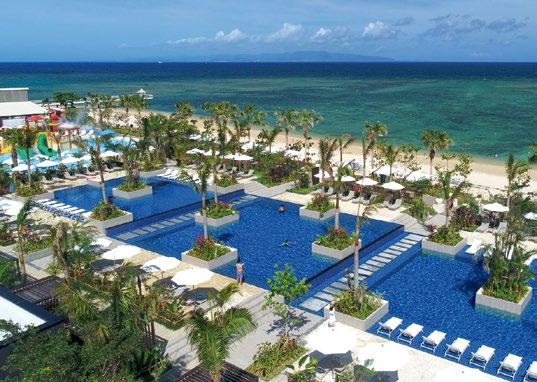

Award-winning luxury hotel, restaurant, and spa




AZABUDAI
USA | Stephen Ofori & Ama Agyeiwaa Abrokwah
Swiss Re Asia Pte Ltd., Japan Branch
“We moved from the US to Tokyo late last year, and joining the Club quickly made the city feel like home. With kids who love sports, the Club’s facilities and programs were a perfect match. More than anything, we were drawn to the warm community and the chance to meet new people. The Club offers the kind of welcoming environment and activities that help our family stay active, connected, and settled in our new life in Japan.”
AZABUDAI
USA
Jia (Linda) Gu & Yao Li Ho
LYFE Capital
Tai-Tsang Chen & Yuhui Hung GlaxoSmithKline K.K.
Michael Stensrud
MDS Global K.K.
CANADA
Alan & Emi Sorba
RBC Capital Markets (Japan) Ltd.
CHINA
Ying Xu
Partners Home Co., Ltd.
FRANCE
Stephane & Marie-Helene Vidal
Accenture Japan Ltd.
Frederic Suhner
AXA Life Insurance Japan Co., Ltd.
GERMANY
Ender & Janine Tanar
Australia & New Zealand Banking Group Limited
Immo & Iva Buschmann
Porsche Japan K.K.
JAPAN
AZABUDAI
INDIA | Akshay & Shuchandrima Ahuja
Amazon Japan G.K.
“We have been in Japan for over three years now and have been regularly visiting the Club with friends. The Club has fantastic facilities for our three kids, who have already started tennis and swimming, and are using the Library. We look forward to making new connections and building our Club community, and I personally am keen to try my luck at squash once more!”
Keiko Takaaki & Fukunaga
ASTRA Beauty Clinic
Satoru Ikewada
Nihon Insight Technologies Corporation
Kazuhiro & Hiroko Tsutsumi
GLP Capital Partners Japan Inc.
Maiko & Hideo Noguchi
Arpege Co., Ltd.
Malgorzata & Oscar Kent Olof Lundin
Tokyo International School
UK
Rachel Trace & Ryoji Horiuchi
Abbott Medical Japan
Charles & Chiaki Folan
Tradition Nihon Ltd.
Matthew Ware & Mariko Shimoda Kinesso
JAPAN
Masanori Kimura
Nomura Properties Co., Ltd.
Yukari & Takumi Sato
Future Analytics, Inc.

C onnect with your Club any time from anywhere. G et the Club app today!
















Since its establishment in 1954, Sun Realty has been the exclusive agent for Homat properties. These houses and apartments are spacious like none other, featuring beautiful Western–Japanese mixed interiors. They are designed to meet the discerning tastes of expat families and are situated in Tokyo’s best locations.


















03-3584-6171




sun@sunrealty.co.jp
sunrealty.co.jp








St. Alban’s Nursery , only five minutes from Tokyo American Club, offers a select English-language program of learning and self-discovery for preschoolers, inspired by Montessori principles. Located in the quiet, leafy grounds of St. Alban’s Anglican-Episcopal church, the Nursery is independently operated and open to children of all denominations and cultures, and focuses on each child’s individuality and needs, in a caring, highly personalized atmosphere.
• Large enclosed outdoor playground
• Safe off-street drop-off and pick-up area
• Parent visits welcome at all times

3-6-25 Shiba-Koen, Minato Ward, Tokyo 105-0011
Email: saintalbansnursery@gmail.com www.saintalbansnursery.com

homathomes.co.jp







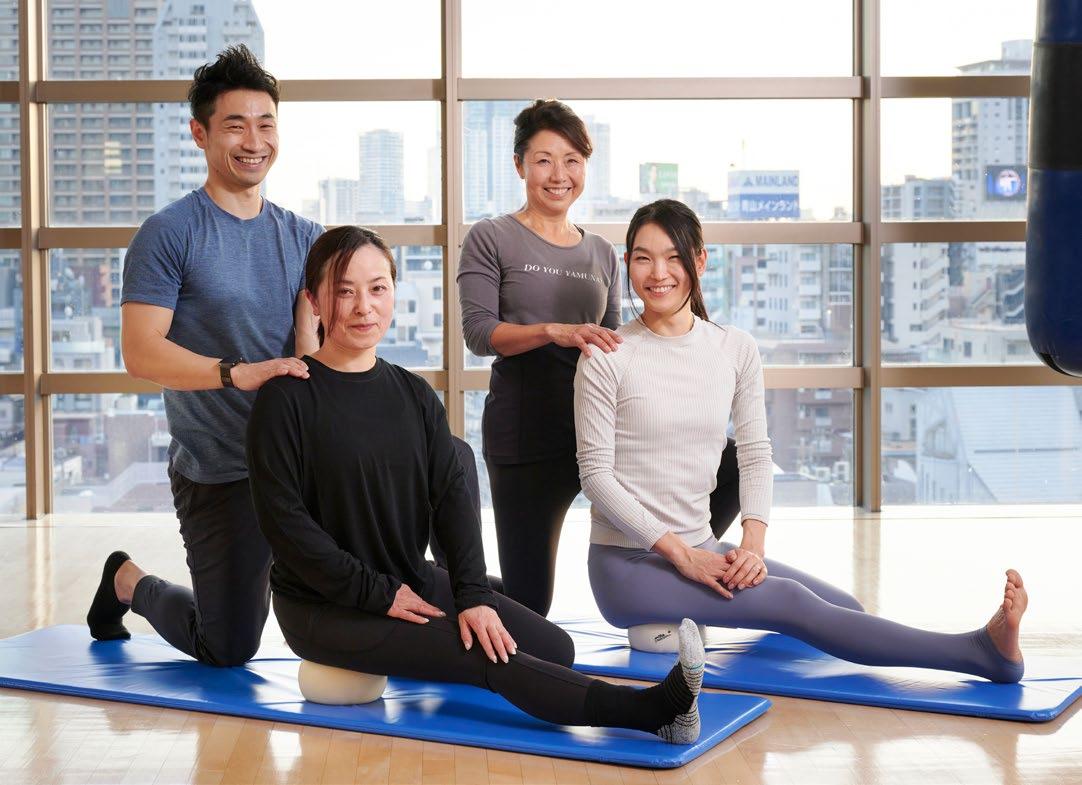
Rooted in anatomy, this self-conditioning bodywork method uses specially designed balls to release muscular tension, improve alignment, and restore natural movement patterns. The method works bone to bone, addressing the body from its deepest structural level.
These private sessions offer an introduction to Yamuna body rolling through a carefully structured workshop. Students can expect deep release, improved posture, greater joint space, and a renewed sense of ease in movement. Rather than forcing change, the method invites the body to reorganize itself from the inside out.
Mika Childs began teaching Yamuna body rolling 12 years ago in Hong Kong and has since shared the method internationally, including in Singapore, Thailand, New Zealand, and the UK. She studied directly with the founder, Yamuna Zake, in New York.
Hideaki Hongo has shared the Yamuna method with Members as a personal trainer, supporting their well-being through consistent and thoughtful anatomically based guidance. Together, they bring continuity and a global perspective that honors the roots of the method while offering a relevant, accessible, and respectful approach to each individual body.
Yamuna Body Rolling (60 or 90 minutes)
• Individual: ¥13,200 / ¥17,600 • Semiprivate: ¥11,000 / ¥13,200
• Group: ¥9,900 / ¥11,000 • Table treatment with Hongo: ¥17,600 / ¥24,200
• Yamuna “Save Your Face” with Childs: ¥15,400 (60 minutes)
• Contact the Recreation Desk to book a session


















Escape to Seaside Village 13, a villa-style retreat located just 30 seconds on foot from the beach, designed for longer stays with all the comforts of home. Just beyond the forest, the stunning Ibaruma coastline awaits, o�ering a tranquil shoreline with breathtaking sunrises. Explore Ishigaki’s natural beauty, from our lush fruit farms to the crystal-clear waters of Hirakubo Sunset Beach. It’s a secluded escape with easy access to the Yaeyama Islands, the perfect gateway to your island adventures.
SEASIDE VILLAGE 13
2-282 Ibaruma, Ishigaki City, Okinawa 907-0332

Contact us today: 0980-89-2277 | info@seasidev13.com seasidev13.com/en









Access exclusive timely perspectives on property investment, elite international education, luxury travel, and so much more. Whether immediate decisions or future planning, the facts GoConnect delivers motivate and keep you coming back for more.


















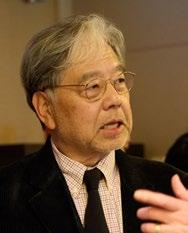
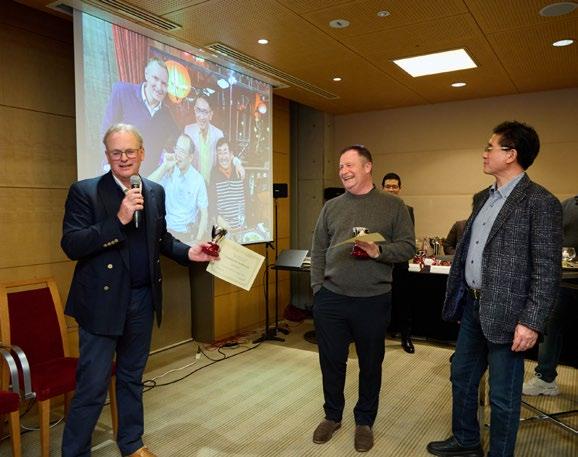
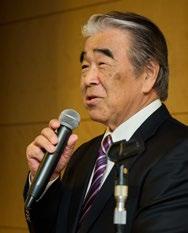

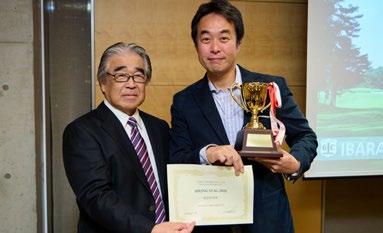
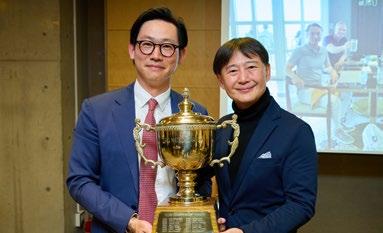
The Club’s band of golf lovers launched a new season with an evening of drinks and prizes.
IMAGES YUUKI IDE
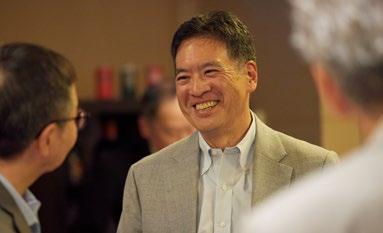
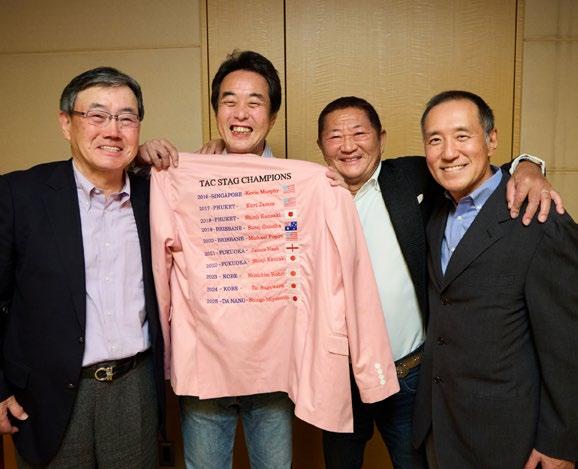
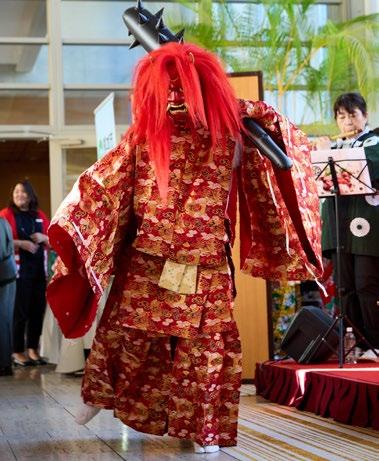
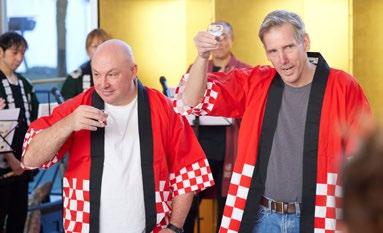
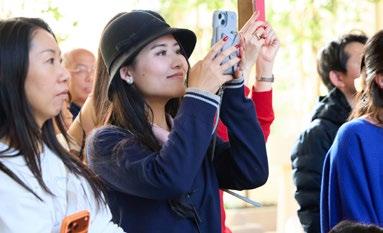
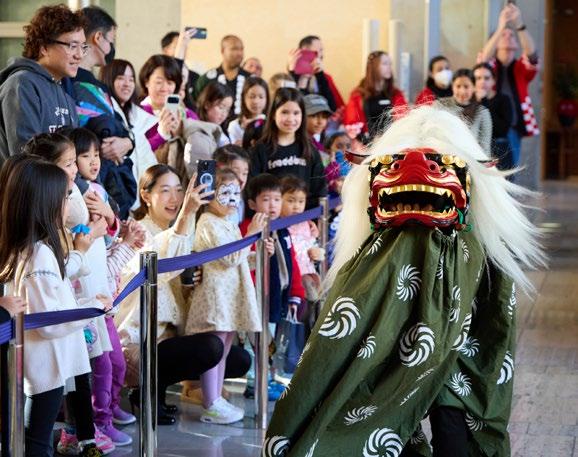
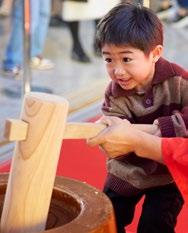
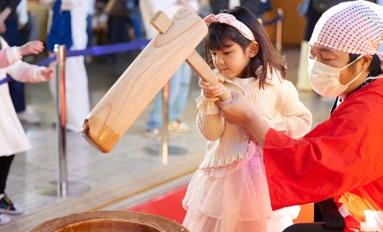
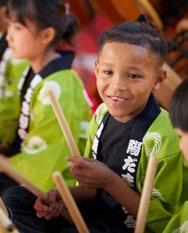
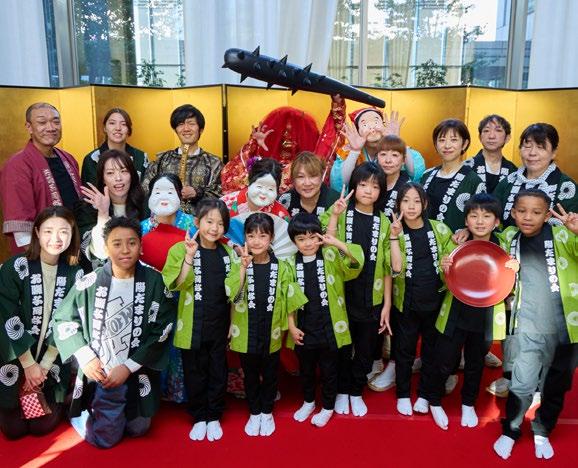
Members got 2026 off to a brilliant start with traditional performances and a time-honored ritual.








January 16
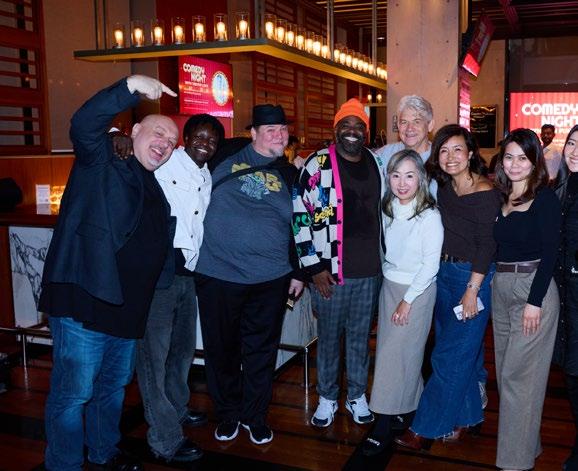
Comedy Night with Ron Funches
The stand-up star, writer, and actor had a packed crowd at Traders’ Bar rolling in the aisles.
IMAGES YUUKI IDE
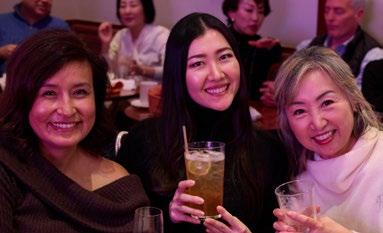

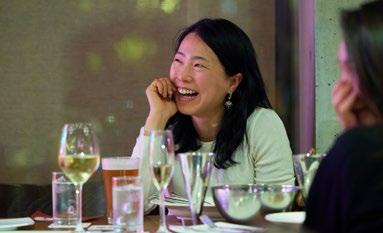
February 6
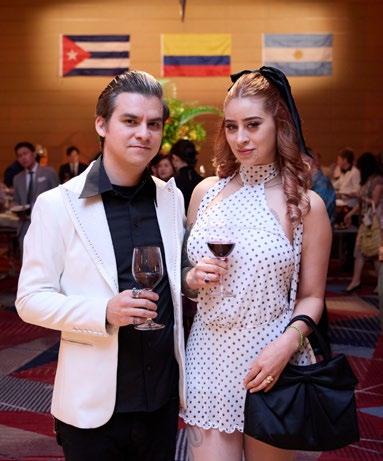
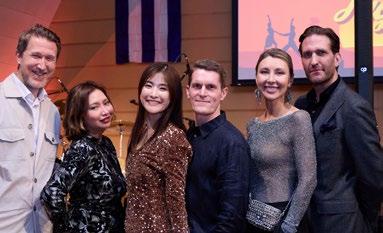
First Friday: Latin American Night
The New York Ballroom hosted an electric evening full of the sounds, sights, and flavors of Argentina, Cuba, and Colombia.
IMAGES YUUKI IDE






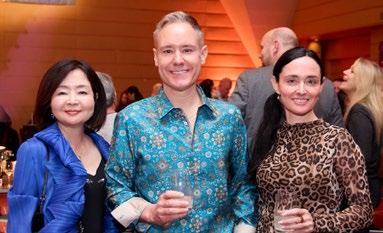
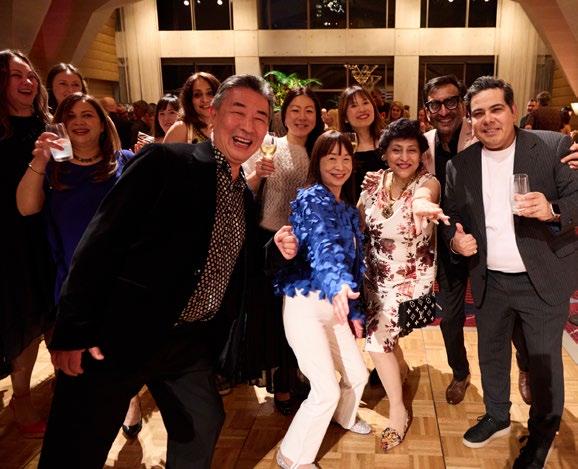
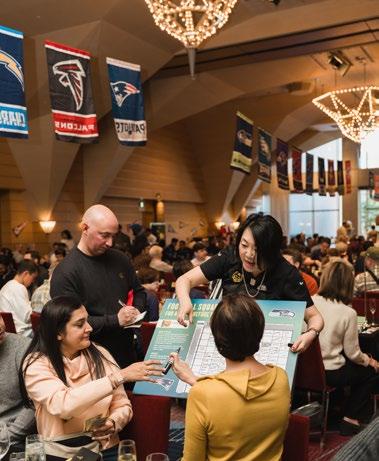
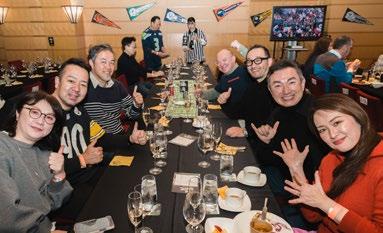





9
It was one for the ages as Members enjoyed a full menu of tailgate party favorites while watching the Seattle Seahawks claim their second NFL title.
IMAGES TAKUMARU SUZUKI



WORDS BLANKA KOBAYASHI ILLUSTRATION TANIA VICEDO
International Women’s Day always lands in my heart as more than a date on the calendar. It’s a mirror and a milestone. It’s a moment that asks me to look back at the people who made my life possible—my parents, grandparents, mentors, friends, husband, and son—and to look forward to the world we’re still building for our daughters, sons, and ourselves.
For me, International Women’s Day is ultimately about choice—not the kind of “choice” that sounds nice on a poster, but the real, lived ability to decide what matters most to you, and to be respected for it. It’s about having the freedom to define success on your own terms, without guilt, without apology, and without being forced into someone else’s version of what a “strong woman” should look like.
I’ve heard the phrase “women can have it all” used in ways that feel heavy—like an impossible checklist we’re supposed to complete flawlessly. But I believe having it all isn’t about doing everything at once. It’s about having access, support, and permission—internally and externally—to pursue family, career, and happiness in the combination and timing that fits your life.
In my own journey, I’ve always put preference on being a wife and a mother, and on building a happy home. That
wasn’t a limitation for me—it was a calling. I wanted a family rooted in love and stability. I wanted to be present for the everyday moments that shape a child’s sense of security: the meals, the routines, the conversations, the warmth of knowing you belong. And I’m deeply grateful I had the opportunity to prioritize that season of life.
Then, as our son grew bigger, life opened up in a new way. I was able to return to work and build businesses alongside my husband. That chapter brought its own kind of fulfillment: creating, contributing, solving problems, earning recognition, and seeing our ideas turn into something real. Success and recognition do make me happy—because they represent effort, growth, and impact.
But if I’m honest, as a woman, I am most proud of our family and our son. Watching him grow up with strong family values—respect, responsibility, kindness, and resilience—feels like the greatest legacy I could ever help create. Achievements are meaningful, but family is what makes them matter.
International Women’s Day reminds me that no woman should have to choose between being devoted at home and being ambitious in the world. Some women will lead with career, some will lead with family, many will blend both, and some will change direction more than once. The point is this: every woman should be able to make her choice— based on what makes her happy—and then follow her dreams without being judged for how that dream is shaped.
So today, I celebrate women not for fitting into a single narrative, but for the courage to write their own. Wherever you are in your journey, I hope you give yourself permission to want what you want—and to build a life that truly feels like yours.
Blanka Kobayashi is a Member of the Club.

















































































































平成三年十二月二十日第三種郵便物許可定価八00円


Azabudai Hills Residence B offers an effortlessly elegant environment for those who appreciate the finest details of city life. The residences feature expansive layouts and interiors designed to foster a deep sense of connection to nature. With exclusive access to a resident lounge, gym, and theater room, the property provides a seamless living experience in the heart of Tokyo. www.moriliving.com