























SURF AND TURF
SAIL AWAY IN A NUTSHELL
A A M Y E
The Club goes all out for football’s biggest spectacle














































SURF AND TURF
SAIL AWAY IN A NUTSHELL
A A M Y E
The Club goes all out for football’s biggest spectacle














www.nskre.co.jp/english


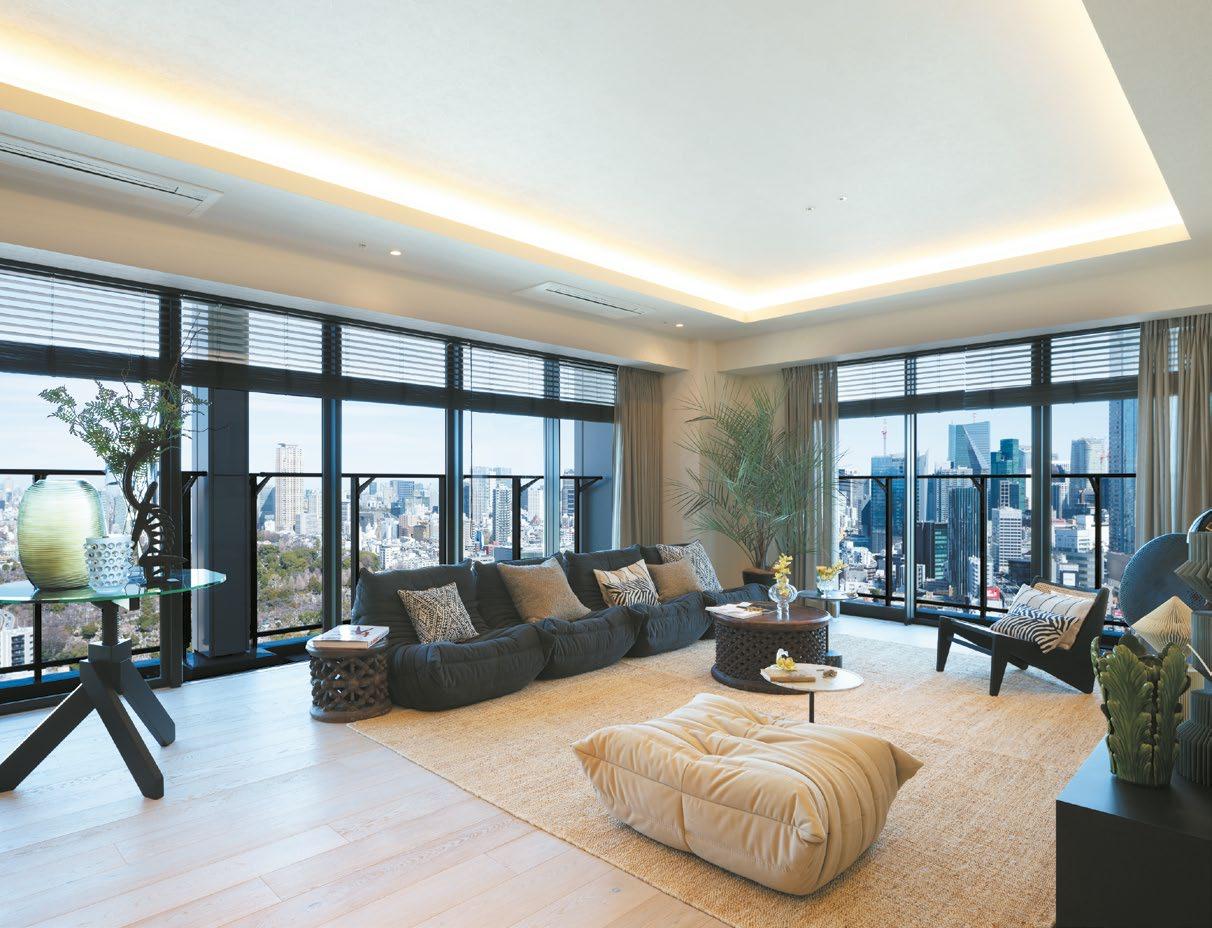

We don’t just offer places to live, but locations where communities can grow.
Our newest project, Livio Residence Nishiazabu, is a 32-story, high-rise tower that is surrounded by lush greenery, standing out as an oasis in the heart of the city as well as an architectural landmark. It offers a wide range of amenities to enrich residents’ daily lives, from a fully appointed fitness room to a comfortable teleworking lounge. This property is the latest example of our dedication to providing high-quality housing in Tokyo’s city center for our discerning customers.

Representative Governor Nils Plett (2026)
First Vice President David Hackett (2026)
Second Vice President Agnes Ouellette (2026)
Secretary Lin Shi (2026)
Treasurer Hiroshi Miyamasu (2026)
Governors Vibhu Jain (2027), Geoffrey Kamizuru-Bowman (2026), Ren Kuroda (2027), Gregory Lyon (2027), Justin Negrón (2026), Dean Rogers (2026), Reiko Saito (2027), Douglas Schafer (2027), Christa Wallington (2027)
Statutory Auditors Alok Rakyan (2026), John Sasaki (2027)
Parentheses denote term limit.
Centennial Anniversary Brian Nelson (TBA)
Compensation Justin Negrón
Culture, Community & Entertainment Matthew Tappenden (Vibhu Jain)
Finance Dennis Hubbs (Hiroshi Miyamasu)
House Mike Foley (Ren Kuroda)
Long-Range Planning Ron Lenore (Reiko Saito)
Membership Yan Fan (Lin Shi)
Nihonbashi Rike Wootten (Geoffrey Bowman)
Nominating Steve Greenberg
Recreation David Lee (Agnes Ouellette)
Parentheses denote Board liaison.
GENERAL MANAGER
Dustin McAvoy
ASSISTANT GENERAL MANAGER
Nori Yamazaki
DIRECTORS
Brand Marketing & Communications Shane Busato
Facilities Richard Woods
Finance Naoto Okutsu
Food & Beverage Gerard Bonenfant
Human Resources Jason Dominici
Member Services Jonathan Allen
Operations Thomas Zaleski
Recreation Kaitlyn Giguere
INTOUCH
Managing Editor C Bryan Jones
editor@tac-club.org
Communications Editor Alec Jordan
Designers
Kohji Shiiki
Anna Wong
Designer/Photographer Clara Garcia
CONTRIBUTORS
Writers
Phoebe Amoroso
Kanako Ijichi
Ron Lenore
Hank Mori
Photographers
Wayne Enright
Yuuki Ide
Jan Love
Yuji Matsushima
Takumaru Suzuki
Ed Thompson
Kayo Yamawaki
Illustrator
Tania Vicedo
INTOUCH is printed on Forest Stewardship Council-certified paper, harvested from sustainably managed forests.
ADVERTISING IN INTOUCH
Explore the Club’s range of advertising possibilities by talking to the Club’s exclusive advertising agency, Custom Media.
Custom Media CEO Robert Heldt
Custom Media Publisher Simon Farrell Sales Director Edvard Vondra
JOINING TOKYO AMERICAN CLUB
To arrange a tour of the facilities, contact the Membership Office.
Tokyo American Club 2-1-2 Azabudai, Minato-ku, Tokyo 106-8649
advertising@tac-club.org 03-4540-7730 | custom-media.com
membership@tac-club.org 03-4588-0687 | tokyoamericanclub.org
All prices referenced in INTOUCH include consumption tax.


























Hawaii Living is Honolulu’s premier real estate
Our team has represented clients in every luxury condominium across Ward Village, Kakaako, Ala Moana, and Waikiki. This includes the newest ultra-luxury projects, Melia and Ilima. Park Lane Resort & Villas (Phase 2) is anticipated in the near future. Please contact us to discuss.


Meet Maki Kimura, your Tokyo contact and fellow Tokyo American Club member. Fluent in Japanese and English, Maki can meet with you at the Club to discuss Hawaii real estate and connect you with our Honolulu-based agents who are fluent in English, Japanese, Korean, Mandarin, and Cantonese.
If you are thinking about purchasing property in Hawaii or selling your condominium, please feel free to reach out. We are
to provide guidance with no obligation.


YOUR COMPLETE LEADERSHIP TOOLKIT

HISTORIC!
HISTORIC!
First book ever written speci cally for expat leaders
First book ever written speci cally for expat leaders
First book ever written speci cally for expat leaders
First book ever written speci cally for expat leaders
DALE CARNEGIE GLOBAL BEST PRACTICE
DALE CARNEGIE GLOBAL BEST PRACTICE
DALE CARNEGIE GLOBAL BEST PRACTICE
+ 40 YEARS OF JAPAN INSIGHT = UNRIVALLED AVAILABLE FROM AMAZON
AVAILABLE FROM AMAZON
+ 40 YEARS OF JAPAN INSIGHT = UNRIVALLED AVAILABLE FROM AMAZON
DALE CARNEGIE GLOBAL BEST PRACTICE
40 YEARS OF JAPAN INSIGHT
+ 40 YEARS OF JAPAN INSIGHT = UNRIVALLED


Dale Carnegie Training Tokyo, Japan
Dale Carnegie Training Tokyo, Japan






Dr. Greg Story, President, Dale Carnegie Tokyo Training
Dale Carnegie Training Tokyo, Japan
Dale Carnegie Training Tokyo, Japan

Dr. Greg Story, President, Dale Carnegie Tokyo Training
Akasaka 2-chome Annex 5th Floor, 2-19-8 Akasaka, Minato-ku, Tokyo 107-0052
Akasaka 2-chome Annex 5th Floor, 2-19-8 Akasaka, Minato-ku, Tokyo 107-0052
TEL: 0120-987-099, 03-4563-1963 weekdays 9:00~18:00, closed Sat/Sun/Holidays
FAX: 03-4563-1964
FAX: 03-4563-1964

Dr. Greg Story, President, Dale Carnegie Tokyo Training
Dr. Greg Story, President, Dale Carnegie Tokyo Training

Akasaka 2-chome Annex 5th Floor, 2-19-8 Akasaka, Minato-ku, Tokyo 107-0052
Akasaka 2-chome Annex 5th Floor, 2-19-8 Akasaka, Minato-ku, Tokyo 107-0052
TEL: 0120-987-099, 03-4563-1963 weekdays 9:00~18:00, closed Sat/Sun/Holidays
TEL: 0120-987-099, 03-4563-1963 weekdays 9:00~18:00, closed Sat/Sun/Holidays
Full details on all courses and training schedules at DALECARNEGIE.CO.JP
FAX: 03-4563-1964
Full details on all courses and training schedules at DALECARNEGIE.CO.JP YOUR COMPLETE LEADERSHIP TOOLKIT
Full details on all courses and training schedules at DALECARNEGIE.CO.JP
TEL: 0120-987-099, 03-4563-1963 weekdays 9:00~18:00, closed Sat/Sun/Holidays FAX: 03-4563-1964
Full details on all courses and training schedules at DALECARNEGIE.CO.JP

WORDS RON LENORE
IMAGE CLARA GARCIA
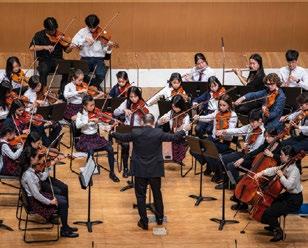
Last summer, I wrote about the importance of pausing—to listen, reflect, and reconnect—before deciding what comes next for the Club. In classical music, that pause is not silence; it’s preparation. The orchestra tunes. The hall settles. The conductor raises the baton. Everyone takes a breath together. It sets the tone for all that follows.
Since then, the Long-Range Planning Committee (LRPC) has been firmly in the tuning phase.
Over the past several months, we’ve been listening carefully—to Members, staff, management, committee leaders, and board representatives. We’ve reviewed years of survey data and thousands of written comments, conducted interviews and focus groups, and benchmarked how other international clubs are navigating questions of identity, relevance, and long-term sustainability. In practical terms: there has been a great deal of listening, many notes, and a deliberate avoidance of rushing to conclusions.
If there is one clear takeaway so far, it’s this: the Club’s greatest strength remains its people. Again and again, Members and staff describe the Club as a second home—one defined by friendships, family life, and an international spirit that is increasingly rare in a fast-paced city like Tokyo. That sense of belonging must sit at the center of any future vision.
At the same time, the listening has surfaced areas where the music feels less harmonious. Members and staff point to inconsistencies in service, aging facilities, unclear expectations, and growing tension between the different ways the Club is used: business, family, social, athletic. These are not complaints so much as signals— cues that clearer direction would help everyone play together more confidently.
Great orchestras evolve this way. Even the most respected ensembles revisit their repertoire, refine their sound, and adapt to new audiences—all without losing what makes them distinctive. Japanese artists have long brought clarity and discipline to European traditions, while American composers such as Aaron Copland expressed openness and optimism in music that still feels timeless. Evolution does not require amnesia.
As we move into the next phase, the LRPC will be supported by an external strategic planning partner to help validate our findings, sharpen our thinking, and bring global best practices into the process. Their role is not to decide outcomes but to strengthen the rigor of the work.
In parallel, Members can expect to see a dedicated future-focused identity survey soon, separate from the annual satisfaction survey, designed to capture perspectives on the Club’s long-term direction.
Like a conductor, the LRPC’s role is not to play the instruments but to create the conditions for the best collective performance—by setting structure, encouraging dialogue, and ensuring every section is heard.
Great performances take time, discipline, and trust. The baton is raised. The hall is quiet. We’re listening—and the next movement is beginning.
Ron Lenore is chair of the Club’s Long-Range Planning Committee.
“Even the most respected ensembles revisit their repertoire, refine their sound, and adapt to new audiences—all without losing what makes them distinctive.”
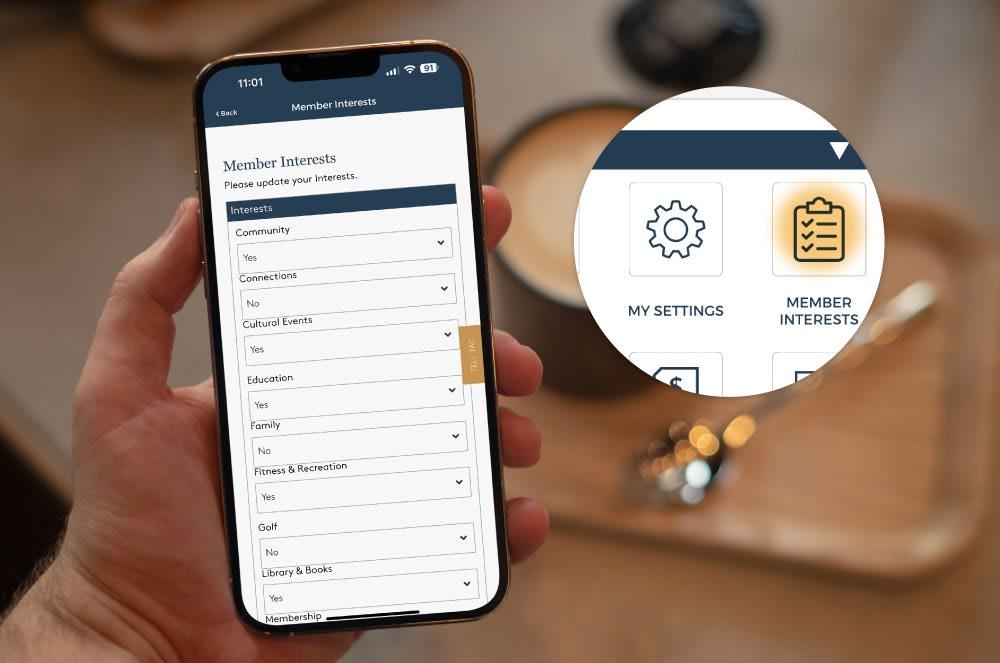
Want to know the latest about activities at the Sky Pool, or new menu offerings at the Club’s restaurants? To make sure that you receive customized communication that’s tailored to how you use the Club, set your preferences in the app. To get started, from the main menu, tap on Member Interests. On the next screen, tap the Edit button and select Yes or No for the relevant categories. When you’re finished, tap Save. You’re done! Of course, if you don’t have the app yet, just search for “Tokyo American Club” on the App Store or Google Play. AJ
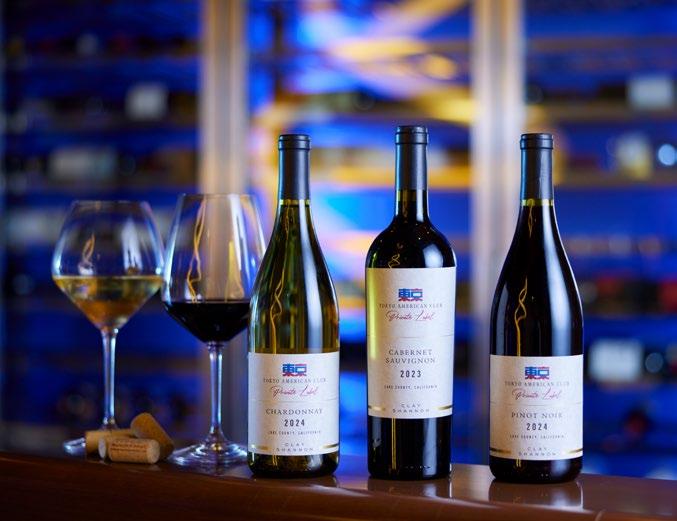
Recently launched on the Club app and website, The Cellar Online lets you buy your favorite wines or spirits, stylish Club apparel and merchandise, and much more for pickup or delivery straight to your home. Nihonbashi Members are welcome to use the service, and shipping in the Kanto region is free for orders of ¥22,000 or more. To find it in the app, just head to the main menu and tap on “Online Shop” under the Services tab. And on the website, navigate to the Services tab and scroll down to The Cellar. Happy shopping! AJ

Want to treat that special someone to a touch of romance for Valentine’s Day? The Club has you covered, with everything from classical serenades to sumptuous multicourse meals. Here’s how you can celebrate the occasion. AJ
♥ Valentine’s Special Course Dinner
The Nihonbashi Club’s culinary team has created six courses that will win over the heart of any food lover, including a hot chocolate katsuo dashi cappuccino, beetroot ravioli, and shiawase kizuna beef tenderloin.
• February 2–13 • 5–9pm
• American Room • ¥13,200
♥ Valentine’s Day Live
Enjoy the American Room’s luxurious feast as you enjoy sets of cool jazz tunes.
• February 13 • 5–9pm
• American Room • ¥13,200
♥ Valentine’s Day High Tea and Concert
Drop by the Winter Garden for an exquisite tea service featuring sweet and savory bites, paired with Steven Smith brews. During the afternoon, celebrated cellist Yoshifumi Murono and pianist Mana Totsuka will perform a classical program featuring Bach, Saint-Saëns, Fauré, and more.

Present your loved one with a rose, or a glass of sparkling rosé, to make it a day to remember.
• February 14 • 3–5pm • Winter Garden
• Tea: ¥5,000 per person; Ferrari Maximum Rosé sparkling wine: ¥2,200 per glass; roses: ¥800 for one
♥ Sweet Illusions: Valentine’s Day Dinner at 51 East
Savor an innovative lineup of dishes created by chef Michiko Ohno, offering a feast for the eyes as well as the palate. While you dine, enjoy
Designed for busy days and active schedules, The Spa’s oil-free treatment offers a simple, effective way to release everyday tension without the use of oils or lotions, eliminating the need for extra preparation.
The 60-minute (¥11,550) or 90-minute (¥16,500) session focuses on gentle, hands-on techniques and light movement to promote circulation and restore ease in the body. Ideal between appointments, after travel, or when time is limited, the treatment fits easily into a busy day, delivering relaxation for anyone looking to reset and recharge without downtime. Contact 03-4588-0714 or spa@tac-club.org to book your session. CBJ
a classical performance by cellist Yoshifumi Murono and pianist Mana Totsuka.
• February 14 • 6:30–9pm • 51 East • ¥14,000
♥ Valentine’s Day Dinner for Two
The American Bar & Grill serves up three shareable courses, including beef Wellington and a decadent strawberry shortcake.
• February 14 • 5–10pm • American Bar & Grill • ¥8,000 for two




Apply Now www.bst.ac.jp admissions@bst.ac.jp Tel: 03-5544-9160




Primary School (3–11 years old)
• Azabudai Hills
2 mins from Tokyo American Club
• 1 teacher + 1 education assistant per class
• Extensive facilities

Secondary School (12–18 years old)


• Sangenjaya
2 stops from Shibuya
• A university campus
• IB Diploma Program for senior students (16–18 years old)















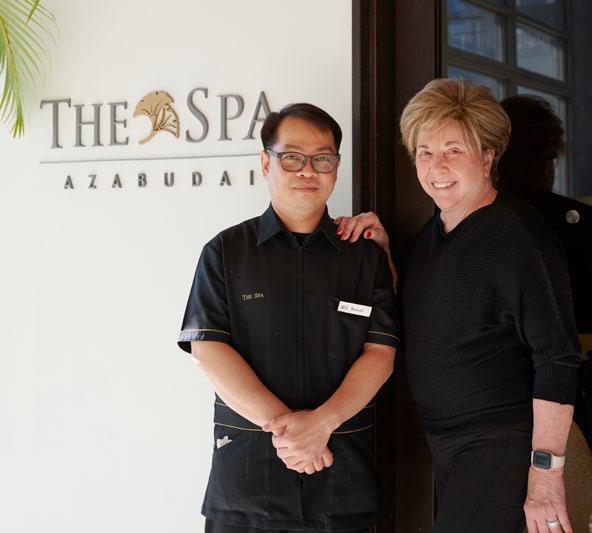
For the past couple of years, Member Vickie Paradise Green has been helping her husband, centenarian Norman Green. Between hospital visits and work, her days are extremely busy. After spending Friday mornings at the hospital, she visits The Spa for a release with the help of therapist Manuel Bagalay. The friendship they’ve formed is so important to her that she singled out the Philippine native for recognition in an online Tell TAC.
“Meeting Manuel finishes my week; it helps me get through my anxiety,” says Green. “If I’m really tired, he will just put a mask on my face or play some soft music. He just lets me relax. Otherwise, we talk and pretty much solve all the problems of the world.”
Bagalay, who joined The Spa in July 2023, says he enjoys how natural and comfortable their conversations are. “We can talk about anything— from world issues to personal life—and there was an immediate sense of connection, even from the very first treatment. She creates a safe and open space, which makes me feel confident sharing my thoughts and experiences.”
Helping people feel better, Bagalay explains, is what he enjoys most about his job. “As a massage therapist, I find fulfillment in seeing Members relax, recover, and leave with a sense of relief and comfort.” He also values the human connection that comes with this work.
That is certainly evident to Green.
“I’ve been to spas before, and you’re pretty much on your own; there’s no personal experience. Manuel is really, really attentive—the kind of staff member that makes the Club what it is,” she says.
“I’m trying to juggle quite a few things. I have my business. I have my foundation. I have my husband. I have cats. I’ve just become a charter member of Rotary. I’m pulled in a lot of directions, so I really look forward to my Fridays with Manuel.” CBJ
Members can recognize Club staff by submitting an online Tell TAC through the Club website.
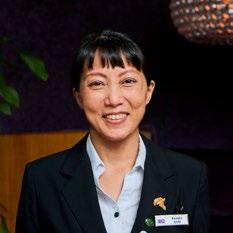
February is when the cold truly descends on Tokyo, and there’s no better way to warm up and shake the winter blues than over a drink with friends. This month, both Traders’ Bar and 51 East Bar & Lounge will begin offering a new Happy Hour experience sure to lift your mood.
Starting February 2, Members and guests can enjoy an array of drink specials and bar bites from 3 to 7pm on weekdays at both venues and all-day on weekends and holidays at Traders’ Bar.
At Traders’ Bar, indulge in all-youcan-eat wings with a choice of Buffalo, BBQ, or spicy Nashville dipping sauces to punch up the heat. At 51 East Bar & Lounge, savor the freshness of the Club’s American-style sushi rolls—a unique take only found in Tokyo that brings a lighter counterpoint to the drink menu. A selection of draft and bottled beers at special prices offers the perfect companions to the new mouthwatering menu.
Whether you’re craving bold flavors or looking for a laid-back atmosphere, Happy Hour across the Club’s distinctive watering holes offers an inviting and delicious way to unwind.
Traders’ Bar and 51 East Bar & Lounge Happy Hour • Starting February 2 • 3–7pm (weekdays); all day at Traders’ Bar on weekends and holidays
Kanako Ijichi is the Club’s beverage manager and sommelier.
Lithuanian contemporary artist Augustė Lubickaitė, also known as Auguste Lu, first trained professionally in music before studying traditional art. Later, in the UK, she chose a more technical path, but could never shake a quiet voice whispering that she should one day return to her artistic roots. That voice turned into a shout one frightening morning when a doctor gave her a serious diagnosis, sending her into months of hospital visits and uncertainty. “It shook everything and made me confront why I kept postponing the one dream that truly mattered,” Lu says.
Today, healthy and living in Hamamatsu, she works with acrylic ink, charcoal, and oil sticks to create abstractions that feel elemental—quiet yet charged, disciplined yet intimate—mirroring the human duality of our darker and brighter selves, and revealing both as essential to becoming whole.
Lu’s paintings—rooted in her nomadic experience and echoing both the mist of Lithuanian fields and the spatial clarity of Japanese aesthetics—will be on display this month in the Frederick Harris Gallery. CBJ
Members are invited to attend an opening reception with complimentary wine and canapés on February 3 at 6:30pm. Lu will also host a workshop—The Art of Japanese Watercolor Scrolls—on February 1.
Moment I realized I wanted to become an artist.
When I got the doctor’s diagnosis. What I would tell my 20-year-old self. Your strength is not in choosing one identity—painter, musician, developer— but in carrying all of them with you. Trust your path. Nothing you’re experiencing is wasted.

My perfect creative environment. One that allows me to be completely silent one hour and then half dancing, half singing the next. Artist, living or dead, I’d most like to share a meal with.
Lithuanian pianist, composer, and painter Mikalojus Konstantinas Č iurlionis.
• Through February 24 • Frederick Harris Gallery • Artworks available for purchase through Member Services • Details online
1
Brunch Buffet
Enjoy an eye-popping selection of brunch classics and Club signatures.
• Weekends & holidays • 11am–3pm
• Rainbow Café • Adults: ¥4,200; ages 12–17: ¥3,400; ages 7–11: ¥1,600; ages 6 & under: free • Details online
The Art of Japanese Watercolor Scrolls
Discover how to use fluid acrylics to create stunning abstract pieces in this engaging hands-on session led by Lithuanian artist Auguste Lu.
• 10am–12pm & 1–3pm • Toko Shinoda & Yukiko Maki classrooms • ¥3,300 (guests: ¥3,960) • Ages 5 & above • Sign up online
Introduction to Squash Club instructor Rico Cheung leads families through the basics.
• 4:30–6:30pm • Squash Court 1 • Free
• Members only • Ages 6 & above • Sign up online
1673 VIP Promotion
Host a business breakfast, working lunch or client dinner in the Nihonbashi Club’s VIP space and receive a dining voucher worth up to ¥44,000. Continues through March 31.
• Details online
Culture Connections
Learn about the Kineie Shamisen School, which has preserved the art of nagauta, the shamisen music that accompanies Kabuki theater, since the Edo Period.
• 10–11:30am • Toko Shinoda & Yukiko Maki classrooms • Connections members: free (non-Connections members & guests: ¥1,000) • Details online
Milano Cortina 2026 Olympics at Traders’
Catch live broadcasts of action from the Winter Games and enjoy Italian-inspired food and drinks, including braised short rib croquettes and frozen espresso.
• Through February 22 • Traders’ Bar • Details online
“The rules for success in business and sport are the same—only the players are different,” Greg Ritchie tells INTOUCH. As a cricketer from 1980 to 1992, he played in 154 first-class games for Australia and Queensland and scored more than 10,000 first-class runs.
“Whether as part of a sporting team or in business, honesty, loyalty, and working hard have served me well,” he says.
Since leaving the pitch, Ritchie has been part of the Nine Network’s commentary team, The Footy Show, and Triple M’s Morning Breakfast Show, a loud, blokey, sports-and-comedy staple of Australian radio culture for decades.
Ritchie’s humor and penchant for storytelling shine as he shares comedic insight into how a young boy’s love of cricket and country grew into a legendary playing career, followed by years behind the mic.
Over great 51 East food and engaging conversation, Ritchie will share stories from his playing career, insights into elite sports, and lessons learned from the international stage in “an honest recount of my learnings from the cheers and boos that have shaped my life.”
Don’t miss this rare opportunity for cricket fans and professionals alike. As Ritchie puts it, you’re in for “an afternoon of great memories, insight into the life of a fun-loving Aussie larrikin.” CBJ
• 12–1:30pm • 51 East • Ages 18 & above • Details online

8
Flower Heart Arrangement Workshop
Craft a charming floral arrangement that’s perfect for Valentine’s Day in this session led by certified florists Nakaba MommaMilstein and Rika Yamagami.
• 1–2pm • Toko Shinoda & Yukiko Maki classrooms • ¥6,600 (guests: ¥7,920) • Ages 3 & above • Sign up online
8
Troop 51 Meeting
Discover adventure and lifelong skills through the Club-sponsored Scouting troop.
• 5–7pm • Activity Room • Free • Ages 11–17 • Details online
9
Super Bowl at Traders’
Take in the NFL season finale with an à la carte menu of Super Bowlinspired bites and sips, including the Bayside Bloody Mary.
• 7:30am • Traders’ Bar • Adults only • Details online
9
Business Is Social Catch up with fellow Members at this intimate networking session.
• 6–8pm • 51 East Lounge • ¥1,500 (guests: ¥2,000); includes one drink and a canapé • Adults only • Sign up online
13
Cub Scout Meeting
Elementary school kids are introduced to the world of Scouting through the Club-sponsored Pack 51.
• 6:30–8:30pm • Toko Shinoda & Yukiko Maki classrooms • Details online
18
Nihonbashi Mixer
Enjoy a laid-back evening of sushi perfection at this collaboration with Yanone Sushi, perfectly paired with award-winning sake from Tonoike Brewery. Learn more on page 21.
• 6–7:30pm • Muromachi Lounge
• ¥3,000 (walk-ins: ¥3,500); guests: ¥4,000 (walk-ins: ¥4,500) • Limit: two guests per Member • Sign up online
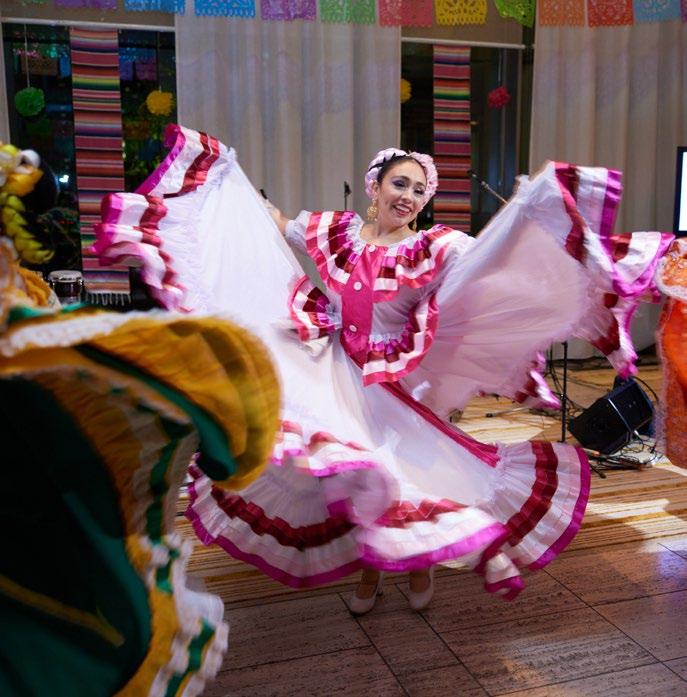
From Buenos Aires to Havana to Cartagena, Latin America speaks in rhythm. Each place tells its story through music—sometimes smooth, sometimes fiery, always impossible to ignore. From the aching elegance of Astor Piazzolla to the sun-drenched grooves of Buena Vista Social Club and the pulse-raising carnival beats of Colombia’s Caribbean coast, the rhythms are captivating and infectious.
On a winter night, the Club brings that same electric energy to the New York Ballroom and turns up the temperature with the sounds and soul of Latin America. Dance along with bands Sabor Gaucho, Eco Hispano, Colombia en Carnaval, and Kilombo, who will weave together the rich musical tapestries of Argentina, Cuba, and Colombia.
As you sway to the beat, dine on an array of delectable bites that highlight the flavors of Latin America, paired with a lineup of freeflow libations.
Don’t miss what promises to be a scintillating night of music, culture, and connection. AJ
• 7–10pm • New York Ballroom • ¥3,750 (walk-ins: ¥5,000); guests: ¥7,500 (walk-ins: ¥10,000) • Limit five guests per Member • Adults only • Nihonbashi Members welcome • Sign up online
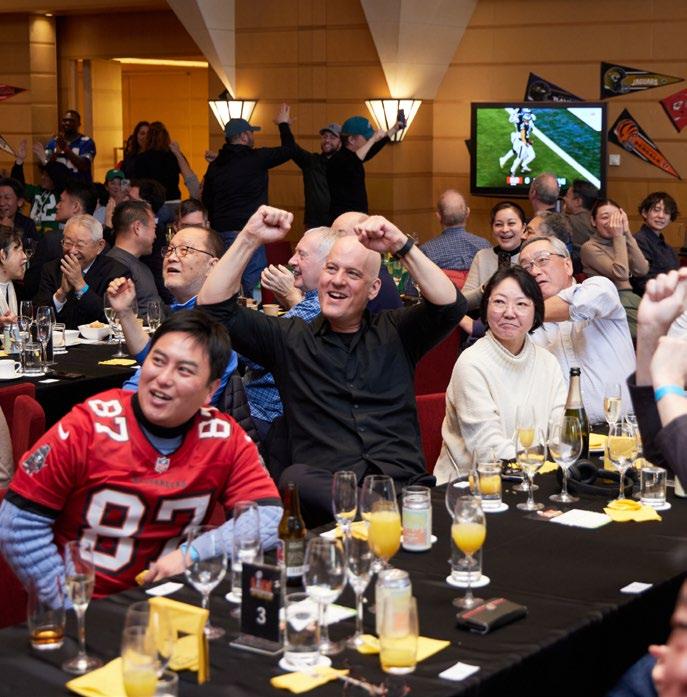
With the Kansas City Chiefs— participants in five of the past six Super Bowls—missing the playoffs for the first time since 2014, this year’s NFL season finale will see new blood.
The game returns to the San Francisco Bay Area for the first time in a decade, but as INTOUCH goes to print, it remains to be seen if the hometown 49ers will punch their ticket to the dance.
Whoever makes it to Super Bowl LX, Members and guests will cheer on the last two standing at the Club’s annual live viewing, complete with English commentary, the famous halftime show, drinks, and a buffet spread that combines breakfast favorites and stadium classics from the cities battling for the title.
This year’s pigskin celebration in the New York Ballroom will also feature live performances by the Tokyo Girls Cheerleaders, a stylish cocktail bar, a fun photo booth, local brews, the chance to test your throwing arm in the Game Zone, and exciting prizes.
How did the NFL become a sports and entertainment juggernaut that demands attention around the globe? New York Times journalist Ken Belson chronicles the rise in his new book, Every Day Is Sunday, which will be the focus of a TAC Talk later this month. We provide a pregame peek on page 22. CBJ
• 7:30am • New York Ballroom, Brooklyn Suite • Family-friendly open seating: ¥4,500; guests: ¥5,500 • End Zone seating: ¥8,800 (guests: ¥11,000) • Limit 10 guests per Member • Details online
Show & Tell Jamboree
Ages 6 to 9 build confidence at an afternoon of games, music, and selfesteem-boosting activities.
• 1–2:30pm • Toko Shinoda & Yukiko Maki classrooms • ¥1,000 (guests: ¥1,200) • Sign up online
21
Youth Toastmasters Club
Youngsters pick up tips on public speaking from the Club’s own Toastmasters group.
• 3–4pm • Toko Shinoda & Yukiko Maki classrooms • ¥1,100 (guests: ¥1,320)
• Sign up online
23
TAC Talk: Ken Belson
Find out how the NFL works and hear stories about the owners and the league from the New York Times journalist. Learn more on page 22.
• 6:30–8:30pm • Washington & Lincoln rooms • ¥1,980 (guests: ¥2,480) • Sign up online
24
Cocktail Hour
Learn to craft a Sazerac—a blend of Knob Creek Rye whiskey, Peychaud’s bitters, Pernod, and lemon—under the guidance of a Muromachi Bar mixologist.
• 5:30pm • Muromachi Bar • ¥2,200
• Members only • Sign up online
25
Gallery Reception: Motoki Shiozawa
The Frederick Harris Gallery invites Members to an evening of discourse over complimentary wine and canapés. Shiozawa’s paintings will be on display through March 16.
• 6:30pm • Frederick Harris Gallery
• Details online
28
Family Dinner at 51 East
Relax and unwind together with elevated cuisine and a “bambino” appetizer plate for the kids.
• 5–9pm • 51 East • Details online
Check the Club website for the most up-to-date information on events and programs.

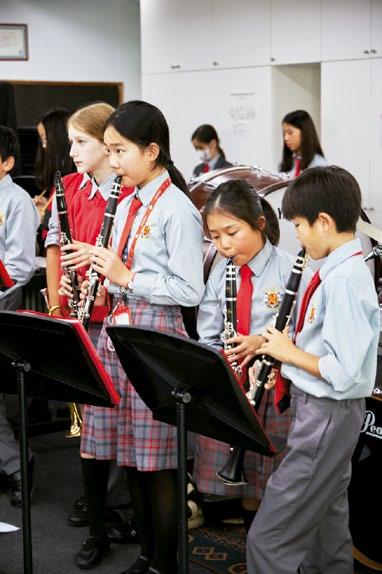
The ultimate goal of K A International School (KAIS) is to guide students toward becoming confident, selffulfilled individuals who have a genuine love of learning and the ability to shape their own lives. Its approach uses strategies in class that are proven to have the biggest influence on learning and achievement.
Earlier this year, KAIS became the first in Japan to be recognized as a Visible Learning School, a distinction that cele brates its commitment to using research and evidence to drive deeper learning.
This milestone wasn’t the end of the journey; it was the beginning of an ongoing pursuit to understand the impact that they are having on the learners’ progress. This idea, known in Visible Learning research as “Know thy Impact,” has shifted the focus at KAIS from what is being taught to seeking evidence of learning. It is a shift from simply delivering lessons to evaluating the effect of instructional decisions on student growth.
At KAIS, feedback shapes the classroom in powerful ways. To identify what strategies have had the greatest effect, teachers collect evidence of learning through student reflections, ongoing dialogue, and data that measures progress. Teachers reflect on this data and adapt their strategies in the classroom to suit learners’ needs.
Student Progress becomes evident through clear and effective feedback systems that aim to put students in the driver’s seat and support their development into independent, assessmentcapable learners. As a result, children are able to identify where they are in the

as part of the classroom culture. Evidence of impact comes in many forms: visible growth in student achievement data, improved self-assessment and goal setting, and stronger engagement and confidence. By embedding this evidence-based cycle into daily practice, KAIS creates a culture of feedback based on data and measurable growth.
Each year, KAIS routinely gathers evidence from multiple sources to better understand their school-wide impact.





September September
January January May May
Using an adaptive online tool, teachers track progress over time and share the results with students, parents, and the teaching team to encourage discussion and reflection. Throughout the year, they continue adapting their approach to suit individuals and push learning forward, closing the gap between where students are and where they need to be. The charts above indicate the impact of learning strategies, showing consistent gains as the school year progresses.
Learners at KAIS have maintained strong interest and high participation rates in Advanced Placement (AP) courses and testing. This added challenge allows students to extend their learning. AP exams are scored on a scale of one to five; achieving a three or higher demonstrates the ability to operate at a college level and is often accepted for credit at many universities, especially in
the US. Over the past five years, nearly 80 percent of students earned scores of three or above, reflecting both the rigor of the program and the level of preparation they receive before sitting for college-level exams.
Since its opening in 2006, KAIS’s 132 graduates have received an impressive 328 university acceptances from 230 universities worldwide, a true reflection of their talents, ambitions, and diversity. Among these graduates, 124 have gone on to enroll at 95 universities, each carving out their own path and reflecting the personalized approach offered at KAIS. The school is proud to celebrate a strong university enrollment rate of 94 percent, and nearly all students have elected higher education immediately after graduation.
Alumni have earned places at top universities across 14 countries, showcasing both the academic strength
and global adaptability nurtured at KAIS. These include the University of Chicago, Carnegie Mellon University, the University of Michigan, McGill University, the University of Toronto, and King’s College London. Some graduates have chosen Japanese universities, including Keio, Sophia, and Waseda. Several others have pursued specialized institutions offering world-renowned programs, such as NYU Tisch School of the Arts and the Rhode Island School of Design.
Numbers are only part of the picture. At KAIS, data is about reflection, clarity, and improvement. Teachers apply this evidence to refine their practice, personalize learning, and identify strategies that can make the greatest difference in and beyond the classroom.
Data serves as an evaluation tool as well as a guide for self-reflection and measuring progress. The emphasis at KAIS remains on engagement, encouragement, and empowerment. While helping students see their growth clearly and take pride in their learning journey, KAIS cultivates an environment that celebrates joy in learning, encourages self-discovery, and inspires personal excellence.

Canada
Acceptance: 6%
UK & Europe

Matriculation: 6%
United States
Acceptance: 69%
Matriculation: 48%


Acceptance: 8%
Matriculation: 10%



Japan
Acceptance: 15%
Matriculation: 32%
Australia
Acceptance: 2%
Matriculation: 2%




Providing a quality and nurturing education based upon Christian principles since 1872











WORDS ALEC JORDAN
IMAGE KAYO YAMAWAKI
Whether you’re looking to power up your morning, recharge after a workout, or have a tasty midday treat, the Club’s smoothies offer the perfect option. Inspired by the creations of US giants such as Jamba Juice and Robeks, they are made with locally sourced, high-quality ingredients like Greek yogurt, oat milk, and premium fresh and frozen fruits. Available in a variety of flavors, including Big Berry Energizer, Avocado Cleanse, and Tropical Blast, the smoothies can be boosted with extras like Sicilian bee pollen, whey protein, and chia seeds. There’s no better way to drink to your health!
• Rainbow Café and the Club app’s Grab & Go


























Since its establishment in 1954, Sun Realty has been the exclusive agent for Homat properties. These houses and apartments are spacious like none other, featuring beautiful Western–Japanese mixed interiors. They are designed to meet the discerning tastes of expat families and are situated in Tokyo’s best locations.































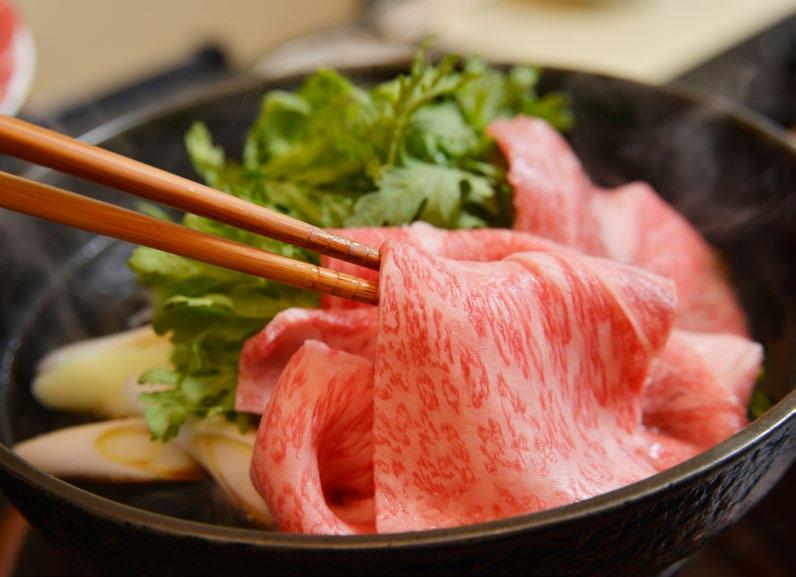
The Nihonbashi Club teams up with area wagyu legend Iseju to serve up a 157-yearold hot pot favorite.
WORDS PHOEBE AMOROSO
As the oldest surviving sukiyaki restaurant in Tokyo, Iseju has witnessed a sea change in tastes over the past 150 years. During that time, Japan has not only embraced beef consumption, but wagyu itself has earned a near cult-like global following.
Now, seventh-generation owner Shoju Miyamoto and his team are collaborating with the American Room for a three-week special lunch and dinner menu. Members can enjoy Iseju’s hand-sliced A5-grade black wagyu and sweet-savory broth that boasts a recipe unchanged from the store’s beginnings. There will also be a chance to try the restaurant’s famous and very traditional tsukudani—beef simmered and preserved in sweet-salty soy sauce—which Miyamoto calls an “essential part of Japanese food culture.”
Iseju was founded in Nihonbashi in 1869 when beef consumption was still largely taboo. Buddhist beliefs in reincarnation meant the Japanese were mostly pescatarians
for centuries, and many were reluctant to embrace meat other than chicken. Although Iseju’s founder believed in eating beef for medicinal reasons and served up a comforting umami-rich broth, outraged people would hurl stones at the establishment.
“When we first opened, there was a high wall, as we had to hide the fact that we were eating beef inside,” says Miyamoto.
Things changed rapidly during the Meiji Period (1868–1912), when the country opened its borders and began rapid industrialization. After the emperor ate beef in 1872, the taboo dissipated and meat was firmly incorporated into the cuisine.
“By the latter half of the Meiji Period, the ratio of beef hot pot restaurants to the population in Tokyo was higher than the ratio of convenience stores to the population in today’s city,” Miyamoto notes.
Appreciating Iseju’s dedication to its craft requires an understanding of wagyu. Simply meaning “Japanese beef,” it is sourced from four breeds of Japanese cattle, more than 90 percent of which come from the Japanese Black. Although brands of wagyu such as Kobe and Matsusaka have built up strong name recognition, they are also sourced from the Japanese Black, albeit bred and raised under different regional and quality standards.
With years of experience, Miyamoto says he’s not particular about the brand of wagyu. Instead, he works with a trusted wholesaler and carefully assesses each cut, rejecting those that aren’t well-marbled enough or are too pale.
Once A5 meat is acquired, next comes the exacting preparation—each piece is cut by hand.
“There are several reasons for this,” Miyamoto explains. “One is that by cutting each piece individually, we can assess the condition of the meat as we cut it. We adjust the thickness and thinness, and we can remove any fine tendons as we cut, which improves the texture.”
Hand-cutting with a knife also allows the chefs to follow a curved trajectory perpendicular to the grain, ultimately resulting in a more tender piece of beef, ready to be simmered in the legendary broth.
Miyamoto hopes that, after enjoying the American Room collaboration, Members will be tempted to visit Iseju at a later date, as it’s only there that you can enjoy the traditional charcoal cooking method.
Nihonbashi Iseju Collaboration
• February 16–March 6 • American Room • Details online
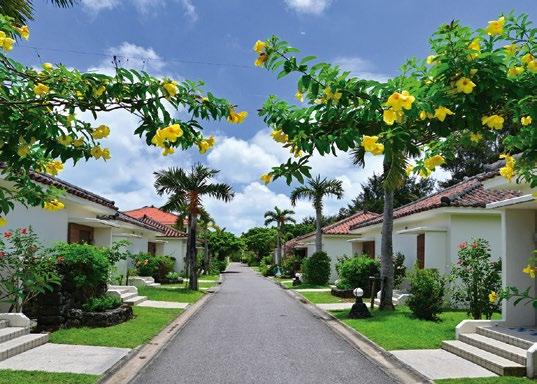
Savor the wonders of Ishigaki Island, with its crystal-clear ocean and pure white sand, at Fusaki Beach Resort Hotel & Villas. Its cozy yet contemporary spaces offer the perfect backdrop for experiencing the heart and soul of one of Okinawa’s most idyllic destinations.

Follow us
1625 Arakawa, Ishigakishi, Okinawa 907-0024
Tel: 0980-88-7000 | Mail: info-fusaki@iconia.co.jp www.fusaki.com/eng
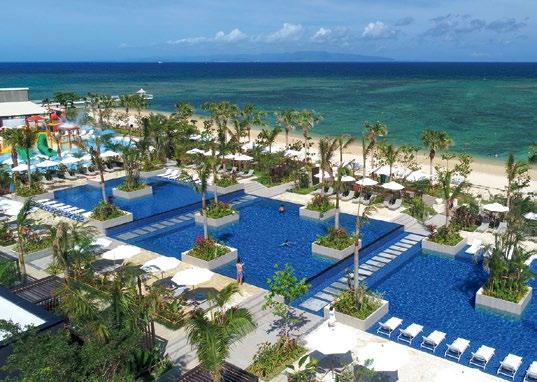

Award-winning luxury hotel, restaurant, and spa




From field and sea, this month’s Nihonbashi Mixer puts winter flavor to the test.
WORDS PHOEBE AMOROSO IMAGE KAYO YAMAWAKI
Everything starts with the season . Or so says Junichiro Egawa, second-generation owner of Yanone Sushi. A Club Member who spent a year in Washington in his youth, Egawa is on a mission to highlight the importance of seasonality to his craft.
“People talk about kanburi, but it has become so commercialized that it has lost its meaning,” he says of the winter-season yellowtail known for its fattiness. “The best kanburi is caught after Christmas through the end of February, when the fish gather in Toyama and the waters are full of white shrimp and firefly squid. Fish that eat squid and shrimp are delicious.”
But buyers can be easily fooled, Egawa cautions. Only yellowtail that weigh 10 kilograms or more are strong enough to swim down and feed at depths where the shrimp and squid reside. Smaller yellowtail feed on fish in shallow waters, and their flavor simply doesn’t cut it.
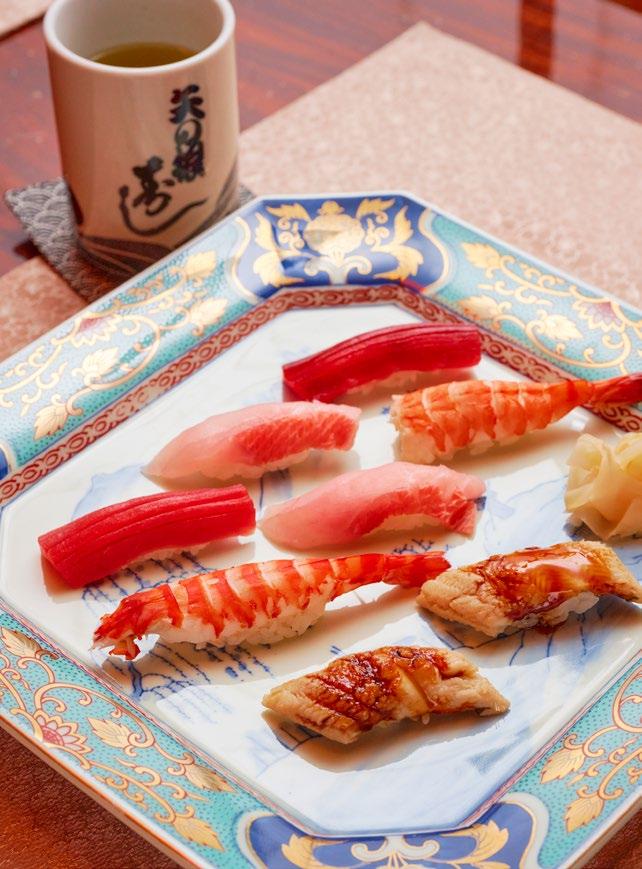
It’s a small detail but one that illustrates the breadth of Egawa’s knowledge. Members will be able to taste why it matters at the Nihonbashi Mixer on February 18.
To put Members’ palates to the test, Yanone will prepare four kinds of sushi: maguro, ebi, anago, and a white fish. The twist? There will be two varieties of each—some from different seasons, some from different sources or regions— making the evening both tasty and educational.
Founded in 1952, Yanone began its life on the first floor of a wooden building, with Egawa’s grandmother sleeping in the second-floor tatami room.
“If customers were drinking late at night and hadn’t gone home, she would slide open the door to be like ‘Oh, are you still here?’” Egawa recalls with a laugh.
From its humble beginnings, the restaurant has gone on to develop a fascinating and unique approach to its craft. It sources from 14 vendors at Toyosu Market, where its relationships with staff are key. Egawa says he knows which staff are talented in sourcing certain kinds of fish and seafood, and he’ll skip a vendor if someone else is on duty.
“We pay the company, but we buy with the mindset that we’re buying from the person,” he says.
Sushi, of course, is not just about the fish; the shari (rice) is considered the foundation. Yanone only uses koshihikari from Minamiuonuma in Niigata Prefecture. The variety is renowned as the king of rice for its superior taste. There’s a catch, though. Koshihikari has a sticky texture as opposed to melting away in the mouth with the fish, so the store has to use “a little ingenuity” to create the perfect nigiri.
Then, there’s the secret of the salt, sourced from none other than Christmas Island.
“This salt, strangely enough, really brings out the flavor of the ingredients,” says Egawa. “It’s a little magical.”
Of course, no sushi event would be complete without sake—the two are an umami-full match made in heaven. Tonoike Brewery, based in the charming Tochigi Prefecture pottery town of Mashiko, will bring a variety of its awardwinning sakes that ranked fifth at the World Sake Brewery Awards in December. Kampai to that!
Nihonbashi Mixer
• February 18 • 6–7:30pm • Muromachi Lounge • ¥3,000 (walk-ins: ¥3,500); guests: ¥4,000 (walk-ins: ¥4,500) • Ages 20 & above • Limit two guests per Member • Sign up online

Journalist Ken Belson puts a period on the NFL season with his post-Super Bowl TAC Talk.
On January 28, 2001 , the Baltimore Ravens defied the odds and became the third wild card team to win the Super Bowl. And they did so in emphatic fashion, thumping the New York Giants, the top seed from the NFC, 34–7.
Watching the takedown from the Foreign Correspondents’ Club of Japan was Ken Belson, a Tokyobased journalist for BusinessWeek magazine. It was a Monday-morning reawakening of sorts. “The last time I had followed football closely was in high school, and I graduated in 1982,” he says. “I got back into the NFL when I joined a fantasy football league around 2000 with friends in Tokyo.”
It was the start of a long drive that would take him later that year to The New York Times and eventually to a focus on sports business. Today, Belson writes about the teams and personalities of the NFL and other professional sports leagues, focusing on the issues surrounding America’s most popular entertainment, including finances, stadiums, medical issues, and lawsuits.
What he has learned about these areas over decades of covering the National Football League is rolled up into an engaging narrative in his new book Every Day Is Sunday: How Jerry Jones, Robert Kraft, and Roger Goodell Turned the NFL into a Cultural and Economic Juggernaut. As the NFL wraps up its season this month with Super Bowl LX, Belson will share how the book came about and peel back the veneer of the league at a TAC Talk on February 23.
As a business writer for Reuters, BusinessWeek, and The New York Times, Belson began to channel his lifelong love of sports into reporting on what was happening in Japan: visits by the NBA and NFL, Ichiro Suzuki’s move from the Orix BlueWave to the Seattle Mariners, K-1, and Koshien.
NFL players who were suing the NFL for fraud over its concealment of the dangers of concussions,” he says. “This was a huge story, and a reckoning for the NFL.”
In 2013, Belson’s boss asked him to write just about the business of the NFL. This is when he began to accumulate the trove of research, interviews, observations, and stories—the majority of which would never see publication—that would become Every Day Is Sunday.
During an early 2022 chat, a book agent encouraged Belson to write about how the NFL got so big. She noted that he knew the main characters, the arc of the story, and had access to get more stories and information.
He had witnessed a lot: the 54–51 shootout between Jared Goff and Patrick Mahomes in 2018; the down-tothe-wire Patriots–Seahawks Super Bowl in 2015; and the night in 2013 when the lights went out in the Superdome, leaving fans in the dark for 34 minutes during Super Bowl XLVII between the Ravens and San Francisco 49ers. And that’s just scratching the surface. There was so much to tell.

“When I returned to New York in 2004, I pitched a sports business beat, but there was no budget and, frankly, little appetite,” he recalls. “It was considered ‘fun,’ not serious news. I argued that the NYT needed to cover sports business because, if nothing else, all the leagues, networks, advertisers, and sponsors were located in New York. In 2009, the bosses changed their minds and offered me the job. I’ve never looked back.”
At first, Belson was a generalist, covering all sports as well as marquee events from the Olympics to the World Cup and the World Series, along with business stories ranging from franchise sales to stadiums and merchandise. “I also began writing about the former
He got started in May 2022, while on vacation in Japan.
“Each morning, I wrote for an hour or two, and by the end of the trip, I had a 20-page proposal,” Belson explains. “My agent and I revised it several times and pitched it in early 2023. I ultimately received a contract and began work in earnest in March 2023.”
After 22 months of reporting and writing, he handed in the draft at the end of 2024.
“I didn’t take any time off. I worked evenings and weekends because I was busy with my day job at the NYT. In the first quarter of 2025, I edited the manuscript, taking out about 20,000 words. I wanted to make the book readable, fun, and accessible. I didn’t want the book to feel like homework.”
Keeping things informative but accessible is important to Belson, as Members will see at the TAC Talk.
“My talks are fun! I provide an overview of how the NFL works, but I tell a lot of stories about the owners and the league. I love to take questions from the audience about covering the league, book writing, and so on.”
Going beyond the field, the evening is sure to be fascinating for everyone, football fan or not.
TAC Talk: Ken Belson
• February 23 • 6:30–8:30pm • Washington & Lincoln rooms • ¥1,980 (guests: ¥2,480) • Sign up online
“I wanted to make the book readable, fun, and accessible. I didn’t want the book to feel like homework.”
With his new book, Member David Badger cracks open centuries of misconceptions.
WORDS C BRYAN JONES
IMAGES WAYNE ENRIGHT & JANE LOVE
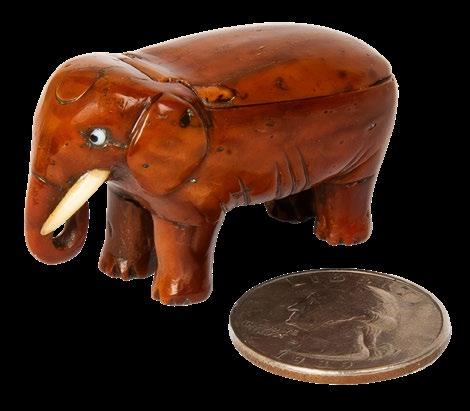
1. A rare snuffbox made from a small coquilla nut in the form of an elephant, with tusks made of whalebone. Late 1700s. Length: 4.8 centimeters (1.9 inches).
2. Coquilla nut snuffbox with Napoleon and the imperial eagle of the First and Second Empires carved on the lid.
3. A coquilla nut snuffbox, ca. 1810, possibly representing ship captains or merchants. This box incorporates extensive whale ivory additions that may reflect on their subjects’ status and connection to maritime trade. Height: 8.9 centimeters (3.5 inches).
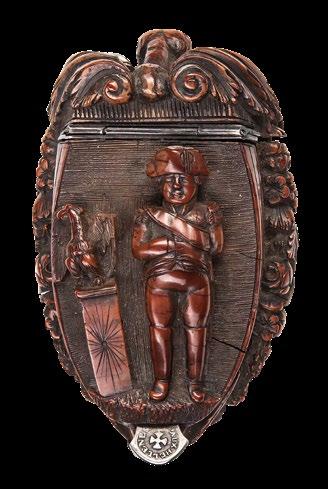

3
4. Bugbear snuff bottle decorated with hunting weapons and Brazilian animals, ca. 1790–1810. This exceptionally well carved and decorated bottle displays an array of hunting gear, including guns, powder flasks, spears, bows, arrows, and dogs. Length: 10.2 centimeters (4 inches).
5. Coquilla nut snuffbox in the form of the French ship Scipion, ca. 1804. This more elaborate box was made with a second nut added to the stern during construction to elongate the deck.
When David Badger was a young boy in Gloucester, Massachusetts, he found a baby starfish in a lobster trap. The encounter ignited a passion for collecting that has stayed with the Club Member throughout his life. From starfish he went on to stamps and butterflies, and later Stevengraphs, Birmingham candlesticks, Hester Bateman silver, and snuffboxes in the shape of shoes.
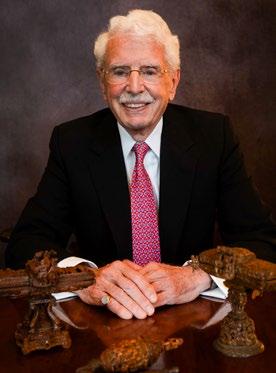
Half a century ago, while traveling the world as a businessman, Badger saw a wooden box and became enchanted with it. “The shiny patina, almost smooth, oily feel, intricate carvings, and small size sparked my interest immediately,” recalls the 88-year-old of the container used to store smokeless tobacco. “Since then, I have rarely passed up any coquilla object I have found, mostly in England and France, and some in the United States. My collection now numbers more than 700 pieces.”
That collection is the centerpiece of Portraits in a Nutshell: The Art and History of Coquilla Nut Snuff Boxes and Bottles, a book Badger has put together in collaboration with editor Donna Sanzone, University of Pennsylvania art history professor Gwendolyn DuBois Shaw, and Matthew Francis Rarey, an associate professor of African and Black Atlantic art history at Oberlin College.
The 256-page book, published last June by Brandeis University Press, includes more than 250 photos of items from the Badger Collection by Wayne Enright and Jane Love.
“Conventional wisdom regarding figural coquilla snuffboxes was scarce,” Badger explains. “Edward Pinto’s bellwether book, Treen and Other Bygones , was the only authoritative source, and it was that book, plus discussions with dealers, that motivated my original thinking that these boxes were carved in England, France, and the Netherlands.”
But as he began to learn more about the objects, Badger discovered that their origin was quite different. In fact, they were born far from Europe, in the coastal region of eastern Brazil, where Indigenous people and Africans brought across the Atlantic in the slave trade transformed the fruit of a native palm tree into works of art.
The coquilla nut is small, hard, shiny, and measures just three to four inches in length. Despite its diminutive size, the nut provided an ideal canvas for unknown Black artisans to share intricate representations of their experiences and memories.
But the individuals who carved the snuffboxes remain unknown. There are no surviving archival records that can identify them—nor the dates when they created a given piece. The clues lie only in the subject matter and details of adornment.
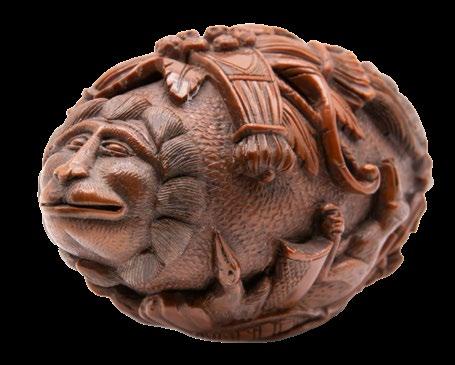
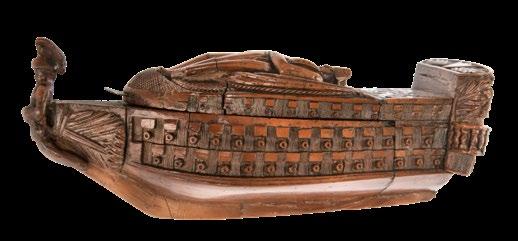
“Looking carefully at carved subject matter, we can begin to unravel threads of meaning, style, and authorship in the bottles and boxes,” explains Sanzone, the book’s editor. “And in analyzing them, we can write new histories of material culture and art history that center those too often exiled to its margins.”
Most snuffboxes portray people, animals, and events. Others utilize visual abstraction or caricature for comedic effect, political commentary, and ridicule of social mores of the time. Some even depict political figures from antislavery and independence movements in the Americas, including Thomas Paine, John Brown, George and Martha Washington, and Benjamin Franklin.
These themes, says Badger, demonstrate that the Black artists were not only carriers of traditional values but also commentators and innovators in expressing their perspectives in the Atlantic world more broadly, and reveal the global connections and interactions of people and commodities throughout the centuries of the transatlantic slave trade.
Some 4.7 million Africans were brought to the Portuguese colony from the 16th to mid-19th centuries. That’s 10 times more than landed in the United States. They worked on sugar and coffee plantations, in gold and diamond mining, and crewed the whaling and sugar ships that sailed the Atlantic. So while Britain and European nations have long been credited as the source of snuffbox production, it was enslaved Africans, Indigenous Brazilians, Afro-Brazilians, and others in the Caribbean and North America who crafted the objects and spread them around the Atlantic.
“From my first introduction to the snuffbox to the present, it has been an honor and a source of great excitement to contribute to the understanding of this unique art form.”
Indeed, what Badger’s exploration has revealed is the complex backstories and artistic contributions of enslaved Blacks in the Atlantic world. He hopes to inspire new research that will further shed light on important subjects that have been ignored, overlooked, or erroneously attributed. It is this that he sees as the heart of the collection—not the collector but those who created these tiny capsules of history.
“From my first introduction to the snuffbox to the present, it has been an honor and a source of great excitement to contribute to the understanding of this unique art form.”
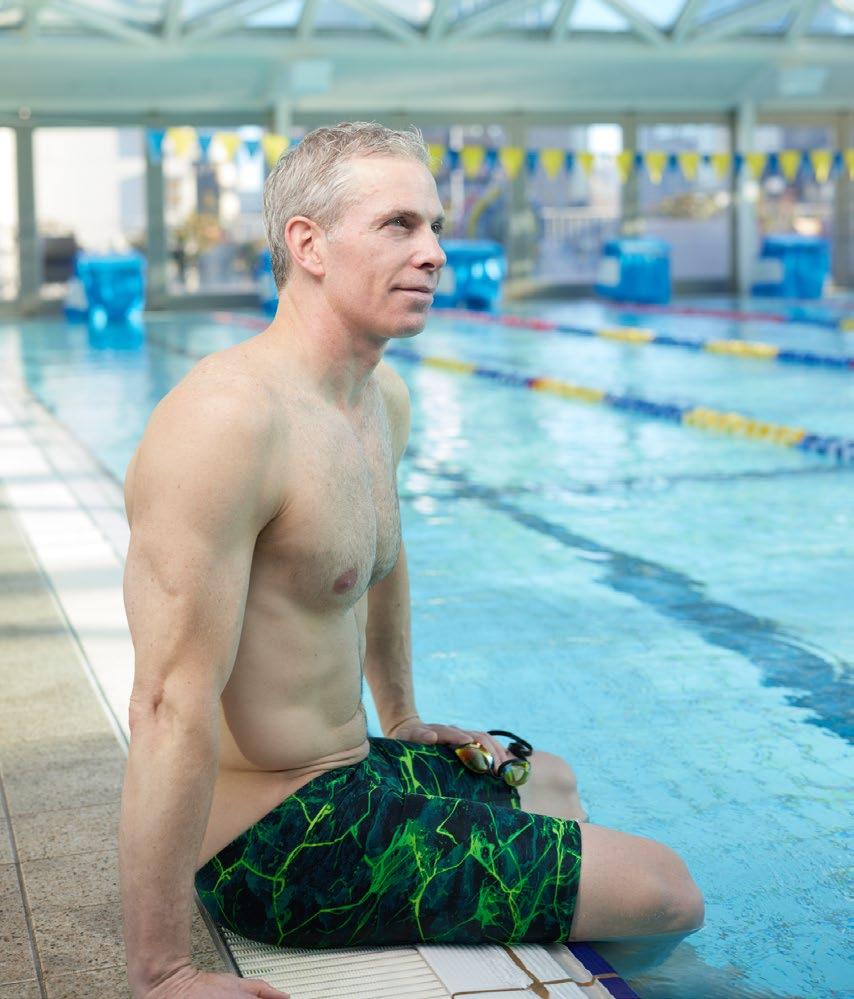
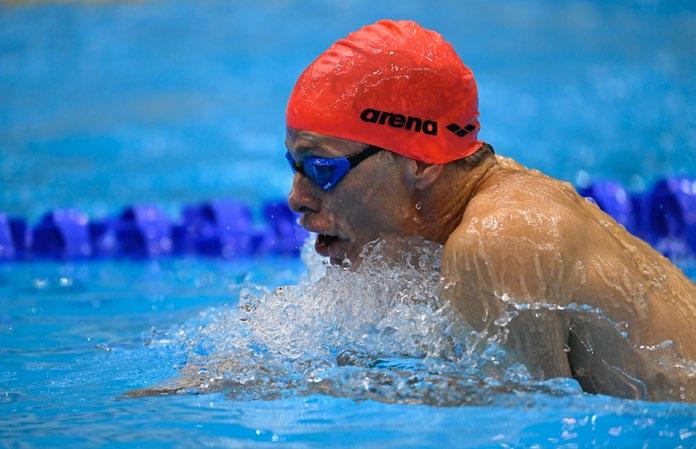
Member Kevin Quinn shares how he recovered from a serious injury and put himself within striking distance of a decades-old swim record.
Kicking off 2025 , I had my eyes set on August’s World Aquatics Masters Championships in Singapore. I had moved up to the 50–55 age group and, being among the youngest, if I was ever going to be No. 1 in the world, this was going to be my big year.
After seven months of training, the moment had come. I did one race and it went pretty well. But while warming up for the second race—just doing some jogging and skipping to get the blood flowing and the muscles loose—I felt a pop, like someone kicked my leg. “What was that?” I thought. I was confused, because there was no one around me. Then, as soon as I put pressure on my foot, there was nothing there to support it. I immediately fell down and knew it was over.
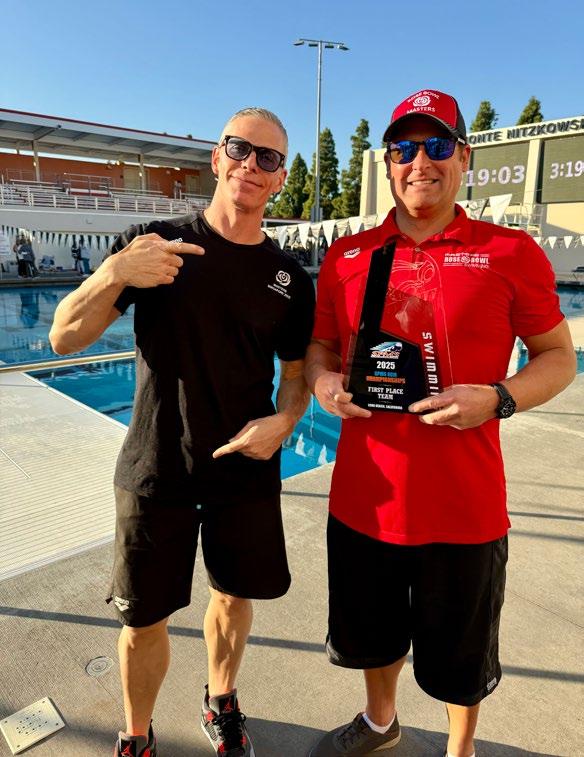
While I was lying down, my leg elevated and iced, I was on my phone, booking my flight home. I got a taxi, went straight to the airport, came home, and felt sorry for myself for about a day. Then I aggressively started the recovery period.
I’ll call myself middle-aged, and with middle-aged athletes, when there are issues, there’s a reluctance to go get an X-ray or start physical therapy. But I went the very next day. The doctor confirmed that it wasn’t the Achilles, but it was where two muscles come together and the fibers had ripped apart. It was pretty bad. They have a scale of 1 to 5, and this was a 5.
I took that day off, but the next day I was back in the Sky Pool doing just one leg kicking and one leg pushing off the wall. After a couple more days, I could ride the exercise bike. I could still lift weights, so could gradually rebuild the muscles.
A lot of people, when they have an injury, stop using that body part. That’s the worst thing you can do, because all the
muscles and supporting infrastructure atrophy. When you have an injury, you have to use that body part very lightly to start building up the muscle.
Fortunately, swimming is much lower-impact than running, so within two weeks—wearing a compression sleeve on my leg—I could rejoin the TAC Masters team in workouts. Obviously, I couldn’t do starts or push off the walls really hard, but after about a month I was at 80–90 percent of my typical workload, even though I couldn’t walk quite right. I also couldn’t run, which was a big part of my regimen before the injury, but I was mostly where I needed to be.
It was very annoying to have the mental will to do something but not the physical capability, but after two months, I was able to go hard and do the stuff I needed to do.
My eyes were on the December SPMS Short Course Meters Championships in Long Beach. But six weeks out, I still couldn’t go full speed. It wasn’t looking good—at least that was where my head was. I had very low expectations, even in mid-October. But by November, I was in a totally better space. I was ready to go hard and do what I needed to do to have a real shot.
I had told Miguel and Bruno [Ortiz-Cañavate]—the former Olympian brothers who coach at the Club—that I was going to go under 24 seconds for the 50-meter freestyle. For them, that’s not a big deal, but for anyone 50 and over, only one American has ever done it: Rowdy Gaines. I told them this was my plan, but if I’m being honest, I’m not sure I believed it. It was more of a hope than a plan, because I hadn’t had the chance to put in the full training camp.
When I got there, it went better than I could have imagined. I beat the guy who won the race I had to withdraw from in Singapore and posted the second-fastest 50-meter freestyle time in the history of US Masters Swimming for my age group at 23.79. I was only behind Rowdy Gaines, a legend of the sport and a Hall of Famer, whose US national record of 23.38 has stood since 2009.
Now, I’m going to work to shave off those remaining tenths of a second and break that record—and maybe even the Masters World record, which stands at 23.11.
I’ll have three chances this year. I don’t think I can close the gap at the first, which will be in April here in Japan, but I’ll have another chance in August at the US Nationals long-course competition in Sacramento and one more in December in Long Beach.
I’ve managed to drop around three-quarters of a second almost every year for the past four years. But the more you drop, the harder it gets to drop more. Still, achieving my goal of breaking these records is now within the zone of possibility. I never would have said that before.
As told to INTOUCH’s C Bryan Jones.
“Achieving my goal of breaking these records is now within the zone of possibility. I never would have said that before.”




Botox treatments (wrinkle removal, hyperhidrosis, migraines)
Ultherapy, Titan, Laser Genesis, IPL
Mole, tattoo, skin blemish removal
Liposuction, mesotherapy (fat-dissolving injection)
Facelift, breast augmentation/reduction
Laser (for tattoos, hair removal, broken veins)
Foreign insurance accepted










Access exclusive timely perspectives on property investment, elite international education, luxury travel, and so much more. Whether immediate decisions or future planning, the facts GoConnect delivers motivate and keep you coming back for more.

















AZABUDAI
USA | John Breidenstine & Judith Valdes Breidenstine
US Embassy
“We arrived in Tokyo last August, excited to build connections across Japanese, US, and international communities. We immediately found everyone at the Club—Members and staff—to be very welcoming. SofiaGrace and JohnDavid are involved in competitive swimming, Judith enjoys the gym, and I commit to joining her more often. When our son, Victor, visits from London, he enjoys using the golf simulator and fitness facilities. From working out to “refueling the tank” at the many food outlets, we’ve only begun to discover all the Club offers. It is clearly becoming our second home.”
AZABUDAI
USA
Stephen Ofori & Ama
Agyeiwaa Abrokwah Swiss Re Asia Pte Ltd., Japan Branch
Sung Won Choi & Hwa Ji Ryu Simpson Thacher & Bar tlett LLP
Gabriel Hammond Emles Management Group G.K.
Maurice & Esther Kuykendoll Prudential Life Insurance Company, Ltd.
Hideyuki & Marina Liu Citigroup
Jamie Mai & Chiara Trento Mai Cornwall Capital
Keiko Takagi Sughrue Mion, PLLC
CANADA
Sung Pil Youn & Minjin Elly Lee GETI Japan
Enyu Zhou & Jinju Jeon GeekOut K.K.
INDIA
Sushim & Ambika Gupta Philip Morris Japan Limited
SING AP ORE
Shweta Tendulkar & Harsh Rajpal Procter & Gamble
UK
Caragh & Benjamin Hartwright Manulife Life Insurance Company
Mary Lam Walt Disney Attractions Japan Ltd.
SOUTH K O REA
Yuni Hong & Ben Montgomery
SThree K.K.
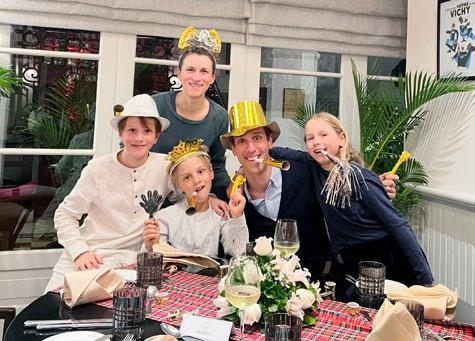
AZABUDAI
BELGIUM | Antoine Boyer de la Giroday & Armande Hellebois
AXA Japan
“We arrived in Tokyo last August. While preparing for our move, one piece of advice kept coming up: if you have the possibility, join Tokyo American Club! We are thrilled and feel grateful to be part of this community. After only a few weeks of membership, we fully understood why this advice was so frequently given. The Club just made five additional ambassadors! We’re looking forward to meeting many other Members, throughout social or sports activities. Happy 2026 to all!”
J APA N
Taichi & Yuka Kanayama
Volt Marketing
Shoichiro Kijima
Kijima Sogo Law Office
Seiji Matsuoka
Mitsui Fudosan Co., Ltd.
Takuya Yamagami
Mitsui Fudosan Co., Ltd.
Koji Ishii
Mitsui Fudosan Co., Ltd.


Have you downloaded the Club's official app yet?
The easier, faster, and more convenient way to connect with your Club any time from anywhere. … AND MUCH MORE
CLOSEYOUR OPENCHITS
VIEWREAL-TIME CHARGES
SIGNUPFOR EVENTS
ORDERFOOD TOGO
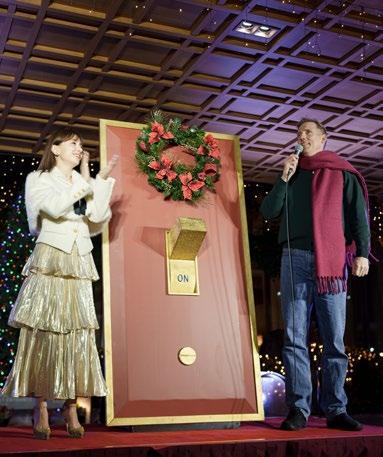



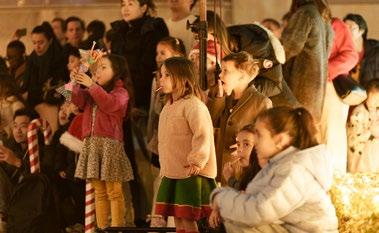
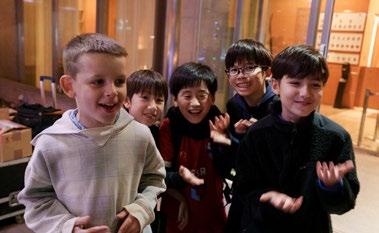

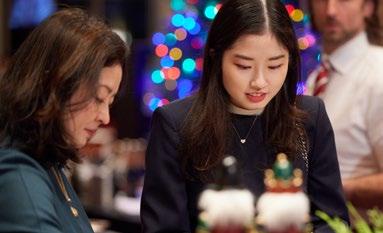
Families of all ages helped the Club “switch on” Christmas with a sparkling countdown event.

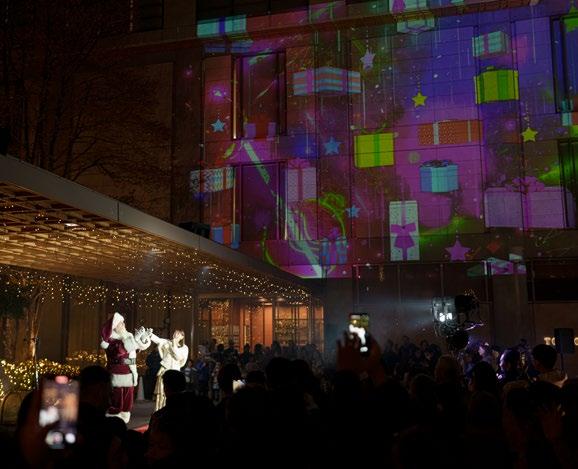
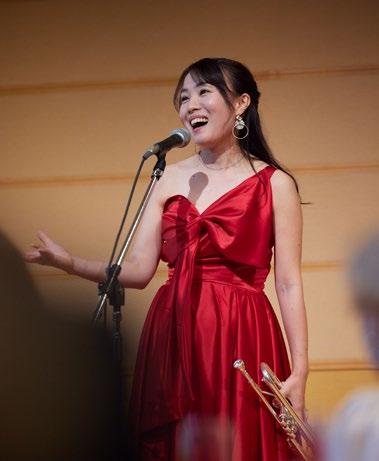
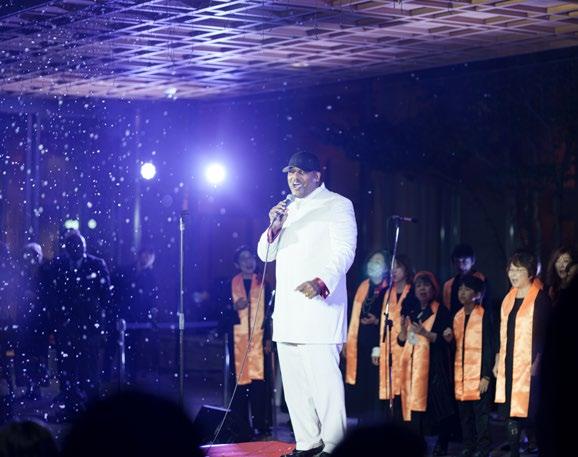
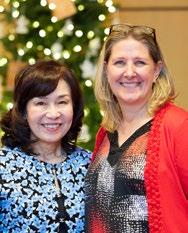
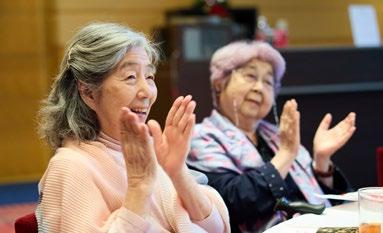
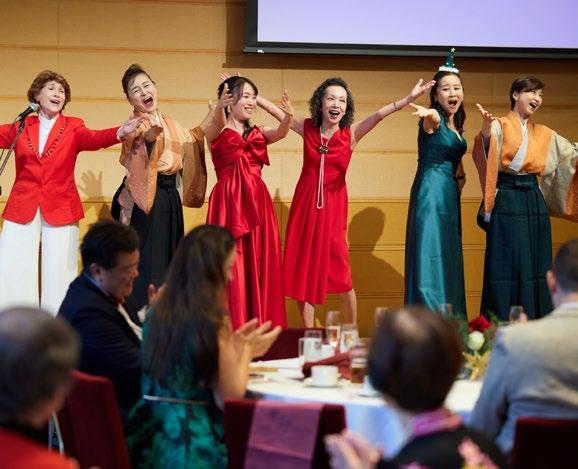
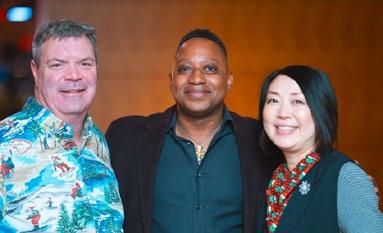
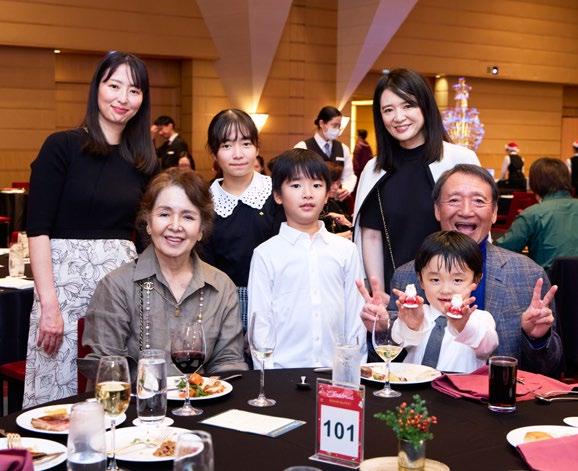
The Club’s Connections group wrapped up 2025 with its annual luncheon, filled with festive songs, fun, and fizz.
IMAGES YUUKI IDE
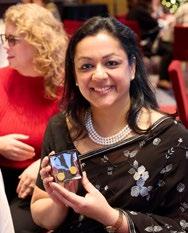

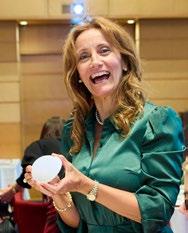
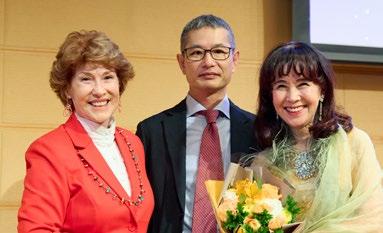
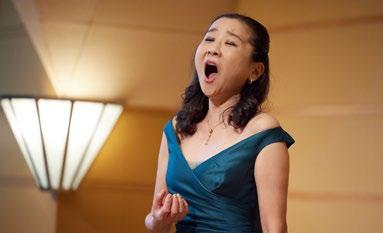
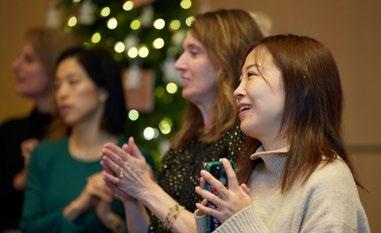
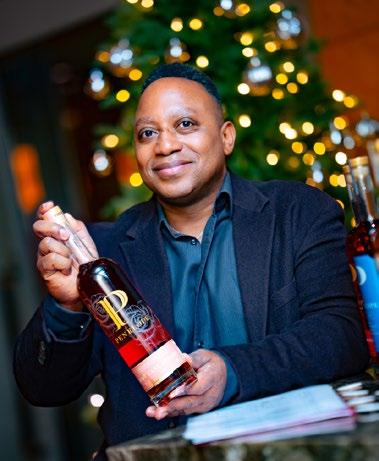
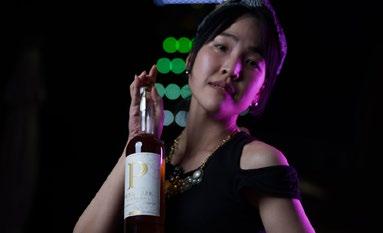

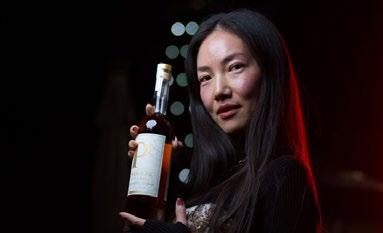
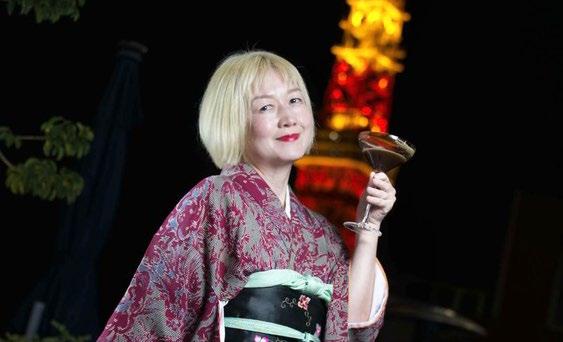
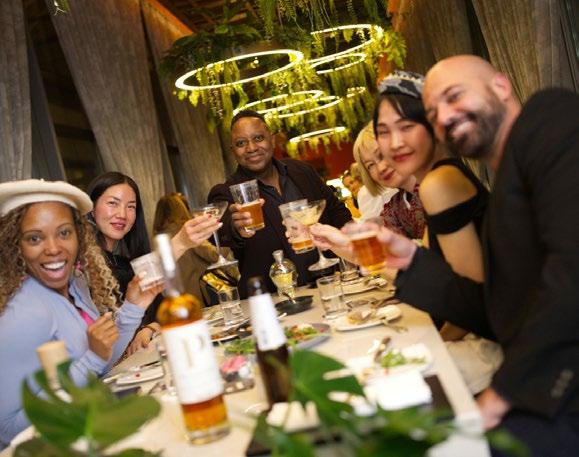

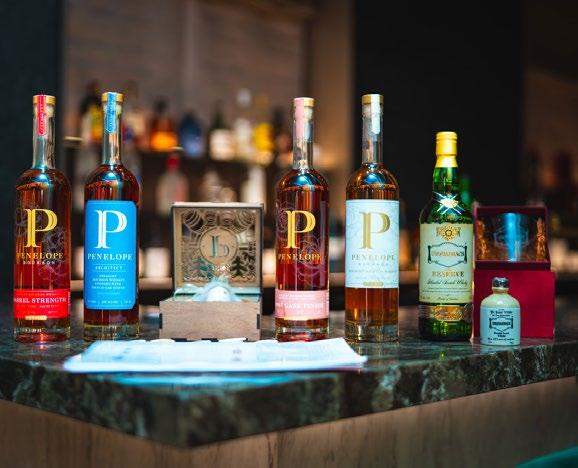
Members sampled a tasting flight of four Penelope bourbons during a lively evening of luscious libations in 51 East.
IMAGES ED THOMPSON

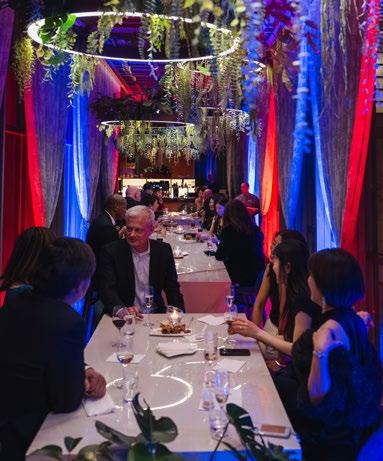
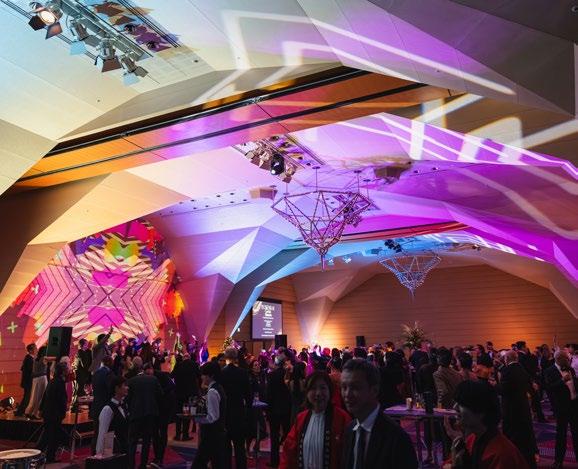
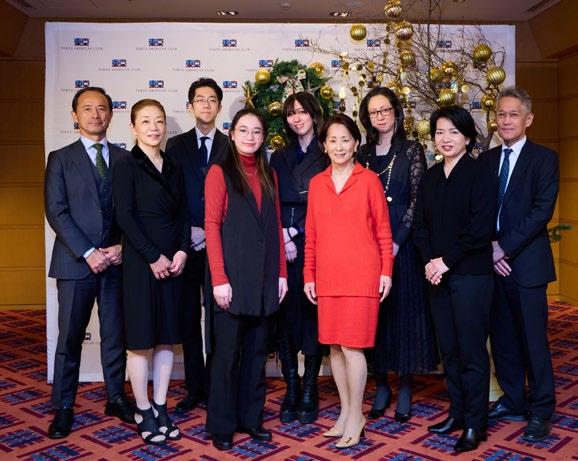
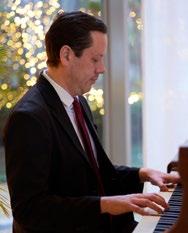
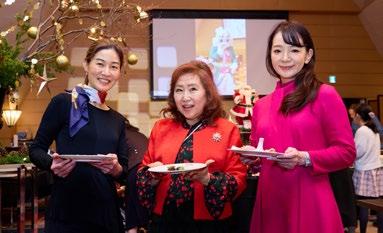
December 5
Bonenkai Soirée
An evening of live music, exquisite cuisine, and merry mingling saw Members share memories of the past year and look ahead to the next.

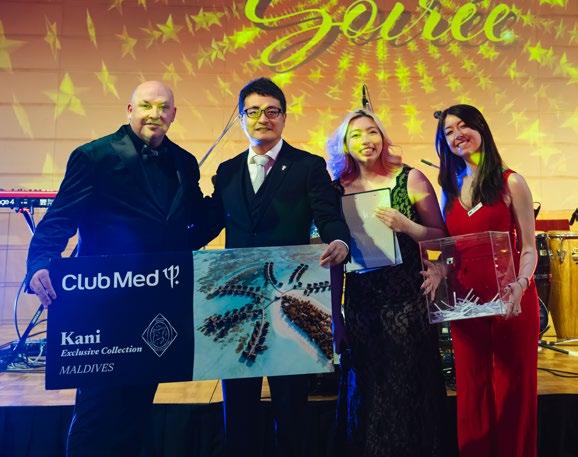


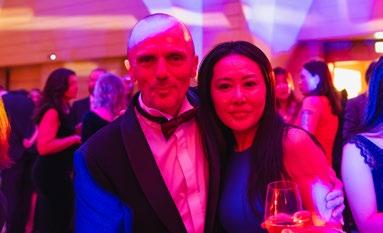

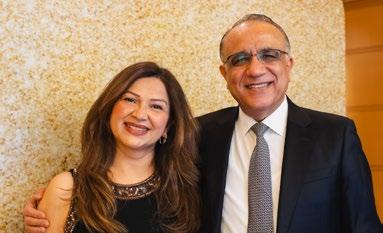






December 24
Christmas Eve Grand Buffet
A festive feast of F1 wagyu roast beef, turkey roulade and indulgent desserts like Christmas stollen made for a delicious holiday celebration at the Club.
IMAGES YUUKI IDE

WORDS HANK MORI ILLUSTRATION TANIA VICEDO
My journey into the world of sailing wasn’t born in a classroom. It was started on the bow of a 50-footer in the sun-drenched waters of the Mediterranean.
I spent childhood summers island-hopping on my uncle’s yacht in Greece, visiting local tavernas, and sleeping on board. While the days were filled with sailing, swimming, and fishing, I spent evenings lying on the foredeck under a canopy of stars, listening to Guns N’ Roses, and dreaming of the open ocean.
That memory simmered for decades.
Ten years ago, I finally decided to turn my childhood dream into reality. I earned my Japanese Class 1 boat license and pursued advanced certifications from the American Sailing Association. But as my skills grew, so did my ambition—I wanted to cross an ocean.
In 2019, I committed to the Australian leg of the Clipper Round the World Yacht Race, founded by the legendary Sir Robin Knox-Johnston. After grueling training in the UK and racing across the English Channel, I joined a fleet of 70-foot yachts in Perth.
We sailed out of Fremantle and plunged into the Indian Ocean, heading south toward the Roaring Forties, one of the most remote places on Earth. Powered by gale-force
winds, we surfed down massive 30-foot rolling swells. We navigated the tactical complexities of the Tasman Sea and sailed through the splendor of the Coral Sea, finishing three weeks later in the Whitsundays. It was an adrenaline-fueled test of endurance, but what stuck with me most were the beautiful sunrises and sunsets, and the deep sense of teamwork and camaraderie.
Since returning to Tokyo, my mission has been to recreate that spirit of adventure on our home waters. After searching for the right vessel, I secured a Hanse 320, a German-built yacht that is a rare find in Japan. With a robust displacement of 5,300 kilograms, she provides exceptional stability and safety, making her the perfect platform for both hard racing and comfortable cruising.
Berthed at Yumenoshima Marina, just a short distance from the Club, I spent over 300 hours last year upgrading her to be race-ready. Following hours of training and drills, that effort is paying off. Our crew of friends and Club Members is coming together, securing second place in our last two races and the Autumn Series last year. But we balance the adrenaline of racing with the joy of cruising, enjoying trips to various ports in Tokyo Bay for fresh local seafood.
This year, we are raising the bar. We will register with the Japan Sailing Federation to compete in 20–25 races. To meet this challenge, we are expanding our crew.
I am looking for serious, adventure-seeking Members to join our team. No experience is necessary. I am happy to share my experience and provide full training. This is a not-for-profit venture—just bring your water, your sunscreen, and a willingness to learn. If you would like to set sail, drop me a line at tacsailing@gmail.com.
Hank Mori is a Member of the Club.








平成三年十二月二十日第三種郵便物許可定価八00円
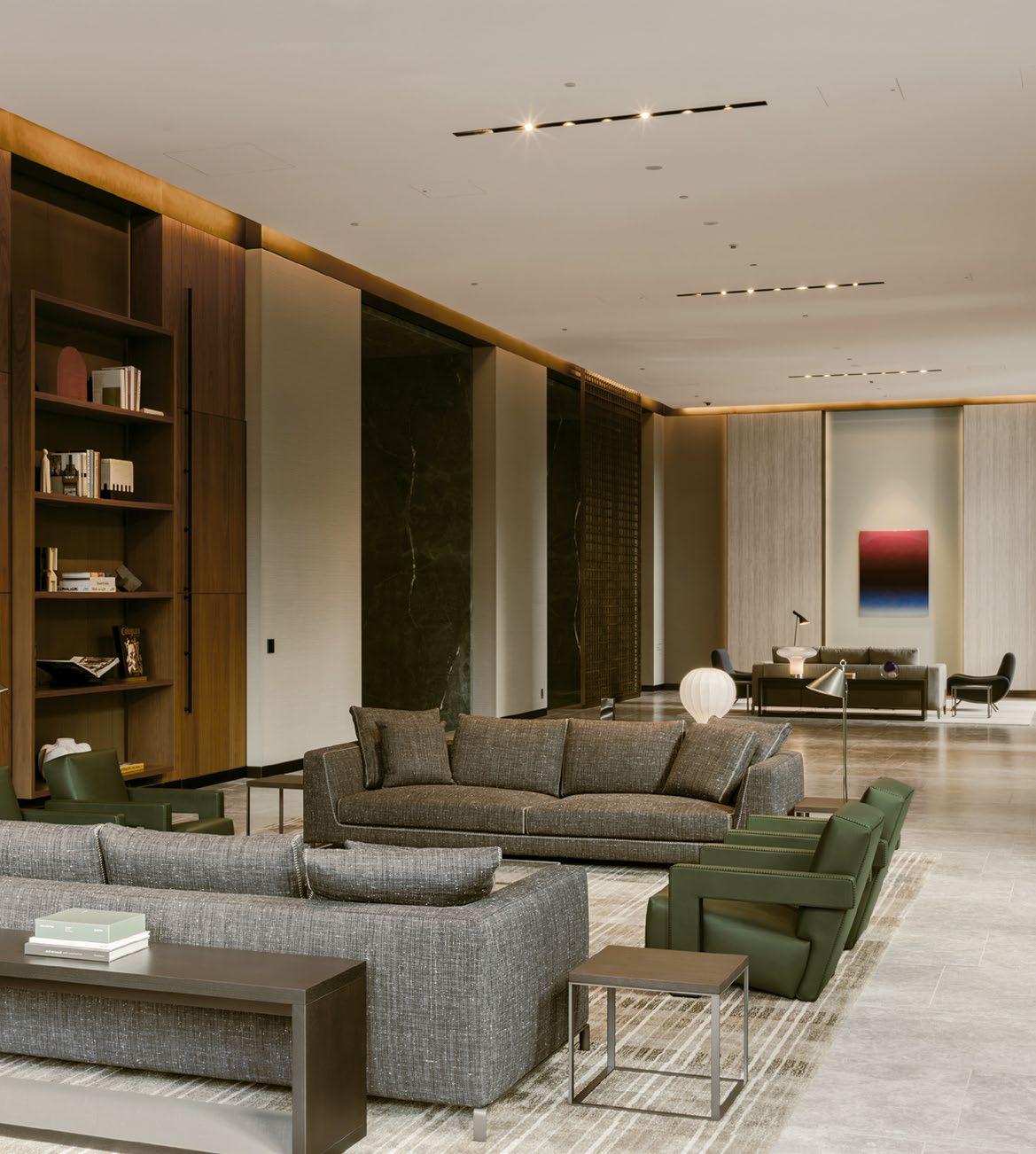
Azabudai Hills Residence B offers an effortlessly elegant environment for those who appreciate the finest details of city life. The residences feature expansive layouts and interiors designed to foster a deep sense of connection to nature. With exclusive access to a resident lounge, gym, and theater room, the property provides a seamless living experience in the heart of Tokyo.
www.moriliving.com