









































LAND





The phrase “unprecedented times” has been overused in the past few years but with the uncertainties of the world we’re living in, it’s essential to consider what we will recover from and what will mark our futures more permanently.
As the bull market in stocks and crypto draws to a close, fixed-income securities are looking more attractive than ever. In an article from Capital 3PM, the Managing Director Adam Davis shares his experience. Required reading for those investors more concerned with the return of their investment, than the return on their investment!
The energy transition was well underway at the start of the year, before the war in Ukraine. But as that conflict drags on, energy prices have shot up, leading to general price inflation. Geopolitical hawks, central bankers and climate activists are all seeking to speed up the shift to cleaner, less volatile energy sources. In this issue, we examine how two regions, Europe and Japan are planning for their energy future.
Meanwhile, the pent-up demand to travel post-pandemic is so great, that even with the backdrop of conflict and 1970 levels of inflation, the aviation industry is seeing a rebound. We look at Virgin Atlantic as an example. Having re-established its full trans-Atlantic service, it is now seeking to add increasing amounts of renewable jet fuel to clean up its operations and safeguard them against supply chain disruptions.
Find out more about how companies and markets are preparing for ever more disruptions in this edition of International Investor.
Stay safe out there and happy reading
10 Japan’s bets big on blue hydrogen for its Energy Future
one of the world’s most sophisticated economies looks to put nuclear and Coal behind it, here’s how
24
What you can and should control when investing.
We take a look at what you can control to reduce risk and drive performance
16 Interview with Alex Pusco, CEO of ActivTrades
We see sit down with the driving force behind one world´s leading FX Brokerage Firms
30 Why fine wine is now a highly desirable asset
In times of turbulence fine wine can be an excellent way to preserve Capital

20 Emirates REITs in the running for two awards this year,
We sit down with CEo Sylvian Vieugot, who continues to impress investors to learn how he does
36 As Stock Markets Sink is Fixed Income the Future?
We talk to Adam Davis, managing partner of fixed income pioneers, Capital 3PM 42 From Flight Tool to Icon: The 2022 Breitling Navitimer
On the 70th anniversary of an icon, we delve into its journey from pilot’s watch to Style icon

Kommunalkredit; The bank that is connecting the pieces to drive the energy transition and decarbonize our economies 52 Europe’s Energy Crisis and Its Effect on Energy Investment
The is no going back, so what does the future hold, and what does it mean for investors
56
The World Economic Forum’s Annual Meeting
Against a backdrop of deepening global frictions and fractures, the meeting aims to be the starting point for a new era of global responsibility and cooperation
74
For six decades the Bank has been a key stakeholder in Sri Lanka’s development and sees no reason why that should change in the future

62 Virgin Atlantic - Back in the US, and with a New Sustainable Fuel Supply
After some difficult years, as the airline approaches its 40th year in business, it would appear the sky is the limit
66 In the Fintech Race, Client Experience Should Come First
Technology has completely transformed the financial landscape, disrupting the investment services sector by providing new value propositions, but how have client expectations evolved?
56
78 Why Climate transition must include the highest emitters
Rather than leave assets stranded we should retrofit and repurpose them to achieve our environmental goals

62
70
International Finance Centres are uniquely positioned to offer security in an age of uncertainty. The British Virgin Islands shows us howl


In order to understand Japan’s focus on hydrogen, we must first go back to the 2011 Fukushima nuclear disaster. In 2010 around a third of Japan’s electricity came from nuclear power, and there were plans to expand further. But when the 2011 disaster hit, all of Japan’s nuclear power plants were shut down, and many remain closed to this day.
And so, back to coal. The Japanese government has recently constructed new coal-fired power stations, where cheap coal imported from Australia is burned. An economic solution, sure, but not an environmental one.


Under pressure to move away from coal, but reluctant to close the old coal plants and switch to renewables, Japan’s answer is to change over to burning hydrogen or ammonia. This reluctance comes from the enormous investment made by electric power companies in coalfired power plants. Rendering them useless overnight would result in financial difficulties for the power companies, and consequently for banks and pension funds.
The coal plants can be converted to burning hydrogen or ammonia, neither of which produce any carbon dioxide. And so, we come to Japan’s focus on hydrogen, and its wish to be the world’s first “hydrogen economy”.
Hydrogen technology has been criticized, by elon Musk among others, for its expense and complexity. But Japan envisions a future where hydrogen fuel cells are everywhere, in homes and offices and factories, as well as cars.
so what exactly is blue hydrogen, and how does it differ from green hydrogen?
Well, the end result of both processes is the same, but it’s the method of production that defines the name. If you make hydrogen from water using renewable energy, you get green hydrogen. Green hydrogen production is more environmentally friendly, but the problem is that it’s very expensive.
If, on the other hand, you use coal or natural gas, and capture and store the Co2 emissions, you get blue hydrogen. The use of blue hydrogen has been criticized by some, but others see it as essential for the rapid transition we must make to get to a sustainable energy system.
Japan and Australia have already initiated a joint project in the state of Victoria to turn a type of coal called lignite, or brown coal, into hydrogen, which is shipped to Japan.
At the moment, the greenhouse gasses produced by this process are released into the atmosphere. But Japan and Australia plan to install a capturing method at some stage in the future. This has not been met favorably by climate change campaigners, who claim the technology to capture and store greenhouse gasses is unproven, not to mention that Japan will need to extract the brown coal needed for years to come.
Some commentators think the Japanese government opted for blue hydrogen ten years ago when renewables were expensive, and they are now locked into a plan that no longer makes sense.
Some studies claim that blue hydrogen will be even worse for the environment than directly burning natural gas. o thers have rejected this claim, arguing that as capturing methods improve, so will the sustainability of the blue

hydrogen production process.
The fact is that a worldwide green hydrogen infrastructure will take some time to put in place. And in the meantime, blue hydrogen may be a useful stopgap. Investing in blue hydrogen now could speed up the eventual progression to a greener way.
Investment in carbon capture and storage solutions has never been higher. And all the infrastructure used to manufacture blue hydrogen can be used in the future for zero-emission hydrogen.
The U.K. government recently presented a hydrogen strategy that gives equal weight to both blue and green hydrogen. The idea is to unlock the potential of hydrogen as a clean energy solution, and to scale up production with investment.
o ther European countries, such as norway, have also backed a dual approach. In its hydrogen strategy presented in 2020, norway highlighted the importance of investing now to support technology development and commercialisation, as the blue hydrogen process will eventually lead to a cleaner, greener system.
this twin-track approach is supported by many recent european studies, which show that the CO₂ intensity of blue and green hydrogen will be comparable when appropriate and realistic technology concepts and boundary conditions are implemented across Europe.
Green hydrogen will undoubtedly become a major element of our future sustainable energy system. But while blue hydrogen has its problems, the fact is that it will help us get to that preferable outcome faster.
Environmental, Social, and Corporate Governance (ESG) is becoming more and more important for companies. And there is no industry that has a higher visibility on ESG metrics than the energy sector. Because of its low carbon footprint, production or use of blue hydrogen offers the fossil fuel industry a significant opportunity to improve their esg scores. It is significantly cheaper than green hydrogen, and is an ideal transitional step in the decarbonisation of the economy.
The Middle East has long been a critical region of interest for Japan, given Japan’s dependence on the region for a large proportion of its crude oil imports, and the fact that core sea trading routes linking Japan and Europe pass through the region. This, along with the clean hydrogen production potential of the region makes the Middle East a natural choice for strategic partnerships in hydrogen supply chain development.
We have already seen successful pilot projects, such as the one undertaken by Saudi Aramco and the IEEJ, producing blue ammonia that was shipped to Japan. Saudi Aramco stated in February 2021 that its hydrogen business

would be world-scale by the end of this decade, and that Japan and south Korea will most probably host the first hydrogen trading markets.
The Middle East looks set to be a crucial source of blue hydrogen. the uAe , for example, aims to become one of the lowest-cost and largest producers of blue hydrogen created from natural gas. The commitments made by both private and public players in Japan and the Middle East indicate strongly that both regions view this partnership as a mutually beneficial endeavour that will create real opportunities for a viable hydrogen economy.
the support of Japanese financing institutions will be critical to establishing a reliable supply to meet this demand. Finance and policy will open up an opportunity for MEnA, with its natural resources and production capabilities, to become an essential contributor to decarbonisation, and help bring about the achievement of Japan’s hydrogen society.
Award-Winning
30+ International Awards
20+ Years Experience
Established 2001
100k+ Traders
ActivTrades serves traders in 170+ countries
Enhanced Funds Protection
Insurance up to $1,000,000
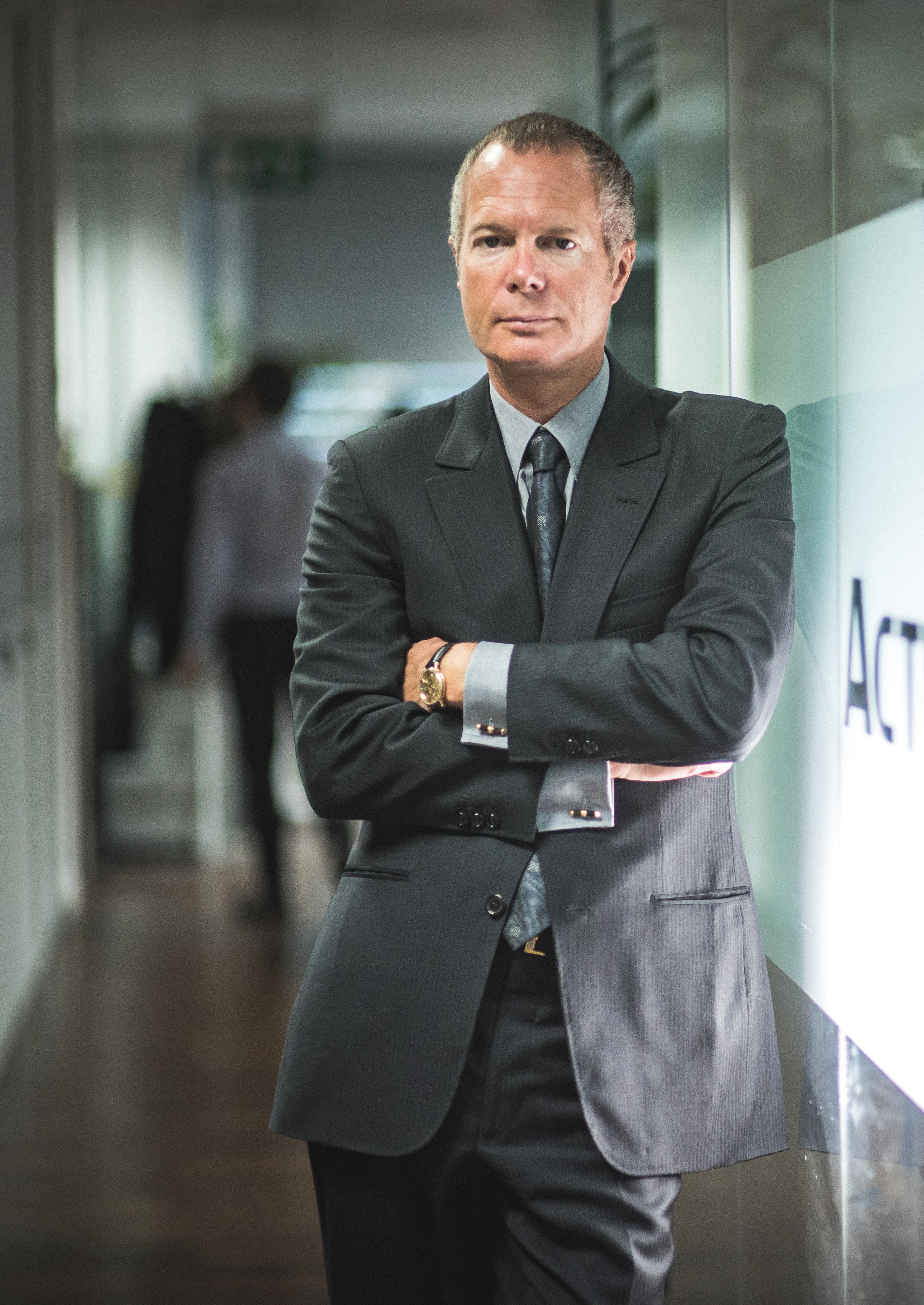
Alex Pusco (AP): It’s thrilling to be at the forefront of a fast-changing industry and to lead a team of highly skilled and motivated professionals.
the Forex market has always been welcoming to us and we’re very happy that traders recognize the value of our products and services. We continue to work tirelessly to deliver a cutting-edge offering and to bring expertise to our clients worldwide in order to help them maximize their profits.
IIM: RECENTLY ACTIVTRADES CELEBRATED ITS 20TH ANNIVERSARY. HOW DID THE COMPANY CHANGE?
AP: Over the last twenty years, Activtrades has not only grown in size (both employees and number of offices) but has also expanded the number of financial instruments and products it offers, in order to meet the ever-growing need of our clients for greater flexibility within the financial markets.
During this time, the retail foreign exchange industry has gained a lot of traction and we have noticed numerous changes in the regulatory landscape across Europe and in technological developments, including the rise of mobile trading, which have contributed to an already complex environment in which to operate.
Recently, we opened a new office in luxembourg to answer the trading needs of our european customers after Brexit. this new entity is regulated by the Commission de Surveillance du Secteur Financier (CSSF) and has already seen rapid growth.
one thing that makes me very proud is that ActivTrades is one of only a few FX brokerages that has continuously innovated and expanded throughout the years, regardless of market conditions. We have worked exceptionally hard to ensure retail, corporate and institutional clients have access to a large number of financial instruments and have the best trading tools possible.
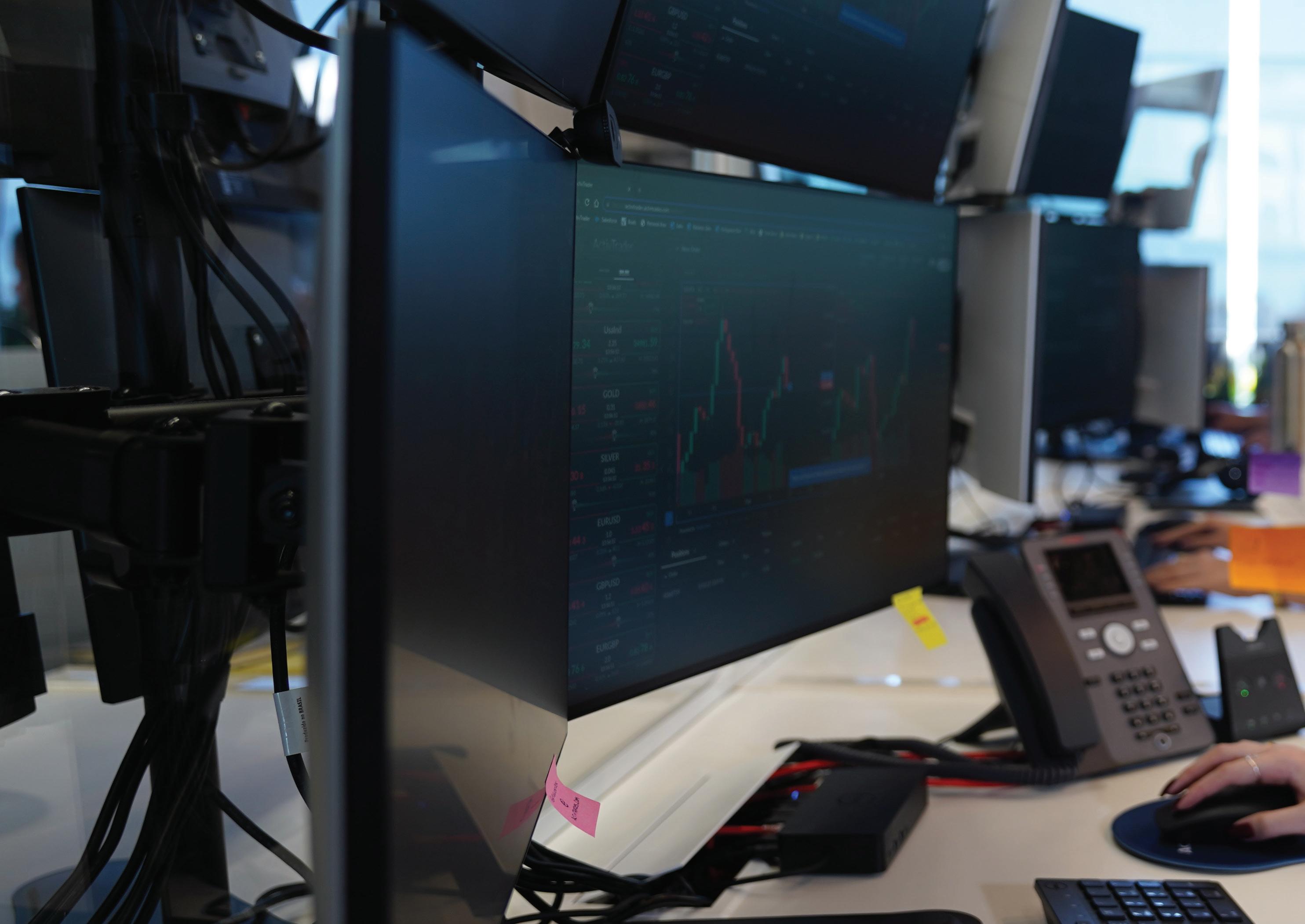
IIM: WHAT ARE SOME OF THE BENEFITS OF TRADING WITH ACTIVTRADES?
AP: We have reduced commissions on CFDs on shares. I believe that was a major improvement for our clients. It means there is a lower entry level for first-time traders and a reduced cost of trading. This increases the accessibility of our platforms and makes trading more attractive.
Another benefit came from our desire to invigorate traders after a turbulent 2020. Zero commission on a wide range of european, uK, and us stocks for non-leveraged retail investors has provided an excellent opportunity for clients to diversify their portfolios without additional costs.
our clients can also now trade with fractional shares. They allow traders to build and diversify their portfolios without making large investments. I believe this will be especially suitable for retail traders looking to broaden their investment approach.
IMM: WHEN IT COMES TO TRADING CONDITIONS, WHAT ARE YOU MOST PROUD OF?
AP: We pride ourselves on offering some of the best trading conditions on the market. We have worked
extremely hard to make sure our customers get fair conditions and early advantages when trading on the global markets.
We offer traders tight spreads starting from 0.5 pips. this allows clients to trade in low volatility and high liquidity environments.
the speed of execution is another vital condition for our clients. For short-term traders, latency can be an issue, because the higher it is, the more outdated the price becomes. Activtrades offers its clients an ultra-fast average execution time of under 0.004 seconds. this also contributes to exceptionally low slippage due to the high liquidity our company possesses.
Currently our average slippage for some of the most popular trading instruments like euRusD and gBPusD is -0.000000002627 (Zero slipped deals: 95.59%), and -0.00000007 (Zero slipped deals: 94.89%), respectively. On average this year more than 96% of trades were executed with Zero slippage.
We are also very proud of our multilingual customer support, as well as the additional funds insurance

protecting our clients’ capital up to $1,000,000.
IMM: WHAT ARE THE “PULLBACK ENTRY” AND “PROGRESSIVE TRAILING STOP”?
AP: Pullback entry gives you a dynamic entry point that allows you to enter a position at a better price when the market turns in your favour.
The Progressive Trailing Stop works a little bit differently. to maximize your profit, you need to protect it. to do that we created the Progressive Trailing Stop. This functionality allows you to set up two additional tiers which automatically adjust your Trailing Stop distance if the market reaches a defined trigger place, thus allowing you to exit at a much better price and protecting the accumulated profit.
IMM: CAN YOU SHINE MORE LIGHT ON ACTIVTRADES’ TRADINGVIEW INTEGRATION?
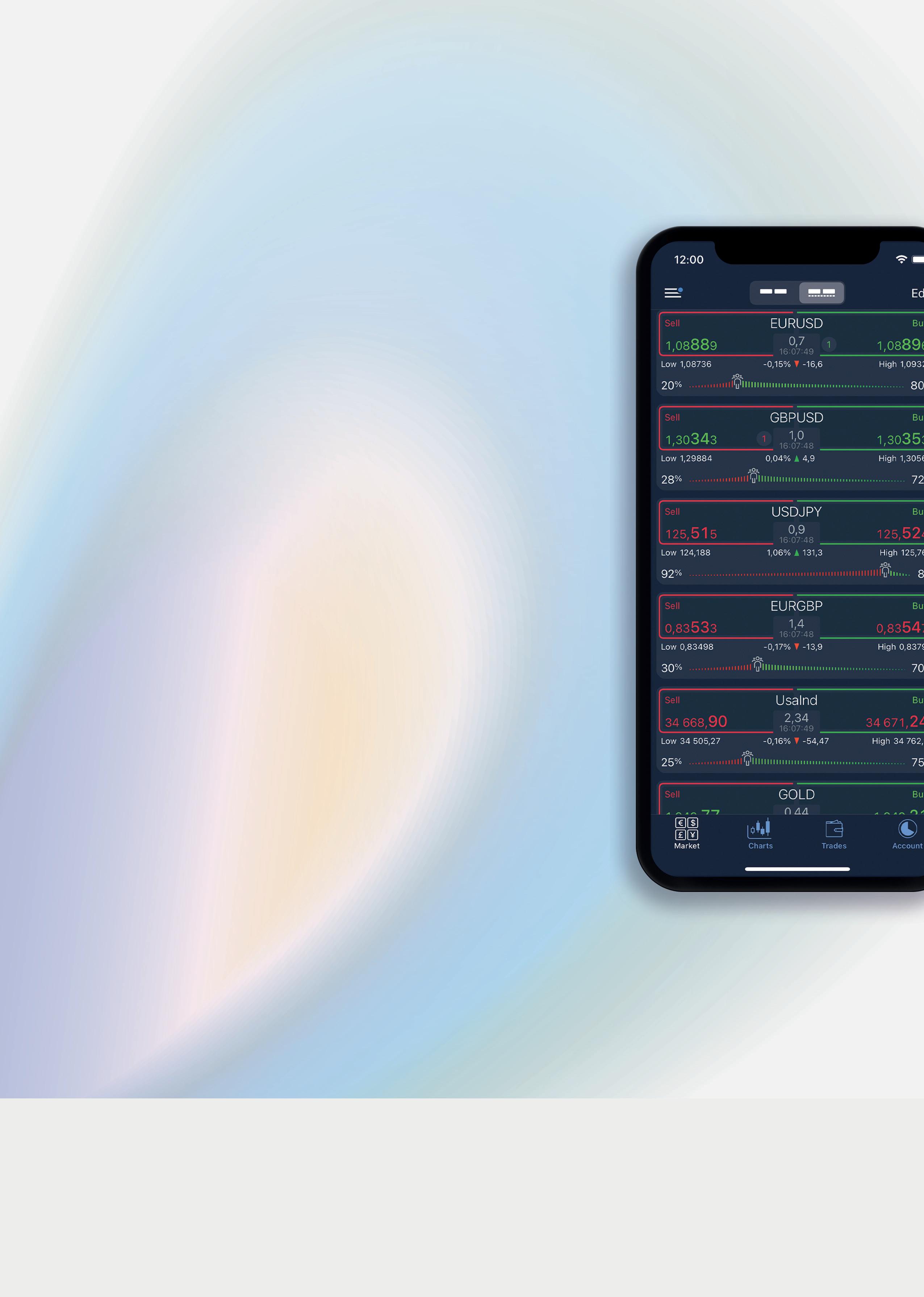
AP: there was quite the demand amongst our clients for the powerful charting platform and social network TradingView. The new integration allows customers to benefit from an impressive list of advanced and customizable trading features and analytical tools. Traders will be able to use 12 customizable chart types and up to 8 charts in one layout. there are 25 indicators available per chart, custom timeframes, over one hundred pre-built
technical indicators and more than fifty drawing tools. Our tradingView integration offers 100+ fundamental analysis tools, a dozen alert conditions on price, strategies and indicators and the ability to execute chart trading. Having an ActivTrades account also gives customers the ability to trade directly from the TradingView app.
IMM: WHAT FEATURES AND INNOVATIONS ARE IN THE PIPELINE GOING FORWARD?
AP: We’re currently working on several big projects which will be revealed over time. Currently, we are redesigning our website to be more user-friendly and overhauling our trading platform to further improve the trading experience.
IMM: HOW DO YOU SEE THE LATEST MARKET DEVELOPMENTS?
AP: We have seen significant swings, offering traders massive possibilities, especially on equities and commodities. Many of our clients have been trading highvolume indices, some of which reached several peaks. Many have found positive gains in Energy commodities, which might continue to yield strong profits. I believe that these conditions will remain, offering traders a more favorable trading environment in the months ahead.
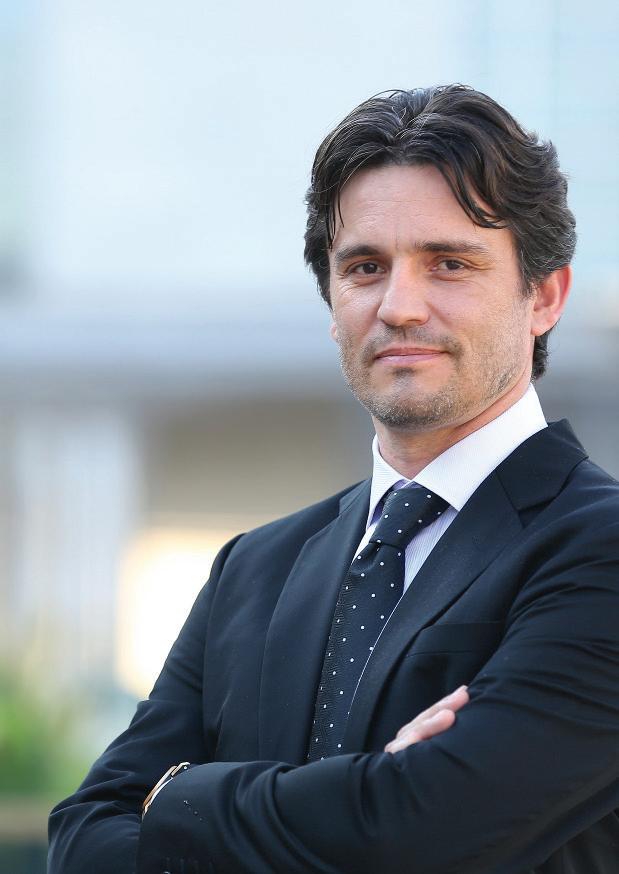


REIT is in the running for two awards this year,
namely the “REIT CEO of the Year” and the “Leading Shari’a Compliant REIT of the Year in MENA” for 2022.
emirates ReIt is a Dubai-based real estate investment trust that invests principally in income-producing real estate in line with shari’a principles. It currently owns a portfolio of 11 assets in the commercial, education and retail sector and benefits from exclusive Ruler’s Decrees permitting it to purchase properties in onshore Dubai and Ras Al Khaimah.
It is operated by the equitativa group, a leading regional asset manager, that is focused on creating and managing real estate investment trusts (ReIts). the group offers innovative, risk-adjusted, income-generating financial products that cater to institutional and retail investors. As the founder of the uAe’s first shari’a compliant ReIt, emirates ReIt, equitativa is today one of the largest ReIt managers in the gulf Cooperation Council (GCC) region and one of the biggest Shari’a compliant ReIt managers in the world.
sylvain Vieujot has been nominated for the CeO Award. He is the co-founder and executive Chairman of equitativa group, a group of companies that specialises in creating and managing financial products in emerging markets and particularly Real estate Investment trusts. He has been an entrepreneur with 30 years of experience in creating, expanding and listing companies, and previously created Freelance.com (which was listed on the French stock Market – Alternet of euronext), Platre.com and the enata group. He first arrived in Dubai in 2005 and launched emirates ReIt in 2010 in a joint venture with the Dubai Islamic Bank, which became the first listed shari’a compliant Real estate Investment trust in the Middle east in 2014.
He is currently shifting his focus to the growth of equitativa as executive Deputy Chairman and will continue to play a critical role in the ReIt ’s strategic oversight and direction as part of the management board. the group recently reported its Fy 2021 financial results for emirates ReIt and followed on from a challenging year in 2020 as the COVID-19 pandemic impacted real estate markets globally. Despite these issues, emirates ReIt reported a 59.3% increase in operating profit to usD 46.6 million in 2021 compared to the previous year. net profit for the period was usD 63.1 million, compared to a net loss of usD 242.9 million in 2020.
Overall growth in 2021 was driven by an increase in total property income to usD 68.6 million, up 3.9% compared to the same period in the previous year, as occupancy across the ReIt ’s portfolio grew by c. 2.8 percentage points to 71.8% as at 31 December 2021. subsequent to the year end, the successful conclusion of ongoing lease negotiations led to a further increase in occupancy to 81.0% as at 31 March 2022. net property income increased 7.7% as the ReIt continued to focus on cost optimisation.
the ReIt booked a net unrealised gain on revaluation of usD 44.7 million in 2021 compared to a loss of usD 243.4 million in 2020, as its independent valuers CBRe and Cushman & Wakefield considered the improving market sentiment in the UAE’s commercial and retail real estate markets. the ReIt ’s portfolio was valued at usD 762.1 million in 2021, a 7.5% increase compared to the previous year. the ReIt ’s net asset value (nAV) at the end of 2021 was usD 289.8 million, equating to a nAV per share of usD 0.95, up 28.3% compared to the previous year.
Following the positive close to 2021, and the emergence of significant new opportunities in the uAe and broader gCC’s real estate markets, equitativa also announced plans to expand its management team and governance structures with the Board appointing Thierry Leleu as CeO of equitativa (Dubai) limited, Dr Faisal Alayyan to the ReIt ’s Investment Board, and simon townsend to the ReIt ’s Oversight Board.
sylvain Vieujot, executive Deputy Chairman of equitativa, said: “We delivered a strong set of improved results in 2021, following a difficult year in 2020, as the world tackled the COVID-19 pandemic. the swift and decisive actions taken by the UAE’s leadership supported a sustained recovery and renewed confidence in the local real estate market in 2021, which drove our improved performance during the year.
“Our operating income increased 59.3% year on year, and we recorded a net unrealised gain on revaluation of USD 44.7 million during the year, as a more positive sentiment returned to the UAE commercial real estate market.”
“Our portfolio of high-quality commercial assets is ideally positioned to benefit from the continued momentum in the market, as demonstrated by our increasing occupancy rate which continued to grow following the year end increasing to 81.0% in March 2022 from 71.8% at the end of 2021. We also made considerable progress tackling legacy issues during the year, including the DIFC-LCIA award in favour of the REIT with regards to outstanding rent payments by the Jebel Ali School.”
thierry leleu, CeO of equitativa, said: “2022 will be a pivotal year for emirates ReIt the performance of the business has been strong and resilient despite the previous difficulties presented by the global pandemic. My new role as CEo will see me focused on further improving the operational efficiencies of the ReIt and partnering with our stakeholders to enhance its capital structure with the aim to deliver sustainable growth in income and value to our shareholders. With our strong base of investors and balanced portfolio of very high-quality assets, we are well placed to take advantage of the upturn we’re seeing in the Dubai property market currently.”
Mr. leleu, who joined equitativa as Deputy CeO in november 2021, has a strong track record of building and managing ReIts. until september 2020, he was the Chief Investment Officer of Cromwell european ReIt, a trust that listed in singapore in late 2017. During his tenure there, he grew the portfolio by 50% to about three times the size of emirates ReIt ’s portfolio, and drove outperformance for 8 consecutive quarters.



We may worry about events outside of our control in our lives overall and the same feelings can apply when we fret about money. But focusing on the factors we can control means that we are being proactive and can also bring about considerable rewards through an improved financial outcome.
To ‘control the controllables’ is a common refrain among top athletes and sports psychologists, but what does it actually mean? In a nutshell it advocates that a sportsperson has a better chance of succeeding if they try and ignore factors outside of their control – such as the skills of their opponent, the weather, crowd noise and so on. Instead, they should focus on what they can control: their own game, attitude, mental approach and more.
you can apply the same thinking when you invest. For example, you can’t control such things as inflation, market performance and your life expectancy (although you can model for them). yet you can control other factors which have a meaningful effect on your future financial outcome, and you should pay great attention to these throughout your life.
Paying more than you should in fees is an easy trap to fall into – because as a proportion of an overall investment portfolio, these charges seem negligible. Investors may also think that paying more in fees (to a ‘star’ fund manager, for example) can lead to better returns but consistently the evidence does not support this assumption https://www.netwealth.com/ourviews/strike3-another-downturn-another-failure-by-active-managersto-outperform/. so while you can’t avoid paying fees to manage your money, these charges are controllable.
Over 10 years, for example, you could be over £17,000 better off for every £100,000 invested if you saved 1% in fees by using a more competitive wealth manager like netwealth (comparing all-in fees of 1.65% vs 0.65% per annum, assuming an annual gross investment return of 5%). For a personalised assessment, choose the sums and timeframes that apply to you using our fee saving calculator https://www.netwealth.com/resources/fees/.
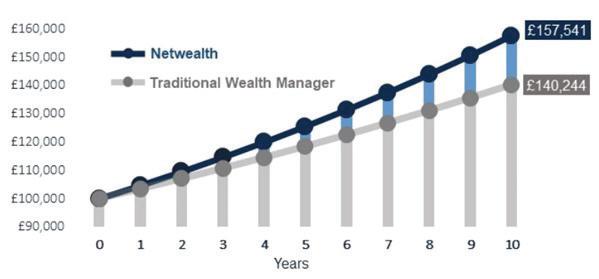
Simulated historic and future performance numbers should not be relied upon as an indicator of future performance.
YOUR TIME IN THE MARKET – TO AVOID MISSING OUT
To act on news or react to events after the market has adjusted is a natural instinct, and because many investors (like most people) are prone to cognitive and emotional biases https://www.netwealth.com/ourviews/why-dowe-do-what-we-do-with-our-money/, it’s easy to believe that you can make decisions that benefit from a timely intervention. This kind of thinking is typically a mistake.
you may have heard the often-repeated wisdom of spending time invested in the market and not trying to time the market. Here is a good example of why. From the end of 1986 to the end of 2020 the s&P 500 produced total returns in dollars of 3,196%. But if you missed the top 10 trading days over this period you would only be up 1,372%. Many of these top 10 days (including two in 2020 alone) occurred when investor sentiment was negative, therefore, trying to time when to be in or out of the markets is very difficult and can be extremely costly.
YOUR PORTFOLIO DIVERSIFICATION – BECAUSE ASSET PERFORMANCE VARIES EACH YEAR
Why can’t you just hold the best performing growth stocks? Or focus on a fast-growing emerging market? Or stick with gold after it has been on a good run? Because from year to year different assets deliver different levels of returns – but it’s difficult to predict in the short term which assets will perform well and when.
A diversified portfolio reduces extremes and smooths the path of returns. Individuals may find it difficult to construct and continuously monitor their own portfolios cost-effectively, or to find the time to do so – which is why so many look to firms like netwealth to judiciously diversify their money at the right cost.
The chart below shows just how varied asset returns can be over time, with the best performing assets (at the top) each year changing quite regularly.
MARKETS CAN BE VOLATILE, BUT GENERALLY CLIMB THE WALL OF WORRY AND TREND UP OVER TIME
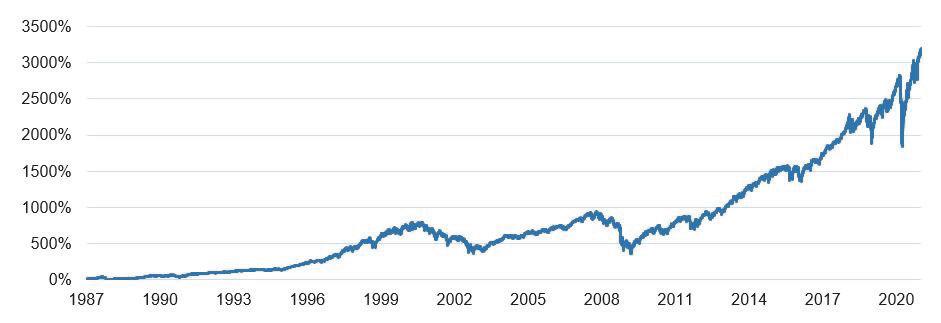
source: Bloomberg, netwealth. s&P 500 Daily returns from 31st December 1986 to 31st December 2020. Please note that past performance is not indicative of future performance.
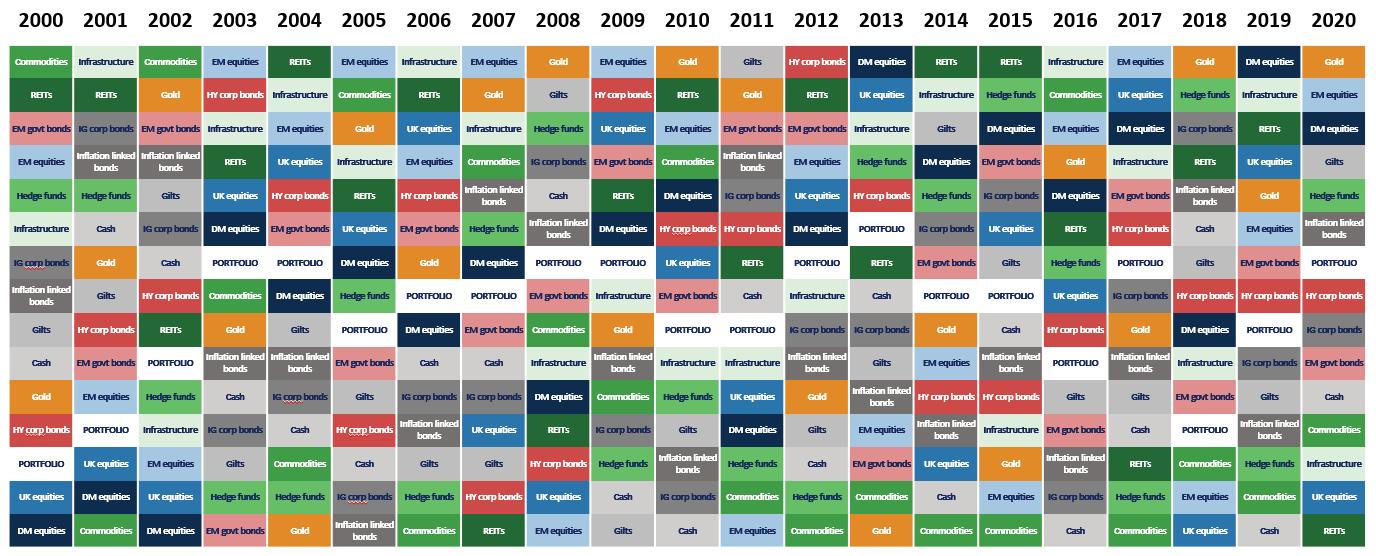
source: netwealth, Bloomberg. Market returns in gBP, some assets reflect currency hedging. Please remember when investing your capital is at risk
YOUR USE OF TAX WRAPPERS – TO MAKE YOUR MONEY WORK EVEN HARDER
tax wrappers are designed to encourage people to invest, and they are often underused – but you shouldn’t neglect their value. Putting your savings in a tax-free wrapper such as an ISA can greatly improve your net returns.
For example, £100,000 invested for 10 years could be worth £127,000 when subject to the higher rate of income and capital gains tax. yet if this money is invested in an IsA – paying no tax – it could be worth £153,000, nearly double the total return on investment. (Assumes longterm median expected returns investing in a netwealth Risk level 6 portfolio, with tax marginal rates of 40% on income and 20% on capital gains. source: netwealth.)
the boost that a family can get if they each use their tax allowances each year is quite remarkable. We show below, for instance, how much better off a family of four could be in only 10 years by using their allowances compared to investing the money outside of a tax wrapper.
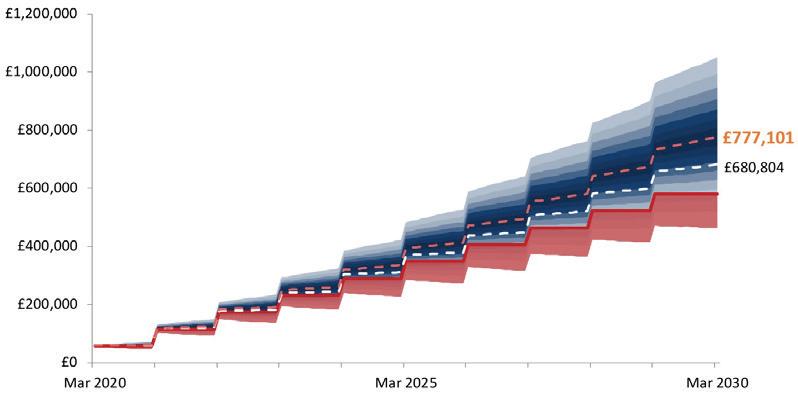
source: netwealth
SIMULATED HISTORIC AND FUTURE PERFORMANCE NUMBERS SHOULD NOT BE RELIED UPON AS AN INDICATOR OF FUTURE PERFORMANCE.
this outperformance – of nearly £100,000 – is due to the fact that a family of four can shelter £58,000 each year from the taxman (£20,000 per adult and £9,000 per child in a JISA). (Assumption based on returns from a netwealth Risk level 7 portfolio and subject to higher-rate tax.)
The volatility of investing – and the commentary around it https://www.netwealth.com/ourviews/how-can-anxiousinvestors-cope/ – can sometimes be troubling and cause us not to do the right thing with our money. yet even the factors you can’t control should be frequently assessed and modelled (which you can do here https://www. netwealth.com/financialplanning#tools) so action can be taken where necessary.
The four factors listed above – fees, investing and staying invested, being diversified, and using tax wrappers – are very much within your control and can have a huge impact on investor outcomes. To focus on these is time well spent and dramatically increases your chances of investment success.
Please note, the value of your investments can go down as well as up.

Some say it’s all about the technology. Others say it’s all about the people. We agree.


the market for alternative assets has exploded in the last decade in particular, from collector cards to antiques, and sneakers to classic cars, but one asset class has emerged as a lead performer – fine wine.
According to Knight Frank’s ’s luxury investment index 2021, investmentgrade wine has risen 13% in price in the first half of the year, making it frontrunner of all luxury investments including scotch whisky and Hermès handbags. london is the global centre of the fine wine investment industry, with strong connections to the most important trading markets in north America and Asia, and with critical access to European producers where the majority of fine wine is made.
Historically the wines of Bordeaux have been the bedrock of the fine wine market, but as production excellence has spread so to have the ambitions and success of top producers from elsewhere. Burgundy has been a star performer over the past decade, the top domaines growing multiples in value, whilst to many people’s surprise Champagne has grown significantly in value during the pandemic, up 37% in 2021 alone*. More broadly the top Super Tuscans have been collector’s radar for some years, Piedmont’s time has arrived and the top reds from northern Spain have been exciting drinkers with the quality coming out of their exceptional old vineyards. Performance in the new world has been dominated by the top Cabernets from napa, but Australian drinkers will not be surprised to know that Penfolds and Henschke are highly desired by global investors and are on the cusp of being joined by others in the coming years in what could be an exciting decade for Australia’s finest names.
When market volatility is rising, or economic conditions point towards challenging time or fears of recession, savvy investors understand that fine wine’s unique and varied attributes can offer remarkable capital preservation, real value growth and an intelligent way to diversify a portfolio away from more volatile assets. Time has shown that through both good times and bad, fine wine is always in demand with long-term returns strongly underpinned by regular, and ongoing consumption.
A leading innovator in the fine wine investment sector, is london-based OenoFuture, a company with expertise in active portfolio management and with an impeccably credentialled wine sourcing team, headed up by an Australian Master of Wine. A novel feature of oeno’s offer is access to its extensive network of top restaurant and trade clients (Oenotrade) and luxury central london boutique (OenoHouse), which provide profitable liquidation pathways for investors during their investment lifecycle and offer wineries the opportunity to supply their best wines at their apex of maturity – services which other wine investment companies are unable to match.
What makes fine wine unique among all luxury assets is ongoing consumption, and with annual vintage conditions playing an integral role in a wine’s quality and price it becomes clear that increasing scarcity of specific vintages or releases becomes a significant driver of longterm valuations. Fine wine, broadly defined as those wines for which there is secondary market demand, and which improve in quality over time, is itself a niche part of the total wine industry. Overall, fine wine is considered to represent just the top 1% of the annual usD$400bn global wine industry.
“With the secondary fine wine market breaking all price records over the previous year and being totally unaffected by global turbulence due its minimal correlation, I anticipate that ultra-rare and highly desirable gems like the prestigious Henry Jayer will only go one way…up! It’s also worth remembering that with yields being low in the Burgundy region and demand being stronger than it ever has been – there is only one outcome, asset appreciation, stronger price growth and flourishing dependability.”
- Michael Doerr, CeO
A recent liv-ex report (liv-ex collates indices on the world’s most traded fine wines), states that fine wine has outperformed the s&P 500 with 13.6% increase over the last 15 years, compared to 7.8% (excluding dividends) for the S&P.
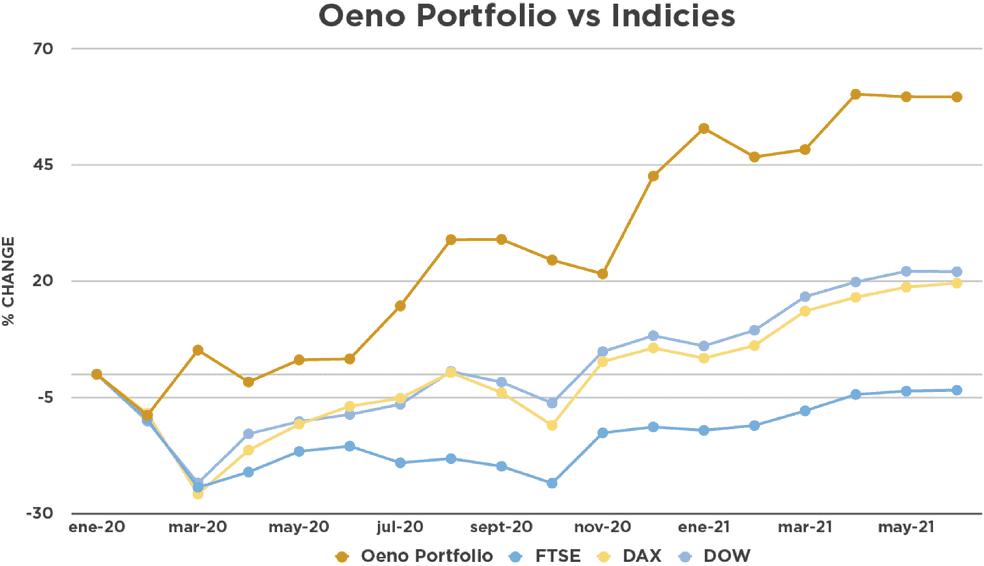
“The potential in wine investment lies in its ability to mimic other asset classes. Like gold, wine can be an exceptional store of value and an effective hedge against inflation during market turbulence. But it can also resemble blue-chip real estate, with potential to double or triple in value over 10 or more years.”
- Justin Knock MW, Director of Wine
In traditional stock, bond, commodity and currency markets volatility can be significant, especially during periods of strong socio-political upheaval, and the deep pools of liquidity that allow these markets to function can make for an uneasy ride for the individual investor. Fine wine, ironically, is relatively illiquid and can be a comfortable harbour in less volatile waters. Asset-backed, and thanks to legally protected fixed bottle sizes, fine wine is resistant to inflation by stealth (shrinkflation) and can thus be a wonderful store of value during inflationary eras and stable influence during volatile times.
When COVID-19 first struck markets in Feb 2020, the s&P 500 dropped by 25%, while the liv-ex* 1000 index for fine wine slipped by merely 4%. Whilst the s&P recovered strongly, it was nonetheless a traumatic journey for many at a time when such a recovery was deeply uncertain. similarly, during the 2008 global financial crisis the liv-ex 1000 dipped by just 0.6% compared to a stomach-heaving 38.5% for the s&P 500 and in the two years that followed the fine wine market boomed.
“Wine is a tremendously exciting asset class that
is fascinating, mysterious and yet highly profitable in a world of mundane investment products. It can bring a sense of fresh air to stale portfolios, and a bastion of safety during the turbulent times we are currently experiencing.’
- Ashley ling, global Investment Director, OenoFuture
Founded in 2015, OenoFuture is a personalised wine investment advisory service that adopts a contemporary approach to wine investment, born out of a vision to make the fine wine market accessible to all regardless of their exposure to or experience of the industry.
oeno’s sourcing credentials are underpinned by a diverse team of international wine experts, from France, Italy, Greece, Spain, Australia, and South Africa. our varied expertise offers us excellent connections and insights into wineries from all over the world. Recently joining the company as Ambassador of Italy is Gabriele Gorelli MW, the first Master of Wine based in Italy, whilst in spain we work with Almudena Alberca MW, the first spanish female Master of Wine.
Most recently, we’ve been awarded the World’s no.1 Wine Investment Firm by Investor Magazine in 2021, as well as as Fine Wine Investment Company Of the year 2019 and 2020 in the european global Business & Finance Awards.

“OenoFuture is proud to offer an all-inclusive, impeccable wine investment service by bringing together some of the world’s most qualified wine experts.”
- Daniel Walker, Head of Investment
OUR UNIQUE APPROACH TO WINE SOURCING
By looking into diversified and flexible ways of sourcing wine, oenoFuture has built a portfolio of the world’s rarest and most exquisite wines. this includes purchasing directly from our exclusive wineries, the Bordeaux negociant network (la Place) and acquiring highly sought-after wines from trusted partners in the secondary market that represent a solid investment opportunity for our clients.
As well as wines from traditional regions in France, OenoFuture is known for its particular strengths in fine wines from Italy, Spain, California and Australia which have demonstrated huge potential for growth. And yet, we are always looking out for the next generation of stars and have recently signed exclusive distribution deals for top producers in Piedmont, Mount Etna and in Campania.
“Moving forward we have innovative ideas developing around blockchain to cement our place as the world’s leading fine wine investment company.”
- sid Mcnamara-Rajeswaran, Head of Business Development
DIVERSIFIED EXIT STRATEGIES
As with any other alternative assets, it’s crucial to consider options of exit strategies before making an investment. Fine wine, however, is one of the rare asset classes with a full circle cycle, which means it is produced in a regulated quantity, purchased, stored and ultimately consumed.
Oeno’s unique business structure optimises the opportunities in wine for all. In addition to gaining access to the world’s finest and rarest wines, clients investing with OenoFuture enjoy a variety of in-house exit strategies through retail and hospitality buyers of OenoHouse and oenoTrade.



“Is
Adam Davis, Managing Partner of the fixed income pioneers, Capital 3PM, tells us more …
WHAT WAS THE ORIGINAL IDEA BEHIND CAPITAL 3PM?
the original idea of Capital 3PM was to create an end-to-end capital raising advisory business, that encompassed both the sell and the buy side. on the sell side, institutions would engage with us to assist them in their capital raising objectives. This could be anything from a straightforward fund raise for their investment product or perhaps some creative input to redesign their marketing collateral. on the buy side, we would introduce well screened and researched alternative, non-market correlated opportunities to private clients. We were approached by Institutions who were already successfully raising funds in a certain jurisdiction but needed assistance in another part of the world. As my partners and I had decades of experience in engaging with sovereign Wealth Funds, Private Family Offices, listed Real estate Funds and private Wealth Managers, we believed that we could create a valuable resource for any entity looking to raise funds from the market.

However, this has changed over the last 5 years as Capital 3PM has become very well known for our ability to simply raise capital across the international space. We now have a specific focus on uK Fixed Income Institutions who are working with some of the world’s largest blue-chip organizations. I would like to think that our clients see us as an integral part of their capital flows into their businesses.
In the early days of Capital 3PM we raised capital for Hedge Funds, ReIt ’s and Multi-Asset Funds. What we learnt very quickly was that some of the world’s largest Institutions really dominate this space and we couldn’t really make an impact on the market. At the same time the Fixed Income space was very lightweight in terms of placement agents as the industry didn’t really find Fixed Income exciting. For example, it was far ‘sexier’ to be marketing a Hedge Fund that was delivering double digit returns annually than to market a two-year Fixed Income bond that was delivering around 8%PA. We took a decision to focus our efforts on the less ‘sexy’ offerings that we found in the Alternative Fixed Income space.
Fixed Income is such a broad offering, from the super conservative Government Gilt to the highly risky Tech Start up Corporate Bonds. We spend much of our time finding Fixed Income that is a hybrid of the two. stability and predictability of a Government Gilt but with a compelling investment story and track record that makes logical sense in today’s market.
The clients that invest in our products tell us repeatedly that they find our investments exciting enough to catch their attention, but secure enough for them to sleep well at night. Think of our investment philosophy having the innovation characteristics of Elon Musk’s Space X but with the cautiousness of Warren Buffets Berkshire Hathaway.
Finally, we love the fact that Fixed Income always has a space within any investor portfolio, regardless of your attitude to risk. It doesn’t matter what the market conditions are, or how popular the latest ‘in vogue’ investment sector seems to appear, Fixed Income should be a consideration.
you may be a super conservative sovereign Wealth Fund, an adventurous crypto investor or an avid real estate speculator, we believe you should have some allocation to Fixed Income. It was this opportunity to be able to market to any investor at any time in the economic cycle that made Fixed Income become the core of our business.

HAVE THE RECENT WORLD EVENTS ATTRACTED A NEW TYPE OF CLIENT TO CAPITAL 3PM?
In short 100% yes, we are engaging now in May 2022 with more clients than we ever have before. What were once the ‘go to’ investment markets for most investors are becoming less attractive as we see huge drops in value across the global markets, profit warnings from some of the largest blue-chip stocks which are impacting on usually reliable dividends. Some of the world’s most successful fund managers are suggesting that the market is at its most unpredictable in the last 20 years. Add into the mix the countless unwelcome Crypto surprises and what you have is a very nervous and indecisive investor, regardless of what your risk appetite is.
As all of this has been playing out, Capital 3PM has been quietly growing its private client investor base, attracting casualties of the aforementioned events. We also work with some of the world’s most successful private wealth managers and they in turn are referring their clients to us who are looking for a larger allocation into the Fixed Income space. Interestingly, many private wealth managers would be the first to admit they have pushed Fixed Income to the back of the queue when it comes asset allocation. They now recognize the value and importance of fixed return, fixed term, asset backed and insured investment products. As of today, we partner with more wealth managers internationally than ever before.
our products have become more and more appealing. In 2020 we had investors who were tempted by our offering, they listened but did not act. now in 2022, these investors are acting, reducing their exposure to the volatile markets and investing with us. We pride ourselves on the fact that investing is a very personal thing, we wait patiently for investors to come to us, only when the time is right for them.
In summary, we think the next few years are going to be very challenging in many ways. I always thought when the pandemic struck, that the world was going to become a very different place for at least 5 years, and regrettably it feels as if that prediction is already playing out. We have a war in Europe that remains ongoing, showing little signs of a ceasefire. We have inflation at its highest level for the last 40 years. A pandemic, that in certain parts of the world is still wreaking havoc and causing huge disruption to daily life, both for individuals and businesses.
In the investment world we call this a ‘special situation’ – a series of atypical events in the economic cycle that potentially offer an investment opportunity. It is this backdrop that really does lend itself to the investments we have spent decades researching and supporting. If you have not previously considered Alternative Fixed Income investing, our door is always open for both private and institutional investors.

Diversify your portfolio to avoid the volatility of the stock markets and secure a fixed term, fixed return of between 8% and 12% PA in GBP, USD and EUR


With Breitling’s legendary timepiece, the navitimer, turning 70 this year, the brand has unveiled a redesigned collection that emphasizes bold color, enhanced styling, and incredible journeys.


the navitimer started life as the quintessential pilot’s watch, and for 70 years it has been beloved by aviators and tastemakers in equal measure. It has been worn by an astronaut in space and by the biggest stars on Earth. Today, Breitling honors the legend of its most iconic timepiece with the introduction of a new navitimer that captures its most classic features, while enhancing them with modern refinements.
Breitling CeO georges Kern said of the new navitimer: “We don’t throw the term ‘icon’ around lightly. The navitimer is one of the most recognizable watches ever made. It’s on collectors’ lists of the greatest watches of all time. What began as a tool for pilots has gone on to mean something profound to every single person who has had this timepiece along on their personal journey.”
In 1952, Willy Breitling developed a wrist-worn chronograph with a circular slide rule that would allow pilots to perform all necessary flight calculations. He never could have predicted the phenomenon the navitimer would become. Just two years later, the Aircraft owners and Pilots Association (AoPA), the largest aviators’ club in the world, announced the design as its official timepiece. the association’s winged logo was emblazoned at 12 o’clock, and the “navigation timer”—or navitimer—was born.
As the burgeoning civil aviation industry grew in size and reputation, so too did the navitimer. A favorite of airline captains and aircraft enthusiasts, it even made its way into space on the wrist of astronaut Scott Carpenter in 1962, who used it as a 24-hour timepiece to tell day from night. The navitimer’s journey took it from the stars of the vastness of space to the stars of Hollywood, as the watch’s irrepressible aesthetic also attracted celebrities of the day, such as Miles Davis, Serge Gainsbourg, Jim Clark, and graham Hill. It was evident that the navitimer boasted style and glamour as well as function.
In creating the new navitimer, Breitling preserved the most recognizable aspects of the icon’s classic design code. From a distance, this is unmistakably a navitimer, with its circular slide rule, baton indexes, trio of chronograph counters, and notched bezel for easy grip. up close, however, its modern refinements can clearly be seen.

A flattened slide rule and a domed crystal create the illusion of a more compact profile. Alternating polished and brushed finishes give the metal elements a lustrous yet understated quality. A slimmer silhouette on the oscillating weight enhances the open-caseback view of the COsC-certified Breitling Manufacture Caliber 01. this movement is backed by a five-year warranty, provides approximately 70 hours of power reserve, and allows the wearer to change the date—now visible through a discreet window in the subdial at 6 o’clock—at any time.
the watch comes in a range of sizes (46, 43, or 41 mm), two case materials (stainless steel or 18-karat red gold), and a choice of straps (semi-shiny alligator or seven-row metal bracelet). Modern colors in shades of blue, green, and copper define its updated dial options. And if there is one feature sure to spark nostalgia, it’s the return of the AOPA wings to their original position at 12 o’clock.
After an incredible 70 years, the navitimer has surpassed its original function as simply a tool used by pilots to navigate their course. It has become a symbol for those charting their personal journeys through life.
to celebrate the significance of these personal journeys, Breitling has launched a new campaign, nAVItIMeR— FOR tHe JOuRney, featuring the navitimer squad. the squad is made up of basketball superstar giannis Antetokounmpo, American Ballet Theater principal
Each member has been on an incredible journey to get to where they are today, at the very pinnacle of their respective fields. each one has charted a course and maintained it through their will and determination. And each one is on their way to achieving their next set of ambitions. using powerful visuals and the squad Members’ own narration, this exciting, personal campaign gets to the heart of these moving journeys.
Misty Copeland says:
“This project means a lot to me because it celebrates not only where I was in life, but where I’d come from and where I am going. There is an absolute parallel between navigating towards a physical destination and navigating towards the vision of where you want to be in life. You’ll see that theme come through in these three stories.”
The navitimer has come a long way since Willy Breitling first drafted his idea for a wrist-worn flight tool. this redesign, with its focus on color, styling, and inclusive appeal, marks a new phase in the navitimer’s journey, one that blends Breitling’s modern aesthetics and values with its historic watchmaking savoir faire, to create an updated identity for the iconic watch that started it all.

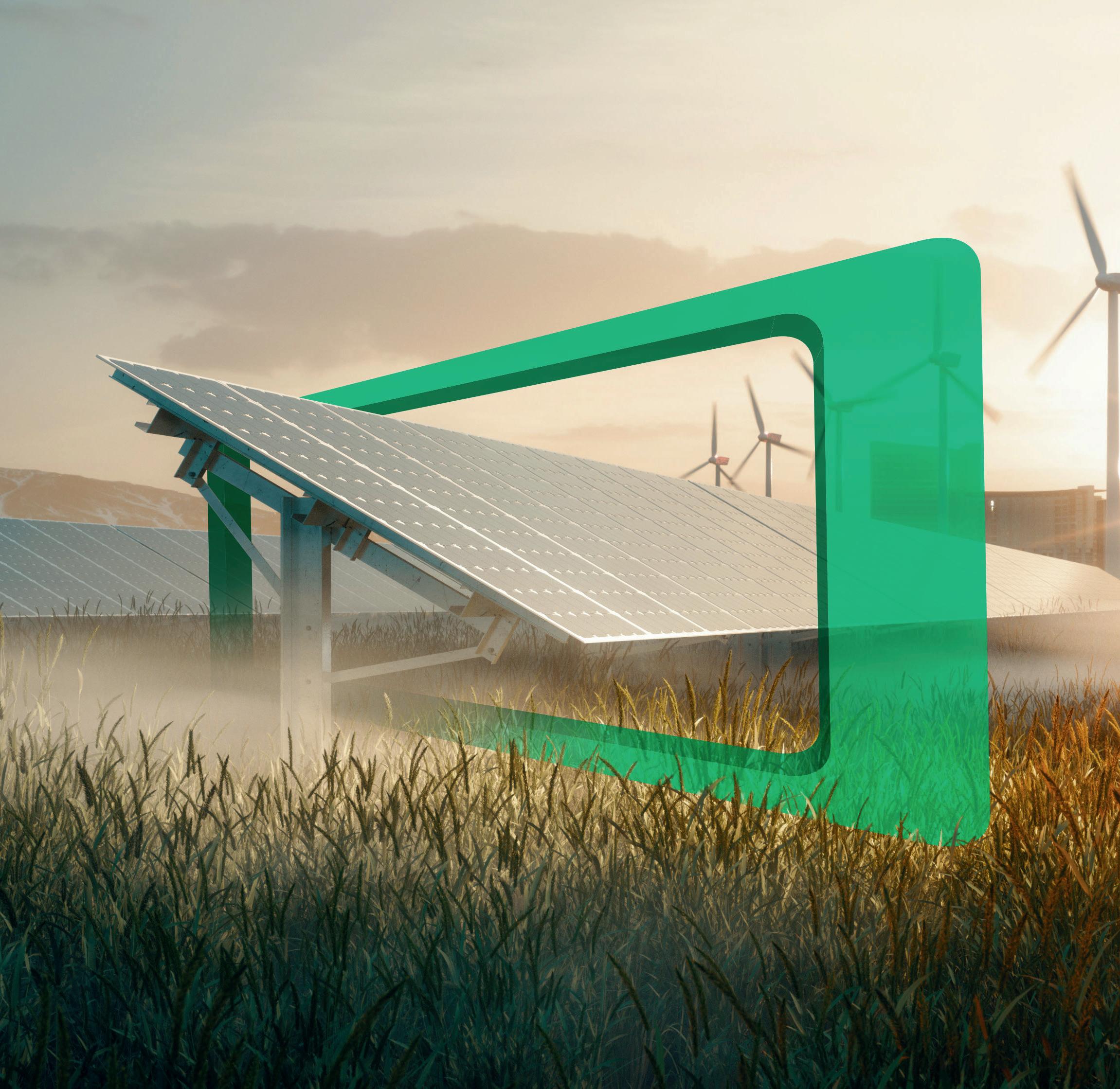
We help to create a better world by enabling the development of sustainable infrastructure that improves the quality of people’s lives. Not just for ourselves, but also for the coming generations.
www.kommunalkredit.com

Sustainably. Successfully.
As an energy and infrastructure specialist, Kommunalkredit is bridging the needs of sponsors and investors across a wide spectrum of products that includes public finance, financial advisory, corporate finance, acquisition and leverage finance, export finance and project finance. they also deliver asset management via the Fidelio KA Infrastructure Debt Fund platform and equity financing for project developments via the KA Development vehicle.
Global trends driving infrastructure investments include climate change, demography, digitalisation, globalisation versus regionalisation and the increased relevance of communication in agile working and distance learning. The bank is proud to actively contribute to 14 of the un’s 17 sustainable Development goals (sDgs) and to promote the ESG ambitions of the European Union.

They are growing and attracting talent, supporting new projects and directly addressing demand from borrowers, developers, operators, the public sector and institutional investors for sustainable and responsible investment opportunities.
“We have a real focus on creating a better world by enabling the development of sustainable infrastructure, combining sustainable and responsible investments with attractive returns”, says Kommunalkredit CEO Bernd Fislage.
2021 was a challenging year with a stop-and-start strategy depending on the pandemic’s impact on the economy, but both the EU Green Deal and the pandemic brought opportunities. A number of extreme weather events highlighted the need for sustainable infrastructure, while the impact of covid put the spotlight on hospitals and other public infrastructure and the paradigm shift in business behaviours drove demand for digital infrastructure. the financial industry has a lot of leverage here, with the multi-faceted layers of stakeholders driving finance towards sustainable and innovative projects that fight climate change and drive the transition to decarbonisation forward.
In times that are very challenging on an economic, political and, above all, humanitarian level, Kommunalkredit has expanded its leading role as a
specialist in infrastructure and energy financing as well as public finance with its resilient and sustainable business model. Despite macroeconomic changes, not least as a result of the COVID-19 pandemic, low interest rates and rising inflation, the bank’s strong performance in the 2021 financial year proves once again that the financing and implementation of innovative projects in the areas of hydrogen, green and sustainable energy production and storage, e-mobility, digital communication and data centres as well as social institutions are essential to the community. This is also a testament to the resilience of the european market for infrastructure financing, which achieved a record volume of nearly euR 300bn despite the considerable impact of the health crisis. Kommunalkredit responded quickly to the varied challenges, especially by focusing more on digitalisation & communication in light of working from home, distance learning and a secure and reliable energy supply. About 80% of the projects implemented in 2021 are related to these areas. With a new business volume in infrastructure and energy financing of euR 1.9bn (2020: euR 1.1bn), they have further expanded their position in the european infrastructure market.
they have supported the realisation of 46 infrastructure projects in 2021: from wind power plants in scandinavia, broadband expansion in the netherlands, solar photovoltaic parks in southern europe, fibre-optic projects in Germany, health infrastructure in the United Kingdom and many more.

However, Kommunalkredit operates not only in europe and beyond, but also supports pioneering initiatives in the Austrian domestic market. They are investing in the construction of the largest electrolysis plant in Austria jointly with OMV, where up to 1,500 tonnes of green hydrogen will be produced annually from 2023 onwards, thus reducing CO2 emissions by up to 15,000 tonnes annually. Another lighthouse project is their joint venture “PeakSun” with the Upper Austrian energy supplier eww, to finance, assemble and operate photovoltaic rooftop systems on commercial real estate. That joint venture uses a contracting model, which means that people don’t need to buy solar panels for their rooftops, with the company instead financing those and then leasing them to customers on a long-term basis. Customers receive all the electricity generated by the system and can either use it in their own building or feed it into the public power grid. With this model, they are able to deliver energy below the current price without subsidies, which is more attractive than ever simply because of the very high and volatile energy prices we currently face.
their activities have a clear focus: sustainability in accordance with ESG (Environment, Social, Governance) and SDG (Sustainable Development Goals) criteria. The issue of sustainability is part of our DnA. Sustainable management – i.e. operating responsibly in economic, social and ecological terms – is the basis for their business model. The infrastructure and energy projects they have helped implementing contribute to decarbonisation,
national and international climate targets and the European Union’s (EU) Green Deal. They also take their socio-political responsibility and role as a pioneer seriously: Kommunalkredit was the first Austrian financial services provider with eMAs certification, the first Austrian issuer of a social covered bond and the first Austrian bank in the european Clean Hydrogen Alliance. They have also joined the Un Global Compact sustainability initiative in the last year.
Bernd Fislage
Kommunalkredit
CEo
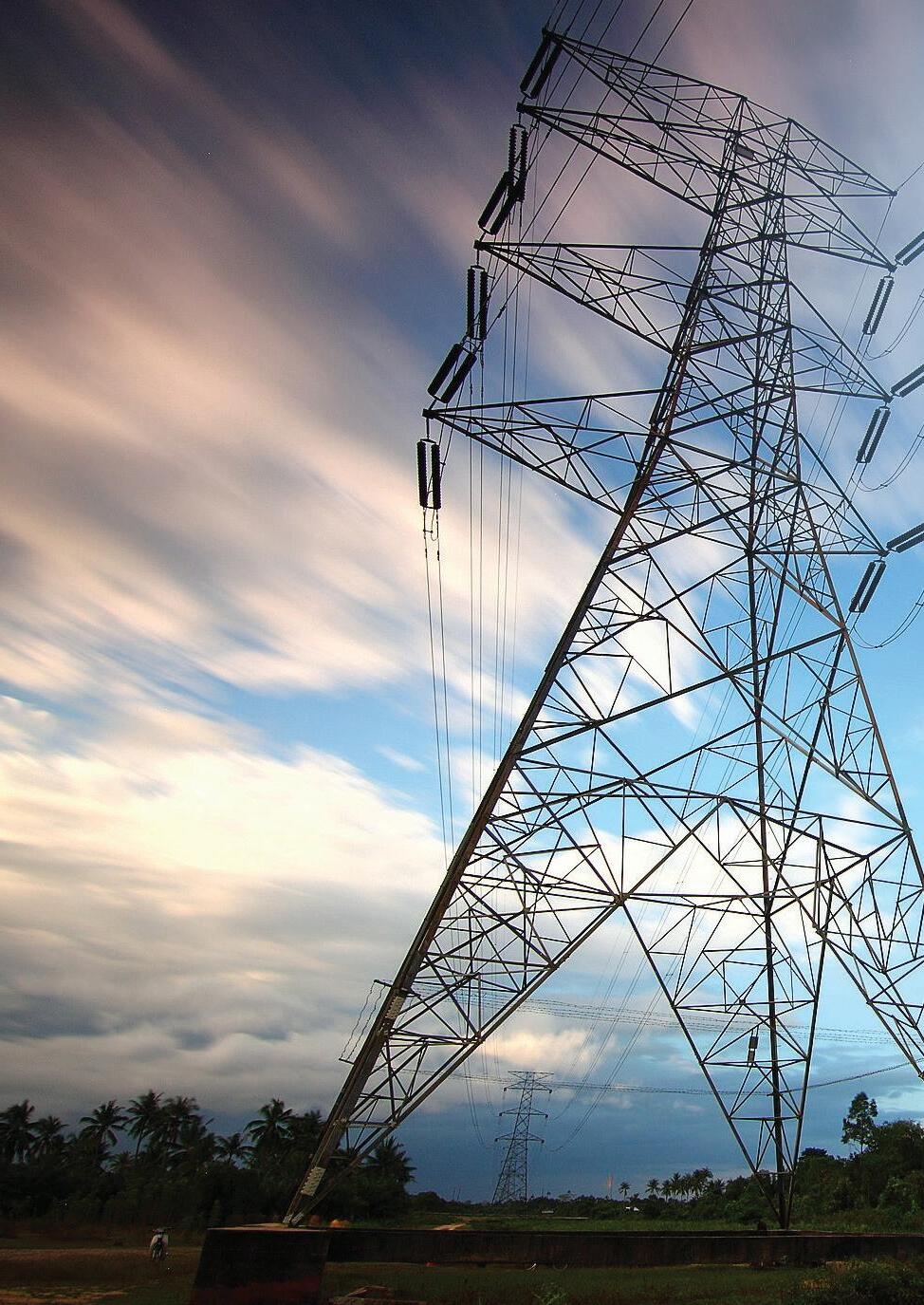
the Russian invasion of ukraine has forced european leaders to assess their dependence on Russian energy, and to accelerate plans to find alternatives. The entire European economy is facing a threat even more severe than the Covid-19 pandemic, which has already tested its economic resilience.
According to most economists, the war in Ukraine and the ensuing economic sanctions imposed on Russia will bring about more drastic changes for Europe’s economy and markets than any previous crises.
There have been calls from the European Parliament for an immediate and complete embargo of Russian oil, coal, nuclear fuel and gas. However, this action will come at a price for the European economy, increasing an already high level of inflation and threatening to undermine the tentative recovery that started last year as economies attempted to re-emerge from the pandemic.
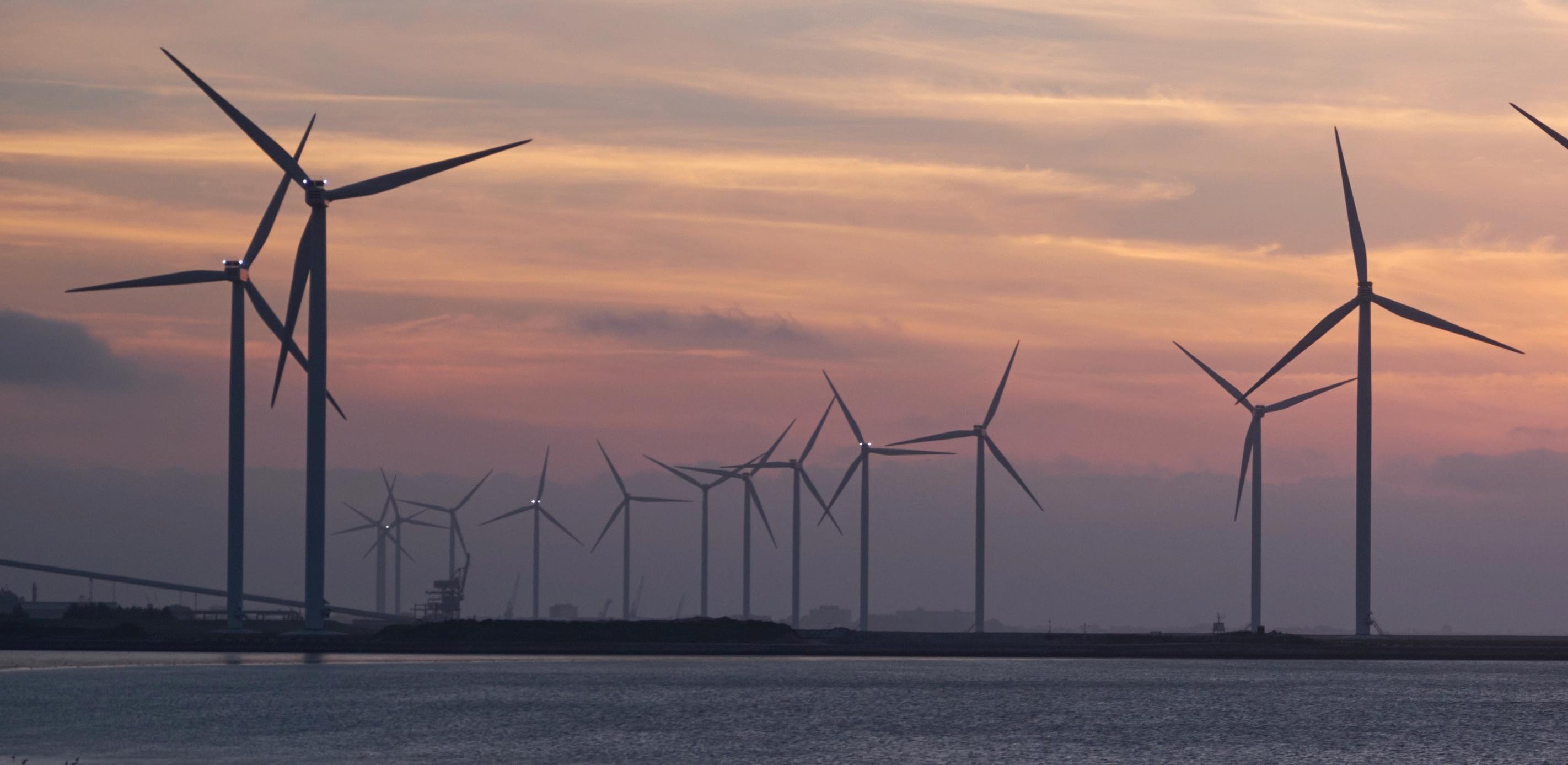
europe has for some time now been an export-oriented economy with a large industrial backbone, and a high dependency on energy imports. It has benefited greatly from globalization and the division of labor in recent decades, but now the eurozone finds itself having to ramp up its green transition and pursuit of energy autonomy, while at the same time increasing spending on defense, digitization and education.
If europe can pull off such a transformation, it will be wellpositioned. But the pressure on household finances and incomes will remain enormous, or indeed worsen, until it gets there, even if corporate profits remain high.
The humanitarian crisis is another element of the war, given that it is taking place in the ‘breadbasket’ of Europe, a key production area for grain and corn. Food prices look set to rise to unprecedented levels, and in developing countries, inflation could quite literally be a matter of life and death for many people.
For now, at least, no return to normality is on the horizon for Europe.
Economists have acknowledged that this shift for the European, and indeed global, economy will place added pressure on central banks and governments, who will have to try to juggle inflation against fiscal sustainability.
BnP Paribas has predicted that a more urgent drive to decarbonize, higher government spending and debt, more intense headwinds to globalization, and higher inflationary pressures would all feature over the coming period of uncertainty.
the problem with raising interest rates to rein in inflation, is that it will eventually make life difficult for fiscal authorities. A higher interest rate environment will result in debt sustainability concerns.
the low level of inflation throughout the eurozone’s recent history meant the European Central Bank was never forced to choose between fiscal sustainability and pursuing its inflation targets, since low inflation necessitated the accommodative monetary policy that aided fiscal sustainability.
The problem now, however, is that the ECB is having to tighten policy to limit inflation against the backdrop of even higher public debt, a legacy of the pandemic, and continued pressures on public finances.
The energy crisis may be seen as an opportunity, in the sense that the EU was, in any case, pursuing aggressive targets to reduce greenhouse gas emissions, and there is mounting political support for making a serious effort to tackle climate change. The eurozone has been generous with public money to support new energy technology.
But start-up money and grant funding soon dry up, and businesses are struggling to raise funds for innovative, large-scale projects that will be necessary to complete the green transition, and in turn reduce reliance on Russian imports.
This funding gap means Europeans face the prospect of either failing to hit their ambitious climate targets, or facing further energy shortages and rising costs. According to many experts, the solutions are there, but only if there is a significant financial boost. Many
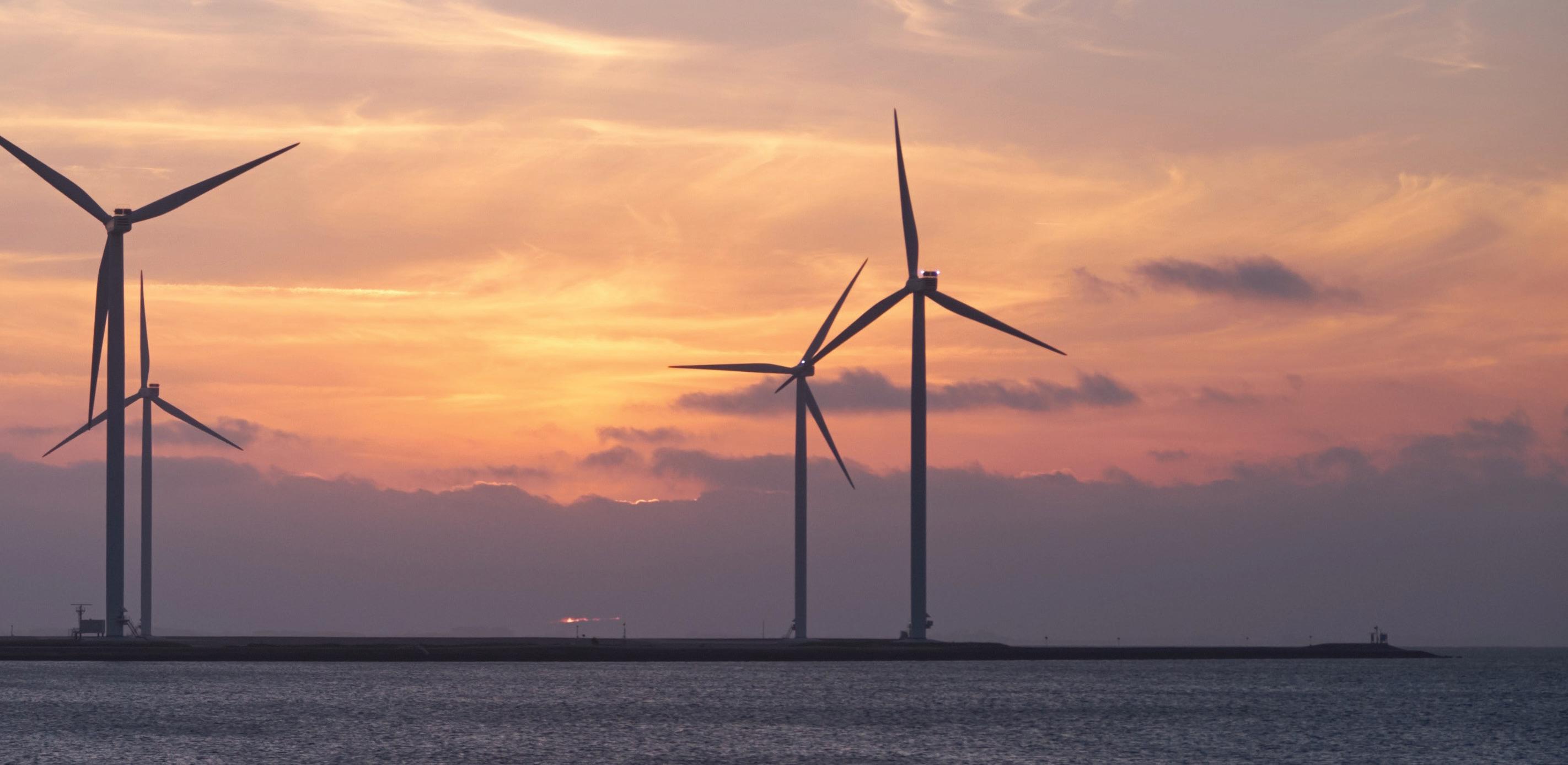
technologies currently in their infancy will be key in reaching net-zero emissions, but they need investment.
One problem is that it is difficult to entice investors away from mature technologies like solar and wind power. Many venture capitalists are currently more interested in cryptocurrencies and quality-of-life start-ups. the kind of capital-intensive investment needed in the energy sector can be off-putting. Inconsistent government policies that have been accused of simply being “greenwashing” haven’t helped inspire confidence either.
even as the world faces the dire consequences of climate change, investors’ money is flooding into less urgent developments in cryptocurrency, the so-called metaverse, and digital art collections sold as nFTs. These “fast money” investments are orders of magnitude more attractive to the majority of investors, with only 4 percent of all the money invested in european start-ups last year going to the energy sector.
The number of dedicated funds for energy investments is rising. But even so, there is a tendency for the companies in them to be software developers, who are deemed to be less of a risk than companies working on larger-scale energy projects to tackle existential energy concerns. For example, four of the seven companies backed by 360 Capital’s new fund are artificial intelligence companies or software providers.
the problem for many european start-ups is that when they become successful, they are acquired by enormous American or Chinese companies, which means there are
not enough independent companies in the eurozone addressing specific energy problems.
Companies that are researching and building expensive hardware are particularly vulnerable to finding themselves short of investment. once they reach a certain size, the kind of institutional investors they need to attract are often looking for safer places to put their money.
existing, mature climate technology hardware took decades of investment and R&D to finally get to where they are now. The issue, of course, is that Europe cannot afford to wait decades. A transformation is needed now.
If carbon emissions are to be drastically reduced, and energy autonomy achieved, innovation and adoption of new technologies needs to be an immediate priority. Ambition and vision now have to be matched by policy and execution.
Many investors claim that government policy could be doing more. Despite ambitious climate pledges, regulations and laws that are in place haven’t created strong enough incentives for investment.
some investors have suggested that for large-scale energy projects seeking investment, the government should expedite permitting, cut taxes and provide matching funds. At the moment there is a lot of talk from European governments on climate, but not enough action. Investors, companies, and all Europeans need to know the government is on their side. Because the alternative is increasingly stark.
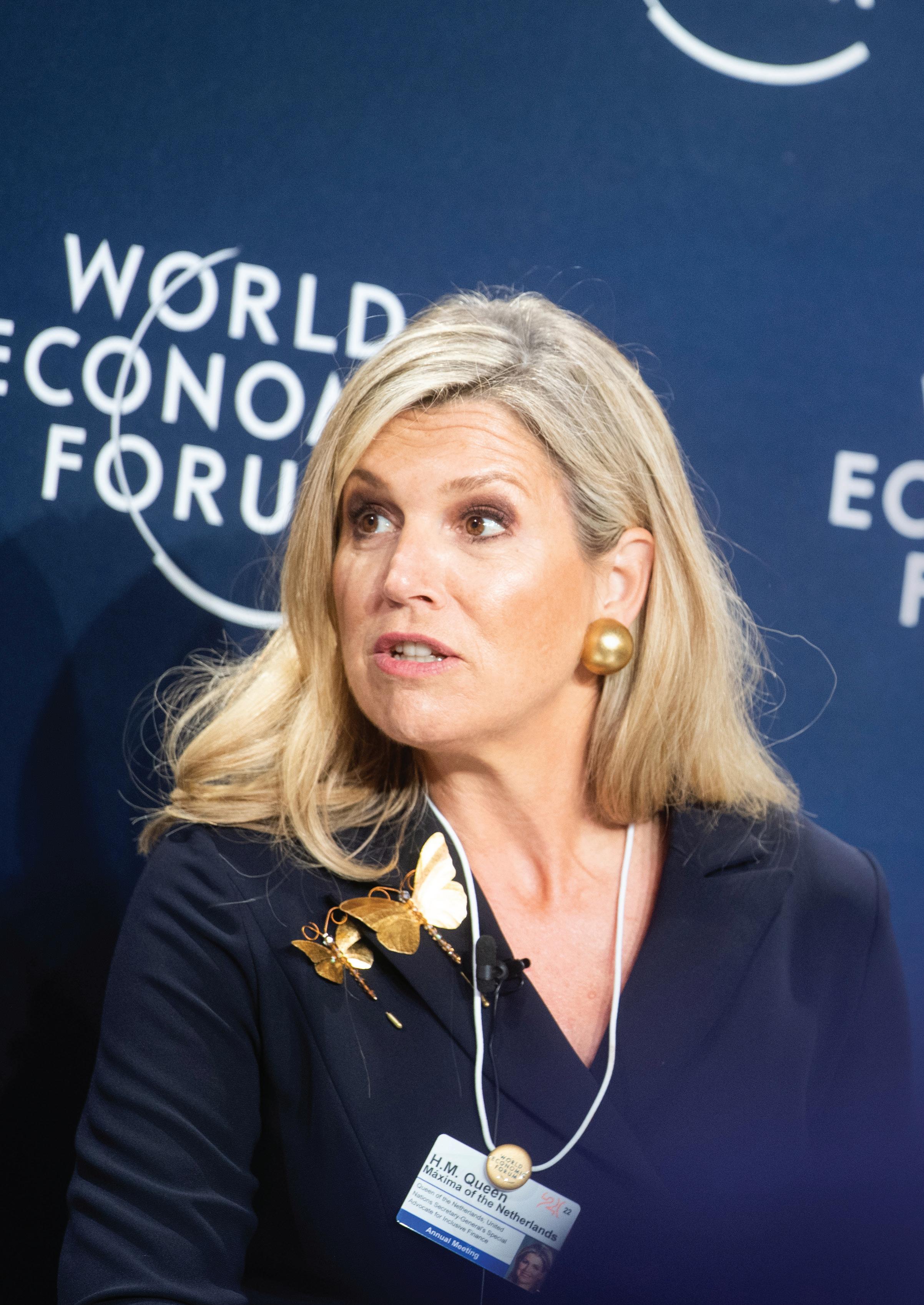

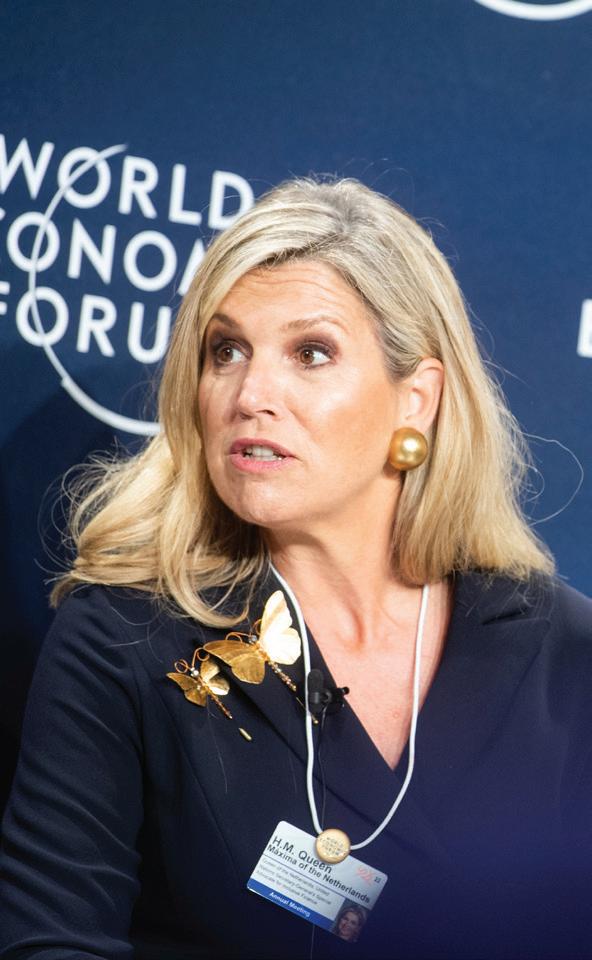
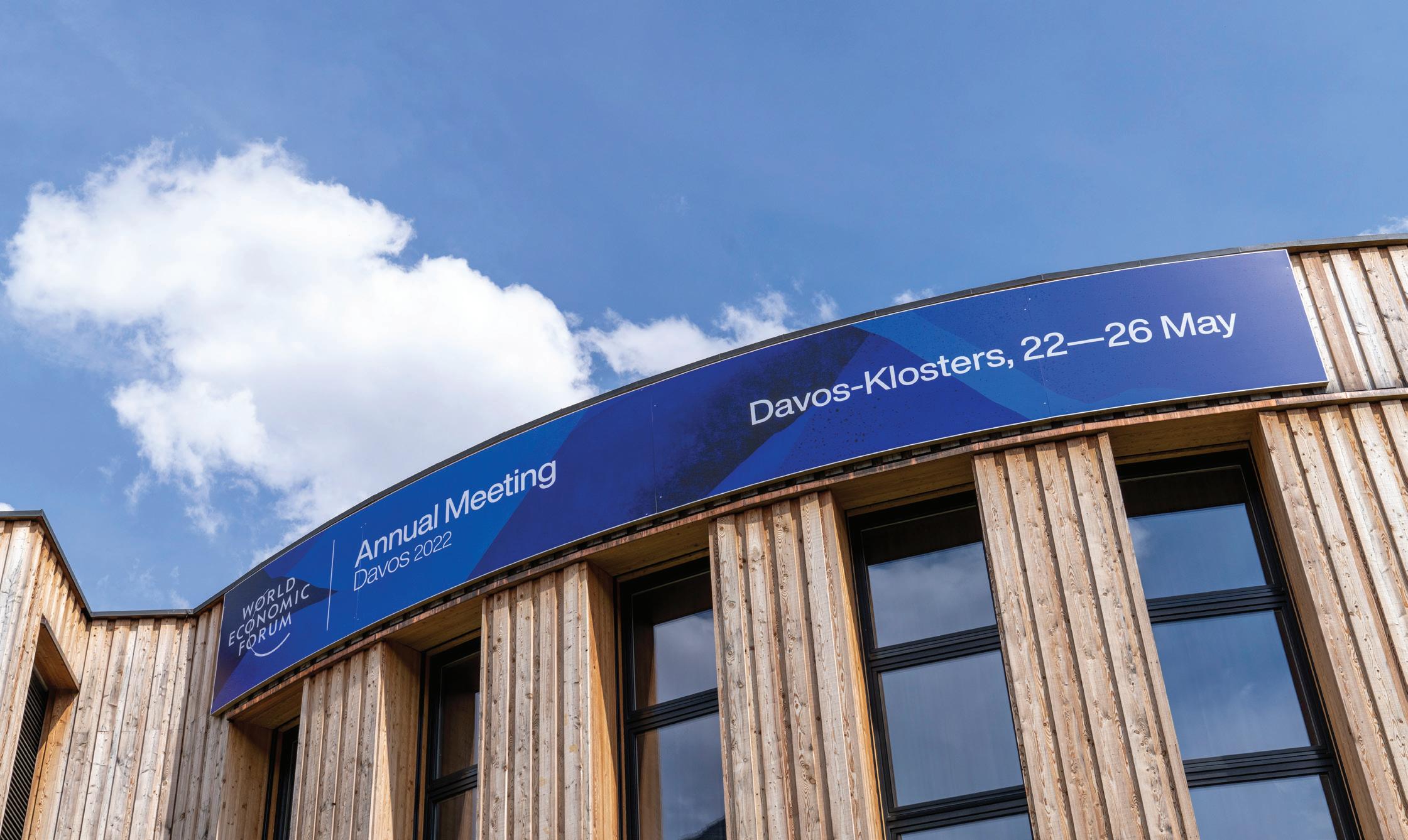
The World Economic Forum Annual Meeting took place from the 22nd to the 26th of May 2022.
The partners who participate every year are some of the leading corporations, banks, and investment funds in the world. The Annual Meeting is always a key date on the calendar of any investor.
The meeting embodies the World Economic Forum’s philosophy of collaborative, multi-stakeholder impact. It provides a uniquely collaborative environment in which to reconnect, share insights, gain fresh perspectives, and build problem-solving communities and initiatives. Against a backdrop of deepening global frictions and fractures, it aims to be the starting point for a new era of global responsibility and cooperation.

the Annual Meeting 2022 brought together over 2,500 leaders and experts from around the globe to the swiss mountains, participating in over 200 sessions, and all committed to the ‘Davos Spirit’ of improving the state of the world. the 2022 meeting convened against the backdrop of a pandemic and conflict in europe, at what is surely the most significant geopolitical and geo-economic moment of the past three decades.
this was also the first in-person meeting since the start of the COVID-19 pandemic. the theme for 2022 was: History at a turning Point: government Policies and Business Strategies.
The major issues for the meeting, which were discussed across a wide range of panels made up of global experts, key stakeholders, and thought-leaders, were: Climate and nature, Fairer Economics, Tech and Innovation, Jobs and skills, Better Business, Health and Healthcare, global Cooperation, and society and equity.
This year the meeting focused on sharing perspectives from people on the frontlines of conflict and climate change. In a series of video messages, the forum heard from some of those most affected by some of the biggest challenges confronting the globe today.
The aim of Davos is to highlight the inspiring work of this group of young changemakers that they call the Global Shapers Community. These are young people who are full of energy, and who are working hard to make a positive difference in their communities.
Among them, for example, were a ukrainian emergency worker, an African climate campaigner and an Afghan educator of girls. In his video message, Sikander Bizenjo, a first responder from Pakistan, urged leaders to include young people in the decision-making process. these videos, posted on youtube and tiktok and other media, have become a key feature of the forum, as it seeks to extend its messaging beyond the attendees themselves, and across society as a whole.
As leaders gather this week to address the world’s toughest challenges, the war in Ukraine is front and centre. Volodymyr Zelenskyy, President of ukraine, delivered a special address on the opening morning at Davos 2022, setting the agenda for leaders to come together to help his country.
He said that the sanctions against Russia should have been “preventative” and questioned whether ukraine would have had to “set a historical precedent for courage” had action come sooner. He called for help to come “as fast as possible” to equip ukraine for victory and help rebuild the country after the war.
Børge Brende, the President of the World Economic Forum, has called for something like the Marshall Plan in order to help with the reconstruction of Ukraine, while Professor Klaus Schwab in his opening remarks said,
“Our first thoughts are with the war in Ukraine.

Russia’s aggression on their country will be seen in future history books as the breakdown of the postWorld War II and post-Cold War order. This is the reason why we speak about a turning point in history. In Davos, our solidarity is foremost with the people suffering from the atrocities of this war.”
Indeed, the spectre of the ongoing conflict loomed over Davos for the duration of the meeting, with many sessions given over to discussions of energy and food security, and the future of these networks that we rely on.
Also up for discussion were the cost of living challenges across the globe. Inflation in the uK hit a 40-year high in April, and in this context, the World economic Forum’s Chief Economists outlook has warned of lower economic activity, higher inflation, lower real wages, and greater food insecurity globally in 2022. the economists warn that this could have devastating human consequences as the global economy fragments.
The future of globalization was also a hot topic at Davos 2022. the Financial times recently warned that the threedecade era of globalization is at risk of going into retreat. It’s a subject that was explored in sessions throughout the week, with a wide range of topics being discussed such as Balancing globalization and Resilience in a time of Crises and strategic Outlook: the Future of global Operations.
Alexander stubb, former Prime Minister of Finland and current Director, School of Transnational Governance,
European University Institute, had this to say during the Russia: What next? session:
“It’s too simplistic to say we’re moving towards some kind of a new Cold War, with a liberal world order and an authoritarian world order. I think alliances are going to be a lot more flexible than what we are used to. I also don’t think that we’re going to go towards an area where there is a lot of talk… of deglobalization. I think we’ll have more regionalization of globalization but it’s not going to go away.”
There were some notable absentees at Davos this year. Climate activist Greta Thunberg gave it a miss. US President Joe Biden was not on the guest list, nor was UK Prime Minister Boris Johnson, French President Emmanuel Macron, or Italy’s Prime Minister, Mario Draghi. the reticence of some high-profile personalities is understandable, as heading to the Swiss mountains to rub shoulders with the world’s elite, during a cost-of-living crisis raging across Europe and the world, is perhaps not the greatest look.
However, there were addresses from Pedro sánchez, Prime Minister of Spain, Ursula von der Leyen, President of the European Commission, and Jens Stoltenberg, secretary- general of nAtO.
They each made calls for unity in light of the current global challenges that we are facing, in particular the Russian invasion of ukraine.
o ther speakers included Bill gates, John Kerry, and the Klitschko brothers.
At Davos 2022 the World economic Forum announced the launch of the Digital Foreign Direct Initiative. World economic Forum President Børge Brende set the context clearly: “ there will be no real economic recovery without a trade recovery and an investment recovery.”
the initiative will “offer unique insights on how to create a digital ecosystem that brings prosperity to people to help government to better serve their citizens and also encourage businesses to grow,” explained Deemah Al yahya, secretary- general, Digital Cooperation organization (DCo ).
By working together, “we can ensure that every person, every country and every company can stand to benefit from the tremendous opportunities the digital economy brings,” she added.
Public-private partnerships “will play a key role in accelerating the digital transformation and enabling prosperity for societies around the globe,” said Peter
Herweck, the Chief executive Officer, AVeVA group Plc, explaining why AVeVA joined the initiative.
THE FUTURE OF GLOBAL COOPERATION
even a glance through the programme for Davos 2022 tells us what the priorities and challenges are for the global economy at the moment, and what oaths we should look to in order to progress.
There were multiple sessions on the future role of Africa and the Middle East, the part that digital tools will have to play in addressing climate and healthcare concerns, and the need for innovation and action, and public-private cooperation.
If there is one key idea to take away from Davos 2022, it is that of global cooperation. Collaborative innovation and sustainable partnerships are going to be watchwords of the kind of development that the WEF believes is necessary to confront the crises that threaten to overwhelm us.
Investors, along with every other group, will have an important role to play in deciding whether these words and ideas can become the new reality.
- All photos courtesy of the world economic forum



Following renewed customer confidence and a strong uptick in bookings, which are up 50% year on year, Virgin Atlantic has decided to reinstate its full portfolio of us destinations for the first time since the beginning of the pandemic. the airline has added frequencies and reintroduced services to key us gateways, in order to reaffirm its position as the airline of choice across the Atlantic.
Flights to Seattle and Washington DC have been added, with services to new york, san Francisco and Atlanta also increasing. In April, a third daily service to Los Angeles was added, meaning that Virgin Atlantic now serves the Californian city more than any other airline. the carrier is also operating Orlando flights from its four uK gateways of Heathrow, Manchester, edinburgh and Belfast, resulting in more flights from the uK to the theme park capital of the world than any of its competitors.
Flights to seattle from london Heathrow are now departing five times weekly. As home to Microsoft, Amazon and Boeing, Seattle is one of the fastest growing cities in the US, and something of a mecca for entrepreneurs and innovators. the airline operates its 787-9 to seattle, with its famous on-board bar and top of the range in-flight entertainment.

the london Heathrow to Washington DC service is also operating five times a week on an Airbus A330, providing vital connectivity between the two nations’ capital cities and re-establishing links for both business and leisure travelers alike. Virgin Atlantic has also announced its first new us route since 2015, to Austin, texas, operating four times weekly.
Juha Jarvinen, Chief Commercial Officer at Virgin Atlantic, commented: “Following the relaxation of travel restrictions, we’ve seen demand increase to many of our global destinations, but particularly to our heartland in the USA. our customers can’t wait to return. The restart of our Seattle and Washington DC services mark an important milestone, as we move into recovery and welcome our customers back on board to all the destinations they’ve missed. We’re simply not Virgin without the Atlantic and our growing transatlantic portfolio demonstrates why we’re the airline of choice to the USA.”
to help customers book with confidence, Virgin Atlantic has extended its policy of unlimited free date and flight changes for new bookings, which allows further flexibility
to customers making travel plans. the updated flexible booking policy enables Virgin Atlantic customers making a new holiday or flight-only booking for travel up to 31 December 2022, to make as many changes as necessary to their travel dates, origin or destination, with the change fees waived, as well as one free name change.
The reinstatement of the US portfolio is not the only good news for Virgin Atlantic. The carrier recently announced a deal with neste, a Finnish company that creates solutions for combating climate change and accelerating a shift to a circular economy. the deal secured a uK supply of 2.5 million liters (or 2,000 metric tonnes) of neat sustainable Aviation Fuel (sAF), to be delivered to london Heathrow.
The supply is an important step towards the airline’s target of 10% sAF by 2030. the agreement forms part of a wider collaboration between Virgin Atlantic, one of the world’s most fuel-efficient long-haul airlines and neste, the world’s leading provider of SAF, to increase the availability and use of SAF in the UK.
neste My sustainable Aviation Fuel™ is made from sustainably sourced, renewable waste and residue raw materials. In its neat form, it can reduce greenhouse

gas emissions by up to 80% of life cycle, compared to traditional fossil jet fuel.
Virgin Atlantic and neste are supported by exxonMobil’s expertise in the supply and distribution of jet fuel to manage this delivery of sAF into the uK. exxonMobil is Virgin Atlantic’s largest fuel supplier at london Heathrow.
Virgin Atlantic has positioned itself as a sustainability leader for more than a decade, and has committed to achieving net zero by 2050. today, 100% of its fleet is twin engine and 70% next generation, making it one of the youngest and most fuel-efficient airlines in the skies. this follows a multi-billion-dollar fleet renewal programme that has already delivered a 20% reduction in carbon emissions between 2007 and 2019.
the agreement with neste represents the first commercial supply of SAF for Virgin Atlantic, following its long-standing commitment to sAF and operation of the first commercial aircraft using sustainable fuels in 2008.
Holly Boyd-Boland, VP Corporate Development, Virgin Atlantic said:
“After fleet renewal, SAF represents the greatest opportunity to decarbonise aviation in the short to medium term. This supply is the beginning of commercial SAF at scale for Virgin Atlantic. To meet our 10% SAF target in 2030 we need to deliver this volume more than seventy times over, requiring cross-industry and Government action to support commercialisation of SAF at scale, particularly in the UK. We will continue to work closely with Neste and ExxonMobil, as well as wider industry partners, to find innovative solutions to achieve this goal.”
With the boost to its transatlantic business, and its continuing commitment to meet sustainability goals as evidenced by the neste deal, Virgin Atlantic has shown the adaptability and innovation that has marked it out from other carriers since the beginning. As the airline approaches its 40th year in business, it would appear that the sky is the limit.


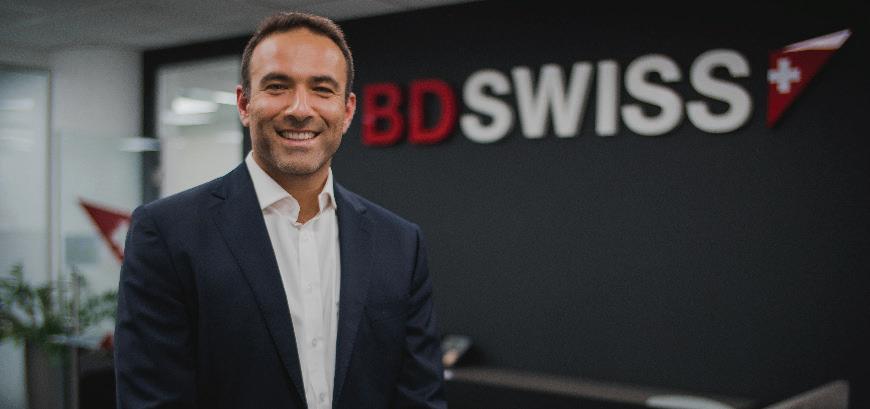
Nicolas Shamtanis, BDSwiss CEO
Driven by technological advancement, the financial technology (fintech) industry has grown tremendously in the past two decades; while more recently, with the Covid-19 pandemic, we saw a real acceleration of the move to digital financial services. technology and innovation have completely transformed the financial landscape, disrupting the investment services sector by providing new value propositions that allow for improved client experiences. naturally, client expectations have also evolved alongside these innovations, with more and more people shifting away from the incumbent “traditional banking services” of brickand-mortar institutions and opting to bank, trade, and invest digitally with neobroker or neo-bank fintech services.
the reason behind this “fintech revolution” is clear –fintech investment products have demonstrated their potential to bridge gaps between product and user in the delivery of financial services, and to enable the provision of new products and services to client groups who have been previously unable to access similar services through traditional banking institutions – in fact, when it comes to trading and investing, brick-and-mortar banks tend to reserve trading and investment services exclusively for high-net-worth individuals.
undeniably, the rise of online investment fintech companies has ushered in a new era of financial inclusion, providing equal access to the global financial markets through a simple click of a button and making previously inaccessible financial markets and investment options now attainable by everyone.
the ability to perform any financial task with a smartphone and mobile app has shaped the user experience around fintech products, especially when it comes to younger investor generations. And while the majority of fintech firms focus solely on technological innovation, “client experience” goes beyond simply offering an intuitive app. Clients have come to expect far more than a multi-asset offering from their brokers; they demand a high level of service, a regulated trading environment, bespoke tools, competitive conditions, and personalised communications that empower them to make well-informed investment decisions.
the concept of customer experience is a multidimensional one, facilitated through cognitive, emotional, behavioural, sensory, and social responses to a brand or service. So how can fintech companies go about creating those seamless, integrated experiences that guarantee meaningful interactions?
In the financial services industry, the level of service offered to clients, coupled with a broker’s industry expertise is key to building satisfaction, loyalty and customer lifetime value. to this end, quality, omnichannel client support in multiple languages is crucial for fintech companies, as round-the-clock support is what clients have come to expect. Client calls should be answered promptly, and service agents should be equipped with all the necessary knowledge and tools they need to troubleshoot any problem the client may be experiencing.
As clients have grown accustomed to digital experiences that anticipate their actions and are readily available across platforms and channels, personalised, predictionbased, hyper-relevant journeys are now becoming the norm. At BDSwiss, we recognise the value of differentiated client experiences, which is why we have put in place omnichannel information and support systems that guide clients throughout their journey enabling them to quickly and efficiently access the help they need, when they need it most. From onboarding to trading, we ensure that BDSwiss clients are supported every step of the way.
Following on our commitment to providing a worldclass trading and investing experience, at BDswiss we have developed our custom VOX CRM in house, in order to cater to the needs of all key departments within the company in regard to client data management. Adopting a proactive approach to client service, our all-in-one CRM system enables our departments to analyse client behaviours so that they can provide personalised and context-based interactions. Of course, this presupposes that we support our front-facing teams with rigorous internal trainings and briefings on our latest products, conditions and technologies so that they have the knowhow and the expertise required to make the most of our

CRM client data and be able to provide a top-level service tailored to each of our client’s needs.
Communicating effectively with clients can not only significantly enhance engagement and client loyalty, but can also help companies truly understand their clients’ needs and gauge interest for existing or new product offerings. Client feedback provides a “goldmine of insights” that can help businesses identify areas of improvement and allocate the appropriate resources to enact positive change. Beyond analysing client interactions and behaviours through our CRM and Business Intelligence systems, at BDSwiss we have also found that conducting regular client surveys on all aspects of our business operations and at all stages of our product development has been instrumental in helping us drive operational excellence.
Another important aspect of a holistic client service approach is proactively educating clients on the different investment vehicles and trading products being offered. navigating the financial services world can be a daunting and time-consuming task for many first-time traders and investors. the complexity of leveraged products, low level of awareness, lack of plain language can create information barriers that can ultimately lead clients to lose interest in a fintech company regardless of how revolutionary its investment products may be.
At BDSwiss, we believe that client skilling and education are powerful retention tools as they can help our clients understand the benefits and risks involved in online trading and empower them to make more informed decisions. At its core, financial literacy is about extending equal opportunities to all clients, arming them with the
knowledge, skill, and training they need to navigate not just our tools and platforms, but also the rapidly evolving financial markets.
One of the most significant pillars on which any business is built on is “trust” — and by giving our clients a clear and solid understanding of the investment services we offer, we essentially communicate to them that we are investing in their education and are committed to creating longterm and transparent relationships with them. From expert-led webinars to trading courses, e-books, up-tothe-minute market analyses, and on-location seminars and workshops – all of which are translated into many different languages – we make a point of offering curated educational content that empowers our clients with the knowledge they need to embark on their trading and investment journeys.
Fintech brokers need to consider client experience as a decisive factor in their ability to achieve sustainable business growth. As fintech innovations and democratised access to the global financial markets become mainstream, value-added services including real-time personalisation, bespoke support, and access to quality financial education and market research could become key differentiators for a fintech company.
In line with our mission to democratise finance for all, at BDSwiss we have committed to continue to deliver bespoke trading and investing fintech solutions under a comprehensive one-stop-shop, while providing our clients with the tools, support, and education they need to forge their financial future.


As investors deal with the uncertainty in global markets, international finance centres (IFCs) like the British Virgin Islands (BVI) are uniquely positioned to offer security in the age of uncertainty. For close to 40 years, the BVI has been at the forefront of helping investors successfully navigate the volatility terrain.
The jurisdiction’s ongoing success story can be credited to a willingness to embrace change and remain agile and resilient in the fast-moving landscape. By adopting a forward-looking approach, the BVI stays at the forefront of new trends, identifies opportunities in emerging economies and sectors, complies with international regulatory standards, mitigates risks, and is unwavering in its dedication to global growth, innovation, and progress.
By facilitating global development and investment in emerging economies, the BVI enables communities worldwide to tap into resources they would not otherwise have access to.
The BVI is strengthening links across Asia, Africa, Europe, and the Americas to build a global village of investors and companies with a shared vision for progress. International collaboration remains at the core, understanding that countries must work together to drive improvement to solve society’s biggest challenges as a global community.
With a longstanding strong relationship with Asia, the BVI provides the region with corporate structures that remain immensely popular with Asian businesses, institutional investors and high-net-worth individuals, the main drivers behind the region’s strong economic model.
As Asia’s gDP is expected to expand in nominal terms from $33tn in 2021 to $39tn in 2023, the opportunities in the region will continue to grow, fuelled by large populations and the rising adoption of new technologies. the BVI’s robust reputation and expertise in the region puts it in a solid position to help facilitate this growth.
Elsewhere, countries across Africa are also emerging as the new frontiers for growth, boosted by young, techsavvy populations and the Africa Continental Free Trade Agreement prospects. the BVI brings its expertise to the table by creating neutral platforms to facilitate crossborder trade, investment, and finance, making it the ideal conduit for expansion.
Globally, as climate change action increases in urgency, investment in agriculture and green energy will be crucial over the next decade. Here again, the BVI will continue to make significant contributions to sustainable finance, enabling the flow of investment into communities and making the most required real impact.
Speculation is that the lingering effects of the pandemic and the fragmentation of the current economic and political systems put the concept of globalisation under threat. notwithstanding the mobility challenges, the reality is that this period has accelerated technological innovation and digitalisation, which both help to dismantle some of the barriers to capital flows and make it easier for both inward and outward investment to happen. These increase the demand for services that facilitate efficient and secure cross-border transactions. And IFCs like the BVI are uniquely placed to meet these demands.
The BVI offers jurisdictional neutrality, a location independent of the home jurisdictions of the various counterparties where transactions can be conducted while adding little or no additional cost. This can be important, for example, when forming joint venture vehicles between businesses from different countries.
the BVI also offers tax neutrality, administrative convenience, and regulatory specialisation as an IFC. However, the most significant advantage that the jurisdiction offers is the ability to mitigate country, legal, and commercial risks. As a result, it can help protect assets from potential loss or seizure due to social or political instability or delinquent regulatory or enforcement institutions in a particular country.
The BVI has recently been part of implementing the sanctions regime. Successful sanctions rely entirely on identifying the ultimate beneficial owners of incorporated companies. The BVI has some of the strictest controls of any financial centre globally. It has a beneficial
ownership register for all companies – its state-of-theart technologically-advanced Beneficial Ownership Secure Search system (BoSSs). only licensed corporate service providers can incorporate companies, and by law, they must conduct customer due diligence, including enhanced checks for politically exposed people. the beneficial ownership information is accessible to international law enforcement authorities. In response to sanctions requests, the BVI authorities can and have provided information on the owners of BVI companies in as little as one hour.
the BVI’s forward-thinking legislative design is another quality that makes it distinctive. the jurisdiction’s range of professional associations, including legal, accountancy, trust and estate, funds, insolvency, compliance, registered agents, and banking, work closely with the government and regulators to keep the jurisdiction’s legal framework in the financial services sector agile, relevant, and modernised.
the BVI’s Regulatory sandbox exemplifies this for Fintech Innovation, which creates an ecosystem where entrepreneurs, start-ups, and traditional financial institutions can develop new solutions for financial services without regulatory burdens. This programme is growing in popularity and opening doors for companies who would not otherwise get the chance to test products and solutions.
Leading the way in cryptocurrency and digital assets, the BVI was one of the first countries to cater to digital asset funds. While preparing for the developing global regulatory standards in this area, the BVI’s ability to harness opportunities in digital assets and mitigate the risks has put the jurisdiction in a “sweet spot.” It has attracted a global clientele and made it one of the world’s leaders in this space. Central to the BVI’s success has been its commitment to building a nurturing environment for innovative entrepreneurs across the spectrum to thrive and grow.
With agility, resilience, and innovation at its core, the BVI remains optimistic that it has the tools to help investors navigate whatever lies ahead in the global volatility terrain of the future. `
Elise Donovan CEo, BVI Finance



People’s Bank, which was established six decades ago with the objective of providing banking and financial services to the general public in sri lanka, is now one of the leading financial institutions in the country. Over the years, this unique banking institution has made significant contributions to the socioeconomic development of the country.
From its inception in 1961, People’s Bank has expanded rapidly throughout the country, introducing branded accounts tailored to customers of different ages and sectors, and offering various loan schemes for the betterment of the lives of the people of Sri Lanka. At the same time, the contribution of People’s Bank towards the uplifting of local industrialists including agriculture, fisheries, livestock, microfinance, and small and medium scale enterprises is highly commendable.

Initially, People’s Bank’s main objectives were to develop the Co-operative and Rural Banking sector and move forward as a commercial bank. Today, the Bank has become a fully accredited national and internationally accredited banking institution providing a wide range of services such as Personal Banking, Enterprise Banking, and Corporate Banking as well as offering Treasury, Investment Banking Services and International operations.
Currently, People’s Bank is one of the leading licensed commercial banks in the country, with 742 branches and service centres islandwide and employing a staff of over 8,000. People’s Bank has over 14 million customers, making it the bank with the highest customer base in the country.
As a responsible state bank, People’s Bank has not only provided financial services to its customers but has also has made significant contributions to the socio-economic progress of the country by providing financial assistance in the areas of exports, education, health, expressways, roads, tourism and infrastructure. not forgetting its original primary objectives the bank has been actively assisting SME entrepreneurship in Sri Lanka. In recent
times, with an Agriculture-Based Harvest loan scheme, which was introduced to create a self-sufficient country, the bank provided Rs.2.3 billion over a period of 15 months ending 31 December 2021 alone. People’s Bank also introduced loan schemes such as ‘Made in Sri Lanka’ to promote local industries, ‘Saarabhoomi’ to encourage local production of fertilizers, pesticides, herbicides, ‘Vanitha Saviya’ for empowering women entrepreneurs, and ‘Business Power’ to uplift small and medium enterprises.
Another novel initiative launched by the bank was People’s Spark Entrepreneurship Development Program with the aim of empowering Sri Lankan youth who are passionate about running their own business. Under this the bank selected and groomed a group of young people covering various fields related to entrepreneurship with the involvement of local business professionals and university lecturers. At the end of the program the bank reviews the business plan prepared by them and, if appropriate, take steps to provide a loan of up to Rs.2.5 million without any security.
People’s Bank as a pioneer in digital banking in Sri Lanka seeks to bring to its customers a superior customer

experience by introducing state-of-the-art banking and financial services at all times. It was the first bank in the country to implement a complete digital transformation for the entire operating model, covering all aspects from the lowest to the highest levels of the Bank.
People’s bank’s Self Banking Units (SBUs) are a pioneering introduction to its digitalization program. At present there are over 265 sBus islandwide consisting of AtMs, CDMs and bill payment machines (KIoSK).
All the bank’s branches now offer quick account opening and over a million people are registered with the People’s Wave app, which allows customers to bank from anywhere. People’s Bank also launched the People’s Pay Mobile Appin support of the state efforts to promote digital transactions without the use of cash. In addition, the People’s Website offers online banking and People’s Wiz Credit provides personal loans within 24 hours. The bank has won numerous local and international awards for digital banking.
People’s Bank, as a state-owned bank, has played a pivotal role in bringing digital financial services closer to the urban as well as rural population of the country which has resulted in many international accolades. The bank
continues to be ranked among the world’s top 1000 Banks since 2018by the Banker Magazine.
The bank was recently named the ‘Best Investment Bank in sri lanka’ by global Banking and Finance Review. In addition, People’s Bank has been recognized for its excellence at numerous awards ceremonies such as Asian Banker, International Business Magazine and World Finance.
Locally, People’s Bank’s People’s Pay Mobile Payment Application won the Gold Award for ‘Best Mobile Payment Application’ for payments done through lankaQR at the recent LankaPay Technnovation Awards, Sri Lanka’s pioneering and only payment technology innovation award ceremony. People’s Bank’s People’s Wave Mobile Banking Application was also recognized as the ‘Best Mobile Electronic Payment Initiative’ at the recent Asian Digital Finance Forum Awards in Colombo.
People’s Bank plans to continue to facilitate digital banking and bring the latest banking experience closer to sri lankans through the provision of financial services in line with high international standards as well as convenience, high quality and reliability through excellent banking services.


Many fixate on the finance sector’s support for high-emitting industries, charging them as key accomplices in environmental degradation – and they’re right. But demanding investors pull the financial tablecloth from under heavy industry in one fell sweep, forgoes that the real magic lies in transforming existing emitters into the clean corporates of the future. For certain, the climate can’t handle new oil, gas and coal projects, but simply divesting does not equate to climate transition.

global populations still rely on several high-emitting industries to function. Fossil fuels, the primary target of divestment campaigns, still supply 84% of world energy, while seldom discussed are the many high-carbon materials such as cement and steel needed to build cities and infrastructure. Though there is a real need to scale up green growth - particularly as dependence on fossil fuels shores up the power of petrostates – transitioning current high-emitters can play a big part whilst meeting the needs of a growing population.
But transition requires more than just hope – it needs engagement. Research by leading American universities found divestment to be less effective than engagement when attempting to make companies act responsibly. Divestment risks assets being bought up by investors without any environmental concerns and offers no guarantee of producing social goals. Engagement however can deliver, and traditional tactics such as shareholder votes can unite with new approaches such as requesting green debt issuance.
green and other thematic finance emerged as a beacon
of hope for engagement in the financial sector. Here, companies pledge to investors that their funds will finance climate conscious projects. so far, Paris-aligned proceeds nearing USD2tn have been raised in the green bond market, accompanied by a range of industry standards to guide best practice. However, the growth of the green market hasn’t spilled over into credible climate transition and moving high-emitting sectors from “brown to green” still requires finance. Here lies an opportunity to unite two, currently siloed, activities of investor activism and green issuance.
enter transition finance… Or maybe not. the transition label was once promised to offer a means of financing the transition of high-emitting industries to align their activities with net-zero targets. At the end of 2021 however, the transition label remained in its infancy with issuance totalling just $4.4bn. The label appears lost for direction and has been replaced by a soaring market for sustainability-linked bonds (slBs), the issuance of which increased more than 10-fold in 2021 to a total of $130.2bn.
SLBs have been praised for inviting a broader range

of companies into ethical bond markets, many of whom would otherwise be shunned from the green market. Unlike typical green bonds, SLBs come without restrictions on the use of proceeds and instead, issuers commit to improving environmental performance against key performance indicators (KPIs). Unfortunately, SLBs’ rising growth is accompanied by rising concerns over greenwashing, as the robustness and ambition levels of KPIs come under scrutiny. Meanwhile, investors still line up at the door of sustainable markets looking to slash climate risk from their portfolios.
this shows that sustainable financing for heavy emitters needs guidance - and it has started to emerge. Climate Bonds Initiative, an international ngO influential in the growth of the green bond market, has turned its attention to transition finance. the organisation’s transition investment criteria are underpinned by science-based Paris-aligned standards, restoring the hopes for credible transition finance that have thus far fallen by the wayside. the criteria also encompass guidance for entity-level transition plans that are needed to regulate KPI-based instruments such as SLBs.
Climate Bonds’ have already launched criteria for the high-emitting cement industry (responsible for 8% of global emissions) and production of basic chemicals. Steel and hydrogen criteria are soon to follow with the work eventually landing at fossil fuel transition. While this seems ambitious, there is already precedent for the transition of fossil fuels to low-carbon energy. Ørsted, once one of the most coal-intensive energy companies in Europe, transitioned into an energy company ranked as the world’s most sustainable in the space of a decade. A resounding example any high-emitter can transition if given the right pathway.
And there’s no limit to where this could land; gas infrastructure can transition to carry green hydrogen, coal mines be repurposed for carbon sequestration, and oil refineries adapt to manufacture synthetic aviation fuels. Divestment alone is too blunt a tool, only to be used where engagement has failed. After all, the transition needs industry innovation, not industry incineration.
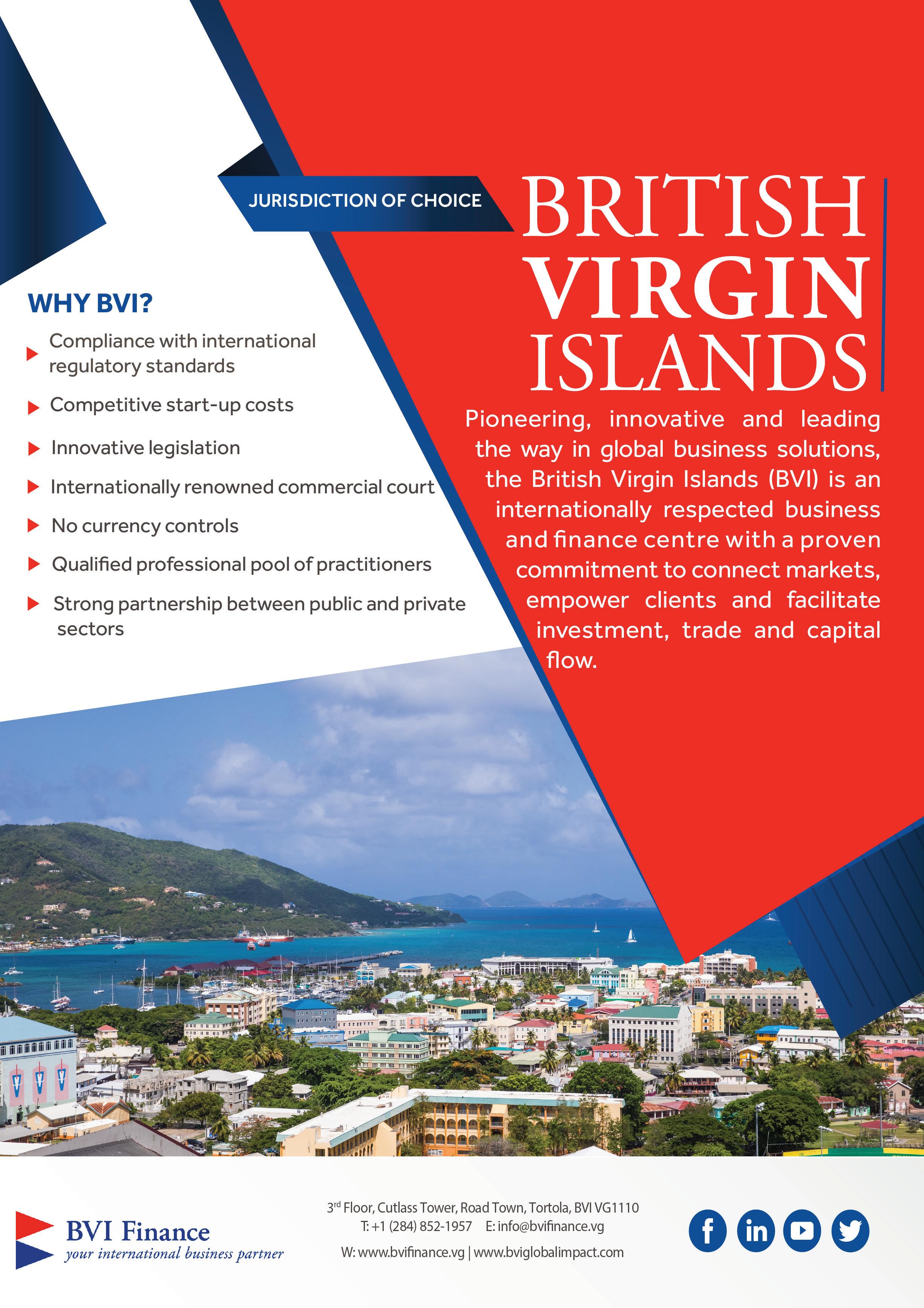

COVID-19 change the way businesses work, the investment community had to take a step further and reinvent in many ways. In order to recognise the effort behind every individual and company during this time, we selected champions from a wide range of businesses.
the awards are open to any business, large, mid-size or small, established or start-up, provided they display first rate service, opportunity, innovation and performance. The following pages celebrate organisations that drive forward the world of international business and investment.



Best Customer Service // 2022
Most Trusted Global FX Broker // 2022
Activtrades is an award-winning, multiasset global forex broker founded in 2001, offering a wide range of financial products including over 1000 CFD and spread Betting instruments across Forex, Indices, Shares, Commodities, Financials, and ETFs.
Headquartered in the heart of london together with offices in Milan, nassau, sofia, and luxembourg, the company delivers exceptional trading conditions and outstanding support to our loyal customers in more than 140 countries.
The brokerage offers the world’s most popular trading platform: Metatrader, enhanced with Smart Tools developed exclusively for our customers as well as our own Activtrader – an intuitive and fullyfeatured platform designed for all levels of trading experience and available on desktop, smartphone, and tablet.
ActivTrades is regulated by the UK’s Financial Conduct Authority (FCA), Commission de Surveillance du Secteur Financier (CSSF), and Securities Commission of The Bahamas (SCB).
Best Investment Advisory // MENA 2022
At AIX Investment Group, we push the boundaries of traditional investing. We provide only the best, personalized solutions for our investors. our range of expertise boasts of innovative investment products, high-quality solutions and top experts with a proven track record in the finance industry. Our products are designed with one main objective, to preserve and grow our investor’s capital and provide security for institutional and individual investors.
As our firm is built on a strong foundation of intellectual and economic capital, we focus on attracting highly talented people. We create an atmosphere that rewards initiative, independent thinking, and integrity. our solid background, including strong capital, ensures our capacity to deliver on our commitments. Furthermore, the deep expertise of the AIX team gives us the foundation of intellectual capital on which we draw.
Best ESG Mining Company // 2022
Barrick gold Corporation (nyse:gOlD) (tsX:ABX) is a global gold and copper producer, operating mines and projects in 18 countries across north America, Latin America, Africa, the Middle East and Papua new Guinea.
our portfolio spans the world’s most prolific gold and copper districts and is focused on high-margin, long-life assets. the highly diversified workforce is drawn almost entirely from our host nations and equipped with world-class skills.
Strong performance and delivery have led to peer-leading returns with a strong balance sheet and robust cash flow.
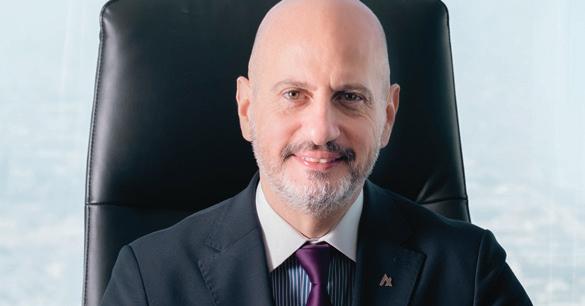
Financial CEO of the Year // Jamaica 2022
Mr Courtney Campbell, MBA (Dist), ACIB, Bsc, JP is President and Chief executive Officer of the VM group, a leading Jamaican Financial Group with operations that extend to major financial districts in north America and the United Kingdom. Courtney has leveraged the organisation’s cultural beliefs and core values to kindle the VM Team’s passion for uplifting Jamaicans. Courtney is a strident advocate for greater financial inclusion, which is the founding purpose of VM and a significant motivator behind the work that he does.
Shariah Compliant REIT of the Year // Mena 2022
emirates ReIt is the uAe largest listed sharia compliant Real estate Investment trust (ReIt). It was the first ReIt incorporated in the uAe in 2010 and has approximately usD 723 million of assets under management. emirates ReIt is incorporated in the DIFC and licensed by the DFSA.

Business Personality of the Year // UAE 2022
Mr. Dabbagh is a global business leader with over 30 years of success across multiple industries, transforming stagnant operations into profitable enterprises. He has founded numerous companies and has been at the helm of many multibillion-dollar B2B and B2C enterprises. He was listed in the Arab Power list in 2021.
FDI City of the Year // Africa 2022
Invest Durban acts as a partnership between the Metro City Council and the private business sector, offering a free investor advisory service, plus key promotion, facilitation, and aftercare services between all investment stakeholders. Invest Durban delivers a world-class metro based investor support service, encompassing our four-part business mandate, namely investment promotion and marketing; foreign investment identification, attraction and facilitation;FDI aftercare and expansion, plus investment advocacy. Invest Durban works closely with theDepartment of Trade & Industry including invest SA, Trade and Investment KZn(tIKZn), the Durban chamber of commerce and Industry, the KZn growthCoalition, and state-owned enterprises such as Dube Trade Port, the DBSA, IDC, Eskom & others. Key partners include the largest banks, audit and advisory firms,plus sector-based organised business bodies working in concert to promote investment in Durban.
Best Sustainable Infrastructure Investment Company // Europe 2022
We help to create a better world by enabling the development of sustainable infrastructure that improves the quality of people’s lives. not just for ourselves, but also for the coming generations. We are AlWAys FIRst when it comes to delivering outstanding results with speed and precision. We combine sustainable and responsible investments with attractive returns.
LLUIS NOGUERA
Best Solar CEO // 2022
Lluís noguera (born in Barcelona, Spain) is a Telecommunications Engineer from the Polytechnic University of Catalonia. He also completed management studies at the Imperial College London Business School.
He began his professional career as a Project Manager at the transport company TnT in Amsterdam.
In 2005, he joined the Investment Banking division of J.P. Morgan, where he held a variety of roles related to the Infrastructure M&A units in London and Madrid.
He then joined gas natural Fenosa (now naturgy) in 2008, as M&A Director, until he moved to Global Power Generation (joint venture between naturgy and KIA) in 2015, where he was appointed CEo
In 2019, he joined X-elIO (sustainable energy developer JV between KKR and Brookfield) as Chief executive Officer. Mr. noguera has done several executive education courses at AIF-InseAD, Iese , Oxford said Business school, esADe and Singularity.


Wine Investment CEO of the Year // 2022
Michael Doerr, oeno Group’s founder and CeO, has been passionate about luxury assets and wine from a very early age, starting his first business buying and selling high-performance sports horses at just 14 years of age. Mr. Doerr went on to start and manage three luxury asset companies across the world and taking Oeno group from a money-losing start-up to a multi-award-winning firm with what is now considered one of the world’s leading fine wine merchants and investment specialists.
Best Free Zone // Central Asia 2022
navoi Free economic Zone was created by the Government of Uzbekistan in 2009, being the first FeZ in uzbekistan. since May 2019 it encompases the whole territory of the navoi region. Currently navoi FeZ counts 94 resident companies, most of these being involved in the building materials industry, chemistry, electronics and automotive.
Most Innovative Wealth Management Firm // UK 2022
We founded netwealth in 2016 to give clients a better choice compared to established wealth managers. Many were not moving with the times and adapting to the needs of modern investors. We therefore combined the best elements of a traditional service with the benefits of a technology-enhanced approach.
This allows us to offer considerable advances: lower fees to help investments grow more, greater control to help investors manage their money how and when they wish, and industry-leading transparency to relieve much of the stress of planning for the future. These improvements are backed up by a professional team with decades of experience at the highest level.
Whether investors are preparing for retirement, wish to grow their funds meaningfully in a tax-free wrapper or want sound advice to help secure their family’s future – our powerful, Modern discretionary service means we are well placed to help them achieve their goals.

Best
nordea Asset Management (nAM), is part of the nordea group, the largest financial services group in the nordic region.
nAM is an active asset manager dedicated to delivering returns with responsibility. Sustainability and responsible investment are deeply rooted in our nordic DnA, and this is evident in our corporate culture, whether we are designing solutions that prioritize ESG or serving clients across the globe.
nAM manages asset classes across the full investment spectrum. our growing third-party distribution franchise services a wide range of international fund distributors, including many of the leading global wealth managers. We distribute our products through banks, asset managers, independent financial advisors, insurance companies and family offices.
Best Global Wine Investment Firm // 2022
oenoGroup embodies everything good that the oeno brand has come to represent.
OenoFuture is our multi-award winning investment arm with a fully-managed service that is second to none. Our expert insider knowledge and investment expertise yield market-beating profits, putting us at the cutting edge of a fast-paced market. Closely linked to oenoFuture is oenoTrade which connects the novice or seasoned wine investor with the private trade sector. the final element of the trinity is OenoHouse.
It’s our home, an inviting space for our clients and city workers to mingle with like-minded individuals. Here guests can enjoy the finest of wines in an elegant setting unrivalled anywhere in the city. For those who wish to broaden their wine knowledge our market-leading experts are on hand to assist in one of our many private areas.
Best Digital Bank // Sri lanka 2022
Best SME Bank // Sri lanka 2022
For over 60 years, People’s Bank has been repeatedly lauded for its consistency, leadership and sustainable growth in Sri Lanka’s banking sector. The Bank has evolved from being a provider of financial solutions to the masses to a leader in digital banking sphere that simplifies cutting edge technology to benefit the entire nation.
The Bank has the country’s largest customer base and physical/digital network and has established itself in a unique position to successfully reach its over 14 million customers.

Best Emerging Markets Payment Solution Provider // 2022
QEnTA Payments offers the latest technologies in cashless payment processing. our gateway connectivity, focused on small & medium sized enterprises in emerging markets, offers 100+ payment options with local currency capabilities and access to traditional and alternative payment methods, including local and cross border cards, mobile money, e wallets, crypto and cash collection points.
ESG - Best Food Investment Firm // Europe 2022
Rize etF is europe’s first specialist thematic ETF issuer. To us, thematic investing is about investing in the future we want to live in. We believe that acute change to the way capital is currently being deployed is needed if we are to see support for the most meaningful and transformative growth stories of tomorrow.
We also believe that companies with sustainable business practices have an advantage over their peers and are best positioned for growth in the future. By allocating capital to well-governed companies and good corporate citizens with sustainable business strategies, we enhance the potential for positive outcomes for society and the natural world.
our strapline “Future First ETFs” is an authentic reflection of our approach to investing, which seeks to take a longterm view on the world we want to live in the future, and invest in the thematic opportunities that we believe will help get us there.
We believe we’re creating a new approach to investing; one that enables investors of all stripes to invest in the future whilst remaining on the right side of history.
Best ESG Blockchain Bullion Company // 2022
Responsible gold™ is transforming the gold supply chain. the Responsible gold Supply Chain Application and GoldID, governed by the Responsible gold Standards, deliver unprecedented visibility and trust into gold’s provenance and chain of custody. the output, Responsible gold, is a premium product, fulfilling the responsible sourcing mandates of luxury brands and wealth managers. shariahcompliant and recognized as a positive contributor to the un sDgs, Responsible gold optimizes efficiency, transparency, and sustainability across the gold value chain.


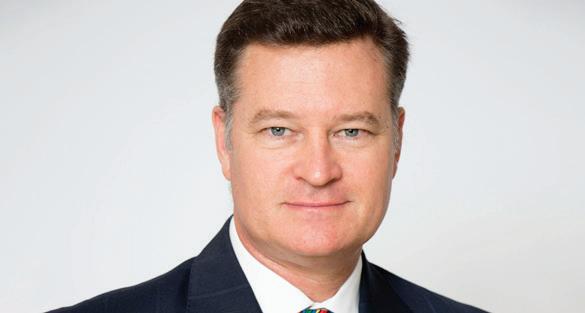
Best Sustainable REIT // Philippines 2022
Rl Commercial ReIt, previously known as Robinsons Realty and Management Corporation, has been living up to its mission to provide shareholders with excellent and stable returns by providing high-quality commercial real estate spaces that are environmentally sensitive and enable partners to prosper comfortably and sustainably.
Best Property Developer // South East Asia 2022
RlC is one of the Philippines’ leading real estate developers in terms of revenues, number of projects and total project size. It is engaged in the construction and operation of lifestyle commercial centers, offices, hotels and industrial facilities; and the development of integrated developments and mixed-use properties, residential buildings, as well as land and residential housing developments, including socialized housing projects located in key cities and other urban areas nationwide. RlC adopts a diversified business model, with both an ‘investment’ component, in which the Company develops, owns and operates commercial real estate projects (principally lifestyle commercial centers, office buildings, hotels and industrial facilities); and a ‘development’ component, in which RlC develops real estate projects for sale (principally residential condominiums, serviced lots, house and lot packages and commercial lots).
FDI CEO of the Year // Africa 2022
Russell has run the Durban Investment Promotion Authority, known as Invest Durban, for 18 years. He’s a neD of the Durban Chamber of Commerce, the Durban Auto Cluster, & past Chairman of the Institute of Directors, KZn Previously, also on The Mercury Editorial Board, Independent newspapers, plus the Boards of other Commercial Co’s & nPC’s. Internationally, he sat on the Un Investment Advisory Council 2008/9, & 2016/17. Russell also served on the MCI/ World Bank expert Advisory group on City Investment Promotion & jointly authored publications. He has been a un World Investment Forum Panelist in 2010, 2014, 2016, & 2018. He holds the degree of Chartered Associate, Institute of Bankers SA, a Post Grad Diploma in Business Administration from the University of Wales, & an MBA (Essentials) from the london school of economics. He is a devout Christian with 30 years Business experience in the Corporate Banking, Financial Services, & Investment Advisory industries, whilst remaining active on various Social Justice, Developmental, and Philanthropic platforms.

Best Global Ethical Asset Manager // 2022
seDCO Capital is a global, shariahcompliant, and ethically led asset management and investment advisory firm.
our investment philosophy is built on three pillars: Principles, Partnership, and Performance. We provide clients with responsible investment solutions through a dynamic asset allocation process across diversified asset classes that deliver strong risk-adjusted returns. By adopting a global view to investing while looking through the lens of our proprietary Prudent Ethical Investment (PEI) approach, an integration of shariah-compliant and Responsible Investment principles, we provide our clients with unparalleled global access to investments across developed and emerging markets, including Saudi Arabia, in alignment with their investment objectives. We cultivate longstanding, trusted relationships with our clients and currently oversee more than $5.2 billion in total assets under management (AUM) built on the back of a long successful track record.
Best SME Property Finance // Jamaica 2022
ESG Finance Group of the Year // Jamaica 2022
VM Group started as a simple but noble dream held by a group of clergymen – to create a mutual organization to assist hardworking but economically marginalised Jamaicans to own their homes. our founders understood the value of mutuality in the achievement of shared goals and wanted more Jamaicans to experience the benefits of being homeowners. That is the genesis of our mutuality, and it remains at the core of VM’s purpose 14 decades after our founding. Today, our operations are spread across oceans and seas with the same aim. With offices in Jamaica, and representative offices in the united Kingdom, Florida and new york, our reach is wide and our commitment unshakable.
Best Solar Company // 2022
X-elIO is a global leader in the renewable and sustainable energy industry with a strong commitment to the reduction of greenhouse gases and the fight against climate change. Backed by 17 years of industry experience and strong, committed shareholders with extensive experience in the infrastructure and renewables sectors such as KKR and Brookfield (50/50).
X-elIO is a company specialized in the development, construction, financing and operation of renewable and sustainable energy projects with a global presence in Europe, the United States, Latin America, Japan and Australia. X-elIO has built over 2.6 gW of solar PV plants and is uniquely positioned to create value in a world that requires more and more sustainable and renewable energy sources. X-elIO firmly believes that its business model is the best driver to promote an economic recovery based on the highest sustainability criteria.
128 years of supporting and enabling dreams, 128 years of resilience, relevance, trust, safety and security. Let’s continue working to create your envisioned success together.
Visit www.firstbanknigeria.com to learn more about us.