ALASKA
CHROME DREAMS ON THE EDGE OF THE WORLD
By Alvaro G. Santillan
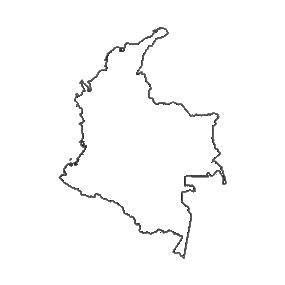
COLOMBIA
The Vampires of the Orinoco
By Alvaro G. Santillan
The Vampires of the Orinoco
By Rasmus Ovesen
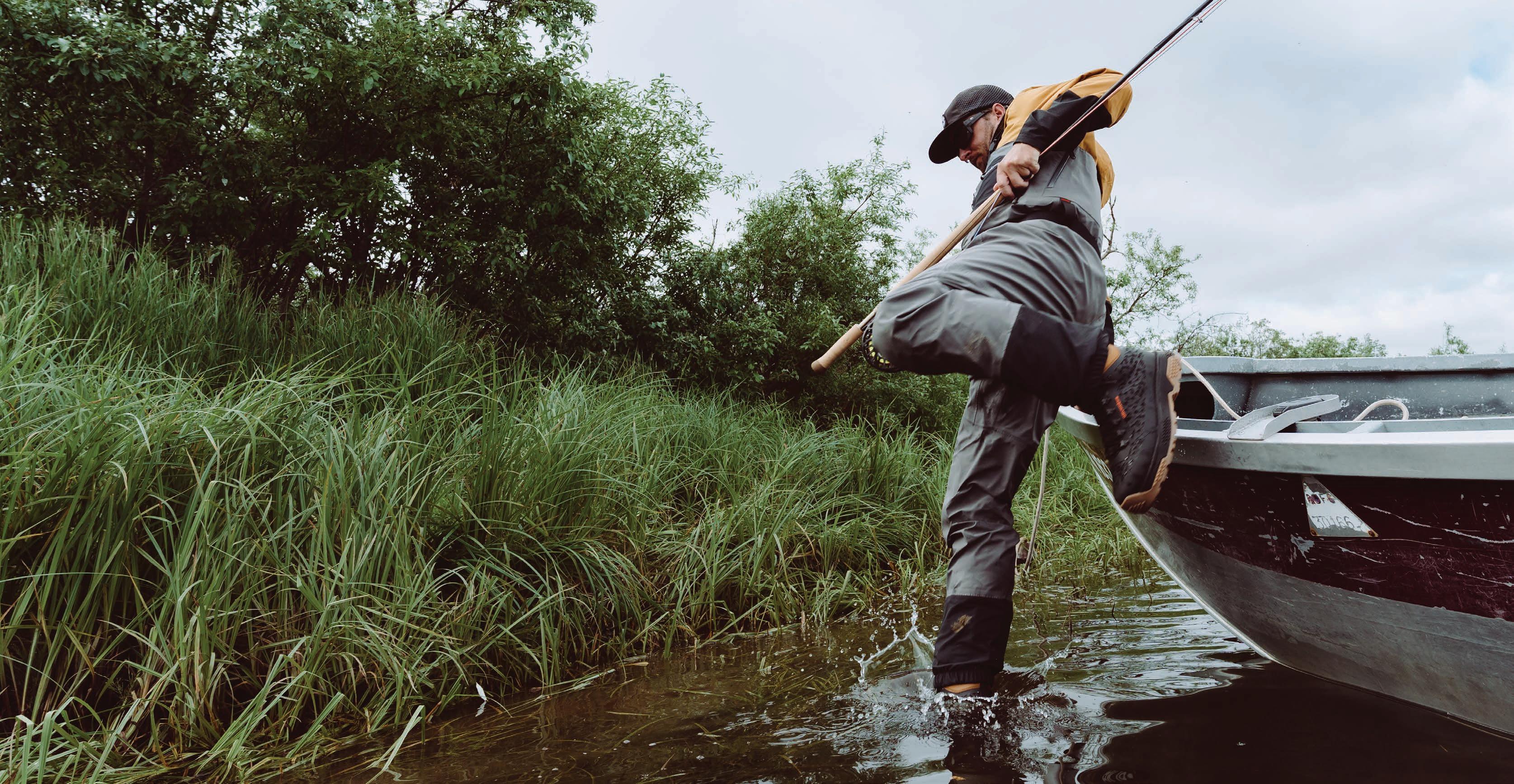

The salmon season has just kicked off here in Norway. Historically, June 1st is a time of excitement, celebration, and incredible catches. Today, with the onslaught of the salmon farming industry, the depletion of preyfish in the ocean, and the looming threats of global warming salmon fishing has never been a more dire game to be in. Wild salmon stocks are plummetting and something needs to be done about it. If you care about this iconic fish, we urge you to join Redd Villaksen (www.instagram.com/reddvillaksen), NASF (www.instagram.com/nasfund/) and others, who take up the battle to protect the last remaining stocks of wild salmon – in Norway and elsewhere. It is not too late –but it is urgent!
Our 2026 summer-edition features articles from near and far - from Sweden and Finland to Newfoundland and Labrador. We’d like to extend our most sincere gratitude to all the contributors; Alvaro G Santillán, Micke Lindström, Ted Logardt, Håkan Karsnäser, Rasmus Ovesen, Tarqin Millington-Drake, Martin Ejler Olsen, Matt Harris, Jeff Currier, Barry Ord Clarke, Mattéo Pergent etc…
Enjoy the reading – and tight lines out there!

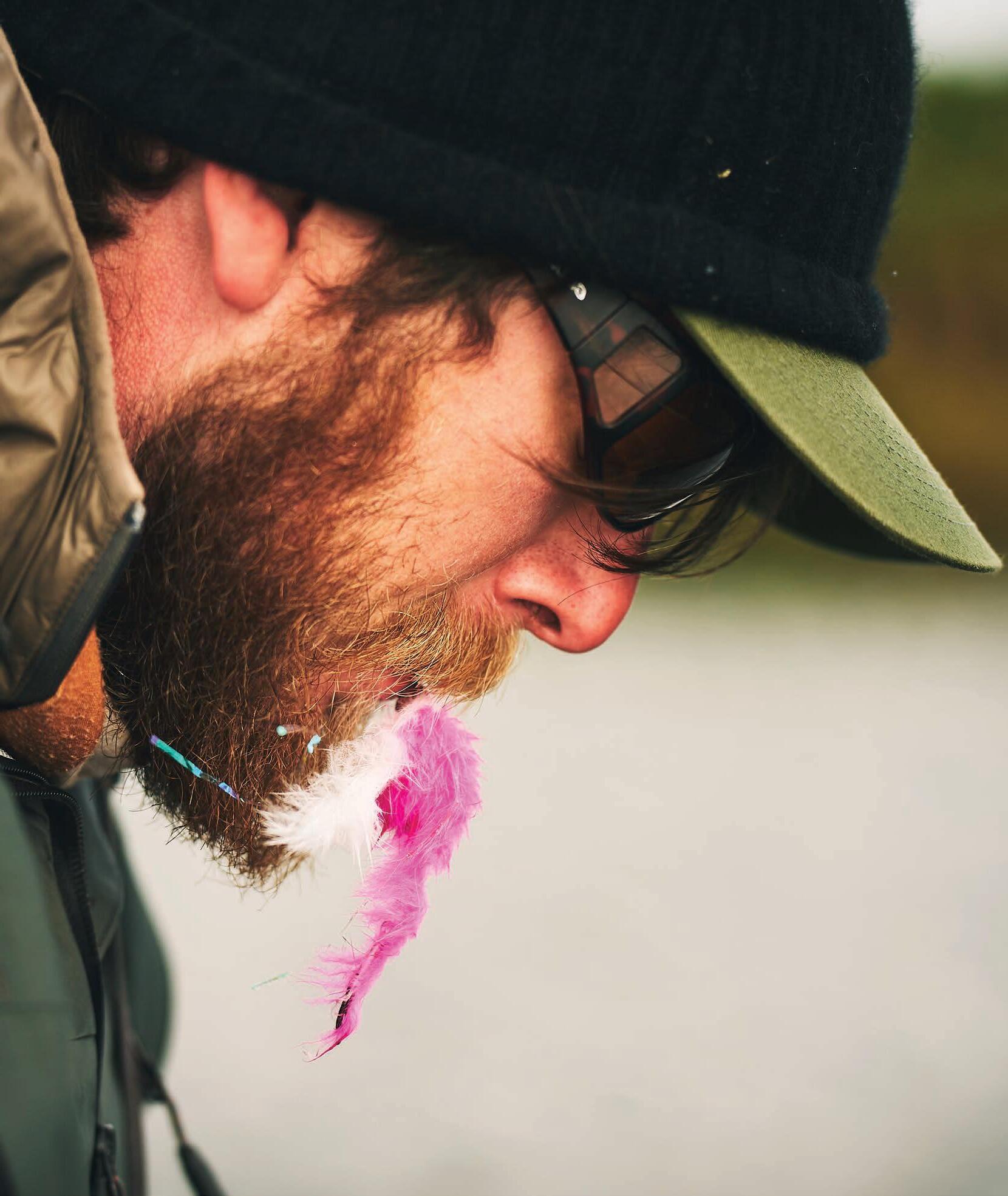
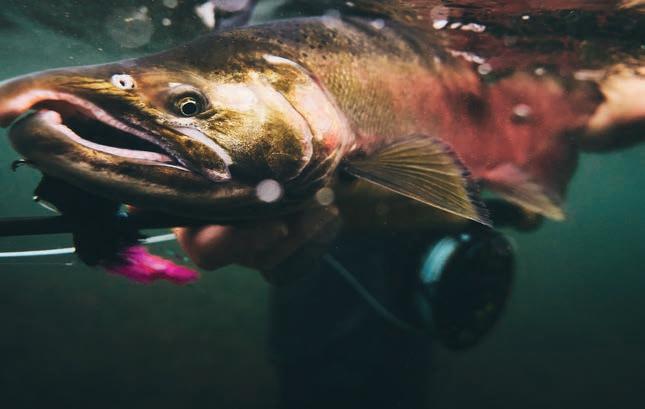
Chrome Dreams on the Edge of the World by Alvaro G. Santillan
In Search of Labrador’s Trophy Brook Trout by Rasmus Ovesen
The Vampires of the Orinoco by Matt Harris
A European Paradise under Pressure by Mattéo Pergent
Finland’s Extraordinary Trout Fishery by Tarquin Millington-Drake
Where the Road to Great Fishing Begins
And much much more...
the Loop Magazine C/O Cast Away Media
Org no: 999 320 147 www.intheloopmag.com
SANTILLAN



We choose not to print this magazine and we are happy not to use paper and harmful inks as used in a conventional printing process.
No portion of this magazine may be reproduced without the written consent of the publisher.
Oslo-resident, Rasmus Ovesen, was handed his first fly rod at the tender age of eight, and he has been a borderline fluff chucking fanatic ever since. Rasmus has written articles for some of the world’s most renowned fishing magazines, and his travels take him to re mote areas across the globe in search for fish that will test and challenge his skills to the maximum. He has seen his fair share of ex posed backing in the tropics, but his heart truly belongs to the soulful realm of trout and salmon fishing.
Danish fly fisherman and photo journalist, Martin Ejler Olsen, has years of experience fishing for the many and varied fresh- and saltwater species in the Danish rivers, lakes, and fjords. He has landed some truly massive sea trout on the fly, and he has a certain gift for hooking up with the biggest fish in the schools. Martin is also a keen tropical fly fisherman. His expeditions abroad has seen him battle bonefish, permit, barracuda, tarpon, GT and sailfish – and being a gifted photographer, these trips have resulted in some great footage.
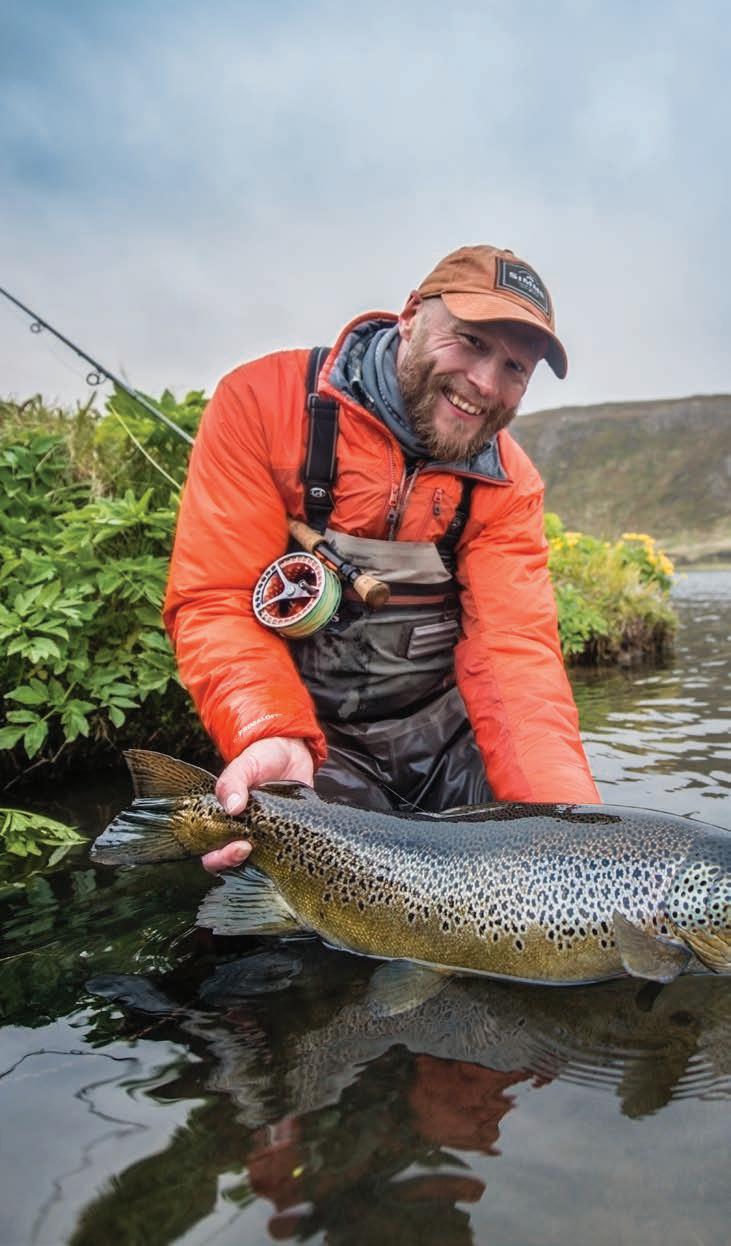
Álvaro G. Santillán is a pho tographer, filmmaker, and founder of Focus on the Fly, a creative studio that bridges fly fishing culture and mod ern brand storytelling. With a background in competitive fly fishing and fly casting and a de gree in Biological Sciences, his work is shaped by rivers and water. Through photography, film, and editorial projects, he collab orates with international brands and publications to craft authentic narratives connecting people, nature, and the culture of fly fishing. https://focusonthefly.com
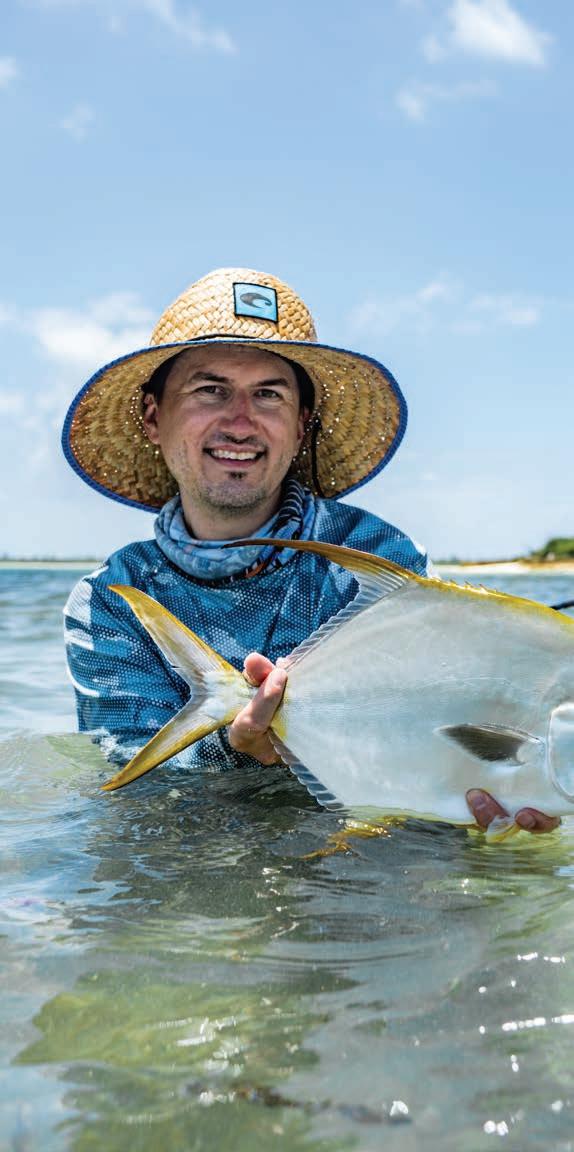
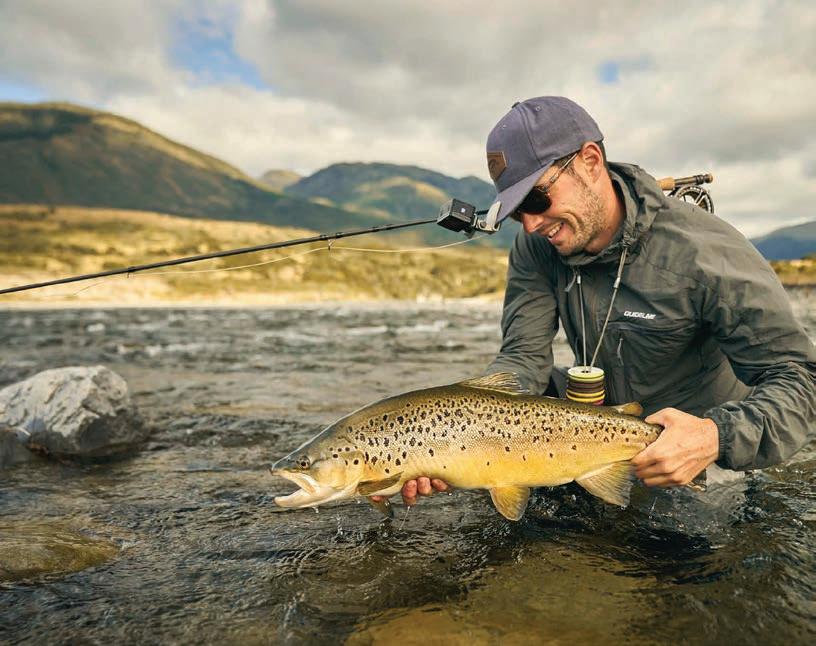
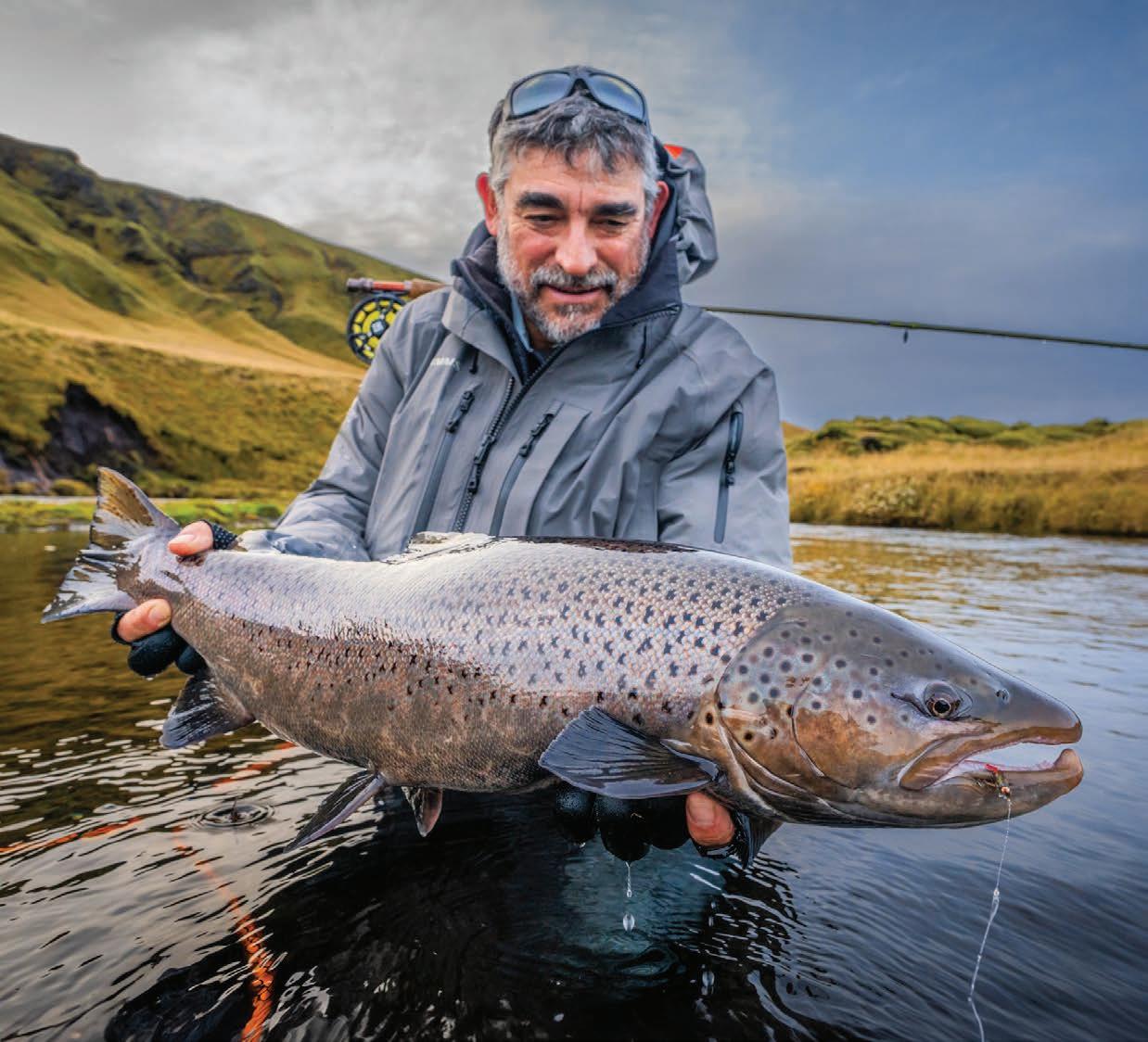
French fly angler and pho tographer Mattéo Pergent has spent the past 15 years com bining a passion for fly fishing, travel and visual storytelling. Drawn to DIY exploration and life on the road, he is constant ly searching for new waters, authentic encounters and that unique atmosphere that sur rounds time spent on the water. In 2021, together with his girlfriend Emeline Lemoine, he co-founded The Fin Chasers Media, a creative project dedicated to sharing their adventures and inspiring others to travel through imagery and fly fishing culture. Always on the move, the pair embraces self-guided expeditions, discovering new fisheries, meeting fellow anglers, and documenting the moments that make each journey unique. While European salmonids remain Matteo’s favorite quarry, he is always eager to chase any species will ing to eat a fly.
Do you have any great fly fishing photos, videos, or stories that you would like to share with our readers? If so, please don’t hesitate to get in touch with us. We are always looking for quality material for In the Loop Magazine, and we look forward to reviewing your material.
w www.alphonsefishingco.com
t +248 422 9700 [GMT+04:00]
m +27 60 980 7316 [GMT+04:00 WhatsApp]
e reservations@alphonsefishingco.com

OUR
Alphonse Island | Astove Atoll | Cosmoled o Atoll | Farquhar Atoll
Amirante Islands | Providence Atoll | Platte Island
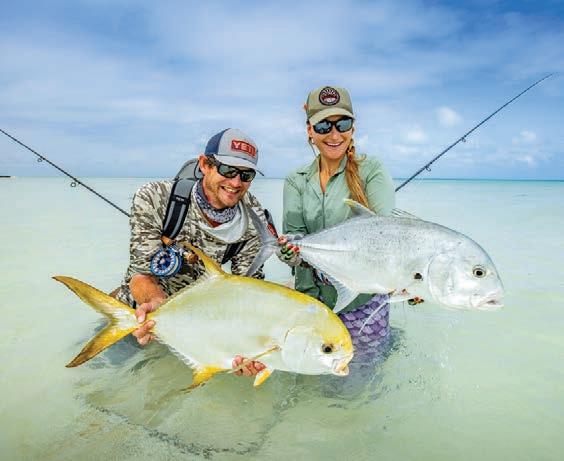
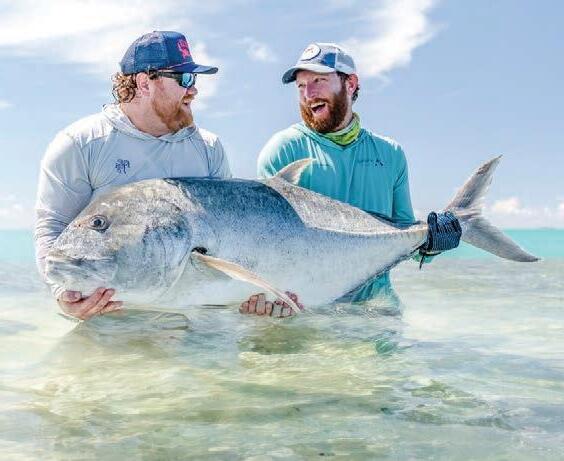
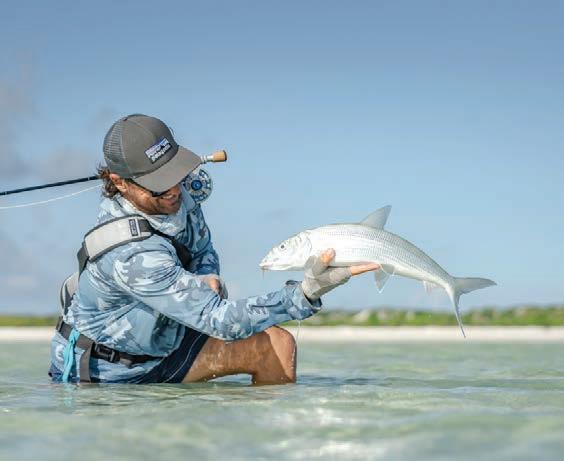
Experience the world’s best fly fishing with Blue Safari Fly Fishing, a specialised Seychelles based operator that has spent decades pioneering the fly fishing at these remote Outer Atolls. Our trips are designed to make all your fly fishing dreams come true by providing the best guides, skiffs, lodging and atolls with abundant waters full of trophy fish.
We’ve had the privilige of traveling to some of the world’s premiere fly fishing destinations. Now, it’s your turn! Browse Destinations

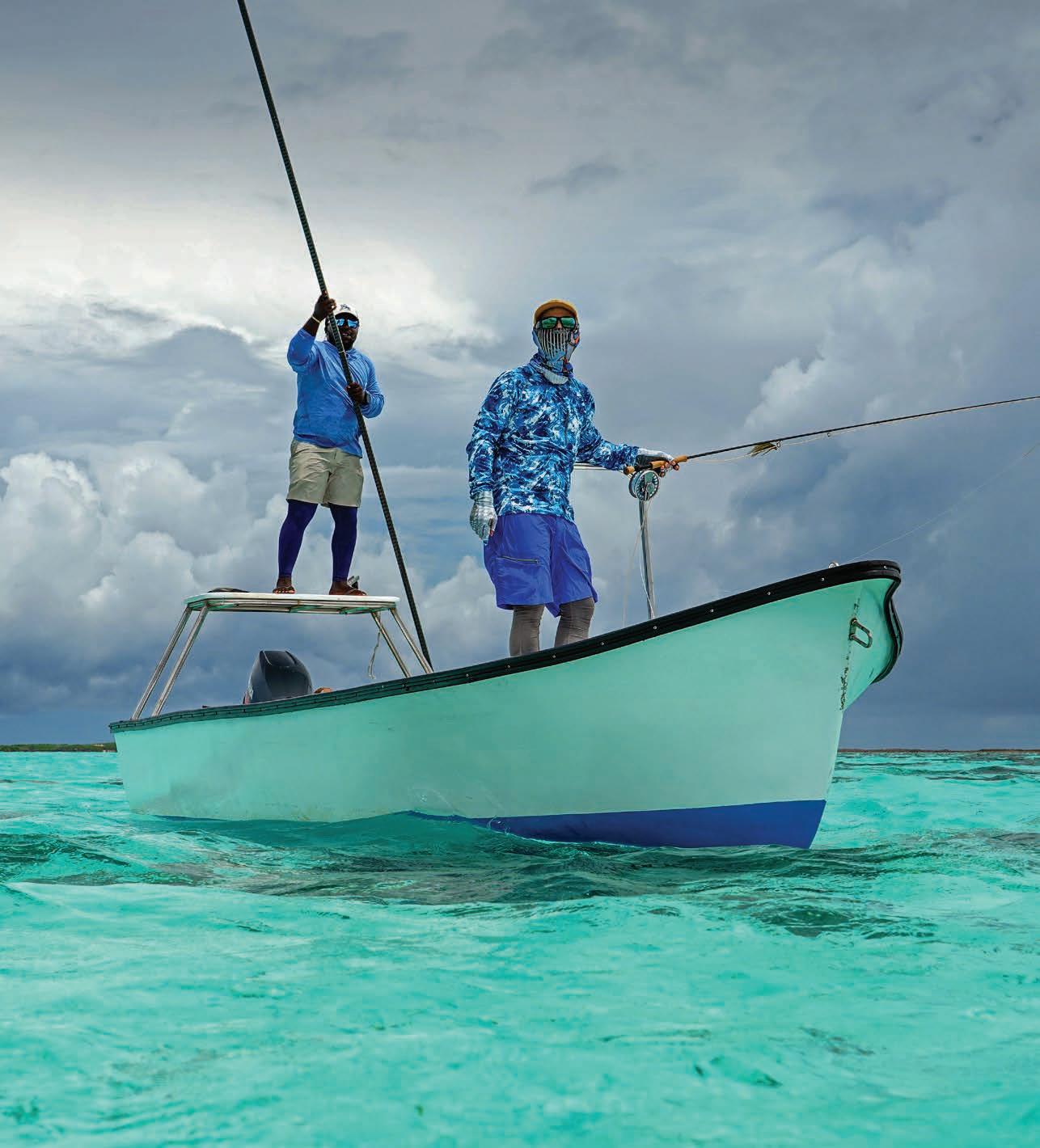
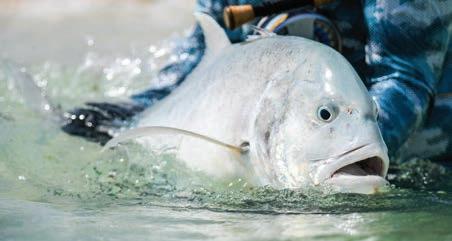



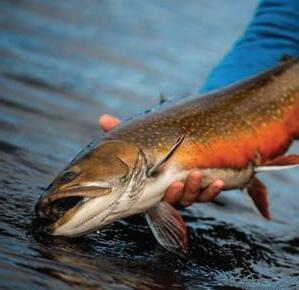
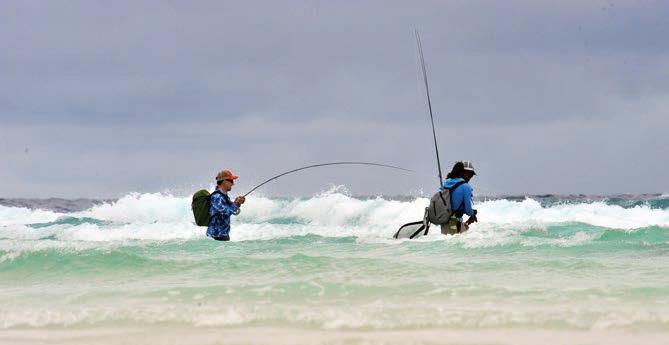

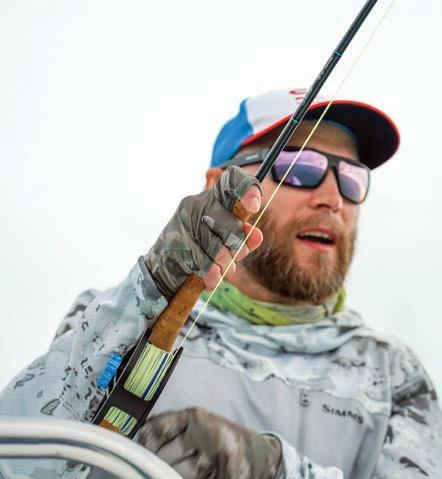





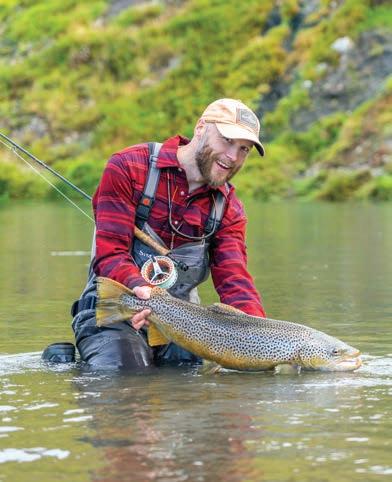
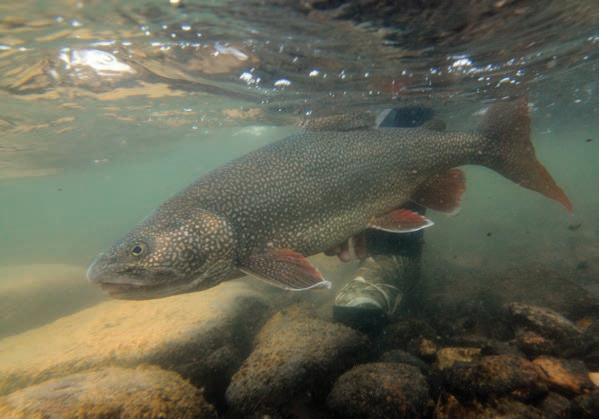

By ALVARO G. SANTILLAN
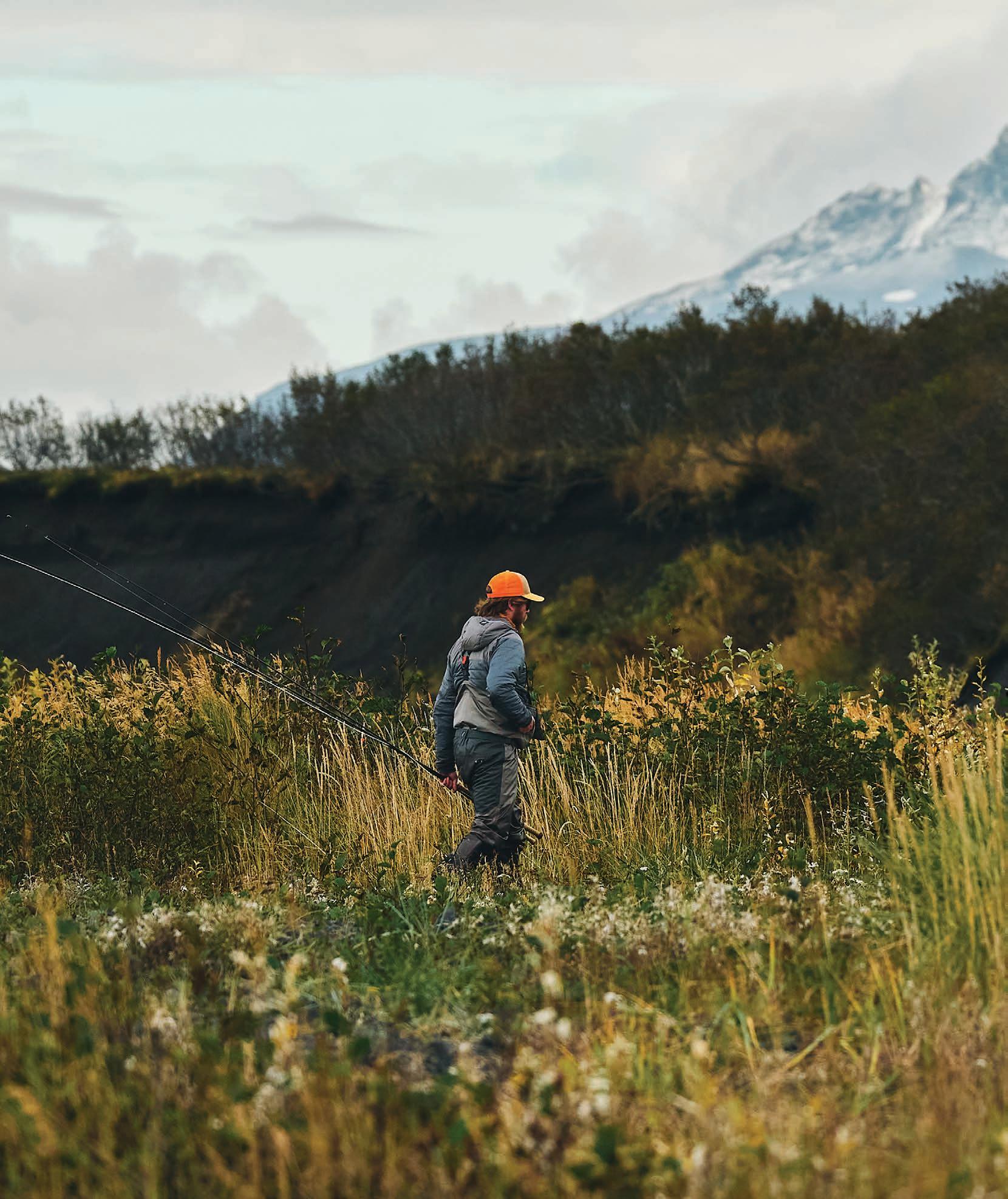
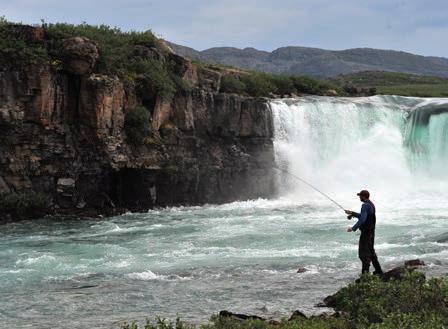
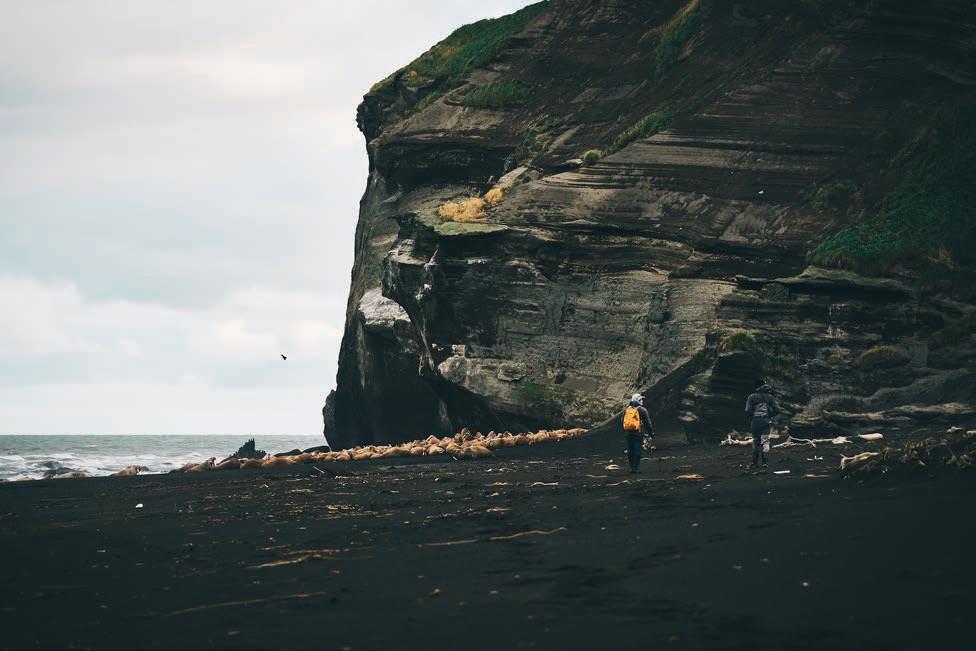
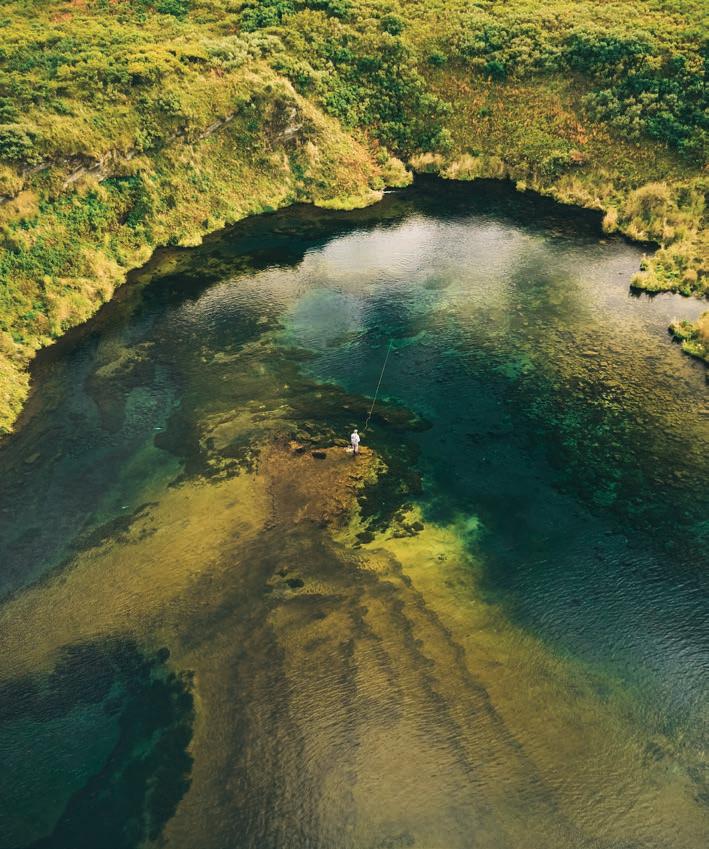
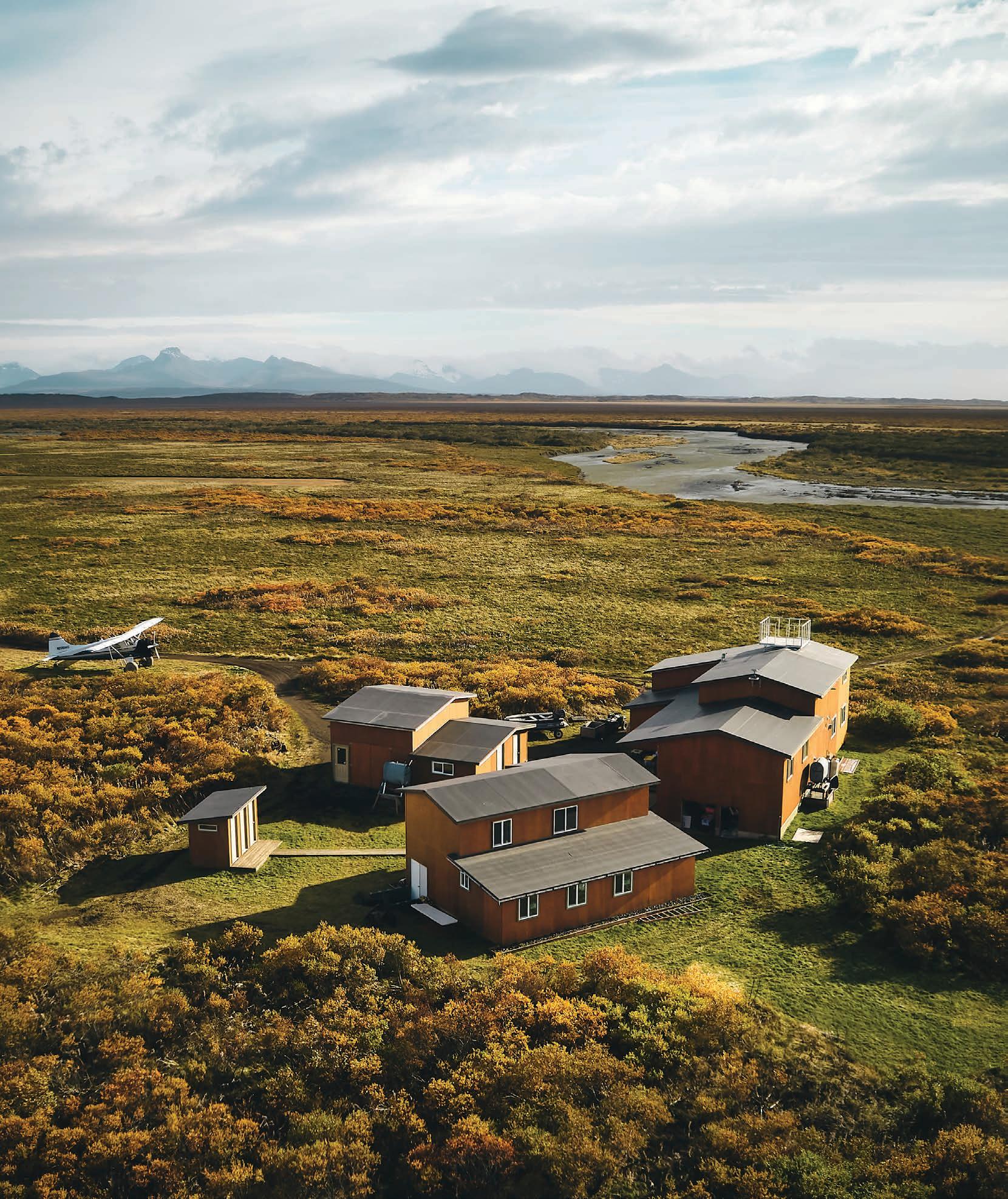
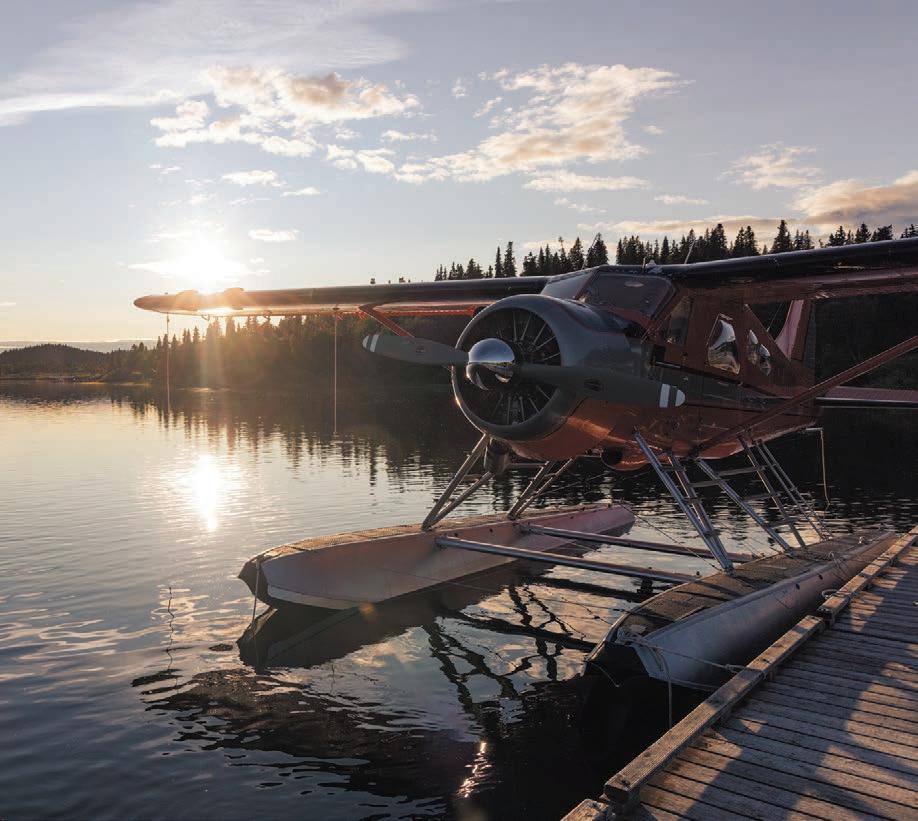
The Aleutian Peninsula does not announce itself. It simply keeps going - westward, farther than expected - until the map looks unfinished. A broken chain of volcanoes and tundra stretches toward Russia, battered by the Bering Sea on one side and the Pacific on the other. Rivers lace the land without names anyone remembers, draining into cold water that has never learned the meaning of calm. It is a place defined less by what exists than by what does not: roads, cell service, crowds, certainty.
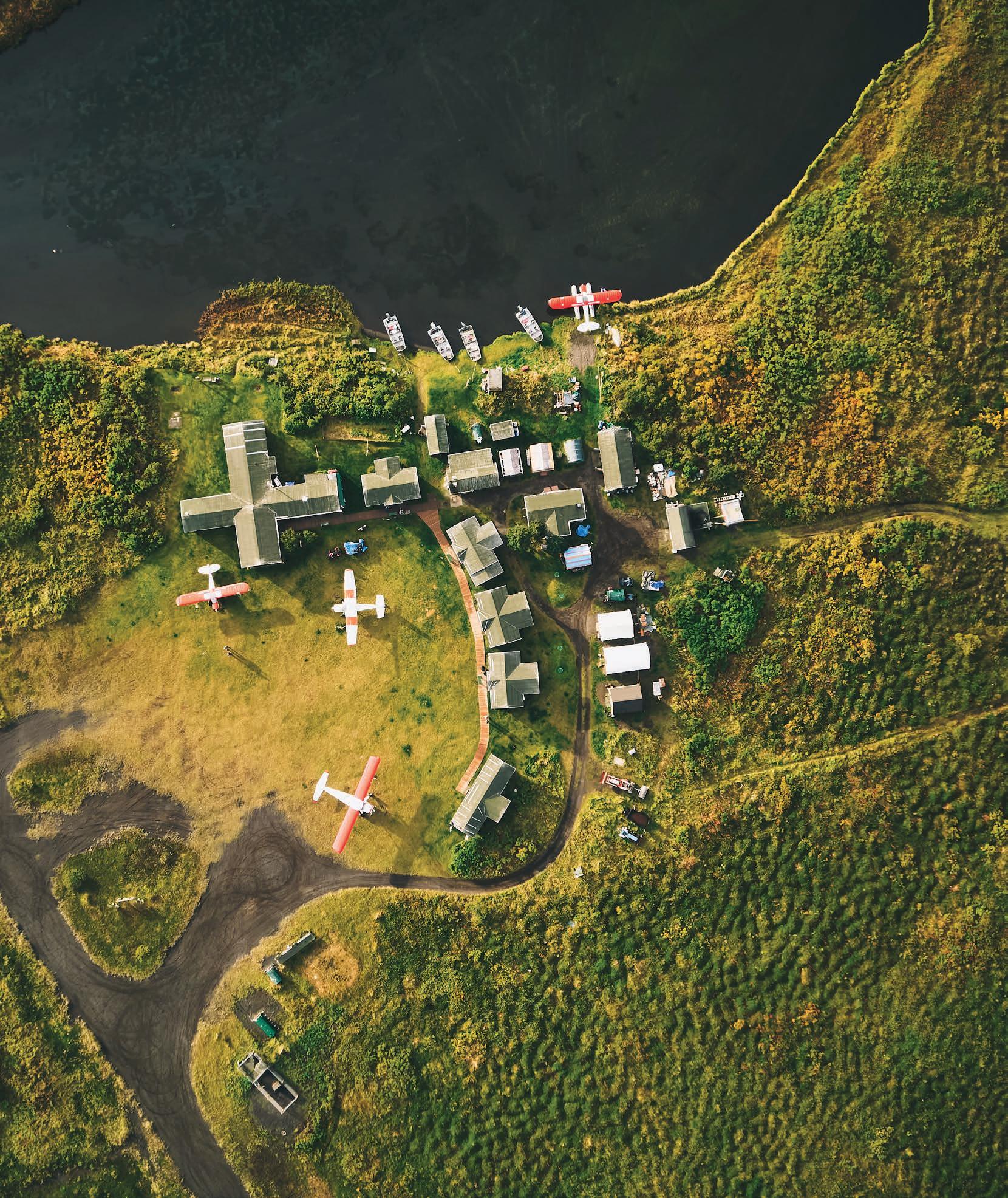
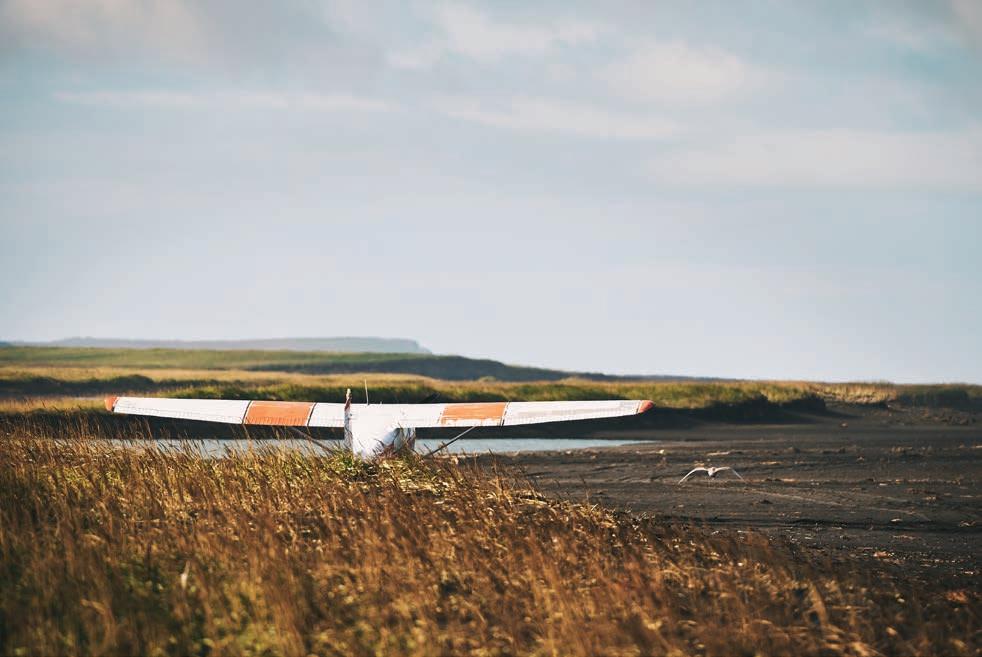
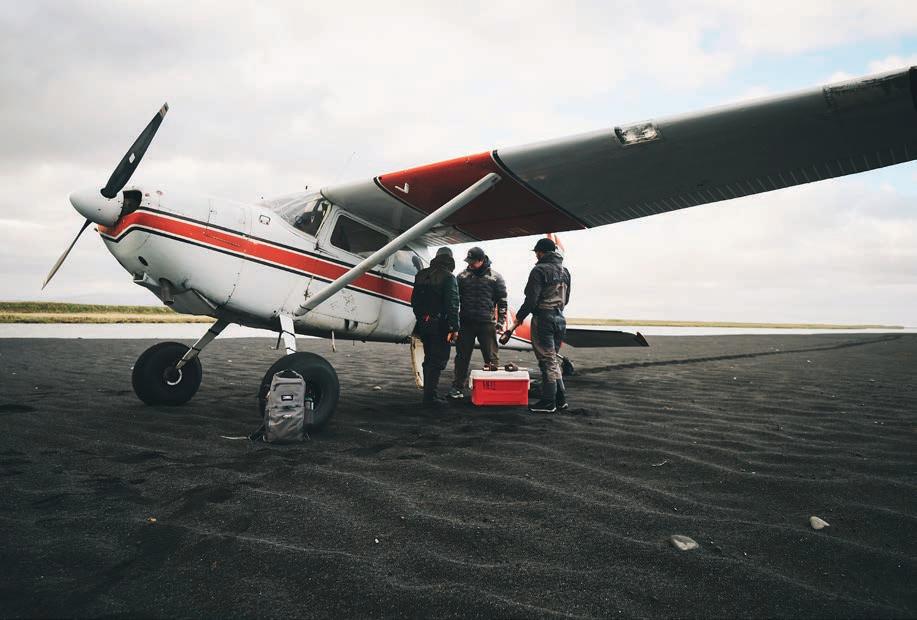
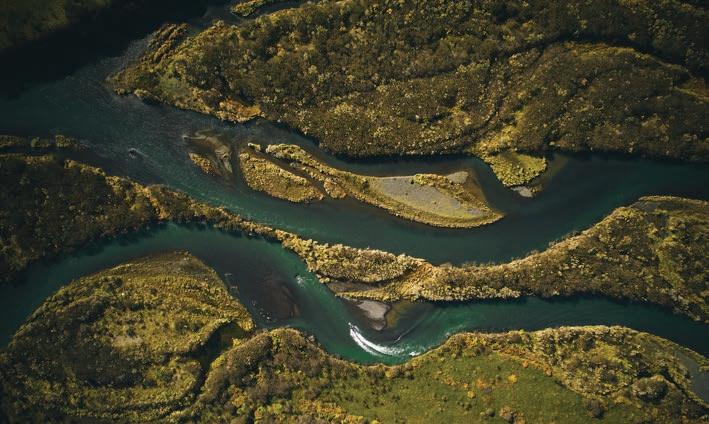
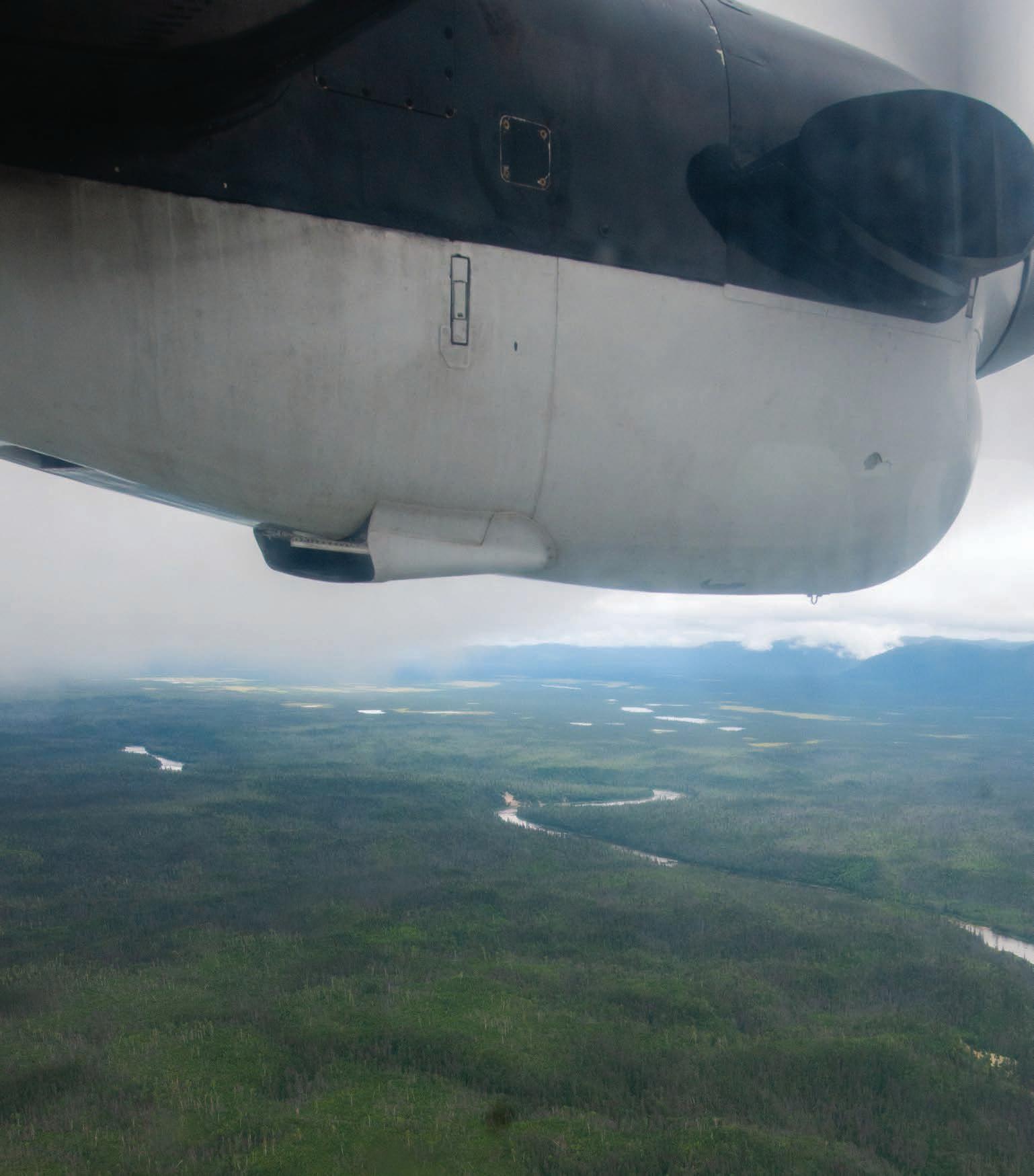
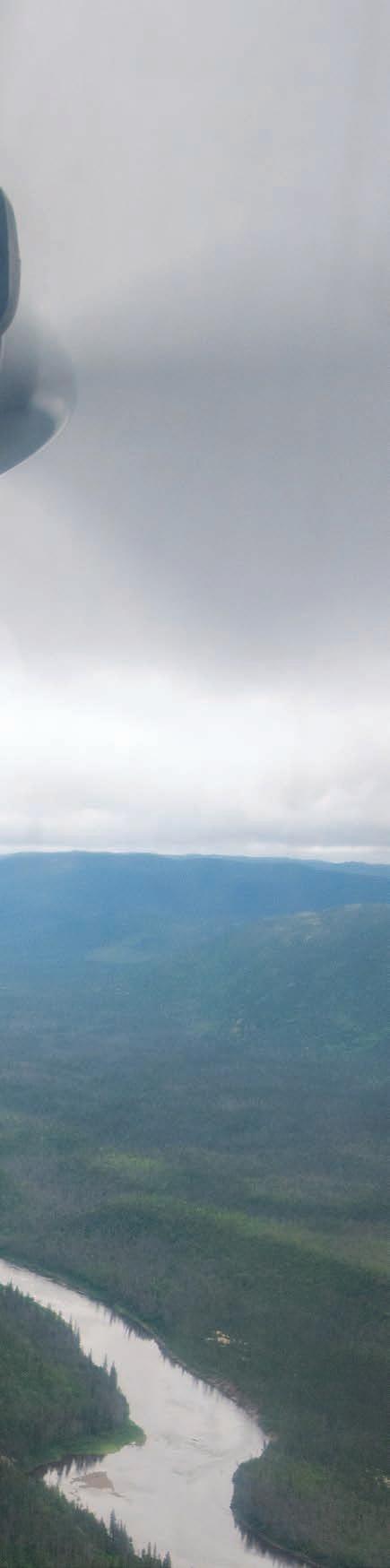
In early fall - September bleeding into October -I return to this edge of the world. Not for comfort. Not for guarantees. But for answers. The bush plane drops low and banks hard, the horizon tilting until the world becomes all river and sky. From above, the peninsula looks torn open - green tundra stitched with black lava, silver threads of water unravelling toward the sea.
The Ocean River had been the reason for the trip - or at least the excuse. Unlike its neighbours, the Ocean is spring-fed, rising clear and steady from underground sources, insulated from the storms that routinely turn Aleutian rivers into roiling brown floods. It is reliable in a place that is anything but.
“Fall on the Aleutians is never static. Fall scouting is a different kind of fishing”
When the engine cuts, the silence arrives with weight. Not quiet, but absence. A vacuum where noise used to be. You feel it before you hear it. That first evening, standing outside with a cup of something warm, Mount Veniaminof catches the last light of day. Steam and fog drift lazily from its crater, indifferent to our arrival. I feel the familiar recognition: I’ve crossed into a different tempo now. Out here, nothing hurries. Except the weather. And the fish.
What it wasn’t - at least not yet - was proven as a steelhead river, despite its abundance in other species like char and salmon. There had been whispers. A few kelts spotted early in the season around the tidal zone. Steelhead confirmed in nearby systems. Enough evidence to suggest possibility, but not enough to answer the question that mattered: Do steelhead truly run this river? That uncertainty was the draw.
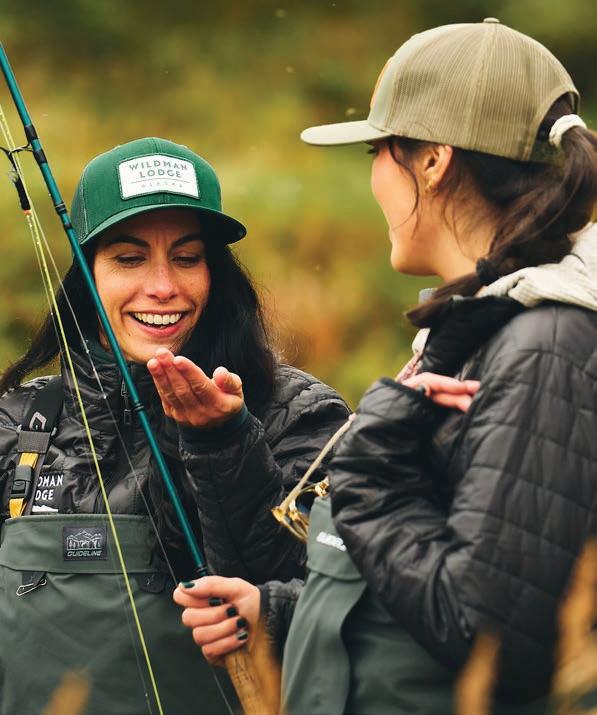
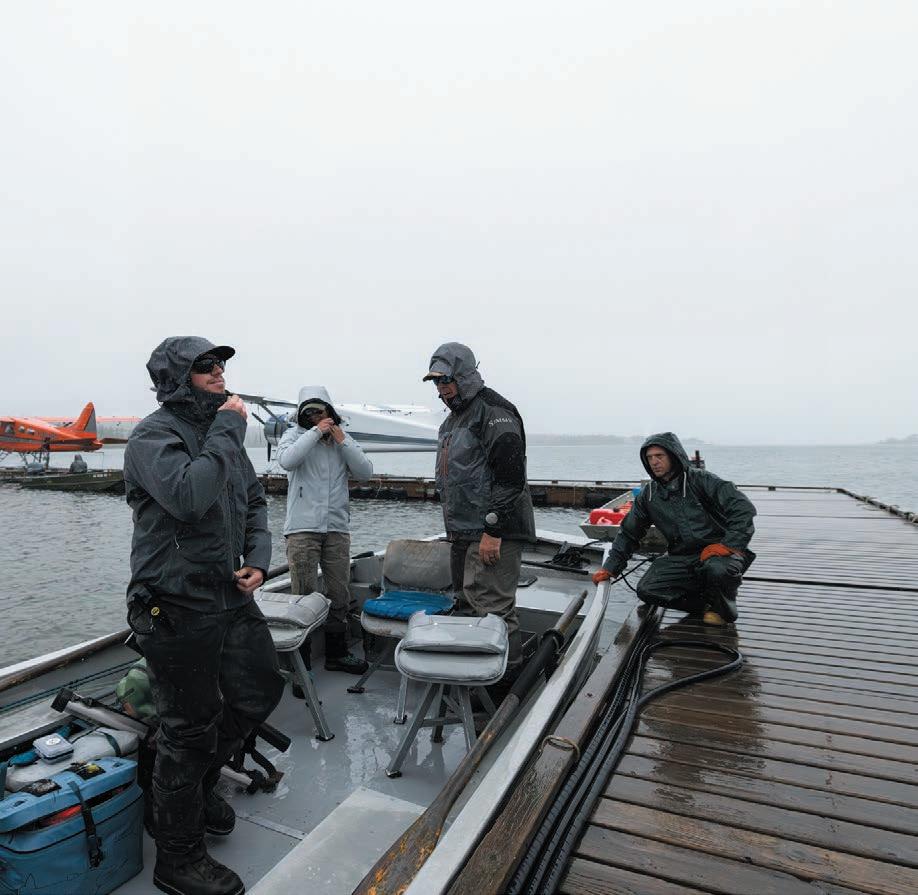
When Jimmy Martin from Wildman Lodge called Max and me and offered us the chance to scout the system and answer the question, our fate was already sealed. Fall on the Aleutians is never static. Fall scouting is a different kind of fishing.
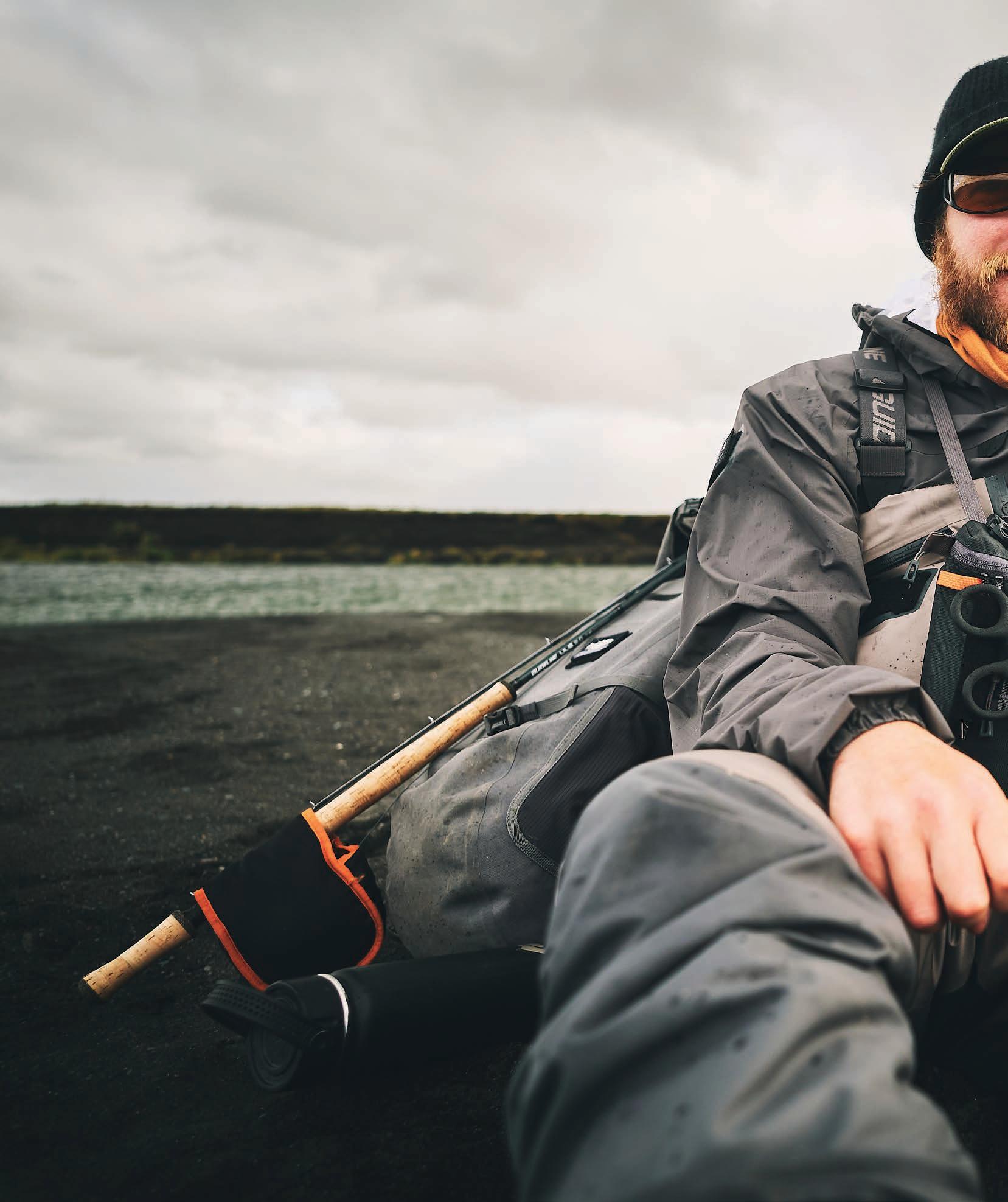
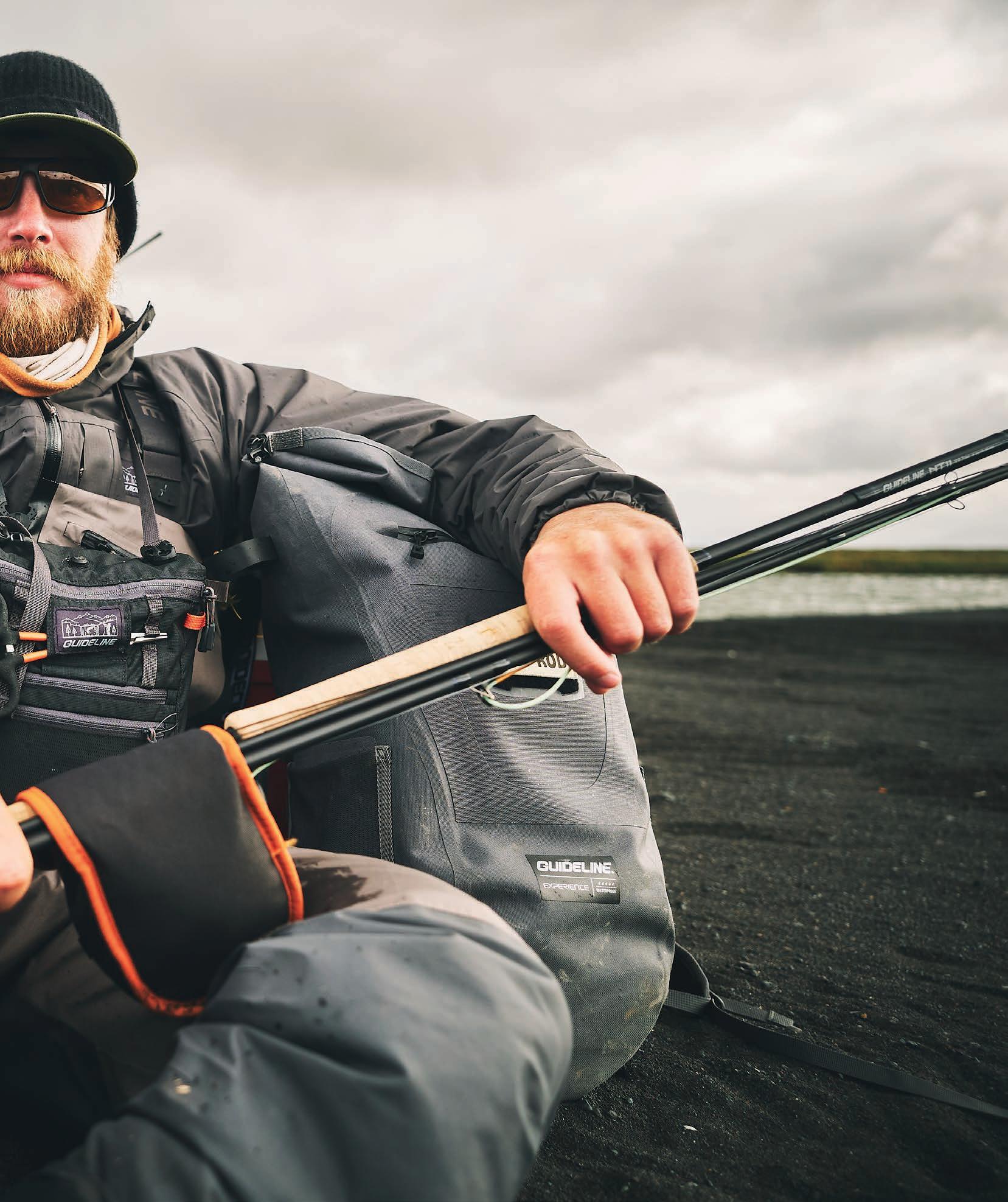
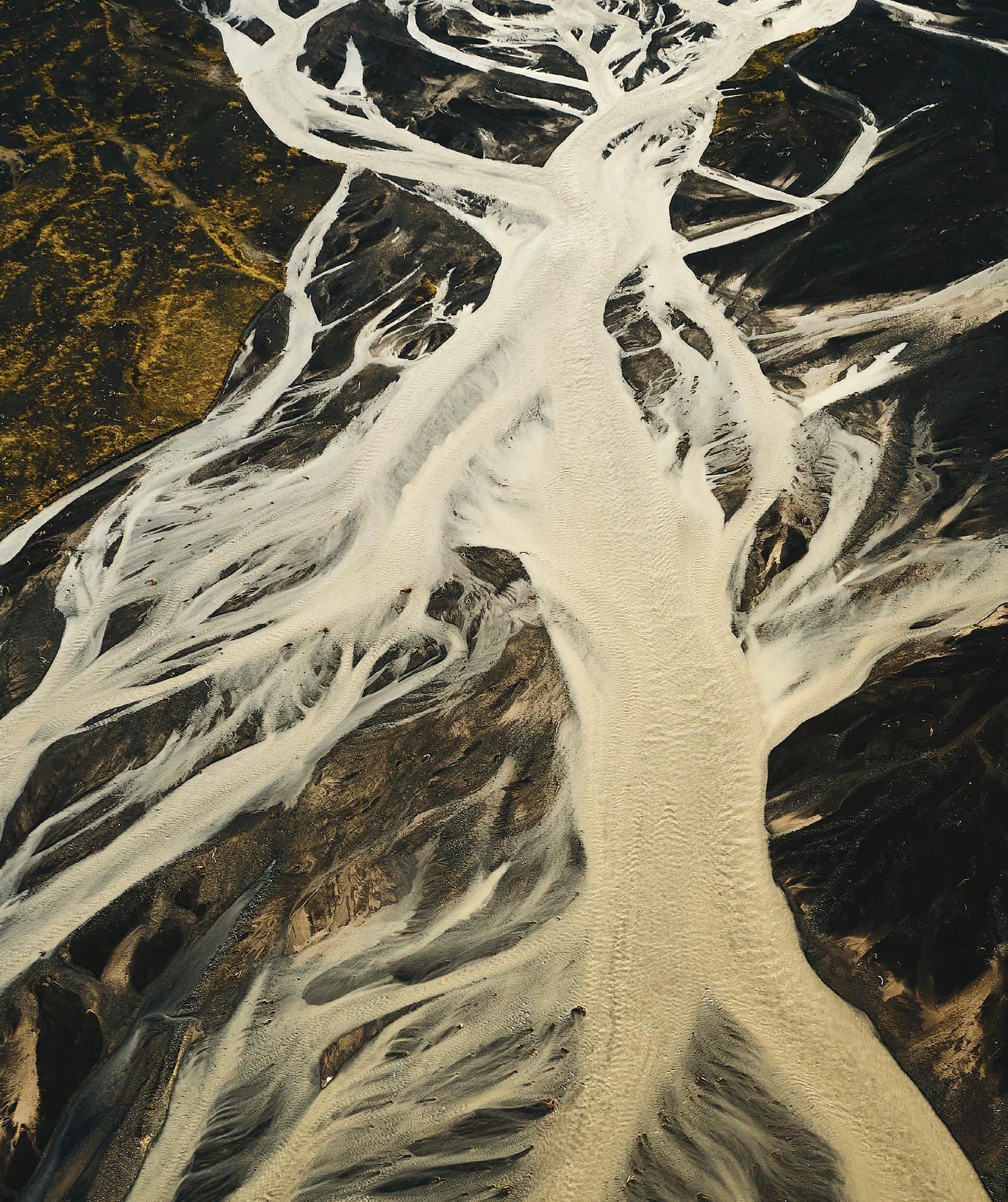
Mornings break cold, frost whitening grass, fingers stiff until the first cast warms them back to life. By midday, wind rolls down off the tundra hard enough to flatten the river’s surface, only to vanish an hour later as if nothing happened. Rain arrives sideways. Fog lifts and drops without warning. We fish anyway…
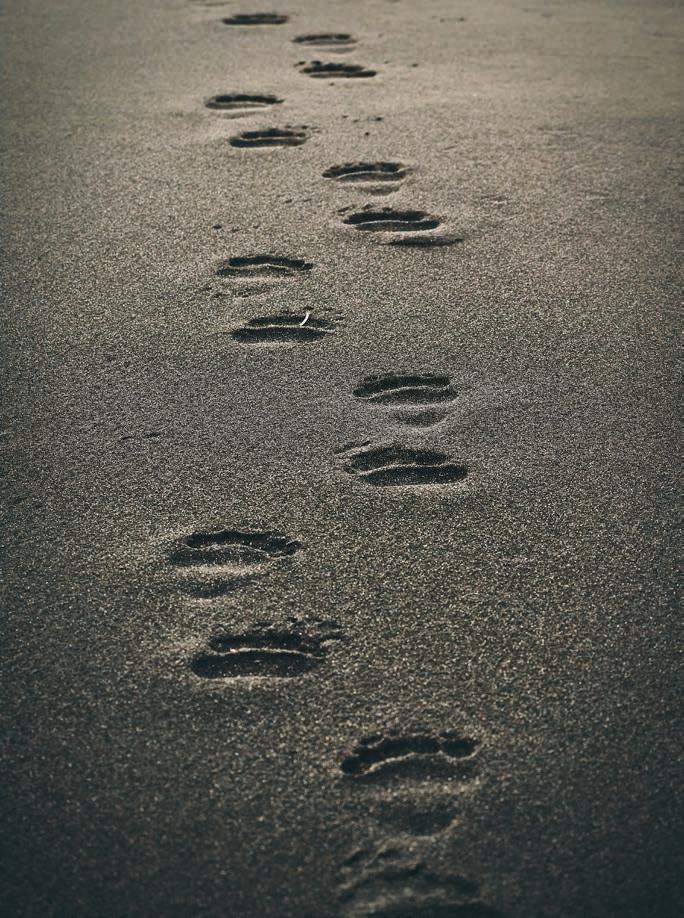
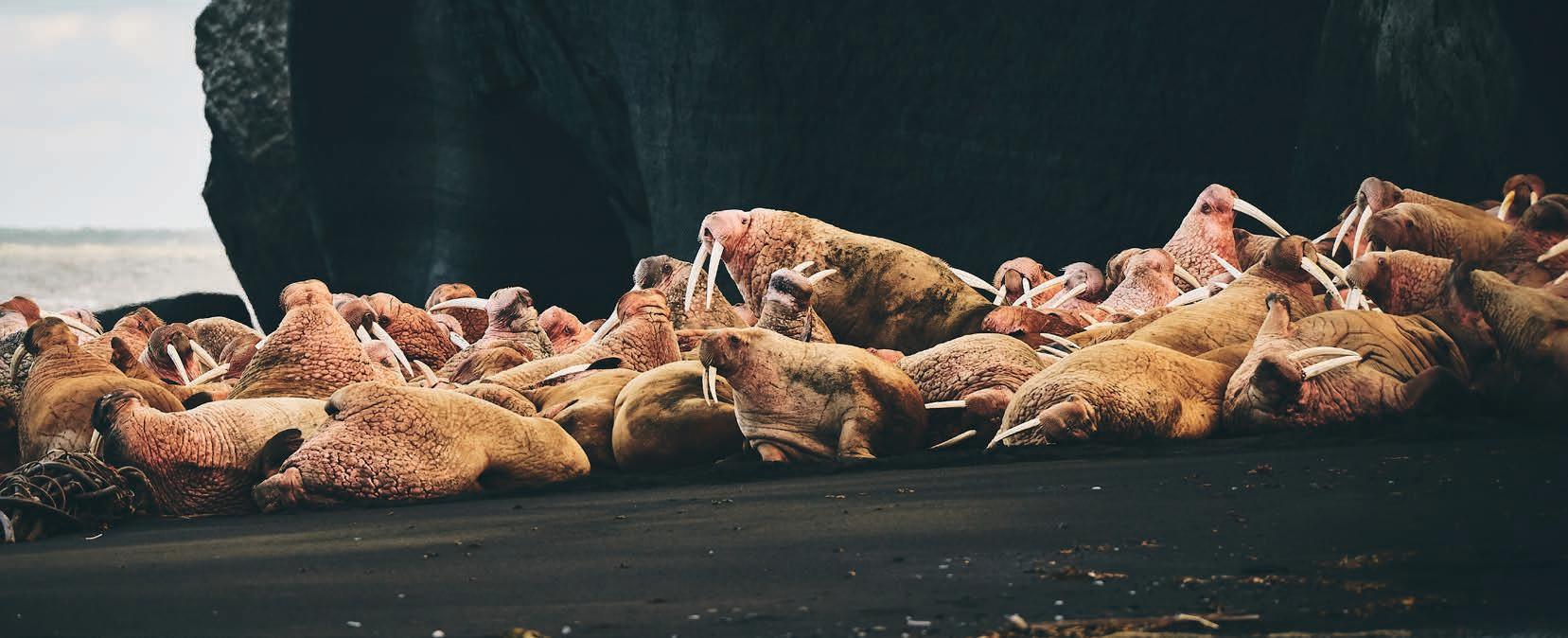
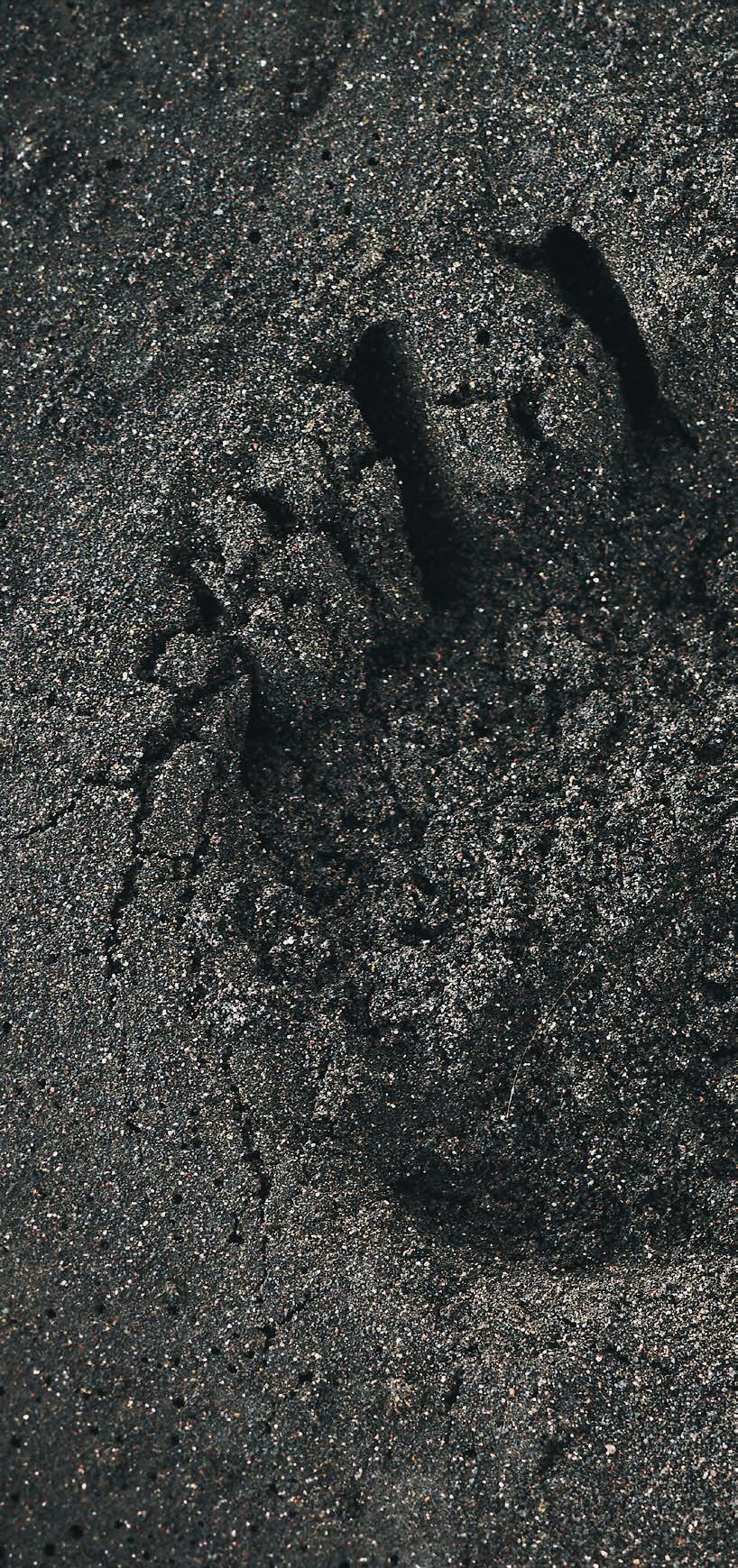
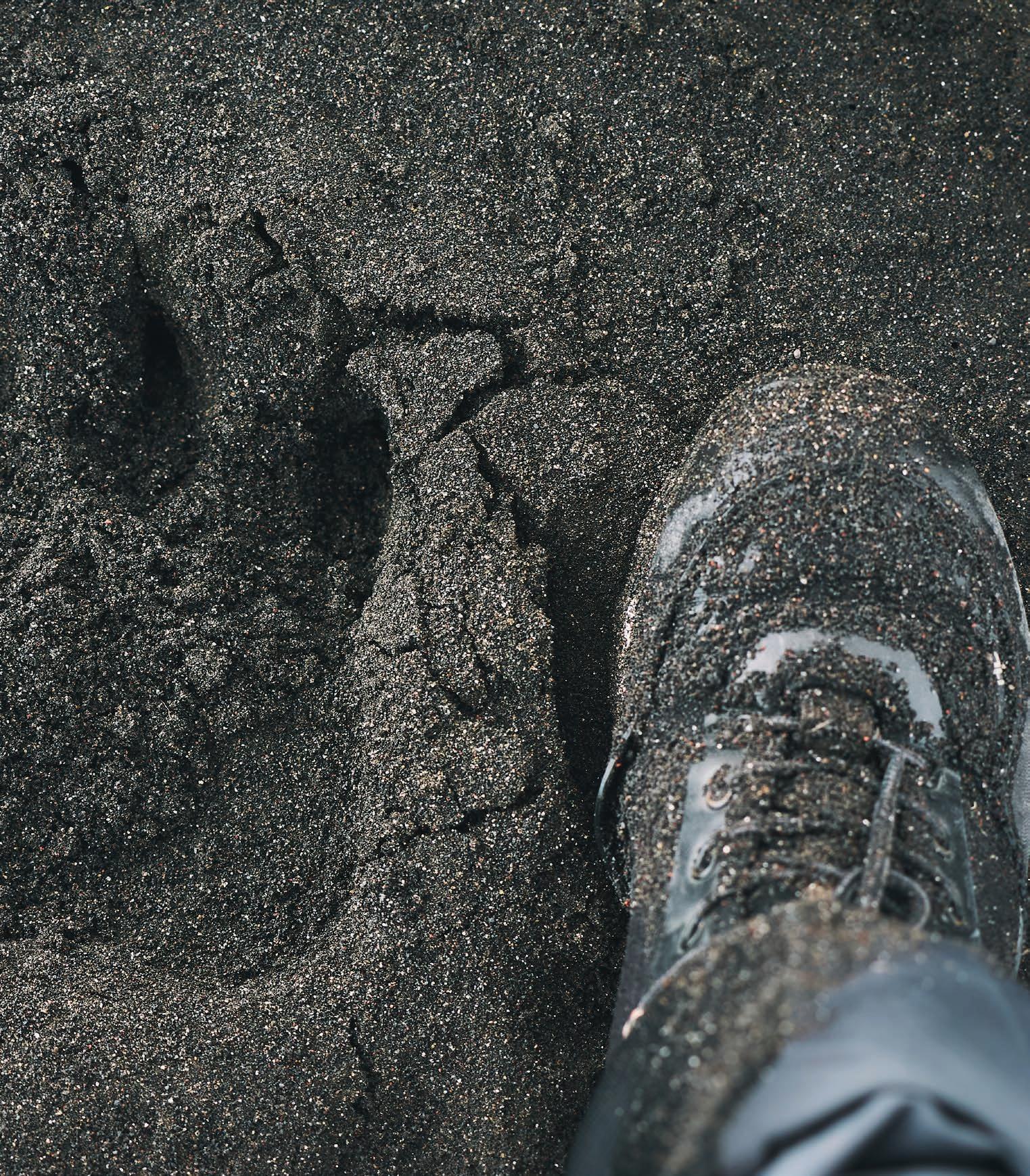
Bears move constantly - never dramatic, just present. Feeding on spawners and carcases. Crossing gravel bars we stood on the evening before. Their tracks appear overnight, pressed deep into wet sand, reminders of how lightly we tread here.
Eagles watch from dead snags. Foxes slip along the banks at dusk. Once, a wolf track cuts cleanly through our own. And the distant sound of the moose in rut is carried by the wind at dusk.
There is no sense of control. Only awareness. Less expectation, more attention. You read water harder. You fish slower.
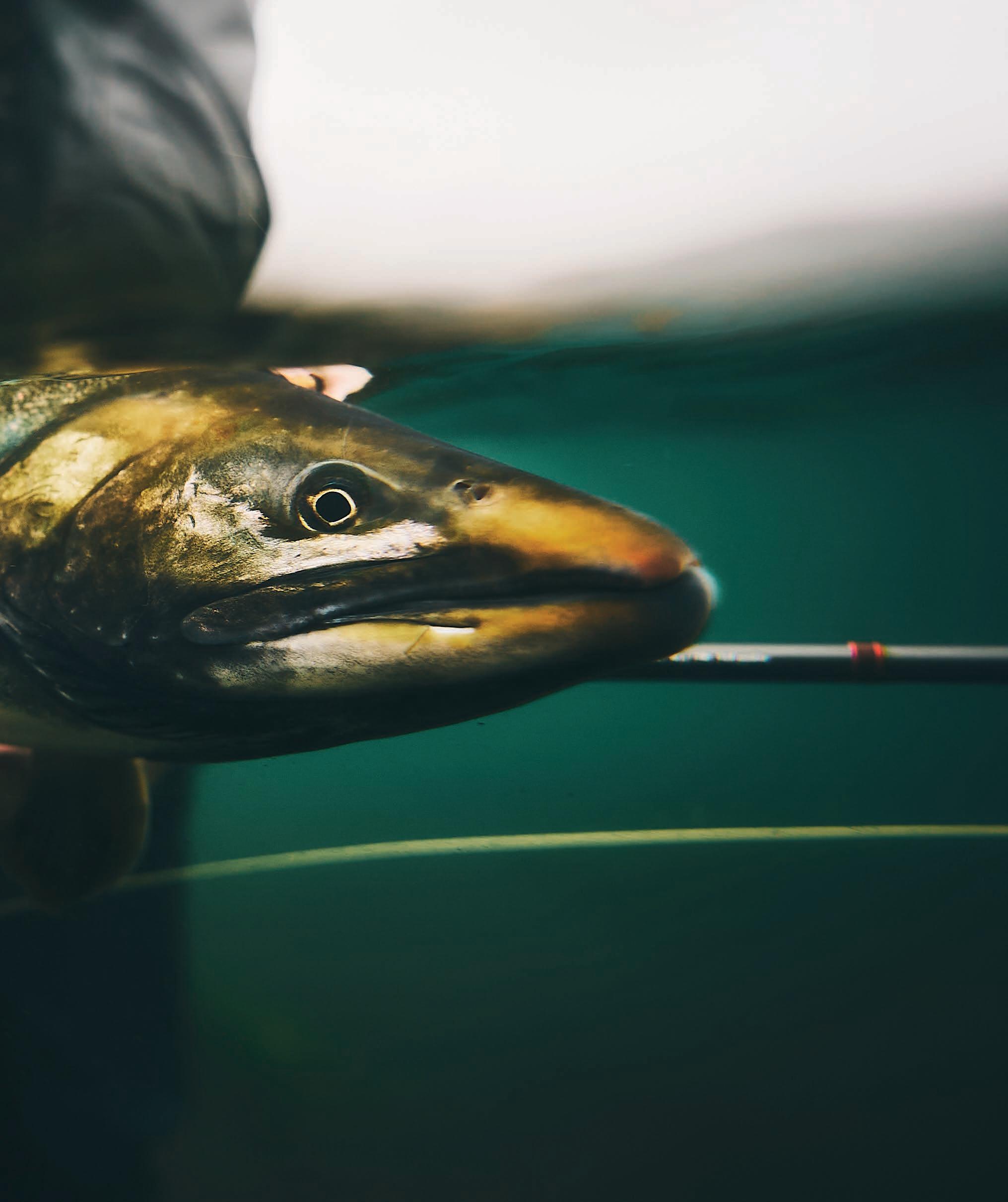
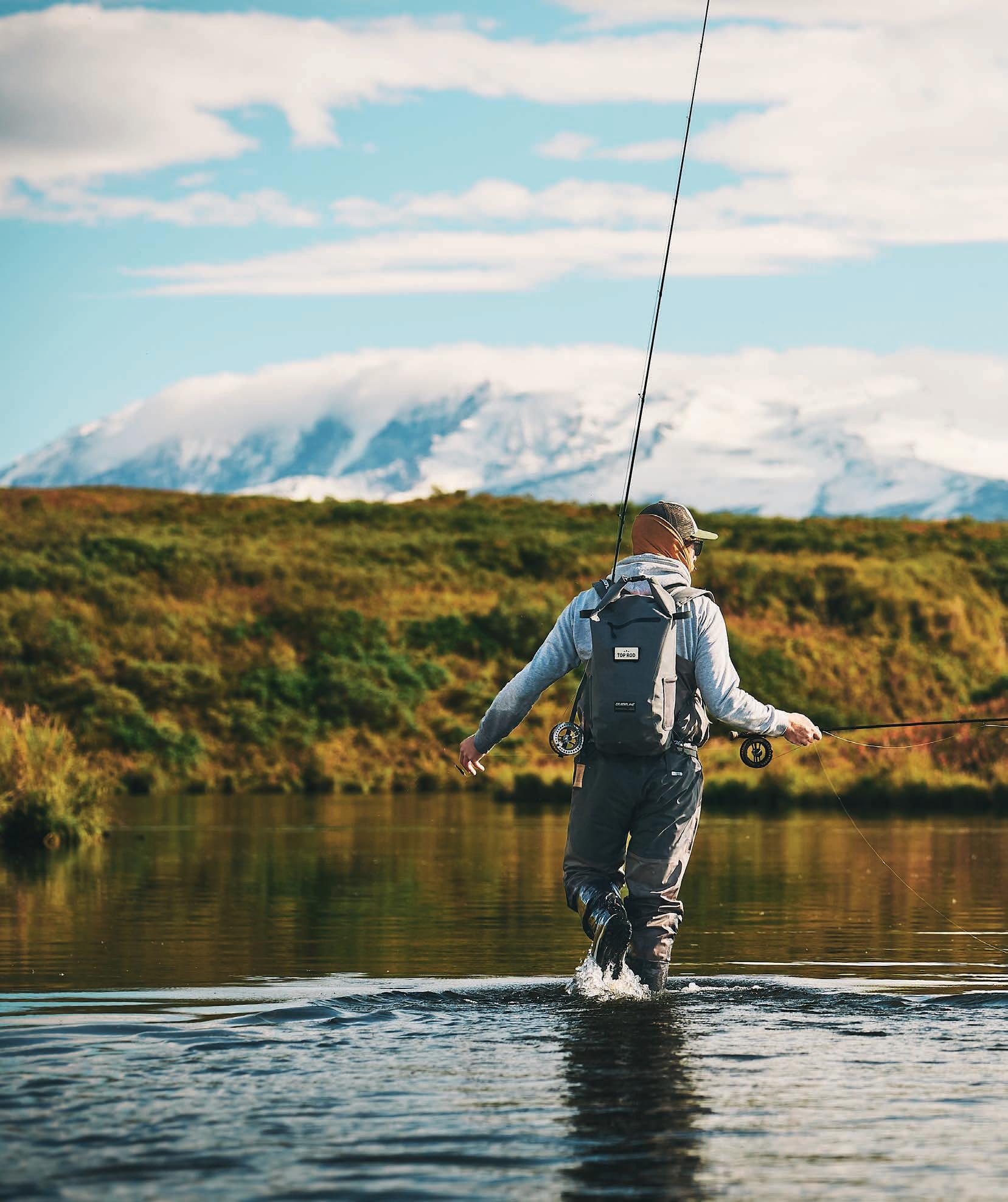
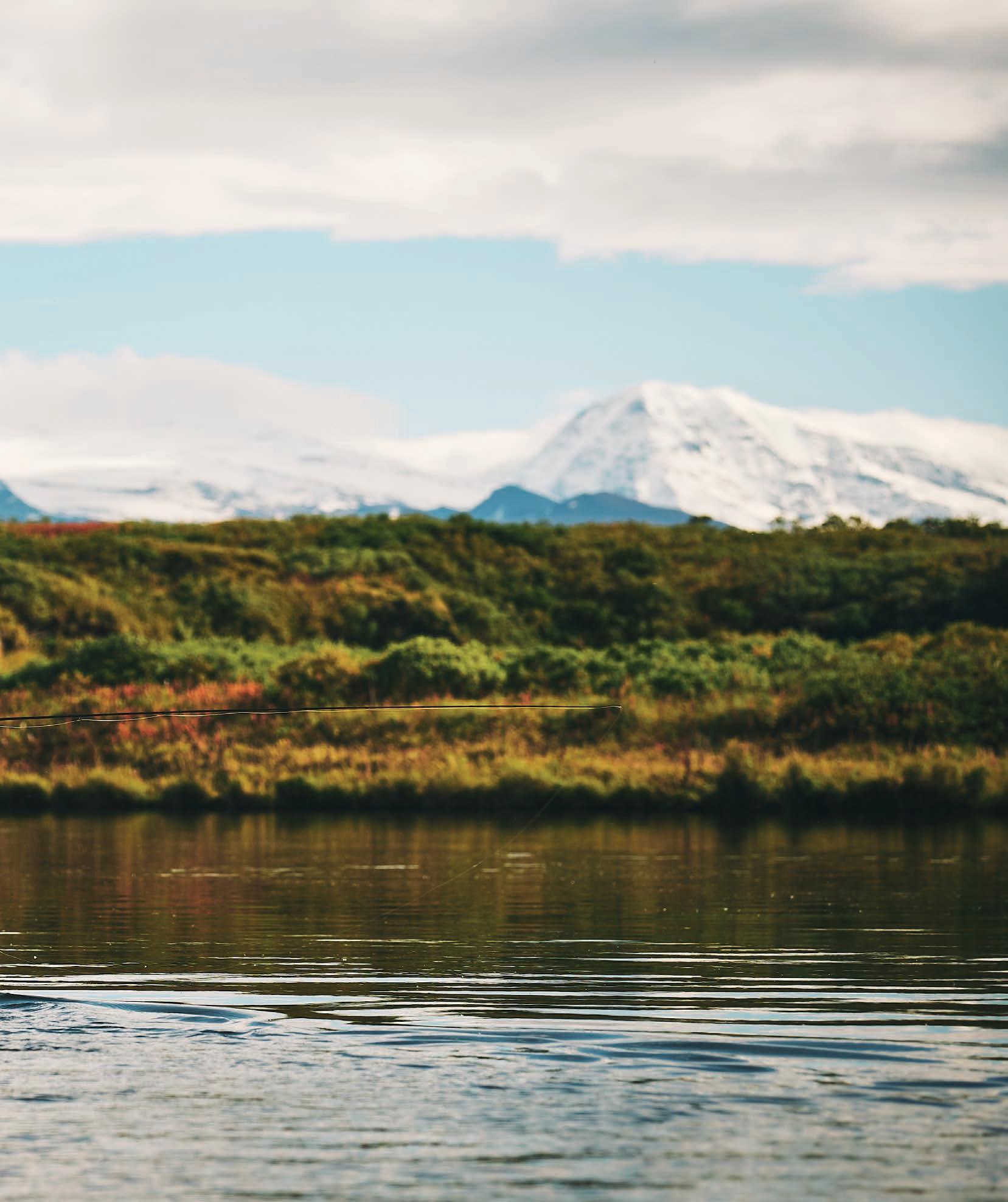
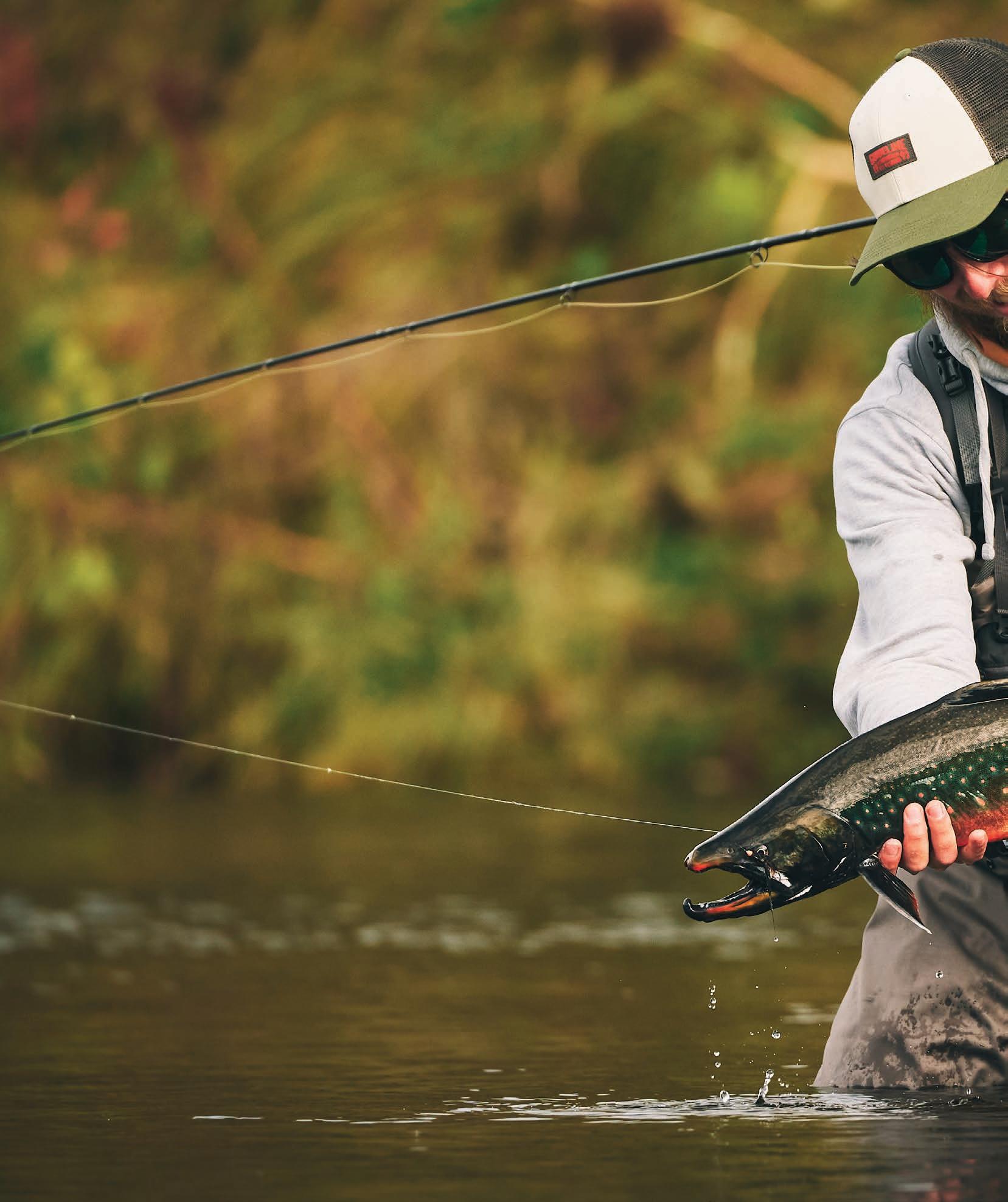
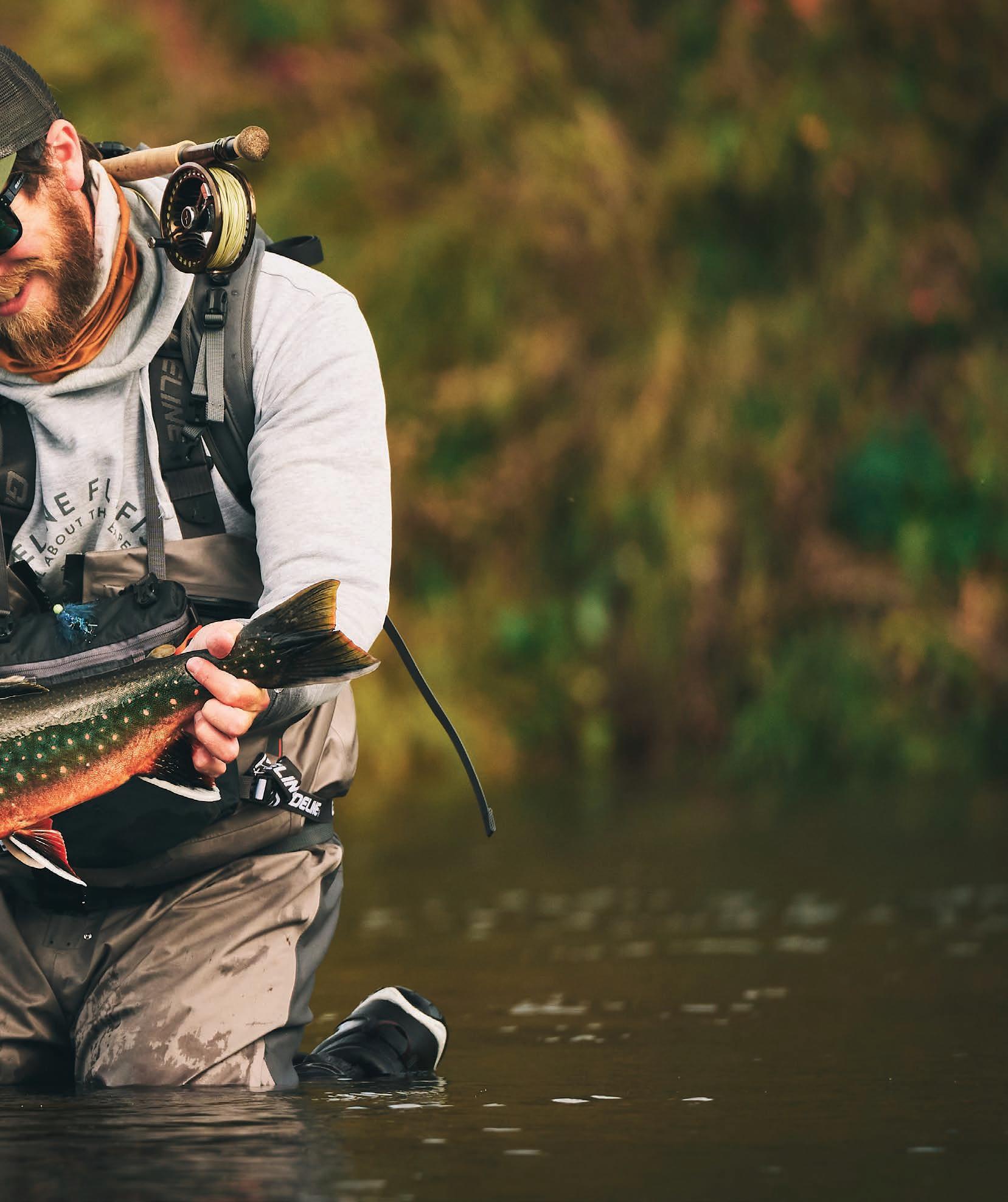
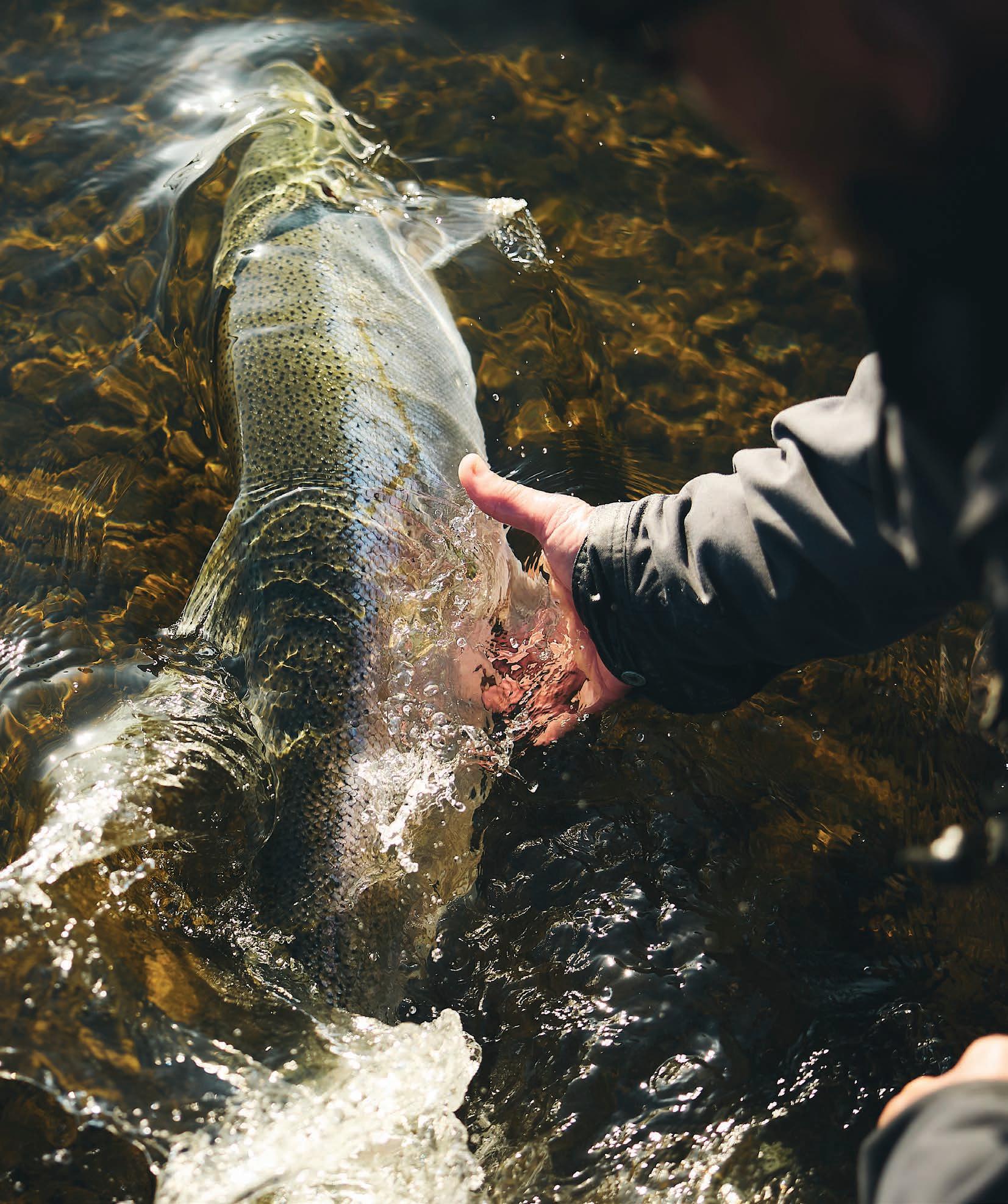
Every grab feels amplified because it might mean more than just a fish it might mean confirmation.
“The fish turns downstream, powerful and deliberate, carrying the weight of the ocean and something older with it”
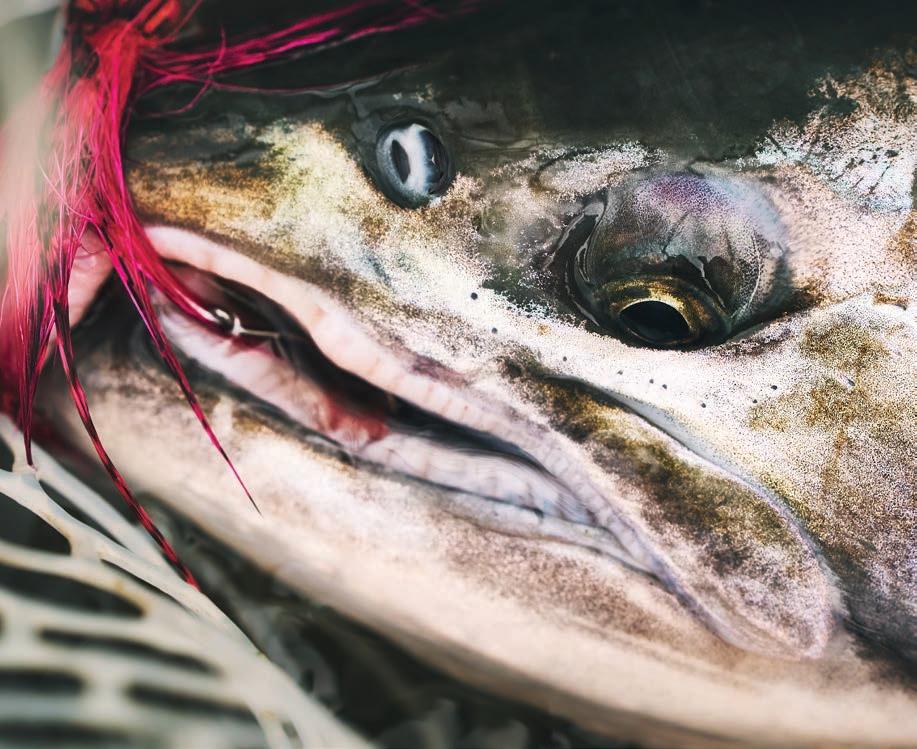
Then, one day, something different. A pause mid-swing that tightens into purpose. The river loads the rod before the mind catches up. The fish turns downstream, powerful and deliberate, carrying the weight of the ocean and something older with it. Then it jumps high.
Steelhead.
Not many. Not every day. But enough. Enough to know the river holds more than we once thought.
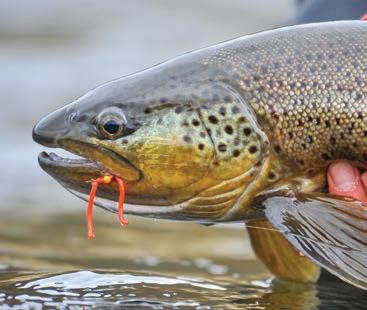
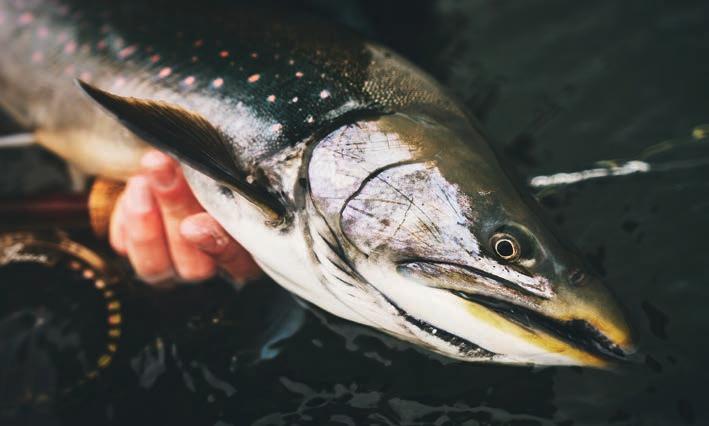
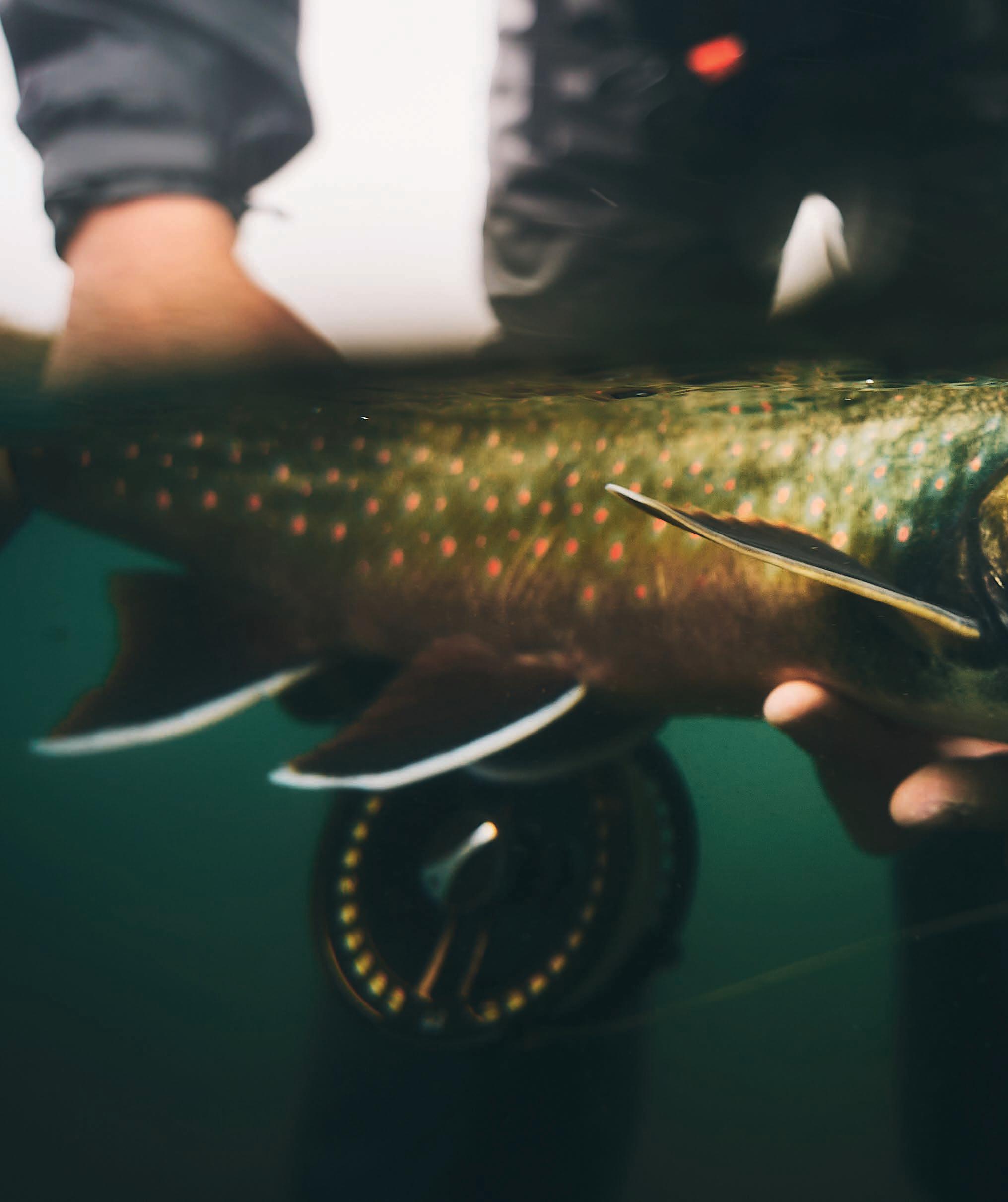
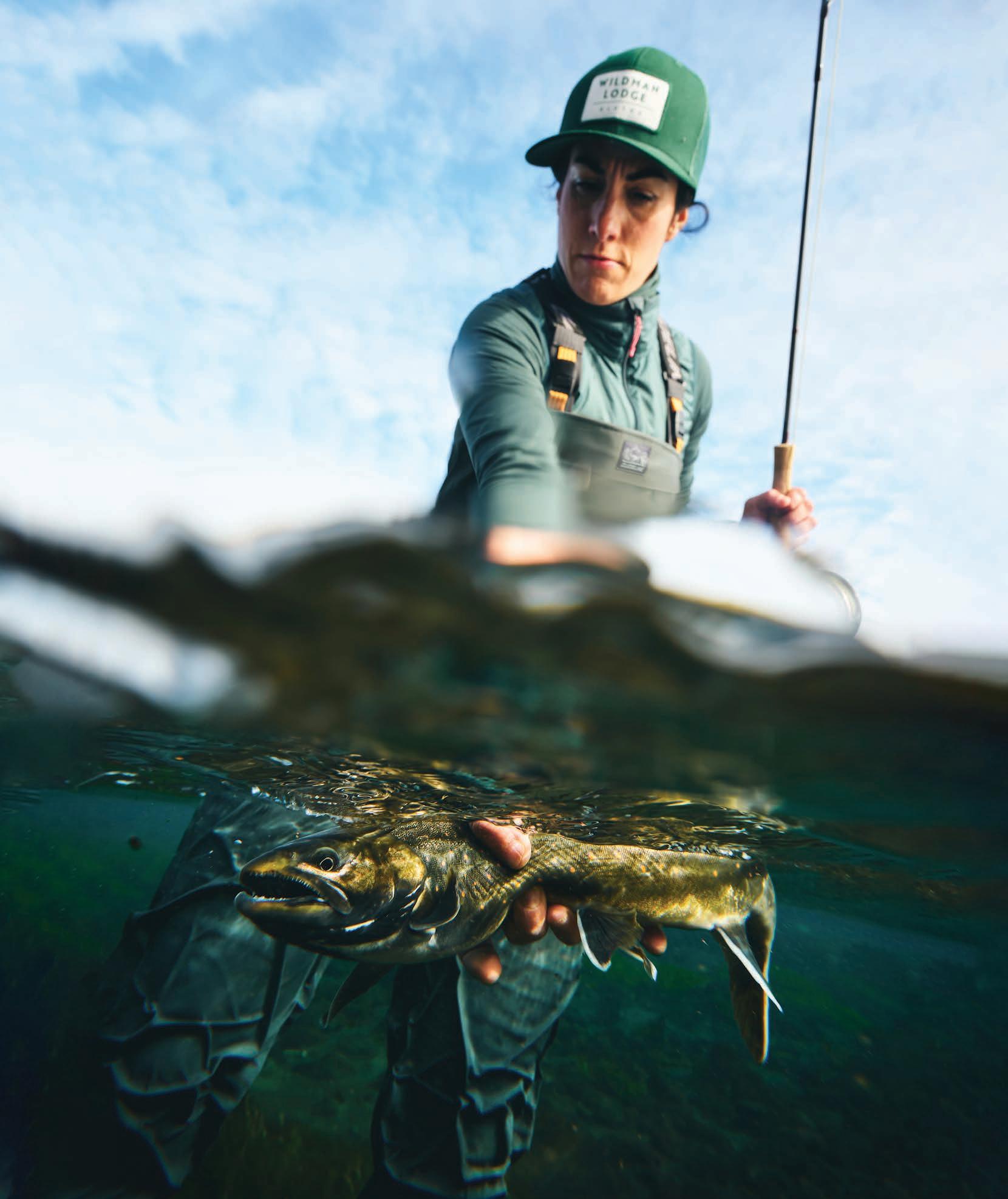
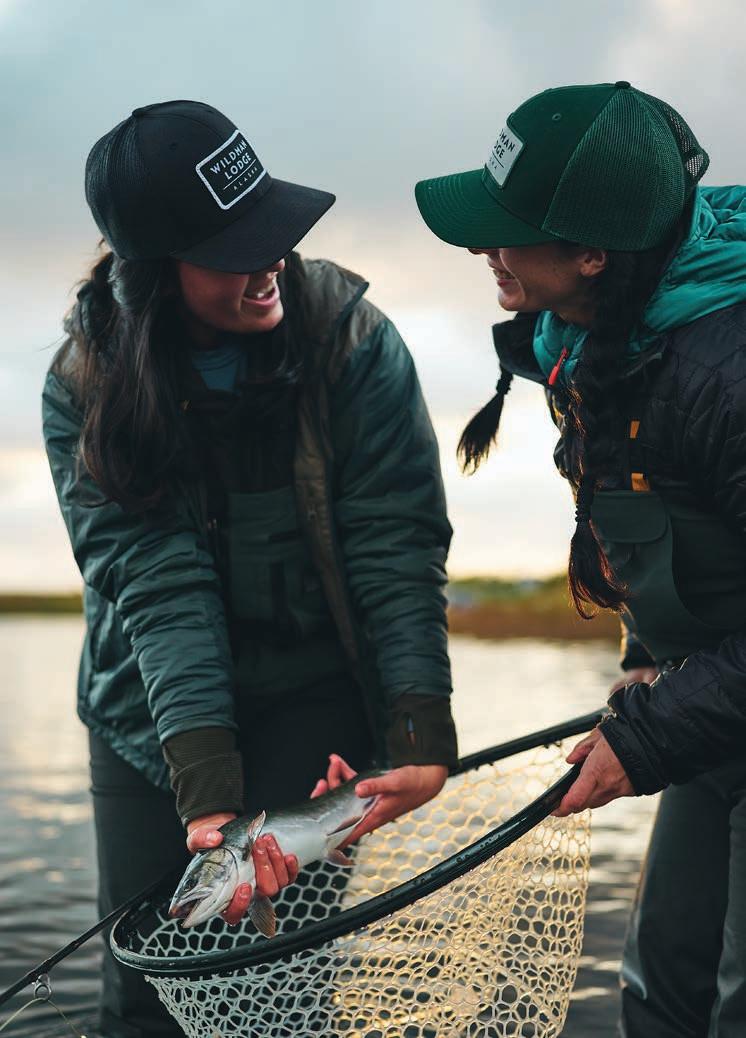
The clarity of the river reveals everything. Dollies stack thick behind spawning salmon, their white-edged fins flashing as they slide in and out of the soft water, slashing at loose eggs before sinking back into depth. They are everywhere once you start looking - tucked into walking-speed seams, hovering at the tail of pools where the current eases just enough to conserve energy. Resident rainbows hold the same edges, heavy and well fed after a summer of abundance. Coho arrive first - impossibly bright, fresh from salt, smashing flies with a kind of joyful aggression that rattles your hands.
A short flight away, another river offers a different kind of truth.
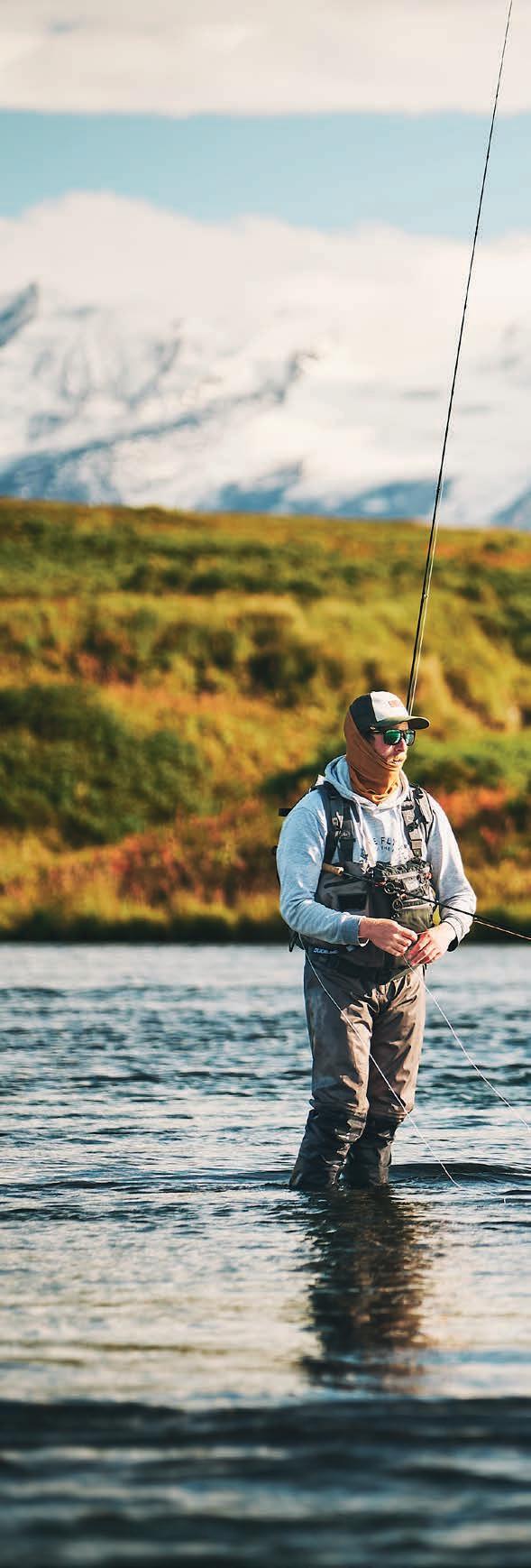
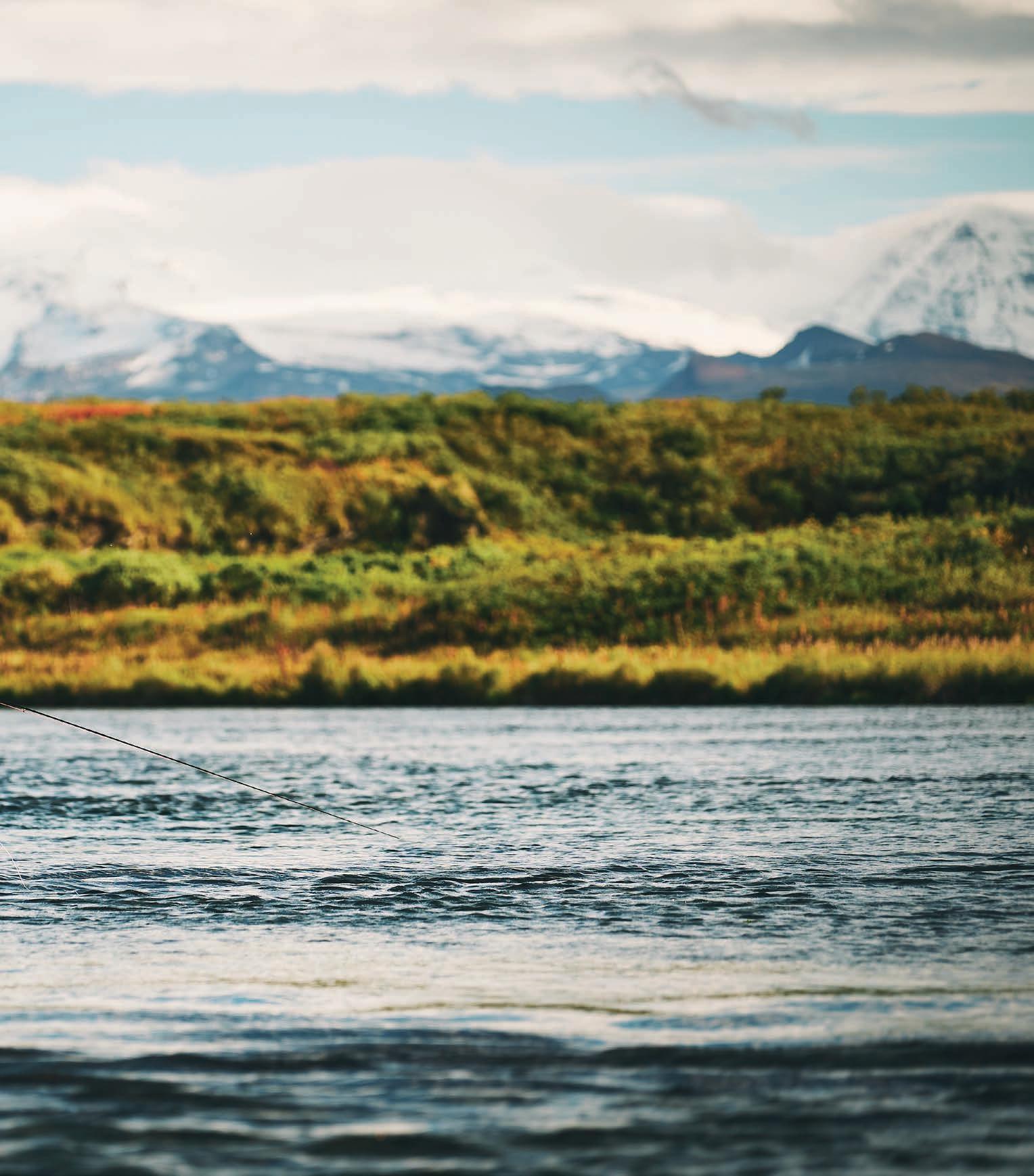
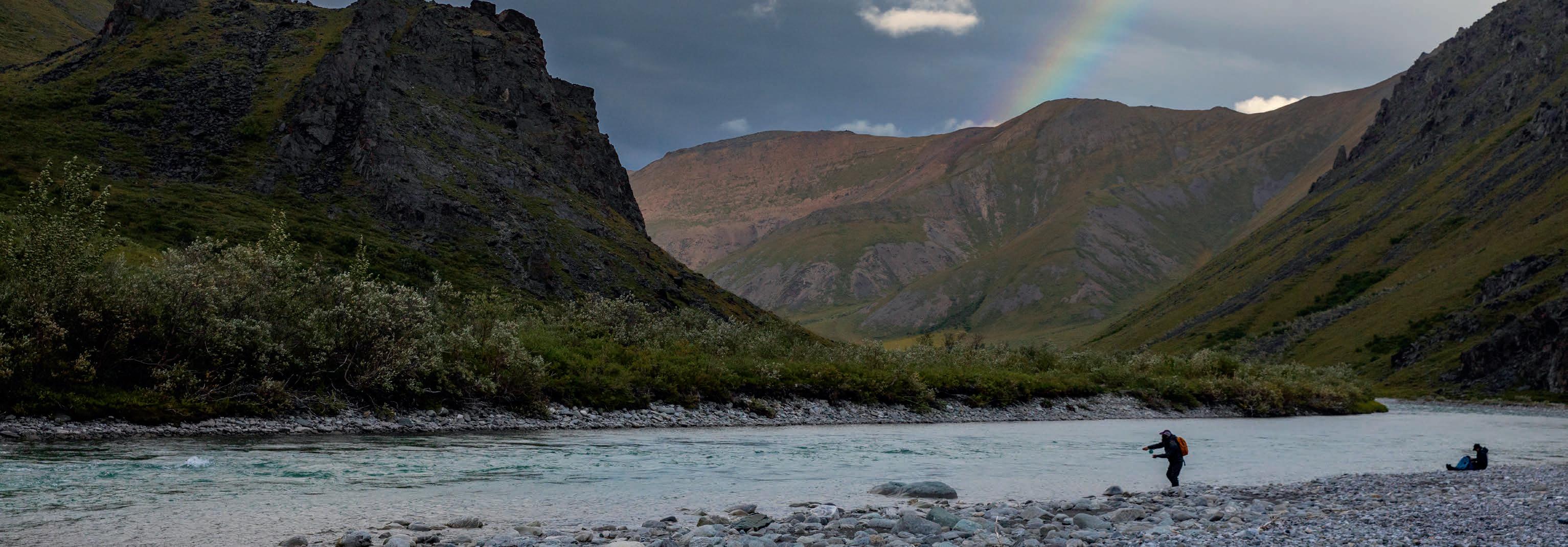
The Sandy does not need to be discovered. It has simply remained overlooked - quietly flowing through tundra and gravel while the world chased louder stories elsewhere further south. For steelhead anglers, it is one of those rare places that still feels intact, as if time loosened its grip here and never fully returned. This is a river built for the swing. Wide, gravel-bottomed, perfectly paced, it unfolds in long, gliding runs and soft buckets that seem designed for two-handed rods and swung flies.
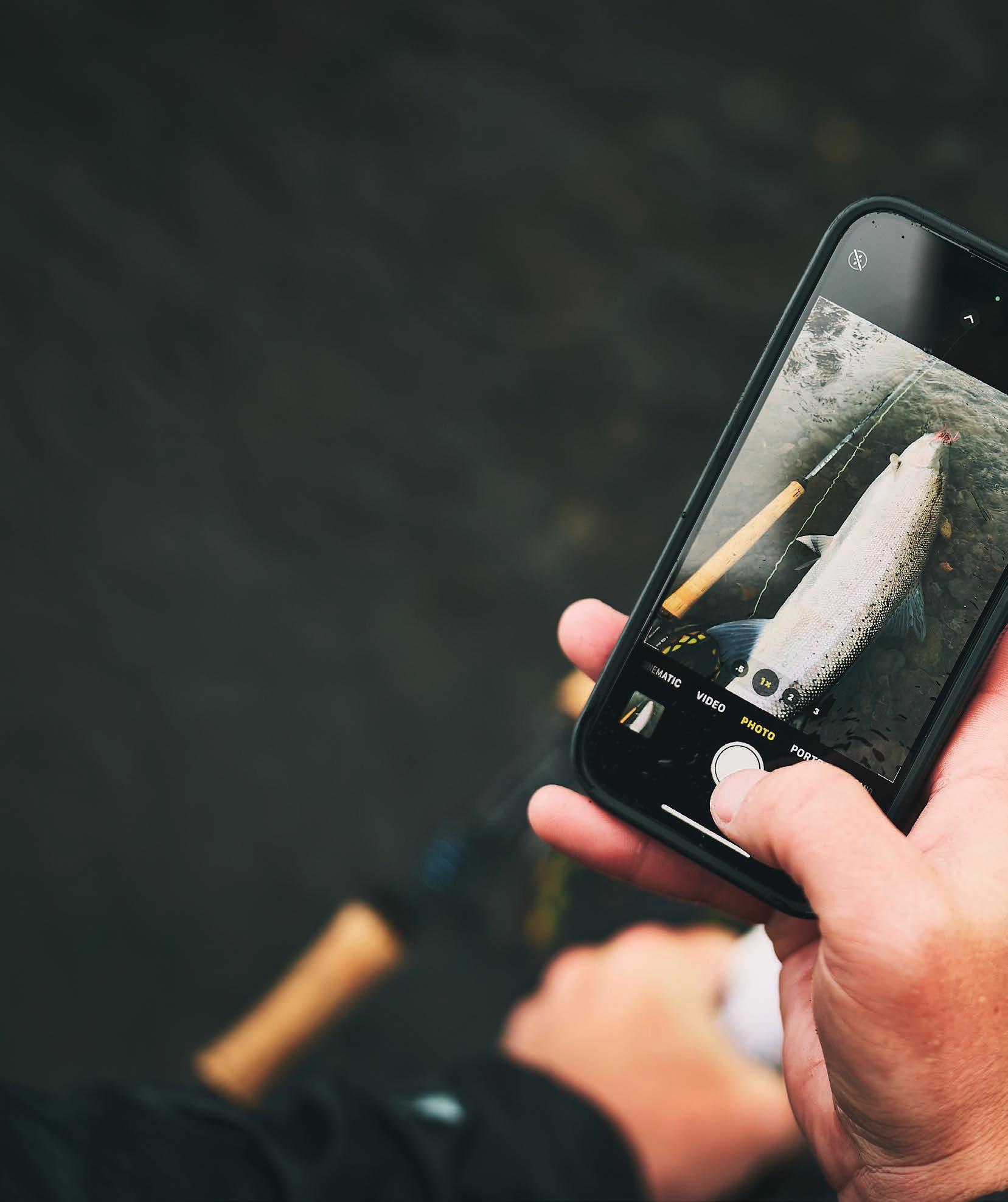
The current moves at walking speed, just fast enough to animate a fly, just slow enough to let anticipation settle in. You step downstream rhythmically, cast after cast, no rush to be anywhere else. Steelhead fishing here feels older than the gear in your hands.
There is space - physical and mental. Space to think between casts. Space to let a fly swim all the way through. Space to imagine what this river must have felt like decades ago, when steelhead were less mapped, less measured, and trollers and industrial fishing did nor reign supreme in the northern seas.
The steelhead are certain in a way few places still offer - but only briefly. For four, maybe six weeks in autumn, they arrive fresh from tidewater, thick and chrome-bright, timing their entry with the coho run. They are not here to spawn yet. They are here to feed - keying on the protein-rich abundance that will allow them to settle into the river and lake system and survive the long Aleutian winter ahead. Miss that window, and the river closes again - quiet, patient, waiting for another year.
Coho pass through in fall, bright and aggressive, sometimes grabbing a swung fly meant for something else entirely. They are part of the river’s motion, not our purpose - bycatch in a place defined by steelhead.
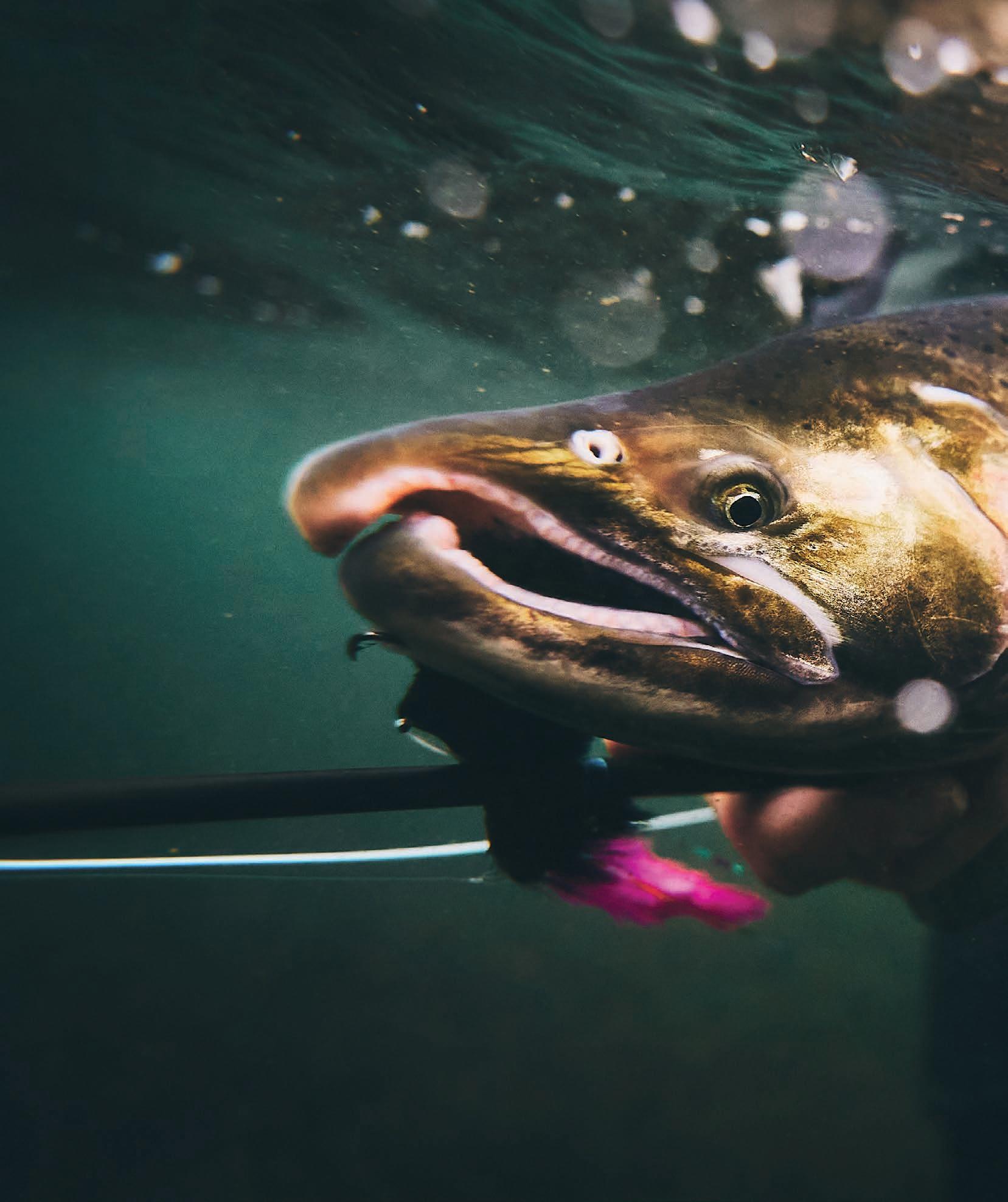
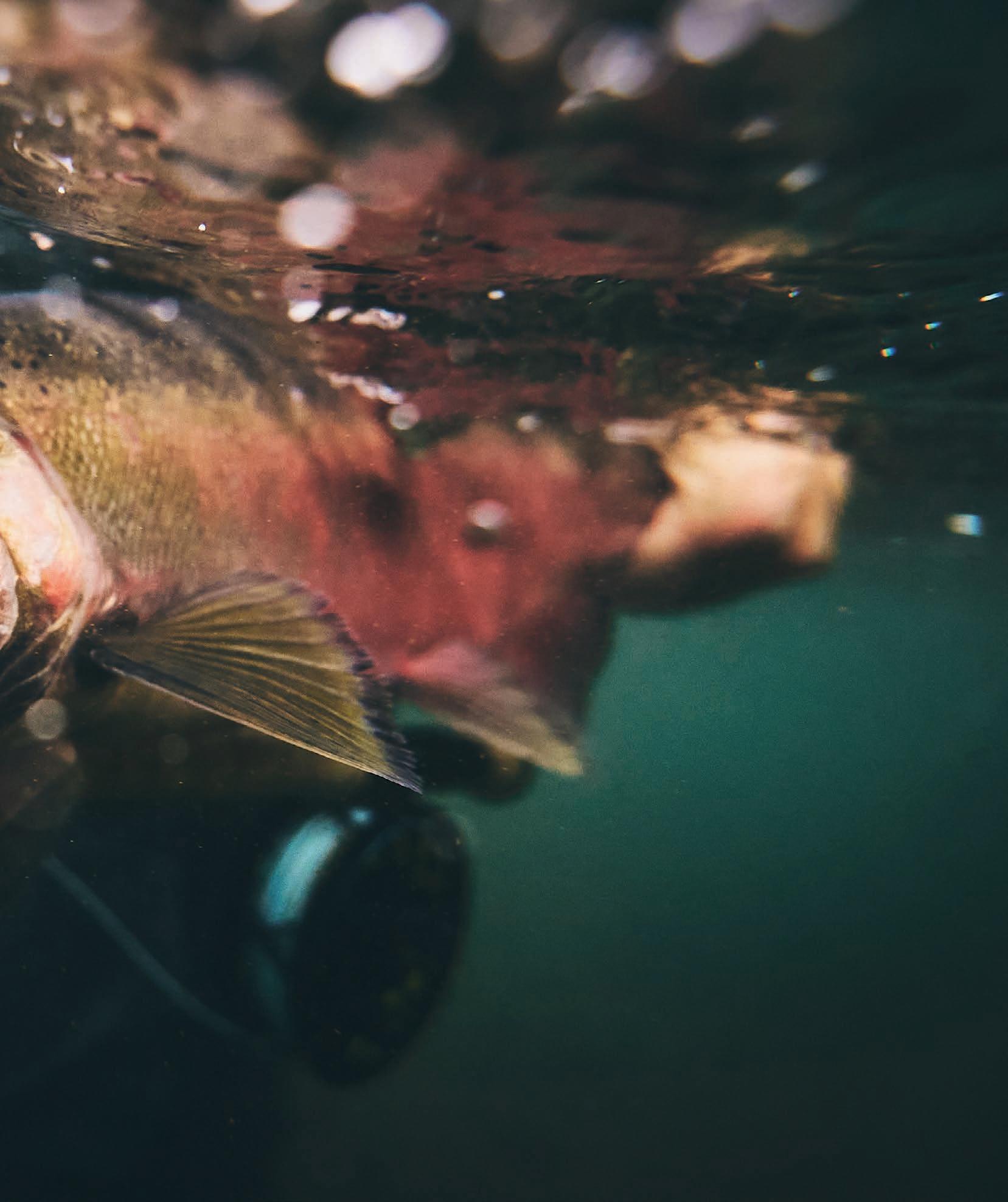
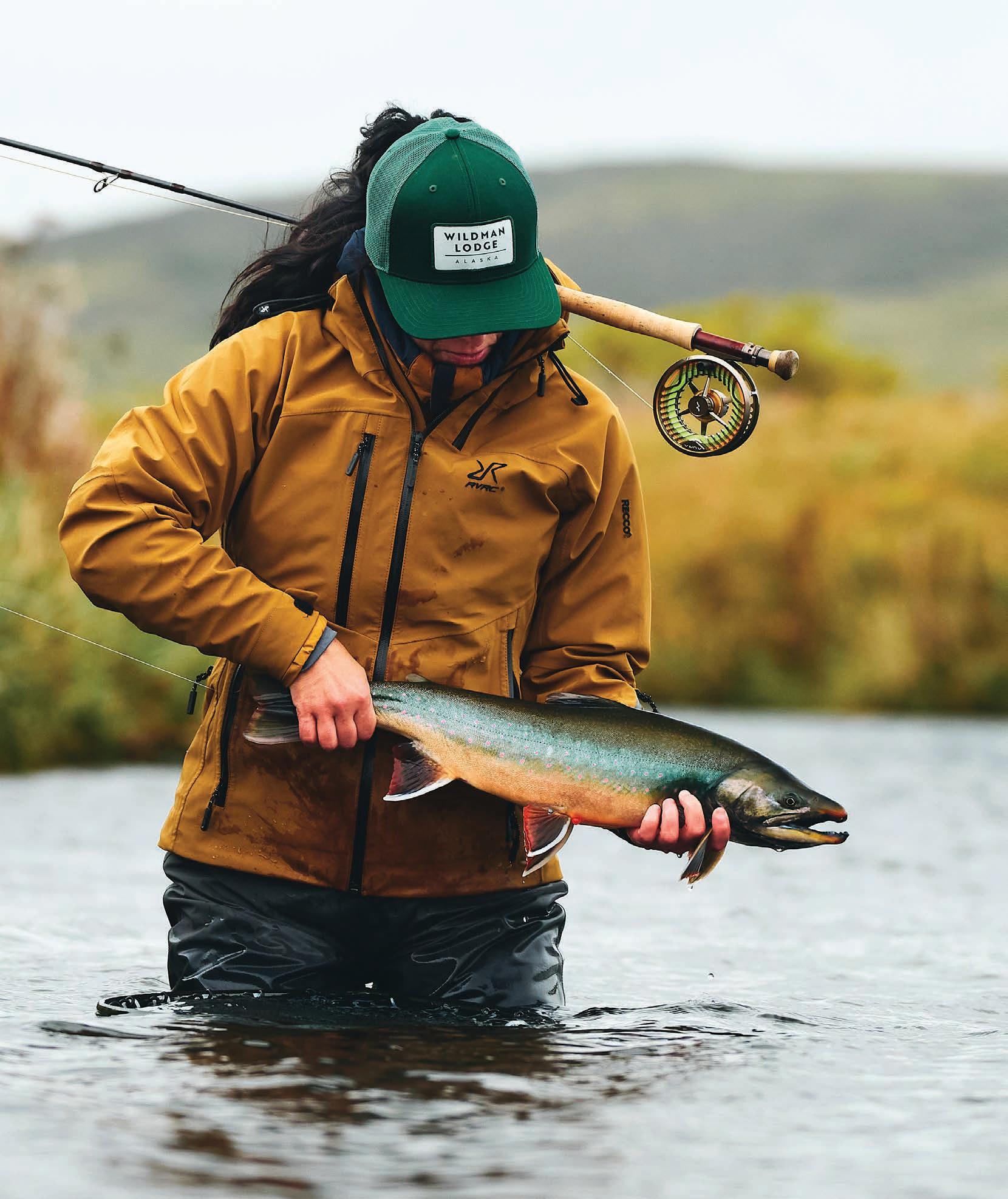
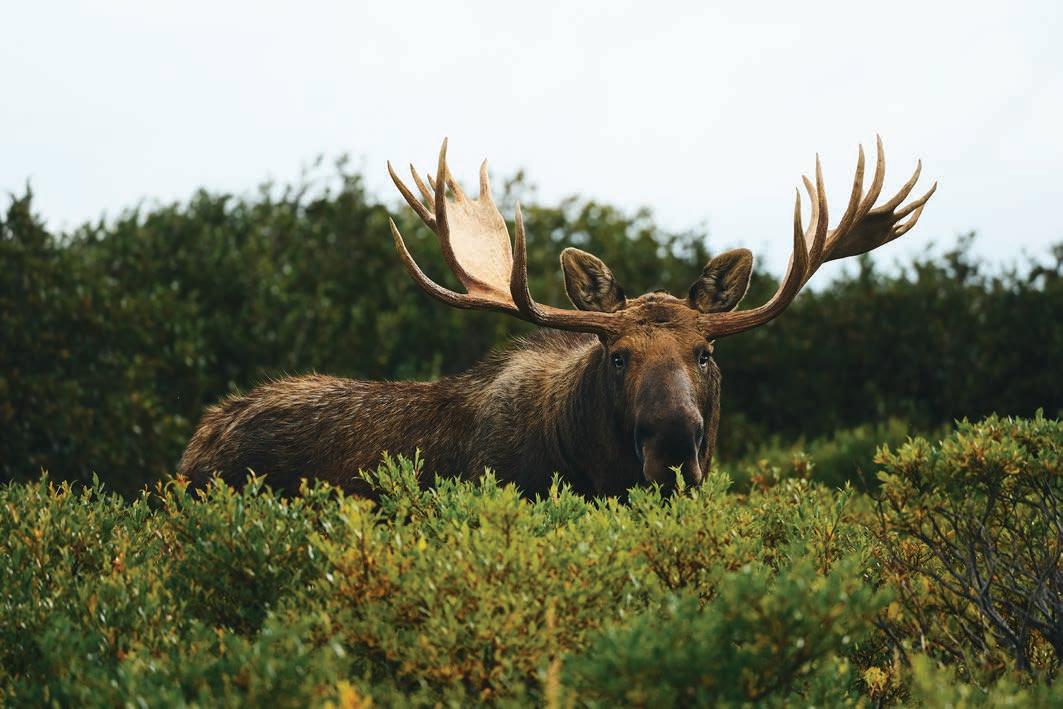
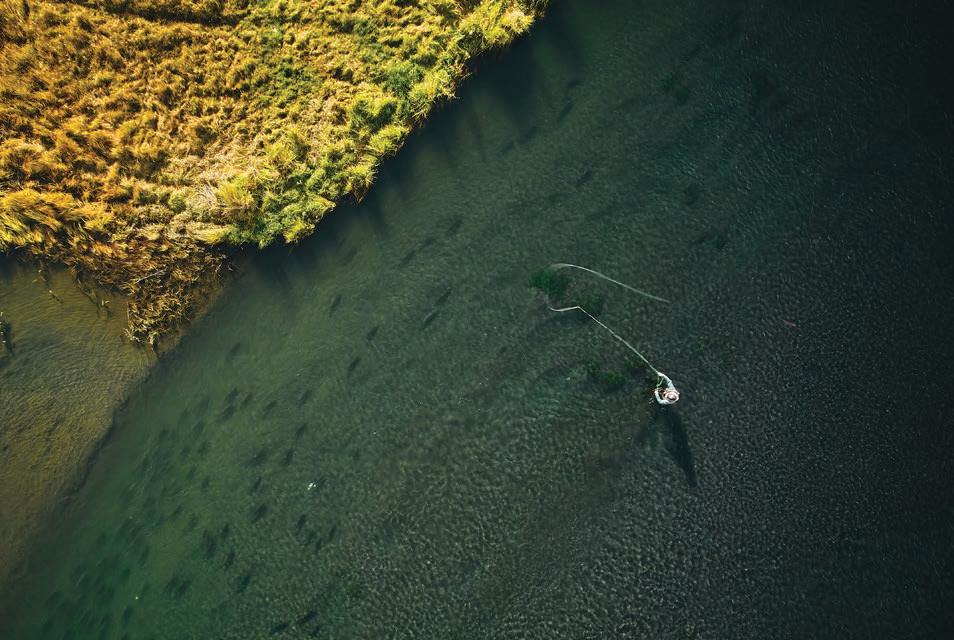
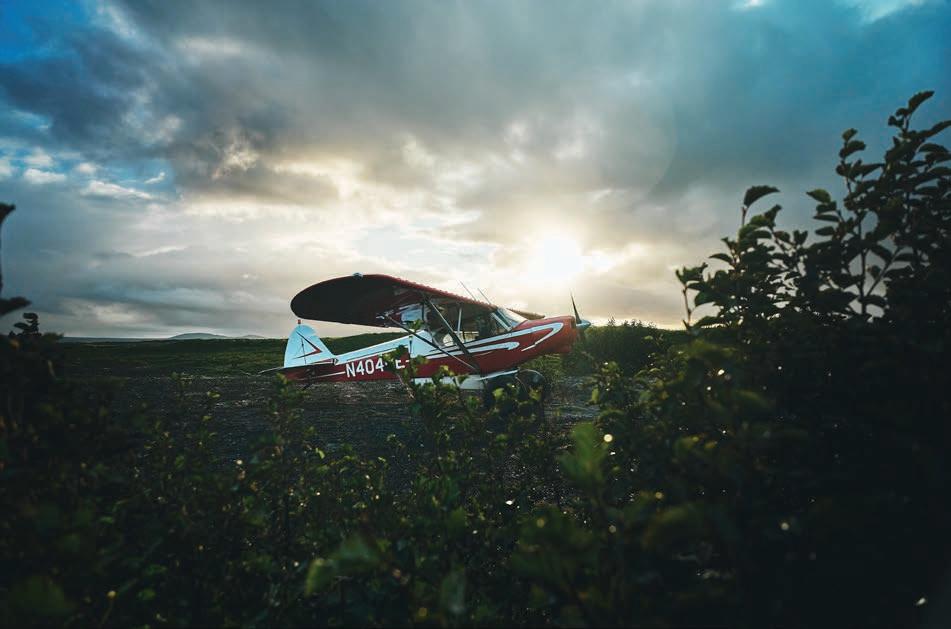
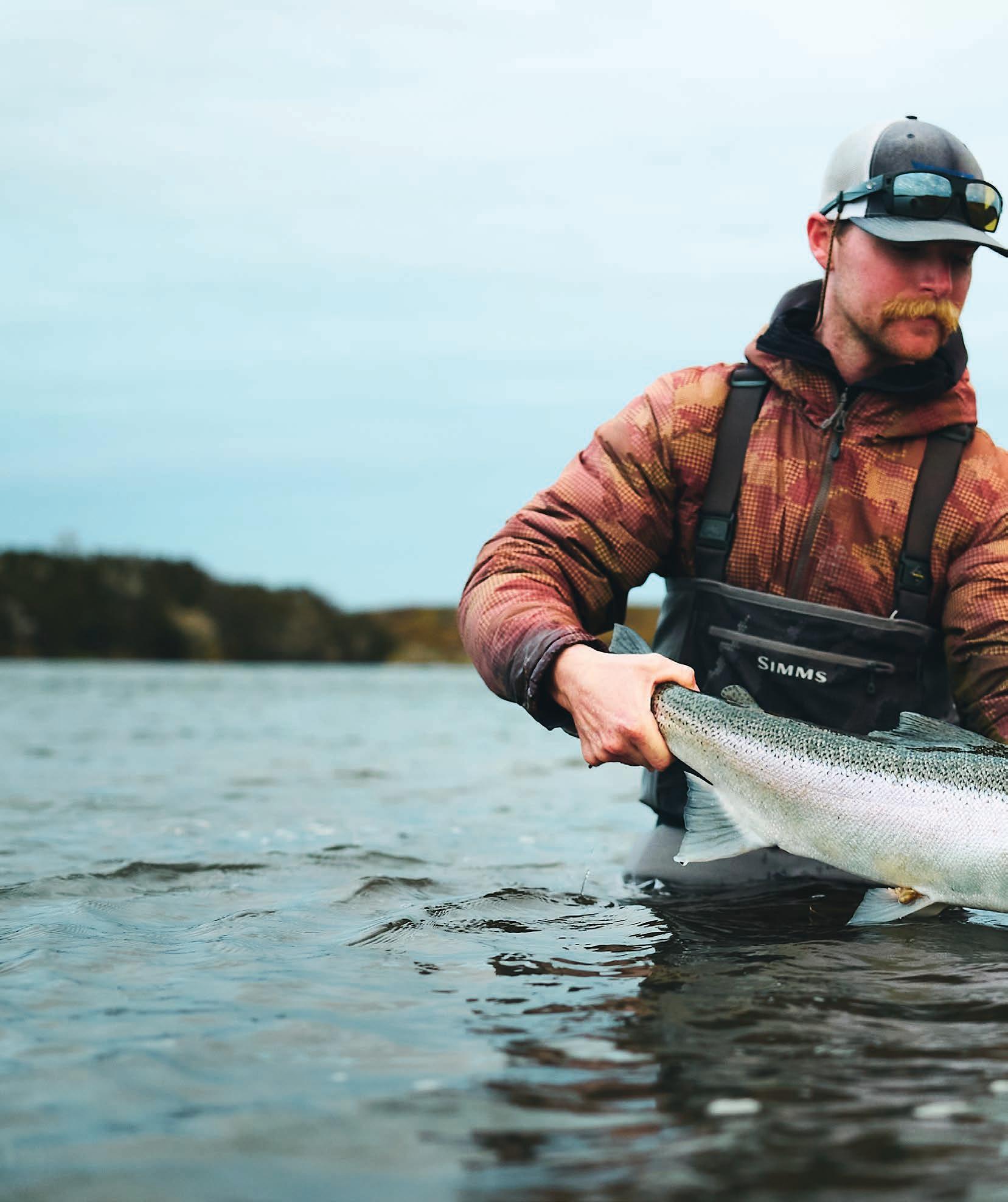
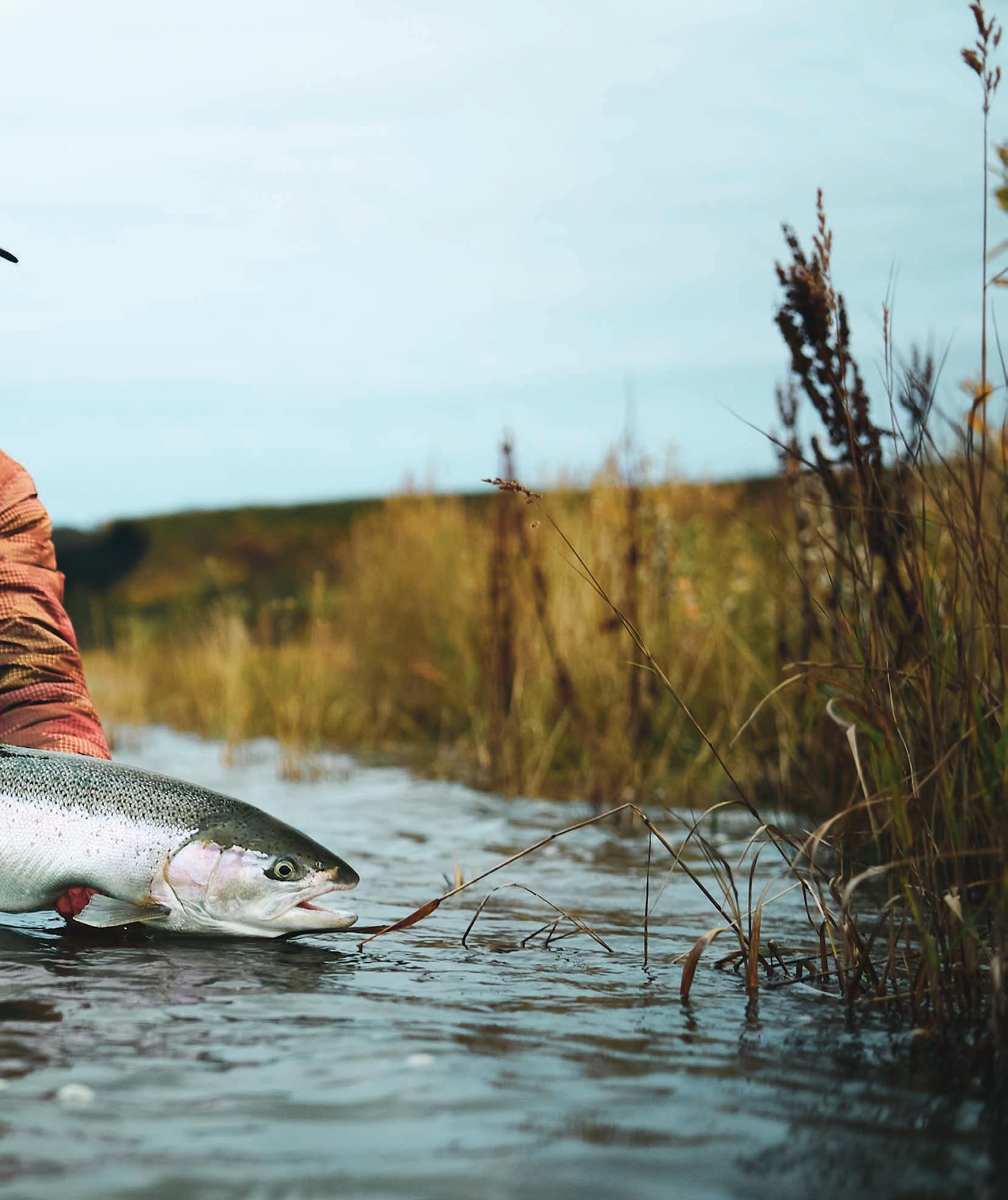
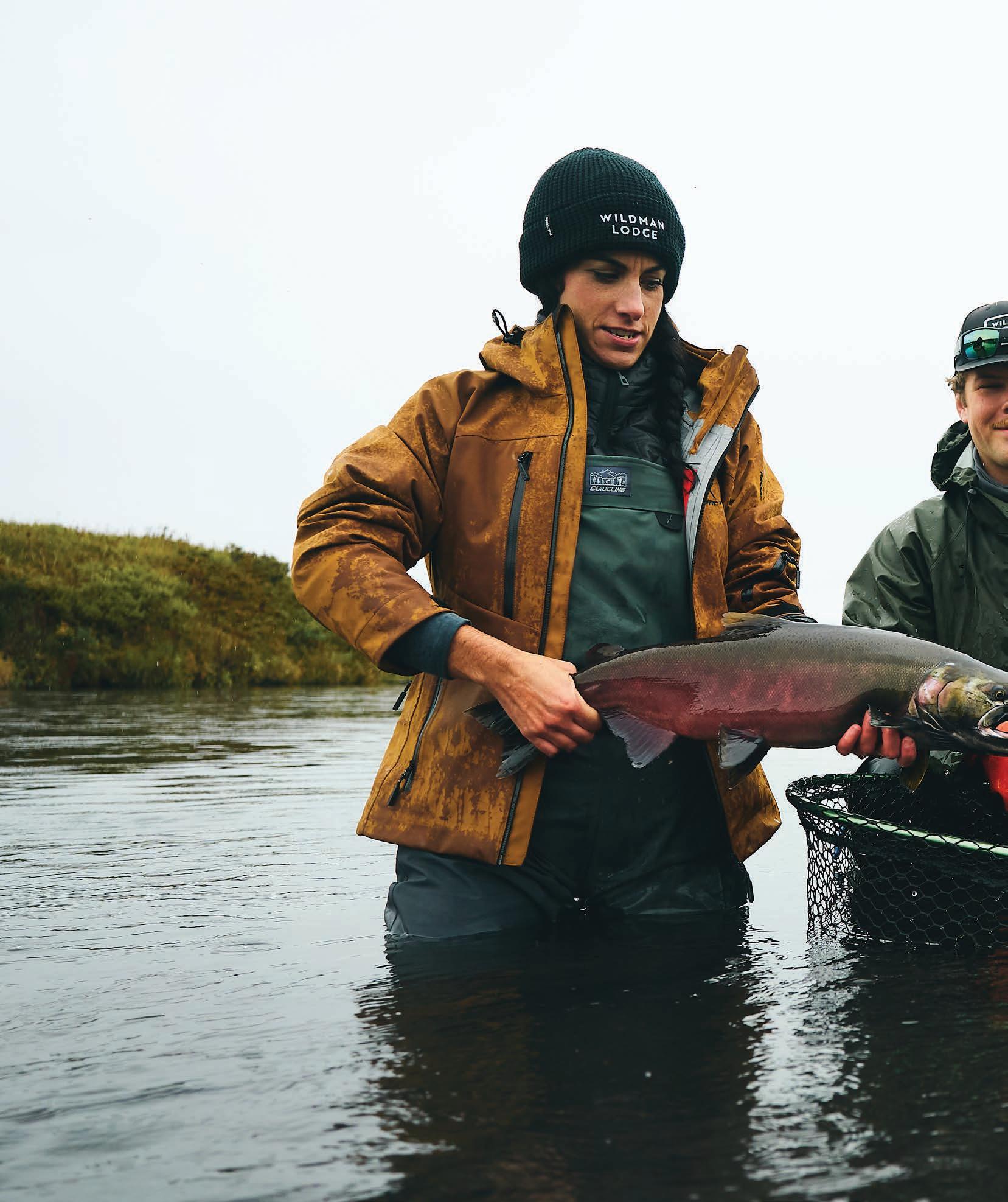
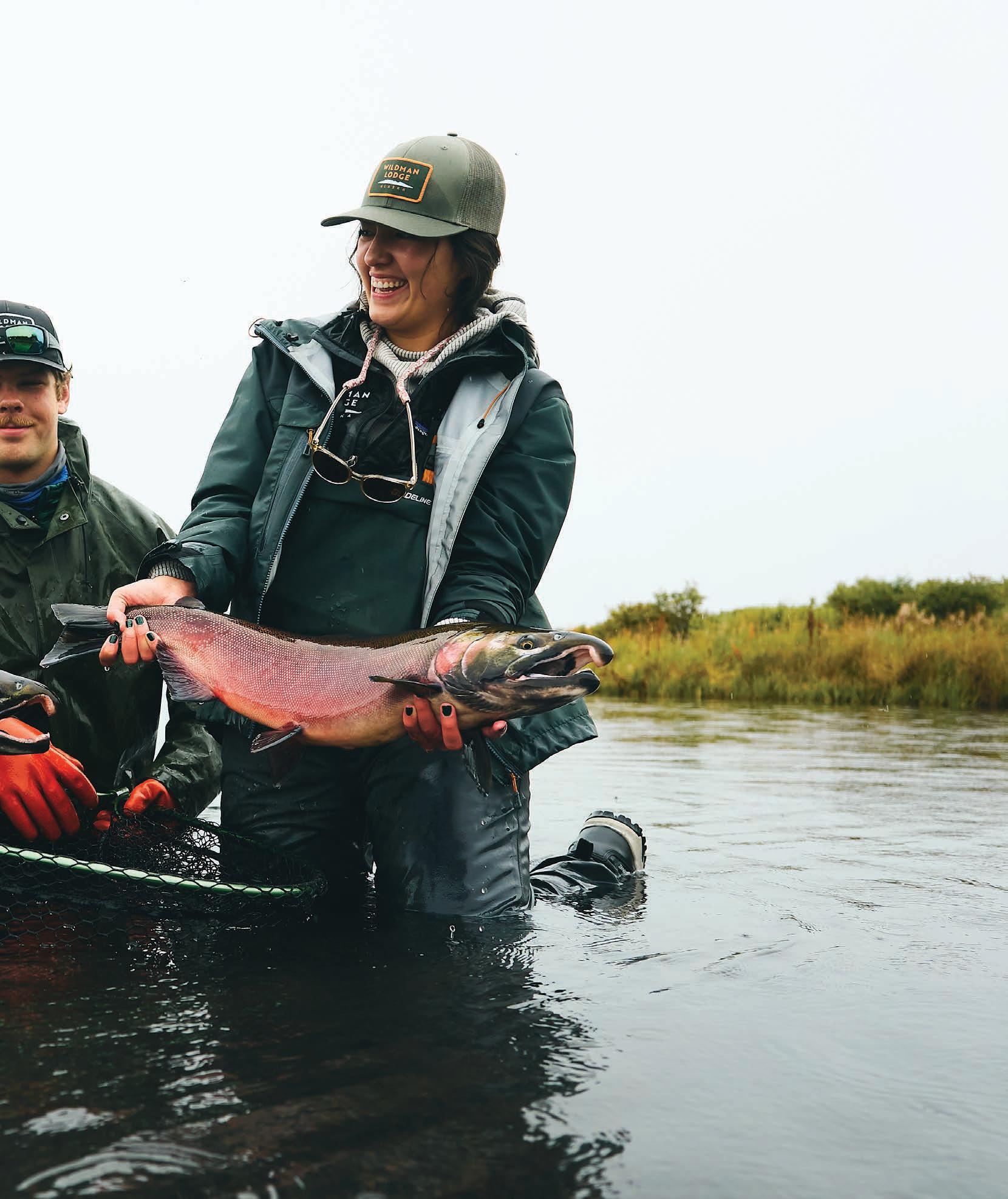
Steelhead are a different breed. When they take, there is no ambiguity. The grab is heavy, deliberate, often midswing to the edge, as if the river itself tightens before the rod does.
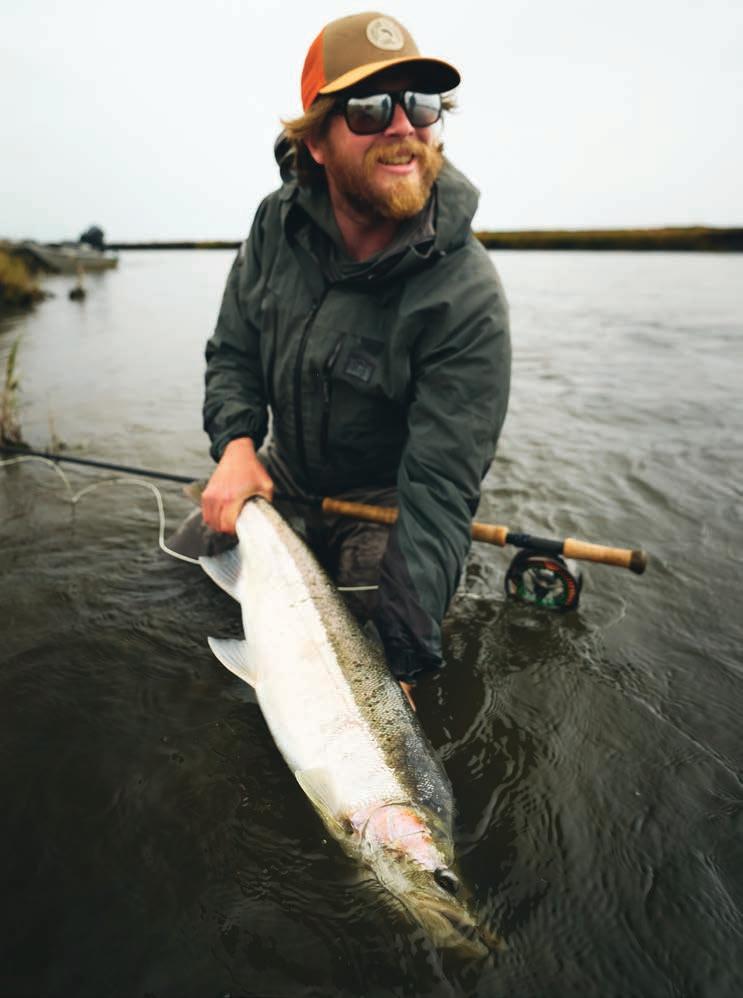
Thirty-inch steelhead cartwheel downstream, strong and unapologetic, testing knots and patience alike.
This is the gift of the river. The Sandy, indifferent to who stands on its banks, unconcerned with its reputation. A place where swinging flies for steelhead still feels the way it was meant to feel. Where success is measured less by what you land than by how fully you inhabit the moment between casts, knowing that they are actually there.
What remains, long after the flights home and the return to noise, are not numbers or photographs. It’s the smell of wet tundra after rain. The way fog lifts off the river at first light.
The quiet weight of standing alone in a run with no one else for miles, casting rhythmically, letting the swing carry your thoughts downstream.
Time stretches out here. A week feels like a month. Sleep comes deep and dream-heavy. Hunger is constant and honest. Life reduces itself to essentials: rod in hand, fly in the water, the next cast. Everything else falls away. Leaving is always the hardest part.
The bush plane lifts and the peninsula folds back into itself beneath the wing - rivers braiding into tundra, volcanoes slipping under cloud. Some places don’t give easy answers. They give weather. They give uncertainty. They give you just enough clarity to make the questions worth asking.
The Ocean River was one of those questions. And now, at least in part, it has answered. I know I’ll return. Not just for the fish - but for the feeling of standing at the edge of something unfinished, listening to silence, and remembering what it feels like to be fully present.
Fully engaged. Fully alive.
For more info:
www.wildmanlodge.com www.hoodoolodge.com
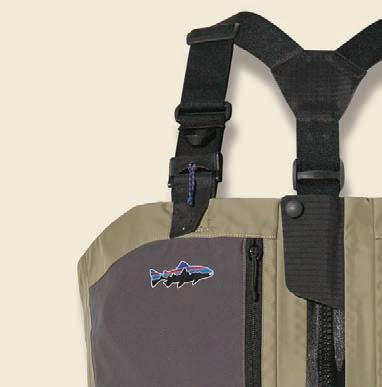
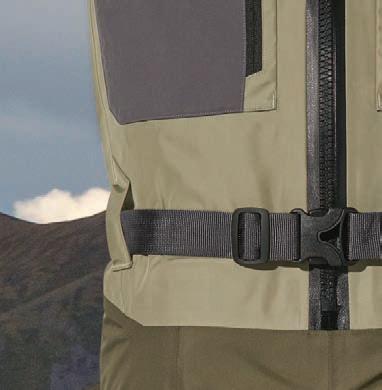
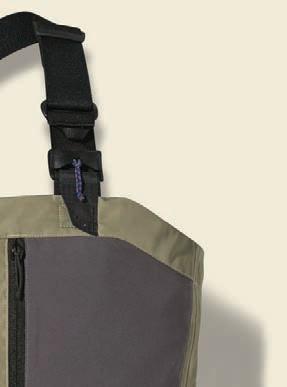
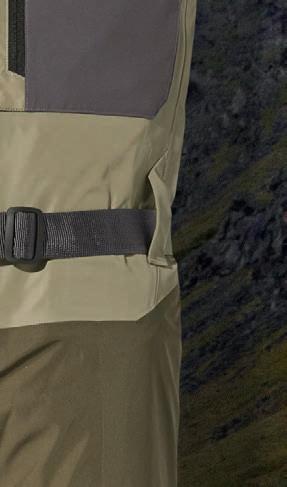
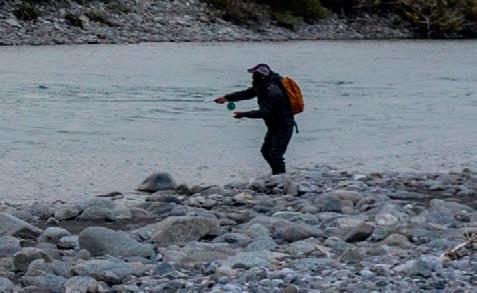
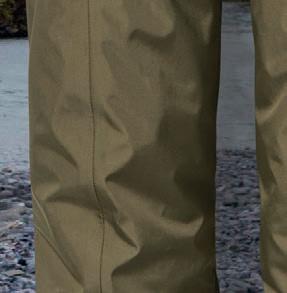
The lightweight Swiftcurrent® Traverse Zip-Front Waders are streamlined for long, overland approaches and technical wading in all environments. Rigorously tested and equipped with essential features, they are sturdy, comfortable and engineered for athletic movement in and out of the water. Plus, their durable water repellent
finish is made without intentionally added PFAS chemicals.
The lightweight Swiftcurrent® Traverse Zip-Front Waders are streamlined for long, overland approaches and technical wading in all environments. Rigorously tested and equipped with essential features, they are sturdy, comfortable and engineered for athletic movement in and out of the water. Plus, their durable water repellent
finish is made without intentionally added PFAS chemicals.
The lightweight Swiftcurrent® Traverse Zip-Front Waders are streamlined for long, overland approaches and technical wading in all environments. Rigorously tested and equipped with essential features, they are sturdy, comfortable and engineered for athletic movement in and out of the water. Plus, their durable water repellent
finish is made without intentionally added PFAS chemicals.

By RASMUS OVESEN
by RASMUS OVESEN and MARTIN EJLER OLSEN
Very few places on this planet are home to brook trout big enough to lure fly fishermen into traveling great distances in pursuit of them. Rasmus Ovesen traversed the Atlantic Ocean to fly fish for brook trout in the Canadian province, Newfoundland and Labrador, and the fish that awaited him weren’t exactly small…
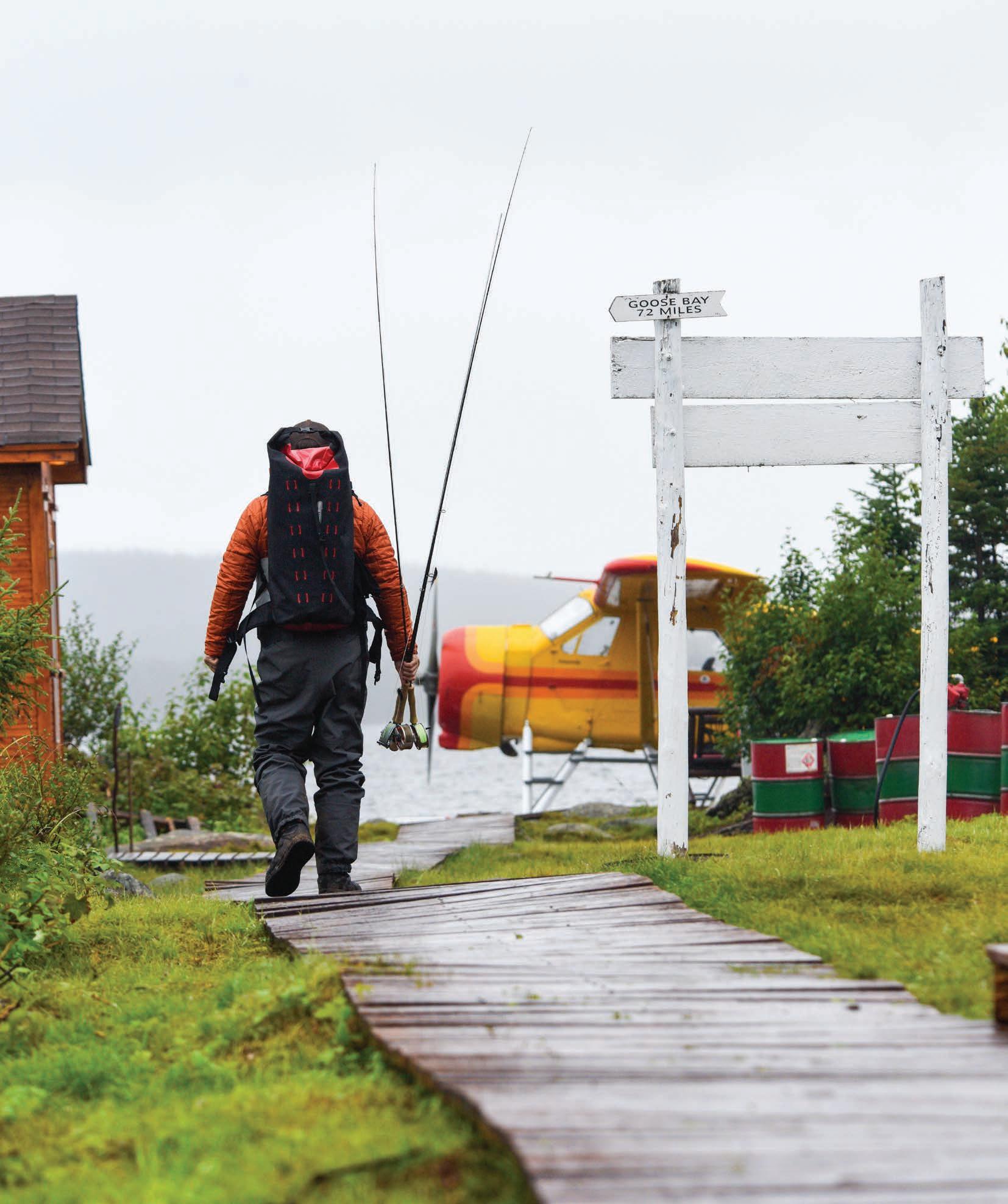
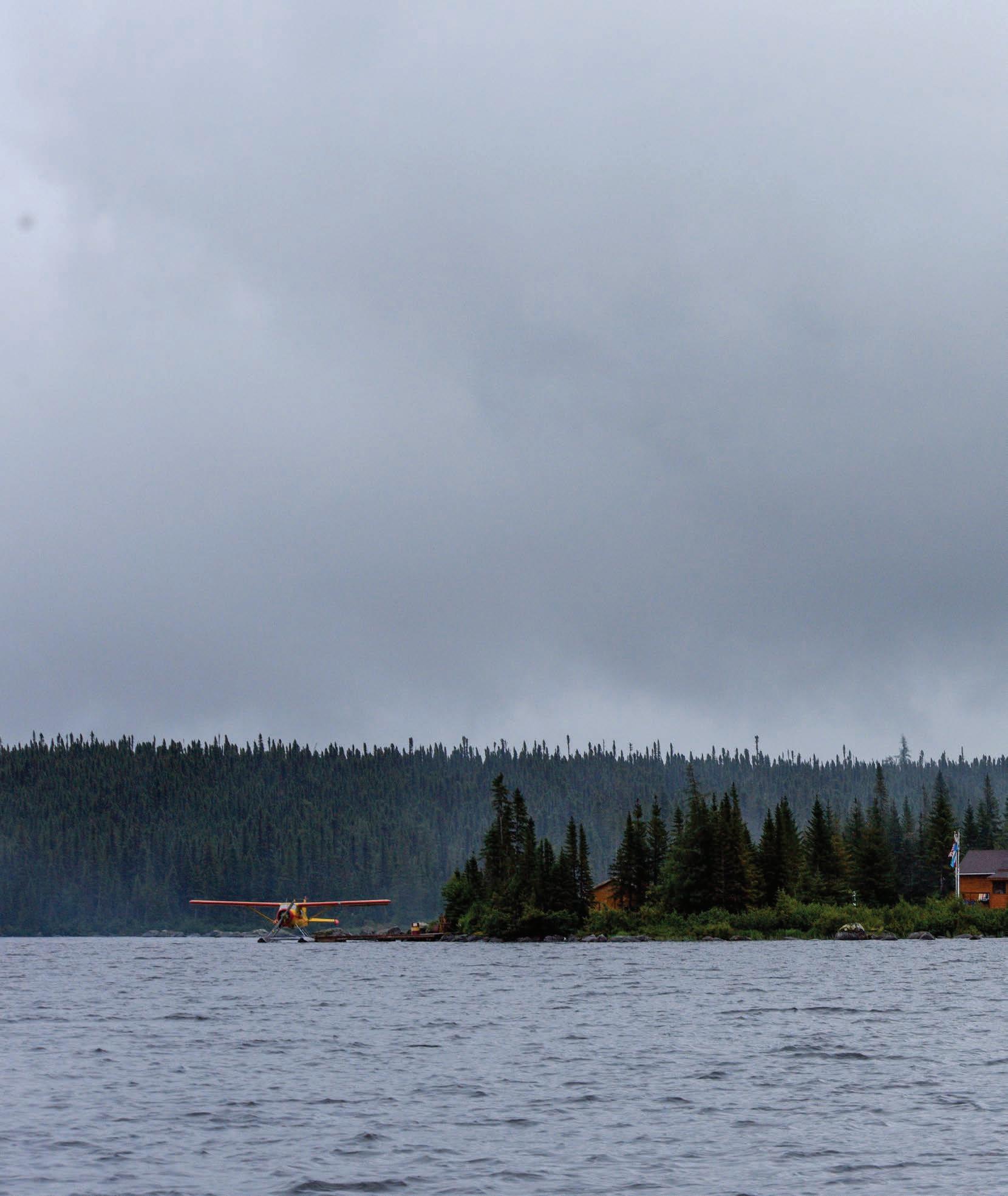
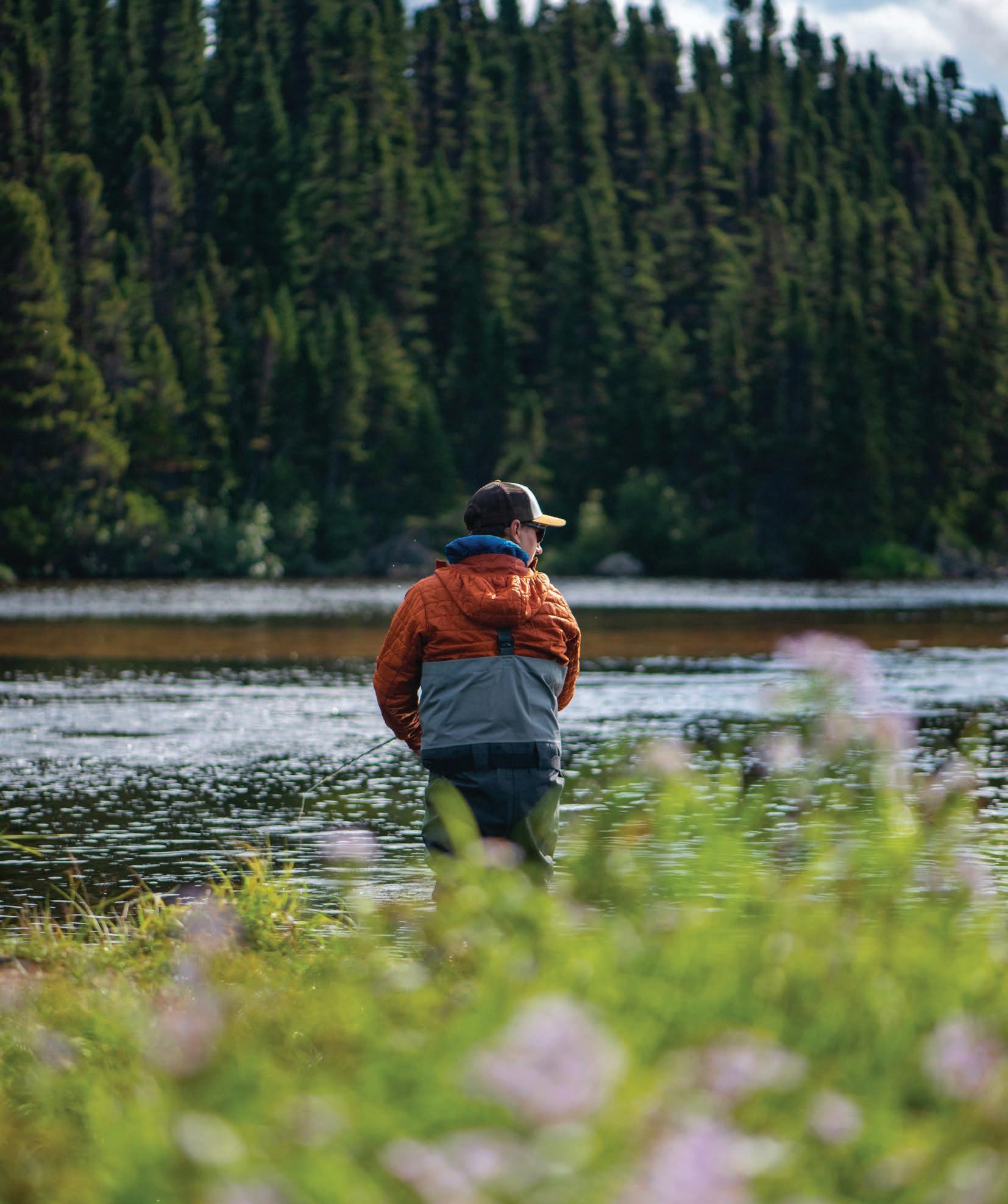
WINDS have been licking greedily across the lake’s nutrient rich water masses ever since we arrived here at Igloo Lake Lodge. Steep waves underneath frothing foam tops have rolled across the shallow lake and stirred up the water to the point where it has taken on a grainy, peat-coloured shade.
I have travelled all the way from my home country, Norway, in order to reach this mythical brook trout fishery in the Canadian province, Newfoundland and Labradors’, outback. For years, my dreams have circled around the lake’s massive and well-nourished brook trout. I have envisioned schools of rising fish in shallow bays hectically feeding on mayflies.
I have tied dry flies, nymphs, and streamers and have spent numerous hours putting the right equipment together. I have hand-tied leaders and packed everything from small necessities to heavy camera equipment. I have invested considerable amounts of time, energy, and money into the dream of catching a wild, trophy brook trout over the magical eight
pound mark, and while the dream might have been inadvertently naïve in character, it has definitely been within the realm of realization – up until now, it seems. If this weather continues, we won’t be able to venture out on Igloo Lake and fish its many bays and islets.
we’ve sought refuge from the weather and fished the local area near the lodge, where a short river stretch drains out of the lake before plummeting blindly into the first of a series of smaller lakes on its route to the Eagle River: The mightiest of all the rivers in Newfoundland and Labrador’s trickling and lush green glacial realm.
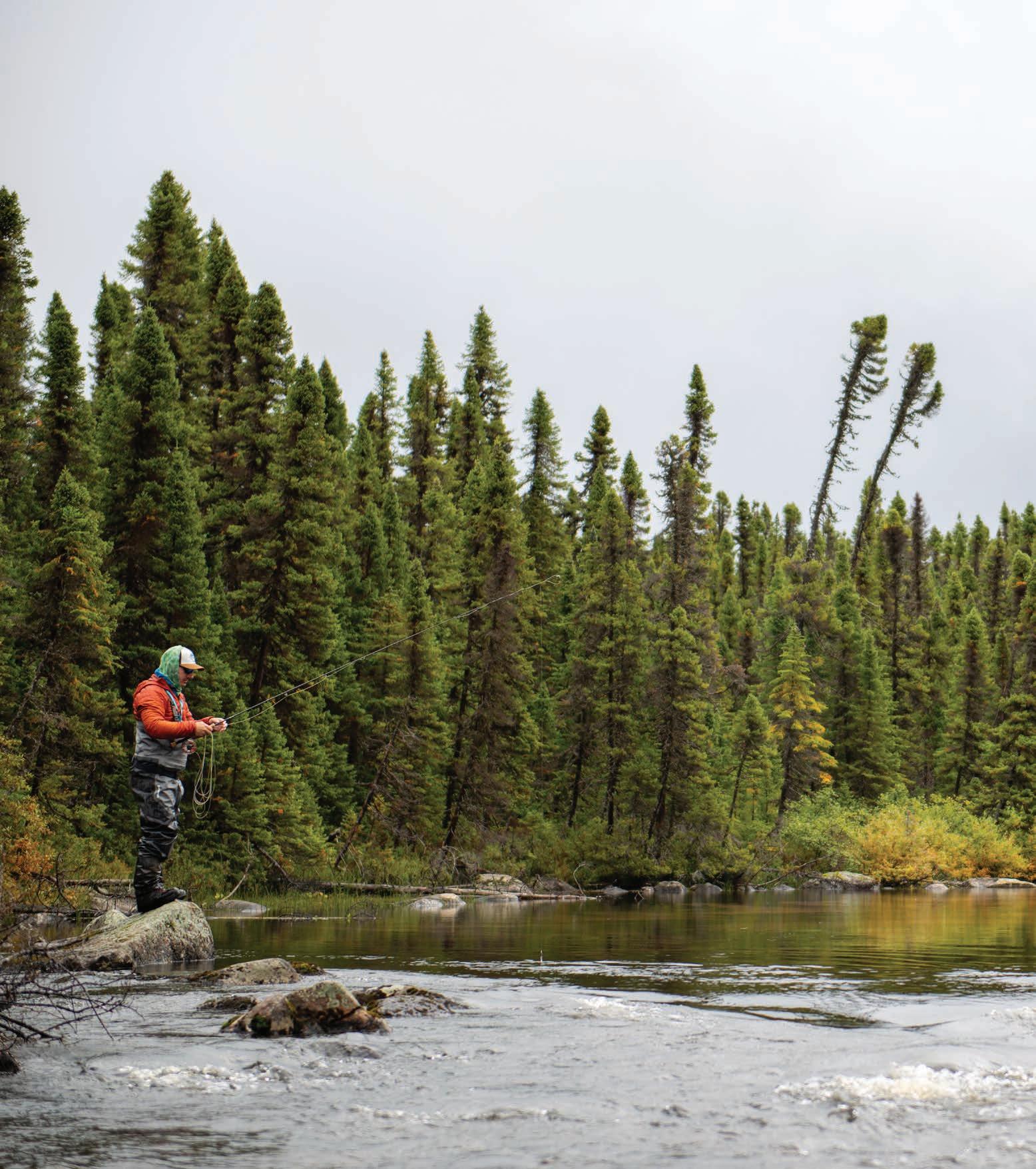
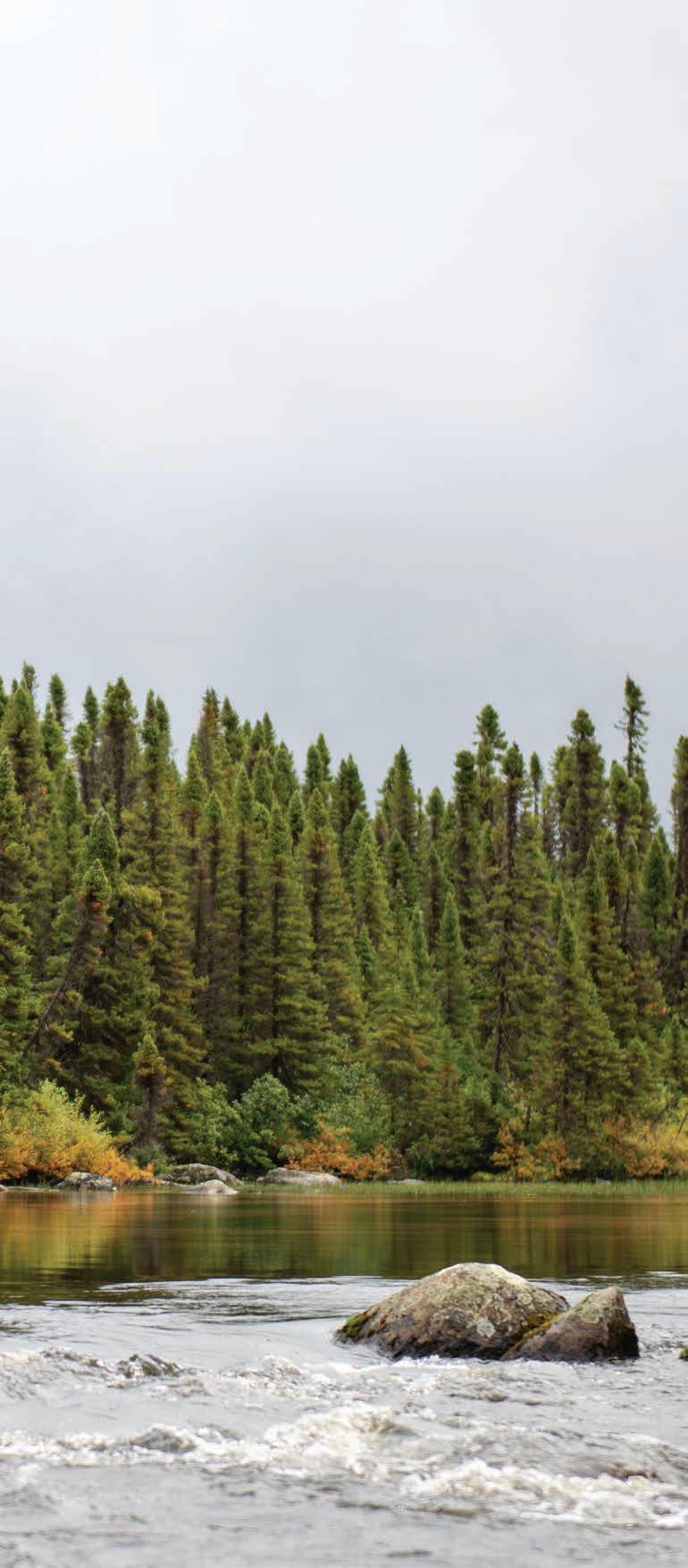
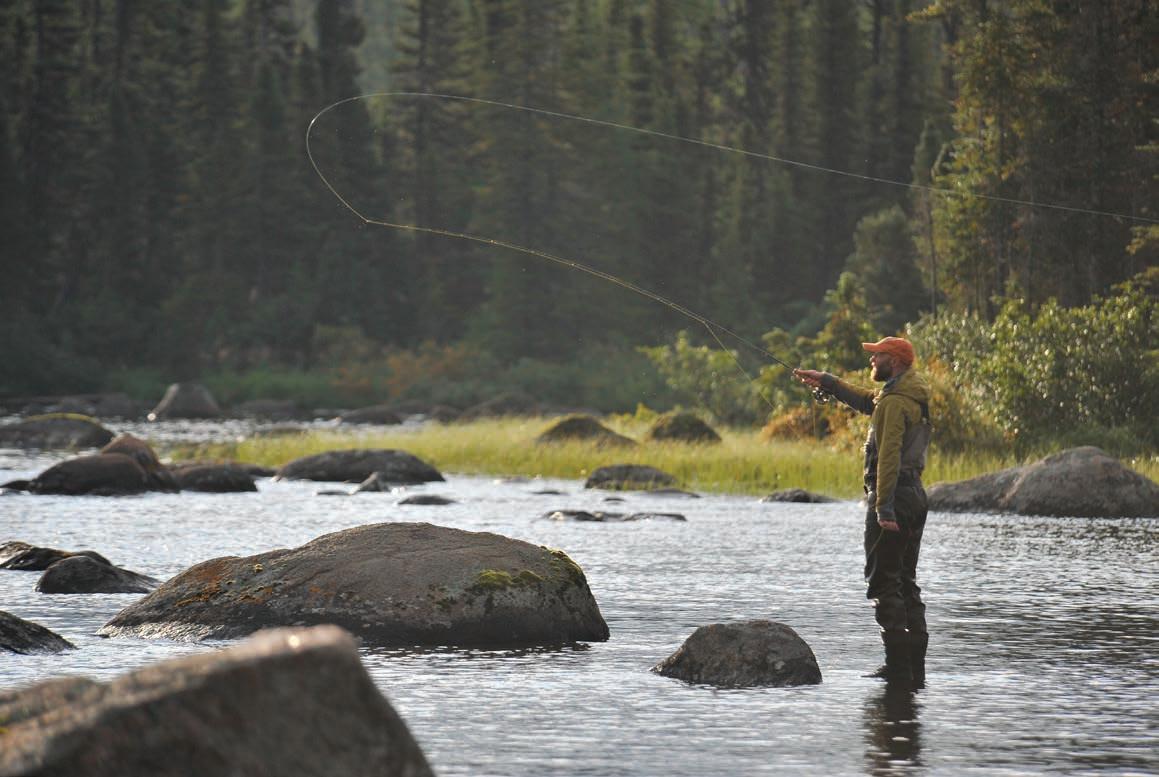
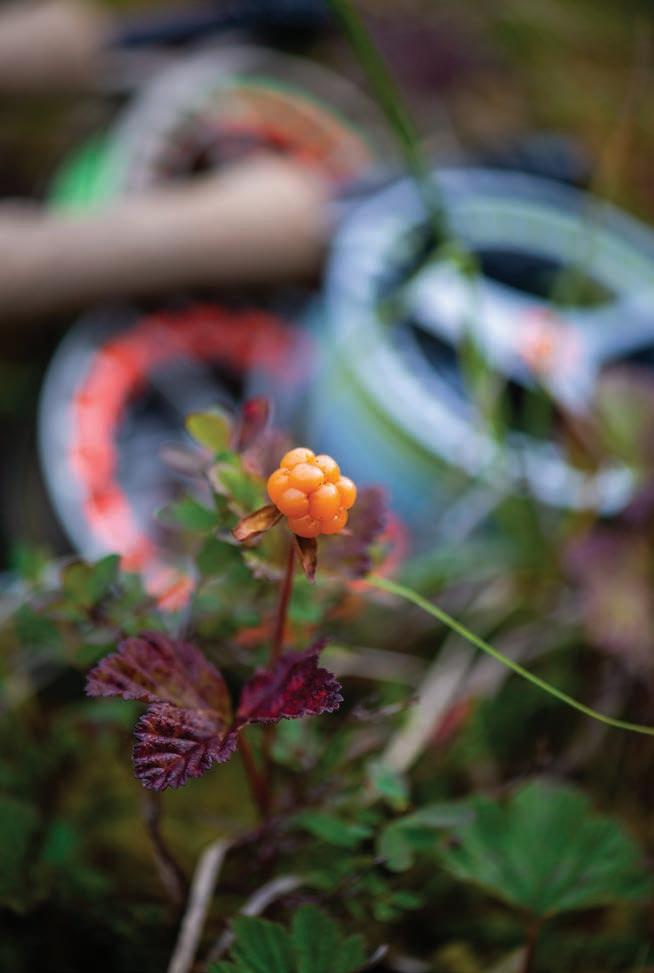
The river isn’t unlike other rivers that I’ve fished in, for instance, Swedish Lappland. It meanders through dense forests with anorectically thin pineand birch trees that tower above an uneven and nutrient-rich forest floor where partially exposed roots are superseded by almost fluorescent green moss fringes, blueberry thickets, and mushrooms in myriads of shapes and colours.
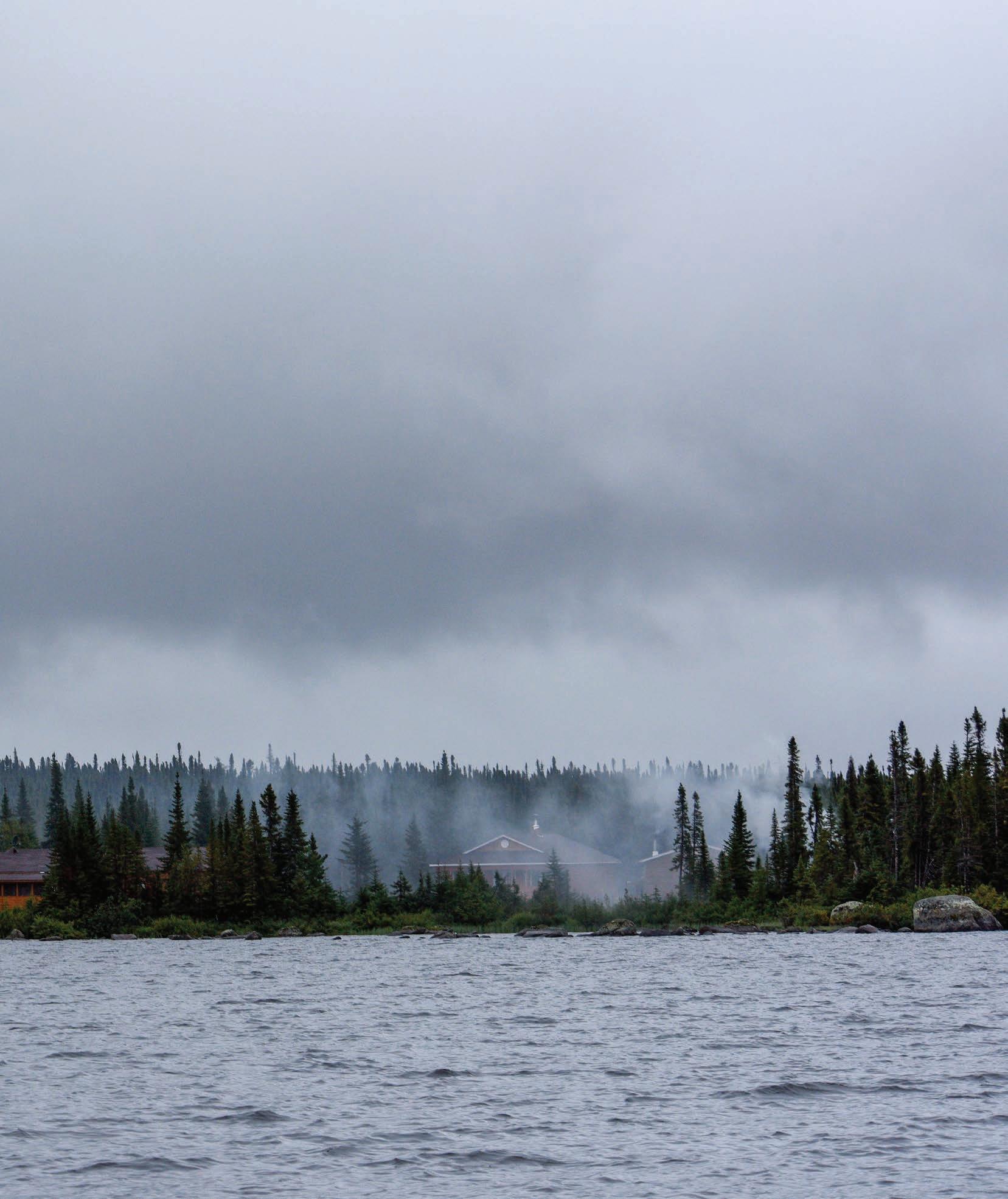
Except from the marshy path that leads to all the individual pools in the river, we’re talking about an area practically untouched by man – a wilderness that has been shaped by the seasonal forces of Nature throughout Millenia and the interplay with the local wildlife, which – apart from moose, reindeer, caribou, otters, beavers, and other rodents – include bears, wolves, lynx, wolverines, and a vast number of bird species, including ospreys, bald eagles, and loons.
EARLY
The river’s steep banks sporadically light up in narcis-yellow and fiery red colours. A heavy and quivering morning mist hoovers above its fleeting and slightly peat-coloured water masses. Here and there, a small brook trout rises and vehemently tears an unsuspecting insect off the surface film.
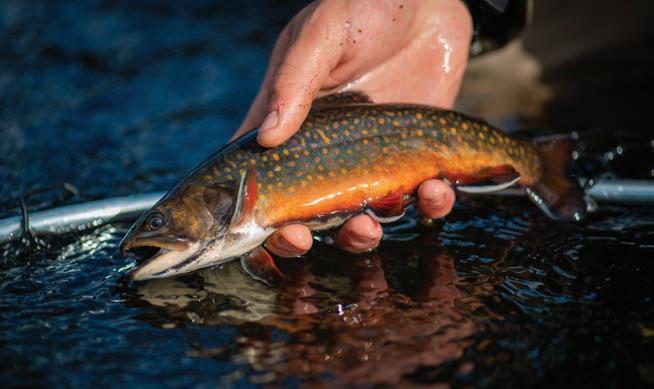
The biggest brook trout lurk along the bottom; in the deepest channels, behind big boulders, and below smaller cascades and waterfalls. They’re clad in golden and violet colours, they’re well-fed and broad-shouldered – and especially the males are aggressive
and territorial. They are here because they’ve experienced a sudden- and at the same time both incomprehensible and irresistible gravitation towards the river; its riveting, oxygen-rich water and its many pools and gravel bars.
The spawning is – if not imminent, then at least under way. And it won’t take many weeks before the river floor is alive with brightly coloured fish, all of them tending to the same agenda: To pass along their genes and ensure the survival of their species.
At that point in time, Igloo Lake Lodge will be closed down for the season, and the surrounding landscape will seem crouched; crouched under a heavy blanket of snow, at one and the same time out of sight and remarkably eye-catching.
The river, too, will slowly succumb to the relentless weight and harshness of winter - only exposed here and there by waterfalls, cascades, and whirling seams, but - by and large - covered in ice and snow, and under the cover of a darkness that won’t lift for months.
When the darkness finally dissipates, new life will emanate from underneath the gravel bars, and small brook trout alevin will find their niche inside the river, - in life, and in the greater context that comprises the complex life world of the Labrador wilderness. The miracle of life seems that much greater here where such a harsh and inhospitable climate has to be continually overcome.
; a place where the river dumps headlong into a bigger pond – or perhaps, more correctly, a small lake. Here, a long lie extends into a quiet bay where fish have recently started to pile up. Already on the first cast, I feel the tug from a fish that aggressively collides with the big, black zonker at the end of my leader. A series of heavy pulls propagate through the fly rod, and after a few ensuing minutes of relentless pressure, I see the first orange-red flashes below the surface where the fish is thrashing around.
Travis Pinsent, our young and charismatic guide, materializes by my side, and it isn’t long until he nets the fish and tows it towards shore.
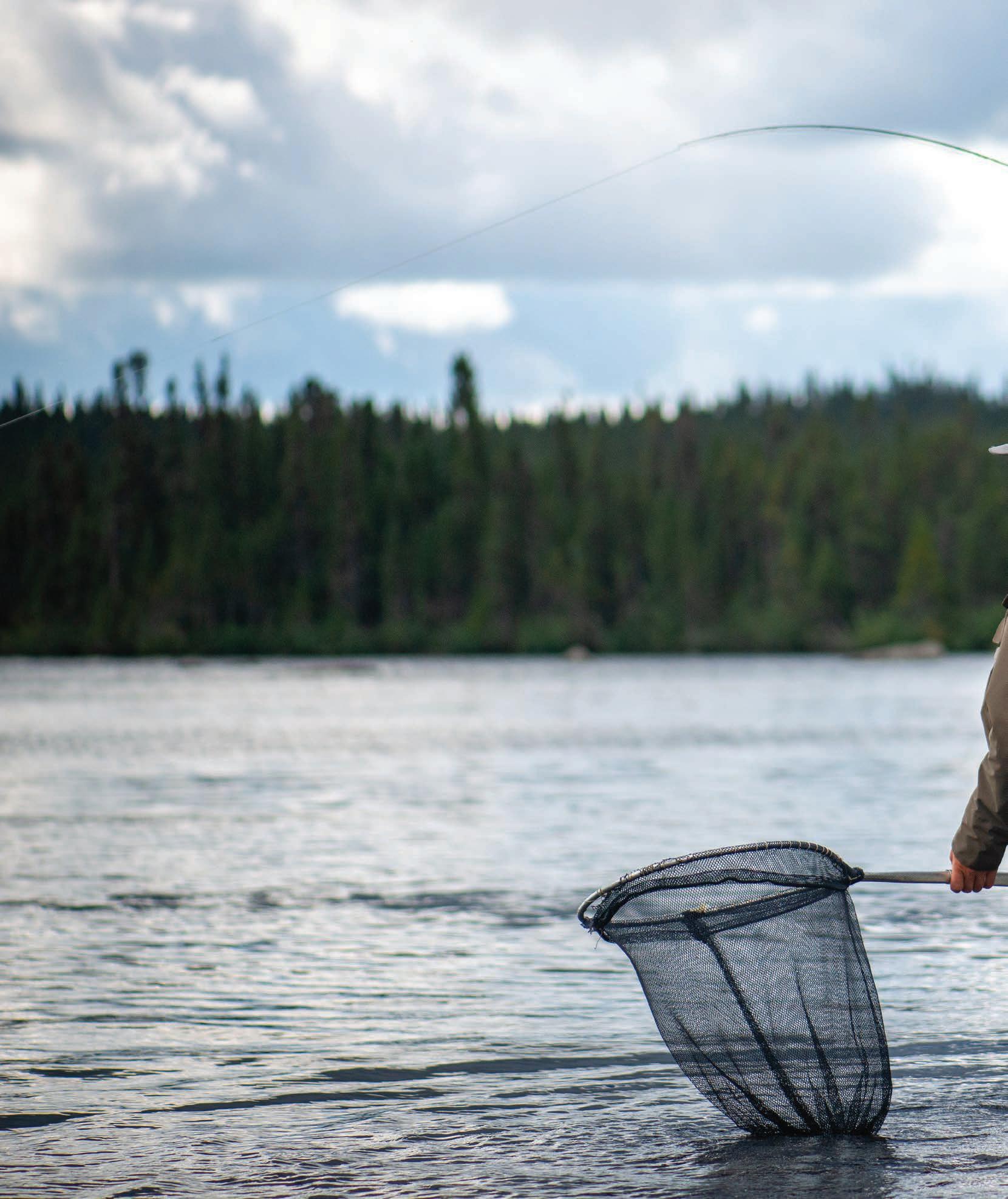
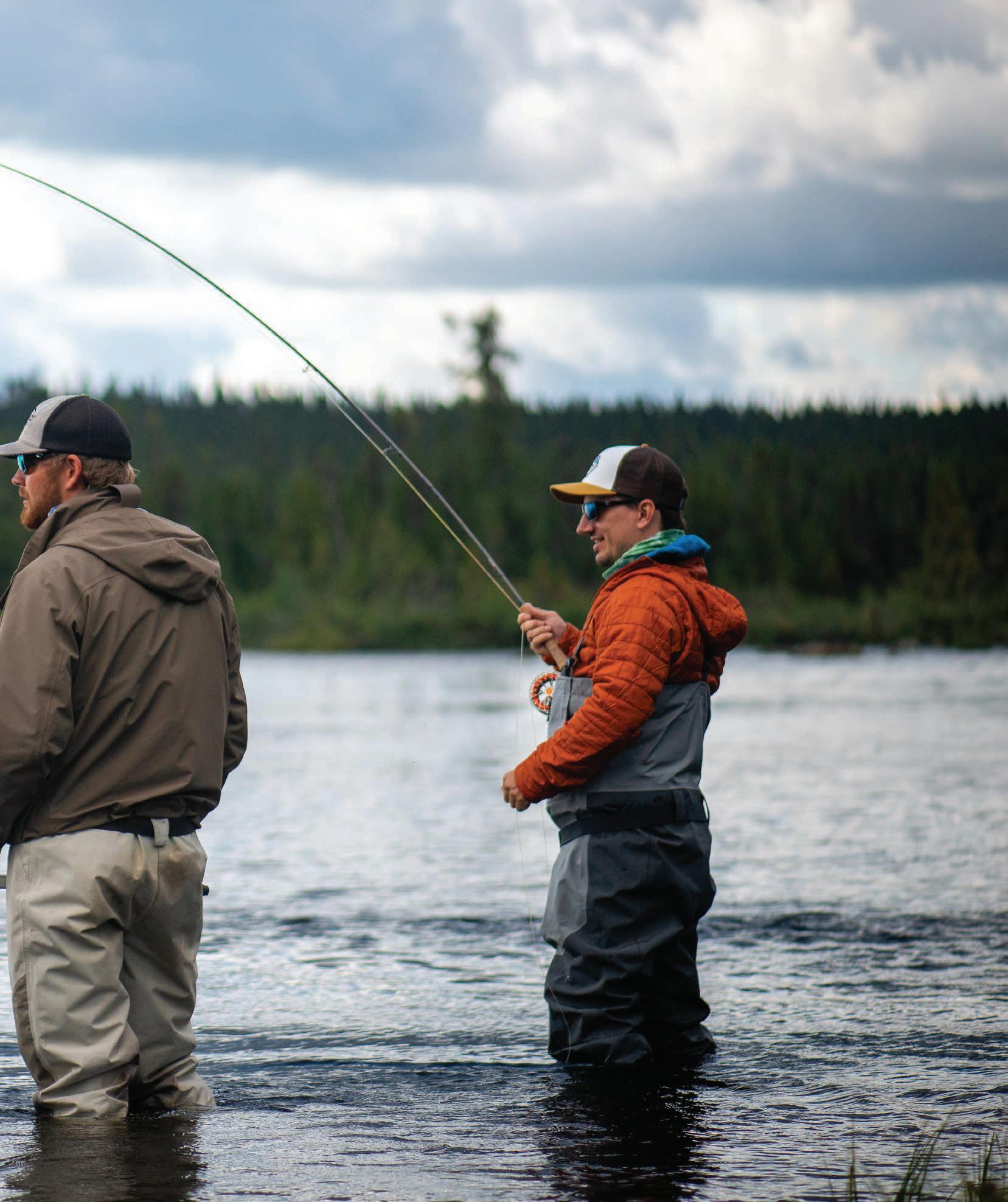
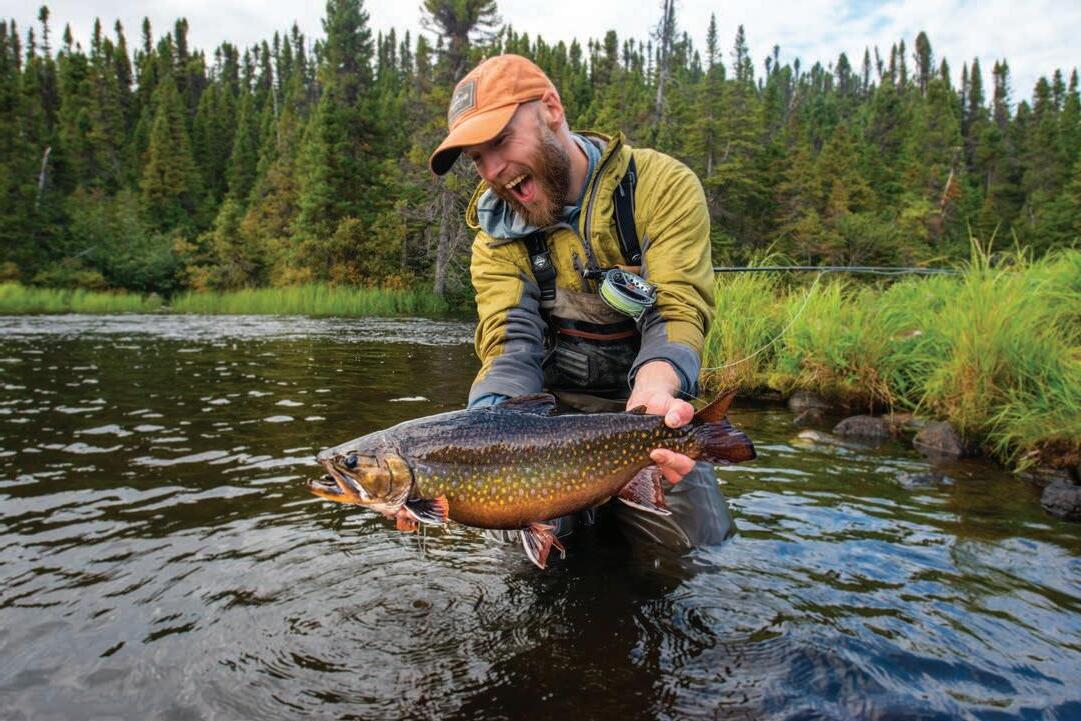
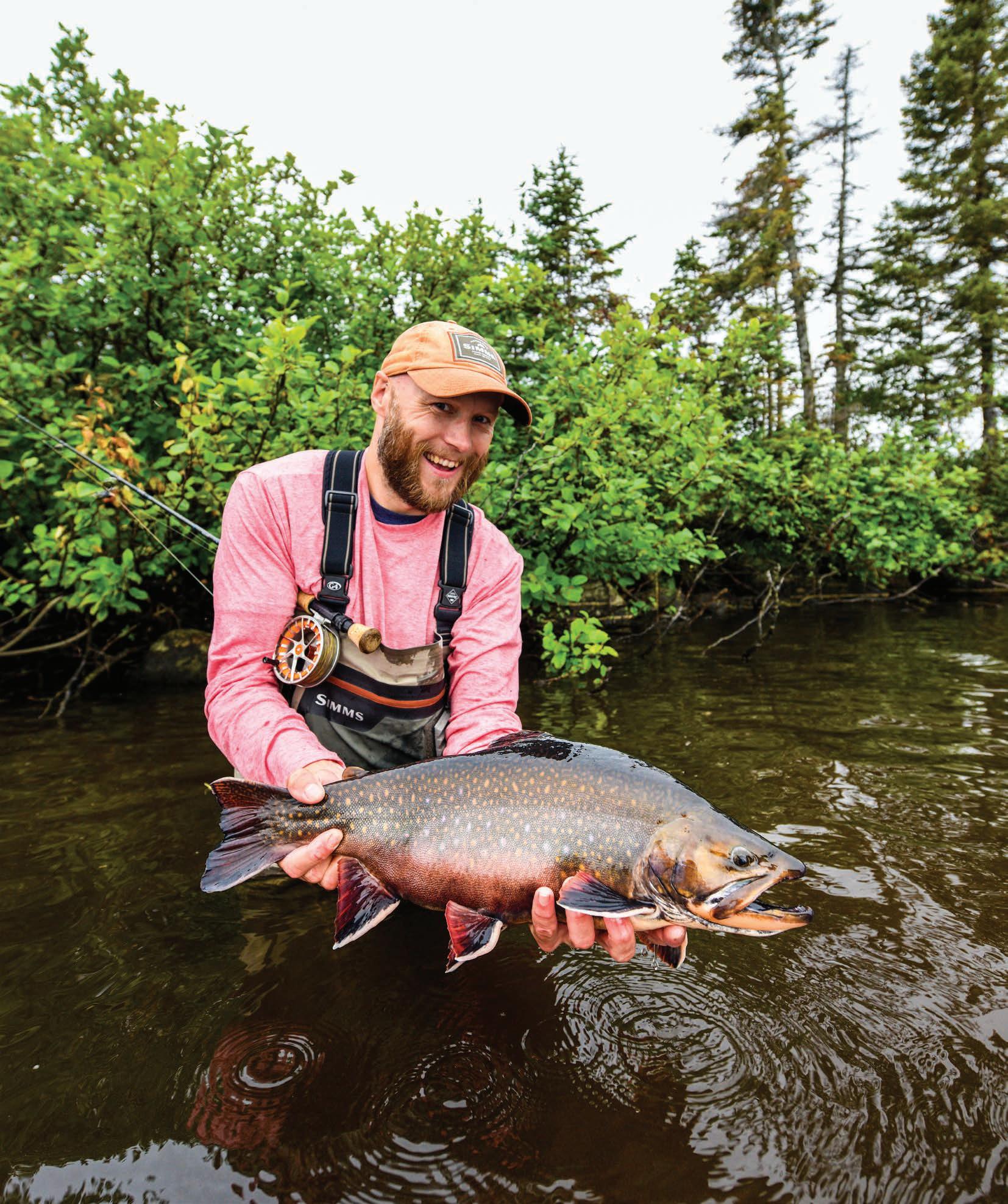
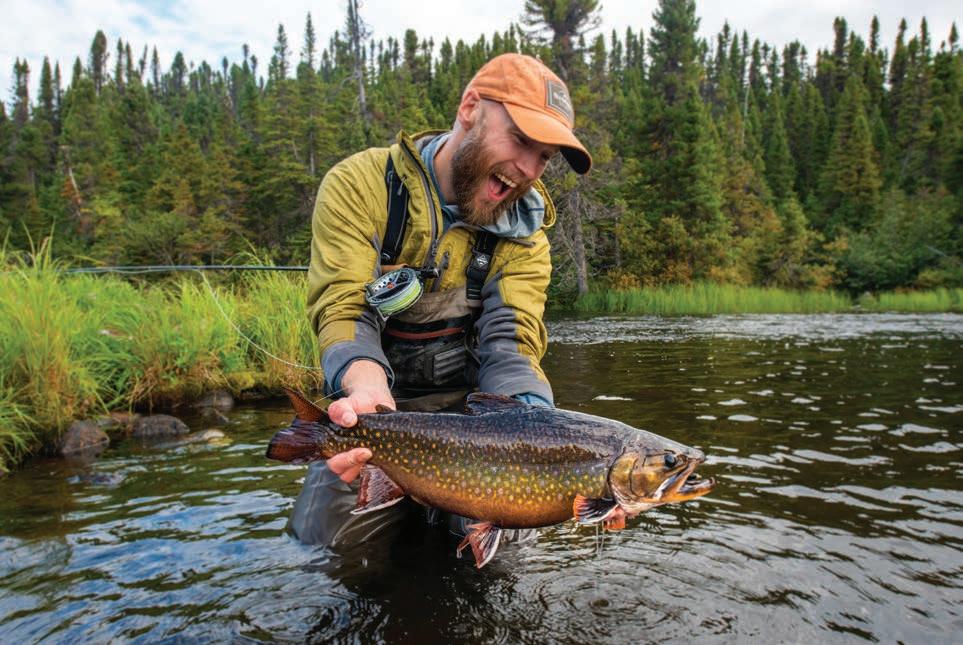
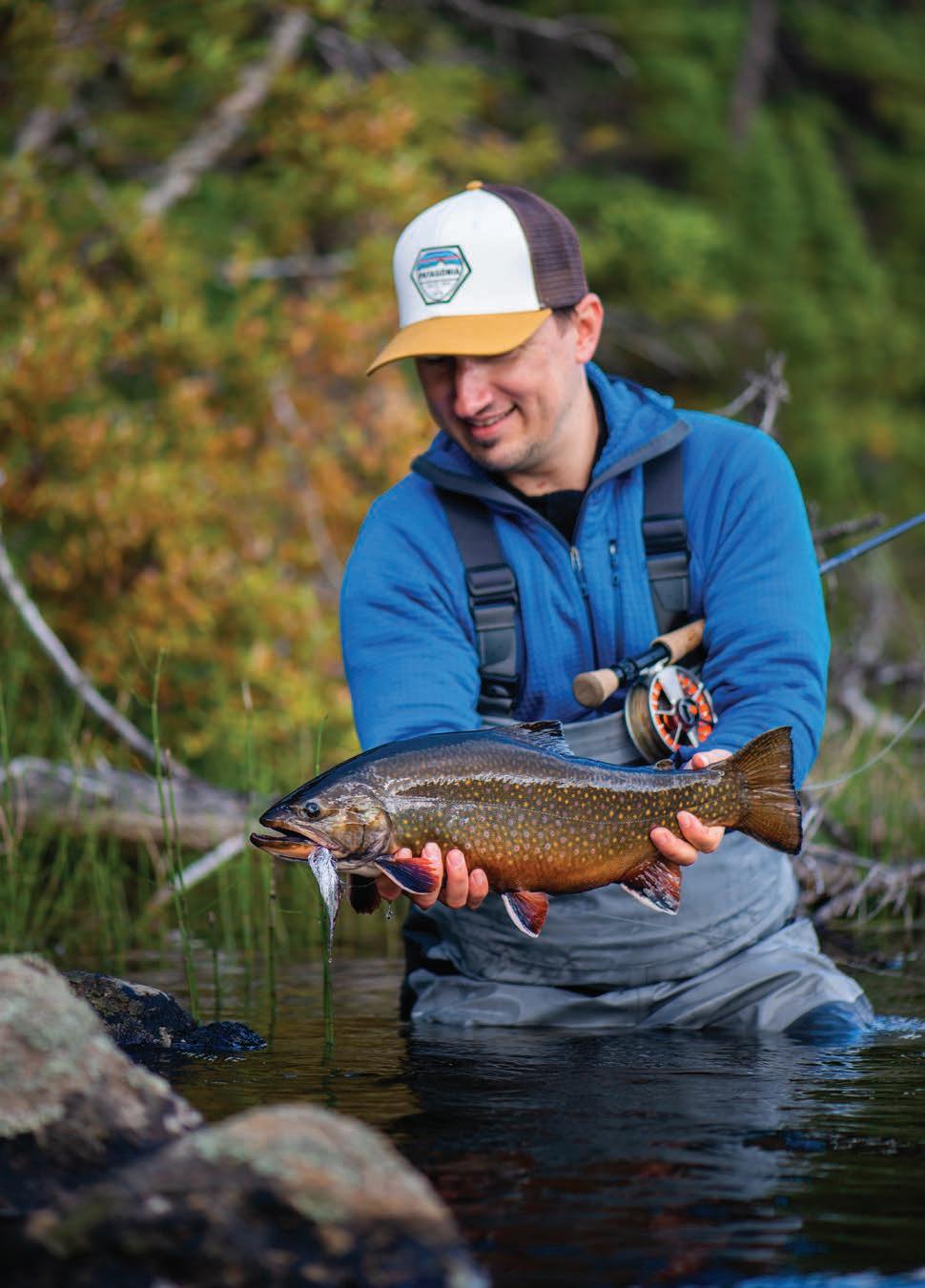
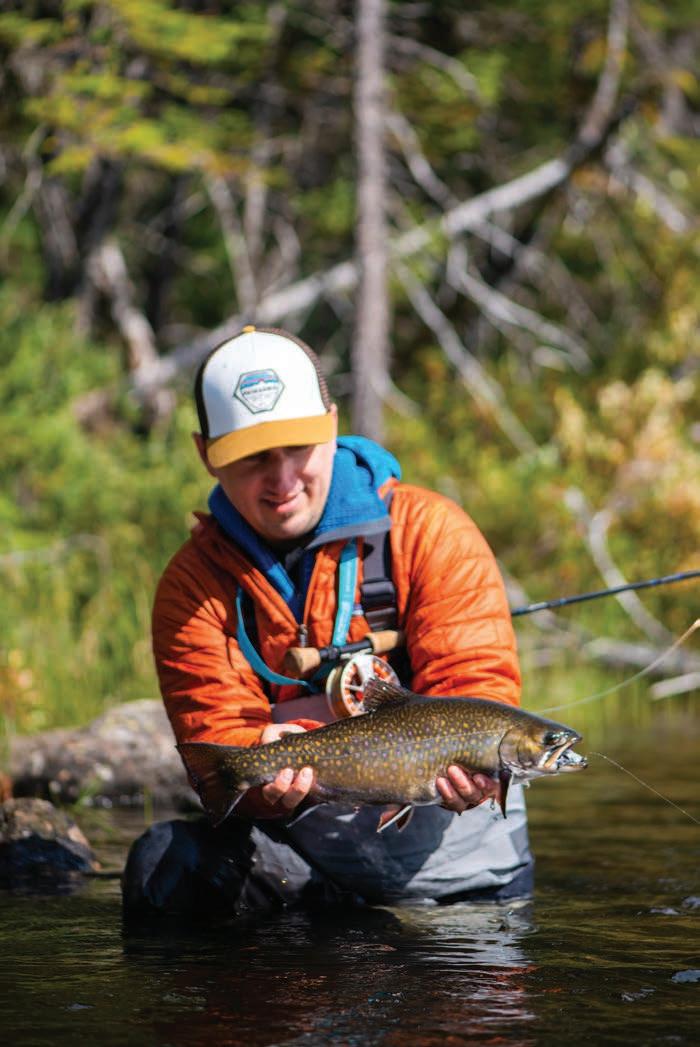
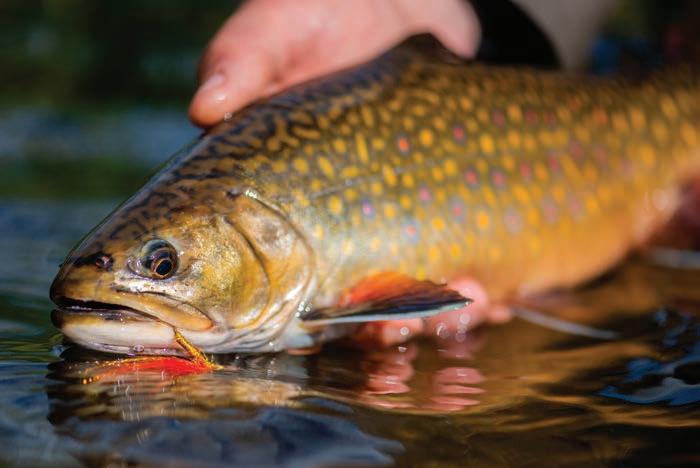
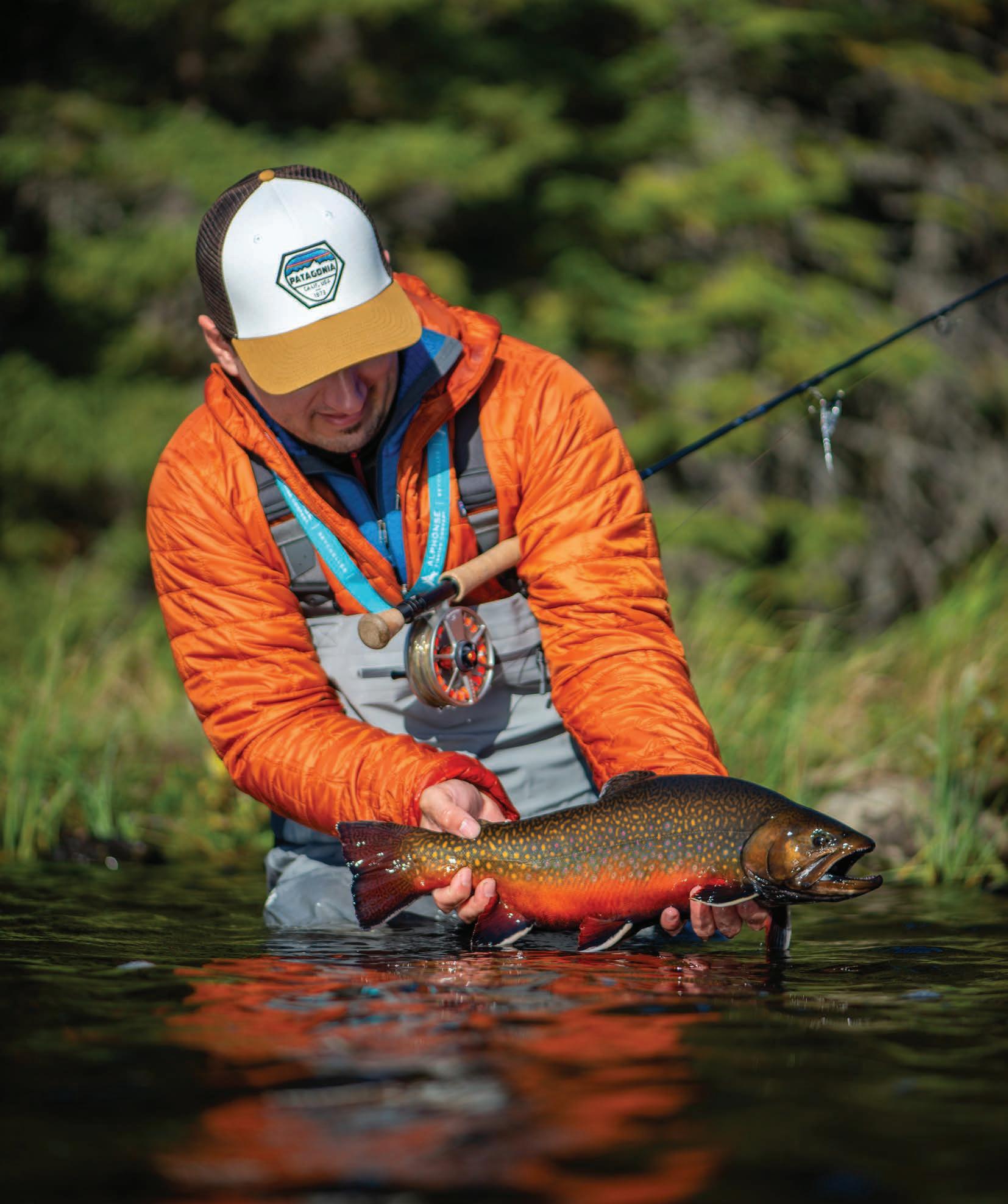
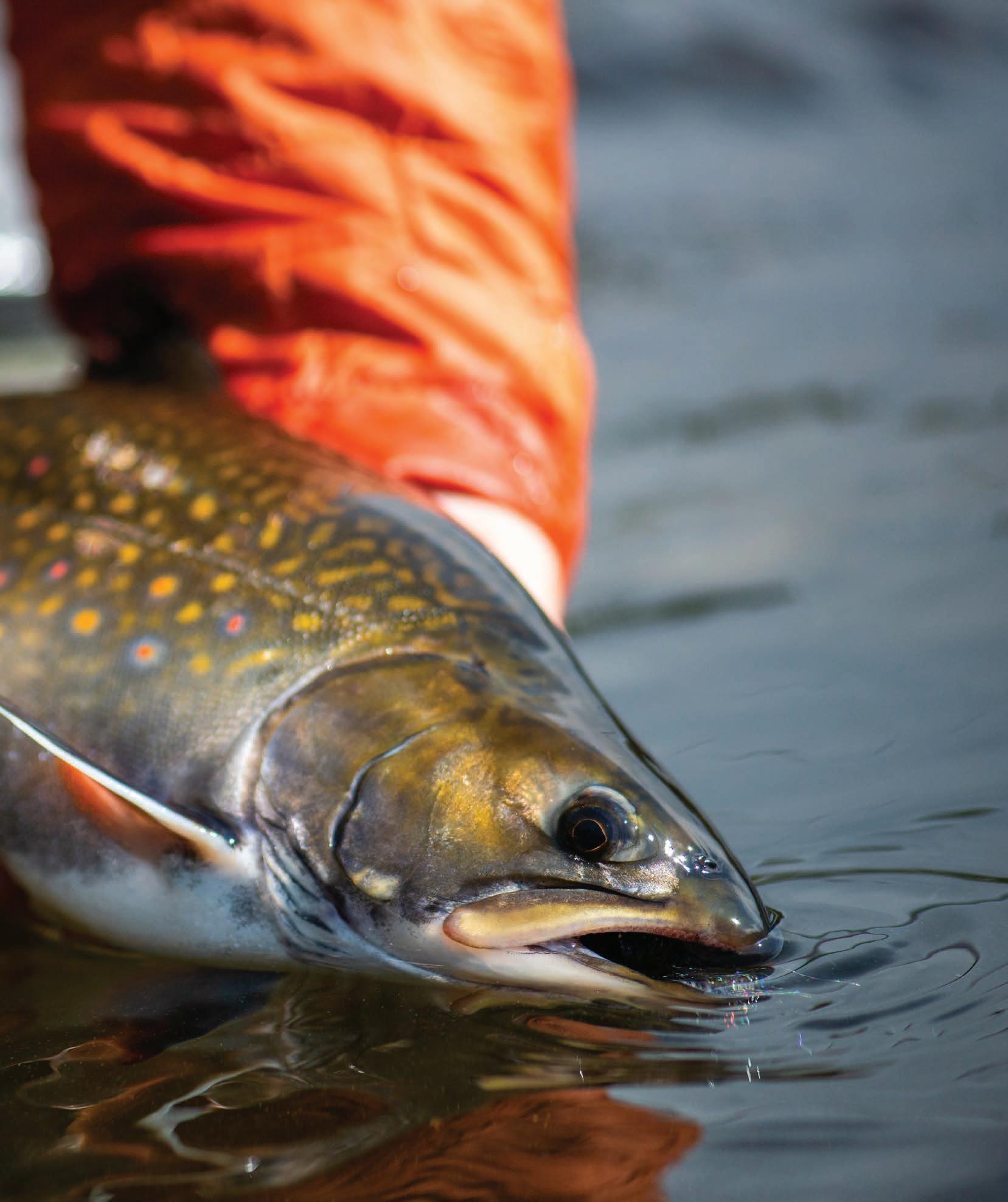
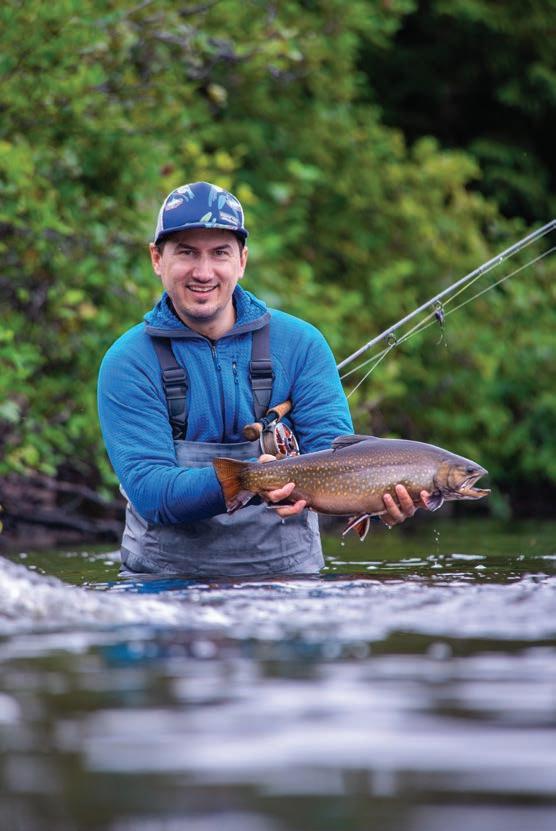
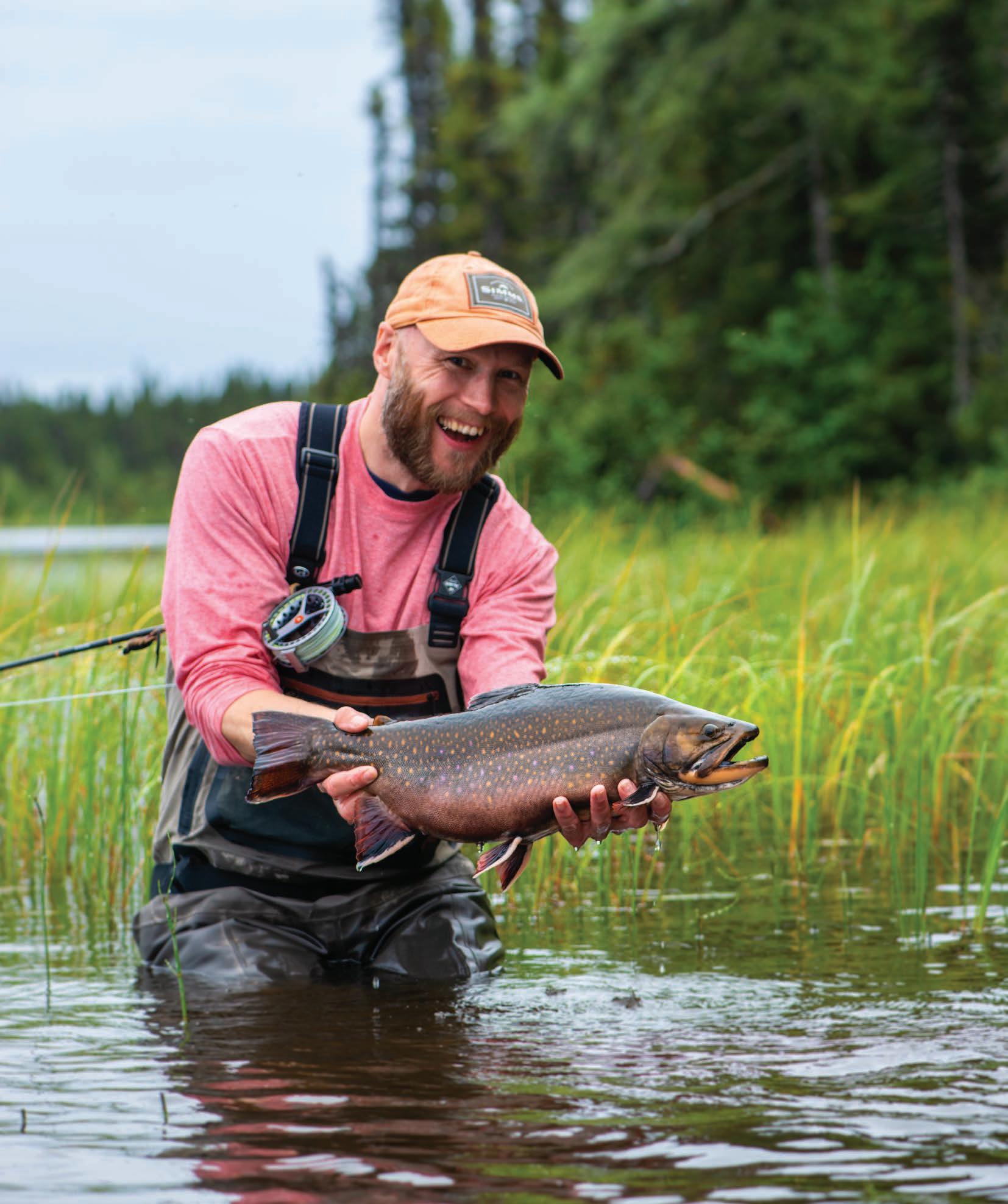
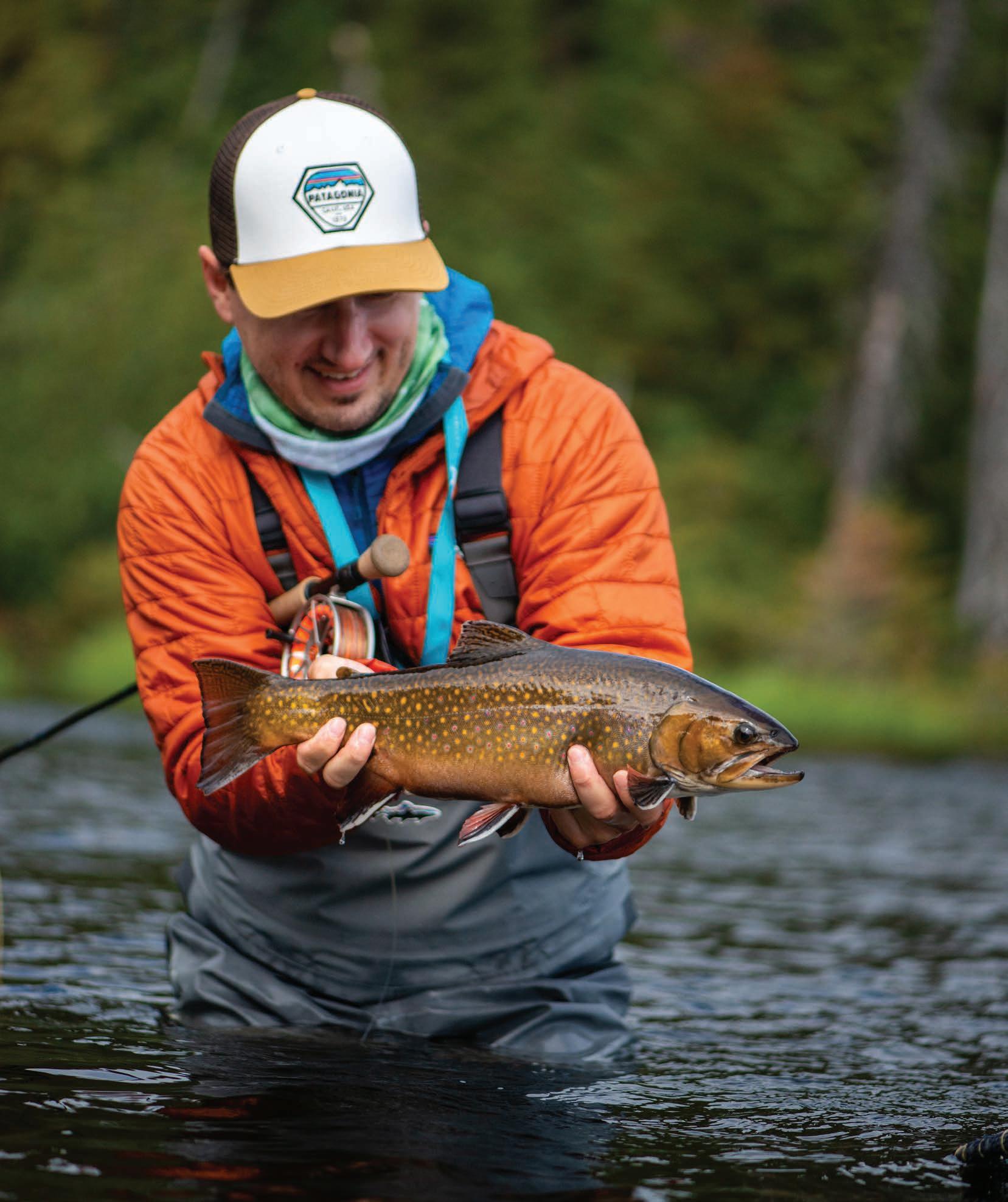
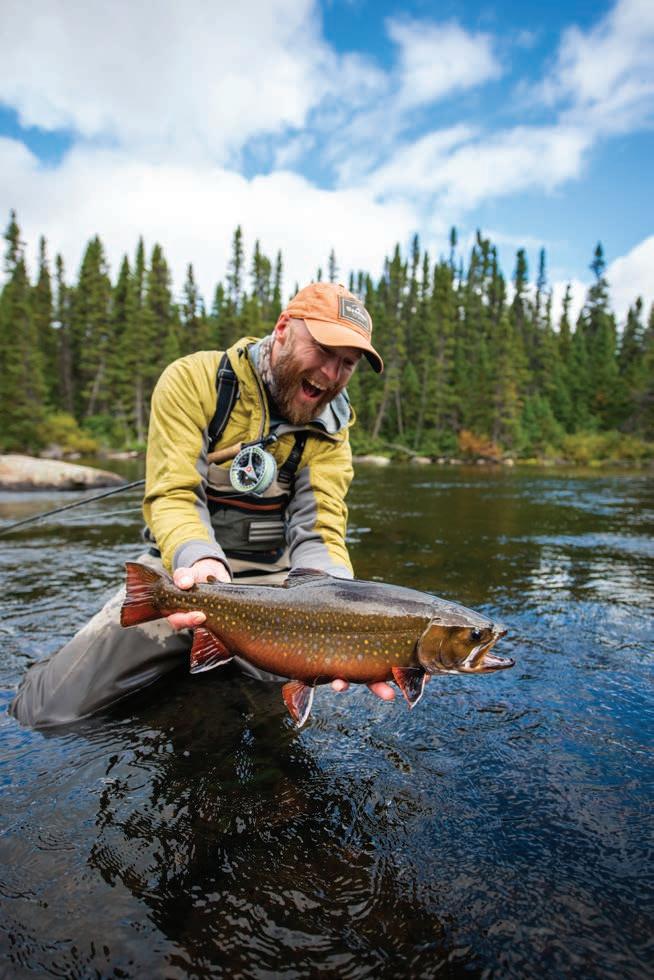
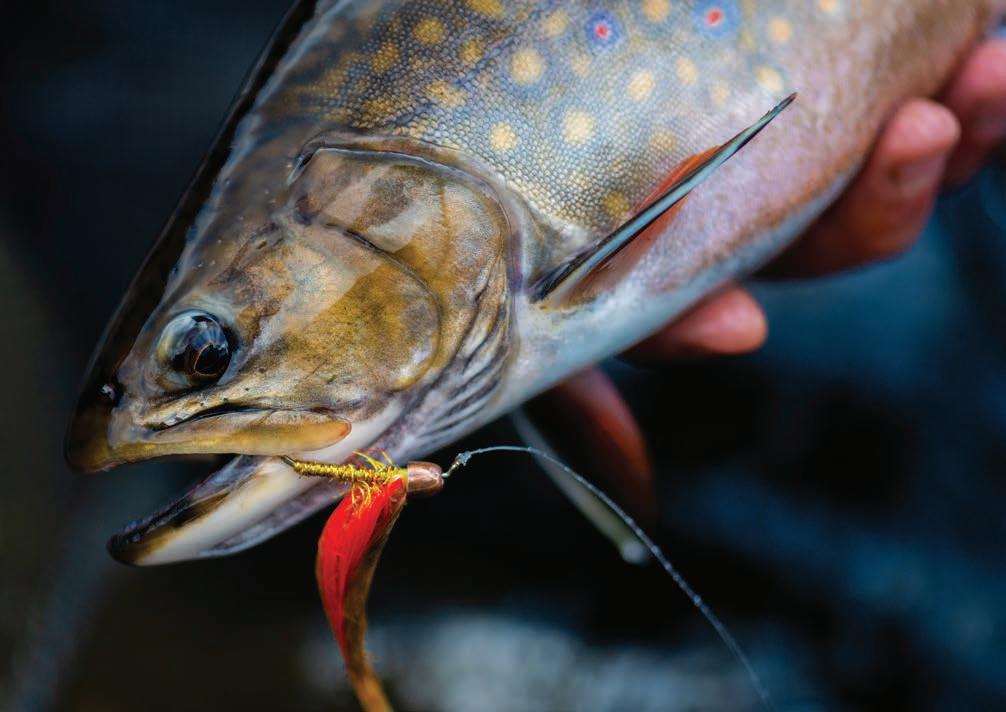
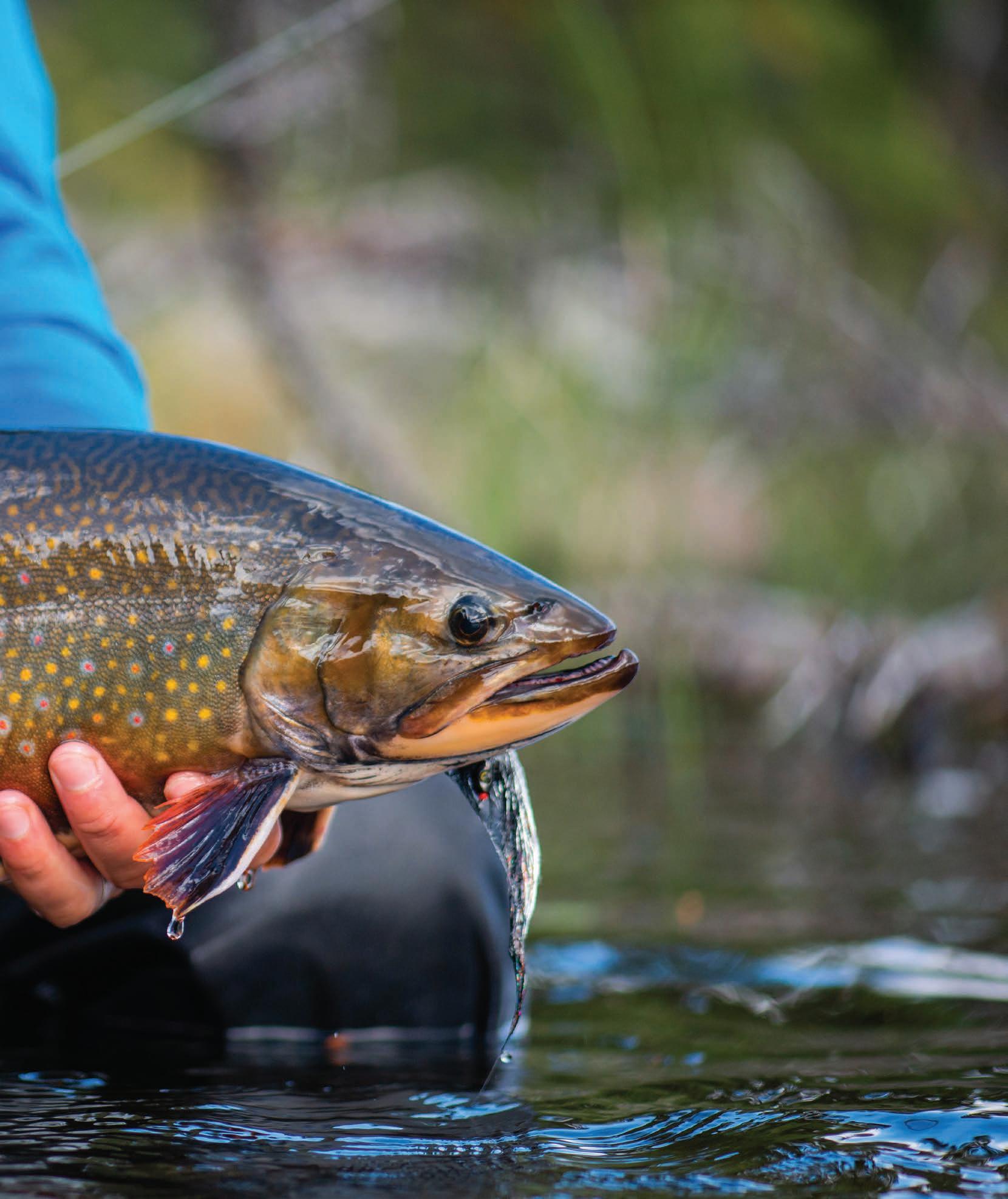
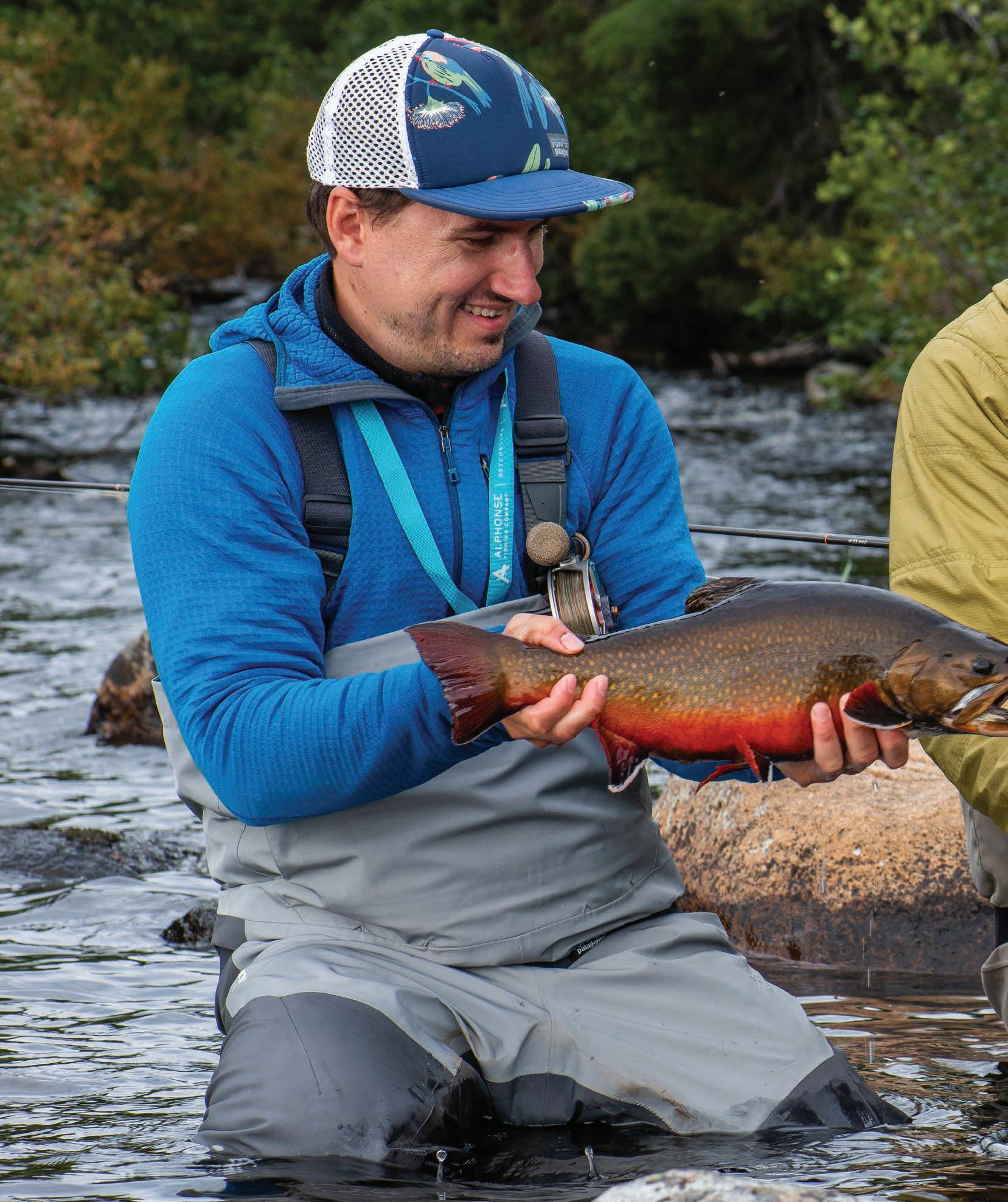
Inside the knotless mesh netting lies a male, about 56 centimeters in length, and with a body that conjures up mental images of a Mexican wrestler – a wrestler in a tight-fitting and flamboyantly decorated tricot. With its pronounced kyped jaw and a sinister look in its eyes, this fish surely looks like a primitive brawler, but there is also a subtle elegance to it –something stylish and iconic about the blushing strokes of fiery red in its flanks and the many saturated indigoand bright olive spots that have been strewn so generously along them.
The fish is a little bit shy of seven 7 lbs, and after a few quick pictures it cuts through the surface film and glides gracefully back into the fleeting water masses and settles somewhere along the bottom of the lie. We land an additional four fish within a relatively short timeframe. After that, the activity decreases – dramatically. We experience the same thing at most of the river’s pools, and the tendency only seems to be getting more and more pronounced as the week progresses: A clear symptom that we’re a total of eight fly fisherman at the lodge taking
turns and working our way through a limited number of pools with limited numbers of fish.
The river is both technically challenging and exciting to fish: It’s a real pocket water fishery where presentation is of the utmost importance, where you need to read the water thoroughly, and where your approach should be both careful and stealthy – a fishery, where every single landed fish feels both deserved and meriting. We land several incredibly beautiful brook trout in the vicinity of 7lbs in the river, but we can’t help but feel like we’re missing out on something. It is as if the whole trip is somewhat unredeemed:
As if our gravitation towards the lake’s wide blue expanse – and all the secrets that lie underneath its surface –only continue to grow stronger as the week progresses. And even though, compared to other brook trout destinations across the globe, we’ve had spectacularly good fishing again today, it is with a burning sensation of heartbreak precipitated in our bodies that we wrap things up and head back to the lodge.
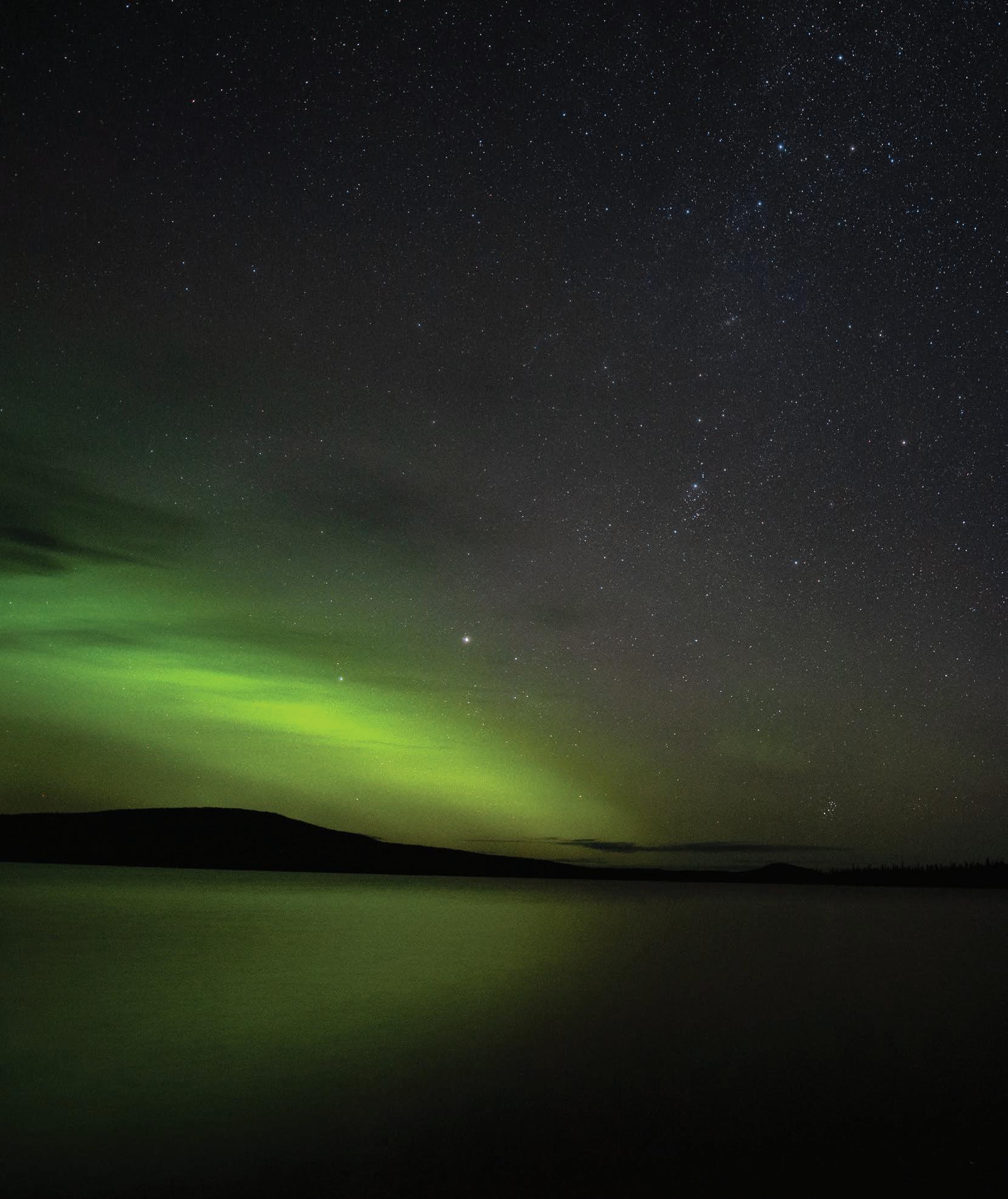
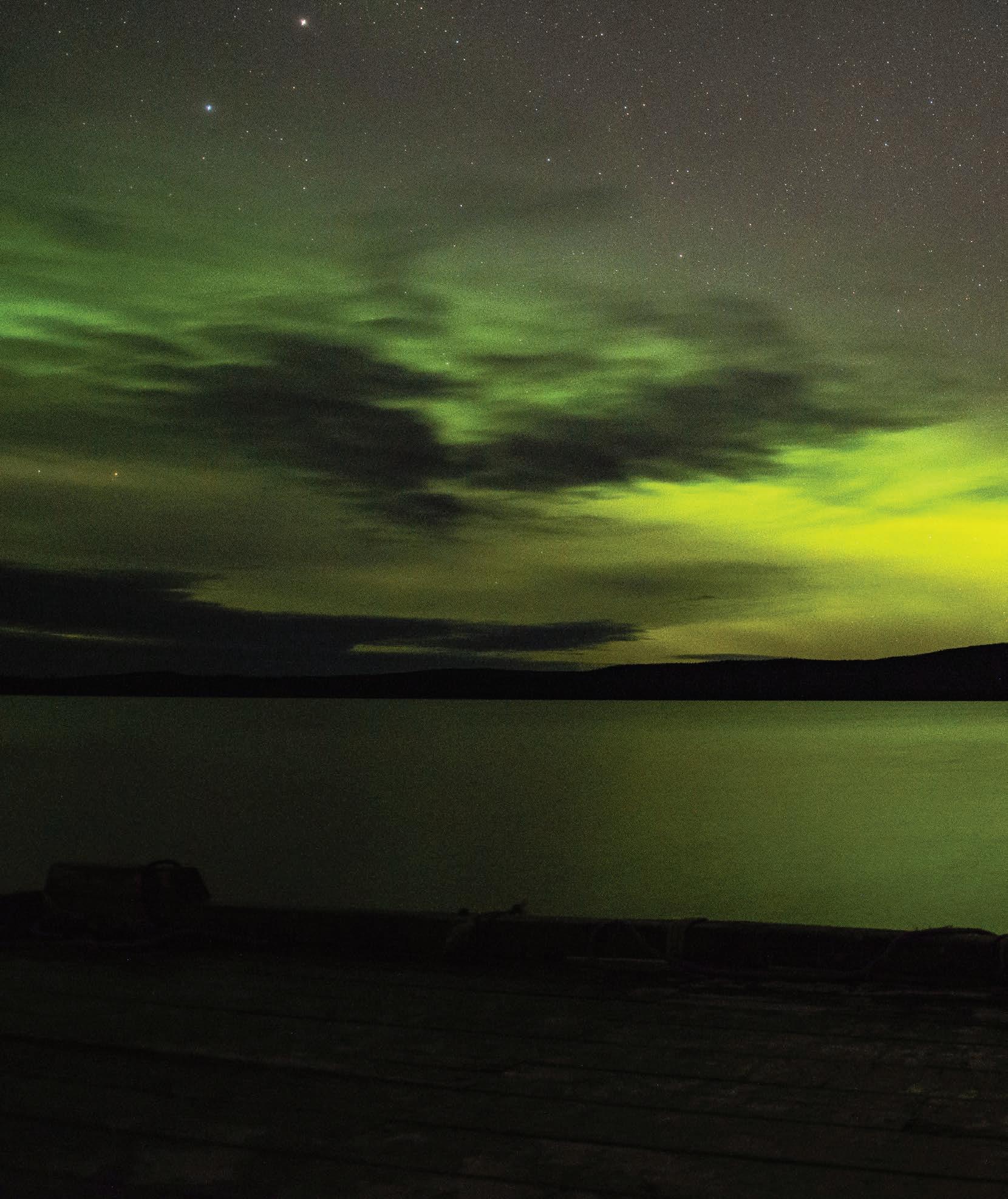
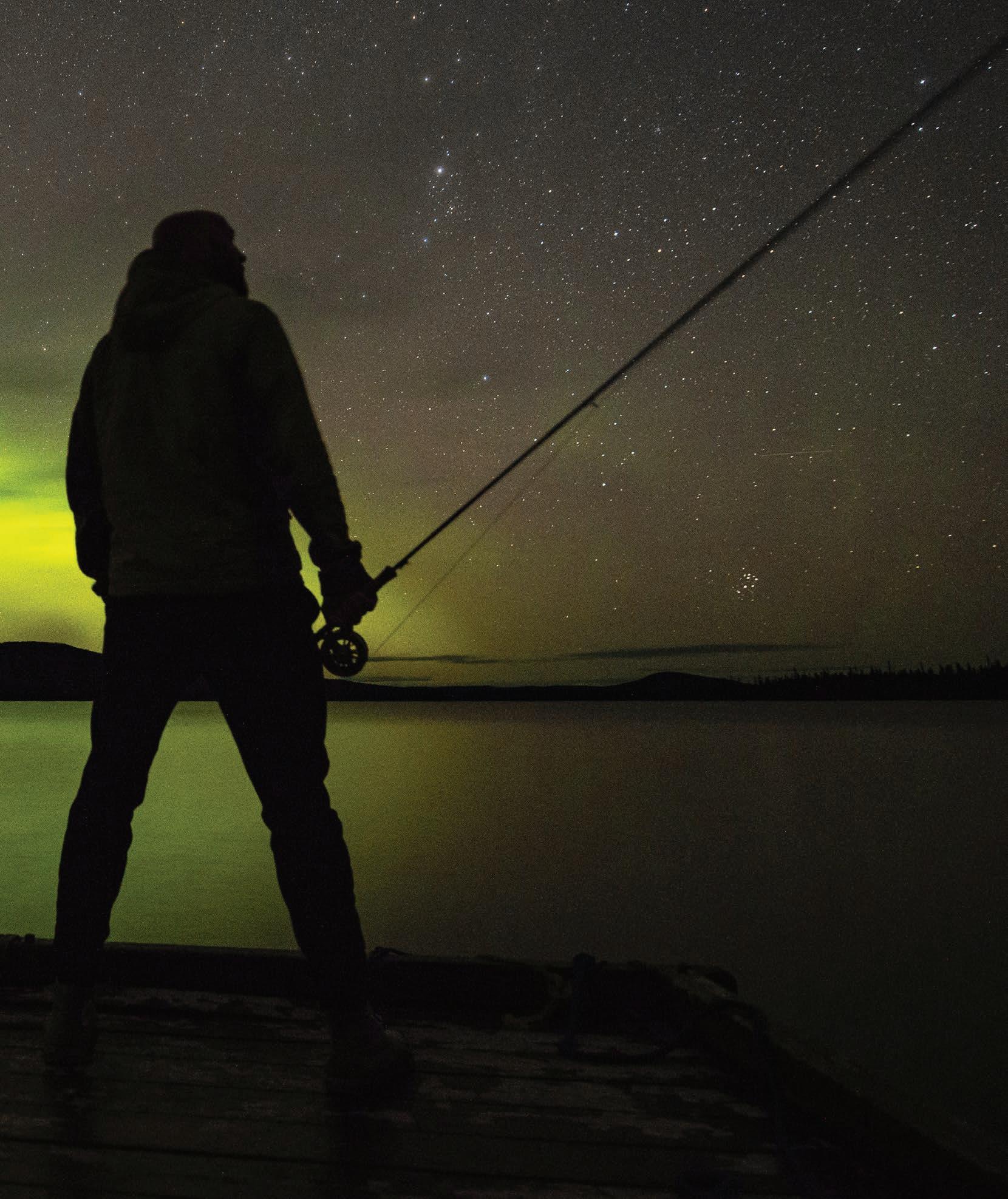
ERN LIGHTS dance enticingly across the pitch-black night sky later that day. Incalculable amounts of stars stand out, with quivering clarity, against the depthless dark of the celestial concave while the Milky Way oozes ghostly across the night sky above the lodge, like some thick fog out there in the abysmal nothingness.
My trusty fishing buddy, Martin, is there silently by my side. His gaze, too, wanders leisurely up and down alternating between the starlit ceiling above us and the lake’s lightly-twinkling and drowsily resting oil-like surface below. The winds have died down during the evening. We’ve both noticed that. And even though none of us dare say it out loud, there is now hope that, tomorrow, the conditions will be favorable. Perhaps, we’ll finally be able to head out in one of the 16’ fiberglass canoes moored at the lodge and explore the many bays, drop-offs and islets on Igloo Lake?
The next morning all of our hopes are finally honored.
The winds have lost their breath, Igloo Lake is more or less like a big mirror, and the following two days we experience some of the fishing that we dreamed about before arriving here. It’s still cold - cold to the point that the mayfly hatches on the lake are minimal, and we only see a sporadic few fish rise in the turbid water. It doesn’t matter though.
We have absolutely no scruples casting big streamers. Now is the time to hunt for that fabled 8lb fish.
Two days after the dramatic weather change, we’re fishing Burton’s Pond – an atmospheric lake northwest of Igloo Lake’s northern shoreline.
Here, we hook up with several fish in sublime condition and, by the end of the day, we’ve boated and released an awe-inspiring 20 brook trout with an average weight of 5lbs – and with several hard-fighting individuals up to 7lbs. Best of all, I’ve thoroughly enjoyed the day, immensely relieved in knowing that my objective of catching a fish over 8lbs is already under the belt.
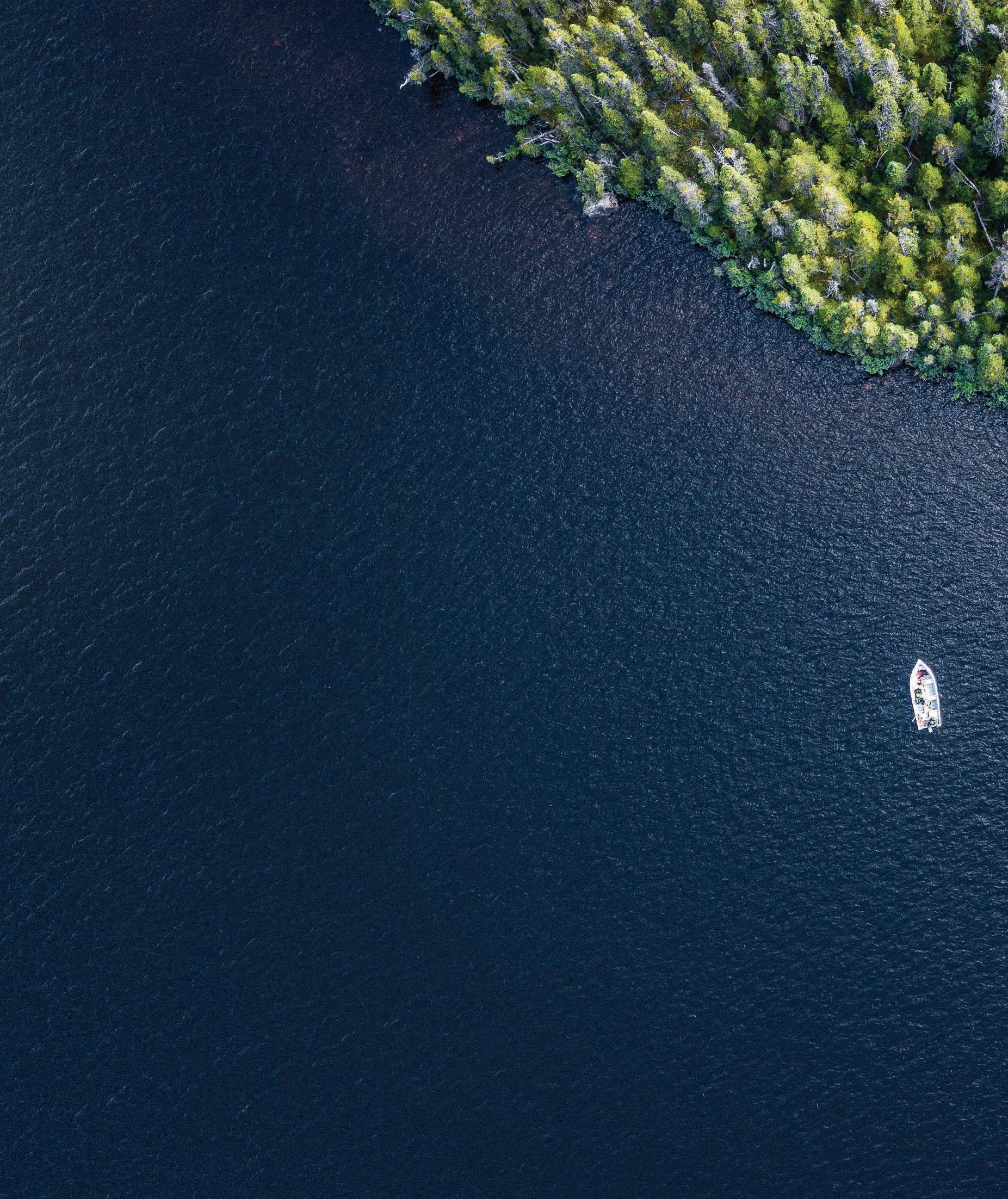
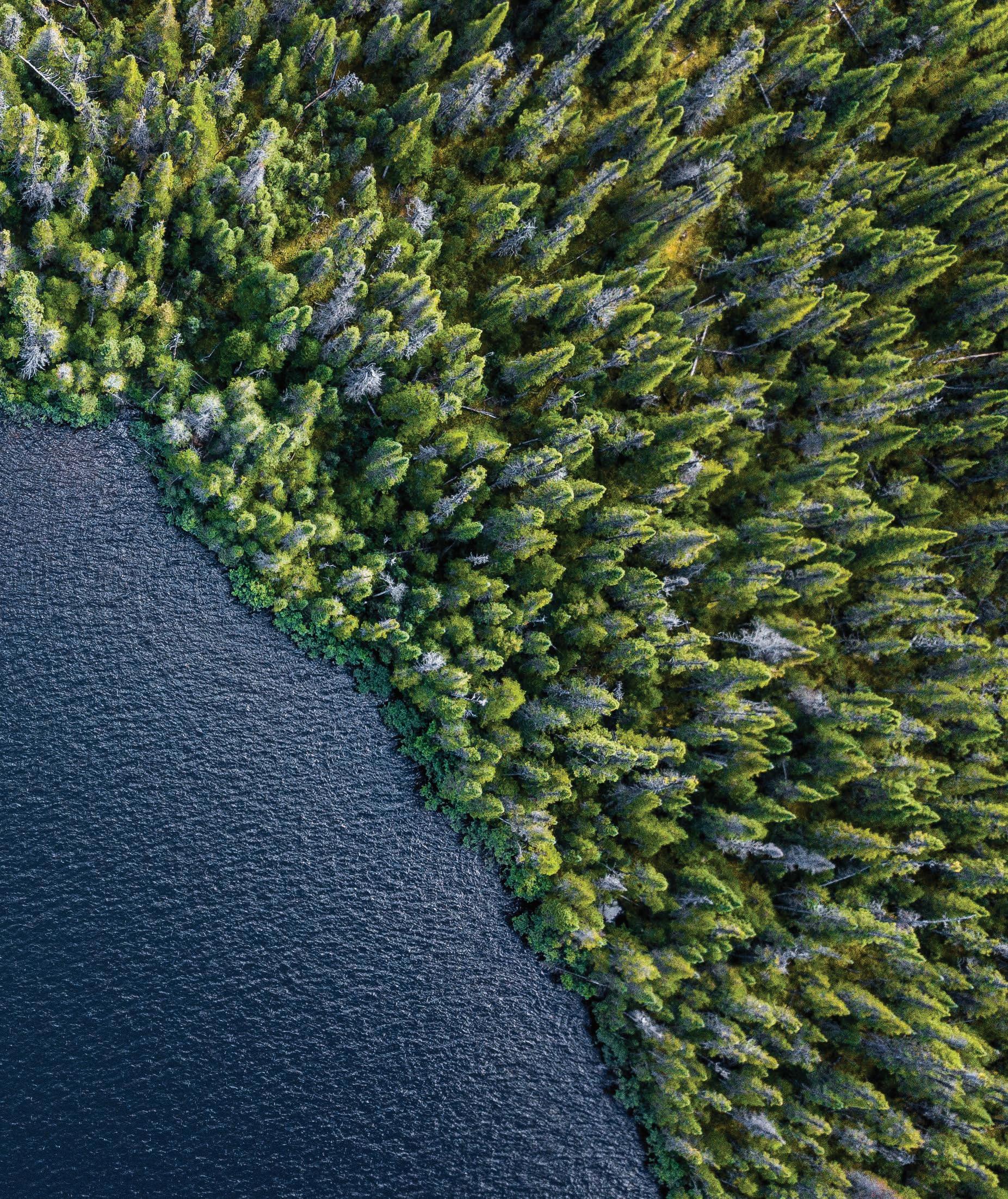
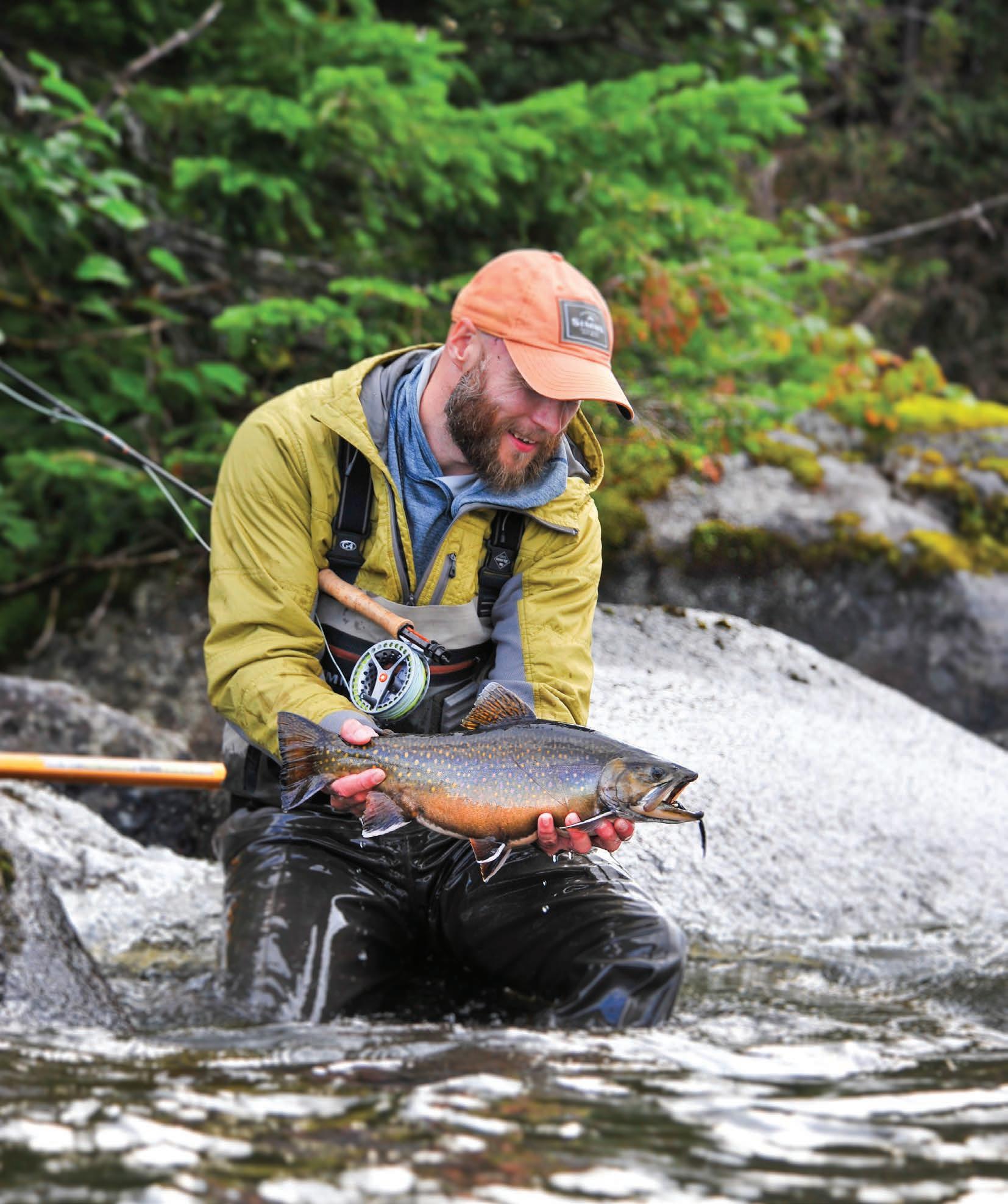
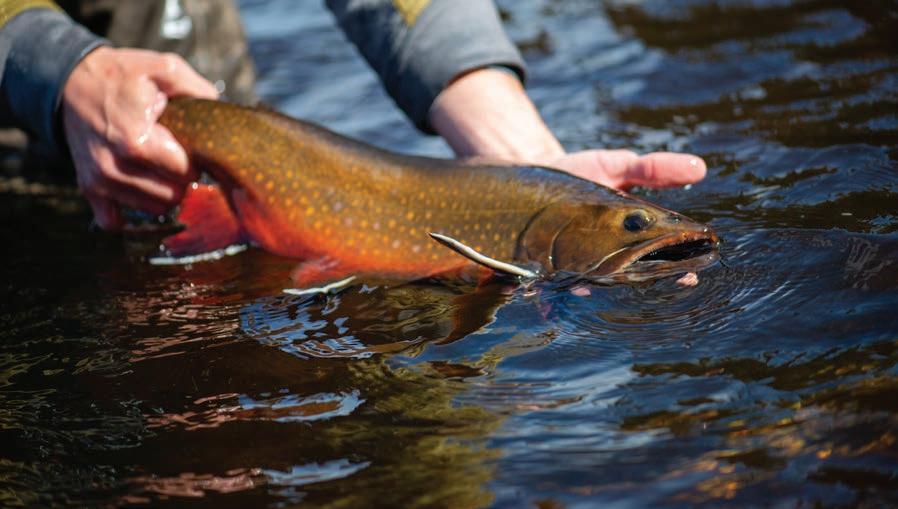
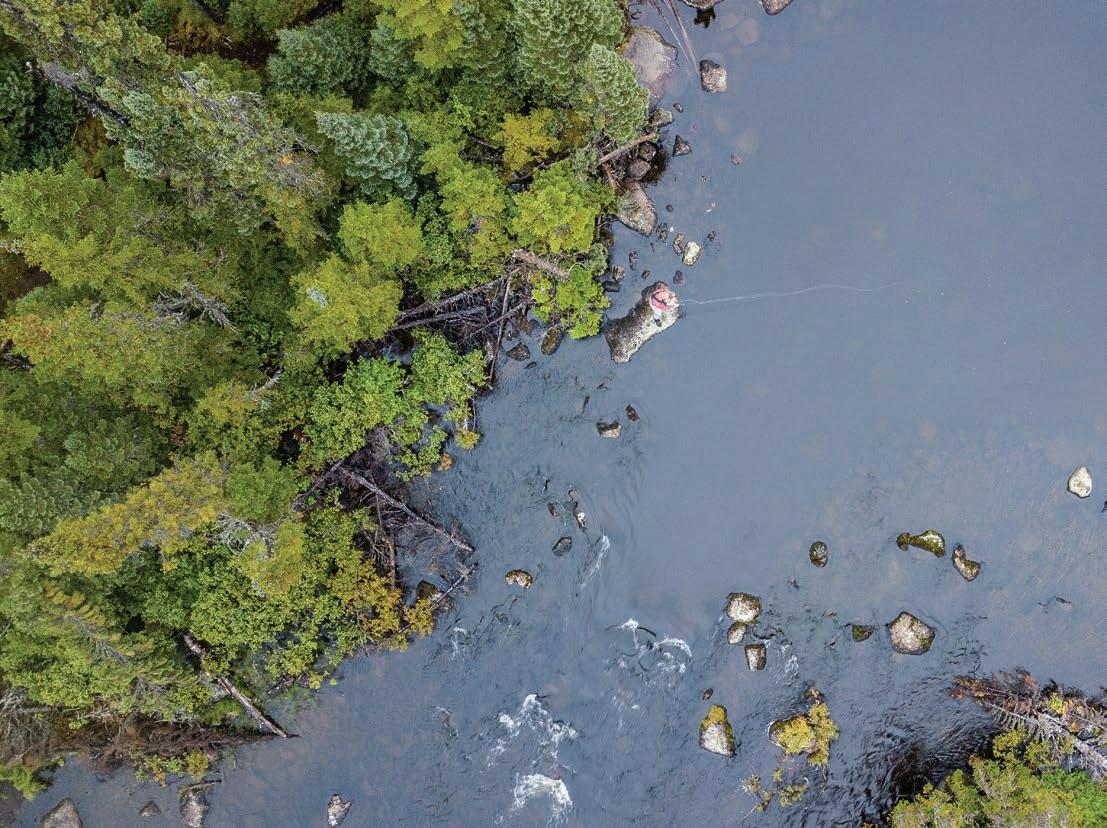
We had driven the canoe to Beaver Pond; a small outpouching in the western corner of Igloo Lake where a little feeder stream comes in. We saw the fish rolling immediately after we’d arrived. It porpoised at the very back of the lie, and the wakes left very little to the imagination regarding its size.
I slowly worked my way down the lie, and once I was in the right spot – and the big, pulsating streamer swung cross-current in front of the fish – it burst onto the fly and inhaled it without any reflection or hesitation.
The fight was intense and hectic, like a battle of life and death. And it wasn’t until our guide shot the net under the fish that I realized –with great relief, how much tension and nervousness had built up in my body during the whole ordeal. It was cathartic! And, at the same time, a huge privilege to bear witness to such a magnificent and pristine old warrior of a brook trout.
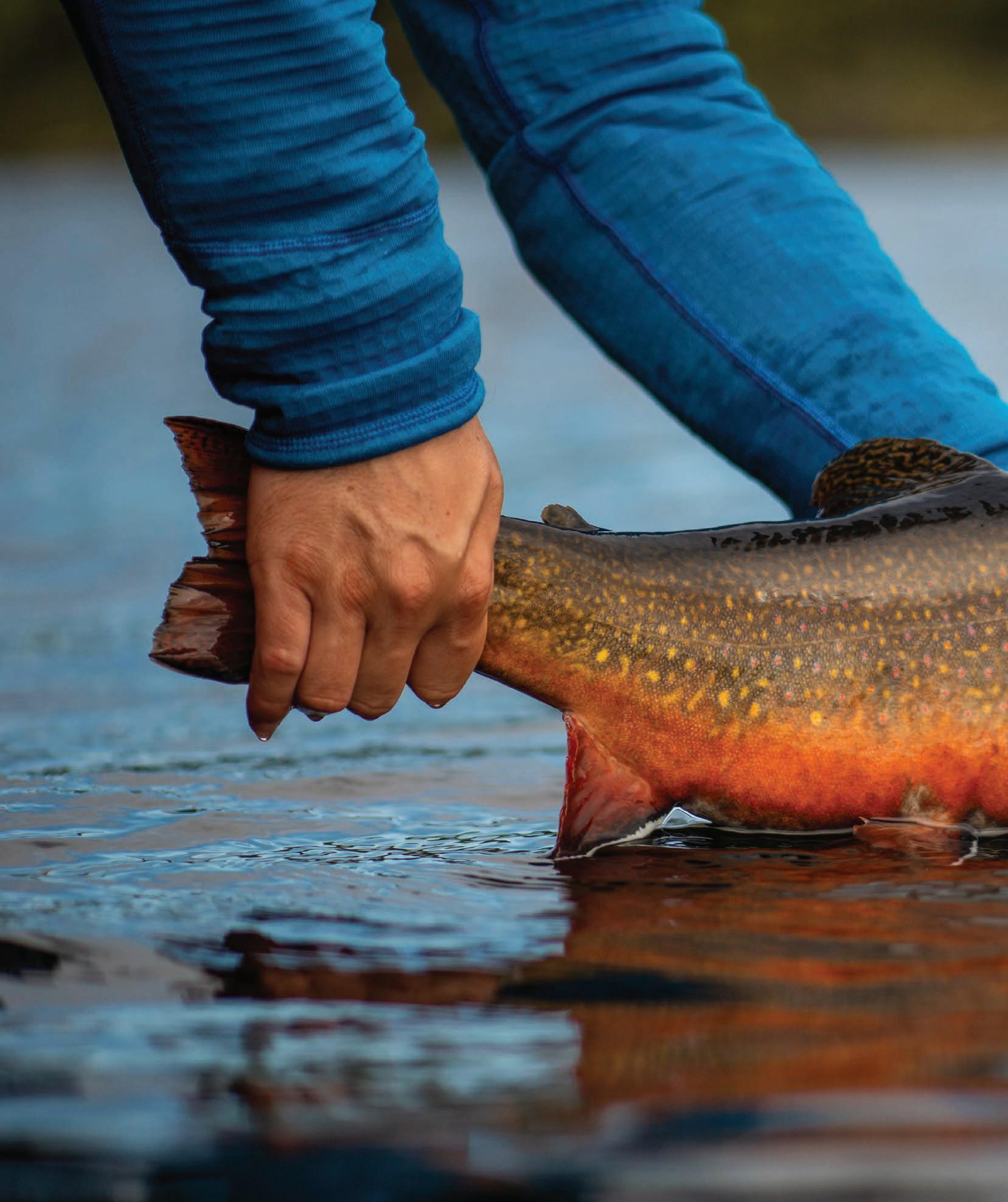
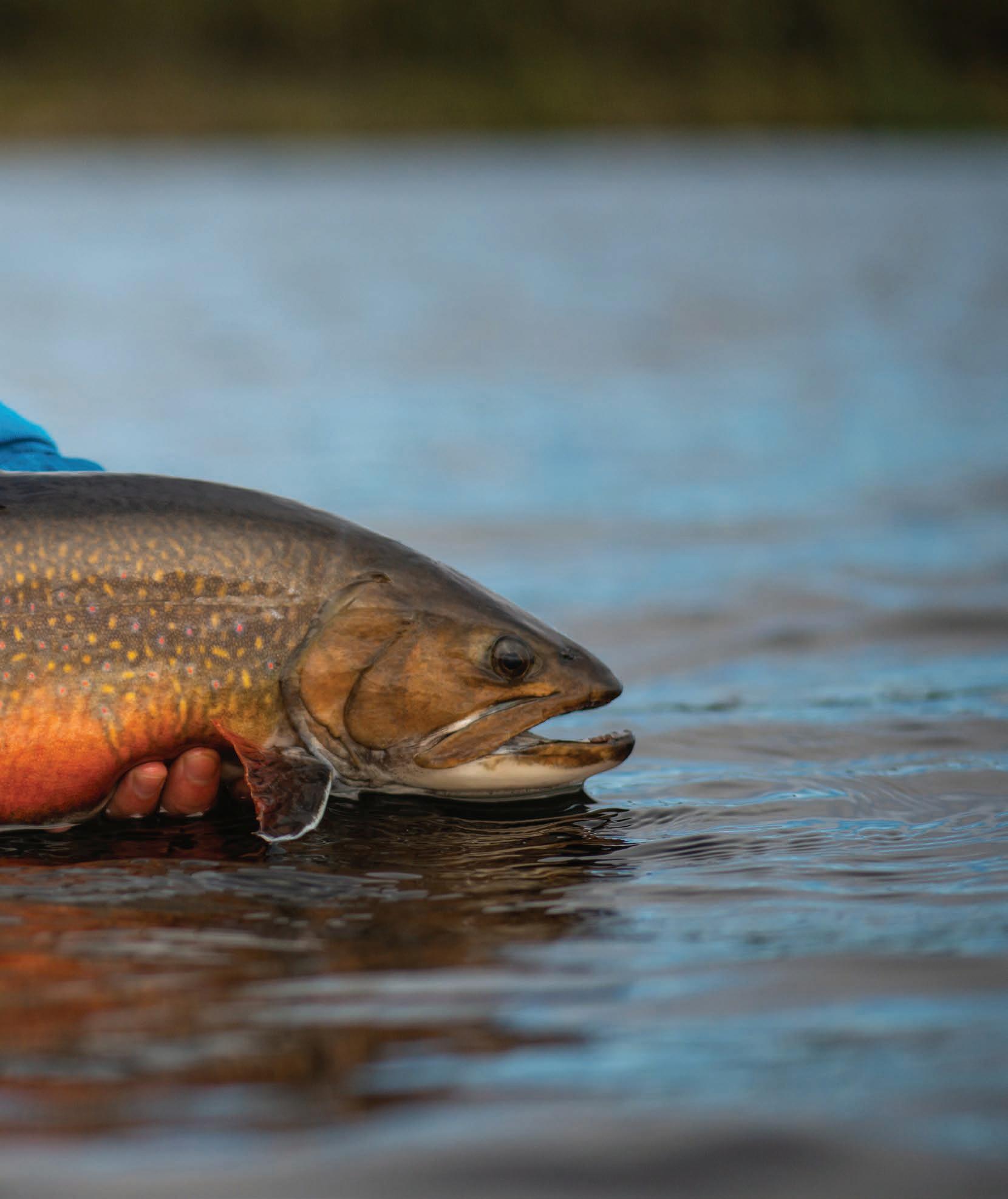
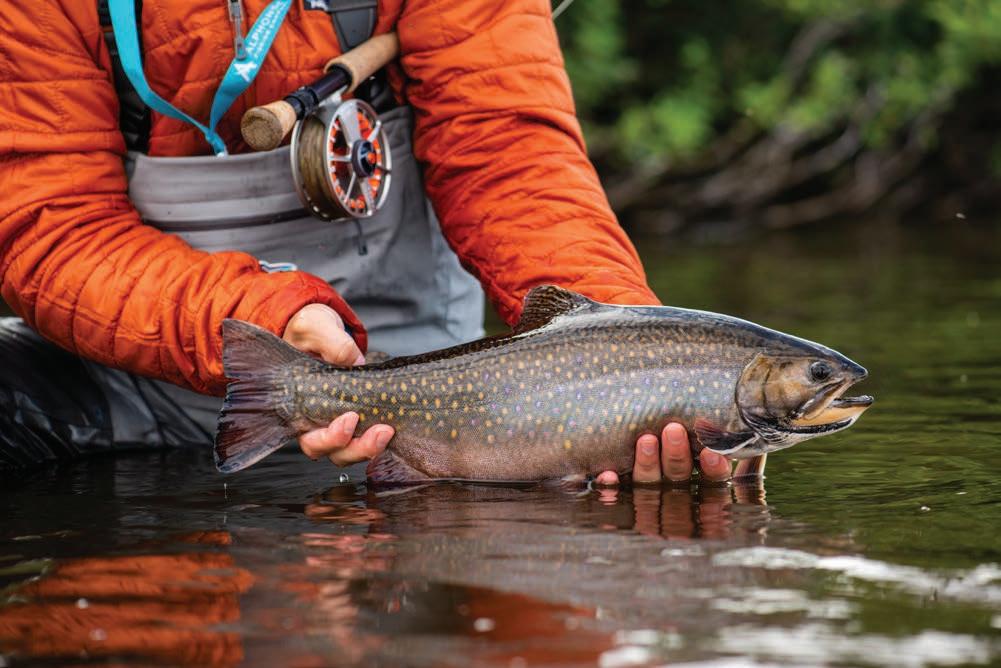
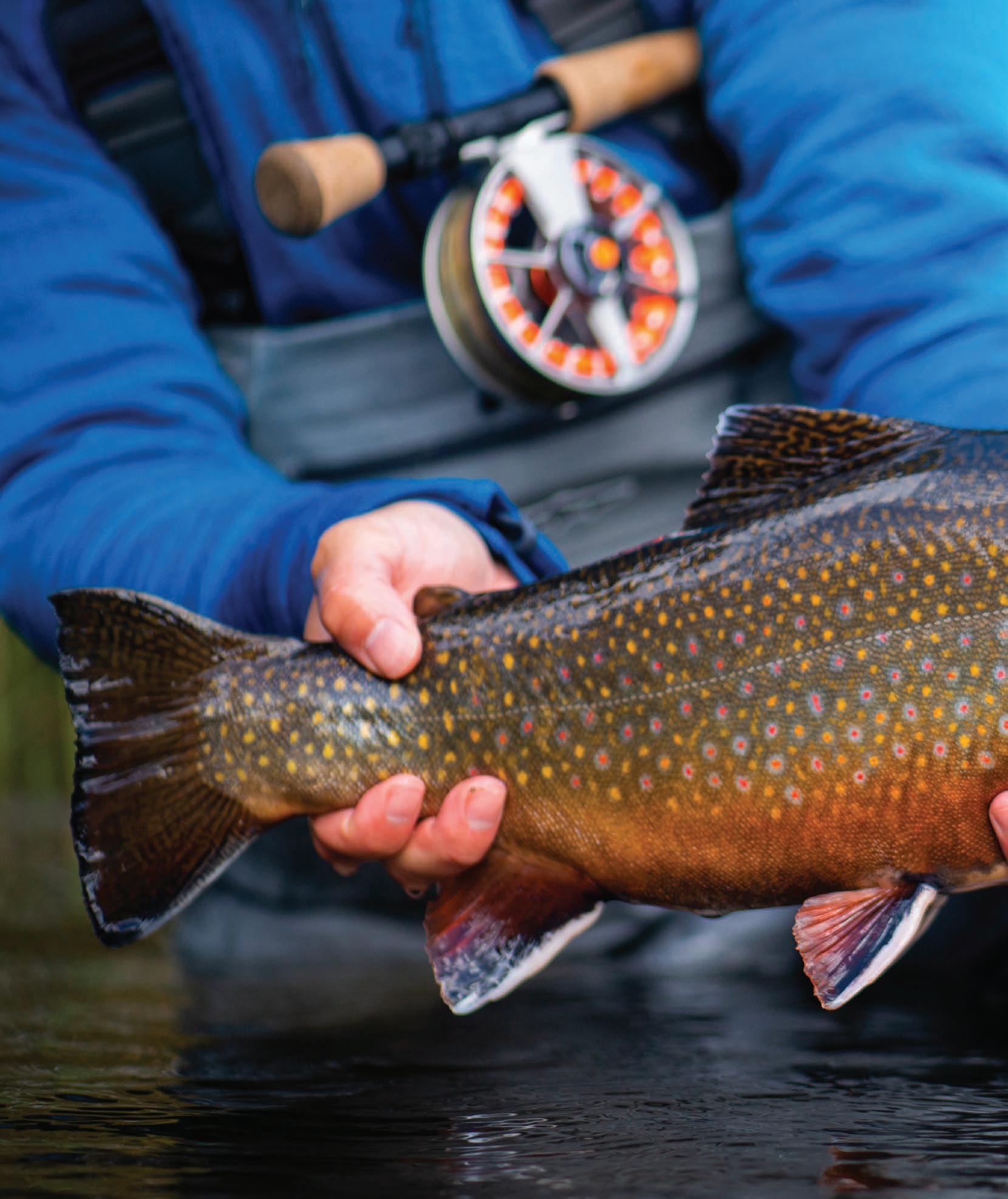
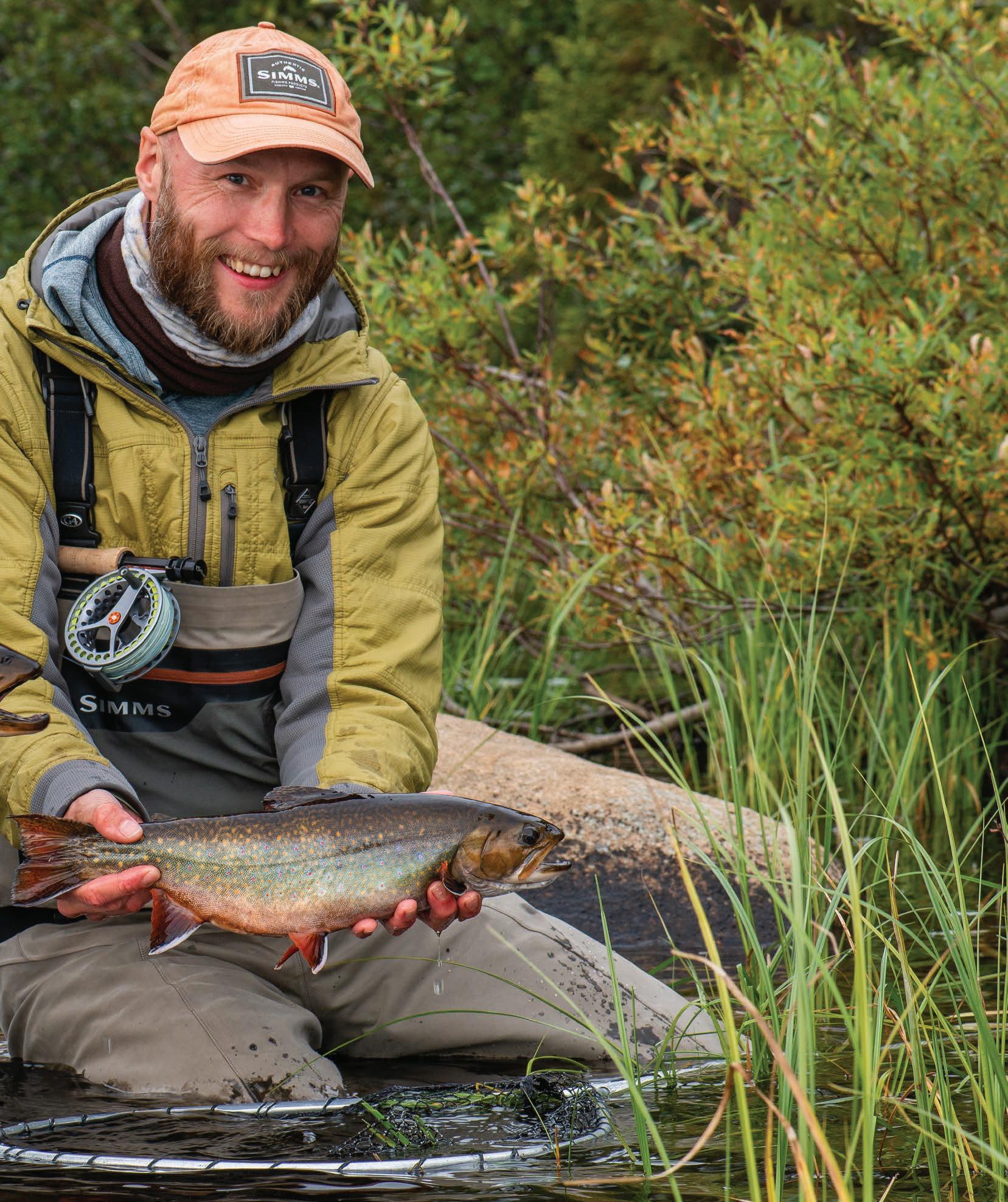
The measuring tape had to be stretched out to a little more than 60 centimetres to fathom the full length of the fish, and with its broad back, distended belly and robust frame, neither the guide nor I had any doubts that it was comfortably breaking the 8lb mark.
The fact that it had the most beautiful white fin strokes, refined marbled patterns along the back and dorsal fin, and a colour span along the flanks that went from olive, through purple, to violet nuances only made the fish more memorable.
There wasn’t a single scar or misplaced scale on the fish. It was well worth the arduous trip across the Atlantic, and it was a stark and poignant reminder what certain bodies of water are capable of producing, when they’re set in places and surroundings that are as good as devoid of human activity and influence: Divinely beautiful fish in sizes that, otherwise, belong to a distant – but hopefully not completely lost – past.
NEWFOUNDLAND AND LABRADOR is a province in the far-eastern corner of Canada bordering the Atlantic Ocean. It covers an area of about 400.000 km2, which makes it approximately 10 times bigger than my home country, Demark. Meanwhile, its population is only one tenth of that of Denmark, which currently provides a home for some 5,8 million people. In other words, we’re talking about an enormous, wide spanning, and decidedly desolate area with a harsh climate – a place that served as a landing site for the first European immigrants into North America led by Viking, Leif den Lykkelige, in the time period around year 1000AD. Since then, Irishmen, Scots, and Frenchmen have settled here among the four indigenous local peoples, which mainly consist of Innuits.
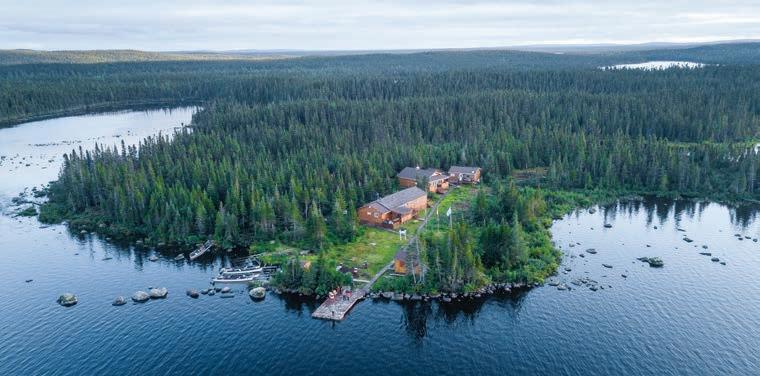
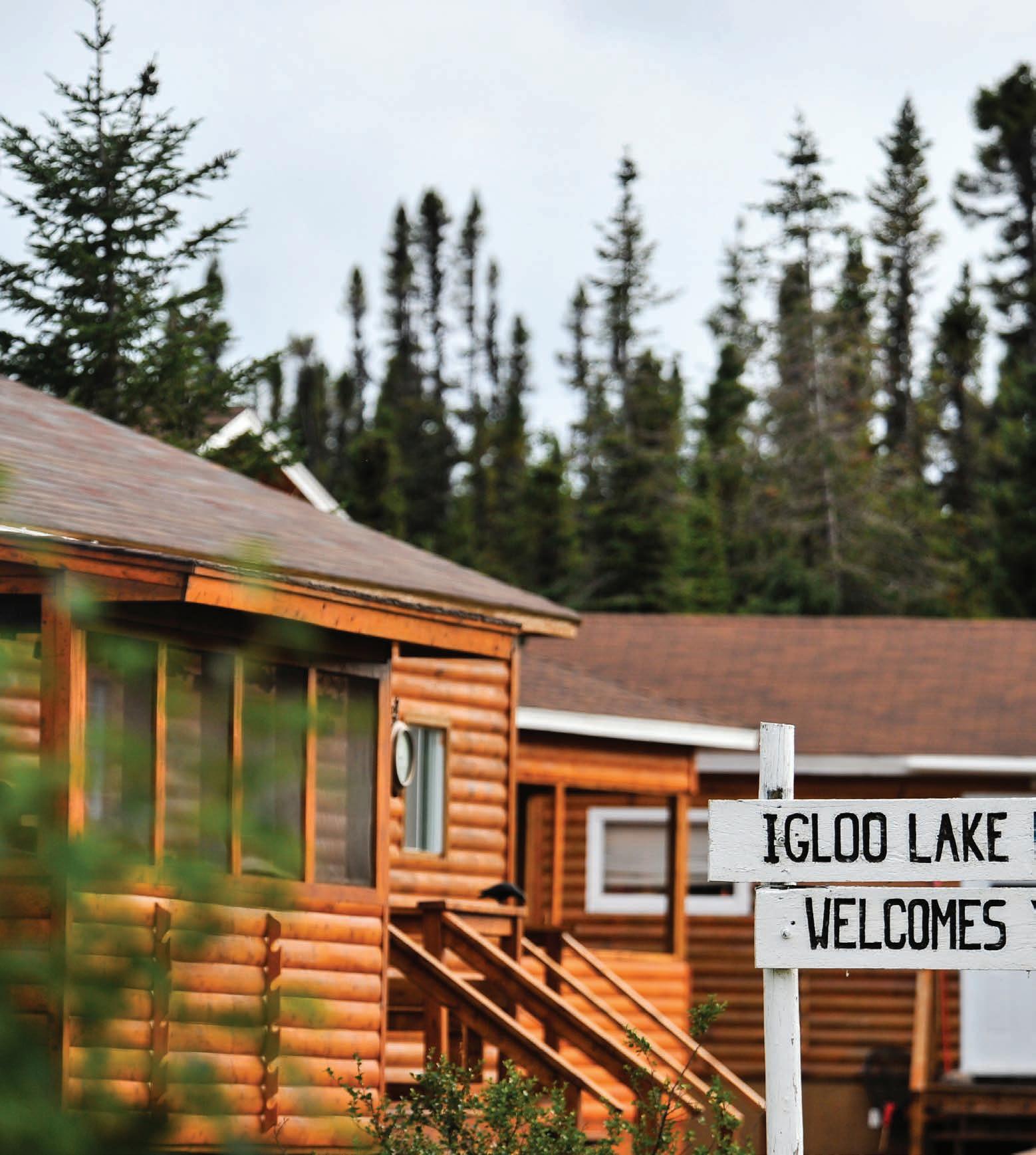
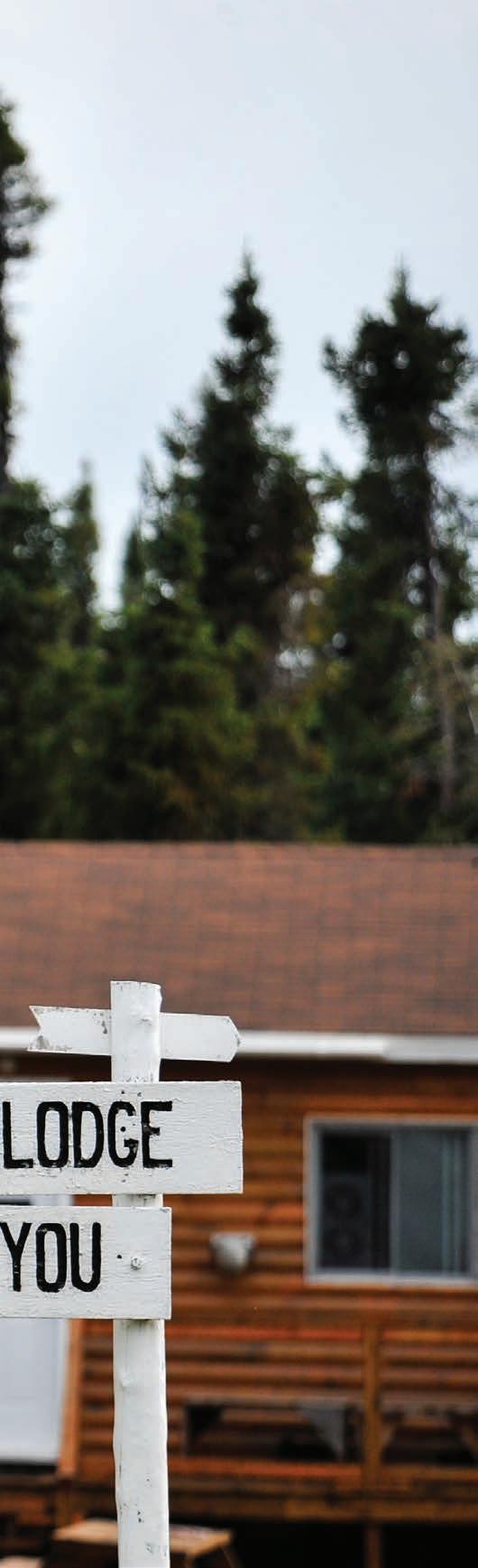
LAKE LODGE is the only lodge on Igloo Lake – an approximately 12,5 km2- and surprisingly shallow glacial lake, which is found in the middle of the Canadian outback out of anything but a floatplane’s reach. The atmospheric and authentic wooden lodge caters to 10 guests, and it is comfortably equipped with two big living rooms, which provide the perfect setting for evening chats and drinks. The food is wholesome and delicious, and – generally speaking, the service level is brilliant. The lodge also offers seasonal fly-outs for Atlantic salmon and arctic char. For additional information about the lodge: www.igloolake.com and for booking enquiries: fish@arcticchar.ca
THE FISHING is confined, primarily, to Igloo Lake itself, the close-by Burton’s Pond, and the river that flows out of Igloo Lake close to the lodge. 16’ fiberglass canoes, that are wide enough for guests to stand up and cast out of, are used to manoeuvre around Igloo Lake. At Burton’s Pond, Linder aluminium boats are used, while the river is fished on foot in waders. The equipment used is fairly light. 9’ #6-7 rods paired up with WF floating- or intermediate lines are the norm. During the dry fly season, you might consider using lighter rods, but it’s worth remembering that the average brook trout in the lake is around 5lbs and that they are packed with muscles. Additionally, there are lots of craggy boulders and rocks in the lake that will tear up leaders and tippets if your tackle isn’t capable of applying the necessary pressure on the fish during the fight.
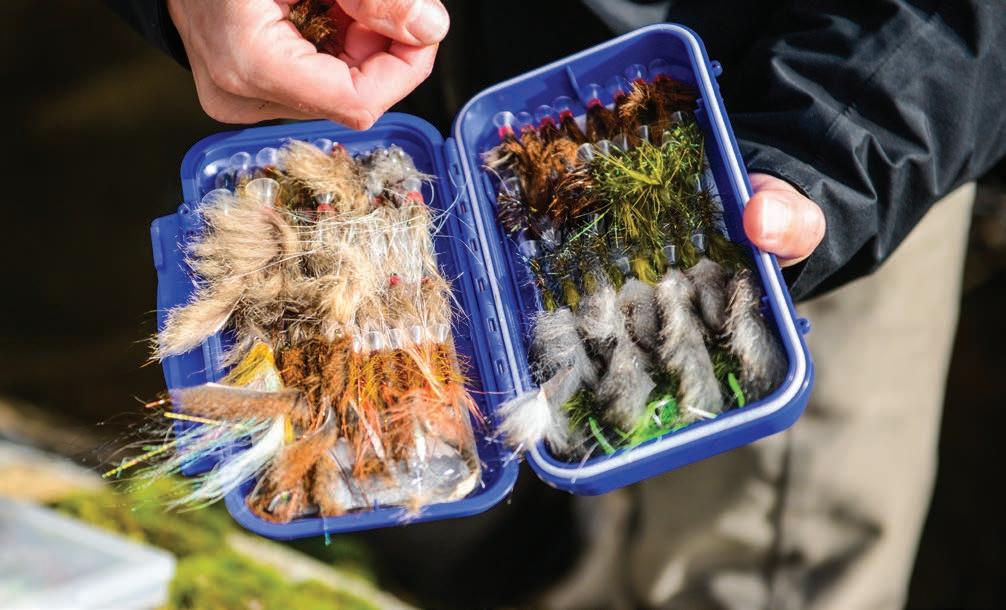
This is also the reason why the guides recommend durable nylon leaders and tippets that exceed 10lbs in breaking strength. For streamer fishing, relatively big, 10 to 12-centimeter zonkers (or Zuddlers) tied on sturdy hooks with a little bit of added weight
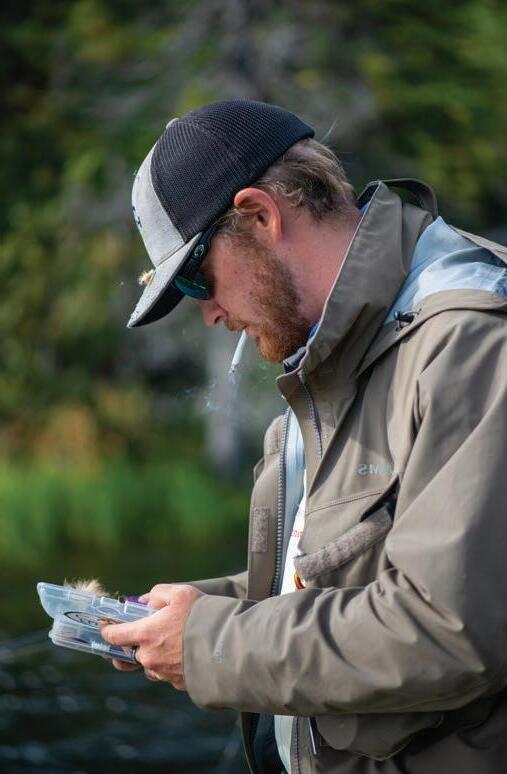
are typically used. Black, olive, and grey flies work well on cloudy days. Brightly coloured purple, chartreuse, and yellow flies – optionally with some added Flashabou – can be surprisingly effective too, sometimes. Frequent fly changes can be necessary in order to connect on days when the fish are finicky and moody. On such days, seemingly random colours on the flies can make a huge difference.
During the dry fly season, which spans from mid-June until the end of July, the fish are typically rising to green drakes (Ephemera Guttulata). Although caddis, mosquitoes, blue duns, and sulphurs are also capable of providing great sight-fishing opportunities on the lake, high-floating green drake imitations tied on size 10 - 14 hooks are the go-to flies when the trout are hectically feeding on top in the many shallow bays. One must not forget, however, that once the fish start rising, they can also be caught on, for instance, mice patterns, bombers and other surface flies, which most fly fishermen would normally associate with pike-, bass-, salmon-, or steelhead fishing.
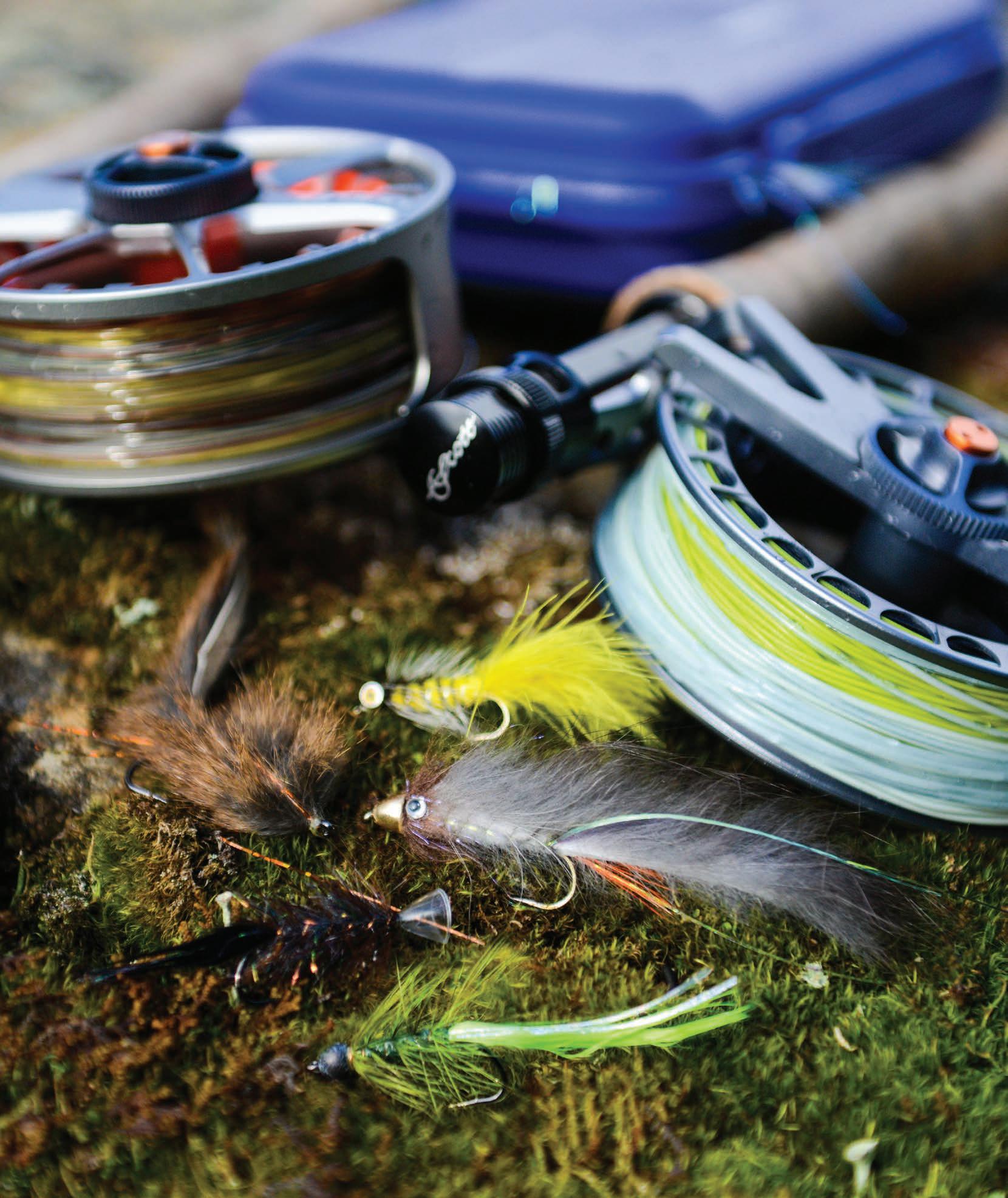
Last but not least, it pays off to bring a selection of nymphs and especially scuds. Scuds are present in prolific quantities throughout the lake, and they make up an easy and nutrient-rich food source for the brook trout.
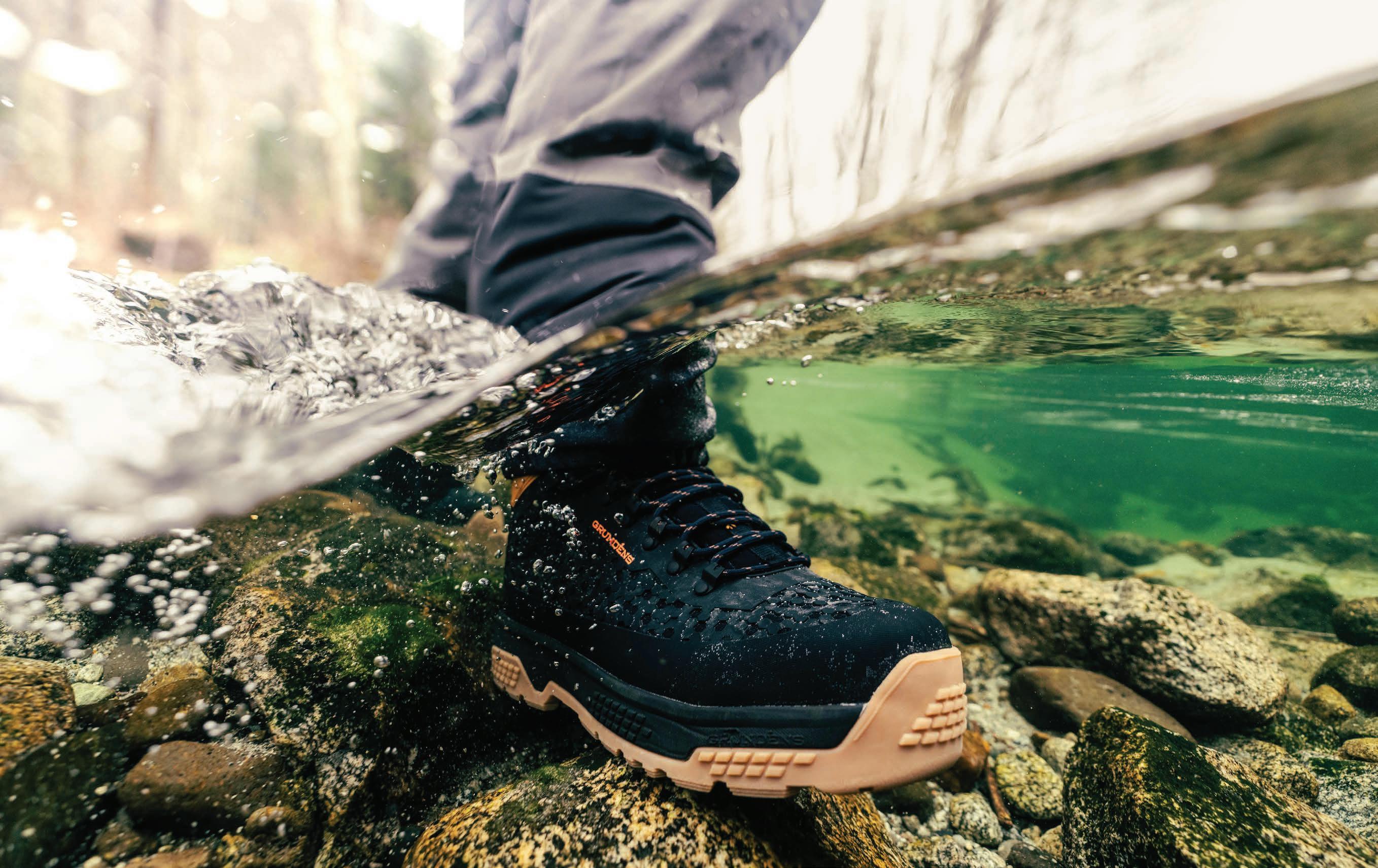
CLOTHES for Igloo Lake should be packed with great care and attention since the weather can be unpredictable. Your packing list should include warm inner layers (preferably wool layers), middle layers (fleece, PrimaLoft) in addition to wind- and weather resistant shell garments (GoreTex). Furthermore, you should pack breathable waders, a wool-Buff, a cap, finger gloves, warm socks, polarized sunglasses, insect-repellent sportswear like, for instance, Simms’ Bugstopper shirts, a mosquito head net, and insect spray. The Labrador summers are capable of providing both warm and sunny weather, but especially the beginning- and end of the season can be deceptive with freezing temperatures at night and cold, wet, and windy days on the water.
THE LOGISTICS involved, when it comes to reaching Igloo Lake Lodge, are rather overwhelming. From Europe, you’re looking at transferring from one of the major international airports to either Toronto or Montreal and from there via Halifax (or St.John’s) and onwards to Goose Bay in Labrador. Here, you’ll need to arrive a day in advance, before eventually flying out to Igloo Lake on a Twin Otter floatplane. For more information, please refer to www.aircanada.com
By MATT HARRIS
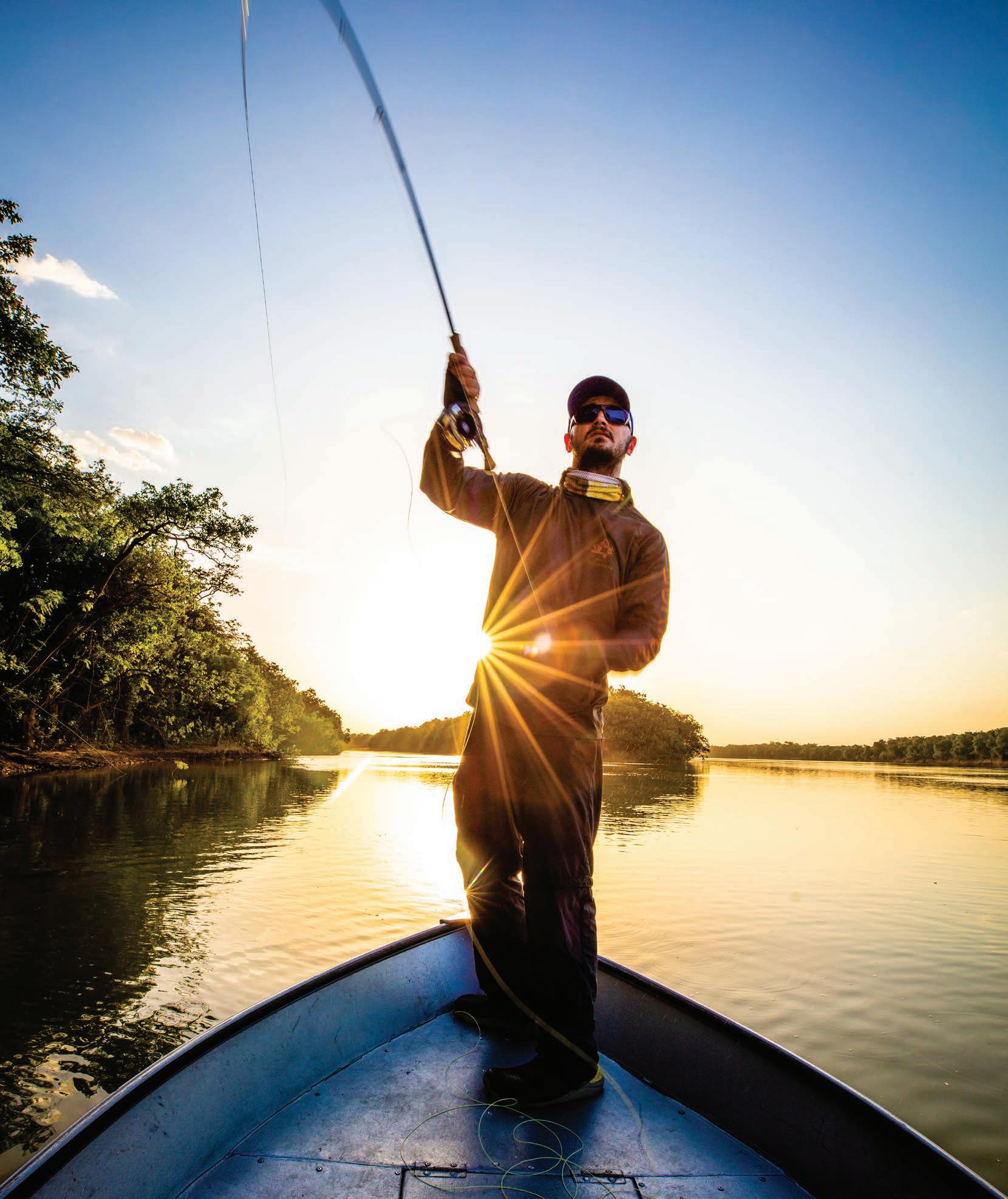
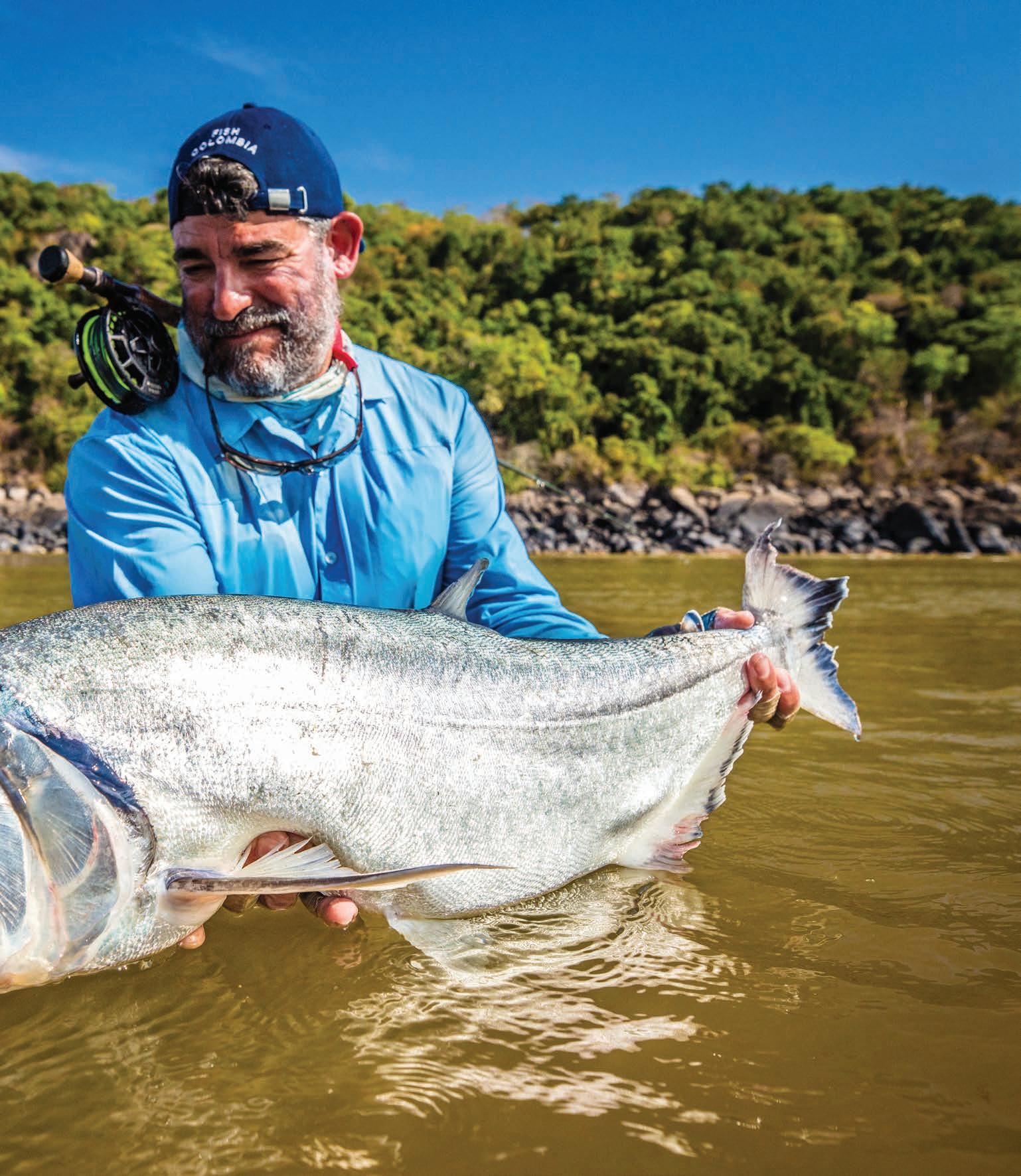
I waded gingerly into the heavy current and sent a cast whistling out across the turbulent waters. The fly swung across the face of the big smooth boulder twenty-five yards out and suddenly there was a flash of silver and then a savage, wrenching take. A blur of chrome-bright violence jack-knifed abruptly through the surface and twenty pounds and more of wild silver mayhem went rocketing downstream.
The reel fizzed out its sweet music and my guide unhitched the boat as backing melted off the big spool. The fish jumped again, but now it was way out in the roiling currents, a hundred yards and more from where we stood. I clambered into the skiff and not a moment too soon. Then we were off into the current in pursuit of the big silver berserker, as it disappeared downriver.
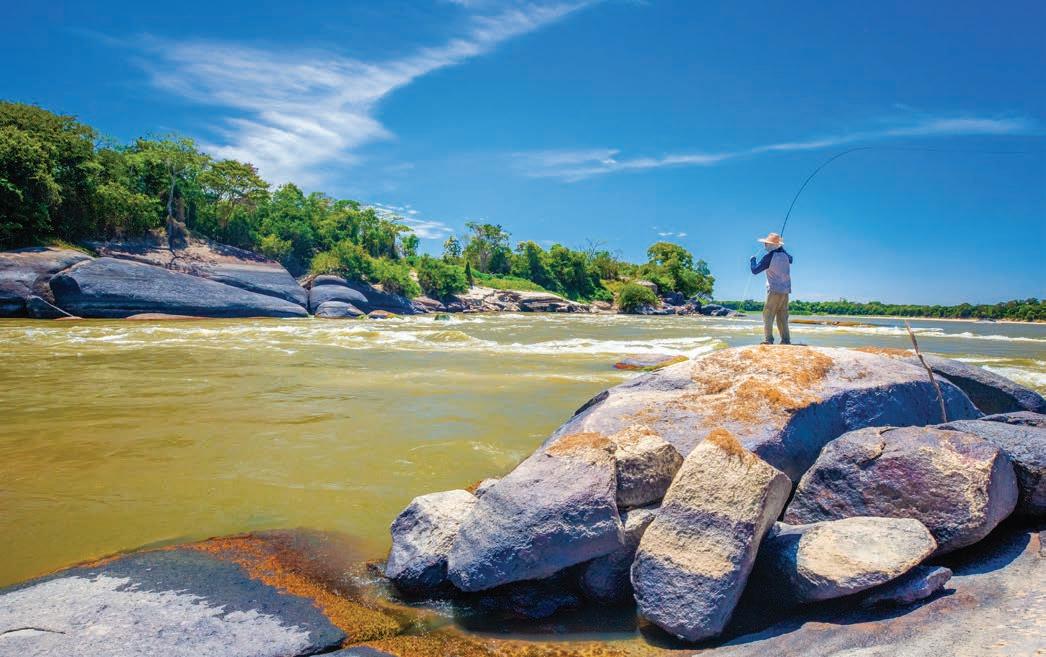
My guide grinned back at me. His name wasn’t Jock or Jens or Dima, and we weren’t fishing a big brawling salmon river in Scotland or Norway or Russia. My guide was Arnel from Venezuela, just across the river, and that river wasn’t the Tay or the Namsen or the Yokanga but the mighty Orinoco. There wasn’t a waxed jacket or a Willie Gunn in sight. The mercury was hovering at around 90 degrees Fahrenheit, and that big silver fish that was cartwheeling off down-
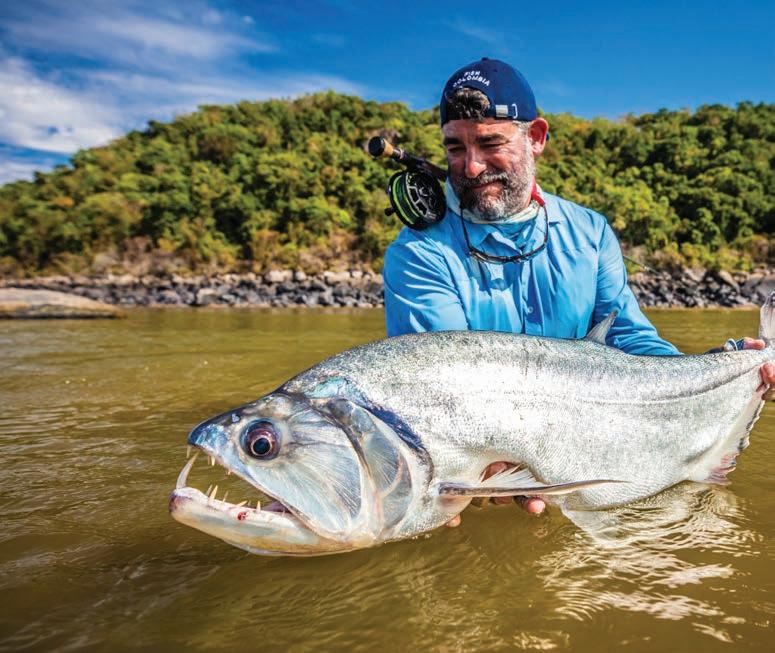
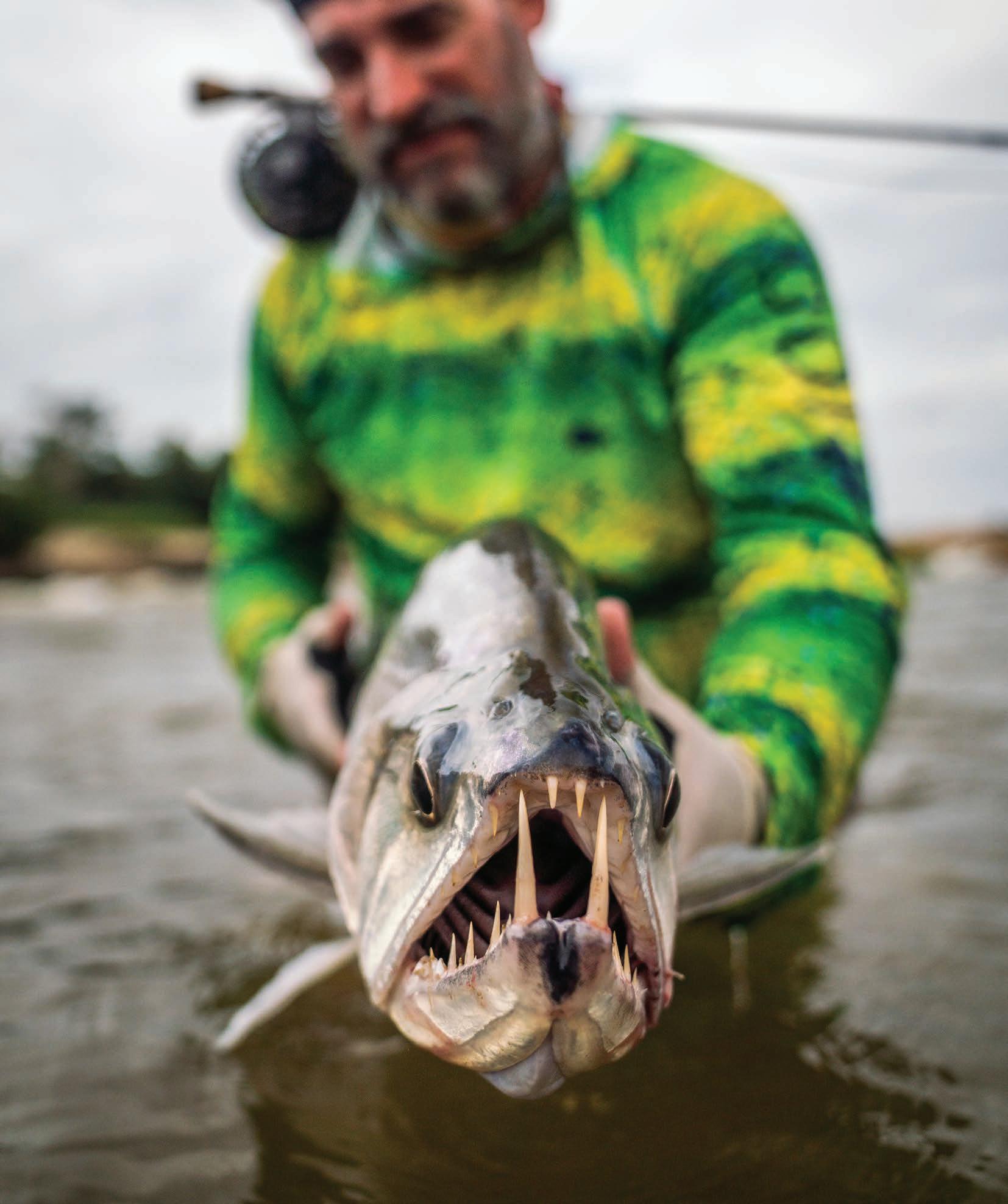
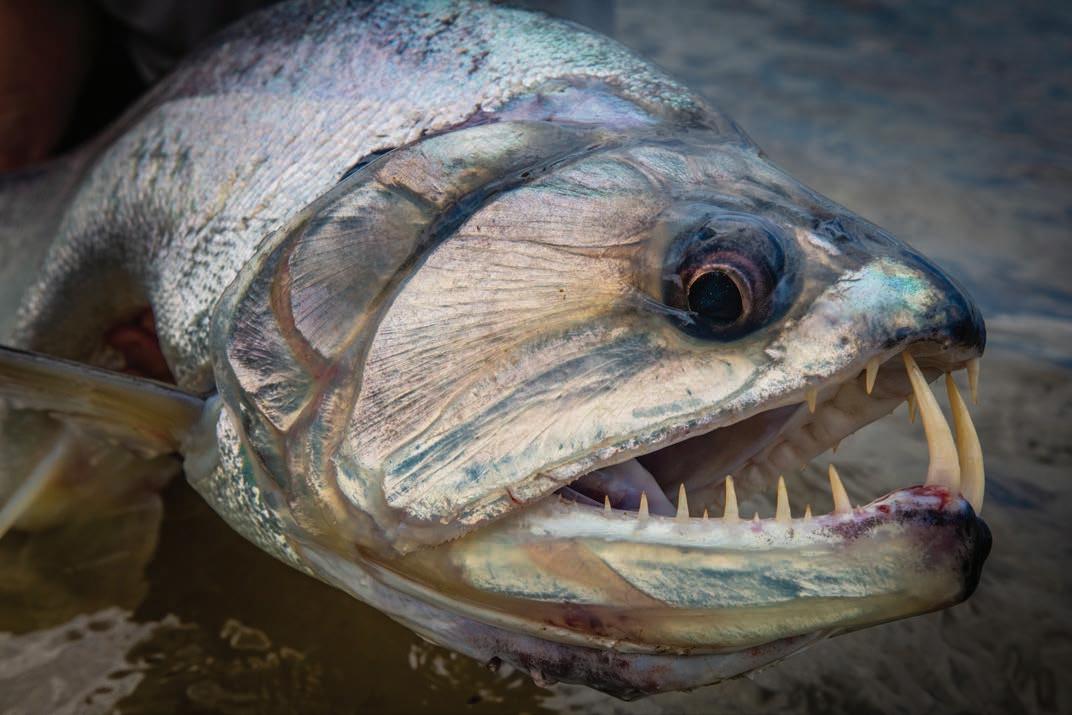
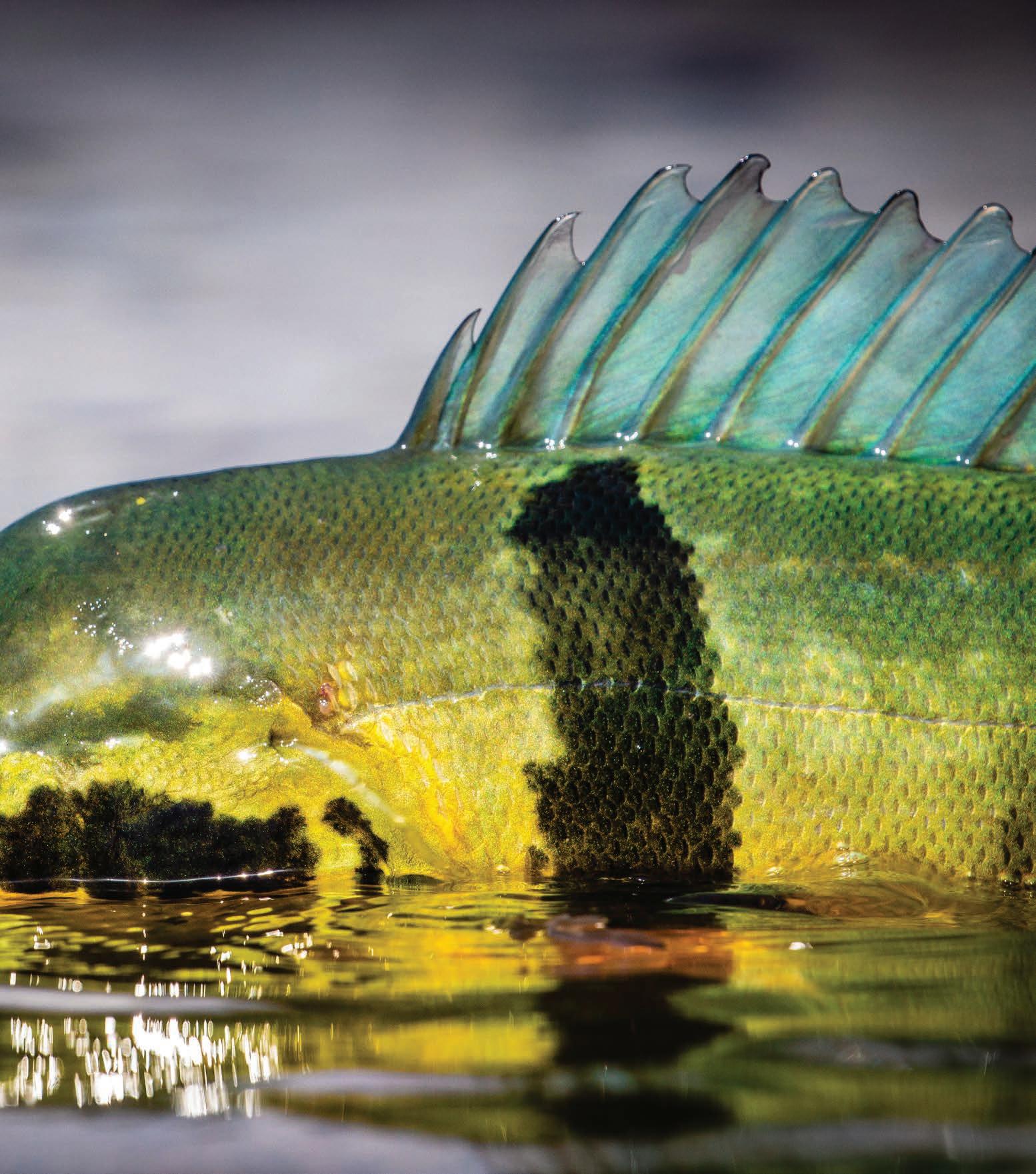
stream wasn’t a big Atlantic salmon but Hydrolycus armatus; Colombia’s finest; the Payara. The one and only Vampire Fish.
Arnel and I went careering after our quarry, my guide expertly weaving our skiff through the powerful rapids and between the towering moonscape boulders that crowd the shoals and banks and islands of the Orinoco. Finally, after what seemed an age, we caught up with our adversary. I wound down hard, and the fish danced up into the blinding white light of the jungle. A big, brawny blizzard of pearl and silver and teeth. “Grande!!” exclaimed Arnel, as he eased the boat into the slack water, and I saw him reach gingerly for the boga grip. “Grande…” I concurred, catching his eye. “Y dientes grandes” I added with a grin. “Big teeth?”
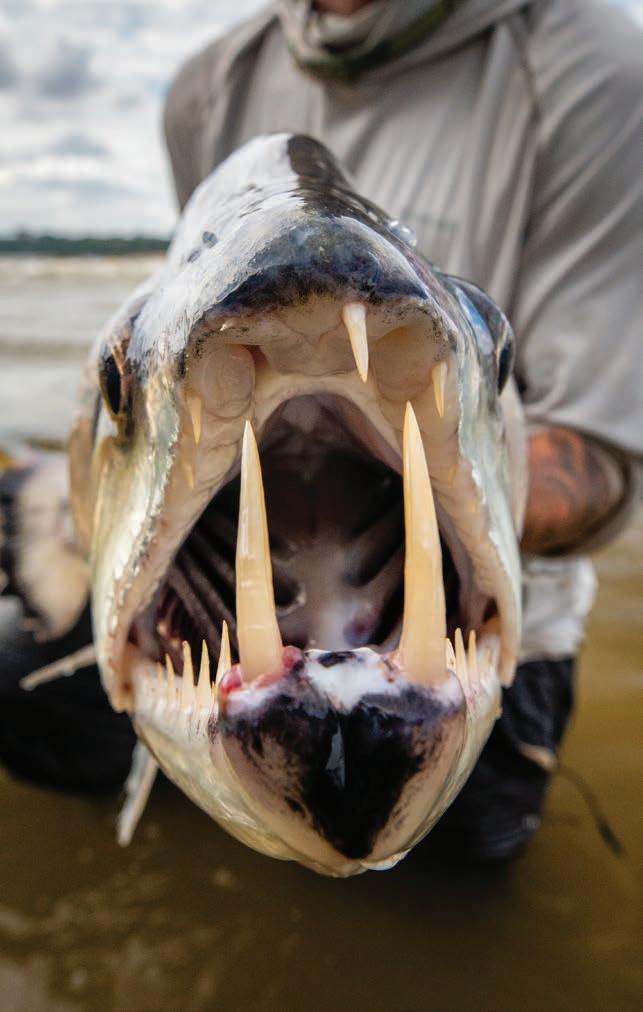
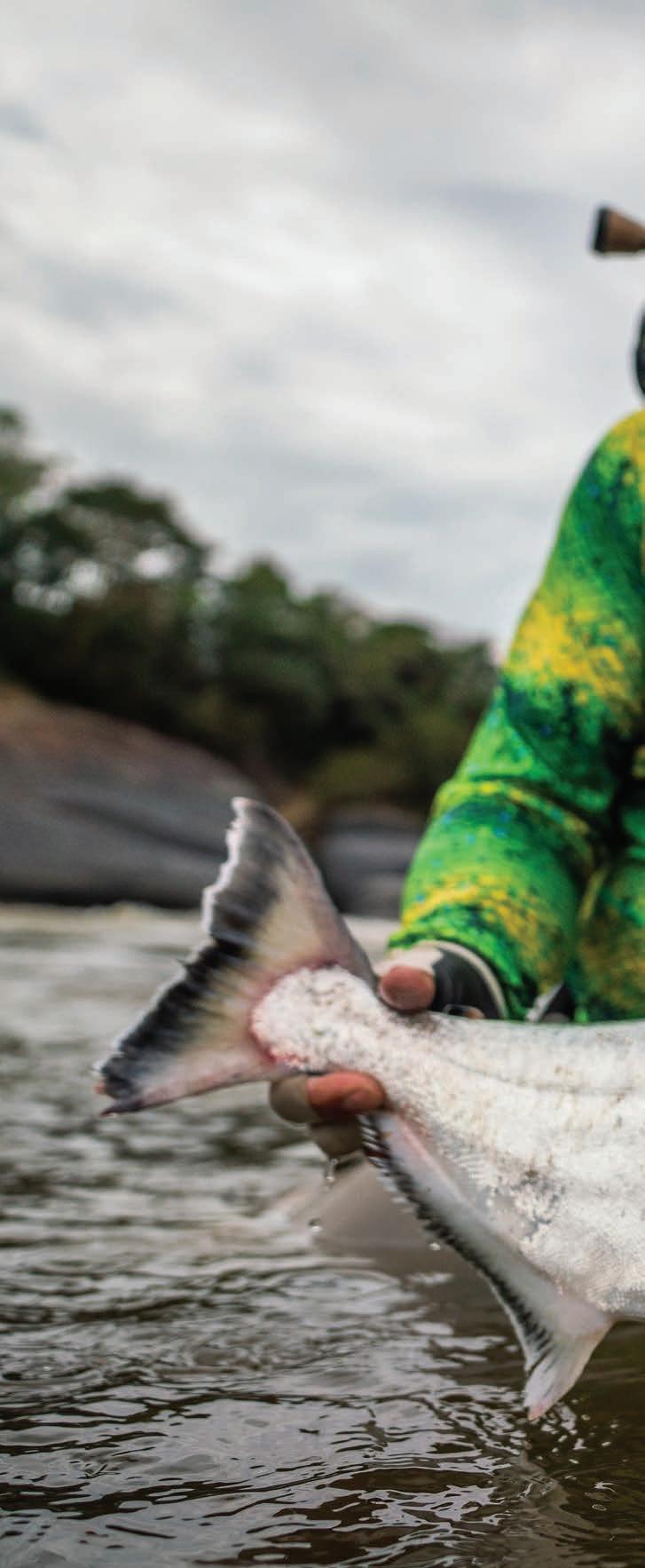
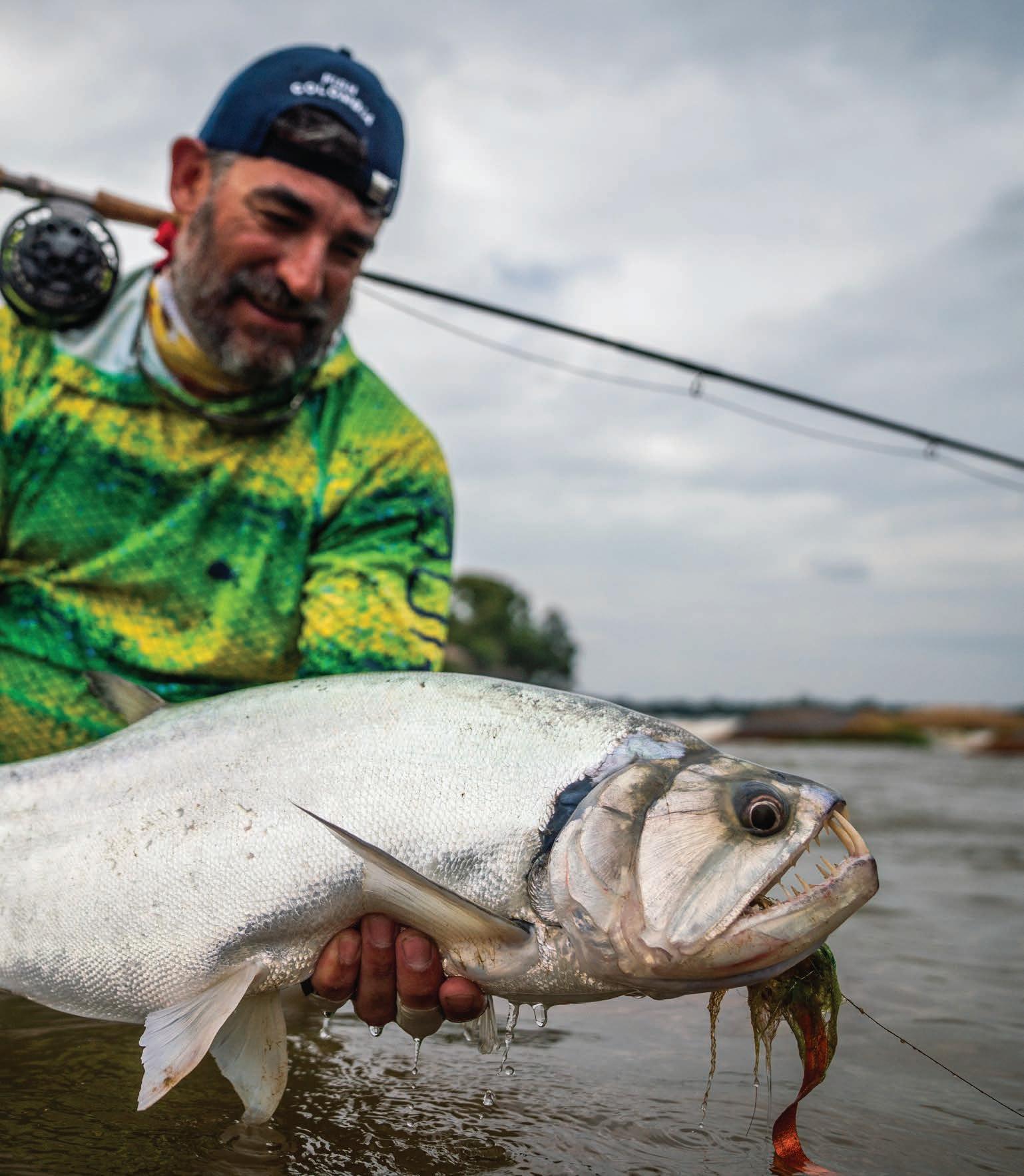
“Big teeth” doesn’t even start to cover it. As the hefty fish finally rolled over and I drew it into the slack water, Arnel edged out into the river. With exaggerated care, he reached out to grab the fish’s tail. In an instant, he had it, and he let out a yell of triumph. “Grande!! GRANDE!!!” he cried. He swung the big fish round into my eye line and held its head towards me with a grin.
It was a big fish - a magnificent fishbut all I could see were those fangsthose impossible, monstrous fangs. They were significantly longer than my fingers. It was a simply astonishing sight.
I’m a little ashamed to say that when I first saw images of Payara, they struck me as more of a curiosity than a genuine sportfishing proposition. Their freakish physiology makes them appear like something from the fevered imagination of a B-movie horror show director. However, having experienced what they can do, I would strongly advise that you do not allow this ghoulish appearance to distract you.
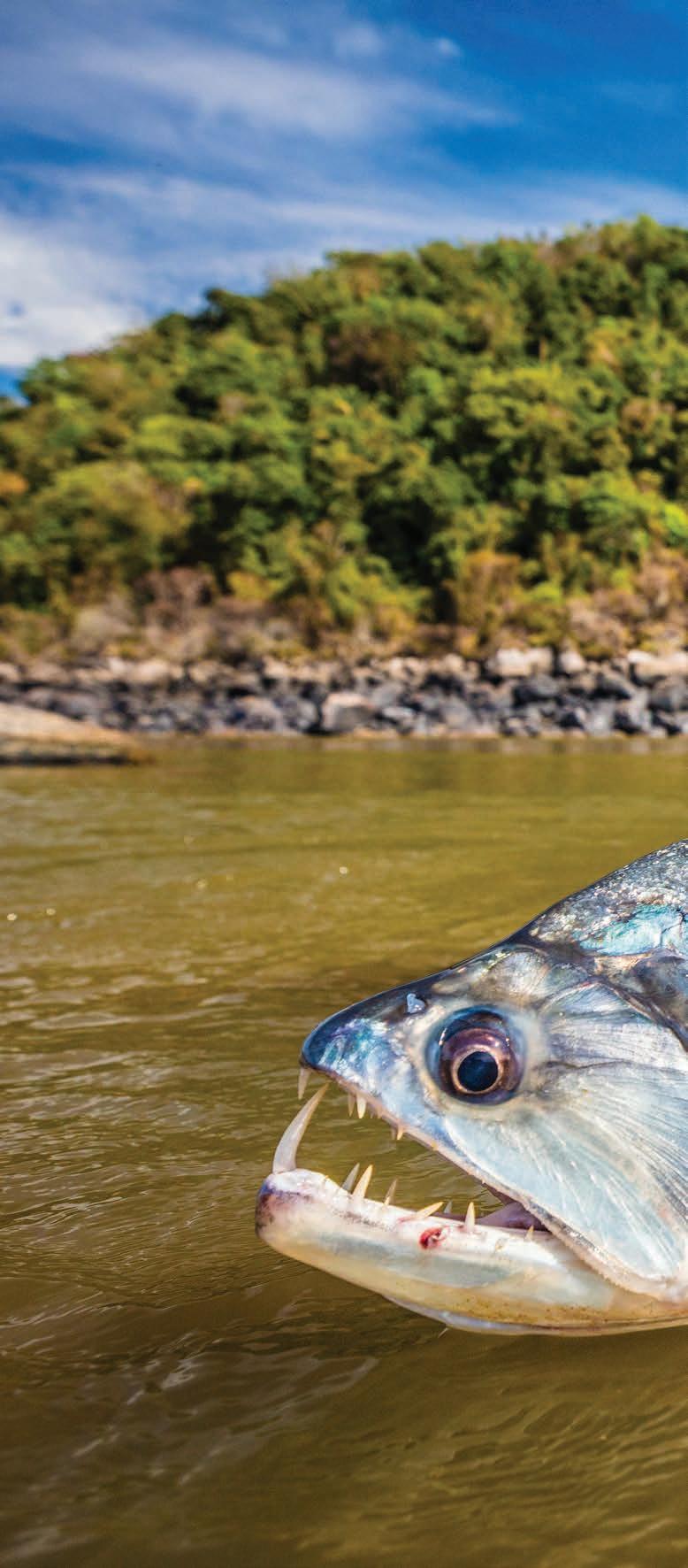
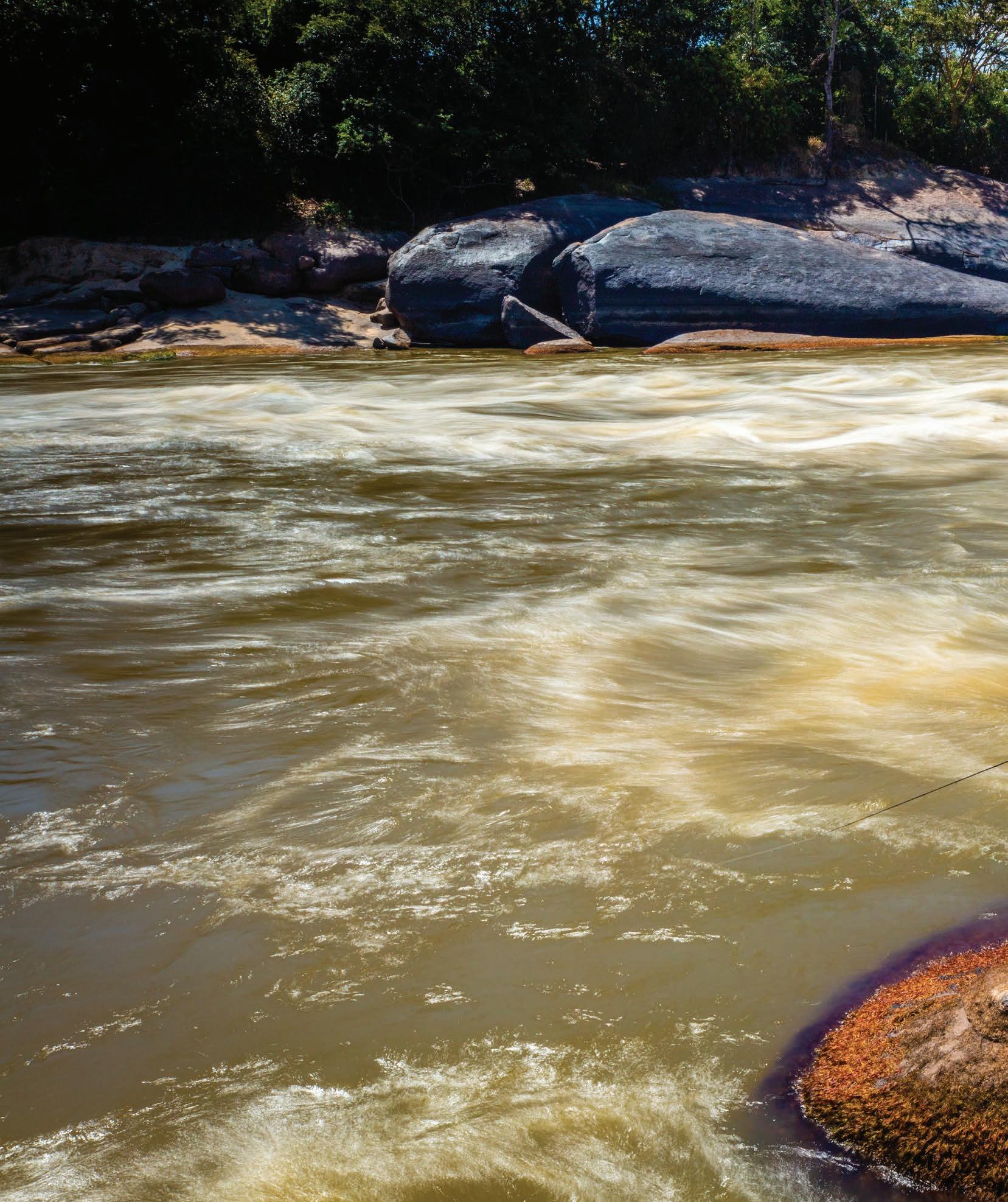
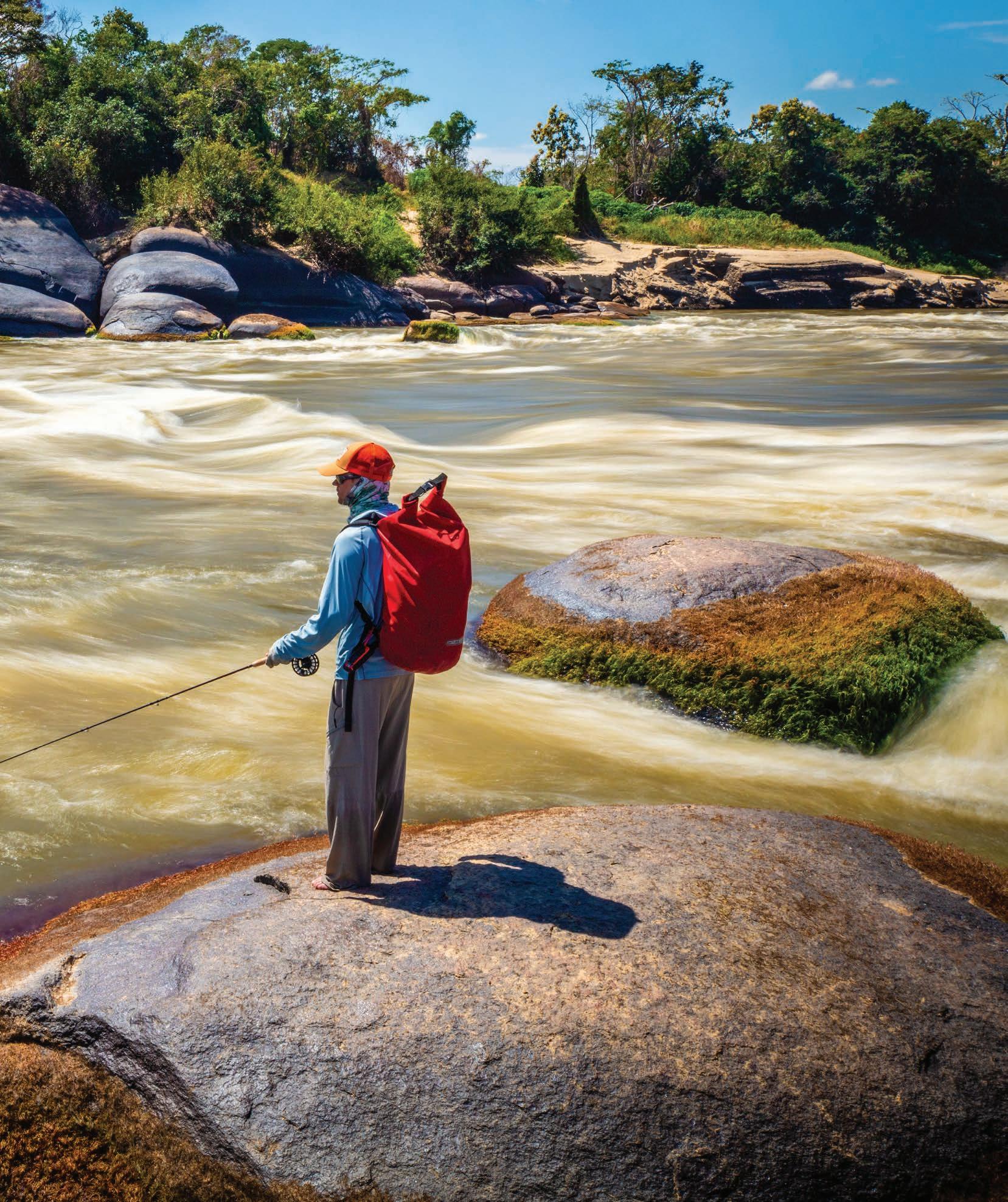
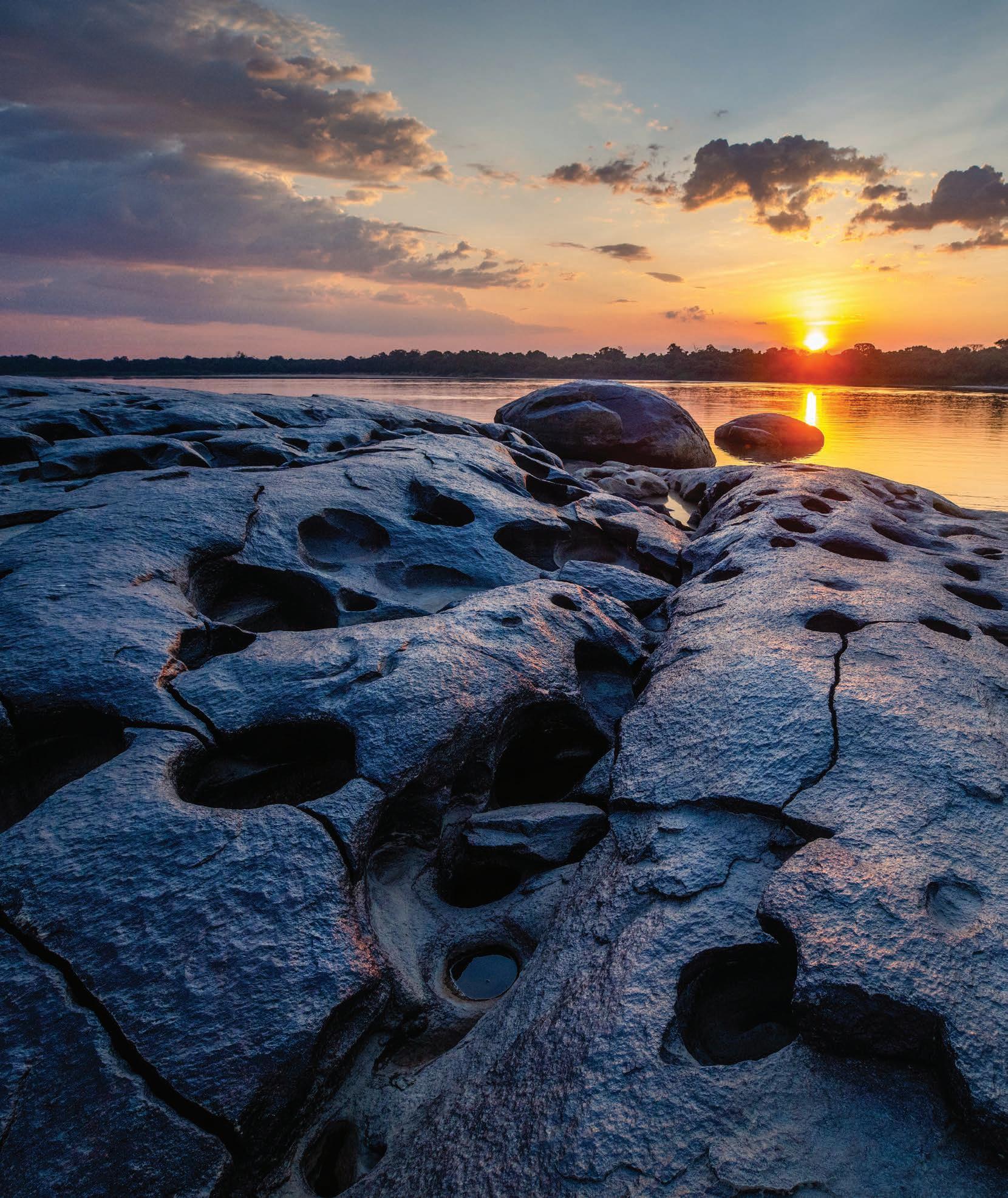
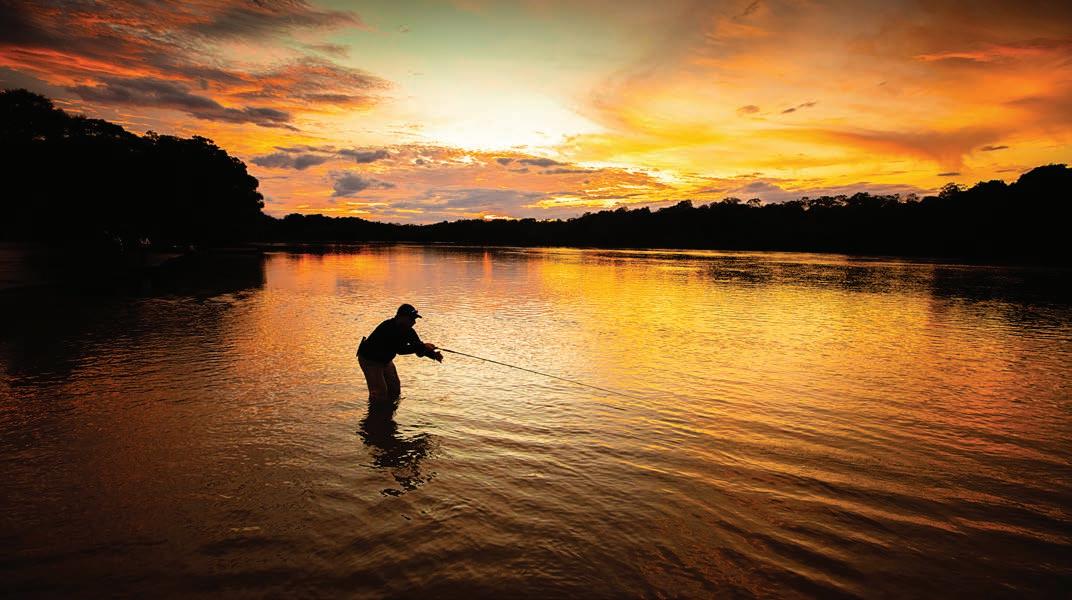
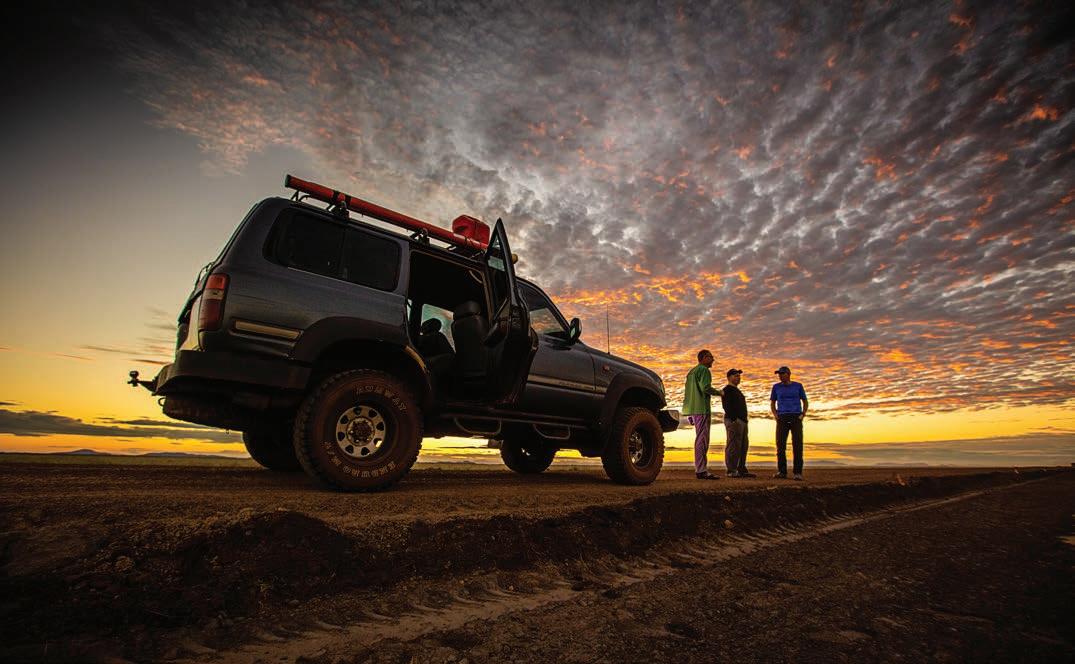
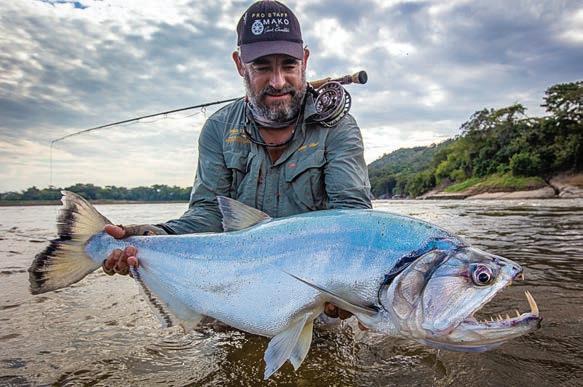
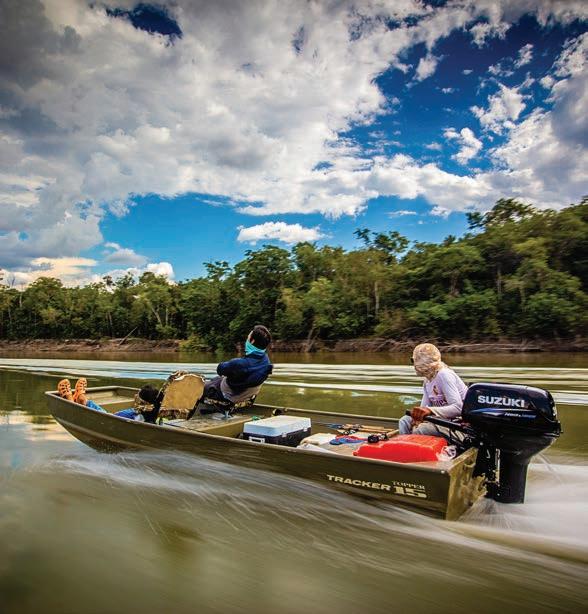
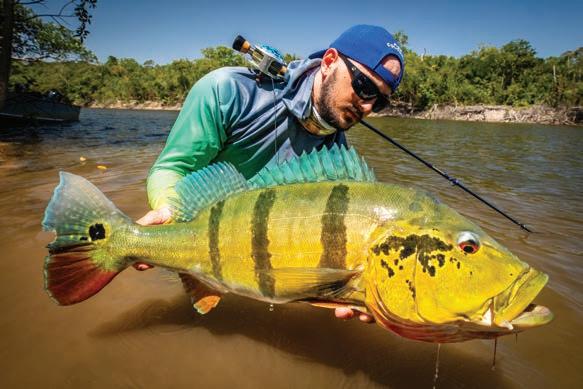
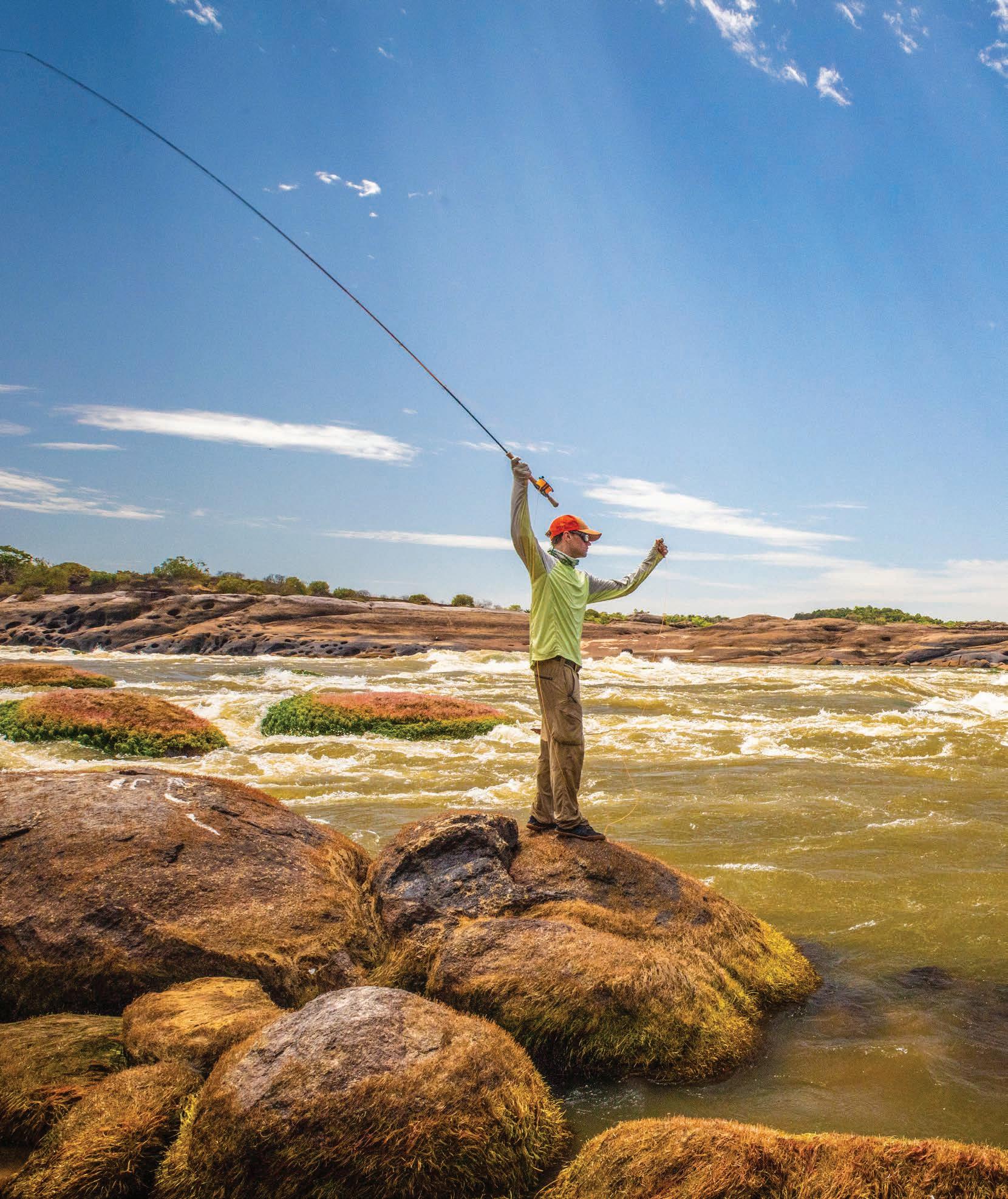
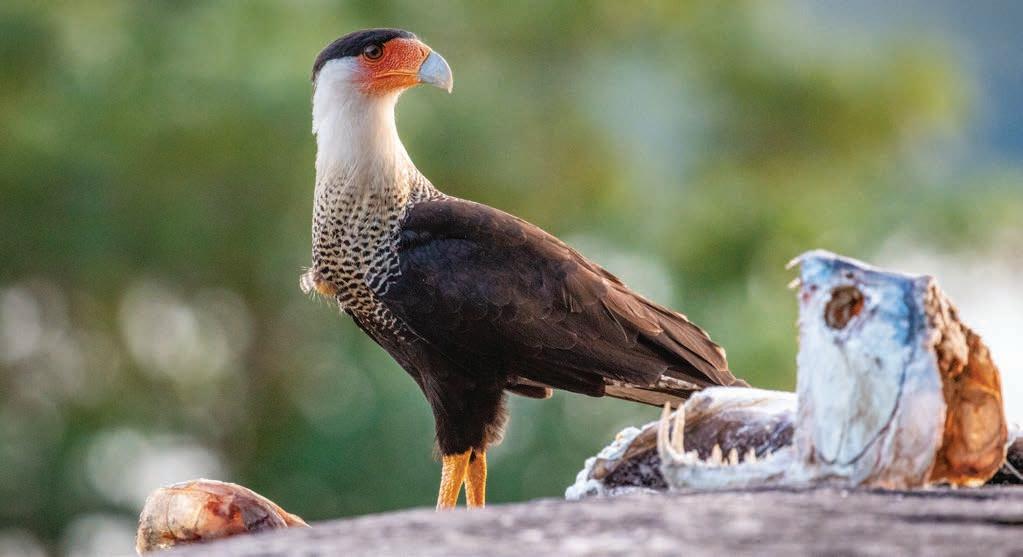
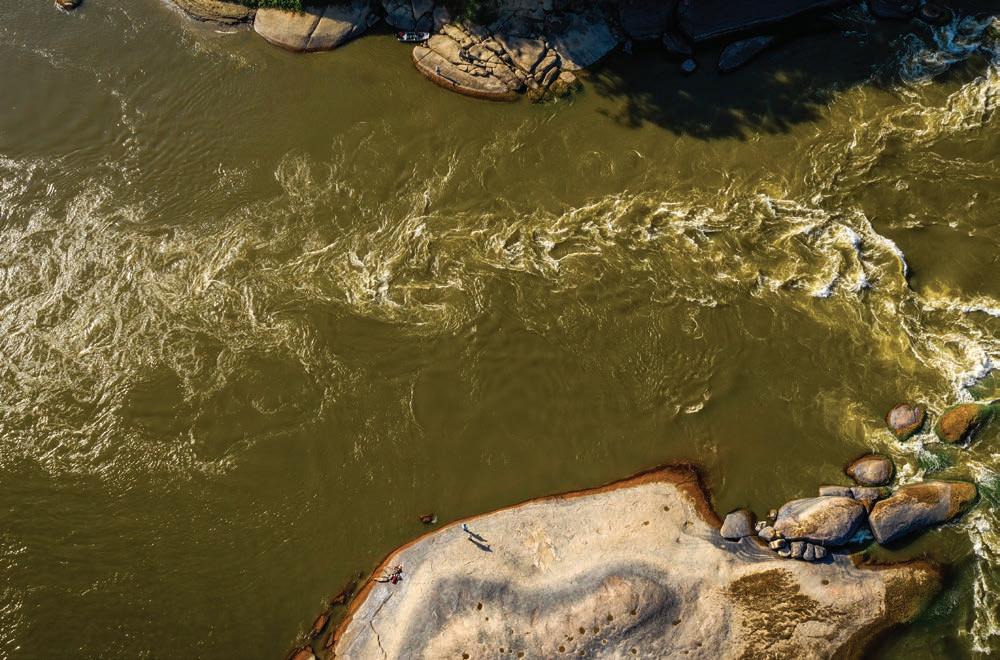
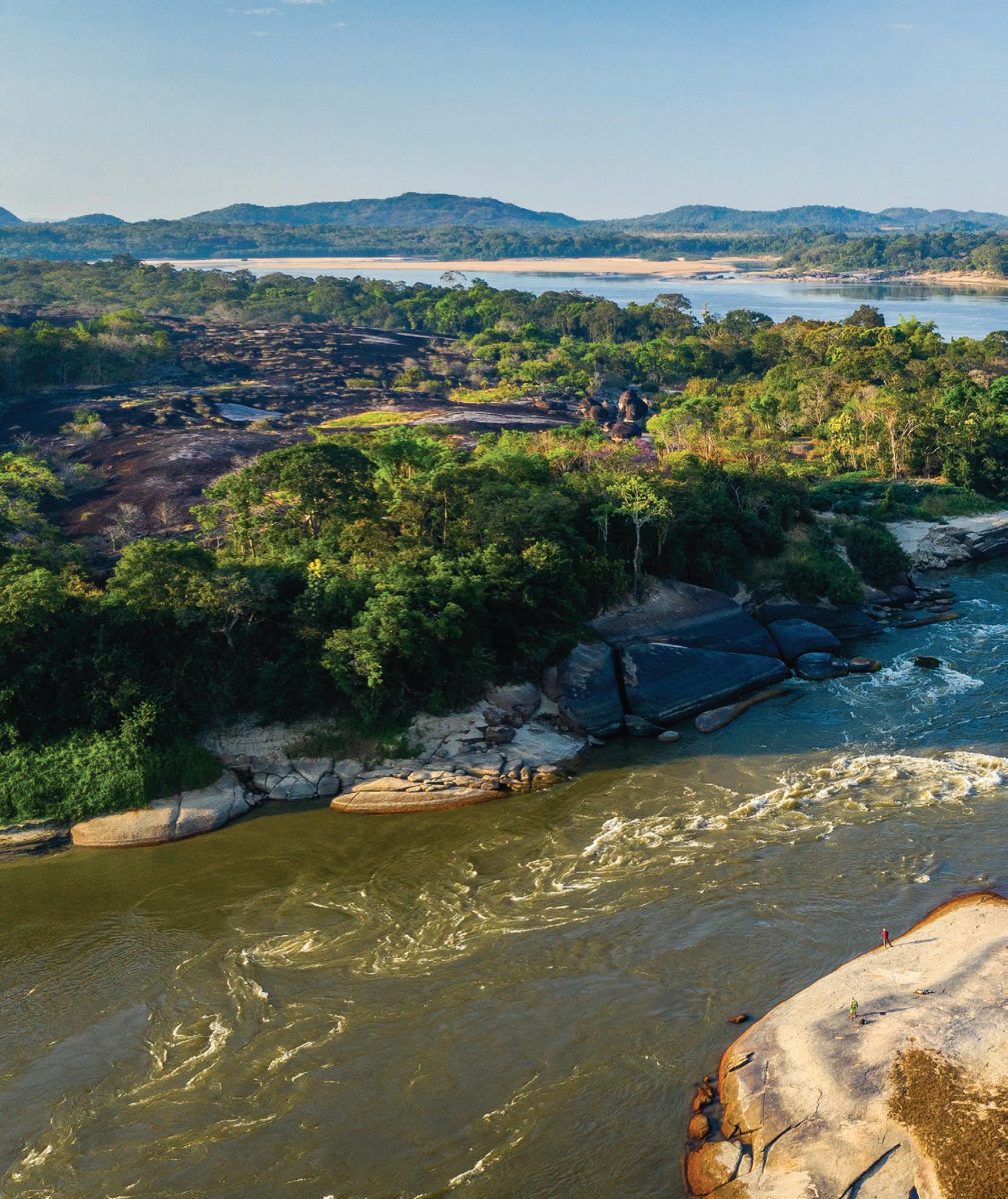
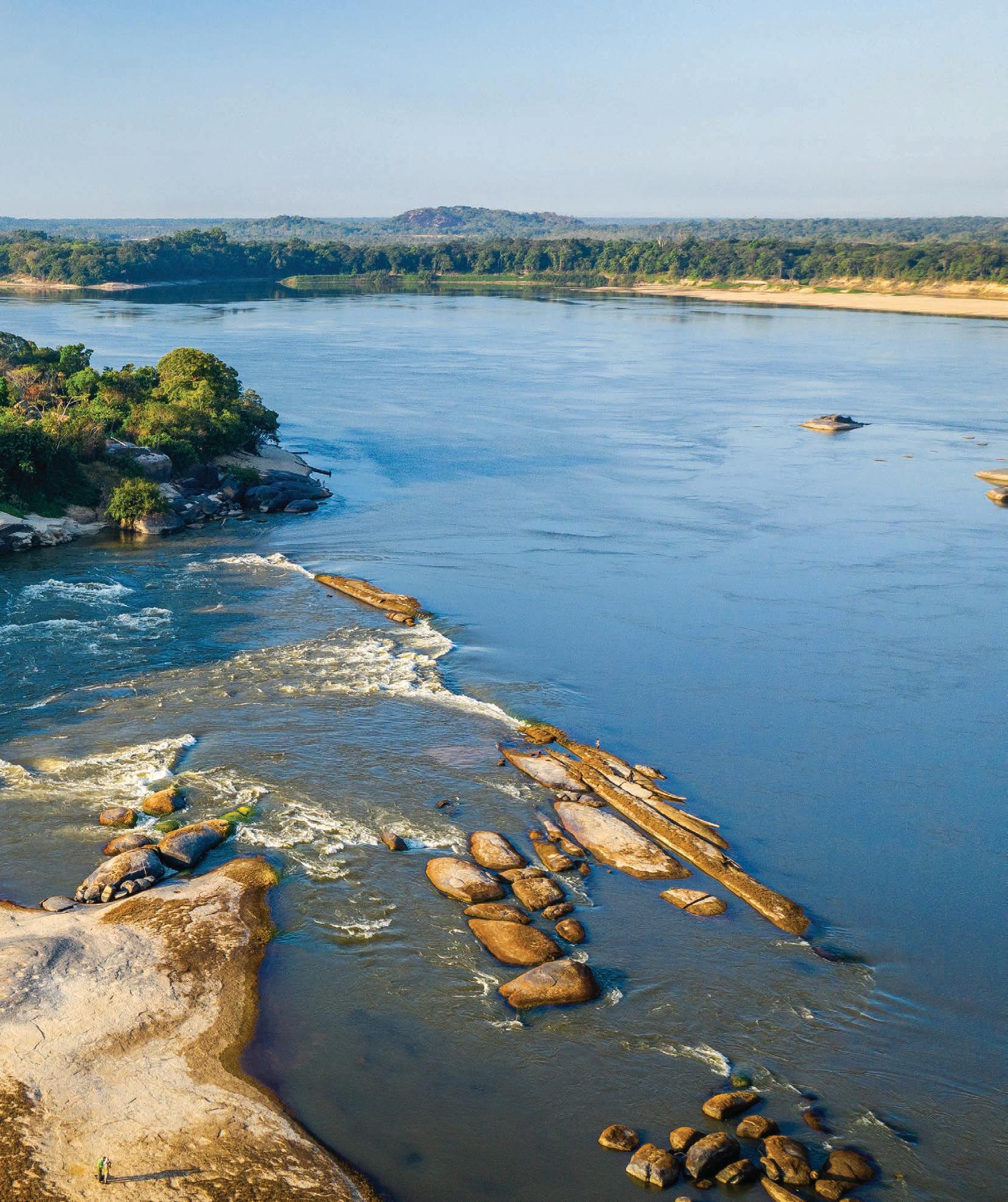
Be in no doubt: these fish have evolved to be perfect hunters in the heavy currents of what is - by volume - the world’s fourth-largest river. Equipped with their enormous fangs and a remarkable turn of speed, Payara terrorises the various baitfish that populate the waters of the Orinoco. On occasion, you’ll get to see them burst through the surface and slash their poor victims to pieces with ruthless efficiency, but most of the time, they sit down deep, unseen in the heavy currents of the mighty river.
This ability to negotiate the rapids of this singularly powerful watercourse marks the Payara out as an unforgettable fly-rod adversary. Small specimens are more than game, but a big fish of twenty pounds and more that wrestles its way into the powerful main currents of the Orinocco is a real handful. These big trophy Payara are capable of stripping a lot of backing off of a big saltwater reel in very short order.
For anyone who loves to swing flies for salmon, steelhead or seatrout, the Payara represents a wonderful
warm-water alternative. As enthusiasts will tell you, one of the great thrills of swinging flies in heavy current is the initial strike - that moment when the line suddenly comes tight and you feel that electricity of a living thing at the other end of your line. Believe me, the Payara doesn’t disappoint - they burst into your consciousness in a split-second of unforgettable violence - a brutal smash and grab that is often followed by a wild somersault and a knuckle-busting charge downriver.
Payara migrate up the Orinoco in its dry season, throughout the months of January through to March and beyond. To do so takes strength and stamina, and this rugged environment has fashioned a formidably powerful hunter. The payara take up station in the rapids and wait in the chocolate-stained waters for the baitfish runs - most notably the herring-like ‘Arencas’, and the ‘Salton’ or ‘jumper’ fish. If your trip coincides with the arrival of these poor devils, expect some serious mayhem. The fish can be surprisingly selective, so carry a selection of big tubes that mimic these prey species.
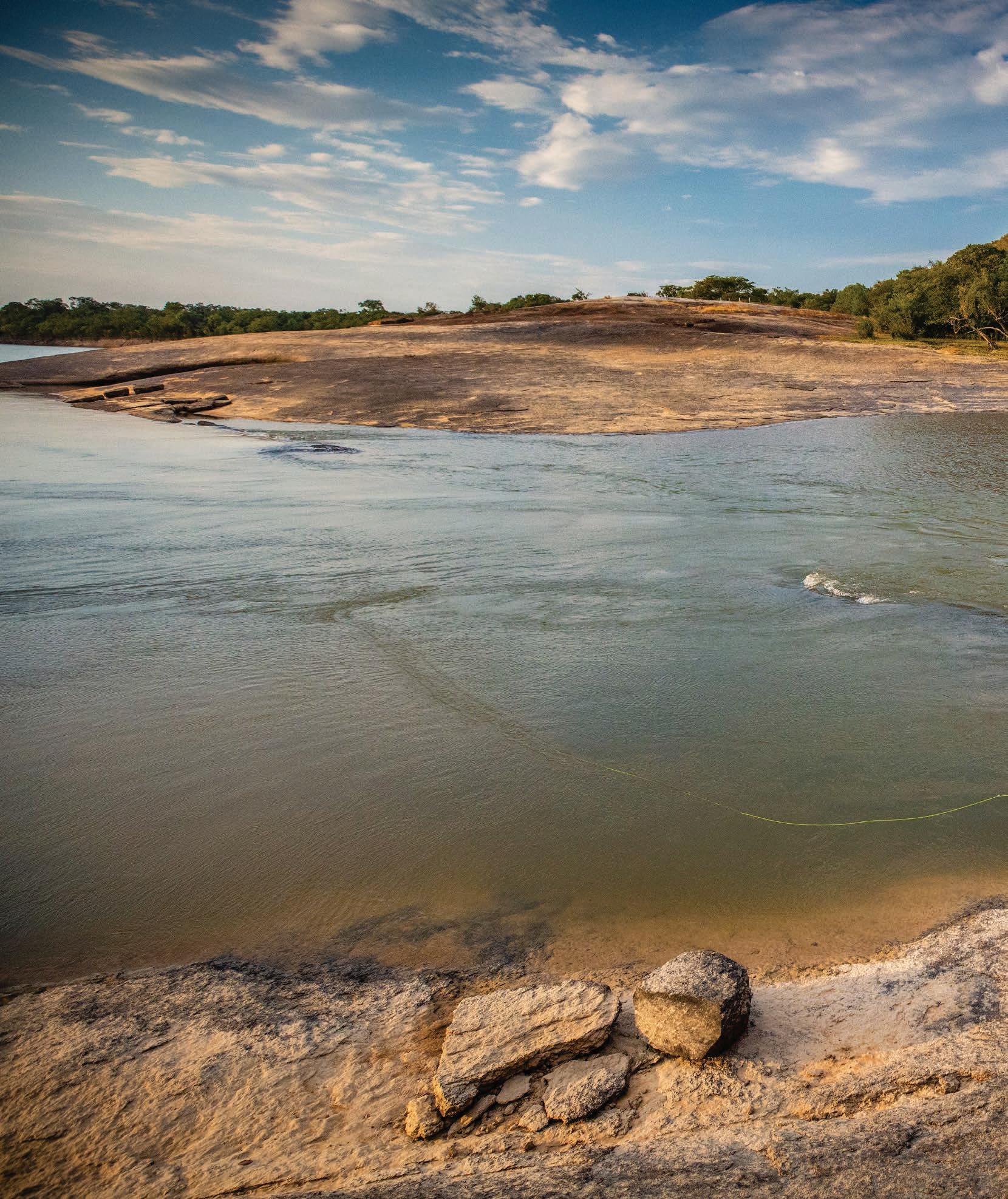
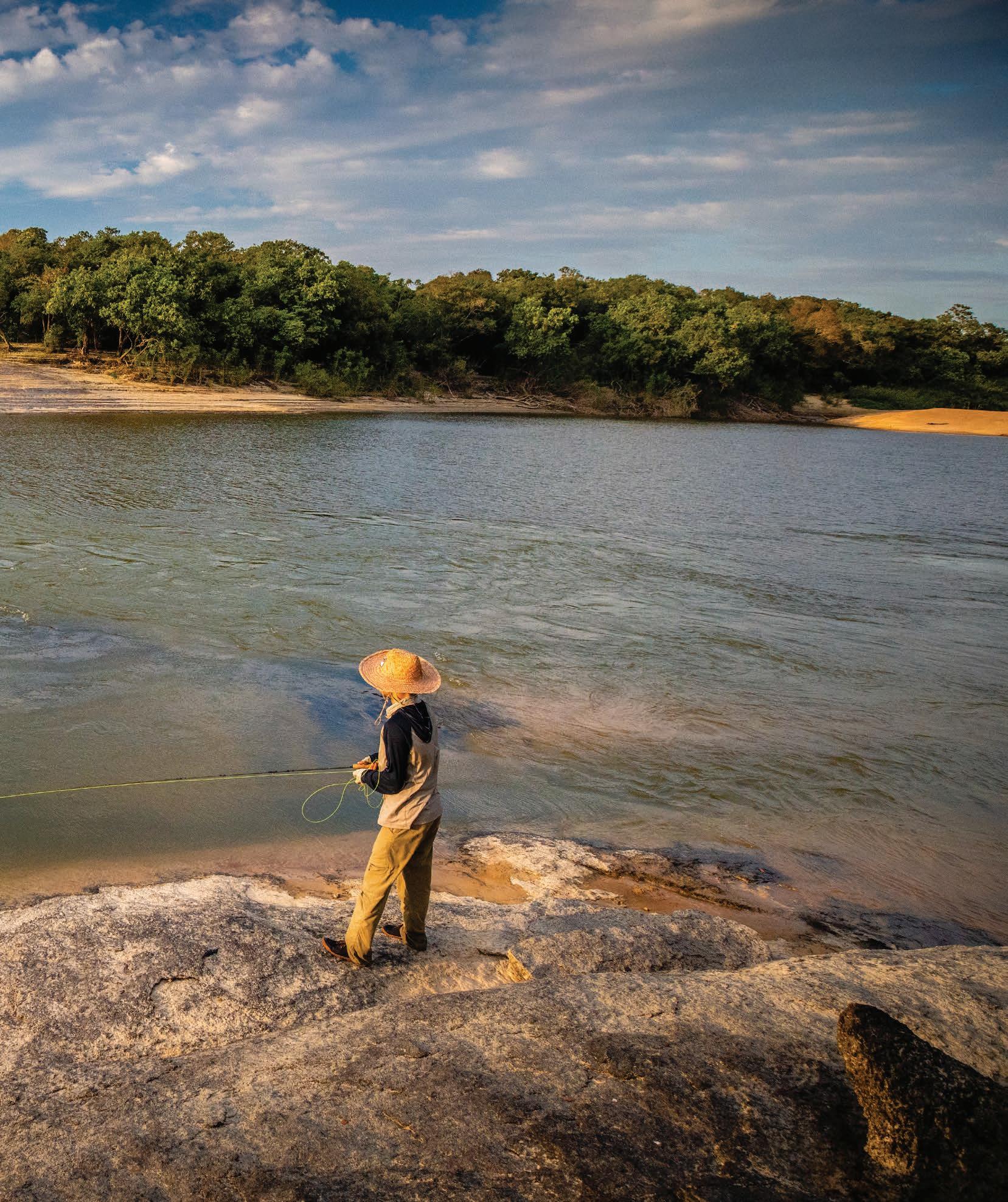
Tackling Payara involves discipline. On the Orinoco, a heavy sinking line in 400 to 600 grains is often the best way to put your fly in front of the fish in the heavy currents that they call home. A short leader and a big Flashy Profile tied to mimic the various baitfish patterns in sizes from 6-10 inches in length attached to titanium wire is the medicine, and make sure that you are capable of casting this stuff if you want to get the best out of the fishery. A stiff, fast-actioned ten or even twelve weight rod is perfect for throwing this heavy-duty gear.
I like to use tube flies so that hooks could be replaced the moment that they lost their needle-sharp point. I also like to employ a swivel to attach the obligatory wire trace to the stout 40lb mono leader as it allows the fly to track straight, which I believe is absolutely key in enticing the Payara to strike your baitfish imitation. A needle-sharp hook that has a straight rather than offset point also helps in making the fly swim without listing onto one side, and I think that this is crucial in inducing the maximum number of strikes.
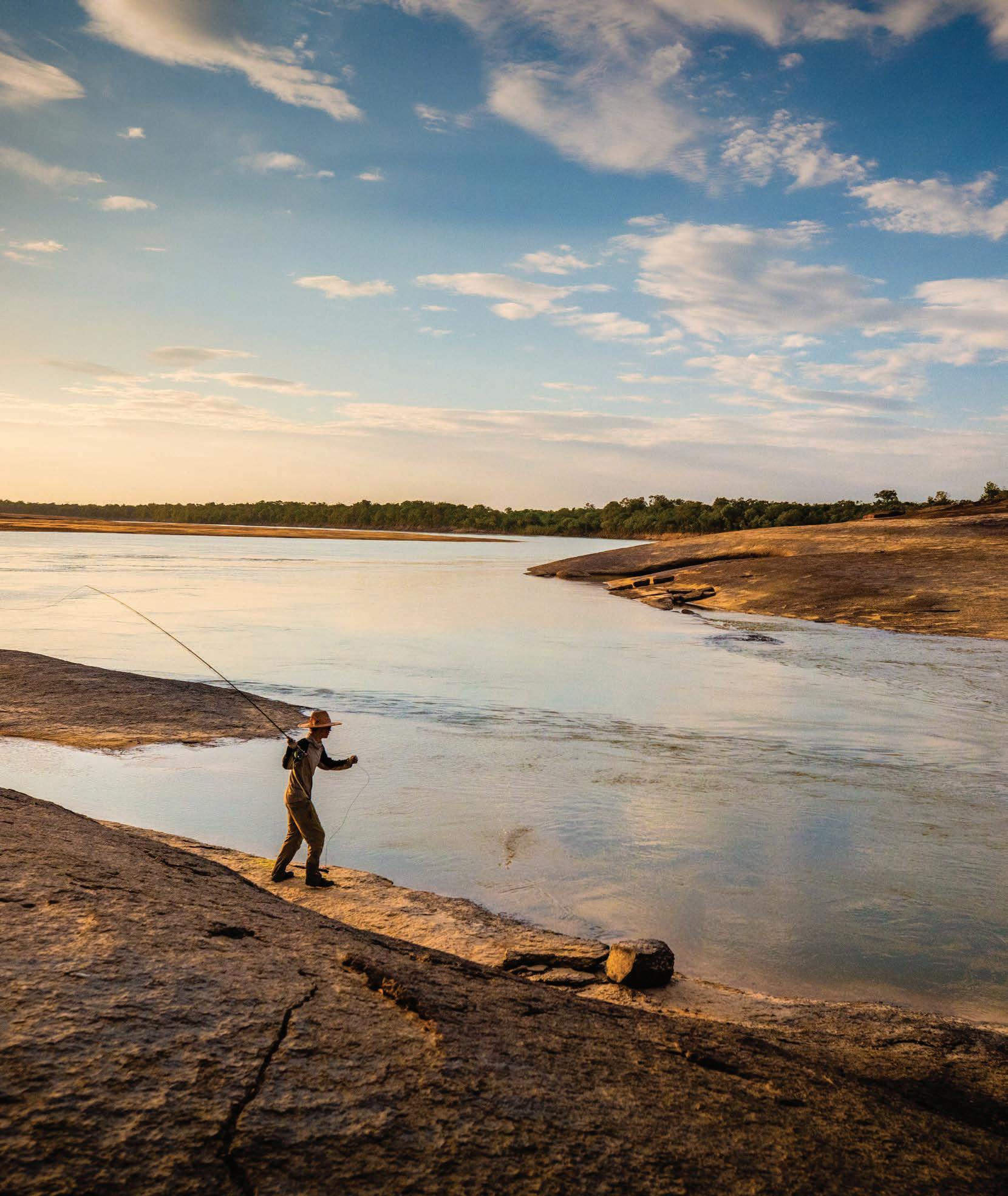
The moment that you feel that savage take, use a really aggressive strip-strike to set the hook. Grab the line tight and jab both hands backwards, setting the hook as hard as you can. 40lb nylon should ensure that you don’t break off, but use a bimini twist as a shock absorber, and employ ‘soft’ hands, as these fish will often take off downstream in a hurry. Stay tight and use a fairly heavy drag setting to keep the hook buried in the fish’s bony maw. Be ready to jump into the boat as these fish can run 200 yards and more in a heartbeat once they hit the heavy current, and the shallow, rocky, snag-filled nature of the Orinoco means that you want to keep the distance between you and your quarry to a minimum.
Once you catch up with your prey, play them hard - any slack and you will almost certainly lose your prize. Once you can get your hands on them, handle them gently and support their weight by keeping them in the water for as long as possible - these fish are fragile despite their savage dentistry. Oh, and mind your fingers…
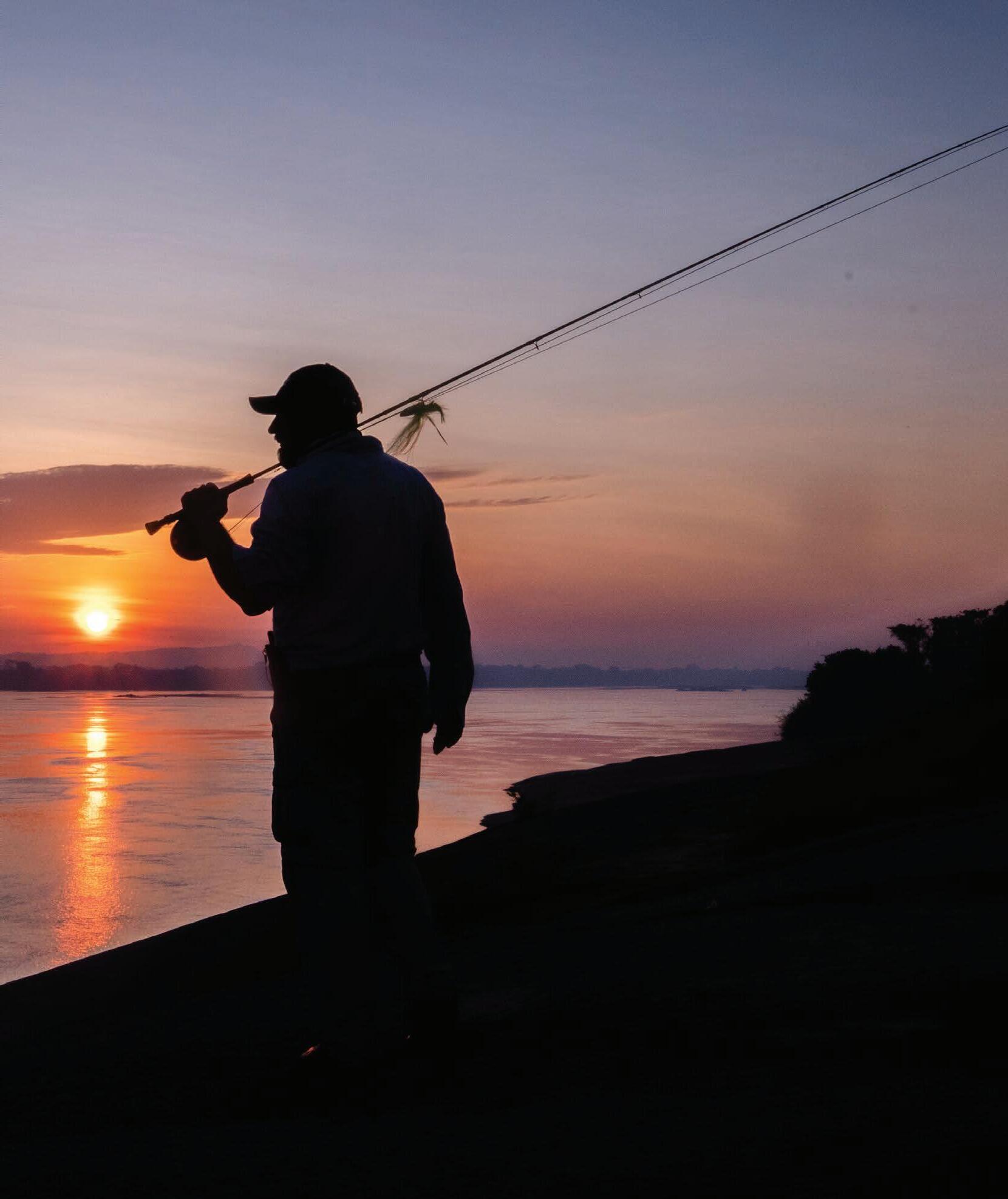
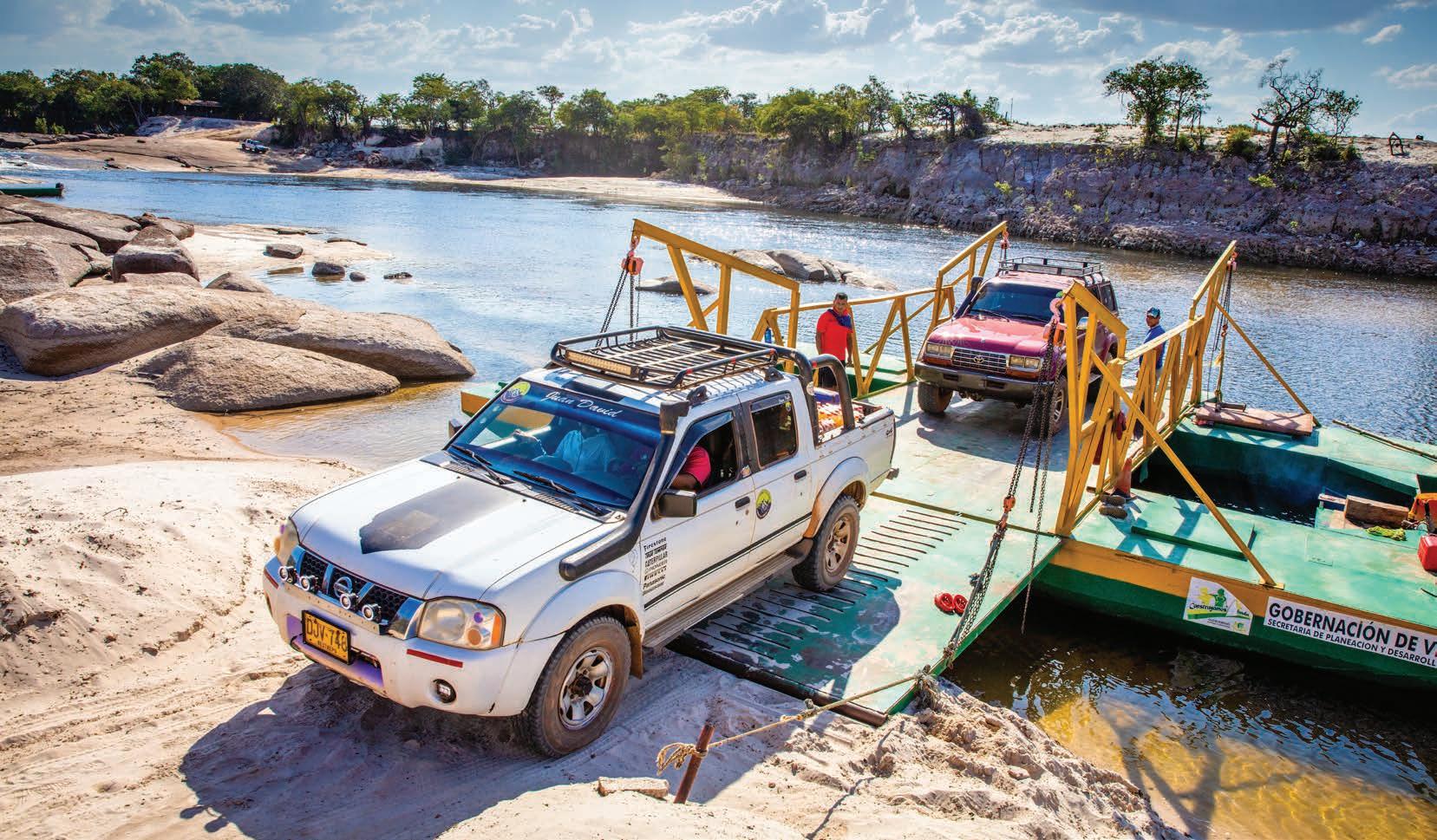
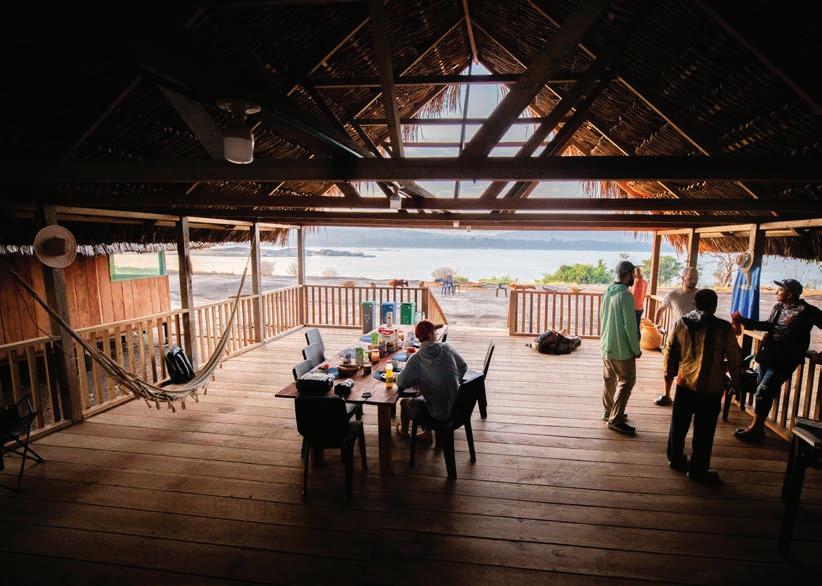
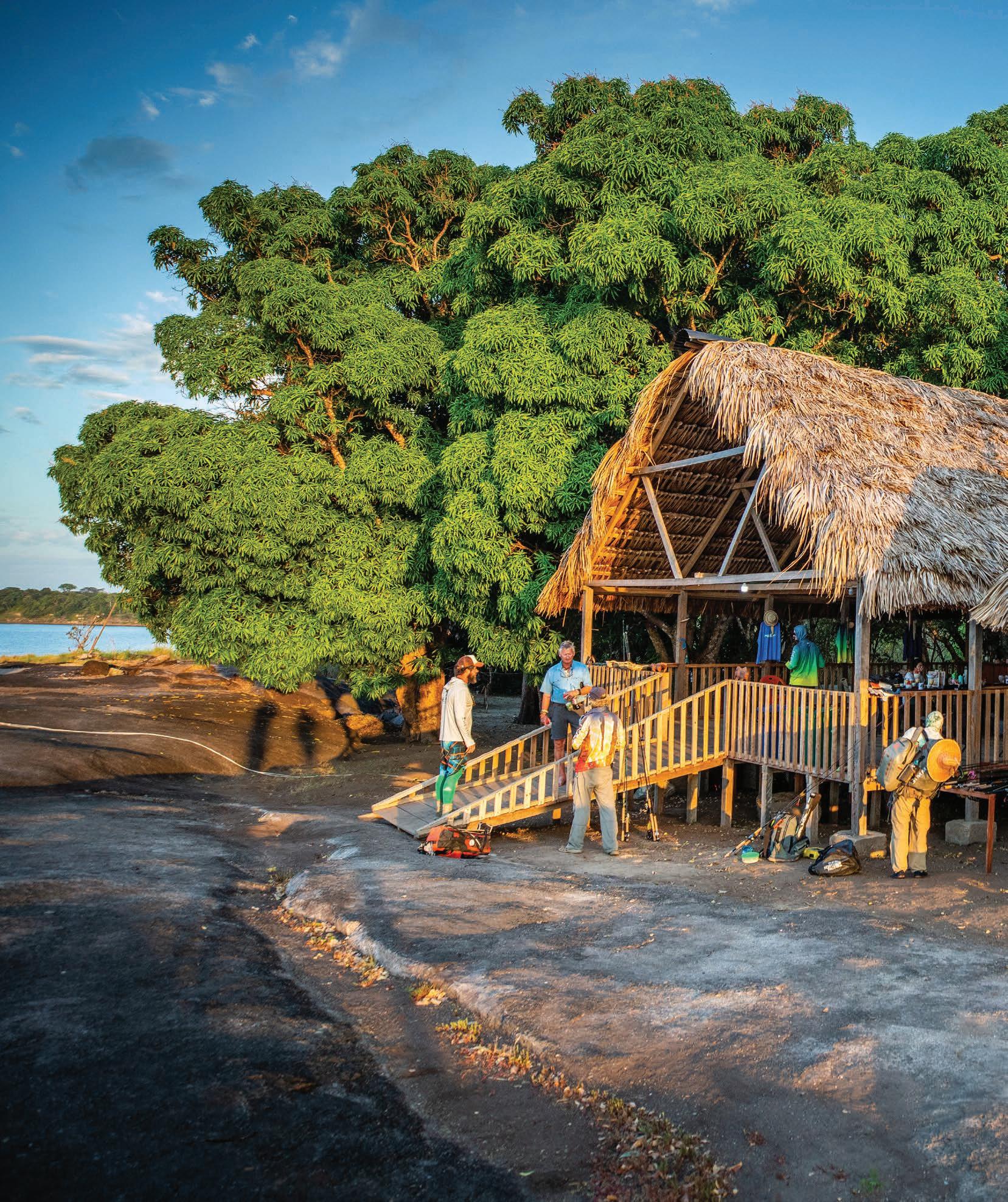
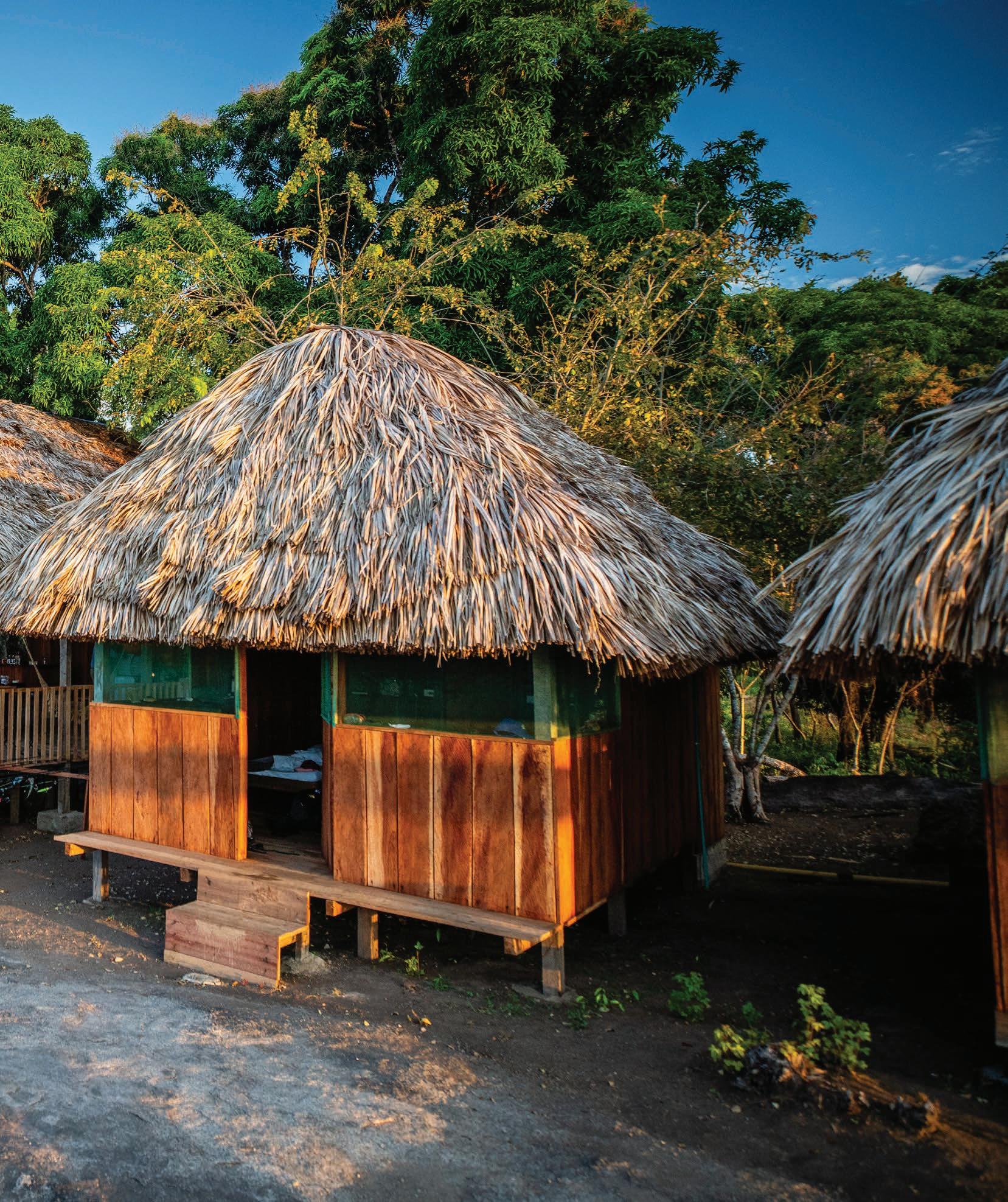
There are a growing number of options for tackling Payara. I fished with my great friend Beto Mejia who runs the excellent Orinoco Lodge, part of his Fish Colombia operation. Beto’s camp is based on an island in the middle of the river. It’s a perfect base to access numerous rapids and trophy Payara of twenty pounds and more are a real possibility from any number of riffles and runs. Fish can be caught from the boat, but I most enjoy targeting them from the bank, prospecting each likely seam and slot, much as you might look for salmon in the broken pocket water of a salmon river.
When the fishing is on, it can be redhot but like many apex predators, Payara are prone to capricious and violent mood swings. No matter.
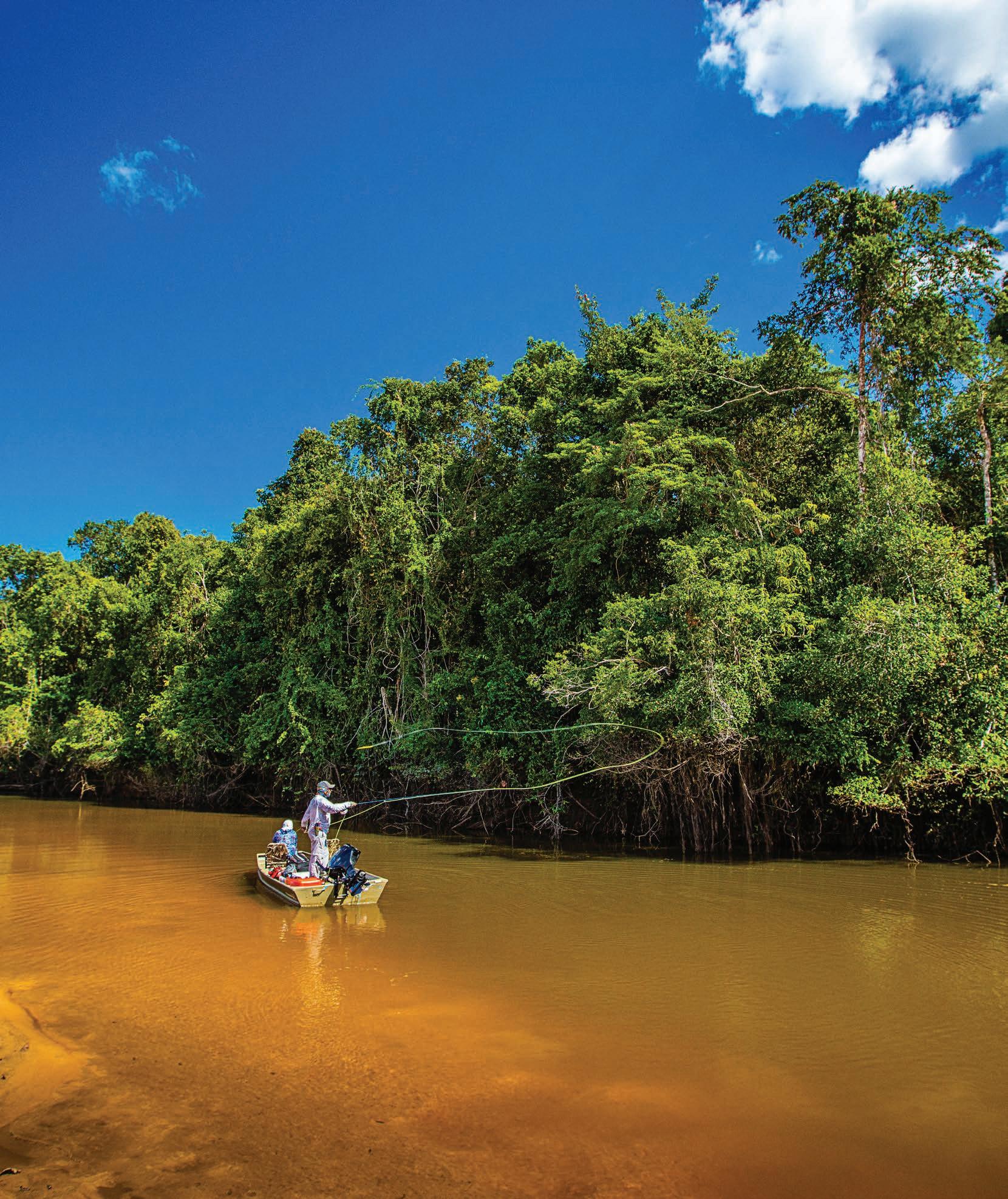
The moment we felt that the fish were going off the take, we would head upstream to fish the waters of the Orinoco’s numerous tributaries, where myriad lagoons offered epic peacock bass fishing.
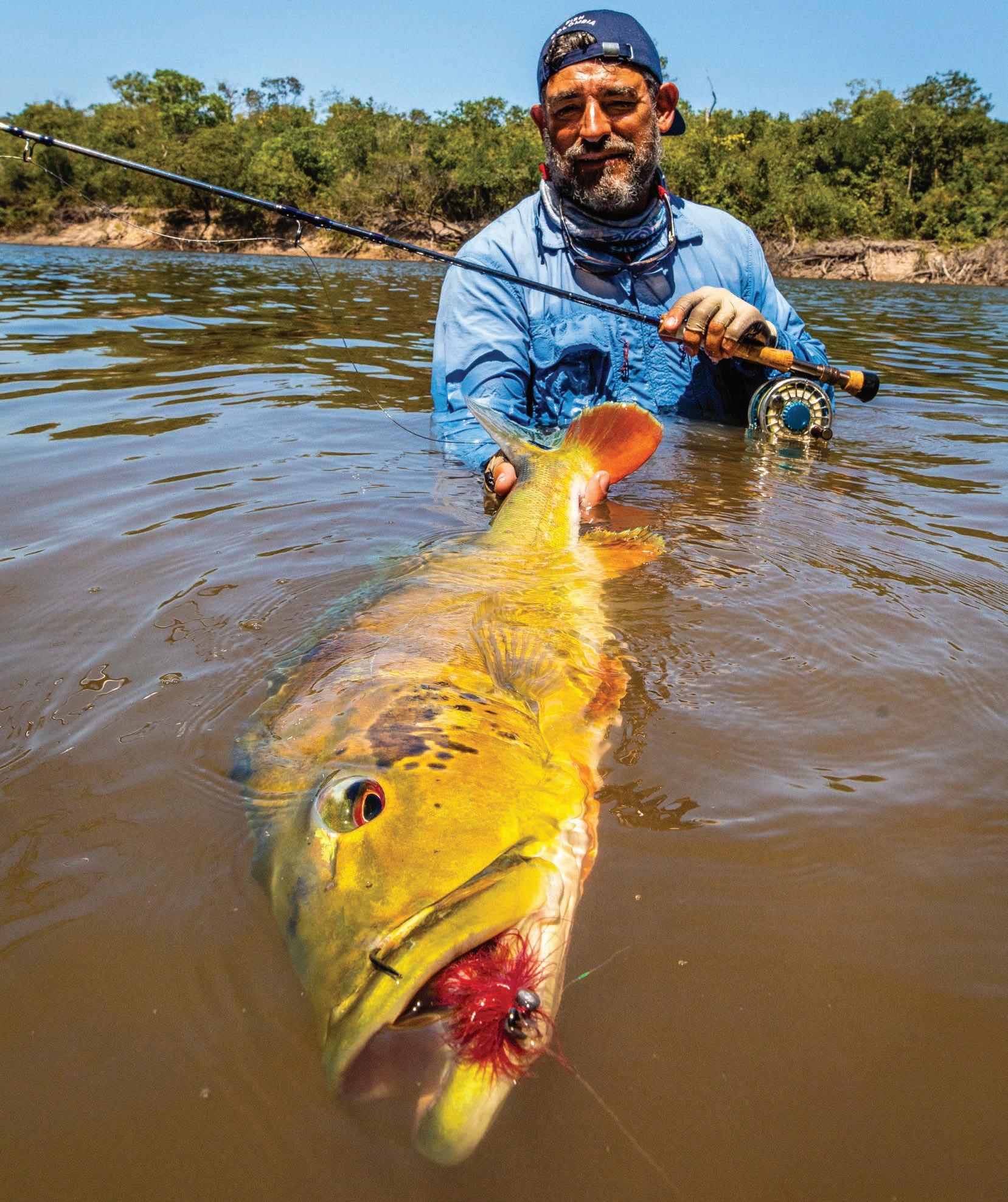
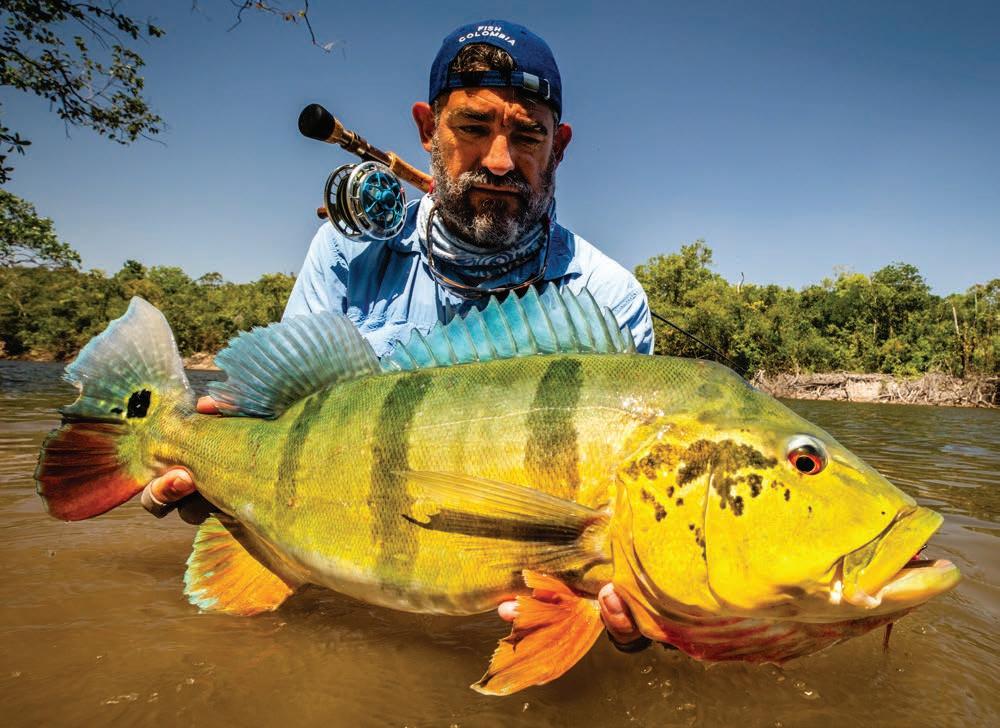
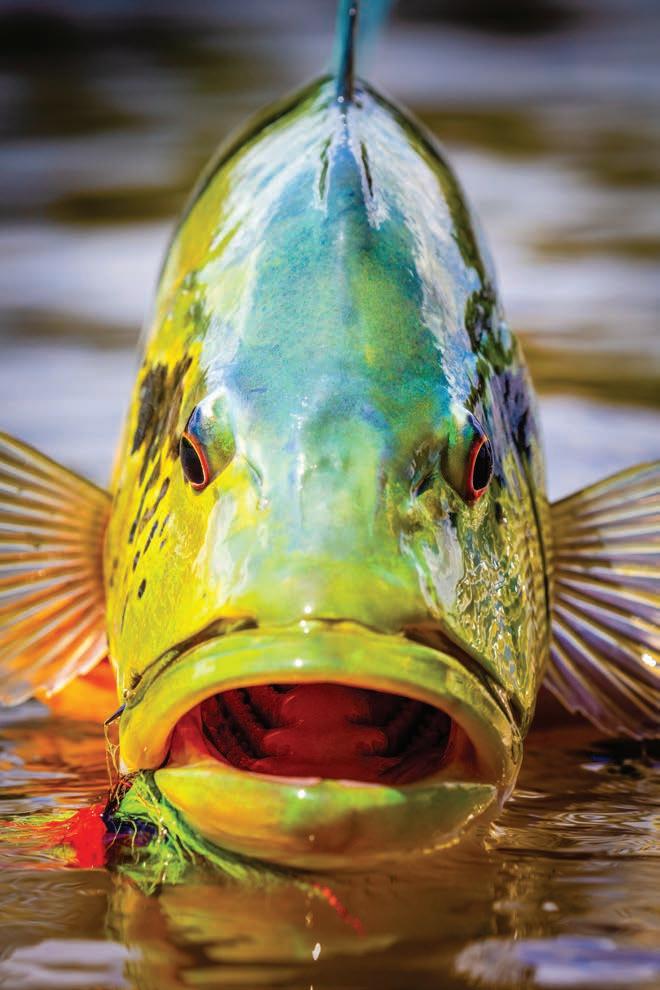
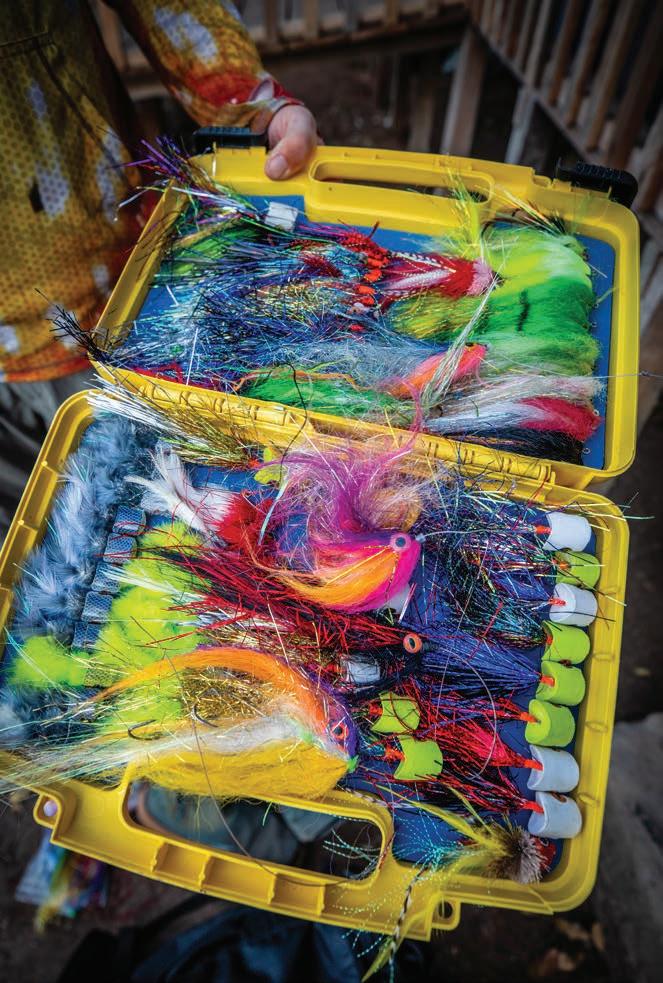
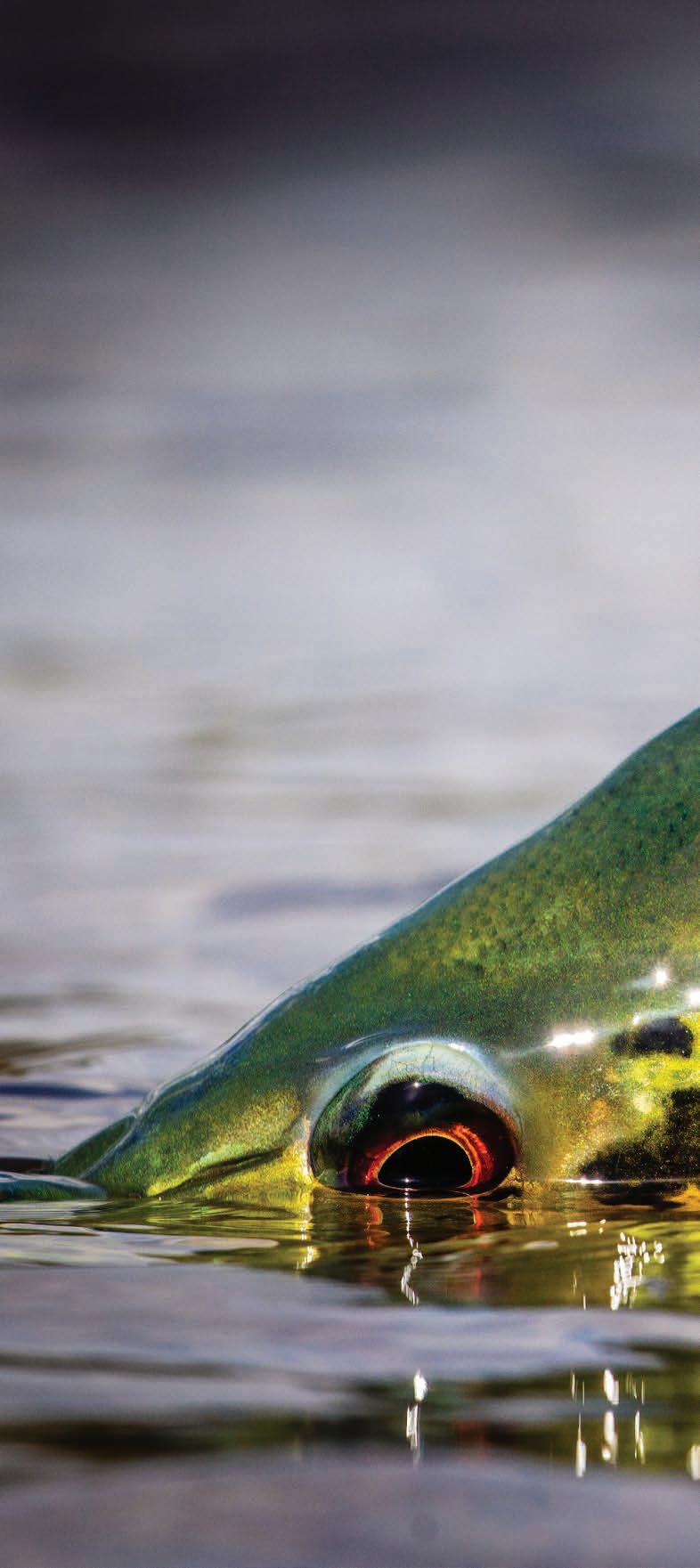
Anyone unfamiliar with peacocks is in for a treat. These flamboyant berserkers offer adrenaline filled afternoons, bursting out of their lairs to attack big streamers and pole dancer poppers with malevolent gusto. Colombian peacocks are every bit as aggressive as their Brazilian cousins, and trophy fish of twenty pounds and more are a real possibility. Another great friend Alex Wilkie, a brilliant and relentless fly angler, caught a fabulous 21-pound trophy on our first visit.
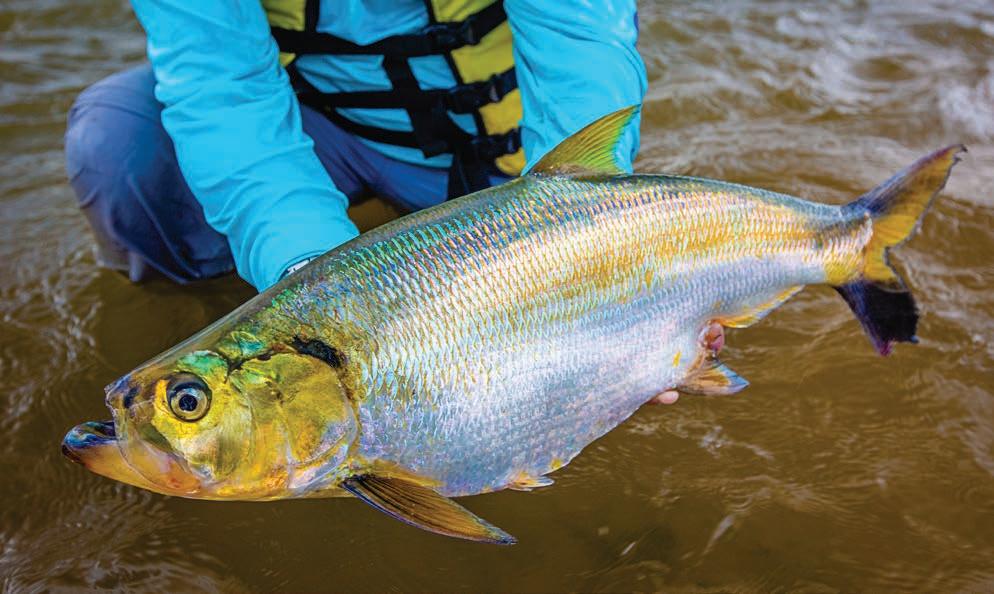
Other species will also vie for your attention. Off of the main currents of the Orinoco, you may well come across big schools of Sardinata - a wonderful quarry that resembles a small, golden tarpon and that take streamers and even poppers willingly from the surface. While Sardinata rarely grow much larger than seven or eight pounds, they are game fighters, often launching into the crackling heat of the jungle to flip spectacular somersaults. There’s also big piranhas and even surubi catfish to tackle with a fly if you get bored of the big Payara... but trust me, you won’t.
What Colombia is like
Colombia has suffered enormously in recent years, and it has become synonymous with drug cartels and lawlessness. However, the country is now emerging from this dark past and is becoming a safe and fascinating tourist destination. As Beto and I strolled down the main drag of our transport hub, Puerto Carreño, on the way back from our trip, I felt the warmth and vibrancy of the bustling little town.
It was a Saturday evening, and as the market stalls started to shut up shop for the day, the street came alive with young, friendly folk, giggling and flirting and fooling around in the warm evening air. There was an irresistible, intoxicating vibe about the place. Colombia offers stunningly beautiful landscapes, a lively, engaging culture and truly remarkable fly fishing opportunities in both fresh and saltwater that are only just beginning to be explored.
We sat down at a little bar perched above the river, and I took a first long draft of the icy ‘Aguila’ beer that the beautiful waitress had set down before me with a smile.
Orin-no-go or Orinoco?
I thought of the poor souls who had declined to come with me, muttering nervously about Colombia’s reputation and now hunkered down in the grip of an icy Northern winter back home.
Their loss, I thought smugly, with the big Payara of the Orinoco running the river and waiting to dance into the white light of the Colombian jungle.
I raised my glass to Beto and toasted my pioneering friend. I knew that I would be back here again to join him, drinking cold beer in the January sunshine, smiling at the pretty girls of Puerto Carreño, and mixing it up with the sparkling, freak-fanged Vampires of the Orinoco River.
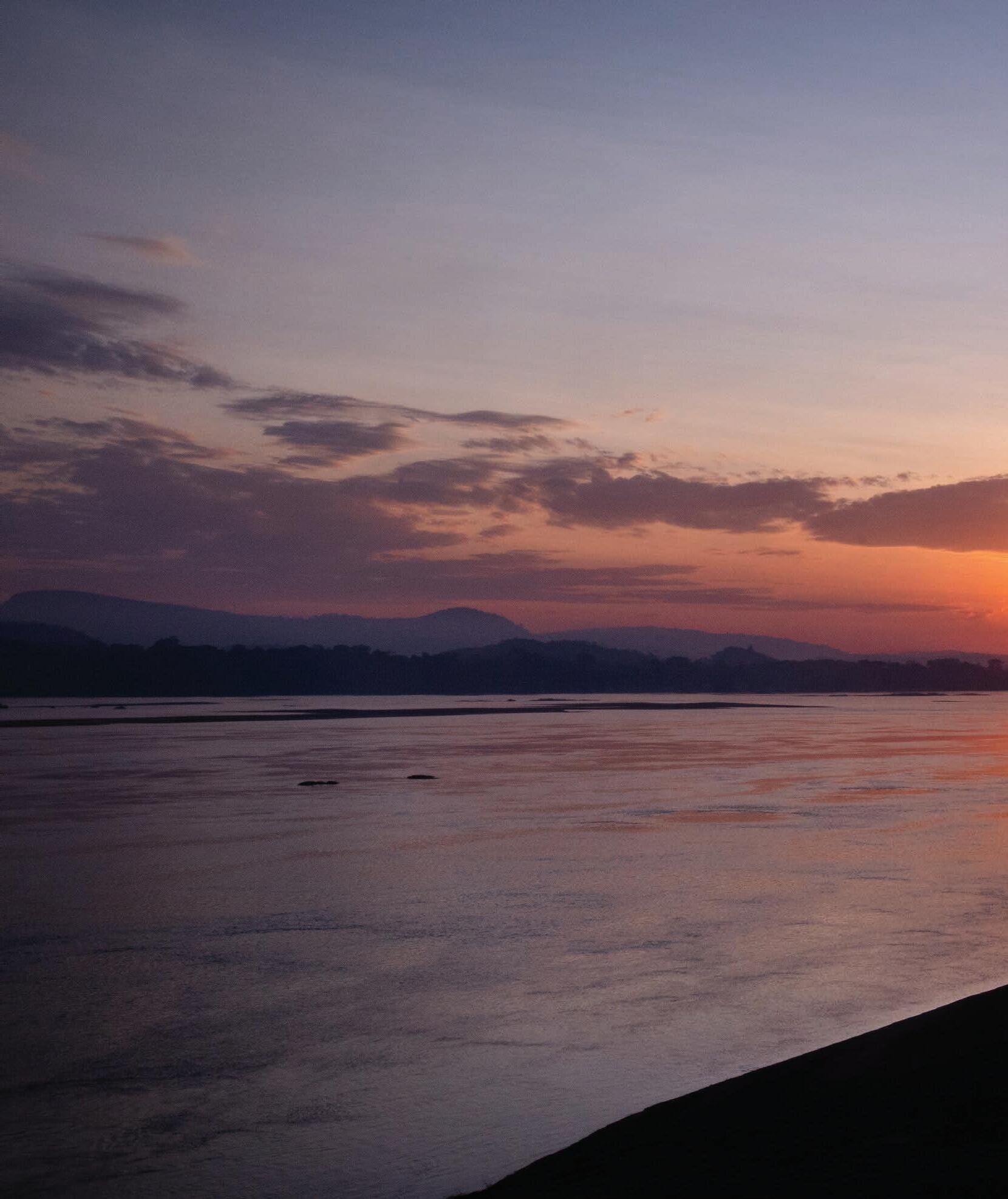
Beto and I climbed the hill and suddenly we crested the brow of the incline and were looking down at the wide waters of the Orinoco.
For more info:
www.fishcolombia.com
F ROM OCEAN TO RIVER, FROM CITY TO WILD − WE’VE BOTH MADE IT HOME.
E very journey leaves its mark — on flanks of chrome, on worn in wading boots — on souls. But when you finally reach a place that feels like home, all the miles fall away and everything that matters comes into focus. You get one life. Fish It Well.
If there is one destination on the lips of every European fly angler, it is Slovenia. Tucked into the southeastern corner of the Alps and bordered by Italy, Austria and Croatia, Slovenia is a haven of greenery that can still be considered today as one of Europe’s last Edens for fly fishing. But for how much longer ?
By MATTÉO PERGENT
Images by THE FIN CHASERS MEDIA
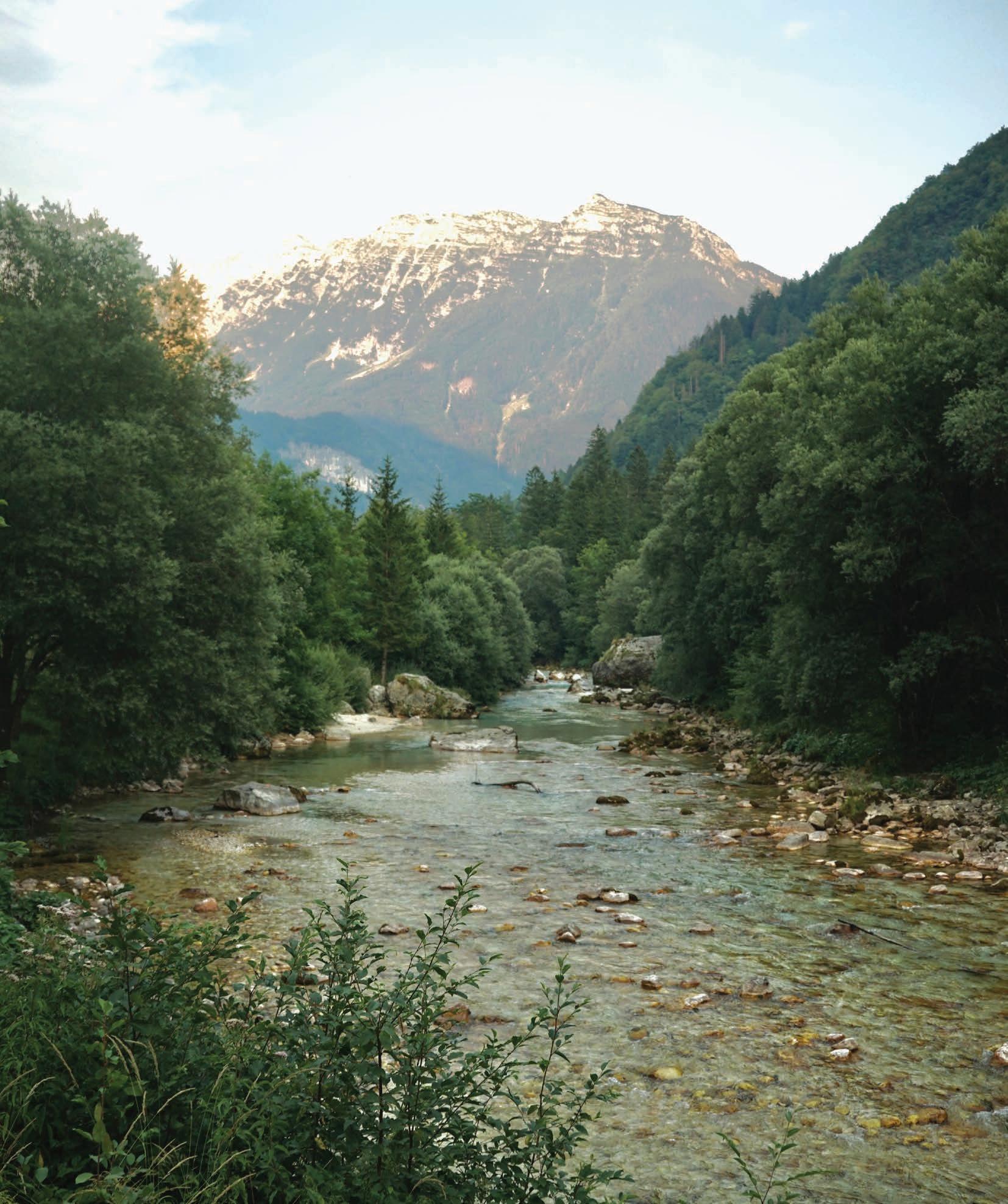
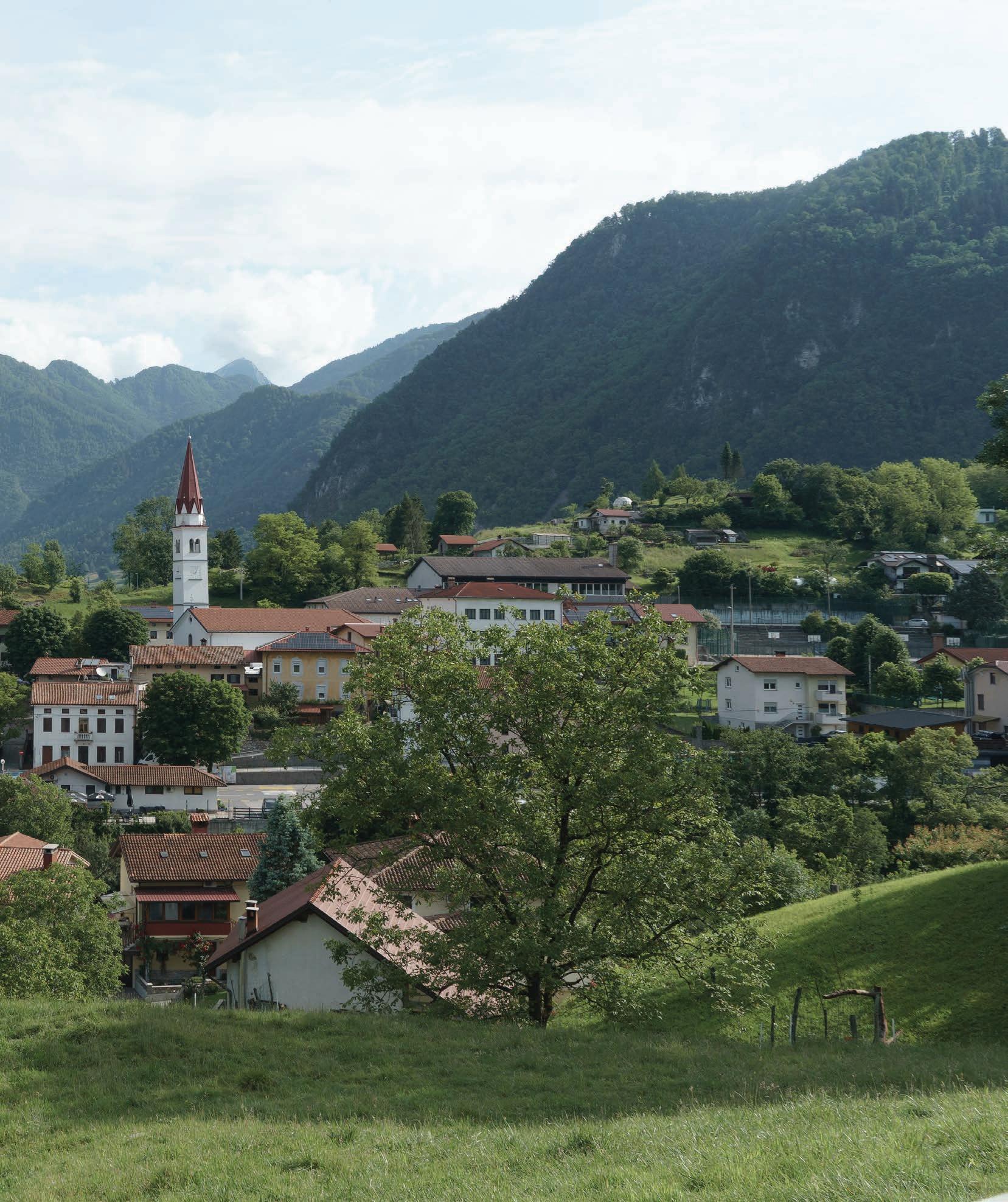
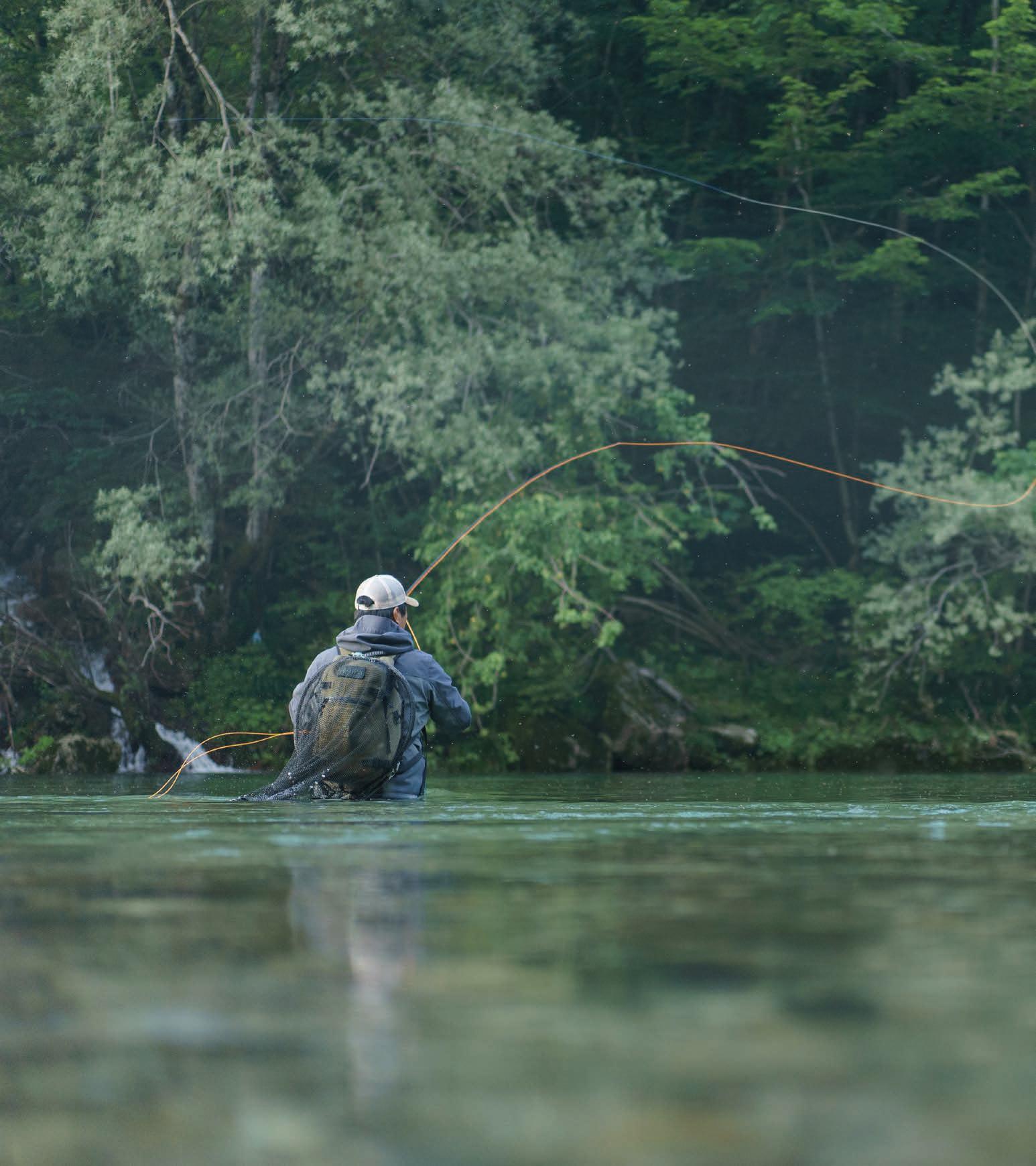
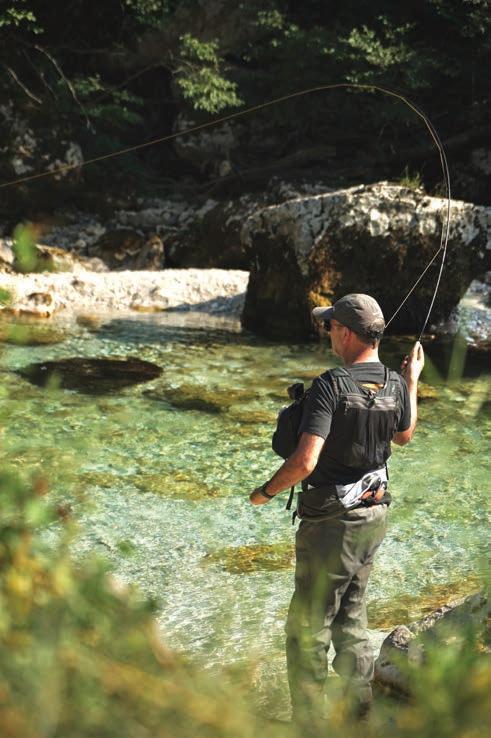
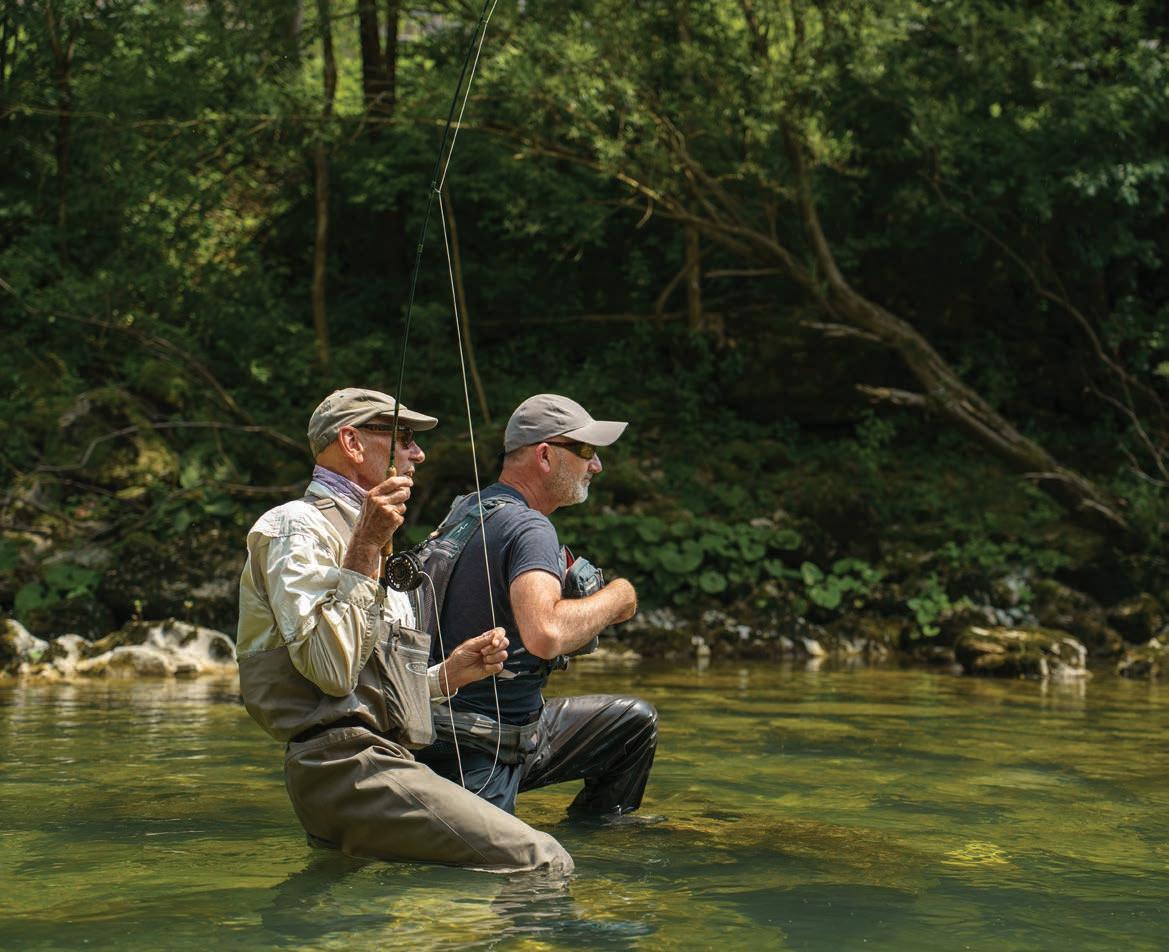
It is the end of May, and trout season is slowly but surely reaching its peak all across Europe. It feels like the perfect time to look back on my latest trips along the Slovenian rivers. Last season gave me the chance to fish there for the tenth time since I first discovered them in 2016, and returning always feels special, as Slovenia was the destination of my very first fly fishing trip back then. The sun slowly begins its descent, and the light starts to fade over the upper Soča Valley as my fishing partner and I reach our spot for the evening strike. Downstream from a large deep bend, just below a pool at the head of a rapid, we each take position on opposite banks, waiting for the first evening hatches to begin.
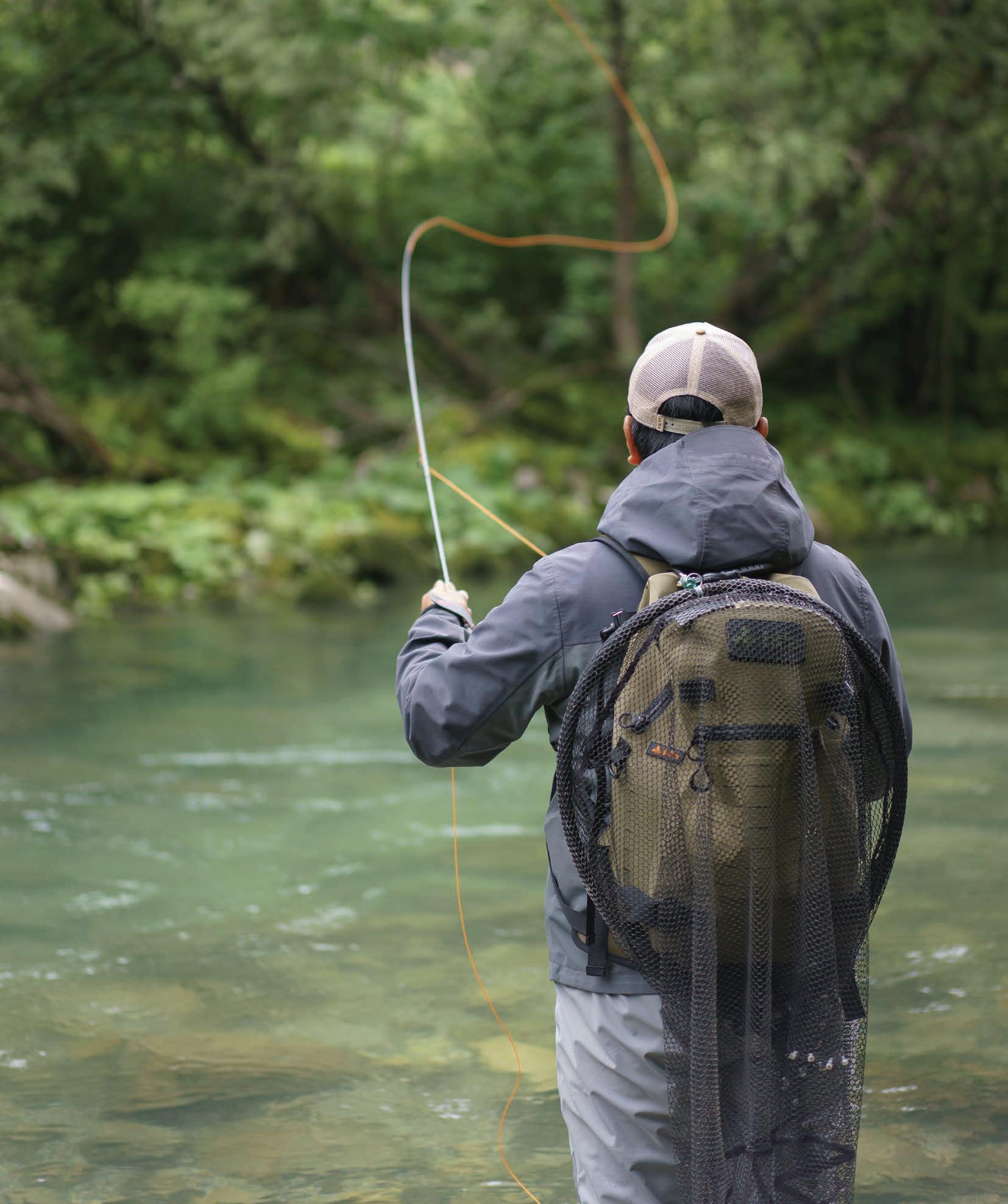
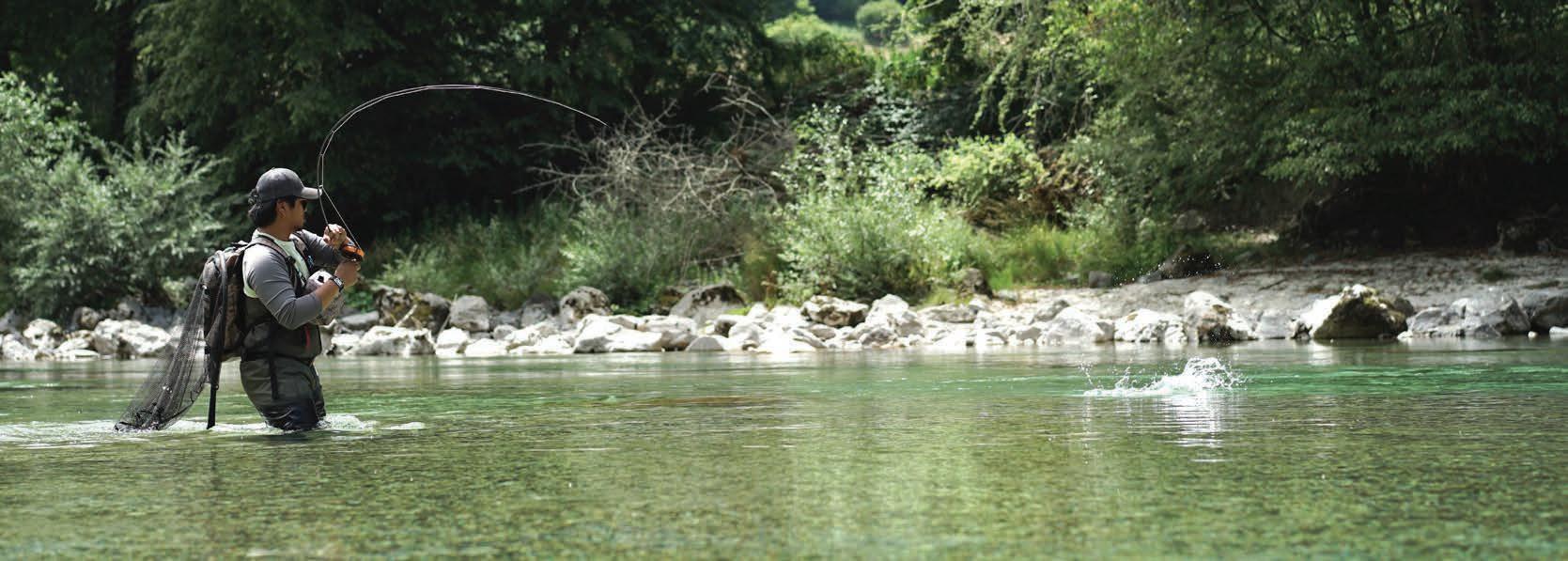
Being left-handed, I claim the right bank and settle myself on a rock. There they are! The first insects of the evening finally break through the surface, and with them, the first rises. I spot a fish about ten meters away, stationed in front of a rock tight against the bank, delicately taking every insect that drifts within reach.I move into position slowly and strip
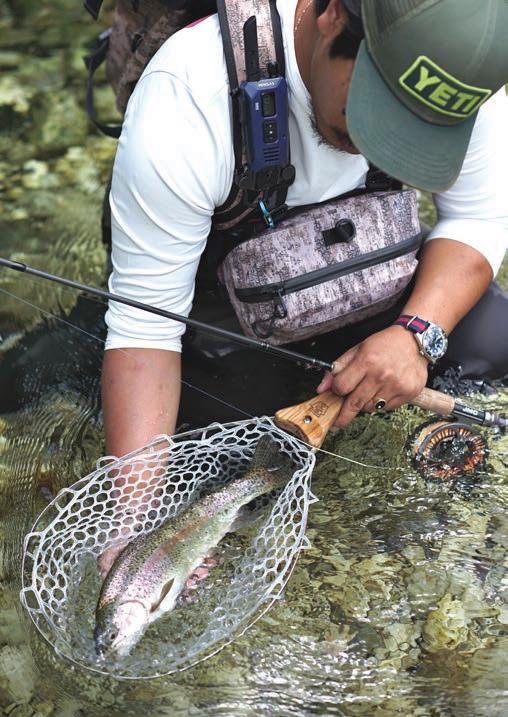
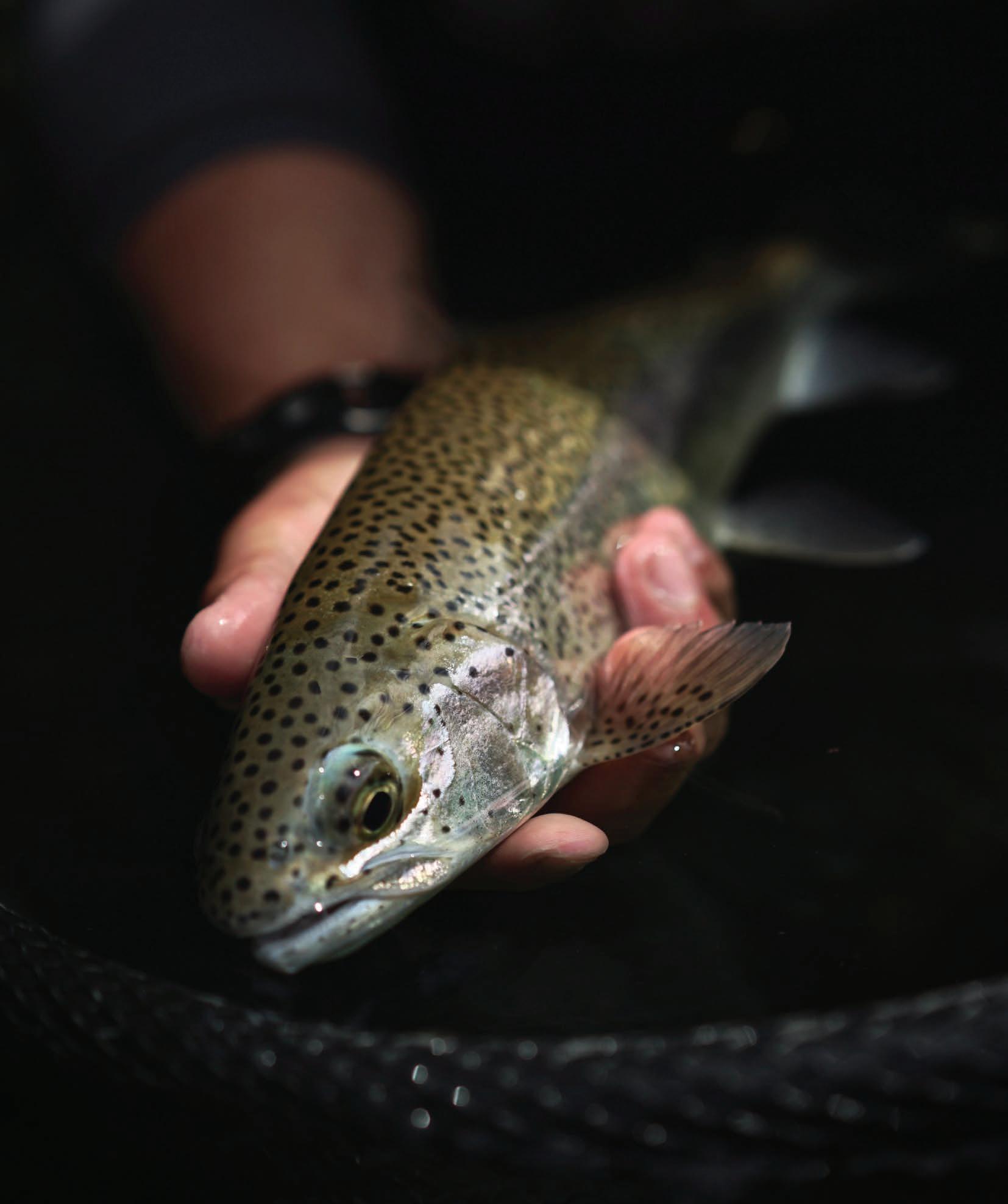
out just enough line to send my size ten caddis imitation toward the fish. My fishing partner remains a spectator on the opposite bank as I drop my fly about fifty centimeters upstream of the trout. First drift, and the fish eats! After a brief fight, a beautiful rainbow trout slides into the net. A nice fish, but unfortunately not our target for the day.
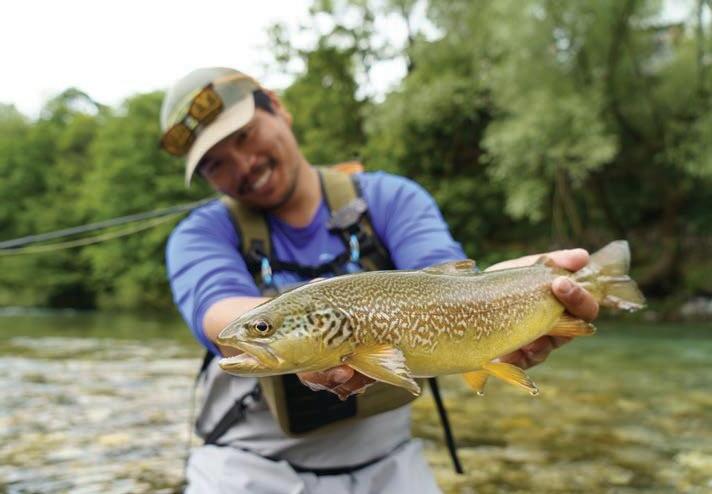
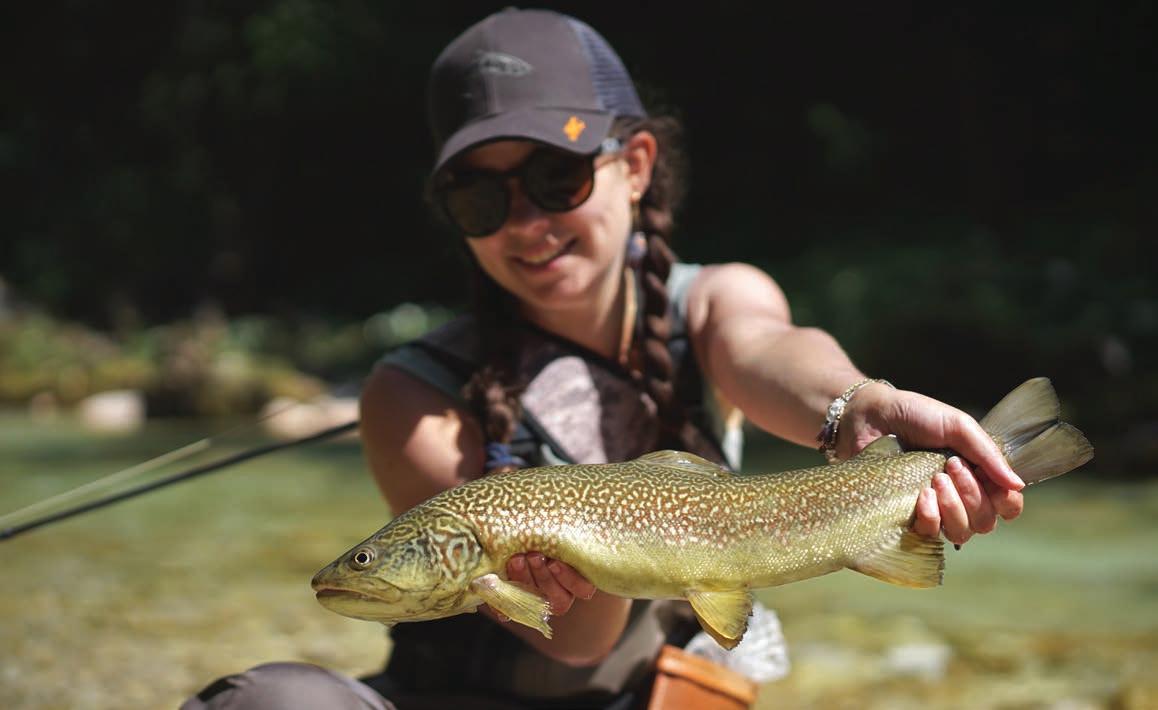
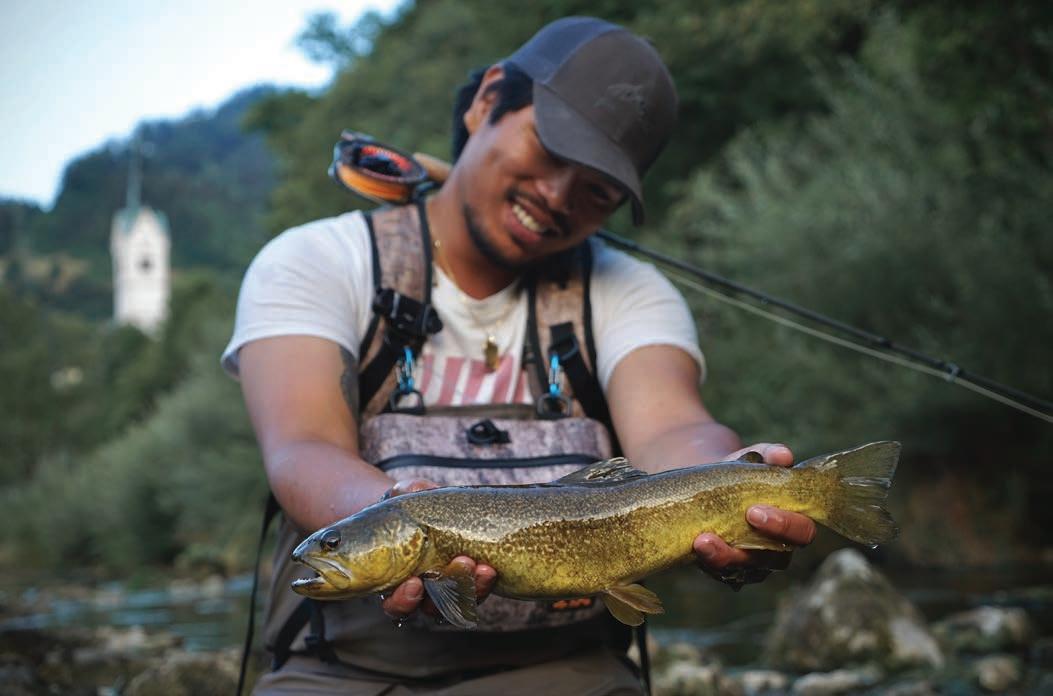
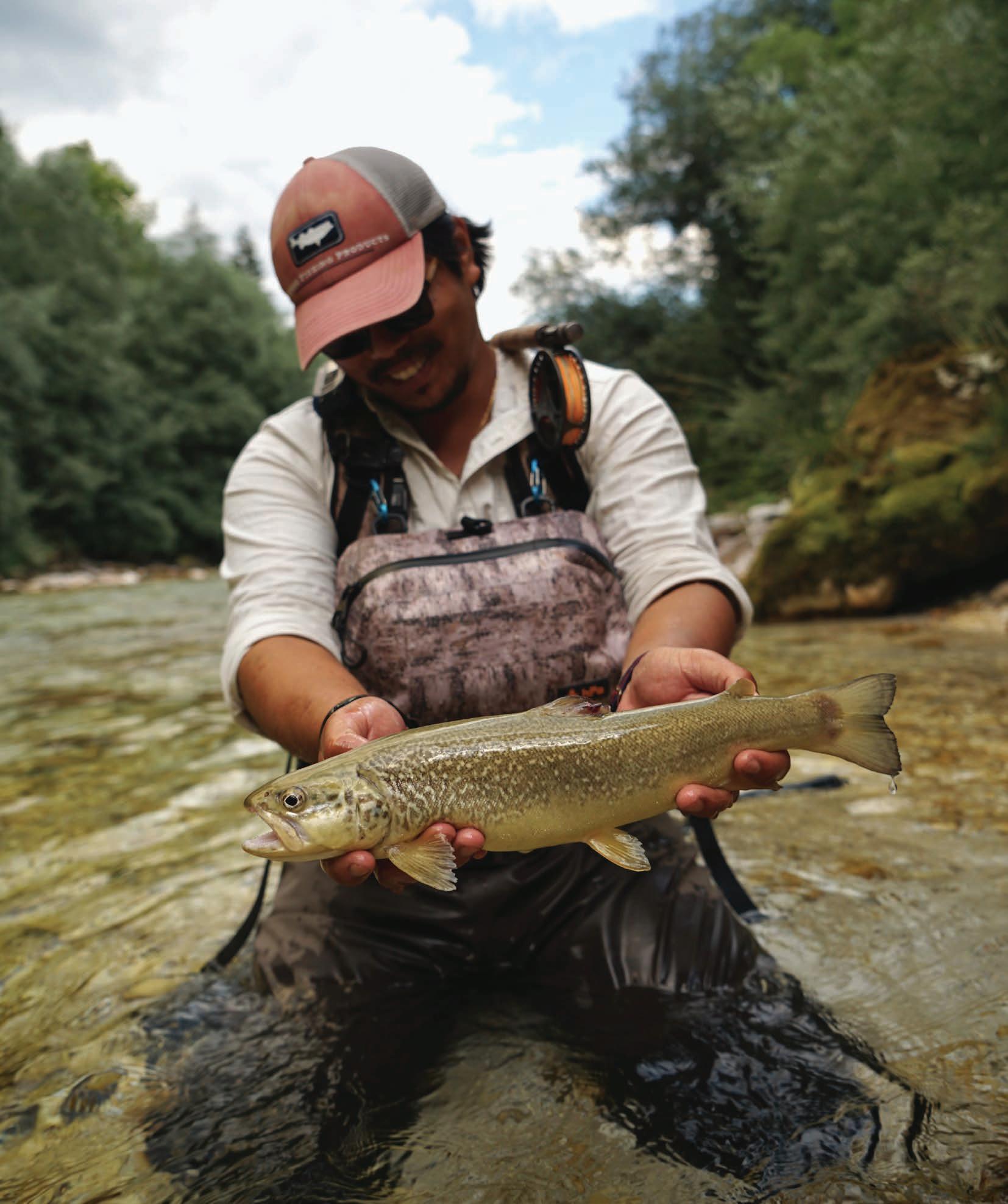
As I release it back into the water, a new rise appears about fifteen meters upstream. This time, the delicacy of the takes and the position of the fish leave no doubt: it’s a marble trout, and a good one! I signal to my partner to be ready, as this fight might be a little more intense.
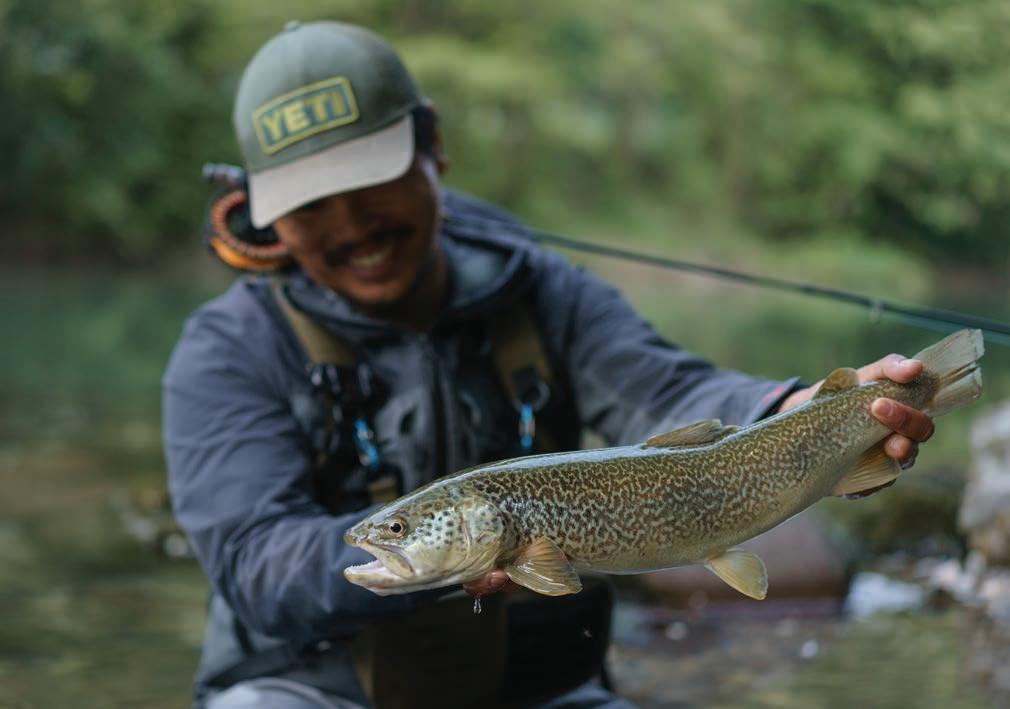
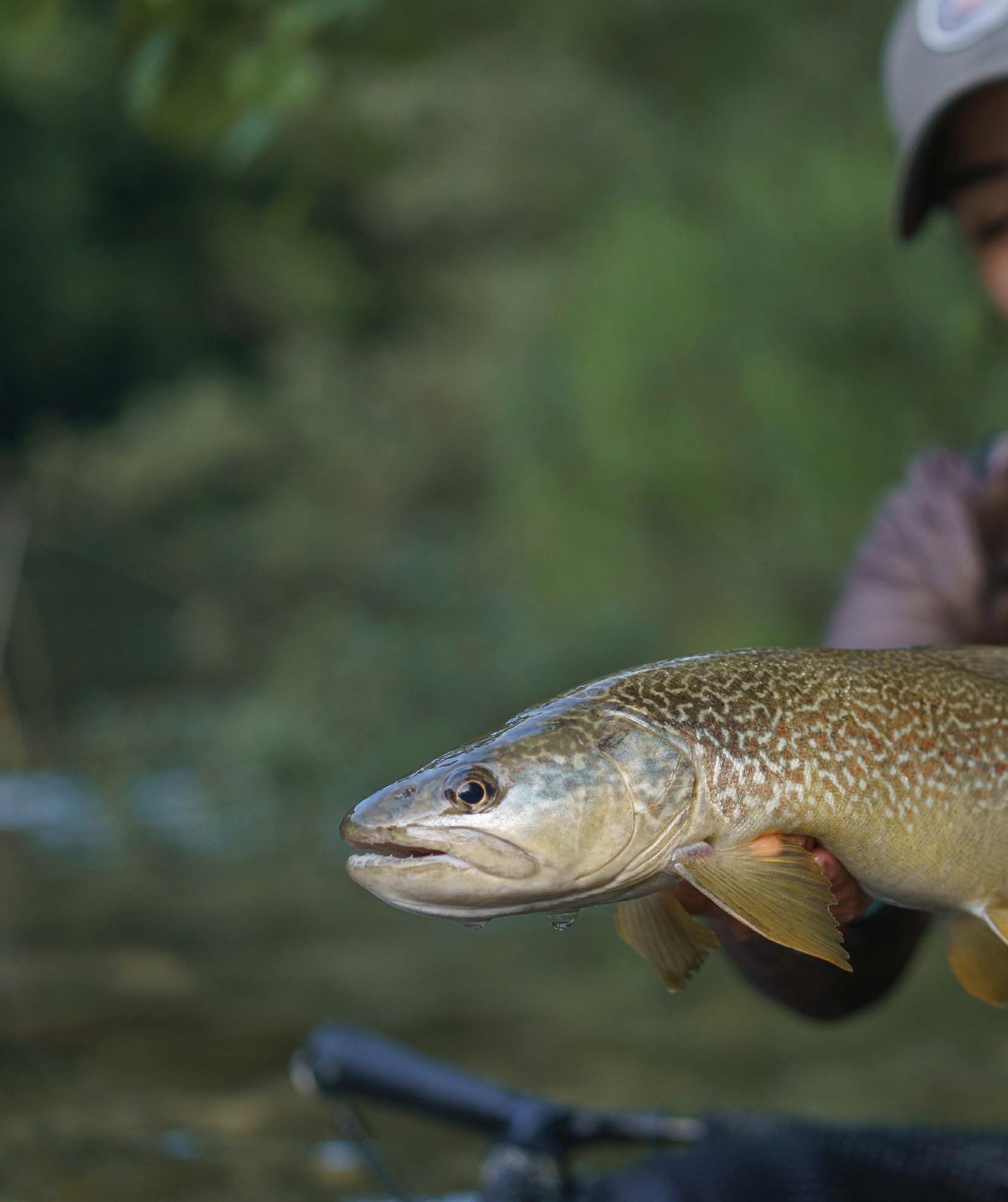
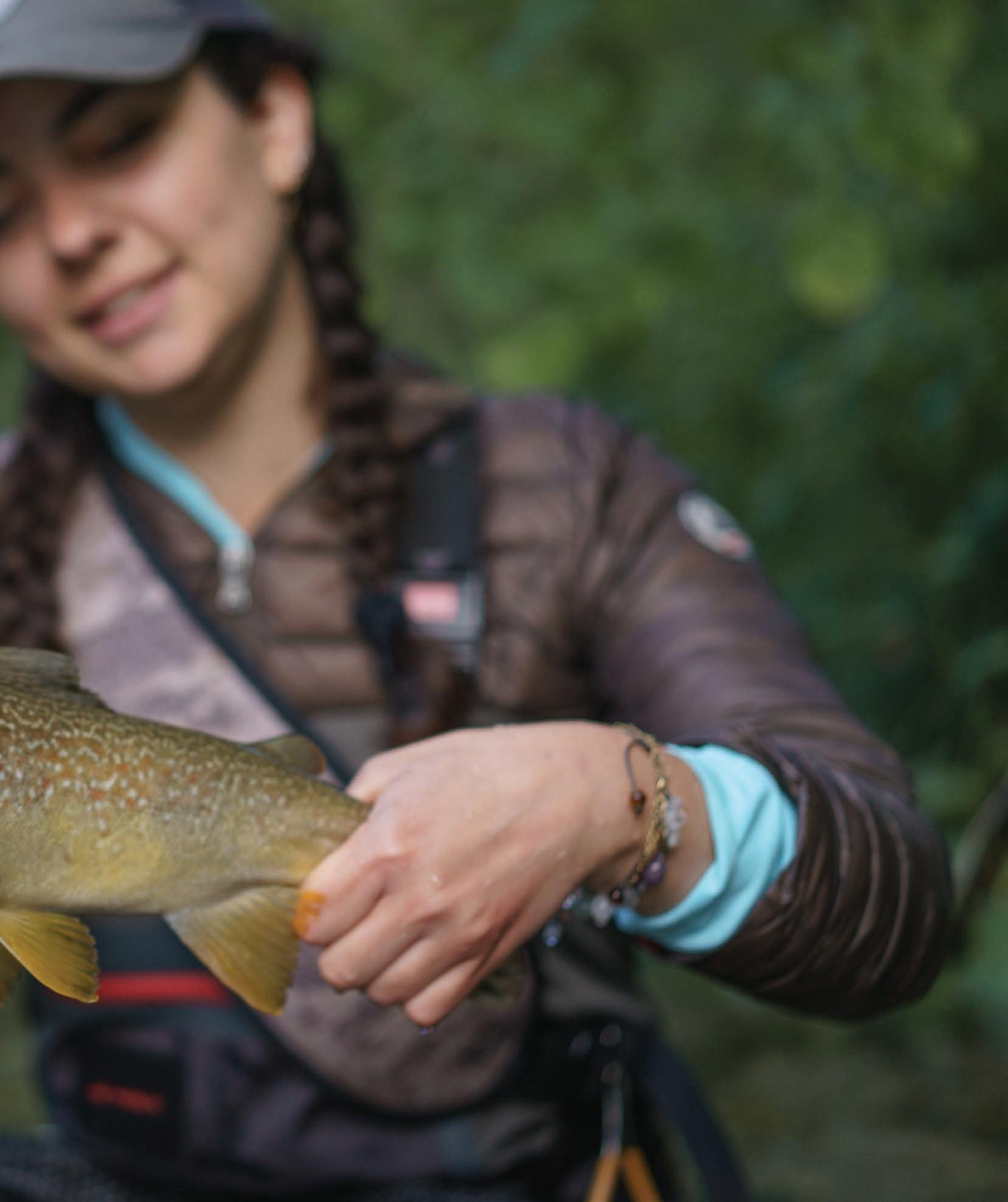
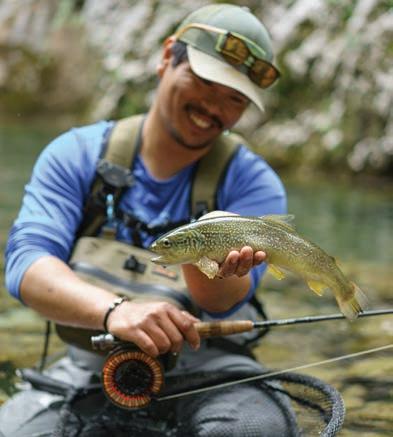
After a slow, careful approach, I cast my imitation perfectly in line with the fish, and on the very first drift, it takes. I strike, and my intuition is confirmed as the big trout bolts for the main current. After a few tense minutes of battle, marked by a couple of heart-stopping moments, she finally slips into the net: a superb marble trout, well over sixty centimeters, sight-fished and on a dry fly!
It’s for moments like these that so many anglers from all across Europe make the journey to Slovenia each year.
Over the past decades, the Soča Valley has become one of Europe’s premier destinations for fly fishing. Its pristine waters, legendary marble trout, demanding grayling and amazing landscapes draw anglers from all across the continent. Slovenia has turned this remarkable natural heritage into a model of sustainable fisheries management and local economy, combining catch-and-release zones, daily permits and carefully regulated fish populations.
But this paradise is now under pressure. In recent years, summer visitation has surged; the shallows warm, the fish retreat, and every excess comes at a cost. More than ever, fishing here requires restraint, knowledge, and a deep sense of respect. For behind the postcard-perfect image, the Soča reveals a fragile ecosystem where beauty must be earned... and protected.
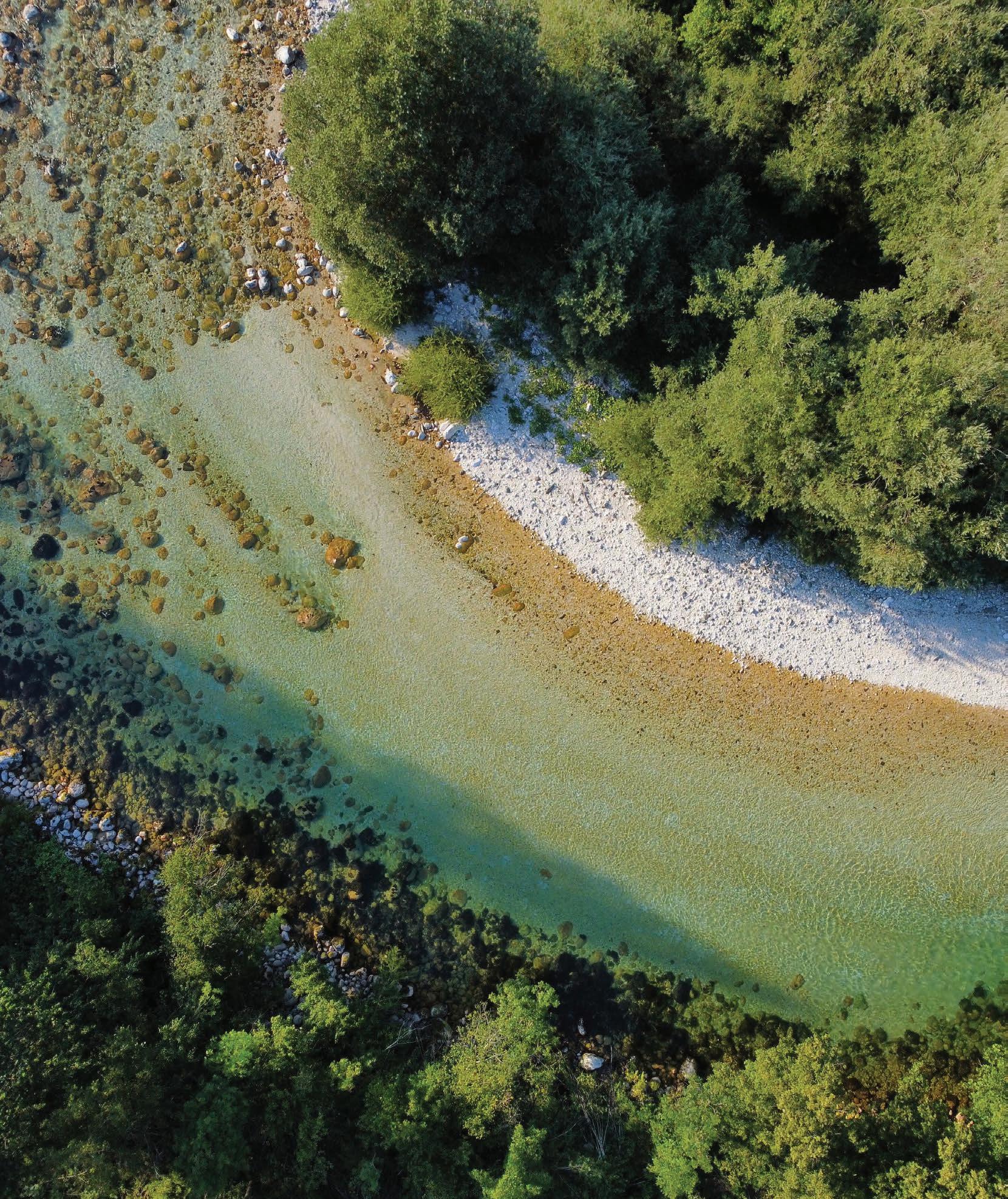
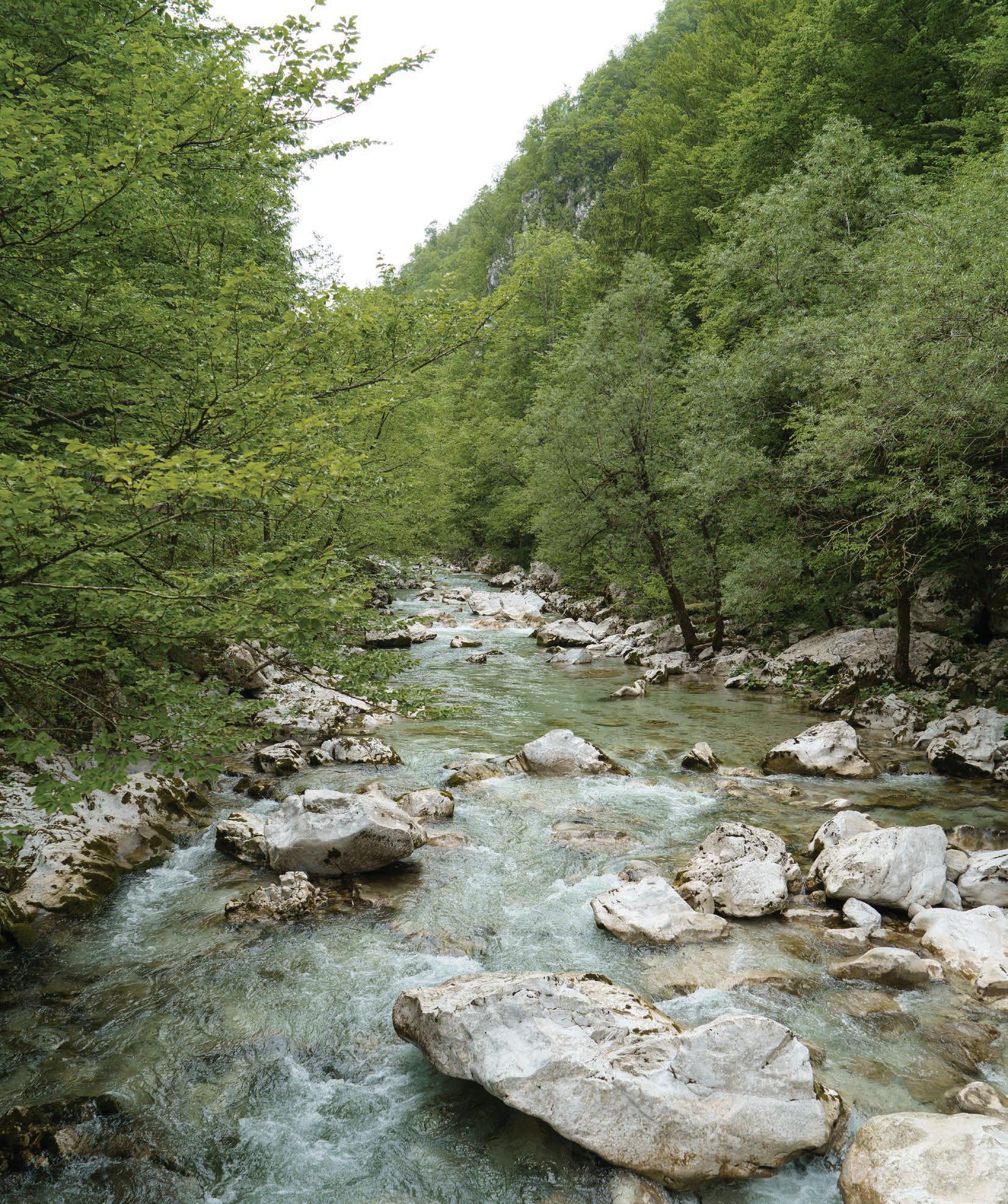
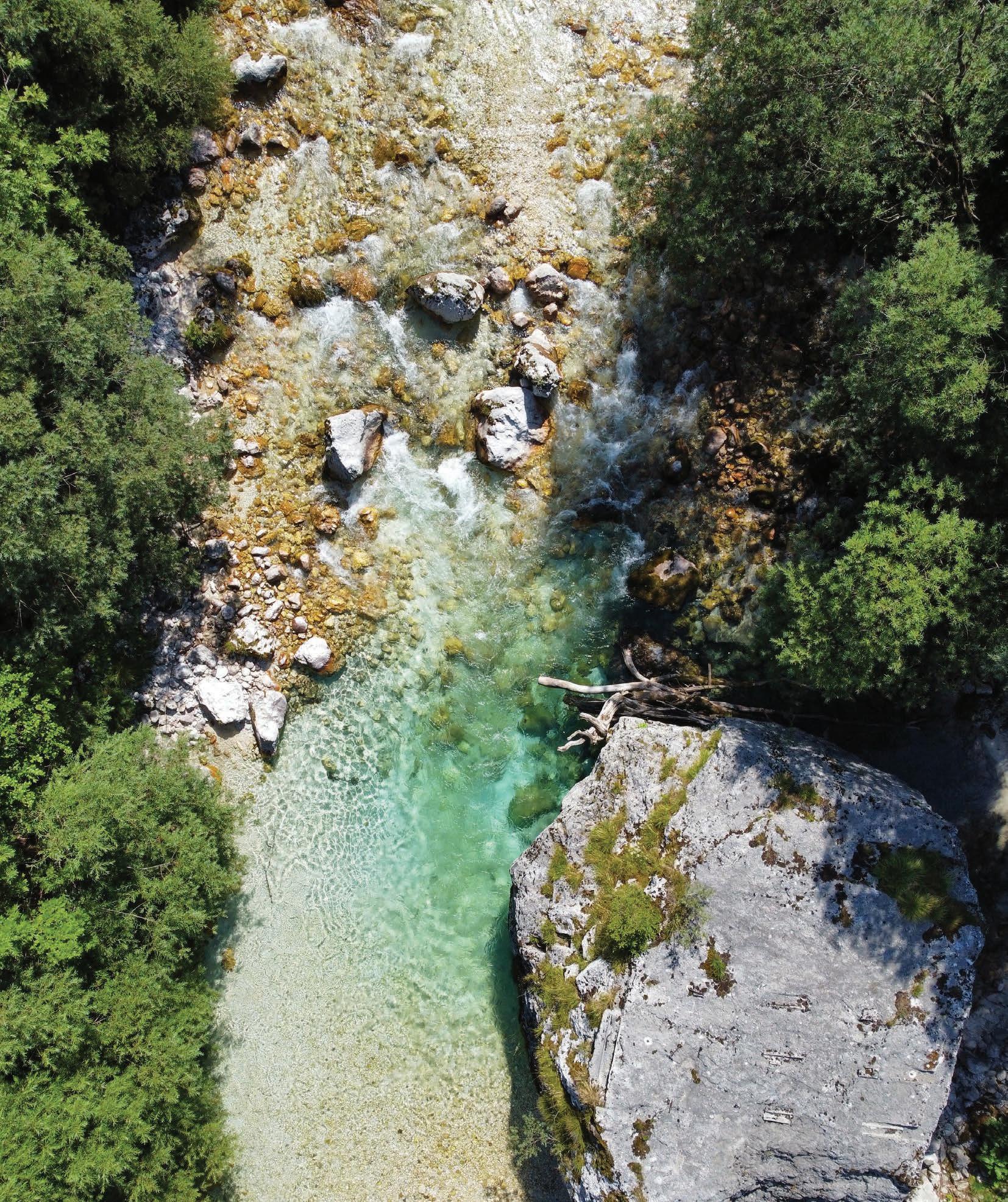
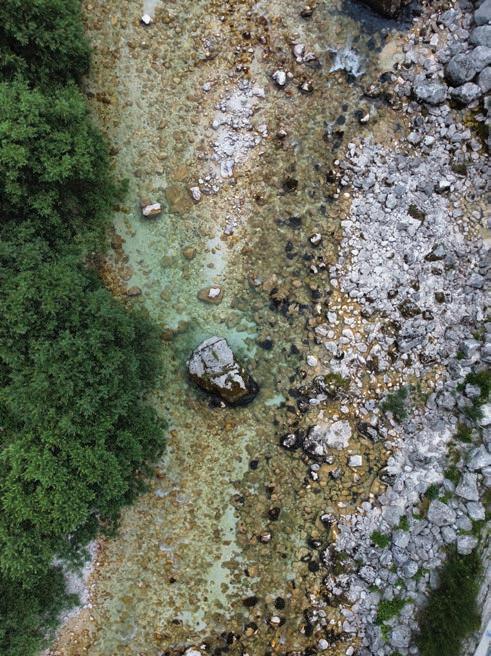
The location and geology of the Soča Valley contribute greatly to its reputation. Indeed, the Soča Valley carves through the western flank of the Julian Alps like a turquoise incision. Born on the slopes of Mount Triglav, the river winds its way south toward the Adriatic Sea, flowing through narrow gorges, lush plateaus and villages where time seems to be standing still. Near the small town of Most na Soči, the river broadens into a reservoir lake, forming a hydrological crossroads where the region’s main angling jewels converge: the Idrijca, the Bača, and the Tolminka. Each of these rivers possesses its own distinct character, along with countless small tributaries, yet they all share that same signature: water of an unreal clarity, born from the karstic infiltrations of the surrounding mountains.
This distinctive geology gives Slovenian rivers a fascinating transparency, but also an extreme fragility. Water levels can fluctuate dramatically, and a single thunderstorm is sometimes enough to raise the river
by several dozen centimeters, while summer can bring severe low-water conditions. Nevertheless, the mosaic of rivers throughout the region allows anglers to almost always find a valley spared from the summer storms which, in the mountains, can erupt as suddenly as they are localized.
“Born on the slopes of Mount Triglav, the river winds its way south toward the Adriatic Sea”
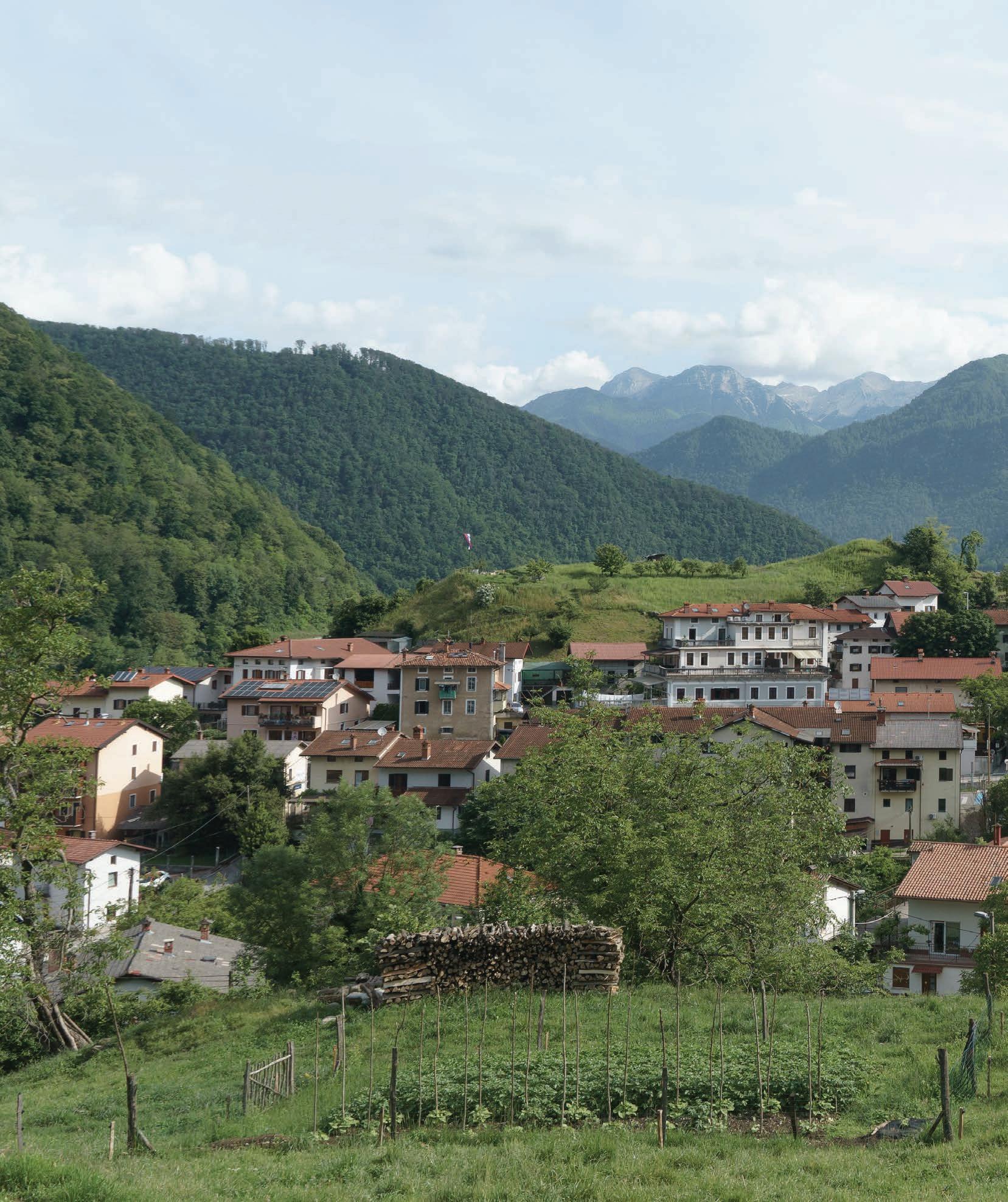
The human presence, however, remains modest in scale. The small towns of Tolmin, Kobarid and Most na Soči serve as quiet gateways to the valley, offering a handful of accommodations, fly shops, and local guides. River access is generally straightforward, with marked trails and old forest tracks leading to the water, while several no-kill stretches are clearly designated along the main rivers. Yet this apparent accessibility demands constant care: every step in the current matters, and every movement leaves its mark.
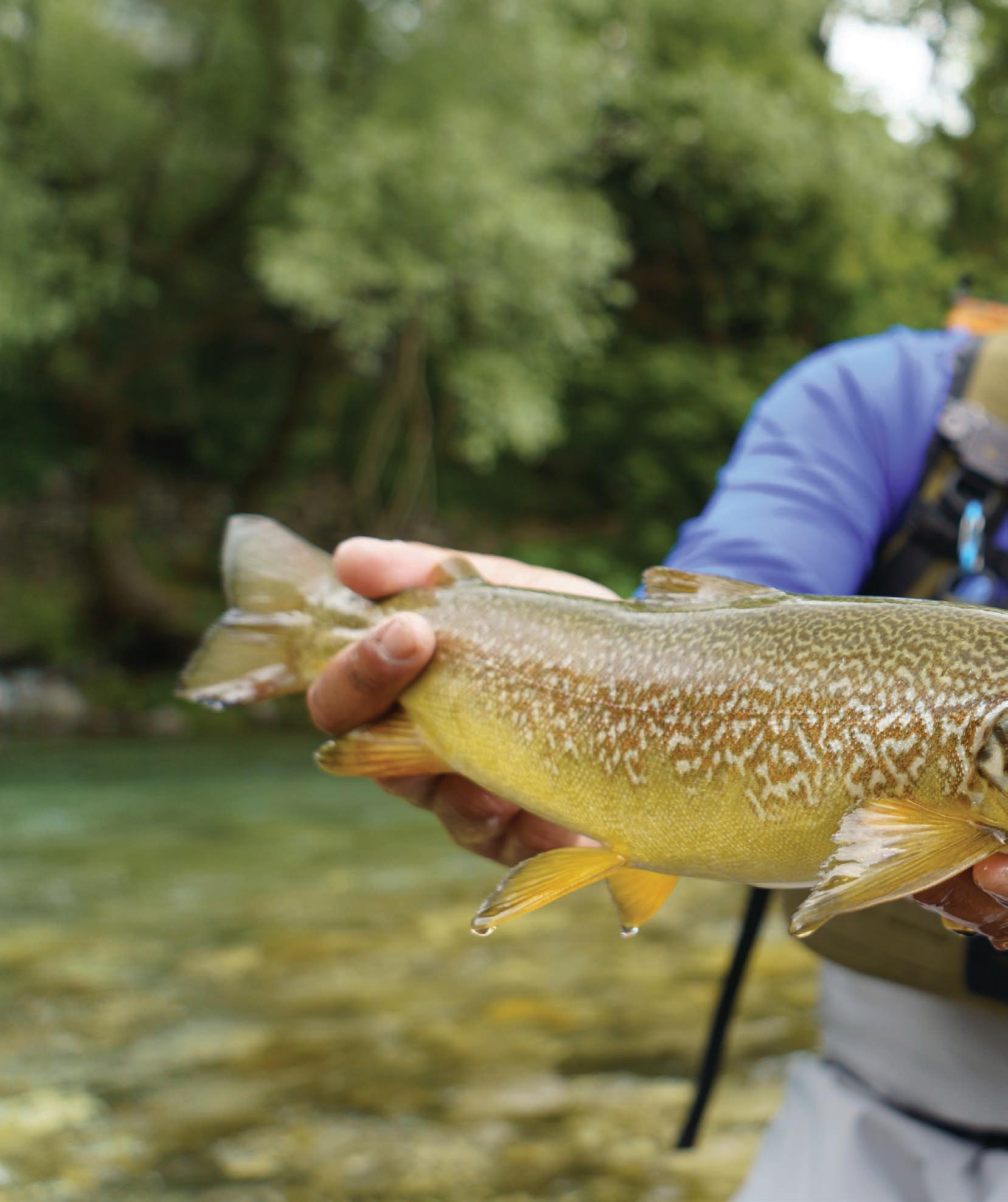
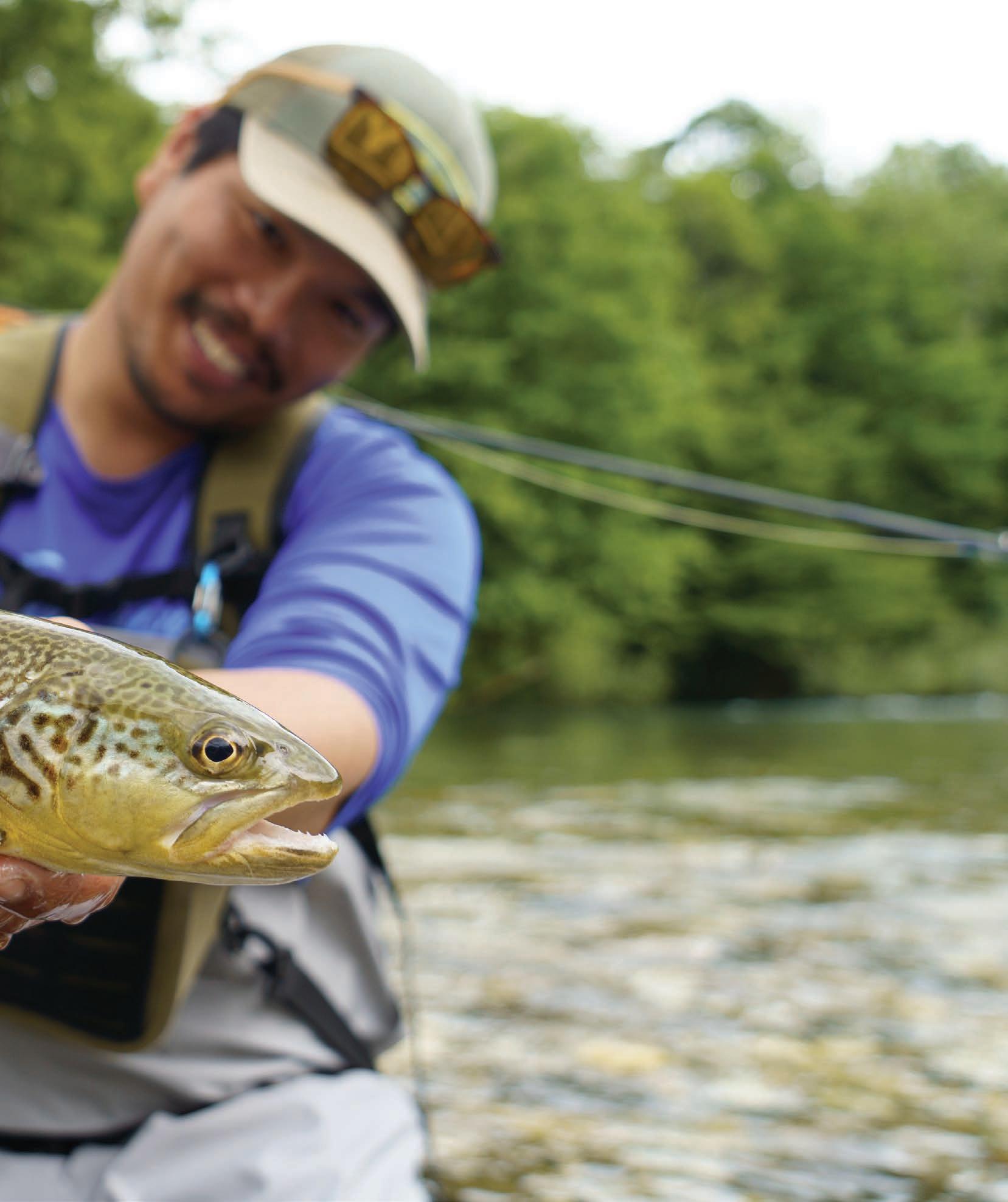
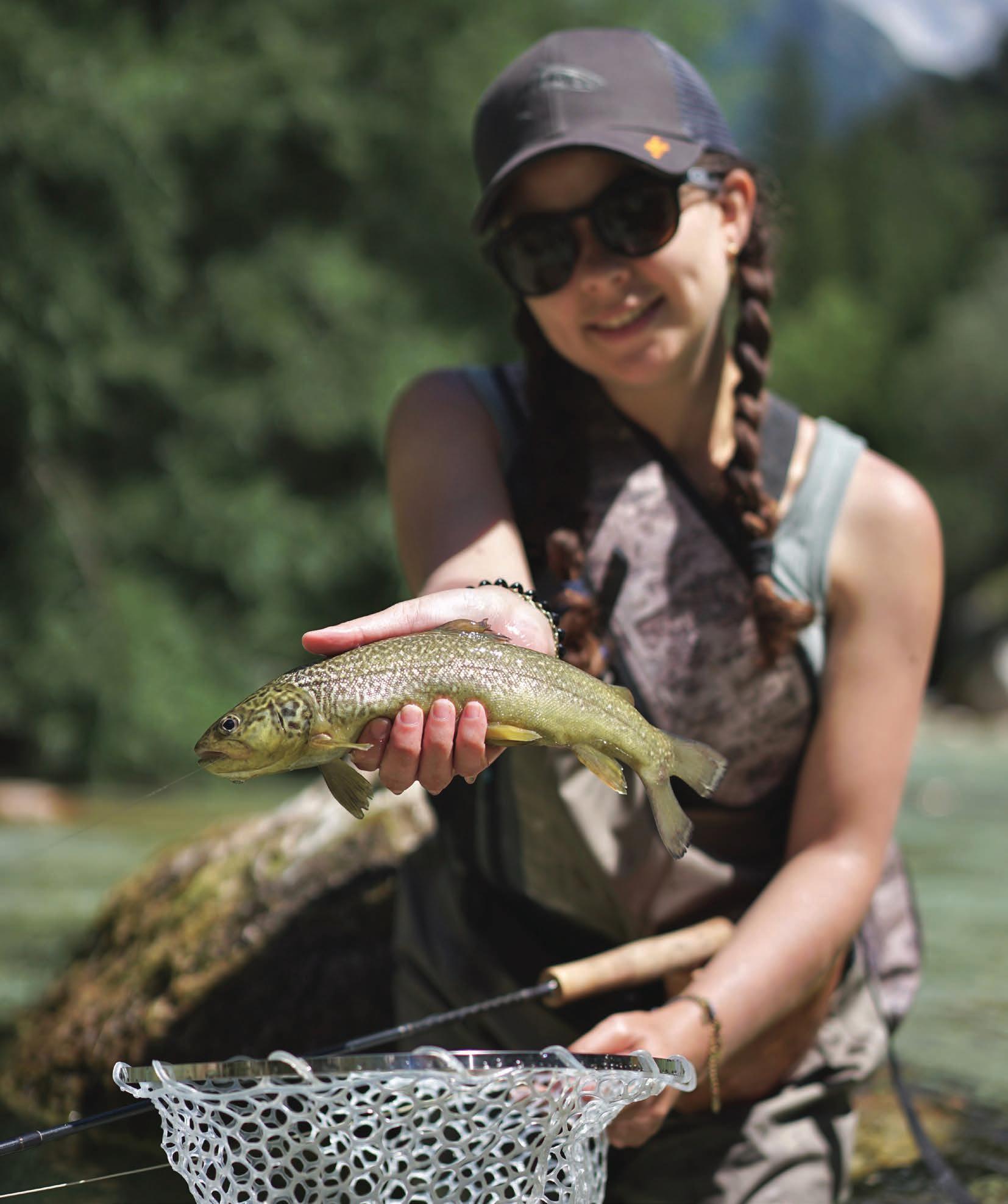
If there is one fish inseparably linked with Slovenia, or at least with its Adriatic watershed, it is the marble trout. This subspecies of brown trout possesses one of the smallest areas of distribution among European salmonids. Endemic to rivers flowing into the Adriatic, it survives only in a handful of waterways scattered across northern Italy and western Slovenia.
Although, as mentioned earlier, the marble trout is technically a subspecies of the brown trout, it stands apart through several striking characteristics. The first is its appearance: as its name suggests, its flanks are covered in intricate marbled patterns blending shades of brown, often washed with olive green tones. Yet it is perhaps its size that leaves the deepest impression. In the rivers of the Soča Valley, encountering fish exceeding 80 centimeters is far from unusual, and some specimens even surpass the one meter mark, despite inhabiting mountain rivers which, the Soča aside, remain relatively modest in scale.
These large trout tend to adopt a predominantly predatory and largely
nocturnal behavior. And yet, on rare occasions, they can still be deceived by a delicately presented nymph fished on a classic 5 or 6 weight fly outfit. In those moments, they embody the ultimate challenge for the sight nymph angler: the pursuit of a true trophy fish in waters of unforgiving clarity.
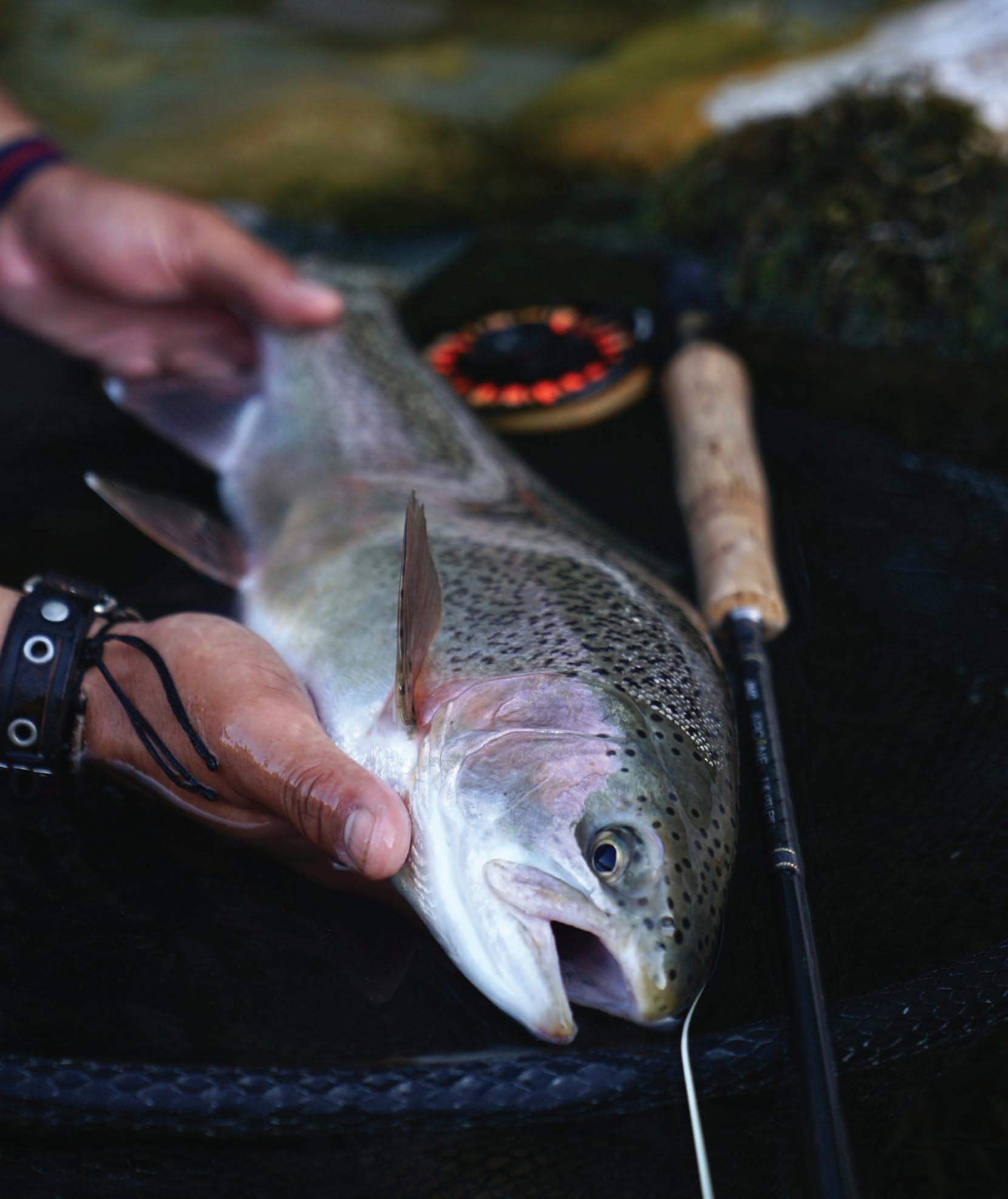
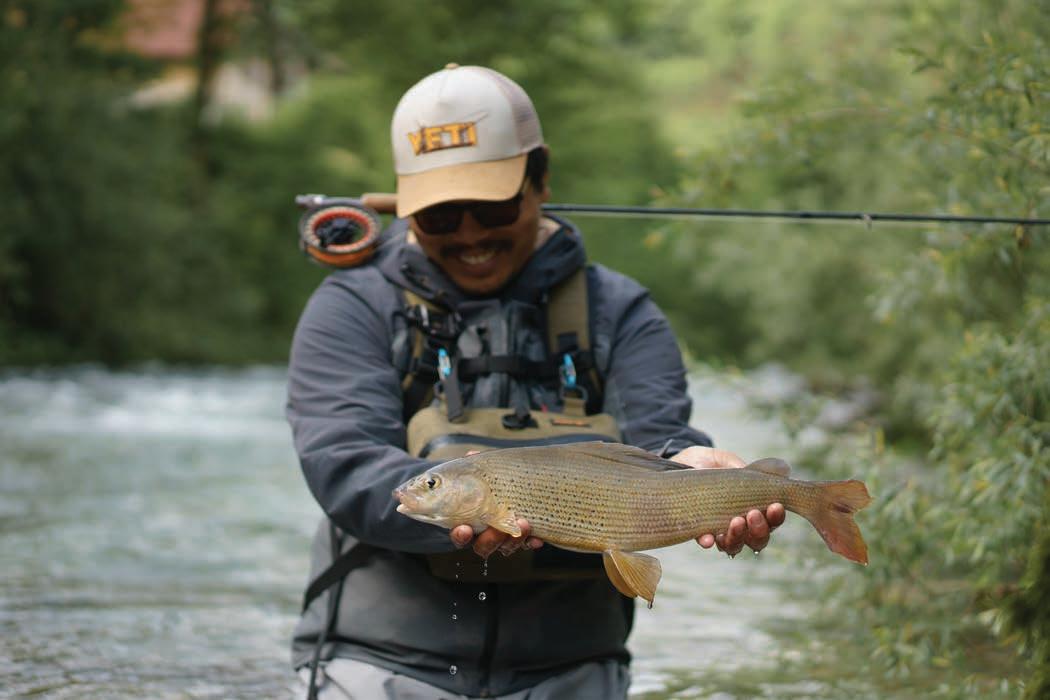
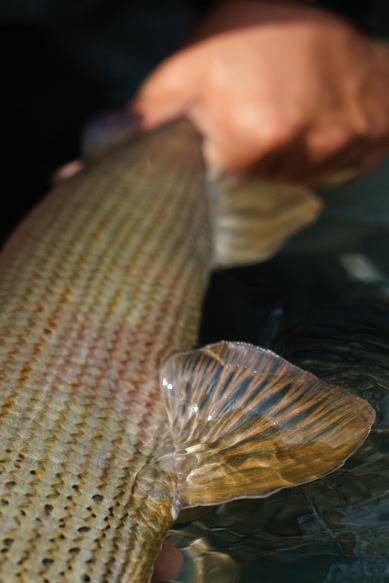
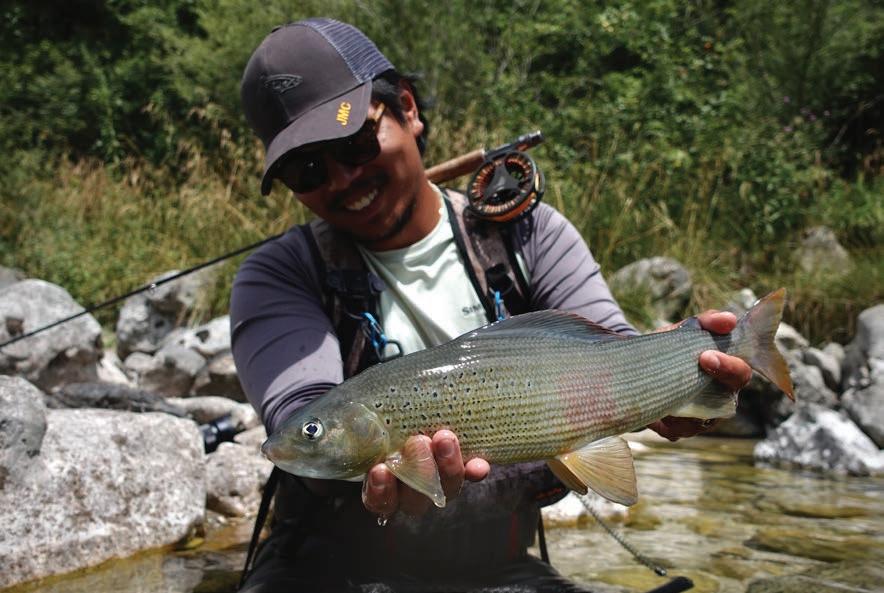
The region’s angling wealth, however, extends far beyond the marble trout alone. The Slovenian rivers of the Soča basin also hold remarkable populations of wild rainbow trout, genuinely wild fish born from natural reproduction, whose raw power will test both tackle and technique alike. Anglers may also encounter impressive Adriatic grayling, instantly recognizable by the pronounced reddish hues shimmering along their flanks, as well as a scattering of brown trout and hybrids resulting from crosses between brown trout and marble trout.
Although the management model established by the Slovenians remains exemplary in many respects, it is not without its drawbacks.
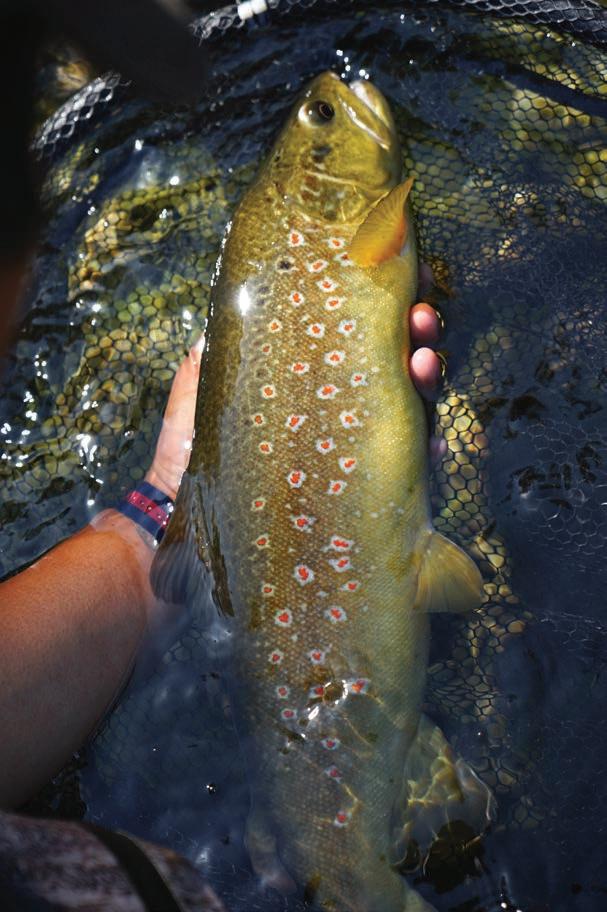

Without falling into the familiar trap of “things were better before,” it must be acknowledged that the Soča Valley fishery has undergone a number of changes over the years, some of which inevitably raise questions about its long term sustainability.
For several decades now, Slovenia has held a special place among European fly anglers. Its magnificent rivers, remarkable salmonid populations, and the quality of its fisheries management have gradually built the reputation of the Soča Valley far beyond the borders of the Balkans. And yet, for a long time, the destination managed to retain a certain sense of confidentiality, attracting mainly devoted anglers willing to travel hundreds of kilometers to discover those turquoise waters whose photographs often seemed almost unreal.
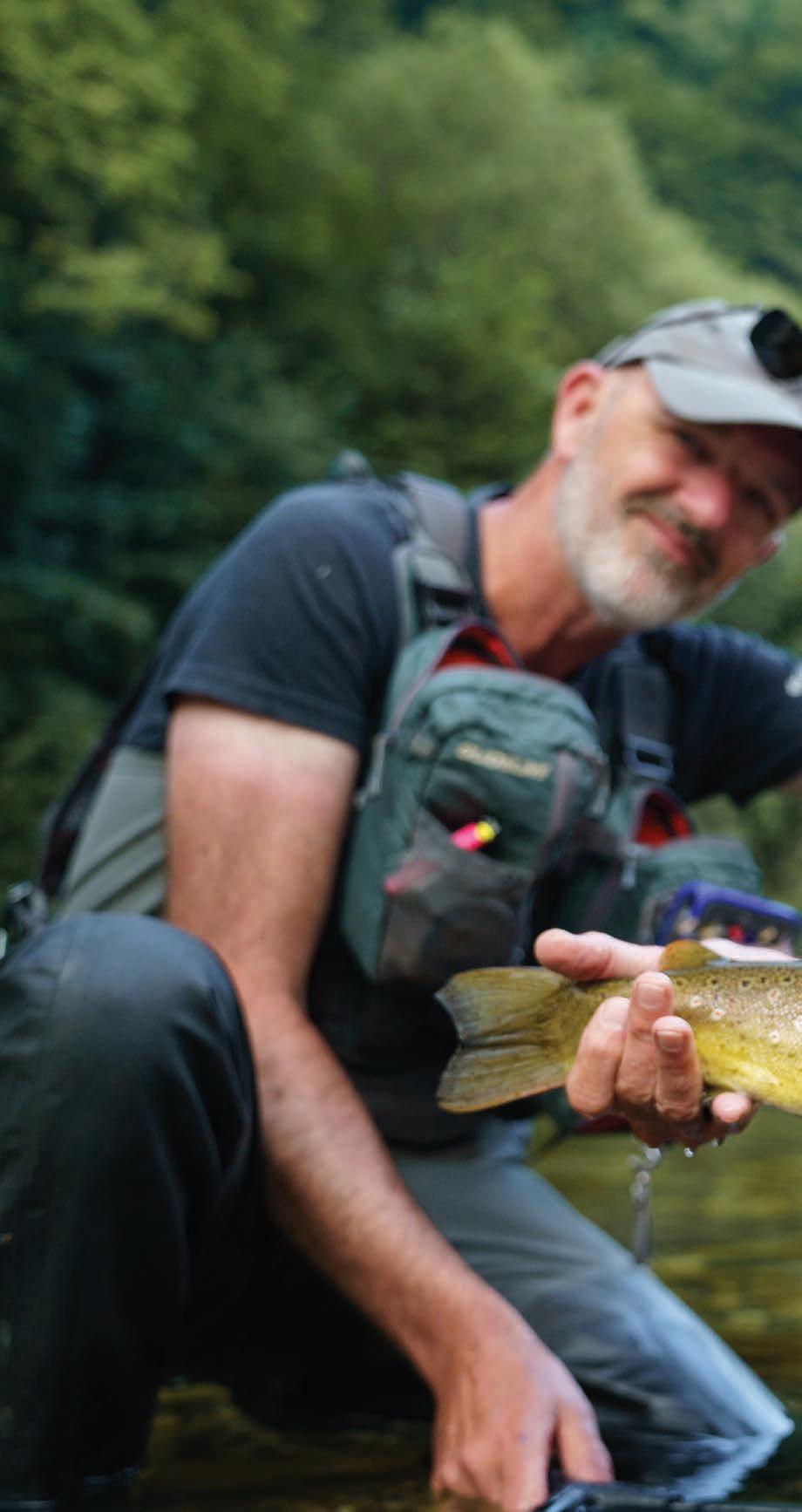
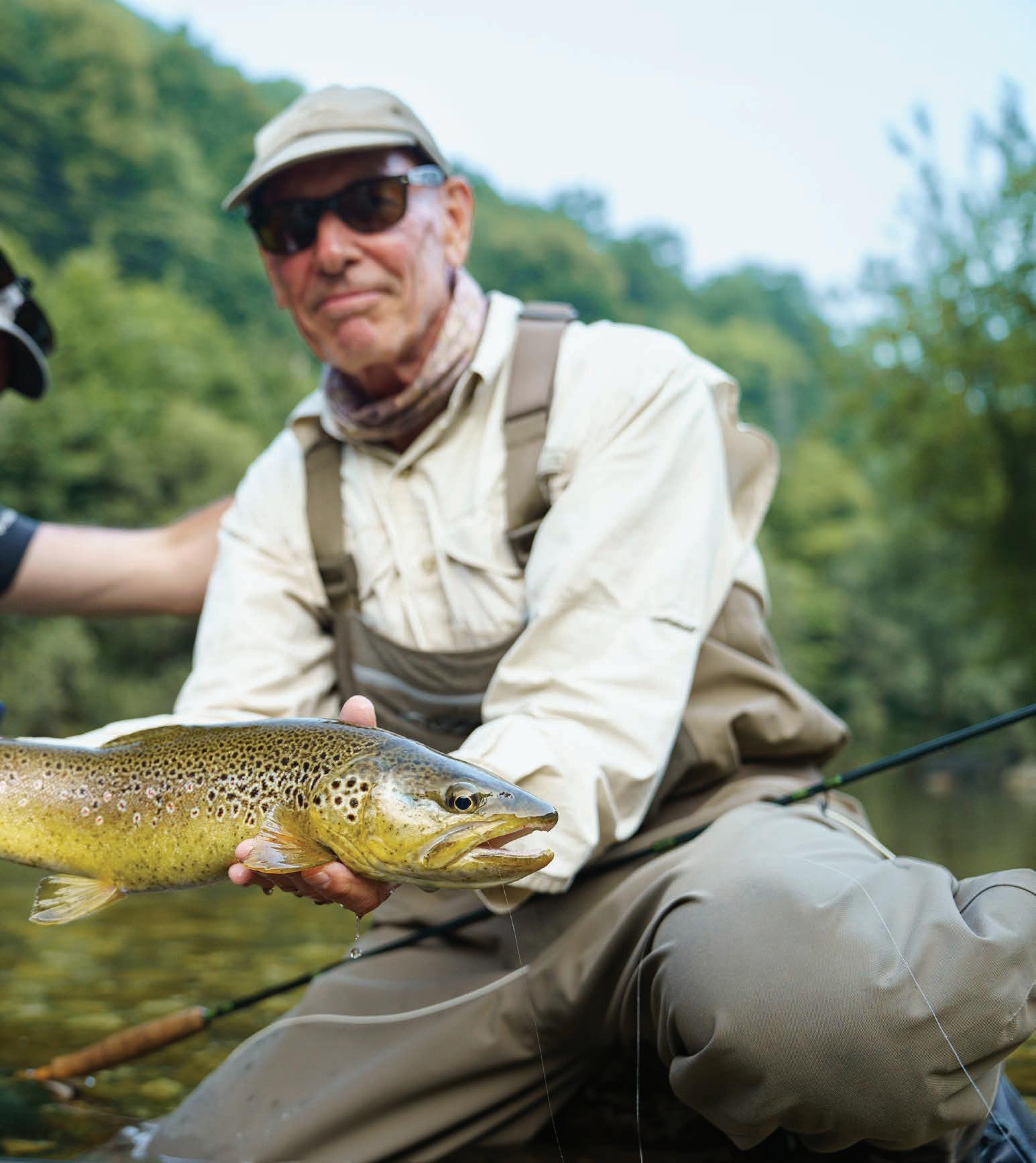
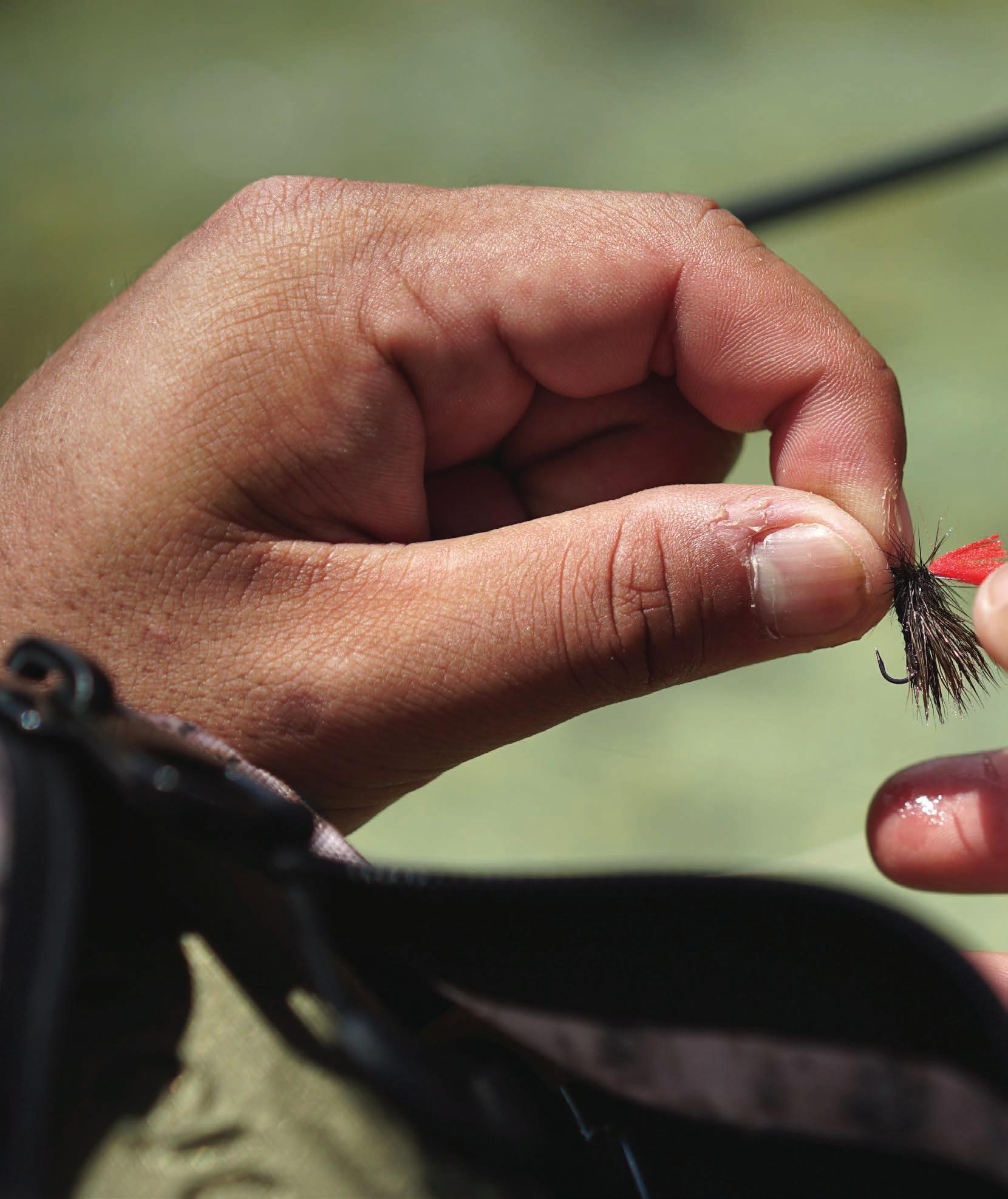
In recent years however, and particularly since Covid, visitor numbers have increased drastically. The growing popularity of nature tourism, the rise of social media, and Slovenia’s expanding visibility across fly fishing platforms have profoundly altered the scale of pressure on certain rivers. Where only a handful of anglers once shared several kilometers of water, it is now no longer uncommon to find multiple vehicles parked at the entrances of the most renowned stretches from the very first hours of the morning.
Of course, such enthusiasm is hardly surprising. Slovenia remains one of the most accessible and best organized destinations in Europe for salmonid fishing. The rivers are carefully maintained, permits remain relatively straightforward to obtain, and fish densities continue to be particularly attractive across many sectors. In many ways, this increase in visitor numbers is also the direct consequence of the success of the Slovenian model itself. But anglers are no longer the only ones drawn to the valley’s turquoise waters.
Over the years, the region has become one of Central Europe’s leading outdoor tourism destinations, attracting growing numbers of rafting, canyoning, and kayaking enthusiasts each summer. While such an evolution seems only natural in a valley that depends heavily on these activities, it has nonetheless altered the atmosphere along certain rivers.
On several sections of the Soča, it is now common to see rafts and flotillas drifting downstream for much of the day during the summer season. The Idrijca, long regarded as a quieter and more preserved alternative, is itself experiencing increasing pressure from kayaks and canoes, including on certain stretches where navigation is, at least in theory, restricted.
Without necessarily leading to open conflict, this growing overlap of uses inevitably affects the fishing experience. Certain sections of river once celebrated for their tranquility can now become heavily frequented during peak tourist periods.
The fish themselves also seem to have adapted to this constant human presence. On some of the most pressured stretches, trout have become noticeably more wary, at times reducing their feeding windows and forcing anglers to adopt increasingly discreet and technical approaches.
“In only a matter of hours, entire sections were dramatically reshaped”
This evolution has obviously changed the way Slovenian rivers must now be approached. Anglers often have to walk further, seek out less obvious water, or adjust their schedules in order to recover a measure of solitude along the riverbanks. The valley has by no means lost its magic, but the image of a wild and nearly deserted destination belongs less and less to today’s reality.
trol: the consequences of a changing climate. In recent years, exceptionally hot summers and prolonged periods of low water have deeply altered fishing conditions across certain sections of the valley. During the driest months, stretches once fishable throughout the entire day now often require anglers to focus their efforts on the first and last hours of light, when water temperatures remain acceptable for salmonids.
Beyond tourist pressure, Slovenian rivers must also contend with another reality, one far more difficult to con-
Conversely, rainfall events have at times become remarkably violent. The historic floods that struck Slovenia during the summer of 2023 served as a stark reminder of just how dynamic and fragile these mountain rivers remain. In only a matter of hours, entire sections were dramatically reshaped, altering riffles, pools, and riverbanks that some anglers had known intimately for years. This instability has always been part of the identity of alpine rivers. Yet when combined with ever increasing human pressure, it inevitably raises questions about the future of some of the valley’s most iconic fisheries.
And despite it all, the Soča still retains that unique ability to inspire wonder. Perhaps because here, more than anywhere else, the beauty of the rivers constantly reminds us of their fragility. The question is probably no longer whether the valley will continue to change, it already is, but rather how long that delicate balance between conservation, tourism, and fishing can truly endure.
After everything that has been said about the growing pressure affecting the Soča Valley, one question inevitably remains: why do so many anglers, myself included, continue to return year after year?
Part of the answer undoubtedly lies in the unique balance Slovenia still manages to offer. Few European destinations combine such healthy salmonid populations, crystal clear rivers, breathtaking alpine scenery and such easy access to fishing. In many ways, fly fishing in Slovenia feels strangely familiar to the French angler that I am: the rivers remain accessible, distances are short, accom-
modation is straightforward and reaching the water rarely requires the kind of heavy logistics associated with more remote destinations. It is, in a sense, “fishing like back home”, only somehow better. Of course, the valley is no longer the hidden gem it may once have been. The rivers are busier, the fish more pressured and the climatic challenges increasingly visible. Yet it would feel deeply unfair for me, as a French angler, to cast judgment on the state of Slovenian fisheries without first looking at the condition of many of our own rivers back home. Because despite all the pressures it now faces, Slovenia still succeeds in preserving something that has become increasingly rare in Europe : vibrant, accessible and remarkably healthy wild river systems.
And perhaps this is ultimately why we keep coming back. Not simply for the marble trout, nor even for the fishing itself, but for the feeling these rivers still manage to create. That sensation, increasingly uncommon nowadays, of stepping into a valley where nature still feels overwhelmingly alive.
For over 80 years, we have been at the forefront of innovation. Sharpened by experience. Pushing the boundaries of material science to make our lines stronger and more durable. Then testing in the most demanding environments with the world’s best anglers. Those who demand the best choose Scientific Anglers.

preference.

By TARQUIN MILLINGTON-DRAKE
As a reader, I hope you have seen video footage of golden dorado feasting on baitfish in Bolivia because what I want to explain to you is best compared to that spectacle. But incredulously, we are talking about trout in Finland not anything so exotic as a South American jungle.
This story needs to start in 2023 in northern Finland. Some lovely Finnish guys invited me to see their lodge and fishing operations. The fishing was based around a big run of Baltic salmon along with grayling and trout. I made my way to Alta, picked up a car and headed east across the border. The lodge was quirky but lovely and the guys running it were so nice. We headed out fishing.
That evening, I had to sit them down and have a serious chat. I was gutted because they were so nice and so aware of how to run a lodge, it was perfect for clients but there was one BIG problem. The run of Baltic salmon had melted from 90,000 fish the year before to something like 7,000 this year. There simply were no fish and the reason was human damage through netting and over-fishing. Equally, the biggest grayling we caught was about three quarters of a pound. There were no trout.
Once we got serious, they explained to me that this beautiful land of 10,000 lakes had basically been raped by over-fishing and over-killing.
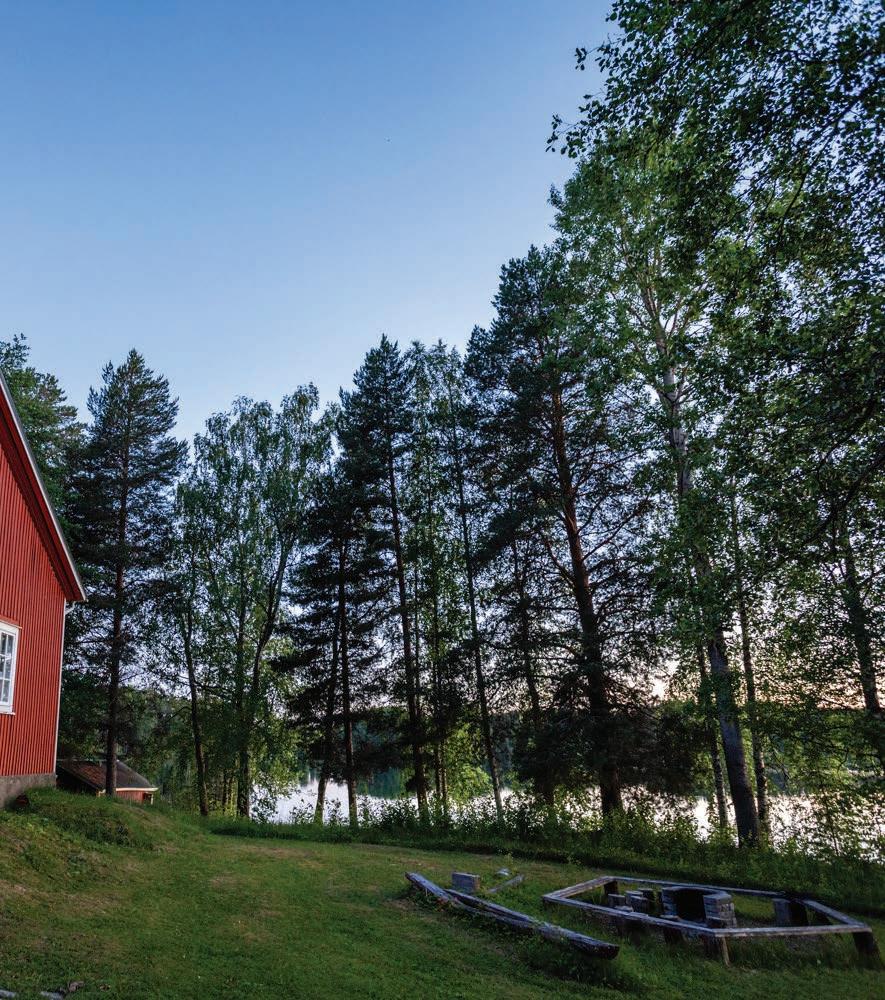
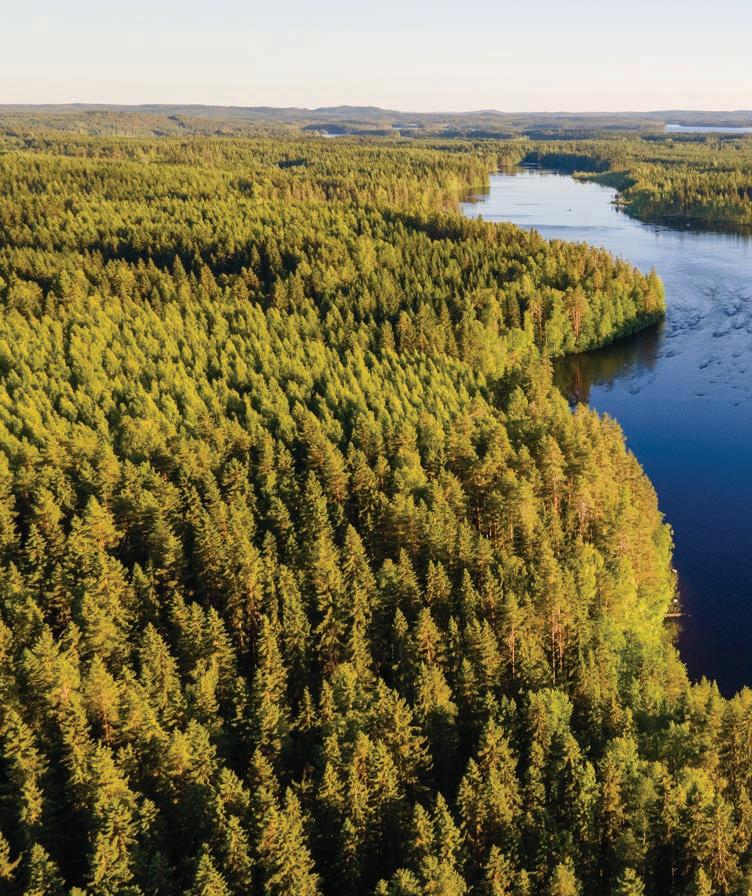
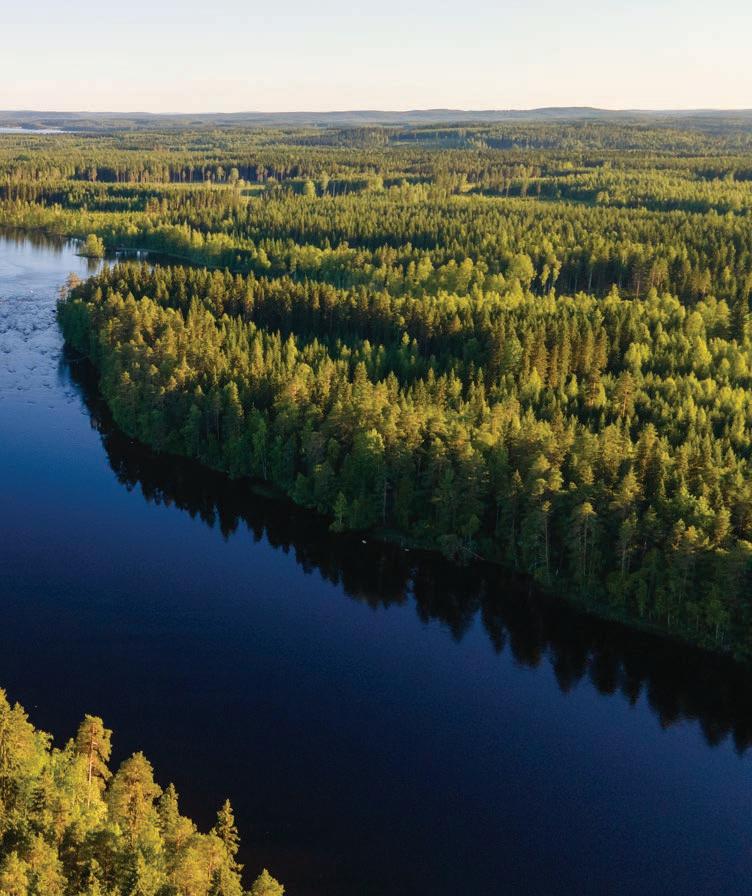
Both the Finns and foreigners would come to Finland (particularly the north where there is free-forall and no private water) and kill all they caught on rod and line and net the rivers and lakes too. They loaded their catch into the freezers they brought with them and headed home. I always imagined, driving through this lake-strewn land, that it was the land of milk and honey for trout and grayling – the truth is: The lakes are empty. It was shocking and I thank Elias and Toni for their honesty. They led me to this story which is even more remarkable given what I have described above.
Three and a half hours drive from Helsinki (I have to say one of the easiest and most pleasurable drives I have done in a long time - it made me wonder why I was not considering moving to Finland!) lies an extraordinary fishery that I did not know existed until recently. The drive is north of Helsinki to mid-Finland, somewhere I have not been to before and it was stunning farming country with hardly any people. Up a short track through some trees,
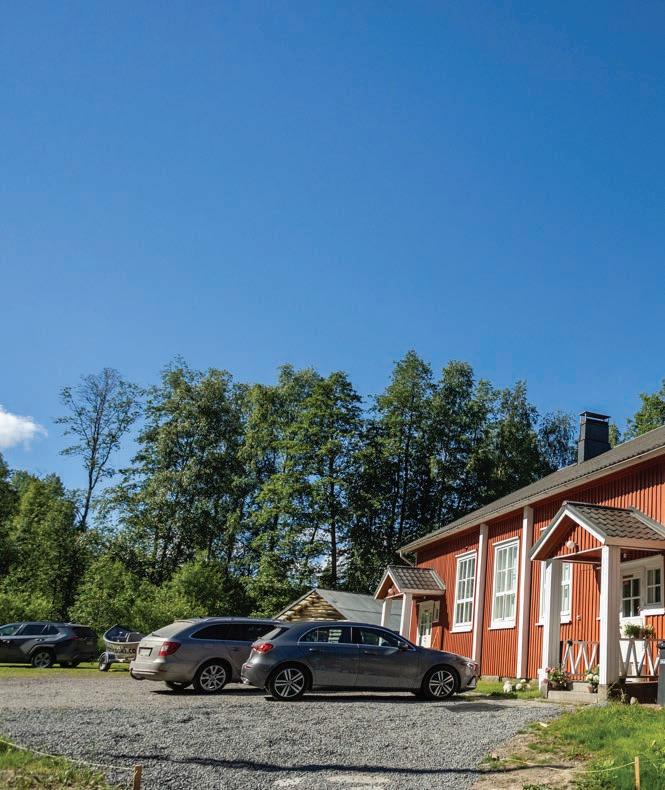
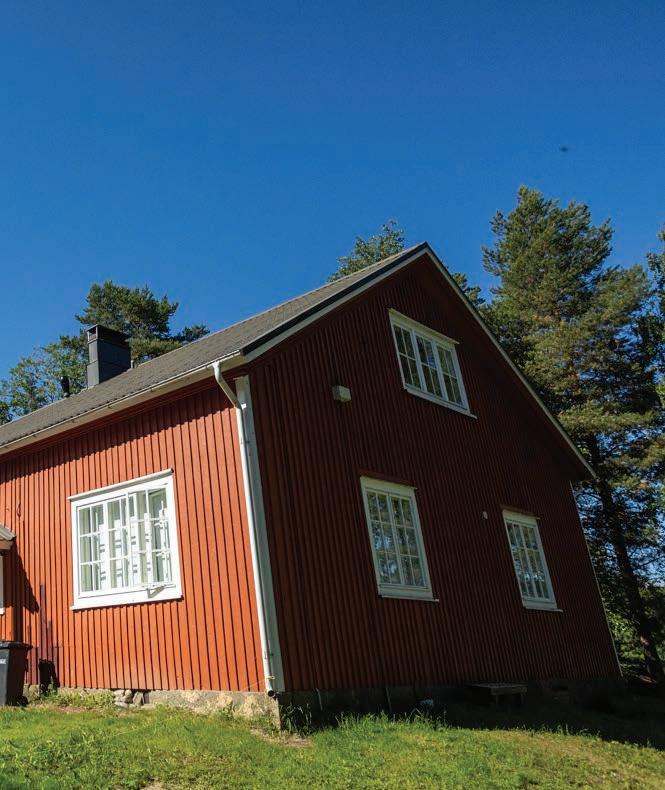
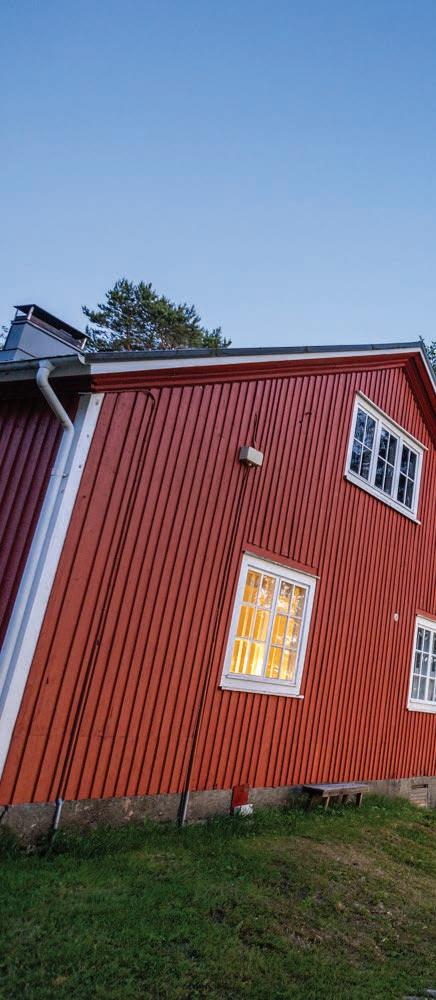
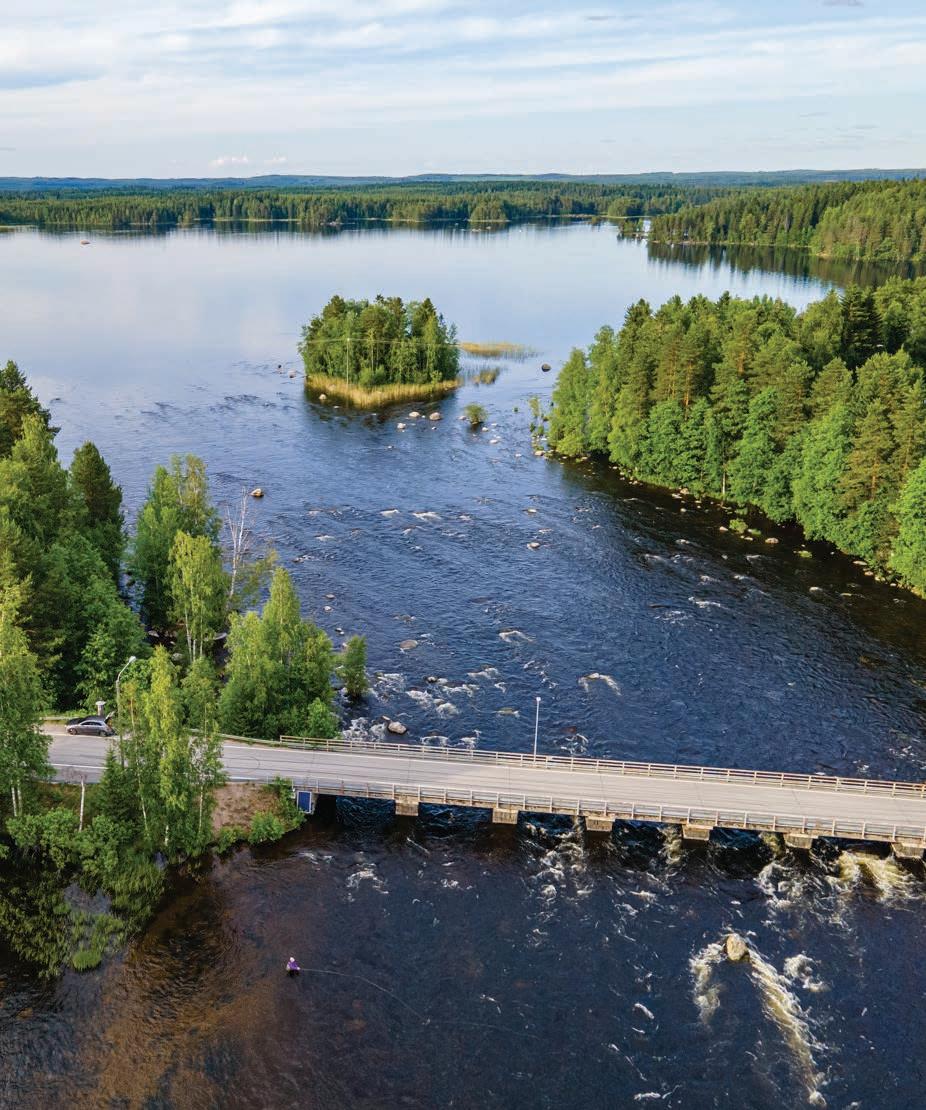
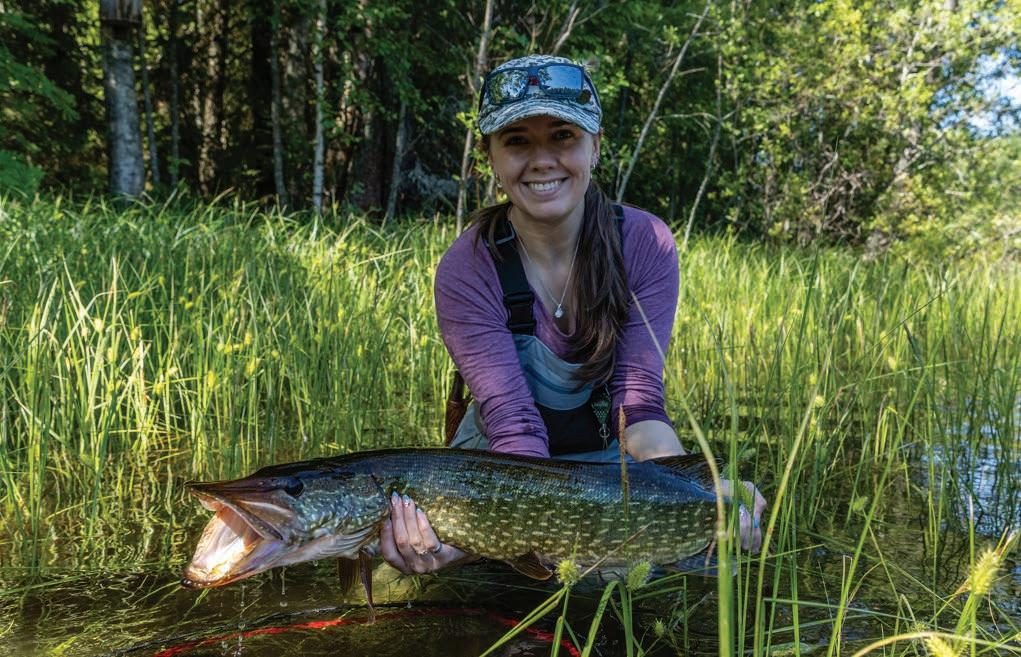
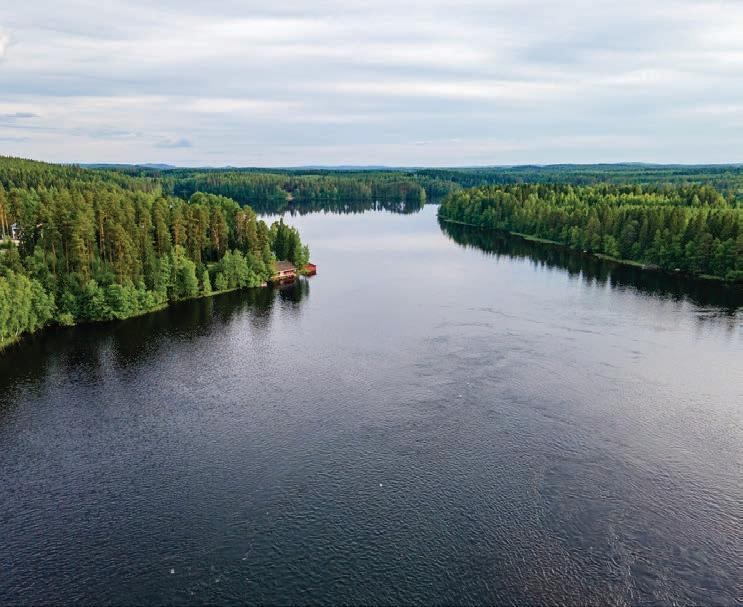
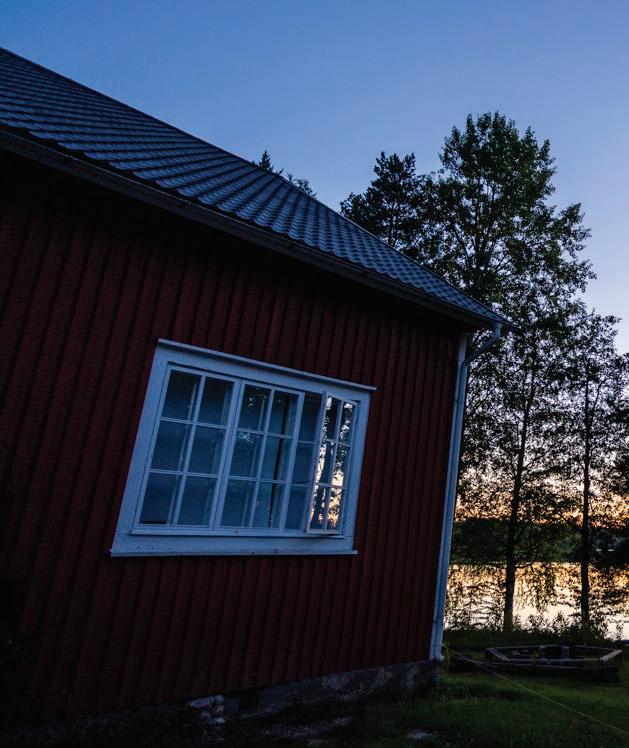
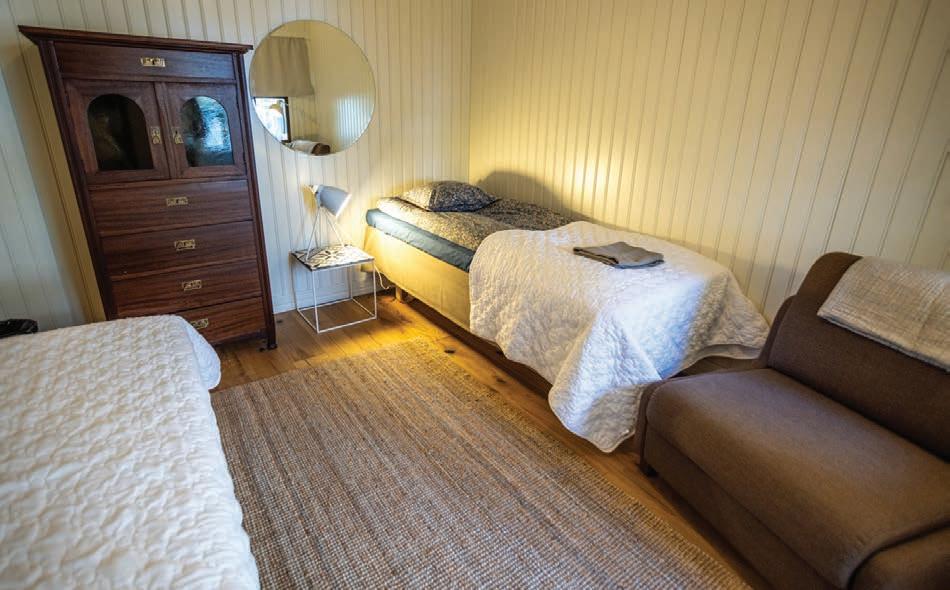
Kellankoski Lodge appears in front of you. Built in 1923, the lodge is a beautiful traditional old building which used to be a local school now converted into a small fishing lodge. It sits on the banks of Liesvesi lake, which is part of the Rautalampi water system, which goes from Pielavesi some 220 kms emptying into the Baltic Sea at Kymijoki. It is full of pike, zander, some grayling and happily, in this particular area, some very fine trout.
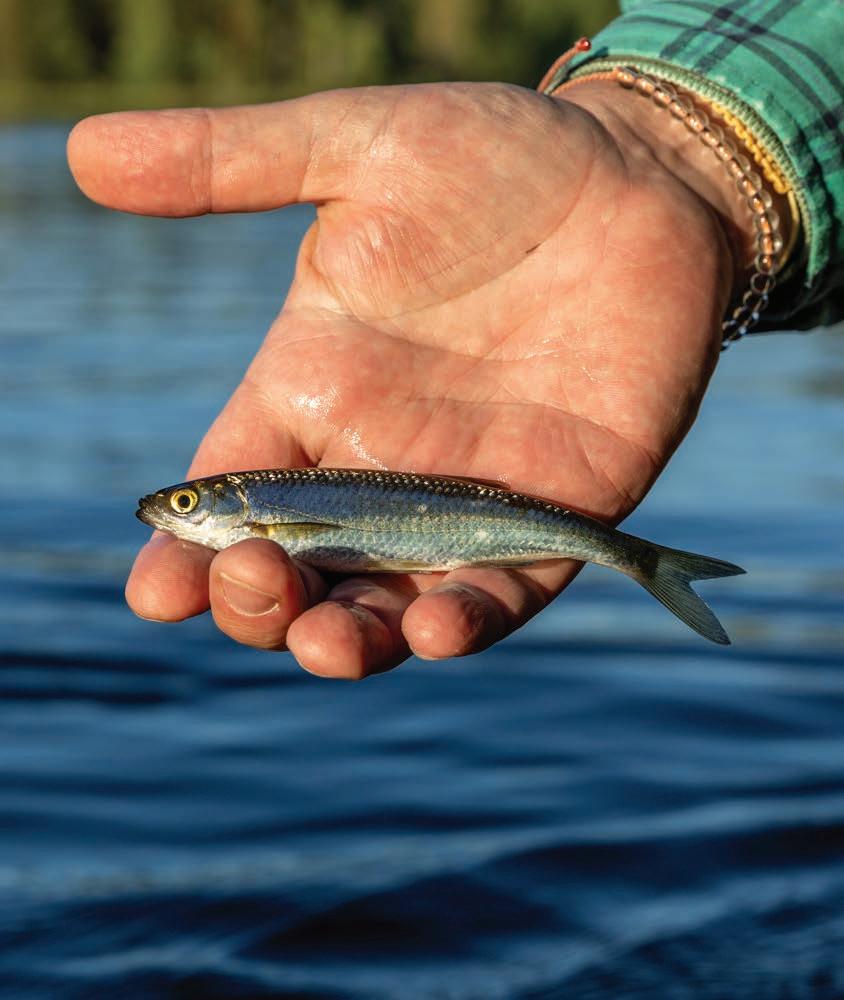
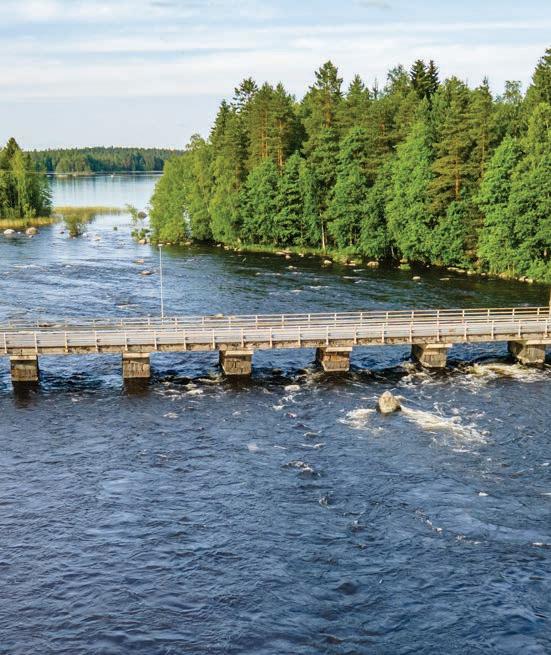
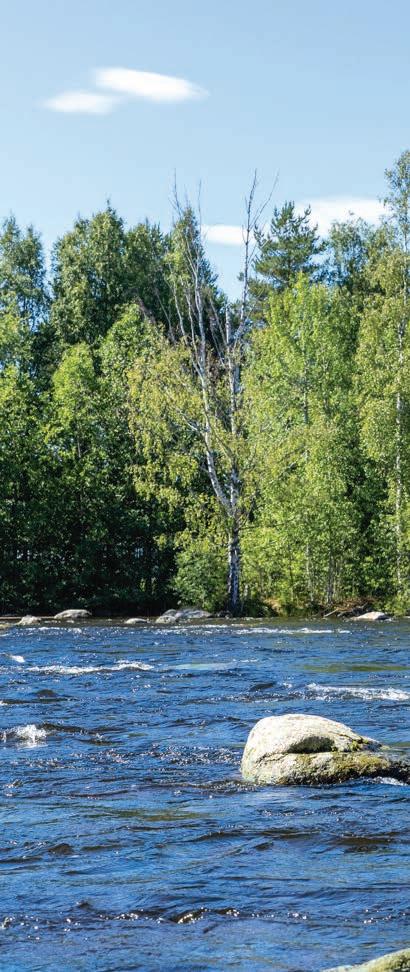
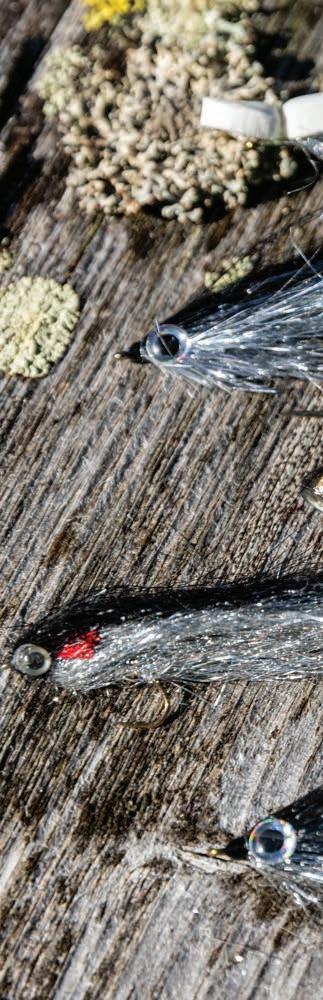
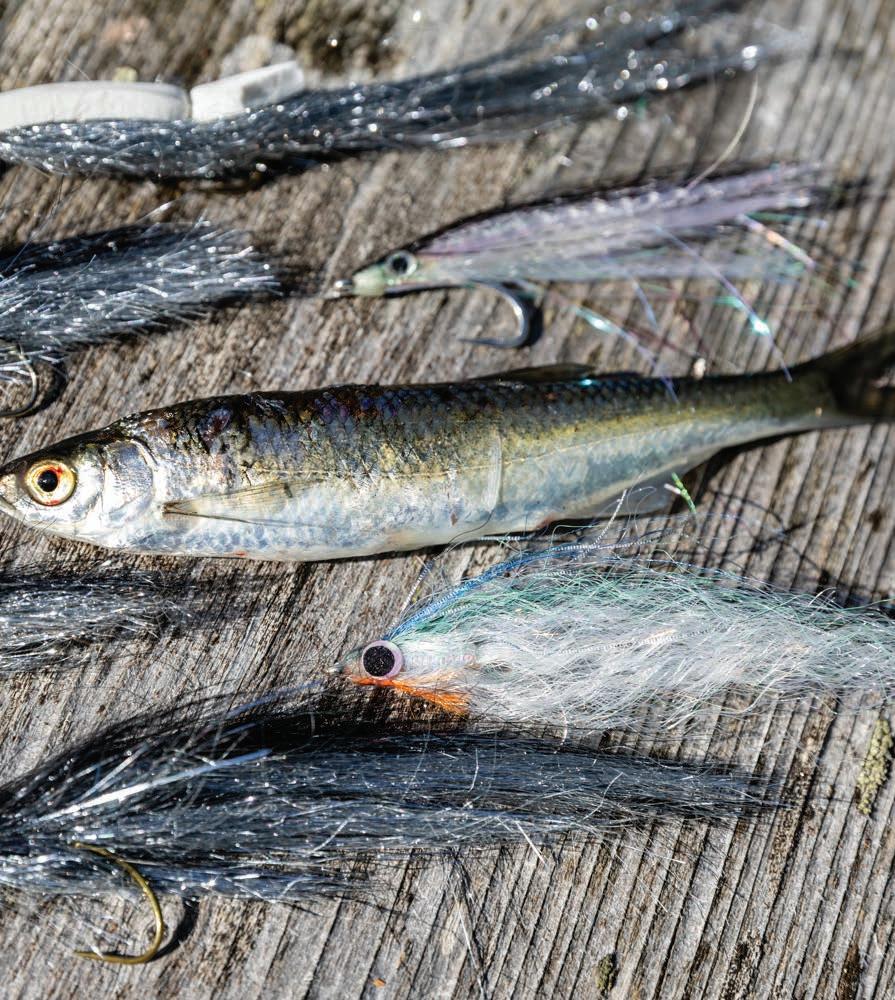
The lodge speaks of 10 kms of fishing, and they are not lying, but the key fishing is in the rapids of the system and those rapids probably measure closer to 3 or 4 kilometres. The rapids (20 to 50 metres wide) are key to this fishery and so are the ‘baitfish’ which consist of bleak, small roach and vendace. Bleak have an elongated, flat body with a long anal fin and pointed heads with a relatively small upturned mouth. They are shiny silver in colour and have a dark green/ black back and fins that are pointed and colourless. Their maximum length is approximately 20cm.
They look like tiny tarpon. The roach is also a small fish, often reaching no more than about 35 cms. Its body has a bluish-silvery colour and becomes white at the belly. The fins are red. Young roach have a slender build; older specimens acquire a higher and broader body shape. Vendace are part of the whitefish family and also small; up to about 20 cms and equally shiny and silver. Young perch also form part of the ‘run’.
“The trout hide out in the fastest possible water”
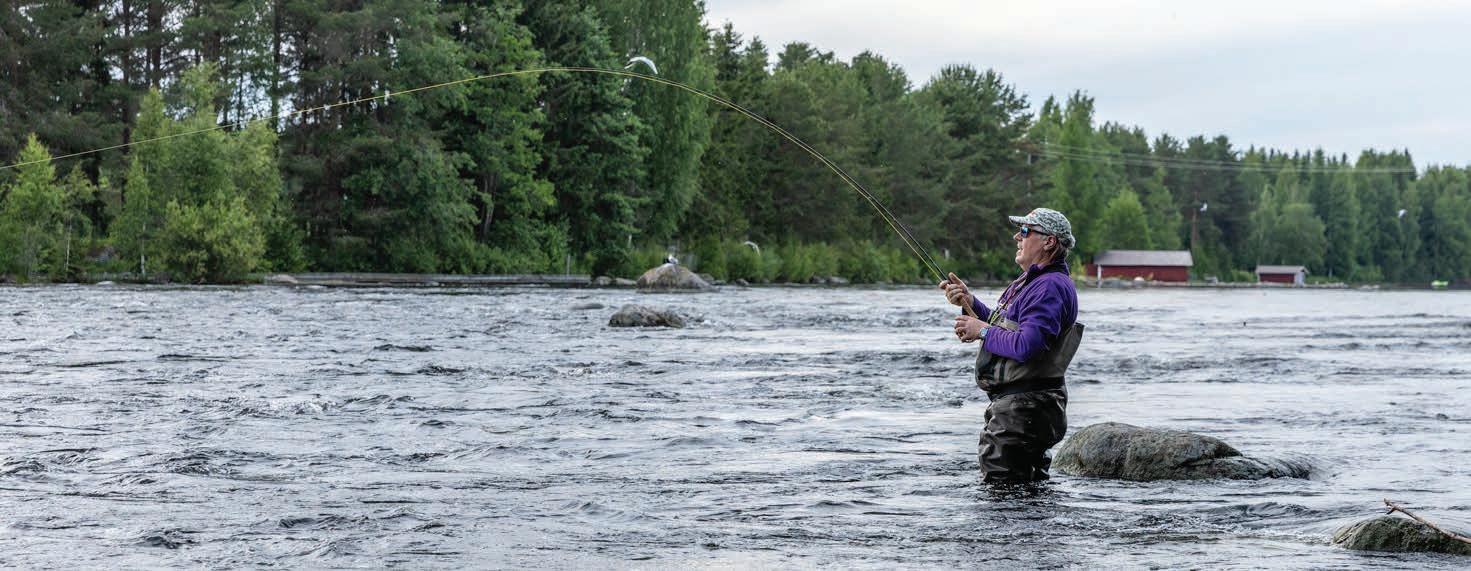
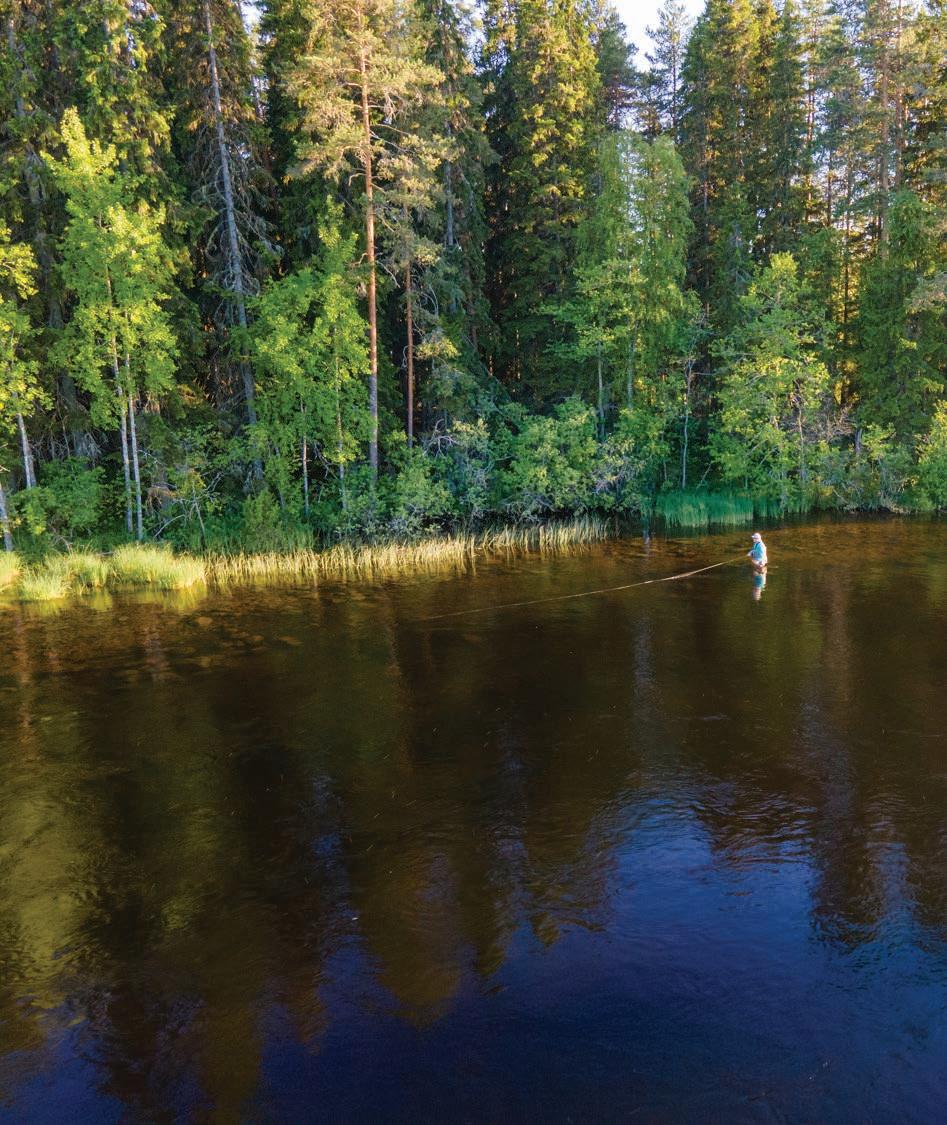
Commencing in the spring, these small silver fish begin to run in their hundreds of thousands (sometimes when you wade the bottom of the river parts as you push the baitfish out of the way) between the lakes of this 220+ kms Rautalampi system and through the rapids; the trout are following them. The trout hide out in the fastest possible water (think white water) ready to ambush them and when they do, the action can be a real spectacle with the trout flying out of the water time and again as they pound the baitfish, often moving downstream as they do so.
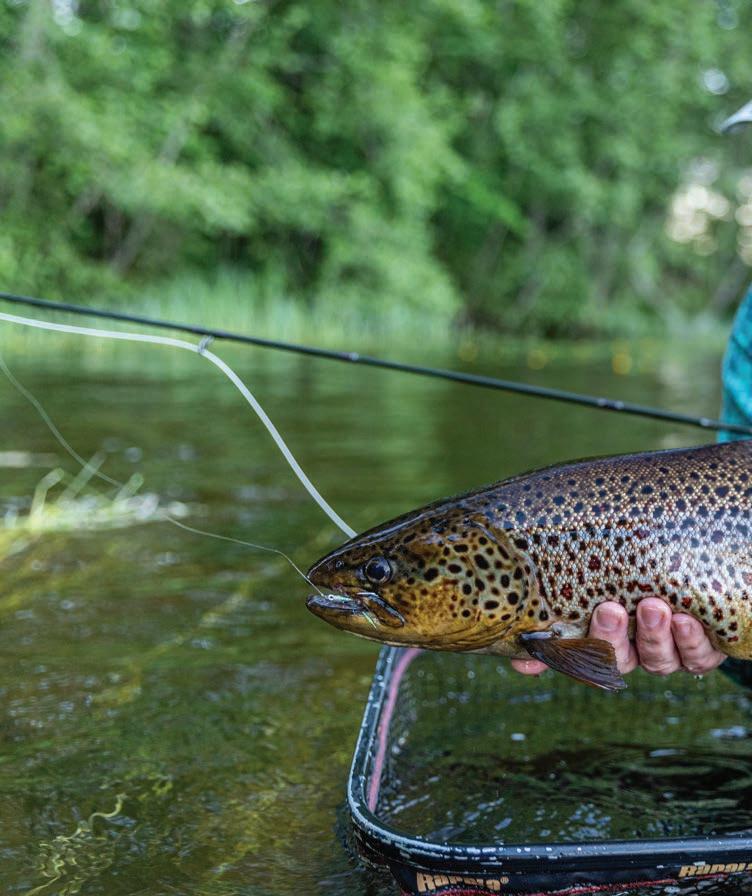
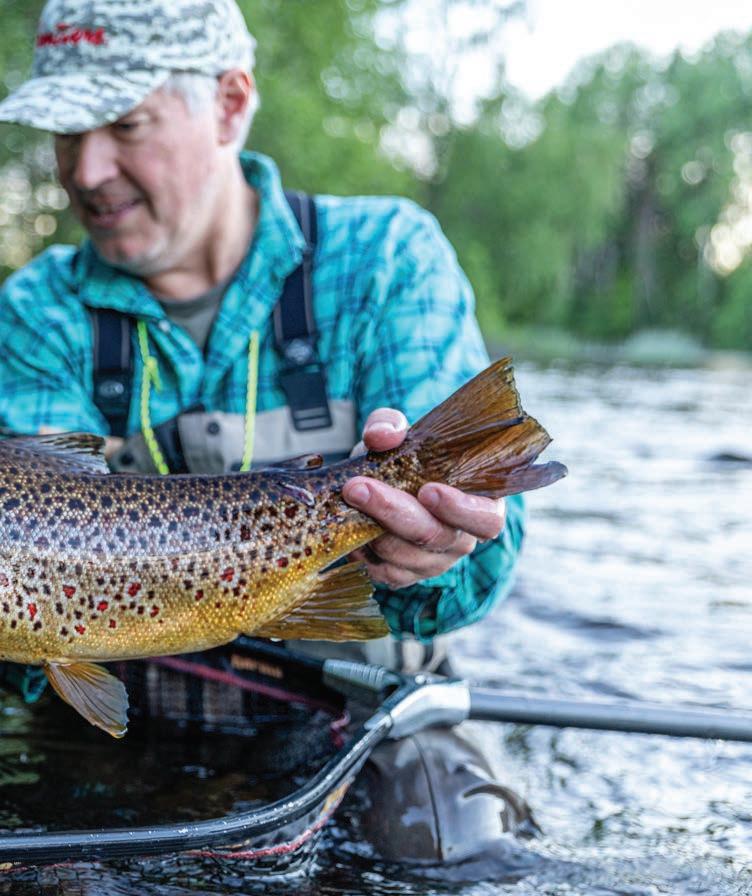
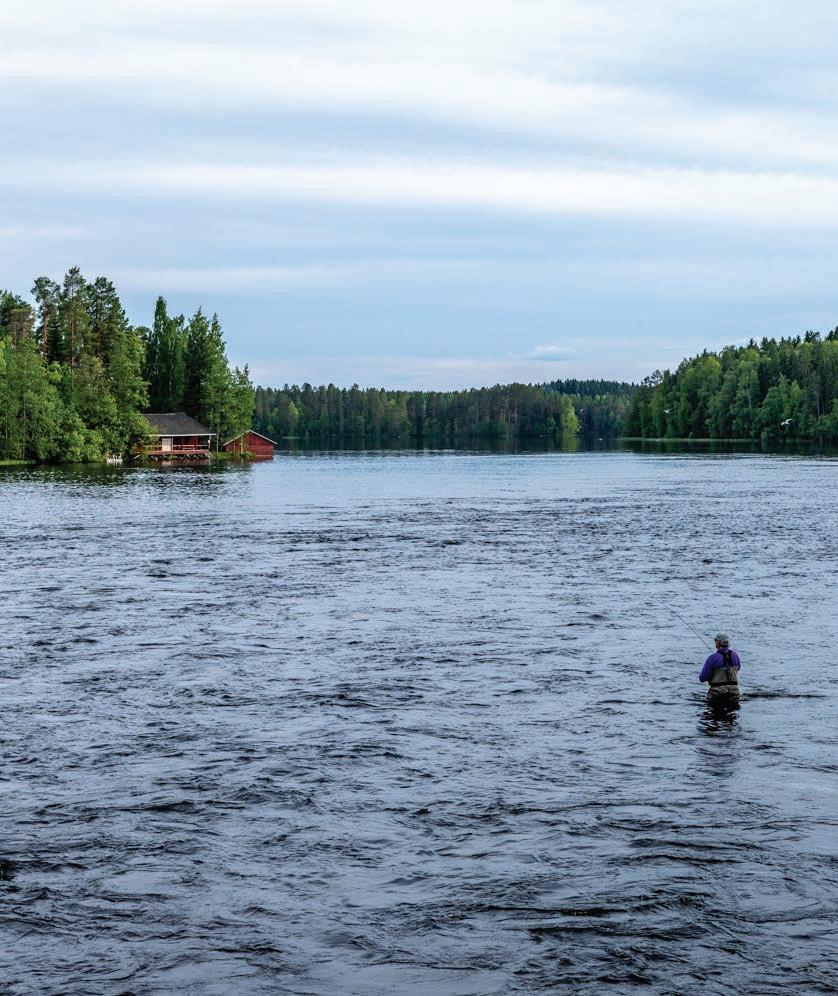
I have certainly never seen trout behave like this anywhere and the spectacle is akin to dorado feeding. Their takes are more like that of an Atlantic salmon taking a sunray. So how does Kellankoski Lodge set about fishing for the trout?
In an ideal world, they would like to entice you to fish for pike or zander during one of the four-hour fishing sessions to both have you enjoy those species but also to keep pressure on the trout to a minimum though the trout move in and out of the lakes so what trout might be in the rapids one day may be totally different the next. There are lots of pike up to 20 lbs so some time fishing for them in the crystal-clear lakes is certainly not to be sniffed at, in fact, it is really good fun. We did not get around to fishing for the zander. They divide their private water into beats based on the rapids with differing numbers of rods on each beat depending on their carrying capacity for number of rods and the water height as well as wading capability. On some beats there are platforms to fish from as well.
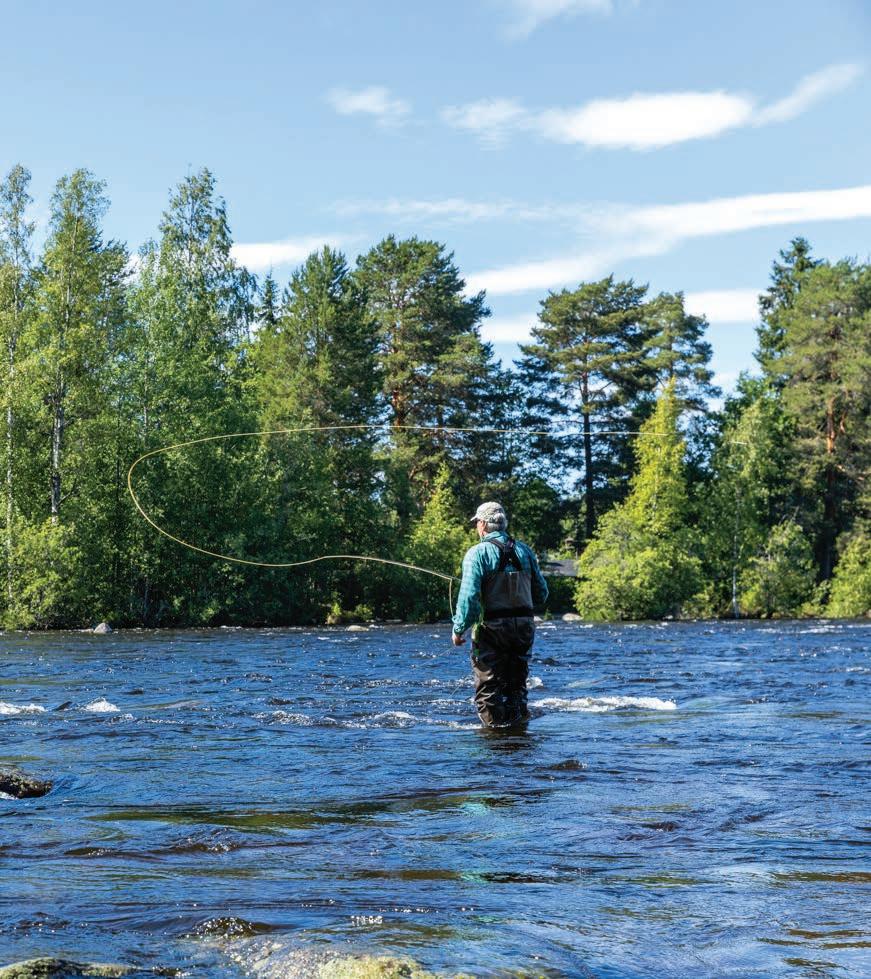
There are opportunities to fish a caddis upstream or skated, particularly later in the season but the focus is on baitfish imitations and skated flies. They use drift boats for those that struggle to wade, and these can access all parts of the rapids as required. The wading can be tough because of the uneven bottom and the power of the water so boats are preferable. Guides will advise guests to fish downstream and across like salmon fishing but upstream as well striping fast. Variable speeds and style of stripping are advised. As I have commented, the trout hit the fly at speed, sometimes with a hammering splash, other times the entire fish will come flying out of the water. These fish take their hunting very seriously!
The lodge would like guests to bring a 7-weight, I used a 5-weight, and it was hard work both in terms of casting largish flies and when hooking a fish. The trout are extremely strong (I was spooled by one fish and never saw it!) because of the fast water but they are big wild fish too. I would make your choice based on your skill level when casting decent sized flies.
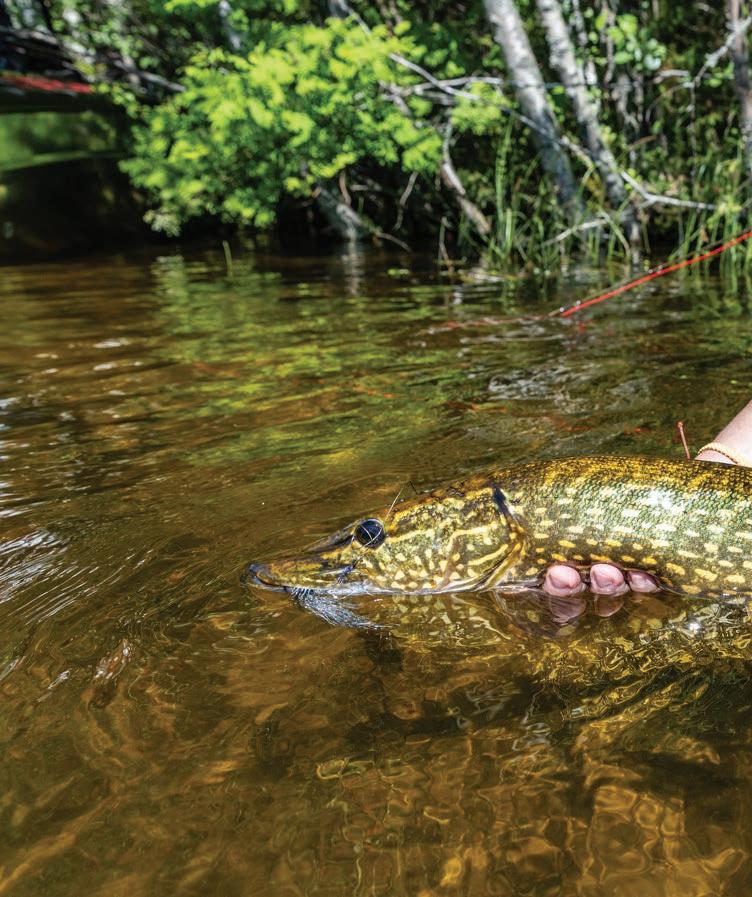
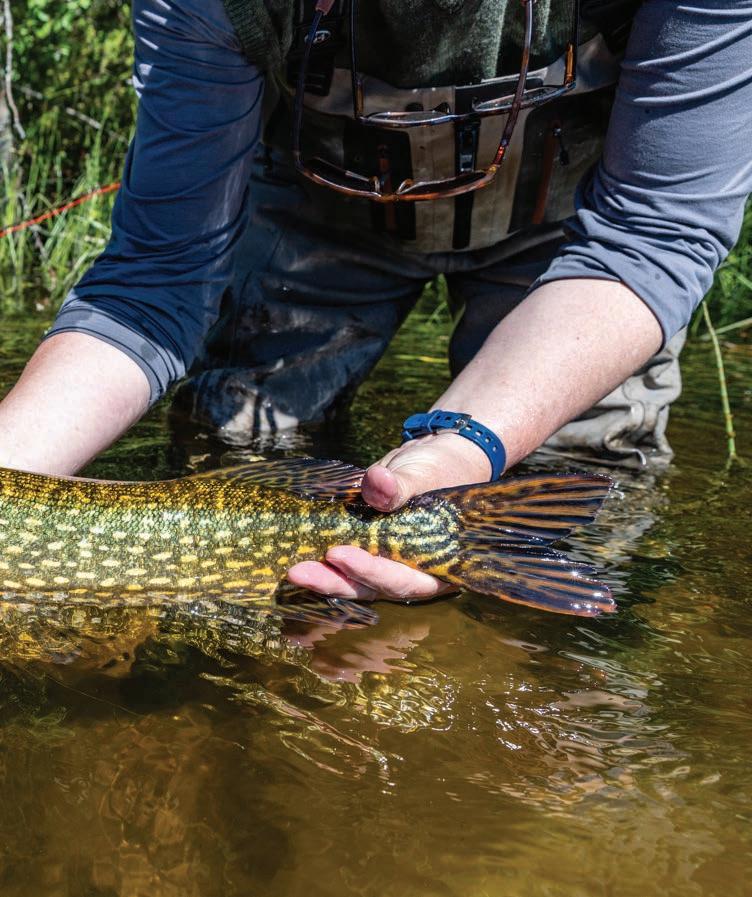
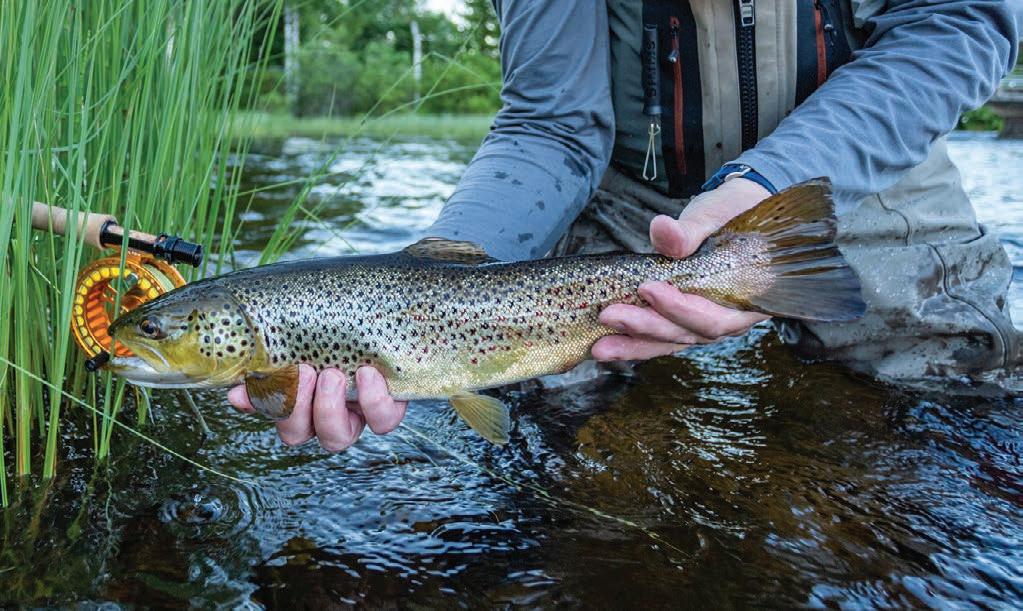
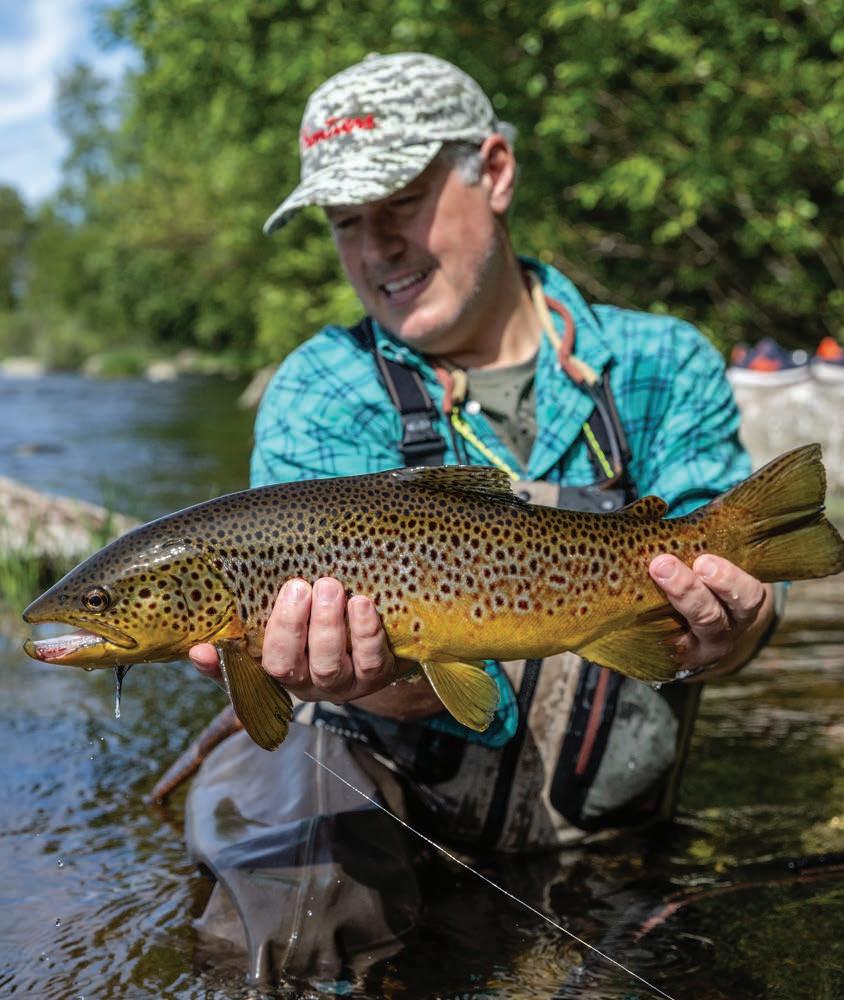
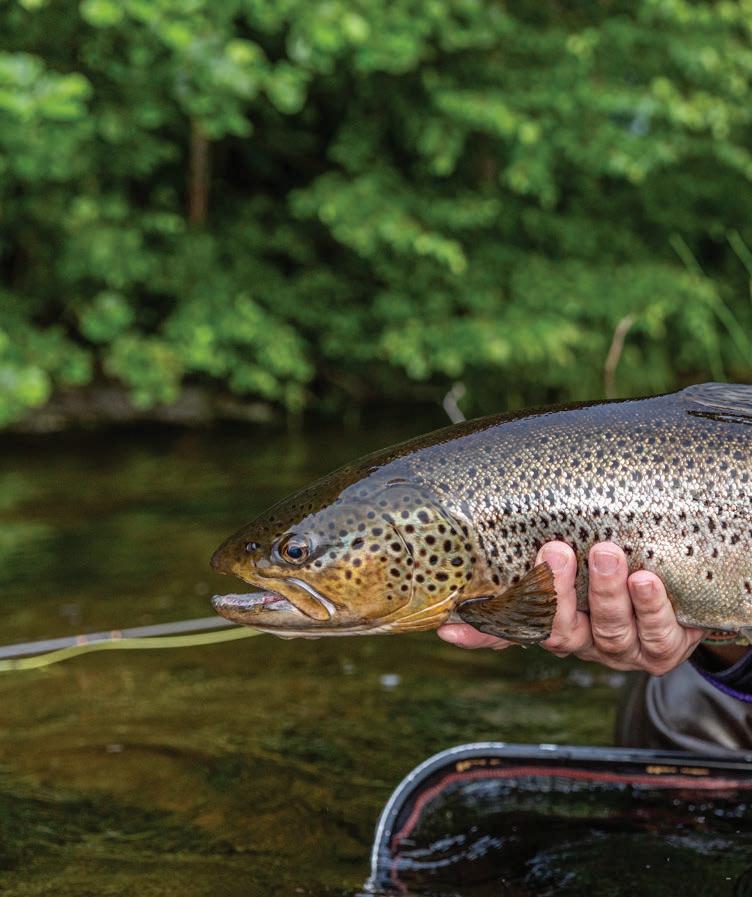
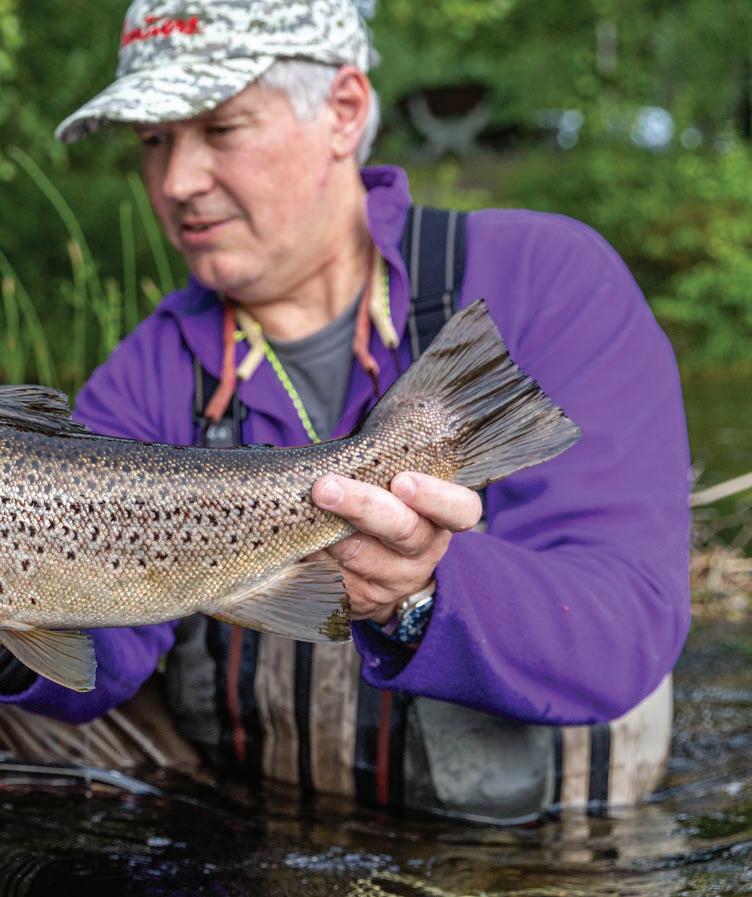
Most of my fish took 20-minutes or more to land with many nervous moments over being broken in the wild water. One lands about every tenth fish that tries to take your fly. The cause is not angler error but the chaotic way the trout attack the fly, they are on and off almost before you can react. Suddenly there is a huge explosion, a massive pull and it is all over before one has done anything! This is not classic trout fishing to supping wild brownies. This is fishing for trout like one has never done before because one has never seen trout behave the way they do. Consequently, it is not for everyone, but I have to say, it is very cool and truly unique, and the trout are beautiful wild specimens with red spots. They differ in colour depending on how recently they came out of lake, the more silver, the more recently they have dropped from the lakes. I caught fish from about 3.5 to 7lbs but bigger are landed fairly regularly.
Your hosts are Jani and Titta Himanko. Titta has taken firm control of the lodge and takes huge pride in deliv-
ering a comfortable experience for guests. She was previously an arts and craft teacher, and she still works with counselling young adults.
“Suddenly there is a huge explosion, a massive pull and it is all over before one has done anything!”
Jani has more than twenty years of experience in fishing tourism and the fishing tackle industry. He is a member of the Finnish Fishing Hall of Fame which Jani humbly says is very small! Some may recognise him from TV shows, videos and pages in both Finnish and foreign anglers’ magazines and videos. Jani continues to submit articles to Metsästys ja Kalastus – and Pohjolan Perhokalastaja, two Finnish magazines focusing on hunting and fishing. Jani has been a professional fishing guide since 2001. He and his team of guides have whitewater experience and carry the usual First Aid qualifications.
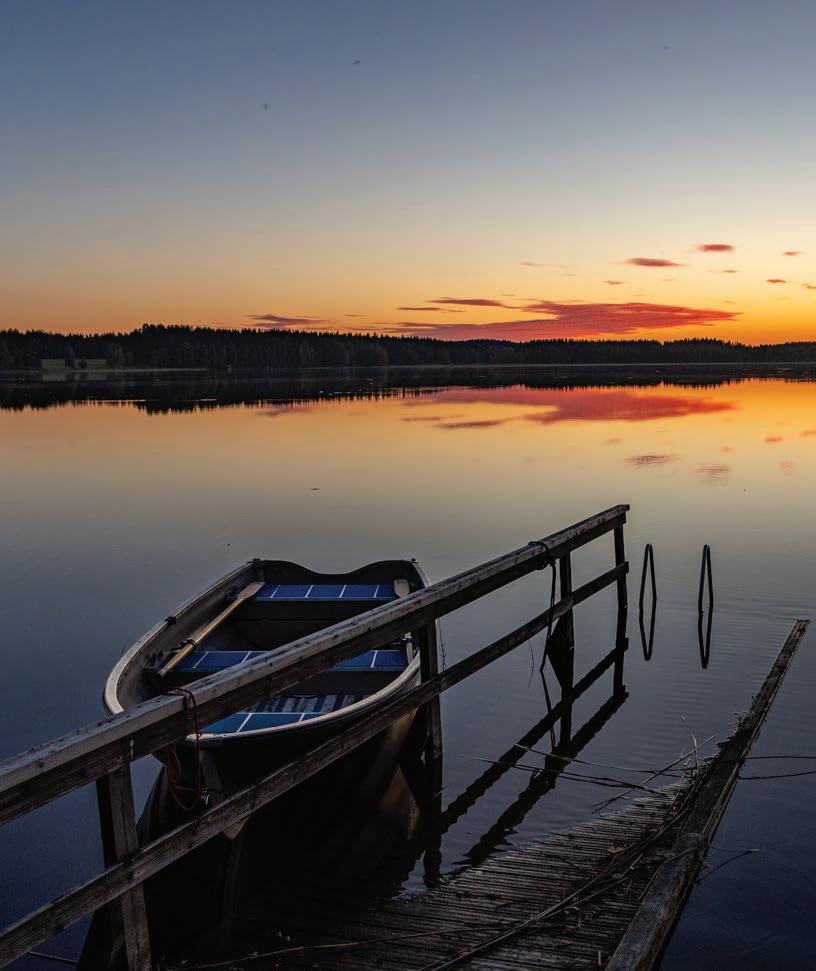
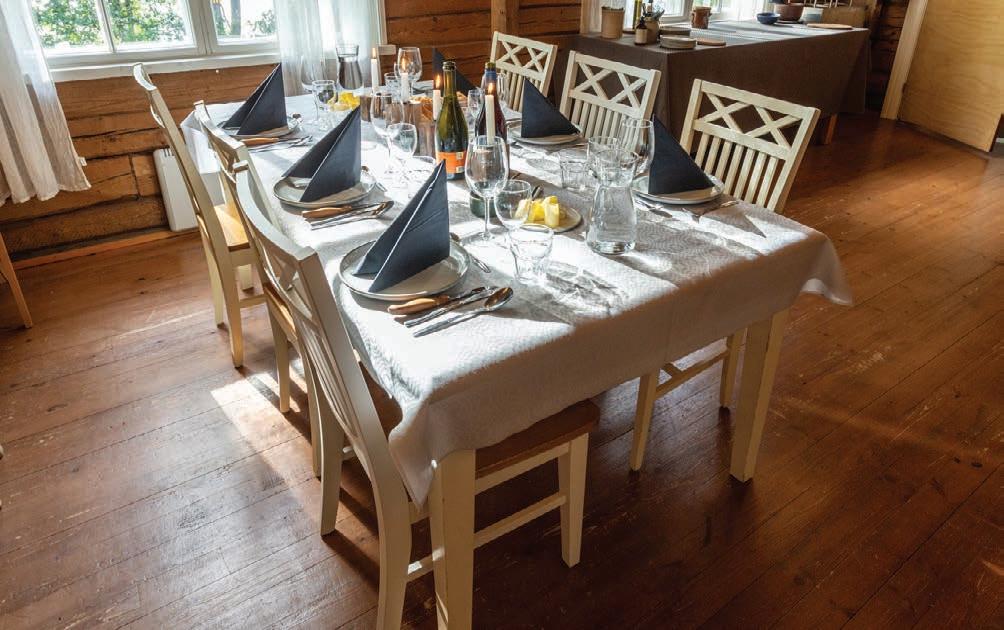
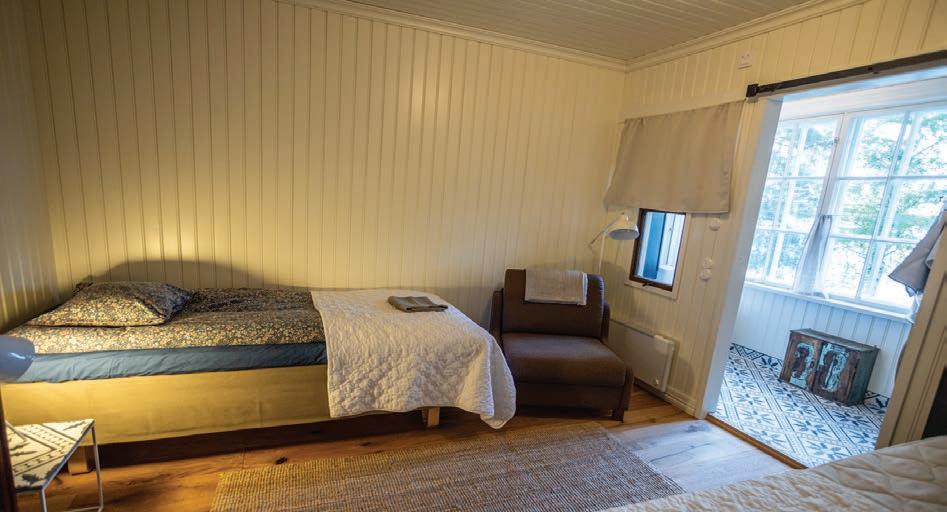
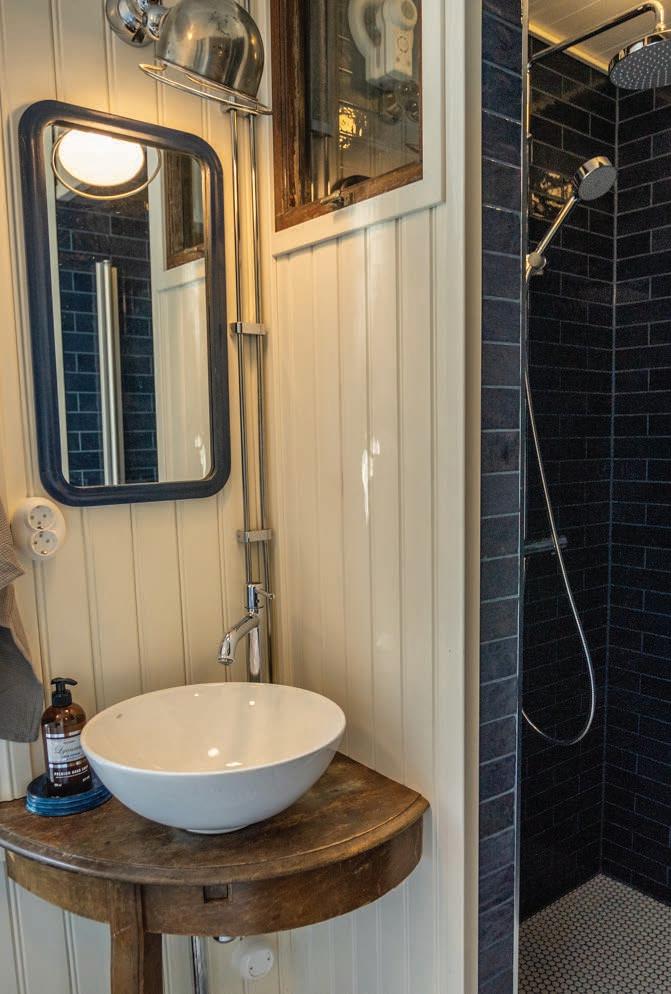
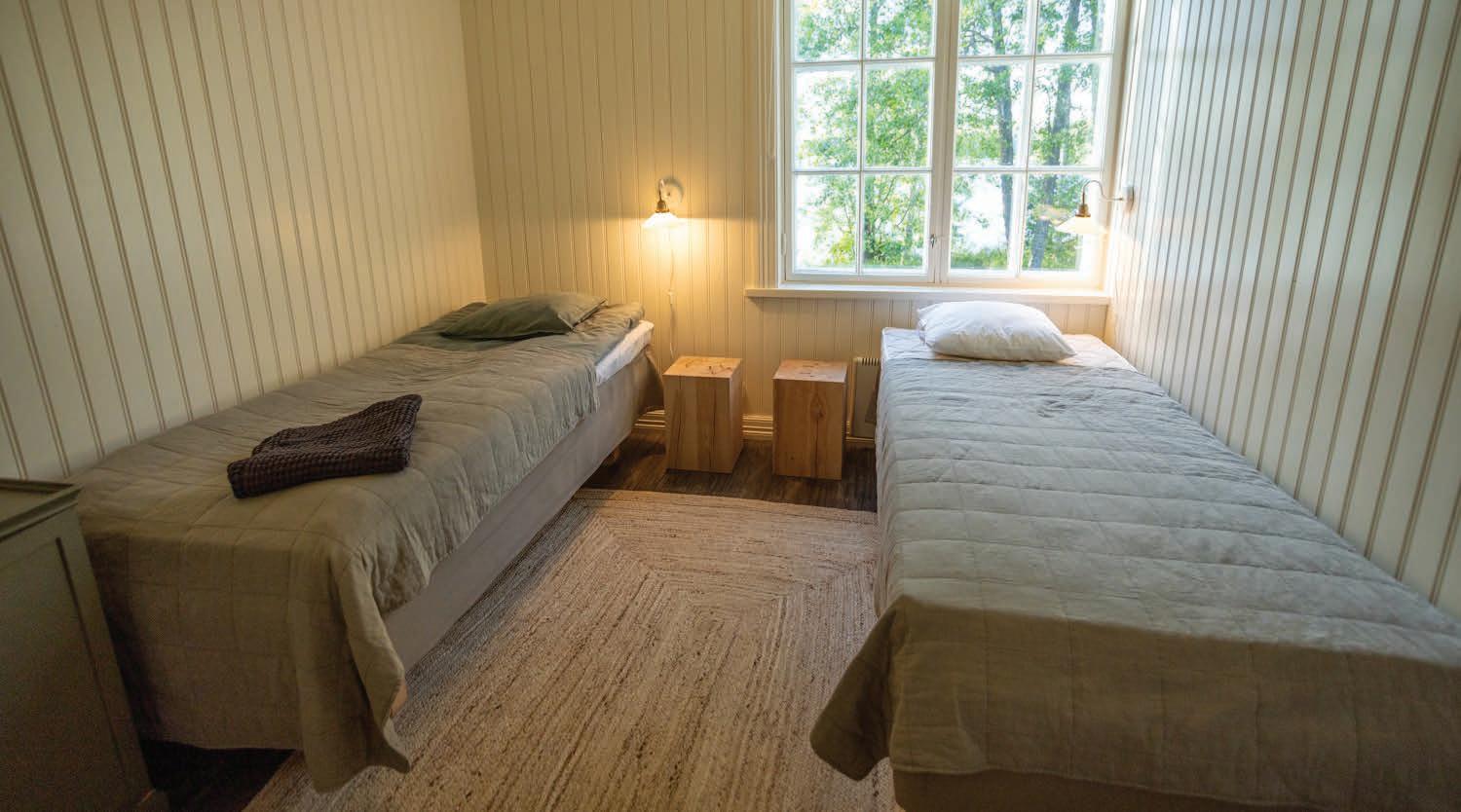
Converting the lodge has been a work in progress and great things are planned for cabins overlooking the lake in the future. The lodge can take up to ten rods depending on how many are sharing rooms/guides etc. There is a fine sauna overlooking the lake, always the number one priority for any lodge in Finland!
There is work that needs to be done this winter such as a proper wader drying room, improvements to the bug screens on the windows and evolving the large sitting/dining room (which was the main teaching room) into more of a lodge atmosphere. But Jani is already sending me photos of work in progress in that regard. A typical day will start with breakfast at 10 am (you will see why), relax after breakfast or maybe go pike fishing. Lunch is at 1.30 pm and dinner at 6.30. Fishing hours are between lunch and dinner and then a full session after dinner until midnight or even later. The best fishing tends to be when the sun is off the water, that is when the real hunting begins, and one can see when the fish are ‘on’ because they start to splash and fly out of the water.
A brief synopsis of the season is as follows:
In May and early June, streamers, and of course skaters, are best. In early summer, high water levels may present challenges but keep in mind that big water can mean big fish. Bring caddis flies too. Do not forget strong tippet for streamers, min .35 mm, about 20lbs. 7 to 8 weight rods for streamers and 6 weight for small flies. A wading stick is valuable.
In July, the best time to catch fish is the reduced daylight hours. On summer evenings, it is a good idea to look what the birds are doing. Bring streamers, caddis flies and pupaes. Don’t forget strong tippet for streamers, min .30 -.35mm, about 20lbs. 7 to 8 weight rods for streamers and 6 weight for small flies. A wading stick is valuable.
In August, when water levels are low, pupae imitations and other tiny flies are best in the evening. Streamers and skaters still work. Bring smaller streamers, caddis flies and pupaes. Don’t forget strong tippet for streamers, min .30 - .35mm, about 20lbs. 7 weight rods for streamers and 5 to 6 weight for smaller flies. Chest waders are important, and a wading stick, and it is important to bring insect repellent. The lodge is casual and relaxed.
In terms of travel, we think the easiest and most interesting way to get there is to rent a car from Helsinki airport and do the very easy drive but there are flights to Jyväskylä Airport, which is 56 km away. Alternatively, a train to Jyväskylä train station is a good option and the trains in Finland work very well. Having a car gives you that extra bit of freedom too. The nearest village, Konnevesi, is 10-minutes away, the nearest city is Jyväskylä about 56 kms away.
The nearest doctor is 10 minutes away, hospital 55 minutes away. For those not fishing or wanting to mix their fishing with other things to do, Etelä-Konnevesi National Park and other hiking tracks are also nearby. There is also kayaking, river rafting, berry picking, mushrooming, horse riding (Icelandic), baking Finnish pastry or buns with Titta or her daughters and just having a look around this beautiful area.
If you need a break from big trout, you can always dry fly for bleak with tiny dry flies. They will hardly bend your 5-weight but it is great fun, and Jani sits there incredulous that anyone should find it entertaining!
In summary, the negatives to this fishery are there are mosquitoes, and I worry that sometimes there are too many rods on the water. I would not be telling the truth if I did not admit that a part of me wishes I could be casting upstream to these huge, wild, stunning fish as they sipped small dries off the top. But the negatives stop there. Jani and Titta are truly lovely people and nothing is too much trouble for them.
The fishing is in a beautiful area which is so peaceful one cannot help but relax into the routine under the midnight sun. The trout and the way you fish for them, in my book, are truly unique and for that alone, this trip is worth it. They really are special trout, and the takes and behaviour must be seen to be believed. When you combine this with the excellent value to the trip and the ease of travel, this experience should be on everyone’s list.
For more info: www.kellankoski.fi/lodge/
Patagonia:
MEN’S CAPILENE® COOL
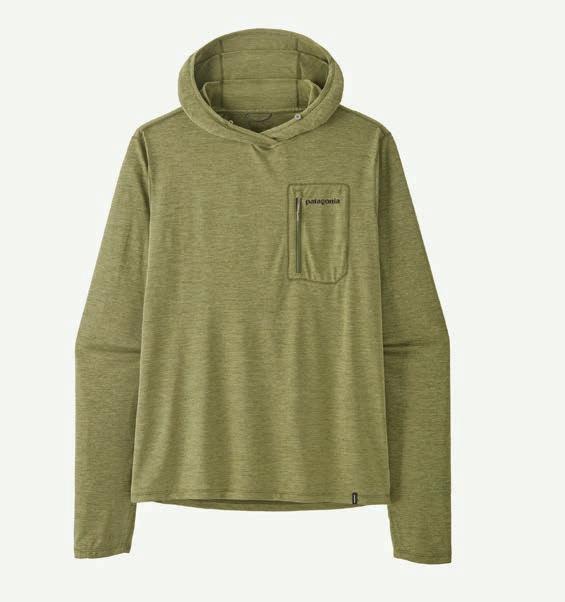
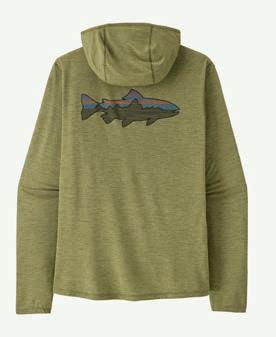
We’ve been using Patagonia sun hoodies for fly fishing in the tropics for years, and the Capilene Cool Sun Hoody is another one that just works perfectly on the water. Lightweight, breathable, quick-drying, and comfortable even during long days in strong sun and humid conditions. The fit is relaxed without feeling baggy, and the hood gives great extra protection when spending full days on the flats or under intense sun. It’s one of those pieces you end up packing for every trip because it’s simply reliable and comfortable all day long. Really like the Fitz Roy Trout design and the new color as well, subtle, clean, and very much in line with the whole fly fishing lifestyle. Patagonia keeps getting these details right. For more info www.eu.patagonia.com
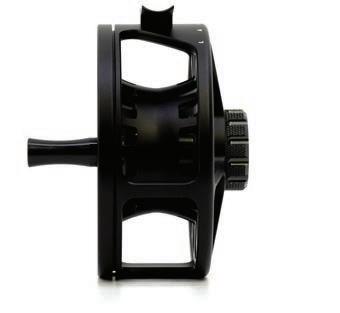
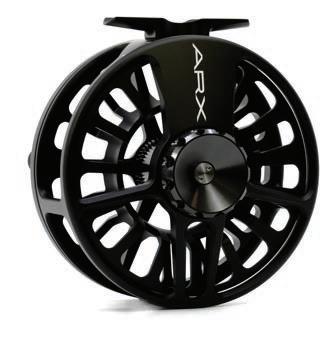
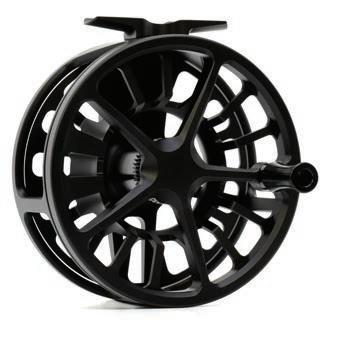
The anchor of Lamson’s two-handed specialty reel line up, Arx II carries on the legacy of its predecessor. Burly, overbuilt and ready for action… Thin running lines have no chance escaping this full caged beast and when you finally get that tug from the silver torpedo the extra-large conical drag is ready to put the pressure on her. Comes with: Heavy duty, overbuilt frame and spool, Full frame design with tight gap tolerance to eliminate running line issues, Large format standard conical drag system, Wide format, high capacity spool, Oversized palming rim on spool, Large handle on all models, Fluted and knurled drag knob for extra grip, Click stop drag knob for positive drag setting, Recessed drag knob and spool handle to prevent line tangles, and in three sizes. For more info, please refer to: www.flyfisheurope.com/lamson/
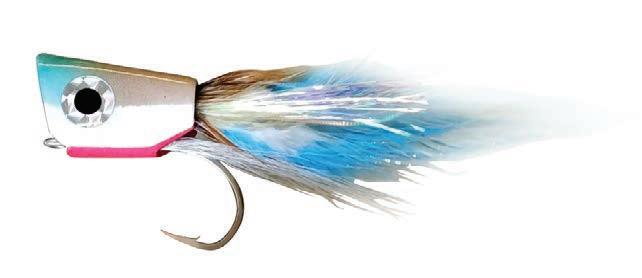
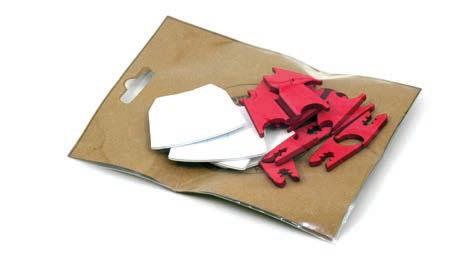
The NYARP is a mix – concocted by Rupert Harvey - of a Reaper and a NYAP. A deep cup on a narrow head to cut the wind, and a great fly to conjure up the biggest predators of the seas. The Kit contains packs of 5: XLARGE suits the Gamakatsu SL12s #8/0 or the ahrex #6/0 and #8/0. LARGE suits the SL12s #6/0 or the ahrex #5/0. For more info, please refer to: https://rupertharveysflies.com/products/nyarp-kits
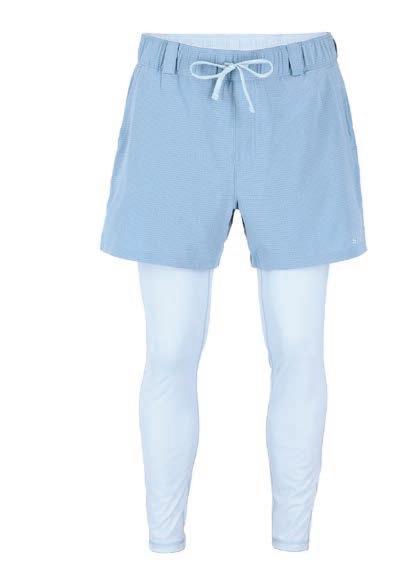
On a recent trip to Gabon, we had the opportunity to test the new Simms Bicomp Bottoms. We’ve always liked the combination of tights and shorts, and the Bicomp Bottoms provide a hybrid solution where shorts have been integrated in a legging system – with all-important UPF50 sun protection and a bit of extra abrasion-protection when wading corals. The leggins fit snugly and the shorts are comfortable with a clever waist drawcord-solution and mesh-backed pockets. Quick-drying and easy to get in and out of, the Latitude Bicomp Bottoms will be a stable on our upcoming saltwater trips, but they will work perfectly also for summer wetwading expeditions. For more info: www.flyfisheurope.com/simms/
Renomed:
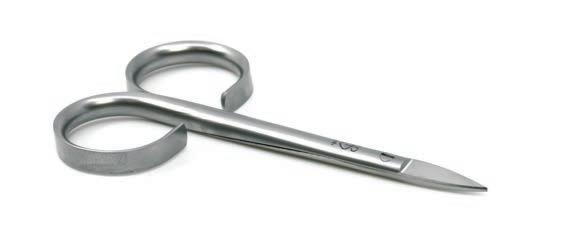
The Renomed FS1 scissors are created for detailed work where control and accuracy matter most. The sharp-sharp blade profile allows clean, controlled cuts on delicate materials, helping you achieve precise results when tying both dry and wet flies. The blades measure 1,5cm and the total scissor length is 9,5cm. If you’ve got sausage fingers and bad eye-sight, these scissors might not be for you. If you don’t, you might want to get a pair to get your fly tying dialled-in more than ever before. For more info, please check out Renomed’s website https://renomed. eu/en/products/product-category/fishing/
Grundens:
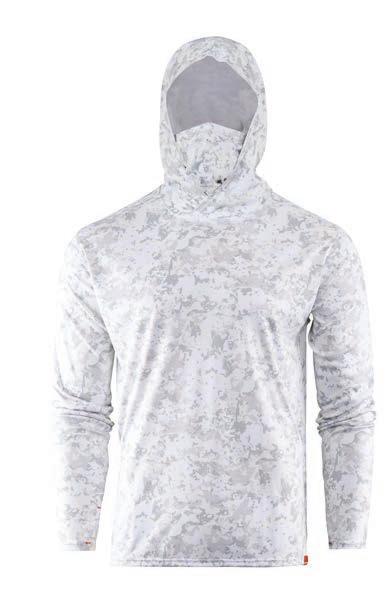
The toughest damn sun shirt on the water, UPF 50-rated Tough Sun offers anglers breathable sun protection with increased snag resistance for extra longevity both on and off the water. Built to withstand the elements, this hard-working UV shirt provides an integrated face mask with laserperforated holes to maximize protection from the sun and comfortably stores when not in use. Integrated thumb holes keep sleeves in place for backof-hand solar protection, and HeiQ anti-odor, thermal regulating, and stain-release treatments increase Tough Sun’s easy-care, comfort qualities. All backed by a Lifetime Warranty offering you the best abrasion & pill resistance sun shirt on the water. For more info: www.grundens.com
Scientific Anglers: AMPLITUDE SMOOTH TROUT EXPERT
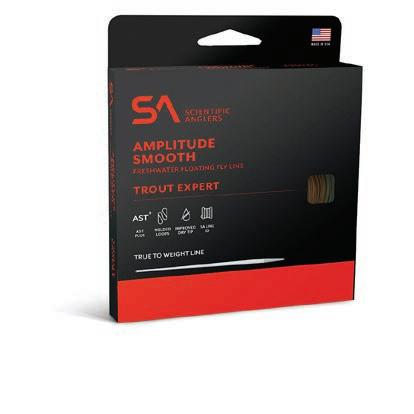
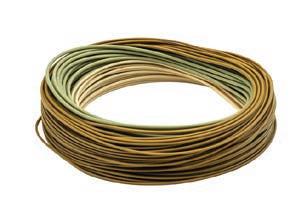
Featuring SA’s AST Plus slickness additive, the new Amplitude Smooth Trout Expert is a true-to-weight fly line that excels in medium-to-long distances with dry flies and smaller nymphs; wonderful on glass and bamboo, but also great on modern progressive fly rods. It comes with a braided multifilament core and an elongated WF front taper that is designed for delicate presentations – perfect for European rivers with weary trout and grayling. The line comes in sizes ranging from WF2 – WF7, and more information can be found by visiting www.flyfisheurope.com/SA/
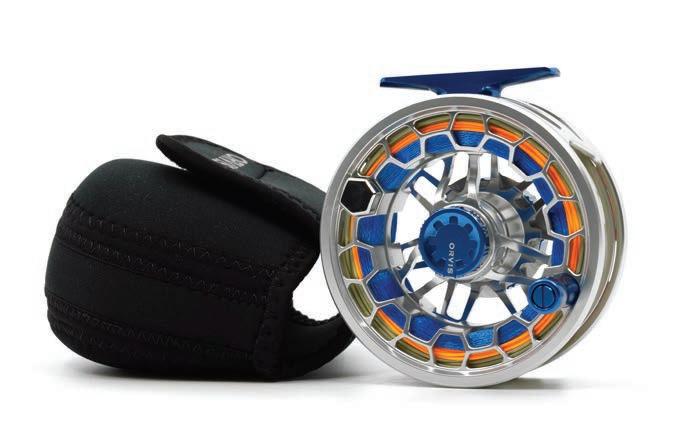
The Ratio Reel is your go-to when big fish enter the ring, and the winner takes all. The carbonstainless drag system has precision-engineered surfaces that deliver up to 16 lbs. of smooth, consistent pressure with zero startup inertia. In the heat of battle, the oversized indexed drag knob lets you make micro-adjustments without fumbling. Built to withstand brutal saltwater abuse, the Ratio’s drag system is fully sealed to keep out salt and sand. We’ve tested Model III (5-7 weight) and found it to be light in hand yet super-durable – with a silky-smooth drag and a solid, precision-cut construction that eliminates any wobble when retrieving or clearing line. A great streamer reel that doubles as a bomb-proof coastal seatrout reel or a light flats reel. Ratio comes in an additional 4 sizes, with the whole range covering 5-weight – 14-weight scenarios. For more info: www.orvis.com/fly-fishing
Vallon:
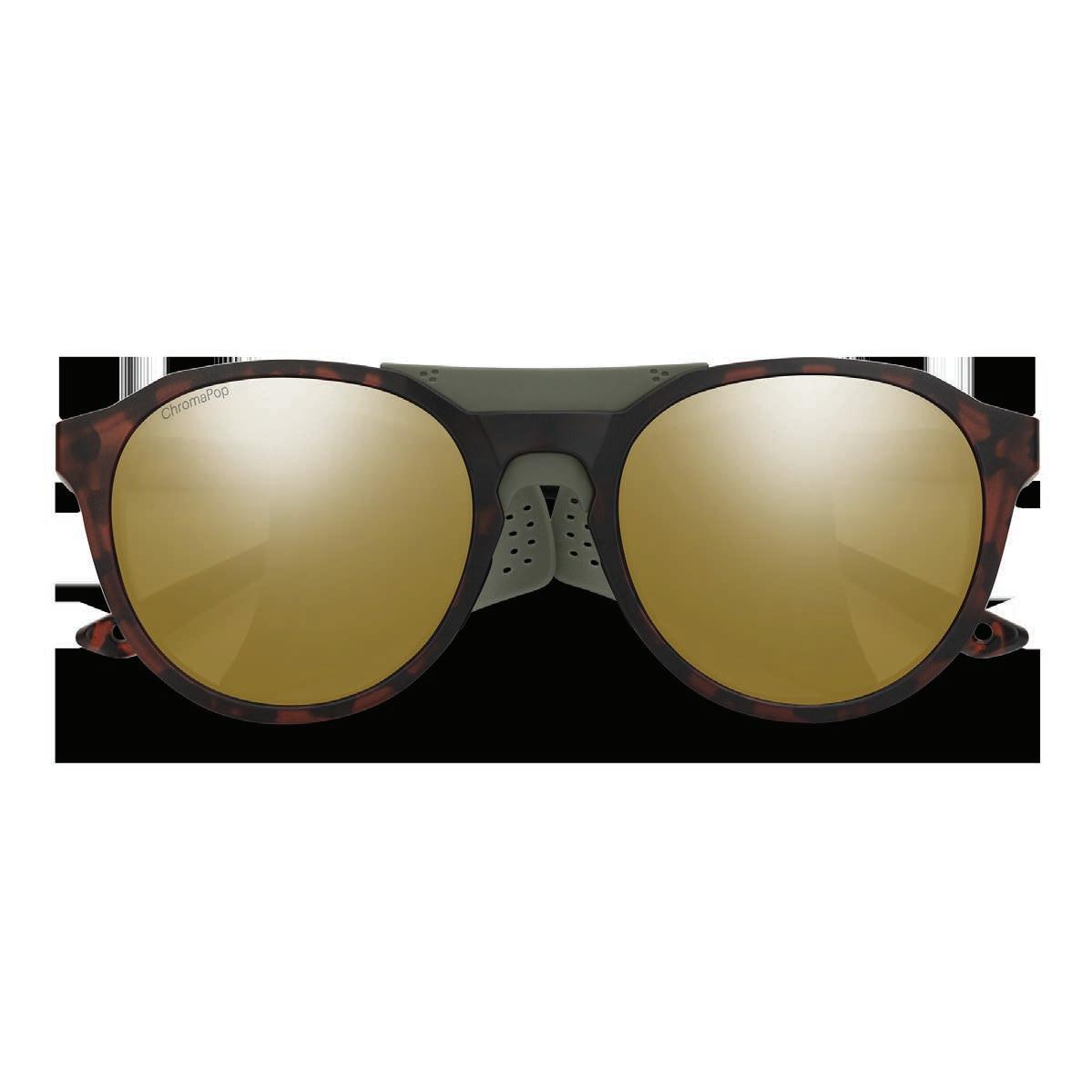
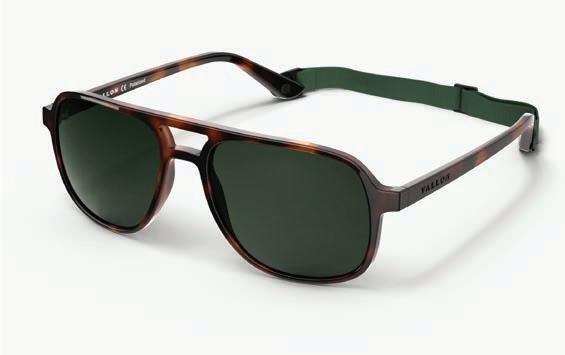
We’ve had the chance to use the VALLON’ Howlin sunglasses a few times while fly fishing, and I’m genuinely impressed with them. The lenses cut glare really effectively, making it much easier to spot fish and read the water. They’re lightweight, comfortable to wear all day, and feel secure without being tight. The retainer is also a great touch when spending time around water. What we really like is the balance between style and performance. A lot of fishing sunglasses look overly technical, but the Howlin has a classic design while still performing exactly like a proper outdoor pair should. They look just as good off the water as they do on it. The overall build quality also feels premium, and everything about them gives the impression of a well-thought-out product made for people who actually spend time outdoors. For more info: www.vallon.com

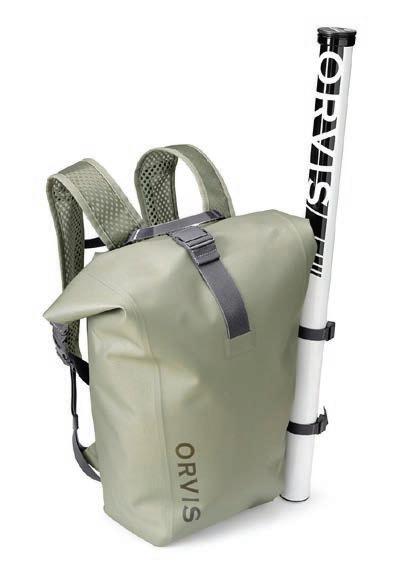
The Orvis PRO Waterproof Roll Top Backpack 20L is constructed from 840-denier, abrasion- and puncture-resistant ballistic nylon, and then coated with .1mm TPU on both sides of the fabric. Twenty liters of storage give you ample protected space in this Roll Top for fishing gear, a jacket, and a PB&J sando or three, now in a strippeddown version that does away with all unnecessary weight for those who require waterproof storage on the move. Gear stays bone dry and access is easy thanks to a generous opening with an interior we’ve brightened up by adding a high-vis chartreuse color. For more info: www.orvis.com/fly-fishing
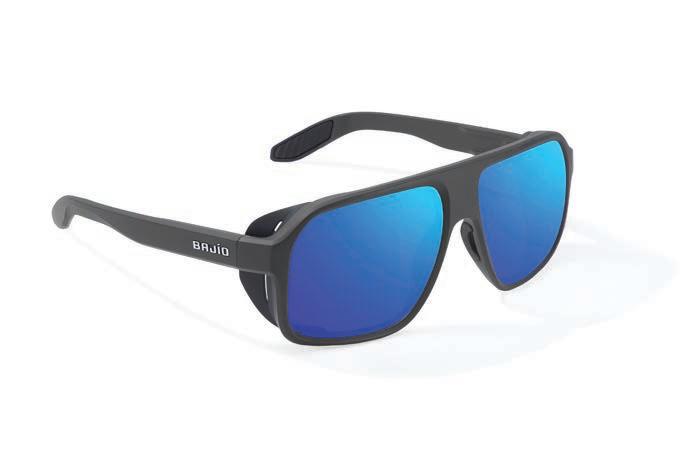
Bajio: COCHO
New for 2026, this Bajio XL frame is the result of an XL fish. In South America, the term ‘Zancoch̦o’ refers to the phenomenon of reeling up nothing but a fish head. When your snapper goes missing, or your tuna gets sharked, the head left is a reminder of what lurks below. Flex hinges and fully removable side shields make this frame fit for big predators above and below the water line. Comes in three different frame colours and with seven polarized glass lens options to suit your specific fly fishing needs. For more information, please refer to https://bajiosunglasses.com
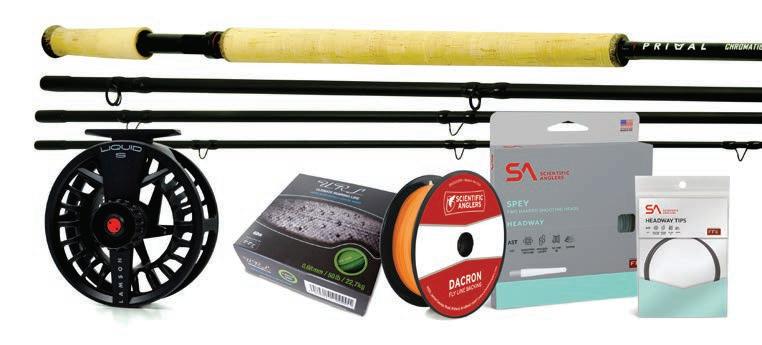
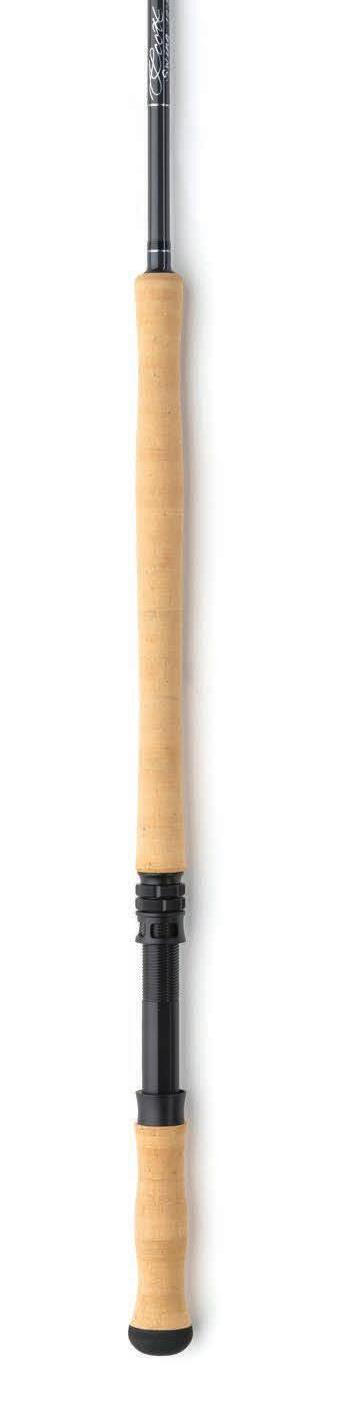
If you’re looking to get into salmon fishing with a double-hander here’s a great value-formoney kit that has been put together by Primal Fly Rods in collaboration with Lamson and Scientific Anglers. Two kits are available – a 12,6’ 7-weight kit, 13’ 8-weight, and a 14’ 9-weight kit – each featuring a Primal Chromatic double-hander, a full-frame Lamson Liquid S reel, backing, running line, and an SA Headway Belly and Tip. A perfectly balanced kit that will get you started swinging flies for chromers. For more information, please refer to www.flyfisheurope.com/primal/


#ifeelsLOVEnia #myway
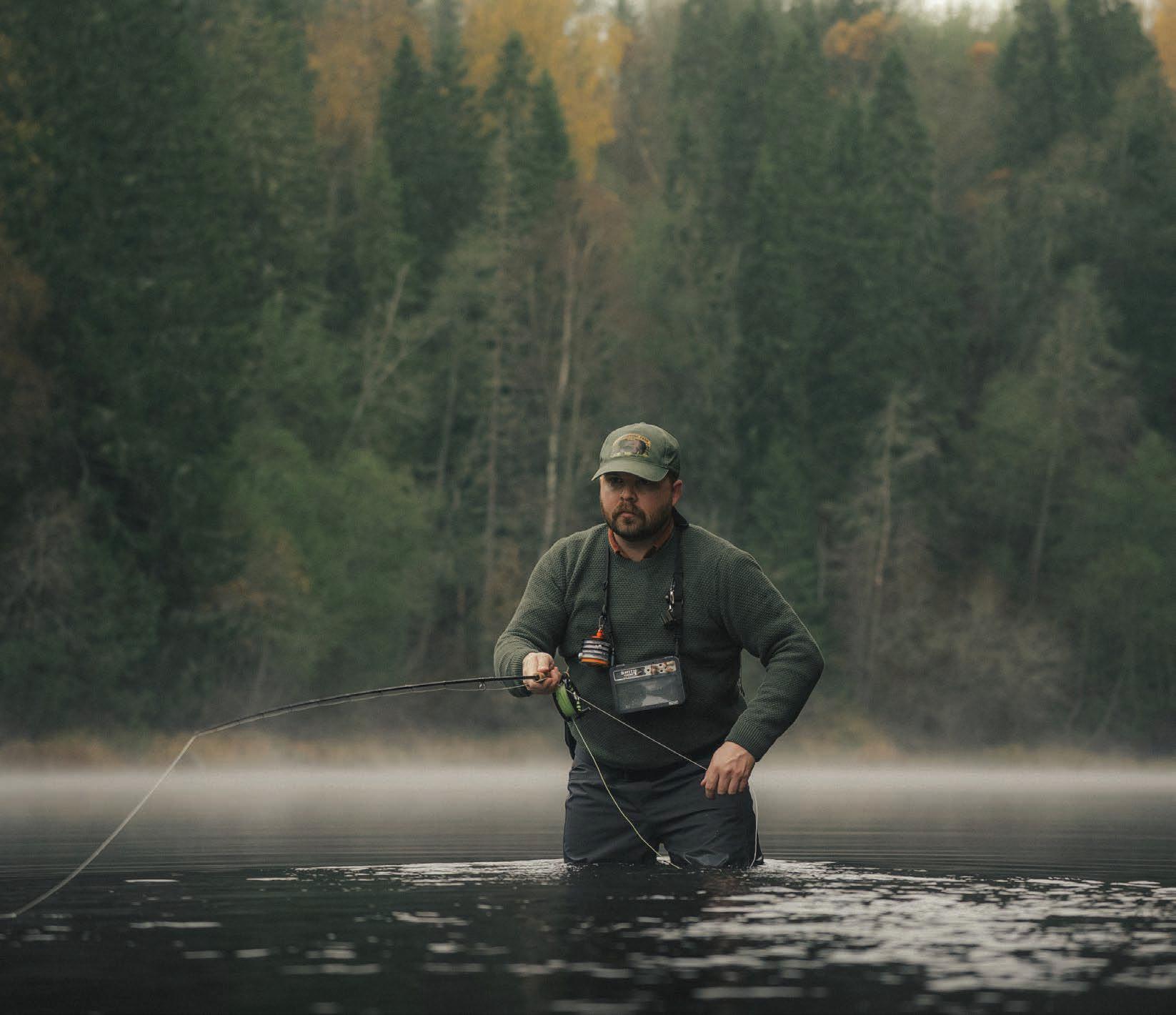
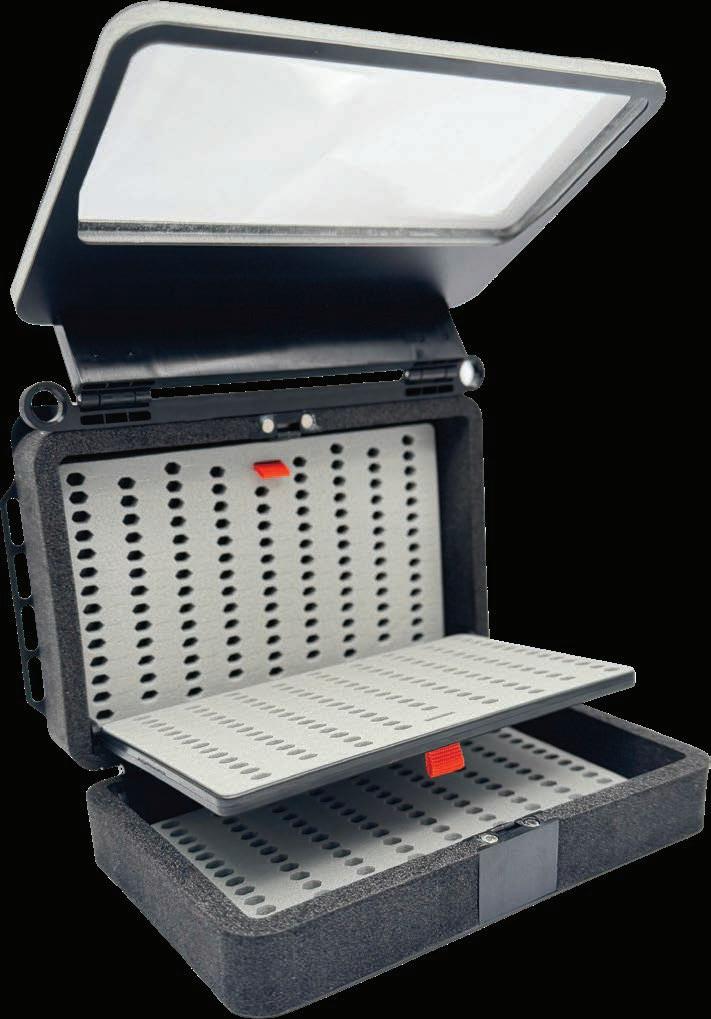

Smith Creek’s FlyVue™ is a premium-quality chest pack system that is loaded with smart features. If you have ever struggled to tie fine gauge tippet line while out on the water, FlyVue can help (even if your eyes are fine and you don’t wear glasses). FlyVue’s integrated 3X Fresnel magnifier gives you a generous field of view to tie even the smallest of tippet lines without fumbling, saving you time and trouble.
Swedish filmmaker Ted Logardt and angler, TV host, and conservation advocate Emilie Björkman have joined forces to tell stories from some of the world’s most inspiring fisheries. Björkman is well known from the Swedish fishing TV show Fiskeliv, while Logart has spent years producing documentaries and outdoor films. Together they created the series Wild Fish, Wild Places, produced for Loop Tackle’s YouTube channel. The series explores remarkable fisheries, local cultures, and conservation stories, combining cinematic storytelling with a deep passion for fly fishing.
By THE EDITORIAL STAFF
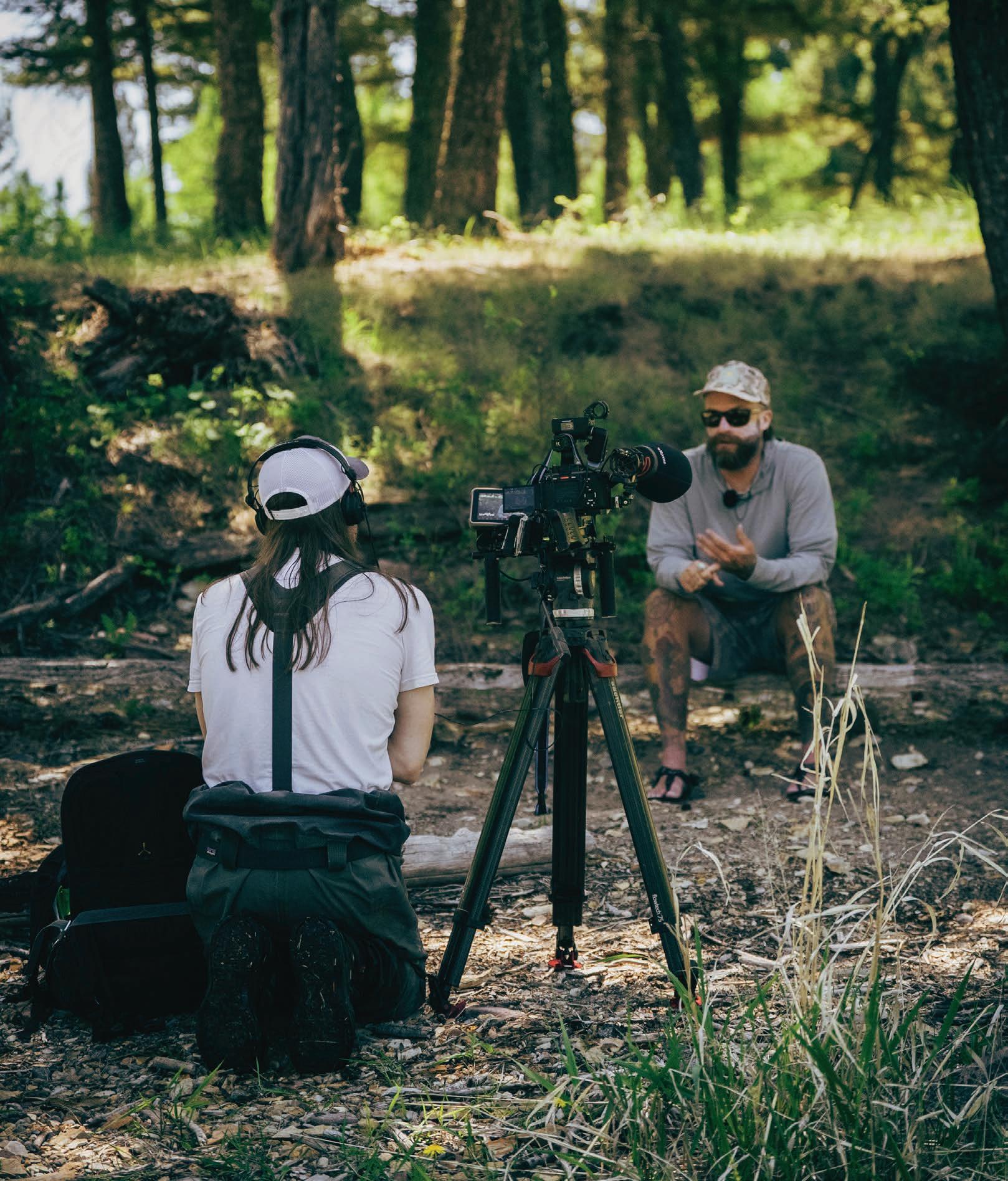
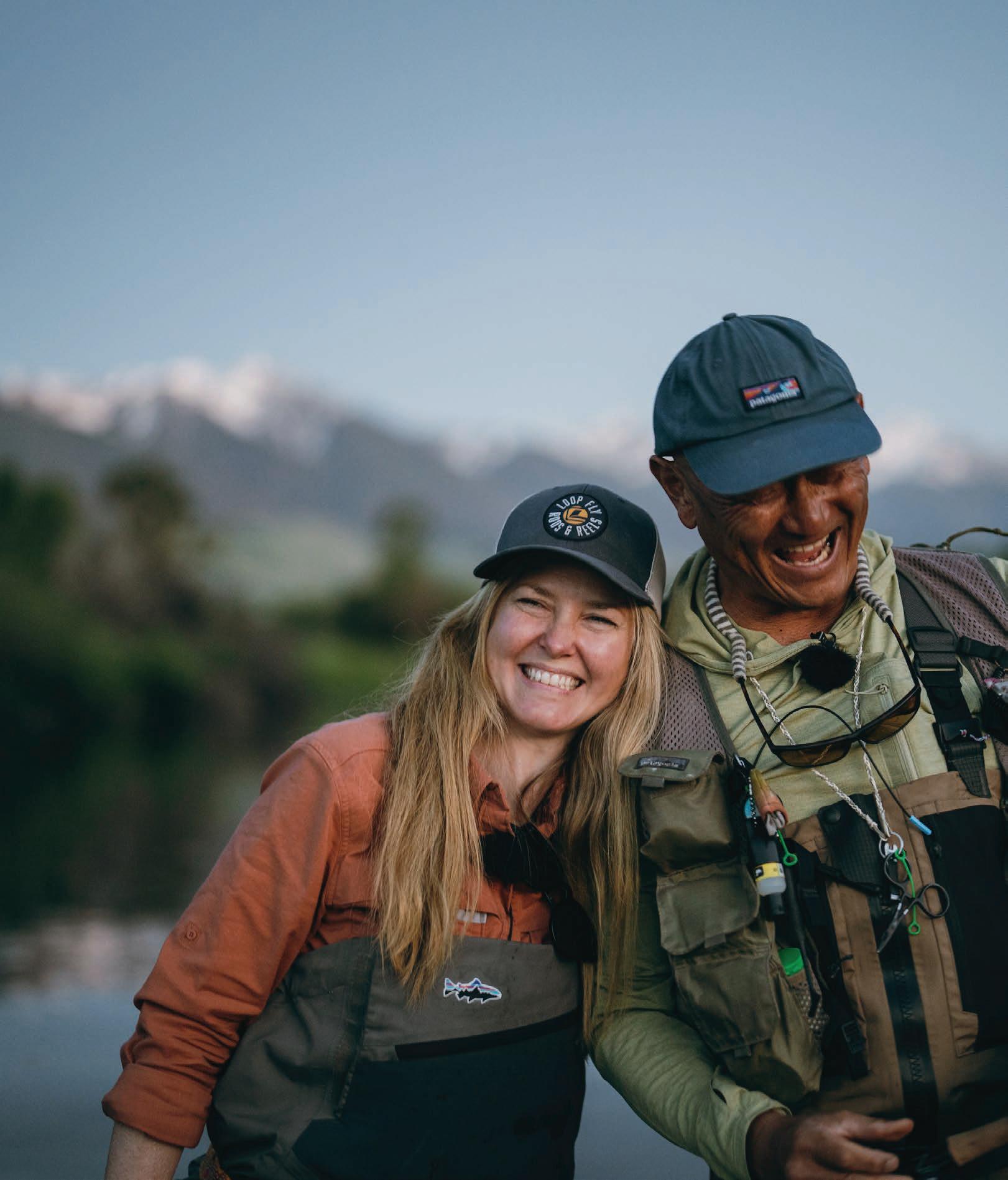
What made you decide to pursue your joint filming project?
At the end of 2021 Emilie phoned me and said that “Fiskeliv” (the Swedish TV show about fishing that Emilie had hosted at the time) had ended. “I think we should do a film about the comeback of the Baltic salmon. You know, what happened, the lifestyle and the characters.” So we did that one in 2022, and since then we’ve produced quite a few fly-fishing films and series, both for TV and YouTube. When Emilie was positioned as a brand ambassador for Loop in late 2024, she got me involved and we developed the concept for the Wild Fish, Wild Places series. It’s a real dream assignment in every sense of the word.
What have been the most important lessons you’ve learned along the way filming Wild Fish, Wild Places?
Production-wise, the biggest difference when filming a series far from your home waters is that you have to capture everything you need to tell the story you want in just one go. Time is always a huge factor for us (and probably for everyone shooting nature-based content), and the biggest struggle - besides getting a fish on camera - is trying to create variety in the story.
It’s about mixing things up for interest while still staying relevant to fly fishing and conservation. So we basically keep the talent mic’d up and roll the cameras 24/7.
Another big insight is that the fly-fishing community worldwide is amazing (at least based on the small slice we’ve encountered during filming). Everywhere we go, people put so much heart into what they do and genuinely want to share what they love in the best possible way. That’s a beautiful and humbling thing.
What has concerned you most during your travels?
I worry about everything all the time. You want to do a good job. Emilie and I try to plan and script everything as well as we can, but there are just so many uncertainties.
Are the fish running? Are we too late? Too early? Will the river keep rising? Do we have enough batteries? Will the camera handle this much rain? Have we talked to all the people we should? Why is your mic scratching against the fabric? Have we covered all the angles? Did we offload every memory card last night? Did we do backups? Are you dehydrated?
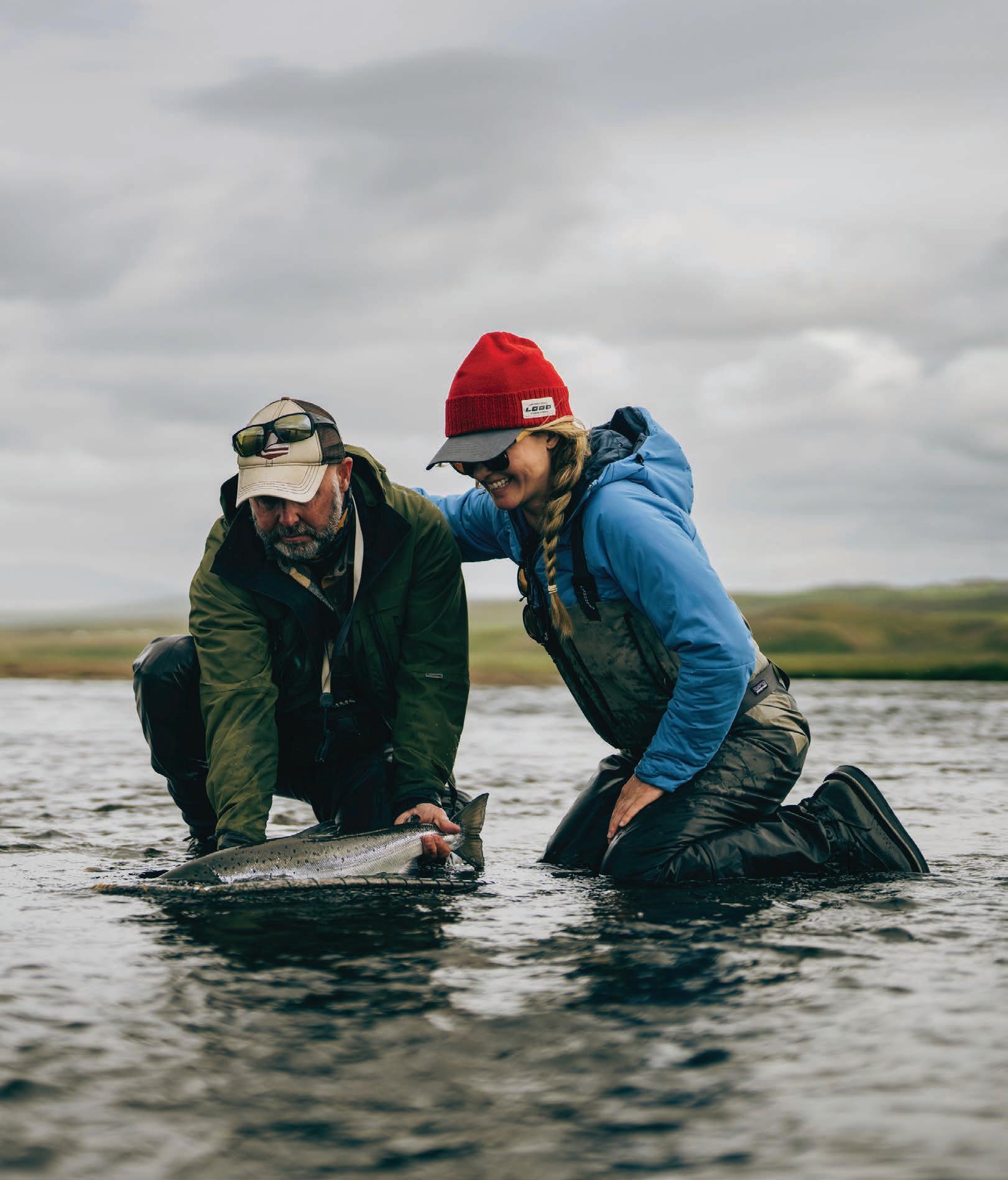
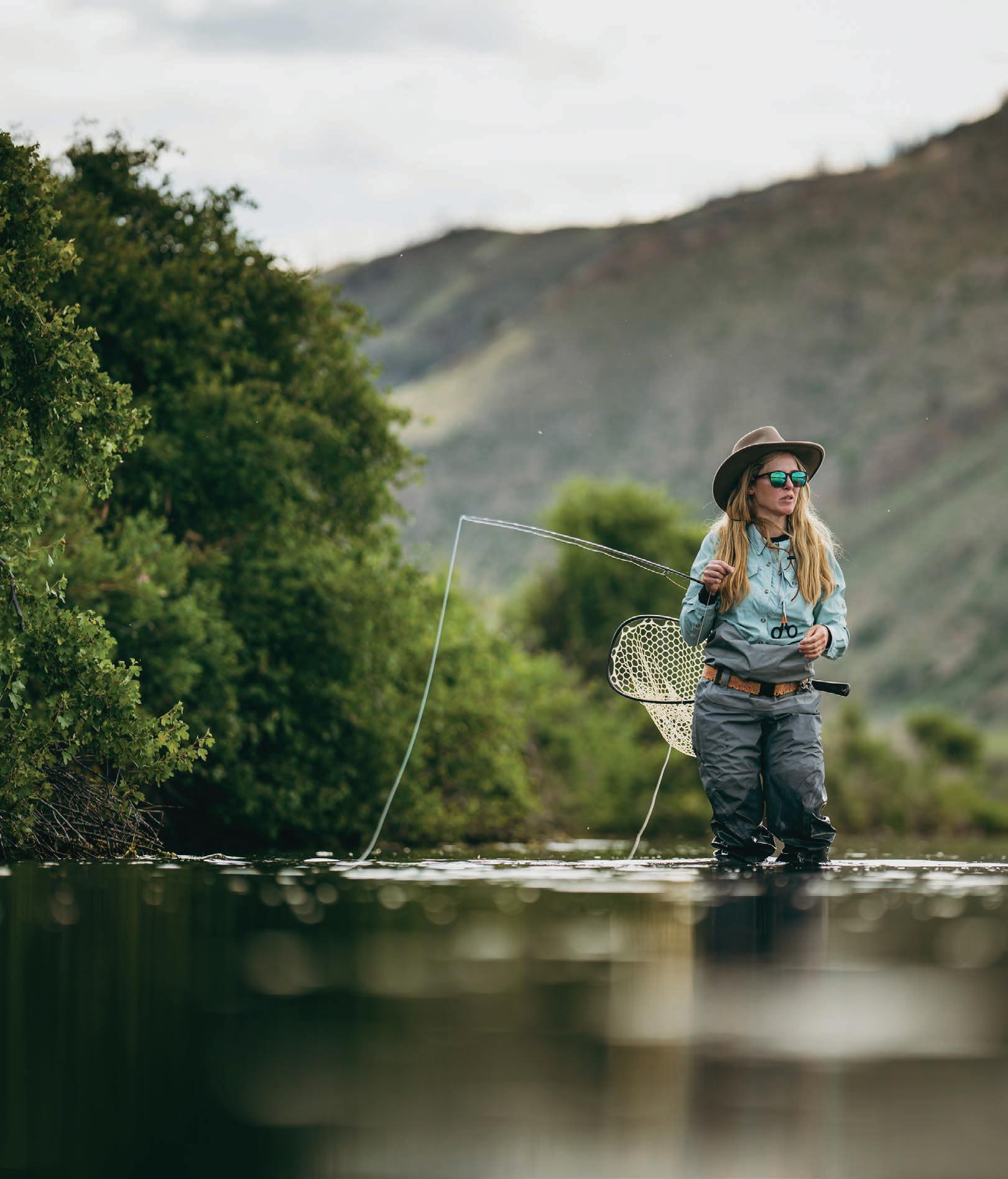
When people lend you their lives and their life’s work in a way, you owe it to them to do your absolute best and make them both fairly represented and proud. And obviously, this is first and foremost a job where Loop has invested resources in the project and expects a solid result in return.
Do you have any advice for people who would like to make a difference for our fisheries?
We inevitably live in a time when humans are putting a lot of stress on the planet, and it’s easy to feel overwhelmed by everything that’s happening. I think fly fishing is a great way to acknowledge and appreciate nature. Fly fishing is always a local event that is part of a global context.
So why not get involved in your local fisheries? Even if the system seems to be doing okay today, it’s still worth protecting what remains. And if things aren’t working in nature’s favor, try to improve them from your end - little by little and bit by bit, in whatever way you can.
Just get involved. I think that’s always a good first step.
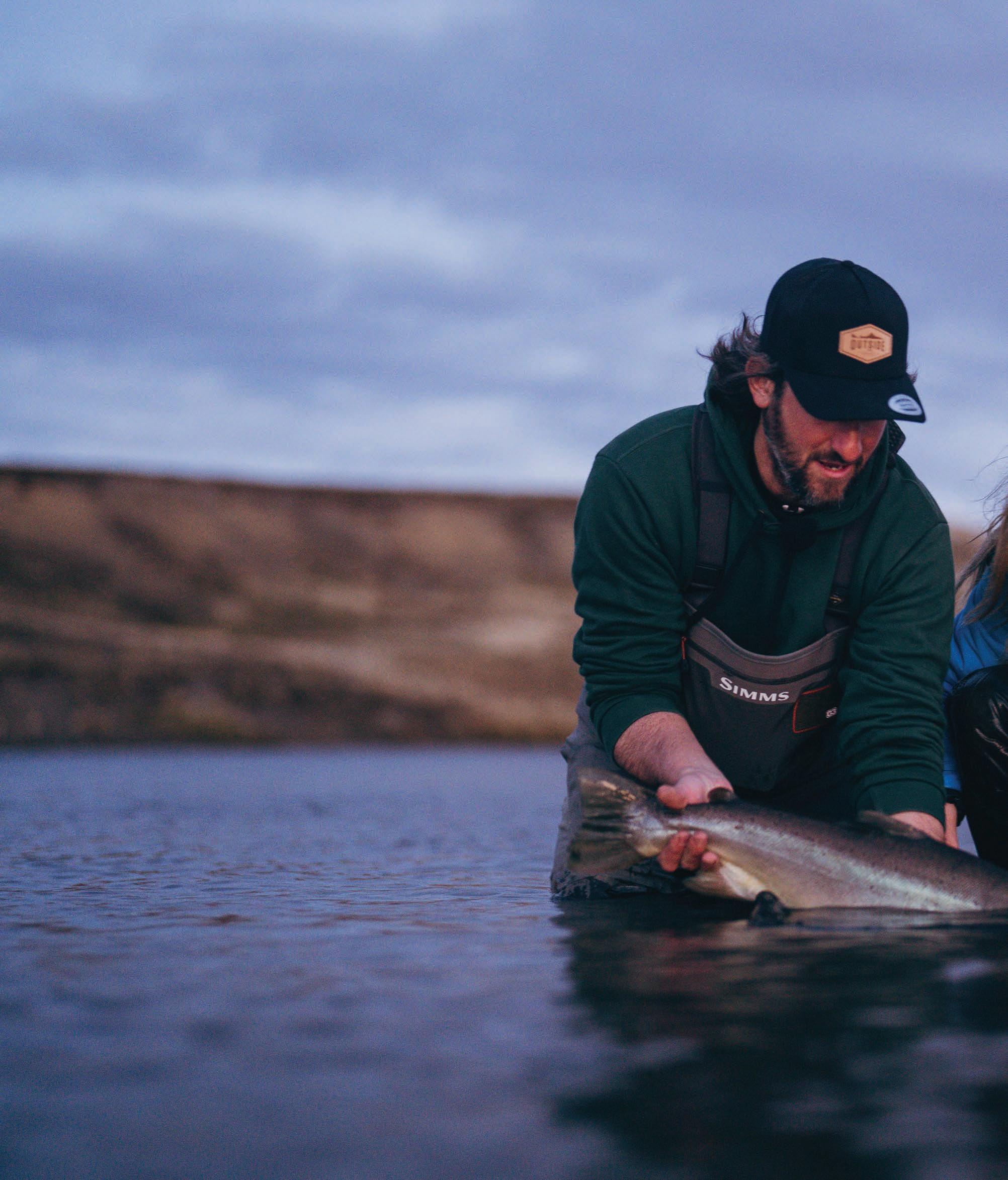
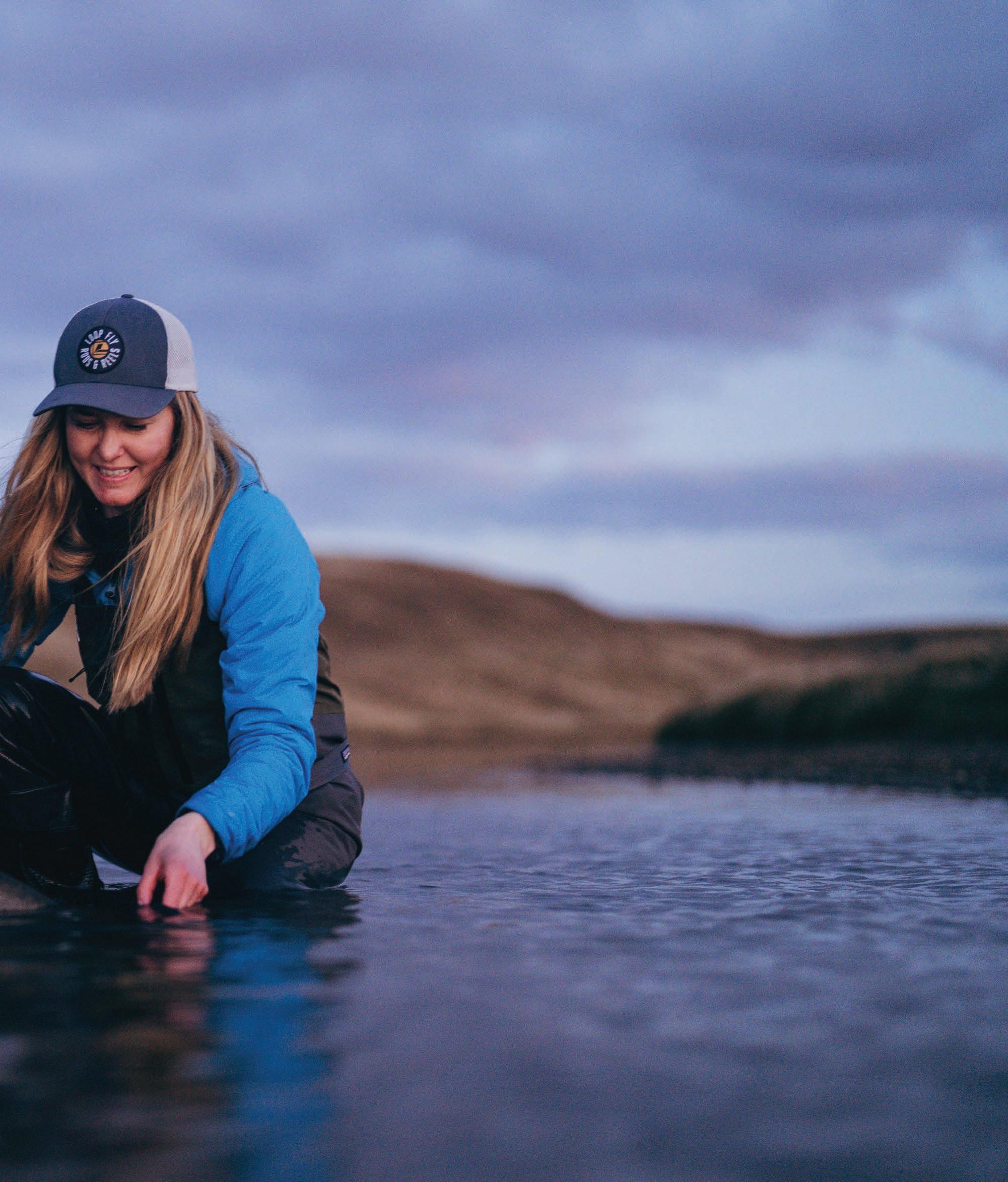
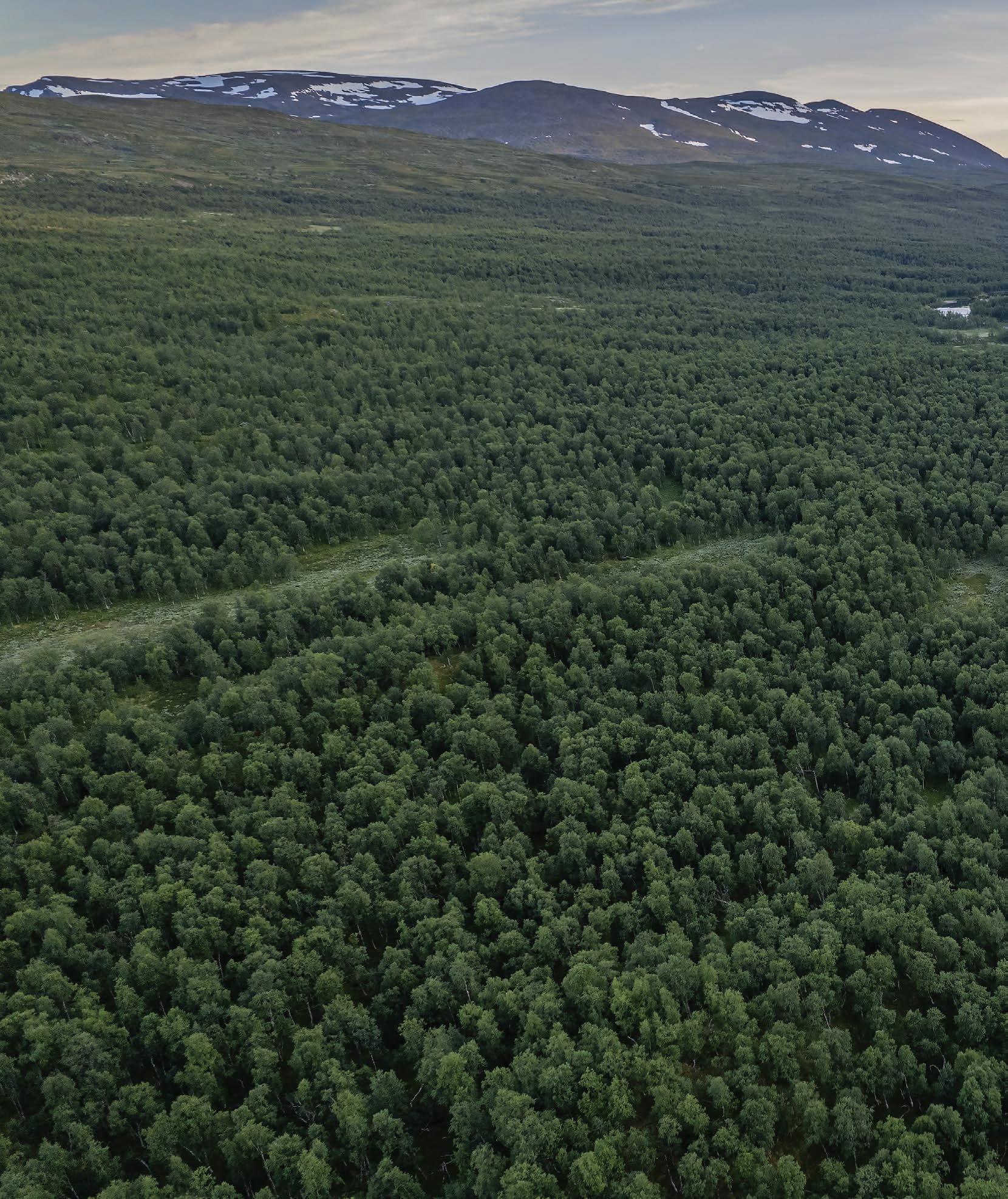
By MIKAEL LINDSTRÖM
by MIKAEL LINDSTRÖM, HENRIK KURE and MORTEN VALEUR
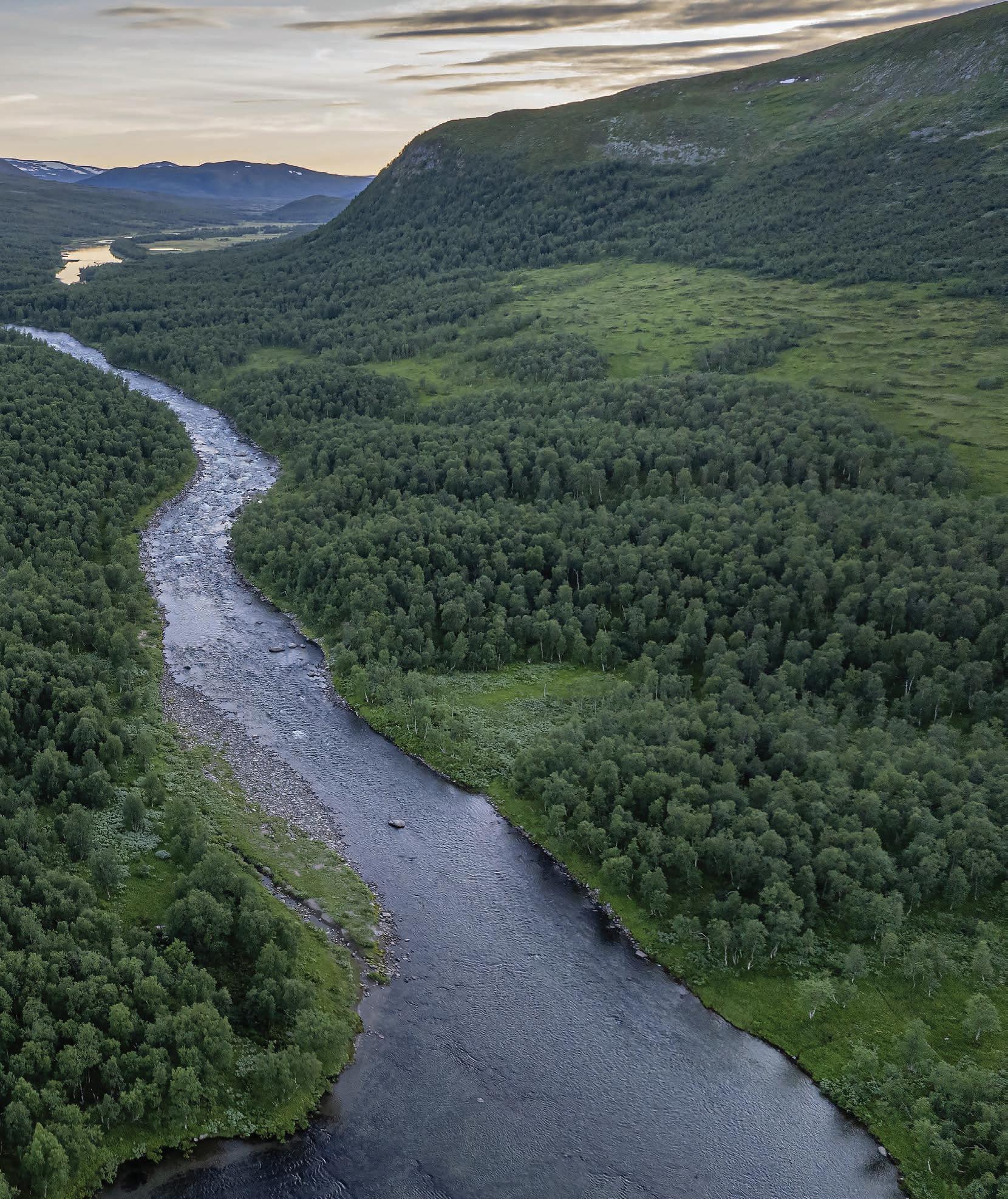
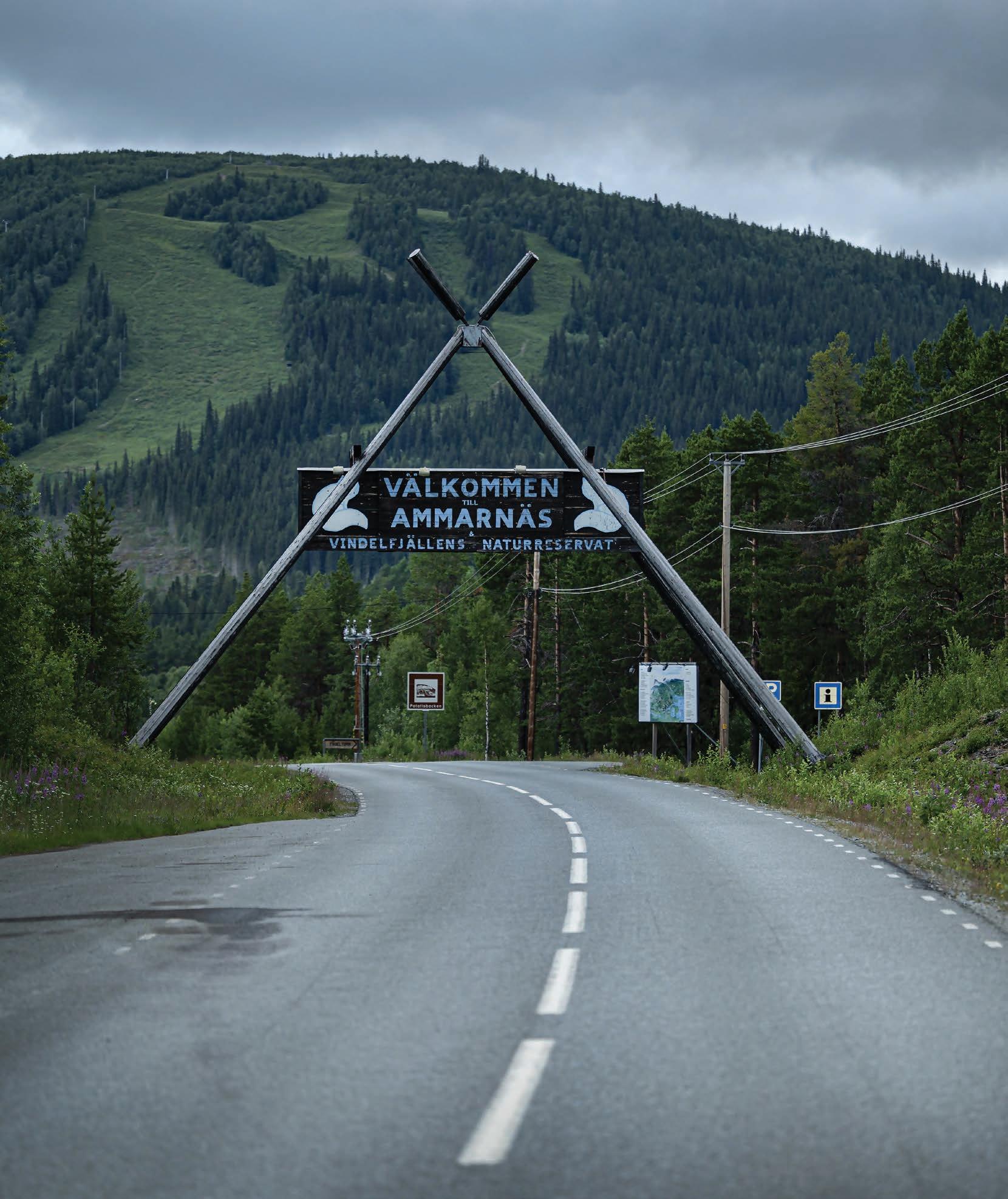
The village of Ammarnäs is situated in the western part of Swedish Lapland, in Northern Sweden. Depending on the season, it is home to around 100-200 people. Ammarnäs proudly bears the slogan, “Where the road begins,” and a glance at the map explains why: only one road leads to or from the village. Travelers arriving by car or bus can make a pit stop in the slightly larger town of Sorsele, where they can visit the Hook and Cup Sorsele Visitor Center.
Here, knowledgeable staff can guide you on fly fishing, and you can browse through a quaint shop stocked with fishing gear, enjoy a cup of coffee at the café, or explore the museum. From Sorsele, it’s just a scenic 90-kilometer drive to Ammarnäs, a paradise for brown trout enthusiasts.
I first visited Ammarnäs nearly 20 years ago and instantly fell in love with the area, not only for its excellent fishing opportunities but also for its breathtaking natural beauty. Having cherished outdoor activities since childhood, particularly fly fishing, Ammarnäs offers a plethora of activities such as hiking, mushroom and cloudberry picking, birdwatching, horseback riding in the mountains on Icelandic horses, as well as downhill and cross-country skiing in the winter. And if you’re lucky, you might catch a glimpse of the mesmerizing Northern Lights, the Aurora Borealis.
Ammarnäs is a haven for nature enthusiasts, boasting one of the world’s most renowned hiking trails, the Kungsleden, which stretches over 450 kilometers between Abisko and Grönfjäll in Dalarna. Established by Svenska Turistföreningen at the turn of the 20th century, this trail passes right through Ammarnäs.
After years of fishing in various waters across Sweden and abroad, I can confidently say that the Kraddsele and Ammarnäs area offers an unparalleled fishing experience, with a diverse range of waters and impressive populations of grayling and trout.
Besides the exceptional fishing opportunities, Ammarnäs also charms visitors with its stunning surroundings, welcoming locals, and convenient amenities. The village features a well-stocked grocery store catering to almost every need, while the Ammarnäs Guide Center boasts a bistro and restaurant serving delicious local cuisine, along with a fully equipped fishing shop. Whether you’re clad in waders or not, you can indulge in local delicacies such as Suovasburger with reindeer meat or a Fisherman’s Pasta, or opt for a vegetarian dish.
Additionally, visitors can enjoy a ski slope with a restaurant and a camping site within the village. A visit to Anders Skum Fjällvilt offers the opportunity to purchase local Sami delicacies, or simply refuel your vehicle at the village’s small gas station.
Ammarnäs is perhaps best known for its “Potato Hill,” where locals cultivate Mandel potatoes on the steep south slope. For fishing enthusiasts, the area is renowned for the migratory Ammarnäs trout, a unique species
that embarks on a journey upstream from Lake Storvindeln to its spawning grounds in the Vindel River between Storvindeln and Lake Gautsträsk. Additionally, some Ammarnäs trout migrate upstream in the small Tjulån creek from Gautsträsk to spawn in the Vindel River.
What sets this fishing area apart for me is the opportunity to purchase a fishing license for Ammarnäs FVO, granting access to three distinct types of streams. The charming Tjulån creek, running through the village, offers excellent spots for grayling, Ammarnäs trout, and lake trout fishing. Its accessibility and relative protection from wind make it a favorite among anglers.
Further downstream, the Sjöforsen Special Stretch provides a premium fishing experience, limiting daily rod permits and allowing only fly fishing and catch-and-release practices. Here, many fly fishermen have achieved personal bests with grayling and encountered large Ammarnäs trout or lake trout for the first time.
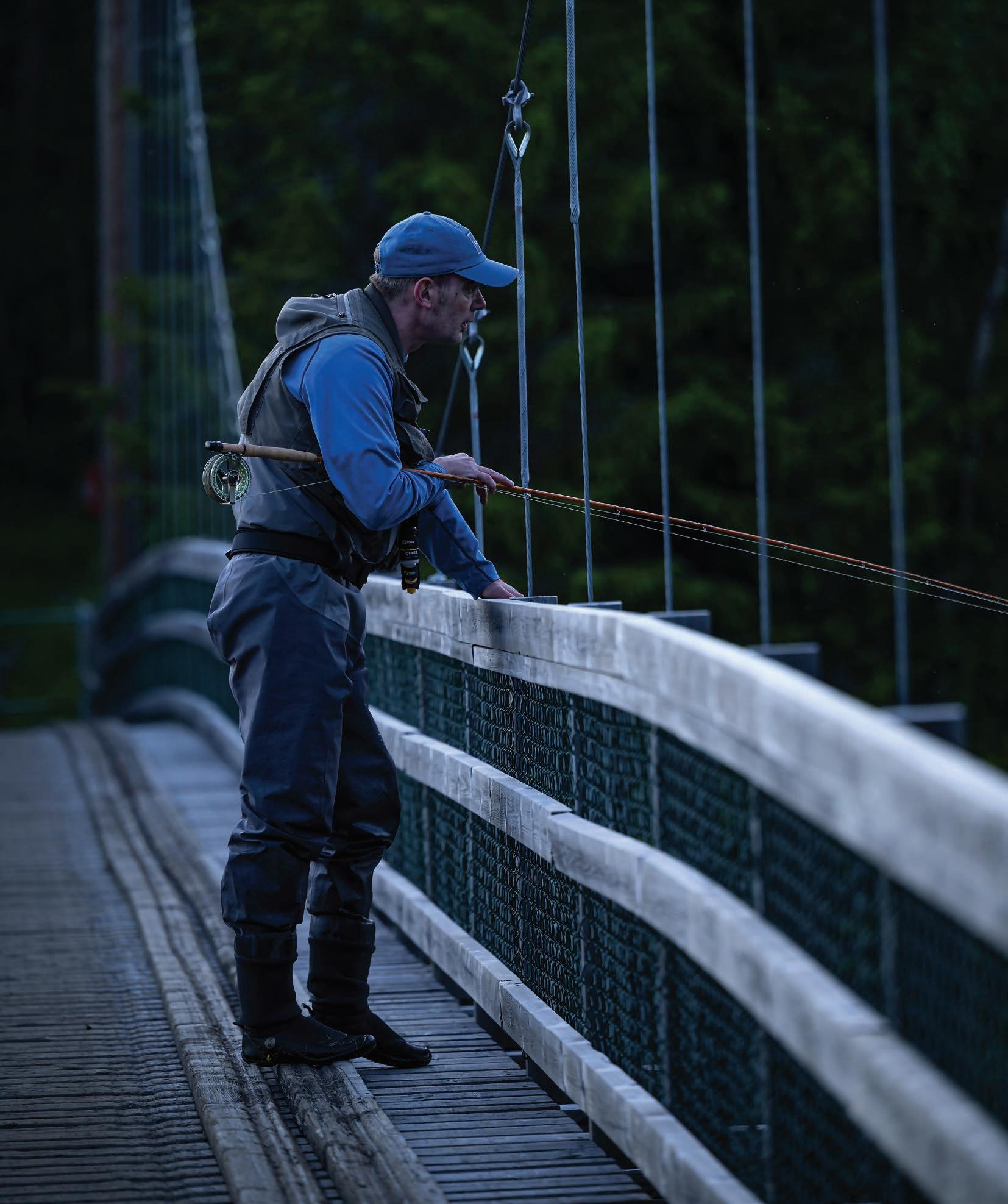
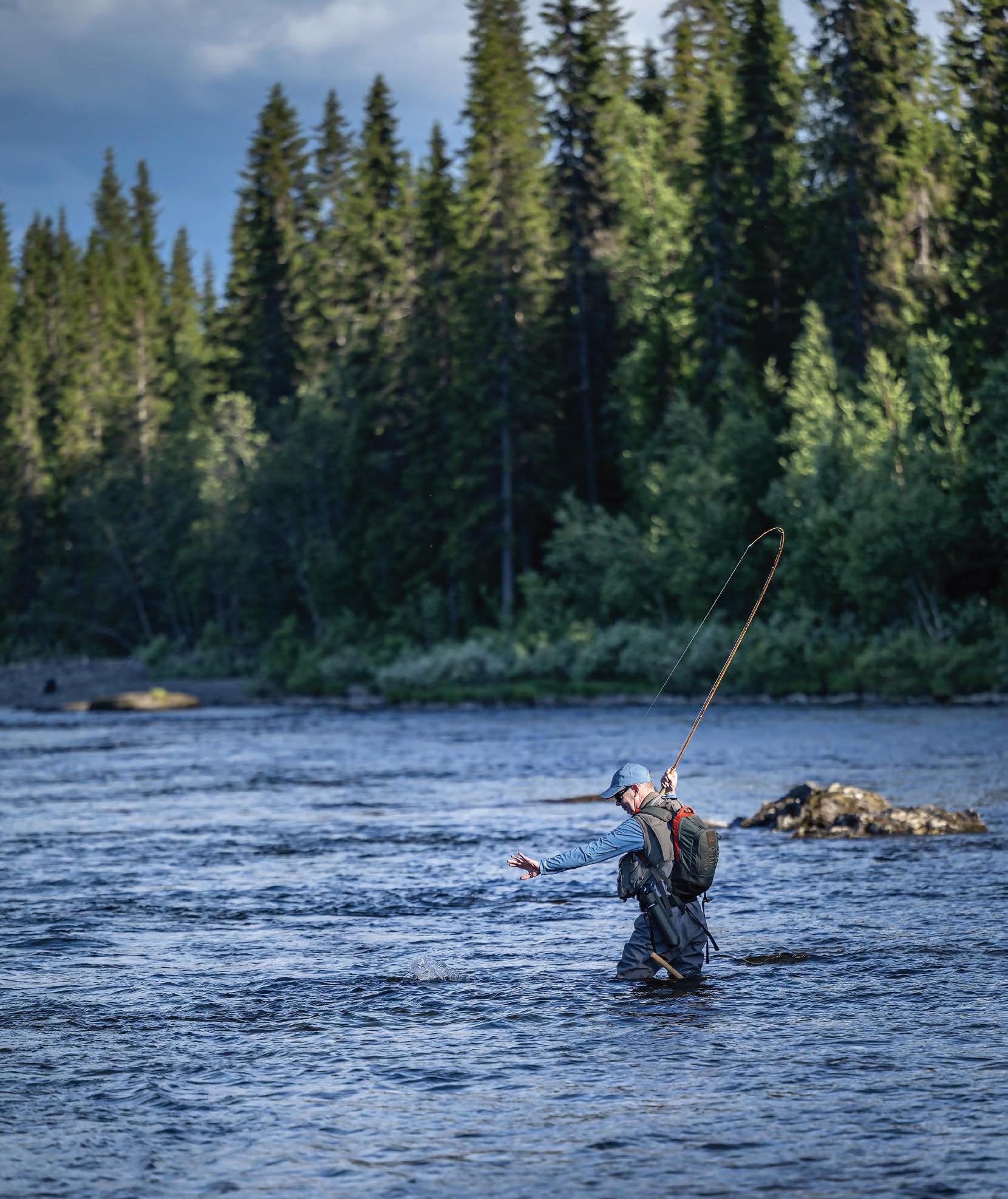
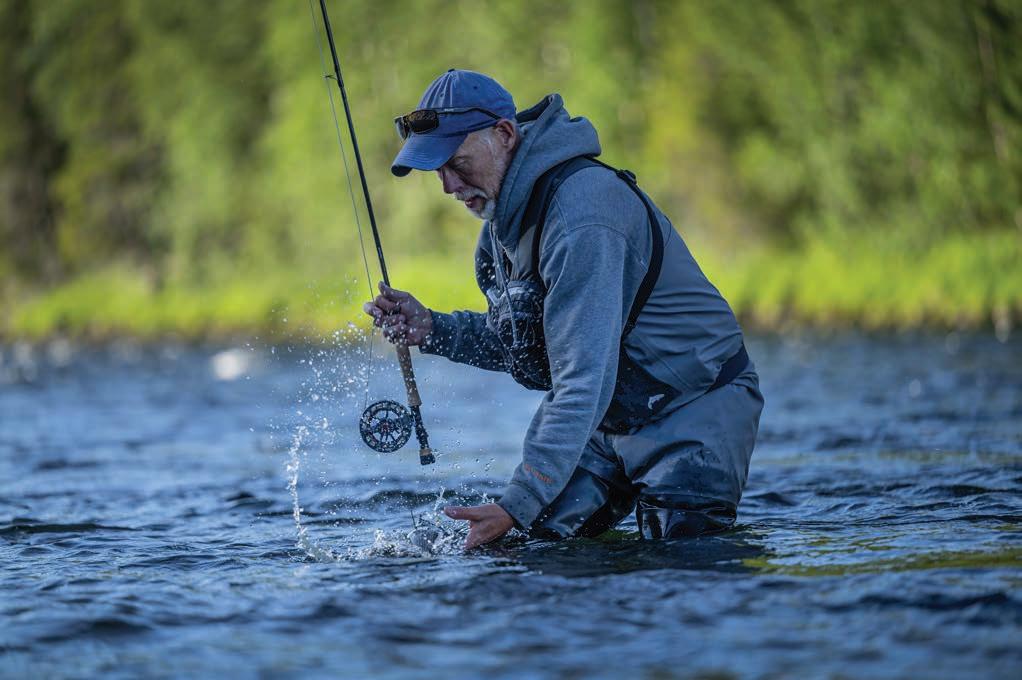
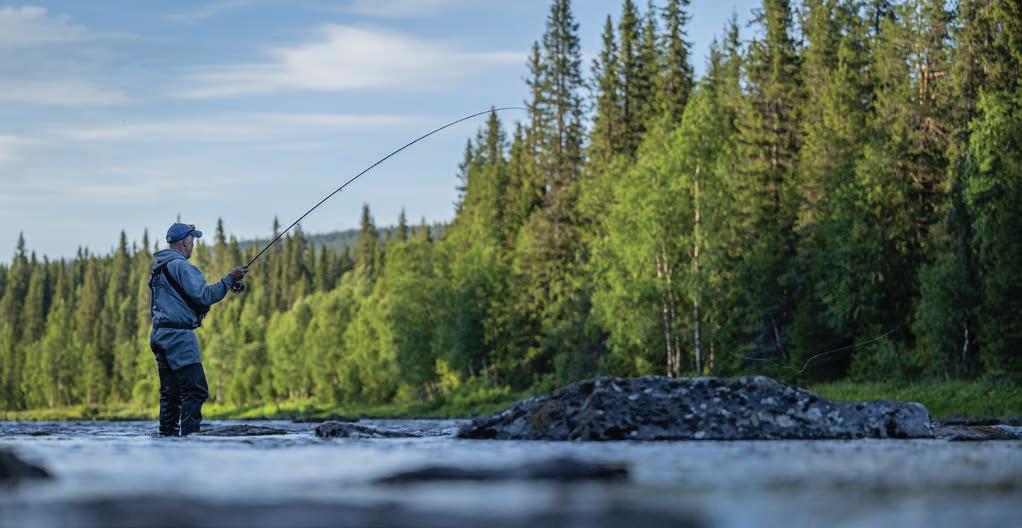
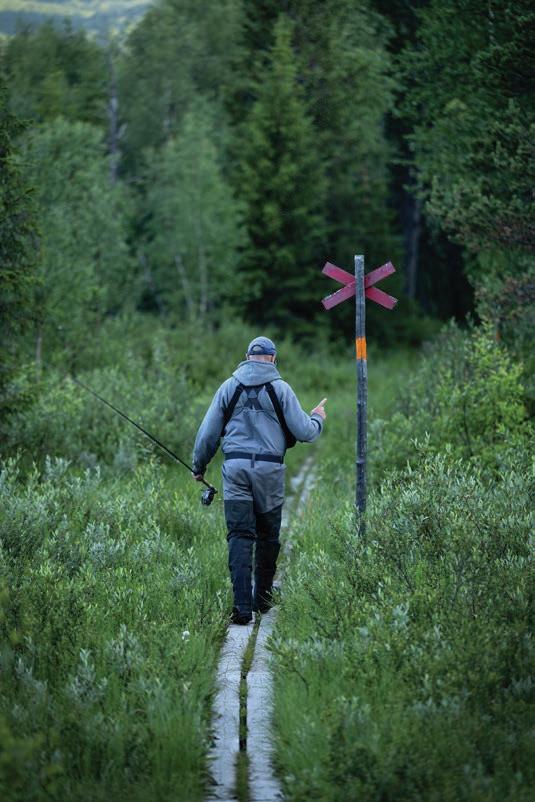
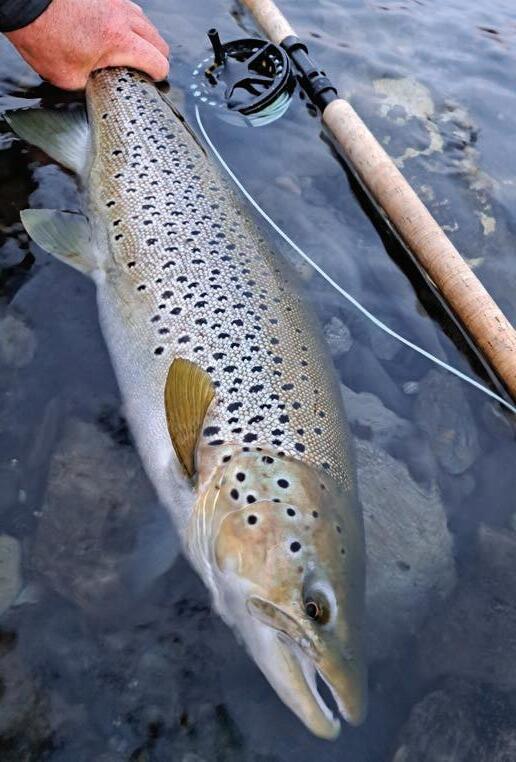
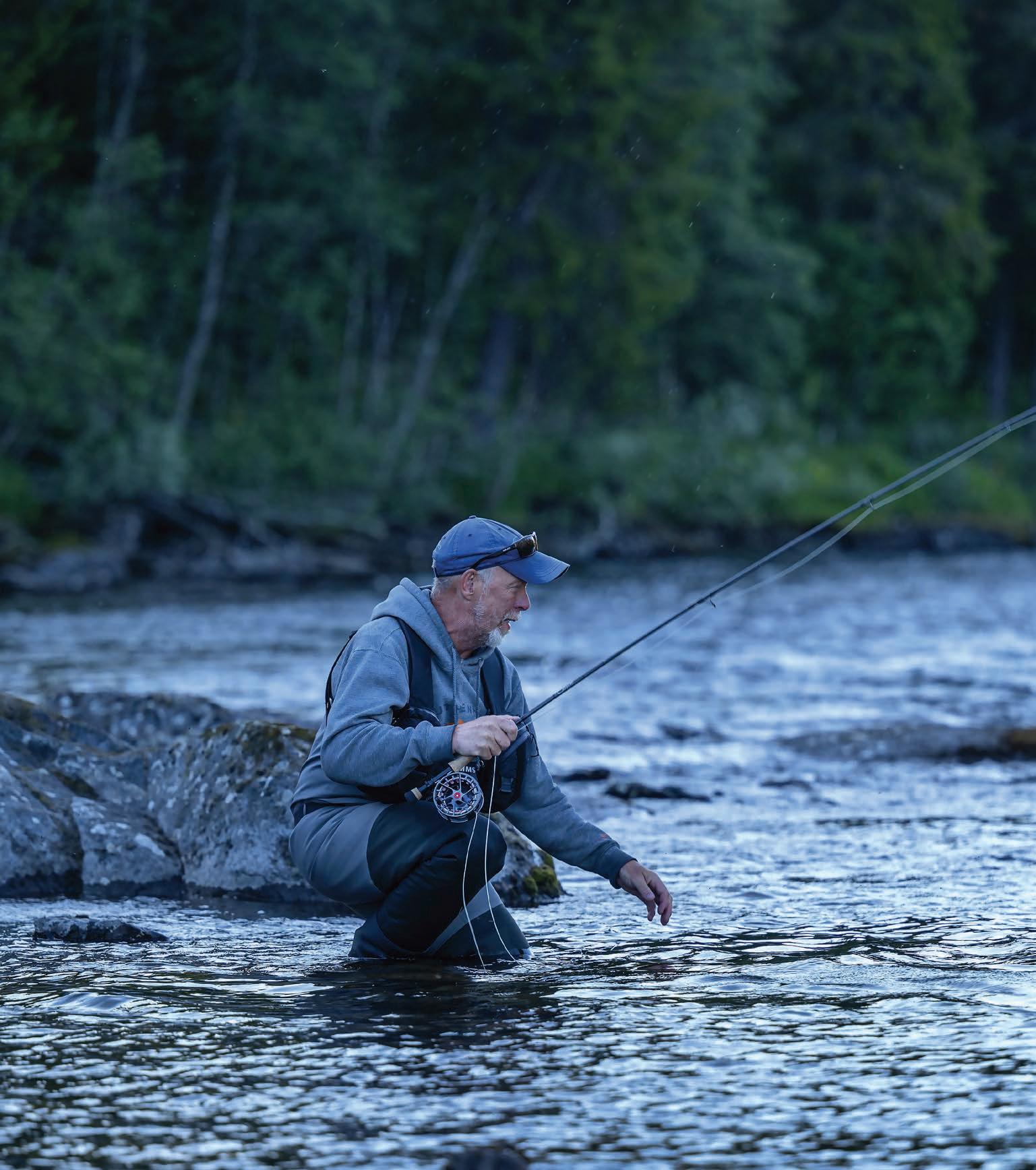
The Ammarnäs FVO license extends from Guordisbäcken down to just above Järnforsen, encompassing a variety of pools, pockets, and rapids where the Ammarnäs trout can be found resting during their migration along the Vindel River. While fishing from a boat or using personal boats or belly boats is prohibited, a boat can be booked at Ottosmoraselet to access the opposite side of the river. The area offers excellent grayling fishing, particularly during significant hatches, when larger Ammarnäs trout may rise to dry flies.
The fishing opportunities around Ammarnäs are diverse, with options ranging from mountain lakes to small creeks and expansive slow waters along the upper Vindel River. Twenty kilometers downstream from Ammarnäs, the Kraddsele SFF provides additional excellent spots for trout and grayling fishing, with Emils Fiske camping serving as a convenient hub for information and accommodations.
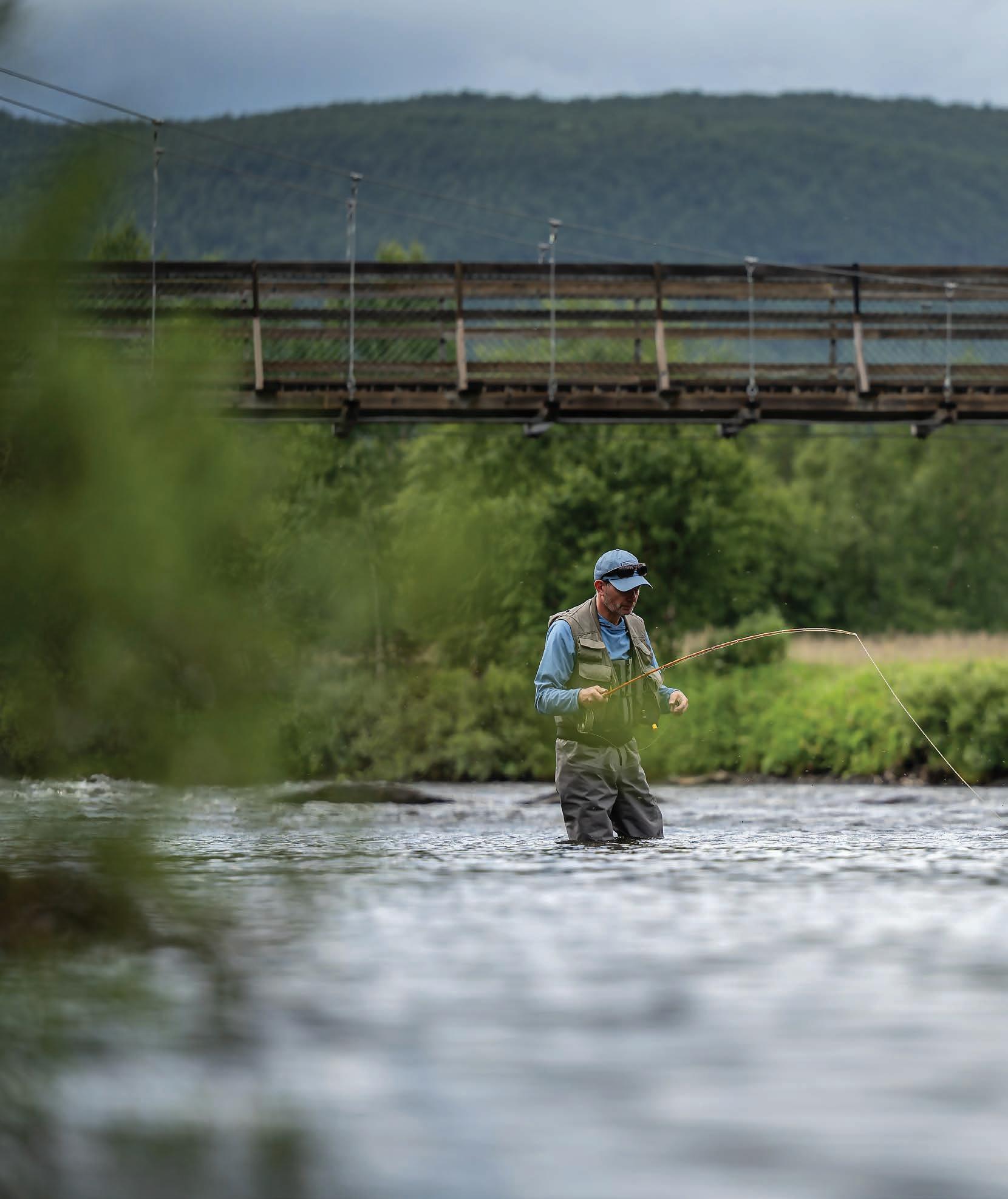
In addition to its trout and grayling fishing, Kraddsele SFF offers designated stretches for pike fishing, both upstream from the village in Kraddselet and at other limited stretches such as Järnforsen and Övre Forsen, where fly fishing and catchand-release policies are enforced.
As a testament to the quality of fishing in the area, the average weight and length of reported Ammarnäs trout during the last season in 2023 were 67 centimeters and 3.4 kilograms, respectively. My personal best grayling, measuring 65 centimeters, was caught above Järnforsen during trout fishing, albeit on a small grey Squirrel zonker. To sum up, the fishing opportunities in the Ammarnäs and Kraddsele areas offer a wealth of experiences for anglers, from challenging stretches to serene mountain streams, ensuring a memorable and rewarding fishing trip.
Ammarnäs Guide Center I’ve had the privilege of working as a guide for the Ammarnäs Guide Center
over the past two seasons, and I must say it has been the most fulfilling summer job of my life so far. My longtime friend and the owner of the Guide Center, Peter Schmitt, approached me a couple of years ago with the offer to join his team.
He convincingly outlined how my extensive experience and knowledge of fishing in the Ammarnäs waters would be a perfect fit for the guiding role. Moreover, he expressed the need for an additional guide to allow him more time to manage the restaurant. With a break from my regular work, everything fell into place, and I had the opportunity to spend 2.5 months guiding during the fishing season in Ammarnäs.
Peter is not only a skilled fly fisherman but also a savvy entrepreneur who relocated to Ammarnäs from Gothenburg primarily for the fishing opportunities. In addition to managing the Guide Center, which includes a restaurant, bistro, and fishing shop, he is also involved in mountain rescue operations alongside his Labrador companion, “Fly.”
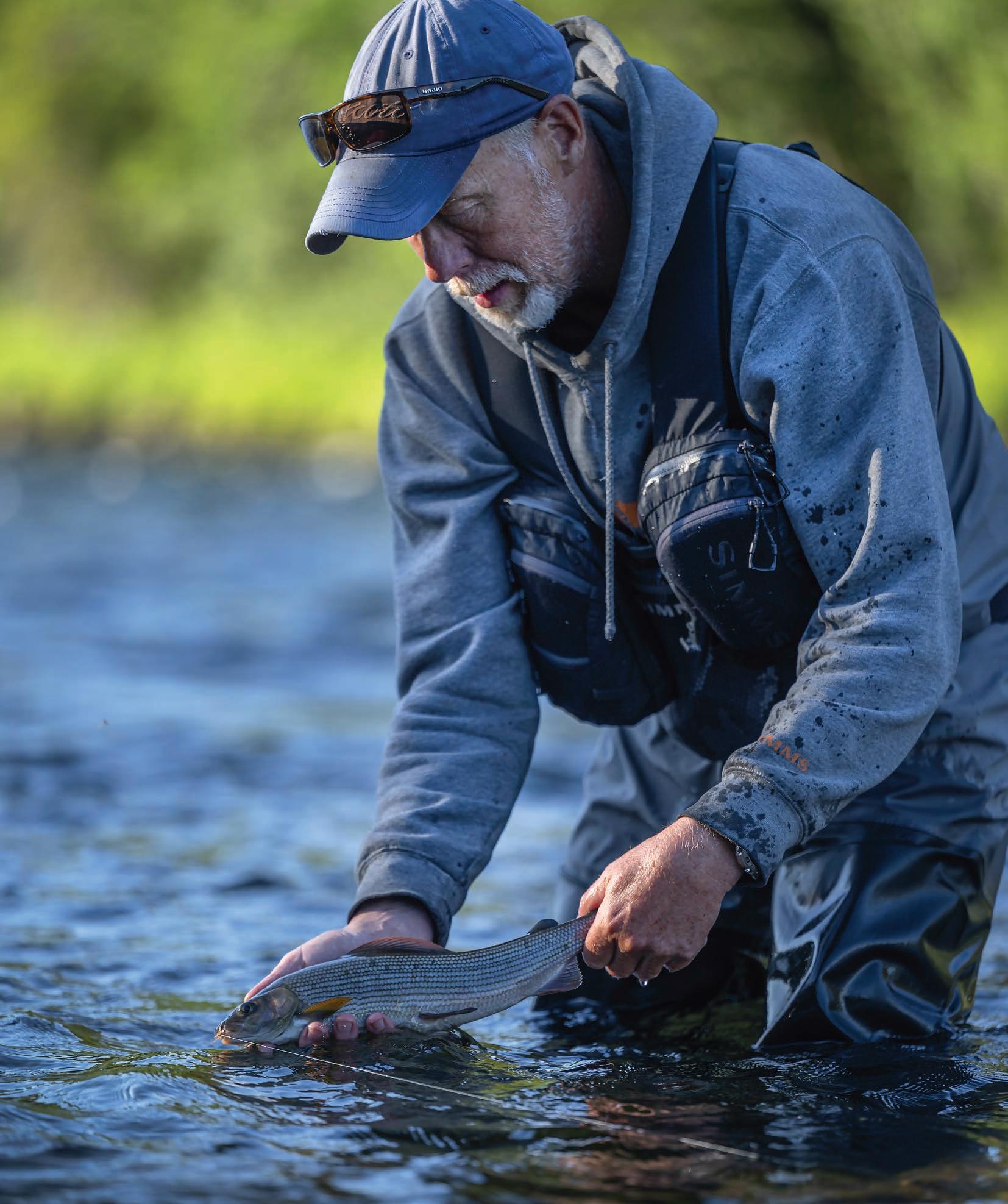
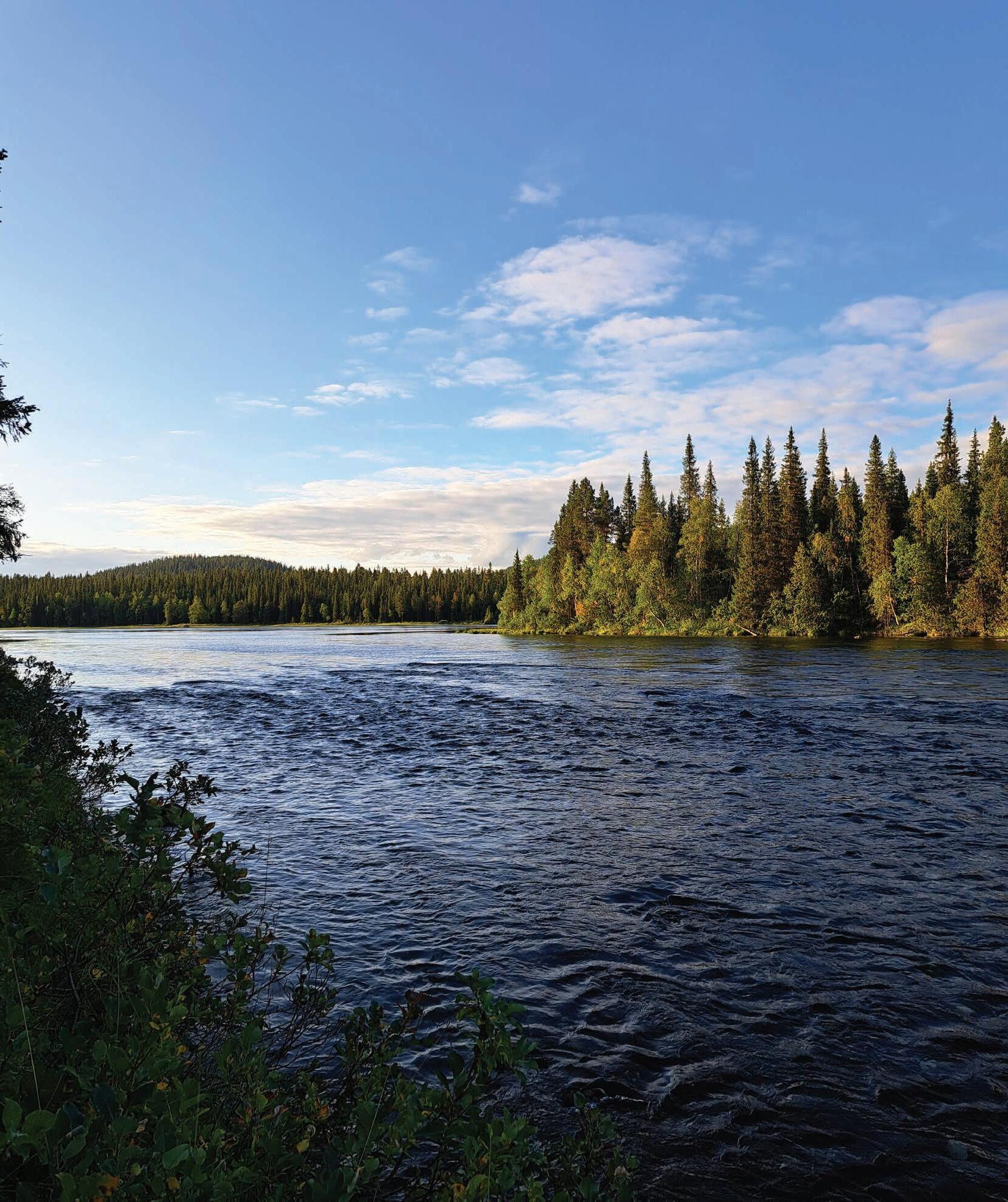
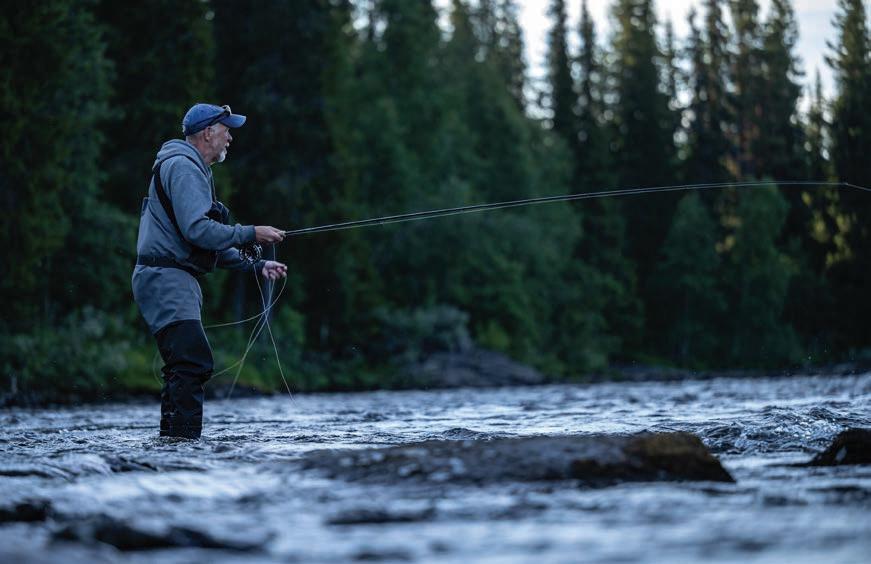
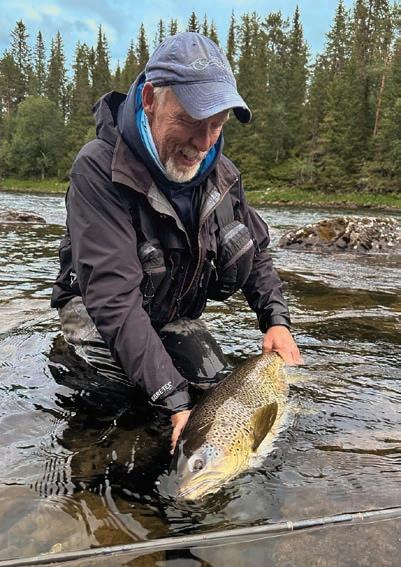
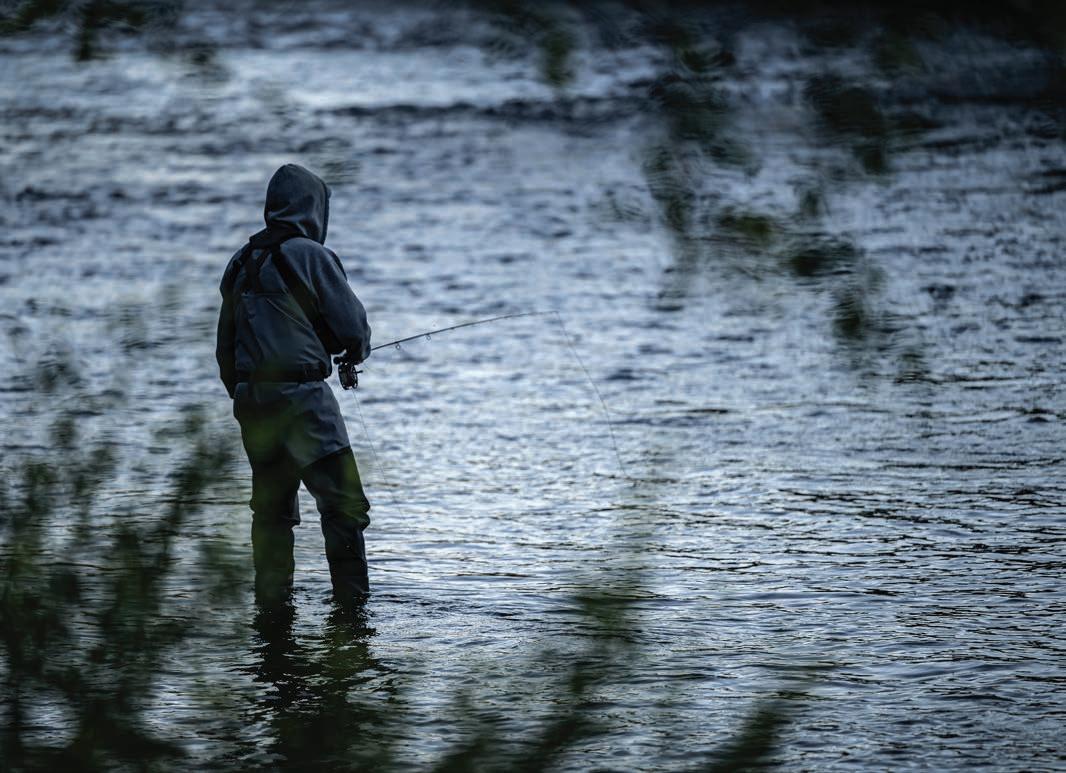
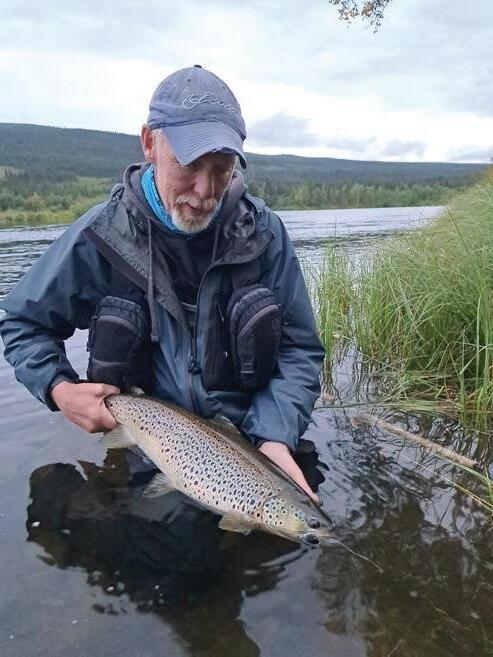
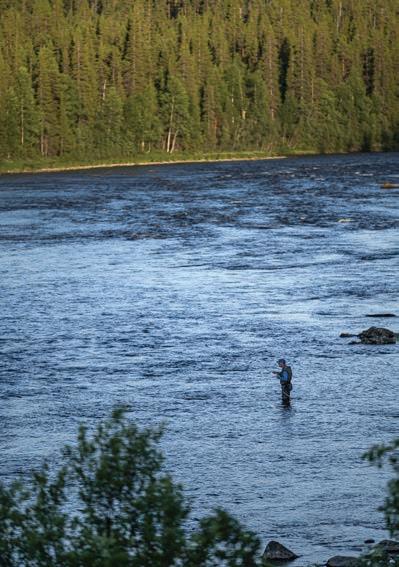
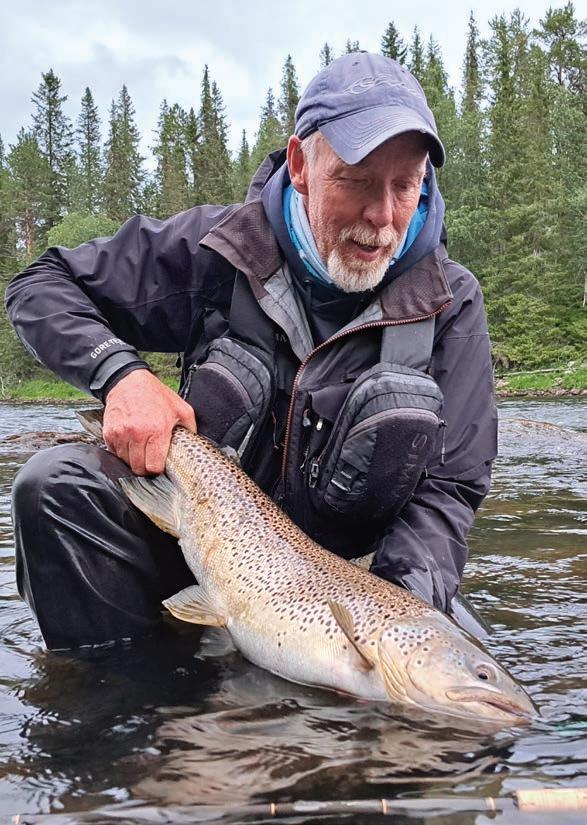
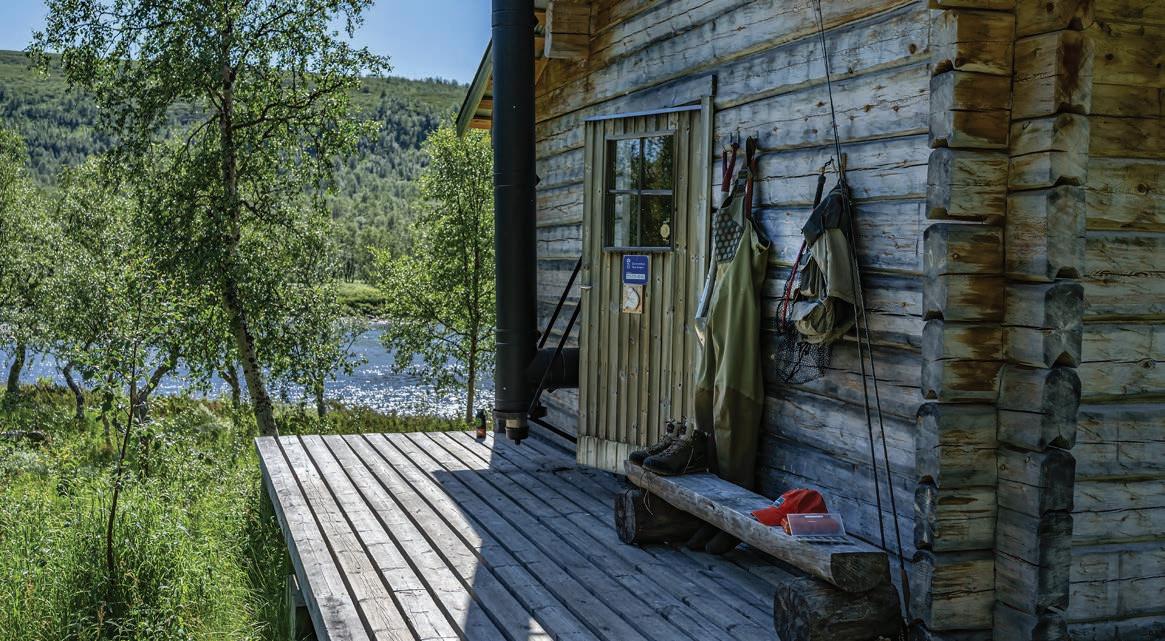
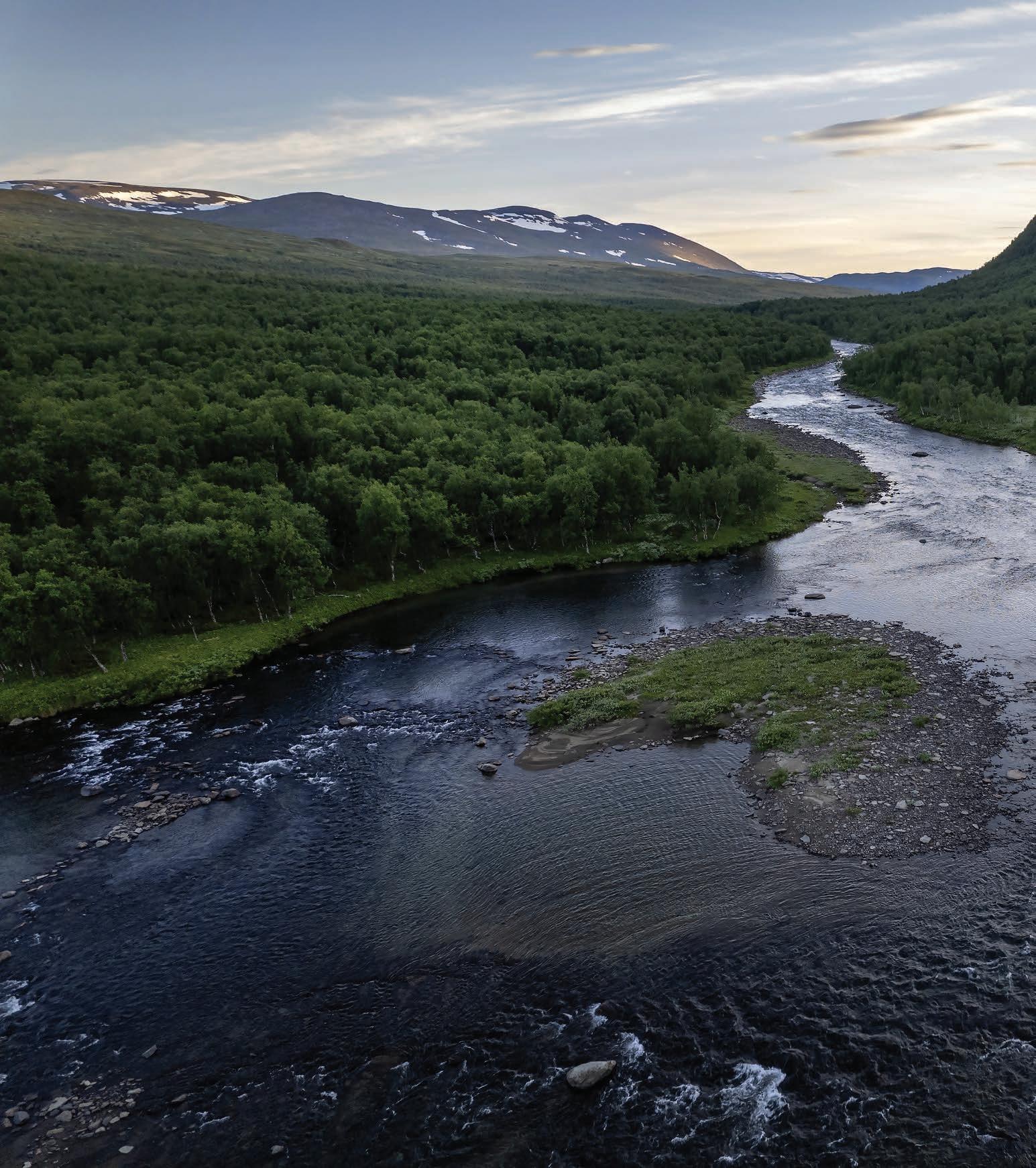
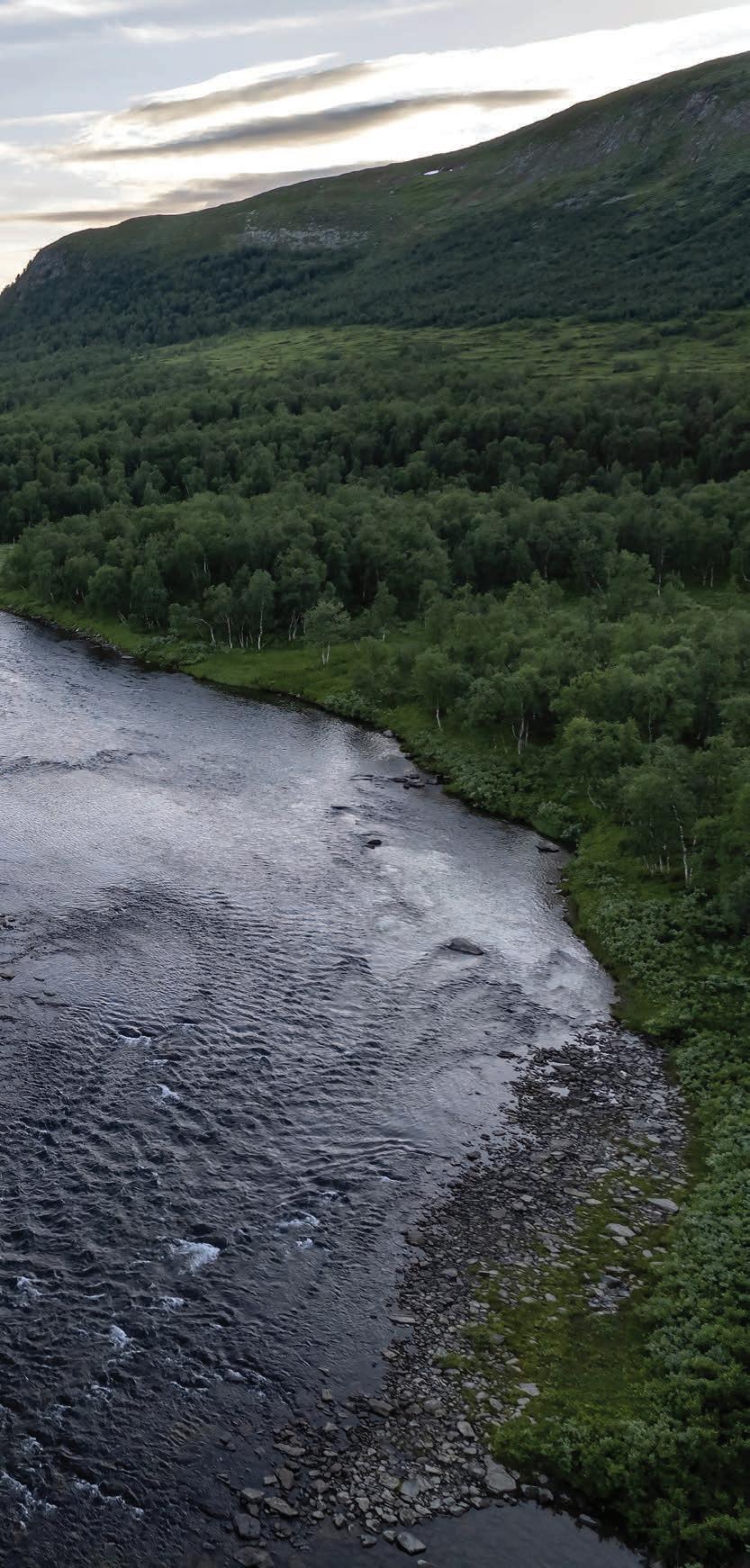
Peter collaborates with the Vindel Mountains Sami Center and the County Board in Västerbotten to facilitate fishing and hunting permits. The Guide Center also offers the option to rent apartments on the upper floor or cabins scattered around Ammarnäs.
The activities offered by the Guide Center go beyond standard guiding services. In collaboration with the Vindel Mountains Sami Center and depending on the availability of fishing licenses and days granted by the County Board, Peter organizes guided trips using Fjällflygarna helicopters to remote mountain waters such as the pristine Mankeforsen, Laiva Creek, and Ältsån.
These exclusive trips include helicopter transport, a guide, fishing licenses, meals, and accommodation. Fly fishing is the sole method allowed, with a strict catch-andrelease policy. These excursions have proven immensely popular, offering unforgettable experiences, particularly the dry fly fishing for trout and Arctic char.
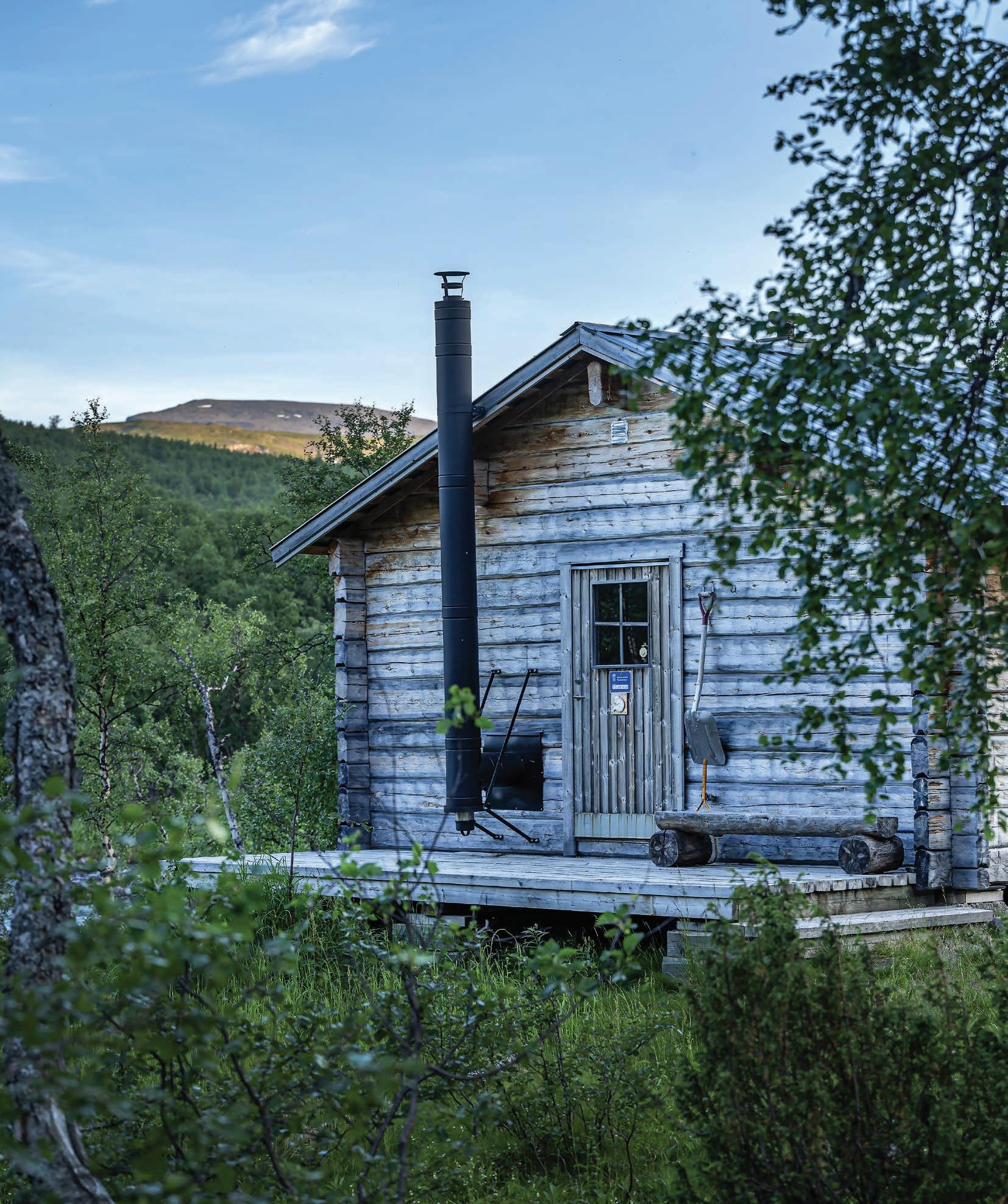
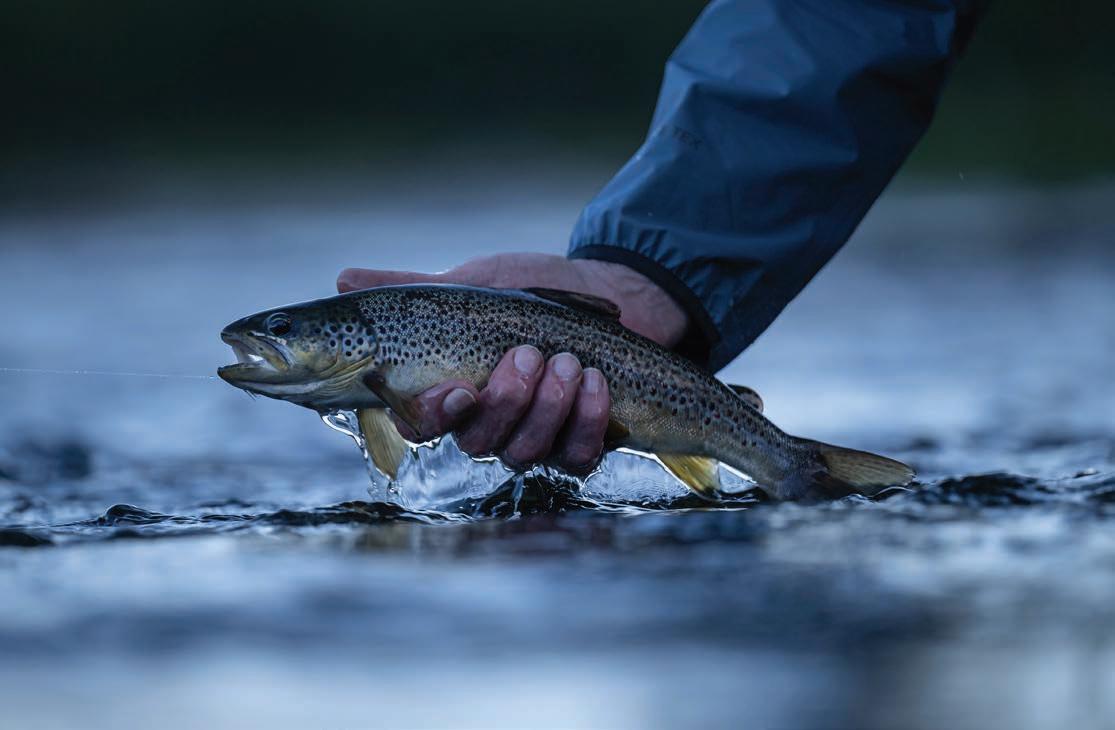
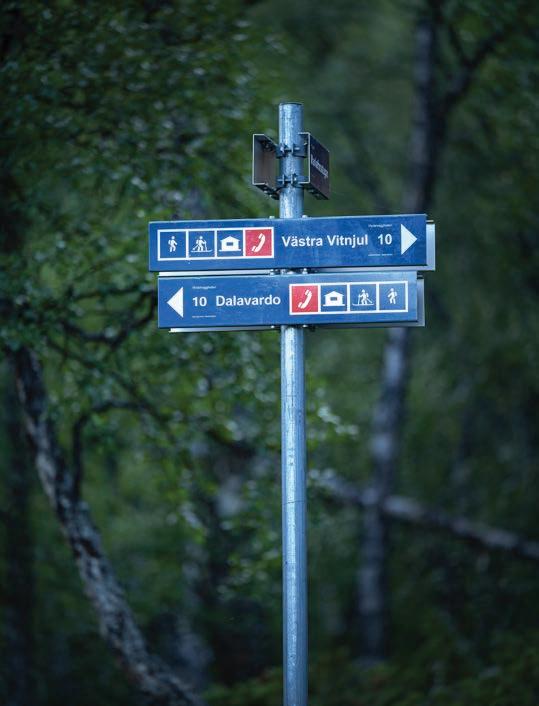
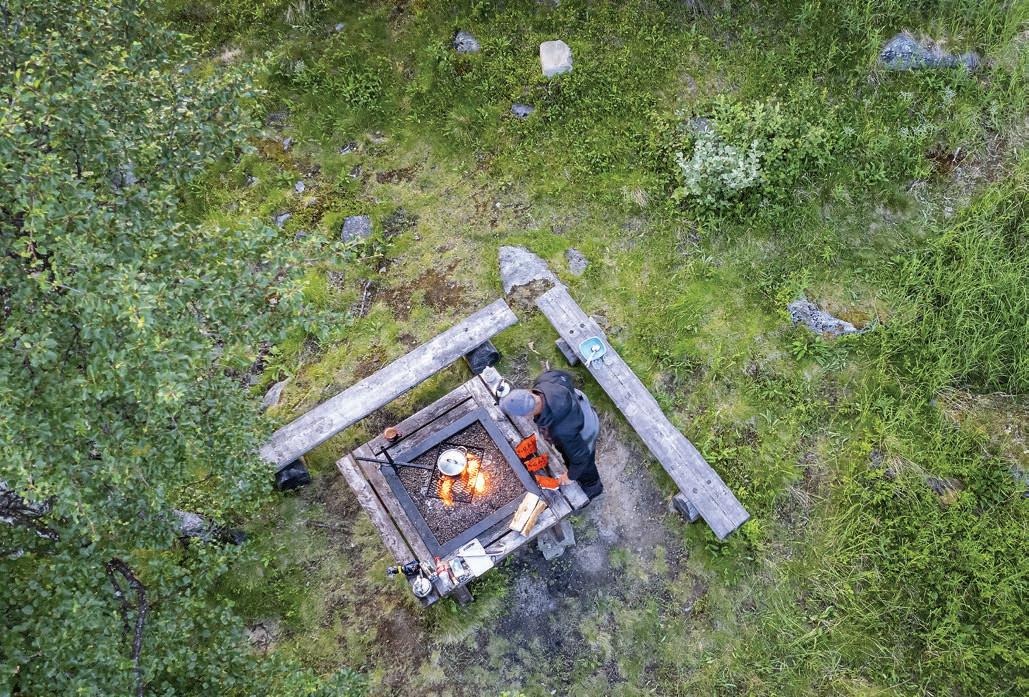
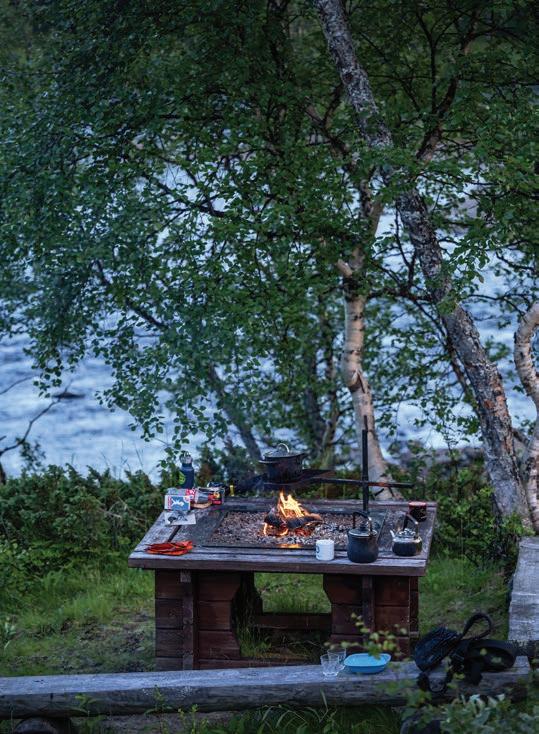
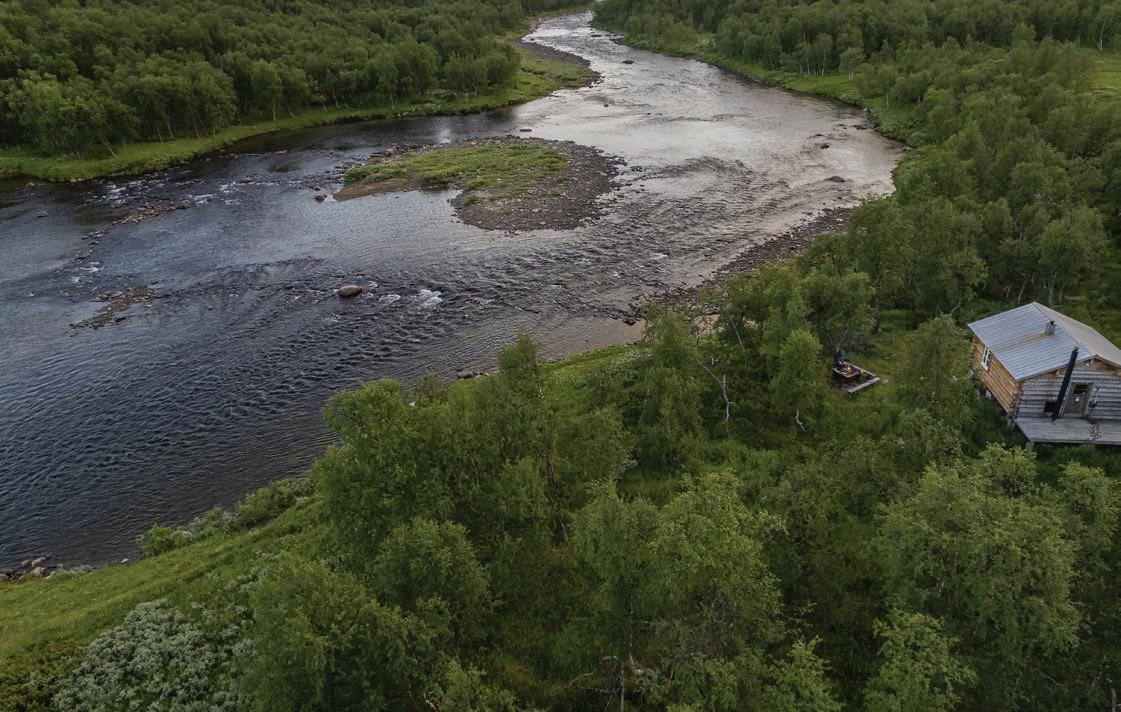
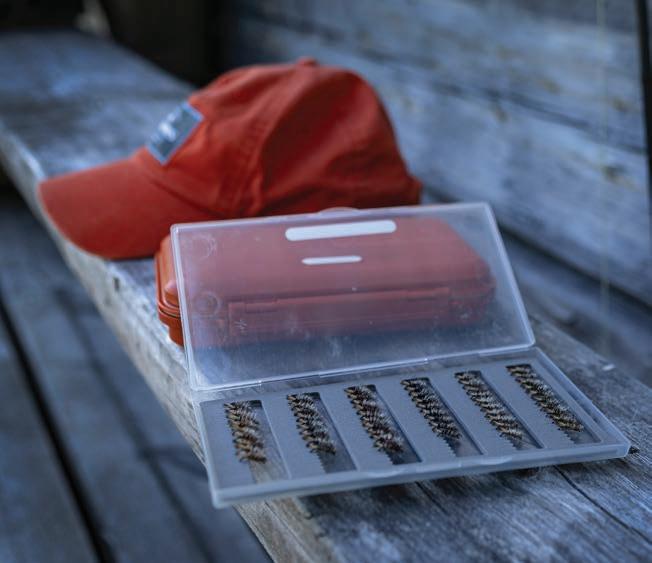
Each guiding or helicopter trip begins at the Ammarnäs Guide Center in the morning, where guests gather for coffee, obtain their licenses, and discuss their preferences for the day’s fishing. Based on water conditions, weather, and client preferences, the itinerary is tailored to maximize the experience.
For instance, the journey to Mankeforsen begins with a helicopter ride from Fjällflygarna, departing from the Biergenis “Airport,” a simple gravel field with a fuel tank. After a breathtaking 10-minute flight following the upper Vindel River, guests arrive at their base for the next two days, the Mankeforsen cabin, nestled by the water’s edge. The crystal-clear river reveals every rock and deep pool as it flows into the lower Framakselet. It’s a magical sight from above, and as we prepare to land, I make mental notes of the prime fishing spots.
A small island sits in the middle of the river, with currents swirling around its edges. Just upstream from the cabin, a shallow stretch allows for easy wading to the opposite bank,
where trout can be spotted cruising in the clear water, offering thrilling sight-fishing opportunities.
A mere 15-minute helicopter flight from Biergenis unveils the picturesque tent camp nestled atop a gentle hill, surrounded by the meandering beauty of Laiva Creek.
This Sami exceptional water in the heart of the Ammarnäs mountains offers anglers a rare opportunity to fish in pristine, gin-clear streams for trout. Laiva Creek originates from Lake Laiva, winding its way through the valley down to Lake Tärna. Midway, the minor creek, Skivbäcken, merges into Laiva Creek, creating prime fishing grounds where the two waterways converge.
The excursion entails plenty of walking and stealthy maneuvering, navigating the clear waters and dense foliage. Our accommodations consist of a cozy tent camp complete with wooden stoves and comfortable tent beds, where every meal is lovingly prepared over an open fire.
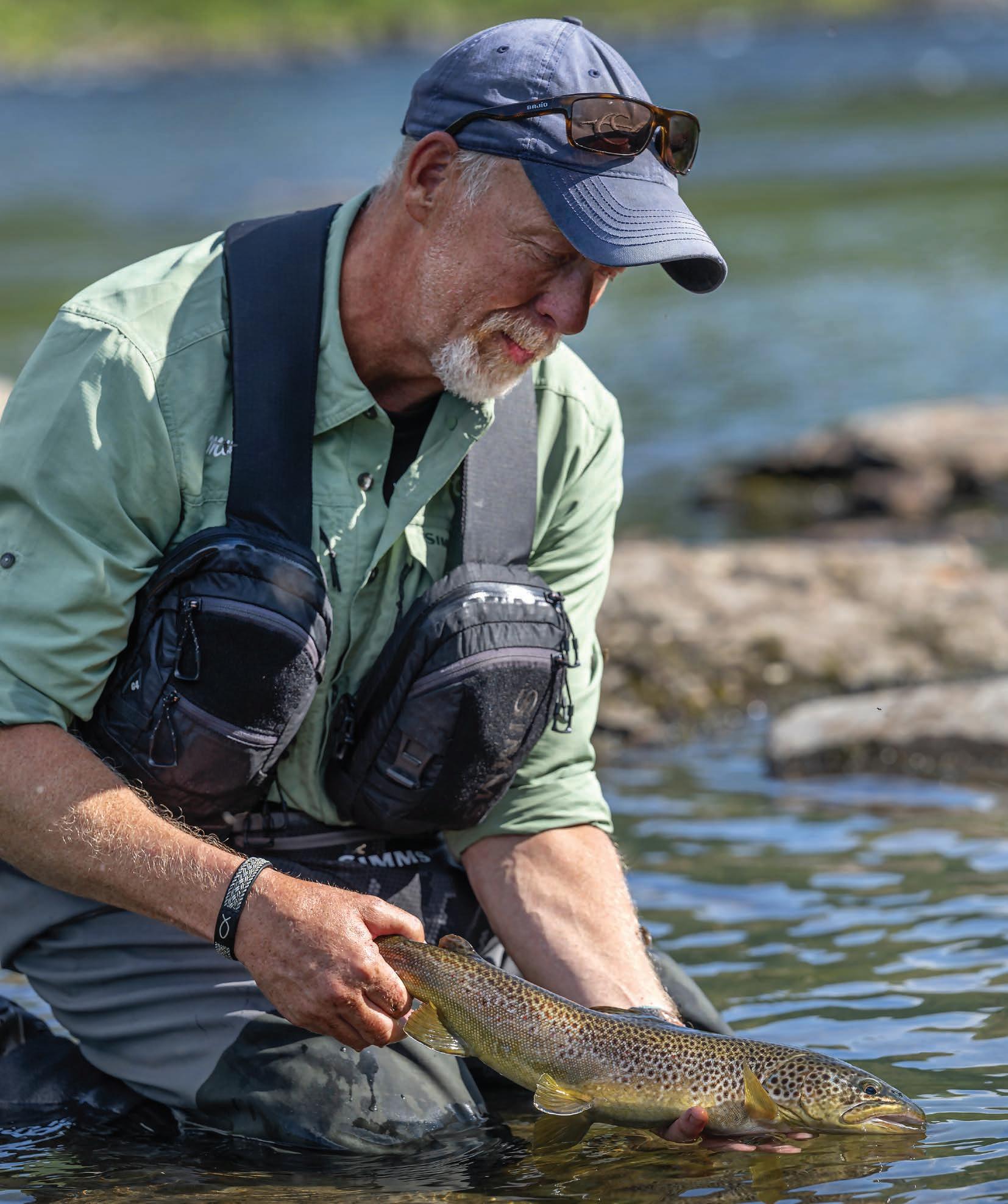
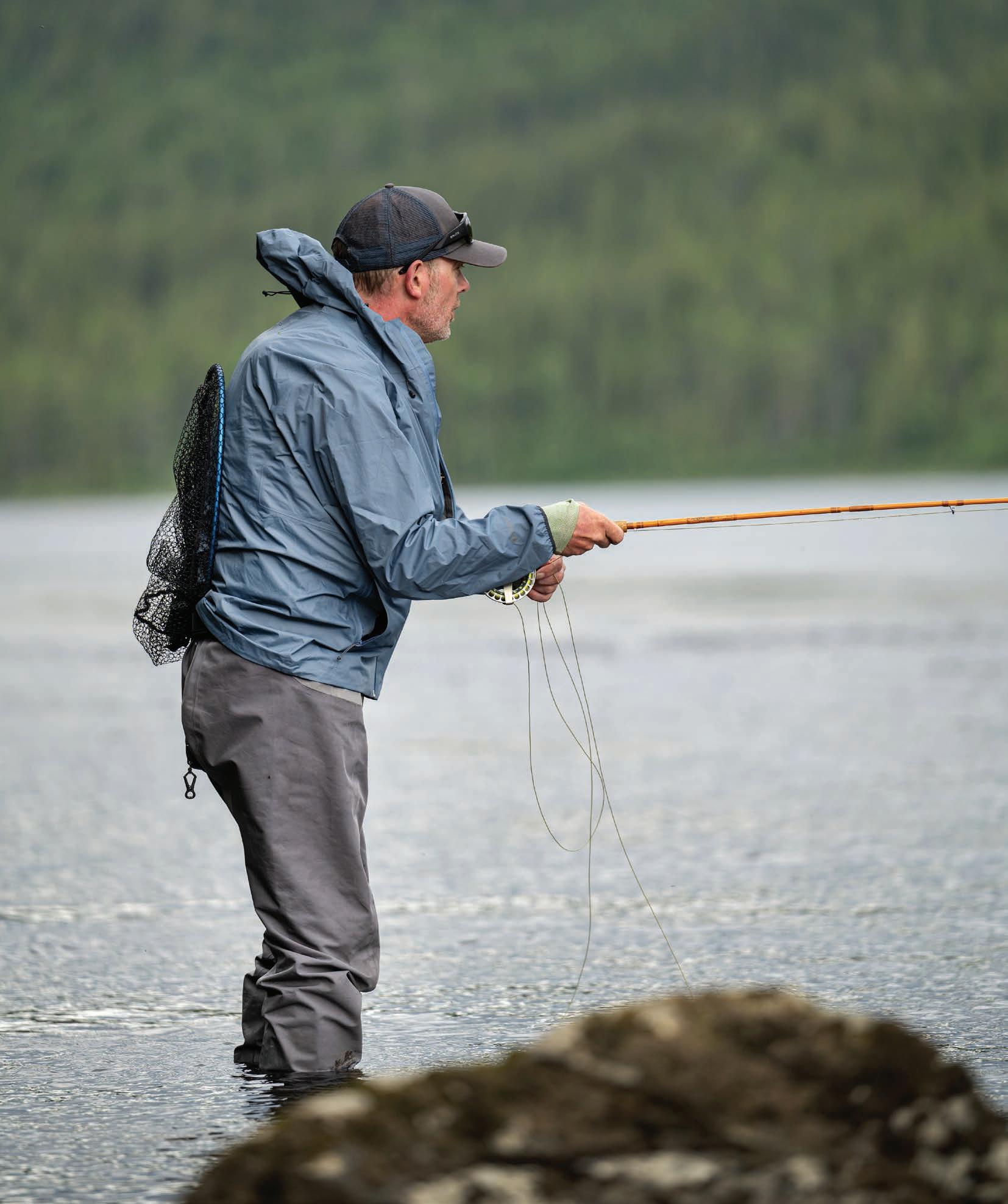
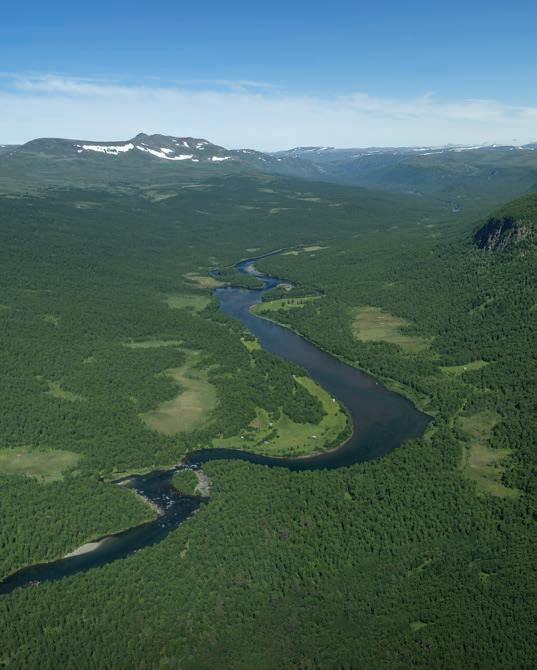
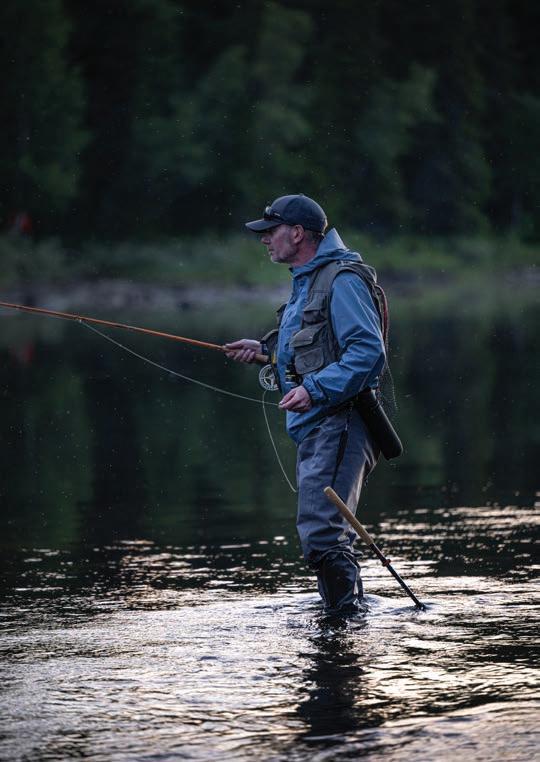
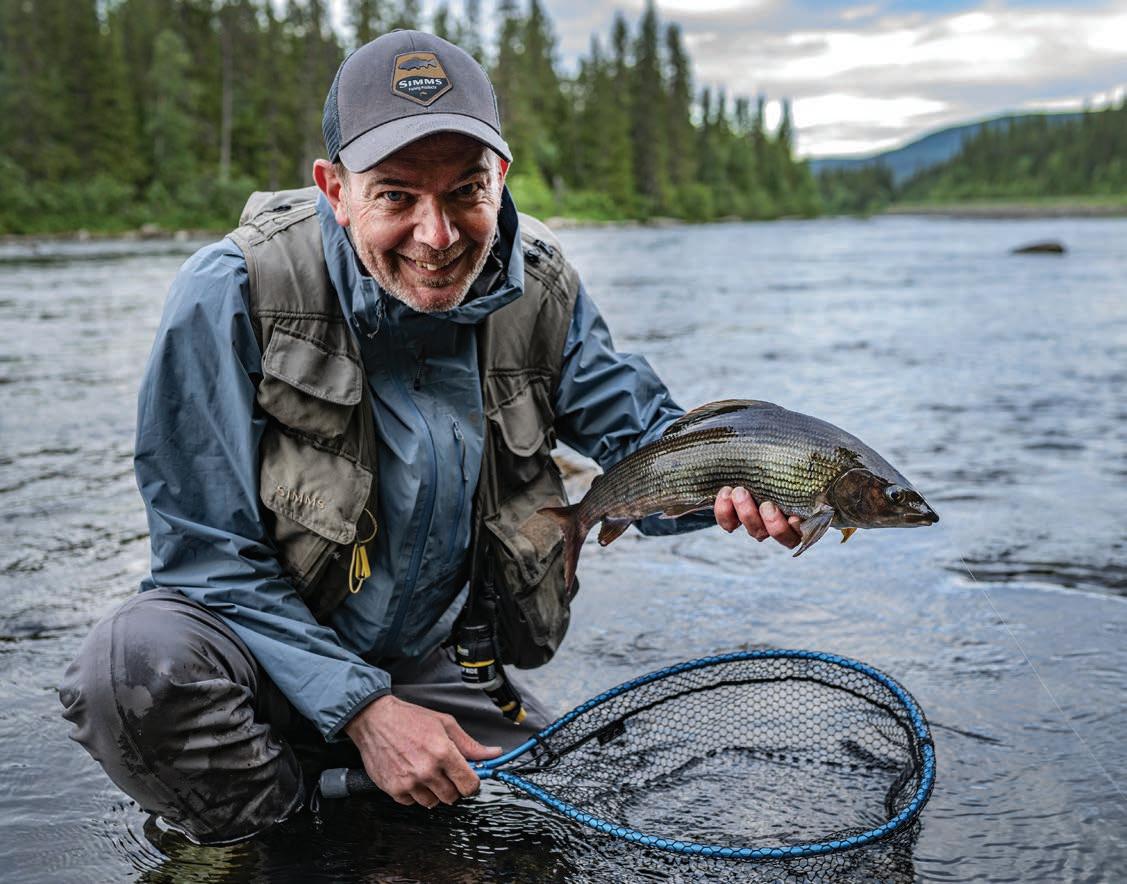
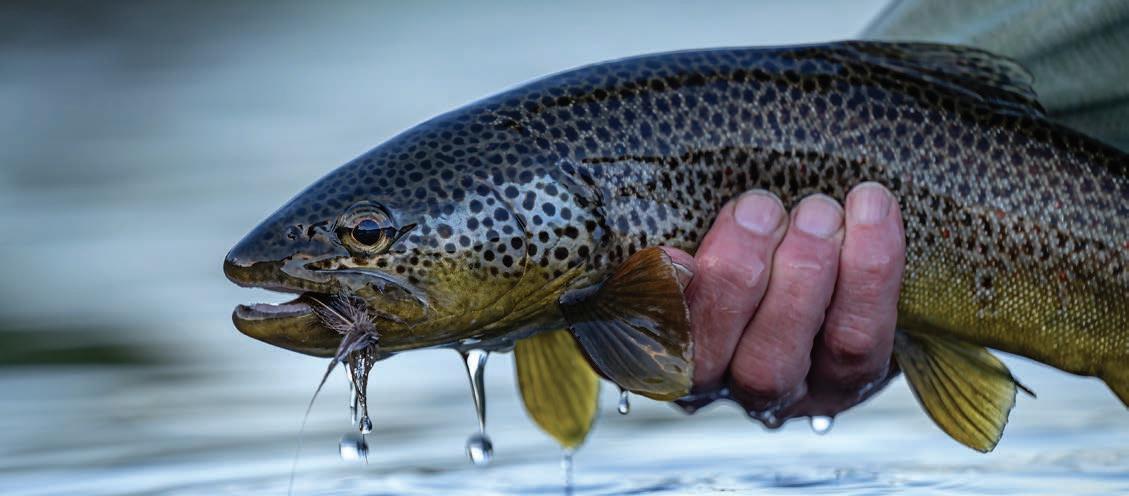
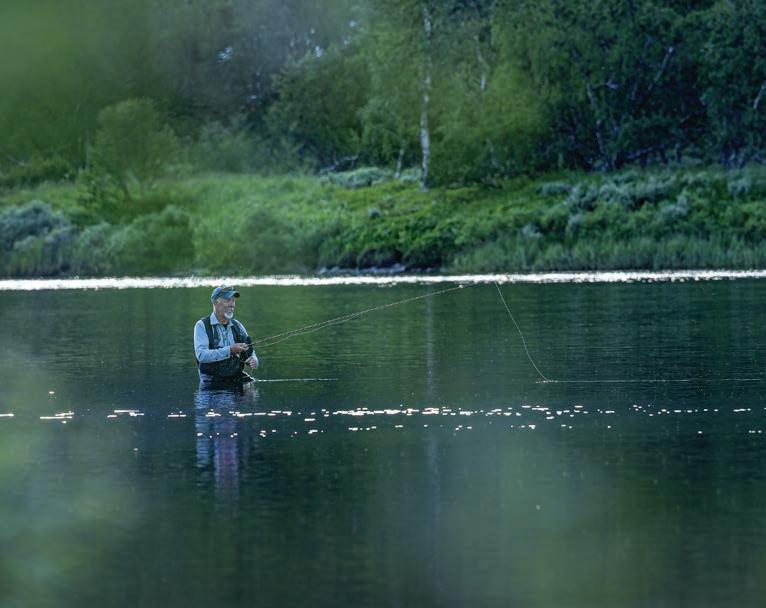
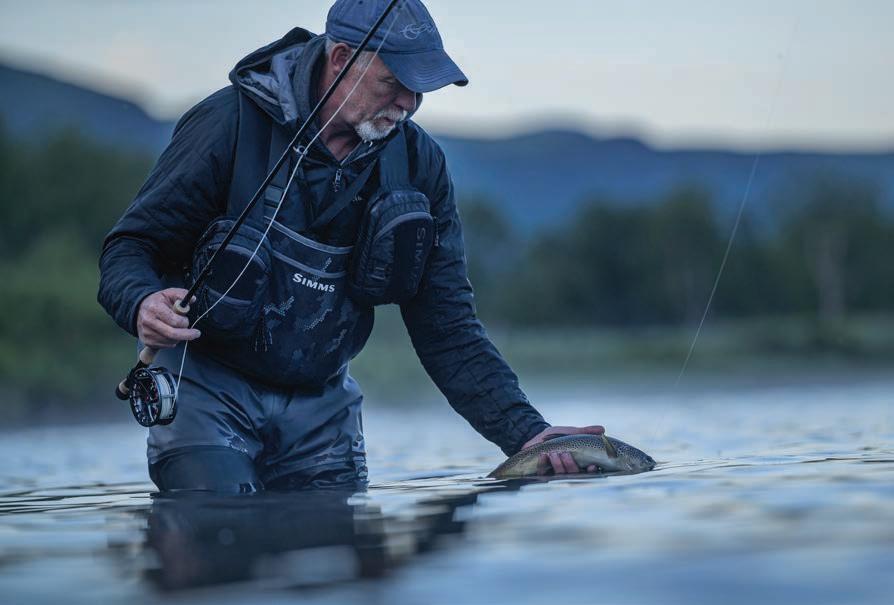
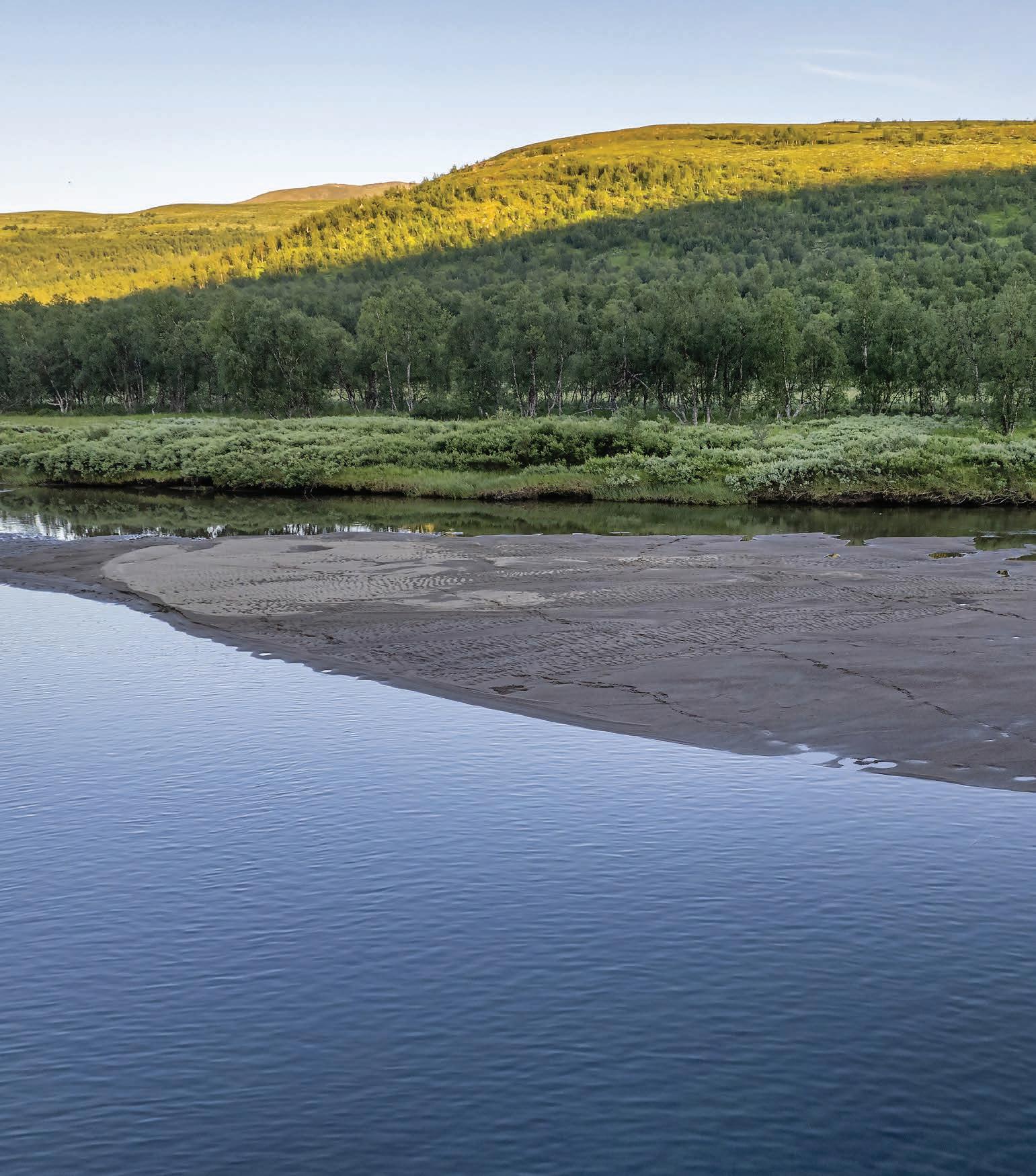
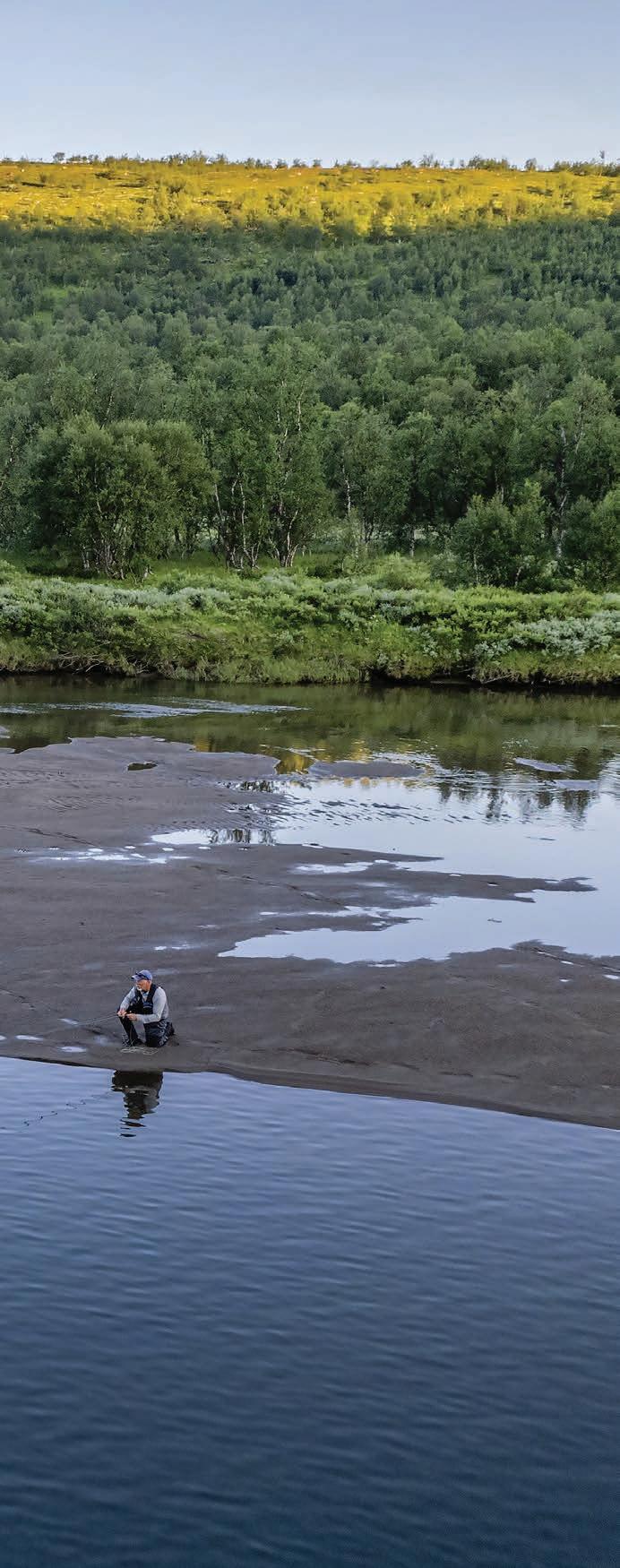
Ältsån
Venturing slightly farther afield with a helicopter journey from Biergenis, we arrive at the serene shores of Lower Ältsvattnet, where Ältsån Creek begins its journey to Lake Tärna. Our tent camp awaits amidst nature’s embrace, equipped with wood-burning stoves for warmth and hearty meals cooked over open flames. Positioned a short distance downstream from the creek’s inception, this is a haven for anglers seeking the thrill of catching both sizable trout and Arctic char in the crystal-clear waters. However, navigating this unique stream presents its own set of challenges, as the easily startled trout and Arctic char require a cautious approach and impeccable stealth.
For more information about fishing licenses and booking: www.vindelriverfishing.se
Ammarnäs FVO +46721933808
info@ammarnasguide.se
Ammarnäs Guide center +46730847033
Ammarnäs Värdshus +4695260200
Emils Fiske camp +46706996497
Kraddsele Fiske +46702106361
www.hookandcup.com
info@hookandcup.com
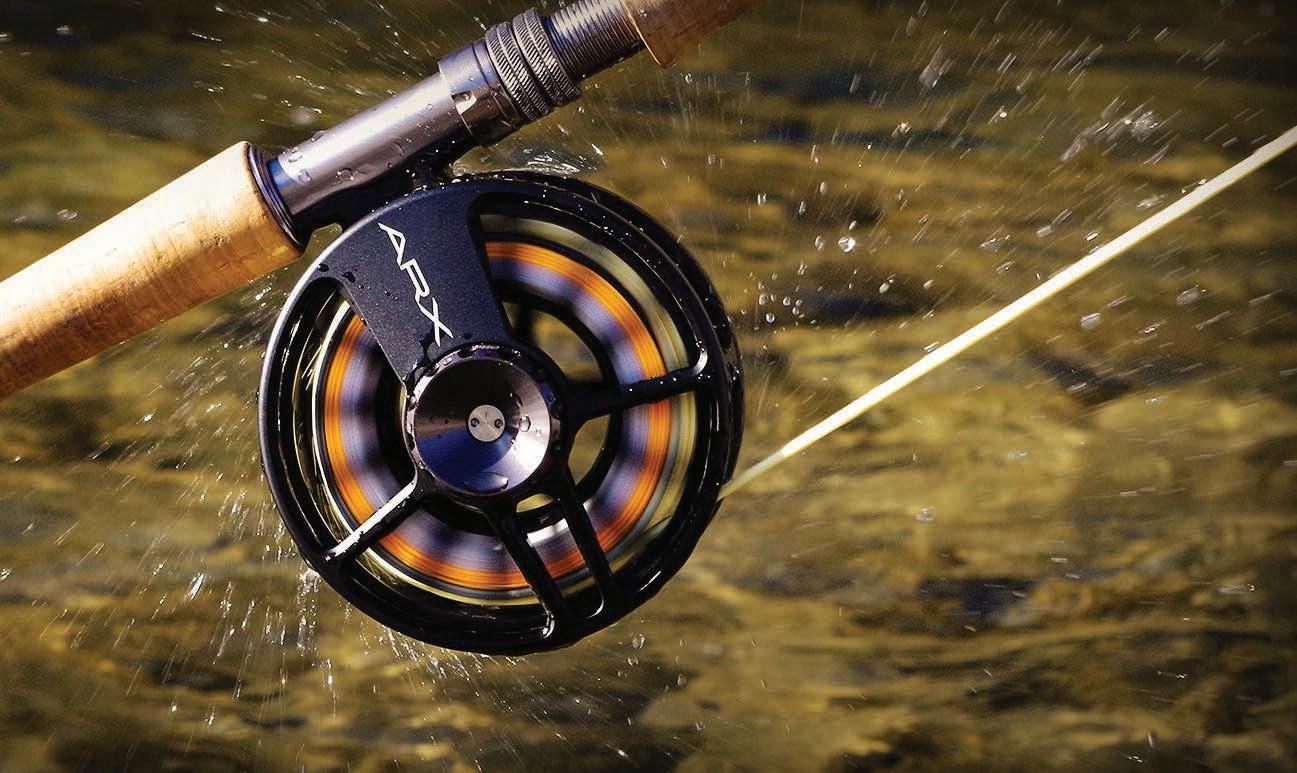
The anchor of our two-handed specialty reel line up, Arx II carries on the legacy of its predecessor. Burly, overbuilt and ready for action… if Speedster and Litespeed were receivers and tailbacks, Arx II would be a left tackle. Thin running lines have no chance escaping this full caged beast and when you finally get that tug from the silver torpedo the extra-large conical drag is ready to put the pressure on her. Increased line capacity and–dare we say–a little extra heft are the perfect complement to those long rods and fat lines. Crack open that classy leather fly wallet, pick out the right head and settle into a rhythm. This could take a while… or maybe not.

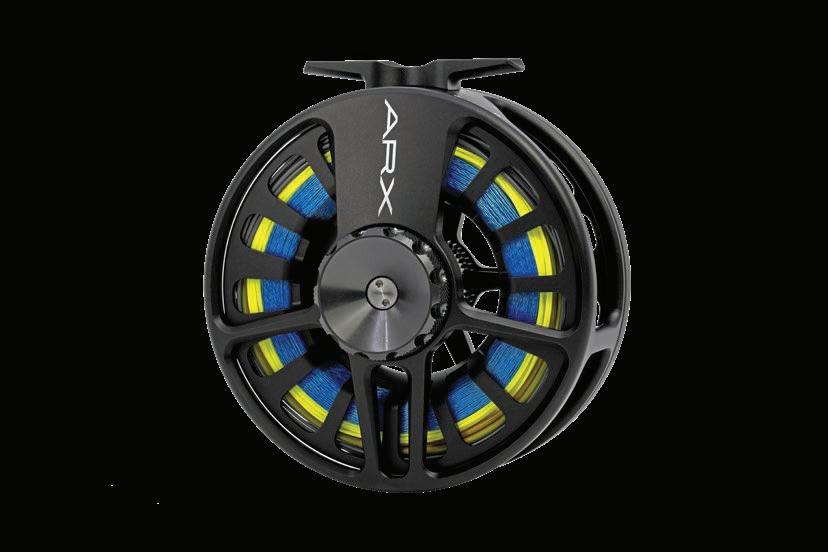
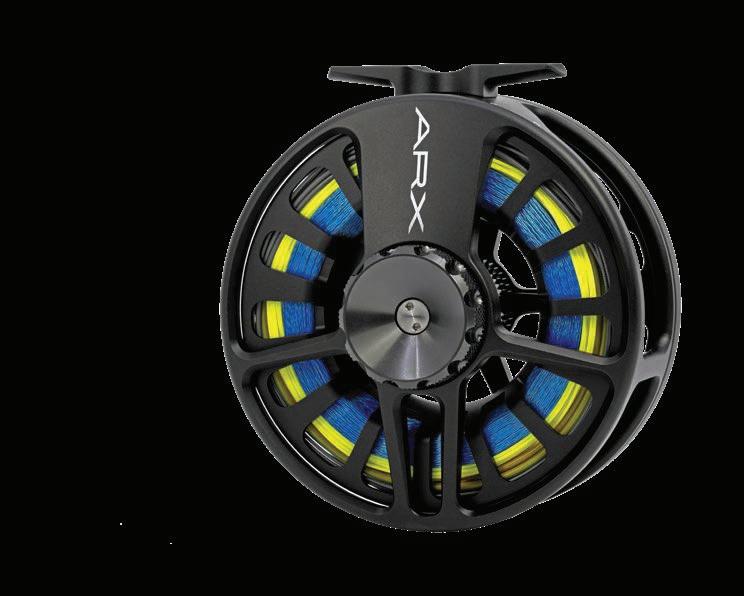
When Daniel D. Holm finally cracked the code to catching Danish salmon, he was certain the flies deserved part of the credit. A series of experiments and diligent test fishing have been distilled into three seasonal variations of the same basic design. Join Daniel as he shares a simple recipe for salmon success.
By PETER LYNGBY
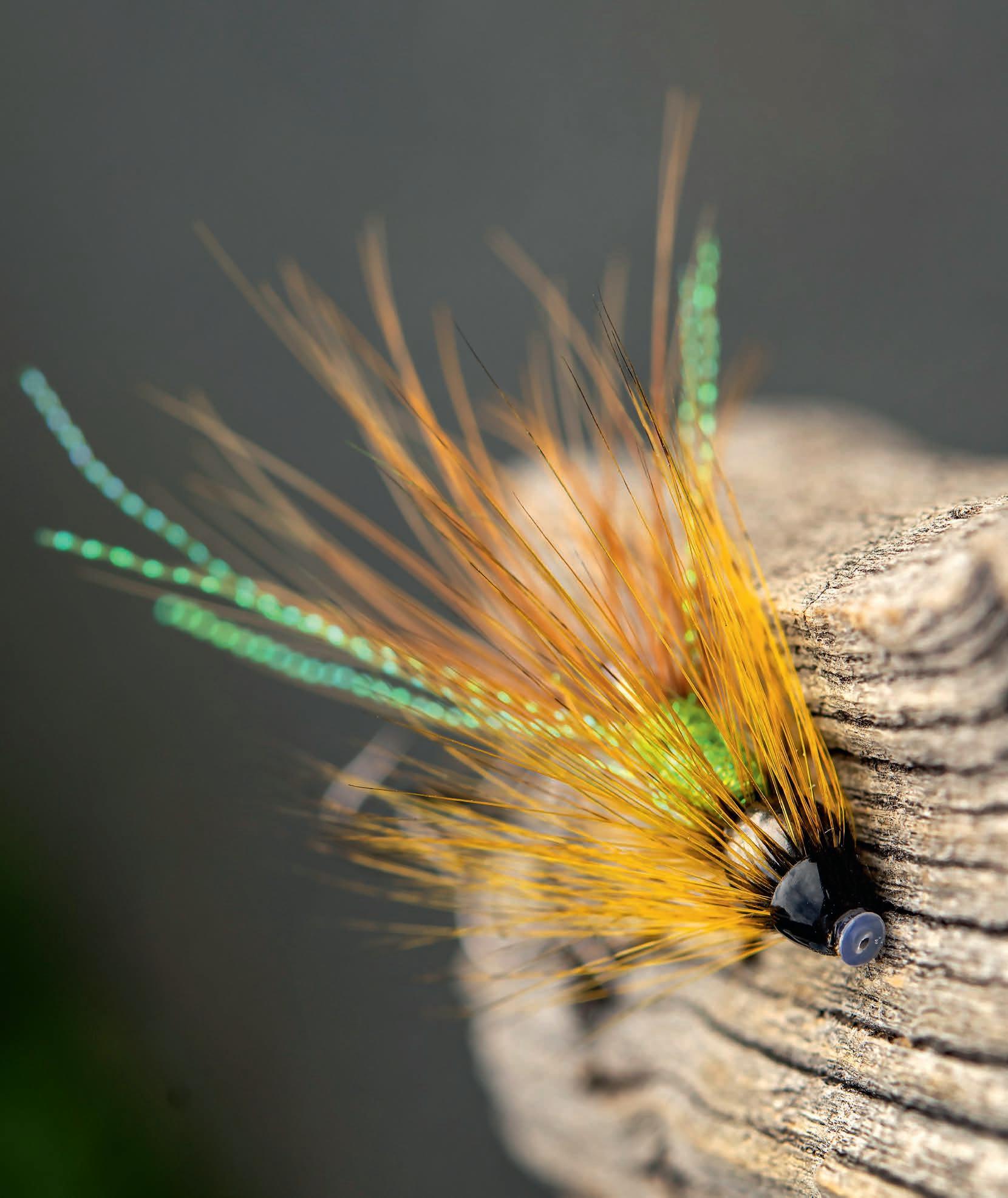
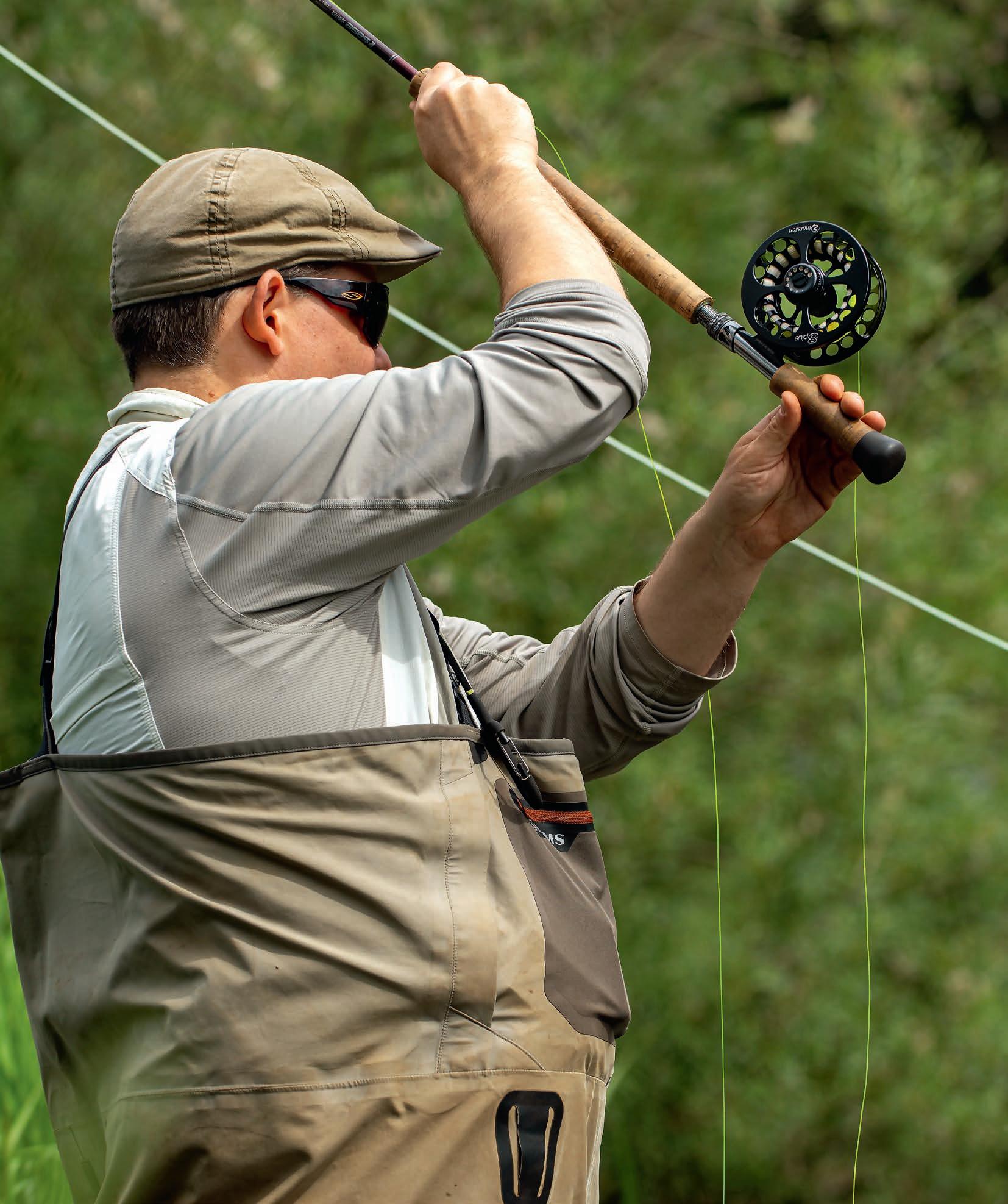
Fly fishing for salmon is not the easiest endeavor. To succeed, fly fishers must cling to the faint hope found in refining techniques, gear, and flies. Once infected by the “salmon fever,” there’s no turning back. You simply must fish for salmon. Perhaps for this reason, countless books have already been written on strategies, techniques, and flies for salmon fishing. A significant portion of these books focus exclusively on the flies. As seasoned salmon fishers often say, “The salmon season is short, but the fly-tying season is long.”
One of the tips commonly shared among salmon fly fishers is the importance of believing in your fly. The challenge, of course, is learning how to believe in a fly. Daniel D. Holm wrestled with this and other questions for years before finally mastering salmon fishing both domestically and abroad. Today, Daniel spends most of his salmon-fishing time along the Storå River, but he vividly recalls his challenging beginnings.
“In hindsight, I was simply too impatient to be a good salmon angler,”
Daniel reflects. “I have a naturally high energy level and used to dash around rivers and streams, fishing so frantically that I could barely stay awake. For years, I chased the elusive salmon without success. It wasn’t until a trip to Russia that I began to understand what fly fishing for salmon is all about.
“During that trip, I worked tirelessly, pushing myself to exhaustion, while everyone else was catching salmon. Eventually, our Russian guide took pity on me. He pulled me aside and explained that I was behaving like an overzealous hunting dog, frantically scouring the entire field. Instead, I needed to think like a Labrador - approach salmon fishing with patience, insight, and strategy.
“After a few simple instructions, my salmon fishing turned around completely. I started catching salmon in Russia and soon at home as well. Adopting the right mindset for salmon fishing is crucial. My wife even jokes that other things in my head seemed to click into place once I began catching salmon,” Daniel laughs.
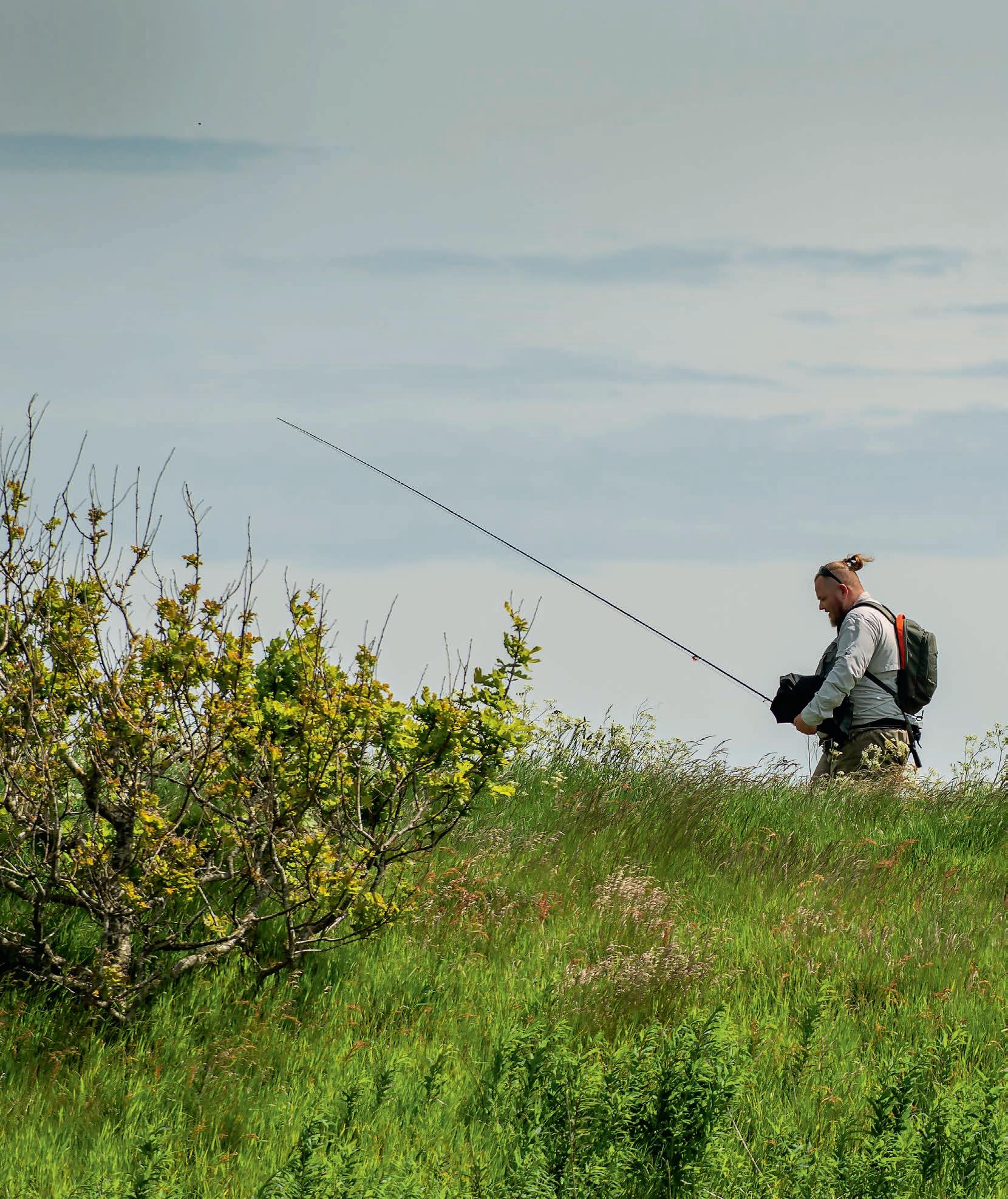
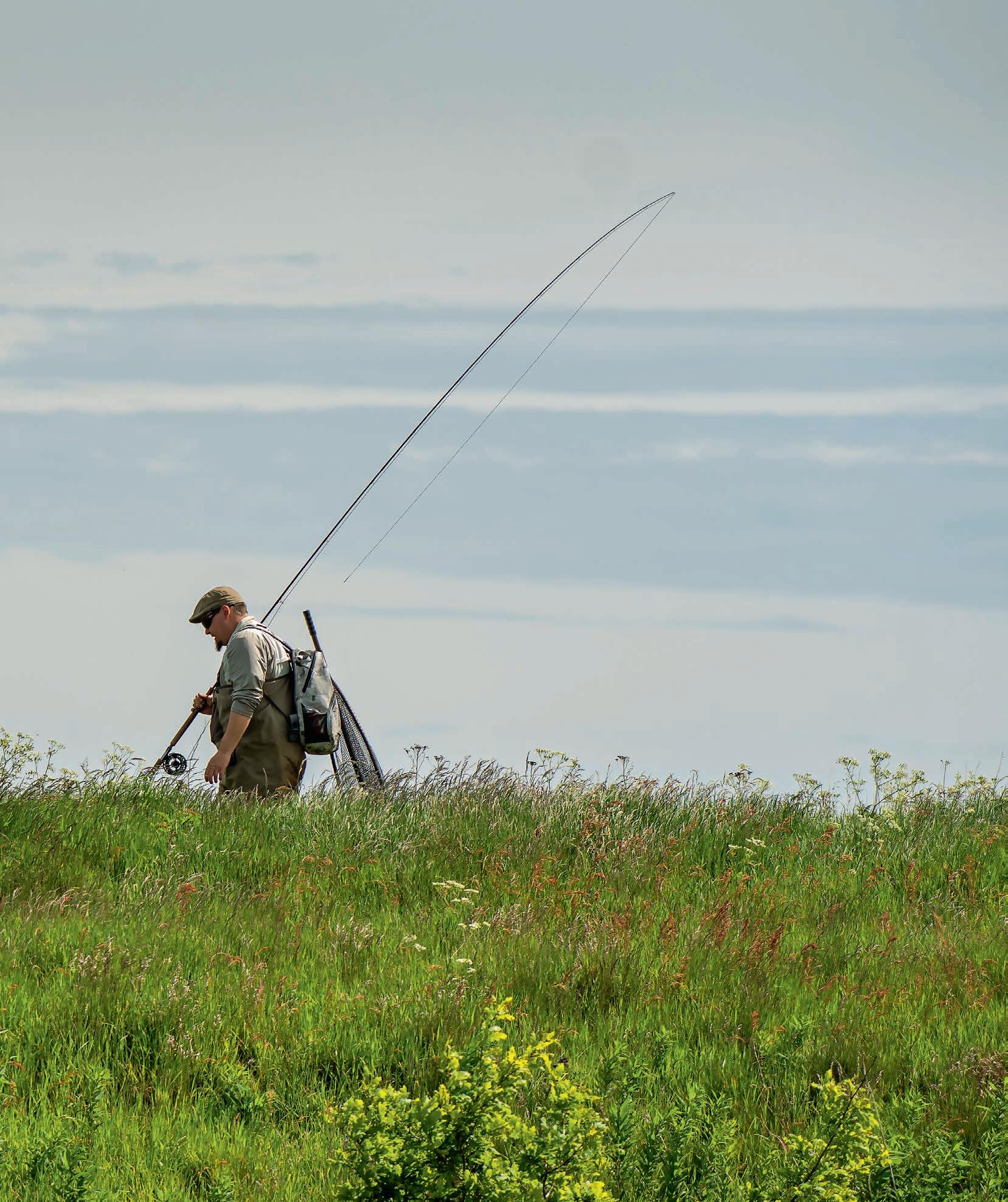
Astrid Materials
Tube: 1.8 mm clear
Thread: White
Butt: Veevus Holo Tinsel, Yellow
Rear Hackle: Golden Pheasant, Yellow
Flash: Midge Crystal Flash, Rootbeer
Body: Ice Dub, Olive or Caddis Green
Middle Hackle: Whiting Coq De Leon, Medium Ginger
Weight: Pro Flexi Beads, Size 5.2 mm, Gunsmoke
Front Hackle: Whiting Coq De Leon, Medium Ginger
Head: Pro Conehead, Size XS, Black
Astrid, Tilda, and Horstsokken
One of the flies Daniel first came to trust in Western Jutland was the salmon fly “Tilda.” Daniel discovered this fly through fellow angler
Jonas Erbs. Before long, variations of the Tilda template were pouring from Daniel’s fly vise. Today, he alternates between just three flies for 95% of his fishing in the rivers of Jutland.
“I used Tilda extensively, and it became a favorite in my fly box. There’s something about flies tied with three hackles - not just for salmon. Consider the many effective coastal flies of the same style, like Brenda. Fish simply love them, and I’ve
grown to trust them deeply. In the salmon genre, everyone knows the ‘Uldsokken’ and its countless variations. In the UK, there are numerous shrimp-style salmon flies based on three hackles.
“As I began catching more Danish salmon, my confidence in smaller, lightly dressed flies grew. Tilda worked well, but I wanted a lighter fly for clear, low-water days. My prototype proved to be a success, catching fish on its very first outings. I didn’t hesitate to dedicate the fly to my wife, Astrid.
“My latest creation is a variation of the German fly tier Horst Bathen’s ‘Horstsokken.’
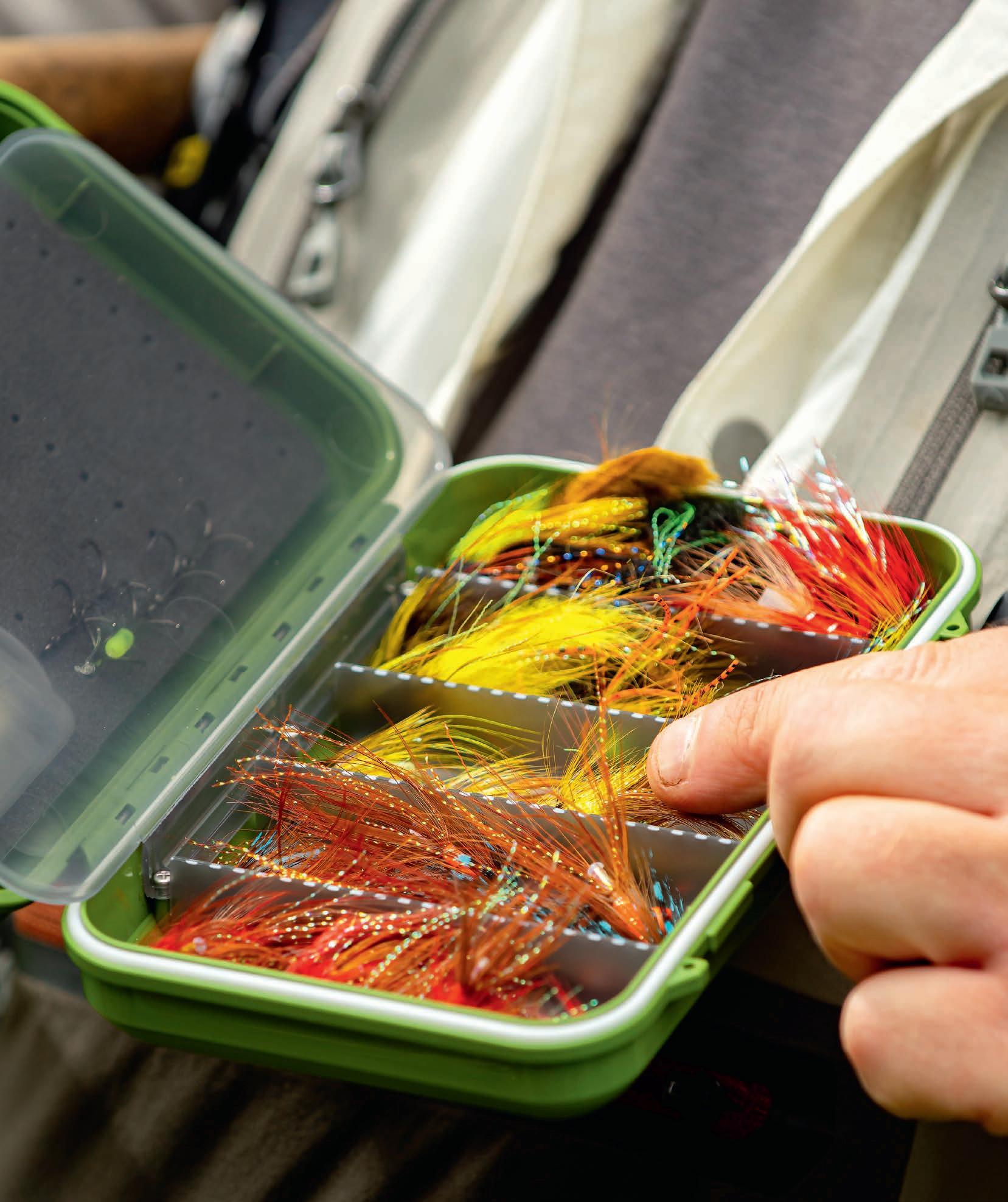
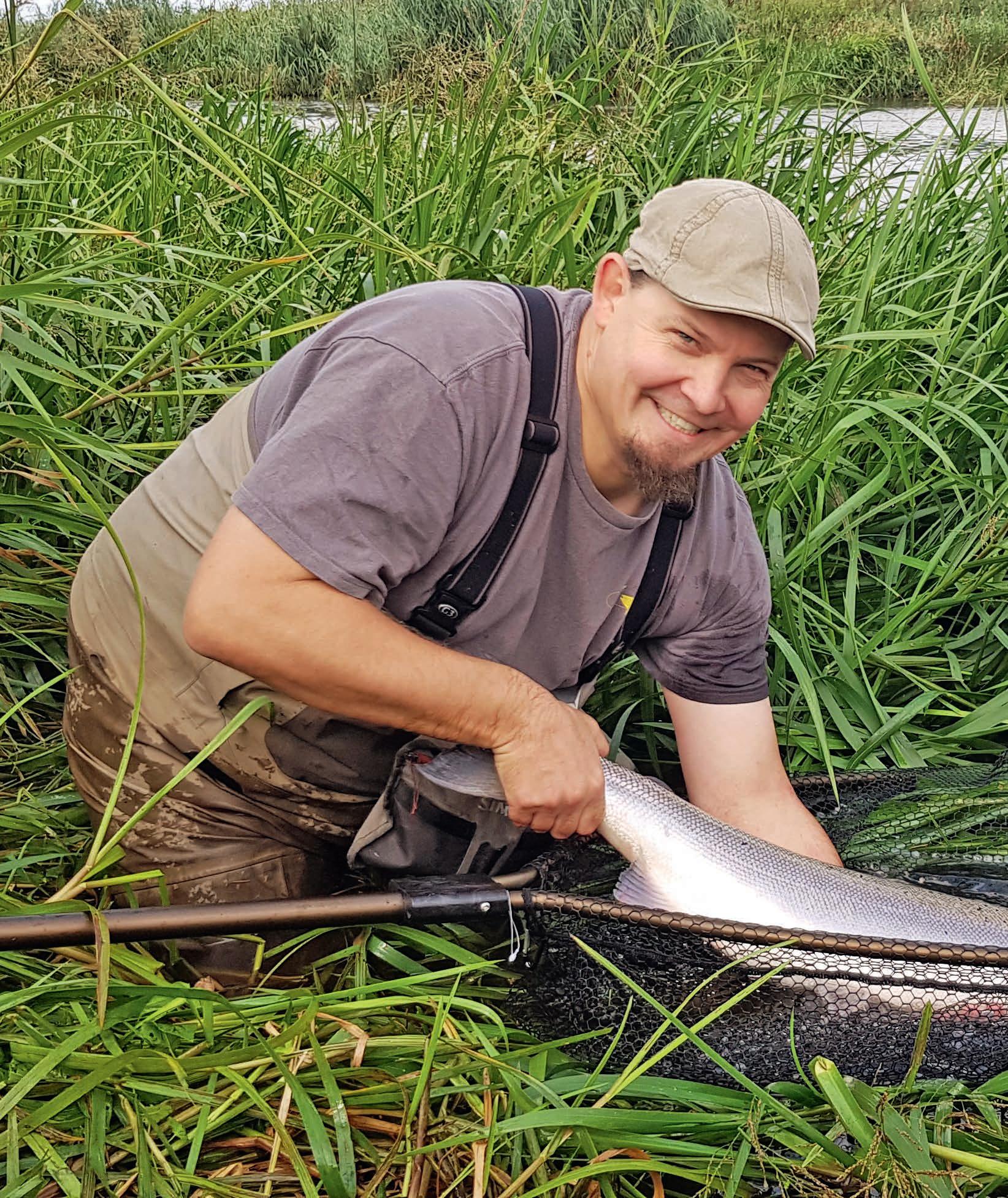
Daniel’s Salmon Tips:
• Stay focused and observant.
• Relax, take breaks, and enjoy the day by the river.
• Learn the holding spots in the river.
• Listen to experienced anglers.
• Fish deep and adapt your sinking lines to the conditions.
• Adjust your casts and ensure the fly moves quickly and efficiently.
• Check the hook if it snags the bottom.
• Change flies and try a new cast if you get a salmon’s attention.
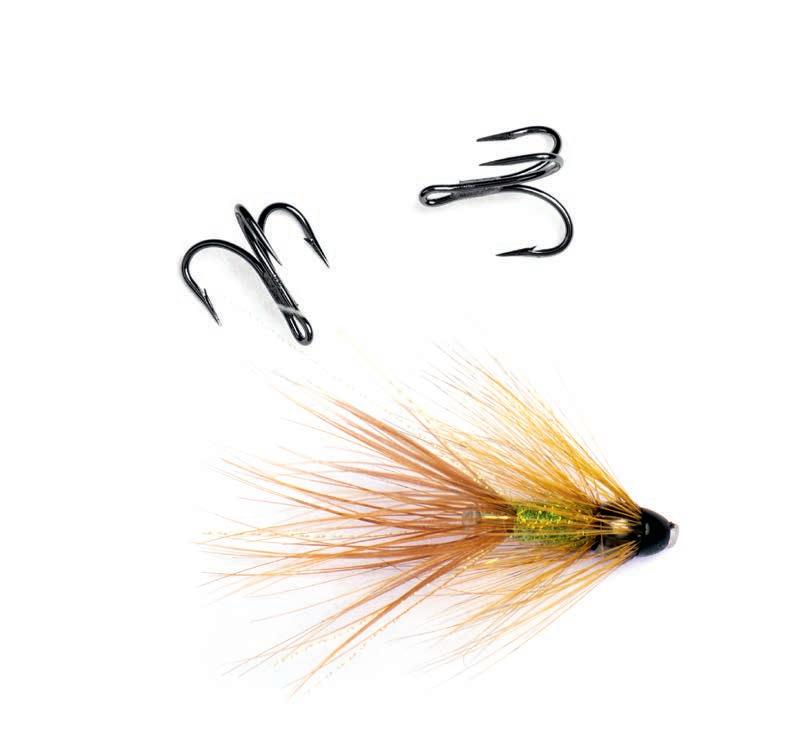

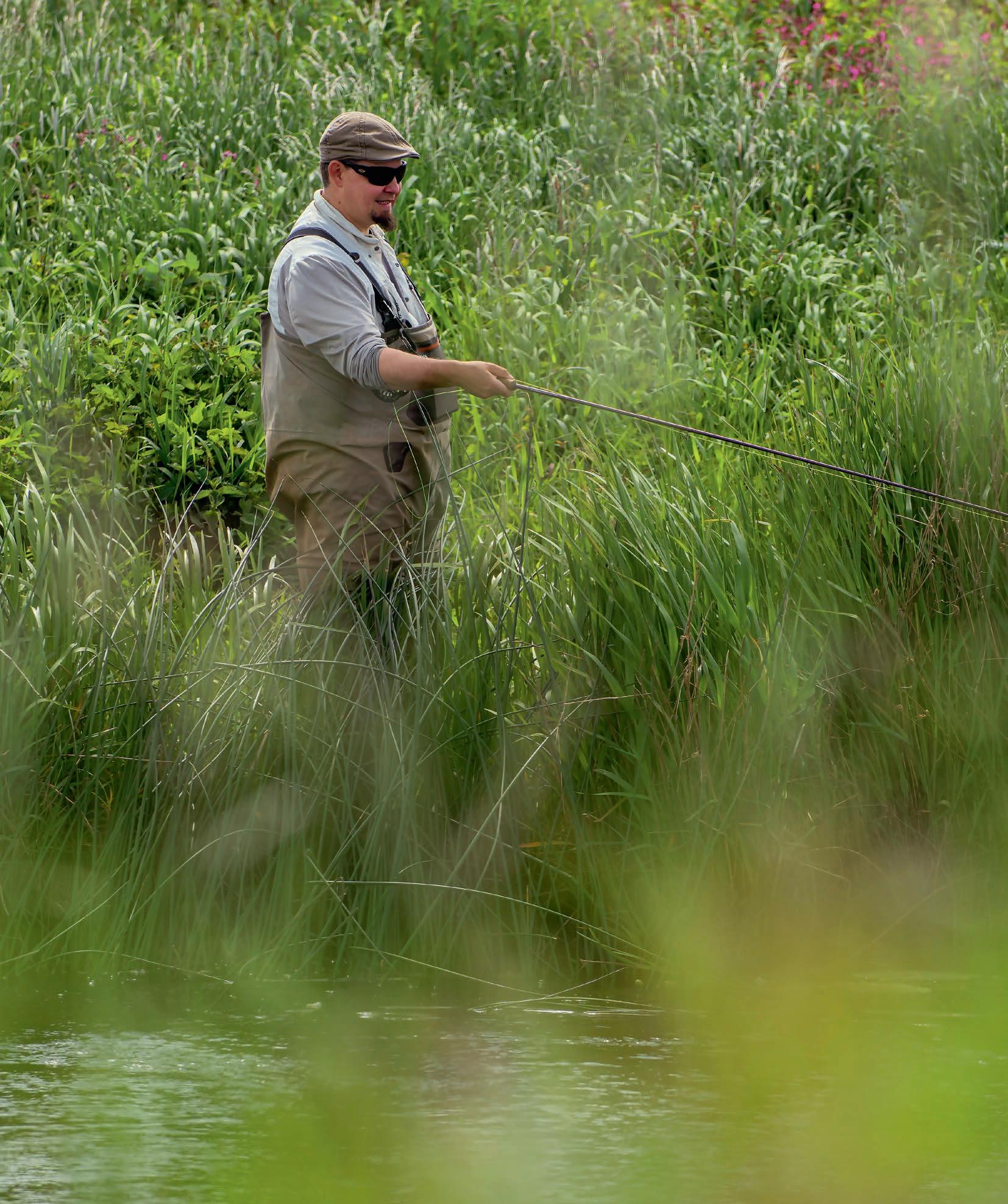
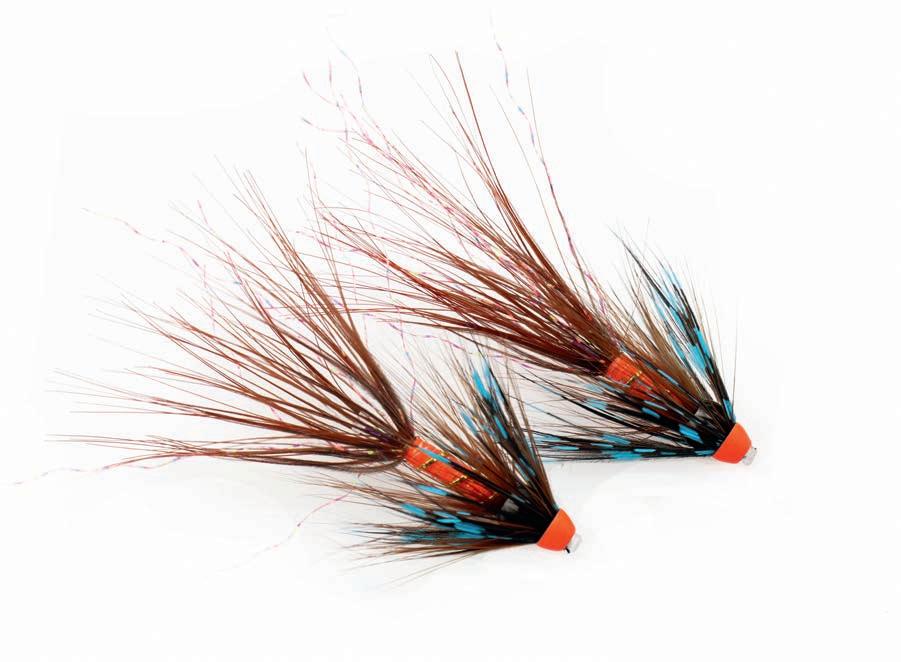
The original fly is tied on a double hook with a wing, but I adapted it to the same template as the Tilda and Astrid flies. My version of Horstsokken is perfect for high, colored water,” Daniel explains.
Daniel has produced several short films on Jutland salmon fishing, available for free on YouTube. Instructional videos for all three flies are also available. Here are some additional insights from Daniel before he ties the “Astrid” fly:
should surprise the salmon - don’t give it too much time to think. This is where the Labrador mindset comes into play. Relax by the river, take your time, and observe the water before you start fishing. Visualize how the fly should move to achieve the right speed, and don’t hesitate to retrieve some line to speed it up.
“Focus your efforts on a single river stretch you like and know others have caught fish in. Experiment with different casts and angles. Over time, you’ll develop a mental map, enabling you to fish each spot effectively. “When tying Astrid, Tilda, and Horstsokken, follow the recipe carefully. Use a little superglue on the weight but apply it sparingly to avoid contaminating the hackles.
“When fishing for salmon, the speed of the fly is often critical. It’s hard to explain the ‘perfect speed,’ but the fly
The design and weight of these flies make them fish-ready as soon as they hit the water. I always use loose-hanging hooks and a Swingtube hook guide with these flies. It may seem like a minor detail, but I’ve experienced situations with many salmon where the hook guide made a real difference.”
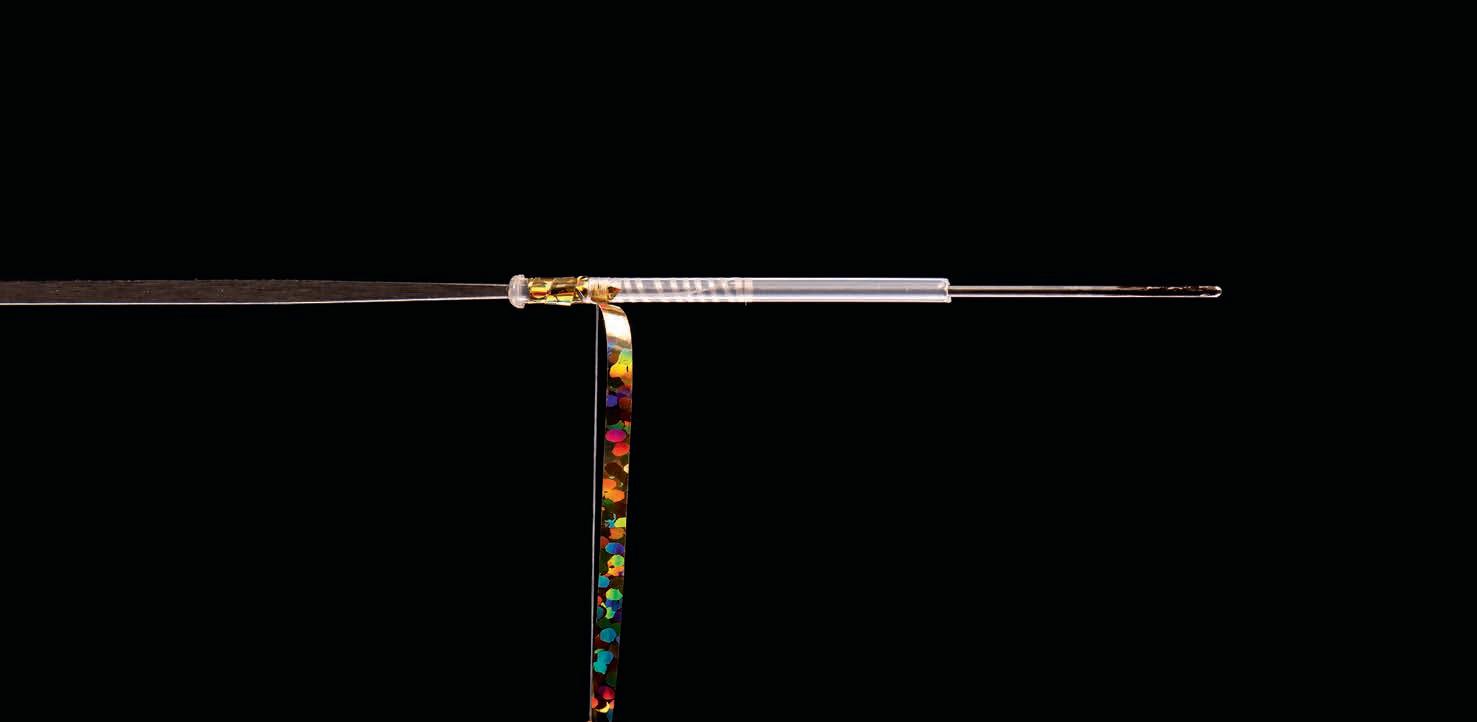
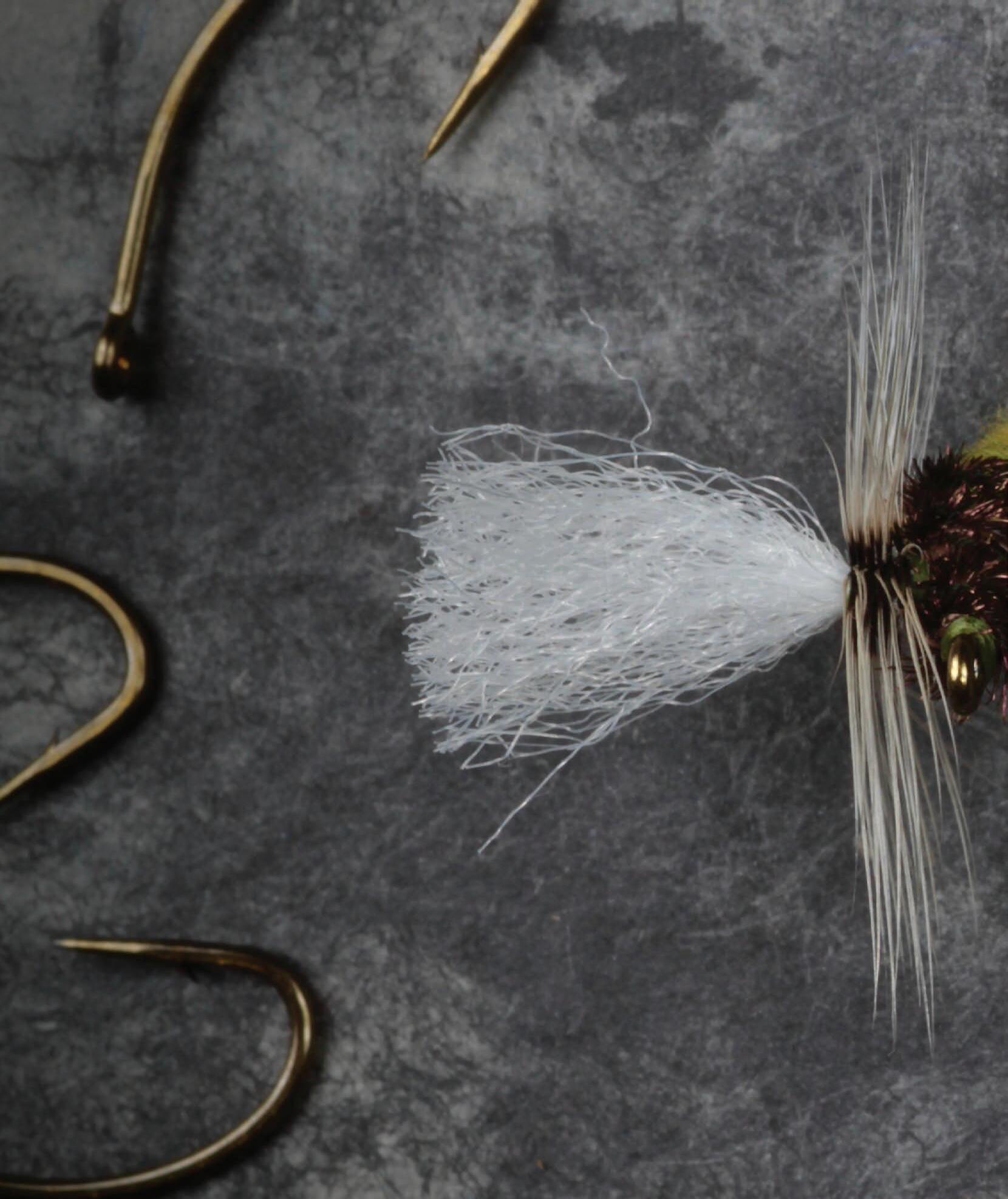
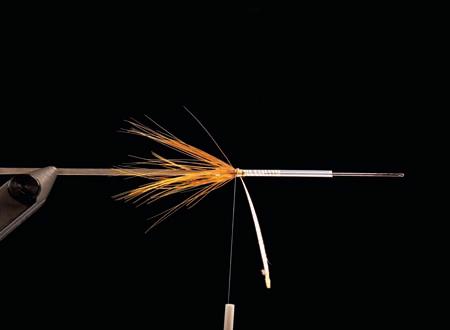
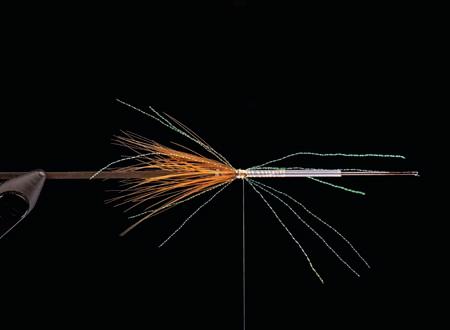
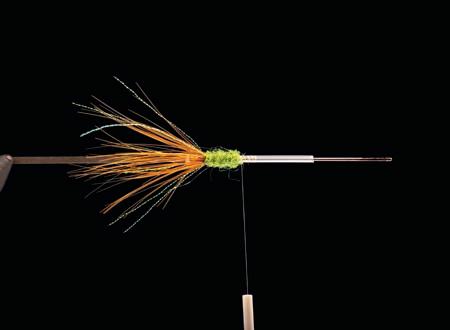
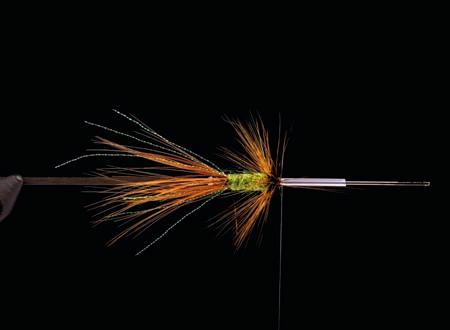
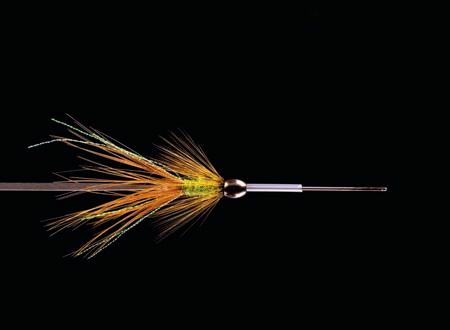
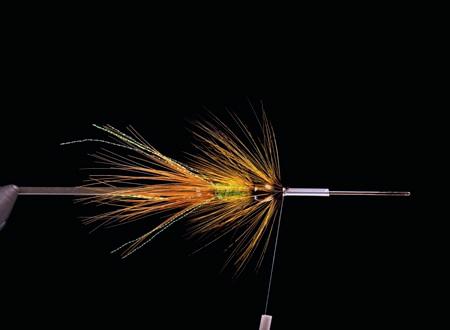
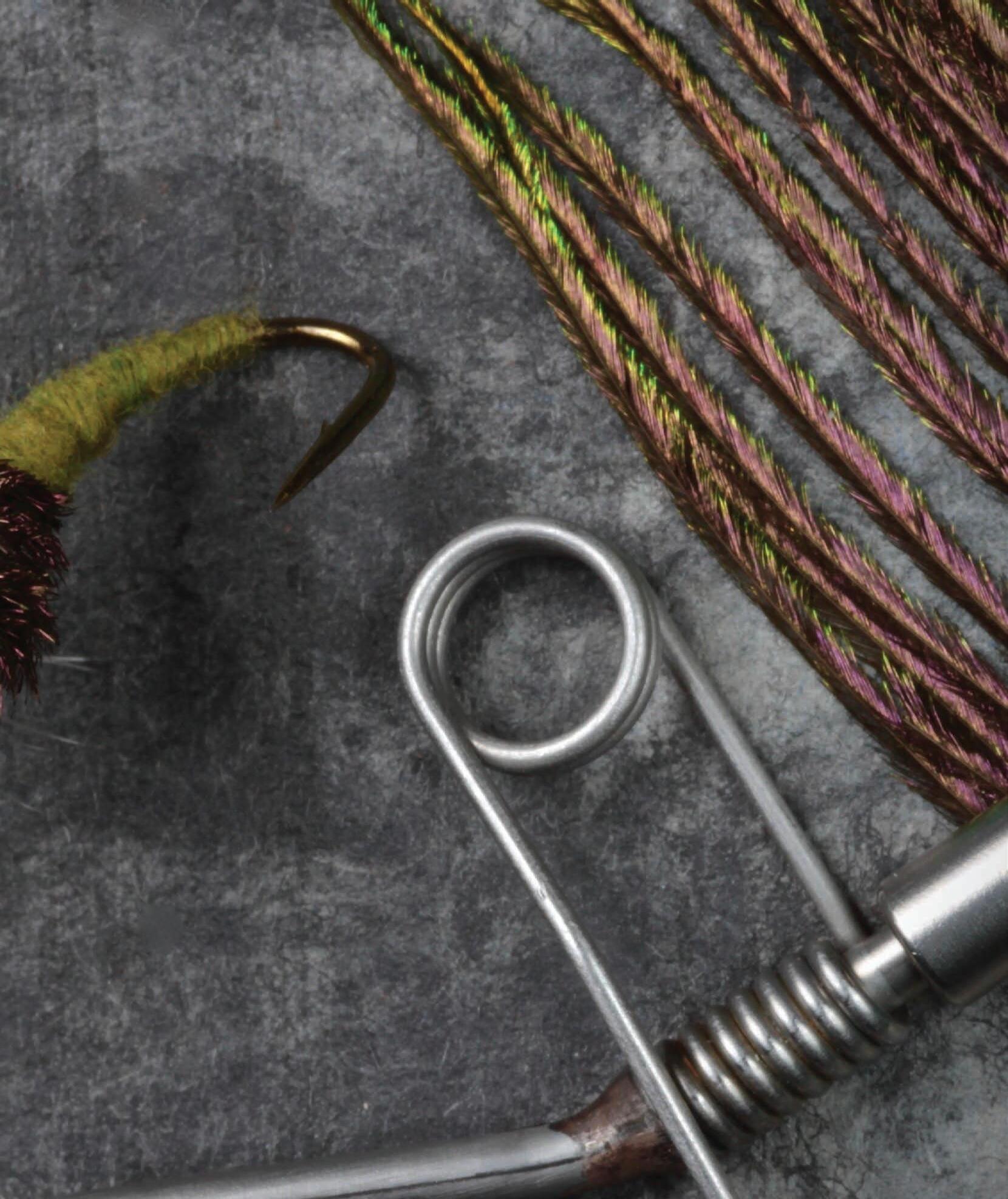
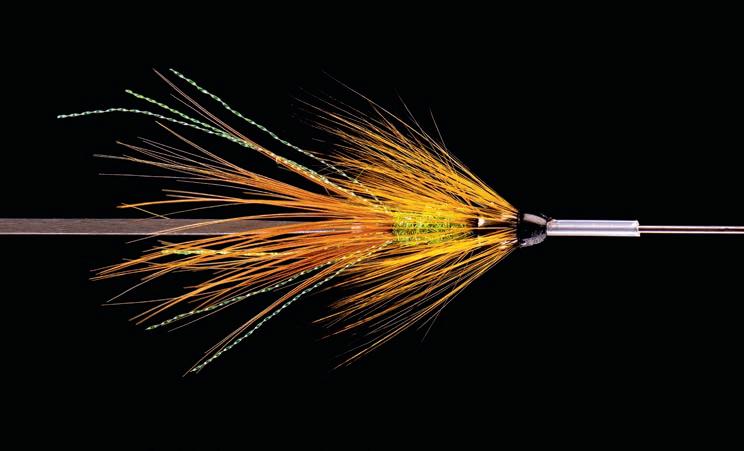
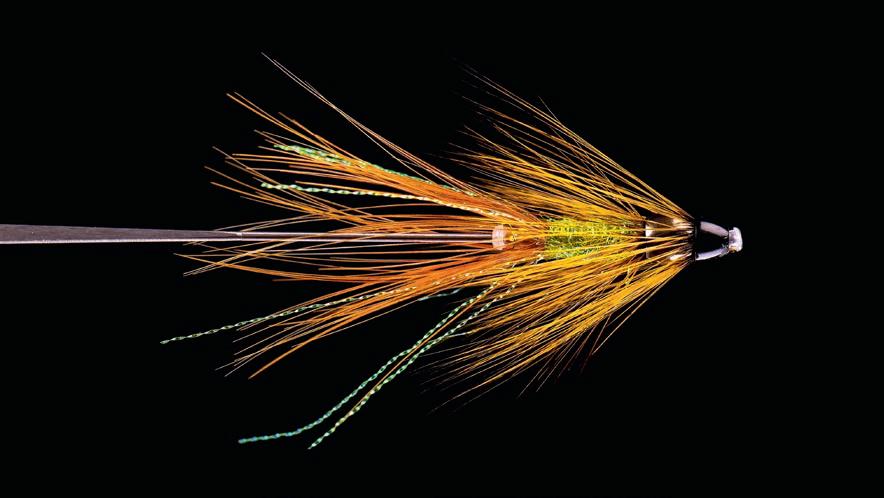
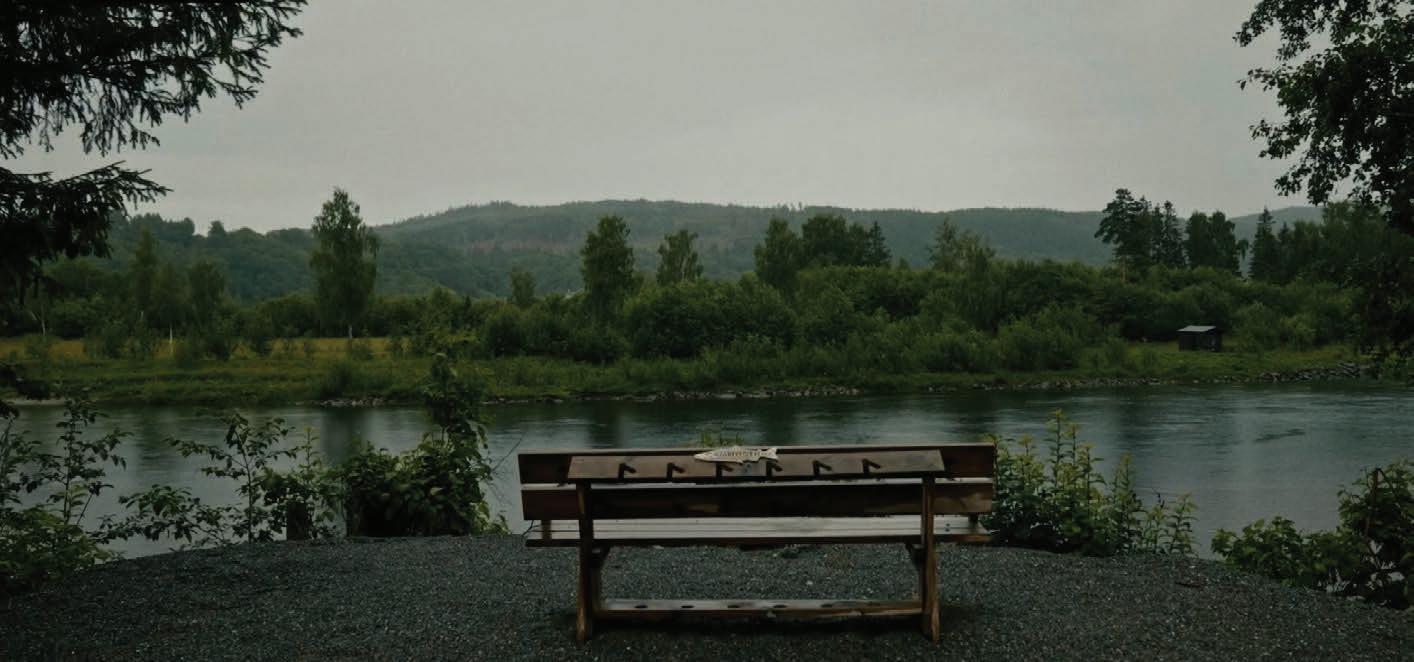
By ÓSKAR PÁL SVEINSSON / THE ICELANDIC WILDLIFE FUND AND REDD VILLAKSEN
In June 2024, the Norwegian Environment Agency (Miljødirektoratet) ordered the emergency closure of 33 of the country’s most famous salmon rivers due to the severe damage that open-net farming and climate change have inflicted on wild salmon populations. In an instant, generations of families who built their livelihoods on angling rights saw their primary source of income vanish. The film features moving interviews with Norwegian river owners, filmed just days after their worlds were turned upside down, alongside rural Icelanders speaking out about the bleak future that may soon await them and their families.
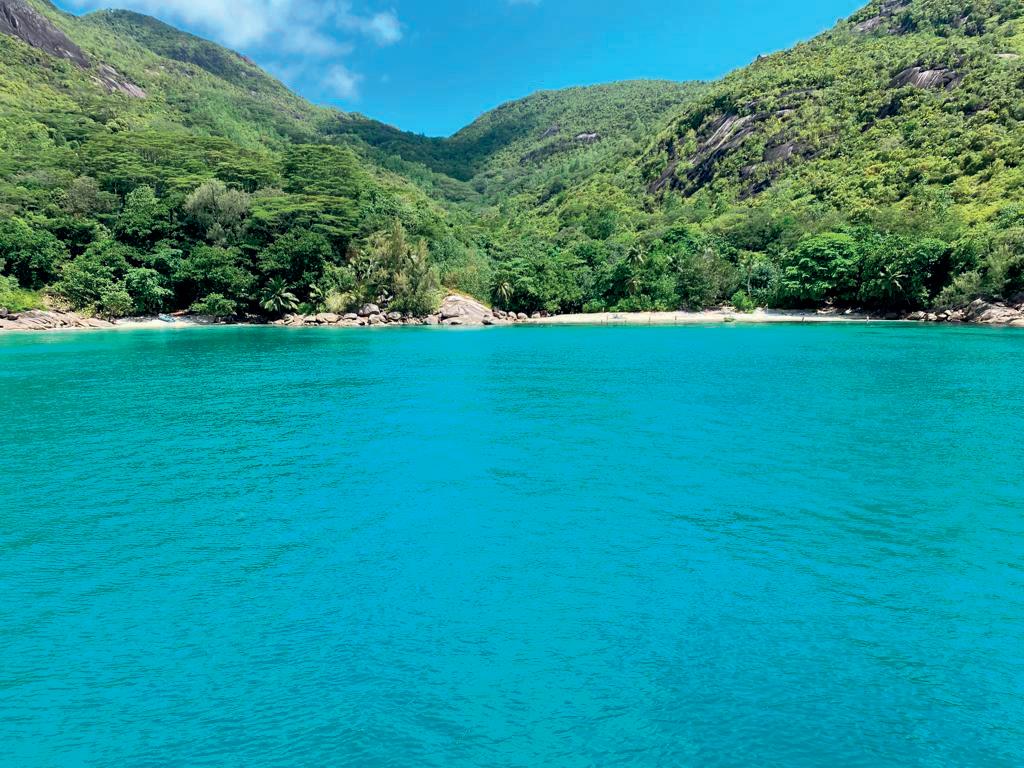

Eden Bleu Hotel
Just 5 minutes from the International and domestic airport!
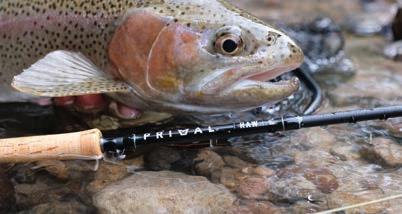

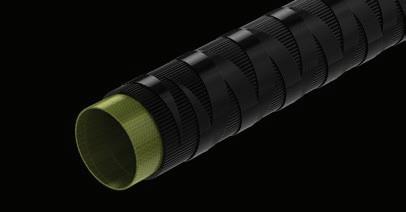
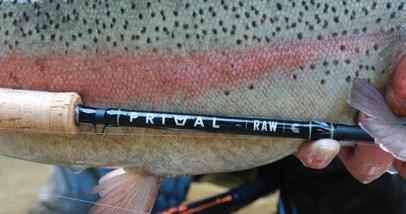
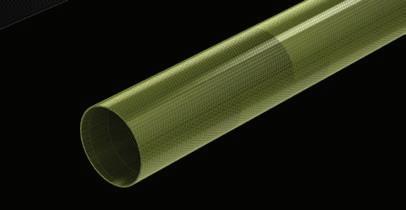
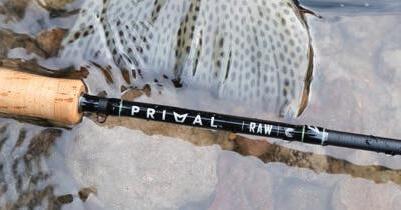
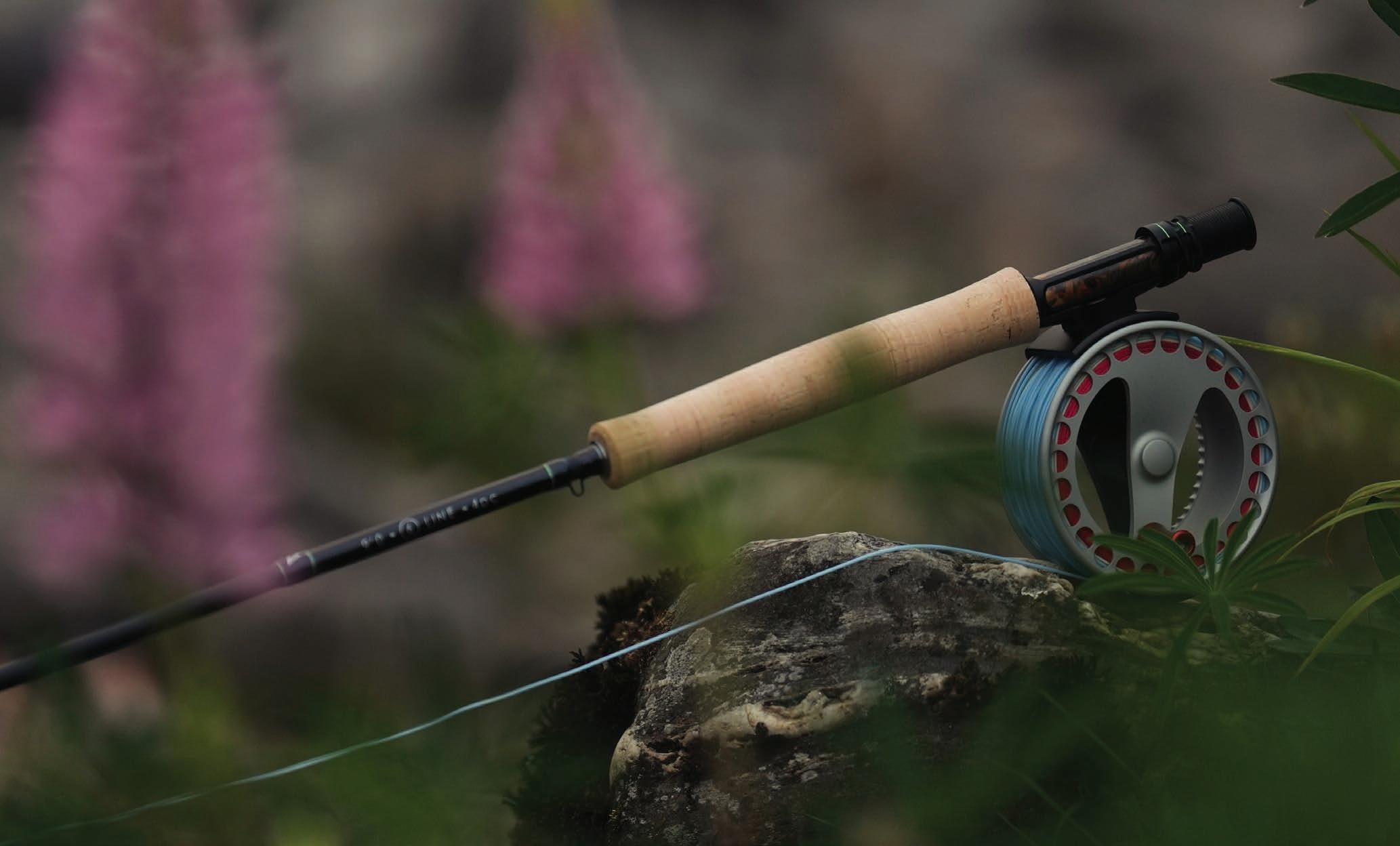

For more than four decades, Swedish fly tyer Håkan Karsnäser has blended curiosity, craft, and a deep love of Stillwater fishing into a distinctive style that has inspired anglers across Scandinavia. Known for his emphasis on movement, simplicity, and durability, Håkan’s flies reflect both his meticulous eye and his intimate understanding of trout behaviour. In this Fly Tyer Spotlight, he shares the journey that began with a supermarket packet of wet flies and evolved into a lifelong passion - along with the patterns, influences, and ideas that continue to shape his work today.
By THE EDITORIAL STAFF
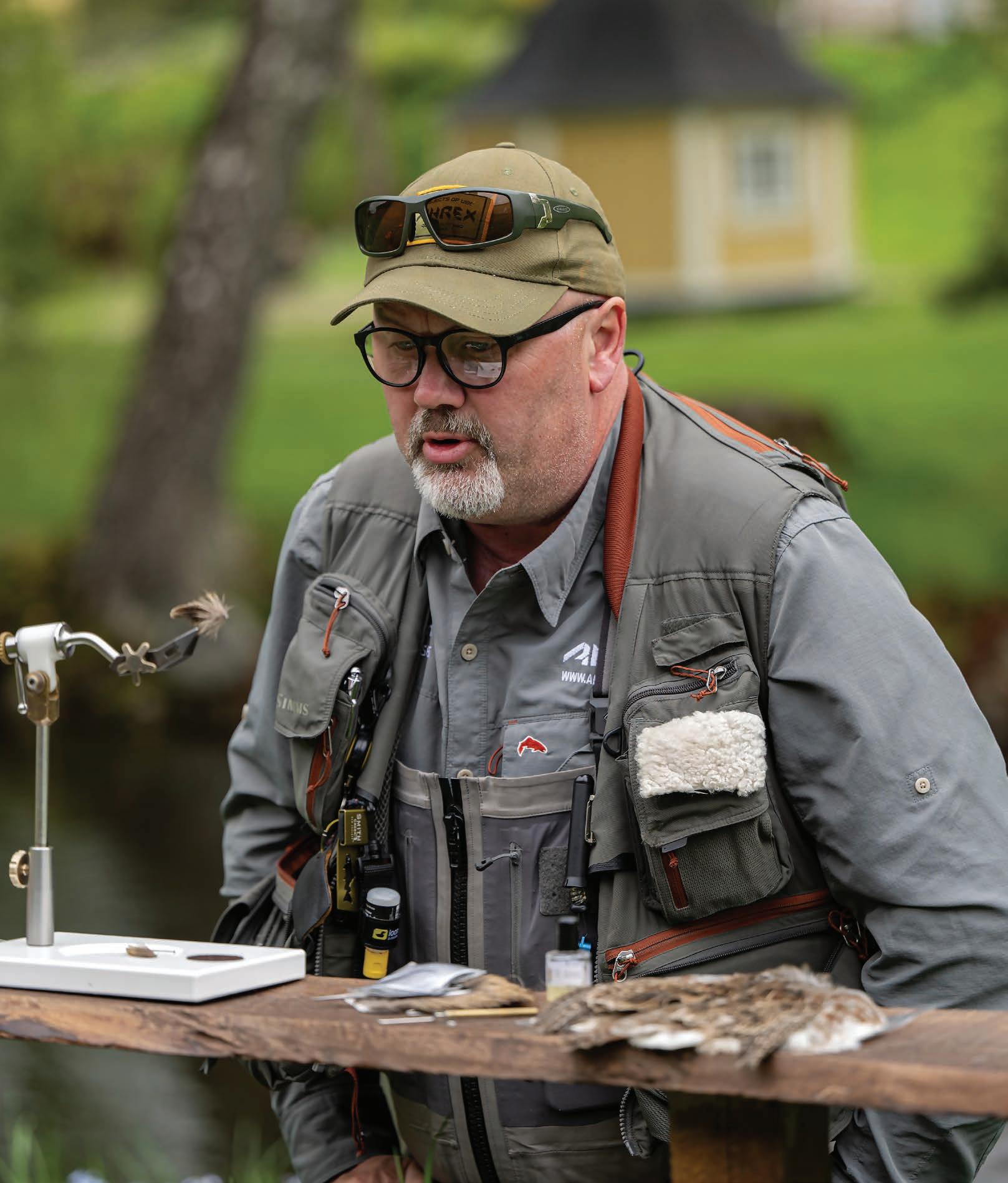
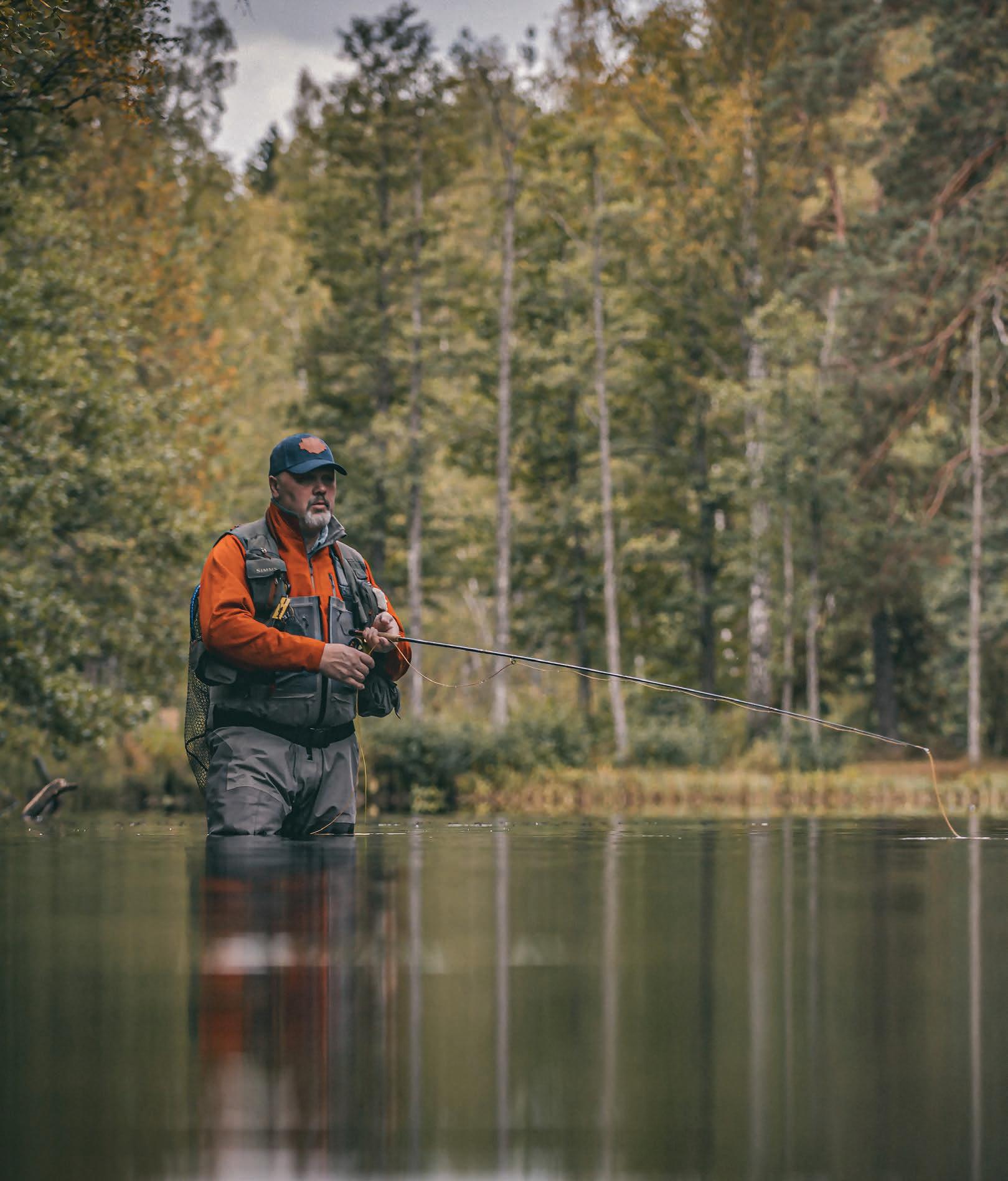
Full name: Håkan Karsnäser
Born:1971
Home country: Sweden
SoMe: www.instagram.com/karsnasan
How did you get into fly tying?
It all started 40 years ago when I found a couple of wet flies in the sports department of a supermarket. I had been angling and spin fishing, but I had never actually heard about fly fishing. The flies attracted me, so I bought them and decided to learn how to fish with them. As it turned out, my best friend at school was a fly fisher, and he and his father took me under their wings and taught me the secrets of the sport.
What is it about fly tying that you like so much?
When you fly fish, you need to stay observant - paying attention to what’s happening around you. You’re watching insects, weather, and water, but you’re also becoming aware of nature: birds, plants, and the changing seasons. And of course, the ability to tie your own flies is a big part of why I love fly fishing.
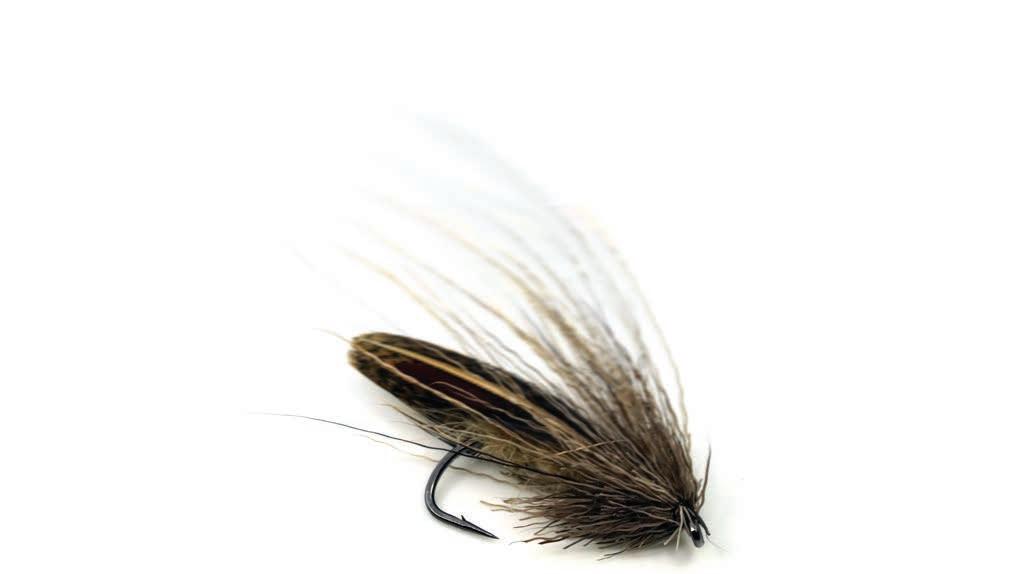
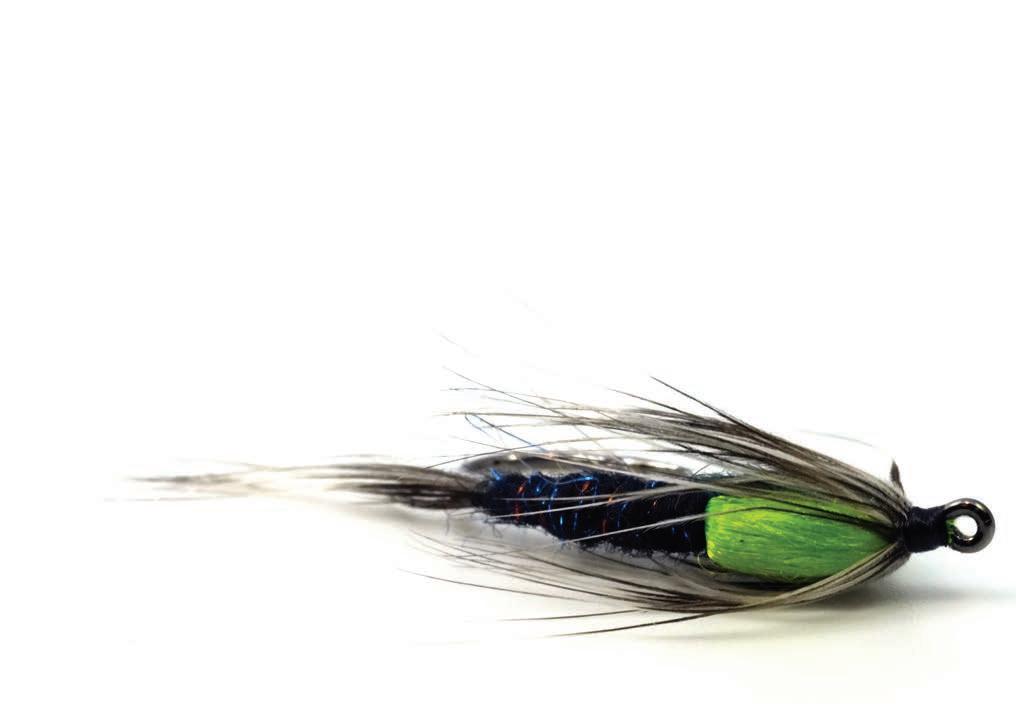
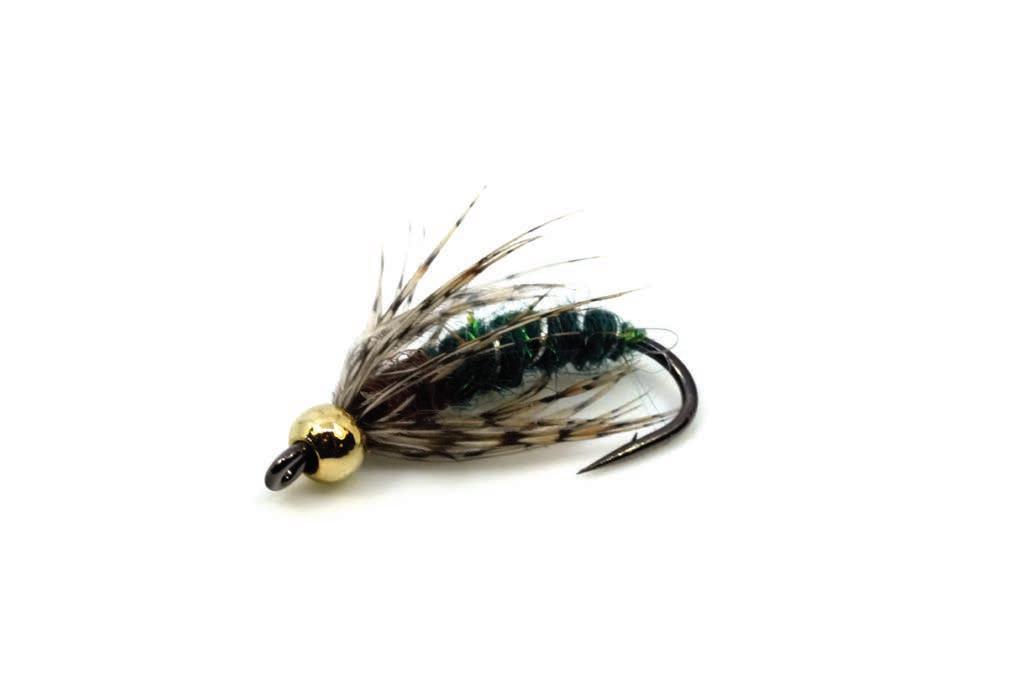
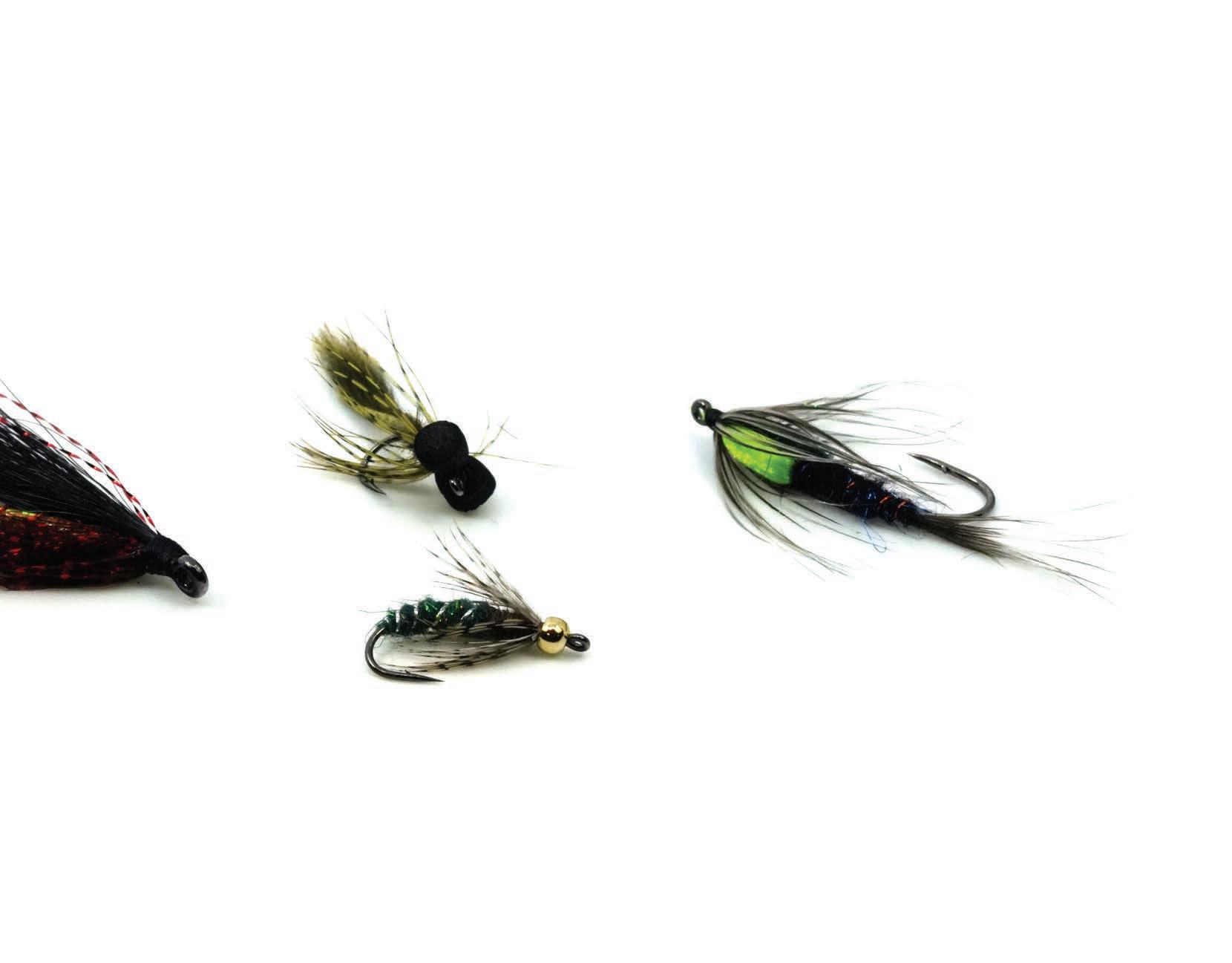
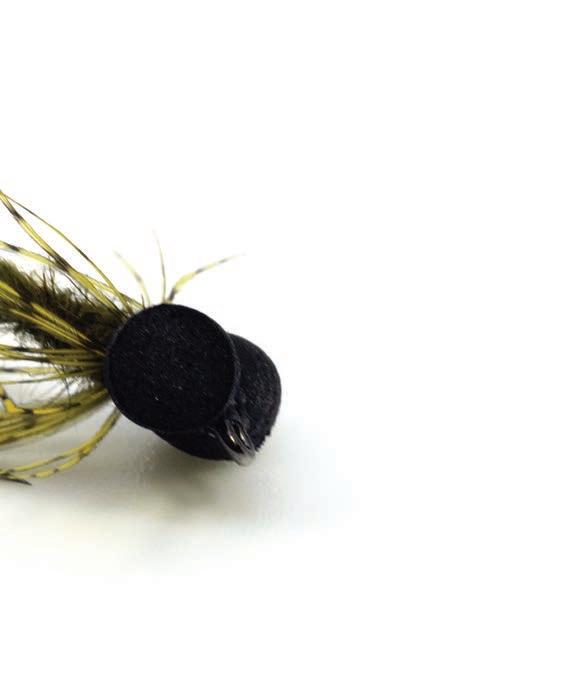
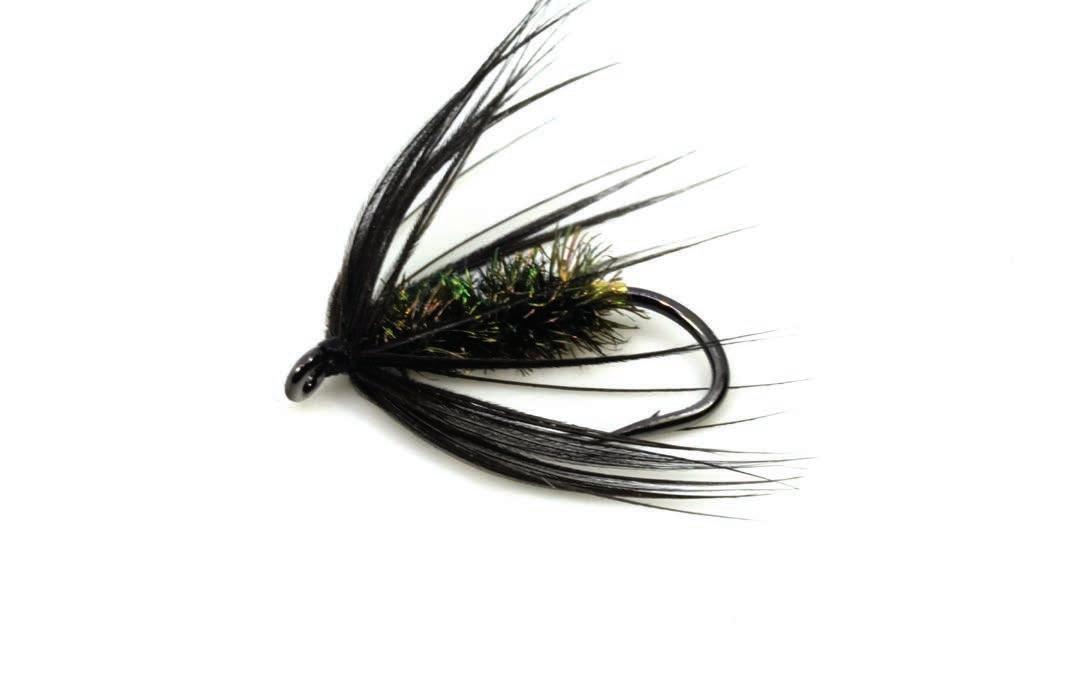
What kind of flies do you most enjoy tying and why?
To be honest, I enjoy tying every type of fly, even if I don’t fish all of them. It’s great to experiment with different materials and techniques. You’re constantly learning.
What are the most important factors when you design a new fly pattern?
I want movement in my flies, as I mainly fish Stillwater. I also want my flies to be durable but at the same time easy to tie.
What do you look for in a fly for trout and grayling?
I want my flies to imitate more than one thing. Fish are seldom that picky in my stillwaters, so flies that can represent multiple food items are what I’m after.
What’s your favourite fish species to catch and why?
sometimes very tricky, and incredibly beautiful.
Do you use flies that require adapted or alternative fishing techniques?
I fish a lot with sinking lines and floating flies. I think I’ve played a big role in making this type of fishing popular in Sweden. I don’t just drag boobies along the bottom - I tie different floating flies, both as attractors and to imitate insects and bugs that trout hunt, such as boatmen and damsel nymphs.
What’s your all-time favourite fly and why?
I started out as a stillwater angler targeting rainbow trout, and that’s still my favourite species. They’re strong,
I have to mention two patterns that I would never be without. First, the Black & Peacock Spider. This fly has given me so many great days on the water and has caught hundreds of rainbow trout. It resembles many of the trout’s prey and is incredibly easy to tie. Second, the March Brown Spider (we call it the Pond Olive Spider). This delicate fly is deadly effective in late summer and autumn, when rainbows are slowly hunting just under the surface. Also very easy to tie.
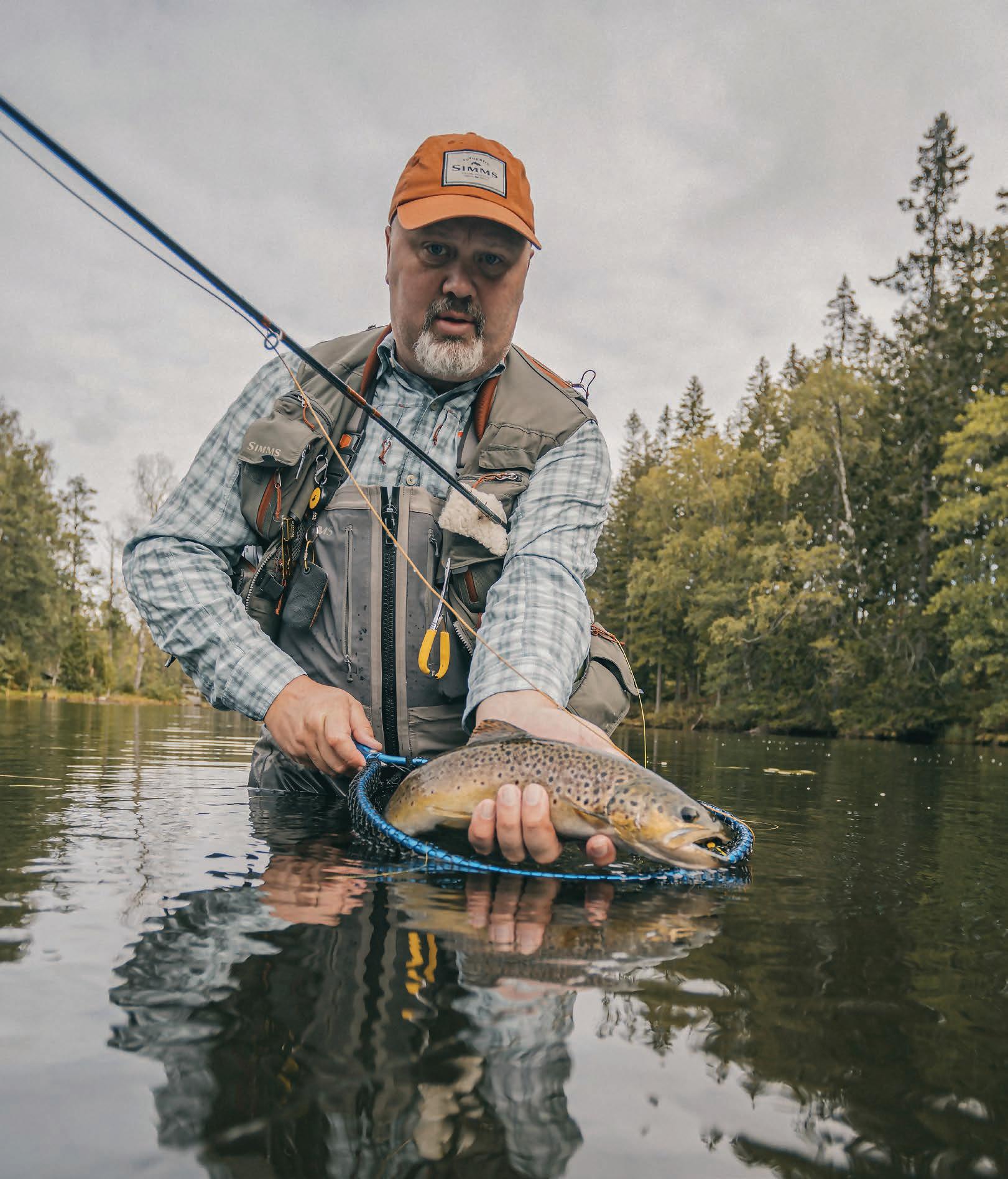
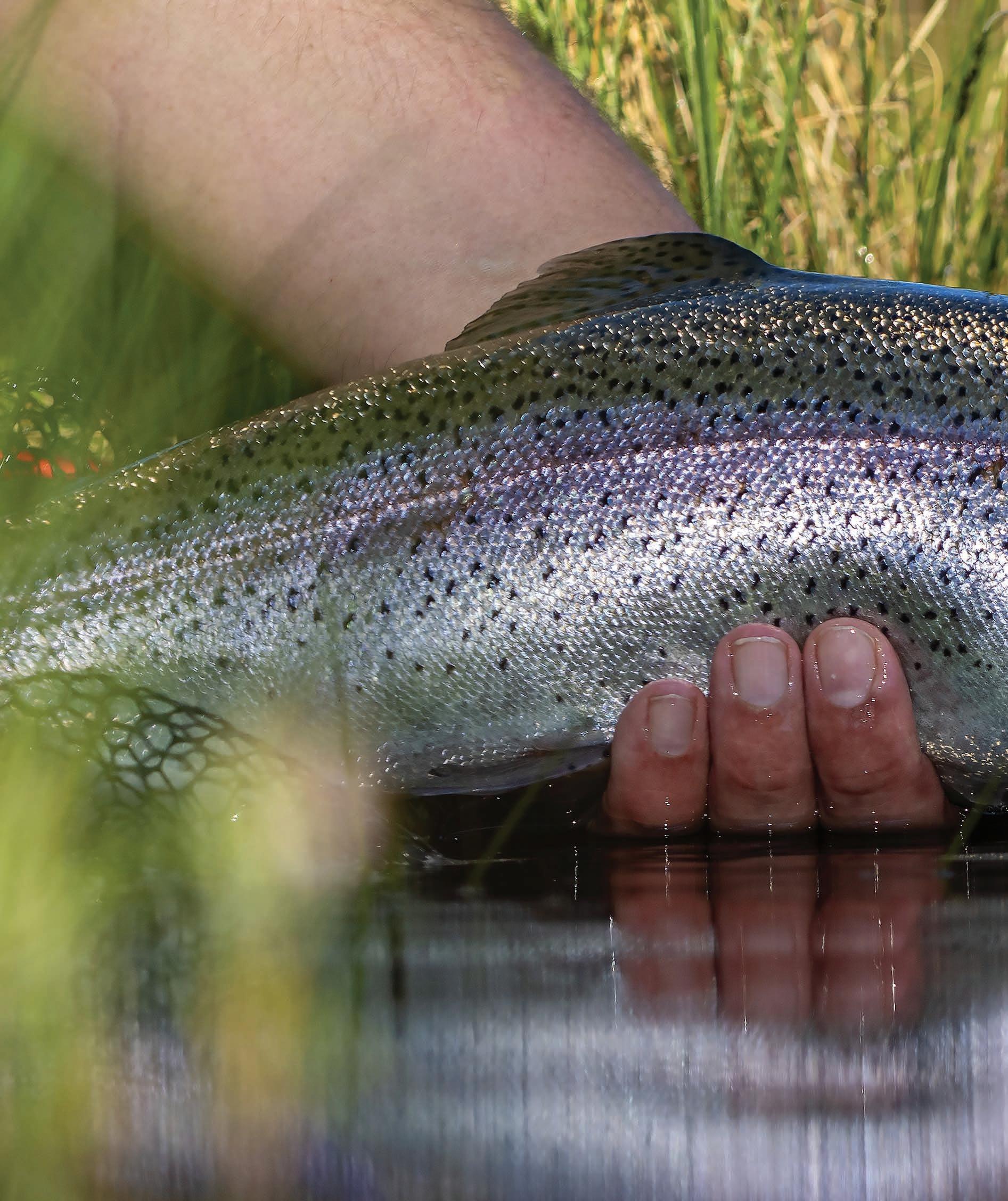
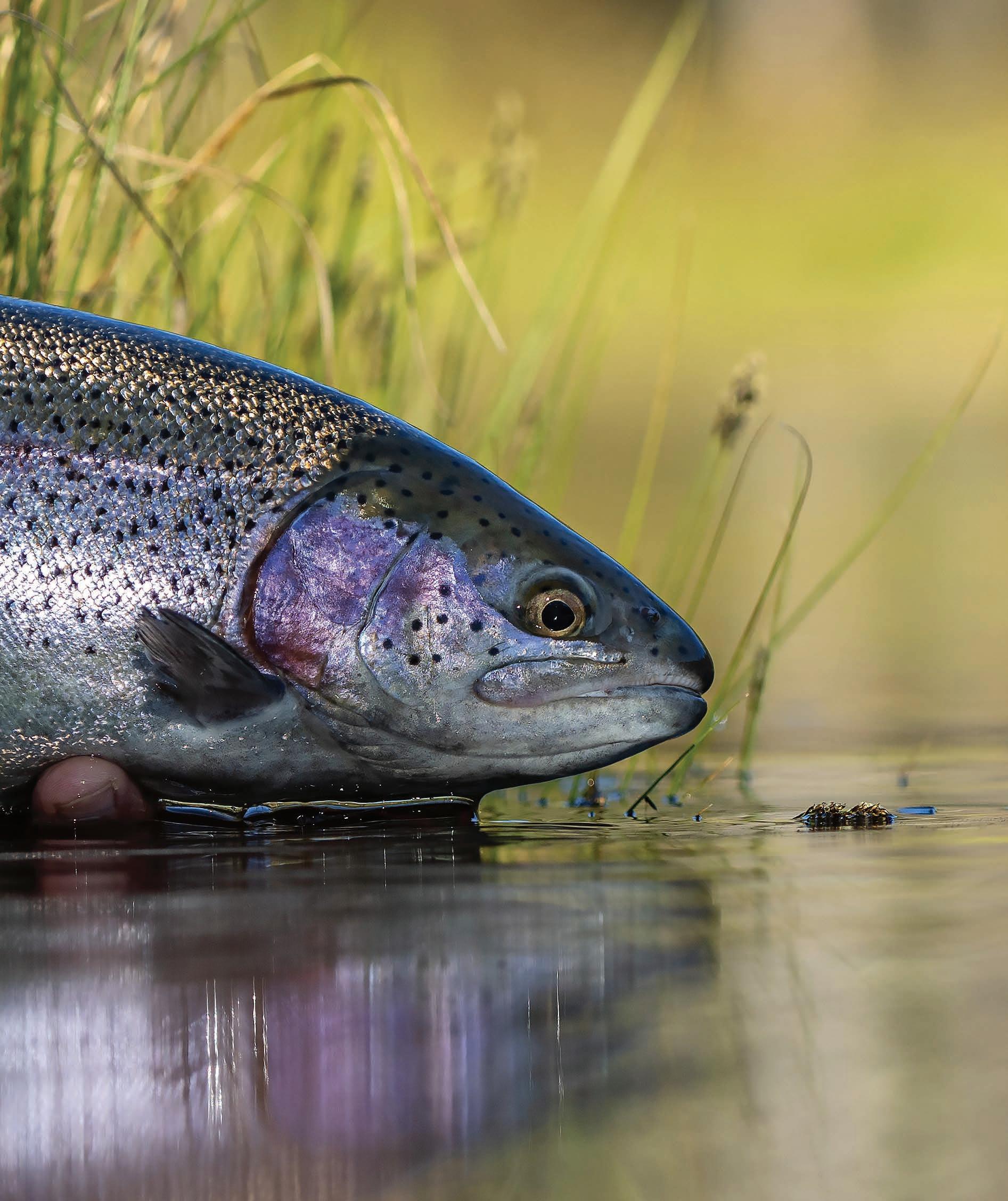
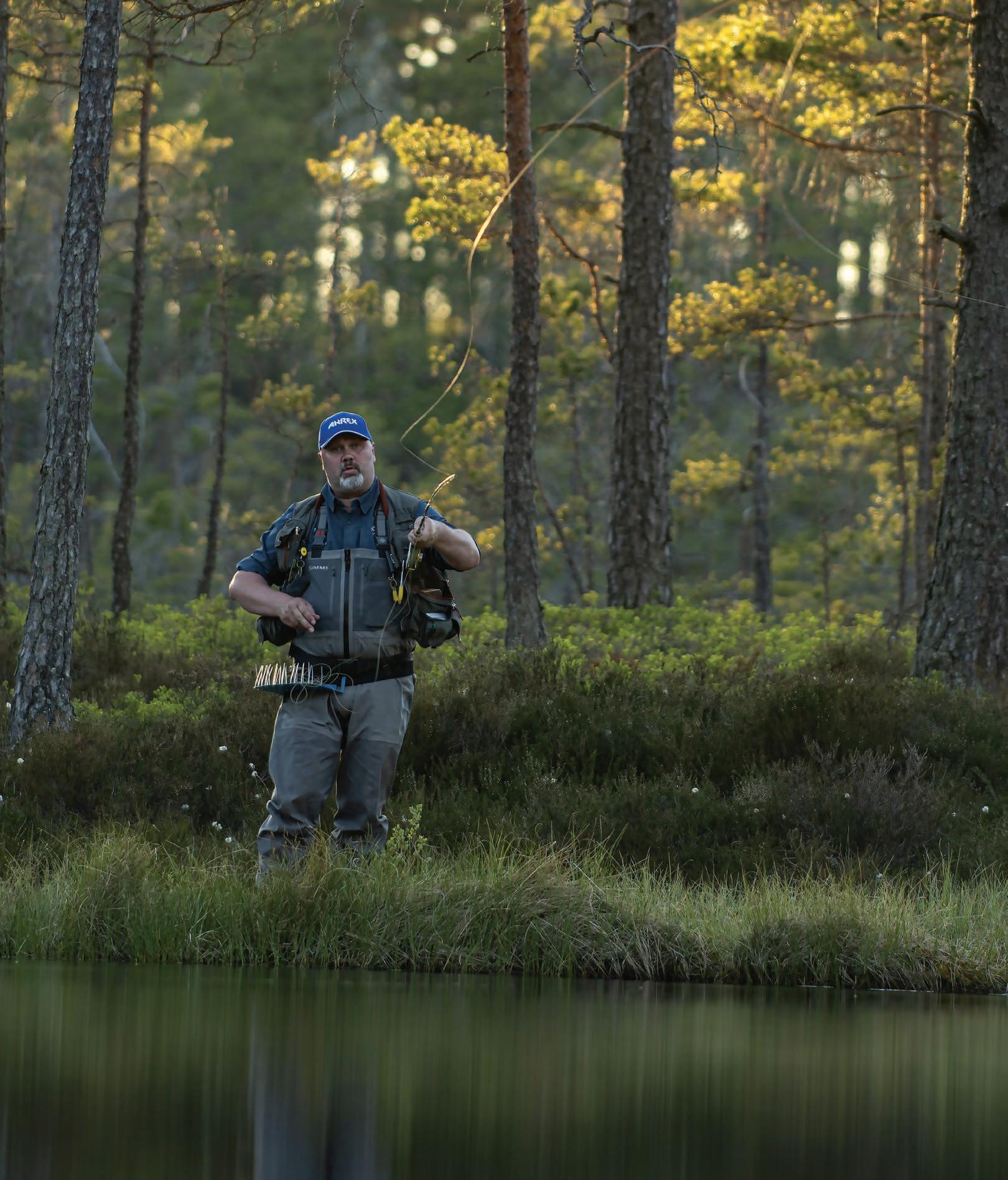
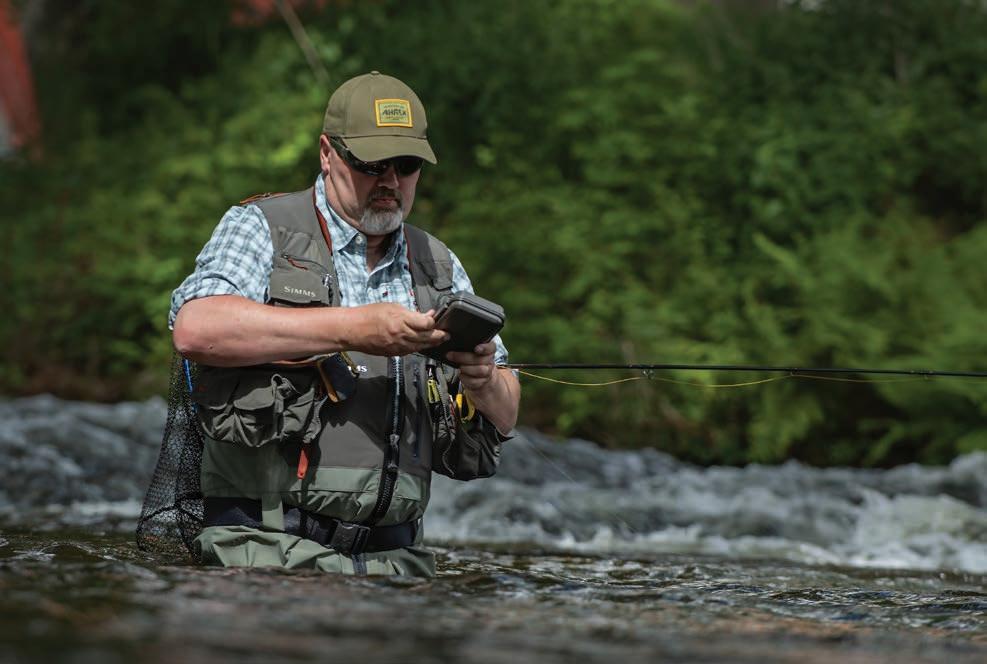
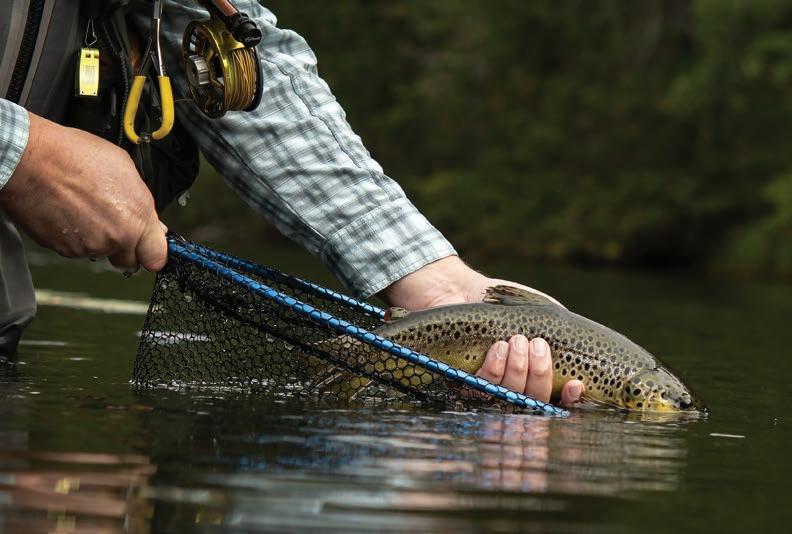
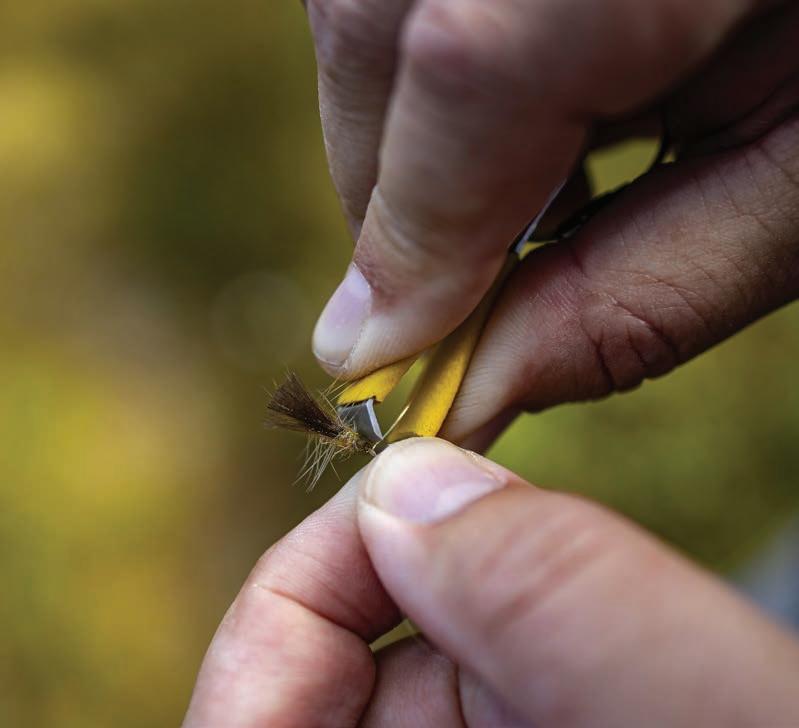
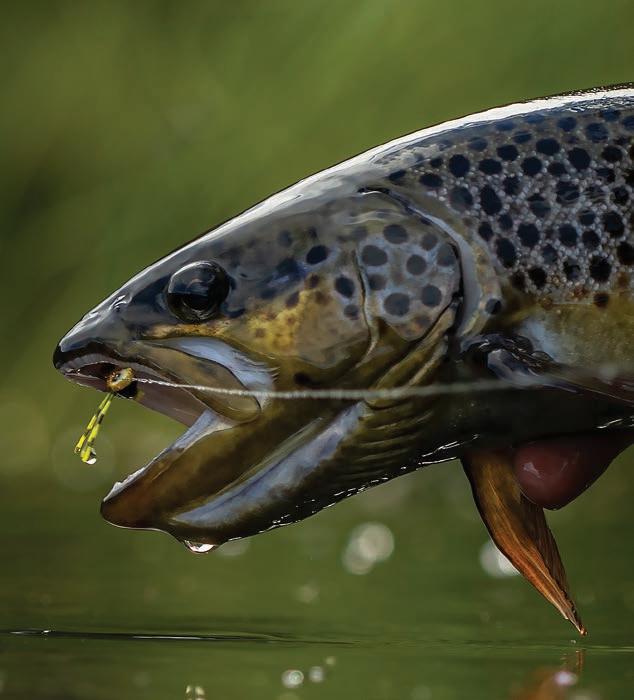
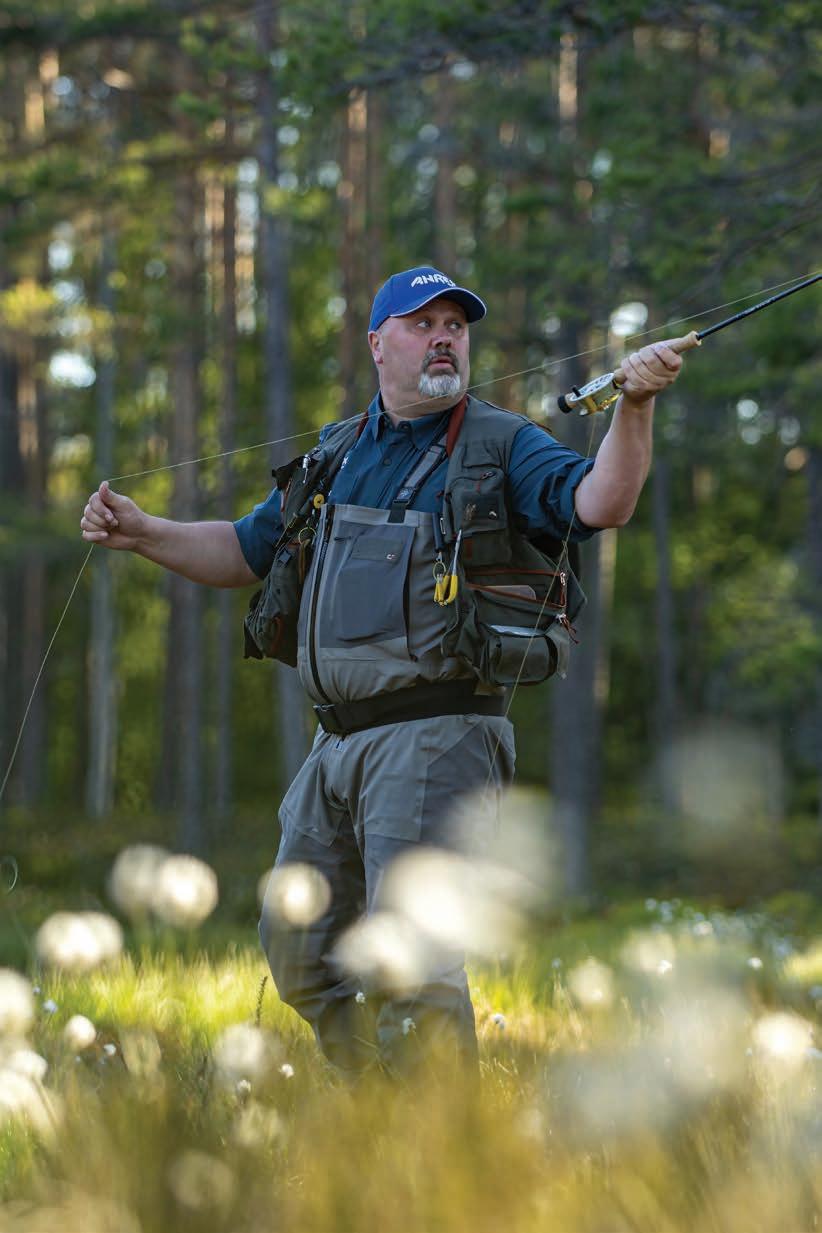
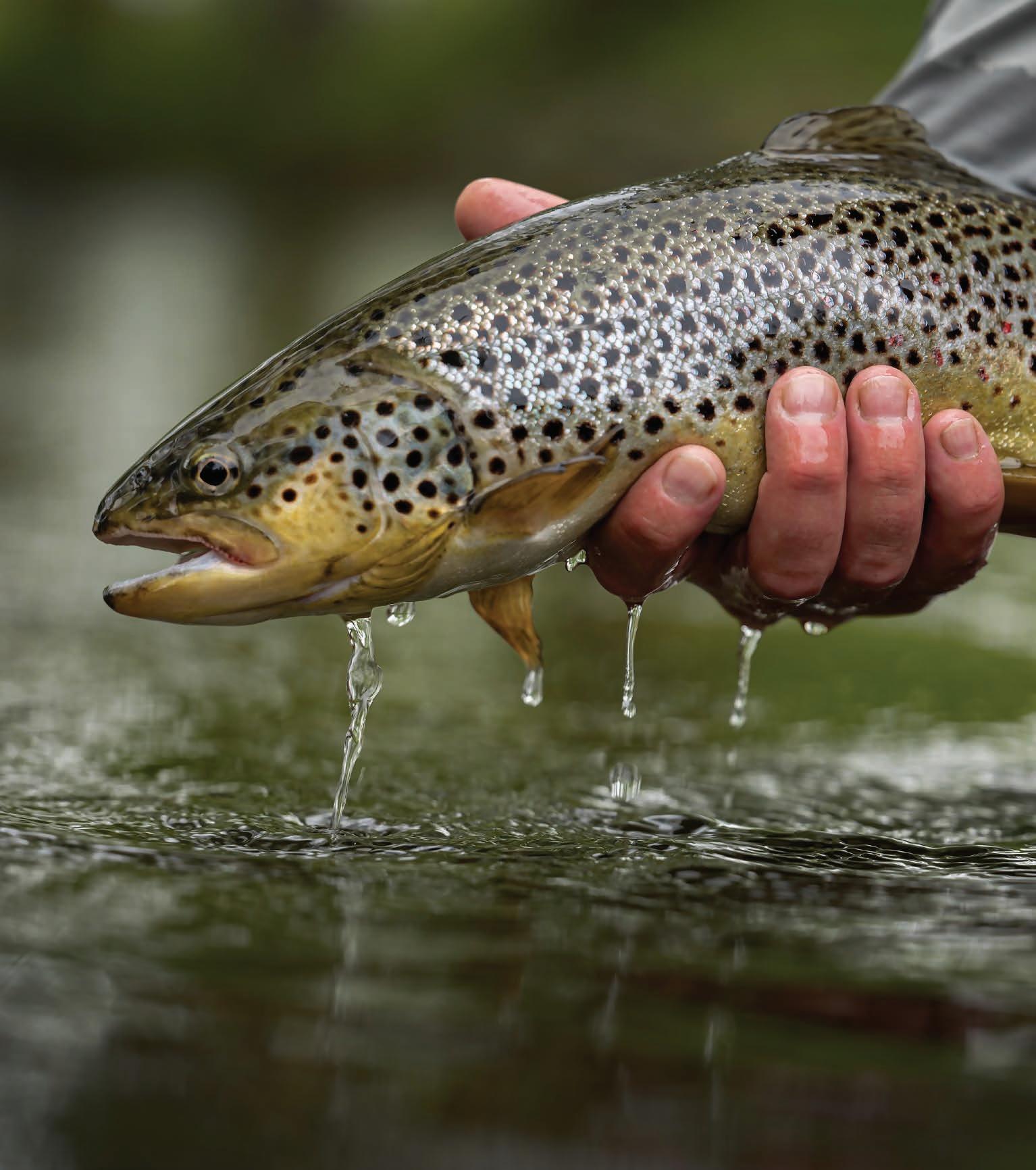
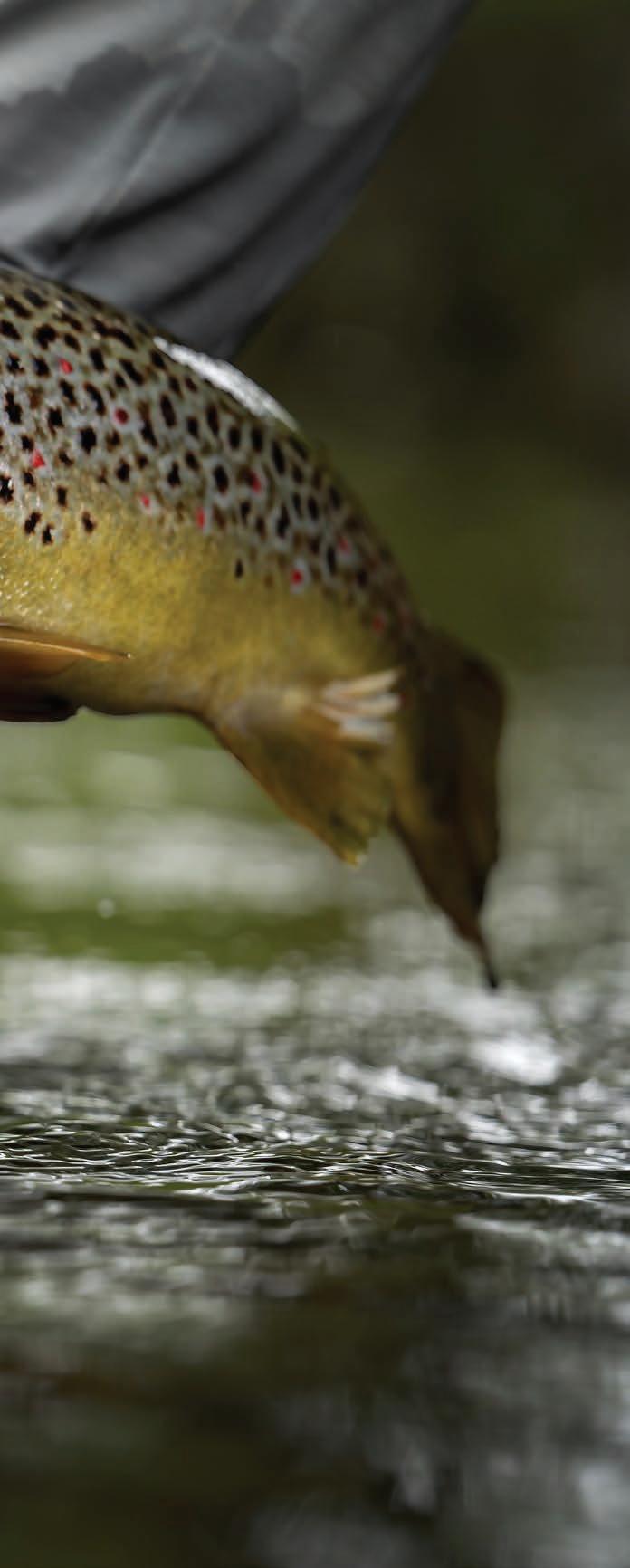
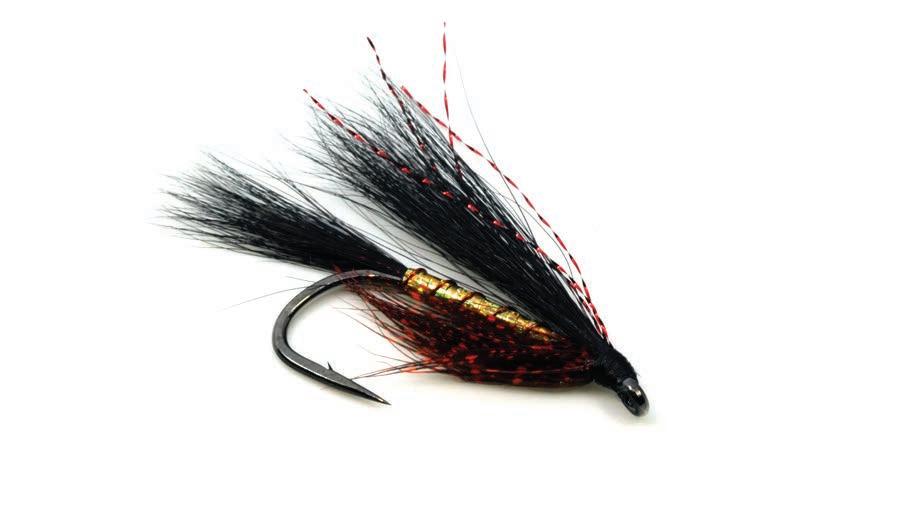
Are there any fly tyers who have influenced and inspired you?
If I had to pick one, it would be Paul Little. To me, he is the best fly tyer in the world. When I started tying fully dressed salmon flies, he gave me so much feedback and taught me new techniques. Then I discovered the other flies he tied - his quality and perfection were outstanding. He is also one of the most humble and kind people I know.
Any other Swedish fly tyers our readers should know about?
I’ll mention two: Lennart Bergqvist and Johan Klingberg. Lennart wrote what we in Sweden call “the fly tying bible” in 1989, a book that has influenced generations of Swedish fly tyers. Johan is the most well-known fly tying and fly fishing personality in Sweden over the past 25 years. He has written several books on fly tying and is well worth looking up.
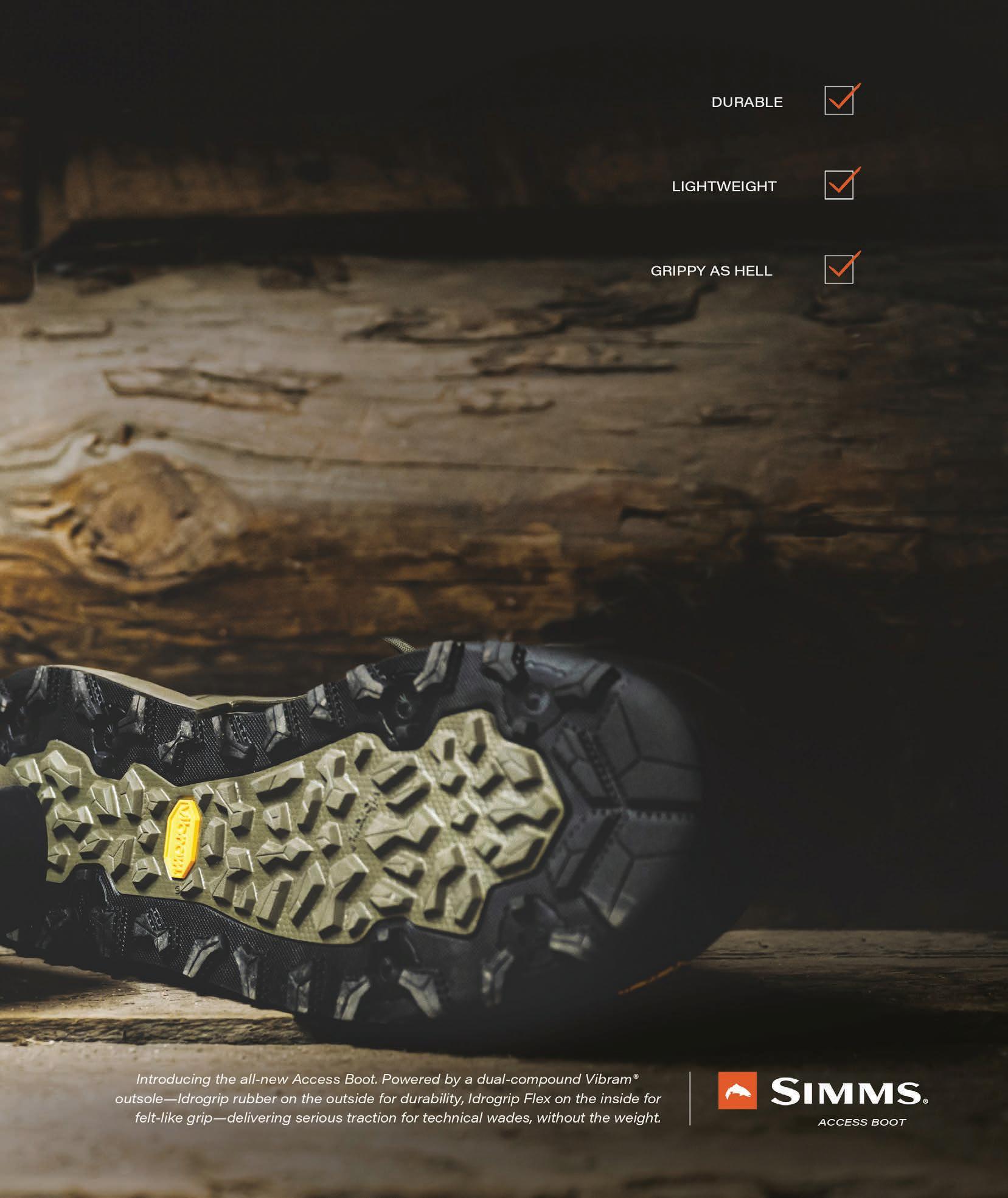
Generally speaking, ants are probably the most important terrestrial insect for the fly angler, no matter where you fish. They are extremely poor aviators, so they leave the nest in large numbers to increase their chances of establishing a new colony. When they eventually take to the wing, they are placed at the mercy of the wind and end up where it takes them.
By BARRY ORD CLARKE
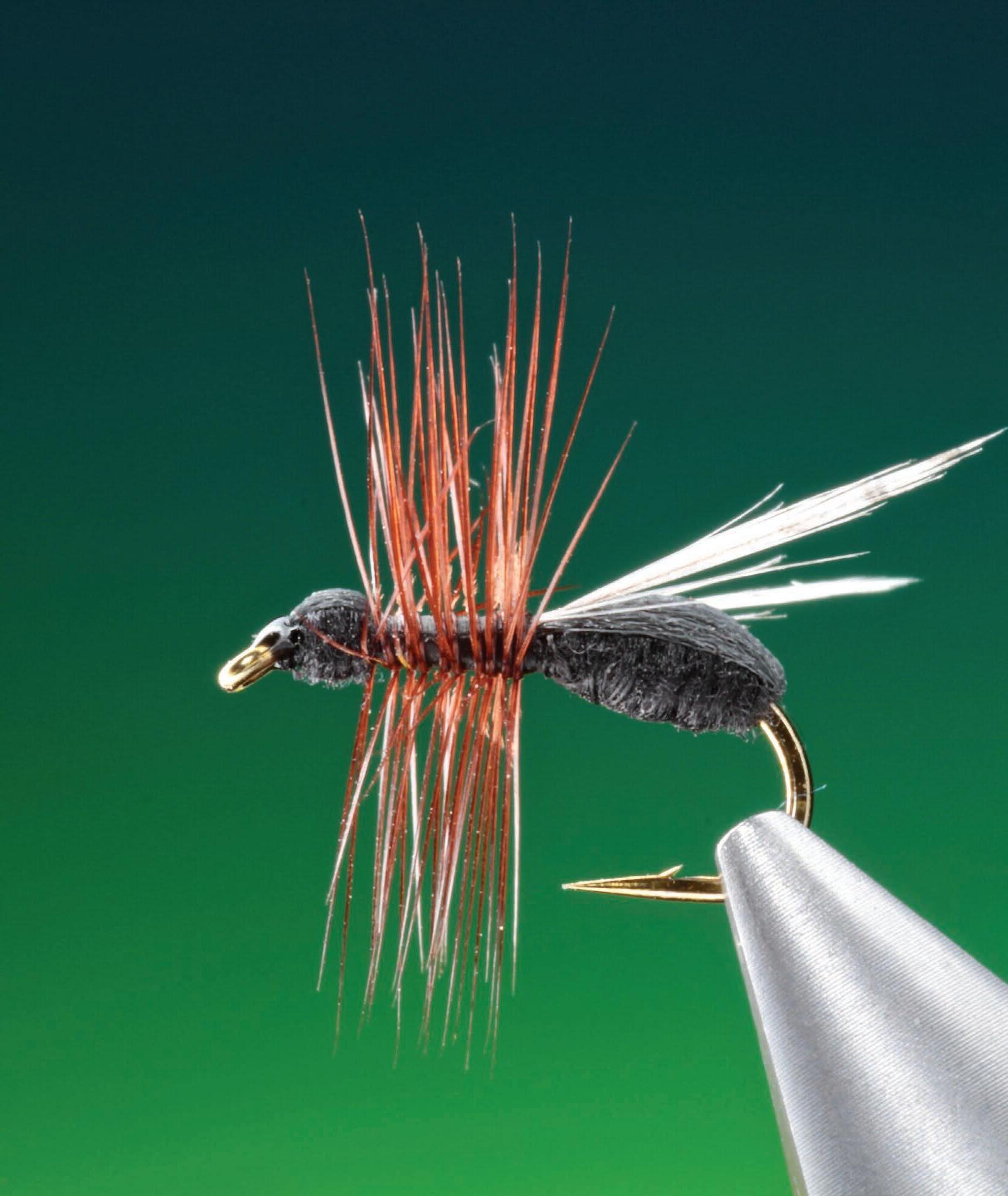
If ants are unlucky and land on water, especially in large numbers, the fish go into a feeding frenzy. In extreme situations, I have experienced that the trout will take just about any fly that is presented to them. But other times they can be so selective that they will only take the perfect pattern with the right silhouette, colour, and size. Therefore it’s important to have a good imitation at hand.
This flying ant is what we call, a semi-realistic pattern, that includes the wings, body, legs and head. You can get away, fishing with much more simple patterns, but with this one, you also learn several good techniques that you can carry further with you for tying other patterns.
The naturals that you are most likely to encounter when fishing, will be black, but on occasions they can also be red, so here are two other variants of this pattern that may be worth you tying, depending on how prevalent ants are for your own fishing!
Both are exactly the same pattern as this one, but with a slight change in colour. The first, all in red, including the wings. The second is one that I have increasing success with, is with a red rear body and a black head, simply a mixture of both. This pattern will float well, especially if treated with a fly floatant. But if your ant sinks a little when fishing, don’t take concern, because they swim as well as they fly.
Hook: Mustad Heritage R30 # 12-16
Tying thread: Sheer 14/0 black
Body: Super Fine dubbing black, polypropylene black
Wings: Dun cock hackle tips
Head: Super Fine dubbing black, polypropylene black
Hackle: Brown saddle hackle
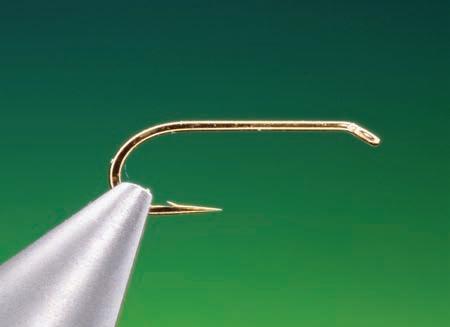
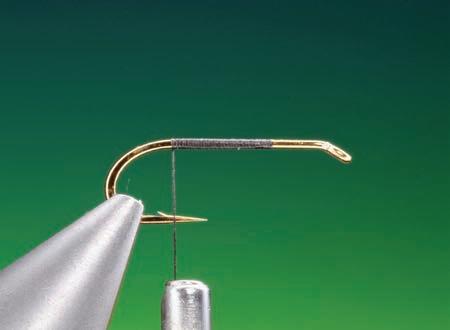
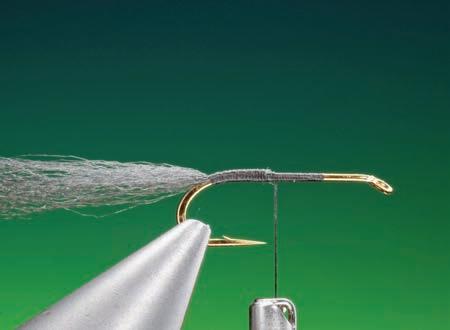
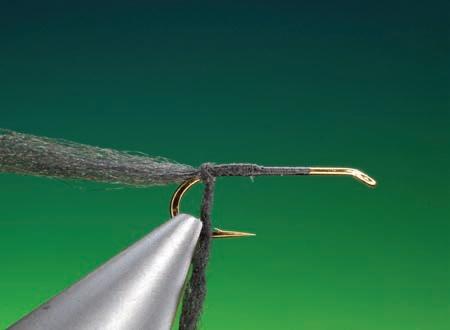
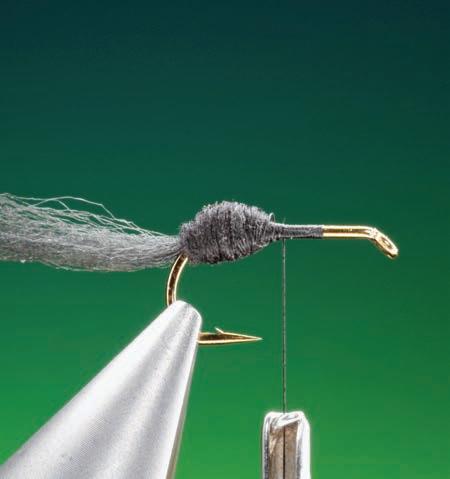
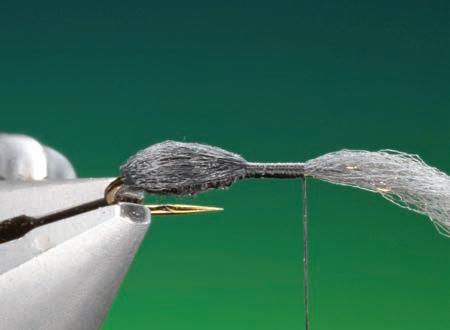
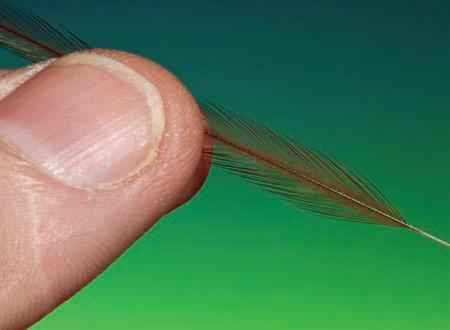
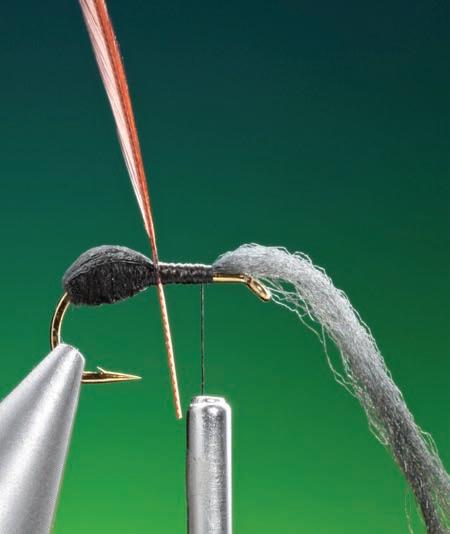
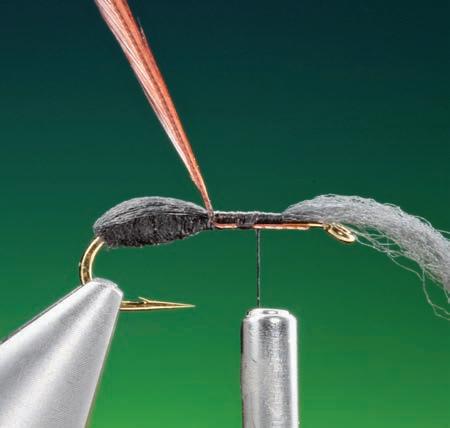
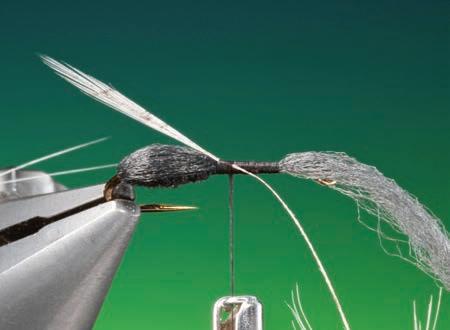
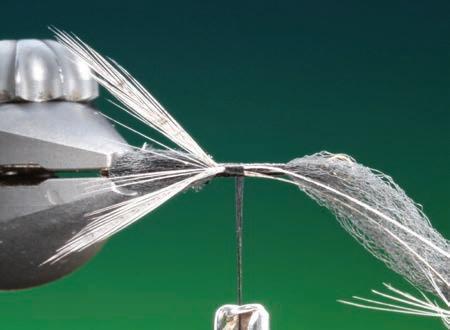
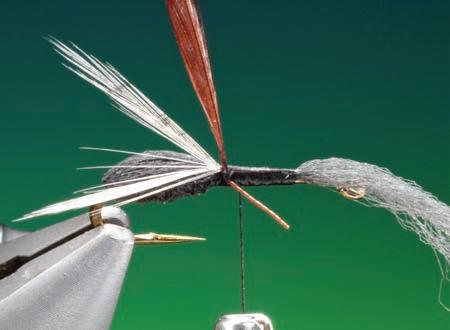
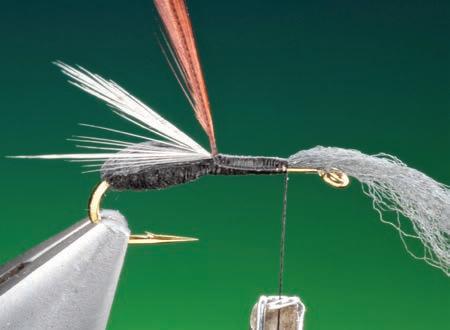
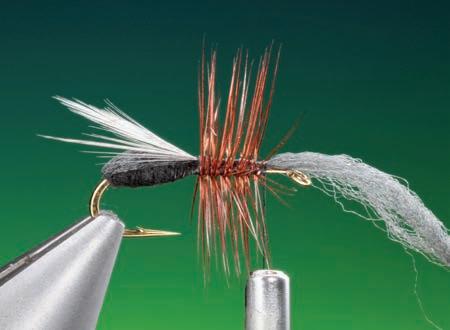
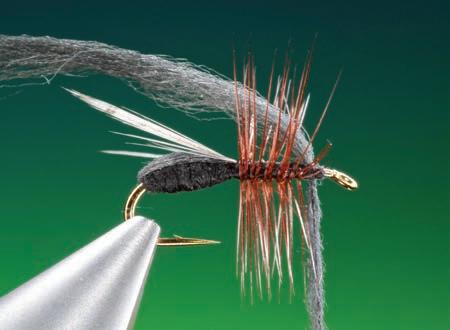
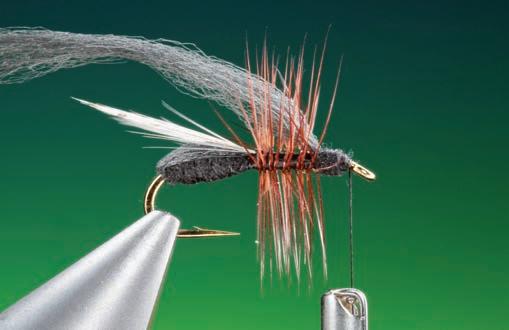
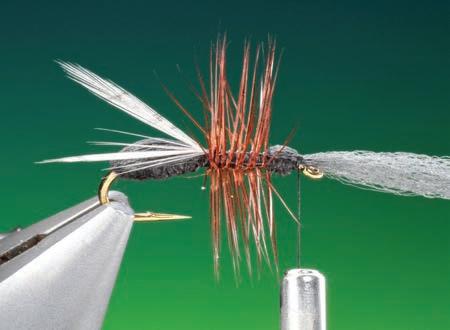
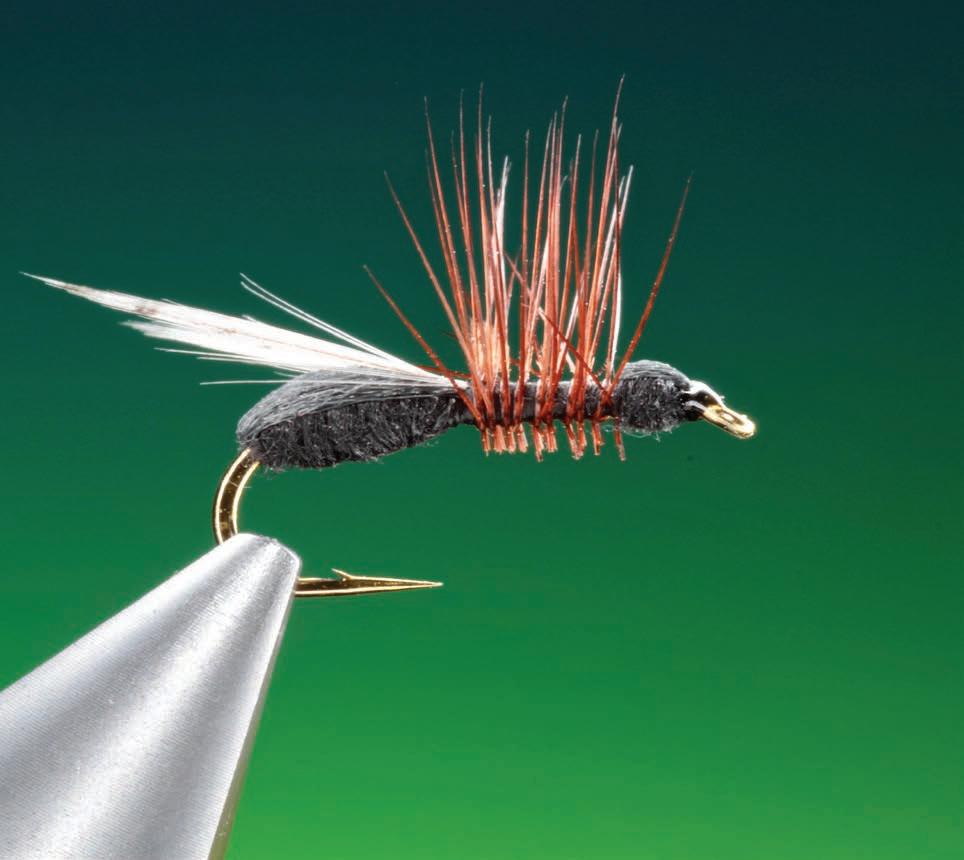
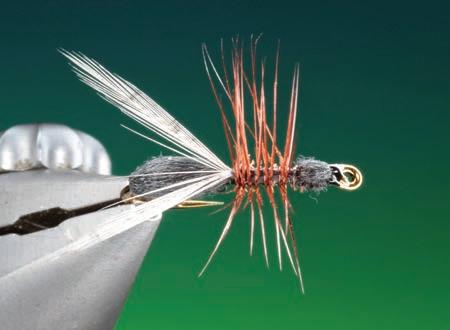
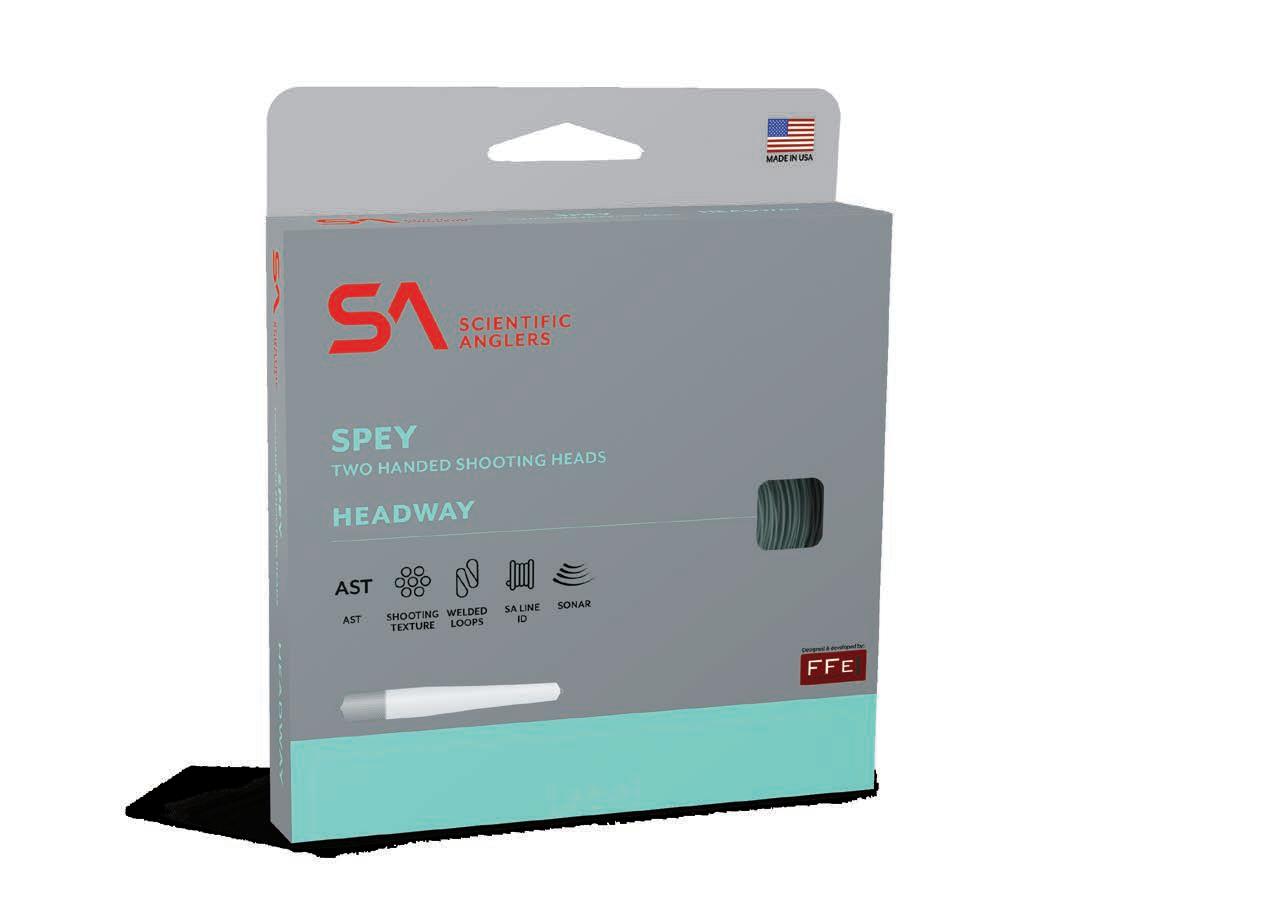
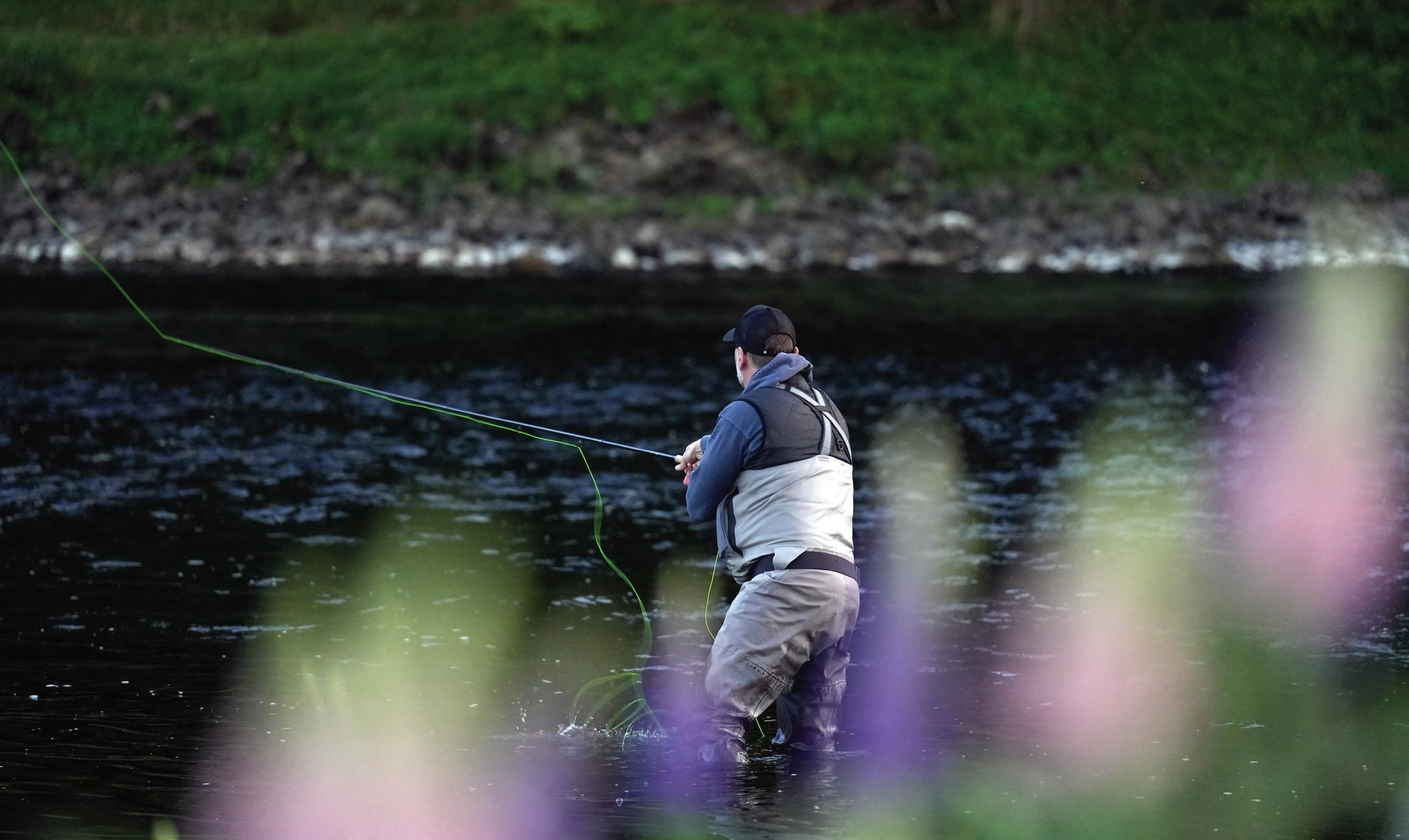
Headway Strategic Bellies — a more compact evolution of the widely acclaimed Headway Bellies. The tapers on Headway Strategic feature the same powerful rear-weighted design as the original Headway, ensuring effortless rod loading and smooth Spey casting.
One of our primary goals was to create tapers that eliminate hinging during both the back cast and forward cast. Hinging can sap energy from the loop, diminishing performance during the anchoring of the back cast and the execution of the forward cast. With Headway Strategic, you’ll experience seamless energy transfer and precision with every cast.

By THE EDITORIAL STAFF
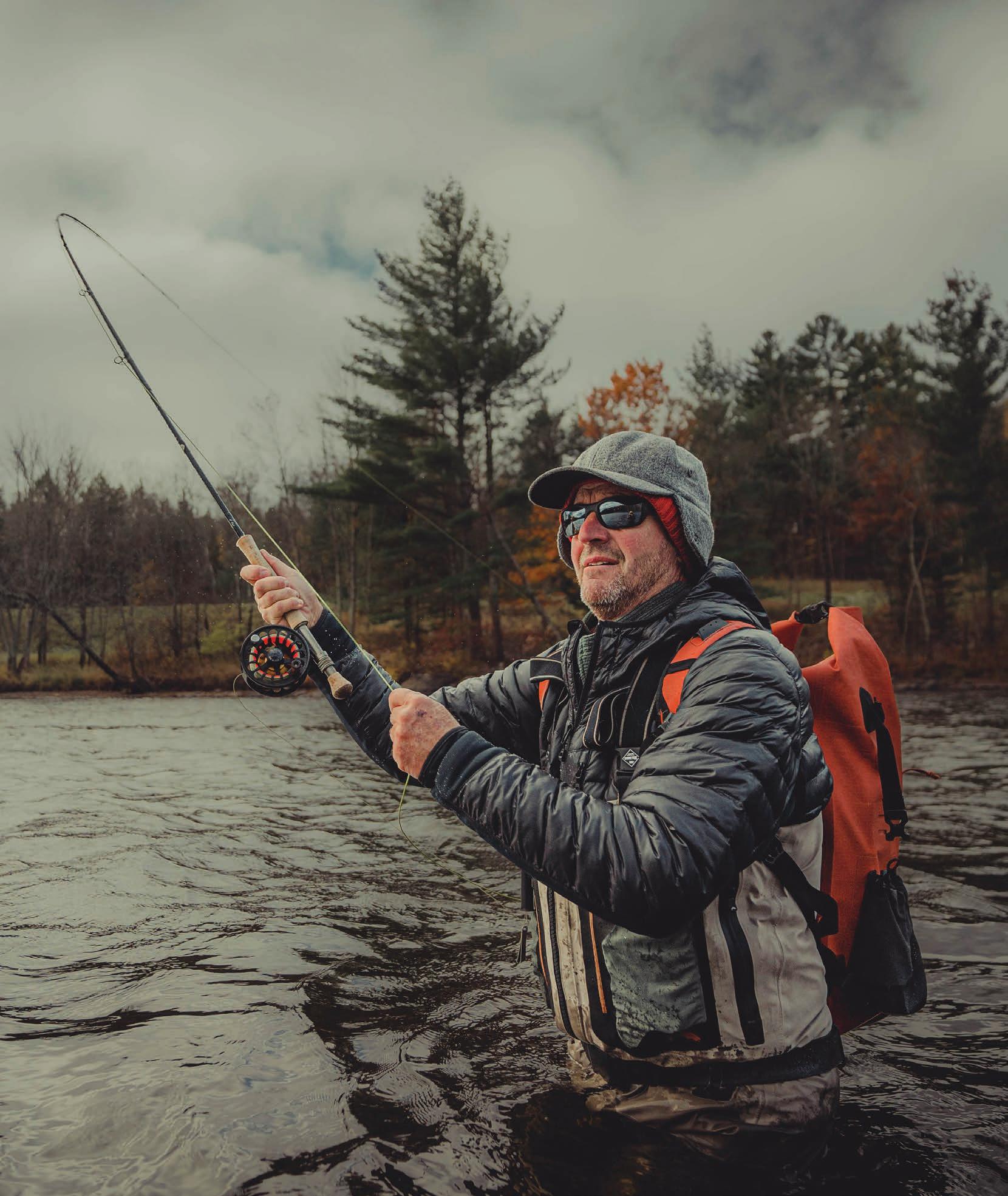
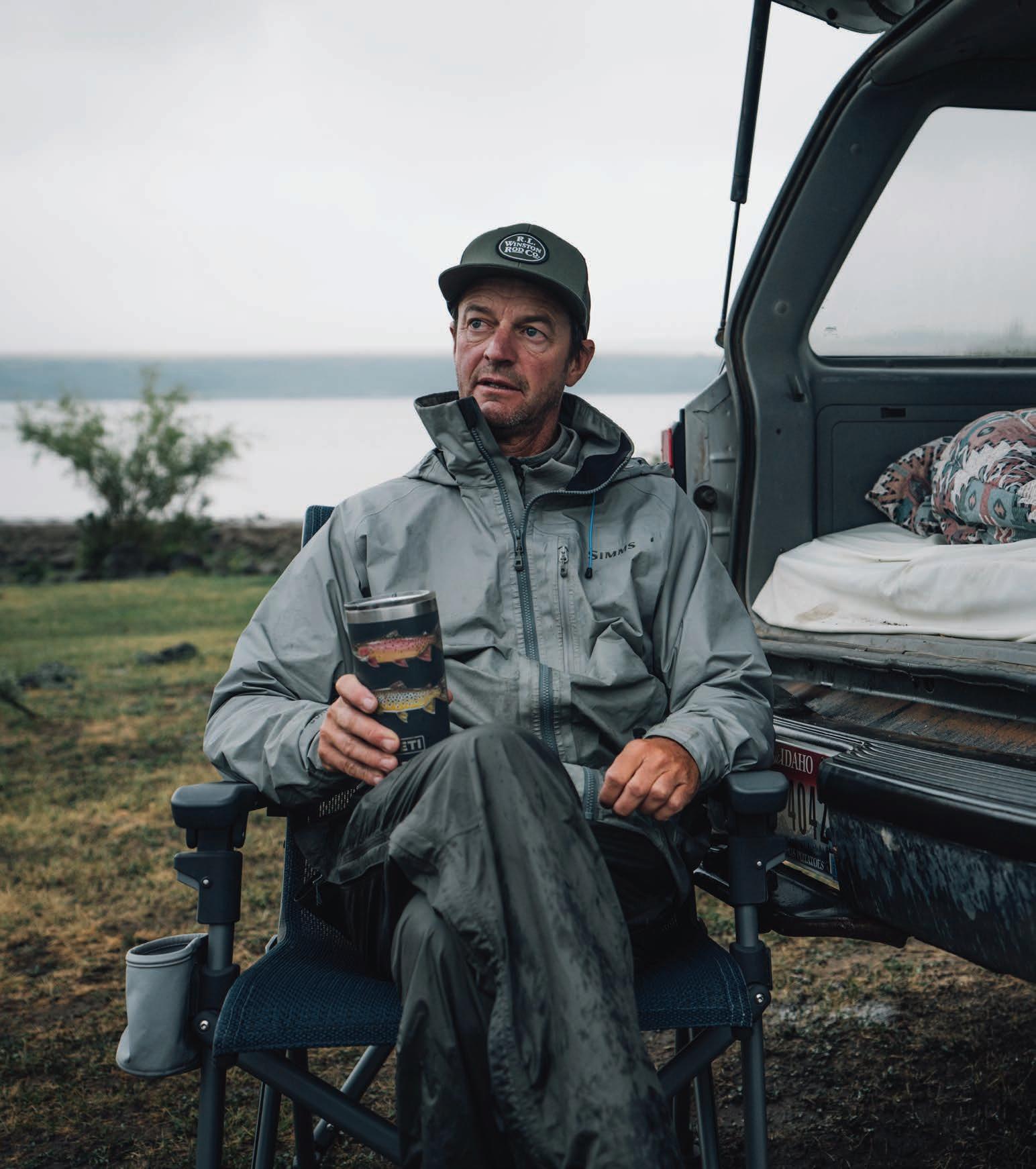
Name: Jeff Currier
Born: Beverly, Massachusetts
Country: USA
Occupation: Fly Angler/Artist/Fly Fishing Presenter
Website: jeffcurrier.com
SoMe: www.instagram.com/jeffcurrier65/
From the rivers of New Hampshire to the remote waters of Africa, India and beyond, legendary American fly angler Jeff Currier has spent a lifetime pursuing fish, adventure and connection with nature.
Known for his remarkable quest to catch 500 species on the fly, Currier is not only one of the world’s most traveled fly fishermen, but also an artist, storyteller and passionate advocate for fisheries conservation. In this profile for IN THE LOOP MAGAZINE, he reflects on the lessons learned from a lifetime on the water, unforgettable encounters with fish and wildlife, and the curiosity that continues to drive him toward new horizons.
How did you get started fly fishing and why?
My dad took me fishing for the first time when I was five years old. Dad stuck a spin rod in my hand with a worm and bobber and made the cast for me. Then he did something totally different. Dad pulled out his fly rod and went to work.
My dad was a superb fly fisherman. I remember that first day well; I caught two trout and dad caught nine.
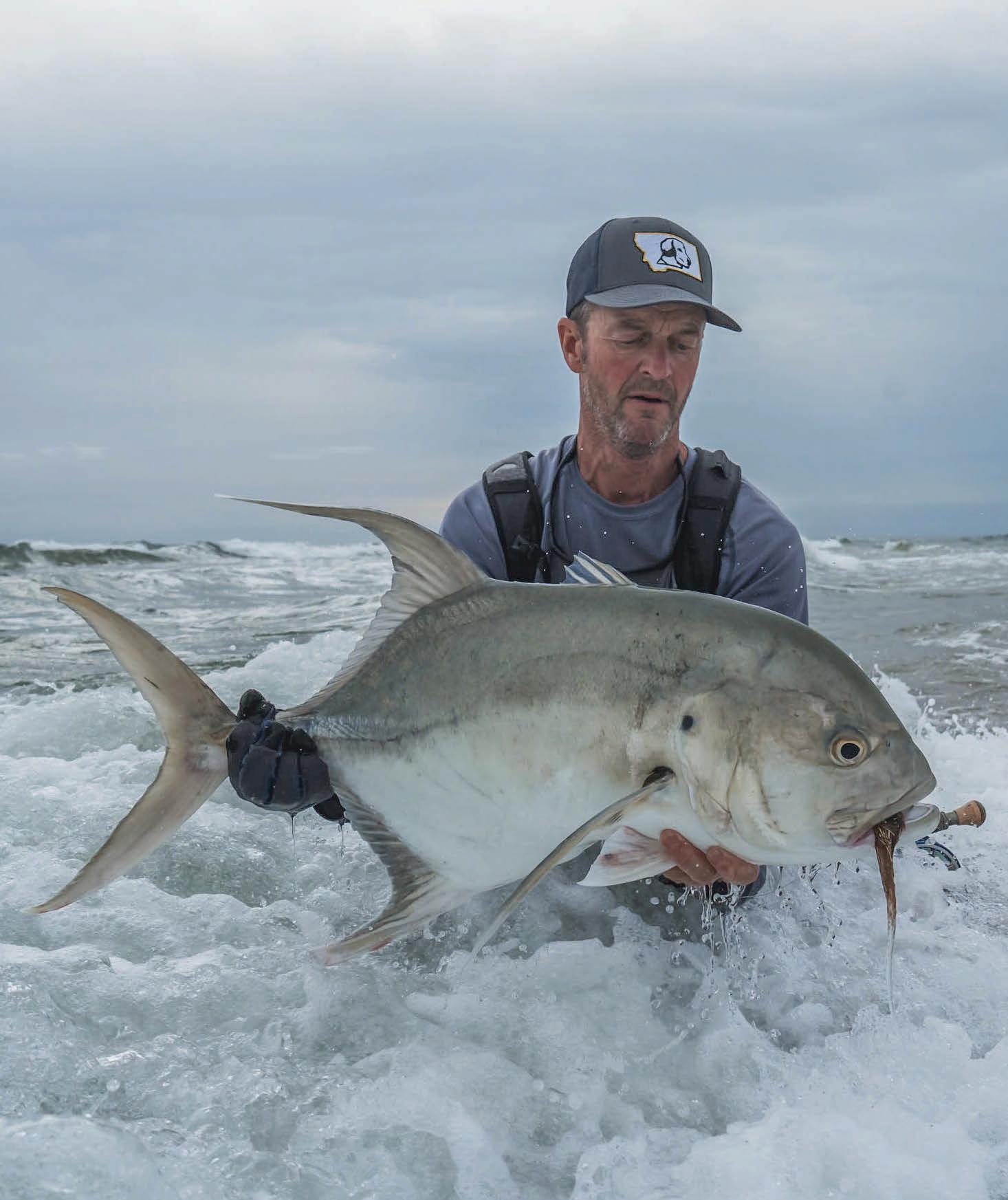
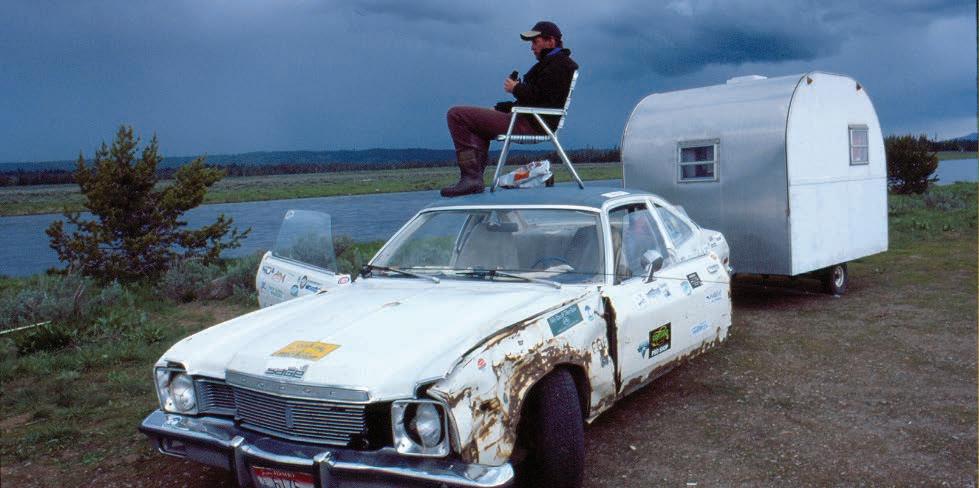
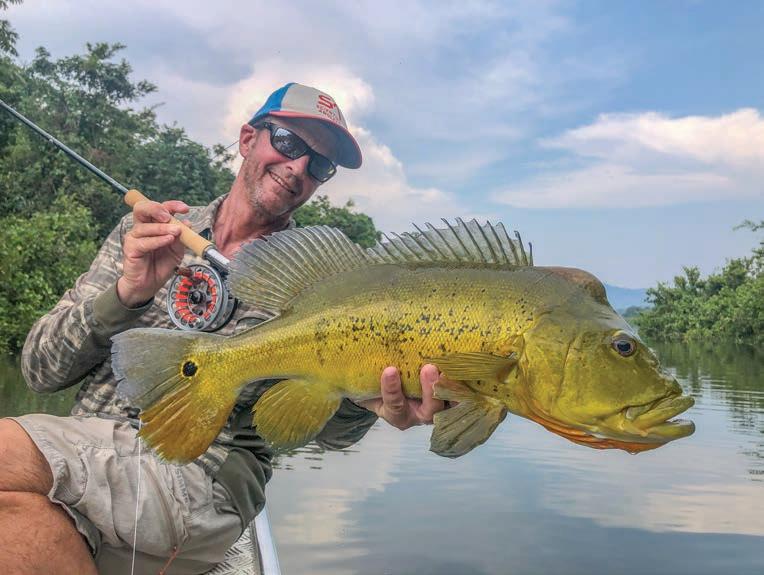
Tough love! It was his casting, however, that mesmerized me. It looked fun yet challenging and that lured me. I decided at that early moment in my life I was going to be just like dad. At age 7 dad got me my first fly rod and I never put it down. At age 16 I finally out fished dad on the Madison River in Montana!
What is it about fly fishing, specifically, that fascinates you?
The simplicity. There’s no bait to deal with. Just fur and feathers and/ or a few synthetics on a hook. And for those who are really exceptional at fly fishing, it’s the best method to catch any species of fish anywhere in the world. Well-presented flies work better than bait!
What characterizes the most special and memorable moments in fly fishing? For those with lots of experience, the moments certainly aren’t about days catching tons of fish. For me they involve one exact fish. Not always a big fish, but always one that was an
adventure getting to, a challenge to fool, and when the fish fell for my trickery, it usually ate my fly in an unforgettable way. Perhaps a deliberate rise from a huge trout. Maybe the way a flats fish tailed on my crab. Or a jolting strike from a fish on my streamer. There’s always that short clip that gets etched into your mind forever where every single detail remains clear for the rest of your life.
Most of these moments took place either alone where the connection with nature was immensely strong or with a special person such as dad, my wife or a best friend. No matter, it’s always a person that shared the moment at the same incredible level as me and we always talk about it when we meet. The most special and memorable moments involve an entire journey.
What is the most important thing you’ve learned along the way as a fly fisherman?
Tough question. I’ve learned so many things from a lifetime of fly fishing.
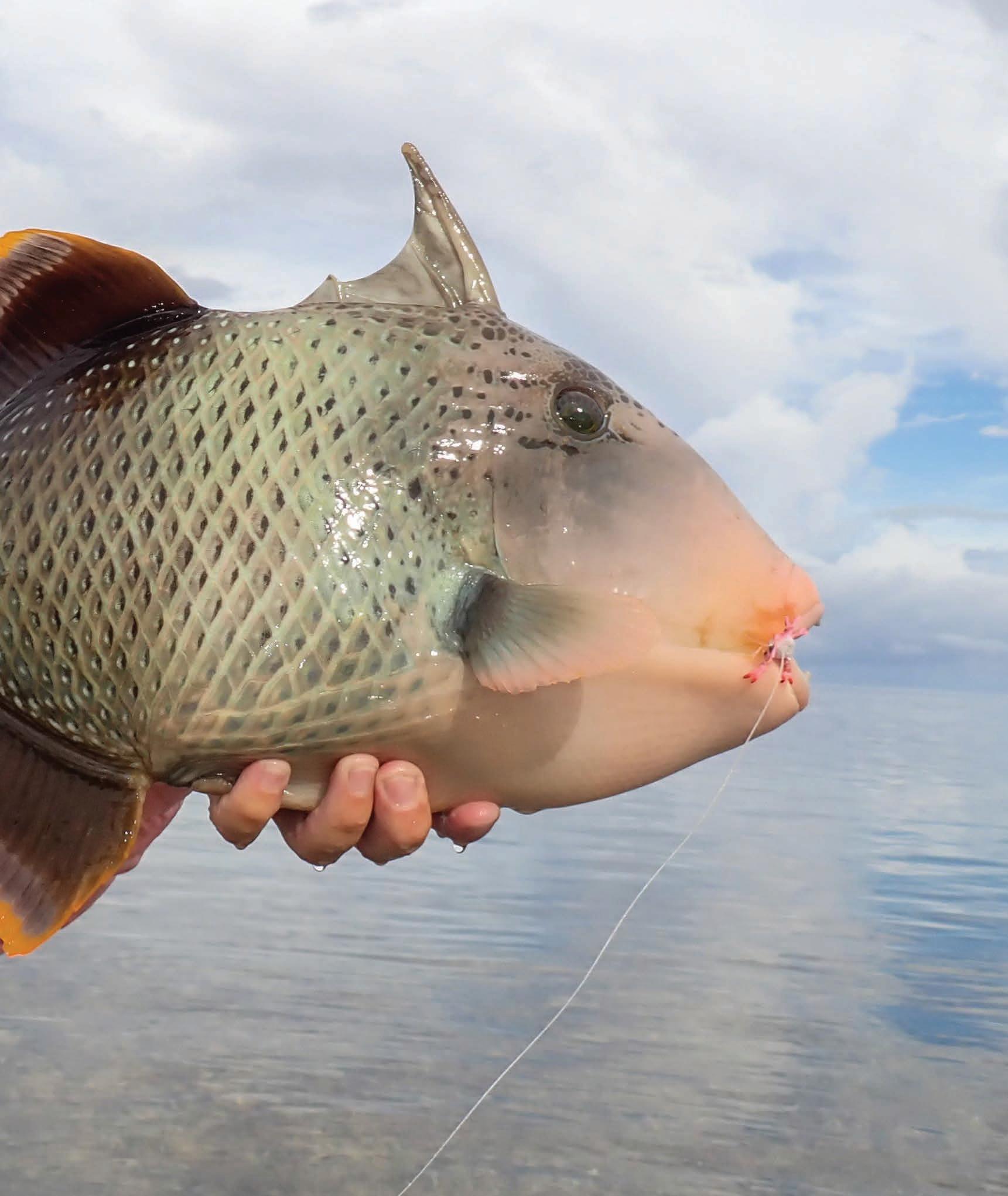
But probably the most important thing is resilience. When you’re learning to fly fish there’s so much failure it’s unbelievable. So much that many quit the sport before they get good enough to enjoy it.
I was young when I started, so at a very early age I learned how to handle failure. But I knew I didn’t have to accept it. I didn’t let any struggles get me down. Instead, I learned how to get out there and figure out how to succeed.
What is it that motivates you and drives you towards new fly fishing adventures?
Curiosity. The need for new challenges. The urge to continuously improve tactics and techniques to become a better angler. And fresh adventures often lead to first experiences with exciting species of fish!
You’re heavily into specimen fishing. How did you get into it? - What are the rewards? - And how many different species have you caught by now?
I’ve always been fascinated by not only fish but reptiles, amphibians, birds and more. Most animals you don’t have the ability to actually catch, put your hands on them, study them and release them. But at an early age, I realize with fish I could. Eventually I studied ichthyology in college. And the best thing about fly fishing for species is that each one requires different techniques and skills to catch. The reward is it makes you a better angler. I’m about to catch my 500th species on the fly.
What’s your favorite species of fish to target – and why?
I have a passion for smallmouth bass. They were the prized fish when growing up as a kid in New Hampshire. There were numerous spectacular sunrises fishing from a canoe in remote places. The scenery, birds and the connection to nature
when smallie fishing was incredible. I fell in love with the whole process of smallie fishing.
It took me a few years before I finally landed my first big smallmouth bass. That smallie fell for a popper. I remember my dad was very proud. Little did I know when I released that first one there would be many more. Thousands more, and yet I never get tired of them!
What’s your dream destination and why?
I’ve been incredibly fortunate to fish throughout the world. I’ve been to Africa at least ten times and cast to the vast majority of different species in more than a dozen African Countries. Africa has grown on me and is one of my favorite places. But there’s an African fish and a region I’ve not made it too yet.
My dream is to go to the heart of Africa in either the Central African Republic, the Congo or DR Congo and catch a goliath tigerfish (Hydrocynus goliath).
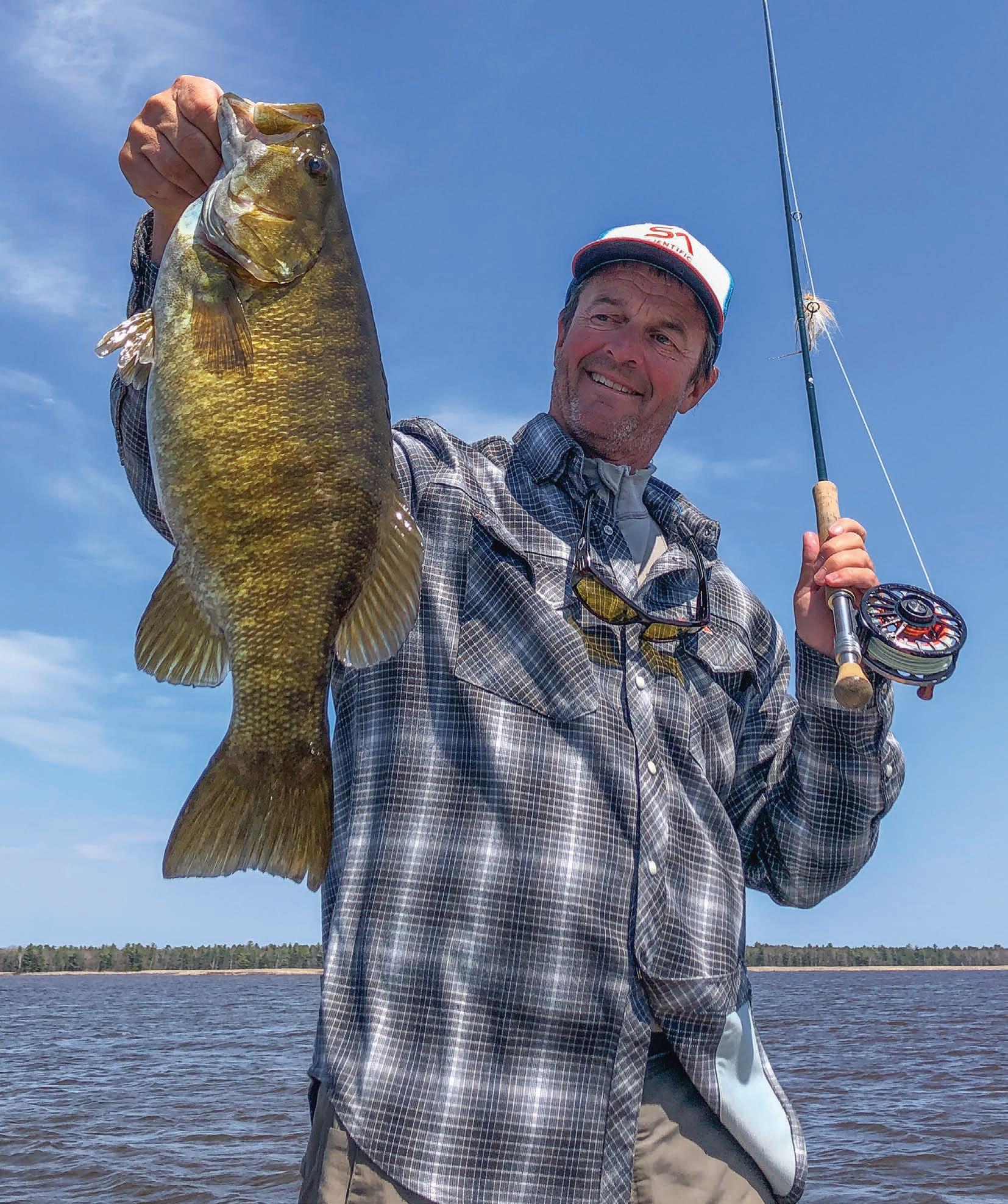
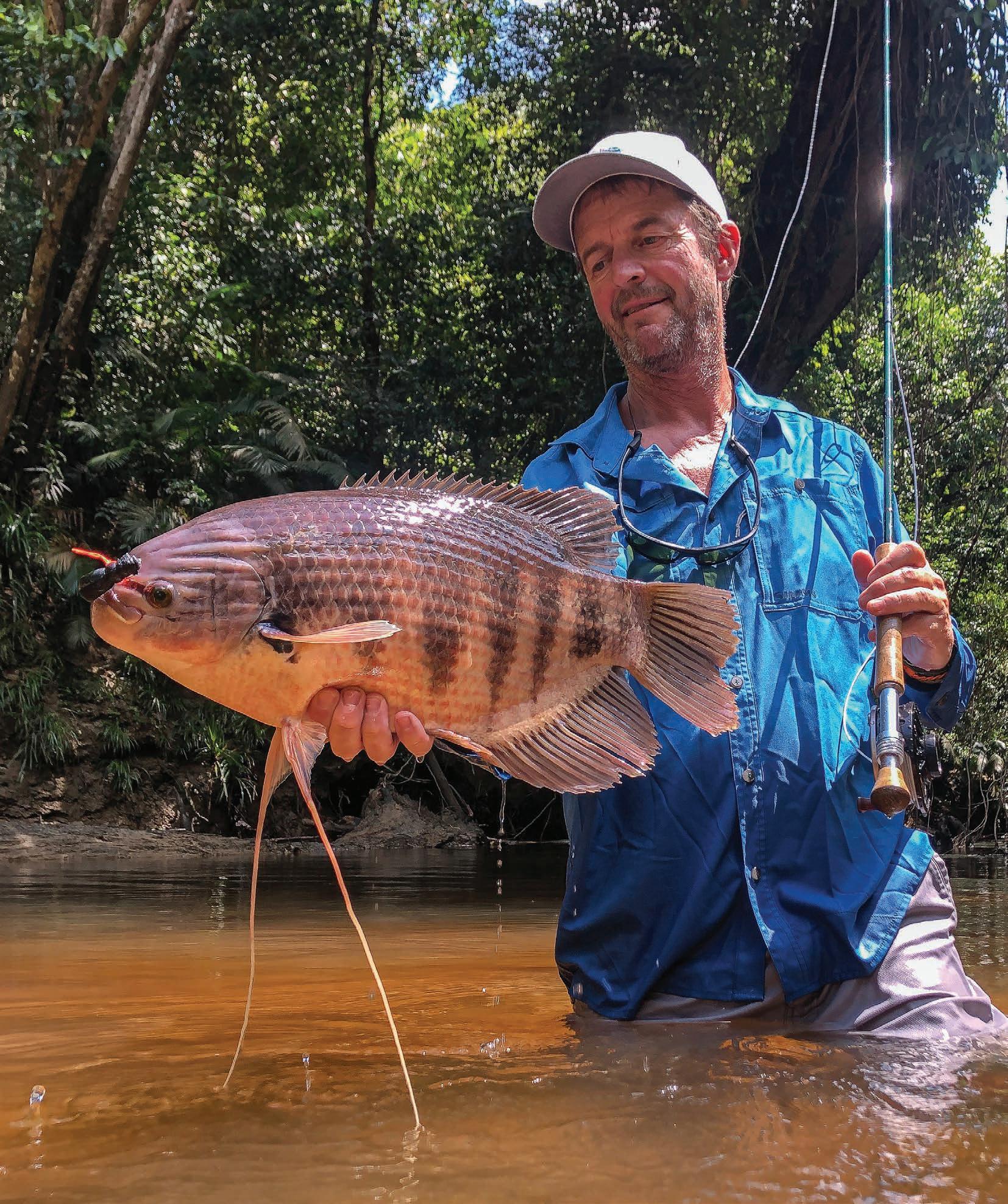
What’s been your most memorable fly fishing trip/experience so far?
Whoa! This is a tough question. There’s been a heap of memorable fly fishing trips and experiences. But if I had to tell a story about a trip, it would be about my second trip to India for golden mahseer in May of 2008.
I was hosted by legendary mahseer fly angler Misty Dhillon on the Ramganga River. Near the end of the trip, I ventured off on an eight-mile hike to a lower beat on the river. In the morning I caught and released a world record golden mahseer of 27lbs and 48” long. In the afternoon I came face to face with a Bengal tiger. It’s a long story well worth hearing but I need to be around the campfire with a tall beer in order to do so. It was a close call.
What are your ambitions for the future?
Well, I don’t plan on slowing down my fishing and travel or my search for catching new species anytime soon. Being that after 2026 I’ll have
more than 500 species under my belt, I’d like to head for 750. I figure I have another good 20 years left in me before Mother Nature steps in. But when she does, I’d like to get more serious with my artwork.
These days I fish so often I don’t have a ton of free time. What spare time I have is usually spent preparing for upcoming presentations for a club or show. But the time will come where long flights, risky locations and demanding hikes won’t be in the cards. Then I’m going to buckle down with my art and start painting with oil paints and expand from fish to birds.
Any cool trips or projects coming up?
My schedule is packed. This year I’ll fish internationally seven times. While several will be returns to places I’ve been before, two are new and I’m very excited about both. In celebration of my 500th species on the fly, Confluence Films is making a short film about this accomplishment.
They asked me to choose a fish I haven’t yet caught yet and they will film me trying for it. I’ve chosen the Wels Catfish and we will film this in June in France. I love the odd species, and the Wels should be an incredible one to go for. Man, I hope I can catch one! I’ll also be passing through Denmark in route to my first ever visit to Greenland. I’m absolutely thrilled to finally set foot on this beautiful piece of land I’ve flown over so many times. I can’t wait to hold one of those beautiful char. And hey, if any of you guys are around when I come through Copenhagen, I’d love to fish a day in Denmark as well.
In terms of the environment, what has most concerned you as you’ve traveled the world?
Water quantity and water quality are what I’m most concerned with. Plain and simple, many of our top fly fishing regions don’t get the moisture they once did and temperatures are far warmer.
I can tell you from experience living in the Rocky Mountains for over 30 years (Wyoming and Idaho), there is far less water than there was when I arrived there. Snowpack levels are meagre compared to what they were even 20 years ago. Furthermore, we used to get rain through thunderstorms a few times a week all summer long. Now the storms and rain are uncommon.
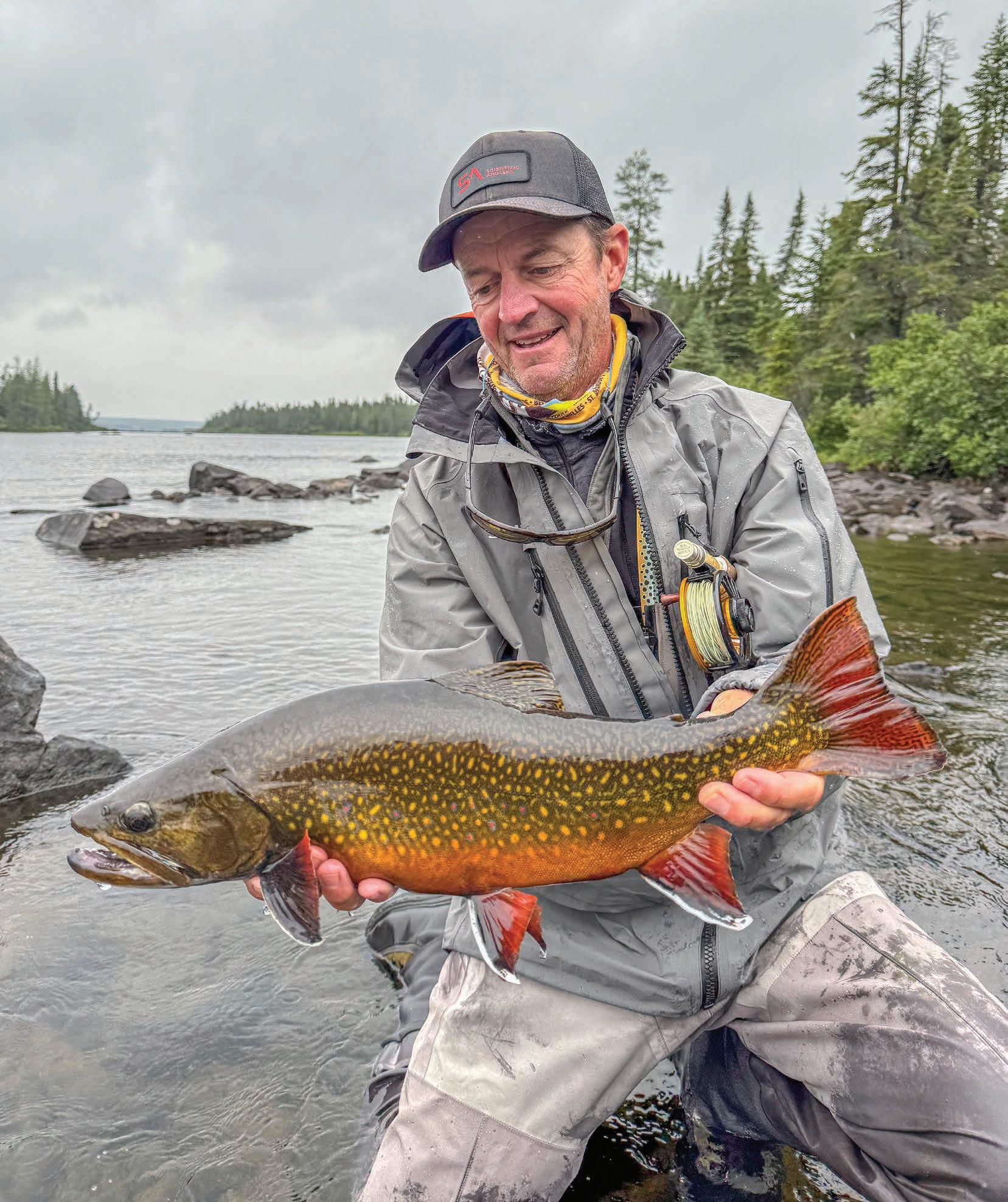
In turn of drought and rising average temperatures, what water that remains available gets dangerously warm for not only trout, but all species.
Amounts of water and water temperatures are not only concerns in the Western US. I see issues throughout the world including saltwater destinations. Saltwater destinations will never be short of water, however the temperatures of the water on the flats reach new highs each year. On a recent trip to the Seychelles the water was warm to the touch.
I won’t get into pollution or overfishing, but in many parts of the world it’s a disaster. A constant battle. We humans certainly take a toll on the environment.
Do you have any advice for fellow fly fishermen who would like to make a difference on behalf of the environment and our precious fisheries?
For instance, most trout anglers are members of Trout Unlimited. They pay their annual dues and assume “great; I pitched in to help save trout”. But can’t you do better than that?
I suggest some hands-on assistance. Help with a kid’s day. Help with a river clean up. Something.
Anything. Just one hands-on event a year keeps you closer to the heart of the organization, so you understand what’s really going on in your local rivers and lakes.
This also helps you keep tabs on the pulse of the people in your community.
And then there’s the simplest thing each and everyone of us can do –leave the smallest footprint on this earth possible. Use less. Whether it be electricity, paper towels, fuel, etc. Use less of everything.
I think many people rely on others to do the protecting of the environment and assume everything is ok.
And be especially careful with water. And for goodness’ sake, if you don’t need to drink from a plastic water bottle, don’t!

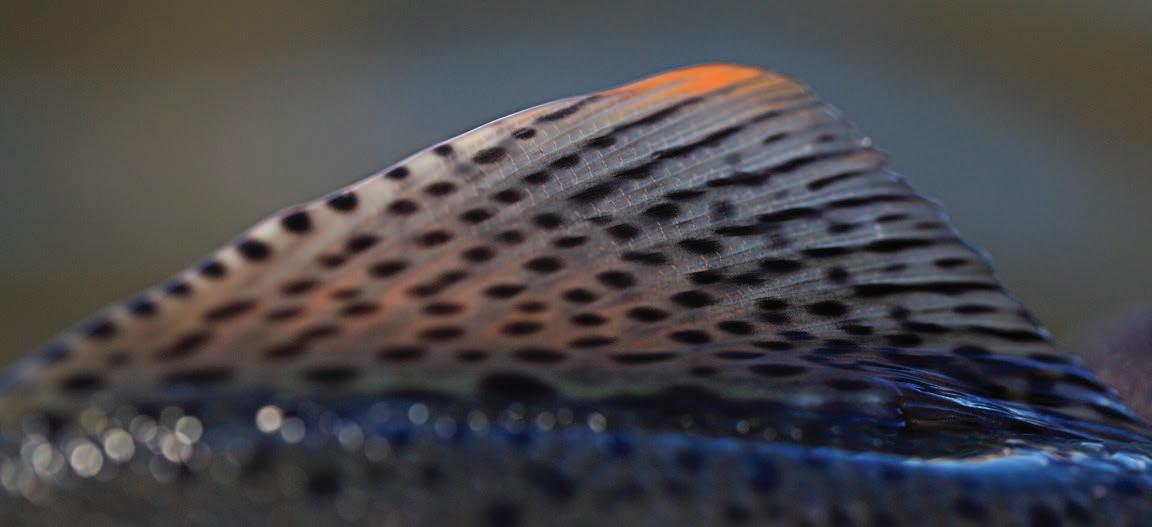

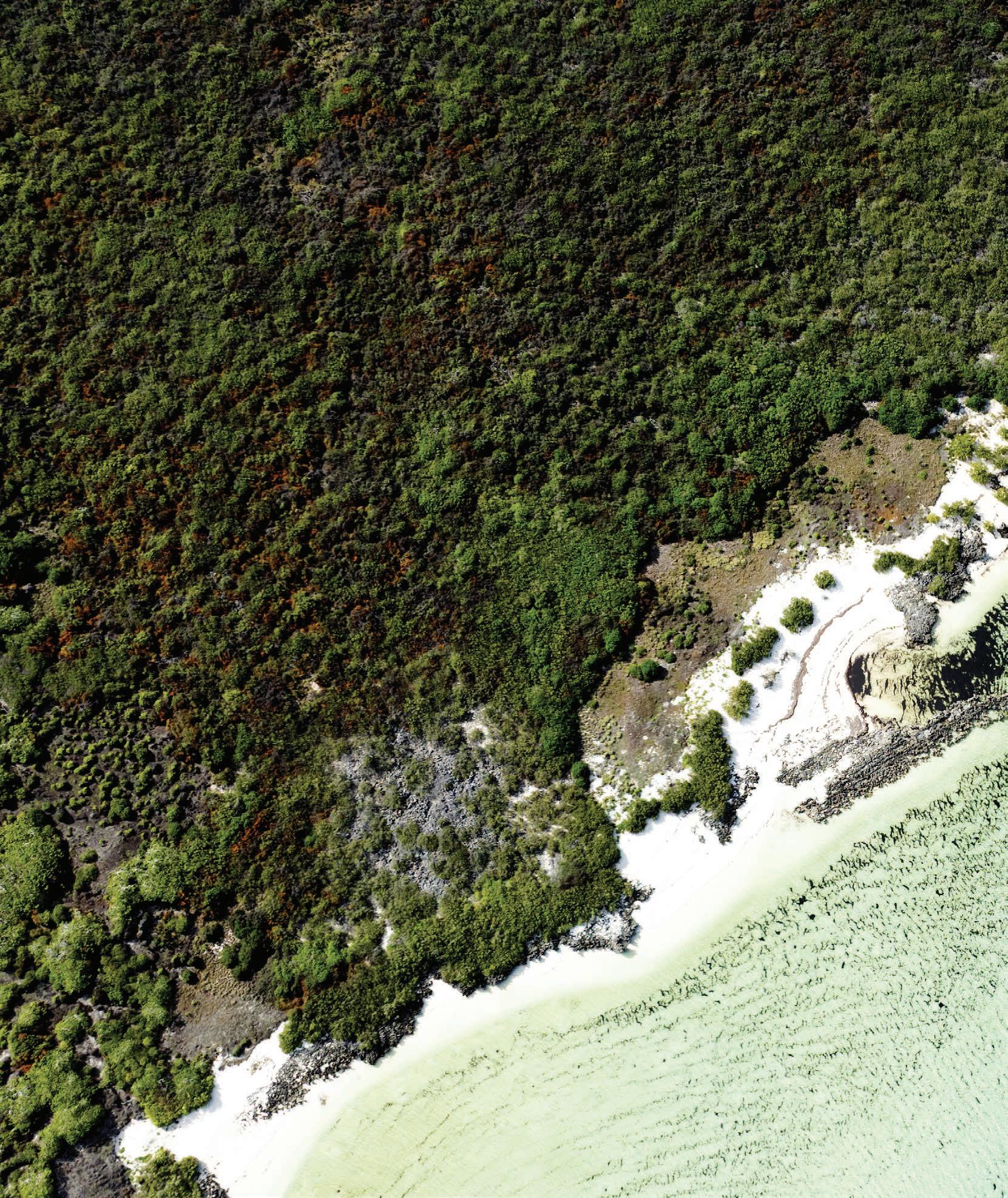
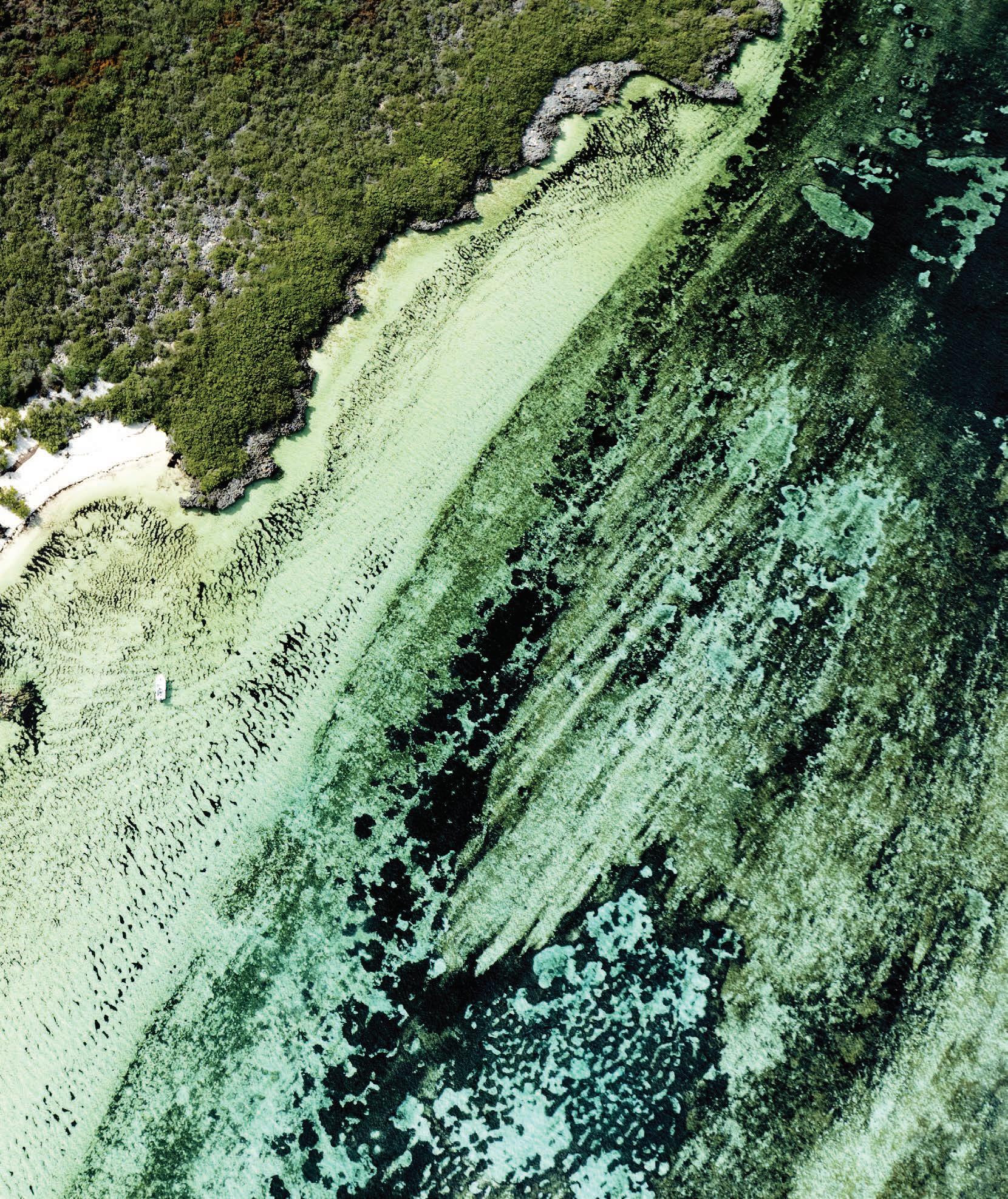
Join the fight to protect our oceans, lakes, and rivers, the pristine aquatic ecosystems across the globe and thei precious fish stocks. It’s an acutely important battle - and one that we simply cannot afford to lose!
Join the fight to protect our oceans, lakes, and rivers, the pristine aquatic ecosystems across the globe and thei precious fish stocks. It’s an acutely important battle - and one that we simply cannot afford to lose!