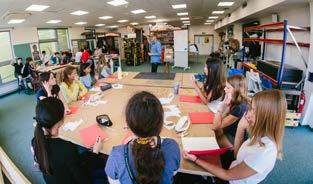
At the International School of Prague (ISP), “STEM Across the Curriculum” is a focus area of the 2025 - 2029 Strategic Plan. In my first year as the STEM Coordinator, I have been using the “Mapping ISP’s Future” roadmap, which includes plans for the upcoming STEM Design & Innovation Centre. Following the pouring of the foundation slab last year, the project has entered its main construction phase, with building the structural framework. Slated to open in August of 2027, this facility will expand upon the Elementary School Wonder lab and the Middle School Idea Lab by providing a testing site for projects such as hydrogen fuel cell car racing and a roboticstesting arena. I have been working closely with ISP staff this year to make decisions about technology and furniture in classrooms and the common areas to establish a collaborative space for future student-directed projects. Both physical and digital fabrication labs have also been designed to give students the space and inspiration for innovative work.
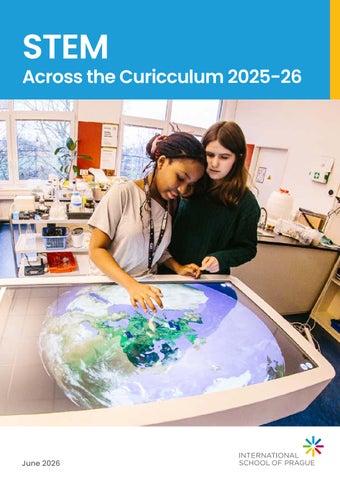
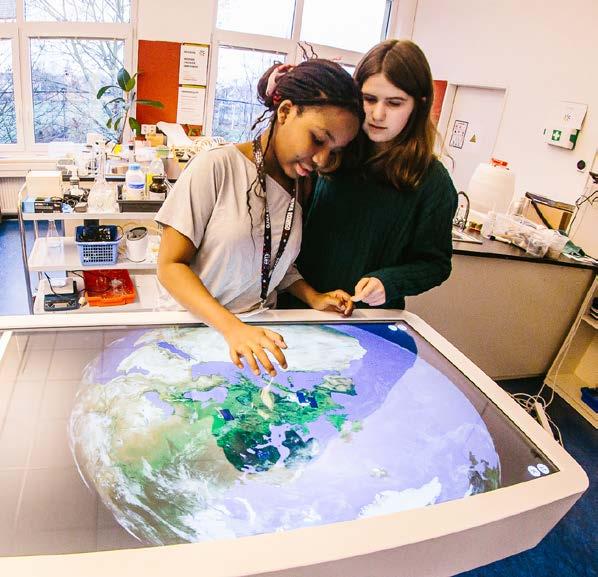
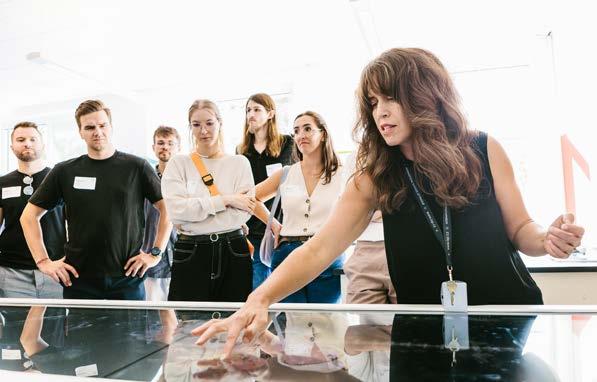
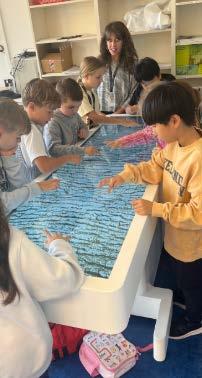
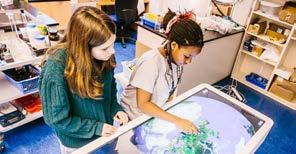
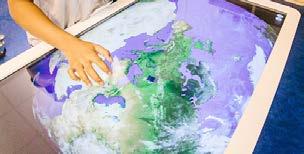
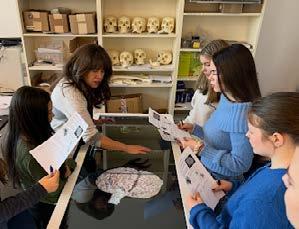
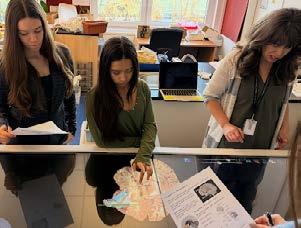
I believe in data-driven student outcomes. For instance, thanks to the generosity of our community through the ISP Fund, the Anatomage Table was purchased at the beginning of this school year. In its first year at ISP, this digital autopsy/science simulation table was used by 28 teachers and directly impacted over 1000 students through engagement in The Next Generation Science Standards (NGSS) scientific and engineering practice of using models to spark their curiosity.
In Grade 7 alone, we saw a 25% increase in students’ sense of belonging over a five-month span of cross-curricular use, allowing students to collaborate and learn from each other while interacting with the table.
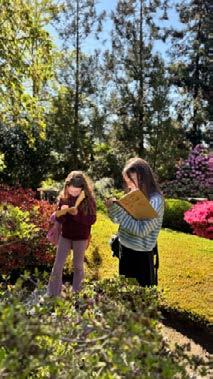
At ISP, we also believe that students need to be out of their seats and outside of the classroom, so we are working to expand the outdoor education spaces to accommodate this learning in line with the building of the STEM Design & Innovation Centre.
A large part of my work is also ensuring a model for K-12 vertical STEM alignment to establish a systematic cross-curriculum framework that preserves natural curiosity and helps students make connections across disciplines. Central to this framework are Problem-Based Learning (PBL) projects that empower students to act as genuine Changemakers, such as a recent Grade 5 student-directed project to design a sustainable pond in the campus’ outdoor learning space.
This hands-on problem-solving is also paving the way for systemic strategic shifts. After having conversations with staff members in my first year, we will form an Advisory Board for the 2026-27 school year, consisting of parents, students, and teachers to work on “STEM Across Curriculum” focus area.
We can reconsider using STEAM instead of STEM to incorporate the arts alongside math, science, design and technical innovation as we establish the mission statement that will drive student work in the new STEM Design & Innovation Centre.
Kate Allender STEM Coordinator
STRATEGIC PLAN
2025 - 2029
FOUNDATIONAL PRIORITIES
CHANGEMAKERS & COMMUNITY ENGAGEMENT
SAFE, SECURE & COLLABORATIVE ENVIRONMENT
STUDENT LEARNING & WELLBEING
GUARANTEED & VIABLE CURRICULUM
EFFECTIVE TEACHING & LEARNING
STEM ACROSS THE CURRICULUM
DATA-INFORMED DECISION MAKING
EXPERIENTIAL LEARNING & STUDENT AGENCY
FOCUS AREAS
Elementary School
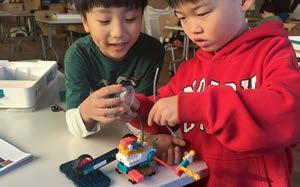
Lego Science Education Kits
Outdoor Learning STEM Programme
Advancing Science Learning through Next Generation
From Hydroponics to Renewable Energy: Student Inquiry in Environmental Science
Hydrogen Fuel Cell Cars and Robotics
Neuroscience of Sleep, Alzheimer’s, Learning, and Addiction
Engineering the Future Through Robotics
Elementary School
Lego Science Education Kits
Learning through play in Elementary School
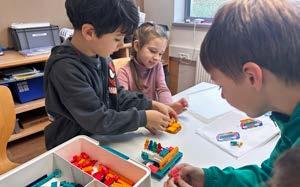
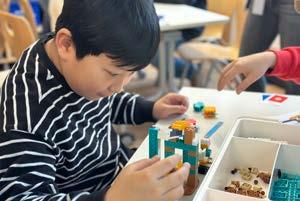
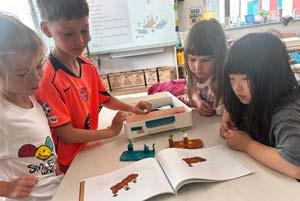
Thanks to the generous support of the ISP Fund, our Elementary School students have embarked on an exciting journey of discovery using our new LEGO Science Education kits
These innovative tools have allowed our teachers to seamlessly integrate play-based learning directly into the science curriculum, transforming abstract concepts into tangible, physical experiences. Fully aligned with the Next Generation Science Standards (NGSS) framework, these kits provide a perfect balance of guided instructional structure and open-ended opportunities for creative building. As students collaborate in teams to design, test, and refine their models, they are not only mastering core scientific principles but are also developing essential 21stcentury skills like communication, critical thinking, and collective problem-solving.
Spanning over 50 Next Generation Science Standards lessons in Grades 1 through 4, the curriculum has covered foundational concepts ranging from sound, light, and animal traits to energy, earth’s layers, and changing landforms.
With these tools, young learners at ISP can explore complex scientific concepts in ways that are tangible, exciting and fun, helping to nurture a love of inquiry and discovery from the earliest grades.
Elementary School
Outdoor Learning STEM Programme
Nurturing a lifelong appreciation for biodiversity, sustainability, and scientific inquiry
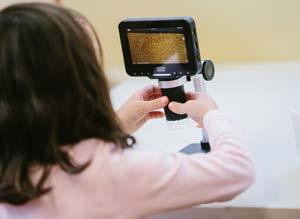
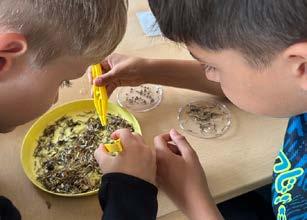
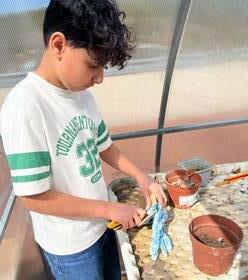
Through hands-on exploration in our Outdoor Learning STEM programme, Grade 3 Botanists deepened their understanding of the flower life cycle by conducting detailed seed investigations connected to their Sustainability inquiry unit. In the autumn, students collected dried Marigold and Calendula flowers from the school garden and used microscopes and specialized tools to carefully extract and study the seeds. Building on their discoveries, the students designed custom seed packets and created a student-run Seed Library, fostering both scientific curiosity and environmental stewardship. In the spring, seeds from this library were planted back into the school garden and shared with families for home gardens, providing students with a meaningful and tangible way to experience the full cycle of plant growth and renewal.
Our Outdoor Learning spaces have also become a hub for authentic, student-driven inquiry through the Grade 5 Primary Years Programme Exhibition (PYPx).
Inspired by their shared passion for nature, two students collaborated to design and build a native pond ecosystem within the Outdoor Learning garden area. Their project connected directly to their individual PYPx research topics on biodiversity in the Czech Republic and the power of plants, bringing their learning to life in a meaningful and lasting way.
Although the pond ecosystem is still in its early stages, it has already sparked tremendous excitement and curiosity across the wider student body. Students regularly visit the area to observe the organisms that have naturally appeared, creating ongoing opportunities for inquiry, observation, and discovery. As the ecosystem continues to develop, it will provide future students with a living laboratory to explore pond habitats, biodiversity, and the interconnectedness of living things in an authentic outdoor setting.
Elementary School
Advancing Science Learning through NGSS
Building inquiry, curiosity, and scientific thinking across the PYP
The Elementary School focused heavily on adopting the Next Generation Science Standards (NGSS) this year to help students build their knowledge and skills in Science.
This work was anchored by a visit in the fall from Paul Andersen, an education consultant, who led school-wide workshops and hosted labsites where teachers got to step into the role of students and watch expert facilitation firsthand.
Through this training, teachers learned how to develop 3-D learning and inquiry based curriculum.
With the NGSS units, students investigated topics like light and sound, animal and plant adaptations, matter and materials, and forces and motion. In the classroom, the focus was on helping students develop observational skills, using curiosity to form questions, and creating models to explain their thinking.
It has been an exciting year of discovery for our students and teachers, and we look forward to building on this momentum as we continue expanding our Science programme.
Middle School
Bringing Learning to Life Through Anatomage
Exploring science, health, and interdisciplinary learning through immersive technology.
This year, Middle School students engaged in innovative, hands-on learning experiences through the use of the Anatomage table, an advanced interactive technology that brought science and interdisciplinary learning to life across multiple subject areas.
During the Week Without Walls in the first week of school, Grade 6 students had the opportunity to look at body systems and explore natural causes of death with human bodies on the Anatomage table.
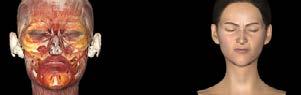
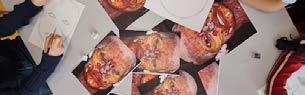
Grade 8 students explored the functional anatomy facial expressions feature of the Anatomage table during Visual Arts, observing how specific muscle contractions connect to emotions like happiness, sadness, and anger. They then translated these digital visual displays into tangible 2D and 3D art renderings using pencil drawings and textiles.
A longitudinal case study was conducted in Grade 7, with nine different classes using the anatomage table throughout their curriculum, ranging from studying the brain in Language & Literature, to understanding alcohol metabolism in PHE, and even connecting positive and negative integers to global warming in Math.
Student feedback and engagement data demonstrated the strong impact of these experiences on learning and confidence.
Over the course of 5 months, students reported high levels of engagement, averaging 85%, while girls demonstrated a 10% increase in confidence using this technology.
The continued integration of immersive technologies like Anatomage, reflects ISP’s commitment to experiential, inquiry-driven learning that strengthens scientific understanding, creativity, and student confidence across the curriculum.
Middle School
STEM Learning Beyond the Classroom
Connecting design, inquiry, and real-world problem solving through Stretch Days
This year, Stretch Days provided Middle School students with engaging opportunities to extend their learning beyond the traditional classroom through hands-on, experiential STEM activities connected to real-world contexts.
Across all grade levels, students explored science, technology, engineering, and mathematics through inquiry, collaboration, and creative problem solving.
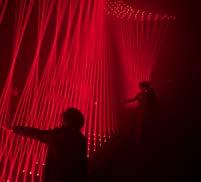
In Grade 6, students visited Prague’s Signal Light Festival to explore the relationship between art, technology, and design. Drawing inspiration from the interactive installations and light displays, students applied their observations in Design class as they developed and created their own articulating task lights.
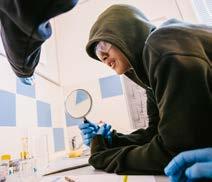
Grade 7 students took part in an immersive forensic science experience, transforming the school into a collaborative crime scene investigation. Working in teams, students analysed unknown white powders, examined footprints, conducted ink analysis using chromatography, and completed a virtual autopsy using the Anatomage table. Through these activities, students strengthened their analytical thinking, scientific investigation skills, and ability to work collaboratively under pressure.
In Grade 8, students deepened their understanding of engineering, geography, and urban development through experiences both inside and outside the classroom. During a visit to Prague’s National Technical Museum, students explored historical and modern technological innovations. Later in the year, students designed independent research projects connected to urban development, geography, or architecture, using ArcGIS software to map and analyse data points across Prague. These investigations encouraged students to think critically about how cities evolve and how data can be used to better understand the world around them.
Stretch Days continue to play an important role in fostering curiosity, interdisciplinary learning, and real-world application of STEM concepts, empowering students to make meaningful connections between their classroom learning and the wider world.
Applying engineering, computational design, and ergonomics to solve authentic design challenges
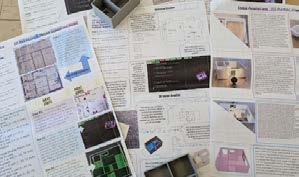
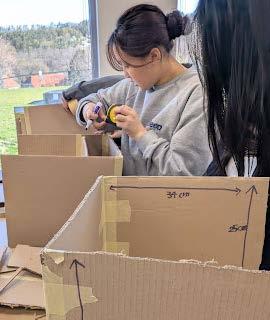
The Grade 8 Architecture unit serves as a robust STEM integration model, challenging students to apply mathematical precision to spatial design through the development of a 30sqm tiny house at a 1:50 scale. By calculating dimensions for various footprints, ranging from “long and skinny” 10x3m layouts to “squarer” 6x5m designs, students must physically manipulate “Zone Blocks” to solve the engineering problem of maximizing utility within a restricted area. The technical workflow transitions from 2D graph paper drafting to computational design, utilizing OpenSCAD code and TinkerCAD to render digital prototypes for final 3D printing
This inquiry extends into human-centered engineering through the Chair Anatomy project, where students utilized anthropometry to measure and design modular seating for Early Childhood Foundations classrooms. By moving through iterative stages from isometric drawings and material cut lists to technical models, students demonstrated a sophisticated understanding of ergonomics and structural integrity. To conclude the unit, students constructed and evaluated 1:1 ratio prototypes, allowing Early Childhood Foundations students to physically test the designs for comfort and modular functionality.
This hands-on validation ensures the final design is grounded in real-world user feedback and refined ergonomic data.
Middle School
Growing Sustainability Through Innovation
Empowering students to explore environmental science, engineering, and sustainable design through the Eco Club
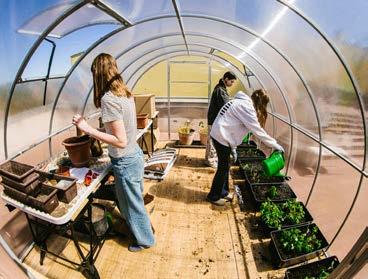
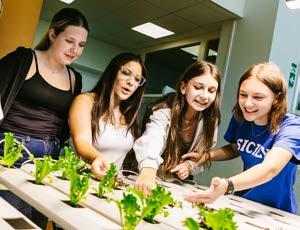
This year, Middle School Eco Club students transformed ISP’s new Greenhouse, funded through community donations to the ISP Fund, into a dynamic, hands-on learning space focused on sustainability, scientific inquiry, and innovation.
Through collaborative projects and student-led experimentation, students explored the intersection of environmental science, biology, and engineering while developing practical problem-solving skills.
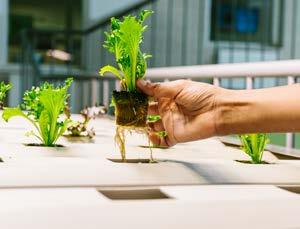
Students populated the Greenhouse with a variety of plants, carefully monitoring growth patterns and determining optimal plant placement to support healthy development. As part of their exploration of plant biology, students investigated the differences between seeds germinated in soil and those grown in a hydroponics system, comparing root structures and studying how plants adapt during transplantation.
Building on these investigations, students demonstrated impressive engineering and design skills by creating a fully functioning hydroponics system from the ground up. Working collaboratively, they calculated water flow, determined precise measurements for the system, and designed custom 3D-printed components to support its construction.
The project not only deepened students’ understanding of sustainable growing systems and applied engineering, but also created meaningful connections across divisions.
The student-designed hydroponics system will now be used by Upper School Biology students to support their Internal Assessment projects, further extending the impact of this innovative work across the school community.
Upper School
From Hydroponics to Renewable Energy: Student Inquiry in Environmental Science
Connecting biology, sustainability, and experimental design through authentic scientific investigation
Building on ISP’s growing hydroponics initiative, funded through the ISP Fund, Upper School students explored sustainable growing systems through both fieldwork and independent research projects. The project inspired deeper student-led inquiry, with both a Grade 10 Personal Project student and a DP Biology student choosing hydroponics as the focus of their extended scientific investigations. As part of this work, students examined how controlled growing environments can support plant health, sustainability, and urban agriculture.
Students also conducted environmental field research across Prague, collecting water samples from multiple locations and analysing them at ISP for nutrient levels, metals, and chlorides. These investigations allowed students to apply scientific testing methods while developing a stronger understanding of water quality, environmental systems, and data analysis.
Grade 10 students also explored renewable energy and climate science through engineeringbased investigations. Students designed and constructed model wind turbines, testing how different design innovations impacted efficiency and energy generation. In a separate inquiry into climate systems, students built model greenhouses to investigate the greenhouse effect and examine how changing environmental conditions can influence climate patterns over time.
Through these experiences, students developed critical thinking, scientific inquiry, and problem-solving skills while engaging with some of the most important environmental and scientific challenges facing our world today.
Upper School
Hydrogen Fuel Cell Cars and Robotics
Exploring sustainable engineering, innovation, and student leadership through hands-on design challenges
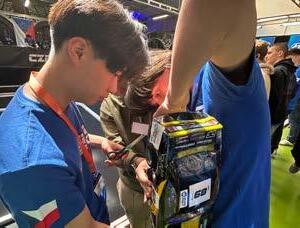
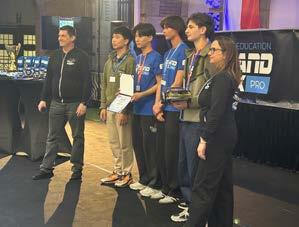
This year, Upper School students took part in an exciting engineering challenge focused on sustainable energy and advanced vehicle design through the Hydrogen Fuel Cell Car programme. Working collaboratively, students designed, built, and raced a hydrogen-powered car in a four-hour endurance competition against teams from across the Czech Republic, applying real-world engineering, problem-solving, and teamwork in a highly authentic context.
This year’s team, made up of Grade 10 students who were entirely new to both the competition and the specialised equipment, embraced the challenge with curiosity, resilience, and determination. Throughout the experience, students developed practical skills in engineering design, systems thinking, and sustainable energy technologies while learning how hydrogen fuel cells can contribute to the future of clean transportation.
Building on their experience from the competition, students have now begun designing and constructing a new hydrogen-powered vehicle from scratch. This process includes cutting and assembling a carbon-fibre chassis, refining aerodynamic design concepts, and developing a deeper understanding of hydrogen energy systems and power management.
Alongside the technical design work, students are also helping to grow the programme through collaboration with Middle School students. By mentoring younger students and sharing their developing expertise, the team is fostering long-term engagement in engineering, robotics, and sustainable technologies across multiple year levels.
This collaborative mentorship approach aims to strengthen the future of the programme by building experience, continuity, and student leadership across multiple year levels.
Upper School
Neuroscience of Sleep, Alzheimer’s, Learning, and Addiction
Connecting neuroscience, health, and psychology through immersive, hands-on learning experiences
In Grade 10 Advisory, students investigated the brain’s reward pathway and examined the role of dopamine, stress, and addiction in human behaviour. They also explored the reticular activating system and considered how attention and executive functioning influence learning, focus, and decision-making. Using the Anatomage table, students traced key neural pathways associated with learning and reward and virtually dissected the hippocampus to better understand how memories are formed and stored within the brain.
Through hands-on investigations and authentic scientific experiences, students developed a deeper understanding of how the brain influences learning, memory, behaviour, addiction, and overall health.
These investigations extended into Physical and Health Education (PHE), where students explored the physiological effects of alcohol and vaping on the circulatory, respiratory, digestive, and nervous systems. Through immersive simulations using ‘drunk goggles’ that replicated different blood alcohol concentration (BAC) levels, students conducted reaction time and field sobriety tests to better understand the real-world impact of impaired cognitive and motor function. Students also observed a bronchoscopy using the Anatomage table, strengthening their understanding of lung health and the effects of substance use on the human body.
In Grade 11 Psychology, students deepened their understanding of neuroscience through the study of sleep and Alzheimer’s disease. Using the Anatomage table to investigate brain anatomy, students explored the structure and function of regions including the pons, corpus callosum, and reticular activating system, examining how these systems contribute to memory, consciousness, and cognitive health.
By connecting neuroscience concepts across disciplines and grade levels, students were able to engage with complex scientific ideas in meaningful and highly relevant ways.
Upper School
Engineering the Future Through Robotics
Developing engineering, coding, and global collaboration through competitive robotics experiences
Our robotics programme continued its tradition of excellence this year, anchored by a VEX robotics class that bridged classroom theory with competitive engineering.
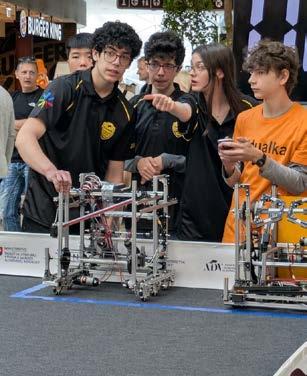
Students spent the semester exploring mechanical design and autonomous coding, a process that culminated in a trip to Albania in January 2026 for the CEESA tournament. By testing their custom-built machines in an international environment, students demonstrated the technical proficiency and collaborative grit that have become hallmarks of the programme.
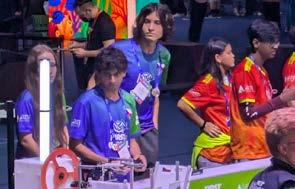
The Upper School Robotics Club also maintained an ambitious global schedule, beginning with a high-profile trip to Panama in October 2025, where a select team of five students represented the school at the FIRST Global Challenge.
The momentum continued into December 2025 as the club traveled to Belgium for the FIRST Tech Challenge (FTC), followed by an FGC “friendly” tournament in Slovakia in May 2026.
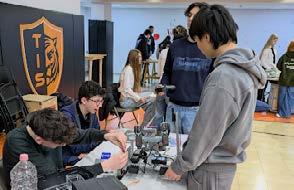
To cap off the year, our students hosted a booth at the Prague Maker Faire in May, sharing their passion and expertise to inspire the next generation of young engineers in our local community.
ISP LEARNING PRINCIPLES
Learning best happens when…
Learners’ curiosity drives what and how they learn.
Learners know what they are learning and why it is significant.
Learners know where they are as learners and how to go further.
Learners persist with relevant and rich challenges.
Learners consider and connect complex ideas.
Learners apply their learning in diverse and challenging contexts.