Wednesday 24 August 2016

Wednesday 24 August 2016
6:30pm Wednesday 24 August 2016
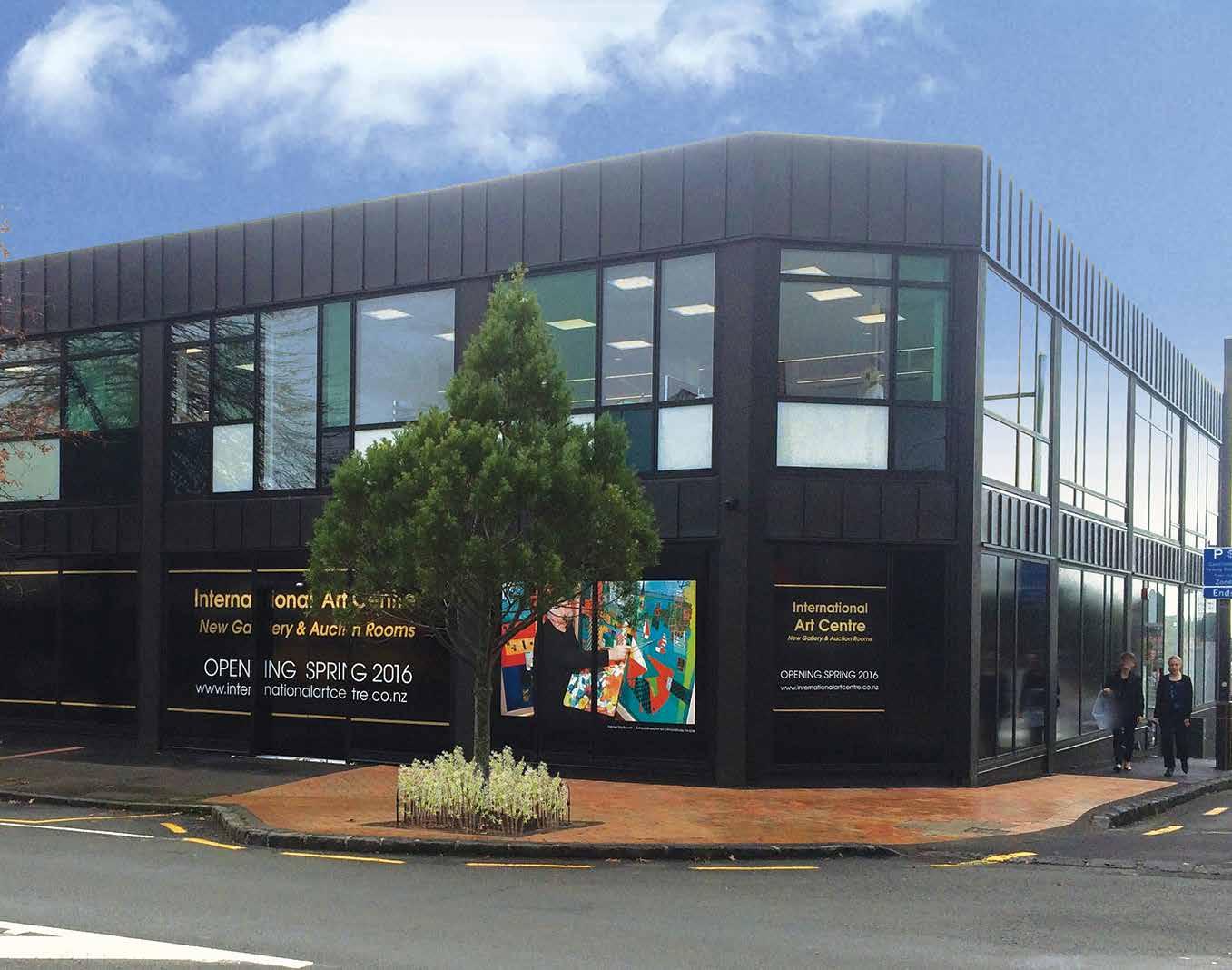

International Art Centre are delighted to welcome you to our new gallery and auction rooms at 202 Parnell Road.
Our opening in 1971 represents an important moment in the history of the New Zealand art market. Having gone from strength to strength throughout the years, we have led the market, set innumerable records, and re-defined the potential of the New Zealand art world. Perhaps more important than market-defining considerations, is the role held by International Art Centre as a meeting point and destination.
As Parnell’s first art gallery and auction house, the significance of our presence in the community was firmly established from the outset. Through reputation, approachability and expertise, we helped nurture a strong culture of support for the visual arts and have been joined by many galleries and colleagues over the years in making Parnell the Creative Quarter.
With dedication to exhibiting and selling art in an open and accessible manner, we operate independently in the art world. This allows a direct and transparent engagement with an ever-expanding local and international clientelle. International Art Centre is a welcoming space where major institutions, connoisseurs, collectors, artists and enthusiasts cross paths with the local community, the uninitiated, and those who simply wish to satisfy their curiosities and expand their cultural horizons.
Building on this community-based acclaim and market excellence, our relocation ensures that International Art Centre continues to move forward as the purveyor of New Zealand's finest and rarest historical art, whilst championing the cutting-edge aspects of New Zealand's contemporary practice.
Located on one level, our new premises offer ease of flow between gallery and auction space, in addition to easy access and car parking.
Join us for a glass of wine at our new 202 Parnell Road premises 5:00pm - 7:30pm Wednesday 17 August 2016
International Art Centre 202 Parnell Road, Auckland
Parking During Viewing:
Allocated carparks located directly behind International Art Centre. Further parking at St John’s Car Park, accessed at 244 Parnell Road, 40 metres up from International Art Centre
Parking During Auction:
Two large carparks located in Denby Street directly behind International Art Centre. Ample parking available to auction clients on evening of sale.
Wednesday 17 August 10:00am - 5:00pm 17 August 5:00pm - 7:30pm preview
Thursday 18 August 9:00am - 5:30pm
Friday 19 August 9:00am - 5:30pm
Saturday 20 August 10:00am - 5:00pm
Sunday 21 August 11:00am - 4:00pm
Monday 22 August 9:00am - 5:30pm
Tuesday 23 August 9:00am - 5:30pm
Wednesday 24 August 9:00am - 1:00pm Auction 6:30pm
www.fineartauction.co.nz
Auction info
Conditions of sale p. 119
Absentee bid form p. 117
Index p. 120
Richard Thomson
Ph: +64 9 379 4010
richard@artcntr.co.nz
Mobile: 027 4751 071
Frances Davies
Ph: +64 9 379 4010
fran@artcntr.co.nz
Evening of sale
Please join us from 5.30pm for a glass of wine before the auction
Please register for bidding number at viewing or on evening of sale
Works purchased may be uplifted at close of sale or day after 10:00am - 5:00pm
Payment may not be made during auction
Luke Davies
Ph: +64 9 379 4010
luke@artcntr.co.nz
James Watkins Ph: +64 9 366 6045
james@artcntr.co.nz
www.fineartauction.co.nz
info@internationalartcentre.co.nz
Skype: fineartauction
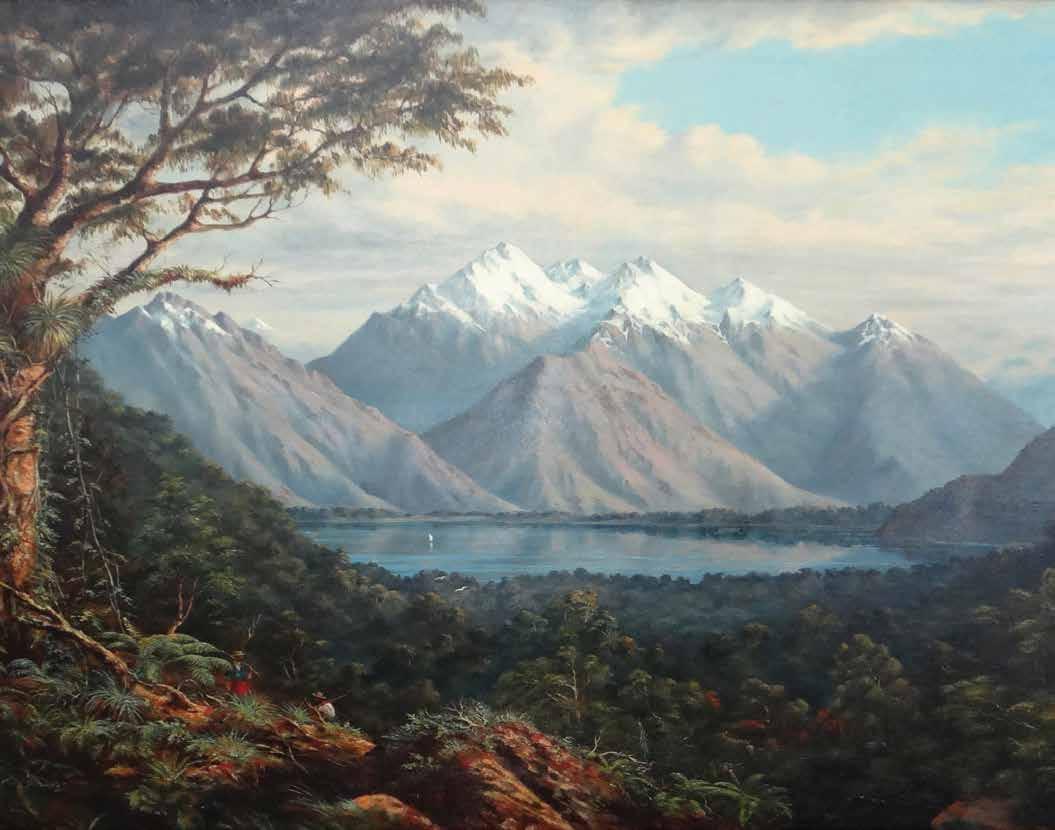
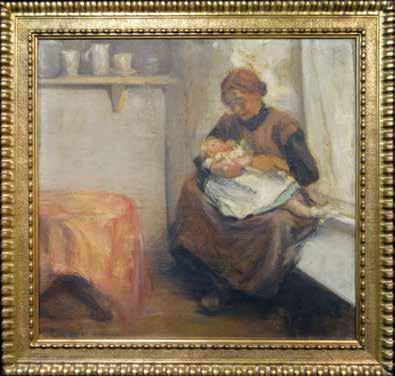
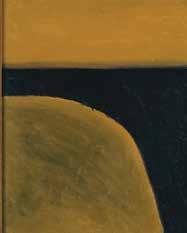
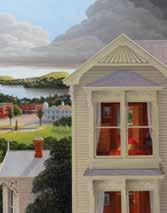
Cover illustration: Lot 39 Arndt
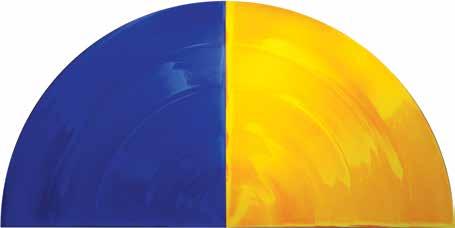
Back cover: Lot 33 Albrecht
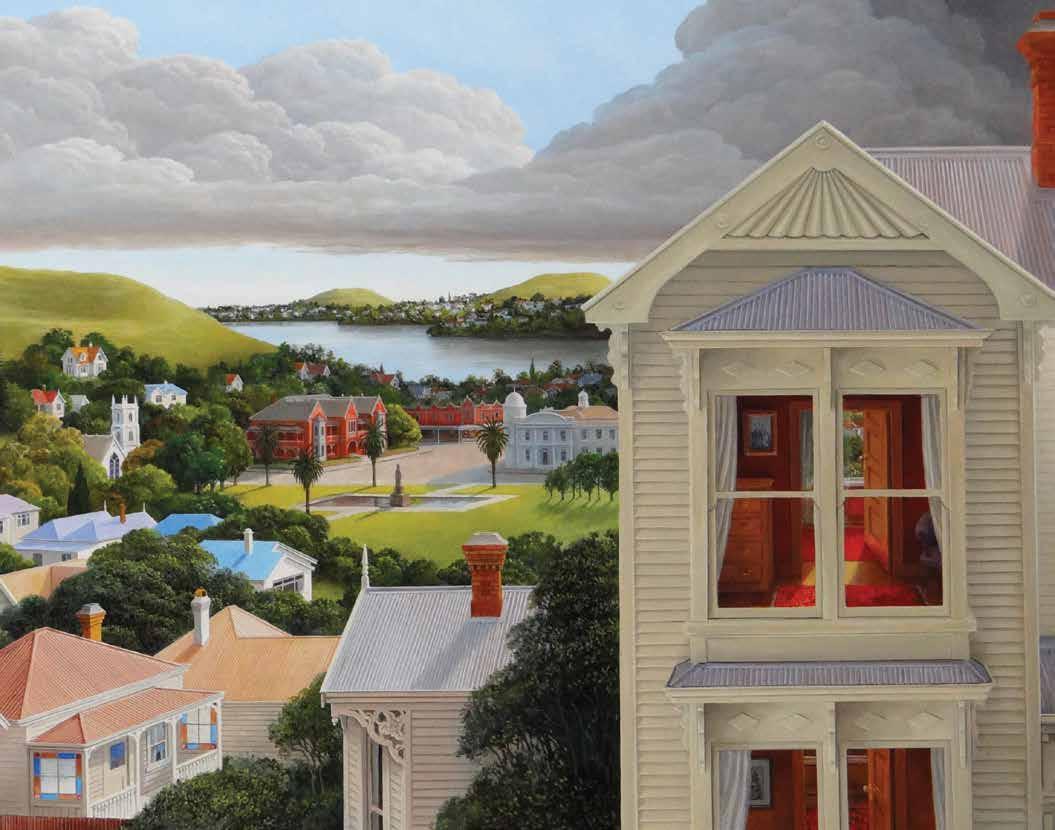
Inside front cover: Lot 30 Siddell
Inside back cover: Lot 45 Barraud
Illustrated left: Lot 17 Weeks
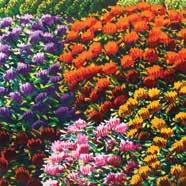

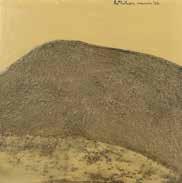
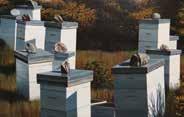
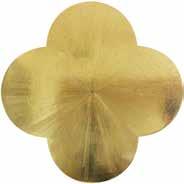
Modern & Contemporary Art
With sales of over $750,000 including post sale negotiation, this sale achieved a record total for a Modern & Contemporary Art auction
Modern & Contemporary Art
October 2016 Consign Now info@internationalartcentre.co.nz Toll Free 0800 800 322
Hammer prices shown. These do not include buyers premium
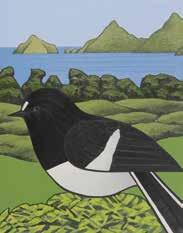
2016 Important & Rare highlights
A groundbreaking moment in New Zealand’s art auction history, when for the first time a painting hit the $1 million mark
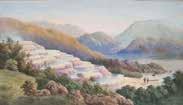
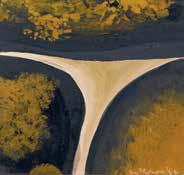
April’s Important & Rare auction saw the 300 strong crowd revel in an evening of unparalleled excitement, responding with cheers each time a record was achieved. It certainly was a golden night to remember and sets a new benchmark for auctions in New Zealand. A tremendously gratifying result for International Art Centre in our 45th year of business. With sales of over $2.5 million the result was one of the best ever for a mixed vendor sale.
Consignments are now invited for the next Important & Rare auction in November; Richard Thomson m. 0274 751 071 e. richard@artcntr.co.nz
Hammer prices shown. These do not include buyers premium
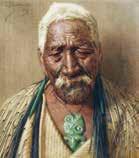
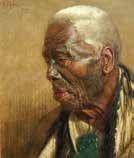
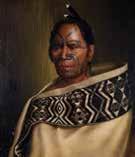
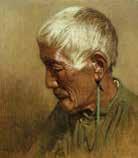
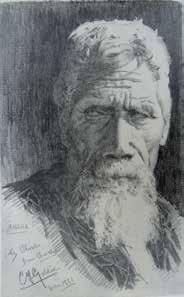
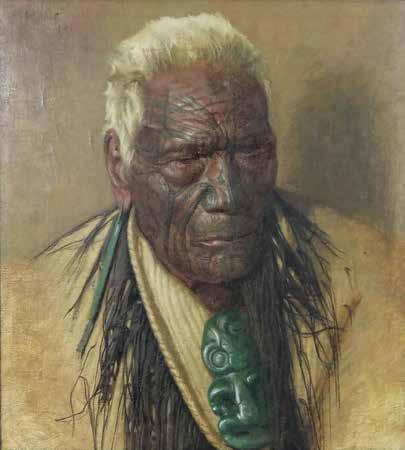
On April 6, Charles Goldie’s magnificent 1941 portrait of Wharekauri Tahuna was sold by International Art Centre for $1.3m, making it the most expensive work of art to ever have been sold at auction in New Zealand. The energy and national excitement generated by this record-breaking sale is still palpable and will forever be an important milestone in New Zealand’s art historical narrative.
From a market-based perspective, it is obvious that the sale of Wharekauri Tahuna is testament to New Zealand’s burgeoning art market potential. More significantly, however, it represents the maturation of our collective national relationship with Charles Frederick Goldie, and speaks to the inherent value of Goldie’s art as a mainstay of our cultural currency.
In considering the various factors which have culminated in such a robust market appetite for Goldie’s paintings, the role of the secondary (auction) market as arbiters of taste and value is paramount. International Art Centre is proud to have played a longstanding role as the leading secondary market vendor for Goldie’s, and as the single major influence in the Goldie market to date. Since 1971, International Art Centre have spearheaded growth in the market with a number of record-breaking Goldie sales. The success of the current market is in many ways the product of this unique and productive relationship which has linked International Art Centre's boundary-pushing sales with the artist’s work over the last 45 years. Extrapolating some of the highlights of these sales over the decades will offer insight into the machinations and motivations of this market:
Going back to the 1980s, it is interesting to note that despite the overall economic strength and market stability of this era (prior to 1987), prices attained for Goldie's work at auction were not in accordance with the corresponding climate of financial buoyancy. This can be linked to the political and reputational discord being experienced by Goldie’s work at the time. For the market to evolve from this point, a certain academic endurance and culturallydisclaiming acceptance needed to crystallise.
Further evidence of the Goldie market’s ability to rebut the economic climate can be found in International Art Centre's 2008 sale of the magnificent 1933 portrait of Hori Pokai. This realised a record price of $454,000, well in excess of its $240,000 - $280,000 estimate, and standing in glorious defiance of the imminent economic downturn: a testament in its own right to the bullishness of the art market. The painting, also known as Sleep ‘tis a Gentle Thing, is an iconic work, and its wholehearted reception by the buying public affrmedthe increasingly unshakable nature of Goldie’s market.
In considering the 'value' of art, there is a tendency to indulge the notion that art historical truth and reputation are qualities which exist independently of time, place and market fluctuations, and that the financial value of works by major artists - such as Goldie - is derived from this higher academic authority. However, it would be inaccurate to presume that the market appetite for Goldie’s works has been informed by, and followed the trajectory of, his academic reputation.
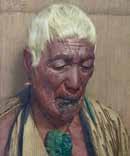
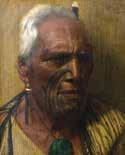
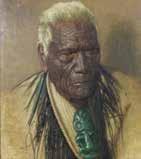
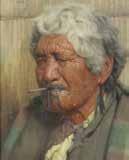
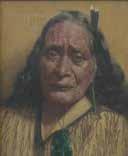
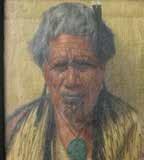
Rather than responding in a delayed manner to the art historical or institutional climate, the market for Goldie’s work in fact grew as a result of, and in the context of, a process of collaborative exchange between vendor and institution. The fluidity of this market / institutional relationship is perfectly exemplified in the 1992 sale by International Art Centre of two important Goldie works, Darby and Joan and The Widow, to the National Art Gallery for the sum of $900,000 plus GST. Not only did the sale serve to affrmGoldie’scommercialworth,but it also amplified his institutional presence and recognition, solidifying the visibility of his position in the New Zealand art historical canon. In this sense, and particularly with consideration to the Goldie market, it is important to realise that the relationship between market value and 'inherent' artistic value is dynamic, and the two are inextricable.
Two years after the sale of Hori Pokai, in 2010, the scene was once again set at International Art Centre as a record price of $573,000 was achieved for the sale of Forty Winks. This sale is of particular interest insofar as it offers an important point of consideration regarding the value of provenance. The portrait is a splendid work, exhibiting the very finest aspects of Goldie’s technical expertise, and is the only known work to have been painted of the sitter Rutene Te Uamairangi. The large scale and superb technical detail of the work magnificently showcase qualities highly sought-after in Goldie’s work. Furthermore, the work came from the collection of Dame Kiri Te Kanawa, affording it a significant additional aspect of cultural value, the elusive aura of its provenance drawing both on the celebrity status and authoritative cultural endorsement implied by the fact of its previous owner.
One further interesting aspect of the cultural-economic phenomenon which constitutes the market for Goldie’s work relates to the buying public’s unwavering commitment to the totality of the artist’s oeuvre.
An increase in demand and more profound appreciation of Goldie’s work in recent years has prompted a dedicated approach to the acquisition of his paintings in a manner which extends far beyond a tokenistic mode of acquisition, or trophy collecting. This allencompassing rigour and enthusiasm for the artist’s work has been evidenced by two key sales in particular. In 2012, International Art Centre's momentous sale of Goldie’s 1892 Kawhena achieved what was, at the time, another record price of $732,800. It is important to note that this work, Goldie’s first portrait of a Maori kaumatua, had never before been presented to the market, and did not carry the same degree of celebrity as, say, Forty Winks. Moreover, the highlypolished formal attributes of Kawhena are representative of Goldie’s early technique, and do not necessarily align closely with those most readily-identifiable and classically sought-after aspects of his work. The work is exquisite, and the fact that the market responded so eagerly to a previously unknown, arguably untraditional painting of Goldie’s demonstrates a genuine desire to celebrate the complexity and diversity of his artistic output, rather than just perfunctorily engaging with his trademark style.
This brings us back to the most recent sale of Wharekauri Tahuna, which stands in circular witness to the sale of Kawhena, book-ending Goldie’s career as the last-known portrait to have been completed, and once again setting a record for the artist. Notably, this was accompanied in the same sale by an outstanding Goldie drawing which achieved an exceptional hammer price of $80,000 against an estimate of $15,000 - $25,000. Looking ahead from the point of this watershed moment in the New Zealand art market history, the sale of Wharekauri Tahuna will without a doubt pave the way for the market to continue to flourish and break bold new territory in years to come.
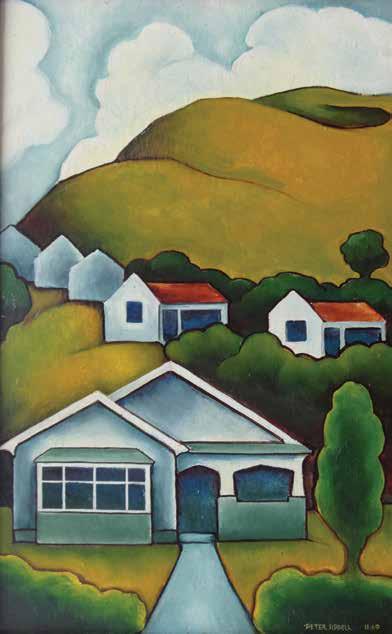
1 PETER SIDDELL
1935 - 2011
Six Houses
Oil on board 44 x 27.5
Signed & dated 11/69
ESTIMATE
$2,500 - 3,500
PROVENANCE
Private Collection, acquired directly from the artist in November 1969 by current owners.
ILLUSTRATED
p. 35 The Art of Peter Siddell, Peter Siddell
Godwit Publishing, 2011
Six Houses is a forerunner to Siddell’s Time and Space, 2010
This is the earliest dated painting illustrated in The Art of Peter Siddell, Peter Siddell, Godwit Publishing 2011
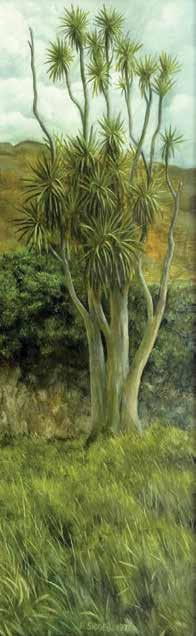
2 PETER SIDDELL
1935 - 2011
Cabbage Trees
Oil on board 60 x 20
Signed & dated 1973
ESTIMATE
$1,500 - 2,500
PROVENANCE
Private Collection, acquired directly from the artist in 1973 by current owners.
3 MICHAEL HIGHT
b. 1961
Oil on canvas 50 x 50
Signed, inscribed & dated 2004
ESTIMATE
$3,000 - 5,000
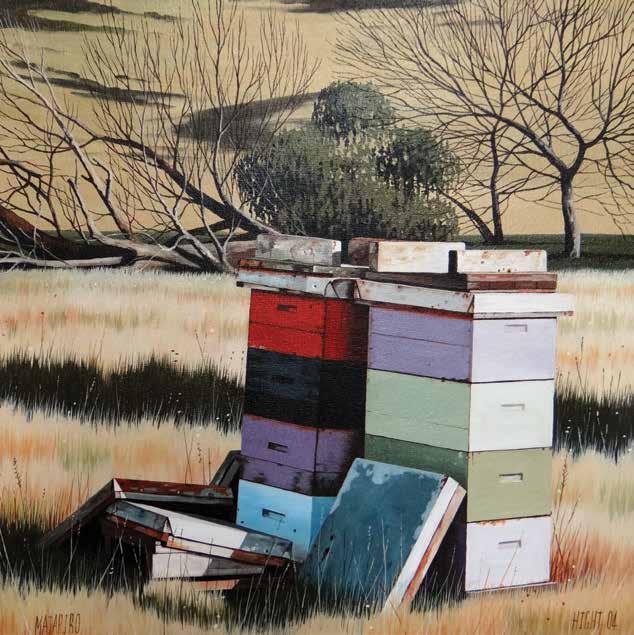
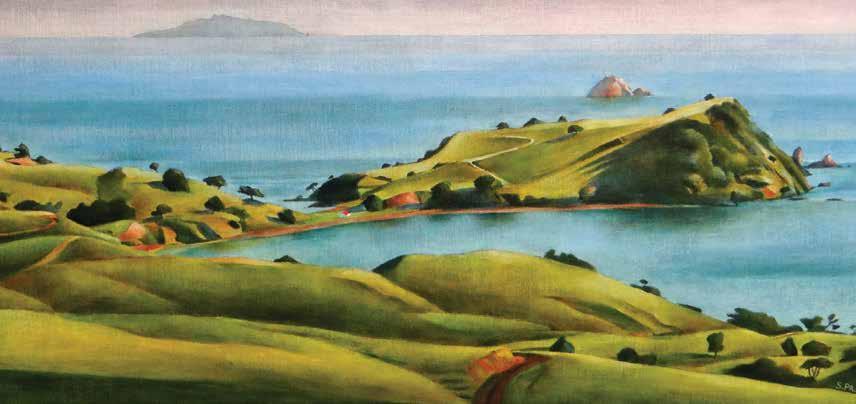
4
b. 1936
Stony Batter - Towards Hautura Oil on linen on board 58.5 x 120
Signed
ESTIMATE
$10,000 - 15,000
PROVENANCE
Purchased from Anna Bibby Gallery, Auckland 2005
5
b. 1973
Capt. John Smith Oil on linen 70.5 x 55
Signed, inscribed & dated 2009
ESTIMATE
$6,000 - 8,000
PROVENANCE
Purchased from Anna Bibby Gallery, Auckland 2009
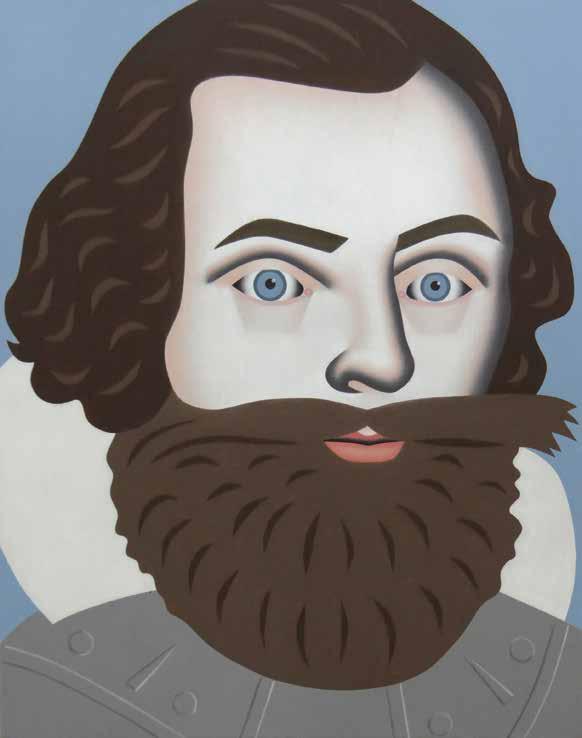
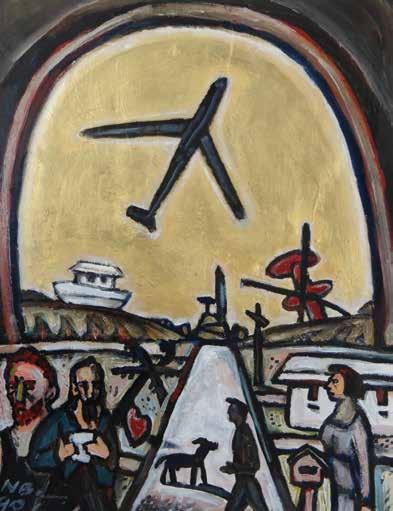
6 NIGEL BROWN b. 1949
Auckland Escape Plane
Acrylic on paper 63 x 48
Signed, inscribed & dated 2000
ESTIMATE
$2,500 - 3,500
7 DARRYN GEORGE b. 1970
Rawiri, Poutama
Oil on canvas 75 x 50
Signed, inscribed & dated 2006
ESTIMATE
$7,000 - 9,000
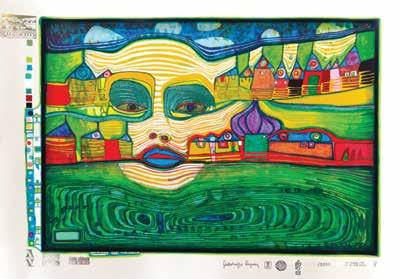
8 FRIEDENSREICH STOWASSER HUNDERTWASSER
1928 - 2000
Look at It on a Rainy Day, 1971
Colour serigraph with metal embossing, edition of 2000, 48 x 66
Inscribed & numbered
ESTIMATE
$2,000 - 3,000
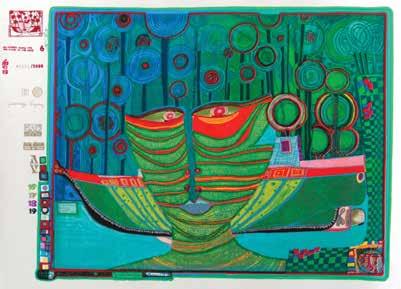
9 FRIEDENSREICH STOWASSER HUNDERTWASSER
1928 - 2000
Picaudiere Seeshaupt Giudecca, 1969
Colour serigraph with metal embossing, edition of 3000, 48 x 66
Inscribed & numbered
ESTIMATE
$2,000 - 3,000
11
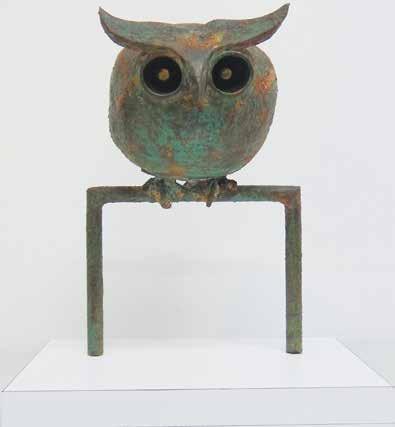
b. 1931
Owl
Unique bronze sculpture 13 x 20
Signed & dated 1976 on plaque
ESTIMATE
$2,500 - 3,500
PROVENANCE
Purchased by the artist’s friend Eelco Boswijk in Greece, 1980, current owner by descent
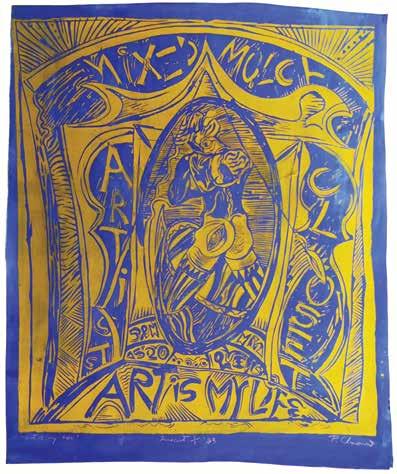
1949 - 1984
Art is My Life
Unique hand coloured linocut, 94 x 80
Signed, inscribed & dated 1983
ESTIMATE
$9,000 - 12,000
PROVENANCE
Private Collection, Wellington
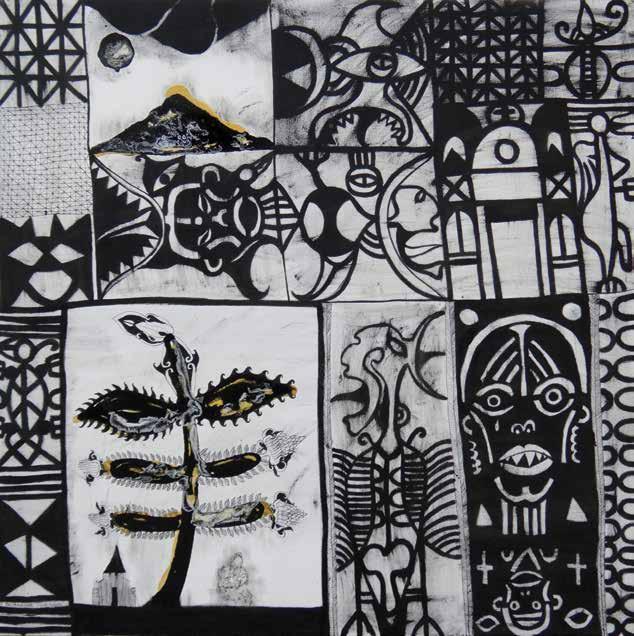
b. 1962
If You Leave First I Will Follow Oil and oil stick on canvas 105 x 105
Signed & dated 2012
ESTIMATE
$14,000 - 18,000
PROVENANCE
Gow Langsford Gallery
Exhibited: The Blue Plateau of Polynesian Memory Gow Langsford Gallery, 2012
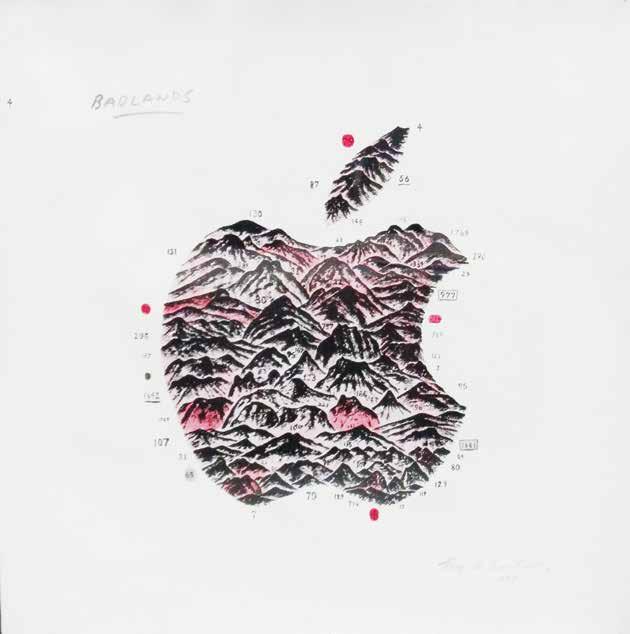
13 TONY DE LAUTOUR b. 1965
Badlands
Coloured acrylic on silk-screen print on canvas 102 x 104
Signed, inscribed & dated 2001
ESTIMATE
$6,000 - 8,000
14 MIKE PETRE b. 1964
Field Study #144 Ink, oil & acrylic on canvas 115 x 145
Signed, inscribed & dated 2013 verso
ESTIMATE
$12,000 - 16,000
PROVENANCE
Purchased directly from the artist by current vendor
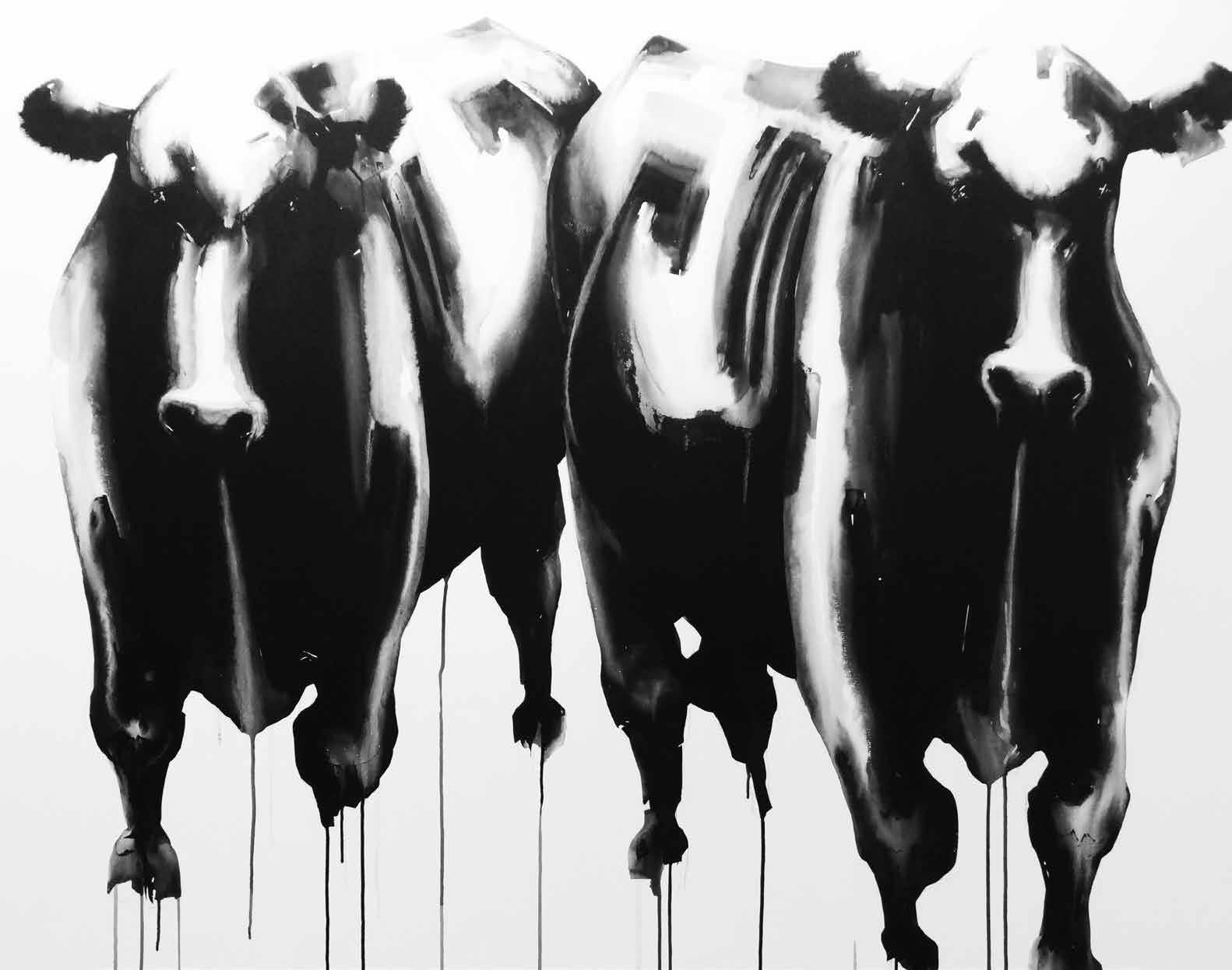
17
1948 - 2000
ESTIMATE
$8,000 - 11,000
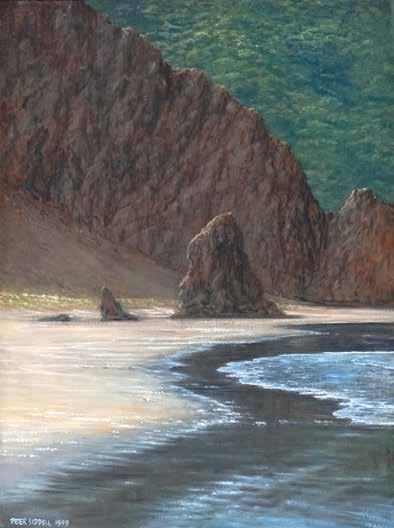
1935 - 2011
North
Signed & dated 1999
$4,000 - 6,000
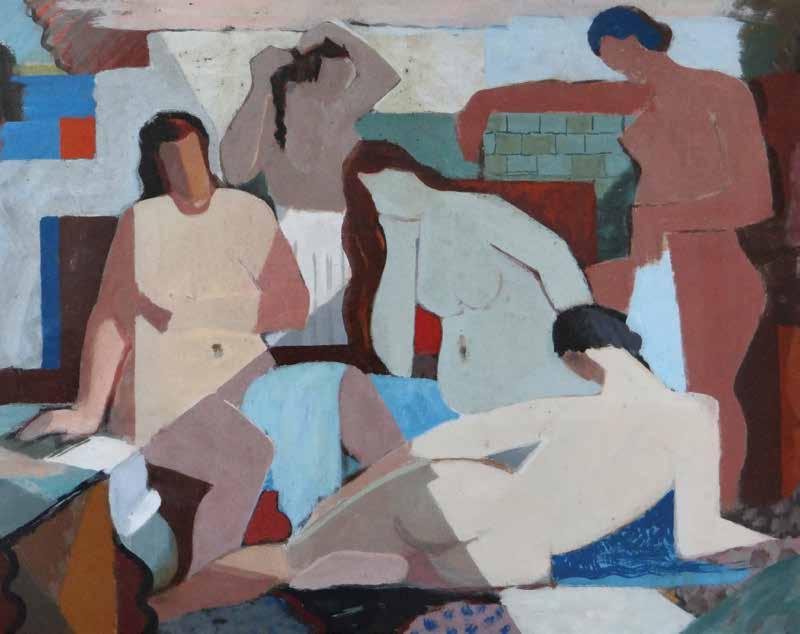
1886 - 1965
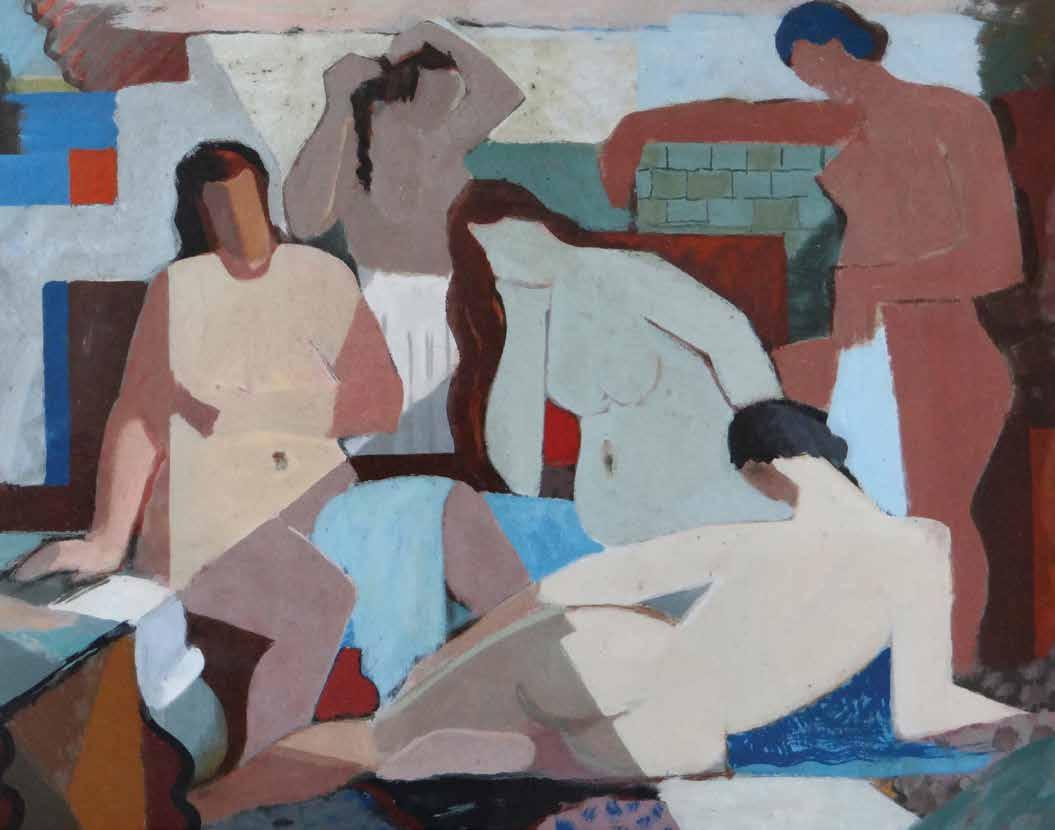
Group of Five Nudes
Tempera on paper 42 x 51
Certificate Authenticity affxedverso
ESTIMATE
$5,000 - 8,000
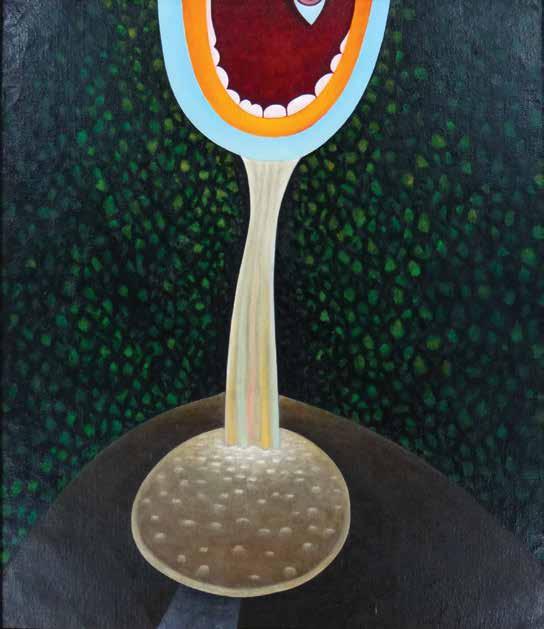
Michael Illingworth’s Untitled depicts an abstracted landscape in which a mouth-like form and half an eye can be glimpsed at the top of a flowing organic structure. Like previous works, Untitled is much more closely aligned with nature than the grid-like structure of the city or suburbia. As Aaron Lister and Damian Skinner argue: In their celebration of the ‘natural order’, the anthropomorphic landscapes are closely connected to the Adam and Eve paintings. Adam and Eve are depicted in the landscape, not separated from it, and like these landscape paintings symbolise a now lost, natural order. (A Lister and D Skinner, A Tourist in Paradise Lost, p.27) Untitled is also characteristic of Illingworth’s practice in the luminosity of colour that is achieved in the work. The effect is almost that of a stained-glass window, with light seeming to shine through the work, illuminating its gold sections and jewel-like, green speckled background.
Illingworth painted and repainted each work for days and weeks at a time until he brought out its hidden depths, just as a jeweller, by working again and again at a stone’s surfaces, manages almost magically to bring out a glowing and intense colour from its core. Mike worked by illumination from within. His best paintings, in every sense, have a mysterious inner life. He learnt this from no one. It is his personal mark. (Kevin Ireland, ‘Michael Illingworth – Out of a Window and into a Garden’ in Aaron Lister and Damien Skinner, A Tourist in Paradise Lost: The Art of Michael Illingworth, Wellington: City Gallery, 2001, p.10 -11.)
British born Michael Illingworth developed as a painter in New Zealand from the 1960s through to the 1980s. His first major solo show in New Zealand was at Ikon Gallery in 1963, after returning from several years in London. There, Illingworth had worked at Gallery One as an assistant to art dealer Victor Musgrave, forming friendships with several of the gallery’s artists, and expanding his knowledge of international art. Illingworth’s style and subject matter were unique within predominant painting practices in New Zealand at the time. Several elements can be seen within his painting that bear similarities to the work of artists such as Paul Klee and Joan Miro.
Illingworth was one of the key artists at Ikon Gallery and later at Barry Lett Galleries. Today, he is perhaps best known for his figurative works: featuring the so-called ‘Piss-Quicks’ and Adam and Eve figures. Throughout much of his practice, Illingworth critiqued many aspects of bourgeois culture. He focused particularly on what he felt was the alienation of middle-class suburbia. In the late 1960s and 1970s however, and in works such as Untitled, he moved away from such explicit social critique.
18
MICHAEL ILLINGWORTH
1932 - 1988
Untitled
Oil on canvas 68.5 x 59
ESTIMATE
$25,000 - 35,000
PROVENANCE
Illingworth Estate
19
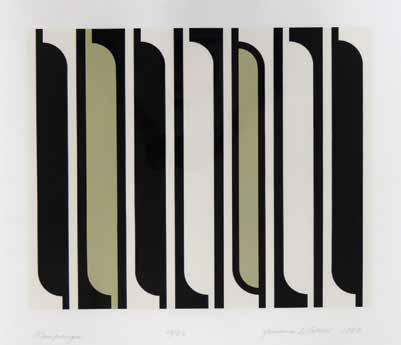
GORDON WALTERS
1919 - 1995
Rauponga
Screenprint, edition 23/50, 56.5 x 76.5
Signed, inscribed & dated 1983
ESTIMATE
$4,500 - 6,500
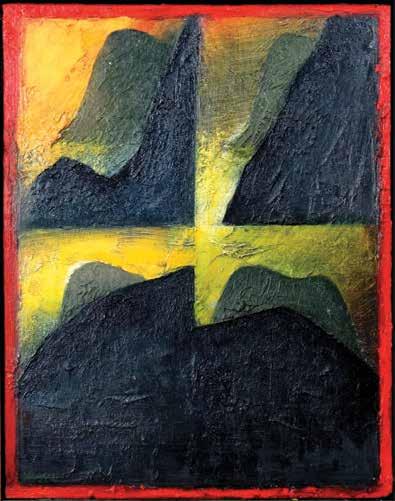
b. 1939
Motumahanga - 4 Panels, Red Border
Oil on board 39 x 30.5
Signed & dated 1984
Inscribed verso
ESTIMATE
$4,000 - 6,000
PROVENANCE
Janne Land Gallery, Wellington label affxedverso
1945 - 2013
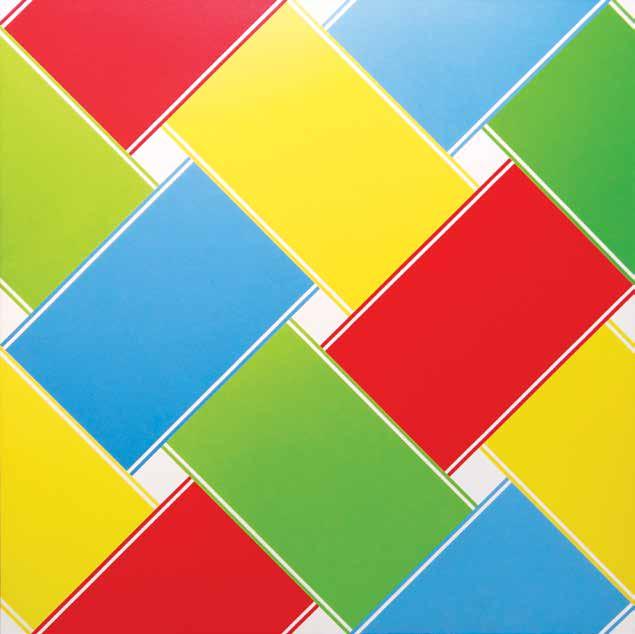
Lattice #44
Acrylic on canvas 114 x 114
Signed & dated March 1978 verso
ESTIMATE
$8,000 - 12,000
PROVENANCE
Private Collection, Auckland Ex Fletcher Trust Collection
In 1978 Scott painted Lattice #44 and Lattice #45. Other than the size of the canvas, the works are identical in colour and composition, Lattice #45 won the Benson & Hedges Art Award in 1978 and features on p. 85 Ian Scott, Warwick Brown, Marsden Press 1997. It measures 1650 x 1650 and is in the collection of Dunedin Public Art Gallery.
James Mollison, Director of the National Gallery of Australia and judge of the 1978 Benson & Hedges Art Award said he was looking for an artist who had set himself a task and achieved what he set out to do. All the elements, size, colour, tone and relationships of one colour to another were perfect in this respect. There is no corner-to-corner diagonal and fewer, broader bands.
A thin delineating stripe has been introduced inside the band edge. Colours are less intense than in some other Lattices and the elements sit tight inside the frame, with less feeling of run-off. p. 84 Ian Scott, Warwick Brown, Marsden Press 1997.
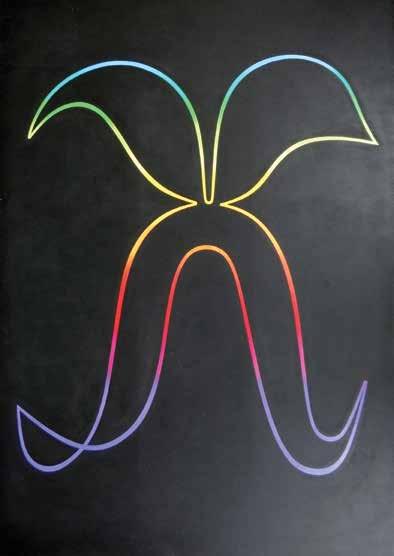
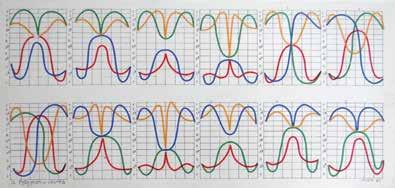
22 MICHAEL SMITHER
b. 1939
Polyphonic Cord
Oil on canvas 227 x 160
Signed & dated 1981
To be sold with MICHAEL SMITHER
12 Polyphonic Cord
Screenprint 30 x 63
Signed & dated 1981
ESTIMATE
$10,000 - 15,000
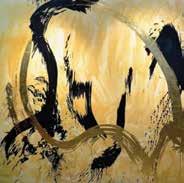
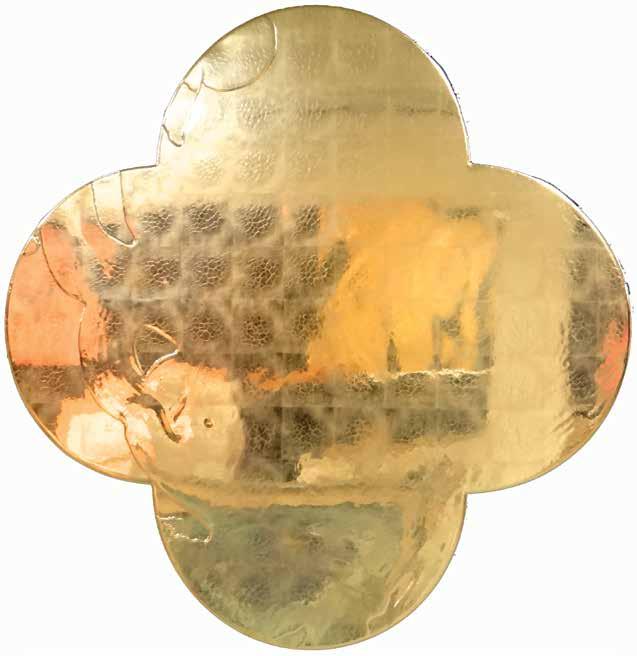
23 MAX GIMBLETT
b. 1935
Eagle
Leaves of gold, gesso, resin, gelatin, 23.75kt rosanoble gold leaf / wood panel 85 x 84
Signed, inscribed & dated 2015 verso
ESTIMATE
$35,000 - 45,000
PROVENANCE
Private Collection, purchased from Gow Langsford Gallery, Auckland
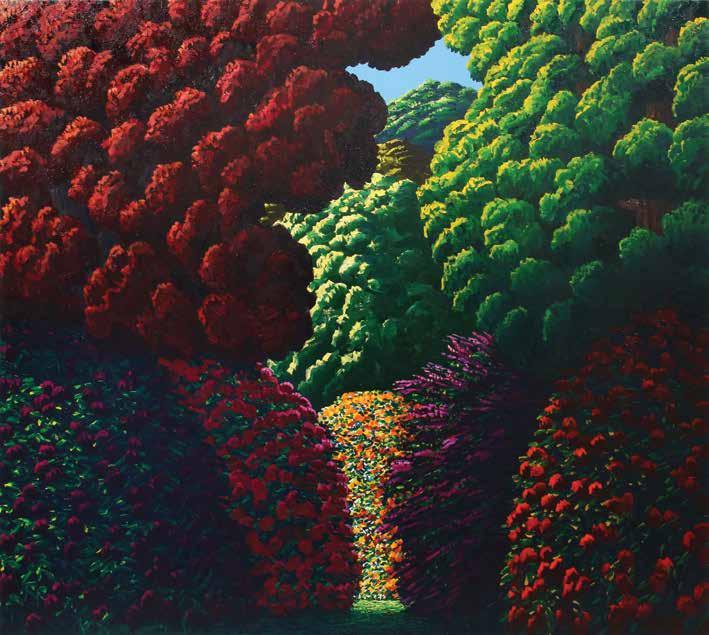
Signed, inscribed & dated ‘15 verso
ESTIMATE
$24,000 - 28,000
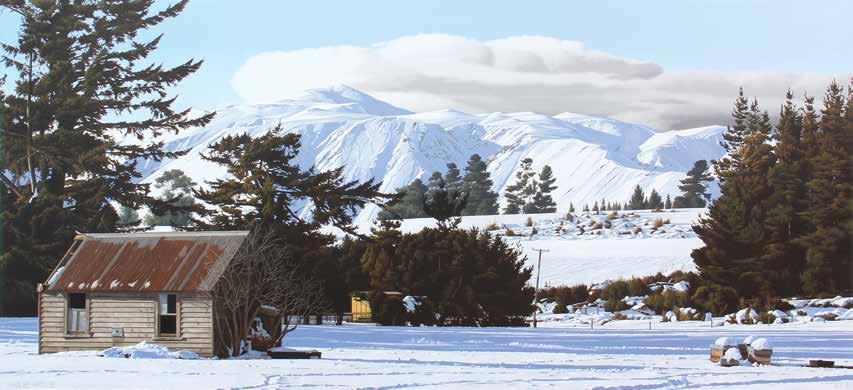
Signed, inscribed & dated 2014
ESTIMATE
$19,000 - 25,000
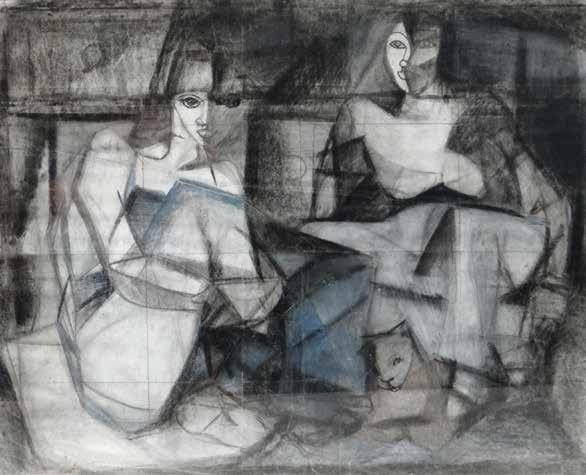
26 LOUISE HENDERSON
1902 - 1994
Women and Cat, Jerusalem
Charcoal and pastel on paper 72 x 88
ESTIMATE
$6,000 - 8,000
PROVENANCE
Private Collection, Auckland
John Leech Gallery label affxedverso
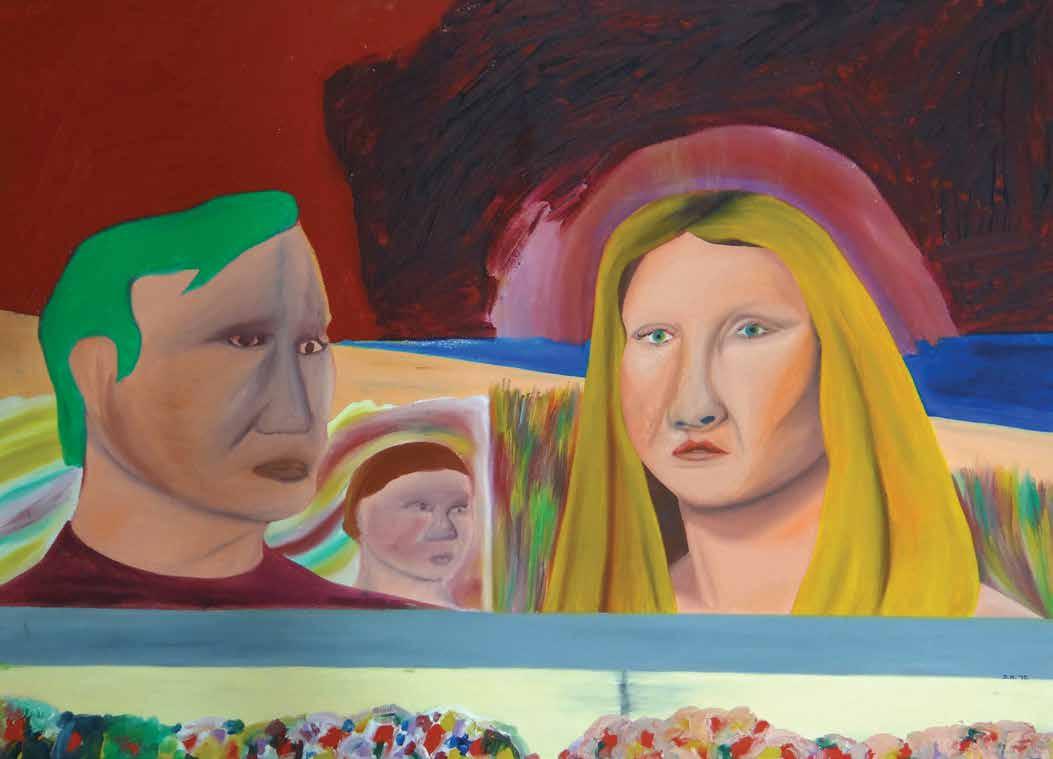
27 JEFFREY HARRIS
b. 1949
On the Beach
Oil on canvas 57 x 80
Signed & dated 1978
ESTIMATE
$18,000 - 25,000
PROVENANCE
Ferner Galleries label verso
Private Collection, Wellington
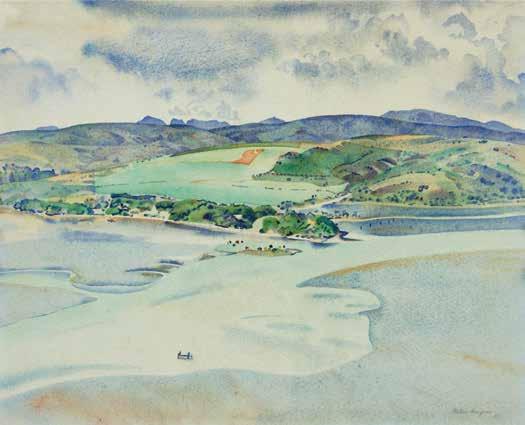
This work is a similar composition to Mangonui, a watercolour from the collection of Museum of New Zealand Te Papa Tongarewa, illustrated p. 143 Life & Vision, edited by William McAloon & Jill Trevelan, Te Papa Press, 2008.
Rita Angus visited friends Roy and Joyce Milligan at Mangonui, Northland during the winter 1953 and again in December. By October 1954 she was living in a cottage there and working on landscapes of the surrounding area. Paintings produced at this time, including Mangonui, Northland were exhibited with The Group. When plans to purchase the cottage fell through the artist returned to Wellington in April of 1955.
28 RITA ANGUS
1908 - 1970
Mangonui, Northland
Watercolour 28.8 x 35.8
Signed & dated 1953
ESTIMATE
$17,000 - 23,000
PROVENANCE
Purchased at Important, Early & Rare, International Art Centre, 2011 by current owner. Prior to this Private Collection, France, until returned to New Zealand in 2010.
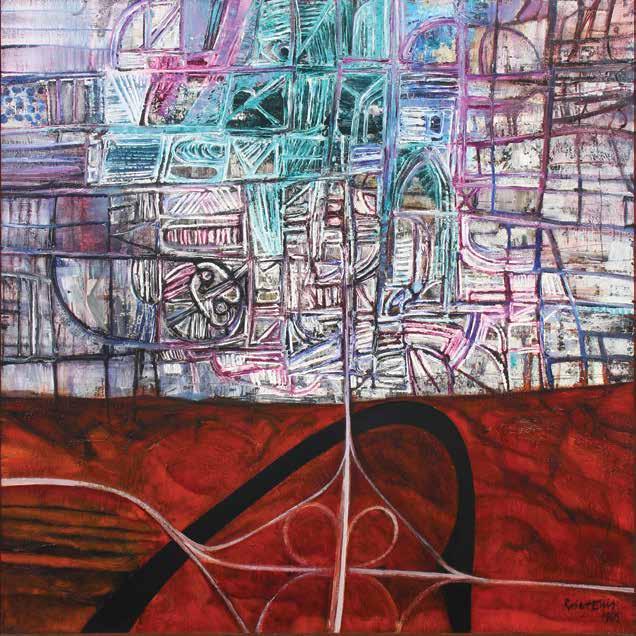
29
ROBERT ELLIS
b. 1929
Road System, River and City Oil on board 123 x 123
Signed & dated 1965
ESTIMATE
$37,500 - 45,000
PROVENANCE
Private Collection, since 1965
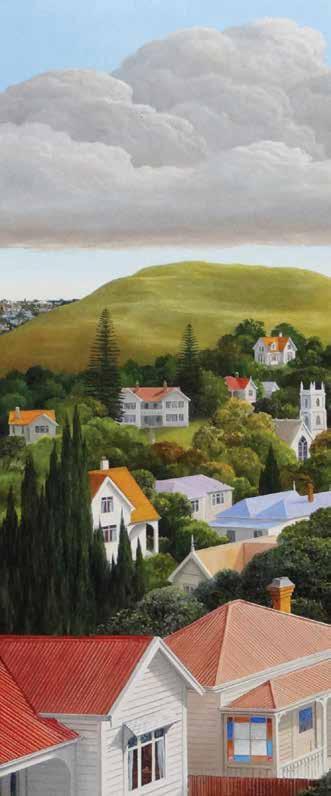
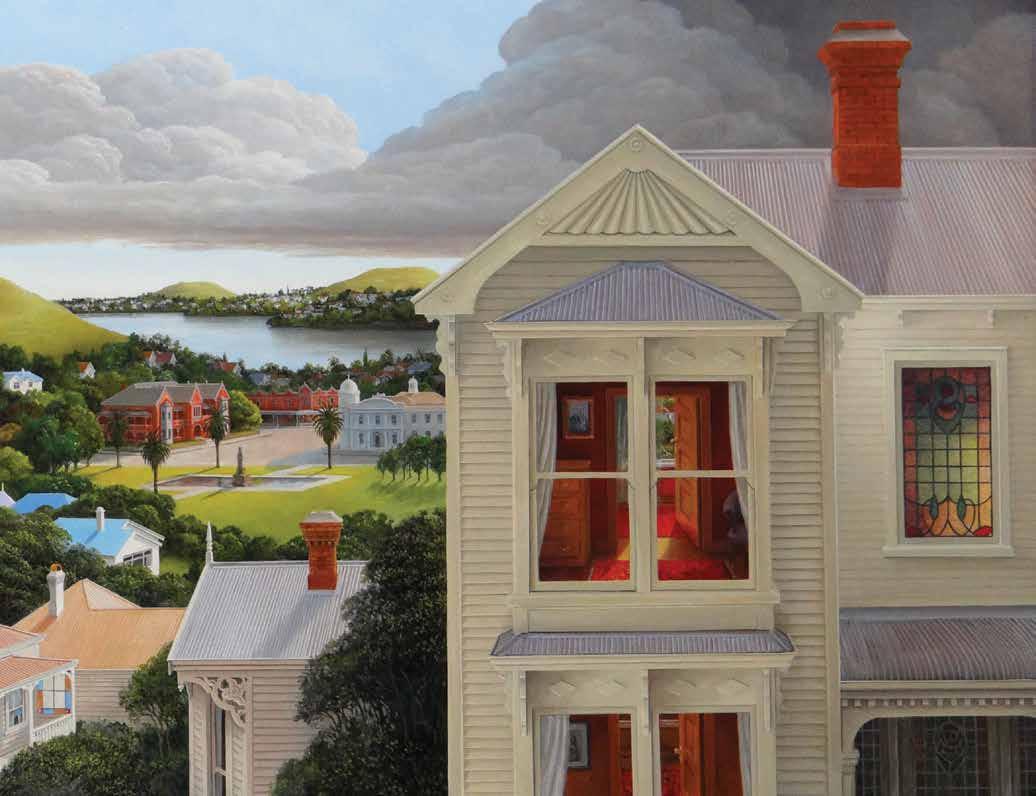
1935 - 2011
Red Carpet
Oil on board 60 x 102
Signed & dated 1989. Inscribed verso
ESTIMATE
$60,000 - 80,000
PROVENANCE
Private Collection, Wellington since 1989
Red Carpet is a fine example of Peter Siddell’s work in which a cross-section of urban Auckland has been once again brilliantly reimagined through his unique lens of perspectival linearity and crystal clarity of subject matter.
It is diffculttoarticulatethetranscendenceofspaceandtimewhichpervadesthiswork.Throughhis mastery of the medium of oil painting, Siddell instilled in his work a sharpness comparable to that found in Northern Renaissance art – that is, an egalitarian approach to space and perspective which means that even the minutest of details in the work’s background retain the luminosity of those in the foreground. The result is that the work is hyper-real; larger than life.
The charm of Red Carpet can be partially attributed to the tension which Siddell as an artist has successfully navigated herein. The scene has been presented in such a wholly convincing and detailed manner that, on one hand, it seems impossible that it would be accomplishing anything other than holding a mirror to an aspect of the Auckland cityscape as it exists in reality. At the same time, the work’s highlypolished and detailed finish instils it with an otherworldliness and fictitious aura – there is something both alluring and unsettling about the depiction of New Zealand’s most populous city, bearing all the external trappings of civilization, without human presence.
The work’s titular red carpet brings focus to the scene, and further enhances the sense of theatricality of Siddell’s work. As works of immense cultural and artistic merit within the fabric of New Zealand’s modern artistic narrative, Siddell’s paintings are highly sought-after by New Zealand collectors and institutions alike; being such a fine example from the artist’s oeuvre, Red Carpet will prove no exception to this.
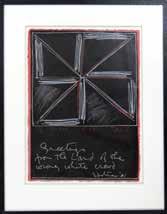
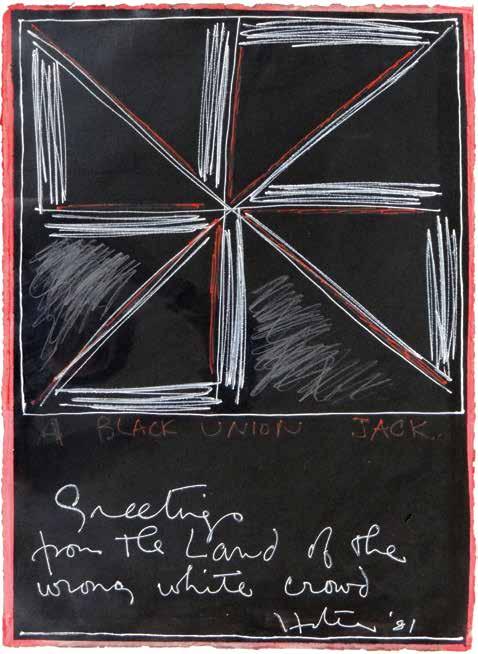
31 RALPH HOTERE
1931 - 2013
A Black Union Jack
Mixed media on paper 57 x 41
Signed, inscribed Greetings from the Land of the Wrong White Crowd & dated 1981
ESTIMATE
$30,000 - 40,000
A Black Union Jack is a powerful work which goes to the heart of Ralph Hotere’s artistic impetus, breathing the minimalist and modernist force of his revolutionary “black light” into contemporaneous issues of national identity which continue to resonate today.
Taking the Union Jack motif and stripping it of all its colour and structural cohesivity, the premise of Hotere’s work is ultimately one of colonial deconstruction, which exists in a void of geometric composition and dynamacity.
Hotere’s works were never created to be comfortable and pleasing in and of themselves, nor were they borne of an aesthetic or formal purism. Rather, as seen by the emblazoned “NZ” logo of the current work, they were bastions of revolution, change – works which were deeply infused with a political significance compelling New Zealanders to engage with our darker side, and laying forth a certain beauty as portended by this darkness.
The black Union Jack was a motif which Hotere returned to over a number of years, but its pertinence in light of the 1981 Springbok Tour is of particular relevance to this work. That the bolder strokes of this work may be interpreted as a swastika is something that, once recognised by the viewer, feels impossible to shake – a reminder of the fascist social politics comprising apartheid in South Africa, and a not-so-subtle protest on Hotere’s part in light of New Zealand’s response to this.
The work’s inscription, Greetings from the Land of the Wrong White Crowd, reads almost as a postcard, inferring the external intention of Hotere’s work through which a message was not only being presented to, and for, New Zealand, but to the rest of the world. In this way, the black of A Black Union Jack comprises an infinite abyss and space for the development of cultural self-awareness and collective self-criticism through art.
32 MICHAEL SMITHER b. 1939
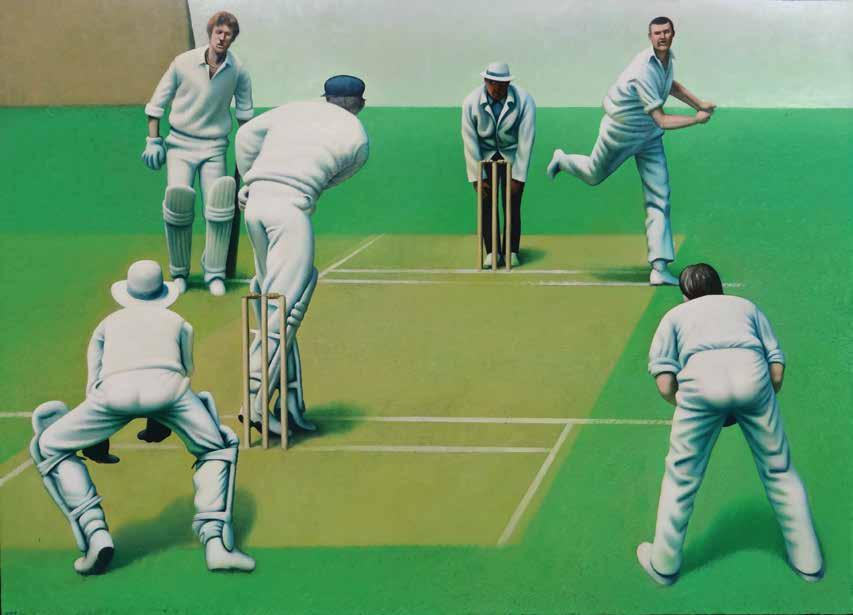
The Cricket Match Oil on board 116 x 162 Signed & dated 2002
ESTIMATE
$35,000 - 45,000
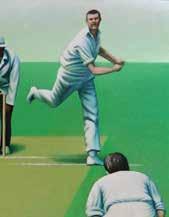
In its linear clarity, plasticity of form and striking vividness of colour, The Cricket Match is instantly recognisible as a work by Michael Smither. Particularly intriguing is the fact that this painting exists in something of a “middle ground”, mediating the space between Michael Smither’s celebrated expressions of New Zealand locale and nature, and his more intimate interpersonal portraits and scenes of domesticity.
The precise composition of this work is of note, for each player has been positioned in such a way as to capture the sense of a fleeting moment in a game of cricket. As viewers, we are compelled to anticipate the trajectory of the ball as we trace the gaze of the bowler and interpret the batter’s poised stance. The significance which has been afforded to each of the players, in poses both candid and contorted, effects an almost sculpturesque quality. Thus, these local sportsmen donning their cricket whites possess a
certain gravitas and seem almost frozen in time, in the manner of a Greek or Roman statue. Finally, there is an undeniable geometric elegance which underpins the work, elevating the cricket field from its purely functional role to something of higher aesthetic merit, through the careful intersection of lines and meticulously arranged blocks of colour.
Although the work was painted in 2002, The Cricket Match was based on a cricket match which was played on the cricket ground at Pukekura Park, New Plymouth, in the early 1990s. The work therefore offers insight into the richness of the time/ space continuum in which Smither operates as an artist, whilst combining the two aspects of his work for which he is so celebrated – the spirit of the Taranaki region, and his quest to capture and express something of the everyday human condition in force.
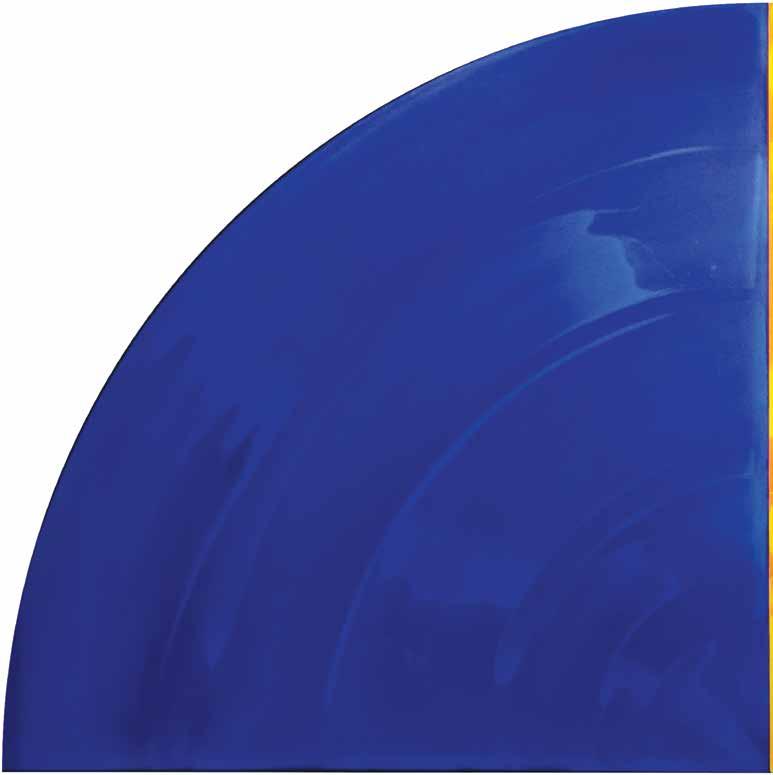
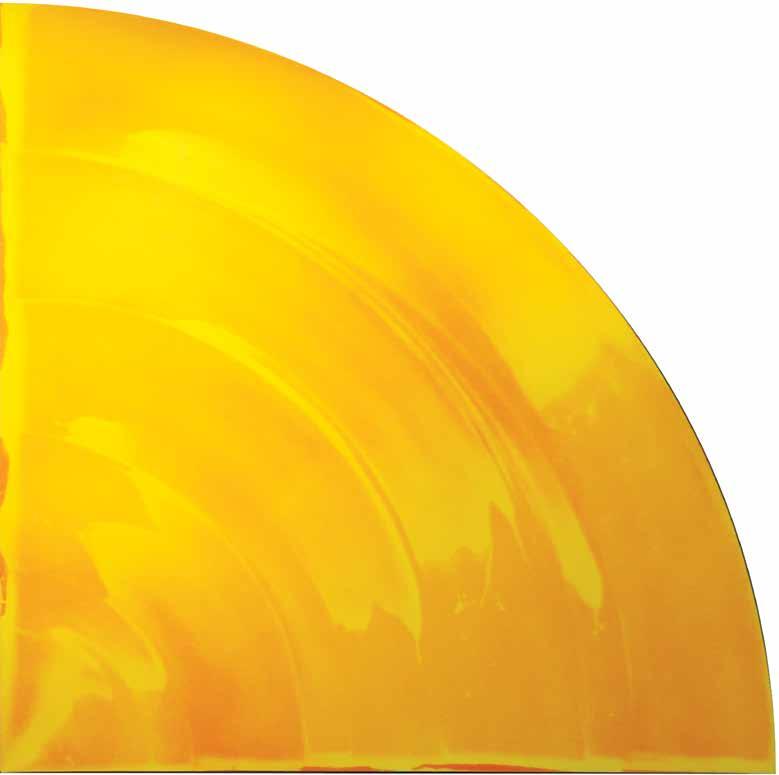
33 GRETCHEN ALBRECHT
b. 1943
Celestial Dome
Acrylic on canvas 152.5 x 305
Signed, inscribed & dated 1983 verso
ESTIMATE
$38,000 - 50,000
1919 - 1987
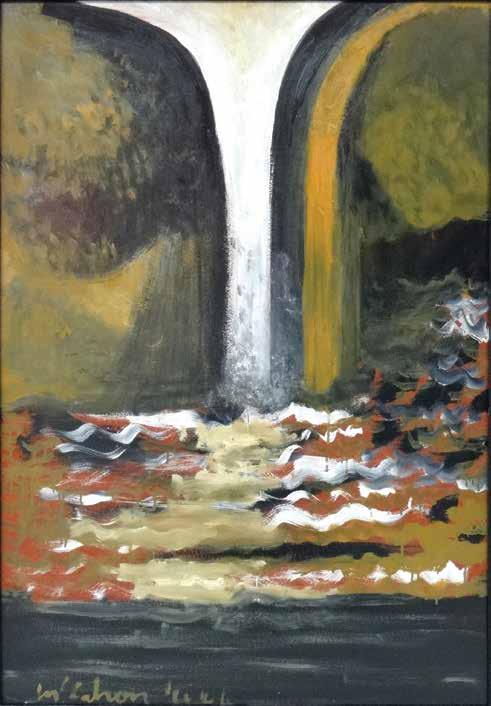
Waterfall
Oil on hardboard 85 x 58
Signed & dated 1964
ESTIMATE
$350,000 - 450,000
Colin McCahon database, record number cm001097
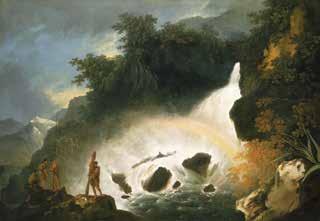
McCahon’s ‘waterfall’ landscapes, reworked ‘through’ Hodges, and relocated environmentally to the Waitakere Ranges west of Auckland, are also based in part, as McCahon was to acknowledge to several of their purchasers, on specific waterfalls in the Waitakere Ranges Regional Park such as the Fairy Falls, Kitekite Falls and Karekare Falls. This important painting, Waterfall 1964, is one of the few larger compositions that draws directly upon specific details of Hodges’ [Cascade Cove], Dusky Bay: water crashing down onto rocks in a pool, banks of golden tree foliage, a yellow (‘Naples yellow’?) scar on the hillside, waves scudding on the pool below. These details and size were soon to be pared back, and a ‘McCahon waterfall’ typically became an elemental white column of falling water, often viewed from an angle so it appeared to silently curve its way through the darkness. In a Christian reading of these works, McCahon’s son, William, has argued that McCahon saw the waterfall: ‘as the earth bleeding —a sacrament of light issuing from the land recalling the blood shed by Christ in his Passion; Christ becoming the earth’.i
As well as the influence of Hodges, there was a second impetus propelling McCahon’s waterfalls. This was his concern for the environment, what we might call his ‘ecological consciousness’. In most of McCahon’s Waterfalls the removal of skyline draws the viewer into the composition, encouraging identification with elemental water, earth and bush. In later catalogue entries McCahon specifically links the Necessary Protection paintings of the 1970s to his earlier Waterfall series and he makes it clear his painting was not done merely to protest the degradation of the landscape, but in some way to stay environmental devastation and depletion, and to restore an equilibrium in human interaction with the earth.
‘I am painting about what is still there and what I can still see before the sky turns black with soot and the sea becomes a slowly heaving rubbish tip. I am painting what we have got now and will never get again. This, in one shape or form, has been the subject of my painting for a very long time.’ p. 216. Nelson: Craig Potton, 2002
In the early 1960s Colin McCahon, as Keeper and Deputy Director of the Auckland City Art Gallery, was instrumental in organising and installing an exhibition entitled Captain James Cook: His Artists and Draughtsmen held at the gallery between October and December 1964. In particular McCahon responded to a painting by William Hodges, the painter who accompanied Cook on his second voyage to the Pacific, [Cascade Cove], Dusky Bay, c. 1775-6, found today in the National Maritime Museum, London. Later in a catalogue note to his own survey show McCahon wrote that his own series of ‘waterfalls’: grew out of William Hodges’ paintings on loan to the Auckland City Art Gallery from The Admiralty London. ‘Hodges and I eventually realized we were friends over the years and got talking about his painting. He was dead and I was about the same. We conversed, through paint (about Naples yellow to start with) - and in 1964 I painted my first waterfall. Hodges is my hero in all these paintings...’ Laurence Simmons
p. 32 Colin McCahon, Colin McCahon: A Survey Exhibition, Auckland City Art Gallery, 1972, p. 31, Colin McCahon: A Question of Faith, Marja Bloem and Martin Browne, Stedelijk Museum Amsterdam
1919 - 1987
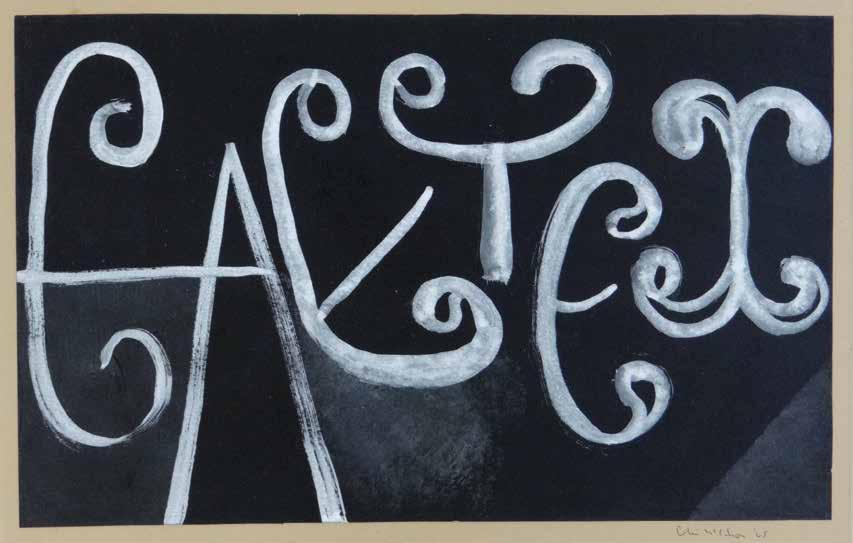
Caltex, 1965
Synthetic polymer paint on paper 24.7 x 39.8
Signed & dated 1965
ESTIMATE
$40,000 - 60,000
Colin McCahon database, record number cm001093
Caltex forms part of a series of 8 drawings that Colin McCahon made as preparatory designs for an unrealized mural intended for the Caltex Oil OffcesinAuckland.
McCahon considered painting to be a form of direct communication, which is evident here in his combination of form as visual language, and as direct, written language. At this stage in his career, posters and signage had proved to be highly influential forms for McCahon, making him a perfect candidate for the Caltex mural. By combining visual and verbal elements, McCahon had begun to ask the viewer to consider his works both in a literary sense and for their visual effectiveness, pushing the possibilities of the meaning of written words into the structure of the work. Hamish Keith notes, the written paintings are McCahon’s most complex and controversial works, and they provide an insight into his originality and his achievement as a painter p. 131 Colin McCahon: Artist, Gordon H. Brown, A. H. & A. W. Reed Ltd, 1984
In Caltex, McCahon draws upon the Maori motif of the koru, which is simultaneously letter and arrow, grabbing and directing attention. This is thought to be the first time that McCahon utilised the koru in this way. While in some of his works McCahon’s use of text shouts loudly out to the viewer, such as in Tuhoe are the People (a poster for Urewera), 1975, the Caltex series refers back to the cubist-inspired forms of the Titirangi period and as a result these works have an elegance and refinement not often apparent in the pure writing paintings.
b. 1943
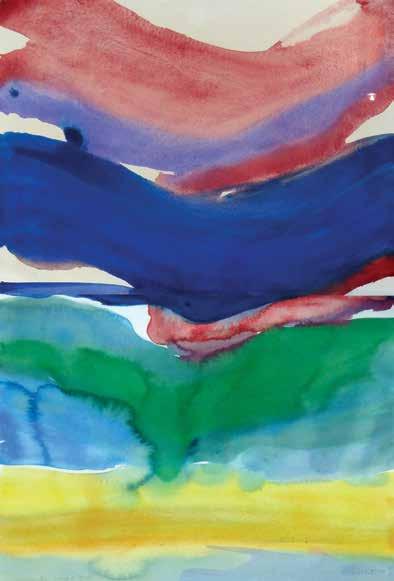
Study for Winged Spill
Watercolour 110 x 74
Signed, inscribed & dated 1974
ESTIMATE
$15,000 - 20,000
37 MILAN MRKUSICH
b. 1925
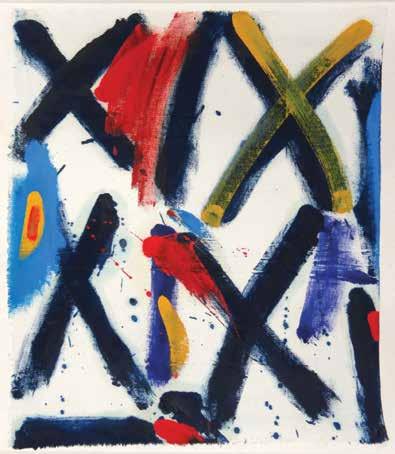
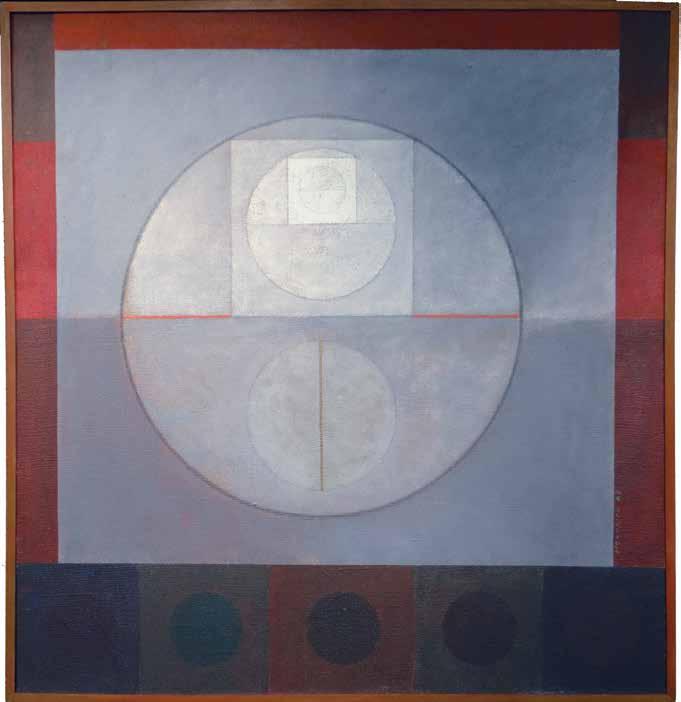
Emblem X
Oil on jute 93 x 90
Signed & dated 1963
ESTIMATE
$45,000 - 65,000
PROVENANCE
Original label from exhibition Contemporary Painting in New Zealand, Queen Elizabeth II Arts Council, Commonwealth Institute London 6 August – 29 August 1965 affxedverso
Insofar as it is emblematic of Milan Mrkusich’s forays into modernism in the early 1960s, Emblem X is aptly named. Herein, Mrkusich has realised an abstract manifesto which integrates a number of philosophical and Jungian-inspired concerns. As viewers and appreciators of Mrkusich’s art, it is impossible to comprehend the complexity and significance of the work in its entirety: the best we can therefore do is allow ourselves to be absorbed, and, in a sense, lose ourselves within this painting.
Emblem X was accomplished in 1963, just one year after Mrkusich had started to introduce a heavily-geometric focus into his work, and engage with the expressive and aesthetically lyrical potential of geometric forms. The concentricity and compelling magnetism of the circular form dominates the work; as a recurring motif, it references the totality and metaphysical weight of the “mandala” symbol.
Whilst it is tempting to assign overt art historical influence based on the aesthetic similarities between a work such as Emblem X and the reductionist aesthetic of Mrkusich’s forbearing European expressionists (think Wassily Kandinsky), or even the gradual breakdown of form by Cubists earlier in the century, it is important to realise that in executing this work, Mrkusich was starting from a point of disconnect and pure abstraction. Emblem X is therefore not the product of a process of deconstruction wherein reality and known forms have been gradually distorted and abstracted, as was the case for earlier abstractionists; rather, it represents the non-referential articulation of the artist’s philosophical and minimalist ideologies. Building upon his earlier Abstract Expressionist colour fields, Mrkusich has created a work which enrichened the language of modernism through offering an intersectional exploration into expressionist and gestural abstraction.
1870 - 1947
‘In Doubt’
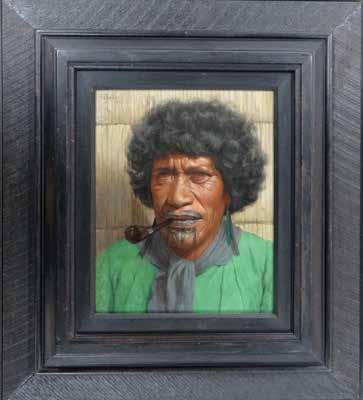
An Arawa Chieftainess Maramena Wiari
Oil on canvas 26 x 21
Signed & dated 1916
ESTIMATE
$250,000 - 350,000
PROVENANCE
An Auckland Estate Collection
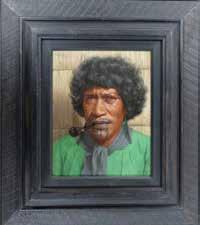
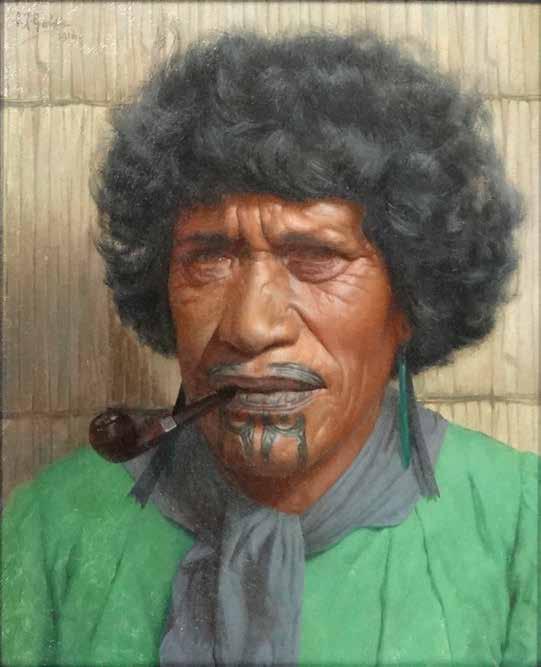
In Doubt, an Arawa Chieftainess is an exquisite portrait of Maramena Wiari, one of Charles Goldie’s lesser-known sitters. Herein, Maramena has been depicted in a frontal pose, engaging with the viewer as she fixes her gaze just beyond us in an expression of serene clarity. Unlike many of Goldie’s portraits where he chose to portray his subjects deep in melancholic meditation, or with eyes sorrowfully downcast, there is a strength to Maramena, one which affrmshermanaandallowsustounderstandsomethingofherspirit.
The reference to Doubt in the title echoes another portrait of Maramena which Goldie accomplished around the same time, entitled Distrust, exhibited in Canterbury in 1917. Considering these two works collectively, it becomes clear that Goldie chose to intentionally depict Maramena in a position of tension between two cultures – a concern of particular resonance when considering the early 20th century context of Maori culture.
This portrait can therefore be considered something of a visual metaphor for the territory being navigated by Maori at the time: though Maramena has been portrayed in European attire and with a pipe, her gaze belies reflection on the changing times, and perhaps her own life, living as she did, in the world of both Pakeha and Maori. Here, Maramena is pictured here against the overt symbolism of a woven flax background.
In executing this picture, Goldie struck a balance between the realisation of strikingly beautiful detail (consider the detail of Maramena’s moko, and the deeply-etched lines in her face) and a certain softness which communicates a cognisant soulfulness on her part. There is a spirit of vitality and vivacity to this work which makes it truly special, and distinguishes it as a work of ancestral and spiritual importance; a precious link to our past.
39 MINA ARNDT
1885 - 1926
Mother & Child
Oil on canvas 62 x 64
Signed & inscribed Mother & Child, Trewarveneth
Paul Penzance Cornwall verso
ESTIMATE
$30,000 - 40,000
PROVENANCE
Ex Private Collection, Europe
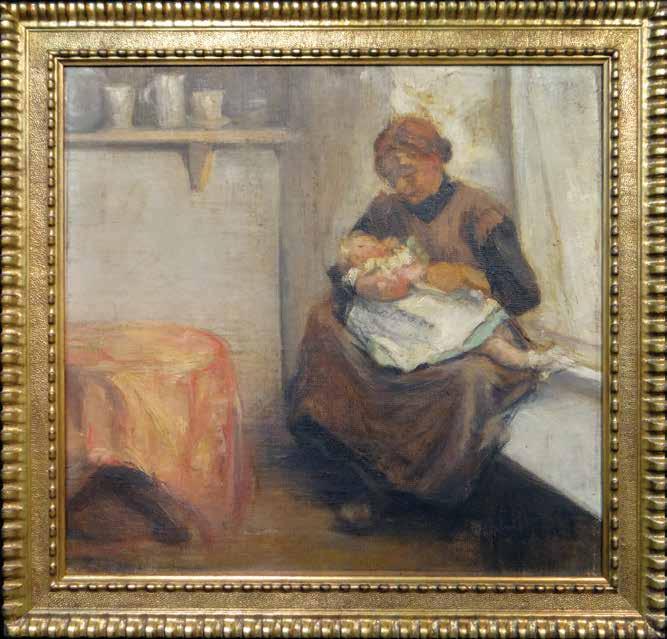
The tender domesticity of this fine painting by Mina Arndt makes it a special and rare example of her work. Though strikingly minimalist in its composition, Mother & Child possesses a gravitas which, by virtue of its gentle simplicity, renders the work endearingly compelling.
Notably, the image of a mother cradling her child has not been presented against, or applied to an interior backdrop – rather, the integration of domestic space and the two figures depicted within it is thorough; each element exists in dialogue and oneness with the rest of the painting. This is enhanced by the cohesion of light and hue, and subtle tonal graduation across the room.
To contextualise the production of this work, a brief overview of Arndt’s career is necessary, for although the painting hasn’t been precisely dated, a consideration of where it lands within the trajectory of her stylistic development offers insight.
Further to the completion of her initial artistic training during 1905-6 at Wellington’s Technical College, Arndt moved to London in 1907 with her mother and sisters. There she continued her art studies, one of her tutors being Frank Brangwyn.
Her descendants believe she also studied the Slade School of Fine Art. During her nearly eight years in Europe Mina Arndt spent several winters working in Cornwall and painting as did fellow New Zealanders, Margaret Stoddart and Frances Hodgkins. Time was spent in Berlin but we know that by 1913 Arndt was again in Cornwall and in the same year exhibiting at the Salon of the Société des Artistes Français in Paris.
The painting’s verso inscription affrmsthework’sCornishorigins,detailing the location as Trewarveneth Paul Penzance Cornwall where she studied under artist Stanhope Alexander Forbes (1857-1947) RA and founder of the Newlyn School. The subject matter is certainly consistent with the depictions of Cornish women which Arndt returned to time and time again throughout her career. Stylistically, Mother and Child belongs to a later point in Arndt’s career, for it channels the expressionist technique of Arndt’s Berlin-based teacher and mentor, Lovis Corinth. What we are therefore presented with in this work, is an exquisite combination of the artist’s favoured subject matter with her mastery of Modernism.
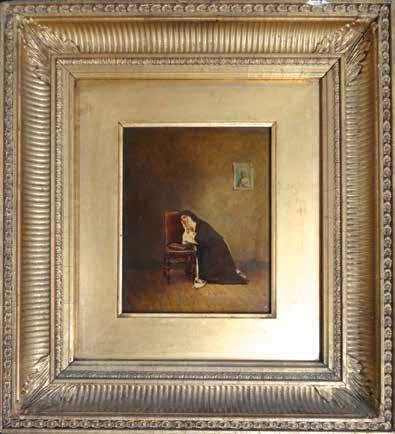
40 LOUIS JOHN STEELE
1842 - 1918
Prayer Time
Oil on panel 17 x 14
Signed
Original artist’s label affxedverso
ESTIMATE
$2,000 - 3,000
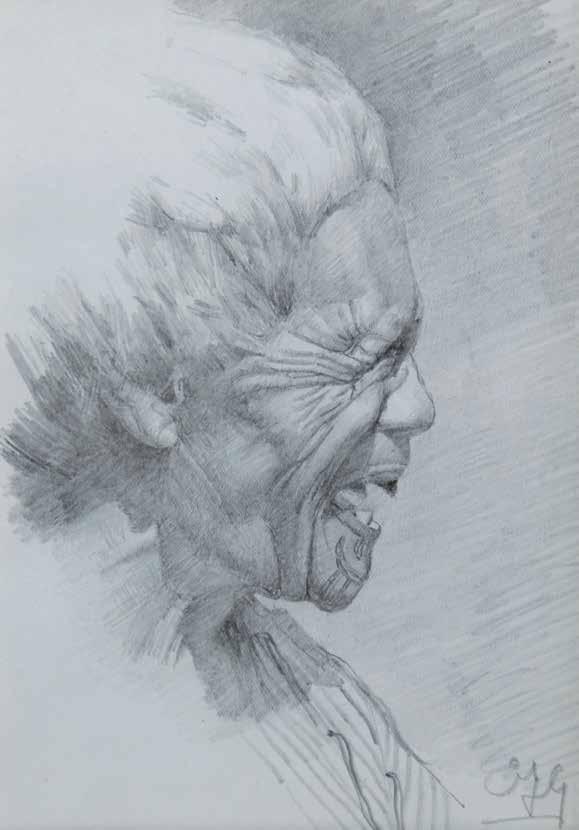
41 CHARLES FREDERICK GOLDIE
1870 - 1947
Te Hei - Smiling Eyes
Pencil drawing on paper 20 x 14
Signed
To be sold with:
The artist’s death certificate
A facsimile of the artist’s wife Olive Goldie’s death certificate
A hand signed Goldie postcard of The Old Sentinel Kapi Kapi
ESTIMATE
$25,000 - 35,000
PROVENANCE
From the Collection of the former owner of Goldie’s residence at Upland Road, Remuera.
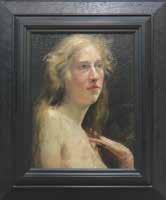
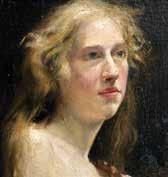
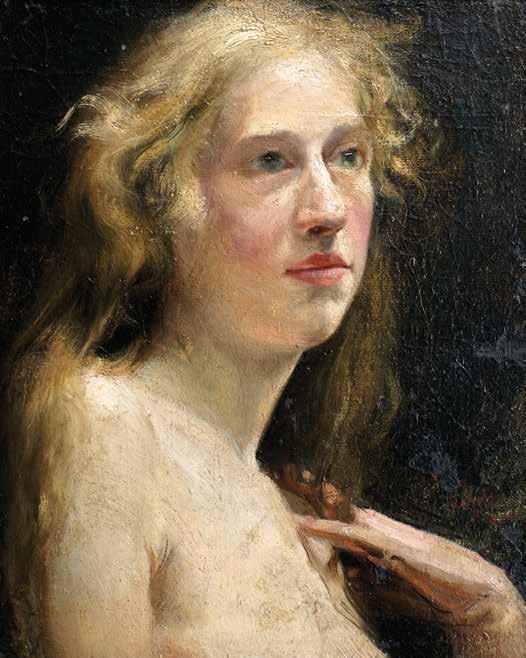
1870 - 1947
Untitled Portraiture Study
Oil on canvas on board 43 x 34
Signed & inscribed ‘Paris’
ESTIMATE
$60,000 - 80,000
PROVENANCE
An Auckland Estate Collection
Purchased from Important, Early & Rare International Art Centre, March 2009
Prior to that, in a private collection in Auckland since 1924.
This work was completed between 1893 and 1898 when at the age of twenty two Goldie enrolled at the cosmopolitan Académie Julian, Paris. For four years he studied under the supervision of eminent Salon painter William-Adolphe Bouguereau. The academic training Goldie received at the Académie indicate that this painting is a life study of a class model, or alternatively a detailed study of an existing work.
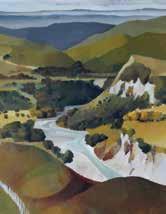
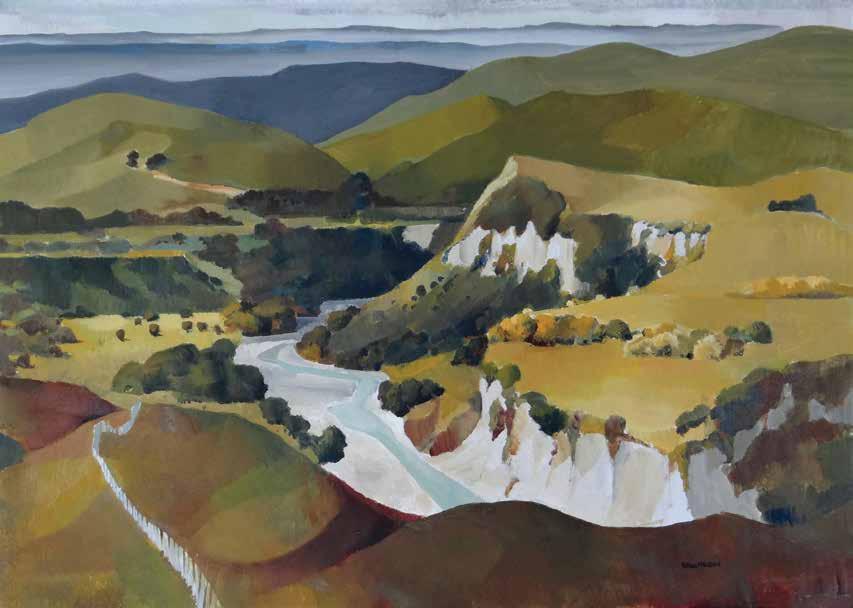
43 PETER MCINTYRE
1910 - 1995
The Rangitikei River Oil on board 62 x 84
Signed Dated 1975 verso
ESTIMATE
$25,000 - 35,000
The Rangitikei River, it’s headwaters located to the southeast of Lake Taupo in the Kaimanawa Ranges stretches 185 kilometres, making it one of the New Zealand’s longest rivers.
It flows from the Central Plateau south past Taihape, Mangaweka, Hunterville, Marton, Bulls and to the South Taranaki Bight at Tangimoana, 40 kilometres southeast of Wanganui. The river gives its name to the surrounding Rangitikei District. In 1897 the river flooded and all six bridges over it were damaged or destroyed. The port at the mouth of the river was also washed away and never rebuilt.
The river is a popular leisure and recreation area for jetboating, white water rafting, kayaking, fishing and includes public camping grounds along its banks.
Its sheer vertical paapa (clay) cliffs, unique to this part of New Zealand, and deep canyons provide the perfect setting for adventure activities. The lush green bush is the crowning glory of my country and in its depths the tui and bellbird sing the purest song of them all.
The river in the painting flows out of the bush, cutting deep into the white paapa clay to make cliffs that catch the sun and the moon all along its course.
Text: Peter McIntyre’s Pacific, A H & A W Reed 1966
Signed
ESTIMATE
$25,000 - 35,000
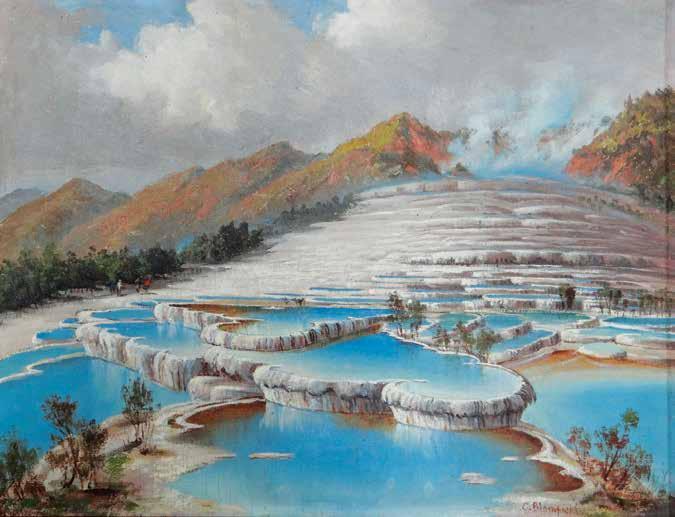
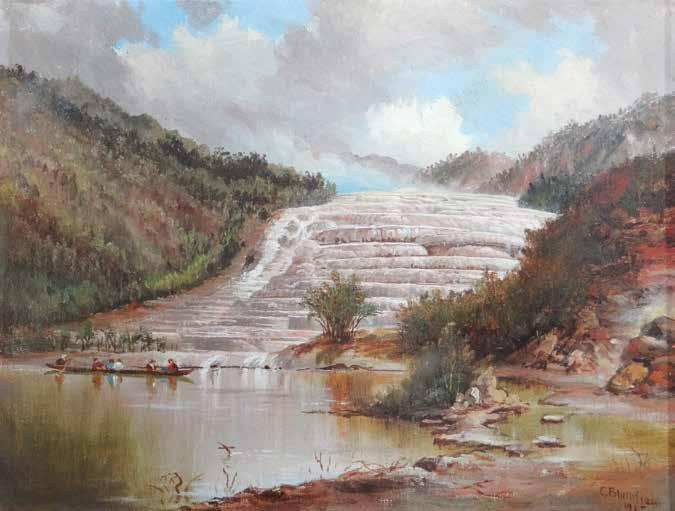
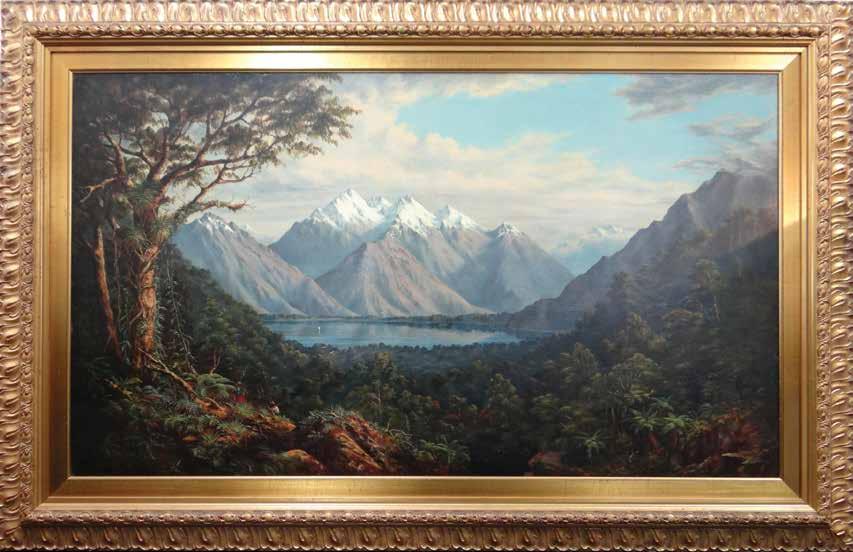
1822 - 1897
Diamond Lake, Mt. Earnslaw
Oil on canvas 75 x 130
Signed & dated 1870
ESTIMATE
$40,000 - 60,000
PROVENANCE
Private Collection, Wellington
Purchased from International Art Centre, 1992
The presentation of Barraud’s 1870 depiction of Mt Earnslaw to the market is a truly special occurrence. Herein, all the technical finesse of the artist’s style is exemplified, and the rare (for Barraud) oil paint medium instils a beautiful glassiness and microscopic incisiveness to the work which is striking to behold.
The impressive scale of this painting immediately engages the viewer almost meditatively with the landscape, which is enhanced by Barraud’s mastery of light. Framed by the lush greenery of native New Zealand bush, the eye is drawn to the centre of the painting where a majestic Mt Earnslaw has been captured in harmony with the lake and sky. A powerful sense of atmosphere has been realised through subtle tonal graduation and harmony, which sees the mountains lighten and gradually fade into the clouds, whilst the lake reflects both the mountains and sky.
From 1850 onwards, Barraud had begun to cultivate an international reputation for his accomplished depictions of New Zealand landscapes, the majority of
which were watercolours. The artist’s oil paintings were highly sought-after by both the local and London-based audience for their value as objects of aesthetic and artistic merit, as well as for the fact that they offered superb insight into the natural beauty and topography of New Zealand.
This work in particular is emblematic of the tradition of New Zealand regional painting in the 19th century: it is evident that concerns of topographical truth, formalism, and natural beauty have been placed at the forefront of the artistic process. In this sense, Barraud’s work calls to mind the European romantic tradition of landscape painting, wherein allegorical references and subtle narratives would infuse the natural surroundings with something of a spiritual significance. As such, it also affords our own national topography the possibility of a richer, universal and philosophical sense of truth.
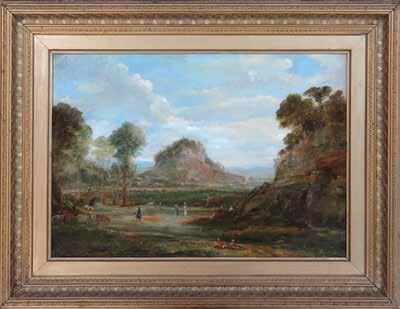
46 ALBIN MARTIN
1813 - 1888
Untitled Landscape
Oil on board 37 x 54
ESTIMATE
$8,000 - 12,000
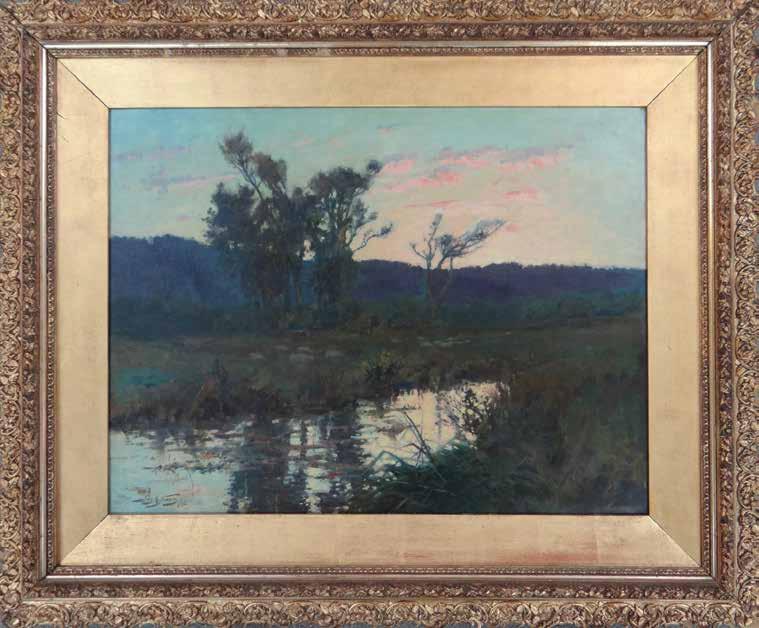
1859 - 1904
Evening at Silverstream
Oil on canvas 56 x 74
Signed & dated 1893
ESTIMATE
$30,000 - 40,000
PROVENANCE
Exhibited: The Inaugural Exhibition of the Wellington Arts Club, Wellington, July 1883
James MacLauchlan Nairn was a Glasgow-born painter who along with Girolamo Pieri Pecci Ballati Nerli strongly influenced New Zealand painting in the late 19th century. He believed in en plein air or painting outdoors.
Nairn studied at the Glasgow School of Art for four years from 1879 before enrolling as a student at the Académie Julian in Paris. During the 1880s he exhibited at the Glasgow Institute of Fine Arts and the Royal Scottish Academy and was associated with the Glasgow Boys - a group of Scottish artists interested in Impressionism.
Nairn emigrated from Glasgow to Dunedin in 1890 moving north to Wellington in 1891, where he was appointed as an art instructor at the Wellington Technical School. He lectured on art and conducted classes for the study of the nude figure. He introduced Impressionism of the Glasgow School to New Zealand and influenced artists such as Dorothy Kate Richmond, Mabel Hill, Maude Burge and Mary Elizabeth Tripe..
Nairn joined the New Zealand Academy of Fine Arts soon after settling in Wellington and was elected to the governing council from 1890 to 1903. He also formed the Wellington Art Club which met regularly at Nairn’s Pumpkin Cottage. The cottage became a gathering point for Wellington artists. Nairn’s influence was felt throughout New Zealand as he regularly sent works for exhibition in other centres.
He married Ellen Smith on 17 March 1898 and they had two daughters, Mari Bhan and Ellen May Victoria.
He died at the age of 44 at his home in Wellington on 22 February 1904.
Whilst he often worked in watercolour and oil on a small scale, this is a rare large example in oil.
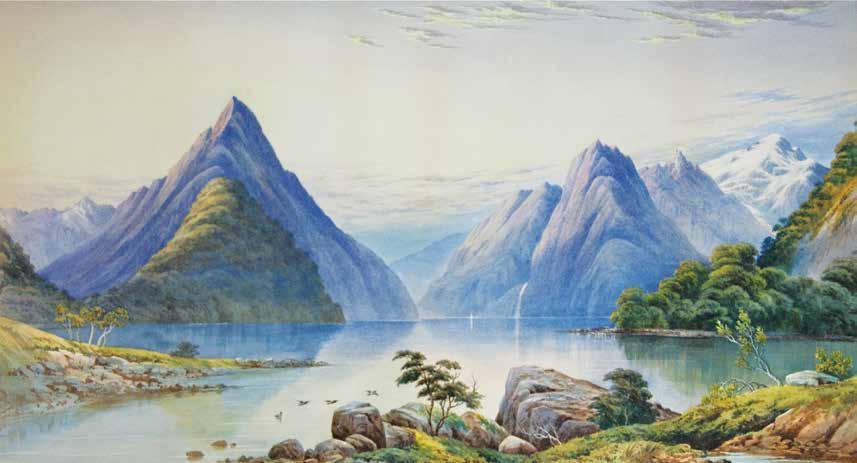
1835 - 1913
Milford Sound
Watercolour 60 x 90
Signed
ESTIMATE
$35,000 - 45,000
Private Collection, Guernsey
Purchased from International Art Centre, 2013 and recently repatriated
Part of New Zealand's protected Fiordland, this famous scenic attraction is as unspoilt today as it was when painted by Hoyte in the late 1870s. Milford Sound is the grandest and most northerly of the fiords indenting the south western coastline of the South Island, twenty five kilometres south west of the Hollyford River. This narrow fifteen kilometre canyon occupies the front portion of a glacial trough. It cuts into surrounding mountains through which the sea flows when the glacial ice melts.
In a climax of natural beauty, numerous waterfalls cascade from sheer rock walls rising vertically from the sea. Nearest to the head of Milford Sound are the Bowen Falls and midway along the eastern wall, the Stirling Falls.
One of the highest mountains rising straight up from the sea is Mitre Peak, described by British writer Rudyard Kipling as the eighth wonder of the world, it towers majestically above the rainforested mound known as the Footstool with Mount Phillips to the left. Opposite Mitre Peak, rising from the eastern shore is the Lion and further up the ridge, Mt Pembroke.
John Barr Clark Hoyte was considered the leading New Zealand watercolourist of his time. Painting in the romantic English style, Hoyte travelled widely throughout the colony. In 1877 he circumnavigated the South Island, paying particular attention to exploration of Fiordland. The work offered here, with its readily identifiable brushstrokes, subtlety and refinement of palette is the embodiment of 'Hoyteness'.
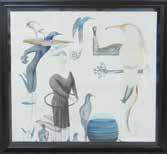
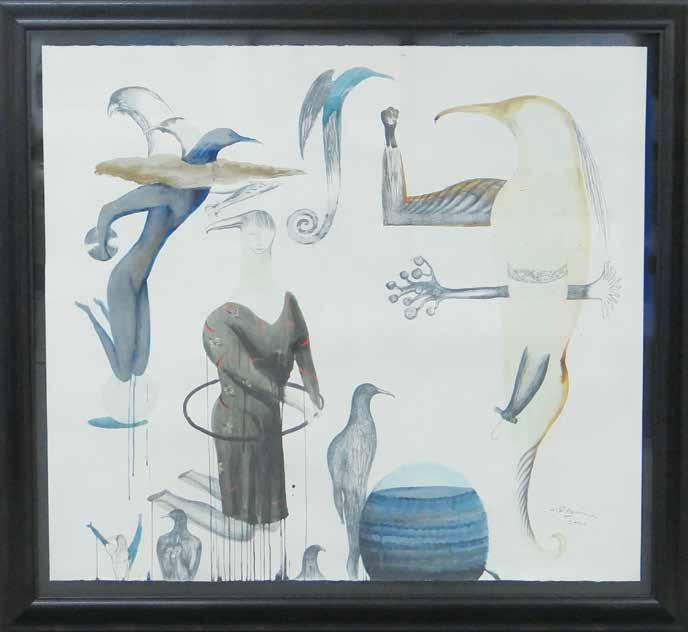
49 BILL HAMMOND
b. 1947
Untitled (II) 2000
Acrylic paint, pencil and ink on paper 139 x 156
Signed & dated 2000
ESTIMATE
$50,000 - 80,000
PROVENANCE
A Corporate Collection
In Poland, as in other parts of Europe, dark-plumaged crows can occasionally be seen gathered around their deceased own as if mourning for the dead bird. The sight is well-known. The phenomena of these funereal birds standing around carefully studying the victim as a group, has become known as the Crows Funeral for obvious anthropomorphic reasons.
What is actually happening, according to recent research, is the crows are trying to identify the cause of death and by association the ‘bringer of harm’ in order to know how to avoid a similar fate. It is now known that where the death has been caused by a creature of prey or human that is identifiable, the participating crows are able to pass this knowledge on to other crows that were not present at the ‘funeral’ and the recognition of the perpetrator persists, and in fact grows for months afterwards.
Hammond’s birds, also relatively still, clustered in groups, have also taken on mythic proportions in writing and conversation since the artist’s careerchanging visit to New Zealand’s sub-Antarctic islands in 1989. Immediately on his return his works were populated with attenuated bird figures, sometimes half-human half-bird. The artist’s southern epiphany also awakened an interest in the 19th century ornithologist Sir Walter Buller, who was responsible, almost in equal measure for the lavish documentation of many species that became extinct before the 20th century and for contributing to their extinction through his practice of killing, stuffnganddistributingvastnumbers of birds for ornithological collections.
It is clear therefore that the symbolic power of Hammond’s paintings, drawings and lithographs address the threat to New Zealand wildlife by humans, past, present and future. Hammond’s birds stand both as witness and accuser in Buller’s world, for the artist conjures a primordial avian world, not of delicate vulnerability, but of tooth and claw power. His birds lay in wait, watch, stalk and loom over the human forms that occasionally appear in their midst or in the distance.
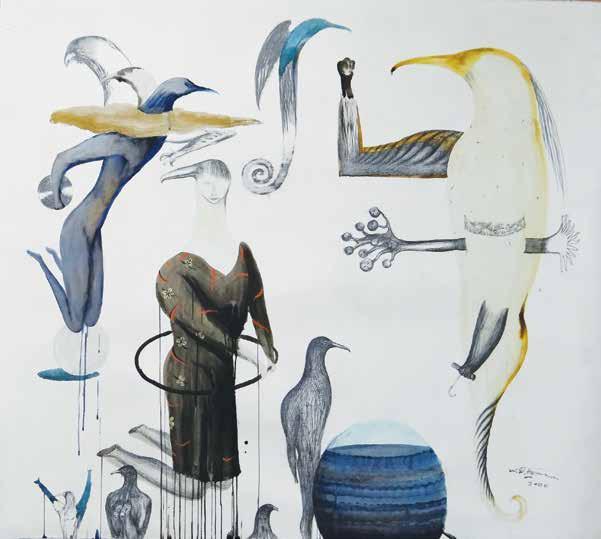
In Untitled (II) from 2000 we are taken behind the scenes. The work seems like a page from the ‘Avian Defence Ministry’s Home Guard Manual’. The bird with its head above the clouds is part of the collective early-warning system.
The large bird on the right demonstrates the armoury of the land: strong-arm hills for protection and massive, uprooted trees as weapons. Finally, methods of capture are indicated with the steel hoop surrounding the kneeling figure in the middle foreground.
Just as Crows’ funerals are forensic gatherings in order to divine safe passage in the future: to name, know and warn of the enemy; Hammond’s birds gather, in preparation for the inevitable return of devastation. Their premonition of future harm musters them to plan carefully and then to stand with singularly menacing threat, ready to repel their enemies rather than flee.
ROB GARRETT
1927 - 1999
Racecourse
Oil on board 81 x 99
Signed & dated 1976
ESTIMATE
$15,000 - 20,000
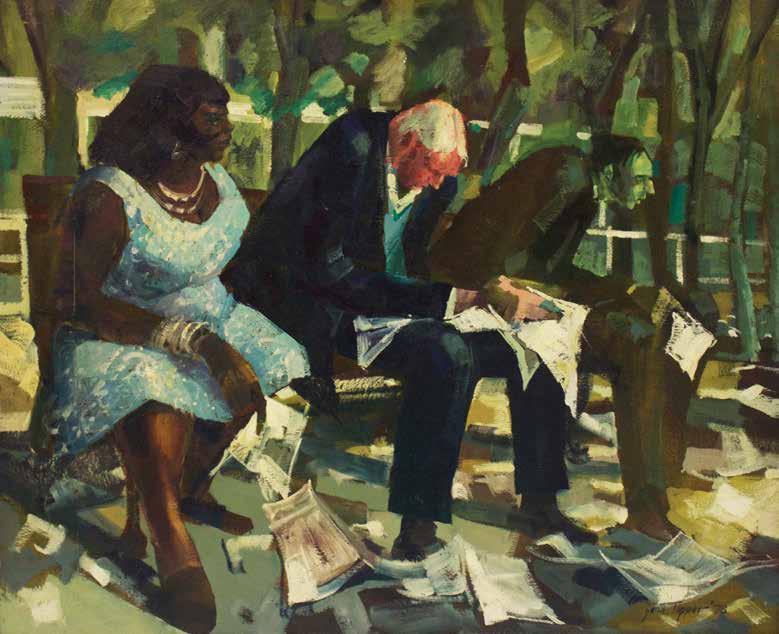
Languid. An antipodean exhaustion - half pleasure, half resignation. The variety of haptic and emotional sensations conveyed by this painting are exquisitely nuanced given the strident tonal, colour and shape contrasts. Garth Tapper (1927-1999) was a master of the gestures of every part of the body. An acute observer and constantly sketching his observations, he has captured the end-of-day, depleted-pockets postures of these three punters perfectly. Hands droop and barely have energy left to hold papers, betting chits, pens. Eyes gaze into the distance or into the form sheets, vacantly imagining what might have been. Bodies slump in on themselves with spent energy and heat-sapped resignation.
Garth Tapper studied at Elam in the late 1940s and then at the Slade - where he found the life drawing “intensive” - and Chelsea School of Fine Art in London in the early 1950s; and then took further studies in France, Spain and Italy, before returning to New Zealand where he taught and in 1964 commenced showing in solo exhibitions at the John Leech Gallery. The Racecourse scene could almost be anywhere, any racetrack, any close-of-day. But it is not. It has a distinctly southern air to it and for Tapper, painted when it was, it draws from the sketches he made during a very happy spell in Sydney in the previous year when he came in contact with what he considered to be “the real world of painting.”
That the three figures seem to take pleasure in this late afternoon heat and in this tired, worn out moment is resident in the artist’s precise observation of people and in his handling of light and shade, costumes, even skin tones. But it is also the result of the artist’s personal projection onto the scene as he looks back on his six months sabbatical in Australia (1974-75). In Sydney, where he and his family stayed in Clareville, North Sydney, and Tapper had exhibited at the Clareville Gallery and the Barefoot Gallery in Avalon, he was refreshed and revived. The new environment boosted his enthusiasm and gave him great motivation to paint.
The sabbatical was the moment he realised it would be possible to retire from teaching after 17 years at Elam and become a full-time artist at the age of 50; and a year after Racecourse was painted that is just what he did. In many ways, the handling of the punters - beaten but not down - and the significant scale of the work signal a new optimism in the artist. Even the sketches he made about this time, of his Elam students drawing, during his final year before retiring have a summery, optimist air. Tapper was ready for the change.
Rob Garrett
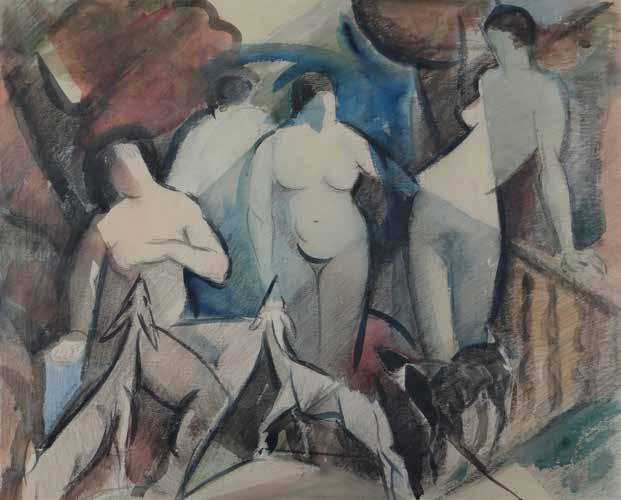
51 JOHN WEEKS
1886 - 1965
Nude Composition with Goats
Watercolour 48.5 x 50
Certificate of Authenticity affxedverso
ESTIMATE
$4,000 - 6,000
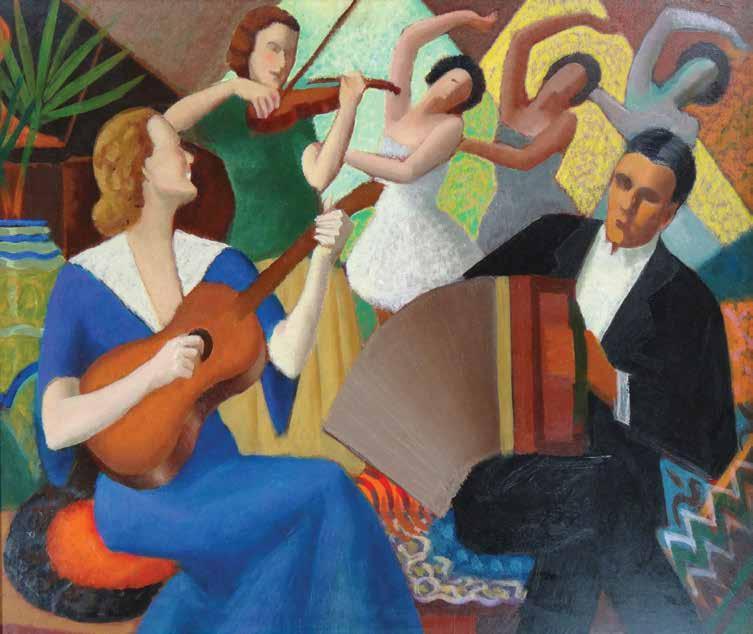
52 JOHN WEEKS
1886 - 1965
Show Time
Oil on board 60 x 75
Certificate of Authenticity affxedverso
ESTIMATE
$15,000 - 20,000
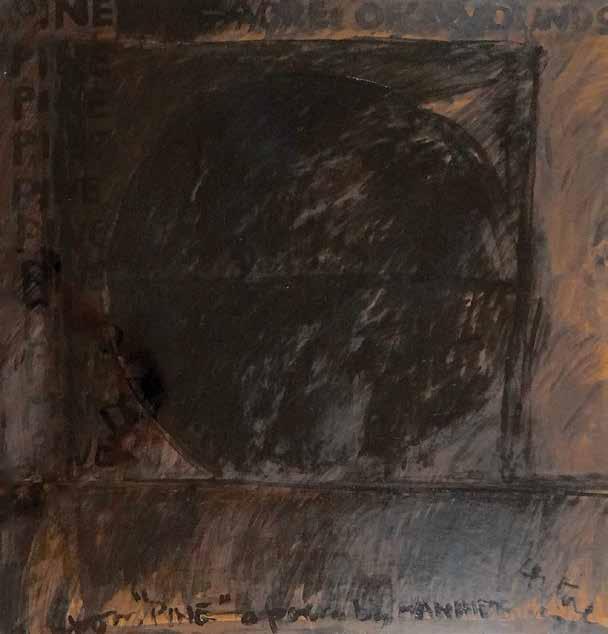
53 RALPH HOTERE 1931 - 2013
Acre of Wounds
From Pine, a poem by Bill Manhire Oil on board 70 x 72
Signed, inscribed & dated 1971
ESTIMATE
$10,000 - 20,000
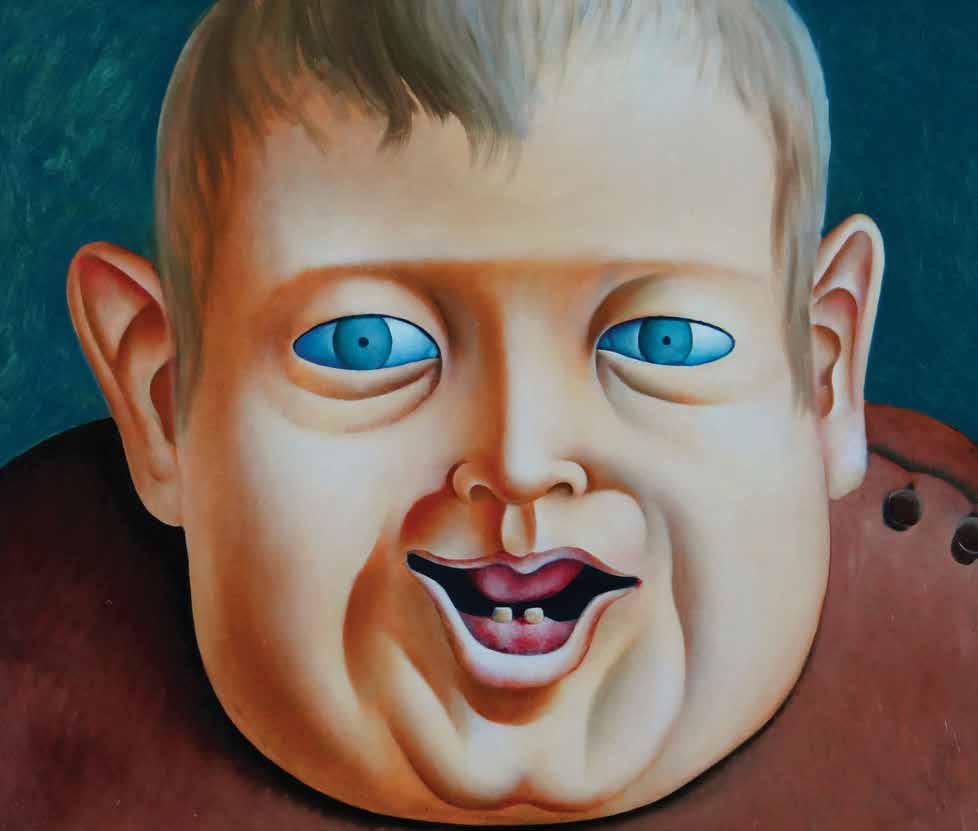
54 MICHAEL SMITHER b. 1939
Joseph with Two Front Teeth Oil on board 56 x 65
Signed, inscribed & dated 1971 verso
ESTIMATE
$30,000 - 40,000
PROVENANCE
Private Collection, Auckland since 1983
Illustrated p 161
Michael Smither Painter, by Ron Sang Publications 2004.
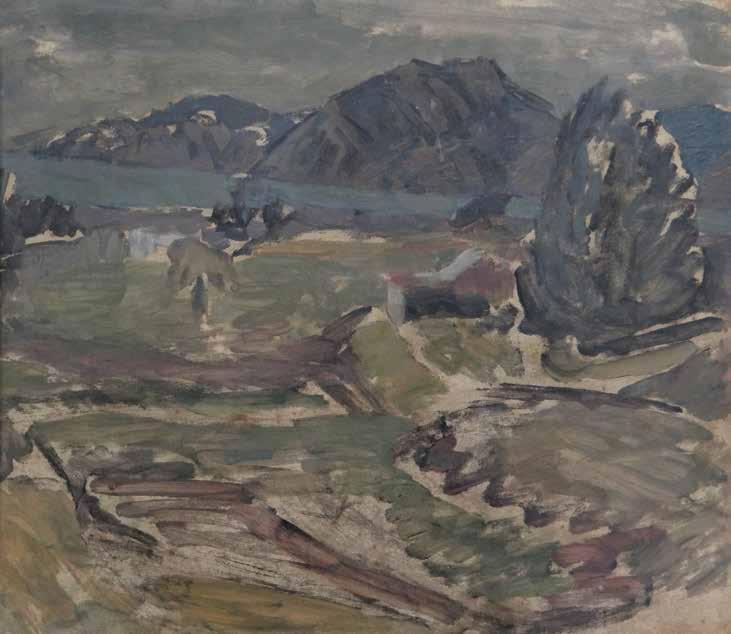
55 SIR MOUNTFORD TOSSWILL WOOLLASTON
1910 - 1998
Untitled, 1960
Oil on cardboard 40 x 46.5
ESTIMATE
$15,000 - 20,000
PROVENANCE
Private Collection, Auckland
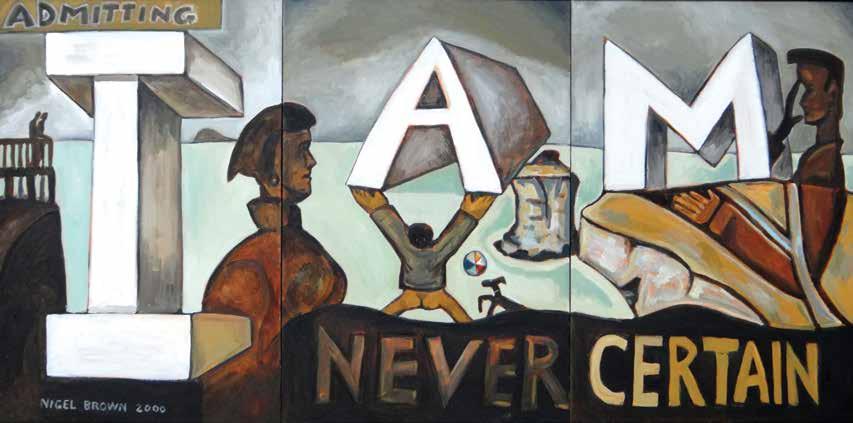
56 NIGEL BROWN
b. 1949
Admitting I Am Never Certain
Acrylic on canvas 92 x 183
Signed, inscribed & dated 2000
ESTIMATE
$15,000 - 20,000
PROVENANCE
Private Collection, Auckland
Purchased from auction Fine New Zealand Paintings, International Art Centre, November 2004 by current owner
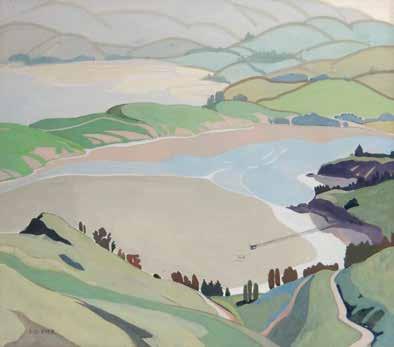
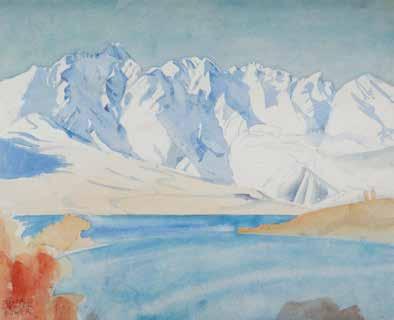
57 IVY GRACE FIFE
1905 - 1976
Canterbury
Gouache on paper 36 x 40
Signed
ESTIMATE
$4,000 - 6,000
58 OLIVIA SPENCER BOWER
1905 - 1982
The Remarkables
Watercolour 37.5 x 46.5
Signed
ESTIMATE
$4,000 - 6,000
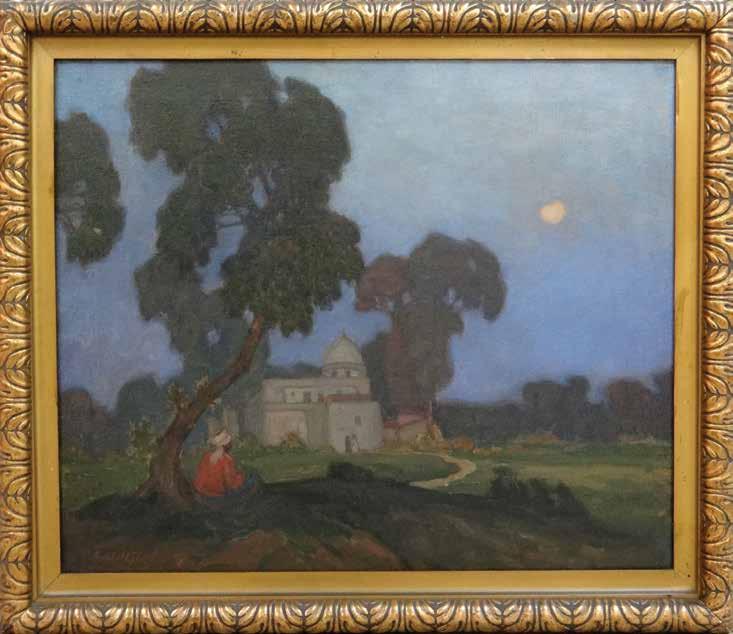
59 ARCHIBALD FRANK NICOLL
1886 - 1953
A Moonlit Evening Near Cairo
Oil on canvas 63 x 75
Signed
ESTIMATE
$7,000 - 10,000
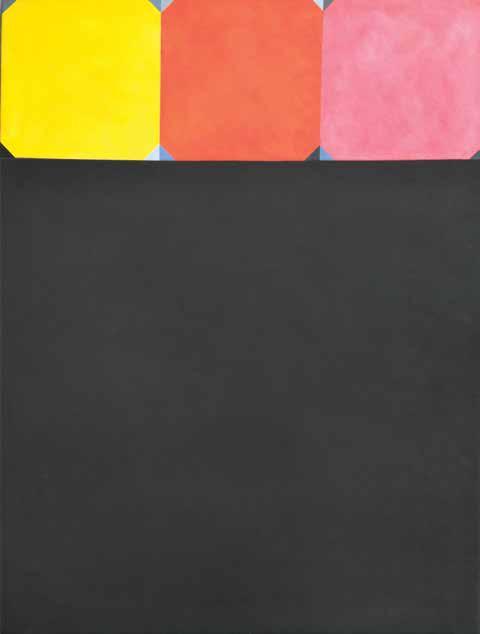
60 MILAN MRKUSICH
b. 1925
Meta Grey - Light Series
Oil on canvas 112 x 84
Signed, inscribed & dated 1970 verso
ESTIMATE
$25,000 - 35,000
PROVENANCE
Collection of the Fletcher Trust
Acquired directly from the artist, 1978
Exhibited:
Twenty Paintings 1969 - 1970, Barry Lett Galleries, Auckland 6 - 16 July 1970
Illustrated: p. 76 Mrkusich The Art of Transformation, Alan Wright & Ed Hanfling Auckland University Press, 2009
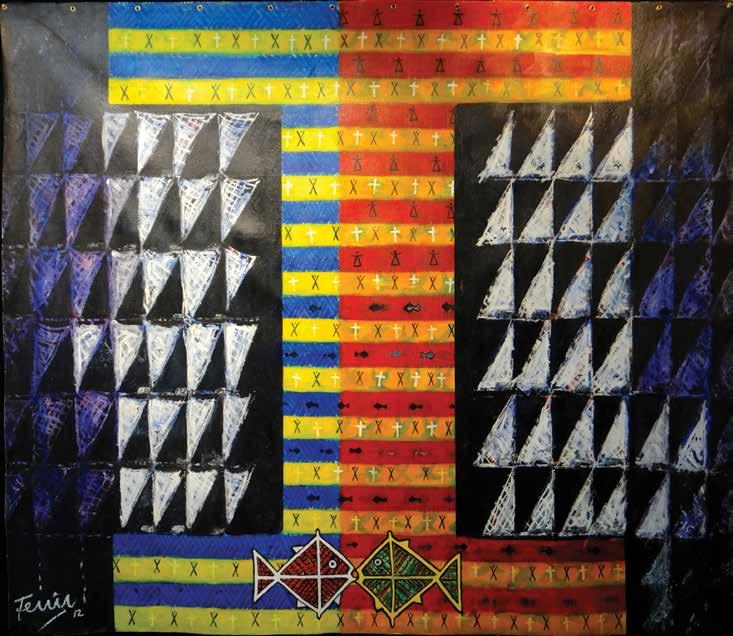
61 FATU FEU’U
b. 1946
Malaga Tutoatasi
Acrylic and mixed media 165 x 190
Signed & dated 2012
ESTIMATE
$8,000 -12,000
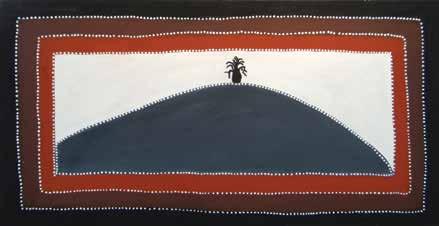
62
Australian 1922 - 2013
Boab Tree Hill
Ochre and oil on canvas 87 x 172
Signed verso
ESTIMATE
$6,000 - 8,000
PROVENANCE
Private Collection, Auckland
Purchased by the current owner from exhibition titled Djunba Ceromonies - Jack Dale
Flinders Lane Gallery, Melbourne 25 August - 15 September 2001
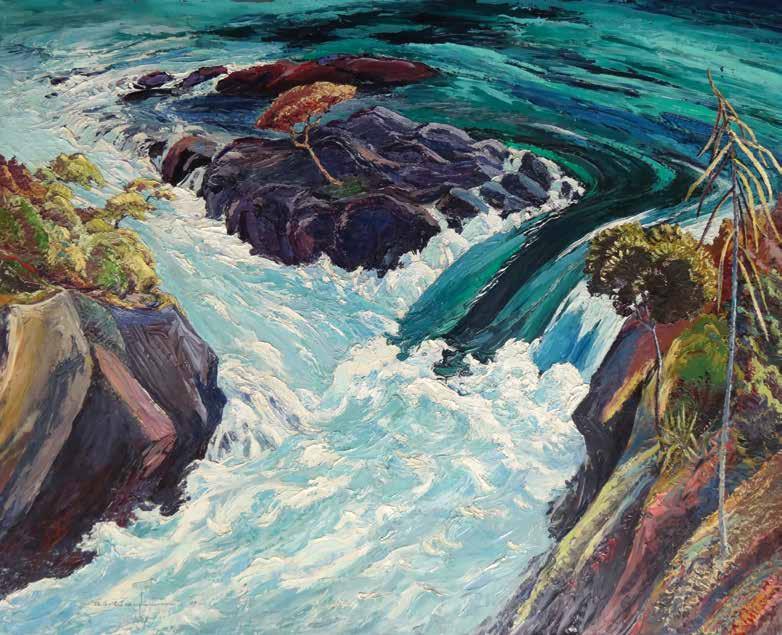
1898 - 1987
Aratiatia Rapids
Oil on board 92 x 114
Signed & dated 1967
ESTIMATE
$5,000 - 10,000
PROVENANCE
Ex Dominion Breweries Collection
Ex Simon Manchester Collection
Private Collection, Auckland
An active member of the New Zealand Academy of Fine Arts and the Wellington art scene, Reg Waghorn played a key founding role in the New Zealand Academy of Fine Art becoming President from 1967 until 1971. As an artist, Waghorn was a regular Academy exhibitor from 1925 until 1980. One of his early watercolours featuring ships from the United States Navy in Wellington Harbour, 1942 is in The National Collection of War Art. He was the only artist given offcialpermissiontopaintWellingtonHarbourduring this time.
During the 1950’s and 60’s the rugged and powerful landscapes of the Volcanic Plateau of the North Island became the focus for much of his work Aratiatia Rapids is perhaps his most ambitious large scale work. Based on a series of watercolour paintings this large oil is created exclusively with a palette knife. Reg Waghorn is represented in a number of public collections throughout New Zealand, including the Hocken Library and Te Papa.
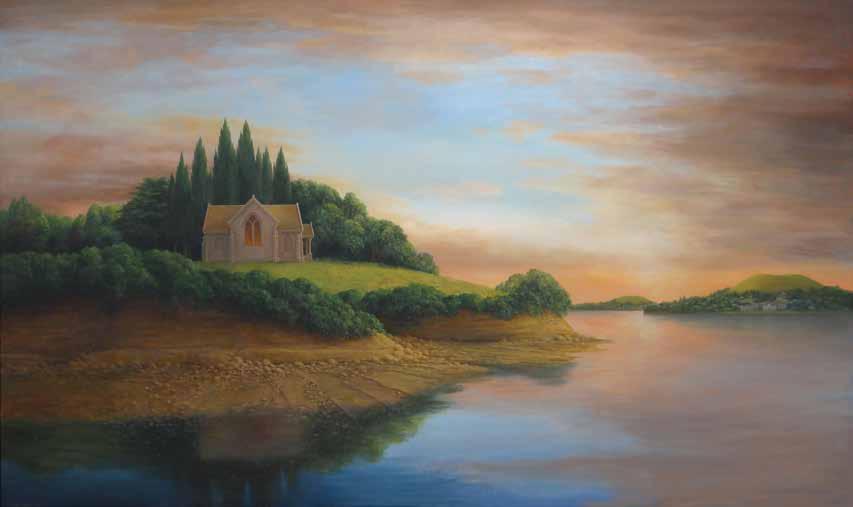
ESTIMATE
$25,000 - 35,000
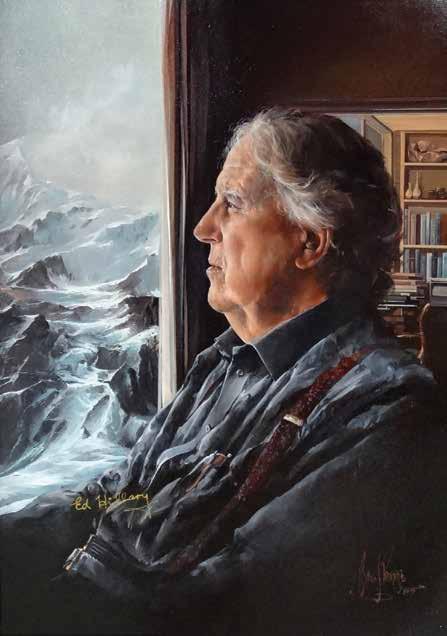
b. 1956
A Moment in Time
Ed Hillary - an authorised portrait
Oil on board 50 x 35
Signed & dated 2005 by artist
Signed by Ed Hillary
ESTIMATE
$20,000 - 30,000
PROVENANCE
Private Collection, Auckland
A Moment in Time
One of twelve studies completed of Sir Ed depicting his life. Sir Ed graced every one of my working studies and paintings of him with his signature.
This particular painting depicts Sir Ed in his home in Remuera. To the viewers right is Sir Ed’s study which is significant for this portrait as it is where he planned his many expeditions and wrote many of his books. Quite often when I was sketching Sir Ed he would become quite as he would reminisce on his past. I remember asking him at this particular sitting “where are you Ed?” - his reply “Everest”. This is why I replaced what would have been a view of Rangitoto with Everest and hence the title .... A Moment in Time.
Over the course of a decade Sir Edmund Hillary became a mentor and great friend. We shared the odd dram and many yarns. He was and will always be an inspiration. Craig Primrose
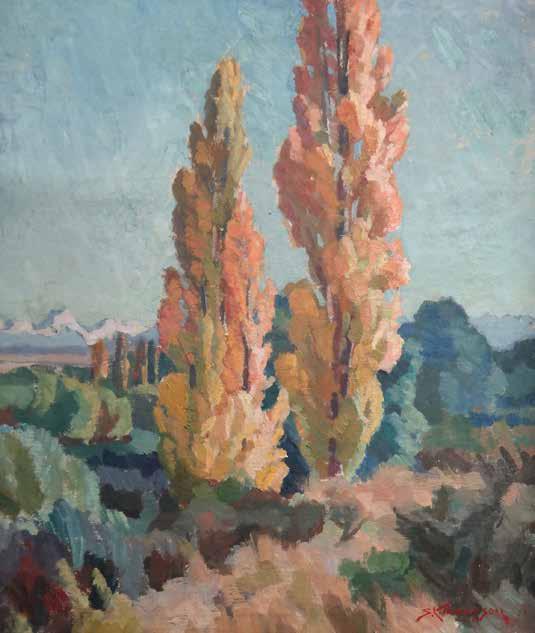
66 SYDNEY LOUGH THOMPSON 1877 - 1973
Golden Poplars Oil on canvas 60 x 50
Signed
ESTIMATE
$8,000 - 12,000
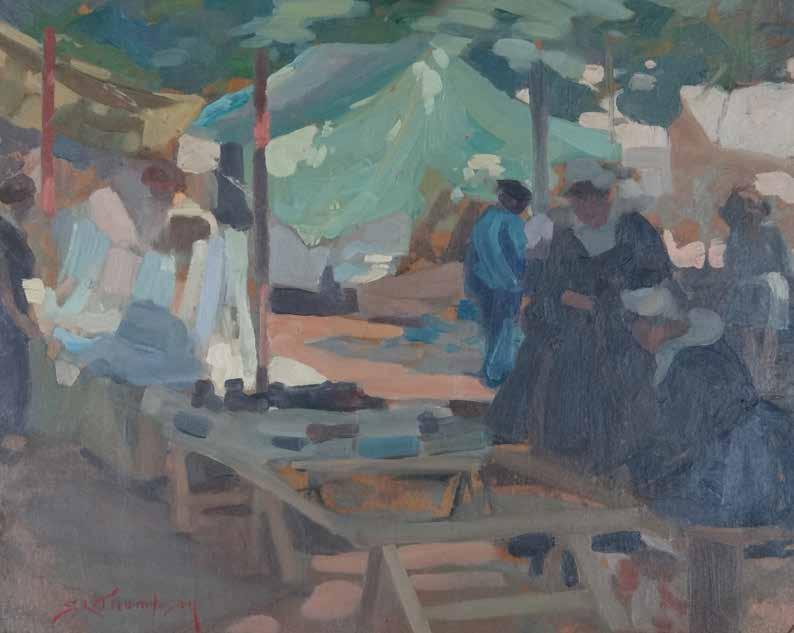
67 SYDNEY LOUGH THOMPSON 1877 - 1973
Market, Concarneau Oil on board 32 x 40
Signed
ESTIMATE
$10,000 - 15,000
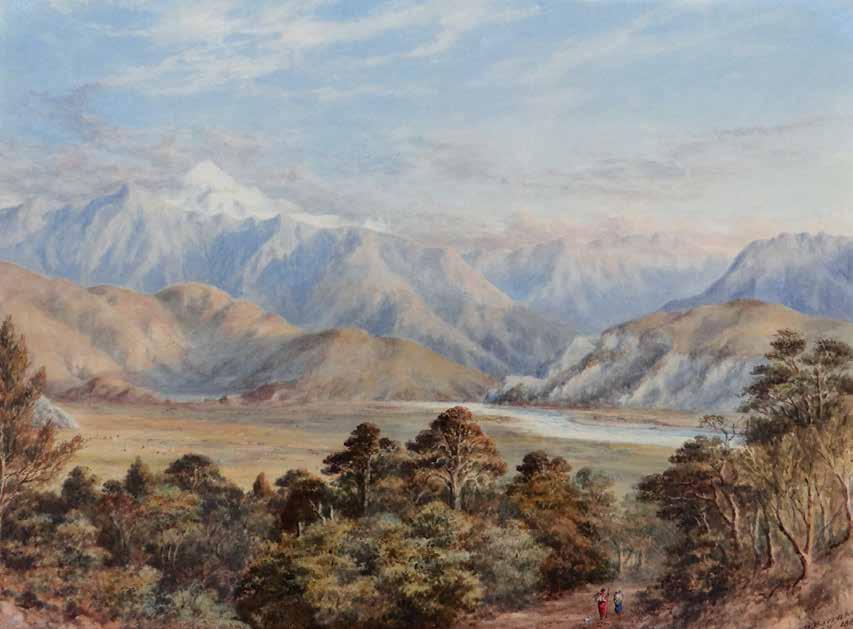
1822 - 1897
The River Clarence showing the Highest Point - Province of Marlborough Watercolour 44 x 60
Signed & dated 1866
ESTIMATE
$15,000 - 20,000
The Clarence River is on northeast South Island of New Zealand. It is 230 kilometres (140 mi) long, the eighth longest river in New Zealand.
For its first 50 kilometres, the river runs in a generally southeastern direction. It then turns northeast, running down a long straight valley between the inland and seaward Kaikoura Ranges. At the end of the seaward Kaikouras, the river meanders through undulating hill country before draining into the Pacific Ocean near the town of Clarence. A large part of the river is within the boundaries of Molesworth Station.
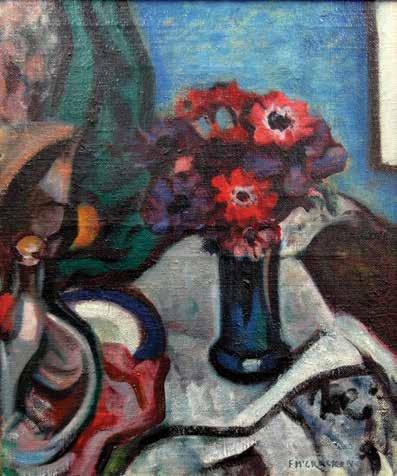
1879 - 1959
Flowers in a Blue Vase
Oil on canvas 55 x 46
Signed
ESTIMATE
$5,000 - 10,000
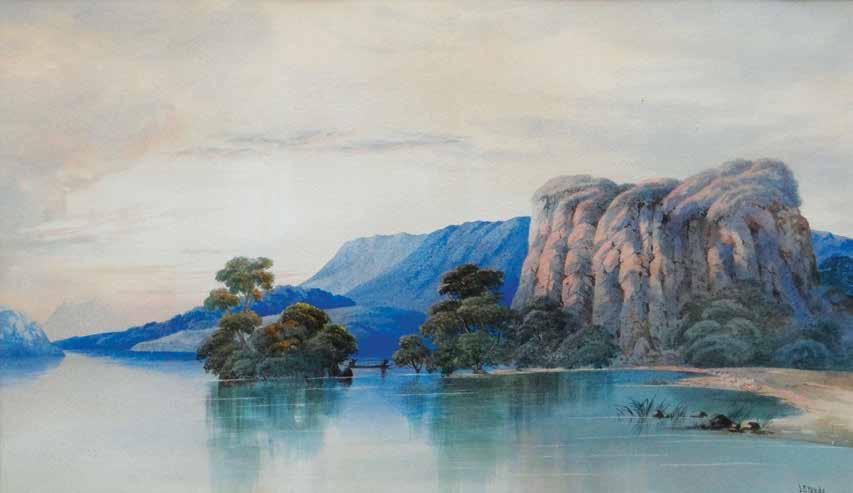
Signed
ESTIMATE
$12,000 - 16,000
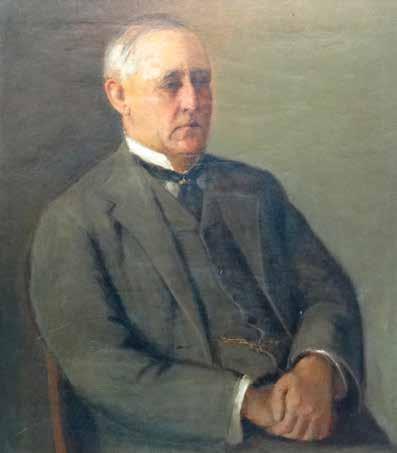
71 GRACE JOEL
1865 - 1924
John Tonkin Roberts, CMG, Mayor of Dunedin c. 1906-7
Oil on canvas 81 x 71
ESTIMATE
$5,000 - 10,000
PROVENANCE
Joel family member, UK
Literature: p. 32 The Otago Witness, 27/3/1907
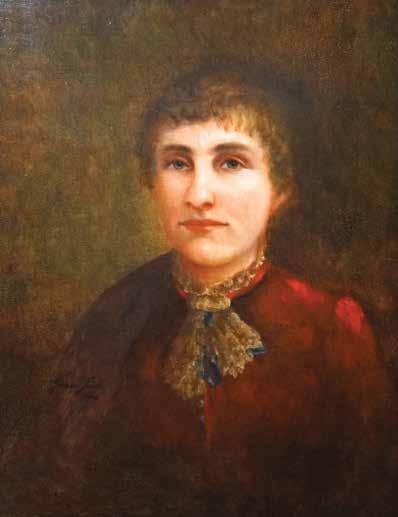
72 GRACE JOEL
1865 - 1924
Lady in a Red Dress (Blanche, the artist’s sister)
Oil on canvas 59 x 44
Signed & dated 1886
ESTIMATE
$5,000 - 10,000
PROVENANCE
Joel family member, UK
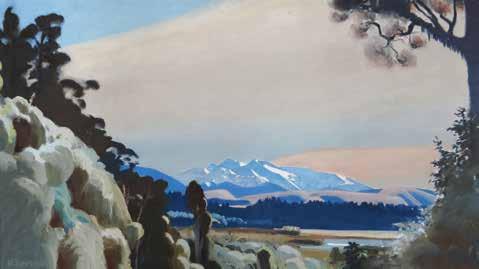
1915 - 2011
Mount Hutt, Canterbury
Oil on board 40 x 70
Signed & dated 1968
ESTIMATE
$4,000 - 6,000
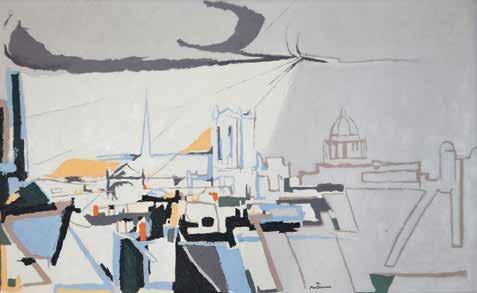
74
b. 1922
Cityscape 1
Oil on canvas 80 x 130
Signed & dated 1971
ESTIMATE
$4,000 - 6,000
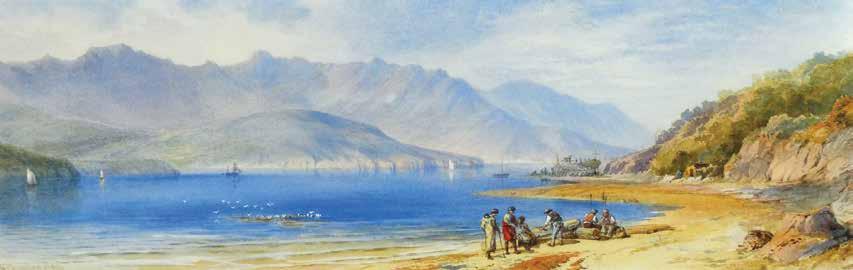
1828 - 1902
View of Akaroa
Watercolour 19.2 x 59.2
Signed & dated 1868
ESTIMATE
$20,000 - 30,000
PROVENANCE
Private Collection, Auckland
Purchased by current vendor, Christies. Australia
Paintings, Prints & Books, 1986, Lot 184
Nicholas Chevalier had studied in Europe and London before travelling to Australia in 1854, where he made paintings and drawings of the goldfields. He worked as a professional artist in Melbourne and introduced chromolithography to Australia. For almost two years in the mid 1860s he travelled widely in New Zealand, sometimes accompanied by his wife, whose diaries record the rigours and hardships endured on some of their journeys.
In February 1869, three Chevalier watercolours were exhibited at the Otago Fine Arts Exhibition but there was some disappointment that there were not more. The Press reported: ..... the artist had no works on hand to send, so it is likely that most of them were still overseas. The following year Chevalier was represented by several watercolours including Akaroa (cat no 9), in the Canterbury Art Exhibition held at Canterbury Museum.
Text: Nicholas Chevalier An Artist's Journey through Canterbury in 1866
In 1869 Chevalier accompanied the Duke of Edinburgh on his world tour, before returning to live in London. A large body of Chevalier's New Zealand watercolours are held in the national collection in Wellington, gifted by his widow.
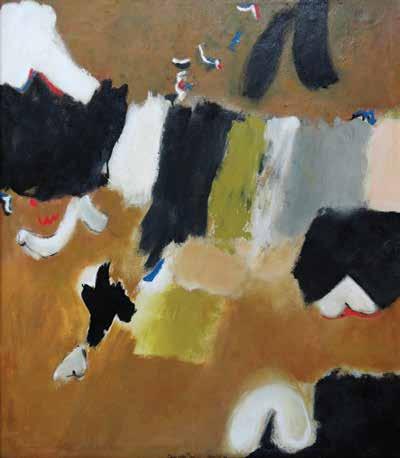
76 PAT HANLY
1932 - 2004
New Order 28 Part II
Oil on board 98 x 85.5
Signed & dated 1963
ESTIMATE
$16,000 -- 22,000
PROVENANCE
Peter McLeavey Collection, Wellington Fletcher Trust Collection
New Order 28 Part II is from a group of works that Pat Hanly created in the period immediately following his return from five years working in London, Amsterdam and Florence. When he returned, he was sceptical about staying in New Zealand, and intended rather to work in Australia, but he was surprised to find a very energetic and supportive environment in Auckland “and a group of artists who showed total commitment”; and so he stayed.
Pat Hanly was born in Palmerston North and died in Auckland after a long illness. He was taught by Allan Leary in Palmerston North; by Bill Sutton in Christchurch, when in 1952 he began a three-year Diploma of Fine Arts course at Canterbury University School of Fine Arts; and then in 1957 he travelled to London, where he attended night classes at Chelsea School of Art. Following his return to New Zealand in 1962 Hanly became one of the major figures of, and contributors to, New Zealand’s growing contemporary art scene. 1962 also brought a shift in his aesthetic language.
Describing the first major body of work to emerge at that time as somewhat “therapeutic”, the artist noted in 1979 that the New Order was trying to talk about the roughness of New Zealand, its newness and crispness and those physical things. I hadn’t, until that time, been an abstract or expressionist painter. Having resisted that in Europe, I thought it was the only way to really try and talk about this place.”
The painting’s broad, rough markings and sharp curvilinear accents; and bold colours and tones - black, blue, ochre, white and red - suggest Auckland’s clay and sandy beaches, coastal clouds, summer’s deep shadows and the vibrancy of the edge of the Pacific. The plump bottom-like forms in New Order 28 Part II also pre-figure elements of the artist’s next seriesFigures in Light - in which he became fascinated with the visual intensity of figures in sunlight sitting and lying in the sun on the beaches. With the view of an expatriate, he was sharply critical of the social implications of a “nation sitting around on its bum doing nothing.” New Order 28 Part II is clearly on the cusp of that moment when Hanly is finishing with adjusting to life back in New Zealand and now has something potent to say about it.
ROB
GARRETT
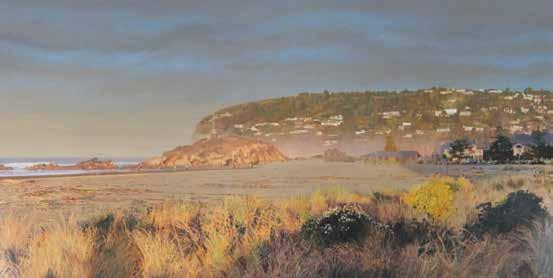
77 GEORGE BALOGHY
b. 1950
Three Kings Oil on canvas 35 x 66
Signed & dated 1999
ESTIMATE
$5,500 - 7,500
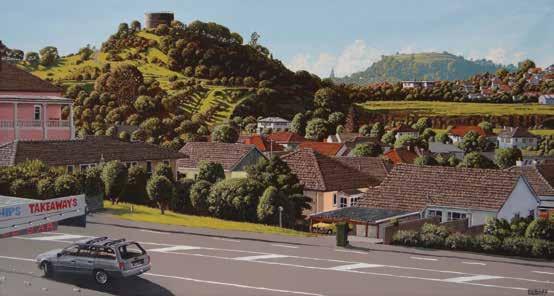
78 KEES BRUIN
b. 1954
First Day of Spring
Acrylic on card 54 x 75
Signed, inscribed & dated 1990
ESTIMATE
$8,000 - 12,000
PROVENANCE
Private Collection, Christchurch
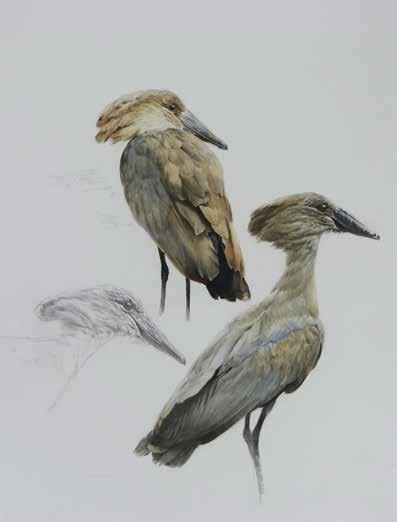
b. 1939
Hammerhead
Watercolour 49.5 x 40.6
Signed, inscribed & dated 1978
ESTIMATE
$10,000 - 15,000
ILLUSTRATED
p. 140 Studies and Sketches of a Bird Painter
Raymond Ching and Eric Fuller Landsdowne Editions 1981
Private Collection, Auckland
Purchased from International Art Centre, Important Fine Art Auction, 27/03/2003
A bird that shows some affnitytothestorks,butalsoappearstobeara close relationship to the herons, is the Hammerhead or Hammerkop Scopus umbretta, a unique species with certain primitive features, usually classified within a family of its own. In flight, the bird resembles neithera stork, which flies with the neck extended, nor a heron, which carries its neck drawn right back, but appears instead to adopt a position somewhere in between, with the neck kinked. These birds are regarded with a certain amount of superstitious awe.
Many native legends and stories are centred around the species and, fortunately for the Hammerhead, it generally is held to be an omen of bad luck if the birds are killed. Similarly, the nest usually is treated with respect and it is widely believed that Hammerheads enlist the help of other bird species while building. The structure is large is proportion to the size of the bird and may measure over a mere in width and nearly two metres in height. Usually it is situated well clear of the ground in the fork of a tree and often several stout branches may be needed to support its bulk. On this foundation, the nest is constructed from twigs and sticks, which are held together with mud. The exterior is decorated with a variety of materials and an inner chamber is reached via a small, rounded and almost inconspicuous hole in the side. Hammerheads are found throughout much of Africa, south of the Sahara, where they are likely to be seen frequenting waterside places, either singly or in pairs. When feeding, the birds often perform peculiar shuffling movements, probably designed to disturb and flush various little creatures. They feed on all kinds of small aquatic life, hunting with particular vigour during twilight periods. Text Studies and Sketches of a Bird Painter, Raymond Ching and Eric Fuller, Landsdowne Editions 1981
Alfred Wilson Walsh was born in Kyneton, Victoria the son of William Walsh, a captain in the Australian army and Catherine, née Wilson. The family settled in Otago and young Alfred was educated privately in Dunedin. On leaving school he joined the Public Works Department and like many New Zealand watercolourists worked as a draughtsman. In his own time, Walsh studied painting with George O’Brien and David Hutton, Principal of Dunedin’s School of Art. By the time he was 27 years old he was recognized as a talented and competent artist . In 1886 Walsh was teaching at the Christchurch School of Art and serving as a council member of the Canterbury Art Society. After teaching for 20 years he retired and In 1912 settled at Parnell, Auckland. The last years of his life were spent in Tauranga where he died in 1916 at the age of 57.
Walsh painted mainly in North Canterbury and Westland. Although he never travelled abroad and received limited formal training, he is regarded as one of the finest watercolourists New Zealand has produced. The excellence of his work lies in his preceptive ability to capture the illusive and unique qualities of the New Zealand bush. Walsh is represented in all major public galleries in New Zealand
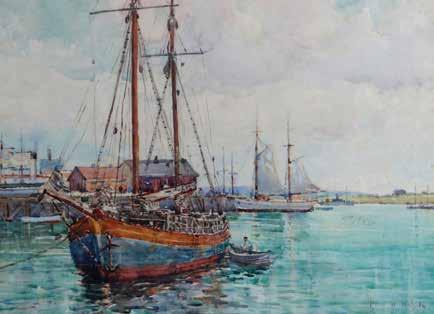
80
1859 - 1916
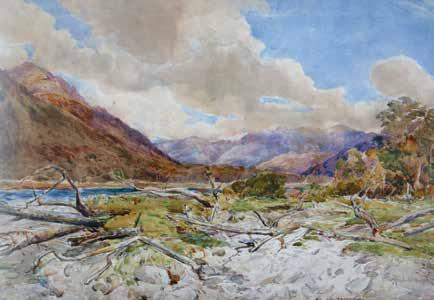
Nelson Harbour
Watercolour 28.5 x 39
Signed
ESTIMATE
$2,000 - 3,000
81
1859 - 1916
On the Teremakau
Watercolour 43 x 63
Signed & inscribed
ESTIMATE
$2,000 - 3,000
82
82
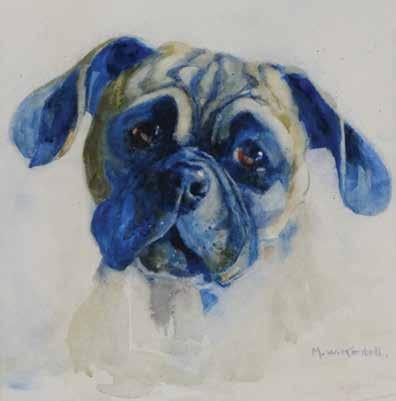
1880 - 1956
Baxter
Watercolour 21 x 20.5
Signed
ESTIMATE
$1,500 - 2,500
83 JACK CRIPPEN 1916 - 1988
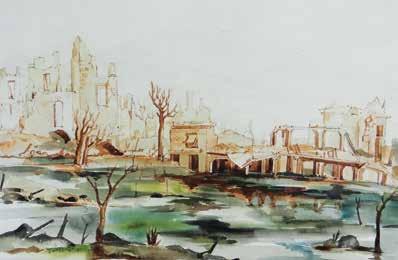
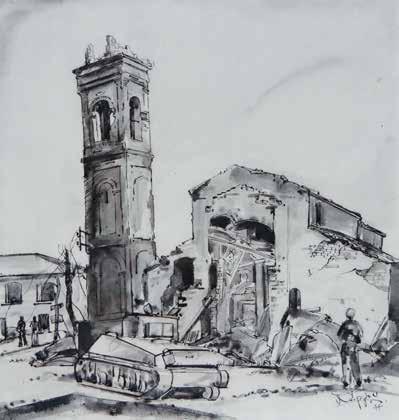
Cassino
Ink and wash on paper 31 x 47
Signed & dated 1944
ESTIMATE
$1,000 - 2,000
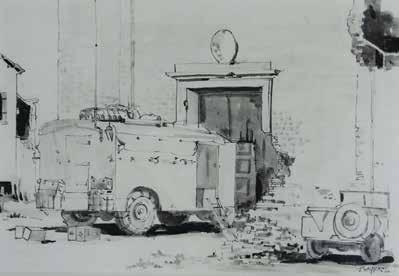
84 JACK CRIPPEN 1916 - 1988
ACV Macerone
Ink and wash on paper 30 x 43
Signed & dated 1944
ESTIMATE
$1,000 - 2,000
85 JACK CRIPPEN 1916 - 1988
Cathedral S Mauro
Ink and wash on paper 38.5 x 37
Signed & dated 1944
ESTIMATE
$1,000 - 2,000
PROVENANCE
The three works by Jack Crippen are from the collection of family from the late Lieutenant Colonel H T W Nolan who was with New Zealand Artillery in the Second Division and fought throughout the Italian campaign. Acquired directly from the artist.
Jack W Crippen had a fifty year association with the Auckland Art Society, which he joined at the age of twelve. Later he held a degree from the prestigious Slade School of Art at London University. He served in the Second World War acting as an unoffcialwar artist. Some of his artworks were included in the Exhibition of Offcial War Paintings by New Zealand Artists in 1952 Crippen worked as an art teacher at Auckland Grammar School for nearly 30 years
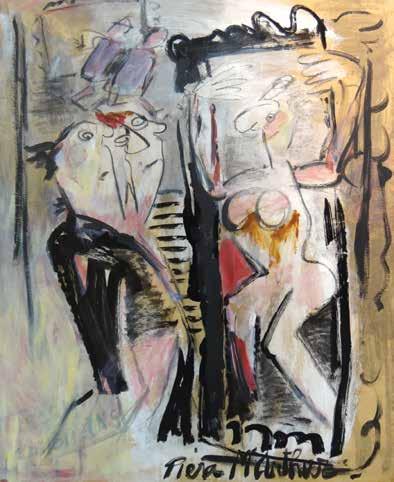
b. 1929
Spectators and Acquisitions
Oil on canvas 112 x 91
Signed
ESTIMATE
$4,000 - 6,000
PROVENANCE
Purchased from SOCA Gallery, label affxedverso
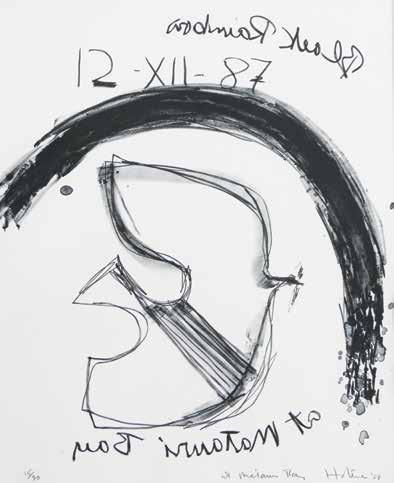
1931 - 2013
Black Rainbow at Matauri Bay
Lithograph, edition 15/30, 55 x 43
Signed, inscribed & dated 1988
ESTIMATE
$3,500 - 4,500
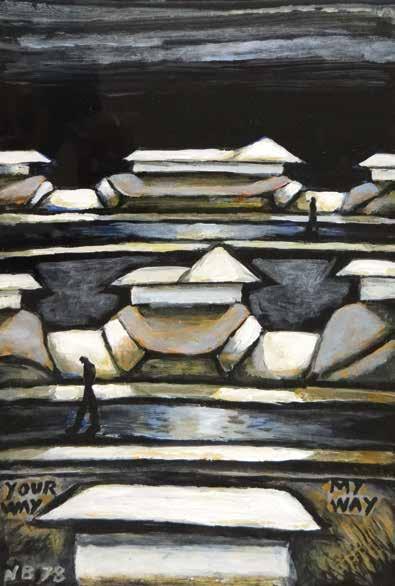
b. 1949
Your Way My Way
Mixed media on paper 44.5 x 30
Signed, inscribed & dated 1978
ESTIMATE
$3,000 - 4,000
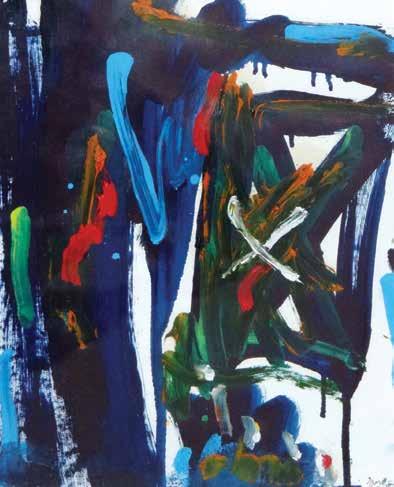
89 ALLEN
1948 - 2000 Untitled Oil on paper 34 x 27
Signed & dated 1981
ESTIMATE
$2,000 - 3,000
PROVENANCE
Denis Cohen Gallery
Exhibited 9-20 December 1985, Cat #2
Label affxedverso
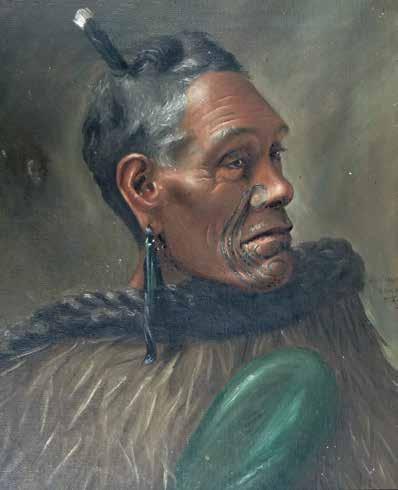
90
1891 - 1949
Signed & inscribed
ESTIMATE
$4,500 - 6,500
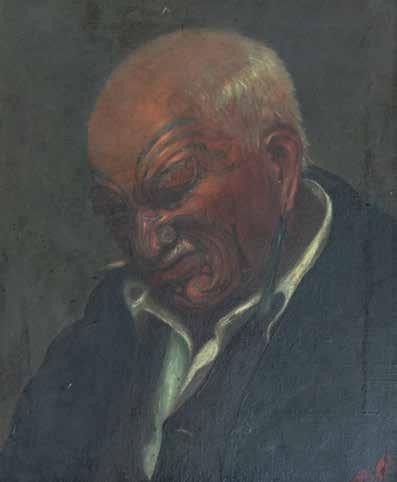
91
1891 - 1949
A Hot Day Oil on canvas 29.5 x 24.5
Signed & inscribed
ESTIMATE
$4,000 - 6000
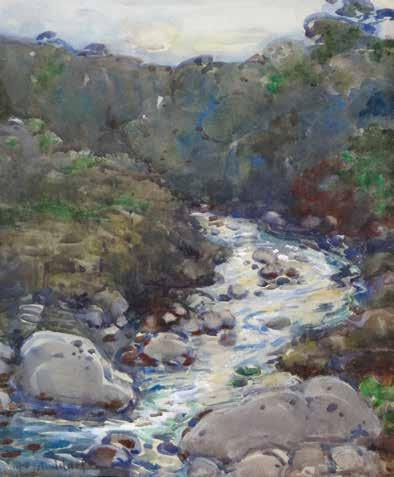
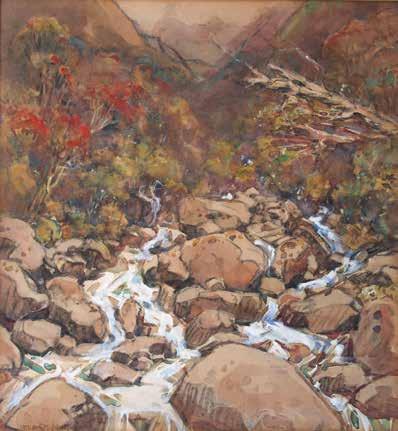
92 MARGARET OLROG STODDART
1865 - 1934
A Stream from Ruapehu
Watercolour 32 x 26
Signed
ESTIMATE
$4,000 - 6,000
93 MARGARET OLROG STODDART
1865 - 1934
Goat Creek, Otira
Watercolour 46 x 43
Signed
ESTIMATE
$4,000 - 6,000
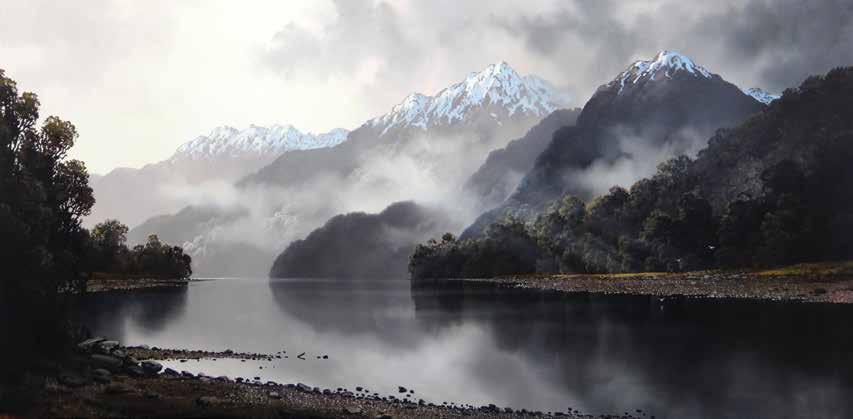
Signed & dated 2003
ESTIMATE
$15,000 - 20,000
PROVENNCE
Purchased from Fishers Fine Arts, label affxedverso
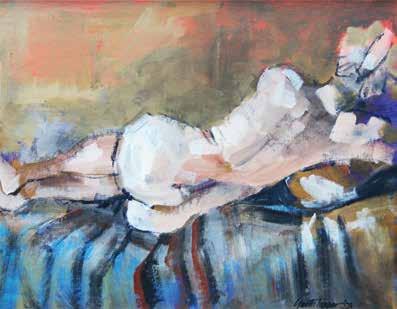
1927 - 1999
Sandy
Oil on canvas 47 x 60
Signed & dated 1991
ESTIMATE
$3,500 - 5,500
96 TIM
b. 1954
Lake Te Anau
Oil on canvas 90 x 60
Signed and dated 1995
ESTIMATE
$5,000 - 8,000
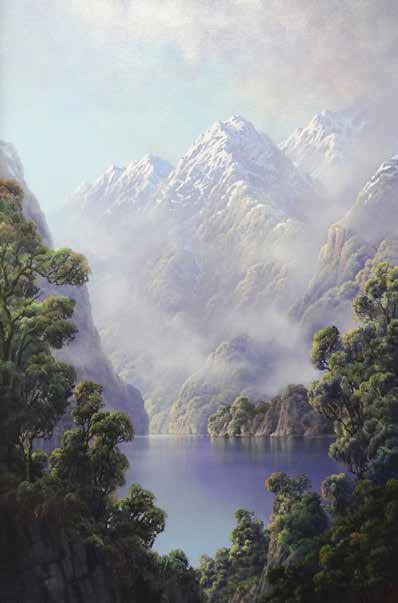
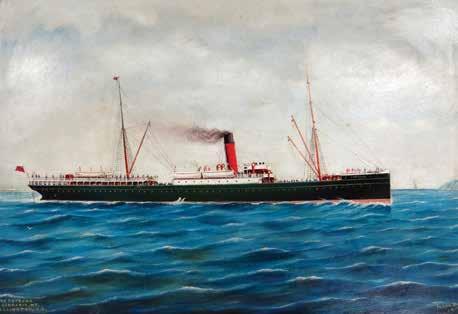
97 FRANK BARNES 1859 - 1941
USS Pateena off Sinclair Heads, Wellington N.Z Oil on board 50 x 72
Signed, inscribed & dated 1911
ESTIMATE
$1,500 - 2,500
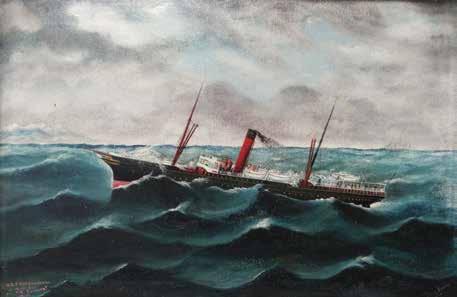
98 FRANK BARNES 1859 - 1941
USS Rotomahana in Heavy Seas off the Kaikoura’s Oil on board 50 x 75
Signed & inscribed
ESTIMATE
$1,500 - 2,500
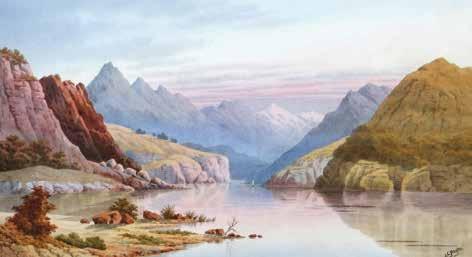
99 JOHN BARR CLARKE HOYTE
1835 - 1913
Dusky Sound
Watercolour 31 x 57
Signed
ESTIMATE
$7,000 - 10,000
100 JOHN GULLY
1819 - 1888
View Across the Kaikoura’s
Watercolour 39.5 x 60
Signed & dated 1863
ESTIMATE
$7,000 - 10,000
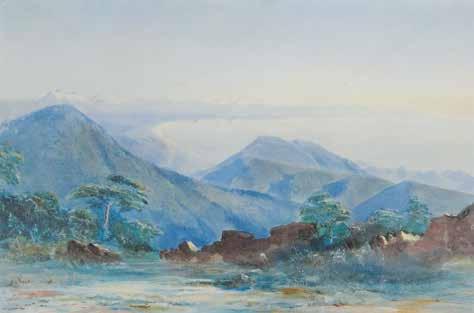
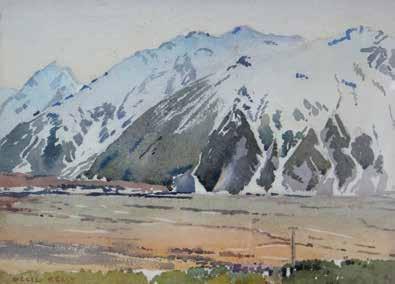
101 CECIL FLETCHER KELLY 1878 - 1954
Mt Wakefield, Tasman Valley
Watercolour 26 x 36
Signed
ESTIMATE
$1,000 - 1,500
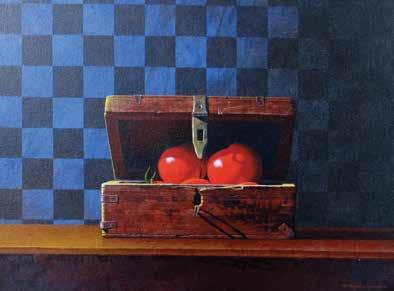
102 STEVE HARRIS b. 1953
A Good Tomato is Something to be Treasured
Acrylic on canvas 30 x 40
Signed
ESTIMATE
$2,500 - 3,500
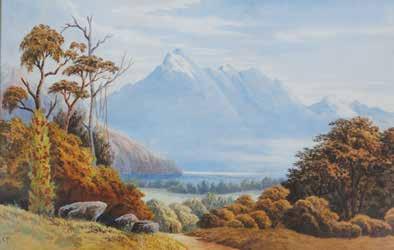
103 JOHN BARR CLARKE HOYTE 1835 - 1913
Cecil Peak, Queenstown
Watercolour 30 x 47
Signed
ESTIMATE
$7,000 - 10,000
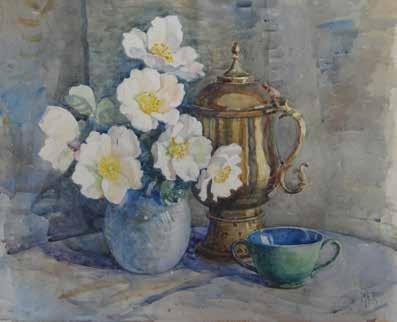
1870 - 1939
Old Fashioned Roses
Watercolour 44 x 56
Signed
ESTIMATE
$1,000 - 2,000
James 1844 - 1890 / Joseph 1847 - 1923
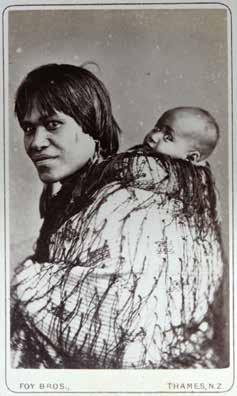
Ana Rupene and Child
Carte de visite 10 x 6
Inscribed Foy Bros. Thames NZ
ESTIMATE
$1,000 - 2,000
This rare Foy Bros carte de visite photograph of Ana Rupene with her daughter was made in their Thames studio circa 1874. Studio portraits of Maori were often produced to depict whanau. The Foy Bros photographs of Ana Rupene, Pare Watene, Hori Ngakapa and Tamati Waka Te Puhi formed the basis for portraits
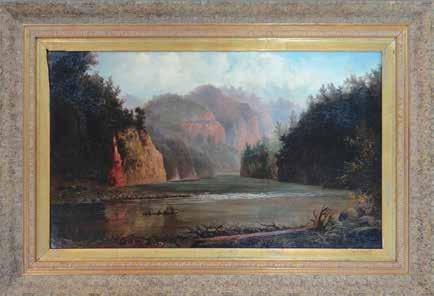
106 THOMAS REGINALD ATTWOOD
1865 - 1926
Waka on the Wanganui River Oil on canvas 45 x 75
Signed
ESTIMATE
$2,500 - 3,500
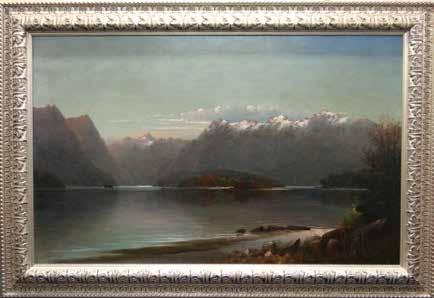
107 JOHN DOUGLAS PERRETT 1859 - 1937
Cathedral Peaks, Lake Manapouri, New Zealand
Oil on canvas 60 x 96
Signed
ESTIMATE
$2,500 - 3,500
108 SIR WILLIAM FOX
1812 - 1893
Near Westoe, Rangitikei
Watercolour 35 x 24.5
Inscribed verso
ESTIMATE
$2,500 - 3,500
109 SIR WILLIAM FOX 1812 - 1893
Westoe, Rangitikei from Mountain 70 Miles 0ff, 9000 ft high (Ruapehu)
Watercolour 25 x 33
Inscribed verso
ESTIMATE
$2,500 - 3,500
110
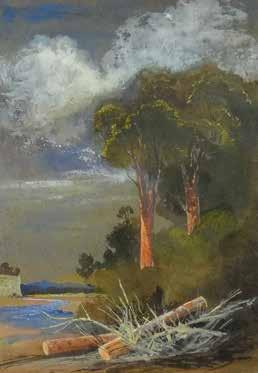
HORATIO GORDON ROBLEY
1840 - 1930
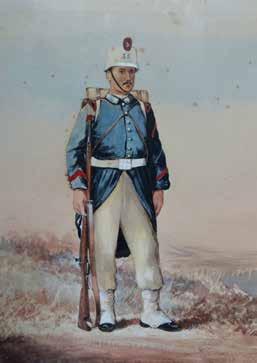
35th Italian Regiment
Watercolour 27.5 x 19.5
Signed, inscribed & dated 1874
ESTIMATE
$500- 1,000
111
1835 - 1913
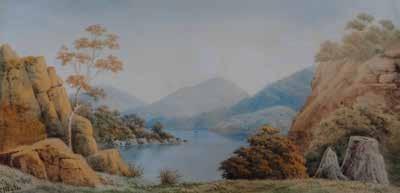
Lake Manapouri
Watercolour 21 x 42
Signed
ESTIMATE
$2,500 - 3,500
112 OLIVIA SPENCER BOWER
1905 - 1982
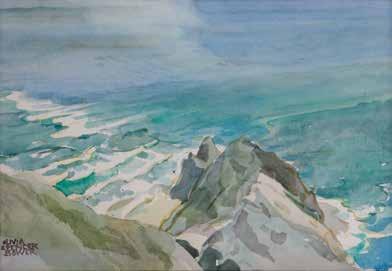
Cape Reinga
Watercolour 37 x 54
Signed
ESTIMATE
$2,000 - 3,000
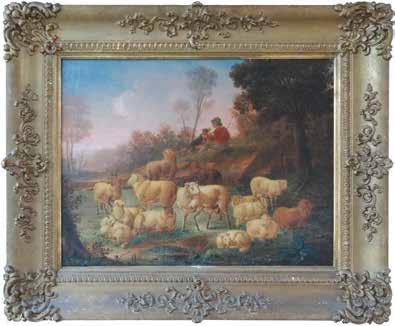
113 ARTIST UNKNOWN
British 18th Century
A Shepherd and His Flock
Oil on canvas 46 x 60
Dated 1743
ESTIMATE
$3,000 - 6,000
Important & Rare auctions are the proven, preeminent sale category for major works offered through the New Zealand art market three times annually. As we fast approach our 50th year in business, experience continues to equal results. 2014 saw Important & Rare auctions realise five of New Zealand's top ten auction prices. The following year saw new records set with the two top prices in Auckland achieved. With the addition of record prices paid in April's recent sale International Art Centre has now achieved the three highest art auction prices in New Zealand history. With an appreciative, and greatly valued clientele of nationwide and international buyers and sellers we look forward to breaking new ground.
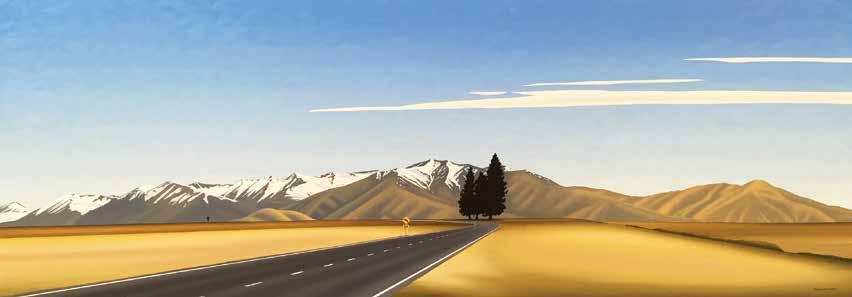
Twice a year our Modern & Contemporary Art auctions play an integral role in enabling market access to the most sought-after artists who have defined New Zealand’s art narrative over the past 50-years. The sale never fails to present an exciting offering of both painting and sculpture by a range of our modern and contemporary greats. Spanning that vital period from the establishment of midcentury modernism through to the cutting edge of our national contemporary art discourse, this is an acclaimed and significant event in the auction calendar. Our new state-of-the-art premises will ensure contemporary art is now exhbited and auctioned in a dynamic and appropriate environment.
Consign Now
Richard Thomson
Ph +64 9 379 4010
M. 0274 751 071
E. richard@artcntr.co.nz
The buzz generated by our regular Collectable Art auctions reflects the popularity of this sale: an event at which seasoned connoisseurs and budding collectors alike converge to appreciate one of the most eclectic and diverse offerings available to the market. Because this auction specifically caters to the more affordable end of the market - generally presenting works valued at $5,000 and less, this is an exciting opportunity to unearth some real treasures. Collectable Art auctions offer a number lower-priced works from highly-sought after artists in print and edition form, as well as quality works from artists whose presence on the secondary market is just beginning to crystallise.
From time to time, the secondary market is fortunate enough to be exposed to one of those rare collections which transcends the value of its individual works of art, and stands to represent something iconic in its entirety. Our team is well-versed in the process of offering single-owner collections for sale, and take pride in the process of curating a single-owner sale when the opportunity arises. We offer a targeted marketing campaign and maximise the use of both electronic and print-based collateral to effectively showcase such collections to maximum effect. The strong networks we have established locally and internationally are reflected in some of the private collections which have been entrusted to us in recent years, namely: the sale of the John Leech Collection, the Barry Pilcher Collection of Contemporary Art and a selection of works from the Fletcher Trust Collection.
Consign Now
Luke Davies
Ph +64 9 379 4010
E. luke@artcntr.co.nz
Decades of experience working with artists, vendors, collectors and institutions mean we possess a sound understanding of the best medium through which to present works to the auction market. For various reasons, you may consider it more appropriate or wish to sell an artwork privately, rather than presenting it publicly to the auction market. Guaranteeing confidence and discretion, our unparalleled and targeted access to a network of collectors means we are able to oversee private sales. For certain works, this has proven to be an especially effective method of sale; we encourage you to get in touch for an obligation-free discussion around the process and how we may best facilitate this.
. Please charge my Visa /Mastercard find cheque enclosed
Expiry date ................/.................
Fax to +64 9 307 3421 or Post to International Art Centre PO Box 37344 Parnell Auckland 1151 Alternatively subscribe online www.fineartauction.co.nz or by calling Toll Free 0800 800 322 with credit card details
I instruct International Art Centre to bid on my behalf for the following lots up to the prices indicated below. My bids are to be executed at the lowest attainable price level. All bids are subject to Conditions of Sale printed in this catalogue.
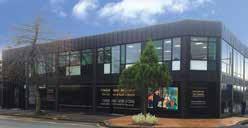
register then bid online www.fineartauction.co.nz
Registration Bidding Number
The highest bidder shall be the buyer. In the event of any dispute as to the bidding in respect of any lot, that lot may be offered again at the discretion of the auctioneer whose decision shall be absolute and final.
The auctioneer has the right -
(i) to refuse any bid;
(ii) to advance the bidding at his absolute discretion;
(iii) to place a reserve on any lot;
(iv) to place a bid or bids on behalf of the seller;
(v) to withdraw any lot from sale;
(vi) to require a successful bidder to pay forthwith the whole or any part of the purchase price.
The auctioneer acts as the agent of the seller and neither he nor the seller shall be responsible for any defects or faults in any lot or for any errors of description or for genuineness or authenticity of any lot and no compensation shall be paid in respect of same.
From the time of lot being sold, such lot will be the responsibility of the buyer.
Successful bidders are required to pay for purchases immediately on completion of sale unless otherwise arranged.
All intending buyers are required to register for a bidding number prior to auction commencing. Subscribers can use their permanent bidding number. We reserve the right to ask for identification if you are a first time client of International Art Centre.
Each lot shall be paid for and removed at the buyers expense by no later than 5pm Friday 26 August 2016 unless otherwise arranged failing which the auctioneer and/or the seller shall have the right to forfeit any deposit paid by the buyer and to resell the lot either by public or private sale and any deficiency on costs of resale shall be borne by the defaulting buyer.
No lot may be collected whilst auction is in progress. Payment can also not be made until completion of auction.
When the auctioneer declares a lot ‘subject’ this means the bid is below the set reserve and is subject to vendor accepting, rejecting or negotiating the bid. International Art Centre will endeavour to make contact with the vendor immediately after sale or the following day. If the bid is accepted, the highest bidder is obligated to make purchase.
Estimates are provided for each entry and act as a guide only. They are prepared well in advance of sale and are subject to revision at any time. Estimates are based on hammer price and do not include buyers premium.
Absentee bidding arranged - please refer to absentee bidding in back of catalogue. Fax to (09) 307 3421 or post to PO Box 37 344 Parnell before 3pm day of sale. Please do not be offended if a member of our staff ask for your credit card details as security.
Absentee bids can also be left via our website to registered members. Our website www.fineartauction.co.nz acts as a useful auxiliary to the catalogue but we recommend inspection or a condition report prior to leaving a bid. Our staff will gladly supply you with a condition report on any lot.
TELEPHONE BIDS
Telephone bidding available to subscribers and registered bidders. There is no charge for this service.
PAYMENT FACILITIES
Eftpos: Available for transactions depending on your daily limit.
Bank deposits: Bank instructions on invoice if paying by direct debit. Quote the Lot number(s) purchased and Surname as reference.
Cheques: Accepted by known clients of International Art Centre or at our discretion. When posting cheques please ensure they are sent to the following address. International Art Centre PO Box 37 344 Parnell, Auckland 1151. Make cheque payable to ‘International Art Centre’. International Art Centre reserves the right to release goods once cheque proceeds have been cleared.
Credit cards: Only Visa and Mastercard accepted - with a 2% surcharge.
EXPORTING
As a general rule, anyone exporting New Zealand works over 60 years of age should apply for an export certificate from the Ministry for Culture and Heritage. This does not apply to non New Zealand works. For full details visit www.mch.govt.nz
FREIGHT & PACKING
International Art Centre arrange door to door delivery both nationally and internationally. Please arrange insurance on your items prior to them leaving our premises.
OTHER ENQUIRIES
Should you have any questions relating to the sale or if we can be of any other assistance please contact us during business hours on (09) 379 4010, Toll Free 0800 800 322 or email info@internationalartcentre.co.nz
BUYERS PREMIUM
15% Buyers premium plus GST on premium applies to all lots. (Total buyers premium is 17.25% including GST)
ALBRECHT
ANGUS R ......................................................... 28
ARNDT M......................................................... 39
ATTWOOD T R ............................................... 106
BALOGHY G ................................................... 77
BARNES F .................................................. 97, 98
BARRAUD C D .......................................... 45, 68
BLOMFIELD C .................................................. 44