Masterpieces from Tate
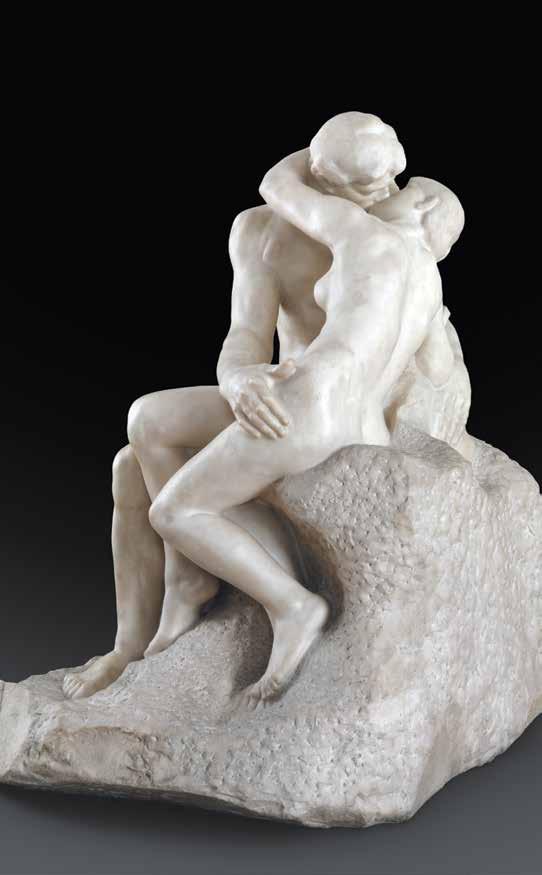
Auguste Rodin
The Kiss 1901–4
Pentelican marble
Tate: Purchased with assistance from the Art Fund and public contributions 1953
Photo credit: ©Tate, London 2017
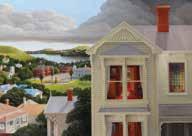
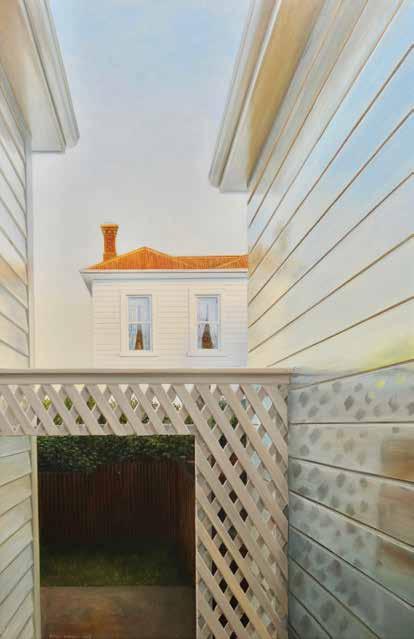
1 PETER SIDDELL 1935 - 2011
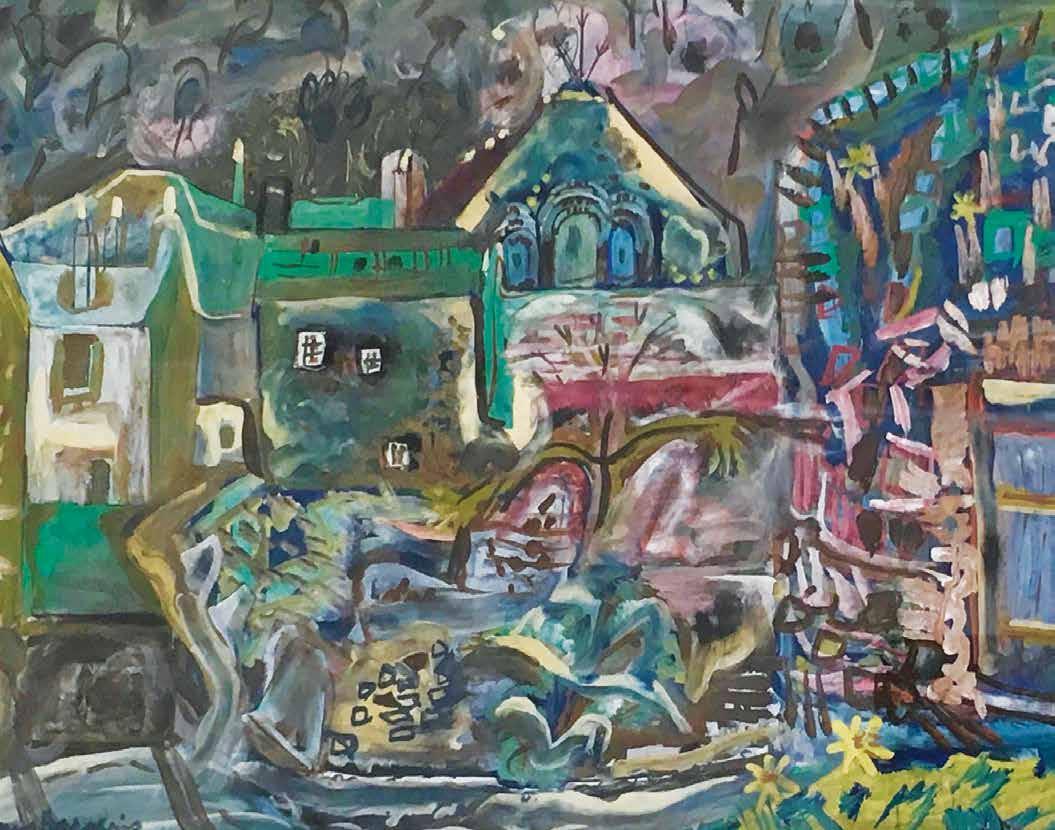
Backyard
Oil on panel 62 x 42
Signed & dated 1983
$12,000 - 18,000
Provenance:
Collection of the artist’s family
Exhibited:
Suburban Morning, Louise Beale Gallery, Wellington May, 1983
The exhibition leaflet quotes Peter Siddell: Somewhere in these paintings is a childhood memory of early mornings as a newspaper delivery boy in the streets of suburban Auckland.
From the Real World, Works by Alvin Pankhurst, Glenda Randerson, Peter Siddell, Grahame Sydney and Brent Wong
Southland Museum and Art Gallery, August 1984
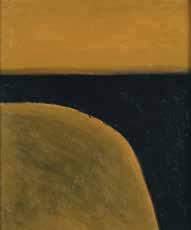
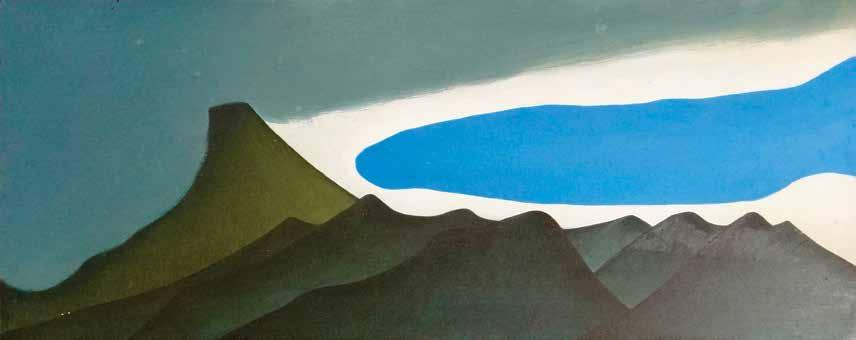
2
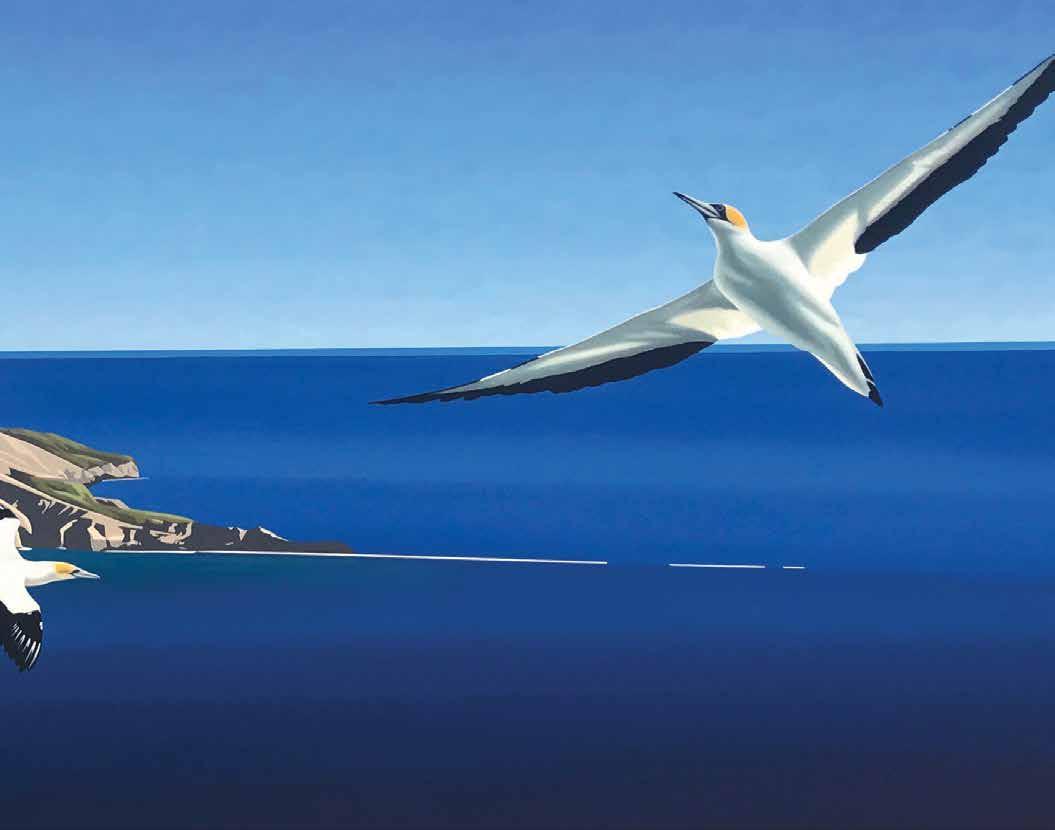
Taranaki Landscape
Oil on board 22 x 54
Signed & dated 1974
$15,000 - 20,000
Provenance: Private Collection, Auckland since c. 2000
Exhibited
Michael Smither Paintings, Barry Lett Galleries, Auckland 1974
MICHAEL SMITHER b. 1939
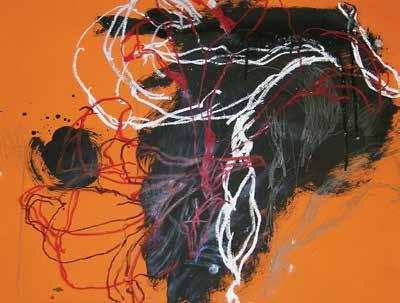
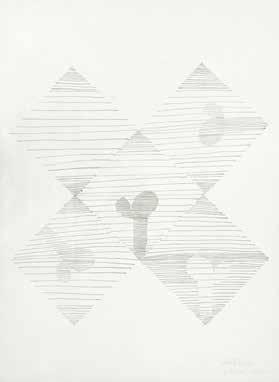
3 RALPH HOTERE 1931 - 2013
Untitled Ink on paper 62 x 47.5
Signed, inscribed For Peter & dated 19/9/1970
$7,000 - 10,000
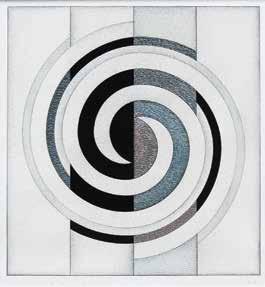
4 ROY GOOD b. 1945
Spiral Series, 1988
Pencil and gouache on paper 39 x 30
Signed, inscribed & dated 1988
$1,200 - 1,800
Provenance:
Private Collection
Exhibited Roy Good: Spiral Series, Aberhart North Gallery 1990
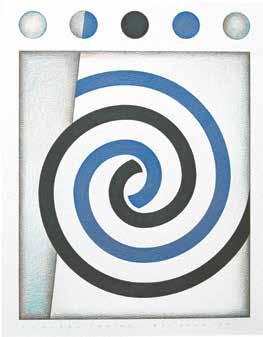
5 ROY GOOD b. 1945
Spiral Series, 1988
Pencil and gouache on paper 35 x 32
Signed, inscribed & dated 1988
$1,200 - 1,800
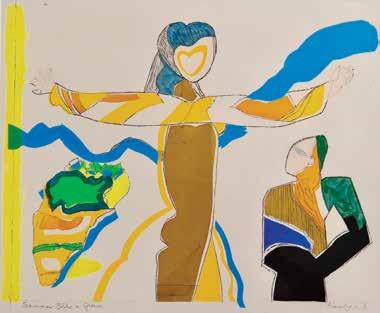
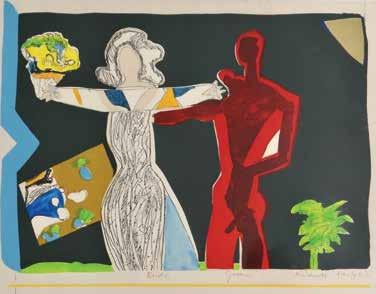
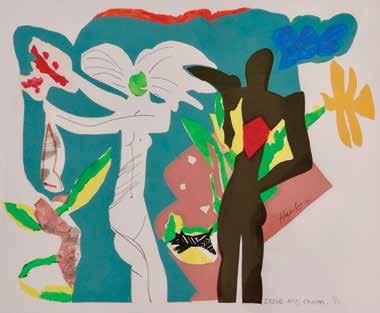
6 PAT HANLY 1932 - 2004
Summer Bride + Groom
Screenprint, edtion 18/19, 52 x 63
Signed, inscribed & dated 1990
$2,000 - 3,000
7 PAT HANLY 1932 - 2004
Bride Groom Accidents
Screenprint, edtion 21/25, 52 x 63
Signed, inscribed & dated 1990
$2,000 - 3,000
8 PAT HANLY 1932 - 2004
Bride + Groom
Screenprint, edtion 20/29, 52 x 63
Signed, inscribed & dated 1990
$2,000 - 3,000
Provenance Lots 6 - 8:
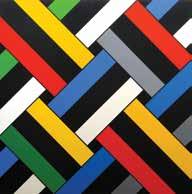
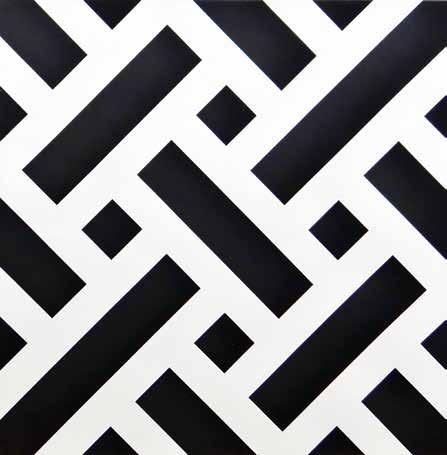
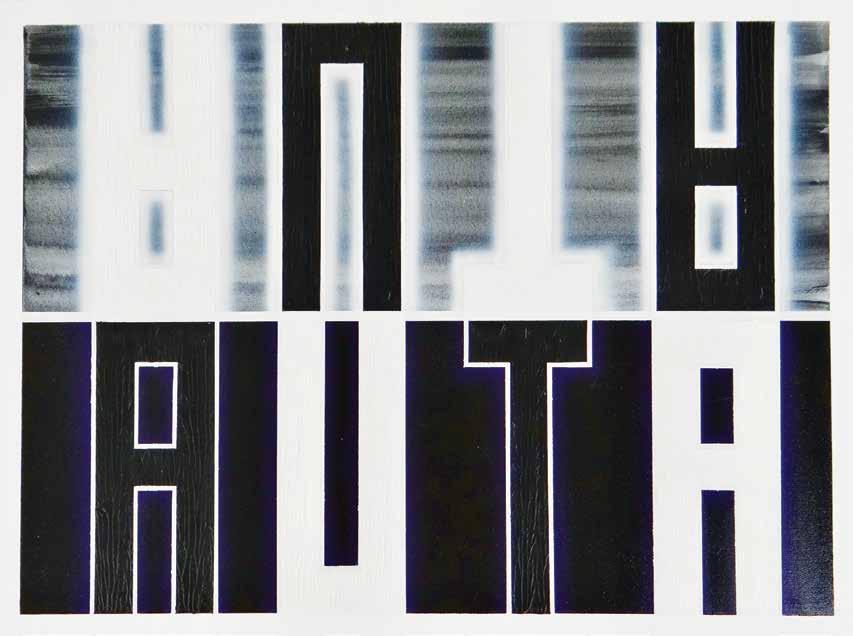
9 IAN SCOTT 1945- 2013
Lattice No 18
Acrylic on canvas 81.4 x 81.4
Signed, inscribed & dated July 1978 verso
$6,000 - 8,000
Provenance:
Collection of the artist’s brother since 1978
Illustrated: p. 34 Issue #13, Art New Zealand, 1978
Ian Scott’s Lattice No 18 is a unique example as it was the first of his Lattice Series created soley in black and white.
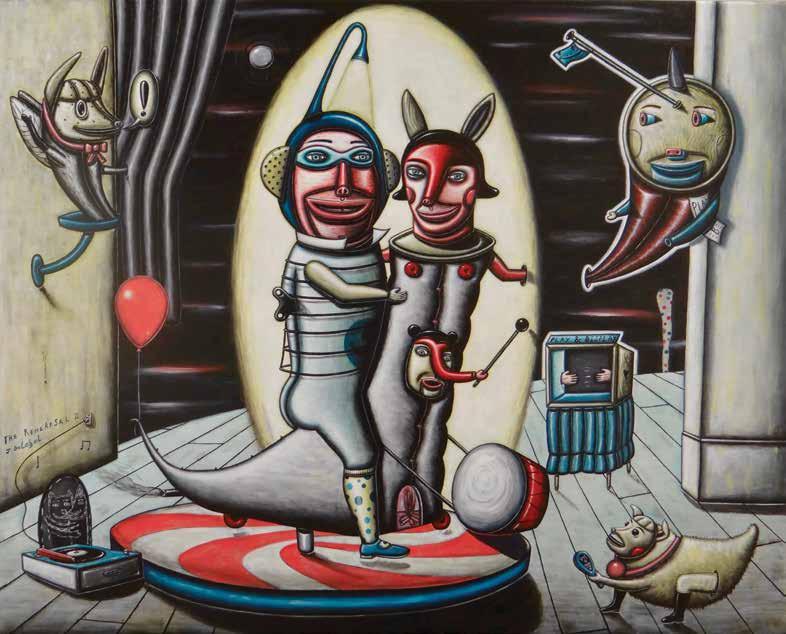
The Rehearsal II
Oil on canvas 60 x 76
Signed & inscribed
$8,000 - 12,000
10 JENNY DOLEZEL b. 1964
Signed
$5,000 - 7,000
Signed
$5,000 - 7,000
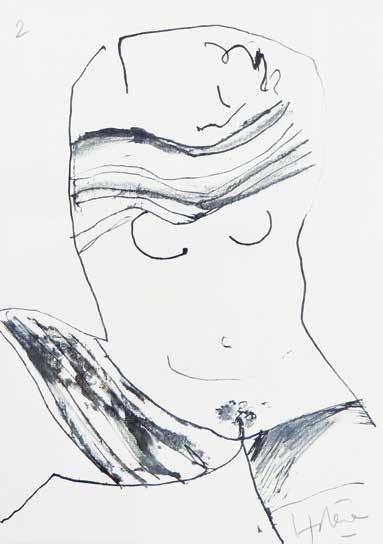
11 RALPH HOTERE 1931 - 2013
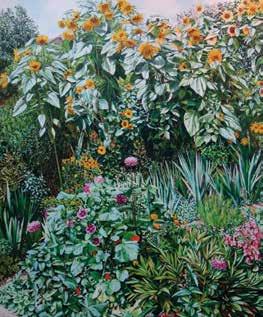
Nude Study #2, 1971
Ink on paper 30 x 20
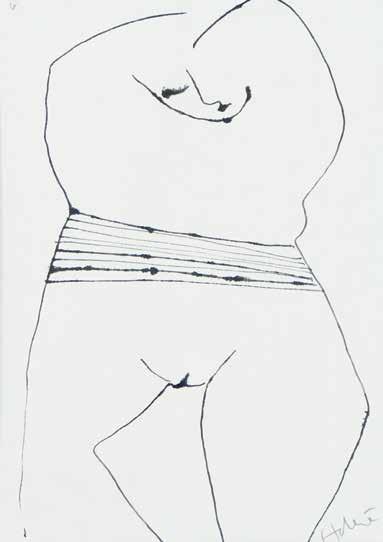
12
RALPH HOTERE 1931 - 2013
Nude Study #6, 1971
Ink on paper 30 x 20
13
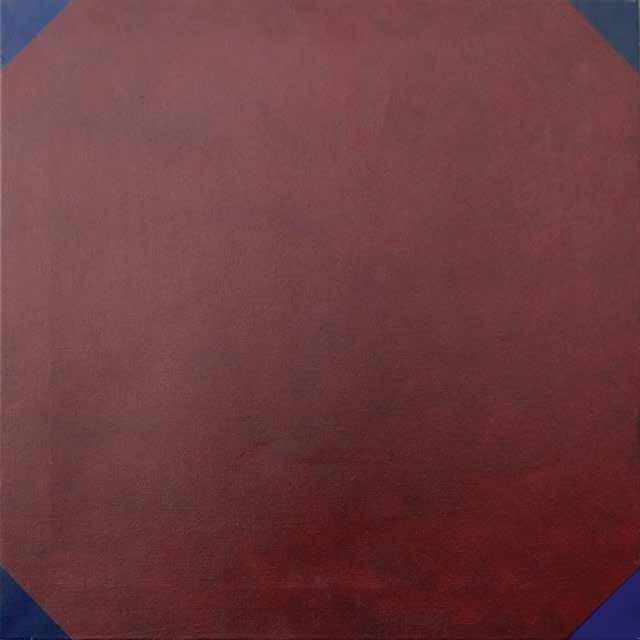
MILAN MRKUSICH b. 1925
Painting Dark Umber
Acrylic on canvas 60.5 x 60.5
Signed, inscribed & dated 1968 verso
$18,000 - 28,000
Provenance: Private Collection since 1968
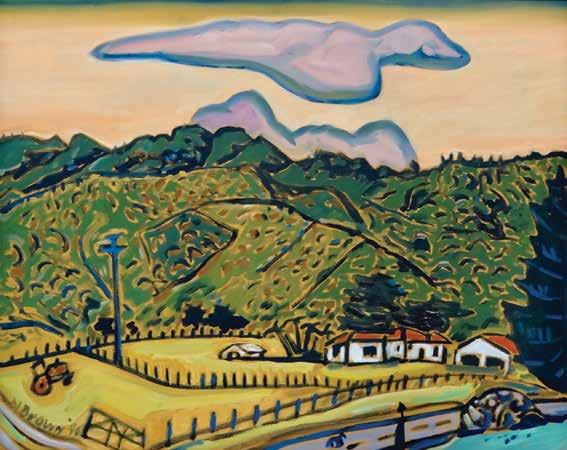
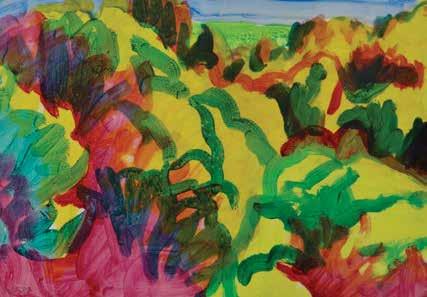
Haparapara River Area Skyline - near Te Kaha, East Coast
Oil on canvas 60 x 75
Signed & dated 1996
Inscribed verso
$7,000 - 12,000
Nigel Brown has travelled and painted extensively in locations as varied as Antartica, Japan and Russia. He has also organised his own painting trips throughout New Zealand. A favourite area for his plein air work being the East Coast of the North Island. These lesser known, unique works differ from his usual symbolic manner of working.
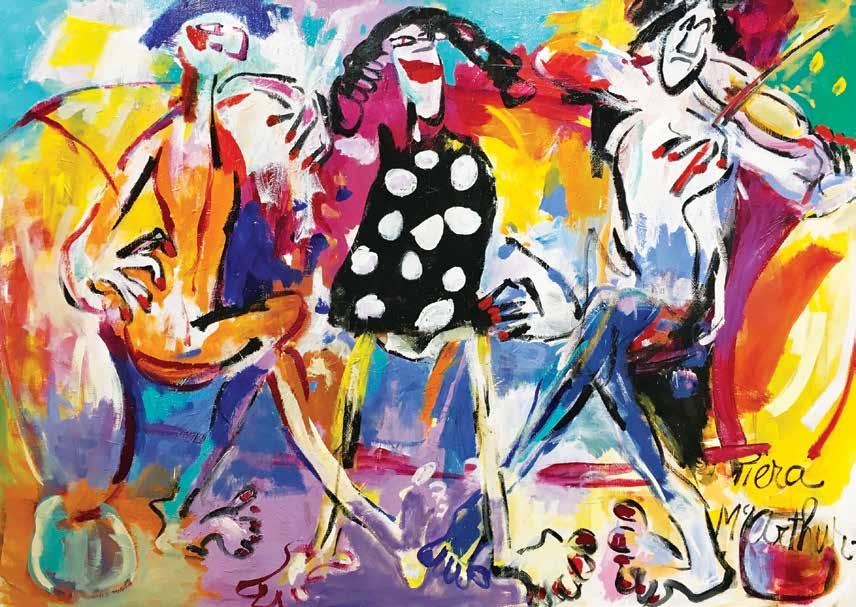
Eine Kleine Nachtmusik
A Little Night Music
Oil on canvas 152 x 210
Signed
$8,000 - 12,000
Our thanks to Piera McArthur for providing the correct title of this work
15 PIERA MCARTHUR b. 1929
14 NIGEL BROWN b. 1949
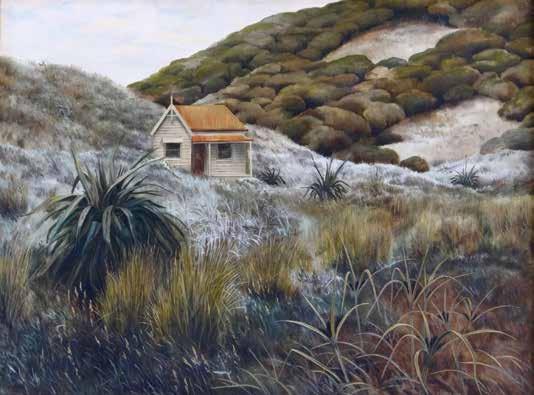
16 PETER SIDDELL 1935 - 2011
House in the Hills
Oil on board 60 x 80
Signed & dated 1973
$5,500 - 8,500
Provenance:
Private Collection, Auckland
17 PETER SIDDELL 1935 - 2011
Sea Level, 2000
Oil on canvas 88 x 120
Signed & dated 2000
$25,000 - 35,000
Provenance: Private Collection, Auckland Purchased from Artis Gallery, Auckland 2000
Illustrated p. 218 - 219 The Art of Peter Siddell, Peter Siddell & Michael Dunn, Godwit publishers 2011
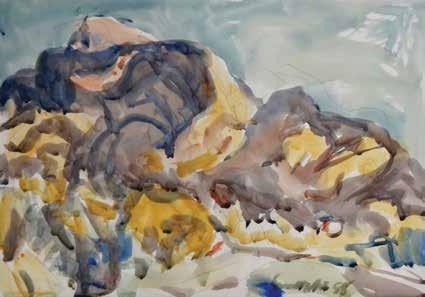
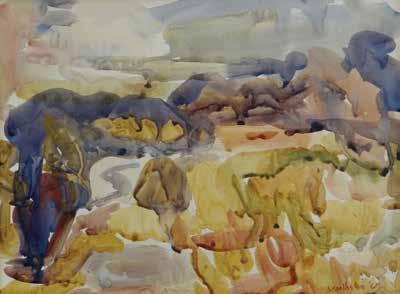
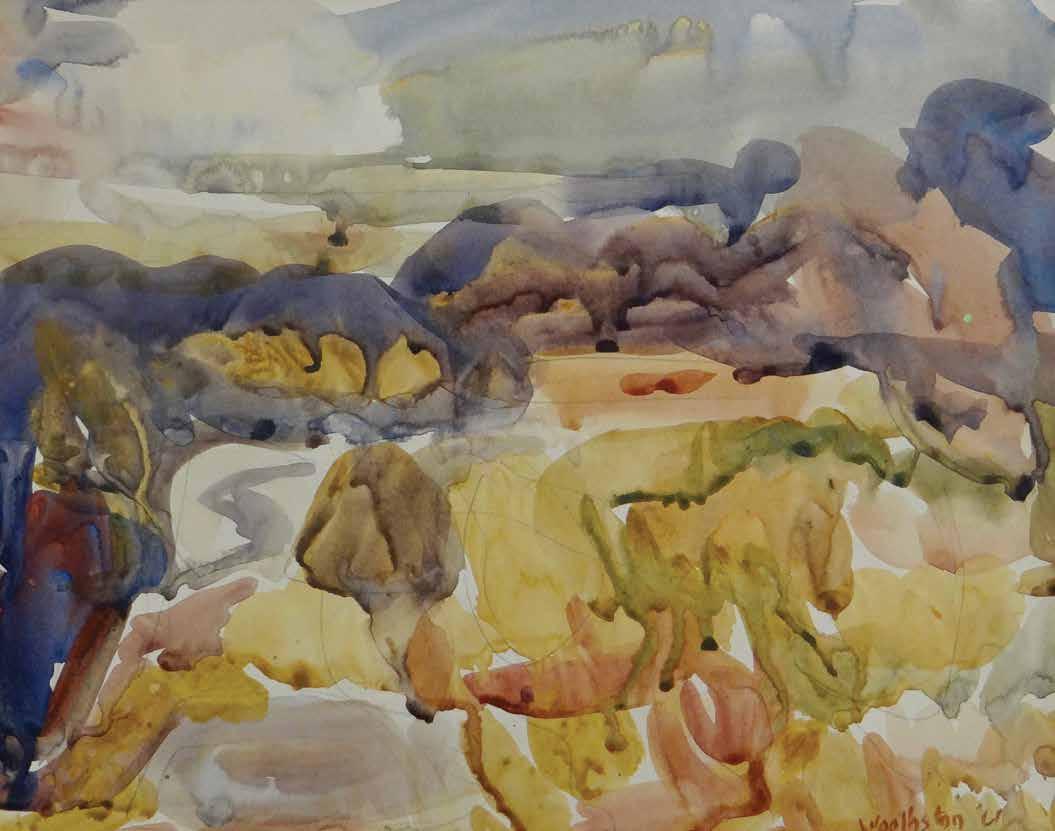
18 TOSS WOOLLASTON 1910 - 1998
Brown Acre
Watercolour 32 x 46
Signed
$7,000 - 9,000
Provenance: Collection of Artaka Art Collective
19 MICHAEL SMITHER b. 1939
Summer
Acrylic on paper 44 x 66
Signed & dated 1987
$6,000 - 8,000
Provenance: Collection of Artaka Art Collective
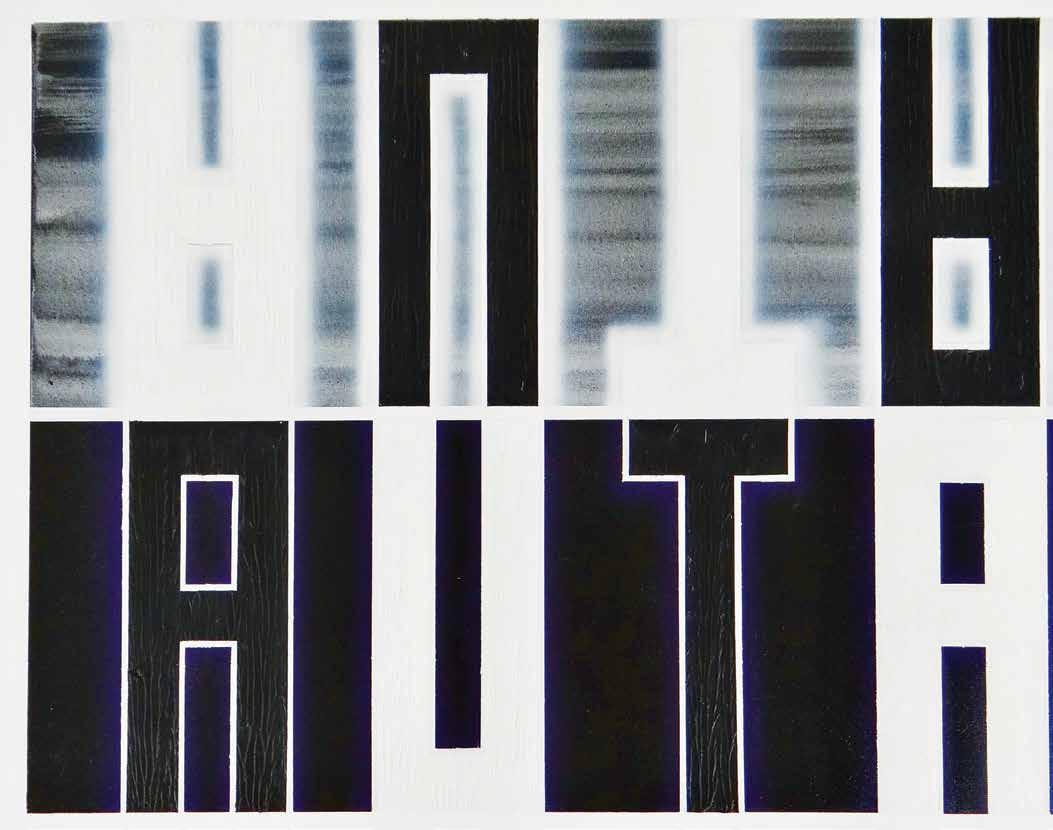
20 DARRYN GEORGE b. 1970
Atua 5
Oil on canvas 76 x 102
Signed, inscribed & dated 2011 verso
$10,000 - 12,000
Provenance: Collection of Artaka Art Collective
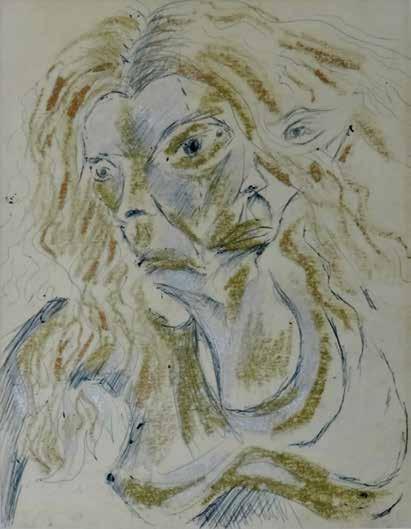
21 PHILIP CLAIRMONT 1949 - 1984
Untitled - Portrait of My Wife
Mixed media on paper 18 x 14
Signed
$6,000 - 8,000
Provenance:
Ex Collection Duncan McKay
Collection of Artaka Art Collective
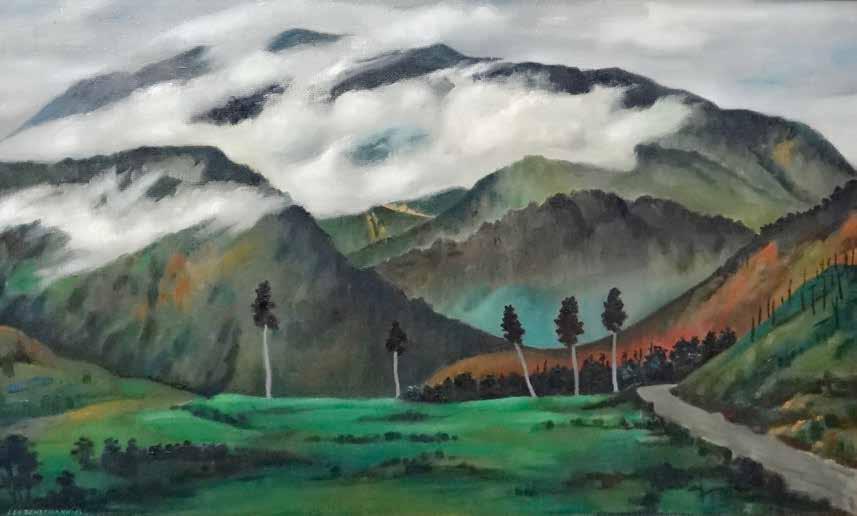
22 LEO BENSEMANN 1912 - 1986
Karamea Bluff
Oil on board 47 x 78
Signed
$20,000 - 30,000
Provenance:
Collection of Artaka Art Collective
23 TOSS WOOLLASTON 1910 - 1998
Grey River
Watercolour 26.5 x 37.5
Signed & dated 1961
$5,000 - 7,000
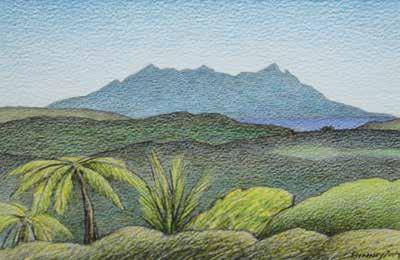
24 DON BINNEY 1940 - 2012
Hauturu from Pukematakeo I Crayon on paper 14.6 x 20.5
Signed & dated 2004
$6,500 - 8,500
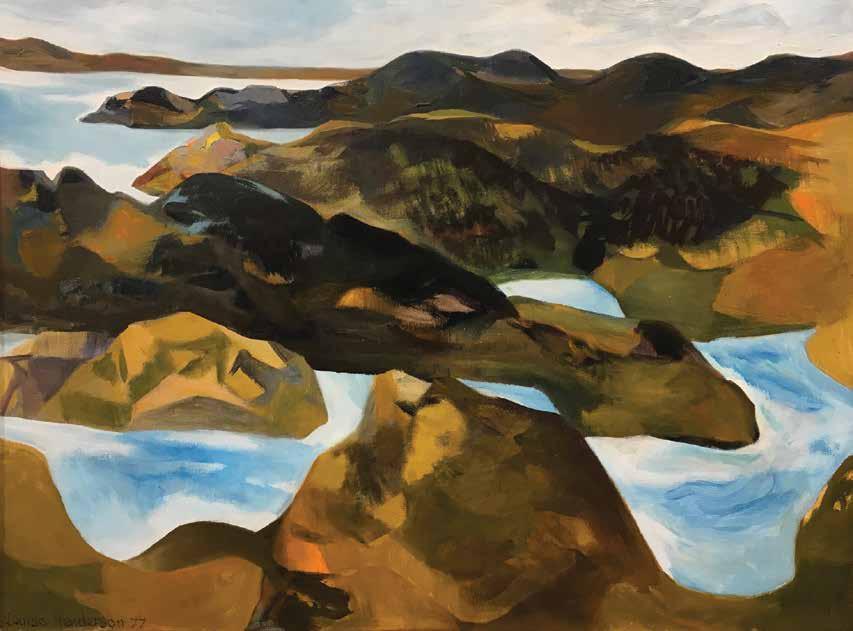
25 LOUISE HENDERSON 1902 - 1994
Coromandel Landscape Oil on canvas 75 x 103
Signed
$6,000 - 10,000
Provenance: Private Collection, Auckland
Purchased from exhibition Headlands, Barrington Gallery, Auckland, 1977
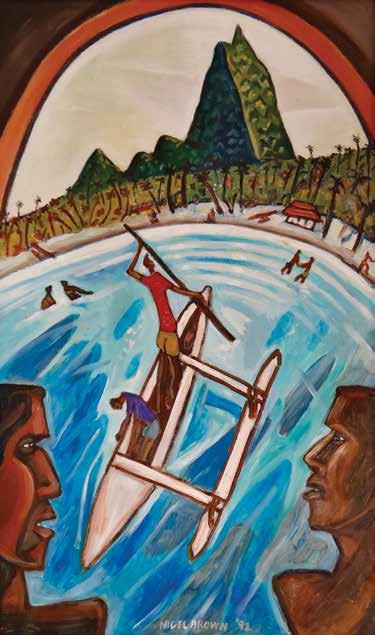
26 NIGEL BROWN b. 1949
Lagoon
Oil on board 120 x 80
Signed & dated 1992
Inscribed Based on a Rarotonga Trip verso
$8,000 - 12,000
Pacifica became a preoccupation for Nigel Brown in the early 1990s. Links with a family in Titikaveka, a village in in the Cook Islands and attendance at Pacific Art festivals played their part in inspiring new directions for the artist. This pacific consciousness also led to the study of Captain Cook and a search for simplicities in symbolism, along with the emergence of contemporary Pacific art.
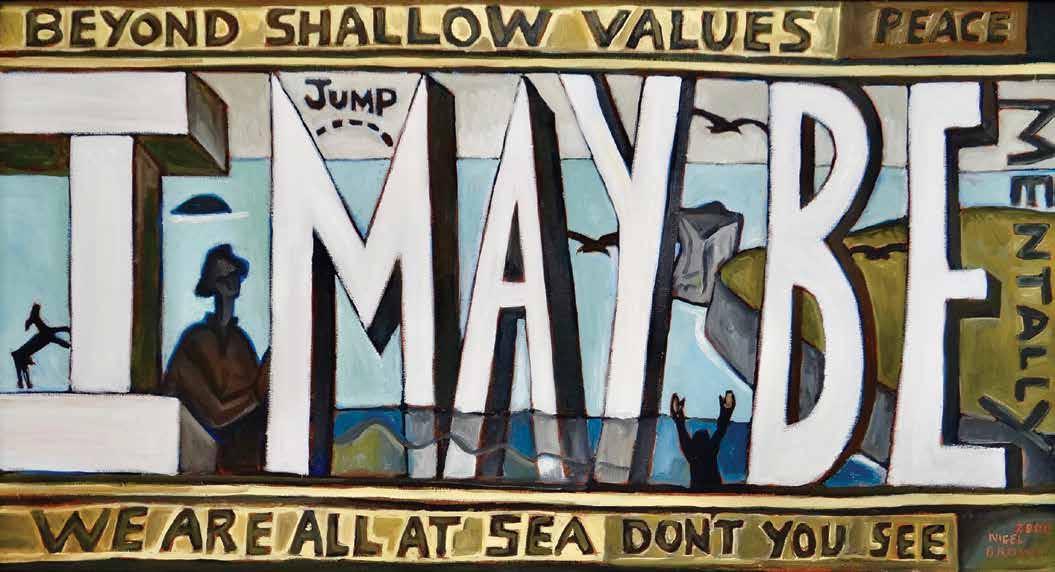
27 NIGEL BROWN b. 1949
I May Be, 2000
Oil on linen 83 x 151
Signed, inscribed & dated 2000
$13,000 - 18,000
Nigel Brown’s I Am paintings began as a prop for an episode of the television series Shortland Street. Later the artist sketched at Muriwai, where his former teacher Colin Mc Cahon had lived and painted. A series of works resulted in several exhibitions echoing Colin McCahon’s Necessary Protection series.
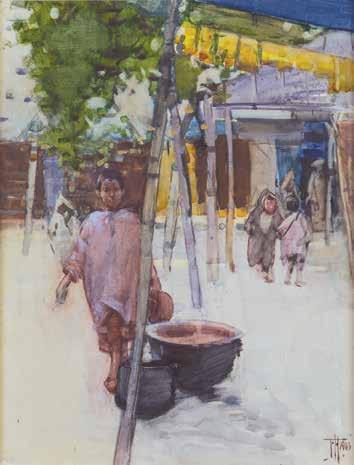
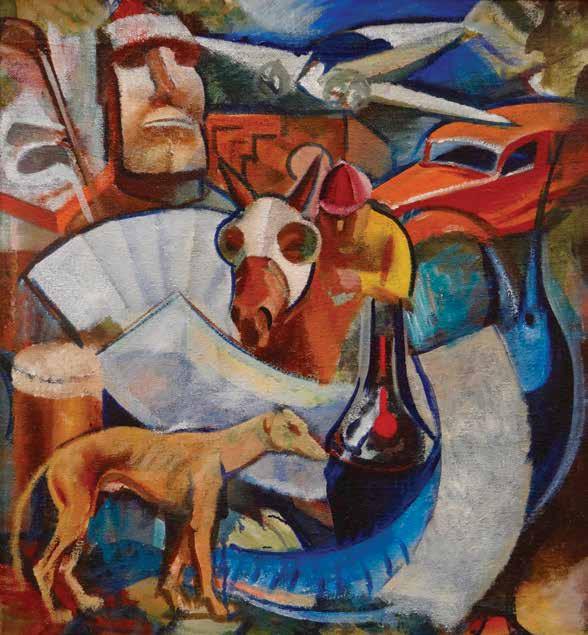
28 JOHN WEEKS 1886 - 1965
Sporting Life Oil on canvas 71 x 66
$7,000 - 10,000
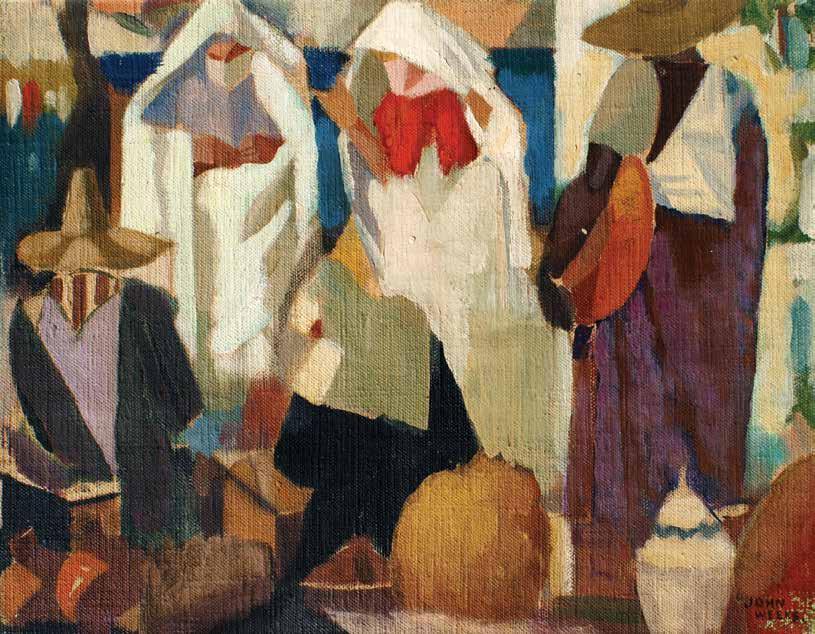
29 JOHN WEEKS 1886 - 1965
Arab Marketplace Oil on board 36.5 x 47.5
Signed Certificate of Authenticity signed by Allan Swinton & Hilda E O’Connor affxedverso
$8,000 - 12,000
Provenance: Ex Artist’s Estate Collection
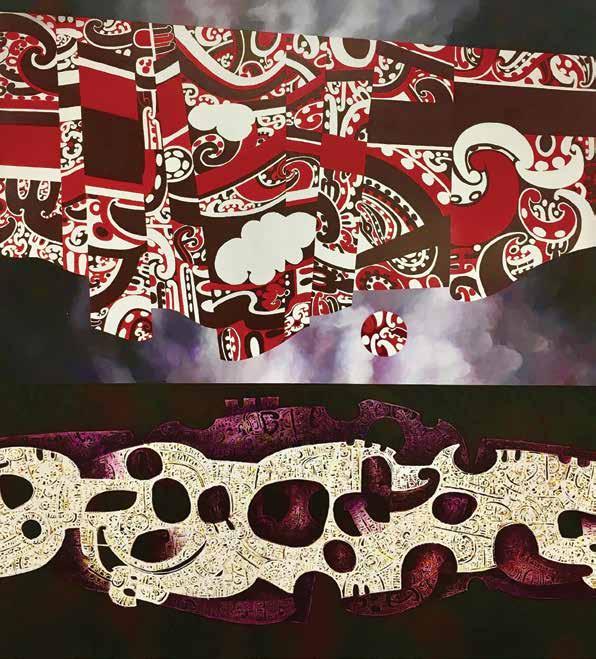
30 BUCK NIN 1942- 1996
Banner Moon - Land Protest
Acrylic on board 140 x 125
Signed
Inscribed & dated Hamilton 1992 verso
$10,000 - 15,000
Provenance:
Collection of Darcy & Anne Nicholas, Wellington
Acquired directly from the artist, 1992
Buck Nin became a major force in the contemporary Maori art movement with his strongly individual style of painting, his teaching, approachability and will to work with people from all walks of life. Buck was a larger-than-life character, not only physically but also because of his considerable intellect and energy.
The imagery in the work of Buck Nin is drawn from Maori carving, weaving and rafter patterns, often set against the backdrop of a minimalist landscape. These patterns spread across the picture plane like a sacred cloak, warming, embracing and caressing the earth. This is his Maori earth, Papatuanuku.
Buck Nin, Ralph Hotere, Selwyn Muru and Sandy Adsett are acknowledged as four of our major contemporary Maori painters. Contemporary Maori sculptors like Arnold Wilson, Fred Graham, Cliff Whiting and Para Matchett were already a major part of the emerging Maori art movement in the late 50’s. Together these artists formed the dynamics of a contemporary Maori art movement that has expanded across the globe. Nin floated the imagery of Maori carvings across the land claiming spiritual ownership. When he died Maoridom lost one of its greatest sons. History will show him as one of Maoridom’s and subsequently New Zealand’s great contemporary artists.
Darcy Nicholas
Born in Auckland in 1942, Buck Nin Ngati Ruakawa, Ngati Toa taught art at Hamilton College for more than twenty years. He graduated from the University of Canterbury in 1965, later gaining a Masters in Education from the University of Hawaii, then a Doctorate in Fine Arts from Texas Technical University. In the 1970s he tirelessly campaigned to raise the profile of Maori art. Dr Buck Nin’s work was inspired by both his Maori and Chinese ancestry. His work is in the collections of University of Hawaii, Te Papa, The New Dowse, Manawatu Art Gallery, COCA, Aigantighe Art Museum, Rotorua Museum of Art and History and Waikato Museum of Art and History.
Darcy and Anne Nicholas are deacessioning their extensive art collection. Darcy received a Queens Service Order (QSO) for his services to Museums. In 2013 he was given the supreme award for Maori arts, Te Tohu mo Te Arikinui Dame Te Atairangikaahu Te Waka Toi Exemplary Award.
31 MARK CROSS
b. 1955
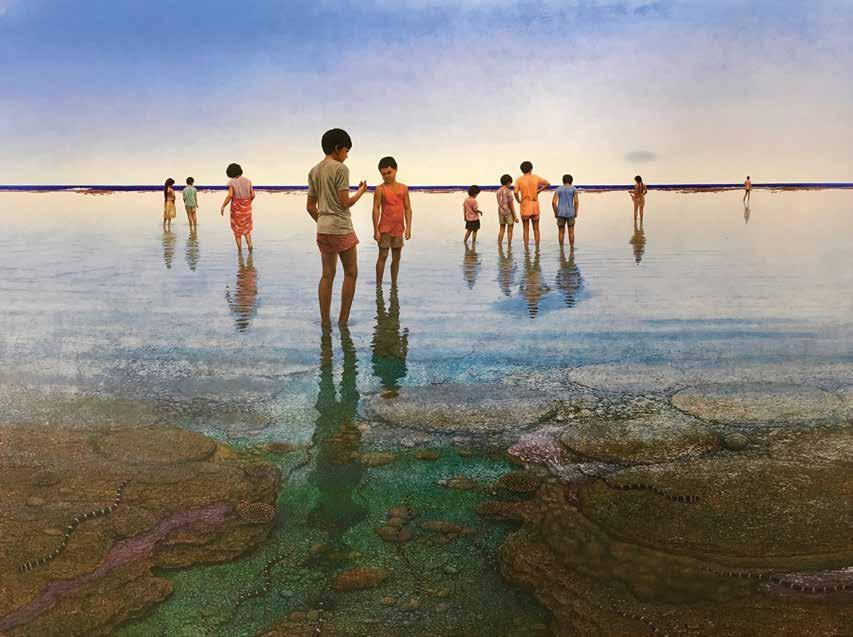
Dark Reef, 1989
Oil on board 120 x 160
Signed
$20,000 - 30,000
Provenance:
Private Collection, Auckland
In 1988 we went to Niue for four months during which time the French were giving conditionally, large aid packages to the Pacific Islands against the background of New Zealand’s antagonism toward nuclear weapons testing. I saw this as an insidious infiltration, manipulation and exploitation of the naivety of the various island states. The children in their vast lagoon become the islands and weaker countries of the world and the usually harmless, but actually deadly, banded sea krait makes a most appropriate metaphor for the nuclear powers and the eight or so strongest industrialised countries that continue to manipulate and manoeuvre the rest of the world. Mark Cross
Born in Auckland in 1955. In 1978 Mark Cross moved with his family to his wife’s village, Liku, in Niue. During these early years Cross developed a strong philosophic and stylistic foundation. There was disillusionment with the institutional oriented nature of the art scene in New Zealand and the isolation provided both the inspiration and lack of distraction needed to develop his work in an individualistic way.
Having achieved this he returned to New Zealand in 1982 seeking a market for his work and since then he has developed a reputation as one of the South Pacific’s leading realist Artists.
Cross now divides his time between studios in Niue and New Zealand and although the work is very specific in it’s detail, reference to these countries
is restricted to the use of local elements for the creation of a timeless, lateral world where his figures act out and question the foibles of humanity but never try to proffer answers.
The linear perspective of history has been replaced by a cyclical understanding of time, an understanding that the artist has achieved by his closeness to nature while in Niue. Cross’s figures are totally integrated with the landscape and there’s never a feeling that nature is dominated by human kind. This is the basis of a complex philosophy that the artist transfers into his images and in their ethereal, visionary way the works warn of the dire ecological imperatives that face both a small island and a planet.
Mark Cross has achieved through his work a uniqueness that avoids the trappings of regionalism, so often associated with realism, and replaces them with an acutely perceptive world view. During the nineties however the artist has ventured into other areas of art production with the establishment of a sculpture park in the rain forest in the east of Niue. A collaboration with his wife and several other artists, crafts people and musicians saw the creation of the Shrine to Abundance, an installation inside a shipping container that toured Australia, New Zealand and Rarotonga. His paintings however are his main focus and are to be found in many private and corporate collections in Australasia, America and Europe.
32 EDWARD BULLMORE 1933 - 1978
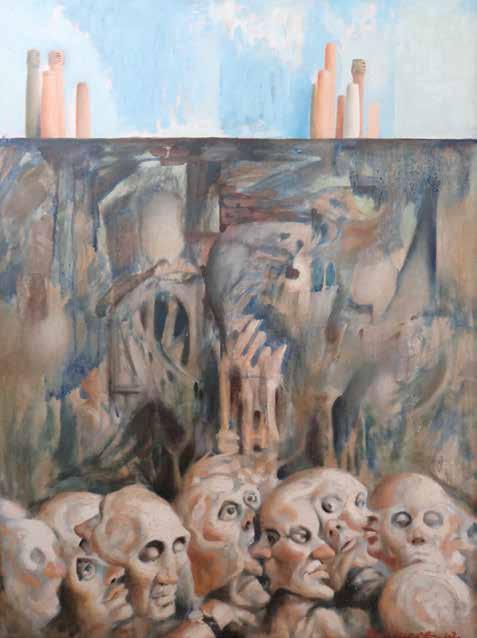
Cuba Crisis Oil on canvas 100 x 76
Signed & dated 1962
$25,000 - 35,000
Provenance:
Purchased from the artist by the current owner , c. 1962
Exhibited:
Edward Bullmore 1933-1978, Rotorua Art Gallery, 1979.
Edward Bullmore hailed from Balfour, Southland. He attended Canterbury University College, Christchurch, with Pat Hanly and Bill Culbert. Having taught at Tauranga Boys’ College in the late 1950s he headed to Florence, with his wife and fellow artist, Jacqueline. The Bullmores spent six months in Italy and then in early 1960 relocated to London, staying until the end of 1969. During that time, Bullmoe taught at various art schools, and exhibited widely, attracting critical attention from the art world. Amongst collectors of his work from this era was filmmaker Stanley Kubrick, who featured two of Bullmore’s works in A Clockwork Orange (1971).
Begun in late 1962 and completed in 1963, the Cuba Crisis Series consists of seven works – some are paintings whereas others combine painting and collage. Upon arriving in London, Bullmore’s work almost instantly began to reflect contemporary events and sentiments of a world threatened by nuclear war. Described as ‘nuclear paranoia’, Bullmore was swept up with the feeling of the unknown and fearful of what the future might bring. He was not alone; on April 18 1960, 100,000 people gathered in Trafalgar Square to protest against the ‘H’ bomb. More specifically, against the backdrop of the Cold War, the Cuban Missile Crisis (16-28 October 1962) saw a confrontation between the Americans and Soviets over the former’s ballistic missile deployment in Italy and Turkey, with consequent Soviet ballistic missile deployment in Cuba. The threat of nuclear warfare was very real.
In this work, Bullmore depicts the atrocities of what he imagined a nuclear war could look like. In the foreground, skulls fuse together as if melted or nuked; people have lost their individuality and identity, becoming mere statistics as a result of nuclear warfare. The middle ground, a drop cloth acts as a screen containing mysterious gloomy shapes. Smokey in colour and giving the appearance of shadows, is this the aftermath of a war-torn cityscape? The ambiguity around some elements typifies this series and is symbolic of a population poised, unsure of the future. Rising in the background are two groups of chimneys – they could be industrial but are more likely to
represent death chambers. The blue sky offers a small glimmer of hope for humankind. This work, as indeed the entire series, is raw and dark in subject matter. It is evocative of a worried man, father, husband and artist. Bullmore had travelled to London to informally further his art education but what he found was a city fearful and attuned to war. The great distance from Southland, New Zealand, was never far from his mind.
Surreal in their content, this series of works were painted with sharp and detailed rendering. The tight and ordered compositions are very much indebted to his formal New Zealand art education. Stylistically more surreal than anything he painted to date, the Cuba Crisis Series called on such antecedents as Picasso’s Guernica and Dali’s grotesque forms in Boiled Beans and Skeletons of Bishops. Bullmore also explored new ways of combining materials in this series by including collage. By not using materials in the conventional manner, Bullmore created rawness, aligned with his thinking of the time. In other works from the series, vertical strips of roughly ripped canvas allude to the disfigurement and double as bandages.
Bullmore spent a decade in London where he taught and exhibited. He made his solo debut at London’s Tama Galleries, with his shaped canvases, and later in 1967 in Exeter exhibiting in a Surrealist exhibition, The Enchanted Domain. Bullmore returned to New Zealand in late 1969 taking up a teaching position at Rotorua Boys’ High School. The Cuba Crisis Series offer scenes of morbidity – grotesque and raw both in subject and how Bullmore executed them. It was not until Bullmore reached London that political crises affected his art and thus changed his way of seeing the external world, and most particularly the landscape. The contrast of a nuked environment compared with New Zealand’s clean and green image was vast.
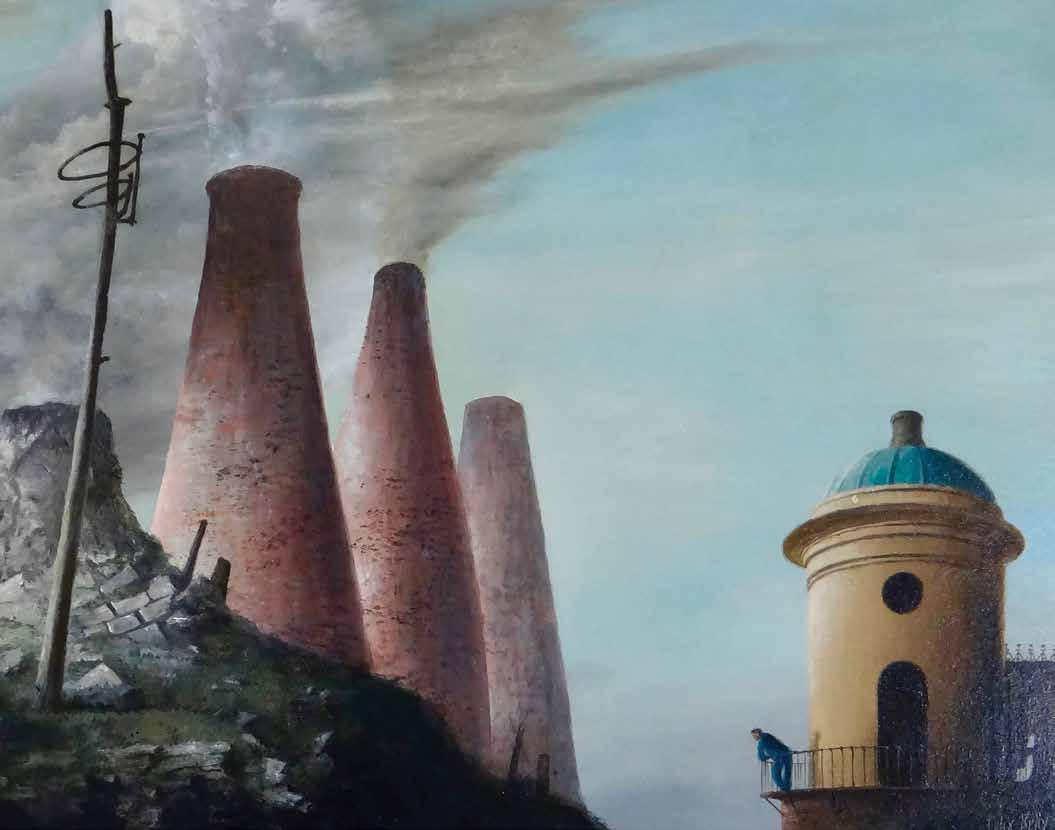
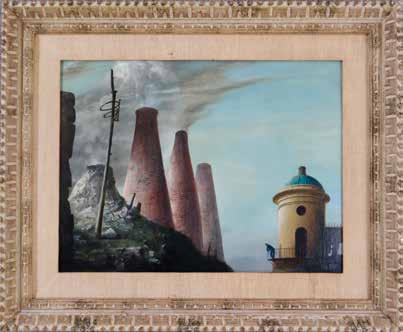
Penelope Jackson
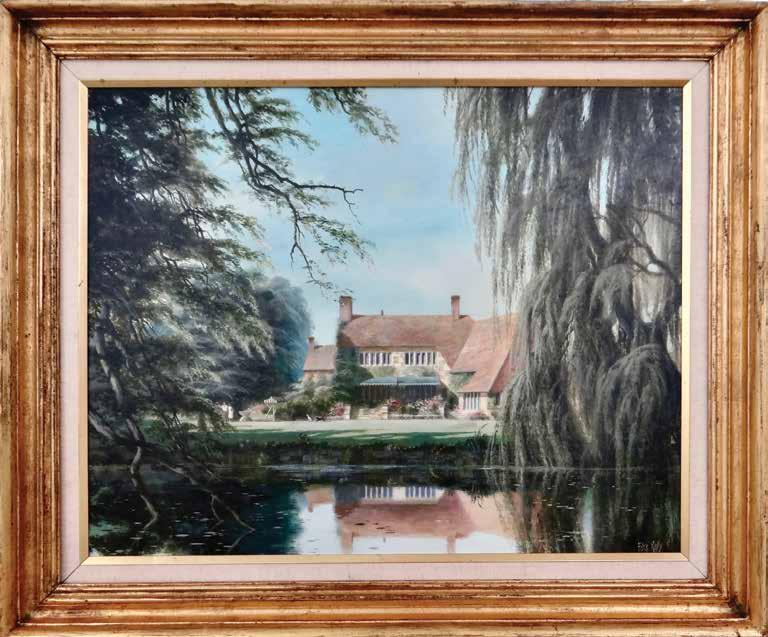
33 FELIX KELLY 1914 - 1994
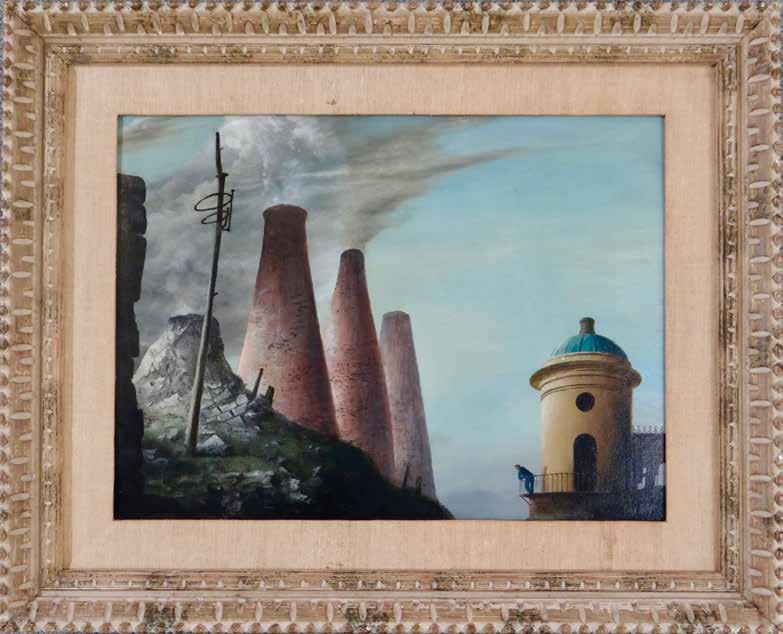
The Kilns, 1955
Oil on board 38 x 52
Signed
$12,000 - 18,000
Provenance:
Ex Collection of Tyrone Power, Beverley Hills, CA, USA
Letter from Arthur Jeffress Gallery dated December 6th, 1961 affxedverso
Exhibited:
Recent Paintings by Felix Kelly, 13 November - 7 December, 1956
Arthur Jeffress, 28 Davies Street, London Label affxedverso
Reference:
p. 274 - 275 Fix, The Art and Life of Felix Kelly, Donald Bassett, 2007
Felix Kelly is one of New Zealand’s most interesting expatriate artists. Born in Epsom in 1914 he claimed to be two years younger most of his adult life. Kelly studied briefly, and even seems to have taught drafting at Elam School of Fine Art. He was only 21 when he left New Zealand in 1935. He never returned. In London Kelly continued his New Zealand occupation of graphic design, working for Lintas, the advertising wing of Unilevers. He also freelanced as an illustrator and cartoonist, especially for Lilliput. His cartoons are not unlike those of the slightly younger Ronald Searle. After the war and the RAF, the focus of his graphic art shifted to book illustration, dust-jacket design and contributions on interior decoration to such fashion magazines as Ideal Home and Harper’s Bazaar. In the 1950s and 60s he was acknowledged as one of England’s top designers for the theatre, working with the likes of Sir John Gielgud and Dame Sybil Thorndike.
Kelly’s ambition had always been to succeed as a painter. Emerging in the context of Surrealism and British Neo-Romanticism, he exhibited alongside important British artists Lucian Freud, John Piper and Frances Hodgkins. He attracted the attention of prominent critic and writer, Herbert Read. Kelly’s paintings are characterised by his interest in a world forgotten by progress. Great houses falling into dilapidation, wind-blasted trees, abandoned locomotives often invested with an eerie watchfulness. Rapidly, Kelly assembled a client list resembling a page from Who’s Who or De Brett’s. In late career, his knowledge of architecture led to involvement in house design, most notably his collaboration on the redesign of Highgrove for the Prince of Wales.
His most celebrated project was the mural cycle at Castle Howard associated with the filming of Brideshead Revisited in the 1980s. Kelly travelled a great deal. Paintings of Spain and Italy in the 1940s were followed by West African scenes in the 50s and ante-bellum houses in America’s Deep South in the 60s. Trips to Russia, Thailand, India and Egypt in the 70s and 80s each led to an exhibition of exotic paintings. Kelly would execute a small sketch characterised by loose brush-work, which would then be converted into a carefully executed big-scale painting. A quirky humour pervades his work.
Felix Kelly is one of New Zealand’s most individual artistic exports. A comprehensive exhibition of his earlier work, curated by Donald Bassett and mounted by the Hawke’s Bay Museum and Art Gallery, toured several New Zealand centres in 2008-9. A second edition of Donald Bassett’s book Fix; The Art and Life of Felix Kelly, was published in 2013.
The Kilns was sold directly to movie star Tyrone Power, Beverley Hills by London dealer Arthur Jeffress. The work remained in his collection until his death in 1958. Since then it has remained in Beverley Hills, California.
34 GARTH TAPPER 1927 - 1999
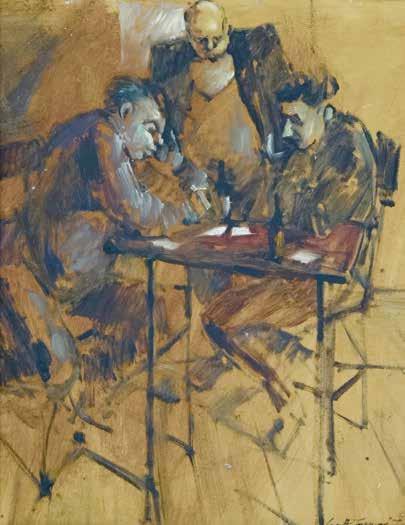
Board Players, 1960
Oil on board 44.5 x 34.5
Signed
Inscribed & dated 1960 verso
$3,500 - 4,500
Provenance; Ex Collection of Dr Lindsay Pool
35 FELIX KELLY 1914 - 1994
A Manor House
Oil on board 57.1 x 72.4
Signed
$10,000 - 15,000
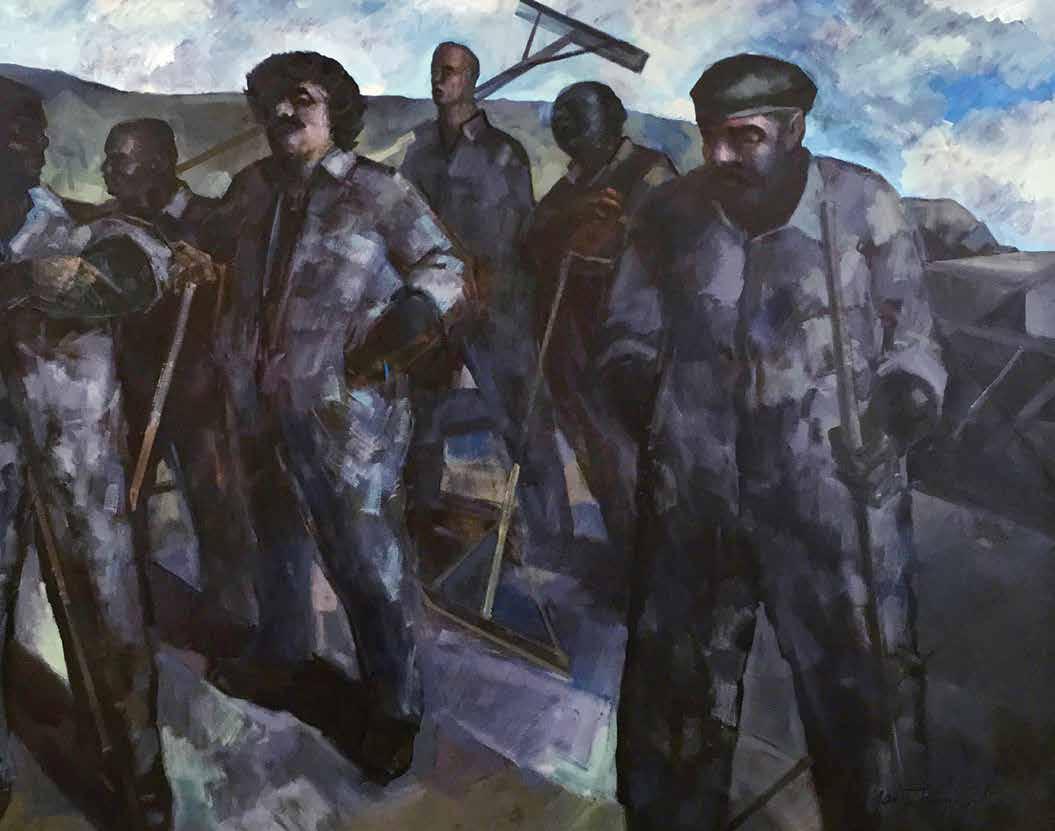
36 GARTH TAPPER 1927 - 1999
Black Gold
Oil on canvas 140 x 200
Signed & dated 1987
$60,000 - 80,000
Provenance:
Private Collection, Auckland since 1987
Of Waikato born Garth Tapper, art critic Hamish Keith wrote: … he is completely with the mainstream of New Zealand life and reports upon it. He is perhaps the only genuine social observer we have in New Zealand and should be cherished for that.
All of Keith’s observations ring true in Tapper’s major 1987 work, Black Gold. The once familiar sight of road workers clad in grey overalls, leaning on shovels is captured to great effect by Tapper’s erudite brush stokes. Choosing a limited palette of grey, blue, turquoise and white Tapper positions his men at work against a backdrop of soft green hills. The title Black Gold is a reference to the laying of tar-sealed roads and the awarding of lucrative government roading contracts. From a 21st century vantage point the element of social commentary is increasingly appreciated in Tapper’s work. Black Gold was painted in one of the most pivotal decades of New Zealand’s history, and in a year which saw massive reversals of fortune on the world stage.
Tapper studied at Elam School of Fine Arts from 1945-51. A Carnegie Scholarship enabled him to travel and study in Europe. While at the Slade and Chelsea Schools of Art he made contact with Augustus John and Vivian Pitchforth. Returning to New Zealand in late 1953 Tapper taught at various Auckland secondary schools until 1960. He then joined the staff of Elam School of Fine Arts where he lectured for 17 years before retiring in 1977 to paint full time. Tapper is best known for his figurative paintings of New Zealanders at work and play. He painted the New Zealand of his day creating series as diverse as those based on the legal profession, hotel and bar patrons along with gum-diggers and roadside workers. The passage of time sees these paintings gain momentum, not only in the auction room, but more importantly as visual historical commentaries on New Zealand life in the second half of the 20th Century.
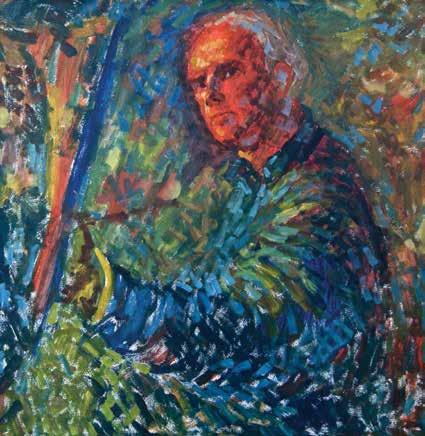
Self Portrait
Oil on board 59 x 58
Signed and inscribed Garth Tapper for Garth Tapper & dated cheers 1975
$4,500 - 6,500
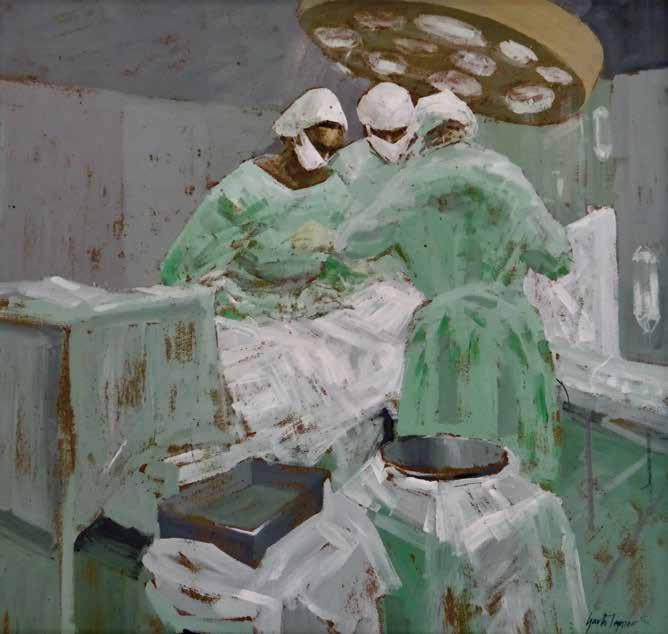
The Operating Theatre Oil on board 60.5 x 64
Signed & dated 1978
Inscription in artist’s hand verso reads: This painting is from a drawing done in the theatre at the time of the operation. I was and still am invited to do a series of drawings and paintings in this theatre. This is the second one. Garth
$8,000 - 12,000
Provenance: Private Collection, Taranaki
38 GARTH TAPPER 1927 - 1999
37 GARTH TAPPER 1927 - 1999
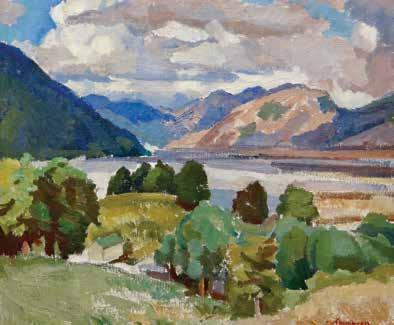
39 SYDNEY LOUGH THOMPSON 1877 - 1973
At the Bealey
Oil on canvas 50 x 60
Signed
Inscribed on stretcher verso
$8,000 - 12,000
40
PETER MCINTYRE 1910 -
1995
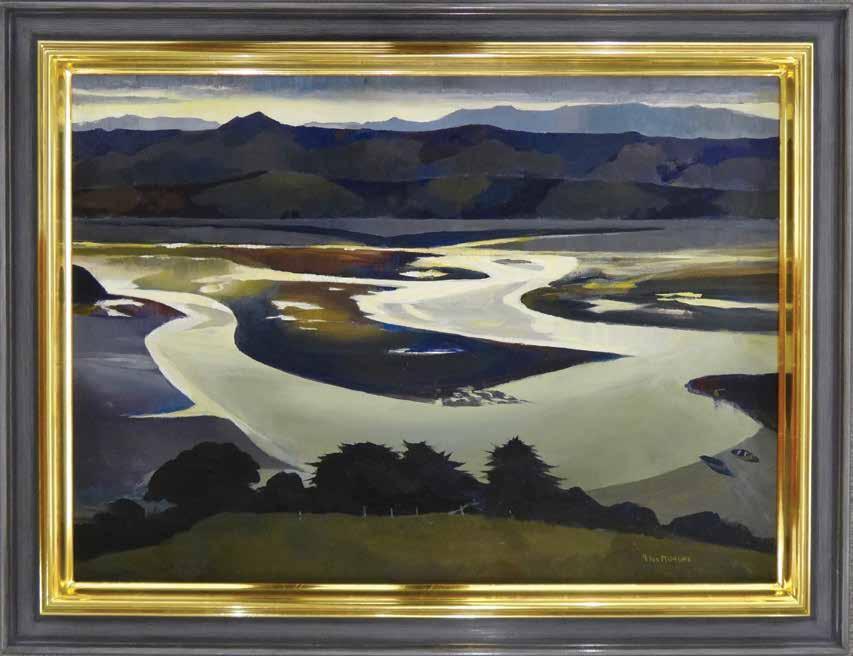
Blue Skin Bay, Otago Oil on board 53 x 74
Signed
$25,000 - 35,000
Provenance:
McGregor Wright Gallery, Wellington, 1976
Private Collection, Europe
Private Collection, Canterbury
Blueskin Bay is an estuary just over 25 km north of Peter McIntyre’s birthplace, Dunedin. The name Blueskin unoffciallydescribestheruraldistrictwhich includes the northern slopes of Mount Cargill, the southern slopes of the Kilmog, and the townships of Doctors Point, Waitati, Evansdale, Warrington, and Seacliff.
The tidal lagoon of Blueskin, is known in Maori as Waiputai, historically referred to a wider stretch of coast from Heyward Point to Seacliff, including Purakaunui.The name Blueskin is after Kahuti, a resident Maori personality of the area, whom Pakeha settlers nicknamed for the large amount of Ta moko (traditional Maori tattooing) on his body. The name had been used in the past as the nickname of a notorious 18th-century London criminal, Joseph Blueskin Blake.
These days the critically endangered, endemic Hector’s Dolphins live in and around the bay and it remains a popular site for gathering clams. Along with families collecting the shellfish for personal consumption, Southern Clams Ltd collects clams commercially for export here.
Returning from World War II, where he served as both a Captain and New Zealand’s offcialwarartistMcIntyrebeganalongandillustriouspostwar career. He lived and exhibited in Wellington, frequently undertaking painting trips abroad. In 1962 A H & A W Reed published The Painted Years, the first of eight books he would illustrate and write between then and 1981. Travels to Antarctica, Hong Kong, the Pacific Islands and the American West provided material for these popular publications.
Blue Skin Bay, Otago is a fine example and on the market for the first time
LOT 41
GOTTFRIED LINDAUER
1839 - 1926
Estimate $350,000 - 450,000
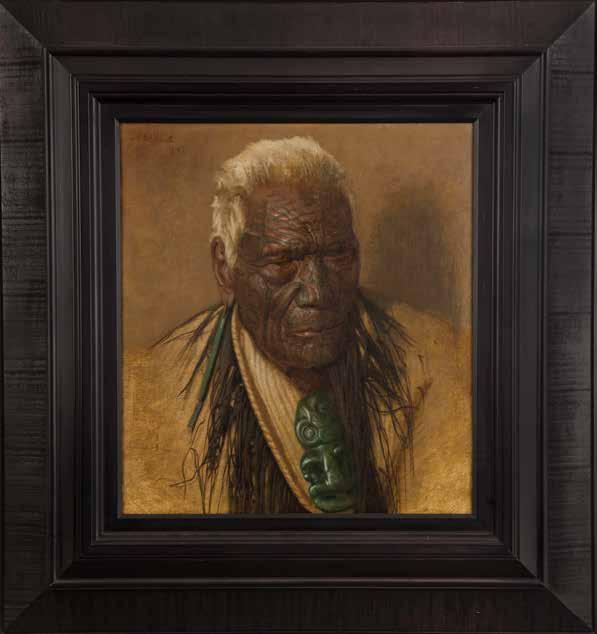
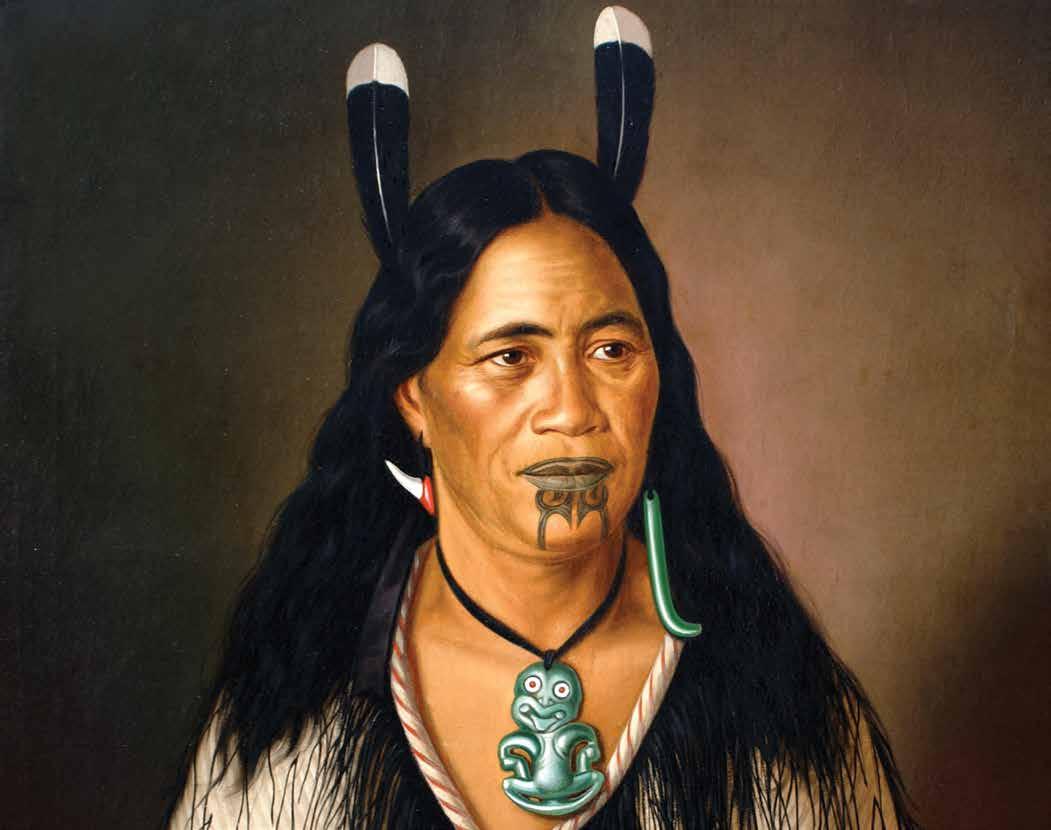
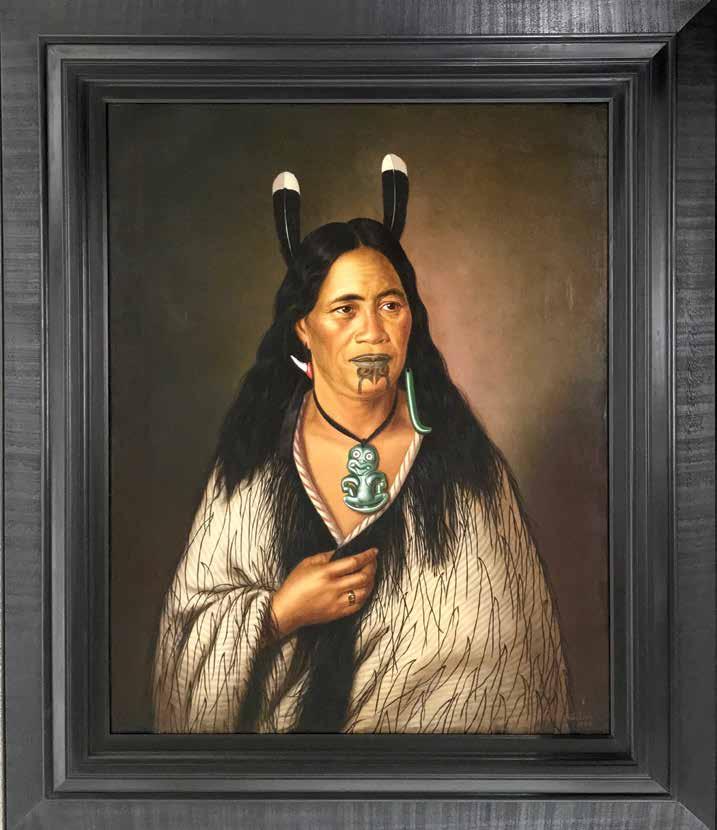
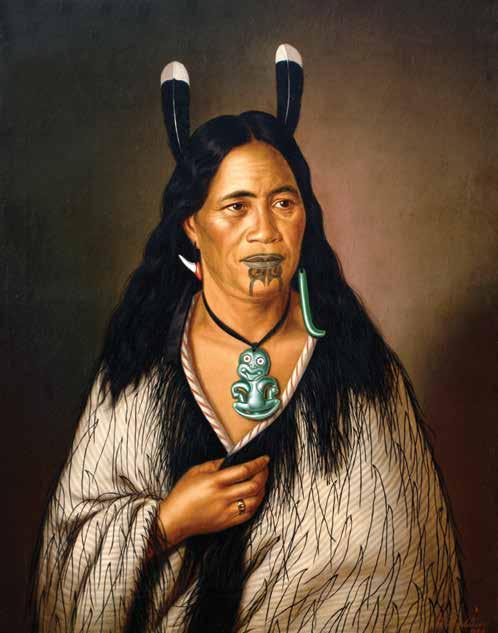
41 GOTTFRIED LINDAUER 1839 - 1926
Chieftainess Ngatai - Raure Oil on canvas 85 x 66.5
Signed & dated 1884
$350,000 - 450,000
Provenance:
Private Collection, Auckland p. 16 & 17 NZ Early & Rare, International Art Centre, Auckland, 1972
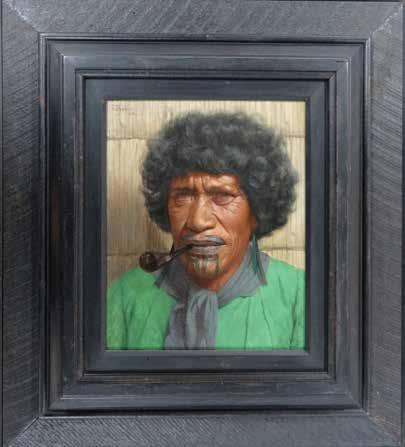
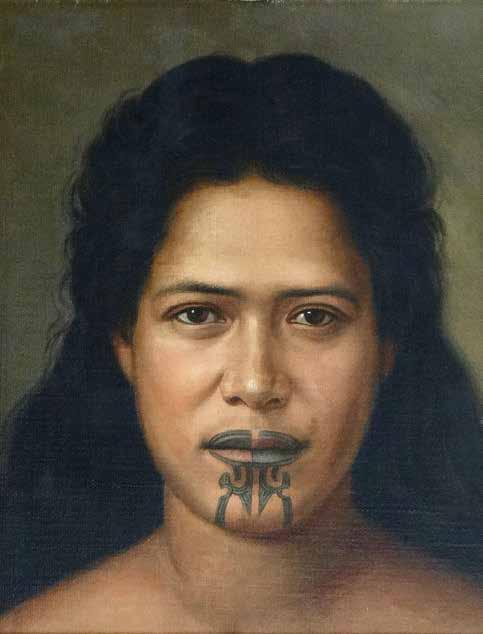
Sir Apirana Ngata once described Gottfried Lindauer’s paintings as: the shadow-carving of the European artist. This sentiment reframes Lindauer’s practice in terms of its relationship to Maori culture, offering an interesting basis from which to consider this excellent portrait of Chieftainess Ngatai.
The artist undertook his mission of obtaining a cultural pictorial record of Maori with incisiveness and sincerity. As is the case with many of Lindauer’s portraits, this likeness of Chieftainess Ngatai exudes a gentle soulfulness and realism, evoking a sense of the sitter’s mana. The splendour of her ta moko is accented by the hei tiki around her neck and pounamu earring. Two huia feathers adorn her head, elegantly crowning the work’s pyramid-based composition. Interestingly, her right hand is adorned with a European gold band.
This portrait was completed at an interesting time in the artist’s career. Since their initial meeting in late 1875 in Auckland, Lindauer had been working under the patronage of the English businessman Henry Partridge, his remit in this capacity being the documentation of prominent Maori personages.
In the early 1880s, however, the artist sold his possessions with the intention of returning to Europe. His associate, the Napier-based photographer Samuel Carnell, convinced him to stay and remain in Napier.
With the support of Carnell and Walter Buller, the noted naturalist and ornithologist, Lindauer undertook a new chapter in his work and went on to travel extensively around the North Island, accepting many more portrait commissions. This portrait of Chieftainess Ngatai is an excellent example from this period. Inspired and influenced by Carnell, photographic concerns had became increasingly central to his work. In this large scale portrait, Lindauer’s mastery of light is particularly striking: a single light-source casts the contours and lines of the Chieftainess’ face into subtle relief, contributing to an almost photographic luminosity on the work’s surface.
GOTTFRIED LINDAUER
1839 - 1926
Estimate $350,000 - 450,000
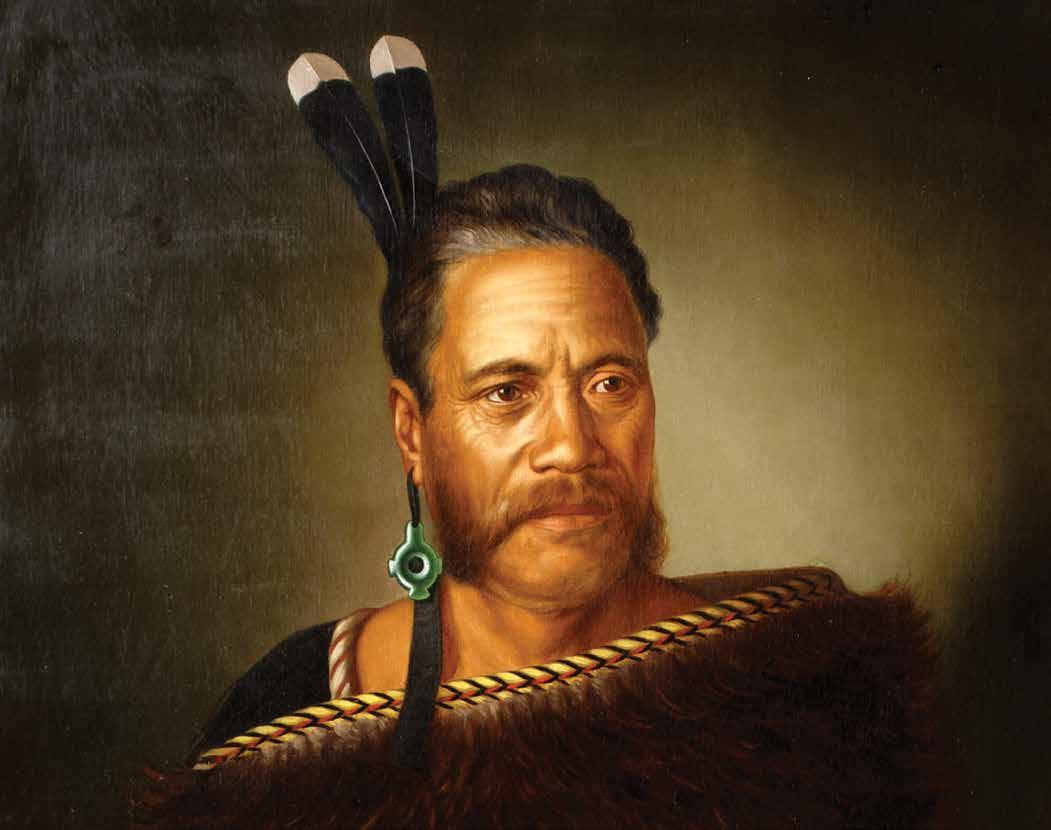
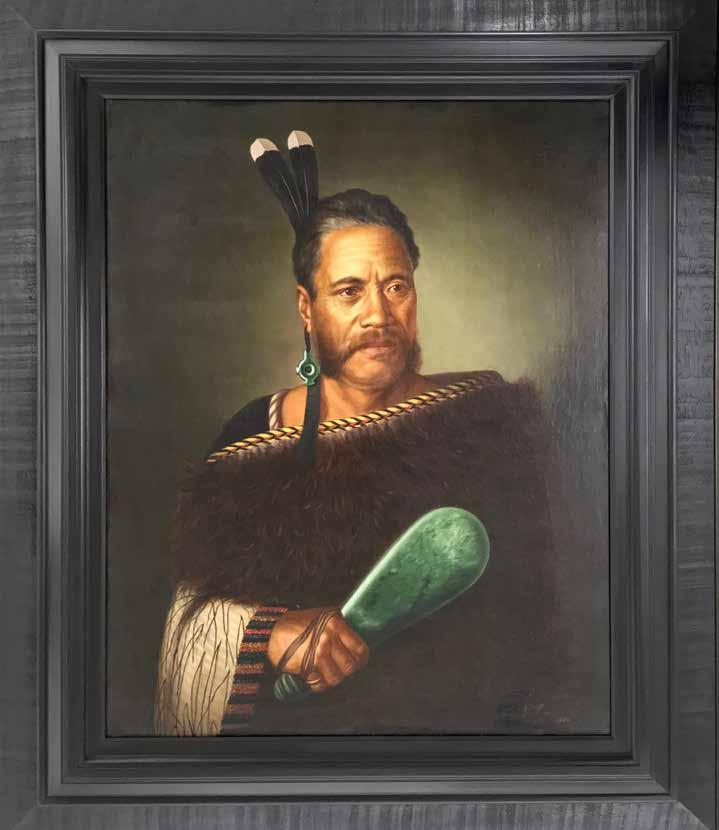
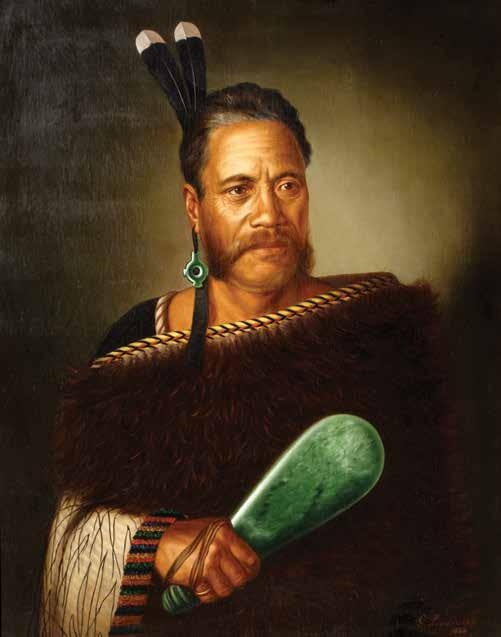
42 GOTTFRIED LINDAUER 1839 - 1926
Chief Ngatai - Raure
Oil on canvas 85 x 66.5
Signed & dated 1884
$350,000 - 450,000
Provenance:
Private Collection, Auckland p. 16 & 17 NZ Early & Rare, International Art Centre, Auckland, 1972
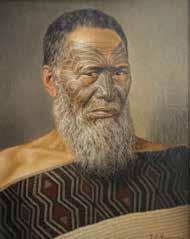
Chieftain Ngatai – Raure is emblematic of Lindauer’s practice: not only has the artist succeeded in conveying a sense of the sitter’s reverential grandeur and chiefly status, but also in expressing his humanity and individuality. The penetrating expressiveness of Ngatai’s gaze which extends beyond the confines of the painted dimension seems to wholly encapsulate this.
This work and its companion portrait are understood to depict two members of the Ngatai family of Tauranga, who are related to Chief Hori Ngatai of the Ngaiterangi tribe. Chief Hori was a distinguished warrior and leader who helped defeat the British at Gate Pa in April 1864, and later went on to establish a marae at Whareroa. The acknowledgement of this familial link is not only genealogically relevant, but also symbolically so, for it places the work within a broader artistic and cultural context:
Firstly, the portrait’s existence within the artistic tradition of recording, celebrating and seeking to understand Maori community and culture is significant. Auckland Art Gallery’s 2016 exhibition The Maori Portraits: Gottfried
Lindauer’s New Zealand comprised a formidable showcase to this effectone in which the breadth and excellence of the artist’s Maori portraits were presented on an unprecedented scale. Collectively, these works comprised a tour de force, affrmingLindauer’sportraitureasanartistictraditionand cultural watershed. Chieftain Ngatai – Raure resonates as a splendid work in its own right,one which exists within a narrative of importance to our national cultural and artistic history.
Trained in the 19th century European school of painting, (Vienna Academy of Fine Arts), Gottfried Lindauer brought a degree of painterly formalism to his portraits of Maori. Stylistically speaking, this work alignes to the tradition of classical portraiture. As is typical of this style, the composition of the portrait is without embellishment or adornment (Ngatai has been depicted against a neutral, studio-like backdrop). Symbolic elements such as the intricatelycrafted mere and the magnificent pounamu earring serve to affrmthe sitter’s status and provide further clues to his identity.
43 FRANCES HODGKINS 1869 - 1947
Methodist Chapel
Gouache on paper 48 x 63
Signed
$120,000 - 160,000
Provenance:
Leicester Gallery, London 1937, purchased by Mrs Fielding bequeathed to Mr L. Schoeman, 6 Steene Rd, Pinetown South Africa. From notes and inscriptions affxedverso
Aucitoned South African, British & Continental Paintings & Sculpture, August 1993, Stephan Welz & Co, Johannesburg, John Leech Gallery, Auckland, Fisher Fine Arts Christchurch
Private Collection, Christchurch
Exhibited:
Frances Hodgkins 1869-1947, John Leech Gallery, June 1998
New Paintings and Watercolours, The Lefevre Gallery, London, October - November 1937, cat # 27
Biennale di Venezia, British Council at the Galleries of Hertford House, 17 May - 8 June 1940 cat # 107 -
British pavillion of Biennale di Venezia was held at Leicester Gallery, London due to the outbreak of WWII
Paintings and Watercolours, John Leech Gallery, Auckland, June 1998
Illustrated:
Front cover, Frances Hodgkins on Display, Galleries Dealers & Exhibitions 1890 - 1950, Roger Collins & Iain Buchanan, Hockin Library 2000
Literature:
p. 119, 121 & 122 Frances Hodgkins, Four Vital Years, Arthur Howell, London 1951
p. 497 Letters of Frances Hodgkins, edited by Linda Gill, Published by Auckland University Press 1993
Methodist Chapel was one of 26 images chosen by Sir Kenneth Clark for the 1940 Venice Bienale, held in London due to WWII. Hodgkins discusses the significance of this selection in a letter to her brother, Willie Hodgkins: '…an invitation from the British Council to represent British Art at the Biennial Exhibition in Venice in April - that is to fill a large sized room in the British Pavilion, the other painters being Duncan Grant, Wadsworth & Munnings - each with a room of their own - a very considerable compliment to your sister one is assumed to be either eminent or dead - perhaps a bit of both - before you can qualify for this honour - it is a very important exhibition.
p. 497 Letters of Frances Hodgkins, edited by Linda Gill, Published by Auckland University Press 1993
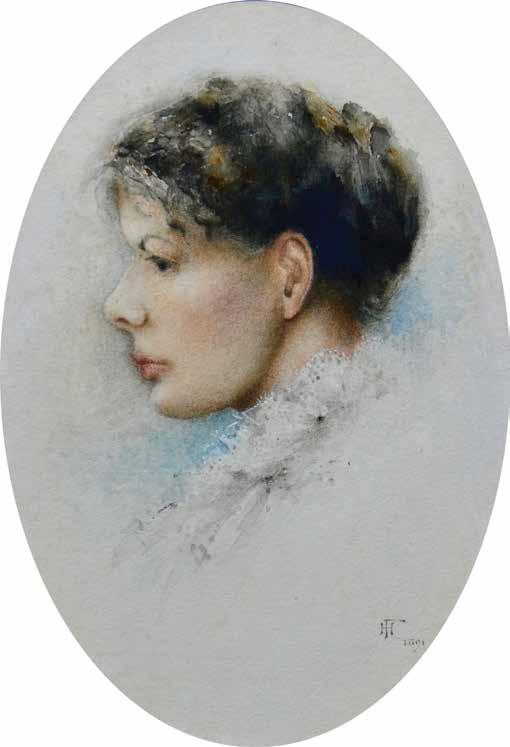
44 FRANCES HODGKINS 1869 - 1947
Isabel Jane Hodgkins
Watercolour 24 x 16.5
Signed & dated 1891
$15,000 - 25,000
Provenance:
Formally in the collection of Mrs W N Pharazyn, Wellington (The Pharazyn Collection) Private Collection, North Island
Illustrated: p. 282 Works of Frances Hodgkins in New Zealand, E H McCormick, Auckland Art Gallery 1954
p. 17 Portrait of Frances Hodgkins, E H McCormick, Auckland University press 1981, 1982, 1990
Literature:
Cat #18, p. 124 Works of Frances Hodgkins in New Zealand, E H McCormick, Auckland Art Gallery 1954
Note:
This work Isabel Jane Hodgkins has been reproduced in several publications in black and white. This is the first time it has ever been reproduced in colour.
This small portrait was painted by the artist for her sister’s fiancé, Will Field. It was the subject of an extensive correspondence, some of which bears on the dating of the portrait and incidentally throws light on the artist’s working methods and disposition at the time. Soon after receiving the gift, Will wrote to Isabel, Touching that picture….. I meant to have asked you when writing last how long Fannie was occupied on it. I noticed she dates it 1891, & so I suppose the dear little soul has been pegging away at it for months & all for my undeserveding self……. To this Isabel replied, Fannie desires me to thank you for reminding her that it is 1892 & not 91 as she thought; Fan persists in leading such a very anchorites (if there is such a word) life utterly oblivious of dates, & you have rudely awakened her to the fact that the world is a year older than she thought. The picture took about a week altogether to paint. She is most anxious that you should understand that it is not a case of cold meat hashed up & she has not been lagging away at it for the last12 months. Will then wrote, I was a little relieved to discover that Fannie had not been occupied over that portrait for a period running into two different years. I should like to alter that 1 into 2. I suppose it can be done
Evidently the change was never made.
Text from p. 124 Works of Frances Hodgkins in New Zealand, E H McCormick, Auckland Art Gallery 1954
Late in 1891 Isabel went to Wellington to spend a holiday with Miss Holmes of the Dunedin Art Club who now lived in the capital. There she met a young lawyer, William Hughes Field, and by the time she returned home early in February 1892 they had agreed to marry. ‘Will’ Field, as he was called by the Hodgkinses (who thus distinguished him from W M and Willie), travelled to Dunedin later that month to act as best man at a friend’s wedding. During his stay he was introduced to Isabel’s family and their engagement was announced. The meeting is commemorated in a photograph taken in the grounds of Cranmore Lodge. It must have been one of Isabel’s off days. She stands behind her parents, awkwardly posed and unbecomingly dressed. The most relaxed and attractive figures in the group are Fanny and Will, both seated on the ground. They could easily be taken for the engaged couple. At their first meeting they had indeed become firm friends and Will left with a promise from the dear little girl that she would paint him a likeness of his fiancée. When a few weeks later he received a small portrait of Isabel, he found diffcultyinexpressinghisgratitudeforthelovelypicture.
I at once give up all thought of finding adequate words, he wrote, & simply say. Fanny, that I do truly & earnestly thank you from the bottom of my heart. He went on to encourage the young artist with words discerning praise: I trust that you will persevere in this kind of work, for if you do there must surely be a brilliant future before you.
Text from p. 17 Portrait of Frances Hodgkins, E H McCormick, Auckland University press 1981, 1982, 1990
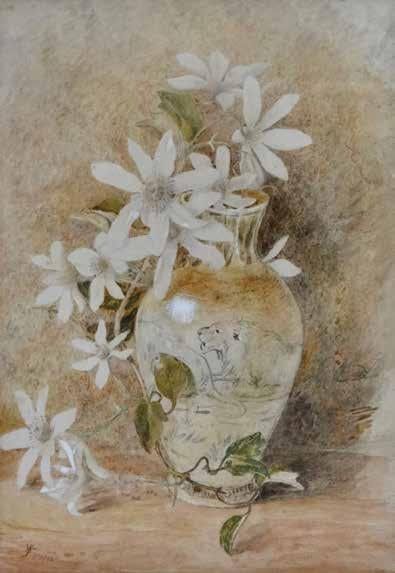
45 ISABEL JANE FIELD née HODGKINS 1867 - 1950
Clematis
Watercolour 25 x 17
Signed & dated 3/11/1878
$2,500 - 3,500
Where Frances and Isabel excelled, as could have been predicted, was in the visual arts. Isabel in particlular seemed to have inherited her father’s talent. In her early teens she was already painting landscapes in emulation of his own and soon become his companion not only at sessions of the Art Club but in sketching expeditions to the lakes and mountains of Central Otago. She also displayed her skill in two other genres, the flower painting and the still life. Such was her progress that in 1884, before her seventeenth birthday, she was elected a working member of the Otago Arts Society. The following year she sold her first picture, Clematis, painted when she was just 12 years old, and soon her watercolours were hanging with her father’s on the wall of genteel Dunedin drawing rooms.
Reference: p.10 Portrait of Frances Hodgkins, E H McCormick, Auckland University press 1981, 1982, 1990
46 WILLIAM MATTHEW HODGKINS 1833 - 1898
Wheat Field
Watercolour 14.5 x 35.5
$800 - 1,200
Provenance: Lots 45 & 46: Formally in the Pharazyn Collection
47 ISABEL JANE FIELD 1867 - 1950
Country Road
Watercolour 75.5 x 56
Signed
$10,000 - 15,000
Provenance: Formally in the Pharazyn Collection
48 EDWARD BULLMORE 1933 - 1978
Mamuku Landscape (Vista 1)
Mixed media on paper 76.5 x 56.5
Cerfticate of Authenticty signed by Artist’s widow
Jacqueline Bullmore and Director of Bathhouse Museum, John Perry affxedverso
$4,000 - 6,000
Provenance:
Private Collection, Rotorua since c. 1977
Exhibited:
Edward Bullmore - A Tribute Exhibition
26 September 2008 - 30 November 2008, Rotorua Museum
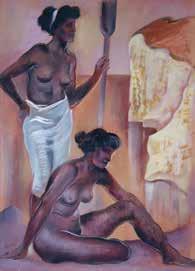
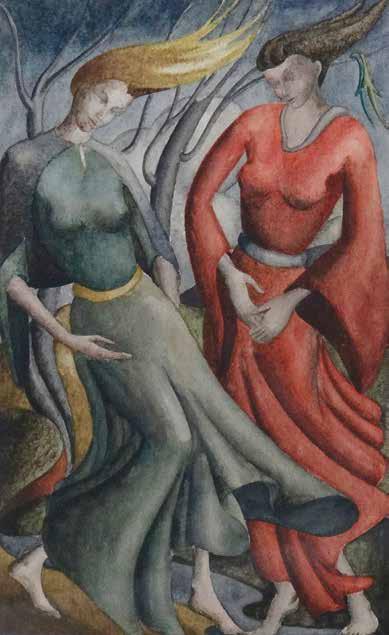
49 A LOIS WHITE 1903 - 1984
- Dancing Women
$8,000 - 12,000
Untitled
Watercolour 42 x 26
50 CHARLES BLOMFIELD 1848 - 1926
Entrance to Wade River, Whangaparaoa Oil on board 20 x 29.5
Signed & dated 1/1/1890
$3,000 - 5,000
Provenance:
Acquired as a gift from the vendors mother, 1973 (see verso) Prior to that, same family collection since 1900
51 CHARLES BLOMFIELD 1848 - 1926
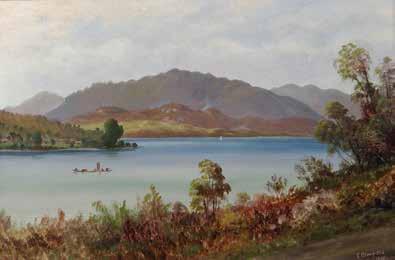
Lake Rotoiti
Oil on board 29 x 43
Signed & dated 1905
$5,000 - 8,000
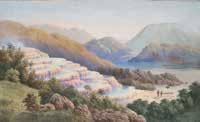
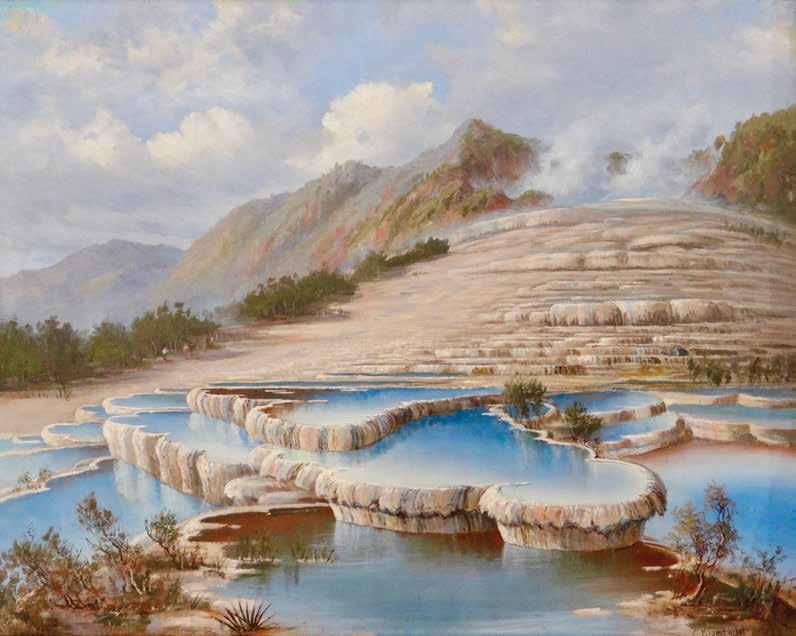
52 CHARLES BLOMFIELD 1848 - 1926
The White Terraces, Rotomahana
Oil on canvas 45.5 x 60.5
Signed & dated 1923
$25,000 - 35,000
Provenance:
Private Collection, Auckland
Illustrated in an article titled Lost Terraces and Paintings Add to Fame Sunday Star Times, October 1998
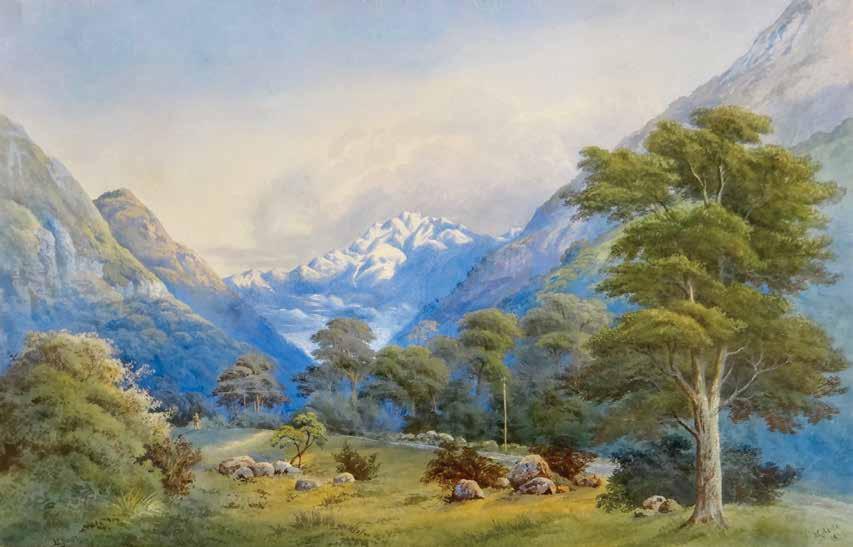
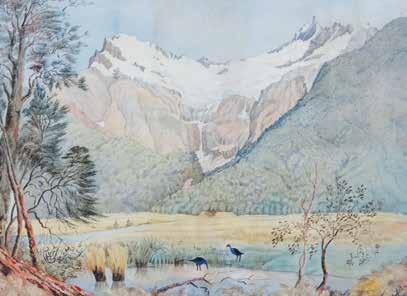
53 JOHN BARR CLARKE HOYTE 1873 - 1913
Otira Valley Watercolour 41 x 66
Signed & dated 1874
$10,000 - 15,000
Provenance: Private Collection, Auckland
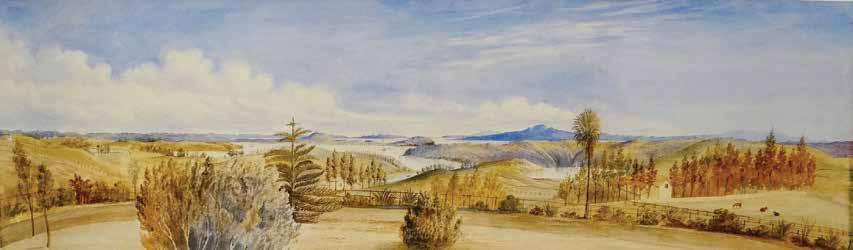
54 JOHN BARR CLARKE HOYTE 1873 - 1913
Auckland Harbour from Mr Thornton’s Residence, Remuera Watercolour 25 x 85
Signed
Inscribed on original label aiffxed verso
$20,000 - 30,000
Provenance: Private Collection, Auckland
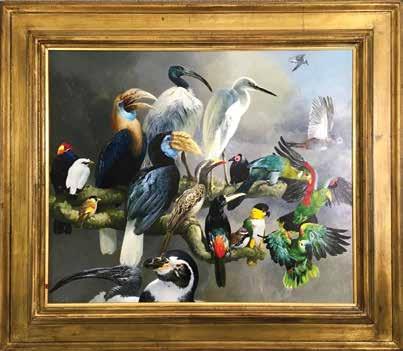
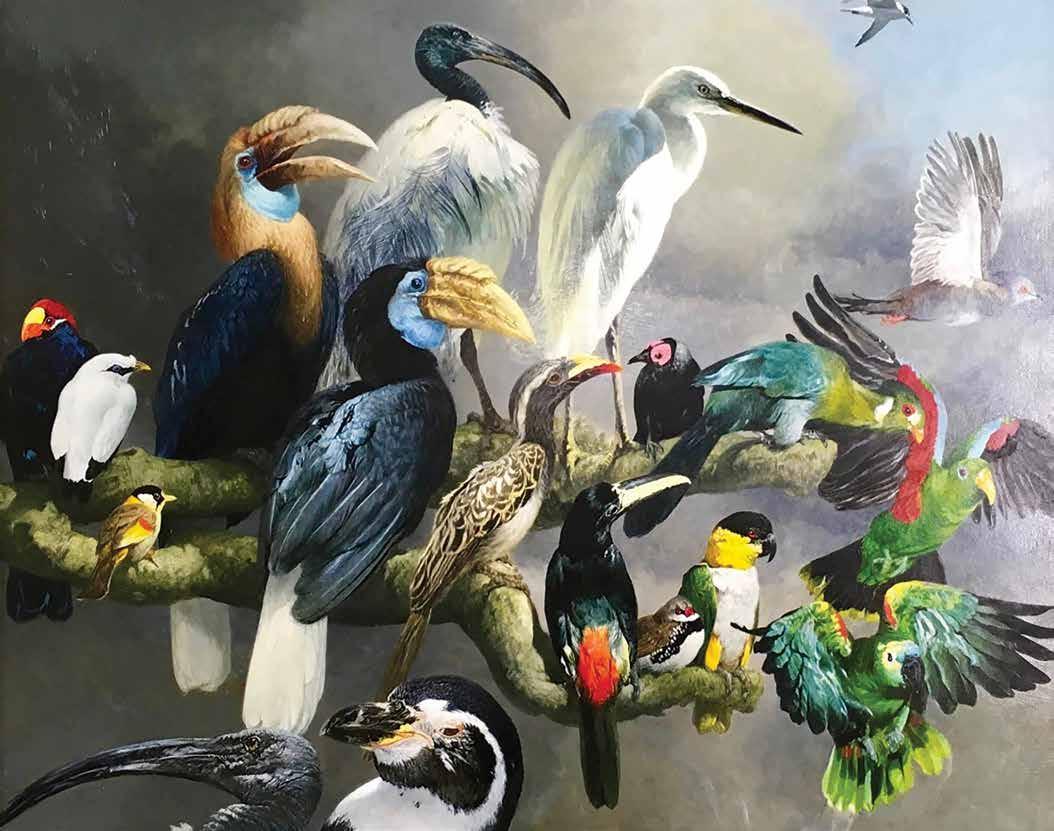
The body of a bird is not just a prodigiously complicated machine … if you randomly shook up the parts over and over again, never in a million years would they fall into the right shape to fly like a swallow, soar like a vulture, or ride the oceanic up-draughts like a wandering albatross, Richard Dawkins, 2011
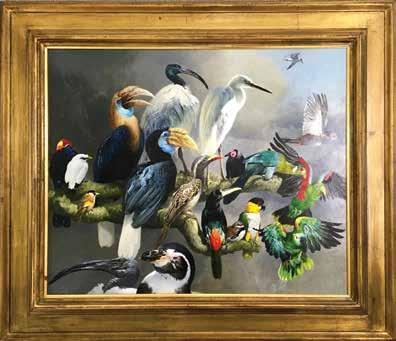
After the Deluge & Flotilla are two of Ray Ching’s finest paintings, excellent examples of the compositional mastery with which the artist has conceived and realised both works. There is a grace and deftness in the arrangement of the gloriously diverse grouping of birds in After the Deluge. Ching’s technical brilliance is evident: a brilliance which he has applied to the rendering of hundreds of avian narratives over the years, earning him a place in the canon of New Zealand and International art.
Take a moment to consider how this text’s opening quote offers an alternative perspective from which to consider these works.
55 RAY CHING b. 1939
After the Deluge Oil on panel 56 x 68.5
Signed & dated 1993 - 95
$45,000 - 75,000
Provenance: Private Collection
Purchased from Everard Read Gallery, Johannesburg, circa 1996
For the evolutionary scientist, such as Dawkins, or anyone involved in ornithology, Ching’s works are of immense value insofar as they bear rich and vital witness to our ecological narrative: they serve a documentary function, offering insight beyond what we are capable of perceiving with the naked eye.
A significant milestone in the artist’s early career occurred in 1966 when his work was noticed by the ornithologist Sir William Collins (of Collins publishing): a meeting led to Ching illustrating Readers Digest Book of British Birds. This New Zealand born, British based artist occupies a unique space in both the art world and the zoological community. For Ching, the feat of immersing himself in these two traditionally-distinct spheres has resulted in remarkable international success. His body of work is of documentary and cultural value to both communities and consistently acquired by collectors worldwide.
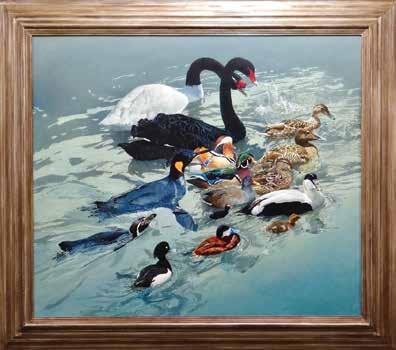
Through the weeks that I have worked, on and off, on the drawing for this painting, a lot of different species were drawn in, taken out, moved up or over or down, fitted in front of this bird or behind that one, until the great raft of birds that I wanted to see would finally float past. The completed drawings shows something of the struggle, stuck and glued together as it is from as many sheets of paper, but finally with the chosen birds doing what I wanted of them.
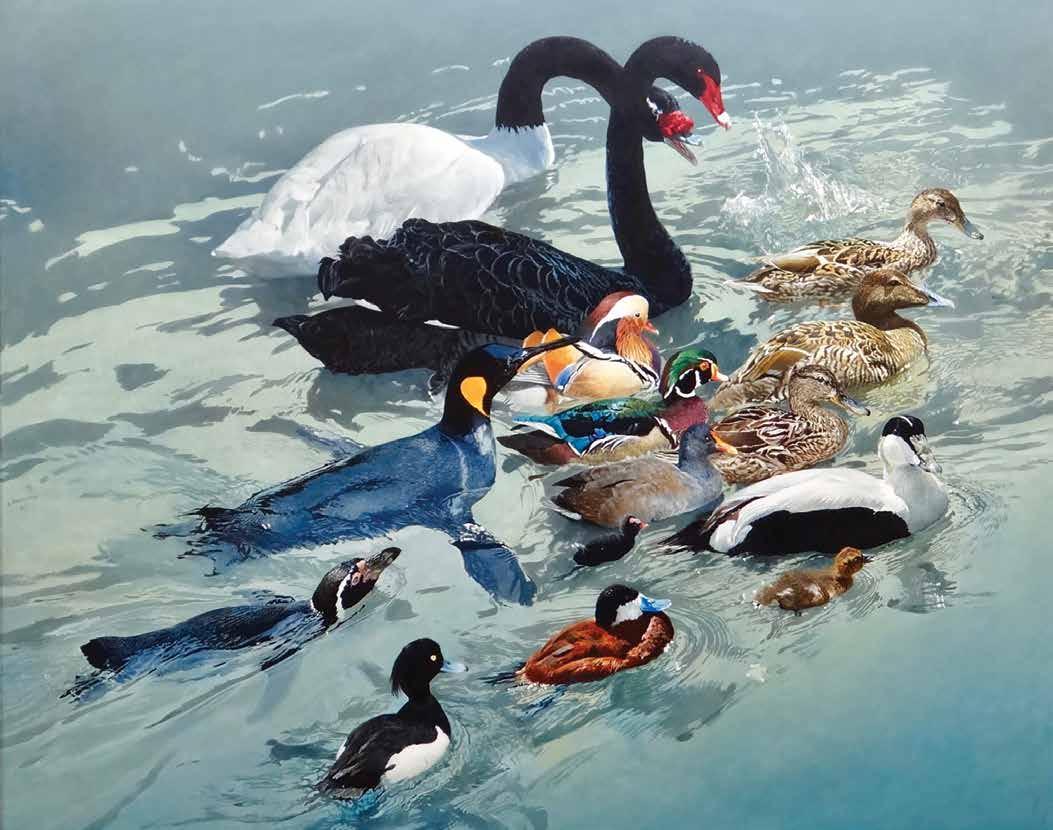
I wanted to see if I could make the body of beautiful birds just float by, occupying the whole picture as they pass. It seemed important that this be an unrelated group - a gathering of species, exactly and precisely rendered certainly - but with no scientific connection and no ordinary reason to be together. The Black Voted Penguin is from waters off southern Africa, the King Penguin from Antarctica, the Tufted Duck, Eiders and Mallards from Europe, the Ruddy Duck and Wood Duck from North America, the South American Black-Necked Swan, the Mandarin from Asia and lastly the Black Swan and Dusky Moorhen from Australia. There was a Great-Crested Grebe above the top-right Mallard, but only the splash remains, as it dives to escape the snapping attentions of the swan.
56 RAY CHING b. 1939
Flotilla!
Oil on panel 96.5 x 109.2
Signed & dated 1993
$90,000 - 115,000
Provenance:
Private Collection
Purchased from Everard Read Gallery, Johannesburg, circa 1996
Illustrated:
Pg 69, 60, 71 & 72 Voice from the Wilderness by Raymond Harris-Ching, Saint Publishing 1994
That these birds wouldn’t naturally be together doesn’t mean they can't be or won’t ever be - we change the balance of our world, not always for the better. I felt the things would work best only only if each of the birds was so convincingly painted that you would have to believe they were here, together, and that because they were so very beautiful, you would want to believe it. At nearly four feet square, the panel allows for the birds to be shown not life-size, but large enough to make their presence strongly felt. There are fifteen birds in the final composition which, together make a bold enough arrangements of shapes and colours, for the painting to dominate most other work standing around and about it in the studio during its production.
Voice from the Wilderness, Raymond Harris-Ching, Saint Publishing 1994
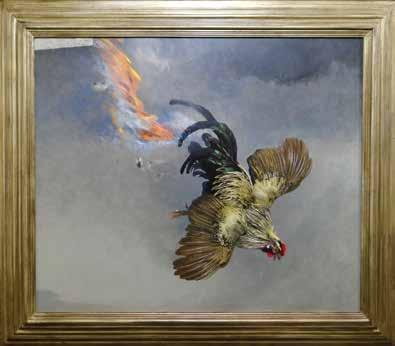
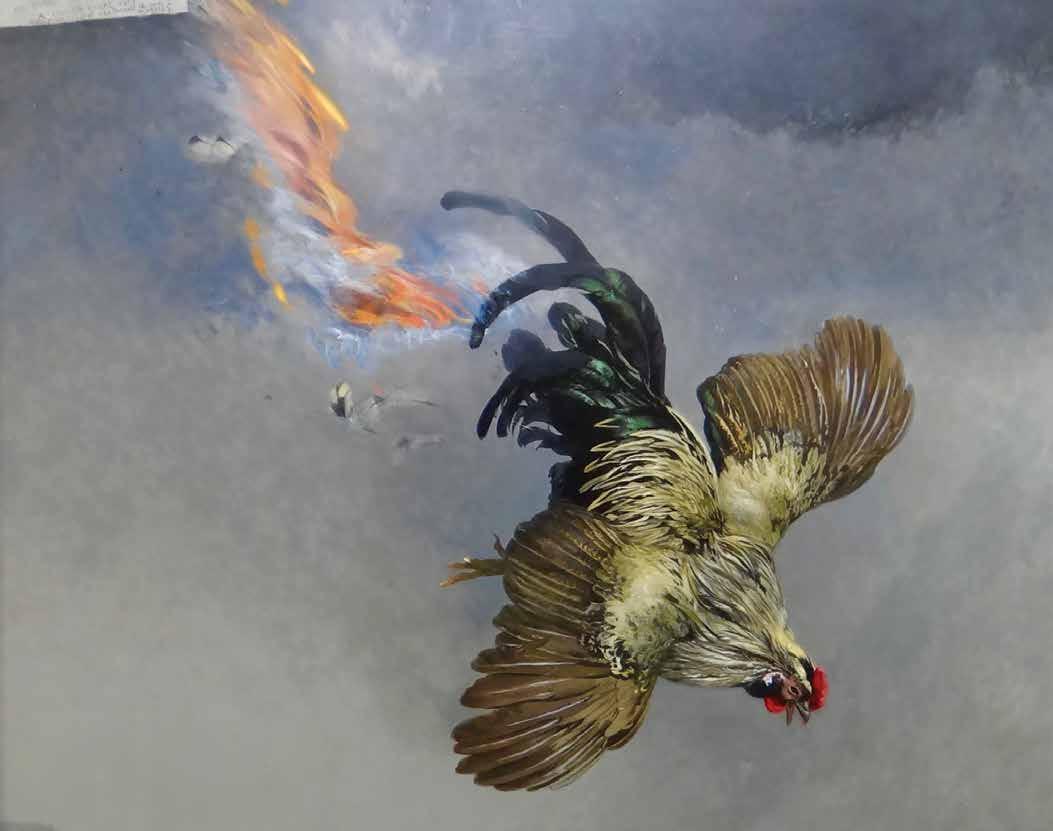
In 1998, a significant exhibition entitled The Birds of Black Thursday showcased ten powerful paintings from Ray Ching’s series of the same title. These works had been undertaken as a reflection on, and commemoration of the Black Thursday bushfires in the state of Victoria; A Terrible Event Over the Mallee belongs to the third part of this series.
The devastation of these 1851 bushfires effected over 5 million hectares of land. It is on record that as the fires spread, birds and other wildlife were dropping from the trees in all directions. It is one such moment that we encounter in this work.
57 RAY CHING b. 1939
A Terrible Event over the Mallee (The Rooster that thought it was a Magpie). From The Birds of Black Thursday Part 3 Oil on canvas 99 x 119.4
Signed, inscribed & dated 1997
Inscribed verso
$25,000 - 35,000
Provenance:
Private Collection
Purchased from Tryon Gallery, London, 1997
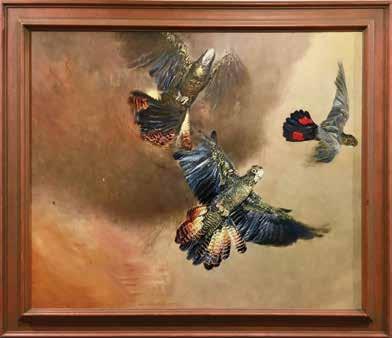
Ching has realised a scene of violent beauty, and there is a real potency to this depiction of a singular plummeting avian life. He has chosen to completely de-contextualise the subject from the surrounding chaotic action in favour of capturing a single moment. One imagines that if this were a film, we would be witnessing this scene in slow-motion. Wings fully spread and resplendent in colour, the work possesses a theatricality of almost-Renaissance proportions, and is striking to behold.
Belonging to the same incendiary body of work as A Terrible Event Over the Mallee, this captivating painting on linen offers a useful starting point from which to consider Ray Ching’s distinctive handling of realism.
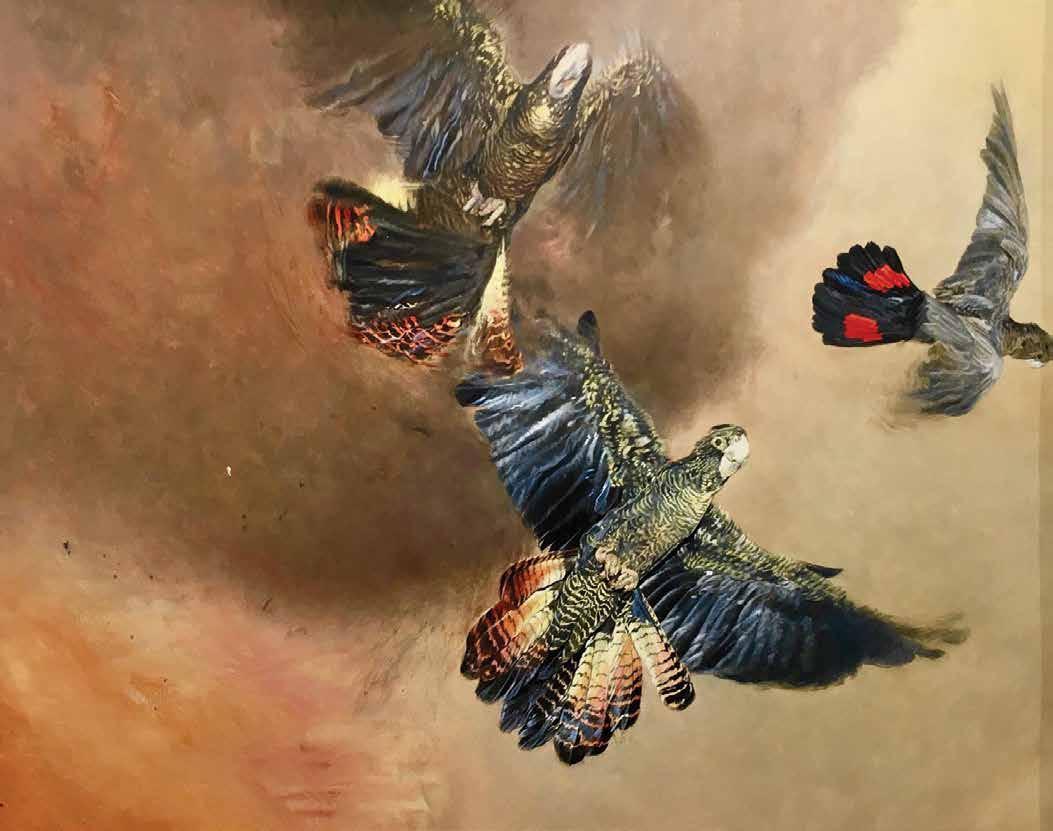
Paintings from the early decades of the artist’s career, when much of his work served a primarily documentary function, belie a scientific precision and almost-microscopic quality. Ching carried this incisiveness and painstaking attention to photographic realism into his work of later years: works such as Red Tailed Black Cockatoos. Here the cockatoos have been painted with that same beautiful clarity of detail and linear finesse. Interestingly, through the manipulation of atmospheric conditions there has been a blurred, impressionistic lens applied to the scene.
58 RAY CHING b. 1939
Red Tailed Black Cockatoos Oil on linen 99 x 119.4
Signed & dated 1990
$25,000 - 35,000
Provenance: Private Collection
Purchased from Tryon Gallery, London, 1996
This affords a depth to the work, a challenging and poetic quality which facilitates our engagement with the painting on an even more profound, reflective level.
Aesthetic considerations aside, this work also goes to the very roots of a message of ecological preservation. Ching celebrates and affrms the beauty and preciousness of avian wildlife. An appreciation of these works encourages us to value and preserve the lives and habitats of these creatures.
59 FRANCIS MCCRACKEN 1879 - 1959
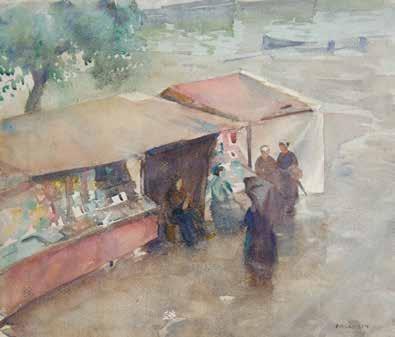
Stalls on the Banks of the Seine
Watercolour 43 x 49
Signed
$2,500 - 3,500
Provenance: Ex Collection of artist friend John Weeks Found in his studio at time of death
60 MAUD WINIFRED SHERWOOD 1880 - 1956
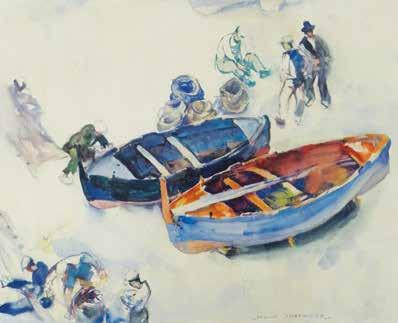
Mending the Nets, Cassis
Watercolour 42 x 51.5
Signed
$3,500 - 4,500
Provenance: Collection of Artist’s Family
Signed
$12,000 - 16,000
Provenance:
Private Collection, Auckland
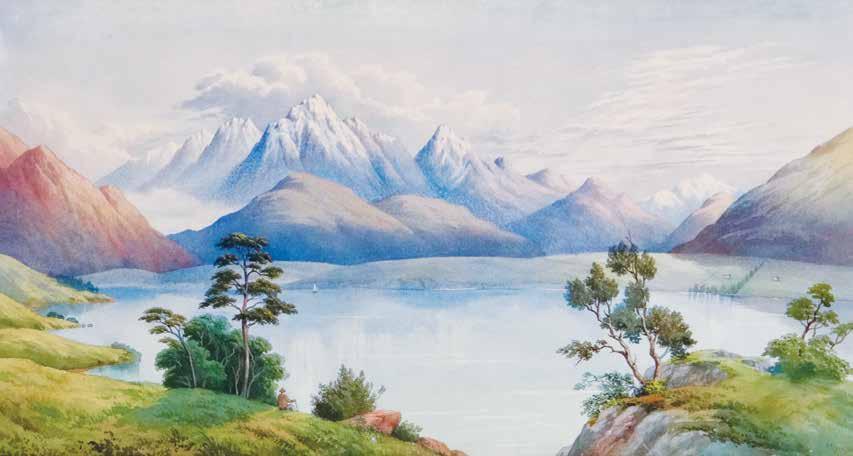
61 JOHN BARR CLARKE HOYTE 1873 - 1913
Lake Wakatipu
Watercolour 39 x 72
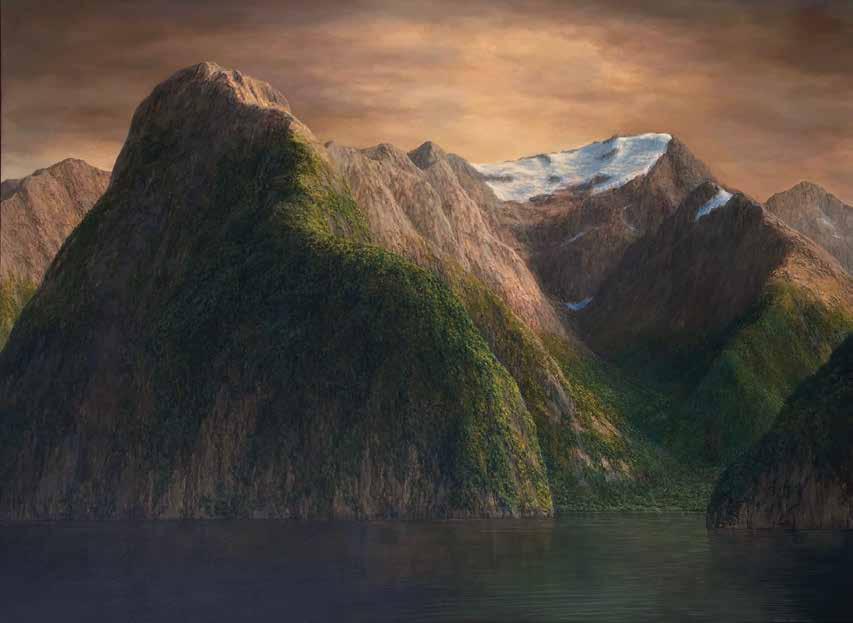
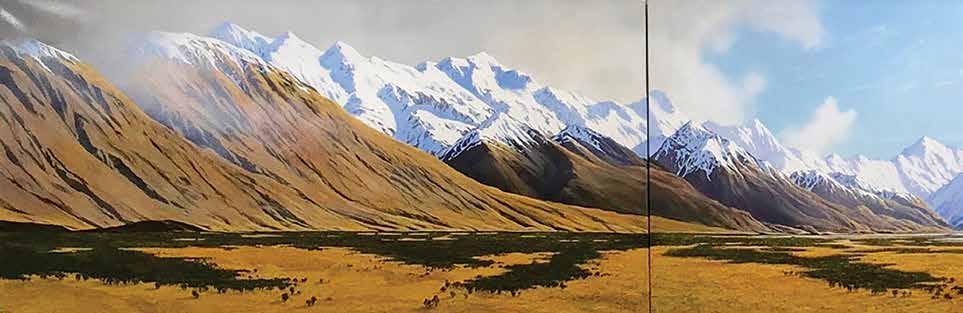
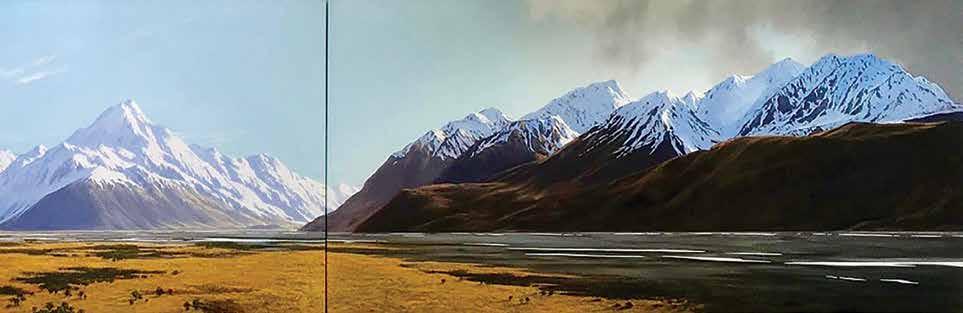
Oil on three linen panels 76.9 x 459 Signed, inscribed & dated 1998-2002
$60,000 - 80,000
Provenance: Private Collection, Christchurch
Sold by International Art Centre, 2003
Purchased from Fishers Fine Arts, 2007
62 TIM WILSON b. 1954
Mount Aoraki (Cook)
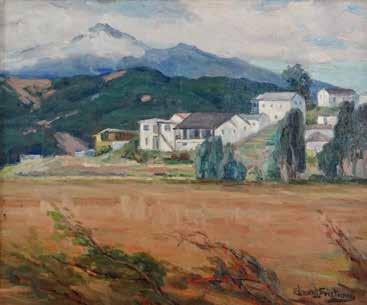
63
EDWARD FRISTROM 1864 - 1950
Mount Tamalpais
Oil on canvas 37 x 44 Signed
$2,500 - 3,500
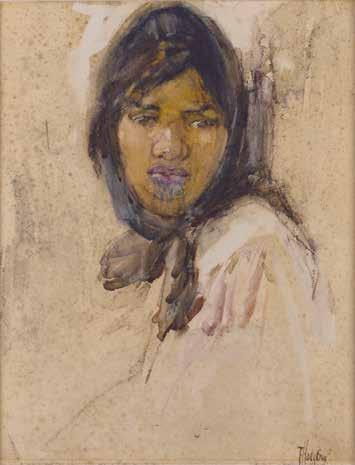
64 GOTTFRIED LINDAUER Attributed
Portrait of a Young Maori Woman Oil on canvas laid down on board 33..1 x 25.8
$30,000 - 40,000
Provenance:
Purchased in Australia by current owner the work was recently repatriated to New Zealand. It appears that this was a larger work which at some stage has been cut down and laid on board. Whilst the technique resonates with that of Lindauer we have been unable to determine categoric authentication prior to cataloguing.
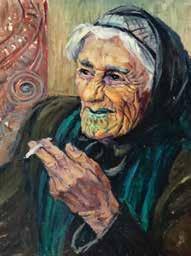
Particular attention should be paid to the female subject’s intricate moko.
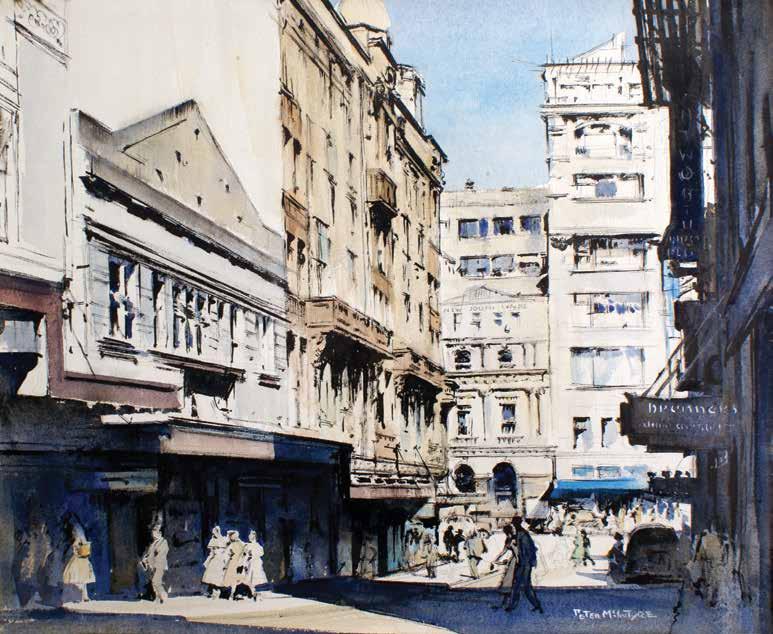
65 PETER MCINTYRE 1910 - 1995
Vulcan Lane, Auckland
Watercolour & ink on paper 42.5 x 53
Signed
12,000 - 16,000
66 DOUGLAS BADCOCK 1922 - 2009
Grey Autumn Day, Skippers Road, Lake Wakatipu in the Distance Oil on board 47 x 58.5
Signed & dated 1968
Inscribed verso
$2,500 - 3,500
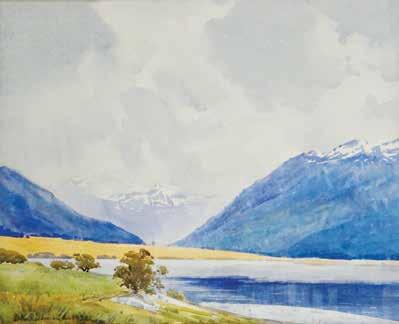
67 SYDNEY LOUGH THOMPSON 1877 - 1973
Rocky Hill from Across the Matukituki River Oil on board 36.5 x 44.5
Signed Inscribed verso
$5,000 - 7,000
68 PETER MCINTYRE 1910 - 1995
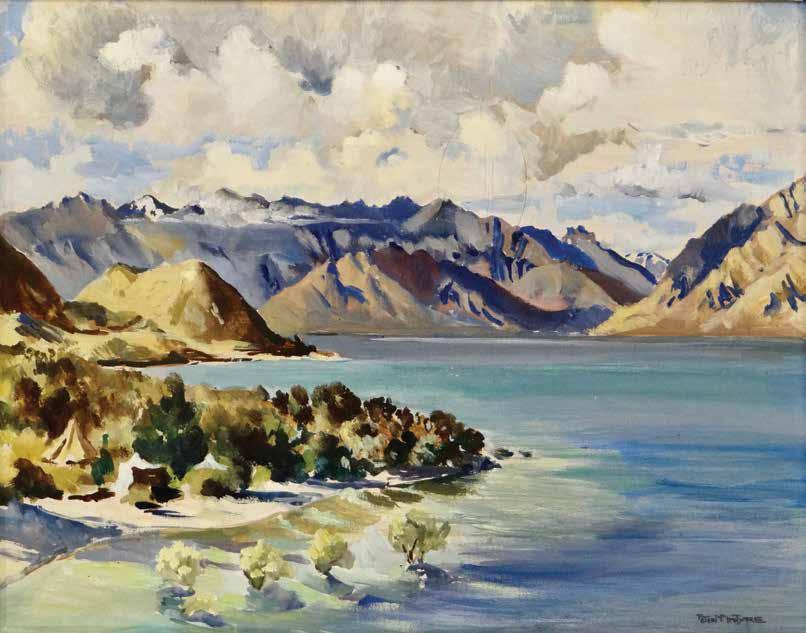
Lake Wanaka Oil on board 38 x 50
Signed
$8,000 - 12,000
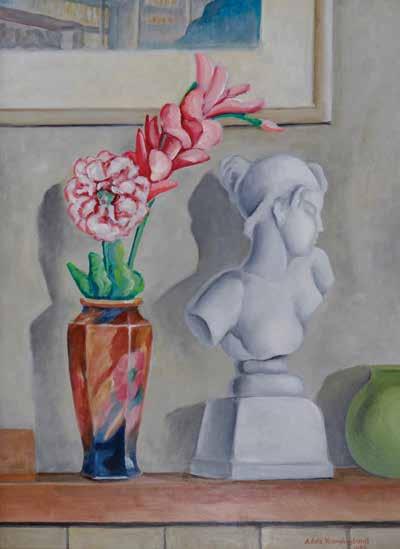
69 ADELE YOUNGHUSBAND 1878 - 1969
Still Life with Sculpture Oil on board 54 x 39
Signed & dated 1958
$15,000 - 20,000
70 ALBERT EDWARD ALDIS 1869 - 1921
Waiau River, Gisborne & Waikato River - A Pair
Oil on canvas 30 x 45
Signed & dated 1897
$2,500 - 3,500
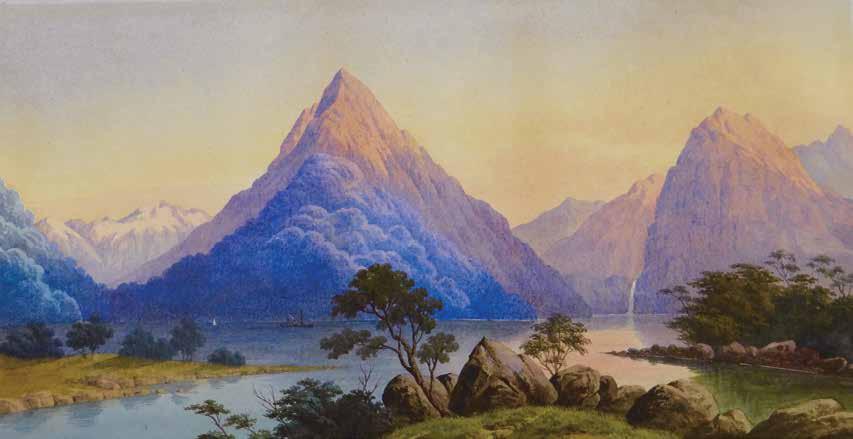
71 JOHN BARR CLARKE HOYTE 1873 - 1913
Milford Sound, West Coast, New Zealand
Watercolour 27 x 52
Signed Inscribed on backing board verso
$10,000 - 15,000
Provenance: Private Collection, Australia
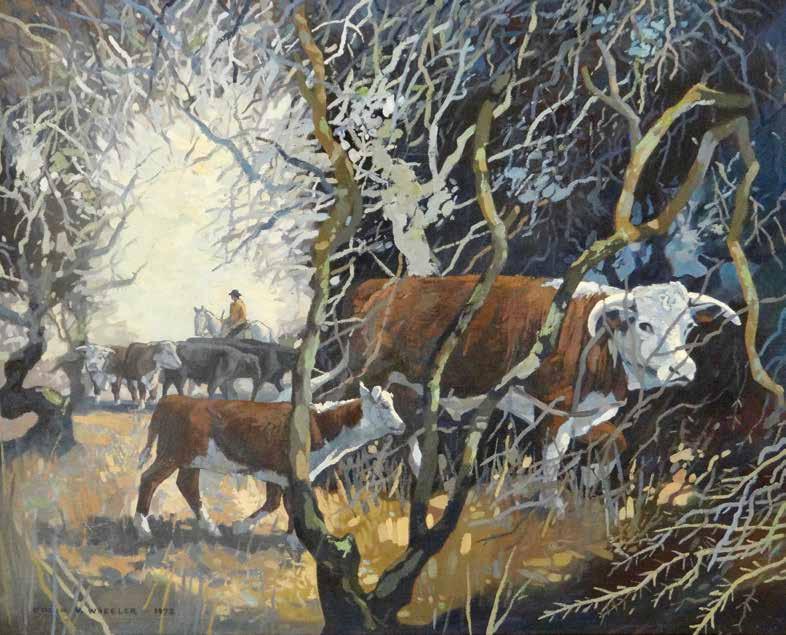
72
COLIN VERNON WHEELER 1919 - 2012
Herefords in Matagouri
Oil on board 60 x 75
Signed & dated 1972
Original artist’s label with inscription affxedverso
$4,000 - 6,000
73 DOROTHY KATE RICHMOND 1848 - 1926
Near Arthur’s Pass
Watercolour 39 x 48
Signed & dated 1929
$3,000 - 5,000 74
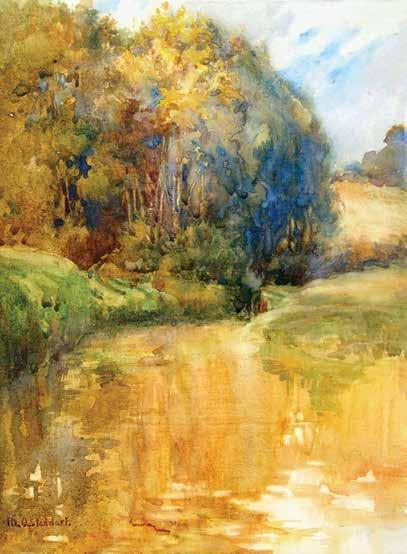
MARGARET OLROG STODDART 1865 - 1934
Stream and Bush
Watercolour 35 x 25
Signed
$3,000 - 5,000
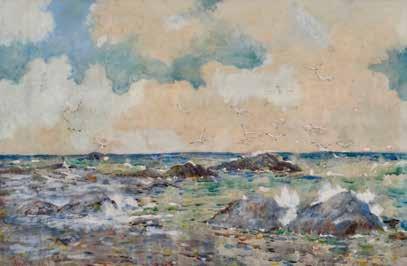
75 ALFRED WILSON WALSH 1859 - 1916
Seascape, Kaikoura
Watercolour 41 x 63
Signed
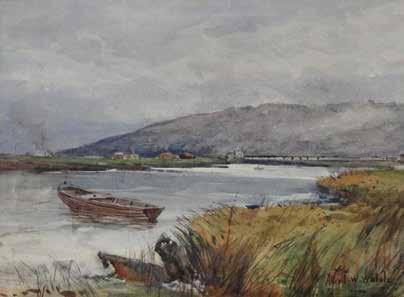
$1,000 - 1,500
76 ALFRED WILSON WALSH 1859 - 1916
Estuary
Watercolour 26 x 35
Signed & dated 1900
$1,000 - 1,500
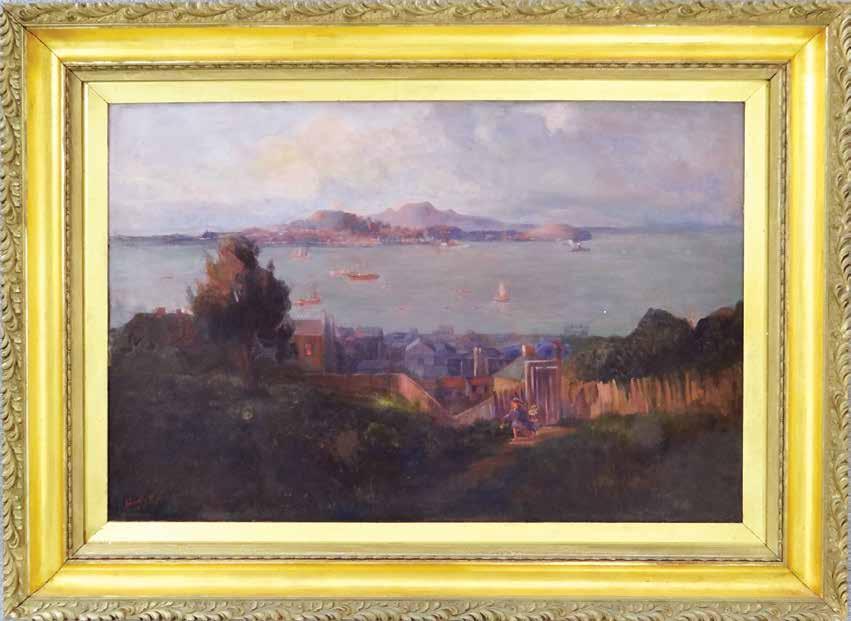
77 HAROLD WILLIAM YOUNG 1869 - 1944
View of the Waitemata Oil on canvas 60 x 91
Signed
$4,000 - 6,000
Provenance:
Same family collection since painted
Harold William Young joined the evening newspaper, the Auckland Star as a lithographic artist before becoming a manager of the lithographic department in the early 1900s. In 1913 he left the newspaper and went into business as a professional artist. He became known for his numerous scenes of Auckland’s West Coast and the Waitakeres. Doubly gifted as both poet and painter, Young often illustrated his poems. One of his pen and ink works of Auckland’s Waitemata Harbour was reproduced in New Zealand Graphic, 1913. The Auckland Art Gallery holds a collection of forty three pen and ink drawings and watercolours which may be viewed online.
www.aucklandartgallery.com/search/artworks?artist=Harold+Young
This rare work has remained in the same Waikato based family for nearly a century and is now on the market for the first time.
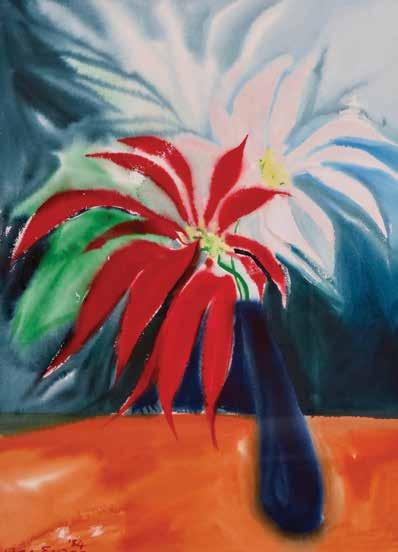
78 JANE EVANS 1946 - 2012
Poinsettia IV
Watercolour 75 x 54
Signed & dated 1984
$3,000 - 5,000
79 JANE EVANS 1946 - 2012
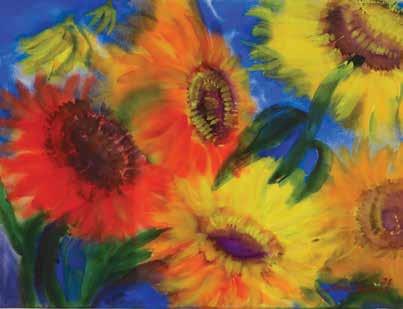
Sunflowers
Gouache and watercolour on paper 61 x 80
Signed & dated 1998
$3,000 - 5,000
80 JANE EVANS 1946 - 2012
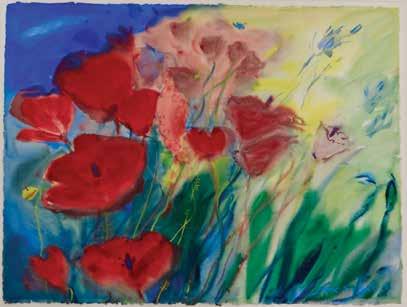
Poppies
Watercolour 60 x 76
Signed & dated 1990
$3,000 - 5,000
Jane Evans was born in Nelson 1946 and educated at Nelson College for Girls. She enrolled at the Ilam School of Fine Arts in 1965, and the following year travelled to the UK to attended London’s Waltham Forest Art College. Following a period of formal study she determined upon a program of selfeducation. This freedom of spirit from a young age resonates throughout a life time’s creation of vibrant, free-flowing works. Evan’s innate understanding and use of colour saw her flower and figurative narratives hit a high spot in the buoyant international art market of the early to mid 1980s. Today, enthusiasm for her work is again being witnessed in the sale room.
After an initial diagnosis of rheumatoid arthritis in 1965, Evans was diagnosed with an ongoing condition that affected her for the rest of her life. Often literally painting through her pain, while adapting her painting methods and media accordingly, Evans stated: Suddenly there was life in front of me and I had to grab it with both hands. It was a compulsive thing for me to express the joys of life. Evans moved to Christchurch in 1967, returning to Nelson in 1971. In 1974 she travelled again to England where she spent three months commencing a series of works showing people visiting and viewing paintings in the London galleries and the lively exchanges at markets such as Portobello Road. Returning home Evans purchased a cottage in Tasman Street which she renovated and lovingly established the garden which became a tremendous source of inspiration for her signature flower paintings. Of this time she said: the garden was an extension of my life. When I turned to watercolours I found myself in touch with this wonderful, loose spontaneous medium that was really exciting.
Passionate about the expressionist works of Matisse, Bonnard and Chagall, Evans said: I am drawn to the painters who express the joy in living. Her paintings resonated with the public and there were waiting lists for her work.
In the 1997 New Year Honours, Evans was appointed an OffceroftheNew Zealand Order of Merit for services to painting. She died peacefully in 2001 at her Nelson home. Eleven of Jane Evans are held in the collection of Nelson’s Suter Gallery
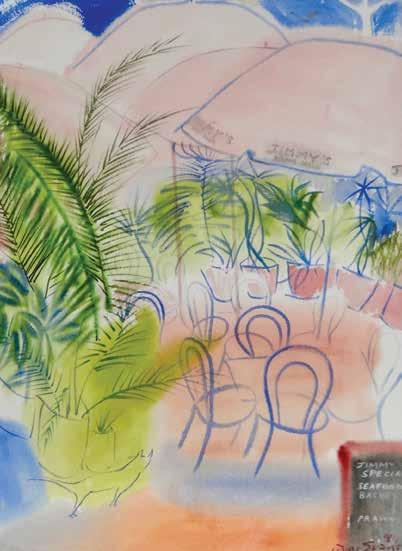
81
JANE EVANS 1946 - 2012
Jimmy’s on the Mall, Queens St Mall, Brisbane
Watercolour 75 x 54
Signed, inscribed & dated 1984
$1,800 - 2,600
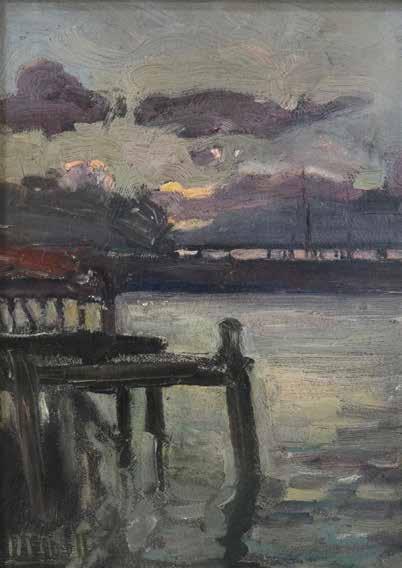
82 ARCHIBALD FRANK NICOLL 1886 - 1953
Wharf at Dusk
Oil on canvas 30 x 21
Signed
$1,000 - 2,000
83 SYDNEY LOUGH THOMPSON 1877 - 1973
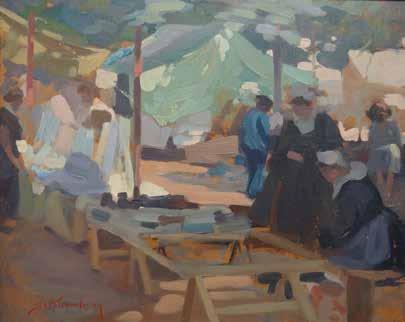
Market, Concarneau
Oil on board 32 x 40
Signed
$7,000 - 10,000
Signed & inscribed
$1,500 - 2,500
85 WILLIAM GEORGE BAKER 1864 - 1929
Catlins River, Otago Oil on canvas 50 x 40
Signed
$1,500 - 2,500
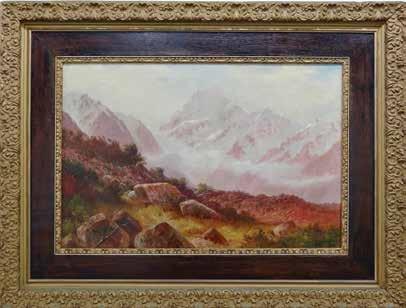
84 LAURENCE WILLIAM WILSON 1850 - 1912
Mt Cook Oil on canvas 50 x 76
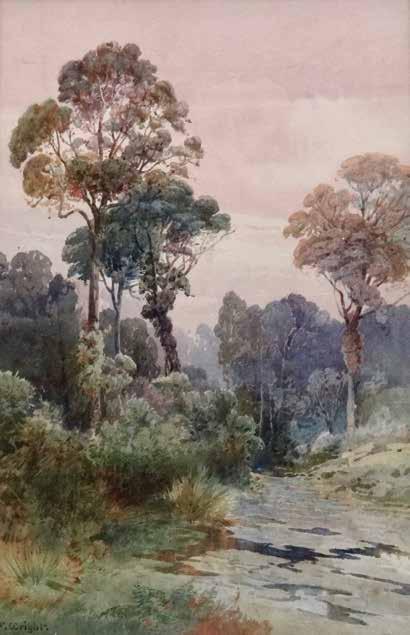
86 FRANK WRIGHT 1860 - 1923
Waikato Landscape
Watercolour 38 x 25
Signed
$1,000 - 2,000
87 CHRISTOPHER AUBREY 1830 - 1902
The Mirror Lakes, Fiordland
Watercolour 46 x 63
Signed & dated 1885
$8,000 - 12,000
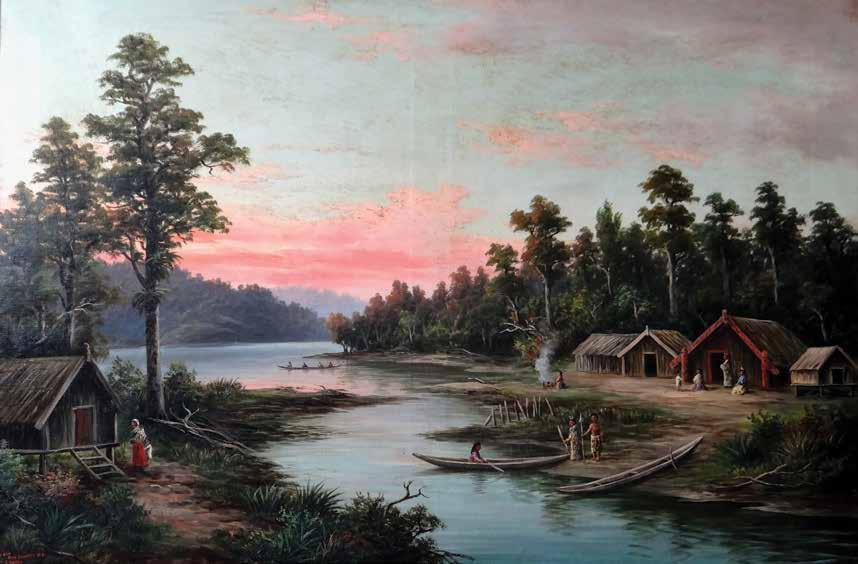
88 WILLIAM GEORGE BAKER 1864 - 1929
Maori Life, King Country Oil on canvas 74 x 112
Signed & inscribed
$4,500 - 6,500
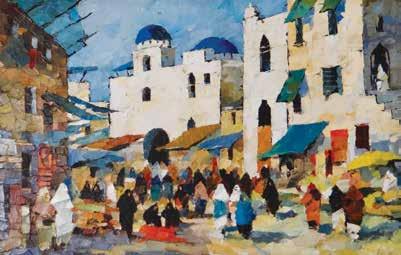
89 TOM ESPLIN 1915 - 2005
Morocco
Oil on board 27 x 42
Signed
$4,000 - 6,000
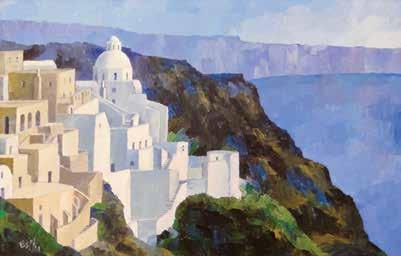
90 TOM ESPLIN 1915 - 2005
Islands of Santorini
Oil on board 31 x 51
Signed
Inscribed on artist’s label affxedverso
$5,000 - 7,000
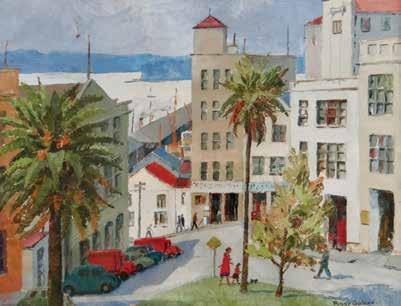
91 PEGGY SPICER 1909 - 1984
Emily Place, Auckland Oil on board 37 x 48
Signed
$1,500 - 2,500
92 GARTH TAPPER 1927 - 1999
The Stadium from the Volcanic Mountain
Acylic on board 26 x 36
Signed
$1,000 - 2,000
Provenance:
Ex Collection of Dr Lindsay Poole Ferner Galleries, Auckland label affxedverso
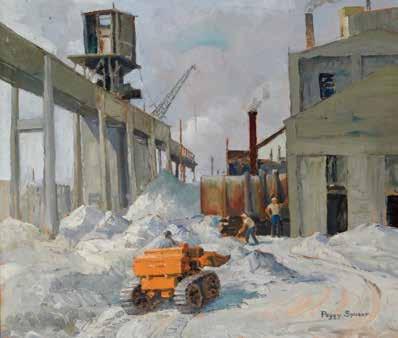
93 PEGGY SPICER 1909 - 1984
Kings Wharf, Auckland Oil on board 40 x 46
Signed
$1,500 - 2,500
94 NUGENT WELCH 1881 - 1970
Appleby Elms Near Richmond
Watercolour 26 x 37
Signed
$800 - 1,200
Provenance:
Private Collection, Rotorua
Ex Rotorua Museum Loan Collection
95 HORATIO GORDON ROBLEY 1840 - 1930
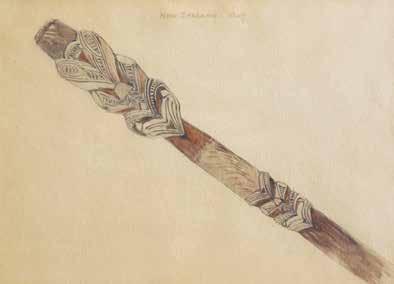
New Zealand Staff
Watercolour 28 x 38.5
Inscribed
$800 - 1,200
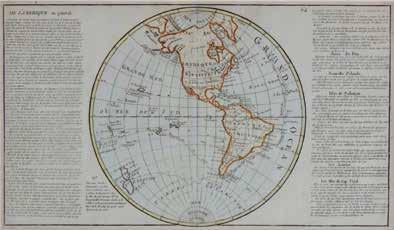
96 A CLOUET MAP
De L’Amerique en General
Hand coloured lithograph 33 x 55
Published Paris 1790
Inscribed
Fascinating map of the Western Hemisphere, noteworthy for the massive New Zealand and depiction of the Bay of the West. French text on both sides.
$1,500 - 1,800
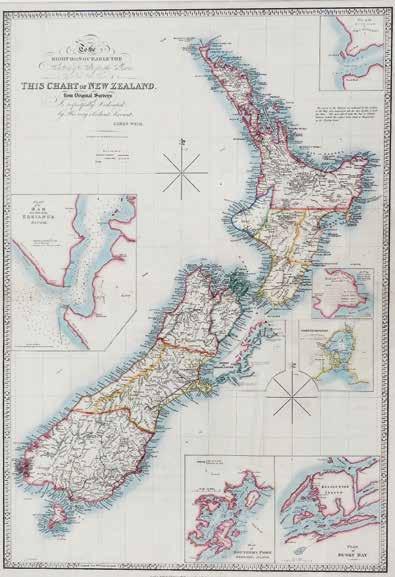
97 JAMES WYLD 1812 - 1887
Chart of New Zealand
Hand coloured lithograph 78.7 x 55.8
Inscribed: To the Right Honourable The Secretary of State for the Colonies &c. &c. &c. This Chart of New Zealand, from Original Surveys Is respectfully dedicate by his very obdient Servant, James Wyld.
Published London circa 1860
$2,800 - 3,500
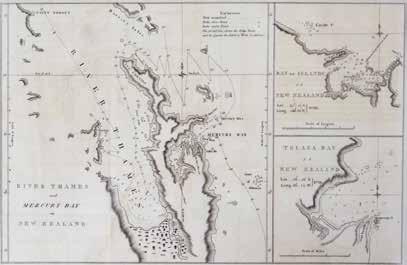
98 CAPTAIN JAMES COOK 1728 - 1779
River Thames and Mercury Bay in New Zealand; Bay of I slands in New Zealand; Tolaga Bay in New Zealand, 1773
Hand coloured lithograph 32.2 x 44.2
Published London 1778
$800 - 1,200
99 JULES DUMONT D’URVILLE 1790 - 1842
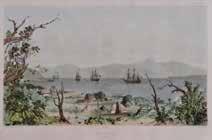
Akaroa Bay, 1840
Hand coloured lithograph plate 32 x 44
From Atas Pittoresque, Vol. 2., Plate 185, Published Paris 1790
$800 - 1,200
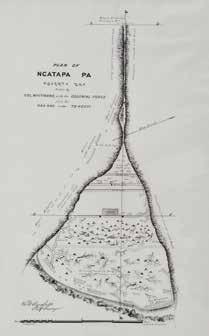
100 COLONEL GEORGE STODDART WHITMORE
1775 - 1862
Plan of Ngatapa Pa, Poverty Bay taken by Col. Whitmore with the colonial force from the Hau Hau under Te Kooti
Lithographed by Boresfield, O. L. W. (surveyor), Published c. 1880
$800 - 1,000
101 WILLIAM MENZIES GIBB 1859 - 1931
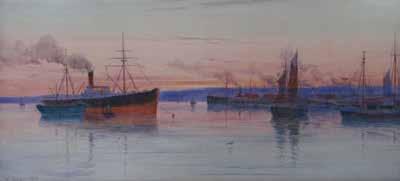
Port Chalmers
Watercolour 32 x 70
Signed & dated 1904
$1,000 - 2,000
102 ARTHUR DAGLEY 1919 - 1998
Slipway No 1
Acrylic on board 45 x 60
Signed
Inscribed verso
$2,000 - 3,000
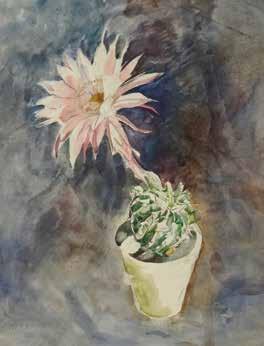
103 OLIVIA SPENCER BOWER 1905 - 1982
Cactus Flower
Watercolour 56 x 41
Signed
$900 - 1,500
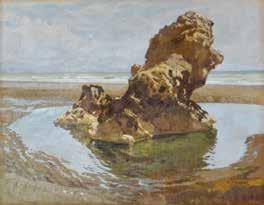
104 CEDRIC SAVAGE 1901 - 1969
Rock, Pohara Beach, Golden Bay
Oil on board 37 x 48
Signed
$800 - 1,200
Provenance:
Private Collection, Rotorua
Ex Rotorua Museum Loan Collection
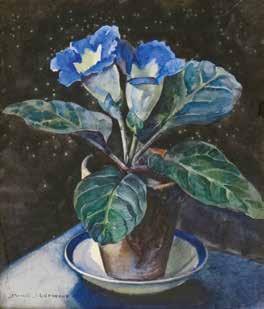
105 MAUD WINIFRED SHERWOOD 1880 - 1956
Gloxinias
Watercolour 33.5 x 29
Signed
$1,000 - 2,000
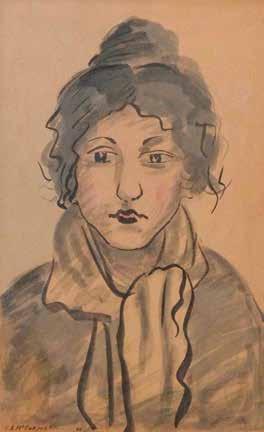
106 THOMAS ARTHUR MCCORMACK 1883 - 1973
Portrait of the Artist’s Wife Mabel
Gertrude Craddock
Pencil and gouache on paper 39 x 30
Signed
$1,200 - 1,800
Conte
Signed
$400 - 600
Thank you - end of sale
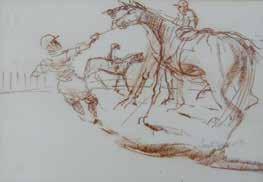
107 GARTH TAPPER 1927 - 1999 Racehorses
on paper 24.5 x 35
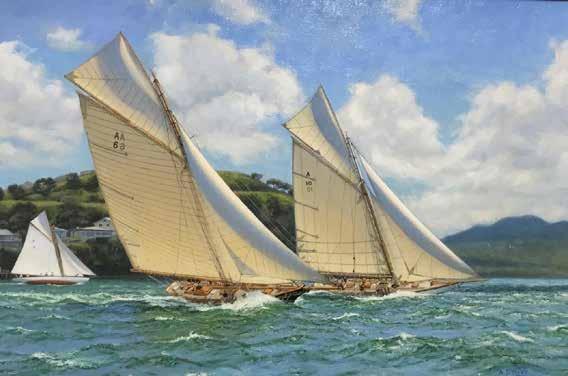
New Zealander A D Blake is one of the world’s foremost maritime artists. Commissioned by the New York Yacht Club to create paintings celebrating their 150th anniversary, Blake’s work is simply in a class of it’s own. This painting is a visual affrmationofquality.AllthreeyachtsinthisAucklandpaintingareclose competitors and regularly race in Classic Yacht Association of New Zealand events on the Waitemata and Hauraki Gulf.
Anthony D Blake
Thelma, Waitangi & Rainbow Pass North Head, Auckland’s Waitemata Harbour Oil on canvas 61 x 91 cm
Price $75,000