2026 IMF VIRTUAL MYELOMA COMMUNITY WORKSHOP
APRIL 20, 2026
“I HAVE WHAT?”
STARTING THE MYELOMA JOURNEY

Agenda Times listed are in Pacific Standard Time
3:00pm – 3:10pm PST Welcome and Announcements (10 minutes)
Robin Tuohy, 26-year Myeloma Care Partner
Vice President, Patient Support, International Myeloma Foundation
3:10pm – 3:40pm PST Myeloma 101: What You Need to Know (30 minutes)
Joseph Mikhael, MD, Med, FRCPC, FACP
IMF Medical Advisor (TGen, City of Hope—Phoenix, AZ)
3:40pm – 4:00pm PST Management For Newly Diagnosed, NOT Going to Transplant (20 minutes)
Noffar Bar, MD
Yale School of Medicine, New Haven, CT
4:00pm – 4:15pm PST Q&A
4:15pm – 4:25pm PST BREAK (10 minutes)
4:25pm – 5:00pm PST Myeloma Management for People Newly Diagnosed: Transplant Eligibility, Logistics & Planning (25 minutes)
Ciara Freeman, MD, PhD
Moffit Cancer Center, Tampa, FL
5:00pm – 5:30pm PST Myeloma: Putting the Pieces of the Puzzle Together (30 minutes)
Amy Pierre, MSN, RN, ANP-BC
Memorial Sloan Kettering Cancer Center & Flatiron Health
IMF Nurse Leadership Board Member
5:30pm – 5:55pm PST Q&A
5:55pm – 6:00pm PSTClosing Remarks
Thank you to our Sponsors!








Myeloma 101
Joseph Mikhael, MD MEd, FRCPC, FACP
IMF Medical Advisor
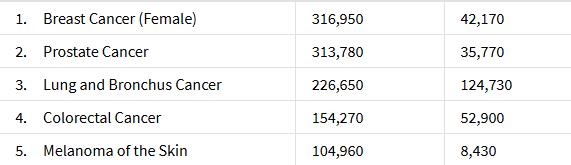
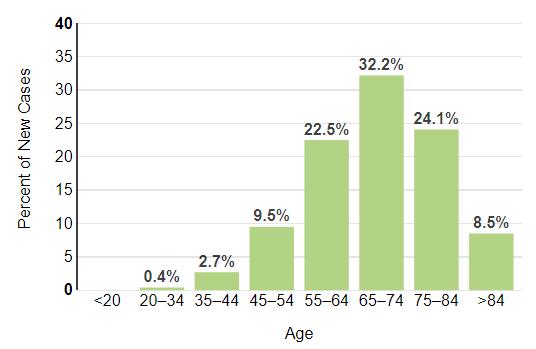
How common is Myeloma in the US?




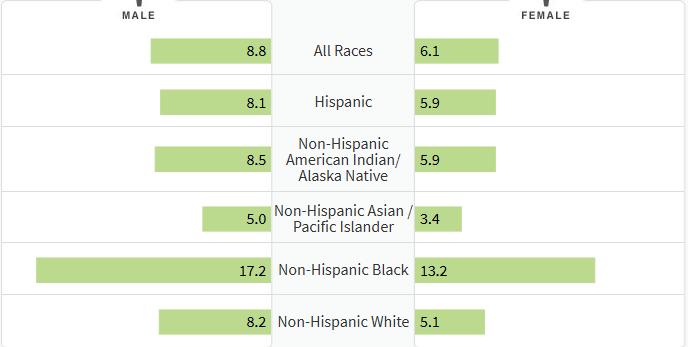

Percent of New Cases by Age
What Causes Myeloma?
How/Why Did I Get This?
Environmental Factors:
• Exposure to some chemicals
• Radiation exposure
Examples:
Agent Orange
Burn pits
Pesticides, Herbicides
Firefighter/First Responder exposures
Individual Factors:
• Age
• Family History of related disorders
• Personal History of MGUS or SMM
• Obesity
VA Study Documents Health Risks for Burn Pit Exposures
Leukemia and Multiple Myeloma Set to Be Added to List of Conditions Linked to Burn Pits
In most cases, the honest truth
WE DON’T KNOW

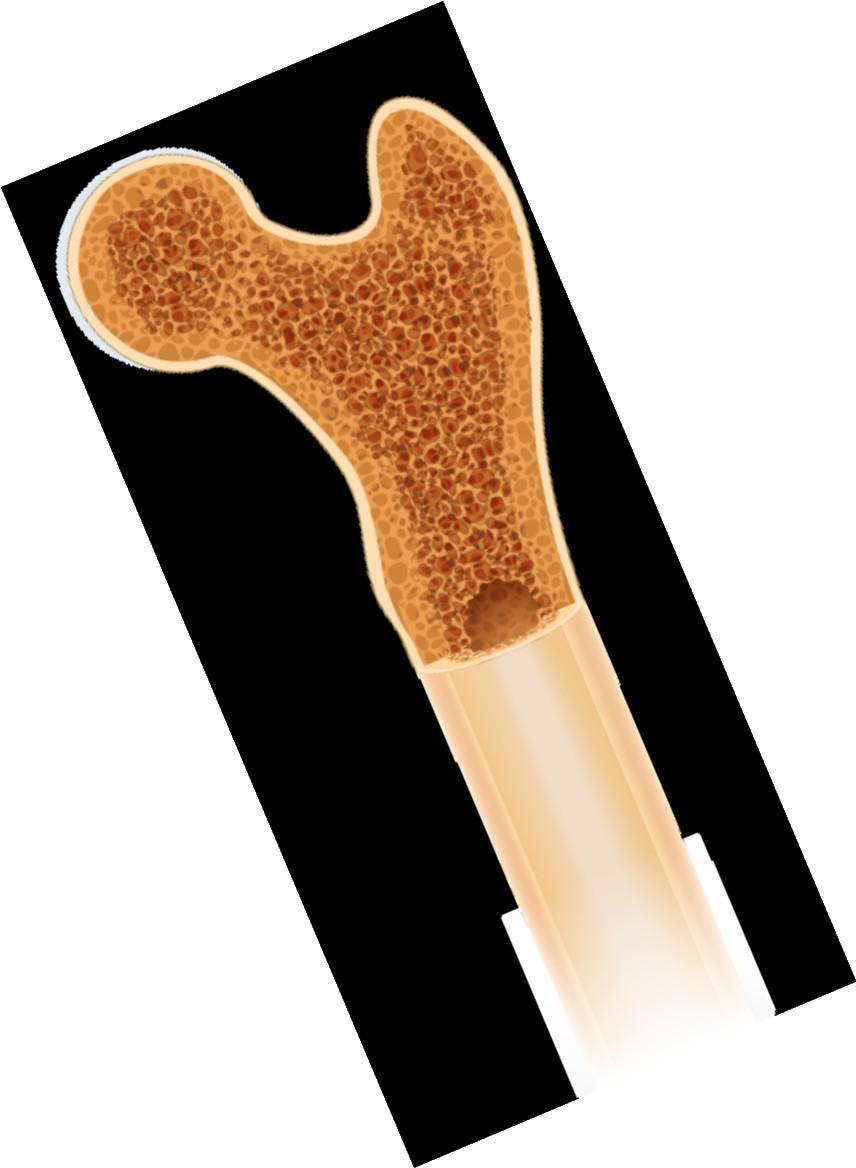
What is the Connection Between Bone Marrow & Myeloma ?
Hematopoietic stem cell
Red Blood Cells Carry Oxygen White Blood cell Fight Infection Platelets Prevent Bleeding



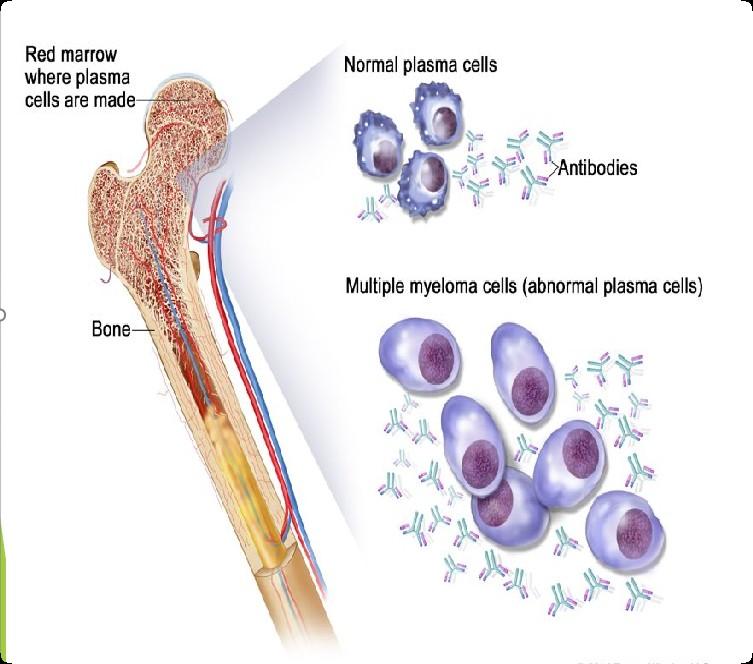

Photo Credit
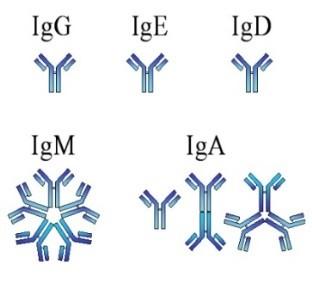
Understanding (Mono)clonal Plasma Cells

Heavy Chain: G, A, M, D, E

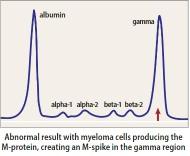

Heavy Chain = M-Spike

65% IgG – most common
20% IgA – associated with AL Amyloid
5% to 10% light chain-only (kappa, lambda)
Less common: IgD, IgE, IgM
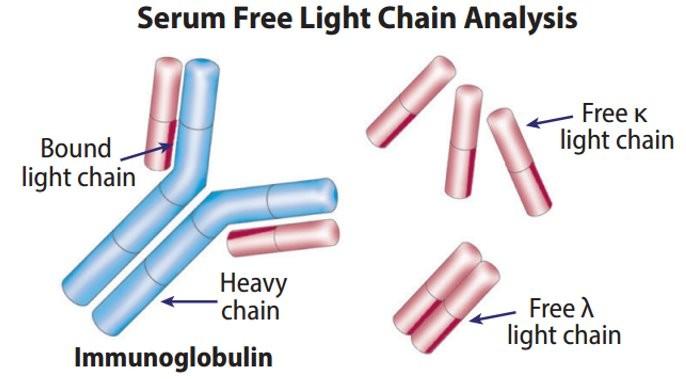

Is Myeloma the Only Protein Disorder?
• AL-Amyloid
• POEMS
• Light or Heavy Chain Deposition Disease
• MGCS = Clinical
• MGRS = Renal
Condition MGUS1-4 (Monoclonal Gammopathy of Undetermined Significance)
1-5,8 (Smoldering Multiple Myeloma)
• MGNS = Neuro * In clinical trial
Multiple Myeloma and Myeloma Defining Events

Test Name
Testing For Myeloma: Blood & Urine
What it means

CBC + differential
Complete metabolic panel
Beta-2 Microglobulin (B2M)
Lactate Dehydrogenase (LDH)
Serum Immunofixation and Protein electrophoresis (SPEP+IFE)
Immunoglobulins (G, A, M, D, E)
Free light chain assay with kappa/lambda ratio
Urine immunofixation & protein electrophoresis (UPEP+IFE)
Hemoglobin, WBC, Platelets
Creatinine, Calcium, Albumin, Liver function
Part of staging and risk stratification
Measures the level of normal and clonal protein
Identifies the type of clonal protein
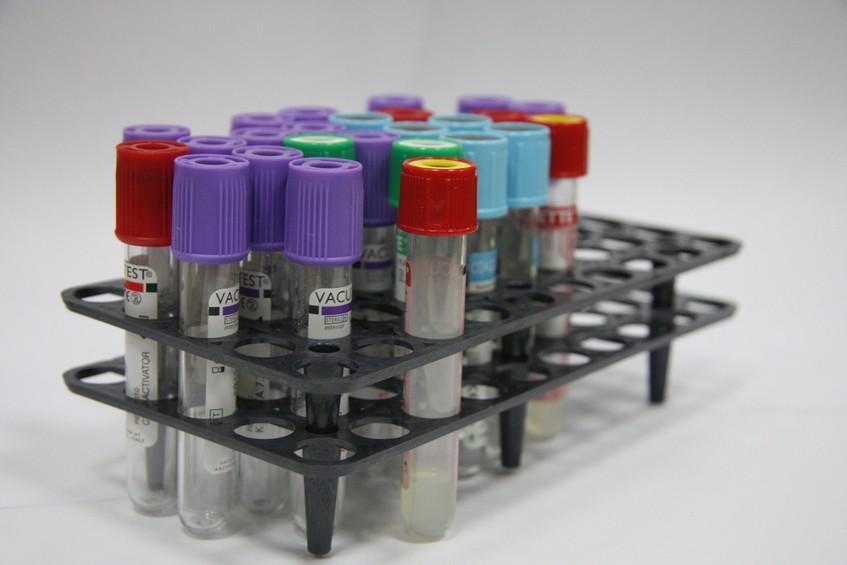
Measures the level of normal and clonal protein
Identifies the type of clonal protein
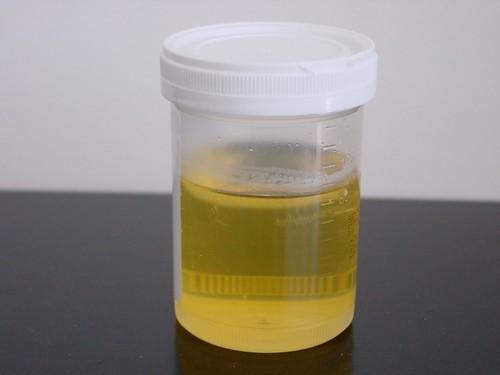
This Photo by Unknown Author is licensed under CC BY-SA-NC
Imaging:
Testing For Myeloma: Imaging
– Skeletal survey: Series of X-rays; less sensitive than other techniques
– Whole body low dose (CTWB-LD CT )
– Positron Emission Tomography (PET/CT)
– Magnetic Resonance Imaging (MRI)
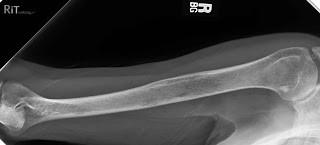
Healthy bone versus myeloma bone disease
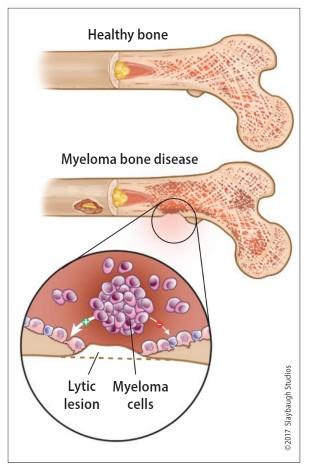
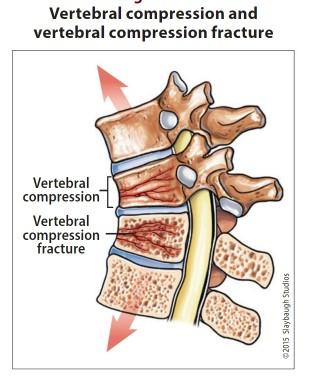
This Photo by Unknown Author is licensed under CC BY-NC-ND
Testing For Myeloma: Bone Marrow
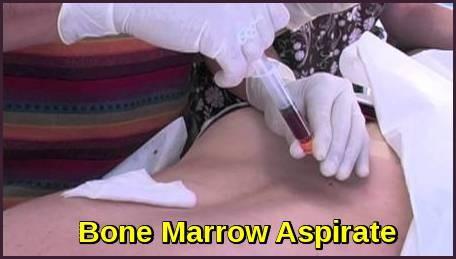
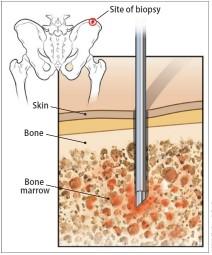
Bone marrow biopsy & aspirate
• Bone marrow plasma cells (%)
• Congo Red staining if concern for
Bone marrow genetics
• Cytogenetics
• Fluorescence in situ hybridization (FISH)
• Next generation sequencing (NGS)

(p53del)
*15-20% of people with NDMM
This Photo by Unknown Author is licensed under CC BY-SA
What is the Myeloma Treatment Landscape?

Initial Therapy (a.k.a. Frontline, Induction) Quad Therapy (ex. CD38+ MoAb + VRd)
Drug Class Overview

(thalidomide)
(lenalidomide)
(pomalidomide)
(daratumumab) Sarclisa (isatuximab)
(elotuzumab)
Drug Class Overview

Peptide Drug Conjugate* Pepaxto (Melphalan Flufenamide) Melflufen
BCMA Targeted Antibody Drug Conjugate (ADC)
Blenrep (belantamab mafodotinblmf) Bela, Belamaf, or B
Abecma (idecabtagene vicleucel) Ide-cel
CAR T Cell therapy
Bispecific Antibodies
Pipeline
Carvykti (ciltacabtagene vicleucel) Cilta-cel
Tecvayli (teclistimab)
Talvey (Talquetamab)
Elrexfio (Elranatamab)
Lynozyfic (Linvoseltamab
Tec Talq Elra Linvo
Cevostamab, Iberdomide, Mezigdomide, Anito-cel, Venetoclax
AZD0120, Etentamig, KLN-1010, Trispecifics …………………………… MORE TO COME!
* This agents is currently off the market in the US but available through special programs
SC or SQ = Subcutaneous, Under the skin; IV = Intravenous
Measuring Disease Response: IMWG Response Criteria







Negative by next generation flow (NGF) (minimum sensitivity 1 in 10-5 nucleated cells or higher)*
mCR AND normal Free Light Chain ratio, Bone Marrow negative by flow,
2 measures
CR AND negative PCR
Complete Response: Negative immunofixation (IFE); no more than 5% plasma cells in BM; 2 measures
Very Good Partial Response: 90% reduction in myeloma protein
Partial Response: at least 50% reduction in myeloma protein
Minimal Response
Stable Disease: Not meeting above criteria
Progressive Disease: At least 25% increase in identified myeloma protein from lowest level
MRD = Minimal Residual Disease
sCR = Stringent Complete Response; BM = Bone Marrow
Targets on the Myeloma Cell Surface and Therapeutic Antibodies

Bi-Specific Antibodies
Talvey (Talquetamab) CAR-T





Antibody Drug
Empliciti (Elotuzumab)
Bi-Specific Antibodies
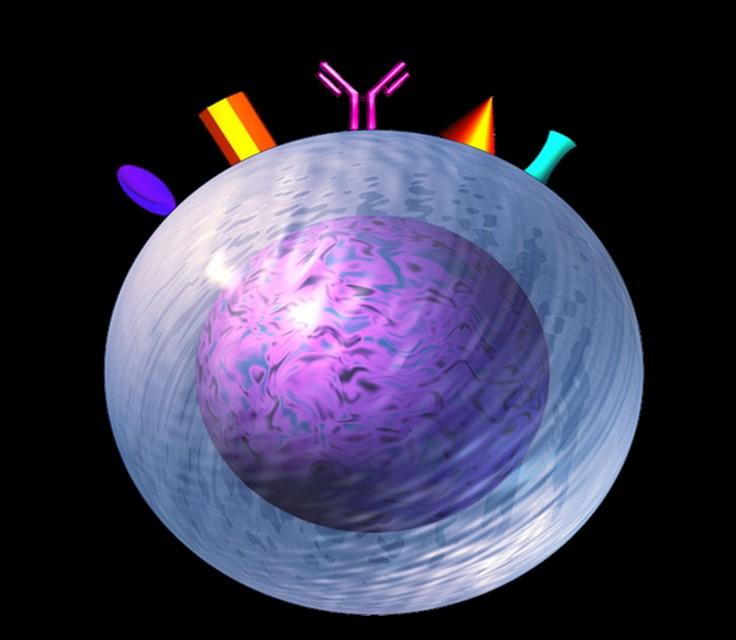

Bi-Specific Antibodies
CAR-T


Monoclonal Antibodies
Daratumumab and Darzalex Faspro Sarclisa (Isatuximab) TAK-079 MOR202
Immune Therapies
Abecma (Ide-cel CAR-T)
Carvykti (Cilta-cel CAR-T)
Tecvayli (Teclistamab)
Elrexfio (Elranatamab)


Lynozyfic (Linvoseltamab)
Other CAR-Ts
Other Bi-Specific Antibodies

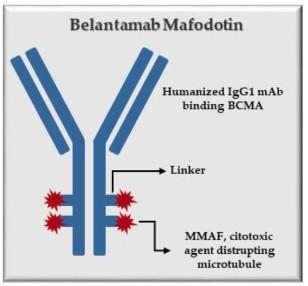

How it works:
An antibody directed at a target (BCMA) combined with a cytotoxic agent (chemotherapy) Blenrep(belantamabmafodotin)combinations approvedbyUKMHRAinrelapsed/refractorymultiple myeloma.April2025
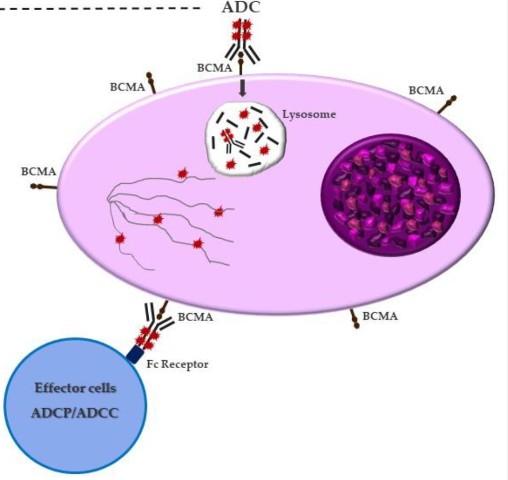
ADC = Antibody-Drug Conjugate
BCMA = B-Cell Maturation Antigen
ADCP/ADCC = Antibody-Dependent Cellular Cytotoxicity & Phagocytosis
Bispecific Antibodies: Mechanism of Action
• Incorporates 2 antibody fragments to target and bind both tumor cells and T cells
• Brings target-expressing MM cells and T cells into close proximity, enabling T cells to induce tumor-cell death
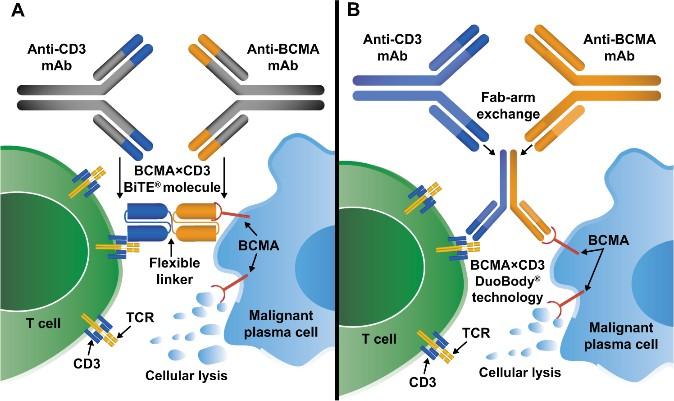

Targets of Bispecific Molecule Vary
“Off the Shelf” Advantage
• No manufacturing process, unlike CAR T-cell therapy (but like ADC/belantamab therapy)
• Thus, no delay between decision to treat and administration of drug ADC = Antibody-Drug Conjugate; BCMA = B-Cell Maturation Antigen; CD3 = Cluster of Differentiation 3; FcRH5 = Fc receptor-homolog 5; GPRC5D = G-protein coupled receptor family C group 5 member D
Image Source: Shah N, et al. Leukemia. 2020;34:985–1005. Creative Commons License:
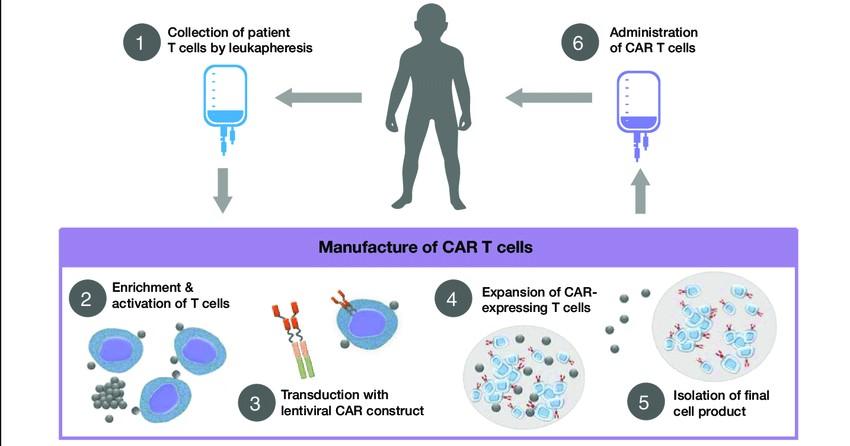
The Process of CAR T Cell Therapy
CAR T therapy recommended. Insurance approved and ready to move forward.






What about Cure in Myeloma?
Defining “Cure” has many considerations:
We have historically called myeloma “incurable” as such a small fraction of patients remained in long term remission
Elimination of disease, down to Minimal Residual Disease Negative (MRD-)
Prolonged deep response Off Therapy
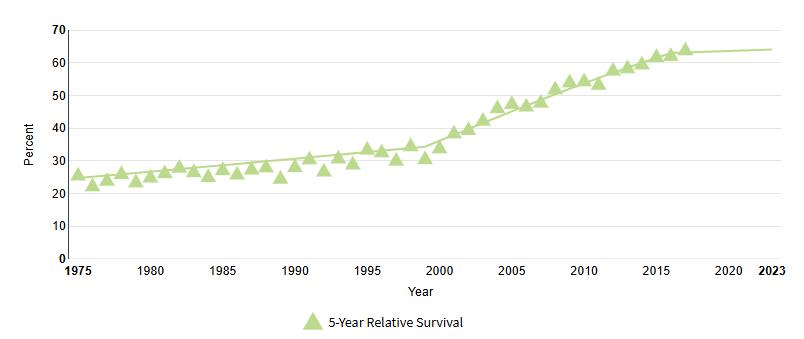

Survival continues to improve in MM with an average over 10 years now!
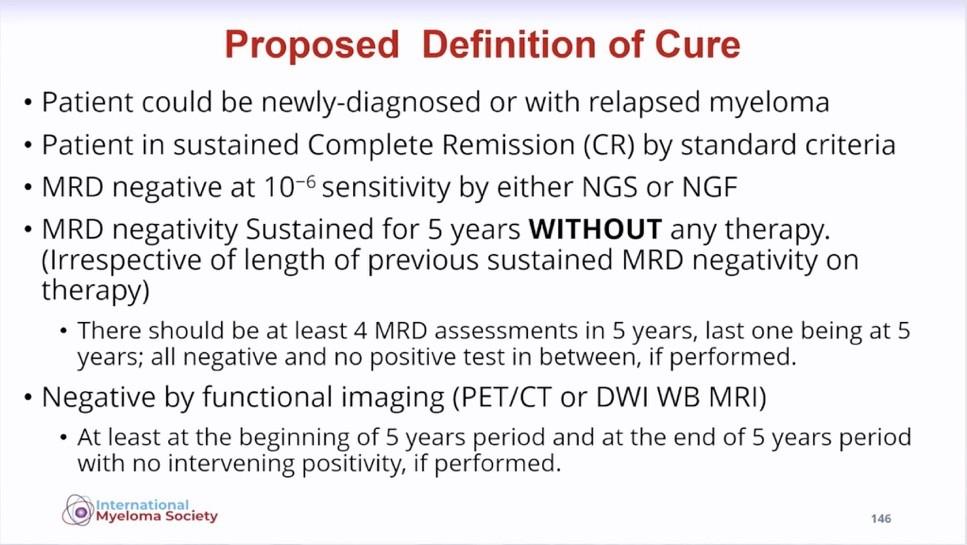
A recent DRAFT definition is being considered:
The Evolution of Myeloma Therapy
VD
Rev/Dex
CyBorD
VTD
VRD KRD
D-VMP
DRD
Tandem ASCT (?)
Nothing
Thalidomide?
Bortezomib
Ixazomib
Lenalidomide
Combinations
D-VRD
Isa-VRD
D-KRD
Isa-VRD “More” induction?
Bortezomib
Lenalidomide
Carfilzomib
Pomalidomide
Selinexor
Panobinostat
Daratumumab
Ixazomib
Elotuzumab
Isatuximab
Belantamab mafodotin*
Melphalan flufenamide*
Idecabtagene autoleucel
Ciltacabtagene autoleucel
Teclistamab, Talquetamab
Elranatamab, Linvoseltamab
Daratumumab?
Carfilzomib?
Lenalidomide + PI
ASCT, autologous stem cell transplant; CAR, chimeric antigen receptor; Cy, cyclophosphamide; d- daratumumab; D/dex, dexamethasone; isa, isatuximab; K, carfilzomib; M, melphalan; PD-L1, programmed death ligand-1; PI, proteasome inhibitor; Rev, lenalidomide; V, bortezomib.
Speaker’s own opinions.
CAR T Cell Therapy
Bispecific/Tri-specific
Antibodies
Cell Modifying Agents
Venetoclax
PD/PDL-1 Inhibition?
Small Molecules
* These agents are currently off the market but available through special programs
Anito-cel
Cevostomab
Iberdomide, Mezigdomide
Sonrotoclax
KLN-1010
AZD0120
Second/Expert Opinion
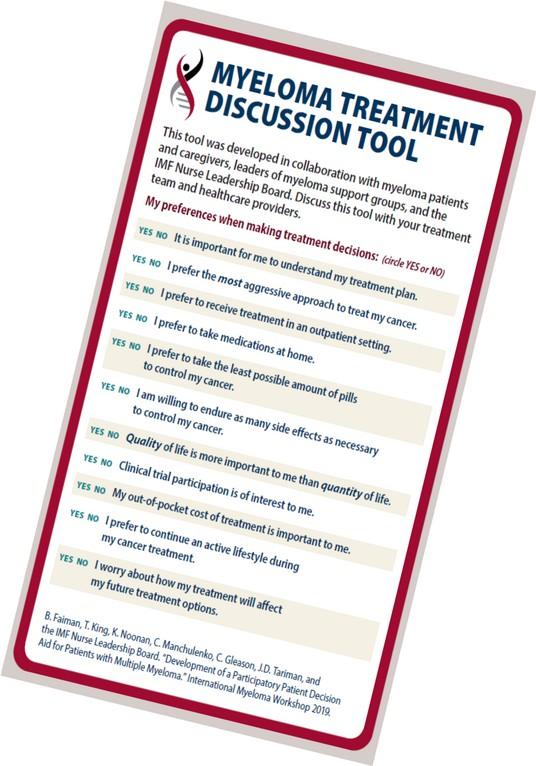
• You have the right to get a second opinion. Insurance providers may require second opinions.
• A second opinion can help you:
– Confirm your diagnosis
– Give you more information about options
– Talk to other experts
– Introduce you to clinical trials

– Help
you learn which health care team you’d like to work with, and which facility






Management for Newly Diagnosed, NOT Going to Transplant
Noffar Bar, MD
Yale School of Medicine, New Haven, CT
Management for Newly Diagnosed, NOT Going to Transplant
Noffar Bar, MD
Assistant Professor of Medicine
Initial treatment for myeloma patients not going for transplant
Induction
Burden of disease
Goal of therapy is to achieve deep and durable responses
Minimal residual disease
(MRD) negativity
Treatment goals
Treatments
Initial
treatment for myeloma now includes a monoclonal antibody
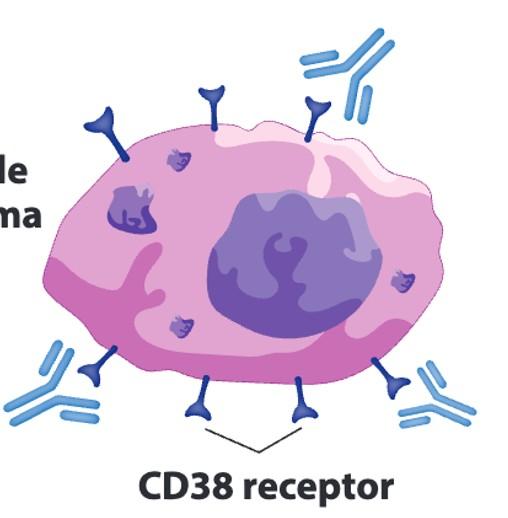
Myeloma cell destruction antibody
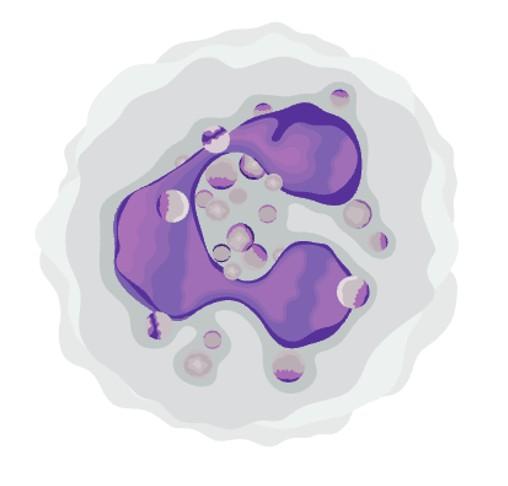
Leading to longer periods without the disease returning
Treatments used for initial therapy (induction)
Steroids

IMID’s
Proteasome inhibitors
Monoclonal antibodies

Daratumumab (Dara)
(Isa)
Bortezomib (V)
Choosing the Right Treatment Path for You
Every patient is different:
your care team will work with you to find the approach that fits your life and health
More physically active
Less active/older age > 80
✓ Generally active day-to-day
Able to manage most daily activities on your own
✓ Good overall energy levels
Feel relatively well most of the time
✓ Ready for a full 4-drug regimen
Your body can handle a stronger combination
Treatment: DaraVRd or IsaVRd (4 drugs)
★ Treatment shaped around you
Your age, energy levels & other conditions all matter
★ Gentler on your body
Carefully chosen doses to keep you feeling your best
★ Just as effective for you
Designed to get a great result with fewer side effects
Treatment: DaraRd or Dara-R (2–3 drugs)
How well do these treatments work?
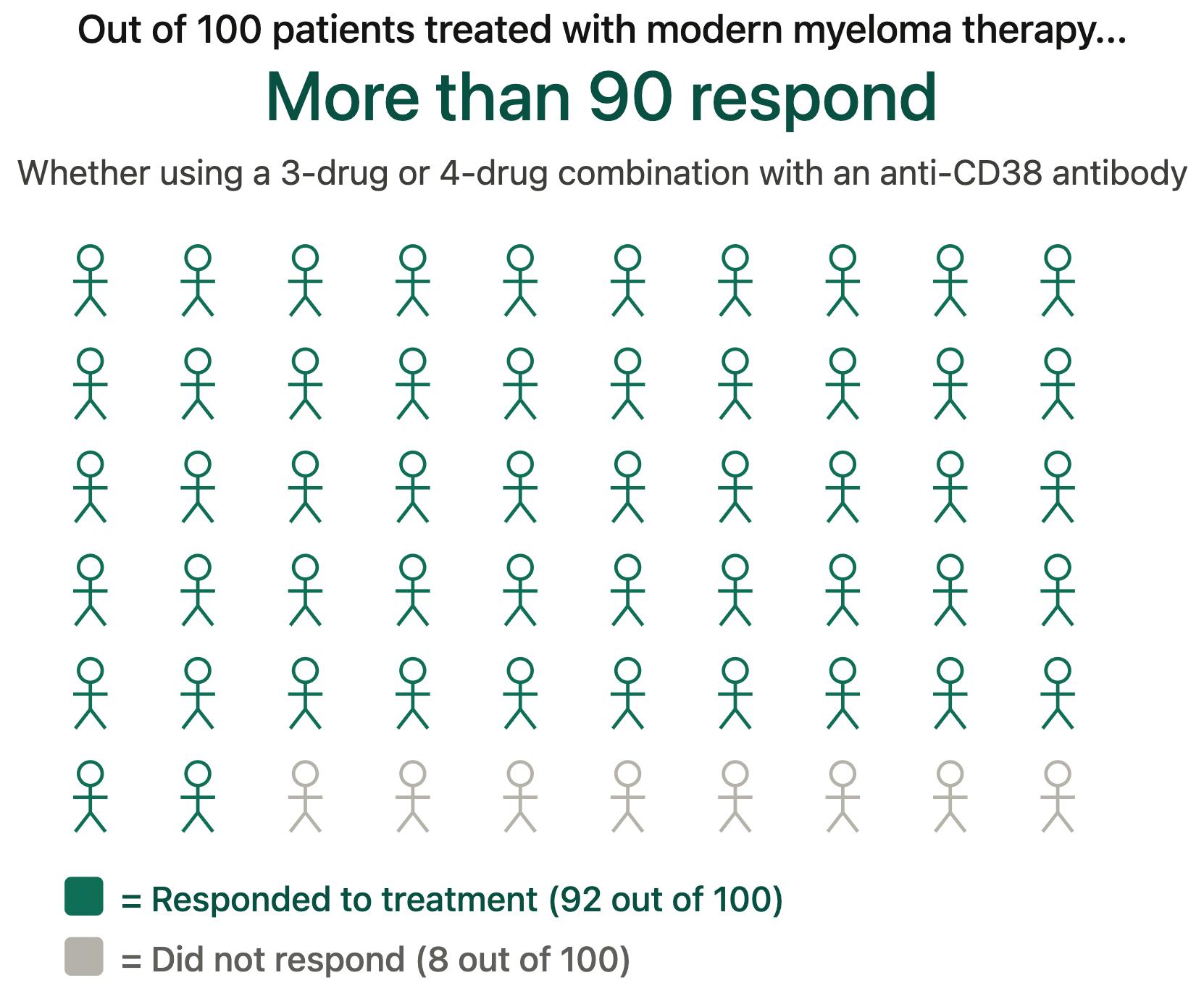
Out of 100 patients treated with modern myeloma therapy... More than 92 respond
Whether using 2-drug, 3-drug or 4-drug combination with an anti-CD38 antibody
Deep responses (MRD negativity) increase when more drugs are given together
Facon et al. Leukemia
Manier et al. Lancet Oncol

What to expect while starting treatment
Time Commitment
Induction:
Weekly treatments in clinic for the first few months
Maintenance:
Monthly clinic visits
Assessing successful treatment
Side Effects
Labs
Whole body imaging with PET CT or MRI
Learning about possible side effects
Bone marrow biopsy
Communication with your care team regarding new symptoms
Common culprit
Common side effects
Steroid related side effects
Dexamethasone
Dexamethasone is given as part of anti-myeloma therapy and as a pre-medication prior to daratumumab
Fluid retention- leg swelling High blood pressure High blood sugars
Cataracts
Some toxicities occur in the short term and others over time

Dose reduction of dex does not appear to worsen outcomes in induction using double and triplets (prior to addition of Daratumumab in upfront therapy).
Dex is not needed as pre-med after first few cycle of daratumumab
Lower dose for toxicity Minimizing unneeded steroids Goals: +
Lonial et al. Clinial lymphoma, Myeloma and Leukemia 2023; Aaron Rosenberg, Leukemia & Lymphoma 2023; Banerjee et al, Blood 2024
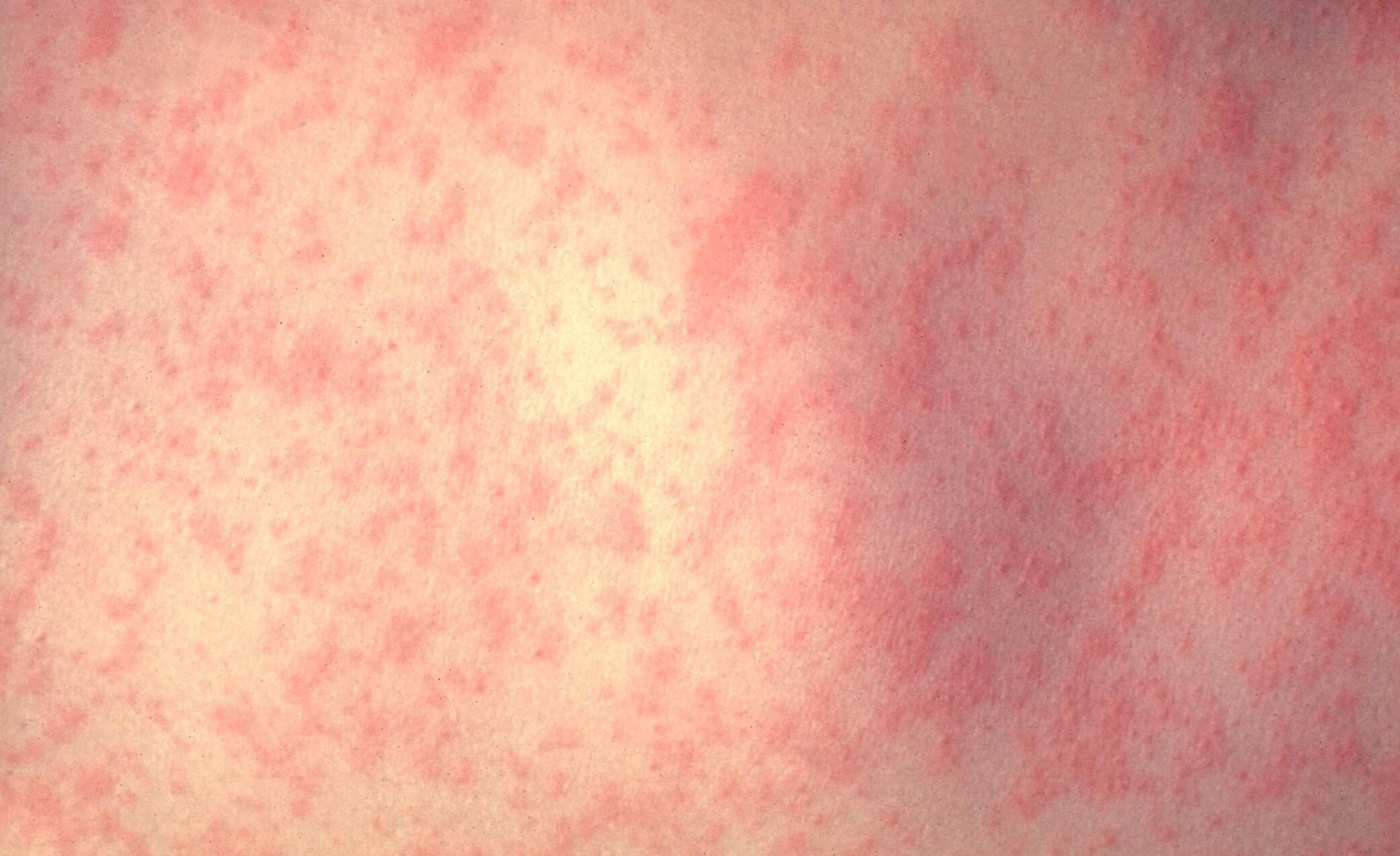
Rash
Common culprit: lenalidomide
Steps in managing side effect
If mild
Anti-histamines
Topical corticosteroids (triamcinolone)
If worse
Hold Lenalidomide
In addition to above, consider oral prednisone
Restart len at lower dose
Higher risk
• Twice weekly dosing
• IV formulation
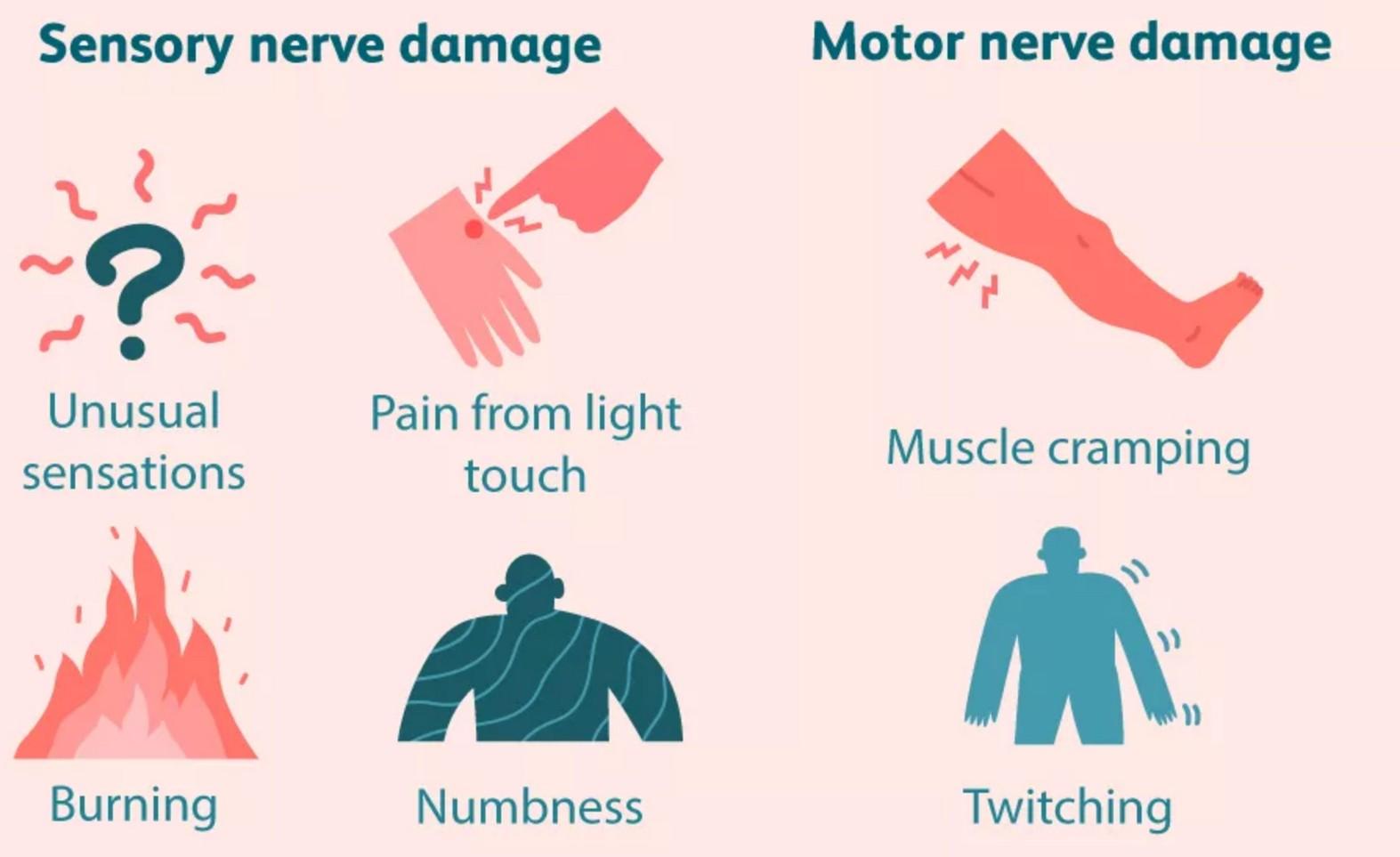
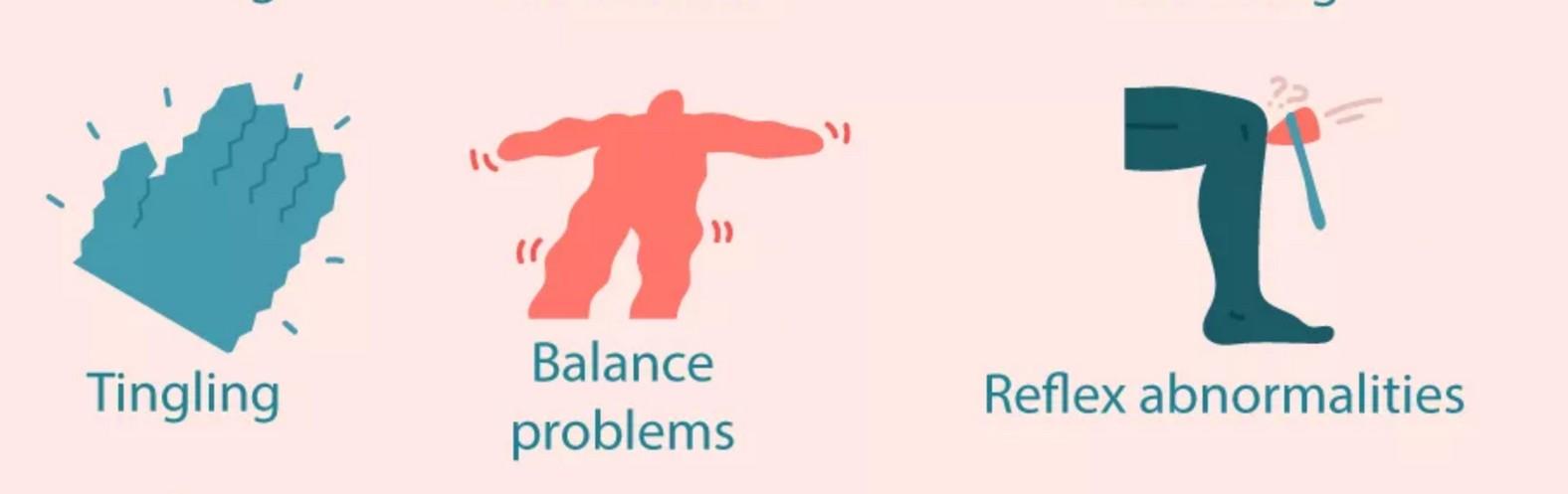
Peripheral Neuropathy
Common culprit: bortezomib
Steps in managing side effect
Monitoring for symptoms and adjusting dose for mild symptoms
Holding dose when neuropathy involves pain or more than mild
Gabapentin, pregabalin or anti-depressant to improve pain

Diarrhea
Common culprit: lenalidomide
• Baseline factors that might increase the risk of diarrhea: history of IBS, lactose intolerance
• Lenalidomide has small amount of lactose
• Lenalidomide can lead to bile acid malabsorption
Managing side effect
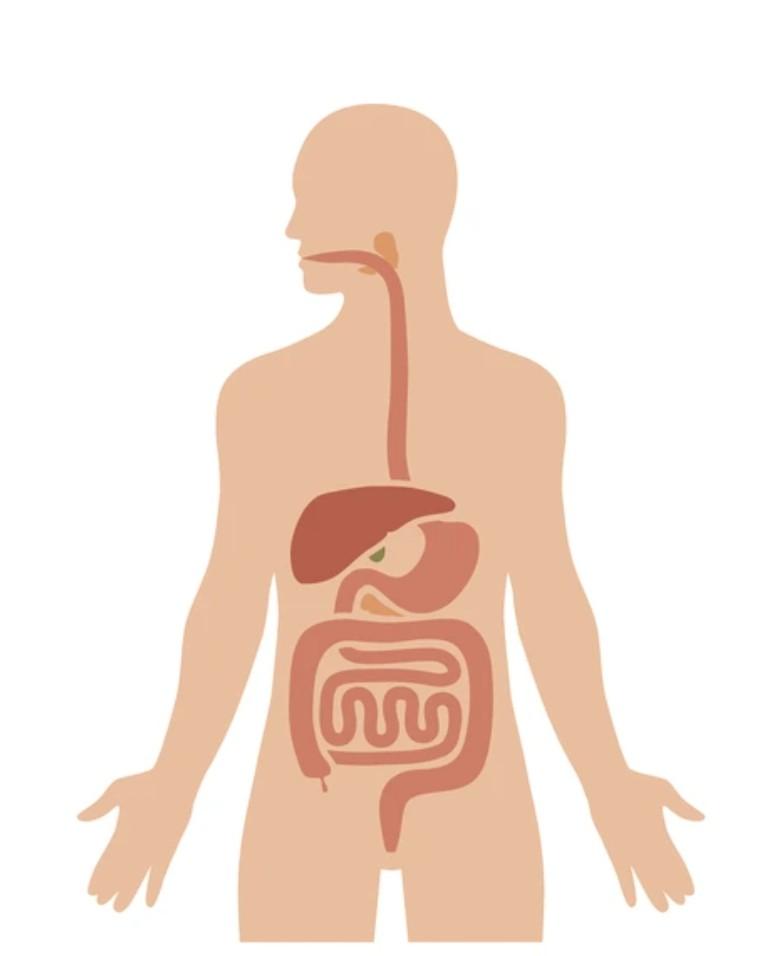
Dose reduction depending on severity and response to initial steps
Fluid intake
Imodium trial
Bile acid binders like colesevelam (welchol)
How does the
addition of Daratumumab to induction affect side effects?
Lower neutrophil counts and platelets
Slightly more infections like Pneumonia
IVIG consideration Ways to mitigate risk of infections
Use of routine vaccinations
Initial therapy for myeloma does not stop after induction
3 or 4 drug induction
Burden of disease
Maintenance with 2 drugs: lenalidomide and daratumumab
• Less frequent clinic visits
• lower doses of lenalidomide
Time from diagnosis (months)
After Induction, maintenance therapy helps keep myeloma under control for as long as possible.
How long does the myeloma stay in control?
The time to relapse depends on how aggressive the disease is and how well it responds to treatment
More than half of patients still have their myeloma under control 5 years after starting treatment with 3- or 4-drug combinations.
with Dara-Rd and 68% with Dara-VRd
Myeloma under control
Clinical trials in newly diagnosed myeloma
Clinical trials in newly diagnosed myeloma often test treatment or treatment combinations that have already been tested and shown to be effective in relapsed myeloma
For example: T-cell redirection therapies
Work very well in relapsed myeloma
T cells
Bispecific T cell engagers (TCE)
T-cell redirection therapies myeloma
CART cell














MM-marker


cells
Understanding clinical trial phases
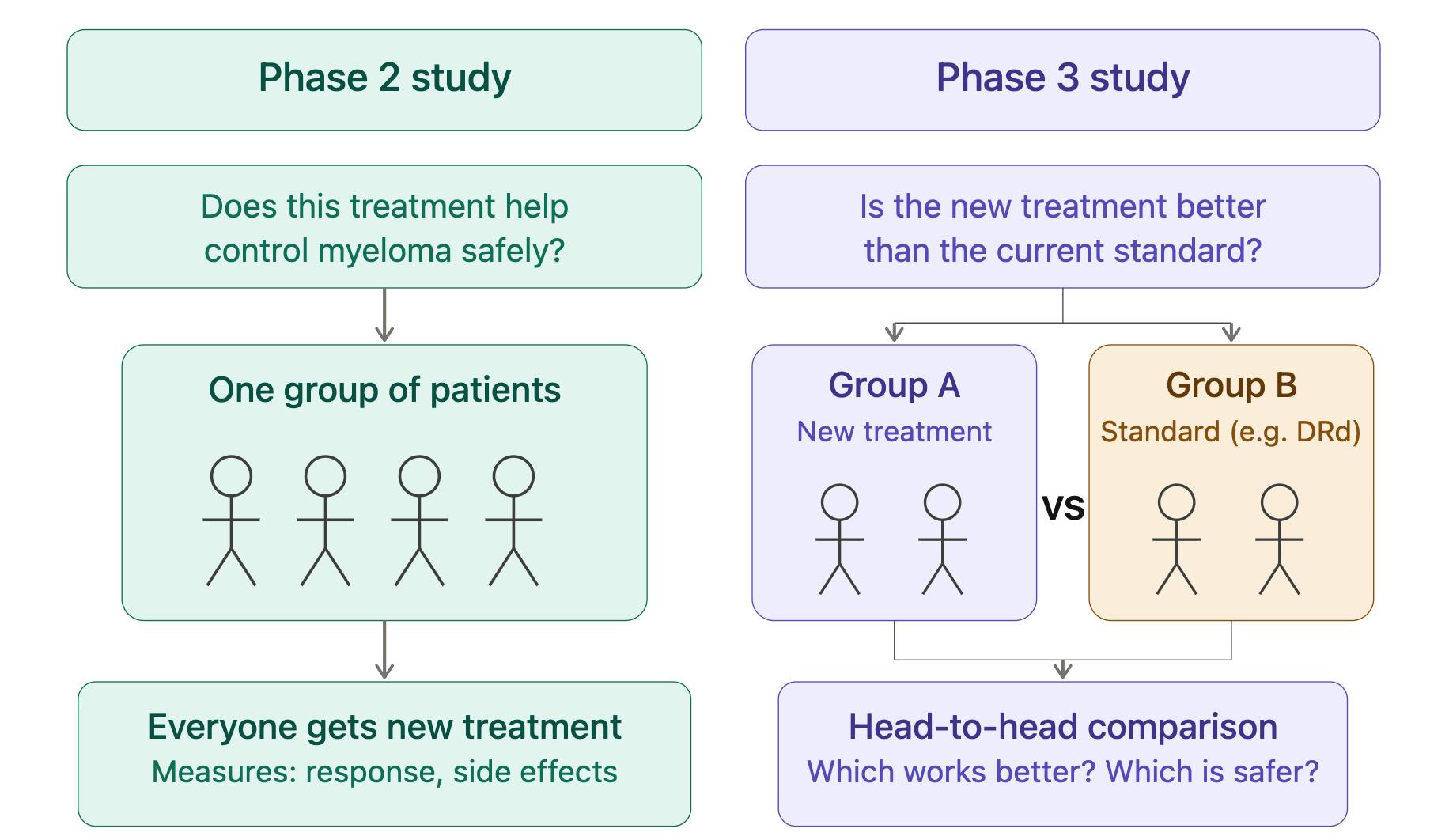
Not all studies are open at all centers
Talk with your doctor about available study options
Take home messages
• Your treatment is getting better! New medicines and procedures are helping patients live longer and better lives.
• Personalized Treatment: Treatments are tailored based on patient’s health and other medical problems.
• Stay Connected: Keeping your care team informed helps us treat you safely, manage side effects early, and get the best possible results.
Q&A
10-Minute Break
Myeloma Management for People
Newly Diagnosed: Transplant Eligibility, Logistics & Planning
Ciara Freeman, MD, MSc, PhD
Moffit Cancer Center, Tampa, FL

Ciara L Freeman, MD MSc PhD
Associate Member, Department of Blood and Marrow Transplant and Cellular Therapy

A little about me….
Myeloma Management for Newly Diagnosed Patients

Transplant
eligibility: who qualifies
Timing and decisionmaking Logistics and planning
Overview
Treatment selection in multiple myeloma remains heterogeneous despite rapid therapeutic advances
The introduction of autologous transplantation transformed outcomes, but despite being in the guidance and after decades of experience still remains controversial
CAR-T and bispecific T-cell engagers are increasingly used earlier, often interchangeably and may change how we feel about transplant in the future Emerging data suggest timing matters, particularly with respect to T-cell fitness, durability, and survival
This presentation evaluates the patient journey for potentially eligible patients
What Happens After Diagnosis?
Confirm diagnosis and stage disease
Assess overall health
Start initial therapy
Build care team
What Is a Stem Cell Transplant?
Uses your own stem cells
High-dose chemo followed by reinfusion
Deepens response
Not surgery
What is the process?
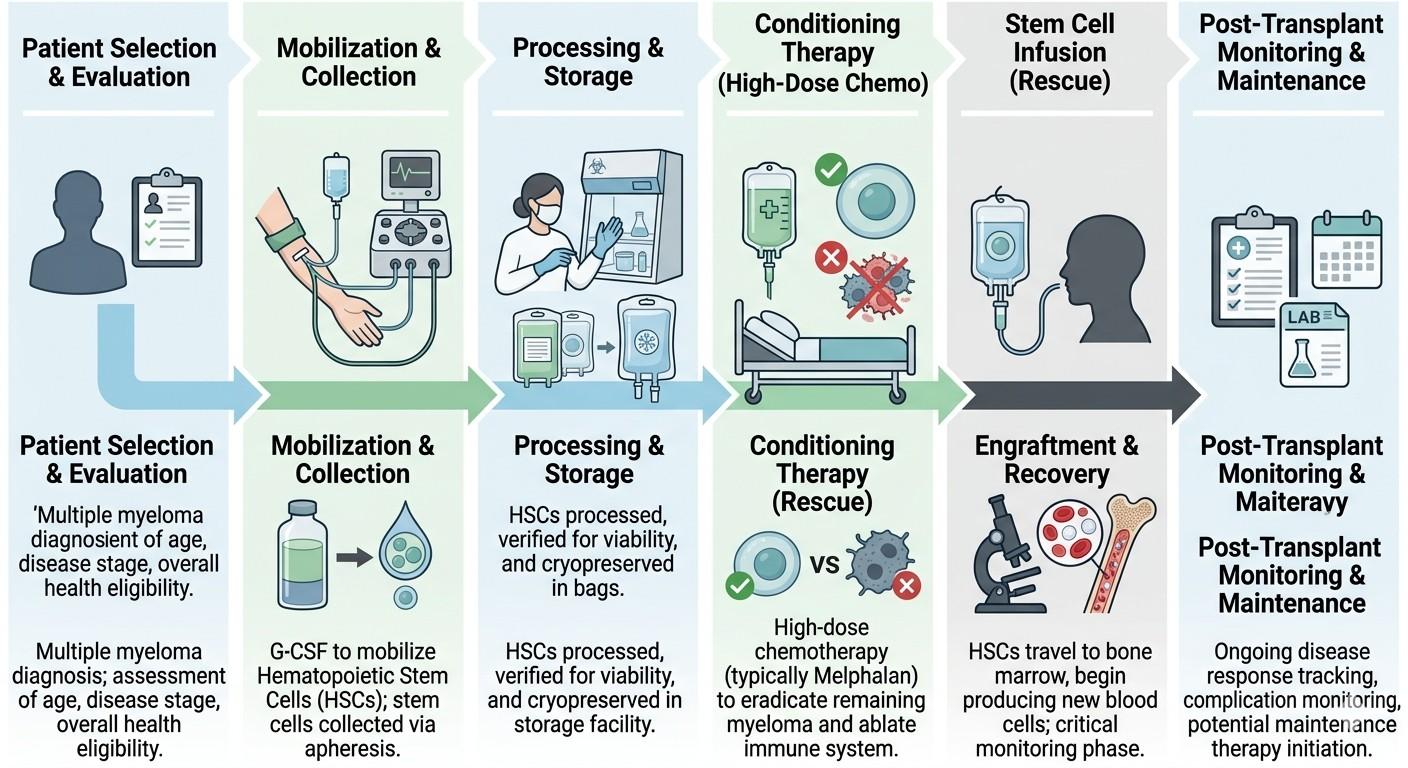
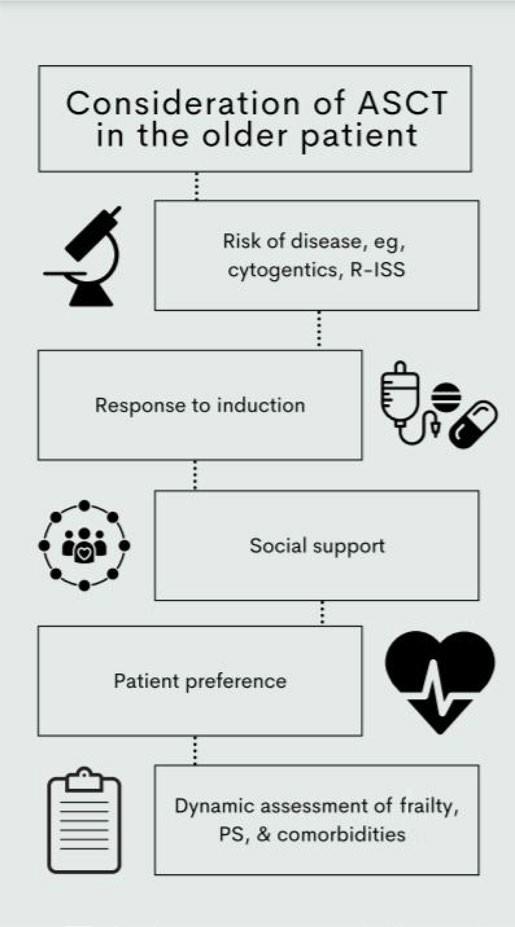
Fit for transplant?
Myeloma XI – 64-70y.o. matched cohort
PFS: HR 0.41
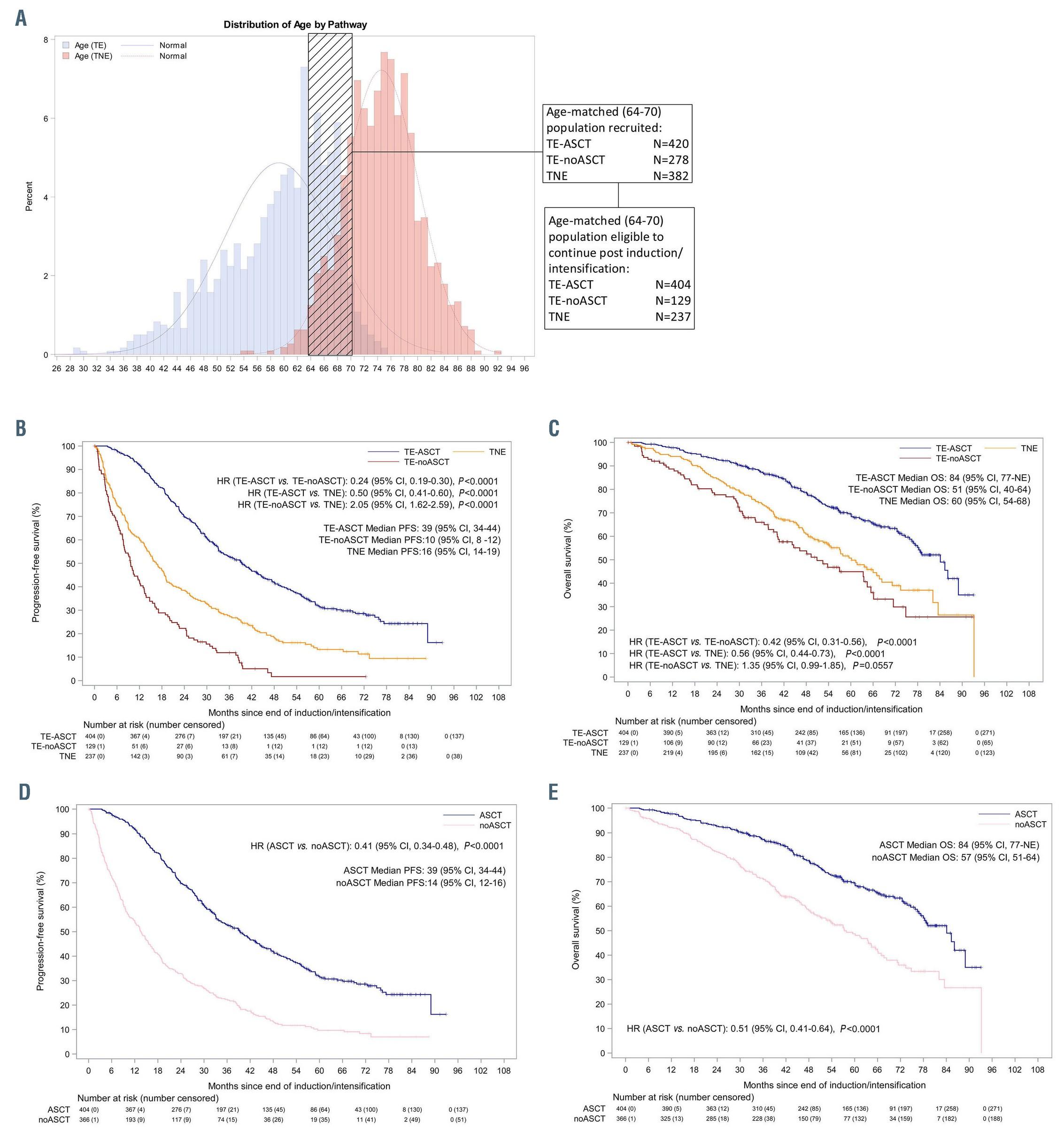
OS: HR 0.51

Current frailty assessment tools may not be as robust in assessing older adults for HSCT
ASH2022 #2118
Older patients derive equal benefit, HCT-CI non- discriminatory
ASH2022 #4512 N=101 HSCT “candidates”
R-MCI limited utility
Pawlyn, C., et al., Haematologica, 2020
S.J. Grant, C.L. Freeman, and A.E. Rosko, Hematology. 2021.
Who May Not Need Transplant Right Away?
or medical issues
Timing of Transplant
After 3–6 months of therapy
Stem cells collected early Immediate or delayed transplant
What Does the Process Look Like?
Stem cell collection Hospital or outpatient stay
Recovery phase Weeks to months recovery
Logistics to Plan For
Caregiver Role
Medication and appointments Monitor for complications
Emotional support Key decision partner

Questions to Ask Your Doctor
• Am I eligible?
• Timing: now or later?
• Where should I go?
• What is recovery like for me?

Big Picture
Personalize d care
Multiple treatment options
Improving outcomes Transplant is one tool
Acknowledgements
Our Patients, their families, and care-givers
Locke Lab
BMT-CI team @ Moffitt
Myeloma Clinical Team:
Melissa Alsina
Rachid Baz
Kenneth Shain
Doris Hansen
Brandon Blue
Ariel Grajales-Cruz
Taiga Nishihori
Omar Castaneda Puglianini
Hien Liu
Lindsey Gardener
Myeloma Research Team:
John Koomen
Xiaohong Zhao
Mark Meads
Gabriel De Avila
Danny De Avila
Ariosto Silva
Conor Lynch
John Cleveland
Frederick L Locke
Meghan Menges
Emily Merritt
Reginald Atkins
Sophia Song
Constanza Savid-Frontera
Luis A Cuadrado Delgado
Jerald Noble
Benjamin Gyau
Data team
Robert Norberg
Omkar Bhabad
Myles Kim
Alina Hoehn
Rachel Howard
Phillip Reisman





Myeloma: Putting the Pieces of the Puzzle Together
Amy Pierre, MSN, RN, ANP-BC
Memorial Sloan Kettering Cancer Center & Flatiron Health
IMF Nurse Leadership Board Member
Myeloma: Putting the Pieces of the Puzzle Together

Myeloma Basics








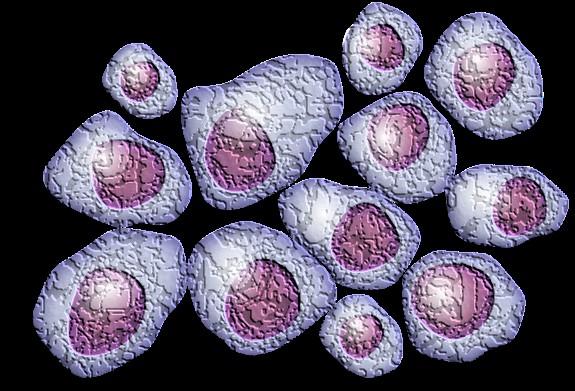
Myeloma Is a Cancer of the Plasma Cells
Plasma Cells
come from white blood cells produced in the bone marrow and many different antibodies to help fight infection (polyclonal).
In Multiple Myeloma, one plasma cell mutates, making many identical plasma cells (monoclonal).






Bone marrow
Bone marrow
Myeloma Causes Cell Dysfunction & Symptoms

Anxiety
Stress
Depression

Decreased red blood cells
Decreased white blood cells

Anemia & Fatigue
Immune Dysfunction & Infection
Myeloma protein in blood and urine
Changes in bone remodeling
Clonal myeloma plasma cells can cause many symptoms
• Crowd out normal bone marrow cells
• Produce myeloma protein
• Can cause kidney dysfunction
• Affect bone cells (balance of osteoclasts & osteoblasts)
Renal Dysfunction

Bone Damage

Infections Are Serious for People with Myeloma
Preventing infections is paramount.
Infection remains the leading cause of death in patients with multiple myeloma. Several factors account for this infection risk, including the overall state of immunosuppression from multiple myeloma, treatment, age, and comorbidities (e.g., renal failure and frailty).
Report fever of more than 100.4°F, shaking chills even without fever, dizziness, shortness of breath, low blood pressure to HCP as directed.
IMWG Consensus guidelines and recommendations for infection prevention in multiple myeloma; Lancet Haematol.2022;9(2):143–161.
Infection Prevention Tips
Good personal hygiene (skin, oral)
Environmental control (avoid crowds and sick people; use a high-quality mask when close contact is unavoidable)
As recommended by your healthcare team:
Immunizations:
Flu, COVID, RSV & and pneumococcal vaccinations; avoid live vaccines
Preventative and/or supportive medications
Kidney and Bone Health

Protect Kidney Function
Myeloma Treatment
Stay hydrated--drink water
Avoid certain medications
• IV contrast dyes
• NSAIDs like Advil (ibuprofen), Aleve (naproxen)
Be alert: symptoms of kidney dysfunction
• Fatigue and weakness
• Nausea and vomiting
• Foamy or dark urine
• Swelling in feet, ankles, or face
• Shortness of breath
• Persistent itching
• Loss of appetite
• Muscle cramps
• High blood pressure

Protect Bone Health
• Myeloma Treatment
• Nutrition
• Vitamin D
• Calcium (if approved by doctor)
• Weight-bearing activity (e.g., walking, standing, climbing stairs, stretching, dancing)
• Bone-strengthening agents (prescribed by your healthcare team)
Report any new or worsening bone pain to your healthcare provider
Pain Management
Pain can significantly compromise quality of life and add to distress.
Sources of pain include bone disease, neuropathy and medical procedures.
Prevention
• Decrease fracture risk through myeloma treatment, bone strengthening agents, physical activity, preventative surgery
• Prevent Nerve Damage: prevent shingles, manage diabetes, myeloma medication dosing and route of administration
• Combine scheduled medical procedures, when possible (Ex. blood draw, biopsy), use sedation if available
Treatment
Interventions depend on source of pain, may include
• Medications, Surgery, Radiation therapy, etc.
• Physical therapy & continued activity, complementary therapies (Mind-body, meditation, yoga, supplements, acupuncture, etc.)
• Scrambler therapy for neuropathy
Fatigue, Anxiety and Depression
Fatigue is the most reported symptom. Sources include anemia, pain, reduced activity, insomnia, treatment toxicity, bone marrow suppression. Symptoms can improve with continued physical activity.
Symptoms are under-reported:
“I mentioned it before. Nothing can be done.”
“I don’t want to be put on another medication.”
Bee an Empowered Patient
Ask questions
• What do the different labs mean?
• Who will be monitoring my labs?
• How can I access my test results (eg, patient portal)?
• How will we know if my treatment is working
• What will we do if my treatment doesn’t work or quits working?
• When is my next appointment?
• The cost of my copay is challenging. Is there anything we can do?
• What are the most consequential things I can do to support my health?
Speak
up if something seems different or unusual
• Normally 4 vials of blood but only drawing 3?
• Normally specialty pharmacy confirms delivery but haven’t heard from them this month?
• I’m feeling more pain in my shoulder. I’m feeling more fatigued.
Communicate with your healthcare team
• Understand the roles of each team member

Who to contact for your needs (eg, side effects, insurance issues, other)
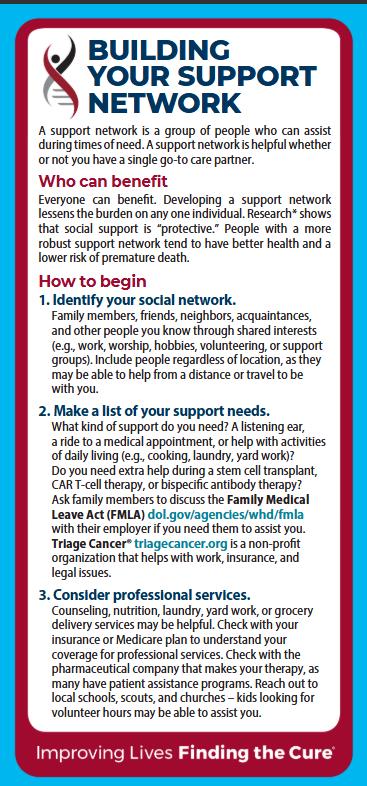
Develop a support network
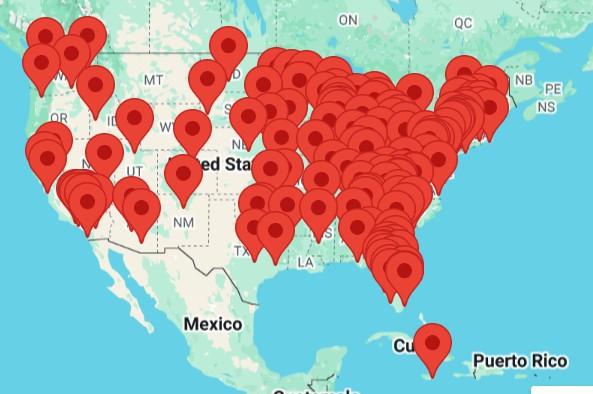
Learn from others: IMF has many support groups or you can start one (IMF’s can help)
Why Shared Decision Making in Multiple Myeloma?
“The aim of shared decision-making is to ensure that:
- Patients understand their options and the pros and cons of those options.
- Patient's goals and treatment preferences are used to guide decisions.”


The nature of multiple myeloma means patients and their care partners may have multiple points to make decisions about treatment
People with myeloma are living longer; goals, preferences, and values may change over time
Patient and Care Partner’s Roles in Shared Decision Making
Ask questions (write them down in advance of visit)
• What are my treatment options?
• What are the pros and cons of each option?
Efficacy? Side effects? Administration? Insurance nuances?
• Are there treatments that wouldn’t be a good option for me? Why?
Express your desire to participate in the treatment decisions
• I want to make sure the treatment we chose is the best option for me
• I want to be sure we a choosing the best therapy for my husband/wife
Ask for time (if needed/ appropriate)
• There is a lot to think about. Can I/we have some time to consider the options?
• Ask for information you can consider at home
• Note: if medical emergency/high risk, may not be appropriate
Patient and Care Partner’s Roles in Shared Decision Making
Understand options; consider priorities
• Use reliable sources of information like the IMF and Myelo
• Use caution when considering stories of personal experiences
• Consider your goals, values and preferences
Express your goals/values/preferences; create a dialog
Arrive at a treatment decision together; reevaluate over time
• My top priority is [goal/value]; additional [preferences] are also important.
• I think [treatment] may be a good choice given my priorities… What do you think?
• What treatment would you recommend given my goals and priorities?

Clinical Trials Are an Option

Clinical trials are research studies that test a medical, surgical, or behavioral intervention in people

Possible Benefits of MM Clinical Trial Participation:
The trial may help researchers learn more about MM and help people in the future
You might have access to a treatment that is under study that may not be available to people outside the trial
The research team (including top doctors) will watch you closely, adding an extra layer of care to your health

• Clinical trial nurses are often very experienced with a wealth of information
If the treatment being studied is more effective than the standard treatment, you may be among the first to benefit
Clinical Trial Myths
MYTH: Clinical trials are dangerous because they have new medicines and practices
• Some risk is involved with every treatment, but medicines are used in clinical trials with people only after they have gone through testing to indicate that the drug is likely to be safe and effective for human use
MYTH: If I participate in a clinical trial, I might get a placebo, not active treatment
MYTH: If I participate in a clinical trial, I can 't change my mind
• For MM, Phase 1 and 2, everyone gets active treatment
• Phase 3 standard of care vs. new regimen: often standard regimen with/without additional agent in MM trials
• Patients can withdraw their consent for clinical trial participation at any time
MYTH: Clinical trials are expensive and not covered by insurance
• Research costs are typically covered by the sponsoring company
• Standard patient care costs are typically covered by insurance
• Check with clinical trial team/insurers; costs such as transportation, hotel, etc. may not be reimbursed and are paid by patient
Every clinical trial is different, which means risks can also differ
• Clinical trial team will discuss risks with you and your care partner(s)
• The study treatment may not be better than, or even as good as, the standard treatment
• Study treatments may have serious side effects that are worse than those of the standard treatment
• You may be required to make more visits to the doctor and have more tests than if you were receiving standard treatment
• You may have extra expenses related to these extra visits, such as travel, housing, and childcare costs
Possible Risks in Treatment Clinical Trials



New Option: Treatment for High-Risk Smoldering Multiple Myeloma (HR-SMM)
High-Risk SMM
High potential to progress to active MM in 2 years
• M-spike ≥ 2 g/dL
• Free light chain assay (involved/uninvolved ratio ≥ 20)
• Bone marrow ≥ 20% clonal plasma cells

51% Reduction in risk of disease progression or death with Darzalex Faspro® treatment of high-risk SMM (compared with active monitoring)
FDA approved Nov2025
DARZALEX FASPRO® as monotherapy is indicated for the treatment of adult patients with high-risk smoldering multiple myeloma
Use shared decision-making with your provider to determine if treatment is right for you.
FDA = US Food and Drug Administration; MM = multiple myeloma; SMM = smoldering multiple myeloma
Dimopoulous MA, et al. N Engl J Med. 2024;394(18):1777-1788. doi: 10.1056/NEJMoa2409029. Mateos, MV, et al. Blood Cancer J. 2020;10:102. (2020). https://doi.org/10.1038/s41408-020-00366-3
Treatment of Newly Diagnosed Multiple Myeloma (NDMM)

Initial treatments aimed at reducing the amount of myeloma cells
Intensification of treatment to deepen response. Either additional cycles of induction or autologous stem cell transplant (in eligible patients)
Prolonged lower-intensity treatment designed to sustain remission
National Comprehensive Cancer Network® (NCCN®) NCCN Clinical Practice Guidelines In Oncology (NCCN Guidelines®) for Multiple Myeloma. Version 4.2026. To view the most recent or complete version of the guideline, go online to NCCN.org; Rajkumar et al, 2014. Rajkumar SV. Am J of hematology. 2022;97(8):1086–1107. https://doi.org/10.1002/ajh.26590; Faiman et al, 2016.
Induction Standard of Care

Quadruplet therapy is preferred for nearly all patients with newly diagnosed myeloma
1 2 3 4
Anti-CD38 monoclonal antibody (mAb)
• Darzalex (daratumumab)
• Sarclisa (isatuximab)
Proteosome Inhibitor (PI)
• Velcade (bortezomib)
• Kyprolis (carfilzomib)
Immunomodulatory drug (IMiD)
Revlimid (lenalidomide)
• Pomalyst (pomalidomide)
• Prednisone
At infusion clinic: subcutaneous injection or on body device or infusion Oral medication taken at home
Supportive medication:
• Antiviral prophylaxis (i.e., acyclovir or valacyclovir) to prevent viral infections, particularly shingles.
• Antibacterial agents (i.e., Bactrim, levofloxacin) to prevent bacterial infections.
• Aspirin or other anticoagulant therapy to reduce the risk of blood clots from IMiDs.
• Bone-strengthening agents (i.e., zoledronic acid, denosumab) to strengthen bones and protect against fractures.
Steroids: An Important Piece of Treatment
Steroids enhance the effectiveness of other myeloma therapies
Your provider may decrease or discontinue the dose as myeloma responds to therapy. Do not stop or alter your dose of steroids without discussing it with your provider
Possible Steroid Side Effects
• Irritability, mood swings, depression
• Difficulty sleeping (insomnia), fatigue
• Blurred vision, cataracts
• Increased risk of infections, heart disease
• Muscle weakness, cramping
• Increased blood pressure, water retention
• Flushing/sweating
• Stomach bloating, hiccups, heartburn, ulcers, or gas
• Weight gain, hair thinning/loss, skin rashes
• Increased blood sugar levels, diabetes
Managing Steroid Side Effects
• Consistent schedule (AM vs. PM)
• Take with food
• Stomach discomfort: Overthe-counter or prescription medications
• Medications to prevent shingles, thrush, or other infections
Rajkumar SV, et al. Lancet Oncol 11(1):29–37. King T, Faiman B. Clin J Oncol Nurs. 2017;21(2):240-249. Banerjee,R. et al. Blood 9.25.24
Peripheral Neuropathy
Peripheral neuropathy happens when there is damage to nerves in the extremities (hands, feet, limbs). Damage can be the result of myeloma, treatment or unrelated conditions (i.e., diabetes).
Symptoms:
Numbness
Tingling
Prickling sensations
Sensitivity to touch
Burning and/or cold
sensation
Muscle weakness
Prevention / management:
Bortezomib once-weekly and/or
subcutaneous administration
Massage area with cocoa butter regularly
Neuroprotective Supplements
• i.e., B-complex vitamins (B1, B6, B12)
Safe environment: rugs, furnishings, shoes
If neuropathy worsens, your provider may:
Adjust your treatment plan
Prescribe oral or topical pain medication
Suggest physical therapy
Blood Clots: Managing DVT and PE Risk
Blood clots can cause swelling, pain, discoloration (DVT), shortness of breath, chest pain, sense of doom (PE).
HCPs may manage DVT/PE risk by
• Adjusting medications and schedules
• Prescribing blood-thinning medications according to assessed risk (DOAC, aspirin, warfarin, heparin)
• Balancing the risk of DVT and PE with that of bleeding with low platelets
Blood clots are serious and can be life threatening.

Additional strategies to reduce risk of clots:
• Anti-embolism stockings (elastic stockings)
• Exercise regimen
• Moving frequently when sitting long periods
• Travel precautions (foot/leg exercises, walking, aspirin if not already on blood thinner)
You may be at risk:
• Family History
• Obesity
• Immobility
• Smoking
• Surgery
DOAC = direct oral anticoagulant; HCP = health care provider; DVT=deep vein thrombosis; PE=pulmonary embolism
Rome, S, et al. Clin J Oncol Nurs. 2008;12(3)suppl:37-52. Faiman B. Clin J Oncol Nurs. 2016;20(4):E100-E105. De Stefano, et al. Hematologica, 2022.
Autologous Stem Cell Transplant (ASCT)
Upfront ASCT remains the standard of care for eligible patients because it
• Increases progression-free survival (PFS)
• Increases overall response rates (ORR) and minimal residual disease (MRD) negative rates
Deciding if/when to undergo a transplant is an individual decision for you and your care partner(s)
• Delaying transplant may be an option (stem cells still collected)
Understanding the ASCT process aids in decision-making

Clinical Experience
DECISION
Patient
Preference
Adapted from Philippe Moreau, ASH 2015
Stem Cell Transplant
ELGIBILITY
Location: Transplant Center P H A S E 1
Measuring treatment response Testing for Eligibility
Insurance authorization Collecting stem cells
Duration: Approximately 2 weeks
P H A S E 2
TRANSPLANT
HD-Melphalan Stem cell infusion Supportive Care
• GI Management
• Transfusions
• Antibiotics
Hair Loss Engraftment
Duration: Approx. 3-4 weeks Location: Transplant Center
Location: HOME P H A S E 3
Restrengthening Appetite recovery
“Day 100” assessment Begin maintenance therapy
Duration: Approximately 1012 weeks
Determining Transplant Eligibility
Phase 1: Eligibility
• Disease Restaging
• Multi-system organ evaluation
• Performance Status
• Age is NOT the deciding factor
Psychosocial Considerations
• Patient preference
• Caregiver support
• Time away from work
• Clinical trial participation
Physical Considerations
• Minimum of 3 million per ASCT
• Additional cells for storage
• G-CSF +/- Chemo or +/- plerixafor or motixafortide
Stem Cells Collection
Miceli T, et al. Clin J Oncol Nurs. 2013;17(6)suppl:13-24. Miceli and Steinbach, 2021. Stem Cell Transplant, Ch4, ONS.
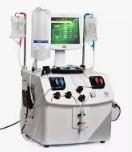
Stem Cell Collection – “Apheresis”
Phase 1: Collecting Stem Cells
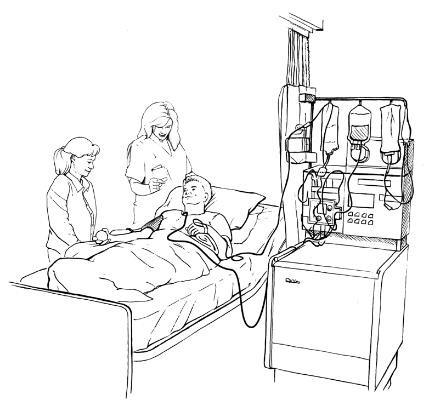
Stem cells are naturally created to have bone marrow growth but need to be stimulated and “mobilized” to produce at the level needed for collection.
Chemo-mobilization or growth-factor alone, +/- plerixafor or motixafortide
Goal of collection is based on number of planned transplants (current and future)
Apheresis is the medical process for separation of blood components, allowing for collection of CD34+ cells (stem cells)
Stored cells may be used following CAR-T to help with bone marrow recovery
Miceli T, et al. Clin J Oncol Nurs. 2013;17(6)suppl:13-24. Miceli and Steinbach, 2021. Stem Cell Transplant, Ch4, ONS.
National Comprehensive Cancer Network® (NCCN®) NCCN Clinical Practice Guidelines In Oncology (NCCN Guidelines®) for Multiple Myeloma. Version 4.2026. To view the most recent or complete version of the guideline, go online to NCCN.org.
Transplant
Phase 2: Transplant
Measured as a timeline, often starting on Day -2 as a count down to transplant day, “Day 0”. Each day following is “Day +xx”.
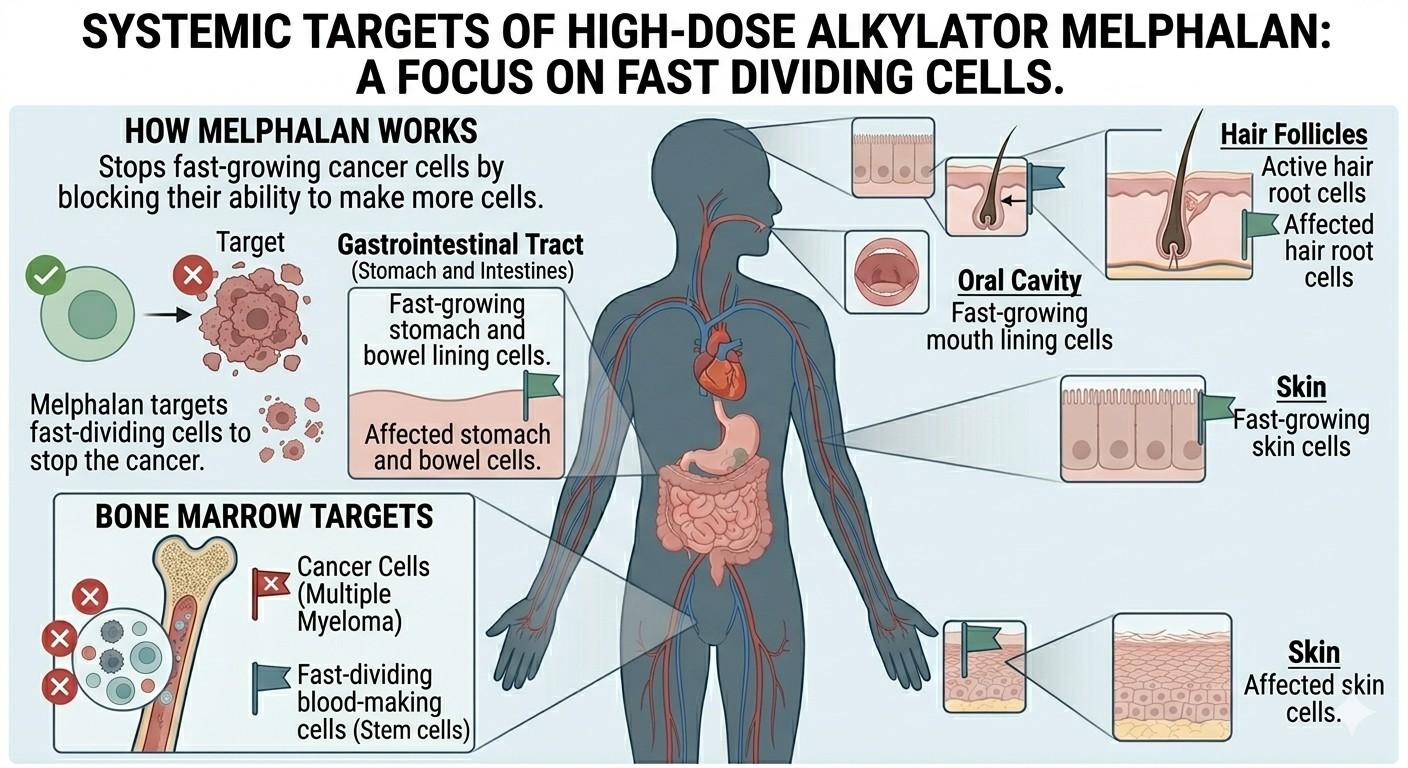
Day -2: High Dose Melphalan, IV
Day 0: Stem cell infusion, a.k.a.
Transplant
Side effects: hair loss, GI toxicity, bone marrow failure
Typical timeline:
Day +7: experiencing side effects
Day +14: early signs of engraftment
Day +21: prepare for transition to Phase 3, HOME.
Management: IV hydration & electrolytes, transfusions, time
Engraftment: Bone marrow and blood count recovery
Miceli T, et al. Clin J Oncol Nurs. 2013;17(6)suppl:13-24. Miceli and Steinbach, 2021. Stem Cell Transplant, Ch4, ONS.
GI Symptoms: Prevention & Management
Constipation is more common in the induction phase
Opioid pain relievers, antidepressants, heart or blood pressure medications (check with provider, pharmacist)
Supplements: Calcium, Iron, vitamin D (rarely), vitamin B-12 deficiency
Increase fiber
Stay well hydrated
Fruits, vegetables, high fiber whole grain foods
Fiber binding agents – Metamucil® ,
Citrucel® , Benefiber®
Fluid intake can help with both diarrhea and constipation and helps kidney function Discuss GI issues with healthcare providers to identify causes and adjust medications and supplements
Anorexia, the inability to eat, is common during transplant and resolves with time.
• Hydration is most important
• Small, frequent meals with a focus on protein intake
• You will work closely with a dietician to help monitor your calorie intake
Diarrhea is common during transplant and long-term maintenance therapy.
Other medications and supplements can cause GI issues.
Hydration is very important
Electrolyte replacement is common
Good skin care will help prevent irritation
Stool exam may be needed to rule-out infection
If no infection, anti-diarrheal medication may be prescribed
Post Transplant
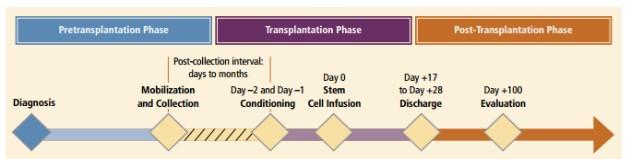
Phase 3: Post Transplant
Marked by engraftment and a transition to home care and recovery
Time is needed for full recovery. This will vary from one person to another.
Care partner support will still be needed in the early days after returning home.
Day +21: APPROXIMATE time when people will transition to home.
Restrengthening, regaining energy
Appetite recovery
Day +60 to Day +100: anticipate start of maintenance therapy
Near 6 months: Begin post-transplant immunizations
Miceli T, et al. Clin J Oncol Nurs. 2013;17(6)suppl:13-24. Miceli and Steinbach, 2021. Stem Cell Transplant, Ch4, ONS. National Comprehensive Cancer Network® (NCCN®) NCCN Clinical Practice Guidelines In Oncology (NCCN Guidelines®) for Multiple Myeloma.
Care Partner Support during ASCT


Care partner support is essential for the entire transplant process.
Phase 1: Sedated procedures; Education sessions
Phase 2: Some transplant centers allow for outpatient transplant management if a care partner is present to assist with daily activities, medication management and alert the medical team of changes
Phase 3: Continued support and assistance is often needed in the early days after returning home. Less assistance will be needed as time and healing go on.
Care partner(s) can be one person or a rotation of many people.

Miceli T, et al. Clin J Oncol Nurs. 2013;17(6)suppl:13-24. Miceli and Steinbach, 2021. Stem Cell Transplant, Ch4, ONS. National Comprehensive Cancer Network® (NCCN®) NCCN Clinical Practice Guidelines In Oncology (NCCN Guidelines®) for Multiple Myeloma. Version 4.2026. To view the most recent or complete version of the guideline, go online to NCCN.org.
Maintenance Is Recommended for Myeloma Patients After Initial Treatment
Maintenance therapy is recommended for patients with myeloma
• After transplant (ASCT)
• In transplant-ineligible or those with deferred transplant after induction/consolidation
Maintenance is prolonged lower-intensity treatment designed to sustain remission
Maintenance therapy
Benefits of maintenance therapy
• Increased progression-free survival (PFS)
• Deepened responses--increases overall response rates (ORR) and minimal residual disease (MRD) negative rates
• Improved overall survival (OS) in some studies

• Standard of care: Revlimid (lenalidomide) 10 or 15 mg pill every day – REMS program
Specialty pharmacy
Other options
Anti-CD38 antibody-based
Proteasome-inhibitor based
New options in clinical trial like CELMoDs
MRD Testing: The Big Picture
Minimal Residual Disease (MRD) Testing
• Can provide information on how well treatment is working
• Is recommended after each treatment stage (e.g., after induction, consolidation, maintenance)
• Should be initiated only at the time of suspected complete response.
At Myeloma Diagnosis
Myeloma cells (purple) crowd out normal bone marrow cells (peach)
Complete Response
No detectable myeloma protein <5% myeloma cells in bone marrow
MRD negative
10-5 = <1 myeloma cell in 100,000 10-6 = <1 myeloma cells in 1,000,000
Nature of Myeloma
HR-SMM = high risk smoldering multiple myeloma; M-protein = monoclonal protein; MGUS = monoclonal gammopathy of undetermined significance; misc = miscellaneous (no dominant clone); MM = multiple myeloma; SMM = smoldering multiple myeloma.
Adapted from Durie B. Keats JJ, et al. Blood. 2012;120(5):1067-1076.
Healthy Practices: Part of the Big Picture
Adopt Healthy Behaviors
• Mental health / social engagement
• Stress reduction; relaxation
• Sufficient Sleep
• Maintain a healthy weight; eat nutritiously
• Activity / exercise / prevent falls, injury
• Stop smoking
• Sexual health / intimacy
• Complementary or alternative therapy
• Socialize and Connect with others
Have a PCP for general check ups, preventative care, health screenings, vaccinations
Have specialists for dental care, eye exams/screening, skin cancer screening
Recommended Health Screenings
Blood pressure
Cholesterol
Cardiovascular disease Colonoscopy
Dental checkups & cleaning
Dermatologic evaluation
Diabetes
Hepatitis
Hearing
Vision
Women specific: mammogram, pap smear Men specific: prostate
Faiman B, et al. CJON. 2017;21(5)suppl:19-36. Dimopoulous M, et al. Leukemia. 2009;23(9):1545-56.
Brigle K, et al. CJON. 2017;21(5)suppl:60-76. Faiman B, et al. CJON. 2017;21(5)suppl:19-36. Faiman B, et al. CJON. 2011;15suppl:66-76. Miceli TS, et al. CJON. 2011;15(4)suppl:9-23.
Care Partners: Essential Pieces of the Puzzle
Multiple studies demonstrate that strong social ties are associated with
• Increased longevity including people with cancer
• Improved adherence to medical treatment leading to improved health outcomes
• Lower risk of cardiovascular diseases
• Increased sense of purpose & life satisfaction
• Improved mood and happiness
• Reduced stress and anxiety
• Enhanced resilience
Care partners may help with medical appointments, managing medication, daily living, physical assistance, emotional support, myeloma knowledge, healthy lifestyle, patient advocacy, financial decisions
Care partners can be a spouse, close relative, a network of people (family, friends, neighbors, church members, etc)
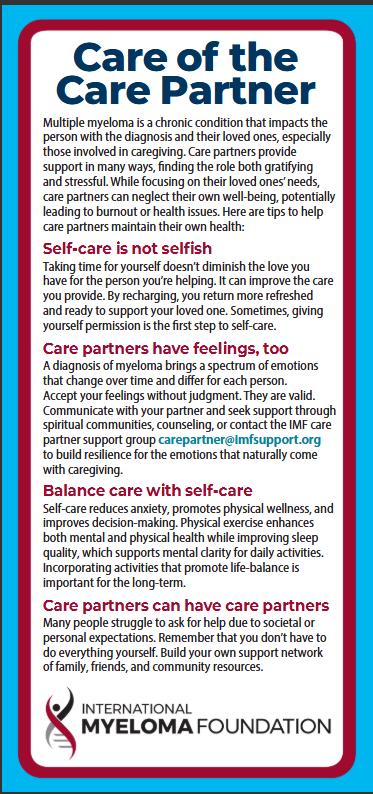
Caring for the care partner
• Recognize that caregiving is difficult and stressful
• Encourage care partners to maintain their health, interests, and friendships
• The IMF has information and resources to help care partners
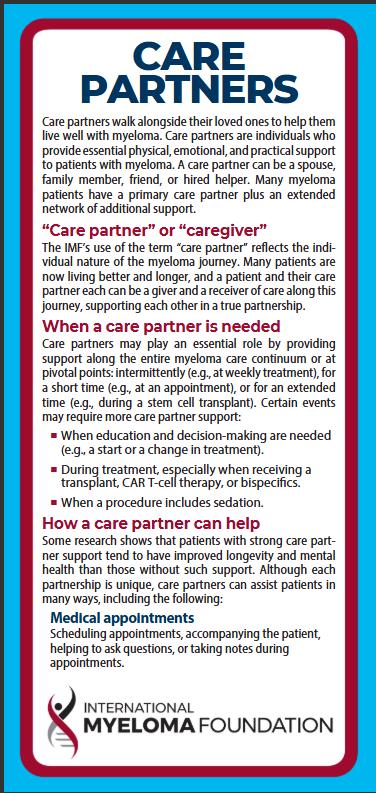
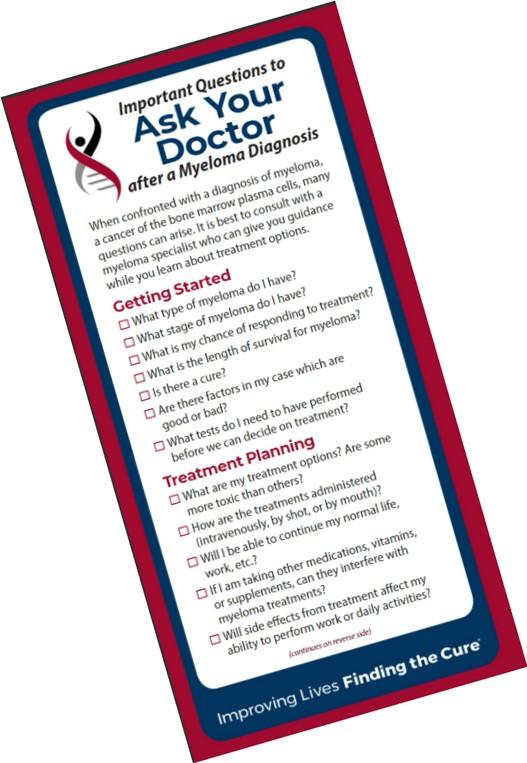
IMF Tip Cards
Martino J, et al. Am J of Lifestyle Med. 2015;11(6):466-475. Yang YC, et al. Proc Natl Acad Sci U S A. 2016;113(3):578-583. Pinquart M and Duberstein PR. Crit Rev Oncol Hematol. 2010; 75(2):122–137.






“THANK YOU!”

Q&A
Workshop Video Replay & Slides
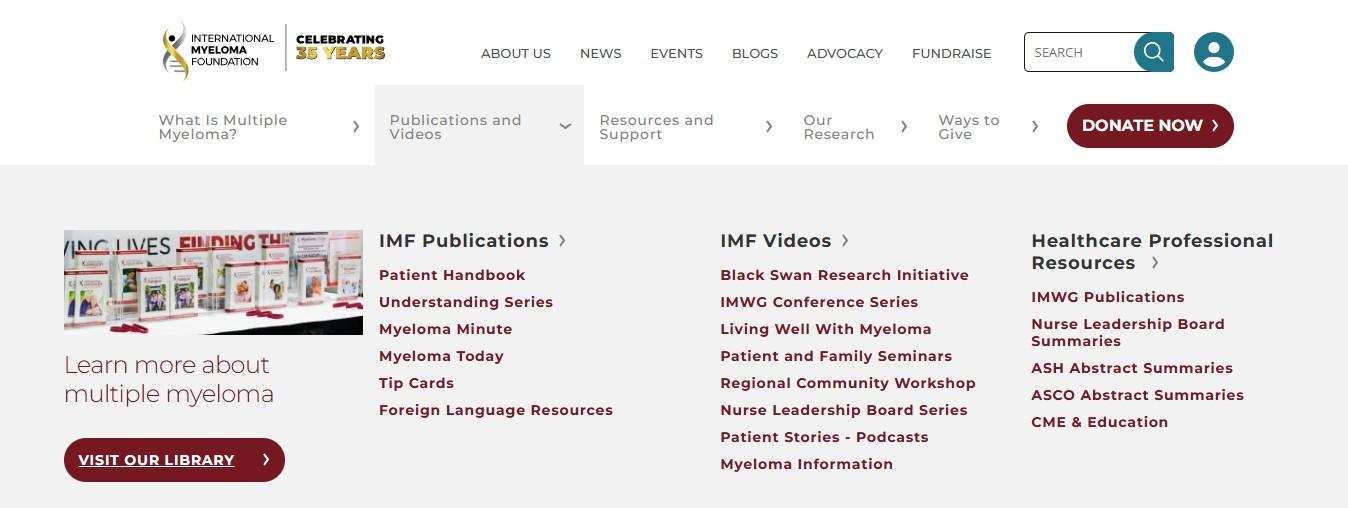
As follow up to today's workshop, we will have the speaker slides and a video replay available. These will be provided to you shortly after the workshop concludes and posted to our website under “IMF Videos”
We Want to Hear From You
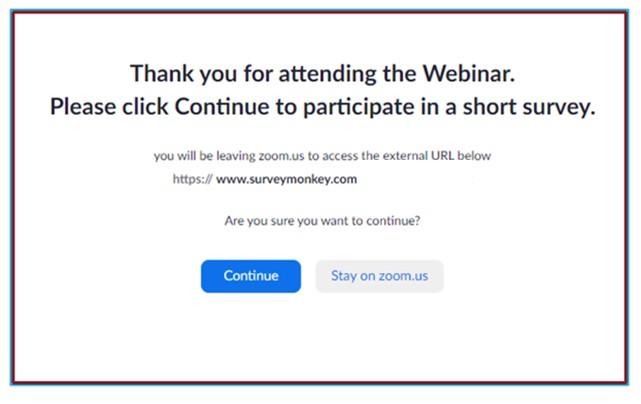
Feedback Survey
At the close of the meeting a feedback survey will pop up.
This will also be emailed to you shortly after the workshop.
Please take a moment to complete this survey.
Thank you to our sponsors!
OUR MISSION:
Improving the quality of life of myeloma patients while working toward prevention and a cure.
OUR VISION: A world where every myeloma patient can live life to the fullest, unburdened by the disease.