Educational Objectives

• Describe the pathophysiology and unmet burdens of narcolepsy with a focus on cardiovascular and cardiometabolic risks
• Discuss recently published evidence and practical prescribing considerations for the pharmacologic treatment of adult and pediatric patients with narcolepsy
• Tailor multimodal therapeutic plans for narcolepsy based on longterm treatment goals including sleep quality and stability, sodiumassociated negative clinical outcomes, comorbidities, and shared decision making with patients


NARCOLEPSY
An Overview of Disease Presentation and Diagnosis
Narcolepsy – A Brief History
First case reports were published in the late nineteenth century by Karl Friedrich Otto Westphal (1877) and Jean-Baptiste-Édouard Gélineau (1880).
Lӧwenfeld coined the term “cataplexy.” Gelineau coined “narcolepsy.”
Aserinsky and Kleitman first observed REM sleep; Dement, the “Father of Sleep Medicine” proved its deep connection to dreaming and charted the human sleep cycle.
Vogel discovered that disordered REM sleep played a role in narcolepsy.
Dement opened the first narcolepsy clinic at Stanford.
Carskadon, working with William Dement, developed the MSLT.
de Lecea and Sakurai independently discovered the hypocretin (orexin) gene; Mignot established that massive loss of hypocretin-producing neurons caused narcolepsy.
ICSD listed narcolepsy with and without cataplexy as separate disorders.
ICSD, International Classification of Sleep Disorders; MSLT, multiple sleep latency test; REM, rapid eye movement. Mignot EJM. Immunol Res. 2014;58(2):315-339; Todman D. ISPUB. 2013:9(2). https://ispub.com/IJN/9/2/7361.
Dr. William Dement The “Father of Sleep Medicine”





Dr. Dement (July 29, 1928 – June 17, 2020), one of my mentors, founded the worlds FIRST sleep center in 1970 at Stanford University and the first Sleep Fellowship training program, where I was fortunate to attend and work with Dr. Dement from 1991-1992.


Narcolepsy is Commonly Misdiagnosed
Nearly 60% of patients receive ≥1 misdiagnosis before obtaining a correct diagnosis,2 often waiting up to 15 years.3 Top 5 misdiagnoses, regardless of age of onset, based on a narcolepsy registry1
ADHD, attention deficit/hyperactivity disorder.
1. Ohayon MM, et al. Neurology. 2019;92(15 suppl):3.6-37; 2. Carter LP, et al. Postgrad Med. 2014;126(3):216-24; 3. Thorpy MJ, Krieger AC. Sleep Med. 2014;15(5):502-507.
Narcolepsy and Common Comorbidities
Top 5 coexisting conditions, regardless of age of onset, based on a narcolepsy registry
Patients with narcolepsy may have various comorbidities.
MM, et al. Neurology. 2019;92(15 suppl):3.6-37; Sansa G, et al. Sleep Med. 2010;11:93-95; Miano S, et al. Sleep Med X. 2024:8:100126.
Ohayon
How Is Narcolepsy Defined?
International Classification of Sleep Disorders (ICSD)-3-Text Revision (TR)
In addition to EDSa, ICSD-3-TR relies on the following objective data1-3
NT1
The presence of at least one of the following:
1. Cataplexy (as defined under Essential Features) and either:
a) Mean sleep latency of ≤8 minutes and two or more SOREMPs on MSLT
b) A SOREMP (≤15 minutes of sleep onset) on nocturnal PSG
2. CSF hypocretin ≤110 pg/mL (using a Stanford reference sample) or <⅓ of mean values obtained in normal subjects with the same standardized assay
NT2
REM sleep dysregulation as described in criteria a) and each of the following:
1. Absence of cataplexy
2. CSF hypocretin not measured or >110 pg/mL or >⅓ of mean control values
3. Hypersomnolence and/or MSLT findings not better explained by other causes

Limitations of ICSD-3 TR criteria include variability in clinical presentation of cataplexy, multiple and/or invasive CSF diagnostic tests, and lack of normative diagnostic test data (eg, MSLT).2
aDaily periods of an irrepressible need to sleep or daytime lapses into sleep occurring for at least 3 months. CSF, cerebrospinal fluid; PSG, polysomnography; SOREMPs, sleep onset REM periods. 1. American Academy of Sleep Medicine. International Classification of Sleep Disorders Third Edition, Text Revision. Darien, IL. AASM; 2023; 2. Ruoff C, Rye D. Curr Med Res Opin. 2016;32(10):1611-1622; 3. Berro LF, et al. Sleep Sci. 2014;7(1):3-4.
Clinical Symptom Presentations
• EDS is typically the first and primary presenting symptom
• Cataplexy develops after EDS in most cases. Only rarely does it present as the first symptom before EDS
EDS, excessive daytime sleepiness. Latorre D, et al. Semin Immunopathol. 2022;44(5):611-623.
& Variability
Key Symptoms
• EDS (including sleep attacks, involuntary napping, automatic behavior)
• Concentration and memory deficits
Further Symptoms
• Nightmares, vivid dreaming, enactment of dreams
• Sleep paralysis
• Sleep-related hallucinations (visual, auditory, tactile)
Frequently Associated Conditions
• Sleep disorders (restless legs syndrome, sleep apnea, parasomnias)
• Depression, anxiety
• Fatigue (including lack of energy)
• Cataplexy (partial and complete)
• Further symptoms
• Disrupted nocturnal sleep
• Overweight, weight gain at disease onset
• Autonomic disturbances
• Attention-deficit hyperactivity disorder
• Headaches, migraine
24-Hour PSG Recordings
vs Narcolepsy Hypnogram
• EDS (100%)
• Sleep disruption (~30%-95%)
• Hypnagogic and/or hypnopompic hallucinations (~33%-80%)
• Sleep paralysis (~25%-50%)
• Cataplexy
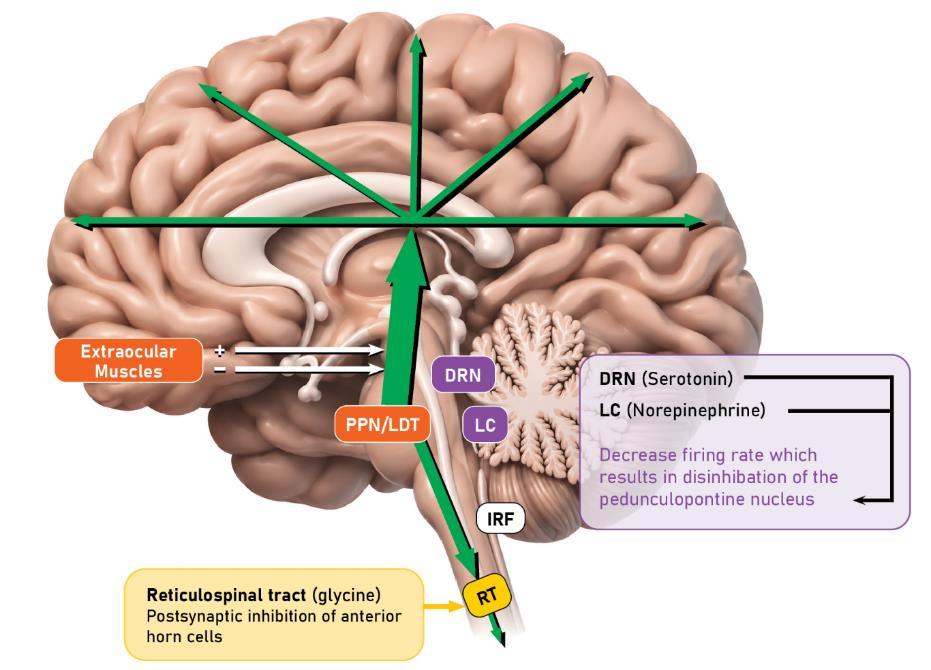
Narcolepsy Link. https://www.narcolepsylink.com/screening-and-diagnosis/narcolepsy-differential-diagnosis/.
of Hypocretin and Locus Coeruleus Deficiency
• Postmortem analysis of 11 brains with NT1
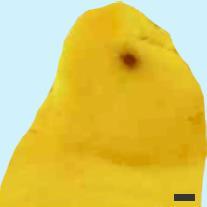

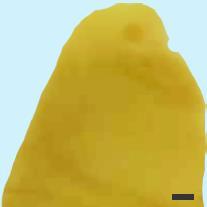
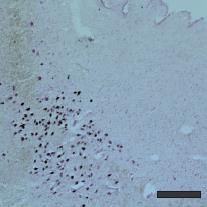
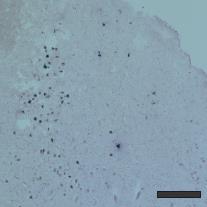
Neuromelanin and norepinephrine cell loss in the locus coeruleus of narcolepsy with cataplexy patients
Individuals with NT1 also have an average 46% loss in the number and an 18% increase in the size of brainstem norepinephrine neurons in the LC.
LC, locus coeruleus.
Thannickal TC, et al. Nat Commun. 2026. https://doi.org/10.1038/s41467-026-70899-x.
EDS
The Patient Perspective A Qualitative Study

• Described as “microsleeps” or “shutting off”
• Causes embarrassment when occurring publicly
• Influenced by factors such as the weather, seasons, or menstruation
Cataplexy
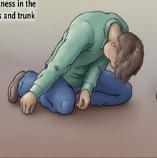
• Commonly triggered by positive emotions or situations, including sexual intercourse
Nocturnal Sleep Disturbances
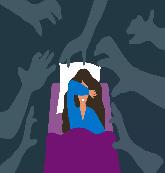
• Include vivid dreams, nightmares, sleep paralysis, hallucinations
• Emotions are suppressed to prevent episodes, leading to misinterpretations by others as drunkenness
• All lead to negative emotional experiences

Overall, narcolepsy symptoms significantly impacted patients’ emotional well-being.

Hlodak J, et al. Sleep Breath.2025;29(4):231.
The Patient Perspective
Self-Reported Concerns Regarding Cognition
“When I was in grad school, I would read a chapter three times, but I still didn’t know what it said.”
“My meds affect the way I respond to things because my brain feels overworked sometimes from being awake, so my thinking is almost never entirely clear.”
“Even when I’m wellrested and taking all my meds, studying is harder than before I had narcolepsy.”
“My meds keep me from falling asleep at work, but I spend much of the day in a fog.”
“My memory is affected severely by my narcolepsy, which sometimes gives off the impression that I don’t care or don’t pay attention, but I just can’t remember.”

“I have to double-check if I sent that email.”
“I can’t multitask because the task at hand takes so much effort.”
Overall, narcolepsy symptoms significantly impacted patients’ emotional well-being.
Cano CA, et al. Sleep. 2024;47(9):zsae150.
Differential Diagnosis for Hypersomnolence

❑ Fragmentation of Sleep
•Obstructive sleep apnea/upper airway resistance syndrome
•Periodic leg movement disorder
•Environmental causes
•Chronic pain
❑ Lack of Total Sleep
•Insufficient sleep syndrome
•Insomnia
❑ Central Nervous System
•NT1
•NT2
•Idiopathic hypersomnia (IH)
•Kleine-Levin Syndrome
❑ Other Causes
•Substance-induced sleep disorder
•Psychiatric or medical disorders
•Circadian rhythm sleep-wake disorders
Slowik JM, et al. In: StatPearls [Internet]. Treasure Island (FL): StatPearls Publishing; 2026. https://www.ncbi.nlm.nih.gov/books/NBK459236/.
Differential Diagnosis Obstructive Sleep Apnea
How common is coexisting Narcolepsy and OSA?
Prevalence of OSA in narcolepsy ranges from 24.8% to 51.4%


S, et al. Sleep Med X. 2024:8:100126.
Miano
Proportion of All Narcolepsy Cases Diagnosis Distribution
Symptom
Hypnagogic/hypnopompic
chart review
chart review
1. Barateau L, et al. Sleep Med. 2024;124:510-521; 2. Dauvilliers, Barateau et al., 2020; 3. Jiang RY, et al. J Clin Med. 2025;14(9):3217.
Proportion of All Narcolepsy Cases Then vs Now
1. Silber MH, et al. Sleep. 2002;25(2):197-202; 2.Ohayon MM, et al. Neurology. 2002;58(12):1826-1833; 3. Hublin C, et al. Sleep. 1994;17(8 suppl):S7–S12; 4. Dauvilliers Y, et al. Neurology. 2001;57(11):2029-2033; 5. Thorpy MJ, Dauvilliers Y. Sleep Med. 2015;16(1):9-18; 6. Ohayon MM, et al. Psychiatry Res. 2025;347:116390; 7. Ohayon MM, et al. Sleep Med X. 2023:6:100095; 8. Ghosh S, et al. Sleep Adv. 2026;7(2):43:1-10; 9. Jiang RY, et al. J Clin Med. 2025;14(9):3217.
Low or no orexin
Absence of low orexin
Absence of low orexin
More frequent sleep paralysis Less frequent sleep paralysis Not associated with sleep paralysis
More frequent hallucinations Less frequent hallucinations Not associated with hallucinations
Greatly associated with REM Less associated REM Not associated with REM
The differentiation between NT1, NT2 and IH rests on the degree of linkage to REM sleep pathology.
Slowik JM, et al. In: StatPearls [Internet]. Treasure Island (FL): StatPearls Publishing; 2026. https://www.ncbi.nlm.nih.gov/books/NBK459236/; Trotti LM. Sleep Med Clin. 2017;12(3):331–344.
Patient Evaluation and Diagnostic Workup
Clinical evaluation
• Review of Symptoms (ROS)
– EDS ≥3 months, cataplexy, sleep paralysis, and hallucinations
• Validated tools, eg, Epworth Sleepiness Scale
• Assess other causes of EDS, eg, medical conditions (hypothyroidism, insufficient sleep syndrome), or other sleep disorders, (OSA, PLMS)
• Medication side-effects
Discuss confounding factors
• Sleep schedule prior to the study; may need to adjust prior to MSLT
• Antidepressant use may inhibit REM; if depression worsens while medication is temporarily interrupted, then resume medication
• Withhold stimulants for 2 weeks, with a minimum of 4 days
1) NPSG; HSAT cannot be used
• A minimum of 6 hours total sleep time
• Check for short REM onset (<15 min)
• Looks for evidence of other sleep disorders
2) MSLT
• Performed the day after PSG
• Series of 5 scheduled naps, every 2 hours
• Patient is given a 20-minute opportunity to fall asleep
• If patient falls asleep, they are allowed 15 minutes to transition into REM sleep
Additional tests
• CSF hypocretin-1 test; levels ≤110 pg/mL confirm type 1
• HLA typing; genetic test for DQB1*0602 to support type 1 diagnosis
• Measure mean sleep latency and check for SOREMPs
• Urine drug screen is best in the afternoon, not at the beginning
The MSLT is the gold standard for diagnosing narcolepsy, but its utility is limited by poor reproducibility and high false-negative rates.2
HSAT, home sleep apnea test; NPSG, nocturnal PSG; PLMS, periodic limb movements of sleep testing. Ruoff C, Rye D. Curr Med Res Opin. 2016;32(10):1611-1622; American Academy of Sleep Medicine. International Classification of Sleep Disorders Third Edition, Text Revision.Darien, IL. AASM; 2023; Berro LF, et al. Sleep Sci. 2014;7(1):3-4.
Evaluation of OSA with Persistent EDS
Follow-up evaluation
• Compliant with OSA treatment; no signs of insufficient treatment
• EDS (ESS ≥10)
• Reassess for RLS or signs of PLMS
• Medication side-effects
Additional tests
• CSF hypocretin-1 test; levels ≤110 pg/mL confirm type 1
• HLA typing; genetic test for DQB1*0602 to support type 1 diagnosis
1) NPSG on OSA treatment, ie, PAP
• A minimum of 6 hours total sleep time
• Check for short REM onset (<15 min)
• If PAP settings are not optimal, adjust
2) MSLT on OSA treatment, ie, PAP
• Performed the day after PSG
• Series of 5 scheduled naps, every 2 hours
• Patient is given a 20-minute opportunity to fall asleep
• If patient falls asleep, they are allowed 15 minutes to transition into REM sleep
• Measure mean sleep latency and check for SOREMPs
• Urine drug screen is best in the afternoon, not at the beginning
The MSLT is the gold standard for diagnosing narcolepsy, but it is under utilized by most sleep centers and without a MSLT, an objective noninvasive narcolepsy diagnosis can not be obtained.2
PAP, positive airway pressure; RLS, restless leg syndrome. Ruoff C, Rye D. Curr Med Res Opin. 2016;32(10):1611-1622; American Academy of Sleep Medicine. International Classification of Sleep Disorders Third Edition, Text Revision. Darien, IL. AASM; 2023; Berro LF, et al. Sleep Sci. 2014;7(1):3-4.
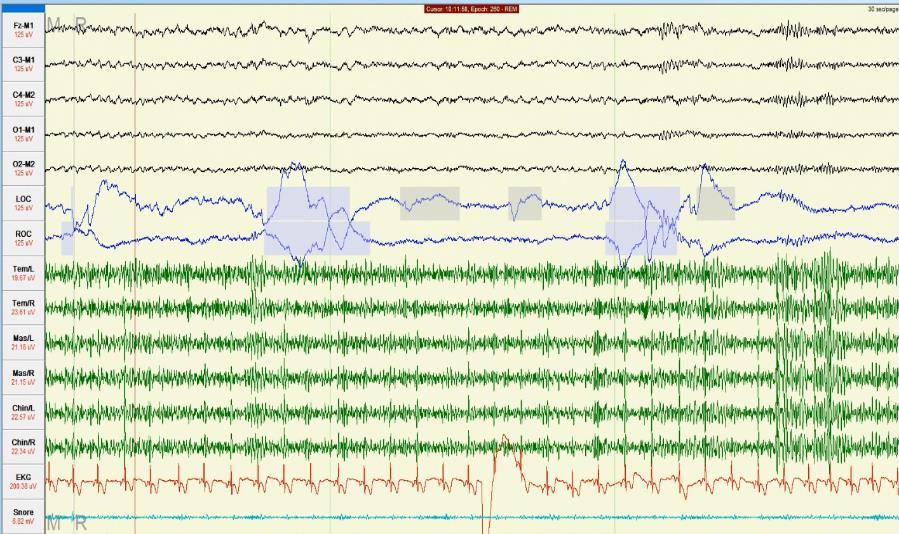
Understanding Test Results
• NPSG
– Short REM latency counts as a MSLT REM nap
– May show OSA, which may require treatment, or PLMS
– REM without atonia is also a common finding
•
MSLT
– Measures average mean sleep onset latency (MSOL), classically less than 8 minutes
– If over 8 minutes, assess factors that can hinder results, eg, stress, anxiety, environmental factors
– Entering REM sleep on at least 2 naps
– REM may not be as profound as that on NPSG
• EMG reduction with EEG changes (saw tooth waves), in the setting of less obvious indicators of REM
EEG, electroencephalogram; EMG, electromyogram.
De-identified Example

NARCOLEPSY AND CARDIOVASCULAR AND CARDIOMETABOLIC RISK

Let’s Recap: CV-BOND
A Real-world Evidence Study
• Retrospective cohort study of claims data revealed the risk of NEW-ONSET
CARDIOVASCULAR EVENTS was higher with narcolepsy vs controls Afib,
Consider cardiovascular risk in patients with narcolepsy when weighing
myocardial infarction. Ben-Joseph RH, et al. Sleep. 2023;46(10):zsad161.
CV Health in Children With Narcolepsy
Risk of hypertension, hyperlipidemia, diabetes, and nonalcoholic fatty liver disease/nonalcoholic steatohepatitis among patients with vs without narcolepsy in propensity score–matched subgroup
Hypertension
Subgroups
Subgroups
Kaufman CN, et al. J Am Heart Assoc. 2025;14(12):e039899.
Hyperlipidemia
CV Health in Children With Narcolepsy
Risk of hypertension, hyperlipidemia, diabetes, and nonalcoholic fatty liver disease/nonalcoholic steatohepatitis among patients with vs without narcolepsy in propensity score–matched subgroup
Subgroups
Nonalcoholic fatty liver disease/Nonalcoholic steatohepatitis
Consequently, all patients with narcolepsy should be monitored for cardiovascular disease development throughout the course of their condition.
Kaufman CN, et al. J Am Heart Assoc. 2025;14(12):e039899.
Negative Clinical Outcomes (NCOs)
in Narcolepsy
Real-world study to quantify the risk of NCOs in narcolepsy
• NCOs were defined as cardiovascular,a cardiometabolic (edema), and renal (kidney failure, chronic kidney disease, proteinuria) conditions
• Narcolepsy patients, n=29,317, vs non-narcolepsy controls n=146,585

Individuals with narcolepsy had an increased risk of NCOs relative to those without narcolepsy.
aHypertension, stroke, transient ischemic attack, heart failure, major adverse cardiovascular event (MACE; ie, heart failure, stroke, myocardial infarction, unstable angina, or coronary revascularization procedures).
Markt SC, et al. World Sleep 2025. Singapore. https://ws2025.abstractserver.com/program/#/details/presentations/2915.
Cardiovascular Risks in Narcolepsy Expert
Consensus Recommendations
Recognize the risk of hypertension and cardiovascular/cardiometabolic disease in patients with narcolepsy
A. Consider that narcolepsy has been linked to increased cardiovascular/cardiometabolic risk
B. Recognize that patients with narcolepsy may have other sleep disorders, which may also increase risk
C. In patients with narcolepsy without existing cardiovascular/cardiometabolic disease, annually monitor BP, weight, and waist circumference
D. Implement guideline recommendations for screening lipids and glycated hemoglobin A1c
E. In the setting of conditions such as hypertension, family history of premature cardiovascular disease, diabetes, glucose intolerance, obesity, metabolic syndrome, and OSA, initiate earlier or more frequent monitoring as clinically indicated Kwon Y, et al. J Am Heart Assoc. 2024;13(16):e035168.
Cardiovascular Risks in Narcolepsy Expert
Consensus Recommendations
Reduce the risk of hypertension and cardiovascular/cardiometabolic disease in patients with narcolepsy
A. Educate patients on the association between narcolepsy and cardiovascular/cardiometabolic comorbidities
B. Counsel and monitor patients on the AHA's “Life's Essential 8” and implement other lifestyle changes (eg, exercise, food choices/timing, reduced sodium intake, smoking cessation) to decrease risk
C. Sleep clinicians should evaluate/treat comorbid risk factors/conditions in collaboration with primary care, cardiology, endocrinology, sleep medicine, and other relevant specialties
D. Evaluate for and treat comorbid OSA
E. Tailor narcolepsy drug therapy based on the risk for hypertension and cardiovascular disease
Cardiovascular Risks in Narcolepsy
Expert Consensus Recommendations
Reduce sodium intake to lower the risk of hypertension and cardiovascular disease in patients with narcolepsy
A. Educate patients that high sodium intake from diet or medications can increase the risk of HTN and CVD
B. Advise patients that reductions in sodium intake may lower their BP and cardiovascular risk
C. Provide dietary educational materials (eg, AHA guidelines, DASH diet, WHO recommendations) to aid in reducing sodium intake
D. Advise patients to use a salt substitute (if not contraindicated) and implement a low‐sodium diet
BP, blood pressure; DASH, Dietary Approaches to Stop Hypertension; HTN, hypertension; WHO, World Health Organization. Kwon Y, et al. J Am Heart Assoc. 2024;13(16):e035168.
Daily Sodium Intake
WHO & AHA Recommendations
• Americans consume >3300 mg/day of sodium1
• WHO recommends ≤2000 mg/day2
• AHA recommends an ideal limit closer to 1500 mg/day3
• US study reported 89% of adults exceed dietary sodium intake of 2300 mg/day and 92% - 94% of children consume excess sodium4
• WHO reports an estimated 1.7 million deaths each year are associated with consuming too much sodium (2023)2
Milligrams of Sodium
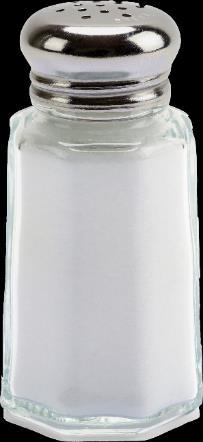
American adult daily consumption (>3300 mg)
Recommended maximum level (2000 mg)
Recommended daily level (1500 mg)
Adult needed daily level (180 mg)
How does this affect treatment selection?
1. Centers for Disease Control and Prevention (CDC). https://www.cdc.gov/salt/about/index.html; 2. World Health Organization (WHO). https://www.who.int/news-room/fact-sheets/detail/sodium-reduction; 3. American Heart Association (AHA). https://www.heart.org/en/healthy-living/healthyeating/eat-smart/sodium/how-much-sodium-should-i-eat-per-day; 4. Ben-Joseph RH, et al. Sleep. 2023; 46(10):zsad161.

CV CONSIDERATIONS OF NARCOLEPSY TREATMENT
First…What Are the Goals of Treatment?
• Because there is no cure for narcolepsy, primary goals are to
–Maximize daytime alertness
–Minimize EDS
–Eliminate/reduce symptoms
–Improve quality of life and safety
• Pharmaceutical therapy is generally directed at treating EDS, cataplexy, and sleep fragmentation
Morse AM. Med Sci. 2019;7(12):106.

Mechanisms of Pharmacotherapies for Narcolepsy
• Stimulants/wake-promoting agents
–Modafinil
–Armodafinil
–Amphetamines
–Methylphenidate (NDRI)
–Solriamfetol (NDRI)
• CNS depressants
–Sodium oxybate (immediate and extended release)
–Low-sodium oxybate
• Antidepressants –SSRIs/SNRIs –Tricyclic antidepressants
• Histamine receptor antagonist –Pitolisant
American Academy of Sleep Medicine (AASM) 2021 Recommendations
Stimulants/Wake-Promoting Agents
Intervention Strength of Recommendation
• Strong
Modafinil
Armodafinil
Methylphenidate
• Clinical thresholds met for EDS, disease severity, and QoL
• Recommended in children
• Conditional
• Clinical thresholds met for EDS and disease severity
• Conditional
• Clinical thresholds were met for disease severity
• Conditional
Dextroamphetamine
Solriamfetol
• Clinical thresholds were met for EDS and cataplexy
• Strong
• Clinical thresholds were met for EDS, disease severity, and QoL
Risk/Warning
• FDA Schedule IV federally controlled substances due to potential for abuse or dependency
• 2018 annual report of ongoing pregnancy registry shows a higher rate of major congenital anomalies and other adverse reactions in children exposed to the drug in utero
• May reduce the effectiveness of oral contraception
• FDA Schedule II federally controlled substance and black box warning due to potential for abuse or dependency
• Based on animal data, may cause fetal harm
• FDA Schedule II federally controlled substance and black box warning due to potential for abuse or dependency
• Based on animal data, may cause fetal harm
• FDA Schedule IV controlled substance; thus, has potential for abuse
• Based on animal data, may cause fetal harm
FDA, US Food and Drug Administration; QoL, quality of life. Maski K, et al. J Clin Sleep Med. 2021;17(9):1881–1893; Black J, et al. Future Cardiol. 2025;21(6):339-348.
CV Considerations
• Contains a warning for increased monitoring for CVD
• Contains a warning for serious CV events and for increased monitoring for blood pressure and heart rate
• Contains a warning for individuals with heart disease, due to potential for increased risk of cardiac events and death if history of MI or angina
• Contains a warning for increased monitoring for high blood pressure and heart rate
AASM 2021 Recommendations (Cont.)
CNS Depressants
Intervention Strength of Recommendation1
• Strong
Sodium oxybate (immediate release and extended release)
Low-sodium oxybate
• Clinical thresholds met for EDS, cataplexy, and disease severity
• Recommended in children
Risk/Warning
• FDA Schedule III controlled substances only available through restricted REMS programs
CV Considerations
• No AASM recommendations based on guideline publication date and timing of FDA-approval
• Approved for pediatric patients
• Oxybates are sodium salts of GHB (an FDA Schedule I controlled substance), abuse or misuse is associated with CNS adverse reactions
• CNS depression
• Based on animal data, may cause fetal harm
• Contains a warning for high sodium content and monitoring in patients with heart failure, hypertension, or impaired renal function
CNS, central nervous system; GHB, γ-hydroxybutyric acid. Maski K, et al. J Clin Sleep Med. 2021;17(9):1881–1893; Black J, et al. Future Cardiol. 2025;21(6):339-348; Xywav. Package insert. Jazz Pharmaceuticals, Inc; 2025. Accessed September 3, 2025. https://pp.jazzpharma.com/pi/xywav.en.USPI.pdf; Xyrem. Package insert. Jazz Pharmaceuticals, Inc; 2025. Accessed September 3, 2025. https://pp.jazzpharma.com/pi/xyrem.en.USPI.pdf; Lumryz. Package insert. Avadel Pharmaceuticals, LLC; 2024. Accessed September 3, 2025. https://www.lumryzhcp.com/sites/default/files/2025-07/lumryz-prescribing-information.pdf2.
Sodium Exposure and Narcolepsy Treatment Options
Medication
Sodium oxybate, oral solution
Sodium content per maximum recommended dose
1640 mg
For extended-release oral suspension 1640 mg
Calcium, magnesium, and sodium oxybates, oral solution
131 mg
• Sodium oxybate at common doses of 6 g, 7.5 g, and 9 g, equate to consuming 1100 mg, 1400 mg, and 1640 mg of sodium, respectively
• Maximum AHA recommended sodium intake of 1500 mg for the entire day is consumed before any ingestion of food or drink
Xywav. Package insert. Jazz Pharmaceuticals, Inc; 2025. Accessed September 3, 2025. https://pp.jazzpharma.com/pi/xywav.en.USPI.pdf; Xyrem. Package insert. Jazz Pharmaceuticals, Inc; 2025. Accessed September 3, 2025. https://pp.jazzpharma.com/pi/xyrem.en.USPI.pdf; Lumryz. Package insert. Avadel Pharmaceuticals, LLC; 2024. Accessed September 3, 2025. https://www.lumryzhcp.com/sites/default/files/2025-07/lumryz-prescribing-information.pdf2.
Switching From Sodium Oxybate to LXB Cardiovascular Considerations
Switching From Sodium Oxybate to LXB Cardiovascular Considerations
Endpoints
Switching from SXB to LXB reduced daily treatment-related sodium intake in participants with narcolepsy and was associated with clinically meaningful BP reductions, consistent with evidence on dietary sodium effects.
DBP, diastolic BP; SBP, systolic BP; SE, standard error. White WB, et al. Hypertension. 2025;82(12):2162–2171.
AASM 2021 Recommendations (Cont.)
Histamine Receptor Antagonist
Intervention Strength of Recommendation Risk/Warning
• Strong
Pitolisant
• Clinical thresholds met for EDS, cataplexy, and disease severity
• Based on animal data, may cause fetal harm
• May reduce the effectiveness of oral contraception
CV Considerations
• Prolongs QT interval and increases risk of arrythmia; should be avoided in patients with hepatic and renal impairment
Maski K, et al. J Clin Sleep Med. 2021;17(9):1881–1893; Black J, et al. Future Cardiol. 2025;21(6):339-348.

THERAPEUTIC MANAGEMENT STRATEGIES
Nonpharmacologic Strategies
Behavioral Strategy Description
Strategic Caffeine Plan use of caffeine intake to promote performance and alertness
Sleep Hygiene
Sleep-related behaviors to enhance and achieve age-appropriate number of hours of sleep
Sleep Scheduling Regular sleep-wake schedule
Cognitive Behavioral Therapy Systematic application of techniques needed to evaluate and improve behavior
Scheduled Napping Nap that is scheduled during individual’s typical height of sleep inertia
Strategic Napping Planned nap of specific duration to promote performance and alertness
Support Groups In person or online social communities for support
Exercise Any cardiovascular activity for physical engagement
Mindfulness Meditation and self-awareness
Yoga Breath control, simple meditation, adoption of specific postures for health/relaxation
Diet Small, frequent meals, low carbohydrate, ketogenic diet
Temperature Manipulations Cold temperature environments and avoidance of hot environments
Morse AM. Med Sci. 2019;7(12):106.
Pharmacologic Strategies by Outcome
ER, extended release.
Adapted from Morse AM. Med Sci. 2019;7(12):106. Target Agent(s)
Because disrupted nighttime sleep directly feeds into daytime dysfunction, treating the night is an essential part of managing the day. Targeting both ends of the 24-hour cycle is essential to improve overall functionality.
Dose Optimization in Narcolepsy
Assess Start Low Titrate Gradually Monitor Response Manage Side Effects Maintain & Reassess
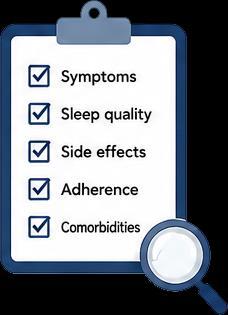

Dosing is individualized, beginning with slow titration to establish efficacy and careful monitoring to balance wakefulness with side effects.


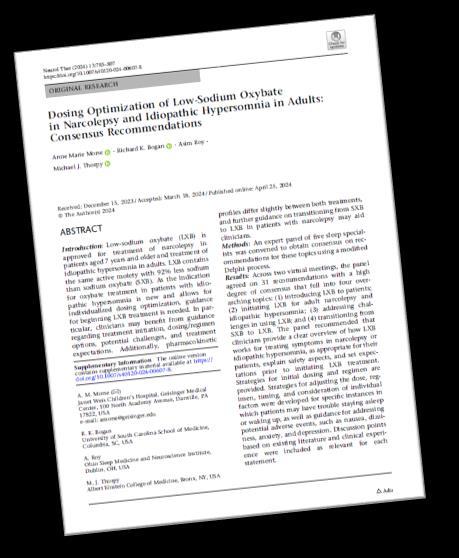
Guidance for LXB Dose Optimization 2024 Consensus Recommendations
Introducing LXB to patients
Initiating LXB
Addressing challenges in using LXB
✓ Should be taken ≥2 hours after eating, with the first dose taken at bedtime, while the patient is in bed
✓ For twice-nightly dosing, initiate at 4.5 g, divided into 2 equal doses, with the first dose administered at bedtime; set an alarm to awaken for second administration 4 hours later
✓ Consider once-nightly dosing (starting at ≤3 g at bedtime) and titrate to a maximum dose of 6 g if patient is unlikely to wake for second dose
✓ Dose/timing may need to be adjusted over weeks/months to achieve the optimal therapeutic effect; time to initial therapeutic effect may be up to 6 weeks; time to optimal therapeutic effect may be up to 12 weeks
Transitioning from sodium oxybate to LXB
✓ Follow-up should occur at least every 4 to 6 weeks after initiation and throughout the titration period; subsequent visits should occur at least every 3 months until patient is stable
2024;13:785-807.
LXB Dosages >9 Grams/Night DUET Study
• N=48 participants with NT1, NT2, IH
• Mean total LXB dosage was 11.1 g/night
• Results for completers (n=44)
–Mean BL/EOT ESS scores were 11.4/8.3
• NT1 (n=26) mean BL/EOT NSS scores were 17.3/9.4
• NT2 (n=16) mean BL/EOT NSS scores were 9.7/4.3
• Common TEAEs (mostly mild/moderate) included nausea (12.5%), vomiting (12.5%), and headache (10.4%)
–3 TEAEs were severe; hypnagogic hallucinations, nausea, syncope
Participants taking LXB dosages >9 g/night maintained a similar safety profile as those taking ≤9 g/night, including no respiratory safety signals.
BL, baseline; EOT, end-of-treatment; ESS, Epworth Sleepiness Scale; NSS, Narcolepsy Severity Scale; TEAE, treatment-emergent adverse event. Simmons J, et al. Psych Congress 2025. San Diego, California. https://www.hmpgloballearningnetwork.com/node/371199.
Conclusions
• Despite its immense impact on QoL, narcolepsy remains commonly misdiagnosed
• Increased awareness and improved diagnostic modalities are needed to ensure timely and accurate diagnosis
• CVD remains the leading cause of mortality in the US and narcolepsy increases risk of new onset disease
• While there are several pharmacotherapies available for treatment, it’s important to consider patient risk when developing management strategies