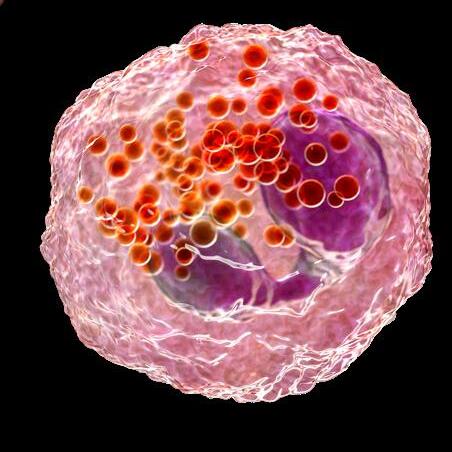
Gaining Control of Eosinophilic Disorders
SUNDAY, MAY 17, 2026
6:30 pm - 8:30 pm ET


FACULTY

Praveen Akuthota, MD
Professor of Medicine
University of California San Diego
La Jolla, California
Dr. Praveen Akuthota is Professor of Medicine at the University of California San Diego in the Division of Pulmonary, Critical Care, Sleep Medicine & Physiology. Dr. Akuthota’s research efforts range from basic scientific investigations of human eosinophil biology and eosinophilic inflammation to clinical and translational efforts in asthma and eosinophilic pulmonary disease. He is the corresponding Principal Investigator for the UCSD Clinical Center in the National Heart, Lung, and Blood Institute’s PRECISE Network that is studying precision interventions in severe asthma. He is a co-investigator on a study published in the New England Journal of Medicine showing the efficacy of anti-IL-5 therapy in the treatment of the eosinophilic disease EGPA (Churg-Strauss syndrome). His research group is involved in other multicenter studies in eosinophilic disease and asthma. Basic science investigations from Dr. Akuthota focus on ex vivo studies of human eosinophils. He has written several reviews and chapters discussing eosinophil immunobiology and clinical considerations in eosinophilic diseases.

Philip Seo, MD, MHS
Associate Professor of Medicine
Johns Hopkins University School of Medicine
Baltimore, Maryland
Dr. Philip Seo is an Associate Professor of Medicine at Johns Hopkins University, an Adjunct Professor of Medicine at the University of Maryland, and Rheumatology Physician Editor for UpToDate. He was the Director of the Johns Hopkins Vasculitis Center and the Director of the Johns Hopkins Rheumatology Fellowship Training Program for 11 years, and also served as the third Physician Editor for The Rheumatologist.
He has served on multiple American College of Rheumatology (ACR) committees, including the Committee on Training and Workforce, the Annual Meeting Planning Committee, the Committee on Membership and Awards, the Vasculitis Guidelines Taskforce, and the Virtual Rheumatology Program for Fellows-in-Training Task Force. He served as a Co-Chair of the ACR’s In-Training Examination Taskforce, the Annual Meeting Review Course, and the Non-ANCA Vasculitis Abstract Selection Committee. Currently, he is a member of the State-of-the-Art Clinical Symposium Committee, the MIS-C Task Force, and the New Program Directors’ Task Force. He is an Associate Editor of Seminars in Arthritis and Rheumatism. He also serves on the ABIM Specialty Board in Rheumatology and the Peer Perspective Board for Healio Rheumatology.
In 2021, he received the ACR’s Distinguished Clinical Scholar Award, which is awarded annually to a rheumatologist who makes outstanding contributions in clinical medicine, clinical scholarship, or education. In 2024, he received the ACR’s Distinguished Service Award for outstanding service to the organization.

Michael E. Wechsler, MD, MMSc
Professor, Department of Medicine
Director, The NJH Cohen Family Asthma Institute
Division of Pulmonary, Critical Care and Sleep Medicine
National Jewish Health
Denver, Colorado
Michael E. Wechsler is Professor of Medicine in the Division of Pulmonary, Critical Care and Sleep Medicine at NJH in Denver, Director of the National Jewish Health (NJH)/Cohen Family Asthma Institute and Associate Vice President for Innovation and Industry Relations at NJH. In addition to clinical work in pulmonary & critical care medicine, Professor Wechsler’s research focuses on clinical and translational asthma with emphasis on clinical trials in asthma, novel asthma therapies, bronchial thermoplasty, asthma pharmacogenomics, and management of eosinophilic granulomatosis with polyangiitis (i.e. Churg-Strauss Syndrome, CSS). He has led studies focusing on novel biologic agents for asthma and related diseases, including benralizumab, dupilumab, mepolizumab, reslizumab, and tezepelumab. He has published more than 275 manuscripts relating to asthma, EGPA and eosinophilic lung diseases. He was a member of the Steering Committee and site Principal Investigator of the NIH-sponsored Asthma Clinical Research Network (ACRN, now called AsthmaNet), a multicentre asthma clinical trials consortium, and currently serves as the PI of the Denver site of the Precision Intervention in Severe/Exacerbating Asthma (PRECISE) network. A member of the American Society of Clinical Investigation and the Association of American Physicians, he has participated in many different task forces related to the study of eosinophilic lung diseases that were sponsored by the NIH, the FDA, the European Respiratory Society and the International Eosinophil Society. He is currently Associate Editor of the journal Chest and has served as Associate Editor of the journal Allergy and on the editorial board of the European Journal of Clinical Investigation.
Dr. Wechsler received AB and MMSc degrees from Harvard University in Boston and an MD degree from McGill University in Montreal. He completed medical training at Beth Israel Hospital in Boston, and as part of the Harvard Combined Pulmonary and Critical Care Fellowship Training Program.
PROGRAM DESCRIPTION
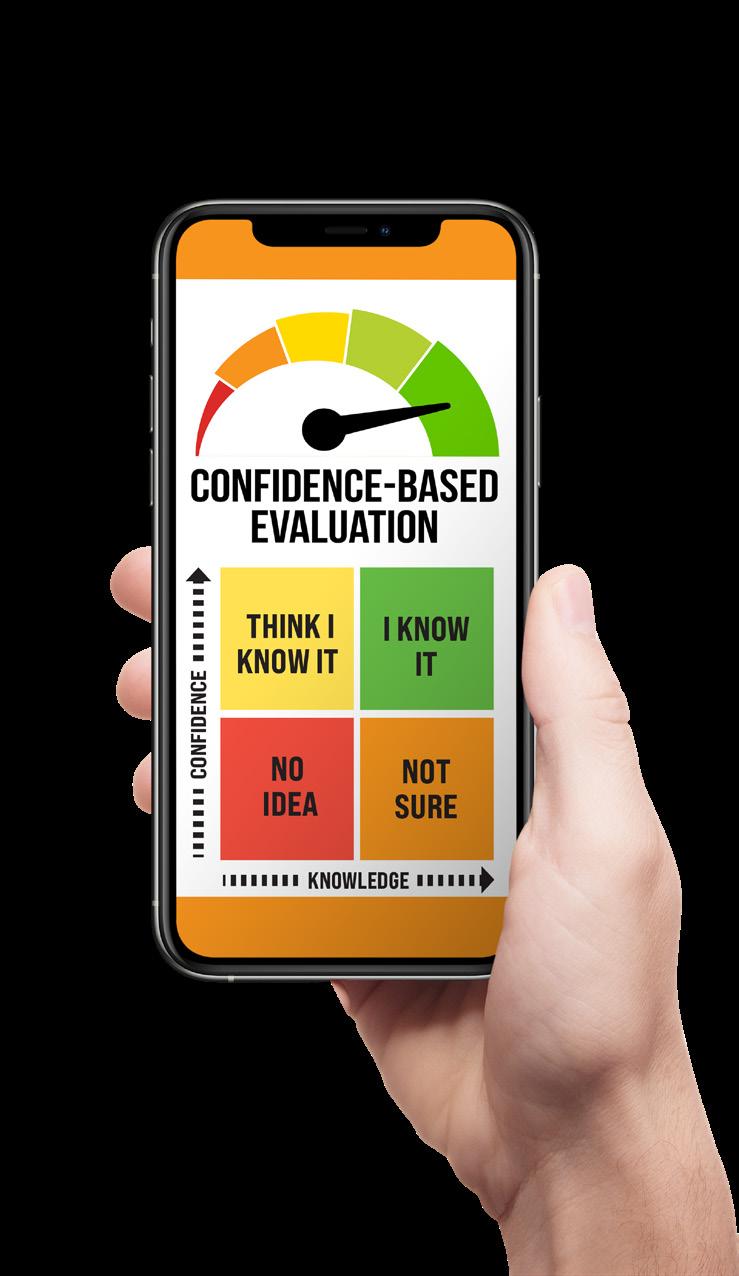
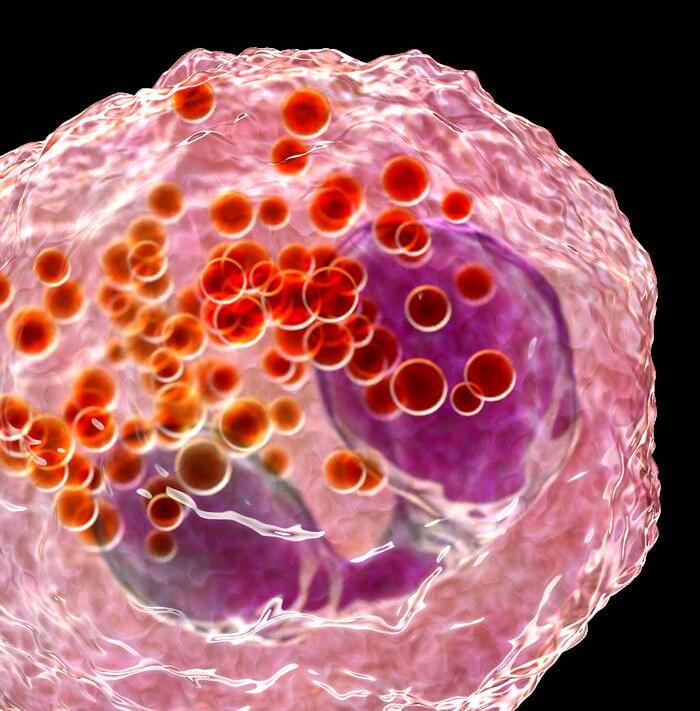
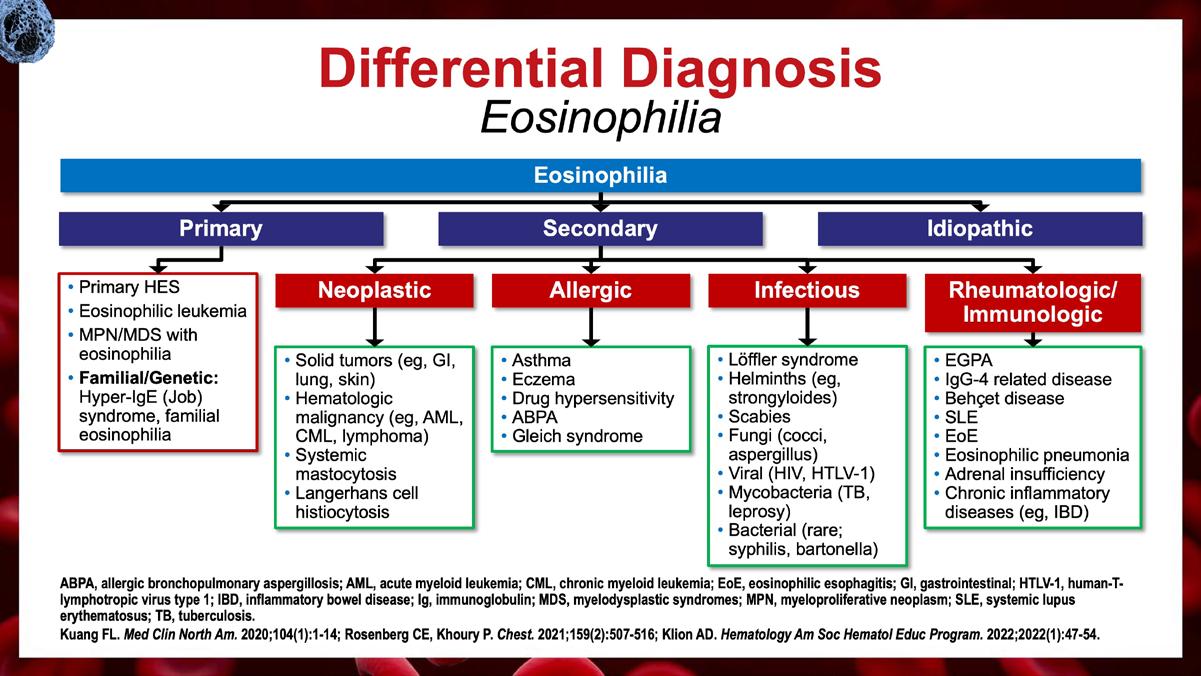
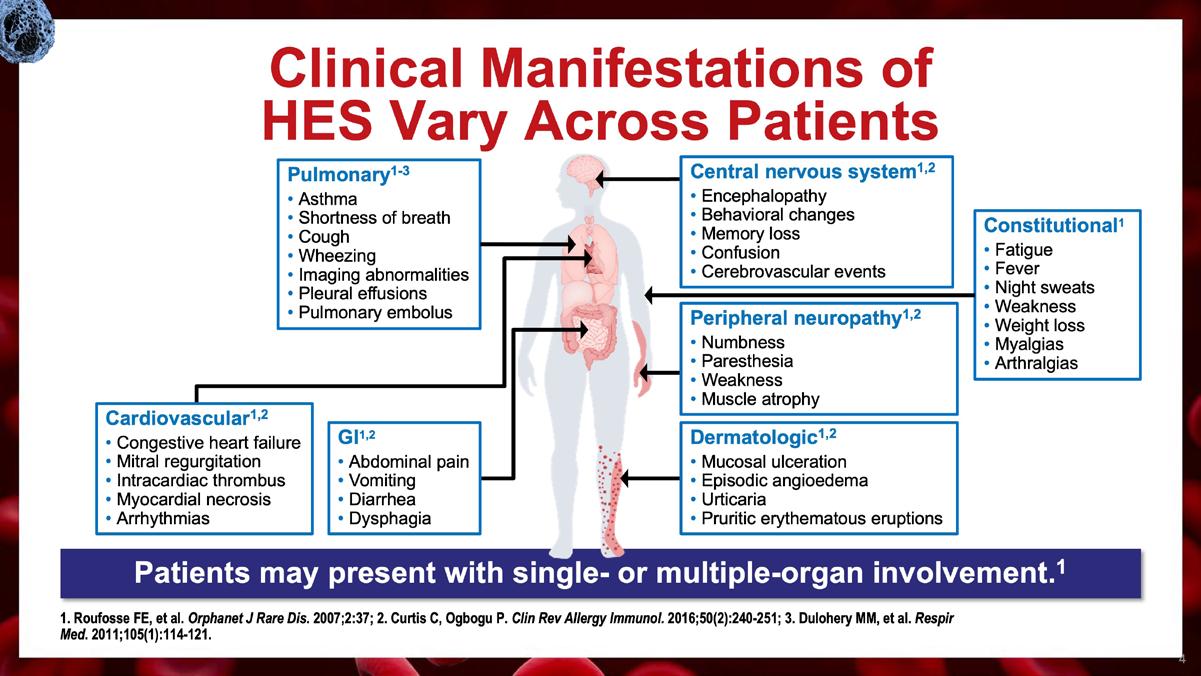
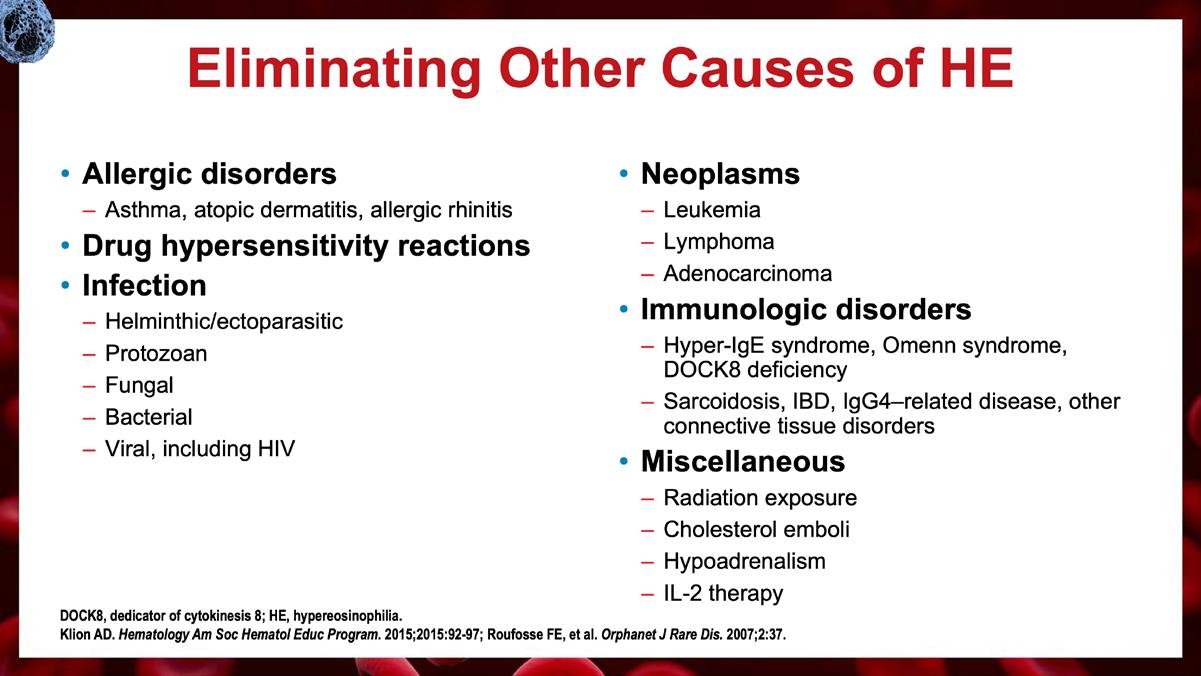
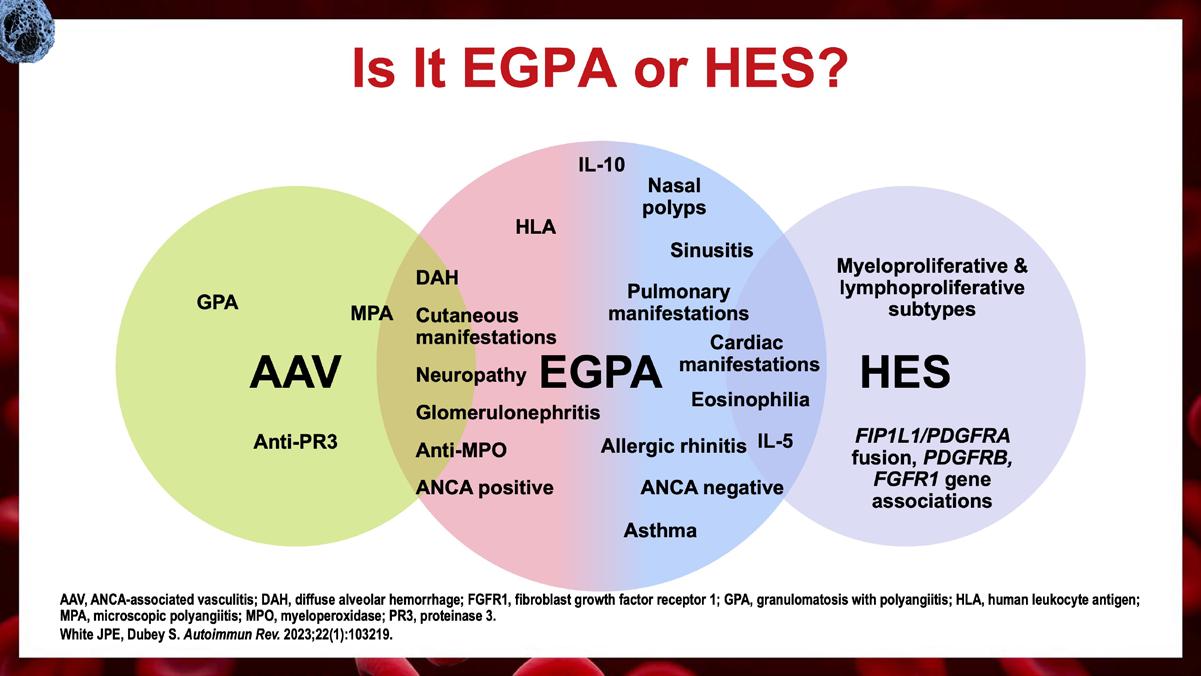
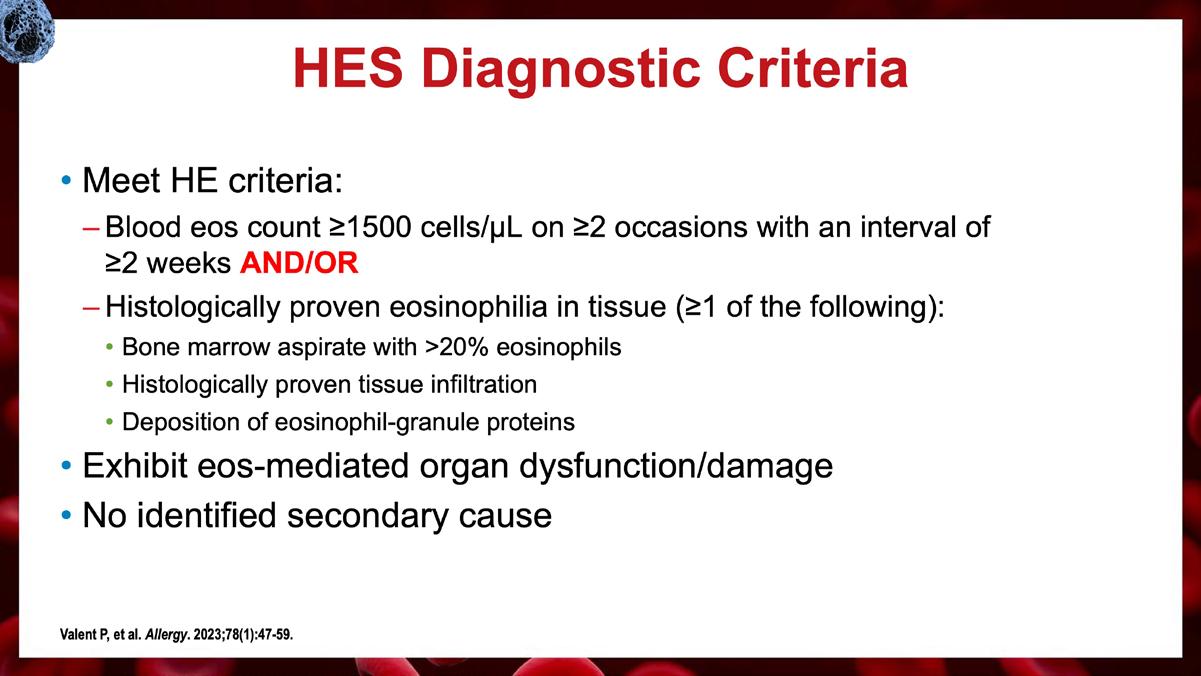
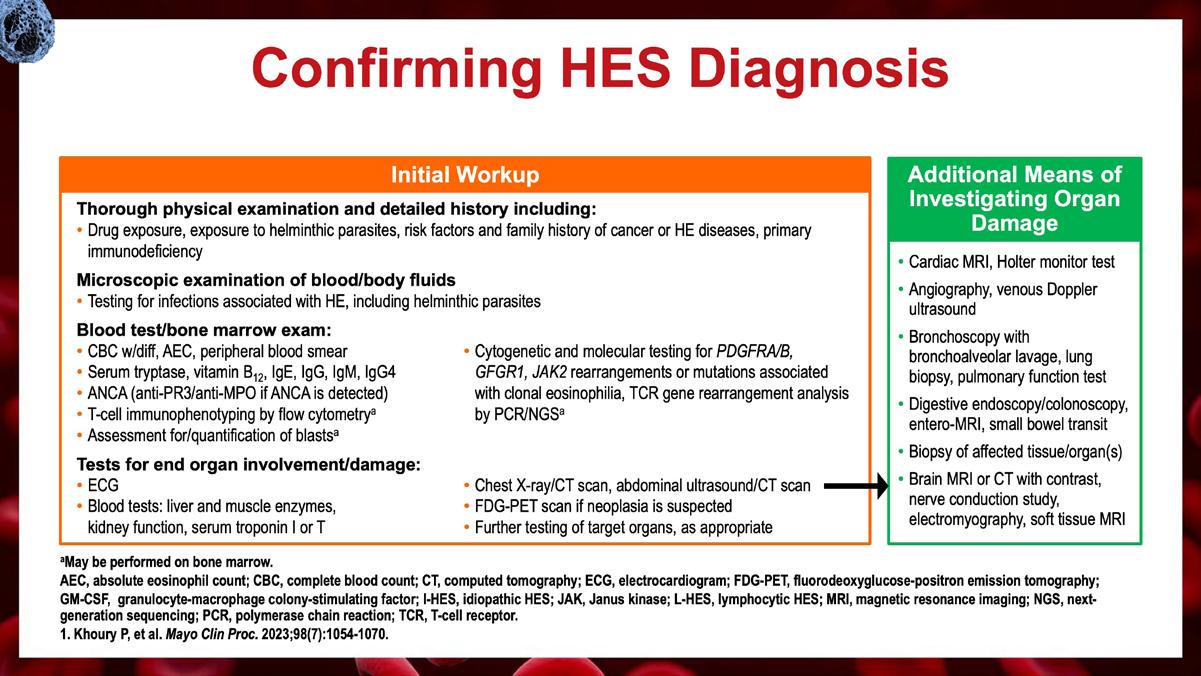
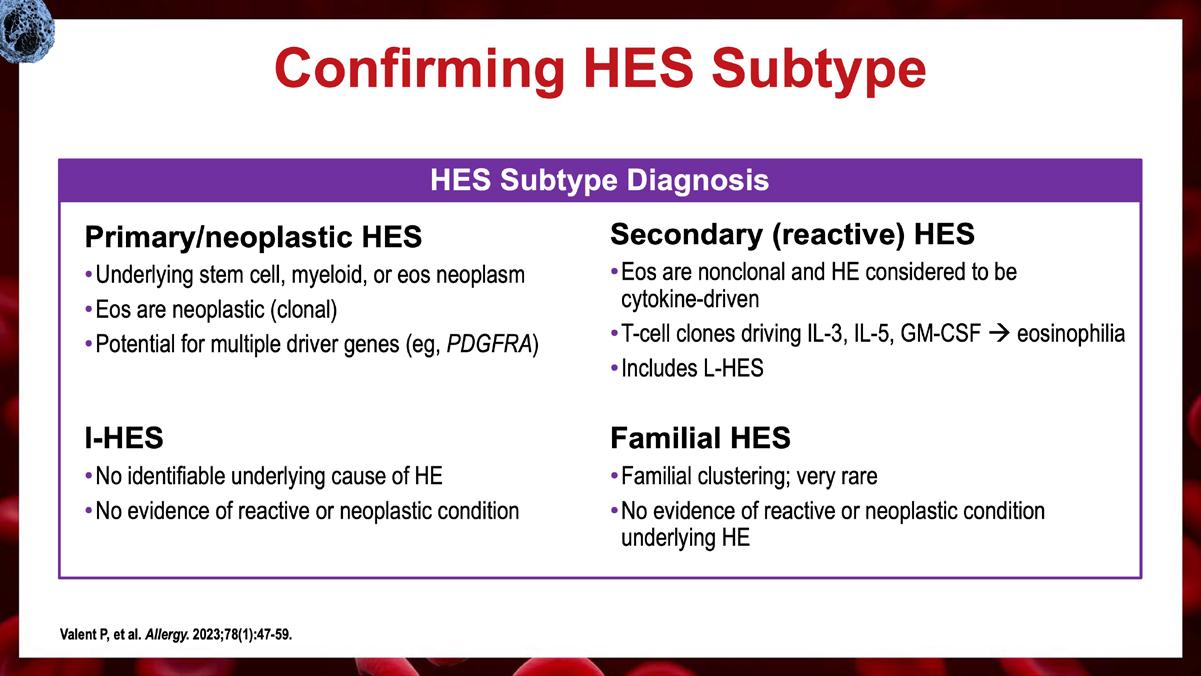
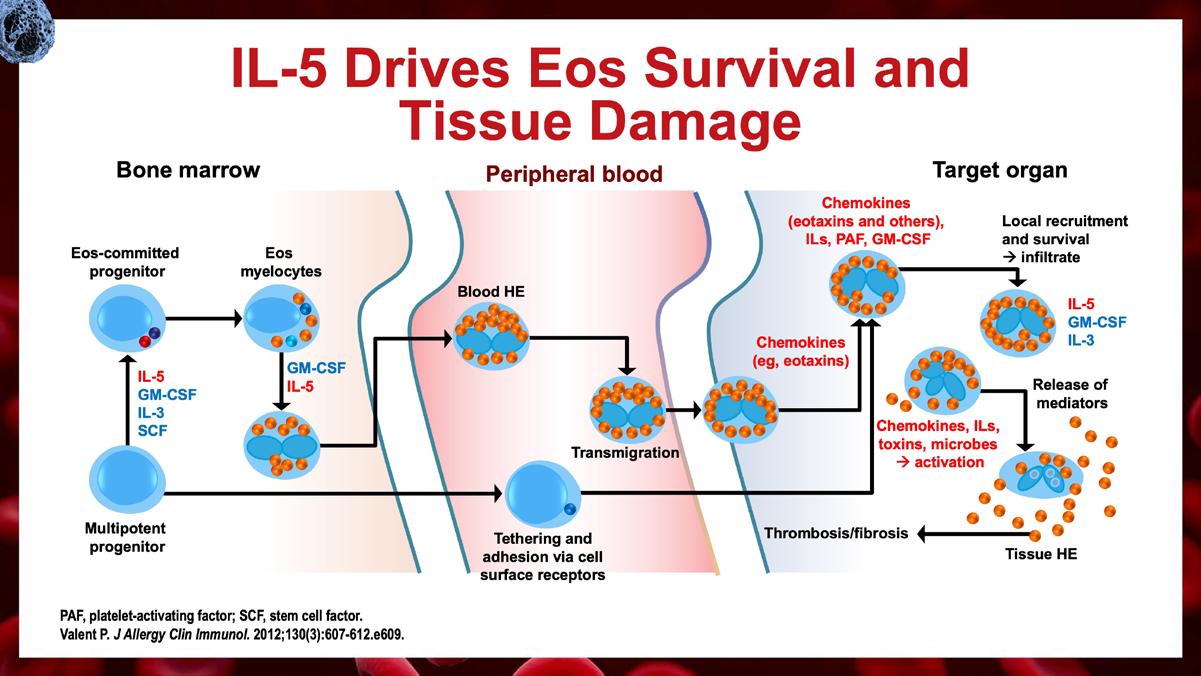
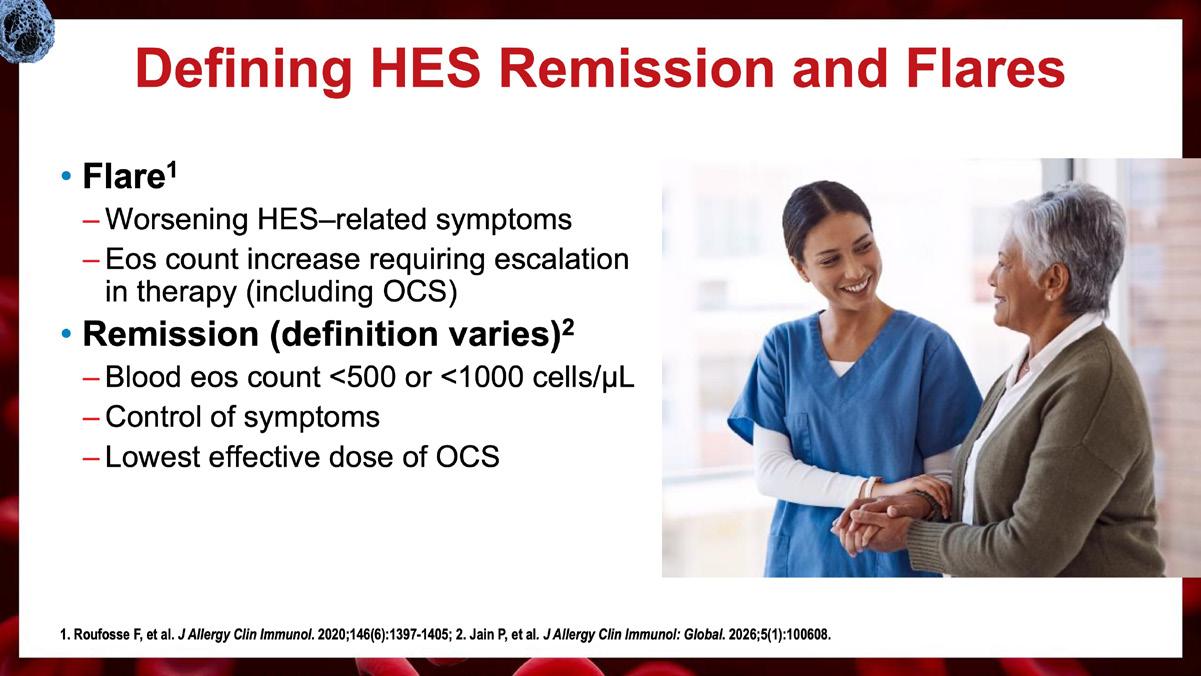
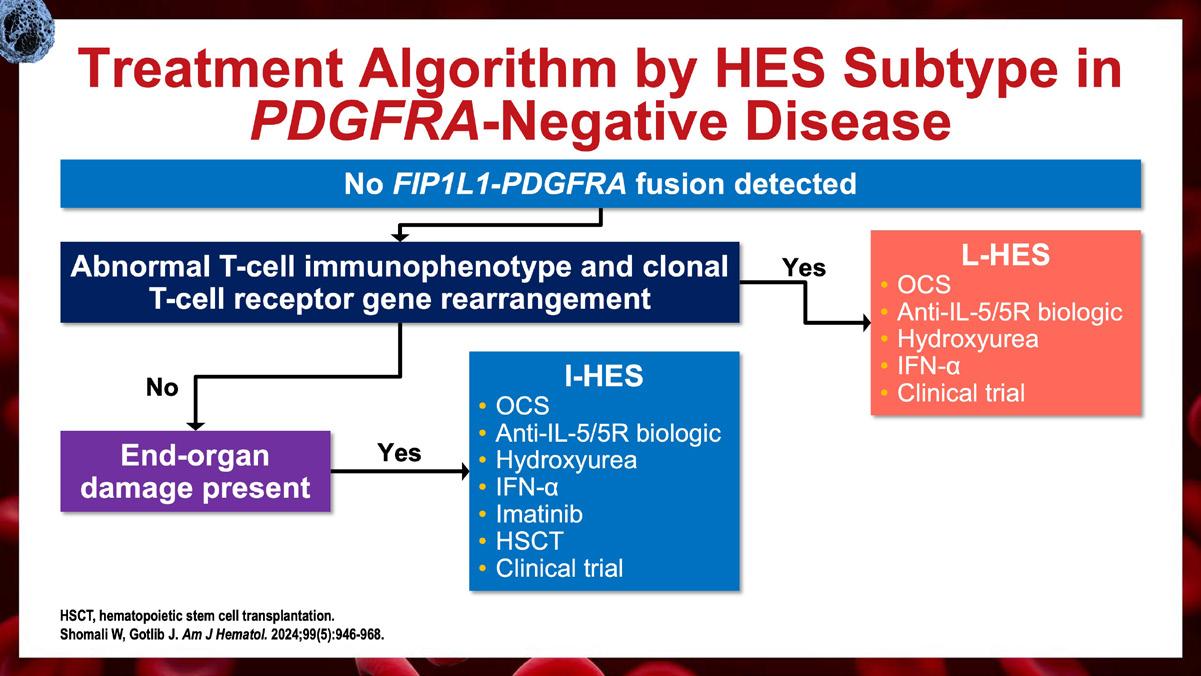
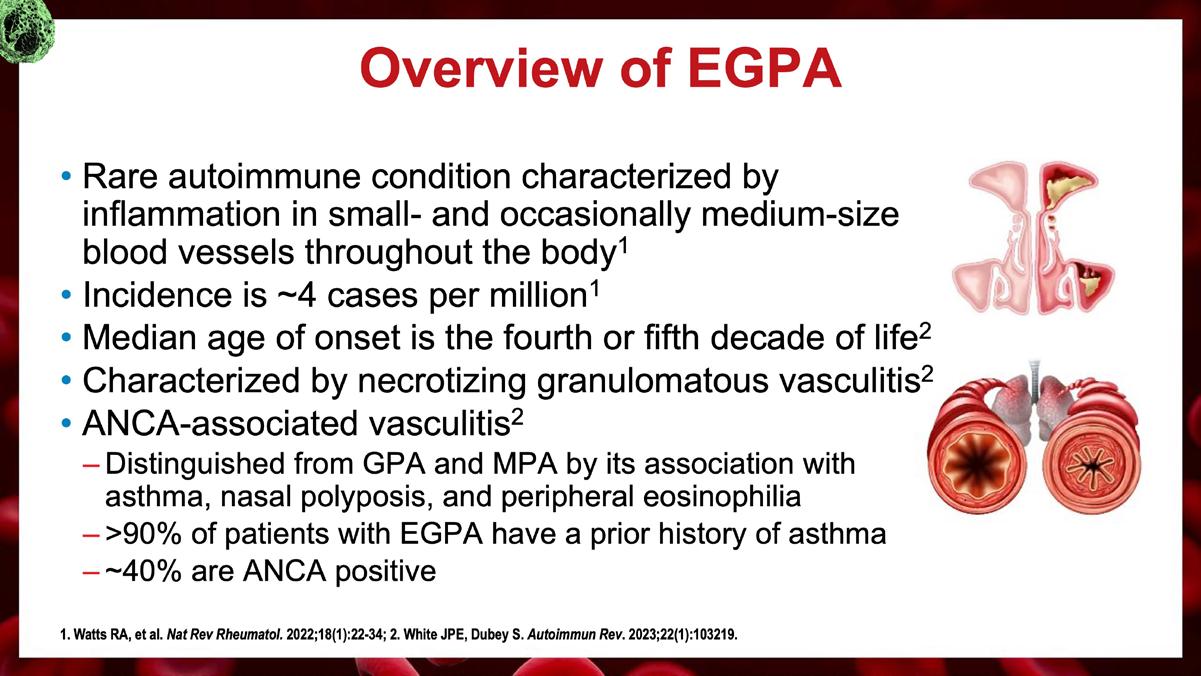
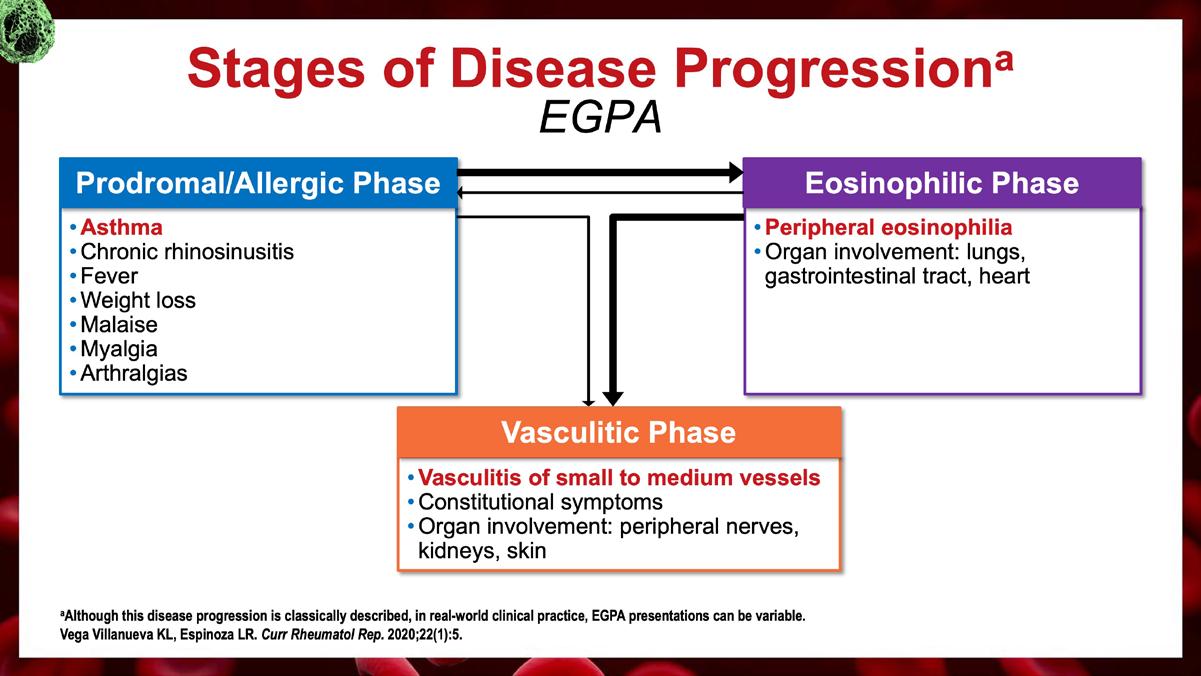
Eosinophilic granulomatosis with polyangiitis (EGPA) and hypereosinophilic syndrome (HES) are both rare types of eosinophilic disorders. Diagnosis and management of these disorders is challenging due to their complex and overlapping pathologic features and heterogeneous systemic involvement. Both disorders carry substantial risks of morbidity and mortality due to delayed diagnosis and inadequate treatment. Interleukin (IL)-5 is a key driver of pathophysiology; therapies targeting IL-5 or the IL-5 receptor are a mainstay of treatment. In this confidence-based clinical decision CALIBRATE symposium, Drs. Praveen Akuthota, Philip Seo, and Michael Wechsler will discuss EGPA and HES patient cases with real-world, point-of-care decision checkpoints paired with confidence ratings to improve diagnosis and treatment sequencing.
TARGET AUDIENCE
This program was designed to educate pulmonologists, rheumatologists, clinical immunologists/ allergists, hematologists, and other specialists who identify and manage patients with hypereosinophilic syndrome (HES) or eosinophilic granulomatosis with polyangiitis (EGPA).
EDUCATIONAL OBJECTIVES
Upon completion of this activity, participants will be better prepared to:
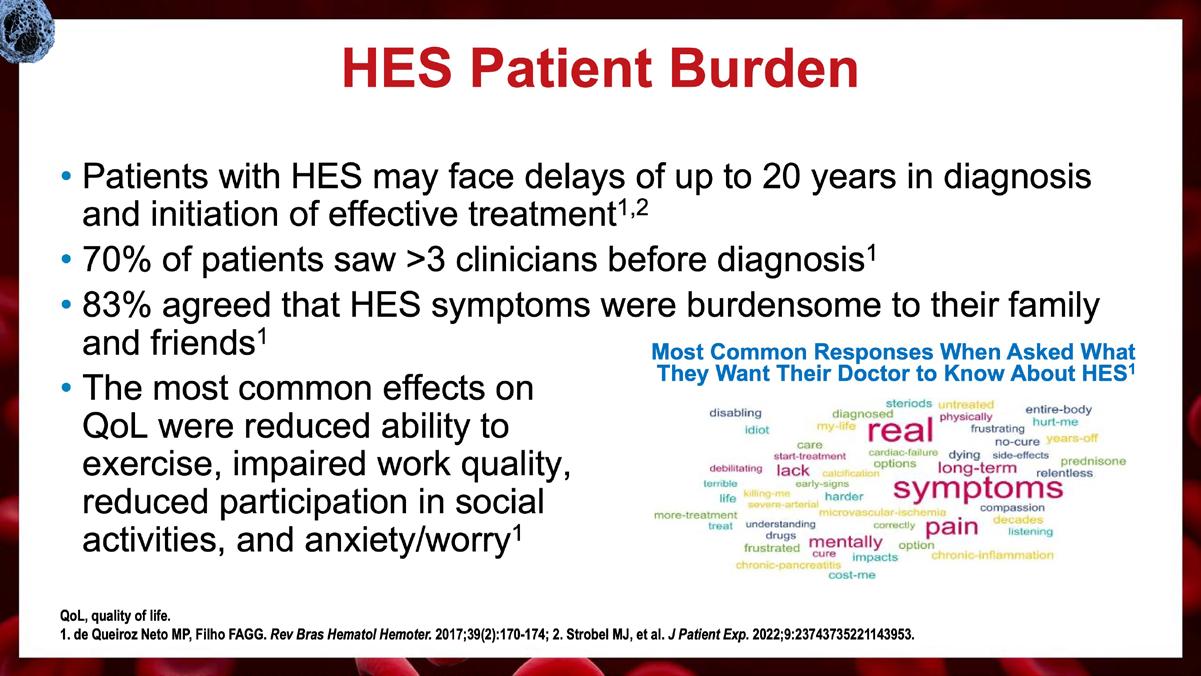
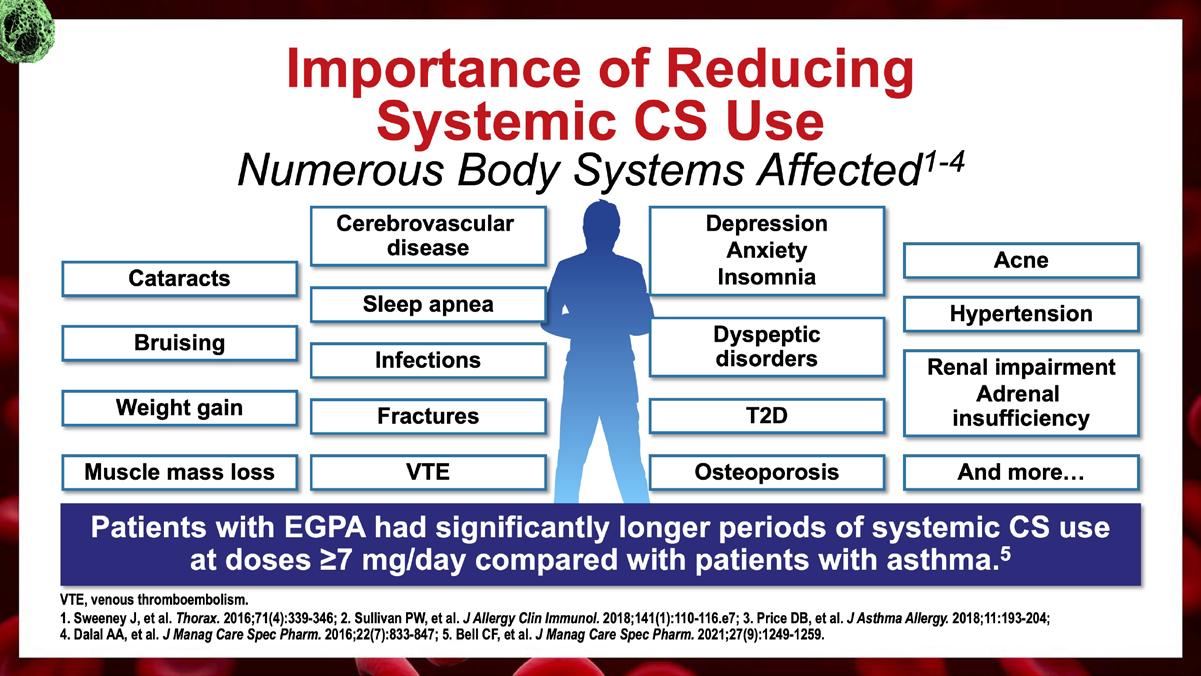
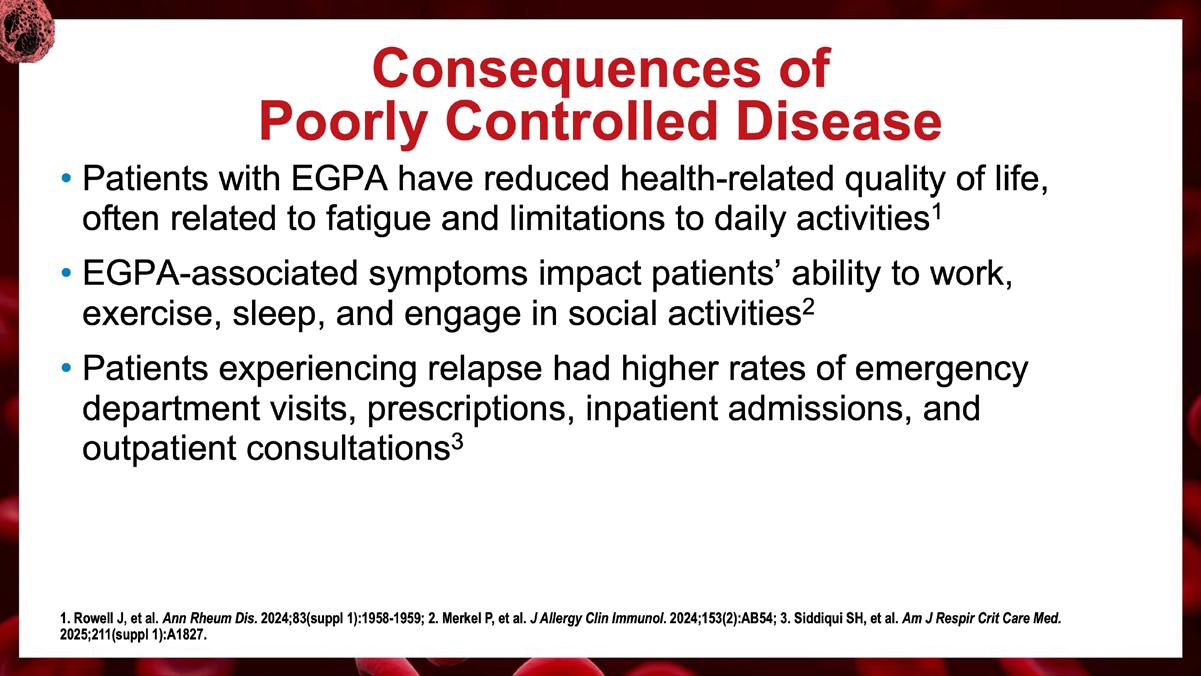
• Discuss the burdens of EGPA and HES with a focus on the effects of delayed diagnosis and suboptimal treatment
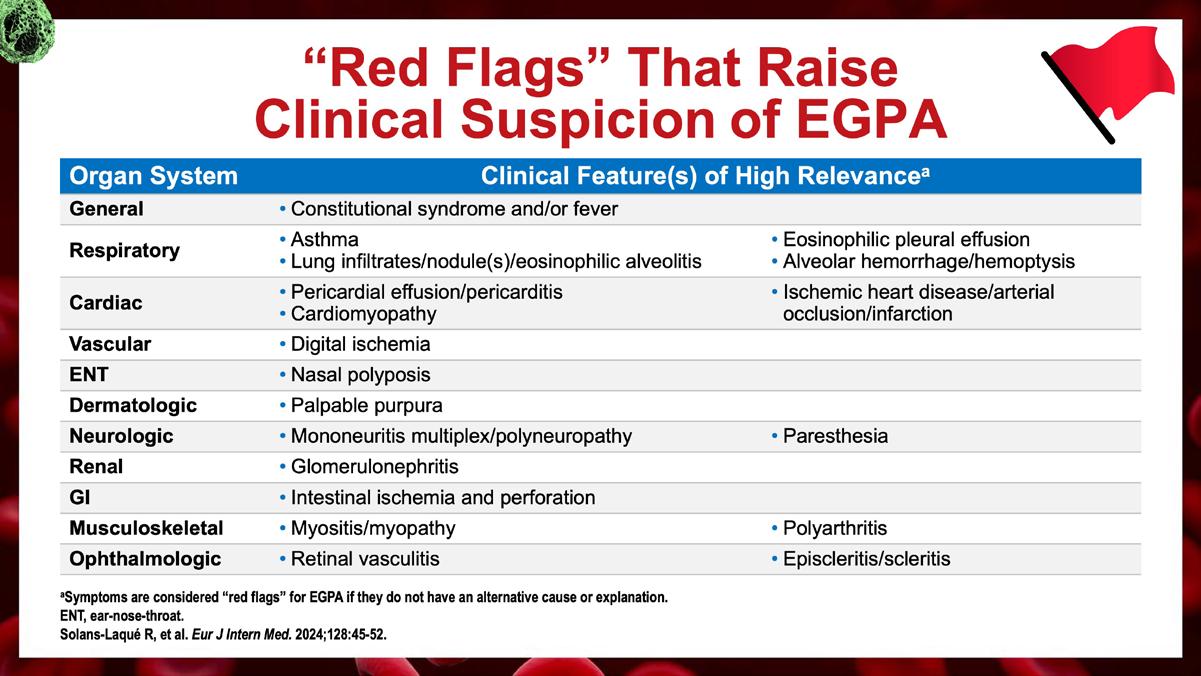
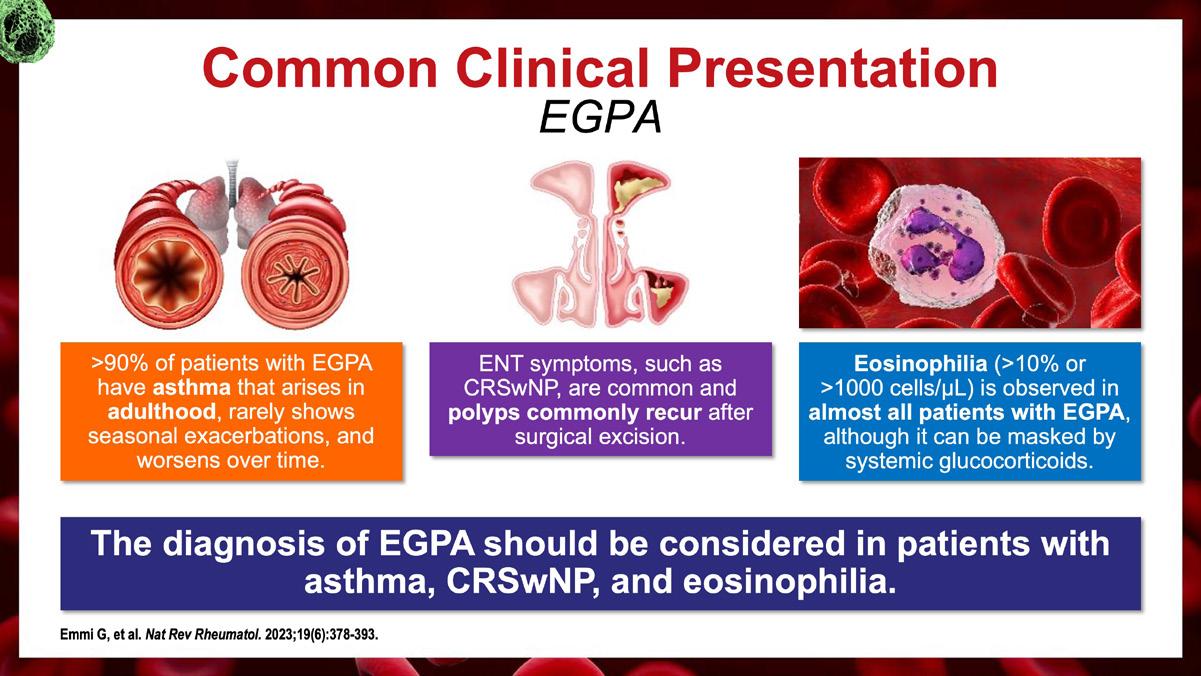
• Diagnose EGPA or HES promptly based on symptomology, red flags, medical history, ancillary testing, and appropriate multidisciplinary collaboration
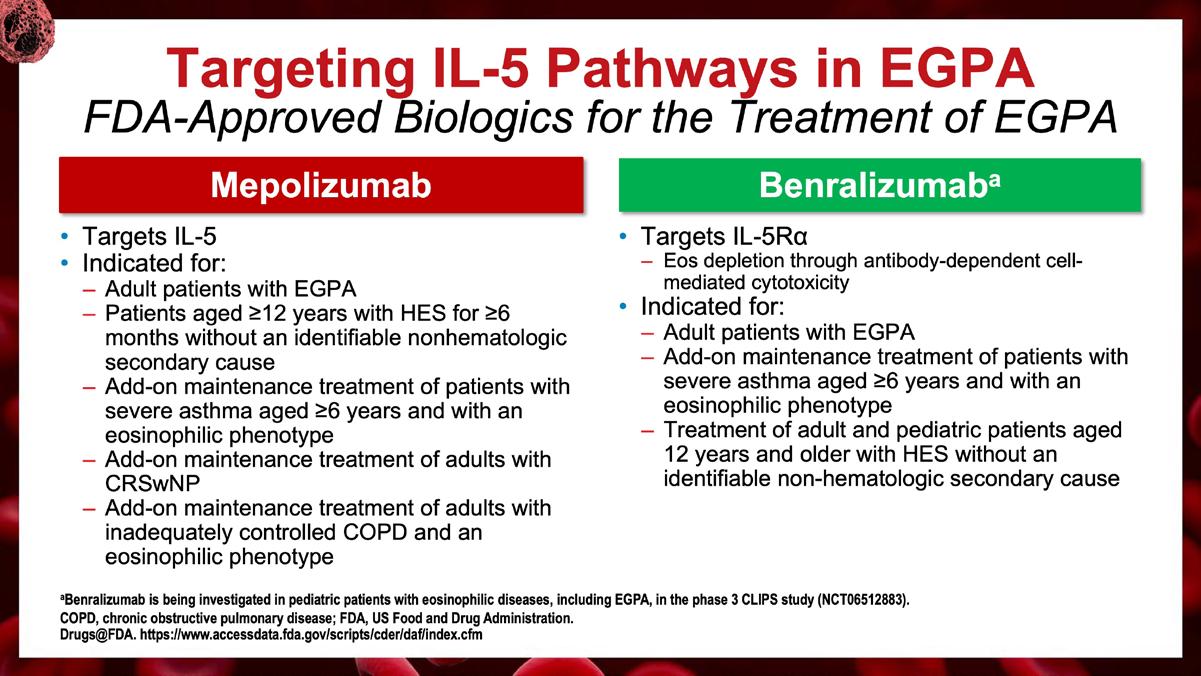
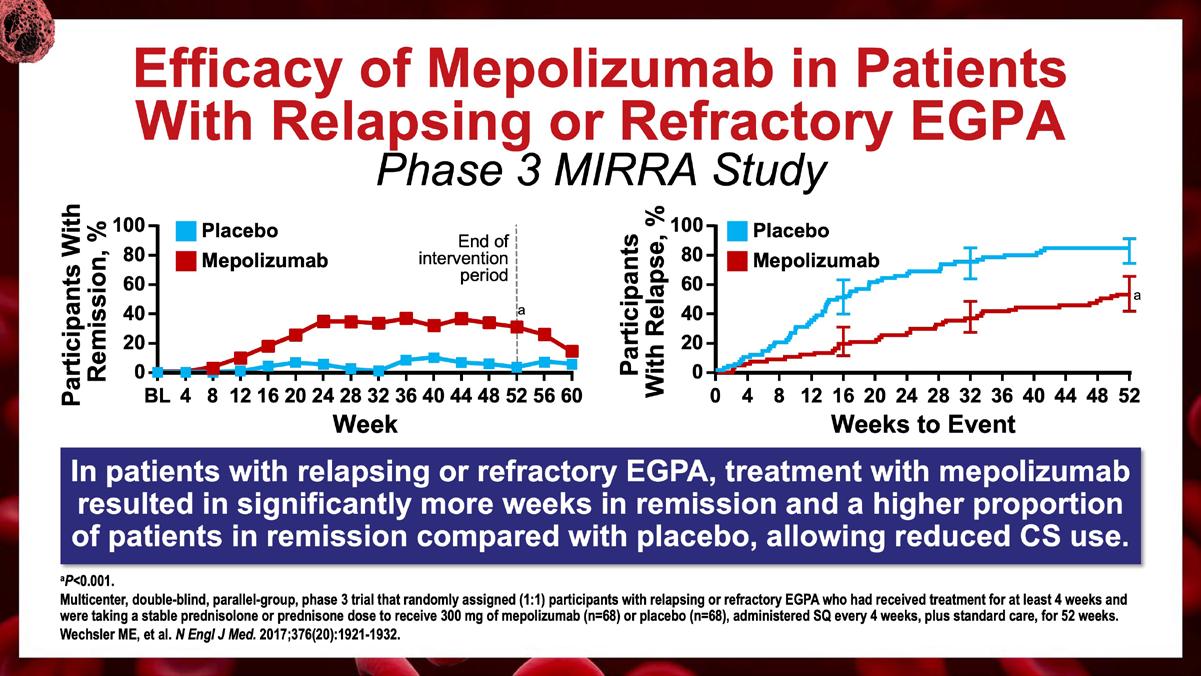
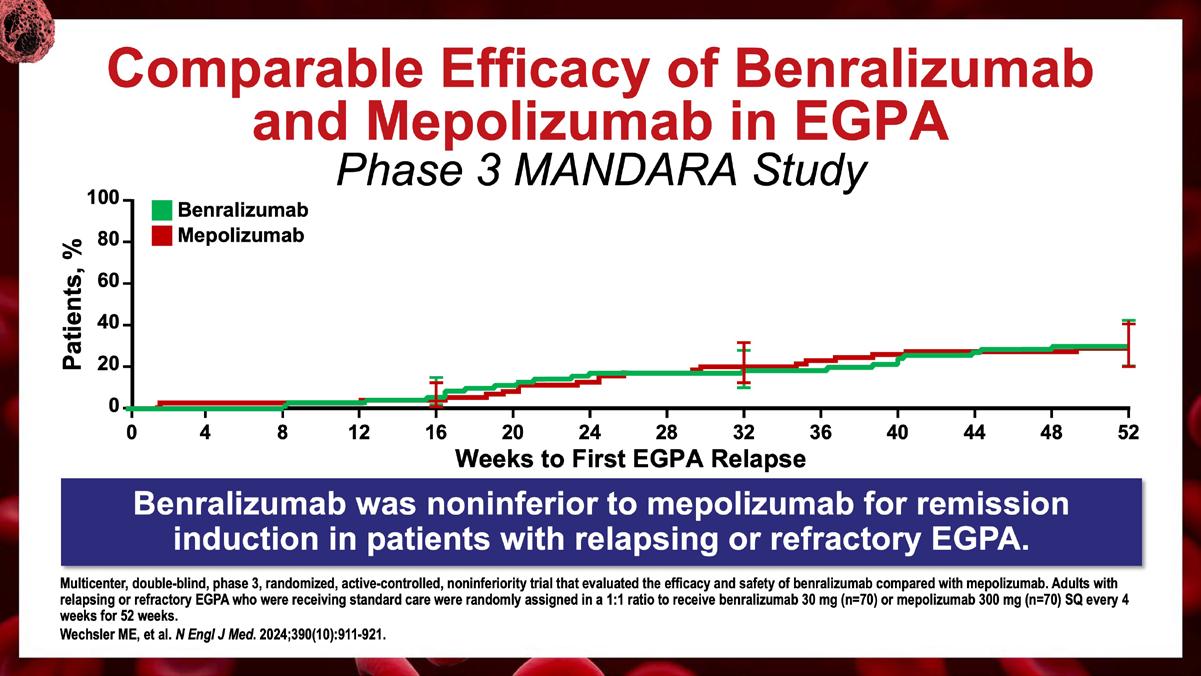
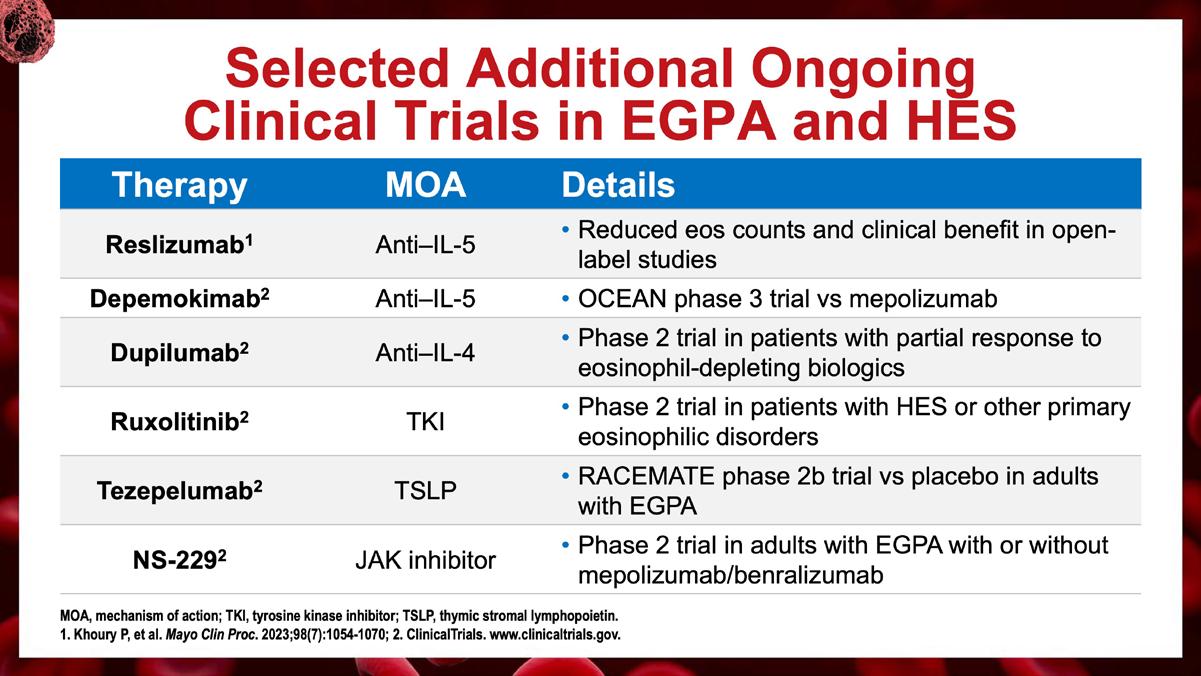
• Describe the mechanistic rationale and trial evidence for biologic therapies for patients with EGPA or HES
• Construct biologic-based treatment regimens for EGPA or HES that optimize disease control, minimize corticosteroid use, and target long-term remission
PROGRAM AGENDA
6:30 pm Registration and Dinner
7:00 pm Preactivity Questionnaire and Faculty Introductions
7:10 pm Case-Based Examination of Pulmonary Recognition and Workup Decisions (HES Pathway)
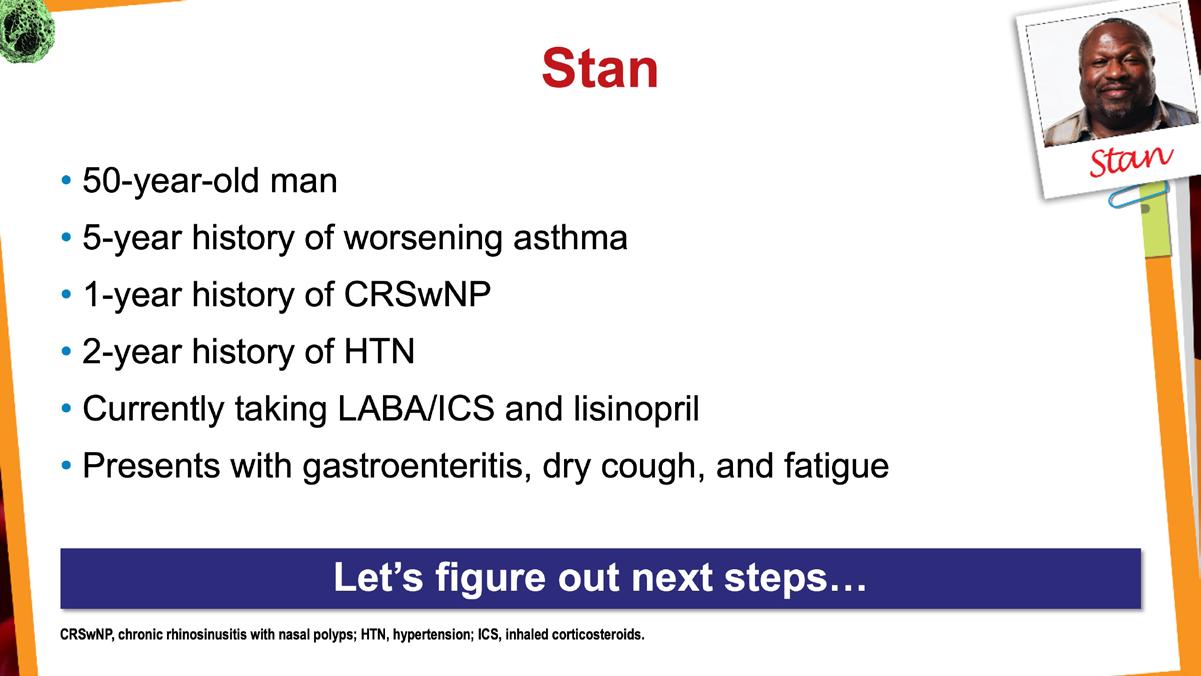
7:45 pm Case-Based Examination of Pulmonary Recognition and Treatment Sequencing Decisions (EGPA Pathway)
8:15 pm Closing Remarks: Confidence Recalibration + Actionable Takeaways
8:20 pm Postactivity Questionnaire, and Q&A Session
PHYSICIAN ACCREDITATION STATEMENT
Integritas Communications is accredited by the Accreditation Council for Continuing Medical Education (ACCME) to provide continuing medical education for physicians.
PHYSICIAN CREDIT DESIGNATION
Integritas designates this live activity for a maximum of 1.5 AMA PRA Category 1 Credits ™. Physicians should claim only the credit commensurate with the extent of their participation in the activity.
INSTRUCTIONS TO RECEIVE CREDIT
In order to receive credit for this activity, the participant must attend the live symposium/live stream and complete the posttest and program evaluation.
DISCLOSURES OF CONFLICTS OF INTEREST
Integritas Communications adheres to the policies and guidelines, including the Standards for Integrity and Independence in Accredited CE, set forth to providers by the Accreditation Council for Continuing Medical Education (ACCME) and all other professional organizations, as applicable, stating those activities where continuing education credits are awarded must be balanced, independent, objective, and scientifically rigorous. All persons in a position to control the content are required to disclose all financial relationships with any ineligible company within the past 24 months to Integritas. All financial relationships reported are identified as relevant and mitigated by Integritas in accordance with the Standards for Integrity and Independence in Accredited CE in advance of delivery of the activity to learners. The content of this activity was vetted by Integritas to assure objectivity and that the activity is free of commercial bias.
All relevant financial relationships have been mitigated.
The faculty have the following relevant financial relationships with ineligible companies:
Praveen Akuthota, MD: Consulting Fees: Amgen, AstraZeneca, Connect Biopharma, Enveda, Gilead Sciences, Inc., GlaxoSmithKline, Regeneron, Sanofi, Vida Ventures; Contracted Research: 4D Molecular Therapeutics, Advanced Research Projects Agency for Health, AstraZeneca, Cystic Fibrosis Foundation, National Institutes of Health, ReCode, Sanofi
Philip Seo, MD, MHS: Data Monitoring Committee: Amgen
Michael E. Wechsler, MD, MMSc: Consulting AND/OR Advisory Honoraria: AbbVie, Aerogen, Apogee, Areteia Therapeutics, Arrowhead Pharmaceuticals, Avalo Therapeutics, Belenos Bio, Celldex, Connect Biopharma, Cytoreason, Eli Lilly, Enveda Therapeutics, Evommune, General Medicine, Gilead, Jasper Therapeutics, Kinaset, Kymera, Merck, MyBiometry, Niox, Pfizer, Phylaxis, Pulmatrix, RAPT Therapeutics, Recludix Pharma, SpiroMedical, Tetherex Pharmaceuticals, Uniquity Bio, Zurabio; Consulting/Advising/Speaking Honoraria/Research: AstraZeneca, Amgen, Regeneron, GlaxoSmithKline, Sanofi/Genzyme; Stock Options: Cellergy Pharma Inc.; Consulting Honoraria/Stock Options/Research: Upstream Bio
The Integritas planners and managers have no relevant financial relationships to disclose.
DISCLOSURE OF UNLABELED USE
This educational activity may contain discussion of published and/or investigational uses of agents that are not indicated by the US Food and Drug Administration. Integritas Communications does not recommend the use of any agent outside of the labeled indications.
The opinions expressed in the educational activity are those of the faculty and do not necessarily represent the views of any organization associated with this activity. Please refer to the official prescribing information for each product for discussion of approved indications, contraindications, and warnings.
DISCLAIMER
Participants have an implied responsibility to use the newly acquired information to enhance patient outcomes and their own professional development. The information presented in this activity is not meant to serve as a guideline for patient management. Any procedures, medications, or other courses of diagnosis or treatment discussed in this activity should not be used by clinicians without evaluation of patient conditions and possible contraindications or dangers in use, review of any applicable manufacturer’s product information, and comparison with recommendations of other authorities.
FEE INFORMATION & REFUND/CANCELLATION POLICY
There is no fee for this activity.
AMERICANS WITH DISABILITIES ACT
Any activity registrant who feels s/he may need accommodation based on the impact of a disability should contact Integritas at info@exchangecme.com to discuss their specific needs.
CONTACT INFORMATION
For information about this program, please contact us at info@exchangecme.com.

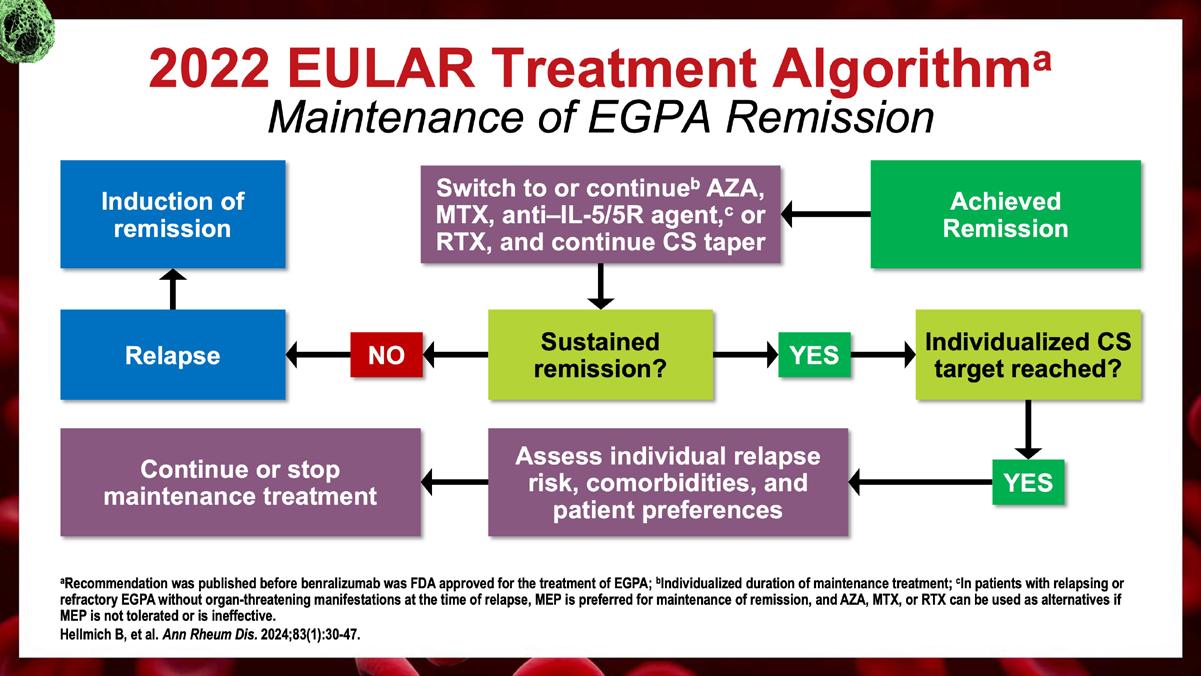
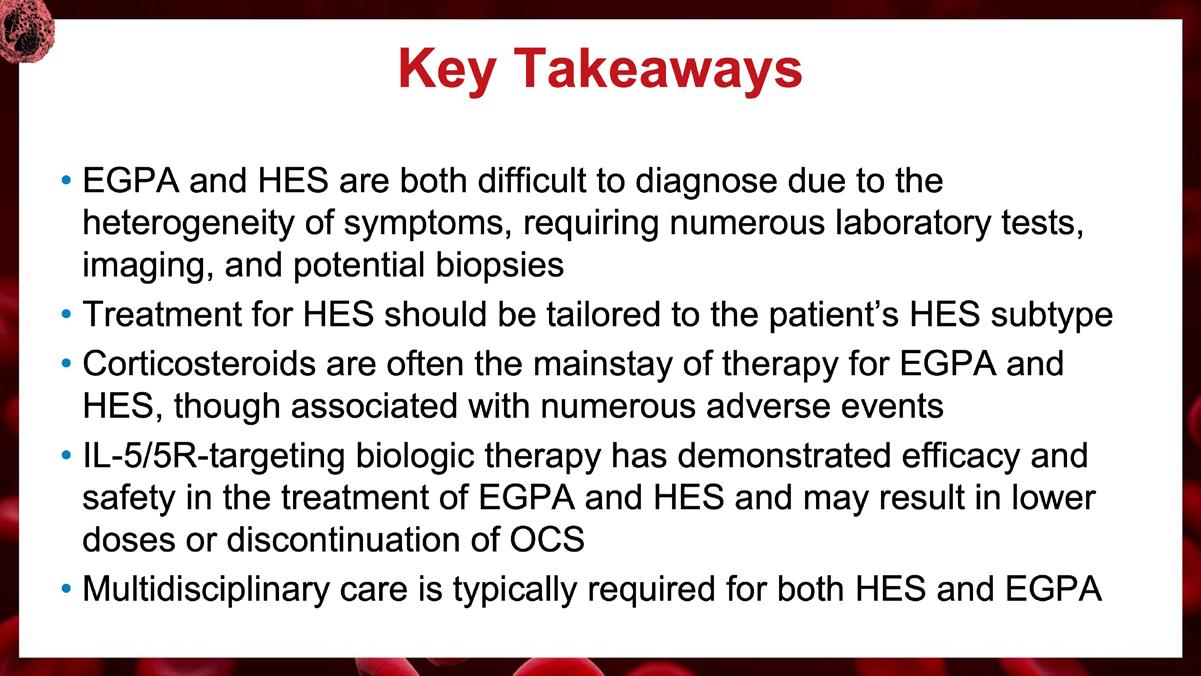
CLINICAL PRACTICE GUIDELINES
» 2021 American College of Rheumatology (ACR)/Vasculitis Foundation guideline for the management of antineutrophil cytoplasmic antibody– associated vasculitis.
Chung SA, et al. Arthritis Rheumatol. 2021;73(8):1366-1383. https://acrjournals.onlinelibrary.wiley.com/doi/10.1002/art.41773
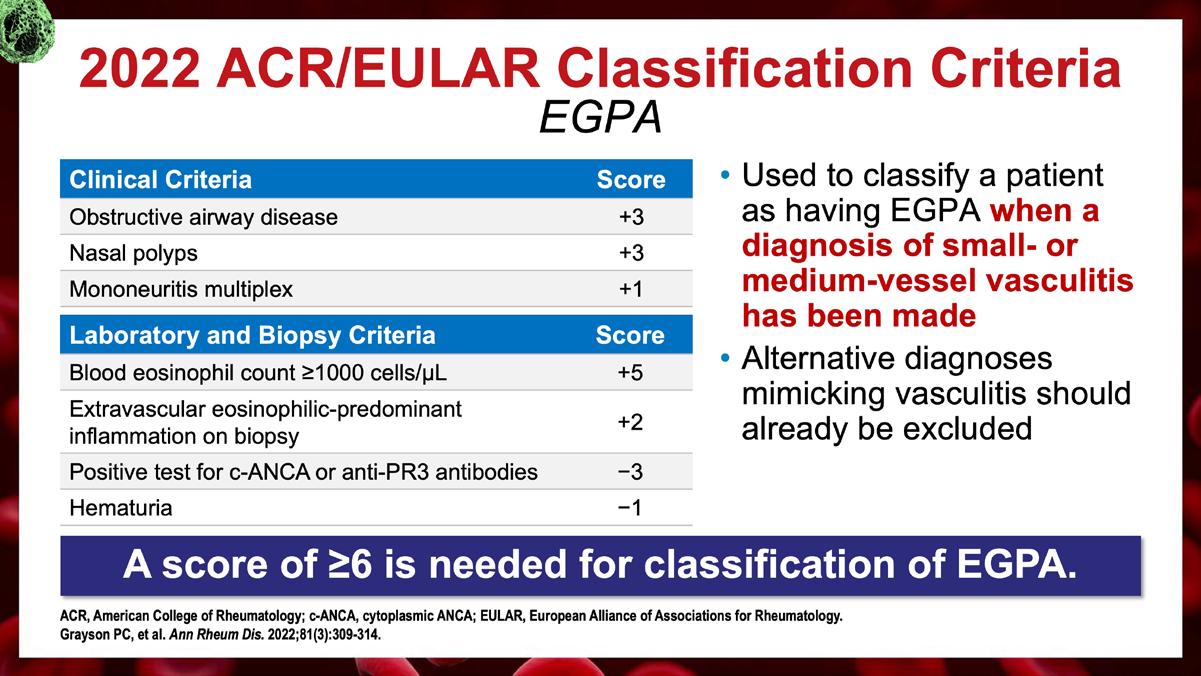
» 2022 American College of Rheumatology/European Alliance of Associations for Rheumatology (EULAR) classification criteria for eosinophilic granulomatosis with polyangiitis.
Grayson PC, et al. Ann Rheum Dis. 2022;81(3):309-314. https://ard.eular.org/article/S0003-4967(24)09565-7/abstract
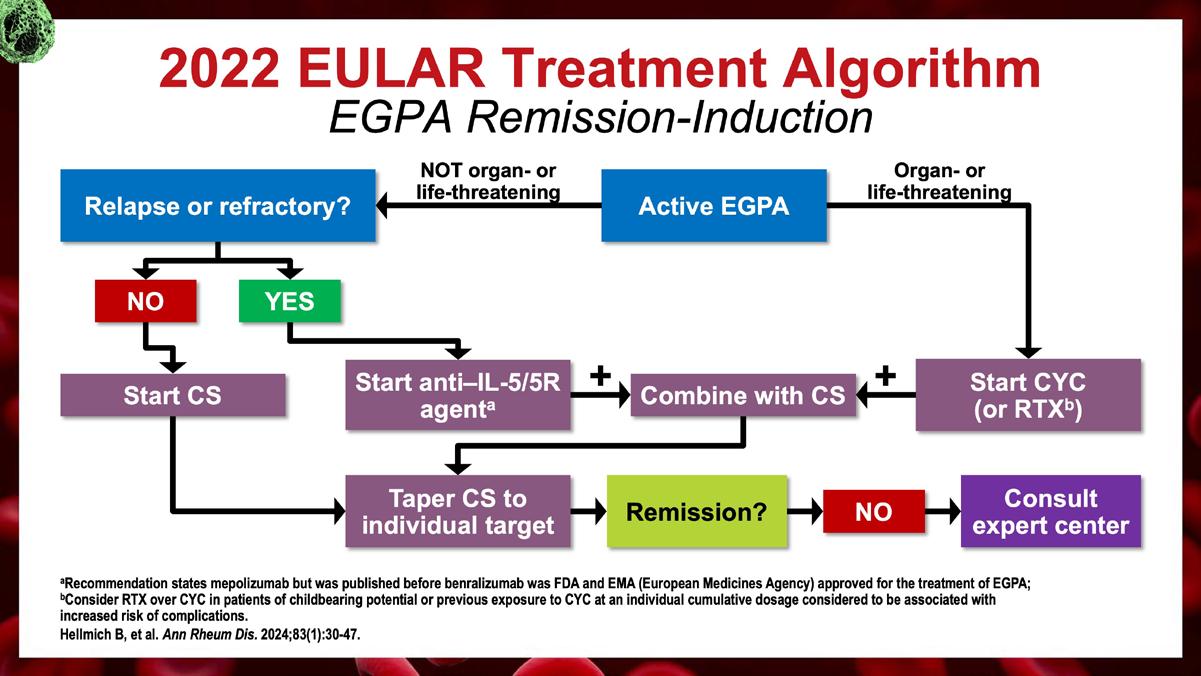
» EULAR recommendations for the management of ANCA- associated vasculitis: 2022 update.
Hellmich B, et al. Ann Rheum Dis. 2024;83(1):30-47. https://ard.bmj.com/content/83/1/30
SUGGESTED READING
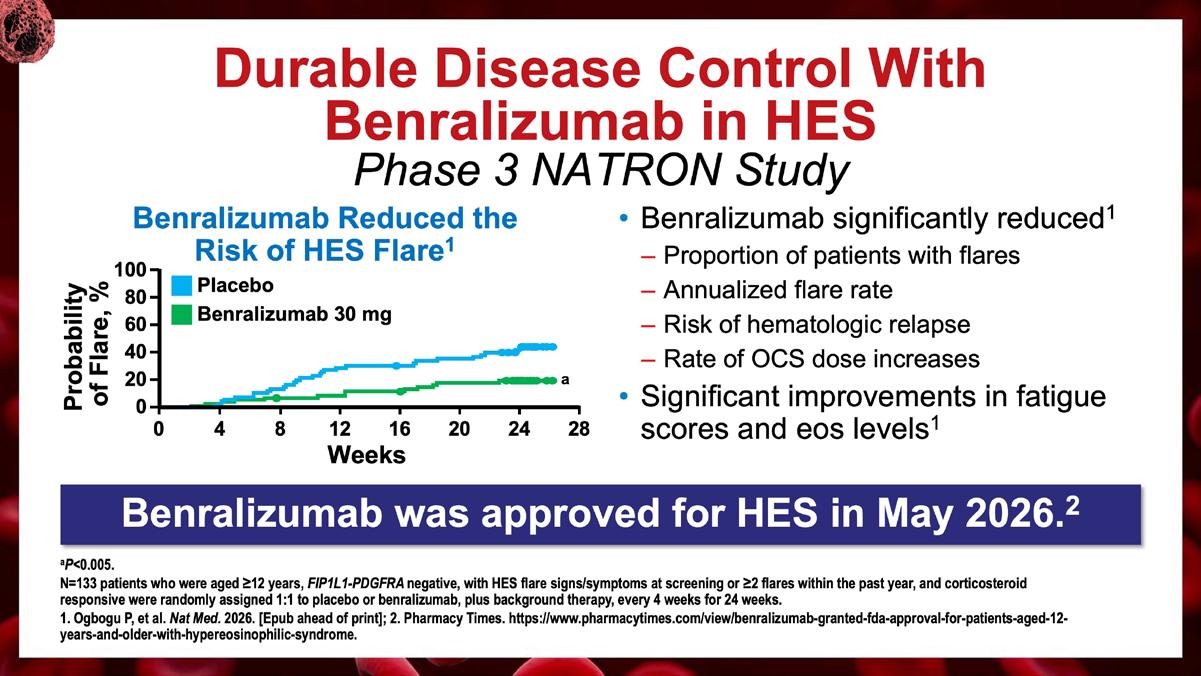
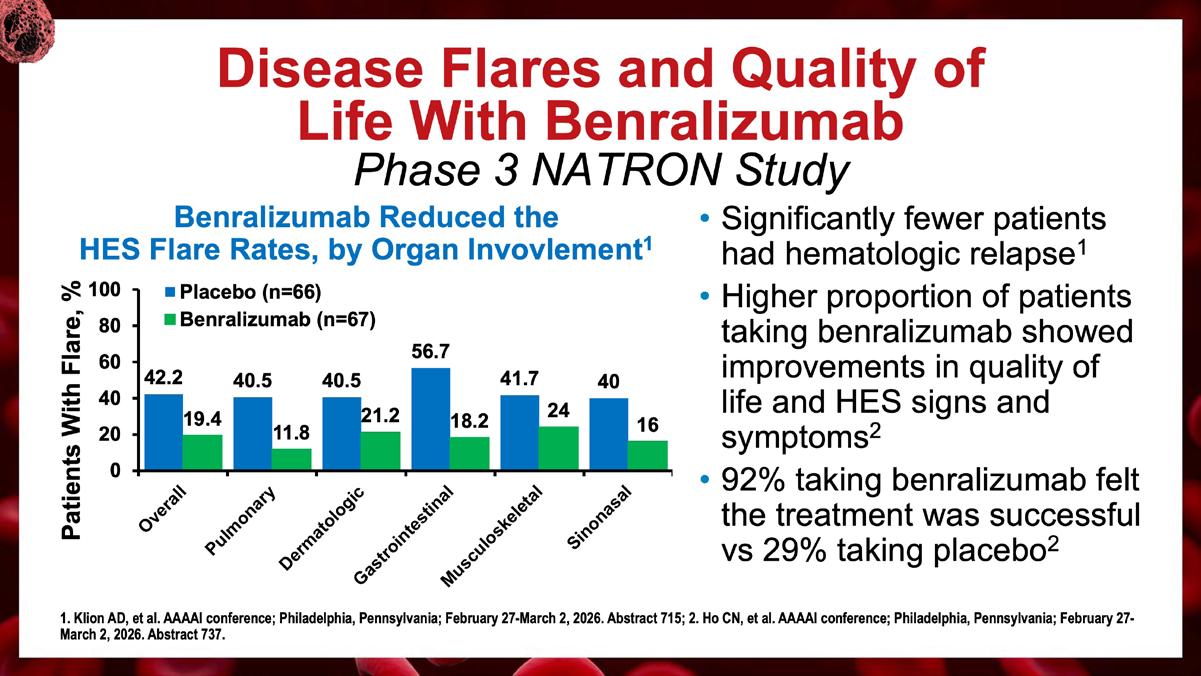
» Benralizumab versus placebo for hypereosinophilic syndrome: a randomized, placebocontrolled phase 3 trial.
Ogbogu PU, Roufosse F, Akuthota P, et al. Nat Med. 2026. [Epub ahead of print]
https://www.nature.com/articles/s41591-026-04315-8
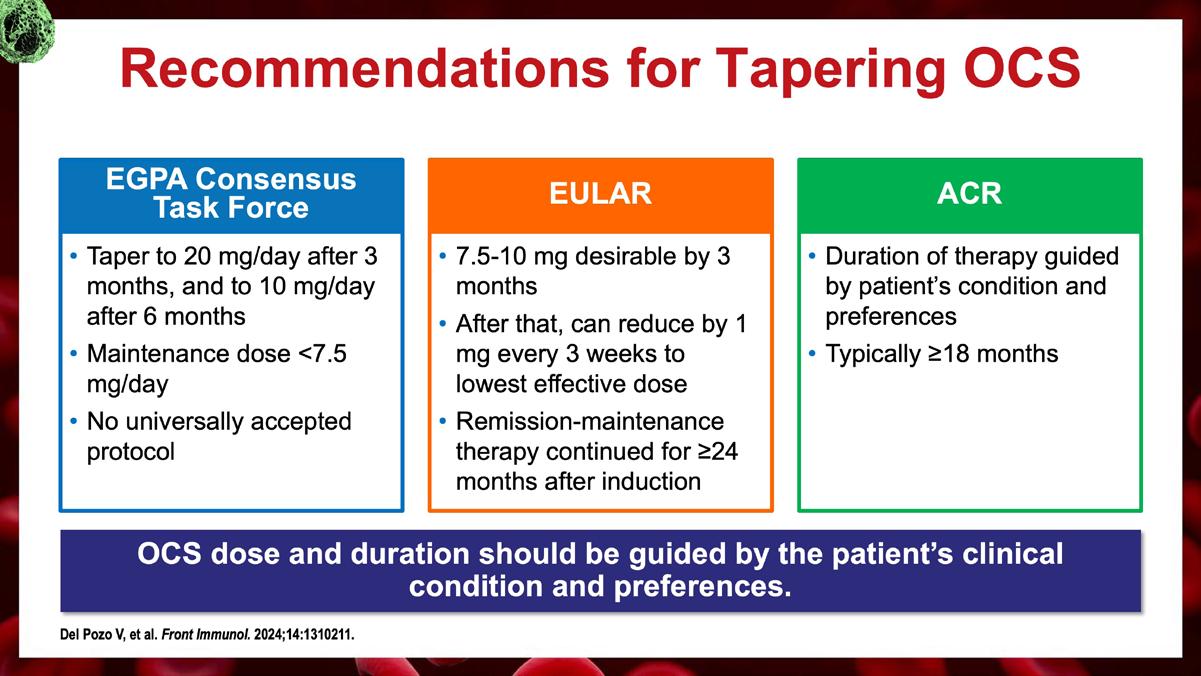
» Expert consensus on the use of systemic glucocorticoids for managing eosinophilrelated diseases.
Del Pozo V, Bobolea I, Rial MJ, et al. Front Immunol. 2023;14:1310211. https://pmc.ncbi.nlm.nih.gov/articles/PMC10796442/
» Evidence-Based Guideline for the diagnosis and management of eosinophilic granulomatosis with polyangiitis.
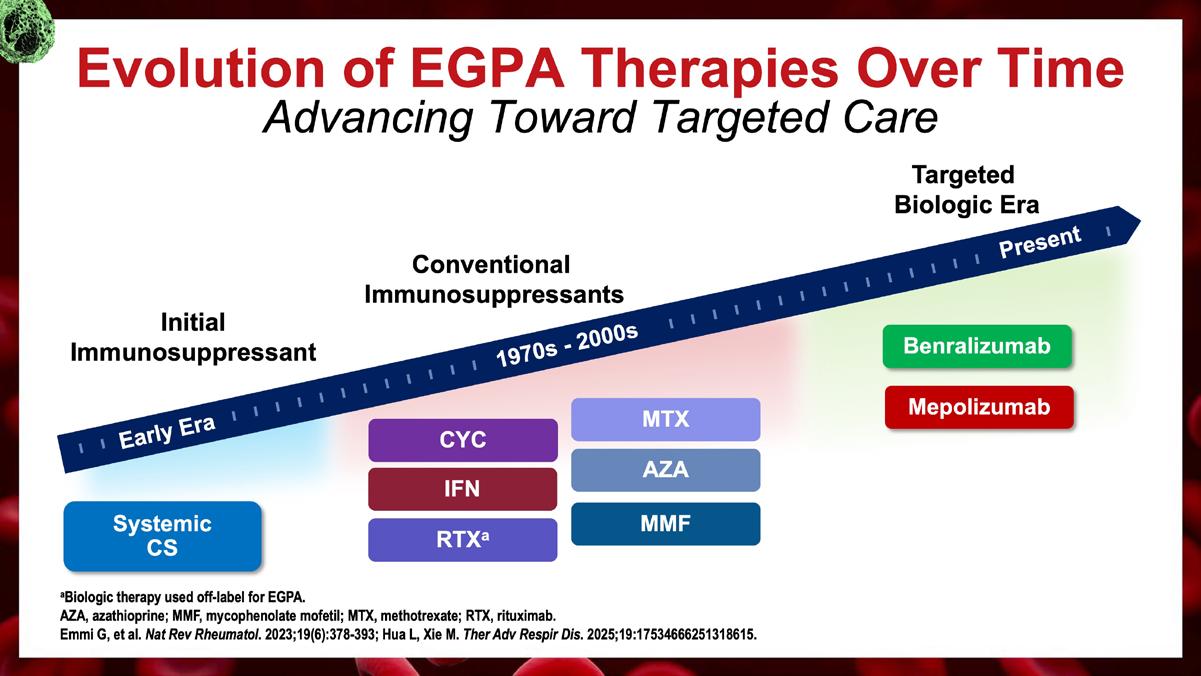
Emmi G., et al. Nat Rev Rheumatol. 2023;19(6):378-393. https://www.nature.com/articles/s41584-023-00958-w
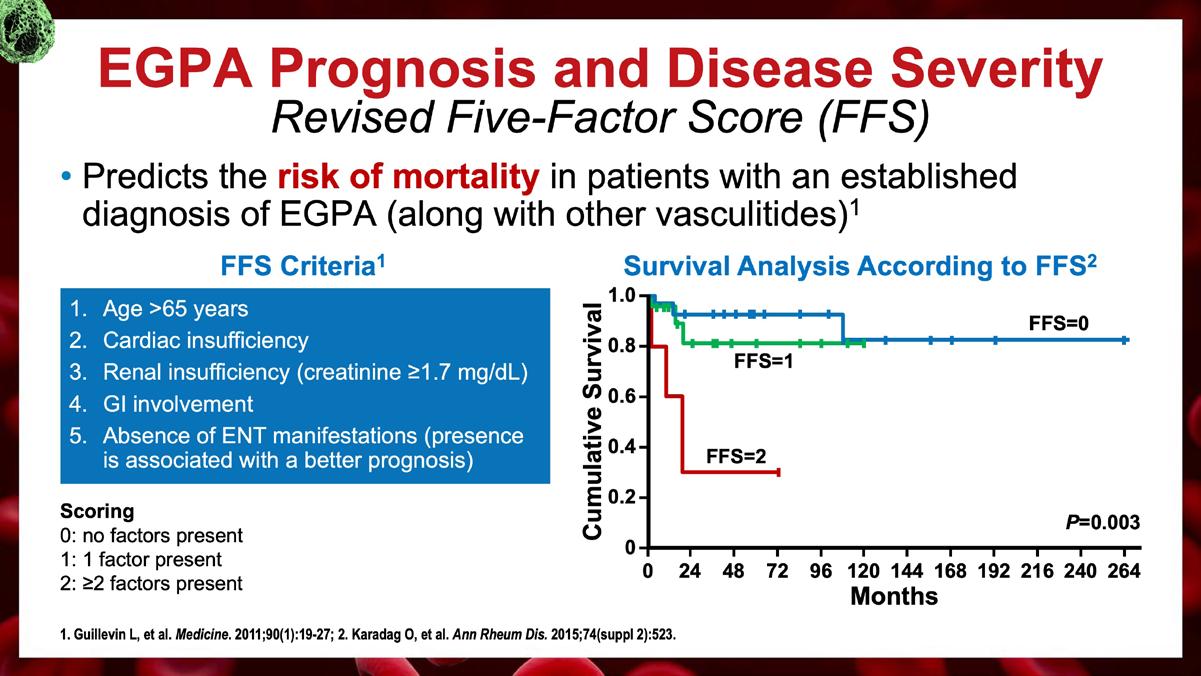
» The five-factor score revisited: assessment of prognoses of systemic necrotizing vasculitides based on the French Vasculitis Study Group (FVSG) cohort.
Guillevin L, et al. Medicine. 2011;90(1):19-27. https://journals.lww.com/md-journal/fulltext/2011/01000/the_five_factor_score_revisited__assessment_ of.2.aspx
» Benralizumab as a steroid-sparing treatment option in eosinophilic granulomatosis with polyangiitis.
Gunter VP, et al. J Allergy Clin Immunol Pract. 2021;9(3):1186-1193.e1. https://www.jaci-inpractice.org/article/S2213-2198(20)31104-1/abstract
» Real-world outcomes after anti–IL-5/anti–IL-5R α treatment for hypereosinophilic syndrome: systematic literature review.
Jain P, Rowell J, Edmonds C, et al. J Allergy Clin Immunol: Global. 2026;5(1):100608.
https://pmc.ncbi.nlm.nih.gov/articles/PMC12755987/
» HES and EGPA: two sides of the same coin.
Khoury P, Akuthota P, Kwon N, et al. Mayo Clin Proc. 2023;98(7):1054-1070.
https://pmc.ncbi.nlm.nih.gov/articles/PMC10348452/
» Approach to the patient with suspected hypereosinophilic syndrome.
Klion AD. Hematology Am Soc Hematol Educ Program. 2022;2022(1):47-54.
https://pmc.ncbi.nlm.nih.gov/articles/PMC9821533/
» Benralizumab for patients with hypereosinophilic syndrome: a randomized, doubleblind, placebo-controlled phase 3 trial (NATRON).
Ogbogu P, Roufosse F, Akuthota P, et al. Ann Allergy Asthma Immunol. 2025;135(5):S2-S3.
https://www.annallergy.org/article/S1081-1206(25)01271-2/fulltext
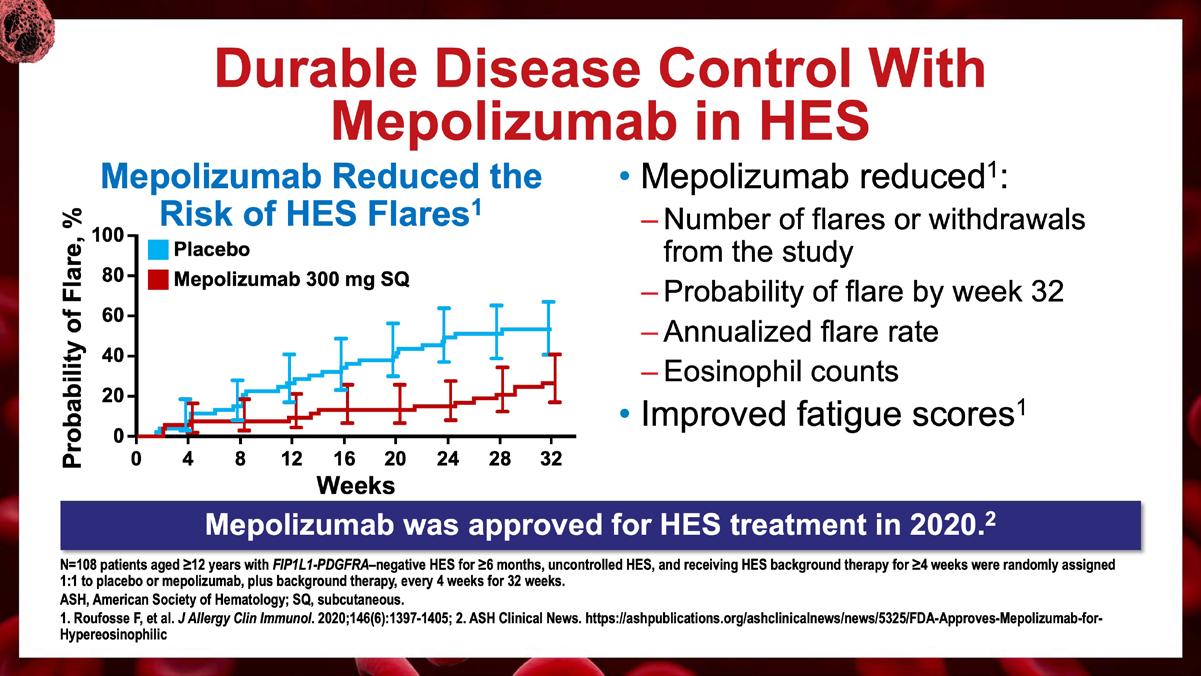
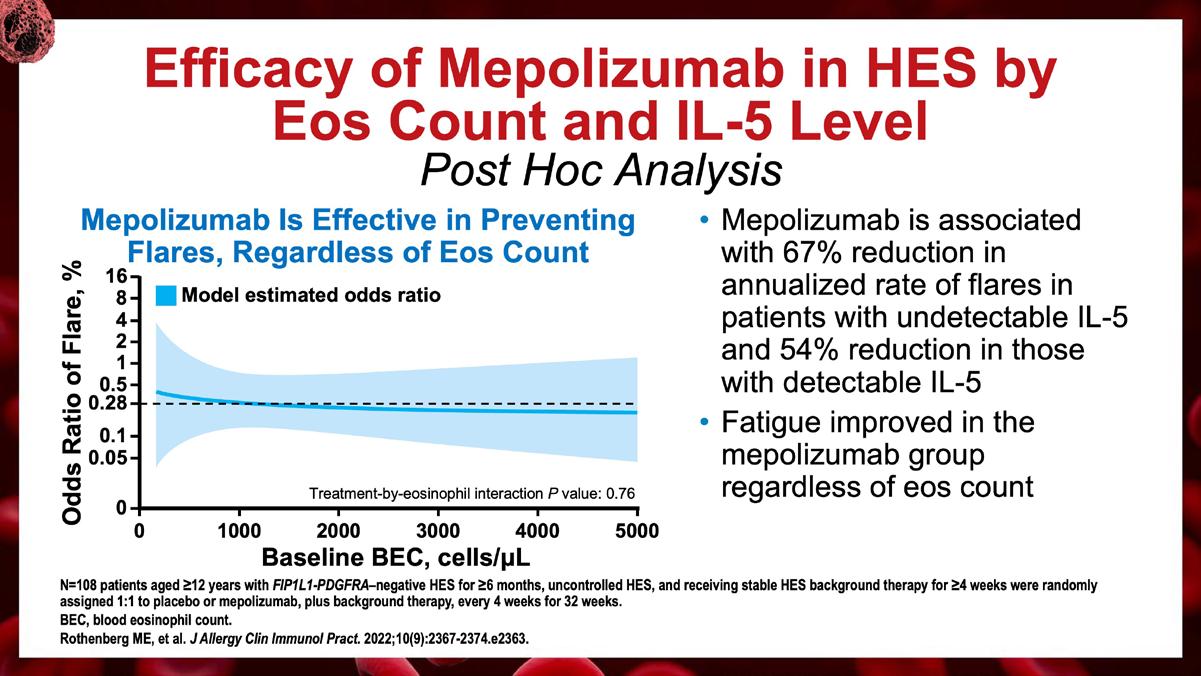
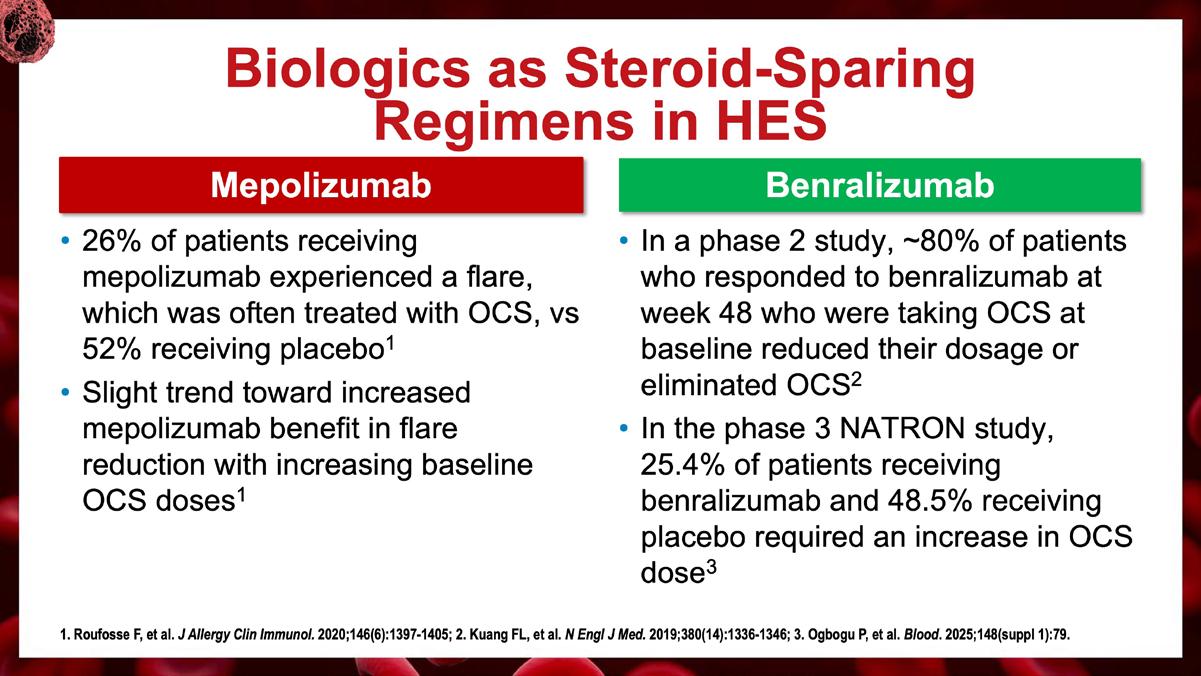
» Efficacy and safety of mepolizumab in hypereosinophilic syndrome: a phase III, randomized, placebo-controlled trial.
Roufosse F, Kahn JE, Rothenberg ME, et al. J Allergy Clin Immunol. 2020;146(6):1397-1405.
https://pmc.ncbi.nlm.nih.gov/articles/PMC9579892/
» World Health Organization-defined eosinophilic disorders: 2022 update on diagnosis, risk stratification, and management.
Shomali W, Gotlib J. Am J Hematol. 2022;97(1):129-148.
https://onlinelibrary.wiley.com/doi/10.1002/ajh.26352
» Red flags for clinical suspicion of eosinophilic granulomatosis with polyangiitis (EGPA).
Solans-Laqué R, Rúa-Figueroa I, Blanco Aparicio M, et al. Eur J Intern Med. 2024;128:45-52. https://www.ejinme.com/article/S0953-6205(24)00247-4/fulltext
» Proposed refined diagnostic criteria and classification of eosinophil disorders and related syndromes.
Valent P, Klion AD, Roufosse F, et al. Allergy. 2023;78(1):47-59.
https://pmc.ncbi.nlm.nih.gov/articles/PMC9797433/
» Eosinophilic granulomatosis with polyangiitis: latest findings and updated treatment recommendations.
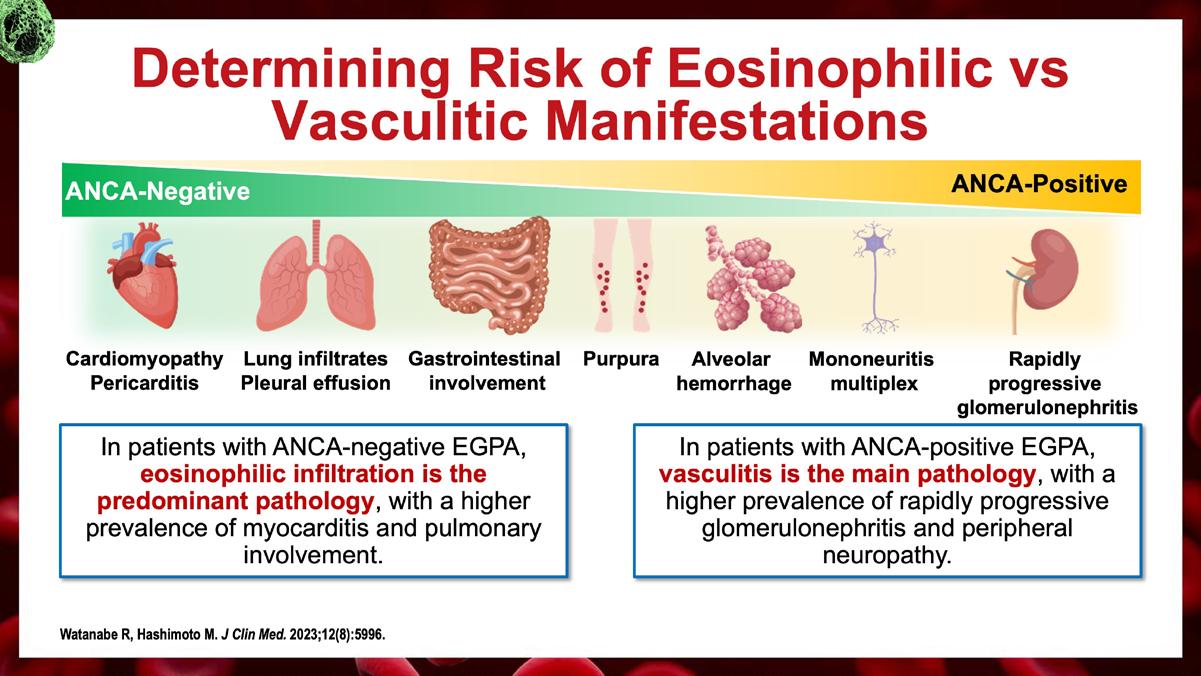
Watanabe R and Hashimoto M. J Clin Med. 2023;12(18):5996. https://www.mdpi.com/2077-0383/12/18/5996
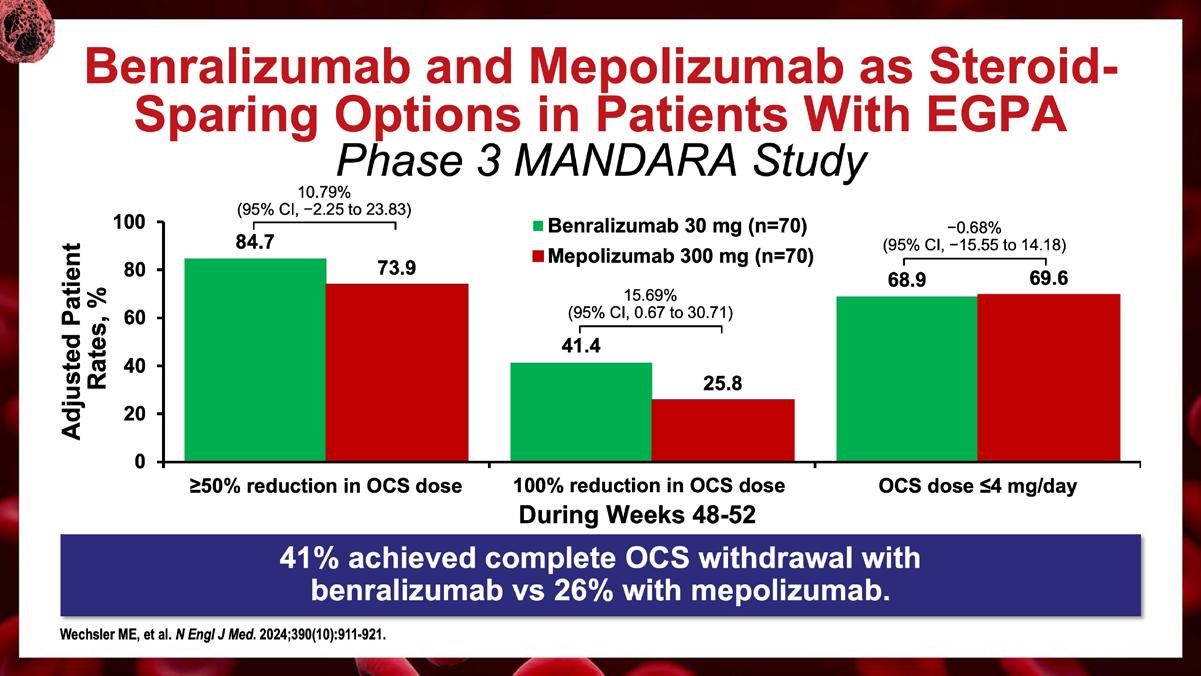
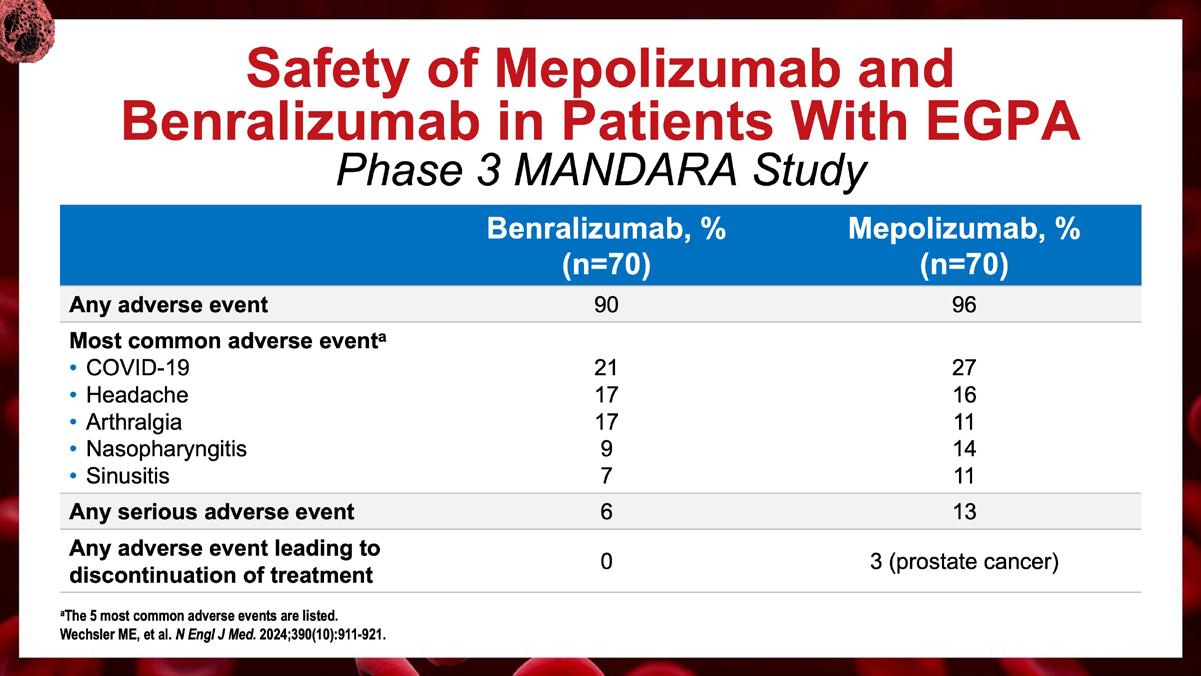
» Benralizumab versus mepolizumab for eosinophilic granulomatosis with polyangiitis.
Wechsler ME, et al. N Engl J Med. 2024;90(10):911-921.
https://www.nejm.org/doi/10.1056/NEJMoa2311155?url_ver=Z39.88-2003&rfr_id=ori:rid:crossref. org&rfr_dat=cr_pub%20%200pubmed
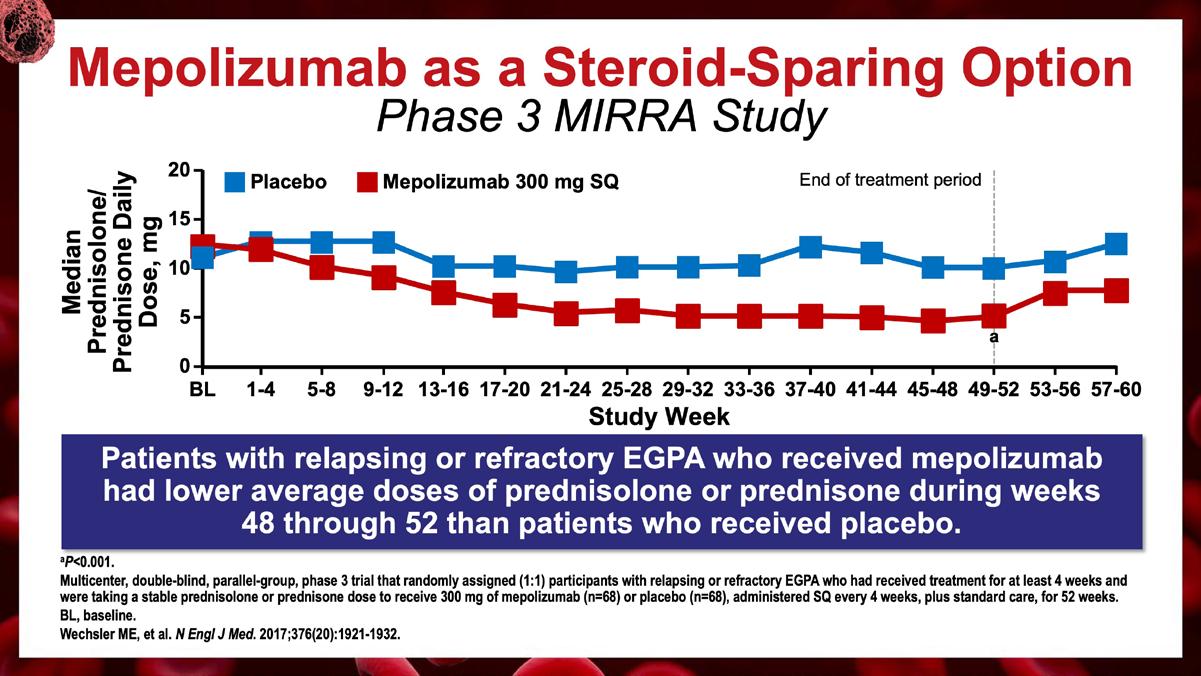
» Mepolizumab or placebo for eosinophilic granulomatosis with polyangiitis.
Wechsler ME, et al. N Engl J Med. 2017;376(20):1921-1932. https://www.nejm.org/doi/10.1056/NEJMoa1702079?url_ver=Z39.88-2003&rfr_id=ori:rid:crossref.org&rfr_ dat=cr_pub%20%200www.ncbi.nlm.nih.gov
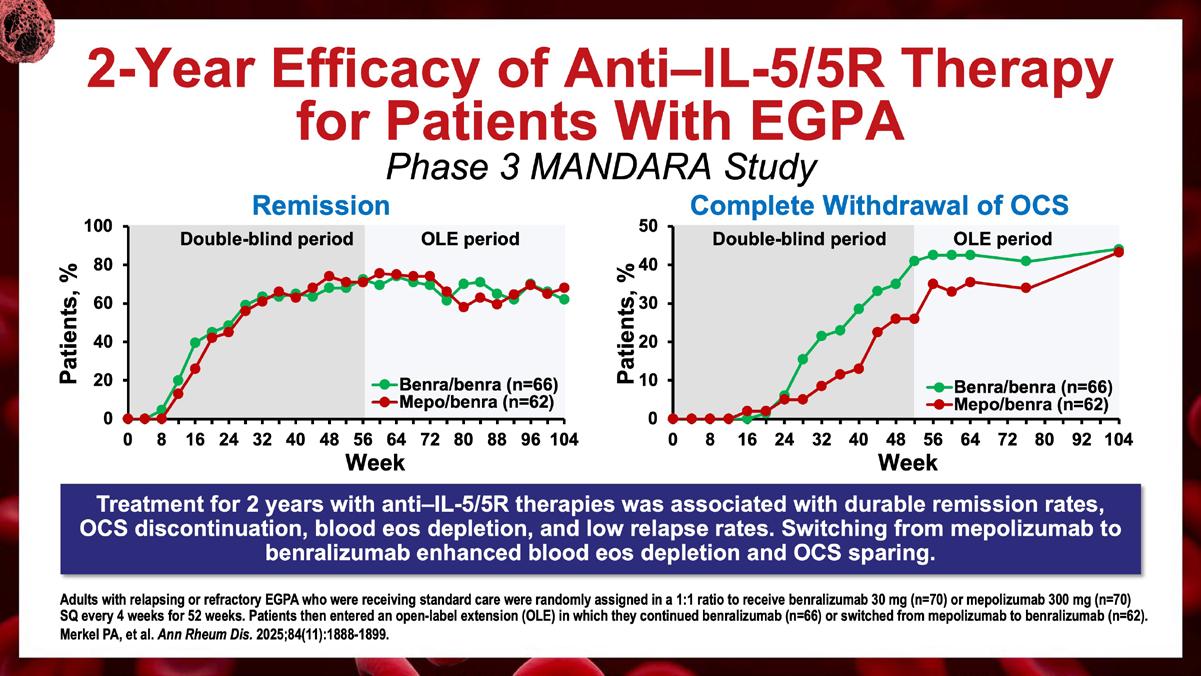
» Two-year efficacy and safety of benralizumab in the treatment of eosinophilic granulomatosis with polyangiitis.
Wechsler ME, et al. Am J Respir Crit Care Med. 2025;211:A5029. https://www.atsjournals.org/doi/abs/10.1164/ajrccm.2025.211.Abstracts.A5029
PATIENT ADVOCACY ORGANIZATIONS AND RESOURCES
» American College of Rheumatology (ACR)
ACR is a global medical society that serves physicians, health professionals, and scientists worldwide with the goal of advancing research and training to improve the health of people with rheumatic diseases. https://rheumatology.org/
» American Lung Association
The American Lung Association’s mission is to save lives by improving lung health and preventing lung disease. We do this through education, advocacy, and research. https://www.lung.org/lung-health-diseases/lung-disease-lookup/egpa
» American Thoracic Society (ATS)
The mission of the ATS is to improve health worldwide by advancing research, clinical care, and public health in respiratory disease, critical illness, and sleep disorders. https://www.thoracic.org/patients/patient-resources/
» European Alliance of Associations for Rheumatology (EULAR)
EULAR represents people with rheumatic and musculoskeletal diseases, health professionals in rheumatology, rheumatologists, researchers and scientific societies in the field of rheumatology of all the European nations. https://www.eular.org/
» Vasculitis Foundation
The mission of the Vasculitis Foundation is to build upon the collective strength of the vasculitis community, the Foundation supports, to inspire and empower individuals with vasculitis and their families through a wide range of education, research, clinical, and awareness initiatives. https://vasculitisfoundation.org/living-well/find-support/
NOTES
ExchangeCME.com/TacklingEGPAHES
Improving Clinical Outcomes For Patients with Severe or Uncontrolled Asthma
ExchangeCME.com/SABridgeEnduring
Changing the EGPA Trajectory With Early Diagnosis and Biologic Therapy
ExchangeCME.com/EGPAChicago
ExchangeCME.com


Clinical
Live
Tailored