

• Approximately 8 CAR T-cell therapy infusions for NHL per month
• Clinical nurse coordinators:
– Dedicated to cellular therapy
– Patient’s primary point of contact throughout the CAR T-cell treatment process
– Provide comprehensive education to patients and caregivers, coordinate all required pretreatment testing, consultations, appointments, treatment milestones
– Identify and address barriers to treatment through collaboration with social work, financial services, and other support resources
– Coordinate with manufacturers regarding cell collection, manufacturing updates, product availability, and infusion scheduling
– Assess and facilitate readiness for CAR T-cell therapy and assist with regulatory, documentation, and product-specific requirements to ensure timely and safe delivery of therapy
– Facilitate handoff to the post-infusion care team following CAR T-cell therapy administration


•CAR T-cell therapy APPs (PAs and NPs)
– Inpatient and outpatient APPs:
• Inpatient: Collect detailed patient history, order and interpret baseline labs, coordinate administration of CAR T-cell products, monitor patient during and after infusion, oversee supportive care measures, assist with discharge planning, provide discharge education, and arrange outpatient follow-ups
• Outpatient: Monitor patients for toxicities, coordinate supportive and logistical care needs, collaborate with multidisciplinary team for ongoing treatment plans, coordinate Day 28+ evaluations, facilitate transition back to primary care team following completion of CAR T-cell treatment
•Social workers:
– Manage patients receiving cellular therapy
– Responsible for psychosocial assessments, housing/lodging, and confirming caregivers
•Case manager for patient financial services (nurse):
– Coordinate insurance authorization with payers
•Patient financial navigators:
– Available for cellular therapy patients to provide financial guidance
•Team members collaborate with our intake team to screen incoming referrals for possible clinical trials



Chimeric antigen receptor CAR T-cell Therapy Lymphodepletion/ Chemotherapy


5 CAR T cells attack cancer cells


3
4 Infusion


Uscanga-Palomeque AC, et al. Int J Mol Sci. 2023;24(21):15688. Collect blood T cells Isolation and reprogramming of T cells CAR T cells Multiplication 1 2
• Indicated for the treatment of adult patients with1:
– LBCL, including DLBCL not otherwise specified, high-grade BCL, primary mediastinal LBCL, and FL grade 3B that is relapsed/refractory (R/R) to 1L chemoimmunotherapy, R/R to 1L chemoimmunotherapy in patients not eligible for HSCT due to comorbidities or age, or R/R after ≥2 lines of systemic therapy
– R/R CLL or SLL who have received ≥2 lines therapy, including a BTK inhibitor and BCL-2 inhibitora
– R/R FL who have received ≥2 prior lines of systemic therapy
– R/R MCL after ≥2 lines of systemic therapy, including a BTK inhibitor
– R/R MZL after ≥2 lines of systemic therapy
• Administered IV as 1:1 CD8 and CD4 components, supplied in separate vials1 Liso-cel Structure2
Flexible linker Whitlow
Binding domain (scFv/nanobody)
Hinge domain
Transmembrane domain
Costimulatory domain
1L, first line; 4-1BB, tumor necrosis factor receptor superfamily member 9; BCL, B-cell lymphoma; BCL-2, B-cell lymphoma 2; BTK, Bruton tyrosine kinase; CLL, chronic lymphocytic leukemia; DLBCL, diffuse large B-cell lymphoma; FL, follicular lymphoma; HSCT, hematopoietic stem cell transplantation; IgG4, immunoglobulin G4; IV, intravenous; LBCL, large B-cell lymphoma; MCL, mantle cell lymphoma; MZL, marginal zone lymphoma; R/R, relapsed/refractory; scFv, single-chain fragment variable; SLL, small lymphocytic leukemia.
aApproved under accelerated approval based on response rate and duration of response. Continued approval for this indication may be contingent upon verification and description of clinical benefit in confirmatory trial(s).
1. Drugs@FDA. https://www.accessdata.fda.gov/scripts/cder/daf; 2. Bernard G, Evgin L. Front Immunol. 2025;16:1664403.
• The first FDA-approved CAR T-cell therapy for R/R LBCL1
• Now indicated for the treatment of adult patients with2:
– LBCL that is R/R to 1L chemoimmunotherapy
– R/R LBCL after ≥2 lines of systemic therapy for DLBCL not otherwise specified, primary mediastinal LBCL, high-grade B-cell lymphoma, and DLBCL arising from FL
– R/R FL after ≥2 lines of systemic therapya
• Administered IV as a single infusion2
Axi-cel Structure3
Flexible linker Whitlow
Binding domain (scFv/nanobody)
Transmembrane domain Hinge domain
Costimulatory domain
FDA, US Food and Drug Administration.
aApproved under accelerated approval based on response rate and duration of response. Continued approval for this indication may be contingent upon verification and description of clinical benefit in confirmatory trial(s).
1. King AC, et al. J Adv Pract Oncol. 2019;10(8):878-882; 2. Drugs@FDA. https://www.accessdata.fda.gov/scripts/cder/daf/; 3. Bernard G, Evgin L. Front Immunol. 2025;16:1664403.
•Indicated for the treatment of adults with1,a: –R/R MCL
•Administered IV as a single infusion1
aAlso FDA-approved for adults with relapsed or refractory B-cell precursor acute lymphoblastic leukemia (ALL). 1. Drugs@FDA. https://www.accessdata.fda.gov/scripts/cder/daf/; 2. Bernard G, Evgin L. Front Immunol. 2025;16:1664403.
Brexu-cel Structure2
Flexible linker Whitlow
Binding domain (scFv/nanobody)
Transmembrane domain Hinge domain
Costimulatory domain
•Indicated for the treatment of adults with1,a: –R/R LBCL after ≥2 lines of systemic therapy, including DLBCL not otherwise specified, high-grade BCL, and DLBCL arising from FL –R/R FL after ≥2 lines of systemic therapyb
•Administered IV in 1 to 3 patient-specific infusion bags1 Tisa-cel Structure2
aAlso indicated for patients up to 25 years of age with B-cell precursor acute lymphoblastic leukemia (ALL) that s refractory in in second or later relapse; bApproved under accelerated approval based on response rate and duration of response. Continued approval for this indication may be contingent upon verification and description of clinical benefit in confirmatory trial(s). 1. Drugs@FDA. https://www.accessdata.fda.gov/scripts/cder/daf/; 2. Bernard G, Evgin L. Front Immunol. 2025;16:1664403.
CD19-directed CAR Tcell therapy as a preferred option in 3L and as subsequent therapy:
•Lisocabtagene maraleucel
•Axicabtagene ciloleucel
•Tisagenlecleucel
CD19-directed CAR Tcell therapy in 3L and as subsequent therapya:
•Lisocabtagene maraleucel (preferred)
•Axicabtagene ciloleucelb (other recommended)
CD19-directed CAR Tcell therapy in 2L or as subsequent therapy in patients with progressive disease after prior covalent BTKi (useful in certain circumstances):
•Lisocabtagene maraleucel
•Brexucabtagene autoleucel
CD19-directed CAR T-cell therapy in 2L in relapsed disease (<12 months or primary refractory disease) who are candidates for CAR T-cell therapy:
•Lisocabtagene maraleucel (Category 1)
•Axicabtagene ciloleucel (Category 1)
CD19-directed CAR T-cell therapy as a preferred option in 2L in patients with relapsed disease (>12 months) and no intention to proceed to transplant:
•Lisocabtagene maraleucel (with pre/postpheresis as needed; if eligible)
CD19-Directed CAR T-cell therapy as a preferred therapy option in 3L and as subsequent therapy:
•Lisocabtagene maraleucel
•Axicabtagene ciloleucel
•Tisagenlecleucel
2L, second line; 3L, third line; BCL2i, B-cell lymphoma 2 inhibitor; cBTKi, covalent Bruton tyrosine kinase inhibitor; NCCN, National Comprehensive Cancer Network.
CD19-directed CAR Tcell therapy as a preferred therapy option for R/R disease after prior cBTKibased and BCL2icontaining regimens:
•Lisocabtagene maraleucel ± ibrutinib
a2L therapy regimens that were not previously given can also be used as options for 3L and subsequent therapies1; bAlthough recommended by the NCCN, axi-cel is not currently approved for use in MZL at this time.1,3
1. NCCN. NCCN Guidelines Version 4.2026. B-Cell Lymphomas. https://www.nccn.org/professionals/physician_gls/pdf/b-cell.pdf; 2. NCCN. NCCN Guidelines Version 2.2026. Chronic Lymphocytic Leukemia/Small Lymphocytic Lymphoma. https://www.nccn.org/professionals/physician_gls/pdf/cll.pdf; 3. Drugs@FDA. https://www.accessdata.fda.gov/scripts/cder/daf/.
Indications1



Kinetics of Disease
Progression1
•Does the patient have a disease and therapy history that meets the FDA label?
•Does the patient meet the criteria for a clinical trial?


Immediate Prior Therapy1
•Can the patient tolerate leukapheresis (without immediate use of steroids/chemotherapy) and remain stable until the T-cell infusion (3-4 weeks)?
•Does the patient need alternative therapy prior to CAR T-cell therapy consideration?



•How might it affect the ability to successfully manufacture CAR T cells (ie, obtain sufficient number of T cells and expand)?

Concomitant Immunosuppressive Therapy1
Active Infection2
•Can this be safely stopped prior to T-cell collection?


•Higher risk of complications if patient experiences CRS



Non Disease Related Comorbidities1

•Does the patient have organ function reserve to tolerate toxicities of CAR T-cell therapy, namely CRS and ICANS
•Cardiac, pulmonary, renal, bone marrow, CNS
CNS, central nervous system; CRS, cytokine release syndrome; ICANS, immune effector cell-associated neurotoxicity syndrome. 1. Hayden P, et al. Ann Oncol. 2022;33(3):259-275; 2. Amini L, et al. Nat Rev Clin Oncol. 2022;19(5):342-355.
Patient Characteristic Expert Recommendations Surrounding CAR T-Cell Eligibility
Advanced age
Poor performance status
Lack of response to chemotherapy
Impaired cardiovascular function
Impaired pulmonary function
Impaired renal function
Impaired hepatic function
Unresolved, active, or chronic infections
Poor psychological health
Social support
Other considerations
sCNS, secondary central nervous system.
• Age by itself should not be a reason to exclude patients from CAR T therapy referral, and should be considered along with other factors
• Patients of advanced age should be referred for further assessment
• Patients should be referred for further assessment, even with marginal performance status
• Chemosensitivity is not required before CAR T therapy referral
• Consult with a CAR T therapy specialist when choosing bridging therapy for disease control
• Individual cardiac markers do not disqualify patients from CAR T therapy referral
• Cardiologists or oncocardiologists should be involved early in patient care to optimize cardiac status
• Pulmonary function tests are not universally required as part of assessment for CAR T eligibility
• In patients with concerning pulmonary conditions or history, early consultation with pulmonologists is critical
• CAR T therapy could be considered in selected patients with significant renal dysfunction
• Refer and consult hepatologists and/or gastrointestinal specialists
• Refer and consult infectious disease specialists
• Special considerations may be given to patients with aggressive disease or poor prognosis to receive CAR T therapy despite active infections
• Refer and solicit support from psychiatric unit
• Caregiver support is critical, especially during the 2-week monitoring period
• Factors that should not restrict patients for CAR T-cell referral include autoimmune disease, obesity, history of solid organ transplantation, and sCNS involvement
Shadman M, et al. Transplant Cell Ther. 2026;32(3):277-287.
Therapy type1
Manufacturing time1
Administration1,2
Autologous cellular therapy “Off-the-shelf” recombinant proteins
Several weeks (patient-specific)
Single infusion; in-patient setting
T-cell persistence1 Long-lived memory T cells
Safety profile1,2 High risk of CRS and neurotoxicity (ICANS)
Toxicity management1 Require specialized centers and intensive monitoring
Cost and accessibility1,2
Higher upfront costs; limited to specialized centers
Treatment setting1 Proximity to treatment centers needed due to complexity and side effects
Long-term outcomes2 Potential long-term remission
BsAb, bispecific antibody.
1. Abou DS, et al. Cancer Med. 2026;15(2):e71562; 2. Morabito F, et al. Eur J Haematol. 2025;114(1):4-16. Feature
Immediate availability
Multiple doses; often outpatient/subcutaneous
Shorter half-life; persistence depends on dosing
Generally milder CRS and fewer neurotoxic events
Step-up dosing mitigates CRS risk
Lower upfront costs; more accessible
Potential for outpatient administration
Still under study


• Early interaction with treatment center to refer to CAR T-cell therapy at appropriate line
• Understand eligibility criteria to obtain early referrals
• Direct line of communication with treatment center physicians
• Early, direct communication with leukapheresis center to optimize manufacturing process
• Understand negative effects of bendamustine and other therapies on T-cell fitness
• Collaborate with leukapheresis center throughout the process
Hoffman MS, et al. Transplant Cell Ther. 2023;29(7):440-448.
• Understand appropriate bridging therapy options to maintain disease control and ensure CAR T-cell therapy eligibility
• Stay aware of the infusion process and state of the patient following infusion
• Ensure you have received clear, direct instructions in handoff for follow-up care
• Understand signs to monitor to identify early relapses; follow imaging protocols
• Follow up long term for management of cytopenias and B-cell aplasia and monitor for rare late relapses
• Monitor for long-term immune reconstitution
•Treatment patient is on when they are referred for CAR T-cell therapy Holding Therapy (Prepheresis) Options Include
DHA + platinum therapy ± rituximab
Gemcitabine/dexamethasone/carboplatin or cisplatin ± rituximab
GEMOX ± rituximab
Ifosfamide/carboplatin/etoposide ± rituximab
Polatuzumab vedotin ± rituximab
ISRT (as monotherapy or sequentially with systemic therapy)
PLEASE NOTE: Patients who will be receiving treatment with CAR T-cell therapy or bsAbs should not be treated with bendamustine prior to leukapheresis; bendamustine use should be delayed until after CAR T leukapheresis
DHA, dexamethasone/cytarabine; GEMOX, gemcitabine hydrochloride and oxaliplatin; ISRT, involved site radiation therapy. NCCN. NCCN Guidelines Version 4.2026. B-Cell Lymphomas. https://www.nccn.org/professionals/physician_gls/pdf/b-cell.pdf.
•Treatment given while awaiting manufacture of the CAR T cells Examples of Bridging
4.2026. B-Cell Lymphomas. https://www.nccn.org/professionals/physician_gls/pdf/b-cell.pdf. ≥1 Cycles as Needed Until CAR T-Cell Product Is Available
+ platinum therapy ± rituximab Gemcitabine/dexamethasone/carboplatin or cisplatin ± rituximab GEMOX ± rituximab Ifosfamide/carboplatin/etoposide ± rituximab Polatuzumab vedotin ± rituximab ± bendamustine
(as monotherapy or sequentially with systemic therapy)
APPs should follow up regularly with patients and monitor their LDH and CRP levels, assess for lymphadenopathy, and assess functional status
APPs and nurse coordinators should be aware of all possible bridging therapy regimens and their potential associated toxicities, as well as the supportive care needed for radiation and immunotherapy
Multidisciplinary care teams should understand the follow-up recommendations for evaluating blood counts, palpable lymphadenopathy, and infection risk
It is critical to maintain close communication between the CAR T therapy center physicians and the referring physician, as bridging therapy may need to be administered at either location
CRP, C-reactive protein; LDH, lactate dehydrogenase. Beaupierre A, et al. J Adv Pract Oncol. 2019;10(suppl 3):29-40.
•Treatment that induces immunosuppression to aid in CAR T-cell engraftment, expansion, and persistence, in order to help improve patient outcomes
– Given before CAR T cells are infused
– Fludarabine + cyclophosphamide is most commonly used but bendamustine has also been demonstrated to be a viable alternative




Long distance to CAR T cell therapy center and relocation required








Access to a 24/7 caregiver to observe for TEAEs





Financial toxicity: Treatment cost Lack of insurance coverage Costs not covered by insurance (food, gas, lodging)





Financial assistance for relocation, transportation; caregiver support resources


Example of free lodging for patients with cancer and caregivers relocating for treatment in New York, New York2

Concern about loss of caregiver income during relocation Fear of severe TEAEs and hospitalization


REMS, Risk Evaluation and Mitigation Strategies; TEAE, treatment-emergent adverse event.
Patient education about what to expect for TEAEs and risk of CRS, ICANS




Early transition back to the community




Change in REMS requirement (more on this later)

1. Hoffman MS, et al. Transplant Cell Ther. 2023;29(7):440-448; 2. American Cancer Society. https://www.cancer.org/support-programs-and-services/patient-lodging/hopelodge/new-york-city.html.




Long distance to CAR cell therapy center and relocation required




Lack of awareness of CAR T cell therapy for earlier line treatment



Late referral to CAR T cell therapy


Lack of understanding of AE management

AE, adverse event. Hoffman MS, et al. Transplant Cell Ther. 2023;29(7):440-448.









Expansion of CAR T cell therapy for other cancers (and potentially for autoimmune diseases in future) causing increased volume of patients and decreased number of leukapheresis slots




Lack of knowledge about CAR T cell therapy safety and efficacy




Lack of knowledge about negative effect some therapies can have on cell fitness


Lack of knowledge of eligibility criteria

Before initial consultation at a CAR T therapy center, APPs and the referring physician should work together to assure the patient meets the requirements to be considered an appropriate candidate for CAR T-cell therapy
APPs, the treating physician, and nurse coordinator at the CAR T treatment center should communicate with the referring physician about patient eligibility for treatment, treatment timelines, and plans for chemotherapy prior to CAR T-cell therapy infusion
Close communication between APPs, nurse coordinators, and the referring physician is critical during leukapheresis, when the patent must follow specific protocols for chemotherapy and steroid treatment
Continued communication between the referring physician and CAR T treatment center is essential, since the referring physician will continue to be involved in the patient’s CAR T therapy journey
• Insurance and financial assistance
– Social workers and patient financial navigators provide available financial resources
– Dedicated case managers for patient financial services provide insurance authorization coordination
• Caregiver support
– Caregiver resource library: educational materials, dedicated video for caregivers
– Formalized Caregiver Clinic through Memorial Sloan Kettering (MSK) (https://www.mskcc.org/experience/caregivers-support)
• Addressing socioeconomic barriers
– Social workers and patient financial navigators provide screening and interventions with available financial, travel, and meal support
• Lodging and transportation
– Dedicated residence for cellular therapy patients (75th Street Housing)
– Travel vouchers available for some patient travel support
– MSK-arranged discounted hotel partnerships for patients and caregivers
• Community transportation resources (air travel assistance)
– Transportation resources are available through manufacturer-supported programs
• Ground transportation
– Shuttle available through MSK (https://www.mskcc.org/locations/planning-visit-travel-tomsk/patient-shuttle)
• MSK Patient Travel Program
– Programs available through MSK



• Cancer Support Community
– https://www.cancersupportcommunity.org/car-tcell-therapy
• Blood & Marrow Transplant Information Network
– https://bmtinfonet.org/transplant-article/rolecaregiver-and-car-t
• Blood Cancer United
– https://bloodcancerunited.org/resources/patients

• Caregiver support groups and formalized Caregiver Clinic
– https://www.mskcc.org/experience/caregiverssupport
• Dedicated CAR T patient education materials
• 1:1 dedicated CAR T patient education sessions
• 24/7 access to oncology-dedicated urgent care center to manage adverse events
• MSK’s CAR T Patient Values/Goals of Care and Survivorship Program
Lymphodepleting
chemotherapy
Cyclophosphamide
Fludarabine
Neutropenia
CRS, ICANS
Steroids, anti–IL-6
Endothelial, mucosal damage
*ICU, invasive measures
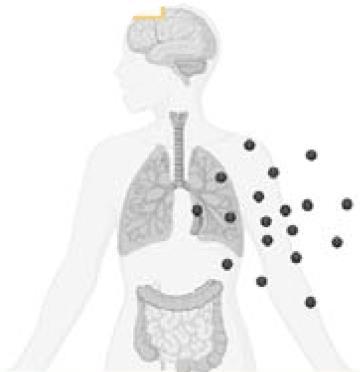
B-cell aplasia, hypogammaglobulinemia, specific Ab deficiency
Delayed cytopenias
Patients treated with CAR-T cell therapy at MSK are discharged to community oncologist care after approximately 100 days (3 months).
Ab, antibody; ICU, intensive care unit; IL-6, interleukin 6.
Image adapted from Kampouri E, et al. Transpl Infect Dis. 2023;25(suppl 1):e14157.
• Poor performance status



• Elevated baseline levels of IL-6 and ferritin
• Higher baseline macrophage scores and activated M1 and M2 macrophages
• Low platelet levels (<150 g/L)
• Elevated CRP levels (>30 mg/L)
• Presence of bulky disease/high tumor burden
• Elevated LDH level (>2 times the upper limit of normal)
• CAR T-cell construct used

• No bridging therapy, or stable or progressive disease after bridging therapy
• Fever that develops within 24 hours of CAR T-cell infusion
• Elevated peak levels of serum IL-6, IFN-γ,TNFα, and IL-15
• May be ongoing cytopenias from early toxicity
Long-term survivors of CAR T-cell therapy are at risk for unique long-term complications
LATE CYTOPENIAS
• May arise anew, raising concerns for recurrent disease or secondary malignancy
• Result of persistent T- and B-cell lymphomas
• Tend to be predominantly viral infections
• Acyclovir prophylaxis recommended for all patients

• Direct effects of lymphodepleting chemotherapy and CAR T cells on B cells and plasma cells
• Immunoglobulin replacement therapy generally not recommended unless recurrent infections
• Ongoing 5% to 10% lifetime risk of a secondary hematologic or solid malignancy
• Risk of CAR-inducted T-cell secondary cancer <1%
• Early neurocognitive deficits may persist but generally resolve within 12 months
• Late-onset neurologic toxicities distinct from ICANS and associated anti-BCMA CAR T cells
Monitoring and treatment is a joint collaboration between the CAR T-cell center and the community hematologistoncologist
• Infection
• Higher baseline ferritin and CRP
• Prior HSCT within the previous year
• Prior radiotherapy
• Baseline tumor burden
• Low baseline hematopoietic reserves
• History of ≥3 prior lines of chemotherapy
IEC-HS, immune effector cell-associated hemophagocytic lymphohistiocytosis-like syndrome.
Yang Y, et al. Exp Hematol Oncol. 2024;13(1):110.

• CRS (grade ≥4 is a risk factor for late cytopenias)
• ICANS (grade ≥3 is a risk factor for late cytopenias)
• IEC-HS
• Bone marrow destruction and inadequate immune reconstitution
• Low CD4+/CD8+ T-cell ratio of CAR T cells
• Severe hematologic toxicity after lymphodepletion
• Expansion of CAR T cells
• Type of CAR construct
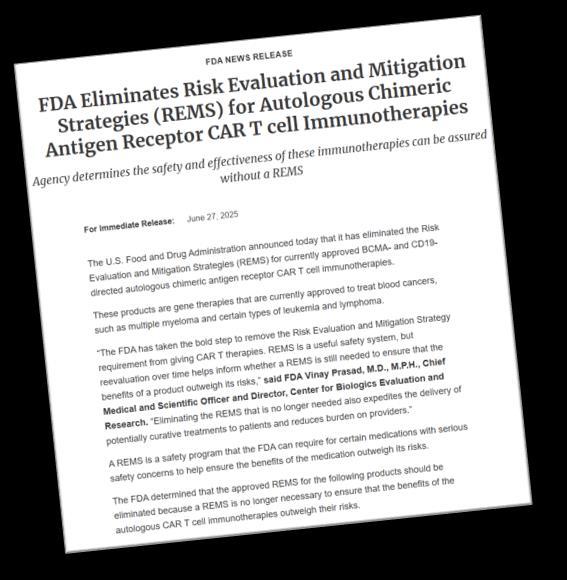


•Hospitals and their associated clinics dispensing these therapies are no longer required to be specially certified or to maintain on-site, immediate access to tocilizumab1,2
•Update requiring monitoring of patients for at least 2 weeks, including daily monitoring for at least 1 week2
•Patients now must remain near their CAR T-cell center for at least 2 weeks2
•Patients must be advised to avoid driving for 2 weeks following CAR T-cell administration2
1. FDA.gov. https://www.fda.gov/news-events/press-announcements/fda-eliminates-risk-evaluation-and-mitigation-strategies-rems-autologous-chimeric-antigen-receptor; 2. FDA.gov. https://www.fda.gov/vaccines-blood-biologics/safety-availability-biologics/fda-eliminates-risk-evaluation-and-mitigation-strategies-rems-autologous-chimericantigen-receptor.

• Consider targeted monitoring for CMV, EBV, and HHV-6 for specific patient populations
• Monitor chronic HBV carriers with monthly liver enzymes and HBV DNA tests to detect early reactivation
• Perform regular physicals to ensure patients do not have active infections

• Prophylaxis with fluoroquinolone may be considered during the expected period of neutropenia, until ANC recovery
• Antiviral prophylaxis for HSV, VZV, and HBV
–In a patient with a rising CMV viral load, infectious disease consultation should be requested for further management
• Antifungal prophylaxis for Pneumocysitis jirovecii

• Patients should only receive seasonal vaccination for influenza and SARS-CoV-2 prior to CAR T-cell therapy
• ≥3 months after CAR T-cell therapy, patients can be (re)vaccinated for influenza, RSV, and SARS-CoV-2
• Beginning ≥6 months after CAR T-cell treatment, patients should be (re)vaccinated for the following:
–Streptococcus pneumoniae
–HAV
–HBV
–Clostridium tetani
–Cornybacterium diphtheriae
–Bordetella pertussis
–VZVa (for seropositive adults or patients with a history of chickenpox or shingles)
ANC, absolute neutrophil count; CMV, cytomegalovirus; EBV, Epstein Barr virus; GVHD, graft-versus-host disease; HAV, hepatitis A virus; HBV, hepatitis B virus; HHV-6, human herpesvirus 6; HSV, herpes simplex virus; RSV, respiratory syncytial virus; VZV, varicella zoster virus.
aNot until ≥1 year post CAR T-cell therapy, ≥1 year post transplant, ≥8 months off of all systemic immunosuppressive therapy for GVHD, and absolute CD4 T cell count >200 cells/µL.
Shahid Z, et al. Transplant Cell Ther. 2024;30(10):955-969.

• Detailed health history
• Baseline performance status
• Organ function
• Baseline laboratory studies


• Monitoring for post-infusion CRS and ICANS
• Monitoring/management of cytopenias
• Vitals
• Infusion-related reactions
• Monitoring for infections
• Symptom monitoring
• Monitoring for secondary malignancy
• Bone marrow biopsies for patients with cytopenia beyond 100 days
CAR T outpatient APP will prepare, order, and coordinate Day 28+ evaluations, which include:
• Laboratory studies
• Bone marrow biopsies
• CT, PET/CT, or MRI imaging as indicated
• Protocol- or disease-specific testing

The treating physician should provide the patient’s community oncologist with the following information:
❑ Baseline workup results prior to CAR T-cell therapy
❑ The patient’s last progress note from the treatment center, with risks for any prolonged cytopenias and recommended treatments noted
❑ The patient’s latest restaging information
❑ Any laboratory requests, with specific orders, including how often they should be drawn
❑ Guidelines and recommendations for possible blood product administration, if needed
❑ Medication lists (including any prophylactic antibiotics or antiviral medications)
❑ CAR T-cell medication guide
❑ Copy of the patient’s wallet card
❑ An approximate outline of when the patient will need to follow up with the treatment center
Once discharged to their referring physician after completing CAR T-cell therapy:
• Patients should receive regular, lifelong, local monitoring to ensure they do not develop secondary malignancies following CAR T-cell therapy
• Patients should be educated about the risk of infections due to prolonged cytopenias and B-cell aplasia, and should be educated on effective hygiene and infectionprevention strategies
• Patients should also be educated on monitoring for signs of relapse, which can include:
– Fevers
– Night sweats
– Palpable lymphadenopathy
• MSK Cellular Therapy Service main phone number: 1-888-MSK-CART (1-888-675-2278)
• Referring provider team: https://www.mskcc.org/cancer-care/diagnosis-treatment/cancertreatments/immunotherapy/car-cell-therapy
• Email:
– New domestic patients, inquiries can be sent to: referapatient@mskcc.org
– For international patients, please email: international@mskcc.org
• Phone:
– For clinicians (available 24/7): 646-677-7440
– For self-referral: 646-926-0946
• Fax: 646-227-2476
• Self-referral link for patients: https://www.mskcc.org/experience/become-patient/appointment
• Additional links:
– https://www.mskcc.org/departments/division-hematologic-malignancies/cellular-therapeutics
– https://www.mskcc.org/research-areas/topics/cell-based-therapy
• Hours:
– David H. Koch Center: Monday-Friday, 8 AM-6 PM
– Memorial Hospital: 24 hours/day, 7 days/week
• Early communication with CAR T-cell treatment centers is important for ensuring appropriate patient care1,2
• Many barriers exist that may impede patients’ ability to receive CAR T-cell therapy; however, resources are available to help your patients and their caregivers receive the treatment patients need1
• Toxicities and TEAEs:
– Late toxicity looks different than early toxicity3,4
– Identification of pre- and posttreatment factors that may increase a patient’s risk of developing AEs is key in monitoring patients appropriately5-7
• Ongoing communication between CAR T-cell centers and referring physicians is essential to ensure a smooth transition of patients back to community care following CAR T-cell therapy2
1. Hoffman MS, et al. Transplant Cell Ther. 2023;29(7):440-448; 2. Beaupierre A, et al. J Adv Pract Oncol. 2019;10(suppl 3):29-40; 3. Adkins S. J Adv Pract Oncol. 2019;10(suppl 3):21-28; 4. Bishop MR. Hematology Am Soc Hematol Educ Program. 2024;2024(1):109-115; 5. Yang Y, et al. Exp Hematol Oncol. 2024;13(1):110; 6. Rubin D, et al. JAMA Neurol. 2020;77(12):1536-1542; 7. Rajeski K, et al. Blood. 2023;142(10):865-877.