Reflections from the State and Faith-Based Organizations
Foreword
Strengthening partnerships between governments, civil society, and faith-based communities is now a fundamental aspect of advancing the promotion and protection of the rights of children and adolescents. Across the Americas, diverse experiences demonstrate that spirituality—far from being separate from the human rights agenda—can serve as a driving force for promoting human dignity, peaceful coexistence, and a commitment to the common good.
This third edition of our joint publication by Arigatou International and the Inter-American Children’s Institute (IIN-OAS) brings together reflections and experiences that illustrate how faith communities, social organizations, and institutional actors can work in complementary ways to build more protective, inclusive, and participatory environments for children.
The contributions in this edition highlight different dimensions of this shared challenge. On the one hand, they explore ways to strengthen dialogue between the State and faith-based actors, overcoming historical barriers and recognizing the value of spirituality as an integral part of social life and the realization of human rights. On the other hand, they present concrete experiences of work with adolescents and local communities, demonstrating how spiritual development can translate into transformative action. They also underscore the role of educators, community leaders, and facilitators who, drawing on diverse spiritual and cultural traditions and public policy frameworks, support educational processes that promote values of respect, solidarity, shared responsibility, and a culture of peace.
These experiences remind us that promoting children’s rights requires comprehensive approaches that recognise all dimensions of the human person. When interreligious dialogue, community action, and a rights-based approach converge, new possibilities emerge for children and adolescents to actively participate in building more just, sustainable, and peaceful societies.
The IIN-OAS and Arigatou International reaffirm their commitment to strengthening these spaces for multi-stakeholder collaboration. We firmly believe that joint work among public institutions, civil society organizations, and faith communities is key to advancing toward societies where every child and adolescent can fully develop and exercise their rights in conditions of dignity, respect, and hope.
We hope that the reflections and experiences shared in this edition will inspire new initiatives, strengthen partnerships, and continue building, together, pathways of care, justice, equity, and peace for children.
M.A. María Julia Garcete Yegros Director General
Inter-American Institute for Children and Adolescents
Organization of American States
Ornella Barros Head of Global Advocacy Arigatou International
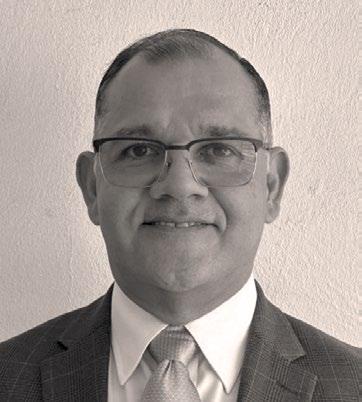
JOSÉ BOGANTES
Costa Rica, National Child Welfare Agency (Patronato Nacional de la Infancia – PANI), Technical Management, Prevention and Promotion of Rights.
Social Worker, Master’s in Media Management, with over 30 years of experience in the study of human behavior. Works in the Technical Management of PANI, promoting the rights of children and adolescents, facilitating community programs and projects nationwide.
Caring for Our Common Home: A Shared Responsibility
In the Americas, some perspectives question the possibility of reconciling faith with the rights of children and adolescents. At the same time, some initiatives actively seek to bridge these perspectives, drawing on adolescents’ lived experiences of faith to promote meaningful engagement. In this context, we highlight the work carried out with adolescents from the Ecological Ministry of the Roman Catholic Parish of Curridabat in San José, Costa Rica: “From My Own little corner: Living Laudato Si” (Desde mi metro cuadrado: para vivir Laudato Si).
José Bogantes
The Curridabat Ecological Ministry has a “clear and transformative mission: to foster environmental awareness in every parishioner, integrating spirituality and respect for nature into every aspect of daily life. In this way, it seeks to build a community committed to sustainability, an inspiring model that motivates other parishes and communities to adopt ecological practices.” 1
Among its initiatives in 2025, the parish developed a training program on the encyclical Laudato Si’, delivered through workshops with adolescents. This initiative also created an opportunity to explore collaboration with Faith-Based Organizations (FBOs), building on knowledge gained through the course Strengthening Multi-Stakeholder Collaboration for
1. Quiros, R. (May 2025). Ecological Ministry: Caring for Our Common Home. El Monitor, Curridabat News. https://elmonitorcr.com/?p=194
“ Integrating spirituality and respect for nature into every aspect of daily life. ”
|
“
Climate change is a global challenge with profound environmental implications.
”
Children’s Rights , implemented by Arigatou International and the Inter-American Children’s Institute (IIN-OAS).
Pope Francis’s encyclical “Laudato Si,” published in 2015, “focuses on care for the natural environment and all people, as well as broader issues concerning the relationship between God, human beings, and the Earth. The subtitle of the encyclical, “Care for Our Common Home”. Rice, C. (June 15, 2022) The Best Summary of Laudato Si. Laudato Si Movement https://laudatosimovement.org/es/
Caring for our common home is a shared responsibility across generations, cultures, and beliefs. From a faith perspective, it provides a pathway to address climate justice and the inequalities that drive it, recognizing that climate change is a global challenge with profound environmental, social, economic, and political implications. Pope Francis. Laudato Si’: On Care for Our Common Home (May 24, 2015). February 16, 2026. Librería Editrice Vaticana.
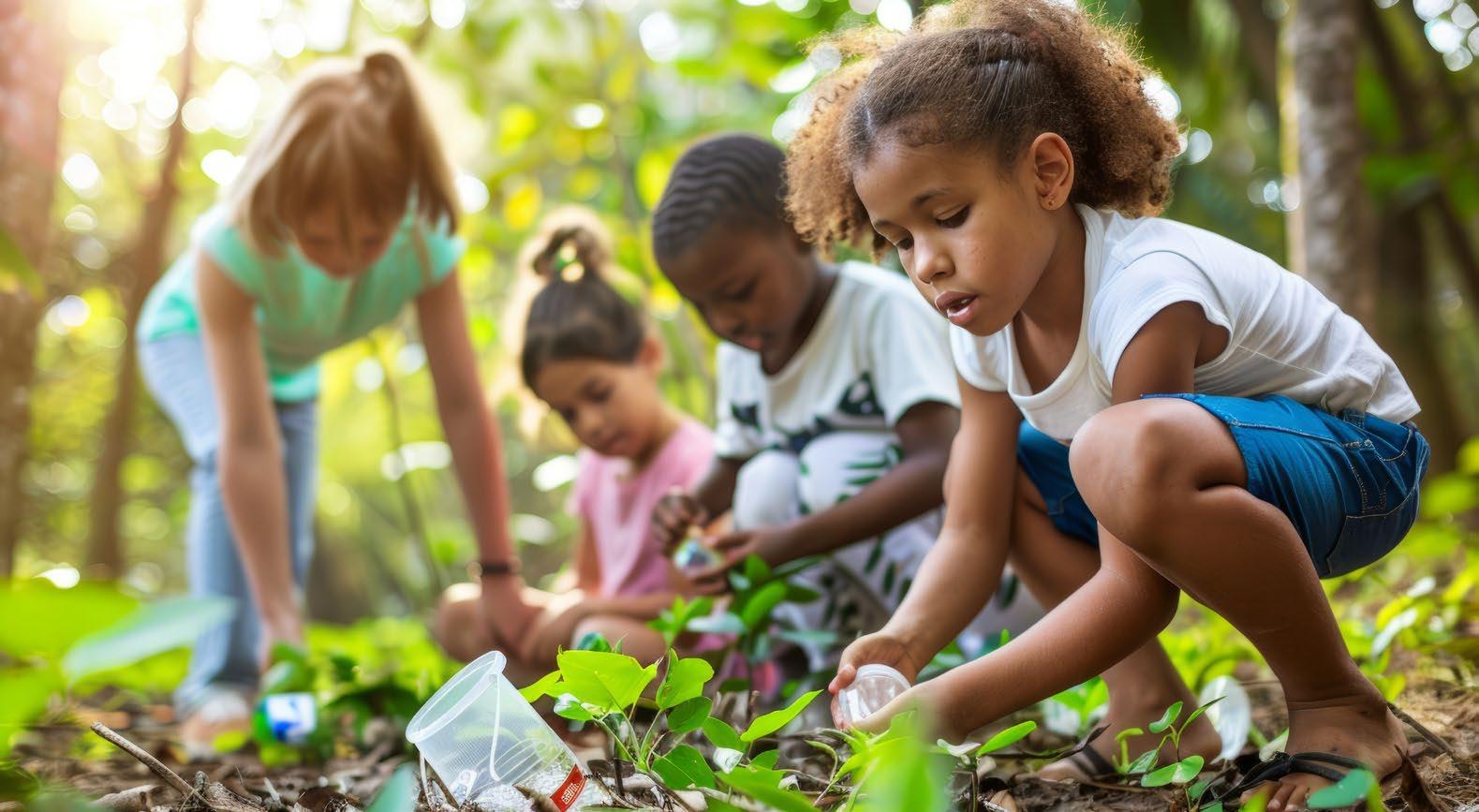
Costa Rica also offers important examples of adolescents engaging in concrete climate action, including turtle conservation initiatives, tree planting along riverbanks, recycling campaigns, and student-led efforts to conserve water and energy. These actions reflect a strong sense of commitment and agency among young people.
| José Bogantes
This engagement is further supported by Costa Rica’s longstanding commitment to environmental conservation: nearly 30% of its territory is designated as national parks or protected areas, and the country is home to approximately 5% of the planet’s biodiversity. These conditions create a favorable context for promoting environmental education and fostering a culture of care for the environment.
Against this backdrop, the connection between caring for our common home and adolescence represents a valuable opportunity to understand how Faith-Based Organizations, through action-oriented approaches, can contribute to the realization of rights.
The Experience in Curridabat
The Ecological Ministry’s call to adolescents creates a space that validates their genuine concerns about climate change and their pursuit of climate justice. These spaces foster a sense of belonging by promoting programs and initiatives focused on environmental sustainability.
The workshop content was defined by the adults of the Pastoral Ministry, consisting of five sessions covering: 1) general concepts of climate change, 2) environmental responsibility in Costa Rica, 3) a workshop on building compost bins, 4) a recycling workshop, and finally, 5) Laudato Si, as a proposal for caring for our common home.
Participants included adolescents from Costa Rican Girl Guides and Scouts Troop #27, many of whom were also involved in parish groups.
“ These spaces foster a sense of belonging by promoting programs and initiatives focused on environmental sustainability.
|
Environmental Responsibility in Costa Rica
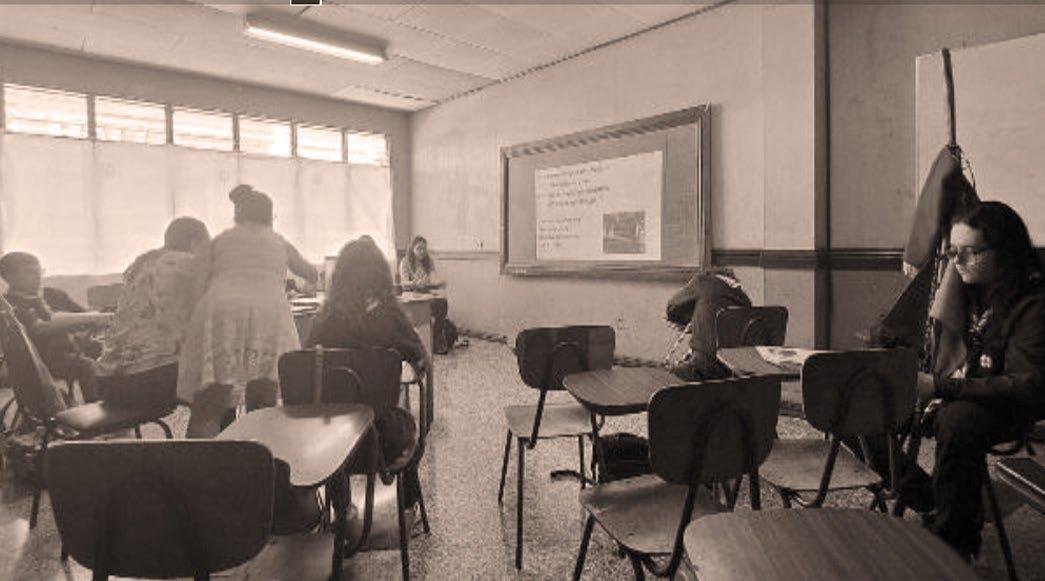
With the participation of Troop 27 of the Costa Rican Girl Guides and Scouts.
The workshop on environmental responsibility explored both individual and State responsibilities in protecting ecosystems. It introduced key legislation, supranational agreements, and community-based initiatives, while framing environmental protection within the doctrine of comprehensive protection and climate justice.
Costa Rica’s strong environmental legal framework highlights the importance of understanding how rights can be exercised in everyday life—starting from one’s own “little corner,” as proposed in Laudato Si ’.
“ …every person has the right to a healthy and ecologically balanced environment.”
For participants, recognizing themselves as rights holders enabled them to go beyond awareness and begin to understand how to claim their rights. In this regard, the workshop introduced Article 50 of the Constitution of Costa Rica, which guarantees the right to a healthy and ecologically balanced environment, and the possibility of reporting violations and seeking redress: “…every person has the right to a healthy and ecologically balanced environment.” Therefore, they are entitled to report acts that infringe upon that right and to claim reparation for the damage caused. The State shall guarantee, defend, and preserve that right. The law shall determine the corresponding responsibilities and sanctions.” Constitution of the Republic of Costa Rica, Article 50. November 7, 1949 (Costa Rica).
Similarly, Pope Francis’ reflection that access to safe drinking water is a fundamental and universal human right served as a key point of discussion, linking faith and rights-based perspectives: “… access to safe drinking water is a basic, fundamental, and universal human right, because it determines people’s survival and, therefore, is a prerequisite for the exercise of other human rights.” (Laudato Si)
Building on these converging perspectives, participants identified the need to translate ideas into concrete, community-based actions. These included advocating for the protection of river basins to prevent flooding, strengthening recycling programs, and promoting water conservation initiatives in schools— transforming them into actions that, from both the individual and collective levels, care for “our Common Home starting from my own square meter.”
The introduction of the concept of climate justice further strengthened participants’ understanding of rights and their role in defending them.
|
José Bogantes
Lessons Learned
01
This experience highlights the importance of designing workshops that are creative and aligned with how adolescents think, communicate, and interpret the world. This does not imply adopting their language superficially, but rather engaging meaningfully with their perspectives.
Incorporating playful and participatory activities—such as poster-making, collage, video recording, and digital tools— helps create a communication approach that resonates with adolescents. It also counterbalances the tendency to impose adult-centered concepts or overly academic approaches, emphasizing instead listening, dialogue, and co-creation.
Adolescents should be actively involved in planning sessions so that they become participants in the process rather than passive recipients of knowledge. A key challenge remains moving from awareness to civic and political engagement, enabling them to claim their rights with State institutions.
It is equally important for adults within Faith-Based Organizations to reflect on hierarchical and institutional mindsets that may limit respectful and horizontal intergenerational dialogue. Addressing this remains a significant challenge.
Building relationships of mutual respect between Faith-Based Organizations and State institutions requires recognizing each other as legitimate partners in the promotion and protection of rights.
Mutual learning about approaches to the “common good”—in this specific case, the protection and full realization of children’s rights—leads us to reflect on “caring for our common home,” and how, within the OBFs, there is closeness, legitimacy, and transparency in the approach to their projects—often understood as “missions”—which allows for continuity and the long-term involvement of participants. On the other hand, public officials sometimes approach matters from the perspective of legal regulations and compliance with legislation, which is undoubtedly an adult-centered vision.
This experience underscores the urgent need to align perspectives so that initiatives are not framed as charity or mission-driven efforts alone, but as rights-based processes built with and from children and adolescents.
REFERENCES
Constitution of the Republic of Costa Rica, Article 50. November 7, 1949 (Costa Rica).
for Our Common Home (May 24, 2015). February 16, 2026.
Quiros, R. (May 2025). Ecological Ministry: Caring for Our Common Home. El Monitor, Curridabat News. https://elmonitorcr.com/?p=194
Pope Francis. Laudato Si’: On Care
Librería Editrice Vaticana..
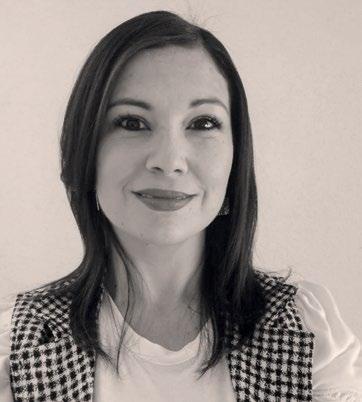
TERESA CASTELLANOS
With a Bachelor’s degree in Law and a Master’s degree in Family Education, she is certified in delivering and designing human capital development courses. She advises and designs training programs for parents, catechists, teachers, and caregivers in areas such as parenting, children’s rights, holistic human development processes, faith and children’s rights, culture and peace promotion, among others. She is a workshop facilitator, speaker, and host of a radio program for families.
In her social work, she has served as President of the Youth Parliament, Founder of the non-profit organization “C-Líder,” Member of the National Association for Personal Development (ANSPAC), Member of the Comprehensive Child and Adolescent Protection System (SIPINNA) in Salamanca, and coordinator of youth and family ministry within the Christian community, among other roles.
World Religions and Children’s Rights: A Perspective from the Work of Christian Churches in Mexico in its Relation with Children
and Adolescents
It can be said that in Mexico, historically, civil society organizations and the State have worked together for the comprehensive benefit of hundreds of families. Although this dialogue depends largely on the governments in power at any given time and their vision of citizen participation, we can affirm that the openness to create public policies for the benefit of the majority, while still in early stages, has already begun. Above all, this involves civil associations or groups that work independently and across sectors for human rights, or those that serve the most vulnerable groups, especially those that have been active in our country for the longest time.
| Teresa Castellanos
“
An invisible wall persists, preventing alliances and collaborative work between the State and religious communities. ”
However, collaboration with the faith-based sector has proven more complex in many Latin American contexts. In Mexico, for decades, engagement between religious organizations and the State has been limited, in part due to historical interpretations of the 1917 Constitution. Article 24 establishes the separation between Church and State—originally framed as necessary for political and economic development, but also linked to a period of conflict that deeply shaped Church–State relations. Today, this legislation remains in force in our country’s Constitution. Although there have been some modifications and progress in Church-State relations, it seems that an invisible wall persists, preventing alliances and collaborative work between the State and religious communities. This is frequently tied to misinterpretations of secularism, whereby some political actors understand it as requiring the exclusion of faith from public and social life. Such interpretations overlook that secularism does not deny the right to publicly express one’s beliefs or practice one’s faith—rights that are protected under international human rights treaties to which Mexico is a signatory. It is also important to recognize that spirituality is not limited to a single religion. While certain traditions may be more prominent in specific contexts, individuals retain the freedom to practice their beliefs—or to
| Teresa Castellanos
live their spirituality—according to their own convictions, as guaranteed by international human rights provisions on freedom of religion and belief.
Against this backdrop, it may appear that religious institutions and government actors operate in parallel, with limited interaction, and that public policies cannot
| Teresa Castellanos
“ Against this backdrop, it may appear that religious institutions and government actors operate in parallel, with limited interaction, and that public policies cannot meaningfully incorporate spiritual dimensions. ”
| Teresa Castellanos
meaningfully incorporate spiritual dimensions. However, this perception overlooks the potential of faith-based actors as contributors to social development and public policy processes. In recent decades, collaboration between churches and public authorities has faced challenges, particularly in efforts to include faith-based actors in policy dialogue spaces. Often, these actors are seen primarily as representatives of specific belief systems rather than as part of broader civil society. This perspective fails to recognize that religious communities— like other social actors—play an important role in promoting justice and contributing to policies that benefit society as a whole, especially its most vulnerable members.
While the world’s religions manifest in diverse ways, each with its own traditions and expressions, many share common principles rooted in human dignity and the promotion of human rights. These shared values often guide individuals in their social interactions and collective life. Spirituality is expressed not only through personal belief but also through social engagement—through efforts to foster well-being, coexistence, and the holistic development of individuals, including children and adolescents. In this sense, religious communities contribute to children’s development through education, guidance, and support that address multiple dimensions of the human person—moral, intellectual, spiritual, and psychological.
“
All religions, in their various manifestations, are based on human dignity.
Teresa Castellanos
|
Today, a key challenge for governments is to strengthen spaces for dialogue by addressing persistent barriers, including misconceptions around secularism and the role of spirituality. Advancing this dialogue is essential to enhancing the protection and well-being of children and adolescents and to enabling collaborative efforts that uphold human rights for all. It is the responsibility of the State to create and sustain these spaces so that, through dialogue and collaboration, faith-based communities and government institutions can work together to identify and implement mechanisms that ensure the holistic well-being of children. This includes promoting safe and supportive environments that allow them to grow into fulfilled and responsible adults.
| Teresa Castellanos
At the same time, listening to children’s needs through the perspective and proximity of faith-based communities can help the State improve its practices and design public policies that have a meaningful impact on people’s lives. In doing so, it contributes to building safe, thriving communities and societies guided by a genuine vision of the common good.
Concrete engagement with faith-based civil society organizations must begin with openness to dialogue grounded in respect, tolerance, and diversity. This ensures that their voices are heard by the State and that religious leaders can serve as bridges to better understand the realities and needs within their communities. At the same time, it is essential to recognize children as rights holders. While many of these communities predate international human rights treaties, engagement with these frameworks can strengthen their work by reinforcing the recognition of human dignity and promoting practices that support children’s well-being.
As a result of this collaborative work between State actors and faith-based organizations, it becomes possible to develop public policies that strengthen the protection of children and adolescents and promote the realization of their rights, recognizing them fully as rights holders.
Concrete engagement with faith-based civil society organizations must begin with openness to dialogue grounded in respect, tolerance, and diversity.
| Teresa Castellanos
STEPHANIE DAVIE
Guatemalan lawyer with experience in international human rights law. Her career has focused on the protection of vulnerable communities and socio-legal analysis from a justice and equity perspective.
Secularism in Comprehensive Sex Education and the Contribution of Religious Organizations
As Tomás Scherz notes, secularism is a mindset grounded in openness to the truths of others, characterized by tolerance and respect for diverse beliefs and religions (Scherz, 2014). In this sense, it is important to clarify that secular education does not imply the exclusion of religion from educational spaces. Rather, it refers to an approach that allows and promotes freedom of belief and expression. This means that children’s and adolescents’ religious expressions should neither be prohibited nor imposed within educational settings. The secular State exists to ensure culturally and religiously appropriate conditions for all individuals, regardless of their beliefs and practices
| Stephanie Davie
.At the same time, it is important to acknowledge that some faith-based actors can act as barriers to comprehensive sexuality education (CSE). This underscores the need for active and collaborative engagement with other stakeholders to ensure that this issue is not neglected. In many contexts, churches, schools, and parent groups limit sexuality education to abstinence-only approaches. In this regard, secular educational environments can sometimes provide more comprehensive perspectives. However, what is essential is that educators share an understanding of sexuality education aligned with internationally recognized standards, such as those proposed by UNESCO:
“Comprehensive sexuality education (CSE) is a process based on a curriculum for teaching and learning about the cognitive, emotional, physical, and social aspects of sexuality. Its goal is to equip children and young people with the knowledge, skills, attitudes, and values that will empower them to: realize their health, well-being, and dignity; develop respectful social and sexual relationships; consider how their choices affect their own well-being and that of others; and understand their rights throughout life and ensure they are protected” (UNESCO, 2009). | Stephanie
Davie
The absence of comprehensive education means that many issues remain unaddressed for children and adolescents. As a result, some may engage in unsafe practices due to lack of information, while others may become victims of abuse without recognizing it or feeling able to speak out—particularly in contexts where sexuality is treated as a taboo subject.
It is also important to acknowledge that, historically, some religious leaders have been implicated in cases of sexual abuse. As highlighted by Sofía Brahm, such situations may be facilitated by patterns including controlling leadership, early recruitment, and the isolation of individuals from their families (Brahm, 2022). The credibility and influence of religious organizations can increase children’s exposure to risk in such contexts. However, this same credibility and convening power also position them as key actors capable of transforming these realities.
Comprehensive sex education is a cross-cutting dimension of children’s rights. It entails access to accurate, age-appropriate, and scientifically sound information, consistent with the right to access information (Article 17 of the Convention on the Rights of the Child). It also supports children’s ability to express their views, questions, and concerns in safe and non-judgmental environments, in line with the right to freedom of expression (Article 13). Furthermore, sexuality is intrinsically linked to health, which is protected under Article 24 of the Con-
“ Secular educational environments can be an advantage in providing comprehensive sex education. ”
| Stephanie Davie
“
In order for a child to identify sexual abuse, they must first understand what it is and what it can look and feel like. ”
vention, encompassing not only access to services but also to quality care and relevant information.
For this reason, responses must go beyond adultled prevention and protection mechanisms and actively include children’s voices. Comprehensive sexuality education is not only a tool for knowledge but also an enabler of rights. It equips children and adolescents with the capacity to discern, to speak out, and to act. In this regard, multi-stakeholder collaboration becomes essential to advancing children’s rights and well-being.
| Stephanie Davie
Enabling Dialogue and Collaboration between the State and Civil Society to increase children’s protection and wellbeing
It is important to highlight the commitments established in the Panama Declaration on the Elimination of Violence against Children, particularly: (4) educate to prevent and respond to violence; (5) leverage partnerships; and (7) challenge patriarchal structures (GNRC, 2017).
These commitments reflect a comprehensive approach to care and education. For children to recognize sexual abuse, they must first understand what it is and how it manifests. This underscores the importance of ensuring that faith-based civil society organizations can engage actively and without prejudice in comprehensive sex education processes.
Such education must also challenge patriarchal structures and be delivered from a human-centered, rights-based, and gender-equitable perspective.
| Stephanie Davie
The commitment to leveraging partnerships is particularly relevant. While faith-based organizations are not traditionally associated with sexuality and reproductive health education, they can partner with institutions that have technical expertise in these areas. This collaboration can significantly strengthen efforts by combining scientific accuracy with the trust and legitimacy of community-based actors. Joint or cascade training approaches can be especially effective, integrating spirituality with evidence-based guidance and increasing community acceptance.
Such actions can be advanced through multi-stakeholder platforms, including meetings, conferences, and training initiatives. Faith-based organizations can play a key role in bringing these processes closer to communities, supporting dissemination and engagement.
Joint Actions between the State and FaithBased Civil Society Organizations
Faith-based organizations can play a critical role in protecting children when they engage openly in comprehensive training processes. They can offer their spaces for learning on sexual and reproductive health or actively promote participation in such initiatives, ensuring that children and adolescents are not excluded. This helps expand the reach of these efforts while reinforcing their legitimacy within communities.
“
Training is considered valuable when it is conducted jointly or in a cascading manner, as it can integrate spirituality with a scientifically accurate approach, making it more readily accepted by the target audience. ”
| Stephanie Davie
These organizations can also contribute to demystifying comprehensive sexuality education by addressing common concerns and questions that arise within religious contexts. Guidance developed by the World Health Organization (WHO) can serve as a valuable resource to support informed and constructive dialogue with communities (WHO, 2023).
“ This type of alliance can strengthen trust, dialogue, and joint action between the State and civil society. ”
REFERENCES
Brahm, S. (2022). La iglesia en Latinoamérica frente a los abusos eclesiales. Humanitas, 866.
GNRC. (2017). Declaración de Panamá sobre la eliminación de la violencia contra la niñez. Panamá.
OMS. (18 de mayo de 2023). Educación sexual integral. Obtenido de https://www.who.int/es/news-room/ questions-and-answers/item/comprehensive-sexuality-education
ONU. (1989). Convención de Derechos del Niño. Artículos 13, 17 y 24.
Scherz, T. (2014). Por una educación pública, laica y gratuita: La mirada de un ciudadano creyente. Educación de calidad para el Chile de hoy, 10-14.
UNESCO. (2009). Orientaciones técnicas internacionales sobre educación en sexualidad. 16-17.
| Stephanie Davie
MARÍA TERESA AVILA
Born in Bogotá, Colombia, she lives and works between Colombia and Switzerland.
A Buddhist nun in the Soto Zen tradition, she was ordained in 1993. She received Dharma transmission in 2016 at the Hoboji and Taisenji temples in Hungary, in the lineage of Master Taisen Deshimaru Roshi.i.
She is the founder and head of teaching at the Kannonji Foundation – Temple of Great Compassion – established in 2022 for the dissemination and practice of Zen Buddhism, and is committed to social action in Bogotá, Colombia. She also teaches at the Ryukai Zen meditation center in Geneva, Switzerland. In addition, she leads Zen meditation retreats and gives lectures on the history and practice of Zen in Europe and Latin America.
Reflections and proposals for the protection of children from a spiritual and community perspective
«If you light a lamp for someone else, it will also illuminate your own path ».
Promoting and sharing knowledge about children’s rights from a perspective grounded in the Convention on the Rights of the Child (CRC) is a shared responsibility that involves both States and faith-based civil society organizations.
Buddha
María Teresa Avila
“ The CRC places at the forefront a set of values and principles that are shared by many faith communities. ”
While States are responsible for guaranteeing the implementation of children’s rights, parents, caregivers, and faith communities also have a role in fostering their realization, ensuring that all children and adolescents can fully enjoy their rights. It is our duty to provide them with the opportunity to live fulfilling lives in which they can reach their full potential—enabling them to become future agents of change in society. In this regard, it is important to raise awareness among parents and caregivers about children’s rights through informational workshops that connect with the spiritual values to which communities are responsive through their religious beliefs, while also promoting broader dissemination of children’s rights.
|
María Teresa Avila
Children’s rights and spiritual values
The CRC places at the forefront a set of values and principles that are shared by many faith communities. As faith actors, t is our responsibility to ensure that these values are nurtured and respected, integrating spiritual life with everyday life into a single, unified reality. To do so, we must act as agents of change, guiding parents and educators to incorporate their spiritual values into the daily life of the family and their surrounding environment. This includes fostering safe and enriching environments where collaboration among different actors is a fundamental pillar. Similarly, we must accompany children and adolescents so that they become aware of their rights and are able to claim them when they are not respected, thus contributing to their full development and to their physical, mental, social, and spiritual potential.
It is also essential to create open spaces for dialogue and collective reflection, approaching spirituality from a perspective of secularism and neutrality that promotes inclusion without discrimination. To ensure that all children, adolescents, and families feel welcomed—regardless of their religious tradition, beliefs, or lack thereof—it is necessary to foster attitudes of openness and respect for diversity.
Practical actions to support this approach may include using inclusive language in all communications and activities, avoiding expressions that assu-
“ It is essential to promote attitudes of openness and respect towards diversity. ”
|
María Teresa Avila
me a single spiritual or religious perspective; inviting speakers or facilitators from diverse traditions and experiences, including families without religious affiliation; and adapting activities to allow space for different forms of spiritual or personal expression, so that each participant can share from their own perspective.
At the same time, efforts should be made to frame all actions within the CRC, making it possible to promote spiritual values that contribute to both spiritual development and human growth, regardless of affiliation with religious institutions.
Drive change
To drive change, we must first know what needs to be changed. Therefore, our role as religious leaders must focus on raising awareness and ensuring that parents and educators understand children’s rights. Through increased awareness
| María Teresa Avila
of the importance and benefits of respecting and practicing these rights, it is possible to foster changes in attitudes and behaviors within families and in the environments surrounding children and adolescents. This, in turn, helps create safe and nurturing spaces that enable them to reach their full potential.
In doing so, we contribute to building a healthier, more just society—one that is less violent and oriented toward a better future.
The role of the family
It is important to highlight the central role that both the CRC and society assign to the family in the proper development of children. The CRC affirms that “for the full and harmonious development of his or her personality, the child should grow up in a family environment.”
One key aspect is the right to freedom of expression and respect for that right. The way in which parents exercise this responsibility can either support or hinder a child’s healthy and holistic development, while also shaping family and interpersonal relationships. Supporting parents through educational programs that emphasize listening to and respecting children’s views plays a preventive role against all forms of violence within the home.
Violence against children and adolescents is often subtle, complex, and difficult to identify, yet it affects
“ For the full and harmonious development of his or her personality, the child should grow up in a family environment.
|
María Teresa Avila
individuals in all areas of their lives. When family relationships are healthy and harmonious, they strengthen children’s resilience in the face of external challenges.
As psychiatrist and neurologist Boris Cyrulnik, a specialist in resilience, affirms: “Resilience is an interactive process that requires an encounter. It cannot exist in isolation.”
For children and adolescents to exercise their right to express their views, adults— whether parents, guardians, or legal representatives—must take those views into account and communicate with them in ways that are appropriate to their age, abilities, and capacities.
Supporting families is essential for preventing violence against children. In this regard, addressing the spiritual dimension inherent to human beings is a Religious leaders from various communities pointed in the Multireligious ting and ethical values, as a way to help families, as well as children, develop
1 Arigatou International and UNICEF (2019) Faith and Children’s Rights: A Multireligious Study of the Convention on the Rights of the Child, New York , Arigatou International https://arigatouinternational.org/wp-content/uploads/2021/03/ CRC-full-study-ES.pdf
|
María Teresa Avila
Our work can be strengthened by creating both formal and informal spaces for ethical education, where families can connect with and recognize shared spiritual values. At the same time, these spaces can reinforce the principles of the CRC as practical expressions of those values. Such initiatives can have a significant impact within the family—the primary environment in the life of every child and adolescent.
A particularly sensitive aspect of supporting parents is responding to their own needs. If parents have experienced violence in their own upbringing, they may struggle to engage in listening or behavioral change unless their own wounds are addressed. Therefore, it is important for spiritual leaders to guide families toward safe spaces for dialogue within the community, helping them gradually become aware of these experiences and, when necessary, seek professional support. Such support may include family counseling centers, helplines (telephone or online), community organizations, social services, and programs aimed at preventing family violence. These resources can help parents begin a process of healing, strengthening their ability to support their children and to build relationships based on respect and trust.
It is important for spiritual leaders to guide families toward safe spaces for dialogue within the community.
| María Teresa Avila
One of the central teachings of the Buddha reminds us that all human beings possess Buddha nature— that is, an inherent goodness within. However, this goodness can remain hidden due to the ways in which we relate to our personal histories and to the world. As one Buddhist master once said: “Like looking into a mirror, form and reflection gaze at one another. You are not the reflection, yet the reflection is you.”2 If we can change the way we see ourselves, we can transform the way we live in the world.
2 Maestro Tozan Ryokai, (Siglo IX) Hokyo Zanmai, El samadhi del espejo precioso
| María Teresa Avila
In the same way, as spiritual leaders, we can sow the seeds of change by creating welcoming and safe spaces for dialogue, where children and adolescents can break silence and express themselves openly. This includes fostering self-confidence, involving them in decisions that affect them, giving them a voice, and listening attentively to their reflections and concerns. It also means nurturing their interest by engaging them in rituals and spiritual practices that help them connect with their own spirituality.
To translate these principles into concrete action, the Consortium3—an organization working to prevent violence against children, promote education, and build peace—together with Arigatou International, proposes a set of tools and practices that can be applied within religious, spiritual, and civil society contexts. These tools support parents, caregivers, and educators in creating safe, healthy, and nurturing environments that uphold children’s dignity.
To assess the impact of these efforts, it is useful to adopt simple methods for measuring progress. These may include perception surveys for parents, educators, and children to assess their understanding of children’s rights; periodic feedback meetings to gather testimonies about changes observed in family and community environments; and basic indicators such as the number of workshops conducted, levels of participation, and how frequently families report applying the values and rights promoted.
“ If we can change our perspective on ourselves, we can transform our way of being in the world. ”
3 https://childspiritualdevelopment.org/about-2
| María Teresa Avila
Conclusion
A Zen teacher once said: “Do not miss any opportunity to offer even a drop of water to the ocean of virtues, nor a single small stone to the mountain of wholesome actions. Clarify and harmonize your life without losing the single eye that sees the whole, nor the two eyes that discern the details». 4
As individuals and as spiritual leaders, promoting and supporting the dissemination and implementation of children’s rights—while helping parents recognize the importance of applying and living out the spiritual values that underpin them—allows us to sow seeds of goodness that bring light and hope to our world.
4 Maestro Dogen (1237) Tenzo Kyokun, instrucciones al cocinero de un monasterio Zen
REFERENCES
Arigatou International and Unicef (2019) Faith and Children’s Rights Multireligious Study of the Convention on the Rights of the Child, New York , Arigatou International
Colombian Confederation of NGOs – CCONG (2016) The role of Civil Society Organizations –CSOs– in territories with sustainable peace https://ccong.org.co/files/640_at_El%20rol%20de%20las%20organizacione%20de%20la%20sociedad%20civil%20-OSC-.Territorios%20con%20paz%20sostenible.pdf
Consortium, Nurturing Values and Spirituality in Early Childhood for the Protection of Children from Violence, https://childspiritualdevelopment.org/
Global Network of Religions for Children GNRC, (May 2017) Panama Declaration on the Elimination of Violence against Children, Panama, Arigatou International
Pinheiro Paolo Sérgio (2026) World Report on Violence against Children . Published by the United Nations Secretary-General’s Study on Violence against Children
United Nations Children’s Fund, UNICEF, (March 2022) The rights-based approach to children , Santiago, Chile, UNICEF
|
María Teresa Avila
GUSTAVO ZENTENO
Bachelor’s degree in Philosophy from the Catholic University of Asunción, Paraguay. Master’s candidate in Educational Sciences.
Director of the 3rd Cycle of Basic General Education and Secondary Education at Cristo Rey School in Asunción, a Jesuit institution in Paraguay.
Coordinator of the Pastoral Department at Cristo Rey School from 2012 to 2021.
Coordinator of the Ignatian Youth Network of Paraguay from 2015 to 2018.
Catholic catechist in urban, rural, and indigenous communities in Paraguay.
Protecting Children from All Forms of Violence: The Emerging Role of Faith Communities. A Perspective from the Paraguayan Context.
When we speak of violence against children, we are confronted with a deeply rooted reality in Latin American culture. Although significant progress has been made in recent decades in developing legal frameworks to regulate issues related to violence against children, cases of violence remain frequent in everyday life. Many of these cases go unreported, as they occur within the home under the guise of “firm discipline.”
Gustavo Zenteno
Similarly, such incidents also occur in spaces where children develop, whether in formal or informal educational settings—many of which are run by Faith-Based Organizations (FBOs)—such as Sunday school, camps, and residential communities, among others. In these environments, violence may not be physical but rather psychological, manifesting through degrading treatment, the belittling of children’s potential, or discrimination based on social status, among other forms.
All forms of violence against children are inherently concerning and deplorable; however, they take on an even more disturbing dimension when they threaten children’s physical and sexual integrity.
Unfortunately, the digital environment —which has grown exponentially over the past decade— has increasingly fostered an image-driven culture that disproportionately sexualizes girls and adolescents.
It is now common to see adult women portrayed provocatively while wearing children’s clothing, such as school uniforms or similar items. At the same time, children’s clothing retailers have gradually shifted away from designs centered on child-friendly themes—such as nature-inspired prints on garments that are comfortable and suitable for outdoor play, fostering children’s connection with nature and supporting their holistic development. Instead, there has been a growing tendency toward designs that, in one way or another, sexualize girls from an early age, including prints referencing makeup, adult products, or fashion brands, as well as lighter garments that emphasize or expose their bodies.
All forms of violence against children are inherently concerning and deplorable; however, they take on an even more disturbing dimension when they threaten children’s physical and sexual integrity.
| Gustavo Zenteno
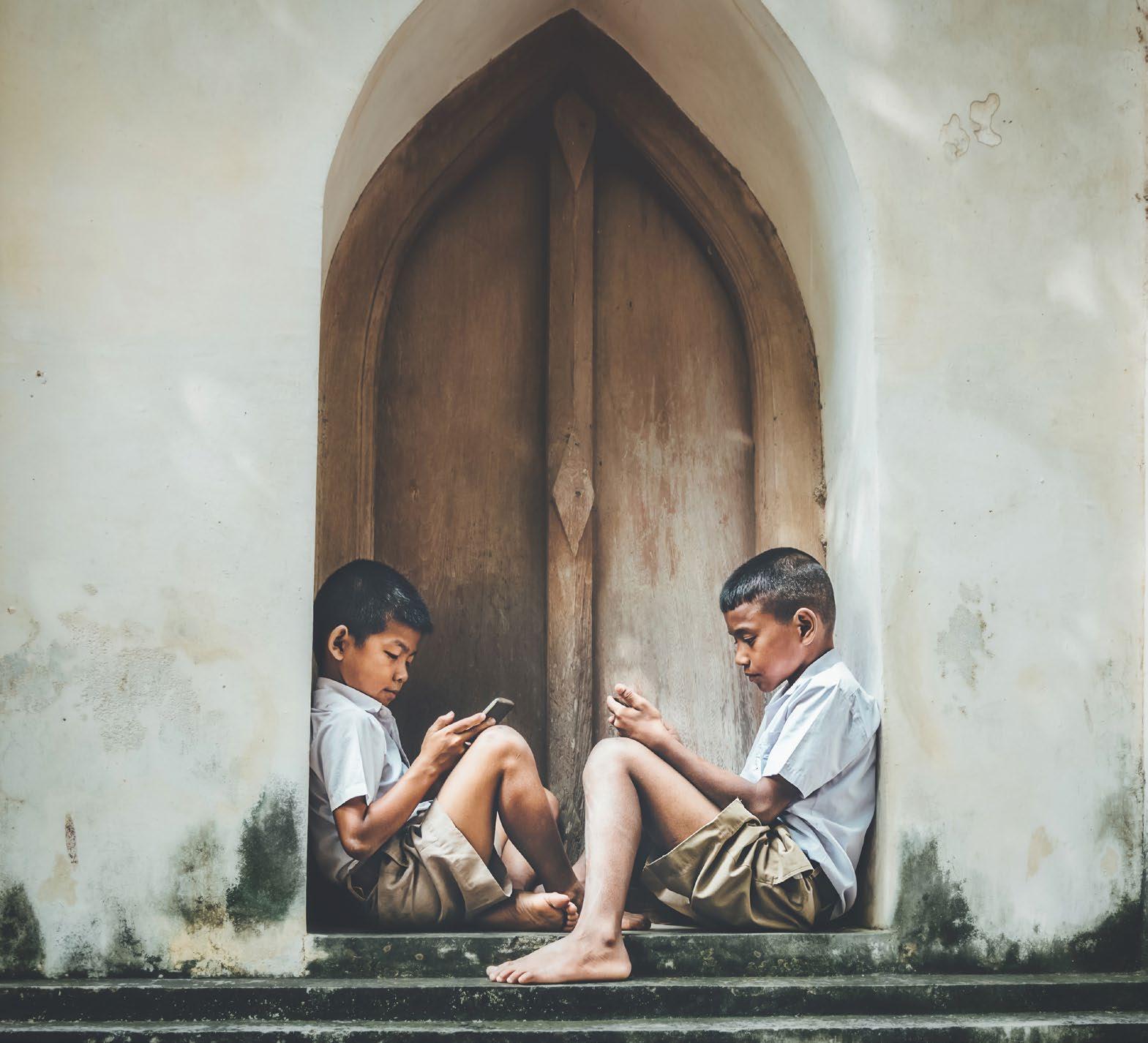
Many children and adolescents are immersed in the digital world, making it their preferred vital ethos, replacing physical interpersonal encounters and outdoor recreational activities. Unregulated access to technological devices at home frequently places them in vulnerable situations in front of unscrupulous individuals who seek to harm them some way. This troubling reality has expanded across cultures and social strata in recent decades.
The theoretical foundations of children’s rights provide solid elements that help promote and update the legislation of the State parties to ensure the protection and well-being of children in all areas of their development, including the digital or technological.
Gustavo Zenteno
Significant progress has been made in several countries that are signatories to the Convention on the Rights of the Child (CRC), driven by increasing recognition of children and adolescents as individuals with inherent and inalienable rights that must be guaranteed and safeguarded by society as a whole, and particularly within legal frameworks.
In Paraguay, Law No. 5653/16 regulates the use of the internet by children and seeks to ensure their protection through collaboration with digital service providers. Likewise, Law No. 6002/17 amended Article 135 of the Criminal Code to include children and adolescents’ sexual abuse through technological means. These represent important and forward-looking steps, especially in the context of an emerging and relatively conservative country, where investment in research and innovation still lags behind that of many countries in the region.
However, many laws in Paraguay lack effective mechanisms for implementation in everyday life. Widespread corruption contributes to a context of legal impunity, often favoring powerful actors at the expense of the most vulnerable populations. This prevents or hinders thorough and responsible oversight of legislative implementation in many areas.
Although Paraguay has legal provisions aimed at protecting children in the digital sphere, their implementation remains limited. This is due to several factors, including families’ lack of awareness, “ Too often, responses to cases of physical, psychological, or digital violence affecting children come “too late.” ”
|
Gustavo Zenteno
insufficient commitment from internet service providers, and the role of the State, which tends to be more reactive and punitive than preventive.
Too often, responses to cases of physical, psychological, or digital violence affecting children come “too late.”
In this context, Faith-Based Organizations (FBOs) have a valuable opportunity to play a more active role within communities, promoting the proper care and protection of children both offline and online. Through education grounded in spiritual values and principles aligned with children’s rights—many of which are mutually reinforcing—FBOs can contribute to building a culture that supports children’s dignity and well-being.
“ Faith-Based Organizations (FBOs) could find a valuable source of work and service in communities. ”
| Gustavo Zenteno
They can also work closely with parents, providing guidance and promoting a culture of care, empathy, and tenderness—one that does not undermine parental authority but instead strengthens it by making it more meaningful. This approach fosters stronger emotional bonds between parents and children, offering an alternative to traditional models based on authority and, at times, violence.
Strengthening these emotional bonds contributes to the development of children’s self-esteem, rooted in the recognition of their inherent dignity. This dignity is, in turn, connected to a healthy spirituality that recognizes human beings as worthy of respect and care.
With strong self-esteem, children and adolescents are better equipped to face the challenges of contemporary life, helping to break cycles of both direct and indirect violence, whether in physical or digital environments.
Faith-Based Organizations are also called upon to assume a leading role in protecting children’s rights in the digital sphere, given their extensive reach— particularly in a country like Paraguay, where religious life plays a central role.
According to data from the National Institute of Statistics based on the 2022 census ,
only 1.3% of Paraguay’s population does not identify with any religion
This figure is negligible compared to other countries in the region, Uruguay Chile Argentina Brazil
| Gustavo Zenteno
If the efforts of these organizations could be articulated and strengthened collectively, significant progress could be made in the protection of children’s rights. This requires genuine openness and, at times, the willingness to set aside institutional egos and arrogance, demonstrating humility in listening and service in order to foster inter- and intra-religious dialogue that builds bridges of unity and collaboration.
The challenge is considerable, particularly in a rapidly changing world where traditional approaches to faith and values-based education are continuously being redefined. Finding a balance between tradition and innovation remains an ongoing task that calls for reflection and adaptation.
Looking ahead with optimism and commitment, it is essential to lay strong foundations today for both the present and the future—because children and adolescents deserve nothing less than our fullest efforts.
REFERENCES
Poder Legislativo Nacional. (2016). Ley N.º 5653/16 de protección de niños, niñas y adolescentes contra contenidos nocivos de internet. Base Legal. https://baselegal.com.py/docs/4870f1b5-5c8a-11ed-be69-525400343722
Poder Legislativo Nacional. (2017). Ley N.º 6002/17 que modifica el artículo 135 de la Ley N.º 1160/97 “Código Penal”. Gaceta Oficial de la República del Paraguay. https://www.gacetaoficial.gov.py (gacetaoficial.gov.py in Bing)
Instituto Nacional de Estadística. (2022). Censo Nacional de Población y Viviendas 2022. Asunción: INE. https:// www.ine.gov.py
Instituto Brasileiro de Geografia e Estatística (IBGE). (2025). Censo Demográfico 2022: Resultados sobre religión. Brasilia: IBGE.
EL PAÍS Uruguay. (2024, marzo 28). Uruguay es el país menos creyente de América Latina: el 47,3% aseguró no profesar ninguna religión. Recuperado de https://elpais.com.uy
Esquivel, J. C., Funes, M. E., & Prieto, S. (2020). Ateos, agnósticos y creyentes sin religión. Análisis cuantitativo de los sin filiación religiosa en la Argentina. Sociedad y Religión, 30(55). CEIL/CONICET.
El País Tarija. (2024, marzo 20). Como el tema de la religión no entró en el Censo, la Iglesia Católica anuncia su propio sondeo. Recuperado de https://elpais.bo
|
Gustavo Zenteno
Secretary General, Albert Ramdin.
Chair of the Board of Directors, Dra. Claudia Romero.
Vice-Chair of the Board of Directors, Lic. Linda Amaya.
Director General, Inter-American Children’s Institute, Organization of American States, Mag. María Julia Garcete Yegros.
Head of Global Advocacy, Arigatou International, Ornella Barros.
Secretary General, Global Network of Religions for Children, Dr. Mustafa Y. Ali.
Publication of Arigatou International and the Inter-American Children’s Institute.
Authors: José Bogantes, Teresa Castellanos, Stephanie Davie, María Teresa Avila, Gustavo Zenteno.
Editors: María José Ananías, Ana Barrera and, Ornella Barros.
*The views and opinions expressed in this publication are those of the authors and do not necessarily reflect the official policies or positions of the Inter-American Children’s Institute and Arigatou International.