INAG News
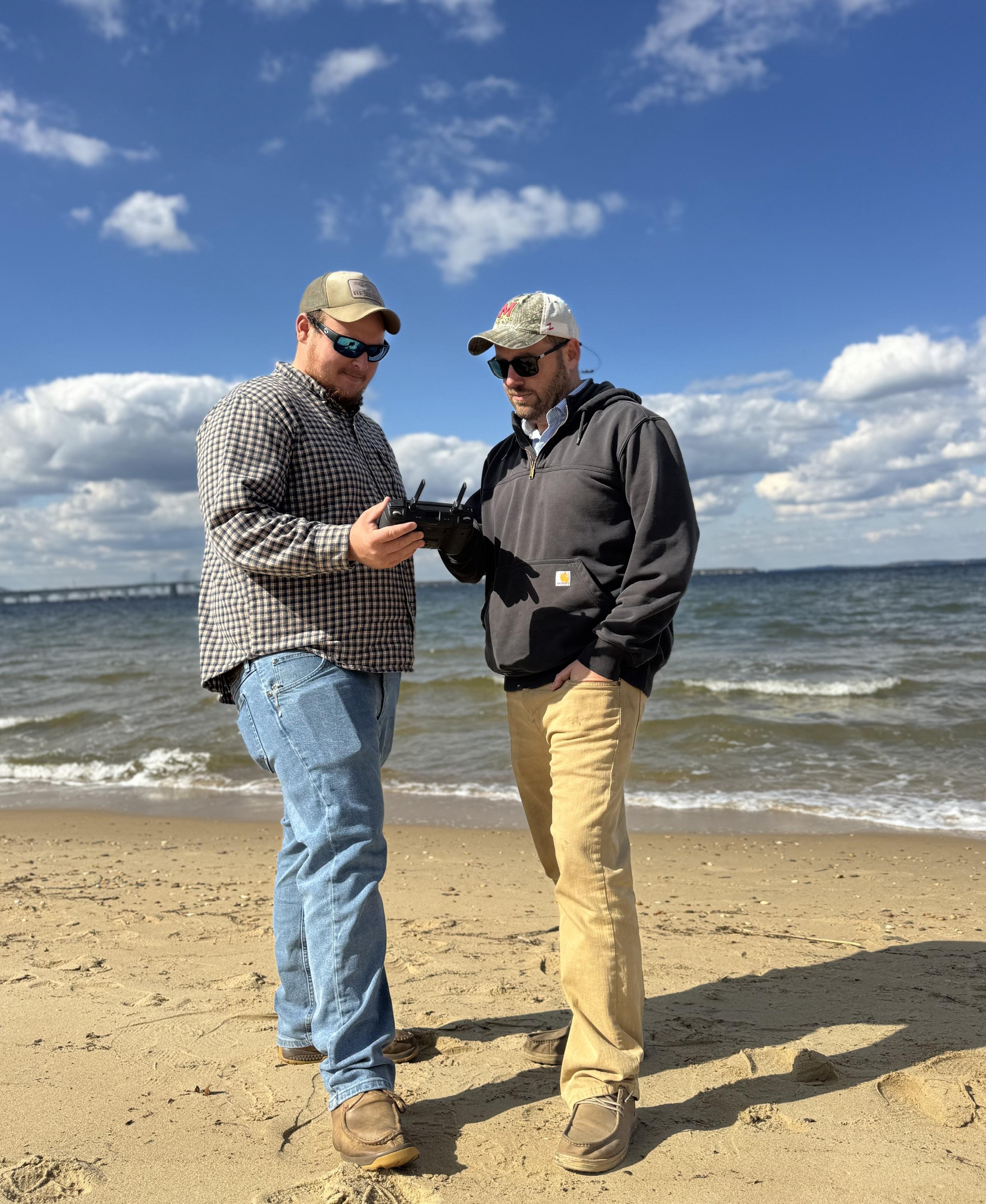
Cover: Students in INAG237: GPS & Drone Applications in Surveying are using drones to capture and map shoreline data to better understand coastal change and environmental impacts. Pictured is faculty member, Tom Mazzone and IAA alum, Parker Miller.
Heather McHale Director
Rebecka
Tetter Graphic Designer

Instagram and Twitter: @iaa_umd
Facebook and YouTube: /iaaumd
INAG News is published twice a year by the Institute of Applied Agriculture. You, the reader, are encouraged to share comments, alumni updates, and agriculturerelated news at iaa@umd.edu.
From the Director’s Desk
Some IAA students arrive with a very clear career goal: they are going to be stewards of their family’s established farm, or start their own business, or become a golf course superintendent. Other students arrive with a sense of great urgency–they want to work on climate issues or the food system, and they burn with the knowledge that those spheres are critical–but they’re not sure where to begin.
I recently read Changing the Recipe: Because You Can’t Build a Better World without Breaking Some Eggs, by José Andrés, the Washington, D.C., restaurateur who founded World Central Kitchen. Andrés points out, “Saying I don’t know what to do is the most powerful way to recognize that you know what you want to do.You just don’t know it yet. What you want to do is to figure out what you want to do.”
It can be scary for students to face uncertainty or consider changing their plans. After all, college is expensive–sometimes changing gears comes with a pretty big pricetag, especially for students who are further advanced in their certificate work. It’s worth it, though, to find the career that clicks. As an academic advisor, I often talk with students about their attempts to find their professional purpose. I usually give them the same handful of suggestions:
Try an internship in one of the areas you’re considering. Real-life career experience is the best possible way to find out whether a particular career is right for you. Even if the answer is “no,” the internship will have fulfilled its purpose by helping you figure that out!
Take a course or two that stretch your skills and interests. If you’re studying production agriculture, but you’ve started to doubt whether it’s the right path for you, shake things up a little. Take a course on nutrition or landscape architecture or whatever else seems like a possible path.
Reach out and talk to some people who do the job you might want to do. At UMD, you’re surrounded by experts on every imaginable topic. In addition, the IAA has a robust
network of industry partners, alumni, and friends in all corners of agriculture and green industry. We would be happy to help you make contact with someone who could tell you what the career is really like!
Think about the big ideas, but also the dayto-day practical realities. If you are passionate about creating beautiful green spaces, but you dread sitting behind a desk and long to be outdoors, you will probably be much happier running a landscaping company than joining a landscape architecture firm. (Or, of course, the other way around.) If you want to help grow food, but you rely on a consistent schedule with a predictable day, maybe managing your own farm is not the right fit for you–but if you love driving and meeting people, you might thrive in a sales position with an agricultural company. Of course the mission matters, but there are also practical questions to ask about every job.
It’s also important for students today to remember that the career they choose might not be the career they pursue forever. Many workers today change industries or roles several times over the course of their working lives. That is why the most important lessons we teach at the IAA are not about a particular crop or how to use a particular tool; they’re about learning how to learn, being ready to be part of a team, and adapting to whatever comes along. Helping students navigate these questions is one of my favorite parts of my own job!
Heather McHale Director
Harnessing AI for the Future of Agriculture: Insights from Lori and Dane
Written By: Mary Christensen
As artificial intelligence becomes increasingly embedded in everyday life, two Institute of Applied Agriculture lecturers are adapting their teaching methods to thoughtfully integrate AI into their classrooms, helping students prepare for careers in an evolving professional world.
Dr. Lori Sefton and Dane Grossnickle recently pursued additional training through UMD’s Teaching & Learning Center, where they explored a variety of platforms and reflected on how generative AI could fit into their own pedagogical approaches. Following the introductory course, Dane was encouraged to apply for the University System of Maryland’s yearlong Generative AI Fellowship, which encompasses all 12 USM institutions. He was selected as one of two faculty members from UMD, College Park, to participate in ongoing research, policy discussions, and develop AI guidelines.
When AI tools first gained prominence a few years ago, Lori was initially hesitant to bring them into her classroom. She thought that students would rely too heavily on AI to complete coursework, missing opportunities for meaningful engagement with course topics.
“By learning both the benefits and the limitations of AI, I have shifted my approach in the classroom,” Lori explained. “I now intentionally teach students how to use AI as a starting point for their work and, more importantly, how to critically revise and reshape AIgenerated content to meet assignment expectations and reflect their own thinking and voice. Through this process, students learn that AI can support learning, but it cannot replace it.”
Dane’s approach also emphasizes exploration, paired with reflection. “Although I pride myself on, and encourage others to use pedagogical approaches that are proven to enhance engagement, motivation, and comprehension, I am not a tech or AI expert,” he said. “I firmly believe it is up to educators and students alike to take the time to explore generative AI - not as a means of blindly adopting it, but to become more literate with it and to form our own guiding principles around its use.”
While enthusiastic about the myriad tools AI offers, Dane also encourages moderation. “I pause and question whether this tool is eroding my students’— and my own—ability to discern fact, find their own voice, and embrace the patina and mistakes essential to learning, rather than striving for artificial perfection.”
Ultimately, both instructors agree that ongoing dialogue around the responsible use of AI is essential. “It is a non-negotiable responsibility of educators and students alike to continue discussing, exploring, testing, and refining our personal philosophies around such a consequential topic,” Dane said.
Because AI is not a passing trend, Lori and Dane want students to feel confident and be prepared to navigate professional environments shaped by these technologies. As Lori noted, “Students are smarter than AI; they simply need guidance and confidence to see it themselves.”
Growing Ideas: Student Project Fosters Flower Funds
Originally Posted by AGNR-MAES at https://go.umd.edu/AGNR-sunflowers
Written By: Haley Moore
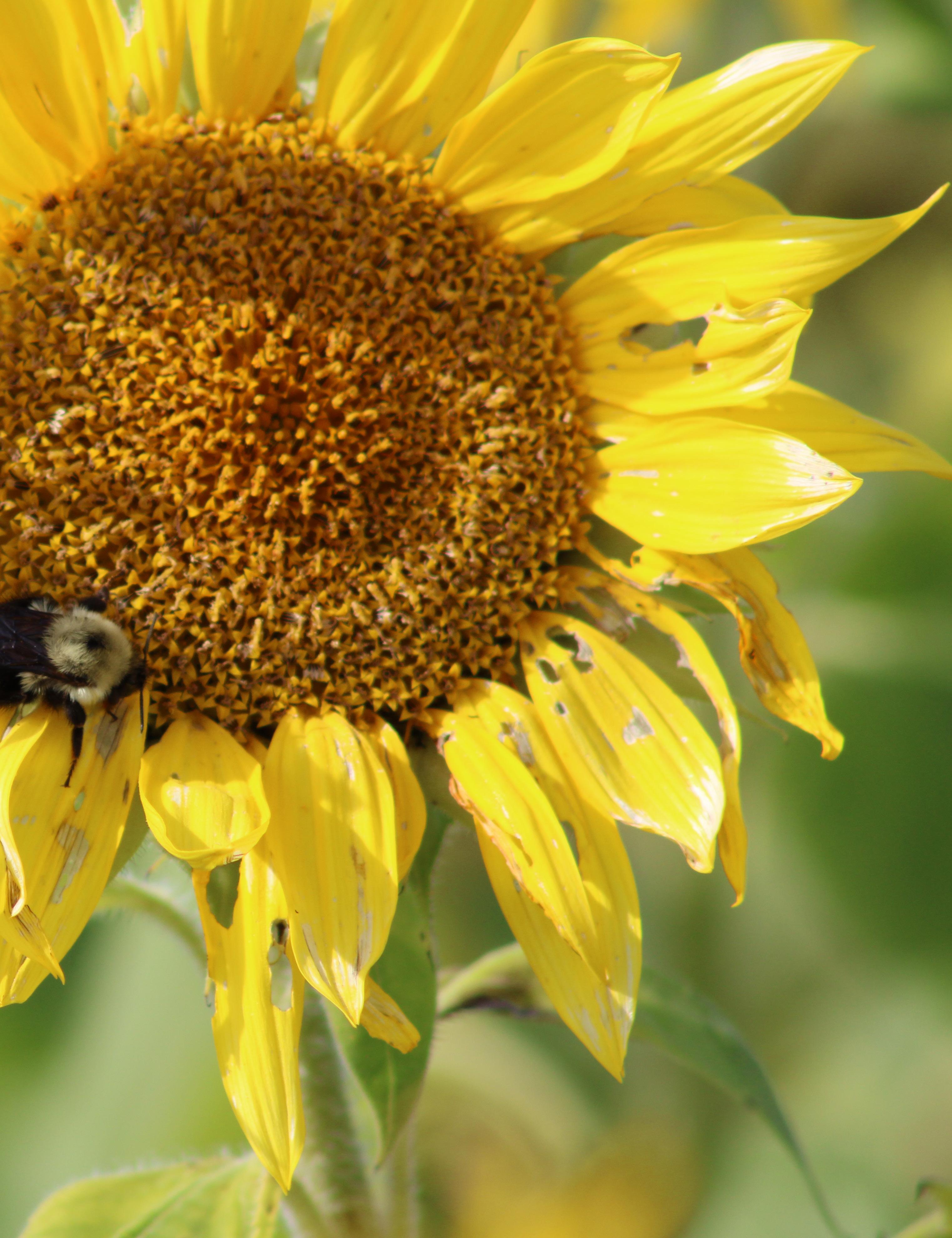
Astudent marketing plan to bring Terp Farm sunflowers to campus through a community supported agriculture (CSA) membership came to fruition this fall at the University of Maryland Farmers Market.
The plan was developed by Riley Moffitt, a junior majoring in Agricultural Business and Resource Economics at the College of Agriculture and Natural Resources. She conceptualized the idea in her INAG103 Agricultural Marketing class taught by Meredith Epstein, Principal Lecturer and Advisor at the IAA. “I immediately loved the idea and began brainstorming the best way for me to help make this idea a reality,” Moffitt said.
According to the United States Department of Agriculture (USDA), a CSA is a membership program that consists of a community of individuals who pledge support for farm products. Growers and consumers provide mutual support and share risks and benefits of production. Moffitt’s project also included a comparative cost analysis of competitor sales and profits which helped set the price for stems and the CSA. Members paid $80 for a weekly, seven-stem bouquet to be picked up on Wednesdays at the campus farmers market.Students worked with Terp Farm Manager, Guy Kilpatric, to do succession planting so that each week, the flowers would flourish before harvest.
“This is a student project turned into something beautiful that is actually in the hands of paying customers this fall,” said Epstein. Epstein explained that the CSA highlights campus collaborations. Terp Farm is a partnership between Dining Services and the College of Agriculture and Natural Resources. It is located at the Maryland Agricultural Experiment Station (MAES) Central Maryland Research and Education Center (CMREC) Upper Marlboro Facility.
Food is grown here with the help of student workers and is sent off to campus dining halls as well as donated to the UMD Campus Pantry. “This combination builds campus community, plus it builds both hard and soft skills for the students involved,” said Epstein.
Moffitt said the primary goal of the project was to promote the Terp Farm mission. “The CSA helps spread awareness by educating those involved in what the farm does,” said Moffitt. “I hope that the education for the benefits this farm provides continues to expand as this sunflower project grows.”
Epstein explained that beyond the agricultural education students receive by engaging with applied projects, it actualizes the full potential of Terp Farm. “The farm provides a space to explore interdisciplinary topics like entrepreneurship and sustainability in a concrete, hands-on way,” said Epstein. “And this is a visually stunning way to do it!”
Though the sunflower season has ended, there is already enthusiasm for next year. “I hope to see the sunflowers back with more subscribers next year!” said Epstein. “If we can secure consistent funding for student staff positions at the farm throughout the season, we may be able to offer a vegetable CSA as well.” All profits from the CSA will help fund future student opportunities at Terp Farm.
New Look, Same Great Taste!
Written By: Meredith Epstein
One of the IAA’s most popular tracks is getting a fresh, new name this year. Launched in 2010, the Sustainable Agriculture track will now be known as Sustainable Food Systems. This exciting change comes in response to valuable feedback from current and former students, industry experts, and prospective employers.
While the name is new, the core essence of the program remains unchanged. Our students have always engaged in hands-on learning that encompasses a broad food systems perspective. The study of agriculture has consistently been intertwined with the study of food, covering essential areas such as production, economics, marketing, environmental impact, social justice, and community engagement.
The Sustainable Food Systems program continues to offer students the opportunity to explore the intricate relationship between agriculture and food by experiencing farms,
gardens, food banks, farmers' markets, teaching kitchens, and more. It emphasizes the importance of understanding how food is produced and distributed, the economic factors that influence these processes, and the environmental and social impacts associated with them.
This name change reflects the evolving landscape of the industry and the program's commitment to staying at the forefront of educational excellence. We are proud to offer a curriculum that prepares students to tackle the challenges of the modern food system, equipping them with the skills and knowledge needed to make a positive impact.
Join us as we celebrate this exciting transition and continue to deliver the same great taste of hands-on education that has always defined the IAA experience. Here's to a future filled with student innovation and engagement in the world of food systems!
TURF TERPS Earn 4th Place Honors at GCSAA Conference
Written By: Geoff Rinehart
Continuing a tradition that began almost two decades ago, UMD students recently participated in the Sports Field Managers Association (SFMA) Student Challenge. The event is conducted annually during the SFMA Conference and Trade Show and allows the student to compete against other turfgrass programs nationally. This year, the conference was held from January 19-22 in Fort Worth, Texas. Because of the studying, academic dedication, and required after-class meeting time needed to prepare for these competitions, students participating in the turf competitions have the opportunity to enroll in a 1-credit independent study class in the Fall semester.
The SFMA Student Challenge competition includes turfgrass species, weed, insect, and disease identification; turfgrass soils questions; turfgrass-related math problems; and a hands-on practical section. Between this year’s teams, only one student, Sam Burke, had intercollegiate competition experience, so it was a good opportunity for other students to gain experience before competing in the Turf Bowl competition at the Golf Course Superintendents Association of America (GCSAA) conference. In addition to the competition, students had the opportunity to attend the educational seminars, browse the tradeshow floor and speak with vendors, and experience the Fort Worth region, travelling to the world-famous Fort Worth Stockyards. A mere two weeks later, from February 2-5, three teams
totalling 11 students traveled to the GCSAA conference in Orlando, FL. Having gained valuable experience from the SFMA competition, the students were ready to compete in the Turf Bowl, in which 77 different teams from universities across the US and Canada were competing. In addition to the Turf Bowl competition on February 4, the students attended various seminars and presentations at the conference, experienced the GCSAA welcome celebration at ICON Park, and attended the Mid-Atlantic regional social events. The “Turf Terps” top team, consisting of Sam Burke (captain), Carson Thomas, Eli Johnson, and Owen Scott, earned 4th place, and the team consisting of Ryan Smith (captain), William Walsh, Quin Mulholland, and Racer Anderson earned 19th place.
Attending and competing in these national turfgrass competitions raises the national recognition for our IAA turfgrass program and provides students with an added academic rigor as they practice for the competitions and experience the industry on a broader, national level. We would like to extend a word of thanks to all of the UMD turf alumni for the ways they have supported the team over the years, and everyone who has supported the Shields Memorial Fund, funds from which provide the means to bring student teams to these competitions.
IAA Student Life
FALL 2025 SNAPSHOT
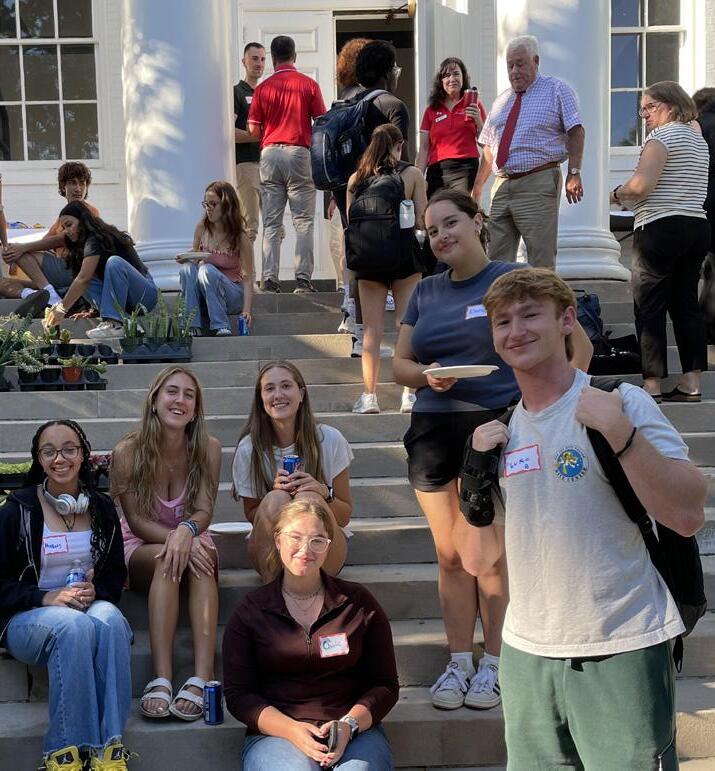
1. Students enjoy meeting each other and faculy/staff at "Pizza & Plants" to kick off the Fall 2025 semester on the steps of Symons Hall.
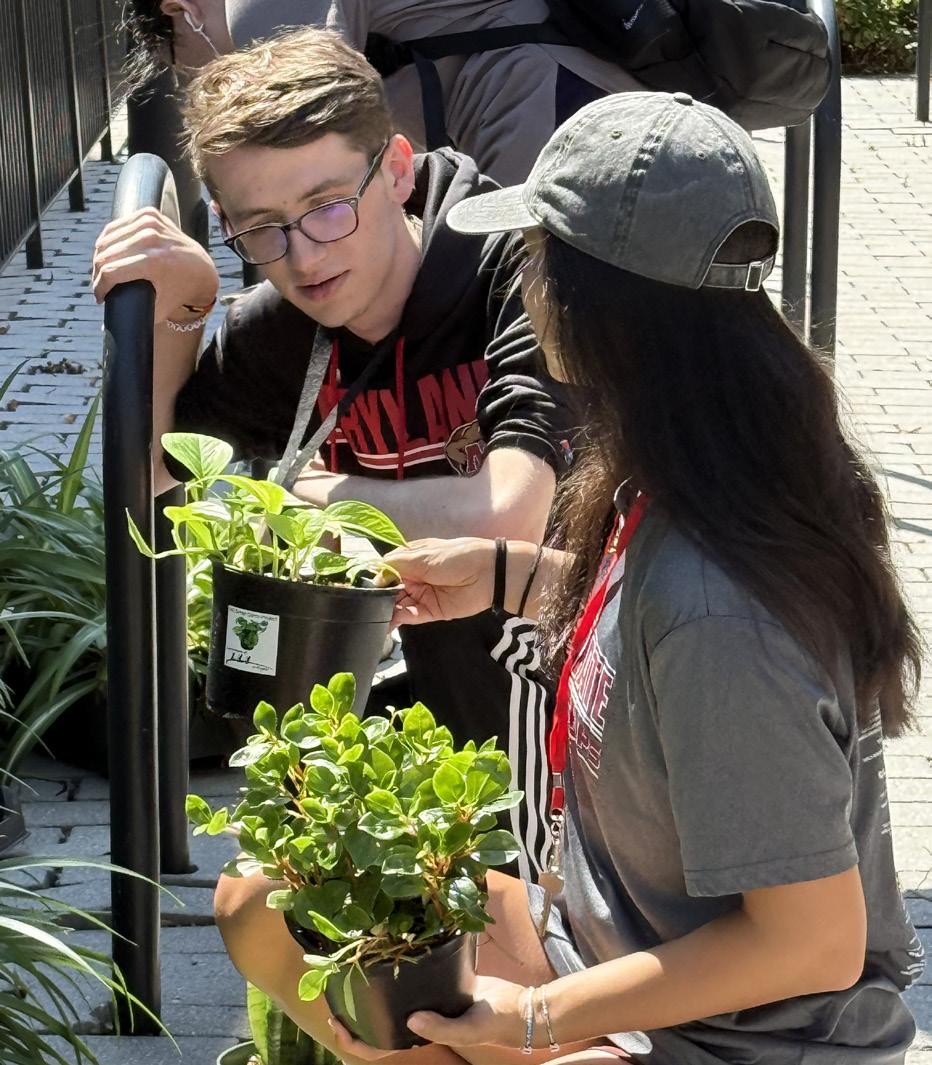
2. Students deliberate as they select their free dorm room plant at the annual plant giveaway.
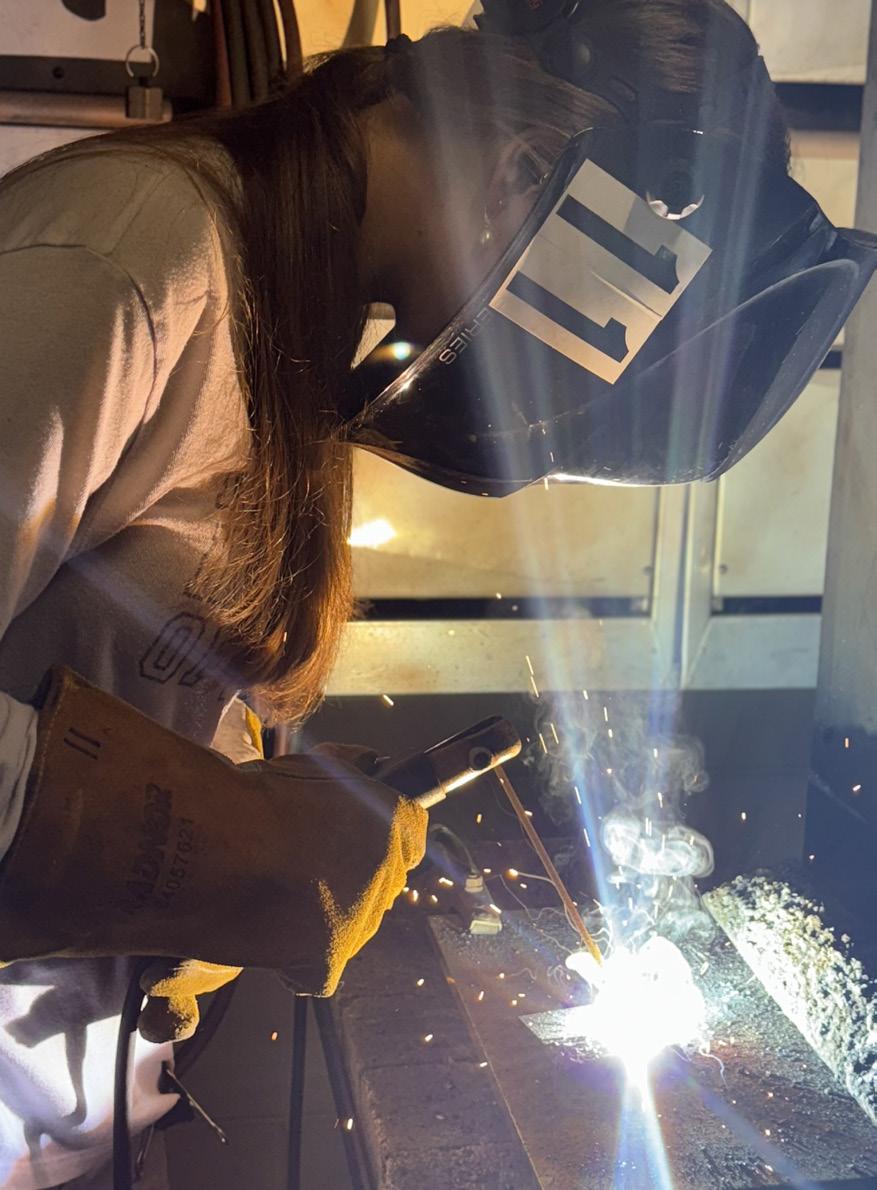
3. Tom Mazzone's INAG250, Fundamentals of Agricultural Mechanics, covers a broad range of topics including electricity, plumbing, welding processes, and wood and metal working applications. Caitlyn Ribas, freshman Sustainable Food Systems major, is arc welding.
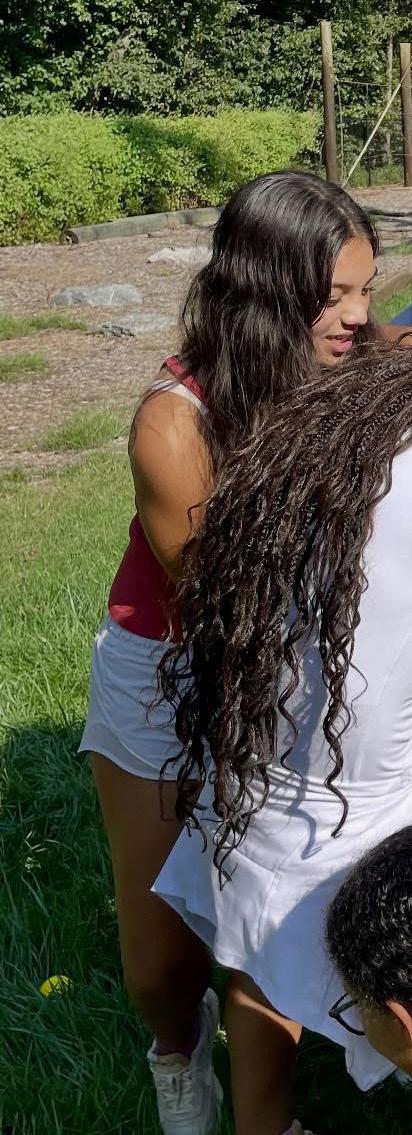
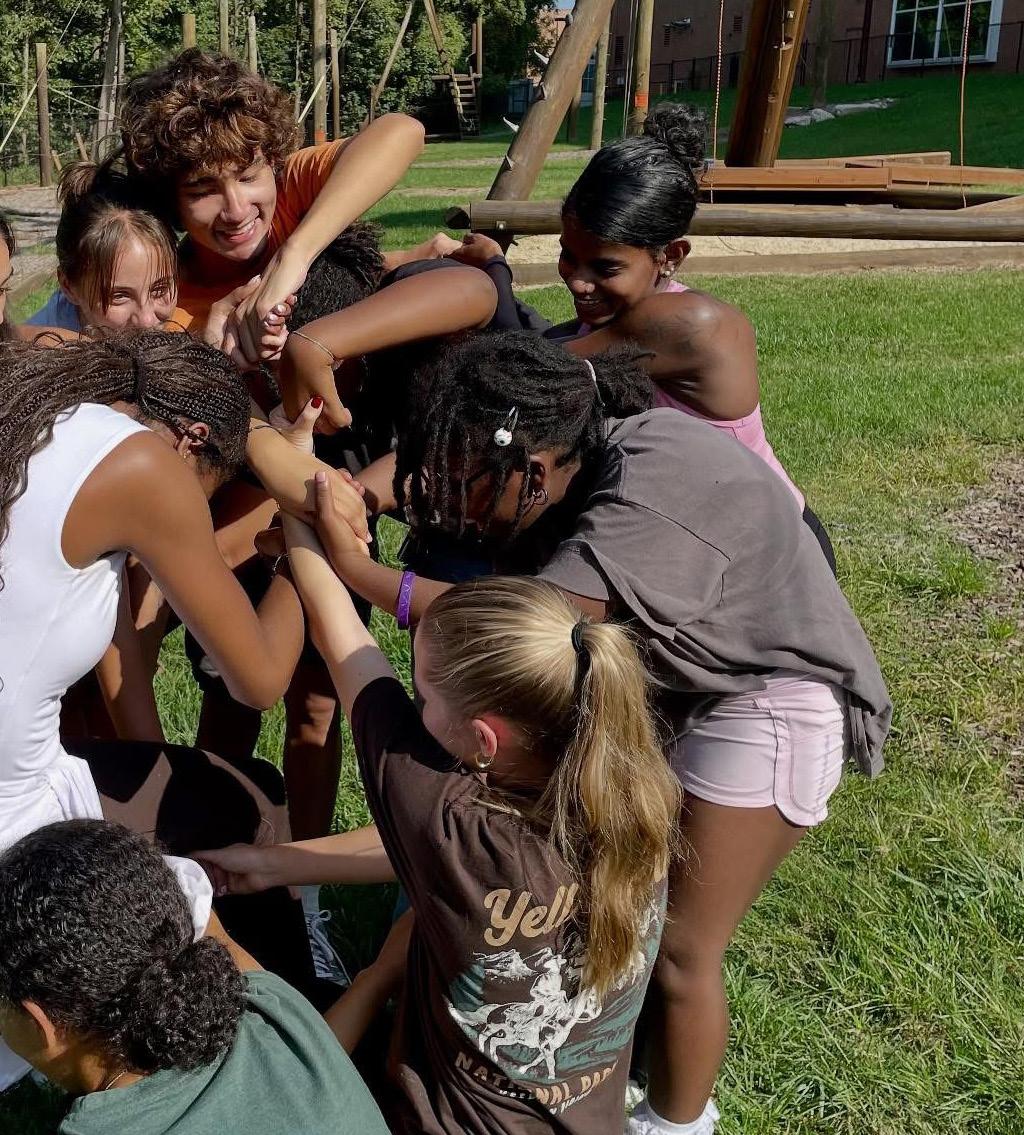
4. Students participated in the Eppley Challenge Course which wasn't just about “fun and games.” It was a structured professional development experience that helped students build confidence, communication skills, and resilience — all while strengthening connections with each other.
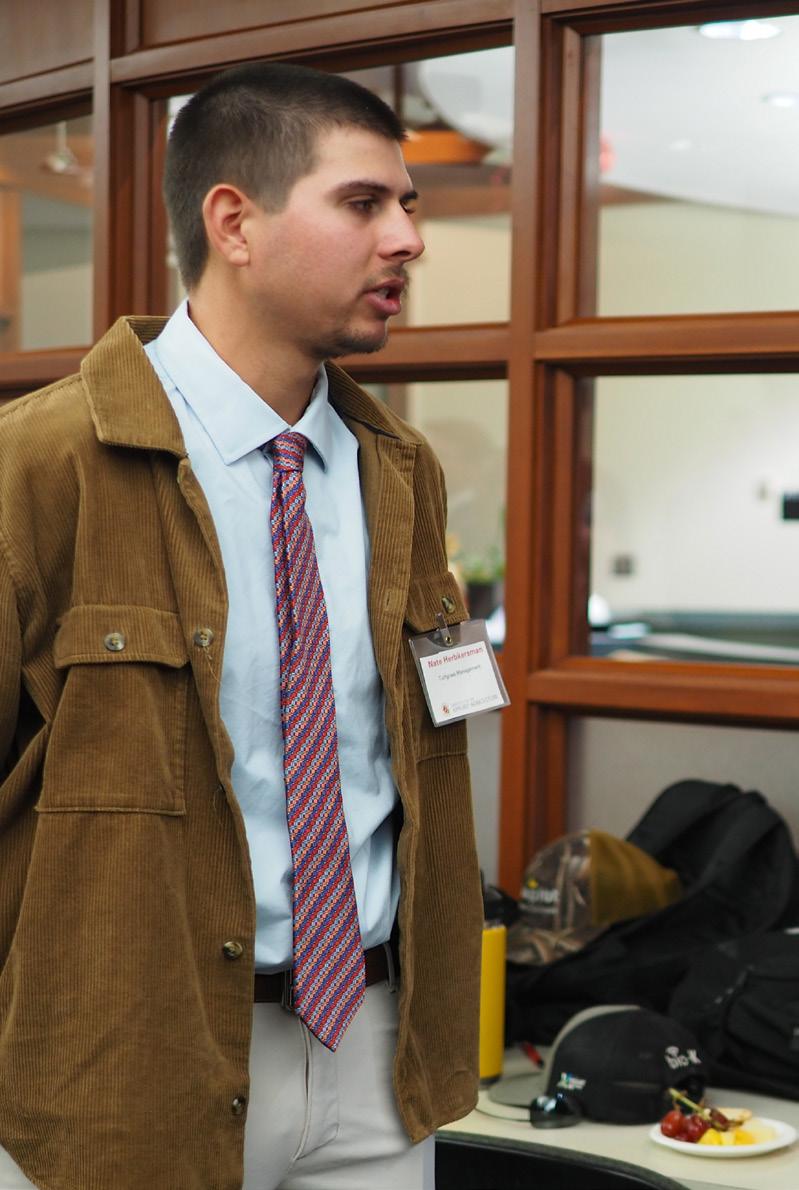
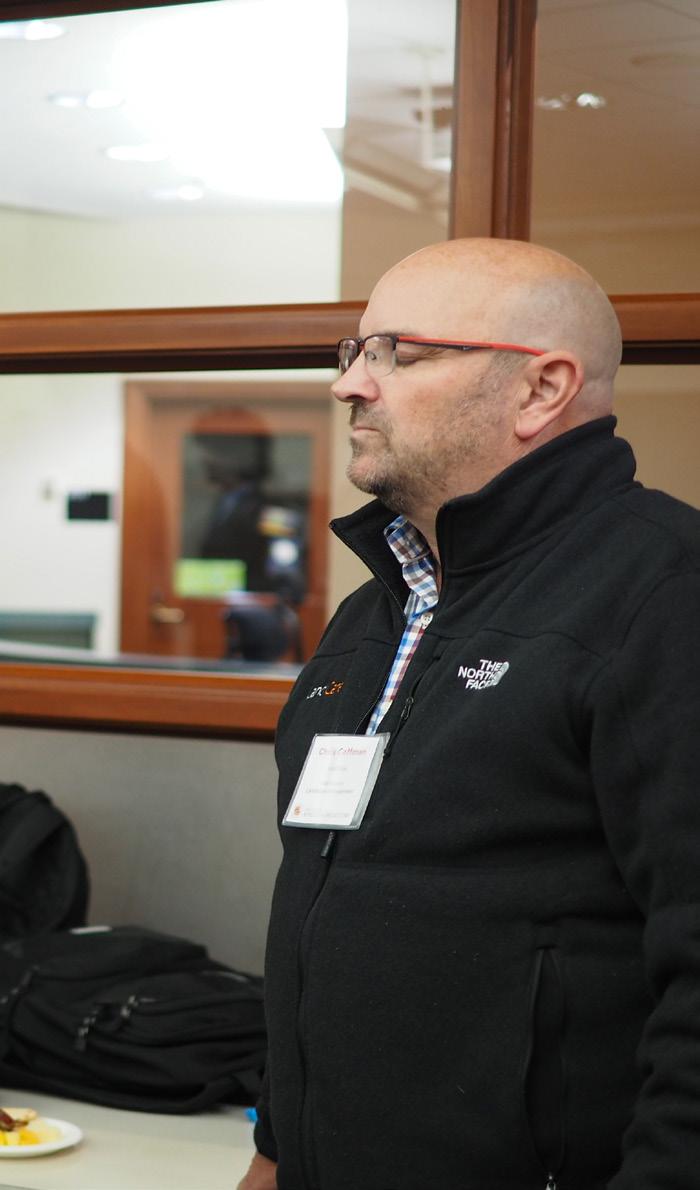
5. The annual Mock Interviewing and Networking event allows current students to hone their professional interviewing and networking skills with IAA alumni and industry professionals. Pictured is sophomore Turfgrass Management major, Nathan Herbkersman, and IAA alum, Chris Coffman.
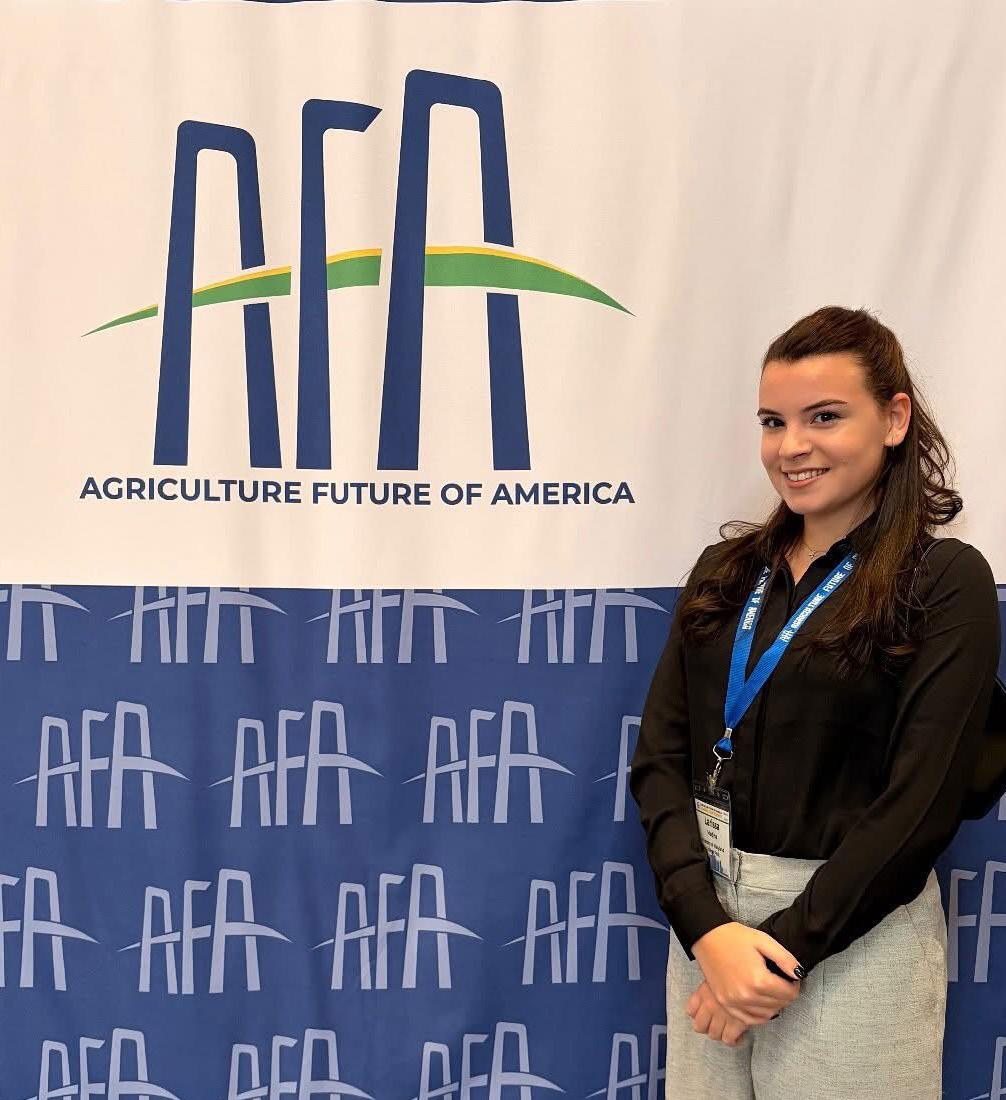
6. Sophomore Environmental Stewardship major, Larissa Medina, represented the IAA at the AFA Leaders Conference in November. It was four days of learning, connecting, and growing with leaders across the ag and food industry.
Six Decades Strong! Honoring Excellence at the Institute of Applied Agriculture
Written By: Heather McHale
This is the IAA’s sixtieth year–a perfect time to reflect on the qualities that make the program special and share a few facts.
Many readers of INAG News may not know why the IAA was created in the first place. In short, we were created to serve Maryland by turning out trained, qualified employees for the agricultural industry.
Agriculture is neither easy nor cheap to teach; it is difficult for most small institutions to provide a solid foundation in agricultural study. In 1965, the Maryland legislature addressed that problem by creating the Institute of Applied Agriculture, located at the University of Maryland, where all kinds of resources for teaching agriculture already existed.
While the IAA has grown and changed over the years, this is still our purpose. Because we’re part of UMD, our students can study at the Campus Farm and the Research Greenhouse; have experiences at the Terp Farm, the Turf Farm, and the Community Learning Garden; and draw on courses from all over the university. Like other Terps, they can live and work on campus, join clubs, and participate in Greek life.
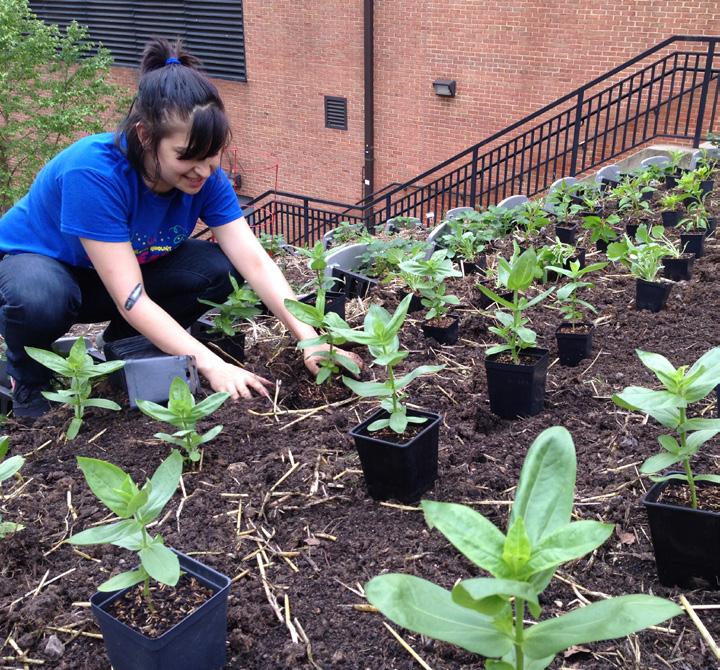
At the same time, the IAA still focuses on hands-on experience (“applied” is part of our name!). In recent years, IAA students have participated in a Do Good grant-funded project to fight campus hunger; been part of a Turf Bowl team that earned second place nationwide; and volunteered to help preserve bee specimens in support of priceless scientific research. Our students can earn an FAA commercial drone pilot’s license, get a skid loader operator certification, and prepare for the Maryland commercial pesticide applicator’s license. Every day, they learn by doing things.
Another fun fact: the IAA’s courses reach thousands of University of Maryland students per year. We offer seats for General Education at the university in several categories, as well as a number of courses that are used by students in majors outside of the IAA. Our oral communication course alone–INAG 110–serves over 1600 students per year.
What our graduates do:
At a recent open house, a visitor asked, “What kinds of jobs do IAA graduates get? Do they go on to get more education?” It’s a simple enough question, but there are so many answers that it is difficult to decide where to begin!
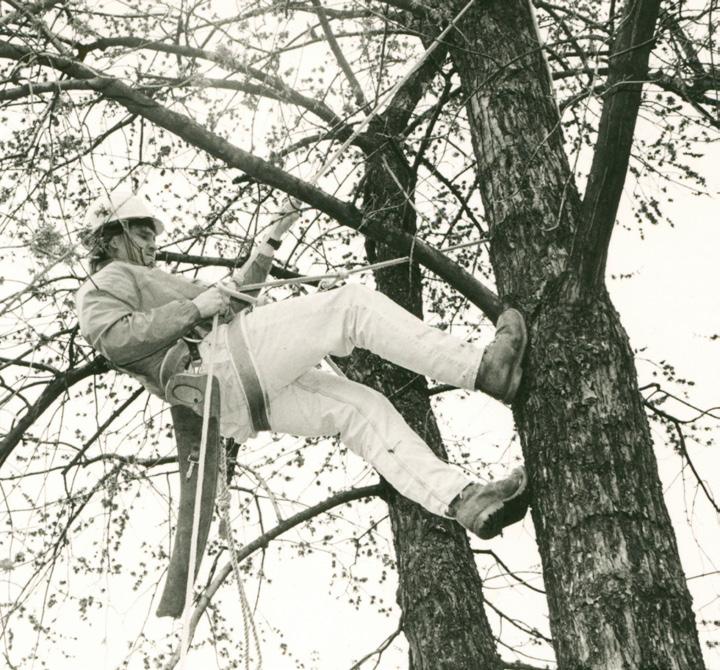
IAA graduates take all kinds of jobs–they work on farms, in vet clinics, on golf courses, in landscaping companies, at farm credit agencies, in food- and agriculture-related nonprofits and government agencies, in nurseries and greenhouses, in agricultural education, in laboratories…the list goes on. If you attend an event connected to the green industry in the DMV, you are bound to encounter IAA alumni. Indeed, if you come visit the IAA, you’ll encounter some IAA alumni who now work here, passing on the things they learned to a new generation of students.
Many IAA graduates go on to pursue further education–most commonly degrees from UMD’s College of Agriculture and Natural Resources. The most popular degrees for IAA graduates are from Agricultural and Resource Economics, Agricultural Science and Technology, and Animal and Avian Sciences; we’re also seeing more and more interest in degrees from Environmental Science and Technology or Environmental Science and Policy.
It’s also worth observing that many IAA students already have degrees or years of experience in other fields. IAA career-changers come from all walks of life, including law, business, and education; some of our students have already led companies, served in the military, or raised children before deciding to come to the IAA and find a new purpose. These students bring a wealth of experience that enhances student life for everyone.
What the IAA student body is like:
The IAA’s target size is 90-120 students. That’s big enough to provide lots of opportunities (especially since we can tap into UMD’s resources!), but still small enough that your classmates and instructors know your name. It is important to us that every IAA student gets personal advising, internship guidance and supervision, and professional development support.
IAA students are passionate about what they do. Some arrive with lots of agriculture-related knowledge, whether it’s from prior work experience, a high school agriculture program, life on a family farm, 4-H, or FFA. Others enter the IAA with little agricultural experience, but a powerful drive to learn. Either way, studying at the IAA means being part of a welcoming cohort with a shared commitment to agriculture and natural resources.
How we know when we’re doing things right: We look for a lot of different signs to confirm that we’re doing things right, but here are a few:
• Our students succeed, both in completing their certificates and in launching their careers or continuing their education.
• The employers who hire IAA student interns or alumni tell us, “Please send us more people like this!” (I hear this sentiment all the time.)
• Alumni send their children–or, in recent years, grandchildren!--to study at the IAA.
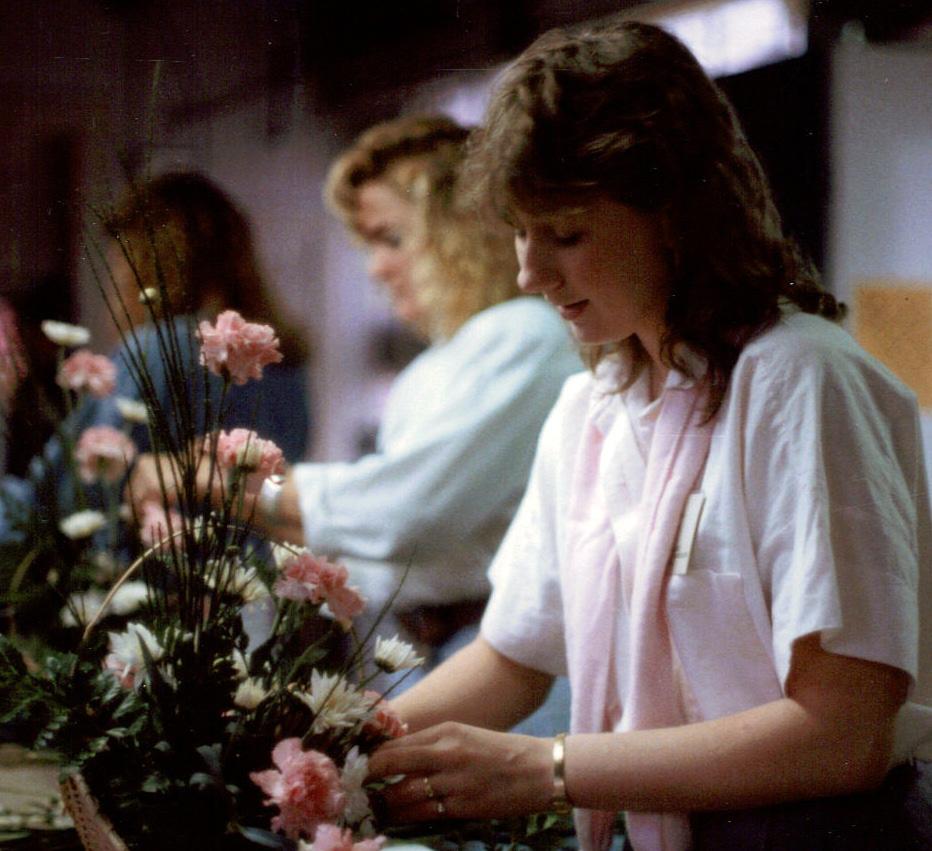
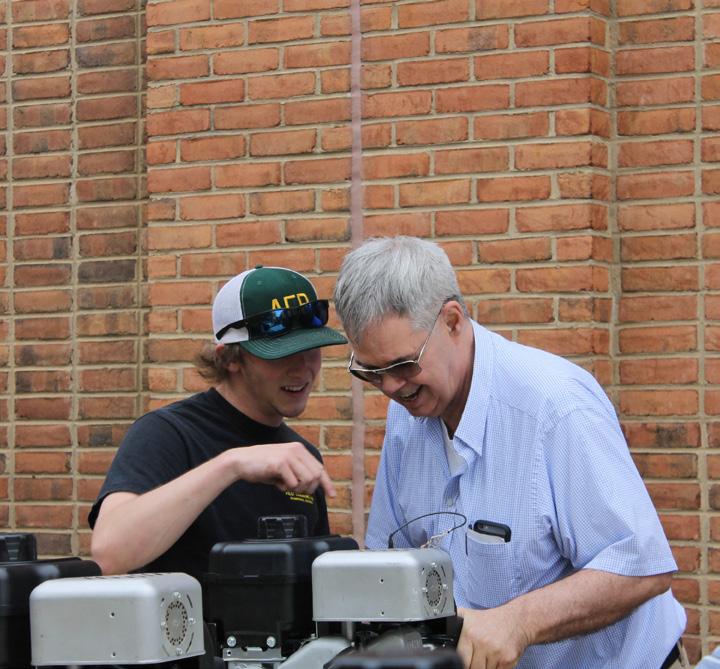
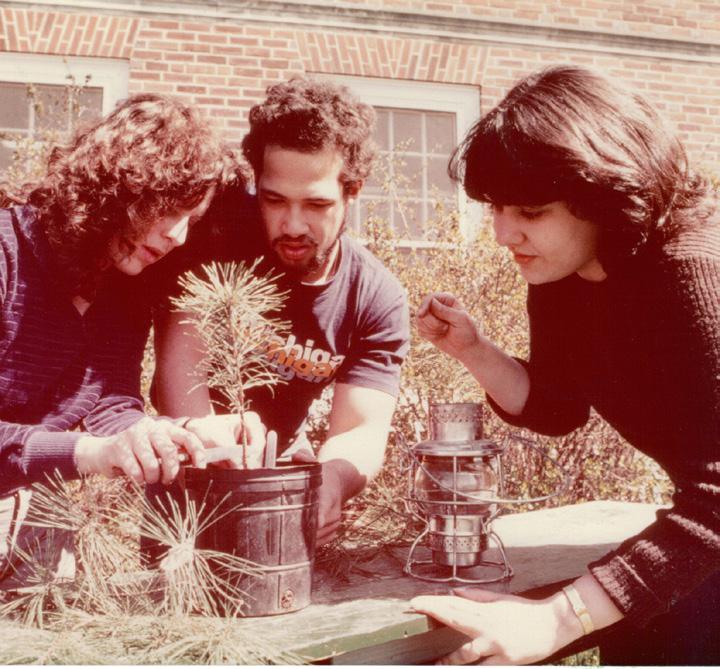
Readers, if you have thoughts about what makes the IAA special, please reach out and let us know–we would love to hear from you! Photos of various students through the decades.
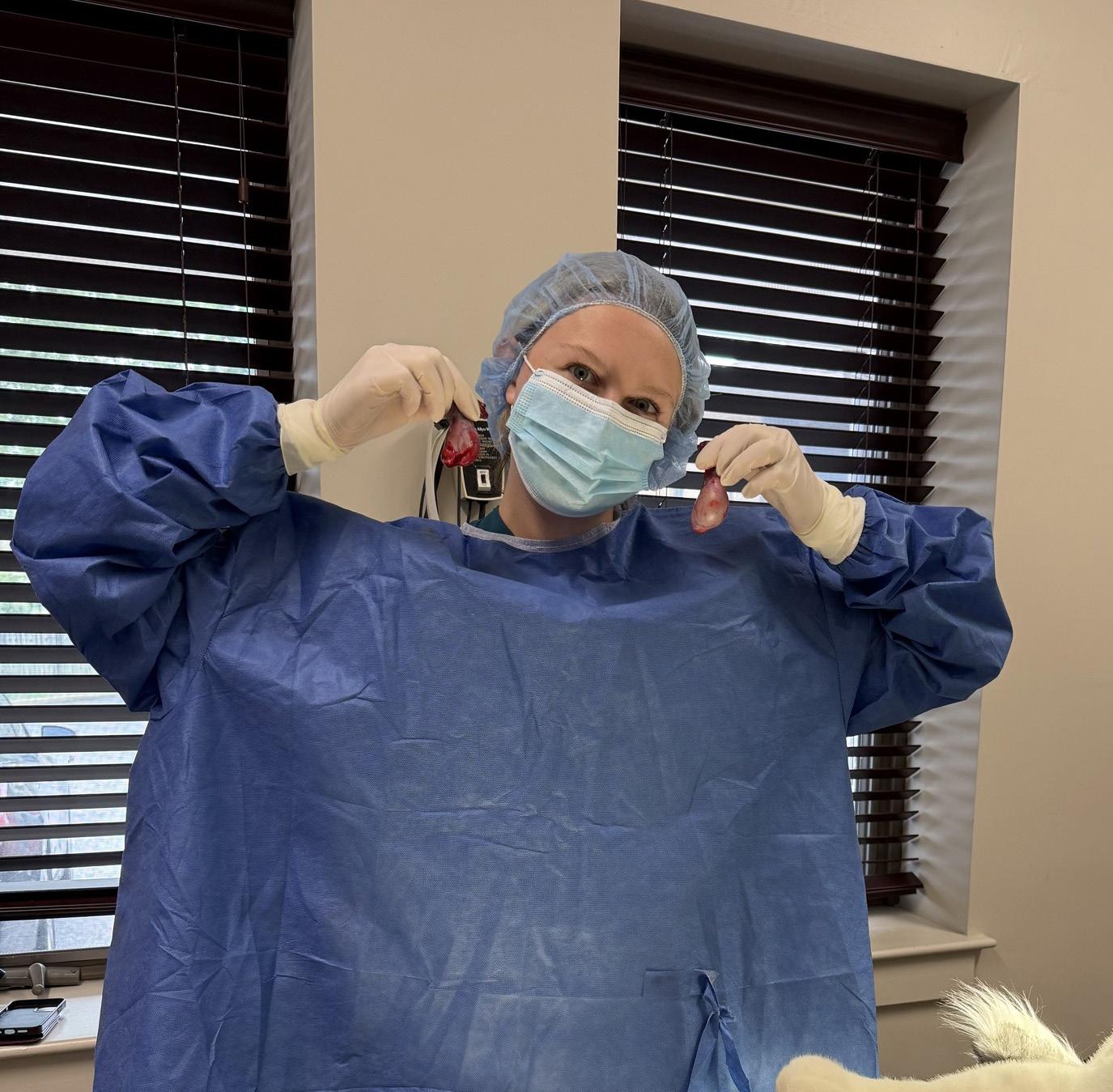
INTERNSHIP PHOTO CONTEST WINNER
AUBREY HUNSINGER
Ag Business Management
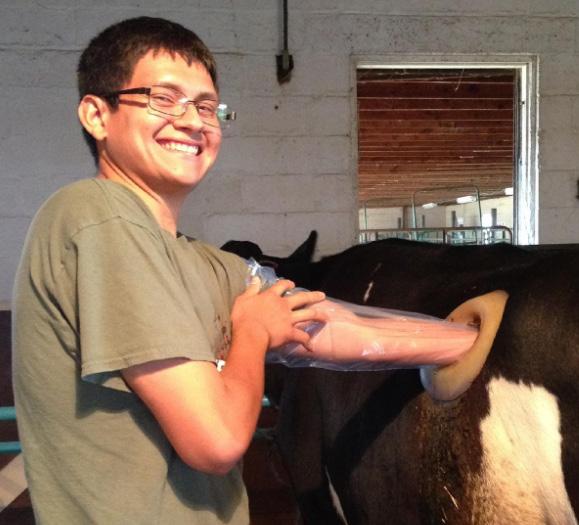
"My internship was at Hickory Veterinary Hospital where I served as a veterinarian's assistant. With that title, I worked hands on to assist the doctors throughout day in and out of appointments. In my photo I am holding a pair of testicles removed from a dog during a neuter procedure."
Seeking Nominations for Alumni Awards
The Institute of Applied Agriculture is seeking nominations for our two 2026 awards: Distinguished Alumni and Early Career Alumni.
The IAA Distinguished Alumni Award recognizes alumni who, over their careers, have accomplished significant achievements of enduring value to their professions and society. Nominees should have attained notable achievements or made enduring contributions through their professional, philanthropic, or voluntary endeavors.
The Early Career Award honors IAA graduates who have earned a certificate in within the past 7 years and have made significant progress in their career and/or have shown outstanding service to their industries and/or the IAA.
The Institute of Applied Agriculture’s alumni are extraordinary individuals who contribute to their professions, the IAA, and society. Let’s recognize and celebrate your accomplishments.
Nominations are due by March 31, 2026. For the criteria and to nominate, please visit go.umd.edu/alumni-awards. Self-nominations are encouraged and welcomed.
Class Notes
SEND US YOUR NEWS!
We’d like to hear about your personal and professional life.
SEND MAIL TO:
Institute of Applied Agriculture
Symons Hall, Room 3300
7998 Regents Drive College Park, MD 20742
EMAIL: iaa@umd.edu
WEB: iaa.umd.edu
George Renault (TURF ‘73) passed away on August 26th. He is the only IAA graduate to serve as President of the Golf Course Superintendents Association of America (GCSAA), elected in 1998. Renault worked locally at Chevy Chase Club and Burning Tree. He had retired in Williamsburg, VA, where he ended his career developing golf properties for Lennar Homes.
Chris Rhodes (AG BUS ‘08) and his family were selected as Queen Anne’s Soil Conservation District's 2024 Cooperator of the Year. Read more about it at go.umd.edu/ Rhodes-honored.
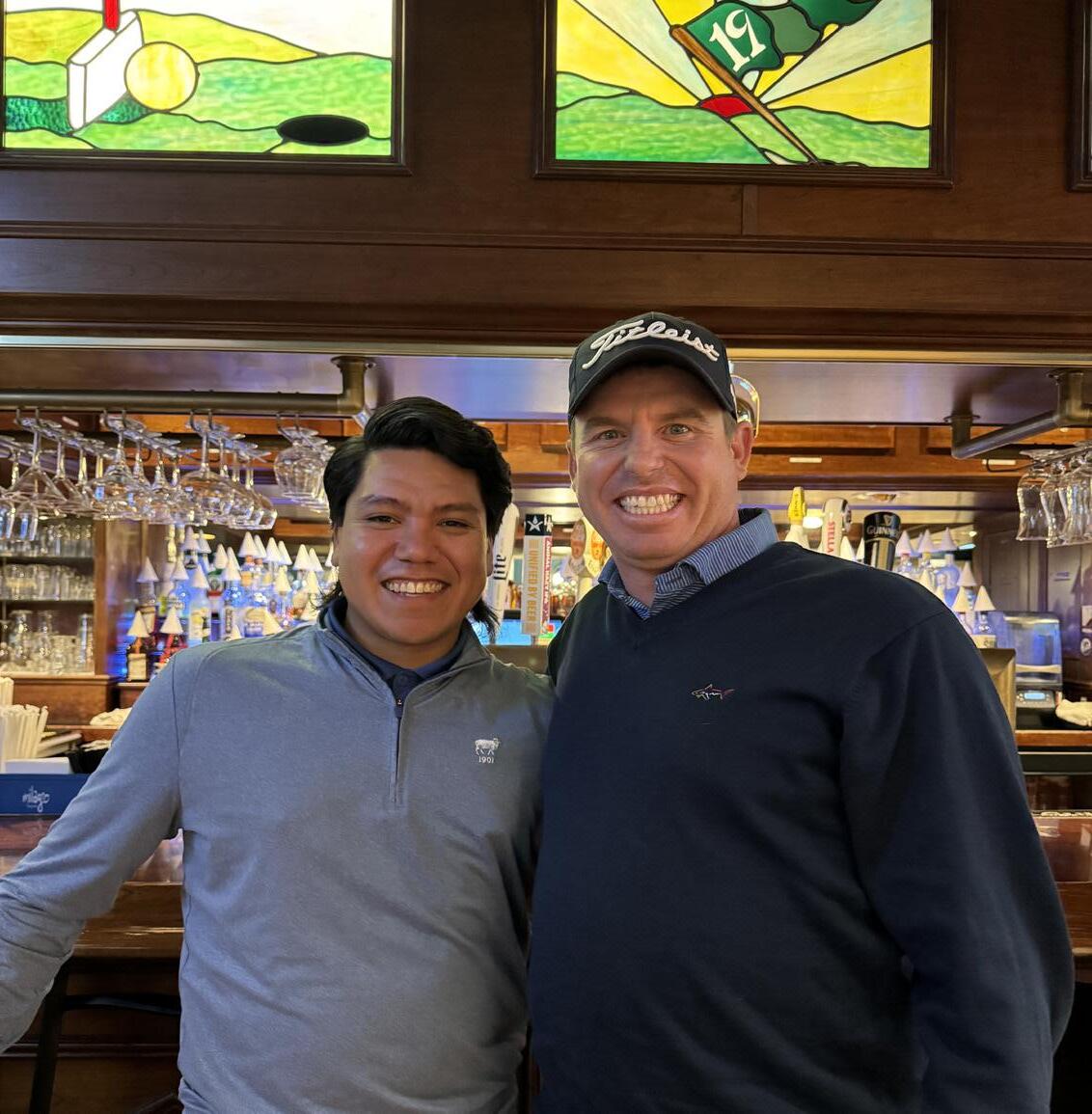
James Thomas (AG BUS ‘17) and his wife welcomed home their firstborn in November 2025.
Harry Lengenfelder (TURF ‘23) is the Assistant Superintendent at TPC Potomac at Avenel Farm and recently got engaged.

Natalie Rilley (AG BUS ‘25) is a Portfolio Support Specialist at Horizon Farm Credit and recently got engaged to her high school sweetheart.

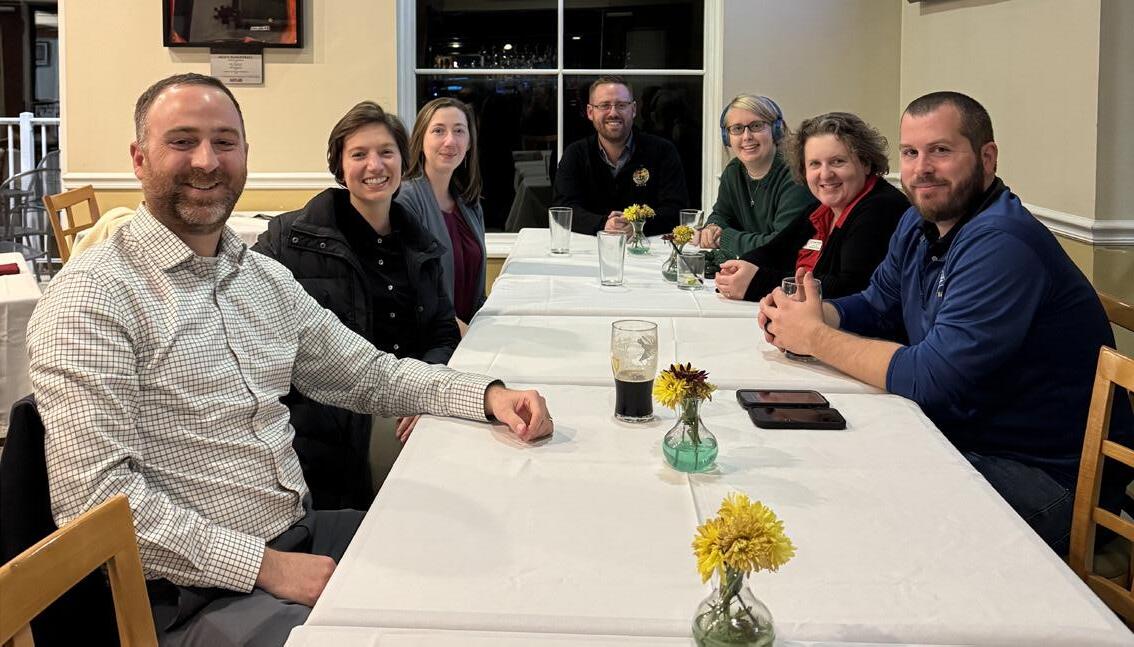
Alumni Happy Hour
This annual event is a casual occasion to connect with alumni and grab a drink! We look forward to seeing you next time.

Symons Hall, Room 3300
7998 Regents Drive
University of Maryland
College Park, MD 20742-2525
Change Service Requested
Nonprofit Organization
U.S. Postage PAID
College Park, Maryland
Permit No. 10