Philanthropy in Service of Health

Decoding the Future of Medicine
Clinical Trials Test Tomorrow’s Cures
Fall Scholars Show Up With Hustle and Heart
Transitioning Care Through Life's Stages

Philanthropy in Service of Health
Clinical Trials Test Tomorrow’s Cures
Fall Scholars Show Up With Hustle and Heart
Transitioning Care Through Life's Stages
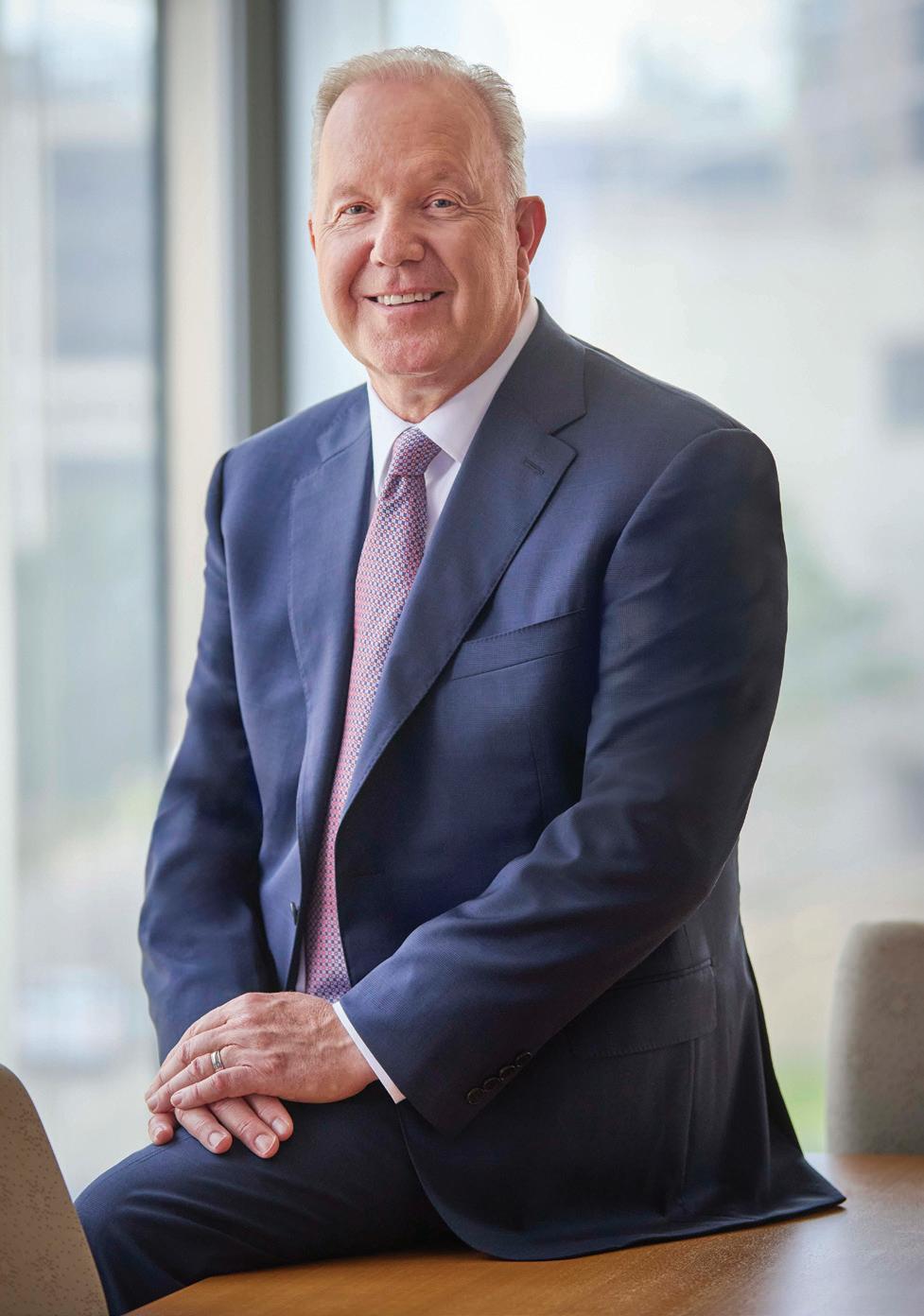
Translational research is a phrase we use often. But what does it mean, and how do Houston Methodist teams work to accelerate it? You might picture a highway that runs from a scientist’s “lightbulb moment” to a new therapy’s approval for general use. Along the way, the therapy must stop in the research lab, navigate the twists and turns of clinical trials, and survive a maze of regulatory reviews and approvals. Traditionally, this journey takes years or even decades.
At Houston Methodist, our goal is to expedite the process. Thanks to a gift from The Cockrell Foundation, we’re one step closer. By funding new training programs in the Cockrell Center for Advanced Therapeutics, the gift strengthens the core of an integrated research hub that includes state-of-the-art research facilities, onsite cell therapeutics manufacturing and expert clinical trial management — streamlining
the route from the researcher’s bench to the patient's bedside. I hope you’ll take a moment to read more on page 2.
Also featured in this issue of Leading are updates on our philanthropy-driven work in protein engineering, clinical and surgical education, and planned giving that ensures care for future generations. In addition, we highlight a first-of-its-kind collaboration with Texas Children’s Hospital made possible by support from The Fondren Foundation. We’re thrilled that this partnership will safeguard continuity of care for young adults living with inflammatory bowel disease (IBD). You’ll find this story beginning on page 14.
Speaking of partnerships, I’d like to take a moment to offer our heartfelt appreciation to Johnny Johnson, who stepped down as chair of the Houston Methodist Hospital Foundation Board of Directors in January. We sincerely thank
Johnny for more than a decade of steadfast leadership and welcome our new chair, Gerald Smith.
As we settle into 2026, I am honored to share that our phenomenal community gave more than $121 million in 2025 to support our endeavors in translational research, medical education, patient care and community service. Words alone are insufficient to express the gratitude of our physicians, scientists and other caregivers for such generosity. We thank you and remain deeply committed to stewarding your gifts in shared service of our mission.
With appreciation,

FLYNN A. ANDRIZZI, P h D President and CEO Houston Methodist Hospital Foundation

Precision-engineered therapies take their first steps in early-phase clinical trials at the Cockrell Center for Advanced Therapeutics — translating science into hope for patients in need
In the world of biomedical research, clinical trials are the gauntlet through which every future cure must march. For promising new therapies, phase 1 trials are a proving ground. These early studies are often a drug’s first-in-human use and begin to answer the many questions that determine whether the agent advances to clinical adoption. Is it safe? Are side effects tolerable? What is the appropriate dose?
Patient populations and research needs are growing at major academic medical centers. Phase 1 and later-stage trials offer access to treatments not yet available elsewhere — and hope when the current standard of care falls short. According to the National Center for Biotechnology Information, the number of registered clinical trials in the U.S. has soared over the last 20 years, today standing at more than 160,000, with nearly 20,000 actively recruiting.
Since 2010, the Cockrell Center for Advanced Therapeutics (CCAT) in the Houston Methodist Research Institute has served as a gateway to crucial clinical testing. Through the long-running generosity of The Cockrell Foundation, CCAT supports all phases of clinical research operations at Houston Methodist and became home to a Clinical Research Phase 1 Unit in 2015. This onsite, early-phase and proof-of-concept trials unit includes exam rooms, private infusion rooms and a specimen-processing lab, all adjacent to inpatient units and a dedicated radiology facility.
“CCAT is really the nexus of everything that a translational research center like Houston Methodist is built around,” explains Edward Jones, president and CEO of the Houston Methodist Research Institute. “It serves as the conduit between the innovation happening in our discovery laboratories and its application at the patient’s bedside.”
Since CCAT’s inaugural trial, an international effort targeting chronic lymphocytic leukemia, the Phase 1 Unit has fueled 205 open clinical trials. Additional Cockrell pilot funding has
nurtured the emergent work of talented physicianscientists, enhanced by affiliations with leading academic entities, such as The University of Texas MD Anderson Cancer Center. Meanwhile, new developments in the field of transplant oncology have propelled CCAT to national prominence.
“We see the center as illustrating what can be achieved when you bring brilliant minds together with the resources they need to translate their ideas into lifesaving therapies,” says Janet Cockrell, a director on The Cockrell Foundation board.
When The Cockrell Foundation made another transformational investment in CCAT in 2025, its board worked closely with Houston Methodist leadership to thoughtfully direct the gift. “We realized that to elevate the potential of the current program, it’s necessary to build out a different type of infrastructure: people,” notes Stephanie Cockrell, executive director of The Cockrell Foundation. “The human element is critically important alongside the physical resources and partnerships already in place.”


Indeed, while Houston Methodist employs nearly 1,500 physicians systemwide, only those who undergo specialized, mentored training on regulatory requirements, research protocol and trial supervision become the credentialed principal investigators who conduct human interventional research. Similarly, clinical staff — including physician assistants and nurse practitioners (collectively termed advanced practice providers, or APPs) — must be rigorously trained on current regulations, technology and best practices.
“This investment in our CCAT investigators and their vital support network radically advances CCAT’s role as a valued research partner across the Texas Medical Center,” says Pauline Todd, director of research for Houston Methodist’s
Does it show promise?
Testing in non-human subjects; studies efficacy, toxicity and drug behavior
Academic Office of Clinical Trials and CCAT. “And with more than 50% of our patients seen in outlying areas of Houston, it increases synergies across our campuses to expand clinical trial availability.”

Is it safe?
Does it work?
Does it work better than what we have?
How does it function in the real world?
First testing in human subjects (healthy volunteers); assesses dosing ranges and how the body absorbs, distributes and metabolizes the drug
10–15 participants (Phase 0 )
20–100 participants (Phase 1)
Testing on patients; further determines efficacy and side effects
100– 300 participants


The new Virginia and Ernest Cockrell Jr. Advanced Therapeutics Development Endowment will launch two highly anticipated training programs. First, the Cockrell Clinical Trialist Development Program will offer much-needed support for advanced independent investigator education for MD and MD-PhD providers with an interest in early-phase clinical studies.
Second, the Cockrell Advanced Practice Provider and PharmD Development Program will equip APP and PharmD sub-investigators to conduct essential patient management, study-related visits and follow-up services. Awardees from partnering departments will receive up to two years of training in clinical trial management in alliance with a mentoring scientist as co-investigator. These advanced clinical partners will serve as an “extension” of busy principal investigators, increasing process efficiencies and lowering overall trial costs.
“One of the things that makes CCAT so special is that it’s not wedded to researchers in just one discipline,” says Jones. “Here, scientists across departments, including cancer, the neurosciences, transplant and orthopedics, interact to share knowledge that serves to inform the others.”
Testing on patients; measures the drug’s performance and side effects compared to standard care or a placebo
300– 3,000 participants
Commercial use; surveillance in the public patient population
As this human infrastructure grows, newly skilled trialists will continue to tap into another integral asset: CCAT’s far-sighted collaboration with the Houston Methodist Ann Kimball & John W. Johnson Center for Cellular Therapeutics. An onsite cellular manufacturing facility, the center supports preparation of commercial cell therapy products — including CAR T cells for infusion at CCAT — dramatically reducing delays associated with contracting external cellular manufacturers.
“Our clinician-researchers have the distinct advantage of rapid translation of new ideas,” observes Todd. “This means that our CCAT trialists can lean ever more into earlier disease intervention and prevention rather than only targeting advanced disease. This has real implications for autoimmune conditions, neurodegenerative disease, diabetes and other domains.”
Sixteen years into CCAT’s mission, Jones reflects on its enduring blueprint as the core of a world-class research hub. “It’s hard to quantify the impact that the Cockrell family, both through their generosity and leadership, has had from one generation to the next at Houston Methodist,” he concludes. “They’ve left an indelible mark on us and, in turn, on thousands of patients in need.”
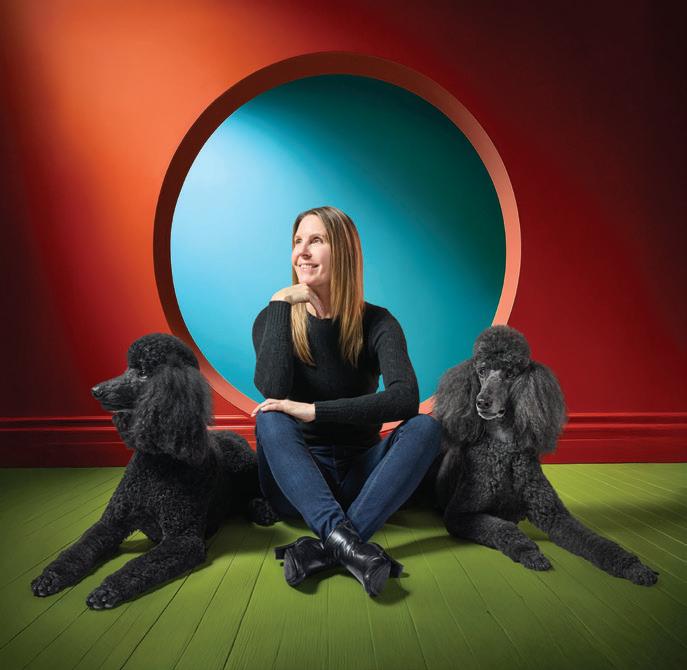
Jennifer Briscoe’s weekly pet therapy visits to Houston Methodist with her standard poodles, Dorian and Sydney, first sparked her desire to support the institution she credits with making an important difference in her life. As she brings comfort to patients through animal-assisted therapy, she also directly experiences the hospital’s patient-centered approach to care.
“I HAVE SEEN FIRSTHAND HOW PATIENTS BENEFIT EMOTIONALLY AND PHYSICALLY WHEN ANIMAL-ASSISTED THERAPY WORKS HAND IN HAND WITH MODERN MEDICINE. IT IS A TRUE PRIVILEGE TO BE A PART OF THIS PROGRAM.”
“Volunteering with my dogs at Houston Methodist is incredibly rewarding and meaningful — just seeing Dorian and Sydney bring joy, comfort and unconditional love to the patients who need it the most,” Briscoe explains. “I have seen firsthand how patients benefit emotionally and physically when animal-assisted therapy works hand in hand with modern medicine. It is a true privilege to be a part of this program.”
Under the guidance of her own care team, Briscoe successfully managed a neurological condition and gained a deep appreciation for the expertise and compassion shown by her physicians and staff. Throughout her experience, she says, every interaction reinforced her belief that Houston Methodist treats each individual with dignity and respect. As a
recruiter, she feels especially aligned with the organization’s culture of excellence and commitment to people.
After participating in a research study in 2025, Briscoe became inspired by the role scientific discovery plays in promoting health care. The experience strengthened her desire to help accelerate research that could positively impact future generations.
When Briscoe contacted the Houston Methodist Hospital Foundation last May, she had a clear goal: to support groundbreaking research and innovation. Thoughtful and forward-looking in her planning, she structured a bequest that reflects the gratitude she feels for the care she has received and the significant relationships she has built.
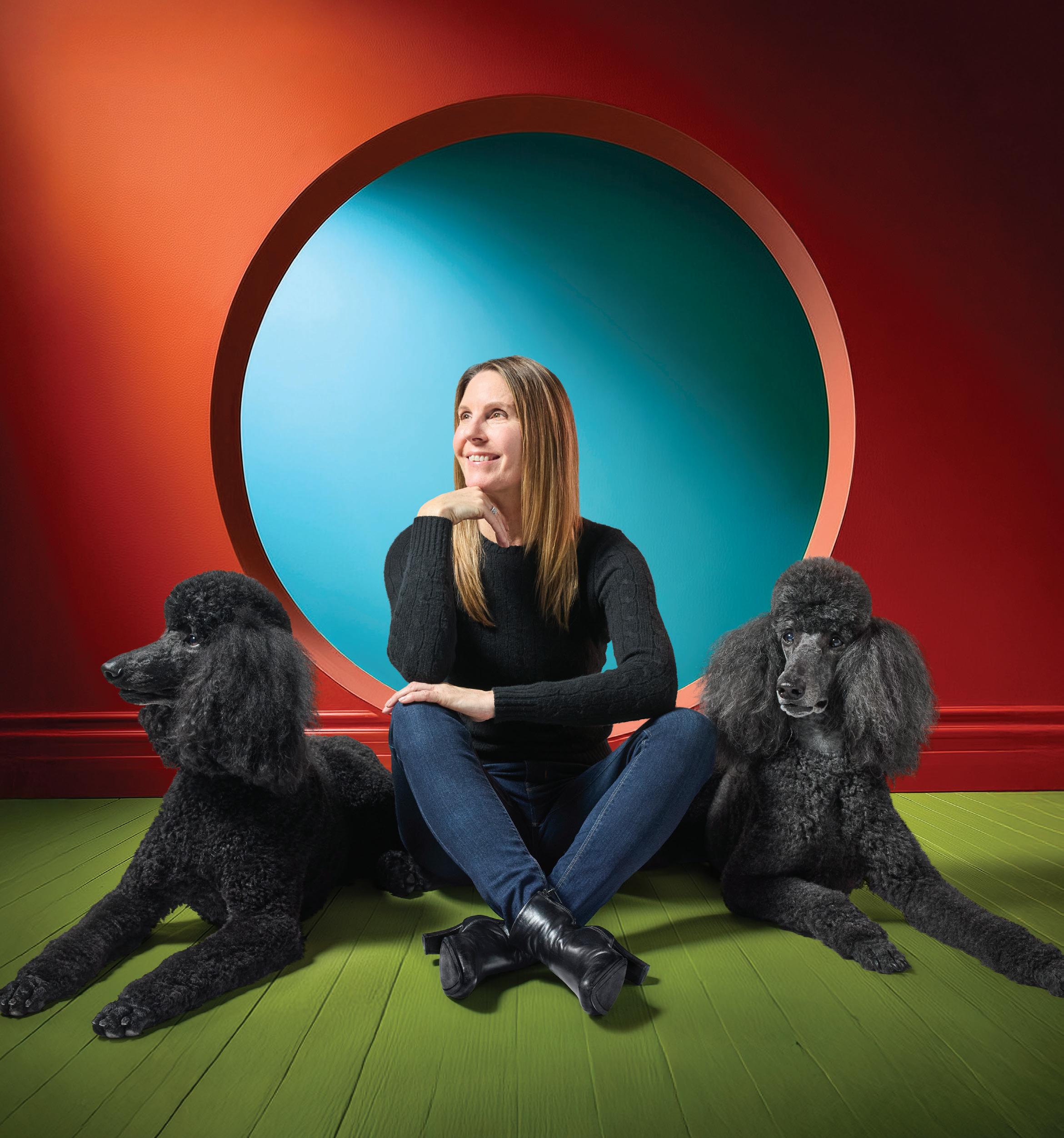
Her gift to Houston Methodist will be directed toward research initiatives aimed at addressing some of today’s most challenging diseases. While she understands that medical breakthroughs take time, Briscoe remains motivated by a sense of purpose.
As she says, “I want to know I am leaving the world a better place.”
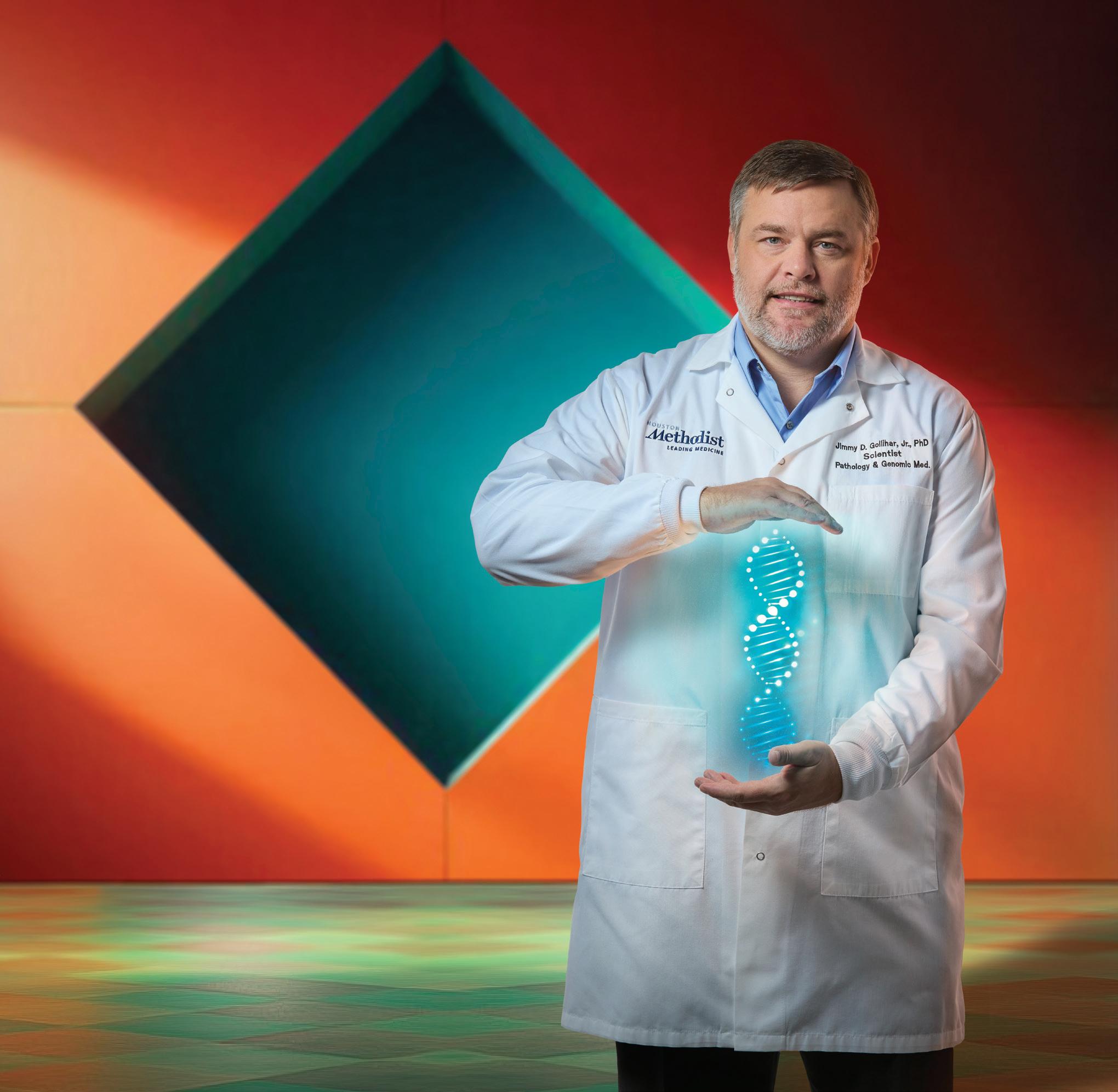
It was March 2020. The SARS-CoV-2 virus was spreading rapidly across the United States, overwhelming hospitals while clinicians urgently searched for anything that might help protect their most vulnerable patients. Amid this uncertainty, Jimmy D. Gollihar, PhD, was working at The University of Texas at Austin in close collaboration with physician-scientists in the Houston Methodist Department of Pathology and Genomic Medicine. The team was among the first to acquire and test blood samples from recovered COVID-19 patients to determine whether their antibodies could neutralize the virus in immune-compromised individuals.
The partnership forged during those frantic early weeks not only guided clinical treatment decisions over the course of the pandemic but also set the stage for Dr. Gollihar’s eventual move to Houston Methodist. “We were translating ideas from the laboratory to the market, and seeing an immediate impact on patients was eye-opening,” he says. “We wanted to pursue that on a larger scale.”
“ SEEING AN IMMEDIATE IMPACT ON PATIENTS WAS EYE-OPENING. WE WANTED TO PURSUE THAT ON A LARGER SCALE.”
After arriving at the Houston Methodist Research Institute in January 2022, he and his five-person team of bioengineers began transforming a blank slate of laboratory space into a state-of-the-art center for protein engineering and synthetic biology. “Houston Methodist already had the clinical infrastructure and manufacturing capabilities needed for translational research,” Dr. Gollihar explains. “Once we added in the capacity to engineer proteins and biomolecules, we could move our findings into patient-ready care very quickly.”
Today, the Antibody Discovery and Accelerated Protein Therapeutics (ADAPT) lab functions similarly to a biotech startup embedded within the hospital system. Optimized for speed, scalability and direct clinical impact, it houses
more than 40 research scientists working synchronously to design molecular tools and tailor treatments to patients’ unique disease profiles.
That vision for individualized care became a reality in late 2025, when — just four years after the lab first opened its doors — the FDA authorized a single-patient expanded access (compassionate use) request for a therapy formulated using ADAPT technology. Similar in principle to the COVID-19 mRNA vaccine, it functions by “training” the host’s immune system to recognize, target and attack unhealthy cells with high precision. Although the team’s ongoing work in cancer and infectious diseases is positioned to advance to additional human trials this year, Dr. Gollihar emphasizes that
the platform itself is disease independent. In other words, if a condition can be addressed through a therapeutic protein, his team can engineer it.
Since joining the hospital, Dr. Gollihar's efforts have been recognized through prestigious academic appointments and critical funding. He was named a Jerold B. Katz Academy of Translational Research Investigator in 2023 — a lifelong title supported by the Jerold B. Katz Foundation to fuel high-impact biomedical
discovery. Two years later, he was promoted to chief of translational science for the Houston Methodist Academic Institute and appointed the Katz Family Innovative Protein Therapeutics Distinguished Endowed Chair, underscoring a shared institutional and philanthropic commitment to elevating ADAPT’s clinical mission. With every discovery, Dr. Gollihar and his team bring us one step closer to a world where precision-engineered treatments are not the exception, but the expectation.

A high school student who has only learned about surgery in a classroom or on a screen can today step into a simulation lab at Houston Methodist and experience the reality of an operating room in full motion. Such opportunities to introduce tomorrow’s workforce to the medical field expand horizons and open doors — and they are urgently needed. With the nation facing critical health care shortages, early exposure is essential, especially for students from disadvantaged communities, who often lack access to such opportunities.
In reality, only 17% of U.S. college freshmen on a pre-med track ultimately matriculate into medical school, with even lower rates among under-resourced students. Limited mentorship, minimal hands-on experience and uncertainty about college all contribute to this gap. Houston Methodist is uniquely positioned to change this trajectory through structured, early-introduction programs.
Philanthropic partners like Richard “Dick” Bergmark and his wife, Toni, amplify this impact. Dick’s enduring commitment to education — shaped by his understanding of barriers faced by students and inspired by the retirement of his longtime physician, Dr. Wade R. Rosenberg — led to conversations with Dr. A. Osama Gaber. Dr. Gaber, the John F., Jr. and Carolyn Bookout Presidential Distinguished Chair and chair of the Houston Methodist Department of Surgery, is also the founder of the Clinical and Surgical Opportunity Academy. Together, Dick and Dr. Gaber envisioned a meaningful, scalable way to cultivate the next generation of health care professionals, much like the Rosenberg Fellowship, which offers college students the chance to spend time with surgeons and deepen their interest in medical school and surgery.
“IF YOU LOOK AT EDUCATION ACROSS THE HOUSTON METHODIST SYSTEM, IT’S MORE IMPORTANT TO ME TO FOCUS ON THE FRONT END, THE HIGH SCHOOLERS AND UNDERGRADUATES, TO SHOW THEM WHAT’S POSSIBLE.”
The Clinical and Surgical Opportunity Academy is among Houston Methodist’s growing suite of educational programs aimed at high school and young adult learners. Designed to broaden access to health care careers, programs already making an impact include the Rising Stars Summer Enrichment program, High School Emerging Researcher Experience and Patient Care Assistant externship for high school students, as well as the Advancement Into Professional Practice nursing internship and Summer Undergraduate Research Internship for college students.
To help ensure these programs reach their full potential, the Bergmarks made a gift that will establish the Bergmark Endowed Directorship in Clinical Education and Advancement. The directorship will enable Houston Methodist to recruit and retain a distinguished academic leader who will work to unify a sweeping educational mission — integrating curricula, securing resources, attracting faculty mentors and building strategic partnerships. By deepening relationships
with schools in neighborhoods with limited resources, the endowment’s impact will also help remove barriers and expand the health care talent pool. “If you look at education across the Houston Methodist system, it’s more important to me to focus on the front end, the high schoolers and undergraduates, to show them what’s possible,” says Dick.
Initial funding is slated to accelerate the growth of the Clinical and Surgical Opportunity Academy, with future expansion extending across all early-introduction programs. Ultimately, the growth made possible through the Bergmarks’ foresight and Houston Methodist’s commitment will transform promising programs into lifechanging opportunities, preparing those who will guide the future. Trevor M. Burt, EdD, chief education officer and vice president of system education at the Houston Methodist Academic Institute, says, “The Bergmarks’ generosity will have a profound impact on Houston Methodist’s commitment to developing the next generation of health care talent for our community.”
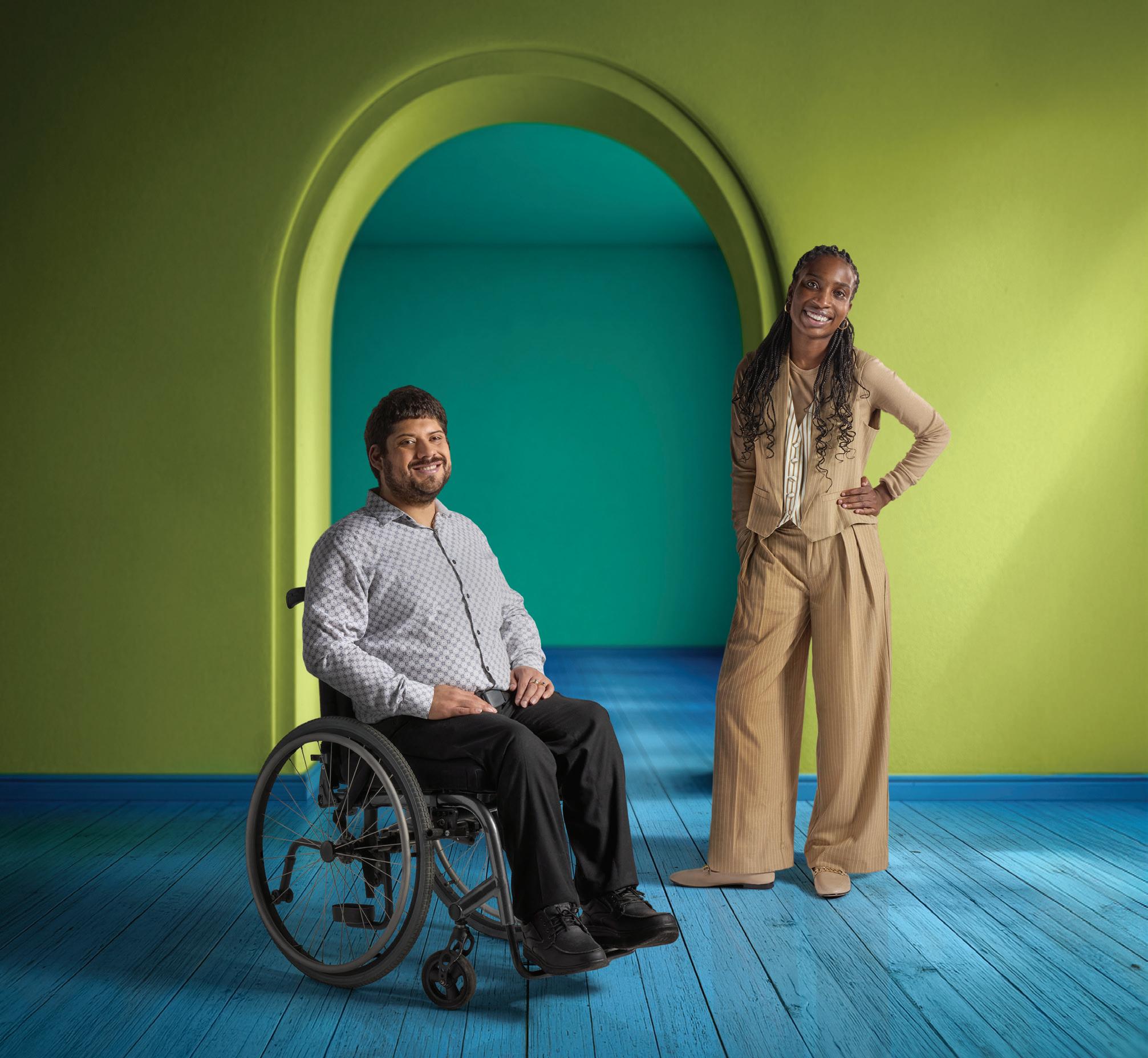
THE FALL SCHOLARS PROGRAM HONORS ITS SECOND COHORT
“There’s nothing like hearing a baby’s first cry — it’s such a precious moment to witness,” said E’Vonne Gipson to a rapt audience at the 2025 Houston Methodist Fall Scholars closing program this past December. She was reflecting on her eight weeks as a Fall Scholar in the Houston Methodist Childbirth Center at Sugar Land.
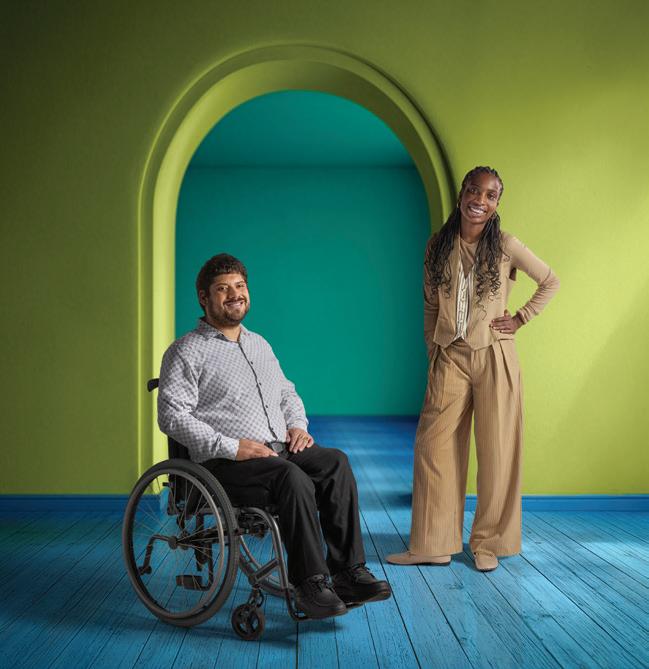
Gipson and fellow members of the 2025 Fall Scholars cohort joined family, mentors and hospital leadership to celebrate the term’s successful conclusion. Conceived by the Houston Methodist Office of Culture & Engagement in 2024, the annual internship provides nonclinical, hands-on work experience for participants, all of whom are early-career individuals with a disability.
“Houston Methodist has created a space where people with disabilities can feel empowered through meaningful work,” Gipson continued. “I hope many future scholars will get to experience what we did.”
Sydney Hodge, a fellow Fall Scholar, spoke of her role in the breast cancer unit at Houston Methodist West Hospital. “I enjoyed getting to know the patients and helping them during a difficult time,” she said. “I also grew my independent skills. I want to continue to work because helping others makes me feel good about myself!”
Across the United States, one in four adults is born with or develops a disability at some point in his or her lifetime. These over 70 million Americans experience unemployment rates more than double those of adults without disabilities — a gap driven not by personal potential but by access and opportunity. For many families, the Fall Scholars program represents a hopeful and long-awaited shift.
“As parents, we all want to know that our children will find happiness and fulfillment long after we’re gone,” said Dan Furnish, father of Fall Scholar Ryan Furnish, who worked in supply chain management and now volunteers at Houston Methodist West. “Discovering a program that embraces different needs and abilities was a godsend. We are deeply grateful to Houston Methodist for opening this door of possibilities.”
“ IF WE CAN LEARN TO ACCOMMODATE PEOPLE AND ASK WHAT THEY NEED, WE ENABLE THEM TO PERFORM AT THEIR BEST.”
For Hilario Barron, this open door led to a deepened interest in information technology (IT) at Houston Methodist Sugar Land Hospital. “At home, I’ve always been the tech support for my family,” he said. “Seeing how those same skills could support patients and doctors was incredibly rewarding. It showed me how essential IT is to every part of the hospital.”
Arianne Dowdell, JD, Houston Methodist vice president and chief culture and engagement officer, and Nazia Imrose, Fall Scholars program manager, further reflected on the program’s broader purpose and its role in shaping workplace culture. “At the end of the day, we all want to feel good about ourselves and the work we do,” said Dowdell. “If we can learn to accommodate people and ask what they need, we enable them to perform at their best.”
Looking ahead, the team is seeking philanthropic partnership to expand the program while still maintaining its intimate cohort size and strong mentorship structure. Their long-term vision is to create a path to sustained employment following the internship. Two members of the 2024 cohort have already secured positions with Houston Methodist, and others have flourished with external organizations.
What the farewell event made clear to everyone present was the exceptional determination and sincerity each Fall Scholar brought to his or her work. “You can learn the skills,” said program mentor Connie Ortega, director of supply chain management at Houston Methodist Clear Lake Hospital. “But you need to have hustle and heart in what you do to find success. These scholars have it.”
There are many well-known milestones on the journey from adolescence to adulthood — deciding whether or not to attend college, leaving home for the first time and starting a career, to name a few. But for young people living with inflammatory bowel disease (IBD), one milestone has proven especially difficult: the transition from pediatric to adult medical care. Researchers predict IBD will affect as much as 1% of the population within the next decade. The good news is there has been remarkable progress in the diagnosis and treatment of IBD, with many innovative new treatments coming to light. Although this is heartening for the IBD sufferer, it also means providing optimal care has become more complicated and requires very specialized expertise. This can make finding a specialist who is accepting new patients both arduous and time-consuming, and a lapse in care can have serious consequences.
“If I’m in remission and I have to wait a long time for a new doctor to see me, that creates added stress that can cause a flare-up,” says clinical psychotherapist and IBD advocate Danielle White, PhD, who was diagnosed with Crohn’s disease and ulcerative colitis at the age of 15. Although she is now a long-term patient of Dr. Bincy P. Abraham, the Fondren Distinguished Professor in Inflammatory Bowel Disease at the Houston Methodist Underwood Center for Digestive Health, White once endured more than 14 months without access to care for her chronic illness after aging out of pediatric treatment at Texas Children’s Hospital.
“MY DOCTORS HAVE SUPPORTED ME IN ALL OF MY GOALS. THEY TRULY SEE ME AS A WHOLE PERSON AND DON’T DEFINE ME ONLY BY MY ILLNESS.”
Stories like White’s are the inspiration for a new, first-of-its-kind partnership between Houston Methodist and Texas Children’s. Empowered by a transformative commitment from The Fondren Foundation, dedicated transition teams at both institutions will coordinate multidimensional support for young adults with IBD, ensuring they receive seamless, continuous care. In accordance with the Underwood Center’s holistic methodology, patients can expect not only world-class medical treatment but also nutritional, psychological and socioeconomic support to truly help manage all aspects of their disease.
“These ailments have great impact on the individual beyond just the physical — there are also psychological and social repercussions,” says Dr. Eamonn M. M. Quigley, director of the Underwood Center. “The goal behind this program is to factor in and cater to all of those needs.”
White attests to this approach. “My doctors have supported me in all of my goals. They truly see me as a whole person and don’t define me only by my illness,” she adds. “I’ve been genuinely blessed to have Dr. Abraham in my life.” The confidence gained from knowing her IBD is well managed encouraged White to accomplish many more of

life’s milestones, such as earning her doctorate and traveling out of the country for the first time.
In addition to helping young adults with IBD thrive as White has, the Fondren IBD Transition Program promises to advance scientific understanding of gastrointestinal inflammatory diseases, paving the way for novel therapies through research and clinical trials. The combined data resources of Houston Methodist and Texas Children’s will provide the foundation for groundbreaking studies into how IBD progresses over patients’ lifetimes and will give physicianscientists vital insight into changes in microbiome composition and inflammatory and immune responses.
The importance of this improved understanding is underscored by a notable increase in the incidence of pediatric IBD cases. “The forms of IBD that begin very early in childhood
are relatively rare, but they are becoming more common,” Dr. Quigley explains. “These individuals tend to have quite an aggressive form of disease that requires a great deal of research; tracking their development from the time of their diagnosis into adulthood will be critical to maintaining their progress and helping prevent deterioration in their disease.”
This revolutionary model of care, made possible through the visionary support of The Fondren Foundation, builds on a legacy of patronage and reaffirms a steadfast commitment to elevating gastrointestinal care. Sums up Dr. Quigley: “We are intensely grateful to The Fondren Foundation for supporting this initiative. Their foresight and advocacy continue to have a profound impact on our patients and our practice, enabling us to redefine care for inflammatory diseases for current and future generations.”

“They’re using technology in a way that brings humanity — as well as more accurate diagnoses — to patients. It’s really amazing, and we want to support that kind of excellence in care,” says Annette Zimmerman, CEO of PrimeWay Federal Credit Union, referencing PrimeWay’s recent gift to the Houston Methodist Cypress Hospital Excellence Fund.
Opened in March 2025, Houston Methodist Cypress is home to some of today’s most state-ofthe-art medical technology. Robot systems enhance surgical precision to enable minimally invasive procedures that speed recovery. Modern patient rooms streamline care with advancements like artificial intelligence (AI) and remote monitoring. And integrated voice-response systems improve patients’ comfort by increasing their control over their environments, allowing them to adjust room lighting, make calls, interact with entertainment systems and more without lifting a finger.
Trent Fulin, the hospital’s senior vice president and CEO, notes that medical technology often gets an undeserved reputation for seeming impersonal. “Ambient listening tools actually allow our physicians to interact with patients in ways that are more personal, not less,” he explains. “Rather than sitting behind a computer screen and typing notes, they can give patients their full attention and have more natural conversations while the AI takes care of documentation.” He points out that automating documentation also frees up significant time for clinicians, who can then reinvest that time into patient care.
“AMBIENT LISTENING TOOLS ACTUALLY ALLOW OUR PHYSICIANS TO INTERACT WITH PATIENTS IN WAYS THAT ARE MORE PERSONAL, NOT LESS.”
PrimeWay’s support for Houston Methodist, which began in 1994, goes far beyond the financial. True to their mission as a communitycentered, not-for-profit organization, PrimeWay also provides free financial literacy classes to students participating in Houston Methodist’s Patient Care Assistant (PCA) externship. Open to high school graduating seniors, the PCA externship offers at-risk students the opportunity to gain hands-on training and experience, after which they qualify to apply for open PCA positions within the hospital network. The addition of a sound financial education helps further prepare these young adults for success as they begin their new careers as medical professionals.
“Our goal is to provide support to all of the Houston Methodist team and help alleviate the stress of managing their personal finances,” adds T. W. Jolly, PrimeWay’s executive vice president. “If we can make their staff’s lives easier, that staff can then better serve the people who need their care.”
In honor of PrimeWay’s latest philanthropic gift, the grand entry atrium at Houston Methodist Cypress will be renamed the PrimeWay Healthcare Community Credit Union Atrium . “It’s a beautiful, serene space,” says Fulin. “The atrium is a very appropriate symbol of the peace of mind both Houston Methodist and PrimeWay seek to bring to the communities we serve.”
DR. JENNY C. CHANG
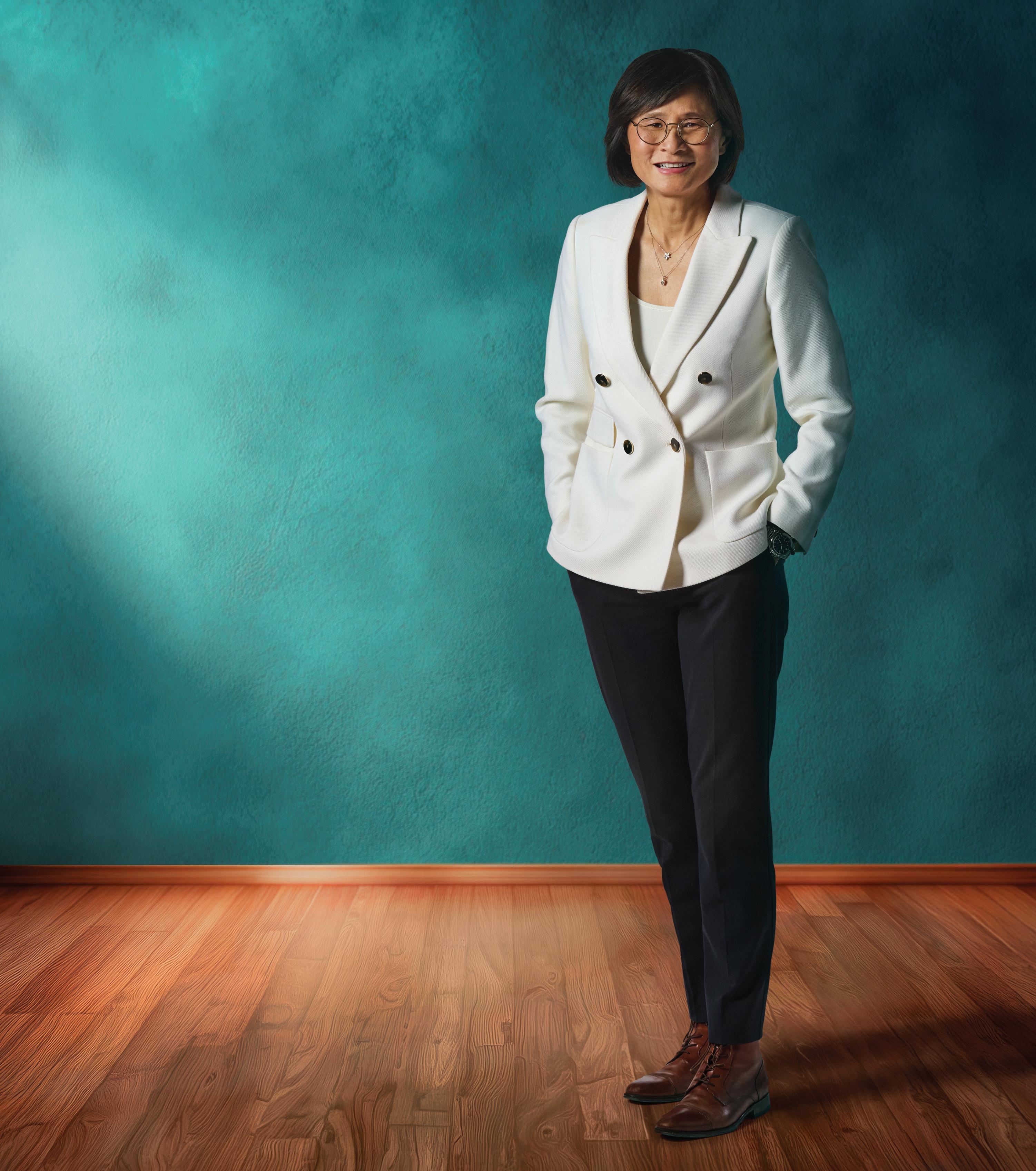
JENNY C. CHANG, MBC hir B, MD
Ernest Cockrell, Jr. Presidential Distinguished Chair President and CEO, Houston Methodist Academic Institute
Executive Vice President and Chief Academic Officer
Houston Methodist
Professor of Medicine, Weill Cornell Medical College
It’s truly a watershed moment for medicine. Just over 20 years ago, the human genome was sequenced. Now, we know how the actual genetic drivers impact many diseases, including cancer. We also have the capabilities and tools to translate those discoveries for direct patient care. Take bioengineered therapeutics, for example. Today, we can edit genes and create monoclonal antibodies or even personalized vaccines. Consider a cellular therapy that originates in a Houston Methodist lab. We can manufacture it in the Ann Kimball & John W. Johnson Center for Cellular Therapeutics, resulting in clinicalgrade therapies that are FDA-approved for use in patients. Next, we can deliver these therapies to the Cockrell Center for Advanced Therapeutics for early-phase clinical trials. This continuum allows us to transform basic discoveries into personally targeted drugs and deliver them into our patients — entirely within our own ecosystem.
There are many encouraging therapies on the horizon that I believe will ultimately impact these diseases. Let’s talk about dementia. Understanding that this and other neurodegenerative diseases have a major immunologic component, we now have emerging therapies that cross the blood-brain barrier to modify disease trajectory. We also know that patient outcomes can be improved with early detection, whether through advanced imaging — like our state-of-the-art 7-Tesla MRI scanner — or with promising blood-based profiling biomarkers. And since we operate a cellular therapeutics center, we have the capacity to produce investigational therapies onsite. All with the goal of offering new hope and improving outcomes for people suffering from these debilitating illnesses.
Houston Methodist has changed the practice of medicine in several ways, beginning with its historic leadership in cardiology and cardiovascular care, which remains a core strength today. We’ve expanded into other areas throughout our system as well to integrate innovations in surgery, medicine, oncology and imaging. Notably, we are also deeply committed to education and knowledge dissemination. Our advanced education platforms include our widely followed DeBakey CV Education YouTube channel, which reaches and educates clinicians and patients around the world.
Houston Methodist is an academic health system that takes discovery at our main campus and conveys it across all our network hospitals, prioritizing an exceptional patient experience. We are one system — one Houston Methodist — guided by our faith-based foundation and I CARE values of integrity, compassion, accountability, respect and excellence. We’re further set apart by our innovation, from technologyenabled hospitals and clinics to wearable biosensors, virtual nursing and data-driven insight. In addition, we train the next generation of physicians to possess the same ethos, practicing patient-first, unparalleled care.
Houston Methodist is also a genuinely energizing and inspiring place to work. Our shared purpose and passion are the secret sauce. You can’t bottle it, but it’s real, and it matters.
Scan here to continue the conversation with Dr. Chang
The William Randolph Hearst Foundation is deepening its philanthropic partnership with Houston Methodist through a generous commitment to the Urology Survivorship and Recovery Initiative Fund. This investment will further FDA-approved clinical research, including a pioneering study examining whether regenerative therapies can help preserve critical nerve pathways during prostate cancer surgery, enhancing long-term functional outcomes.
The randomized, double-blind clinical trials will evaluate the safety and potential therapeutic benefits of a stem cell-based intervention compared with standard care, focusing on protecting and restoring the neurovascular structures most at risk during radical prostatectomy. The foundation’s gift supports these researchers in their work to lessen the lasting effects of treatment, accelerate patients’ return to a high quality of life and establish new benchmarks for patient-centered recovery in prostate cancer care.
Speaking of her family’s experience with Houston Methodist, Karen Payne says, “It was just a matter of a miracle.” As active members of the Houston Methodist community with an interest in neurology, Karen and her husband, Mel, were invited to hear Dr. Gavin Britz, the Candy and Tom Knudson Distinguished Centennial Chair in Neurosurgery, speak about a recent breakthrough: mechanical thrombectomy. Little did they know that a mere four days later, Dr. Britz would use that very same procedure to save Mel’s life after he suffered an ischemic stroke.
With Mel now significantly recovered, the Paynes chose to make a generous contribution to the Houston Methodist Department of Neurosurgery to help ensure brilliant physicians like Dr. Britz can continue pursuing cutting-edge research and bringing innovative procedures to their patients. In appreciation of this gift, the Interventional Radiology Family Room in Houston Methodist’s new Centennial Tower (opening in 2027) will be named the Karen and Mel Payne Family Room.
Scan here to listen to the Paynes’ story
Gary Williams’ recent gift to the Neurology Alzheimer’s Research Fund will strengthen the work of teams studying Alzheimer’s disease at the Houston Methodist Neurological Institute. Williams, a Dallas resident, has also supported the Nantz National Alzheimer Center. His continued generosity expands the important efforts of accomplished scientists like Hyunglok Chung, PhD, and Kyuson Yun, PhD, the Houston Methodist Chair in Neurodegenerative Disease Research. Drs. Yun’s and Chung’s research spans early detection via immune and neural biomarkers and development of innovative therapeutic strategies focused on lipid metabolism, respectively. Through philanthropy, these and other Houston Methodist investigators are pushing the boundaries of how Alzheimer’s disease is detected, monitored and treated.
When Kelli and Eddy Blanton made a 2025 gift to the Blanton Eye Institute Fund, they did so with a dual purpose: to honor the legacy of Jack S. Blanton Sr. and help drive meaningful impact in ophthalmologic research and patient care. Eddy’s father, Jack, was a distinguished Houston civic leader who was instrumental in establishing the Jack S. Blanton Sr. Eye Institute. Kelli and Eddy saw this gift as the ideal method to spark broader philanthropic interest in the Blanton Eye Institute.
Their hope is that others will recognize the groundbreaking work underway at the nationally acclaimed center and join in supporting its continued growth. The institute has become a widely recognized leader in treating complex eye diseases and is one of the few programs in the country with dedicated ocular pathology services.
Michelle and Alan Smith’s philanthropic investment will serve to establish the Orthopedics Research Innovation Fund within the Houston Methodist Department of Orthopedic Surgery. Alan, a former collegiate tennis player at Texas Tech University, has been following the work of Francesca Taraballi, PhD, director of the Center for Musculoskeletal Regeneration, whose research aligns closely with that of Dr. Patrick McCulloch, the John S. Dunn Chair in Orthopedic Surgery. Together, they are investigating the therapeutic potential of mesenchymal stem cells (MSCs) in treating osteoarthritis.
The Orthopedics Research Innovation Fund will support an FDA-approved clinical trial evaluating the use of MSCs as a surgical complement in anterior cruciate ligament (ACL) repair. If successful, the research team plans to expand clinical trials to assess efficacy in rotator cuff repair and, ultimately, in cartilage regeneration. The Smiths’ gift will help to catalyze the clinical trials necessary to achieve transformative progress in orthopedic care.
4,308 GIFTS GIVING AT A GLANCE 2025
TOTAL COMMITTED
$ 121.4 MILLION
3,498 DONORS 1,053 NEW DONORS AREAS OF GIVING
GIFT TYPES
RESEARCH
EDUCATION
PATIENT CARE FACULTY PLEDGES CASH PLANNED GIFTS EXTRAMURAL RESEARCH GRANTS GIFTS IN KIND/ PROPERTY
Houston Methodist Hospital Foundation
Flynn A. Andrizzi, PhD, President and CEO
Adam Gafke, Senior Foundation Chief Operations Officer
Michelle Oster, Senior Chief Development Officer
Jackie Callies, Chief Development Officer
Catherine Del Paggio, Chief Development Officer
Derek Dictson, Chief Development Officer
Avaleen Morris, Chief Donor Relations and Stewardship Officer
Angelica Garza, Associate Chief Operations Officer
Marc Levinson, Associate Chief Governance and Volunteer Relations Officer
Houston Methodist Board of Directors
Gregory V. Nelson, Chair
John F. Bookout, Chair Emeritus
Ewing Werlein, Jr., Senior Chair
Marc L. Boom, MD, President and CEO
Carlton E. Baucum, Vice Chair
Mary A. Daffin, Vice Chair
Elizabeth Blanton Wareing, Secretary
David M. Underwood, Jr., Asst. Secretary
Joseph C. “Rusty” Walter III, Treasurer
Joe Bob Perkins, Asst. Treasurer
Emily A. Crosswell
Martha Smith DeBusk
Juliet S. Ellis
Ricardo R. Gonzalez, MD
Bishop Cynthia Fierro Harvey
Mark A. Houser
Karla M. Kurrelmeyer, MD, President of the Medical Staff
Vidal G. Martinez
W. Benjamin Moreland
The Rev. Matthew Neely
Thomas J. Pace III, DMin
Armando A. Perez
Edmund W. Robb III, DMin
Douglas E. Swanson, Jr.
Spencer A. Tillman
Advisory
Apurva A. Thekdi, MD, President-Elect of the Medical Staff
The Rev. Romonica Malone-Wardley
Life Members
Ernest H. Cockrell
James C. Dishman
Isaac H. Kempner III
Robert K. Moses, Jr.
Sandra Gayle Wright, RN, EdD
Gerald B. Smith, Chair
Dorothy M. Ables, Vice Chair
David M. Underwood, Jr., Secretary
John W. Johnson, Immediate Past Chair
John F. Bookout, Chair Emeritus
Flynn A. Andrizzi, PhD, President and CEO, Houston Methodist Hospital Foundation
Marc L. Boom, MD, President and CEO, Houston Methodist
W. Leslie Doggett
Martha “Marty” Dudley
Charles W. “Carlos” Duncan III
Lesha Elsenbrook
Ed Knight
Gregory V. Nelson
Ann Stern
Joseph C. “Rusty” Walter III
Elizabeth Blanton Wareing
Marc A. Watts
Linda Webster
Randa Weiner
Ewing Werlein, Jr.
W. Benjamin Moreland, Chair
Spencer A. Tillman, Vice Chair
Evan H. Katz, Secretary
Marc L. Boom, MD, President and CEO, Houston Methodist
Jenny C. Chang, MD, President and CEO, Houston Methodist Academic Institute
Edward A. Jones, President and CEO, Houston Methodist Research Institute
Edward R. Allen III, PhD
Steven Birdwell
John F. Bookout III
David T. Chao
Mary A. Daffin
Elaine W. Finger
Antonio M. Gotto, Jr., MD, DPhil
Robert A. Harrington, MD
Sean Keegan
Sippi K. Khurana, MD
Steven S. Looke
Ransom C. Lummis
Michael Colby Mueck
James F. Muschalik
Gregory V. Nelson
Joe Bob Perkins
Edward D. “Ward” Sheffield
Jeffrey F. Simmons
Suzanne H. Smith
Margaret Ogilvie Stacy
Christopher G. Stavros
Steven D. Stephens
Amy L. Waer, MD
Ewing Werlein, Jr.
Donna Sims Wilson
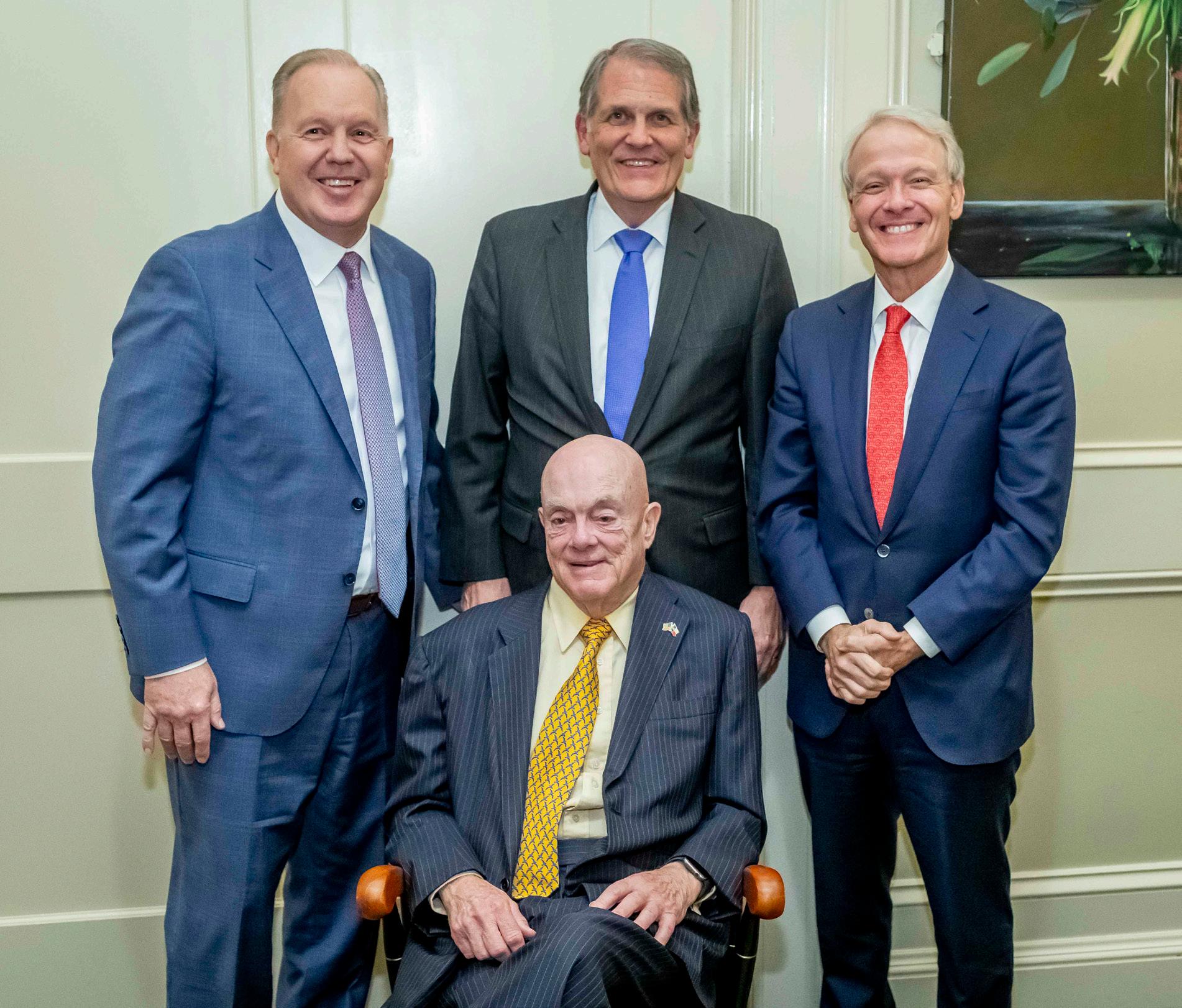
We had the opportunity earlier this year to honor just the second chair of the Houston Methodist Hospital Foundation Board of Directors, Johnny Johnson. Johnson joined the board in 2011 and became chair in 2015, taking over from inaugural chair John F. Bookout.
In his 11 years at the helm, Johnson guided the Foundation board through the successful conclusion of our second-ever fundraising campaign. The Leading Medicine to the Power of M — Campaign for Our Second Century surpassed its $500 million goal in 2020, securing $517.9 million to support endowed positions, translational research
and exceptional patient care. One of the highlights of the campaign was the creation of the Ann Kimball & John W. Johnson Center for Cellular Therapeutics, which Johnson and his wife, Ann, established with a transformational gift in 2019.
Johnson was honored at the annual Foundation Board Dinner on Jan. 13, 2026, where he was presented with a captain’s chair, recognizing his outstanding tenure as board chair. We are thankful that his service to Houston Methodist continues — Johnson will serve as immediate past chair of the Foundation board through 2027.

At Houston Methodist, your generosity fuels leading medicine — and every gift is a step toward a healthier future. This January, the Houston Methodist Hospital Foundation proudly introduced two donor recognition programs that acknowledge foundational commitment from our philanthropic community.
The Society for Leading Medicine recognizes annual giving that sustains key initiatives in patient care, research and education across the


entire hospital system. The Unparalleled Partners program spotlights cumulative giving since 2003, honoring those whose long-standing leadership has helped shape Houston Methodist’s very character.
Together, Society and Unparalleled Partners celebrate philanthropic investment in all its forms — annual and lifelong — as we continue our life-changing mission as one.

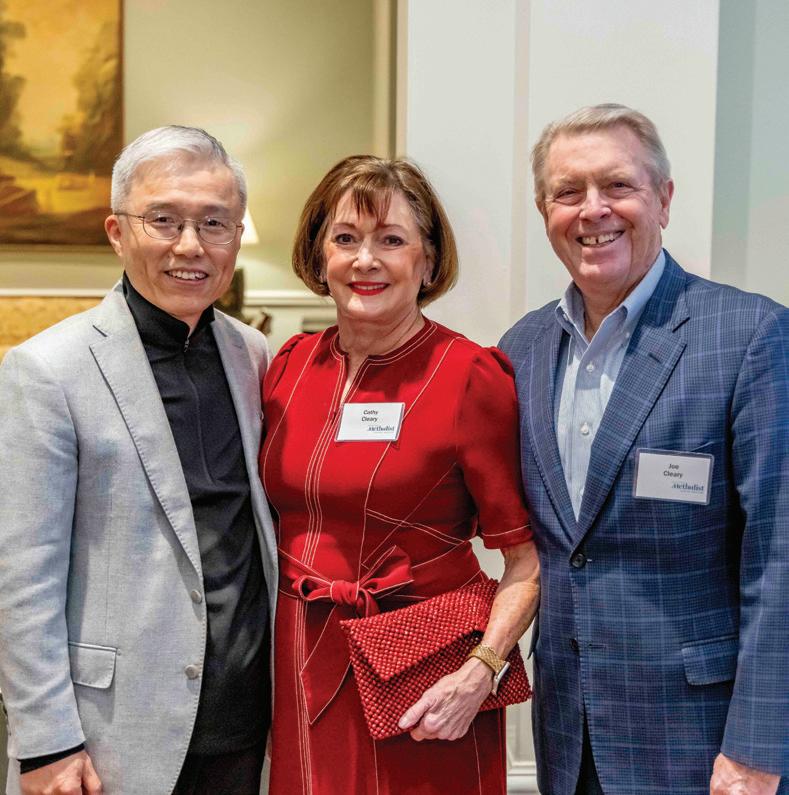
I am humbled to begin this inaugural letter as the newly elected chair of the Houston Methodist Hospital Foundation Board of Directors by giving praise where it is so richly due: to you, our generous benefactors. Together, you contributed a collective $121.4 million in philanthropic support in 2025, for which we are deeply grateful.
This magazine shares the stories of some of our most dedicated donor families — recognizable names such as Cockrell and Fondren. It also welcomes new partners into the Houston Methodist family — like Toni and Dick Bergmark and Jennifer Briscoe. We are incredibly thankful to everyone who gave of your time and resources this past year. All of your stories are worth telling, and we look forward to featuring others in future issues of Leading.
It is a great honor to lead the Foundation board. Houston Methodist is well-known and highly regarded — earning a spot on the U.S. News & World Report Honor Roll of the nation’s top 20 hospitals, as well as being recognized as the No. 1 hospital in Texas for the 14th consecutive year. But what means even more is the holistic, innovative and valuesbased approach to transformational care that always puts the patient at the center of everything we do. Whether you have experienced this firsthand or seek to make a difference for others, thank you for investing in our lifesaving mission of leading medicine.
GERALD B. SMITH CHAIR, BOARD OF DIRECTORS HOUSTON METHODIST HOSPITAL FOUNDATION
President and CEO, Houston Methodist Hospital Foundation: Flynn A. Andrizzi, PhD
Editorial Director: Shawn Gustafson
Managing Publisher: Marjorie Gonzalez | Editorial Assistants: Veronica Caporicci, Stacy Jones
Writers: Becky Courington, Kelly Hartman, Luanne Jorewicz, Marc Levinson
Creative Director: Karen Holland | Designer: Ashley Jones | Illustrator: Jing Jing Tsong
Photographer: Terry Vine (with Midjourney backgrounds)
© 2026 Houston Methodist Hospital Foundation. All rights reserved.
SHAPING THE FUTURE As a nonprofit organization, Houston Methodist depends on the generosity and commitment of supporters like you. Thank you for helping us continue to lead medicine by keeping patients at the center of everything we do.
CONNECT WITH US: Houston Methodist Hospital Foundation 832.667.5816 | foundation@houstonmethodist.org houstonmethodist.org/giving
Scan here to help shape the future of health care