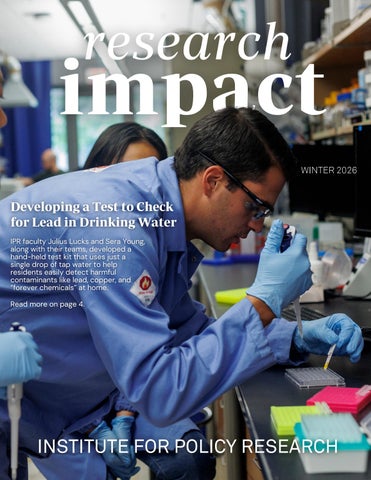
Developing a Test to Check for Lead in Drinking Water
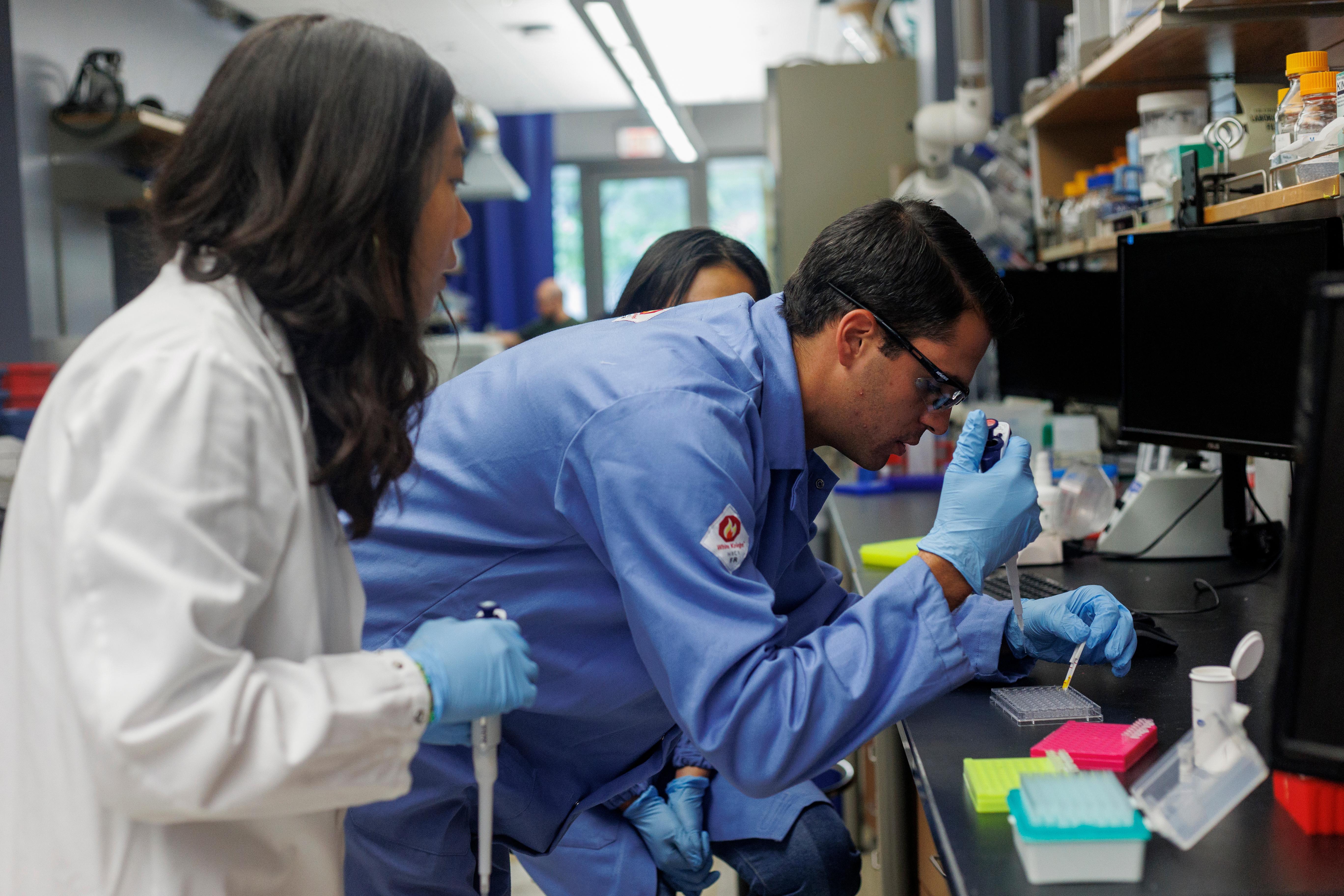
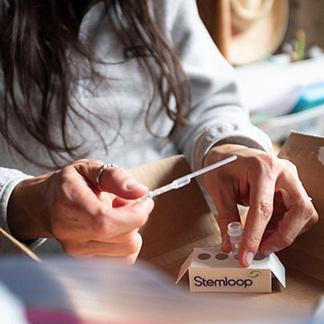
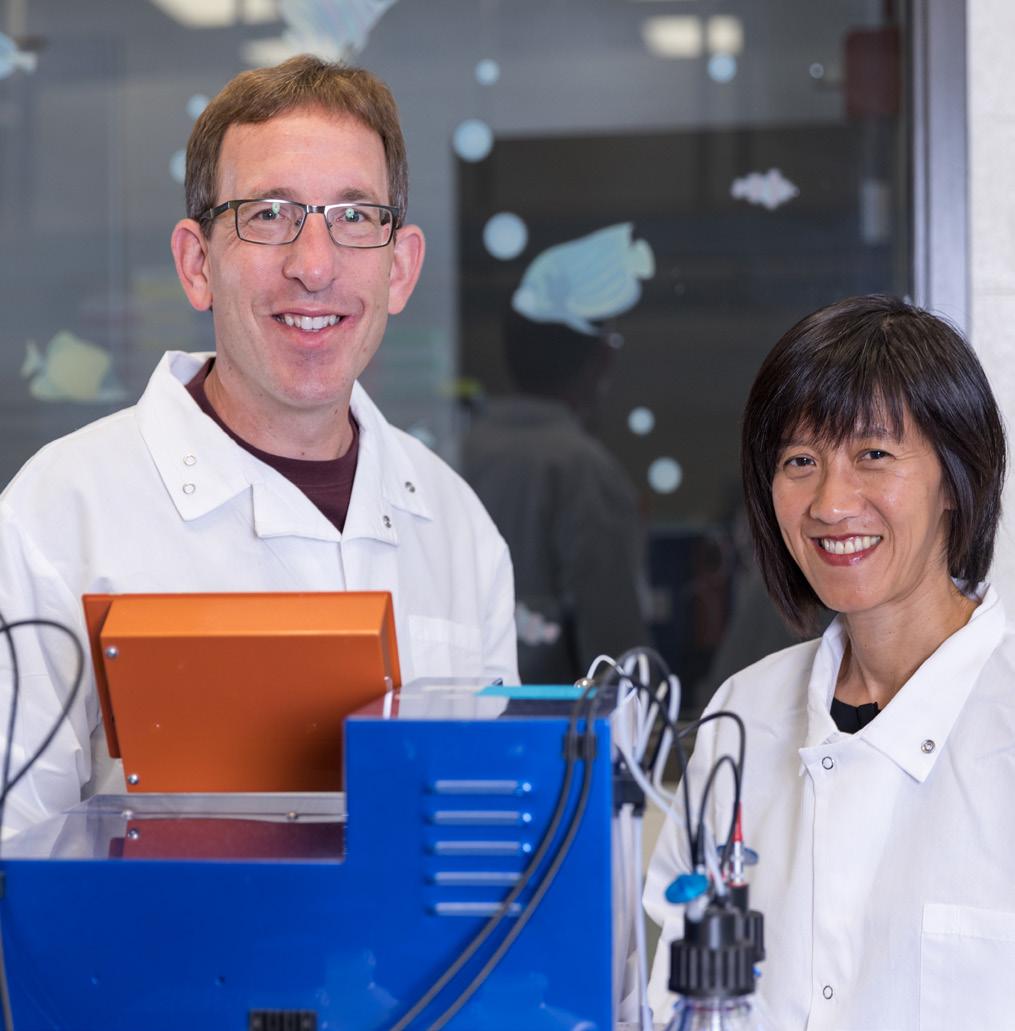
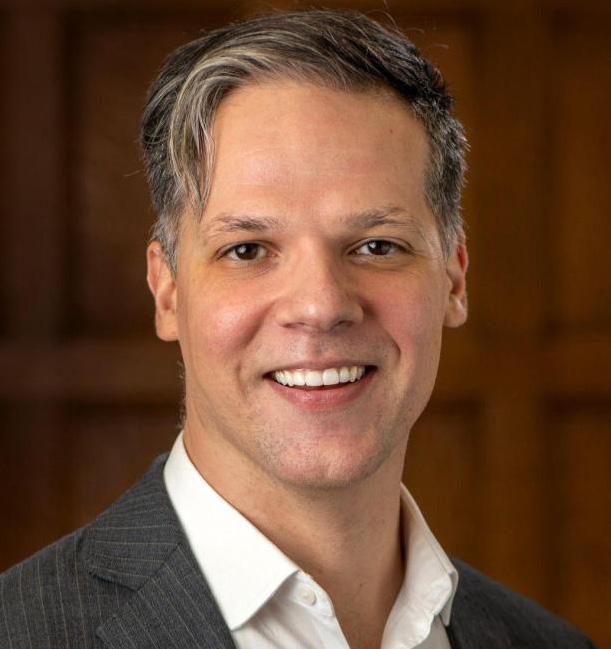
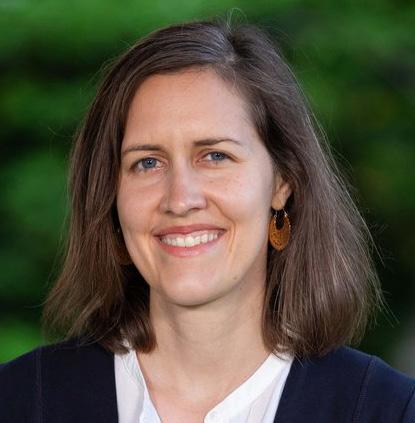
IPR faculty Julius Lucks and Sera Young, along with their teams, developed a hand-held test kit that uses just a single drop of tap water to help residents easily detect harmful contaminants like lead, copper, and “forever chemicals” at home.
Read more on page 4
INSTITUTE FOR POLICY RESEARCH
INSIDE THIS ISSUE
IPR NEWS AND RESEARCH
Director’s Message ........................................... p. 3
Research Impact ............................................... pp. 4–6
Political Retribution .......................................... p. 7
New IPR Fellows ............................................... pp. 8–9
Evidence at the Policy Table ............................. pp. 10–11
Efforts to Measure Water Insecurity ............... pp. 12
Stefanie DeLuca: Visiting Scholar .................... pp. 13
‘Turning the Ship’ of Climate Change ............... pp. 14–15
Research News ................................................. pp. 16–20
Research News ................................................. pp. 22–23
Research Brief: Reducing Kids’ Racial Bias ..... pp. 24–25
The AI Revolution .............................................. pp. 26–27
The Kids Are Not All Right ................................ pp. 28–29
Keeping Our Streets Safe ................................. pp. 30–31
SURA: Turning Passion into Purpose ............... pp. 36–37
PUBLICATIONS AND RECOGNITION
Awards and Honors ........................................... p. 21
Faculty Books .................................................... pp. 32–33
Seed Grants ....................................................... p. 34
Faculty Spotlight: Lauren Rivera ...................... p. 35
Faculty in the News | IPR Working Papers ....... pp. 38–39
In Memoriam: Sandy Jencks ............................. p. 40
Many of the articles in this newsletter were adapted from previously published versions. To read the original articles, go to the news section of IPR’s website.
Director
Andrew V. Papachristos
Associate Director
Laurel Harbridge-Yong
Sr. Director of Operations & Outreach
Francesca Gaiba
Executive Committee
Dan Galvin, Simone Ispa-Landa, Robin Nusslock, Sylvia Perry (on leave), Lincoln Quillian, Terri Sabol, Chloe Thurston, Beth Tipton, and Sera Young
Newsletter Staff
Editor: Patricia Reese
Assistant Editors: Lex Winter and Lily Schaffer
Contributors: Christen Gall, Stephanie Kulke, Clare Milliken, and Amanda Norris
Newsletter Design: Jack Ververis
Layouts: Jack Ververis and Lily Schaffer
Institute for Policy Research
Northwestern University 2040 Sheridan Rd. Evanston, IL 60208-4100
For questions, or to update your contact information, please email ipr@northwestern.edu.
Pictured on cover: Tyler Lucci, The Lucks Laboratory. Photo Credit: Laura McDermott
A Note from Our Director
Awards & Honors
This past April, I spoke alongside Gov. JB Pritzker and Mayor Brandon Johnson at an event celebrating the work of community violence intervention workers. Our study found they achieved a 40% reduction in violence at Chicago “hot spots” over two years.
Despite years of research on the topic, I was nervous. This wasn’t a lecture hall—it was a room filled with people who live this issue every day, risking their own safety to address it. I felt the weight of the lives lost and the communities forever changed by violence.
That discomfort was a sign something was going right. Across IPR this past year, researchers have continued to step outside their comfort zones to turn evidence into action: testifying before state and federal lawmakers, engaging directly with those who disagree with them, and building partnerships across disciplines, the country, and the world to improve people’s lives.
We know there will be more moments of unease and even threat ahead. At this inflection point in our nation’s history, I’m grateful to be surrounded by the courageous scholars of IPR. Join us at our events and check out the many resources available 24/7 on our website.
IPR faculty count among the nation’s top scholars, with research that is vibrant, inclusive, and deeply impactful. From prestigious fellowships to major national awards, these honors reflect the breadth of work happening across the Institute
Turn to p. 21 for a full list of recent faculty recognitions.
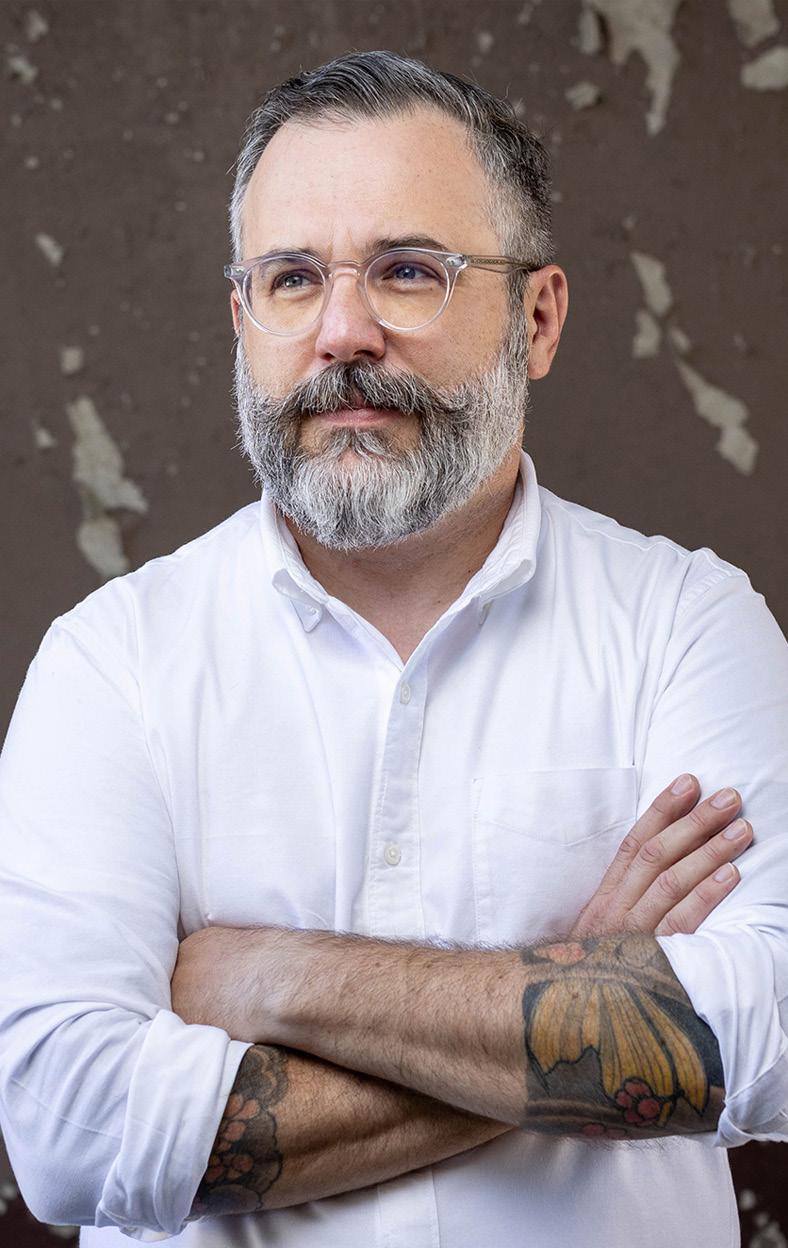
IPR Director Andrew V. Papachristos
S. Collins
FROM RESEARCH
For more than 50 years, researchers at the Institute for Policy Research have pursued a singular focus: providing the evidence that policymakers need to make people’s lives better . Our scholars tackle urgent challenges from unsafe drinking water to gun violence to the toll discrimination takes on the body through rigorous, policy-relevant research . Our findings don’t sit on a shelf they inform decisions, powering policy progress and real-world change far beyond Northwestern.
DEVELOPING A TEST TO CHECK FOR LEAD IN DRINKING WATER
V. Bly
Exposure to the neurotoxin lead leads to serious health issues, particularly in children. A 2018 Chicago Tribune investigation found that tap water in nearly 70% of the Chicago homes they tested over two years contained lead. To give city residents better information about their water quality, IPR faculty Julius Lucks and Sera Young with their teams developed an easy-touse, hand-held test. The tests can be used at home and require just one drop of tap water to test for harmful contaminants, such as lead, copper, and PFAS (“forever chemicals”).
Information is power, and these tests make invisible issues visible. We hope that families and organizations can use the tests in their daily activities to understand where the problems are in Chicago.
IPR anthropologist Sera Young
TO IMPACT
REDUCING CRIME IN CHICAGO
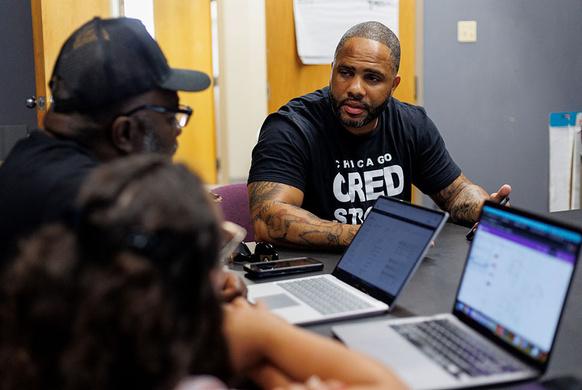
Community violence intervention (CVI) programs, or efforts to stop gun violence before it starts, empower people to use local expertise to prevent crime. Studies by the Center for Neighborhood Engaged Research and Science (CORNERS) show that CVI programs can reduce gun violence. Led by IPR Director Andrew Papachristos, CORNERS found that those who completed the Chicago CRED (Create Real Economic Destiny) CVI program were less likely to commit a violent crime two years after enrolling. Given the evidence, the researchers encourage policymakers to make it easier for residents to access CVI programs and scale up programs in at-risk neighborhoods.
HOW SCHOOL SHOOTINGS IMPACT STUDENTS’ MENTAL HEALTH
Since the 1999 Columbine shooting, more than 378,000 students have experienced a shooting at school. IPR economists Molly Schnell and Hannes Schwandt and colleagues investigated how these shootings affect students’ mental health. They showed that up to nearly six years after a fatal school shooting, prescription drug use to treat mental illnesses increased by over 25% among those living near the incident. Young people who weren’t taking any psychotropic medications before experienced a sharp jump in prescriptions. The researchers recommend policies to provide ongoing support school shooting survivors—and policies to prevent shootings from occurring in the first place.
L. McDermott
When low-wage workers are underpaid by even a small percentage of their income, they face major hardships such as being unable to pay for rent, afford childcare, or put food on the table.
IPR political scientist Daniel Galvin
EXPERIENCING RACIAL DISCRIMINATION IS LINKED TO WORSE HEALTH
Racism isn’t just a social issue—it’s a public health risk. IPR faculty experts Nia HeardGarris, Edith Chen, and Greg Miller found that young Black adults who reported experiencing racial discrimination in their late teens and early 20s had an increased risk of metabolic syndrome—a predictor of heart disease, diabetes, and stroke—at age 31. The research suggests that inflammation and difficulty sleeping may be pathways that explain how racial discrimination leads to poor health. This study reveals that experiencing racial discrimination at a young age can be especially damaging, showing up in the body years later.
FAST-FOOD WORKERS IN LA LOSE MILLIONS EVERY YEAR TO WAGE THEFT
Instances of wage theft, or when employers illegally avoid paying their employees their full wage, have been on the rise in Los Angeles. IPR political scientist Daniel Galvin and Jake Barnes at Rutgers University looked at wage theft in the fast food industry, finding that fastfood workers in LA lost $44 million per year to wage theft. The report explains that educating workers about their rights in the workplace—the aim of a measure under consideration by the LA City Council—is one way to keep wages in the hands of fast-food workers.
Unsplash
Political Retribution Doesn’t Pay —Even with Partisan Voters
New study finds that voters share a unified view of politicians who punish corporate free speech
How do voters respond when politicians retaliate against companies that criticize them?
IPR political scientist Mary McGrath and two Northwestern students surveyed 1,000 adults in 2024, presenting each with a mock news article describing a governor’s reaction to a business’s public criticism.
Participants saw one of three scenarios: no response, a verbal rebuke, or retributive action like removing tax benefits or calling for a boycott.
their reactions depended on party affiliation.
In the first two scenarios, voters’ responses were mostly shaped by partisanship—those aligned with the governor’s party were more likely to
Neither Republicans nor Democrats gave a pass to their own party.
McGrath said the results were unexpected. “Neither Republicans nor Democrats gave a pass to their own party.”
Some voters described the governor’s behavior as “dictatorial” or “tyrannical.”
- Mary McGrath
Lead author Evan Myers ’24 added, “I expected voters to approve of almost any behavior from their own party, but that wasn’t the case.”
The study tested whether voters viewed these actions as abuses of power and whether
approve. But when the governor took retributive action, even in-party voters responded negatively, with some shifting from supporting to opposing the governor.
The findings suggest voters may still recognize and reject anti-democratic behavior, even in a polarized environment.
Alumna Anna Wander ’24 was also a co-author.
New IPR Fellows Explore Power and Opportunity in American Life
Is it possible to persuade people with opposing political views?
Do “colorblind” hiring practices really level the playing field for workers? How can rural communities rebuild political power after industries like coal disappear?
These are just some of the pressing questions now being explored at IPR, where three new faculty members arrived as fellows this fall.
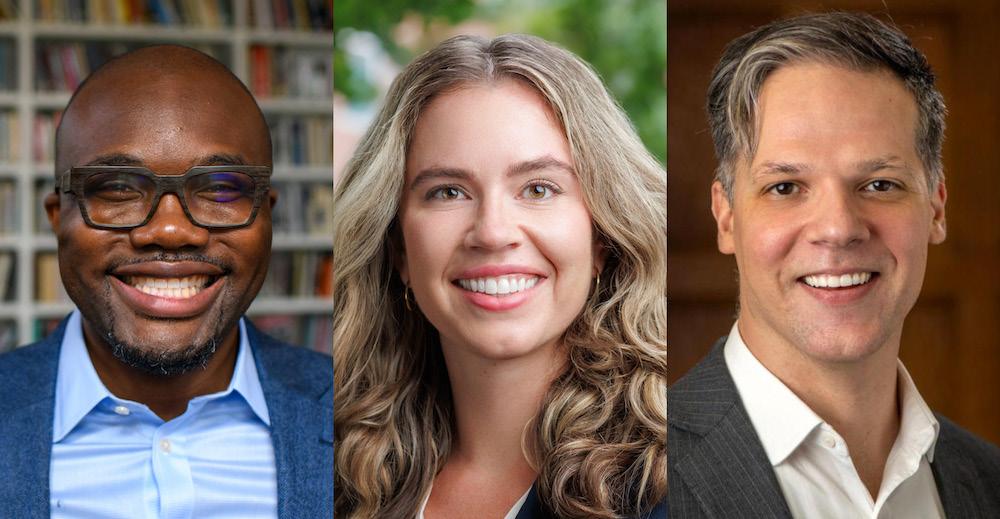
Political scientists Elizabeth Thom and Alexander Coppock and economist and legal scholar Chika Okafor join IPR’s vibrant interdisciplinary community of more than 170 scholars.
Measuring the Influence of Political Messages: Alexander Coppock
Alexander Coppock, associate professor of political science, investigates how information shapes attitudes and behavior. His research explores political persuasion, campaign strategy, misinformation, and research methodology, often relying on large-scale experiments to see how people respond to various messages.
In his award-winning 2022 book, Persuasion in Parallel: How Information Changes Minds About Politics, Coppock reveals that people across political and
demographic groups tend to adjust their views in response to new information—usually modestly, but consistently and durably.
Coppock has also studied the impact of campaign advertising and digital outreach. He observes that ads typically shift opinions by only a few percentage points, but these small changes can matter in close races. He argues that campaigns benefit from experimenting with their ads, giving well-funded campaigns an edge in optimizing messages.
His study of digital advertising in the 2020 election similarly shows only modest effects on turnout,
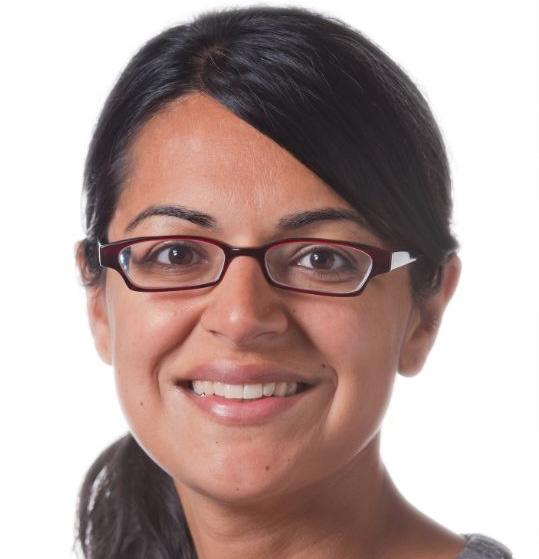
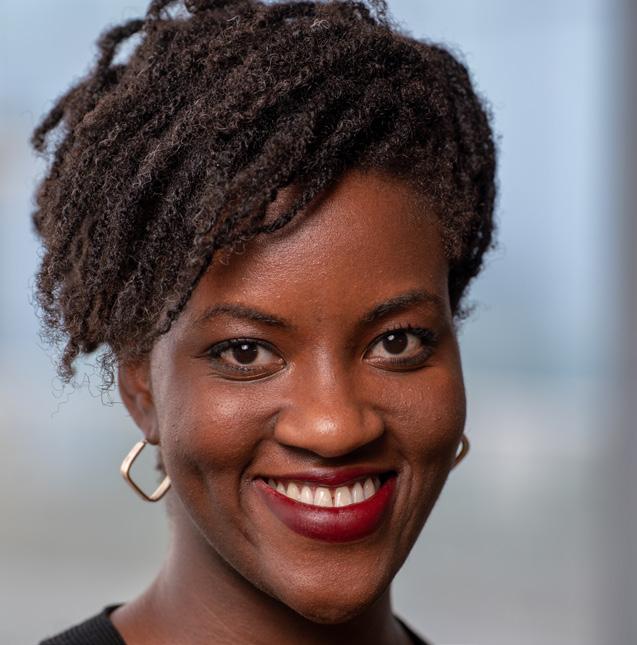
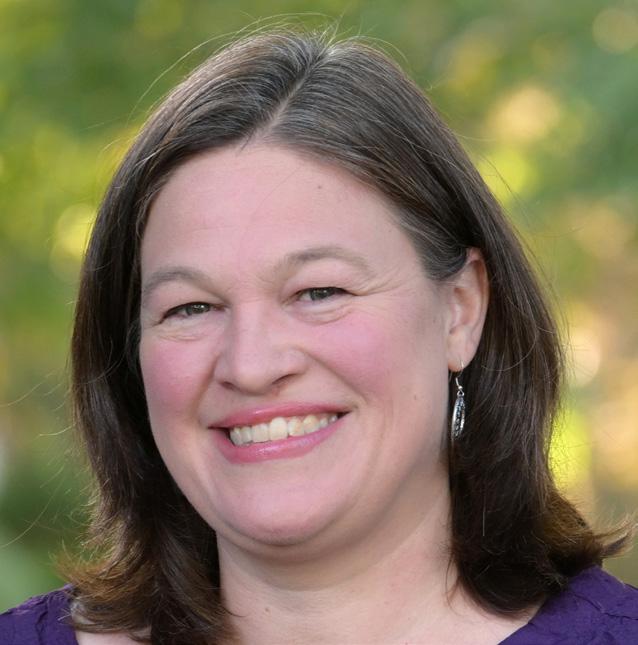
IPR’s new fellows (left to right): Chika Okafor, Elizabeth Thom, and Alexander Coppock
Images courtesy of faculty
underscoring the limits of online persuasion. Beyond campaigns, Coppock has examined factchecking and misinformation, police body-camera use, and the lasting influence of newspaper op-eds on public opinion.
He also advances research methods in political science, including a “meta-reanalysis” approach that provides a new path to making the kind of generalized empirical claims social scientists often struggle to draw from individual studies.
Bridging Law and Economics to Interrogate Justice: Chika Okafor
An assistant professor of law, Chika Okafor studies how policies and institutions create and reinforce inequality, with a focus on generating evidence that can guide policy.
One strand of his research uncovers a new economic concept called “social network discrimination.” He shows that when companies rely on referrals to hire—while implementing fully “colorblind” policies— Black workers can still be left behind because their social group is smaller. A smaller network means fewer referrals, so inequality persists even when job applicants’ abilities and qualifications are equal.
His research challenges the assumption that raceneutral policies are inherently meritocratic, with wide-ranging implications across sectors. Okafor also investigates the role of politics in mass incarceration. Analyzing decades of data,
he finds that prosecutors increase criminal sentencing during election years and that sentences tend to correspond to voter preferences about criminal justice.
The results suggest that electoral incentives—not only laws or crime rates—have helped fuel the nation’s historically high incarceration levels.
His research on climate change communication takes a different tack: studying how the way we talk about the issue affects public action. He discovers that an asset-based approach— highlighting solutions and opportunities—more effectively engages certain populations than messages focused solely on crisis and loss.
Illuminating Community Power in Times of Change: Elizabeth Thom
Elizabeth Thom, an assistant professor with a joint appointment in political science and environmental policy and culture, examines how largescale economic and social transformations reshape American communities, policies, and political behavior. She focuses especially on the politics of social welfare, climate, and energy—and how inequality plays out across places.
Thom’s current book project, “Withering on the Vine: Lessons from Extractive Industry Decline,” is based on her prize-winning Harvard dissertation. It explores how communities in Appalachia have coped with the collapse of the coal industry.
Drawing on statistical analysis and months of fieldwork, Thom reveals that while residents often rely heavily on programs like disability insurance, negative experiences with benefit systems—combined with worsening economic conditions— have led to their political disengagement.
She argues that rebuilding trust requires communitylevel investments and inclusive decision-making.
For example, Thom explained, forming local “policy councils” could “boost participation and give residents a say over the policies that shape their lives.”
She also investigates the politics of clean energy infrastructure. Her research indicates that long-distance transmission lines often face delays of a decade or more. The causes range from poor consultation with affected communities to uneven distribution of costs and benefits.
Thom highlights the importance of early and meaningful public engagement. She points to models like Texas’s Competitive Renewable Energy Zone, which successfully expanded renewable power through democratic planning.
In other work, Thom and her collaborators document broad public support for wind and solar power, retraining programs for displaced workers, and adaptation investments—even as policies like carbon taxes remain politically unpopular.
HOW CAN RESEARCH INFORM PUBLIC POLICY?
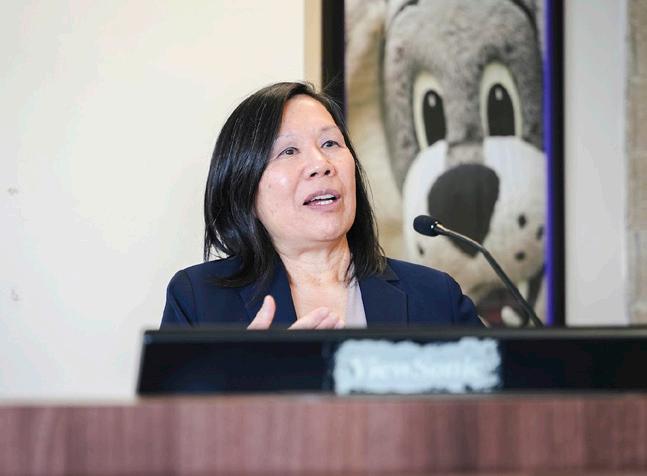
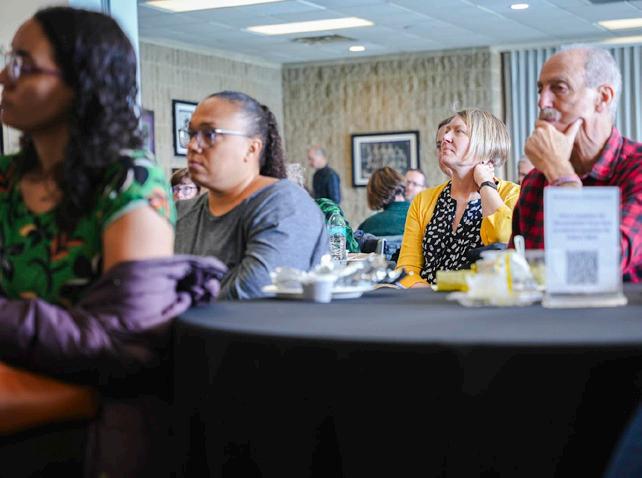
On May 5, three local policymakers shared how evidence has shaped their decisions at the IPR panel on “Evidence into Impact: Research at the Policy Table.”
IPR Director and sociologist Andrew Papachristos welcomed over 60 attendees, emphasizing the panel’s focus on using research to “leverage change in different spaces, and hopefully improve people’s lives.”
Three experienced Chicago policymakers discuss how evidence gets used at the policy table
“You’re going to hear from three incredible leaders who have been at the table where decisions have been made in city government, in schools, in public safety, in courts, in all different spaces,” he said.
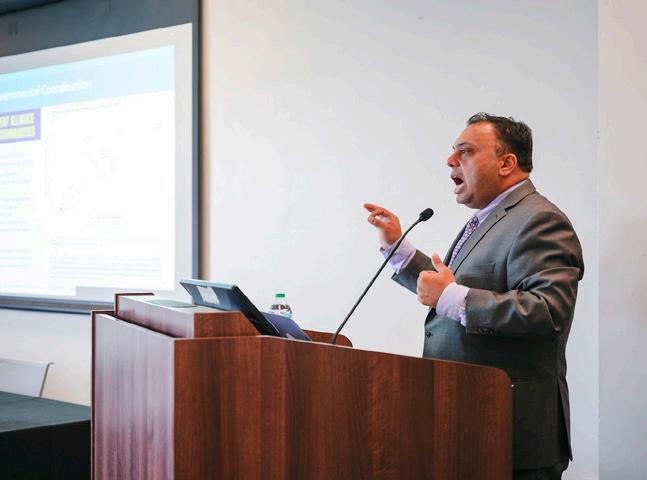
Avik Das, executive director of the Cook County Justice Advisory Council, described how his team used $110 million in American Rescue Plan Act funding to support
communities affected by COVID-19 and gun violence. Surveys and peerreviewed studies guided the investments, including services for gun violence survivors. He cited research from the Center for Neighborhood Engaged Research & Science (CORNERS) as influential.
Maurice Classen, a senior advisor at 21st Century Policing and former chief of staff to
Chicago Mayor Lori Lightfoot, discussed the urgent decisionmaking during the pandemic.
“Having folks who have fidelity with data, fidelity with research, and strong relationships with research institutions, makes a difference,” he said.
He noted that public health experts dominated the discussion, and there weren’t enough voices presenting evidence for keeping businesses and schools open.
and security and now a partner at PAX Group, focused on school safety. She led efforts to remove police from schools and shift away from “zero tolerance” discipline policies.
Instead, CPS adopted restorative justice practices. Research showed the changes improved student behavior.
Finding evidence in a crisis is hard.
- Maurice Classen
disciplinary actions.”
The panelists also discussed the gap between academic and policy timelines.
“How you do this sort of work at the speed of politics instead of at the speed of peer review?” Papachristos asked.
“Finding evidence in a crisis is hard,” Classen added, especially under pressure from activists and the need for quick decisions.
Jadine Chou, former Chicago Public Schools chief of safety
“What they were able to show was there is causal evidence between reductions that we saw in our data and actions that we took,” Chou said. “All of this leads to a better school climate and reduced
Classen emphasized the need to translate research into more accessible formats like op-eds or dashboards.
“Show the value of research,” he said.
Das agreed, urging researchers to work with local governments.
“Whatever the federal narratives are, locally, we can’t ignore what we see in our neighbors and what they need,” Das said.
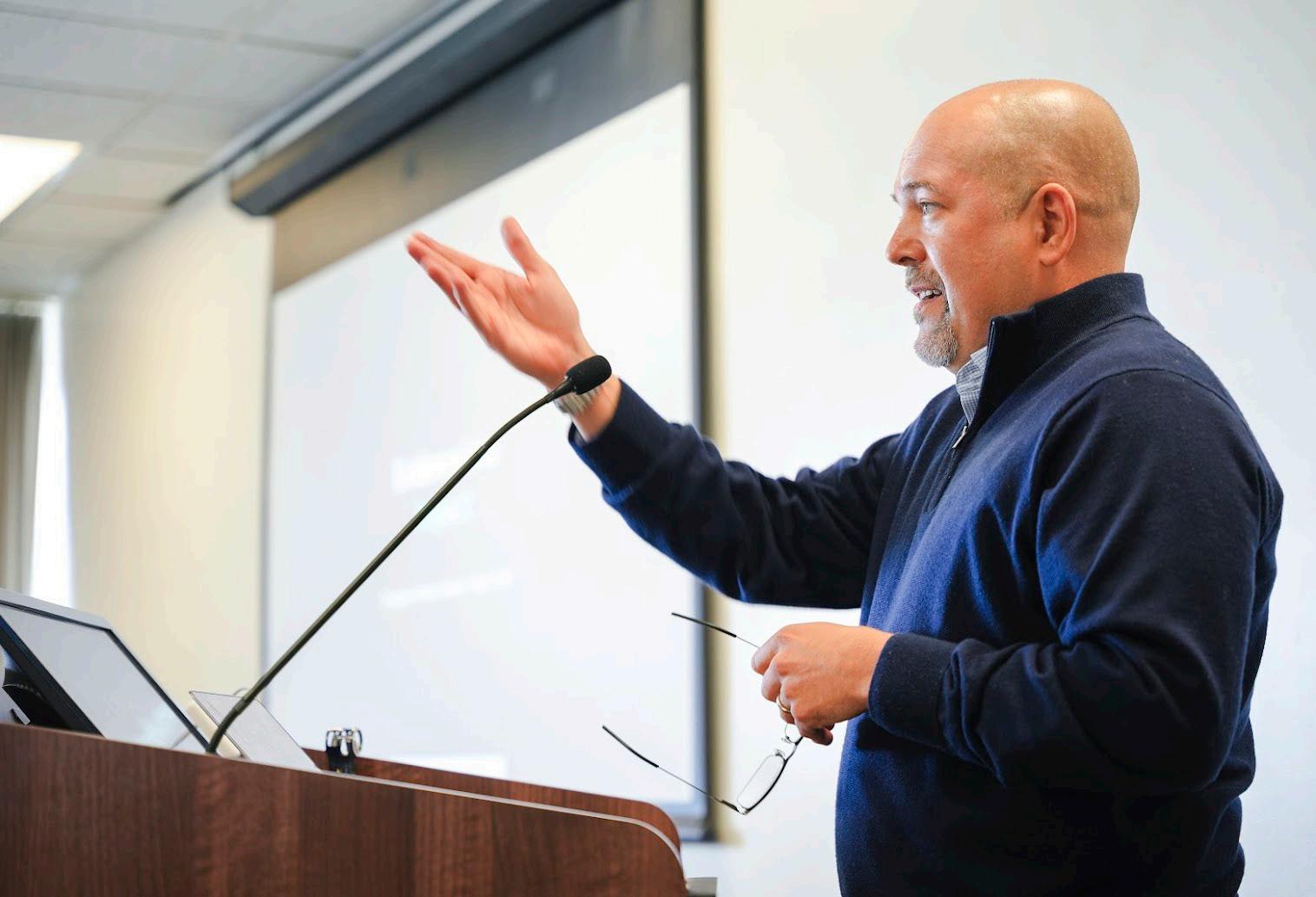
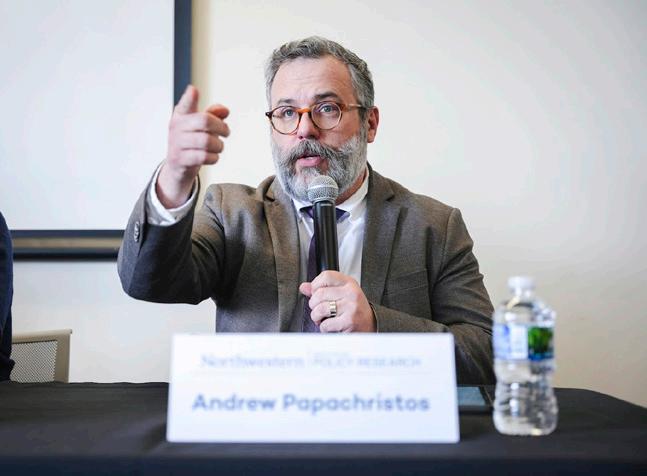
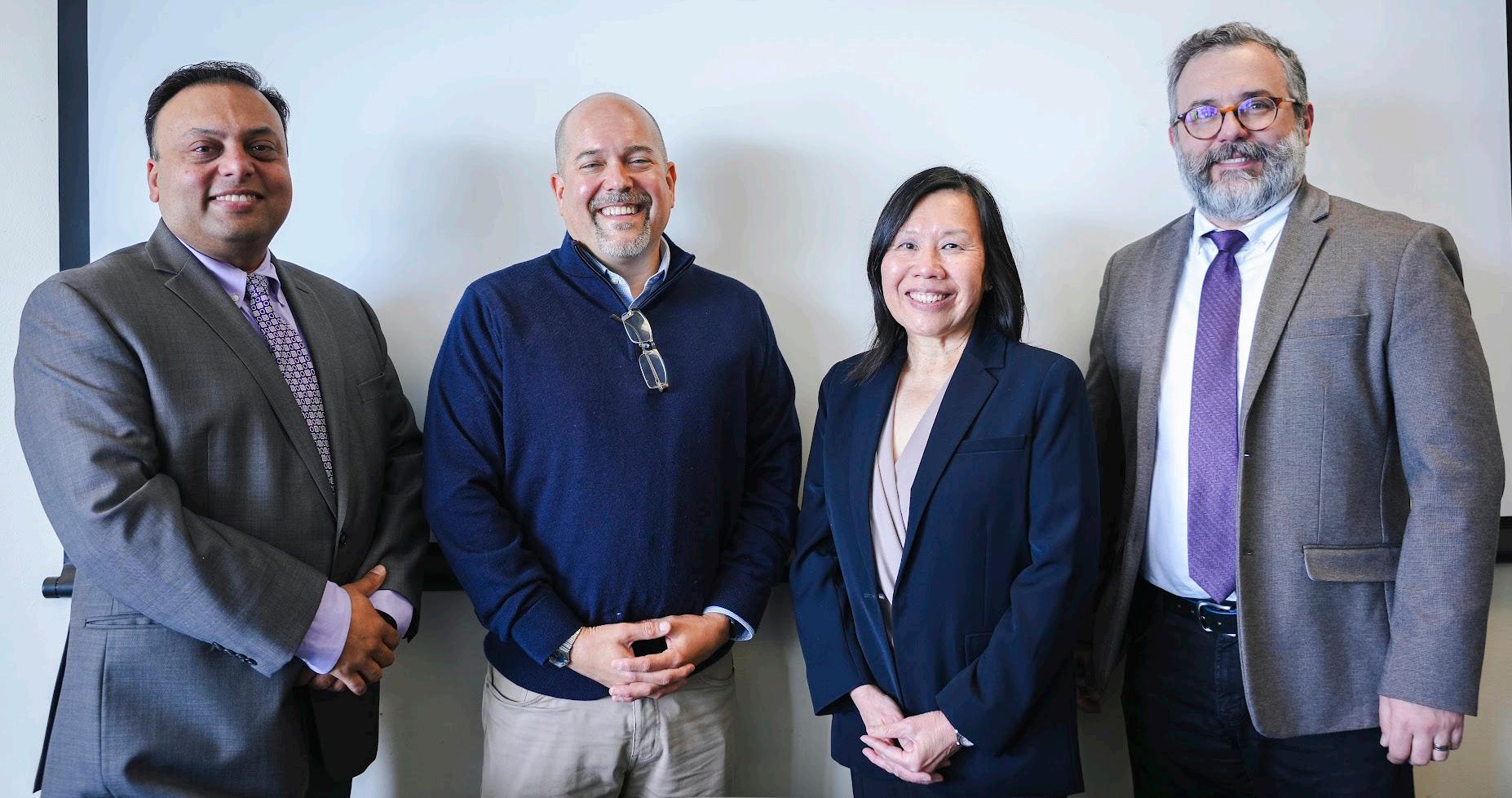
Local policymakers (from l.): Avik Das, Maurice Classen, Jadine Chou, and Andrew Papachristos.
J. Elkowitz
Efforts to Measure Water Insecurity Scale Up in Mexico and Latin America
In July 2022, Mexico declared a state of emergency due to an extreme drought. In the state of Nuevo León, wells and dams dried up, and many low-income homes lacked proper water storage. To better respond, the
state government added the Water Insecurity Experiences (WISE) Scales to its household poverty survey. The data now guide drought responses like bottled water distribution, community tanks, and hotlines.
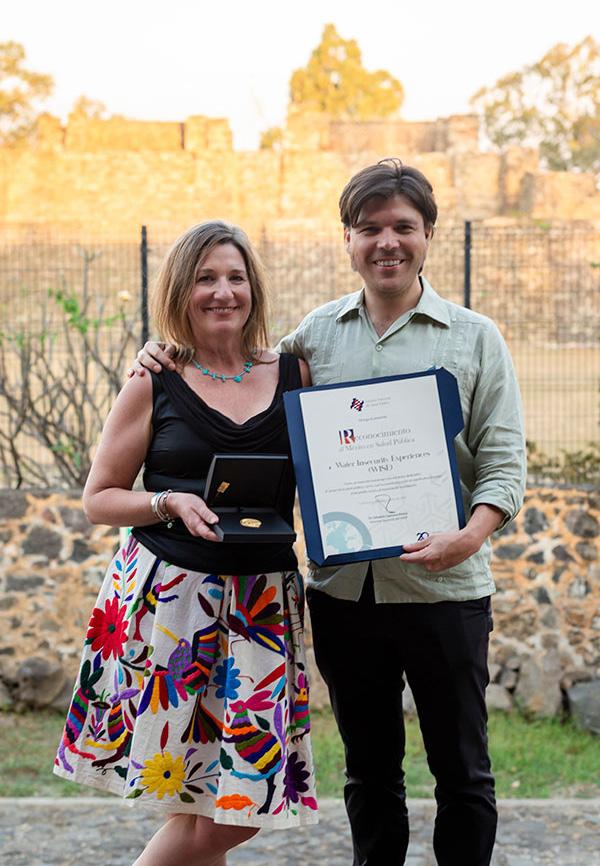
Nearly three years later in March 2025, IPR anthropologist Sera Young accepted the inaugural “Champions of Health” Award on behalf of the WISE Scales team. Presented by the director of Mexico’s National Institute of Public Health, the award honors “leadership, commitment, and humanitarian contributions to health in the Americas and beyond.”
“It was an incredible honor to receive the inaugural prize, especially as someone from outside Latin America,” Young said. “Even though I physically received the prize, this award recognizes the work of many. Literally hundreds of people have worked to develop, implement, and use the WISE Scales.”
Used by over 100 organizations in 80-plus countries, the WISE Scales were implemented nationally in Mexico’s Health and Nutrition Survey. Manuals are now available in Spanish, Portuguese, and French from the WISE-Latin America and the Caribbean (LAC) Research Network, led by Young and Pablo Gaitán-Rossi of Mexico’s Universidad Iberoamericana.
“The WISE-LAC network is fostering what I can best describe as a family,” Young said. “Our goal is to make the most vulnerable of us more water secure.”
Sera Young and Pablo Gaitán-Rossi celebrate their Champions of Health Award.
Stefanie DeLuca Returns to Northwestern as a Visiting Scholar
From May 12–16, Stefanie DeLuca met with IPR faculty and students, shared her research, and discussed how to effectively communicate with policymakers.
Her visit launched IPR’s Visiting Scholars Program, which brings distinguished social policy researchers with a strong record of public engagement to campus.
The program “is an exciting step toward expanding our footprint, opening collaborations with outstanding scholars from other institutions, providing our community with learning opportunities from the best policy researchers in the nation, and fostering longlasting connections,” said IPR Director Andrew Papachristos.
Her May 12 colloquium focused on Creating Moves To Opportunity (CMTO), a Seattle housing mobility program developed with Harvard economist Raj Chetty and Opportunity Insights.
DeLuca, the James Coleman Professor of Sociology and Social Policy and director of the Poverty and Inequality Research Lab at Johns Hopkins, is a leading expert on housing mobility and policy design. She earned her PhD at Northwestern in 2002, and worked with IPR researchers on studies of the Gautreaux and Moving to Opportunity (MTO) mobility programs.
In the CMTO experiment, only 15% of families in the control group moved to highopportunity areas, compared to more than 50% in the treatment group.
“Moving is hard even with money. It’s really hard without money,” DeLuca said.
She noted that 75% of program participants had experienced homelessness and 40% had reported trauma.
DeLuca emphasized mixedmethods research and the importance of listening: “Where I’m from, on [Chicago’s] South Side, you learn by talking to people.”
She has briefed state legislatures and advised HUD during the first Trump administration.
“You have to be brave to do work that’s going to make somebody mad, because good work always will,” she said.
During her visit, DeLuca met with more than a dozen faculty as well as graduate students, just starting down their research pathways at Northwestern as she once did.
Stefanie DeLuca shares findings from her research about a housing mobility program.
J. Elkowitz
‘TURNING THE SHIP’ OF CLIMATE CHANGE
By 2050, over 215 million people—more than Brazil’s population—will be displaced due to climate change, according to the World Bank
For Nobel Prize-winning physicist and former U.S. Secretary of Energy Steven Chu, these “climate refugee” projections are a stark warning: Without immediate, coordinated action, the world is headed toward disaster.
Speaking on April 2, to more than 450 students, faculty, and community members at Northwestern University, Chu drew on his experience as
Former U.S. Energy Secretary Steven Chu charts a path to net-zero emissions during a packed lecture
both a scientist and Cabinet member to outline urgent steps needed to reach net-zero global greenhouse gas emissions and avoid the worst consequences of climate change.
“The breadth of your work, from physics to biology to government, is really incredible,” said Eric Perreault, Northwestern’s Vice President for Research. “This is an opportunity to talk about
a challenge that is truly interdisciplinary.”
Chu’s visit marked the first joint Distinguished Public Policy Lecture hosted by the Institute for Policy Research and the Paula M. Trienens Institute for Sustainability and Energy.
Andrew Papachristos, IPR’s director, emphasized the importance of hosting a speaker whose career reflects
the University’s commitment to solving problems across disciplines.
“We are very lucky to have him here today to talk about how we got to the place where we are and find ourselves today, where droughts, flooding, and extreme heat waves fundamentally alter the lives of people around the globe,” Papachristos said.
Chu began with a history lesson: Global temperatures have risen since 1850, with 2024 the warmest year on record.
The planet is nearing a 1.5°C increase, threatening human and natural systems. Oceans absorb 90% of the excess heat, making it harder for climate models to predict future impacts. Even if emissions stopped today, it would take 50 to 100 years to reach a new equilibrium.
“That’s very, very disturbing,” Chu said. “Because people say, ‘What’s happening is not so bad,’ but they’re not going to be around in the next 50 or 100 years.”
Chu warned that recent pullbacks from climate pledges add to the uncertainty.
“In the last three months, especially, there’s been a pullback from these pledges,” he said. “We don’t know what’s going to happen.”
Even with current policies, projections suggest a 3°C increase by 2100. To stay below 2°C, emissions from steel, concrete, plastic, chemicals, transportation, and agriculture must be eliminated. Chu
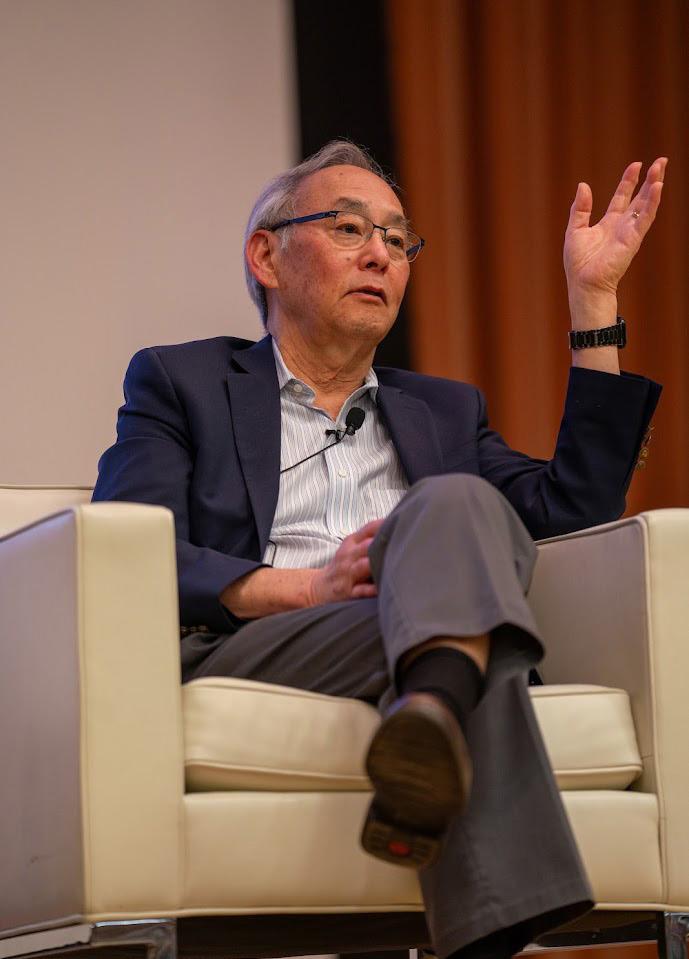
Former U.S. Secretary of Energy Steven Chu sat down for a conversation and audience questions after his lecture.
highlighted methane from cattle as a major contributor— equal to the annual emissions of China. Modifying cattle diets could help reduce methane.
Chu also discussed emerging technologies like nuclear fission, small modular reactors, synthetic biology, and carbon capture. He emphasized the need for practical clean energy solutions, including longduration batteries to support solar and wind power.
Sitting down with the Trienens Institute’s Ted Sargent, Chu addressed the question: “What can we do?” He argued that GDP encourages consumption and fails to capture health, safety, or education.
“This consumption to ‘use once, throw away’ has to fundamentally change,” Chu said.
He called for redefining wealth and embracing innovation.
“The creativity is still there, and we’ve got to harness that,” he said, crediting immigrants for driving technological leadership.
“We have to take stock of who we are, the great virtues we have in this country, and play on those strengths,” he continued.
Despite the challenges ahead, Chu is cautiously optimistic.
But he warned, “Don’t be fooled into thinking we’ll be carbon neutral by 2050.”
“It takes three-quarters of a century to turn the ship,” Chu said. “That doesn’t mean we shouldn’t try as hard as we can now.”
‘Turning
View the lecture on IPR’s YouTube account.
R. Hart
New research
Health Inequalities
Childhood and Adult Inflammation
In Psychoneuroendocrinology, IPR health psychologists Edith Chen and Greg Miller and their colleagues examine whether temperament in early adolescence predicts inflammation later in life. Following 307 Black children from rural Georgia over 18 years, the researchers find that the children’s higher emotional intensity and lower attention at ages 11 to 13 were linked to elevated inflammation by the time they turned 29.
A Turning Point in U.S.
Overdose Deaths
In a JAMA Network Open article, researchers including demographer and epidemiologist Lori Ann Post and sociologist Maryann Mason—both IPR associates—analyze over 800,000 overdose deaths between 2015 and 2024. They show that national death rates began a sustained decline in August 2023, falling for 15 straight months through October 2024. Opioid-related deaths, which have driven much of the crisis, declined more sharply than those related to stimulants like methamphetamine and cocaine. Deaths continued to rise among some groups, including adults 55 and older, and American Indian or Alaska Native, Black, Hispanic, and multiracial populations.
IPR health psychologists Greg Miller and Edith Chen
E.
Molony
Policy Discourse & Decision-Making
Interest Groups and Party Leadership
In Legislative Studies Quarterly, IPR political scientist Laurel Harbridge-Yong and Swarthmore College’s Warren Snead (PhD 2023) examine what happens when party-aligned interest groups break with party leaders. Analyzing 14 major interest group scorecards from 2007–18, they find disagreement on 10% to 15% of scored votes—more commonly among majorityparty groups and Republican-aligned groups—and that these conflicts were linked to greater intraparty tension.
Persuasion in a Pandemic
During the COVID-19 pandemic, governments tried many strategies to encourage protective behaviors. In PNAS Nexus, IPR political scientist Alexander Coppock and colleagues analyze surveys of more than 85,000 Americans to assess which messages successfully promoted measures like vaccination and masking. Of the methods tested, clear information and neutral guidance from trusted sources like doctors worked best. Messages from politicians were least effective and sometimes even increased political polarization.
IPR political scientist Laurel Harbridge-Yong
IPR political scientist Alexander Coppock
R. Hart
Courtesy of A. Coppock
Education & Human Development
Immigration Policies and Family Planning
IPR sociologist Julia Behrman and Abigail Weitzman of the University of Texas at Austin examine how state immigration policies affect how Hispanic adults think about their ideal family size. Published in Population and Development Review, the study looks at 3,977 adults from 2006–18. It finds that in states with strict or omnibus policies, Hispanic adults report larger ideal families, while in states without strict policies or with sanctuary laws, ideals are similar to those of White adults.
Marital Conversations and Heart Health
Developmental psychologist and IPR associate Claudia Haase and colleagues examine how married couples’ use of “emotion words” relates to heart health. Published in Emotion, the study analyzed conversations from 49 mixedsex couples from 2015 to 2017 and shows that using negative emotion words—like “angry”— was linked to increased heart rates, while using positive words had no significant effect.
IPR sociologist Julia Behrman
Developmental psychologist and IPR associate Claudia Haase
Courtesy of J. Behrman
Race, Poverty, & Inequality
Perceptions of a Living Wage
How much money is enough to live on? In a working paper, IPR social psychologist Michael Kraus and his colleagues examine how Americans estimate a living wage and how those beliefs shape support for public policy. Surveying 1,000 U.S. adults, they find that the amount people consider a living wage tends to be much higher than the federal standard. Higher estimates are linked to stronger support for policies that redistribute wealth.
Examining COVID-19 Impact Statements
IPR faculty and sociologists Lauren Rivera and Kate Weisshaar with András Tilcsik of the University of Toronto examine how COVID-19 statements affect academics’ tenure reviews. Published in Sociological Science, the study of 602 STEM faculty finds that including descriptions of obstacles like childcare or lab closures led to more favorable tenure evaluations. This suggests that explaining career disruptions may support more equitable promotion decisions.
IPR social psychologist Michael Kraus
Courtesy of M. Kraus
Methods for Policy Research
Collaboration to Improve Mental Health Treatment
Writing in Prevention Science on behalf of a task force appointed by the Board of the Society for Prevention Research, IPR psychologist Robin Nusslock and colleagues explore how integrating biological and prevention sciences might improve personalized mental health treatment. The review article highlights the promise of biomarkers, the challenges of linking biology to behavior, and the importance of inclusive, ethical, and community-engaged research for more effective interventions.
Improving Meta-Analyses to Strengthen Evidence in Education
In Learning Disability Quarterly, IPR statistician Elizabeth Tipton and colleagues evaluate 29 meta-analyses from 2000 to 2020 on math interventions for students with disabilities. They find that while newer studies increasingly use advanced techniques like meta-regression and robust variance estimation, many still fail to correct for small sample bias, handle multiple results properly, or check for publication bias—raising concerns about overestimating intervention effectiveness.
IPR psychologist Robin Nusslock
IPR statistician Elizabeth Tipton
R. Hart
C. Gall
Awards and Honors
Daniel Horton was named one of Crain’s Chicago Business 2025 Notable Leaders in Sustainability, November.
IPR political scientist
Daniel Galvin’s book, Alt-Labor and the New Politics of Workers’ Rights (Russell Sage Foundation, 2024), was named one of 2024’s Noteworthy Books in Industrial Relations and Labor Economics by the Princeton University Industrial Relations Section, October.
Andrew Papachristos, IPR director and sociologist, was elected to the Council on Criminal Justice, October.
Illinois Gov. JB Pritzker appointed sociologist and IPR associate Lauren Rivera to the Illinois State Board of Education’s Advisory Council on the Education of Children with Disabilities, October.
At the Society of Experimental Social Psychology’s conference, three IPR social psychologists were recognized for their work: Alice Eagly received its 2025 Scientific Impact Award for her 2002
Psychological Review, article “Role congruity theory of
prejudice toward female leaders.” Mesmin Destin and Michael Kraus received Diversity Science Awards, that recognizes researchers for their contributions to advance the social psychology of diversity, September.
IPR sociologist Kate Weisshaar received three awards from the American Sociological Association for “Hiring discrimination under pressures to diversify: Gender, race, and diversity commodification across job transitions in software engineering,” published in the American Sociological Review. They included the Devah Pager Outstanding Article Award and the W. Richard Scott Article Award, September.
Natalie Moore, journalist and IPR associate, won Best News Story at the National Association of Black Journalists Salute to Excellence Awards for her Chicago Sun-Times story on the harms of hair relaxers, August.
IPR anthropologist Sera Young received Mexico’s inaugural “Champions of Health” Award, (see p. 12), March.
To find these and other awards and honors, visit our website.
Northwestern awarded developmental psychologist and IPR associate Claudia Haase the Karl Rosengren Faculty Mentoring Award for guiding the top summer undergraduate project, January.
New National Academy Members
Six IPR faculty were elected to two of the nation’s leading academies in 2025
The American Academy of Arts and Sciences welcomed education sociologist Cynthia Coburn, health psychologist Greg Miller, law professor Daniel Rodriguez, and network scientist Brian Uzzi in April.
Currently, 45 IPR faculty are academy members.
Learning sciences scholar and Nichole Pinkard and statistician Elizabeth Tipton were elected to the National Academy of Education in January.
Currently, 10 IPR faculty are members of the National Academy of Education.
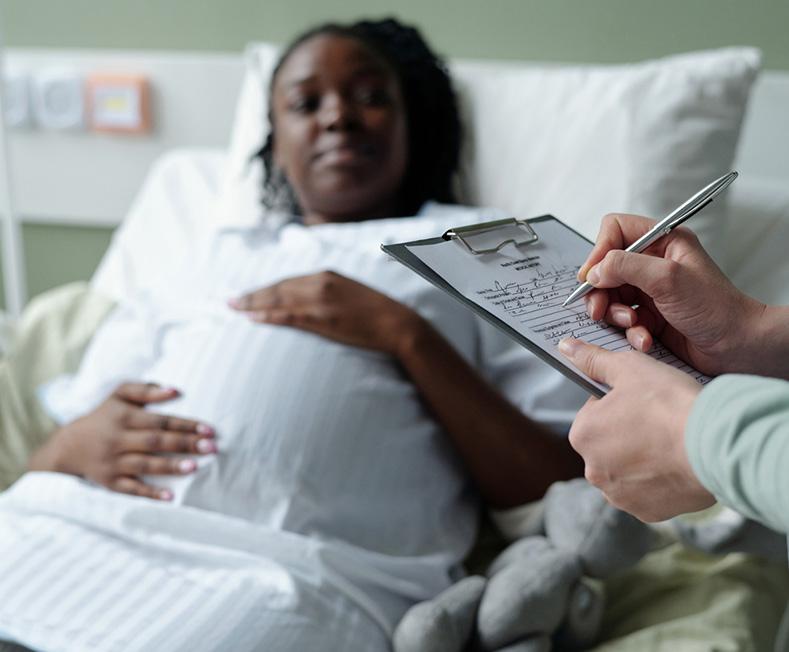
Why Are Black Women More Likely to Have C-Sections Than White Women?
In the United States, Black women with a trial of labor are more than 20% more likely than White women to deliver their babies by C-section—even when they have the same medical risk and are treated by the same doctor in the same hospital.
In a working paper, IPR economist Molly Schnell and her colleagues investigate this disparity using a database of birth records from New Jersey between 2008 and 2017. They show doctors, not mothers, explain the difference.
Their analysis reveals that intrapartum C-sections are significantly less likely to happen when operating rooms are busy.
If an operating room is already occupied with a pre-labor C-section delivery—those that are scheduled in advance or performed emergently before labor begins—the rate of unscheduled C-sections falls, especially for Black mothers.
This suggests doctors have a lower threshold for performing unnecessary intrapartum C-sections on Black mothers.
C-sections can save lives, but they can also lead to complications for mothers and babies.
“The goal shouldn’t be to reduce C-sections universally, but rather to better target them to mothers who are medically in need of them,” she said.
Schnell says having an advocate during birth may be one way to lower rates of C-sections.
Some randomized controlled trials (RCTs) show that mothers are less likely to have C-sections when they have a doula, a trained professional who provides emotional and labor support during a birth.
“Our findings are another data point in a large and troubling literature showing how the U.S. healthcare system too often leaves certain mothers and patients behind,” Schnell said.
Structural Racism in Chicago Is Tied to Premature Births
Black women in the United States are roughly 50% more likely than White women to give birth prematurely, putting the mother and baby at risk.
A study co-authored by Alexa Freedman, a Feinberg assistant professor and former IPR postdoctoral fellow, IPR health psychologist Greg Miller, obstetrician and IPR associate Ann Borders, and their colleagues explores this phenomenon at the local level.
The researchers examined birth records of 96,326 patients
from six Chicago-area hospitals between 2008 and 2018 that included demographic information and birth outcomes. They linked records with exposure to structural racism in the domains of law enforcement, housing, medical care, employment, education, and community infrastructure.
They discovered Black patients in neighborhoods with discriminatory law enforcement practices and low-quality schools were more likely to deliver early (before 37 weeks). This may have been due to behavioral
and physiological changes from stress, Miller says.
This study reveals which policies and practices impact birth outcomes, but Miller notes that more research is necessary to understand how and when to implement interventions to help mothers.
“We don’t know which would be better for health, trying to change policing practices directly, or using interventions that could better the psychological stress those practices create for women,” Miller said.
Adopting Zero-Emission Trucks and Buses Could Save Lives, Prevent Asthma
Motivated by California’s Advanced Clean Trucks (ACT) policy, Neighbors for an Equitable Transition to ZeroEmissions (NET-Z) Illinois and Northwestern researchers explored how a similar policy might affect Chicago and its surrounding region.
NET-Z members approached climate scholar and IPR associate Daniel Horton, the study’s senior author. His team had already modeled air-quality scenarios with EPA models.
By replacing about 50% of on-road medium- and heavy-
duty vehicles with zeroemissions vehicles by 2050, the researchers find the Chicago region could avoid 500 premature deaths and 600 new childhood cases annually.
“Kids should not have to suffer from a lifelong illness just because of where they live or the location of their school,” said Northwestern PhD student Victoria Lang, the study’s lead author.
Cameras along I-55 revealed heavy truck traffic and extended idling. Tailpipe exhaust contributes 22% of
NO 2 pollution, linked to 1,330 premature deaths and 1,580 asthma cases yearly.
By 2050, ACT adoption could cut NO 2 by 8.4% and save $731 million annually.
“This is an opportunity for Illinois to lead— by adopting a policy that is good for both Illinois residents’ health and for global climate,” Horton said.
Guided Conversations Help Reduce Kids’ Racial Bias
OVERVIEW
Experts encourage parents to have open conversations about race and racism with their kids, but many White parents fail to have them— sometimes because they fear that talking about race will make their children more biased. When they do have these discussions, parents often use colorblind language that downplays the importance of race, rather than taking a color-conscious approach that acknowledges the existence and history of racism.
In a study published in Developmental Psychology, IPR psychologist Sylvia Perry and her colleagues examine how guided conversations between White parents and their kids about race affect their children’s attitudes toward Black people. They find that when parents used color-conscious language to discuss videos depicting incidents of subtle and blatant racism with their 8- to 12-year-old kids, their children’s anti-Black bias decreased. The study is one of the first to show that guided discussion prompts about prejudice can immediately reduce racial bias in White families. The research shows how critical it is for parents to communicate honestly with their children about race and racism—even when they are young.
POLICY TAKEAWAYS
• Despite parents’ fears about discussing race, having honest conversations about racism can lower their kids’ racial bias.
• Color-conscious language is more effective at reducing racial bias than colorblind messages.
• Providing kids with examples of prejudice can help them understand bias interactions and develop empathy for those who experience racism.
IPR psychologist Sylvia Perry studies conversations about race and racism between White parents and their children.
FINDINGS
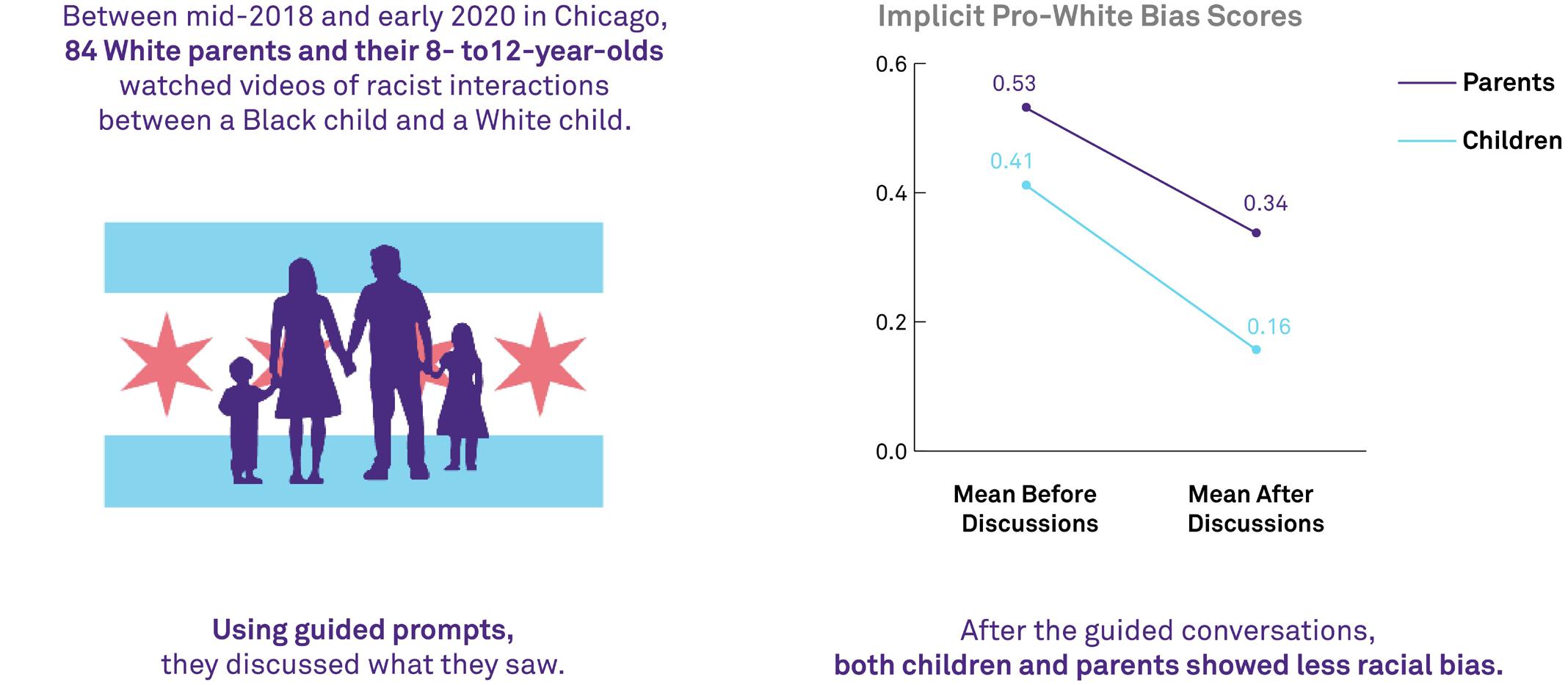
White children and their parents were much less biased toward Black people after the guided discussions. Children’s implicit bias score, which ranked their racial bias, decreased from 0.41 to 0.16 and parents’ implicit bias score dropped from 0.53 to 0.34. The findings show that these conversations reduce anti-Black bias in children and parents.
When parents talked to their kids using colorconscious language that acknowledged racism, the children’s racial bias declined sharply. In contrast, when parents used colorblind messages that downplayed race or blamed racial incidents on external factors like TV or other media a child consumed, their children’s racial bias did not decline as much.
When parents and their kids talked about subtle examples of racism, kids’ racial bias dropped significantly. When parents discussed examples of blatant racism, there was not a significant difference in the children’s racial bias. The researchers suggest that messages about subtle racism may be more effective at reducing racial prejudice because subtle racism is more common and less likely to be discussed by White Americans compared to overt racism.
Guided Conversations Reduced Racial Bias in Kids and Parents
METHODOLOGY
Between July 2018 and March 2020, the researchers recruited 84 self-identified White parents and their 8- to 12-year-old children in Chicago, Illinois. After watching videos of a Black child and a White child interacting in different scenarios, including depictions of subtle and blatant prejudice, parents were given a set of guided questions to ask their child. Structured prompts were provided to facilitate discussions using color-conscious language. Parents and their children completed an Implicit Association Test (IAT) to measure their anti-Black/ pro-White biases before and after the study.
REFERENCE
Perry, S., D. Wu, J. L. Abaied, A. L. Skinner-Dorkenoo, S. Sanchez, S. F. Waters, and A. Osnaya. 2024. White Parents’ Racial Socialization During a Guided Discussion Predicts Declines in White Children’s Pro-White Biases. Developmental Psychology 60(4), 624–36.
FACTS AND FIGURES
• Nearly all parents (92%) and children (95%) used color-conscious messages during the guided conversations.
• Only 6% of parents avoided talking about race during the discussions, showing a greater openness to the topic compared to previous studies.
• Overall, 38% of parents and 36% of children attributed prejudice to external factors. For example, after watching one video, a parent suggested the child’s family may have taught him to be racist.
As AI tools grow more powerful and mainstream, urgent questions abound about their impact. The hype can lead many down AI doomsday rabbit holes, according to University College Cork computer scientist Barry O’Sullivan, an AI expert.
“Frankly, I wish the world would calm down a little bit when it comes to AI,” O’Sullivan said at an IPR colloquium in 2025. “It’s not going to kill us all. It’s not going to take all of our jobs.”
To better understand AI and the changes coming with it, IPR collected insights from faculty experts about how they are using and studying AI, what they are learning, and what the future might hold. They stress that AI’s future will be shaped not just by technology itself, but by how we choose to use and regulate it.
IPR computer scientist
Jessica Hullman, who studies how AI can support decisionmaking, says that AI tools carry flaws and blindspots as a result of how they are developed, and adjustments aren’t perfect.
“The models become very good at creating things that humans like,” she said. “They get better at apologizing for
their lack of information— but they also have a builtin bias toward generating confident sounding text, because their training process rewards that.”
“A real worry is this homogenization of knowledge,” Hullman said. “When you have experts relying on models, at what point does their own domain expertise start to wane?”
“The technology is outpacing our ability to regulate it.”
- Jessica Hullman
Management scholar and IPR associate Hatim Rahman believes AI’s effects on job markets will unfold gradually.
As AI enters the workplace, he is worried that workers will have little ability to shape how technology and other changes are implemented.
AI may also create new opportunities, but it’s not clear who will benefit.
V.S. Subrahmanian, a computer scientist and IPR associate, argues that workers who learn to integrate AI into their jobs will gain a competitive edge.
While AI can supercharge capabilities, its use could undermine expertise and creativity. The impact of AIgenerated content may seem subtle in any single instance, but its effects on linguistic diversity may be profound.
Since the 1980s, Subrahmanian has worked on AI in national security applications. He agrees with Hullman that AI literacy is essential, and points to Finland’s approach to combating disinformation as a potential model for getting ahead of AI’s risks.
Rahman notes that U.S. has historically taken a weak regulatory approach towards new technology. Another challenge is keeping up with AI developers’ huge leaps.
“The technology is outpacing our ability to regulate it,” Hullman said.
According to Subrahmanian, a future where we safely harness AI is within reach if we craft balanced regulations.
“There are a lot of people who are talking about potential abuses, without really knowing much about it. But there are relatively few people talking about solutions,” Subrahmanian said. “We have to bring a multidisciplinary team of people to solve it.”
Illustrations
THE KIDS ARE NOT ALL RIGHT
For over a decade, American teenagers have struggled with declining mental health. IPR spoke with four of its experts about what their research says about the causes and how to help teenagers.
Some argue that the rise in poor mental health coincides with the fact that young people
may be self-reporting more issues like depression and anxiety. But Adam argues that data consistently points to worsening mental health.
“It’s not just visible in self-reported data,” IPR developmental psychobiologist Emma Adam said. “It’s also visible in hospital admissions
and clinically diagnosed data.”
IPR psychologist Katie Insel, who studies brain development in adolescents, says while the brain is done growing in size, regions like the prefrontal cortex—which controls planning and impulses—still mature during these years.
Illustrations by Ysa Quiballo
“We see that adolescents sometimes have different motivational drives,” she said. “Sometimes they experience temporary lapses in how they engage in self-control, or might make decisions that look impulsive or out of character if they’re with their peers or in an exciting environment.”
But we don’t know a lot about what puts some teens at a higher risk for mental health issues, Insel says.
“There’s a lot of promise, but right now, it’s really hard to fine-tune what the mechanism is... that really differentiates teens that are at risk versus those who aren’t,” Insel said.
One of the biggest debates around the mental health crisis is what’s driving it. Social media is an oft-mentioned culprit. While social media allows teens to connect, it can also restrict their social connections, IPR associate Ellen Wartella says.
Adam agrees, saying the cell phone itself has been a major disruptor.
“It’s taking away positive relationships, positive faceto-face experiences, and even adding, for some people, more toxic relationship experiences,” Adam said. But while teenagers are spending a lot of time online, the research connecting it and mental health issues is mixed.
“Some kids are affected and some aren’t, but it is not at all clear that social media use is the major cause of adolescents’ mental health issues,” Wartella said.
Adam says what the evidence does show is that stress often causes anxiety and depression.
Lack of sleep has also been linked to poor health. Research by University of Minnesota’s Sarah Collier Villaume, a former IPR postdoctoral fellow, and Adam finds that teenagers who got less sleep were more likely to report more negative emotions the next day, increasing their risk for depression later on.
When it comes to helping teenagers with mental health issues, researchers have found promising interventions.
One study Adam is conducting has found positive results from teenagers who are more likely to experience negative emotions responding to appbased exercises and weekly meetings with a coach.
Another practical way to lower the risk for mental health issues is to push back the start of the school day for teens, who often don’t get enough sleep.
Adam says mental health challenges also have physical consequences including changes in inflammation levels, heart health, and eating habits, which can be costly for individuals and society.
“If you’re talking about a whole generation that is more anxious and depressed than the last generation—these are our future leaders,” Adam said.
If you are struggling with thoughts of suicide, contact the 988 Suicide and Crisis Lifeline.
Keeping Our Streets Safe
IPR’s Andrew Papachristos uses network science to curb gun violence
“When I met Jane*, her son had just been gunned down a block away from her house,” Alantha Miles recalled. Jane was in shock, staring blankly while people around her were crying and wailing. “I walked up to her and asked, ‘Can I hug you?’ And we just stood there for 10 minutes and allowed the tears to come.”
In the months that followed, Miles checked in weekly. “We would just talk. I would let her yell, cry, whatever she needed,” Miles said. “A year later she was still hurt, of course—she lost her son—but she was living again. Every now and then I reach out to make sure she’s still progressing. She has stayed with me every day.”
For two years, Miles worked as a victim services coordinator at Breakthrough Urban Ministries, a nonprofit in Chicago’s Garfield Park that provides violence
prevention, economic support, and other social services.
During her 24-hour shifts, she rushed to scenes of gun violence and hospital rooms, meeting with families and offering both immediate and long-term assistance.
Now, Miles brings those experiences to her role as a research project manager
at Northwestern’s Center for Neighborhood Engaged Research & Science (CORNERS), where staff, faculty, and alumni work to reduce gun violence, understand risk factors, and evaluate community-based interventions.
IPR sociologist Andrew Papachristos, CORNERS’ faculty director, has studied
IPR Director, sociologist, and CORNERS faculty director Andrew Papachristos.
S. Collins
gun violence and intervention programs for over two decades.
“The most common misconception about community gun violence is that it’s random,” he said. “But we know that gun violence is linked to ongoing neighborhood disputes. And we actually know, with some of our science, where and when it’s going to happen.”
Founded in 2018 (as the Northwestern Neighborhood & Network Initiative) and housed within IPR, CORNERS includes a multidisciplinary team of neuroscientists, sociologists, lawyers, social workers, data scientists, and geographers. The center works closely with community violence intervention (CVI) programs, which operate in
neighborhoods affected by high rates of violence and other social inequities.
CVIs rely on street outreach workers and victim advocates like Miles to de-escalate conflicts and connect people to resources.
“A lot of times, young adults do not have mentors. They don’t have people who are giving them a stern hand but love at the same time,” Miles explained. “CVIs provide guidance and a nonjudgmental environment. They help people understand that you don’t have to take a life in order to get what you need.”
CORNERS’ data-driven approach includes partnerships with organizations like Chicago CRED (Create Real Economic Destiny) and Communities Partnering 4 Peace (CP4P), and tools like the Street Outreach Analytics Response Initiative (SOAR), a dashboard that helps CVI teams respond more effectively.
Critics say CVI hasn’t made a large dent in crime rates, but Papachristos disagrees.
“In medicine, only 8% of clinical trials succeed. But people don’t say, ‘Well, let’s give up on medicine,’” he said. “This field is just taking off. It’s saving lives. But it’s going to take time and support to see it pay off.”
*Name changed to protect her privacy.
Alantha Miles, a CORNERS research project manager and former outreach worker.
Soledad Adrianzén McGrath, CORNERS executive director until December 2025.
FACULTY
BOOKS
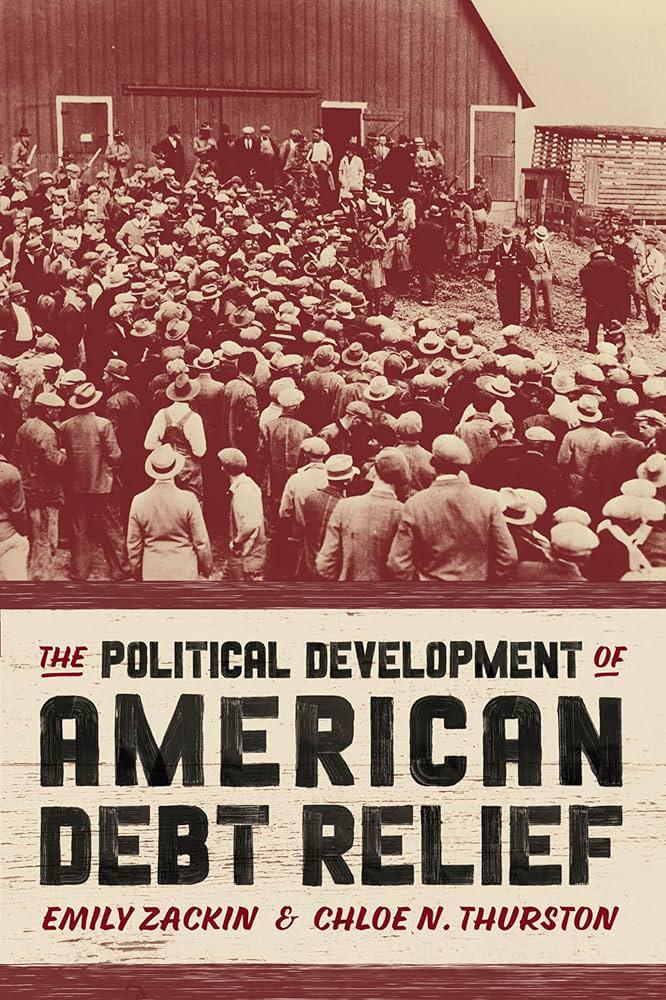
Mobilizing for debt relief has a long history in American politics. In The Political Development of American Debt Relief (University of Chicago Press, 2024) Emily Zackin of Johns Hopkins University and IPR political scientist Chloe Thurston track the rise of debt relief advocacy in the 19th century, its decline in the 20th century, and its recent resurgence.
THE POLITICAL DEVELOPMENT OF AMERICAN DEBT RELIEF
Emily Zackin and Chloe N. Thurston
Zackin and Thurston describe how 19thcentury farmers—often perennial debtors— argued that their debt resulted from circumstances outside of their control, like droughts.
This movement ebbed in the 20th century, even as more Americans took on debt in the form of consumer credit. A few credit card companies grew to dominate the market and organized for policies that benefited them. Debt stigma grew as debt came to be seen as the result of poor individual choices.
U.S. debt relief was also racialized. After the Civil War, White Southern landowners benefited from government debt relief, while newly freed Black Americans became trapped in a cycle of debt through sharecropping.
By the 21st century, the Great Recession and the pandemic sparked debtrelated activism through Occupy Wall Street and student loan protests. Black Lives Matter linked debt relief directly to racial justice. Debtors started to see some real policy change—though temporary—during the pandemic in relief from mortgage and student loan payments.
Though these efforts do not match the scale of earlier debt relief movements, Thurston says activists are drawing on the playbook of 19th-century protesters. Today, they are using events like the 2008 financial crisis to argue that individual debt is due to broader structural forces.
“That’s both new today, but also a return to that earlier language that farmers were using,” Thurston said.
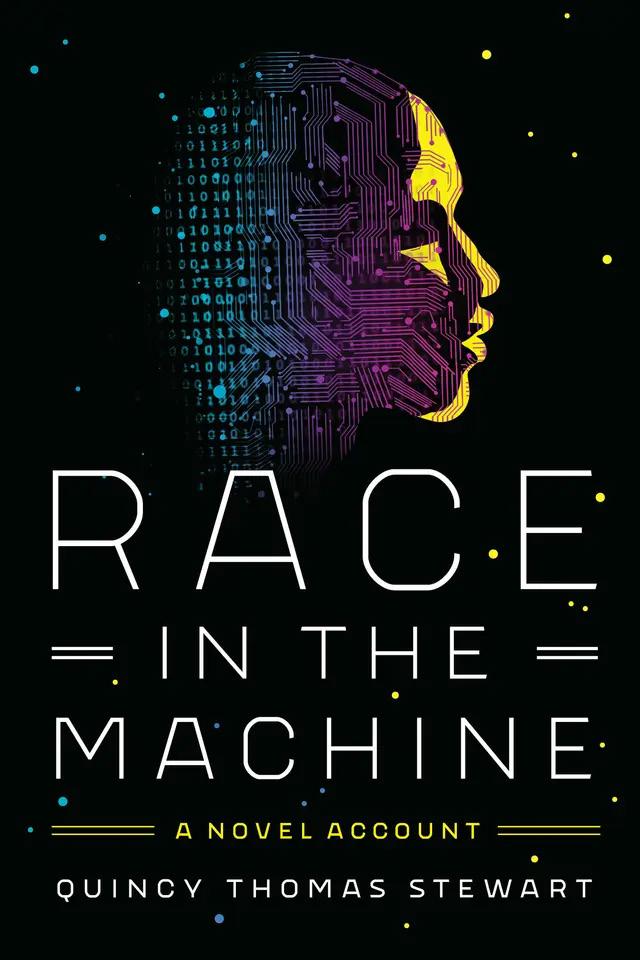
RACE IN THE MACHINE
Quincy Thomas Stewart
What is race and how do we explain it? These fundamental social questions are at the heart of a new work of “social science fiction,” Race in the Machine: A Novel Account (Stanford University Press/ Redwood Press, 2023).
Written by sociologist and IPR associate Quincy Thomas Stewart, the novel explores
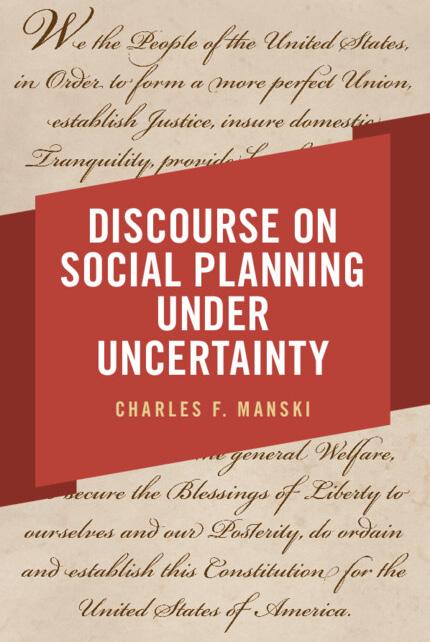
DISCOURSE ON SOCIAL PLANNING UNDER UNCERTAINTY
Charles F. Manski
In Discourse on Social Planning Under Uncertainty (Cambridge University Press, 2024), IPR economist Charles F. Manski brings together decades of work on welfare economics, program evaluation, and decision theory. He argues that policymakers must confront
uncertainty head-on through approaches like diversification that limit harm and gather knowledge. From healthcare to climate policy to space colonization, the book offers a pragmatic framework for improving public decisionmaking and advancing future interdisciplinary research.
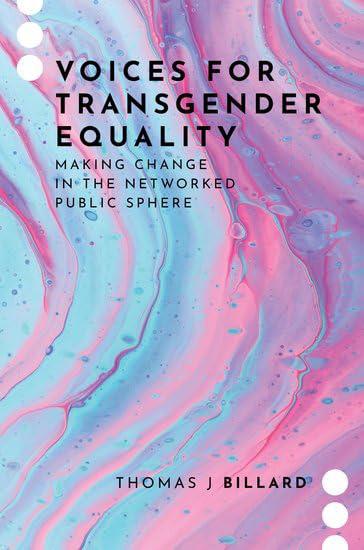
VOICES FOR TRANSGENDER EQUALITY
Thomas J. Billard
In Voices for Transgender Equality (Oxford University Press, 2024), media scholar and IPR associate Thomas J. Billard offers an insider’s view into transgender activism during the first two years of the first Trump administration.
Drawing from on-the-ground observations at the National Center for Transgender Equality, Billard shows how the activists used an unlikely blend of online and offline strategies to saturate media outlets and social media.
racial inequality and the origins of bias. The story’s nameless protagonist is a “social mechanic” who lives in a world of intelligent, connected automatons. When asked what race is, the machines conduct simulated experiments to learn about racism and other systems of inequality.
IPR Seed Grants Sprout New Research
“The seed grant program helps get bold, early-stage research off the ground—especially for projects that wouldn’t happen without a little extra support,” said IPR economist Ofer Malamud, a seed grant committee member. “It’s all about encouraging creative ideas and collaboration across academic disciplines to tackle important societal issues.”
Political Identity and Concealment in the Workplace
IPR social psychologist Eli Finkel and Kellogg PhD student Trevor Spelman are conducting a yearlong study to explore the causes and consequences of political misalignment at work. With grant support, they are surveying fulltime U.S. employees to understand how being in the political minority affects employees’ wellbeing, workplace relationships, and decisions to stay with or leave their organization. They aim to highlight key issues around political differences and conflict at work, providing a foundation for interventions that encourage more inclusive and cohesive workplace cultures.
Understanding Racial Socialization Among Asian American Families
IPR psychologist Sylvia Perry will use her seed grant to investigate if and how Asian American caregivers pass down knowledge and norms around race, ethnicity, and culture to children through a
nationally representative survey. The research team will consider how content and engagement in conversations varies by children’s ages. They will also explore how Asian American adults—whether they’re caregivers or not—reflect on their own experiences of racial socialization as children.
Measuring Implicit Bias in Preschool Classrooms
IPR developmental psychologists Terri Sabol and Sandra Waxman are developing a measurement toolkit to understand how race shapes everyday classroom interactions. This grant will help them launch EyeTeach, a webbased tool they have developed that uses eye-tracking technology to measure teachers’ implicit biases as they observe videos of classroom interactions among children.
Examining the Impact of Mindfulness on Teen Mental Health
In an ongoing study titled the “Youth Mindful Awareness Project” (YMAP), IPR developmental psychobiologist Emma Adam is exploring how mindfulness practices can help reduce negative emotions in teenagers at high risk for mood and anxiety disorders. YMAP participants complete psychiatric interviews, surveys, and mood tracking before being randomly assigned to one of three groups: a mindfulness coaching program, an
expressive writing program, or a control group that only receives assessments. The grant will support collecting participants’ DNA data to examine how stressrelated changes in genes might affect the biological pathways by which preventive interventions like mindfulness work.
Expanding Water Access Measurement in Asia Pacific
IPR anthropologist Sera Young is working with colleagues in Australia and Asia Pacific to develop a network, FoodWISE-Asia Pacific. They seek to shift the focus of measuring water access from infrastructure to people’s lived experiences. The grant will support a meeting to bring together intellectual and policy leaders who have used the WISE Scales, as well as decision-makers ready to use WISE data. This effort aims to expand the WISE Scales in Asia Pacific, building on frameworks established at a similar meeting that launched the Latin America and Caribbean WISE network.
Courtesy of L. Rivera
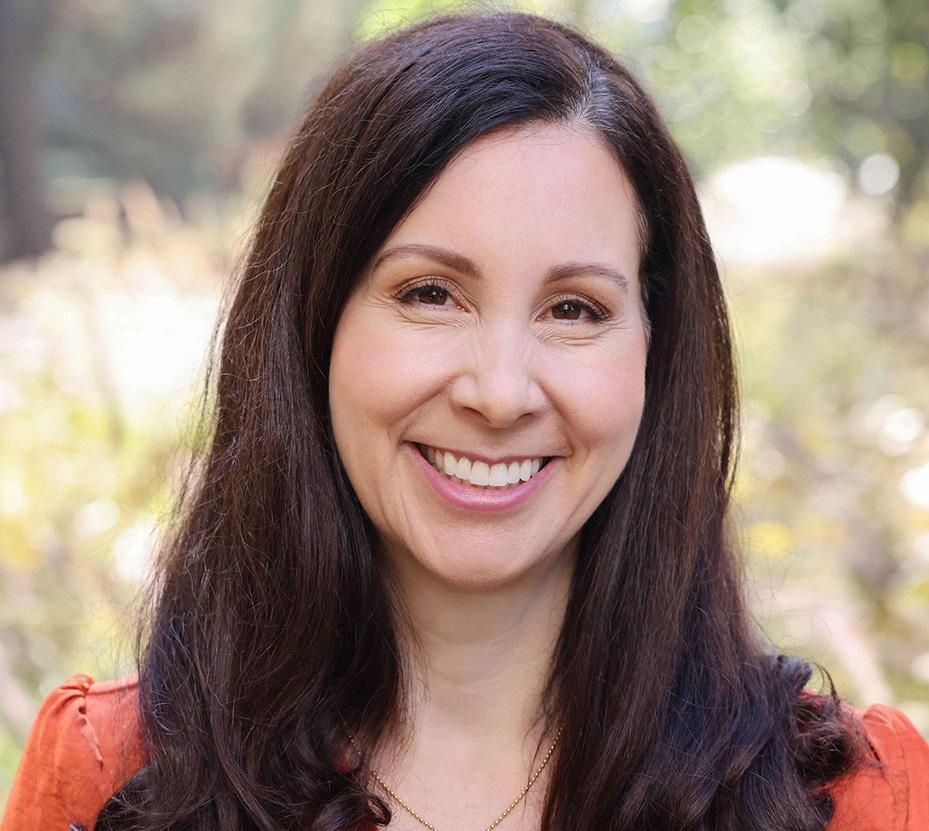
Lauren Rivera
The sociologist and IPR associate studies gatekeeping at elite institutions
In junior high, Lauren Rivera started attending an elite prep school in Los Angeles where her mother worked.
Growing up in a low-income family, Rivera was acutely aware of the contrast between her own circumstances and those of her classmates, some of whom were children of celebrities—or celebrities themselves.
“Fred Savage was a few grades above me, and my brother was in a band with Adam Levine from Maroon 5,” Rivera said. “Being there was such an eye-opening experience.”
When she moved to Connecticut to attend Yale University, she noticed a change: New Haven’s privilege
was quieter and more highbrow than Hollywood’s, with students discussing literary novels and the latest New Yorker articles.
Trying to decipher the unspoken rules of elite culture led Rivera to ask questions about social inequality as a research assistant at Yale.
Rivera, now the Peter G. Peterson Professor of Corporate Ethics, professor of management and organizations, and an IPR associate, would go on to earn a PhD in sociology from Harvard. Her research explores how people’s definitions and evaluations of merit shape social inequality, focusing on who elite institutions let in and keep out.
After graduating from college, Rivera worked as a management consultant in London for two years before going into academia.
This experience gave her access to the exclusive consulting firms, investment banks, and law firms that would eventually become the subject of her awardwinning book Pedigree: How Elite Students Get Elite Jobs (Princeton University Press, 2015). Using in-depth interviews and observations of hiring practices, she shows that hiring managers in these sectors favor candidates from privileged backgrounds.
Rivera found that cultural fit often matters more in getting hired than their job-relevant skills or experiences. In elite firms, a prestigious university degree, certain leisure activities, and if interviewers simply like a candidate influence who gets the job.
“The way we evaluate merit is conditioned by our own social experiences and societal stereotypes,” Rivera said.
“So when we think about merit, it is not something that exists in a vacuum or can be objectively measured. It’s really a moving target.”
Rivera also studies inequality interventions. In one project, changing faculty evaluations from a 10-point to a 6-point scale reduced gender bias. In another, allowing tenure candidates to include COVID-19 impact statements improved evaluations, especially for women.
TURNING PASSION
INTO PURPOSE
With mentorship and hands-on research, IPR’s signature undergrad program helps students transform interests into real-world impact
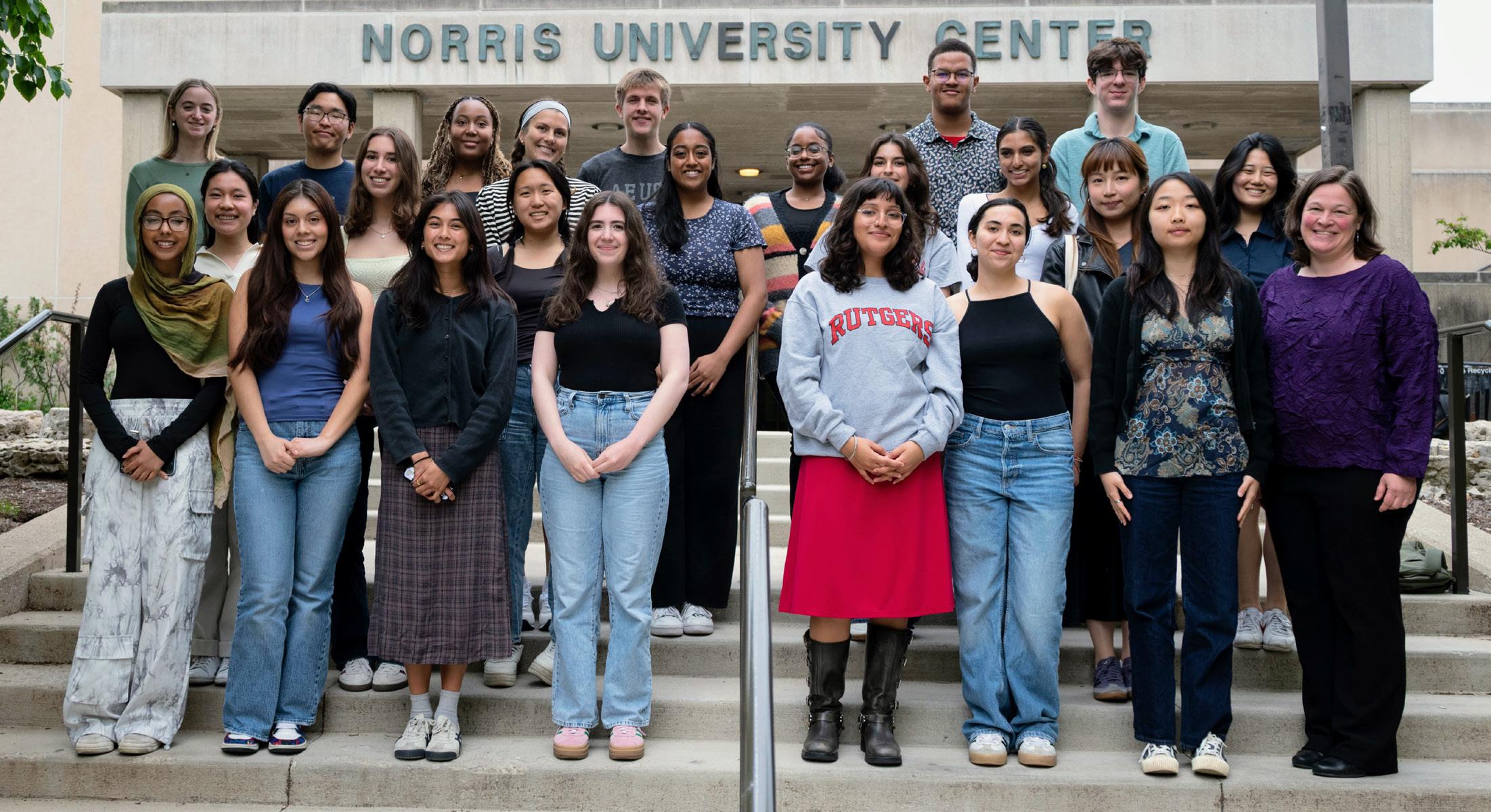
IPR’s 2025 Summer Undergraduate Research Assistants take a photo break with program director Christine Percheski (first row, right).
Weinberg sophomore
Annika Shah has been passionate about prison reform and wrongful incarceration since high school. But it wasn’t until the Summer Undergraduate Research Assistants (SURA) Program at IPR that she found a way to channel that interest into research.
Many law internships focus on corporate work, but Shah didn’t pursue law school to climb the corporate ladder.
“It’s to do field work, social justice work. So IPR was really perfect for me because I get to explore the research side of that,” Shah said.
Shah is one of 35 Northwestern undergraduates who took part in SURA this past summer, tackling critical social and political issues alongside IPR faculty.
Working with IPR social psychologist Ivuoma Onyeador, Shah worked on projects involving free speech and social justice. This included writing amicus briefs for wrongfully incarcerated individuals.
Onyeador said Shah brought insights from her previous coursework to the projects.
“Having a student like Annika working on the project, with her passion for improving the criminal justice system, has helped keep us focused on the ultimate purpose of research,” Onyeador said.
Even without much prior research experience, Shah described the environment as both welcoming and motivating.
“I’ve taken plenty of humanities classes, so I know what it’s like to just read and get through the work,” Shah said. “But now that there’s a strong end goal— something with a much larger impact than just myself—I dedicate more time to it, and I’m using my brain in a way I definitely wasn’t before.”
Weinberg senior Stacy Yoon, who worked with endocrinologist and IPR associate Amisha Wallia
through SURA in 2024 and 2025, also praised the program’s support system.
“I think even with my lack of research experience, the way SURA is set up, you have so many resources available throughout the program,” Yoon said. “It’s a great way to build connections, work on meaningful projects, and see if research is right for you.”
Yoon and Wallia examined the effects of education interventions on diabetes patients, with Yoon undertaking large-scale data management for the first time.
Wallia, who has mentored students through SURA for several years, said the structure and resources help students make the most of their summer experiences.
“This type of program has been critical for students, who may not have exposure to healthcare or policy, to be able to dive right into important, timely topics,” Wallia said.
IPR sociologist Christine Percheski, who directs SURA, said the program is valuable for undergraduate students because of the opportunities to contribute to policy-relevant research, learn new skills, and receive mentorship from faculty.
“The SURA program is a win-win for both students and faculty. Students have the opportunity to contribute to research with real policy impact and develop new skills, and faculty benefit from the enthusiasm, hard work, and fresh perspectives of the students,” she said.
IPR social psychologist Ivuoma Onyeador
Endocrinologist and IPR associate Amisha Wallia
SURA Director Christine Percheski
Courtesy of Feinberg
R. Hart
N. Sotelo
Faculty in the
News
“Talking about race and racism doesn’t make a child racist. Raising an antiracist child isn’t about checking a box or making a one-time statement. It is an ongoing process that requires honest, intentional conversations.”
Sylvia Perry on why it’s important to talk about race with children, Scientific American, February 24
Among the top researchers in their respective fields, IPR faculty are regularly interviewed by the media for their expertise and insights.
‘ ‘
“At its best, the power of university research can transcend partisan divides and provide evidence that improves policy for all Americans.”
Andrew Papachristos on why the U.S. can’t afford to silence its universities, Chicago Tribune, April 3
“Law enforcement officials around the country have voiced that these types of immigration enforcement policies make their jobs harder.”
Elisa Jácome on what immigrants need to know about law enforcement, WBEZ, February 14
We’re looking for things that are hard for a deep fake to get quite right.
V.S. Subrahmanian on how to detect AI-generated images, Rolling Stone, August 30
“We found that in every field, Republicans are citing less [science] than Democrats and that the overlap of how often [the two parties] actually cite the same exact paper is quite low.
Alexander Furnas on the stark divide between partisans citing science, The Journalist’s Resource, July 23
WORKING PAPERS
Asian Ethnic Subgroup Moderates the Relationship Between Asian American Discrimination Experiences and Solidarity with Black Americans (WP-25-26) by Aeroelay Chyei Vinluan, Daniel Sanji, and Michael Kraus
Universal Pre-K as Economic Stimulus: Evidence from Nine States and Large Cities in the U.S. (WP-25-25) by Kirabo Jackson, Julia Turner, and Jacob Bastian
Misperceptions of Asian Subgroup Representation in STEM* (WP-25-24) by Aeroelay Chyei Vinluan and Michael Kraus
A Century of Inflation Narratives (WP-25-23) by Mourad Heddaya, Chenhao Tan, Rob Voigt, Qingcheng Zeng, and Alexander Zentefis
Consumer Sentiment Towards Asians in the Early Days of the COVID-19 Pandemic* (WP-25-22) by Kerwin Kofi Charles, Jonathan Guryan, and Kyung Park
Temperature and Schooling: How Heat Shapes Primary Learning in West and Central Africa (WP-25-21) by Yabo Gwladys Vidogbena, Risto Conte Keivabu, Julia Behrman, and Liliana Andriano
Evolving Roles of Higher Education in the U.S. Economy: Historical Context for Viewing Changes in Federal Policy and College Performance Goals (WP-25-20) by Burton Weisbrod and Glen Weisbrod
Republicans in the United States Show Greater Support for Climate-Change Adaptation Than for Climate-Change Mitigation (WP-25-19) by Robin Bayes, Daniel Molden, and James Druckman
Learning to Turn Out: Effects of Actionable Instruction on Student Voting (WP-25-18) by Mary McGrath, Caroline Pippert, Quinn Mulroy, Robert Donahue, Katrina Weimholt, Thomas Ogorzalek, and Tabitha Bonilla
Framing Intergroup Inequality as Structural Improves White American Support for Equity-Enhancing Policy (WP-25-17) by Megan Burns, Bennett Callaghan, Julian Rucker, Jennifer Richeson, and Michael Kraus
Revolving Door Laws and Political Selection (WP-25-16) by Raymond Fisman, Jetson Leder-Luis, Catherine O’Donnell, and Silvia Vannutelli
Worker-Organization Goal Misalignment and Support for Collective Action* (WP-25-15) by Megan Burns and Michael Kraus
Incentivizing Higher Education Outcomes—The Next Frontier of Pay-for-Performance (WP-25-14) by Burton Weisbrod
Immigrants’ Legalization and Firms: Evidence from the 2007 EU Enlargement (WP-25-13) by Vittoria Dicandia and Silvia Vannutelli
Pre-Survey Messaging to Improve Response: Appeals to Authority, Self-Interest, and Salience (WP-25-12) by Andrew Dillon, Steven Glazerman, Dean Karlan, and Christopher Udry
Intergenerational Mobility of Immigrants in 15 Destination Countries (WP-25-11) by Leah Boustan, Mathias Fjællegaard Jensen, Ran Abramitzky, Elisa Jácome, et al.
Disagreement Among Friends: A Collaboration-Based Framework for Reducing Polarization on Climate Change (WP-25-10) by Mary McGrath
Financial Rewards for Healthcare Program Outcomes and Why They Can and Do Lead to Undesired Results (WP-25-09) by Burton Weisbrod
Characterizing Violence Intervention Street Outreach Participants and Service Dosage: Implications for Measurement and Evaluation* (WP-25-08) by Marisa Ross, Susan Burtner, and Andrew Papachristos
What Is the General Welfare? Welfare Economic Perspectives on Prosperity and Equity (WP-25-07) by Charles F. Manski
Does Q&A Boost Engagement? Health Messaging Experiments in the U.S. and Ghana (WP-25-06) by Erika Kirgios, Susan Athey, Angela Duckworth, Dean Karlan, et al.
Incentives in K-12 Education—The Perils of Not Just Measuring Performance by Standardized Tests, but Financially Rewarding It (WP-25-05) by Burton Weisbrod
Prediction with Differential Covariate Classification: Illustrated by Racial/Ethnic Classification in Medical Risk Assessment (WP-25-04) by Charles F. Manski, John Mullahy, and Atheendar Venkataramani
Access to Digital Credit for Smallholder Farmers: Experimental Evidence from Ghana (WP-25-03) by Dean Karlan, Monica Lambon-Quayefio, Utsav Manjeer, and Christopher Udry
What Corruption Is Most Harmful? Unbundling Citizen Perceptions* (WP-25-02) by Aaron Erlich, Jordan GansMorse, Simeon Nichter, and Arne Holverscheid
Why Strong Rewards in Government and Nonprofit Programs Don’t Work: A Social Heisenberg Principle (WP-25-01) by Burton Weisbrod
To find these and other IPR working papers, visit our website, where you can also sign up to receive working paper updates. * Denotes working papers that have since been published in peer-reviewed journals.
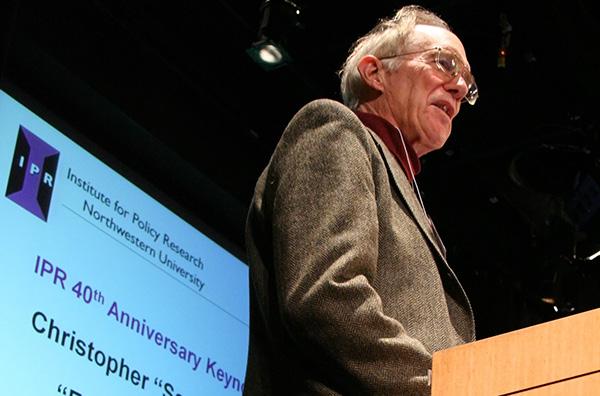
Remembering Inequality Scholar
Christopher ‘Sandy’
Jencks (1936–2025)
Christopher “Sandy” Jencks, former John D. MacArthur Professor of Sociology and fellow of the Center for Urban Affairs and Policy Research— now IPR—died on Feb. 8, from complications of Alzheimer’s disease.
Jencks retired in 2016 as the Malcolm Wiener Professor of Social Policy at Harvard University. Over his 55-year career, he explored the many forms inequality takes.
Jencks entered the policy world first as a journalist and think tank fellow before landing in academia. He joined Northwestern in 1979, and in the years that followed worked with Fay Lomax Cook and others to study the effects of President Ronald Reagan’s social service
cuts on low-income Chicagoans. The Institute hosted a national poverty conference in 1989, leading to the volume The Urban Underclass (Brookings Institution Press, 1991), coedited by Jencks. The collection of essays presented evidence that challenged the popular misconception that poverty, crime, and social instability were rapidly overtaking cities.
Beyond his many scholarly achievements, Jencks was cherished for his contributions as a colleague and mentor.
Jencks is survived by his wife Jane Mansbridge, a former fellow and associate director at the Institute, his brother, Stephen, son, Nathaniel, and grandson, Wilder, and his many colleagues and friends.