THE IMPORTANCE OF SOCIAL CONNECTIONS FOR HEALTHY AGING 5 SIMPLE EXERCISES TO IMPROVE BALANCE
THE POWER OF PURPOSE WHY HAVING GOALS MATTERS AT EVERY AGE
WHY TODAY'S SENIORS ARE TRAVELING, VOLUNTEERING, LEARNING, AND THRIVING
AD
AD
5. RECIPE Shrimp & Avocado
7. RELATIONSHIPS Social Connections for Healthy Aging
8. ENTERTAINING Creating a Cozy Outdoor Gathering Space
10. NUTRITION
Heart-Healthy Pantry Staples to Keep on Hand
12. RECIPE No-Bake Strawberry Lemon Icebox Pie
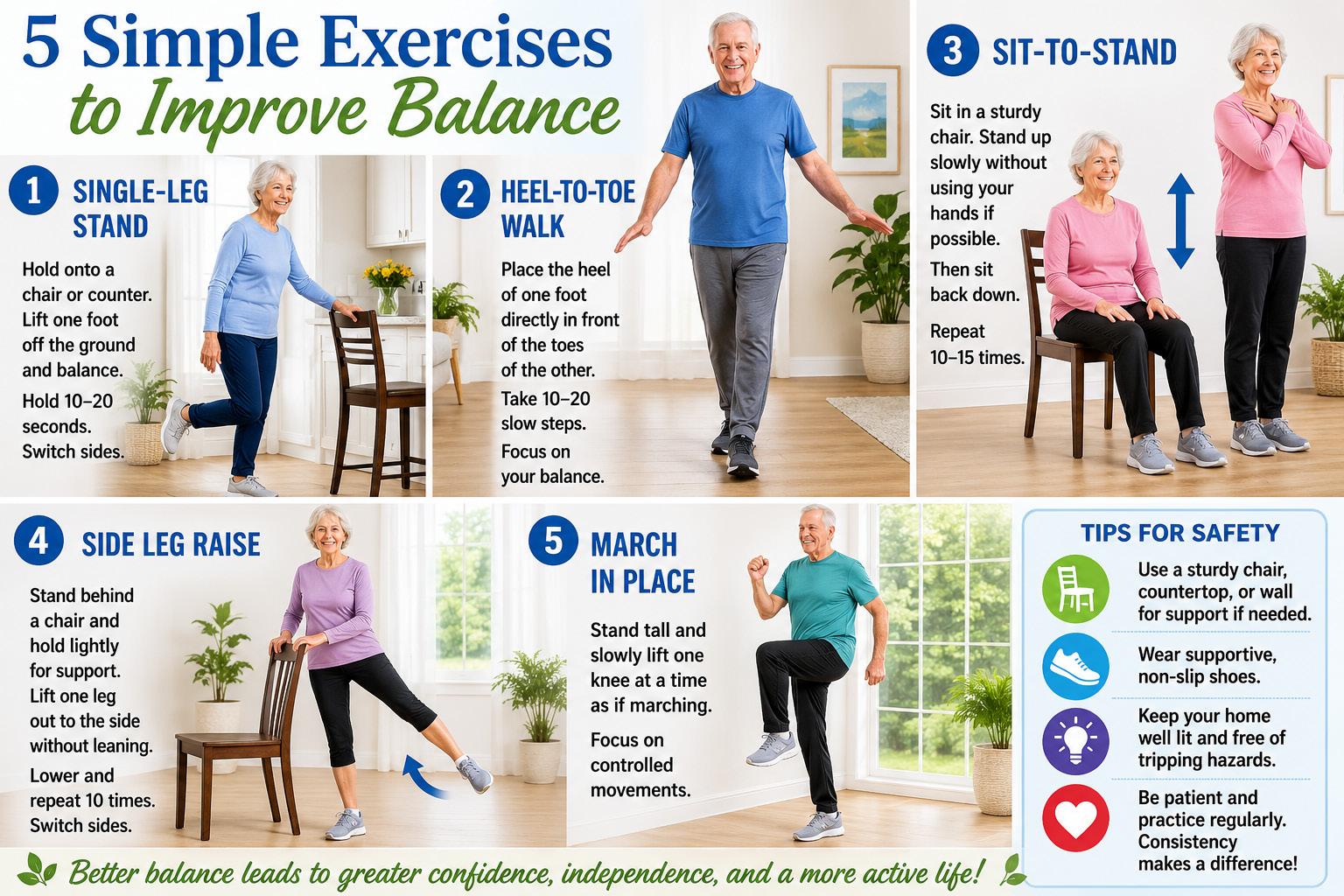
14. EXERCISE 5 Simple Exercises to Improve Balance
16. COVER STORY Retirement Reimagined
18. WELLNESS How Nature Improves Physical & Emotional Well-Being
20. GRANDCHILDREN
How to Stay Connected to Long-Distance Grandchildren
22. HEALTHY MIND The Power of Purpose
24. TRAVEL America's Most Scenic Train Trips for Seniors
26. RECIPE Mini Chicken Salad Croissant Sliders
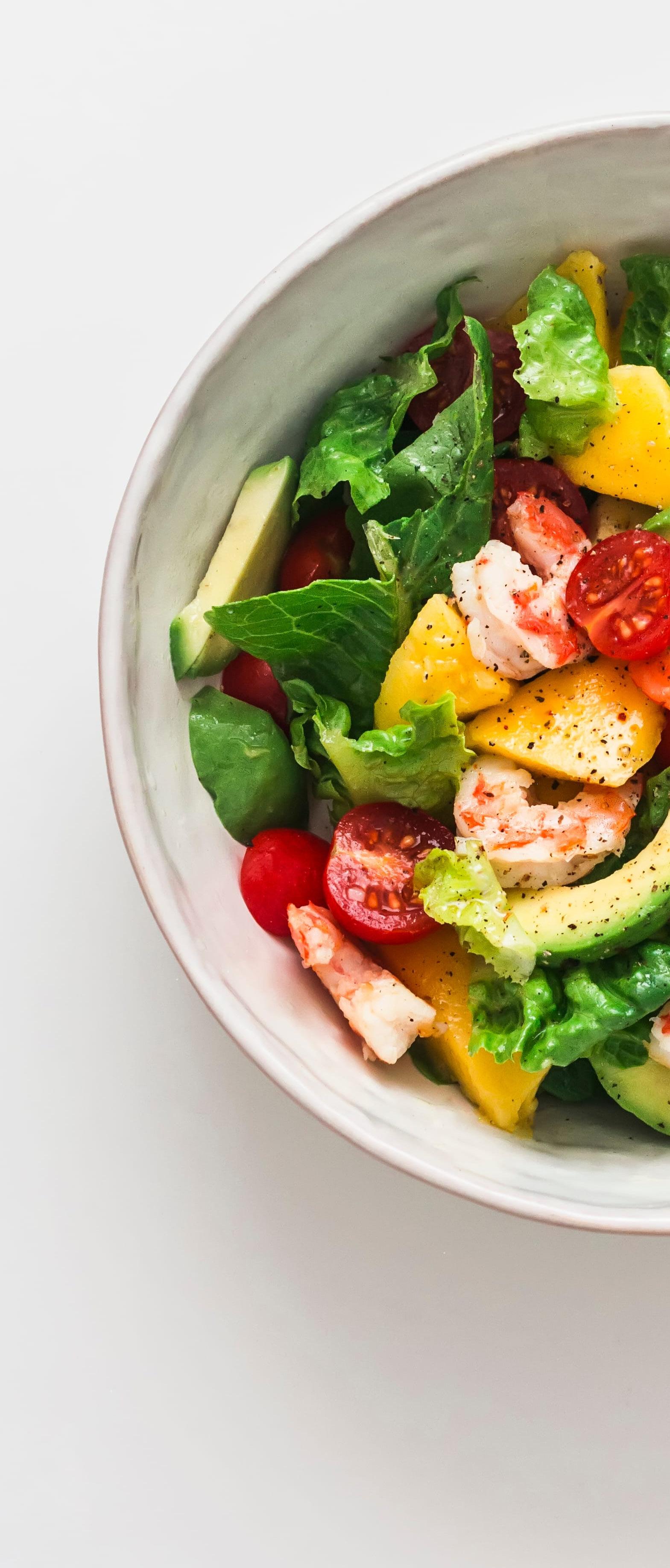
Summer Bowl Shrimp and Avocado
By Nellie Palmer
A Fresh, Healthy Meal for One
Light, colorful, and packed with protein, this Shrimp and Avocado Summer Bowl is perfect for warm-weather dining. Fresh vegetables, creamy avocado, juicy shrimp, and a bright citrus dressing come together in a satisfying meal that's easy to prepare and ideal for cooking for one.
SERVES: 1
PREP TIME: 10 MINUTES
COOK TIME: 5 MINUTES
INGREDIENTS
• 6 LARGE SHRIMP, PEELED AND DEVEINED
• 1 TEASPOON OLIVE OIL
• SALT AND BLACK PEPPER TO TASTE
• 2 CUPS MIXED GREENS OR SPRING LETTUCE
• 1/2 AVOCADO, SLICED
• 1/2 CUP CUCUMBER, DICED
• 1/2 CUP CHERRY TOMATOES, HALVED
• 1/4 CUP SWEET CORN KERNELS
• 2 TABLESPOONS RED ONION, THINLY SLICED
• 1 TABLESPOON FRESH CILANTRO OR PARSLEY
CITRUS DRESSING
• 1 TABLESPOON OLIVE OIL
• 1 TABLESPOON FRESH LIME JUICE
• 1 TEASPOON HONEY
• PINCH OF SALT
• PINCH OF BLACK PEPPER INSTRUCTIONS
tips
• Substitute grilled chicken for shrimp if desired.
• Add black beans for extra fiber and protein.
• Use mango instead of corn for a tropical twist.
• Cook extra shrimp and save for another meal later in the week.
1. HEAT 1 TEASPOON OLIVE OIL IN A SMALL SKILLET OVER MEDIUM HEAT.
2. SEASON SHRIMP LIGHTLY WITH SALT AND PEPPER. COOK FOR 2–3 MINUTES PER SIDE UNTIL PINK AND FULLY COOKED. REMOVE FROM HEAT AND ALLOW TO COOL SLIGHTLY.
3. IN A SMALL BOWL, WHISK TOGETHER THE DRESSING INGREDIENTS UNTIL WELL COMBINED.
4. ARRANGE THE MIXED GREENS IN A SERVING BOWL.
5. TOP WITH AVOCADO SLICES, CUCUMBER, TOMATOES, CORN, RED ONION, AND COOKED SHRIMP.
6. DRIZZLE WITH THE CITRUS DRESSING AND SPRINKLE WITH FRESH CILANTRO OR PARSLEY.
7. SERVE IMMEDIATELY.
SERVING SUGGESTIONS
ENJOY WITH A SLICE OF WHOLE-GRAIN BREAD, A HANDFUL OF CRACKERS, OR A SMALL CUP OF CHILLED FRUIT FOR A COMPLETE SUMMER MEAL.
Why Seniors Love This Recipe
• High in protein
• Heart-healthy fats from avocado
• Fresh vegetables rich in nutrients
• Quick preparation with minimal cleanup
• Perfect portion size without excessive leftovers
This refreshing summer bowl proves that cooking for one can be both simple and delicious while supporting healthy eating habits all season long.
ACTIVESeniors local credits
executive publishers
Hal G. Fox & Suzanne Polk Fox
managing editor
Suzanne Polk Fox
copy editor
Christian Dischler
contributing writers
Nellie Palmer
Emily Branson
Angela Irvin
Grant Parker
Alyssa Ingram
art design and production
Megan Pedersen
The information contained in Active Seniors is intended for educational purposes only. A reader should never substitute information contained in Active Seniors for the advice of a health care professional. Jumpstart Publishing, LLC and publishers of Active Seniors, do not endorse or promote any of the products or services described in the pages of Active Seniors and the publishers do not verify the accuracy of any claims made in the editorial or advertisements contained in Active Seniors. Readers should not use the information in Active Seniors for diagnosis or treatment of any health problem or for prescription of any medication or other treatment. Readers should consult with a healthcare professional before starting any diet, exercise or supplementation program, before taking any medication, or have or suspect they have a health problem.
The Importance of Social Connections for Healthy Aging
By Emily Branson
As we age, maintaining good health involves more than eating well and staying physically active. One of the most important — and often overlooked — factors in healthy aging is staying socially connected. Strong relationships with family, friends, neighbors, and community members can have a powerful impact on both physical and emotional well-being.
Humans are naturally social beings. We thrive when we feel connected, supported, and valued by others. Research has shown that older adults who maintain strong social relationships often experience lower rates of depression, reduced stress, better cognitive function, and even improved overall health.
Social connections provide emotional support during life's challenges. Whether facing health concerns, retirement adjustments, the loss of loved ones, or major life transitions, having people to talk to can make difficult situations easier to navigate. A simple conversation with a friend or family member can boost mood, reduce feelings of loneliness, and provide comfort during stressful times.
Social engagement also benefits brain health. Conversations, group activities,
games, classes, and community involvement stimulate the mind and encourage continued learning. Studies suggest that staying socially active may help maintain memory, improve mental sharpness, and reduce the risk of cognitive decline.
Physical health can improve as well. People with strong social networks are often more motivated to stay active, attend medical appointments, and maintain healthy habits. Walking groups, fitness classes, volunteer opportunities, and hobby clubs provide both social interaction and physical activity, creating benefits on multiple levels.
Retirement can sometimes lead to fewer daily interactions, especially for individuals who spent years working in busy environments. This makes it even more important to intentionally seek opportunities for connection. Joining community organizations, faith groups, book clubs, gardening groups, or volunteer programs can introduce new friendships and provide a sense of purpose.
Technology has also made staying connected easier than ever. Video calls, social media, email, and messaging apps allow older adults to maintain relationships with family
and friends regardless of distance. While in-person interactions remain valuable, digital tools can help bridge the gap when loved ones live far away.
Building and maintaining friendships requires effort, but the rewards are significant. Even small interactions — chatting with neighbors, attending community events, or meeting a friend for coffee — contribute to a greater sense of belonging.
Perhaps most importantly, social connections remind us that we are part of something larger than ourselves. They provide companionship, encouragement, laughter, and shared experiences that enrich everyday life.
Healthy aging isn't just about adding years to life; it's about adding life to those years. By nurturing relationships and staying engaged with others, older adults can enjoy greater happiness, resilience, and overall well-being throughout every stage of life.
After all, some of life's greatest joys are found not in what we accomplish alone, but in the connections we share with others.
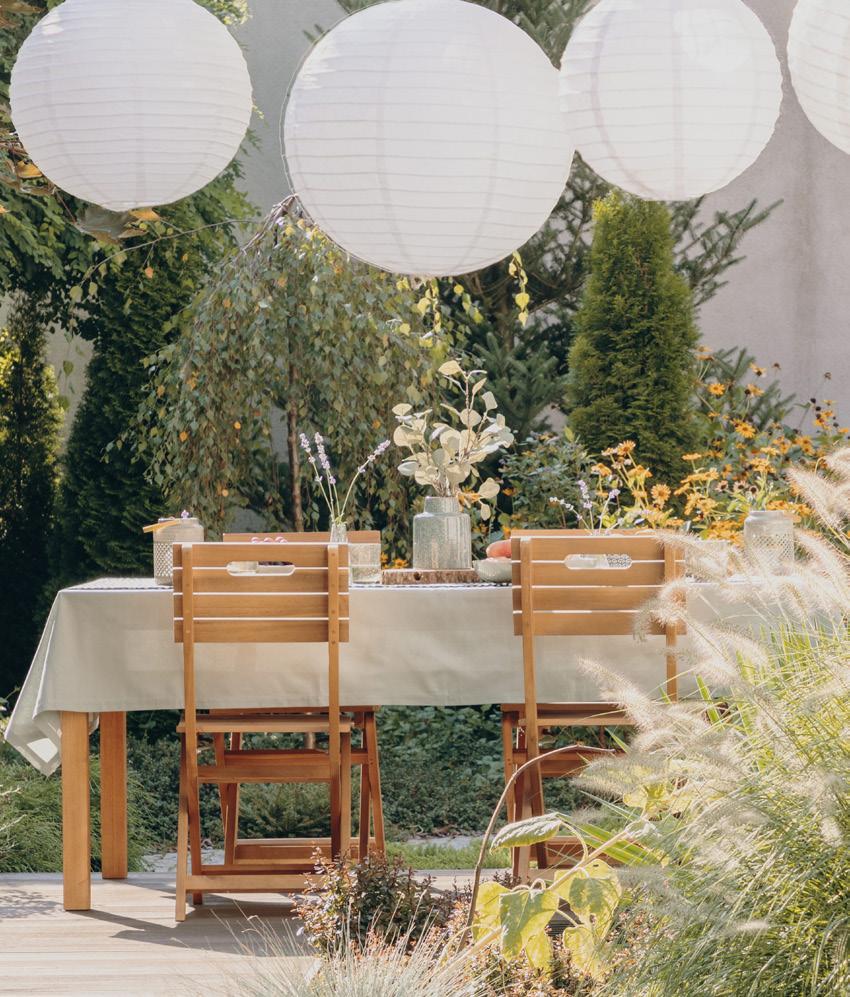
Summer is the perfect season for gathering with family, friends, and neighbors outdoors. Whether you're hosting a backyard barbecue, a weekly card game, or simply enjoying coffee with a friend on the patio, a welcoming outdoor space can help turn ordinary moments into memorable experiences.
The good news is that creating an inviting outdoor gathering area doesn't require a major renovation. A few thoughtful additions can transform a porch, patio, deck, or backyard into a comfortable summer retreat.
Start with comfortable seating. Guests naturally gather where they can relax. Outdoor sofas, cushioned chairs, Adirondacks, or even a simple grouping of chairs around a table encourage conversation and connection. Arrange seating so guests can easily see and talk with one another rather than facing outward toward the yard.
Because summer temperatures can be intense, shade should be a top priority. Patio umbrellas, pergolas, retractable awnings, and shade sails help keep guests comfortable during the hottest parts of the day. If you're planning a permanent outdoor space, consider adding flowering trees or
Creating a Cozy Outdoor Gathering Space
By Angela Irvin
large container plants that provide natural shade.
Lighting helps extend the enjoyment long after sunset. String lights draped across a patio, solar lanterns along walkways, and battery-operated candles on tables create a warm, welcoming atmosphere for evening gatherings. Soft lighting makes outdoor spaces feel more intimate and relaxing.
Colorful outdoor pillows, weather-resistant rugs, and bright summer planters can make the space feel like an extension of your home. Choose cheerful seasonal colors such as turquoise, coral, yellow, or crisp white to create a fresh summer look.
Plants are another simple way to elevate an outdoor gathering area. Pots filled with colorful flowers, herbs, or tropical plants add beauty while creating a more inviting environment. Fragrant herbs such as basil, mint, and rosemary can even be clipped and used in summer recipes and beverages.
A serving station stocked with iced tea, lemonade, or infused water makes entertaining easy and encourages guests to help themselves.
Outdoor side tables and serving carts provide convenient places for drinks, snacks, and desserts during gatherings.
The most memorable outdoor spaces aren't necessarily the most expensive—they're the ones that make people feel welcome. Comfortable seating, cooling shade, beautiful plants, and thoughtful details create an atmosphere where family and friends naturally want to gather.
After all, summer is about slowing down, spending time together, and enjoying the simple pleasures of being outdoors.
AD
HEARTHEALTHY PANTRY STAPLES TO KEEP ON HAND
By Grant Parker
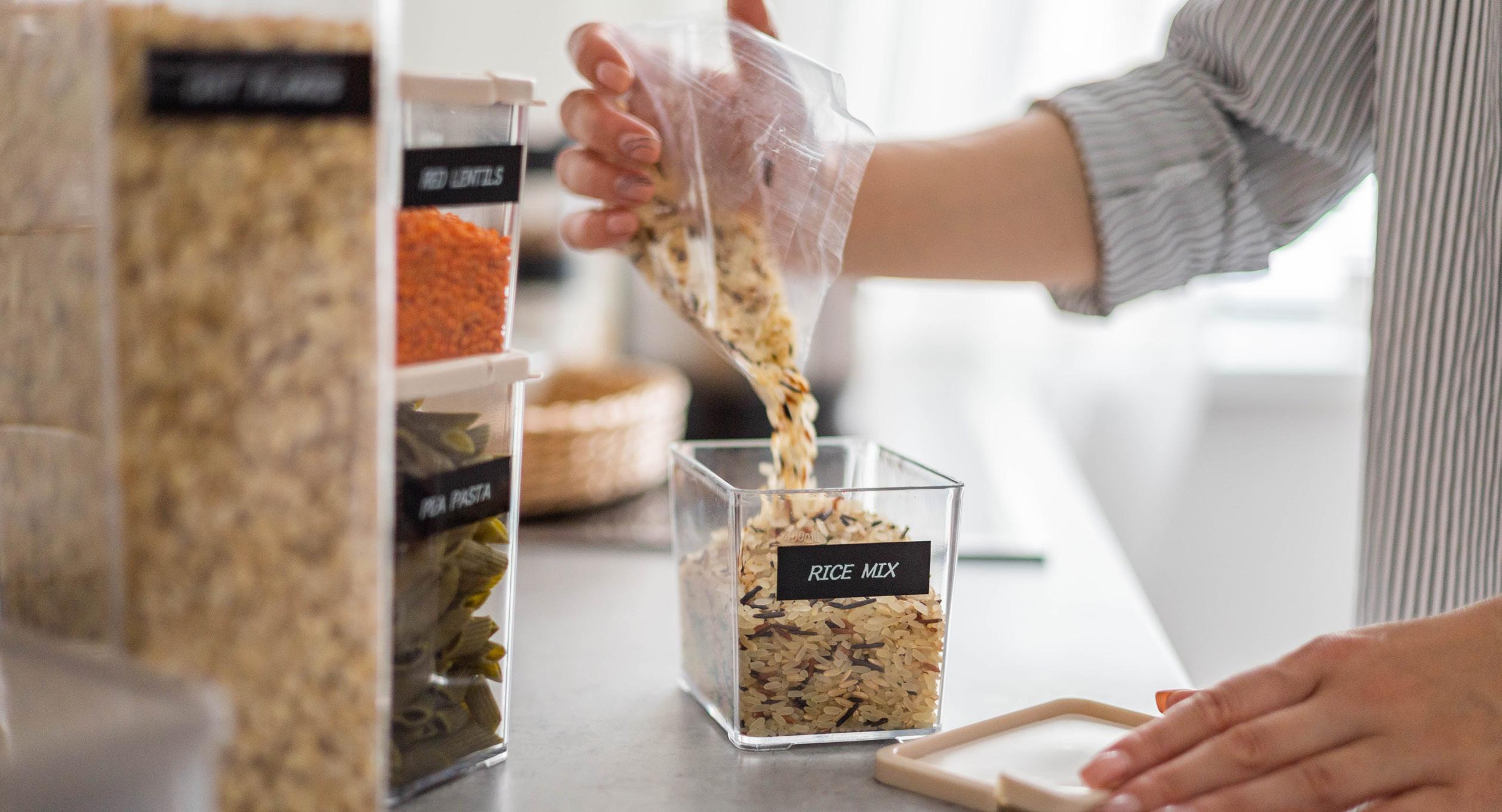
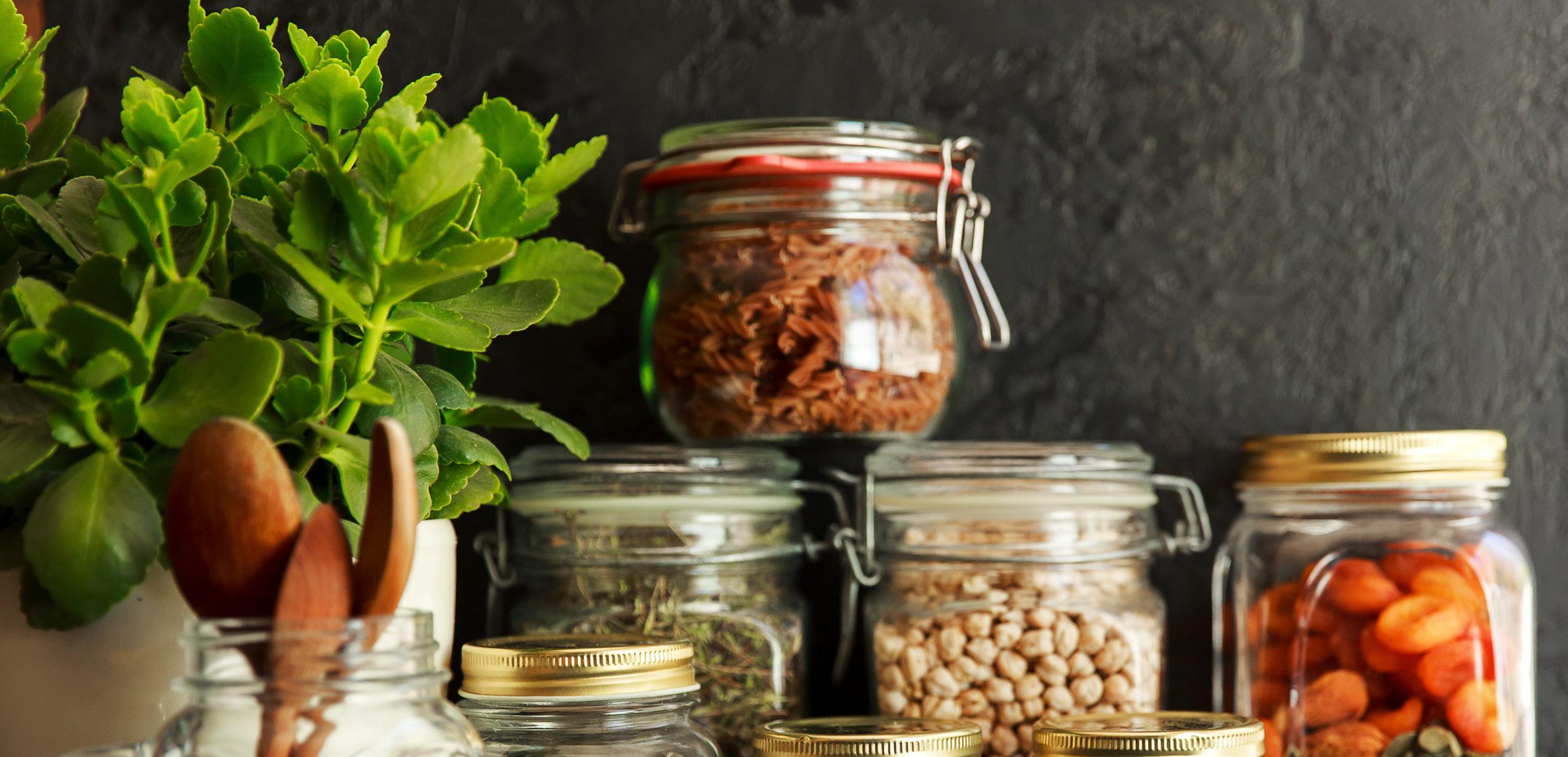
Goodnutrition starts with good preparation. One of the easiest ways to support heart health is by stocking your pantry with nutritious ingredients that make healthy meals simple and convenient. When wholesome foods are readily available, it's easier to make smart choices and avoid less nutritious options.
A heart-healthy pantry doesn't require expensive specialty products. Instead, it focuses on versatile foods rich in fiber, healthy fats, vitamins, minerals, and plant-based nutrients that support cardiovascular wellness.
Whole grains should be at the top of the list. Oatmeal, brown rice, quinoa, whole-grain pasta, and whole-grain cereals provide fiber that can help support healthy cholesterol levels. Oats are particularly beneficial because they contain soluble fiber, which may help reduce LDL, often called "bad" cholesterol.
Beans and legumes are another pantry powerhouse. Black beans, kidney beans, chickpeas, lentils, and cannellini beans are packed with protein and fiber while being naturally low in saturated fat.They can be added to soups, salads, casseroles, and side dishes for a heart-smart nutritional boost.
Healthy fats are important as well. Extra-virgin olive oil remains one of the most heart-friendly cooking
oils available. It contains monounsaturated fats that support cardiovascular health and adds flavor to everything from vegetables to salad dressings.
Nuts and seeds deserve a permanent place in the pantry. Almonds, walnuts, pistachios, flaxseeds, and chia seeds contain healthy fats, fiber, and nutrients that support overall wellness. A small handful makes a satisfying snack or can be sprinkled over oatmeal, yogurt, or salads.
Canned fish is another convenient option. Tuna, salmon, and sardines provide omega-3 fatty acids that support heart health. Look for varieties packed in water whenever possible.
Low-sodium canned vegetables and tomatoes can help simplify meal preparation while reducing sodium intake. Keeping canned tomatoes, tomato sauce, and vegetable broth on hand makes it easy to create soups, stews, and healthy sauces.
Herbs and spices are often overlooked but play an important role in heart-healthy cooking. Garlic powder, cinnamon, turmeric, oregano, basil, rosemary, and black pepper add flavor without relying on excess salt. Many herbs and spices also contain beneficial plant compounds that support overall health.
Dried fruits such as raisins, apricots, and cranberries can satisfy a sweet craving while providing fiber and nutrients. Just choose varieties without added sugar whenever possible.
Building a heart-healthy pantry isn't about following a strict diet. It's about creating an environment where healthy choices become easier every day.With a few smart staples on hand, preparing nutritious meals becomes simple, convenient, and delicious.
A well-stocked pantry can be one of the best investments you make in your long-term heart health.
AD AD
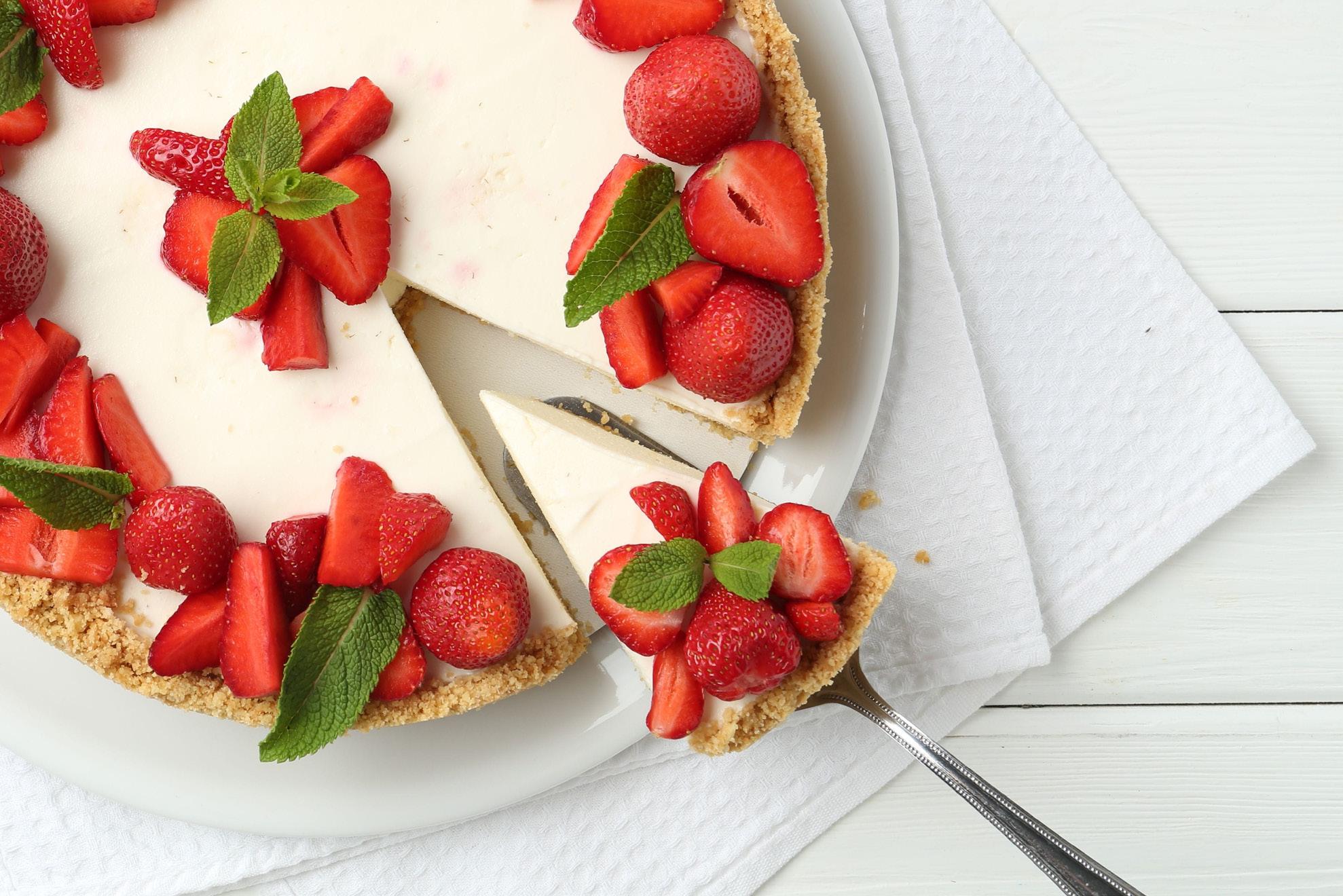
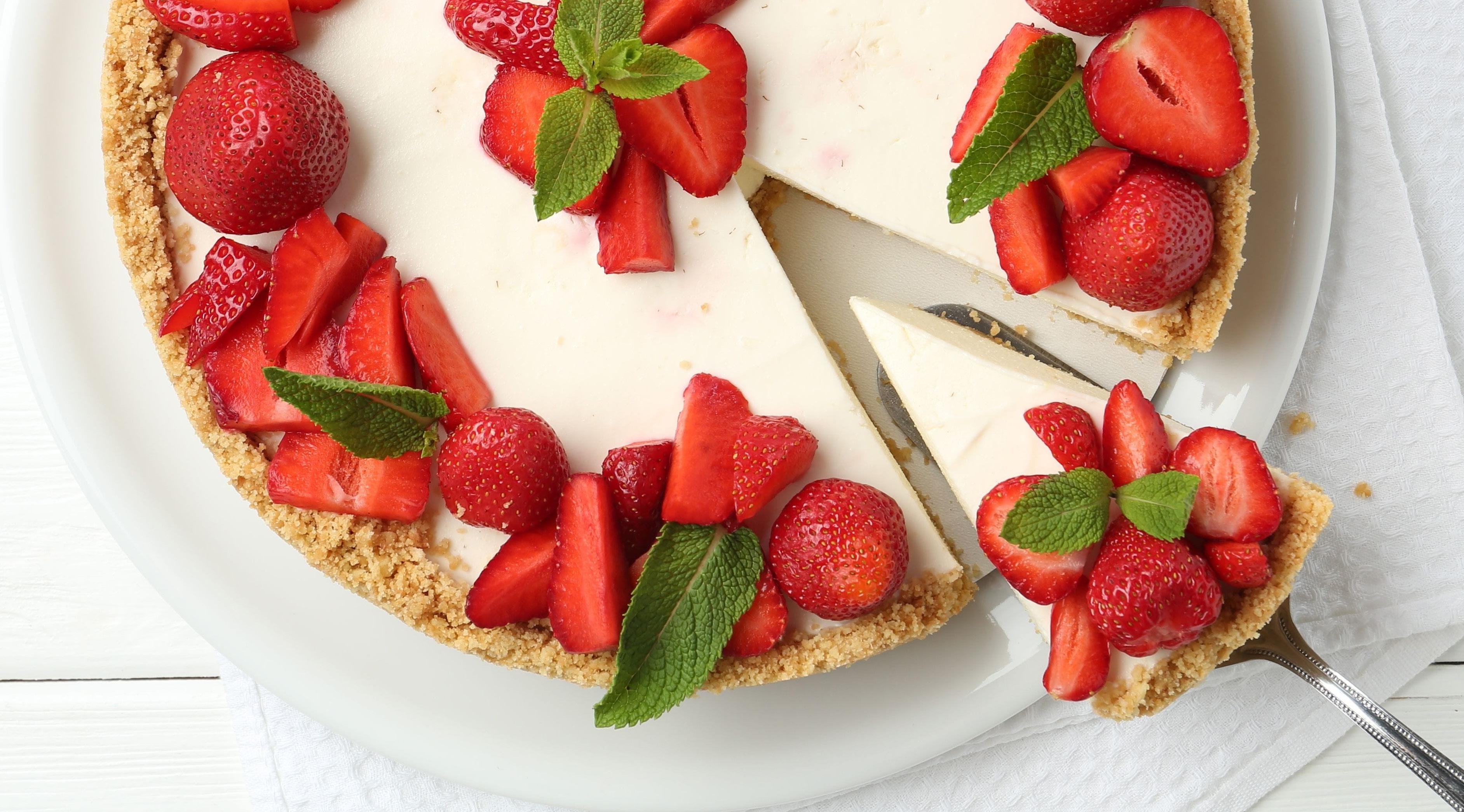
When temperatures rise, the last thing most people want to do is turn on the oven. That's why this No-Bake Strawberry Lemon Icebox Pie is the perfect summer dessert. Creamy, light, and bursting with fresh strawberry and lemon flavor, it's an easy make-ahead treat that's ideal for family gatherings, card nights, or simply enjoying on a warm afternoon.
No-Bake Strawberry Lemon Icebox Pie
A Cool & Refreshing Summer Dessert
By Nellie Palmer
Instructions
1. In a large mixing bowl, beat the softened cream cheese until smooth and fluffy.
2. Add the sweetened condensed milk, lemon juice, lemon zest, and vanilla extract. Mix until well combined and creamy.
3. Gently fold in the whipped topping until fully incorporated.
4. Fold in the diced strawberries, distributing them evenly throughout the filling.
5. Spoon the mixture into the graham cracker crust and smooth the top with a spatula.
6. Cover and refrigerate for at least 4 hours, or overnight for best results.
7. Before serving, garnish with fresh strawberry slices, a dollop of whipped topping, and a sprinkle of lemon zest.
Serving Suggestions
Serve chilled on a hot summer day with iced tea, lemonade, or coffee. This pie is perfect for backyard gatherings, church socials, bridge club, or family dinners.
Tips
• For extra lemon flavor, add an additional teaspoon of lemon zest.
• Fresh blueberries can be added for a patriotic summer dessert.
• A shortbread cookie crust may be substituted for the graham cracker crust.
• Make a day ahead for easier entertaining.
Make It Lighter
Use reduced-fat cream cheese and light whipped topping for a lighter version that still delivers plenty of flavor. Creamy, citrusy, and filled with sweet summer strawberries, this easy nobake pie is a refreshing dessert everyone will love—and no oven required.
AD
Maintaining good balance becomes increasingly important as we age. While occasional stumbles can happen at any age, falls are one of the leading causes of injury among older adults. The good news is that balance can be improved through
regular practice, helping increase confidence, mobility, and independence.
Balance relies on several factors working together, including muscle strength, flexibility, vision, and coordination. Like any physical skill, balance improves with consistent
exercise. Just a few minutes each day can make a meaningful difference.
Before beginning any balance exercise, make sure you have a sturdy chair, countertop, or wall nearby for support if needed.
By Grant Parker
Activities such as tai chi, yoga, and water aerobics are also excellent for improving balance. These exercises encourage body awareness, flexibility, strength, and controlled movement patterns that support fall prevention.
In addition to exercise, make sure your home environment supports
The key to improving balance is consistency. A few minutes of practice several times each week can help strengthen muscles, improve coordination, and increase confi-
dence when moving throughout the day.
Better balance doesn't just help prevent falls—it helps maintain independence, mobility, and the freedom to continue enjoying an active lifestyle for years to come.
AD
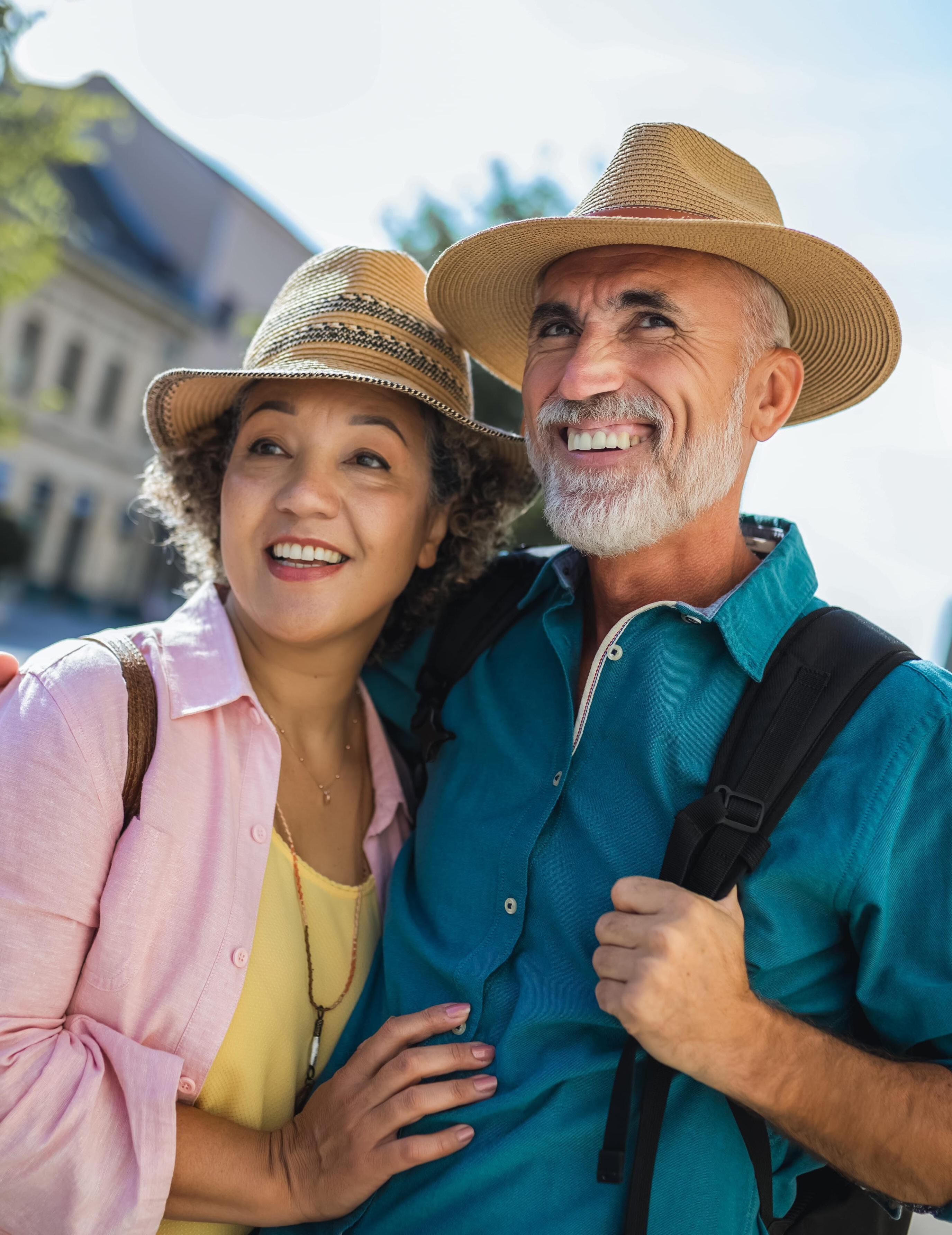
Retirement Reimagined
WHY TODAY'S SENIORS ARE TRAVELING, VOLUNTEERING, LEARNING, AND THRIVING
For generations, retirement was often viewed as a time to slow down. After decades of working, raising families, and fulfilling responsibilities, retirement represented
By Alyssa Ingram
nations they've always dreamed about seeing. Scenic train trips, national parks, river cruises, small-town getaways, and international travel are helping retirees create experiences that may have been difficult to pursue during their working years.
Travel offers more than beautiful scenery. It provides opportunities to learn
about new cultures, meet interesting people, and create lasting memories. Many retirees say that travel gives them a renewed sense of curiosity and excitement about life.
Volunteering has become another important part of modern retirement. Across the country, seniors are making meaningful contributions through schools, hospitals, churches, food banks, animal shelters, and community organizations.Their knowledge, experience, and skills are valuable resources that strengthen communities and improve lives.
For many seniors, retirement isn't the final chapter. It's the beginning of an exciting new one..
Many volunteers report that helping others benefits them as much as those they serve.Volunteering provides social interaction, a sense of purpose, and the satisfaction that comes from making a positive difference.
Learning is also playing a larger role in retirement than ever before. Retirement no longer signals the end of personal growth. In fact, many seniors are pursuing interests they never had time to explore earlier in life. Community colleges, online courses, workshops, and local clubs offer opportunities to study everything from photography and painting to history, gardening, technology, and foreign languages.
Research suggests that lifelong learning helps keep the mind engaged and supports cognitive health. More importantly, it reminds us that curiosity has no expiration date.
Many retirees are also discovering new hobbies and passions. Some are writing books, starting small businesses, joining fitness groups, learning musical instruments, or creating art. Others are spending more time gardening, hiking, fishing, or pursuing outdoor activities that improve both physical and emotional well-being.
Perhaps one of the most important aspects of retirement today is connec-
tion. Seniors are increasingly focused on building relationships with family, friends, neighbors, and community groups. Grandchildren, social clubs, volunteer organizations, and travel groups provide opportunities to stay engaged and connected.
Strong social connections contribute significantly to happiness and overall health. Studies consistently show that people who maintain meaningful relationships often experience greater emotional well-being and a stronger sense of belonging.
Health and wellness have also become central themes of modern retirement. Today's seniors are taking a more proactive approach to aging by focusing on exercise, nutrition, preventive care, and mental wellness. Walking groups, yoga classes, pickleball leagues, strength training, and outdoor recreation have become popular ways to stay active and maintain independence.
The result is a generation that is living longer, healthier, and more engaged lives than previous generations. Retirement is no longer defined by age alone. Instead, it is increasingly defined by mindset.
The common thread among thriving retirees is purpose. Whether it's volunteering, learning, traveling, mentoring, creating, or spending time with loved
ones, having something meaningful to look forward to each day contributes to a greater sense of fulfillment.
Retirement today is less about what people are leaving behind and more about what they are moving toward. It is an opportunity to pursue passions, embrace new experiences, strengthen relationships, and continue growing in ways that bring joy and purpose.
For many seniors, retirement isn't the final chapter. It's the beginning of an exciting new one.
The traditional image of retirement is being replaced by something far more inspiring—a life filled with adventure, contribution, learning, connection, and possibility. And for today's seniors, the best years may still be ahead.
HOW NATURE IMPROVES
Physical and Well-BeingEmotional
By Wilson Carter
Long before wellness became a trend, people instinctively turned to nature to restore their minds and bodies. A walk through the woods, an afternoon spent gardening, or simply sitting beneath a shade tree has long been a source of comfort, peace, and renewal. Today, science is confirming what many people have known all along: spending time in nature can significantly improve both physical and emotional well-being.
One of nature's greatest benefits is its ability to reduce stress. The sights and sounds of the outdoors help calm the nervous system and encourage relaxation. Listening to birds sing, watching leaves sway in the breeze, or enjoying a colorful garden can help quiet racing thoughts and create a greater sense of peace. Many people find that even a short time outdoors leaves them feeling refreshed and more positive.
Nature also encourages movement, which is essential for healthy aging. Walking, gardening, hiking, fishing, and other outdoor activities provide enjoyable ways to stay active. Unlike structured exercise programs, outdoor activities often feel less like a workout and more like recreation. Regular movement helps improve heart health, strengthen muscles, maintain flexibility, and support balance.
Walking, gardening, hiking, fishing, and other outdoor activities provide enjoyable ways to stay active.
Spending time outside can also benefit emotional health. Feelings of loneliness, anxiety, and sadness often lessen when people spend time in natural surroundings. Being outdoors encourages mindfulness, helping us focus on the present moment rather than worrying about the past or future. Many people report feeling happier and more optimistic after spending time in nature.
Gardening deserves special mention because it offers multiple benefits at once. It provides light physical activity, mental stimulation, and a sense of accomplishment. Whether growing flowers, vegetables, or herbs, gardening allows people to nurture living things and enjoy the rewards of their efforts.
Sunlight provides another important advantage. Moderate exposure to sunlight helps the body produce vitamin D, which supports bone health, immune function, and overall wellness. While sun protection remains important, spending reasonable amounts of time outdoors can contribute to better health.
The best part is that enjoying nature doesn't require a major adventure. A neighborhood park, backyard garden, walking trail, or front porch can provide meaningful opportunities to connect with the outdoors. Even a few minutes spent outside each day can make a difference.
As we grow older, maintaining physical health and emotional balance becomes increasingly important. Nature offers a simple, affordable, and enjoyable way to support both. Sometimes the most powerful wellness tool isn't found in a gym or medicine cabinet— it's found just outside the door.
Even a few minutes spent outside each day can make a difference.
How to Stay Connected With Long-Distance Grandchildren
By Grant Parker
Many families today are spread across different cities, states, and even countries. While distance can make it harder to see grandchildren regularly, it doesn't have to weaken the special bond grandparents share with them. Thanks to modern technology and a little creativity, meaningful connections can continue to grow no matter how many miles separate you.
One of the easiest ways to stay involved is through regular video calls. Seeing each other's faces creates a stronger connection than a simple phone conversation. Schedule a weekly or biweekly "grandparent date" where you can catch up, hear about school activities, and share stories. Younger children especially enjoy seeing familiar faces and hearing grandparents' voices regularly.
Reading together is another wonderful way to connect. During video calls, grandparents can read favorite books aloud or follow along while grandchildren read to them. This not only strengthens relationships but also encourages literacy and learning.
Traditional mail still has a special magic. Children love receiving letters, postcards, drawings, and small surprises addressed specifically to them. Consider sending seasonal cards, family photos, stickers, or handwritten notes. A simple letter can become a
treasured keepsake that reminds grandchildren they are loved and remembered.
Sharing family stories is another meaningful way to stay connected. Grandparents hold a wealth of family history that younger generations may never learn otherwise. Tell stories about your childhood, family traditions, military service, favorite vacations,
or funny family memories. These conversations help grandchildren understand their roots and create a stronger sense of family identity.
Technology also offers opportunities to share experiences. Watch a movie together
while chatting by phone, play online games, work on a virtual puzzle, or cook the same recipe from your respective kitchens. These shared activities create memories even when you can't be together physically.
Celebrating milestones is equally important. Make an effort to attend virtual birthday parties, school performances, graduations, and special events whenever possible. A quick video message or phone call on important days reminds grandchildren that you are actively involved in their lives.
Consistency matters more than perfection. Grandchildren don't expect elaborate gifts or constant communication. They simply want to know their grandparents care and are interested in their lives. Even short, regular interactions can have a lasting impact.
Distance may change how families connect, but it doesn't diminish the love between grandparents and grandchildren. By making communication a priority and embracing both old-fashioned and modern ways of staying in touch, grandparents can continue building strong relationships that span generations.
After all, some of life's most meaningful connections aren't measured in miles— they're measured in moments shared and memories created together.
AD
THE POWER OF PURPOSE
Why Having Goals Matters at Every Age
By Alyssa Ingram
Retirement often brings the gift of time. After decades spent building careers, raising families, and meeting responsibilities, many older adults finally have the freedom to choose how they spend their days. While that freedom can be exciting, it can also leave some people wondering, “What’s next?”
The answer may be found in one simple word: purpose.
Purpose is the feeling that our lives have meaning and direction. It gives us a reason to get up in the morning, something to look forward to, and a sense that we are contributing to the world around us. Research consistently shows that people who have a strong sense of purpose tend to be happier, healthier, and more resilient as they age.
Many people mistakenly believe that goals are only for younger adults building careers or raising families. In reality, having goals is important at every stage of life. Goals provide motivation, stimulate the mind, and encourage continued growth. They remind us that life is not defined by our age but by our willingness to keep learning, exploring, and contributing.
Purpose doesn't have to come from a grand achievement. It can be found in everyday activities that bring meaning and joy. Some people discover purpose through volunteering, mentoring younger generations, or serving in their communities. Others find fulfillment in gardening, learning new skills, traveling, creating art, or spending more intentional time with family and friends.
Having goals also benefits physical and mental health. When we work toward something meaningful, we are more likely to stay active, maintain social
connections, and engage our minds. These activities can help reduce feelings of loneliness and improve overall well-being. Studies have even suggested that a strong sense of purpose may contribute to better heart health and longer life expectancy.
One of the greatest advantages of this stage of life is the opportunity to redefine success. Goals no longer have to revolve around promotions, deadlines, or financial milestones. Instead, they can focus on personal growth, relationships, experiences, and legacy.
Perhaps you've always wanted to write a family history, learn to paint, take a dream trip, master a new technology, or start a community project. Maybe your goal is as simple as walking every day, reading more books, or spending quality time with grandchildren. Every goal, no matter how small, creates momentum and gives life direction.
If you're searching for a renewed sense of purpose, start by asking yourself a few questions: What brings me joy? What skills or experiences can I share with others? What have I always wanted to learn or accomplish?
The answers may lead you to your next chapter.
Life's most meaningful moments are not limited by age. In fact, many people discover their greatest sense of purpose later in life, when they finally have the freedom to pursue what matters most.
Purpose isn't about staying busy. It's about staying engaged, connected, and inspired. And no matter your age, there is always another goal worth pursuing and another dream waiting to be explored.
AD
America's Most Scenic Train Trips for Seniors
By Emily Bransen
There’s something special about train travel. Unlike driving, there’s no need to navigate traffic or watch the road. Unlike flying, there are no long security lines or cramped seats. Instead, travelers can sit back, relax, and enjoy some of the most beautiful scenery America has to offer.
For seniors looking for a comfortable and memorable travel experience, scenic train journeys provide the perfect combination of relaxation, sightseeing, and adventure.
One of the most famous rail experiences in the country is the **California Zephyr**, operated by Amtrak. Traveling between Chicago and the San Francisco Bay Area, the route passes through the Rocky Mountains, the Sierra Nevada, and vast stretches of beautiful western landscapes. Large viewing windows make it easy to enjoy the scenery from the comfort of your seat.
Another favorite is the **Empire Builder**, which travels from Chicago to Seattle and Portland. This route showcases the Great Plains, the Mississippi River, and breathtaking views of Glacier National Park. Many travelers consider it one of the most beautiful train rides in North America.
For those who prefer shorter trips, the **Grand Canyon Railway** offers a wonderful experience. Departing from Williams, Arizona, this historic train transports passengers through high-desert scenery before arriving at the South Rim of the Grand Canyon. The journey combines spectacular views with a touch of Old West charm.
The **Rocky Mountaineer**, which now operates routes in the American Southwest, provides a luxury rail experience with glassdomed coaches, gourmet meals, and stunning views of red rock canyons, rivers, and mountain landscapes. While more expensive than traditional rail travel, many travelers consider it a once-in-a-lifetime adventure.
In New England, the **Mount Washington Cog Railway** in New Hampshire offers an unforgettable ride to the summit of Mount Washington. The views of forests, valleys, and surrounding mountains are especially beautiful during the fall foliage season.
One reason train travel appeals to many seniors is comfort. Passengers have the freedom to walk around, visit dining cars, socialize, and enjoy panoramic views without the stress of driving. Sleeping accommodations are also available on many longer routes, making multiday journeys more enjoyable.
Train travel encourages a slower pace, allowing travelers to appreciate the journey itself rather than simply rushing to a destination. Every curve in the track reveals a new landscape, creating opportunities to see parts of the
country that are often missed by highway travelers.
For seniors seeking a relaxing and scenic way to explore America, these rail adventures offer an unforgettable opportunity to experience the beauty of the country from a unique and comfortable perspective.
Sometimes the journey truly is as rewarding as the destination.
AD AD
Whether you're hosting bridge club, bunco, mahjong, dominoes, or an afternoon gathering with friends, these Mini Chicken Salad Croissant Sliders are guaranteed to be a hit. They're easy to prepare, can be made ahead of time, and are simple to eat while socializing. The flaky croissants, creamy chicken salad, and fresh grapes create a light and refreshing summer appetizer that's both elegant and satisfying.
Serves: 12 | Prep Time: 15 Minutes
Chill Time: 30 Minutes
Ingredients
Chicken Salad
• 3 cups cooked chicken breast, shredded or diced
• 1/2 cup mayonnaise
• 1/4 cup plain Greek yogurt or sour cream
• 1 tablespoon Dijon mustard
• 1/2 cup red grapes, halved
• 1/3 cup celery, finely diced
• 1/4 cup sliced almonds or chopped pecans
• 2 tablespoons green onions, finely sliced
• Salt and black pepper to taste
Sliders
• 12 mini croissants
• Lettuce leaves
• Optional: thin slices of tomato
Mini ChiCken Salad CroiSSant SliderS
The Perfect Card Night Finger Food
By Nellie Palmer
Instructions
1. In a large mixing bowl, combine the chicken, mayonnaise, Greek yogurt, and Dijon mustard.
2. Add the grapes, celery, almonds, and green onions. Stir until everything is evenly coated.
3. Season with salt and pepper to taste.
4. Cover and refrigerate for at least 30 minutes to allow the flavors to blend.
5. Slice the mini croissants in half.
6. Add a small piece of lettuce to each croissant and spoon a generous amount of chicken salad onto the bottom half.
7. Add a thin tomato slice if desired and replace the top of the croissant.
8. Arrange on a serving platter and serve chilled.
Make-ahead tip
• Prepare the chicken salad up to one day in advance and refrigerate. Assemble the sliders shortly before serving to keep the croissants fresh.
Serving Suggestions
Pair with:
• Fresh fruit skewers
• Cucumber tea sandwiches
• Lemon iced tea
• Sparkling water with citrus slices
Easy Variations
• Substitute dried cranberries for grapes.
• Use chopped apples for added crunch.
• Add fresh dill or tarragon for extra flavor.
• Use rotisserie chicken to save time.
Why This Recipe Works for Card Night
• Easy finger food with no utensils required
• Light enough for afternoon gatherings
• Can be made ahead
• Serves a crowd
• Elegant presentation with minimal effort
These bite-sized croissant sliders bring together creamy, crunchy, sweet, and savory flavors, making them the perfect centerpiece for your next card game gathering.