AD
AD

executive publishers Your Logo Here
managing editor
Suzanne Polk Fox
copy editor
Christian Dischler
contributing writers
Alyssa Ingram
Grant Parker
Sandra Blackstone
design/production
Megan Pedersen
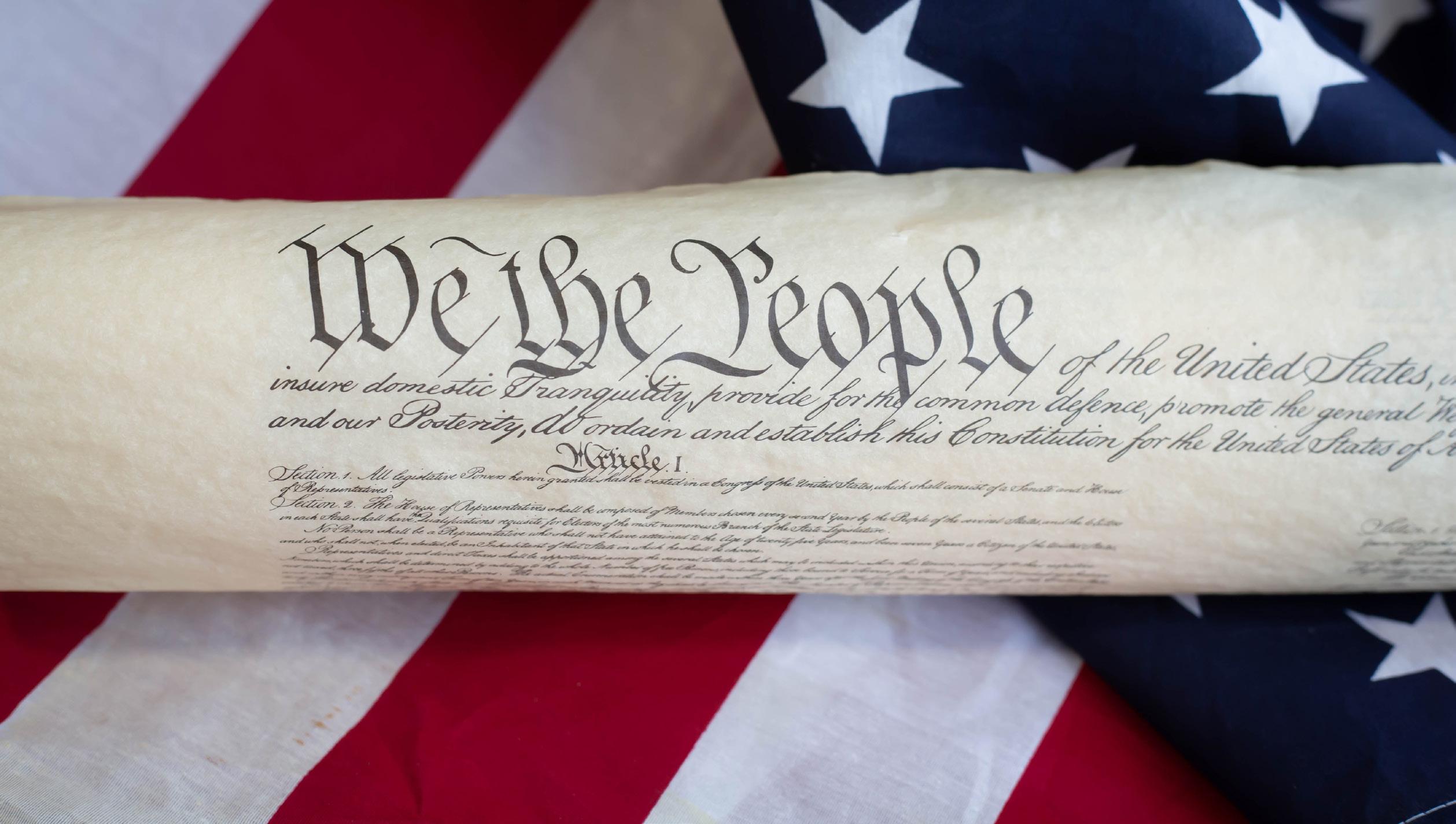
Philadelphia stands as the unmistakable epicenter of America’s 250th birthday celebration—a living stage where history and modern momentum meet. While the city buzzes with global attention from events like the MLB All-Star Game and the FIFA World Cup, the true gravity of 2026 pulls visitors toward a quieter, more profound landmark: Independence Hall on Chestnut Street.
This modest brick building, revered across generations, has undergone what experts are calling a “once-in-a-century” restoration. Every detail has been approached with extraordinary precision. Conservationists studied centuries-old paint fragments to recreate the Assembly Room exactly as it appeared in 1776— right down to its distinctive shade known simply as “stone.” The result is not just a renovation, but a resurrection.
Visitors stepping into that room in 2026 often describe something difficult to articulate—an almost tangible presence. It is here that George Washington was appointed Commander-in-Chief. It is
here that the debates that shaped the United States Constitution unfolded with urgency, conviction, and vision. Standing within those walls creates a rare and powerful bridge across time, collapsing nearly two and a half centuries into
single moment of reflection.
Beyond Independence Hall itself, the celebration expands outward through the innovative “Houses of Declaration” project. This regional initiative invites visitors to explore the homes, journeys, and personal histories of the Declaration’s signers throughout the surrounding counties. It transforms the story from a single moment in one room into a broader human narrative— one of risk, resolve, and unity.

In that room, where voices once shaped a nation, the past does not feel distant. It feels present

Philadelphia in 2026 is not simply hosting events; it is hosting a homecoming. It welcomes Americans and visitors from around the world to reconnect with the origins of liberty in the very place where it was defined. In an age of constant motion and digital noise, the stillness inside Independence Hall offers something rare: clarity.
In that room, where voices once shaped a nation, the past does not feel distant. It feels present

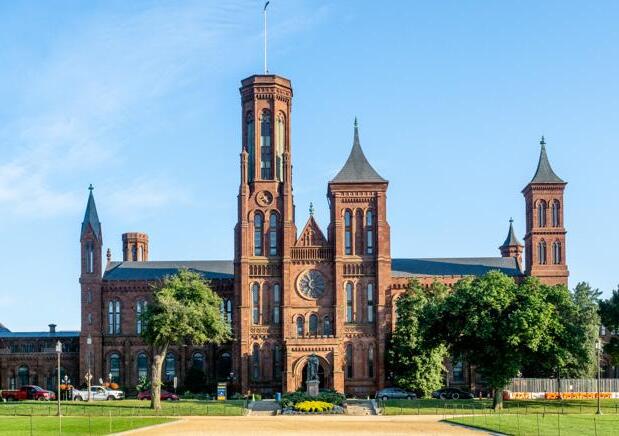
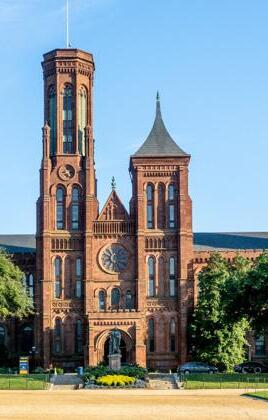
The Smithsonian Castle is 171 years old. Construction began in 1847 and the iconic building was officially completed in 1855
For generations, the iconic red sandstone towers of the Smithsonian Castle have welcomed visitors to the National Mall. In 2026, that familiar landmark reopens with a bold new purpose—ushering in what many are calling a new era for the American museum experience.
After years of careful renovation, the Castle has been reimagined as the official “Orientation Center for the American Experience.” No longer just a starting point for navigating the Smithsonian’s vast network of museums, it now serves as an immersive introduction to the nation’s story—past, present, and future.
At the heart of this transformation is the groundbreaking “American Aspirations” exhibit, a fusion of history and cutting-edge technology. Through the use of artificial intelligence and holographic projection, visitors are no longer passive observers—they become participants. Imagine standing in a room where you can engage in
a dynamic “conversation” with the Founding generation, exploring the ideas and tensions that shaped the nation’s beginnings. Or stepping into the energy of a 1920s suffrage march, surrounded by voices demanding change and equality.
The Castle serves as the Smithsonian’s symbolic heart and main visitor center. It is currently undergoing extensive renovations but is briefly open to the public from May 22 to September 7, 2026, for the nation's 250th birthday.
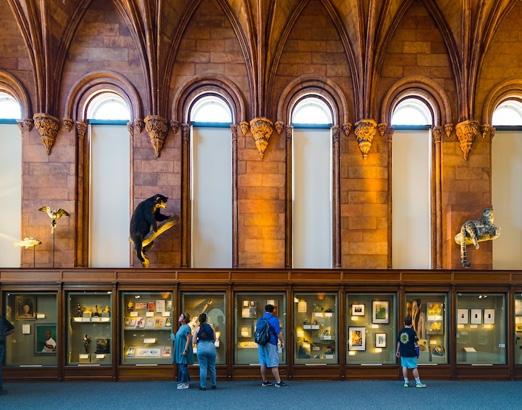
It’s not just about seeing history. It’s about experiencing it.
This approach reflects a broader shift in how stories are told. Rather than presenting a fixed narrative, the exhibit invites exploration, perspective, and even debate—mirroring the evolving nature of the American story itself.
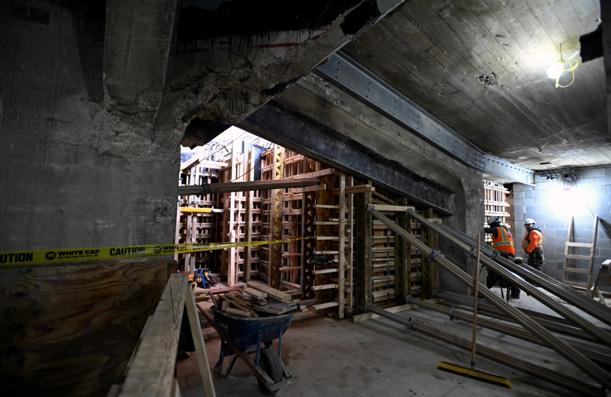
In a remarkable expansion beneath the Lincoln Memorial, a newly opened museum space allows visitors to descend below the monument and witness its structural foundations. Here, massive columns and support systems—normally hidden from view—are on full display.
Just as the physical strength of the memorial lies beneath its surface, so too does the deeper complexity of American history. This new space invites visitors to look beyond the familiar, to explore the underlying forces, struggles, and ideas that have shaped the nation.
Together, these projects signal a turning point for the Smithsonian Institution. They embrace innovation without losing reverence for the past, blending technology with storytelling in ways that feel both modern and meaningful.
In 2026, the Smithsonian Castle is no longer simply a gateway to museums.
It is a gateway to understanding— an invitation to step inside the American experience and see it anew.
BY ALYSSA INGRAM
As the final fireworks fade and the banners of 2026 are carefully folded away, a more important question comes into focus: What remains?
For all its spectacle, the Semiquincentennial was never meant to be just a celebration. Through the nationwide “America Gives” initiative, the 250th birthday has been transformed into something far more enduring—a catalyst for a renewed era of civic engagement, service, and shared responsibility across all 50 states.
The premise was simple, but powerful: honor the nation’s founding not only by remembering its history, but by actively contributing to its future.
Communities responded in extraordinary ways.
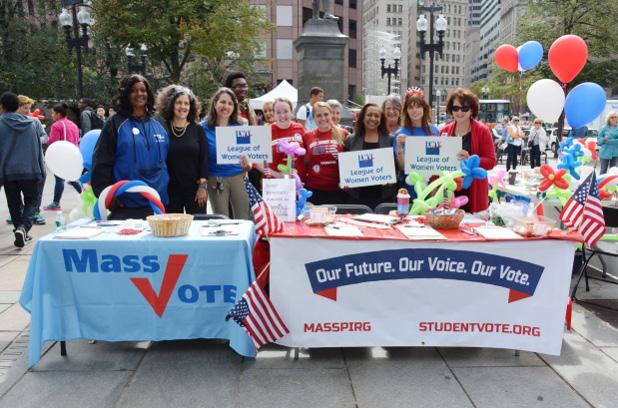
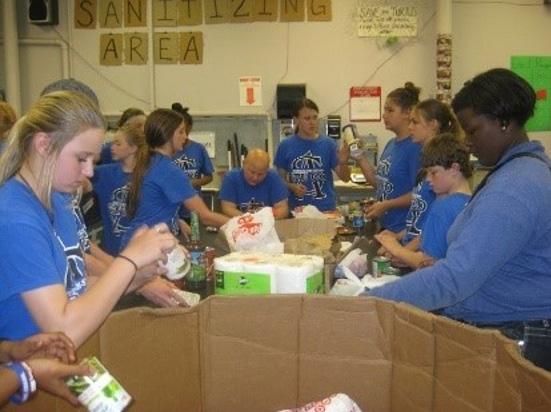
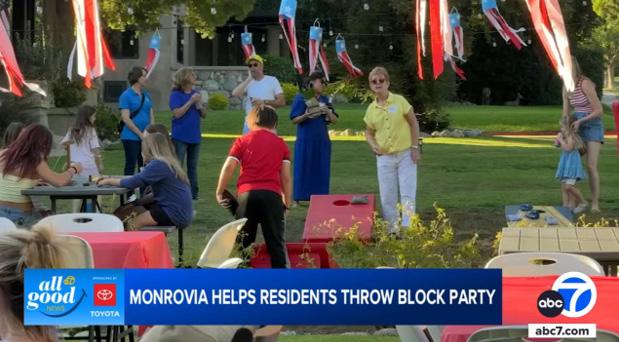
Across the country, neighborhoods organized events that blended celebration with purpose. Block parties became opportunities for connection and action—featuring voter registration drives, food bank collections, and local service projects. Families, schools, churches, and businesses found ways to participate, turning a national milestone into a deeply personal commitment to community.
The results are remarkable. More than 250 million hours of volunteer service have been logged in 2026 alone—an achievement that reflects not just participation, but momentum. From small towns to major cities, Americans stepped forward to strengthen the places they call home.
But numbers only tell part of the story.
What “America Gives” has revealed is something less measurable, yet far more significant: a rekindling of what might be called the nation’s “civic muscle.” The habit of showing up. The willingness to help a neighbor. The understanding that citizenship is not passive, but active.
For years, conversations about the state of the country have often centered

on division. Yet, in this moment, something different has emerged—a reminder that while Americans may not agree on everything, they can still work side by side toward common goals.
That may be the true legacy of America250.
Not the commemorative coins or the headline events, but the quiet, collective decision to engage—to give time, effort, and care to something larger than oneself.
History shows that the strength of the American experiment has always depended on participation. The ideals set forth in 1776 were never self-executing; they required each generation to take ownership and carry them forward.
In 2026, that responsibility has been embraced with renewed energy.
As the nation looks ahead, the success of “America Gives” offers a clear path forward. The challenge now is not to replicate a single year of service, but to sustain it— to make civic engagement not an exception, but an expectation.
The fireworks may be over.
But if this year has proven anything, it’s that the real work—and the real promise—of the next 250 years is just beginning.
IThen the quiet, cobblestoned shadows of Philadelphia’s Independence Hall, the air feels different this year. It’s not just the weight of the humidity or the press of the crowds; it’s the gravity of the number. Two hundred and fifty. A quarter of a millennium.
On July 4, 1776, fifty-six men
risked a "neck-stretching" charge of treason to sign a document that didn't just create a country—it launched an experiment. Today, in 2026, that experiment is the centerpiece of a global stage. While the world watches the FIFA World Cup matches and the "Freedom 250" engines roar in the capital, the heart of the
Semiquincentennial isn't found in the spectacle. It’s found in the "Pursuit."
The America250 milestone has become more than a birthday; it has become a national mirror. From the "America’s Field Trip" projects in our classrooms to the "Our American Story" recording booths in our town squares, the theme of 2026 is participation. We aren't just observing history; we are "doing" it.
In Washington, D.C., the National Mall has been transformed into the "Great American State Fair." It is a kaleidoscope of the Union: Maine lobster rolls, New Mexican turquoise, and tech startups from the Silicon Valley. But just a few hundred yards away, at the National Archives, the lines to see the original Declaration of Independence stretch longer than ever. There is a hunger this year to touch the source code—to see the ink and parchment that gave birth to the modern world.
The Complexity of Celebration We celebrate 2026 with a maturity that was perhaps missing in the Bicentennial of 1976. This year’s programming, titled "Unfinished Revolutions," acknowledges that the journey toward a "more perfect union" is exactly that—a journey. The
The Spectacle of the Century Of course, it wouldn't be an American birthday without the "pomp and parade" John Adams famously predicted. The "Freedom 250 Grand Prix" in August will see IndyCars screaming past the Lincoln Memorial, a symbol of American velocity and innovation. In the harbors, the "Tall Ships" are returning, their white sails a ghostly, beautiful reminder of the era of the Founders.
But when the last firework fades over the Philadelphia Museum of Art on the night of July 4th, what remains?
The 2276 Vision The legacy of 2026 is being written in the "America Gives" initiative. Millions of hours of service have already
not just with jerseys and iPhones, but with letters to the Americans of 2276.
What will they think of us? They will see a nation that, at 250 years old, was still arguing, still dreaming, and still desperately in love with the idea of liberty. They will see that we didn't just celebrate a date on a calendar; we celebrated the fact that the experiment is still running.

BY GRANT PARKER
Check your pockets.
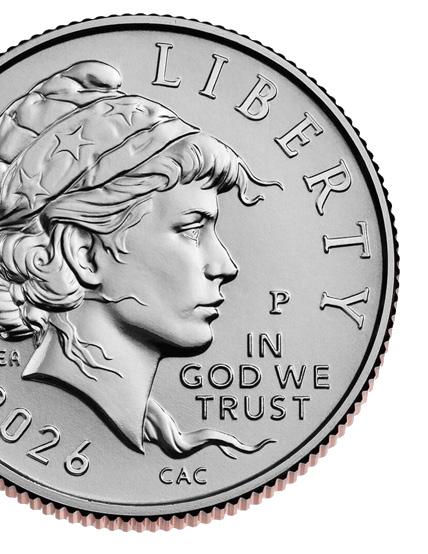
In 2026, the coins we carry every day have become something more than currency—they’ve become a portable museum. Through the new Semiquincentennial Coin Program, the United States Mint has transformed everyday change into a celebration of America’s 250-year journey.
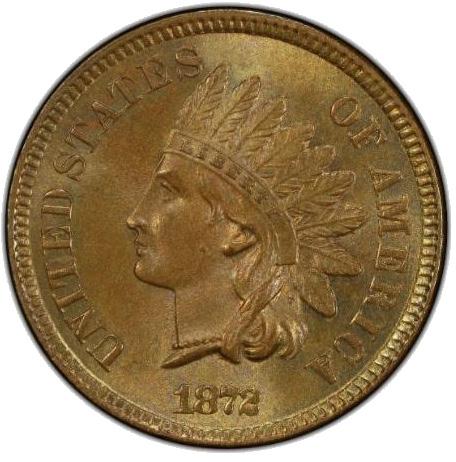
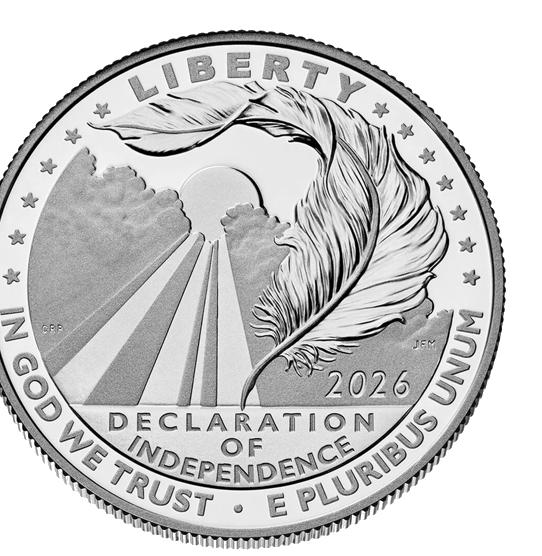

At the center of the program is one of the most talked-about designs in recent memory: the “Emerging Liberty” dime. This modern interpretation of Lady Liberty breaks from tradition while honoring it, presenting a forwardlooking image that reflects the evolving identity of the nation. It’s bold, contemporary, and symbolic of a country that continues to redefine itself with each generation.
The quarter series carries that storytelling even further. Rotating designs throughout the year highlight the nation’s foundational documents—the United States Declaration of Independence, the United States Constitution, and the United States Bill of Rights—often referred to collectively as the “Charters of Freedom.” Each coin becomes a miniature canvas, capturing the principles that have guided the country since its founding.
For collectors and everyday Americans alike, one of the biggest surprises has been the surge in popularity of the 1776–2026 dual-date penny. What might seem like a small detail has quickly turned into a national sensation. People are setting them aside, gifting them, even passing them down as keepsakes—tiny, copper reminders of a historic milestone.
What makes this program especially powerful is its accessibility. Unlike museum exhibits or special events that require travel or planning, these coins circulate freely, moving from hand to hand, from city to city. They show up in coffee shop change, parking meters, and kitchen drawers—quietly connecting millions of Americans to the Semiquincentennial in a personal, tangible way.
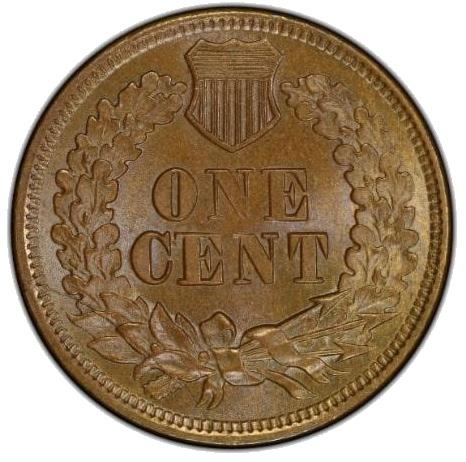
“It’s a way for every American to hold a piece of the 250th anniversary in their hand,” said the Mint’s director—a sentiment that captures the spirit of the program perfectly.
In a year defined by reflection and celebration, these coins serve as daily reminders of the nation’s story—where it began, how far it has come, and where it might go next.
History, it turns out, isn’t just something we read about. In 2026, it’s something we carry with us.
BY GRANT PARKER
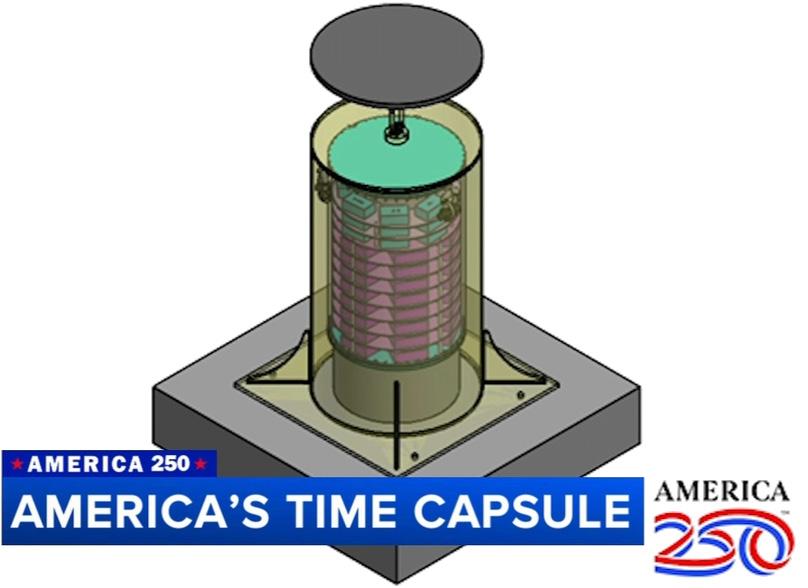
In the heart of Philadelphia’s Old City—where the nation first found its voice—a different kind of statement is being prepared. Not one spoken or signed, but sealed.
On July 4, 2026, a granite vault will be closed and set aside for a future no one alive today will see. It is designed to remain untouched until the year 2276, when Americans—five generations from now—will open it and look back at us.
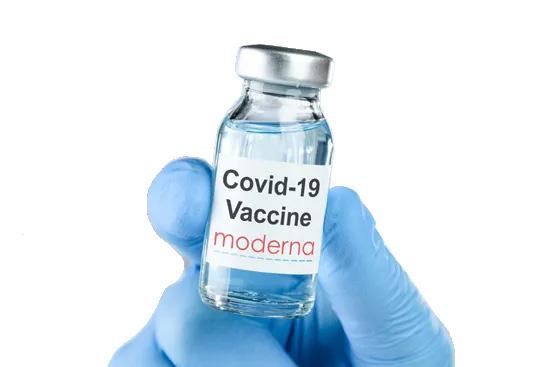
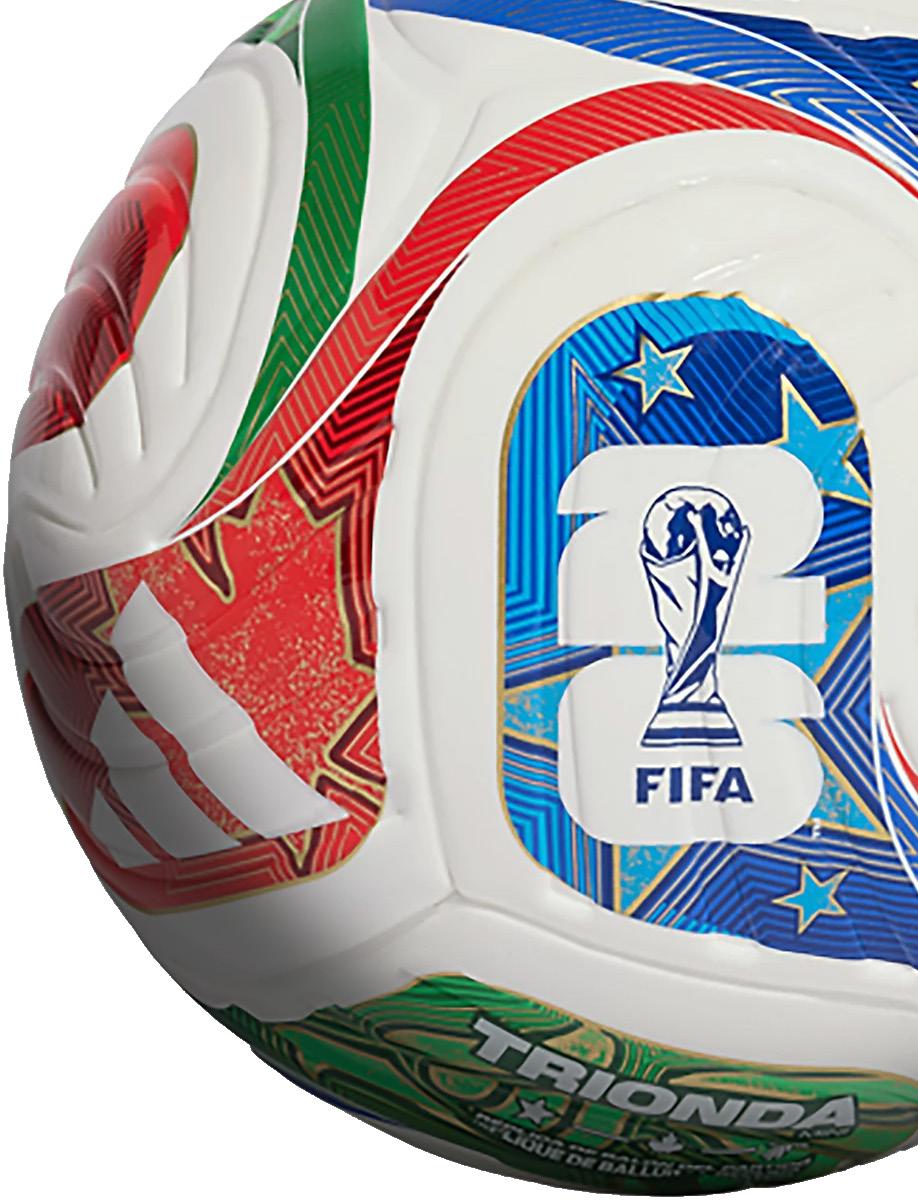
The items placed inside reflect both the moment we are living in and the story we hope endures. A 2026 FIFA World Cup soccer ball captures a summer when the world gathered on American soil in celebration and competition. A small vial representing the first COVID-19 vaccine stands as a quiet but powerful reminder of resilience in
the face of a global crisis—of science, sacrifice, and collective effort.
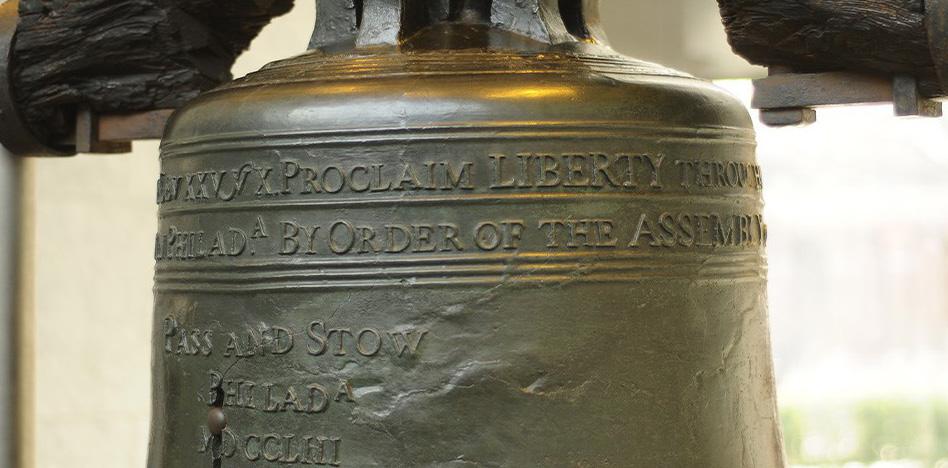
There is also a sculptural tribute inspired by the Liberty Bell, drawn from the “Bells Across PA” project, symbolizing the enduring call of freedom that has echoed since the nation’s founding. Alongside these tangible objects rests something less visible but equally meaningful: a digital archive titled “Our American Story,” preserving voices, images, and memories from across the country.
Yet, for all the significance of these artifacts, the most moving contents may be the simplest.
Thousands of handwritten “Letters to 2276” have been gathered from citizens of all ages and

Thousands of handwritten “Letters to 2276” have been gathered from citizens of all ages and backgrounds.
backgrounds. Some are hopeful. Some are reflective. Many are deeply personal. Together, they form a chorus of voices speaking across time—ordinary people reaching forward 250 years with a shared question:
In these letters, writers express their hopes for unity, for progress, for a nation that continues striving toward its ideals. They do not assume perfection. Instead, they acknowledge the unfinished nature of the American story and place their trust in those who will carry it

BY SANDRA BLACKSTONE
As the 250th anniversary unfolds, celebrations are happening from coast to coast—blending history, innovation, and community spirit. These signature events highlight the scale of the Semiquincentennial, offering unforgettable ways to experience America’s past, present, and future in motion.
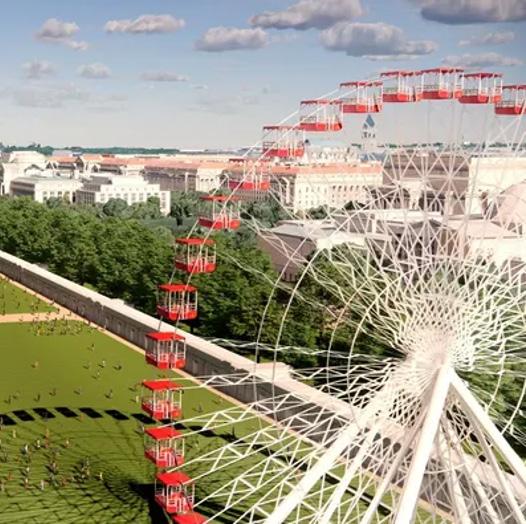
Washington, D.C.
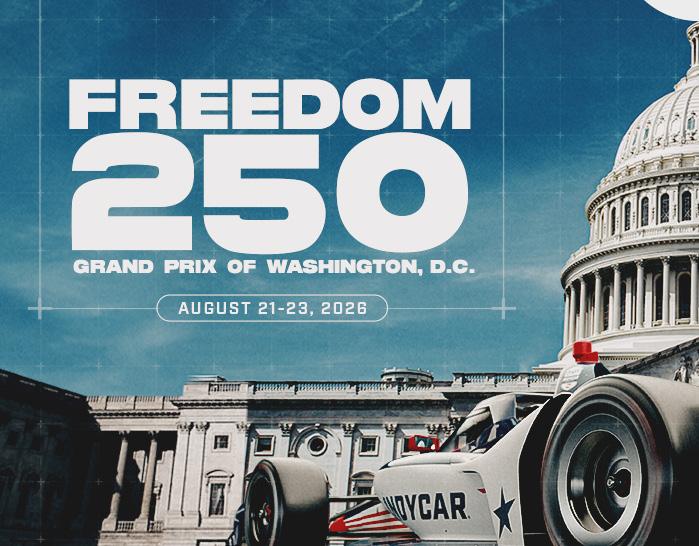
A first-of-its-kind IndyCar race through the streets of the nation’s capital. Drivers will speed past landmarks like the Washington Monument and Lincoln Memorial in a high-energy tribute to American innovation
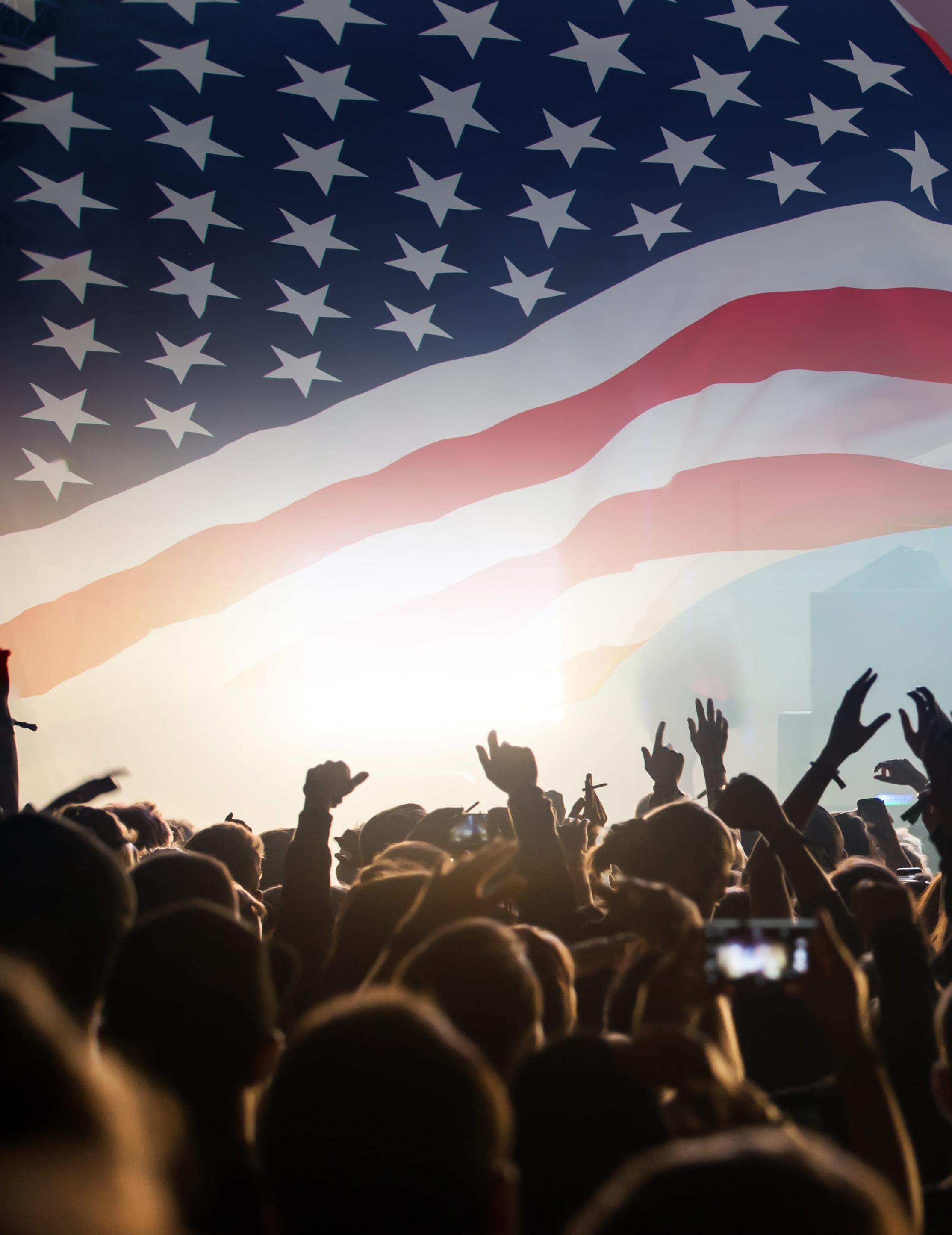
National Mall, Washington, D.C.
A massive showcase of all 50 states featuring regional food, culture, music, and exhibits. Think of it as America gathered in one place—celebrating what makes each state unique while honoring shared traditions.
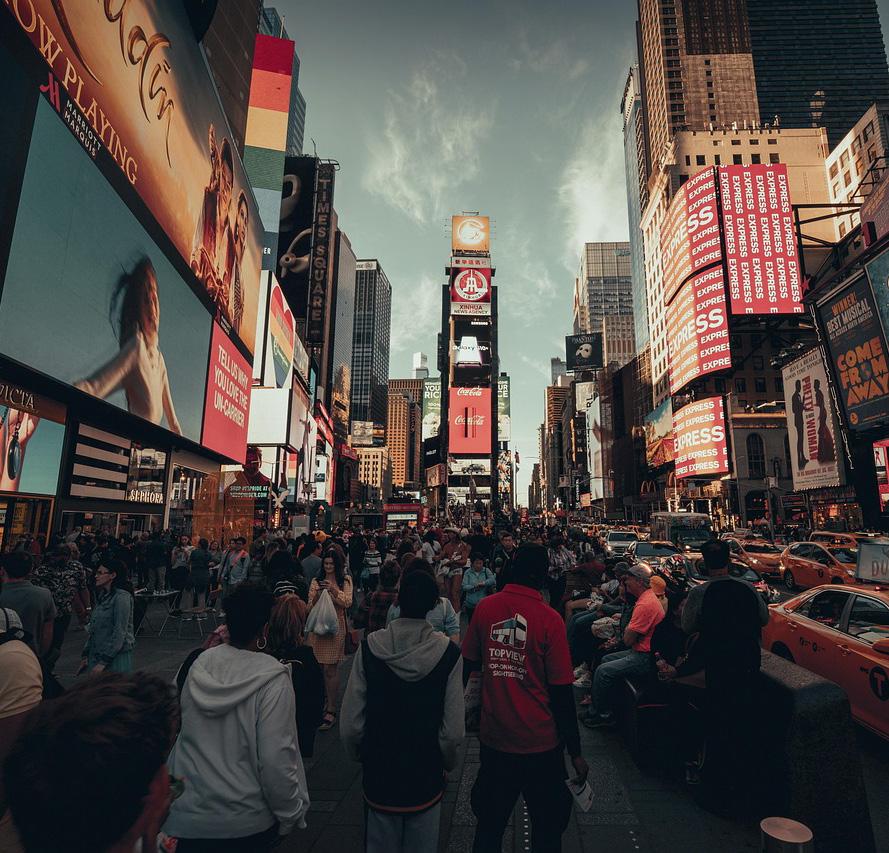
Times Square, New York City
For the first time ever, the iconic ball dropped twice on New Year’s Eve to launch 2026—and it returns with a special July 3, 2026 countdown drop to kick off Independence Day celebrations in unforgettable fashion.
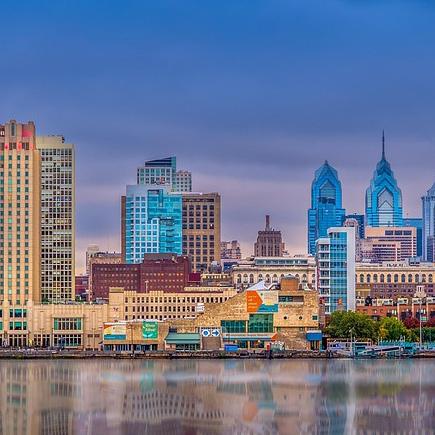
Philadelphia
The heart of the Semiquincentennial is hosting a historic summer lineup, including:
• MLB All-Star Game
• PGA Championship
• FIFA World Cup 26 matches
The city will also seal a oncein-a-generation time capsule in Old City to be opened in 2276.
Nationwide
A national contest inviting students (grades 3–12) to explore what America means to them. Winners earn oncein-a-lifetime trips to destinations like Yellowstone National Park and the National Archives Building—turning history into a hands-on experience.
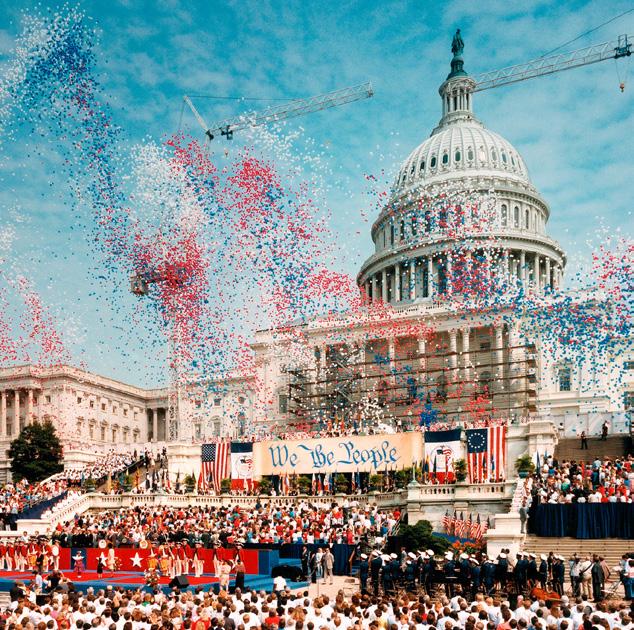
In addition to the Grand Prix, visitors can experience:
• The reopening of the Smithsonian Castle with the immersive American Aspirations exhibit
• A three-day “Spirit of Independence” festival at the National Archives Building
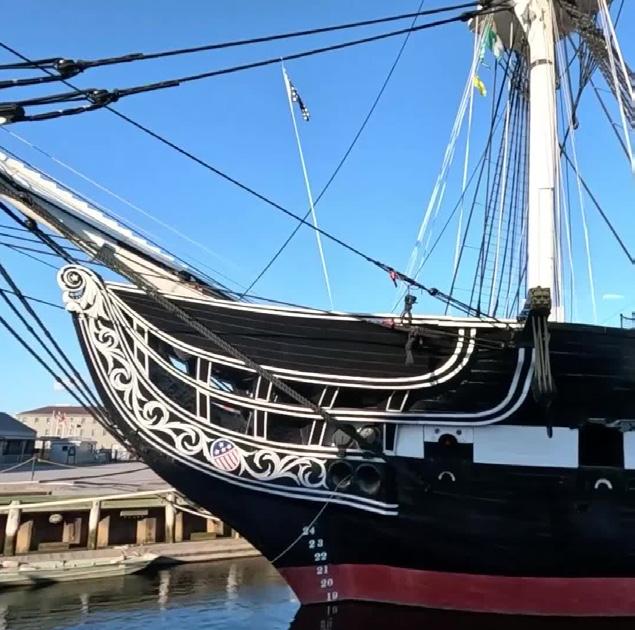
Boston Harbor will host “Boston 250,” featuring:
• Over 50 tall ships from around the world
• A dramatic Parade of Sail led by the USS Constitution
• A powerful tribute to America’s Revolutionary roots and global partnerships.
While these are the headline celebrations, thousands of local events—from parades and festivals to service projects and exhibits—are happening in communities nationwide.
To explore more, visit: America250 Commission official website (America250.org) Or simply check with your local city, parish, or state tourism office—there’s likely something special happening right in your backyard.