Student Yearbook 2026 - Wetherby Pembridge Senior School
YEARBOOK IDENTITY
Editorial
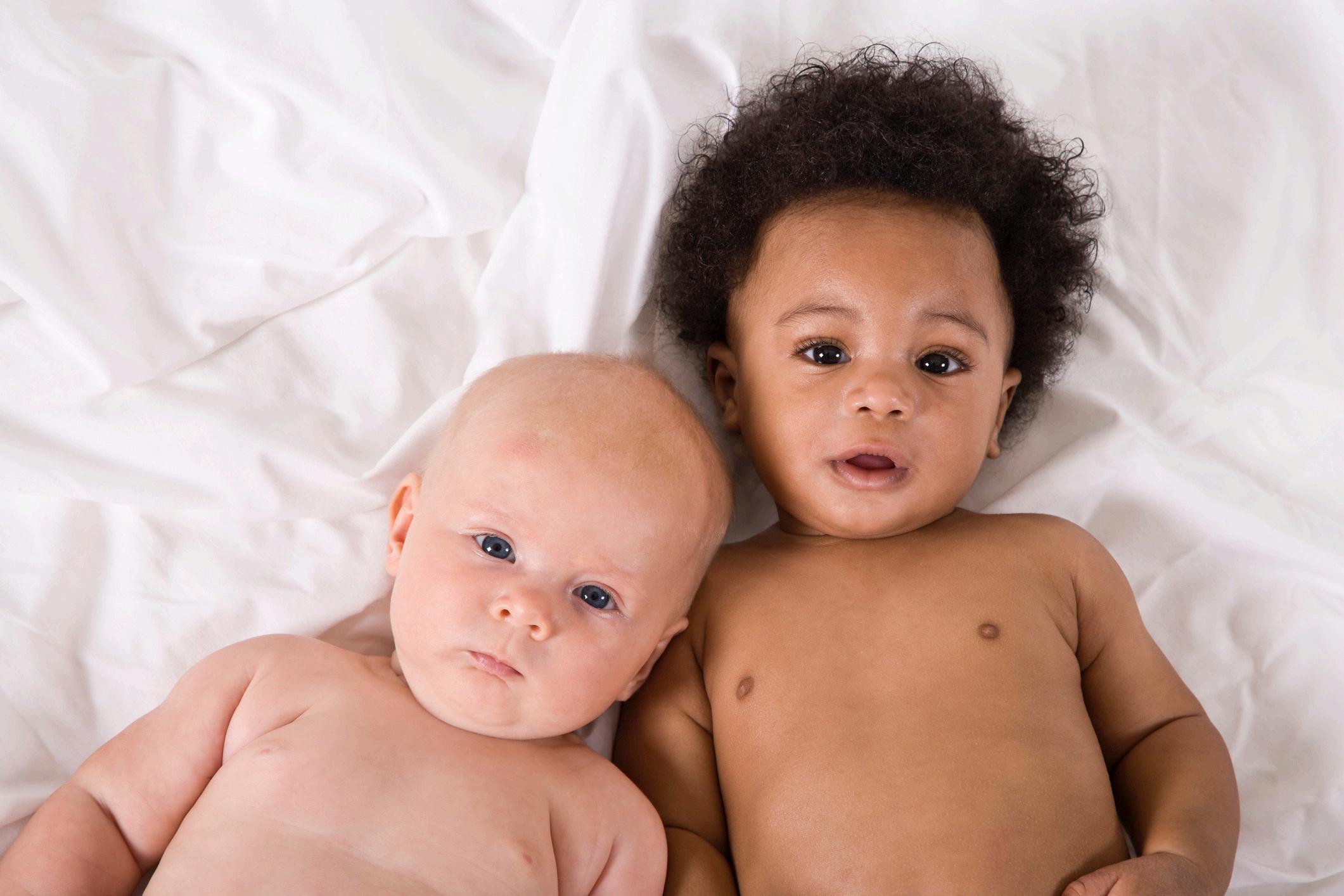
-Is Identity Shaped by Nature or Nurture?
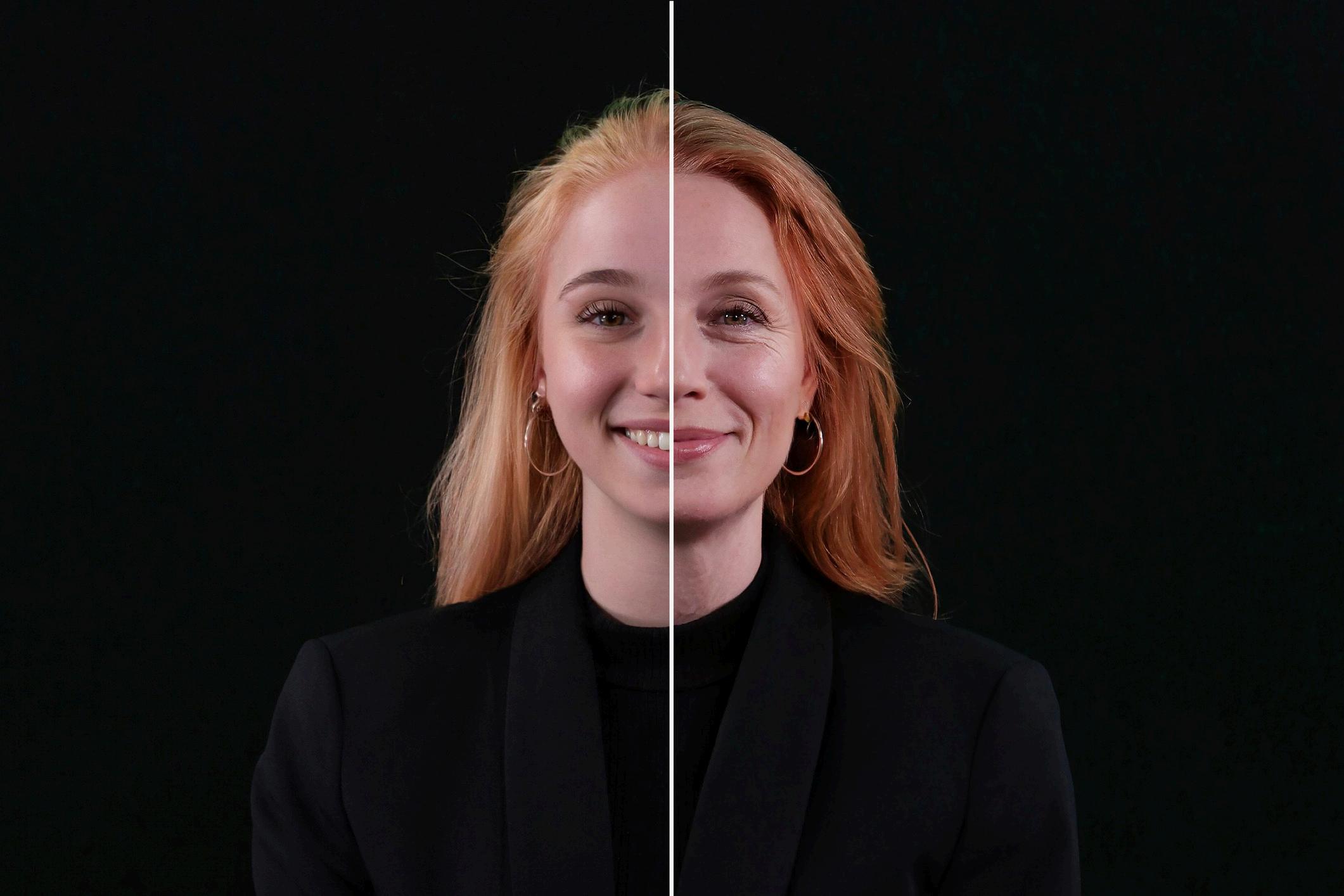
-AI and Deepfakes
-Fashion Generations -Louvre Heist -Walk for Peace
47 21
-Should There Be a Social Media Ban for Under-16s? -Should AI Be Taking People’s Jobs?
Interviews Features Reviews Debates Sports
-Henry Joynson -Thomas Heatherwick
-Jaiden Woodbey -Ali Fuat Miras -Sophia Naamo
57
-Theatre Review: Into the Woods -Book Review: To all the Boys I’ve Loved Before -Restaurant Review
- Boxing Greats: Muhammad Ali -Tennis -Esports
Front Cover: Ava Porter Pringle
FROM THE EDITOR
Welcome to the very first edition of ‘The Yearbook’, a Wetherby Pembridge magazine This is a place where, as part of our community, you will be able to express yourself and your opinions in an environment that shows you respect and no judgement We are here for everyone
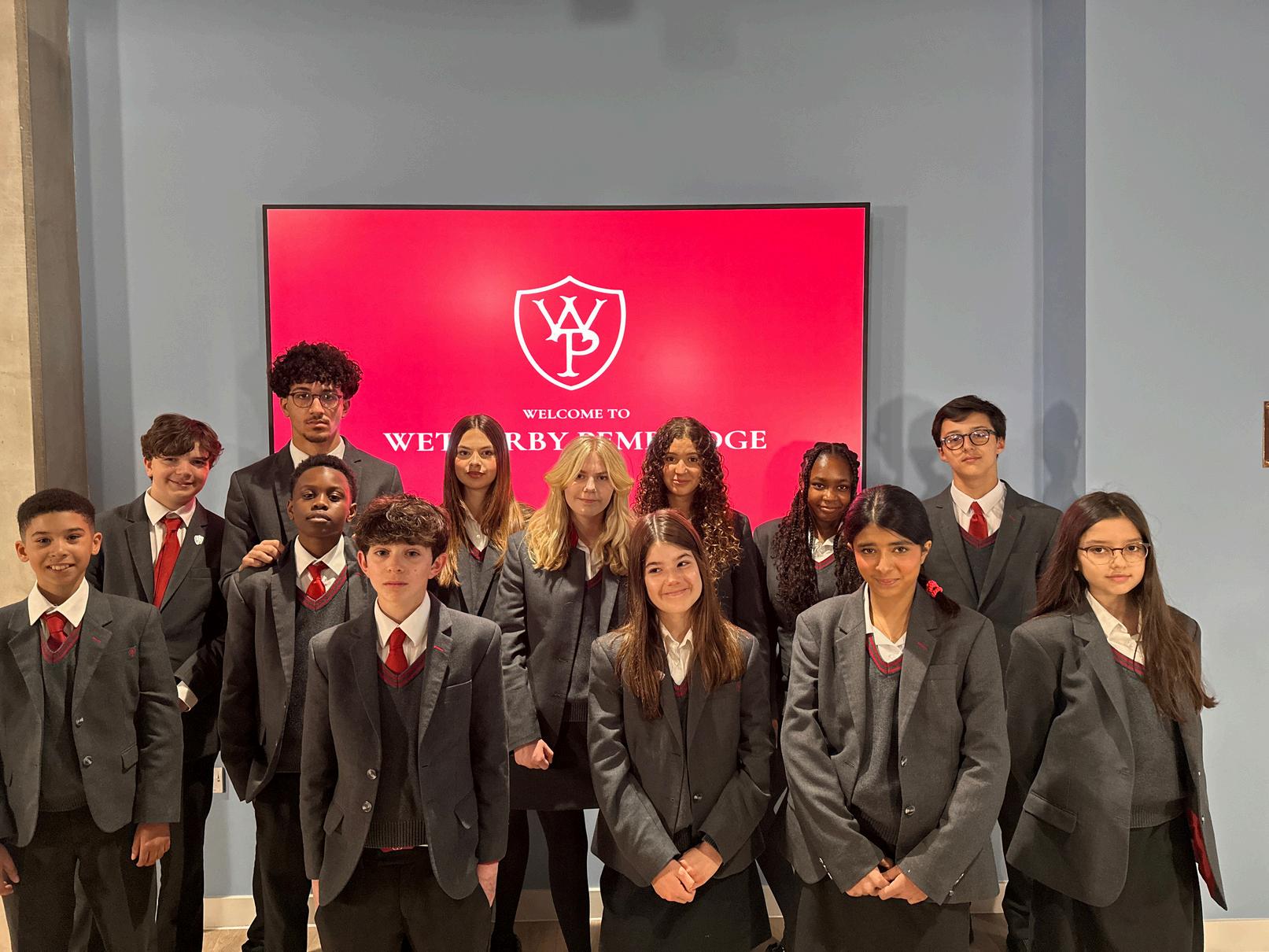
The name, The Yearbook, is commonly associated with a book that sums up a formative year for a student cohort, probably the most important of their academic and school life. We have called our magazine this because we will publish yearly We also want this magazine to showcase the diversity and complexity of our new school community in the same way displaying images of students captures individuality in a ‘classic’ yearbook
The theme for our first edition is ‘Identity’ The world right now is very fractured, with different conflicts circling around opposing beliefs and senses of identity. As young people, we are deciphering and exploring our identities within this world This first edition offers a platform for the thoughts, interests and passions of the inaugural Wetherby Pembridge class of 2026 These are our school years This is our community We are going to make it count
Ava Porter-Pringle Editor-in-Chief
Editor-in-Chief
Ava Porter Pringle
Deputy Editor
Mikaylah Baffoe-Blay
Feature Contributors
Mikaylah Baffoe-Blay
Eesa Debois
Ilia Mints
Ibrahim Mrimou
Naima Verma
Debate Contributors
Mikaylah Baffoe-Blay
Ava Porter-Pringle
Interviews Contributors
Eesa Debois
Ali Fuat Miras
Sophia Naamo
Ava Porter-Pringle
Review Contributors
Alice Amaro Froes
Attilio Junior Ievoli
Ilia Mints
Ava Porter Pringle
Sports Contributors
Valentin Birch
Polissena Fezia
Ilia Mints
Art Contributors
Alice Amaro Froes
Emily Karpf
Sonny Martin
Ali Fuat Miras
Lyndon Munk
Ava Porter Pringle
THE YEARBOOK
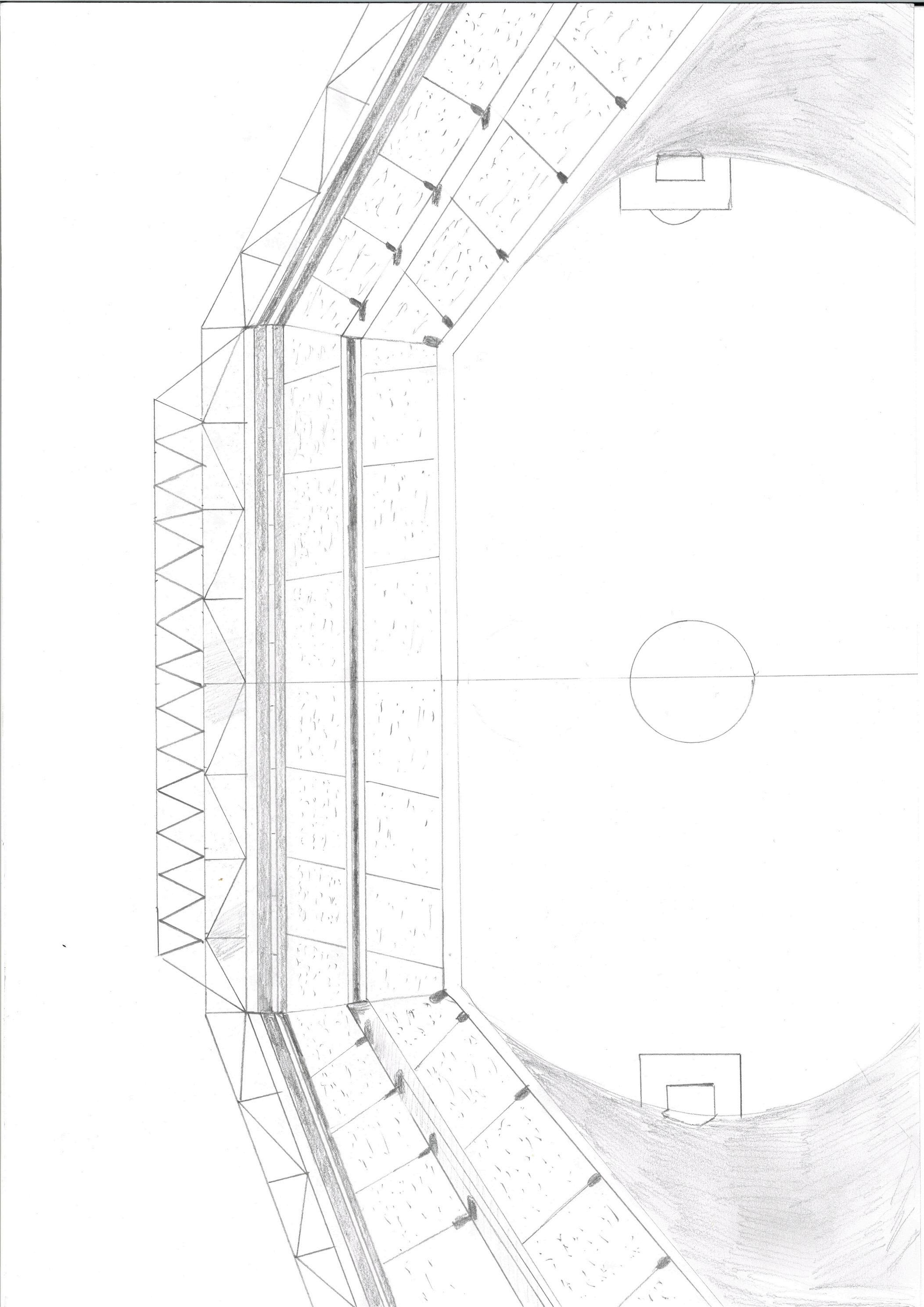
ART BY: LYNDON MUNK
FEATURES
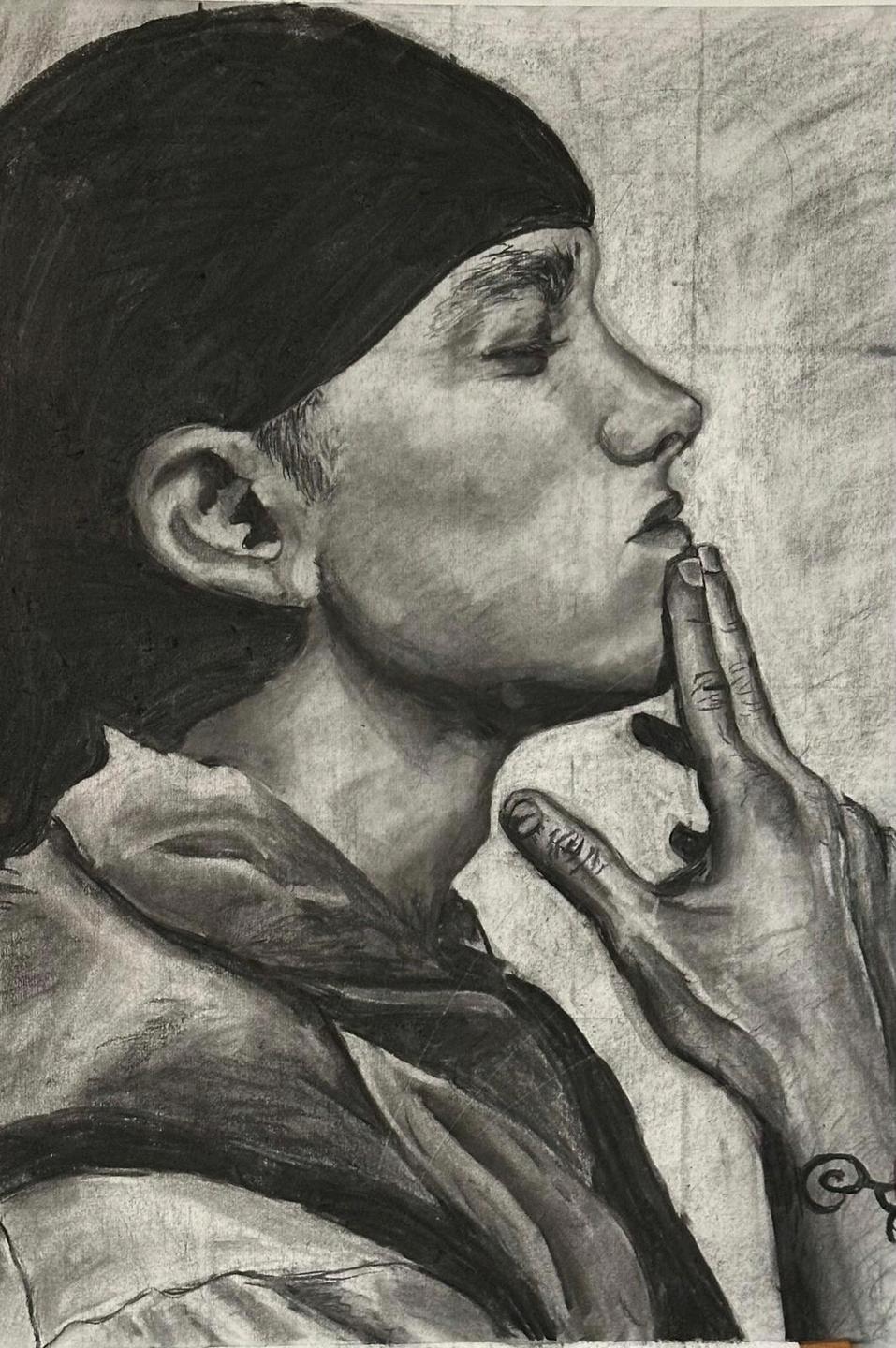
ART BY: AVA PORTER PRINGLE
8
One of the oldest and most debated questions in psychology is whether our identity is shaped more by nature or nurture Are we born with a fixed sense of who we are, or do our experiences mould us over time? As students navigating school, friendships, and personal growth, this question feels especially relevant
The answer, however, is not as simple as choosing one side over the other Identity is the result of a complex interaction between both
Nature refers to the genetic and biological factors we inherit from our parents. These include traits such as eye colour, height, and even aspects of personality like temperament
From the moment we are born, we already carry a unique genetic code that influences how we might think, feel, and behave. Some people, for instance, may naturally be more outgoing, while others are more reserved These tendencies can shape how we interact with the world and, in turn, how we see ourselves
On the other hand, nurture encompasses the environment we grow up in, our families, cultures, schools, friendships, and life experiences These external influences play a powerful role in shaping our identity A person raised in a supportive and encouraging environment may develop confidence and ambition, while someone who faces challenges or adversity might build resilience and independence
Our surroundings constantly send us messages about who we are and who we can become.
In a school setting, nurture is especially visible Teachers who inspire us, friends who support us, and activities that challenge us all contribute to our sense of self A student who joins a sports team may discover leadership skills they never knew they had, while another who participates in drama may find a passion for creativity and expression These experiences help shape not only our interests but also our values and beliefs
However, nature and nurture do not operate separately they work together For example, a student might have a natural talent for music (nature), but without access to instruments, lessons, or encouragement (nurture), that talent might never fully develop
Similarly, someone may not have an obvious natural ability in a certain area, but with hard work and the right environment, they can still achieve success This interaction shows that while we may have certain predispositions, our experiences can enhance, limit, or transform them Modern research supports this idea of interaction. Scientists have found that genes can influence how we respond to our environment, and our environment can even affect how certain genes are expressed This means that identity is not fixed at birth, nor is it entirely shaped by experience, it is constantly evolving As we grow, we continue to be influenced by both our biology and our surroundings
For students, this perspective is empowering It means that while we cannot change where we come from, we have the ability to shape who we become. Our choices, relationships, and attitudes all play a role in defining our identity At the same time, understanding our natural strengths and tendencies can help us make decisions that align with who we are.
In the end, the debate between nature and nurture is not about choosing one over the other
It is about recognizing that both are essential in shaping identity We are neither entirely products of our genes nor entirely products of our environment we are a combination of both
As we continue to grow and learn, our identities will keep evolving, reflecting the unique blend of nature and nurture that makes each of us who we are
AI AND DEEPFAKES
BY ILIA MINTS
AI systems are far better than people at spotting deepfake images, but when it comes to deepfake videos, humans may still have the edge That’s the surprising twist from a new study that pits people against machines in the race to detect digital forgeries
The results suggest humans and machines will need to work
together to identify and combat deepfakes going forward, psychologist Natalie Ebner and colleagues report in their January 7th article inCognitive Research: Principles and Implications
Deepfakes are AI-generated images, audio and videos that can falsely represent what a person looks like, says or does,
and have already been used to commit financial fraud, influence elections and ruin reputations
They are becoming more convincing at an alarming rate, fooling humans and AI models alike
To determine whether humans or machines were better at deepfake detection, Ebner and her colleagues first asked about 2,200 participants and two machine learning algorithms to rate the realness of 200 faces on a scale from 1 (fake) to 10 (real) Humans were able to spot deepfakes only at chance level, or about 50 percent of the time But the machines performed better, with one algorithm getting the correct answer roughly 97 percent of the time and the other averaging 79 percent accuracy
Next, the researchers asked about 1,900 human participants to watch 70 short videos of a person discussing a topic and then to rate how realistic the person ’ s face was In a surprising twist, humans outperformed the algorithms in this task Human participants got the right answer an average of 63 percent of the time while the algorithms performed at around chance level.
What do you think about AI and deepfakes? Can you spot a real vs an AI generated image?
FASHION THROUGH THE GENERATIONS
BY NAIMA VERMA & MIKAYLAH BAFFOE-BLAY
INTRODUCTION
Dear Fashion
You are more than just fabric stitched together or something that covers people up - you showcase history, culture and identity From the resilience of the 1940s to the individuality of the 2010s you tell stories about who we are and the world we live in. You have inspired many people all around the world to embrace their inner selves and rock their personalities without fear of judgement You encourage people to express their identity through their fashion sense We appreciate you so much
1940S
Fashion in the 1940s was heavily influenced by World War II This is because during the war materials such as cotton, wool and leather were for soldiers and military equipment, leaving little fabric the people were left with This inspired people to wear simple, practical clothing The women wore knee-length skirts, padded shoulders, etc Towards the end of World War II, 1940s styles became more feminine again Additionally, songs like ‘We'll Meet Again’ reflected wartime emotions, expressing some of their views
1950S
The 1950s marked a return to glamour in fashion after all the wartime hardship This decade was a start to many designer businesses such as Christian Dior and his renowned "new look"- cinched waists and full skirts for the women Film stars like James Dean inspired teen fashion heavily From leather jackets to swing dresses and denim, the start of rebellion expressed by fashion was in the 1950s In this decade fashion was balanced: the uttermost sophistication sat next to the influence of pop culture.
1960S
Bright neon colours were a main trend in the 1960s The bright green with neon yellow provides a contrast which not many people today would wear The very famous Valentino was founded in the 1960s and its iconic colour is a bright red, representing the bold colour choices of the 1960s
1970S
The 1970s was all about bell bottoms People wore multiple different colours, from yellow to pink to brown, and paired their jeans with a vested tank top Many iconic fashion brands were founded in the 70s: these include Versace, Giorgio Armani and Victoria’s Secret, which are still iconic to this day These brands’ first pieces of clothing were quite similar to flared pants or jeans, resonating with the fashion statements of the 70s
1980S
The 1980s was a decade all about funky vintage fashion The colours were bright and blinding and embraced individuality People had poofy hair bright eyeshadow and bold accessories which made everyone look similar and different at the same time It was a period of fashion which was unique and irreplaceable
2000S
The 2000s were bold, they were ever so experimental... they were unforgettable The internet and celebrity culture influenced trends from low-rise jeans, tracksuits, graphic tees and fashion brands Juicy Couture and Victoria’s Secret became the iconic brands in the 2000s Our rising pop stars Britney Spears and Beyonce also helped in the global trends and social media helped share and accelerate the fashion changes Mixing streetwear with the heavy and the flashy made the decade stand out.
2010S
The 2010s were the start of individualism, driven by social media platforms and influencers
Streetwear and athleisure became normalized everyday fashion, with trainers, oversized hoodies and sustainable fashion movements Many designer brands collaborated with outstanding figures, like Kanye West This decade focused on self expression and individuality
2020S
The 2020s is the most modern type of fashion to date. From skinny jeans to baggy jeans and sweats the 2020s has had many different styles and statements There was the preppy era, then clean girl and now Stockholm style and Y2K bringing back the 2000s Many different people have their own style in the 2020s, and many people’s fashion is very unique
THE LOUVRE HEIST
BY ILIA MINTS
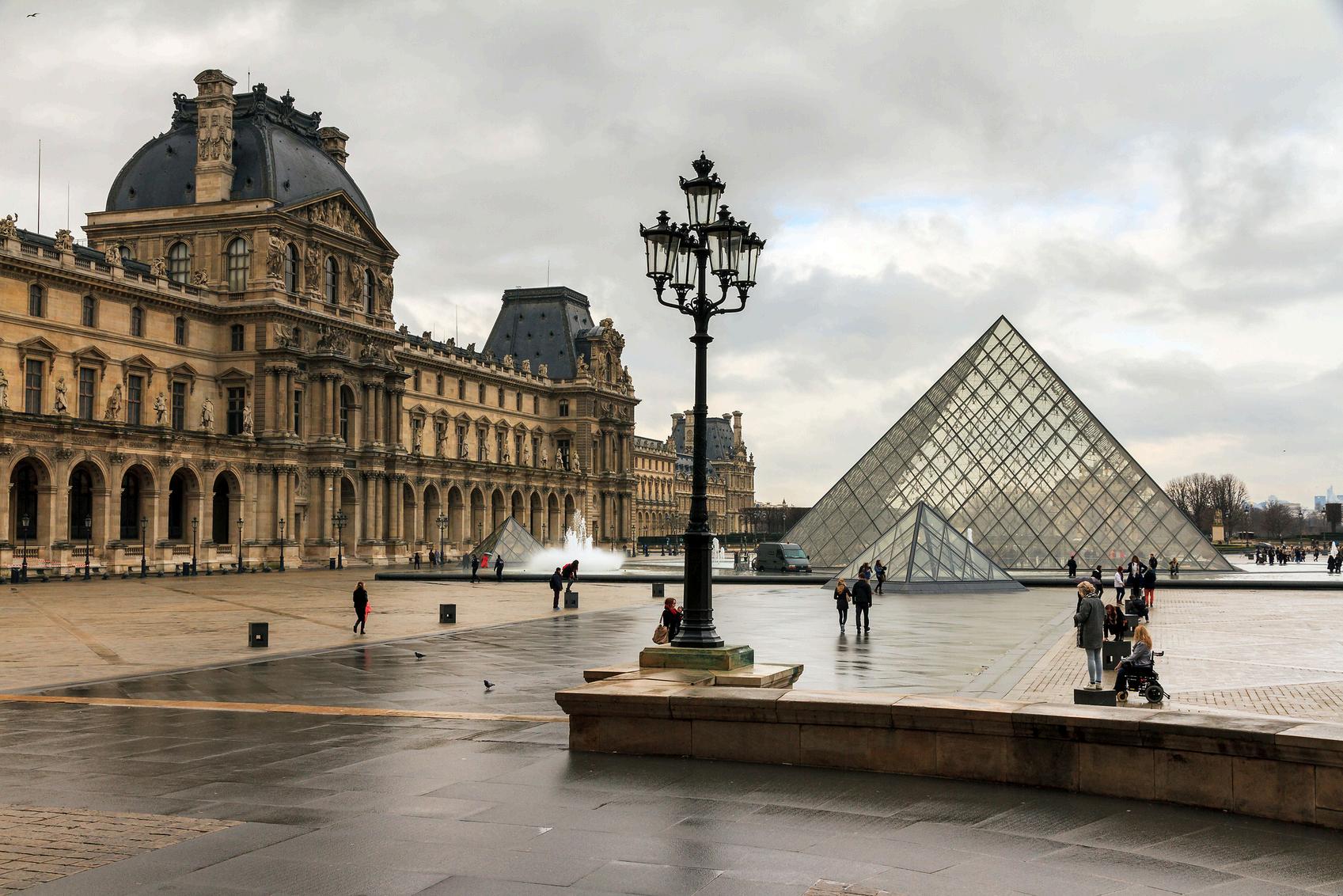
On 19 October 2025, thieves disguised as construction workers stole eight pieces of theFrench Crown Jewelsvalued at approximately €88 million from the Apollo's Gallery of the Louvre in Paris, France. The robbery took less than eight minutes, of which the thieves spent four in the museum itself, and occurred during regular opening hours It was the firstart theftfrom the Louvre since the paintingLe chemin de Sèvreswas stolen in 1998
Within a week, two men in their 30s from Seine Saint Denis were arrested in connection with the robbery. Nine further suspects were detained throughout the course of the investigation, six of whom were released Charges have been filed against five suspects, and the location of the jewels is still unknown
The robbery occurred at approximately 9:30am CEST, 30 minutes after the museum opened to visitors The thieves arrived at the building and entered from the side of the Seine River, bringing tools
They wore yellow-and-orange vests to disguise themselves as construction workers Two members, with their faces concealed with balaclavas, gained entry to a firststoreybalcony of the building's south side using a furniture lift, which are common in Paris
From the balcony, they used adisc cutterto cut through a glass window to access the gallery, triggering security alarms After threatening the guards with their power tools, the thieves took nine pieces from two glass display cases Leaving the museum using the lift, they met up with two other members of the crew who were waiting onmotor scooters.
During their exit, they dropped the Crown of Empress Eugéniein the street, reducing their haul to eight items They attempted to set fire to the basket of the lift before fleeing.The thieves fled along the banks of the Seine to the Boulevard Périphérique and then took the A6 autoroute southward
The entire robbery took just under eight minutes, of which the thieves spent only four in the building proper
What other daring heists do you know about?
IMAGE BY LYNDON MUNK
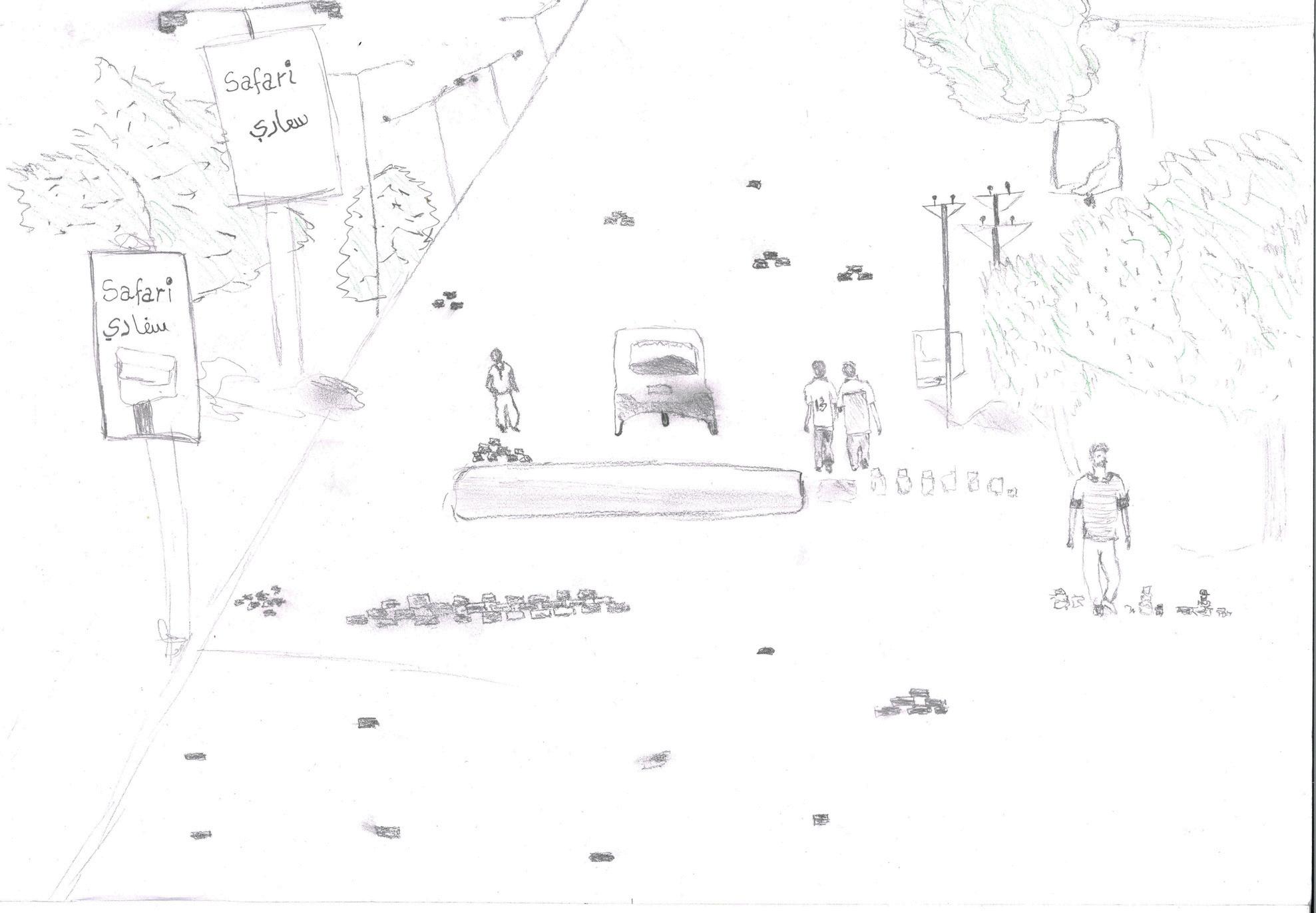
WALKING FOR PEACE BY EESA DEBOIS
Sudan has been involved in a civil war since April 2023 The cause of the conflict is two military factions of the government fighting to take control and power in different territories of the country
The conflict has been a massive problem for the Sudanese people Currently, over 12 million people have been displaced from their homes and communities and had to flee in terror for their lives. This conflict has caused the largest number of refugees seeking safety in human history
THE STATISTICS
Over 30 million people, as of the end of 2025, have needed medical aid The lack of support from neighbouring countries and the global world community and lack of aid has led to many people being very ill
The statistics are staggering; 4 million people have been left malnourished with a lack of food This has resulted in the death of many children and elders too The shocking number of over 200,000 people have been killed in the genocide; however, reports predict it’s more
WHY I CHOSE TO DO A CHARITY WALK
On Saturday the 14th of March, I embarked from Battersea bridge to Westminster bridge in London to do a charity walk I wanted to do this to raise awareness to the public about the crisis in Sudan
I was also inspired by a man called Ali who is currently travelling from London UK to Sudan on foot He is currently in Switzerland and is on day 31 He is raising awareness along the way and through social media He is also raising £100k to donate towards food and medical aid
I was thankful that I was able to join his livestream on Saturday with an audience of 75,000 who viewed the live and 2.2 million followers on TikTok
I feel as if there is not enough news coverage on Sudan and I wanted to make a small difference to spread awareness
DEBATE
ART BY: EMILY KARPF
YEAR 9
Yearbook
SHOULD THE UK HAVE A SOCIAL MEDIA BAN FOR UNDER 16S?
FOR
BY MIKAYLAH BAFFOE-BLAY
Websites and applications that enable users to create and share content or to participate in social networking This is the official definition of social media but through this social media is conceived to be all good
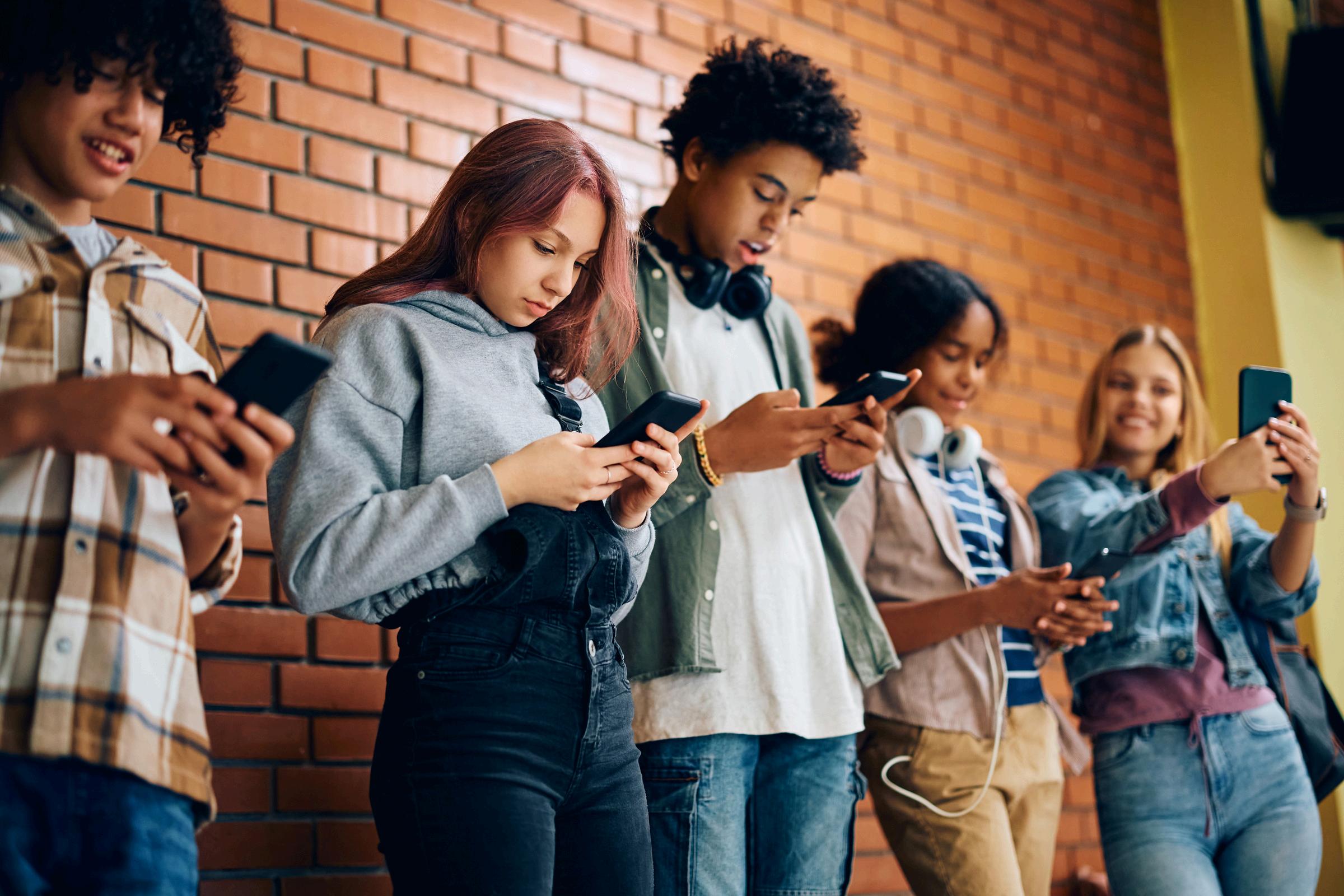
I know the world of social media is such a controversial place, but I'm here to show you how social medla is altering young people mentally and physically Social media has shaped our world for the worse: instead of getting up and having a nice walk (taking in our beautiful atmosphere) we spend hours on end just scrolling and scrolling
Tell me, how many times have you told yourself just five more minutes and I will do some homework or something more productive but, without any doubt, find yourself still on your devices hours later? Instead of actually connecting to the world, we just repost relatable content on social media
Did you know that platforms such as TikTok, Instagram and Youtube use algorithms to create content based on your interests and your disinterests to keep you hooked on the app for as long as possible I'm not here to persuade you to delete these apps or get rid of your phone - even I turn to social media when I need help or comfort - but the real question here is: should social media be an app to keep people from socialising?
Just look at this statistic, and tell me it doesn't scare you - 99% of children spend time online and 90% own a mobile phone by the age of 11 Even before children start secondary school, they already have access to the digital world If this doesn't scare you, by the end of my article you will be enlightened by the problems social media brings MPs, to countries, to parents struggling to unglue their children's eyes from addictive social media platforms
Three-quarters of social media users aged 8-17 have their own account on at least one of the major platforms
Despite this, nearly three quarters of teenagers between 13 and 17 report encountering potential harm online These statistics show that the vast majority of teenagers are exposed to content online or interactions that physically and mentally affect them If the risks to social media are high, then why are we numb about the negativity of social media?
My mum always claims that before social media and all the fuss about celebrities - people actually used to go outside and appreciate the world She says that the world felt greener - and perhaps she's right Take a look around you, what do you see? Heads down Eyes locked on glowing screens
People are physically there but mentally elsewhere When we are constantly glued to our phones, that not only makes us miss oncein-a-lifetime opportunities we failed to make-but it overstimulates our minds, barely giving our brains a break
I understand when young teens say, "I like Brooke Monk" or admire famous figures such as Donatella Versace But do we really know what's on the other side of the screen? We see perfect skin, perfect hairstyles, and perfect outfits - but what we don't see is the filters, editing process and the amount of superficial lighting that goes on behind those posts
When young people consistently compare themselves to the front cover of a Vogue and they set themselves to unrealistic standards, which eventually disintegrates their confidence It applies this additional pressure to look perfect, act perfect and quite literally be perfect - and this is a life which isn't real or even shows fragments of their real lives
And these effects aren't smallthey can cause great suffering. As a result of this, 11% of adolescents show signs of problematic social media behaviour, suggesting that they can't control their use of social media, even when it causes negative consequences. This isn't just liking TikTok anymore- this is losing control
The mental impact of social media doesn't stop at comparison or selfesteem For example, earlier, we saw how many young adults experience harm online - and when something becomes that common, if stops feeling as significant and as outrageous It becomes a norm
But exposure to online threats such as cyberbullying, inappropriate content, and uncomfortable interactions isn't something young minds should just "get used to " Because 40% of depressed and suicidal youth reported problematic social media use I wouldn't want to feel judged and hurt every time I open a social media platform, would you?
My math teacher once said that in his previous school, students would sit next to each other and still text instead of speaking - he could tell they were speaking to each other because once they sent something they looked up and nudged each other When he told my class this, we would laugh and joke about this, but this is really worrying for us and future generations. If we avoid face-toface conversations, how do we build confidence, understand the tone or develop empathy?
Social skills are developed through real-life interactions I our main form of communication is via screens, what happens when we are faced with real-life situations?
Don't worry, I won't leave you wondering, you risk becoming more anxious and way more tense
Social media has several benefits It spreads awareness It builds friendships It shares interest belween people Think about it like this: there are age limits for driving, drinking and voting. This isn't because these things are necessarily evil- but because they require maturity
Social media requires responsibility - since under 16s are still developing emotionally and mentally, possibly we need restrictions and quite literally be perfect
Think about it like this: there are age limits for driving, drinking and voting This isn't because these things are necessarily evil - but because they require maturity
If the government protects young people from driving too early, from drinking too early, and from voting before they're ready - why have we left unlimited access to platforms that can shape their confidence, identity, and mental health into our lives?
Maybe banning for under 16s isn't about control Maybe it's about protection
SHOULD THE UK HAVE A SOCIAL MEDIA BAN FOR UNDER 16S?
BY AVA PORTER-PRINGLE AGAINST
Social media has been embedded into people’s lives for a long time now It is found everywhere, on billboards, on your iPad, phone and even at school. You can’t ignore it, it’s everywhere, even if there is a ban, kids will still do things to avoid it
Over social media young people can communicate with friends and family that live abroad, it is a social network, that if destroyed, will ruin relationships, friendships and family bonds. It helps people keep in touch with people outside their home country, make new global friendships and helps set people up for the future
According to “National Library of Education” and “The US Department of Health and Human services”, nearly 95% of teenagers use social media Social media is a huge part of teens social lives, it helps them communicate with one another through texting, sending videos, and even gaming.
Removing social media, even for only under 16s, will take away a huge aspect of their life, and taking away social media might encourage teens to do rebellious things, like protest against the ban, or put a fake age into the app to make them older than they are
There is a common misconception that social media “rots children’s brains” however research (From the national library of medicine) shows that when social media is used positively it can enhance executive functions and provide creative outlets This is because social media is about expressing opinions, jokes and culture This lets people, especially children, who often find it hard to do things such as make friends or be themselves learn how to voice their opinions
Computers are everywhere now Most of the population are internet users, meaning that they access the internet regularly.
When in school, teachers show you videos on YouTube from their device, during Covid we all communicated via zoom or other communication apps, and according to a comprehensive global study released in April 2025 by KPMG and the university of Melbourne, suggests that 66% of people use AI regularly This shows that the internet is a big part of not only children’s social lives but everyday life
Although the internet might seem scary, it is something teenagers should be taught about instead of it being taken away or banned According to “spart insights” ~ 63% of the global population is a social media user, this prove that social media is still, along with the internet, a big part of modern life
If ~63% of the global population uses social media, this means that when teenagers are 16 or above, they will continue to use social media; but will have no experience or responsible use and no understanding of how to safely navigate around platforms If the social media ban happens, when teenagers become adults, they will be uneducated and overwhelmed by the negative and positive aspects of social media
In conclusion, social media is something young people should be educated about instead of shielded from, and it is important that young people are aware of the both the positive and negative aspects of social media and how it can be used
SHOULD AI BE TAKING PEOPLE’S JOBS? FOR BY AVA PORTER PRINGLE
As technology gets advanced, the limits of AI seem to become nonexistent AI is now so normalised that research shows 66% of people use AI regularly. AI over the years has become more developed, starting off with simulating conversation (ELIZA), and now creating life like images that confuse people into thinking they are real
There are many debates about the use of AI, some wondering if it is too powerful, others debating if it’s giving us entirely false information But another big question is: should it be taking peoples jobs?
A reason AI should be taking peoples jobs is because of the quality of the work AI creates.
AI is considered to be able to take over 85 million jobs, and has out performed humans in image classification, basic reading comprehension, visual reasoning and natural language inference tasks
This only shows that AI can exceed humans in certain areas, and can work accurately and more efficiently. This shows that if AI takes over things like research jobs or jobs that involve formulas and equations, we might be able to find out more information about our world or even our universe because of the increased speed work is being produced
AI, although taking jobs, creates new ones. AI is known to be
accurate, but can make small errors that aren’t picked up An AI checker is an example of a job AI creates, this is someone who goes through the output of the question, formula or etc and checks if the answer seems accurate Some more examples of Jobs AI creates are: AI model trainer (working on algorithms), AI manager, Decision Designer etc
In conclusion, AI should be taking jobs because it works more efficiently, as well as creating jobs for others With the outbreak of AI people should be using it to their advantages instead of hiding it away and not using this technological super-power we have as a research boost
SHOULD AI BE TAKING PEOPLES JOBS? AGAINST
BY MIKAYLAH BAFFOE-BLAY
Artificial Intelligence is often described as humanity’s greatest innovation: faster decisionmaking, intelligent systems and greater efficiency AI is incredibly useful and should be utilized- it can transform education, healthcare, businesses But all this can also lead to incredibly detrimental effects So, the important question here is: should AI take over people’s jobs?
AI can be so useful in several different ways In some cases, it can detect diseases before doctors, it can gather and categorize data within seconds, it can even help businesses run efficiently
Additionally, it can be a great tool for students to use for revision and research, looking at many sources These are all ways where AI can be incredibly useful and helpful; however, when this convenience is overdone or abused, problems start to be uncovered
Researchers have taken a closer look at AI systems, realizing that when they are put in real-world tasks in nearly 20% of cases, they can produce incorrect results or information In other words, one in five outcomes may contain an error I tested out this data for myself I asked AI a series of old test questions and, after checking on more reliable platforms, it turns out that AI gave me completely wrong results
If this doesn’t make you stop and reconsider AI, imagine these mistakes made by trained professionals.
Work goes deeper than a measly salary-it provides independence, purpose and organization to your day Did you know 43% of unemployed people have reported experiencing poor mental health? This means that finance isn’t the only impact of unemployment, with unemployment comes low confidence and mental health problems Work is linked to the emotional wellbeing of a person
Interestingly, many people return to work even after retirement
Statistics show that over one million people aged 65 and over are currently still working Many would think they went back to working due to financial necessity and sometimes that is the case, but often it’s for social interaction
Imagine just being held at home for long periods of time, wouldn’t you feel like you have lost your purpose? Studies have found that nearly one in five retirees take part-time or voluntary work simply because they enjoy feeling useful and connected If AI replaces workforces, we are not just changing industries but people’s lives.
According to the World Economic Forum, 83 million jobs are expected to be eliminated globally by 2027 due to automation and AI- this will mean millions of lost jobs as well as millions of affected families Additionally, Goldman Sachs estimated that AI could replace the equivalent of 300 million full-time jobs worldwidethis is a full-blown transformation in the workforce
Will there be new job opportunities AI paves a way for? And the answer is yes. But the question which should be brought to everyone ’ s attention is: Will those jobs be accessible to everyone? AI is intelligent and way ahead of us; it's literally in its name AI-related jobs require higher education, cutting-edge technical skills and coding expertise And not many retail workers, drivers, receptionists, or warehouse workers can be retrained as machine learning engineers
If this change suddenly occurs, people won’t be ready or will be left behind
Would you want to work somewhere where you are worried that within the next decade your job will be replaced or be significantly impacted? Well, over 60% of workers are concerned that AI will significantly impact or replace their jobs within the next decade This can cause fear and a workforce which feels expendable is one which is insecure Additionally, has the government brought into consideration small businesses Large corporations can afford advanced AI systems, but small businesses cannot This creates clear inequality
Let’s put this into perspective; if big companies drastically reduce staffing costs, they grow much stronger whereas small businesses are forced into a corner, struggling to compete The result, the gap between powerful, big-time corporations and smaller companies widens
AI development should require much thinking due to several factors that will affect humanity globally Just because we can automate a job does not mean we should automatically do it
AI should help us; not wash us out-progress should never come at the expense of humanity
ART BY: AVA PORTER PRINGLE
INTERVIEW WITH HENRY JOYNSON
BY AVA PORTER PRINGLE
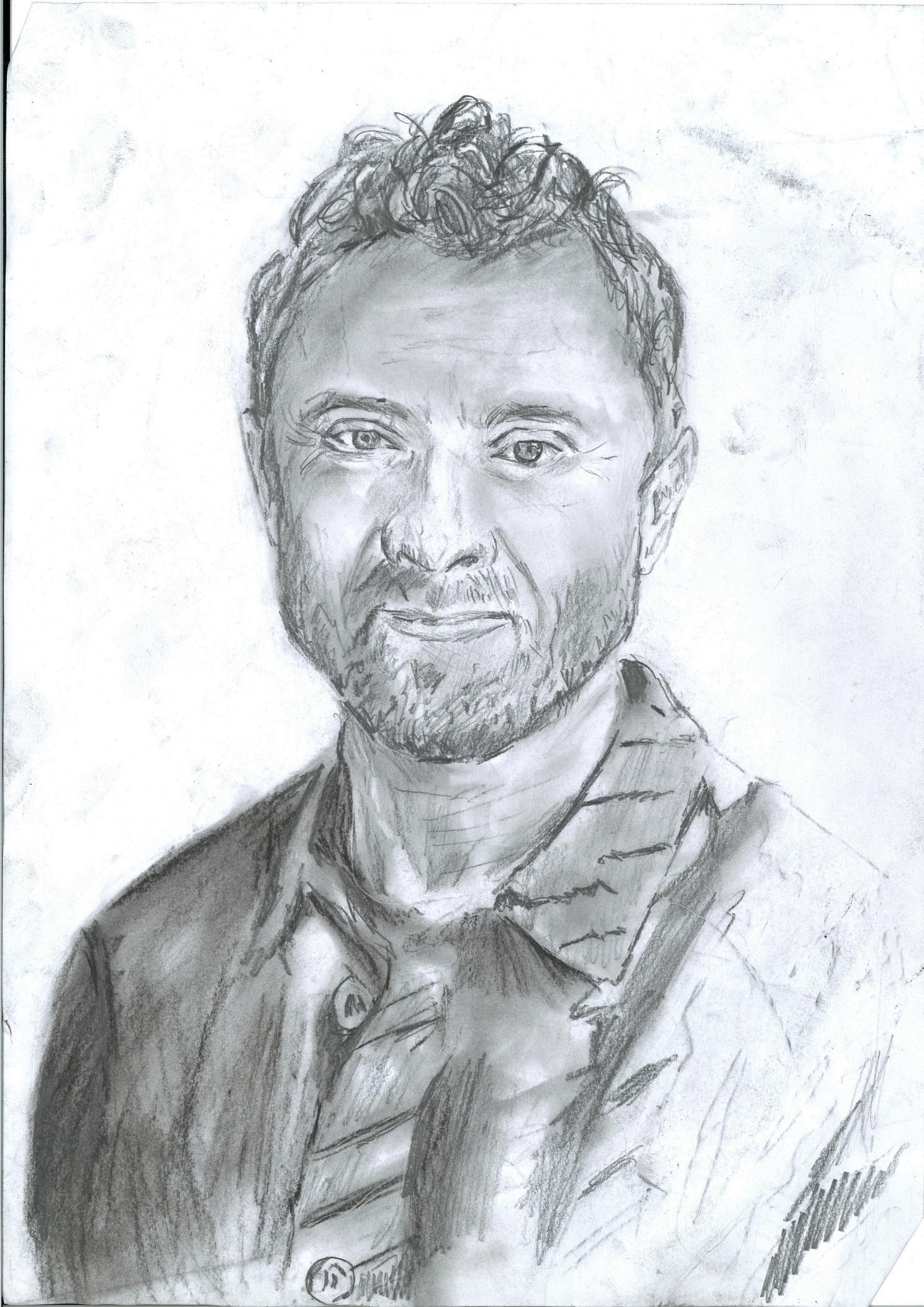
Henry Joynson is currently the Director of Vigilate AI, a company specialising in computer vision AI and biometrics, a position he has held since 2023 He served in the British Army for 28 years (1987–2015) Henry was awarded an Order of the British Empire (OBE) in June 2019 for services to development in Liberia He currently lives in London with his family
Who was your role model growing up, and why, and do you think they influenced how you are today?
Ah, always good question I didn't actually have a specific role model growing up I had a series of influences Given the fact that I'm now 60 - when I was a young boy, there were still people like my grandfather around who had fought in the Second World War, and my parents who had lived through it I think I was influenced by their values, their integrity and their honor
I was more influenced by their culture of integrity, honor and values and kindness, underwritten by a robust approach to justice
I would say later on, after I'd grown up, when I was in the army, I did have significant characters that influenced me. These were often senior commanders who I had great respect for When I was at Sandhurst ( learning how to be an officer) my color sergeant was the most phenomenal man - the fiercest Scots guardsman I had ever met - and a phenomenally decent and amusing man who, even after the most awful bit of training (you had been up on the hills for weeks on end) he could always bring a smile to your to your face by being charmingly abusive in a military manner.
What was military training like?
My father took me to Sandhurst and on arrival there was a reception for the new cadets having passed the selection process
I was met by this color sergeant (color Sergeant Jimmy McGowan) who was the biggest and shiniest man I'd ever met in his military color Sergeant's uniform I was utterly, utterly terrified I turned to my father and said ‘I'm not sure I want to do this’ My father said: ‘Well, if you don't want to do it, you're walking home’
I stayed there It was very tough It was very fair There were no excuses accepted for failure to perform If you didn't perform, you were on a warning. If you continued not to perform, you were out It didn't matter what the reasons - you were out It had to be that way, because if you were going to be expected to lead men in battle (and for many of us that was the case) they had to know you were absolutely made of the right material It is an incredible honor to lead your soldiers in peacetime and and, if necessary, in wartime
So yes, it was very tough, very hard But the point I will make, is once you passed out of Sandhurst as an officer, that's really when your training began It was when your soldiers got hold of you as a young officer, they were the ones that really shaped you as a leader Right up until the day I left, I was still learning things and being trained.
You said that your grandfather fought in World War Two? Did he stay in the military afterwards or leave?
My father was very badly injured at the Battle of Monte Cassino, where he commanded a battalion fighting up the hill in Italy Monte Cassino was a very fierce battle in the Second World War in Italy, and he was twice blown off the hill and then evacuated out So he then came back to the UK He started out the Second World War commanding a company in in France, and all the way back to Dunkirk, and was evacuated off the beaches So he had a pretty lively war He did stay in for as long as he could, but because of his injuries, he was never going to progress that much further. Eventually, I think his injuries got the better of him He was an instructor at Sandhurst after he got injured He also commanded the camel corps during the transition where Jordan was formed. So he had a fascinating career afterwards
Do you think if he wasn't injured, he would have stayed in the army?
Yes, he absolutely loved it He would have stayed for as long as he could He was he was a gentleman, a soldier and a very tough man – he was also a very fair, kind and loving man throughout his whole life.
Did your father being such a strong role model, and in the military, influence your decision to join?
Do you know what I was always told by my teachers? They told me I was very naughty, and I was probably going to go to prison or join the army, one or the other That aside, I always wanted to join the army I love the outdoors I love the adventure I love the challenges It was something I always wanted to do, so it was a bit of a no brainer.
So can you describe three significant moments in your life that made you who you are today?
It's interesting, because when I was thinking about this, they're not ones early on in my life
My first was probably when I was promoted to Commander Squadron, and I had a bit of imposter syndrome – I asked myself can I really do this? It was after we did a very hard exercise on the prairies of Canada when I
realized I was really good at itthat really gave me the confidence to continue in the military in the way I wanted to
I think the other one, obviously, was my daughter Ceci being born Everyone told me I'd be terrified, but I wasn't terrified at all I was just utterly delighted, happy and joyous that I had this little thing that was totally reliant on me It didn't scare me in the slightest bit It just made me happy And I think that probably was a result of having been a soldier Why would you be scared of being responsible for a little baby when you've had responsibility for hundreds of soldiers before that
I think the other one particularly unpleasant battle I was involved in in Iraq And I think that also shaped me to understand that actually there are really bad people out there We live in a bubble in this country, and that's great we should do I don't want ordinary citizens to be worriedthat's our job, the government's job and the agencies of the government's job But it made me realize how important and how precious what we have in western democracies
Was looking after a whole squadron a lot of responsibility?
It was a huge privilege and one of the greatest delights of my life
You never want to let your soldiers down ever and you will do whatever it takes to ensure that doesn’t happen
Is being in combat scary or thrilling?
Good question Anyone that says they're not scared when things start happening is a liar. It tends to be before that you're worried –when it’s all about to happen in a couple of hours time We're about to cross the start line Have I got this right? Is there anything I haven't thought of?
Once it starts, it's fine, because all your plans go out the window We have a saying that ‘ no plan survives first contact’ In other words, the moment the first shot is fired, or the moment the first incident happens, your plan then just becomes a framework that you adapt Once you're in there, you're just doing it. You don't have time to be scared, especially if you're commanding
There are times when things happen that are quite terrifying, but you've got to deal with it You've got togrip it, get on with it, and always remember that you have lots of people around you, in front of you, behind you, to the side of you, relying on you to keep control and make the right decisions Truly brave men are not those that do not have fear Truly brave men are those that accept their fear and face up to it and deal with it and carry on regardless. So yes, I would say I've been scared at times
What piece of advice you would give to your younger self?
I would say, have children earlier: I put it off far too long, and it's the greatest joy of my life I would say, also, make the most of your parents, because however annoying they are, I guarantee when they're gone, you will miss them. When they're gone, you will spend hours, days reflecting on how you could have been closer to them and spent more time with them So yes, those are the two bits of personal advice I would give Professional advice, I would say (and actually, I think it's the army motto) be the best version of yourself and behave with honor at all times
What do you want your legacy to be?
In the jungles of Sierra Leone during the war, I was sat around the fire with a very wise village elder him in the evening We were just talking about life, and the war, and what had happened He said to me, - you know, when you die, you will leave but two things You will leave your reputation as a man and how you behaved. You will also leave as part of your legacy your children: and you will be judged on how they behave and how you've brought them up I'd want to be known as an honorable man that always did the right thing when he could, and I would want to be known as someone that instilled the same values into his children
and that chose his friends on those values as well Don't worry about the statues!
How do you feel about like your kids going into the army?
Very good question Ava, I would be terrified of my children going into the army, but I would be incredibly proud. The discipline, values and hard work ethic you learn in your army training can set you up for all types of careers - a lot of young people go into the army for five or six years, and they come out phenomenal young people and then go into business or industry
So if my children wanted to do it, I would be incredibly proud But deep, deep down, I would really hope and pray they never had to see the things I did as a soldier during my career
That’s interesting that you think how some people go into the army for a few years, and come out really strong. In Israel I think its mandatory to serve in the army for a year. Would you recommend that in England?
In the United Kingdom, there used to be that it was called National Service, and it was brought in after the war and throughout the Cold War
I think it stopped in the 60s. I think people had to do a year or two years as national service The problem is that you end up with a professional army that spends its entire time training the mass population but I do think there is a place for a limited level of national service, but that's a whole sort of white paper required to define that.
There are many other countries now that are bringing in conscription/ National Service again I think Finland's always had it I think Sweden, interestingly Switzerland has an element of itwhere everyone has to do a few weeks of military training and then gets issued a weapon
I think a more important question to be asked - and it is being asked at the moment- if we ever have to go to war is the UK army large enough to do it? The answer is, no.
What is the app you're building? Could you explain it?
The world will be defined on identity by biometrics going forward. Your face is your ID, really, and it's already collected, you know, through CCTV, many 1000s of times a day: just going to school etc
I have a biometrics company that does things like facial recognition, fingerprint recognition, iris recognition With our app, if you input someone ’ s face or fingerprint, you will be able to find out whether this person has a criminal record We've also built into our facial recognition algorithm, the ability to also do counting
So if the app had access to camera set up at the entrance to the tube, it would be able to tell you how
many people of a certain age or sex or whatever have come past at a certain time
How this software can be used depends on the laws of the country it is in For instance, in America, the app will be freely available to the public So if you are employing a nanny, or a gardener, or even just going on a date for the second time with someone - you can check the persons photo through the app to see if they have a criminal record
In the UK, the government haven’t decided whether this is allowed yet for public use So we're developing that app here in the UK in a different way - to help the police forces and governments as it isn’t currently publicly available What this app will enable is helping the police to use data, should they so wish, to capture dangerous criminals
I'm not suggesting you use it to catch people that have got parking fines – its most likely to be only a certain level of people on a certain watch list they will want to track, ie dangerous criminals, murderers, pedophiles, terrorists, people on the run, violent criminals For example - the police receive a tip-off that’s someone is going to bomb Wembley stadium on Saturday If you had the facial recognition app on the approaches to that stadium for serious criminals linked to terrorism, they would have been picked up before they got into the arena to commit the crime.
How long did it totally take you to develop the App?
I'm not very good at the technical stuff I'd like to pretend it was me, but none of it was me It started about 10 years ago when there was a requirement to develop a non-Chinese, non-Russian biometric capability The Russian were leading on this capability, and then very quickly, the US and the UK developed an algorithm that was much better than theirs More importantly, it allows users to retain their own data, rather than sucking the data up to the cloud Its taken about eight years to get where we are now, but it's by far the best and most powerful biometric algorithm in the world
Do you think day to day security would change if it was open to the public as well as the police?
I would very much like schools to be allowed to use it in the approaches to their gates or their premises And I would like that to be firewalled into the police sexual offenders register so that actually were there to be a paedophile, who is known to the police, that is seen hanging around the school gates or the area and approaches to school gates, he could be apprehended and dealt with by the police. That's one area where I think it could have impact
I would like to think that if the police were looking for a murderer, they could run it across their CCTV cameras, or government council CCTV cameras and use it to apprehend that individual We have also developed a capability where we can do weapon alerting (and we're working on knife alerting) so if someone produces a knife in a public space, it would alert
Another interesting use is protecting elderly or vulnerable people who gets lost or walk away from home (someone with Alzheimer's or dementia) Their family are desperately looking for them because they don't know where they've gone, and they're vulnerable.
Well, actually, if you knew the area they lived in you could run their photo through our app across council and police cameras - just by uploading the face and very rapidly, identify where that individual was, retrieve them and take them to a place of safety There are so many applications like that which can have a positive influence.
The government and the public are still a little bit nervous about it but I think that will change CCTV was seen as scary dystopian Big Brother 20 years ago, but it is commonplace now. Its all about having the right laws and governance around how it is used and applied
How has technology influenced the path of the army you're in, and do you think, do you think that it has impacted the army positively or negatively?
Tech has influenced every part of the military and the armed forces I'll give you a couple of examples Lasers were in the army for range finding when I was a young, young officer, and now they're ubiquitous, not just for range finding or target acquisition, but to actually knock drones out of the sky and aircraft and missiles So technology, it's a perpetual race and an eternal sort of escalation of cost and effort You develop it a bit of technology, and those that oppose your values will develop something as well
Technology developed by the military also has civil applications
So the coatings on your on your parents frying pans that stopped things sticking to them, Teflon was developed as part of the NASA space program The Internet was developed by the military as a means of communications Computers were fast tracked by the military
So the thing about military technology is there's no bottom line You're not developing it to make money You're developing it to keep your country and your people safe It’s not going to stop
Can technology negatively effect the Military?
Well, I think we've already gone past that You just have to look at nuclear weapons, and what happens if a state fails and it's got nuclear warheads They get in the wrong hands
What I will bring it down to is a much more mundane and tactical thing When I joined the Army, you read a map and you used a compass Now you just use GPS What happens when GPS goes down? You know, I still like a map, and I think everyone should still know how to read a map, and we still teach soldiers how to read maps when they join the army for exactly that reason
You have this great technology, which is GPS, satellite navigation, but it can go down, it can be blocked, it can be taken away from you So you still have to plan for that technology not being there
You've talked a lot about how army teaches people skills. Should we be teaching some of these skills in school?
Yes absolutely I mean, that's what Duke of Edinburgh Award scheme is about, and that's why it's so great People should learn a bit of survival. They should learn how to sleep out in the wild, how to build a shelter, how to read a map They should learn how to keep themselves safe and warm on a hillside They should learn how to find water that's safe to drink They should learn which plants and mushrooms and other things they could they can eat to survive. But they should also, in the cities, learn a level of awareness to keep them safe In other words, just being aware when you're walking around, especially at night, how to keep your safe and what to look out for.
Looking after yourself in the country is very different to looking after yourself in a city environment though isn’t it?
Absolutely right. I mean, they do cross over but as you say a city boy or a city girl is much more
street wise than a country lad or a country girl However, a country lad or a country girl is much more capable of building a shelter and finding water and finding something to eat up in the hills So it's good to be a bit of both
Do you think that the authority the army has is a necessity to protect the citizens of our country?
An interesting question The Army actually has no authority at all The Army acts at the behest of its political masters in our democracy (Western democracy). The government can ask for the army to be deployed inside the United Kingdom, but there are statutes and laws and regulations as to how and where and why The army can be asked to deal with terrorism or bomb disposal
Abroad or in the UK the army is given a series of a mandate of authority to deploy on an operation, to do certain things, but it has no authority as it actually stands as itself It only has the authority given to it by the democratically elected government, and the rules and regulations statutes issued by that government and amended by that government So it's a very good question
The army is an absolute necessity to protect the citizens of our country In recent years, we've really seen that Prior to the Ukrainian war, some people, some governments and a lot of politicians, had this belief that spending money on defense was a waste of money
The sad thing is, there are always bullies out there, and the only way to deal with a bully is to be able to stand up and punch him back on the nose and knock him to the floor So you've got to be able to do that In an ihe ideal world, you wouldn't have an army, you wouldn't have a police force We'd all be friendly We'd all live happily No one would commit crime, no would invade countries, no one would threaten your way of life or your values Sadly, that's not the reality of the world
So you do need the army to protect the sovereignty of our country, the values of our country, the way of life of our country, but also the sovereignty and the values of weaker countries that are set upon by bullies
INTERVIEW WITH JAIDEN WOODBEY
BY EESA DEBOIS
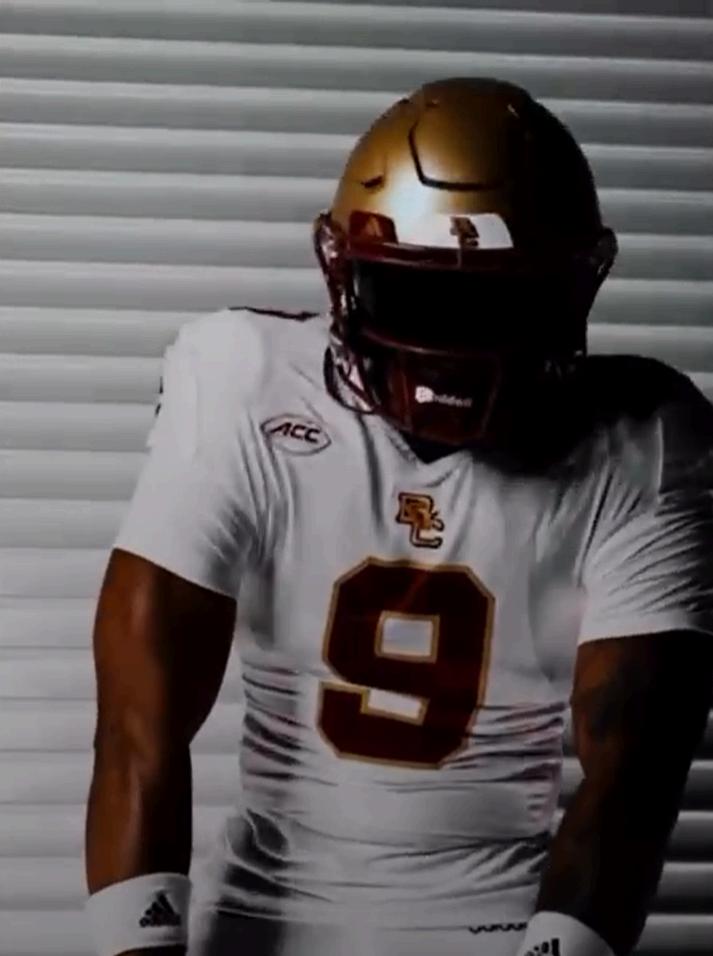
Jaiden Woodbey (born January 20, 2000) is an American professional football defensive back for the Winnipeg Blue Bombers of the Canadian Football League (CFL) Woodbey played college football for the Florida State Seminoles and the Boston College Eagles. He also had stints with the Los Angeles Rams of the National Football League (NFL) and the Massachusetts Pirates of the Indoor Football League
Who was your biggest role model growing up and why?
My biggest role model growing up was definitely my Dad The reason I would say my Dad is because I have seen him do a lot of stuff that made sure my brother and I were good Make sure my mom was good He’s working for us and making sure that we were fed He took me to practice, took me to school On top of that, my mom too My mom is a big role model, and I looked up to her as well
What advice would you give to your younger self?
The advice I would give to my younger self, comparison is a thief of joy You can’t continue to compare yourself to other people You don't know what they've gone through, or what they're currently going through, to be in the position that they're in now
So at what age did you realize you had a talent for American football?
Probably nine - nine or ten That's when I started to get really, really good
If you weren’t an American footballer, what do you think you would be doing instead?
I would probably be running track, because I was a track guy at first. I actually have a junior Olympic record in the pentathlon
What message would you give to students who dream of becoming a professional athlete?
The biggest advice I would tell them is make sure you're having fun at the end of the day. Like football is still, or whatever sports you play, it's still a game right? The point of a game is for it to be played, right? So sometimes, like people take it too serious, they get too tight, they're not able to have as much fun and be themselves. So that'll be my biggest thing Just make sure you have fun
INTERVIEW ALI FUAT MIRAS AND SOPHIA NAAMO
BY AVA PORTER PRINGLE
Who are your idols in racing and why?
Ali: Lewis Hamilton because he is a 7 times world champion and came from a tough background Also because he is a black driver and black people are under-represented in the sport
Sophia: I would also say Lewis Hamilton as well, because my dad talks about him, and he is an excellent F1 driver as well as being knighted.
How long have you been racing?
Ali: I have been racing for 5 years and started at 7 when my dad took me to a track in Turkey and realised I was really good Since January I have been Go-Kart racing for Turkey
Sophia: I have been racing in Go-Karts since 9 and will be racing professionally this summer
What kind of races have you been in and where?
Ali: I have competed in: RMC Trophy Germany, Czech Republic, Italy, Belgium and FIA Academy trophy are some examples Normally the country’s drivers are selected to drive
Is there a minimum number of races you must complete in each year?
Ali: There is no minimum number of races, but approximately there will be about 10 races you take part in every year
When you win a race do win anything?
Ali: When you win you could get a variation of things such as: trophies, tickets, entry to grand finals, free races for that season and sometimes cash Some of my biggest successes are getting 1 ,2 ,3 and being in the top ten racers in Europe
st nd rd
Do you think your parents influenced the decisions you made about your ‘racing journey’?
Ali: My dad influenced my choice to go into racing, because he was the one who got me into racing into the first place by showing me interesting cars and racing
Sophia: My dad wanted to be a race driver growing up, and his enthusiasm for it inspired my brothers, sisters and family, getting them into racing as well as me
Do you think that racing is accessible to low-income families?
Ali: I personally do not think the sport is accessible to low-income families, due to high costs, including high entry fees, buying or renting a car, spare parts, kits, and suits The suits for racing themselves can cost around 5k Although I don’t know if there is a program to help lower income families
What are the physical challenges when racing?
Ali: There are various physical challenges- racing itself is very hard on your body There is a mass amount of neck strain and rib pain from the speed as well as from going around corners Racers have to train constantly. I train all throughout the week - Monday: swimming, Tuesday: Padel, Wednesday: rest etc On a race day at events I am racing all day I wake at 6 55am and am on track at 8am-5pm, like a school day I also have to train every day because Friday-Sunday would be racing
Ali: I think the oldest you could be is 50, nothing above. What do you think is the age limit for racing is?
What is it like for women in F1?
Sophia: There are no women in F1, and I am ambitious to be the first female F1 driver.
Ali: There are girls in my races but not many, and they have to be very fast to be included in teams or races in general
Do you think there is equality in the sport, why or why not?
Ali: There is some equality but not a lot Like I said earlier, where I race there are no black drivers, very few female racers and not many people from lower income families
ART BY: EMILY KARPF
BY AVA PORTER PRINGLE
Thomas Heatherwick (born 1970) is a renowned British designer and founder of Heatherwick Studio, known for imaginative, sculptural, and often large-scale architectural projects that blend design, sculpture, and urban planning. Thomas Heatherwick designed the new development at Olympia
My first question is about one of your podcasts, 'the future of buildings' one. I recently listened to it, and you talked about making buildings less boring. What did you do to Olympia's buildings to make them 'less boring'?
At Olympia, we tried to avoid the typical big, flat boxes that usually don’t make people feel anything We added curves, pleated texture, and details you can enjoy up close I wanted the buildings to add up to feel more like a place you’d want to explore, and not just walk past swiftly
When did you decide you wanted to be a designer?
I didn’t have one big moment In fact, when growing up I wanted to be an inventor I always loved making things from when I was
very young I might not be an inventor but as a designer I still get to make things – small and big
You also talked about your love for the environment and how you take inspiration from nature in some of your designs. Were there any elements of Olympia that were inspired by nature?
Yes Nature is one of our biggest influences. At Olympia we used shapes and materials that feel warmer and more friendly We also added trees, terraces, and plants so the whole place has a bit of the feeling of a garden you can move through, not just a collection of buildings.
So, how do you feel when you see one of your buildings or projects, for example Olympia or the Olympic Cauldron, finally to become a reality and be built?
I feel excited, nervous, and a bit proud all at once. I always look for the little details did we make something people will actually enjoy being around?
You also wrote a book called 'humanise. Did you always plan on writing a book and what did you want to say in it?
I didn’t grow up thinking, “I’ll write a book one day ” But after years of seeing how many buildings felt cold and unfriendly, I wanted to speak up Humanise is my way of saying: buildings should care about people They should make you feel good, not bored or stressed
REVIEWS
ART BY: SONNY MARTIN
YEAR 9
THEATRE REVIEW: ‘INTO THE WOODS’
BY AVA PORTER-PRINGLE
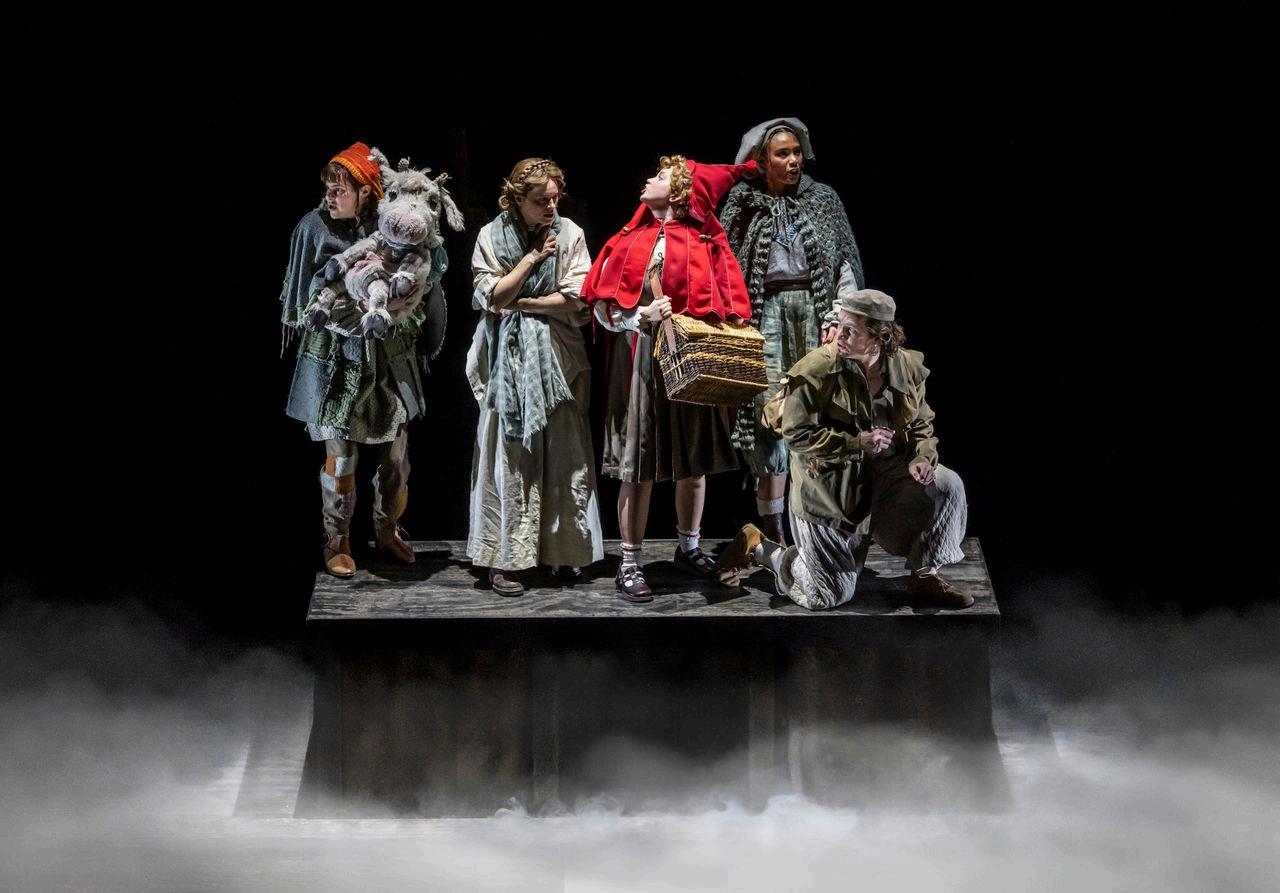
Into the Woods is a musical set in a fantasy land, where comedy and melodrama mix with all the classic fairy tales The main characters consist of the Baker and the Baker’s Wife, Little Red Riding Hood, Cinderella and her prince, Rapunzel and her evil mother (who is a witch), the prince’s brother and Jack as well as his mother (This is Jack, from Jack and the Beanstalk)!
The story starts with the Baker and the Baker's wife, who are desperate for a child but can’t have one. It turns out there is a curse on his family by an evil witch (Rapunzel’s mother), that goes back to when a relative of the Baker stole some beans from her garden, now he is cursed to never reproduce The only way (according to the witch) to lift the curse is to gather specific items from the woods which are: Cinderella’s shoe, Rapunzel’s golden hair, Red Riding Hood’s coat and the Milky White Cow (Jack’s cow) All these fairy tales are set in the woods, and their stories are re-told and twisted for our amusement, but by the end of Act One all the endings of
the fairy tales are the same as the original tale, and everyone has a happy ending! Hurrah
When Act 2 starts, it carries on from the end of the fairy tales and gives the audience a realistic perspective, depicting an imagined scenario how the characters would have acted after the ‘happy endings.’ For example, Rapunzel has social and mental problems because she was shielded from society her entire life, the Baker is struggling with the new problems of parenthood, Cinderella is bored with royal life, and wealth has shaped Jack into looking like David Bowie in the 60s
Trouble starts again and it helps the characters realise that their ‘happy ending’ wasn't as happy as they thought, maybe even problematic When chaos is reset, everyone is reunited in the woods, and the woods becomes an analogy for life and everyday problems
The woods are portrayed as dark and frightening, but no matter what you are forced to proceed and make progress through it. The woods come with problems and challenges, and there is no ‘happily ever after’, no automatic stop to problems
I would give Into the Woods, 4 ½ stars, because the cast were all very good actors as well as vocalists, and presented their characters complexity very well in the amount of stage time they had All the actors were amazing but the actor who played the evil witch was especially good, expressing the complexities of the relationship between the characters: one side loving Rapunzel unconditionally, but to the point that she loves her too much too to let her go
Where can this be seen: the Bridge Theatre, London
What is the overall rating: 4 ½ stars
BOOK REVIEW: TO ALL THE BOYS I’VE LOVED BEFORE
BY ALICE AMARO FROES
Get ready to fall in love
‘To all the boys I’ve loved before’ is a 2014 young adult romance novel, written by the American author Jenny Han This is a must read if you ’ re the type of person who is into romance books From the complicated friendships to breakups and madness, it is rumoured be one of the best romance books for teens.
16-year-old Lara Jean Song Covey has written multiple secret love letters to her loved ones she secretly likes After her mother passed away, she leaves behind a special hat box for Lara Jean as she decides to leave all her valuable things in there (including her secret love letters) Everything is going well until the day they are sent out
As all the boys receive their letters, Lara Jean is caught in a trap! Will she be able to cope with all the rumours that are suddenly going around? Will she be able to explain her story to all the boys at once?
Go and buy your own copy of “To all the boys I’ve loved before” and find out all the exciting content that it holds!
As you finish the first book from the famous series of “To all the boys I’ve loved before” you’ll find yourself reading the second book, “PS I Still Love You’ This book is basically just the story continuing from the first book.
In this sequel Lara Jean deals with some of the consequences of the letters that have been sent out, which Lara Jean’s mischievous younger sister, Kitty has discovered and distributed to some of the boys in question Personally, I had a great time reading it, discovering all the chaos that the book holds
At first Lara Jean and Peter Kavinsky are just playing it out as ‘pretend’ couples to cover up something mysterious, until they fall for each other for real, and start hanging out way more often: going on road trips, studying together, and making
out their perfect teenage relationship.
As time flies by, Lara Jean starts to become uncomfortable with the fact of Peter Kavinsky’s popularity in school and his old relationship with his ex-girlfriend Genevieve
Can their relationship go on?
Will they figure it out it the end?
Will all go as to plan?
BOOK GENRES:
BY ILIA MINTS
ROMANCE – STILL THE REIGNING BESTSELLER
Romance continues to dominate the book world, whether you ’ re looking at Amazon charts, KDP releases, or traditional publishing The audience is huge, the subgenres are endless, and readers devour new releases at an incredible pace It also happens to be one of the most viral genres on BookTok, which keeps sales booming
WHY IT WORKS
Contemporary romance alone brings in a massive share of the genre ’ s $1 44 billion yearly revenue Books like The Hating Game show how much readers love sharp dialogue, relatable characters, and emotional payoff Romance offers comfort, escapism, and hope a combination that keeps it firmly at the top of bestseller lists
MYSTERY, THRILLER & SUSPENSE – THE PERENNIAL PAGE‑TURNERS
Readers never seem to get tired of a good mystery or a tense psychological thriller These books consistently perform well across formats, especially audiobooks and Kindle Unlimited. A strong hook or a clever twist can launch both new and established authors into the spotlight
WHY IT WORKS
Fans of the genre are loyal and read voraciously Hits like The Girl on the Train and The Silent Patient prove how a single compelling question can carry a story worldwide Suspense, tension, and the irresistible urge to “figure it out” keep this genre thriving
FANTASY – WITH ROMANTASY LEADING THE CHARGE
Fantasy has been on a major upswing, thanks to immersive worlds and emotionally rich storytelling The biggest trend right now is romantasy that blend of magic, adventure, and romance that has taken over TikTok and Amazon charts
WHY IT WORKS
Books like Fourth Wing show how powerful the combination of high stakes and character chemistry can be Readers’ love escaping into new worlds, especially when the emotional stakes are just as intense as the magical ones. With strong fan communities and huge adaptation potential, fantasy is shaping up to be one of 2025’s defining genres
SCIENCE FICTION – BIG IDEAS AND FUTURE WORLDS
Sci fi is enjoying renewed attention, especially stories exploring AI, space travel, climate futures, and ethical dilemmas It performs particularly well with digital readers and often overlaps with speculative thrillers
WHY IT WORKS
Novels like Project Hail Mary highlight how sci fi blends imagination with real scientific curiosity. Readers come for the “what ifs,” the puzzles, and the sense of wonder As technology and climate issues stay in the spotlight, sci fi feels more relevant than ever
YOUNG ADULT (YA) – POWERED BY SOCIAL MEDIA
YA continues to be one of the most influential categories, especially in fantasy and romance Its emotional depth and strong themes resonate with both teens and adults, and social media plays a huge role in driving trends
WHY IT WORKS
Stories like The Hunger Games and Six of Crows show how deeply YA can connect with readers Themes of identity, belonging, and transformation are universal, and the passionate online fanbase keeps YA titles circulating for years.
SELF-HELP & PERSONAL DEVELOPMENT –
EVERGREEN AND RELIABLE
Self-help remains a staple on Amazon’s bestseller lists Readers are constantly looking for guidance on productivity, mindset, mental health, and personal growth
WHY IT WORKS
Books like Atomic Habits prove that people want clear, practical advice they can apply immediately The genre succeeds because it offers something concrete whether that’s confidence, clarity, or a sense of control
CHILDREN’S BOOKS – ALWAYS IN DEMAND
Children’s books are one of the most stable categories in publishing Picture books, early readers, and educational titles consistently rank high, especially among parents, teachers, and gift buyers.
WHY IT WORKS
Kids’ books are purchased repeatedly and for many different occasions Simple storytelling, strong visuals, and timeless themes keep this category evergreen
HISTORICAL FICTION –EMOTIONAL AND TRANSPORTIVE
Historical fiction attracts readers who love being immersed in another time period. These stories blend research with emotional depth, offering both education and escape
WHY IT WORKS
Historical fiction attracts readers who love being immersed in another time period These stories blend research with emotional depth, offering both education and escape
HORROR – RIDING A NEW WAVE OF POPULARITY
Horror has seen a major resurgence thanks to TikTok, podcasts, and streaming adaptations Psychological horror, gothic stories, and paranormal fiction are especially strong right now
WHY IT WORKS
Modern horror from Mexican Gothic to The Haunting of Hill House adaptations taps into universal fears while delivering atmosphere and tension It’s also incredibly shareable, which makes it perfect for social media buzz
RESTAURANT REVIEWS
BY ATTILIO JUNIOR IEVOLI
THE EVANS & PEEL DETECTIVE AGENCY
The Evans and Peel Detective Agency is a hidden gem in London, offering a unique dining experience with Prohibition era vibe and a detective agency set-up. Customers can enjoy cocktails while being entertained by a live band and the antics of the ‘detective’. The restaurant is know for its interesting atmosphere and has got positive reviews for its service, cocktails and overall experience
This is a fun restaurant you can tell your parents about it You ring the doorbell and say ‘ I need a detective’ then they will bring you upstairs You then need to get your story straight for the detective (you need to pass the initial quiz on your crime you are reporting), and they will let you in to the cabaret-style bar
The atmosphere is immersive, with live music and cabaret style acts, creating the feel of a 1920’s private club hidden in plain sight Cocktails are inventive, food is designed for sharing and the whole experience blurs theatre with nightlife
PUTTSHACK (MINI GOLF)
Puttshack is not just any mini golf place it has an interactive 9 hole course powered by trackaball technology, which automatically tracks scores and updates digital leader boards – removing the need for pencils or manual scorekeeping It offer themed courses with creative holes and playful surprises, making the game play fun, competitive and suitable for all skill levels
The food and drink is varied and creative: signature foods include Puttshack potato tots with cheese, bacon and spring onion, Skewer sharing towers including piri-piri chicken and Mediterranean Lamb, chicken and waffles with spiked maple syrup, and brunch burgers with gochujang ketchup and fresh sides They are also very inclusive since the menus cater for vegans and cocktail/ mocktails enthusiasts with options before or after golf
Puttshack has a social playful vibe The interactive tech, themed lighting and upbeat music create an engaging environment where you can compete, dine and socialize One more tip - aim for the green hole, for a hole in one!
SPORTS SECTION
ART BY: ALI FUAT MIRAS, YEAR 9
ART BY: LYNDON MUNK,
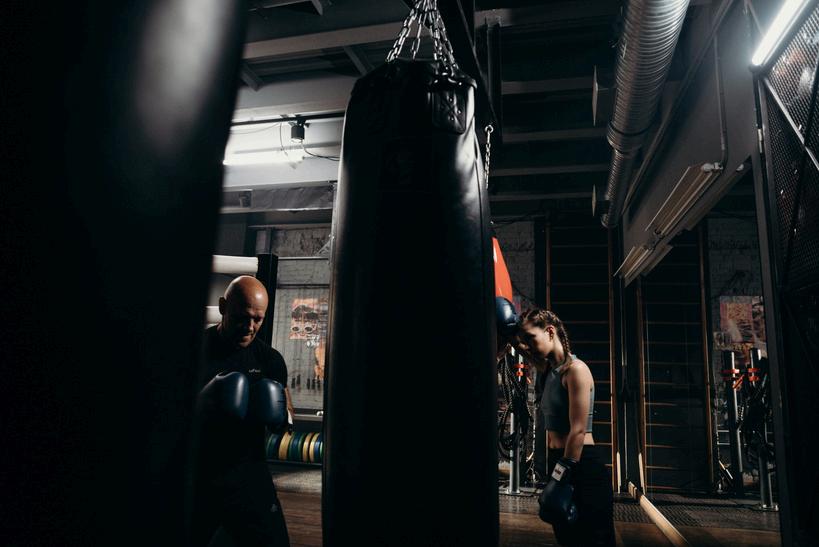
BOXING GREATS: MUHAMMAD ALI
BY VALENTIN BIRCH
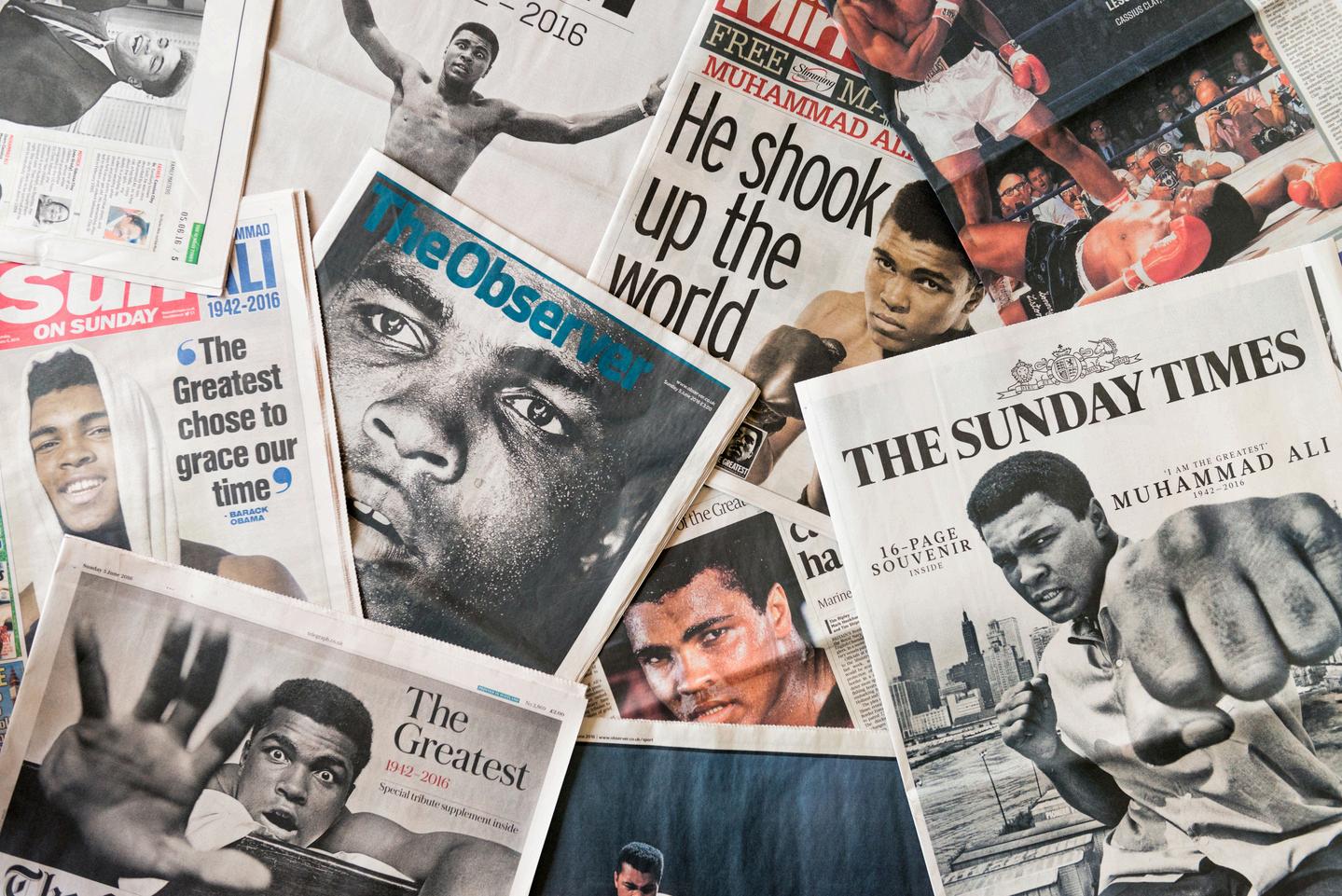
Muhammad Ali is known as one of the greatest boxers of all time and his legacy extends far beyond the boxing ring. Muhammad Ali was born in Louisville, Kentucky in 1942 and his birth name was Cassius Marcellus Clay, he burst onto the boxing scene with a unique style and flair Muhammad Ali dazzled audiences with speed and agility An interesting fact about Ali, is that he refused to be drafted into the USA’s war with Vietnam citing religious beliefs as his moral opposition to conflict
HIS IMPACT
Ali’ s impact transcended the limits of sports, extending into the realms of activism and social justice In an era, which was rife with racial tensions and civil unrest, Ali emerged as a powerful voice for the marginalised Ali consistently used his platform to address issues of racial injustice, speaking passionately about the struggles faced by African Americans
Ali engaged with communities suffering from oppression, poverty, and conflict, with his life serving as a beacon of hope for those striving for equality and acknowledgment of human dignity. The nature of his activism reflects an enduring commitment to fight for the underrepresented, making him a known and famous figure in the discourse on human rights
His amazing journey was marked by triumphs and tribulations and serves as a powerful narrative that resonates with people from all walks of life He is a great source of evidence for those grappling in life Ali’s unique blend of athleticism and charisma engendered a popular culture phenomenon, inspiring young and old
“Float like a butterfly, sting like a bee.”
HUMANITARIAN WORK
One of the most notable facets of his humanitarian work was his involvement in various charitable efforts. As an example, just weeks after earning his Olympic gold medal, Ali faced Tunney Hunsaker in Louisville, Ali gave all the proceeds from this fight to Kosair Children's Hospital and fellow Olympic champion Wilma Rudolph, a childhood polio survivor, was a guest at the event His lifelong efforts also included financial contributions towards things like healthcare programs and educational initiatives
SPORTING RECORD
Muhammad Ali had 61 professional fights and during his career, he compiled a record of 56 wins, including 37 knockouts (KOs), and five losses But, aside from his most famous bouts, like the 1975 "Thrilla in Manila" when he knocked out Joe Frazier, many of his boxing accomplishments are lesser known Ali was known as ‘The Greatest’ and you can watch his outstanding boxing skill in some of his earlier fights on YouTube.
MUHAMMAD ALI’S LEGACY
In an era when the boundaries of sport and social consciousness are often blurred. Ali’s legacy remains a guiding light for those seeking to navigate the rough waters of societal change As we reflect upon the legacy of Muhammad Ali, we are reminded that true greatness lies not only in victories but in the courage to stand firm in the face of adversity and to uplift those around us This is very much like our school values, and we can see the character attributes of Muhammad Ali in our house namesakes as well ART BY: AVA PORTER PRINGLE, YEAR 8
HOW I JUGGLE MY LOVE FOR TENNIS AND SCHOOLWORK
BY POLISSENA FEZIA
I've always dreamed of being a professional tennis player Ever since I used to watch from the sidelines my 3 older siblings whacking a ball from one side of the court to the other I wished I could play like them. When I reached 6 my father finally indulged my passion to hit a ball over the net and quite quickly, he realised I might have a talent He encouraged me to take more lessons and to start taking it more seriously and it quickly became a huge part of my life afterschool and at weekends
It is not always easy to find the right balance Many of the top players give up a lot of their childhood in order to achieve their dreams I have been training regularly for 7 years, and it is getting increasingly difficult to fit it in around my school and social life I know a lot of tennis stars went to specialized tennis schools or had homeschooling so that they could fit education around their sports schedule
I have always been keen to continue at a regular school, and I enjoy seeing my friends at the weekends Sometimes when I’m training until 9pm, knowing that I still have homework and that I have to be up early for school tomorrow, I wonder why I put myself through it !
But I still feel the thrill of a forehand that hits the baseline, intercepting a volley from the net and a finishing shot that leaves my opponent stumbling after it I have worked hard 4 times a week for 7 years and I am not ready to give up now
I know there will be challenges that I will face ahead of me Currently, I just about manage to keep on top of my schoolwork and get good grades. Even though, I sometimes make sacrifices in my social life, I am lucky to live in London, so it is easy for me to see friends when I have a break in my schedule Sometimes I think I should commit more fully to my tennis, but I know there would be a price to pay with school and my social life
Although I have been working hard to improve my technique, I need to carve out more time to participate in tournaments so I can take my tennis to the next level This will inevitably involve travelling, missing weekends and holidays and perhaps also some school days I need to believe that it will be worth it.
Ultimately, only the future can tell if I will become a professional tennis player But, I can be sure that I will have learnt a lot of useful skills along the way such as hard work, resilience, pushing myself to my physical limits and balancing the different demands of my life Most importantly, I have developed my love for tennis and I'm sure I will continue to enjoy playing for the rest of my life
ESPORTS AND OTHER GAME RECOMMENDATIONS
BY ILIA MINTS
ROCKET LEAGUE’S GREAT DEBUT IN THE GAMING WORLD
Rocket League esports has built up some heritage in the UK, having held multiple major events here over the years in London – the most recent being the2024 RLCS London Major won by G2 Stride(above) Now aRocket League RLCS Birmingham Major has been announced for 2025, which will take place at the Birmingham NEC’s BP Pulse Live Arena in the spring
It will run from Thursday March 27th to Sunday March 30th, 2025, with teams performing in front of a live audience on the weekend of March 29th and 30th Solihull Council is working in partnership with Blast, the British Esports Federation, NEC Group, West Midlands Growth Company and the University of Warwick for the event, with a separate British Esports Cup also taking place
TOP 10 BIGGEST PRIZE POOLS IN ESPORTS TOURNAMENTS
The Biggest Prize Pools in Esports Tournaments have become a symbol of how far competitive gaming has progressed over the years What once started as small-scale gaming competitions has evolved into global spectacles with millions of dollars at stake These events attract top-tier players, dedicated teams, and worldwide audiences, creating a thriving ecosystem
From massive MOBAs like Dota 2 to battle royale giants like Fortnite, and even mobile sensations like Honor of Kings, the diversity is remarkable The Biggest Prize Pools in Esports Tournaments also reflect the growing investment and sponsorship opportunities Each year, these tournaments continue to raise the bar, breaking records and rewarding extraordinary talent Truly, the Biggest Prize Pools in Esports Tournaments are reshaping the future of gaming
Here are the Top 10 Biggest Prize Pools in Esports Tournaments:
10. PEACEKEEPER ELITE LEAGUE 2022 SPRING
Peacekeeper Elite League 2022 Spring marks the beginning of our countdown of the Biggest Prize Pools in Esports Tournaments This PUBG Mobile tournament stood out because of its unique structure and incredible prize money for a mobile game Bringing together top teams from six different regions, the event highlighted the explosive growth of mobile gaming and competitive esports. The $4.14 million prize pool was remarkable, considering the mobile esports landscape was still finding its footing globally This seasonal split of PUBG Mobile proved that mobile titles could command big audiences and significant payouts The event helped cement PUBG Mobile as a key player in esports, attracting sponsors and viewers from all over the world
9. PUBG GLOBAL CHAMPIONSHIP 2021
Next on our list of the Biggest Prize Pools in Esports Tournaments is the PUBG Global Championship 2021 PUBG’s competitive scene had been evolving since the game ’ s launch, but this championship elevated its stature. Featuring a multi-stage format, the tournament brought together top teams from across the world. The $4 41 million prize pool was largely fueled by crowdfunding, showing the power of community support in esports The tournament was a grueling affair, testing not just aim and reflexes but also strategy and teamwork The PUBG Global Championship 2021 reaffirmed PUBG’s place in the competitive gaming world and demonstrated that tactical shooters could deliver
8.CALL OF DUTY LEAGUE CHAMPIONSHIP 2020
The Call of Duty League Championship 2020 stands as an important milestone in shooter esports and makes its way onto our list of the Biggest Prize Pools in Esports Tournaments Call of Duty has always been a popular franchise, but its esports scene had often been overshadowed by MOBAs and battle royales In 2020, Activision Blizzard sought to change that with the Call of Duty League (CDL) The league introduced city-based franchises and a structured competitive season, culminating in a $4 6 million championship Despite being held during a pandemic, the tournament delivered thrilling matches and impressive production value The large prize pool indicated that Call of Duty was ready to compete with esports giants
7. LOL WORLD CHAMPIONSHIP 2018
League of Legends is one of the biggest esports titles globally, and the 2018 World Championship showcased why it deserves a place among the Biggest Prize Pools in Esports Tournaments The prize pool reached $6 45 million, boosted by sales of in-game items, which became a trend for many esports events. Worlds 2018 featured electrifying gameplay, unforgettable upsets, and dominant performances, cementing the event as a highlight of the competitive calendar Although League of Legends has had many iconic championships, this particular edition stood out for its scale and production It proved that MOBAs could deliver not only strategic depth but also huge financial incentives to its players
6. PGI.S 2021 MAIN EVENT
As we climb the list of the Biggest Prize Pools in Esports Tournaments, we reach the PGI S 2021 Main Event This tournament brought together 32 of the best PUBG teams worldwide to compete for supremacy With a prize pool exceeding $7 million, it was the highest for PUBG to date The event had an innovative format, including weekly survival matches and a ranking system that rewarded consistent performance The substantial prize pool emphasized PUBG’s continued relevance in competitive gaming, even as newer titles emerged The PGI S 2021 was a showcase of tactical brilliance and relentless competition, proving PUBG’s staying power in the esports ecosystem
PGI.S 2021 Main Event PUBG
$7,068,071 2021
5. KING PRO LEAGUE GRAND FINALS 2024
Mobile esports continues to make waves with the King Pro League Grand Finals 2024, landing fifth on our list of the Biggest Prize Pools in Esports Tournaments Honor of Kings, a dominant title in China, showcased its competitive might with this massive event The prize pool of nearly $9 7 million is a testament to the game ’ s popularity and Tencent’s commitment to expanding its esports footprint The tournament attracted global attention, highlighting the growing potential of mobile MOBA games Players delivered high-quality matches, and the production level matched that of traditional esports powerhouses. This event proved that mobile titles are not just a niche but a major player in the esports scene Event Game Prize Pool Year
King Pro League Grand Finals 2024 Honor of Kings $9,678,529 2024
4. HONOR OF KINGS INTERNATIONAL CHAMPIONSHIP 2022
The Honor of Kings International Championship 2022 stands tall among the Biggest Prize Pools in Esports Tournaments. With an even higher prize pool of $10 million, this event elevated the game ’ s international standing The championship brought together top players and teams from different regions, expanding the game ’ s footprint beyond China It was an important step for Honor of Kings as it sought to become a global esports title The $10 million prize pool not only rewarded players but also demonstrated that mobile esports can rival PC and console games in terms of competitive stakes This championship was a turning point for mobile gaming in the competitive scene
3. RIYADH MASTERS 2023
Dota 2 has long been associated with massive prize pools, and the Riyadh Masters 2023 continues that trend, earning its spot in the Biggest Prize Pools in Esports Tournaments With $15 12 million on the line, it was one of the richest esports tournaments outside of Valve’s iconic The International Featuring elite teams, the event drew global attention and showcased the Middle East’s increasing investment in esports Riyadh Masters 2023 offered thrilling matches, epic comebacks, and top-tier production, cementing it as a premier event This tournament showed that Dota 2’s appeal and high stakes are not confined to one event alone.
2. FORTNITE WORLD CUP 2019
The Fortnite World Cup 2019 is one of the Biggest Prize Pools in Esports Tournaments history Epic Games entered the competitive scene with an unprecedented investment, putting up a massive prize pool of over $15 million The tournament featured both Solo and Duo competitions, with players as young as 16 walking away as millionaires The event was a spectacle, with mainstream media coverage and a massive audience It also cemented players like Bugha as esports icons The World Cup demonstrated Fortnite’s ability to compete at the highest levels of esports, even if subsequent events haven’t matched this financial peak
Fortnite World Cup 2019 Fortnite
1.
$15,287,500 2019
THE INTERNATIONAL (2021)
At the pinnacle of the Biggest Prize Pools in Esports Tournaments is TheInternational 2021 Known as TI10, this Dota 2 event shattered records with a prize pool exceeding $40 million Crowdfunding through the game ’ s Battle Pass played a huge role in this achievement, proving the dedication of Dota’s community The International has always been a benchmark for esports prize money, but this edition took things to another level The tournament was filled with drama, incredible gameplay, and unforgettable moments Teams fought tooth and nail for a share of the enormous prize, making it a landmark event in esports history. Even as prize pools have fluctuated since, TI10 remains the gold standard for competitive gaming Event Game
The International 2021 Dota 2
$40,018,400 2021
These Biggest Prize Pools in Esports tournaments truly showcase the incredible growth and evolution of the gaming industry Over the years, competitive gaming has transformed from small local events into global spectacles, attracting millions of viewers and huge financial backing. These tournaments with the Biggest Prize Pools in Esports tournaments are proof of how serious and lucrative the industry has become, with players turning professional and organizations investing heavily Not only do these events reward top talent, but they also demonstrate worldwide recognition of esports as a legitimate sport The Biggest Prize Pools in Esports tournaments continue to inspire players and fans alike