Poly Tarps in Agriculture: Practical Uses for FarmersandRanchers
In the agricultural sector, efficiency and resourcefulness are paramount. Farmers and ranchers constantly seek reliable, cost-effective solutions to protect their crops, livestock, and equipment. Among the many tools available, poly tarps stand out as versatile, durable, and essential assets. This article explores the various practical uses of poly tarps in agriculture, demonstrating how they can significantly enhance farm and ranchoperations.
Protecting Crops from the Elements
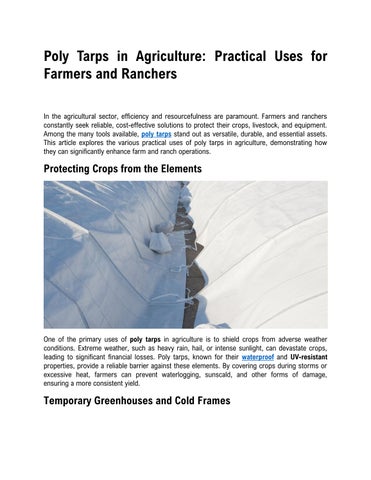
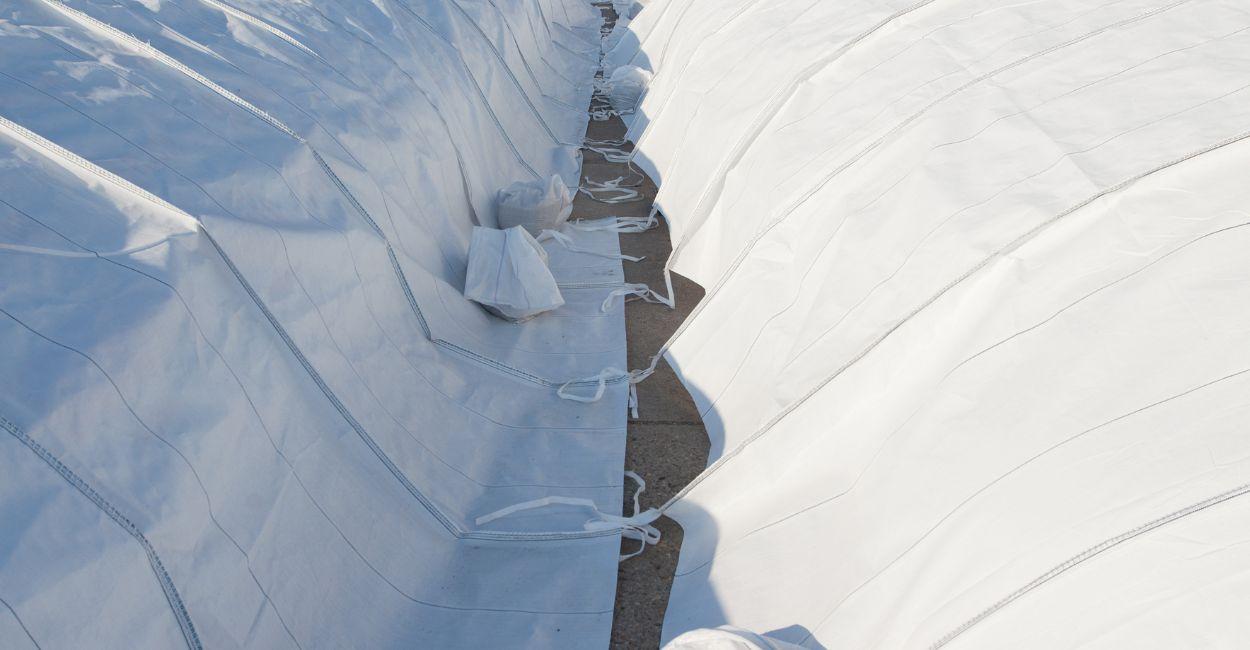
One of the primary uses of poly tarps in agriculture is to shield crops from adverse weather conditions. Extreme weather, such as heavy rain, hail, or intense sunlight, can devastate crops, leading to significant financial losses. Poly tarps, known for their waterproof and UV-resistant properties, provide a reliable barrier against these elements. By covering crops during storms or excessive heat, farmers can prevent waterlogging, sunscald, and other forms of damage, ensuring a more consistent yield.
Temporary Greenhouses and Cold Frames
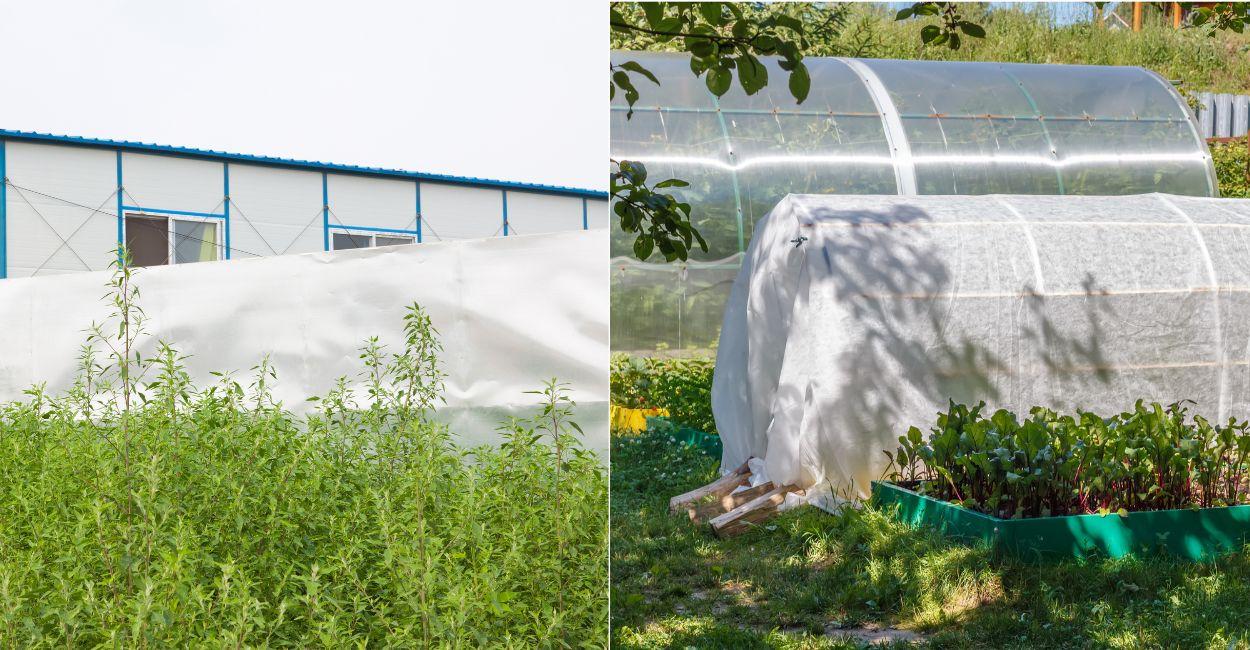
Another innovative use of poly tarps is in the creation of temporary greenhouses and cold frames. These structures are invaluable for extending the growing season, protecting delicate plants from frost, and fostering seedling growth. By constructing a simple frame and covering it with a poly tarp, farmers can create an effective microclimate that enhances plant growth. This cost-effective solution allows for better control over temperature and humidity, resulting in healthier, moreproductive crops.
Livestock Shelter and Windbreaks
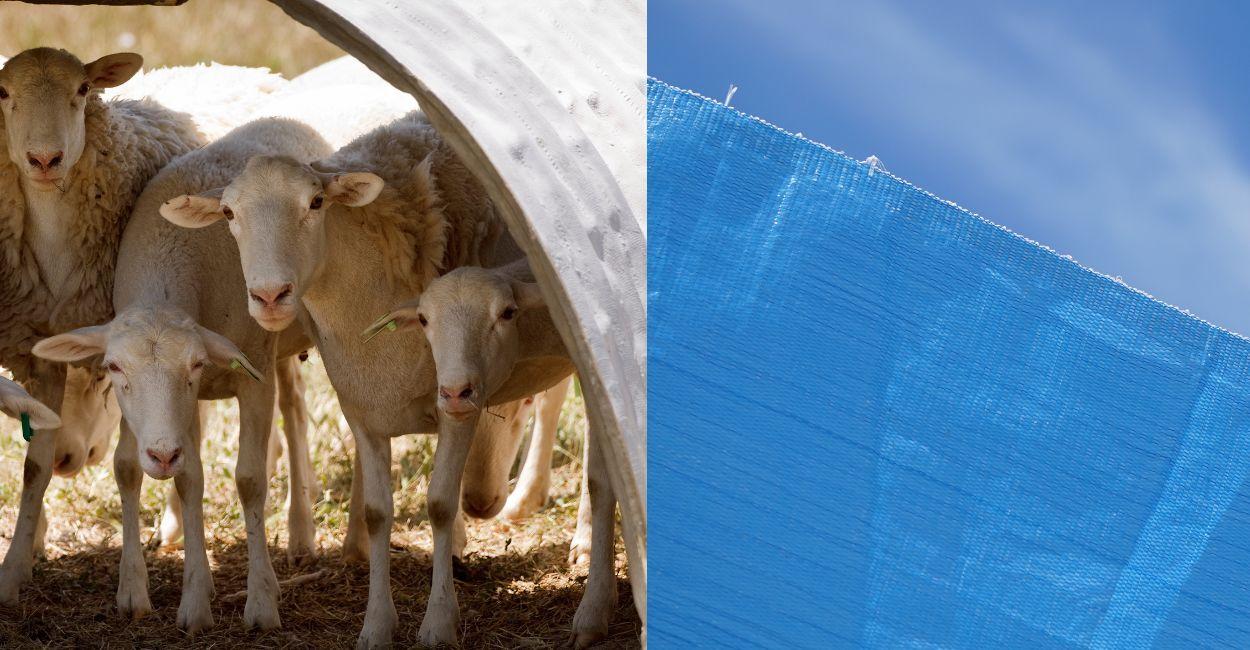
For ranchers, poly tarps offer essential protection for livestock. Whether used as temporary shelters or windbreaks, these tarps help maintain a stable environment for animals, reducing stress and promoting better health. During cold and windy conditions, a well-placed poly tarp can act as a windbreak, preventing livestock from exposure to harsh winds and lowering the risk of illness. Additionally, poly tarps can be used to create temporary shelters for animals during severe weather, ensuring they remain dry andcomfortable.
Hay and Feed Protection
Proper storage of hay and feed is crucial to prevent spoilage and ensure livestock have a reliable food source. Poly tarps provide an effective solution for covering hay bales and feed, protecting them from rain, snow, and direct sunlight. This protection not only preserves the quality of the feed but also prevents mold growth, which can be harmful to livestock. By using poly tarps, rancherscan extend theshelf life oftheir feed supplies, reducing waste andsaving money.
Equipment and Machinery Coverage
Agricultural equipment and machinery represent significant investments for farmers and ranchers. Protecting these assets from the elements is essential to prolong their lifespan and maintain their functionality. Poly tarps are an ideal choice for covering tractors, plows, and other machinery when not in use. Their durability and resistance to wear and tear ensure that equipment remains safe from rust, corrosion, and other environmental damage. By using poly tarps, farmers can minimize theneed for costly repairs and replacements.
Field and Soil Protection
In addition to protecting crops and livestock, poly tarps can be used to safeguard fields and soil. Erosion control is a critical concern in agriculture, particularly during heavy rainfall or flooding. By
covering vulnerable areas with poly tarps, farmers can prevent soil erosion, preserving the integrity of their land. Additionally, poly tarps can be used to cover soil during fallow periods, preventing weed growth and maintaining soil moisture levels, which ultimately enhances soil fertility forfuture planting.
Mulching and Ground Cover
Mulching is a widely used technique in agriculture to retain soil moisture, suppress weeds, and improve crop yields. Poly tarps serve as effective ground covers in mulching applications. By placing tarps over the soil, farmers can create a barrier that inhibits weed growth and retains moisture, reducing the need for frequent irrigation. This method not only conserves water but also minimizes the reliance on herbicides, promoting moresustainable farming practices.
Compost and Manure Management
Efficient management of compost and manure is essential for maintaining a healthy farm environment. Poly tarps play a crucial role in this process by covering compost piles, preventing excess moisture from rain, and retaining heat to accelerate decomposition. For manure management, poly tarps can be used to cover storage areas, reducing odor and preventing runoff that could contaminate water sources. These practices contribute to more efficient nutrient recycling and improved soil health.
Temporary Storage Solutions
Farms and ranches often require temporary storage solutions for materials such as seed, fertilizer, and equipment. Poly tarps offer a flexible and cost-effective option for creating temporary storage spaces. By constructing simple enclosures with poly tarps, farmers can
protect their materials from the elements while keeping them easily accessible. This adaptability is particularly useful during peak seasons when additionalstorage space isneeded.
Disaster Preparedness
In regions prone to natural disasterssuch as hurricanes, floods, or wildfires, having poly tarps on hand is a critical component of disaster preparedness. These tarps can be quickly deployed to cover vulnerable areas, protect valuable assets, and mitigate damage. In the aftermath of a disaster, poly tarps can also be used to create temporary shelters, cover damaged roofs, and secure debris, aiding inthe recovery process.
Conclusion
In the dynamic world of agriculture, poly tarps are invaluable tools that offer practical solutions for a wide range of challenges. From protecting crops and livestock to safeguarding equipment and managing resources, these tarps provide the durability, versatility, and cost-effectiveness that farmers and ranchers need to thrive. By incorporating poly tarps into their operations, agricultural professionals can enhance productivity, reduce losses, and ensure the long-term sustainability of their farms and ranches.