

The river returns to the North Side Groundbreaking held for Upper Harbor amphitheater

On Monday, May 4, 2026, the long-dormant Upper Harbor Terminal broke its silence. In its place: music, speeches, shovels, and the sound of a community that had spent a decade insisting on its own future. Community leaders, elected officials, North Side residents, and partners from First Avenue and the Minnesota Orchestra gathered at the river’s edge to break ground on the Community Performing Arts Center — the CPAC amphitheater — a project more than a decade in the making and, for many who were present, something they were not always sure they would live to see.
The site — 48 acres of former industrial riverfront off Dowling Avenue North and I-94, owned by the City of Minneapolis — was once home to a barge terminal that loaded coal, gravel, and road salt onto vessels headed downstream. For generations, it served as a physical wall between North Minneapolis and the Mississippi River. The Dakota people were displaced from this land in the 1851 treaties at Traverse des Sioux and Mendota. Decades later, the construction of Interstate 94 carved through adjacent Black neighborhoods, displacing thousands more. The Upper Harbor Terminal was built on the rubble of that history. Now, that is beginning to change.
The CPAC amphitheater — designed by LSE Architects — will be operated by the Port of Minneapolis, LLC, a joint venture between First Avenue Productions and the Minnesota Orchestra. Slated to open in summer 2027, it will host approximately 50 ticketed events annually from May through October, plus community programming year-round.
A portion of the venue will be enclosed for smaller events on a year-round basis, deepening its connection to North Side residents beyond the concert season. Construction is being managed by Kraus-Anderson
and Zuri 3, a partnership the City describes as sharing goals around community interests and workforce development.
The project will create more than 500 construction jobs. Once the amphitheater opens, it will employ more than 250 people on an ongoing basis.
A binding community wealth mechanism — hard-won and historic
What distinguishes the Upper Harbor amphitheater from a typical concert venue is the community wealth-building structure at its core. Through negotiations advanced by the Upper Harbor Terminal Collaborative Planning Committee and codified in a City-approved Community Benefits Agreement, $3 from every ticket sold at CPAC will be reinvested directly into the North Side community, channeled through the African American Community Development Corporation (AACDC). Selected as the designated Community Entity in 2023, the AACDC will serve as fund manager — directing ticket revenue toward community programming, local vendor and entrepreneur opportunities, and a youth jobs and career program. The CPAC official site projects this mechanism will generate approximately $500,000 annually for North Minneapolis. That is not a onetime grant. That is a recurring, structured transfer of wealth back to a community that has too often given without receiving in return.
Keith Baker, Chair of the AACDC, offered words that carried the weight of everything it took to get here: “Today is about more than a project on the riverfront. It is about a community that has insisted on its own future.”
The AACDC’s co-founder Bill English, a veteran community leader who helped negotiate the per-ticket community reinvestment and

who served on the Upper Harbor planning committee since its earliest phases, was at the ceremony Monday — and as always, he carried the full picture. While expressing genuine enthusiasm for the amphitheater, English reminded those gathered that the work is unfinished. He wants to see the full affordable housing program built on this site, and he has been explicit about the obstacle: the Minnesota Housing Finance Agency has rejected financing applications for the project’s affordable housing component two years in a row. “While we’re congratulating ourselves on this start — and it is congratulatory, I believe in it — it’s not enough,” English said.
The partners who made it possible
The amphitheater is a product of unlikely partnerships forged over more than a decade. First Avenue — the legendary Minneapolis club that launched Prince and has been the heartbeat of Twin Cities music for over half a century — is co-operator of what will be a publicly owned venue in a North Minneapolis park. President and CEO Dayna Frank was direct at the ceremony: “First Avenue has always believed that live music belongs to everyone, and partnering with the Minnesota Orchestra, the AACDC, and the City to build something rooted in the Northside community is exactly the kind of work we’re here to do. We can’t wait to welcome everyone in Minneapolis,
Minnesota, and across the country to this stage.” The Minnesota Orchestra joined the venture in 2023, helping raise private funds from a consortium of supporters to advance the public-private partnership. President and CEO Isaac Thompson framed the project in terms of civic mission: “The CPAC amphitheater is a true example of a public and private partnership designed to make a positive difference in our community. We look forward to launching a new era of music-making along the Mississippi River in Minneapolis.” When the venue opens, the Orchestra will both perform there each season and participate in long-term operational oversight alongside First Avenue.
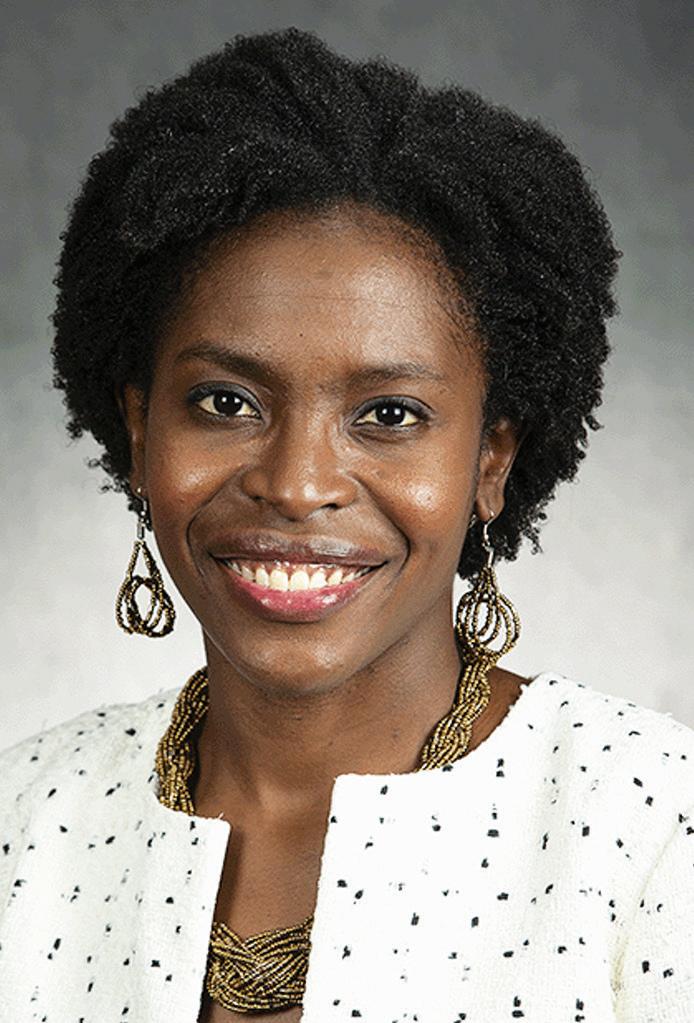
The public investment behind the CPAC reflects years of legislative work by North Side champions in St. Paul. State Rep. Fue Lee, who chairs the House Capital Investment Committee, was instrumental in securing $12.5 million in state bond funding for the performing arts center, and $15 million more for park infrastructure. State Sen. Bobby Joe Champion championed the project at the Capitol. A coalition of private funders provided the additional resources needed to close the financing gap that public dollars alone could not cover.
Brandon Champeau, Senior Vice President at United Properties and the lead developer for the Upper Harbor redevelopment, described the philosophical shift that shaped the project: “We stopped viewing it through the traditional lens. It became much more about community impact.” He has been a consistent presence from the earliest community planning meetings through Monday’s groundbreaking.
Makeda Zulu-Gillespie: a North Side institution bears witness Among those celebrating at the river’s edge was Makeda Zulu-Gillespie, a lifelong North Minneapolis resident whose biography reads as a map of North Side community development across three decades. Currently serving as Senior Director of Partnerships at the University of Minnesota’s Robert J.
Credit: Greg Helgeson / City of Minneapolis Minneapolis community leaders put shovels in the ground at the Upper Harbor Terminal site, Monday, May 4, 2026, officially launching construction of the 8,000-capacity Community Performing Arts Center amphitheater.
Credit: Greg Helgeson / City of Minneapolis (L-R) Council Member LaTrisha Vetaw (Ward 4), Mayor Jacob Frey, and Council Member Pearll Warren (Ward 5) in the ground at the Upper Harbor Terminal site, Monday, May 4, 2026.


















Two visions, one city

By Al McFarlane
Two things happened at Minneapolis City Hall on May 5 that, taken together, tell you everything you need to know about where this city stands — and where the argument about its future is headed. Mayor Jacob Frey delivered his ninth annual State of the City address at the American Swedish Institute. Hours later, City Council leadership issued their own formal response. The distance between those two statements is not merely rhetorical. It is a political and moral map of a city in motion.
The speech was the mayor's first major public address since Operation Metro
Frey and council draw contrasting blueprints for Minneapolis
Surge — the Trump administration's 12-week federal immigration enforcement operation that sent thousands of ICE and Border Patrol agents into the Twin Cities beginning in December 2025, resulting in more than 3,000 arrests and the deaths of two American citizens: Renée Good, shot by an ICE agent on January 7, and Alex Pretti, shot by two Customs and Border Protection officers on January 24. Both were U.S. citizens. The operation drew protests, a general strike, and national attention.
Frey opened with an acknowledgment of that difficulty — and a demand for seriousness. "This past year tested our city," he said. "We saw disruption, fear, and real pain in our communities. But we also saw grit, endurance, and resolve. We got through it —
but getting through something is not the same as getting back on track." His frame was direct: Minneapolis has proven its resilience; now it must prove it can deliver results. "The state of our city is strong," Frey said. "But if we don't get serious — serious about the work, serious about our priorities, and serious about delivering — the trajectory won't be."
On public safety, Frey reported that the Minneapolis Police Department now has 642 officers, up from around 550. Applications to join MPD have increased 200 percent — from 665 total applicants in 2023 to 2,328 in 2025. He set a target of reaching the city charter-mandated floor of 733 officers next year, with a longer-term goal of exceeding 800 before he leaves office. The mayor acknowledged that reaching those levels
will cost more, as officer pay has risen significantly in recent years, and said his administration is doing the work to quantify that investment for the council to budget accordingly. Violence prevention programs also drew attention: the Neighborhood Safety Department's Group Violence Intervention program, Community Safety Ambassadors now expanding into Uptown, and a dedicated Uptown patrol unit. The mayor also announced the restoration of more than 700 streetlights and ongoing reform work under the city's federal consent decree with MPD.
On housing, the mayor said the city helped create and preserve 890 affordable homes over the past year, with nearly 2,000 additional units expected soon. He said Minneapolis has increased production of deeply affordable housing fivefold — from 35 to 185 units annu-
Building generational wealth from the ground up
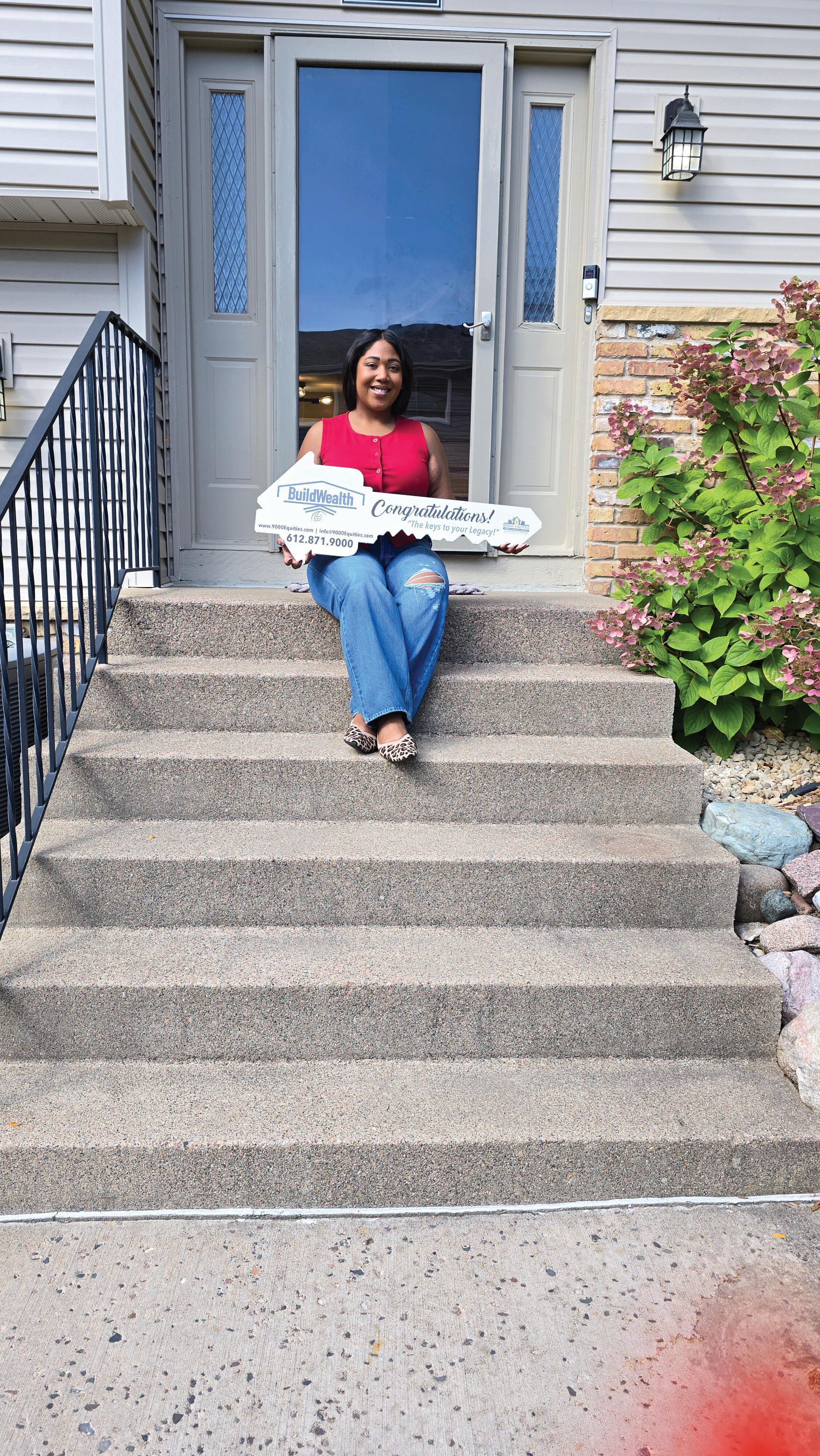
Build Wealth MN's Youth Stabilization Program graduates spring cohort, equipping middle and high school students with critical financial literacy and life skills
They came in as students. They left as financial citizens. That is the compact Build Wealth MN makes with every young person who walks through the doors at 1256 Penn Ave N in North Minneapolis — and this spring, another cohort made good on that promise.
Build Wealth MN announced the completion of its Spring Youth Stabilization Program cohort, celebrating the graduation of middle and high school students from a nine-week intensive curriculum anchored in financial literacy, personal development, and career exploration. The ceremony, held at the organization’s North Minneapolis headquarters, marked not just a milestone for individual students, but a generational act. This is the work Build Wealth MN was built to do.
Founded in 2004, the organization has spent more than twenty years helping families in the Twin Cities build financial stability and lasting generational wealth. It has helped more than 5,000 families become homeowners and delivered more than seven million dollars in down payment and closing cost assis-


tance. The Youth Stabilization Program extends that mission into the classroom — and into the imaginations of young people who are just beginning to understand what money means and what it can do.
“The growth we see in students over these nine weeks is incredible. They leave the program more confident, more informed, and better prepared to make decisions that positively impact their futures.”
— Demitri McGee, Youth Director, Build Wealth MN
Demitri McGee, Youth Director at Build Wealth
MN, is not a distant administrator watching outcomes on a spreadsheet. He is a HUD-certified Housing Counselor and Financial Coach with a Master’s degree from the University of Minnesota’s Family Social Sciences department, where his academic research focused specifically on developing and evaluating effective financial capability programs for underserved and underrepresented communities. He has published multiple articles drawing on that research. And for the past nine years, he has worked at Build Wealth as both Youth Di-

rector and housing counselor — personally assisting hundreds of families and young people in building budgeting skills, saving habits, credit knowledge, and homebuyer readiness. McGee authored the Youth Stabilization Program himself. He also created Rent Smart – Wise & Ready, the organization’s rental readiness program. He did not inherit this work. He designed it. That matters. It means the YSP curriculum carries the knowledge of a
United Black Legislative Agenda 2026: one week to act
UBLA/MOC's seven-point blueprint for Black Minnesota arrives at the closing bell of the 2026 legislative session — and the community is watching every vote
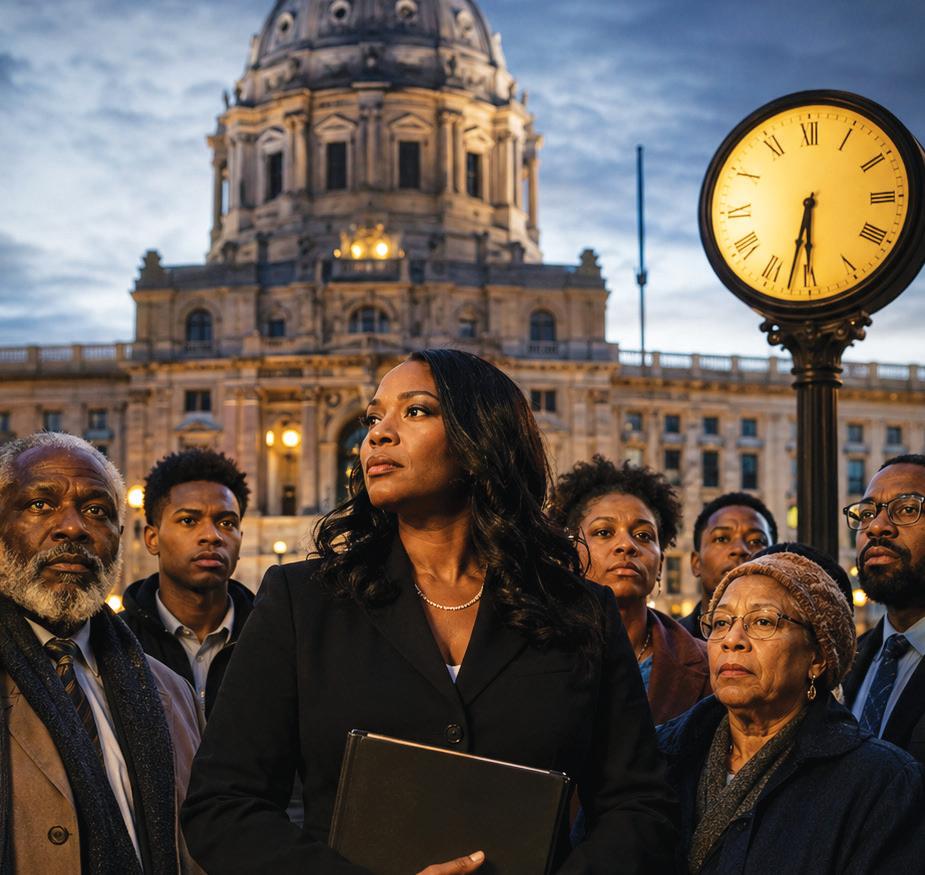
There is a document. It has a name. And the name itself is a demand.
The United Black Legislative Agenda — UBLA — operating in formal coalition with the Minnesota Organizing Coalition, MOC, has issued its priorities for the 2026 session of the Minnesota Legislature. The session ends May 18. One week remains. This is not an opening statement. This is the closing bell. Six years after the murder of George Floyd brought Minnesota into a national reckoning, the disparities that reckoning exposed have not closed. In several measures — homeownership, household wealth — they have widened.
The Twin Cities now holds the lowest Black homeownership rate of the 50 largest U.S. metros: 30.1 percent, against 70.3 percent for white households.
The Black–white homeownership gap in this metro — 51 percentage points — is the largest of any metro in the country, more than 20 points above the national average. The median net worth of Black households in Minnesota: zero dollars, against $211,000 for white households. Black Minnesotans are more than twice as likely as white Minnesotans to live below the poverty line.
Minnesota ranks near the top of every "best places to live" index. Parse those rankings by race and the same state falls to the bottom. That is the Two Minnesotas. UBLA/MOC has named it, documented it, and brought it to the Legislature with specificity. This is not a wish list. It is a blueprint. The median net worth of Black households in Minnesota: zero dollars, against $211,000 for white households.
The session ends May 18. One week remains.
The agenda is organized around seven investment priorities, each carrying the same operational instruction: Invest now.
Business and economic development — because median Black household wealth is roughly one-fifteenth of non-Black household wealth, and minority-owned businesses face higher loan denial rates and higher interest rates even after controlling for credit. The Legislature must move on capital, procurement, and equity.
Employment — because for many low-income Black men, finding and keeping work remains a constant struggle, filtered by criminal-justice contact and employer practice.
Family-supporting wages require the Legislature to dismantle institutional barriers and build the skills demanded by today's labor market. Public safety — because community-defined safety is not the same as policing, and the playgrounds, streets, and shopping centers of Minneapolis and Saint Paul must be reclaimed by the people who live there.
Housing — because the gap is the nation's widest, the disparity is the fourth-largest in the country, and Minnesota Housing has documented it as large, persistent, and especially concentrated for Black and Indigenous households. Education — because reading and math scores for Black students remain well below state averages, because Minnesota has ranked among the worst states for on-time Black graduation and college readiness, and because the achievement gap is a policy outcome — which means policy can change it.
Health and wellness — because heart disease, stroke, substance-related deaths, cancer, and infant mortality continue to fall disproportionately on Black Minnesotans, interfering with longevity, deepening poverty, and demanding legislative response equal to their scale. And policy coherence — because each member of the Legislature, regardless of political affiliation, sets public policy, and where conflicting interests have disenfranchised the Black community, coherence is required. The United Black Legislative Agenda is the community's articulation of what coherence looks like in 2026.
UBLA/MOC has already convened more than twenty meetings — legislative, faith, outstate, and youth. The record is built. Now the votes must follow.
The agenda also carries three direct asks to the Governor and Legislature: that the Governor meet with representatives of Black Minnesota to affirm commitment to disparities elimination across state governance; that the Governor hold commissioners accountable for measurable, reportable strategies to eliminate embedded disparities; and that the Legislature seat Black Minnesota at the table of decision — not as observers, but as participants.


Credit: Tony Webster
Minneapolis City Hall
Demitri McGee, left, and Tyra Balzek, far right, stand with Certificate of Achievement recipients, from left, Harraman Hill Jr., Ramona McGee, Kayleigh Hall, and Makaio Burch
Editor
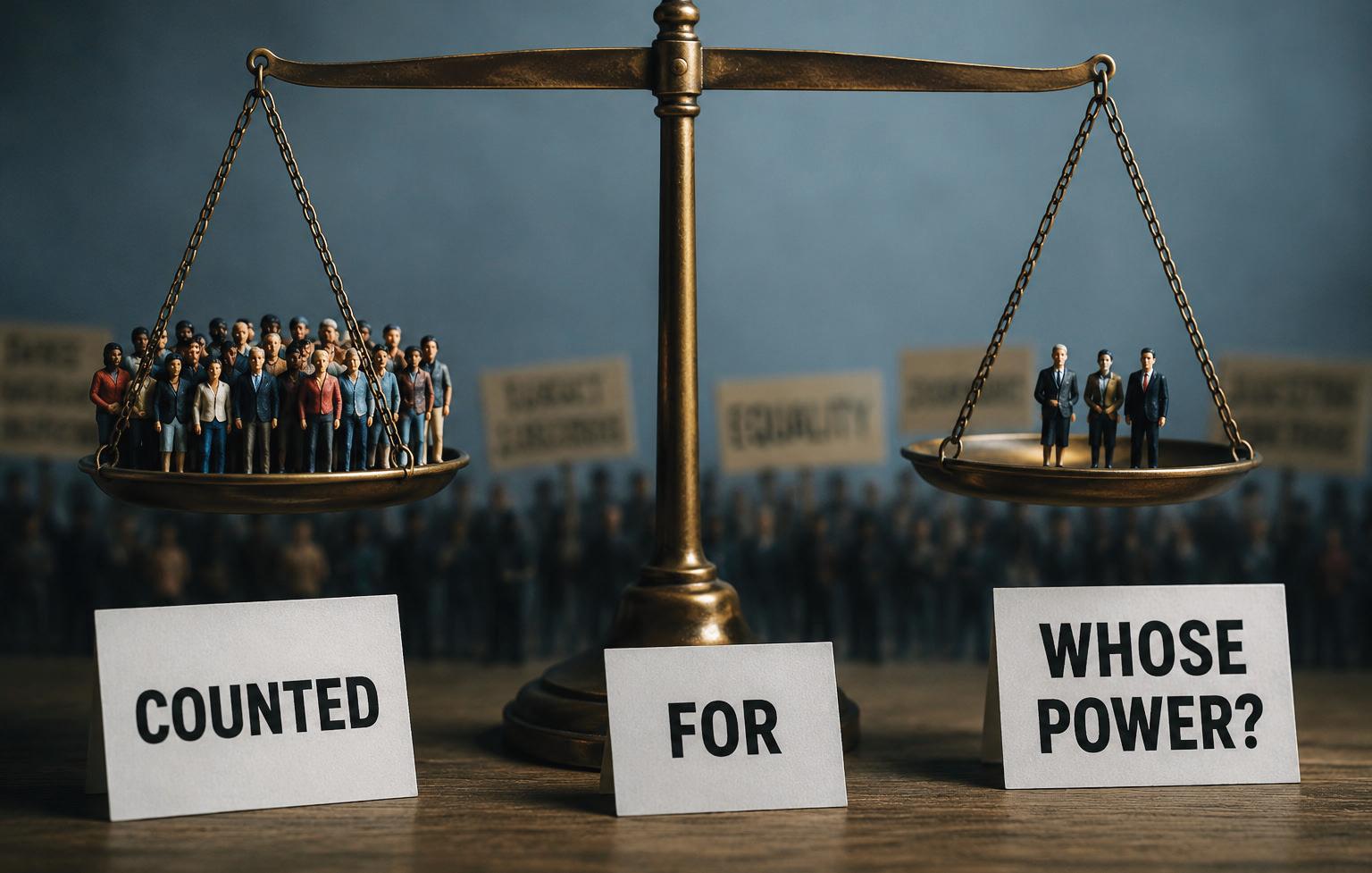
Counted for whose power?
By Haley Taylor Schlitz, Esq.
The Three-Fifths Compromise was not only a moral failure. It was math.
That is what makes it so haunting now.
America’s founders created a formula that allowed enslaved Black people to be counted toward the political power of states that denied them freedom, citizenship, wages, education, bodily autonomy, family security, and the right to vote. Their numbers increased representation in Congress. Their numbers increased power in the Electoral College. Their numbers strengthened a political system they had no power to shape.
The old question was not whether Black people counted.
It was who benefited from the count.
That question has returned.
The Supreme Court did not revive slavery last week. History should never be handled carelessly, and no analogy should be made lazily. But the Court’s decision in Louisiana v. Callais, which struck down a Louisiana congressional map that created a second majority-Black district, exposes a familiar American danger: counting Black people for power while weakening Black people’s access to representation.
SCOTUSblog reported that the Court, by a 6-3 vote, left in place a lower-court ruling barring use of the map, which had created that second majority-Black district.
This is what Section 2 of the Voting Rights Act was supposed to guard against. Not simply the formal right to cast a ballot, but the deeper protection against maps and rules that dilute minority voters’ political
voice. The question is not only whether Black citizens can vote. The question is whether our votes can actually translate into representation.
That is why this moment matters.
Black people are counted in the census. Our families, neighborhoods, labor, children, businesses, taxes, culture, and communities help states gain congressional seats, Electoral College votes, federal dollars, and national influence. But if those same communities can then be cracked, packed, diluted, or drawn out of meaningful representation, America has not escaped the old bargain. It has modernized it.
Black people are no longer counted as three-fifths of a person. We are counted fully. But counted for whose power?
Look at the map. In 1964, the year before the Voting Rights Act became law, Texas had 25 electoral votes. Florida had 14. Today, based on the 2020 Census allocation, Texas has 40 electoral votes and Florida has 30. Electoral votes are tied to congres-
sional representation because each state receives electors equal to its number of House members plus its two senators. More population means more seats, more electors, and more national power. The National Archives lists the current allocation at 40 electoral votes for Texas and 30 for Florida.
The Black population is part of that story.
Pew Research Center reported that the number of Black people living in the United States reached 49.2 million in 2024. Pew also found that Texas, Florida, and Georgia had the largest numerical increases in Black residents between 2010 and 2024. Texas added about 1.3 million Black residents. Florida added about 910,000. Georgia added about 680,000. These numbers are not just demographic facts. They are political facts.
When Black people move into a state, grow families there, pay taxes there, attend schools there, start businesses there, worship there, work there, serve there, and build communities there, they are counted. They help determine congressional apportionment. They help increase Electoral College power. They help expand the influence of the state.
But if the law then allows maps to dilute their political voice, those communities become counted without being
fully represented. That is the new ThreeFifths logic. Not the same brutality. Not the same bondage. Not the same law. But the same old American habit of extracting political power from Black presence while limiting Black people’s ability to wield it.
That is why this cannot be reduced to a technical redistricting dispute. It is not only about lines on a map. It is about whether Black population growth becomes Black political power, or whether it becomes someone else’s political power.
For Black Gen Z, this is not a museum lesson. It is the future being handed to us. We were born into a country that told us the great battles over voting and representation had already been won. We learned about Selma, the Edmund Pettus Bridge, the blood, the courage, the organizing, the martyrs, and the Voting Rights Act as proof that America could correct itself.
But our generation is coming of age in the shadow of a different lesson: rights can be won by one generation, weakened by another, and left for the next to defend before we have even had the chance to fully use them.
Black Gen Z is being asked to refight the past while trying to build the future. That is why we have
to be precise about what is happening.
The issue is not only turnout. Black people have been told, again and again, to vote. And we should. But voting is not the same as representation if the districts are drawn to make our votes less powerful.
The issue is not only diversity. Visibility is not the same as power. A larger Black population does not automatically mean more Black representation if the political maps are designed to separate our numbers from our voice.
The issue is not only symbolism. Representation is infrastructure. It determines who writes laws, who controls budgets, who confirms judges, who draws districts, who funds schools, who protects rights, who responds to crises, and who is heard when policy is made. That is why being counted is not enough.
A democracy cannot celebrate Black population growth while tolerating Black political dilution. It cannot count our children in the census, our workers in the economy, our consumers in the market, our athletes in stadiums, our students in universities, and our communities in apportionment, then treat our demand for fair representation as a problem to be managed.
If our numbers help build power, our voices must
share in power.
That should not be controversial. That is democracy.
The danger of this moment is that the language of equality is being used to weaken the tools that made representation possible. A congressional district where Black voters have the ability to elect a candidate of their choice is treated with suspicion. A map that recognizes racial reality is attacked as racial excess. The remedy becomes the alleged injury. The protection becomes the problem.
That is how rights are hollowed out.
Not always with a dramatic announcement. Not always with a direct declaration that people no longer matter. Sometimes rights are weakened by changing the rules around how power is counted, distributed, and defended.
That is what Black Gen Z must understand.
The fight ahead is not only about whether we are allowed into the voting booth. It is about whether the political system can take our population, our growth, and our presence, then deny us representation equal




clothes.


Columnist
Amphitheater
From Cover
Zone college prep program — served as a community organizer for the Northside Residents Redevelopment Council, and led programming at the YMCA’s Minneapolis headquarters. She holds a Bachelor of Science from Grambling State University and a Master of Public Affairs from the University of Minnesota’s Humphrey School. She applied to serve on the Upper Harbor Terminal Community Planning and Engagement
Blueprints
From 3
ally. The Stable Homes, Stable Schools program, he said, has helped more than 7,500 students and their families remain housed. [Note: City data from October 2025 confirmed 6,700+ students served; the 7,500 figure is from the mayor's address and could not be independently verified by Insight News by press time.] Partnership with Hennepin County helped more than 3,400 people move from emergency shelter into housing in 2025.
On economic development, Frey highlighted the $7 million Small Business Resiliency Fund, license fee relief
UBLA
From 3
The record of engagement is already built. UBLA/ MOC has convened more than twenty meetings this session
Wealth From 3
man who has sat across the table from the families this community produces — who has heard the questions they do not know how to ask and understood the gaps no standardized test was designed to measure.
The nine-week curriculum does not flinch from the real world. Students learn to distinguish needs from wants — a foundational skill that sounds simple until you understand how aggressively consumer culture is engineered to blur that line. They study the psychology behind advertising, learning to read the strategies that corporations use to separate people from their money. And they practice identifying scams — consumer traps that disproportionately target low-income communities and communities of color.
The program’s signature feature is the use of YSP Bucks, a simulated currency that turns financial decision-making from an abstract lesson into a lived experience. Students earn and spend within the program environment, making real choices with simulated consequences. All participants also completed the RIASEC assessment, a career interest inventory that helps young people understand their own strengths and temperaments in relation to the working world. For many, it is a first encounter with a formal tool for self-knowledge — the beginning of a conversation between who they are and who they could become.
The man who set the institutional frame for this work is Jeffrey Robinson, Senior Program Director at Build Wealth MN. Robinson came to this organization the way the best people come to mission-driven work — he needed it first. He initially joined Build Wealth MN as a client seeking help for himself and his family. He stayed because, in his own words, “somebody did it for me.” Robinson’s professional background is as practical as it is deep. Before joining Build Wealth, he worked as a Senior Quality Control Mortgage Underwriter for the secondary market, evaluating mortgage-backed securities across the United States, Puerto Rico, and abroad. More than
Committee, bringing the weight of her community-university partnership work to a project that will reshape the North Side for generations. She is also a current candidate for public office, running to represent the community she has served her entire professional life.
What is confirmed, what is coming, and what is still at stake The CPAC groundbreaking is the most visible milestone in a redevelopment that has been moving across multiple fronts. Streets have been reconstruct-
delivered to more than 2,000 food and hospitality businesses, and $1 million in Business District Support grants. He also announced a "Rocket Docket" fast-track approval process for office-to-residential conversions and said the city is streamlining permitting for small home projects — with a goal of same-day or next-business-day approvals. Several long-anticipated redevelopments are now officially in motion, he said: George Floyd Square, the Nicollet project at the former Kmart site, the Upper Harbor Terminal transformation, and a Southside Community Safety Center. The council's response, issued the same day, was signed by council leadership and anchored in Council Member Robin Wonsley's
— Senate and House meetings spanning business and economic development, public safety, housing, education, health and wellness, and reparations, including a Senate hearing on SF 4452, with members from both chambers and both parties at the table. Black faith leadership is on the record: Bishop Howell,
ed. Utilities have been installed. The Minneapolis Park and Recreation Board’s new 20-acre riverfront park — designed to reconnect North Side residents with the Mississippi River for the first time in a generation — is scheduled to open summer 2026. The amphitheater follows in 2027. A health and wellness hub, proposed to be operated by InnerCity Tennis, is in advanced planning stages. When the project is fully built out, ground lease revenue from the privately developed portions of the site will flow into a City-controlled community fund for 99 years,
framing: a city's success must be judged by how well its most vulnerable residents are doing — not solely by economic output or tax base. The council statement noted that the last Minneapolis City Council was the most productive in the city's history, but said the mayor's office had responded to that productivity with repeated vetoes. They named going-forward priorities: protections against data center impacts, worker protections from big tech, and revenue strategies that shift the tax burden away from working-class residents.
That conflict became concrete this year around the Pause Evictions, Save Lives ordinance. The council passed the measure on March 5 on a 7-5 vote; it would have tempo-
Bishop Jones, Bishop Johnson, Bishop Smith, and Pastor Charvez Russell have engaged the agenda — pulpit and policy in alignment. Carl Crawford has anchored outreach into Duluth, the Iron Range, schools, churches, and Heritage groups. Youth in Government and Voter Registration programming is running
generating recurring investment in North Minneapolis neighborhoods for the life of the development. But the full affordable housing vision for the Upper Harbor — a planned 520 units of mixed-income housing, more than 70 percent targeted as affordable rental and owner-occupied — remains unresolved. The Black-led development team at Building Blocks, founded by North Minneapolis native and three-time NBA champion Devean George, has seen its state financing applications rejected twice by the Minnesota Housing Finance Agency. With-
rarily extended the pre-eviction notice period from 30 to 60 days through August 31. Mayor Frey vetoed it on March 11, arguing that emergency rental assistance — not eviction delays — is the more effective tool. The city has documented that Operation Metro Surge left renters behind on rent by approximately $15.7 million after just one month. The council attempted a veto override on March 26, but fell short of the nine votes required. A revised ordinance extending the notice period by 15 days — to 45 days — passed the full council April 23 on an 8-5 vote. That measure also faces veto uncertainty. Council Vice President Jamal Osman, in his May 5 newsletter, called on every colleague to meet this moment, citing community
concurrently. Black Minnesota is more than the metro.
One week. Every meeting, every vote, every committee posture in this final week is a public act. Black Minnesota is watching, naming, and remembering. To Black Minnesotans: contact your legislators.
out that critical funding, the affordable housing timeline has slipped, and the depth of affordability may need to be reduced. English and others are holding the line. They are calling on MHFA Commissioner Jennifer Ho to come before the community and explain why the most underinvested Black community in Minnesota has been passed over, twice, for affordable housing resources that flowed generously elsewhere. A concert hall without affordable housing nearby is ultimately a destination venue, not a neighborhood anchor. North Minneapolis deserves both. The
members who spent their own savings, retirement funds, and college accounts to keep neighbors housed. "Together we can save lives, we can keep families together," Osman wrote. The council also moved this session to protect immigrant renters more directly.
groundbreaking on May 4 was a genuine cause for celebration — a moment earned by the hundreds of community members who showed up to meetings, filled out surveys, pushed back, negotiated hard, and refused to let the river go to someone else. The river is coming home. The question now is whether the homes will be there to receive it. Disclosure statement Insight News uses AI-assisted tools in some editorial production. Read our AI Policy & Transparency Statement at www.insightnews.com/ site/ai_policy.html.
Authored by Osman, Chavez, Chowdhury, and Chughtai, and passed unanimously, a new ordinance prohibits landlords from inquiring into a tenant's or applicant's immigration status, requiring disclosure of status, or denying a rental application solely because an applicant provides an Individual Taxpayer Identification Number instead of a Social Security number. Retaliation is also prohibited — including rent increases, service reductions, or contact with federal or state law enforcement — against tenants who report code violations, join a tenant union, or speak publicly about their experiences. Two speeches, one city. Mayor Frey is asking Minneapolis to get
Show up at your church. Register. Read this paper. Hold the line.
To members of the Minnesota Legislature: the blueprint is on the table. The community is at the door. The session ends May 18. There is a document. It has a name. And it is waiting for your answer.


twenty years in the mortgage industry — analyzing credit, calculating income, reviewing asset statements — gave him an uncommon fluency in the financial mechanics that determine whether a family builds wealth or slides backward. He came to Build Wealth as a client. He became a volunteer. Then a contractor. Then Budgeting Coach Manager. Then Senior Program Director.
As Senior Program Director, Robinson oversees the full Family Stabilization Plan portfolio: financial education and one-on-one coaching, the Pathways to Increase Employment and Earnings Potential program (PEEP), Rent Smart – Wise & Ready, and Housing Counseling that spans rental assistance, pre-purchase guidance, post-purchase support, and foreclosure prevention. The YSP sits inside that ecosystem — not as a standalone program, but as the beginning of a continuum designed to walk families from financial precarity toward
ownership and wealth.
“Because somebody did it for me.” — Jeffrey Robinson, Senior Program Director, Build Wealth MN
Starting that journey with the youngest members of the community is not incidental. It is the point. North Minneapolis is a community where the history of redlining, disinvestment, and displacement is not academic — it is living memory. Building financial knowledge into that community, block by block, family by family, student by student, is an act of repair as much as education.
With the spring cohort complete, Build Wealth MN is now enrolling students in its summer programs: SHE Builds and HE Builds. These programs expand on the YSP foundation, adding emphasis on self-confidence and self-worth, leadership and communication skills, emotional and social awareness, and college and career readiness. Space is limited. The organization is actively
seeking community support and donations to expand access.
This is how generational wealth begins — not with a windfall, not with an inheritance, but with a twelveyear-old learning the difference between what she needs and what the advertisement is trying
to sell her. Build Wealth MN knows this. Jeffrey Robinson knows this. Demitri McGee knows this — because he built the program that teaches it. And on a spring afternoon in North Minneapolis, another cohort graduated knowing it too. Get involved


Disclosure statement
Insight News uses AI-assisted tools in some editorial production. Read our AI Policy & Transparency Statement at www.insightnews.com/ site/ai_policy.html.
For more information, to register for summer programming, or to support Build Wealth MN youth programs, contact Youth Coordinator Tyra Blazek at 612-800-5978 or tyrablazek@bwealthe.org. Visit www.bwealthe.org.
About Build Wealth MN
Founded in 2004, Build Wealth MN, Inc. is a 501(c)(3) nonprofit organization with over twenty years of experience helping individuals and families build financial stability and generational wealth. Through programs focused on financial education, housing, employment pathways, and youth development, the organization partners with communities to create lasting economic opportunity. Build Wealth MN has assisted more than 5,000 families in becoming homeowners and has provided more than seven million dollars in down payment and closing cost assistance.


Tyra Balzek and Demitri McGee
Two Minnesotas. One Demand.
Every time a "best places to live" ranking is published, Minnesota and the Twin Cities rank at or near the top. And every time those lists are parsed by race, we fall all the way to the bottom. This is the urgency of now
1
2
3
That Governor Tim Walz meet with representatives of Minnesota's Black communities to affirm the state's commitment to prioritize disparities elimination across all aspects of Minnesota governance and administration.
That the Governor hold his appointed State Commissioners and the departments they lead accountable for measurable and reportable strategies to eliminate disparities embedded in state policy and procedure.
That the Minnesota Legislature prioritize intentional solution-making by engaging Minnesota's Black community at the table of decision — in committee rooms, not just at press conferences.
s t N o w ! Business & Economic Development
The median Black household's wealth ($9,000) is one-fifteenth that of white households ($134,520). Structural barriers in lending, housing, and employment cripple Black business formation. We demand capital access, not just conversation.
P R I O R I T Y 3 I n v e s t N o w !
Public Safety
Black Minnesotans face unemployment rates nearly triple their white counterparts. Criminal justice contact removes Black applicants before they enter the queue. Break institutional barriers. Create pathways to well-paying careers.
Safety encompasses physical, economic, and emotional well-being. Playgrounds, streets, and malls remain unsafe in North Minneapolis and East St. Paul. Real public safety requires community investment — not just policing. P R I O R I T Y 4 I n v e s t N o w !
P R I O R I T Y 5 I n v e s t N o w ! Education
Black student reading and math scores are 20+ points below state average. Minnesota ranks 50th for Black on-time graduation. Only 25% of Black students are college-ready Our children deserve more than remediation as a starting point.
P R I O R I T Y 7 D
Housing
Twin Cities Black homeownership stands at 30.1% — among the lowest in the nation. The gap is the fourth-largest in the country per the Federal Reserve Bank of Minneapolis. Investor acquisition of single-family homes is accelerating the crisis.
P R I O R I T Y 6 I n v e s t N o w ! Health & Wellness
Heart disease, stroke, homicide, substance abuse, cancer, and infant mortality strike the Black community at disproportionate rates. The Legislature must act with urgency proportional to the crisis.
Conflicting interests and diffuse capacity have produced policies that systematically disenfranchise the Black community We demand policy coherence — legislation that reflects the documented needs, expressed will, and political power of Black Minnesota. Every legislator, regardless of party, bears this responsibility T
Minnesota ranks 2nd worst in the nation for Black Americans to live — a recognition that, alongside the May 2020 murder of George Floyd, placed this state at the center of the national racial reckoning.
The racial wealth gap is structural. It is the accumulated result of intersecting policies — in lending, housing, employment, and education — that built intergenerational wealth for white families while systematically denying it to Black families. The losses from unpaid wages and denied inheritances are estimated at $20 trillion.
In the Twin Cities, the homeownership gap is among the nation's widest — and it has grown over two decades, accelerated by investor acquisition of hundreds of single-family homes now operated as rentals.
Minnesota's record budget surpluses of recent years offered a historic opportunity to address these disparities in a meaningful way That opportunity cannot be squandered. The United Black Legislative Agenda — convened by faith leaders, organized by the Minnesota Organizing Coalition — brings the voice of community to the table of decision.
"There are two Minnesotas — one white, one Black — separate and unequal."
The session ends. Our demand does not.
At The Legislature
Voters said yes. The legislature said wait.
By Insight News Staff
There is a question Minnesotans answered in 2008 with 56 percent of the vote. They answered it on a constitutional amendment that raised the state sales tax by three-eighths of one percent and dedicated that new revenue — permanently — to clean water, outdoor heritage, parks and trails, and arts and cultural heritage. The vote was not close. The mandate was not ambiguous.
The Outdoor Heritage Fund was born from that mandate. Every dollar in the fund exists because Minnesota voters decided — in the state constitution — that restoring wetlands, prairies, and forests was worth paying for. Every year since 2009, the Lessard-Sams Outdoor Heritage Council, a bipartisan body of citizen and legislative members established by the legislature itself, has reviewed project proposals, heard applicant presentations, made recommendations, and sent a funding bill to St. Paul. Every year, that bill has passed. This year, the streak is in jeopardy.
The bill and its sponsor.
House File 3879, the 2026 Outdoor Heritage Fund appropri-
ations bill, is currently stalled in the Minnesota House Legacy Finance Committee. The bill would appropriate $191.1 million to fund a council-vetted portfolio of habitat projects — $82.4 million for habitats, $36.9 million for forests, $36.4 million for prairies, and significant allocations for wetlands and administration. It failed to clear committee on a party-line vote: no Republican support, not enough votes to push it through.

worksheets, received a Record of Decision from the DNR concluding no environmental impact statement was required, held over 20 project team meetings, conducted three public open houses, and purchased land from willing sellers only. When finished, the project will provide approximately 22,000 acre-feet of water storage, reduce flood flows into Canada, improve downstream water quality, and create spring-to-fall inundation of a large wetland basin supporting foraging, nesting, and migration habitat for waterfowl and other wildlife.
The bill is sponsored by Rep. Samantha Vang (DFL–Brooklyn Center), Co-Chair of the House Legacy Finance Committee and a four-term legislator who has championed eq-
uity-focused investment across the state. "These dollars we put in are powerful — an investment we will see many years to come," Vang said in committee. The reason for the bill's failure? A single line in a 191-million-dollar package. One project. One standoff. The contested project is a $3.5 million allocation — specifically $3,505,000 — to the commissioner of natural resources for an agreement with the Roseau River Watershed District to restore and enhance the Roseau Lake and Roseau River habitat complex in Roseau County, in northwestern Minnesota near
the Canadian border. This is not a new project. It is not an untested proposal. Roseau Lake was drained in the early 1900s to promote agricultural settlement. Attempts to farm the ancient lakebed have been repeatedly frustrated by flooding so frequent it occurs every one to two years. The multi-phase rehabilitation project — more than a decade in development and approximately 75 percent complete — is a joint venture of the Roseau River Watershed District and the Minnesota Department of Natural Resources. It has completed environmental assessment
Rep. Joe McDonald (R-Delano) does not dispute the project's track record. His objection is the nearby land-
Rep. Joe McDonald (R-Delano)
owners
farmers who say the project threatens to flood thou
At Minneapolis City Hall
On April 29, in the Public Service Building, the City of Minneapolis gathered to name its 2026 Local Public Health Heroes — individuals and organizations whose daily labor, often invisible to official metrics, is quietly shaping health outcomes across the city. City Council Vice President Jamal Osman joined Health Commissioner Damōn Chaplin, Mayor Jacob Frey, and Council Member Aurin Chowdhury (Ward 12) for the ceremony. It was not a small occasion. It was a recognition that public health in Minneapolis is being built neighborhood by neighborhood, largely by people the city doesn't always see. The award in the Healthy Living and Healthy Food Systems category went to three lactation specialists with the Minneapolis Health Department: Akhmiri Sekhr-Ra, Camila Valenzuela-Panza, and Sierra Leone' Williams. They were recognized for creating
Roots of Racial Inequities in Lactation — a training program equipping healthcare providers with culturally responsive tools to better support women of color navigating breastfeeding and postpartum care.
The program addresses disparities that research has documented for decades and that the healthcare system has been slow to correct. Black mothers and infants in Minneapolis — and across the country — face significantly worse health outcomes on multiple measures compared to white patients. Roots of Racial Inequities in Lactation intervenes at the provider level, equipping clinicians with the cultural knowledge and practical tools to narrow that gap. In one of the most memorable moments of the ceremony, the three awardees raised their honors above the podium to a wave of applause.
"The work being done through Roots of Racial Inequities in Lactation is more
than a training," Council Vice President Osman said in presenting the award alongside Chowdhury. "It is about recognizing where gaps exist, listening to families, and making sure mothers and babies receive the care they deserve. This is what community resilience looks like in action."
The full roster of 2026 honorees reflects the breadth of what public health actually requires in a city like Minneapolis.
Birth Justice Collaborative was recognized for providing continuous labor and postpartum care to improve birth outcomes. Portland House received recognition for its model offering an alternative to incarceration — centering stability, health, and prevention. Dr. Miguel Fiol was honored for decades of expanding access to care through longterm, culturally grounded community engagement. Healthy Roots Institute was recognized for helping small food vendors operate safely and successfully.
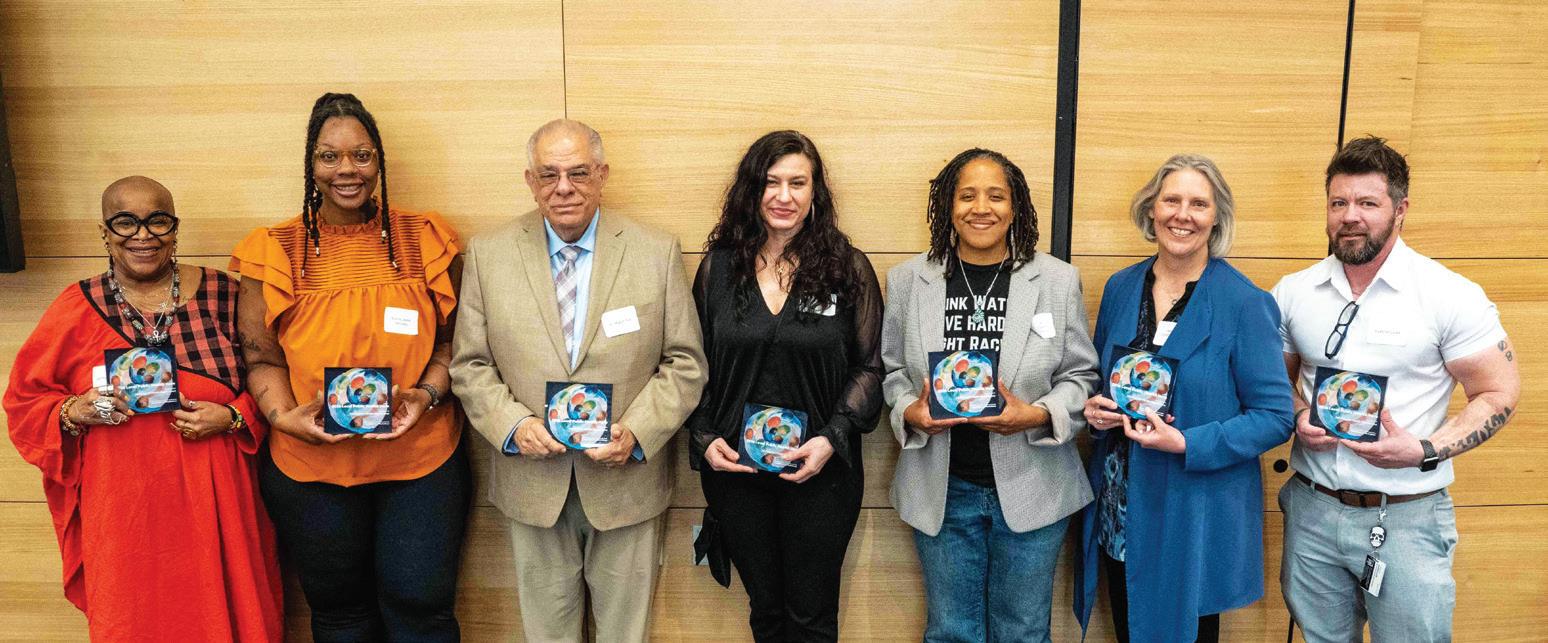
Gaebriel Lyrek was named for advancing harm reduction and overdose prevention through community-based partnerships. Sabathani Community Center received recognition for leading environmental sustainability and resilience work through workforce training and community infrastructure. Health Commissioner Chaplin drew the connective thread. "The City of Minneapolis depends on the dedication of our community partners and residents who make a real difference in people's lives every
day," Chaplin said. "Only by working together can we create healthier communities."
Mayor Frey added:
"Public health extends beyond healthcare into social systems, environment, and community support networks. Because of their leadership to remove barriers and expand resources, more individuals and families across the city are able to live with dignity and opportunity in safer, healthier communities in Minneapolis."
"These leaders remind us that a healthy city is built neighborhood by neighborhood," Osman said. "When people are meeting communities where they are and helping families thrive, that is public service at its best." These are not honorary gestures. These are the people and organizations holding the city's health infrastructure together at the ground level — in delivery rooms and food stalls, on street corners and in church basements, in clinics and in courtrooms. Minneapolis named them this week. It is worth knowing who they are.
The Minnesota Legislature has
session. The
in its
has
The House has
And Hennepin
reached.
The numbers are unambiguous. HCMC has operated at a loss in eight of the past ten years. It is projecting operating losses of up to $50 million in 2026 alone and up to $1.7 billion over the next decade. Those projections were presented to the Hennepin County Board's
budget committee in March and have been repeated in multiple legislative hearings. In January, Hennepin Healthcare could not make its biweekly payroll without drawing on a line of credit from Hennepin County. That county backstop cannot continue. The hospital has already cut $50 million from its budget and is working to cut an additional $150 million by the third quarter. Since January, nearly 5 percent of HCMC's clinical staff have resigned. Future recruitment is threatened. As the hospital's chief academic officer and president of medical staff, Dr. Meghan Walsh, told legislators: "Will you choose a job if you think your employer isn't going to exist, even if you love the mission and the work?"
The causes are structural and compounding. Un-
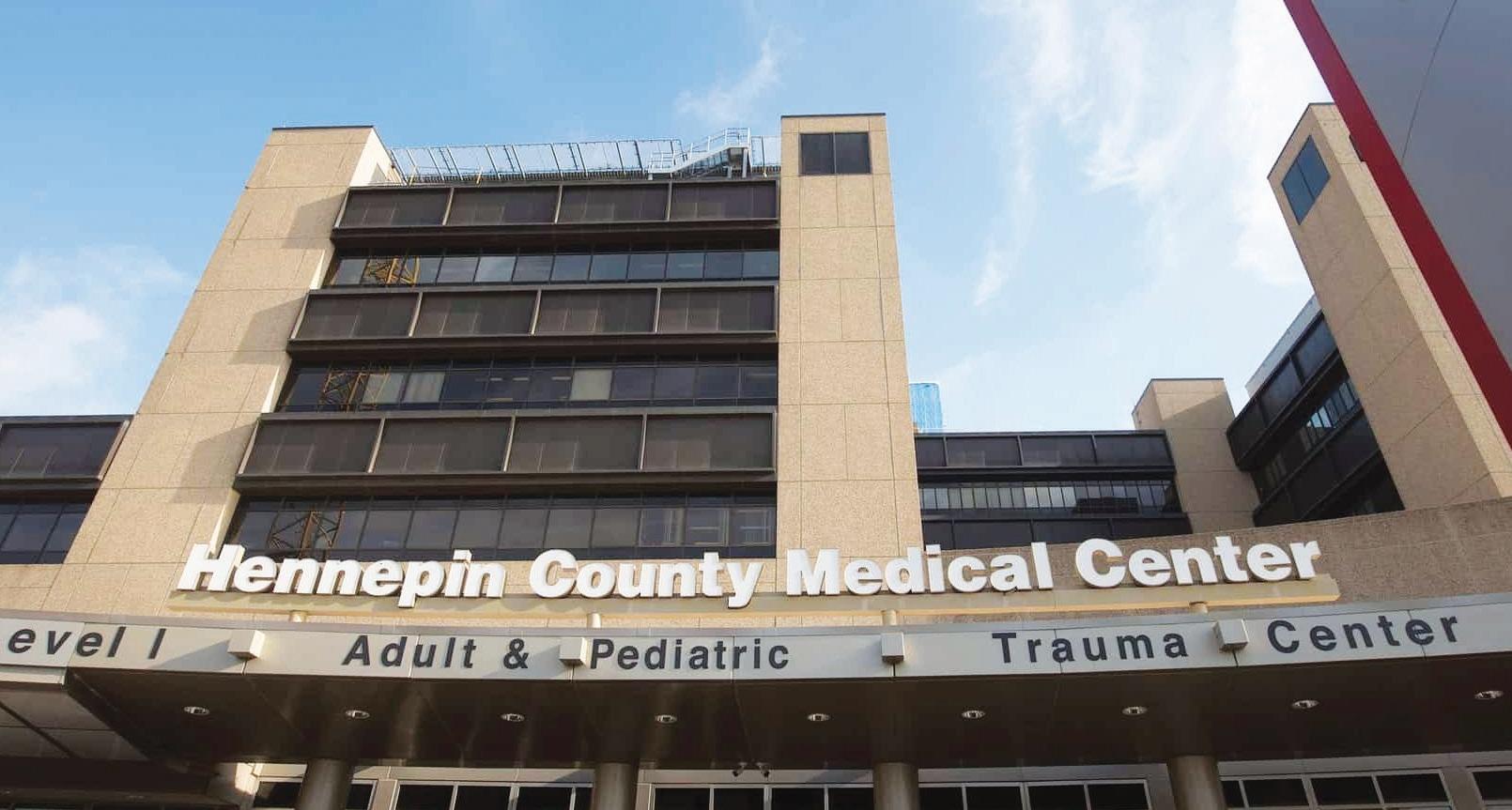
Credit: Hennepin Healthcare Hennepin County Medical Center, the state's busiest
trauma center and primary safety-net hospital, now facing up to $50 million
Rep. Samantha Vang
(L-R) Akhmiri Sekhr-Ra, Sierra Leone' Williams, Dr. Miguel Fiol, Camila Valenzuela-Panza, Lachelle Cunningham, Janet Brown, and Gaebriel Lyrek
Rep. Joe McDonal
Books, Arts & Culture The Orange Blossom
By W.D. Foster-Graham Book Review Editor
By Jebeh Edmunds
Family, its history, and the search for identity can be a highly convoluted journey. It can be joyful. It can be painful. It can carry old secrets. It can provide a basis for healing or closure. Such is the case in
Jebeh Edmunds’ novella The Orange Blossom.
Edmunds tells the story of Joviah Collins, a Liberian-born woman taken from
her native country to Michigan as a baby by her parents, Boikai and Beatrice Collins, to escape a military coup of the government. She grows up to become a fashion designer, something her father disapproves of. Her parents have been guarding secrets, as have her late grandmother Ma Eliza, known as the Orange Vendor Woman. But sooner or later, secrets have a way of coming out in ways she never dreamed…
Our story takes us back in time to the 1970s and 1980s, a time of civil unrest and a hostile government takeover in Liberia. Like Gloria Naylor’s Women of Brewster Place, each chapter is a story of a character who plays a pivotal role in this family drama and the secrets that could break Joviah or heal her: Boikai, Joviah’s father, in
love with one woman yet married to another; Kebbeh, the other woman in Boikai’s life; Beatrice, Boikai’s wife through an arranged marriage; Ma Eliza, the famous Orange Vendor Woman, the grandmother Joviah never knew she had; Peter, the Collins chauffeur and keeper of a powder keg of secrets; Foday, escaping a tyrannical minister father and in love with Kebbeh, a woman he couldn’t have; Fula, who took care of baby Joviah only to be left behind in the shadow of war. In turn, the story brings us to its conclusion in the present, with Joviah as a 30-year-old married woman. Edmunds weaves a powerful testimony of Liberian culture, class, and the repercussions of war, as well as the issues facing African-born men
and women growing up in the U.S. Her characters are fully fleshed out and complex, and there are no easy answers. This is a most compelling read, and when the truth of Joviah’s identity and her history are revealed, well…
If you want to sit back with a book for an afternoon read that you can’t put down, this is just such a book, complete with the beautiful cover art and design by Chani Becker. The Orange Blossom is available through Amazon, Barnes and Noble, and Hezzie Mae Publications (www.HezzieMae.com).
When you presented this work as “an unforgettable tale of love, loss, and legacy,” you were right. Thank you, Jebeh.

the financial brink," Commissioner Jeffrey Lunde — who serves as both Hennepin County District 7 Commissioner and Chair of the Hennepin Healthcare Board — told the House Taxes Committee on May 5. "Property taxes alone can no longer be the sole public investment in this critical health system." Commissioner Angela Conley (District 4) has been equally direct. "People need to hear that the hospital is at real risk of closing," Conley told the Senate Health and Human Services Committee. "Hennepin County cannot afford to absorb those costs, nor can we increase our property tax levy enough to even cover them. Without revenue to replace the ongoing losses, the hospital will not remain open."
HCMC does not turn patients away. Last year, 130 facilities statewide transferred patients to HCMC; 109 of those facilities were outside Hennepin County. The hospital also treated patients from Michigan, Illinois, Wisconsin, Iowa, North Dakota, and South Dakota. Dr. Nate Scott, an emergency physician at Hennepin Healthcare, told the House Health Finance and Policy Committee on April 28: "Adults and children with complex wounds or burns oftentimes require specialty care that HCMC offers and is otherwise unavailable in the Upper Midwest."
What the Senate passed. On April 29, the Minnesota Senate approved a Health and Human Services supplemental budget bill on a party-line vote of 34-32. The bill includes $150 million in onetime grants for HCMC — $50 million available this year and $100 million in the next fiscal year — along with $114.8 million for a general hospital stabilization program, $17.6 million for community-based safety net providers, and $15 million for rural emergency medical services. Senate Majority Leader Erin Murphy (DFL-St. Paul) framed the vote plainly: "Today, it's the hospitals having an emergency, and they are coming to us. The direct support in this budget will keep the lights on and machines beeping at HCMC and at critical access hospitals across the state." The Senate Taxes Committee also advanced, on April 29, a separate sales tax measure that would increase the Hennepin County Target Field tax from 0.15% to 0.25% — a more modest increase than the House version — to provide an ongoing revenue stream for HCMC.
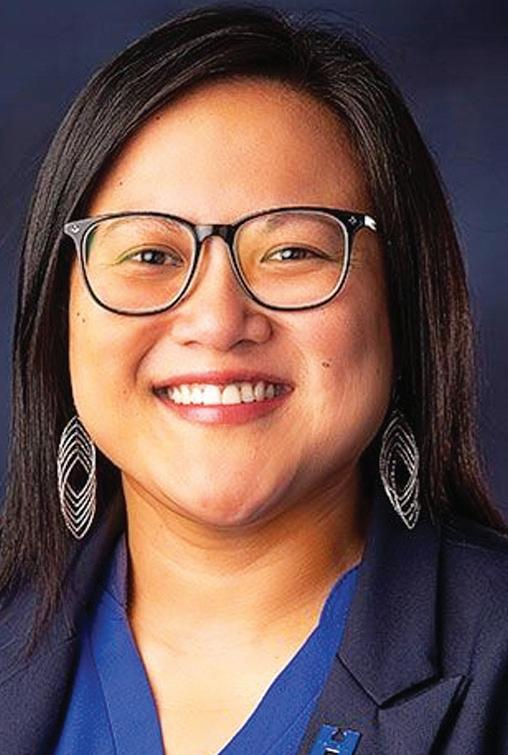
What the House is considering. The House proposal, HF4841, is sponsored by Rep. Esther Agbaje (DFL-Minneapolis) with co-author Rep. Danny Nadeau (R-Rogers). In its current form — a delete-all amendment heard by the House Taxes Committee on May 5
— the bill would increase the Hennepin County sales tax from 0.15% to 0.75%, generating an estimated $253 million annually. It also includes, in Fiscal Year 2027, $150 million from the General Fund for a hospital stabilization program and a separate $150 million HCMC stabilization grant. The bill establishes an advisory task force on Hennepin Healthcare governance and financing. North Memorial Health in Robbinsdale would be eligible to apply for grants from the newly created fund. The House bill remains in committee; it has not passed the House floor. The House is tied 67-67, meaning any bill requires bipartisan support to advance — making the path forward uncertain.
The gap between the chambers is significant. The Senate proposes a 0.25% sales tax increase; the House proposes 0.75%. The Senate passed $150 million in one-time grants; the House proposes a different structure with two $150 million tranches from the General Fund. Gov. Tim Walz has been meeting privately with legislative leaders — multiple times the week of April 28 — to work toward alignment. No agreement has been reached as of publication. Agbaje summarized the effort before her committee: "We have been looking kind of under every stone of where we could find funding to support HCMC and blending them together."
Opposition and unresolved questions. Not all legislators are persuaded by the tax mechanism. Rep. Steve Elkins (DFL-Bloomington) argued that raising the county sales tax to fund HCMC would push the cumulative rate in most Hennepin County communities to 10% and that redirecting an existing hospital surcharge would be more equitable. Rep. John Huot (DFL-Rosemount) called HCMC "a statewide asset" and questioned why Hennepin County taxpayers alone should bear the cost. Reps. Kristin Robbins (R-Maple Grove) and Patti Anderson (R-Dellwood) advocated for drawing on the metro-wide transit sales tax instead. Sen. Jim Abeler (R-Anoka) said at an April 14 Senate hearing that he does not believe the sales tax option will pass. Tax Committee Co-Chair Rep. Greg Davids (R-Preston) pressed county officials to release the restructuring plan that was developed under co-admin-
istrator Croston but delayed by the board: "I'm not sure how the Legislature makes a decision if we don't know anything about how this place is gonna be governed." Leadership in turmoil. The governance questions are as urgent as the financial ones. In August 2025, the Hennepin County Board dissolved HCMC's independent hospital board and assumed direct oversight — placing elected officials in a governing role that some healthcare leaders argue blurs policy oversight with day-today management. On April 1, co-administrator Dr. J. Kevin Croston resigned after approximately three months. In his resignation email, Croston wrote: "Continued micromanagement and the overruling of operational decisions and my professional expertise have made it impossible for me to carry out the responsibilities as I understood them." His co-administrator, David Hough, resigned the following week. On April 10, the board appointed Dr. John Cumming — a trauma surgeon and former interim CEO of Hennepin Healthcare from 2019 to 2020 who completed his surgical residency at HCMC — as current CEO. "We're going to save that organization — I'm convinced," Cumming told commissioners. On this question, new CEO Cumming has been unequivocal: without the Legislature's help, there is no Plan B.
Commissioner Heather Edelson said at the April board meeting that the current governance structure, where the County Board also serves as the hospital board, "may no longer be setting leaders up in this hospital for success." Establishing a separate hospital board with professional healthcare leadership is among the reform priorities going forward, Commissioner Conley confirmed. Nadeau's original proposal included a requirement that 80% of the reconstituted board have professional health-system experience.
The community is watching. On the night of April 30, faith leaders and healthcare workers gathered for a 24-hour vigil outside HCMC's doors. The Rev. B. Charvez Russell, senior pastor at Greater Friendship Missionary Baptist Church in South Minneapolis, was
among those leading the call for legislators to act. The vigil was a direct expression of what is at stake for Black Minneapolis and immigrant communities that depend on HCMC as a safety-net
institution — the hospital that does not ask about ability to pay, immigration status, or insurance before providing care.
Hennepin County Board on record. The county board formalized its position on April 7, when Commissioner Conley and Commissioner Lunde co-authored a resolution expressing the board's support for a county sales tax increase to support Hennepin Healthcare, North Memorial, and Target Field. It passed. Lunde has framed the legislative ask plainly: "We're not asking the state for money. We're asking for a chance to repurpose a sales tax." The Target Field bond debt is expected to be fully retired by 2027, at which point the 0.15% tax would otherwise expire. The ask is to extend and expand it
before that happens. Twelve days. A 67-67 House. A Senate that has already voted. A governor in active negotiation. And a hospital that has been the lifeline for North Minneapolis, for the uninsured, for trauma victims across a sixstate region — warning it may begin to close this summer if nothing changes. The question before the Legislature is not whether HCMC matters. Everyone agrees it does. The question is whether, with 12 days left, they can agree on how to save it. Disclosure statement Insight News uses AI-assisted tools in some editorial production. Read our AI Policy & Transparency Statement at www.insightnews.com/ site/ai_policy.html.

Hennepin County Commissioner Jeffrey Lunde
Hennepin County Board Chair Irene Fernando
Rep. Esther Agbaje
Minneapolis invests $7 million in small business recovery — artists want a place at the table
By Insight News Team
Minneapolis is moving money. Seven million dollars through the Small Business Resiliency Fund. One million dollars in grants to 34 community-based organizations across all 13 wards. License fee relief for more than 2,000 food and hospitality businesses. Fee waivers on public event permits throughout 2026. The city is in the midst of a significant, coordinated attempt to stabilize a local economy shaken by Operation Metro Surge and its cascading aftershocks. Council
Vice President Jamal Osman is in the middle of it. This week, he opened a conversation about who else belongs there.
Last week, Osman met with members of Twin Cities United Performers — TCUP — a growing collective of more than 500 musicians,
By Rajat Roy Associate Professor,
University
Today, Apple announced the tech company’s longtime chief executive Tim Cook will step down and transition to the role of executive chairman of Apple’s board of directors. This change will take effect from September 1 2026. John Ternus, currently Apple’s senior vice president of hardware engineering, will take over as chief executive.
However, Cook will remain in place until then to ensure a “smooth takeover”. As chairman, he’ll then take on a more strategic role of engaging with policy makers and corporate governance.
Ternus is a 25-year-veteran at Apple. He is widely seen as an internal replacement shaped by longterm succession planning. His appointment marks Apple’s first leadership transition since Cook took over from Steve Jobs in 2011.
Rather than signalling a dramatic shift, this transition
By David B Roberts Associate Professor,
Two months into the Iran war and the Strait of Hormuz is still mostly shut. Vessel traffic is running at a fraction of prewar levels, with the patchwork of ceasefires, blockades and re-closures since February 28 not restoring confidence on the bridge of any tanker.
Hormuz has long been understood as one of the world’s central trade chokepoints. It normally carries around 20 million barrels of crude and oil products each day, as well as roughly a fifth of global liquefied natural gas (LNG) exports. A third of the world’s helium and a similar amount of the urea that ends up as fertiliser also pass through the strait.
Plans and projects to diversify away from Hormuz have been on drawing boards for decades, and those workarounds are now being stress-tested as never before. The bypass infrastructure is doing roughly what architects had hoped, providing around 3.5 million barrels to 5.5 million barrels a day of crude capacity.
dancers, and performing artists from across Minneapolis and the region. The conversation turned on a question that is simple but consequential: what role can artists play in the economic recovery of this city, and what does the city owe them in return?
TCUP has been organizing performers around fair pay, clearer labor standards, and more sustainable creative careers. In a field dominated by gig-based work and unpredictable income, that effort is not peripheral to Minneapolis's economic future — it is central to it. The arts and cultural sector drives foot traffic, shapes neighborhood identity, and determines whether a commercial corridor feels alive or abandoned. The city has always known this. The question is whether it will fund it.
One idea that emerged from the TCUP conversation was a touring grant program
is likely going to be more subtle, without a major strategic reset.
A rich legacy for Cook Cook was only the second Apple chief executive in the 21st century, after cofounder Steve Jobs resigned in 2011 and died six weeks later.
Cook is widely recognised for his strengths in operations, scale and business model innovation. Under his leadership, Apple became one of the most successful global supply chain organisations reaching more than 200 markets worldwide. The company’s value grew from about US$350 billion in 2011 to US$4 trillion today.
Importantly, Cook drove a decisive shift towards service monetisation – charging users fees for Apple’s digital services and subscriptions, rather than just making money from selling devices such as iPhones, iPads and laptops. Cook’s strategy capitalised on Apple’s already massive base of 2.5 billion active devices.
Service monetisation led to high-margin revenues from Apple’s offerings such as iCloud, Apple Music and the Apple store. Consequently, Ap-
But this is still nowhere near enough.
Hormuz workarounds
The most important pipeline on the planet right now runs across Saudi Arabia. The East-West Pipeline – also known as Petroline – was built in the 1980s during the original Tanker war, when Iran and Iraq attacked merchant vessels in the Gulf as part of their wider conflict.
The pipeline’s capacity was expanded to a 7 million barrel emergency ceiling in 2019. However, the loading terminals in the city of Yanbu on Saudi Arabia’s Red Sea coast were never designed to carry this much oil this fast, and analysts tracking tanker traffic estimate that less oil is currently flowing through the pipeline than its theoretical ceiling.
From Yanbu, oil bound for Europe still has to cross Egypt via the Sumed pipeline, which has a capacity of just 2.5 million barrels per day. Although oil flows through this pipeline have surged by 150% since the start of the war, its comparatively small capacity remains a binding constraint on European supply.
Iran noticed the geoeconomic importance of Petroline and has targeted it accordingly. An Iranian drone strike

modeled on Memphis's "Ambassador" program. According to Osman's account of the meeting, Memphis provides direct grants — typically ranging from $500 to $2,500 — to help artists travel, perform, and promote their work outside the city. The goal is not only to support individual musicians but to position the city as a cultural hub, using local artists as ambassadors who carry the city's creative identity outward while expanding economic opportunity inward. Osman found the concept worth
ple made more than US$100 billion in 2025 from this business, providing a stable and predictable income beyond cyclical hardware sales.
Who is John Ternus?
In contrast to Cook, Ternus has a deeply technical, product-oriented background shaped by more than two decades in hardware engineering.
At Apple, he has overseen the development of key product lines that include many iterations of the iPhone, iPad, AirPods and the Apple Watch, among others. He’s been closely associated with advances in materials, durability and performance.
Ternus spearheaded the recent introduction of the relatively affordable MacBook Neo and the radically thin yet durable iPhone Air. He also led the way on incorporating an unprecedented active noise cancellation feature into AirPods, which the company described as “world’s best”.
The difference in background between Cook and Ternus suggests a subtle but important shift in emphasis for the technology giant.
While Cook focused on transforming Apple into a
pursuing further. The group also discussed activating vacant and underutilized downtown spaces — empty storefronts, warehouse buildings — as performance venues, rehearsal spaces, and community gathering points. These are the kinds of placebased strategies that draw people back to commercial corridors, support surrounding businesses, and give artists the infrastructure to work. Throughout the conversation, TCUP members emphasized that any such
highly monetised ecosystem anchored in services and global scale, Ternus is likely to reassert the importance of product-led innovation. In his current role, he’s been focusing on engineering excellence and integrating fresh technologies into Apple devices.
With Ternus at the helm, it’s likely the company will try to balance an optimised ecosystem of revenue (that is, service monetisation) with reinvigorating the hardware products that sustain it. That would make a lot of sense.
Apple faces numerous pressures A stronger product focus under Ternus may also become the company’s response to multiple structural pressures facing Apple.
In the Cook era, Apple was often criticised for incremental innovation, in contrast to Jobs’ visionary leadership that was credited with changing modern consumer tech.
Major competitors Google and Microsoft are making rapid advances in cloudbased artificial intelligence (AI), with Apple seemingly lagging behind (although some ex-

on a pumping station in April knocked 700,000 barrels a day offline. Saudi Aramco, the operator, had the line back at full capacity within three days. While the repair time is reassuring, the fact of the strike is not.
The other half of the Gulf bypass story runs through the United Arab Emirates (UAE). The Abu Dhabi Crude Oil Pipeline (Adcop) goes from Habshan to Fujairah on the Gulf of Oman side of the country. With a capacity of just under 2 million barrels per day, Adcop is the only major bypass that exits the Gulf directly into the Indian Ocean.
But as with Petroline, it has been targeted during the war. Iranian drone strikes on
initiative must reflect the full diversity of Minneapolis, with meaningful engagement from immigrant and refugee communities — including strong representation from the city's Somali community. That emphasis is not incidental: Ward 6, which Osman represents, includes one of the largest concentrations of Somali and East African residents in the United States. Meanwhile, the small business relief programs already in motion are concrete and immediate. The Cultural Market Small Business Support program is currently accepting applications from cultural mall operators for activities that benefit all tenants and customers — security, marketing, and physical improvements to common spaces. Applications are due by 4 p.m. on May 13. Questions: SmallBusiness@minneapolismn.gov or 612-673-2499.
Great Streets Business District Support grants have closed for this funding cycle; funded applicants will be notified in coming weeks. Fee-Free Events coverage is in
effect for public events throughout 2026 — the city is covering common permit fees for qualifying events. Additional funding information on venue activation and creative marketing support will be announced later this spring as the City's Arts and Cultural Affairs department finalizes details with partners. To receive future updates on small business funding opportunities, sign up for Plan. Launch. Grow., the monthly newsletter
Fujairah on March 3, 14 and 16 set storage tanks on fire and suspended loadings. While Adcop offers some diversification for the UAE, it does not solve the targeting problem. The situation is worse for the Gulf region’s other big oil producers. Iraq’s 3.4 million barrels per day of pre-war crude exports went almost entirely through the southern port city of Basra and the Strait of Hormuz. There is one northern pipeline, connecting oil fields in Kirkuk to Ceyhan in Turkey. This pipeline was reopened in September 2025 after a twoand-a-half-year halt, with flows ramped up to 250,000 barrels a day in March. But this volume pales in comparison to what
shape that answer. That conversation is worth watching. Disclosure statement Insight News uses AI-assisted tools in some editorial production. Read our AI Policy & Transparency Statement at www.insightnews.com/ site/ai_policy.html.

perts say not investing as heavily in AI could be a worthwhile response to the AI hype bubble).
Apple’s device-centric approach will ensure products are meaningfully distinct from competitors through partnerships. For example, the company will be using Google’s Gemini AI as the basis for an enhanced Siri assistant. At the same time, consumers are upgrading their devices more slowly, so Apple will need more compelling product innovation to drive demand.
The company is also vulnerable to global supply chain disruption due to geopolitical tensions. This can negatively impact Apple’s timelines of product delivery, and even lead to lower-quality products if suppliers can’t fulfil Apple’s expectations. In recent years, Apple has already been addressing this by moving some of its manufacturing from China to Vietnam. Time will tell, but so far everything suggests Ternus succeeding Cook as Apple chief executive will represent a logical and necessary calibration of strategy, rather than a radical shakeup.
Iraq has lost. Kuwait has it worse still. Pre-war crude exports ran at around 2 million barrels per day, with every barrel exiting through Hormuz. Kuwait has no pipeline alternative. Kuwait Petroleum Corporation declared force majeure in March, temporarily allowing it to suspend its obligations to meet delivery contracts.
This was extended on April 20, with the oil company saying it could not meet contractual obligations even if Hormuz reopened. Overcoming the damage that has been inflicted on Kuwait’s production base –and then ramping up production – will take months.
Qatar’s vulnerability is a different shape. Its pre-war crude exports were smaller than its Gulf neigbours, at around 0.6 million barrels per day. These exports all left Qatar via the strait. For Qatar, the story is gas. Its 77 million tonne LNG capacity at Ras Laffan is the largest in the world, supplying about 19% of global LNG trade. There is no alternative to shipping this gas through Hormuz.
Iran itself has built a Hormuz bypass: a 1,000-kilometre pipeline from Goreh at the head of the Gulf to a terminal at Jask on the Gulf of Oman.
It is designed for 1 million bar-
Disclosure statement Rajat Roy does not work for, consult, own shares in or receive funding from any company or organisation that would benefit from this article, and has disclosed no relevant affiliations beyond their academic appointment.
rels per day. But in practice, sanctions and unfinished terminal infrastructure have kept actual throughput at a fraction of design. The US Energy Information Administration estimated that, in summer 2024, under 70,000 barrels per day were flowing through the pipeline. Loadings stopped altogether that September. According to Kpler, which provides real-time data on global shipping movements, only a single tanker –around two million barrels – has loaded at Jask in the war so far.
How fiber strengthens plants and supports digestion
By Julie Pollock
Associate Professor of Chemistry, University of Richmond
If you’re over the age of 10, the World Health Organization recommends that you consume at least 25 grams of fiber every day. The best fiber-containing foods come from plants: fruits, vegetables, nuts, seeds, whole grains and legumes.
While it’s sometimes overshadowed by other nutrients, such as protein, fiber plays a significant role in gastrointestinal health, digestion and nutrient absorption.
As a biochemist and someone who enjoys eating all types of foods, I find it remarkable that the structure of fiber, which is so similar to other carbohydrates, gives it all these unique functions. A tiny difference in the bonds that hold the molecules together allows your body to process a bagel differently from a raspberry.
Structure dictates function In the biochemistry classes I teach, I emphasize that structure dictates function. If you’re about to cross a bridge but notice the braces are falling off or the wood is rotting, you’ll probably avoid stepping on it because the structure looks fragile.
This concept is true in the food you eat as well. The structures of the molecules that
Fiber helps plants stand tall, and because the human body cannot digest it, it keeps the digestive system moving and healthy.

make up your food require them to be broken down in different ways in order to produce the energy that fuels your body. Some foods contain vitamins and minerals that your body absorbs and uses for multiple functions. Other foods can keep your digestive system healthy and help your body absorb nutrients.
Food molecules consist of proteins, fats and carbohydrates. Each of these classes of food molecules has unique
structures that allow your body to process them differently. For example, fats are long chains of carbon atoms that do not dissolve in water, while proteins have large amounts of nitrogen due to their amino acids. In addition, subclasses of biomolecules have even more specializations in their structures and functions.
Carbohydrate structure
Carbohydrates, or sugars, are biomolecules made up of car-
bon, oxygen and hydrogen
atoms. Simple carbohydrates include single sugars, such as glucose or fructose, and two sugars linked together, such as sucrose – table sugar – or lactose, milk sugar. These simple carbohydrates exist mostly in rings, although they sometimes open up into a linear form.
Carbohydrate structure
Carbohydrates, or sugars, are biomolecules made up of carbon, oxygen and hydrogen
atoms. Simple carbohydrates include single sugars, such as glucose or fructose, and two sugars linked together, such as sucrose – table sugar – or lactose, milk sugar. These simple carbohydrates exist mostly in rings, although they sometimes open up into a linear form.
Fiber’s dietary function
The structural differences between starch and fiber mean these molecules have different dietary functions when you consume them.
Human bodies easily digest starch. Your body uses an enzyme called amylase that breaks the alpha bonds to release glucose molecules, which cells break down further to use for energy. Starch’s structure is perfect for fueling your cells.
High starch foods include potatoes, pasta, rice, corn and bread.
Human bodies, on the other hand, cannot digest the beta bonds in the fiber we consume. They do not make enzymes that can release glucose molecules from the fiber, so most fibers pass through your digestive tract without being digested and absorbed. They contribute no energy to your diet. Foods with large amounts of fiber include peas, broccoli, oatmeal and pears.
The fiber does offer other health benefits. Fiber promotes bowel health by
keeping your stools soft and moist, which reduces the risk of constipation, hemorrhoids and diverticulosis. Since the fiber stays intact in your gut, it gives your muscles something to push on to make it easier to eliminate stools, reducing pressure and inflammation in your intestines. Some research has shown that consuming fiber reduces risk of inflammatory bowel diseases and protects against cardiovascular diseases. Fiber binds to bile acids that are excreted into your intestines, which helps with fat digestion. The fiber molecules interact with bile acids and dietary cholesterol, causing them to be excreted more easily and lower blood cholesterol levels.
Eating a high fiber diet also helps people feel more full. The fiber absorbs water and expands in your intestine, slowing the movement of food through the digestive system.
Learning about the structures of the carbohydrates you consume can help you understand their function in the body. Even though I think about biochemistry every day, I’m still amazed by how profoundly one bond can change the function of a biomolecule.
Disclosure statement
Julie Pollock receives funding from the Henry and Camille Dreyfus Foundation.
What’s behind the rise in syphilis among pregnant women
Since the pandemic, disrupted care, delayed screening and limited access to treatment have helped fuel a troubling public health trend.
By Casey Pinto Associate Professor of Public Health Sciences, Penn State
Syphilis is a sexually transmitted infection caused by the bacteria Treponema pallidum.
During pregnancy, this bacteria can pass from a mother with untreated syphilis, known as maternal syphilis, to her child in utero, causing the fetus to contract congenital syphilis.
In January 2026, the U.S. Centers for Disease Control and Prevention reported that the rate of maternal syphilis rose by 28% from 2022 to 2024, from just over 280 to nearly 360 cases per 100,000 births.
I’m a public health researcher and infectious disease nurse practitioner. I study disparities in sexually transmitted infections, or STIs, and I’m currently conducting a study on syphilis in pregnancy.
A perfect storm of factors behind the rise
Two factors in particular have to be taken into consideration to understand the steep rise in cases.
One is the rise in syphilis cases in the general population – which naturally leads to an increase in maternal syphilis – and the other is the specific variables such as funding and access to care bar-
riers that affect pregnant women when it comes to the spread of this disease.
The overall trend of increasing syphilis rates is the result of what I would describe as a perfect storm of factors, from lack of funding to COVID-19. The rate of syphilis infections in the U.S. has been steadily increasing since 2000.
In 2018, there was a sharp increase in this rate, as the group predominantly affected by this STI shifted from men who have sex with men to the general population of both men and women.
This shift caused an increase in rates of maternal syphilis, which has led to a 700% increase in congenital syphilis cases since 2015. Public health funding for all sexually transmitted infections, excluding HIV, has been stagnant for decades, at about US$160 million annually. When accounting for inflation and rising costs, this has resulted in a 40% reduction in spending power today.
Unfortunately, each year Congress suggests cutting funding to both STI and healthcare access programs. These cuts have largely not been implemented in the final appropriations packages.
But each year, further steep cuts are proposed.
The 2026 appropriations recommend combining three programs – HIV, STI and tuberculosis – and cutting $70 million
from the combined programs.
On top of this funding shortfall, the COVID-19 pandemic exacerbated many of the underlying barriers to healthcare access that allowed the steadily increasing syphilis rates to increase faster. During the pandemic, safety-net clinic staffing and hours were reduced, which limited the availability of screening and treatment services.
Another factor driving the increase in syphilis cases has been a change in sexual behaviors over the past 25 years. During the early days of the HIV epidemic in the 1980s, sexual behaviors that led to HIV rapidly changed, leading to safer sex habits. However, by the early 2000s, improved HIV treatments meant that HIV was no longer a death sentence, but a manageable chronic condition.
While this was, of course, good news, it also meant that safer sexual behaviors began to decline, resulting in increased chances of exposure to HIV and other STIs, including syphilis.
The role of stigma
Social stigma and biases from both healthcare providers and patients themselves can affect whether someone gets tested or seeks treatment for symptoms.
While this affects all patients, it is particularly problematic for pregnant patients.
Pregnant people are supposed to be screened for syphilis in the

first and third trimesters. But a healthcare provider may assume it’s unnecessary to ask questions about a patient’s sexual behaviors or to order the necessary tests, especially in the case of longtime patients known to be
in monogamous relationships. Furthermore, the patient may hesitate to admit to risky sexual behaviors, or may not realize they have been exposed through a partner’s infidelity.


Barriers to care
Another driver of the increase in maternal syphilis is the difficulty in accessing prenatal care:
SYPHILIS 12
From 7
tiating the Outdoor Heritage Fund bill leads the process.
The Outdoor Heritage Fund is the only one of the four Legacy Amendment funds appropriated annually rather than biennially. There is no next-year catch-up. When this legislative session ends, organizations and watershed districts that have spent years developing vetted plans face real delay and real cost. The clock is now two weeks away from running out. Environmental advocates have identified May 18, 2026 as the critical deadline before the session closes.
Syphilis
From 10
1 in 4 pregnant people do not have access to prenatal care in their first trimester.
Barriers to accessing healthcare vary based on race and ethnicity, availability of transportation, economic status, rural or urban location and insurance status. Most of these factors exist across all health conditions, but for pregnancy, insurance status offers a particular obstacle. Pregnancy is a qualifier for enrolling in Medicaid if income requirements are met. However, this enrollment can sometimes take months, and some prenatal care clinics will not see patients until coverage is approved.
This means patients are beyond the first trimester before their syphilis screening is done. But that first-trimester screening and intervention has the greatest potential to reduce the risk of congenital syphilis
Knowing the symptoms
Syphilis is characterized by different symptoms in each of the four stages of the disease.
What the voters built. The Clean Water, Land and Legacy Amendment distributes the three-eighths of one percent sales tax increase to four dedicated funds: 33 percent to the Outdoor Heritage Fund; 33 percent to the Clean Water Fund; 19.75 percent to the Arts and Cultural Heritage Fund; and 14.25 percent to the Parks and Trails Fund. The language regarding the Outdoor Heritage Fund is specific and constitutional: funds "may be spent only to restore, protect, and enhance wetlands, prairies, forests, and habitat for fish, game, and wildlife."
The Lessard-Sams Outdoor Heritage Council was established to operationalize that mandate. More than 400
During the primary stage, within a few days to a few weeks of infection, most patients develop a painless ulcer at the site of exposure. This sore may go unnoticed and resolve on its own. However, the infection remains.
The secondary stage occurs 3 to 6 months after exposure. Patients commonly have flu-like symptoms, possibly some weight loss, swollen lymph nodes and a rash that covers the chest and back. This rash doesn’t itch, and it can spread to the palms of the hands or soles of the feet. Other symptoms include hair loss, mouth lesions, hearing loss and vision changes, but these symptoms may not all appear. This phase typically lasts a few weeks and then resolves with or without treatment.
The disease then enters the latent phase, when the bacteria can still be active in the body without causing acute symptoms and can last for decades.
Finally, 40% to 60% of patients with untreated syphilis will progress to a tertiary phase of the disease that can lead to any number of negative outcomes, including seizures, heart defects, bone growths, skin growths, confusion and de-
projects across the state have received Outdoor Heritage Fund support since 2009. The Roseau Lake rehabilitation project has received prior funding, advanced through multiple phases, and survived years of review. Its current $3.5 million ask is phase four of a restoration that was already well underway when this legislative session began.
A call from the field.
Minnesota Trout Unlimited, whose habitat restoration work across the state depends substantially on Outdoor Heritage Fund support, is among the environmental advocacy organizations issuing action alerts urging Minnesotans to contact their state legislators before the May 18 deadline. The habitat work at stake extends far beyond trout
mentia.
Transmission and treatments
The syphilis bacteria can spread easily through the placenta as part of the shared blood supply between mother and fetus. This is more likely to happen within the first year that a person is infected with syphilis, although the syphilis bacteria can spread to a fetus at any stage of infection, causing the unborn baby to develop what’s known as congenital syphilis.
Congenital syphilis can result in a range of negative outcomes, the most serious of which is miscarriage or stillbirth. If the fetus survives, long-term developmental delays, blindness, hearing loss, permanent teeth and bone malformation, heart defects and rashes can occur. Symptoms of congenital syphilis can happen immediately at birth, or they may not be recognized until the child is over 2 years old, when molars erupt, or as bones grow and the changes become more pronounced.
Congenital syphilis is treatable with antibiotics, which will stop progression of the disease but cannot reverse any negative outcomes that have already occurred.
— stalled funding touches waterfowl, shallow lakes, prairie wildlife, northern forest ecosystems, and the ongoing work of watershed districts whose project timelines cannot simply be paused at legislative convenience. Residents who want the legislature to act can find their state representative and senator through the Minnesota Legislature's district finder at gis.leg.mn/iMaps/districts. Calls and emails — especially from constituents in Republican-held districts — carry particular weight in a situation defined by a party-line impasse.
The larger question. What is happening in St. Paul this session is not, at its core, about Roseau Lake. It is about
Luckily, syphilis is easily treated with antibiotics such as a long-acting penicillin injection into a muscle. Unfortunately, the long-acting intramuscular injection is in short supply. But anyone who is not pregnant and does not have neurological symptoms – which require intravenous penicillin – can be cured with a course of another antibiotic, doxycycline, for 14-28 days.
Preventing maternal syphilis
The mainstay of prevention is to use a condom when sexually active, or to ensure sexual partners have tested negative for all sexually transmitted infections and are exclusively having sex with each other. In some cases, a person might take doxycycline post-exposure prophylaxis, also called doxy PEP, within 72 hours of sexual activity to prevent syphilis, similar to the way Plan B can be taken to prevent pregnancy.
The most effective prevention method for congenital syphilis is universal screening of all pregnancies at three points: during the first trimester, the third trimester and at delivery.
However, some published studies and a paper cur-
whether the constitutional mandate that Minnesota voters delivered in 2008 can be reliably honored. It is about whether a bipartisan expert council — established precisely to keep conservation funding insulated from ordinary political friction — can do its job without a single project dispute becoming a veto on the entire enterprise. It is, as well, a test of institutional respect for the democratic process itself. Minnesota voters have continued to support the Legacy Amendment across party lines for nearly two decades. They did not vote to fund restoration projects only when no one in the vicinity objects. They voted to invest in the land, the water, and the wild things that live there — because they understood that investment
rently under review show that only 80% to 90% of pregnancies with private healthcare insurance and [56% to 90% of those on Medicaid] are screened for syphilis at least one time during the entire pregnancy.
would not make itself. The farmers of Roseau County deserve to have their concerns heard. That is not in dispute here. What is in dispute