THE MESSENGER
A Publication for North Arkansas Electric Cooperative Members


North Arkansas Electric Cooperative will change to a new billing software Aug. 3. Members will experience several changes, including:
A new bill design, which will feature a graph with the past year’s monthly usage;
A new account number or numbers;
A new portal and app known as SmartHub to access your account(s) online beginning Aug. 3; and
A new due date because the bills will be mailed about a week later than in the past.
NAEC will share the latest information on the software conversion at naeci.com/smarthub. You’re also welcome to call (870) 895-3221 to speak with a Member Services representative during business hours. We’ll also provide information in the following:
The Messenger bill inserts; NAEC’s Facebook at Facebook.com/NorthARElectric; Email blasts; Direct mail pieces; and Lobby and drive-through signage.
HAPPY 250TH, USA! — NAEC offices will be closed July 3 for Independence Day. Personnel will be on call in the event of an outage. Report an outage by calling (870) 895-3221 or using the NAEC app or.
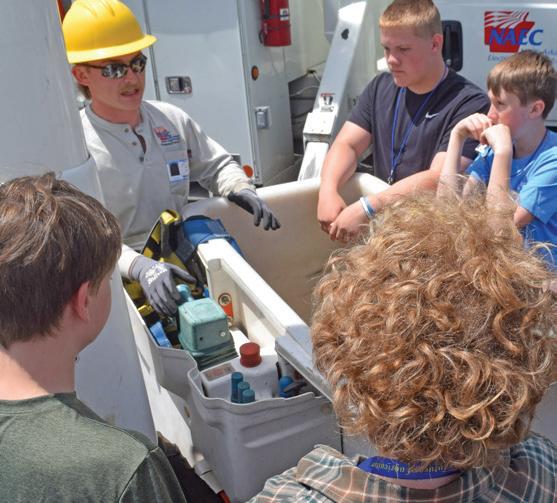
Electric safety is crucial for everyone, but especially important for seniors. Adults over the age of 65 are at the greatest risk of death from fire and this risk increases with age, according to the National Fire Protection Association.
As we age, our reflexes slow down, eyesight decreases and senses become less acute, making it essential to take extra precautions when handling electric appliances.
Here are 11 ways for older adults to maintain a safe living environment:
• Ensure that electric appliances are in good working condition. Regularly inspect cords and plugs for damage or wear and tear.
• Don’t overload sockets or extension cords. Plugging too many appliances or devices into a single outlet can cause overheating and increase fire risk.
• Limit the use of carpets and rugs, which are tripping hazards, and avoid placing extension cords under them to prevent overheating. To help prevent trips and falls, cords should not stretch across a room. For a safer and more permanent solution, consider having an electrician install additional outlets where needed.
• Unplug appliances when not in use and before cleaning or repairing them.
— See SAFETY on Back
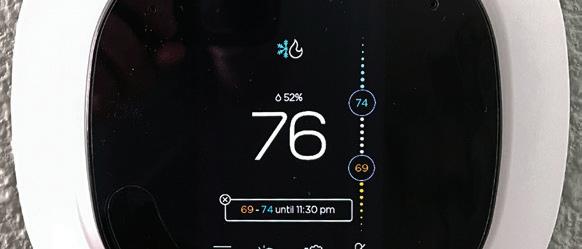
A smart thermostat can help keep your home comfortable while reducing cooling costs. It learns your routine and automatically raises the temperature when you’re away and cools things down before you return.
• Keep electric appliances away from water and wet surfaces to prevent electric shock.
• Install ground fault circuit interrupters (GFCIs), which are designed to prevent electric shock by shutting off power when a ground fault is detected. Install them in areas where water and electricity are in close proximity, such as kitchens, bathrooms and outdoor spaces.
• Ensure proper lighting in all areas of the home, especially in hallways and staircases, to prevent trips and falls. Consider installing nightlights in bedrooms and bathrooms for better visibility.
• Set hot water heaters to lower settings to prevent scalding.
• When cooking on the stove, never leave pots and pans unattended, and avoid wearing loose clothing when cooking. Never open the oven door if something catches fire inside the oven. Consider
using toaster ovens and small appliances that come equipped with an auto shut-off feature for added safety and convenience. This feature is designed to turn off the appliance automatically after a set amount of time or when a task is completed, reducing the risk of overheating or fire.
• Install smoke detectors on every floor and carbon monoxide detectors near all bedrooms. Test the batteries twice a year — once in the spring and once in the fall.
• If someone in the home uses a medical device that requires electricity, have a backup power source ready in case of a power outage.
By following these safety measures, seniors can significantly reduce their risk of electric accidents. Family members and caregivers can assist older adults in implementing these precautions to ensure their homes are safe and comfortable.
The nonprofit Safe Electricity has more information at safeelectricity.org.