




For years, plastics have been discussed almost exclusively through the lens of environmental debate. Yet the reality of the industry today is far more complex. Across infrastructure, mobility, healthcare and advanced manufacturing, plastics continue to play a crucial role, while the sector itself is undergoing a profound transformation.
Global demand remains solid, driven not only by traditional applications but increasingly by innovation. The industry is investing heavily in recyclable materials, bio-based solutions and advanced processing technologies capable of combining performance with sustainability. Infrastructure development continues to support growth worldwide, as plastics remain essential in water systems, construction networks and industrial applications thanks to their durability, versatility and cost efficiency. At the same time, the market is evolving toward increasingly specialized applications. From high-performance packaging to electric mobility and medical manufacturing, companies are being pushed to rethink materials, processes and production models. Asian manufacturing hubs such as Malaysia are strengthening their position precisely through investments in advanced packaging, electronics and healthcare technologies, reflecting a broader shift toward

higher-value industrial production. Perhaps the most interesting transformation, however, is cultural before it is technological. The plastics industry is no longer moving along separate production chains, but within interconnected ecosystems where materials science, automation, digital manufacturing and artificial intelligence increasingly converge. Additive manufacturing perfectly represents this transition: no longer just a prototyping tool, but a real industrial platform capable of reshaping design and production logic.
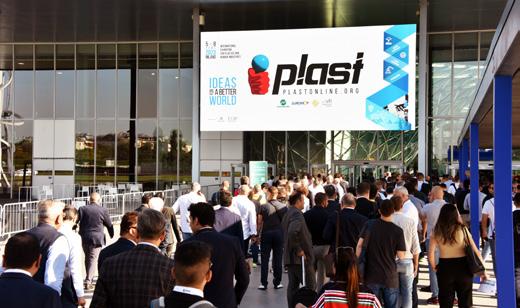
This evolution will be clearly reflected at PLAST 2026, taking place in Milan from June 9 to 12. Alongside the traditional exhibition areas, the renewed 3DPlastLab project highlights how additive technologies, new materials and AI-driven manufacturing are becoming central themes for the future of the sector.
In a global market marked by uncertainty and rapid change, the plastics industry continues to demonstrate a remarkable ability to adapt. And perhaps this is the sector’s most important challenge today: not simply producing more, but producing differently — combining innovation, industrial efficiency and sustainability into a new manufacturing vision.
Eva De Vecchis


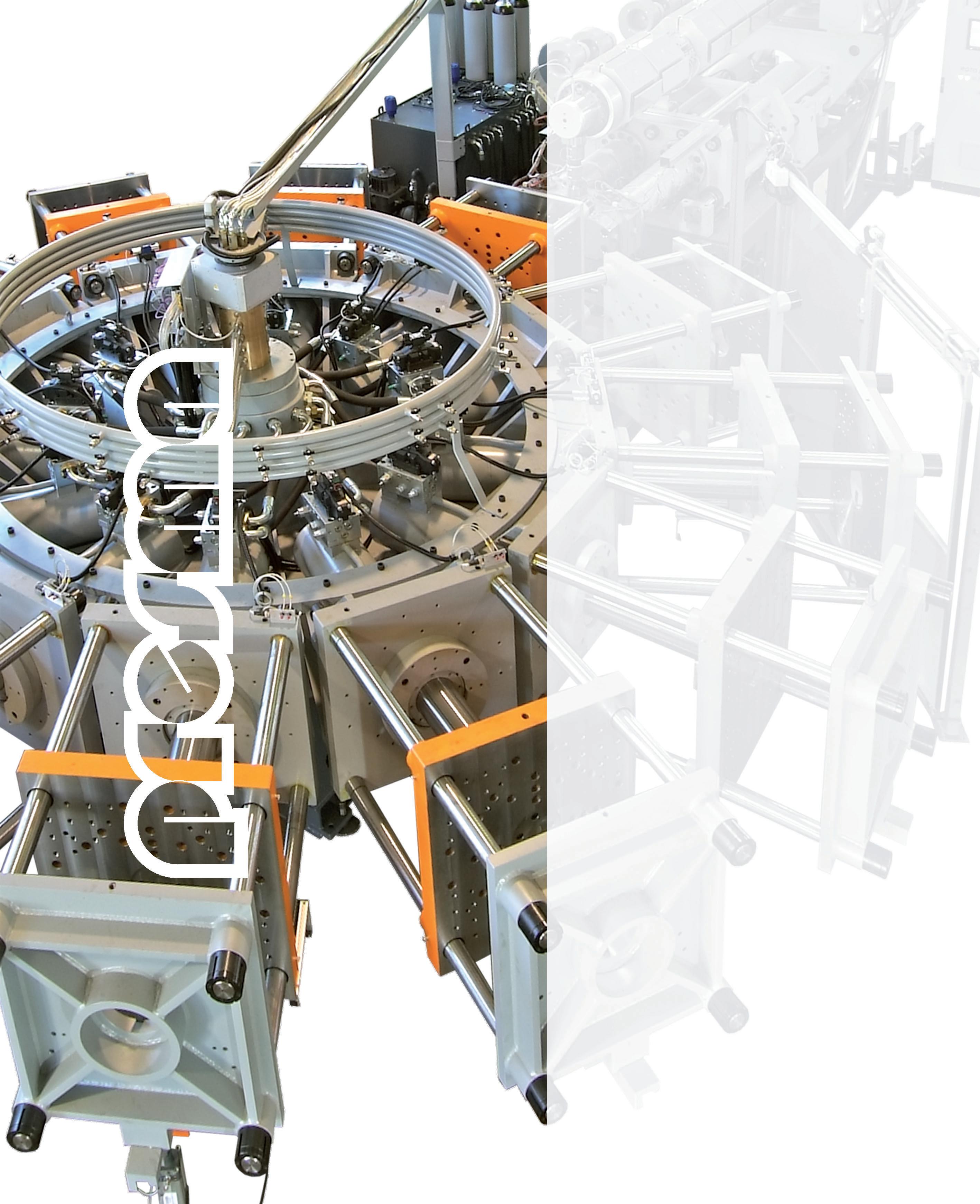
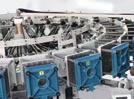

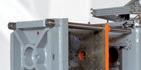
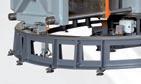
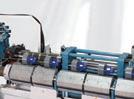
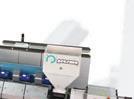
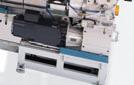
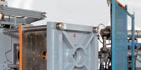

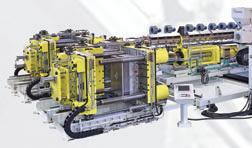
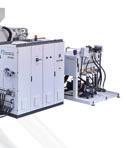
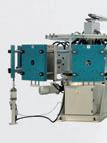
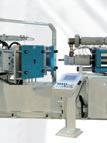
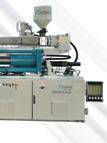
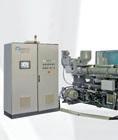
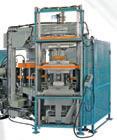
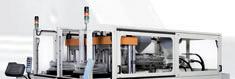
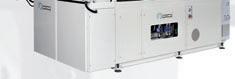
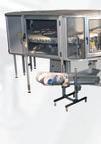
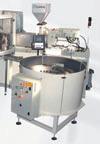
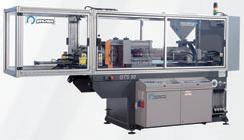
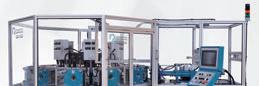
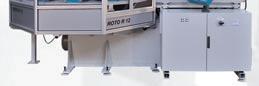
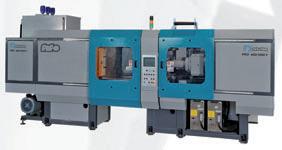
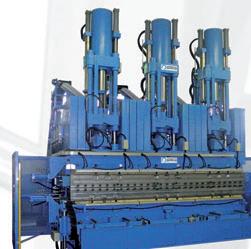
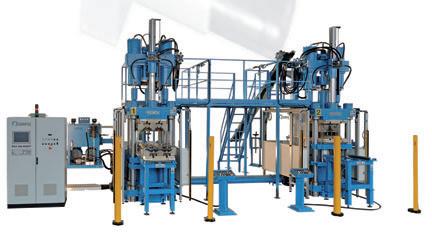
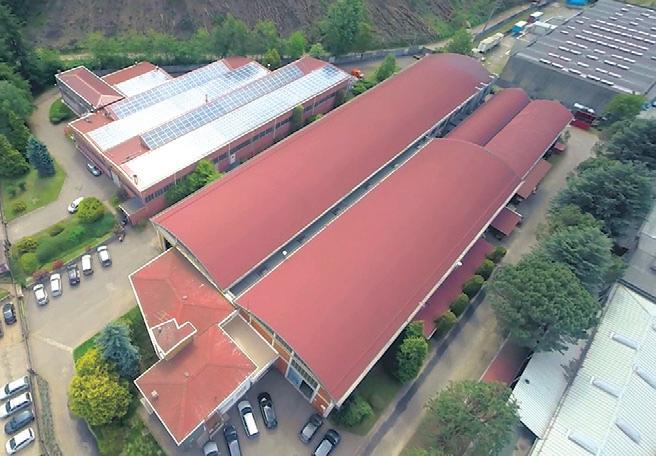
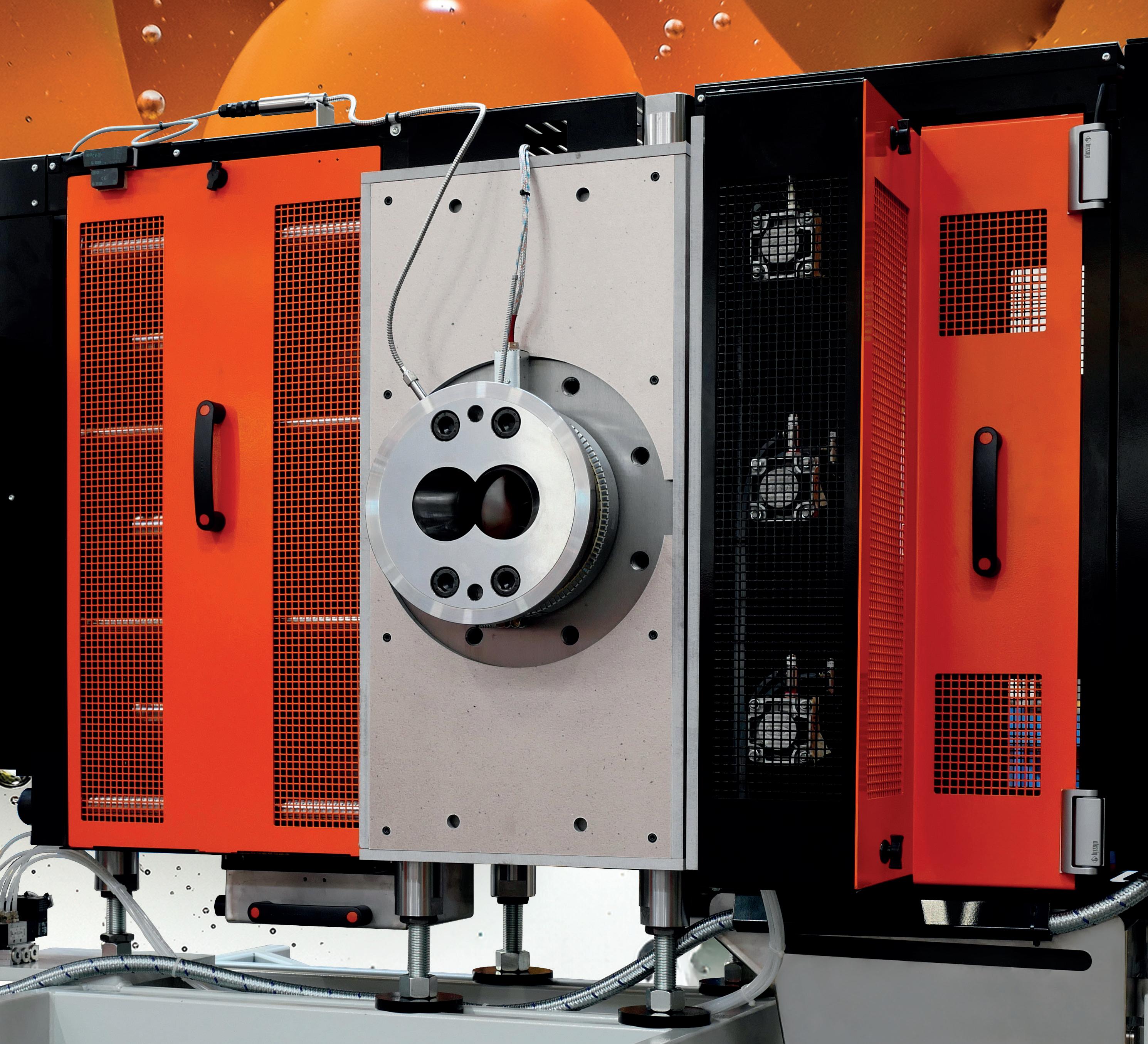
Continuous research, technological development and sustainability are driving the evolution of the solutions designed by IPM Srl, with a new range of high-precision electric machines certified EcoTechnology.
Since its foundation around 40 years ago, IPM Srl has continuously invested in research and development – a key element in anticipating the needs of a constantly evolving market.
In line with this vision, alongside the tradition-
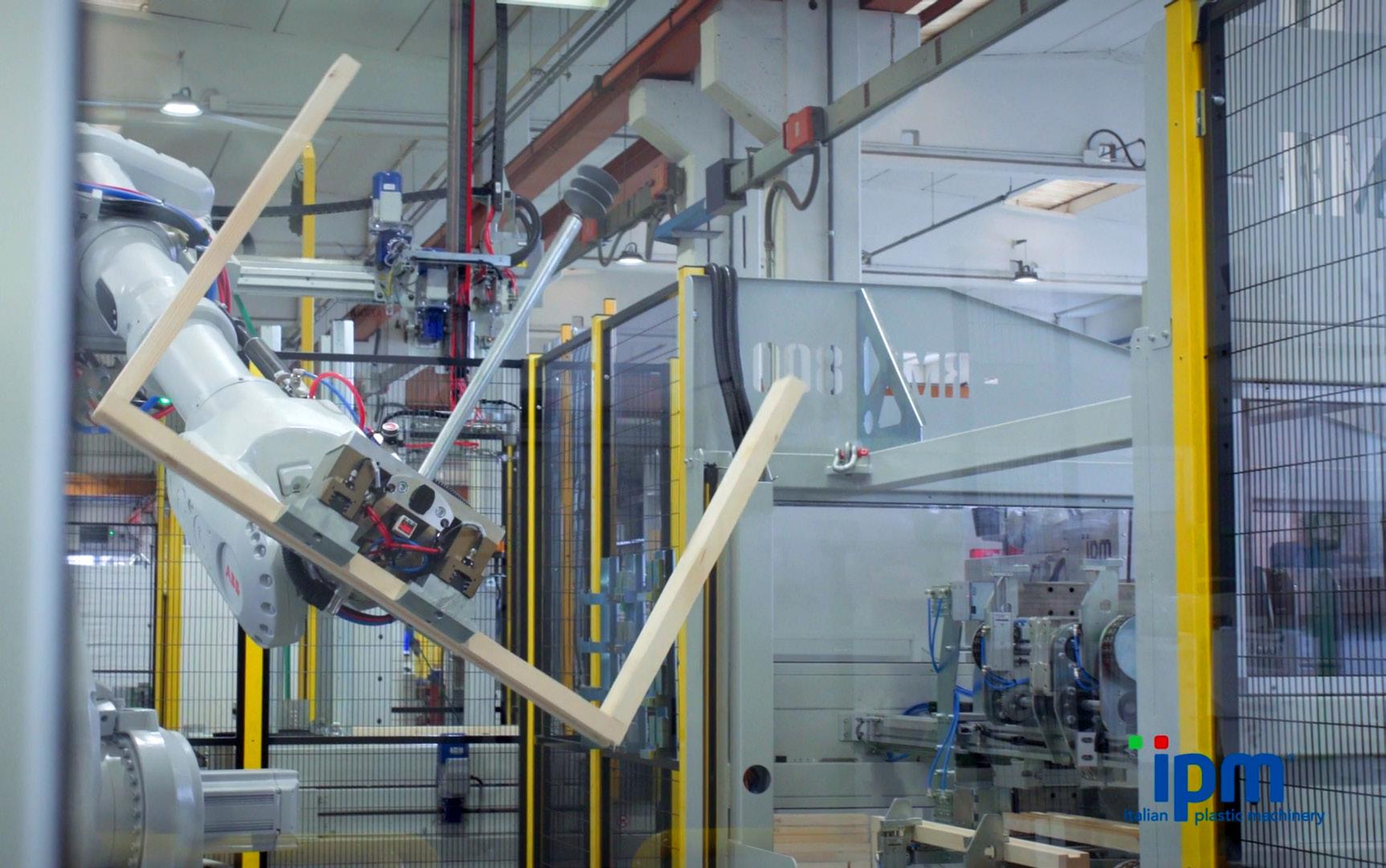
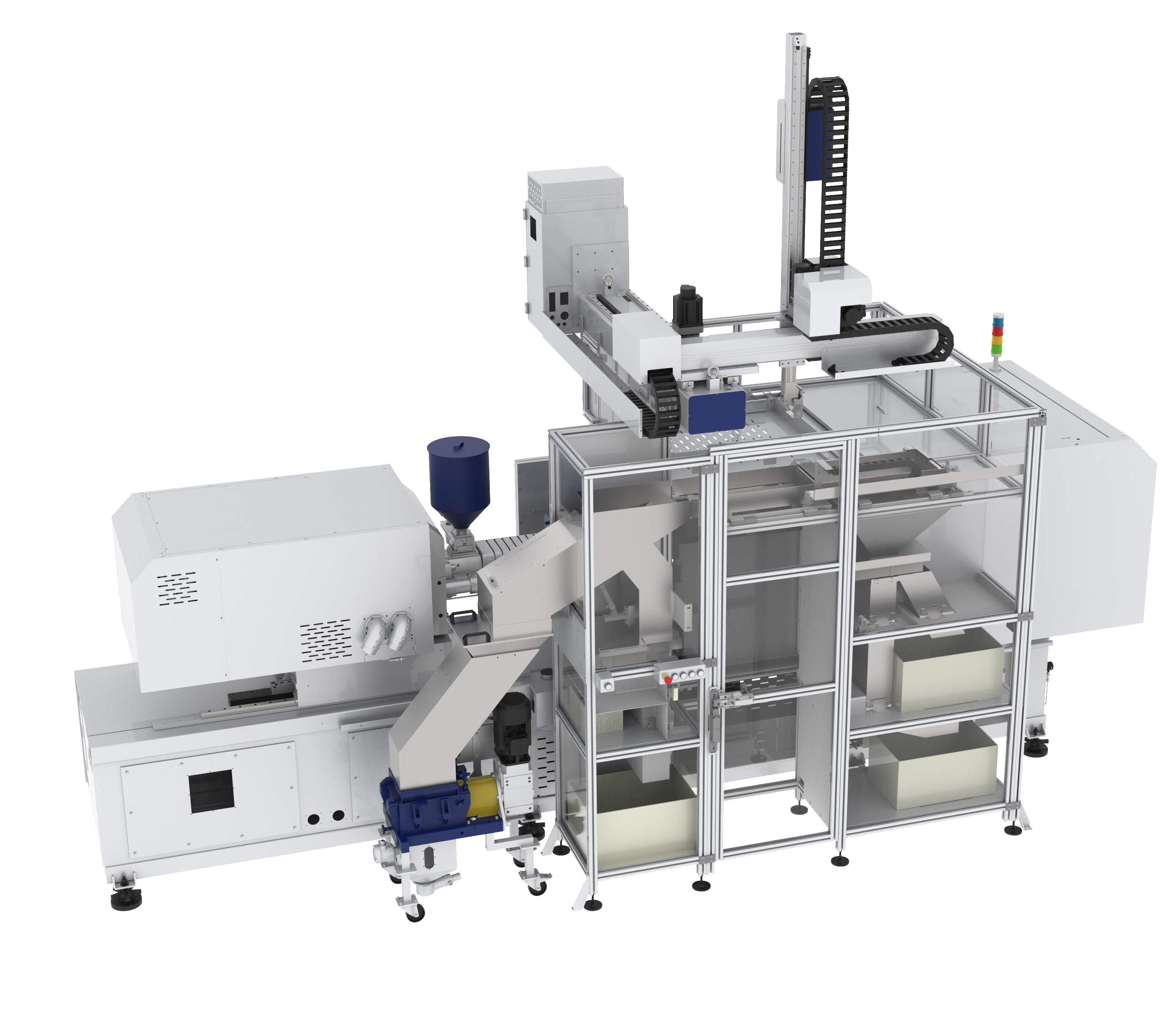
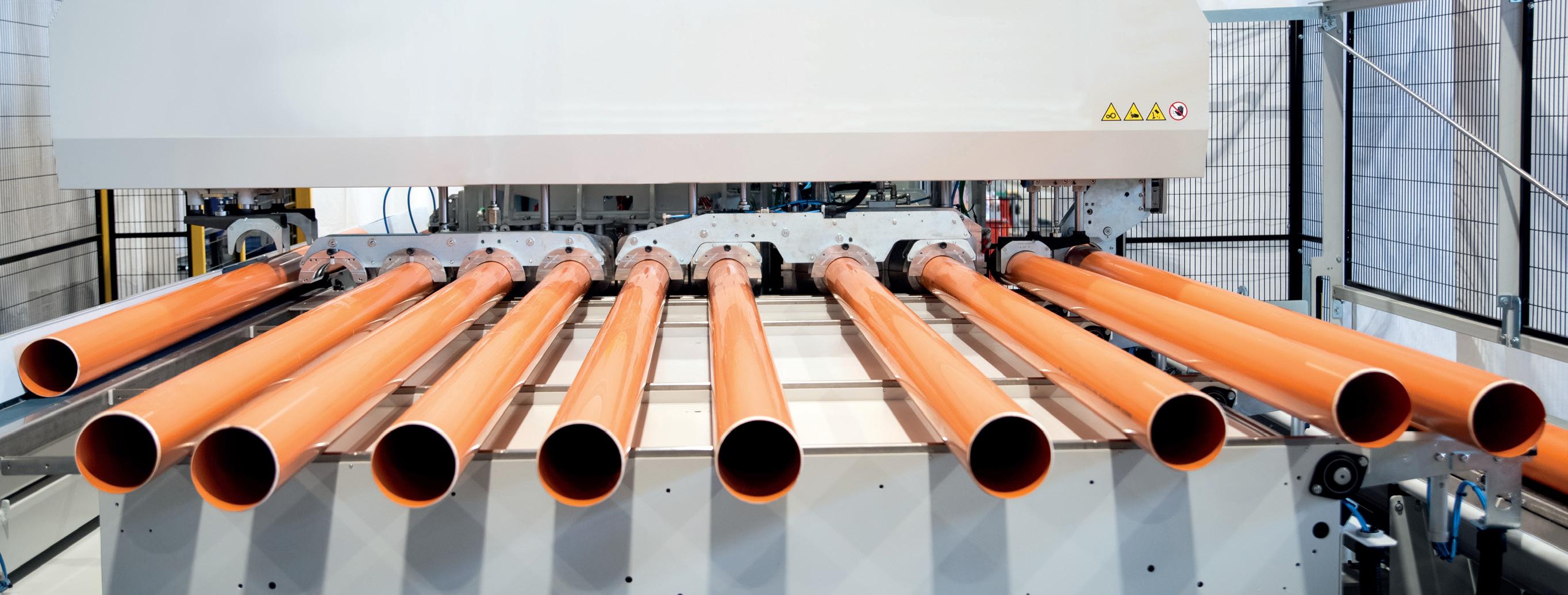
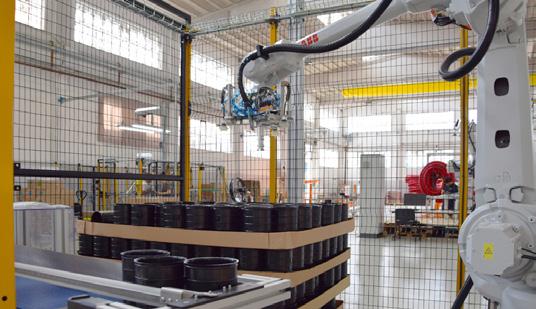
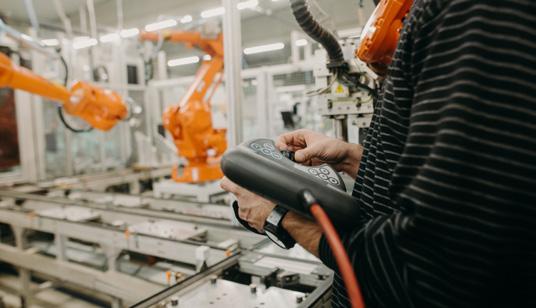
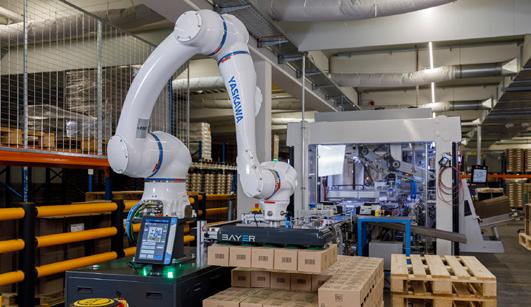
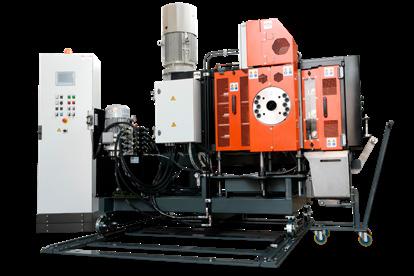
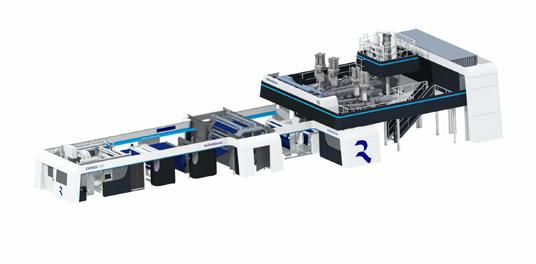
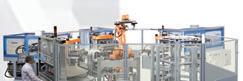
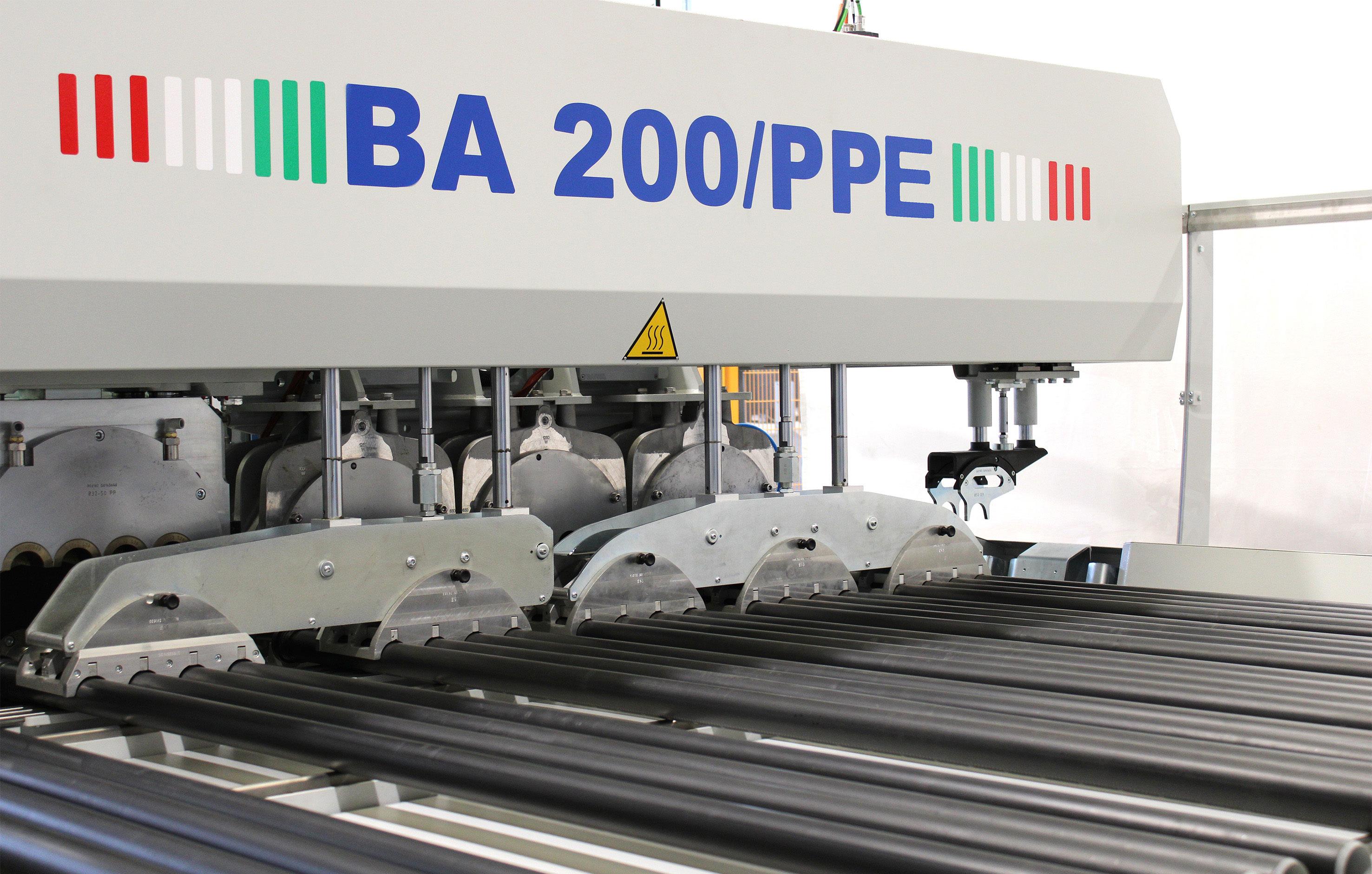
al range of hydraulically operated machines - still preferred to produce large diameters and thick-walled pipes - the company has recently developed a new series of fully electric, eco-sustainable machines. These solutions have been designed to meet the growing demands of the industry for energy efficiency, high precision, process stability and environmental responsibility. The new range includes socketing machines, cutting units and automatic pipe packaging systems, all engineered to ensure high productivity and efficiency. In particular, the endof-line solutions integrate robotic systems and Artificial Intelligence technologies that enable to automate product handling, packaging and management, improving operational continuity and overall process quality.
A s part of its ongoing commitment to sustainability, the company has registered the Eco-Technology trademark, which identifies all GREEN machines and certifies the adoption of low-environmental-impact technologies, energy efficiency and industrial innovation.
The transition from hydraulic to fully electric technology represents a concrete evolutionary step for industrial machinery. It is not simply a matter of replacing one drive system with another, but rather of adopting an architecture that is more efficient, more precise, cleaner and more consistent with modern requirements for productivity and sustainability.
By eliminating the hydraulic unit - and thus the use of oil to drive actuators and mechanical movements - the entire machine can be redesigned more rationally. In an electric solution, energy is consumed only when required by the process, whereas in hydraulic systems, a significant portion of energy is lost due to the continuous operation of the power unit and to the inherent inefficiencies of the circuit.
O ne of the main advantages is energy efficiency. This benefit has not only been evaluated in theoretical terms, but through a structured measurement and comparison project carried out with Turtle, a spin-off of the University of Bologna. The study in -
In addition to reduced energy consumption, the elimination of hydraulic oil provides direct benefits in terms of cleanliness, safety, reduced spill risks and simplified management of operating materials
Centralized packaging station for PP pipes of variable diameters and lengths produced by 6 extrusion lines
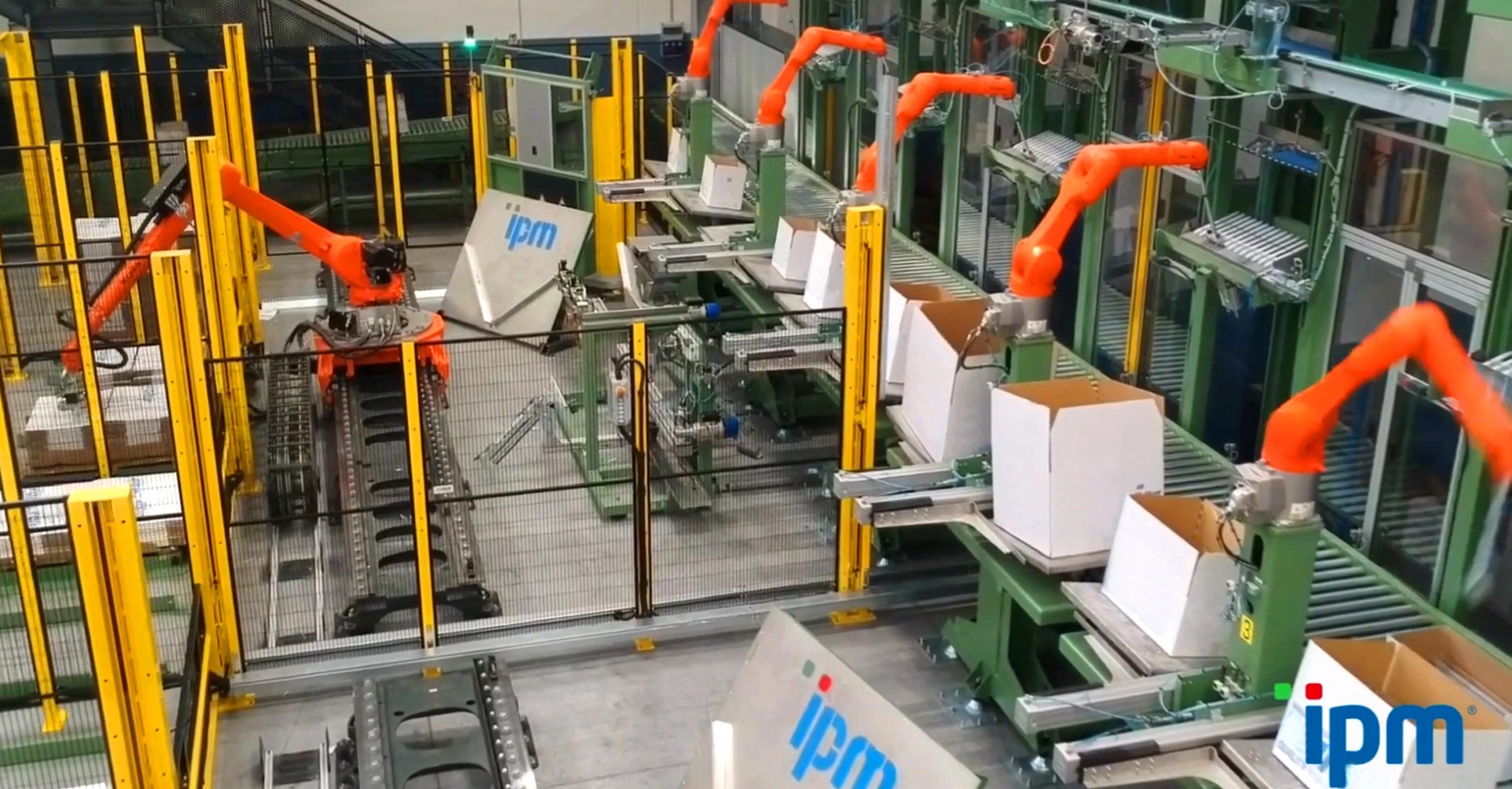
volved specific instrumental measurements aimed at objectively determining both energy consumption and the CO2 emissions associated with machine operation. The results revealed a measurable improvement, with a reduction in energy consump -
tion and environmental impact of approximately 30%.
E lectric technology enables higher precision and stability. Direct axis control allows
• End-of-line process automation: pipe handling and packaging without manual intervention
• Continuous optimization: AI algorithms adjust production parameters in real time
• Reduced downtime and waste: improved product quality and operational continuity
During the symposium “Stronger Together” - attended by more than 130 Italian and international customers seeking quality, technology, innovation and customization - key factors for standing out in the market and remaining competitive - IPM Srl presented its latest technological developments: haul-offs, cutting units, socketing machines, pipe bending machines, threading machines, and above all, machinery and systems for the automation of the end-of-line operations. The latter can operate 24 hours a day and, in terms of precision, speed and durability, they are able to replicate and support human work. They help address issues related to workforce shortag-
position, speed, acceleration and force to be managed with greater accuracy and repeatability, reducing the influence of variables typical of hydraulic systems such as oil temperature, pressure losses, component wear and performance variations
es and reliability while relieving operators from repetitive, heavy and potentially dangerous tasks. For these reasons - IPM Srl explainssuch systems are increasingly requested by customers worldwide. These plants consist of integrated systems of machines and robots which, thanks to Artificial Intelligence, cameras and increasingly precise sensors combined with more powerful software, are able to recognize and classify objects through image recognition. This enables them to produce, sort, assemble and package products while checking each individual component, even across increasingly large operational areas. Moreover, through self-learning capabilities, their functions can continuously improve over time. The systems can be also remotely monitored and controlled, enabling higher production efficiency and optimized planned maintenance. However, this does not mean that machines can fully replace everything human beings can do. The ideal solution - IPM Srl emphasizes - is to combine the strengths of robots and humans, creating environments where they can work together.
The dynamic performance of electric motor, combined with precise control, allows movements to be optimized, reducing idle time while maintaining high cycle repeatability
over time. This results in a more stable process, greater performance consistency and more uniform product quality.
T he absence of a hydraulic unit eliminates all activities related to oil management, filter replacement and the monitoring of hoses, fittings, valves and potential leaks. Reducing the number of components subject to wear and degradation means fewer routine and extraordinary maintenance interventions, improving machine availability and supporting production continuity.
F rom an environmental perspective, the advantages are clear. In addition to reduced energy consumption, the elimination of hydraulic oil provides direct bene -
fits in terms of cleanliness, safety, reduced spill risks and simplified management of operating materials.
Furthermore, noise levels are significantly reduced, improving working conditions for operators. In an industrial context increasingly focused on sustainability, this represents both an operational and a strategic value.
E lectric technology enables shorter and more consistent cycles. The dynamic performance of electric motor, combined with precise control, allows movements to be optimized, reducing idle time while maintaining high cycle repeatability. In fact, what matters is not only the maximum achievable speed, but also the machine’s
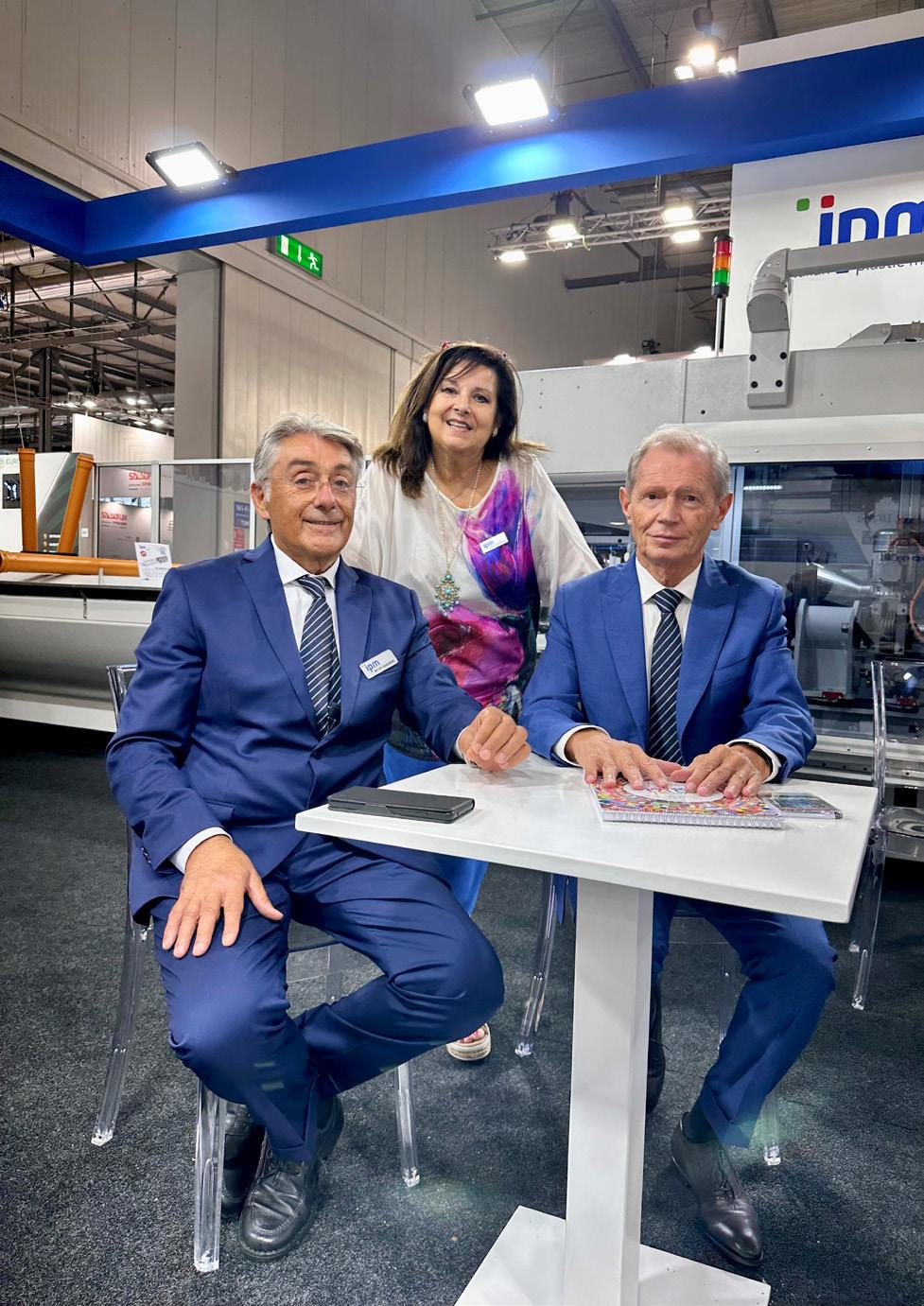
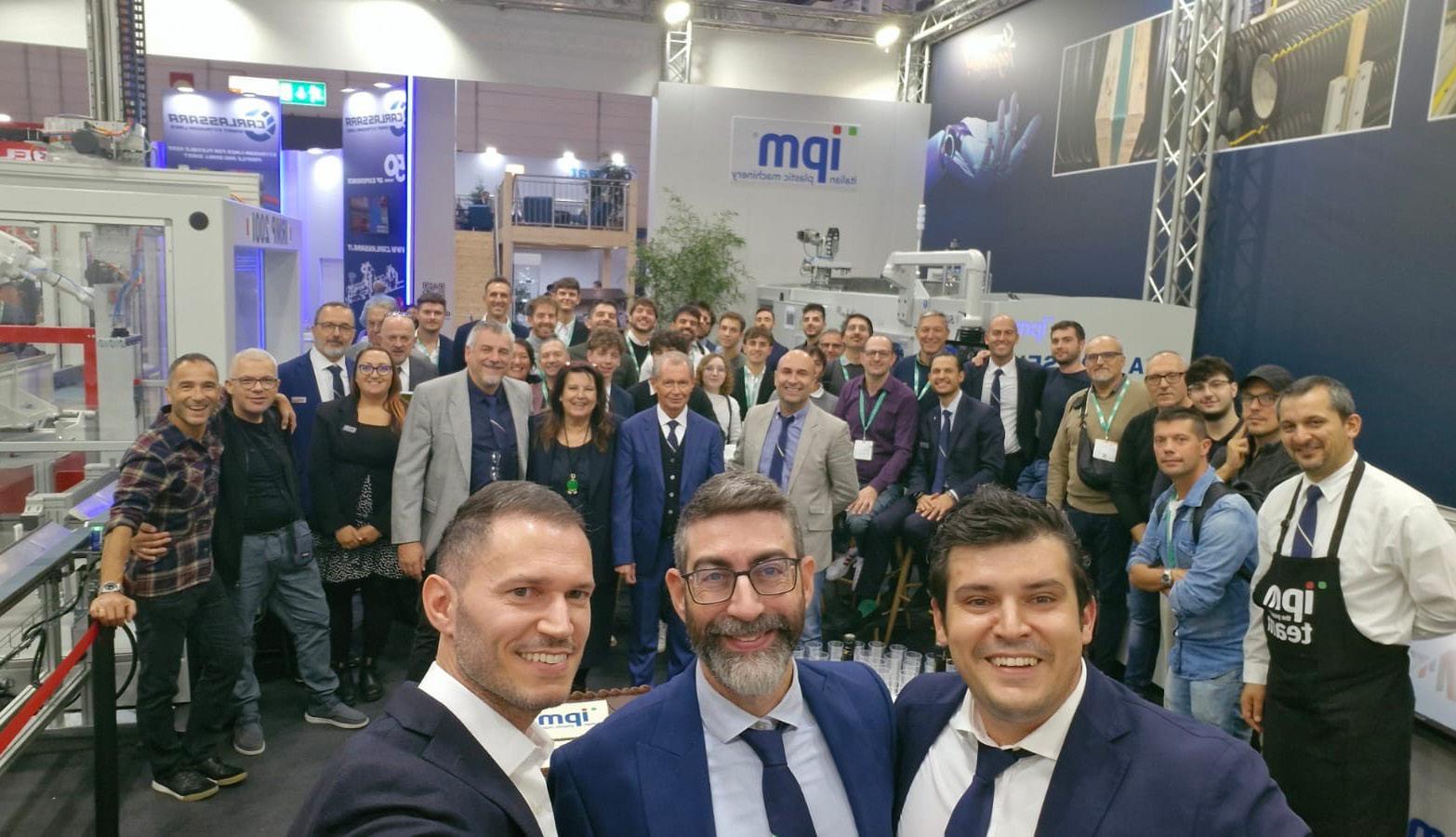
Alberto Argnani, Luca Barabani, Gian Marco Benedetti and some IPM employees

The trademark certifies adoption of low environmental impact technologies, proven energy efficiency, and industrial innovation focused on automation and precision
ability to maintain the same performance level over time in a stable and reliable way. T hanks to this innovation and sustainability-driven approach, IPM Srl continues to develop technologies that actively contribute to the transformation and modernization of the industry, offering solutions that are increasingly efficient, reliable and environmentally responsible.
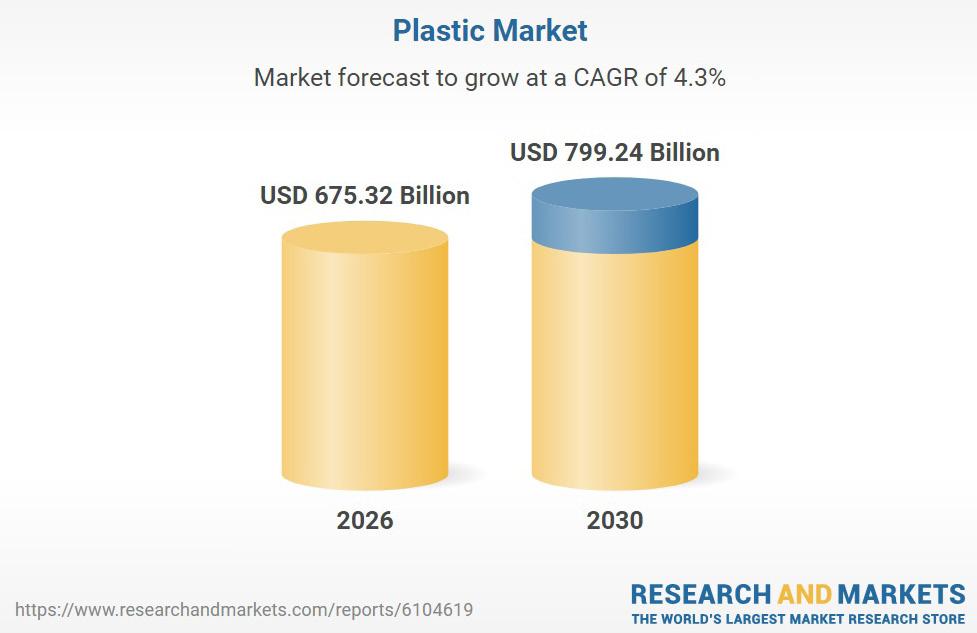
The plastic market size has grown steadily in recent years. It will grow from 645.55 billion USD in 2025 to 675.32 billion USD in 2026 at a compound annual growth rate (CAGR) of 4.6%. The growth in the historic period can be attributed to expansion of plastic usage across industries, development of mass production molding techniques, growth of packaging and consumer goods sectors, availability of low-cost polymer materials, expansion of global manufacturing capacity.
The plastic market size is expected to see steady growth in the next few years. It will grow to 799.24 billion USD in 2030 at a compound annual growth rate (CAGR) of 4.3%. The growth in the forecast period can be attributed to increasing investments in sustainable plastic alternatives, rising demand for recyclable packaging solutions, expansion of plastics in electric vehicle applications, growing regulatory pressure on plastic waste reduction, advancements in chemical recycling technologies. Major trends in the forecast period include increasing adoption of recycled and bio-based
The plastics sector is entering a new phase driven by environmental targets, infrastructure investment, and technological progress. Demand for lightweight, recyclable, and high-performance materials is accelerating across packaging, mobility, and construction industries.
plastics, rising use of advanced polymer processing technologies, growing demand for lightweight and high-performance plastics, expansion of circular economy plastic solutions, enhanced focus on regulatory-compliant plastic materials.
The rise in infrastructure development is expected to drive the expansion of the plastic
market in the coming years. Infrastructure encompasses the essential systems and facilities that enable the operation and advancement of an economy or society. Growth in infrastructure projects is largely driven by the expanding urban population’s demand for improved transportation networks, housing, and essential public services. Plastics are integral to infrastructure development because of their adaptability, long lifespan, and affordability. They are
The plastic market size is expected to see steady growth in the next few years. It will grow to 799.24 billion USD in 2030 at a compound annual growth rate (CAGR) of 4.3%
extensively utilized in water supply, sewage, and drainage piping systems due to their strong resistance to corrosion and chemical damage. For example, in July 2025, a report released by the Office for National Statistics, a government agency in the UK, stated that total general government investment in infrastructure increased by 2.2% to US 38 billion (£28.9 billion) USD in current prices in 2024 compared to 2023. As a result, rising infrastructure development is set to support the growth of the plastic market.
The shift toward sustainable plastics
Leading companies in the plastic industry are increasingly concentrating on the development of innovative offerings such as PLAbased bioplastic films to address the growing demand for sustainable and biodegradable alternatives that minimize environmental impact. PLA-based bioplastic films are polymers produced from renewable plant-derived sources like corn starch, providing flexibility, moldability, and barrier performance comparable to conventional plastics, while also being compostable under industrial conditions. For example, in March 2025, NatureWorks, a US-based bioplastics producer, introduced an advanced PLA grade specifically developed for biaxially oriented PLA (BOPLA) film manufacturing. This new PLA grade allows film producers to achieve up to seven times transverse stretching on existing equipment, enhance manufacturing efficiency, reduce
costs, and deliver faster biodegradability than earlier PLA grades. The material is well suited for flexible packaging uses including coffee capsules, confectionery wrappers, and condiment sachets, supporting corporate sustainability objectives without compromising functional performance.
In August 2023, DuPont, a US-based chemical company, acquired Spectrum Plastics Group for an undisclosed sum. This acquisition aligns closely with DuPont’s strategic objectives and is anticipated to boost the company’s overall revenue growth. It will enable DuPont to offer a wider, more integrated range of solutions for critical healthcare applications driven by customer-focused innovation. Spectrum Plastics Group is a US-based manufacturer specializing in plastic products.
Major companies operating in the plastic market are ExxonMobil Chemical, BASF SE, Dow Inc., LyondellBasell Industries Holdings BV, SABIC, Mitsubishi Chemical Group, Covestro AG, INEOS Group, Solvay SA, Westlake Corp., Amcor PLC, Berry Global Inc., Borealis AG, Braskem SA, DuPont de Nemours Inc., Arkema Group, Eastman Chemical Company, Celanese Corporation, Formosa Plastics Corporation, Hanwha Group, ALPLA Group, Chevron Phillips Chemical Company LLC, Huhtamaki Oyj. Asia-Pacific was the largest region in the plastic market in 2025. The regions covered in
the plastic market report are Asia-Pacific, South East Asia, Western Europe, Eastern Europe, North America, South America, Middle East, Africa. The countries covered in the plastic market report are Australia, Brazil, China, France, Germany, India, Indonesia, Japan, Taiwan, Russia, South Korea, UK, USA, Canada, Italy, Spain. The plastic market consists of sales of pipes, fittings, insulation boards, furniture items, and recreational items. Values in this market are ‘factory gate’ values, that is the value of goods sold by the manufacturers or creators of the goods, whether to other entities (including downstream manufacturers, wholesalers, distributors and retailers) or directly to end customers. The value of goods in this market includes related services sold by the creators of the goods.
The market value is defined as the revenues that enterprises gain from the sale of goods and/or services within the specified market and geography through sales, grants, or donations in terms of the currency (in USD unless otherwise specified). The revenues for a specified geography are consumption values that are revenues generated by organizations in the specified geography within the market, irrespective of where they are produced. It does not include revenues from resales along the supply chain, either further along the supply chain or as part of other products. This product will be delivered within 1-3 business days.
Fonte: Research & Market
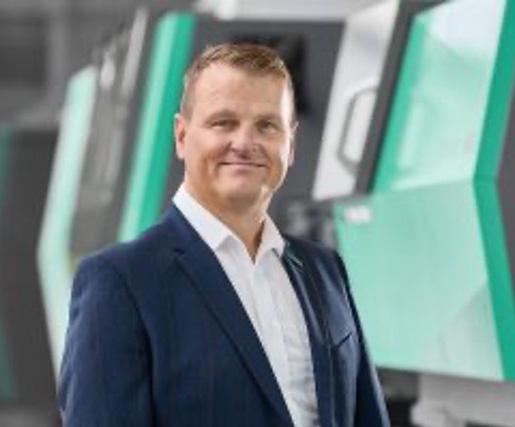
Following the retirement of long-standing Managing Director Colin Tirel, Steve Thomson assumed leadership of Arburg’s UK subsidiary in Warwick effective 1 December 2025. The highly experienced professional had served as Sales Manag-
er for Arburg Ltd. since September 2024 and is now committed, in his role as Managing Director, to supporting customers in the key markets of Great Britain and Ireland.
Steve Thomson began his career in the plastics industry in 1991 as a plastics engineering apprentice at a household appliance manufacturer. After attending Burton Technical College, he earned a Bachelor of Science degree in Polymer Science from Coventry University. Various professional experiences, including in the automotive, medical and peripheral equipment sectors, led him to work across Europe for companies based in Baden-Baden and Munich. Steve now brings 33 years of industry experience, including 27 years in plastic injection moulding and mould technologies.
Steve Thomson regards Arburg as a strong machine manufacturer and a ma-
European Plastic Films (EuPF) welcomes the European Commission’s confirmation, made during a recent meeting with stakeholders, of a full exemption for pallet wrapping films and straps from the 100 percent reuse targets set under Articles 29(2) and (3) of the Packaging and Packaging Waste Regulation (PPWR).
The unconditional exemption will be adopted through a delegated act based on Article 29(18)(a), recognising the economic constraints identified in the Deloitte feasibility study. The study highlighted significant investment, logistics and operational costs, including dual end-of-line systems, and found that switching to reusable pallet wrapping would also increase transport emissions.
However, Article 29(1) – which sets 40 percent reuse by 2030 and 70 percent by 2040 for cross-border transport packaging – remains unaddressed. The Commission indicated that it is planning a “pragmatic and realistic” approach to develop the related implementing act under Article 30, which will define the methodology for calculating the reuse targets.
jor player in the industry. The new Managing Director of Arburg Ltd. can rely on a team of 26 employees. As is the case across Europe, the British and Irish markets are also facing certain challenges.
There is no doubt that long-standing customers wish to continue their successful collaboration with Arburg. At the same time, new customers are increasingly turning to the machine manufacturer’s technical support and expertise, built on decades of know-how.
According to Steve Thomson, the medical technology and packaging sectors will attract even greater attention in the British Isles in the future, and he has full confidence in Arburg as one of the world’s leading machine manufacturers.
The new Managing Director also aims to increase the company’s brand awareness and visibility in the United Kingdom and Ireland.
Thomas De Meester, Head of EuPF, said:
“We welcome the Commission’s pragmatic recognition of economic realities under Articles 29(2) and (3). Yet the same scientific and economic evidence clearly shows that an exemption under Article 29(1) is equally warranted.
The IFEU life-cycle assessment demonstrates that reusable alternatives lead to significantly higher greenhouse-gas emissions – up to 1700 percent in some applications – while the RDC economic study finds annual cost increases of nearly €5 billion across eight key sectors. From an environmental standpoint, the logic is clear: as transport distances increase, so do emissions, making reuse even less favourable for cross-border logistics and therefore strengthening the case for an exemption under Article 29(1). From an economic and practical perspective, requiring companies to operate parallel palletisation systems for EU and export markets would entail a complete transformation of logistics operations, undermining competitiveness without delivering any environmental benefit”.

Investments in advanced plastics, electronics, medical devices and EV production are transforming Malaysia into a leading high-value industrial hub.
The growth of Malaysia’s plastic market is attributed to the country’s transition as a preferred industrial center for high-end manufacturing. This special position in the Southeast Asia region is anchored on Malaysia’s role as a regional feedstock hub and a downstream manufacturing base supplying the automotive, packaging, electronics and other industries across the region, according to the report by Mordor Intelligence. The report predicts Malaysia’s plastics market to grow at an estimated of US$ 4. 19 billion in 2026 to US$ 5.07 billion in 2031, or a 3.86% CAGR during the period. The global trends towards a circular economy have strengthened the demand for recycled or bio-based content along with investments in advanced processing technologies and recycling systems, according to the report.
Malaysia’s food and beverage industry is pushing to meet strict food-safety standards in both domestic and export markets. With Halal certification regulations and convenient packaging for food and beverage become more stringent, there is growing demand for specialized packaging requirements. This
has led to an increased demand for high-performance plastic materials and advanced processing technologies to produce plastic films, pouches, PET bottles, containers, etc. Investments influx to promote sustainable and high-end packaging operations continue to surge, putting Malaysia into the map as ideal production center. One example is the FE Green PET, a subsidiary of Taiwan’s Far Eastern New Century Group (FENC), which has secured RM150 million (US$35.5 million) in green and sustainability-linked financing for its recycled PET (rPET) resin production plant in
Malaysia is transitioning to become a preferred industrial center for high-end manufacturing (Image: Pexels)

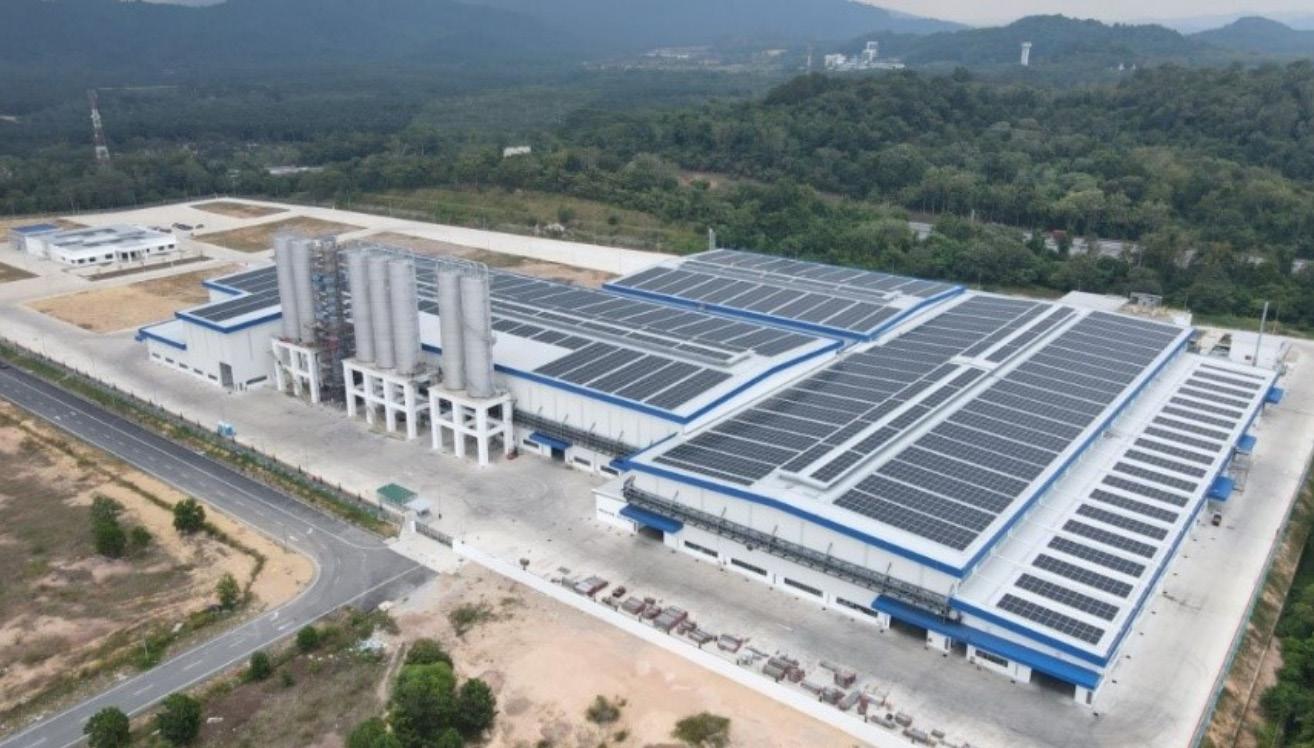
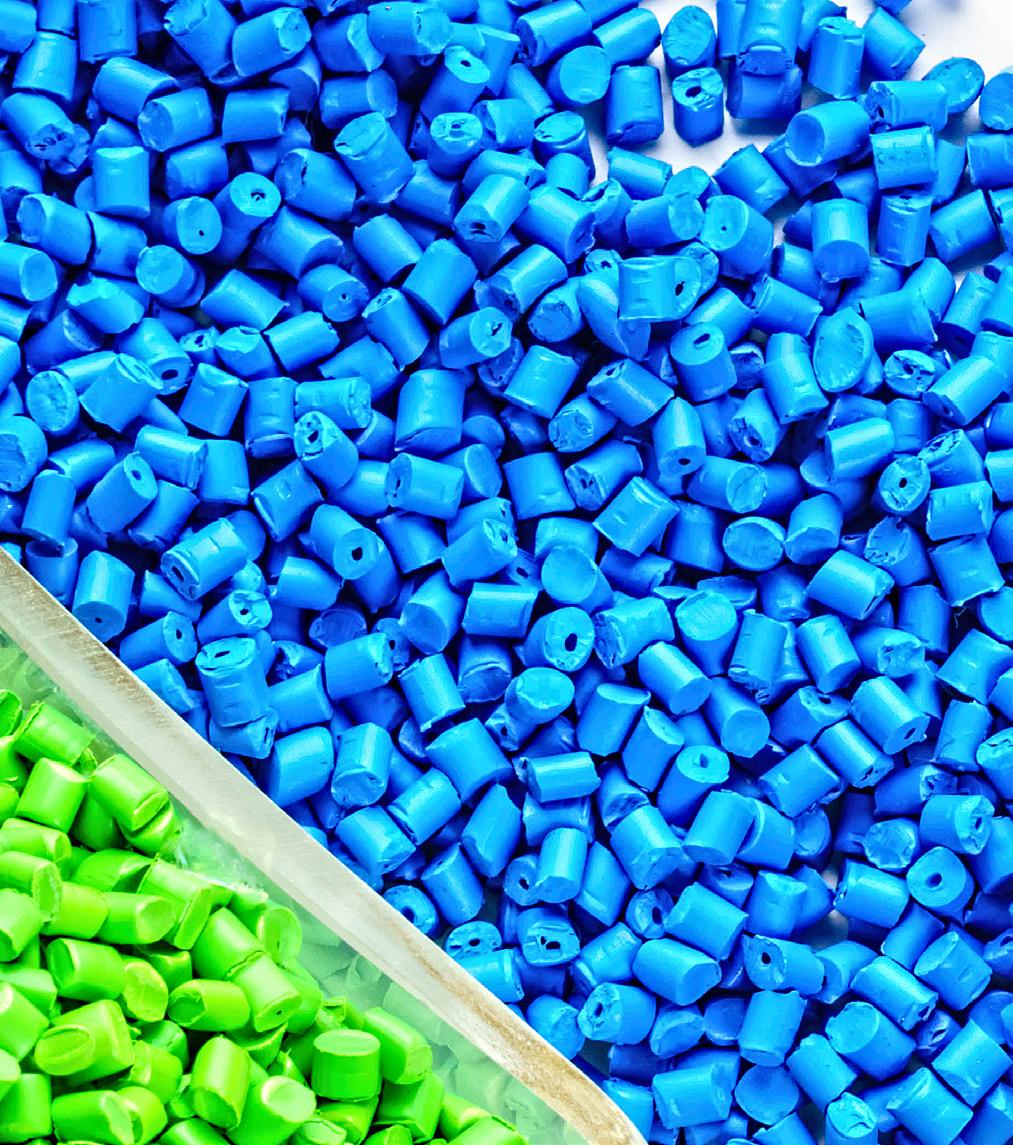
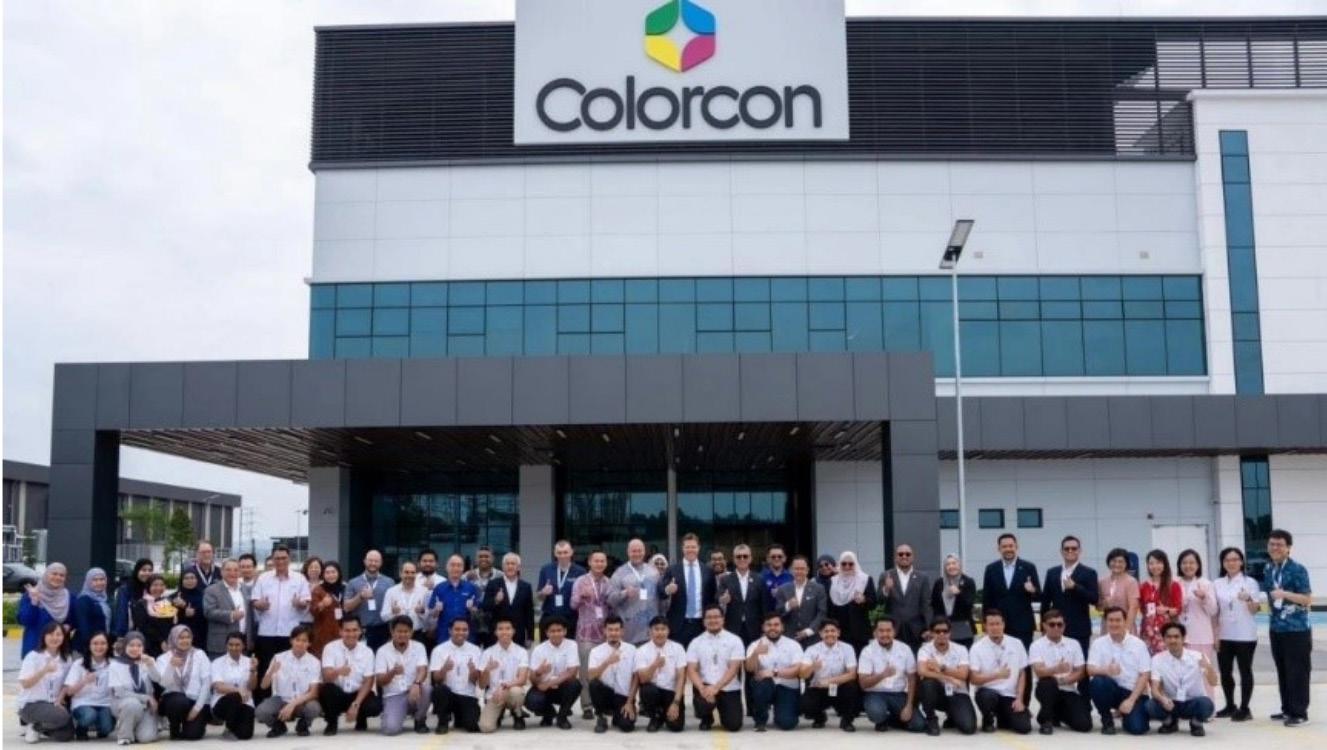
Melaka, Malaysia. The plant is designed to produce 50,000 metric tons of food-grade rPET yearly from post-consumer plastic materials in support of Malaysia’s green transition, sustainable thrust and low-carbon development. The “bottle-to-bottle” system will support the packaging requirements of some of FE Green PET’s global clients, among them leading beverage brands. Another company, Colorcon, opened its new film coating manufacturing facility. The plant aims to serve as a major production hub for Colorcon’s operations in the Asia-Pacific market, providing film coating systems, speciality excipients, controlled release formulations, and controlled atmosphere packaging for the pharmaceutical and nutraceutical industries.
Malaysia has a booming electronics sector with semiconductor production being an integral part of the industrial ecosystem. Major players in this industry look at Malaysia as the ideal location for their electronics packaging operations. For example, Azure, a Chinese lithium battery and light-emitting diode chip supplier, announced to invest US$83.9 million to build an LED chip packaging factory in Malaysia to meet the demand of overseas customers and alleviate the impact of international trade and tariff. The plan will focus on LED chip testing, sorting, and chipscale packaging, with a monthly production capacity of 700 million units. Azure has also integrated its backlight chips, including its mini LEDs, into the supply chains of international clients.
A nother important player is Intel which announced earlier its plan to consolidate its overseas chip packaging operations in Costa Rica with its facilities located in Vietnam and Malaysia. The company announced a US$208 million investment into Malaysia to expand its chip packaging in the wake of soaring demand. The investment will boost Intel’s packaging and test -
FE Green PET secures US$35.5 million in green and sustainability-linked financing for its rPET resin production plant in Melaka (Image: FE Green PET)
ing operations in Malaysia to further expand Intel’s presence in the country
The manufacturing of medical devices and supplies stands out as a robust sector in the Asia-Pacific region, with Malaysia successfully attracting numerous international companies to establish production operations in the country. As a growing hub for medical manufacturing, Malaysia’s reputation is drawing in even more new entrants into this field, thereby increasing the demand for high-performance materials and advanced manufacturing technologies.
Healthcare packaging is an area of the packaging industry that has been seeing tremendous growth. OAmcor, one of the key industry players, has completed construction of its coating facility in Selangor, Malaysia. The facility expands Amcor’s existing healthcare packaging operations in the country and offers advantages to its local and regional clients. The plant features advanced systems, such as water-based coatings and online inspection technologies to support growing demand for sterile packaging. Another example is Oliver Healthcare Packaging (Oliver), a leading healthcare company driving quality and innovation in medical packaging, which opened its 120,000 square foot manufacturing facility in Johor, Malaysia. Located within the i-Tech Valley in Iskandar Puteri, the facility joins a growing number of companies in Johor-Singapore Special Economic Zone and will serve Oliver’s growing customer base across Asia-Pacific. The facility is equipped with state-of-the-art equipment

Amcor has completed the construction of its coating facility in Selangor, expanding its healthcare packaging operations in Malaysia (Image: Amcor)
and ISO13845, ISO-7 and ISO-8 cleanrooms, for the production of medical grade packaging, such as pouches, lids and roll stock.
Rosti Group also operates a plastic injection molding plant in Malaysia. The site has achieved ISO13485 certification allowing medical device manufacturing. Rosti Group occupies a facility with 5,000 square meters, which aside from injection molding, printing, assembly, process development, tooling and supply chain management, has
enabled Rosti Malaysia to strengthen its expertise in the production of complex products, such as the 15-minute COVID-19 saliva test.
Automotive industry gears towards electrification
The automotive industry in Malaysia is becoming an attractive base for producers of electric vehicles (EVs) owing to the country’s incentives and excellent infrastructure. Proton Malaysia, its homegrown brand, has be-

gun the operations of its first assembly plant exclusive for EV production at Proton Tanjung Malim, Perak in the country. Aside from producing the country’s first EVs, the plan aims to start assembly of the Proton e.MAS 7, followed by the e.MAS 5. The facility features advanced automation with highly skilled operators and has an annual capacity of 20,000 units, scalable up to 45,000 units The company is supported by Zhejiang Geely Holding Group in terms of technology transfer, local talent development and strategic investments.
Audi is also beefing up its production of the second-generation Q7 SUV at the DRBHicom manufacturing plant in Malaysia. This is Audi’s firstly fully-localized assembly project in Southeast Asia and has marked Audi’s return to vehicle manufacturing in Malaysia since the 1990s. The Q7 is a mild hybrid electric vehicle (MHEV), demonstrating the facility’s ability to handle electrified vehicle technologies, such as battery systems and hybrid integration.
At Chinaplas 2026, one of the world’s leading plastics and rubber trade fair, over 4,900 exhibitors will showcase innovative technologies, cutting-edge solutions and green materials to serve the needs of Malaysia’s highend manufacturing industries.
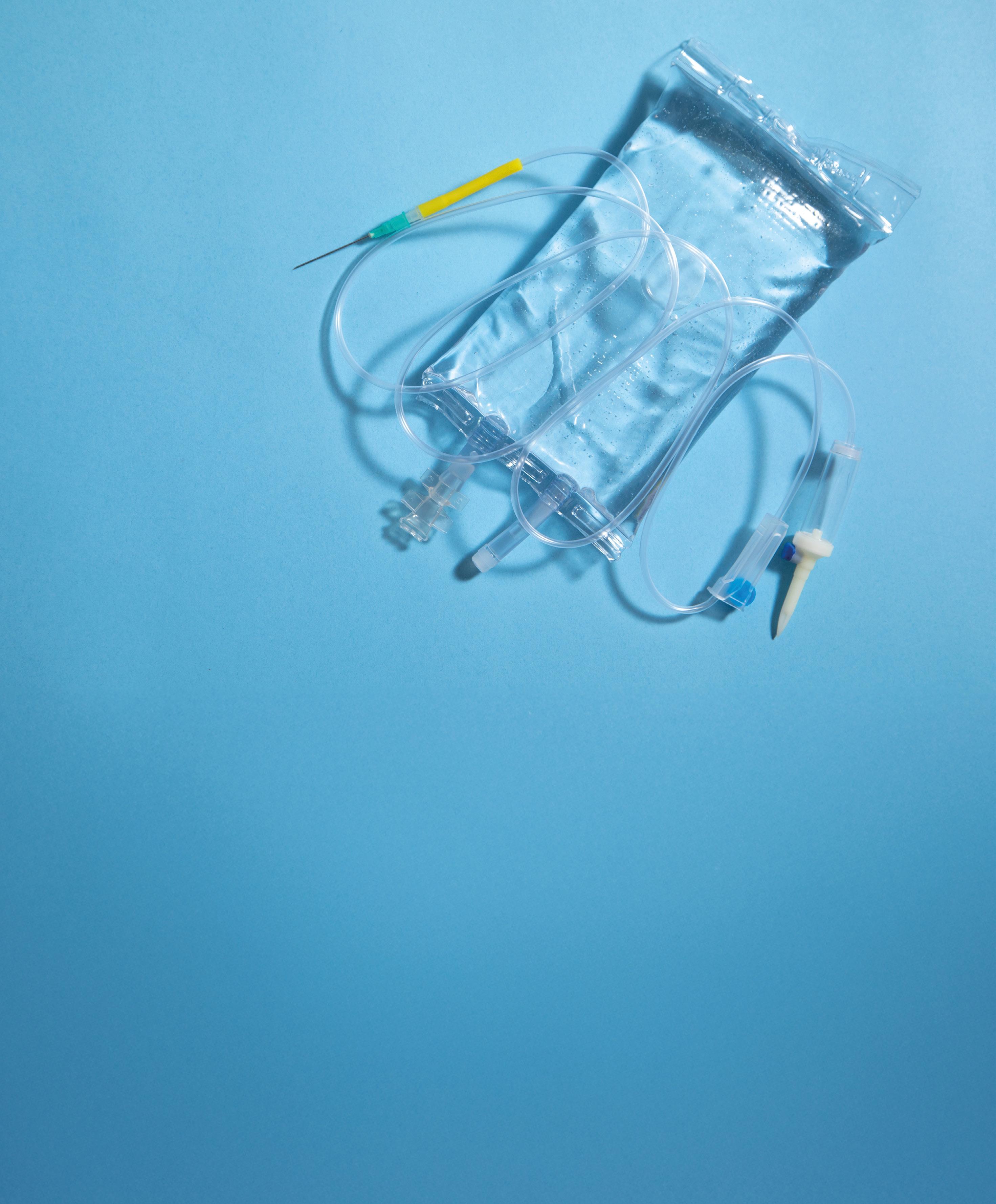
When contamination control is crucial, we make worry-free production possible
Engineering | Design | Planning | Construction & Commissioning
Equipment & Validation | Turnkey Solutions | Utilities | Cables & Piping | Support & Maintenance
Equiplast 2026 has recognised SEAT & Cupra as best-in-class for its circular strategy in the production of plastic components. This strategy seeks to reduce the environmental impact of production processes through lower consumption of virgin raw materials, the incorporation of recycled or renewable materials and the development of new solutions with a lower environmental impact.
The awarding of this best-in-class award recognises SEAT & Cupra’s commitment to the sustainable transformation of its production processes through a circular strategy applied to
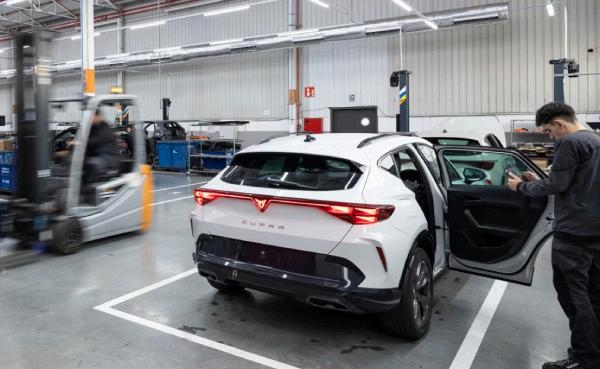
plastics. In this area, the company promotes the use of recycled materials such as Seaqual® YARN, made from plastics recovered from the sea, or Dinamica® microfibre, made from 73% polyesterrecycled using a water-based process. The strategy is also based on design for recycling, promoting mono-material concepts that facilitate the recovery of components at the end of life and improve the circularity of the product.
Along the same lines, SEAT & Cupra recently launched its new Circular Economy Hub at its facilities in Barcelona’s Zona Franca. It is an automotive workshop specifically adapted for the disassembly of vehicles and the recovery of parts, polymers, metals and other materials, with the aim of giving them a second life.
With the best-in-class distinction, Equiplast reinforces its desire to make visible already operational industrial projects that demonstrate the value of plastics in the circular economy, moving away from theoretical approaches and placing the emphasis on solutions
with a real impact on sectors such as the automotive, packaging, construction or health.
SEAT & Cupra’s experience will be presented within the framework of Rethinking Plastic, one of the great novelties of Equiplast 2026. This is the show’s knowledge space, which will focus on analysing how the plastics industry is evolving towards new materials, more efficient processes and business models aligned with the circular economy.
Its conference programme will include more than 30 sessions and more than 100 speakers, structured around four main axes: circular economy, recycling technologies, advanced materials and digitalisation. In this context, the experience of the Volkswagen Group’s automotive company will help attendees to learn first-hand about an example of real and scalable industrial application of these strategies from the perspective of a company using solutions in the plastics industry.
Equiplast 2026 will be held from 2 to 5 June at Fira de Barcelona’s Gran Via venue, simultaneously with Expoquimia.
Tosaf, a global expert in masterbatch solutions, has announced the establishment of a new production site in Olkusz, Poland, scheduled to become operational in the second quarter of 2026. Strategically located approximately 40 km from Kraków and 50 km from Katowice, the new facility is positioned to support efficient supply across Poland, Ukraine, and the wider Eastern Euro-
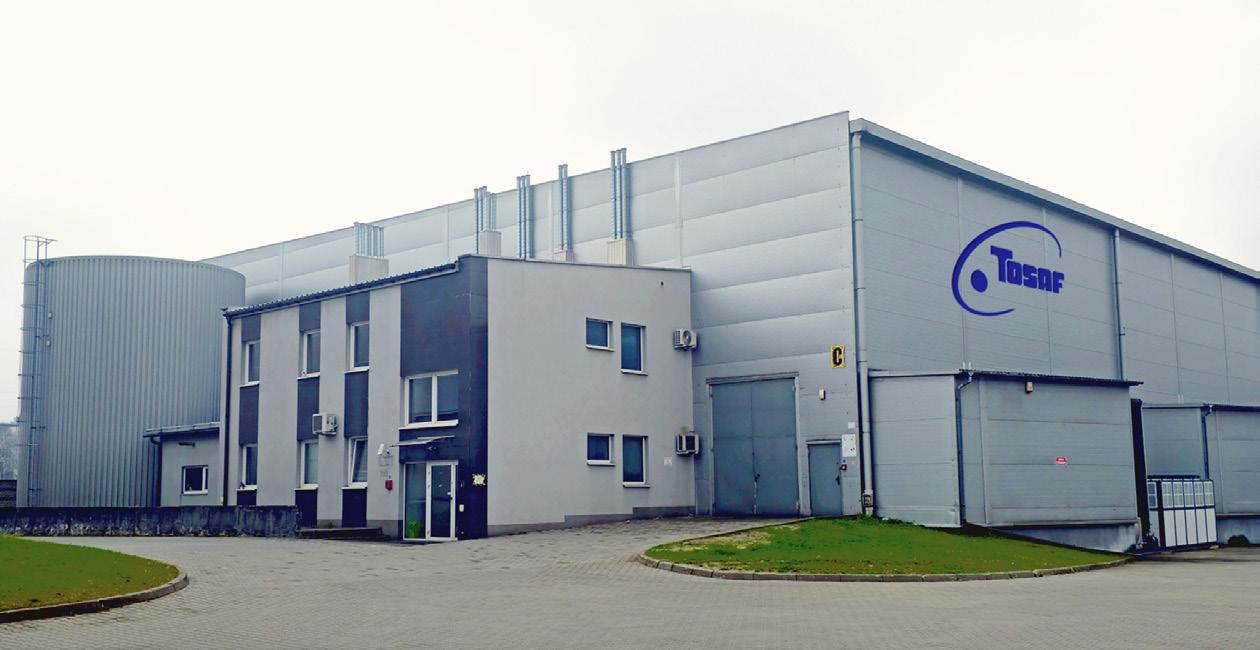
pean region. The 5,500 sqm site will begin operations with an initial production capacity of 3,000 tons per year, focusing on masterbatch solutions for a wide range of polymers and applications. In addition to its production capabilities, the site will include a fully equipped laboratory, enabling fast color matching, application-oriented product development, and quality assurance in line with Tosaf’s global standards.
“This investment is about getting closer to our customers, not just geographically, but in how we support their day-to-day operations”, says Iryna Maydych, Managing Director of Tosaf Polska Color Sp. z o.o. “By combining local production with Tosaf’s global expertise, we can respond faster, collaborate more closely, and deliver solutions that are better aligned with our customers’ needs”.
The new site will serve as a regional hub for masterbatch solution development and innovation, enabling shorter lead times, increased flexibility, and closer technical support for customers across the region. This expansion reflects Tosaf’s ongoing commitment to strengthening its European presence and delivering high-quality, locally supported solutions to its customers.

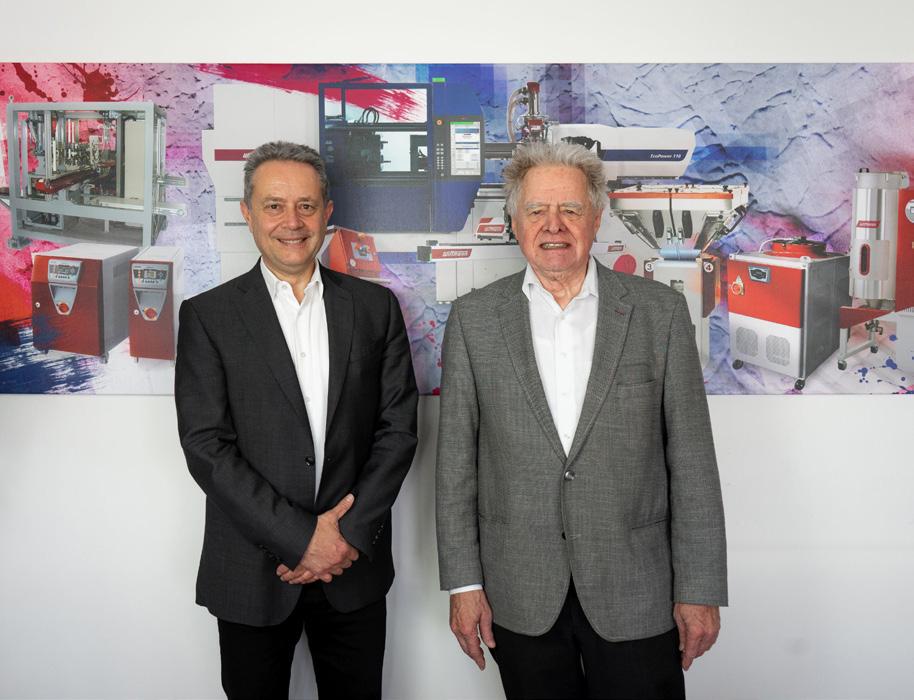
The Austrian Wittmann Group is restructuring its management. The business divisions Injection Molding Machines – Wittmann Battenfeld GmbH, based in Kottingbrunn – and Automation and Auxiliary Equipment – Wittmann
Technology GmbH, based in Vienna –will be consolidated under dual leadership effective May 1, 2026. This leadership will consist of the two owners, Michael Wittmann and Dr. Werner Wittmann. Rainer Weingraber will leave the group of companies at the end of April.
“With this new structure, we are consistently implementing the “It’s all Wittmann” strategy, launched in 2022, all the way up to the executive management level”, says Michael Wittmann. “Our high level of expertise in providing comprehensive solutions from a single source is a strong competitive advantage that we will expand even more intensively worldwide through this consolidation”. Rainer Weingraber joined the group in 2019 as CEO of Wittmann Battenfeld GmbH. “Mr. Weingraber has steered the injection molding machine
division through challenging times and played a key role in driving the integration of all business unit”, emphasizes Michael Wittmann. “We thank Mr. Weingraber for his dedication and achievements over the past seven years and wish him all the best for the future”. From material handling to injection molding machines, processing technologies, and temperature control equipment, through to inline recycling as well as the automation and digitalization of injection molding processes, the Wittmann Group offers all components for injection molding processing – developed and manufactured in-house. Whether purchasing individual solutions or integrated production cells, users benefit from the in-depth understanding of the entire process possessed by the global Wittmann team.
Altstoff Recycling Austria AG (ARA), Bernegger and Der Grüne Punkt, a GreenDot subsidiary, are building their new plant “Sort4cycle” at the site of the TriPlast plastics sorting facility in Austria. This is a unique flagship project for the future of Europe’s circular economy using the UPCYCLE process. The facility will process up to 41,000 tonnes of plastics per year that previously could only be reclaimed through energy recovery keeping even more valuable raw materials in circulation and conserving resources. The goal is to produce recycled polyolefin materials suitable for contact-sensitive packaging through chemical recycling and, eventually, also through mechanical recycling.
Construction work for the highly innovative Sort4cycle recycling plant at the Ennshafen port is now underway, marking the beginning of a new era in
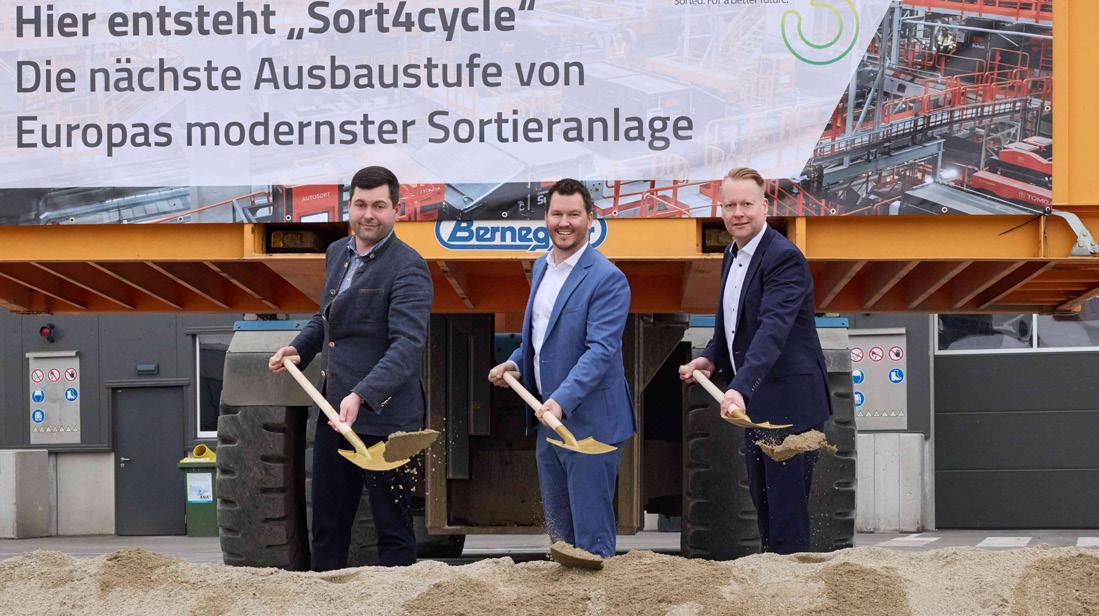
plastics recycling. The facility will namely use the Upcycle process patented by ARA, enabling the further processing of sorting residues that previously had to be thermally recovered. These residues were considered non recyclable due to contamination, structure, or particle size. Starting in 2027, Sort4cycle will give these materials new life in the circular economy including thanks to chemical recycling, making a key contribution to achieving EU recycling targets and reducing the use of fossil primary raw materials. With an investment of more than €40 mill, the owners are strengthening raw material sovereignty, innovation capacity, and supply security in Austria and Europe. Commissioning is planned for mid 2027, creating up to 30 qualified green jobs.
With the opening of TriPlast in 2024, ARA, Bernegger and Der Grüne Punkt set a new benchmark for plastics sorting in Europe. The high tech facility processes up to 20 tonnes of material per hour from the Yellow Bag/Yellow Bin – around 100,000 tonnes annually. Sort4cycle will build on this success story and elevate it to the next level of innovation. In addition to material from the TriPlast output, the new plant will also process additional volumes from other sorting facilities, up to a total of 41,000 tonnes per year.
Sort4cycle combines two independent yet complementary innovation areas: the “Advanced Scale Post Sorting” system and the enhanced Upcycle process.
Through upstream fine sorting, Sort4cycle selectively enriches and cleans individual plastic fractions. The resulting polyolefin fraction is particularly well suited for high quality applications that could eventually meet food grade packaging requirements.







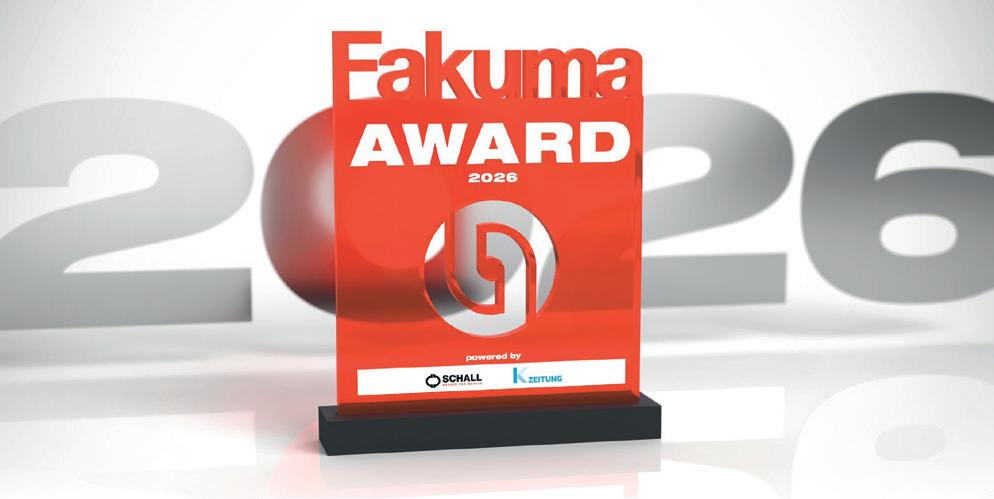



























At Expoquimia 2026, the debate focuses on how chemical engineering can accelerate decarbonisation, circularity and responsible industrial growth, as discussed by Cristina Alonso Alija.
Can chemical engineering be one of the most powerful levers for the sustainable transition? Cristina Alonso Alija - Director of the UNIJES Reference Research Centre for Environment and Ecology at IQS and keynote speaker at MeCCE 2026has no doubt about it. After more than 25 years at Bayer leading key areas such as sustainability, safety and human rights, and having contributed to the development of a globally impactful medicine, she now heads the UNIJES Reference Research Centre for Environment and Ecology at IQS. She will be one of the five main keynote speakers at MeCCE –the Mediterranean Congress of Chemical Engineering, to be held as part of Expoquimia 2026, where she will share her vision of how chemical engineering and chemistry can transform industry, drive sustainable models and educate the leaders who will shape the future.

Looking back over your career, is there a particular moment when you clearly felt that chemical engineering was making a real and positive impact on society?
“I chose to study chemical engineering because my mission was — and still is — to translate science into tangible benefits for society. One particularly meaningful moment was being part of the discovery and development of riociguat, a medicine used to treat pulmonary arterial hypertension. It originated in our chemical laboratory at Bayer; I am a co-inventor, and
years later I led the team that registered it in several Latin American countries. This work was recognised with the Otto Bayer Medal and through the publication of our results in Nature, a very significant milestone in my career as a scientist”.
After more than 25 years at Bayer, leading areas such as Sustainability, HSE and Human Rights, you decided to move into academia. What motivated that change? And looking back, which lessons from your international experience are proving most valuable in your current role?
“I thoroughly enjoyed my years at Bayer, but I increasingly felt the need to give back to the next generations everything I had learned. The opportunity to move into academia, within an ambitious, impact-driven project, came at exactly the right time. From my international experience in Germany, Mexico and the United States, among other countries, I take away one essential lesson: complex problems are best solved by combining different strengths. Collaboration across cultures makes us stronger”.
The motto of MeCCE 2026 is “Transforming the Industry, Shaping the Future”. From your perspective, what role does chemical engineering play in transforming industry towards more sustainable models?
“Although chemistry may currently seem to be
experiencing a dip in popularity, it underpins everything around us, both living and non-living. Today, more than ever, we need chemical engineers who design processes from the outset with low emissions, responsible water use and reduced impact on raw materials. In addition, we need professionals who collaborate actively and have the courage to speak up in both public debates and private forums on sustainability”. Circularity, decarbonisation, hydrogen, critical raw materials, artificial intelligence… Which of these challenges do you believe will demand the greatest innovation in the coming years?
“All of them. Because the equation does not add up: the population continues to grow, per capita consumption is also increasing, and natural resources are finite and — even if we do not always pay for them directly — we now understand that they are not free. For the chemical industry, the major challenge lies in scaling up processes that respect natural capital at competitive costs that enable widespread adoption. Moreover, the challenges go beyond technology: they require systemic changes that take into account both what is visible and what is less obvious. For example, the use of critical raw materials must be assessed alongside its impact on vulnerable communities involved in their extraction”.
Which emerging technologies — such as hydrogen, chemical recycling or carbon capture systems — do you see as having the greatest potential for
chemistry to act as a true driver of the sustainable transition?
“Chemistry is already a real driver of the sustainable transition. We must acknowledge that endof-value-chain solutions are often less effective. Therefore, technologies that reduce emissions at source — such as alternative energy systems — and those that reduce the use of virgin raw materials have greater potential than those applied at the end of the process, such as recycling or carbon capture. Beyond this, process innovation and digitalisation are key to more efficient and sustainable production”.
We know that achieving sustainability at scale will not be easy. What do you see as the most difficult barriers for the chemical industry to overcome?
“It is essential to rethink consumption and production models. To think long term, reflect on how needs evolve, and debate what is truly necessary. The chemical industry has a significant opportunity to influence consumption habits by offering scalable, attractive solutions that are easy to adopt. But we must be aware that this is a marathon, not a sprint — and that it is worth the effort”.
From your position in academia, which skills — beyond technical expertise — should chemical engineers develop to address these challenges? Do we need to rethink how chemical engineering is taught?
“If I reflect on my own career, I make little use today of my specific technical expertise. However, being an engineer equipped me with skills that have stayed with me throughout my professional life: analytical thinking, hypothesis formulation and testing, and a systematic approach to problem-solving. In addition, engineers need to make their voices heard. This requires strong communication skills, the courage to challenge prevailing views, systems thinking beyond technology, and a basic un-
derstanding of economics and finance. I firmly believe that educational models must evolve towards more holistic approaches, based on collaborative problem-solving and integrating technologies such as artificial intelligence, which are already part of the professional landscape”.
Can chemical engineering also contribute to ensuring responsible supply chains that respect human rights?
How do you envisage this?
“By nature, the chemical industry operates through global supply chains, which gives it enormous potential for impact — both positive and negative. I would like to highlight two major opportunities for impact. The first is at sector level, through platforms and alliances that provide knowledge and tools to companies worldwide, especially smaller ones. The second is at individual company level, through direct dialogue with suppliers and customers to design models that respect human rights while fulfilling commercial agreements. This involves reviewing delivery times, fair pricing and safe, dignified working conditions. Controls and audits are necessary, but they are not sufficient to drive the deep change that many of us aspire to see”.
In 2023 you were recognised as one of the Top 100 Women in German Industry and you advocate diversity as a key driver of innovation. How does this translate into practice? How does inclusive leadership specifically support sustainability?
“Diversity is essential for innovation for three fundamental reasons: first, to serve a global customer base we need diverse experiences; second, accelerating innovation requires that everyone has equal opportunities to contribute; and third, diverse teams reach better solutions. Personally, I have focused on removing barriers in recruitment processes, recognising our own biases and exercising active leadership in this
Technologies that reduce emissions at source and those that reduce the use of virgin raw materials have greater potential than those applied at the end of the process, such as recycling or carbon capture
area. A practical example: if, when hiring a chemical engineer today, I require more than ten years’ experience in production and international work experience, I can guarantee that most candidates will be men. If, in addition, the interview panel is composed entirely of men, we send a subliminal message that career progression in my company is male-dominated. Let us start by rethinking the true requirements of the role, selecting a diverse pool of candidates and ensuring a diverse interview panel. Then we hire the best person. Step by step, the organisation will change”.
To accelerate the transition towards sustainable chemistry, what types of partnerships between industry, academia and the public sector do you consider essential?
“Sustainable Development Goal 17 focuses on partnerships, and this is no coincidence. Complex problems do not have simple solutions, and cross-sector collaboration is essential. Academia, industry, the public sector — and I would add civil society — are all key agents of change. Listening to what each stakeholder brings and needs is the foundation for building strong partnerships, both small- and largescale. For example, the design of transition pol-
icies must include academic knowledge, the industrial perspective and the voice of civil society. It is not easy, but it is essential for progress”.
Looking ahead to 2035, how do you envisage the chemical industry if sustainability targets are achieved?
“According to the World Economic Forum 2025, five of the ten greatest risks to the global economy over the next decade are environmental in nature. Climate change and the green transition will continue to be major megatrends for job creation. I envisage a chemical industry that fully integrates sustainability into all its operations, creating resilient systems, reducing risks and environmental externalities, and demonstrating that investing in sustainability is not a cost, but an investment with returns”.
Finally, what message would you like to share with MeCCE 2026 attendees about the role of chemical engineering in building a truly sustainable future?
“You have chosen a profession with enormous potential to create real and positive impact in building a sustainable future — meeting the needs of the present without compromising those of future generations. Thank you for being here”.
Federchimica’s national association Avisa, which represents companies producing adhesives and sealants, printing inks, paints, and coatings, will support ABS Europe 2026 through its Adhesives and Sealants Group. The event — the first trade fair in Italy dedicated to adhesives, glues, sealants, foams, tapes, resins, coatings, laminates, and films — is organized by Italian Exhibition Group and A151 Srl and will take place from October 27 to 29, 2026, at Vicenza Fair.
The agreement between Avisa-Federchimica’s Adhesives and Sealants Group and ABS Europe 2026 — the exhibition showcasing every stage of production in the sector, including raw materials, technologies, equipment, machinery, plants, solutions, products, and services — will help increase the visibility of the Italian adhesives and sealants industry. According to research company Reed Intelligence, the Italian adhesives and sealants market is worth approximately €2.6 billion and is expected to grow at a CAGR (compound annual growth rate) of 2.33% through 2033.
Avisa’s Adhesives and Sealants
Agenda
Interplas
2 - 4 June 2026
Birmingham, United Kingdom www.interplasuk.com/newfront
Smart Chemistry Forum
2 - 5 June 2026
Barcelona, Spain www.feique.org
Plast
9 - 12 June 2026
Milan, Italy www.plastonline.org
Group includes 45 companies representing 60% of the market and employing more than 4,000 people. Participation in ABS Europe 2026 will provide an additional boost to the sector and will encourage not only company involvement, but also networking activities focused on technological development and regulatory issues.
“ABS Europe 2026 represents something new in the national trade fair landscape. We welcome an event that places our industry at the center of attention. Highlighting its importance means recognizing how essential our products are across many application sectors. We stand alongside the organizers to ensure the success of the initiative”, commented Guido Cami.
“We are pleased and honored to count on the support of Avisa-Federchimica’s Adhesives and Sealants Group”, said Marco Pinetti. “This is a key milestone for a sector in which Italy plays a leading role, and with ABS Europe 2026 it will now have an appropriate international showcase supported at the institutional level.”
“We enthusiastically welcome the support of Avisa-Federchimica’s Ad-
Global Green Plast
8 - 11 July 2026
Casablanca, Morocco www.globalgreen-plast.ma
ColombiaPlast
20 September - 2 October 2026
Bogotá, Colombia www.colombiaplast.org/en
Fakuma
12 - 16 October 2026
Friedrichshafen, Germany www.fakuma-messe.de/en
hesives and Sealants Group for ABS Europe 2026”, added Marco Cecchini. “This collaboration strengthens the exhibition’s international positioning and reinforces dialogue between institutions and industry, creating new growth opportunities for the entire sector”.
ABS Europe
27 - 29 October 2026
Vicenza, Italy www.abs.show
Argenplas
3 - 6 November 2026
Buenos Aires, Argentina www.argenplas.com.ar
Plastimagen
10 - 13 November 2026
Mexico City, Mexico www.plastimagen.com.mx
Plastics & Rubber
10 - 11 March 2027
Barcelona, Spain www.plastics-rubber.es/en/
NPE
3 - 7 May 2027
Orlando, Florida, USA www.npe.org/npe2027
K
18 - 25 October 2028
Düsseldorf, Germany www.k-online.com

From June 9 to 12 at Rho Fiera Milano, a new format comes to life through continuous talks, international innovators, crossovers between technologies, AI and design. From a simple exhibition space to a true dynamic laboratory: a new hub where innovation takes shape in real time.
On the occasion of PLAST 2026, the leading international triennial trade fair for the plastics and rubber industry, taking place from June 9 to 12 at Rho Fiera Milano, the satellite exhibition 3D Plast is evolving into one of the most innovative and dynamic formats of the entire event.
Plast, together with its three satellite exhibitions – Rubber, 3D Plast and PlastMat – represents the entire plastics and rubber industry supply chain, occupying six of the eight halls of MaTec. Rubber is dedicated to the rubber sector, from materials and processing technologies to industrial applications. 3D Plast explores the frontiers of 3D printing and additive technologies applied to polymers. PlastMat focuses on material innovations, a key theme in the evolution of the manufacturing industry.
3DPlastLab definitively moves beyond the traditional exhibition model and establishes itself as a laboratory designed to stimulate creation and plan the long-term development of content, relationships and visions for additive manufacturing
No longer just an exhibition space, but an experiential hub designed to present the evolution of additive manufacturing in a clear and tangible way. This is how 3DPlastLab was born: a platform where content, people and technologies come together to redefine in real time the way innovation is presented and shared.
Already featured in previous editions, 3D Plast takes a major leap forward this year: from an area dedicated to 3D printing to an international ecosystem for discussion, a laboratory capable of bringing together research, industry, design and new technological frontiers, including artificial intelligence and advanced design.
The renewed identity of 3D Plast stems from
the collaboration between the Plast organizing secretariat and Simone Maccagan, Business Development Manager at Gimac and CEO & Founder of eXgineering, and is developed, designed and coordinated by Pierpaolo Ruttico, Founder and Managing Director of Indexlab, a digital fabrication laboratory at the Politecnico di Milano.
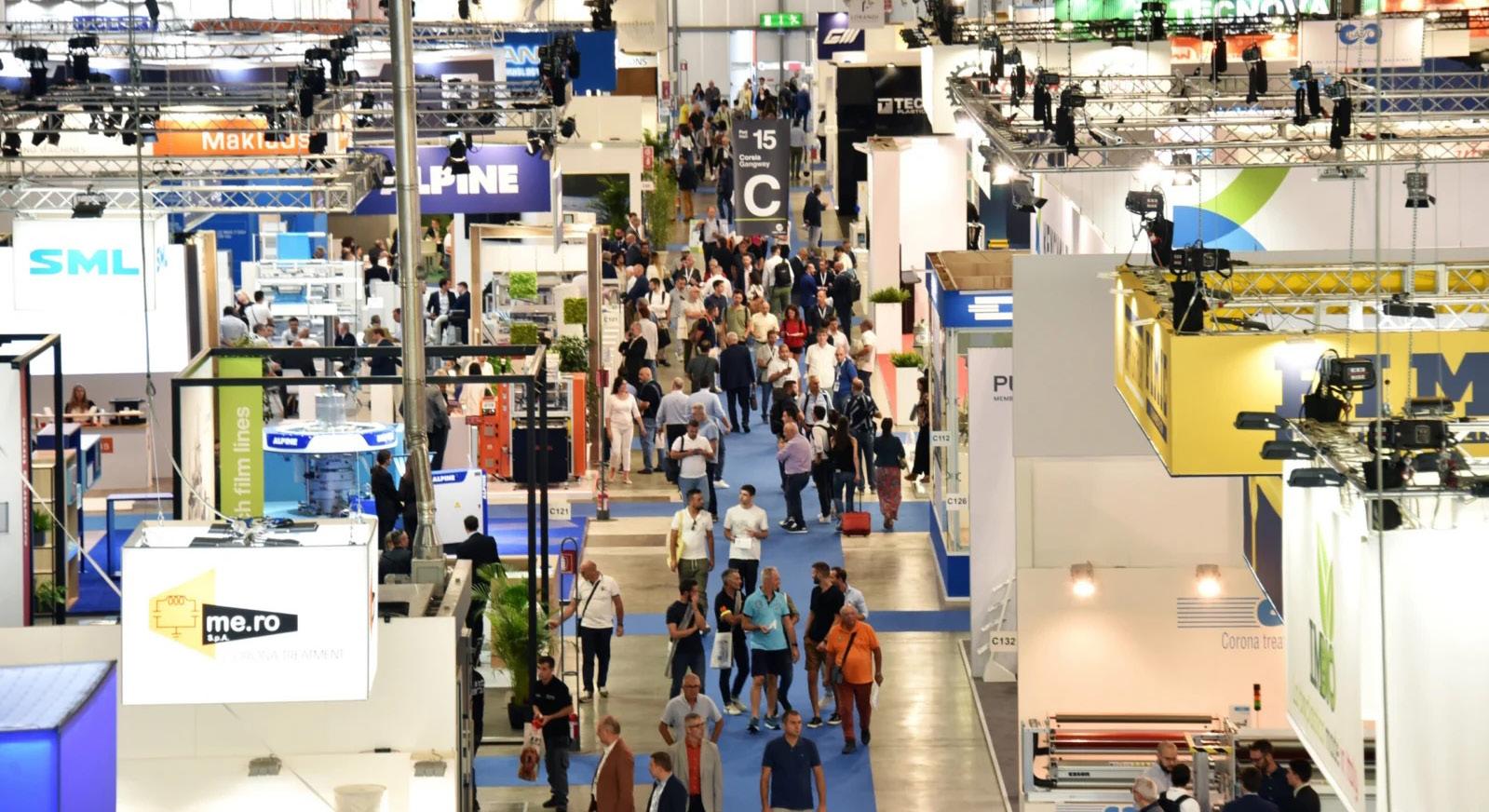
The exhibition confirms its resilience with the participation of more than 1,000 exhibitors –44% of them international companies – including 200 that were not present in the previous two editions, across an exhibition area of over 40,000 square meters. This is an even more significant figure in a context where strategic
sectors such as automotive are undergoing profound transformation. Attracting new exhibiting companies in this scenario is a concrete sign of the sector’s confidence in Plast as a platform for presenting innovations and developing business relationships.
The organization also aims to significantly increase the presence of international visitors, with representatives from the main destination countries for Italian exports, thanks to buyer delegations organized in collaboration with the Italian Trade Agency (ICE) and strategic agreements with major trade associations. More than 300 delegated companies are expected, including around seventy participants from India and a similar number from Latin America.
Throughout the entire event, the area will be animated by a continuous program of talks, presentations and discussion sessions, creating a constant flow of content focused on advanced additive manufacturing. Topics will include: new materials, artificial intelligence applied to production, computational design, distributed credit, sustainability and new industrial models.
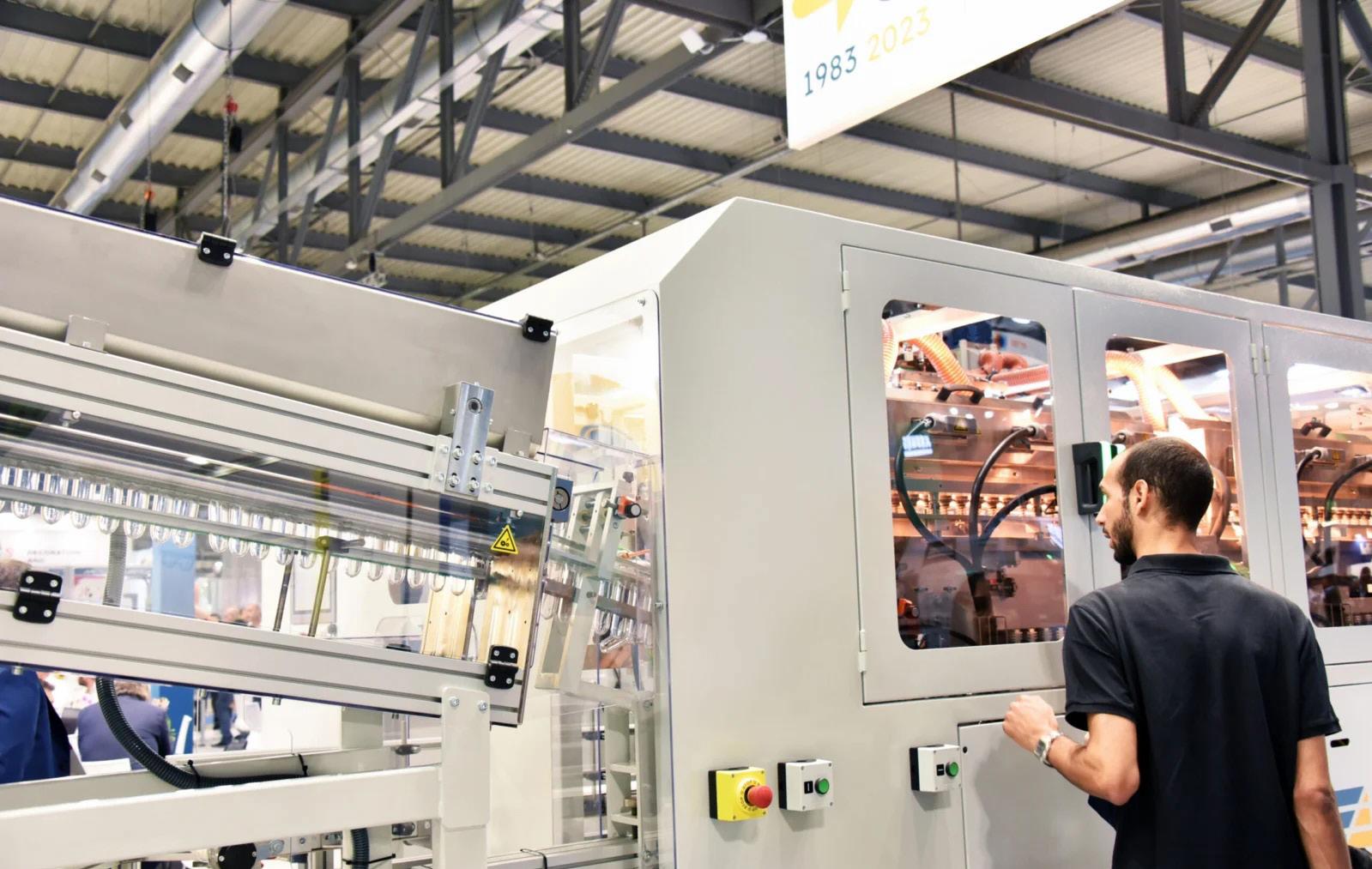
W ithin an area of more than 400 square meters, visitors will be able to interact directly with prototypes, applications and concrete projects, engaging physically or digitally with their creators.
The exhibition will be organized around four thematic areas, representing the sector’s main directions of evolution:
• Materials – new matter, new performance
• Technologies – advanced processes and machinery
• Construction systems – applications and production models
• Design techniques – new approaches to design
Each thematic area will feature an award for the most innovative project, highlighting the most advanced solutions in terms of research and application.
W ith this new format, 3DPlastLab definitively moves beyond the traditional exhibition model and establishes itself as a laboratory designed to stimulate creation and plan the long-term development of content, relationships and visions for additive manufacturing, where professionals, companies, researchers and decision-makers do not simply observe innovation, but actively generate it, plan its development and watch it take shape in real time, edition after edition.
The “Made in Europe” machinery sector is characterized by a strong export orientation, including toward emerging markets with a growing propensity for investment, and continues to play a strategic role on the global stage. Access to these markets represents a decisive lever for consolidating the excellence of European companies, particularly manufacturers of plastics and rubber processing machinery. In this context, Plast 2026 offers companies in the sector a leading showcase for the most advanced solutions, with particular attention to the challenges of technological innovation and sustainability.
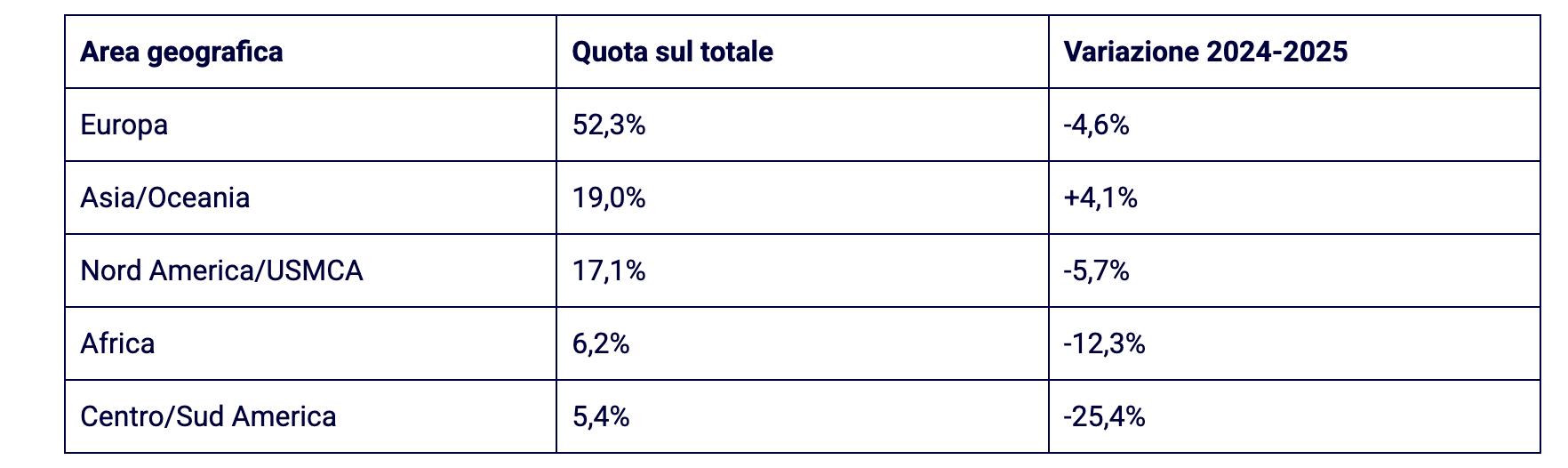
Data on Italian exports of plastics and rubber machinery in 2025, processed by Amaplast’s research office, present a mixed picture: significant declines, given the complex period, across almost all geographical areas, with the sole exception of Asia/Oceania, driven above all by China and India.
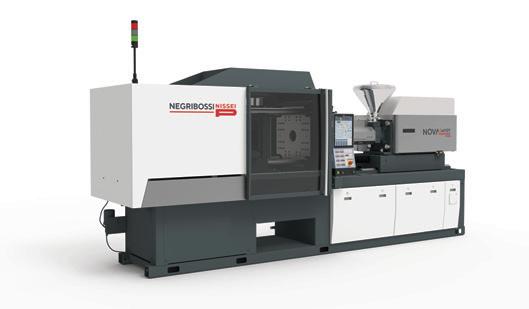
Amid global competitive pressure and market transformation, Negri Bossi is redefining its positioning by focusing on technological integration, new application sectors, and sustainability.
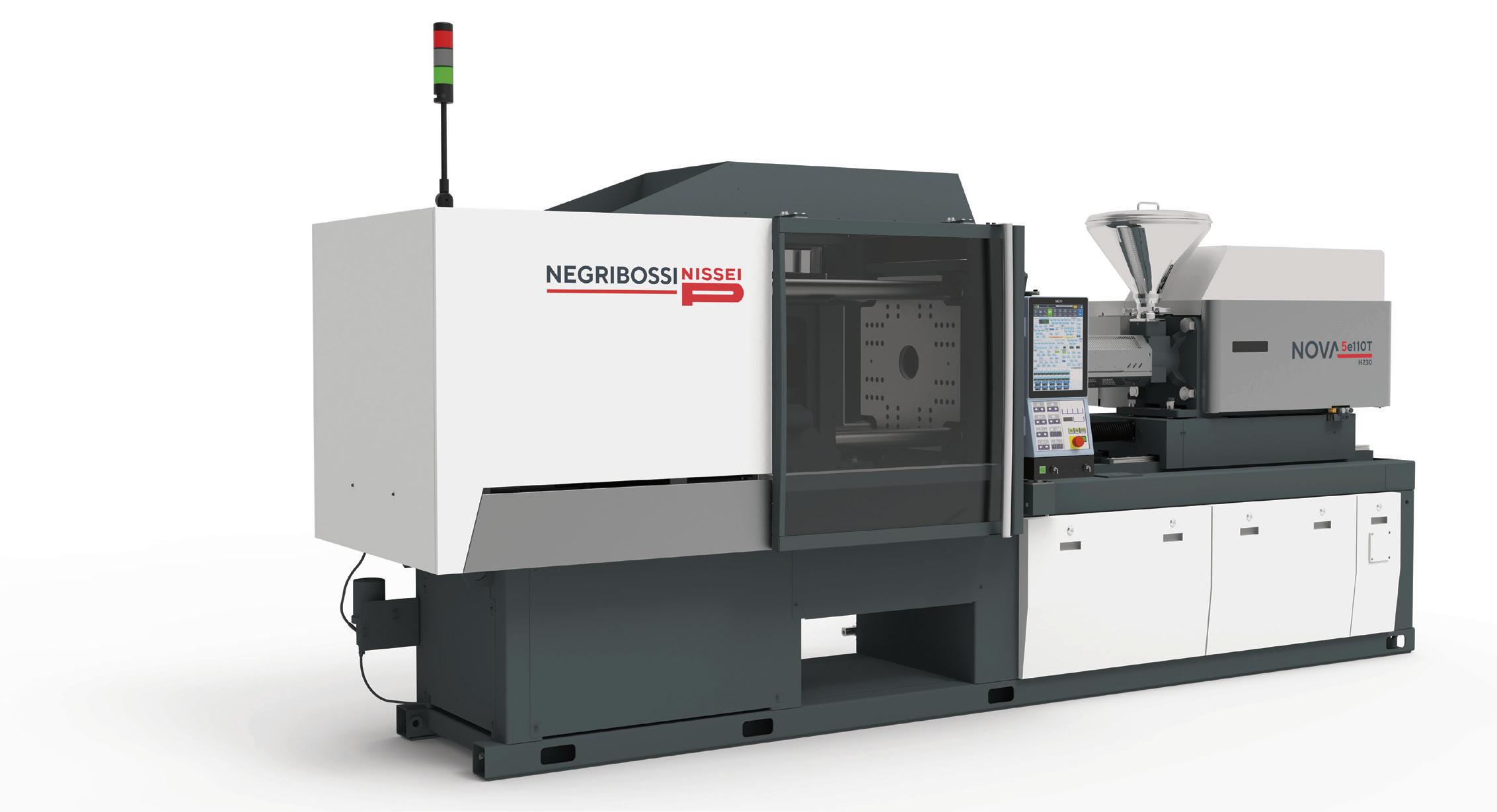
In a market context that remains uncertain and characterized by increasingly aggressive competitive dynamics, Negri Bossi approaches 2026 with a clear strategy: shifting its focus toward high-value-added solutions, technological innovation, and market
diversification. The growing pressure from international players and the downsizing of key sectors like automotive are accelerating a transformation process already underway, which now moves through new applications, materials, and service models.
In this scenario, participating in Plast 2026 represents a pivotal moment for the company: not just a commercial showcase, but an opportunity to consolidate its positioning in advanced sectors such as medical, cosmetics, and silicone moulding. The solutions presented — based on integrated full-electric presses and automation — reflect an approach increasingly oriented toward efficiency, precision, and technological integration.
La Plastica Oggi e Domani discussed these topics with Domenico Ghilardi, CEO of Negri Bossi, and Carmelo Seminara, Sales & Marketing Director of Negri Bossi.
It’s early to say, but what signals are you observing in the first months of 2026, and what are the main challenges/opportunities you foresee for your company this year? Furthermore, considering the difficulties facing various industrial sectors in Italy and Europe — such as the plastics sector — how are you navigating and addressing this context?
“At the moment, we are facing a market that remains stable at a low level, similar to the previous two years. Concretely, the main
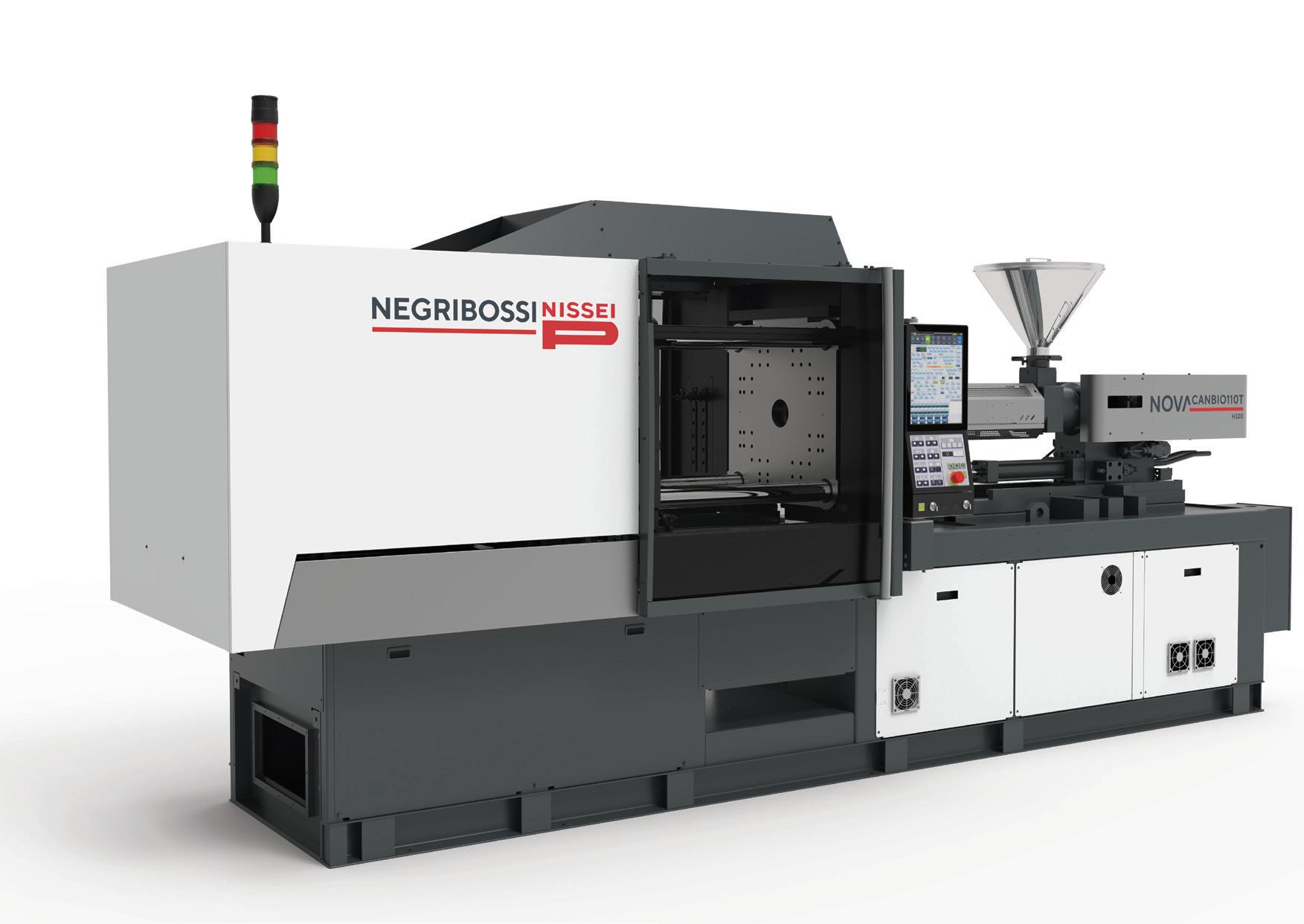
problem, both present and future, is competition from Chinese products. On one hand, they are our direct competitors as machinery suppliers; on the other, they attract the production of components directly to China, as seen in the automotive industry.
C onsequently, two years ago, we developed an industrial plan that involves a revision of our product range, oriented toward moulding high-value-added parts and high-precision components, along with ‘turnkey’ integrated moulding and automation solutions. In particular, we are focusing on solutions that involve the reuse of recycled materials through sandwich moulding technologies. We must also not forget our significant R&D commitment to Artificial Intelligence to maintain our position in the near future.
The climate of uncertainty will certainly im-
pact the year, immediately affecting investments, which tend to be postponed. However, despite marked geographical differences, there is a greater liveliness in inquiries compared to the recent past (H2 2025). We believe that, in our case, this is largely due to the expansion of our sales force in various areas, both domestically and abroad, aimed at achieving better market coverage.
A further activity to counter the current situation is the pursuit of large-scale clients who make multiple purchases (the ‘backbone’ of the NB portfolio in recent years has been SMEs, typically with single purchases), as well as entering sectors that were previously unexplored. The rise in raw material costs and the energy crisis will be the ‘game changers’ of the second half of the year, likely more negative than positive, considering
Our most successful offering today is represented by our full-electric injection presses, equipped with innovative technologies such as e-SAPLI developed specifically for the production of complex aesthetic and technical parts
that even with a swift end to hostilities, it will take time to return to normalcy. Finally, the downsizing of the automotive sector can be considered structural, an event that mandates the search for new markets and the diversification of our technical offering”.
Among your current technologies and ranges, which are seeing the most success on the market today and why?
“ Our most successful offering today is represented by our full-electric injection presses, equipped with innovative technologies such as e-SAPLI developed specifically for the production of complex aesthetic and technical parts (for example, in the medical, cosmetic, and electronic sectors). These products are implemented in companies where the technical aspect takes precedence over the economic one”.
At Plast 2026, which solutions or applications have you chosen to present, and what strategic message will you bring to the international audience? What kind of feedback do you expect from visitors?
“ In line with what was described above, at Plast we are proposing solutions with full-electric presses integrated with robots for the medical, cosmetic, and silicone moulding sectors. With these proposals, we expect to confirm and strengthen our image in these new reference sectors, without forgetting the classic moulding that has always distinguished us”.
Events like Plast continue to represent a key moment for the sector: in your opinion, what is their real value today compared to other international channels? Is the way of networking and developing business changing?
“ In all honesty, we are reflecting on the importance of these events. This year, in addition to Plast, we will be present at Fakuma and other small local fairs. We will certainly pay close attention to what happens to understand how to move forward in the future, especially in light of the numerous opportunities offered by social media and media in general”.
In recent years, you have invested heavily in updating your lines. Looking at 2026, are you working on new solutions or innovations that could mark a significant evolution for your offering?
“ Always in line with our industrial plan, we are already working on the development and use of Artificial Intelligence in our control systems, as well as all technologies related to IoT, some of which are already available.
F or the future, I would add an extract from our President Hozumi Yoda’s vision: we will contribute to the sustainable development of the industry and society by bringing to -
We are already working on the development and use of Artificial Intelligence in our control systems, as well as all technologies related to IoT, some of which are already available
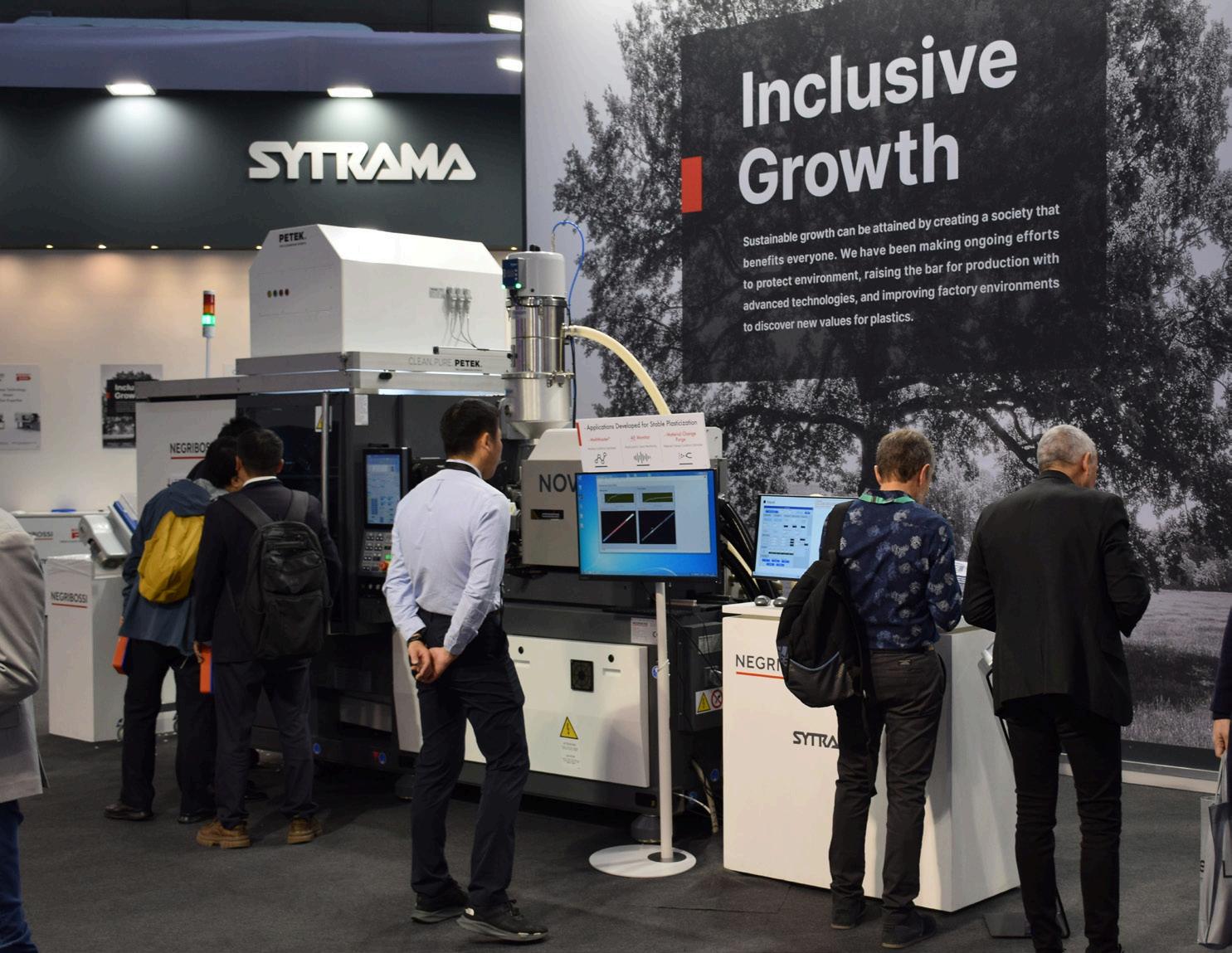
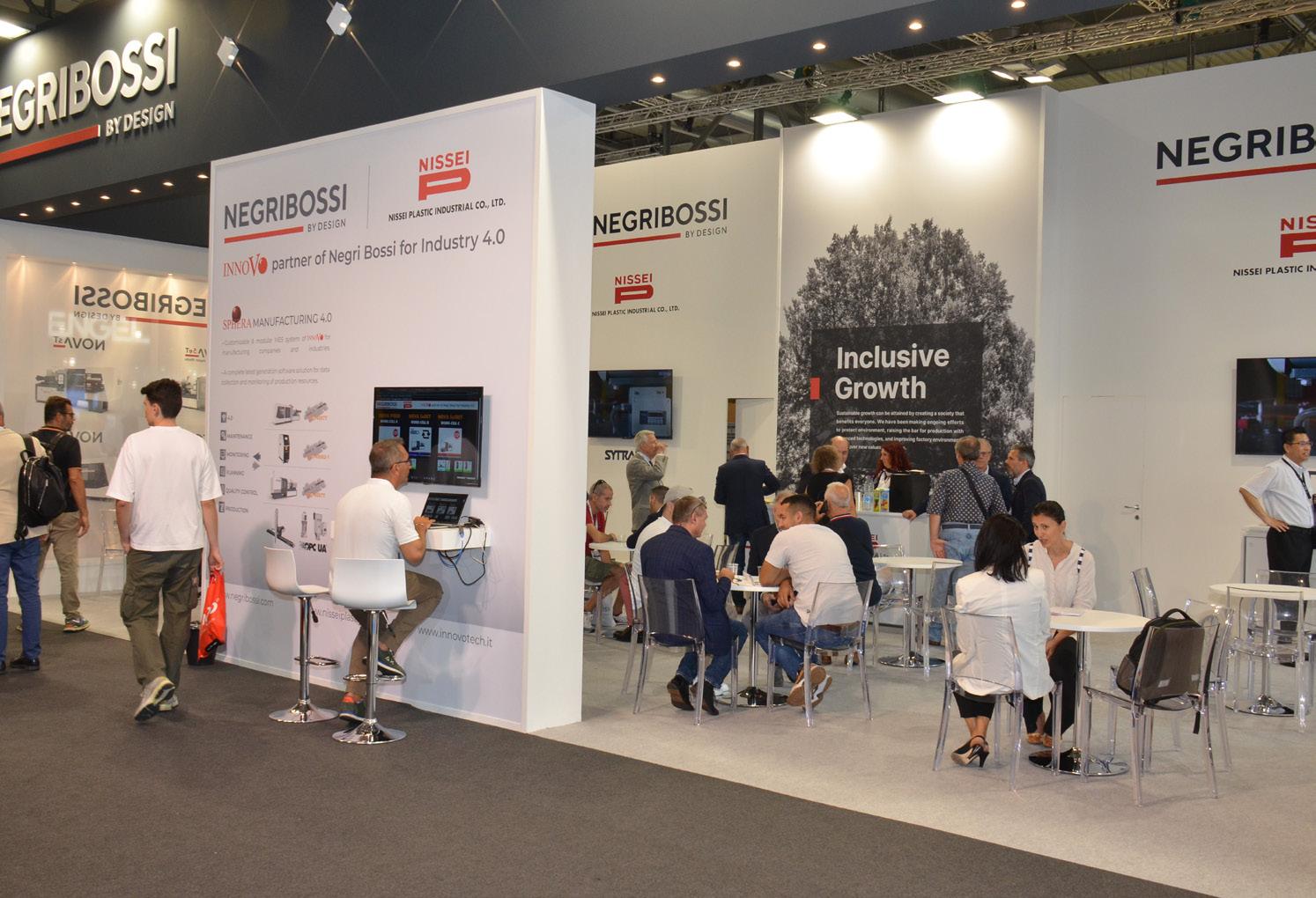
gether all the technologies, human resources, and knowledge of the Group to create new value through the Molding Global Platform.
O ur mission is not limited to short-term profits. We are aware of the responsibility to sustainably develop Japanese injection moulding technology and pass it on to future generations. We pursue sustainable growth from multiple perspectives, including the introduction of the latest technologies, investment in human resource development, and eco-friendly manufacturing. On these solid foundations, we will build a global platform that unites the expertise of the worldwide moulding industry, continuing to offer increasingly innovative solutions”.
From high-efficiency polyolefin pelletizing to the first industrial Tray-to-Tray PET solution, the company expands its integrated recycling portfolio with technologies designed to improve energy efficiency, material recovery and food-grade circularity.
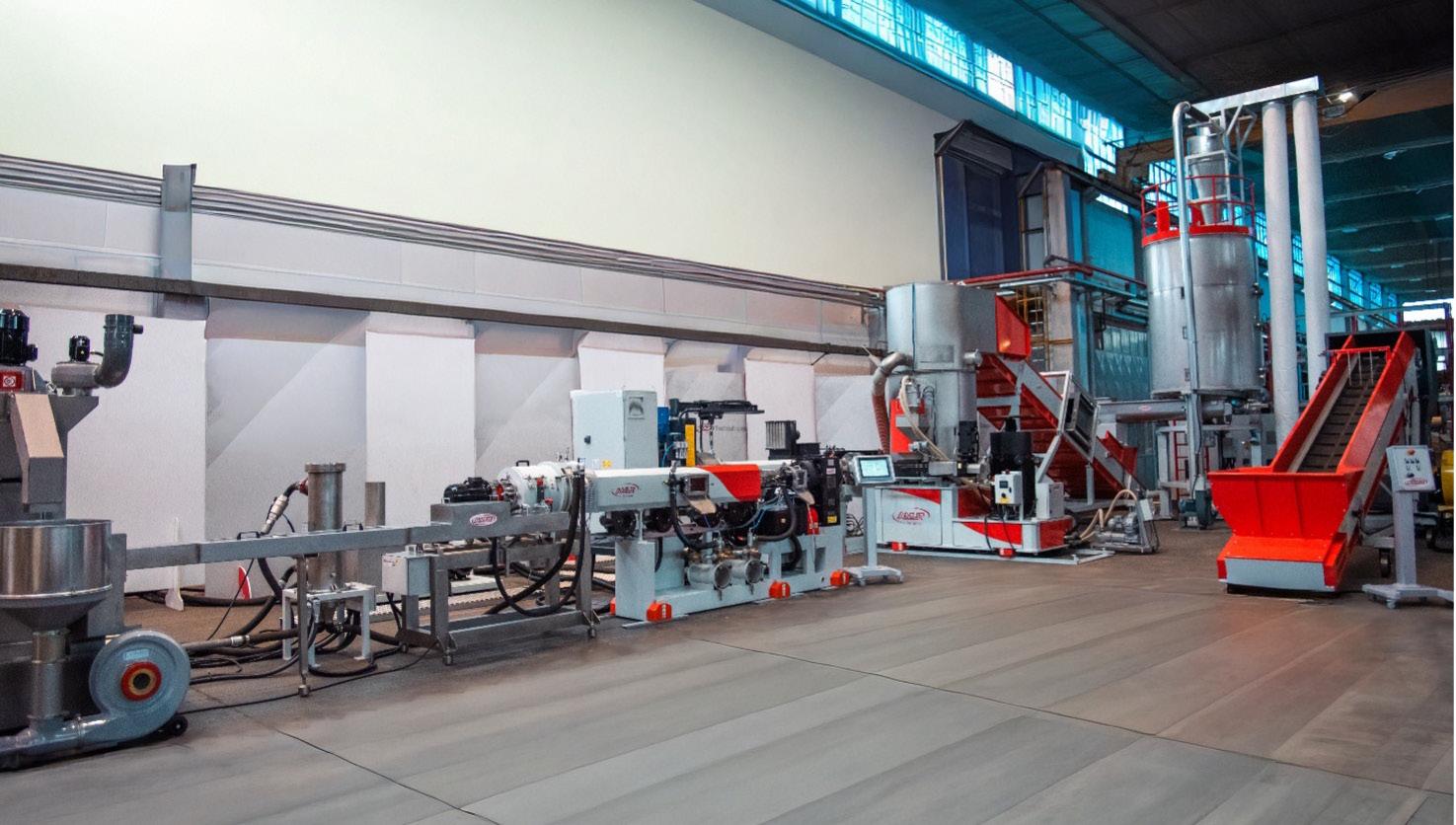
Founded in 1958 and based in Novara, AMUT is an Italian company operating globally, specialising in extrusion and recycling technologies.
The company provides integrated solutions covering the entire plastics recycling process, from the sorting and washing of PET, HDPE, PP and PE film, through to complete recovery plants, as well as customised extrusion lines for foils and sheets, waterproofing membranes, pipes, profiles and stretch film.
With installations in over 100 countries, AMUT offers turnkey systems based on advanced engineering and robust industrial design, supporting its customers in closing the plastic loop through efficient, flexible and sustainable technologies.
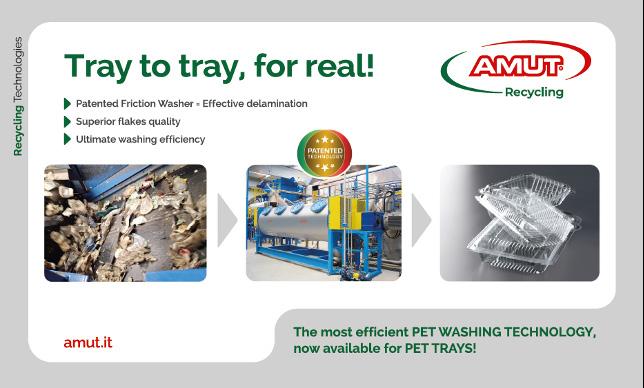
Among the new developments, the new rPO line for polyolefin pelletizing, fully integrated with the washing and sorting systems and the first industrial Tray-to-Tray solution for post-consumer PET, which enables the recycling of multilayer trays into flakes, suitable for food contact.
The new high-efficiency pelletizing line is specifically designed for processing challenging post-consumer polyolefins.
The standard setup includes the FIMIC RAS self-cleaning filter, ensuring continuous operation, excellent contaminant removal and minimal waste even with highly contaminated feedstocks.
The rPO line integrates seamlessly with the company’s proven sorting and washing systems, creating a complete “balesto-granules” turnkey solution.
This reflects AMUT’s expertise in extrusion and recycling, providing customers a fully integrated, efficient process from waste bales to high-quality recycled pellets.
In modern recycling, the key to success lies in both the final product quality and the overall energy efficiency of the process.
The pre-treatment unit significantly cuts energy consumption in the intermediate drying stage between washing and extrusion, one of the highest energy-cost areas in traditional recycling plants.
The AMUT rPO line represents a significant step forward in advanced plastics recycling, combining process efficiency, energy savings, and high output quality.
After the bottle-to-bottle PET recycling solution, successfully operating for many clients, AMUT developed a proven industrial solution for multilayer circularity: tray-to-tray PET recycling. PET thermoformed trays, while widely used for their barrier properties and shelf-life performance, are particularly challenging to recycle.
Their typical characteristics, high organic contamination, low intrinsic viscosity (IV), and elevated brittleness, lead to excessive fines generation and degraded flake quality. As a result, conventional recycling systems often struggle to process them efficiently, resulting in poor yield and limited economic viability. What we propose today is a proven technology able to handle up to 50% of multilayer trays in the input stream, without requiring pre-sorting. AMUT’s patented Tray-to-Tray recycling technology marks a breakthrough that transforms these challenges into a new industrial reality. After years of dedicated R&D, this system is no longer a laboratory promise: it is fully operational at industrial scale, proving its effectiveness and economic viability in real-world recycling plants. The most efficient PET washing process is now available for multilayer trays.
At the heart of this innovation is the Patented Friction Washer, which enables mechanical delamination of multilayer structures during the washing stage. The result is the highest yield process producing clean, high-quality hot-washed flakes, that meet the rigorous standards required for producing new PET sheets suitable for food-contact applications.
HALL 13 - STAND P33/R26
At Plast 2026, RadiciGroup is presenting advanced low-environmentalimpact solutions for the electrical and electronics, e-mobility, and plumbing and heating sectors. Emerging from the global, customeroriented approach is a crucial challenge: to innovate the design process and expedite the transition from metals to engineering polymers.
by Eva De Vecchis, Alessandro Bignami
In an increasingly unstable international context, amid geopolitical tension and supply chain criticalities, the engineering polymers sector faces complex challenges, but, at the same time, there are also new opportunities for more advanced companies. With Plast 2026 on the horizon, RadiciGroup High Performance Polymers – expert in the manufacture of engineering polymers – has turned it its focus to certain key sectors. Its solutions targeted at electrical and electronics, automotive, and plumbing and heating applications combine high performance, customization and low environmental impact, and also include recycled and biobased products. What is more, the message goes beyond state-of-the-art products: at the core of RadiciGroup High Performance Polymers’ offerings are its competence in design and ability to collaborate with its partners on rethinking their parts.
Today, the greatest challenge is not just technical – it is cultural: how to convince those who still use metals, such as aluminium and brass, to change their approach and adopt engineering polymers as a viable and sustainable alternative.
Just before Plast 2026, we spoke to Erico Spini, global marketing manager of RadiciGroup High Performance Polymers, as well as one of the most highly regarded Italian experts in metal replacement”.
HALL 9 - STAND B23 C18
Mr. Spini, how are you preparing for Plast 2026 in Milan and what sectors are you concentrating on?
“The key message we are bringing to the trade fair focuses on innovative high-performance materials for strategic markets, with special at-
tention to sustainability, which is still one of the main drivers, especially in Europe.
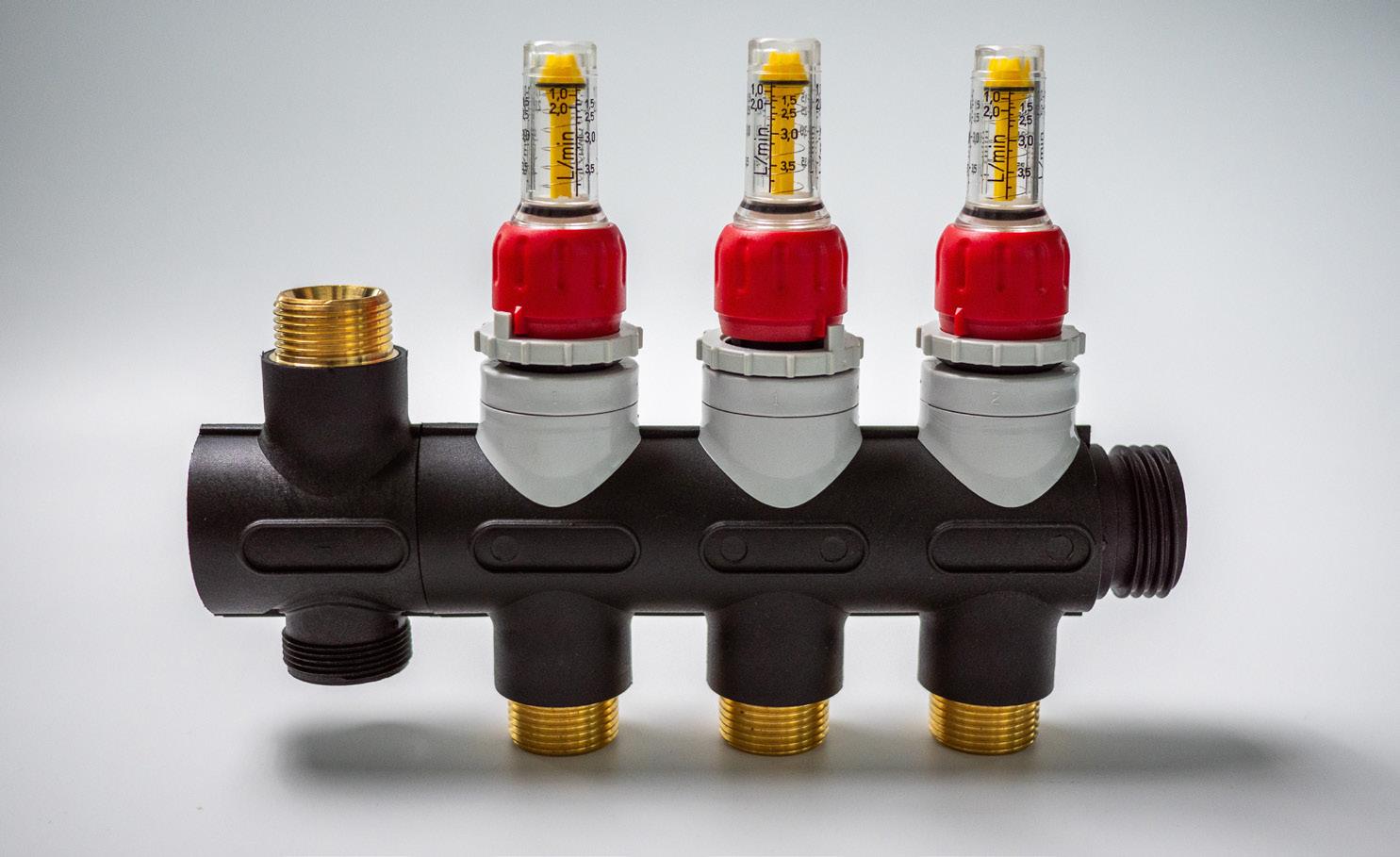
Firstly, for the electrical and electronics sector, we are displaying a power distribution system consisting of several components. The system utilizes our most recent and innovative products: different grades of flame-retardant materials. We are talking about special PA66 - and PPA-based materials – from custom-coloured, unfilled and glass-fibre-filled grades to polyphthalamides for even more performance-oriented applications.
These products are part of the Radiflam® series,


which is our brand for flame-retardant thermoplastics: Radiflam® A FRX, a polyamide 66 with high thermal performance, available in grey; Radiflam® ARV300HF and ARV350HF, also customized in grey for customers; and Radiflam® Aestus T2 RV300HF, a 30%-glass-fibre polyphthalamide in graphite grey, suitable for components subject to high electrical and thermal stress. All the products are free of halogen and red phosphorus. Many of the products that we are selecting for the fair have been custom formulated for our customers and, thus, are the result of our Research and Design’s experience and skill. We would also like to highlight not only our expertise in designing materials but also our flexibility, which is one of the top features of the way we work.
The electrical and electronics industry is strategic for us, and we expect it will be expanding in the coming years. This is why we are investing in a range of products certified according to international standards”.
Continuing with the electrical sector, for some time you have been developing advanced solutions for sustainable mobility. Where are you now on this front?
“We know very well that the electric vehicle
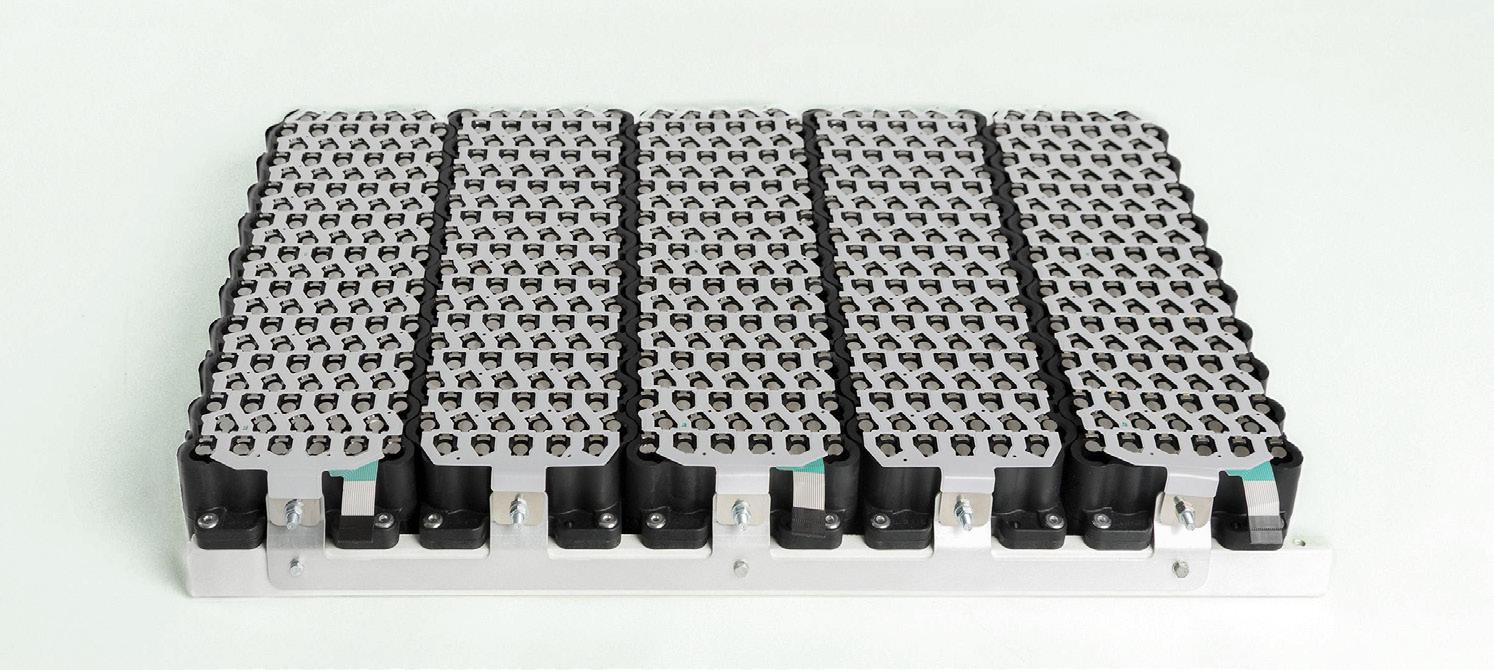
market in Europe is not advancing rapidly, particularly in Italy. Nevertheless, we believe the future is moving in that direction. For this reason, at Plast 2026 we are showcasing a demonstrator, which, among other acknowledgements, received an award last year from the Society of Plastics Engineers. The part is a battery module support made of a special flame-retardant grade of our material Renycle®. We collaborated with a partner company that was responsible for the system design, while we contributed by choosing the material, taking into account its sustainability. The material used, Renycle® S GF 2501 HF0 in black, contains a percentage of recycled polymer and demonstrates a lower environmental impact than an equivalent product made of virgin polymer. The Renycle® grade underwent various mechanical tests and passed with very positive results. The product we are bringing to the fair is thus a demonstrator, a tangible example of the results that can be achieved with these materials.
Regarding the Renycle® brand in general, we now have available a very wide range of mechanically recycled products that are already used in mass production, chiefly in the automotive and office furnishings sectors”.
Are you exhibiting any applications for electric vehicles at the fair?
“Yes, we are. In particular, we are presenting a self-balancing personal transporter, a twowheeled electric vehicle designed to redefine the standards of mobility, from the medical sector to urban micromobility. The project was developed in collaboration with Genny Factory SA, the designer and manufacturer of the vehicle, and Acerbis, a specialist in moulding parts made of engineering polymers. It is an innovative, inclusive and sustainable solution, a significant example of a real collaboration among partners.
By using our engineering polymers on this vehicle, we managed to achieve a reduction in weight of 45% compared to the prior version made of metal. We replaced both structural and aesthetic parts. For the seat, we used Radistrong® with high mechanical properties, 50% glass fibre and UV stabilization. For the redesign of the frame from metal to plastic, we worked with a 30%-glass-fibre-filled polyamide 6. For the body exterior, we selected a PA6/ABS blend from the Radilon® Mixloy family, available in different colours and tested for UV resistance to ensure the integrity of the product during exposure outdoors. Other than lowering the weight, the change from metals to engineering polymers allowed for improvement in both design and performance. This is a clear example of what we can do in other industries where metal is still widely used.
At the fair, we will be pleased to meet with our customers and visitors and go into greater depth on the metal replacement concept. The sustainability results can be understood by analyzing the entire life cycle of the products, starting from energy consumption during the part production stage. For vehicles, higher energy usage is caused by the heavier weight of metal components. The overall reduction in environmental impact may reach from 20 to 30%”.
What can you tell us about your applications in the plumbing and heating sector?
“This is another strategic field for us. At the fair, we are presenting components made of our leading products, like Radistrong® Aroma and Radilon® Aestus T1, for which we have recently updated our certification according to the German standard KTW-BWGL for contact with drinking water up to 85° C. We are also promoting a partially bio-based product, a Radilon® D under the brand name Bionside®. Today we have a significant number of approvals at our disposal and want to further strengthen our presence in this sector. To get established in this field, rigorous approvals and in-depth technical characterizations are required, because we are dealing with high-end components that have to replace those made of metal and, thus, have to ensure a useful life of up to several decades. The goal is to progressively replace metals such as brass, which often contains lead for improved
The battery module for electric vehicles, made with mechanically recycled Renycle® polyamide
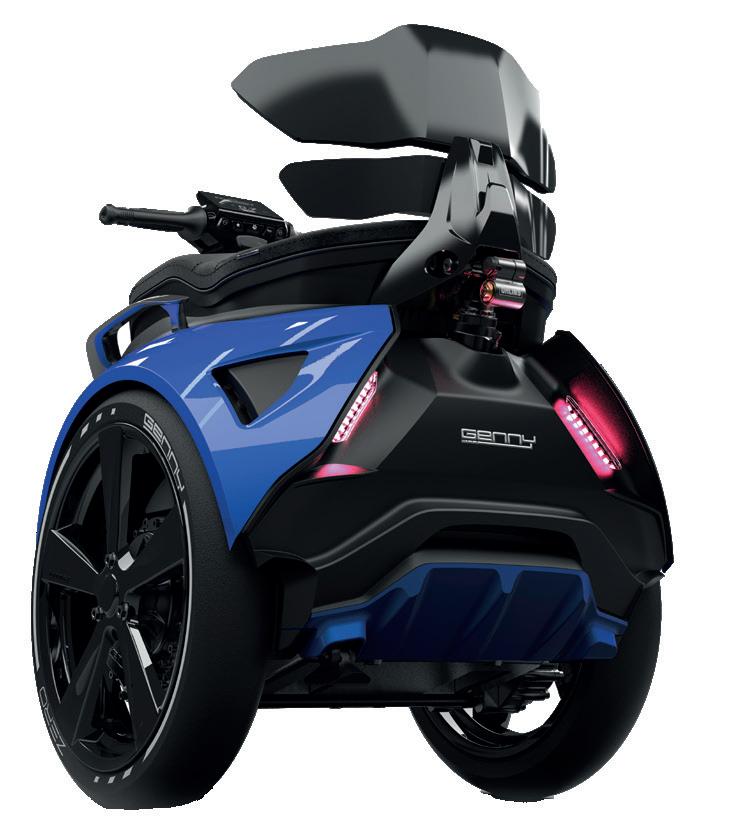
The Genny Zero self-balancing twowheel electric vehicle, created through the collaboration between Genny Factory SA, RadiciGroup and Acerbis
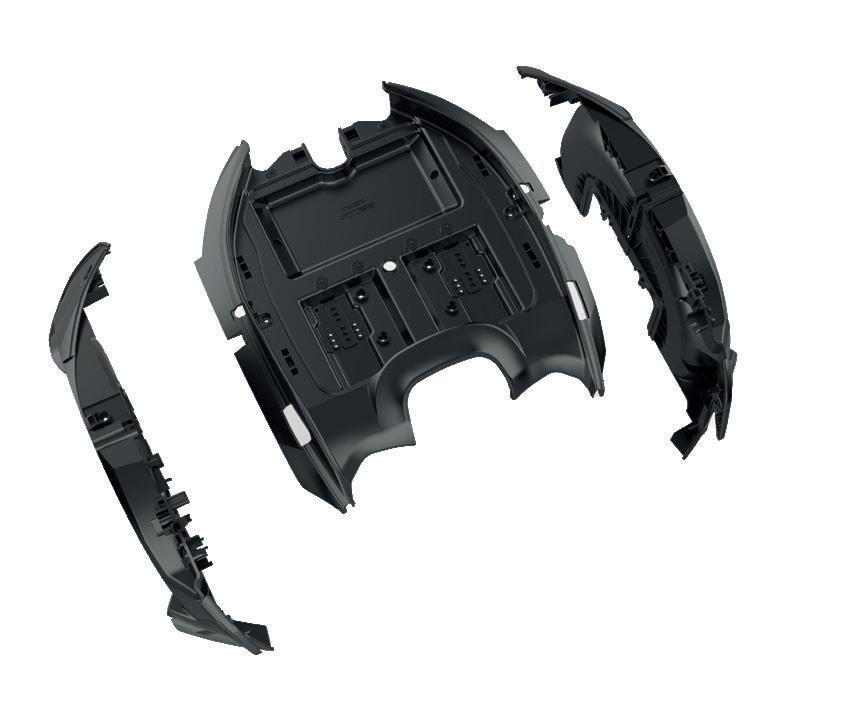
processability and, consequently, is under scrutiny to determine its toxicity and safety. In this sector, we are also working with high-performance materials, often reinforced with glass fibre to meet the requirements of the plumbing and heating sector.
To sum up, we are bringing the essence of our know-how, increasingly more oriented to combining innovation, high performance and sustainability, as required today by our most strategic international markets”.
At Plast 2026, Greenchemicals presents an integrated vision where technology, advanced materials and sustainability come together to shape the future of the plastics and converting industry.
Trade fairs are like theatre: there is a moment in the spotlight when each company introduces itself and showcases its latest innovations, and there is an informal hall where people exchange ideas and build relationships. Greenchemicals is arriving at Plast 2026 with both aspects clearly in mind and with something new to present in each area. The Desio-based company, which specialises in producing additives and flame retardants for plastics, has always prioritised personal contact as one of its core values. This is reflected in the design of its stands, the way it builds partnerships and the events it organises for industry professionals. Visit the PLAST stand to see for yourself.
ITA Polymers is born. Meet the new network of Italian companies
Greenchemicals will welcome visitors to Hall 9, Stand B100-B104, with a major announcement: the official launch of ITA Polymers, the network of companies established in spring 2026 with Greenchemicals as the lead organisation.
The network also includes Celloplast, DIAP, GF Plast, MIFE, Pick Up, Polichem and Seta Polymers; complementary companies that together cover a large part of the Italian plastics supply chain.
The project’s ambition is clear: to present itself on the international stage as a single point of contact offering tailor-made solutions for a wide range of applications, combining the quality and flexibility typical of Italian small and medium-sized enterprises with the strength of a structured network.
One of the network’s strengths is its coverage of the entire circular supply chain: plastic scrap and industrial waste are collected and transformed into certified secondary raw materials, from which recycled compounds, functional additives and colour masterbatches are produced, ready to re-enter the production cycle. Every stage is traceable, every output certified, with a single point of contact for the customer. Further information is available at www.ita-polymers.it.
The stand as a statement: conviviality, bio-based materials and additives under one roof
The network of companies is also the most complete reflection of how Greenchemicals approaches its work: solid relationships, valuable partnerships, and constant attention to customer needs. These are the very principles that guided the design of stand B100-B104, conceived not merely as a display area but as a
meeting space. The idea is to welcome new and existing customers into an environment where they can discuss business at their leisure, sit down to consider practical solutions, and perhaps round off the day with an aperitif and a more relaxed conversation. Even the stand’s design says something about the company’s identity. The stand has been constructed using recycled materials. A detail consistent with the commitment to sustainability expressed by all eight companies in the network. Completing the picture are giveaways designed to last beyond the fair: hydroponic towers containing aromatic herbs and vegetables. These are the result of a collaboration with 13 Design and will first be grown at the stand, before being moved to the company premises. There will also be a selection of seedlings to give to visitors.
Polymer Additives Academy: continuing professional development
For those wishing to explore the world of additives beyond the trade fair, the Polymer Additives Academy – now in its fourth year – offers the perfect opportunity.
The format remains the same as in previous years: free workshops open to industry professionals and university students, focusing on the most relevant and up-to-date topics.
Three themed afternoons are scheduled for 2026: fire safety & building on 10 September at SUPSI University in Mendrisio, phase-out & sustainability on 29 October at the Politecnico di Milano, and plastic recycling on 26 November at the Polichem facilities in Garlasco. The scientific committee comprises Micaela Lorenzi, CEO of Greenchemicals, Massimo Ricci of KraussMaffei Extrusion, Andrea Castrovinci of SUPSI University and Lidia Castoldi of the Politecnico di Milano.
HALL 9 - STAND B100/B104
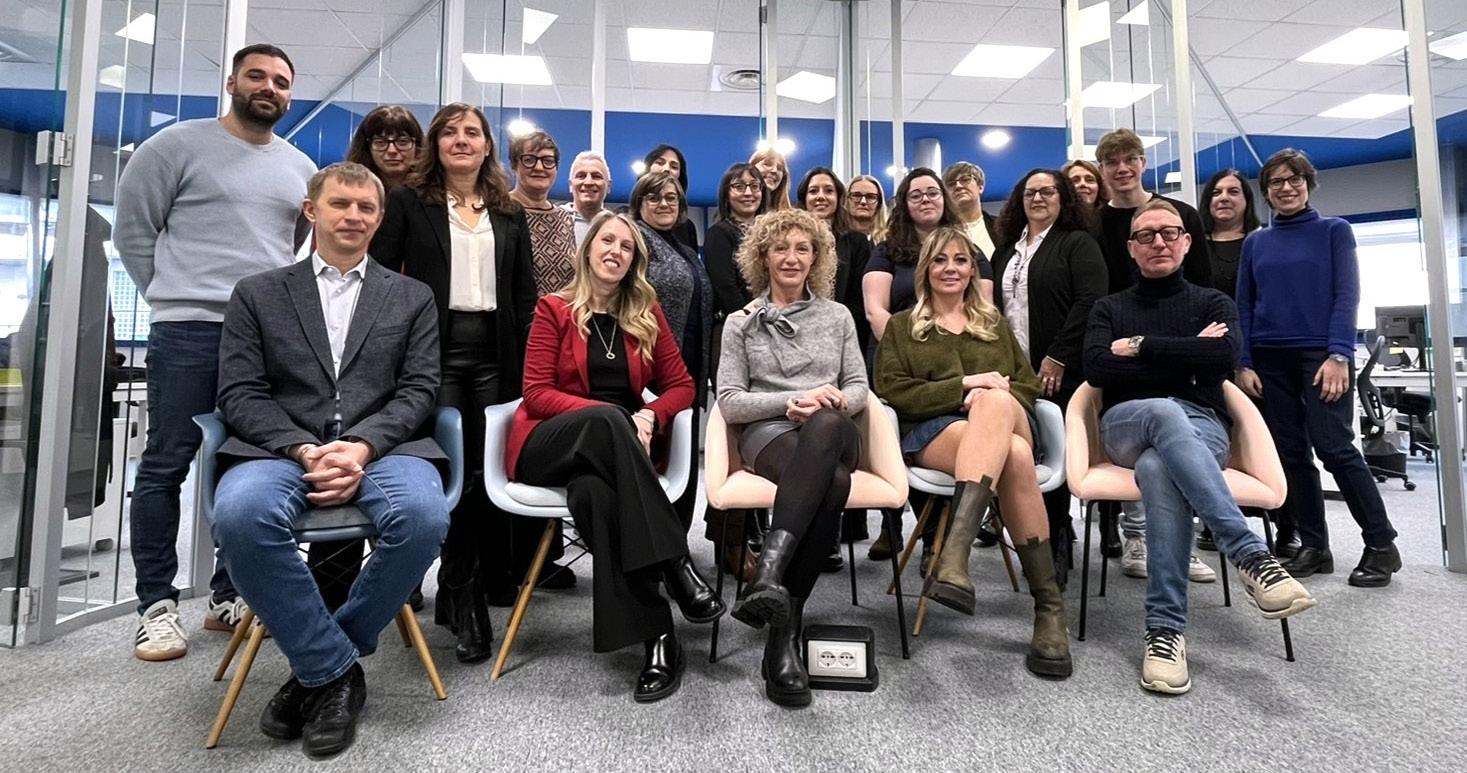
To meet the increasingly stringent demands of the extrusion industry, BD Plast presents two complementary solutions capable of supporting the growing complexity of production processes, without compromising sustainability and competitiveness.
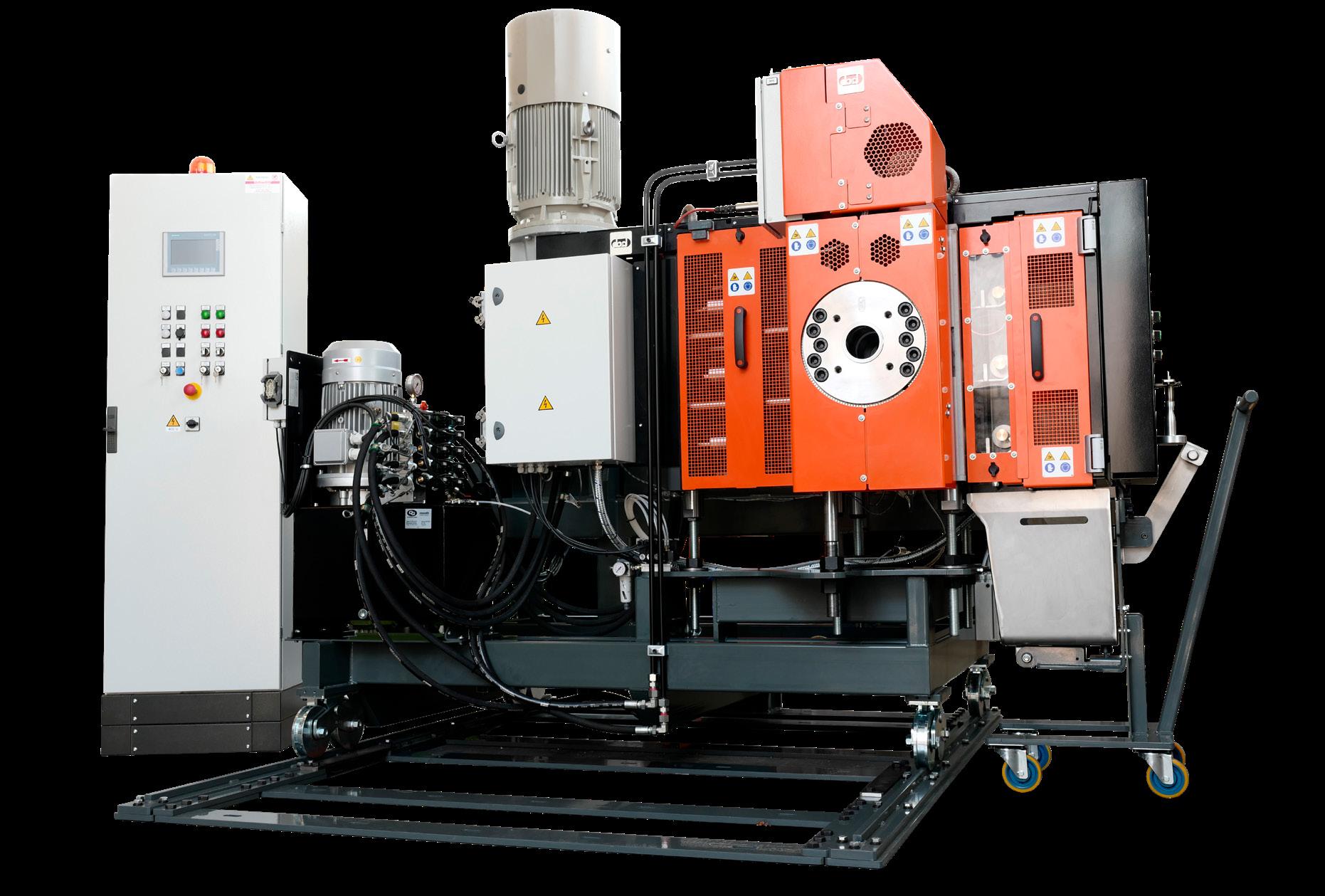
In today’s industrial landscape, talking about sustainability no longer means limiting oneself to statements of intent or principles. Today, sustainability requires concrete evidence, measurable results, and a
technological vision capable of truly impacting production processes. In this constantly evolving scenario—where efficiency and environmental responsibility must necessarily coexist—BD Plast stands out as one of the
most dynamic and relevant players in the field of plastic extrusion filtration, making a tangible contribution to the transition toward a more efficient, resilient, and sustainable industry.
he company, based in Emilia-Romagna, has built over time a solid and coherent path founded on a clear principle: integrating sustainability and performance without compromise. This approach translates into a design philosophy aimed at improving the entire polymer processing cycle, with the goal of reducing waste, optimizing resources, and increasingly enhancing the use of recycled materials, even in the presence of complex contaminants. It is not simply about improving machine performance, but about redefining the role of technology within a supply chain that demands ever greater efficiency and quality.
t the center of this technological evolution is CleanChanger®, the patented self-cleaning screen changer that represents an advanced combination of automation, production continuity, and intelligent process control. This solution was developed to meet the increasingly stringent demands of the extrusion industry, where operational continuity and material quality are crucial factors. Thanks to its automatic backflush cleaning
BDOx2 with 140 mm filter elements and BDVD 75 diverter valve
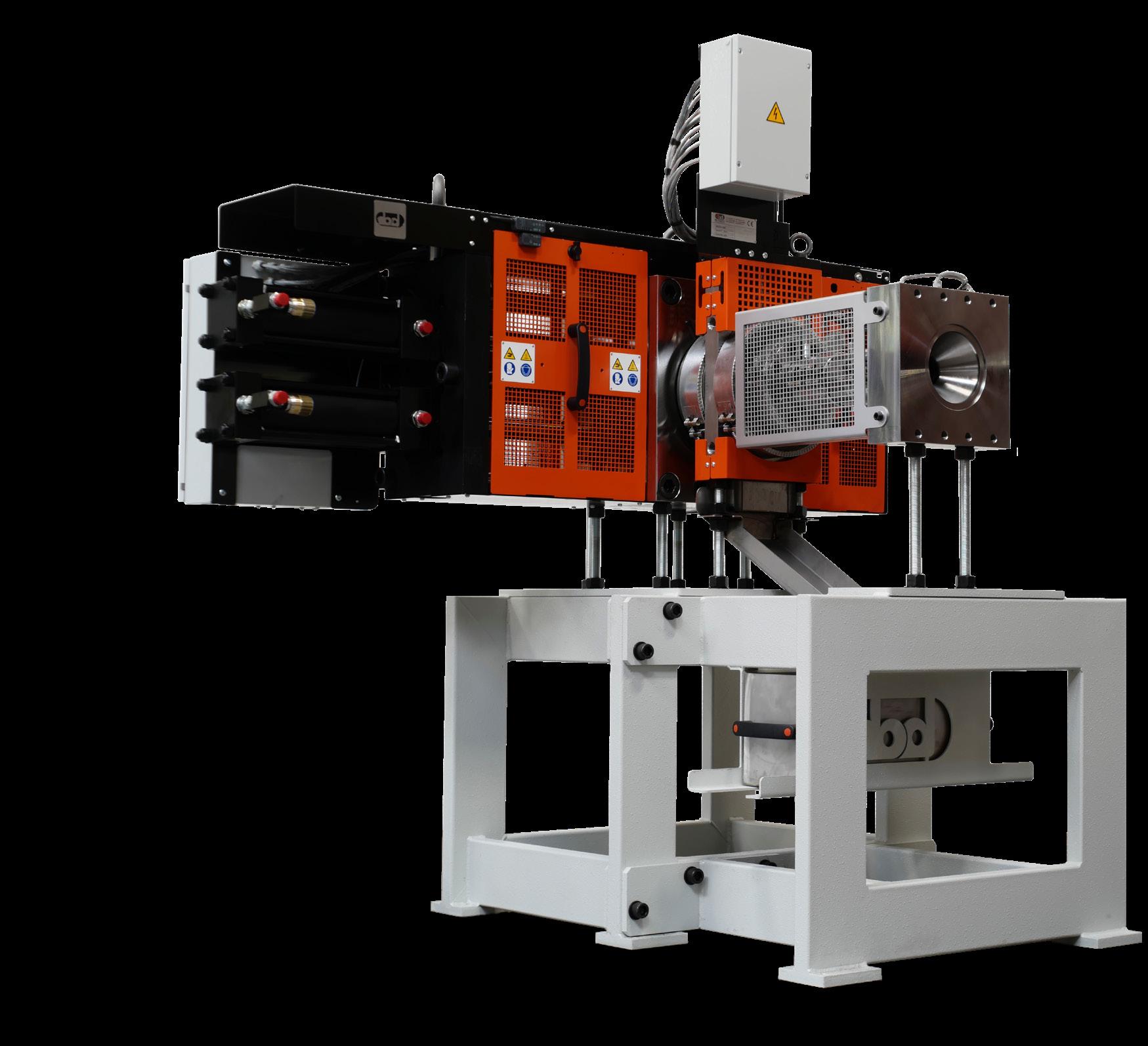
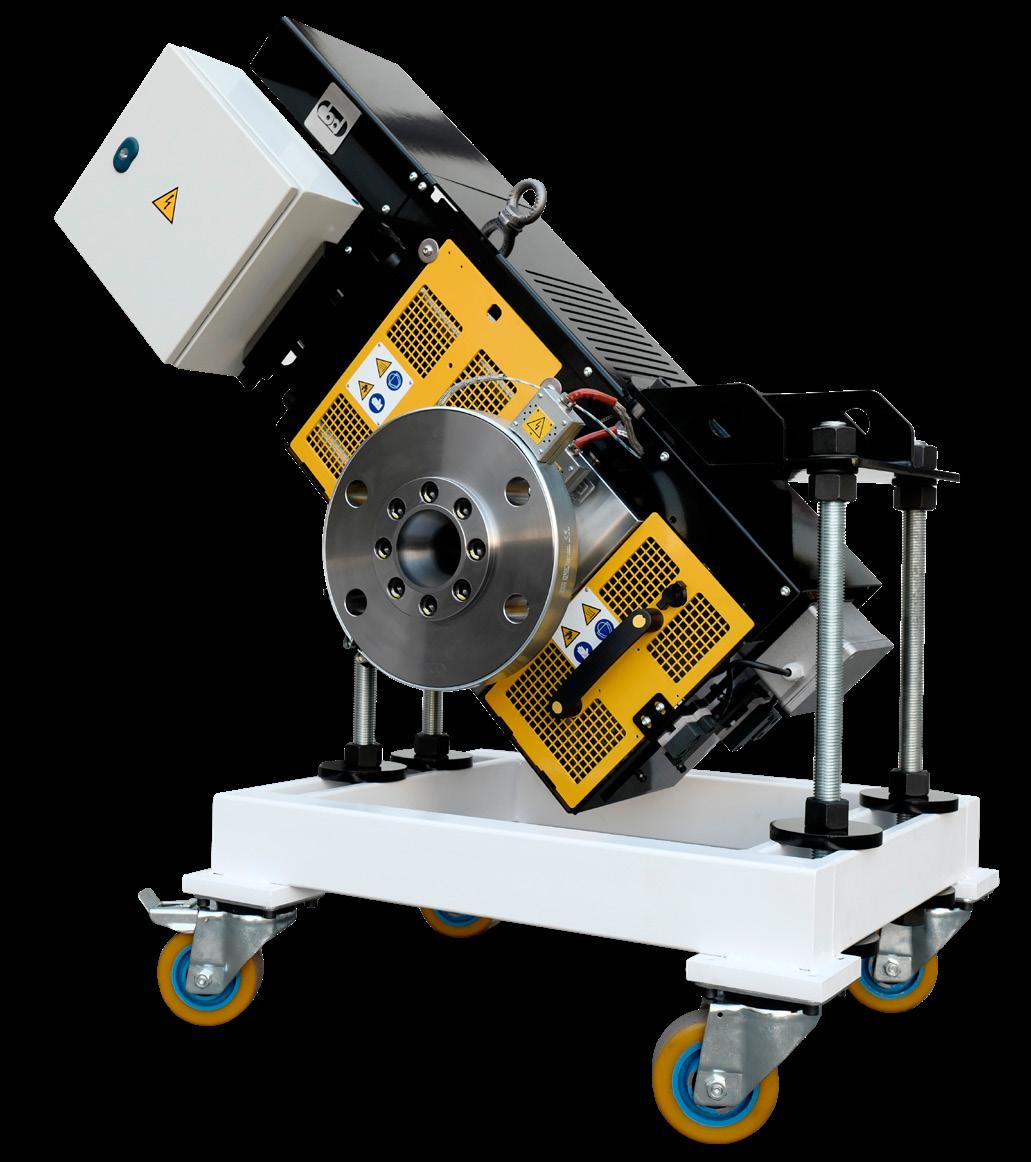
BDOx2 with 80 mm filter elements inclined at 45° system, CleanChanger can operate without interruptions, eliminating the need for frequent stops for replacing or cleaning filter elements.
The benefits are numerous and extend far beyond operational aspects. Reduced machine downtime translates into a significant increase in productivity, as well as a decrease in production waste and more efficient use of raw materials. At the same time, the longer lifespan of filter elements helps reduce operating costs and overall environmental impact. In this sense, CleanChanger is not just an advanced technical solution, but a true enabler of sustainability, capable of simultaneously improving both economic and environmental performance.
“Today, industrial innovation only makes sense if it can generate a concrete impact: reducing waste, improving efficiency, and making recycling increasingly competitive”, says Dino Boicelli, Corporate Manager of BD Plast. “Our technologies are designed precisely with this objective—to guide customers toward measurable and
continuous sustainability”. Alongside CleanChanger, BD Plast offers BDOx2, a compact, flexible, and high-performance solution for continuous extrusion.
Designed to adapt to various plant configurations, BDOx2 ensures high-quality standards even in particularly complex applications, such as blown film. Its versatility allows effective handling of materials with varying levels of contamination while maintaining process stability and final product quality.
T hese two technologies, although different in features and applications, are highly complementary and represent a concrete response to the needs of a sector increasingly oriented toward automation, efficiency, and quality control.
Their shared objective is to provide solutions capable of supporting the growing complexity of production processes without sacrificing sustainability and competitiveness.
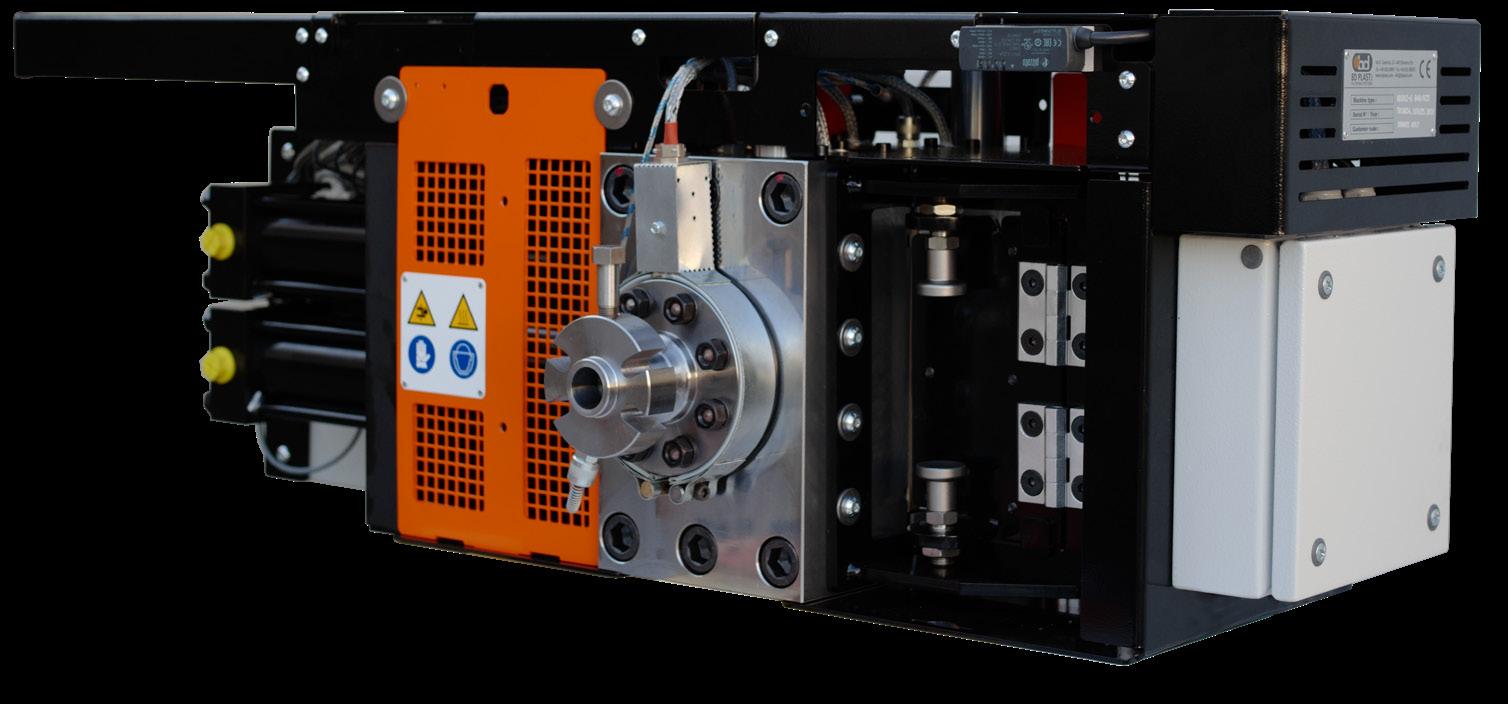
Self-cleaning continuous-flow screen changer CleanChanger with 120 mm filter elements and BDVD 100 diverter valve (downstream view)
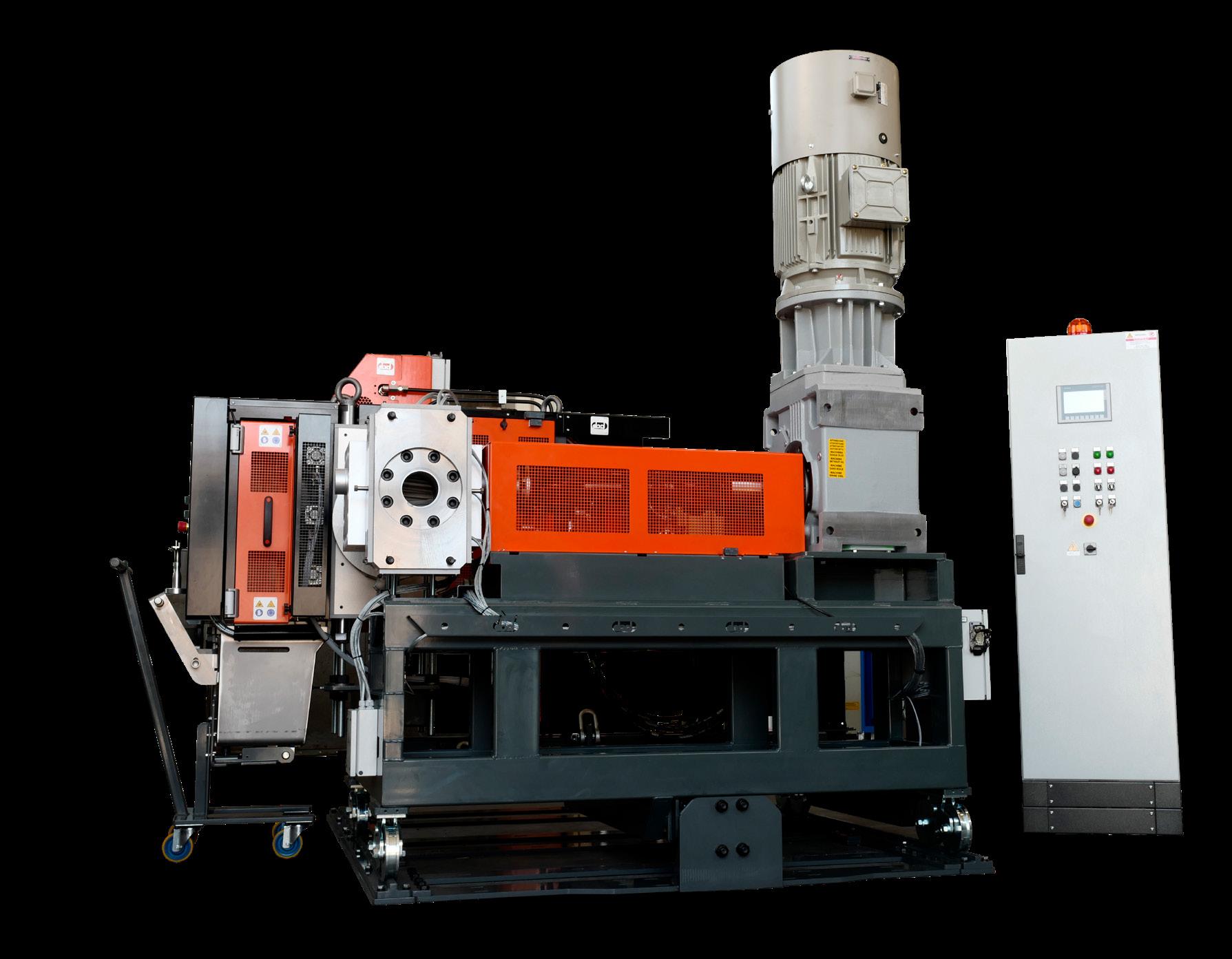
Another distinctive element of BD Plast’s approach is the integration of Industry 4.0 principles into its solutions. Filtration systems are equipped with advanced remote control and monitoring technologies, allowing real-time analysis of process parameters, performance optimization, and prompt intervention in case of anomalies. This level of digitalization not only improves operational efficiency but also enables the collection of essential data for continuous improvement and more conscious resource management.
BD Plast’s vision is also reflected in its active participation in major international industry events—key opportunities for exchange, technological updates, and market dialogue. The company will be present at PRSE, Plast Milano, and Equiplast Barcelona, where it will exhibit at its partner WTS’s stand. These occasions serve not only as a showcase for its solutions but also as opportunities to strengthen relationships, share expertise, and actively contribute to the development of an increasingly sustainable and innovative plastics industry.
BD Plast’s commitment to sustainability goes beyond the strictly production-related sphere. The company promotes concrete initiatives involving both the environment and communities. The project “Seeds of Change – The BD Plast Forest” is a significant example: a reforestation initiative developed in col-
laboration with Treedom, demonstrating the company’s commitment to actively contributing to environmental protection and the creation of shared value. At the same time, investments in renewable energy at the Bondeno plant represent a further step toward reducing environmental impact and building a more sustainable industrial model. In a global context where plastic recycling requires increasingly advanced, reliable, and high-performance technologies, BD Plast demonstrates how innovation and sustainability can go hand in hand. The company does not merely follow change—it actively helps drive it, transforming industrial technology into a true engine of evolution and progress. Looking ahead, the challenge will be to continue developing solutions capable of meeting the needs of a constantly evolving market, while keeping efficiency, quality, and environmental responsibility at the core. In this journey, BD Plast positions itself as a key technological partner for all those organizations aiming to approach the transition toward a more sustainable, competitive, and innovation-driven industry with awareness and expertise.
Self-cleaning continuous-flow screen changer CleanChanger with 180 mm filter elements
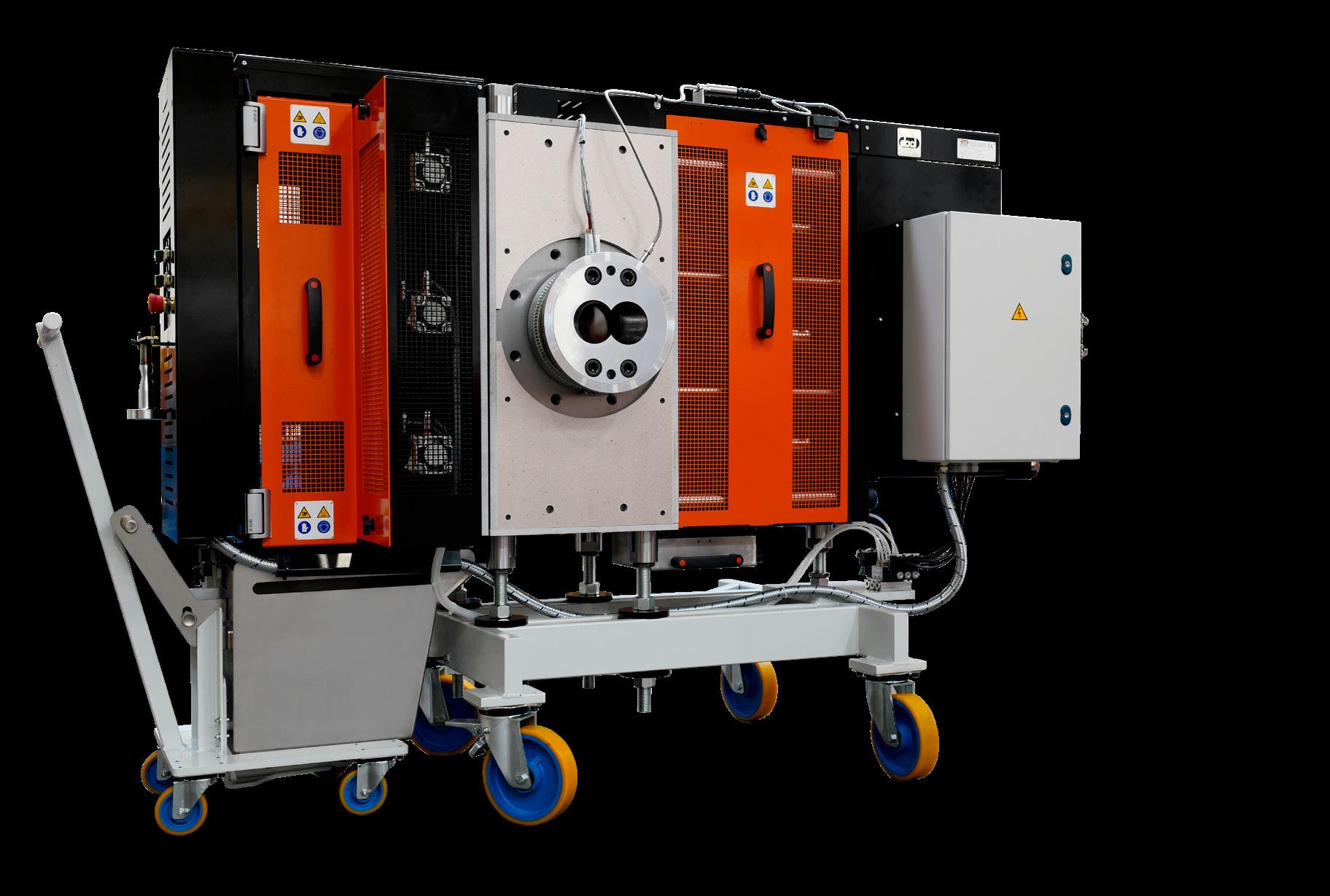
Precision in dosing means consistency in production: the company develops automated weighing solutions that enhance quality, reduce waste and support Industry 4.0 integration.
In the rubber and masterbatch industry, process stability is a true competitive lever. Even minimal deviations in weighing can propagate across the entire production chain, impacting compound performance, color consistency, mechanical properties, and ultimately customer satisfaction. In this context, precision and repeatability in automatic weighing systems become critical success factors.
A lack of repeatability introduces variability that directly affects product quality. In masterbatch production, inconsistent weighing of pigments or additives can lead to color deviations that may not be immediately visible but emerge during downstream processing. In rubber compounds, even slight fluctuations in ingredient ratios can alter the technical characteristics of the final product. The result is a cascade of inefficiencies: batch rejections, manual corrections, and higher consumption of raw materials.
Beyond material waste, companies face longer setup times, reduced throughput, and increased dependency on operator intervention. Over time, this erodes process reliability and limits scalability, particularly in high-volume or high-value production environments.
To address these challenges, Lawer has developed advanced weighing technologies designed to guarantee both precision and repeatability under real industrial conditions. Two key solutions in this field are TD-MATIC and Suprsincro, each engineered to optimize different phases of the weighing process while maintaining a common objective: consistent, controlled, and repeatable performance.
TD-MATIC is a laboratory machine capable of automatically weighing very small quantities of powders with extremely high accuracy. It can be configured with a multi-level rack system featuring 82 or 112 mini-silos, each with a capacity of 2.7 l. The system also includes 36 beakers where the weighed recipes are collected.
At the core of TD-MATIC is a three-axis robotic arm designed to handle both mini-silos and beakers. It moves the silos from their storage position to the weighing station, which operates with a resolution of up to 0.001 g, ensuring exceptional precision. The system is also equipped with an efficient suction unit that keeps the weighing area clean and prevents cross-contamination.
Each mini-silo is identified via barcode and RFID tag, eliminating human error and ensuring full traceability of every recipe. TD-MATIC can generate advanced reports and integrates seamlessly with external systems such as MES platforms, making it fully compliant with Industry 4.0 requirements.
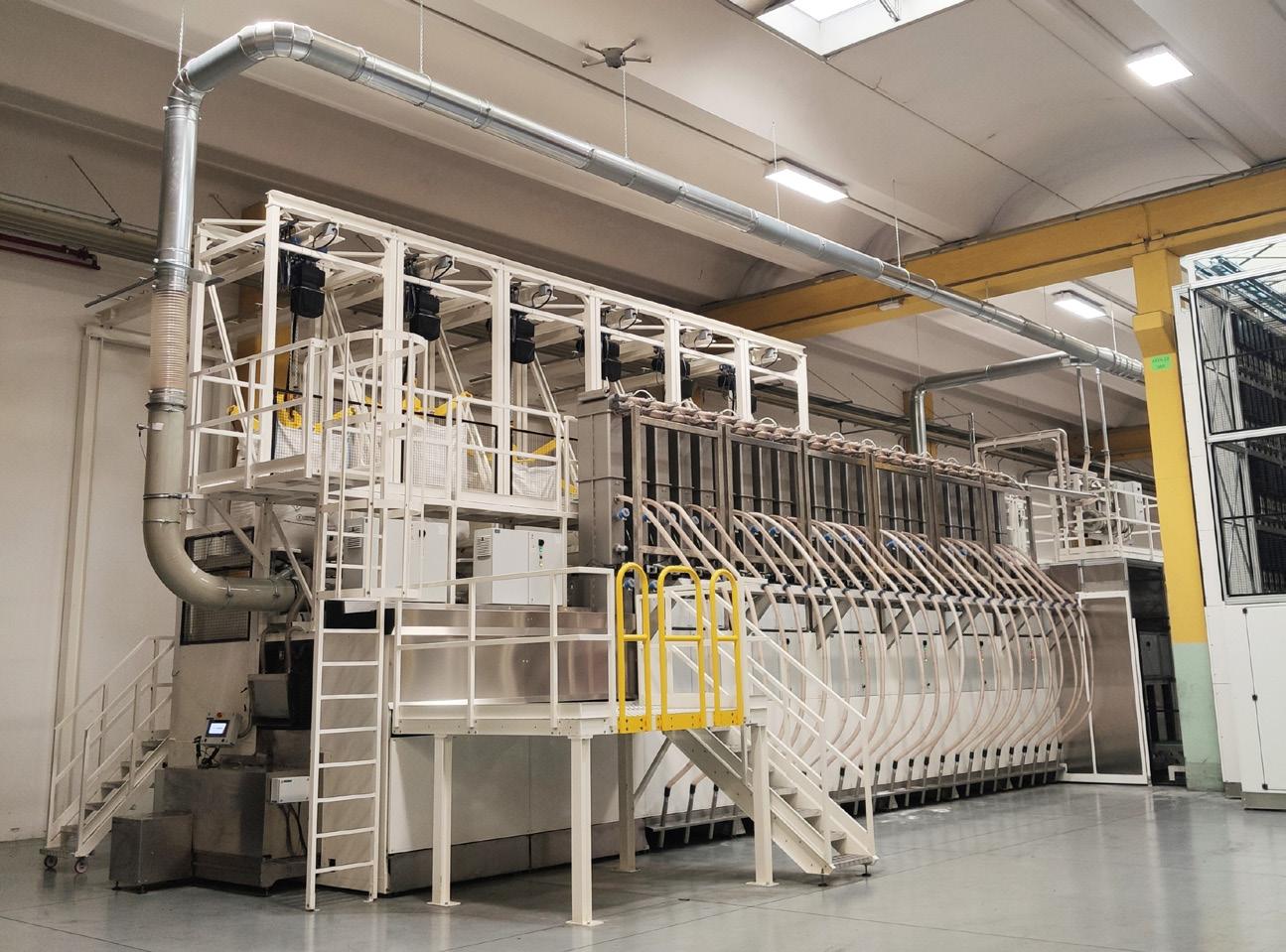
From laboratory precision to industrial throughput
While TD-MATIC focuses on high-precision laboratory applications, SUPERSINCRO is designed for industrial-scale production, where synchronization and throughput are key.
With Supersincro, it is possible to load products from silos (380 l), hoppers (up to 1,850 l), and big bags. The system can also be equipped with a storage station featuring manually or automatically interchangeable silos with capacities of 20 or 70 l. Loading can be performed either by gravity or pneumatically, supported by tools such as loading pumps, bag transport trolleys, and barcode scanners, ensuring correct material identification and handling.
A defining feature of Supersincro is its double dosing screw, equipped with anti-clogging devices, which allows materials to be weighed directly into bags of different sizes (from 9 to 36 l) automatically formed by the machine. Once filled, the bags are automatically sealed and released onto a conveyor belt or into a box, ready for the next production step.
Beyond its mechanical design, Supersincro stands out for its ability to communicate with management software and provide key production data. Parameters such as CPK, which measures repeatability, and OEE, which evaluates production efficiency, are continuously monitored. This enables manufacturers to maintain full control over process performance and to implement continuous improvement strategies based on real data.
HALL 11 - STAND A23
For over twenty years, Binova has built a strong position in the field of technologies for thermoplastic material processing and recycling. The company’s growth is rooted in advanced engineering expertise, extensive hands-on know-how, and continuous attention to the evolution of industrial processes.
From the beginning, Binova has focused on designing and manufacturing tailor-made systems capable of combining recycling, regeneration and compounding into a single integrated platform. This vision, supported by a highly qualified technical team, has enabled the company to provide reliable, efficient and sustainable solutions fully aligned with customers’ production needs. International collaborations and a strong presence across European markets have further strengthened Binova’s reputation as a trusted technological partner.
By internally developing key components, adopting advanced automation systems and embracing Industry 4.0 principles, Binova has created modern, high-performance plants designed to maximize precision, energy efficiency and sustainability. Its technologies play a central role in the circular economy, allowing post-industrial and post-consumer plastic waste to be transformed into valuable resources while reduc-
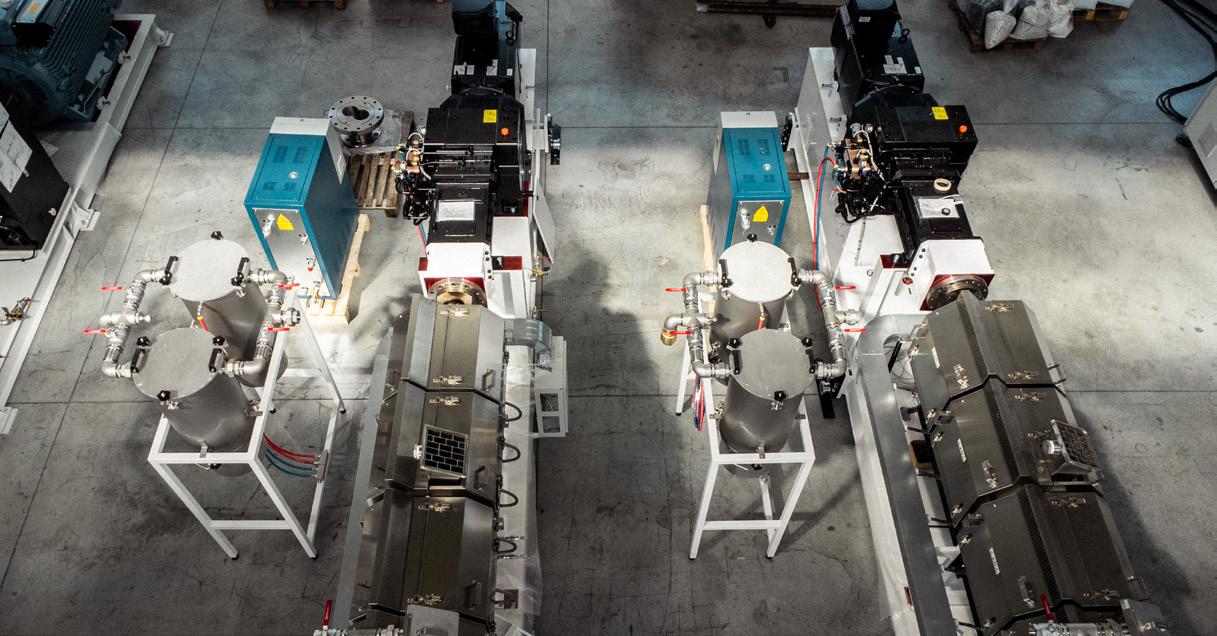
ing the use of virgin raw materials.
A key factor behind Binova’s success is its long-term relationship with customers. The company works closely with clients to develop customized technical solutions that integrate effectively into different industrial environments. Equally important is its comprehensive after-sales service: Binova maintains strategic spare parts, equipment and expertise in-house, ensuring fast interventions, reduced downtime and continuous technical support throughout the entire lifecycle of each plant. Looking ahead, Binova aims to further expand technologies for increasingly complex materials, enhance automation and digital monitoring, and develop even more energy-efficient systems.
HALL 15 - STAND C 65
The European regulatory landscape governing chemical substances is evolving rapidly, introducing increasingly stringent criteria for the use of materials considered critical. While discussions are still ongoing regarding the possible restriction of PFAS, specific regulations have already come into effect, such as EU Regulation 2024/3190 on bisphenol A (BPA).
These changes are having a direct impact
on processes and supply chains, prompting companies and designers to rethink the solutions they adopt.
To address these new requirements, igus has launched an intensive research and development program aimed at supporting designers in the transition toward more sustainable alternatives, without compromising technical performance or component reliability. This commitment forms part of a broader strategy focused on continuous innovation and the development of increasingly high-performance polymers.
For some time now, igus has been working, among other initiatives, on the development of PTFE-free materials, continuously expanding its motion plastics range. Through new formulations, extensive testing, and optimized production processes, the company now offers a broad portfolio of PFAS-tested and PTFE-free materials capable of delivering performance equivalent to — or even exceeding — that of traditional plastics.
Some of these innovative solutions will be
presented for the first time in Italy at Plast 2026.
Among the new products on display will also be iglidur A351, the new BPA-free material developed by igus in response to the enforcement of EU Regulation 2024/3190, which prohibits the use of bisphenol A and other substances in materials intended for food contact applications.
Available as injection molding granules, semi-finished products for CNC machining, and filaments for 3D printing, iglidur A351 stands out for its versatility and is suitable for the production of plain bearings for handling systems, gears for packaging machinery, and components in direct contact with products, such as guides or spacers in filling and packaging systems.
iglidur A351 enables designers to create BPA-free components without sacrificing technical performance. The material has been engineered to operate without lubrication, withstand high loads, and ensure dimensional stability even in humid environments or under frequent cleaning cycles.
HALL 11 - STAND B102
The experience gained over more than 50 years by the Pegoraro Group drives the development of innovative solutions in the field of filtration. Within this context operates Break Machinery, a Padua-based company founded in 2019 and specialized in the production of automatic screen changers. The company has introduced the One and Duo models to the market, available in various sizes, while also ensuring inhouse production of consumables and maintaining a wide stock of laser-perforated screens (60–2000 microns).
The Break DUO model is designed to filter various types of plastics, standing out in the processing of materials with high impurity levels, up to 15% by weight, including paper, wood, aluminum, and copper. It ensures high process stability and extended lifespan of wear components. Thanks to the presence of two screens, it offers a large
filtration area, enabling production capacities of up to 12,000 kg/h.
Originally available in four sizes (1400-1750-2800-3500) with capacities up to 6,000 kg/h, the system has been further developed by the R&D department with the introduction of the DUO 7000. With a filtration surface of 7,025 cm², it is currently the largest automatic constant-pressure screen changer in the world, capable of reaching 12,000 kg/h.
In the 5000 and 7000 versions, a Twin configuration is also available, combining two identical units to ensure continuous operation even during screen replacement, increasing productivity up to 24,000 kg/h.
The system operates through a single filtration chamber with a central scraper positioned between two filter plates. An internal discharge screw conveys impurities outward without the
need for additional pressure. Both the scraper and the screw are driven by independent motors, adjustable according to the processed material. The six-blade scraping disc ensures high performance even at low speeds.
One of its key strengths is simplified maintenance: when opened, the screw remains integrated into the cover, leaving the working area unobstructed. Cleaning takes approximately 25–30 minutes and does not require disassembly of major components. Screens and rotor can be cleaned and reused (screens up to four times), reducing costs and downtime.
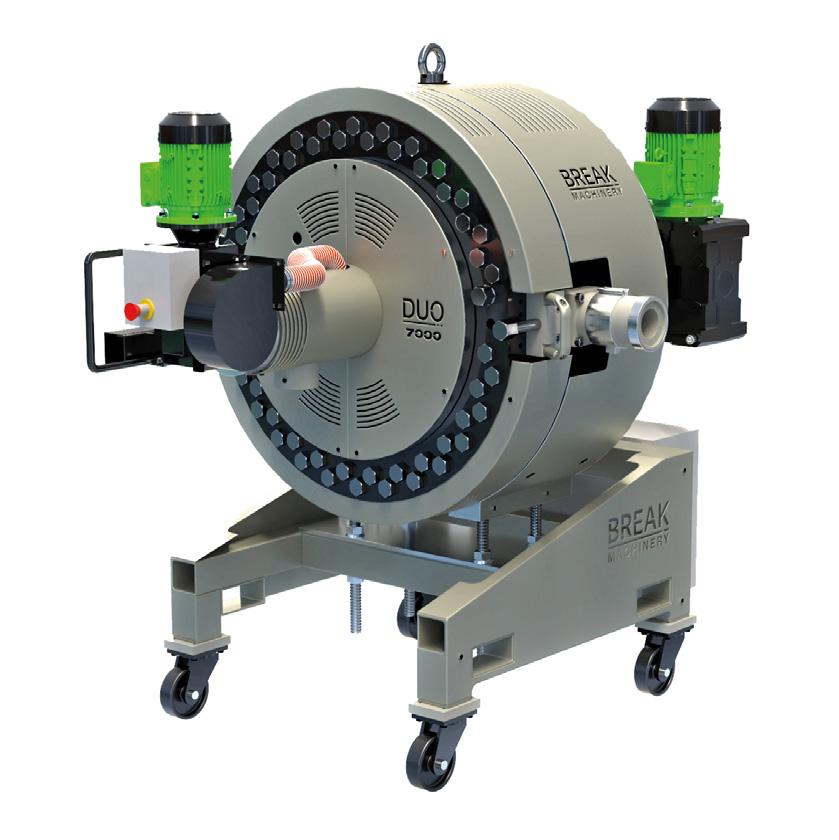
HALL 15 - STAND S41/T42
In today’s recycling landscape, complexity is increasing. Post-consumer materials are more heterogeneous, quality standards are higher, and efficiency is no longer optional.
In this context, plastic recycling technologies must deliver more than just capacity. They must ensure process stability, energy efficiency and, above all, consistent regrind quality.
This is exactly where CMG builds its value proposition: transforming granulation from a simple process step into a strategic lever for overall plant performance.
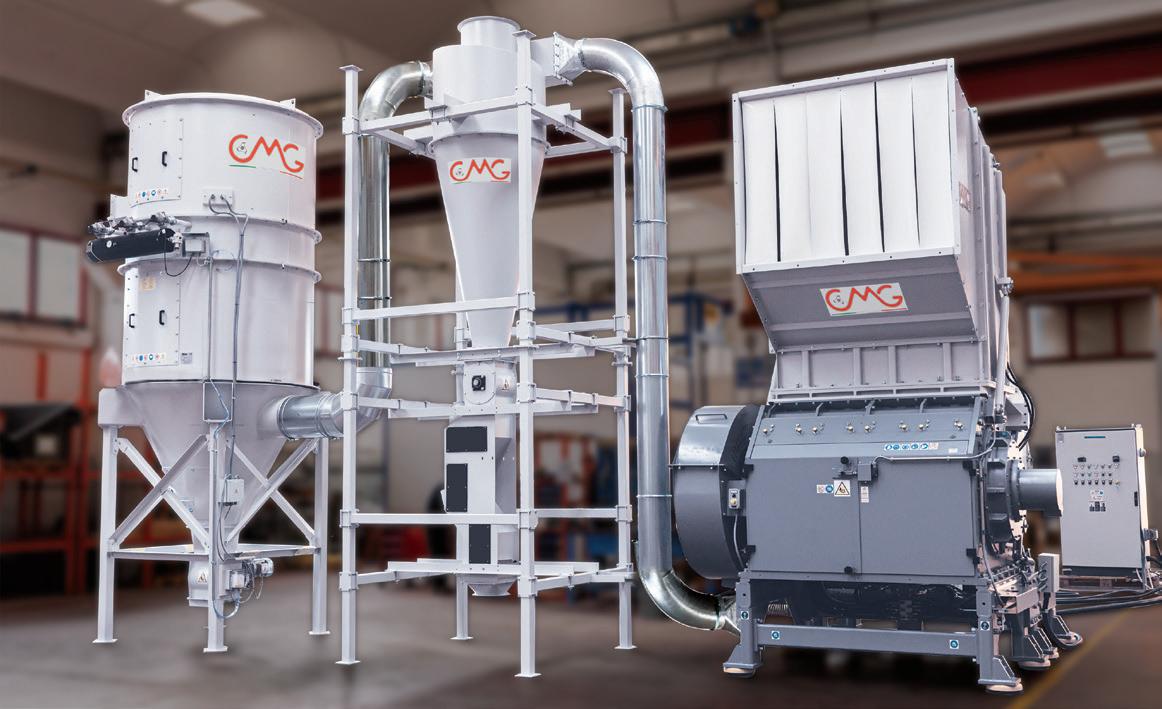
A high-quality regrind – uniform, dust-free and consistent –directly impacts downstream processes. It improves processing stability, reduces waste, increases productivity and enhances the value of recycled material.
Because not all regrind is the same. And this difference is where true competitive advantage lies.
At Plast 2026, CMG will present the EV 92-220, one of the most advanced solutions in the Evolution Series, designed for high-intensity recycling applications, particularly for post-consumer materials. This machine represents the latest stage in CMG’s technological evolution, combining high productivity with process reliability and sustainability.
Key features include: high throughput capacity, even with complex material flows; Significant reduction in energy consumption; Superior regrind quality: uniform, consistent and with minimal dust; Fast and simplified maintenance operations; Optimized operational continuity
The Evolution Series is designed to deliver measurable performance improvements, with energy consumption reductions that can reach up to 50% compared to conventional solutions.
With the EV 92-220, granulation becomes a controllable and strategic factor in plant efficiency.
HALL 22 – STAND B41
Through flexible production, technical co-design, quality assurance, and a strong focus on sustainability, Caldara Plast provides reliable plastic solutions for a wide range of industrial sectors.
Caldara Plast is an Italian company with a solid reputation in the field of plastic recovery and regeneration, combining decades of experience with a forward-looking approach to innovation and customer service. Based in It-

aly, the company has established itself as a reliable partner for businesses seeking tailor-made plastic compounds.
Founded on a strong commitment to recycling, efficiency, and flexibility, Caldara Plast has grown into a trusted supplier for a wide range of industries, from electrical to automotive, from household goods to home appliances, and more. The team is composed of skilled professionals who bring technical expertise and a deep understanding of materials and processes. This allows the company to support clients in selecting the most suitable material for their product development, testing different materials, and then scaling up production with the optimal solution.
Caldara Plast specializes in the production of plastic compounds using modern single-screw and twin-screw extrusion technologies. The granules are
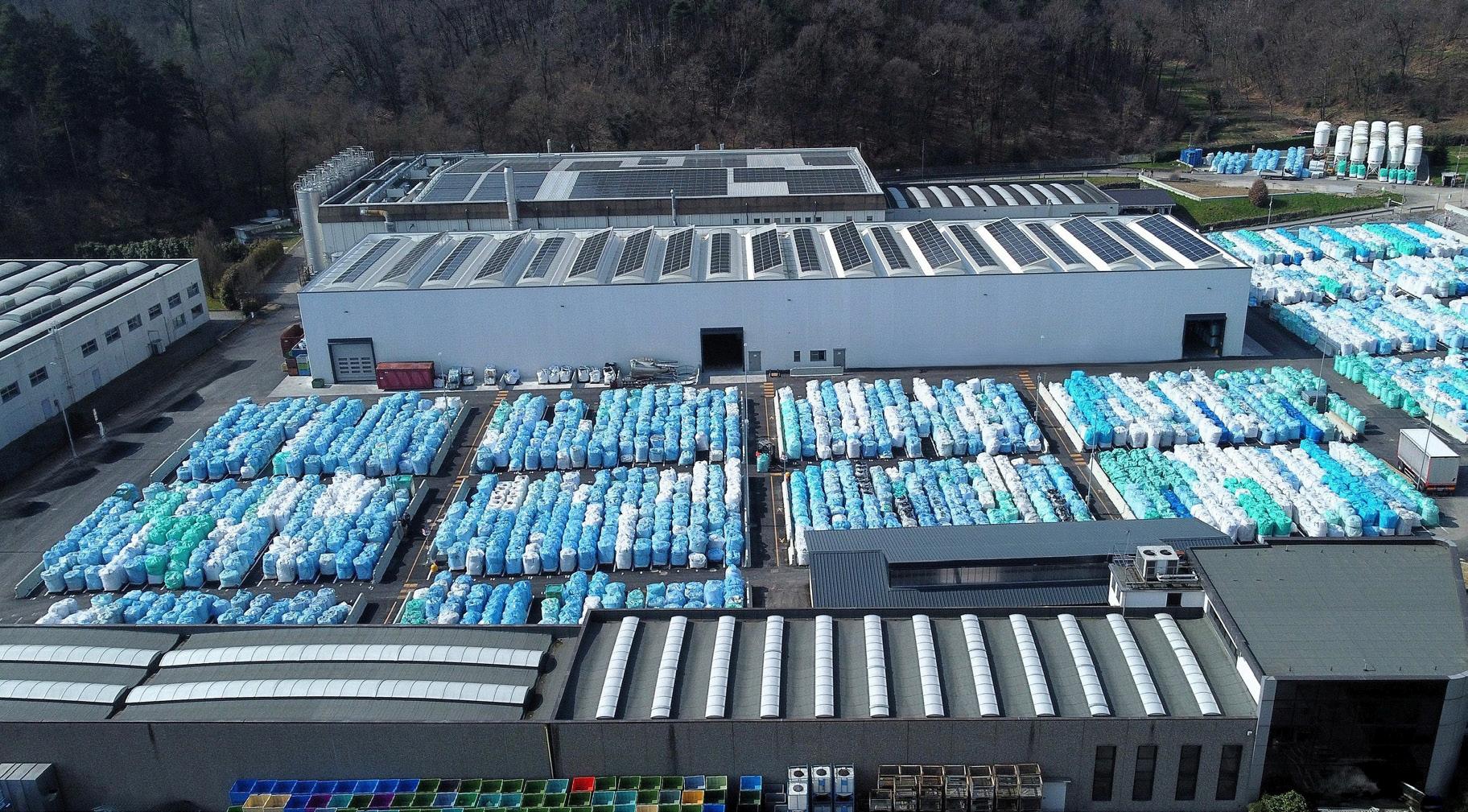
designed to meet specific technical, functional, and aesthetic requirements.
Integrated support for every stage of production
Caldara Plast works with a wide variety of thermoplastic materials, carefully selecting the most suitable ones based on each client’s needs. The production processes are optimized to ensure consistency, efficiency, and high-quality output, even for complex or high-volume orders.
What sets Caldara Plast apart is its comprehensive approach to customer support. Caldara Plast does not simply manufacture materials—it provides complete solutions.
• Co-design and Engineering Support: Caldara Plast collaborates closely with clients during the design phase, offering technical advice to optimize feasibility, performance, and cost-efficiency.
• Production Flexibility: The facilities are equipped to handle both small and large production runs, adapting quickly to customer needs and market demands.
• Quality Assurance: The company implements strict quality control procedures throughout the production process to ensure that every batch meets the highest standards.
• Logistics and Supply Chain Support: Caldara Plast ensure timely delivery and efficient order management, supporting our clients’ operational continuity.
Caldara Plast will be exhibiting at Plast Milan. The company invites you to visit Hall 9 – Stand B82, where the team will be available to present capabilities, discuss your projects, and explore new opportunities for collaboration.
Caldara Plast is committed to continuous improvement, investing in new technologies and sustainable practices to reduce environmental impact while maintaining high performance. The company goal is to build long-term partnerships with our clients by delivering value, reliability, and innovation.
At Caldara Plast, ideas turn into into high-quality plastic solutions.
HALL 9 - STAND B82
Through specialised screw and barrel technologies, the company supports efficiency, durability and process stability across a wide range of industrial applications.
In the world of plastics processing, the plasticising unit is everything. Hidden within the machine and invisible to the end customer, it ultimately determines whether a production line operates efficiently or comes to a halt, whether a finished part meets its quality requirements or becomes scrap. Screws and barrels may not be glamorous components, but for those who understand extrusion and injection moulding processes, they represent the true core of production. Selecting them correctly is one of the most critical decisions any processor can make. Few companies have dedicated themselves to this discipline as consistently as Euroviti Srl. Founded in 1992 in the province of Brescia – one of Italy’s most important mechanical engineering hubs – the company has spent over three decades developing, manufacturing and regenerating plasticising units for both injection moulding and extrusion applications. What began as the vision of Giuseppe “Pino” Barrale, who left his role as production director in a leading sector company, has evolved into an international business serving customers across five continents. Euroviti’s journey mirrors the broader evolution of the plastics industry itself: a transition from traditional mechanical manufacturing to an advanced, multidisciplinary field where materials science, process engineering and sustainability increasingly intersect.
At the heart of Euroviti’s offering is a comprehensive range of screws and barrels, produced either to customer drawings or reverse-engineered from samples. Each solution is tailored to the specific process
conditions and materials involved.
For injection moulding, screws are available in three primary configurations: nitrided, hardened and bimetallic. Bimetallic screws – featuring wear-resistant alloys applied to the flight tips – are particularly suited to demanding applications, offering extended service life and the possibility of multiple regenerations, combining performance with cost efficiency.
In extrusion, Euroviti supplies both single-screw and twin-screw solutions, including co-rotating and counter-rotating designs, as well as parallel and conical configurations. Applications range from standard polymer processing to compounding, cable coating, rubber processing and recycling. Screw geometries are engineered with application-specific features such as mixing sections, barrier profiles and degassing zones.
A growing area of focus is the development of solutions for recycled materials. Processing recyclates introduces variability in composition, contamination and thermal behaviour. Euroviti addresses these challenges through dedicated screw designs aimed at improving homogenisation, ensuring stable plastification and maintaining consistent process performance despite fluctuating input quality.
Alloys, coatings and wear engineering
Wear in plasticising components occurs through multiple mechanisms – abrasion, corrosion and adhesion – each requiring a targeted metallurgical approach. Euroviti has developed specialised alloy solutions matched to these conditions. For highly abrasive applications, tung-
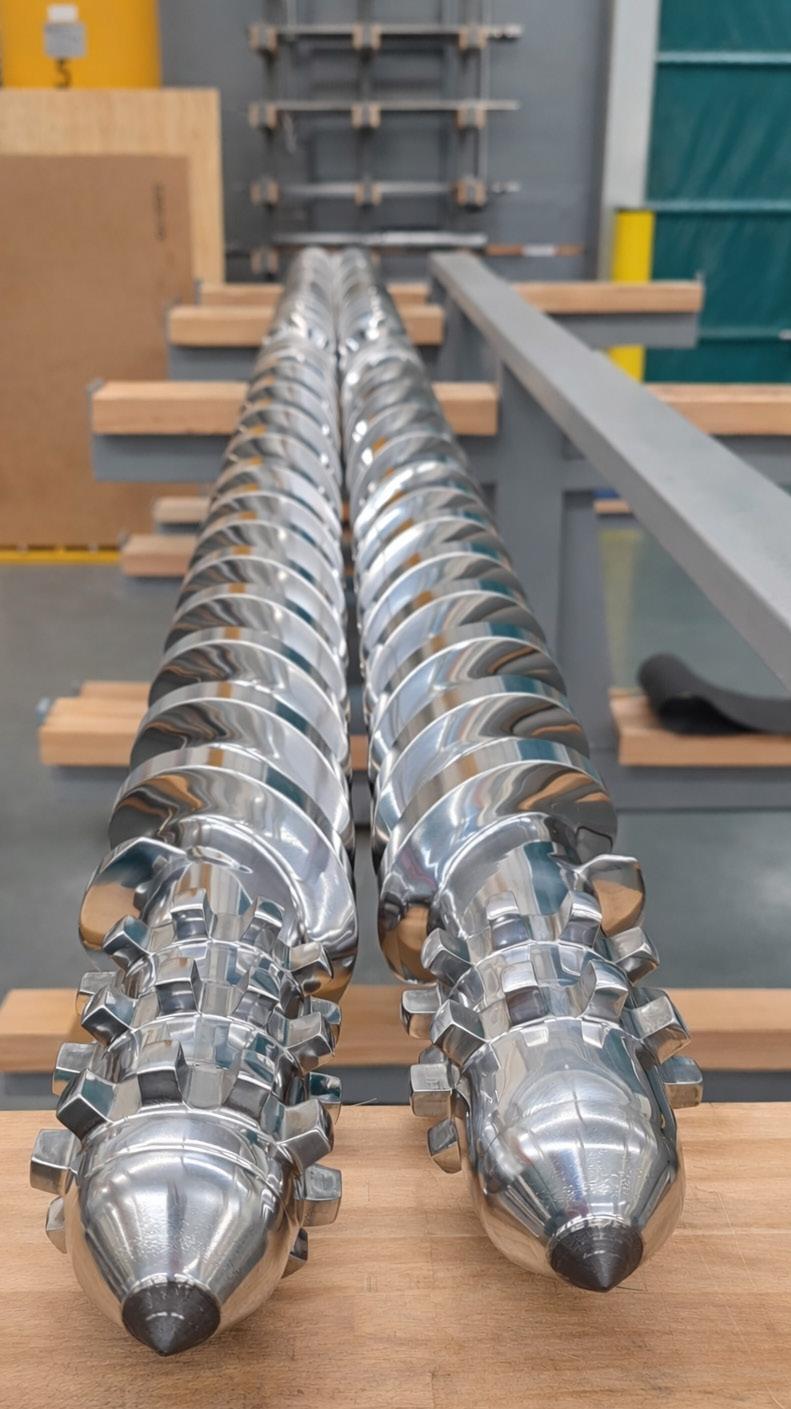
sten carbide-based bimetallic solutions provide exceptional hardness and durability. In corrosive environments, nickel-based alloys and corrosion-resistant steels are employed. Additional surface treatments, including HVOF coatings, PVD coatings and precision hard chrome plating, further extend component lifespan by reducing friction and increasing surface resistance.
A defining capability of Euroviti is its expertise in regeneration and refurbishment of worn components, contributing directly to circular economy principles within industrial manufacturing. Screws can be restored through advanced welding technologies such as laser cladding and PTA, followed by precision grinding to restore original tolerances.
At Plast 2026, Frigosystem Corema showcases next-generation cooling technologies combining energy efficiency, regulatory compliance and environmental responsibility.
At Plast 2026 Frigosystem will lounch the new RAX series, designed to meet the latest European regulations regarding refrigerants, particularly the F-Gas Regulation
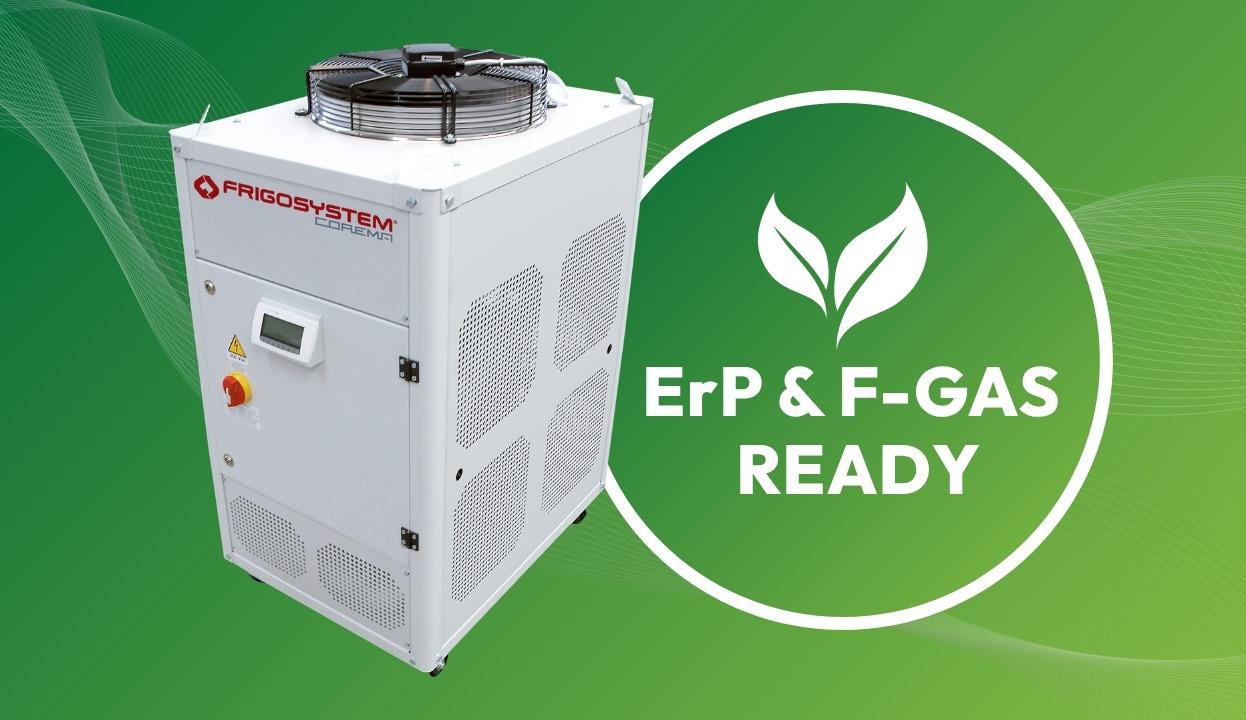
For over 50 years, Frigosystem Corema has been an international benchmark in the development of advanced refrigeration and temperature control solutions for industrial processes, with a strong specialization in the plastics sector. Founded in 1970, the company designs and manufactures industrial chillers and high-precision temperature control systems for a wide range of applications. Today, Frigosystem Corema operates globally through a structured network of subsidiaries and partners, with direct operations in Europe, the Americas and Asia, ensuring local technical and commercial support for customers worldwide.
Within this framework of growth and innovation, the company will play a leading role at Plast 2026, taking place from June 9 to 12, 2026, with a presence across two exhibition stands: Hall 15 –aisles E/G – stand 41/50, Hall 24 – aisle C – stand 11.
The new RAX series with R513A refrigerant
The main focus of the exhibition will be the launch of the new RAX series, de-
signed to meet the latest European regulations regarding refrigerants, particularly the F-Gas Regulation.
The F-Gas Regulation (EU) No. 517/2014, recently updated with even stricter provisions, introduced a gradual phase-down path for HFCs (hydrofluorocarbons), requiring a significant reduction in the quantities placed on the European market by 2030. The goal is to limit greenhouse gas emissions with high GWP (Global Warming Potential) and encourage the adoption of more sustainable refrigerants.
Among the main practical effects of the regulation are the progressive reduction in the availability of high-GWP refrigerants, restrictions on their use in new equipment, increased focus on safety aspects such as flammability classes and plant management, and a strong push towards environmentally friendly yet reliable industrial solutions.
In this context, choosing the right refrigerant becomes strategic: low GWP alone is not enough, as operational safety, continuity and compatibility with complex industrial applications must also be guaranteed.
The new RAX systems will therefore be

compatible with R513A refrigerant, which represents a particularly effective balance between sustainability and safety, featur ing significantly lower GWP compared to traditional refrigerants such as R134a, A1 safety classification (non-flammable), high reliability and operational continuity, and easy integration both in new installations and retrofit applications.


This choice enables Frigosystem Core ma to anticipate regulatory developments and provide solutions already aligned with future standards, reducing the risks linked to technological obsolescence. In addition to the new RAX series, the other Frigosys tem Corema product lines will also be pro gressively updated to ensure compliance with current and future regulations con cerning refrigerants and environmental sustainability.





Sustainability has long been a strategic pillar for Frigosystem Corema, which adopts a systemic design approach fo cused on energy efficiency, operational safety, ease of installation and mainte nance, and cost optimization.

This approach includes consolidated technologies such as heat recovery, allowing thermal energy generated by refrigeration processes to be reused for producing hot water up to 80°C while recovering up to 50% of the cooling power, and free-cool ing systems, which exploit favorable envi ronmental conditions to reduce or elimi nate compressor usage.
These solutions not only reduce envi ronmental impact but also provide a rapid economic return, increasingly important in a context of rising energy costs.
Frigosystem Corema presents itself at Plast 2026 as a leading player in sustaina ble innovation, ready to showcase con crete solutions to address the future’s en ergy and regulatory challenges. An opportunity to discover advanced technol ogies designed to make industrial pro cesses increasingly efficient, safe and en vironmentally responsible.
HALL 15 - STAND 41/50
HALL 24 - STAND 11









At Plast 2026, visitors will discover four fifth-generation Haitian and Zhafir machines alongside integrated automation and auxiliary solutions designed to support increasingly demanding production environments.
Haitian MM Italy is the dealer and after-sales partner of Haitian and Zhafir thermoplastic injection molding machines for the Italian and Romanian markets.
At Plast 2026 (hall 24, stand C41/ D52), Haitian MM Italy will showcase four highly innovative solutions for thermoplastic processing. Occupying a 400-square-meter exhibition area, the display will highlight the continuous technological development achieved by Haitian and Zhafir through two electric and two servo-hydraulic fifth-generation machines.
The first exhibit will be a 550-ton Haitian Jupiter V series machine, featuring two-platen servo-hydraulic technology. Available with clamping forces ranging from 4,500 to 88,000 kN, the Jupiter V series is designed to combine compact dimensions, versatility and efficiency, making it suitable for both large parts and high-precision applications.
A second demonstration will feature the Haitian Mars V series, the latest generation of servo-hydraulic injection molding machines available from 600 to
88,000 kN. Equipped as standard with an electric charging system, the Mars V series is designed to deliver energy savings and improved efficiency. The machine on display will be a 160-ton model fitted with a 570 injection unit and a mold supplied by Guzzini S.p.A. for the production of SAN cups. With more than 450,000 units installed worldwide, the Mars V series has established itself as a benchmark for reliability and performance. For high-speed packaging applications, visitors will be able to see a 550-ton Zhafir Zeres FAST series machine. This electric solution with integrated hydraulics, available from 1,500 to 6,500 kN, is designed for rapid molding cycles and is equipped with a Euromap 2650h injection unit capable of reaching injection speeds of 300 mm/s. The Husky mold features 96 cavities for the production of 23 mm polyethylene caps, which will be discharged onto a ventilated conveyor belt for cooling and collection.
A further example of all-electric technology will be represented by the Zhafir Zeres V series. Combining electric operation with servo-assisted hydraulics for
hydraulic cores, injection carriage advancement and central ejection, the series expands the possibilities of efficient injection molding. The machine on show will have a clamping force of 120 tons and a Euromap 300 injection unit, complemented by Hilectro robots for the production of a technical component.
Automation will also play a central role through Hilectro, one of the six strategic companies within the Haitian Group. Headquartered in Ningbo, China, Hilectro has developed into a leading supplier of servo motors, automation systems, magnetic and hydraulic mold clamping solutions. In addition to designing and manufacturing high-quality manipulators, the company provides complete automation solutions to meet the growing demand for innovative and high-performance production systems in the Industry 4.0 era. Through Haitian MM Italy, customers can access integrated packages that include automation and robotics systems, conveyor belts, safety fences and CE certification of working areas.
The exhibition will also highlight Formax auxiliaries for plastics processing. Officially distributed in Italy by Haitian MM Italy since 2013, Formax manufactures conveying, drying and dehumidifying, dosing, heating and granulation systems.
HALL 24 - STAND C41/D52
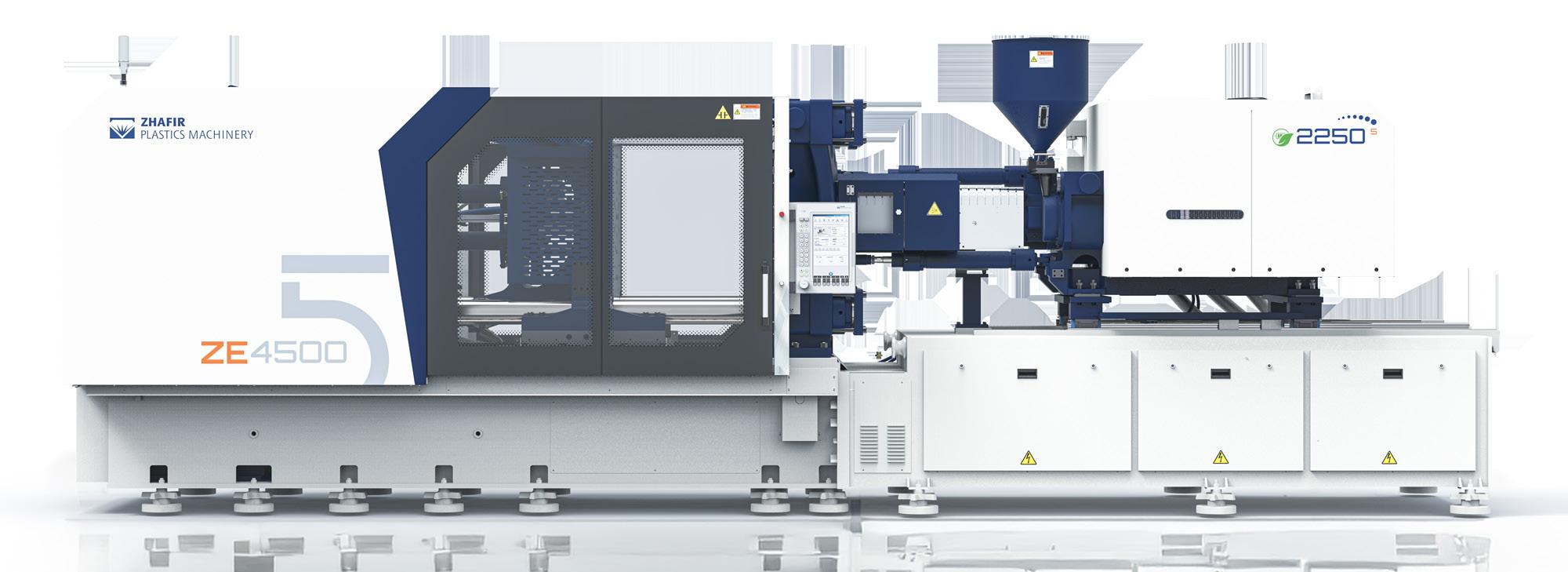
Electrical solution with integrated hydraulics From 1,500 to 6,500 kN
An AI-powered platform developed by R-Cycle and Tilisco helps packaging manufacturers centralize information, identify compliance gaps and streamline conformity declarations ahead of the EU regulation deadlines.
The clock is ticking for the packaging industry: Key requirements of the EU Packaging and Packaging Waste Regulation (PPWR) will take effect on August 12, 2026. At Interpack in Düsseldorf, R-Cycle and packaging management specialist Tilisco presented the PPWR Compliance Compass, a new AI-based software-as-a-service solution designed to support packaging manufacturers in meeting PPWR requirements. In practice, the biggest hurdle in implementing the PPWR often lies in scattered and incomplete data. Information is often stored in different systems and formats – for example, in PDFs, Excel sheets, or emails from suppliers. This is where the PPWR Compliance Com-
pass comes in with its AI-powered data capturing. A specially trained artificial intelligence automatically extracts and aggregates all relevant packaging data from various sources. Missing information is easily completed with the help of specific supplier inquiries. Users receive a transparent overview of their packaging portfolio via a dashboard. As soon as all necessary packaging information is available, they can generate the legally required declaration of conformity at the click of a button.
A key feature of the tool is its built-in GAP analysis. The system immediately compares the
existing data set with the current PPWR requirements. An intuitive traffic-light system visualizes the compliance status of the entire portfolio and immediately highlights any missing or critical information. Particularly practical: users can request the missing information from their respective suppliers directly within the tool to efficiently close data gaps.
The PPWR Compliance Compass enables rapid implementation of all currently relevant requirements while also ensuring future-proofing, as it evolves alongside regulatory requirements. The focus is on the information required to comply
PPWR Compliance Compass, an AIbased software-asa-service solution, automatically extracts and aggregates all relevant packaging data from various sources
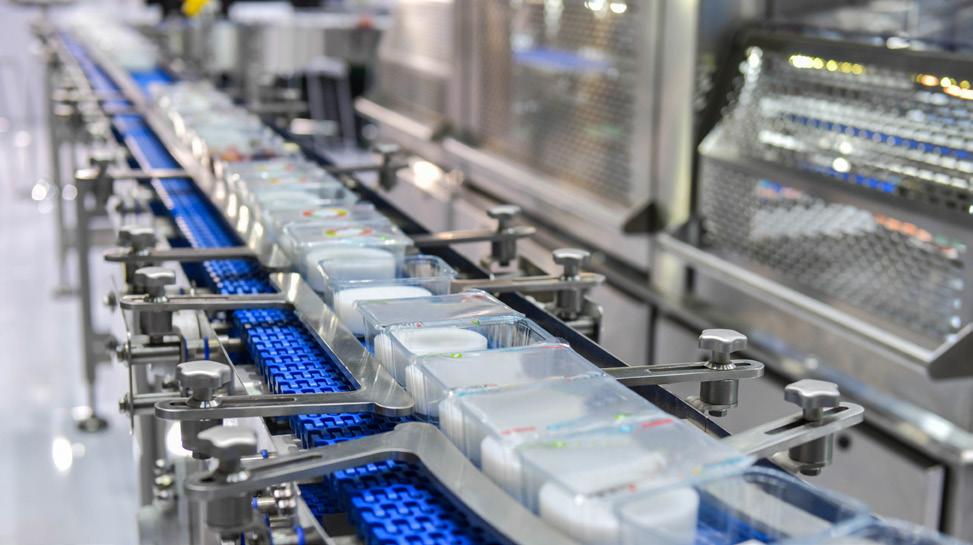
A specially trained artificial intelligence automatically extracts and aggregates all relevant packaging data from various sources
with PPWR regulations from the effective date of August 12, 2026 – this simplifies the process and enables timely implementation for companies, even if they do not yet have the necessary inhouse expertise and resources. The scope of the tool will be gradually expanded in line with growing legal requirements, ensuring that users can continue to meet the current PPWR compliance requirements at the click of a button and get transparency regarding the regulatory landscape. To achieve this, R-Cycle draws on a large network of various expert communities that continuously address the interpretation and application of regulatory requirements.
At Interpack, visitors had the opportunity to experience the tool’s capabilities firsthand at the R-Cycle booth – from easy-to-use AI-based
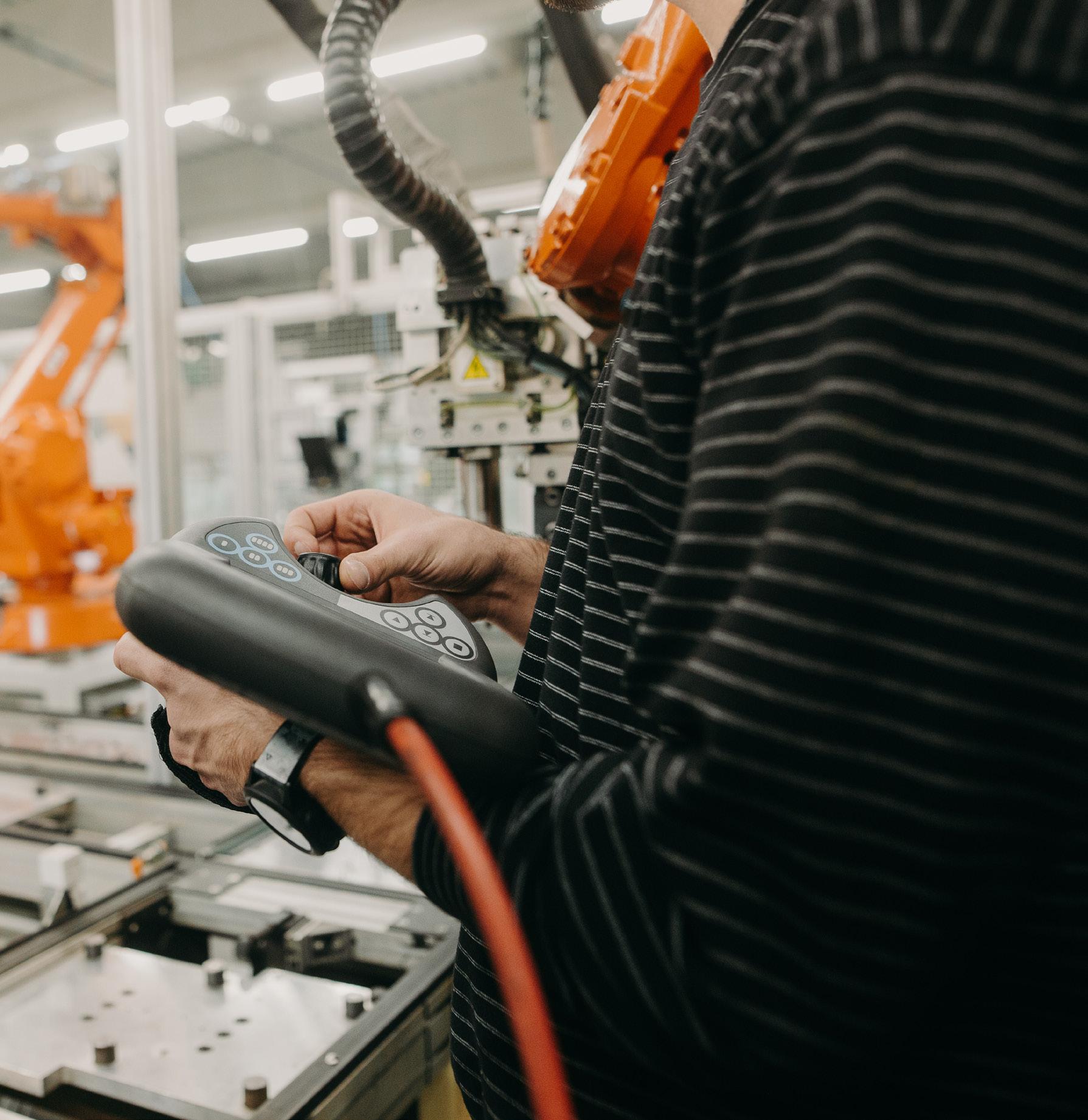
data capturing to the final declaration of conformity. The comprehensive demo version covers various types of packaging (FMCG, industrial, logistics, etc.) and provides a step-by-step guide to using the tool. “Packaging manufacturers should be able to focus on what matters most, rather than wasting valuable time manually searching for and preparing data”, explains Benedikt Brenken, Director of R-Cycle. “That’s why we offer an AI-powered solution that enables users to achieve rapid PPWR compliance based on a streamlined and easy-to-use platform”. A key advantage of the solution is its technological backbone: the system uses open and global GS1 standards. These form the global “language of business” and ensure a future-proof infrastructure that enables seamless interoperability between manufacturers, suppliers, and retailers.
The development of the PPWR Compliance Compass is the result of an exclusive partnership between ProData GmbH and Tilisco GmbH. This collaboration combines Tilisco’s technical and regulatory expertise in comprehensive packaging management with ProData’s proven R-Cycle platform for the digitization of packaging data. The unique value proposition for the customer: The software incorporates the necessary expertise to comply with complex EU regulations and is based on R-Cycle’s proven data standards, which are already used by a community of over 50 renowned companies across the entire value chain.
Polymer Comply Europe proudly announces its support for the Circular Plastics Made in Europe campaign, an industry initiative advocating for a stronger and more resilient European circular plastics value chain within Europe (EU27+EFTA+UK).
The campaign, launched by many organizations including Zero Waste Europe and Plastics Recyclers Europe with the support of GreenDot Group; Circular Plastics Europe aims to ensure that plastics collected in Europe (EU27+EFTA+UK) are recycled and reintegrated into European value chains. By prioritizing European waste streams and strengthening high-quality recycling infrastructure, the initiative supports the EU’s broader ambition to build a competitive, climate-neutral, and resource-efficient economy.
At Polymer Comply Europe, we believe that the transition toward circular plastics must be supported by practical, implementable policies that enable companies to comply with evolving European legislation while maintaining a competitive industrial base. Supporting this campaign aligns with our mission to help organisations navigate regulatory frameworks and accelerate sustainable material solutions.
Europe has set clear circular economy goals, including ambitious recycled content targets and stronger waste management policies. However, the effectiveness of these goals depends on ensuring that the systems and markets exist to support them.
The Circular Plastics Made in Europe campaign focuses on enabling that im-
plementation by:
• Strengthening high-quality recycling capacity in Europe
• Prioritizing European-generated waste streams for recycling
• Supporting achievable recycled content targets
• Reinforcing European industrial resilience and competitiveness
These objectives are closely aligned with broader EU policy developments such as the proposed Industrial Accelerator Act, which aims to boost demand for low-carbon and European-made technologies and materials.
Polymer Comply Europe supports the campaign because a functional circular plastics market is essential for regulatory compliance, environmental performance, and long-term industry stability.
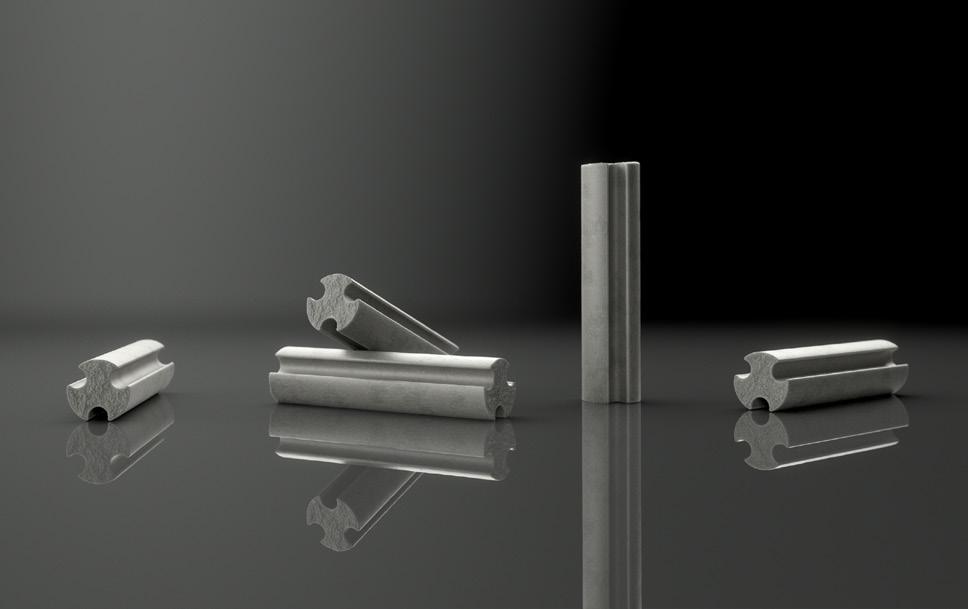
Clariant, a sustainability-focused specialty chemical company, today announced the successful completion of a collaborative pilot-scale project with Borealis, a leading provider of advanced and circular polyolefin solutions, and SINTEF, one of Europe’s largest independent research organizations. The partnership successfully demonstrated Clariant’s pyrolysis oil (pyoil) upgrading technology, marking a significant milestone in advancing circular economy solutions for the plastics industry.
The collaboration centered on upgrading pyoil derived from plastic waste to steam cracker-compatible feedstock that fully meets cracker-grade quality specifications. Using Clariant’s proprietary HDMax catalysts, the pilot-scale testing conducted at SINTEF’s research facility in Norway delivered excellent results, suc-
cessfully transforming plastic waste-derived pyoil into high-quality feedstock suitable for virgin polyolefin production.
The HDMax catalyst achieved full conversion across all critical parameters: complete saturation of dienes without gum formation — a crucial requirement for downstream processing — along with complete conversion of contaminants like oxygenates, nitrogenates, and halogenides. All product quality specifications were met, validating the technology’s readiness for industrial application.
A key differentiator of Clariant’s HDMax technology is its ability to achieve all required specifications in a single multi-layer hydrotreating reactor, compared to alternative technologies that require three to four reactors. This streamlined process significantly reduces capital investment, operational complexity, and energy consumption. Additionally, the technology enables subsequent hydrocracking to produce naphtha-like hydrocarbon fractions, further enhancing process efficiency and product flexibility.
The three-party partnership leveraged the unique strengths of each organization:
Clariant provided a tailored catalyst design and commercial samples of its specialized catalysts: HDMax catalyst for pyoil upgrading and HYDEX™ for hydrocracking.
Borealis defined the required target quality of the pyoil and contributed industry expertise as a leading European polyolefin producer offering chemically recycled polyolefin solutions under the Borcycle™ C portfolio.
Scan the QR Code and subscribe to the Newsletter
The new generation of Everex flat film lines for cast and sheet applications is designed for comprehensive automation
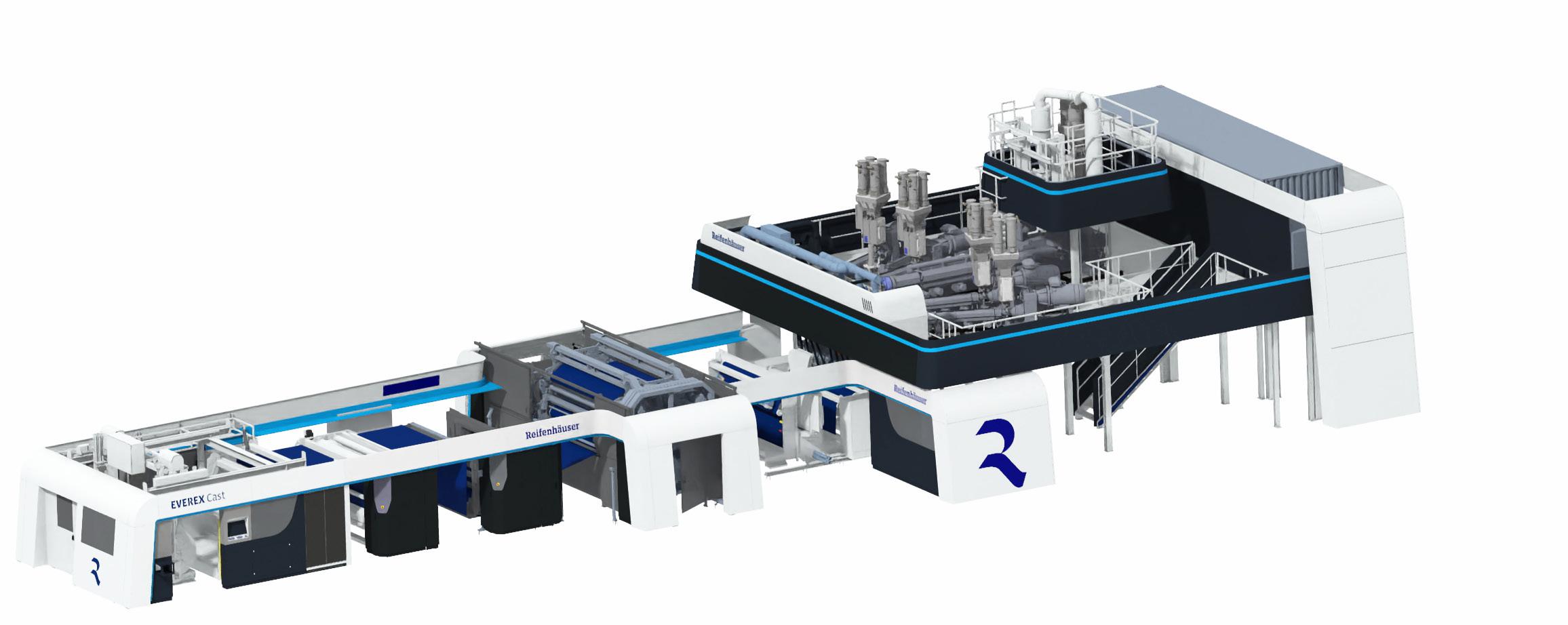
At Chinaplas 2026 in Shanghai, the Reifenhäuser Group showcased its latest extrusion line generations – EVO GEN3 for blown film and Everex for cast film – featuring record-breaking output and the highest possible level of automation. Other highlights at the booth include the blown film cooling technologies from Reifenhäuser subsidiary Kdesign, as well as fully recyclable monomaterial films for profitable and sustainable packaging solutions.
EVO GEN3: up to 30 percent more output
The new generation of EVO GEN3 blown film lines delivers an output of up to 1,050 kg/h with a 350 mm die diameter – about 30 percent more than its predecessors – thus setting a clear benchmark in the market. This is made possible by the new EVO Ultra Die Heads in combination with the new Ultra Cool GEN3 cooling rings. The new die heads are available in three variants: a 3- and 5-layer variant for maximum throughput and fast product changeovers, a 7-layer variant – optimized for barrier films – and a 9-layer variant for the highest film quality in complex products. In addition to enhanced performance, the EVO
Advanced automation, higher throughput and smarter process control are reshaping blown and cast film production. With new extrusion technologies and recyclable mono-material solutions, Reifenhäuser Group is focusing on efficiency, flexibility and sustainable packaging performance.
GEN3 prioritizes ease of use, as labor shortages and high employee turnover make it difficult for many manufacturers worldwide to consistently achieve the desired quality and efficiency. Smart assistance systems and the new HMI, “EVO OS 3,” enable even inexperienced operators to achieve fast, optimal results.
The Everex Hybrid polishing stack unit provides greater flexibility, enabling film thicknesses ranging from 150 to 2,500 μm
A key feature is the Auto Flat System, which, for the first time, enables the flatness of the film to be measured and automatically optimized. This improves post-processing and material consumption. In addition, the ReStart Assistant reduces downtime during material changes, while a new control archi-
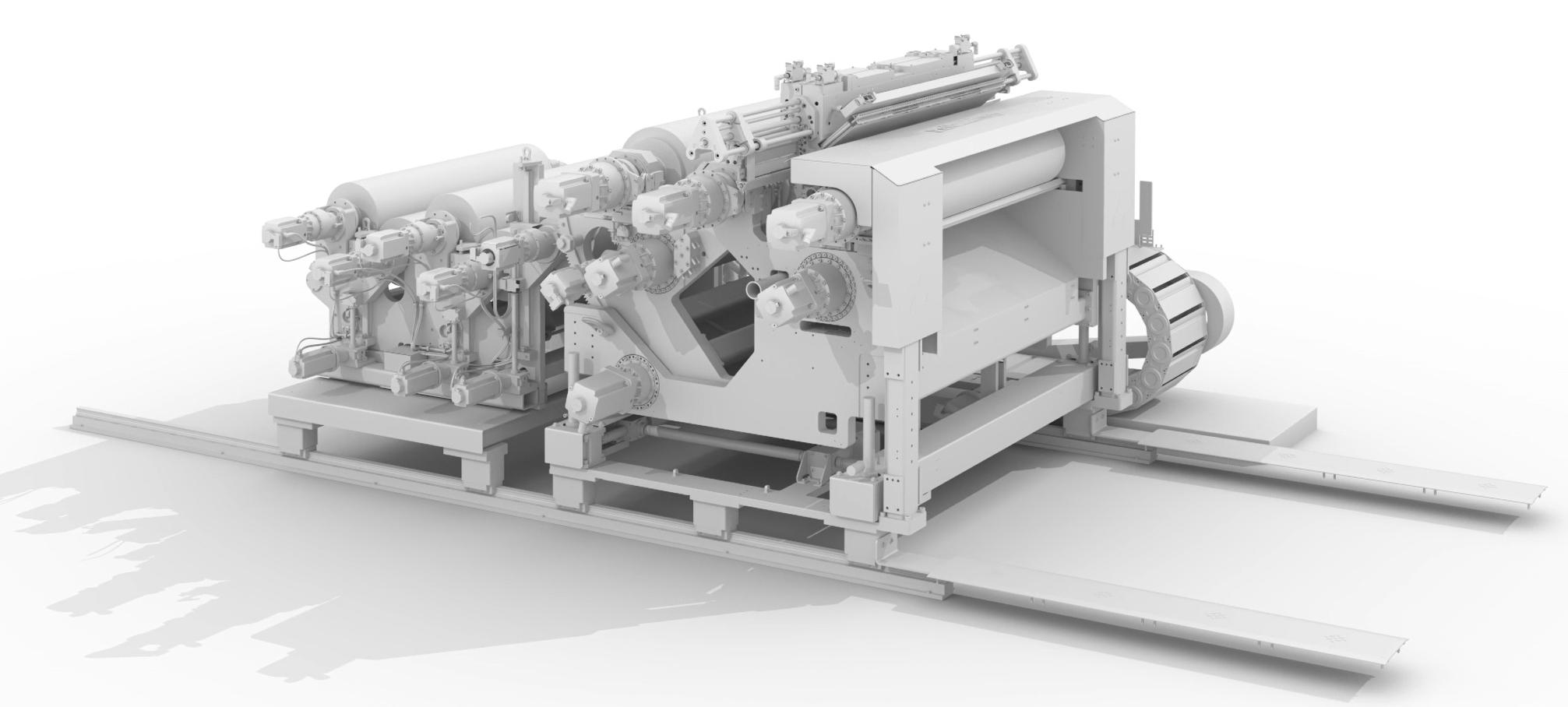
High-performance Cast All-PP stand-up pouch with a high oxygen barrier
tecture enables connectivity, data utilization, and automation, including AI integration.
The new generation of Everex flat film lines for cast and sheet applications is designed for comprehensive automation: from the co-extrusion adapter and die to the width adjustment and winder, the core processes run fully automatically – a major advantage in the face of a shortage of skilled workers. At the heart of this innovation is the enhanced PAM 2.0 system, which now fully automates width adjustment. Formulas can be reliably recalled, and product changeovers are completed faster and more reliably in under 80 minutes, while delivering higher quality and less waste during startup.
The automated width adjustment includes edge pinning, vacuum box, and pre- and final-trimming, improving both film quality and process stability. The solution can also be integrated into existing systems – even from other manufacturers.
The new generation of EVO GEN3 blown film lines delivers an output of up to 1,050 kg/h with a 350 mm die diameter
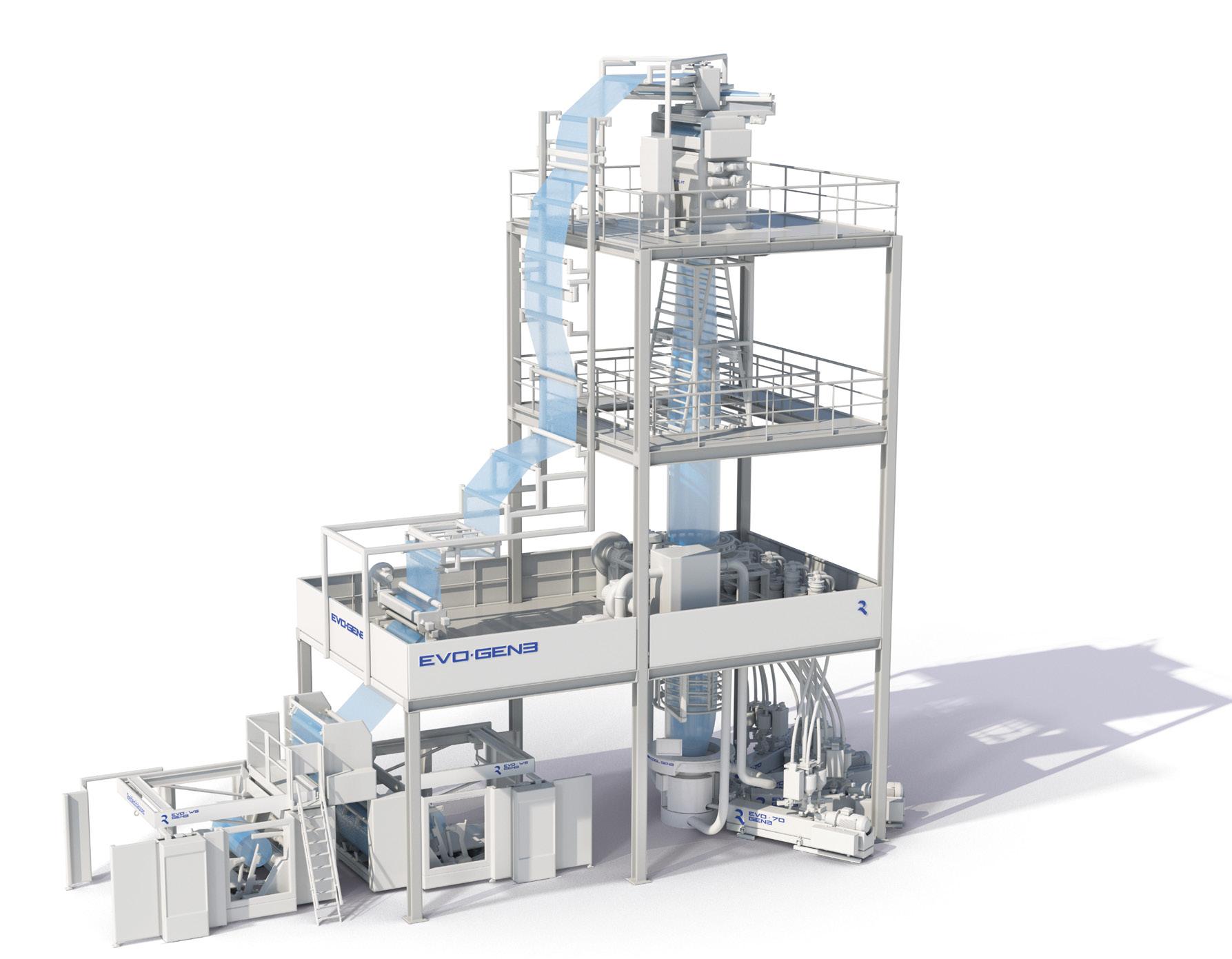
In addition, a new edge encapsulation system reduces the use of expensive barrier materials, as these do not end up in the edge trimmings, enabling savings of up to 150,000 euros annually. The Everex Hybrid polishing stack unit provides greater flexibility, enabling film thicknesses ranging from 150 to 2,500 μm. With standard polishing stacks, for example, PP films could generally not be produced thinner than approximately 380 μm without the use of an additional air slot die, which in turn limits the line’s productivity.
With Everex Hybrid, producers achieve maximum flexibility and material savings thanks to down-gauging, while maintaining 100% reproducible product quality through mechatronic control.
Reifenhäuser Blown Film has successfully achieved the process-stable production of a 14 μm MDO-PE film and is presenting it at Chinaplas in the form of a market-ready All-PE Pouch (stand-up pouch). The technology behind it is called EVO Ultra Stretch – a patented MDO unit positioned directly at the take-off of the blown film line that stretches the film from its first heat. EVO Ultra Stretch delivers additional value when
EVOH is used for barrier films. The stretch process enhances the barrier effect of this expensive raw material, allowing for reduced usage. Overall, production costs are thus lowered to a competitive level compared to conventional films, which is the decisive factor for market acceptance.
The Reifenhäuser Group’s flat film experts are showcasing, among other things, a high-performance Cast All-PP stand-up pouch with a high oxygen barrier that – in addition to excellent recyclability – also impresses with its functionality. The MDO process delivers special added value for end customers with the so-called Easy-Tear effect: the packaging can be torn open in one direction as if along a ruler and resealed using internal clips or zippers. Until now, such packaging features in stand-up pouches were typically achieved through laser perforation, which can negatively impact the packaging’s structure, barrier performance, and thus the shelf life of the packaged product. Thanks to Reifenhäuser’s Cast MDO technology, this property is achieved solely through film stretching – without compromising other key film properties.
From intelligent robotics to integrated end-of-line systems, FB Balzanelli develops advanced solutions to increase safety, efficiency, and industrial competitiveness.
In today’s industrial landscape, the transition toward fully automated solutions is no longer merely a strategic option; it has become an essential component for the survival and growth of companies in the plastics sector. As production processes become inherently more complex and workplace safety regulations grow increasingly stringent, the ability to manage sophisticated machinery without constant human intervention is no longer just a competitive advantage—it is an indispensable operational necessity. The implementation of next-generation automated systems significantly reduces risks associated with handling heavy loads, exposure to potentially hazardous environments, and stress caused by repetitive and monotonous tasks, leading to tangible im-
provements in both workplace safety and overall operational efficiency.
At FB Balzanelli, the mission goes beyond simply supplying machinery; they are committed to delivering complete “turnkey” automation solutions, meticulously designed to meet the unique needs of each client. They firmly believe that the key to success lies in deep collaboration. FB Balzanelli’s distinctive approach is based on a proactive co-design process: work closely with clients’ production managers and engineers to ensure that every robotic-driven system is developed, manufactured, and seamlessly integrated into production lines, whether they are
new installations or existing plants requiring technological upgrades (revamping).
This working method allows to accurately map workflows and identify bottlenecks that hinder productivity. Through data analysis and factory layout studies, FB Balzanelli can transform a traditional production line into an intelligent, interconnected ecosystem, where each component communicates with the others in a Smart Factory and Industry 4.0 perspective.
FB Balzanelli’s solutions integrate a wide range of advanced technologies, covering every stage of the production process, with a particular focus on end-of-line management and internal logistics. The pillars of their technological offering include:
1. Robotic palletizing: anthropomorphic robots are designed to handle various types of plastic products with extreme precision and speed, from flexible pipes to coils, optimizing pallet ar-
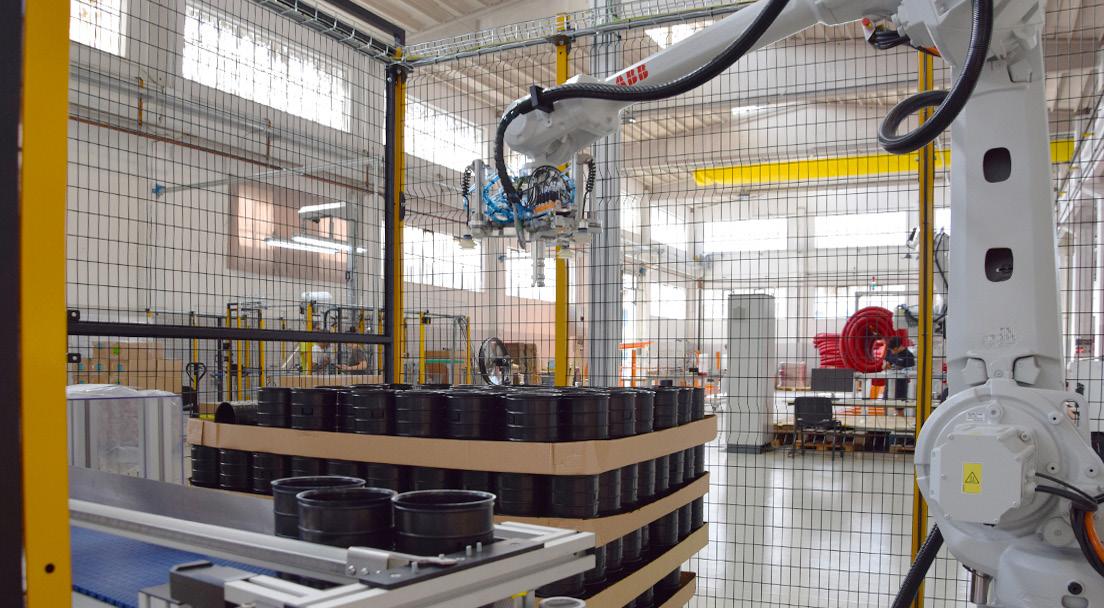
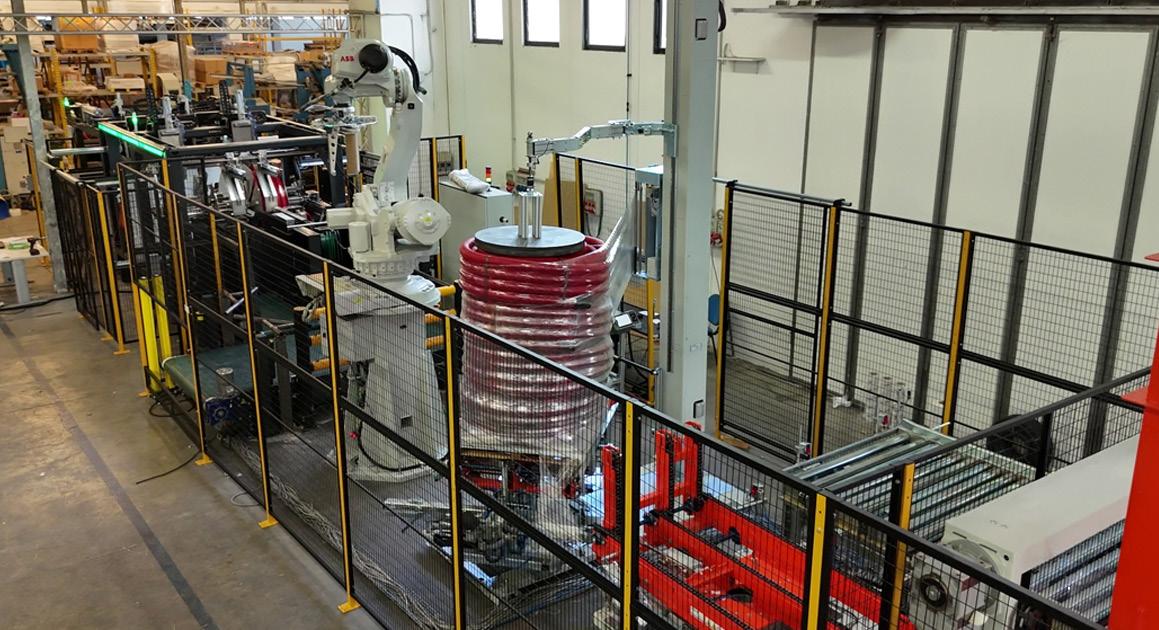
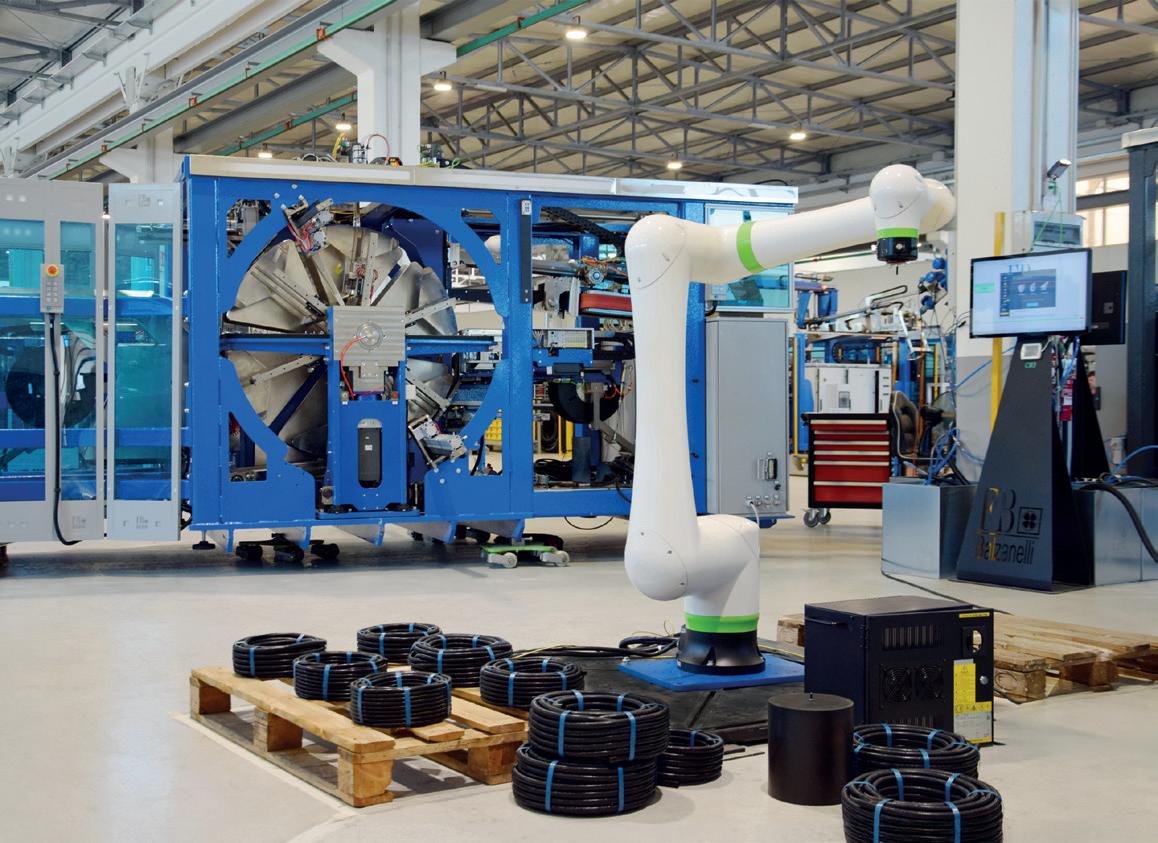
rangement to ensure stability and maximum load density. This eliminates human error and prevents musculoskeletal injuries caused by manual lifting.
2. Automatic strapping and wrapping systems: product protection during transport is essential. FB’s automated systems ensure that each load is secured and sealed according to the highest safety standards, using materials efficiently to reduce waste and environmental impact.
3. Buffering and flow management systems: to avoid production interruptions, they implement dynamic accumulation systems that allow the line to continue operating even during brief stoppages in downstream phases, perfectly balancing production flow.
4. Mobile robotics for warehousing (AGV and AMR): the integration of autonomous guided vehicles enables smooth material transport between different areas of the plant without the need for operator-driven forklifts, drastically reducing collision risks and optimizing travel times.
Automatic systems ensure that every load is secured and sealed according to the highest safety standards, using materials efficiently to reduce waste and environmental impact
By leveraging these integrated technologies, FB Balzanelli’s automation systems aim to create a work environment that is inherently safer for personnel. By shifting operators from physically demanding tasks to higher-level supervisory and management roles, we not only improve worker well-being but also maximize productivity and overall operational performance. An automated system does not tire, ensures consistent product quality, and enables full traceability of every single item produced.
Our primary goal is to provide solutions that not only meet current industrial standards but are truly “future-proof.” In a rapidly evolving market, companies must be able to quickly adapt to new materials, new packaging formats, and new market demands. FB Balzanelli solutions are designed with a modular and flexible architecture, allowing
At FB Balzanelli, the mission goes beyond simply supplying machinery; the company is committed to providing complete turnkey automation solutions, meticulously designed to meet the specific and unique needs of each individual customer
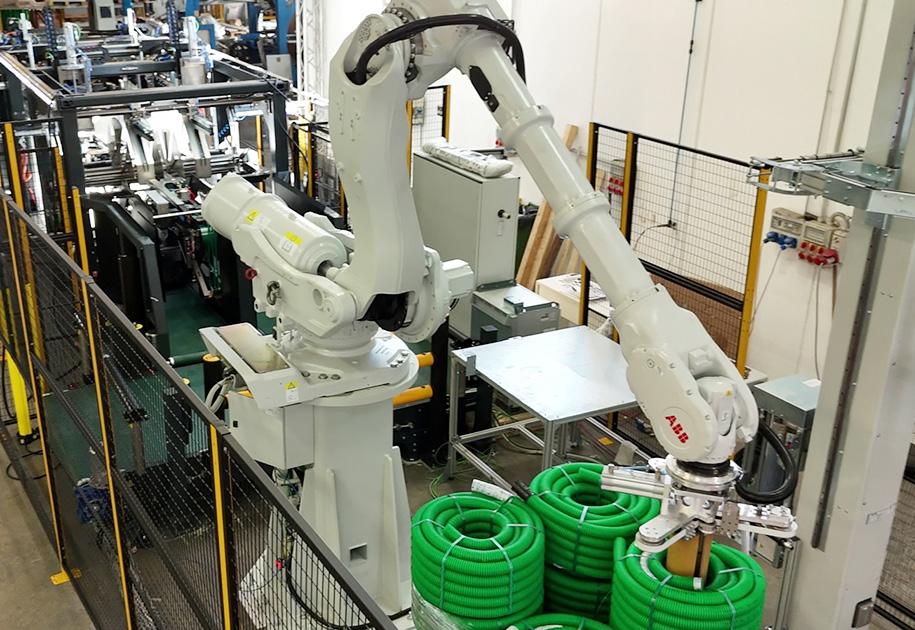
future upgrades and reconfigurations with limited investment.
Whether the goal is to increase production capacity (throughput), drastically reduce labor-related operating costs, or elevate safety protocols to the highest global standards, FB Balzanelli is passionately dedicated to designing innovative automation systems. Our decades of experience enable us to be leaders not only in the plastics sector but also to bring added value to any industry that requires precision, reliability, and technological innovation. Investing in automation with FB Balzanelli means choosing a strategic partner capable of guiding your business toward a new era of efficiency, where technology becomes the primary driver of sustainable and competitive growth on a global scale. FB Balzanelli’s dedication to engineering excellence and continuous exploration of new technological frontiers makes us a benchmark for those who aim to turn today’s challenges into tomorrow’s opportunities.
A mobile, customizable solution enables the automation of demanding operations even in confined spaces. At Ritter’s logistics center, Bayer’s system based on Yaskawa cobots enhances flexibility, maximizes uptime, and simplifies integration.
With the triumph of automation in packaging technology, the need for flexible and efficient packaging solutions – such as those developed by the manufacturer of modular palletizing systems Bayer with its safety guard-less solution PLT HC – is also increasing. Chocolate manufacturer Alfred Ritter GmbH & Co. KG now uses four such facilities at its logistics hub Reichenbach. Before the sweet treats from the production of Alfred Ritter GmbH & Co. KG can finally be delivered, they must be packaged at the logistics site in Reichenbach near Stuttgart (Germany). More specifically, this means boxing the popular Ritter Sport chocolate bars and other primary-packaged chocolate specialties in shelf cartons or displays for retail, and final palletizing of the boxes for transport by truck. However, especially for this final step in the packaging chain, until recently they still a lacked an efficient and, above all, flexible automation solution to supplement the central palletizer at more distant locations, e.g. at the loading gate.
“The proposed automation of the palletizing process was to take place in the narrowest possible space, without great effort and, of course, achieving the highest possible accept-
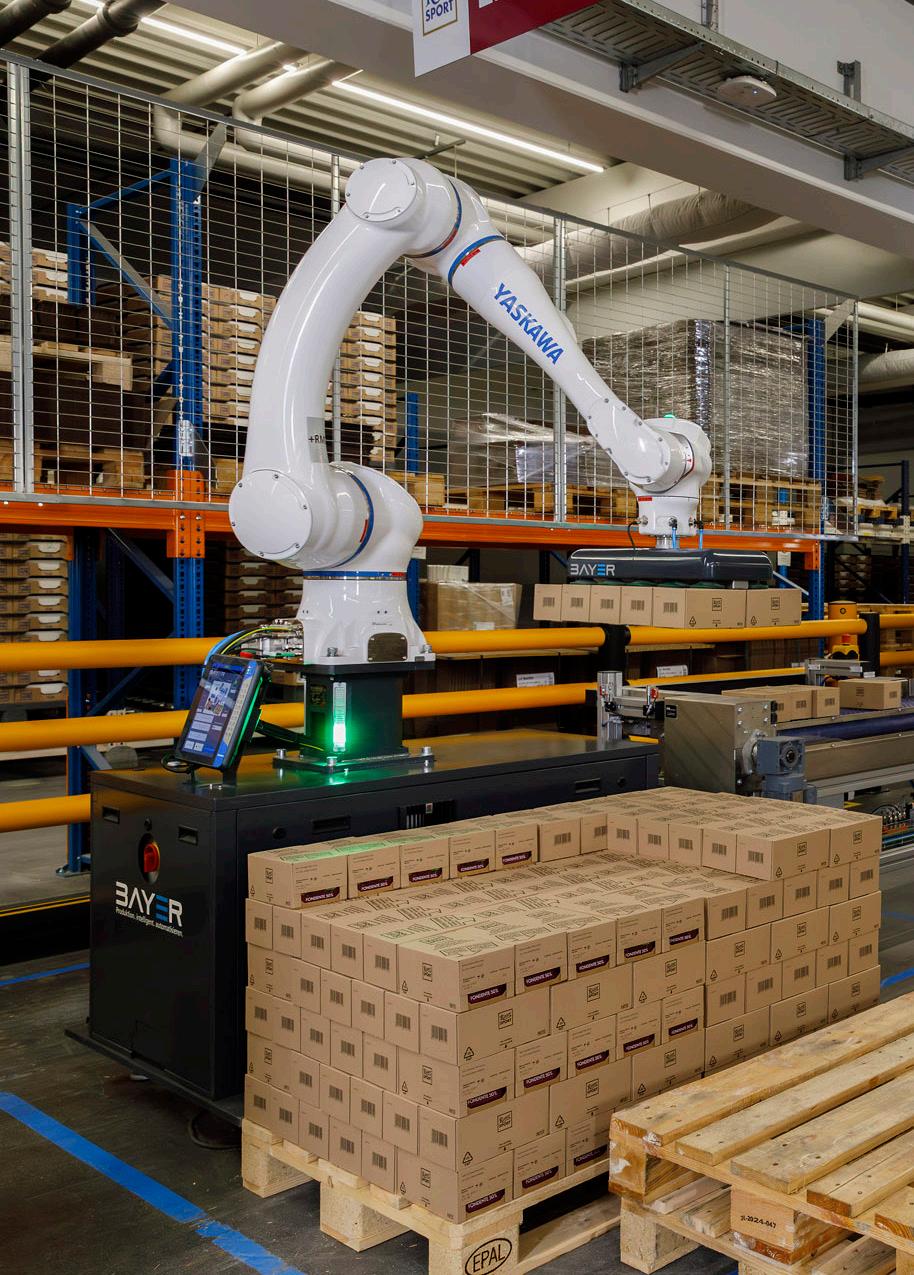
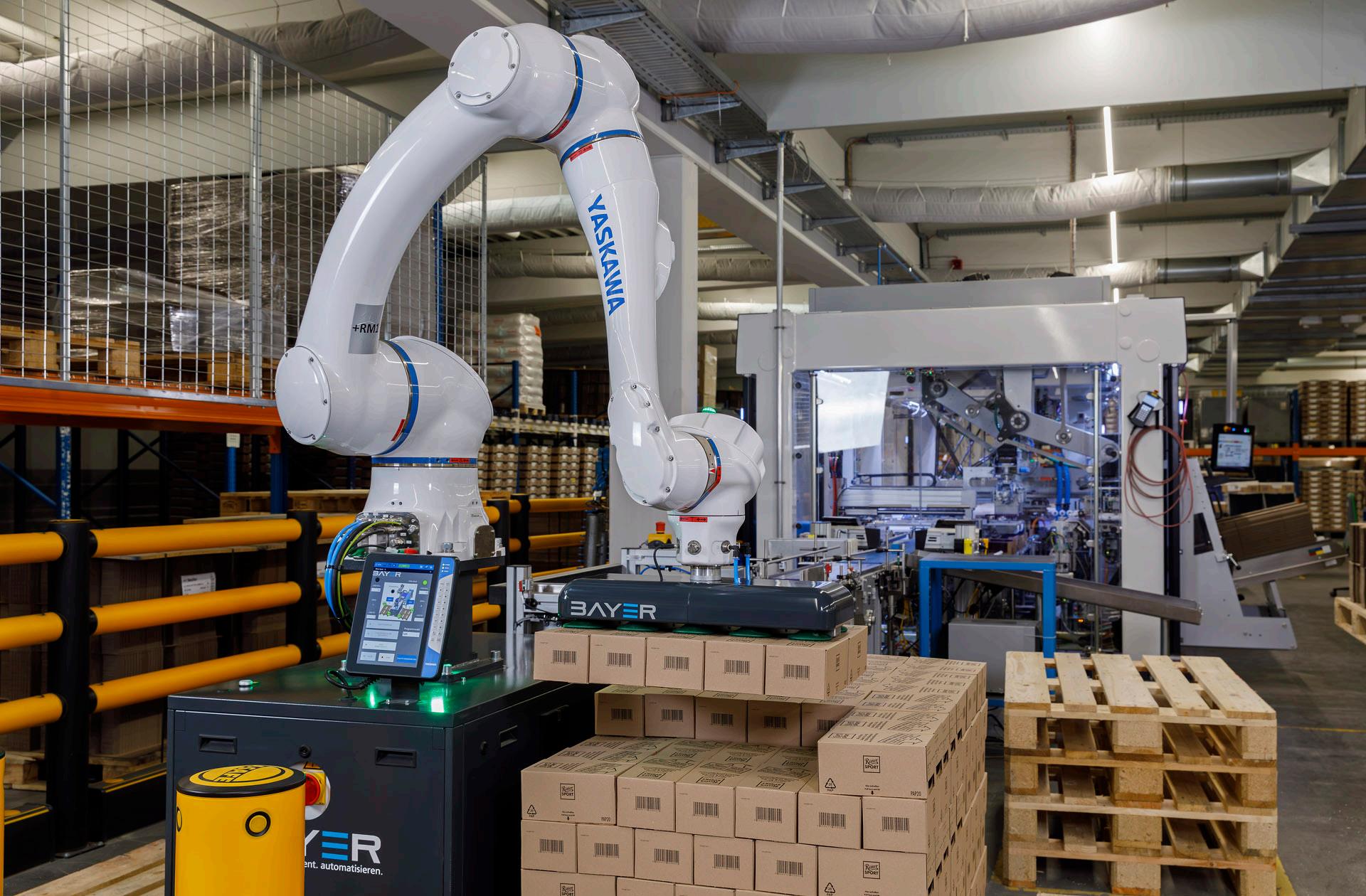
ance among our employees”, states Markus Fuchs, Site Manager at Ritter in Reichenbach, clarifies the requirements.
The search for a suitable solution for this specific task brought Bayer GmbH & Co KG into the picture. At its headquarters at Wörnitz (Germany) the 30-employee company, founded in 1999, designs and implements automation concepts in the fields of robotics, engineering and 3D-laser surveying.
The Wörnitz enterprise has had the safety guard-less PLT HC palletizing system in its portfolio since 2024. “We were striving for a palletizing solution that could be implemented quickly and as cheaply as possible by the customer, that could be used decentrally and that
was simple yet individually parameterizable”, says Manager Christian Bayer.
Ritter put the first PLT HC palletizing system into operation in the autumn of 2024. Based on the positive experience, three more plants followed by the end of 2025.
The modular standard system consists of a movable base on which sits a collaborative robot. This can load a Euro pallet on either side of the base with the highest speed and precision. The appropriate safety technology components, e.g. floor scanners, can also be combined as modules.
The objects to be palletized are fed via a project-specific, yet standardized conveyor technology that already pre-groups the products
The standard modular system consists of a mobile base equipped with a collaborative robot capable of loading a Euro pallet on both sides of the base with maximum speed and precision
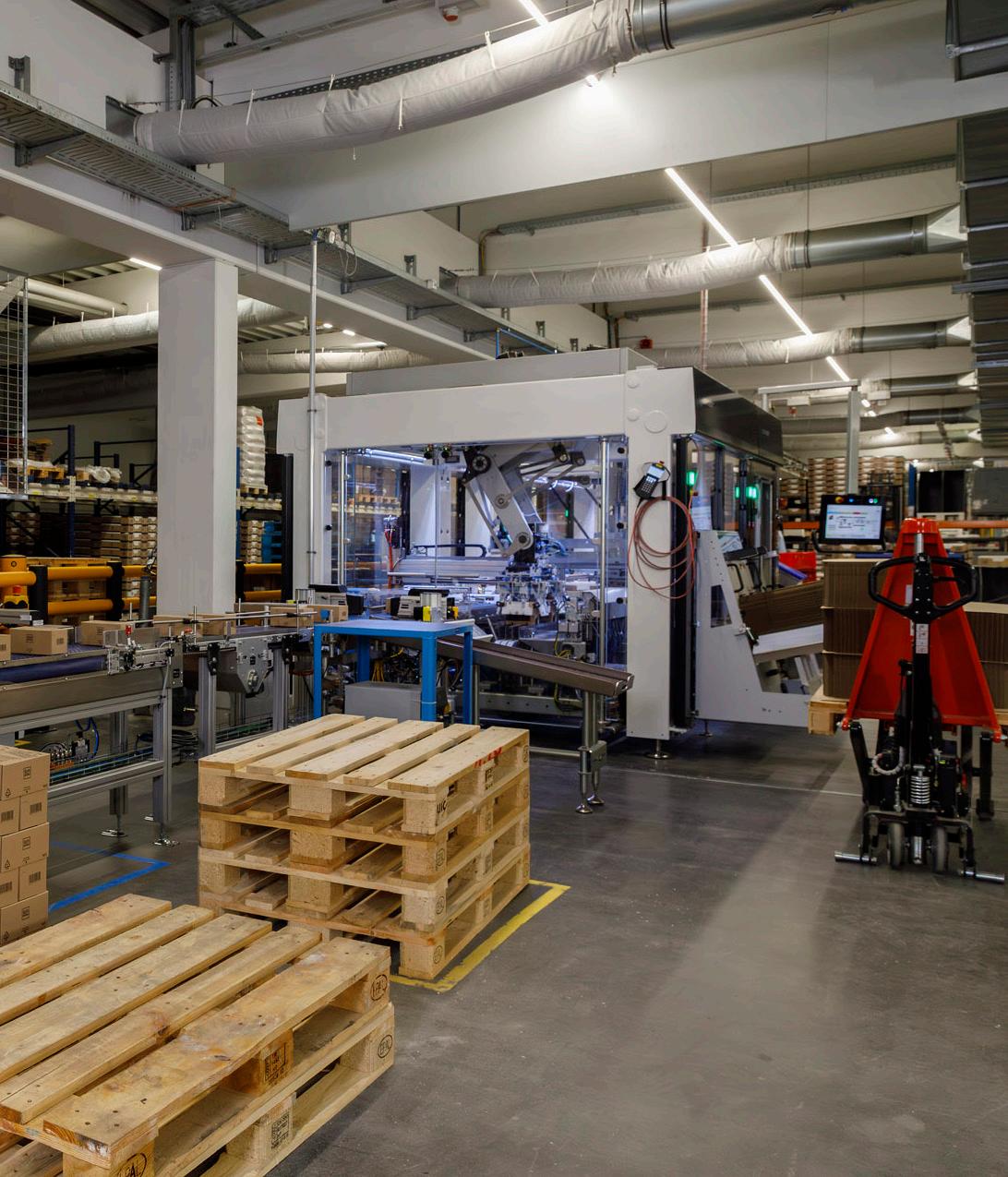
accordingly. Christina Krupp, responsible project engineer at Ritter, explains: “In particular this combination with the grouping belt ensures a smooth and stable process”. The addition of an additional buffer storage for the introduction of intermediate layers is possible. As a further option, the base – for use in hygiene-sensitive environments – can also be made of stainless steel.
A central element of the solution is the vacuum gripper developed by Bayer. This is suitable for handling cartons, trays, canisters and small load carriers, as well as for special applications.
The robots used in the PLT HC palletizer system are Yaskawa cobots of the HC series (“HC” stands for “Human Collaborative”) with a loading capacity of either 10, 20 or 30 kg.
“We decided on the use of a cobot at a relatively early stage, because we wanted a safety guard-less palletizing system”, states Manager Bayer recalls. “The decision to go with Yaskawa was then made quite quickly, because when our cooperation began a few years ago, Yaskawa was the first manufacturer ever of industrial-grade cobots with load capacities of 20 and even 30 kg. That was important to us, because we wanted to be able to cover as wide an area of application as possible.”
All cobots of the HC series are designed in dust and waterproof
IP67 protection class, and use food-safe grease. The long range of the 20 and 30 kg models reaches every point on a standard Euro pallet and allows a stacking height of 2 m. The maximum working speed is up to 2 m/s, depending on the loading capacity.
A safety guard is not required in secured operation, so the robot can be easily and space-savingly integrated into existing environments. For the necessary force measurement, including documentation, Bayer has its own measuring system, so that every PLT HC palletizing system is CE-certified at the factory and can be put into operation immediately.
The idea of a palletizing system that can be used flexibly and independently of location is also supported by the control system: the programming of the robot, gripper system and peripheral devices is carried out via the MOTOMAN YRC1000 robot control system. This works autonomously, but can also be integrated into higher-level systems via interfaces if desired. Although the PLT HC palletizer system is designed as a standardized solution, it can be configured for a wide variety of requirements. This is a matter of course for Bayer, as Managing Director Christian Bayer explains: “Individualization is our strength.” For example, Ritter specified a special layout pattern with 40 boxes per layer. The palletizing system solves this task by the gripper always picking up two by five cartons at a time and depositing them in the appropriate places in two steps – sometimes offset by 90 degrees. In addition, the system can be converted or reprogrammed to new sizes and products at any time without great effort.
For the corresponding control unit, the “smart pendant”, Bayer has specially programmed a system-specific user interface. Even logistics employees without an automation background can now easily navigate the operation of the systems.
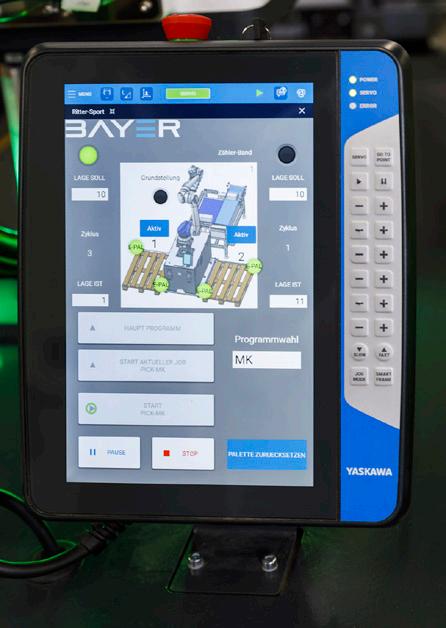
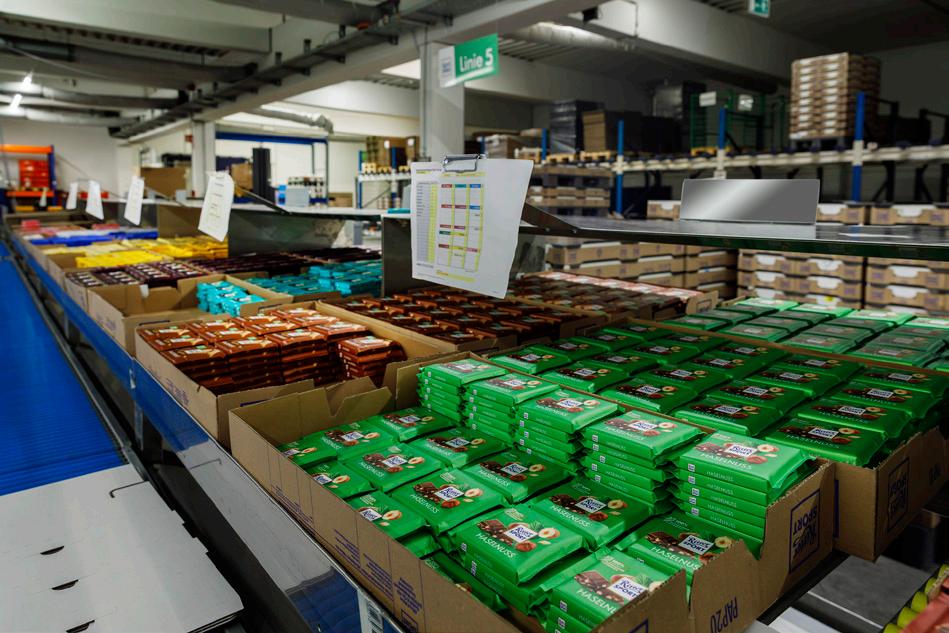
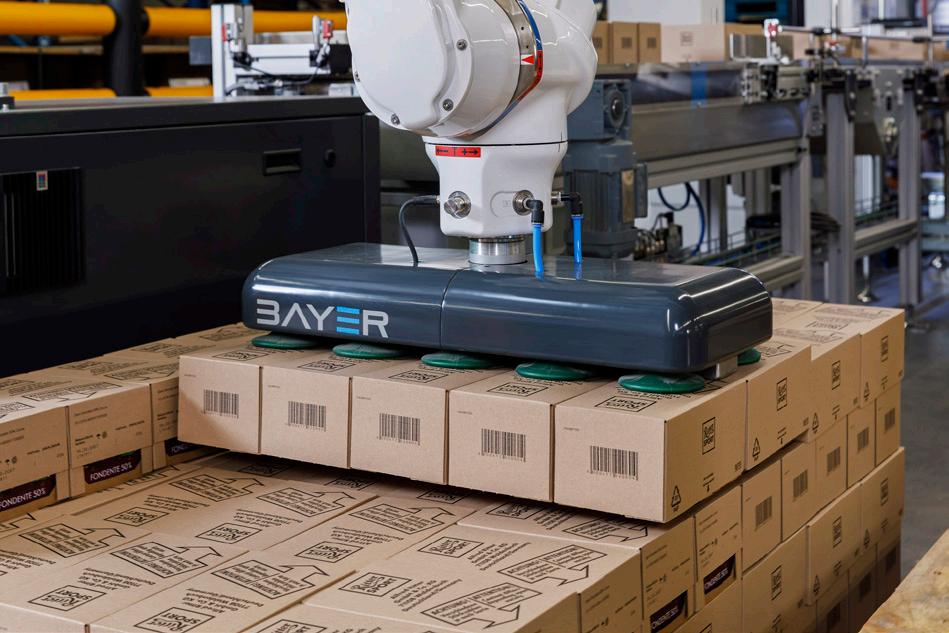
Programming of the robot, gripping system, and peripheral devices is carried out via the MOTOMAN YRC1000 robot controller
Monotonous, physically demanding activities such as classic palletizing tasks are typical jobs that are now difficult to fill in the increasing competition for workers. At the same time, they are difficult to automate decentrally. It is precisely for this specific market need that Wörnitz-based Bayer GmbH & Co KG developed its safety guard-less PLT HC palletizing system. It allows for short ROI times through a standardized and modular design. Optionally equipped with a camera system, it can also be used for machine assembly applications.
In addition, the system is characterized not only by its flexibility and efficiency, but also by its robustness, high availability and, last but not least, consistent user-friendliness. Yaskawa’s industrial-grade HC series cobots contribute significantly to this.
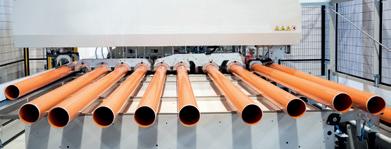

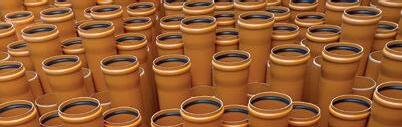
YEARS XV N. 2
MAY/JUNE - SUPPLEMENT 2026
MANAGING DIRECTOR: Simone Ghioldi
EDITORIAL BOARD: Alessandro Bignami (a.bignami@interprogettied.com), Eva De Vecchis (e.devecchis@interprogettied.com)
INTERPROGETTI EDITORI S.R.L. Via Roggia Borromea, 16 - 22060 Carugo (CO) Editorial, sales and subscriptions Tel./fax +39 031 3665163 www.interprogettied.com
SALES DIRECTOR: Marika Poltresi
SALES: Simone Ghioldi (vendite@interprogettied.com)
ADMINISTRATION: amministrazione@interprogettied.com
SALES OFFICE: Raffaella Sepe (raffaella@interprogettied.com)
©Copyright Interprogetti Editori Srl
The columns and news are realised by the editorial team. All rights reserved – All reproduction, even partial, of published material without the publisher’s consent is strictly prohibited.
SUBSCRIPTION RATES:
Italy: ordinary mail delivery EUR 45.00, COD delivery EUR 48.00
International: ordinary mail delivery EUR 60.00, express delivery within Europe EUR 70.00
Express delivery to Africa, America, Asia: EUR 85.00
Express delivery to Oceania: EUR 100.00
Single copy: EUR 10.00
The VAT on subscription prices as well as on the price of single copies is paid by the publisher pursuant to article 74, sub-section 1, point C of the Italian DPR n. 633 of 26th Oct 1972 and subsequent amendments and additions. It is therefore not possible to issue invoices.
Registered at the Court of Milan on 3th June 2010 no. 315 - ROC number 19882
Managing Director: Simone Ghioldi
Printed on May 29th, 2026 at Litogi, Milano
Information to be given to the data subject - art. 13, legislative decree 30th June 2003, no. 196. Personal data are processed, with or without the help of electronic means, by Interprogetti Editori S.r.l. - vis Maggiolino, 34 F - 23849 Rogeno (LC), Italy, to send you the magazine requested and for the operations connected. The processing of data will be carried out by the persons who have been committed by the controller the task of performing the processing operations connected with recording, modification, processing of personal data and printing, fulfilment and delivery of magazines, commercial and fiscal issues, accounting and call center activity. With reference to art. 7, Italian legislative decree 196/2003, you have the right to access to your data, modify, update or cancel data or to object to their processing for direct marketing purposes, by writing to the controller, and ask for the list of data processors.
Publisher’s information to public – art. 13, legislative decree 30th June 2003, no. 196. With reference to Italian Personal Data Protection Code and art. 2, point 2 of Code of Conduct for the processing of personal data in the exercise of journalistic activities, Interprogetti Editori S.r.l. informs that the place where personal data, images and photos are kept is Rogeno (Italy). Data can be used by journalists, free-lance journalists, persons in the role of trainee journalists and persons who carry out processing for the publication or occasional circulation of essays, articles and other intellectual works for the purpose of the exercise of their journalistic or similar activities. The processing of data will be carried out by the persons mentioned above and by persons in charge of printing and publishing activities. With reference to art. 7, Italian legislative decree 196/2003, you have the right of access to your data, modify, update or cancel data or to object to their, by writing to Interprogetti Srl, and ask for the list of data processors. It is understood that the provisions concerning professional secrecy in the journalistic profession shall be left unprejudiced as related to the source of the information if a data subject requests to be informed of the source of the personal data processed by journalists.

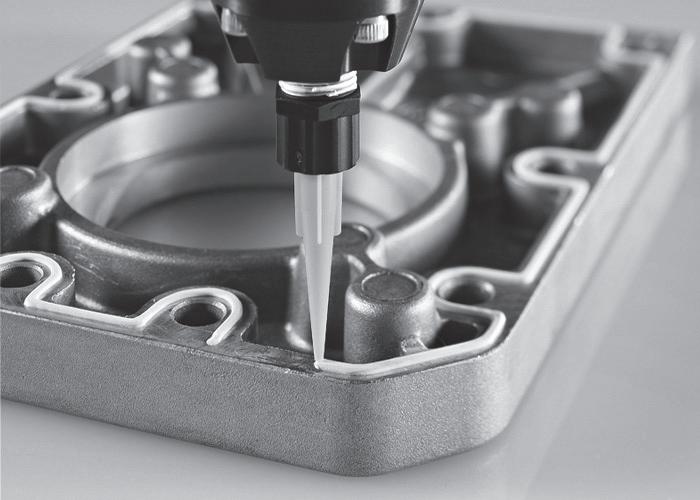

RadiciGroup develops advanced thermoplastic materials targeted at safe, reliable and sustainable applications. For the transportation sector – from rail to maritime and urban mobility, we offer custom, lightweight, high-performance
RadiciGroup develops advanced thermoplastic materials targeted at safe, reliable and sustainable applications. For the transportation sector – from rail to maritime and urban mobility, we offer custom, lightweight, high-performance
responsibility drive every transport solution.
responsibility drive every transport solution.
High-performance polymers for every mobility need.
High-performance polymers for every mobility need.
Connect with our experts today: info.plastics@radicigroup.com
Connect with our experts today: info.plastics@radicigroup.com
www.radicigroup.com
www.radicigroup.com
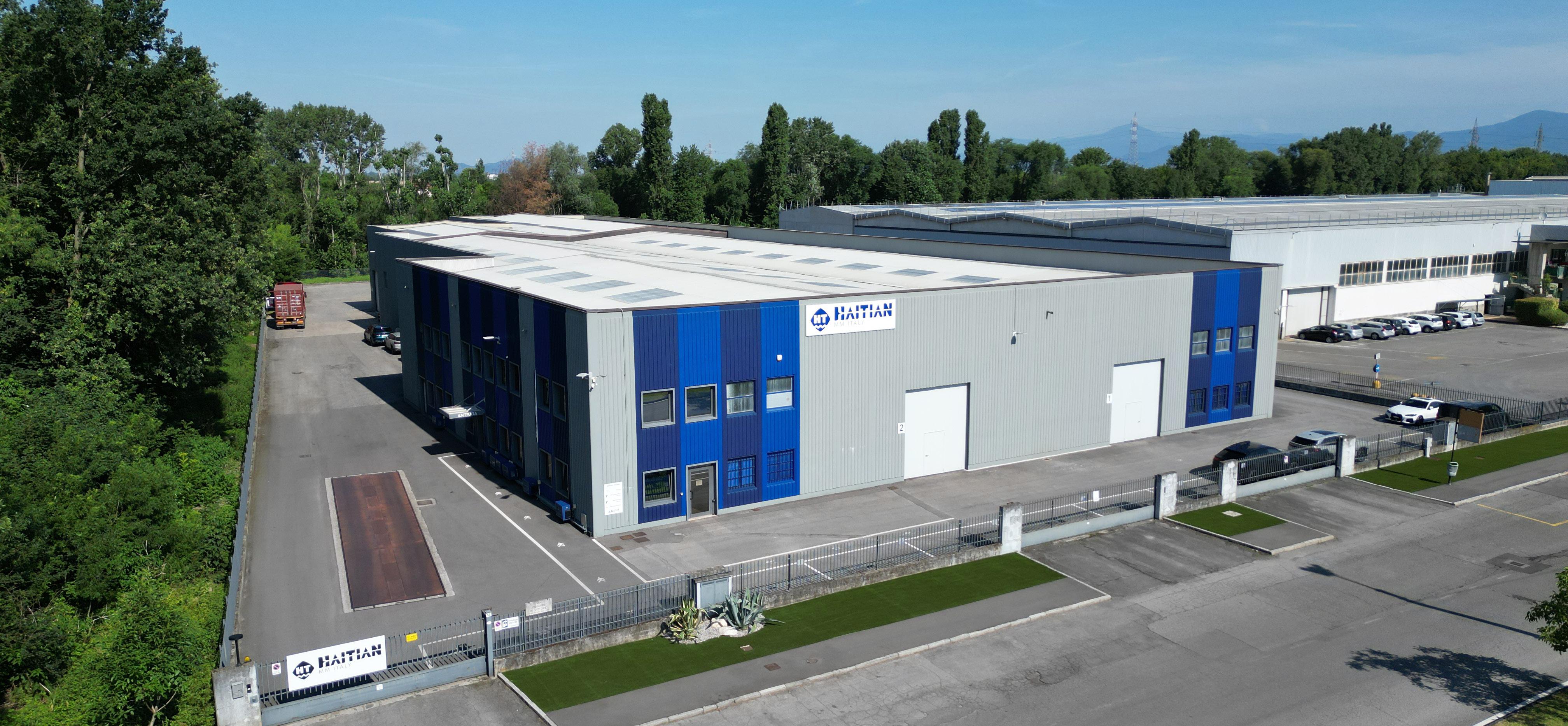


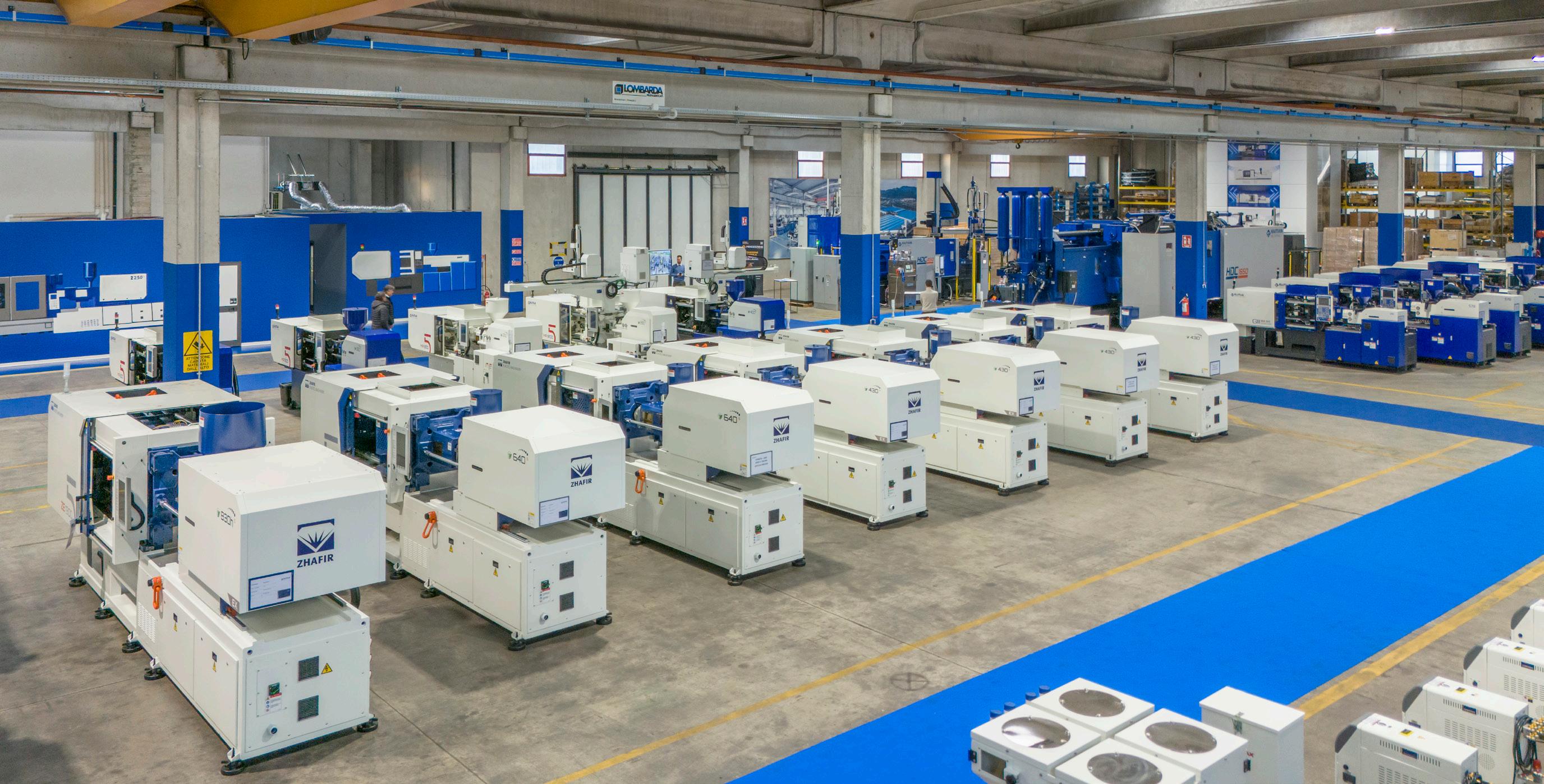
OFFICIAL DISTRIBUTOR AND SERVICE PARTNER

is official distributor and service partner of Haitian and Zhafir products for Italy.

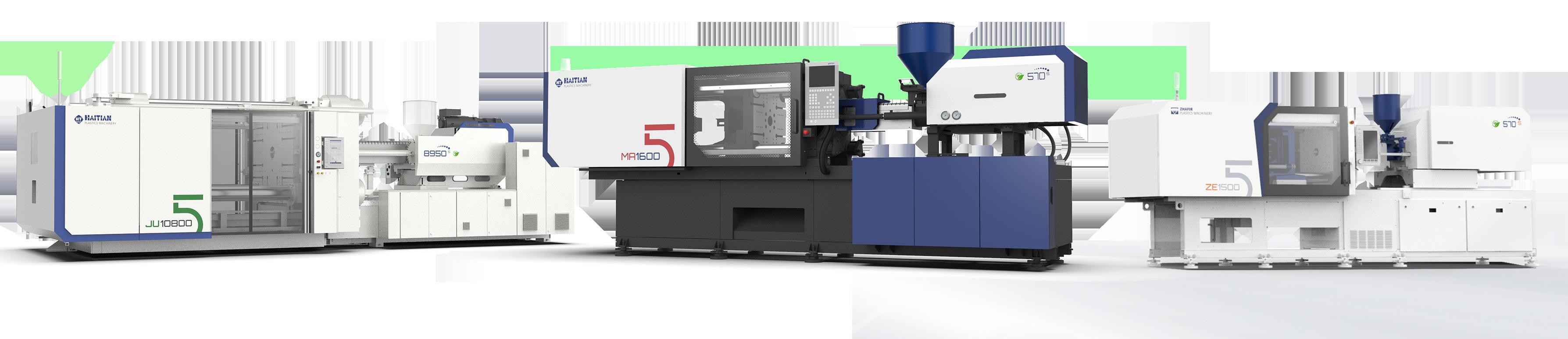
Haitian MM Italy is dealer and after-sales partner of Haitian / Zhafir injection molding machines for thermoplastics for Italy and Romania market.
The company based in Brescia has contributed to the intense growth of the Chinese brand in Italy and is also responsible throughout Europe for the die-casting machine made by Haitian. With a structure of 4,000 square meters, it allows to optimize logistics operations to more easily manage the machines arriving from Haitian. Haitian MM Italy company is able to deliver to the user
a complete and turnkey package, which includes everything that revolves around the machine: from robotic system (with relative CE certification of the working area) to the safety fences and to Formax peripherals. It also proposes itself as the single contact for the entire order, helping the customer to adopt a solution that respects of the parameters for Industry 4.0 and Industry 5.0. The sales network is made up of 20 sales man as well as the after-sales service with 35 technicians covering the Italian territory.
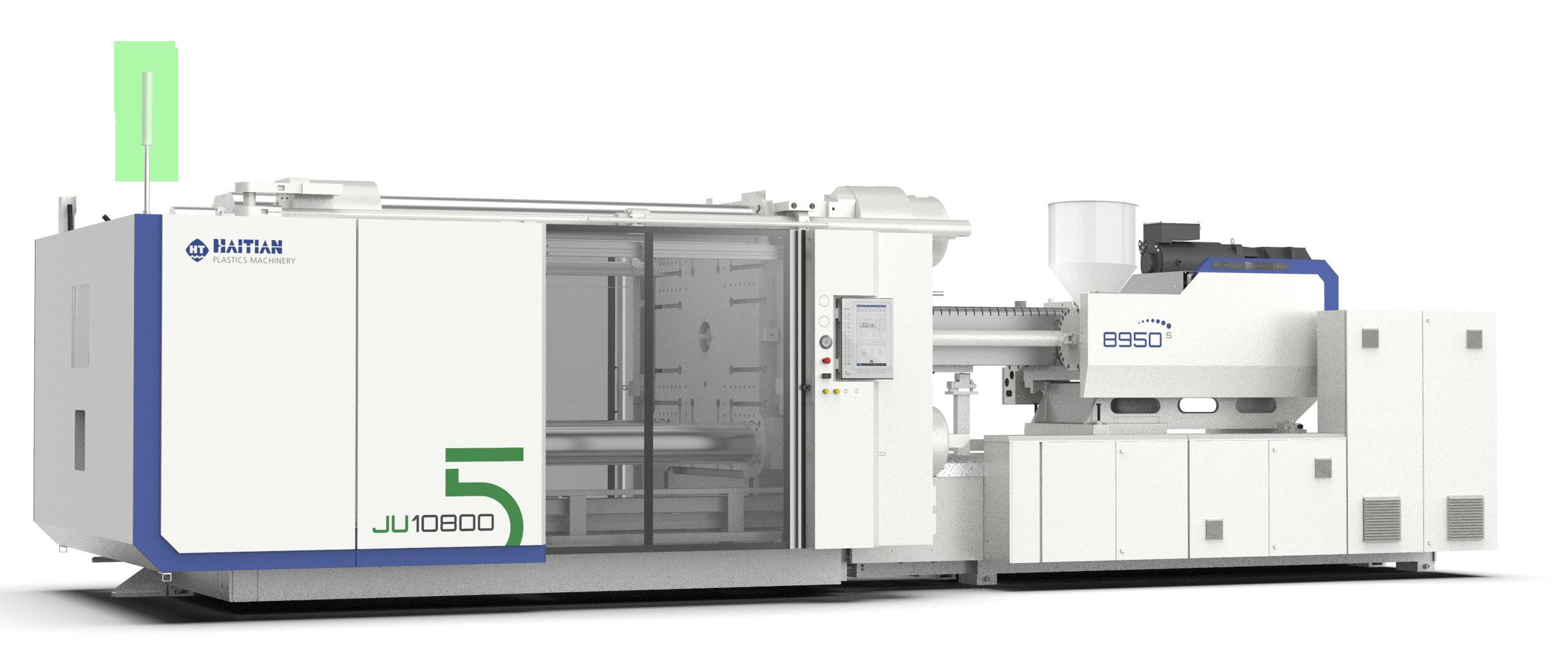
Haitian Jupiter V series: two-platen servo-hydraulic technology (From 4,500 to 88,000 kN) Compact, versatile, and ideal for everything from large items to high-precision parts, maximizing plant space and efficiency. Live at Plast:550-ton
Haitian Jupiter V series (Euromap 3450 injection unit); it will be operated by a Hilectro V-1300ID robot for the production of a PC automotive lens. The mold is fitted with FLEXflow HRS servodriven valve gate technology from Oerlikon.
The result is the reliable production of crystalclear headlamp lenses with a thickness of just 1.8 mm and a weight of only 430 grams. production of a technical product.
Haitian MM Italy, the official distributor for the Italian market of Haitian and Zhafir machines will be present at PLAST 2026 at the Fiera Milano exhibition center in Rho-Pero.
With a 400-square-meter exhibition space, you can find us from June 9th to 12th, 2026, at booth 41-42 C/D, Pavilion 24.
During PLAST 2026, Haitian MM Italy will demonstrate four highly innovative solutions for the processing of thermoplastic materials.
Demonstrating the continuous technological development that Haitian/Zhafir offers its customers, four fifth-generation machines will be presented: two electric and two servo-assisted hydraulic machines.
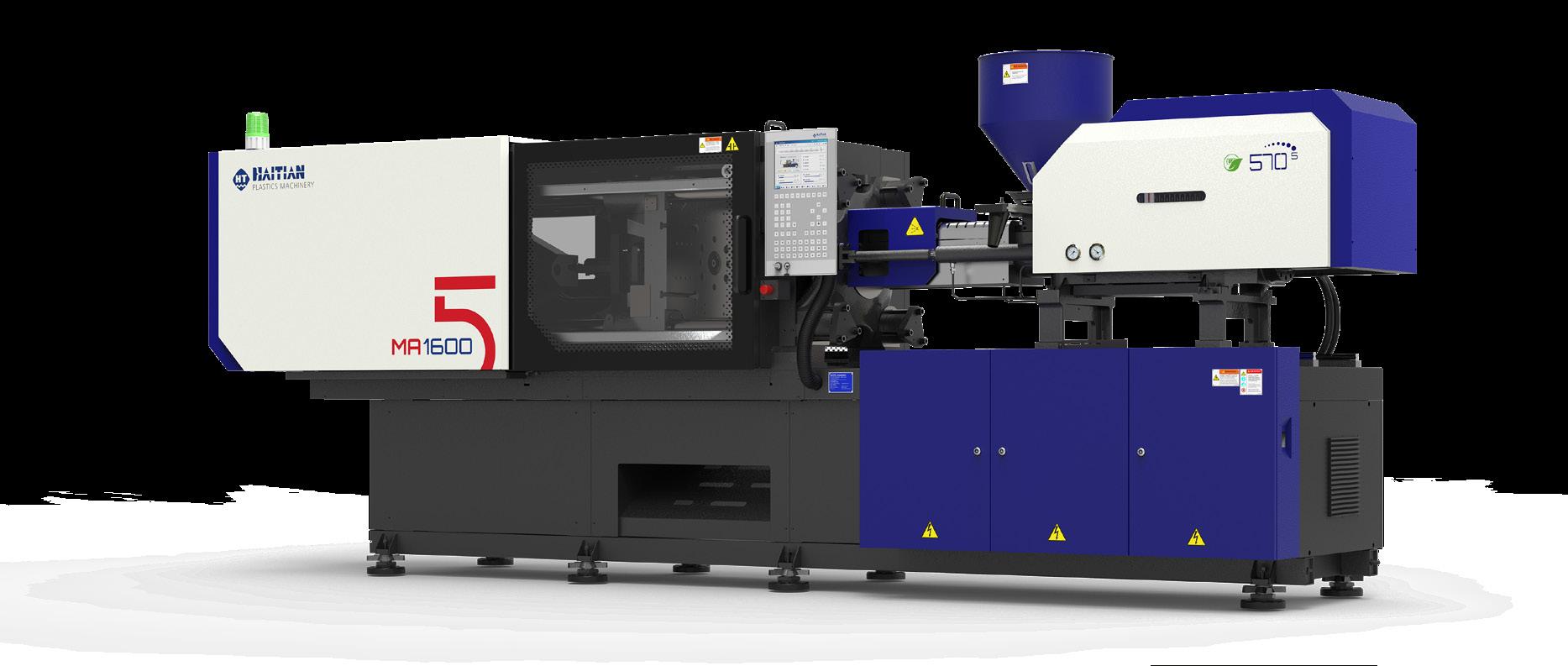
Zhafir Zeres FAST series: Electrical solution with integrated hydraulics
From 1,500 to 6,500 kN
A 550-ton Zhafir Zeres series electric IMM FAST version for quick molding cycles and with Euromap 2650h injection unit (injection speed 300 mm/s).
The mold, manufactured by Husky, will have a 96-cavity design for the production of 23 mm diameter PE caps. The items will be unloaded onto a ventilated conveyor belt for cooling and subsequent collection.
Haitian Mars V series: Servo-hydraulic IMM
From 600 to 88,000 KN
The Mars V series is the new intelligent standard in injection molding: equipped with an electric charging system as standard, it guarantees energy savings and efficiency.
At Plast 2026, Mars V 160-ton series (570 injection units).
It is equipped with a mold for producing a SAN cup, supplied by Guzzini S.p.A.
The Mars V series, with over 450,000 units installed worldwide, is synonymous with reliability and performance.
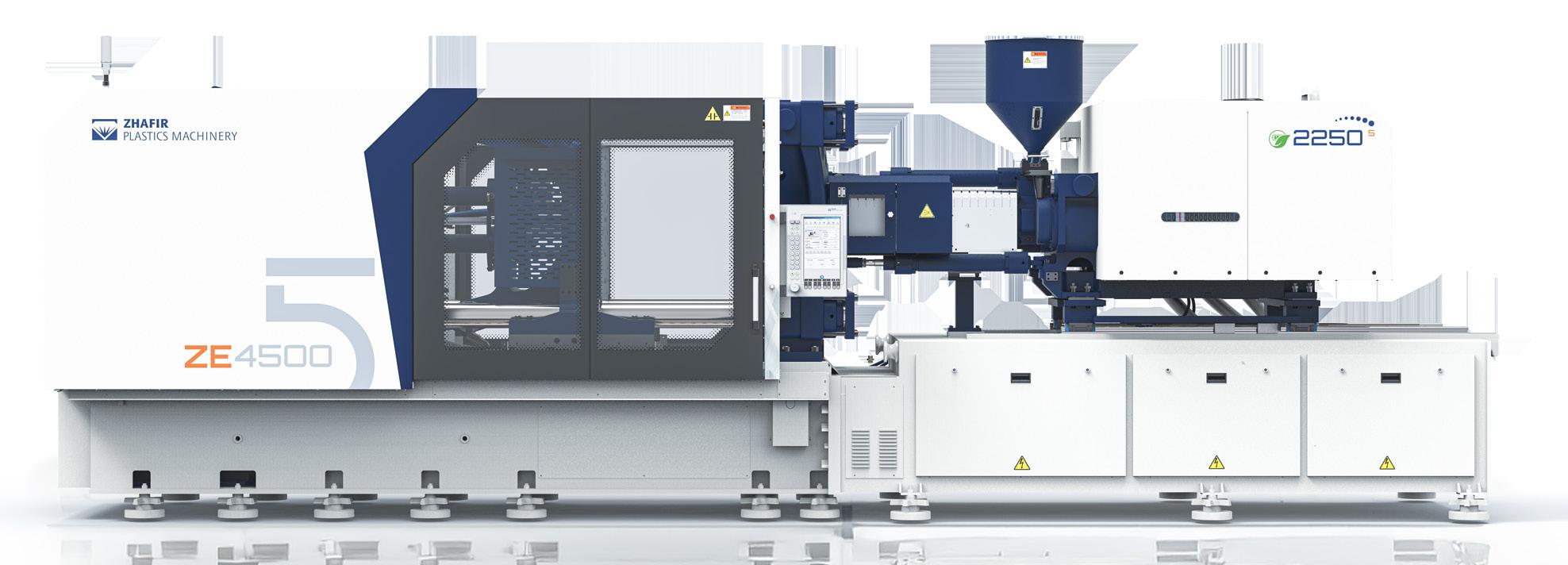
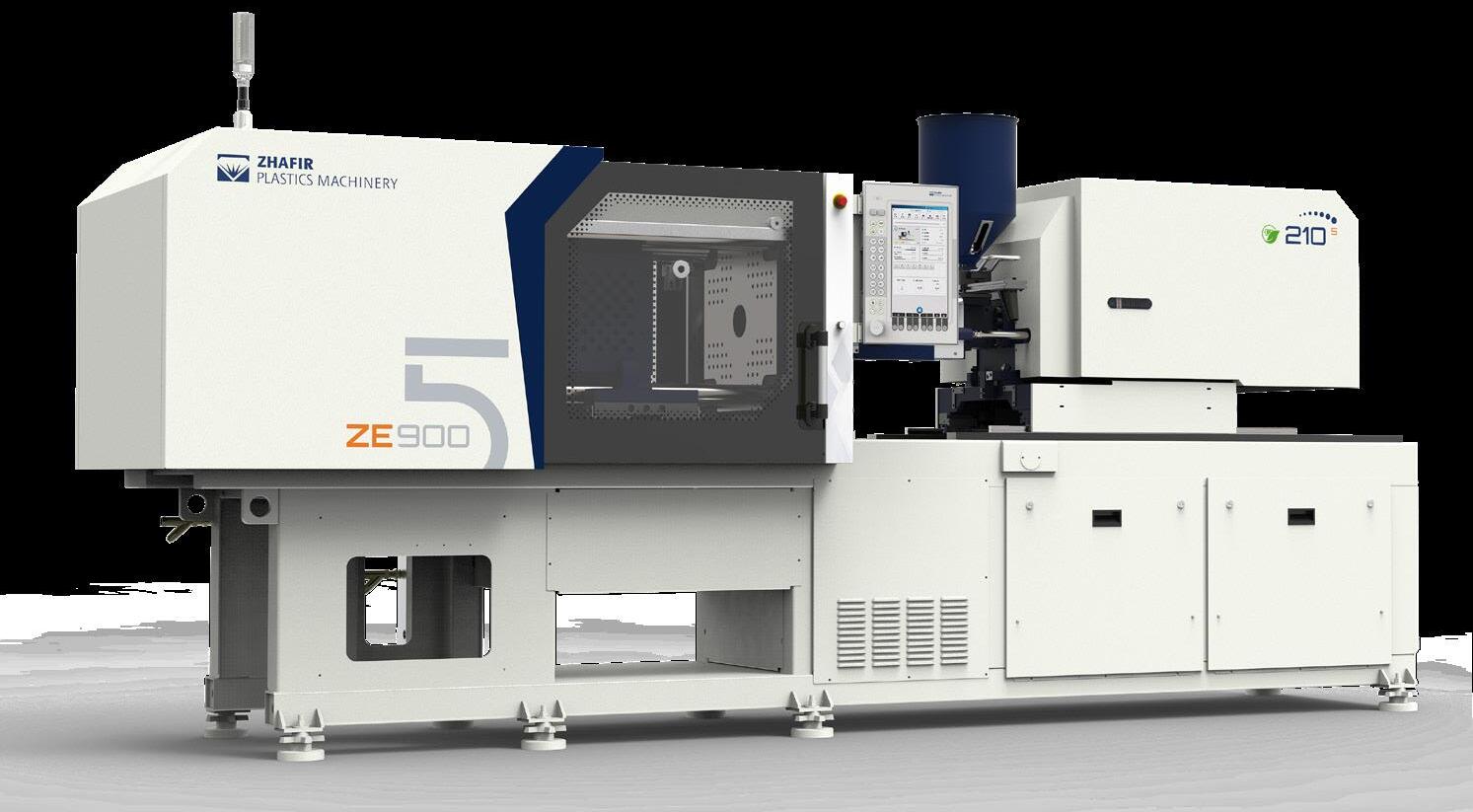
Zhafir Zeres series: Electric IMM with hydraulic solutions
From 600 to 13,800 kN
Electric with servo-assisted hydraulics for managing hydraulic cores, injection carriage advancement, and central ejection.
The new Zeres V series expands the possibilities of efficient injection molding more than ever. Another electrical IMM of the Zeres V series with a clamping force of 120 tons (Euromap 300 injection unit), will be equipped with Hilectro robots for the production of a technical product.
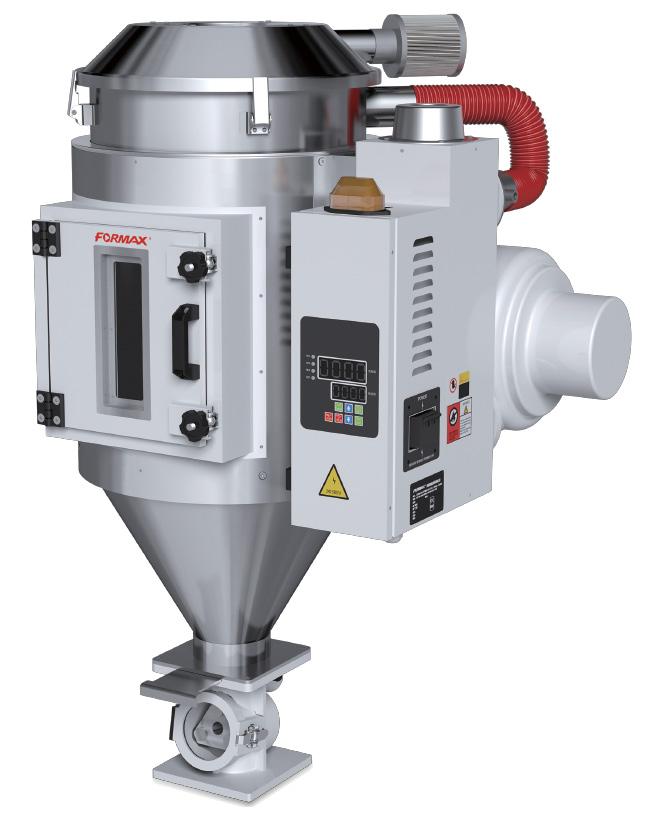
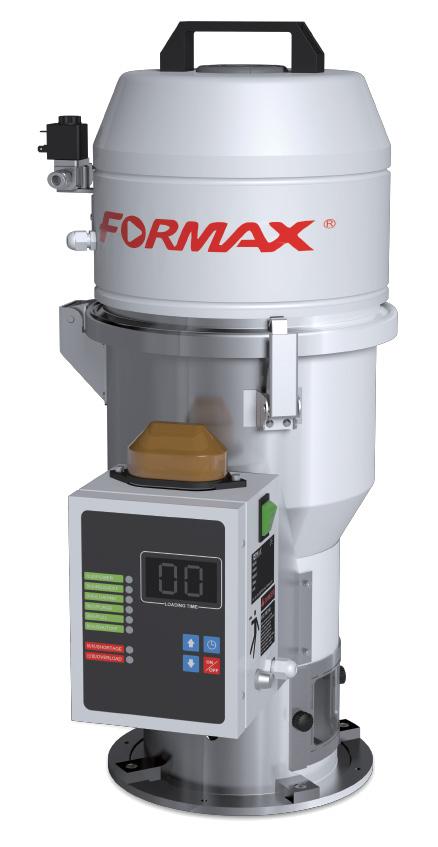
HILECTRO: high-tech manipulators
Hilectro, based in Ningbo, China, is one of six strategic companies within the Haitian Group.
Thanks to its global presence through its parent company Haitian Group, Hilectro has grown to become a leading company in servo motors, automation, magnetic and hydraulic mold clamping systems.
A leader in automation solutions, Hilectro not only develops and manufactures quality manipulators but also provides customers with complete automation solutions. With the advent of “Industry 4.0,” an increasing number of customers require innovative and high-performance automation solutions.
Haitian MM Italy is able to provide users with a complete package that includes everything related to the machine: from automation and robotics systems, to safety fences, conveyor belts, and CE certification of working areas.
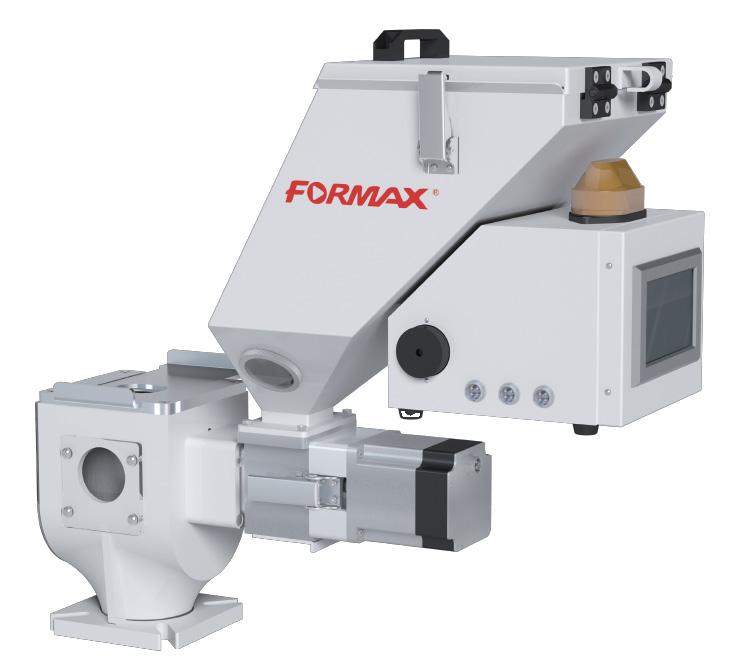
Formax manufactures plastic molding auxiliaries, including conveying systems, drying and dehumidification systems, dosing systems, heating systems, and granulation systems.
Haitian MM Italy has been the official distributor of Formax-branded products in Italy since 2013.
Our Brescia headquarters features a showroom with working equipment, allowing customers to personally experience the efficiency of our products and accessories. Since its founding in 1992, Formax has meticulously optimazed every detail to maximize performance for each customer. Customers choose Formax for its quality, reliability, efficiency, and low energy consumption.
Thanks to stringent finished product inspections, we are able to guarantee the daily production of reliable, high-quality machinery, manufactured by qualified personnel and in compliance with international standards.