POWDER METAL
When the design pushes limits, the material has to keep up. Höganäs metal powders are engineered for exactly that, enabling cost-efficient production of high-performance components with more intricate shapes than conventional materials would allow. The result? More consistent parts, fewer compromises, less downtime and lower cost per piece. It all starts with what's inside, The material.
Publisher & Editorial Offices
Inovar Communications Ltd
11 Park Plaza
Battlefield Enterprise Park Shrewsbury SY1 3AF
United Kingdom
Tel: +44 (0)1743 469909 www.metal-powder.tech
Managing Director & Editor
Nick Williams, nick@inovar-communications.com
Group News Editor & Director
Paul Whittaker, paul@inovar-communications.com
Advertising Sales Director
Jon Craxford, jon@inovar-communications.com Tel: +44 (0)207 1939 749
News Editors
Amelia Gregory, amelia@inovar-communications.com Charlie Hopson-VandenBos, charlie@inovar-communications.com
Features Editor
Emma Lawn, emma@inovar-communications.com
Technical Consultant
Dr Martin McMahon
Marketing Lead Mulltisa Moung, mulltisa@inovar-communications.com
Production Manager
Hugo Ribeiro, hugo@inovar-communications.com
Operations & Partnerships Manager
Merryl Le Roux, merryl@inovar-communications.com
Office & Accounts Manager
Jo Sheffield, jo@inovar-communications.com
Subscriptions
Metal Powder Technology is published on a quarterly basis. It is available as a free electronic publication or as a paid print subscription. The annual subscription charge is £150.00 including shipping.
Accuracy of contents
Whilst every effort has been made to ensure the accuracy of the information in this publication, the publisher accepts no responsibility for errors or omissions or for any consequences arising there from. Inovar Communications Ltd cannot be held responsible for views or claims expressed by contributors or advertisers, which are not necessarily those of the publisher.
Advertisements
Although all advertising material is expected to conform to ethical standards, inclusion in this publication does not constitute a guarantee or endorsement of the quality or value of such product or of the claims made by its manufacturer.
Reproduction, storage and usage
Single photocopies of articles may be made for personal use in accordance with national copyright laws. All rights reserved. Except as outlined above, no part of this publication may be reproduced or transmitted in any form or by any means, electronic, photocopying or otherwise, without prior permission of the publisher and copyright owner.
Design and production
Inovar Communications Ltd.
ISSN: 2977-5892 - PRINT
ISSN: 2977-5906 - ONLINE
© 2026 Inovar Communications Ltd.



For an industry as mature as Powder Metallurgy, innovation isn’t about reinventing the fundamentals. Pressing, sintering and powder handling remain central to the industry, but the value of these established processes is increasingly shaped by the systems that surround them.
Shorter runs, tighter quality requirements, greater material complexity and pressure on skilled labour are driving demand for smarter, more integrated manufacturing systems. The challenge is to make production more repeatable, adaptable and reliable.
That theme runs through this issue. Whether the focus is automated changeover, process simulation, high-volume coating or new powder production routes, the emphasis is increasingly on reducing uncertainty before production begins and maintaining control once it is underway. Equipment suppliers are, as a result, becoming process partners, helping customers understand how materials, tooling, automation and thermal processing interact across the wider manufacturing system.
At the same time, powder-based technologies continue to find new relevance beyond traditional markets. Emerging opportunities in battery materials and rare earth magnet production, alongside applications such as high-volume brake disc coating, demonstrate how PM expertise is being applied beyond its traditional boundaries.
PM’s value is well established. The opportunity now lies in extending that value into new applications, new markets and smarter manufacturing environments.
Nick Williams Managing Director
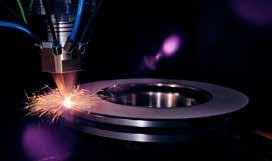
Cover image
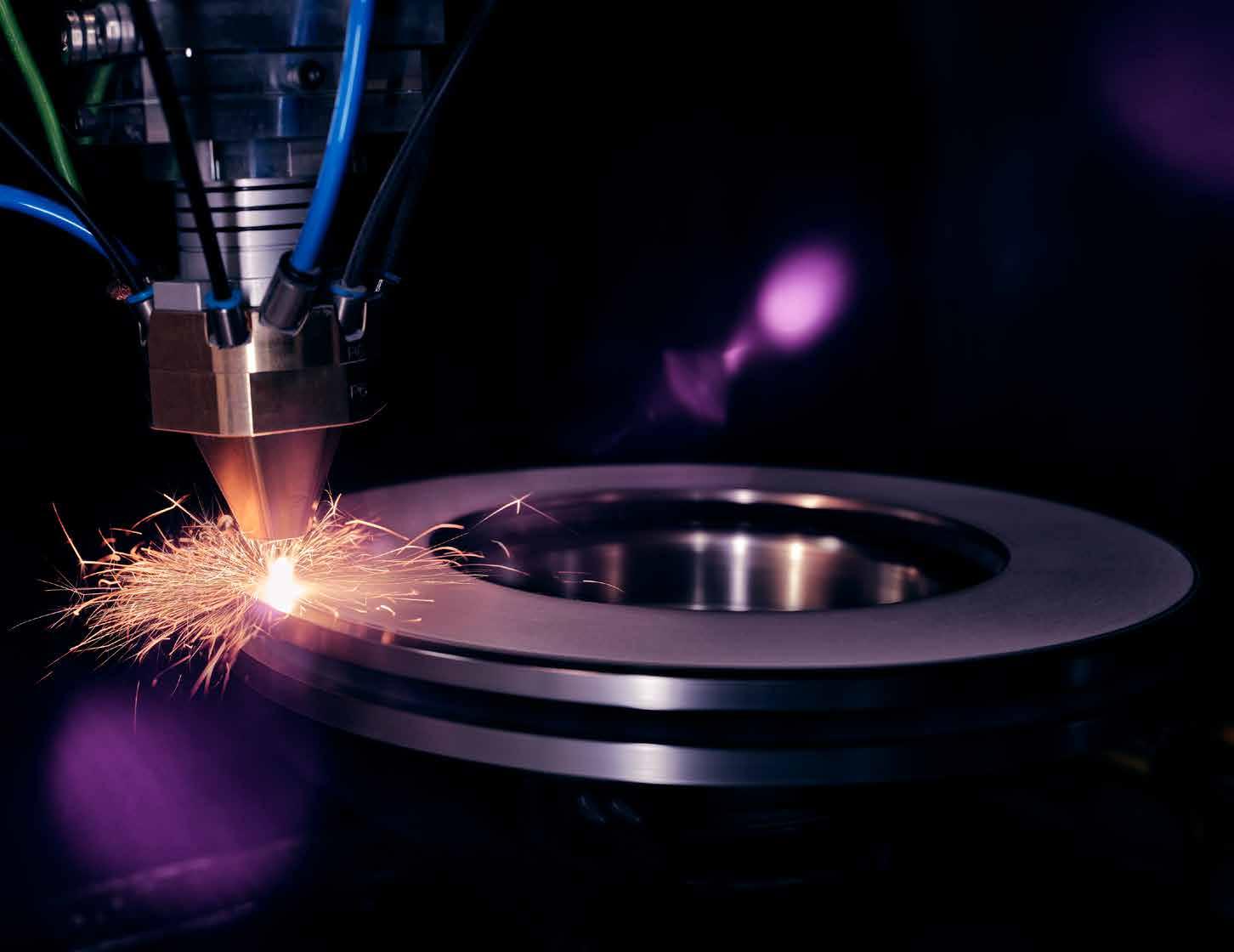
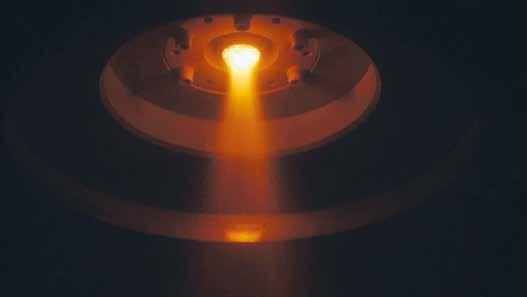
Extreme High-Speed Laser Material Deposition (EHLA) during brake disc coating (Courtesy Etxetar)
Not when you have the right expertise behind you. With the right knowledge, it becomes a controlled, reliable, and repeatable process. At DSH Technologies, we turn process complexity into production capability.
Reduce Scrap Rate & Variability
Improve Yield & Consistency
Emergency Troubleshooting
Toll Debinding & Sintering

STOP GUESSING, START IMPROVING WITH DSH TECHNOLOGIES.


65 Metalysis: From Cambridge breakthrough to industrial metal powder production
For more than two decades, Metalysis has been associated with the possibility of producing metals and alloys directly from oxide feedstocks using molten salt electrochemical reduction. Yet relatively little has been publicly revealed about the industrial operation behind the technology.
Following an in-depth visit to the company’s Rotherham, UK, facilities, Dr Martin McMahon examines how the Cambridge-developed process has evolved into a specialist metal powder production business and what comes next for the technology and the company.
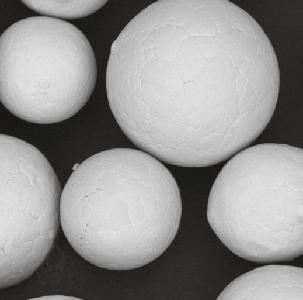
Metal powders designed for mission-critical, high-temperature applications.
HEADQUARTERS
130 Innovation Drive SW McDonald, TN 37353
REGISTRATIONS AND CERTIFICATIONS


Explore Amaero’s innovative, high-performance materials, specifically engineered to meet the demanding needs of industries such as Defense, Space, Aerospace, Oil & Gas, Industrial, Heavy Industry, Medical, and Energy.
Partner with us to harness cutting-edge solutions for your most challenging applications.
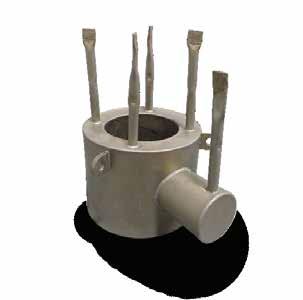
PM-HIP (Powder MetallurgyHot Isostatic Pressing)
Near-net-shape components with reduced lead times, ideal for high-mix, low-volume demand.
SEE AMAERO AT THE UPCOMING SHOWS:
NSMMS | Columbia, SC Jun. 22 – Jun. 25
World PM | Montreal, Canada Jun. 25 – Jun. 29
Space & Missile Defense | Huntsville, AL Aug. 11 – Aug. 13
DIBC | Philadelphia, PA Aug. 25 – Aug. 27
AFA | National Harbor, MD Sept. 12 – Sept. 13
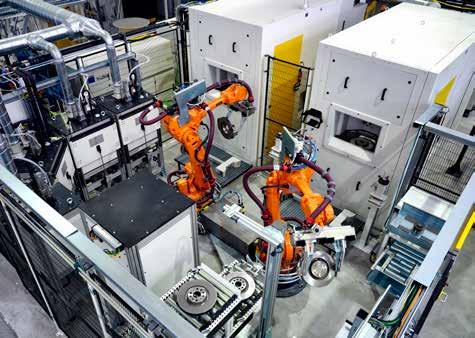
81 High-volume powder-fed laser cladding for brake disc coatings: Inline monitoring and process control
As Extreme High-Speed Laser Material Deposition (EHLA) brake disc coating moves into industrial-scale production, inline monitoring and process validation are becoming central to ensuring process stability, repeatability and coated-disc quality.
In this article, Itziar Onandia Calvo, R&D Project Manager at Etxetar, Gipuzkoa, Spain, examines the monitoring architecture developed for the company’s EHLA brake disc coating platform, where powder handling, melt-pool observation, thermal sensing, geometry inspection and AI-assisted data analysis are integrated within a single highvolume production system. >>>
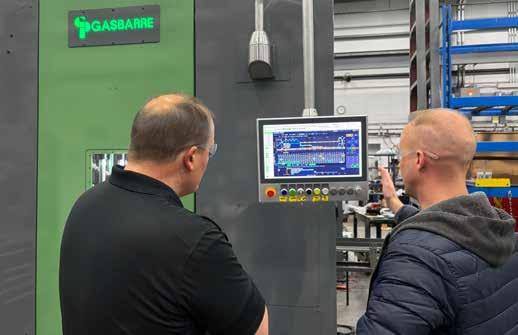
93 Learning earlier, building smarter: Alex Gasbarre on the future of metal powder processing technologies
As metal powder processing moves into more complex applications, from rare earth magnets and battery materials to advanced Powder Metallurgy components, manufacturers are being asked to innovate faster while reducing risk.
Alex Gasbarre, CEO of Gasbarre Products, Inc, explains why the future will depend not simply on better machines, but on earlier learning: using simulation, automation, controls, AI and collaborative engineering to understand processes sooner, make stronger decisions and build smarter, more resilient manufacturing systems for tomorrow’s markets and opportunities. >>>



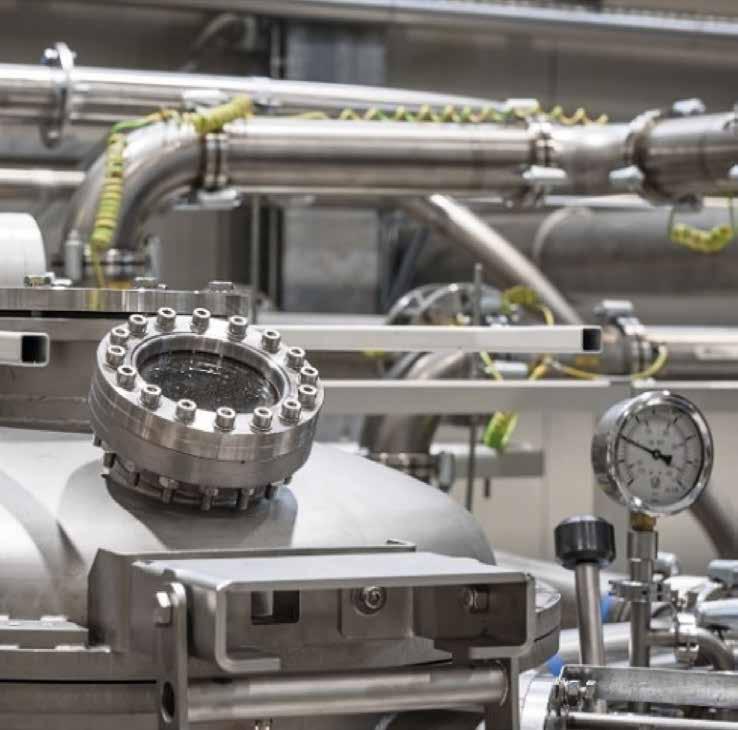
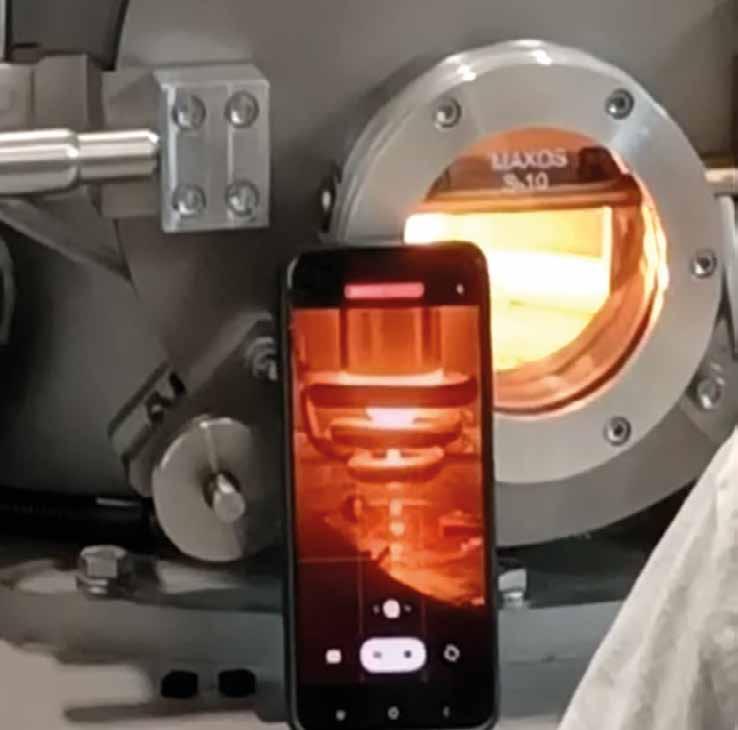







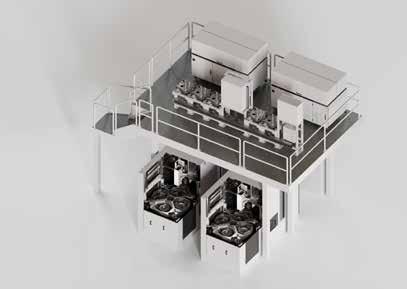
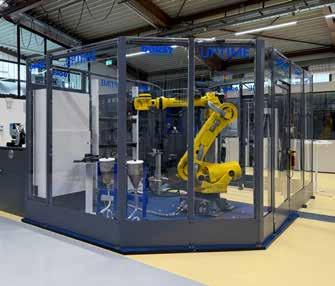
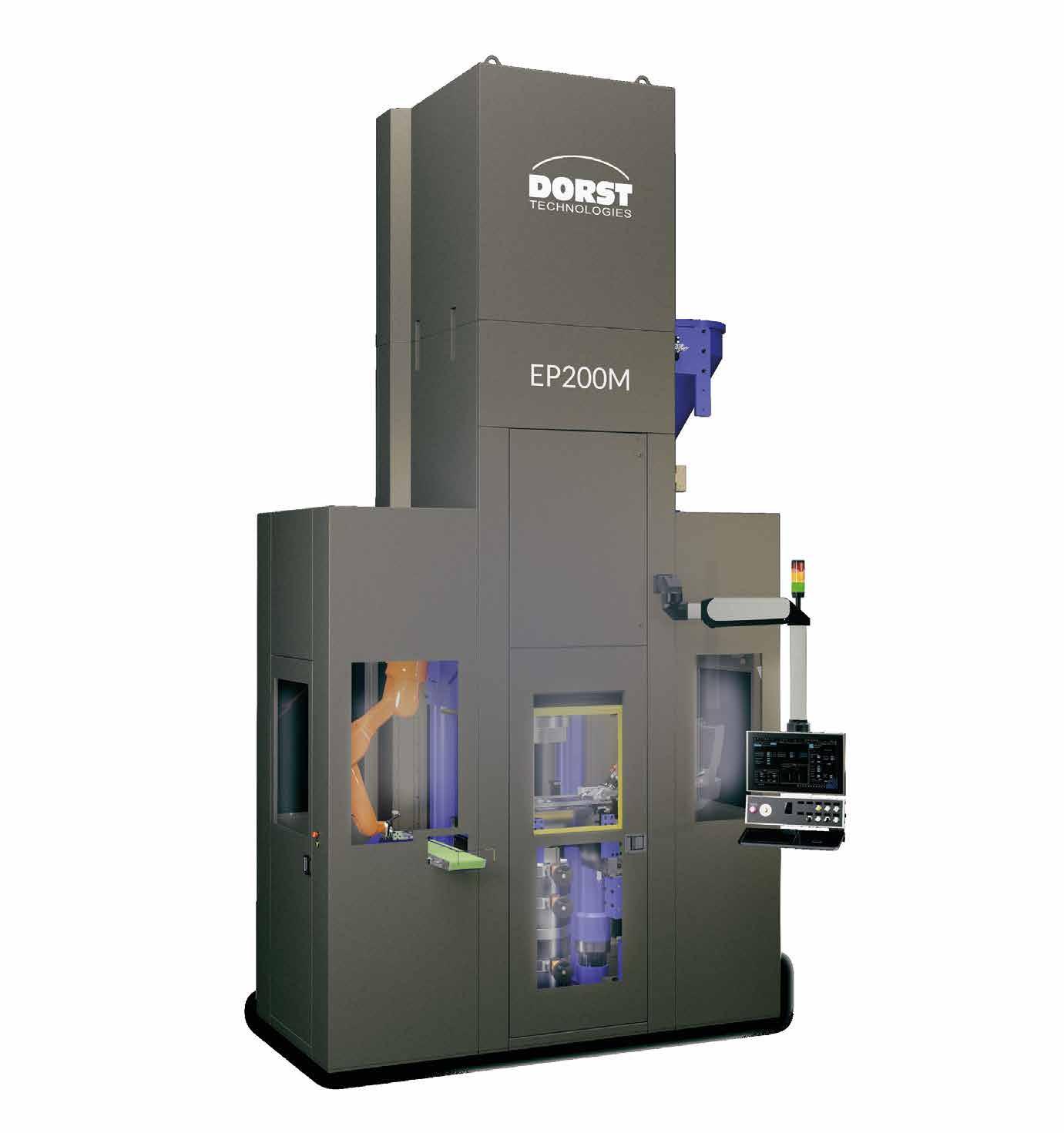
As PM parts producers face shorter lead times, smaller batch sizes and growing part variety, press changeover is becoming a major influence on productivity. Retooling a powder press from one die set and powder system to another can tie up skilled staff, reduce machine availability and affect the stability of production restart.
As Alexander Blankenhagen explains, Dorst Technologies’ UPTIME concept brings tooling and powder-system changeover into the controlled sequence of the production cell, helping manufacturers reduce operator dependency, improve repeatability and make more flexible use of press capacity.
Metal Powder Technology is the essential international resource for the entire metal powder value chain — from production and processing to applications in PM, hardmetals, PM-HIP, batteries, magnetic materials, coatings, and beyond.
Through our magazine, website, weekly newsletter, social media channels and webinars, we connect industry innovators with a truly global audience.
Our platforms deliver trusted news, in-depth articles, and expert analysis to engineers, designers, researchers, and business leaders worldwide.
• Have industry news to share? Submit it > paul@inovar-communications.com
• Want to showcase your expertise? Pitch a feature article
> nick@inovar-communications.com
• Be visible: Ask about advertising opportunities
> jon@inovar-communications.com
• Stay connected: Follow us on LinkedIn
> www.linkedin.com/company/ metalpowdertechnology



submit news for inclusion in Metal Powder Technology contact Paul Whittaker at paul@inovar-communications.com
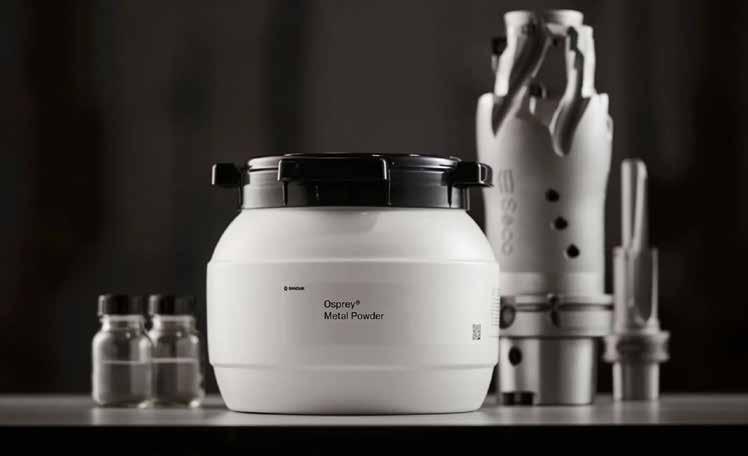
Swedish global investment firm Mimir, headquartered in Stockholm, has signed an agreement to acquire Sandvik’s Osprey metal powder business. The acquisition is expected to establish Osprey as a standalone global platform in gas-atomised metal powders, supplying growing end-use markets including defence, space, medical technology and energy.
With more than fifty years of experience in metal powder atomisation, Osprey offers the broadest product range in the market, with a catalogue of more than 2,000 alloy variations and over 400 different metal powders available at any one time. Its powders are used in a wide range of production processes, including Metal Injection Moulding, Additive Manufacturing, Hot Isostatic Pressing (HIP) and Cold Spray technologies.
”Osprey is precisely the kind of company we look for,” stated Joakim Notö, Managing Partner at Mimir. “It combines deep materials science, a world-class alloy library and decades-long customer relationships in markets with strong underlying growth. That combination creates barriers to entry that are very hard to build and even harder to copy - and that is where we see the potential to accelerate value creation.”
Mimir confirmed that it intends to intensify Osprey’s investment in product development, new alloys and international market expansion - with particular focus on Additive Manufacturing and other advanced manufacturing processes where demand is growing fastest.
Commenting on the news, Stefan Widing, President and CEO of Sandvik, added, “This divestment is intended to better position the Additive Manufacturing business for its next growth phase, and we believe the new owner will provide the platform and dedicated focus needed to further
develop the business towards its full potential.”
In connection with the transaction, Mats Gunnarsson, CEO and founder of MonteCap, will join Osprey as Chairman of the Board at closing.
”Osprey has an unusually strong foundation to build on,” added Gunnarsson. “As an independent company, the business can direct its full focus towards customers, technology development and the segments where growth is strongest. I look forward to working with management and Mimir to step up the company’s next phase.”
The transaction is expected to close in the third quarter of 2026, subject to customary regulatory approvals. www.home.sandvik www.mimirinvest.com
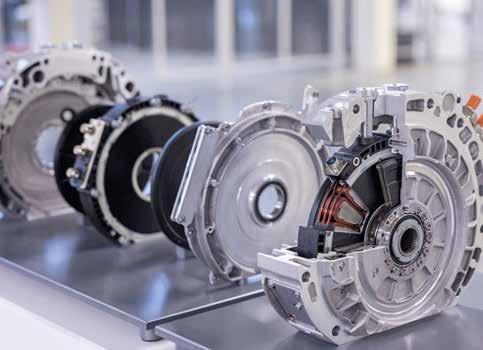
Mercedes-AMG has unveiled its latest GT 4-Door Coupe, the first AMG model based on the company’s dedicated AMG.EA battery-electric platform featuring axial flux electric motors developed with YASA. The vehicle uses a three-motor configuration, with two motors at the rear axle and one at the front, delivering outputs of up to 1,153 hp in GT 63 specification.
The drivetrain architecture follows the earlier CONCEPT AMG GT XX technology programme, which previewed the AMG.EA electric platform and YASA’s axial flux motor technology. Mercedes-AMG stated that the motors developed jointly with YASA offer higher power density than conventional radial-flux electric motors whilst reducing package size and weight.
“With the new Mercedes -AMG GT 4 - Door Coupe, we are once again making a strong statement: It is proof of how we are taking performance and endurance to an entirely new level and pushing the boundaries of electric mobility,” stated Jörg Burzer, Member of the Board of Management, MercedesBenz Group AG, Chief Technology Officer, Development & Procurement.
“This vehicle underscores the broad performance spectrum of our comprehensive development strategy and the consistent transfer of the CONCEPT AMG GT XX technology programme into series production. In the Mercedes -AMG GT 4 - Door Coupe, three revolutionary high - tech axial flux motors and the innovative high - voltage battery guarantee breathtaking performance and endurance,” continued Burzer.
YASA’s axial flux motors use stators manufactured from soft magnetic composite (SMC) powders. Key components of the axial flux motor are designed as thin discs: two rotors enclose the stator like a sandwich on the left and right. This arrangement, also known as an H-configuration, allows optimal coupling of the magnetic flux generated by the stator to the rotors. In the new Mercedes-AMG GT 4-Door Coupe, this combination at the front axle is around 9 cm wide, with the two motors at the rear axle each measuring only around 8 cm in width.
The motors are integrated into a High-Performance Electric Drive Unit (HP.EDU) on each axle. At the rear axle, the HP.EDU contains two axial flux motors, which are combined

together with a compact singlestage planetary gearbox in a shared housing. The required pump control unit, including hydraulic pumps and suction filters, is also integrated into the HP.EDU to save space. In addition, two water-cooled siliconcarbide (SiC) inverters (one per motor) are used.
The front HP.EDU contains one axial flux motor, a spur-gear transmission with integrated parking lock, a liquid-cooled SiC inverter, and a pump control unit. The front electric drive acts as a booster motor, activated only when additional power or traction is required on the front axle.
The axial flux motors are produced at Mercedes-Benz’s BerlinMarienfelde facility. The manufacture of axial flux motors involves around 100 production processes, with some 65 of these being new for MercedesBenz, and 35 of them said to be world firsts. They include new forms of laser technology, combined with innovative joining processes and artificial intelligence.
YASA, headquartered in Oxfordshire, UK, was acquired by Mercedes-Benz in 2021. Its motors are already used in several highperformance hybrid vehicles, including the Lamborghini Temerario, Lamborghini Revuelto, Ferrari SF90 Stradale and Ferrari 296 GTB. Production of the new Mercedeswww.mercedes-benz.com
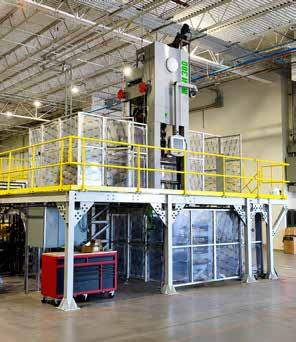
Worldwide first and only 200t pure electric multiplaten-press
More Output
Highest Precision
Great Savings
Optimized Usability


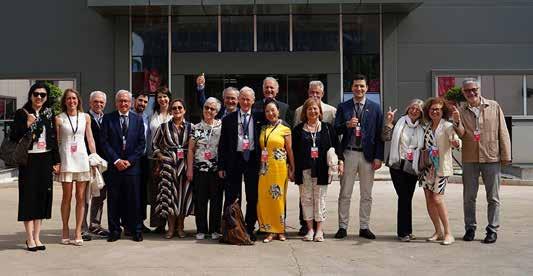
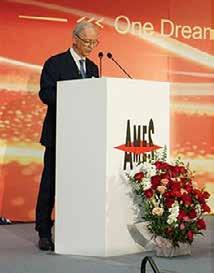
AMES, headquartered in Barcelona, Spain, has celebrated the official inauguration of its new factory in Wuhu, China. The facility will focus on the manu -
facturing of Powder Metallurgy parts for mechanical and hydraulic applications. The company stated that the Wuhu facility will support efforts to increase operational
Plansee US Holding Corp, based in Towanda, Pennsylvania, USA, an affiliate of Austria’s Plansee Group, and real estate and infrastructure investment firm Manhattan Five Partners LLC have entered into a definitive collaboration framework agreement outlining the formation of a joint venture to establish a strategic tungsten oxide stockpile in the United States.
This initiative is designed to support US national security objectives, strengthen domestic supply chain resilience, and reduce reliance on foreign adversarial sources for critical minerals. The project is being developed in alignment with US government priorities and is structured to potentially leverage programmes administered from the Department of War (DOW), Department of Energy (DOE), Department of Commerce (DOC), Development Finance Corporation (DFC), the Export-Import Bank of the United States (EXIM).
“Tungsten is a critical metal for security, defence, advanced manufacturing, and energy systems,” stated Karlheinz Wex, Plansee US Holding Corp. “By building a stra -
tegic tungsten oxide stockpile in the United States, we are making a significant contribution to national security and long-term supply chain resilience. This partnership allows us to combine Plansee’s technological expertise with a strong US-based infrastructure approach, ensuring reliable and responsible access to this critical material for years to come.”
The partnership is said to combine Plansee’s industrial and technological leadership in tungsten oxide processing with Manhattan Five’s expertise in structuring, financing, and managing large-scale infrastructure and strategic asset platforms.
As part of the initiative, Plansee intends to expand production capacity for tungsten oxide at its US facility in Towanda, Pennsylvania to approximately 12,000 tons per year within a short timeframe. The stockpile will consist of tungsten oxide derived from recycled tungsten scrap and non-adverse-country concentrates, ensuring alignment with US sourcing, traceability, and supply chain security requirements. Initial deliveries are expected to commence in 2026.
capacity and serve customers in global markets.
The inauguration brought together colleagues, partners, and local representatives.
“We are proud of the teamwork, dedication and vision that made this project possible,” the company stated. “With the opening of AMES Wuhu, we continue strengthening our international presence and our ability to deliver high-quality Powder Metallurgy solutions to the automotive and industrial sectors.”
“A sincere thank you to everyone involved in making this project a reality. We look forward to the opportunities ahead and to continuing to grow together,” the company added.
www.ames-sintering.com
A significant portion of production will support a strategic tungsten oxide reserve intended to serve the US government, defence, and critical industry demand. Under the joint venture structure, Manhattan Five will oversee warehousing, logistics infrastructure, and long-term asset management, while Plansee will lead production expansion and supply.
Jeffrey Srulowitz, Manhattan Five Partners, added, “Establishing a domestic tungsten stockpile is a critical step in reinforcing US supply chain independence and national security. We are structuring this platform to align with federal programmes and deliver a scalable, secure solution for critical minerals.”
Tungsten is widely recognised as a critical mineral essential to defence systems, aerospace applications, energy infrastructure, and advanced manufacturing. Through its Global Tungsten & Powders (GTP) facility in Towanda, Pennsylvania, Plansee already supplies a significant share of US demand. The establishment of a strategic tungsten oxide stockpile is reported to represent a meaningful step toward strengthening long-term domestic supply independence.
www.manhattanfive.com www.plansee.com
www.globaltungsten.com

















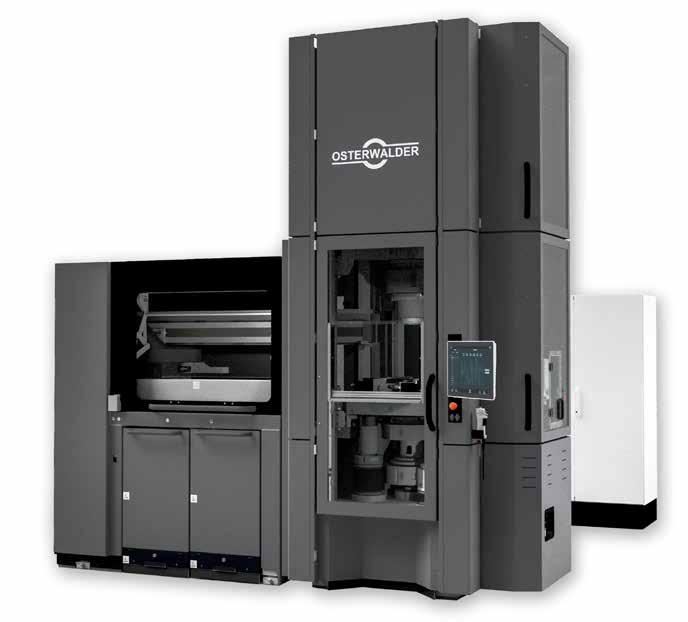
Osterwalder AG, headquartered in Lyss, Switzerland, has launched the MPneo 480, a fully electric powder press featuring a pressing force of 480 kN and up to six cross-pressing modules. The new press is designed for the production of components from hard metals, iron-based materials, technical ceramics and other advanced engineered materials.
Multi-plate technology for process control
The MPneo 480 provides full process control through its multi-plate
technology, with all pressing axes remaining active throughout the compaction cycle. Osterwalder states that this technology enables greater flexibility when producing complex geometries, multi-level components and parts which require varying density distributions, whilst maintaining quality and repeatability.
The MPneo 480 can be equipped with Osterwalder’s Part Removal System (PRS) automation system to create a fully automated press cell. This can
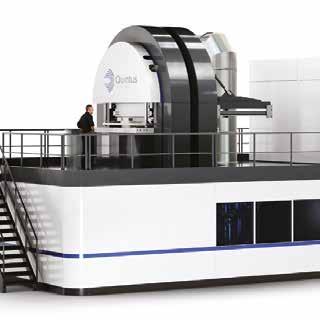
Quintus Technologies, based in Västerås, Sweden, has announced that MTC Powder Solutions, Surahammar, Sweden, has expanded both capacity and capability for its PM-HIP production with the addition of a Quintus QIH 286.
The added capacity will support more efficient production, demanding
component requirements, and strengthen the ability to offer reliable large-scale production. The largescale HIP also gives the team greater flexibility and production readiness, supporting increased demand for components with complex geometries. HIP is used to consolidate powders and solids. Materials range from
increase productivity, reduce manual intervention and improve operational safety.
Offline programming and simulation capabilities are also available, enabling production jobs to be prepared away from the machine whilst manufacturing continues, reducing setup times and minimising downtime.
The Osterwalder MPneo 480 is also designed to reduce material and energy consumption during production. Its near-net-shape capability helps minimise material waste, which can be particularly beneficial when processing critical raw materials.
The fully electric design eliminates the need for hydraulic systems and cooling water, while integrated monitoring functions are intended to support process stability and energy optimisation. According to the company, these features can help lower production costs over the equipment’s lifetime.
“Customers increasingly want to produce more complex parts while maintaining high quality and productivity, without adding process complexity or increasing production costs,” stated Aaron Coone, Managing Director of Osterwalder Technology AG. “We developed the MPneo 480 to meet these needs, giving customers full control over the pressing process so they can produce complex parts efficiently and consistently, without longer setups or higher costs.”
www.osterwalder.com
ceramics to metals and composite materials. Light-weight materials, high speed steels, tool steels and super alloys all use HIP, and new generations of materials such as high entropy alloys are also developed using this process.
Metal Injection Moulding, sintered powder compacts, and metal AM parts are all possible to HIP. Canned powders can also be formed into solid components.
www.quintustechnologies.com
www.mtcpowdersolutions.com
EOS GmbH, headquartered in Krailling, Germany, has acquired 100% of metal powder producer Metalpine GmbH, based in Graz, Austria. EOS has been a shareholder in the company for several years.
The acquisition will strengthen EOS’s strategic focus on materials, particularly in response to the growing demand for titanium Additive Manufacturing. The integration of Metalpine’s capabilities is intended to enable EOS to expand access to titanium powders produced through Metalpine’s patented wire-based gas atomisation process, noted for its consistency and performance in demanding industrial applications.
“For many years, Metalpine has been a strong and innovative partner to EOS,” stated Joachim Zettler, CTO of EOS. “By integrating Metalpine into EOS, we are taking the next logical
step in our collaboration, strengthening our metal materials supply and accelerating innovation, particularly in titanium, where we see significant and sustained market demand.”
For customers, the acquisition is intended to strengthen EOS’s ability to deliver tightly integrated materials, parameters and process expertise. This may help manufacturers achieve faster qualification, improved process stability, and support the scaling of AM for serial production. Industries and applications reliant on titanium, including aerospace, medical, and high - performance industrial applications, will gain greater access to high - quality powders engineered for serial AM environments.
Metalpine will continue to operate as an independent company within EOS, maintaining its established
brand, organisational structure, and business operations. The company will continue to serve its global customer base, including partners across the AM ecosystem, with its metal powders.
“During the past few years, we have built a rock-solid foundation with EOS,” said Gerald Pöllmann, CEO of Metalpine. “Becoming part of EOS is a natural progression of this partnership, enabling us to further develop our technologies and scale our capabilities while continuing to reliably serve customers worldwide.”
Dr Martin Dopler, CTO and Head of R&D at Metalpine, added, “Our patented process stands for exceptional powder quality and consistency. As part of EOS, we will further advance material innovation and support the growing requirements of industrial Additive Manufacturing, while continuing to provide our products to a broad market.”
www.eos.info
www.metalpine.at
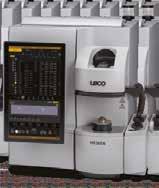
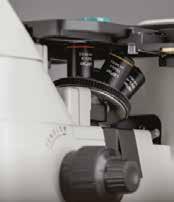
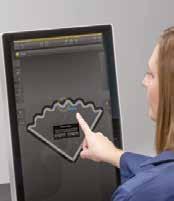
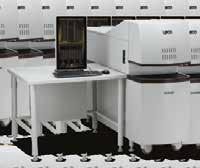
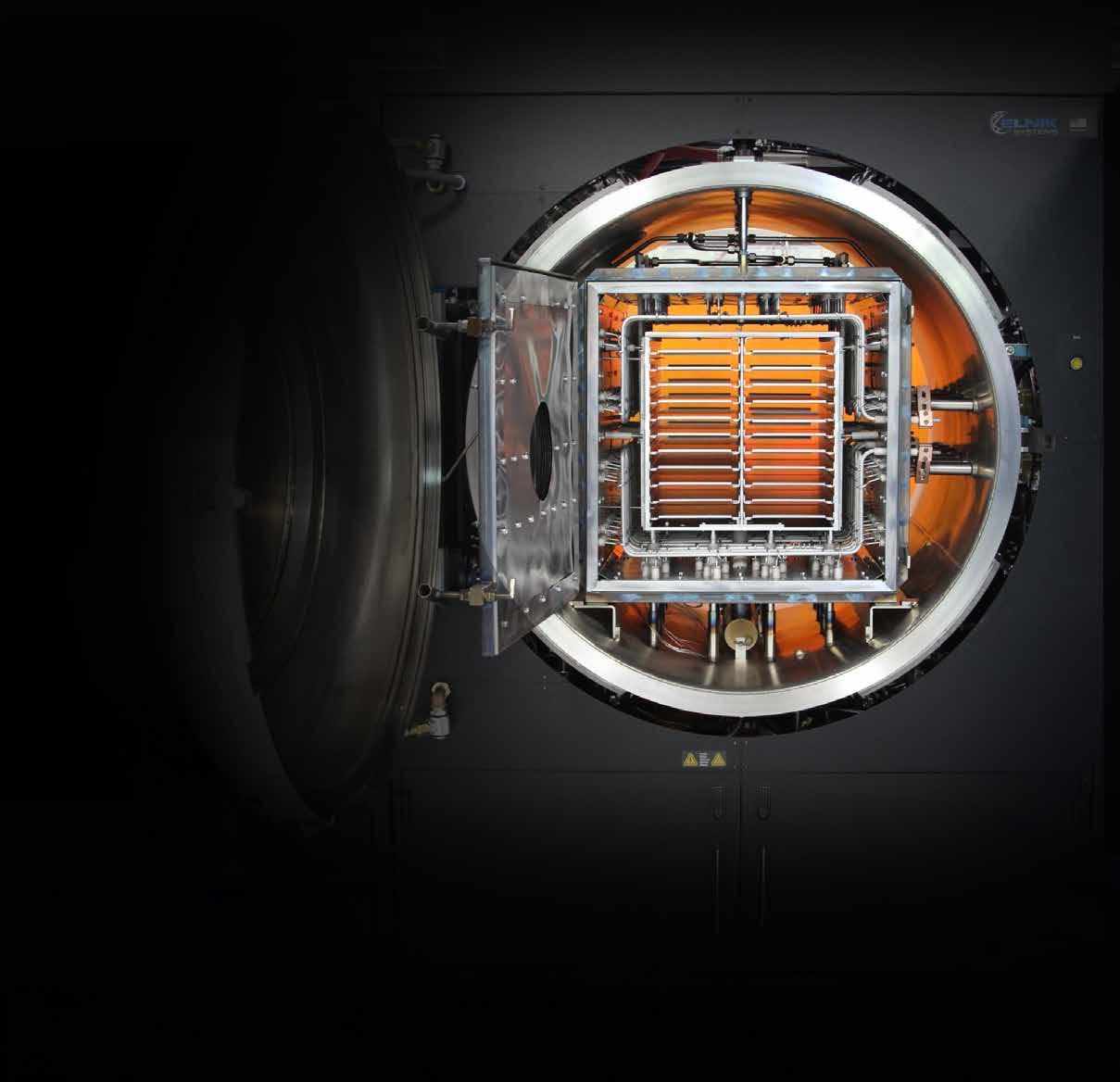
Debinding and sintering services provider DSH Technologies has announced its relocation to Pineville, North Carolina, where it will join its sister company, Elnik Systems.
Stefan Joens, president of both companies, was previously responsible for Elnik’s 2023 relocation to Pineville. During that move, the company retained approximately 75% of its original workforce, ensuring continuity across the business.
“This is another major milestone in our journey to make a greater impact on manufacturing at a global scale,” Joens explained. “By consolidating these two companies under one roof, we are better equipped to serve our customers and scale both businesses while continuing to deliver
the high-quality sintering capabilities and innovative solutions our customers and partners expect from us.”
DSH Technologies is an international toll debinding and sintering service provider that aims to support Metal Injection Moulding and metal Additive Manufacturing companies in optimising operations through training, education, troubleshooting, and contract sintering services.
“Although we are a technologyagnostic service provider, DSH Technologies utilises the full suite of Elnik Systems equipment on behalf of our customers,” stated Bryan Sherman, Chief Metallurgist at DSH Technologies. “This relocation brings the expertise of both companies together in a single facility and advances our shared
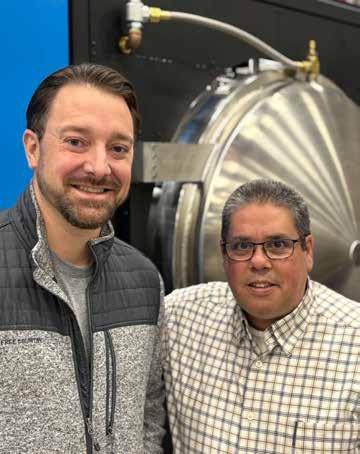
goal of innovating faster and delivering new solutions to the market.” www.elnik.com www.dshtech.com



CNPC Powder, a global supplier of metal powders headquartered in Vancouver, Canada, has begun construction of a new production and R&D facility in California, USA. The company plans to produce powders in a range of particle size distributions for applications including Laser Beam Powder Bed Fusion (PBF-LB), Directed Energy Deposition (DED), Metal Injection Moulding, thermal spray, and Hot Isostatic Pressing (HIP).
The California facility has been designed to address the needs of manufacturers placing greater emphasis on domestic supply chains, shorter qualification cycles, and improved process traceability. It will provide US customers with faster access to its alloy portfolio, local technical support, and greater supply chain control for applications in aerospace, automotive, consumer electronics, medical, energy, and industrial sectors.
The company expects the facility to reduce delivery times for many North American customers from several weeks to a matter of days, whilst also enabling closer engineering collaboration and on-site implementation support.
The 5,500 m² facility will house up to six fully automated atomisation production lines for aluminium
powders, titanium alloys, nickelbased superalloys, stainless steels, and other speciality alloys. Initial production is expected to begin in the first quarter of 2027.
Advanced atomisation technologies
The California facility will deploy CNPC Powder’s portfolio of atomisation and powder-processing technologies to produce spherical, low-oxygen powders for demanding applications.
Core production technologies will include:
Vacuum Induction Gas Atomisation (VIGA) : for high-purity nickel alloys, steels, and speciality alloys
• Electrode Induction Gas Atomisation (EIGA): for reactive materials such as titanium alloys
• Plasma Rotating Electrode Process (PREP): for aerospace and medical-grade powders
• Plasma Spheroidisation (PS): to enhance powder flowability and particle uniformity
• AMP Platform (Advanced Metallurgy Powder) : the company’s proprietary production platform, incorporates real-time monitoring, closed-loop process control, and quality management

According to the company, these technologies enable control of particle size distribution (PSD), sphericity, satellite formation, oxygen content, and powder flow characteristics, all of which influence build consistency, density, surface finish, and mechanical properties.
Closed-loop powder recycling
The new site will incorporate a closed-loop recycling system intended to convert production scrap, used components, and waste powder into recycled titanium and aluminium powders. The company stated that these materials will be supplied with SCS carbon certification.
Material portfolio
The facility will initially focus on materials widely used in industrial AM applications, including:
• Aluminium alloys, including Scalmalloy
Titanium alloys, including Ti-6Al-4V
• Nickel-based superalloys, including Inconel 718, Inconel 625, and Hastelloy-series materials
Steel alloys
Copper alloys
Custom alloy development services will also be offered for customers requiring enhanced weight reduction or heat, corrosion and wear resistance.
Alloy development and certification centre
Alongside production operations, the California facility will include an alloy development and rapid certification centre staffed by application engineers and materials specialists. CNPC Powder currently supplies customers in the aerospace, automotive, medical, electronics, and industrial sectors and holds certifications including ISO 9001, IATF 16949, ISO 13485, and SCS recycled content certification. www.cnpcpowder.com
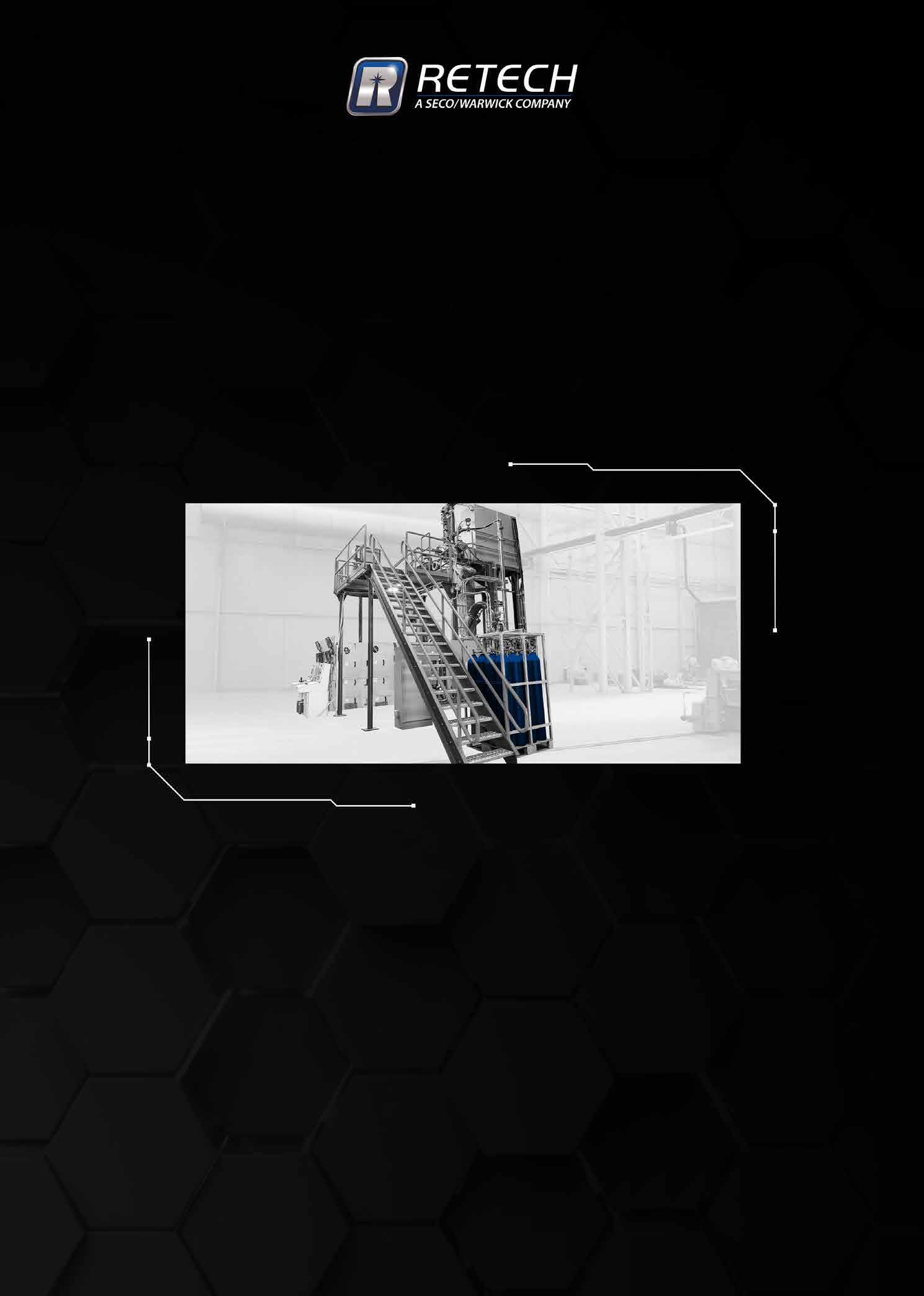

Retech, a US-based division of the Seco/Warwick Group headquartered in Swiebodzin, Poland, has been contracted to supply Plasma Gas Atomisation (PGA) equipment to a US national laboratory to support a strategic critical materials initiative.
The pilot-scale PGA platform is intended to enable advanced powder development for next-generation materials, essential for high-performance manufacturing and emerging technologies. Designed for flexibility and scalability, the Retech PGA atomiser allows researchers to move from process validation to broader industrial deployment.
National laboratories help to bridge the gap between metallurgical discovery and manufacturable solutions. While early-stage research confirms material properties, pilot-scale systems demonstrate process reliability, repeatability, and economic feasibility. Retech’s PGA
platform is engineered to address these challenges by offering precise process control, feedstock versatility, and the ability to scale parameters in alignment with future production systems.
The atomiser will support efforts aimed at strengthening domestic supply chains and reinforcing US technical leadership in strategically important materials.
“National labs are focused not only on proving what’s possible, but on proving what’s practical,” said Earl Good, Retech President. “Our PGA platform is built to give them a pathway from controlled pilot-scale experimentation to scalable, production-ready capability. We design our equipment so that once a process is validated, scaling it up becomes a streamlined next step rather than a redesign.”
Beyond individual equipment capabilities, Retech’s modular plat-
Tekna Holding ASA, headquartered in Sherbrooke, Quebec, Canada, has published its 2025 Annual Report, stating revenue for the year was CA$35.6 million, a 4% decrease from CA$37.2 million in 2024. EBITDA was negative CA$3.1 million compared to negative CA$4.0 million in 2024. Adjusted EBITDA improved to negative CA$1.4 million from negative CA$6.9 million in 2024, reportedly reflecting the positive trajectory towards profitability with two consecutive EBITDA-positive quarters in the second half of the year. Tekna reported a net loss of CA$11.0 million for the period, compared to a loss of CA$11.2 million in 2024.
The Annual Report also contained the company’s Sustainability Report for 2025, including carbon accounting, EU taxonomy and human rights and transparency. In 2025,
Tekna’s overall carbon emissions were down 26% to 30,898 tCO2e from 41,957 tCO2e in 2024.
“2025 was a landmark year for Tekna,” stated Claude Jean, CEO of Tekna. “We delivered strong progress and reached a profitability inflection point in the second half of the year, supported by a record materials order intake and continued cost optimisations. The Company also reached a major milestone as the first in the world to receive NADCAP accreditation for metallic powder manufacturing. We enter 2026 with clear market momentum, a stronger capital structure, and capacity and resources in place to deliver on our 2030 ambitions.”
Jean added, “We are pleased to be making meaningful progress on our sustainability commitments, and we have firmed up our intermediate
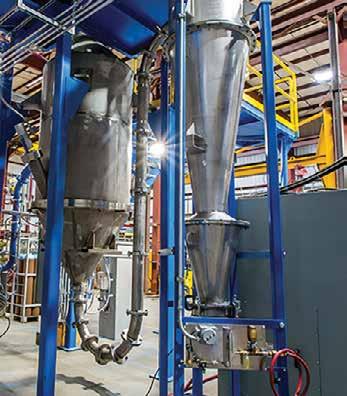
Retech’s Plasma Gas Atomiser utilises Plasma Arc Melting technology in combination with gas atomisation (Courtesy Retech)
form approach allows integration with existing lab infrastructure, consolidating operations, maintenance, and training across multiple systems. This integrated strategy enhances cost efficiency whilst maintaining the high purity and performance standards required for advanced materials applications. www.retechsystemsllc.com
targets to carbon neutrality in our own operations by 2035.”
Tekna reported that it’s financial position was significantly strengthened during the year following the successful completion of the rights issue.
Jean shared, “Our Materials business continues to be the engine of Tekna’s value creation. It delivered record revenues of CA$27.8 million and contribution margin of 53.2%. This performance was driven by a favourable product mix, higher selling prices for small and large powders, cost structure improvements and disciplined execution. The strong revenues were supported by an all-time high order intake of CA$33.9 million. The average revenue per Materials customer reached a new high of CA$170 000, illustrating the maturation of customer applications and repeat order programmes – especially in the aerospace & defence and medical sectors.”
www.tekna.com
One of AM’s most demanding copper alloys—produced with unsurpassed cradle-to-gate traceability. Engineered for qualification without disruption: every raw material, melt parameter and atomization condition is controlled and documented under an AS9100-certified system. Delivering predictable performance helping you avoid delays, requalification or surprises—across critical, high-performance applications.
Explore how traceability keeps your qualification moving—without disruption.
Swedish steel company SSAB has announced plans to expand its steel powder production facility in Oxelösund, Sweden. The investment is expected to enable the production of metal powders, specifically for Additive Manufacturing, at a commercial scale. The company anticipates the expansion will strengthen its position in the advanced materials sector and allow it to meet growing demand for high-performance metal powders suitable for AM.
“By increasing SSAB’s manufacturing capabilities, we are strengthening our offering in steel powder for Additive Manufacturing and making the technology more accessible to our customers,” stated Jesper Vang, Head of Powder Technology at SSAB. “We see growing
demand for our powder products, which combine high performance with a lower climate impact throughout the value chain.”
SSAB has developed its own high-strength steel powders optimised for Additive Manufacturing, based on fifty years of experience in high-performance steel products. This enables advanced designs with low weight and high strength. In some applications, steel powder can replace aluminium as a lightweight material. The powders can also be used without subsequent heat treatment, reducing risk, lead times, and costs.
The facility is being expanded in cooperation with SMS group, Mönchengladbach, Germany, whose technology meets SSAB’s require -
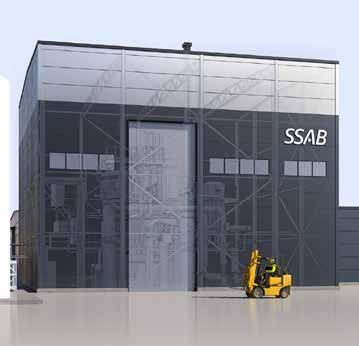
ments for manufacturing equipment.
Construction is planned to start this year, with powder production starting in the first quarter of 2028. The facility is expected to have a capacity of 350 tonnes per year and employ approximately twenty people at full production. www.ssab.com
We don‘t just build presses — we empower our customers
From fine-tuning tool design and pressing parameters to modernizing existing presses with intelligent automation — our experts work side by side with customers to unlock the full potential of their powder compaction processes.
Improved material utilization
Shorter cycle times
Enhanced part consistency
Lower energy consumption
Multiple materials (metal powders, ceramics or special materials)
Sustainable KOMAGE Gellner Maschinenfabrik KG +49 (0) 6589-9142-0 info@komage.de www.komage.de


Blue Moon Metals Inc, headquartered in Toronto, Ontario, Canada, has announced that its board of directors has agreed to initiate the planning stages to allow for potential production resumption at Blue Moon’s Springer Mine and Mill complex in Nevada, USA. The company completed its acquisition of Springer on February 10, 2026.
Springer is a tungsten production facility and, from 1914 to 1958, was one of the largest tungsten producing mines in the United States. It is one of the highest grade tungsten deposits in the world.
The facility consists of an existing vertical shaft and underground workings, a nominal mill with rod/ball mills, grinding and flotation circuits, and a decommissioned Ammonium Paratungstate (APT) circuit including autoclave and related reagent systems.
The company believes that recent rises in tungsten prices is due to strong military and Powder Metallurgy requirements, with reduced exports from China – which accounts for approximately 80% of global tungsten supply. With most of the permits still in place at Springer and the infrastructure at Springer in good condition, the company is evaluating various plans with a goal of fast-tracking the facility back to production, with a target of Q4-2027.
The management of Blue Moon has prepared an internal preliminary restart cost estimate of $50 million, which is expected to be covered primarily through anticipated strategic financing activities and current cash on hand. Through its internal modelling, management of Blue Moon believes that the Springer complex could achieve potential production of 107,000 to 124,000 MTU, subject to certain assumptions and qualifications.
“This would represent a material component of the domestic US market and Springer would become the only major producer in North America,” the company stated.
Blue Moon is also evaluating the restart of the APT plant for 2028, and is reviewing strategic alternatives, including joint ventures with other western world tungsten producers and potential downstream partners and adding a Powder Metallurgy facility next to the APT plant.
www.bluemoonmetals.com

• Simple, quick set-up • High accuracy
• Low scrap rate • Maximal machine utilization • Increased productivity
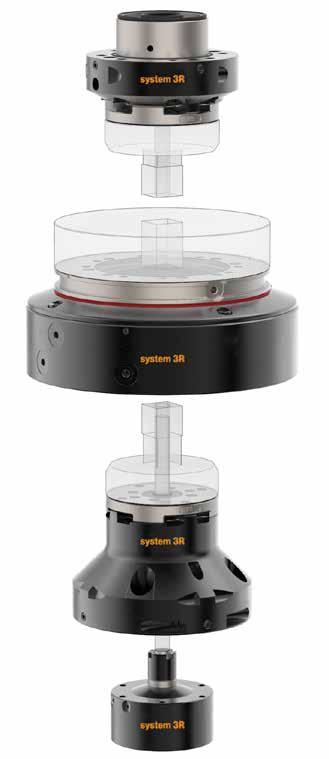
www.system3r.com Lower punch with Macro Core rod
IperionX, based in Charlotte, North Carolina, USA, has reported progress in scaling its titanium powder operations, with its Virginia Titanium Manufacturing Campus moving to 24/7 production during the quarter ended March 31, 2026.
The move marks the company’s shift from commissioning into continuous industrial operations, as all HAMR (Hydrogen-Assisted Metallothermic Reduction) powder production systems have now been commissioned and are in ramp-up.
Titanium powder output reached approximately 4.2 metric tons in March, equivalent to an annualised rate of around 50 tpa, representing an early-stage production baseline.
The company is targeting run-rate capacity of around 200 tpa by the end of 2026, with throughput expected to increase as operations stabilise and product mix evolves toward highervolume powder grades and integrated manufacturing routes.
A key element of IperionX’s strategy is its scrap-to-powder production model, which uses 100% recycled titanium feedstock as an alternative to conventional Kroll-based supply chains. This approach is designed to reduce energy consumption and reliance on imported primary titanium, whilst enabling domestic production of high-quality titanium powders.
Alongside current operations, development of GenX, IperionX’s next-generation continuous HAMR platform, progressed during the quarter. The GenX system is expected to deliver improved throughput, lower operating costs and enhanced capital efficiency compared to existing batch-based processing.
Powder production is being supported by continued investment in downstream capabilities. During the quarter, the company advanced its Powder Metallurgy and Additive
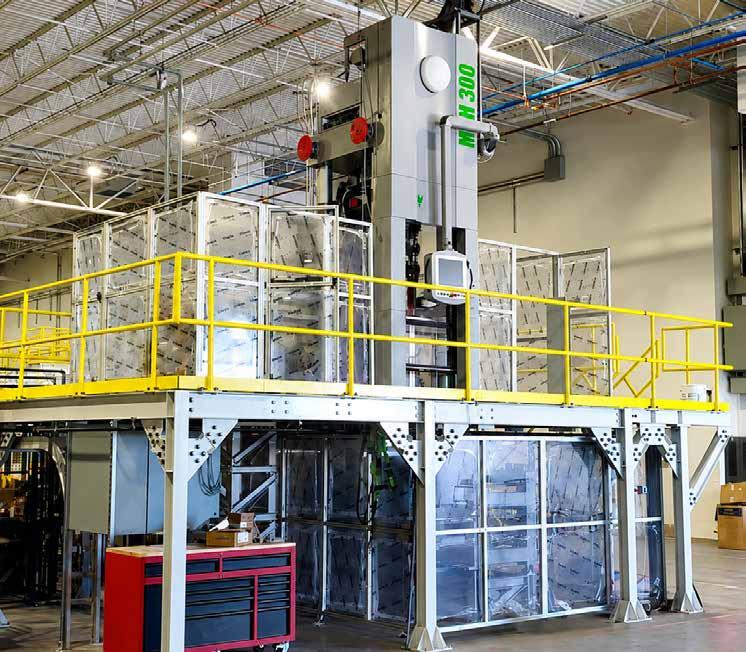
Manufacturing capacity, including the installation of a 300-ton, six-axis SACMI press and the expansion of its Binder Jetting systems. Additional HSPT sintering furnaces are also scheduled for commissioning to remove production bottlenecks and accelerate customer qualification.
In the Additive Manufacturing sector, IperionX reported increased activity in the qualification of spherical titanium powders, particularly for consumer electronics applications. The company continues to focus on prototype production, testing and low-rate initial manufacturing across aerospace, defence and industrial markets, consistent with the staged adoption of advanced titanium components.
Looking ahead, IperionX’s priorities are said to include increasing powder throughput, improving consistency and scaling its ‘powderto-part’ manufacturing, as it works toward establishing a fully integrated US-based titanium supply chain.
IperionX installs SACMI 300-ton six-axis metal powder press
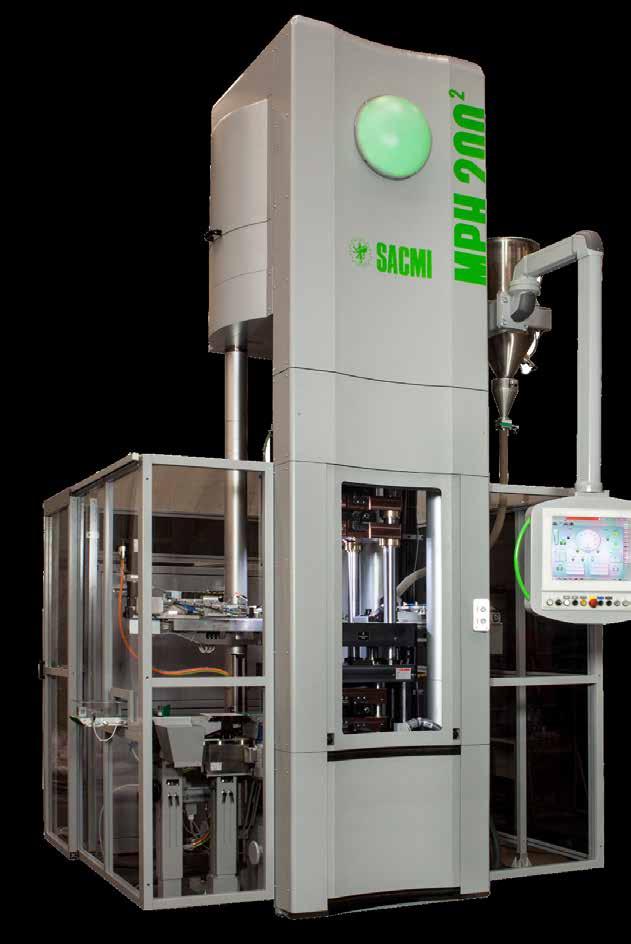
In a further announcement, IperionX reported that the installation of a new SACMI 300-ton six-axis hydraulic powder press is underway at the IperionX Titanium Manufacturing Campus. The press will enable high-speed cycles and continuous flow, resulting in increased efficiency and the rapid production of high-performance parts in less time.
The new SACMI MPH300 is a fully automatic CNC programmable hydraulic press for metal powder compaction. It can be used to press flat parts, such as watch blanks, short parts including fasteners, and a wide range of other complex products such as gears.
Commissioning of the new SACMI press was planned for the June quarter, and will be used for customers requiring more complex or higher-volume titanium presssinter-forge components.
www.sacmi.com www.iperionx.com










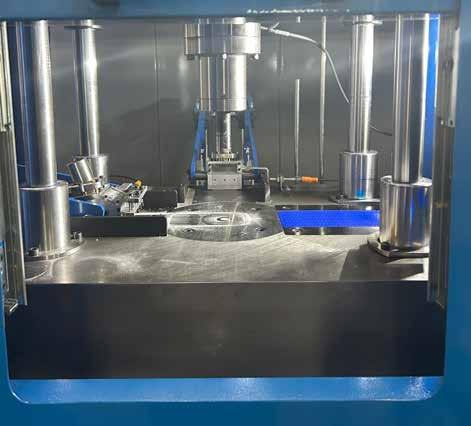




















































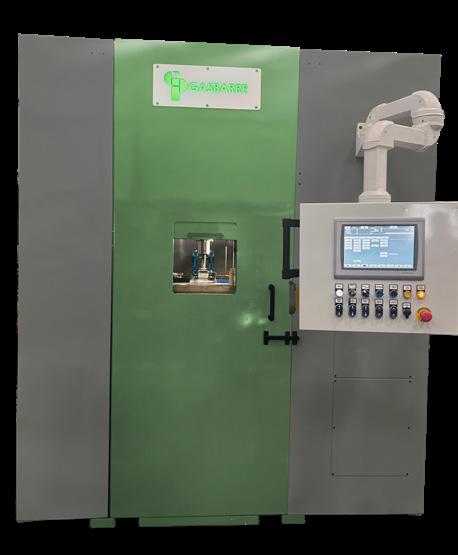






Gasbarre delivers servo-electric compaction systems purpose-built for refractory metals, hard materials, and technical ceramics. With over 50 years of experience in powdered material compaction, Gasbarre understands the unique demands of carbide and cermet manufacturing—down to the density control, precision tooling requirements, and production efficiency requirements that drive performance and cost.
n Full CNC control of upper punch, die, and core rod with flexible bottom punch/core rod arrangements


n Extraordinary productivity supported by multiple automation options, including process monitoring with 100% weight and length feedback
n Optimized energy efficiency through servo-electric drives
n Latest generation control software with programmability, real-time visualizations, and data collection
n Small footprint with no pit required for installation
n Maintenance-friendly design to maximize uptime and press life















Gevorkyan a.s., headquartered in Vlkanová, Slovakia, has become the 100% owner of Gevorkyan Sinteris Italia S.r.l., based in Bologna, Italy. Through Gevorkyan Sinteris Italia S.r.l., the company also acquired all assets of the Italian Powder Metallurgy plant that originally operated under the Sinteris brand, including tangible and intangible assets and the registered brand.
“We perceive the integration of Sinteris into the Gevorkyan Group as a merger of two brands with strong professional backgrounds and numerous synergies. The Gevorkyan Group represents a wellestablished and long-term stable company. The Group’s innovation capacities in Poland, Austria and Slovakia create a solid foundation for the technological and commercial development of our Bologna plant, both on the domestic and global markets,” stated Eng. Alessandro Salemi on behalf of Gevorkyan Sinteris Italia.
Artur Gevorkyan, Chairman of the Board of Directors of Gevorkyan, a.s, added, “We are pleased that such a serious brand
with a long tradition as Sinteris is becoming part of the Gevorkyan Group. Already at this stage, we can see that customers positively perceive the opportunity to benefit from the facilities of both plants, in Slovakia and in Italy, which is reflected in new projects and an increase in long-term contracts.”
In a separate announcement, Gevorkyan shared results following the acquisition of the Italian PM plant. The first of these was a project for a French company operating in the hydraulic and electric drives sector, a customer of the original Italian plant. The project will now take place in close cooperation with Gevorkyan’s development centre in Slovakia, with production managed in both Slovakia and Italy and deliveries made to France, Slovenia, and Italy.
The company also reported work for high-speed trains and aerospace applications now being launched through Gevorkyan Sinteris Italia after a period of technical preparation and approval processes. This is not only positive news for the Italian market, but also for Austria
and the Czech Republic, where these solutions may enable further business and technological development.
“We are beginning to see tangible results in what we expected from this acquisition,” added Artur Gevorkyan. “Gevorkyan Sinteris Italia is gradually becoming a natural part of the functioning of the entire group, not only in production, but also in development, business opportunities, and the coordination of deliveries for several European markets. This synergy, based on the traditionally high technical expertise of Italian engineers and an excellent R&D team in Slovakia, brings an expansion of our portfolio of new projects, entry into new segments and a global strengthening of our market position.”
Expansion in Polish defence sector Also reported was continued growth in Poland through the Krakówbased subsidiary, Gevorkyan Force Defence Poland (G-FD). Gevorkyan has recently launched a new project with a Polish arms manufacturer, drawing on its Powder Metallurgy production expertise and available high-volume manufacturing capacity.
“Our first customers thirty years ago were factories from Poland,” explained Artur Gevorkyan. “Orders there gradually increased, and today we see opportunities to expand cooperation with existing customers on new projects, while also developing entirely new products, primarily for the defence industry. That is why it makes sense for Gevorkyan to be present locally and to guarantee not only deliveries, but also service and spare parts availability for the decades to come.”
The company’s activities in Poland were also highlighted during the HN Business Forum Poland–Slovakia 2026, held in Bratislava under the auspices of the Ministry of Economy of the Slovak Republic. Artur Gevorkyan participated in a panel discussion focused on Slovak companies operating in the Polish market. www.gevorkyan.eu
3D Lab, Warsaw, Poland, has secured a new Polish patent for its ultrasonic atomisation technology, developed in collaboration with Arcway.
The patented solution – ‘A coil and a two-coil arrangement for heating an atomisation platform for ultrasonic atomisation of metals in a metal powder making device, and an ultrasonic method of atomising metals’ – enables the production of high-quality spherical metal powders for applications including metal Additive Manufacturing, industrial engineering, dental components and jewellery.
With this latest award, the company’s ATO technology is now protected by six patents across key global markets, including Europe, the USA, China, India and South Korea.
Access to consistent, highquality feedstock remains a key requirement for both Powder Metallurgy and metal Additive Manufacturing. According to the company, its ultrasonic atomisation approach addresses this challenge by enabling localised, on-demand powder production, thereby reducing reliance on global supply chains whilst supporting more flexible and decentralised manufacturing models.
3D Lab stated that expanding patent protection is central to its strategy, aimed at increasing accessibility and accelerating the adoption of advanced metal powder production technologies worldwide.
“What excites us most is that ATO technology is pushing the boundaries of materials research. We enable laboratories and scientists to easily experiment on small batches – across both reactive and non-reactive metals – which was often difficult, costly, or simply inaccessible before. This opens entirely new research path -
ways and significantly accelerates the development of new materials and applications. We see ATO as a technology that can meaningfully contribute to the next breakthroughs in science and materials engineering,” stated Jakub Rozpendowski, CEO, Arcway.
www.metalatomizer.com
www.arcway.am
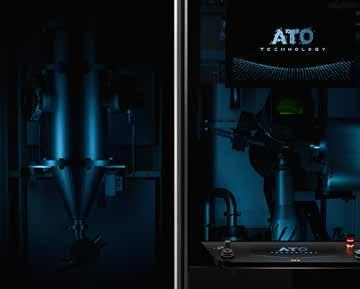
3D Lab has secured a new Polish patent for its ultrasonic atomisation technology, developed in collaboration with Arcway (Courtesy ATO)


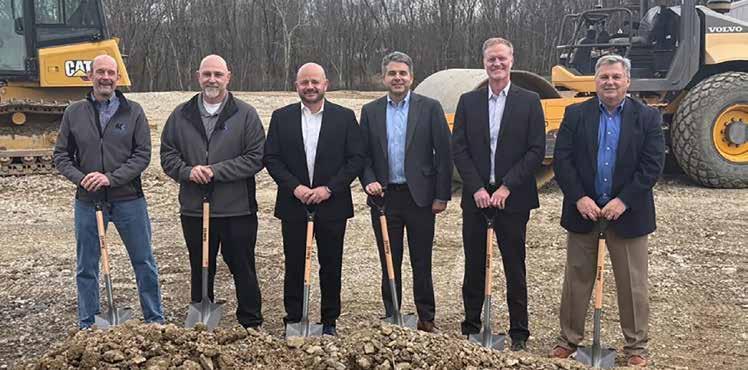
6K Additive, a division of 6K, based in North Andover, Massachusetts, USA, has broken ground on its 45-acre global headquarters and manufacturing campus expansion in Burgettstown, Pennsylvania, USA. The project is supported by a $23.4 million Defense Production Act (DPA) Title III grant and the successful completion of the company’s Initial Public Offering (IPO) on the Australian Securities Exchange last December, which raised AU$48 million (US$31.4 million).
The facility is expected to enable a five-fold increase in production
capacity, scaling from 200 metric tons to a targeted 1,000 metric tons annually. The project will also introduce new commercial capabilities, including tripling the footprint of its existing powder production building for nickel, titanium and stainless-steel metals, adding dedicated facilities for refractory metals and ingot melting, with the company stating that this will support a fully domestic supply chain for materials critical to US national security.
“The combination of federal support through the DPA Title III grant and the capital from
Sandvik AB, headquartered in Stockholm, Sweden, has acquired 80% of the Canada-based K&Y Diamond, a leading manufacturer of monocrystalline diamond tools

for ultra-precision applications, with a strong position in the optics segment. K&Y Diamond will be reported in Sandvik Coromant, a division within business area Machining.
K&Y Diamond’s tools are primarily used in the manufacturing of spectacle lenses, contact lenses, optical lenses and optronic components, whilst also used in other segments with demands for super-finishing, such as aerospace and medical.
“The acquisition of K&Y Diamond brings advanced tech -
our successful IPO allows us to fast-track our vision of a secure, sustainable, and domestic supply of critical metals,” said Frank Roberts, CEO of 6K Additive. “We aren’t just adding floor space and buildings; we’re constructing a world-class industrial campus to anchor a secure supply chain across the defence, aerospace, and energy industries.”
The DPA Title III grant, awarded through the Department of Defense’s Manufacturing Capability Expansion and Investment Prioritization (MCEIP) office, covers 50% of the expansion costs. When paired with the IPO proceeds, 6K Additive is fully capitalised to complete the renovation, acquire advanced equipment, and hire over seventeen new skilled employees in engineering and technical operations and support the local economic base with thirtyseven construction jobs.
The project includes the construction of four new buildings: an alloy warehouse, a dedicated melt building for ingot production, and a pre- and post-processing facility funded through the grant and IPO proceeds with a dedicated state-of-the-art refractory facility being constructed in 2027. Initial production at the expanded Burgettstown site is expected by the end of 2026.
www.6kadditive.com
nology and strong engineering capabilities and fits very well with our strategy to strengthen our position within the attractive growth area of micro-precision tools,” stated Stefan Widing, President and CEO of Sandvik.
The company, founded in 1976, is headquartered in Montreal, Canada and has 45 employees. In 2025, K&Y Diamond generated revenues of around SEK 120 million, with a strong EBITA margin. The impact on Sandvik’s EBITA margin and earnings per share will be slightly accretive.
The parties have agreed not to disclose the purchase price.
www.kydiamond.ca www.home.sandvik
In metal powder production, every detail matters. Our technical ceramic components made from Boron Nitride - HeBoSint® are specifically engineered to meet the demanding requirements of metal atomization.
Here‘s why they provide a competitive edge:
• Highest Precision: Achieve precise and repeatable control of particle size, leading to optimal yield and reduced rejects.
• Maximum Service Life: The excellent non-wetting behavior prevents clogging, while the high thermal shock resistance avoids unnecessary preheating and costly downtime.
• Efficiency and Cost Savings: Our robust, low-maintenance nozzles contribute to a significant reduction in overall process costs.
Henze Boron Nitride Products AG
Grundweg 1
87493 Lauben / Germany
Phone: +49 8374.589 97-0
E-Mail: info@henze-bnp.de
www.henze-bnp.de




Miba AG, headquartered in Laakirchen, Austria, has reported record revenue of more than €1.2 billion for its fiscal year 2025/26.
The company generated 62% of this revenue with its broad product range for the industrial goods market, while 38% came from the automotive industry. Overall, Miba’s revenue increased by €15 million, or 1.2%, compared to the previous fiscal year, despite a challenging geopolitical and economic environment.
Miba CEO F Peter Mitterbauer shared, “Miba stands for innovation and technology leadership. We develop and produce unique solutions for our customers’ technological challenges. In line with our corporate mission ‘Technologies for a cleaner planet,’ we do this with a clear focus on growth markets around the sustainable generation, transmission, storage, and use of energy. All of this makes us a particularly valuable partner for our customers. We support them in shaping the energy transition and reducing the CO 2 footprint of their own products with unique Miba innovations.”
Rapidly growing electricity demand from data centres creates new growth opportunities
One example that illustrates the
significant growth opportunities is Miba’s products used in the sustainable generation and transmission of energy, including wind turbines, hydroelectric power plants, photovoltaic systems, and efficient power grids with very low transmission losses. This business segment has grown by 75% in the past three years alone and now contributes nearly 20% to Miba’s revenue, amounting to more than €230 million.
In addition, the rapidly growing energy demand from data centres for artificial intelligence opens further growth opportunities for Miba. As the supply from public power grids are increasingly reaching its limits, particularly in the USA, operators of such data centres are beginning to generate electricity directly on-site themselves. Motors and turbines featuring Miba’s bearing technology are used for this purpose. Miba bearings are also found in the emergency power generators of these data centres.
The business with Miba solutions for clean marine engines is also growing steadily. It increased by 10% last year alone and has doubled over the past three years. Furthermore, revenue from technologies for the aviation sector rose by 20% in the past fiscal year,
and by more than 50% over the past three years.
€54 million invested in Research & Development
To further strengthen and expand Miba’s innovative capabilities, the company invested heavily in research and development again in the past fiscal year, spending €54 million. This corresponds to a high R&D ratio of 4.5 %. Miba filed patent applications for 22 new inventions.
In total, Miba holds 830 patents worldwide as a global innovation partner to its customers. Approximately 300 employees work in research and development.
Financial independence creates flexibility for future investments
In total, Miba invested €120 million in the past fiscal year: in addition to the €54 million in research and development, €63 million was invested in property, plant, and equipment, in buildings and machinery at company locations, and €2.5 million in the training and further education of its employees.
“Our strong financial independence creates the necessary flexibility for future investments,” said Mitterbauer. “We are therefore proud that our traditionally high equity ratio has grown further, to 60.9%.” In the previous fiscal year, it had stood at 58.3%.
www.miba.com
Metal Powder Works (MPW), Pittsburgh, Pennsylvania, USA, has entered the next phase of a product development project with Westinghouse Electric Company (WEC), focused on the further optimisation of metal powders for nuclear energy applications.
The latest three-month phase follows what Westinghouse describes as successful results achieved
during earlier stages of development using MPW’s patented DirectPowder process. DirectPowder converts metal bar stock directly into powder feedstock for Additive Manufacturing, Cold Spray and Powder Metallurgy applications without the need for melting.
“This follow-on contract with Westinghouse highlights the solid performance of our DirectPowder
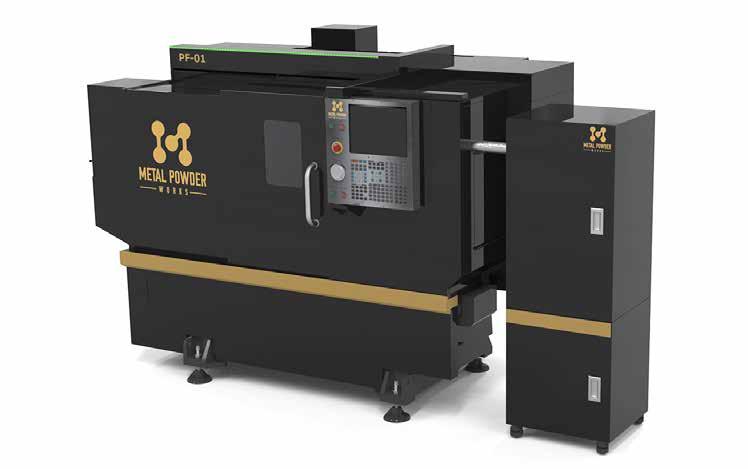
Metal Powder Works has entered the next phase of a product development project with Westinghouse Electric Company focused on metal powders for nuclear energy applications (Courtesy Metal Powder Works)
Isostatic Toll Services (ITS) has opened a new Hot Isostatic Pressing (HIP) facility in Mount Vernon, Ohio, USA, expanding the company’s HIP processing capacity in North America.
The new facility, ITS-Ohio, complements the company’s existing operations in Bilbao, Spain, and Mississippi, USA. According to ITS, the additional capacity will provide customers with greater scheduling flexibility, reduced lead times and improved supply chain resilience.
All ITS facilities operate under NADCAP accreditation and AS9100D
certification, providing HIP processing services for aerospace and other high-performance applications. The Ohio facility includes large-format, high-pressure HIP systems capable of processing components up to 1,118 mm in diameter and 2,540 mm in height at pressures of up to 172 MPa.
The HIP systems were supplied by American Isostatic Presses (AIP), Columbus, Ohio.
Tyler Persaud, General Manager of ITS-Ohio, stated, “Our investment in Ohio reflects our commitment to supporting
process and the hard work of our combined technical teams,” stated John Barnes, Managing Director of Metal Powder Works. “This continued confidence from WEC highlights that our powder works as expected and can meet their exacting requirements, exceeding the capability of legacy atomised powder methods.”
Under the contract extension, MPW will continue development work aimed at advancing and scaling powder production capabilities for Westinghouse. The companies state that the programme is intended to improve end-product performance and increase the Technology Readiness Level (TRL) of components under development for the nuclear energy sector.
According to the company, the collaboration supports Westinghouse’s broader advanced manufacturing and materials innovation initiatives for nuclear energy applications. MPW added that the agreement contains standard commercial terms and is binding on both parties.
The company stated that, while the contract is not material from a financial perspective, the ongoing strategic relationship with Westinghouse is considered significant.
www.metalpowderworks.com
customers with certified capacity, responsive service and direct technical engagement. The addition of ITS-Ohio strengthens our global network and positions us to meet growing demand across aerospace, metal Additive Manufacturing and advanced industrial markets.”
Beyond official accreditation, the facility has also received approvals from customers like Rolls-Royce. The company stated that these approvals enable the facility to support both qualification programmes and production requirements.
The facility is now accepting new customer programmes and qualification enquiries.
www.isostatictollservices.com

Beyond standard PM manufacturing. GEVORKYAN is a strategic development and manufacturing partner, bringing advanced powder metallurgy technologies beyond standard applications and turning complex components into innovative solutions with real added value.
100M+ parts produced annually

200+ new products annually








130+ customers in 30+ countries

1/3 of our components would never exist without GEVORKYAN


Precision-engineered components and advanced high-energy systems provider, The Elmet Group, based in Portland, Maine, USA, has announced the launch of a roadshow for its proposed initial public offering (IPO), as the company looks to raise capital to support further growth.
Elmet intends to offer approximately 7.7 million shares of its common stock. The offering is expected to be priced between $12.00-14.00 per share, although final pricing will depend on market conditions. Underwriters are expected to receive a thirty-day option to purchase up to an additional 1.2 million shares at the IPO price, less applicable discounts and commissions.
The Elmet Group works in the aerospace, defence and
government, industrial, medical, semiconductor and electronics, and energy industries. The company operates through two segments: Critical Materials Components (CMC) and Engineered Microwave Products (EMP) and is working to strengthen domestic manufacturing capabilities in its areas of expertise.
The CMC division, known as Elmet Technologies, is a vertically integrated manufacturer of critical refractory materials, specialising in tungsten, molybdenum, niobium, tantalum, and specialised alloys. Select products and services include powders (Elmet Powders), mill products, custom components, metal processing, fabrication, and precision machining.
The company stated that its IPO will be made through a prospectus,
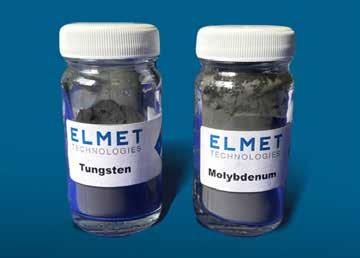
The Elmet Group produces a range of metal powders for Powder Metallurgy and Additive Manufacturing applications (Courtesy Elmet Powders)
which will be available via the US Securities and Exchange Commission (SEC) once the registration statement becomes effective. At present, the registration statement has been filed but is not yet in force, and the securities cannot be sold or purchased until approval is granted. Further details, including the intended use of proceeds, have not yet been disclosed.
www.theelmetgroup.com
Amaero Ltd, McDonald, Tennessee, USA, has entered a Master Purchasing Agreement that includes a Purchase Order for titanium alloy powders with a value of AU$7.8 million.
With an increase in installations of Additive Manufacturing equipment, Amaero is reportedly experiencing strong demand for titanium alloy powders. The demand is driven by accelerating adoption of Additive Manufacturing across defence, aerospace, medical, consumer and civilian firearms markets. Powder demand for Laser Beam Powder Bed Fusion (PBF-LB) is focused on mature, high-production-rate gas- and plasma-atomised powder technologies.
With two advanced EIGA Premium atomisers commissioned and a third expected to be commissioned in June, Amaero states that it has commissioned the largestcapacity and the lowest-unit-cost US domestic production of refractory and titanium alloy spherical powders.
Defence, space and nuclear applications are also driving demand for refractory alloy spherical powders. Amaero has orders in the current quarter to atomise five different high-value refractory alloys.
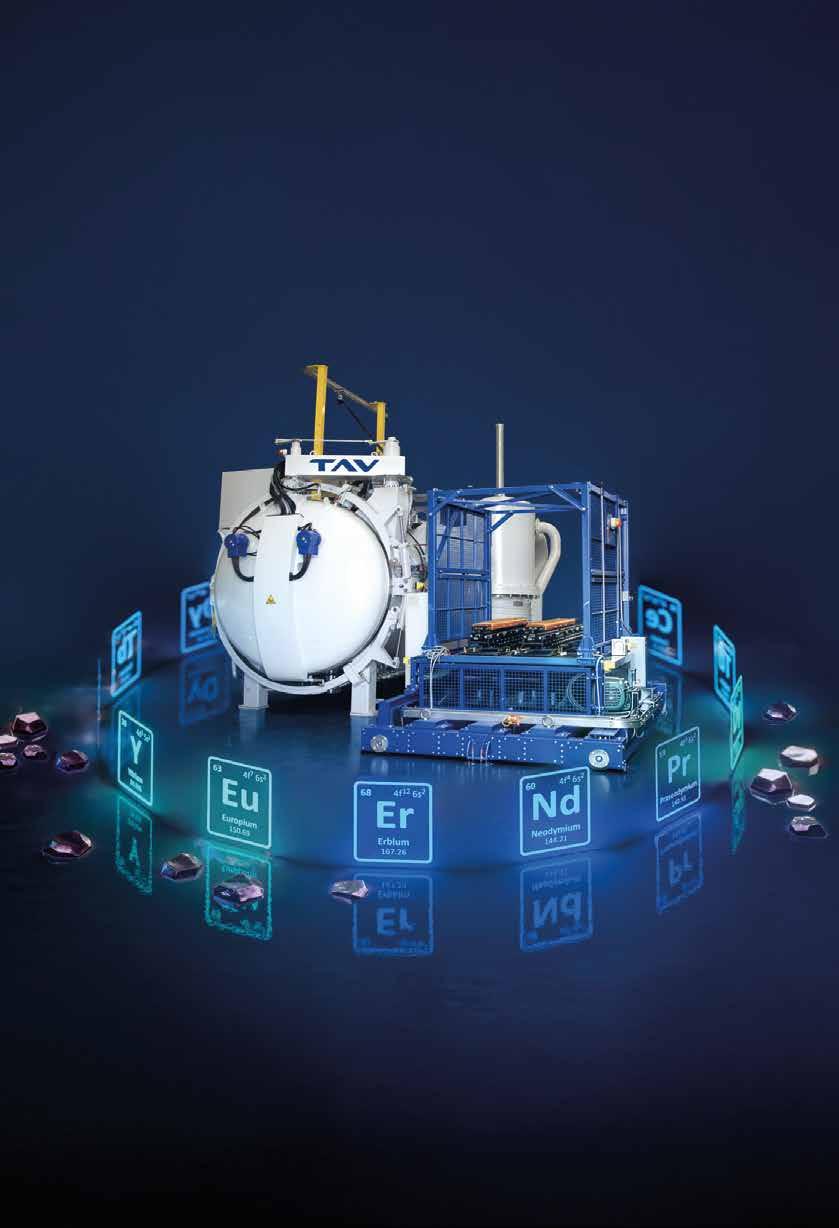
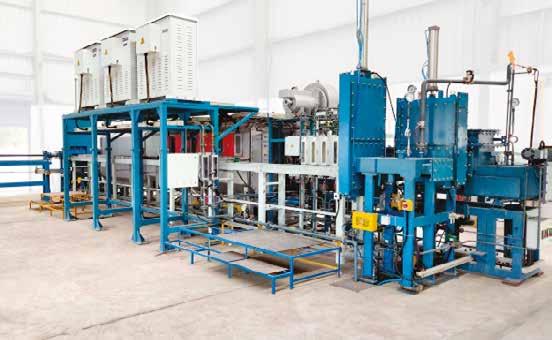
Amaero has two EIGA Premium atomisers from ALD Vacuum Technology GmbH for the production of highquality spherical metal powders. A third is expected to be commissioned this year (Courtesy ALD Vacuum Technology GmbH)
Hank J Holland, Amaero’s Chairman and CEO, commented, “Commercial activity across both segments of Amaero’s business is strong. We are excited to secure a contract for titanium powder shipments in FY2027 that approximates total titanium powder sales in FY2026. We have been advancing numerous titanium powder opportunities over the past 6-12
months with several opportunities potentially exceeding 100 tonnes of annual demand. We are also advancing a strategic contract for refractory powder development that we expect to finalise by the end of the fiscal year. Finally, strong momentum in PM-HIP manufacturing and notable progress toward production contracts continues. We are excited to finish FY2026 with strong performance and expect to enter FY2027 with strong bookings and revenue visibility.” www.amaeroinc.com
Mkango Resources Ltd, headquartered in Vancouver, Canada, has shared an update on its subsidiary, HyProMag Ltd, based in Birmingham, UK, discussing the commercial-scale rare earth magnet recycling and manufacturing facility at Tyseley Energy Park (TEP), which utilises the patented Hydrogen Processing of Magnet Scrap (HPMS) technology, developed at the University of Birmingham.
In parallel with continued commissioning and scale-up of the magnet manufacturing facility at TEP, HyProMag is reportedly engaging with multiple potential magnet customers, and has achieved significant technical milestones, underpinning the transition to commercial magnet production.
William Dawes, Chief Executive of Mkango, commented, “HyProMag is uniquely positioned to fulfil customer requirements for recycled rare earth magnets across Europe and North America, underpinned by
operations in UK, Germany and USA, longstanding expertise in magnetic materials at the University of Birmingham, extensive industry partnerships and the capability to make commercial grade magnets across a growing range of applications. The collaboration with Siemens is one example of win-win partnerships being developed by HyProMag, and we are engaging with multiple potential customers across a range of industries. Mkango aims to provide a one-stop-shop solution for primary and secondary rare earth products across the supply chain, coupled with competitive technology solutions for rare earth magnet recycling via HyProMag and Inserma.”
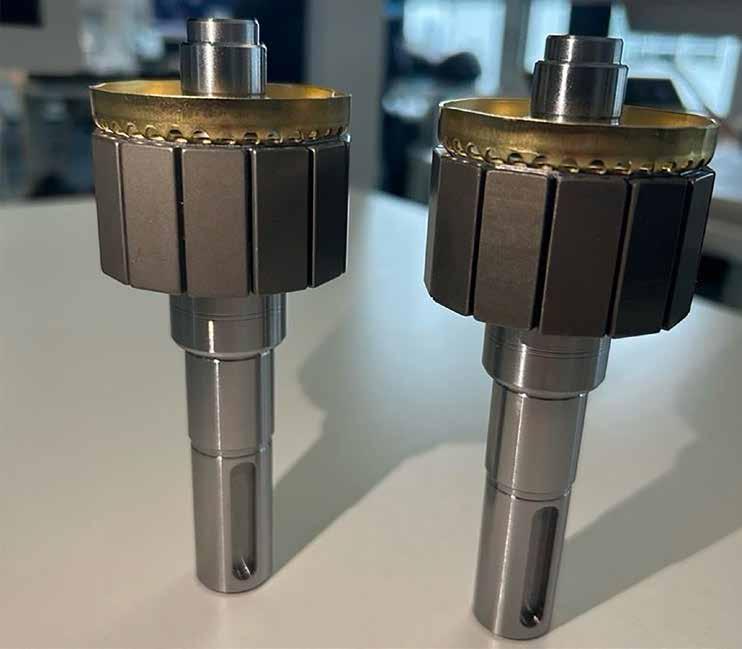
Siemens AG collaboration HyProMag and Siemens AG are working to transform old magnets into new high-performance components for a sustainable industrial future. A SIMOTICS servomotor rotor, manufactured by Siemens utilising
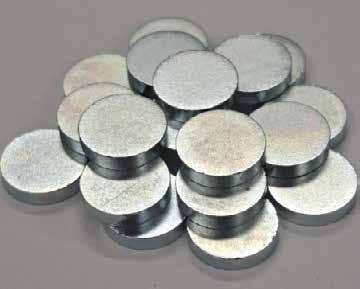
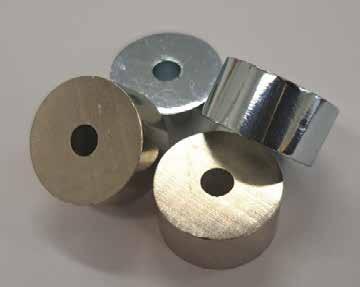
Finished magnets for prototype demonstration in medical devices (top) and ring-shaped magnets in both blue zinc and Ni-Cu-Ni coatings (bottom) (Courtesy Mkango Resources)
recycled NdFeB magnets produced by HyProMag, was presented at Hannover Messe 2026. These servomotors are utilised in a wide range of applications, including in robotics, tooling machines, and packing machines, where high dynamic performance, precise positioning, and speed control are essential.
In 2026, magnets produced by HyProMag have been supplied for qualification in motors, medical devices and audio products. Development work with a coating supplier of both blue zinc and nickel-coppernickel (NiCu-Ni) coating processes is now approaching completion. Finished magnets have been produced from NdFeB sintered blocks.
Utilisation of the commercialscale equipment at TEP has led to an increased volume of samples sent to potential customers for demonstration, whilst future grade development occurs simultaneously. www.mkango.ca www.hypromag.com


Behind every SACMI solution, there is more than a machine.
There is a network of technologies, expertise and partners working alongside you.
From process development to industrial production, we help you manage complexity and manufacture the next generation of parts.
Pressing smarter. Together.

DIE WALL LUBRICATION
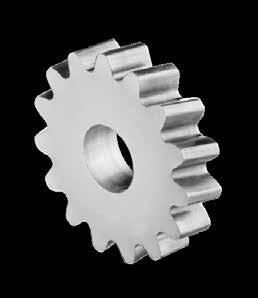
An Innovative way to high density
7,71 g/cm3 Green Density
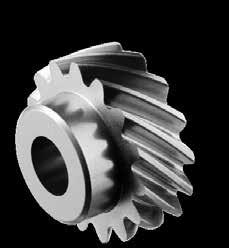
HELICAL GEAR
We turn complexity into simplicity
Up to 45°at High Density
Pensana Plc, headquartered in London, UK, has confirmed receipt of the first tranche of $15 million from Cascade Natural Resources Limited as part of the previously announced $165 million strategic investment.
Under the terms of the strategic investment, which supports the development of Pensana’s US mineto-magnet strategy, Cascade will provide $165 million to Pensana and its group companies through:
An investment of $15 million into Pensana via the subscription of 13,992,537 new ordinary shares at 80 pence per share, representing a 3.8% interest in the company
An investment of $150 million into Pensana’s wholly owned subsidiary, Sable Mineração Unipessoal Lda, which is the majority shareholder in Ozango Minerais SA,

developer of the Longonjo rare earth mine, for a 38.2% interest in Sable
Following completion of the transaction, Cascade will hold an 8% interest in Pensana and 38.2% of Sable.
“We very much welcome the investment by Cascade which will enable us to continue the development of the Longonjo mine, add the heavy rare earth circuit and expand the resource base to a target of one billion tonnes making it one of the largest rare earth mines ever developed,” stated Paul Atherley, Pensana Chairman. “A recent report from the International Energy Agency has highlighted the need to build a robust and resilient international rare earth supply chain to reduce the world’s reliance on China to avoid $6.5 trillion of potential economic cost of supply disruption.”
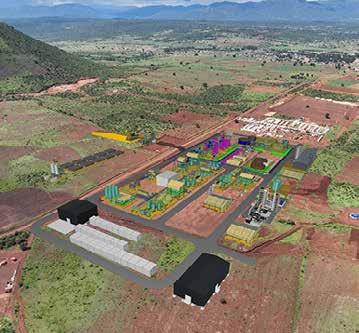
Pensana has received $15 million from Cascade Natural Resources Limited towards its US mine-tomagnet supply chain (Courtesy Pensana)
“With construction well underway and first production scheduled for 2027, our investment in Longonjo and our plans to establish a fully integrated US mine to magnet supply chain will be an important step in securing this supply,” he concluded.
www.pensana.co.uk


Our high-performance VIGA systems deliver high-quality metal powders, engineered for novel and complex alloy compositions








Vulcan Elements, Durham, North Carolina, USA, has announced the signing of a memorandum of understanding (MoU) with Ucore Rare Metals Inc, Halifax, Canada, to support the development of a rare earth magnet supply chain for defence and commercial applications.
Under the agreement, the companies intend to establish a commercial supply partnership in which Ucore would supply Vulcan with neodymium–praseodymium (NdPr) oxide and dysprosium (Dy) oxides at commercial scale from 2027.
The collaboration is expected to align Vulcan’s magnet manufacturing operations with a domestic source of rare earth materials. Vulcan operates a magnet manufacturing facility in Durham, North Carolina, USA, and is developing a 10,000 t capacity facility in Benson, North Carolina.
The Benson facility is supported by a reported $1.4 billion partnership with the US government, including the Department of Defense and the Department of Commerce. In May 2025, Ucore also announced an $18.4 million award from the Department of Defense to advance its rare earth processing capabilities in Louisiana.
Ucore intends to allocate a portion of capacity at its Louisiana Strategic Metals Complex to Vulcan from 2027.
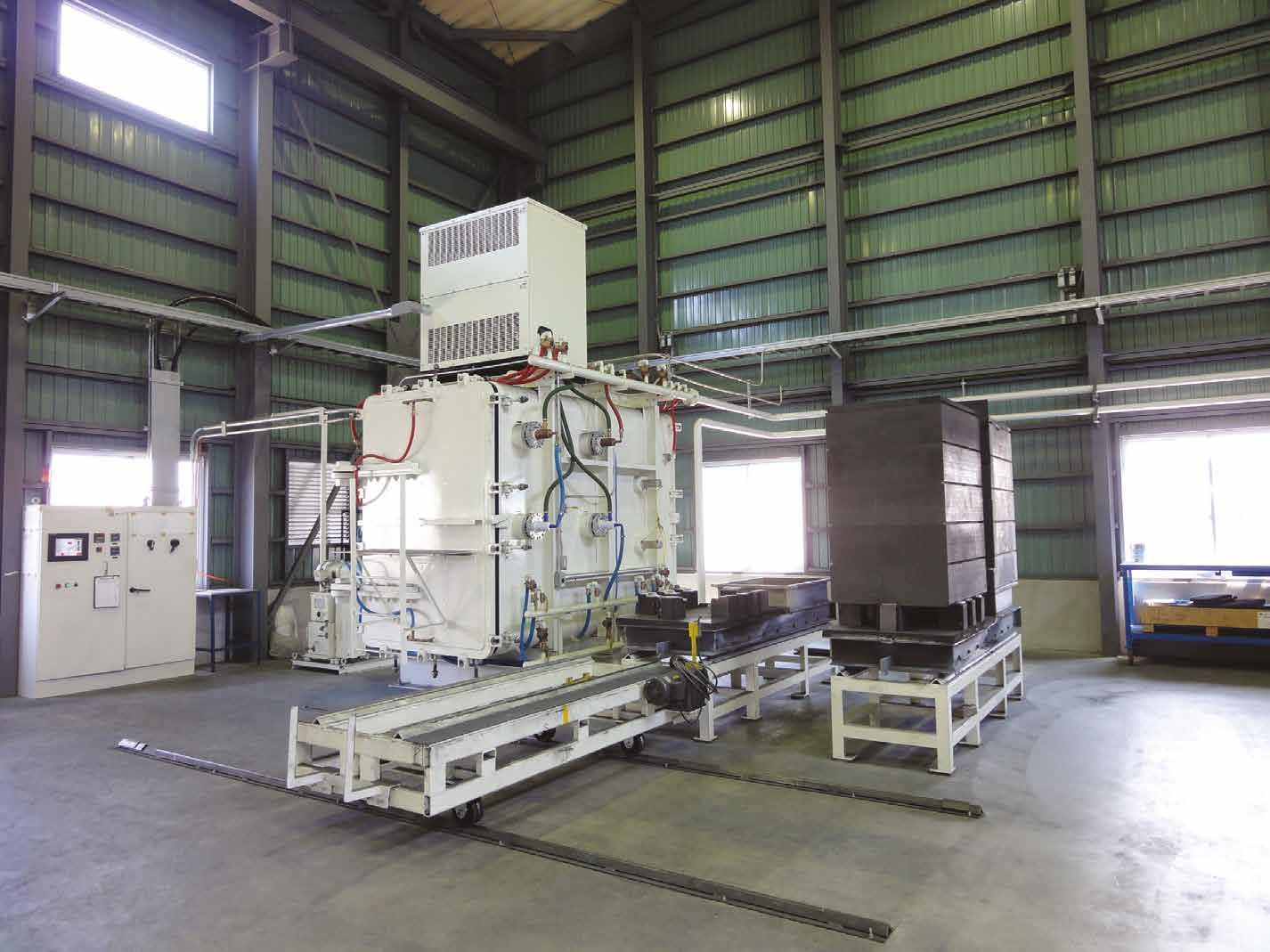
Our experienced team is ready to solve your toughest thermal processing challenges and will design, manufacture, install and maintain the Best Sintering Furnace you’ll ever own.
During 2026, the companies plan to progress initial production activities, including testing protocols, material purity targets and acceptance criteria, alongside other technical specifications, in support of Vulcan’s magnet manufacturing operations. This work is expected to lead to a longer-term commercial supply agreement.
FEATURES
• Metal or Graphite Hot Zones
• Metal and Graphite Retorts
• Debinding & Sintering
Our experienced team is ready to solve your toughest thermal processing challenges and will design, manufacture, install and maintain the Best Sintering Furnace you’ll ever own.
“Since its inception, Vulcan Elements’ mission has been to build a domestic rare earth magnet supply chain that can propel America into the 21st century and enable the next era of innovation and national security,” stated John Maslin, Chief Executive Officer of Vulcan Elements. “Vulcan’s partnership with Ucore is a milestone for both companies, and for the United States of America. Together, we’re rebuilding a core industry that is critical for economic growth and national security.”
• Trapping Systems to Suit The Best Thermal Processing Solution for the Powder Industry
APPLICATIONS
• Additive Manufacturing
• Metal Injection Moulding
• Ceramic Injection Moulding
• Powder Metallurgy
Pat Ryan, P Eng, chairman & Chief Executive Officer of Ucore, added, “Vulcan is building exactly the kind of downstream magnet platform that the United States needs, and this partnership creates a winning commercial partnership that aligns Ucore’s separation capability with an industry-leading US manufacturer. Our collaboration will anchor a resilient allied rare earth magnet supply chain in the United States.”
www.vulcanelements.com www.ucore.com
FEATURES
• Metal or Graphite Hot Zones
• Metal and Graphite Retorts
APPLICATIONS
• Additive Manufacturing
• Metal Injection Moulding
• Ceramic Injection Moulding
• Powder Metallurgy
6K Additive, a division of 6K, based in North Andover, Massachusetts, USA, has been awarded a $1.95 million Phase II contract by the US Defense Logistics Agency (DLA).
The eighteen-month Recovering Strategic Value initiative focuses on converting domestic nickel, titanium, tungsten and niobium scrap from select United States military depots into high-value metal powders for Additive Manufacturing and defence readiness.
“The US government has made it clear that to advance our defence readiness we cannot rely on geopolitically sensitive regions for the materials essential to our most advanced weapon systems,” said Frank Roberts, CEO of 6K Additive.
“By upcycling domestic scrap from DoD stockpiles and maintenance centres, we are creating a circular, secure, and sustainable supply chain for the US defence sector. This award enables us and the DoD to further identify end-of-life parts and scrap to convert back into highvalue powder ultimately leading to strategic components for the military.”
The goal of the award is to maximise the value of end-of-life
components and high-demand, highvalue metal alloys by leveraging the baseline processes developed in previous 6K Additive DLA awards. Specifically, the Scope of Work (SOW) for Phase III is expected to focus on materials from DLA Disposition Services, the Navy and the Air Force Life Cycle Management Center and aligning processes to maximise value for the DoD.
The SOW for the award includes: Identify and collect material from DLA Depots, with the goal of using primarily DoD scrap as a source for critical metals
• Proof of concept for a robotic system for the automation of scrap identification and subsequent sorting
• Convert nickel, titanium, tungsten, and C103 (a niobium alloy) end-of-life parts into high-value powder
• Conduct Cold Spray trials to investigate the mechanical properties of upcycled nickel and titanium powder for use as a repair technology
6K Additive will collaborate with the DLA and others within the US DoD to obtain high-value scrap
Iluka Resources, headquartered in Perth, Australia, has announced plans for its Eneabba site to become Australia’s first fully integrated rare earths refinery, producing separated light and heavy rare earth oxides. The refinery is designed to process a broad range of feedstocks, including mineral sands concentrates, hard rock concentrates and ionic clay carbonates.
Iluka Resources states that the facility will have an NdPr oxide separation capacity of 5,500 tpa and a Dy/Tb oxide separation capacity of 750 tpa.
Iluka also reports that its feedstock portfolio provides flexibility to support significant heavy rare earth oxide production, including dysprosium and terbium products used in permanent magnet applications for electric vehicles,
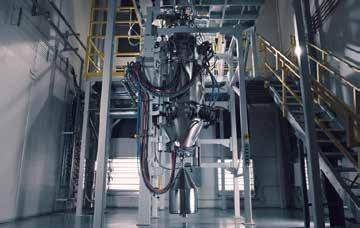
6K Additive’s award focuses on the conversion of nickel, titanium, tungsten and C103 end-of-life parts into high-value powder (Courtesy 6K Additive)
from these centres and depots. Specific operations are expected to take place at major aviation depots, which generate upwards of 27,200 kg (60,000 lbs) of mixed scrap metal weekly. Upcycled powders will be returned to the military for rigorous testing against virgin metal standards to ensure performance in critical defence applications.
The basis of 6K Additive’s award of the contract focuses on its strategic process for sizing solid scrap into angular powder; the use of its UniMelt atomising platform; and its in-house post-processing capabilities. Combined, these enable the transformation of scrap such as machine turnings and end-oflife parts into premium spherical powders.
www.dla.mil
www.6KAdditive.com
renewable energy systems and defence technologies.
The Eneabba refinery is expected to produce separated rare earth oxides for global markets, including neodymium, praseodymium, dysprosium and terbium products. Its development is supported by an estimated one million tonne rare earths stockpile at Eneabba, Western Australia. The company added that the project flowsheet is based on technology previously used to process monazite in France.
www.iluka.com
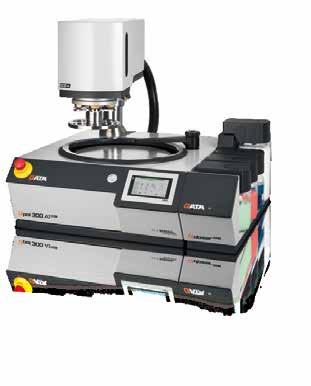
B&N Mining Inc, headquartered in Indian Wells, California, USA, has partnered with Montana Technological University to launch a staged technical programme to develop a fully integrated tungsten processing route, culminating in the production of tungsten metal powder.
The programme, supported by the US Army Research Laboratory (ARL), with additional in-kind contributions from B&N, will use scheelite-bearing material from the company’s wholly owned Atolia Tungsten Project. It aims to generate technical data, reduce development risk, and support future pilot and commercial-scale operations.
The initiative is structured into four stages designed to establish a scalable processing pathway:
• Stage 1 focuses on mineral processing development, including ore characterisation, crushing and grinding, and separation analysis. Gravity separation and flotation testing will be conducted as required, with repeat testing used to validate recovery rates, concentrate quality, and material balance
• Stage 2 will validate the process flowsheet and produce bulk scheelite concentrate,
bridging laboratory-scale work with larger-scale process testing
• Stage 3 will convert the concentrate into APT, a standard intermediate product in tungsten production
• Stage 4 will complete the process chain, converting APT into tungsten oxide followed by reduction to tungsten metal powder
B&N has delivered three 55-gallon drums of material to Montana Tech to support the programme. These include Black Hawk placer material, Spud Patch placer material, and hard rock scheelite vein samples.
Tungsten in the USA
Tungsten is valued for its high strength, durability, and extremely high melting point, and is used in applications including cutting and drilling tools, aerospace components, electrical systems, medical instruments, radiation shielding, and defence technologies.
The USA has not mined tungsten commercially since 2015 and remains reliant on imports, highlighting the strategic importance of developing domestic supply capability.
The Atolia region in California’s Mojave desert is reportedly the fourth-largest historic tungstenproducing district in the USA, with
SAE International, based in Warrendale, Pennsylvania, USA, has issued a new standard: AIR7359 – Additional Guidance for Metal Powder Feedstock for Additive Manufacturing.
This standard features a collection of comments on topics relevant to Additive Manufacturing Solutions’ powder feedstock production and procurement. This collated
standard was developed to avoid the repetition of the same notes or wording in every powder feedstock specification. This method is intended to enable the relevant powder feedstock documents to refer to the unified language, making updates and standardisation more straightforward.
Examples of what is covered by the standard include:
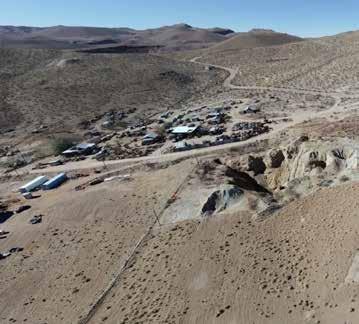
B&N Mining will use scheelitebearing material from the company’s wholly owned Atolia Tungsten Project (Courtesy B&N Mining Inc)
approximately 24.7 million pounds of tungsten trioxide produced to date, much of it from properties now controlled by B&N. Remaining resources are reported to exist in placer deposits at Black Hawk and Spud Patch, alongside further exploration potential, forming the basis of the Atolia Tungsten Project.
“The involvement of Montana Tech and the Army Research Laboratory marks an important milestone for B&N and highlights the growing need for domestic tungsten supply,” stated Robert Binkele, Managing Member of B&N Mining Properties LLC. “Our goal is not only to mine tungsten at Atolia, but to help establish a complete US-based processing pathway, from ore to finished products. This programme moves us significantly closer to that objective.”
www.bnmininginc.com www.mtech.edu
• Characteristics not controlled in AMS-AM powder feedstock specifications
• Rationale for exclusion (e.g., limitation of applicability or maturity of standardised inspection techniques)
Additional context on the reason for structuring requirements in AMS documents one way instead of alternative options www.sae.org
Linear Abrasive, based in MarinEpagnier, Neuchâtel, Switzerland, has developed a new line of grinding machines specifically designed for machining permanent magnets. The new machines have been designed to ensure optimal stability in the machining process and, thanks to high-precision guide systems, highperformance spindles, and advanced CNC technologies, it is now possible to produce complex geometries with exceptional repeatability for industrial production.
Modern permanent magnets, particularly those made from rare earth elements, have demanding technical characteristics, explains Linear Abrasive. Their hardness, brittleness, and very tight dimensional tolerances require the use of extremely precise and perfectly controlled grinding processes.
The integration of automated real-time measurement and compensation systems is intended to ensure consistent precision throughout production. Machining parameters are automatically optimised to reduce dimensional variations and improve overall productivity.
Linear Abrasive states that its solutions are fully integrated into the connected industrial environment of Industry 4.0. The machines feature intelligent interfaces that enable performance monitoring, production data analysis, and predictive maintenance. This connectivity is intended to provide users with greater control over their processes while reducing downtime and maintenance costs. Leveraging real-time data also reportedly makes it possible to optimise grinding cycles and improve the traceability of manufactured parts.
The grinding machines can machine various types of permanent magnets (Courtesy Linear Abrasive)
“By developing solutions specifically tailored to the machining of permanent magnets, our company reaffirms its commitment to supporting its customers in meeting the technological challenges of tomorrow,” the company stated in a press release. “Innovation, precision, and performance remain at the heart of our commitment to offering equipment that is increasingly reliable and high-performing.”
www.linearabrasive.ch
NORAM Electrolysis Systems Inc (NESI), located in Vancouver, Canada, has announced the start of construction on Vulcan Energy Resources’ Central Lithium Plant at the Infraserv Industrial Park Höchst in Frankfurt, Germany, part of Vulcan’s Lionheart Project. The project aims to support domestic European lithium production for battery materials and renewable energy applications.
The Lionheart Project will use NESI’s proprietary NORSCAND electrolysis technology to convert lithium chloride into battery-grade lithium hydroxide monohydrate (LHM), a material used in electric vehicle (EV) batteries. LHM is used to manufacture the cathode in many modern lithium-ion EV batteries, particularly high-energy, nickel-rich chemistries such as NMC and NCA.
The project is targeting annual production capacity of 24,000 tonnes of LHM, sufficient for approximately 500,000 electric vehicle batteries per year.
The groundbreaking ceremony was attended by Boris Rhein, Minister-President of the State of Hesse; Mike Josef, Lord Mayor of Frankfurt am Main; and other representatives from government, finance and industry. The event was intended to highlight the strategic importance of domestic lithium production within Europe’s battery supply chain.
For NESI, the Lionheart Project represents a commercial-scale deployment of its electrochemical processing technology within the global battery materials sector. The Central Lithium Plant will operate as the downstream processing facility for Vulcan’s integrated lithium and renewable energy business, combining lithium extraction from geothermal brines with electrolysisbased conversion into battery-grade material.
“The groundbreaking is a major validation of NESI’s role in scaling cleaner electrochemical infrastructure for battery materials,” stated Jeremy Moulson, NESI President and
Sintex A/S, headquartered in Hobro, Denmark, has highlighted how its friction shim technology has enabled a wind turbine manufacturer to achieve higher static friction, thereby improving the friction grip joints in its product range.
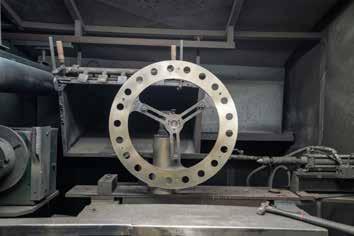
In the manufacturing process, heated metal powder is sprayed onto the component at extremely high speed. Although the flame temperature is very high, the surface temperature of the component being sprayed is reported to never exceed 100°C. This prevents thermal distortions in the underlying material, which can negatively affect other processes.
The process enables the tungsten carbide coating to adhere well and ensures extreme hardness, good wear resistance and the high static friction desired by the client.
In addition, Sintex’s friction shim technology reportedly increases the strength of the final product and extends the lifetime of the joint.
www.sintex.com
CEO. “By integrating our NORSCAND technology into the Lionheart Project, we are helping advance a cleaner, electrified approach to lithium refining at commercial scale. This milestone strengthens the GermanCanadian partnership and places NESI’s technology at the centre of Europe’s lithium and battery materials expansion.”
“Commencing construction on our Central Lithium Plant is a defining moment for Vulcan and the European battery value chain,” stated Cris Moreno, Managing Director and CEO of Vulcan Energy. “Our collaboration with NESI supports the production of high-purity lithium materials with a reduced environmental impact. We are proud to work alongside partners who share our vision for a decarbonised future.”
Vulcan stated that major construction work is now underway at the Central Lithium Plant following its positive Final Investment Decision and the securing of a €2.2 billion funding package in December 2025. Commercial production is expected to begin in the second half of 2028.
www.v-er.eu
www.nesi.tech
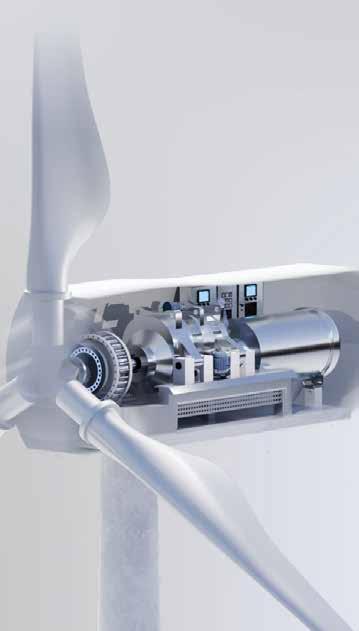
Sintex’s process extends the lifetime of the friction grip joints in the wind turbine (Courtesy Sintex)
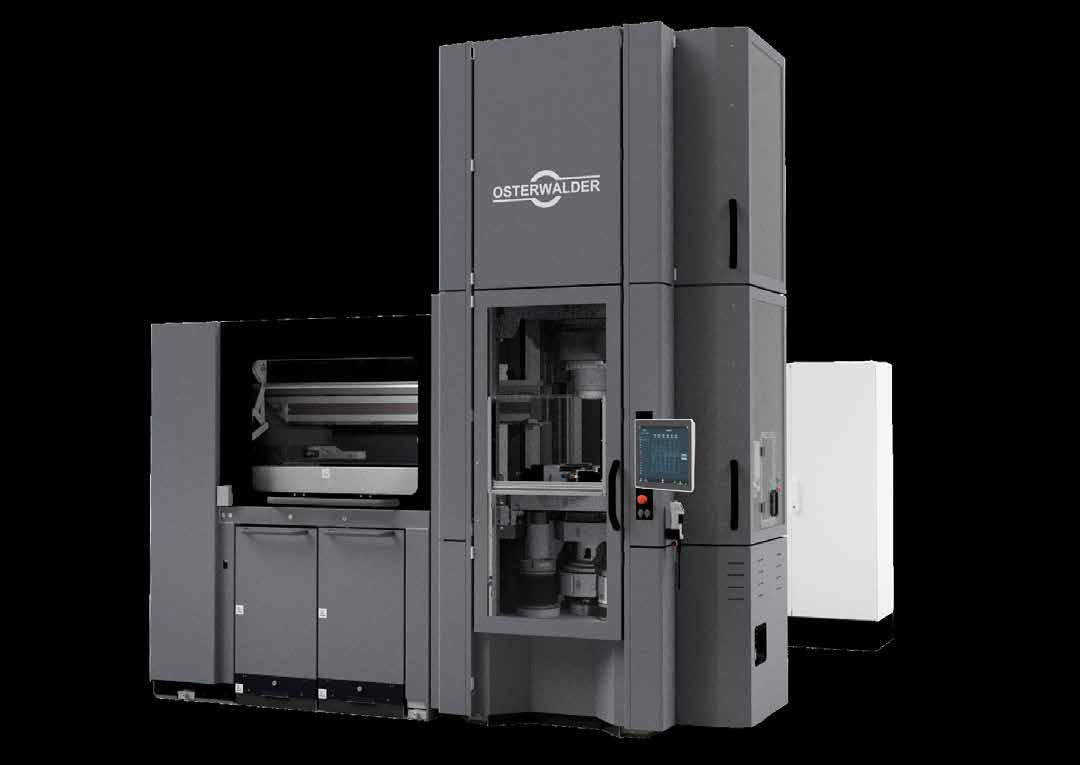

The MPneo 480 is a 480 kN high-precision, fully electric powder press designed for the production of complex, near-net-shape components with consistent quality. Featuring true multi‑plate technology with up to six cross‑pressing modules, it enables advanced compaction for demanding multi-level parts. The press supports a wide range of materials, including hard metals, iron-based materials, technical ceramics, and engineered powders. Optional PRS (Part Removal System) automation further increases productivity while enhancing operator comfort.
Learn more: www.osterwalder.com Contact: info@osterwalder.com
Sandvik AB, headquartered in Stockholm, Sweden, has introduced Osprey GRCop-42, a copper-chromiumniobium alloy originally developed by NASA for Additive Manufacturing components operating under extreme thermal and mechanical loads. The material is reported to retain its properties at elevated temperatures above 500°C.
Osprey GRCop-42 copper alloy combines high thermal conductivity with high strength and provides cradle-to-gate traceability, designed to reduce qualification risk in space component manufacturing.
“Osprey GRCop-42 has been developed for advanced space propulsion applications and is intended to withstand the demanding environments encountered in regeneratively cooled rocket engine components,” stated Luke Harris, Sales Director, Business Unit AM, Powder Solutions, Sandvik. “To achieve stable, repeatable powder production, this alloy places exceptionally high requirements on melting practice, impurity control and process discipline.”
The alloy is intended for Additive Manufacturing of components such as fuel injector faces and combustion chamber liners, where efficient heat transfer, tight tolerances and predictable material behaviour are critical during qualification and production.
According to Sandvik, GRCop-42 is amongst the most challenging copper alloys to manufacture to specification. In addition to strict limits on individual alloying elements, the material requires tight control of the chromium-to-niobium ratio and very low impurity levels to achieve the thermal conductivity required in service. Differences in melting temperature between copper and niobium further increase production complexity.
Sandvik stated that, through metallurgical development and modifications to its Vacuum Inert Gas Atomisation (VIGA) process, it has established controlled and repeatable production of GRCop-42. The powder is atomised under inert gas in a highly automated production process designed to minimise oxidation, resulting in a metallurgically clean powder with consistent batch-to-batch characteristics.
Osprey GRCop-42 is already being used in customer qualification and production programmes, where repeatable powder quality, predictable performance and complete documentation are required. Sandvik stated that this experience is providing feedback for further process control development and supporting supply for current and future space manufacturing applications.
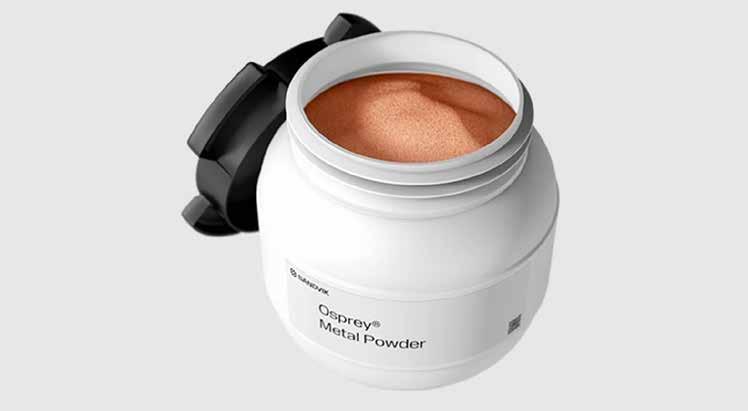
Sandvik has introduced Osprey GRCop-42 designed to withstand service temperatures above 500°C (Courtesy Sandvik)
“GRCop-42 is a material where production control is just as important as alloy design,” explained Szymon Kubal, Director of Technology, Business Unit AM, Powder Solutions, Sandvik. “Customers in the space sector need powder that performs predictably during qualification, printing and service. Our focus has been to make this demanding alloy available with the consistency, documentation and traceability required for space programmes.”
Osprey GRCop-42 is produced within Sandvik’s AS9100-certified quality system and is supported by full cradle-to-gate traceability. The company stated that all stages of production, from raw material sourcing and melting practice to atomisation parameters and powder testing, are documented to support qualification activities and audits. According to Sandvik, the powder’s main characteristics are:
• Processability: Produced using the VIGA process, delivering spherical powder morphology with flowability and high packing density intended for Additive Manufacturing
• Chemical composition: Dispersion - strengthened copper - chromium - niobium alloy with extremely tight control of alloying elements and impurity levels, supporting stable performance and high thermal conductivity
Thermal performance: High thermal conductivity combined with strength retention at elevated temperatures (above 500°C), making the alloy suitable for high - heat- flux space applications
• Quality and traceability: Produced under an AS9100 - certified quality system with full cradle - to - gate traceability and audit- ready documentation
Osprey GRCop-42 is reported to be available in volumes suitable for both qualification and serial production programmes. www.metalpowder.sandvik
Seco/Warwick, headquartered in Świebodzin, Poland, is celebrating 35 years as a supplier of heat treatment and vacuum metallurgy technology. The company traces its origins to 1991, when Seco/ Warwick Ltd was established through a partnership between Polish engineers associated with Lubuskie Termotechnical Works Elterma and the US-based Seco/ Warwick.
Prior to the formation of Seco/ Warwick Ltd, engineers who had previously worked at Elterma established Trans-Vac, where the first vacuum furnace was reportedly built in an adapted stable in Wilkowo. Contact with representatives of the US-based Seco/ Warwick organisation led to the establishment of the joint company on June 1, 1991.
“In the beginning, we primarily had expertise, courage, and tremendous determination,” stated Andrzej Zawistowski, founder of Seco/ Warwick. “We operated in a Poland that was beginning to learn a new economic system, and yet we managed to build technology that attracted a partner from the United States. That was a turning point, but what happened later is even more remarkable. This story didn’t end with cooperation with America. We reached a point where it was the Poles who bought the American company. It sounds symbolic, but it best reflects the scale of the journey we’ve made.”
Seco/Warwick combines US industrial heritage, originating from the Sunbeam Equipment Corporation and Warwick Furnace Company in Meadville, Pennsylvania, with
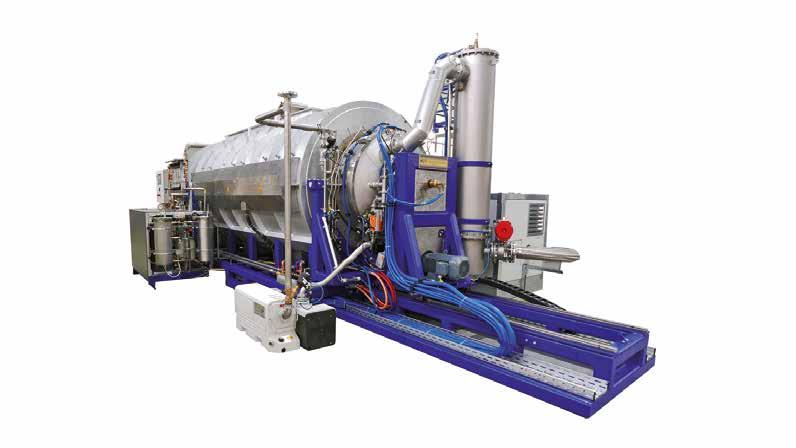
Polish engineering expertise developed through Elterma. Elterma formally joined the Group in 2003, adding capabilities in atmosphere and aluminium heat treatment technologies.
Over the past three decades, the group has expanded through organic growth and acquisitions in Poland, the USA, Germany, China and India. Among its notable acquisitions was the purchase of CAMLAW Ltd’s intellectual property, including Continuous Aluminium Brazing (CAB) technology, in 2002. The acquisition of Retech further expanded the Group’s presence in vacuum metallurgy and titanium melting technologies.
The company reports that it has delivered more than 5,000 systems worldwide and employs over 900 people. Seco/Warwick has been listed on the Warsaw Stock Exchange since 2007. www.secowarwick.com
Horse Powertrain, headquartered in London, UK, has applied to register a legal entity to establish a manufacturing presence in India.
According to Reuters, this follows a September 2025 announcement by the Indian government that small cars, including petrol/gas-powered
cars less than 4 m in length and an engine capacity of 1.2 L or less, will see a reduction in sales tax from 28% to 18%.
“Everybody’s rushing now and saying, ‘We need a 1.2 litre efficient engine.’ That’s where we can help,”
Matias Giannini, the company’s Chief
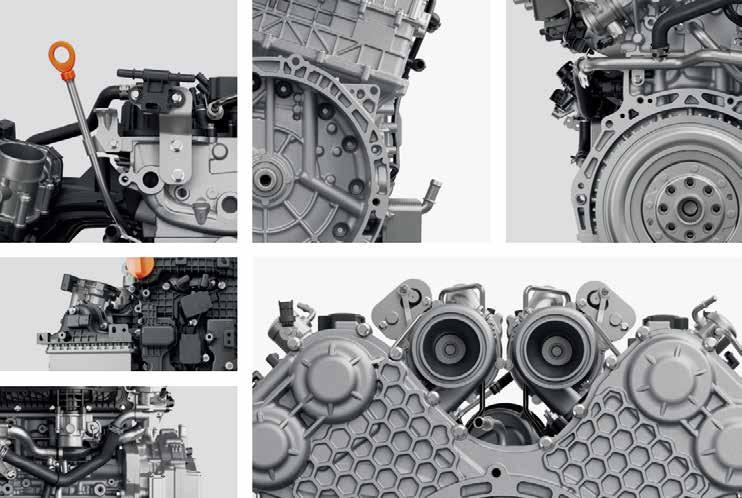
OWL GmbH, based in Aachen, Germany, reports it has invested in a second Hot Isostatic Press (HIP) from Engineered Pressure Systems International NV (EPSI), Temse, Belgium, to expand capacity and support continued business growth.
The new HIP will have a working diameter of 500 mm and a working height of 1,500 mm. The maximum temperature will be 1,350°C with a maximum pressure of 140 MPa.
“Hot Isostatic Pressing is a manufacturing process that eliminates the porosity in metals and increases the density of many materials,” explained Daniel Guizard, OWL Managing Director. “This improves the material’s mechanical properties (fatigue
strength, ductility, impact resistance) and machinability – in other words, the component’s reliability is significantly enhanced by the HIP process.”
When components are treated with the HIP process, internal cavities and micro-porosities are eliminated through a combination of plastic deformation, flow, and diffusion bonding of the material by simultaneously applying heat and pressure.
“The HIP process is used to significantly improve the technical properties of, for example, cast products, additively manufactured products, tools, motorsport components, and aerospace components,” added Guizard.
Executive, is reported to have said at the 2026 Beijing International Automotive Exhibition.
Giannini told Reuters that Horse hopes for a positive outcome on its application to establish a legal entity in India in the third quarter of this year.
“The most likely first steps would be a combination of partnership and importing from other Horse locations, then stepping into local manufacturing,” Giannini added. He went on to explain that Horse intends to both act as a supplier to the domestic Indian market as well as exporting to other markets.
Giannini confirmed that the company was in talks with a range of large carmakers in hopes that at least some of these would advance towards “big contracts,” though no specifics were given.
Horse was formed in 2024 from the carved-out engine operations of carmakers Renault and Geely. The company supplies internal combustion engines and hybrid systems, operating eighteen plants and five R&D centres across Europe, China and Latin America. It most recently established a presence in the US. www.horse-powertrain.com
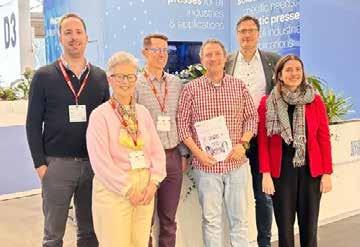
The second HIP system is expected to reduce turnaround times and support OWL’s ambitions to achieve NADCAP qualification for aerospace applications. Currently, the company is ISO 9001 and EN/AS 9100 certified.
The new HIP system is scheduled to reach the start of production by the end of 2027.
www.owl-am.com
Zhuzhou Diyuan Powder Metallurgy Furnace Co , Ltd (DMF) Founded in 2003 | Zhuzhou, Hunan, China
Company Overview
Based in Zhuzhou, China’s world-renowned cemented carbide industrial hub, DMF specializes in the R&D and production of powder metallurgy electric furnaces mainly applied to cemented carbides and industrial ceramics manufacturing. Our core team boasts over 30 years of industry experience, continuously pursuing technological innovation and supplying customized furnace solutions to global customers.
Located in Zhuzhou the world-famous hub of China’s cemented carbide industry DMF specializes in the R&D and manufacturing of electric furnaces for powder metallurgy, cemented carbide production, and industrial ceramics Our core team brings over 30 years of industry experience, driving innovation and delivering customized furnace solutions for global markets
Expertise & Experience

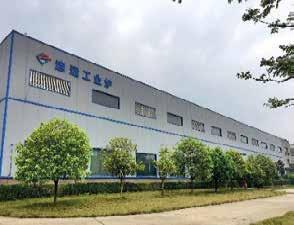
DMF drives innovation through long-term cooperation with top Chinese universities and leading tungsten material enterprises, integrating materials science and powder metallurgy expertise to develop advanced furnace solutions Our flagship equipment includes Carburizing Furnaces, Sintering Furnaces, and Zinc Furnaces for cemented carbide recycling
DMF drives innovation through long-term cooperation with top Chinese universities and leading tungsten material enterprises, integrating materials science and powder metallurgy expertise to develop advanced furnace solutions. Our flagship equipment includes Carburizing Furnaces, Sintering Furnaces, and Zinc Furnaces for cemented carbide recycling.
DMF has hornored with two National Innovation awards, certified as a High-Tech Enterprise, and currently holds 29 authorized patents
DMF has hornored with two National Innovation awards, certified as a HighTech Enterprise, and currently holds 29 authorized patents.
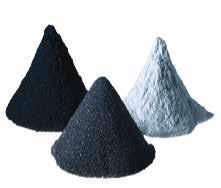
Powder Manufacturing
Rotary Furnace
Reduction Furnace
Carburizing Furnace

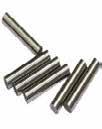


Dewaxing & Sintering
Dewaxing & Sintering Furnace
HIP Sintering Furnace
Special Purpose Vacuum Furnace
ZHUZHOU DIYUAN POWDER METALLURGY FURNACE CO., LTD.
Address: Jinshan Industrial Park, Hetang District, Zhuzhou, Hunan, China Website: http://www.dmfurnace.cn Email: sales@diyuanmf.cn PC: 412003 Tel.: +86-731-28626588,+86-13307418206 Mr. Lu, Fax: +86-731-28626596 USA contact tel: +1-310-528-1764(Ms. Katherlin)
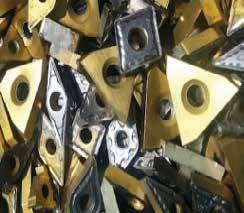
Cemented Carbide Recycling
Zinc Furnace
Application
Low-melting-point non-ferrous metals
ZHUZHOU DIYUAN POWDER METALLURGY FURNACE CO., LTD.
Address: Jinshan Industrial Park, Hetang District, Zhuzhou, Hunan, China
Website: http://en.dmfurnace.cn Email: sales@dmfurnace.cn PC: 412003
Tel.: +86-731-28626588,+86-13307418206 Mr. Lu, Fax: +86-731-28626596
USA contact tel: +1-310-528-1764(Ms. Katherlin)

Elmet Technologies, a subsidiary of Elmet Group, based in Lewiston, Maine, USA, has secured strategic funding of $4.3 million in support of a government contract award to develop and advance domestic manufacturing capabilities for molybdenum-based products and refractory metal components, utilised in critical defence programmes.
The contract award is expected to enhance Elmet Technologies’ capacity and capabilities in Additive
Manufacturing, machining, production automation, material feeding, post-processing equipment, and additional finishing and inspection systems.
In addition, the contract aims to bolster domestic manufacturing readiness, redundancy, and expansion and meet the projected long-term demand for refractory metal components, specifically molybdenum-based products used in modern defence interceptor programmes.
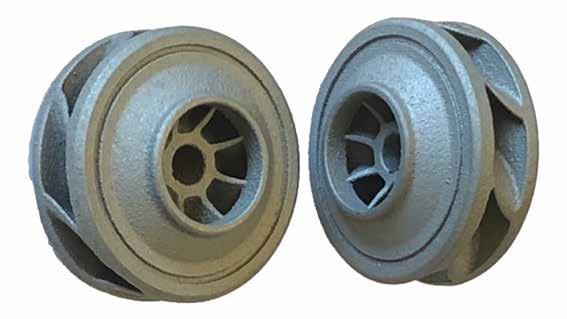
Authentise, based in Philadelphia, Pennsylvania, USA, has announced the launch of Whisper, a new AI platform designed to capture, understand, and act on engineering intent across the entire idea-to-part lifecycle. Authentise describes Whisper as an “agentic AI backbone” intended to connect fragmented engineering knowledge and turn it into governed, real-time action inside existing enterprise systems.
“Engineering intent is the missing layer in digital transformation,” said Andre Wegner, CEO of Authentise. “We’ve spent 14 years helping companies digitise workflows. Whisper is the next step. It doesn’t ask engineers to change how they work. It listens, understands, and acts.”
While the long-term value comes from capturing engineering intent, Authentise states that Whisper can deliver immediate gains in compliance, coordination and execution.
Rob Weighill, Group Systems Architect at Prototal Group, stated, “As part of the steering committee, we pushed hard on one thing: this had to work in the real world, not just in theory.”
“In a high-throughput environment, the challenge is keeping projects moving across teams. Seeing Whisper come together has been genuinely exciting because it doesn’t just surface insights, it takes action directly in the tools our teams already use,” Weighill continued.
Whisper captures engineering activity as it happens across tools
“This award directly supports our mission of securing the critical materials and components supply chain in the US,” said Derek Fox, President of Elmet Technologies. “We expect that it will enable us to expand capacity and deploy advanced manufacturing technologies in support of our nation’s critical defence initiatives, several of which depend on molybdenumbased components as a foundation. Elmet is honoured to serve as a provider within that foundation.”
The contract will fund targeted investments across Elmet Technologies’ manufacturing operations with the objective of accelerating production throughput and improving precision component performance in mission-critical interceptor systems and US defence platforms. This initiative aligns with Elmet Technologies’ long-standing goal of strengthening US domestic manufacturing capabilities and supporting the United States’ needs in critical materials and components, as well as fortifying the defence industrial base and national security.
www.elmettechnologies.com
like Slack or Teams, email, meetings, and enterprise systems. It structures that data, applies context and permissions, and acts on it directly within existing workflows. This reportedly results in earlier risk detection, realtime compliance checks, automated updates across ERP, PLM, and QMS systems, and full provenance and audit trails tied to parts and projects.
Authentise built Whisper after encountering resistance to new tools, even when they delivered value. The company found that the problem is not capability, but inertia. Whisper is described as a foundation for building intelligent engineering workflows with the intention of enabling realtime compliance monitoring, project health detection, and automatic updates across enterprise systems, all driven by configurable agents operating in the background.
www.authentise.com
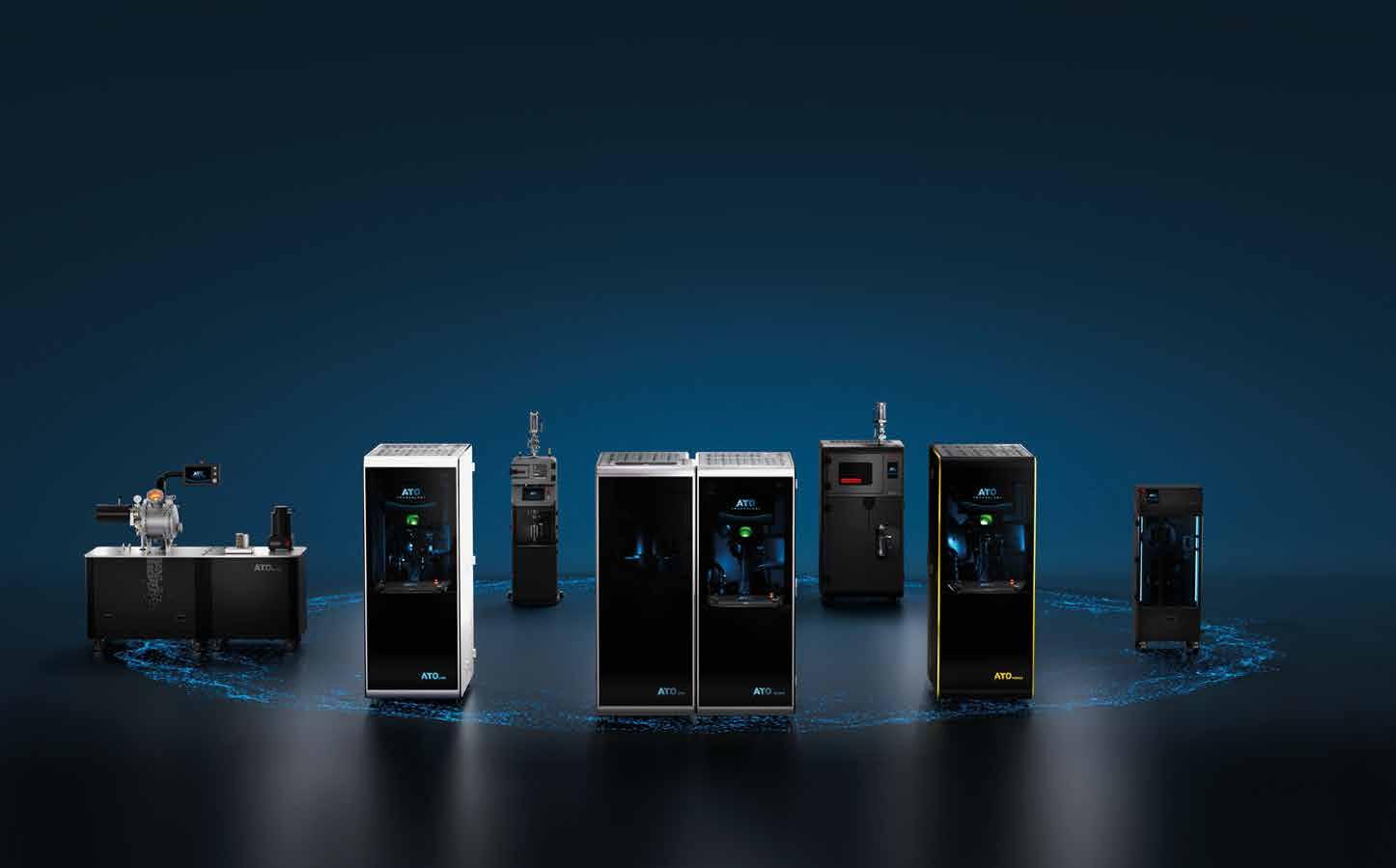

ADDITIVE
LPBF/SLM technology
COATING
Powder spraying technology

Laser cladding technology
REPAIR FUSION
Brazing & Soldering
Metal joining

DED technology
Material deposition

DURABILITY COMPACTION
Convencional powder metallurgy

TRANSFORMING METAL INTO OPPORTUNITY
3D Lab and Arcway, both headquartered in Warsaw, Poland, have announced two developments regarding ATO (ultrasonic atomisation) technology in India: the grant of a new patent for the technology and the appointment of Phillips Machine Tools India as an official ATO sales partner.
Indian patent for ATO
The ‘Method and Device for Producing Heavy Metal Powders by Ultrasonic Atomization’ patent supports the continued development of high-quality metal powder production for Additive Manufacturing and other advanced applications.
“This patent strengthens our international intellectual property portfolio and confirms the value of years of research behind ATO technology,” stated Paweł Wesołowski, CEO, 3D LAB. “It reinforces our commitment to developing nextgeneration metal powder production methods that are efficient, scalable, and tailored to the needs of modern manufacturing.”
Phillips Machine Tools India
Arcway also announced that Phillips Machine Tools India has become an official ATO sales partner in the country. The partnership is expected to expand access to ultrasonic metal powder
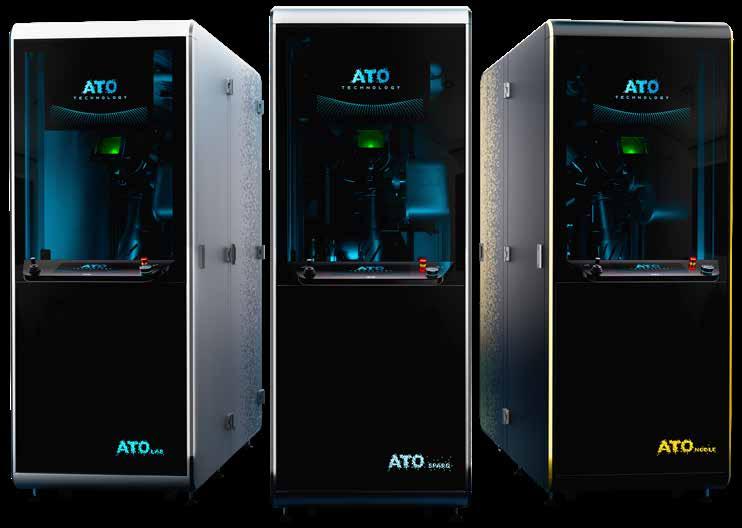
production technologies across the Indian market.
“Phillips Machine Tools India is excited to collaborate with Arcway to expand access to ATO ultrasonic metal powder production systems in India,” stated Anuj Budhiraja, Vice President, Phillips Machine Tools. “This partnership strengthens our Additive Manufacturing portfolio and enables customers to produce high-quality spherical metal powders while accelerating material development and innovation.”
With Phillips Machine Tools India’s manufacturing presence, focus on Additive Manufacturing and local support capabilities, ATO machines – including AI-enabled machines – are expected to become more accessible to industrial users, research institutions and advanced manufacturing laboratories.
Arcway and Phillips Machine Tools India aim to support the growth of localised next-generation metal Additive Manufacturing and enable users to produce metal powders closer to the point of use.
Jakub Rozpendowski, CEO, Arcway, added, “India is a strategic market for the global adoption of ATO technology. We are excited to welcome Phillips Machine Tools India as our official sales partner and to strengthen ATO’s presence in this rapidly growing manufacturing ecosystem. Their strong local footprint, Additive Manufacturing expertise, and customer focus align perfectly with Arcway’s mission to make advanced metal powder production technologies more accessible worldwide.”
www.phillipscorp.com/india www.metalatomizer.com




Noveon Magnetics Inc, headquartered in San Marcos, Texas, USA, has announced the close of a $215 million Series C financing led by a $200 million investment from One Investment Management (OneIM). The capital will fuel significant growth of Noveon’s US rare earth magnet manufacturing capacity as demand accelerates across key sectors, including automotive, defence, AI, energy, and advanced manufacturing, and as the need to reshore critical US supply chains becomes increasingly important.
As part of the transaction, OneIM will appoint two new Series C board members.
“This financing marks a pivotal step in scaling Noveon’s production capabilities to meet rapidly growing customer demand,” said Scott Dunn, CEO of Noveon.
“With the support of OneIM, we are accelerating deliveries of high-performance rare earth magnets produced entirely in the United States - scaling capacity, capability, and strengthening supply chain resiliency for our customers.”





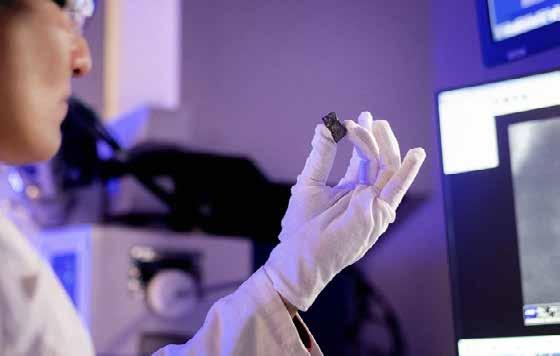
Rare earth permanent magnets are essential to automotive systems, defence platforms, AI and data storage technologies, robotics, and advanced manufacturing applications (Courtesy Noveon Magnetics Inc)
Noveon was the first company to reshore full-scale production of sintered rare earth magnets to the United States. This investment positions Noveon to accelerate its growth trajectory by expanding capacity beyond 2,000 tons per year, enabling the company to support existing commercial partners and capture growing demand from critical industries requiring high-performance, highquality magnetic materials.
Rare earth permanent magnets are essential to automotive systems, defence platforms, AI and data storage technologies, robotics, and advanced manufacturing applications. Noveon’s American manufacturing platform directly addresses long-standing supply chain vulnerabilities, delivering reliable, high-performance magnet solutions.

IN-LINE THROUGH-FEED GRINDING SOLUTIONS FOR: arc and block magnet sintered parts forged parts New generation of machines - compact and efficient


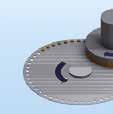








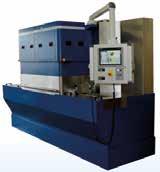


Rajeev Misra, CEO and Co-Founder of OneIM, stated, “Noveon is uniquely positioned to lead the reshoring of the rare earth magnet industry at a time when supply chain security and domestic manufacturing capacity are national priorities. The company has assembled exceptional talent and built the technical skills, operational expertise, and execution discipline required to scale US rare earth magnet manufacturing. We are proud to support Noveon’s next phase of growth and I look forward to supporting the company as it builds capacity that can truly meet the moment.”
Over the past twelve months, Noveon has reported several significant milestones, including entering into multi-year supply agreements with General Motors and ABB, forming strategic partnerships with Lynas and Solvay to help create a more resilient supply chain, and entering into a closed-loop magnet recycling initiative with LG Electronics and Kangwon Energy.
Dunn added, “I am incredibly proud of what our team has accomplished over the past year. We look forward to building upon our strong momentum with support from our new and existing partners to deliver on our mission to reshore critical magnet production to the United States.”
www.noveon.co
The US Department of Energy’s (DOE) Ames National Laboratory, Ames, Iowa, USA, celebrated the official opening of its Advanced Magnet Facility (AMF) on March 10. The new facility provides updated laboratory space and instrumentation to expand Ames’ capabilities in magnetic materials, energy technologies and applications related to national security.
The AMF represents a significant investment in US magnet science and critical materials research. The facility has the potential to strengthen domestic supply chains and support the development of next-generation materials in collaboration with industry.
Ahead of the ceremony, DOE representatives toured several research areas demonstrating Ames National Laboratory’s work in critical materials, automated chemistry and
AI-enabled discovery. The laboratory is also contributing to artificial intelligence-enabled research through the DOE’s Genesis Mission, described as a national initiative intended to accelerate US scientific discovery and innovation through AI technologies.
“We are delighted to welcome our leadership from the Department of Energy to Ames National Laboratory and to share the work happening across our campus,” stated Karl Mueller, Ames Laboratory Director. “The opening of the Advanced Magnet Facility represents a major step forward for our mission - strengthening the nation’s capabilities in magnet science and critical materials, and the technologies that rely on them.”
Audrey Robertson, Assistant Secretary of Energy (EERE), added, “The newly renovated Advanced
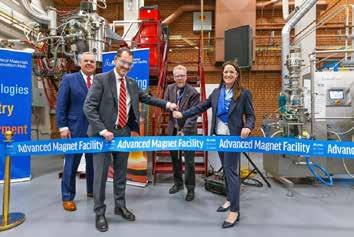
Left to right: Dan Culhane – President, Ames Regional Economic Alliance; David J Cook – President, Iowa State University; Karl Mueller – Director, Ames National Laboratory; Audrey Robertson – Assistant Secretary of Energy, Office of Critical Minerals and Energy Innovation (Courtesy Ames National Laboratory)
Magnet Facility underscores the scientific and research excellence of our national laboratories. It will enable work to develop new magnetic materials and components for use across transportation and industry, while supporting American manufacturing innovation.” www.ameslab.gov
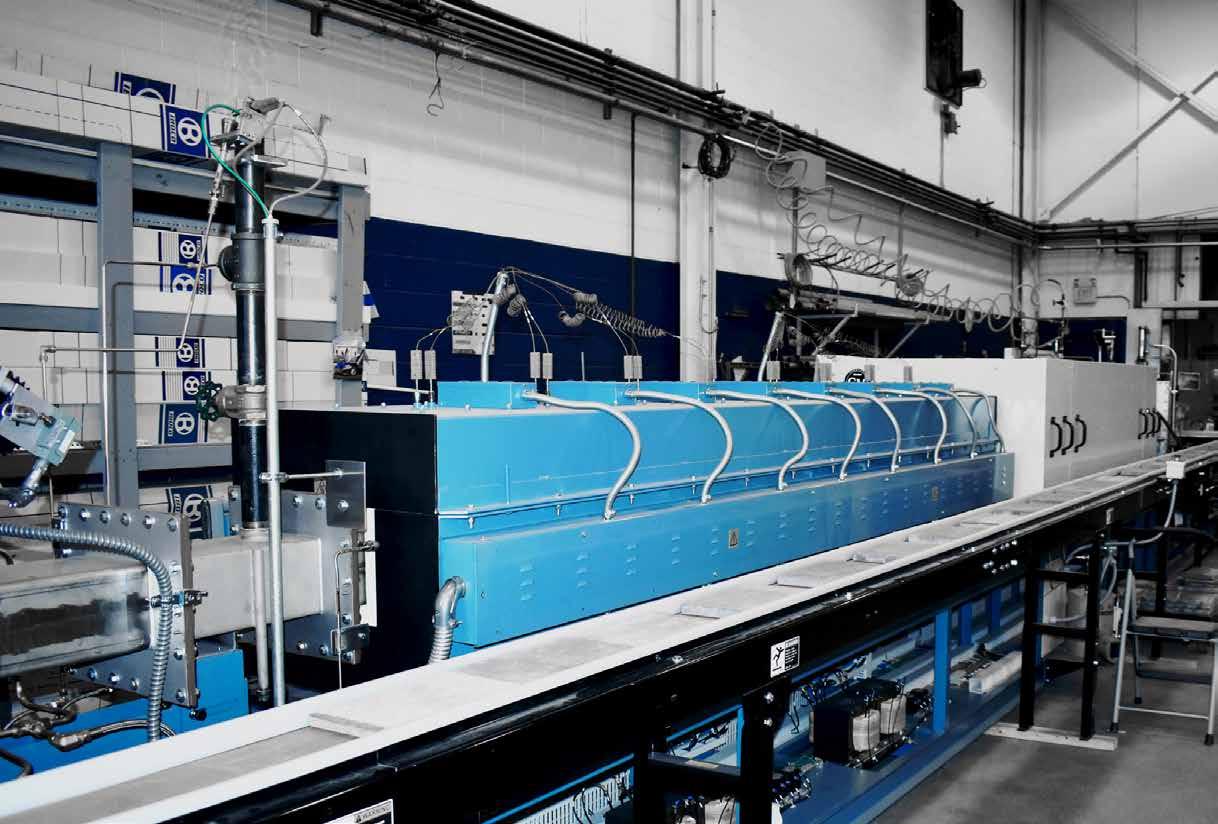

GranuTools, based in Awans, Belgium, has announced that its GranuDrum powder characterisation technology is now covered by a new ASTM standard: ASTM D8648-25 – Standard Test Method for Determining Flowability Using GranuDrum. Standardisation plays a key role in powder characterisation, ensuring reproducibility, comparability between laboratories, and confidence in measured data. This is particularly important where powder flowability directly impacts manufacturing processes, including Powder Metallurgy and metal Additive Manufacturing.
ASTM D8648-25 defines a standardised methodology for measuring powder flowability using the GranuDrum, including test apparatus, procedures and data interpretation. This enables comparison of results across laboratories and organisations. The method is applicable to
a range of industries, including pharmaceuticals, Additive Manufacturing, batteries, chemicals and food processing.
The standard applies to powders and bulk solids with a maximum particle size of 2 mm, typically in the 1–400 µm range. It defines the measurement of key flow-related parameters, including the dynamic angle of repose (flowing angle), cohesive index, first avalanche angle, and powder aeration. These parameters can be used to compare powders, assess the impact of formulation or processing changes, and support numerical simulations such as Discrete Element Method modelling.
The GranuDrum is an automated rotating drum method in which a powder sample is placed in a horizontal drum and rotated at controlled speeds. A camera captures the powder–air interface,
SAE International has highlighted the growth of its Ground Vehicle Standards organisation alongside broader development of advanced battery solutions, driven by connected technologies and the transition to electric vehicles.
SAE’s Ground Vehicle Standards organisation has produced more than forty documents directly related to battery technology, covering areas such as materials, testing, management, safety, and end-of-life considerations. The organisation’s Vehicle Battery Standards Steering Committee now includes over 800 members across twenty-eight subcommittees, representing 181 organisations, including OEMs, suppliers, government and academia.
These committees are designed to address a wide range of topics,
including thermal management, traceability, recycling, and performance testing. According to SAE, this development reflects the increasing complexity of modern battery systems and the need for harmonised standards to support their safe and efficient deployment. Recent standards development activity includes:
• J3327 – Surface Vehicle EV Battery Global Traceability J3303 – Lithium and Lithium-Ion Cell and Battery Containment Performance Recommended Practice for Storage
• J2997 – Standards for Battery Secondary Use
SAE’s efforts come amid rapid innovation in battery chemistries. Current technologies range
ASTM has developed a GranuDrumspecific standard (Courtesy GranuDrum)
and image analysis is used to determine the average surface profile and its fluctuations over time. This approach enables measurement of both flow angles and cohesion-related properties that are difficult to quantify using traditional static methods.
The standard notes that results depend on operator competence, instrument suitability and controlled environmental conditions. It also references ASTM Practice D3740, highlighting the importance of consistent procedures and qualified laboratories.
www.granutools.com
from nickel-metal hydride and sodium-ion systems to lithium-iron phosphate (LFP) and emerging silicon-anode designs. Solid-state and semi-solid-state batteries are also under development, offering the potential for extended driving ranges, faster charging, improved thermal stability, and reduced costs through the replacement of liquid electrolytes with solid materials.
The organisation also noted how material developments are reshaping battery design. Silicon is increasingly being adopted as an alternative to graphite in anodes to enable higher capacity and faster charging, while sodium-ion batteries are seeing wider adoption for short-range applications due to their lower cost and wider availability of raw materials.
More information on the SAE Ground Vehicle Standards development is available on their website. www.sae.org
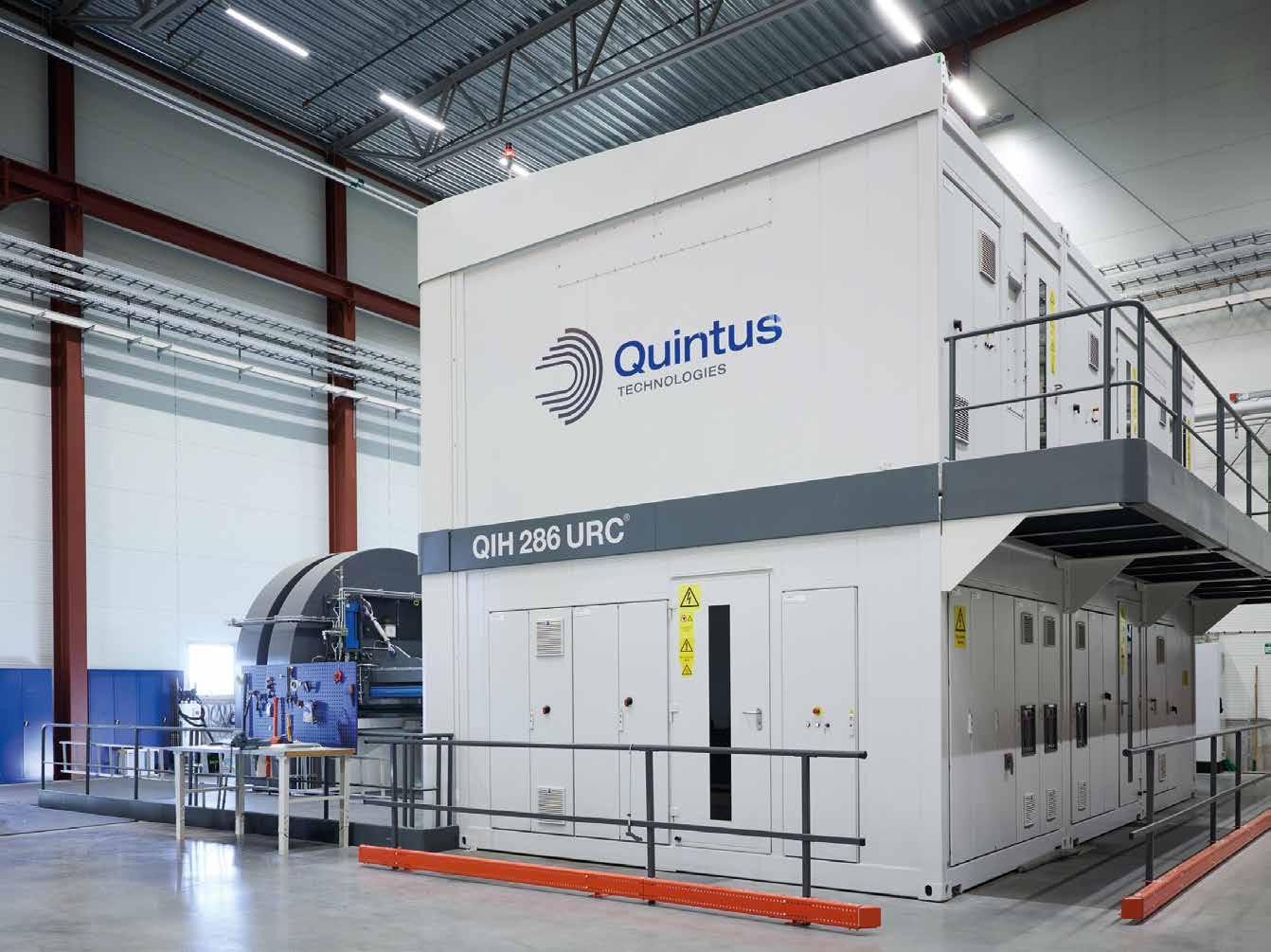
Quintus Technologies supports manufacturers like MTC Powder Solutions in expanding what is possible with PM-HIP near-net shape production.
MTC Powder Solutions utilizes the Quintus Hot Isostatic Press QIH 286 URC® to produce large and complex metal components from powder. The process creates parts that closely match their final geometry, giving customers more design freedom while reducing material waste and limiting the need for additional machining. Excellent isotropic properties and tight tolerances provide consistent performance, accuracy, and reliability.
Quintus HIP systems are available in large sizes, with diameters up to 2 meters and beyond. With Uniform Rapid Cooling (URC), manufacturers gain the control and flexibility needed for demanding PM-HIP applications.
For MTC Powder Solutions, the QIH 286 is a central part of production. It helps transform complex customer requirements into finished PM-HIP components.
Scan the QR code to watch the customer story and find out more.

Researchers from American institutions the University of Illinois, Purdue University, Kansas State University, the Electric Power Research Institute, and Eurofins | EAG Laboratories have published a paper in advanced manufacturing comparing neutron-irradiated Ni-based alloys as processed by Hot Isostatic Pressing (HIP) and forging.
According to the researchers, Powder Metallurgy with Hot Isostatic Pressing is a leading candidate to replace forging as a manufacturing method for structural components in future nuclear reactors. To best certify and employ the technology, however, it is essential to develop an understanding of the material performance of components which have undergone HIP compared
to conventional forgings under representative reactor operating conditions.
In this study, HIP and forged nickel-based Alloys 625 and 690 were investigated following neutron irradiation at target damage levels of approximately 1 and 3 dpa at temperatures from 321–398 °C. Uniaxial tensile testing was used to evaluate irradiation-induced changes in mechanical behaviour, while transmission electron microscopy and atom probe tomography were employed to examine microstructural evolution.
The results indicate that HIP Alloy 625 exhibits superior mechanical properties compared to its forged counterpart under irradiation. This is attributed primarily to a
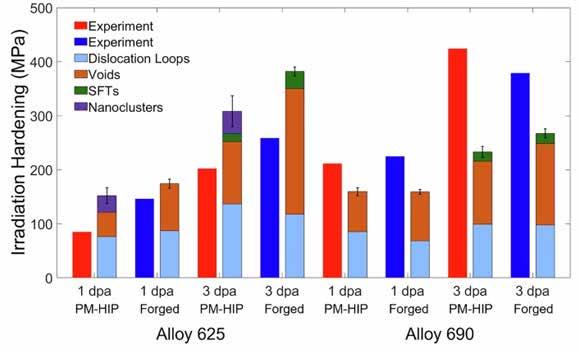
Comparison of irradiation hardening from uniaxial tensile tests and DBH model estimations for Alloy 625 and Alloy 690 fabricated via PM-HIP and forged routes (Courtesy Ronit Roy et al, University of Illinois)
significantly lower void population observed in the HIP material at all damage levels. Differences in irradiation hardening between HIP and forged Alloy 625 are linked to initial dislocation density, with higher densities in forged material promoting vacancy supersaturation and void formation. Silicon nanoclusters were observed only in HIP Alloy 625, while silicon composition fluctuations were present in all materials, suggesting potential nucleation behaviour influenced by composition and irradiation conditions.
In contrast, minimal differences were identified between HIP and forged Alloy 690, with similar irradiation-induced microstructures leading to comparable mechanical performance.
Model predictions using the Russell–Brown dispersed barrier hardening (DBH) model aligned with observed trends, although Alloy 690 exhibited higher-than-predicted hardening, likely due to irradiationinduced nanoprecipitate formation.
Overall, the researchers noted that their findings demonstrate comparable or improved irradiation tolerance in Hot Isostatically Pressed Alloys 625 and 690 relative to forged equivalents, providing data to support the qualification of HIP processing for nuclear structural applications.
‘Effects of neutron irradiation on Ni-based alloys: a comparative study between PM-HIP and forging’ is available here: www.nature.com/ articles/s44334-026-00079-8 www.illinois.edu www.purdue.edu www.k-state.edu www.epri.com www.eag.com

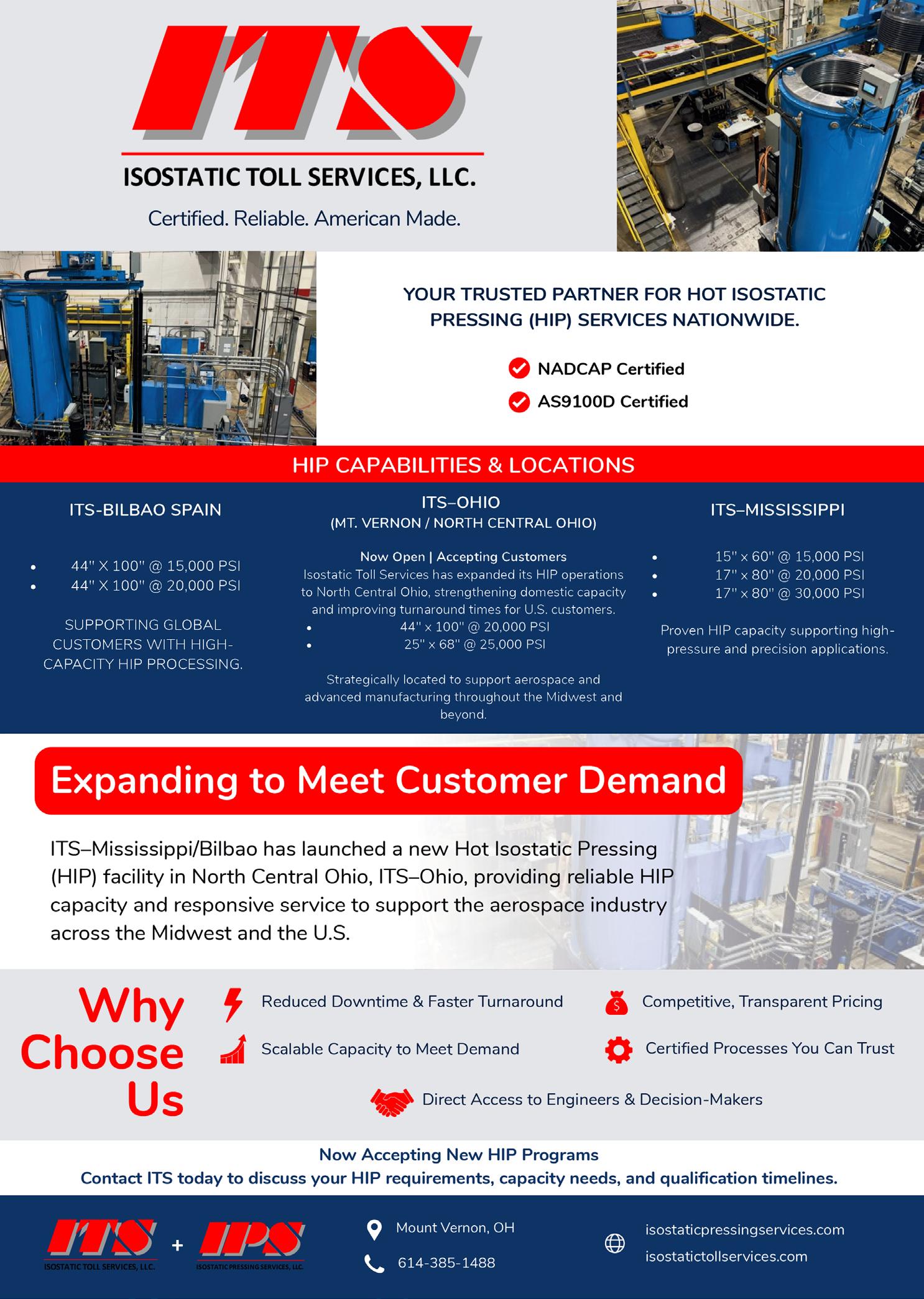
Ready Metrology, based in Turin, Italy, has launched CoreX, a purposebuilt industrial computed tomography (CT) machine designed for shop floor non-destructive testing (NDT). The CoreX is reported to reveal internal voids, cracks, assembly errors, and dimensional deviations that no surface measurement can detect.
Conventional industrial CT requires high investment, delivers slow results, is complex to use, and has high maintenance costs, Ready Metrology explains. They require costly annual maintenance and 20-to-30-minute scan cycles. In contrast, the CoreX delivers actionable data for aluminium, magnesium,
and titanium in 40 to 50 seconds, directly on the production line.
The top-loading design of the CoreX is intended to simplify operator interactions, enabling fast part placement and removal, with minimal handling time. The fully shielded enclosure requires no bunker and no controlled environment and is designed to fit within existing quality control environments. According to the company, any shop-floor operator can load a part and get a full measurement report with one click.
The CoreX allows operators to inspect the first parts of a new batch within minutes of changeover, without a lab technician or external
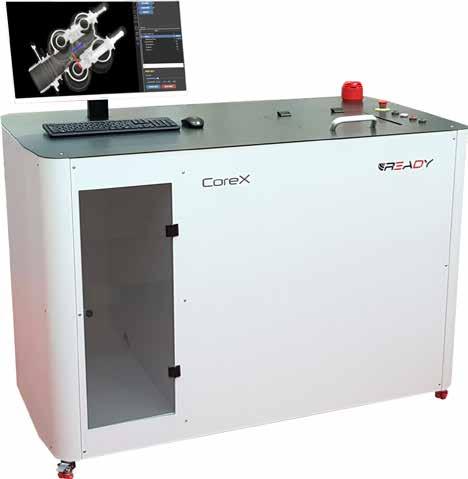
Electric vehicle battery supplier CATL, headquartered in Ningde, China, has reported better-thanexpected fourth-quarter and full-year results. Net profit for Q4 rose 57.1% from a year earlier to 23.17 billion yuan ($3.35 billion), compared with a 41.2% rise in the third quarter, the biggest gain in two-and-a-half years.
The fourth-quarter result exceeded analysts’ forecast of a 40.9% increase, Reuters reported,
dependency. This enables the line to return to production faster, reducing downtime across multiple shifts and format changes.
The company states that CoreX enables high-frequency or potentially 100% inspection of parts in many production environments. Real-time process monitoring through the colour-coded interface means deviations are caught and corrected before non-conforming parts accumulate, delivering only good parts to the customer.
CoreX also generates professional documentation in seconds, meeting the need for CT-backed inspection reports that are increasingly necessary in automotive, aerospace, and medical manufacturing.
www.readymetrology.com
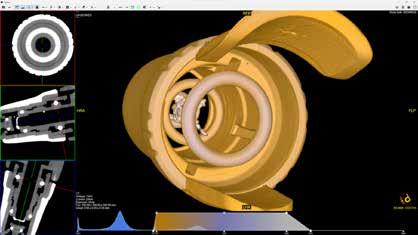
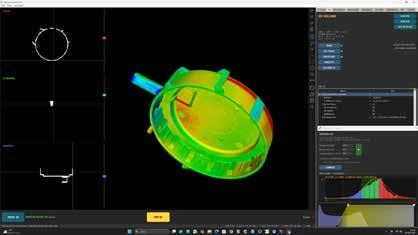
citing LSEG data. Revenue was up 36.6% to 140.6 billion yuan versus a 12.9% increase in the third quarter. Analysts had expected a 23.8% rise. For the whole of 2025, revenue reached RMB 423.7 billion, up 17% year on year, with net profit of RMB 72.2 billion, an increase of 42%.
CATL supplies EV brands such as Tesla, Xiaomi, and Nio, and has increased investments in batteryswapping stations and mounted
advertising campaigns at railway stations and airports. It has also increased expansion into Europe and Asia.
The EV battery specialist widened its lead last year with a 39.2% share of global EV battery usage from 38% in 2024, followed by BYD, whose share slid from 16.9% to 16.4%, according to SNE Research.
Gross profit margins at its EV battery and its energy storage battery divisions fell by 0.1 and 0.13 percentage points last year, respectively.
www.catl.com
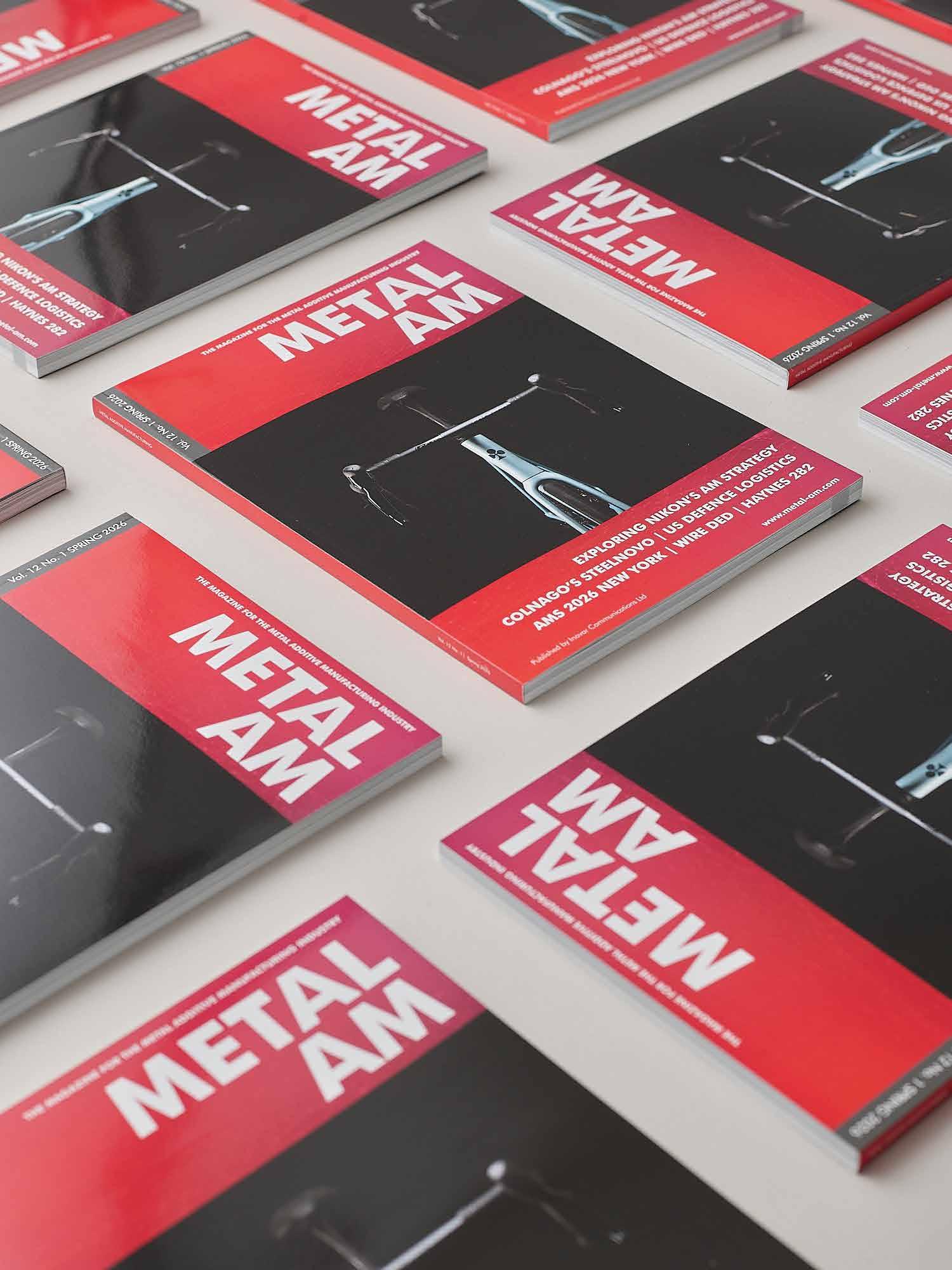


Expo & Convention Industry Insights Industry Events
We are the central platform for production professionals around the globe and offer you industry information, networking, exchange and access to the latest AM solutions all year round.
Find AM AM Directory
Read AM Fon Mag print & online
Watch AM Formnext.TV
AM updates Newsroom
AM regularly AM4U newsletter
Experience AM AM event calendar
Explore AM Formnext white papers
Discuss AM Formnext Technology Talks

Understand AM AM Field Guide
Discover AM Seminars & webinars
AM around the globe Formnext events worldwide
Shaping AM AM Jobs

Want AM insights direct to your inbox? formnext.com/getindustryinsights
For more than two decades, Metalysis has been associated with the possibility of producing metals and alloys directly from oxide feedstocks using molten salt electrochemical reduction. Yet relatively little has been publicly revealed about the industrial operation behind the technology. Following an in-depth visit to the company’s Rotherham, UK, facilities, Dr Martin McMahon examines how the Cambridge-developed process has evolved into a specialist metal powder production business and what comes next for the technology and the company.
When most people hear the term electrolysis, they probably imagine a laboratory beaker, electrodes submerged in liquid, and bubbles gently rising to the surface. For years, that same image shaped perceptions of Metalysis and its claims of producing metal powder electrochemically. Yet a visit to the company’s facilities in Rotherham, UK quickly dispels any such assumptions. What exists there is not laboratory-scale chemistry, but a large-scale metallurgical operation built around molten salt electrochemical reduction.
Metalysis traces its origins to research conducted at the University of Cambridge by Derek Fray, Tom Farthing, and George Chen, whose work became known as the FFC Cambridge process. Over the past two decades, the company has frequently been discussed in terms of its promise: the possibility of producing metals and alloys directly from oxide feedstocks without conventional melting routes.
Tucked away within what was once the heartland of Britain’s steel industry, Metalysis has evolved into operations that are now unambiguously industrial. A persistent industry question, however, has been whether the company could trans -
late that promise into production at industrial scale.
This article is based on a detailed site visit, as well as extended technical discussions with Managing Director Ian Mellor, Production Manager Mike Stephenson, and
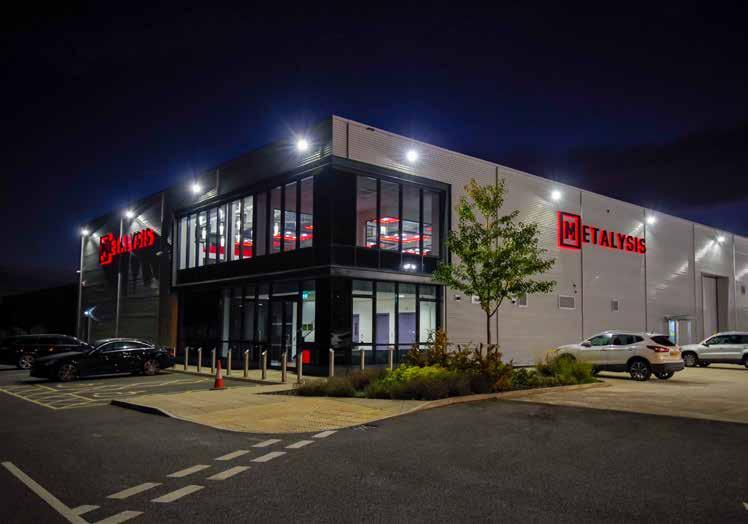


interviews with CEO Nitesh Shah and Group Chairman James Reimer. Mellor explained early in our discussion, “The challenge was never simply the chemistry. What we’ve had to do is develop both the process and the engineering at the same time.” Unlike many metallurgical developments, where a new process can be adapted onto existing industrial infrastructure, Metalysis has had to build both the electrochemical process and the production systems required to operate it commercially.
The technology that underpins Metalysis is based on the FFC Cambridge process, which demonstrated that oxygen could be removed directly from solid metal oxides using molten salt electrolysis, leaving behind metallic material. While molten salt electrolysis is already widely used in aluminium production, the Metalysis process differs in that the oxide feedstock remains solid throughout
“The process is electrochemical. The feedstock is a metal oxide, which is the cathode in the electrochemical cell. You apply a potential between the two electrodes, and it releases the oxygen, and you’re left at the cathode with a metal.”
reduction and the resulting metal is produced without a melting stage. This departure from conventional high-temperature smelting and melting routes was what made the process both technically intriguing and, in its early years, difficult to contextualise industrially.
As Mellor explained, the process itself is relatively straightforward. “The process is electrochemical. The feedstock is a metal oxide, which is the cathode in the electrochemical cell. You apply a potential between the two electrodes, and it releases the oxygen, and you’re left at the cathode with a metal.” At the other end of the reaction, the counterelectrode is carbon or graphite. This then reacts with the liberated oxygen to form carbon monoxide and carbon dioxide, and is partially consumed in the process.
Although the underlying science is broadly applicable, commercial reality is more selective. From a purely scientific perspective, the process can be applied to “roughly fifty elements in the periodic table”, Mellor stated. However, physical
and economic considerations ultimately determine which materials are commercially viable. “Something like iron is possible, but we’re not going to go up against ironmakers. Aluminium is possible, but we wouldn’t go up against aluminium smelting.” Instead, the company has focused on materials where conventional production routes are energy-intensive, technically constrained, economically inefficient, or where geopolitical shifts have worked to M etalysis’ advantage.
The most significant distinction between the Metalysis process and conventional alloy production routes is t hat the metal remains solid throughout the process, with no melting stage. Conventional alloy production typically relies on melting elemental constituents together before subsequent homogenisation. In contrast, the Metalysis process forms alloys during oxygen removal, with final homogenisation occurring through solid-state diffusion.
“If we wanted to make an alloy, we would mix whatever the oxides were,” explained Mellor. “The key is getting good homogenisation of the oxides, and when you’re converting oxide to metal, that’s when the alloying occurs.” However, since diffusion is a factor, the process is also controlled to some extent by time, something Mellor touched on when he added, “If you stop partway through, you’ll still see the individual parts. And then at the end, that disappears, and it does alloy.”
It is important to note, though, that this is not a cold process. Rather than laboratory glassware, the reaction takes place in a furnace operated at elevated temperatures, typically “around 900 to 950°C.” This is hot enough to melt the electrolyte but isn’t hot enough to melt the relevant metals, which remain solid throughout the entire process. As a result, many of the issues associated with melting dissimilar elements are avoided entirely. “Because it’s solid state, if you’re maki ng an alloy with elements at very different melting
temperatures, you don’t have evaporation, density segregation, or the need for multiple remelts,” Mellor pointed out.
This distinction has important practical and economic consequences. “Some titanium alloys require up to ten or twelve melt steps to achieve homogenisation,” Mellor explained, whereas metal from the Metalysis process “comes out as a homogeneous alloy directly.” That avoidance of repeated melting is one of the characteristics Metalysis believes contributes to the process’s energy, cost, and sustainability advantages.
Feedstock philosophy: oxide in, metal out
Another point to underline about the Metalysis process is that it should not be confused with purification. Mellor explained, “It’s not a purifica -
tion process, it’s an oxygen reduction process. The chemistry and quality of the input oxide, therefore, define – to a large extent – the quality of the final metal.” Put simply, if titanium dioxide is contaminated with another oxide, such as alumina or magnesium oxide, then the resulting metal will contain those elements as well. For high-purity applications, such as tantalum powder used in capacitors for the electronic components sector, the company works with oxides with at least “four-nines purity.” In other cases, particularly where alloying is intentional, secondary oxides and recycled sources may be acceptable. “If we’re making an alloy and there’s some niobium in tantalum and we’re adding it intentionally, it’s not as much of a concern.” This feedstock flexibility opens pathways to recycling and circularity, but only where material
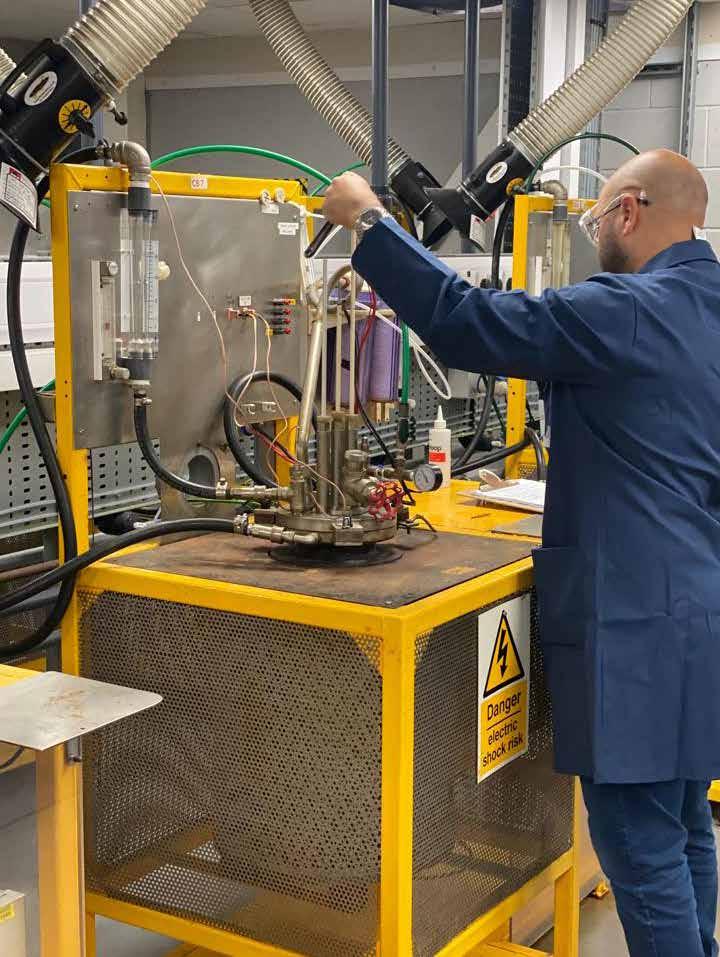
chemistry is properly understood.
One particularly illustrative example discussed was titanium derived from natural rutile. Rutile typically contains “between 92 and 95% TiO₂”, with the remainder comprising oxides of vanadium, aluminium, iron, manganese, and silicon. Rather than treating these constituents as impurities to be removed and added back later, Metalysis has explored leaving them in place. “From our perspective, they can all be alloying elements to titanium,” Mellor explained.
However, he also acknowledged that this approach produces new alloys rather than drop-in equivalents. “Chemically, it’s not Ti-6-4.
It’s different, and like Marmite, you either love it or hate it.” Rather than being viewed as a weakness, this potentially opens the door to the development of entirely new alloy compositions rather than substitutes or equivalents. At the same time, any new alloy system would still require the same qualification and validation processes needed before successful adoption.
Quite often, as a company grows from its academic spin-out beginnings, the original invention morphs
at least once or twice before becoming commercially successful. In the case of Metalysis, however, relatively few changes have been required to the original FFC Cambridge process.
Metalysis operates from two facilities in Rotherham: the Discovery Centre, which houses the Gen 1 and Gen 2 development platforms, and Manufacturing, home to the larger Gen 3 and Gen 4 production systems.
Across these facilities, Metalysis operates Gen 1 systems for development and engagement, Gen 2 for greater R&D outputs, and larger Gen 3 systems capable of producing between 1.5 and 3 tonnes per annum. Gen 4 is the next scale-up and is still being fine-tuned, but it will further increase production capacity to between 10 and 20 tonnes per annum (feedstock density dependent).
The transition between these scales is handled deliberately. “You generate the ‘recipe’ on Gen 1 and take it to Gen 2,” Mellor explained. The company’s approach to scaling is cautious and deliberate, reflecting a repeated emphasis during the visit that capacity expansion must be justified by demand rather than enabled solely by technical capability.
Development before volume: the role of Gen 1 and Gen 2
The Gen 1-4 categories define production scale rather than technological progression; the newer platforms do not replace the earlier systems. Gen 1 systems operate at a scale producing tens of grams of metal and are used to establish new recipes, validate oxide behaviour, and develop operating windows. “This is where any new product starts its life,” Mellor noted. The Gen 2 systems are used to extend that capability into kilogram-sized batches, enabling both low - volume commercial supply and continued process optimisation, “and we also do process development here since there are always process improvements to be invest igated.”
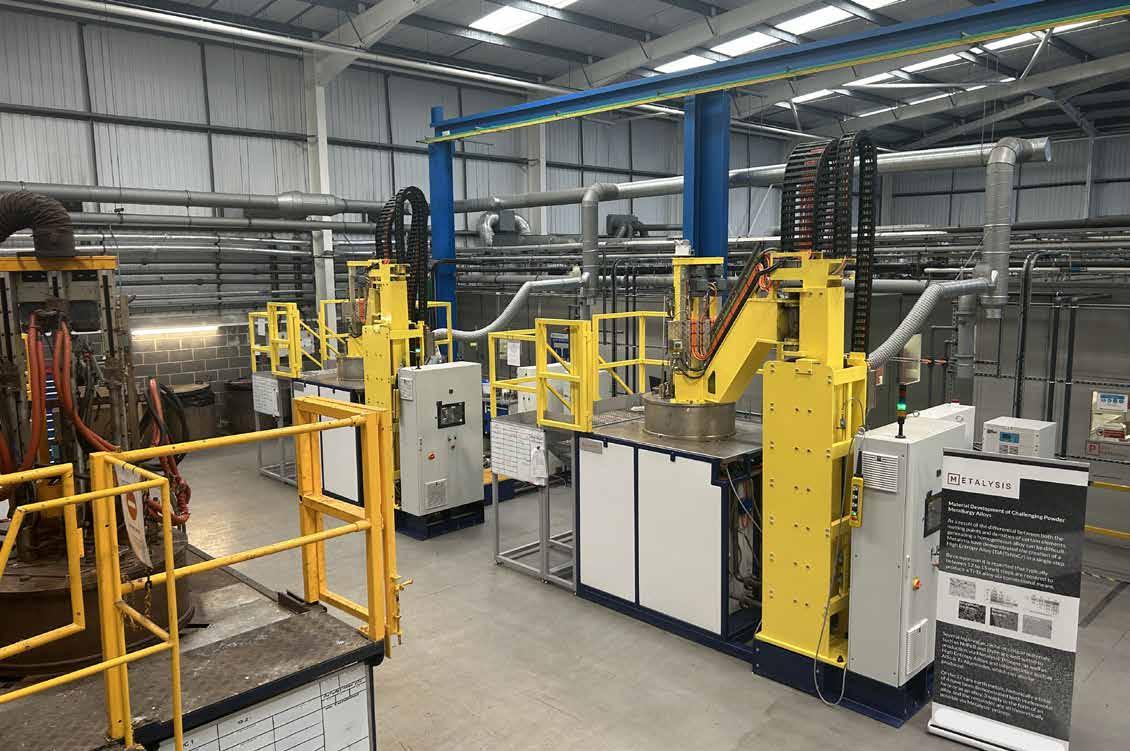
Mellor further reinforced the continued value of the Gen 1 and Gen 2 platforms, explaining that the core electrolysis process remains the same across all platforms, “The hub of what we are is the electrochemical process,” he explained, “but the upstream and downstream are also as important.” This is most evident in oxide preparation, where homogenisation and contamination control are treated as critical quality requirements.
Each unit comprises a cylindrical furnace into which the electrolyte is charged and melted, and the oxide charge is subsequently lowered. Crucibles are measured in kilograms of molten calcium chloride rather than millilitres of electrolyte, while the furnaces dominate the production floor layout and the handling systems reflect industrial rather than laboratory practice. “People think chemistry rather than metallurgy, but this is proper metallurgy,” Mellor remarked enthusiastically.
Mellor explained during the walkthrough of the Gen 1 production area that this structure is deliberate. “We’ve learnt over time that if you can take variability out early, everything downstream becomes easier to control.” There was no existing industrial framework for
the company to learn from, meaning the production systems and process chemistry had to be developed simultaneously. Today, this means that when they develop a new metal, they have solid principles that underpin every decision well before any electrochemical reduction takes place.
“People think chemistry rather than metallurgy, but this is proper metallurgy. We’ve learnt over time that if you can take variability out early, everything downstream becomes easier to control.”
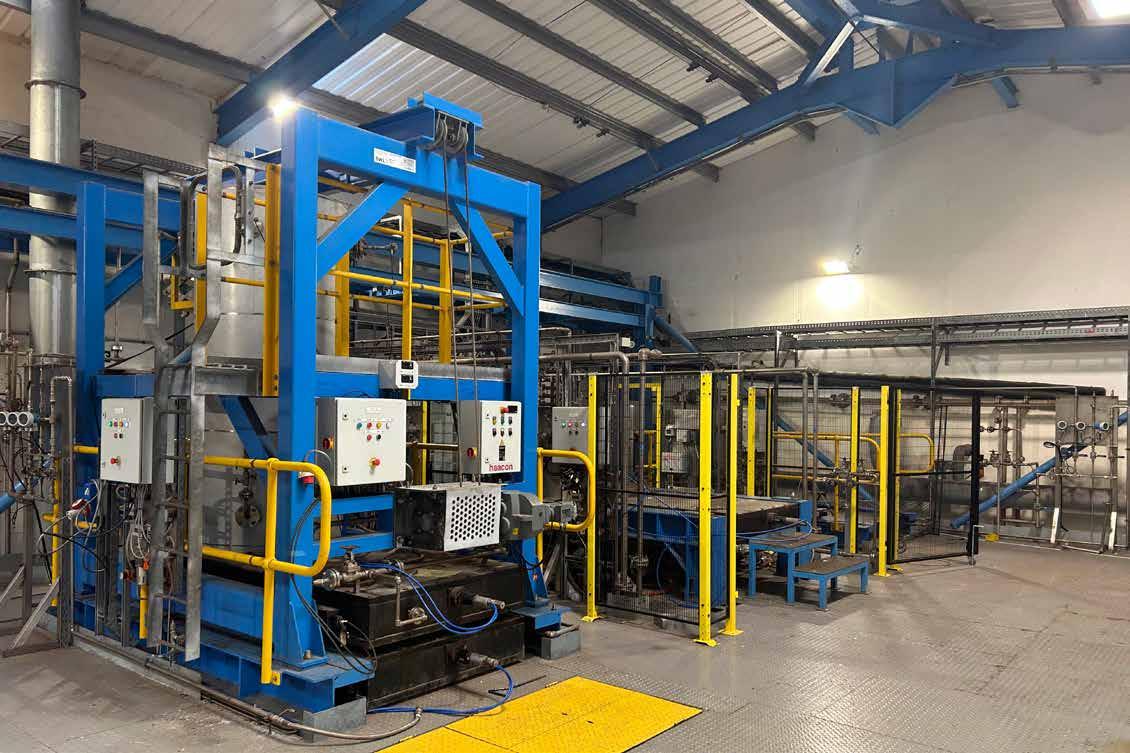
Oxide handling and wet preparation
The production route is a multi-stage process incorporating techniques common to several adjacent industries. All production campaigns begin with metal oxide feedstocks delivered as fine powders. At the Gen 3 and Gen 4 site, Metalysis uses wet processing to mix the powders. The production manager, Mike Stephenson, acting as host for this brief visit, explained, “So part of the key is mixing and getting good homogenisation of the oxides. They are combined with water and dispersants to form slurries, ensuring uniform distribution of constituents, which is particularly important when we’re making an alloy.”
He further explained that this part of the process normalises the differences between oxide suppliers and batches. Fine powders arriving with varying particle morphologies are first converted into a more
predictable intermediate form before further processing. Stephenson was quick to reiterate during the shopfloor walkaround, “It’s not a purification process, and incoming oxides must already meet the required chemical standards.”
The slurry stage serves a specific purpose, and it immediately passes to a granulation system where the water is removed and the material converted back into free-flowing granules of homogenised oxide product. The slurry is introduced at the top of a hot air classifier, where heated air is blown upward through a sieve, and the droplets dry rapidly to form seed particles. Those seeds then grow as slurry is continuously added until they reach sufficient mass to fall out of the airflow. This classification stage ensures that the oxide granules fall within a defined size range. “So you end up with something more like granulated
sugar, rather than flour,” was how Stephenson described the result.
At the HQ facility, the Gen 1 and Gen 2 platforms operate with much smaller quantities, ranging from tens of grams to around a kilogram. At the Gen 3 and Gen 4 site, batch sizes passing through granulation currently range from around 10 kg up to 100 kg, depending on the material and production campaign, reflecting production levels prior to full Gen 4 optimisation.
Stephenson pointed out that, in order to minimise the risk of crosscontamination, the entire slurry processing room is cleaned down between batches. For critical material changes, however, full clean-downs can take several days.
Granulation stabilises feedstock behaviour and improves powder handling. “This is where you take out a lot of the noise,” Stephenson explained. “By the time material leaves granulation, it behaves in a predictable way regardless of upstream oxide variability.”
Forming pellets and engineering porosity
Hearing Stephenson talk about fine oxide powders and slurries revealed clear similarities with the ceramics industry, and the next step in the process continues that theme. The granulated oxides are pressed into pellets and, at this stage, additives such as lubricants and modifiers are introduced. Their role is to control the structure of the pellets and ensure they are porous.
As Stephenson guided me around the Gen 3 production area, dominated by the raised platform where process chambers are lowered into the furnaces, he explained, “Porosity is not accidental; you need porosity so that the molten salt can penetrate the structure.” Without sufficient porosity, electrolysis efficiency falls sharply.
The pellets are vacuum-packed to remove residual moisture, then transferred to kilns for firing, again drawing comparisons with ceramic processing routes. Kiln temperatures are typically around 1,000°C, during which the organic additives are burned out, and the pellet structure is sintered to provide mechanical strength while retaining the required porosity.
Cartridge assembly and preheating After sintering, the pellets are assembled into stainless steel frames, which, once filled to the required amount, become the cartridges used for the metal conversion process. These loaded pellets form the cathode material and are arranged adjacent to an integrated carbon or graphite anode.
Stephenson explained that this modular cartridge assembly allows Metalysis to maintain control over individual production batches while ensuring repeatable process conditions. It also removes the need to weigh out material for every run, since a specific number of pellets within a set frame size always corresponds to the required quantity.
Before being placed in the electrolysis re action chamber, the cartridges also undergo a
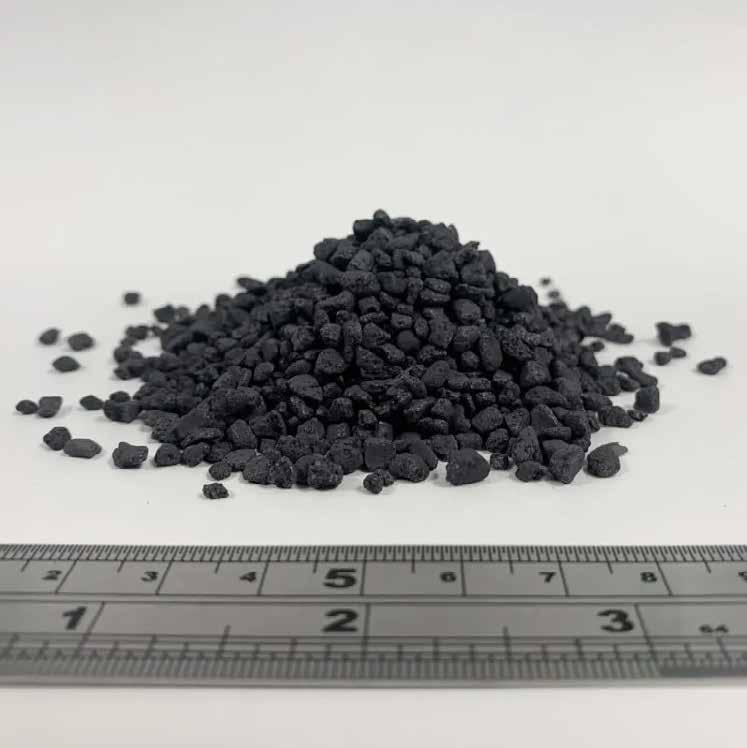
preheating stage. This removes any remaining moisture whilst bringing the cartridge close to operating temperature, minimising thermal gradients and preventing thermal shock as the assembly is lowered into the molten salt bath. “We preheat to about a thousand degrees,” Stephenson explained. He added that the gas composition is monitored during preheating using mass spectrometry to ensure
that residual air has also been removed.
Mellor pointed out the inline mass spectrometer unit at the far end of the twelve Gen 1 reactors. Each system could be monitored individually to ensure the correct gas mixture. Only once those conditions are met is the cartridge transferred into the molten salt reactor through a sealed interface that prevents exposure to atmosphere.
“... part of the key is mixing and getting good homogenisation of the oxides. They are combined with water and dispersants to form slurries, ensuring uniform distribution of constituents, which is particularly important when we’re making an alloy.”
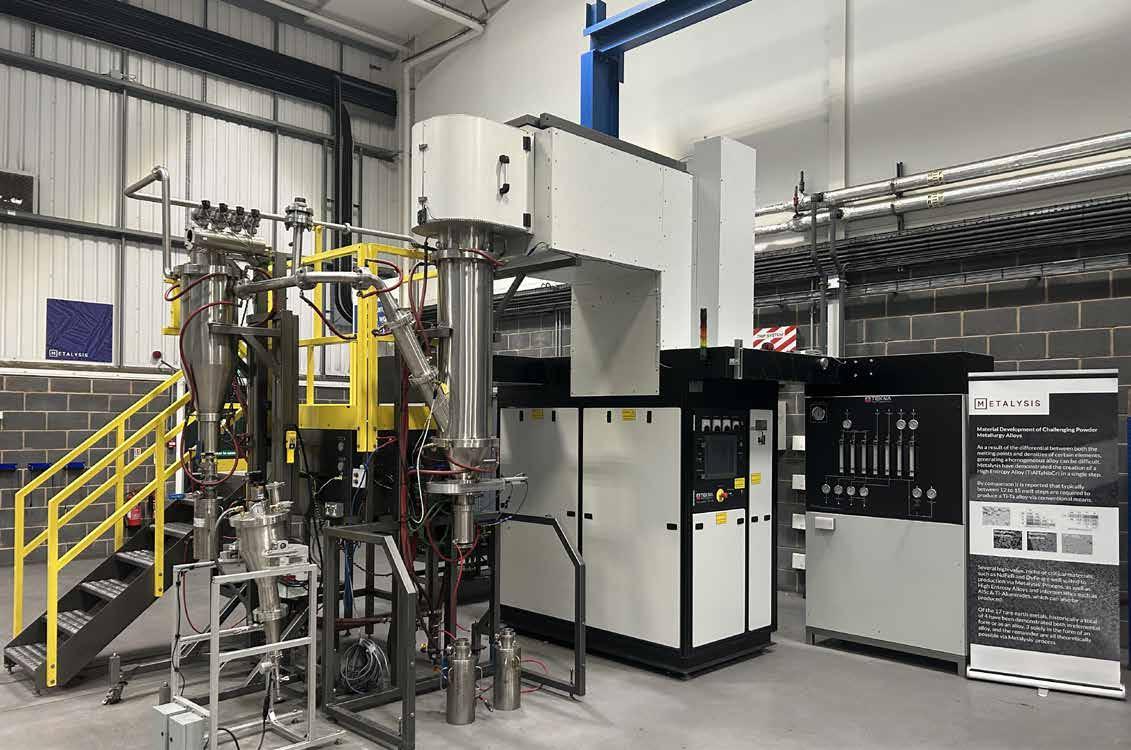
Molten salt electrolysis in practice
At the heart of each Gen platform is the molten salt electrolysis reactor itself. The largest Gen 4 reactors contain substantial quantities of electrolyte and are designed for long-duration operation for large campaigns. Mellor acknowledged that visitors are often surprised by the scale of the operation. “It’s bigger than people expect,” he noted.
At this stage, the scale of the operation becomes unmistakably industrial. The cartridge transfer mechanisms resembled large industrial handling systems, while the surrounding infrastructure had overhead cranes, gantry handling systems, and heavy lifting equipment, adjacent to a furnace that is usually left on. This is one of the major advantages over the smaller Gen 1 and Gen 2 platforms, where the furnaces are heated and cooled for each batch.
During my visit, these large systems were being used for tantalum production.
Once the cartridge is immersed in the molten calcium chloride electrolyte, direct current is applied between the cathode and the semiconsumable carbon or graphite anode. Stephenson described what happens in the reactor, “The reaction occurs at about nine hundred degrees, and the oxygen is removed when it migrates to the anode and reacts with the carbon to form gas. That leaves just the metal at the cathode.” When I asked how often the bath needed to be stirred, Stephenson replied, “Nothing gets stirred since the gas coming off is enough to stir the electrolyte.”
Mellor had explained earlier in the visit that the Gen 3 and Gen 4 platforms were developed specifically to allow more continuous batch processing. Stephenson added that the extended operating times
also allow the next cartridges in a campaign to be prepared in parallel, minimising downtime between runs.
Process duration varies considerably depending on both system scale and material type. Some materials convert in hours, while others require several days. For the smaller Gen 1 and Gen 2 systems, production runs are typically completed within hours, with significant breaks between campaigns. This has important cost implications at larger scales. As Mellor pointed out, “Voltage requirements are similar across the different systems, but current increases with scale, along with absolute heat loads and energy. So being able to maintain a hot furnace makes a big difference.”
Lastly, due to the scale of the operation, production is organised into campaigns rather than chopped and changed to suit day-to-day requirements. Each reactor is dedicated to a single material for the
duration of a campaign, which for the Gen 3 and Gen 4 systems can last several months. “We don’t bounce materials around,” Stephenson told me. “Once a reactor is on something, it stays on it until we’re finished with the material.”
Once electrolysis is complete, cartridges are transferred to a cooling station and maintained under an argon atmosphere to ensure the product remains stable whilst still at high temperatures. For the larger charges, this stage can last around sixteen hours before safe handling temperatures are reached.
After cooling, the cartridge is disassembled, revealing the reduced metal still encased in re-solidified salts. Hence, removal of these salts is the next stage in post-processing. The combined material is placed into large water tanks where the bulk of the electrolyte simply dissolves. Mellor explained that calcium chloride is also widely used as a road de-icer during winter, reinforcing the view that the process itself is comparatively clean compared with many conventional metal production routes.
Further washing stages include acid treatments to remove calcium-based residues, followed by additional rinsing using deionised water. Asked whether these waste streams could eventually be recycled, Mellor explained that the company had not yet developed a solution, but it was not considered impossible.
Following washing, some of the remaining water is removed from the collected metal, leaving a metallic paste that typically still contains around 20% water. In this form, the material is safe to handle, poses minimal flammability risk and is protected from excessive oxidation.
The final drying stage is therefore carried out under vacuum to produce a free-flow ing granular powder, which must then be passiv -
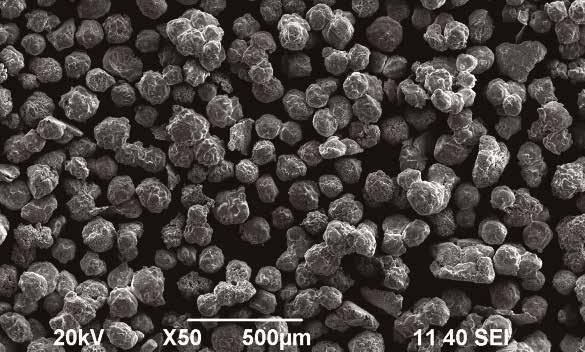
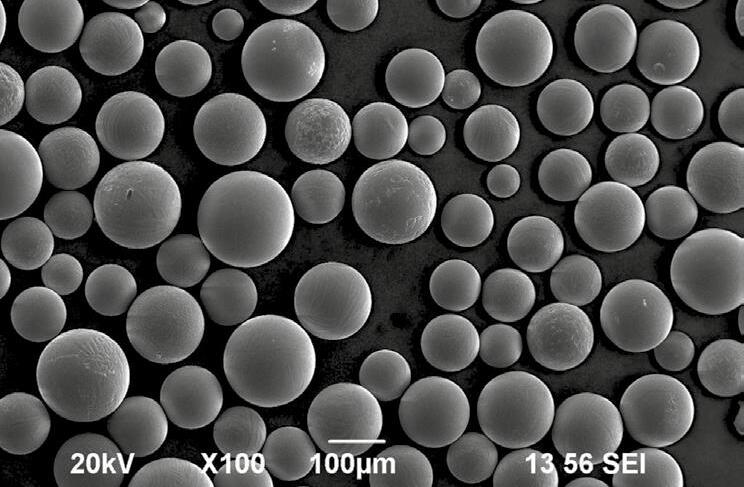
9 Titanium powder before and after plasma spherodisation, showing the transition from angular to spherical particle morphology (Courtesy Metalysis)
ated. “When it’s dry, that’s when it becomes reactive,” Stephenson noted. Controlled passivation is achieved by carefully introducing air, which allows a stable oxide layer to form on the surface of each powder particle. This renders the powder safe to handle before vacuum packing it into sealed anti-static pouches.
For the company’s main customer sector, the electronics industry, the product is typically shipped in this form. However, for the powder to be suitable for other sectors, and particularly Additive Manufacturing (AM), there is a final additional stage: plasma spherodising. This process, located at the HQ site, produces powder grades suitable for Powder
Bed Fusion and Directed Energy Deposition applications.
During plasma spherodising, the granular powder passes through a hot plasma where each particle is briefly re-melted and rapidly cooled to form a clean spherical morphology. In this form, the powder exhibits significantly improved flow characteristics, a key requirement for high-quality AM feedstock powder.
As Mellor put it bluntly during our discussions, “There’s no point in trying to outdo aluminium smelting or ironmaking. That’s not what
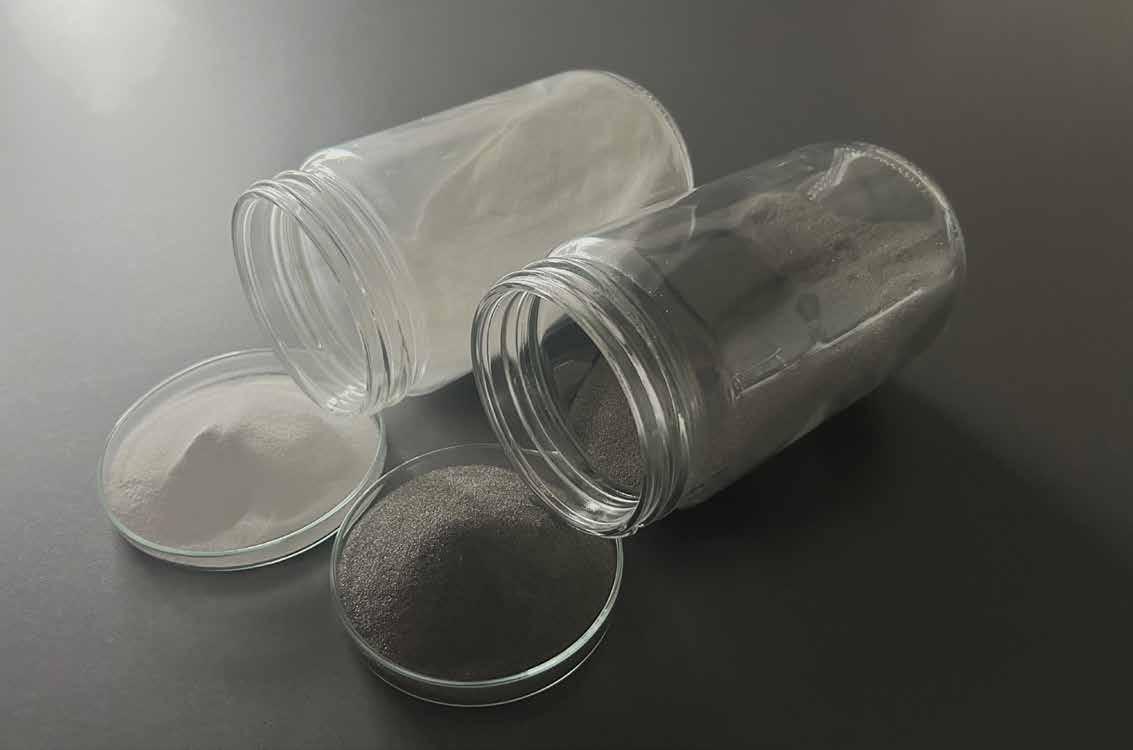
this technology is for.” Instead, the company’s focus has narrowed to materials and applications where conventional production routes are more constrained by technical complexity, cost, or emerging market requirements.
Titanium
Titanium was the company’s original launch material and the focus of much of its early development
work. At the time, the prospect of producing titanium directly from oxide without relying on the Kroll process generated considerable interest.
As Mellor explained, “it was seen as an alternative, less energy-intensive, more environmentally friendly process than the existing Kroll process.” Particularly in the UK, where titanium production capacity has long been limited, expectations
“Titanium’s not something we’re actively producing at the moment. It’s been on the back burner a bit, but it’s coming more and more back on our radar. [...] This project relies on making the technology continuous, and then we’ll be in a position to compete with bulk titanium.”
around the technology were understandably high.
Mellor explained that titanium presented challenges at multiple stages of the process. “Some will give up their oxygen readily, some are more difficult to give up the oxygen,” he noted, adding that titanium dioxide is “60% titanium, 40% oxygen.” As a result, smaller pellets were required to allow proper electrolyte penetration during reduction. “If not, you just don’t get any electrolyte infusion, so once you convert the outer layer, then it seals off the rest.”
The challenges continue after reduction. “When it comes out, because it’s titanium, it’s very ductile,” Mellor explained. “You can’t break it into powder.” For applications such as Additive Manufacturing, this requires additional downstream processing through hydride-dehydride processing before any plasma spherodising can take place.
For the AM sector in particular, spherical powder remains an almost
scandium tri-aluminide (Al3 Sc) loading of 36wt% - 25 atom % powder or sintered compact. concentrations the material directly in sputtering targets semiconductor manufacturing or in the acoustic wave filters for AI /
absolute requirement, meaning the rough titanium powder must also undergo plasma spherodising. Metalysis has invested in this capability, but Mellor acknowledged that it remains a relatively low-throughput and energy-intensive step. When we joked about whether the AM sector might eventually qualify less spherical powders, he did not attempt to hide his agreement.
As things currently stand, titanium is not in active production at Metalysis. “Titanium’s not something we’re actively producing at the moment,” Mellor acknowledged, whilst also stressing that it remains strategically important. “It’s been on the back burner a bit, but it’s coming more and more back on our radar.”
be used as a master alloy the desired scandium weight structural applications.
The longer-term ambition is to compete more directly with bulk titanium production routes rather than niche AM powder markets. “This project relies on making the technology continuous, and then we’ll be in a position to compete with bulk titanium,” Mellor concluded, referencing continued development work around larger Gen 4 platforms and more continuous operation – a project Metalysis has commenced after being directly approached by the European Space Agency for a project to develop continuous and semi-continuous production of titanium in the West. “That’s when it starts to become interesting.”
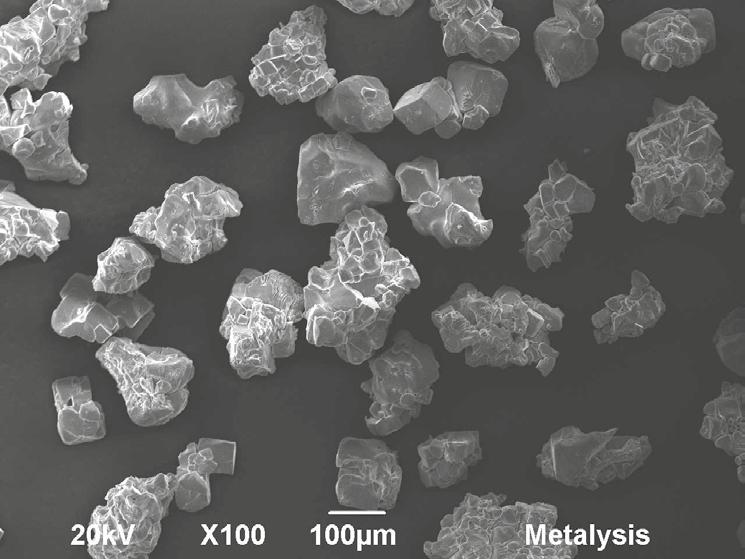
ALUMINIUM (ICP-OES)
SCANDIUM (ICP-OES)
OXYGEN (GAS FUSION)
CARBON (GAS FUSION)
NITROGEN (GAS FUSION)
CHEMICAL PURITY (ICP
Metalysis’ announcement that it would produce an aluminium-scandium alloy prompted a closer look at the company. In contrast to titanium, aluminium-scandium has emerged as one of the company’s most commercially advanced products.
As Mellor explained, “We saw an opportunity to make the material.” The process is particularly well-suited to the alloy because the feedstock is scandium oxide rather than metallic scandium itself. “We don’t need the use of scandium metal,” he explained. That distinction is significant in a market where metallic scandium supply is limited, expensive, and often difficult to
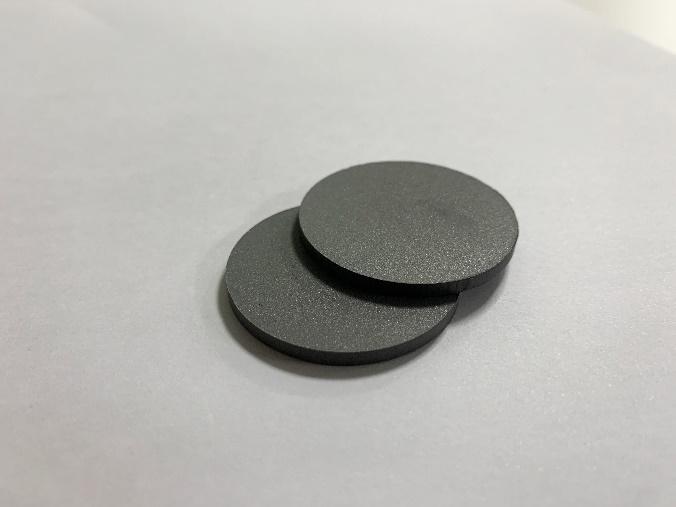
source. By working directly with oxide, Metalysis bypasses a major supply-chain bottleneck.
Equally important is the ability to achieve high scandium concentrations. “These high scandium loadings are very difficult to do by melting,” Mellor noted, referring to segregation, scandium losses, and repeated melt requirements associated with conventional alloying routes. “Because the technology’s solid state, you can get good homogeni -
sation and you don’t need multiple melts.” The relevance of which was made apparent when Mellor added, “our aluminium scandium customers want us to put as much scandium in there as possible; we’re producing at the moment 36% – it’s a really high scandium loading.”
Although Mellor mentioned sputtering targets as one application area, the broader significance is that Metalysis has identified a specialist, high-value market where its process
magnification image of loose grade powder
capacitor grade powders include medical automotive and portable
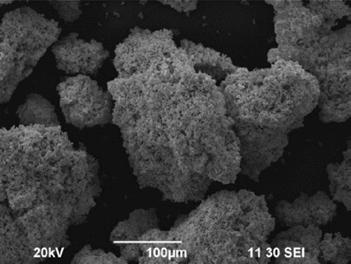
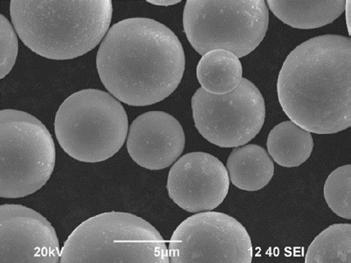
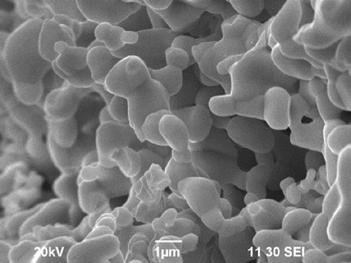
“Tantalum is one that we are looking at,” Mellor confirmed, pointing to capacitor applications as a major driver of demand. Compared to titanium, tantalum oxide is considerably easier to reduce. “Tantalum oxide has around 20% oxygen,” Mellor explained, contrasting it with titanium dioxide at roughly 40%.
high magnification image of loose spherical grade powder
additional processing steps
high magnification image of loose spherical grade powder
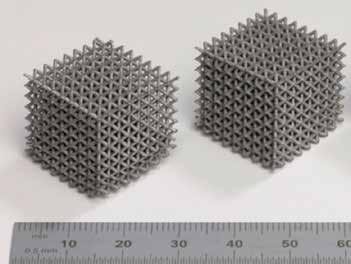
• Spherical tantalum powder of various particle size distributions, ranging from 5 to 100µm. The material has been used to additively manufacture lattice structures, with particular emphasis on bio-medical applications.
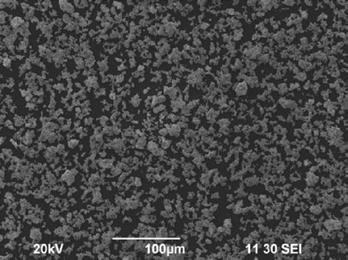
additively manufactured tantalum lattice structures
• Spherical tantalum powder of various particle size distributions, ranging from 5 to 100µm. The material has been used to additively manufacture lattice structures, with particular emphasis on bio-medical applications.
• • to the fully dense morphology associated with more traditional routes.
• Spherical tantalum powder lends itself to a range of additive manufacturing techniques such as EBM (Electron Beam Melting), SLM (Selective Laser Melting), LMD (Laser Metal Deposition) and SLS (Selective Laser Sintering).
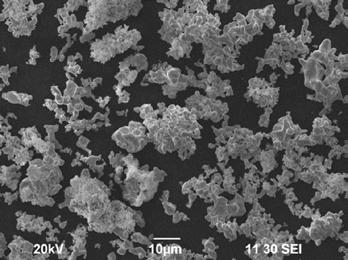
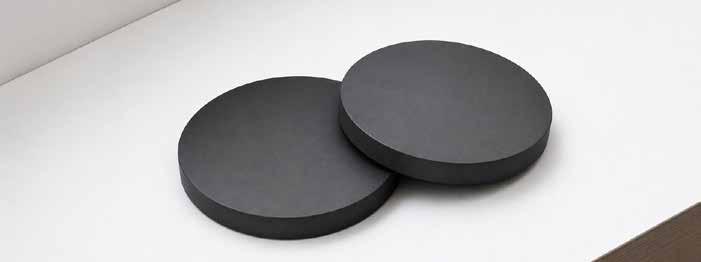
deposit coatings – utilizing tantalum’s excellent corrosion resistance.
Fig. 12 Images show Metalysis tantalum product forms, left to right, top to bottom: capacitor grade tantalum powder at low and high magnification; spherical tantalum powder and additively manufactured tantalum lattice structures; metallurgical grade tantalum powder at low and high magnification; and press-and-sintered metallurgical grade tantalum compacts (Courtesy Metalysis)
offers a genuine technical advantage. The business is also entirely export-focused, underlining the niche the company has established in advanced materials production, particularly at a time of increasing geopolitical uncertainty, as Chinese rare-earth export controls prompt Western and allied nations to seek alternative critical mineral supply chains.
Mellor was careful not to overstate the company’s materials roadmap, but it was equally clear that aluminium-scandium is not viewed in isolation. Tantalum production already forms a significant part of the current business, whilst niobium alloys and other specialist materials are also under development.
The attraction for Metalysis is clear: tantalum combines comparatively favourable process chemistry with strong global demand. The challenge lies elsewhere. “For tantalum we need four nines pure (99.99%) oxide,” Mellor noted, meaning the company must operate within a high-purity supply chain from the outset because the process itself does not refine the incoming feedstock.
additively manufactured lattice structures
• Spherical tantalum itself to a range manufacturing
EBM (Electron Beam
SLM (Selective
Even though tantalum is used in extremely small quantities within individual electronic capacitors, the sheer scale of global electronics production creates substantial overall demand. As a result, tantalum has become another export-focused, high-value materials business for the company.
• Metallurgical grade compacts are available in a range of chemical purities and geometries, via the press and sintering of tantalum powder. feedstock tantalum powder for metallurgical grade compacts
By this stage, it became clear that the technology alone does not define the Metalysis of today. The constraints around scale, materials, and market fit all feed directly into how the business has evolved and how it currently operates.
LMD (Laser Metal SLS (Selective Laser
press and sintered grade tantalum
• The primary use grade tantalum an additive for nickel superalloys. These associated with temperature applications turbines in aerospace generation, or rocket the space sector.
Metalysis is not backed by a typical venture capital model, but by long-term private investment. Group Chairman James Reimer, whose background lies in the Canadian haulage and logistics sector, viewed the company as part of a broader shift in advanced industrial manufacturing. Drawing on his experience in transport and supply chains, he argued that many industrial sectors will continue to depend on advanced materials and manufacturing technologies as they evolve. “There’s no way that you can have long-haul transportation going
electric,” he explained, describing Metalysis as an opportunity to pa rticipate in what he viewed as the next generation of manufacturing.
As someone who understands supply chains, Reimer sees the company as occupying the highestvalue end of the materials chain. Describing the technology as “the tip of the spear, the last stage of excellence before it goes to the final process,” he contrasted it with his previous exposure to mining operations in Africa. “I didn’t want to be a part of the mining process,” he explained. “What we really, really wanted to be a part of was this last portion.”
Metalysis is positioned around specialist materials where value is concentrated in chemistry, quality, and process control. For Reimer, the attraction extends beyond the technology itself. “We’re driven by creating good margins, good profits, and good employment, and well-paid employees,” he added, reinforcing a view of Metalysis not as a speculative investment, but as a long-term industrial business.
From an immediate financial perspective, Metalysis is generating revenues but remains exposed. “We’re still relying on our owner to fund us,” acknowledged Mellor during the initial discussions. However, later discussions with Reimer and CEO Nitesh Shah made clear that this position is viewed internally as part of a deliberate long-term strategy rather than a short-term commercial failure. Much of that confidence appears tied to the company’s growing position in specialist materials such as tantalum and aluminium–scandium alloys. As Shah pointed out, “The volumes we’re talking about are relatively small,” adding, “Gen 4 is a 20-ton capacity at most. That’s one container, and that’s per annum.” The business is therefore centred on high-value specialist materials rather than bulk production – although the company believes capacity could be expanded relatively quickly if demand warranted it.

“For Reimer, the attraction extends beyond the technology itself. ‘We’re driven by creating good margins, good profits, and good employment, and wellpaid employees,’ he added, reinforcing a view of Metalysis not as a speculative investment, but as a long-term industrial business.”

Alongside its commercial materials activities, Metalysis is also involved in collaborative work with the UK Space Agency and the European Space Agency (ESA) focused on oxygen extraction and inert anode technology. As Mellor explained, “ESA want the oxygen on the moon.”
The work aligns naturally with the company’s expertise in oxide reduction and electrochemistry. Lunar regolith, the layer of loose material covering the moon’s surface, is rich in metal oxides and contains substantial quantities of oxygen bound within those minerals. As Mellor described it, “It’s roughly a 50/50 split of metals including silicon, aluminium, titanium, iron, and 50% oxygen.”
One attraction of the concept is that regolith is effectively ubiquitous on the lunar surface, removing the need to locate concentrated deposits before oxygen extraction can begin. “You don’t need a specific location,” Mellor explained. “You can just land and extract the oxygen from regolith with our technology.”
The work centres on oxygen extraction and inert anode tech -
nology. The latter has implications beyond lunar applications, since inert anodes would eliminate the production of CO and CO 2 during electrolysis. However, a key driver for ESA is more practical: a lunar oxygen-production system would not be viable if it depended on continually transporting replacement anodes from Earth.
The collaboration supports development work that also has relevance on Earth. The company is currently using its Gen 1 systems for much of this exploratory work, allowing research to proceed without disrupting commercial production activities. ESA funding is also supporting the development of continuous production systems, technologies that could ultimately play an important role in future large-scale titanium production.
Reimer added a more human perspective to the programme’s significance. “Being able to store oxygen on the moon because of what’s already there, the moon rock, captures the average person’s imagination,” he said. “Even to a fourteen-year-old boy or girl, that is like, ‘Mom, they could do that!’ I think that really matters.”
Asked what success would look like over the next decade, Reimer’s answer reflected both commercial ambition and a commitment to retaining the company’s centre of gravity in the UK. “We want to be exciting and profitable,” he said. “We want to be the jewel of the UK.”
Shah was equally clear that the company’s research, development, and core process knowledge should remain in the UK. “The value of the business is the patents and the know-how,” he explained. “The best way of securing that is to keep it here, and the plan would be to keep the R&D here.”
Metalysis’ ambitions are also closely tied to South Yorkshire. “I think that creating a massive facility somewhere nearby here, 10 Gen 4s or something like that, that would be an exciting day,” stated Reimer, adding, “We don’t have a need to make this an international operation when the production here could be very effective.”
When pressed on whether that might eventually allow the company to revisit its original ambition of domestic titanium production, Shah pointed towards the next major stage of development. “That’s an eighteen-month, two-year project,” he explained, referring to the ESA sustainable project first stage timetable. “And that takes our production capability to a more continuous process.” He added that the company could not move significantly beyond its current position until the next phase of development was completed. “We can’t really do anything until that phase of the project has been done, and we have a design for a continuous process.”
Tantalum and aluminium-scandium production, alongside ongoing titanium development, increasingly position Metalysis as a serious specialist materials producer. Yet, as Reimer made clear, the company remains cautious about overextending itself. “We don’t want to do 100 because then you’re just too
scattered,” he explained. “But to really find three or four areas that we literally could be world leaders, I think that’s the exciting thing.”
In that sense, Metalysis occupies an unusual position. It is an industrial operator built around a fundamentally different way of making metals, yet constrained by the same commercial realities as any manufacturing business. Its progress to date reflects not a single breakthrough, but years of disciplined decisions about where the technology genuinely offers an advantage.
Taken together, this tells of the decisions that have moved Metalysis from academic curiosity to a credible industrial supplier. Whether that ultimately reshapes the economics of global metal powder production remains to be seen. What is already clear is that the route is no longer hypothetical, and the organisation behind it is operating with a level of realism that matches the ambition of the original idea that emerged from Cambridge more than twenty-five years ago.
Now part of a well-established Canadian family company with over eighty years of history, founded by Reimer’s grandfather and father, it has an assured future in the north of England. The chairman comes across as someone who deeply cares about the company and its employees, “I love working with these guys. I think we can be something special in the UK.”
When we at Metal Powder Technology first discussed a feature on Metalysis, the question was straightforward: after all these years, does Metalysis actually produce anything? Reimer’s closing remark perhaps answers that more directly than anything else said during the visit. “The phoenix has risen to become a different animal. Yeah. This is it. And now we do.”
Author
Dr Martin McMahon
Technical Consultant, Metal AM magazine, and founder of M A M Solutions martin.mcmahon@mamsolutions.uk
About
Metalysis Materials Discovery Centre Units 4A & 4B Brindley Way Catcliffe Rotherham S60 5FS
United Kingdom info@metalysis.com www.metalysis.com
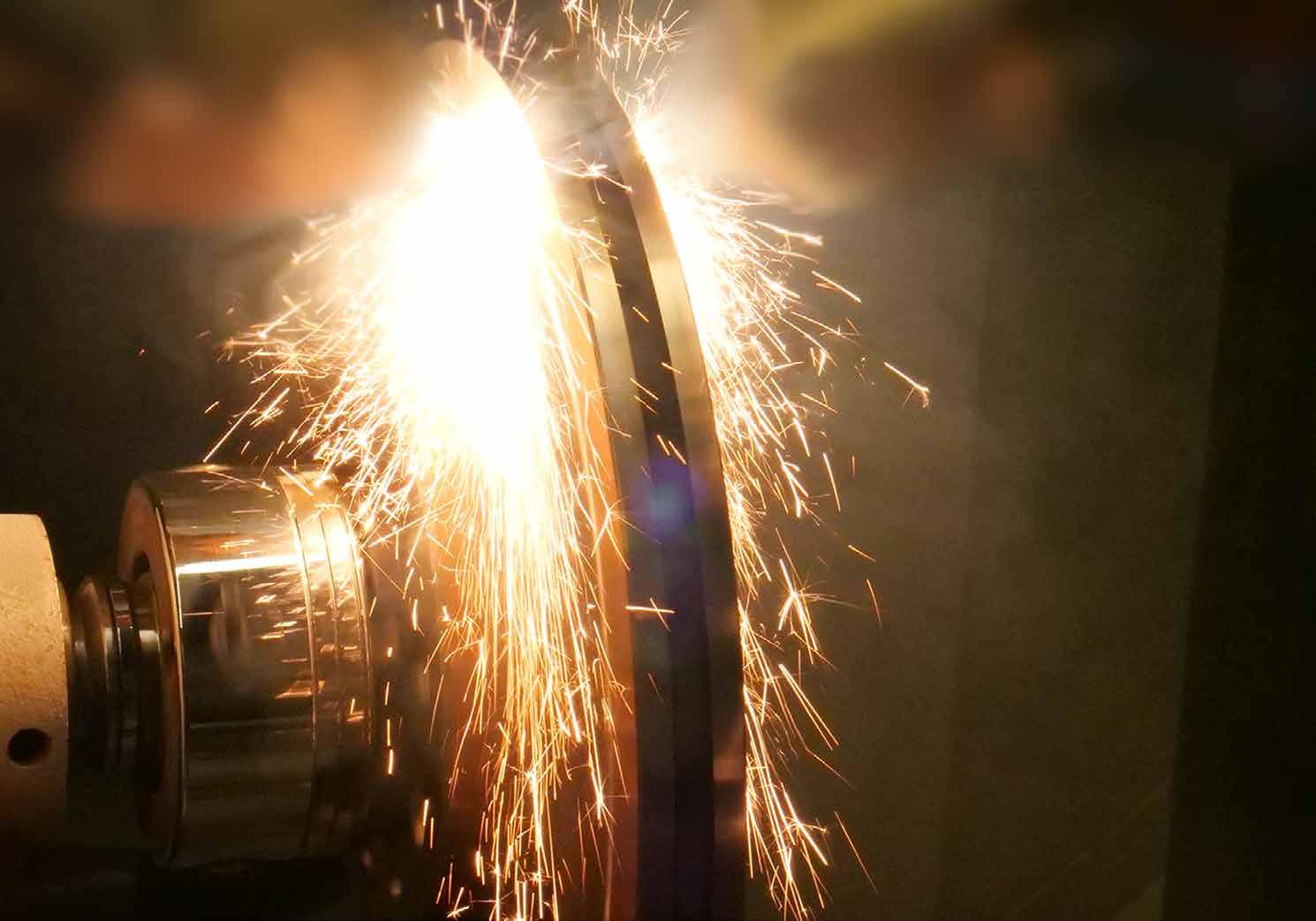
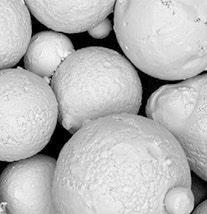
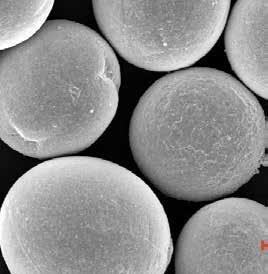
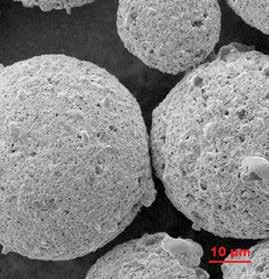
Metco Joining & Cladding, together with our trusted partners, delivers full-spectrum development capabilities for cutting-edge brake disc coating solutions. From initial concept to full-scale production, we support every step of the process:
n Rapid material development (Matrix alloys, hardphases ie. carbides, carbonitrides)
n Process engineering
n Scalable industrialization
We provide end-to-end solutions across the entire brake disc coating value chain—tailored for the stringent demands of EURO7 regulations and adaptable to all propulsion types: from ICE to BEV, and from passenger cars to heavy-duty and rail applications.
Offering MetcoBrake™ powders, feeders, laser cladding development, and coating services.
Single Layer
n MetcoBrake 9501A
n MetcoBrake 9502A (Gen 2)
n MetcoBrake 9520-MX + MB 9750-TiCN
n MetcoBrake AMC AL-TiC (Al brake discs)
Double Layer
n MetcoBrake 430L & 316L
n MetcoBrake WC
n MetcoBrake 9730-TiC
n MetcoBrake 9520-MX

As Extreme High-Speed Laser Material Deposition (EHLA) brake disc coating moves into industrial-scale production, inline monitoring and process validation are becoming central to ensuring process stability, repeatability and coated-disc quality. In this article, Itziar Onandia Calvo, R&D Project Manager at Etxetar, Gipuzkoa, Spain, examines the monitoring architecture developed for the company’s EHLA brake disc coating platform, where powder handling, melt-pool observation, thermal sensing, geometry inspection and AI-assisted data analysis are integrated within a single high-volume production system.
At recent industry exhibitions, growing attention has focused not only on the industrialisation of complex powder-fed laser processes, but also on how they can be continuously monitored once they move beyond the laboratory and into production. One of the first examples to reach genuine high-volume operation is brake disc coating, driven in part by tightening regulations on non-exhaust emissions such as brake wear particles under Euro 7 and China’s National VII standards.
Extreme High-Speed Laser Material Deposition (EHLA) is a high-speed variant of powder-fed laser cladding that falls within the broader Directed Energy Deposition (DED) process family. In the brake disc application discussed here, however, EHLA is used to apply thin, metallurgically bonded coating layers to existing components rather than to build parts additively. For clarity, this article therefore uses the terms EHLA brake disc coating and powder-fed laser cladding where appropriate, referring to LP-DED only
when discussing the wider process category and related monitoring research.
The production conditions place unusual demands on process monitoring. Each brake disc requires
thin, metallurgically bonded coating layers to be deposited at high speed under tightly controlled thermal and geometric conditions, while maintaining stable powder delivery and repeatable process behaviour
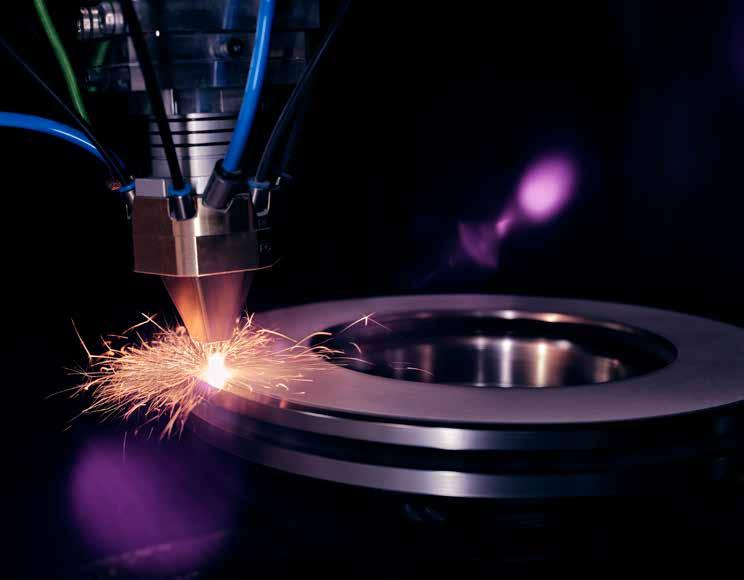
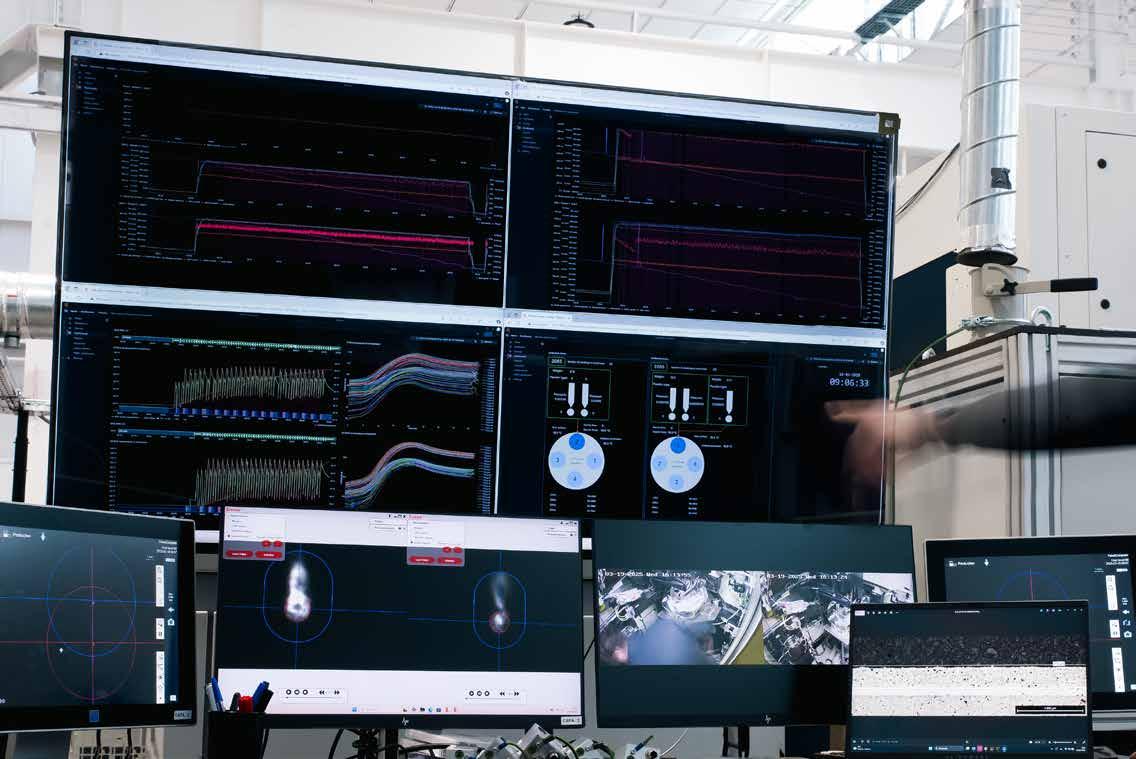
over continuous production runs approaching 1,000 discs per day. Under these conditions, monitoring cannot be treated as a separate inspection step; it must be integrated directly into the production architecture.
The industrial case examined in this article is based on Etxetar’s EHLA brake disc coating platform,
which combines powder handling, in-situ monitoring, process control and quality assurance within a single automated production system designed for high-volume operation. The integrated nature of this monitoring architecture is shown in Fig. 2.
Etxetar suggests that this cannot be addressed through a single universal machine concept: each
“Under these conditions, monitoring cannot be treated as a separate inspection step; it must be integrated directly into the production architecture.”
component brings its own geometry, material behaviour, thermal response and functional requirements, and these conditions call for a process specifically adapted to the application. In that setting, monitoring has to be developed alongside the machine and the process itself as part of a production solution tailored to the component being coated.
Etxetar has been developing monitoring solutions for high-volume advanced manufacturing and surfaceengineering processes since 2016, building on earlier experience in laser surface heat treatment, where selective Gaussian naïve Bayes models were applied [1]. Many of the same underlying challenges remain relevant in EHLA brake disc coating today, including interpreting large sensor datasets, converting thermal and visual information into usable process indicators, and identifying abnormal process behaviour before defects become visible in the final coated component.
Etxetar’s BD Concept system integrates two independent EHLA processing modules, each with its own laser source, enabling the first an d second coating layers to be tuned separately without compromising throughput. Each brake disc is coated on both friction faces with two EHLA layers per face, and the machine is designed for continuous production levels of approximately 200,000 discs per year. The overall BD Concept machine architecture is shown in Fig. 3.
For a typical brake disc of around 380 mm in external diameter, the total deposited powder mass is about 300 g. The first 430L layer, around 100 µm thick, is deposited at roughly 20 kW to ensure stable metallurgical bonding, while the second 430L layer, containing 15-20% titanium carbide, reaches around 250 µm in thickness and is processed at more than 24 kW to improve wear resistance. Each face is coated for about 30-35 seconds at a tangential speed of about 300 m/min.
At outputs approaching 1,000 parts per day, maintaining consistent layer growth requires continuous monitoring under full-production conditions. Powder handling also becomes a major process constraint. A single module processing roughly 300 g per disc must handle around 300 kg of abrasive powder per day, or close to 1.5 tonnes per week. Conventional low-capacity feeders would require repeated refilling, production interruptions and renewed flow stabilisation, making them unsuitable for continuous operation.
To avoid this, the system uses a multi-level powder supply architecture that separates bulk feeding from the dosing units directly involved in coating. Under these conditions, monitoring the powder-handling chain becomes as important as monitoring the EHLA process itself, since layer consistency depends directly on stable powder delivery from storage to the nozzle.
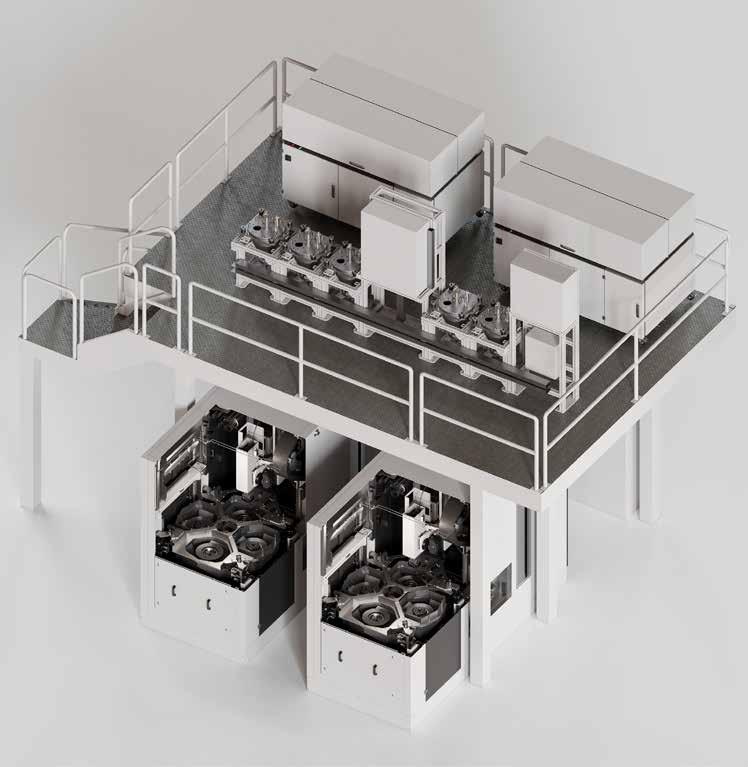
Fig. 3 Etxetar’s BD Concept machine architecture integrating two high-speed EHLA coating modules, a centralised high-volume powder management system, flexible laser-source integration and a contained extraction system for clean, controlled operation (Courtesy Etxetar)
“At outputs approaching 1,000 parts per day, maintaining consistent layer growth requires continuous monitoring under fullproduction conditions.”
Process control is equally central to the machine concept. The key decision is not to rely on continuous closed-loop correction of the main coating parameters during production, but to operate within robust process windows that have already been validated to avoid porosity, cracking and lack of bonding. Once those windows are established, maintaining the same condi -
tions from disc to disc improves repeatability and makes process behaviour easier to interpret. Under these conditions, automatic compensation can mask the physical origin of a deviation instead of clarifying it. For that reason, monitoring is used to detect, classify and explain abnormal behaviour, rather than to conceal it through automatic adjustment.
Production stage What is monitored
Powder supply
EHLA coating process and metallurgical bonding
Final coated-disc quality
Powder flowability, distribution and transport behaviour during continuous high-volume operation (24/7 production lines; ~300 g/disc corresponding to ~300 kg/day; powder feeder capacity: 5 L/10-20 kg)
Melt-pool behaviour, nozzle performance, laser–powder interaction, layer thickness and thermal response during coating (approximately 1,000 parts/ day)
Surface defects (>50 µm), disc geometry, layer thickness, run-out and umbrella-effect deformation after coating; data management and critical parameter identification
Purpose
Ensure stable and continuous powder delivery before coating
Maintain stable metallurgical bonding and process consistency
Verify coated-disc geometry, surface integrity and required tolerances
Table 1 Monitoring strategy across powder handling, EHLA coating and final coated-disc inspection in high-volume brake disc coating production (Courtesy Etxetar)
Under these conditions of stable, repeatable processing, it becomes possible to perform statistical analyses to identify the most significant variables, define quality indicators for each production batch, and flag coated discs that may require closer attention. This differs from a broader industry trend that often treats closed-loop control as the natural endpoint of monitoring development.
The monitoring strategy is organised around three tightly connected domains: powder supply, the EHLA
coating process itself, and final coated-disc quality. These domains are summarised in Table 1.
Keeping powder supply stable at production scale
Powder supply is considered the first industrial challenge because the machine operates at high throughput with abrasive feedstock over long production runs. Under these conditions, stability is not assessed by a single direct sensor but by a set of correlated indicators measured at several points before and after hoppers and powder combiners, together with external variables such as temperature and humidity. In practice, this means monitoring 316 variables every 100 ms. Tracking these variables as trends over time,
rather than as isolated values, is essential because the abrasive powder gradually wears bends and fittings in the transport system, altering flow behaviour. Consequently, slow, progressive changes across multiple variables can provide early indications of leakage or powder compaction, long before powder visibly escapes or layer thickness is affected. An example of this multi-variable approach to leak detection is shown in Fig. 4.
Monitoring the EHLA process in real time
The second monitoring domain concerns the EHLA coating process itself, particularly melt-pool behaviour during coating. A coaxial visible-light camera integrated into
Feeder-splitter line leak
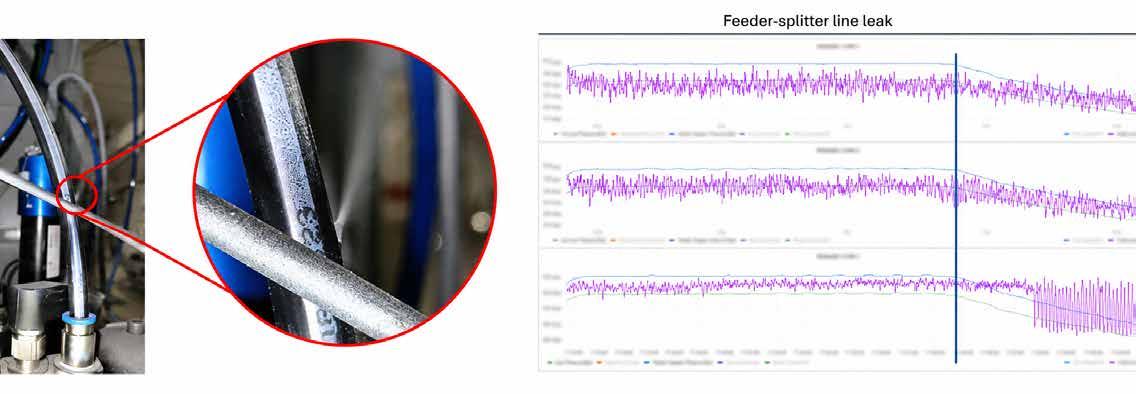
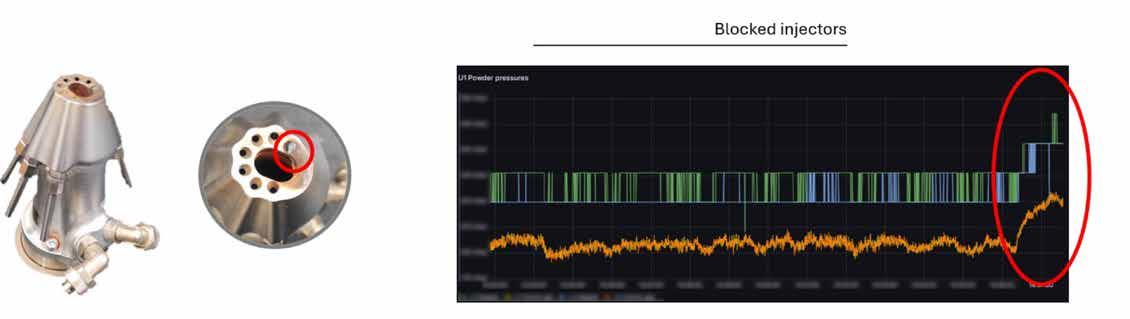
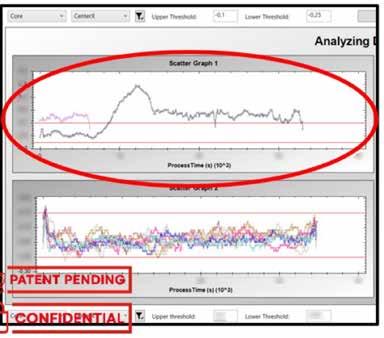
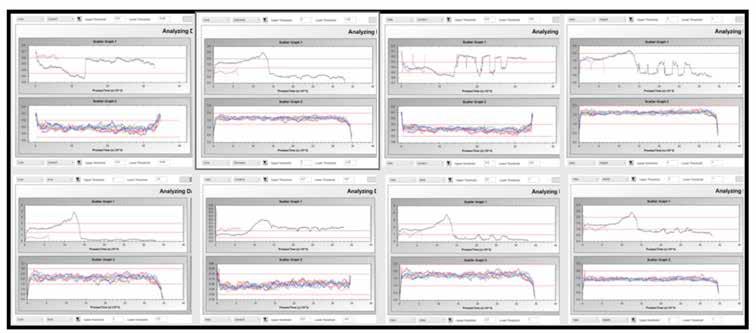
the laser head continuously tracks melt-pool size, brightness and position in real time, providing direct insight into the interaction between laser energy, powder delivery and the substrate surface. Even small disturbances can produce visible changes; for example, partial clogging in one of the seven powder jets generates characteristic asymmetries in melt-pool shape and movement that can be traced back to a specific injector. Nozzle-related process deviations of this type are illustrated in Fig. 5, while Fig. 6 shows how melt-pool image data are interpreted using neural networkbased pattern recognition.
Monitoring extends far beyond visual observation alone. Large volumes of continuously updated process variables and high-speed image data must be interpreted together with always-on Programmable Logic Controller and Computer Numerical Control (PLC-CNC) signals and profiler measurements acquired during and between coating stages. Because different data streams become relevant at different points in the cycle, the challenge lies not only in acquiring information but
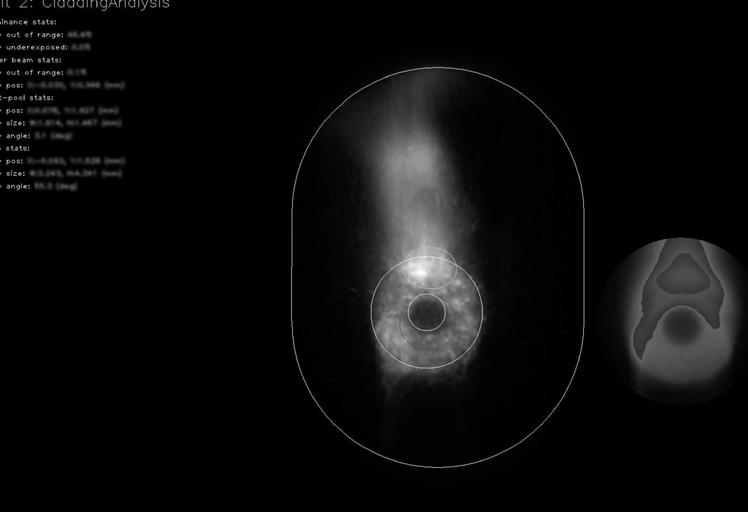
Raw data (per layer): 1,600 x 1,200 pixels @ 100 FPS
“Slow, progressive changes across multiple variables can provide early indications of leakage or powder compaction, long before powder visibly escapes or layer thickness is affected.”
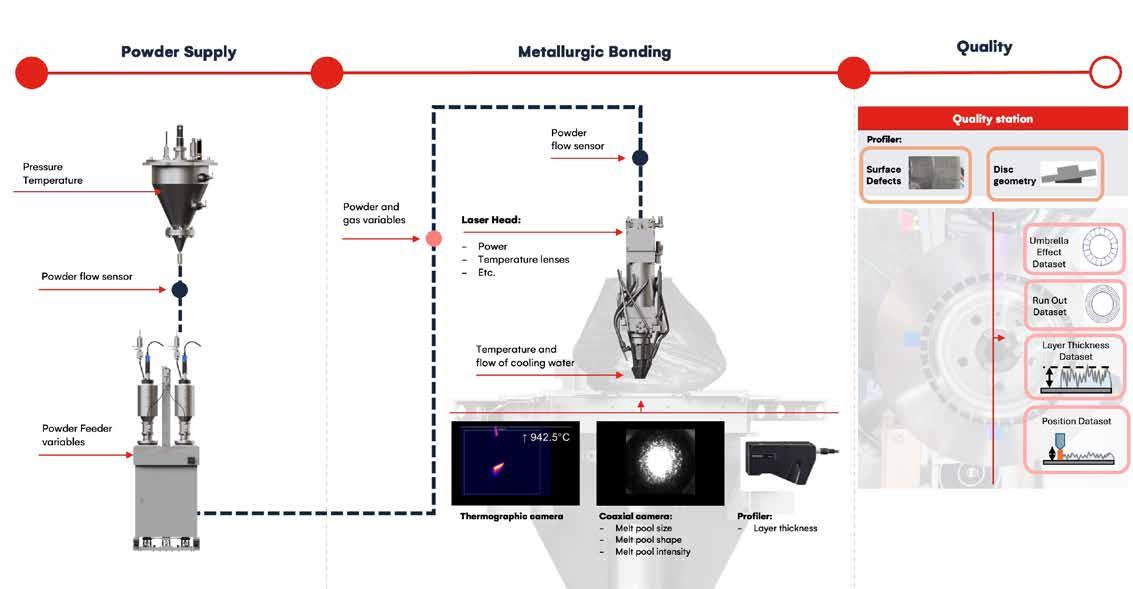
also in converting heterogeneous signals into usable process insight quickly enough for production conditions. This growing reliance on image-based melt-pool observation reflects broader trends in DED monitoring, where optical and thermal signatures have become key tools for detecting process instability and defect formation [3,4].
A pyrometer complements the image-based observation by tracking the thermal history of a representative region of the disc surface as it rotates, providing a continuous temperature profile that reflects cumulative heat input and thermal
stress. This combination of optical imaging and thermal sensing aligns with wider developments in DED monitoring, where optical radiation and thermal history are increasingly used together to understand melt-pool dynamics and defect evolution [3,5]. In Etxetar’s brake disc (BD) Concept system, however, the approach is configured for cycle times of approximately 30 seconds per disc and laser powers of up to around 24 kW, requiring deviations to be detected while coating is still in progress.
In addition to camera and pyrometer signals, layer growth is
“It also acts as a bridge between in-process monitoring and final quality assessment, because the meaning of layer growth depends on how it relates to the other signals available within the same production cycle.”
continuously measured during the high-speed EHLA coating process using a laser profiler. Although this parameter can be regarded as a quality indicator, it is in practice highly significant in determining whether the coated discs meet requirements. It also acts as a bridge between in-process monitoring and final quality assessment, because the meaning of layer growth depends on how it relates to the other signals available within the same production cycle. Monitoring the layer thickness over time enables direct comparison of changes during production, helping determine whether the process remains stable or begins to drift. This offers early warning that the machine may no longer be operating optimally.
The third monitoring domain concerns final coated-disc quality. Here, macroscopic geometry and microscopic surface integrity are treated as complementary aspects that must be quantified. A highresolution laser profiler is used to generate dense three-dimensional surface maps containing on the order of 100 million measurement points
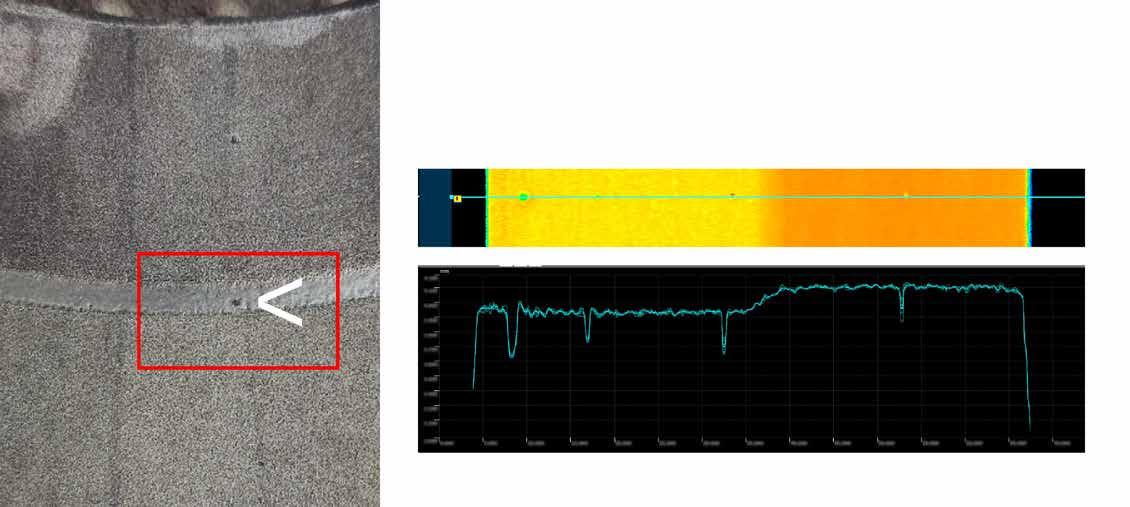
per disc, obtained by acquiring profiles at kilohertz frequencies while the disc rotates.
Qu ality assessment combines a broad set of PLC-CNC variables, statistical image descriptors and profiler-derived indicators with very large raw surface datasets generated at different points in the cycle. The relationship between powder supply, metallurgical bonding and final inspection is shown schematically in Fig. 7. This adds a further layer of complexity, because the final quality judgement depends on relating these sources to the geometry and defect state of each coated disc within the time constraints of production. From these datasets, global indicators such as axial run-out and so-called umbrella-effect deformation are calculated, as well as local surface anomalies associated with pores, adhered particles, or surface defects. A 3D surface map showing artificially induced surface defects is shown in Fig. 8.
This geometry-centred inspection approach aligns with broader developments in LP-DED monitoring and in-situ defect detection [3,4], although the 3D surface reconstruction used here is configured specifically for brake disc geometry and EHLA coating requirements.
“The challenge is not only to generate these measurements at the required speed, but to do so continuously from cycle to cycle so that geometry inspection can remain integrated within the production flow.”
The challenge is not only to generate these measurements at the required speed, but to do so continuously from cycle to cycle so that geometry inspection can remain integrated within the production flow. In the current configuration, a full analysis of geometry and surface topography must be completed within the time required to process the following disc, placing significant demands on both data acquisition and processing. This aspect echoes broader developments in LP-DED monitoring, where three-dimensional reconstruction and surface mapping are increasingly being explored as tools for in-line quality assessment [6].
Together, these three monitoring domains generate a large volume of highly diverse process data that cannot be interpreted solely through intuition. Each production cycle combines real-time sensor streams from powder handling and coating, time-dependent thermal profiles from the pyrometer, spatially resolved surface measurements from the profiler and, where relevant, melt-pool images from the coaxial camera.
Crucially, these sources do not all operate at the same cadence or at the same stages of the cycle: some variables are acquired co ntinuously,
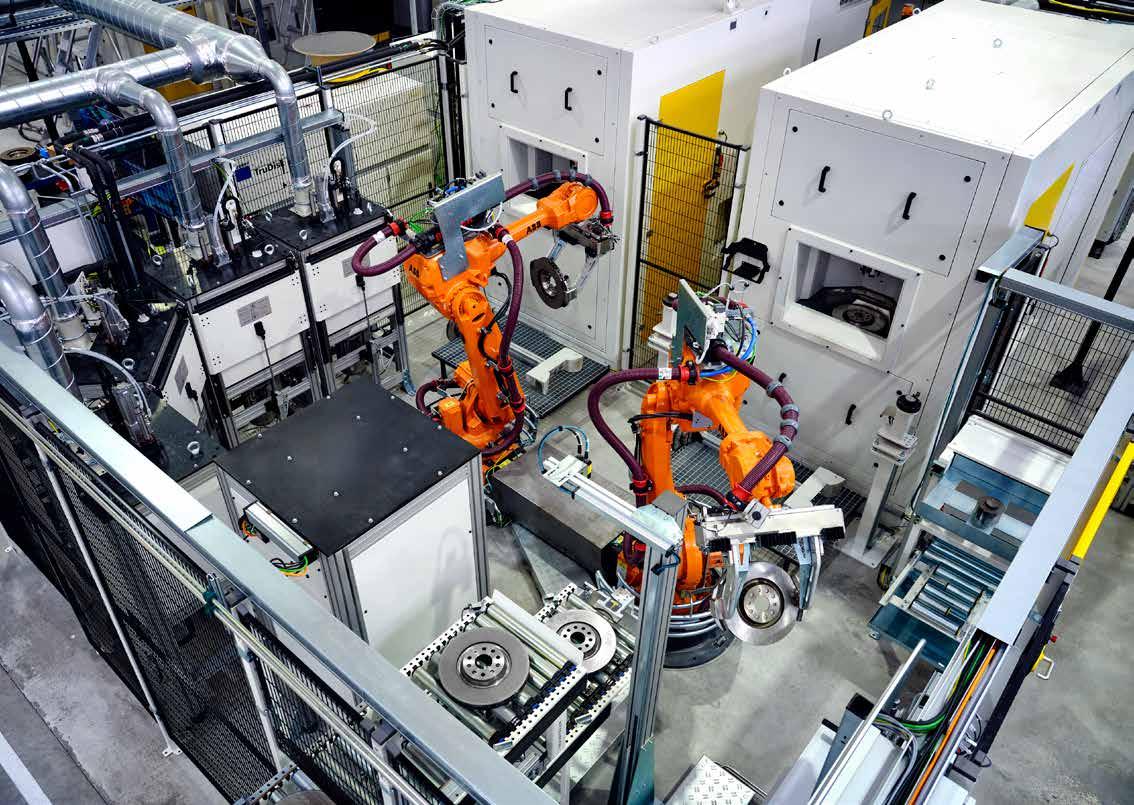
“Process intelligence only becomes industrially useful when sensing, dimensionality reduction and decision logic are developed together.”
while others are generated only during coating or during qualitycontrol steps b etween and after coating. The challenge is therefore not simply the amount of data being generated, but synchronising and interpreting information streams that become relevant at different stages of production. At the same time, high-volume EHLA brake disc coating remains relatively new in production terms and still lacks the mature historical knowledge base needed to
determine which process variables are most significant under industrial operating conditions.
For this reason, the monitoring architecture extends beyond sensor integration alone and relies on statistical analysis and artificial intelligence developed specifically for the EHLA brake disc coating application. Multivariate statistical
methods, such as Principal Component Analysis, are used to reduce dimensionality and identify the variables responsible for most of the process variability. Clustering techniques group similar operating states, helping to distinguish stable from unstable behaviour and identify patterns associated with discs that later pass or fail inspection. This reflects a broader shift in LP-DED monitoring away from simple threshold-based supervision towards data-driven interpretation of complex process behaviour [3].
On top of this statistical foundation, interpretable AI approaches, such as decision trees, are used to relate combinations of variables to specific outcomes, making early warning possible before a disc has fully completed processing. These methods, which have already been explored more broadly for real-time fault detection and defect classification in LP-DED, allow engineers to identify which variable combinations
and threshold conditions are associated with undesirable process states without turning the monitoring system into a black box [7].
Seen in that context, the present machine-level monitoring architecture should not be understood as a first exploratory step, but as the industrial-scale continuation of earlier work on classification-oriented monitoring for laser processes. The transition from thermal-image classification in laser heat treatment to multivariate supervision of EHLA brake disc coating reflects the maturation of the same core idea: process intelligence only becomes industrially useful when sensing, dimensionality reduction and decision logic are developed together.
Managing variability and predicting failure before it happens
Despite these advances, monitoring EHLA brake disc coating in production remains difficult because the process generates highly application-specific data and relatively limited reference datasets. Unlike more standardised manufacturing domains, there are no widely available reference datasets that can be directly used to guarantee coated-disc quality or to benchmark performance across systems. Further, obtaining reliable groundtruth data is inherently challenging, as validating the internal quality of the coated components typically requires destructive testing methods, such as metallographic analysis and dynamic testing, which are costly and incompatible with large-scale data generation. As a result, the emphasis shifts toward identifying anomalies, characterising process variability and inferring coated-disc quality from limited and only partially labelled datasets. This challenge is widely recognised in LP-DED monitoring research, where the difficulty lies not in generating data but in obtaining robust, scalable quality indicators linked to final product performance. This limitation also helps explain why anomaly detection remains
“The practical challenge is not simply measuring more variables, but establishing a reliable baseline from normal-process data so that deviations can be identified and interpreted.”
an important strategy in industrial monitoring. When defective examples are scarce and robust ground-truth data are expensive to obtain, the practical challenge is not simply measuring more variables, but establishing a reliable baseline from normal-process data so that deviations can be identified and interpreted.
For the EHLA brake disc application, the key point is not that laser heat treatment and LP-DED are identical processes, but that both face a similar methodological challenge: high-dimensional sensing data must be converted into interpretable quality indicators even when defective examples are infrequent, and validation is costly.
Importantly, the same data infrastructure that underpins these analyses also supports predictive maintenance. Slow changes in sensor behaviour can indicate abrasive wear in tubing, degradation of mechanical components or gradual loss of system stability before failure occurs. By translating these patterns into alerts, the monitoring system helps protect both product quality and machine availability rather than focusing solely on product acceptance. This is one of the clearest indications that monitoring is being used not only to observe the process, but to make the EHLA coating process robust enough for series production.
The process’s geographical and environmental dependencies further reinforce the need for a data-driven understanding. A process definition calibrated on thousands of discs produced under one set of environmental conditions will not necessarily transfer directly to another site with different ambient temperatures or humidity levels. A final phase of fine-tuning in the destination plant, guided by the same statistical and AI-based tools, therefore remains necessary to adapt the process while preserving the underlying logic established during development.
The EHLA brake disc case shows that industrialising high-volume powderfed laser coating involves more than adding sensors to the process. In production, monitoring, process control and quality evaluation must be integrated into the production architecture from the outset. In this sense, the significance lies less in the individual sensing technologies than in how these systems are combined to support stable, repeatable operation under demanding production conditions.
The monitoring system was therefore developed as part of the brake disc coating platform itself rather than as an add-on to a generic laser
processing machine. More than ten years of development work have shown that powder-flow diagnostics, melt-pool observation, thermal history, post-process geometry inspection and data-driven analysis need to operate within a single monitoring framework tailored to the requirements of the EHLA application. In a manufacturing environment where large-scale production experience with EHLA brake disc coating remains limited, this level of integration becomes important because signals with different cadences and varying levels of relevance across the cycle must still be interpreted within production windows measured in seconds.
The deliberate absence of continuous closed-loop correction is another important aspect. In many LP-DED studies, closed-loop control is presented as the natural evolution of monitoring. In an industrial coating environment, however, the primary objective is not continuous correction but a stable, repeatable process capable of consistently producing coated discs that meet specification without constant intervention.
For this reason, the process windows and machine behaviour are designed to remain sufficiently robust to avoid continuous correction, while monitoring and data analysis are used to detect deviations, explain their origin and support both quality and maintenance decisions. Under these conditions of stable, repeatable processing, it becomes possible to perform statistical analyses to identify the most significant variables, define quality indicators for each production batch and flag coated discs that may require closer attention.
Ultimately, the EHLA brake disc case suggests that monitoring becomes industrially meaningful only when it is developed as part of a component-specific production architecture. This means interpreting information from PLC variables, cameras, pyrometers and profilometers – generated at different
rates and with different levels of relevance across the powder, process and quality stages – within a production window of approximately 30 to 45 seconds. More than any individual sensor, the industrial value lies in converting dense, asynchronous and process-dependent information into usable production insight under continuous operating conditions.
Author
Itziar Onandia Calvo R&D Project Manager
Etxetar
San Antolin Kalea 3 20870 Elgoibar Gipuzkoa
Spain
+34 943 74 06 00 www.etxetar.com/en
[1] Diaz, J., Bielza, C., Ocaña, J.L., Larrañaga, P. 2016. Development of a Cyber-Physical System based on selective Gaussian naïve Bayes model for a self-predict laser surface heat treatment process control. In: Machine Learning for Cyber Physical Systems. Springer, Berlin, Heidelberg. DOI: 10.1007/978-3-662-48838-6_1
[2] Schopphoven, T., Gasser, A., Backes, G. 2017. EHLA – Extreme High-Speed Laser Material Deposition: Economical and effective protection against corrosion and wear. Laser Technik Journal, 14(3), 28-31
[3] James, H., Karandikar, J., Herberger, C., MacDonald, E., Feldhausen, T., Lee, Y. 2024. Review of in situ process monitoring for metal hybrid directed energy deposition. Journal of Manufacturing Processes, 99, 405-430
[4] Herzog, T., Brandt, M., Trinchi, A., Sola, A., Hagenlocher, C., Molotnikov, A. 2024. Defect detection
by multi-axis infrared process monitoring of laser beam directed energy deposition. Scientific Reports, 14, 3861
[5] Wang, J., Liu, S., Zhang, Y., et al. 2025. In-situ monitoring of directed energy deposition laser beam processes using integrated optical imaging. Additive Manufacturing Frontiers, 4, 100214
[6] Sala, V., Vandone, A., Banfi, M., Avram, O., Mazzucato, F., Baraldo, S., Valente, A. 2025. Online 3D reconstruction of parts printed by LP-DED via data fusion of coaxial and off-axis camera images. Proc. SPIE 13570, 135701M
[7] Liu, Y., Ren, H., Zhang, Q., Yuan, P., Ma, H., Li, Y., Zhang, Y., Ning, J. 2025. Monitoring and control of the direct energy deposition (DED) additive manufacturing process using deep learning techniques: A review. Materials , 19(1), 89. DOI: 10.3390/ma19010089
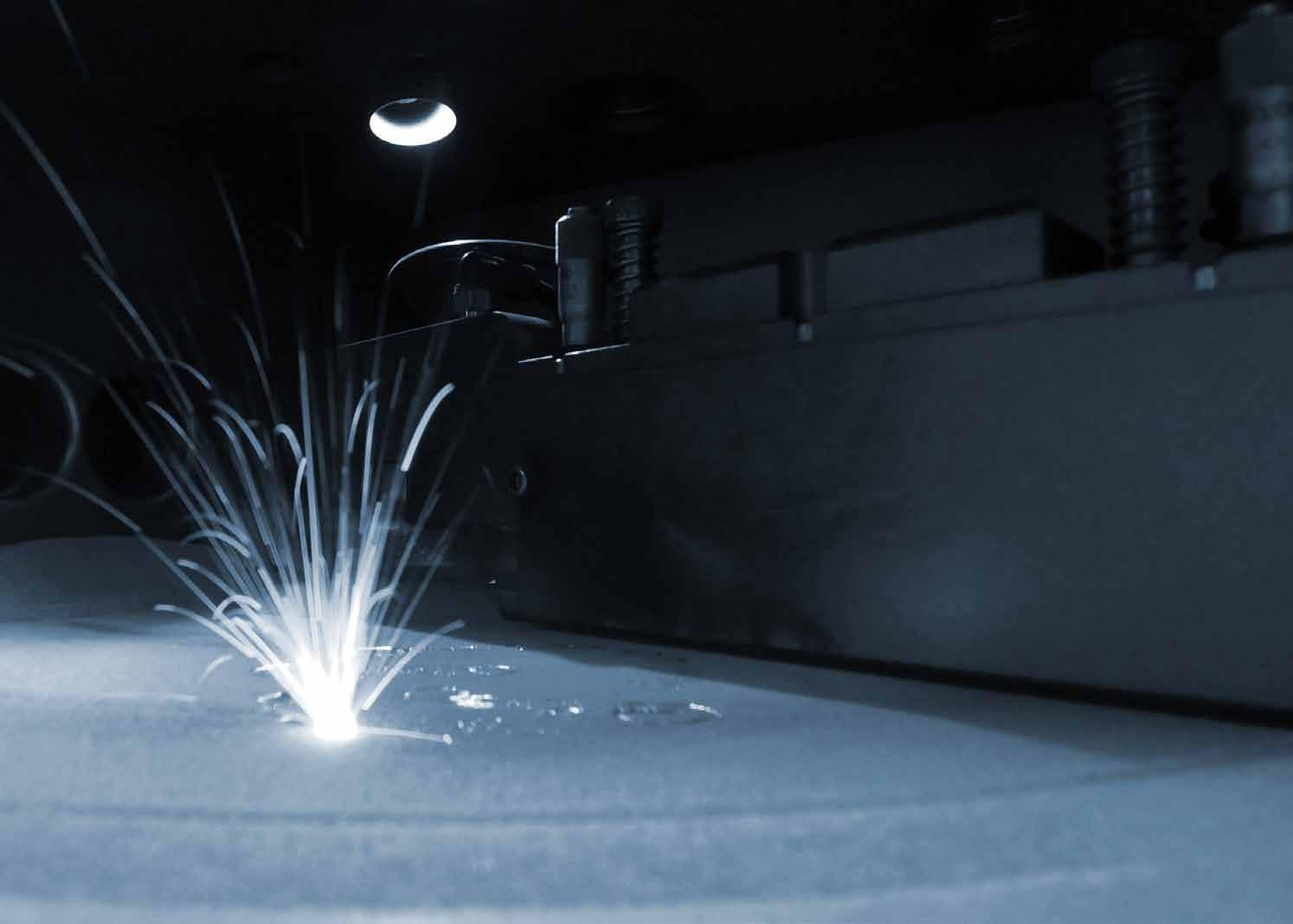
We Convene...
The most brilliant minds from industry and academia
We Coordinate... Transformative technical and workforce data
America Makes is the leading collaborative partner for additive manufacturing and 3D printing technology research, discovery, and innovation in the U.S.
Structured as a public-private partnership, we innovate and accelerate AM/3DP to increase global manufacturing competitiveness.
Focused on additive manufacturing, America Makes is the first institute of the Manufacturing USA® network.
We Catalyze... High-value, high-impact collaborative projects
REGISTER TODAY! Members Meeting & Exchange (MMX) August 4-5, 2026 Youngstown, OH

Learn more at AmericaMakes.us
®

As metal powder processing moves into more complex applications, from rare earth magnets and battery materials to advanced Powder Metallurgy components, manufacturers are being asked to innovate faster while reducing risk. Alex Gasbarre, CEO of Gasbarre Products, Inc, explains why the future will depend not simply on better machines, but on earlier learning: using simulation, automation, controls, AI and collaborative engineering to understand processes sooner, make stronger decisions and build smarter, more resilient manufacturing systems for tomorrow’s markets and opportunities.
Over the past several years, I have noticed a meaningful shift in the conversations we have with customers. A decade ago, many projects started with a machine. A customer needed a compaction press, a furnace, or an automation system. The discussion focused on specifications, throughput requirements, and production goals. While every project presented unique challenges, there was often a fairly direct path from defining the requirement to building the solution. Today, the conversations are different. A customer may approach us because they are struggling with density variation across a multi-level Powder Metallurgy component. They may be attempting to automate the handling of a fragile green compact without introducing damage. They may be developing a new battery material and trying to understand how a laboratory process will behave at production scale. They may be investing in domestic rare earth magnet manufacturing and discovering that material handling, alignment,
compaction, automation, and thermal processing all influence the final result.
The machine remains part of the conversation, but increasingly it is not the problem they are trying to solve. What our customers are often seeking is a better understanding of risk. Will the process scale? Will the automation work reliably? Will the tooling perform as expected? Will the furnace produce consistent
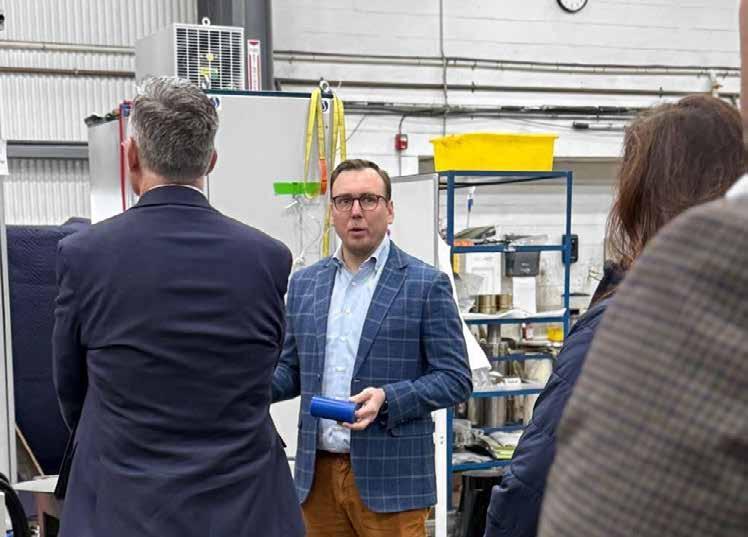
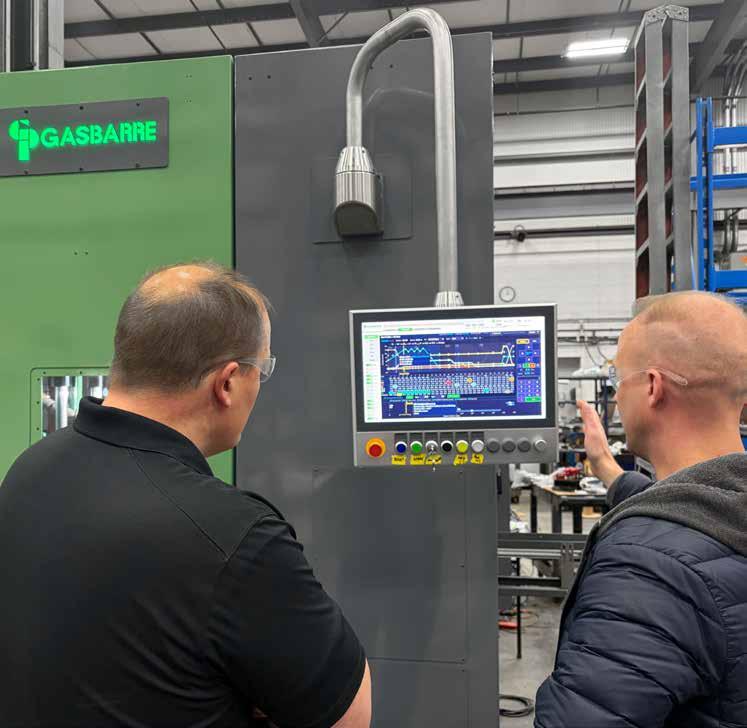
“Across PM, technical ceramics, thermal processing, battery materials, rare earth magnets, and other advanced manufacturing industries, customers are being asked to introduce new products faster, improve quality, automate operations, reduce labour dependency...”
results? Will operators have the information they need to maintain quality over time? These questions are becoming more common because manufacturing itself is becoming more complex.
Across Powder Metallurgy, technical ceramics, thermal processing, battery materials, rare earth magnets, and other advanced manu -
facturing industries, customers are being asked to introduce new products faster, improve quality, automate operations, reduce labour dependency, capture more process data, and increase production efficiency, often simultaneously. At the same time, the financial consequences of engineering mistakes continue to increase. A problem
discovered during concept development may take hours to address. The same problem discovered after fabrication may require weeks of rework. If that issue reaches a customer’s production floor, the cost becomes significantly greater.
As a result, one of the most important shifts in our thinking has been moving from asking, ‘How do we build equipment faster?’ to asking, ‘How do we learn more before we build it?’
This question has influenced many of Gasbarre’s investments over the past several years. From simulation technologies and collaborative engineering platforms to automation development tools, advanced measurement systems, modern controls architectures, and artificial intelligence, the common objective has not been to adopt new technology for its own sake. The objective has been to reduce uncertainty and improve decision-making earlier in the process.
One lesson we have learned along the way is that the purpose of technology is not to reduce human interaction. In many cases, it should accomplish exactly the opposite. The best engineering decisions are still made through conversations between customers, engineers, manufacturing personnel, suppliers, service technicians and operators. Digital tools become valuable when they reduce the time spent searching for information, managing revisions or performing repetitive tasks, allowing engineers to spend more time working with customers, collaborating with suppliers and solving manufacturing problems. In that sense, these technologies create more opportunities for people to work with people; the story is less about technology and more about learning.
One of the most important lessons we continue to learn is that manufacturing problems rarely fit neatly within a single machine. A customer
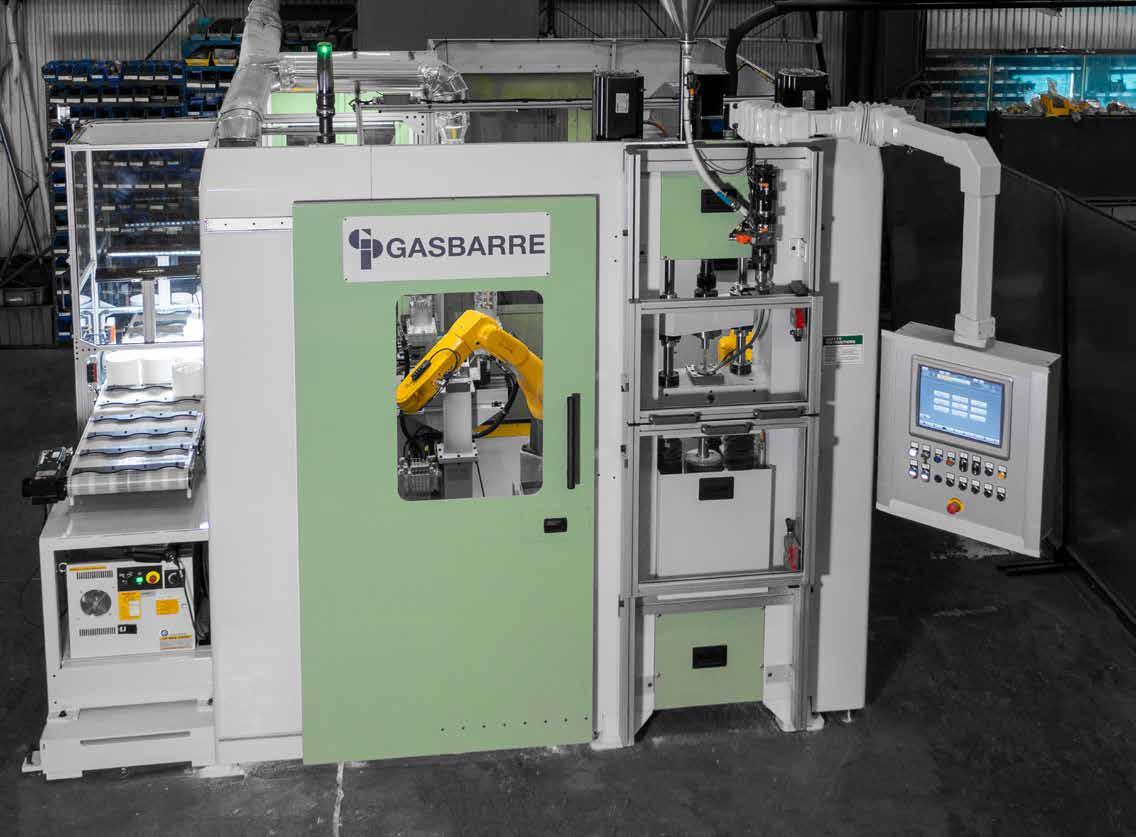
3 A
may initially believe they need a larger press to improve production. As discussions progress, it becomes apparent that the challenge is related to powder flow, tooling behaviour, automation timing, or downstream thermal processing. In other situations, a furnace may meet every temperature requirement specified in the project, yet subtle airflow patterns or loading practices can create variability in the finished product.
Increasingly, we find that production challenges are systems problems rather than equipment problems. That realisation has changed how we approach engineering. Rather than evaluating presses, automation systems, furnaces, and controls independently, we spend more time looking at how each part of the manufac -
“Digital tools become valuable when they reduce the time spent searching for information, managing revisions or performing repetitive tasks, allowing engineers to spend more time working with customers, collaborating with suppliers and solving manufacturing problems.”
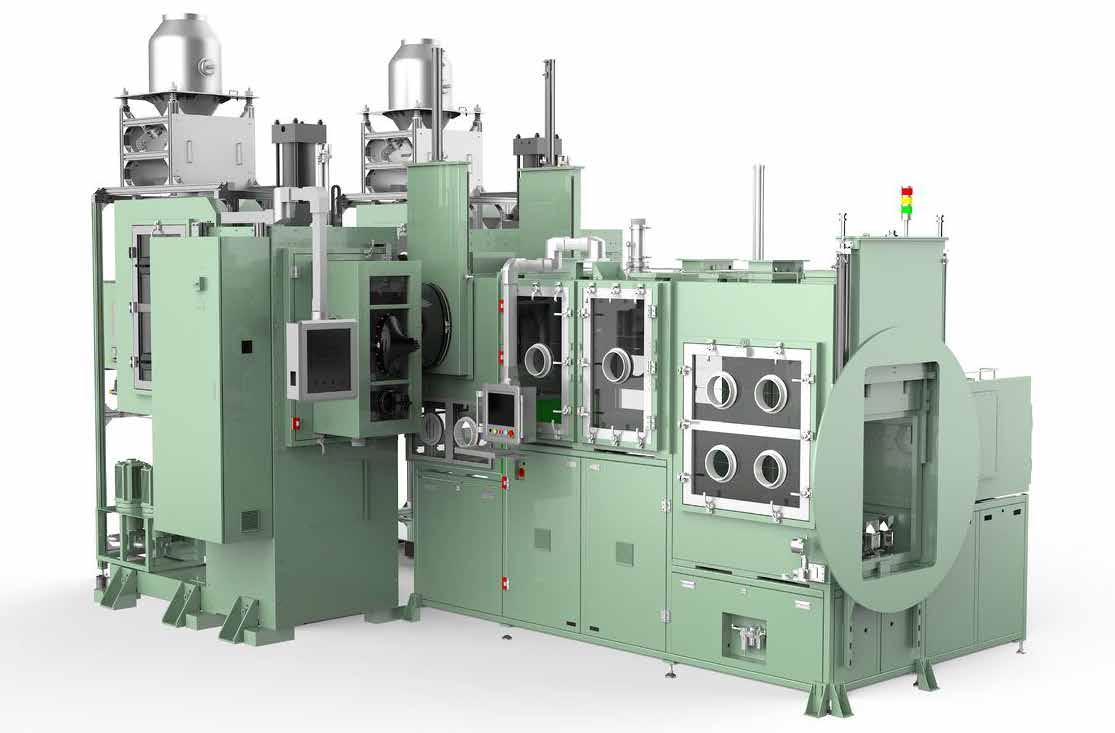
Fig. 4 An NDK magnet production cell, which will form the basis of a US-supplied Gasbarre production solution for the Americas following an April 2026 Technology License and Supply Agreement between Japan-based Nihon Denji Sokki Co., Ltd. and Gasbarre Products, Inc. The agreement supports Gasbarre’s development of domestic manufacturing capability for magnet alignment press systems (Courtesy Gasbarre)
turing process influences the others. The goal is to understand not only whether a machine can perform a specific function, but how that machine interacts with the broader production environment. This systems-level approach has become particularly important as we expand into newer markets.
The development of domestic rare earth magnet manufacturing provides a good example. Gasbarre is introducing magnetic alignment press technology into the United States while simultaneously developing domestic manufacturing capability for these systems. What becomes apparent very quickly is
“Equipment suppliers are no longer being asked simply to build a machine. They are increasingly being asked to help customers understand how an evolving process will behave at production scale.”
that a magnet alignment press is not simply a conventional powder compaction press with a different nameplate.
Material handling requirements are different. Tooling considerations are different. Automation challenges are different. The interaction between the press, magnetic field generation, powder characteristics, atmosphere control, and downstream thermal processing creates an entirely different engineering problem. Success requires understanding the entire process, not simply the machine.
The same reality exists in battery materials and other emerging applications. In many cases, customers are scaling manufacturing processes while simultaneously refining them. Equipment suppliers are no longer being asked simply to build a machine. They are increasingly being asked to help customers understand
how an evolving process will behave at production scale. That changes the nature of the engineering conversation from the very beginning.
Historically, engineering organisations relied heavily on calculations, experience, testing, and lessons learned from previous projects. Those fundamentals remain critically important today. What has changed is our ability to evaluate more questions before fabrication begins.
One example is our adoption of collaborative engineering platforms such as Onshape. While many people think of CAD software primarily as a design tool, we have found that one of its greatest benefits is improving communication. Engineers, project managers, manufacturing personnel, suppliers, service technicians, and other stakeholders can work from the same information throughout the life of a project.
That may sound simple, but many manufacturing challenges originate from information gaps rather than technical limitations. When assembly personnel review a design early, they often identify serviceability concerns. Automation engineers may identify interference points or access challenges, suppliers may suggest manufacturability improvements, and service personnel frequently spot maintenance considerations that might otherwise go unnoticed. The result is not simply a better model, but a better machine, while allowing talented people throughout the organisation to spend less time managing information and more time contributing their expertise.
Simulation technologies have created similar opportunities. As manufacturing applications become more demanding, engineering teams are increasingly asked to answer questions that extend beyond traditional design calculations. How will a machine structure respond under load? Will thermal growth affect alignment accuracy over long
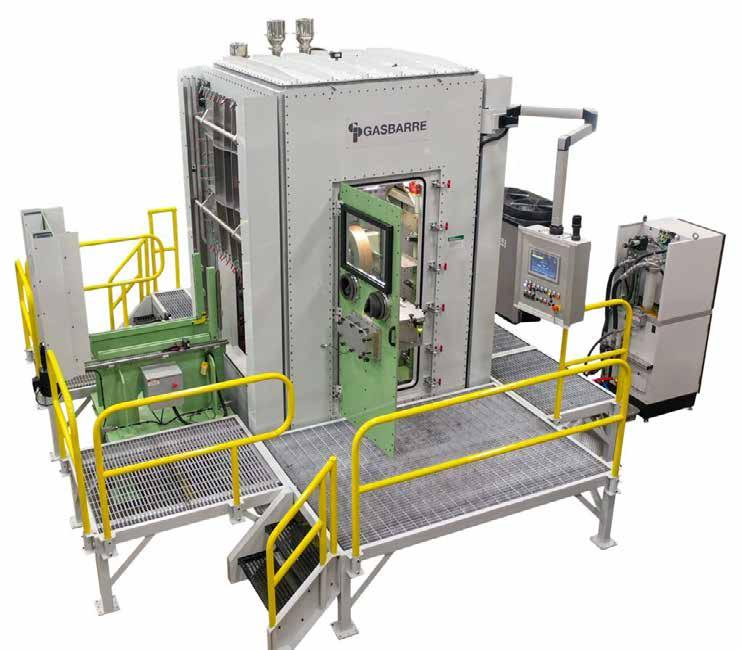
Fig. 5 Magnet press for rare earth magnet production. Systems such as this illustrate why magnet manufacturing requires a broader engineering approach, bringing together powder handling, tooling, magnetic field generation, automation and downstream thermal processing (Courtesy Gasbarre)
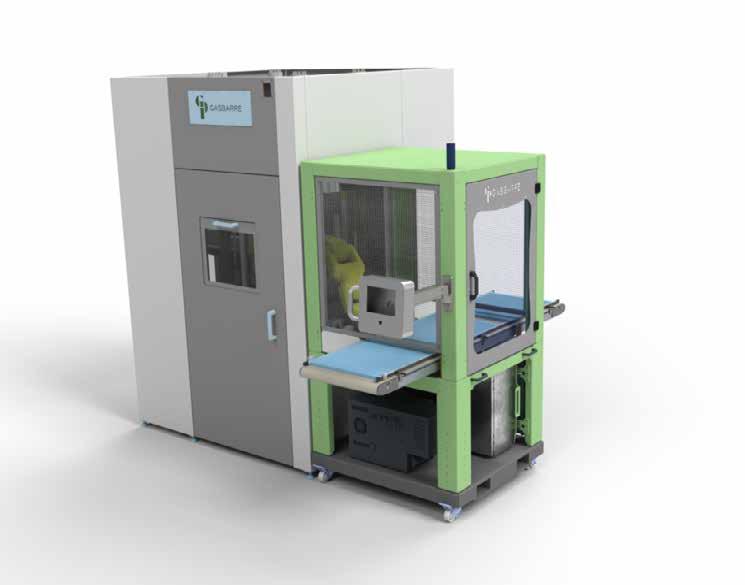
Fig. 6 Collaborative design model showing the integration of a press and unloader. Platforms such as Onshape allow engineers, manufacturing personnel and other stakeholders to work from shared project data, helping identify access, assembly and serviceability issues earlier in the development process (Courtesy Gasbarre)
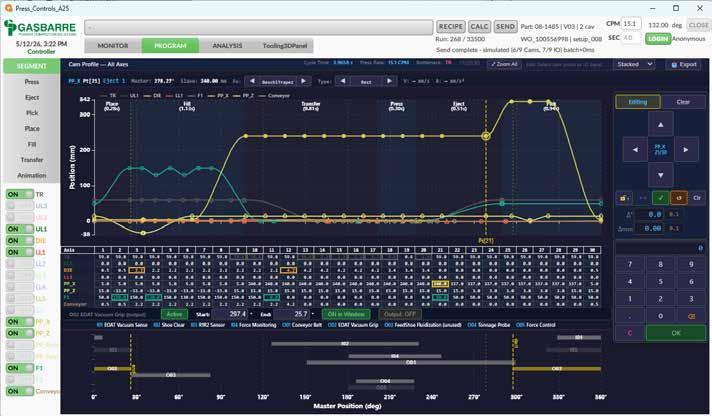
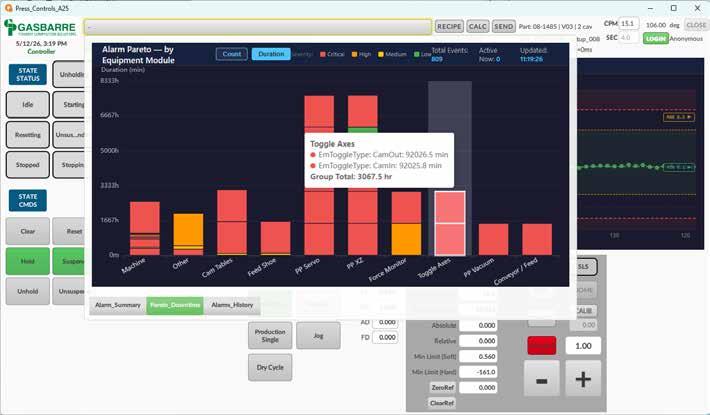
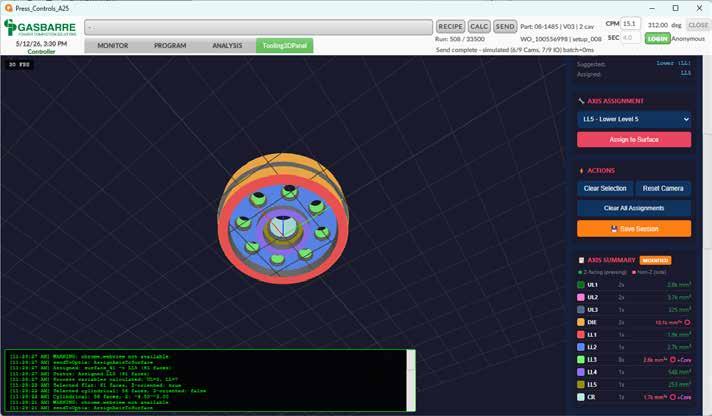
production runs? How will airflow patterns influence furnace performance? Will hydraulic heat affect long-term stability?
To help answer these questions, our teams use platforms such as Ansys and SimScale to evaluate structural performance, thermal behaviour, fluid flow, cooling strategies, and machine dynamics before fabrication begins.
The objective is not to create a perfect digital representation of reality. Manufacturing is far too complex for that. Instead, these tools allow us to investigate potential risks earlier and make more informed decisions while changes remain relatively inexpensive.
Simulation supports engineering judgment by providing better information, allowing teams to spend less time debating assumptions and more time discussing solutions with customers and colleagues.
Automation provides another example of how engineering workflows continue to evolve. Customers frequently begin automation discussions by asking which robot to use. In practice, that is rarely the most difficult question. Most modern industrial robots are exceptionally capable. The larger challenge is understanding how parts move through the manufacturing process and how people interact with that process.
Can fragile green compacts be presented consistently? Can a vision system function reliably in a dusty environment? How will operators recover from faults? Can maintenance personnel safely access critical components? Will the automation cell keep pace with upstream and downstream operations? These questions often determine project success far more than robot specifications.
For this reason, our automation team increasingly utilises tools such as RoboGuide to create virtual manu -
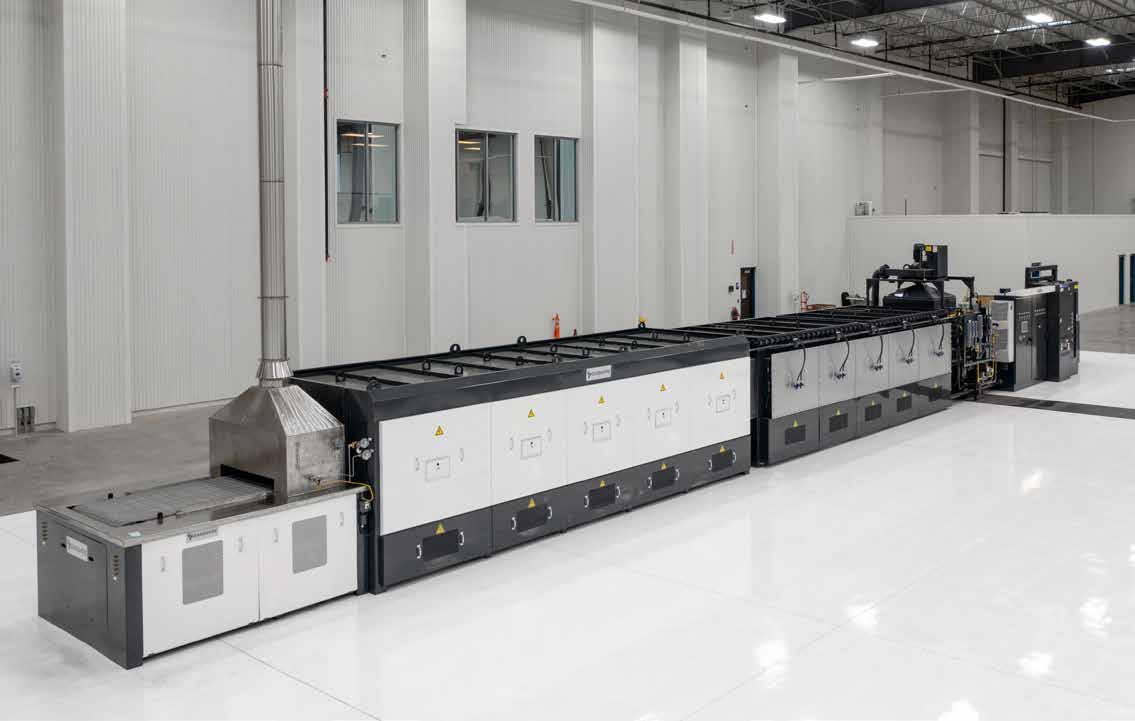
8 Gasbarre continuous mesh belt furnace. Thermal processing remains part of the wider systems-level engineering challenge, where gas flow, loading practices, temperature control and downstream process requirements can all influence final product quality (Courtesy Gasbarre)
facturing cells before equipment is installed. By simulating robot movement, cycle times, maintenance access, operator interaction, and material flow, engineers can identify potential challenges before commissioning begins.
Interestingly, many of the issues discovered through these simulations have little to do with the robot itself. More often, they involve interactions among multiple processes throughout the production system. When those questions can be answered before equipment reaches the plant floor, engineering teams can spend more time engaging with customers on process optimisation and less time reacting to avoidable startup issues.
Perhaps the most interesting development we are seeing today involves the role of artificial intelligence
within manufacturing organisations. Like many companies, we are evaluating where AI creates meaningful value and where it does not.
Engineering organisations generate enormous quantities of information. Drawings, service reports, software documentation, project records, manuals, customer specifications, lessons learned, and troubleshooting histories accumulate over decades. Finding information often consumes more time than using it.
Large language models and AI-assisted tools are helping us organise and access that information more effectively. Engineers can summarise technical documentation, prepare design reviews, accelerate software development, support troubleshooting activities, and identify historical project information more efficiently than before.
This becomes particularly important as manufacturing organisations navigate workforce transitions. Across our industry, many highly
experienced engineers, machinists, technicians, and service professionals possess decades of valuable knowledge. Preserving and transferring that knowledge may become one of the most important challenges facing manufacturing over the next decade.
Artificial intelligence will not replace the experience of a technician who has spent twenty years commissioning equipment in the field. It will not replace the process knowledge of a customer who has spent a career manufacturing a specific product. It will not replace the judgement of an experienced engineer.
What it can do is reduce the amount of time those individuals spend searching for information, organising data, documenting routine activities, or recreating work that has already been done. The value comes from allowing talented people to spend more time applying their expertise, solving problems and collaborating with colleagues. In
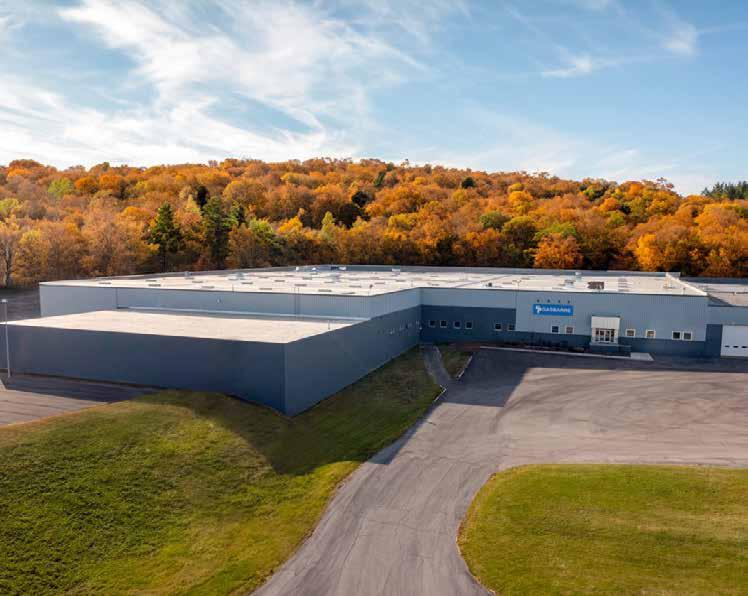
that sense, the greatest promise of AI inside manufacturing may not be automation, but creating more opportunities for meaningful collaboration between people.
One misconception surrounding digital engineering is that technology somehow reduces the importance of experience. Our experience has been exactly the opposite. The more sophisticated the tools become, the more valuable experienced people become.
A simulation may identify a potential concern, but experienced engineers determine whether it matters. A thermal model may reveal airflow variation, but process specialists understand whether that variation will affect product quality. An AI tool may summarise thousands of pages of documentation, but experienced professionals determine what information should influence a decision.
The most effective manufacturing organisations are not replacing experience with technology. They are combining experience with technology. The goal is not to eliminate engineering judgement. The goal is to give talented people better information and better tools so they can make better decisions.
When people discuss digital transformation, the conversation often centres on software, automation, data, or artificial intelligence. While each of those technologies is important, I believe they are all supporting a larger objective. They help organisations reduce uncertainty earlier in the development process.
As manufacturing complexity continues to increase, the ability to identify assumptions, evaluate alternatives, and reduce uncertainty before equipment enters production is becoming a meaningful competitive advantage. Ironically, many of
the technologies driving manufacturing forward are making human interaction more important rather than less. As software becomes better at organising information, performing analysis, and automating routine tasks, engineers gain more time to engage with customers, collaborate with suppliers, work alongside manufacturing teams, and focus on solving difficult problems. The technology handles more of the administrative burden, allowing people to spend more time doing the work that creates the greatest value.
The companies that will be most successful over the next decade will not necessarily be those with the most software or the largest engineering departments. They will be the companies that can understand customer problems faster, make better decisions earlier, and apply those lessons consistently across their organisations.
In an increasingly complex manufacturing environment, that may be the most valuable capability of all.
Alex Gasbarre CEO
Gasbarre Products, Inc. 590 Division Street DuBois, PA 15801 United States +1 (814) 371-5000 www.gasbarre.com
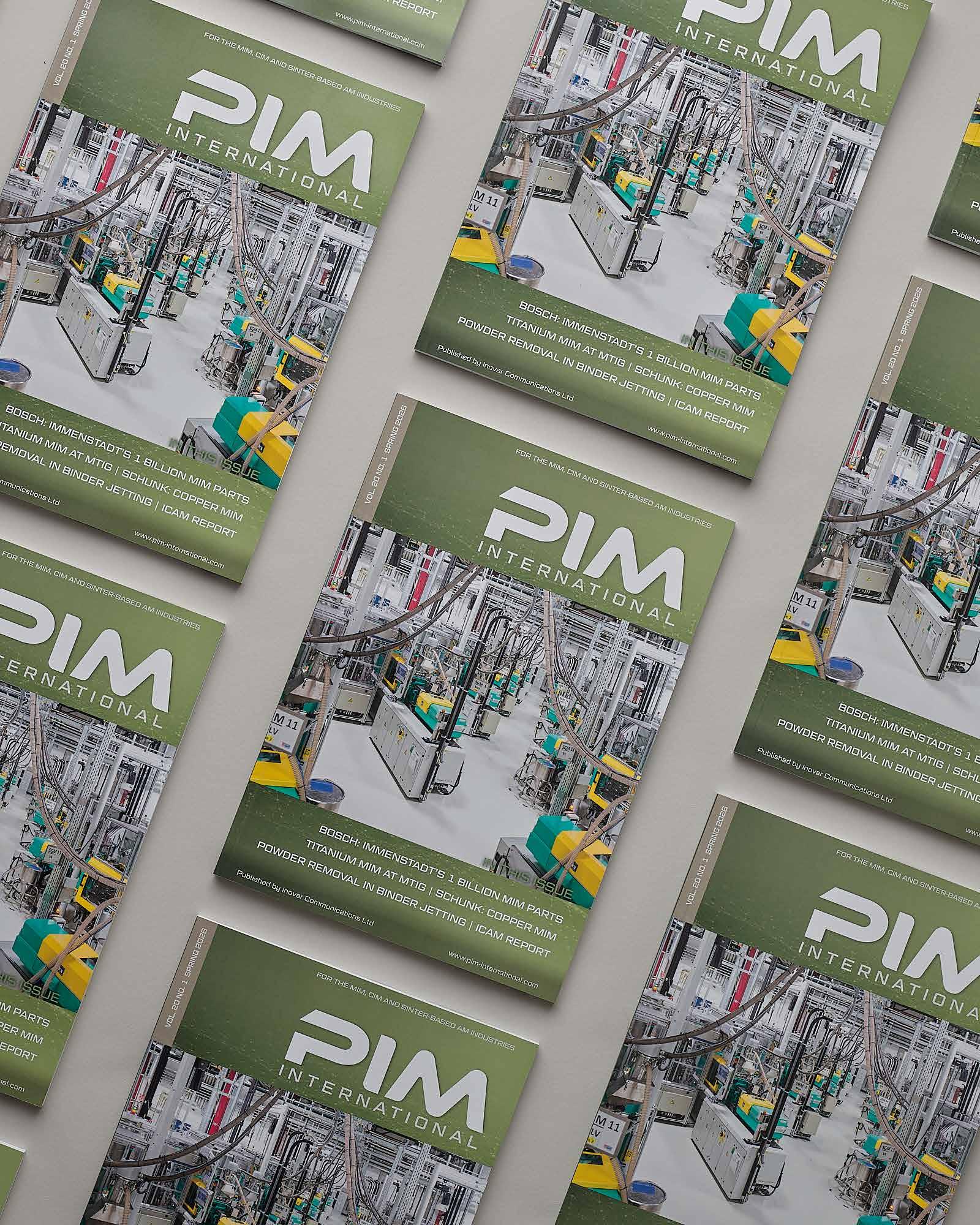
PIM International is the leading international resource for the latest developments in Powder Injection Molding (comprising MIM and CIM), as well as the sinter-based Additive Manufacturing of metals and ceramics.
Delivering in-depth, industry-focused coverage, the magazine explores market trends, technical innovation, materials, equipment advances, research breakthroughs, and software developments shaping the sector. www.pim-international.com



As PM parts producers face shorter lead times, smaller batch sizes and growing part variety, press changeover is becoming a major influence on productivity.
Retooling a powder press from one die set and powder system to another can tie up skilled staff, reduce machine availability and affect the stability of production restart. As Alexander Blankenhagen explains, Dorst Technologies’ UPTIME concept brings tooling and powder-system changeover into the controlled sequence of the production cell, helping manufacturers reduce operator dependency, improve repeatability and make more flexible use of press capacity.
In powder pressing, the ability to produce parts accurately is only one part of the productivity equation. As production trends shift from long, stable runs towards more varied order profiles, time and consistency of changeover are becoming increasingly important. Each change from one tooling and powder system to another affects machine availability, labour planning and the stability of production restart.
This shift places new focus on one of the most critical and often most underestimated stages in powder pressing: the part changeover. Retooling a press from one die set and powder system to another remains, in many operations, a largely manual process. It requires experienced personnel, careful cleaning, correct tooling installation and accurate transfer of process parameters. When carried out under time pressure, it can become a major source of downtime, quality variation and startup scrap.
Dorst Technologies GmbH, headquartered in Kochel am See, Germany, has long supplied powder
pressing and forming technologies for applications ranging from technical ceramics and cemented carbides to structural PM parts. To address the growing challenge of changeover efficiency, the company has developed UPTIME, an automated part-changeover system that uses a robot, tool storage and
integrated controls to automatically remove and install tooling and powder-feeding systems in a powder press.
By integrating changeover into the production cell’s controlled sequence, UPTIME replaces a manual, operator-dependent procedure with a controlled, repeatable
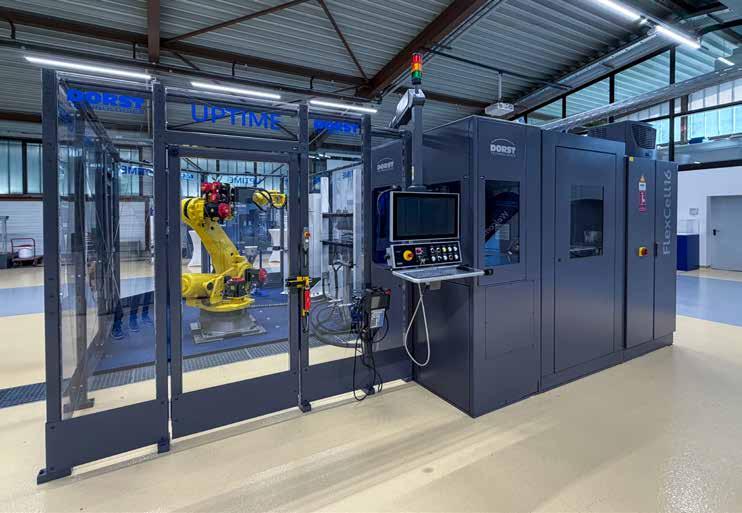
process. The objective is to reduce downtime, improve process consistency and support more flexible production planning as batch sizes fall and part variety increases.
As powder pressing systems become more advanced, attention is increasingly turning to the surrounding production processes that influence machine availability and part quality. One of the most important of these is the part change: the point at which a press is retooled from one die set and powder system to another.
In many production environments, this remains a manual or semi-manual procedure. It can involve tooling removal and installation, cleaning, powder system exchange, parameter transfer and axis referencing. The time required depends on tooling complexity, operator experience and the level of standardisation in the cell. As production moves towards smaller batches and greater part variety, the efficiency and repeatability of this stage become increasingly important. Several factors are contributing to the case for greater automation:
Experienced setup technicians play an important role in reliable part changeover. Their knowledge of tooling, powder handling, cleaning
procedures and press behaviour is often built up over many years. As skilled personnel become harder to recruit and retain, manufacturers are looking for ways to reduce dependence on individual operator experience and make changeover procedures more standardised.
Cobalt-containing powders are subject to strict handling requirements because of their health and safety implications. Regulatory pressure in Europe is increasing, with occupational exposure limits expected to become more restrictive. For manufacturers processing cobalt-containing materials, reducing manual intervention during powder system exchange and cleaning can support broader risk-reduction and compliance strategies.
A part changeover can occupy skilled personnel for a significant period of time while the press is not in production. In high-mix production, these intervals can account for a meaningful share of total operating time. Automating parts of the changeover process can help reduce nonproductive labour time and allow experienced staff to focus on preparation, quality assurance and process optimisation.
Manual changeover involves several critical steps, including tooling alignment, clamping, cleaning, powder system installation and loading of
“Many producers are being asked to support shorter lead times, smaller order quantities and a wider range of part variants. This increases the number of part changeovers required and places greater pressure on setup efficiency.”
the correct process parameters. Mistakes at any of these stages can lead to tooling damage, contamination, dimensional variation, scrap or additional downtime. A more controlled and repeatable changeover sequence can reduce the likelihood of such errors.
Many producers are being asked to support shorter lead times, smaller order quantities and a wider range of part variants. This increases the number of part changeovers required and places greater pressure on setup efficiency. As batch sizes fall, the cost and duration of changeover have a greater influence on the economics of each production run.
The outcome of a manual changeover can vary depending on the operator, shift conditions and available time. Cleaning quality, component seating, tooling positioning and parameter transfer all influence the stability of the first parts produced after a change. Standardising these steps through automation can help improve consistency between shifts and reduce variation at production restart.
Taken together, these factors make the part changeover an increasingly important area for process improvement. By automating this stage, UPTIME is designed to reduce operator dependency, improve repeatability and support more flexible production planning.
In a conventional powder pressing operation, a tooling changeover can involve several manual or semimanual steps. These may include decoupling the fill shoe, removing the powder system and upper punch, extracting the die, lower punch and core rod, cleaning func -
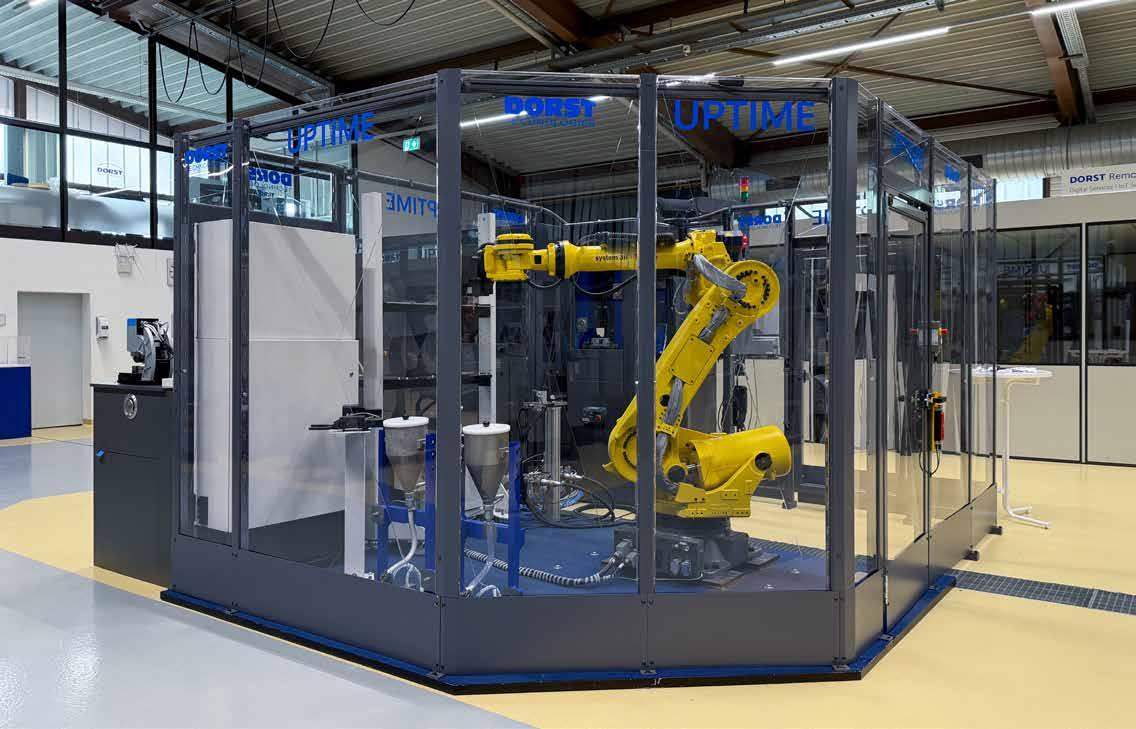
tional surfaces, vacuuming powder residues, assembling and installing the new tooling, fitting the next powder system and re-referencing the press axes.
The duration of this process depends on tooling complexity, press configuration, materials handling requirements and operator experience. In some cases, a part changeover can be completed relatively quickly; in others, it may take several hours. During this time, the press is not producing parts, while fixed machine and labour costs continue to accumulate.
The quality of the changeover also has a direct influence on production restart. Clean mating surfaces, correct tooling position, secure clamping, accurate powder system installation and reliable parameter transfer all affect the stability of the first parts produced after the change. Where these steps rely heavily on manual execution, the outcome can vary between operators, shifts and production conditions.
UPTIME was developed to automate this stage of the production process. The concept is based on a production cell in which the press, robot, tooling magazine, powder system magazine, cleaning equipment and control system operate as an integrated
unit. Rather than treating the part changeover as a separate manual procedure, UPTIME brings it under the control of the production cell. In this configuration, the robot carries out the handling steps required for tooling and powder system exchange, while the press control system coordinates the sequence and verifies the relevant
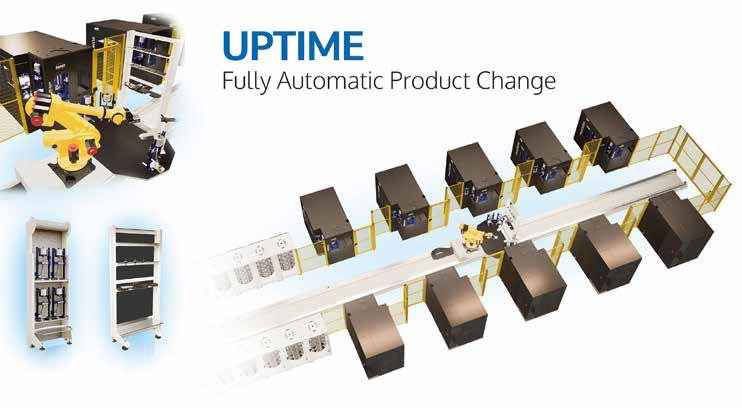
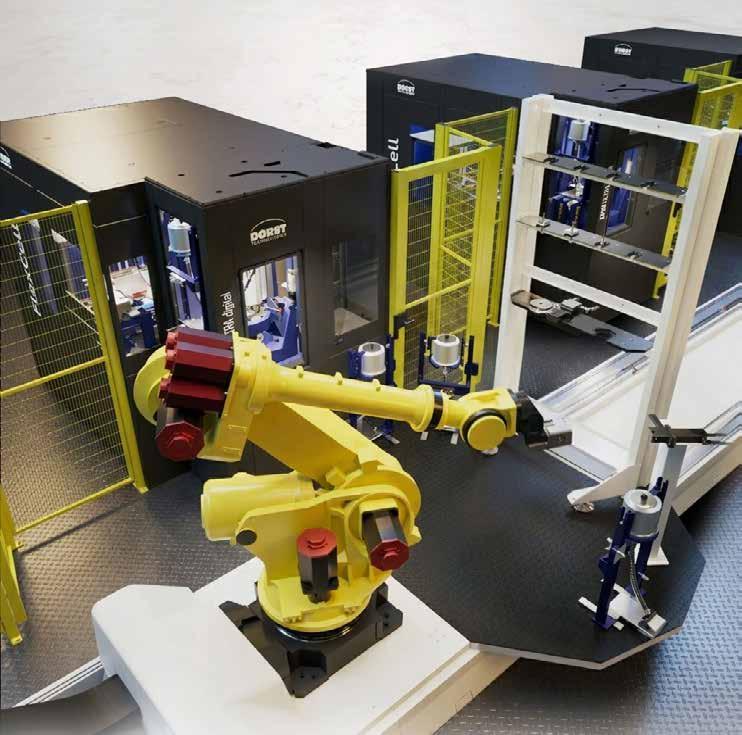
machine states. The aim is to make changeover more repeatable, reduce dependence on operator availability and support more flexible use of press capacity.
A production cell capable of automated changeover is better-suited to environments where smaller batches and more frequent part changes are required. It can also support extended operating periods, including night or weekend production, where staffing levels may otherwise limit production planning.
The UPTIME concept can be applied across the EP press range. It is particularly closely aligned with the FLEXCELL series, where the press and automation equipment are combined within an integrated production cell. FLEXCELL systems include functions such as part removal, sintering plate management, quality assurance and process monitoring as part of the cell concept.
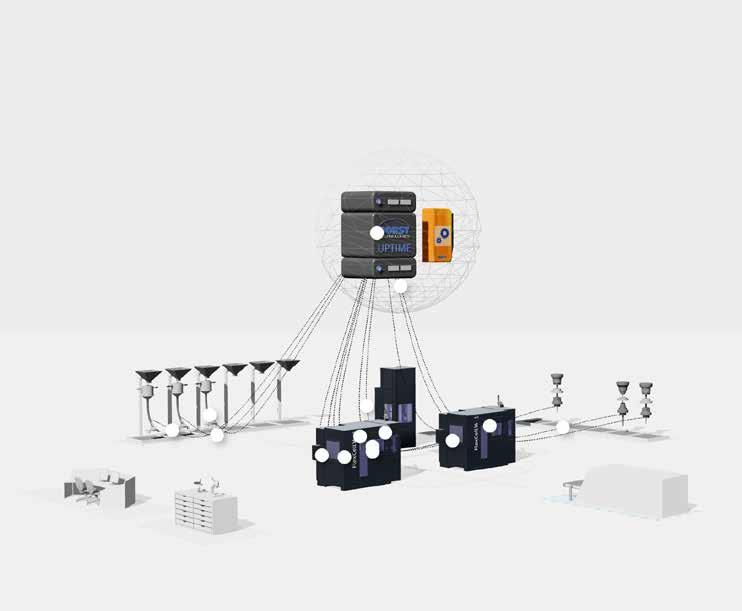
The FLEXCELL range covers fully electric presses from 16 to 200 tonnes. In combination with UPTIME, it provides a reference platform for automated part changeover within a broader automated production environment. However, FLEXCELL is not a mandatory prerequisite; the UPTIME architecture can be adapted to different EP press configurations depending on the application.
A typical UPTIME configuration consists of seven main elements as seen in Fig. 4: (1) the press with standardised interfaces for automated tooling change; (2) the interchangeable powder system, including the hopper, hoses and fill shoe; (3) powder system and (4) tooling magazines managed through DVS2.0; (5) a programmable cleaning unit; (6) the robot handling system; and (7) a gripper magazine enabling automatic end-effector changes according to the task. The exact layout is adapted to the application, tooling, material flow and available production space.
Quick-change systems: precision as the foundation
Automated part changeover depends on tooling and powder feeding systems that can be released, removed, reinstalled and clamped in a controlled and repeatable way. In the UPTIME concept, the tools and powder feeding system are held by pneumatic quick-change clamping systems integrated into DVS2.0.
The controller manages the clamping and release sequence via defined signals and receives feedback on the clamping status. The next robot command is only released once the required clamping state has been confirmed. This provides a controlled interface between the press, tooling system and robot.
Repeatability is central to this approach. Each component must return to its defined position after removal and reinstallation, whether this concerns the tool holders or the powder system coupling. The exact quick-change system, clamping arrangement and sizing are selected according to the application, tooling design and production requirements as part of the UPTIME engineering process.
Robot selection is determined by the dimensions, weights and access conditions of the production cell. In a typical UPTIME application, three requirements are particularly important: payload capacity, repeatability and mechanical access to the press workspace.
First, the robot must have sufficient payload capacity for the heaviest handling task. A fully loaded hopper assembly, particularly in applications involving dense powders such as tungsten carbide, can be heavy and may shift its centre of gravity during movement. The robot must therefore be able to handle the load safely and accurately under dynamic conditions.
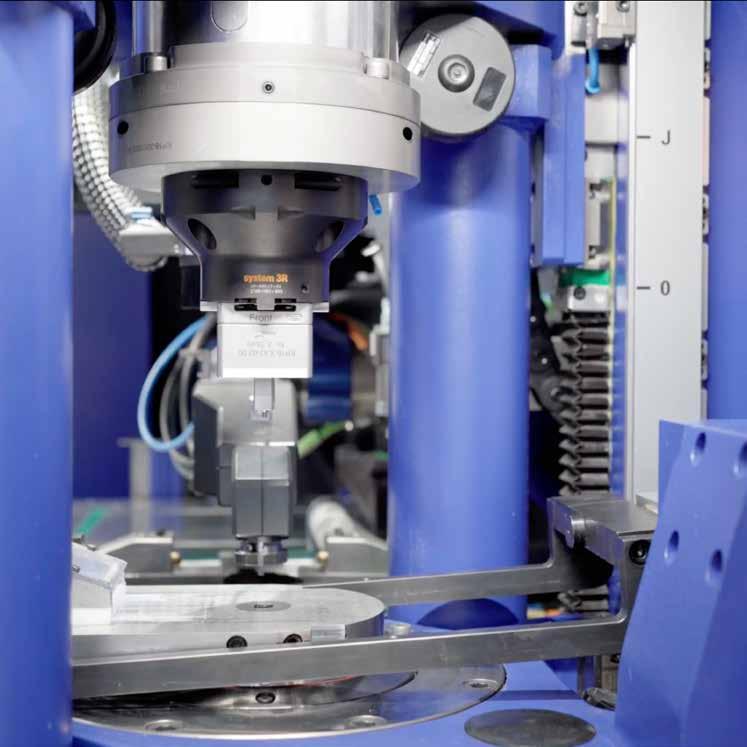
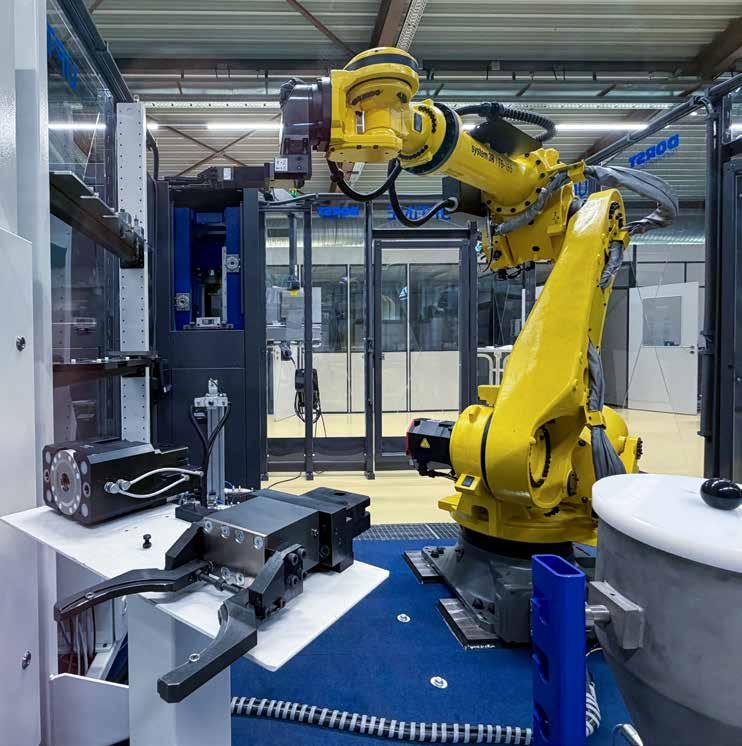
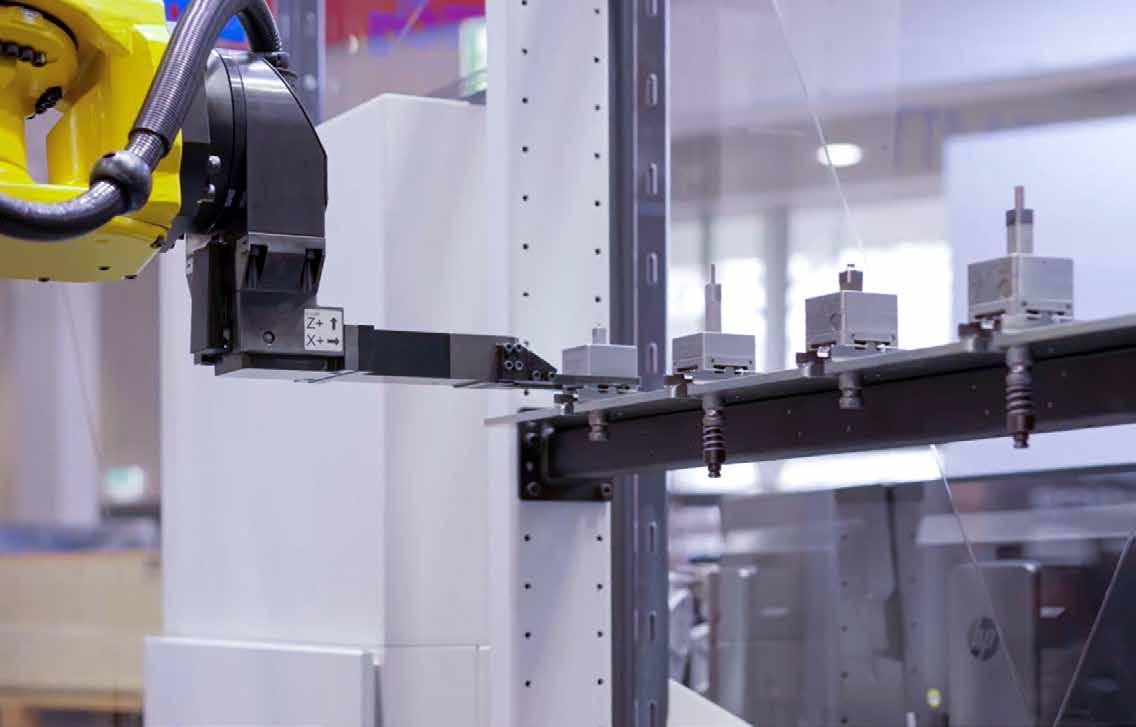
Second, positioning repeatability is important when handling tooling components. Inaccurate seating of punches or other tooling elements can affect dimensional accuracy and, in severe cases, increase the risk of tool damage. For this reason, a ±0.05 mm robot repeatability is used as the reference requirement.
Third, the robot must be able to access confined areas within the press. Payload alone is not sufficient; wrist geometry, axis flexibility and reach all influence whether the robot can remove and install tooling reliably within the available space.
In the Dorst Technologies test setup, a six-axis heavy-duty robot with a 165 kg payload, 2,655 mm reach, slender wrist design and flip-over capability was used. These figures describe the test configuration and indicate the required performance profile, rather than specifying a single robot make or model. Final robot selection is based on the application and cell layout.
How the automated changeover sequence works
Automated part changeover is divided into two main phases: disassembly and assembly. Both are coordinated by DVS2.0, which manages the interaction between the press, robot, tooling magazine, powder system magazine and cleaning equipment. During the sequence, the press moves to defined positions, confirms machine states and releases handling steps in a controlled order. The robot then performs the required removal, cleaning, storage, retrieval and installation operations according to the programmed sequence. This structure is intended to make the changeover process repeatable and traceable, while reducing reliance on manual intervention.
the fill shoe
The part changeover sequence begins when the higher-level system, such
as the control centre, Manufacturing Execution System (MES) or Enterprise Resource Planning (ERP), sends the changeover command to the press. The press then enters tooling change mode. The servo-electric drive moves to the defined park position, and the fill shoe is pneumatically decoupled from the filler fork. Once this step is complete, the press signals that the feeding unit is ready for removal.
The robot removes the complete powder feeding system, including the hopper, fill shoe and filler plate, as a single assembly. The removed assembly is assigned to a defined position in the powder system magazine. This allows the controller to identify where each powder system is stored and which subsequent production job it is associated with.
Optional cleaning step
Where required, the robot picks up the Cleaning Unit from the gripper magazine and performs a programmed cleaning cycle. The cleaning path, contact pressure, suction output and number of passes can be adapted to the press geometry, powder material and production requirements.
Removing the upper punch
The press moves to the defined upper punch change position and confirms readiness. The robot then removes the upper punch and places it in its coded position within the tool magazine. The tooling inventory in DVS2.0 is updated accordingly.
Removing the die
The press moves to the lower tooling change position and confirms readiness for the next handling step. The robot first removes the die and stores it in the tool magazine.
Removing the lower punch and core rod
In a second step, the robot removes the lower punch and core rod as a complete unit and places it in the tool magazine. The coded storage system allows the controller to track each tooling component and its associated production job.
Optional cleaning after disassembly
After the tooling has been removed, the robot can again use the Cleaning Unit to clean exposed functional surfaces, including tool holder seats, guide surfaces and bearing faces. This step helps ensure that the next tooling set is installed on clean and defined mating surfaces.
Assembly follows the reverse sequence. At this stage, the required tooling and powder feeding system have already been identified from the job data supplied by the higher-level system. The relevant
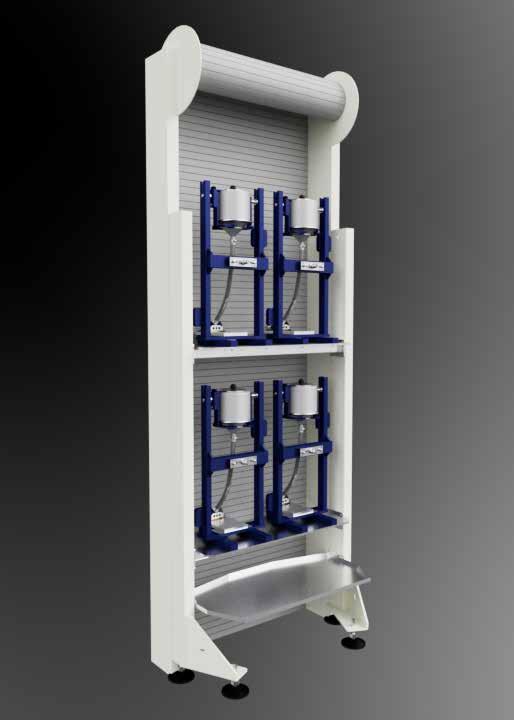
“The coded storage system allows the controller to track each tooling component and its associated production job.”
components are registered, coded and stored in known magazine positions, allowing DVS2.0 to coordinate the installation sequence.
Installing the lower tooling set
The robot retrieves the coded tooling set from the tool magazine and installs the lower punch, die
and core rod in the press. Once the tooling set has been installed and the required machine state has been confirmed, the press signals readiness for the next step.
Installing the upper punch
The robot retrieves the upper punch and seats it in the tool holder.
Positional accuracy
Cycle time
Infrastructure
Layout requirement
Very high – ±0.05 to ±0.1 mm, mechanically referenced
Precisely calculable; simultaneous arm and travel motion possible
Floor-level rail installation, torsionally rigid modular design
Linear press arrangement required
System load Up to 1,500 kg (robot + payload), travel up to 30 m
Maintenance
Low – centralised lubrication, long-life guides
Investment reliability Very high – Established technology with extensive industrial use
Table 1 Technical characteristics of a robot linear-track system for automated press changeover (Courtesy Dorst Technologies)
The press then carries out the required referencing of the upper punch axis before the sequence continues.
Installing and coupling the powder feeding system
The robot retrieves the preconfigured powder-feeding assembly from the powder system magazine and installs it in the press. The required material connections are established during this step. The press then moves the filler fork to the fill shoe and pneumatically couples the system, completing the automated changeover sequence.
the press for production restart: DVS2.0 takes over
Once the mechanical changeover is complete, the Uptime_Data interface transfers the process data for the next job to the press controller. This includes information such as part geometry, tooling configuration, material parameters and the production programme.
DVS2.0 then carries out the required referencing of the press axes and prepares the machine for production. Before release, the system verifies that the relevant data and machine states are in place, reducing the need for manual input at production restart.
of a standardised changeover process
Compared with a manual changeover, the key difference is that the sequence is standardised and controlled by the production cell. Each step is carried out in the defined order, using the same machine positions, handling procedures and verification points. This reduces the extent to which the outcome depends on the individual operator, shift or time of day. For manufacturers, the intended result is a more predictable changeover process, improved restart consistency and greater flexibility in production planning.
The UPTIME concept can be implemented as an individual automated production cell or scaled across a press line. In a line configuration, one robot may service multiple presses in alternating operation. While one press is producing, the robot can carry out a changeover on another press, helping to improve utilisation across the line. This approach is intended to support continuous production planning, particularly in environments with frequent changeovers or extended operating periods. For companies wishing to evaluate the concept before implementa -
tion, Dorst Technologies has a fully equipped UPTIME cell at its technology centre in Kochel am See, where customer tooling, materials and processes can be tested.
Mobility option A: robot on a linear track
One approach is to mount the robot on a floor-level linear track, also referred to as a seventh axis. This allows the robot to travel between presses arranged in a line and perform changeover tasks at each station.
A typical system uses a rackand-pinion drive in combination with hardened recirculating ball guides or profiled rail guides. This arrangement is suited to high system loads and longer travel distances, while providing controlled positioning along the press line. The additional axis is integrated into the robot controller, allowing the travel movement and robot arm motion to be coordinated within the programmed sequence.
A key engineering consideration is the bending moment created by the robot arm and payload when extended from the carriage. For this reason, the track, carriage and guide system must be designed with sufficient stiffness and accurately preloaded guide elements. The main layout requirement is that the presses are arranged in a linear configuration, allowing the robot to access each cell position along the track (Table 1).
Where the production layout does not allow a straight press line, an Autonomous Mobile Robot (AMR) can serve as an alternative carrier platform for the robot. This approach gives the system greater freedom of movement within the factory and eliminates the need for a fixed-rail installation.
An AMR can navigate using technologies such as LiDAR, cameras and mapping software. This enables it to move between different production areas without the need for floormounted guidance systems or fixed markers. In this configuration, the AMR may also be used for related logistics tasks, such as transporting tooling, powder systems or other production equipment between storage and the press area.
For automated tooling change, however, the positioning requirements are significantly higher than those needed for general factory transport. The travel accuracy of an AMR alone is typically insufficient for precise tool installation. Additional fine-positioning systems, such as optical markers, camera-based correction or mechanical docking fixtures, are therefore required to bring the robot into the exact position needed for changeover operations.
The AMR option is most relevant when layout flexibility is a priority or when presses and storage areas are not arranged in a fixed linear sequence. It introduces additional positioning and control requirements but can provide greater adaptability
Criterion
Factory layout
Positional accuracy
Cycle time
Positional accuracy
High – with fine-positioning system
Cycle time Good – depends on route profile and utilisation
Infrastructure No fixed guidance infrastructure required
Layout requirement Any factory layout possible
Navigation Free routing, curves included
Additional benefit Entire facility usable; logistics tasks integrable
Investment reliability
High – Increasingly adopted in industrial automation
Table 2 Technical characteristics of an AMR-based robot system for automated press changeover (Courtesy Dorst Technologies)
in facilities where a linear track is impractical (Table 2).
Decision framework: linear track or AMR?
The key differences between the two mobility concepts are summarised in Table 3. Both mobility concepts can be integrated into the UPTIME architecture. The choice between a linear track and an AMR mainly depends on the production layout, required flexibility and positioning strategy. In both cases, the underlying press integration and software architecture remain the same.
DVS2.0, Dorst’s control and visualisation system for the EP press range,
Linear track (7 th axis)
Linear arrangement required
Very high, mechanically referenced
Precisely calculable
Infrastructure Fixed rail installation
AMR
provides the software backbone for the UPTIME cell. In this architecture, the robot is integrated directly into the press control environment. It receives its commands from DVS2.0 and operates as part of the coordinated production cell rather than as a separate automation unit.
The system hierarchy begins with a higher-level control system, such as a control centre, MES or ERP. This system issues the part changeover command and provides the relevant job, tooling, material and planning data. The press receives this information via the Uptime_Data interface, and DVS2.0 then coordinates the changeover process.
Based on the job data, DVS2.0 identifies the required tooling set, locates it in the magazine and guides the robot through the defined sequence. Once the mechanical changeover has been completed, the
Any layout possible
High, with fine positioning
Good, route-dependent
No fixed infrastructure
Layout flexibility Low High
Additional benefit
Limited to the rail path
Entire facility usable
System complexity Low Medium (fine-positioning required)
Proven track record Very high
High, growing references
Table 3 Comparison of linear-track and AMR mobility concepts within the UPTIME architecture (Courtesy Dorst Technologies)
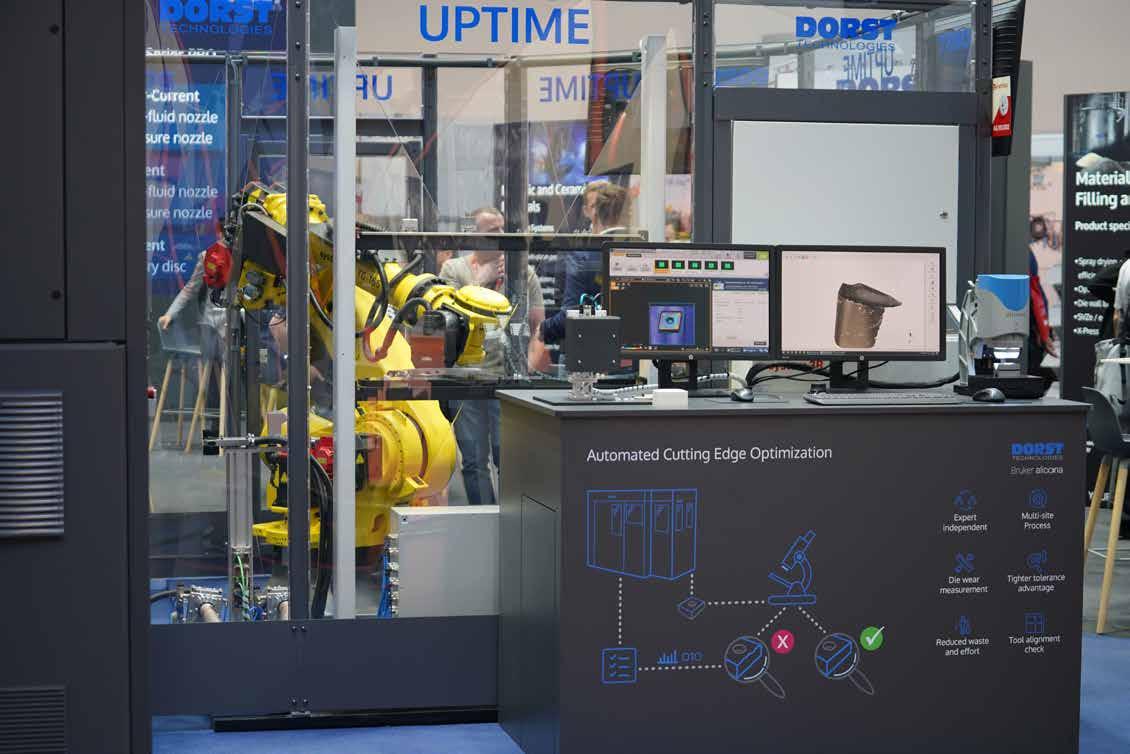
system references the required axes, loads the production programme and prepares the press for production release.
The DVS2.0 visualisation provides the operator with an overview of cell status, job progress and relevant system information. Operator interaction is focused on order planning,
status monitoring and any required acknowledgements. New robot motion sequences can be taught at the machine using a dedicated handheld device and then stored for automated execution.
Tooling and powder system management are handled through coded inventory within DVS2.0. This
“Reducing changeover time directly affects press availability. Every minute spent on setup is time during which the press is not producing parts. A more controlled and automated changeover sequence can therefore improve machine utilisation, particularly in high-mix production environments.”
allows the system to track which tooling sets are available, where they are stored and which production jobs they are assigned to. Standardised interfaces also allow connection to higher-level MES or ERP systems.
In combination with the Dorst IoT Field Manager, process, machine, tooling and robot data can be made available for monitoring and analysis, providing a basis for maintenance planning and process optimisation.
Reducing changeover time directly affects press availability. Every minute spent on setup is time during which the press is not producing parts. A more controlled and automated changeover sequence can therefore improve machine utilisation, particularly in high-mix production environments.
Shorter changeover times
Reduced setup labour requirements
Reduced startup scrap
More productive press hours per shift and per day
Skilled staff available for value-adding tasks
Verified parameters before production restart and reduced setup variation 24/7 production
Improved compliance support
New market opportunities
Machine utilisation independent of shift schedules and staffing
Automated handling minimises exposure to hazardous powders
Small batches and high variety become economically viable
4 Production and operational benefits associated with automated part changeover using UPTIME (Courtesy Dorst Technologies)
By automating the sequence, UPTIME is designed to reduce the waiting times, interruptions and manual handling steps that can occur during conventional changeover. It also reduces the amount of skilled labour required at the press during setup. This allows experienced personnel to be deployed on tasks such as tooling preparation, quality assurance, process optimisation and production planning. The standardised, robot-guided sequence is intended to improve repeatability at production restart. Defined cleaning steps, controlled tooling installation, verified clamping states and transferred process parameters all contribute to a more consistent setup condition before production resumes. This can help reduce startup variation and lower the risk of scrap linked to manual changeover errors.
Automated changeover also supports more flexible use of press capacity. Where changeovers can be carried out more efficiently and with less dependence on operator availability, manufacturers are better placed to plan smaller batches, accommodate part variety and make greater use of extended production periods, including nights and weekends.
In this way, UPTIME contributes not only to shorter setup times, but also to broader production flexibility, improved process consistency and more predictable machine utilisation (Table 4).
UPTIME forms part of Dorst Technologies’ wider automation strategy for powder pressing. By bringing part changeover into the controlled sequence of the production cell, the concept addresses one of the key interruptions in conventional press operation: the manual changeover between tooling sets and powder systems.
For manufacturers, this has implications beyond just setup time. Part changeover affects press utilisation, labour requirements, process stability and production planning. As batch sizes decrease, part variety increases, and skilled labour becomes harder to secure, a more repeatable, automated changeover process can support greater flexibility across the production environment.
The concept is continuing to develop as different automation
scenarios are tested and prepared for industrial implementation. A fully equipped UPTIME cell is available at Dorst’s Technology Centre in Kochel am See, where customer tooling, materials and processes can be evaluated before an investment decision is made.
In this context, automated part changeover represents a practical step towards more autonomous powder pressing operations. It reduces dependence on manual intervention, improves the repeatability of setup procedures and supports more predictable use of available press capacity.
Author Alexander Blankenhagen Area Sales Manager Carbide & Special Materials
Dorst Technologies GmbH Mittenwalder Str. 61 82431 Kochel am See Germany
www.dorst-technologies.com

Our advertisers’ index and buyers’ guide serves as a convenient guide to suppliers across the PM supply chain. In the digital edition of Metal Powder Technology magazine, available at www.metal-powder. tech, simply click on a company name to view its advert, or on the company’s weblink to go directly to its website.
Amaero Ltd 06 www.amaeroinc.com
Avimetal AM Tech Co., Ltd 17 www.avimetalam.com
CNPC Powder Group Co., Ltd. 15 www.cnpcpowder.com
Globus Metal Powders Ltd 32 www.globusmetalpowders.com
Höganäs AB IFC www.hoganas.com INDO-MIM
www.indo-mim.com
Metal Powder Works Limited 19 www.metalpowderworks.com
Oerlikon - Metco Joining & Cladding 80 www.metcojoiningcladding.com
Sandvik Additive Manufacturing 23 www.additive.sandvik ATM Qness GmbH - Verder Group 43 www.qatm.com Eltra GmbH - Verder Group 43 www.eltra.com LECO Corporation 18 www.leco.com Microtrac Retsch GmbH - Verder Group 43 www.microtrac.com
Ltd.
www.gevorkyan.eu
Combining digital and print publishing for maximum exposure Reach out to our rapidly expanding international audience that includes component manufacturers, end-users, industry suppliers, analysts, researchers and more. For more information contact: Jon Craxford, Advertising Sales Director Tel: +44 207 1939 749 | jon@inovar-communications.com
Vacuum Furnaces SPA
www.tav-vacuumfurnaces.com
Diyuan PM Furnace Co., Ltd
en.dmfurnace.cn
Metal Powder Technology is the essential international resource for the entire metal powder value chain — from production and processing to applications in PM, hardmetals, PM-HIP, batteries, magnetic materials, coatings, and beyond.
Through our magazine, website, weekly newsletter, social media channels and webinars, we connect industry innovators with a truly global audience.
Our platforms deliver trusted news, in-depth articles, and expert analysis to engineers, designers, researchers, and business leaders worldwide.
• Have industry news to share? Submit it
> paul@inovar-communications.com
• Want to showcase your expertise? Pitch a feature article
> nick@inovar-communications.com
• Be visible: Ask about advertising opportunities
> jon@inovar-communications.com
• Stay connected: Follow us on LinkedIn
> www.linkedin.com/company/ metalpowdertechnology
Metal Powder Technology is dedicated to driving awareness and development of metal powders, Powder Metallurgy and its related technologies. Key to this aim is our support of a range of international conferences and events. View our complete events listing on www.metal-powder.tech
Looking for an event partner? 2026
WorldPM2026 | AMPM2026 | Tungsten2026
June 25–29 – Montreal, Canada www.worldpm2026.org | www.ampm2026.org www.tungsten2026.org
Dritev
June 30 – July 1 – Baden-Baden, Germany www.vdiconference.com/dritev/
The Advanced Ceramics Show
The Advanced Materials Show
July 8–9 – Birmingham, United Kingdom advancedceramicsshow.com advancedmaterialsshow.com
EPMA Summer School
July 19–24 – Porto, Portugal summerschool.epma.com
America Makes Members Meeting & Exchange (MMX)
August 4–5 – Youngstown, OH, United States www.americamakes.us/events/mmx/
Formnext Asia Shenzhen
August 26–28 – Shenzhen, China qr.messefrankfurt.com/s0606
Powder Metallurgy and Additive Manufacturing of Titanium (PMAMTi 2026)
September 2–4 – Taipei, Taiwan www.pmti2026.com
Metal Powder Technology collaborates with a variety of metal powder, Powder Metallurgy and associated events throughout the year, ranging from major trade shows to smaller technical conferences and seminars.
If you would like to partner with us for your event, contact Merryl Le Roux: merryl@inovar-communications.com
VICENZAORO + T-GOLD
September 4–8 – Vicenza, Italy www.vicenzaoro.com/en/t.gold
ASTM International Conference on Advanced Manufacturing 2026
September 28 – October 2 – Orlando, FL, United States amcoe.org/event/icam2026/
The Advanced Materials Show USA
October 6–7 – Pittsburgh, PA, United States advancedmaterialsshowusa.com
Euro PM2026 Congress & Exhibition
October 11–14 – Budapest, Hungary www.europm2026.com
SHENZHEN International Powder Metallurgy and Advanced Ceramics Exhibition
October 14–16 – Shenzhen, China en.pmexchina.com
The Magnetics Show USA (part of Materials Week USA)
October 27–29 – Detroit, MI, United States themagneticsshow.materialsweekusa.com
Seminar on Rare-Earth Materials & Magnet Technology
November 16–17 – Stuttgart, Germany www.msiport.com/msit-events/seminar-on-magnettechnology/seminar-2026/
Formnext
November 17–20 – Frankfurt am Main, Germany www.formnext.com
PM China 2027
March 24–26 – Shanghai, China en.pmexchina.com
REBUILDING THE US RARE EARTH
INDUSTRY: FROM POLICY AMBITION TO MANUFACTURING REALITY

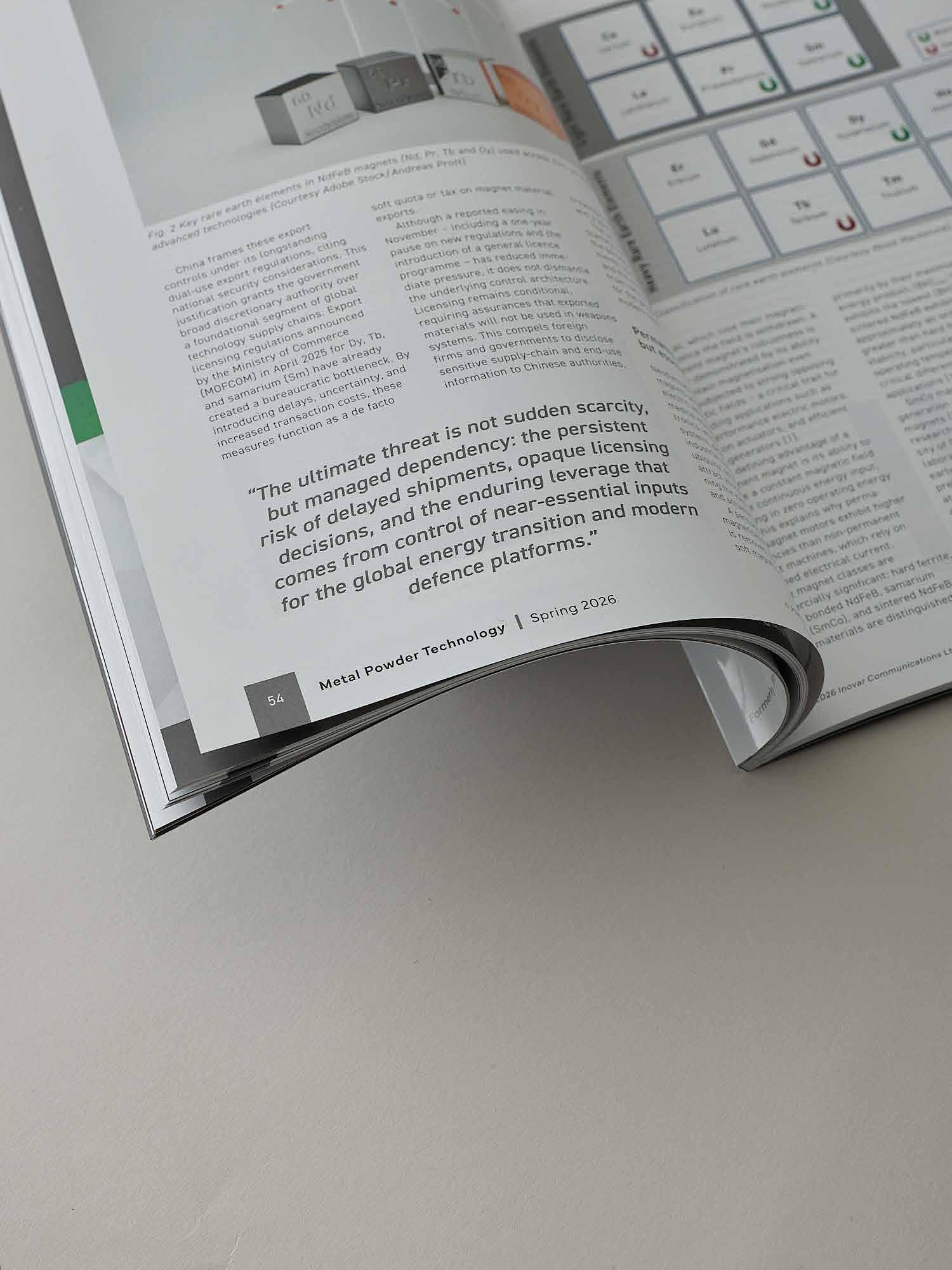
China’s dominance of rare earth permanent magnets has become a critical vulnerability in global industrial supply chains. Control over refining and high-value magnet manufacturing underpins key technologies spanning electric vehicles, renewable energy, and defence. As export controls tighten, the US is pursuing an ambitious effort to rebuild a domestic mine-to-magnet ecosystem.
John Ormerod examines the progress, policy support, and practical manufacturing constraints shaping the path toward supply chain independence.
Enjoy