

We take pride in the natural beauty that trees provide us with —whether it’s the shade on a warm summer day, the vibrant colors that signal the changing seasons, or the resilience of something that grows slowly but endures.
At the same time, Inland Power carries an essential responsibility. This duty involves keeping the lights on, supplying energy to our homes and businesses, and ensuring that when you flip a switch, the power you depend on is instantly accessible.
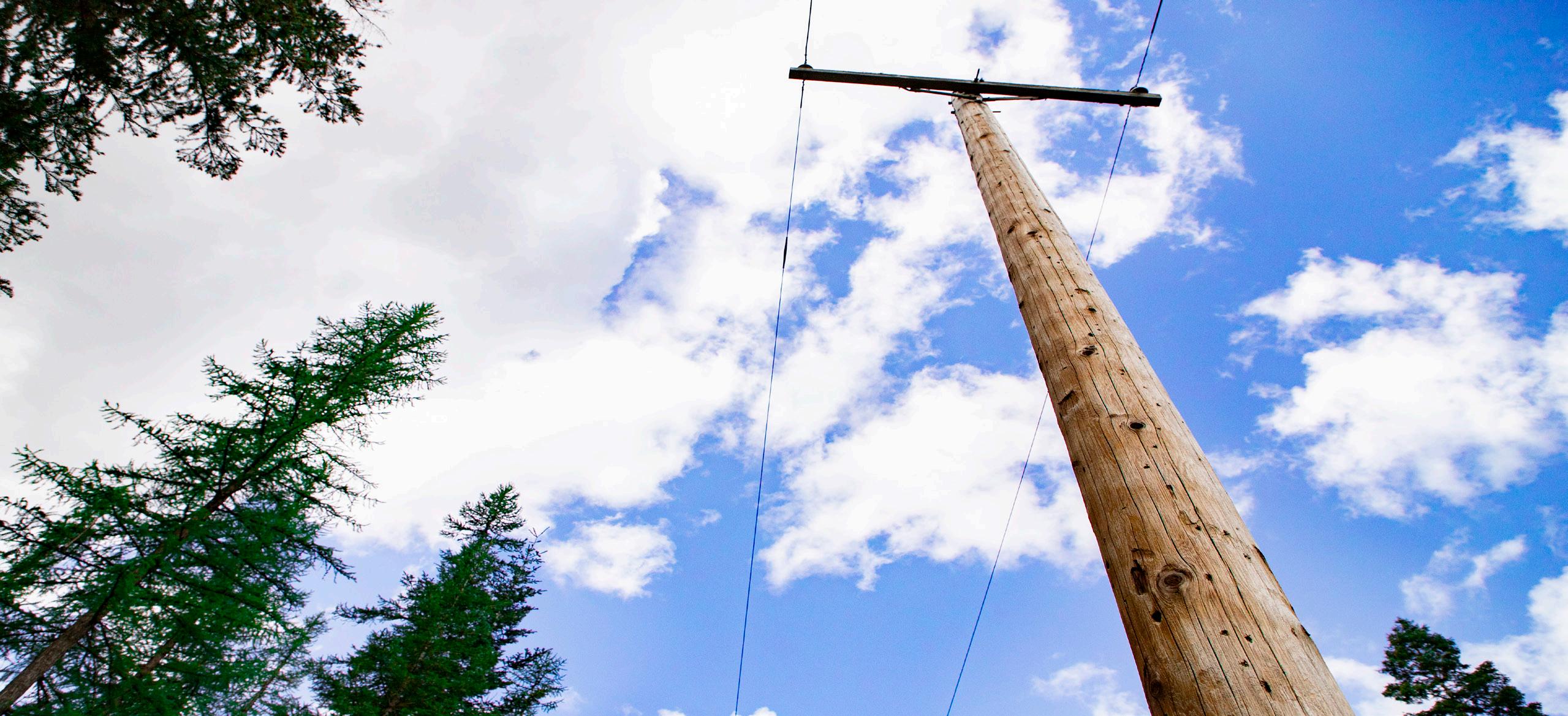
One of the key strategies we conduct to maintain reliability is routine tree trimming. While it may not be immediately apparent, maintaining lines, free from overgrown vegetation, significantly helps in preventing power outages. We’ve all witnessed the
Understanding why vegetation management is essential. What role you can play!
impact of severe weather—strong winds, heavy ice, or unexpected storms. These conditions can cause branches to fall, taking down power lines and poles along with them. In fact, some of Inland’s worst performing area are unreliable due to trees.
That’s why you may notice crews from Inland Power, or our trusted contractors, working in your service areas throughout the year. Our crews are highly trained and follow the latest industry standards to ensure the job is done safely and effectively. Their work might seem routine; however, it’s a proactive step that helps prevent problems before they start.
Vegetation management is not only a best practice; it’s a necessity. Electric utilities nationwide are highly encouraged or even mandated to manage vegetation around
power lines. Regular trimming helps eliminate dead or weakened branches and prevents fast-growing trees from becoming potential dangers. This proactive approach is crucial, particularly as we brace ourselves for the rising frequency and severity of extreme weather events.
We’re also using innovative tools and technologies to work more proficiently. For instance, by utilizing drone inspections, we can monitor power lines and the surrounding vegetation with greater efficiency, leading to cost reductions and enhanced accuracy. These compact yet impactful tools enable us to detect potential risks early and respond quickly.
Our

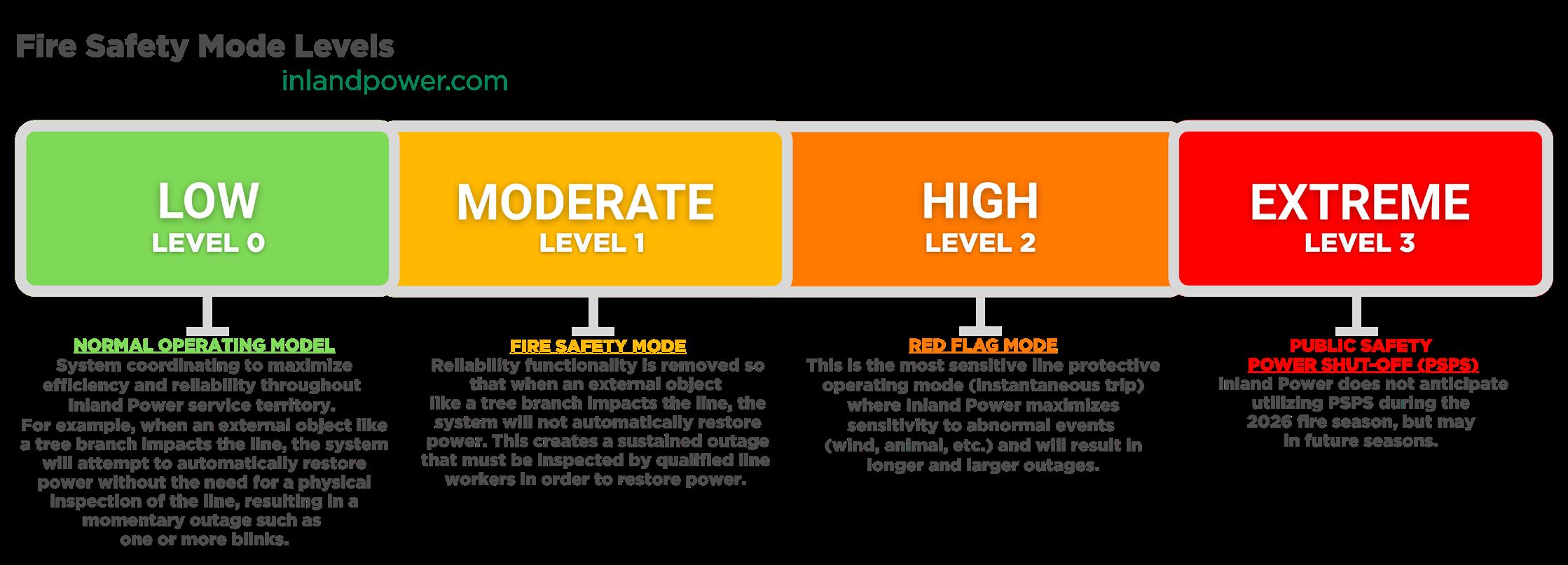
Fire safety mode offers an alternative operational strategy for our electrical distribution system, emphasizing fault detection and de-energization settings over standard operations. Under typical conditions, when an external object, such as a tree branch, contacts our power lines, our devices detect the fault. The devices briefly interrupt power and then attempt to restore it automatically (reclose). If the obstruction is cleared, power is quickly reestablished, leading to only a minor service interruption or a brief blink. In fire safety mode, however, this automatic restoration feature is disabled (non-reclose) in areas with increased wildfire risk and/or in weather conditions causing increased wildfire risk.
As a result, service disruptions that would normally be momentary will be extended, requiring a crew to manually inspect the situation and restore power. Fire safety mode is slated to begin around June 1, 2026; however, this date is subject to change based on weather conditions. Fire safety mode will be active as conditions warrant enhanced system protection settings.
There’s another reason this work matters - safety. Electricity is a powerful force, and when trees grow too close to power lines, that power can become dangerous. Branches that touch lines or even come close can carry electrical current. Children climbing trees in their own yards may not realize the risk. And during storms, fallen trees can create hazardous conditions not only for families but also for our lineworkers working to restore service.
There’s also a financial aspect to routine tree trimming. Preventative maintenance proves to be more economical than dealing with extensive damage following an outage. If not managed, overgrown vegetation can result in increased disruptions, longer outage
times and higher costs for everyone involved. Implementing a well-planned and strategic vegetation management program effectively helps minimize these expenses for our members.
Remember, you play a role as well. When planting new trees, take into account their mature height and proximity to nearby power lines. Trees that will reach heights of up to 40 feet should be positioned at least 25 feet away from overhead lines. For larger trees, those exceeding 40 feet, a minimum distance of 50 feet is recommended.
Additionally, if you’re landscaping near padmounted transformers for underground lines, ensure that shrubs are planted at least 10 feet from the front and 4 feet from the sides
to facilitate safe access.
If your home or business has underground utility lines, make sure to call 811 before you start digging . This simple action can prevent serious accidents.
In the end, we all strive for the same objective: to foster a community that is safe, resilient, and beautiful. At Inland Power, we take great pride in playing a part in this mission.

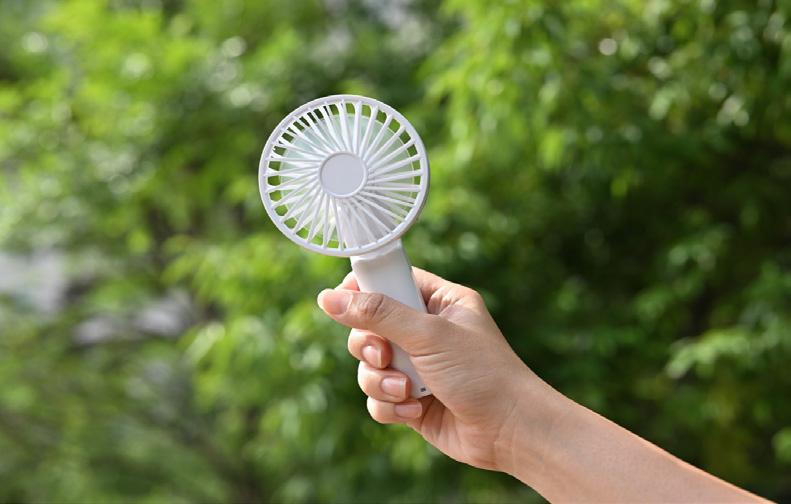
During periods of extreme heat, hot weather combined with outdoor activities can create potentially dangerous situations. According to the Centers for Disease Control and Prevention (CDC), individuals can experience heat-related illnesses when their bodies are unable to cool down effectively. It’s crucial during these times of intense heat to be aware of the risks and take necessary precautions.
To safeguard yourself and your loved ones from the effects of extreme heat, be sure to follow these important guidelines:
Stay hydrated by drinking plenty of water, avoid strenuous activities during the hottest parts of the day, and seek shelter in air-conditioned environments whenever possible.

Additionally, wearing lightweight and light-colored clothing can help keep your body temperature down. Remember, by taking these steps, you can

risk of heat-related health issues and enjoy the summer safely.

It’s important to stay updated with the latest developments in your area, especially during extreme weather conditions. Make sure to check your local news regularly for any extreme heat alerts. Your safety and well-being are a priority, so keep an eye on the forecasts and stay prepared for any changes in the weather.
Don’t forget to check on your senior friends and neighbors during hot weather. A quick visit or phone call can ensure they’re alright.

We wish you an enjoyable summer filled with fun and relaxation, while staying safe and cool!