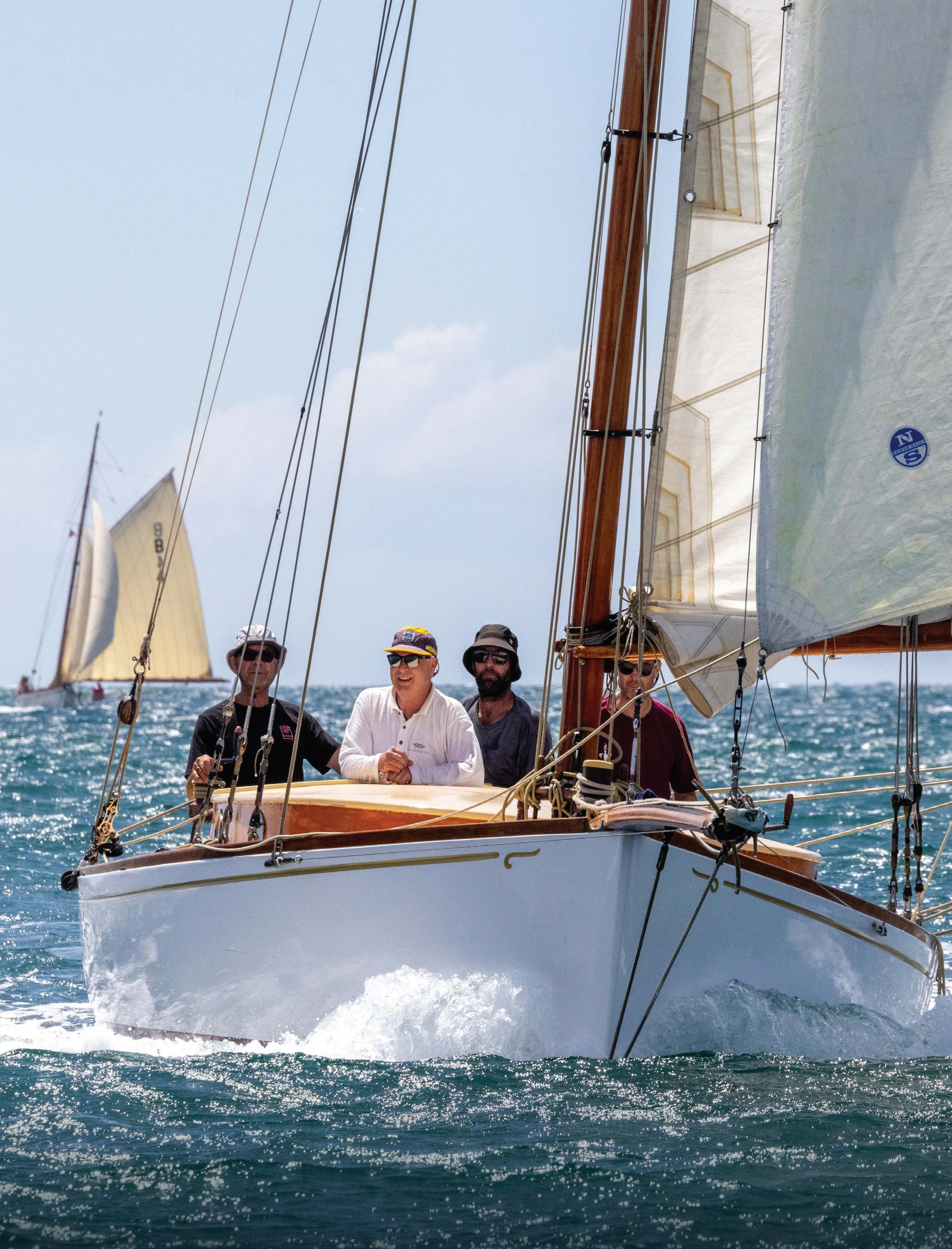

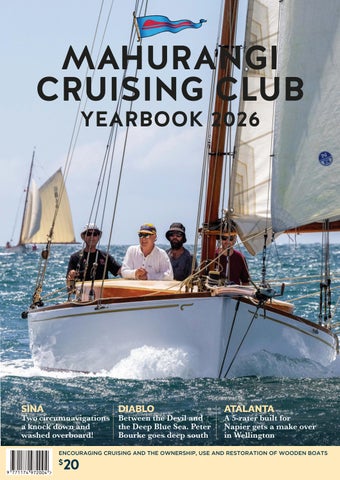
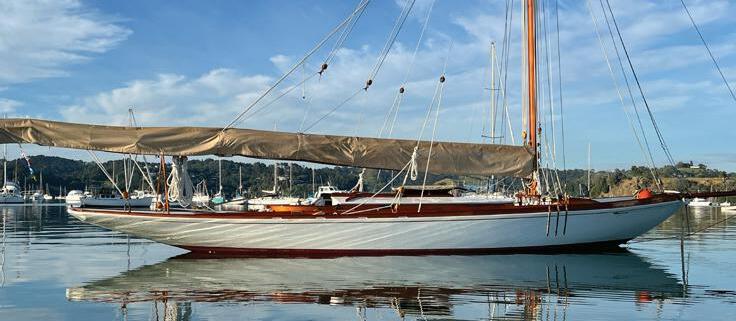
DIABLO
ATALANTA
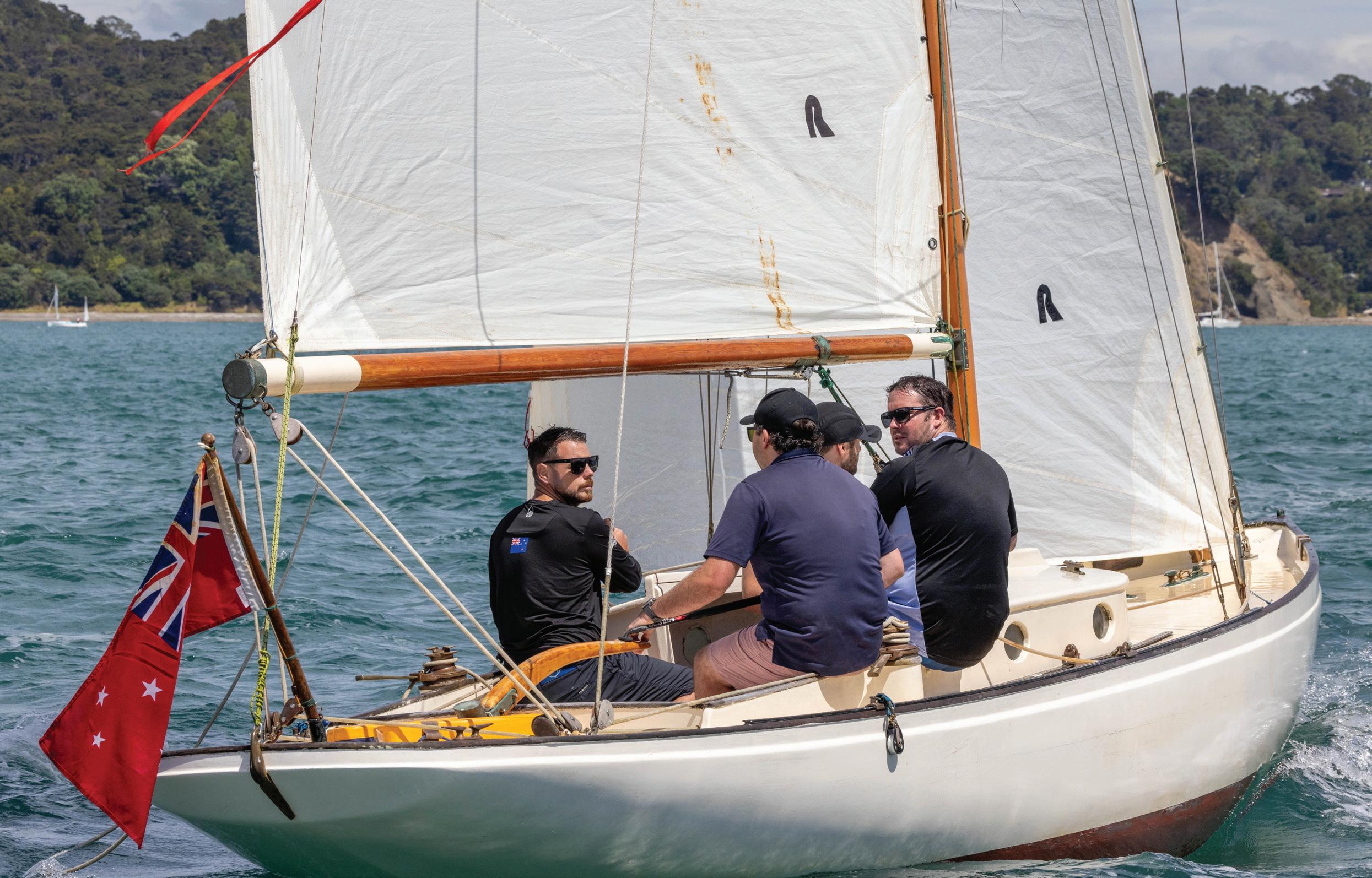
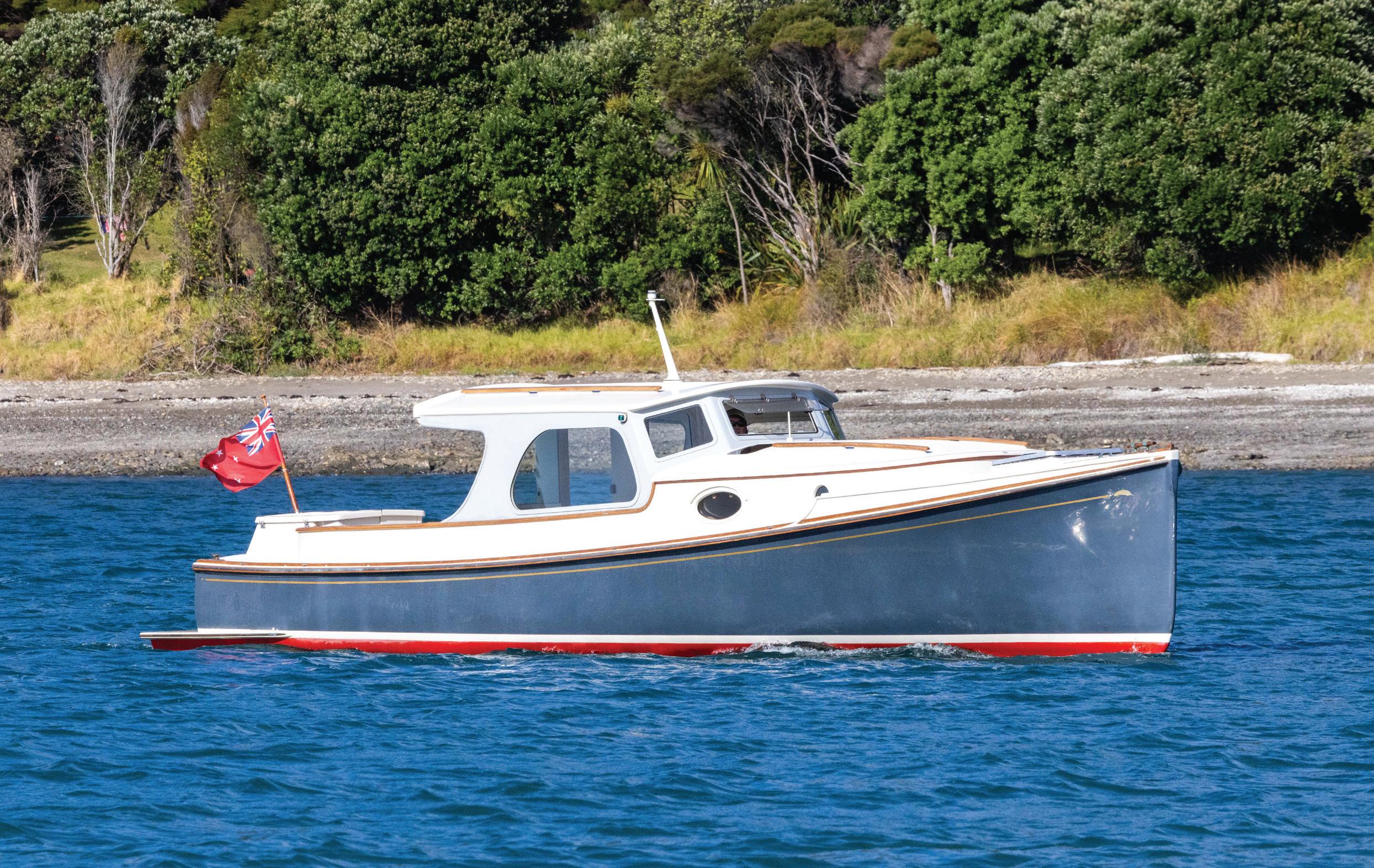
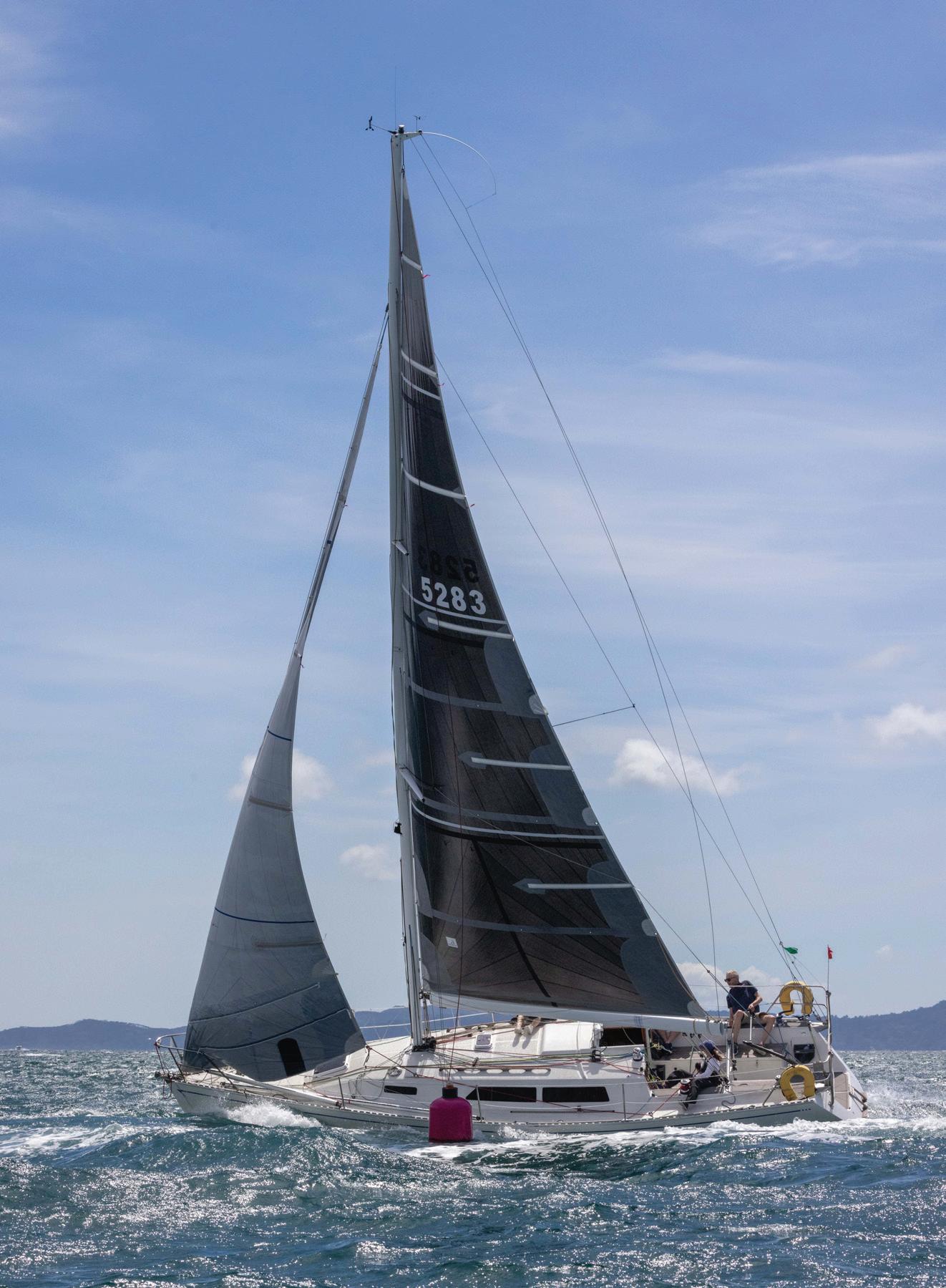
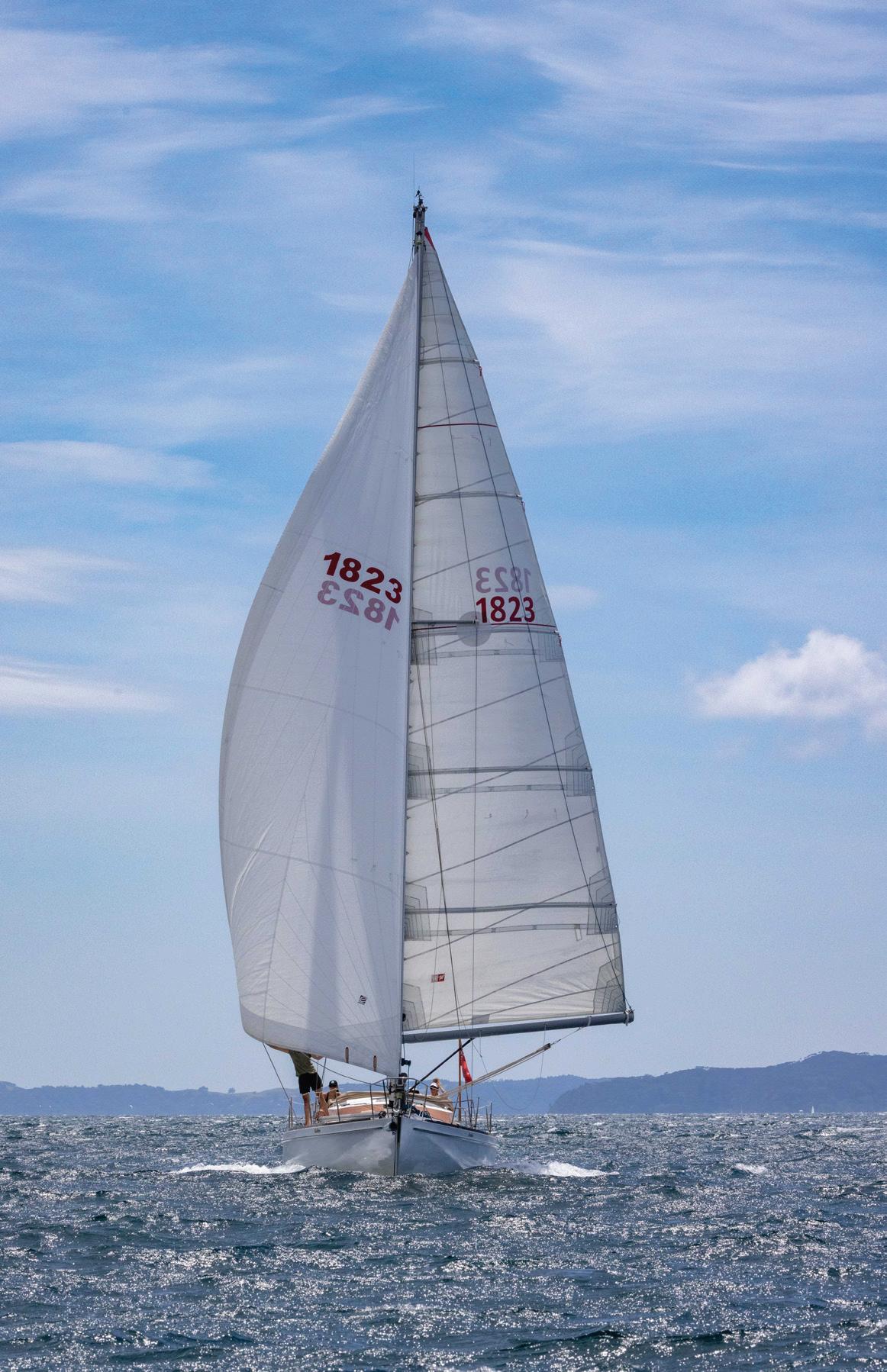
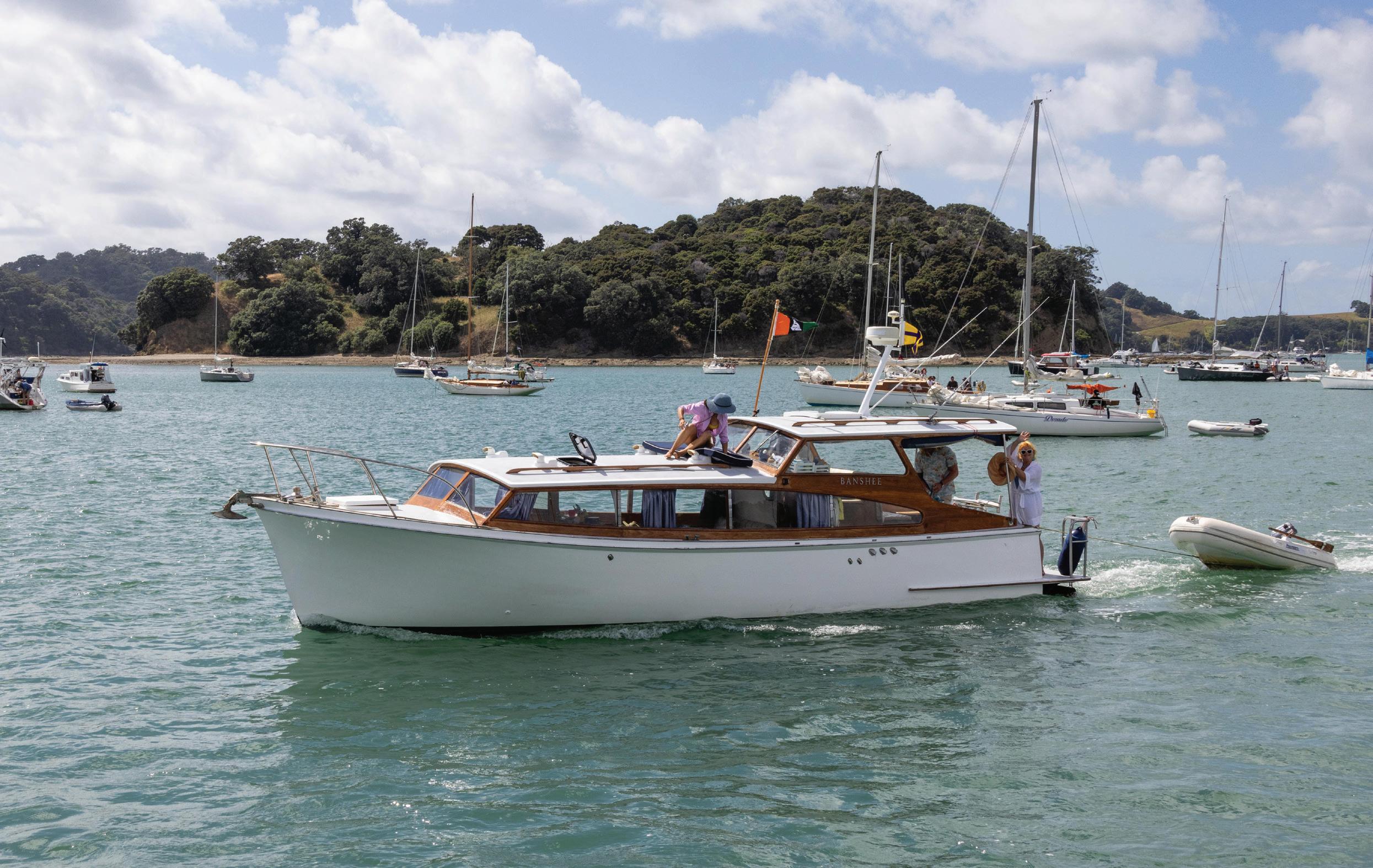
A 5-rater built for Napier gets a make over in Wellington
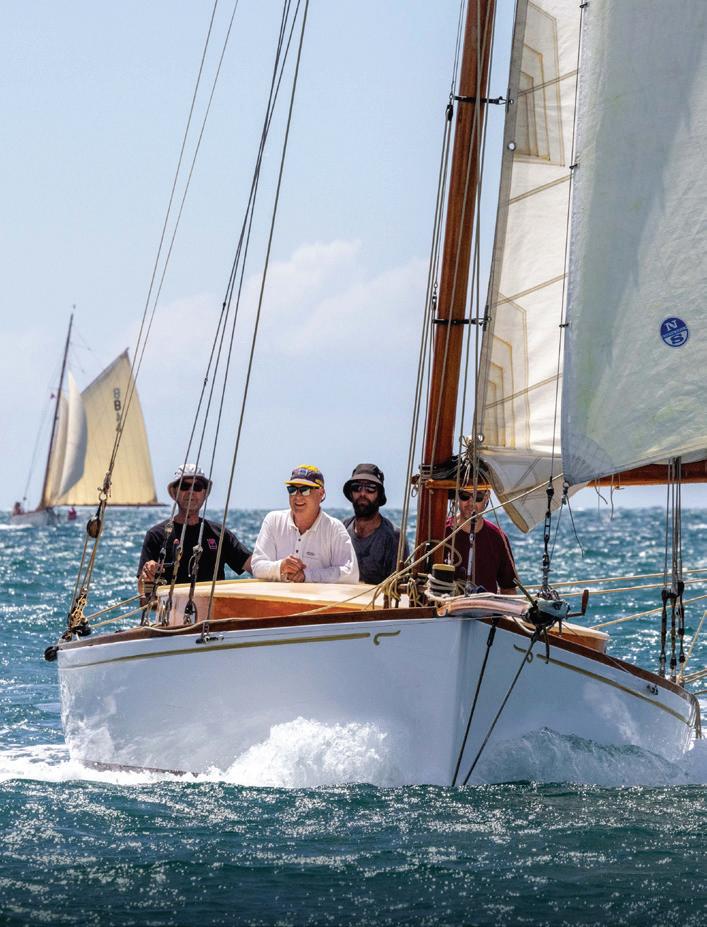
DIABLO
A 5-rater built for Napier gets a make over in Wellington
Specialist boat insurance allows you to protect your yacht and spend more time on the water, worry free. We’re on the water too. See you out there!
Local experts making insurance easy.




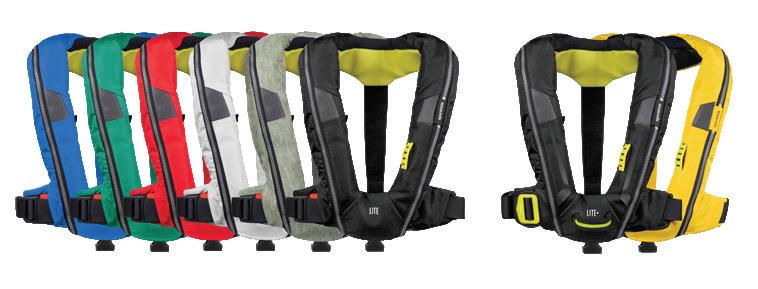
DECKVEST LITE & LITE+
Available in a range of colours the jackets designed to be lightweight, low profile added comfort. The Deckvest LITE+ range has an integrated deck safety harness with a soft loop safety line attachment point.
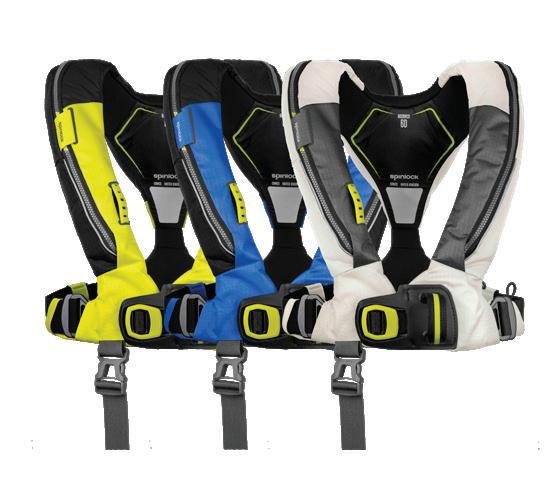
DECKVEST 6D
Designed for open water, coastal and offshore activities. Available in 170N & 275N models
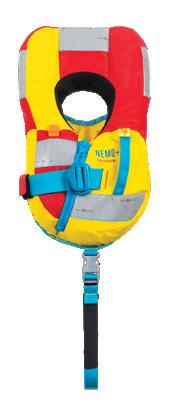
NEMO
Recommended for infants more than 15kgs and children between 15-30kg. Comes with a back harness for a safety line (keeps small hands away from the clips) and has a front hand-only grab handle for adults to life the child to safety, cleverly designed to reduce snagging risk.
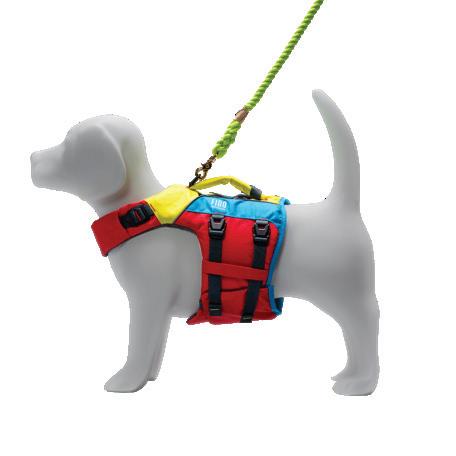
FIDO
Designed with the same precision and quality as marine safety equipment, the FIDO flotation vest provides buoyancy and comfort, allowing dogs to embrace adventures with confidence.
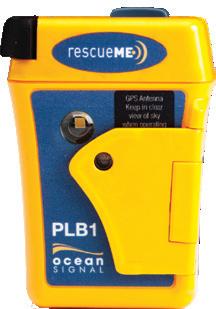
PLB1
Compact, light and the smallest personal locator beacon in the world utilises advanced technology to broadcast your distress signal to global search and rescue authorities, ensuring swift assistance when it matters most.
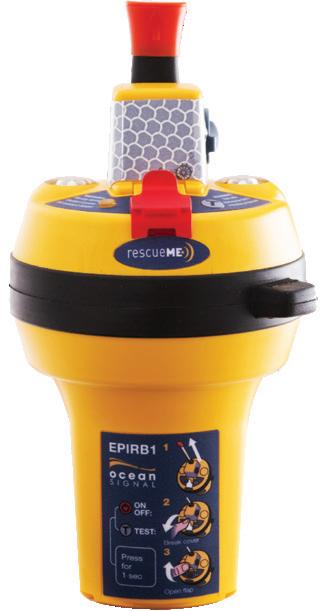
EPIRB1
Your lifeline on the water. Fitted to your vessel, it sends a distress signal with precision, facilitating a rapid response to your location.
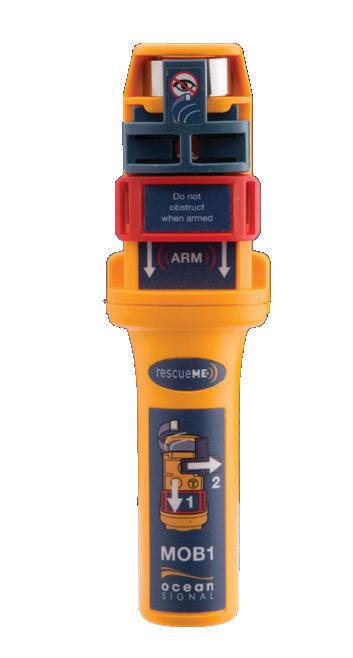
MOB1
The best chance of rapid rescue if you fall overboard comes from your own vessel. Once activated your MOB1 will transmit an alert to all AIS receivers and AIS enabled plotters in the vicinity. The integrated GPS ensures precise location is sent to your vessel and any others that may be able to assist.
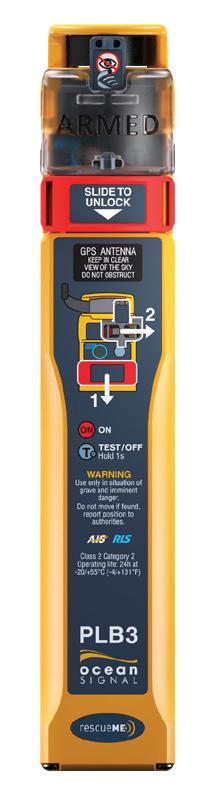
PLB3
Multiple levels of integrated signalling technology including 406 MHz and GNSS (GPS, Galileo, Glonass) positioning. The addition of AIS (Automatic Identification System) transmissions means the PLB3 AIS Personal Locator Beacon simultaneously alerts all vessels equipped with AIS transponders within the VHF radio range of the PLB’s distress position. This greatly increases both the likelihood and speed of rescue since nearby vessels receive the alerts.
Encouraging cruising and the ownership, use and restoration of wooden boats
Warkworth, New Zealand. Website: mahurangicruisingclub.org

Mahurangi Cruising Club
Issue 26 - December 2025 - ISSN 1174-9725
DESIGN, PRODUCTION & EDITING
STEPHEN HORSLEY - Ngatira srhorsley@gmail.com M: 027 280 7497
SUB EDITORS & PROOFREADING TEAM
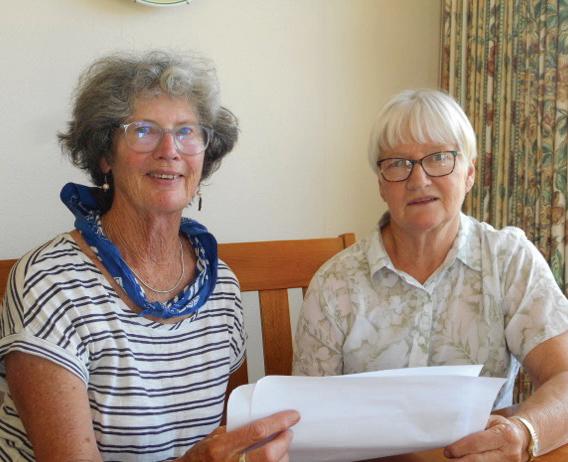
Jill Hetherington - Tuna
Margaret Howson FACT CHECKING
Martin Howson


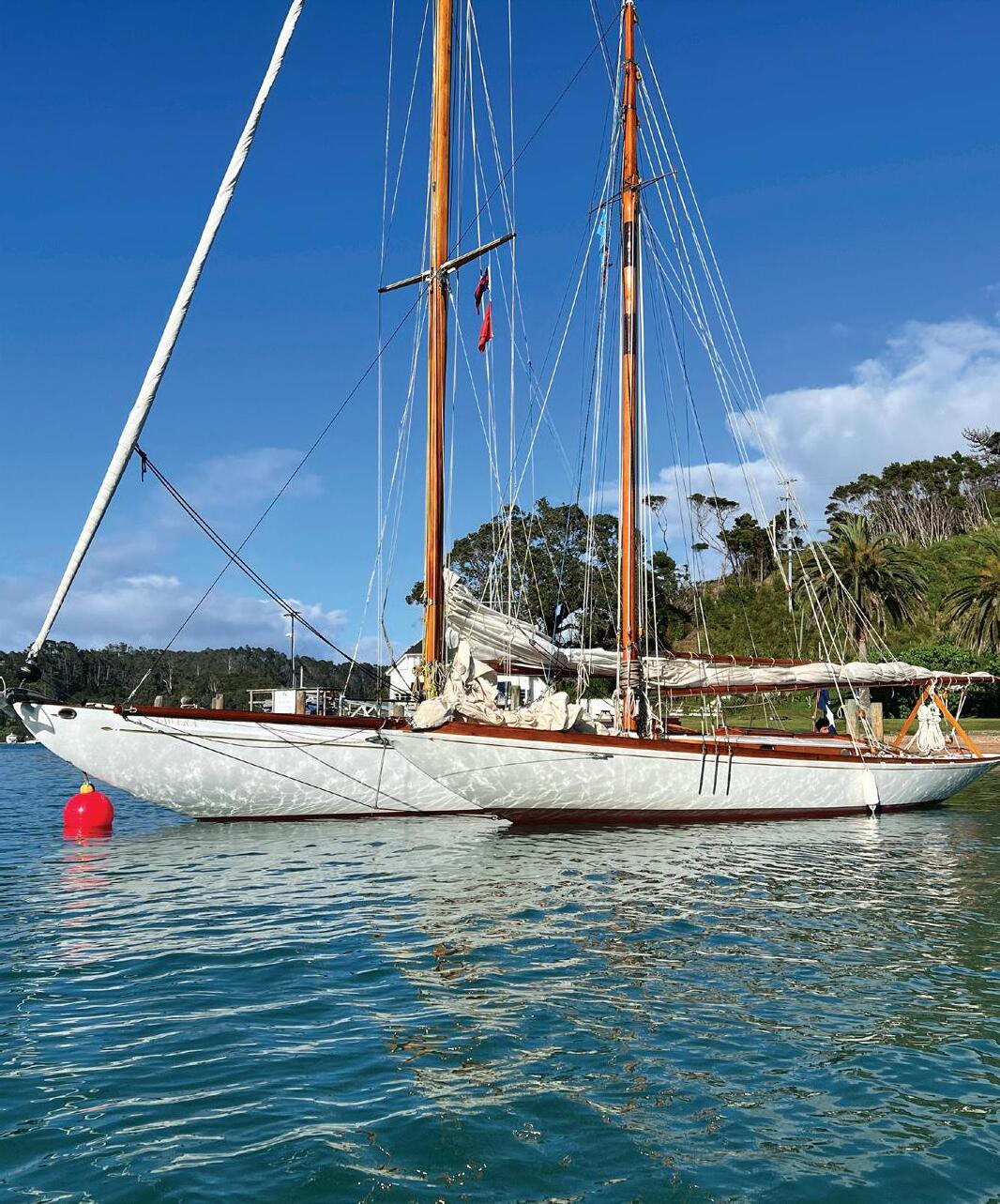
The relaunching of Ngatira was a momentous occasion on many fronts. Another five years on the hard but this time the job was done right and the leaks are all but forgotten. I had a moment on one occasion when checking her, lifting the floorboard to discover a dry bilge. My brain took a while to register this unknown phenomenon – we’re talking about a one hundred and twenty one year old gaffer with a dry bilge! I stared and thought ‘is there something wrong?’ All that hard work gave birth to dry bilges. Hallelujah.
Boats eh? A constant thorn in the side regarding maintenance. You can’t let them sit there and gather weed and guano – go sailing, enjoy but the maintenance is penance along with foul weather.
It is a pleasure to see all these classics, and mid-century yachts and launches, the pride of their owners on display and still racing. That’s what Mahurangi Regatta is all about.
Again I thank all who have contributed to this wonderful publication. Without your articles and stories it would be half what it is. My humble apologies for continually nagging to get something from you but the readers just love it.
Thanks to Roger Mills for his outstanding photography, please support him and purchase that image of your boat you might see within these pages.
And to all the advertisers thank you for your support in this magazine and the Regatta.
Readers, please support those that have advertised here, we can all help and support each other.
As I write this the season is about to kick off with the famous Coastal Classic Race and the Spring Splash we used to hold at Kawau which now is hosted by the Ponsonby Cruising Club and Kawau Boating Club.
I hope you participated and had a great long weekend.
See you out there on the water.
Selene Buttle
Jacques De Kervor
Jill Hetherington
Stephen Horsley
Svetlana and Boris Penchev
Ari Robertson
SECRETARY - TRESURER
Anne Buttle
HISTORIAN - TROPHIES
Victor Hopwood
MAHURANGI CRUISING CLUB office@mahurangicruisingclub.org
COMMODORE • Richard Dodd office@mahurangicruisingclub.org
VICE COMMODORE • Hugh Gladwell hughgladwell@gmail.com
Copies of this Yearbook are available from selected outlets or through the Club’s email address at $20.00 each. For clubs with similar interests, it is free in exchange for a copy of their Yearbook. Payment can be made online to 12-3095-0126805-00
REAR-COMMODORE
Hugh Gladwell
Richard Dodd
Start Boat
Richard Dodd (Officer of the Day)Brian Taylor
Selene Buttle
Anne Buttle
Yearbook Team
Stephen Horsley - Editor - Design & Production
Stephen Horsley - Sales
Debbie Whiting - Advertising
Proofing Team
Margaret Howson - Captain
Jill Hetherington - First mate
Martin Howson - Referee
Become a member and join our yearly activities. Still the cheapest in the Southern Hemisphere $35 (including the Yearbook) for the coming year.
Note that Membership is included in the Regatta entry. Payment can be made online to 12-3095-0126805-00
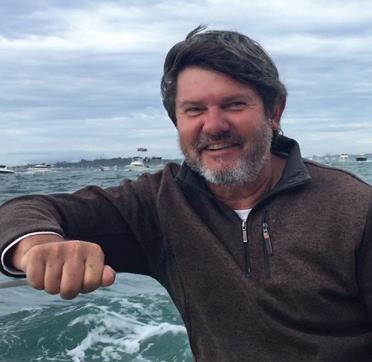
wenty twenty five has been a year of transition for the Mahurangi Cruising Club, as the Club assumes greater responsibility for the organisation of the annual Mahurangi Regatta, while maintaining the longstanding collaborative spirit with Mahurangi Action.
I would particularly like to acknowledge the contribution of Cimino Cole and his wife Sarah (who have now left this area), whose dedication through Mahurangi Action has been central to the success and identity of the Mahurangi Regatta for decades. Their involvement stretches back to the revival of the Regatta in 1977 by Friends of the Mahurangi (later Mahurangi Action). Many will remember the Millennium Ball at Scotts Landing in 2000 — complete with a marquee and a 19-piece jazz band — which proved so popular it became an annual Anniversary Weekend fixture through to 2024, pausing only for cyclones or COVID.
Their contribution to the Mahurangi was far wider than the Regatta. Concern over harbour siltation led them to establish a community native plant nursery and drive extensive riparian planting along the streams feeding the estuary. They championed environmental protection, took on policy battles both local and national, promoted public access to the harbour’s reserve lands, and ensured the publication of Jade River, the comprehensive history of the area. Their service to the harbour and the community over nearly 50 years has been remarkable, and we acknowledge their legacy with respect and deep gratitude.
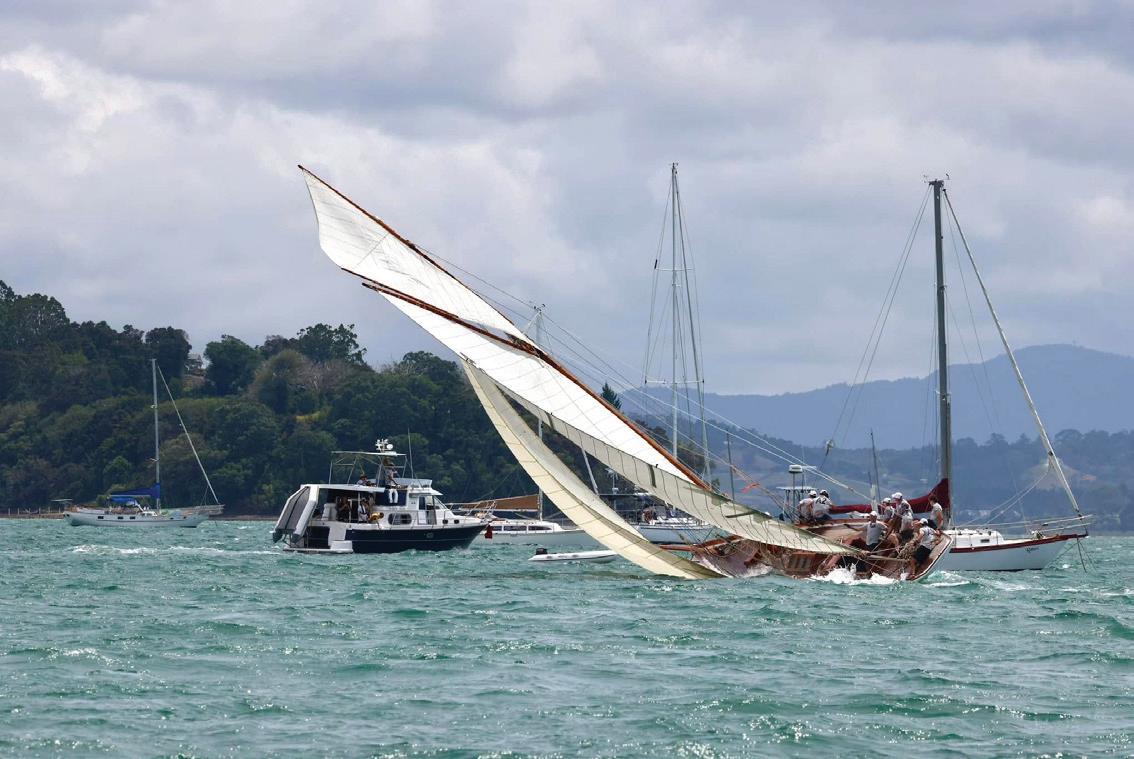
The 2025 Mahurangi Regatta was again a memorable and well-supported event. Although the weather kept us guessing, the earlier start times were widely appreciated and will now be adopted going forward. A building northerly in the afternoon brought a lively edge to the dinghy and Te Haupa fleets, and the spectator boats pressing out into the channel off Scotts Landing created a few tactical puzzles for keelboats approaching the top mark off Oaua Point — all part of the character of Mahurangi sailing.
A special thanks to the CYA for coordinating the launch parade, and to Brian Taylor and his RNZYS team who ran the yacht racing from aboard the Jane Gifford. Thanks also to Anne Buttle for her clever and timely race-result wizardry.
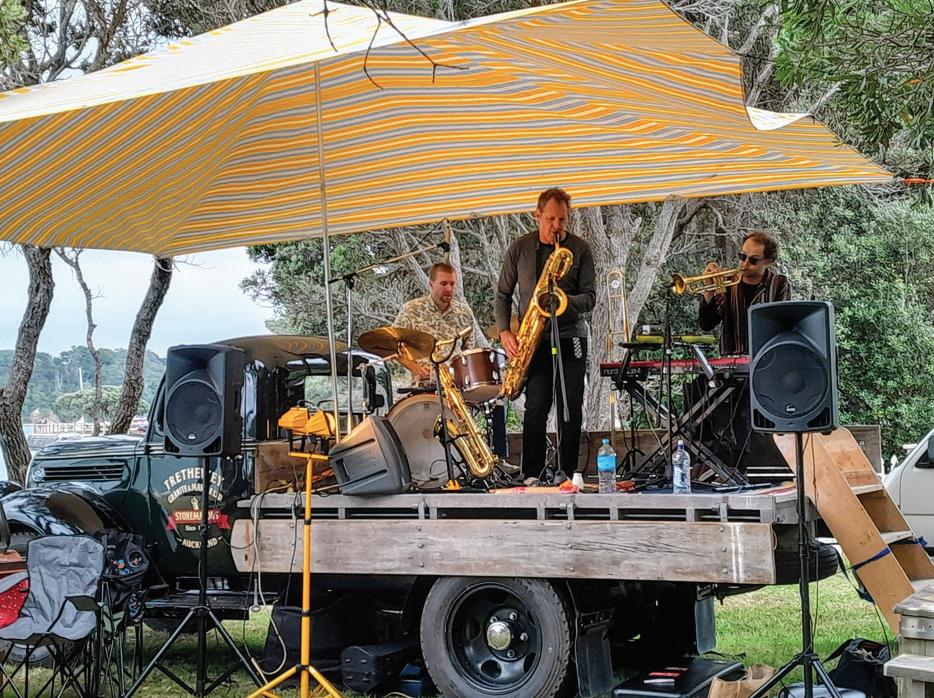
The shoreside gathering again carried that familiar Mahurangi character — families and old friends mingling with new faces, stories being traded, children running around, and the sense that the Regatta belongs to the whole harbour community as much as to the sailors. A warm thank you to Bruce Threthewey, whose vintage truck made for a charming stage for both the band and the prizegiving. A burst of rain softened the proceedings a little, and we certainly felt the absence of the big marquee this year — but rest assured, it will be back for the next Regatta.
Away from the water, a highlight this year was the Mid-Winter Party, kindly hosted by Hugh Gladwell and his wife Dorothy in their beautifully converted boatshed. It was a relaxed and very enjoyable evening — a reminder that our Club is, above all, a community.
A big thankyou to our retiring committee members Ngaire
Hopwood, John Caulkwell and Martin Howson: Ngaire for her vigilant management of the Club’s finances, John for his recent co-ordination of the marine safety protocols and Martin for his longstanding support in a variety of aspects.. A special welcome to our new committee members Anne Buttle and Ari Robertson – it’s encouraging to see the average age of the committee trending down. Thank you also to everyone who keeps the Club active and welcoming:
Our committee, for steady governance and time freely given.
Our Sponsors, whose support makes our activities possible.
Debbie Whiting, for coordinating sponsorship and advertising. Stephen Horsley, for his ongoing work on the Club magazine — our record of who we are.
Roger Mills, for beautifully capturing the spirit of the Mahurangi Regatta on film.
To all members, sailors, volunteers, and supporters: thank you. The Mahurangi Cruising Club continues to thrive because of your participation, goodwill, and care for the harbour we share.
I look forward to the year ahead — and to seeing you all on the water.
Richard Dodd Commodore Mahurangi Cruising Club
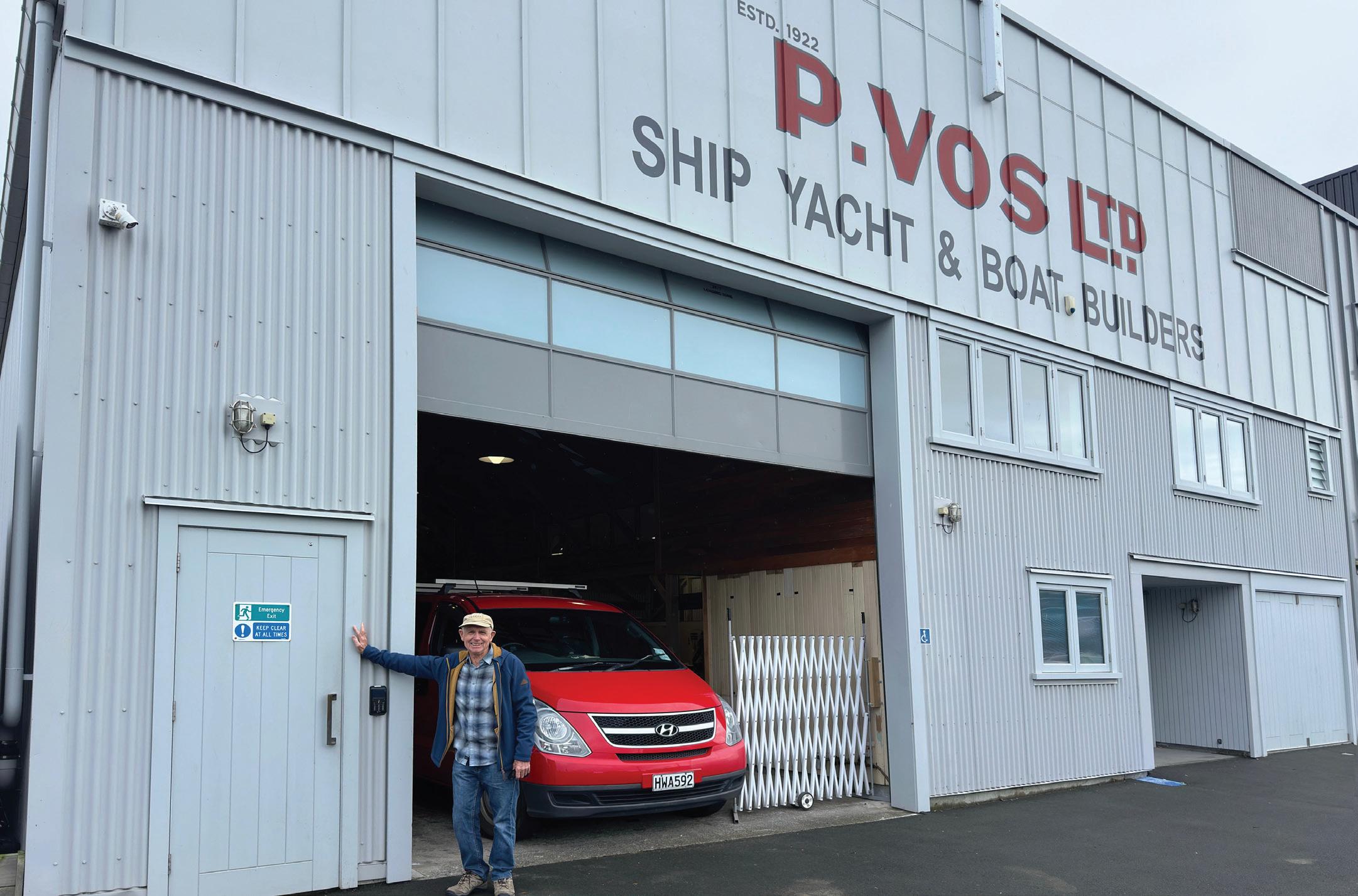
The Percy Vos Charitable Trust has now fulfilled its original purpose and has merged with the New Zealand Traditional Boat Building School. Moving forward, its efforts will support the school in re-establishing and developing new courses in 2026 based at the Percy Vos Heritage Boat Shed. These are likely to include the following topics: basic woodworking skills like toolbox building, sharpening of tools, half model building, fundamentals of boat design, clinker dinghy building and repairs, wooden boat maintenance, caulking, steam bending and fastening ribs, cordage and ropework.
The school will also plan some evening talks with guest speakers. The space will be friendly and social and will grow with the needs of the people who take a genuine interest. Of course, this depends on attracting passionate tutors and volunteer staff. If anyone is keen to become part of this, please contact the school by emailing badenhp@xtra.co.nz
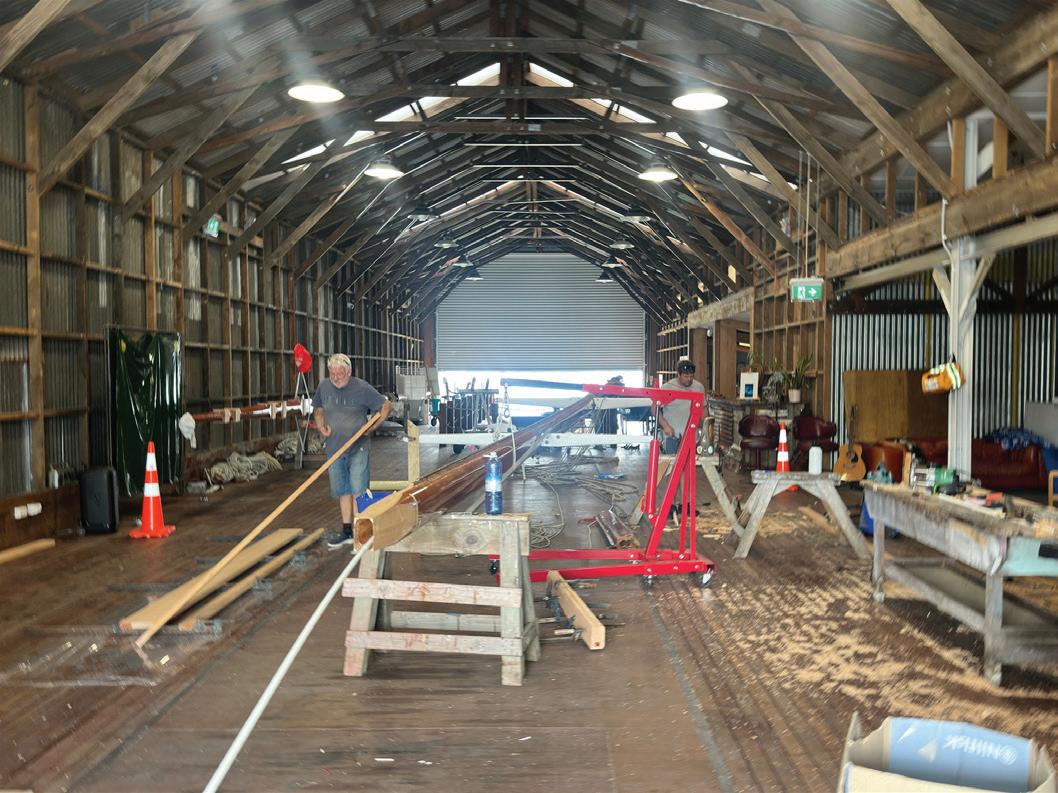
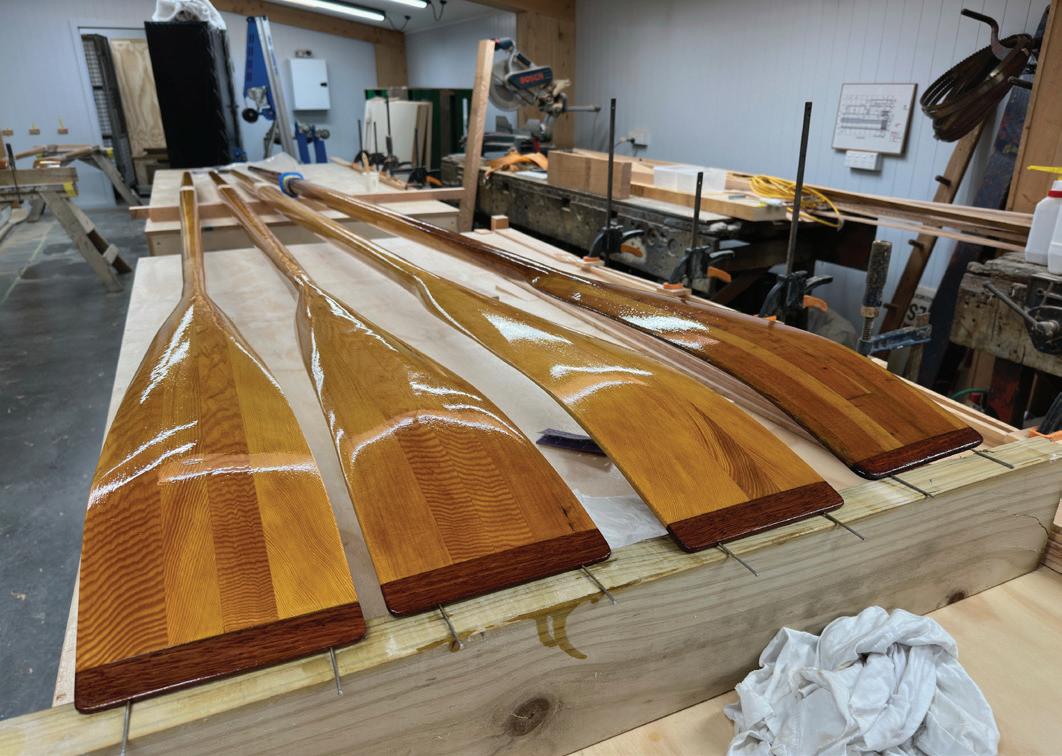
Some projects the New Zealand Traditional Boat Building School has hosted recently at the Percy Vos Heritage Boat Shed were the repair of the A class keeler Tawera’s broken mast top section and the refitting of the 1898 A Class keeler Thelma’s mast with new cast bronze hardware. Also, six pairs of sweeps for the Oparau Whaleboat Rowing Club based on the Kawhia Harbour crafted by Mark Robinson and Steve Cranch. Observing these lovely items going through various stages of manufacture was an absolute delight, not to mention the stunning finished items.
Take a short walk across to the shed during the Auckland Wooden Boat Festival and experience a very special place and learn what the NZTBBS is all about and our plans for the future.
WORDS: Baden Pascoe
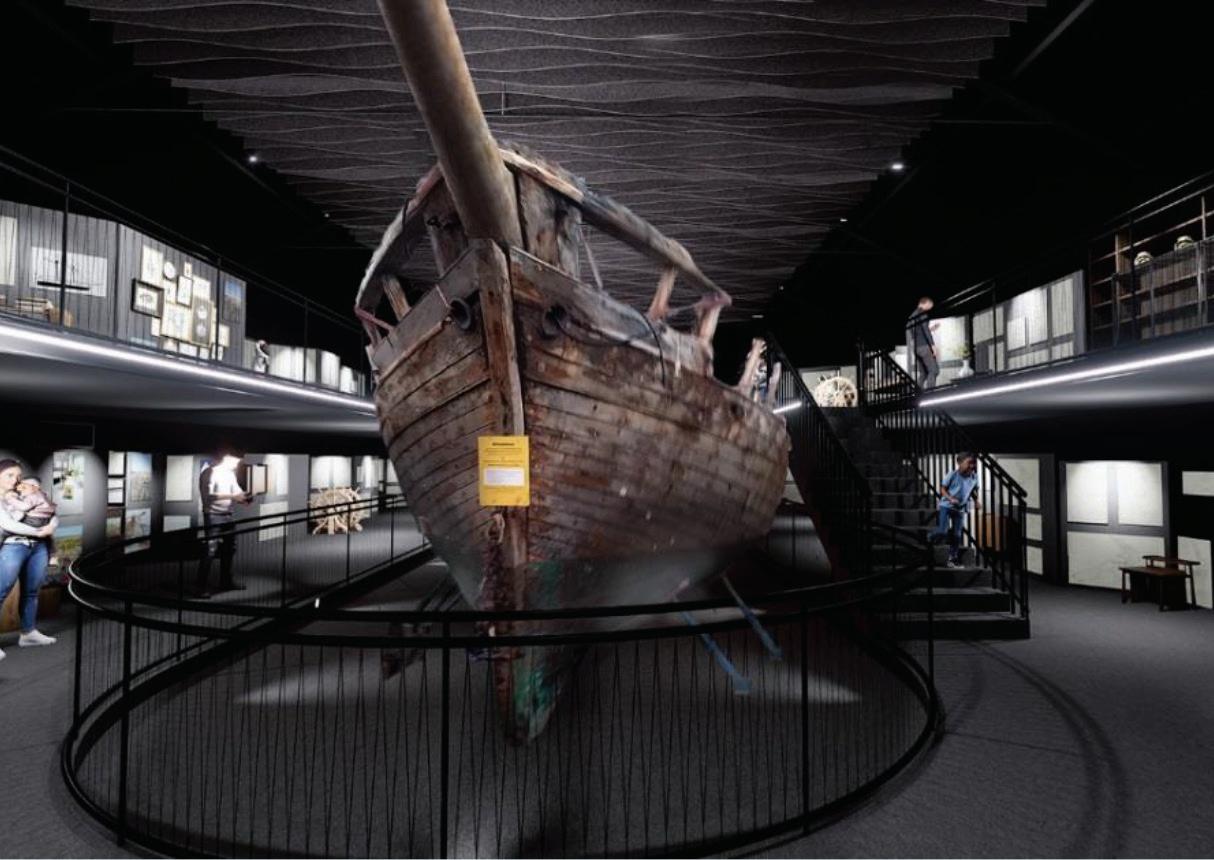
It’s been a few years since the 1863 schooner Daring has featured in the Mahurangi Cruising Club Yearbook. Featuring in this publication is very fitting as Daring was built at Mangawhai Heads and one could say she is a local and an example of the lovely little ships built between Auckland and Whangarei Heads. I might be biased but what a stunning little ship she is and her lines are pure functional art, so eye-catching for anyone. Added to that, she will now be performing a function far more important and meaningful than her builder, owner and skippers ever dreamed of. Since she came off Te Oneone Rangatira (Muriwai Beach) she has become an internationally recognised maritime historic icon and during this time the Mangawhai Daring Trust has given great thought to her curation and the environment she will be placed in to best share her stories
same song sheet about how we will position her and her stories in
a mezzanine floor giving further space for both still and dynamic exhibits. From the outset of this project the main design brief for the complete building is driven by the word “discovery” so before our visitors enter the main exhibition space where the Daring is we will put them in a simulated environment so they can experience the same challenges Capt. Phipps, his crew and passengers did leading up to Daring’s beaching in 1865. We hope this will have the same effect as a well-designed movie trailer creating the feeling “I want to know more”. All this will take place in a 4.8 x 15-metre story space in front of the ship, before entering the main hall. Between the existing Mangawhai Museum and new building will be an education space where school groups can be briefed and debriefed. Another aspect of the building will be temperature and humidity control and this is vital to the ship’s welfare. We are hoping that the
the national and regional museum market. All this starts with the word “Discovery” and the total experience will be about stepping back to life on the West Coast of North Island New Zealand in the 1860s. With developing visual and audible platforms we know we can raise the bar and create a “must see” experience.
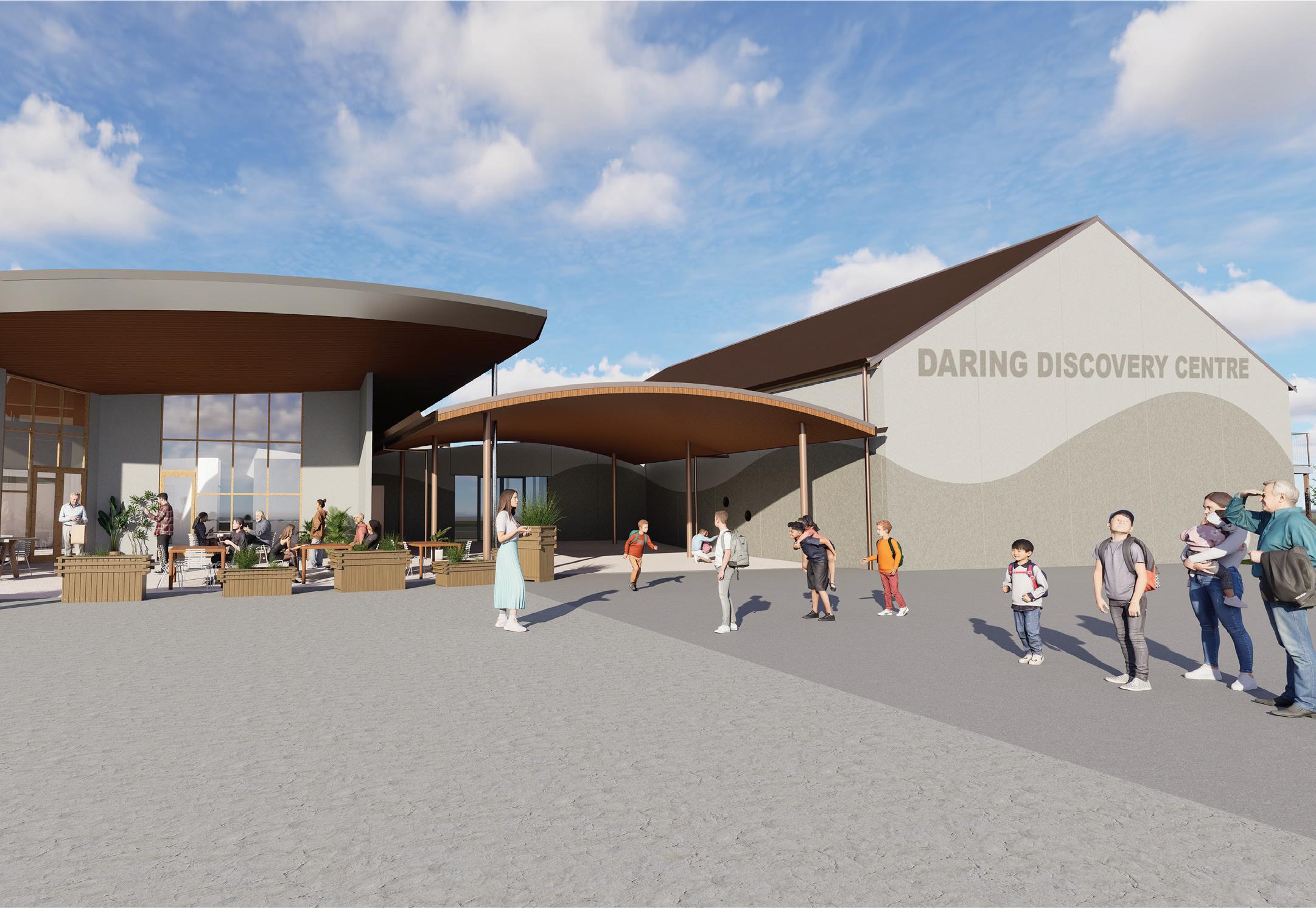
So, what will all this look like? The Daring Discovery Centre was originally planned as an independent standalone building however both the Mangawhai Museum and Historical Society and the Mangawhai Daring Trust came to the conclusion that by joining the buildings they would create a more “worthwhile destination”, while delivering reduced operational overheads and volunteer time requirements. Added to the visitor experience is the adjoining Mangawhai Historic Village which has additional events space and movie theatre.
The main exhibition hall where the Daring will be housed will be on a 15 x 23.5 metre footprint. Running around the edge of this will be
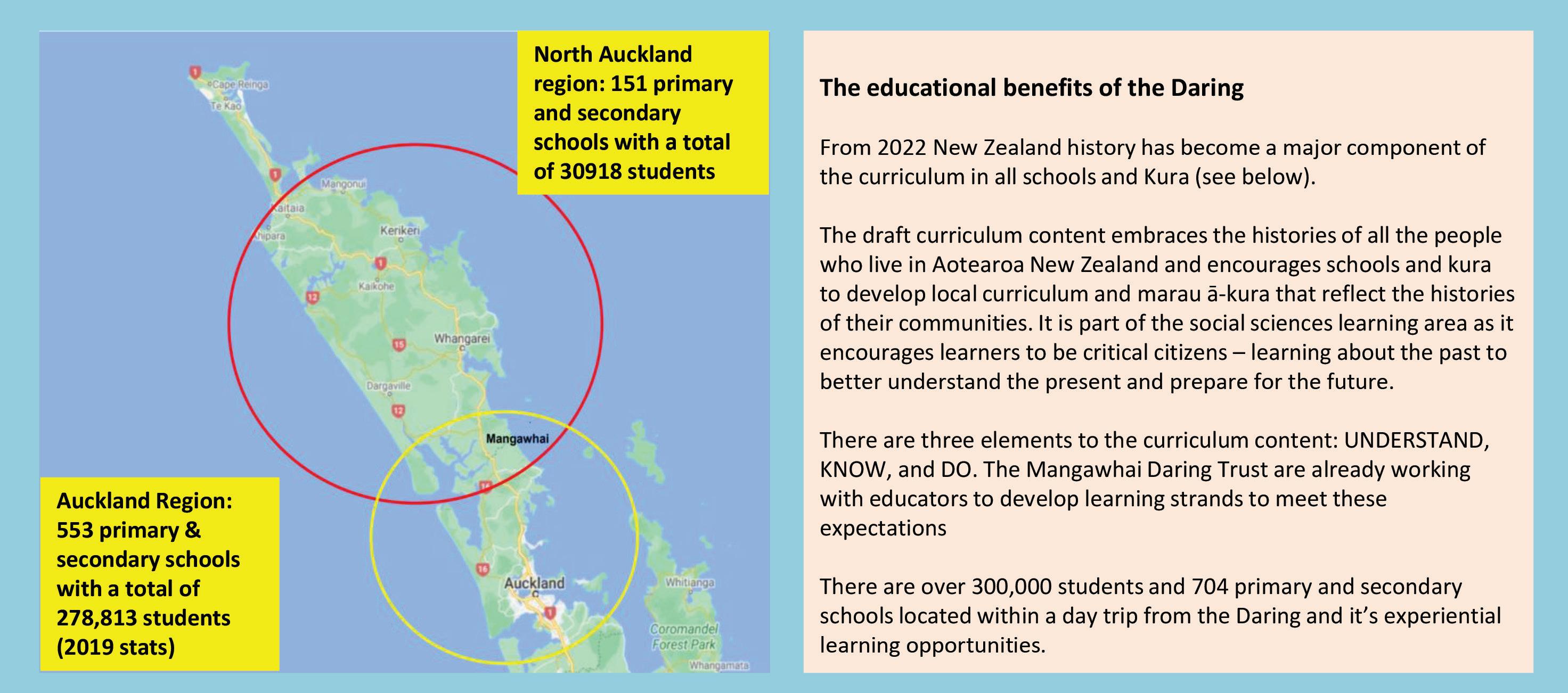
This Centre is not just about a ship–there are other opportunities to tell the stories of her builder, skipper, owner and the conditions she worked in. All these people typify the types of people who came to New Zealand in the 1860s. During the time we have been the Daring’s custodians we have learnt a lot about these people via the work of Don Armitage, one of our valued specialists. Don has gathered a heap of material on all these people and summarized it in small affordable books. Diana McGurk, Sam Phipps’ great-great granddaughter, has produced yet another stunning little book about the life of the Daring skipper, Sam Phipps. All this material can be further developed as displays and animations.
The technology around the designing and building of the ship is an ongoing journey and has nurtured many a discussion where we have challenged each other on our findings and theories. This is really healthy stuff as we eventually agree that we have got it right. All this often leads us off track into other research of life around New Zealand’s coast in the 1860s and 70s.
Another story we think is very exciting and even thrill seeking is working bar harbours like the Daring did. These are still scary places in today’s world. Just imagine doing this without the ability to press a starter button when things start to go wrong. Daring’s last home port being the Manukau Harbour provided more than enough excitement with the entrance offering two main options with large sand bars on each side of the channel.
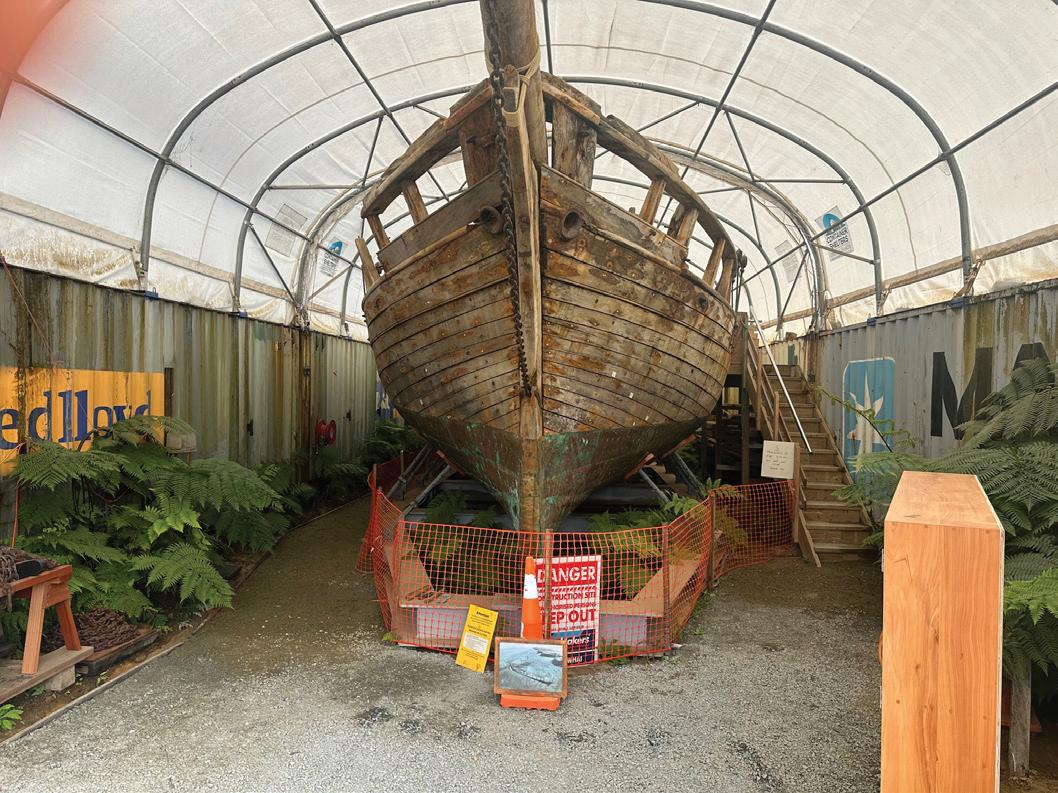
The other factor was the tidal flow and a wise master timed it so it worked to their advantage. The Signal Master’s instructions from the shore consisted of combinations of square shapes and balls. The interpretation of these needed to be imbedded in a skipper’s memory or on hand in some form of waterproof format. We have some great ideas of how we can bring all this alive and make it very interesting for both students and anyone who is interested. All things said, the Daring and her temporary housing are now open for business. We have curated this space via a timeline around the enclosures wall leading up to the Daring rescue. To be honest, her recovery is an amazing feat on its own and tells the story of the totally innovative hands-on team led by Brent Shipman of Total Marine. This event was a very special few days and it can be told via TVNZ/John Hudson’s Daring Rescue Documentary screening now at the temporary shelter.
With a project agreement in place, architectural drawings complete and the support of the Kaipara District Council we are now at the “shovel ready” stage. This vision is very achievable and totally sustainable and will become a sought-after destination for all. We are now in full swing with fundraising to enable us to complete various steps. Ideally this vision could be realised sooner rather than later if we could attract a stand- alone donor who intends to align themselves or their family with this lasting legacy.
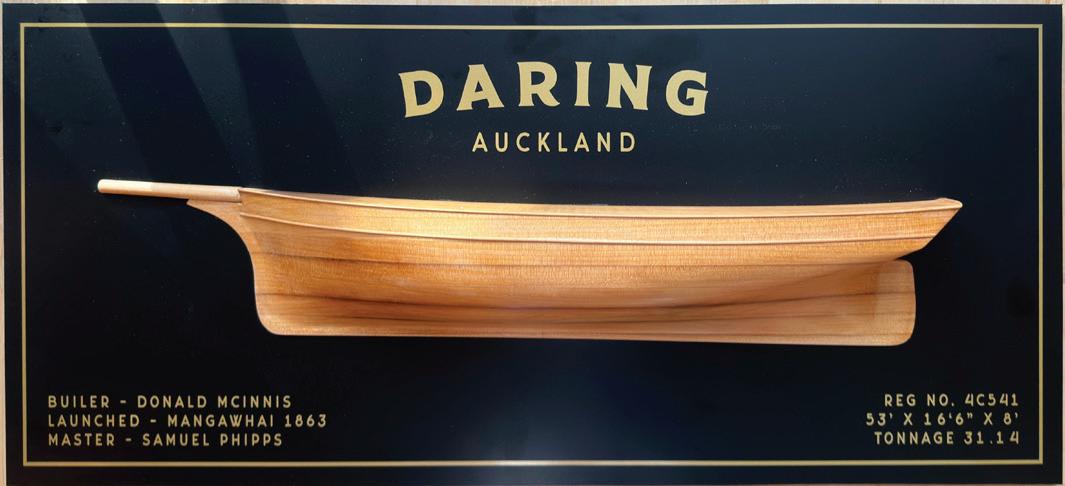
Over time our Trust has been developing merchandising products consisting of information booklets, high-quality shirts, ships lines and our top shelf item is a mounted half model complete with a certificate of authenticity. This item is available on request.
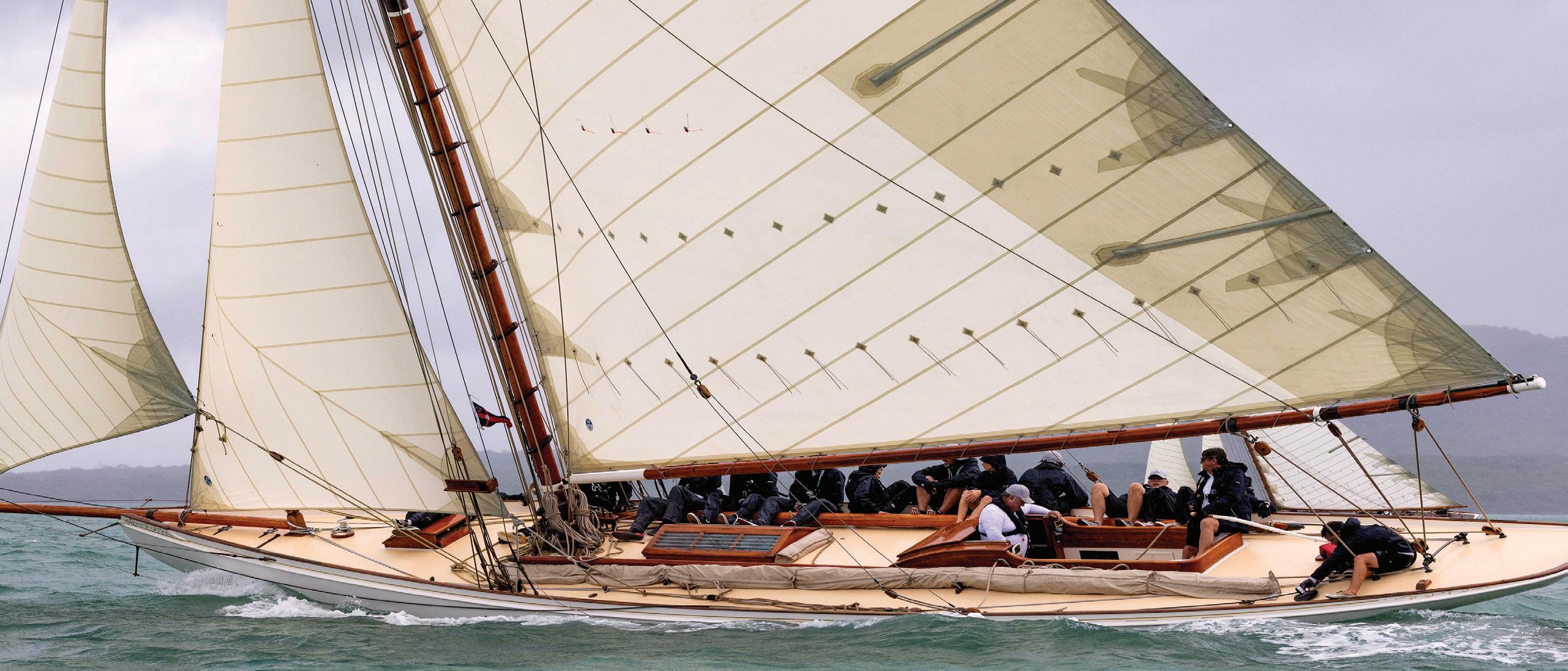
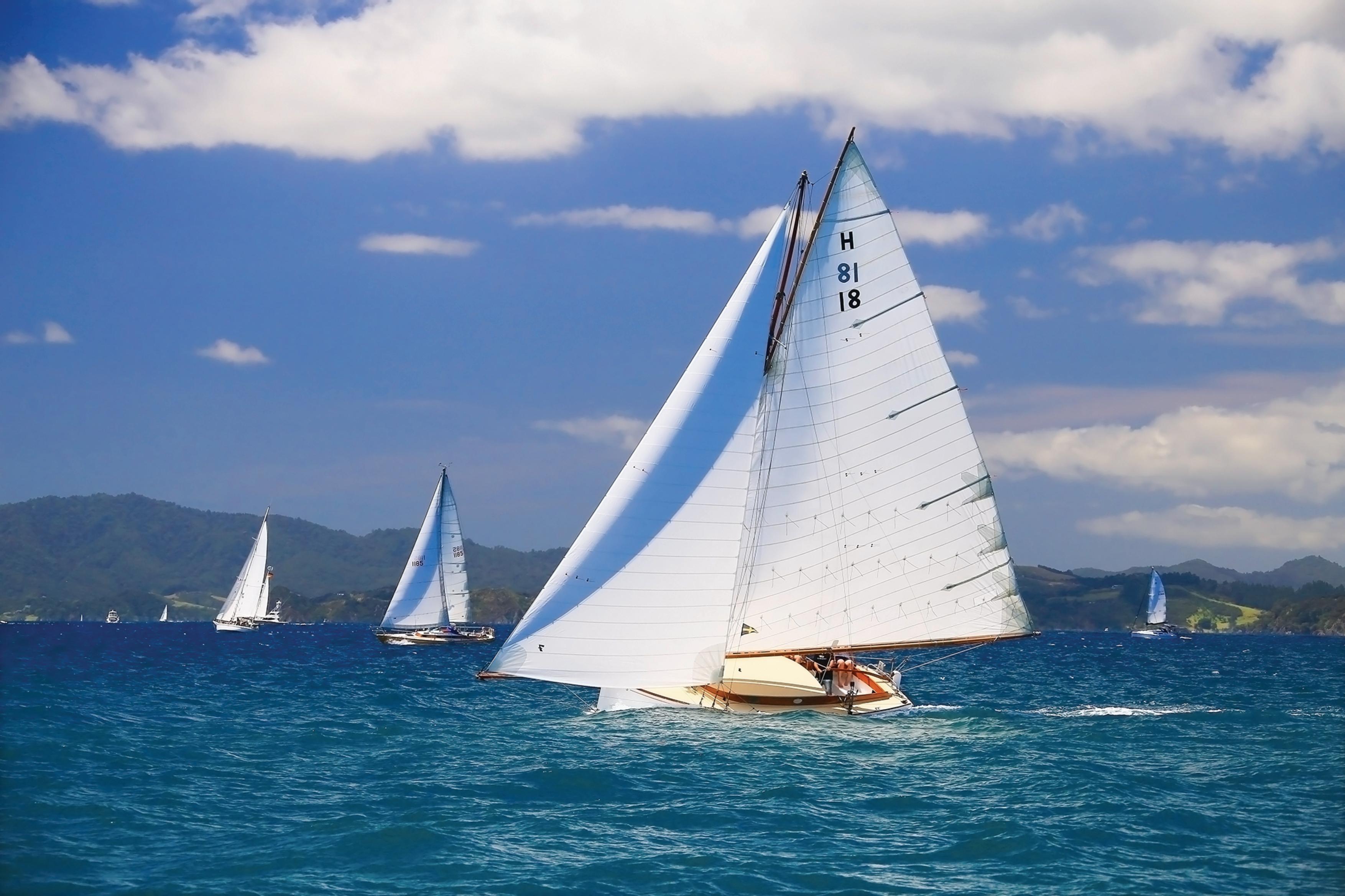
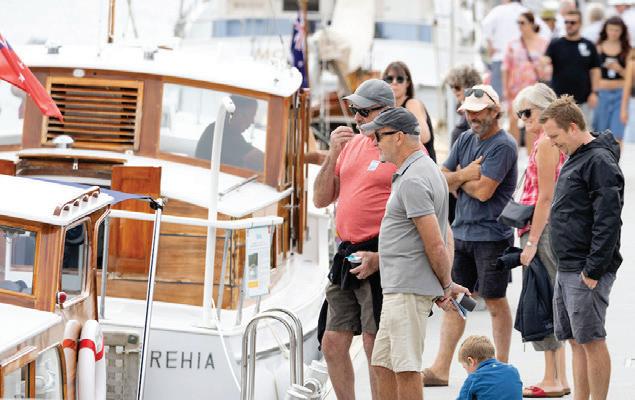
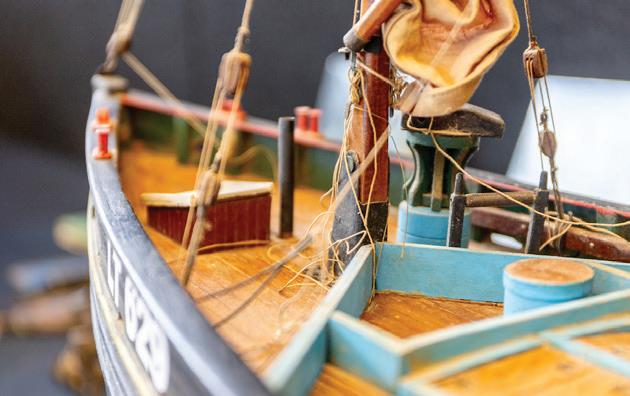
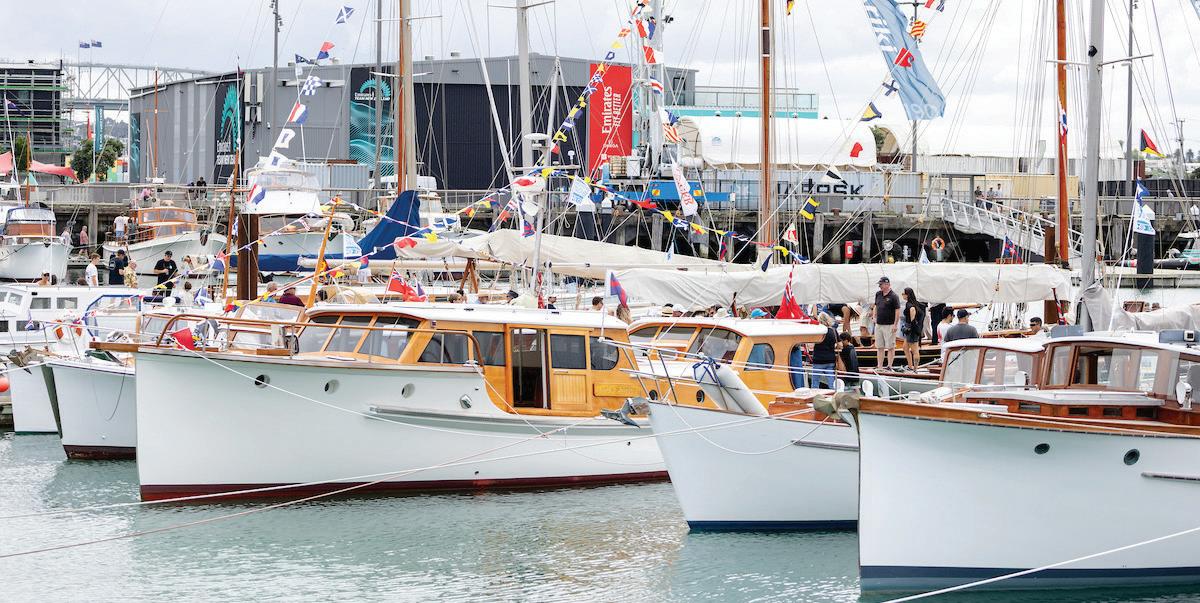



The Mahurangi Regatta an annual event held every Auckland Anniversary Weekend - this year on Saturday 24th January 2026.
Mahurangi Cruising Club conducts the sailing events on Mahurangi Harbour.

Mahurangi Cruising Club www.mahurangicruisingclub.org office@mahurangicruisingclub.org
Mahurangi Action Inc. conducts the shore-side activities at Sullivans Bay and Scotts Landing.
Will be held at Scotts Landing from 1900 hours or as soon as results are confirmed.
Classic Yacht Assn. Takes entries for the Classic Launch Parade. admin@classicyacht.org.nz
Regatta start times have been brought forward and will now start at 1100hrs
FRIDAY 23 January PASSAGE RACES FROM AUCKLAND TO MAHURANGI (Devonport Yacht Club, CYA and other yacht clubs). Sandspit Yacht Club Perna Cup Mahurangi Weekend.
SATURDAY 24 January MAHURANGI REGATTA
0900 hours Sullivans Bay Shore-side Activities
0930 hours CYA Parade of Classic Launches from Scotts Landing to Sullivans Bay.
1100-1600 hours Mahurangi Regatta.
Refer to the Notice of Regatta and Sailing Instructions.
1800-2230 hours Prize-giving starts on the lawn adjacent to Scott Homestead at Scotts Landing. Some Barbecues will be provided.
SUNDAY 25 January CYA Race 4: MAHURANGI TO AUCKLAND RETURN RACE
1030 hours CYA B Classic and Modern Passage Series race to Auckland.
1040 hours CYA A Classic and Modern Passage Series race to Auckland. Refer to CYA website for race information.
1800 hours Gathering at the Kawau Boating Club, Bon Accord Harbour. All welcome.
MONDAY 26 January AUCKLAND ANNIVERSARY DAY REGATTA
Auckland Anniversary Day Regatta with starts from Westhaven. 0900 hours Auckland Anniversary Day Regatta Passage races back to Auckland from Mahurangi.
The Regatta will be held in the classes and divisions outlined below. These races will be held in accordance with the International Regulations for Preventing Collisions at Sea.
Entries to the Regatta are made online.
For detailed information about participating in the Regatta, please refer to the Notice of Regatta and the Sailing Instructions obtainable from mahurangicruisingclub.org, or our facebook page.
TE HAUPA DIVISION
For traditional small boats under 20ft overall. This will include all traditional New Zealand classes like Zeddies, IA’s etc. Includes any other traditional style of boats such as sailing outriggers, proas, and sailing dories.
SAILING DINGHY DIVISION
Frostbite, Mistral, Zephyr, Sunburst & other centreboard classes.
A CLASS DIVISION
For yachts previously registered as A class yachts and other pre 1985 yachts over 12.2m (40ft) length on deck, unless an exemption is applied for and granted by the Regatta Committee. They sail for the A class Trophy and the Logan Trophy.
MAHURANGI DIVISION
For wooden boats pre 1955 design. Only for all-wooden construction. Includes Mullet Boats other than the L class.
Traditional class of 22ft ballasted centreboard yachts.
For boats of any age, type, materials and construction that conform to the traditional spirit of a design pre-dating 1955 and is not eligible for the Mahurangi Cup. i.e., Is a modern design which is a close replica and built in the spirit of a traditional design but perhaps has more modern materials or construction. Includes H28 Class.
MID-CENTURY CLASSIC DIVISION (Modern Classics)
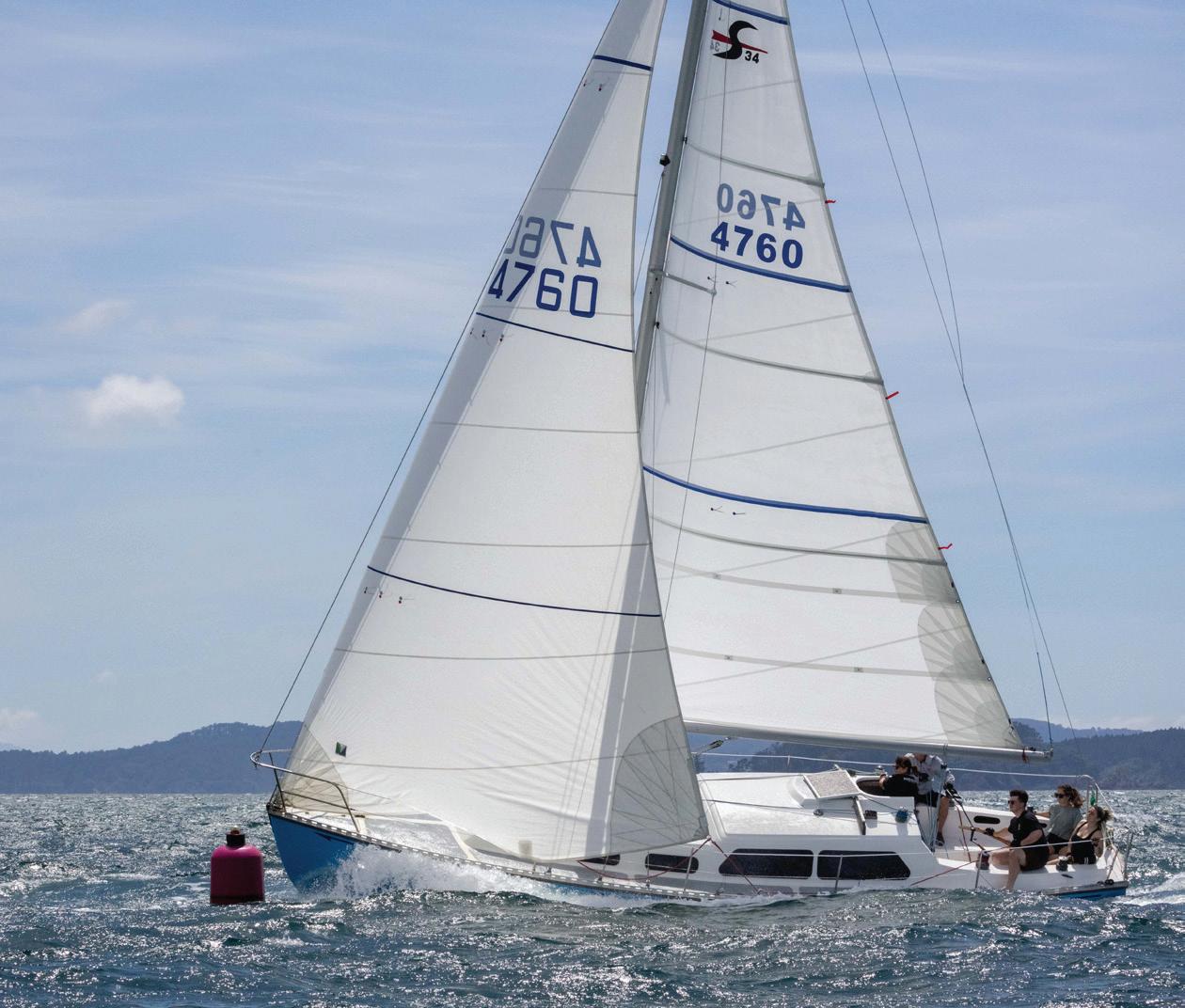
For yachts of any construction designed before 1985 and are longer than 6m (20ft) on deck and not eligible for the Mahurangi Cup or the Traditional Spirit Division. Includes Stewart 34 class, Reactor class.
On N.Z. Maritime charts, place names do not appear with their commonly used names. Sullivans Bay, where beach and dinghy races are held is marked Otarawao Bay. Scotts Landing where the prize-giving is held is not named on charts. It is situated between the wharf carpark at the end of Ridge Road and Casnell Island and is easily recognised by the Scott Homestead, the only building on the waterfront.
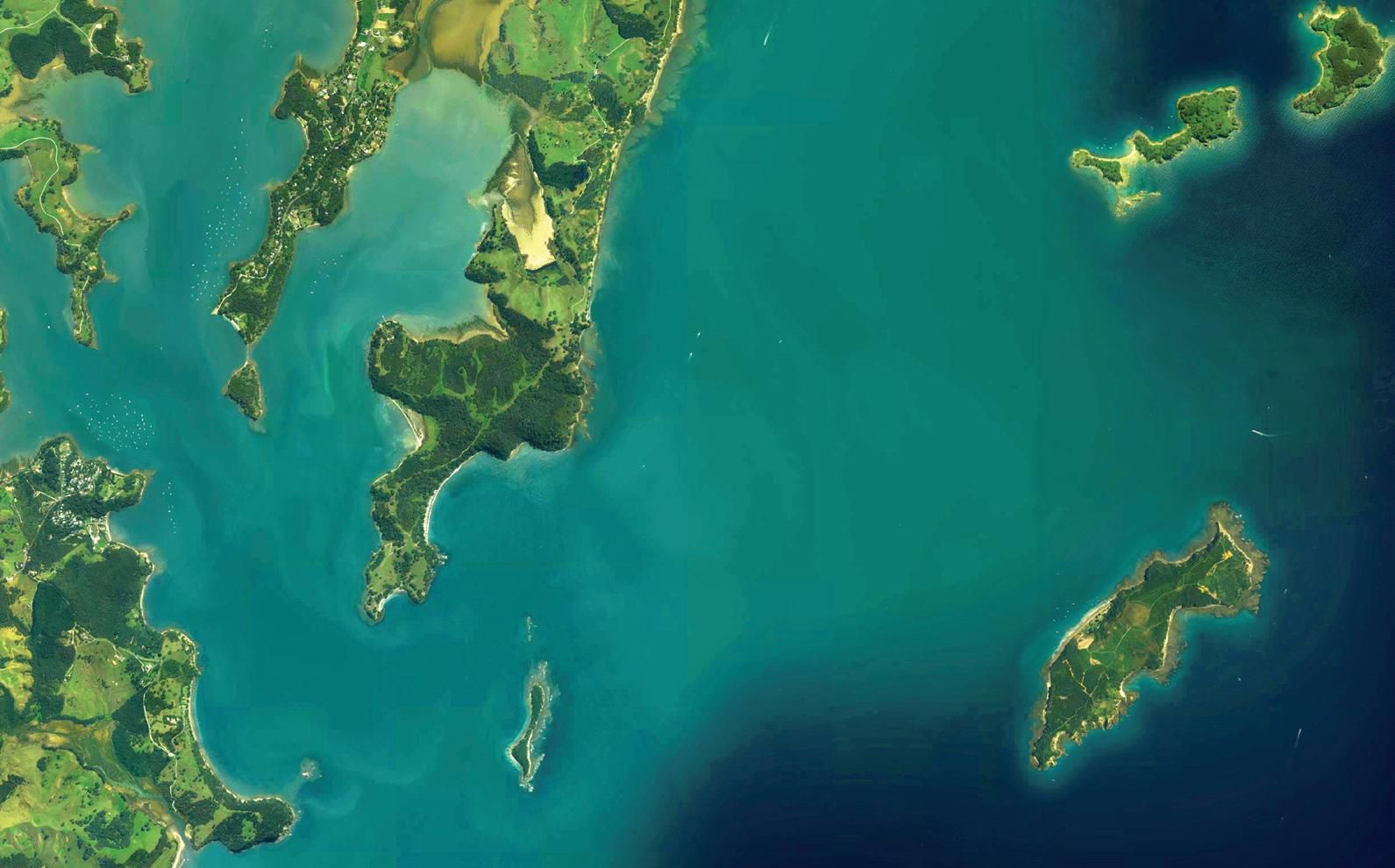
The wharf is only accessible by yachts at high tide. At low tide it almost dries out. Please use the wharf only for the transfer of people and supplies and not for docking. Ensure the working side of the pontoon is kept clear at all times especially when tying up dinghies to the wharf.
There are clearways marked by buoys in Sullivans Bay for the Launch Parade and the shore activities. Be aware that your boat may swing into the clearways as the wind direction moves or on the change of tide.
PLEASE KEEP CLEAR AT ALL TIMES.
PARKING AT SCOTTS LANDING
Due to the very limited parking available at Scotts Landing and the narrow unsealed road towards the end, please use the signposted parking areas. Access must be kept clear for St John Ambulance and other emergency vehicles.
Some portaloo toilets are provided at Scotts Landing near the Scott Homestead. Please use your holding tank responsibly. Do not discharge boat sewage from vessels in the harbour. This is very important with the large influx of vessels in the harbour for the weekend. Mahurangi Harbour supports a large area of marine farming and we wish to keep the water quality high and also clean and safe for swimming. Please use rubbish bags where available, otherwise take your rubbish with you when you leave.
Trophies and prizes will be presented as soon as the results have been decided about 1900 hours in the vicinity of Scott Homestead at Scotts Landing. The recipients can take photos with their trophies. Trophies must be returned to the trophy table before the end of the evening.
For information about the courses sailed in the Regatta, please consult the Sailing Instructions 2026, also available at mahurangicruisingclub.org
SATURDAY 24 JANUARY 2026
Low Water 5:44 hrs 0.66m
High Water 12:06 hrs 2.90m Low Water 18:19 hrs 0.66m
SUNDAY 25 JANUARY 2026 High Water 00:23
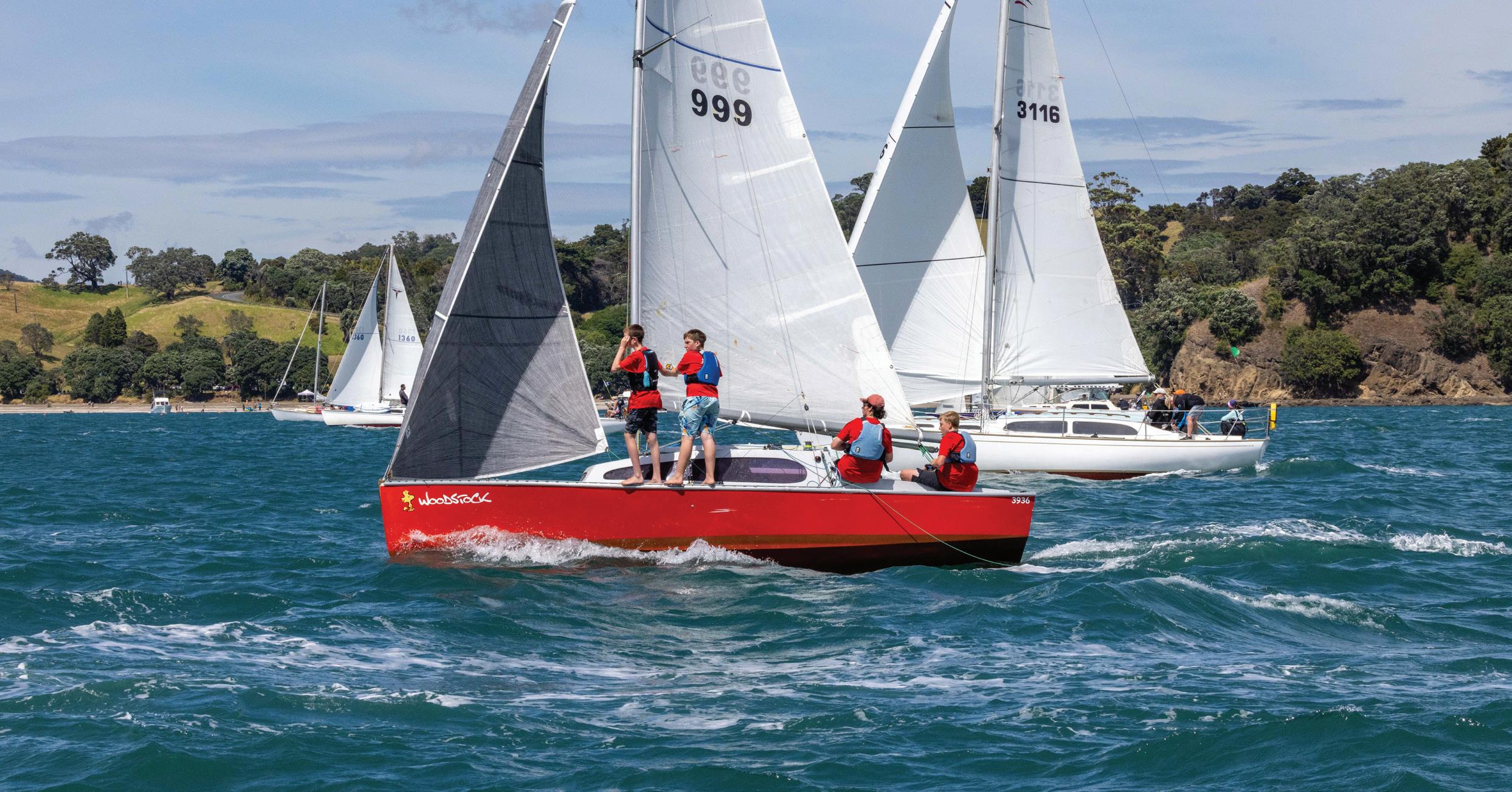
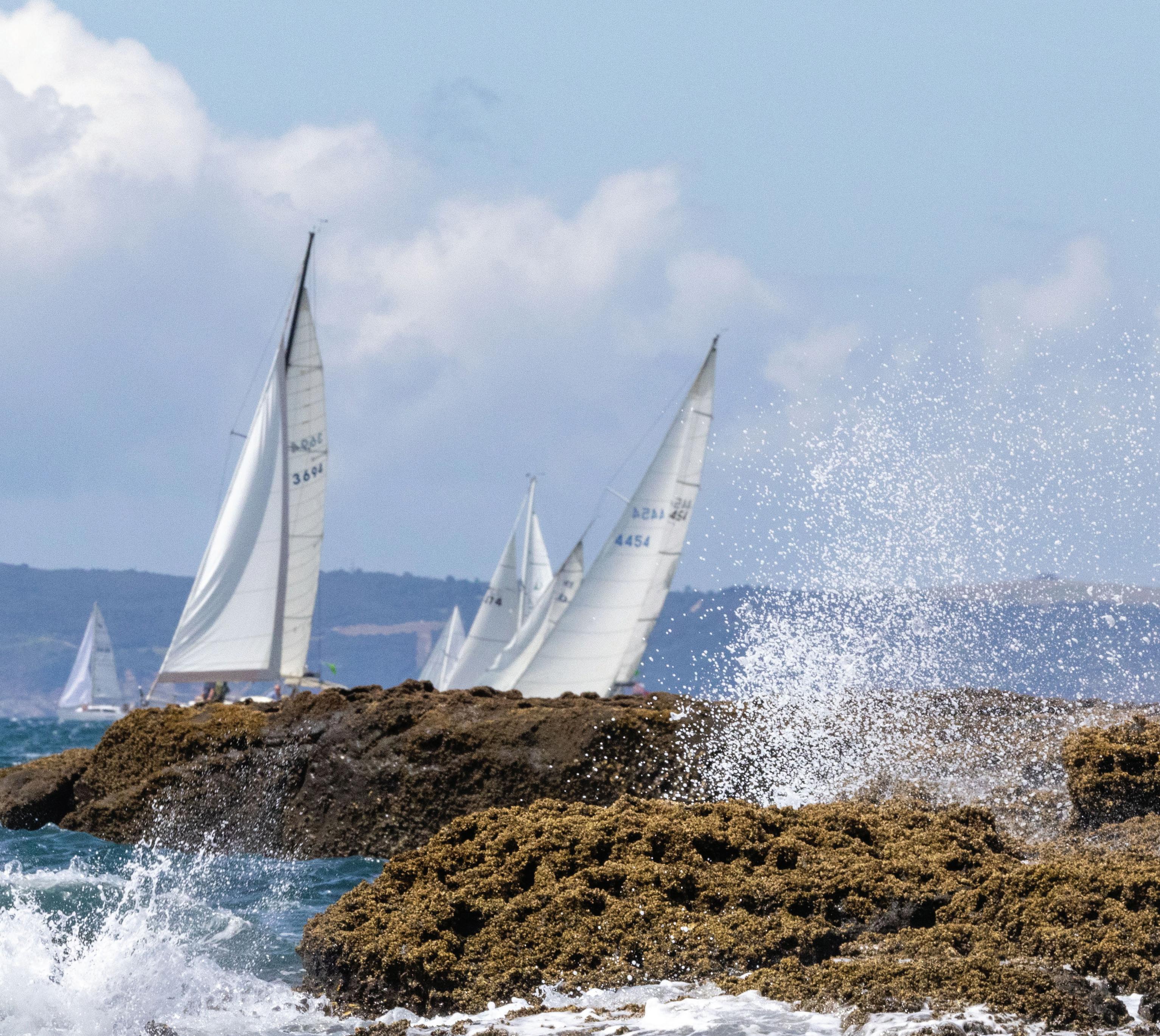
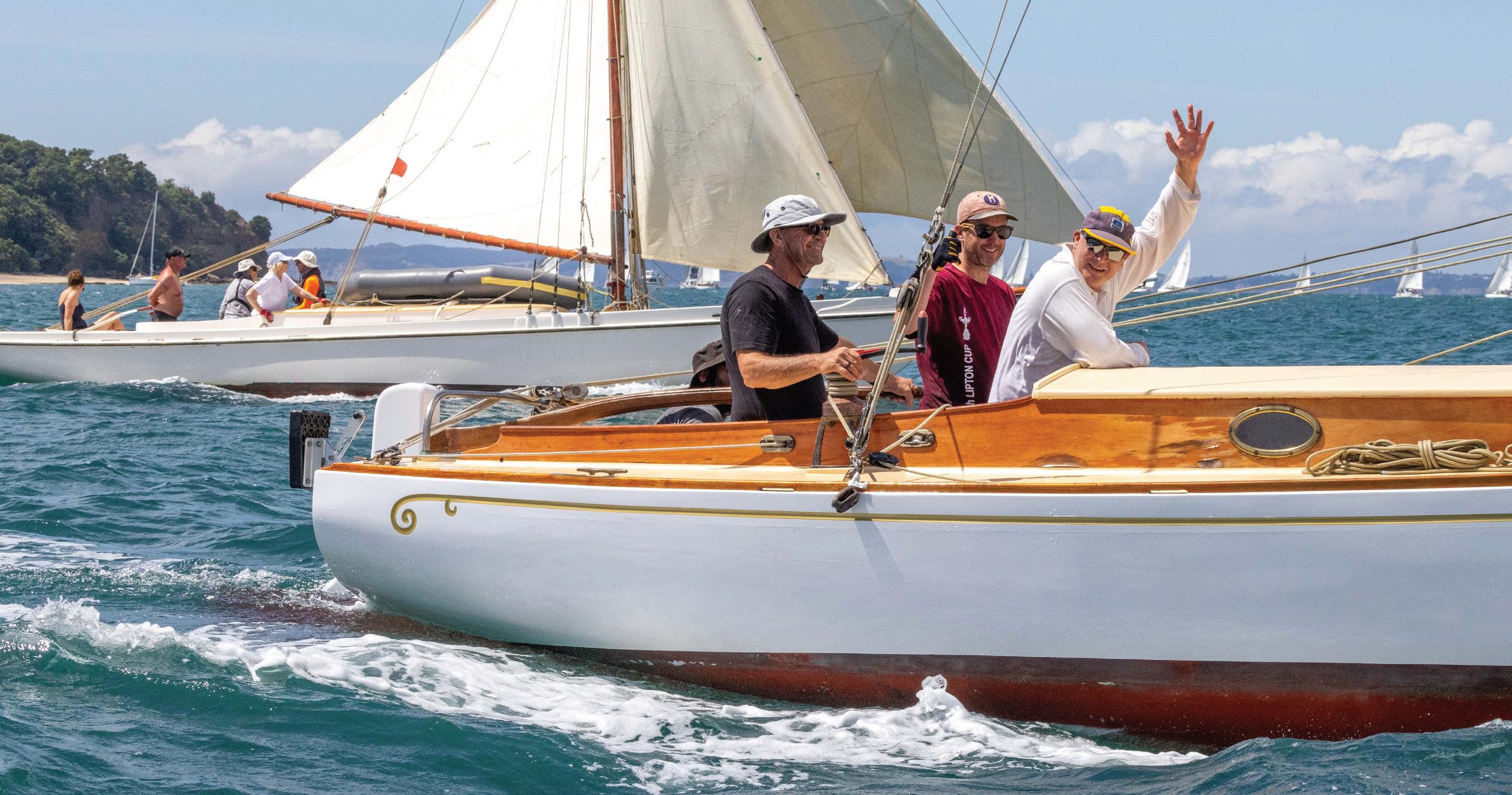
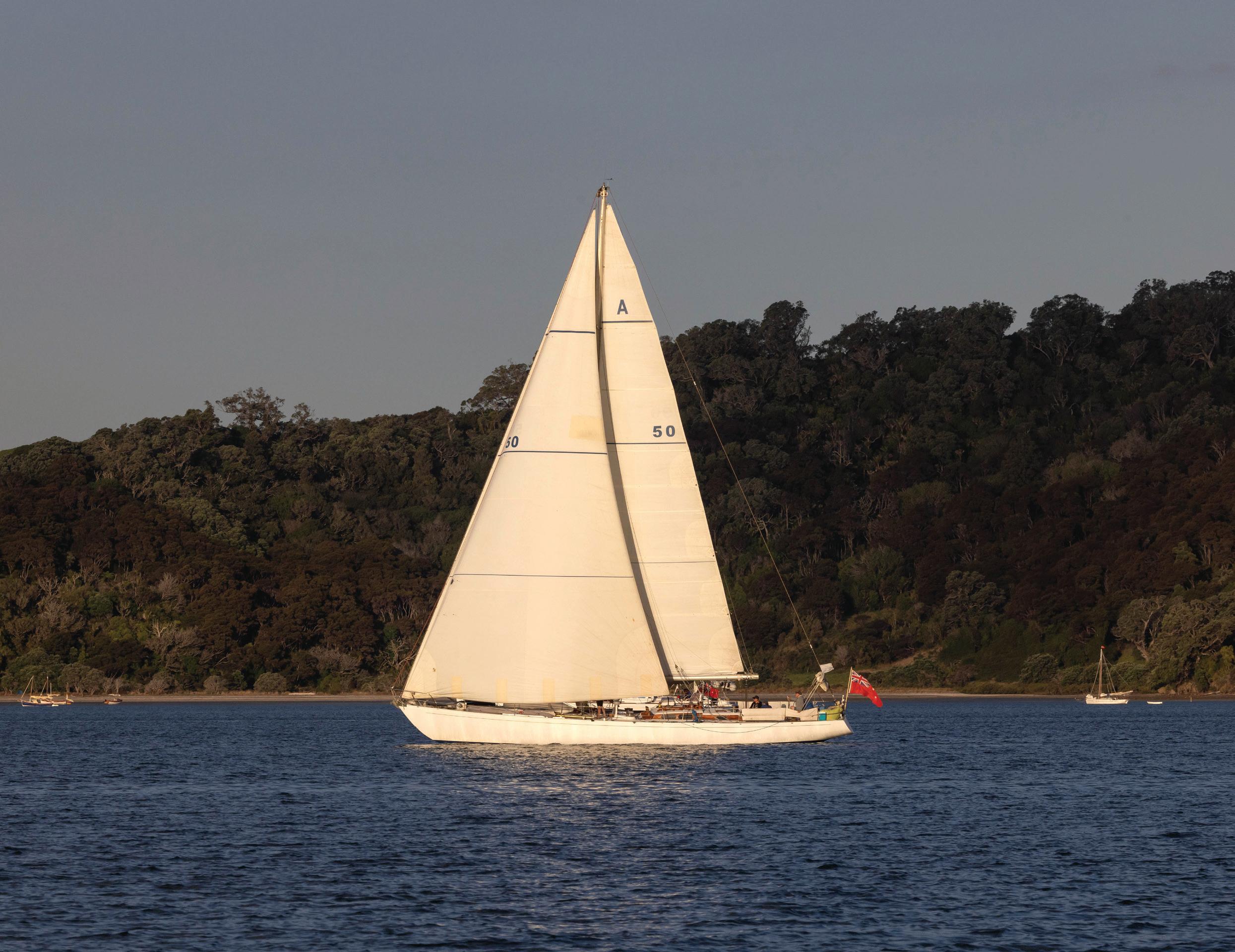
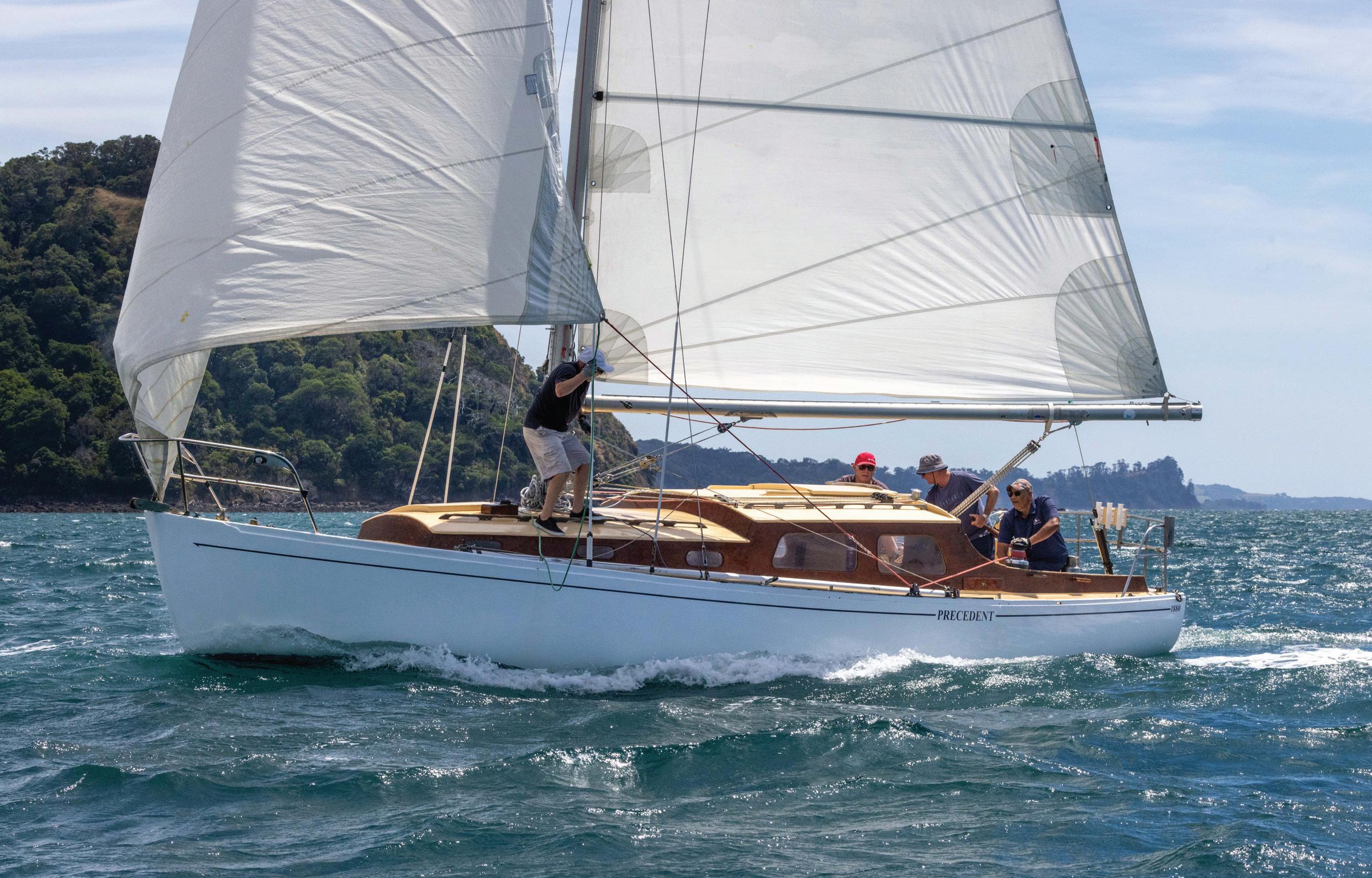
Precedent
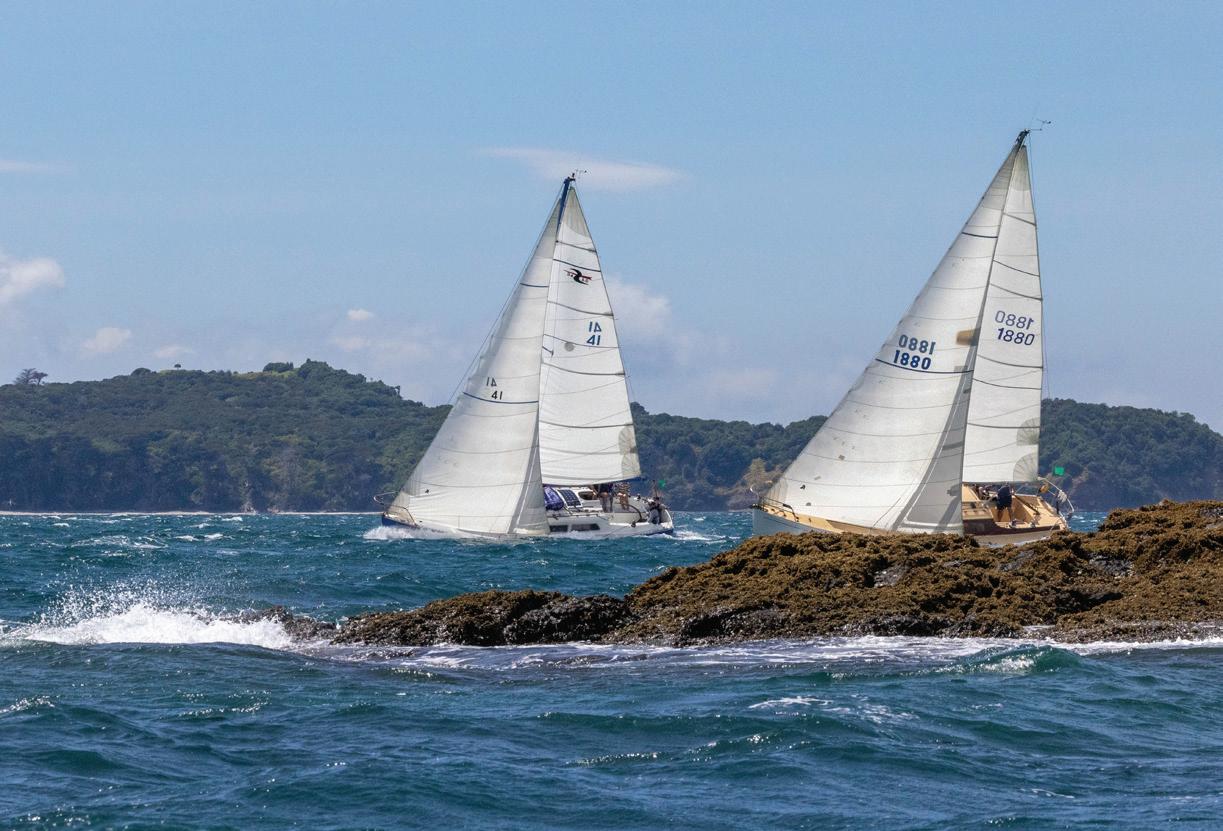
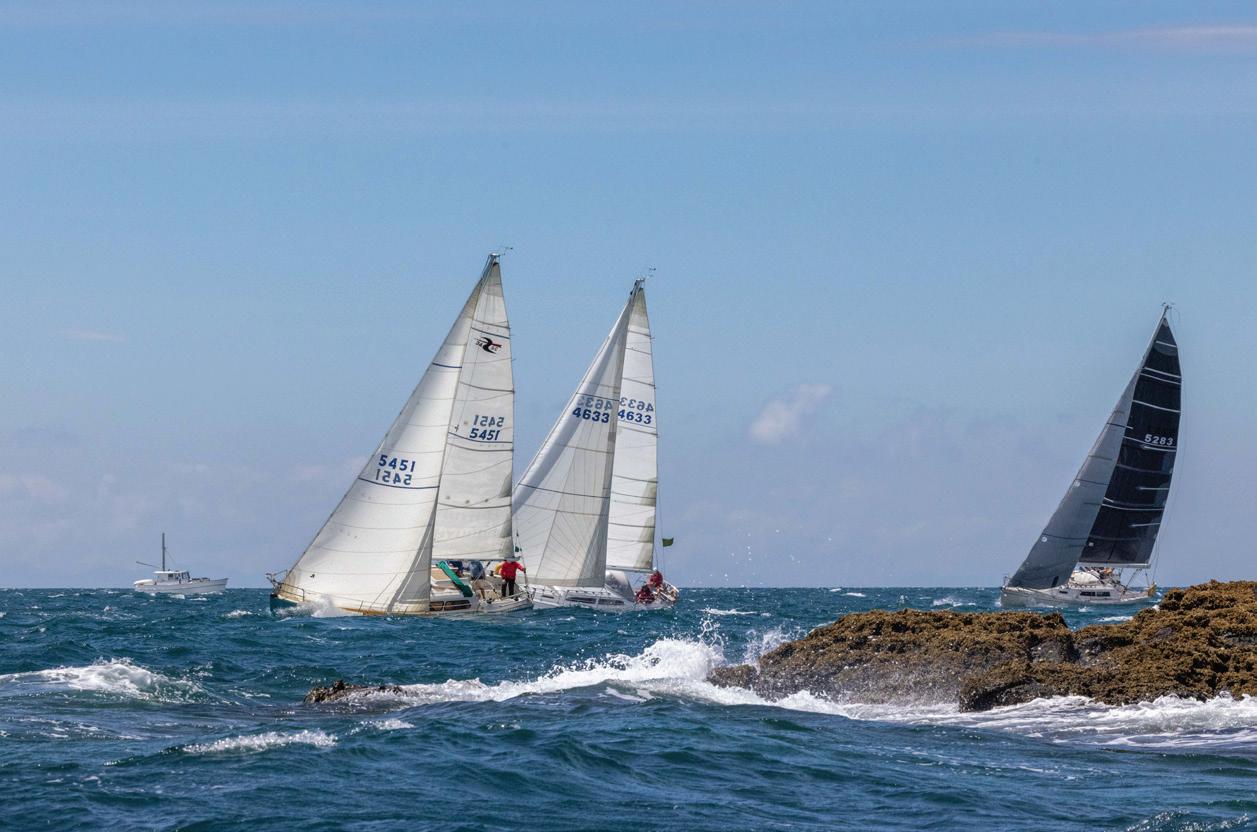
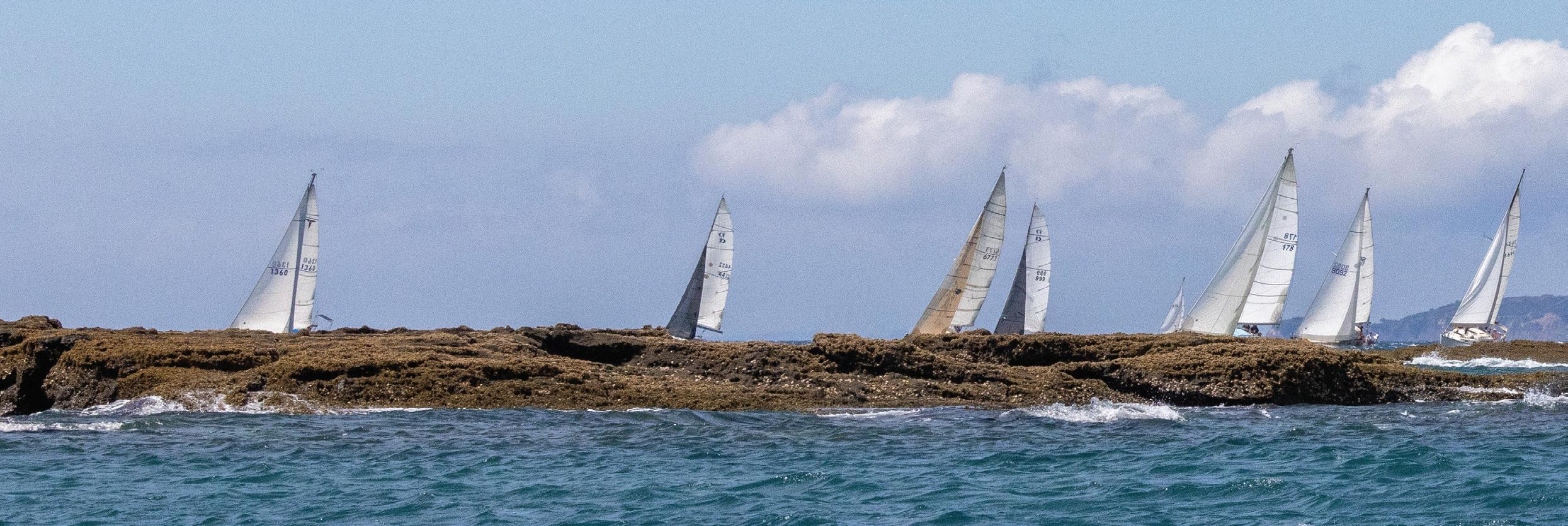
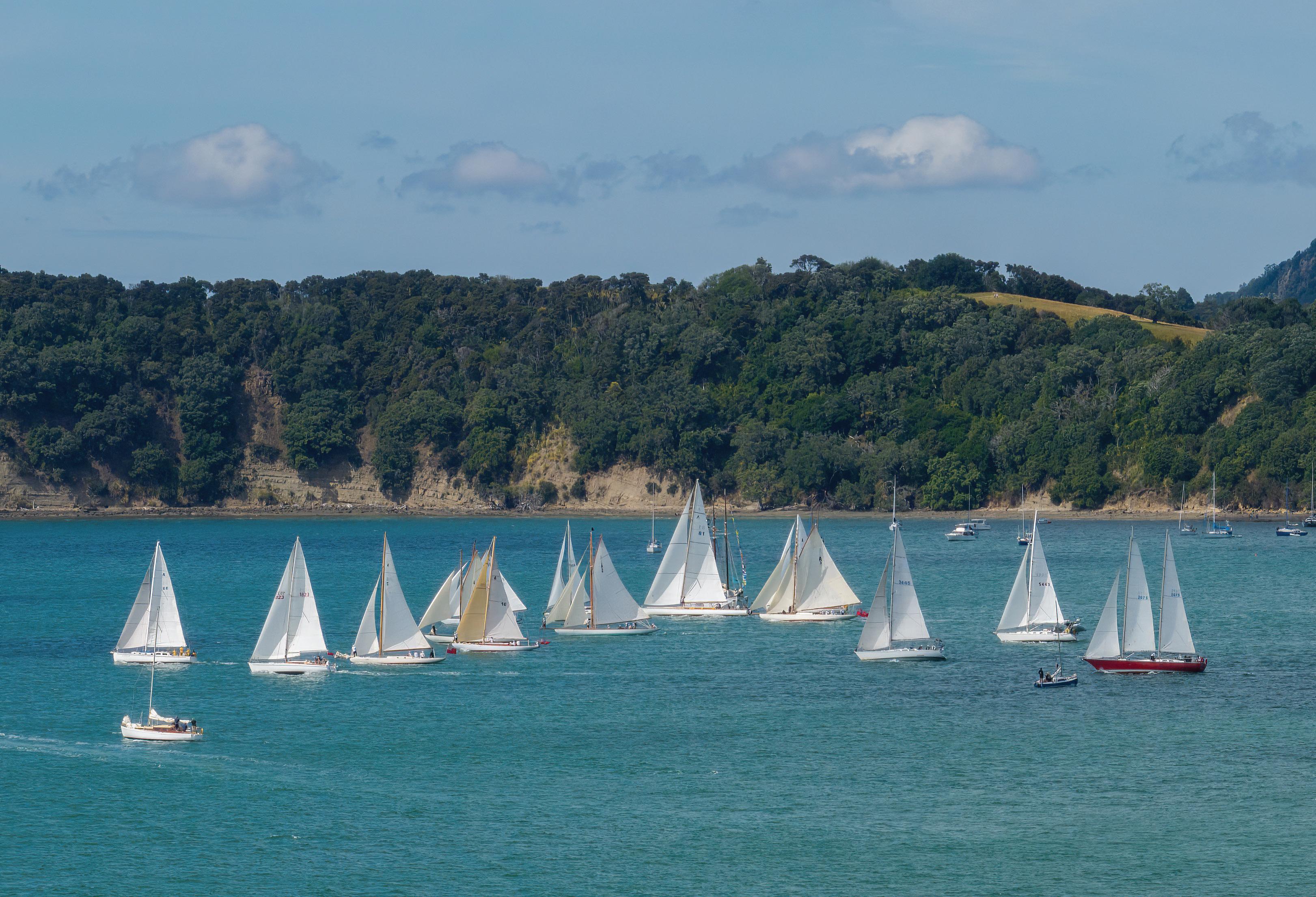
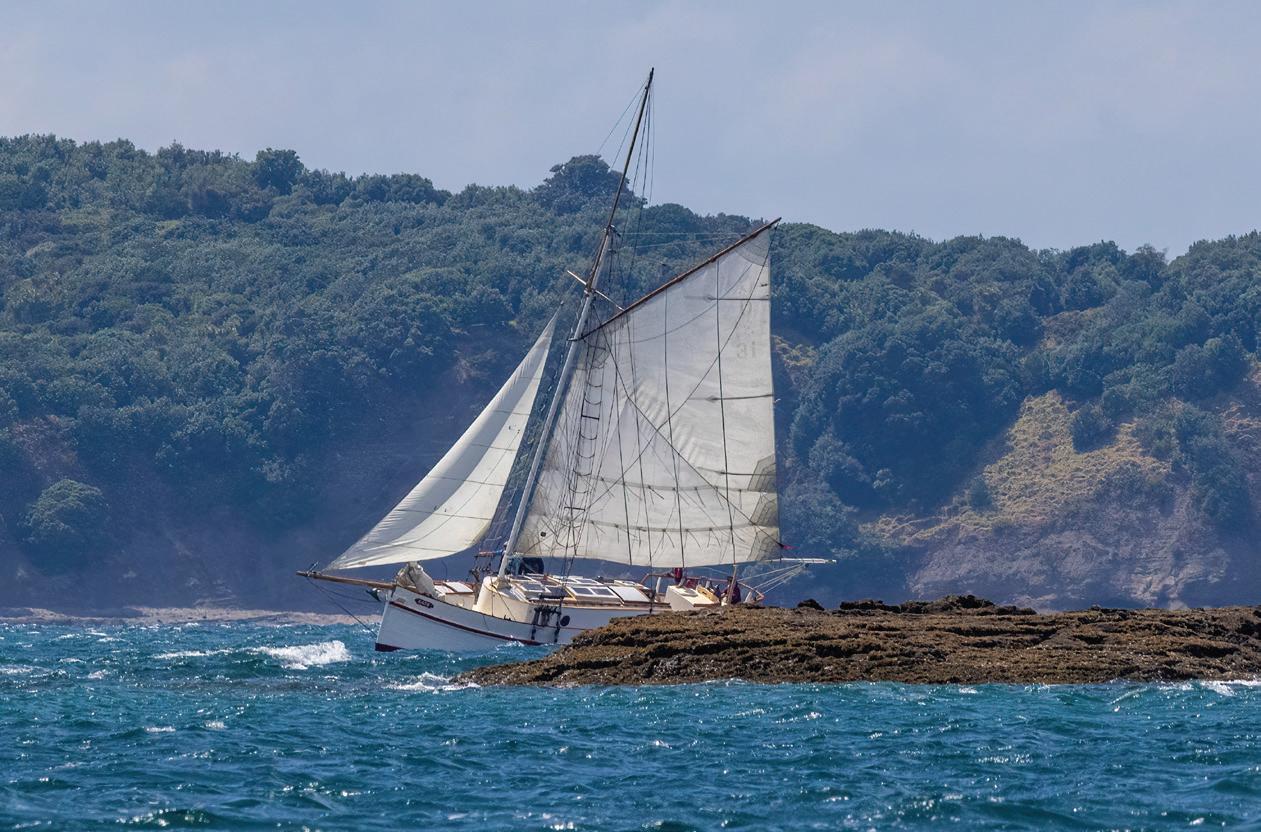
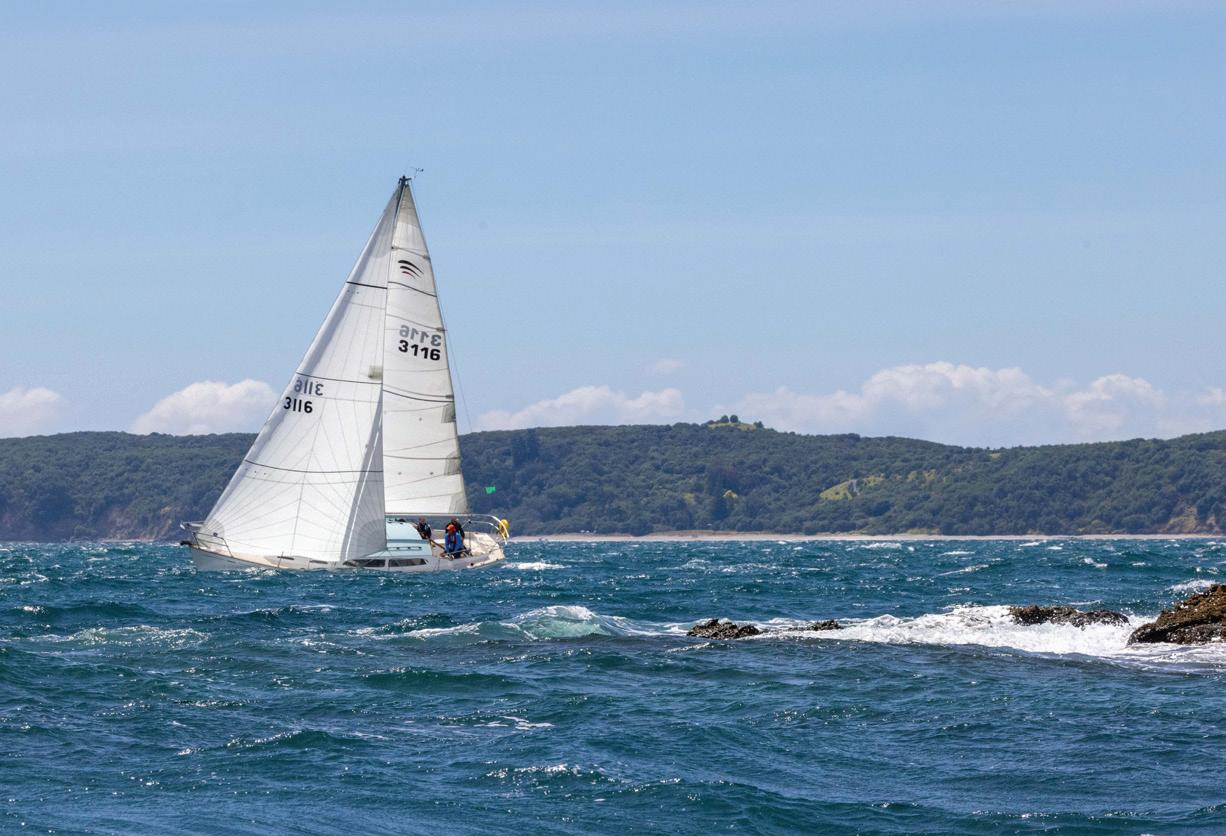
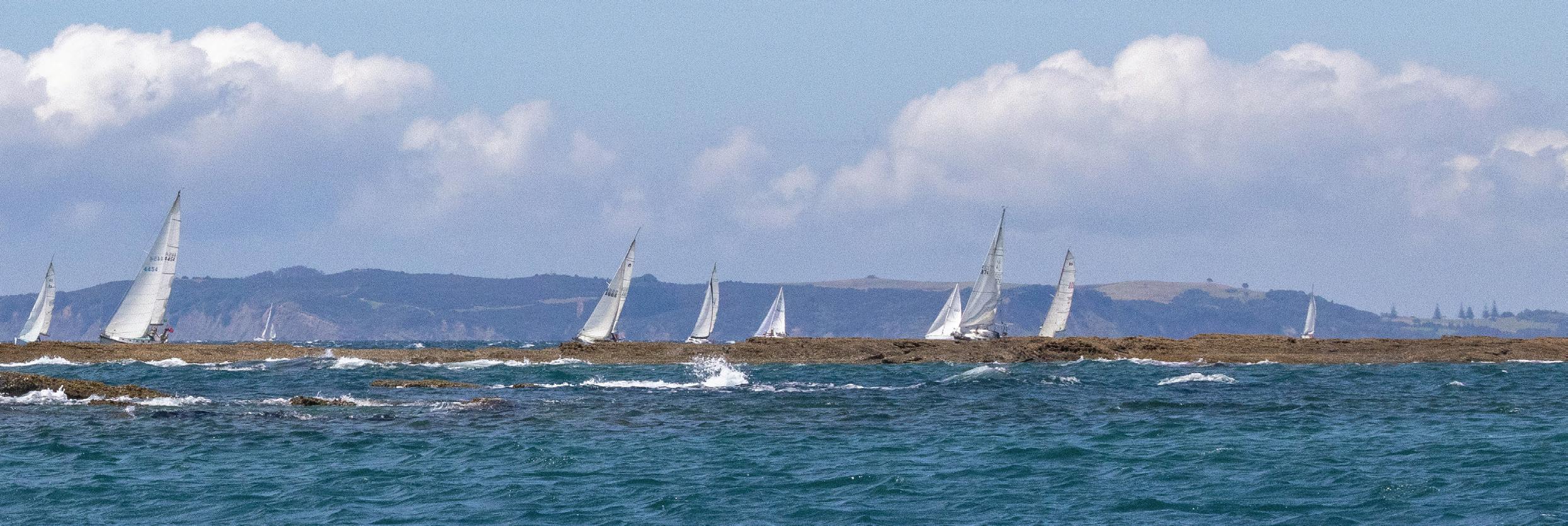
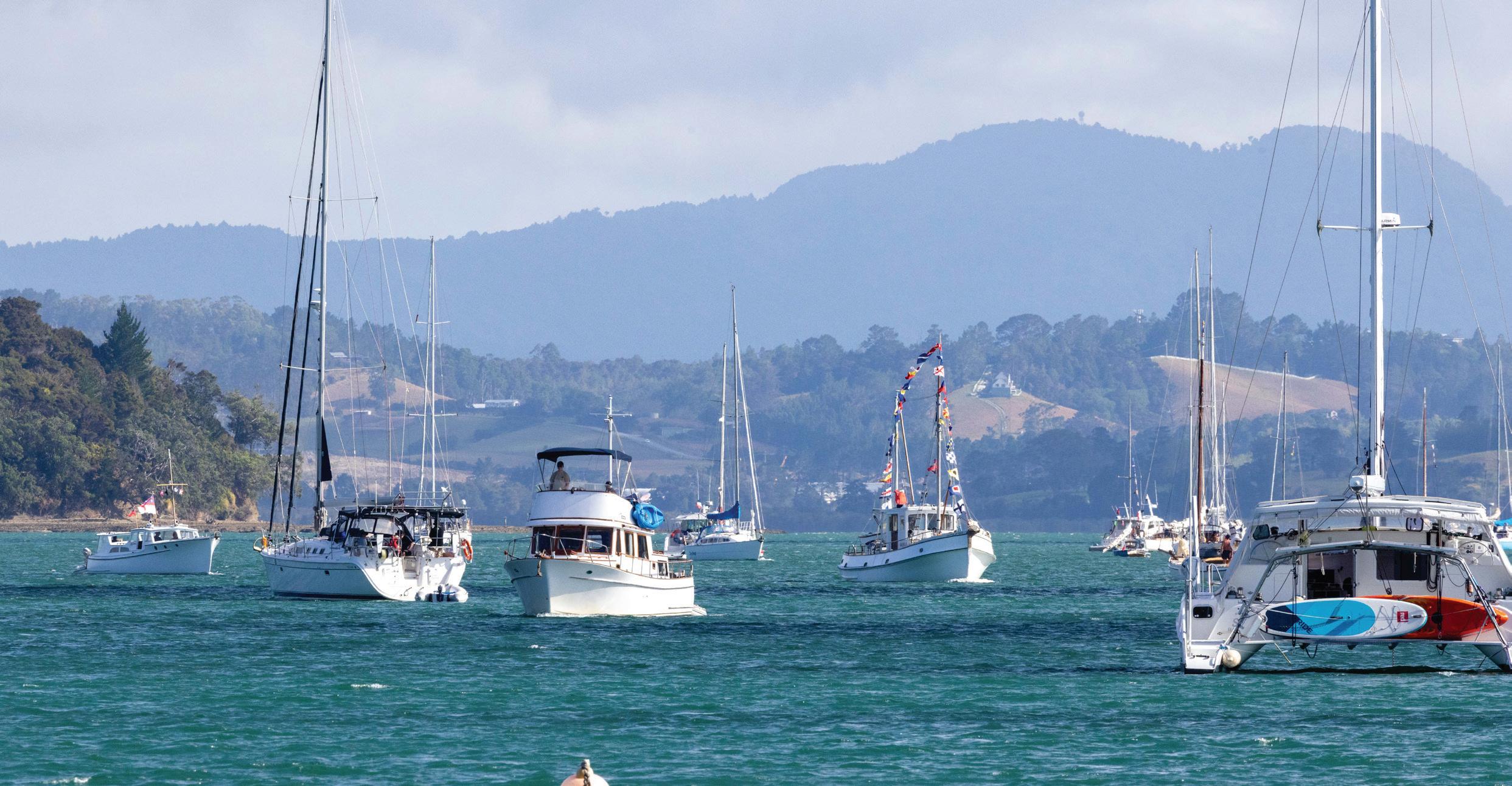
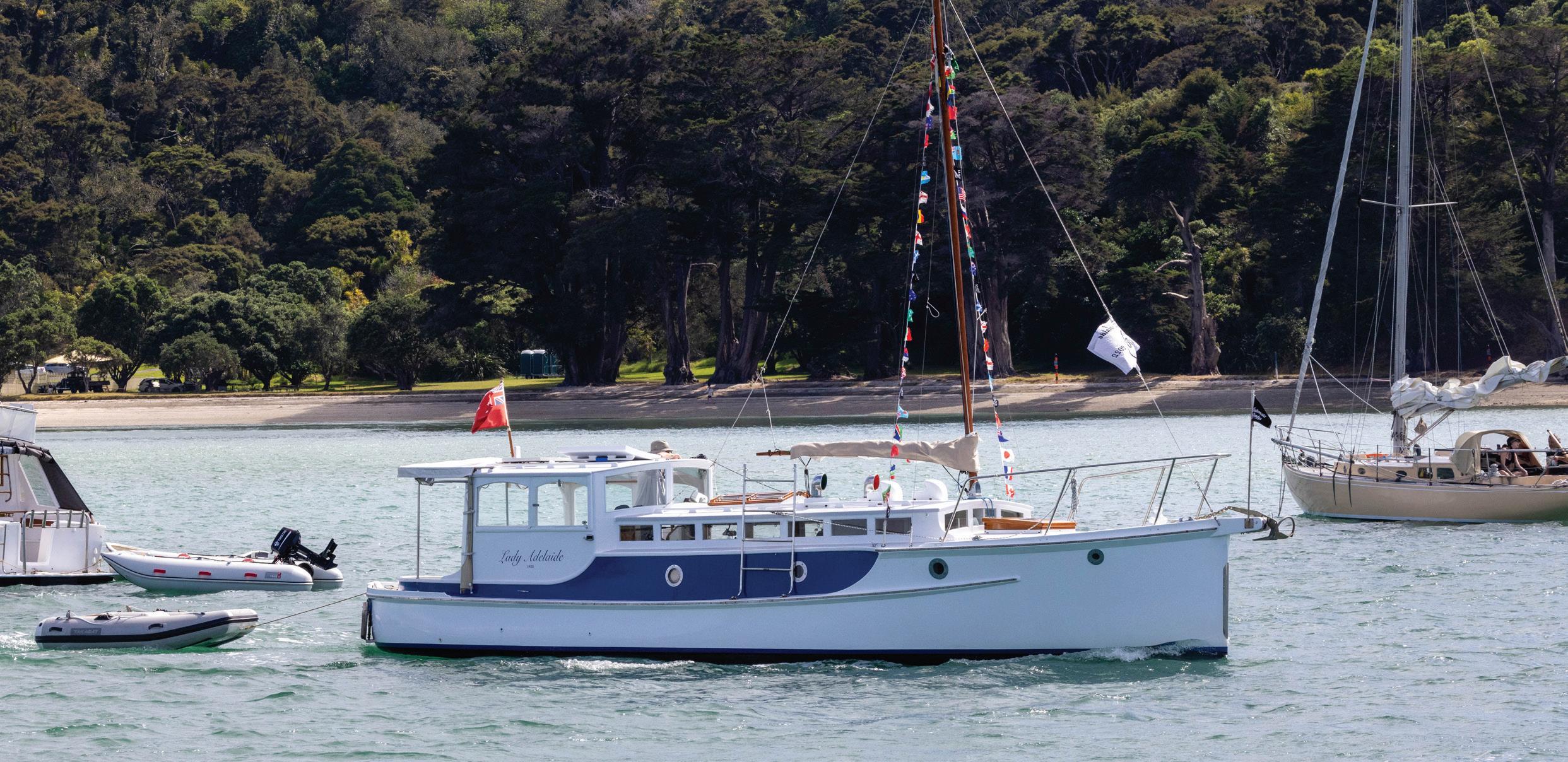
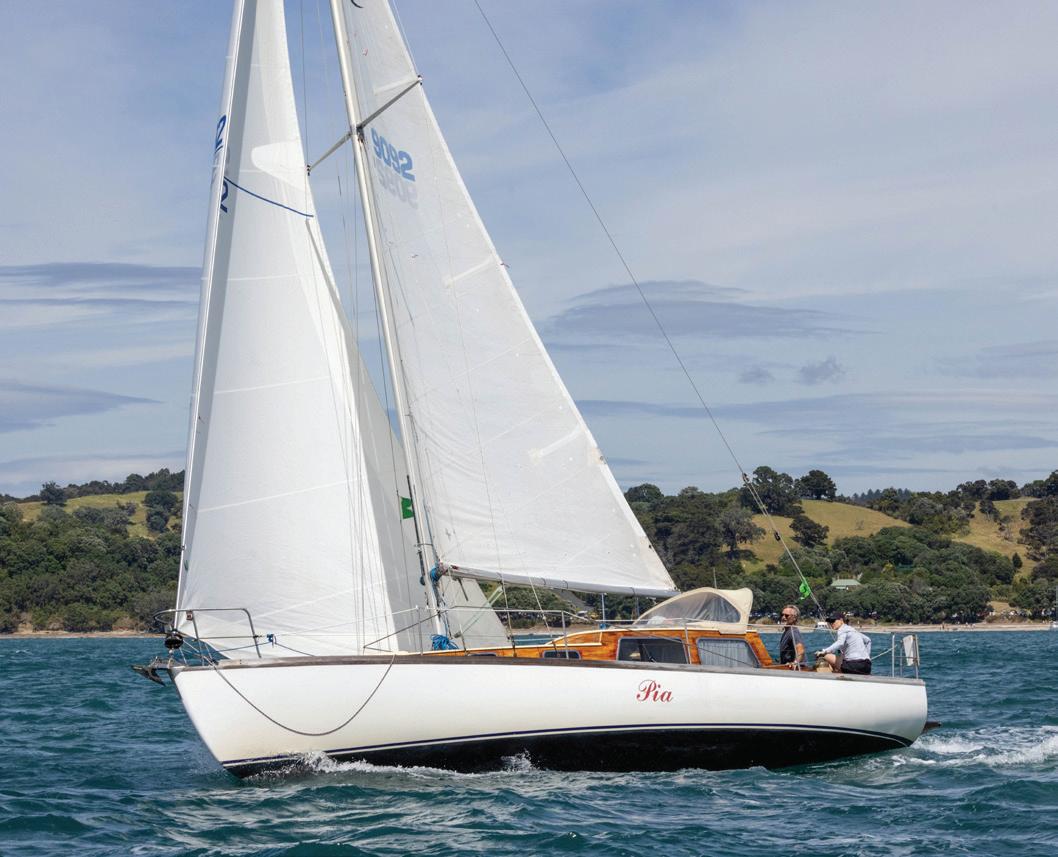
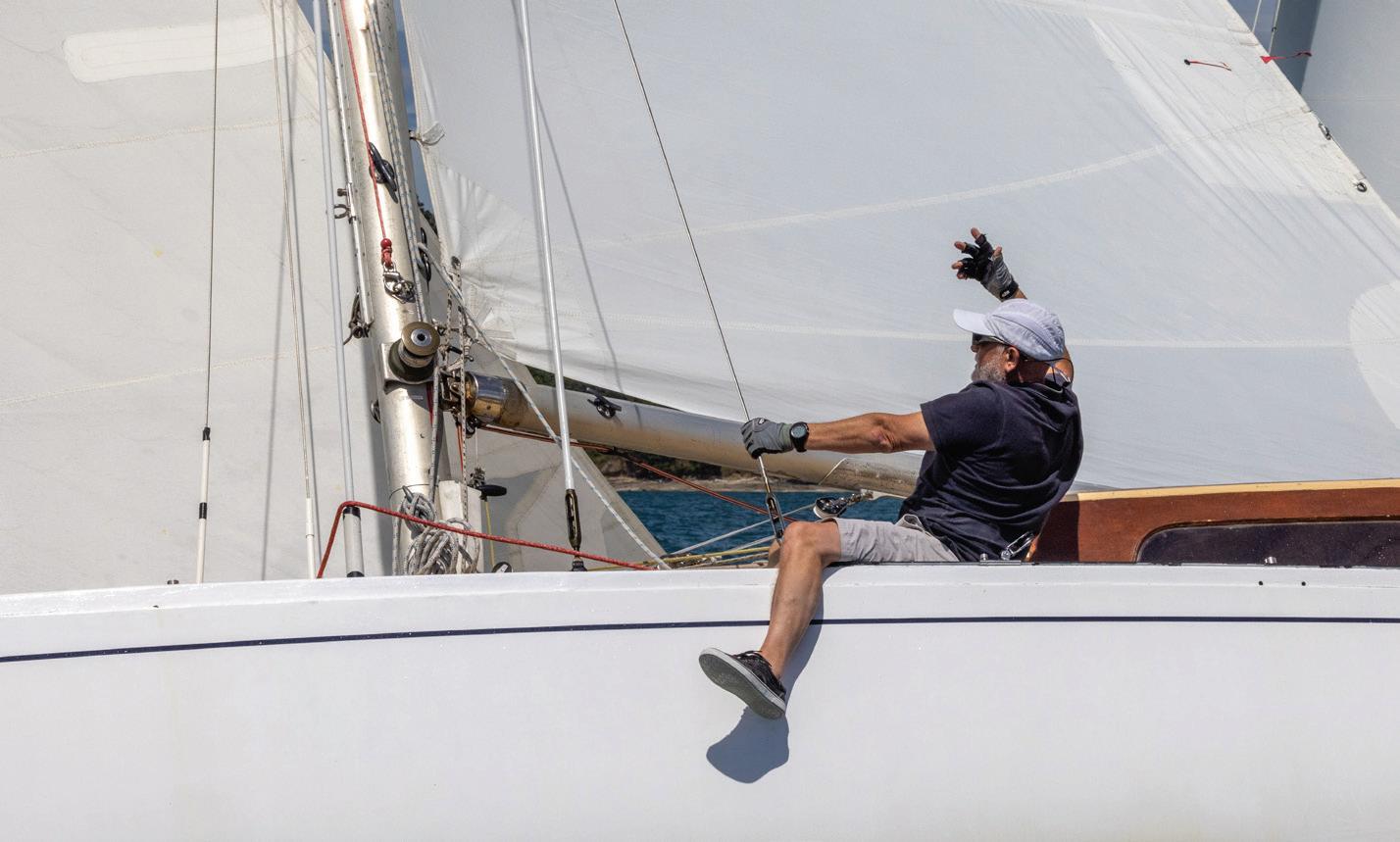
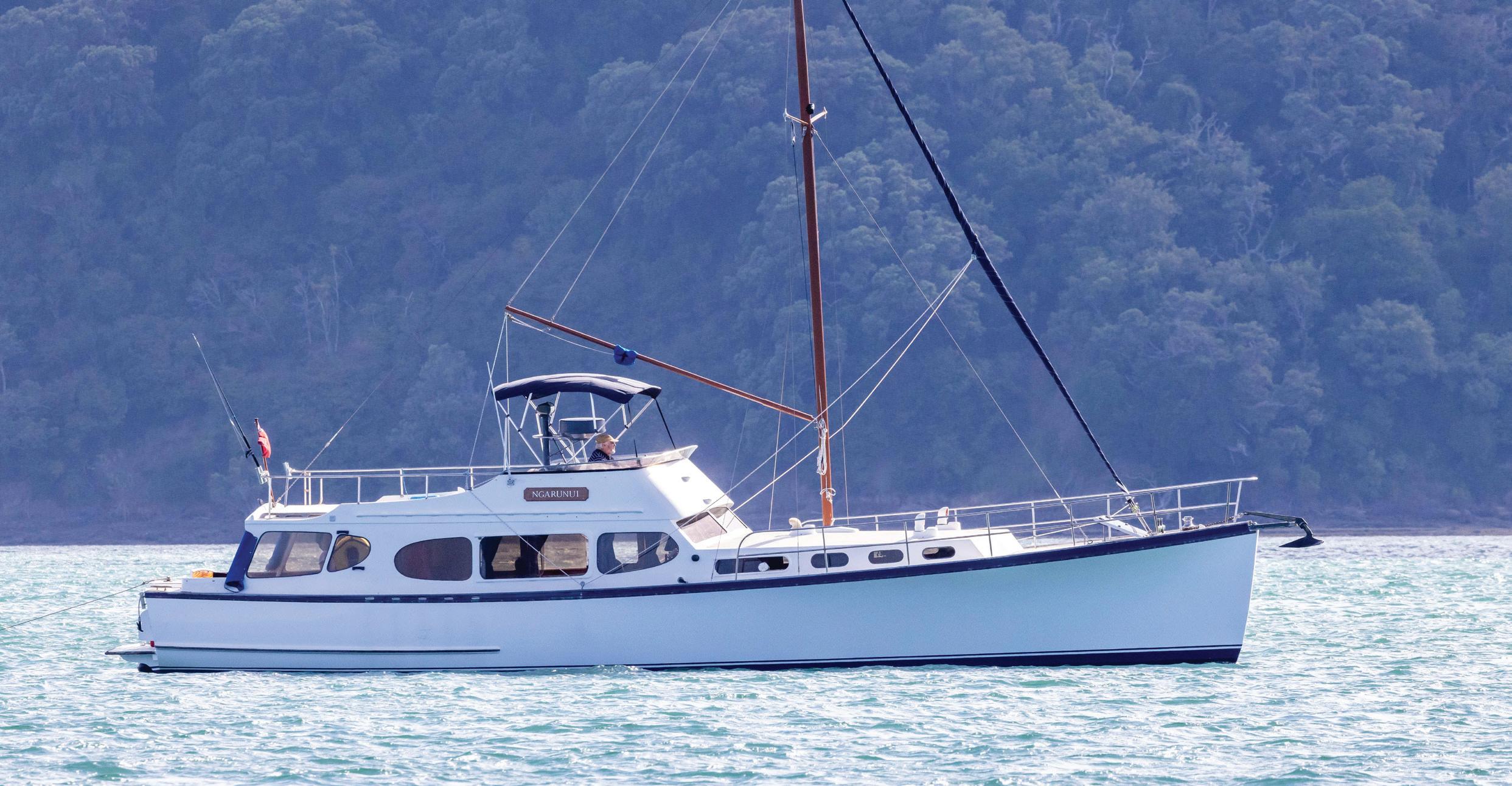
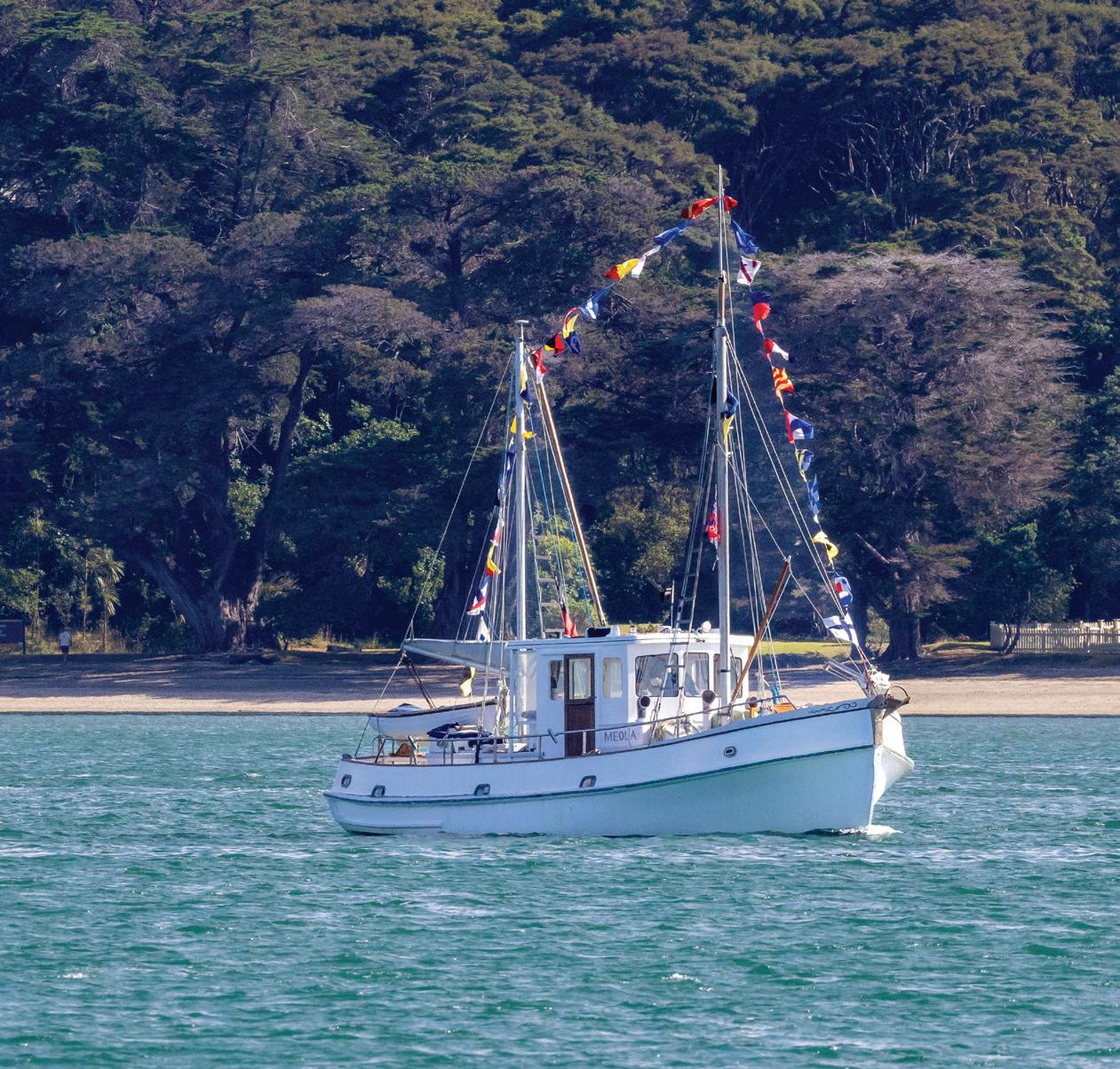
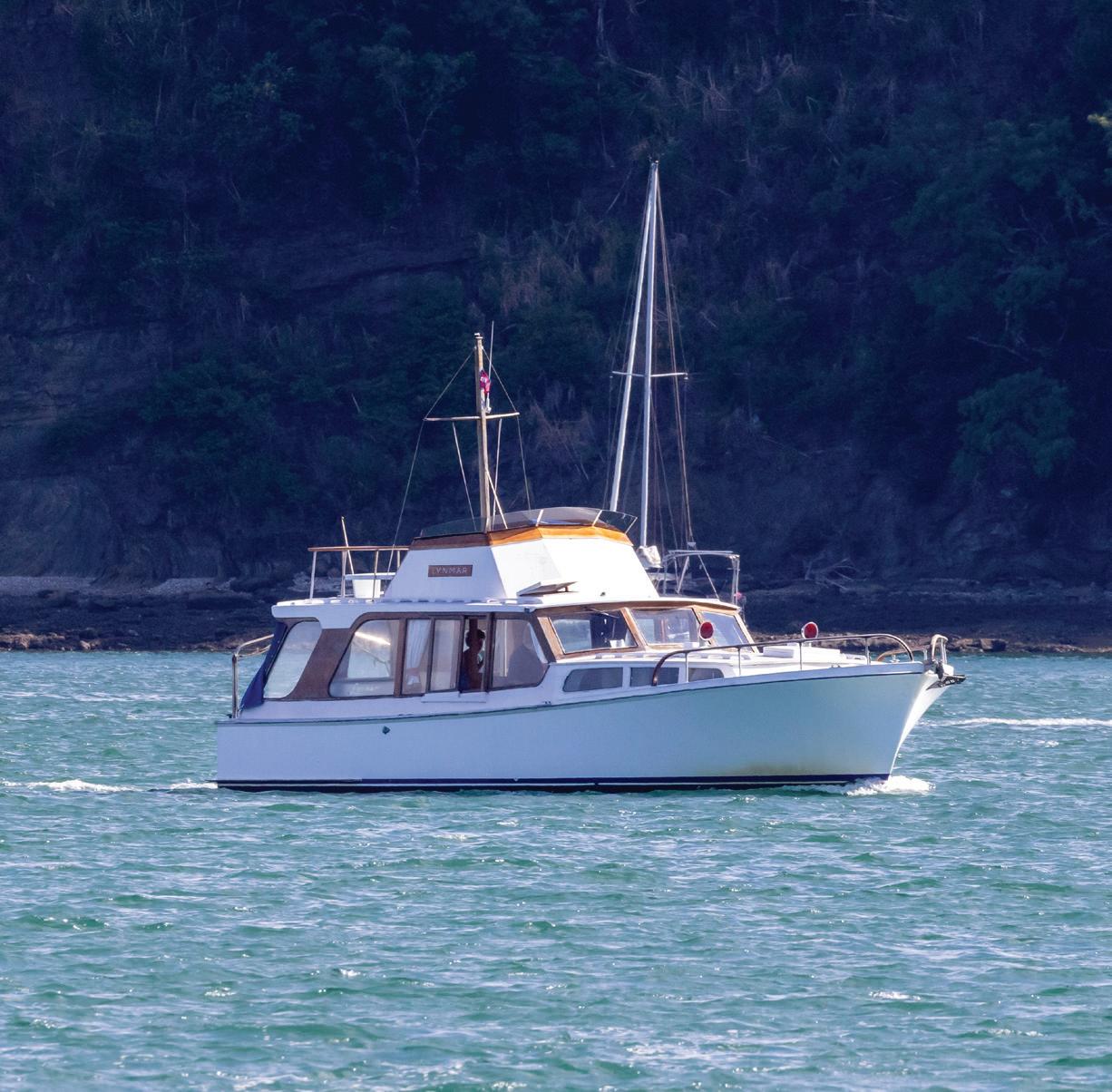
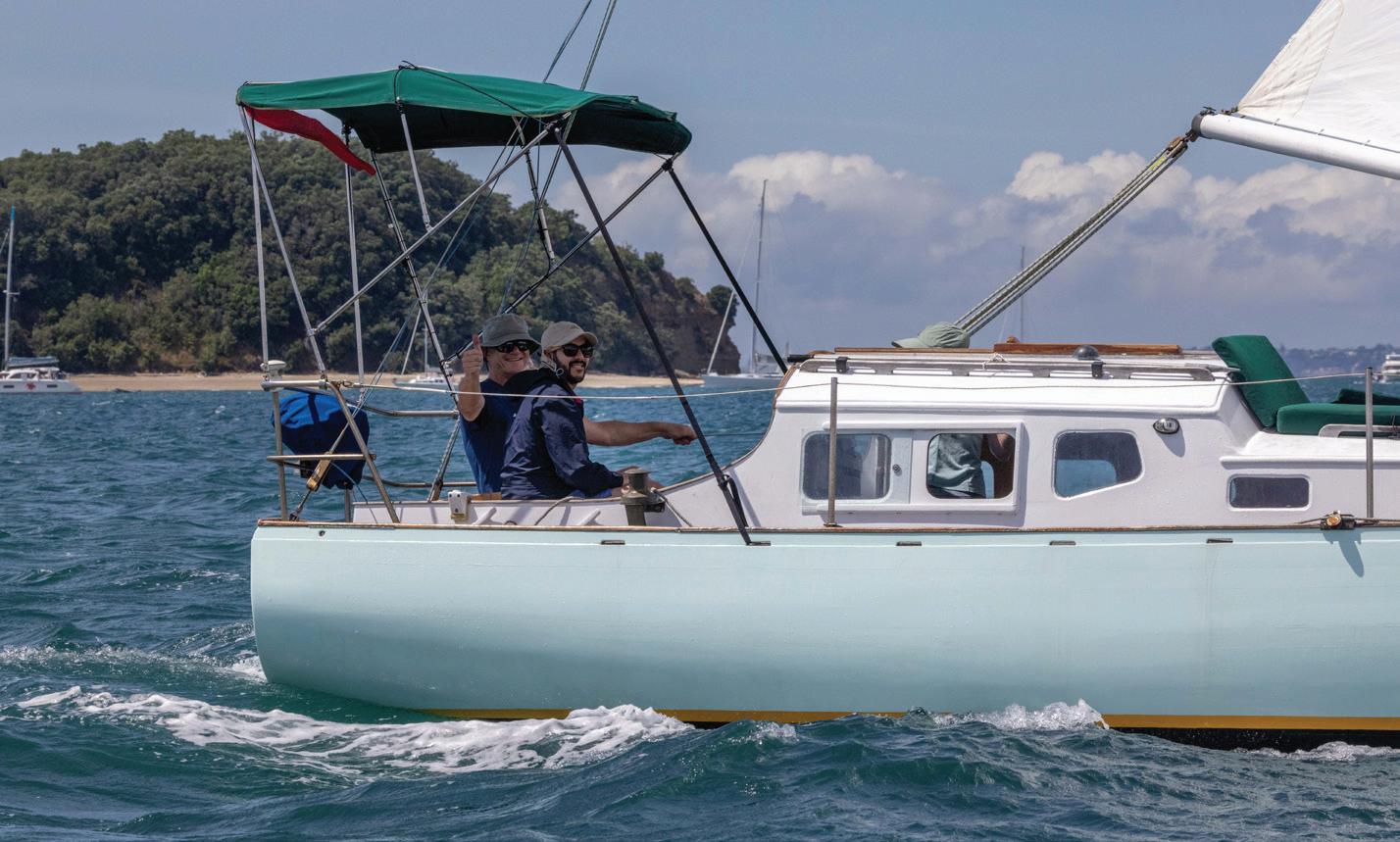
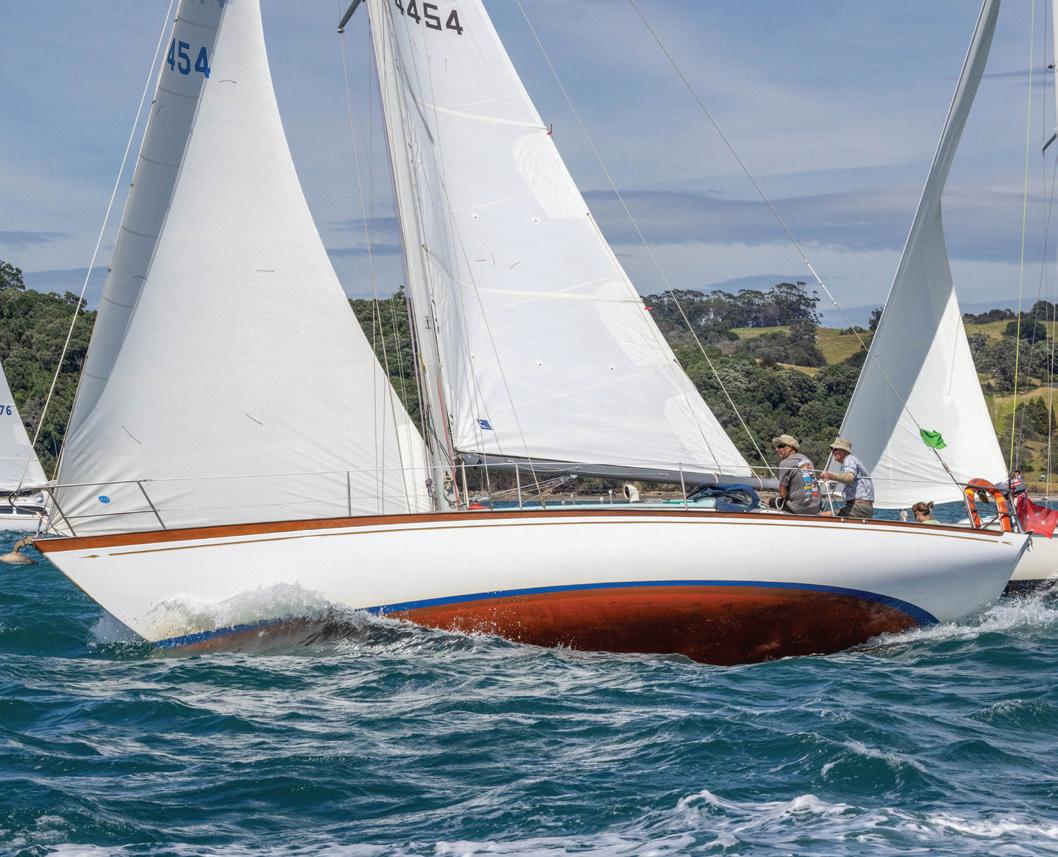
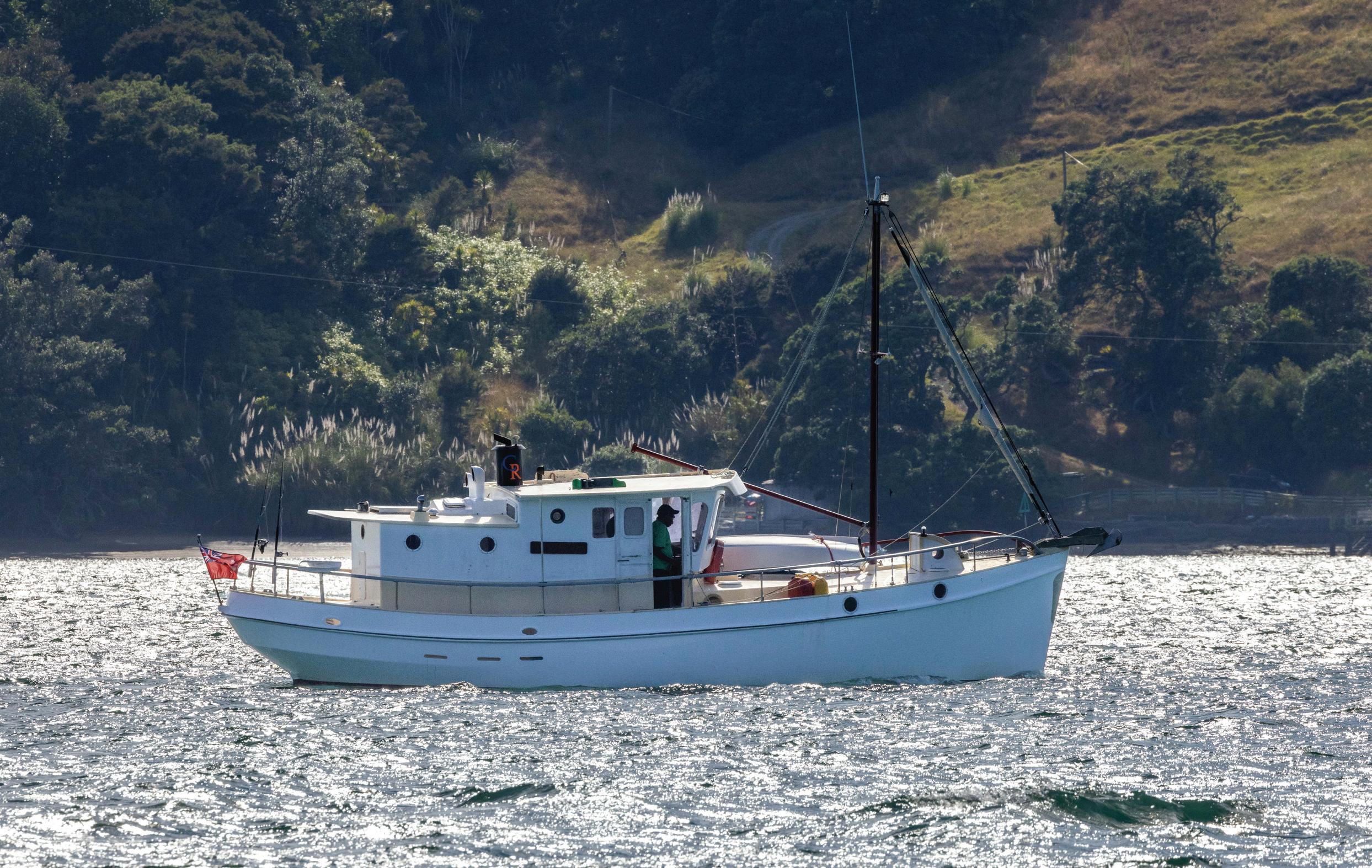
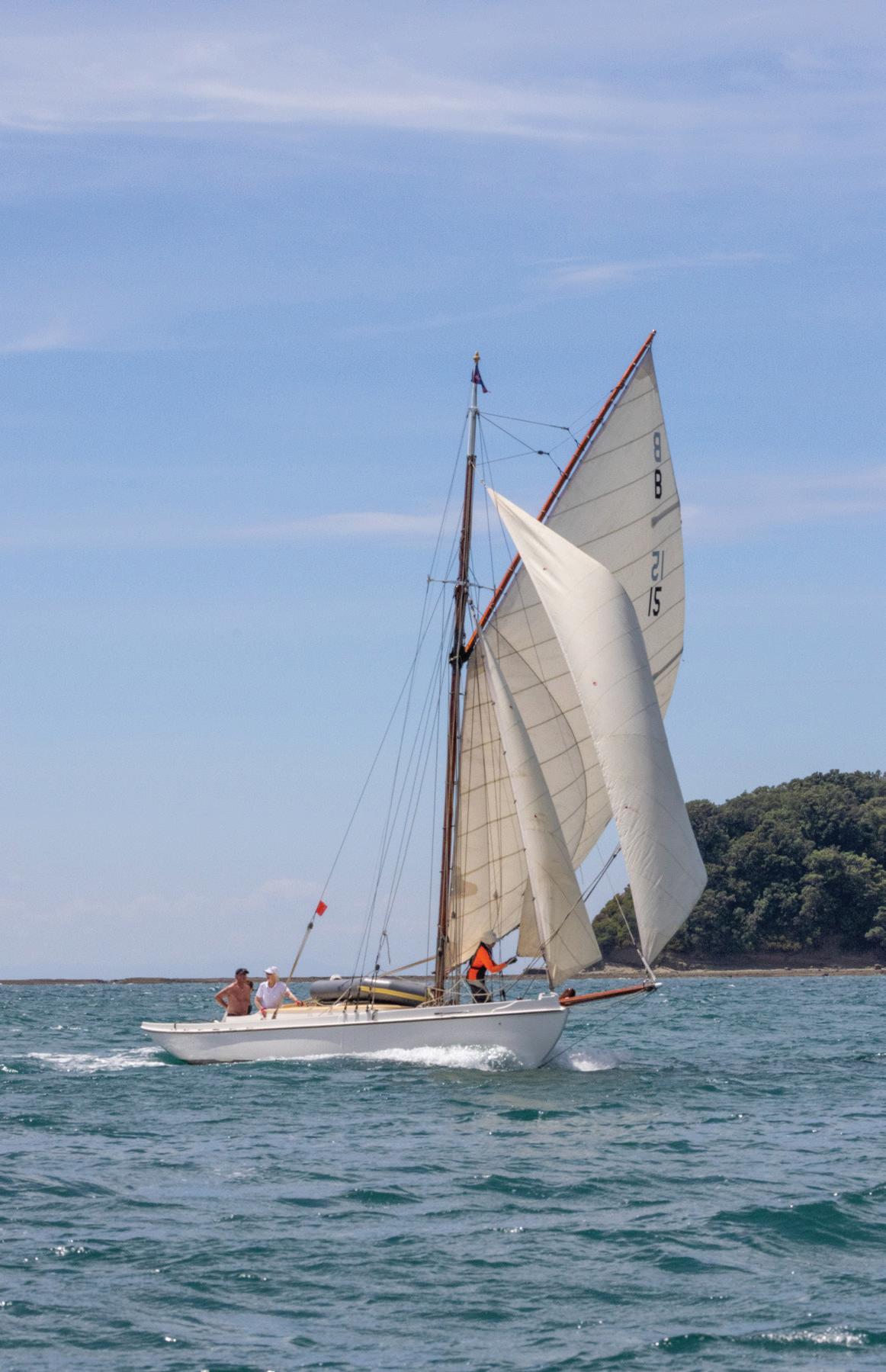
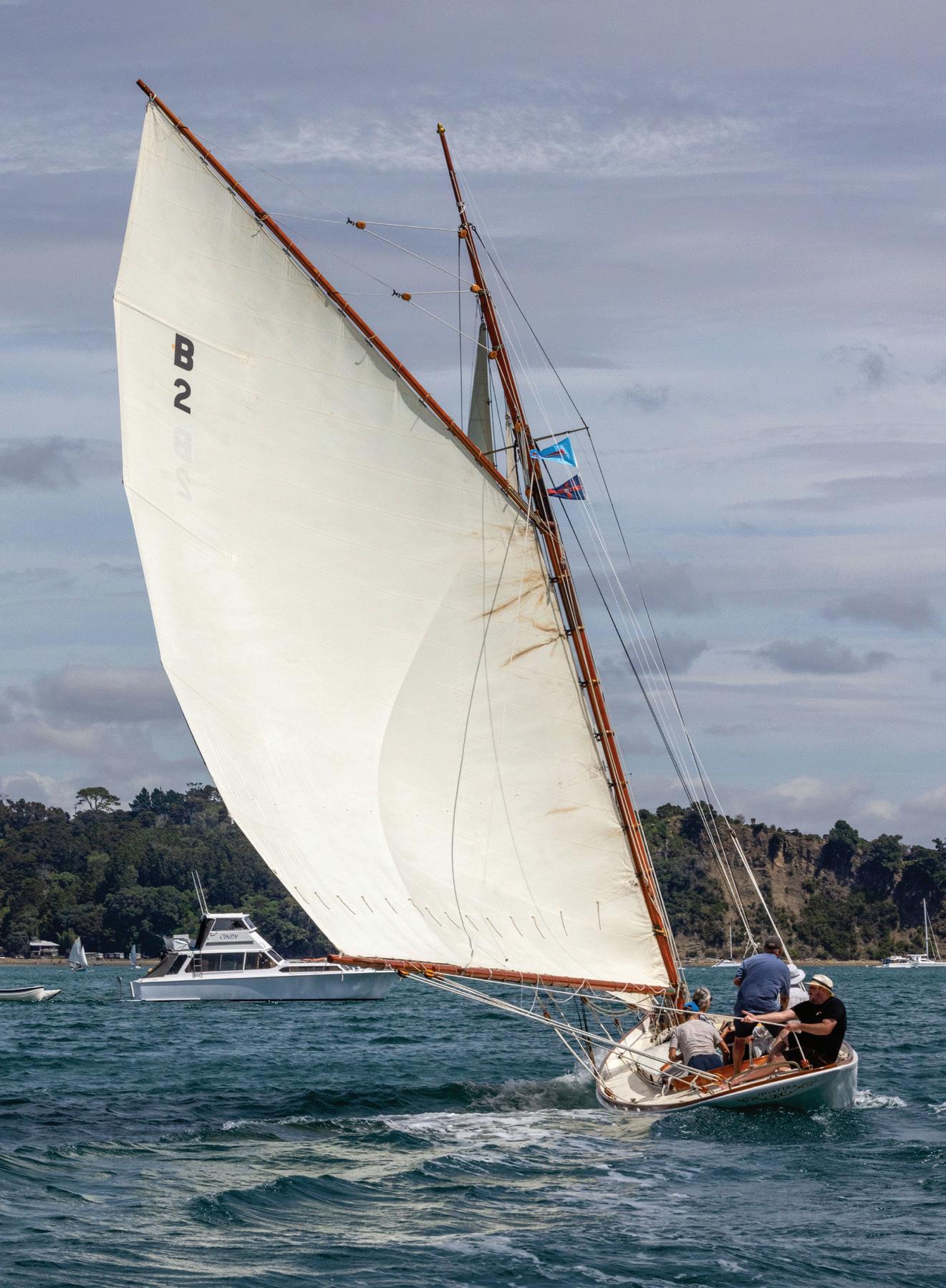
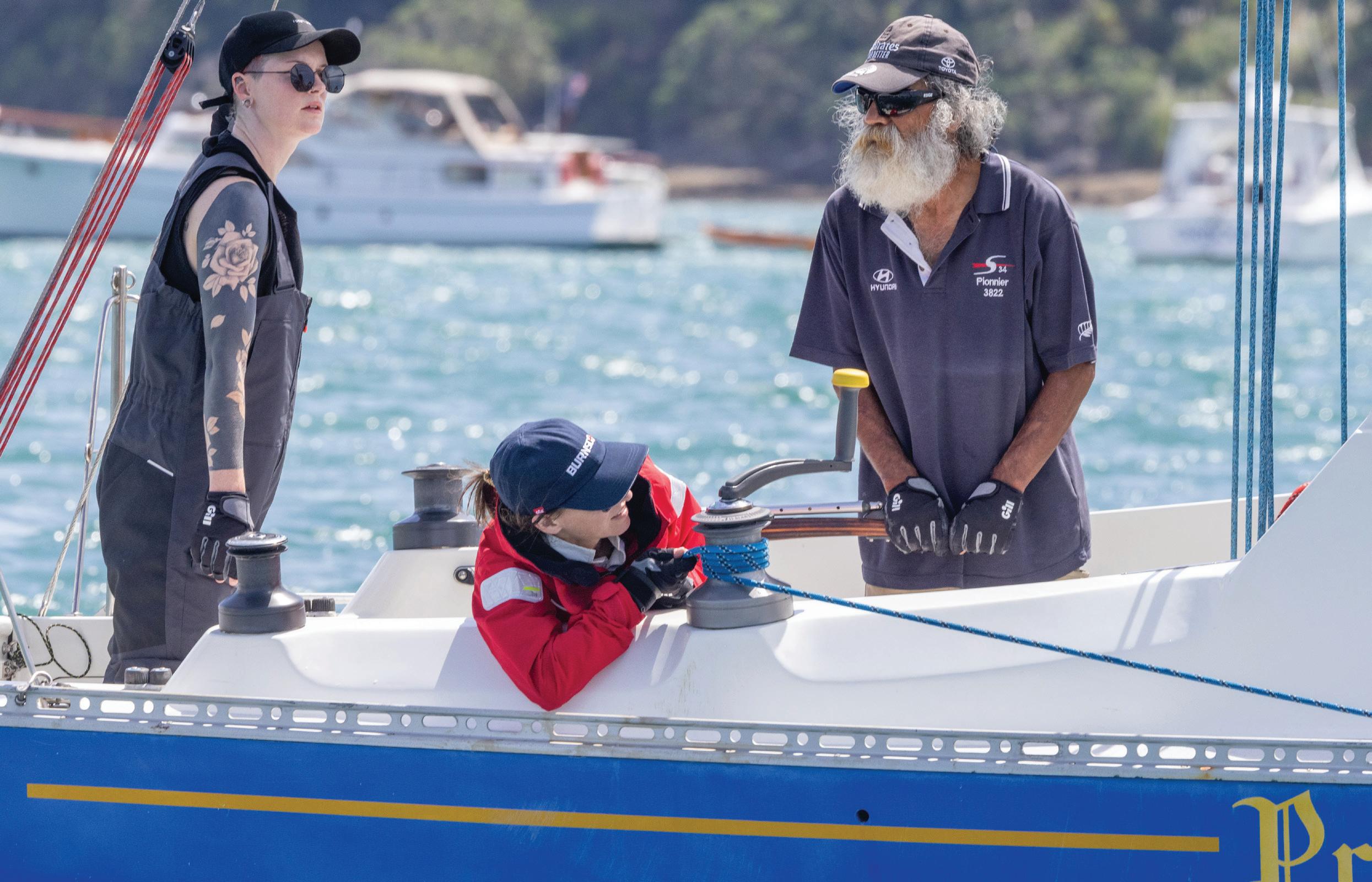
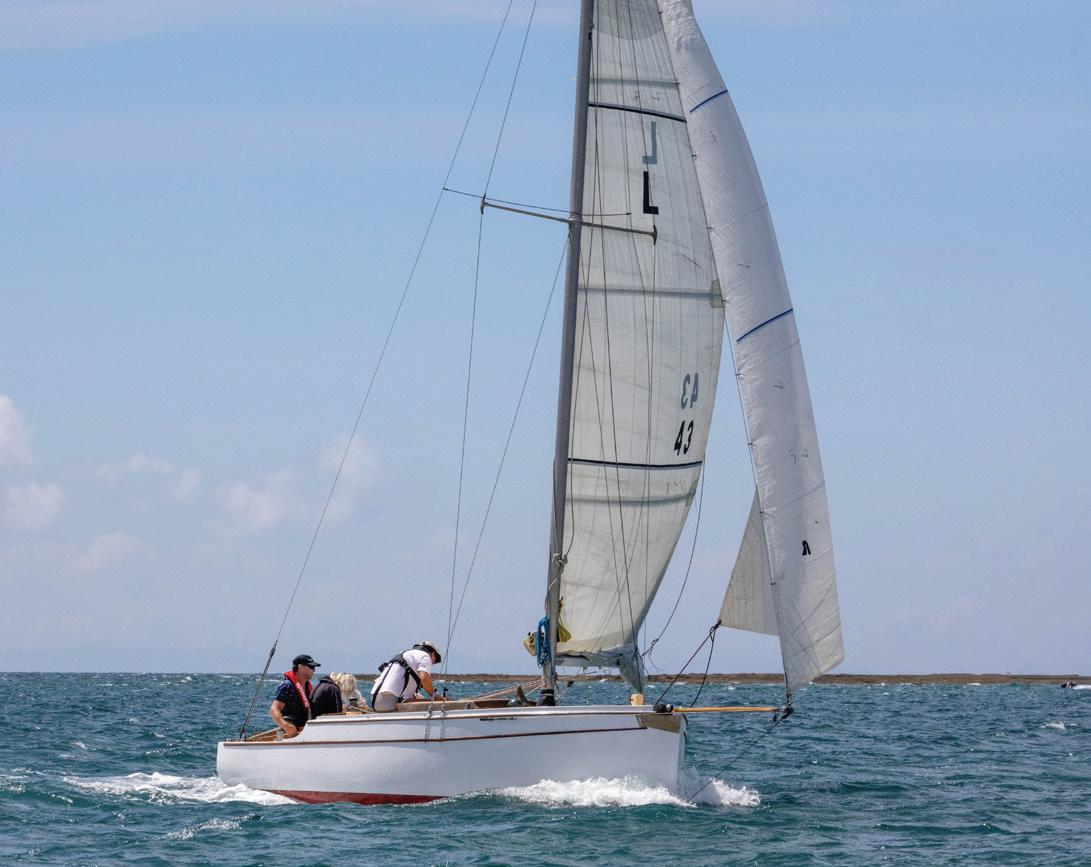
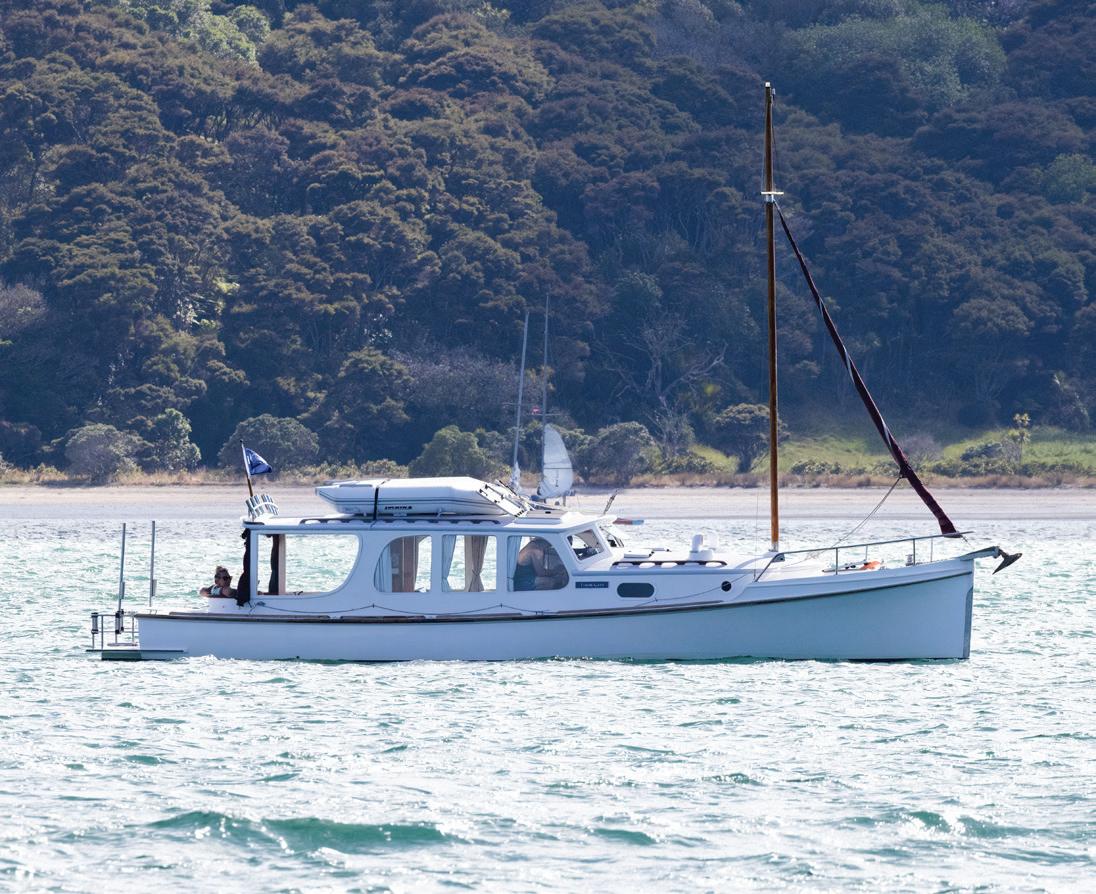
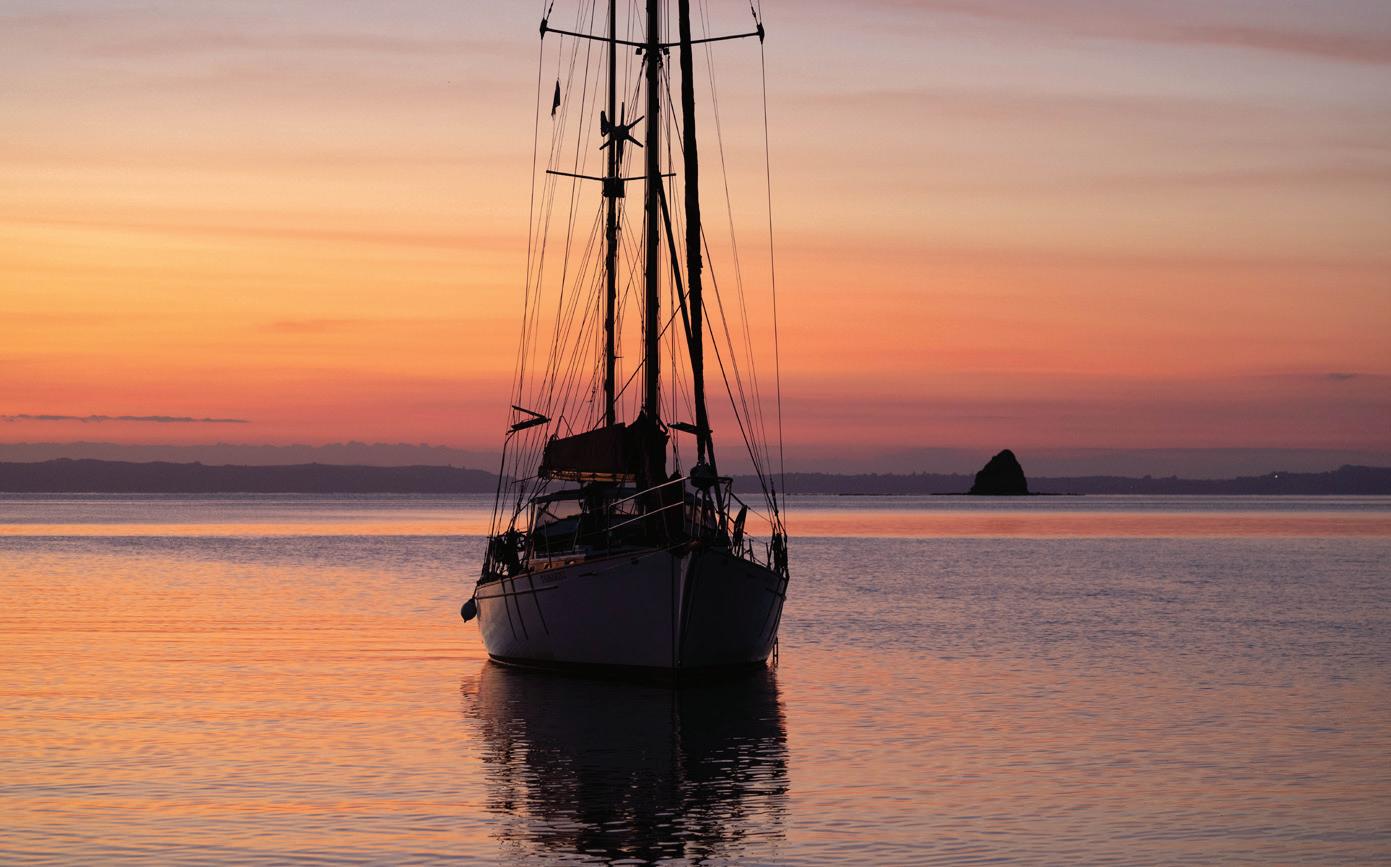
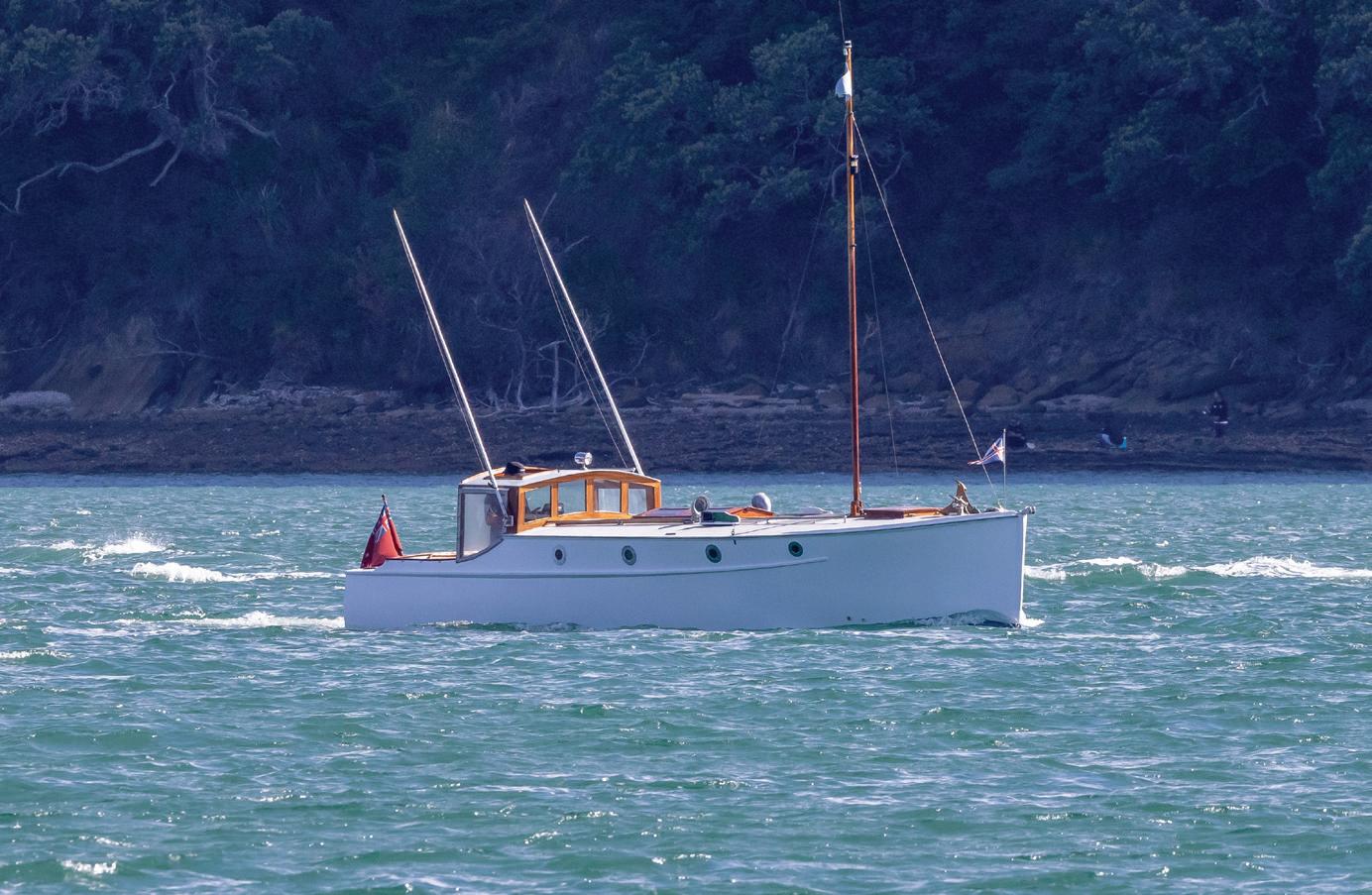
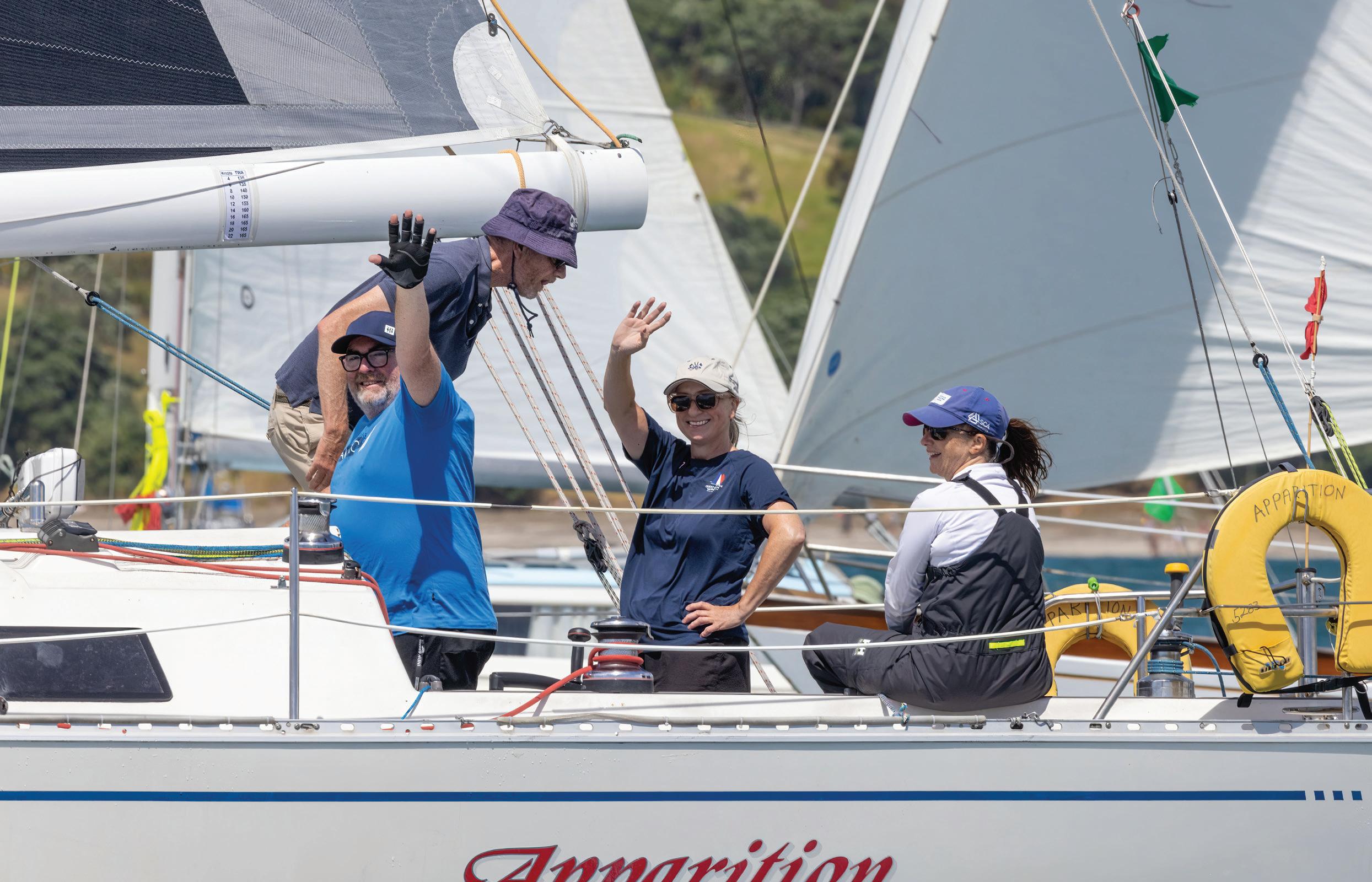
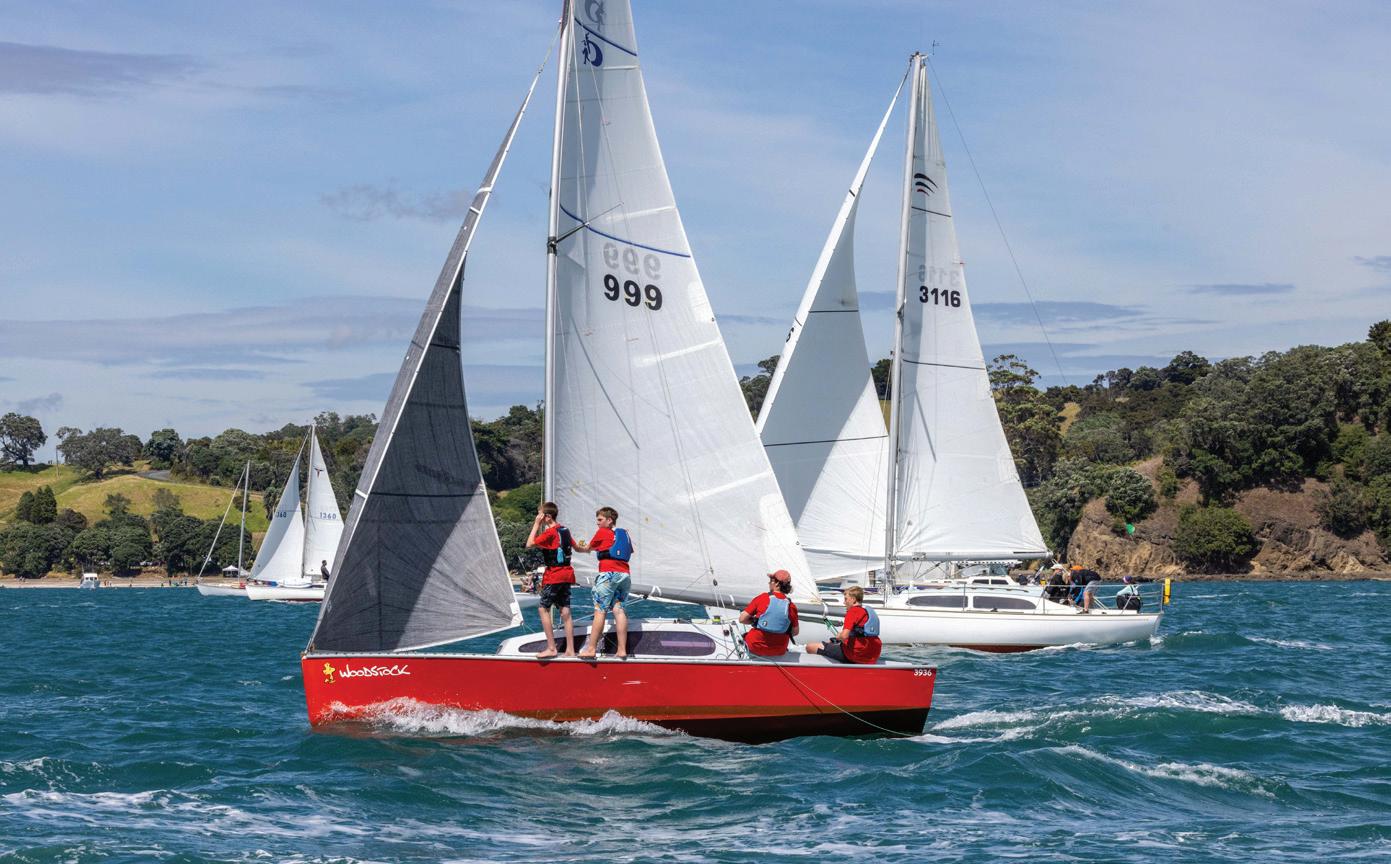
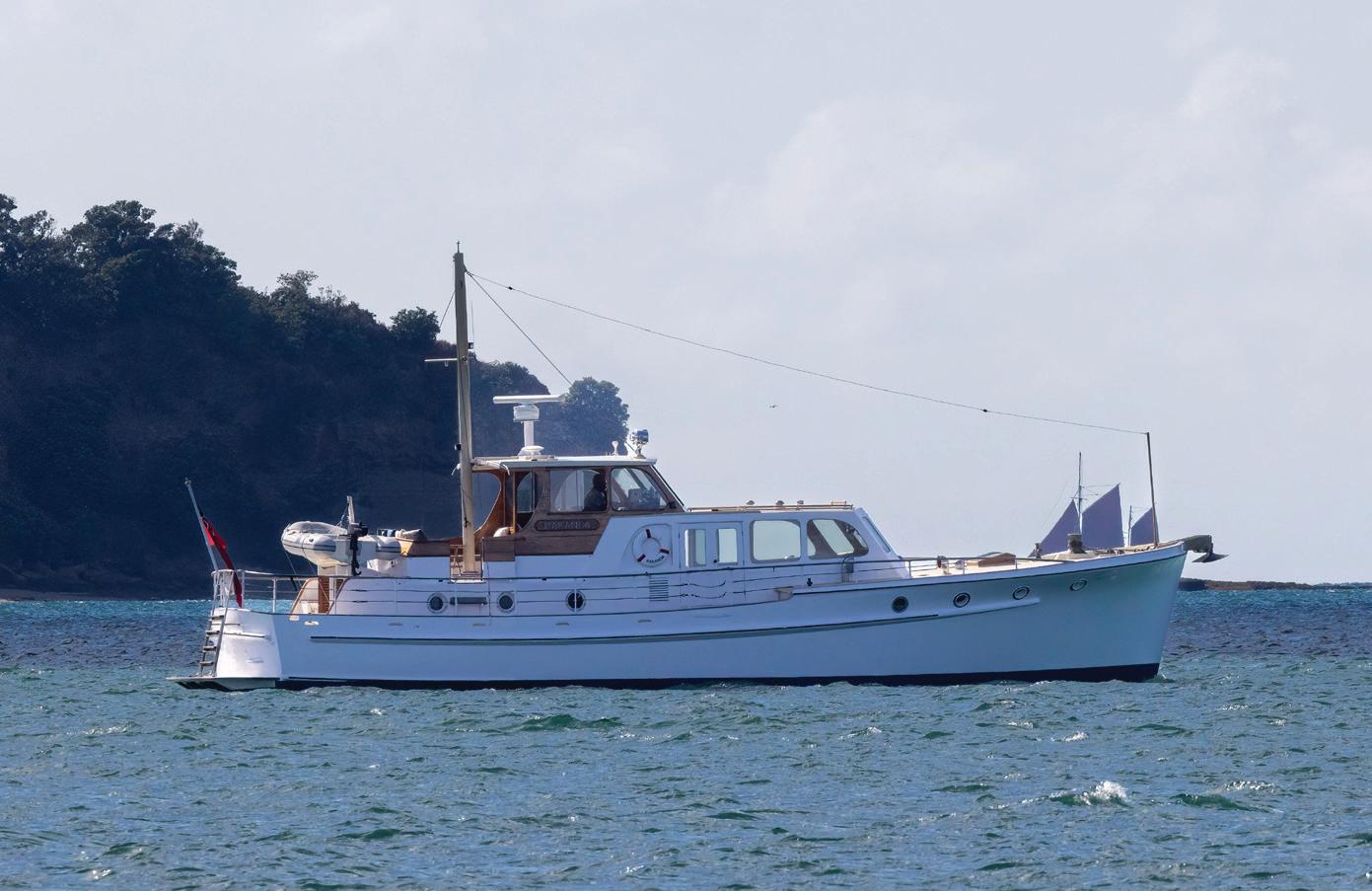
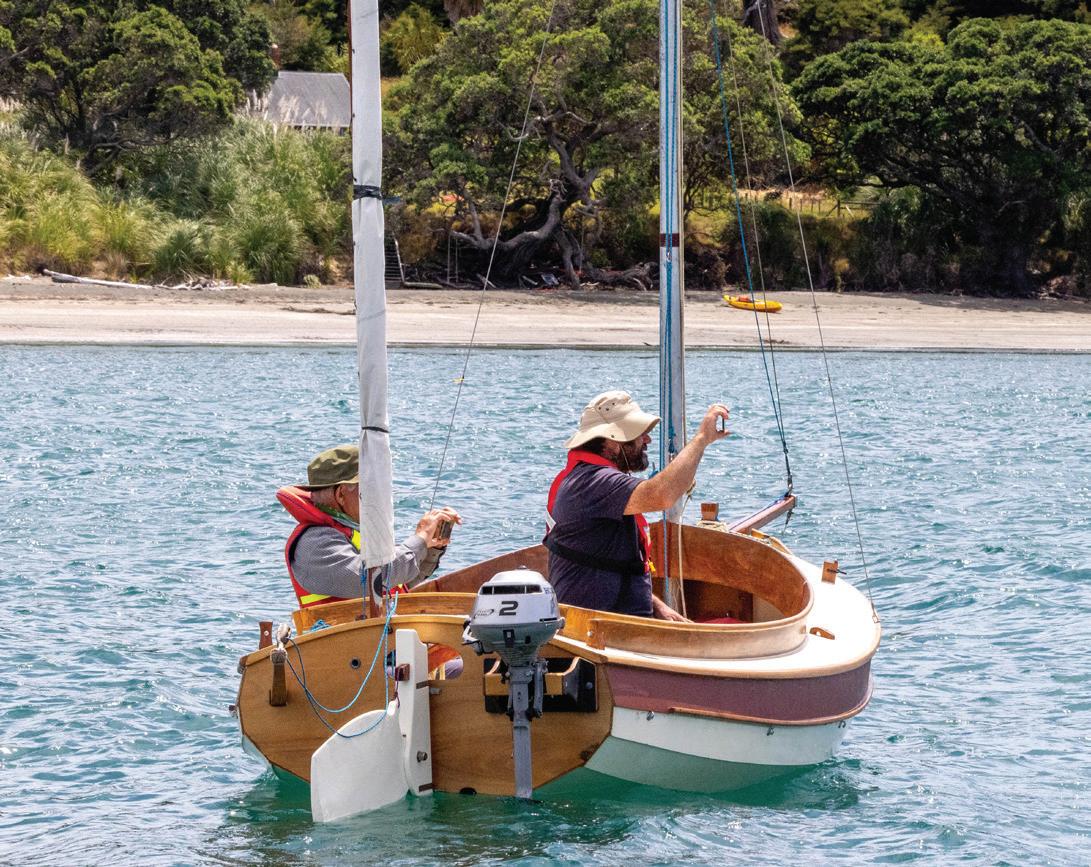
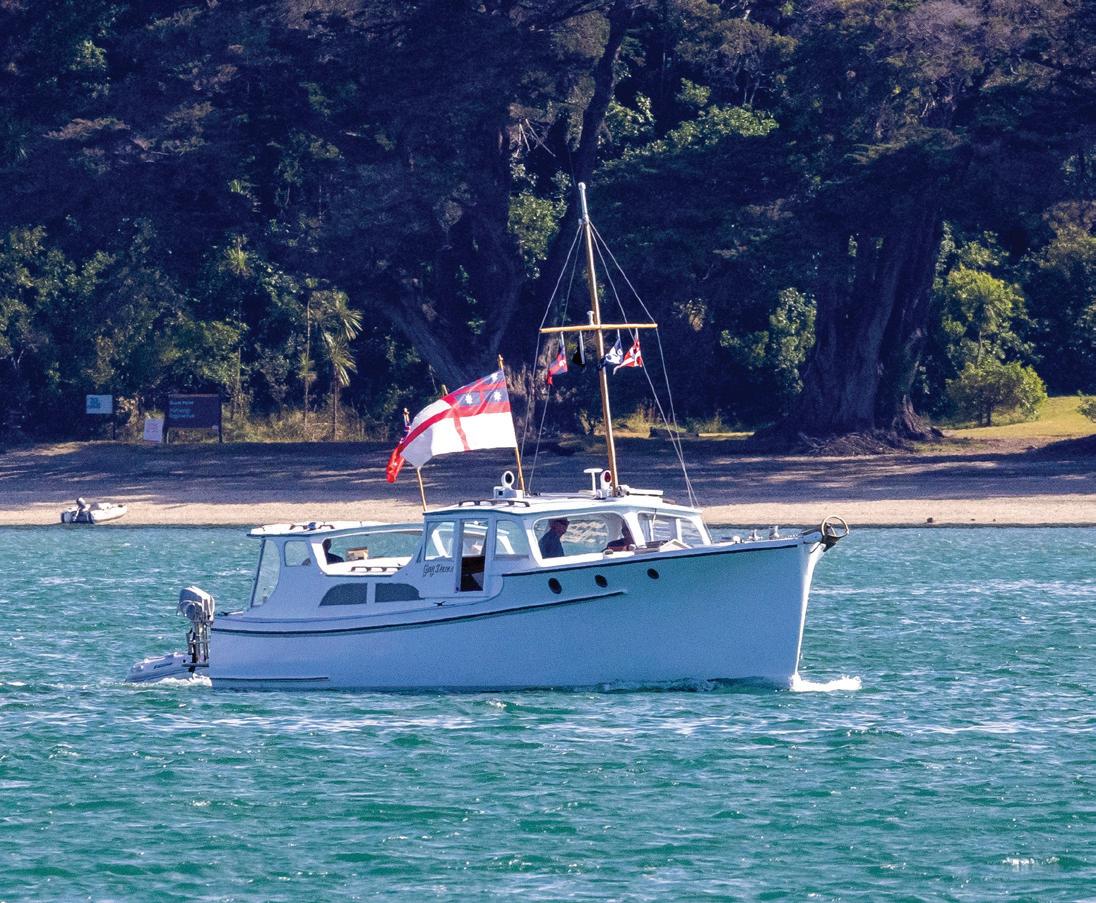
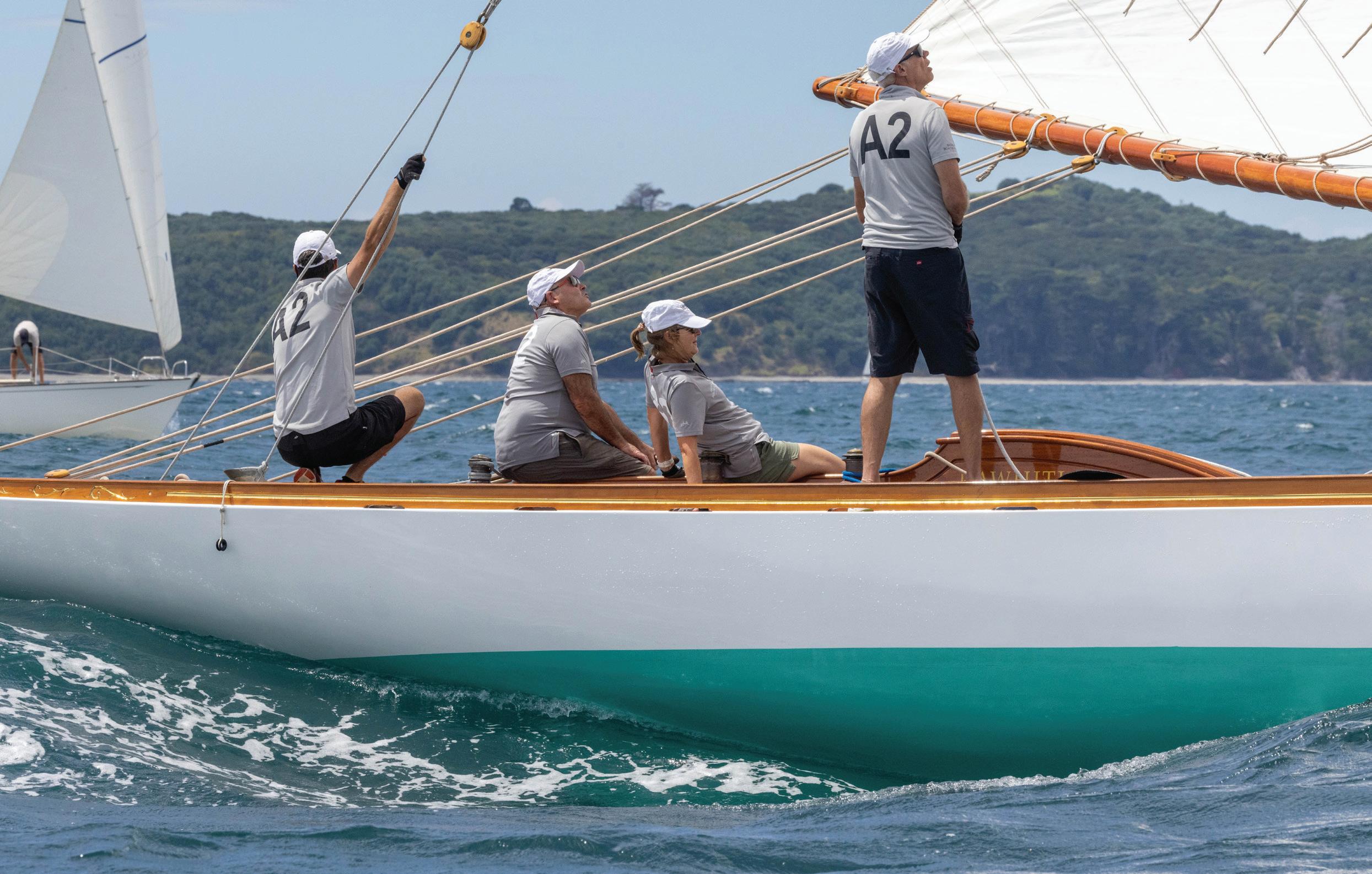
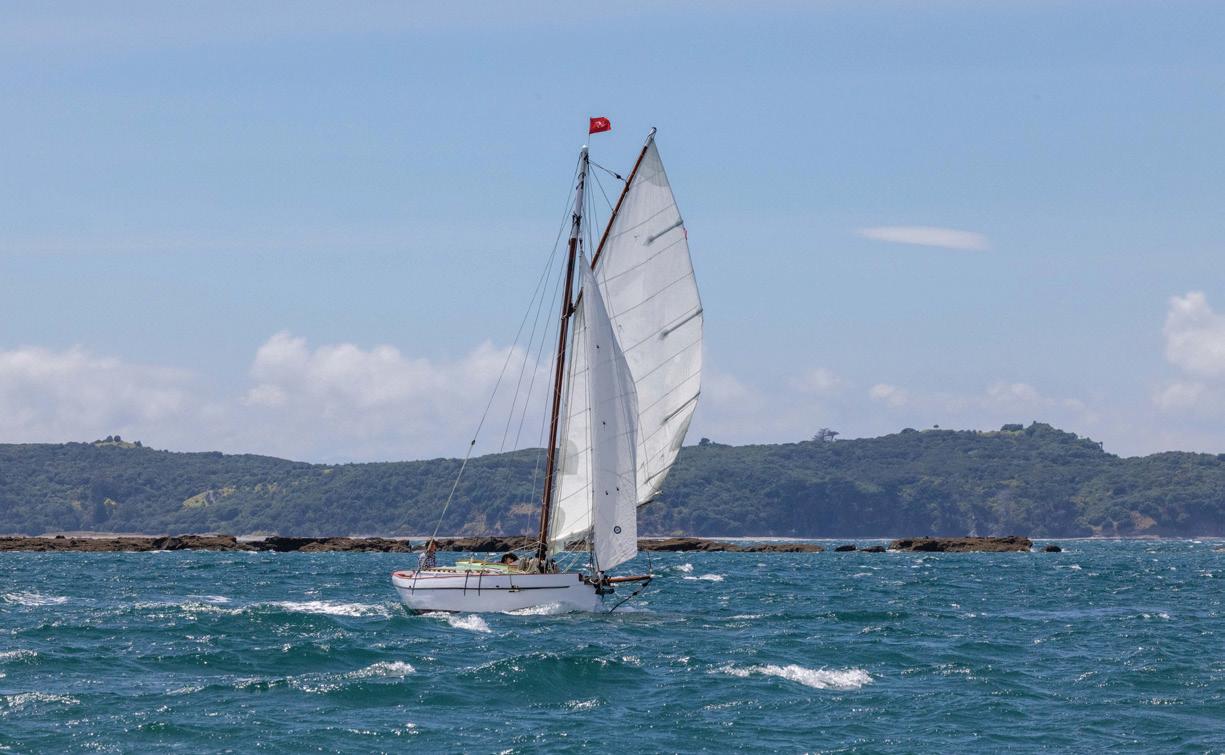
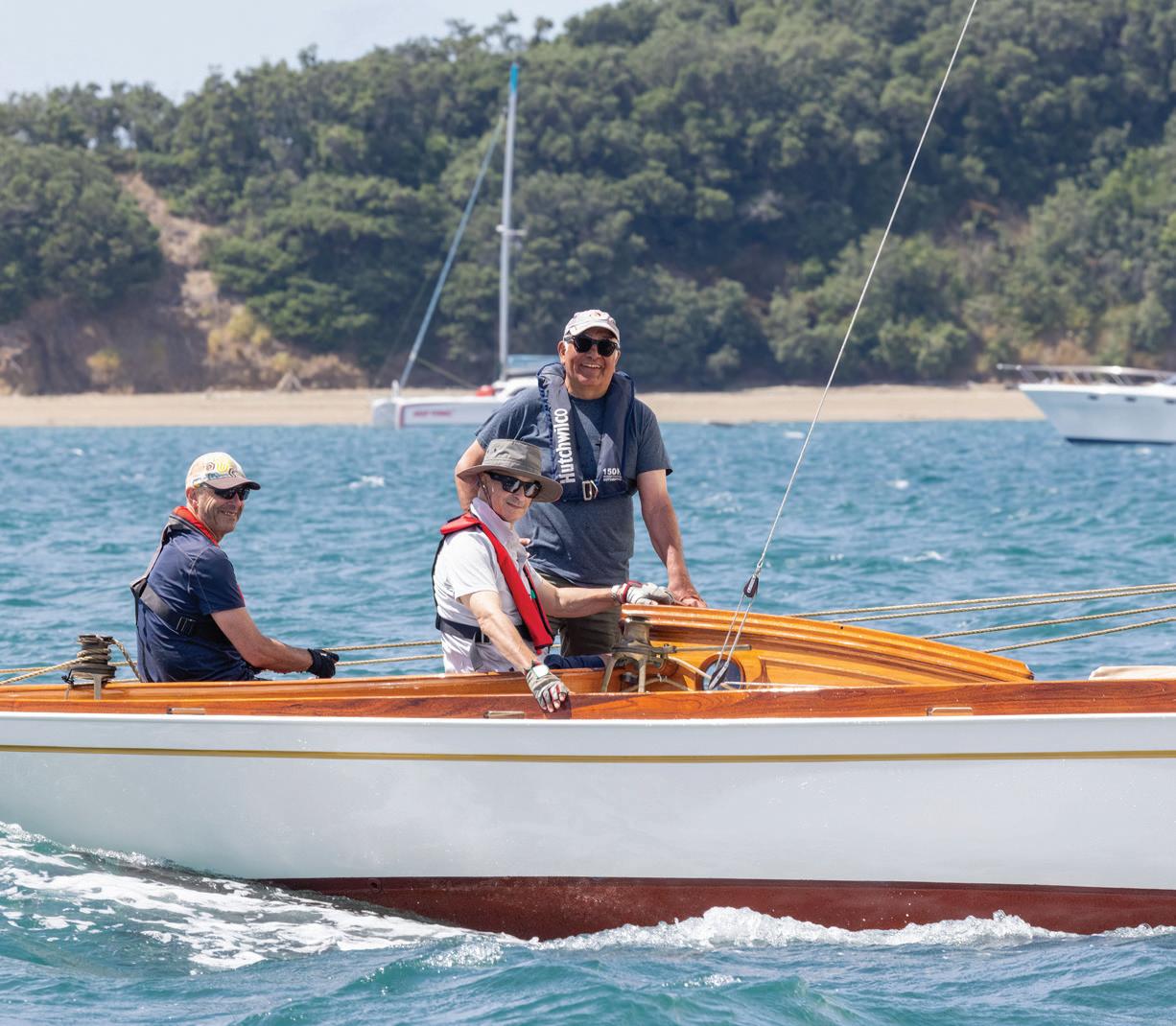
WORDS: Victor Hopwood
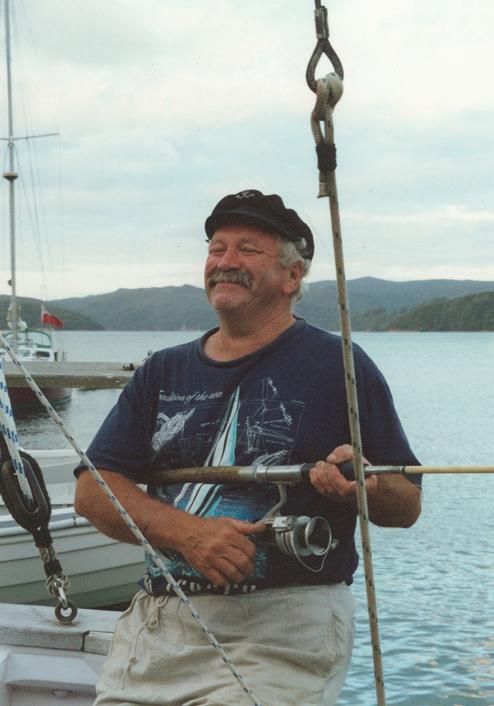
rian Owen passed away aged 87 in the early hours of Saturday the 8th of November, after an heroic battle with cancer, which saw him in and out of hospital for the last 8 years.
Prior to this his life was one of feverish activity of which boat building and sailing were an all-consuming passion.
Brian was in the Kiwi tradition of gifted amateur boat builders, alongside the likes of Johnnie Wray, Julian Godwin and Tony Armit.
They were essentially self taught during very austere times, showing the world what was to become the hallmark of their era, namely innovation, ingenuity and dogged persistence in overcoming all obstacles in their path to achieve their goals.
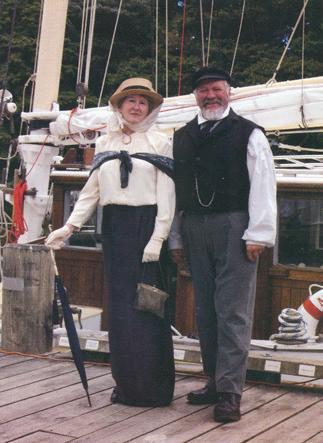
He was elected Commodore of the Mahurangi Cruising Club, and during Warkworths Sesquicentennial celebrations, his schooner Maggie was part of the activities centered around the Warkworth Wharf with Brian and Andrea dressed in period costume and very much part of the colourful scene.
Born in 1938, he was adopted early by a farming family on the Waiuku Peninsula. From the age of five, his early life was not unlike a youthful character out of a Dickensian novel, with a gruelling schedule of hard work, mucking out the cow sheds before walking two kilometres to school and back. Then to do more work in the cowshed until dark.
At 12 years of age, together with his cousin, Brian built his first boat, a canoe, which they launched above the old Mangere Bridge at high tide. They were swept underneath the concrete portals of the bridge, emerging downstream unscathed and undaunted below the bridge.
In 1968 he built his second boat, which was to Alan Wright’s second design of a small bilge keeler called Hanii. It was whilst learning to sail her that he received an offer to oversee the earth works for the new Rarotongan airport.
Armed with all the overconfidence that comes with youth and ignorance, he dispatched his then wife Janet and their 3 children by air to Rarotonga. Then, together with an equally untried crew of two, a transistor radio and a frypan, he set sail for Rarotonga via Raoul Island, where after a two-day stopover, they arrived guided only by the Island drum beats picked up on the radio.
After a two-year stint he returned with Janet as his crew to Cockle Bay in Auckland. He almost immediately embarked on building another Alan Wright yacht, this time a 40 footer, which he built along with three other boats in a 150 foot-long shed.
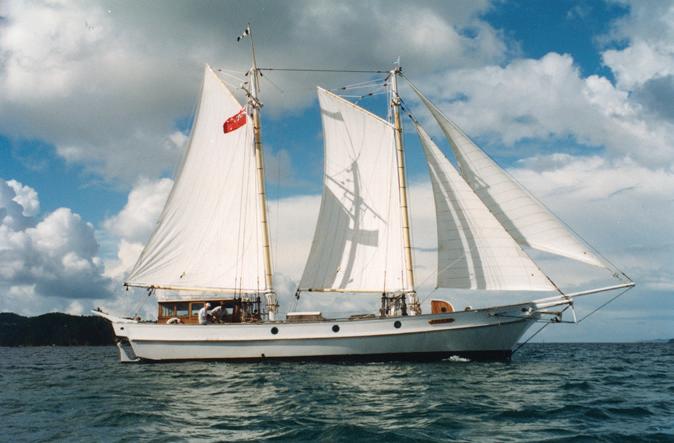
In 1974 it was then time to launch his bulldozing business and between this and his contract work he then began to build the Maggie. She was to be 80 ft overall and 65 ft on the deck. It took him 15 years to complete this Chesapeake Schooner.
At the same time he also built a beautiful 17 foot carvel Whitehall dinghy as a tender. She was displayed at the 1982 Auckland Boat Show with a photograph of her in the NZ Herald showing Brian, spokeshave in hand, surrounded by an admiring audience.
Maggie went on to win Boat of the Year at the 1989 Auckland Boat Show.
After 20 years and 20,000 miles of coastal sailing, Maggie was sold to make way for what was to be his last boat building project.
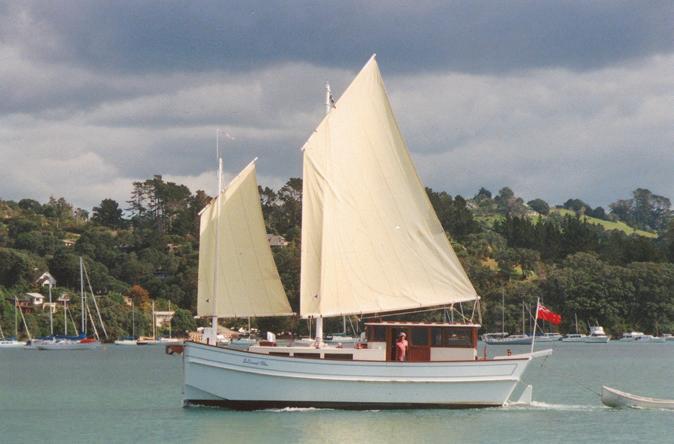
Launched in 2011, Le Canard Bleu (Blue Duck) was a very unconventional craft, with more than a nod to Phil Bolger the American designer.
She incorporated a box keel and pram bow. A threemasted rig with balanced lug sails gave her a low aspect easily reefed rig.
She also had a massive two cylinder Gardner diesel engine weighing nearly a ton!
She was completed in two years - not bad for a 74-yearold builder - and was to cover over 4,000 miles before being sold in 2016
The launching of Maggie and Le Canard Bleu, were in his own words the highlights of his life.
It has been my privilege to have known Brian and Julian and observe their contribution to New Zealand boating history throughout.
Aweary of this earthly noise
I pace my silent way.
Come you and help me tie this rope:
I would not lose my only hope.
Already clear the birds I hear
Already break the day.
James Elroy Flecker
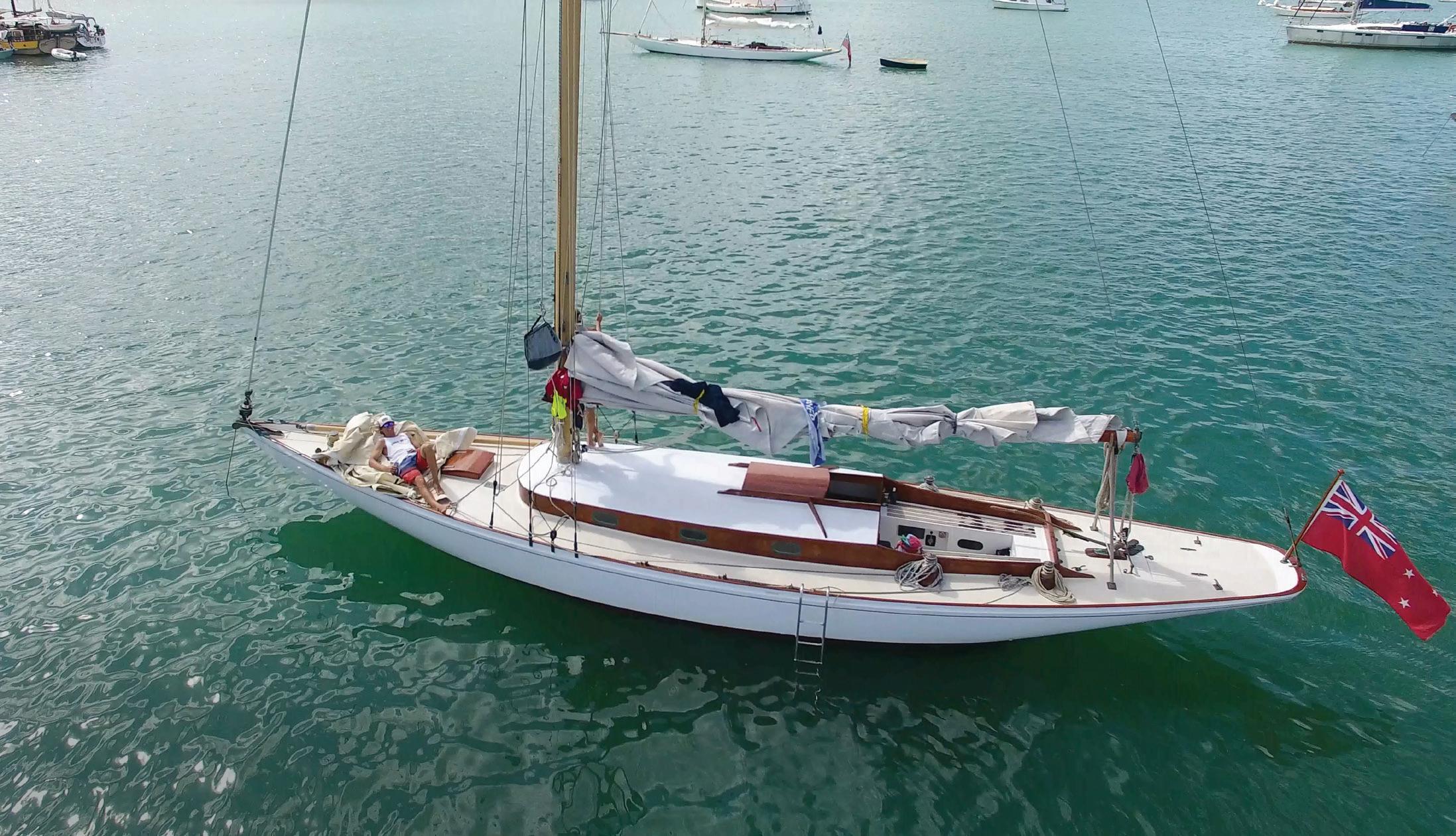
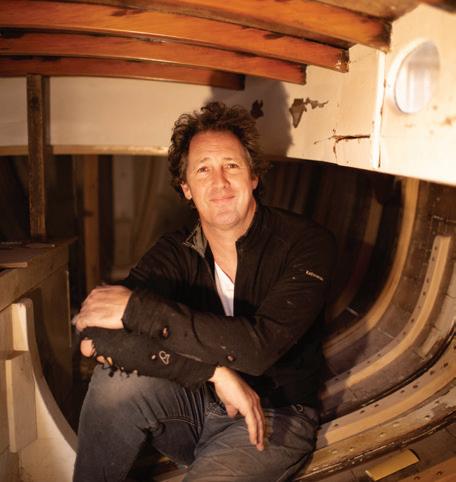
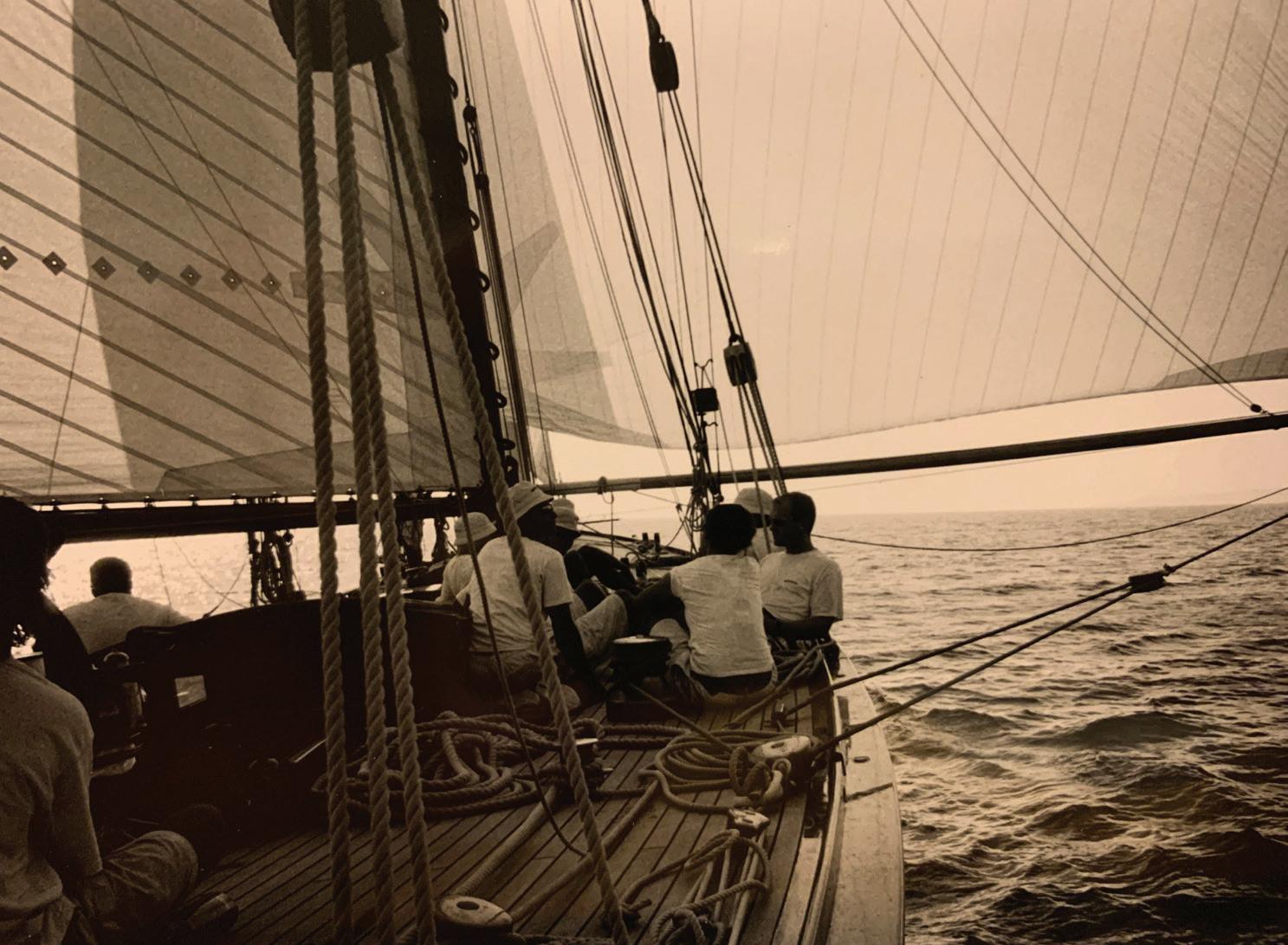
His TradeMe watchlist went deeper than a Dusky Sound anchorage. The listings rolled and lurched between wildly different vessels. There was an enormous 20 tonne trawler languishing in a field near a river going for a song. The next page revealed a rank of disintegrating plywood runabouts. The pictures of varnished dashboards stroked his eyes, the patina on the gauges... imagine them twitching with electricity as the boat bobbed and dived through a bright blue chop.
Yet all this time he was looking for a sail boat. He would eventually buy one. It’s been five years now, maybe six. She’s on the hard currently. On the current hardly. It was a sort of “turn-key” boat when he got her for a large, yet heavily discounted sum.
Houses, cars and boats have such divergent areas of value. A small expensive apartment may be furnished with materials and fittings of the lowest price and quality, yet still be sleek, well positioned and a wonderful place to live.
A wreck with shapely lines may possess many of the most premium materials available. Stanchions of cast bronze, fastenings of copper, beautiful local and exotic timbers, even a once-valuable engine.... now all completely worthless, or worse, a liability.
Before you start your first search for a wooden boat in earnest consider a pair of rules that will quickly narrow down the selection. Sometimes it’s nice to browse widely, huh. Stop it! You’re addicted to online shopping and you’re nurturing that terrible habit of buying without trying. This can be fatal for purchasing musical instruments, or anything that claims to float.
The two things that will simplify your life are firstly, having the boat in the water and secondly, no leaks. This rules out the majority of old wooden boats on the market. It’s not your fault. The wood is trying to become soil from
the moment the tree is felled. It’s probably already halfway to becoming dirt in the timber above the waterline. You’ll unearth a little potting mix here and there, where once was wood. It’ll have that sulphurous whiff when you first break through. A tiny flaw in the paint concealing a long seam of decay.
Many discerning people, including the writer, who’ve widely researched the truth of wooden boats have had their heads turned by aesthetics and romance. Somehow the question of whether the boat is watertight is never decisively addressed. Anything that refines your choices will be helpful here.
The less you spend the better the value for a buyer. It seems to make sense, but with wooden boats especially, it’s a flawed idea. Once you’re responsible for a displacement wooden boat that’s in the water you’ll be paying across the counter for almost everything. Some may have a hack to score rates on various pieces of the refitting puzzle, but everyone eventually pays for these premium products and services. If you buy the cheap sandpaper at the hardware store you’ll waste precious hours on the costly hardstand. It goes on. For your average civilian the only opportunity to secure good value is when you buy the boat, because,
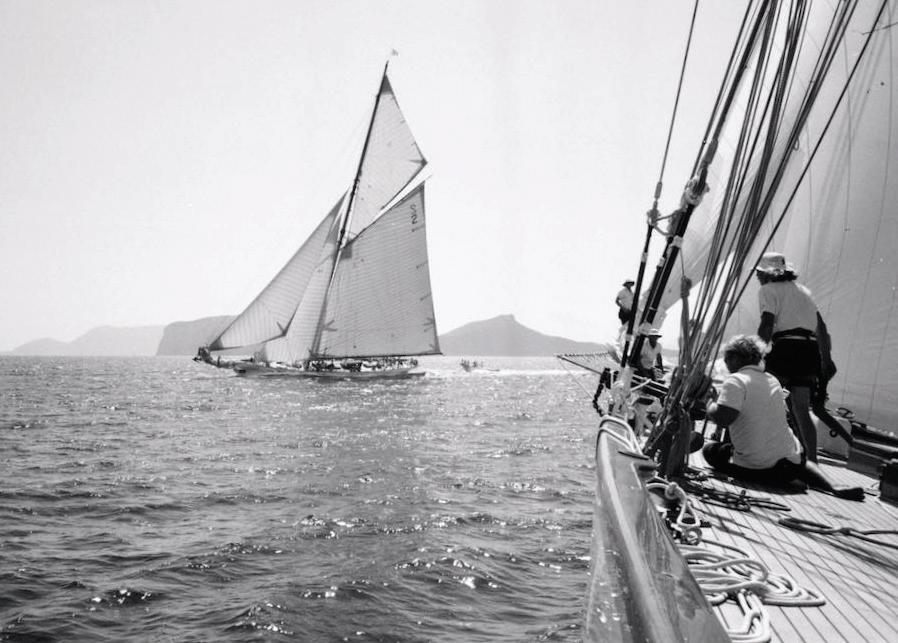
as we all know, the value of a wooden boat is so far below the cost to produce it. You want to buy the very best boat you can afford. That is where the value lies. Once you’ve got the pretty lump you pay for everything so it had better have a nice engine and great paint work. This is your one chance to get all that stuff at a snip.
I don’t see it as a tragedy when an old wooden boat is broken up and disposed of. They have a finite lifespan. Once they’re neglected for more than a few seasons the writing is almost on the wall. At least a decision was made and people can get on with their lives. Losing individual old boats is of far less importance than losing the boatyards and traditional methods that bring these kinetic artworks into the world.
This is what I wish I’d known before buying my first wooden boat. Perhaps I was furnished with such knowledge and chose to ignore it. As Bill Tilman says: “Good advice, so seldom given, so often squandered”. For the ranks of boatbuilders and highly motivated artisans among us, there will be no new information here. But for the keen mariner who is eager to get afloat on their own craft for the first time, this essay is for you.
That’s why the two points related to the boat being watertight are perfect for the first time wooden boat buyer. There’s no hiding these matters. No trained eye is needed. Of course this is true of all boats, but they don’t exert the powerful pull of a handmade wooden vessel, a
sculpture of intricately mated compound curves. A time machine replete with outrageous stories.
So you’ve found your wooden boat that’s already in the water and has no leaks. Now you must get the vessel surveyed. You’ll need a survey to get insured so you may as well get it done before you commit to a purchase. A dispassionate and critical eye has never been worth more. Once you’ve got the result of the survey, take your time before you take the plunge. Decisions made in haste are usually regretted, often pretty quickly too. If you miss out on a boat because of laborious deliberation, this will only sharpen your focus in the future. Folks always want to get rid of these things, even the good ones. Another beauty will soon appear.
Now you’ve bought your boat take her sailing, go on a cruise, use her for a season. Then you’ll find out what needs to be done first. Many new owners get stuck into a paint job or some other major maintenance task before finding out what really needs to be done. This is half the reason so few of our classics possess any of their original interior.
Of course all of the above can be true, yet still be wrong. A first-time boat buyer could come across a dilapidated mess parked in a driveway and bring her back from the brink. Folks often do. Let us raise a glass to every one of ‘em! But remember, everything you own ends up owning you.
WORDS: Stephen Horsley, Noel Barrott and extracts from a Cruising World article by Tom Zydler.
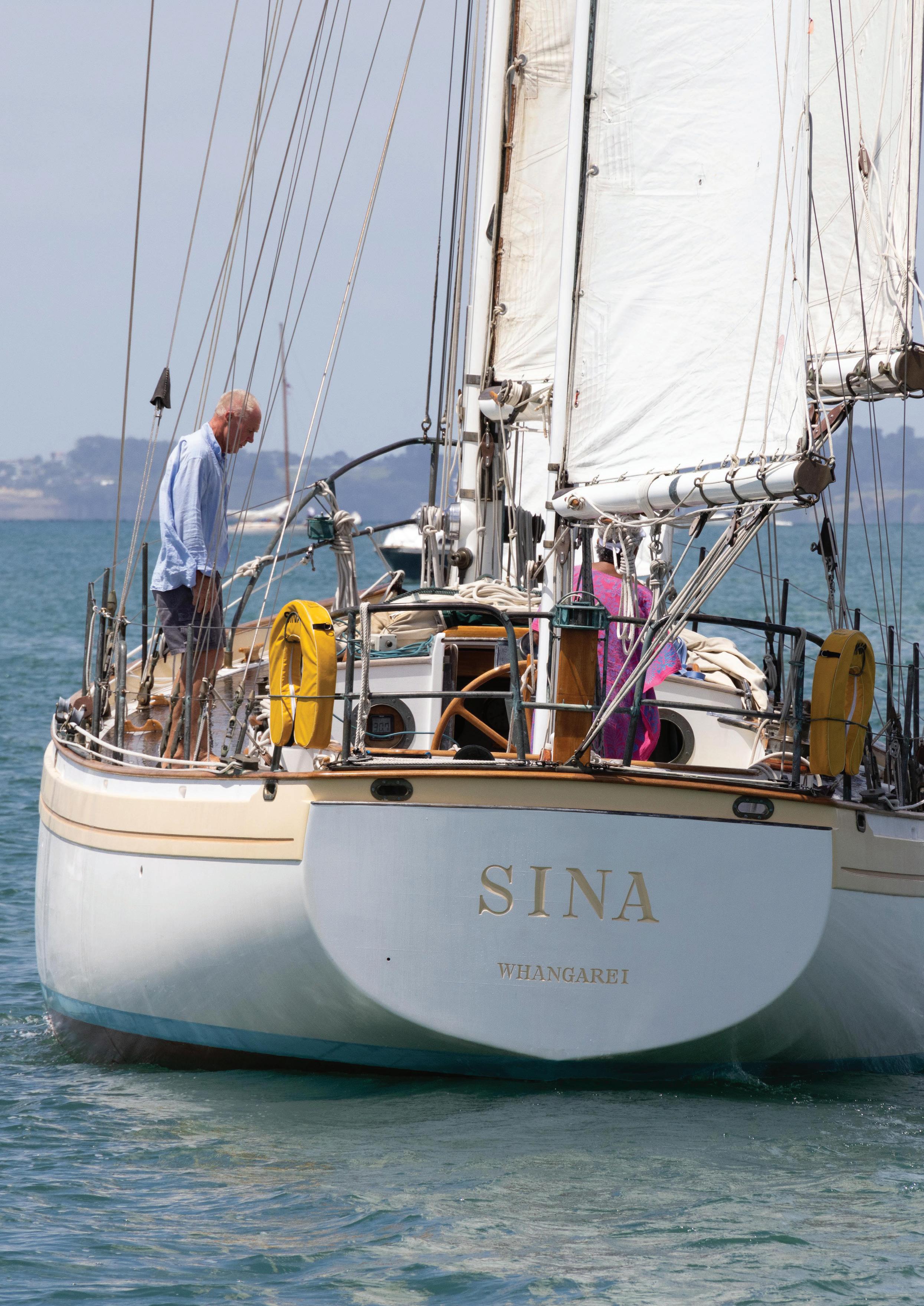
Noel and Litara Barrott have circled the globe twice clocking over 130,000 nautical miles. Have been awarded three Blue Water Medals. Noel and a crew were washed overboard in a storm leaving Litara and his daughter Sina who was injured in the knockdown to rescue them. She writes to friends telling of the harrowing ordeal. They have plans for a smaller boat that Noel wants to build and maybe go for a third round trip.
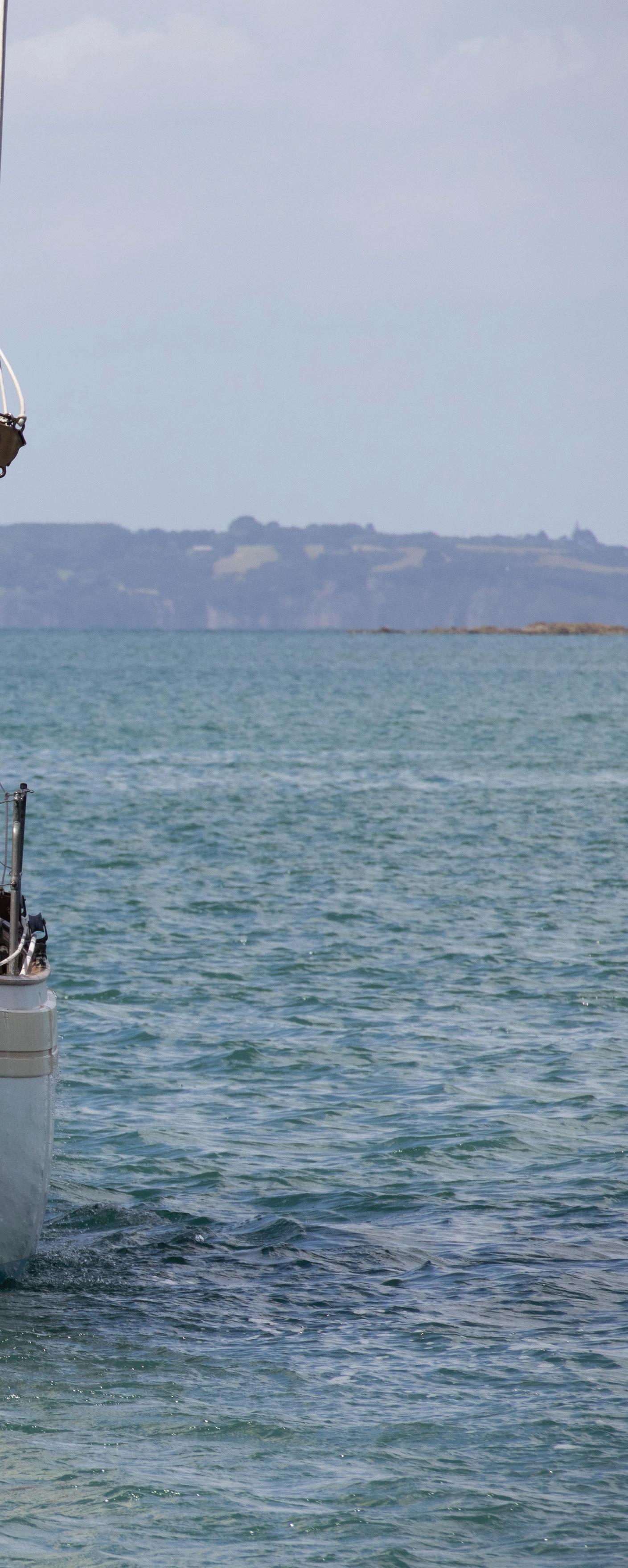
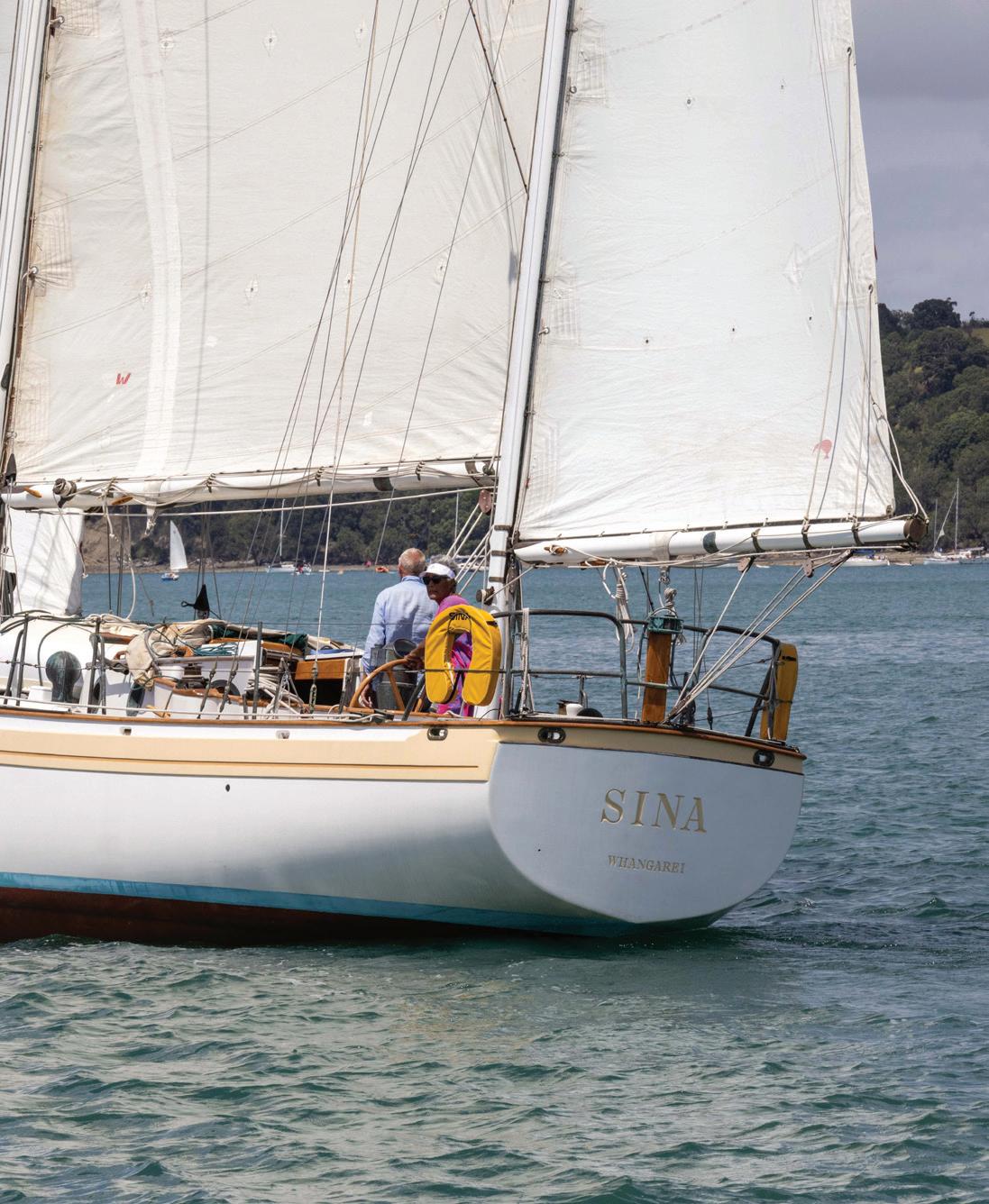
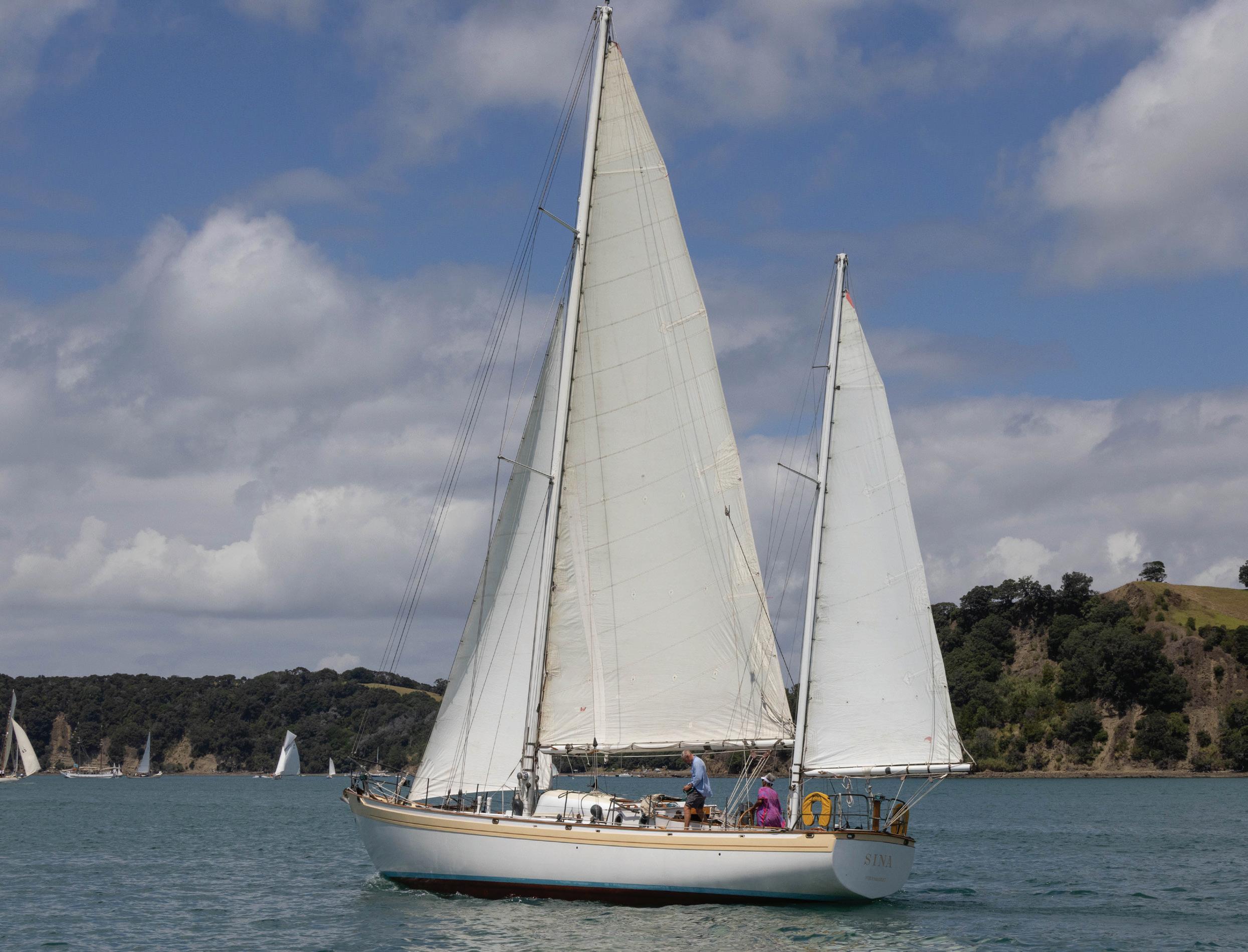
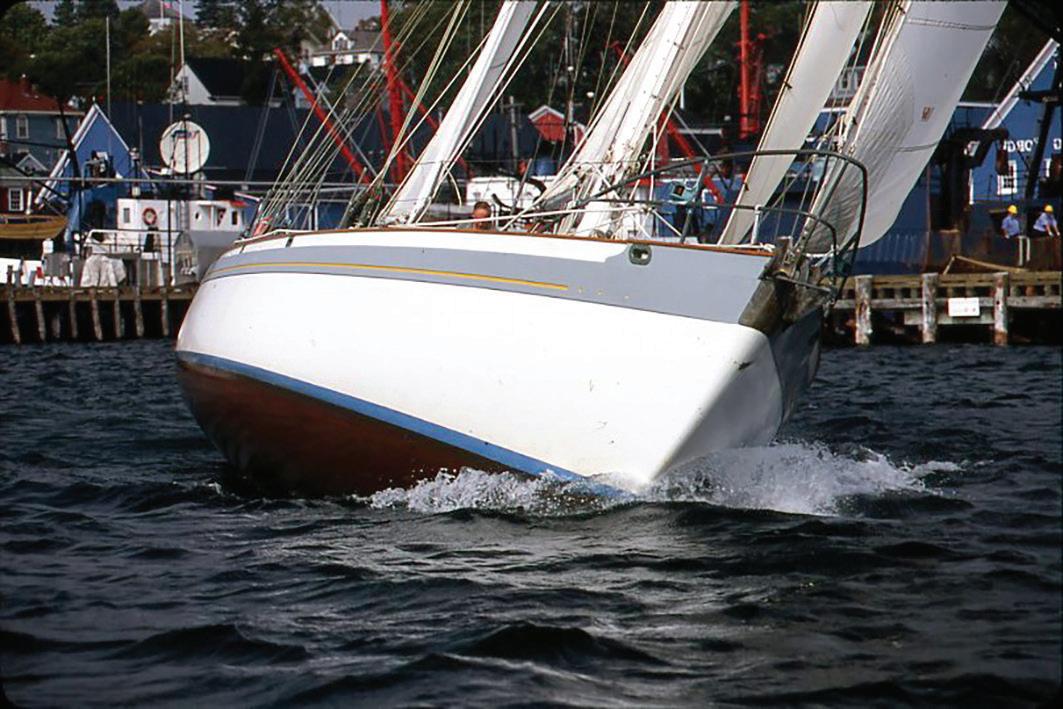
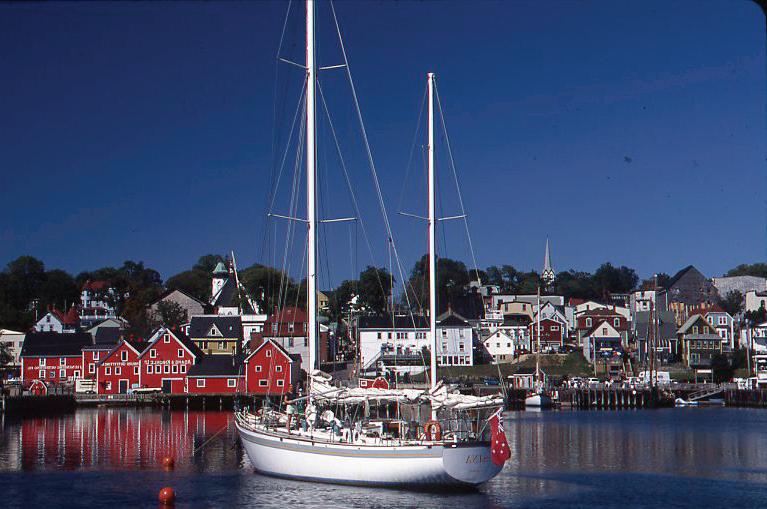
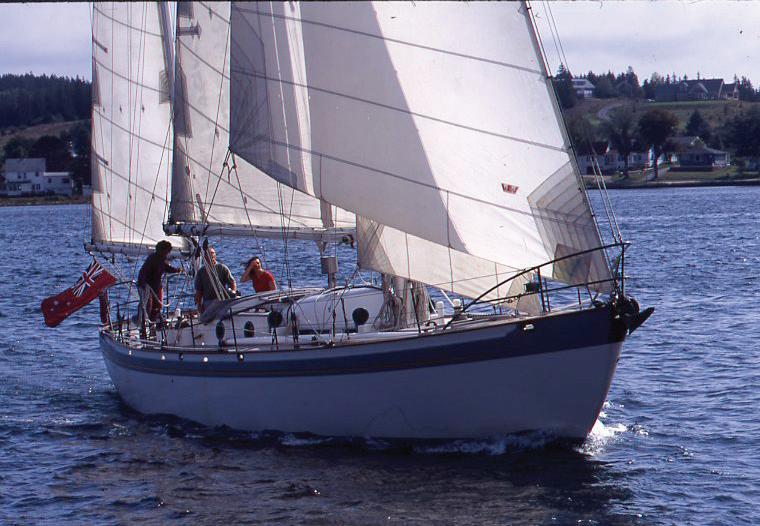
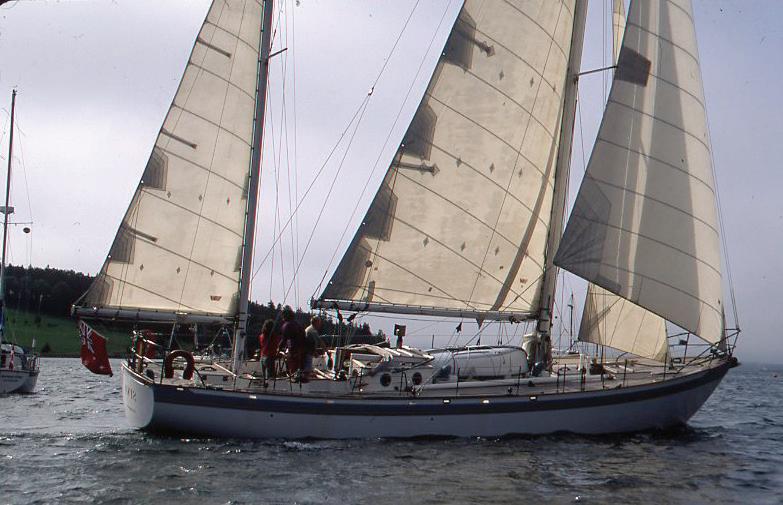
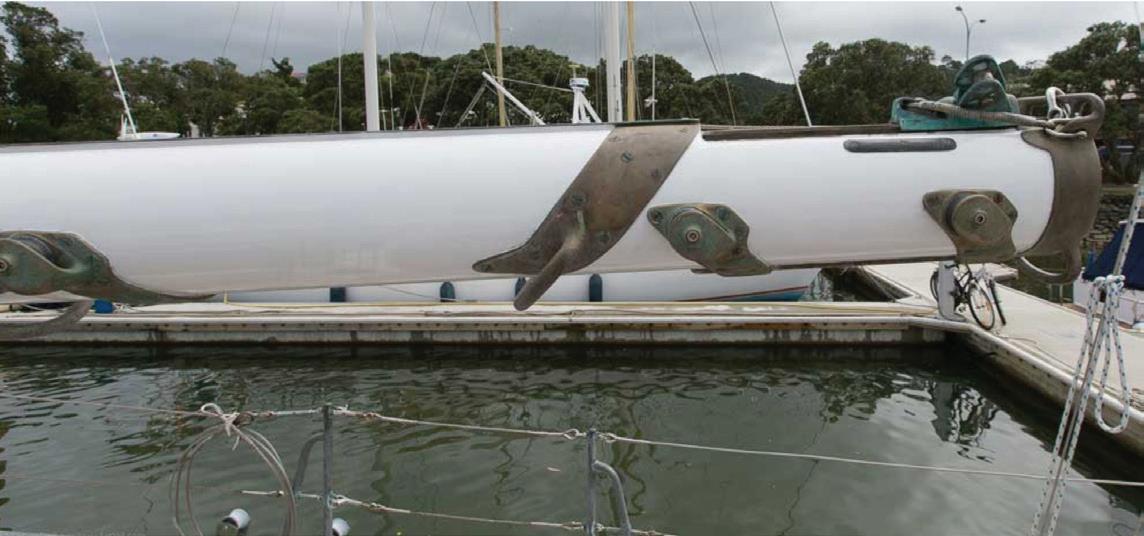
Ifirst saw Sina at a Mahurangi event in 2022. I was spellbound by her sturdiness and wholesome lines – thinking this is a yacht you could circle the globe comfortably in. Jump forward a couple of years and I see her tied up to a floating dock at the Town Basin during the Whangarei Maritime Festival. Admiring her up close was a treat. The bronze castings of deck fittings, mast and boom fittings were a work of art. These were bespoke items you don’t buy off the shelf at your local chandlery as was the woodwork and well-thought-out cockpit arrangement.
Noel poked his head out of the companionway and we got chatting. He asked if I would like to have a look below and there he introduced me to Litara. Their friendliness was evident, which I assume was from meeting and greeting scores of people on their circumnavigations.
Much has been written about these two circumnavigators, and to be honest I didn’t know the half of their global forays into high latitudes and the crisscrossing of oceans. Noel sent me a package, full of magazines and a folder of clippings and writings to peruse. I was staggered to read where they had sailed.
And when I say sailed, this is not with auto helm or wind vane steering, this is hands on!
Born in 1949 in Waipu, Noel has clear memories of the end of the converted barn he lived in, initially on his paternal grandmother’s property, then moving to a new house on the banks of the lower reach of the Waipu River on 10 acres subdivided off his paternal grandfather’s farm. Mucking about in small boats, fishing and sailing featured largely in this young lad’s life, growing up around the lower reaches of the Waipu River.
The expanding Waipu Timber Co., a family concern, provided holiday and weekend work in the sawmill, bush and quarries. An inordinate amount of unsupervised freedom was a dream for him and his friends but somehow they avoided being knifed, shot or drowned.
He drove heavy equipment and machinery and remembers clearly standing on the seat of an old Fargo farm truck, setting the brass hand throttle and heaving the steering wheel around hay bales.
Both grandfathers had baches tucked in the corner of Langs Beach, one had a big heavy open pulling boat along the lines of a ship’s gig, built by the Mathesons (of Leigh or Omaha). Christmas holidays were spent off the coast, line and cray fishing.
At the age of 15 Noel decided that School Certificate was unobtainable despite his parents’ insistence so he forced the issue by sailing over the Waipu Bar to the Hen (Taranga) Island. With his grandfather in pursuit on a small motor boat he kept in the river, Noel reached the Island
first and took to the bush. His grandfather seeing it was a lost cause to try and find him returned to Waipu with his dinghy in tow. After a somewhat hungry sojourn a party of locals, including both grandfathers and his father, retrieved him in his father’s first large vessel, the Evelyn. Noel worked primarily in the mill mixed in with some bush and quarry work. The mind boggles today at the thought of a 15-year-old driving articulated trucks, bulldozers and running heavy winch gear – working
alongside, under and over, breaking down saws with six foot diameters each, handling crowbars, mauls and wedges, timber jacks on a wet jerking Pacific breaking down bench, a huge trolley on rails sixty feet long.
In 1966 at the age of 17 he started an apprenticeship at Smiths Boatyard, Whangarei. Leaving after only a year, partially due to the glued construction style of boat building, he participated in the 1967 Noumea Race on Clear Skies, built by Jimmy Reid in Northcote. He went
on to cruise the East Australian Coast, installing an engine in her in Brisbane and returning to New Zealand from Sydney.
At a loose end Noel next spent time on the Cavalli Islands mustering and shearing. He barged wool bales to Opua and cattle to Matauri Bay, utilising Clear Skies with her 20 hp diesel, swimming them ashore then spending several days droving them to kauri sales yards.
He then was reinstated as an apprentice to Alan Orams – during this tenure Noel competed in the 1969 Suva Race on Kochab II, (ex Starfire of Kent) a 53ft teak yawl, returning via the Kermadecs (the first visit of several). While the owner was overseas he entered the inaugural Trans Tasman Single Handed event at the age of 19. The Northland Harbour Board awarded him their Blue Water Trophy. He continued in coastal racing interspersed with cruises to Sydney and the Kermadecs again.
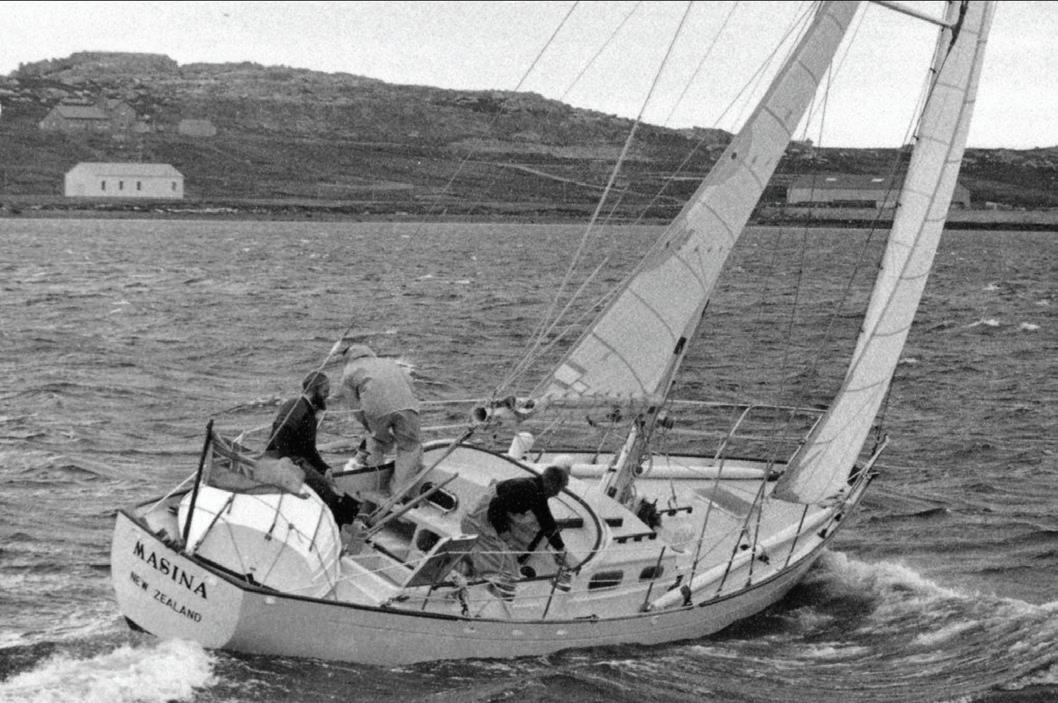
Late in his apprenticeship the 75ft John G. Alden Sirocco, once owned by Errol Flynn, went through a major rebuild. Amongst other work, he put a new stern and fore-gripe in her and subsequently went across to Sydney for the Sydney to Hobart Race. During this time he met Litara who had come from Samoa to train as a nurse in Whangarei. Together they built Masina (Samoan translation: moon) a 38ft cutter designed by Jack Brooke.
They embarked on an 80,000 nm eight-year circumnavigation. Not much in the way of luxuries – no engine, no self-steering or head and a camping oven for
cooking. She was sturdy and seaworthy and took them safely to far flung corners and latitudes of the globe. They hit a growler on the way to Antarctica, scarring the hull and wrecking the rudder, leaving them to limp to Chile to fix it, also Japan, the Bering Sea, Alaska, the western coasts of Canada and the United States, and across to Polynesia. They continued on via the Roaring 40s, Chile, Cape Horn, the Falklands where they rescued Gary Ball, a New Zealand mountaineer who was part of Tilman’s failed expedition to Smith Island (South Shetland Islands) Antarctica which had never been climbed. With the loss of the En Evant and Tilman, they took Gary to Montevideo, on to South America and the West Indies to England. Not your normal routes around the globe.
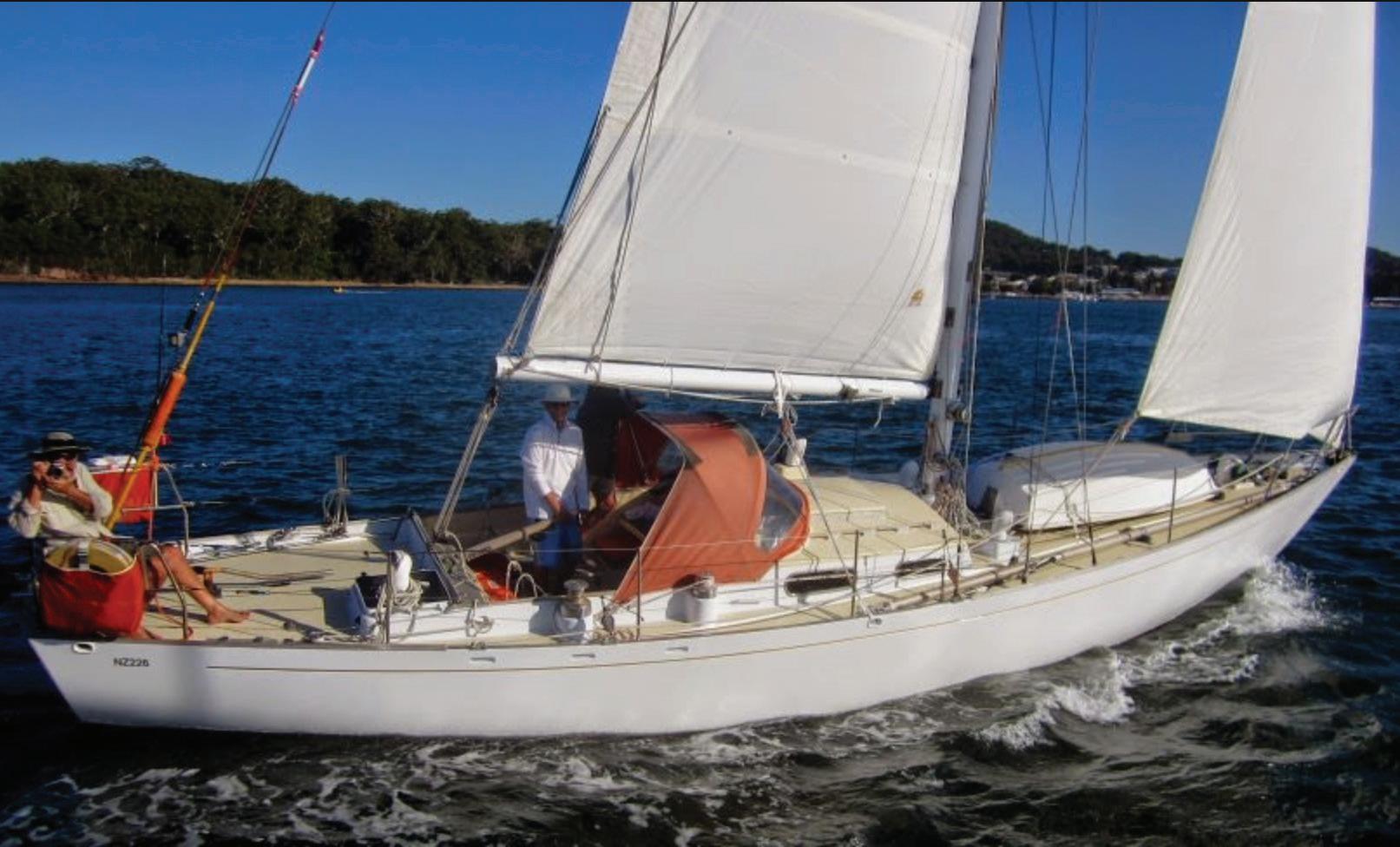
In a chance meeting near English Harbour, Antigua with author and enthusiastic sailor Dudley Pope, and the ensuing conversation of ‘the next boat’, Noel learnt of Colin Mudie as the ideal designer for the task. For a year and more Noel worked at Souters Yacht Yard, Cowes, close by to Mudie’s. There were several trips to Lymington to pore over Colin Mudie’s drawings of an emerging yawl with lines of a powerful yacht displacing over 20 tons, growing to 45, 50 and then 53 feet. With the completed set of offsets and plans aboard, the Barrotts set sail for New Zealand by way of the Southern Ocean landing on the Prince Edward Group and Heard Island.
For this, they received the Akarana Yacht Club Blue Water Medal.
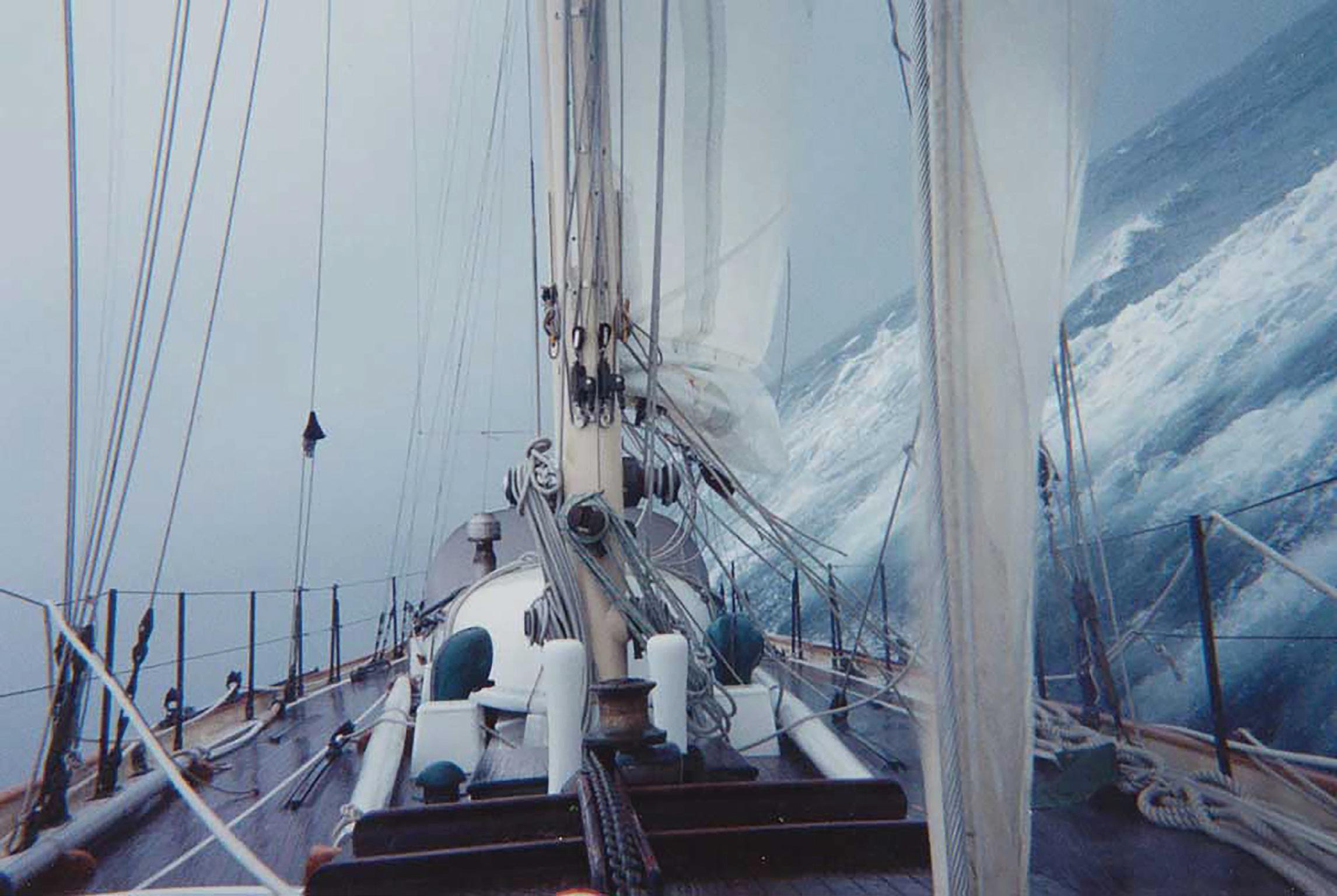
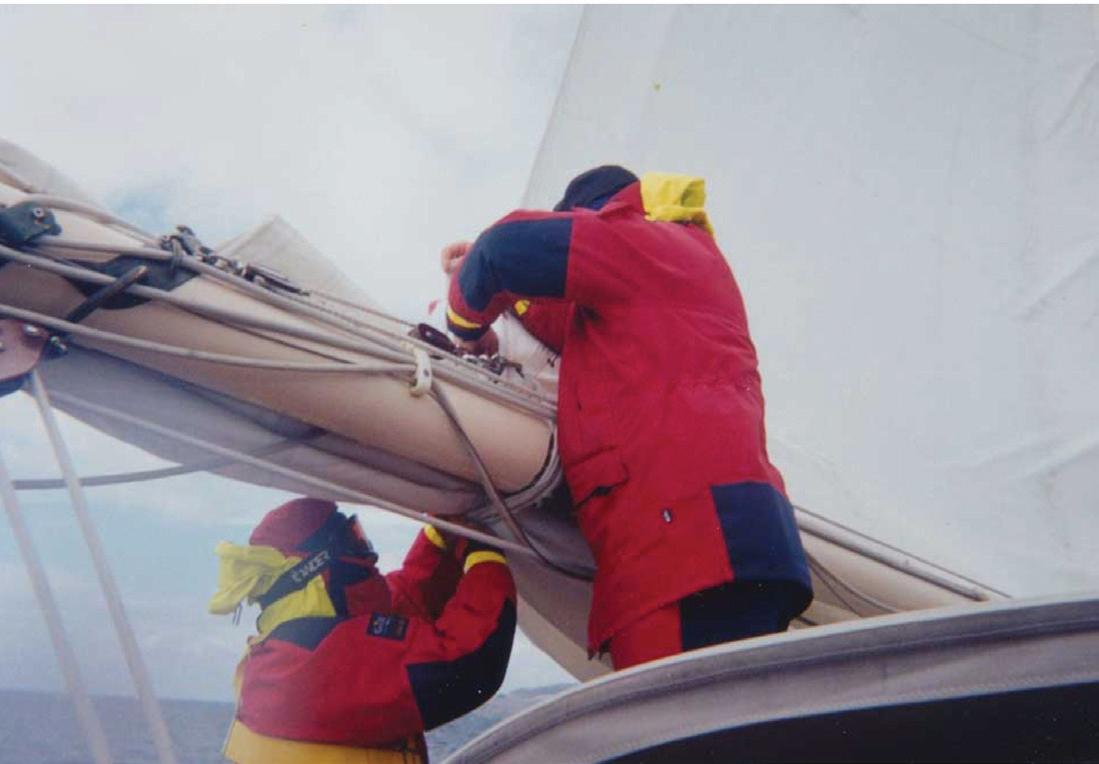
On their return they purchased a house with a large plot of land in Parahaki close to the Town Basin of Whangarei. A large shed at the bottom of the garden was soon erected and lofting of Sina began to appear on a removable floor. She was named after their daughter, Sina who was named for the beautiful maiden who features in polynesian legends, often concerning the origin of the coconut (Hina) in eastern Polynesia. Over the next 14 years Noel worked and contracted two 60 footers all whilst working on their own 53ft yawl Sina Litara working night shifts and two children came along to add to the mix.
Sina was launched in 1994 and they departed New Zealand in 1995 after an August shake-down cruise to the South Island. They cruised through the Kermadec Islands to Tonga, Samoa, and Fiji, circumnavigated Australia,
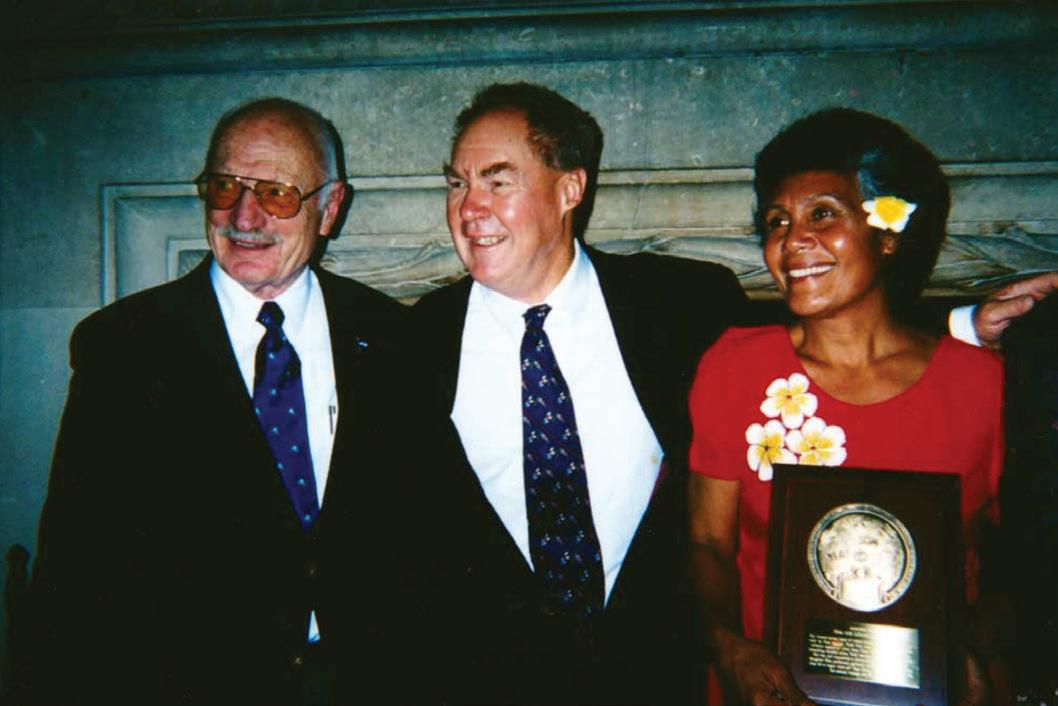
starting and ending in Sydney, before sailing up the coast and west to Darwin. They visited various islands in the Indian Ocean while on their way to Natal, South Africa.
Rounding the Cape of Good Hope, they cruised Namibia in southwest Africa, slashed across the Atlantic to Brazil, and went up the Amazon. Back in the Atlantic, they visited French Guiana before threading a course through the Windwards and Leewards and sailing north to the East Coast of the United States.
Sina is the culmination of an expert boatsmith, and thousands of cruising miles and years of experiences. She is a beautifully built and maintained yacht.
Noel explained the secret to Sina's smooth topsides. He managed to obtain kauri lumber big enough to produce planks of enviable 25-40ft lengths. These he fitted very
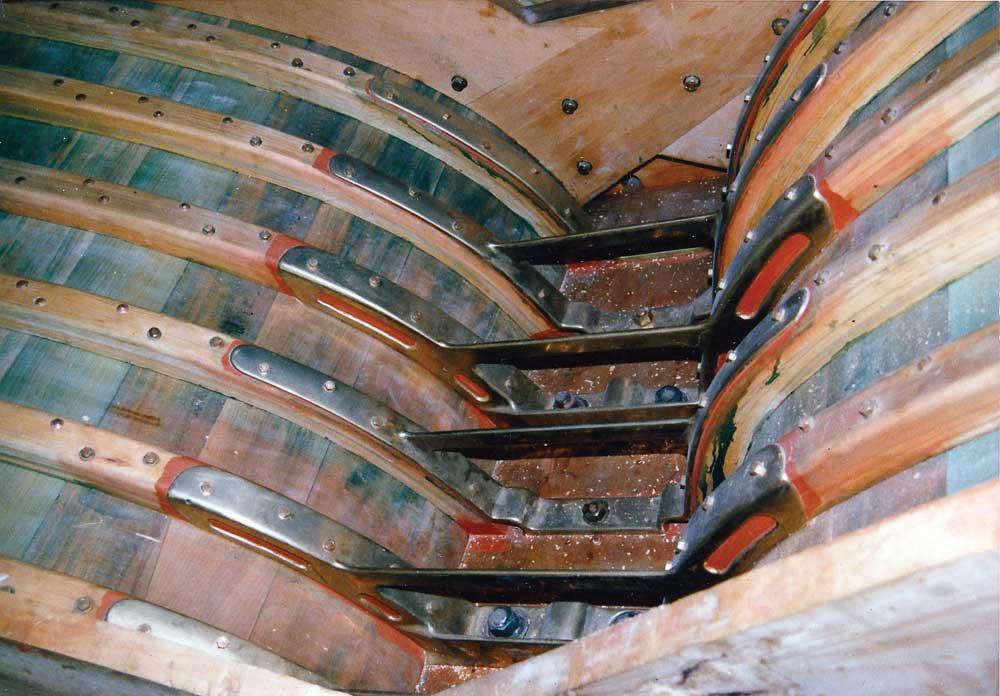
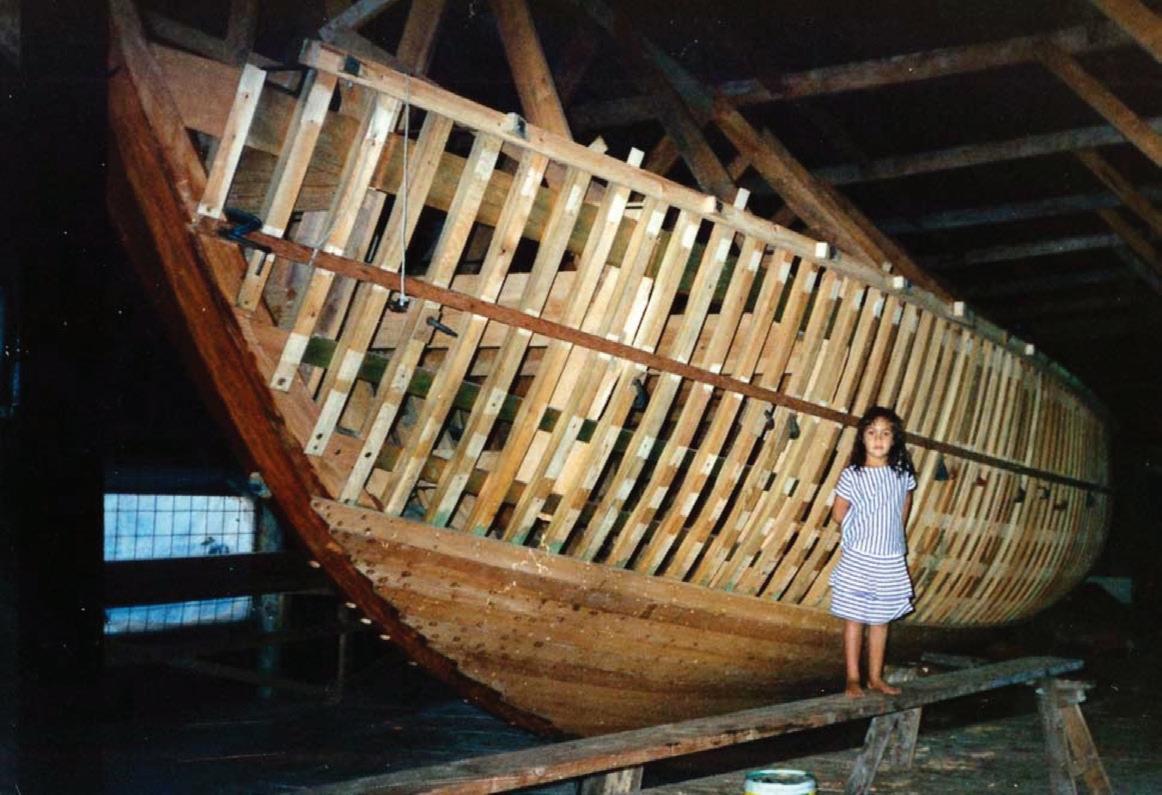
tightly, fastening them through the frames with forgedcopper nails riveted internally over roves. He then opened the plank seams with a busting iron to allow in a thin thread of caulking, after which a hot-steam hose played over the hull causing the seams to shut tight. Bronze floors and straps also tie the hull together.
Ocean-voyaging wooden vessels can fall prey to teredo worms, and even a simple grounding can rub off the protective coating of antifouling to provide them an opening. Sina's eight-ton, external lead keel offers
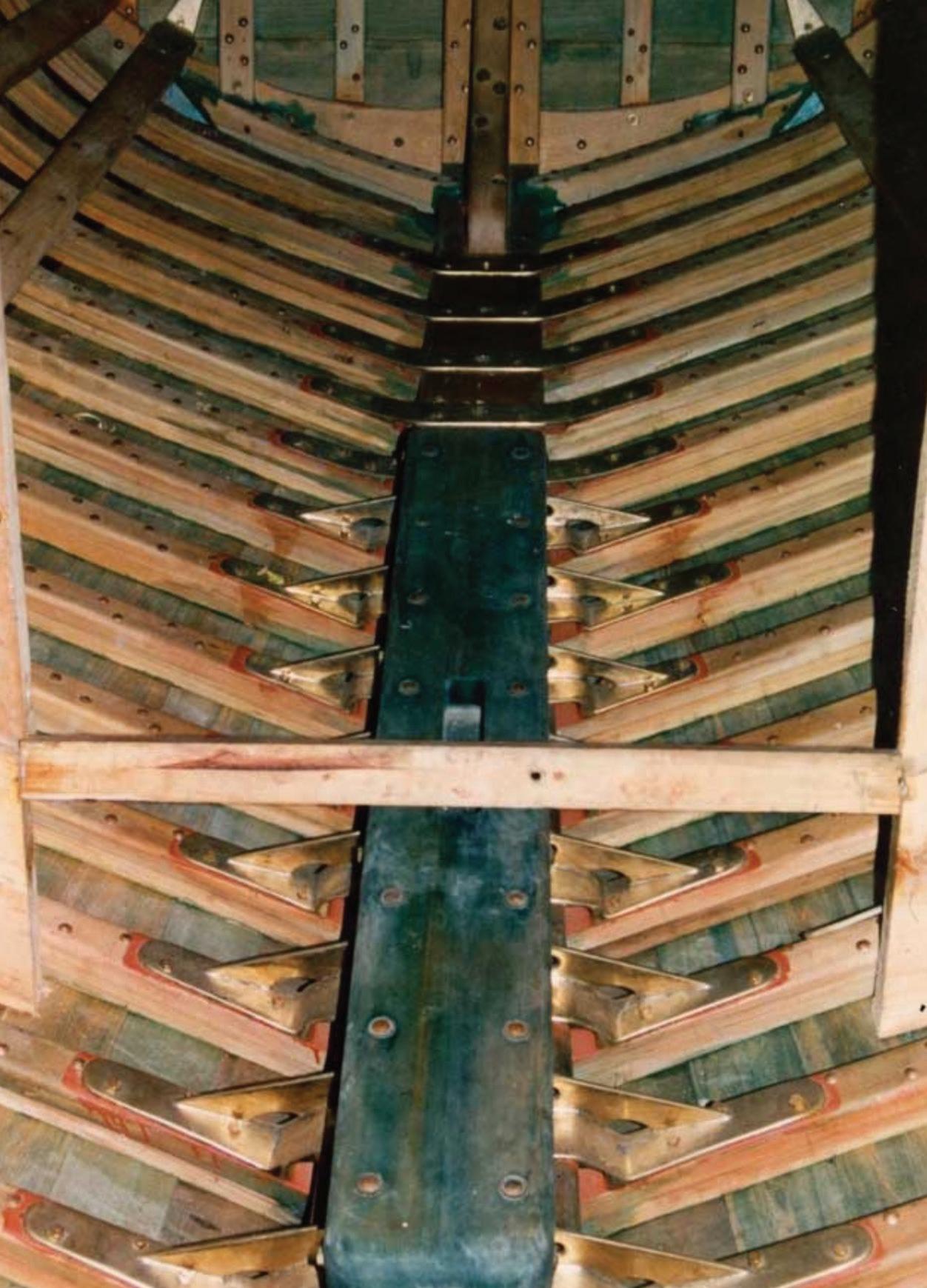
considerable reassurance, and for good measure, Noel wrapped the deadwood behind the lead in 1/4-inch-thick copper sheathing.
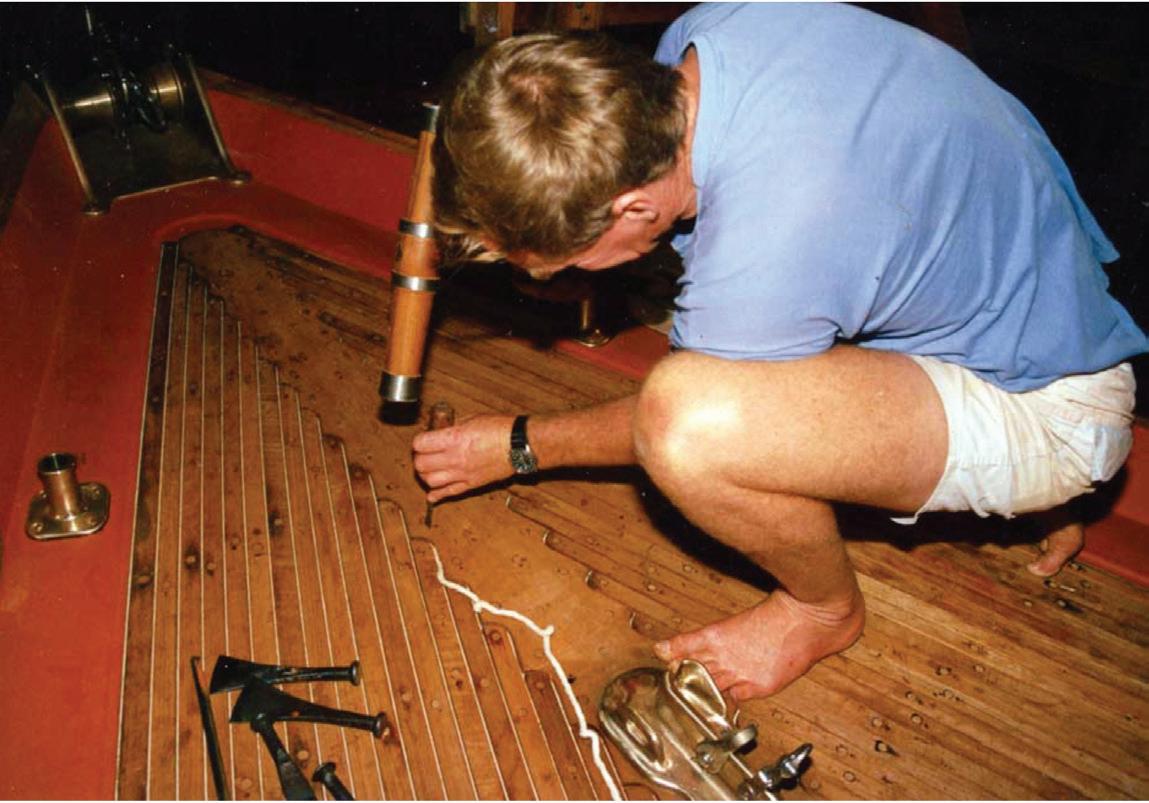
Sina's deck is constructed of two diagonal layers of tongue-and-groove kauri overlaid with 7/8-inch teak planking caulked and sealed with hot pitch in the traditional way. Between each layer, Noel laid linen and a flexible bedding compound he concocted himself from red lead, Stockholm Tar, tallow, and beeswax. The deck doesn't leak. In fact, this sailboat doesn't leak anywhere
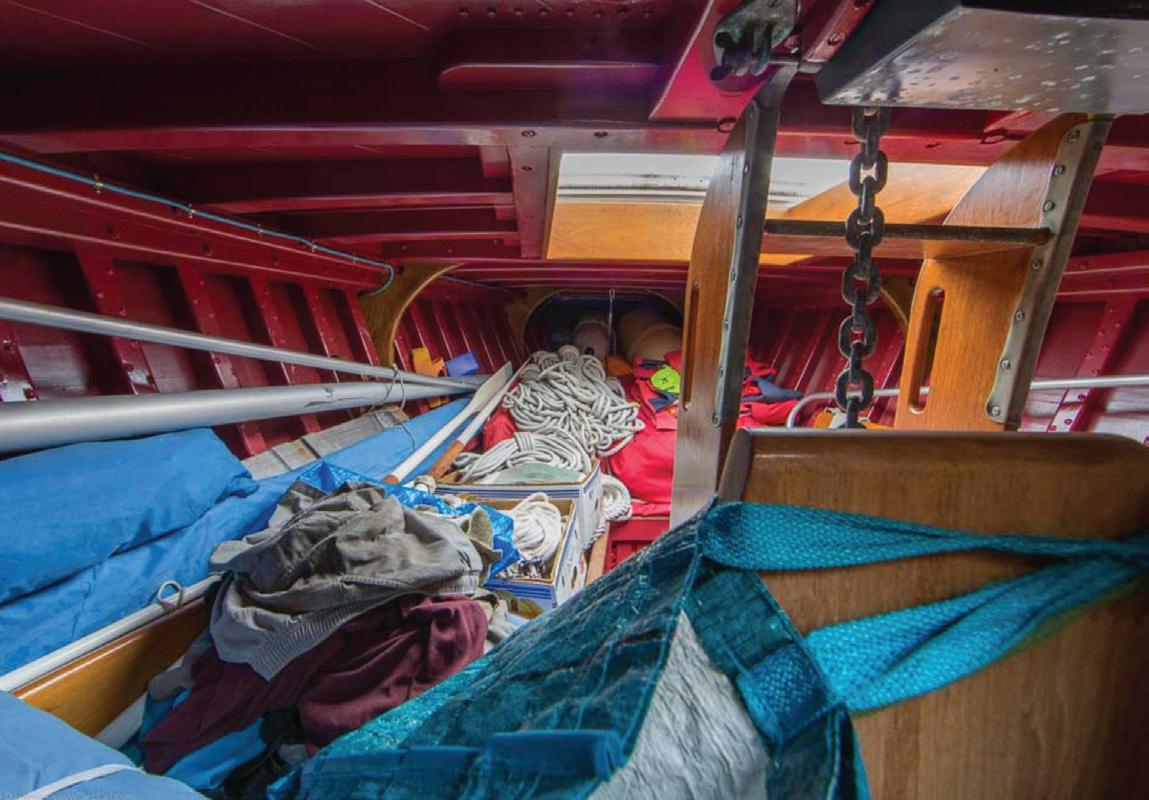
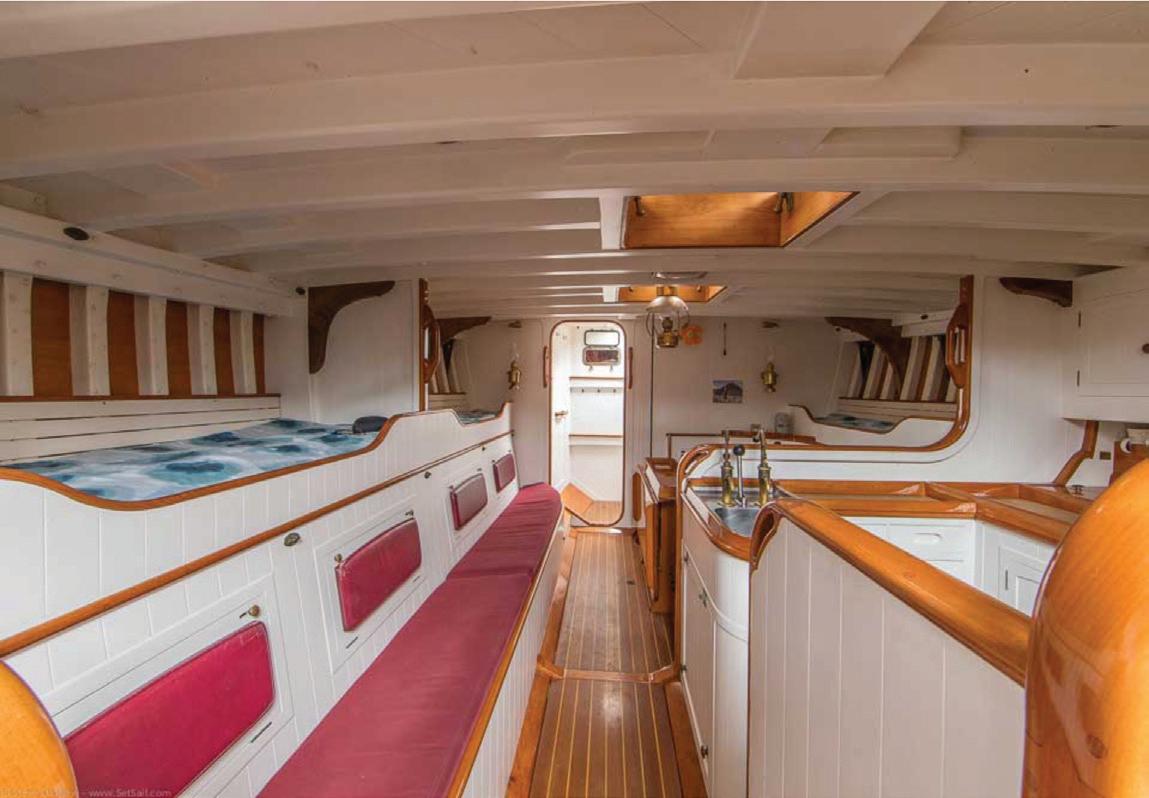
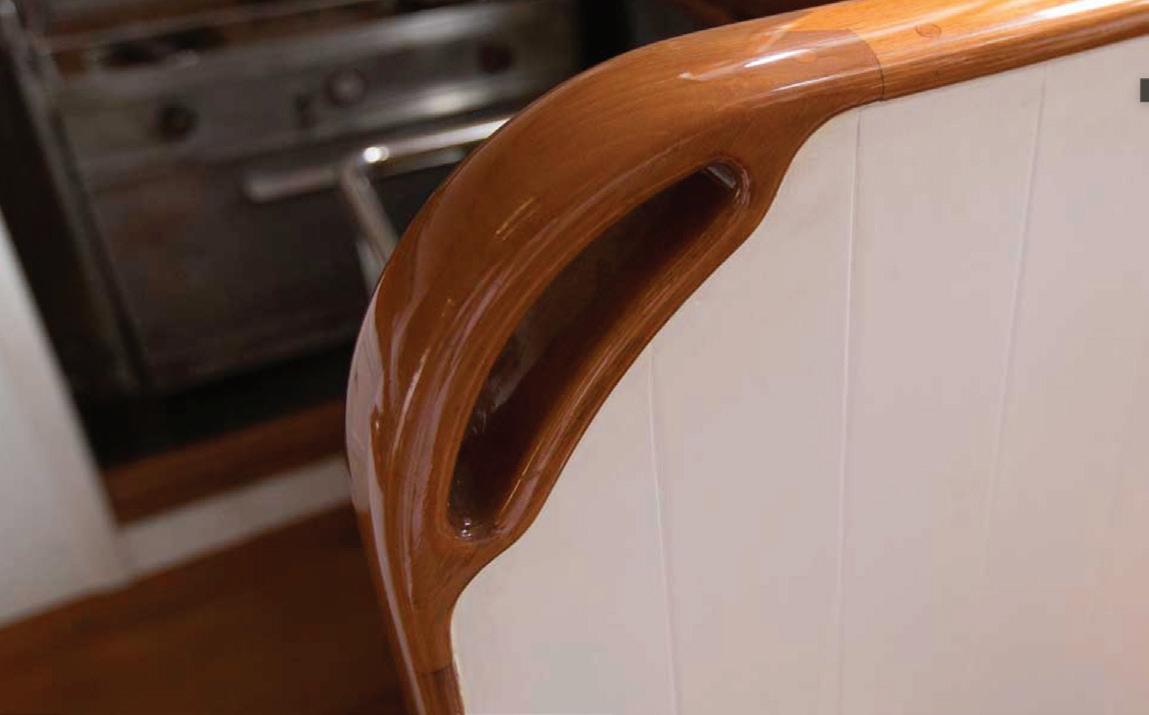
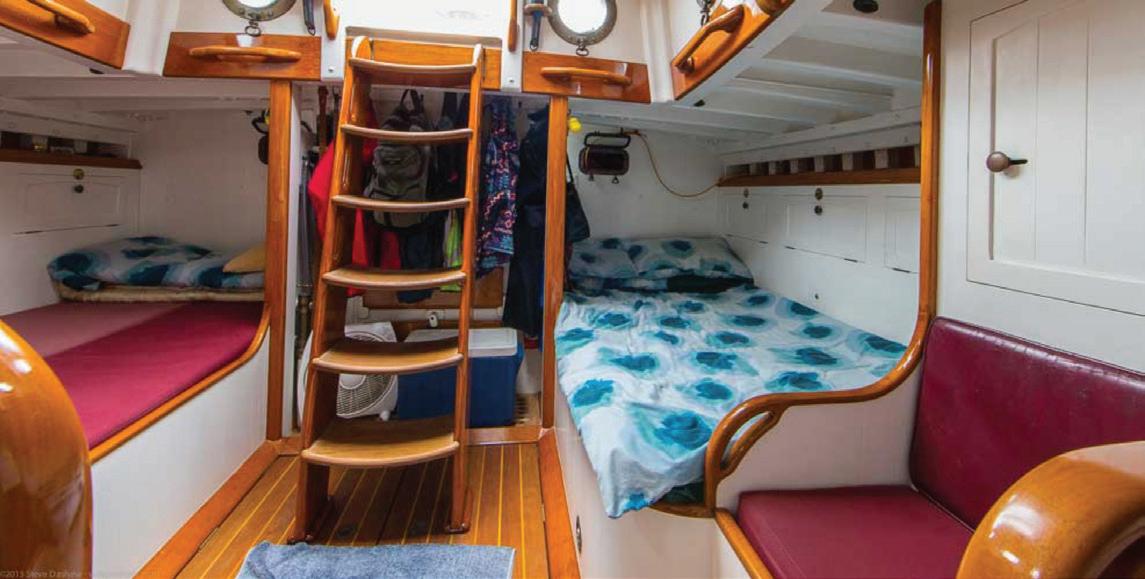
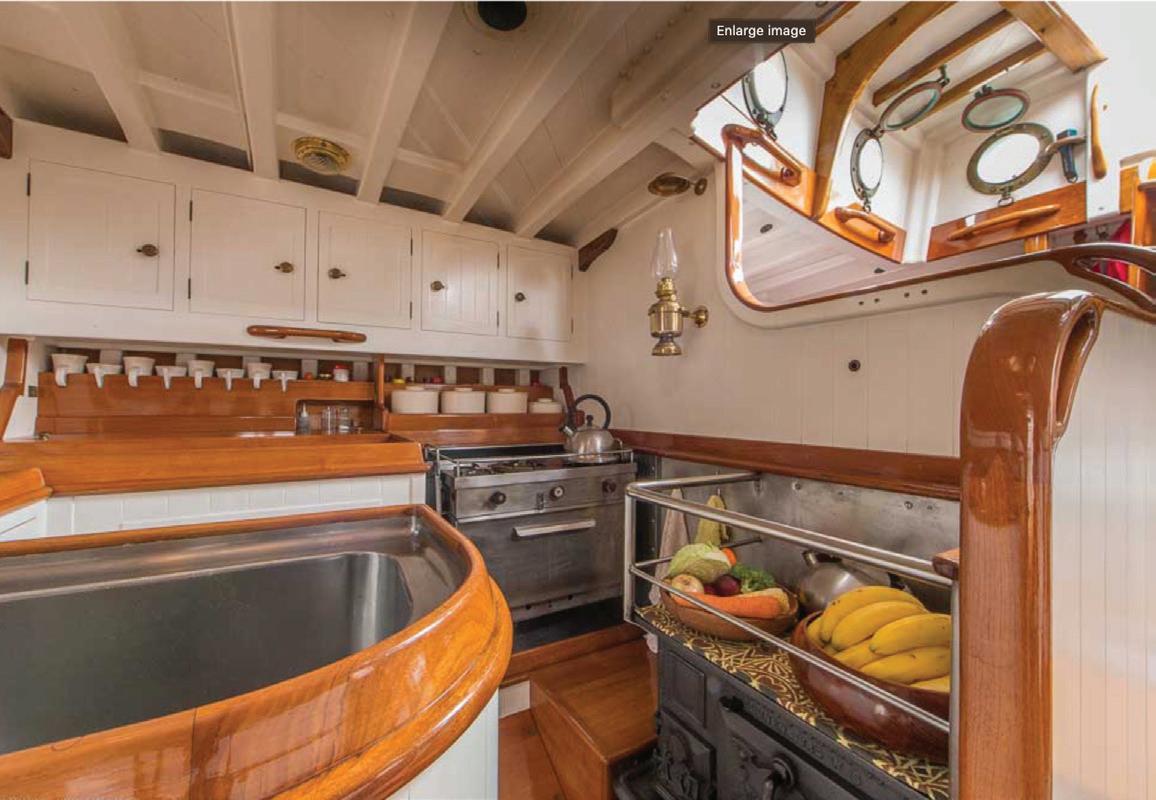
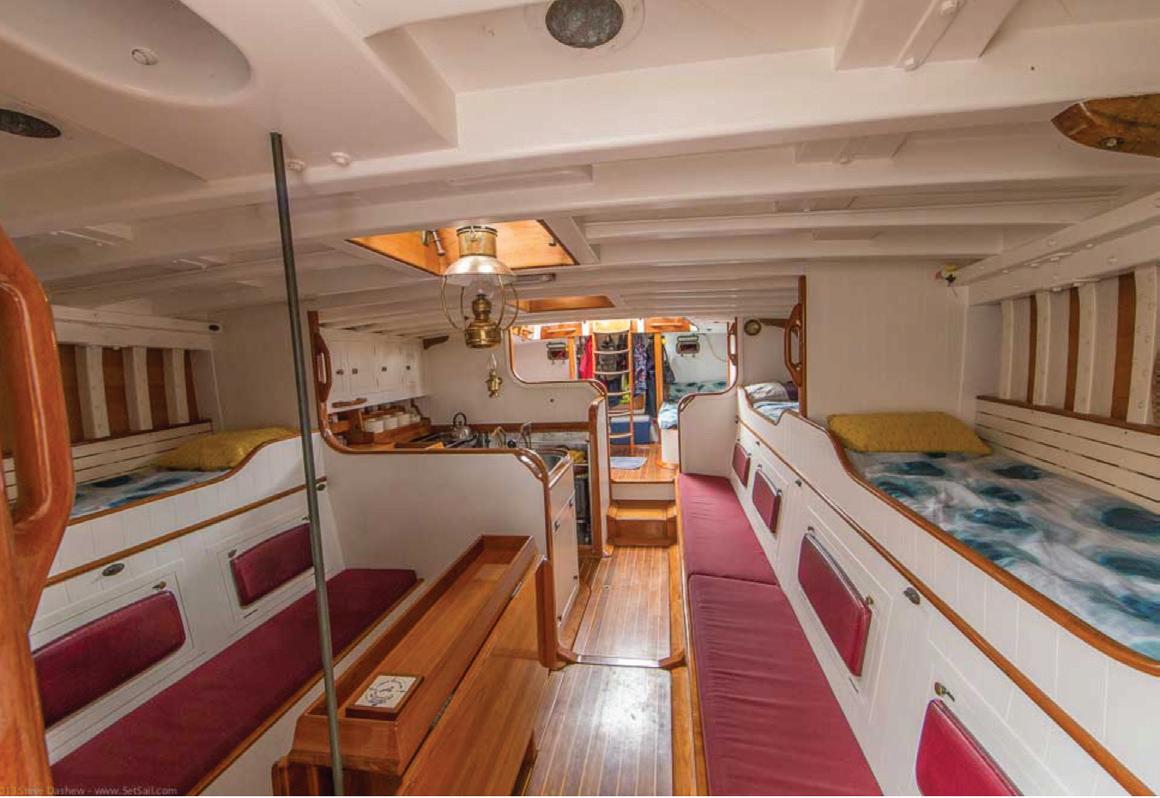
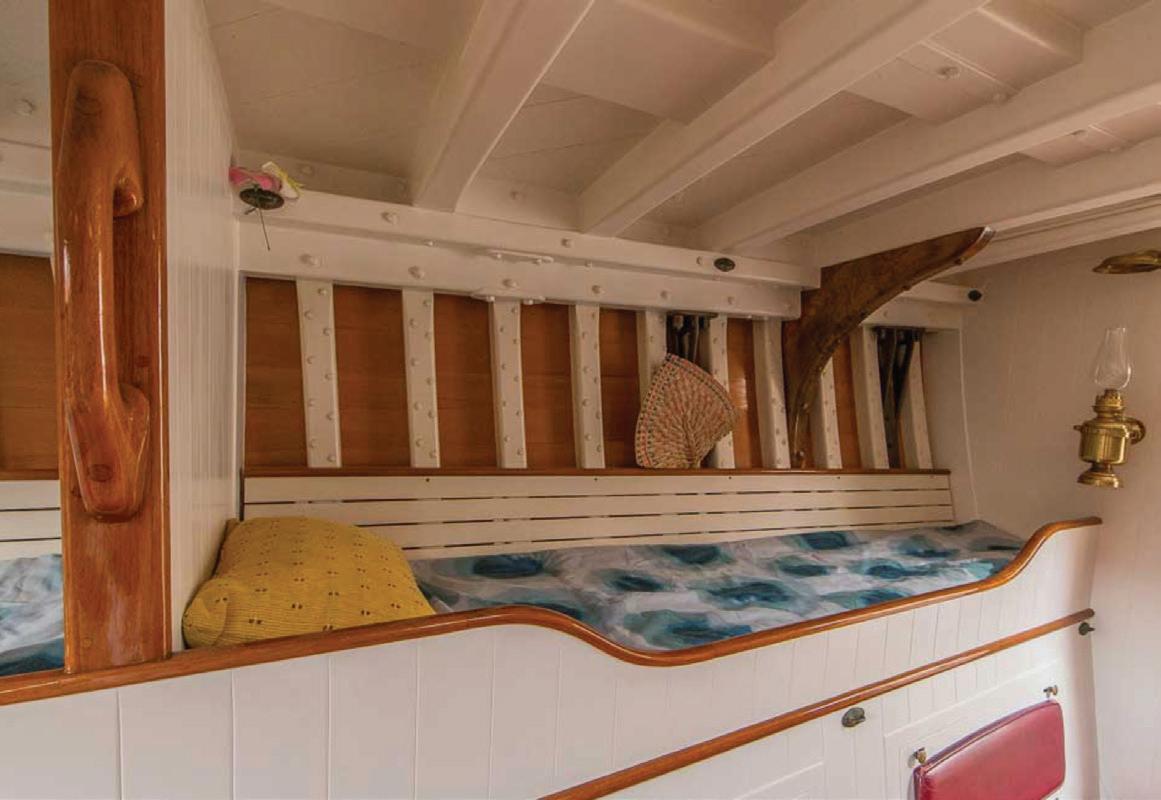
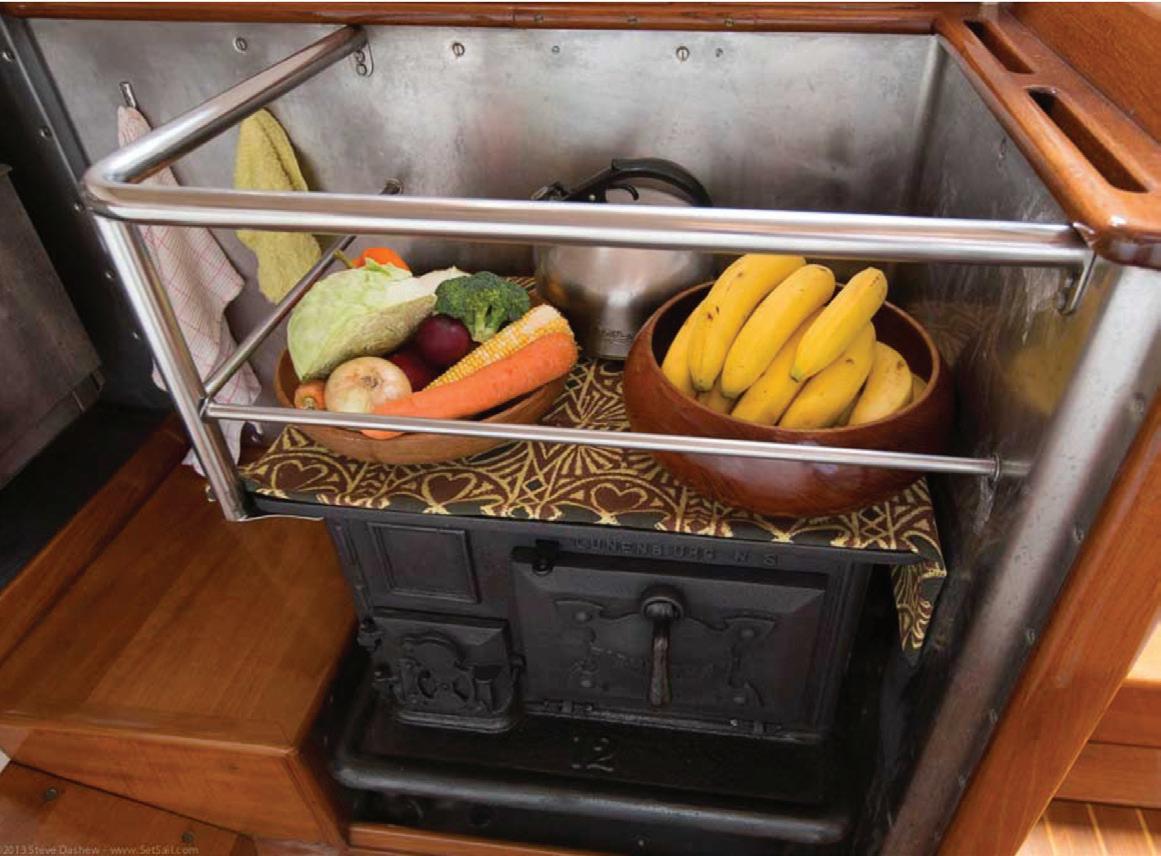
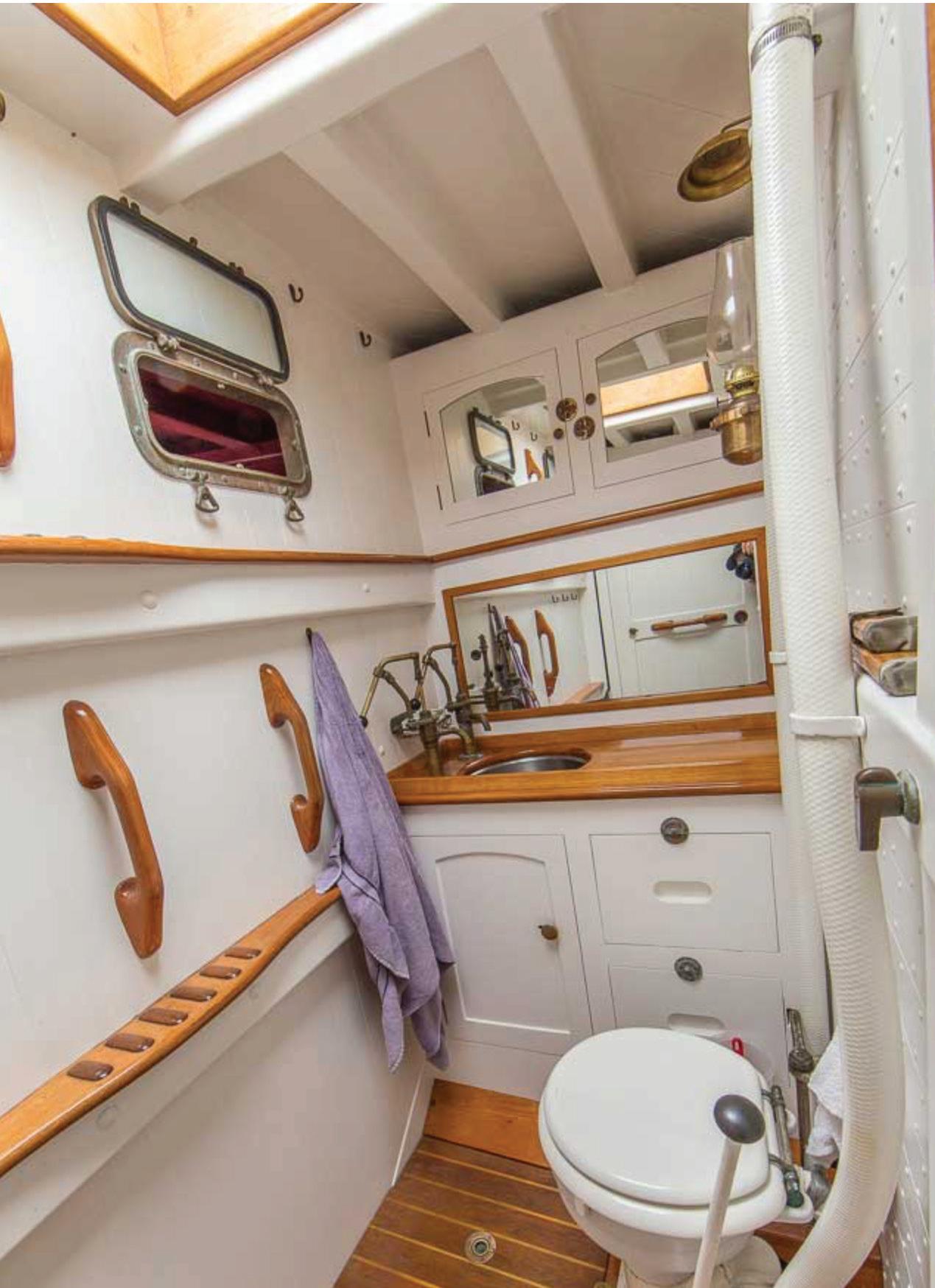
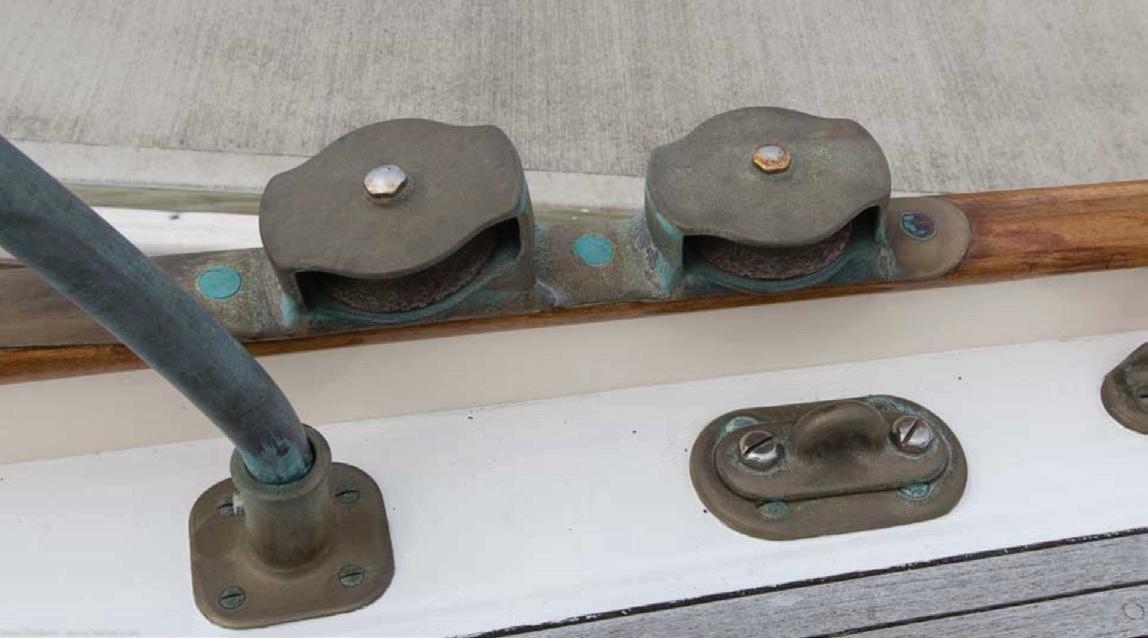
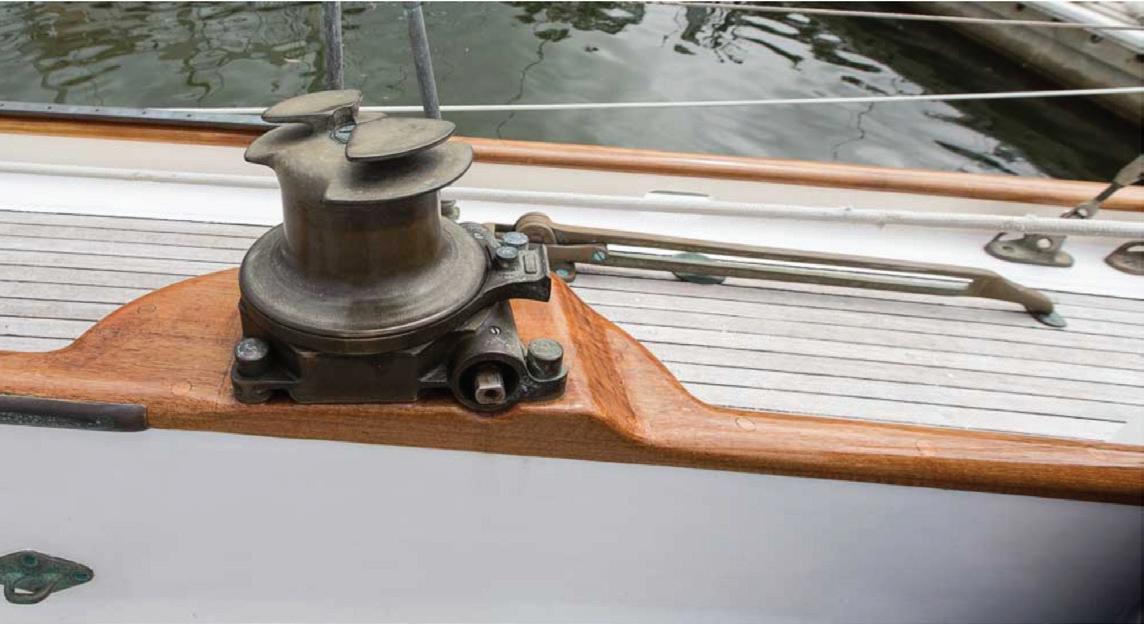
ABOVE: The head is forward, with a watertight bulkhead securing the forepeak. RIGHT: Noel made his own hardware patterns, main boom outhauls, bails, fairlead blocks etc: Murray winches with worm gearing.
through the deck or superstructure or around fastenings. In addition to a coat of paint, which prevents the capillary action by which moisture penetrates the hull, all throughfasteners received a loop of caulking cotton under the heads and nuts.
To prevent rot, Noel applied a copper-based fungicide mixed with linseed oil, followed by two coats of red-lead paint, to all wood surfaces that weren't glued or varnished, including the hollowed channels in the wooden spars.
The hatches and the deckhouse are built using mortiseand-tenon and dovetail joints assembled with resorcinol glue and reinforced with bronze rods, yet much of this joinery, which is mated with watertight joints, comes apart to facilitate hull and deck maintenance. The watertight cockpit sole lifts completely out should the tanks need to be removed.
Sina would be hard to sink. Watertight compartments became a design essential for the Barrotts after Masina hit that growler in the Antarctic. A fully watertight bulkhead divides Sina's forepeak from the living quarters, and another watertight bulkhead aft closes off the big lazarette.
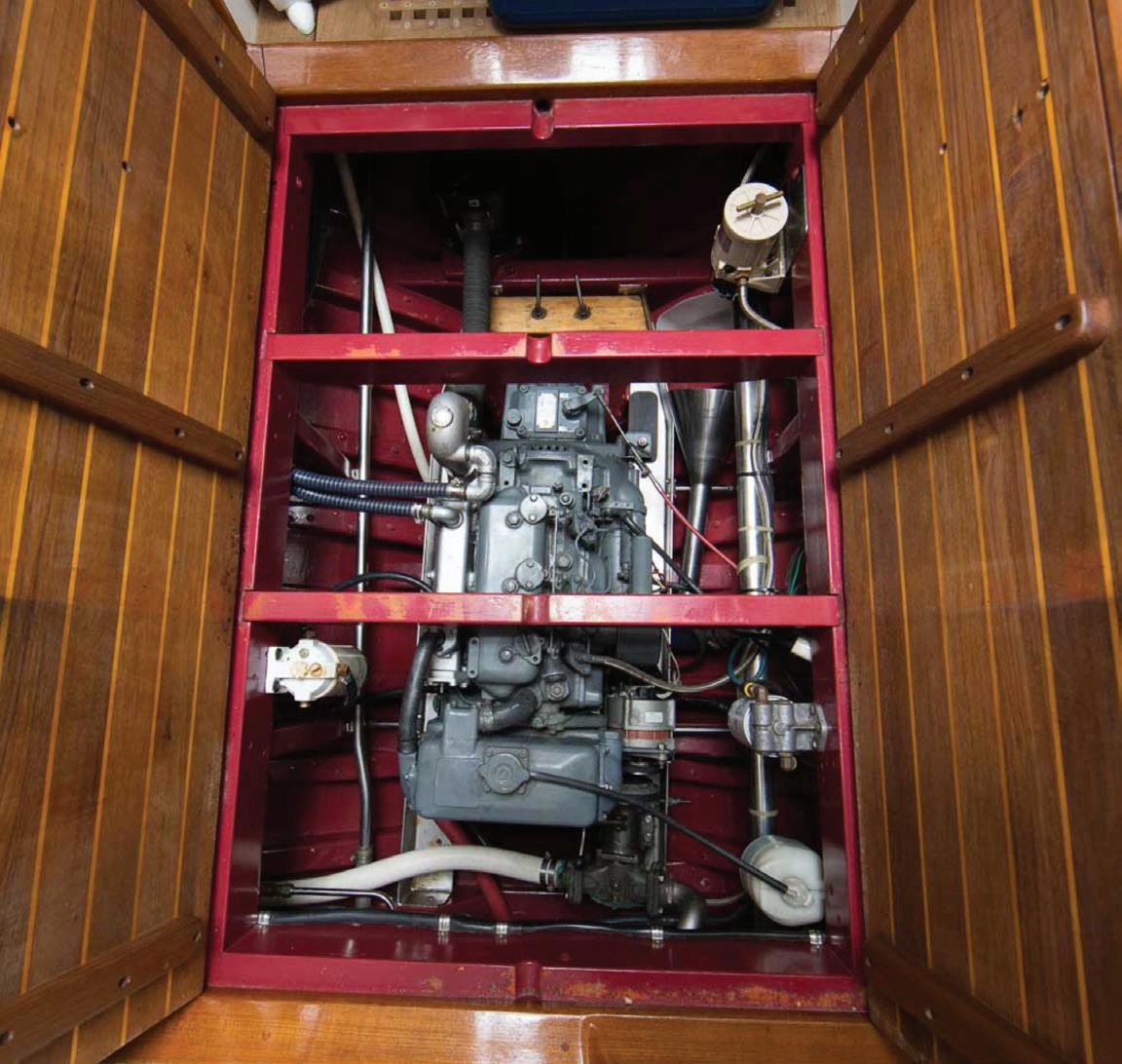
Sina doesn't carry a multitude of complex, highmaintenance electrical and mechanical accessories. Instead, she has a few easily maintained systems that all work. A 30-horsepower diesel provides motive power via a three-narrow-bladed propeller working in clean water
flow just above the rudder. A pulley on the shaft is belted to a delivery-vehicle alternator that, when the prop is spinning free, produces five amps at four knots and up to 30 amps at higher speeds. A small radio receiver brings in weather forecasts, time signals, and entertainment. Noel navigates with a sextant backed up by a depth sounder, VHF radio, and a handheld GPS. One powerful, bronze, Edson diaphragm bilge pump lives near the companionway, and another in the lazarette. The galley, the most important "system" for long, cold voyages, has plenty of lockers and counter space, a large, gimballed, stainless-steel kerosene stove, and a big Lunenburg
Foundry cast-iron coal stove for heating and cooking.
All through the navigation area, galley, and saloon, signs of high-quality finish work are visible in the perfectly rounded and joined mouldings. The varnish work is immaculately maintained by Litara. Even the teak floorboards of the cabin sole are joined with crosssectioned strips of Alaskan yellow cedar. At the forward end of the saloon is a handsome arched doorway that leads through the structural bulkhead to the heads.
A tour around the deck reveals the boat's guiding principle: fast and efficient voyaging under sail. The goosenecks allow the booms to rotate horizontally and align themselves with the pull of the sheets – a rare feature on modern versions – and the main boom rests on a bronze and teak gallows that folds flat onto the
deckhouse when sailing. The bronze mainmast track has a sliding arrangement to accommodate the trysail, which is normally rigged on its own track and rests on deck until called for duty. The bronze bow fitting anchors the headstay and also carries massive bronze rollers for the 1/2-inch anchor chain, which leads through a teak channel on the cambered, sliding forepeak hatch to a powerful electric capstan, chain and rope.
Two aluminum spinnaker poles border an area on deck between the mainmast and the deckhouse where a large sailing dinghy stows above traditional butterfly skylights. A variety of anchors is chocked here because cruising high latitudes often requires a switch to a fisherman anchor to cope with giant kelp. Highfield levers set on the wide side decks tension runners on both masts. Sina carries the basic working suit of a large jib and a staysail on her main
mast and often a large, light staysail on the mizzenmast. Stainless-steel standing-rigging wires end in poured sockets filled with molten "magnolia," the local New Zealand name for a lead-based metal alloy – the most foolproof type of wire terminal available.
Noel doesn’t like the framework of an enclosed cockpit or the pipes, poles and paraphernalia of self-steering gear and wind vanes. “A freighter can come over the horizon and be on you in 20 minutes” comments Noel, “so steering keeps you alert”.
During Noel and Litara’s second mammoth eight-year, 80,000 nm circumnavigation (this time west about) they managed to get ashore on Cape Horn, a much easier landing than the ones on some of the Antarctic islands, or the Aleutians.
Upon their return from this second circumnavigation Noel and Litara learnt they had received The Cruising Club of America Blue Water Medal for their two global circumnavigations covering over 137,000 nautical miles on Masina and Sina. The Blue Water Medal was inaugurated by The Cruising Club of America in 1923 to “reward meritorious seamanship and adventure upon the sea, displayed by amateur sailors of all nationalities, that might otherwise go unrecognised”. They were invited to New York to receive this honourable award.
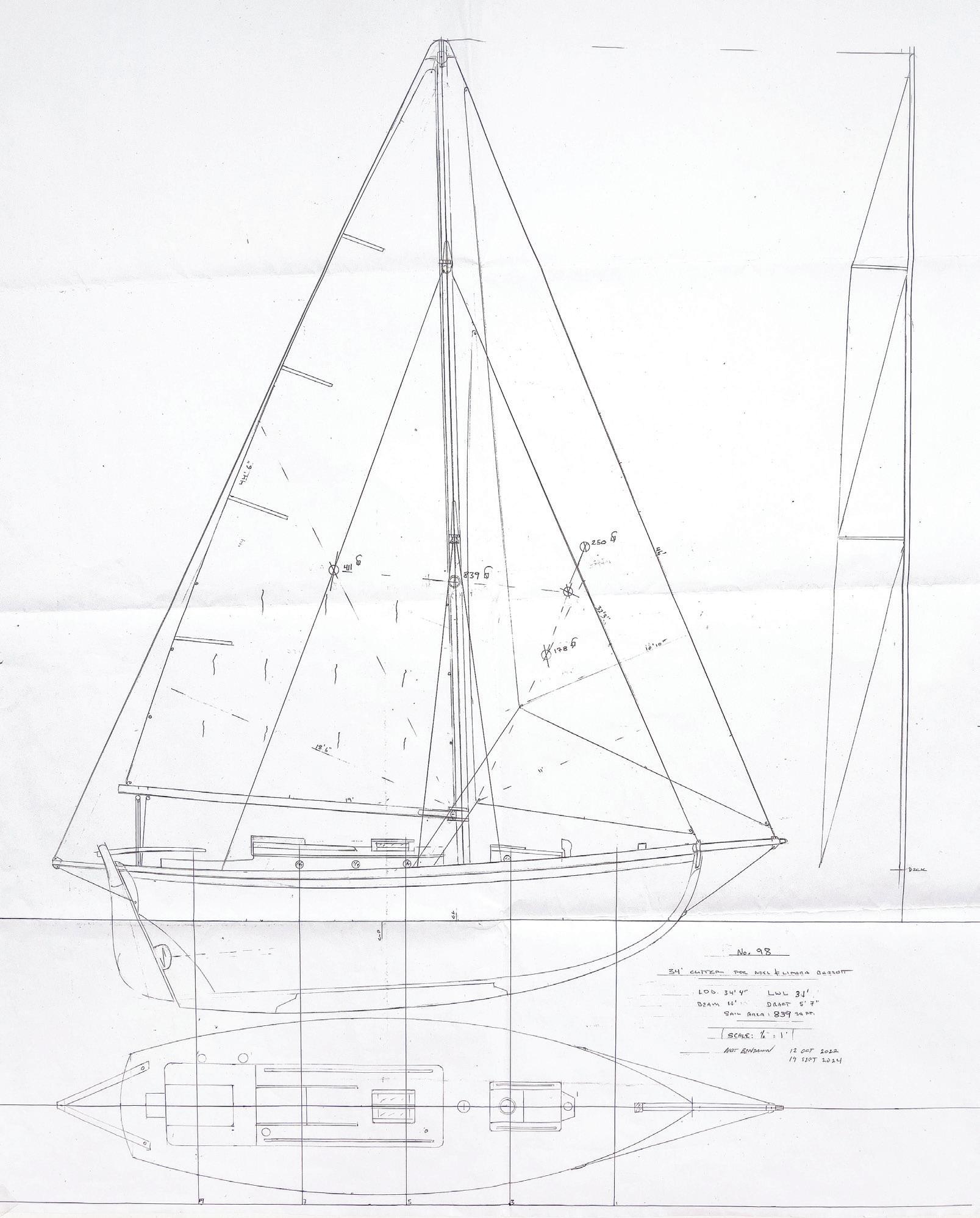
There is no holding back for the two of them, they have hopped up to Samoa a couple of times via the Kermadecs, Minerva Reefs and Tonga. The conversation of ‘the next boat’ just won’t go away. They hope to move on from Sina and build themselves a 34ft cutter designed by Nat Benjamin. Where will they sail to? There’s a whole globe to circle, maybe a third circumnavigation?
One of their many memorable incidents occurred when Noel and a crewman were washed overboard when sailing off the coast of Argentina - Sina writes about this harrowing event in the following email to friends:
Sina Barrott, 04:36 PM 2/21/02 Knock Down
Subject: Knock Down
Date: Thu, 21 Feb 2002 16:36:35 +0000
Hi, Everyone!
Sorry you haven’t heard from me (or my parents) for a while, they don’t call east to west the “wrong way around” (we are heading towards Cape Horn) for nothing!! Unfortunately I wasn’t able to check my email during this time and hotmail deleted my account, so any emails you may have sent me were lost.
The last 5 weeks have been very demanding. Weather conditions for the first few days after leaving Buenos Aires were variable to say the least. We had everything from no wind to gale force head winds, one day we only made good 13 miles! Fortunately, it settled down to a light North Westerly and we had several days running, first under poled out jib, then spinnaker, some of the best sailing I’ve experienced!!
On Jan 18th the wind started picking up again and moving back into the SW, by the next day we had a 45 knot head wind; there also must have been a fair bit of current (estimate 1-2 knots) against us because the seas were very confused. Eventually sea conditions made life so uncomfortable that Dad decided the best thing we could do was heave to and wait it out.
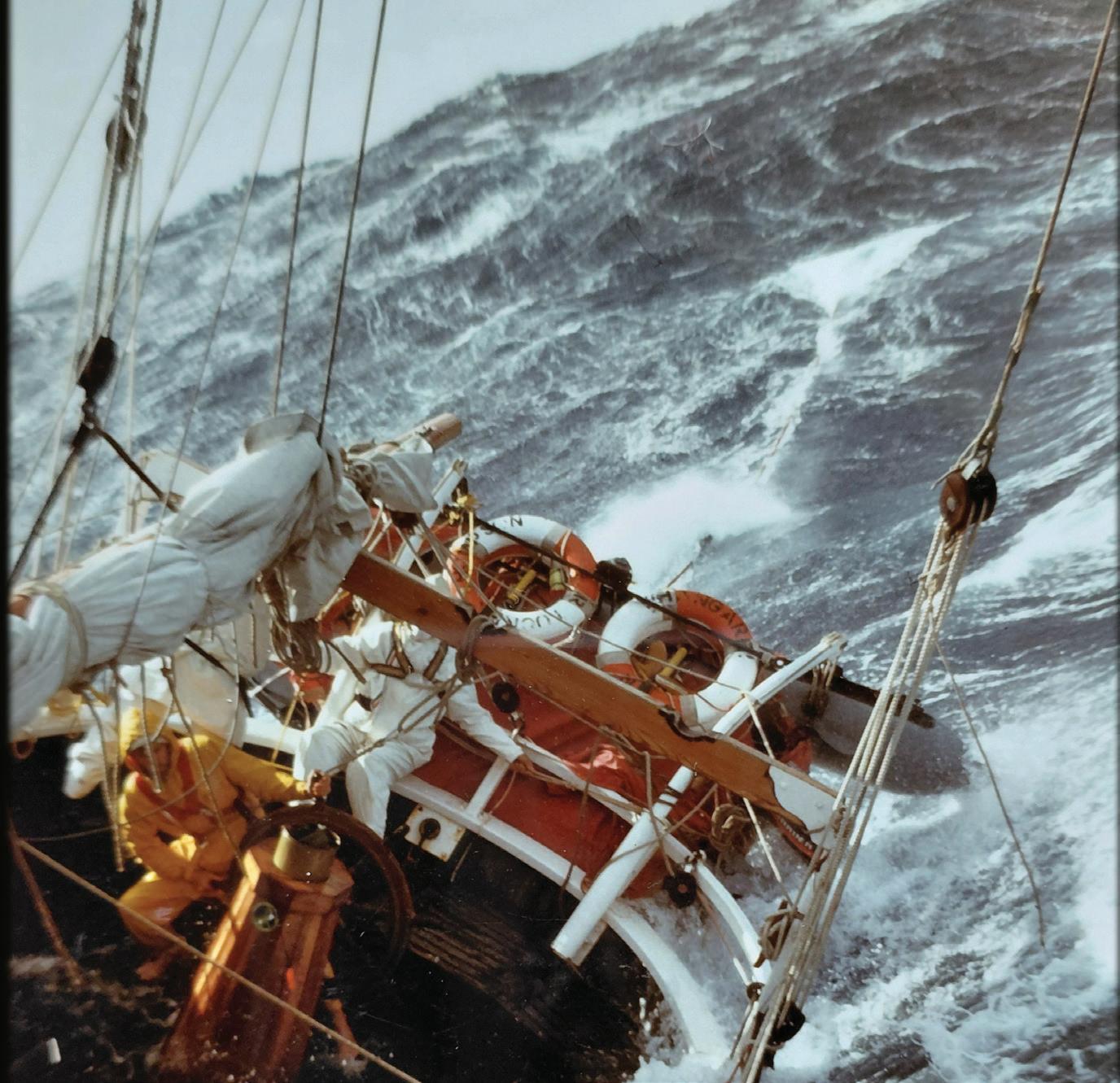
Lying in my bunk, down to leeward, I vaugely heard Peter (our Austrian crew) and Dad bringing in sail (only the closely reefed mizzen remained set) and remember thinking I should go up and help but was too dopey from the seasick pill I’d taken; turns out it’s a good thing I didn’t, because suddenly.........CRASH!!!!! It must have been an enormous wave, the boat was physically picked up and slammed down on her beam ends (side), both masts submerged! Down below EXPLODED!! I was thrown down hard against the hull. Floorboards, lockers, bunk and settee bottoms flew open and disgorged their contents; cans of food, glass, lumps of firewood, books, charts, parallel rulers, eggs, margarine, rice and porridge crashed down on top of me! Bags of coal and a length of chain flew into the bunk ahead! She flicked up as quickly as she’d gone down. “We’ve been knocked down!” I shouted, trying to climb out of my bunk, “Shit, where’s Dad and Peter!?”. I fought my way through the chaos, up on deck, Mum close at my heels, only to find more of the same. Sheet and guy ends were hung up in the rigging or trailing over the side, the mizzen sail and spray dodger were shredded, some leeward stauchions bent in board, the dinghy was gone, dorade boxes and ventilators had been swept off the deck and worst of all no Dad and Peter. I looked astern and far behind the boat saw Peter scrambling into the dinghy and Dad in the water some distance up wind of him. Grabbing the wheel and juggling the gear shift into start position I shouted at Mum to start the engine, then get my glasses.. I had trouble getting the boat turned around (big, irregular seas, heavy boat, small horse power) and eventually managed by going hard astern, our offset propellor helping. I steamed full throttle towards Dad while Mum got a line ready to throw; we had to get to him quickly, it wouldn’t be long before the weight of his water-logged wet weather gear started to drag him under.
It took every ounce of effort the 3 of us had to haul him back on board, what a releif when he finally lay on the side deck!!!
Peter at this stage was trying, unsuccessfully, to row towards us, dinghy half full of water, against a strong wind and big seas. Got him back on board in no time then proceeded to winch the dinghy aboard. This was no easy task; unfortunately the rowlocks were still shipped and as the boat rolled the dinghy charged and butted it
like some enraged billy goat with two pronged horns, gouging up the topsides and rail cap. Managed to wrestle and lash it back into what remained of its chocks then cleared up the rest of the deck before streaming warps with the Northill anchor as a drogue and setting the storm stays’l.
Slightly in shock we made our way down below (the boat was looking after herself ) to begin cleaning up. Peter retired to his bunk immediately with a severely bruised, swollen leg and seasickness. Dad, also very unsteady on his feet and having trouble standing, turned in around mid-night. Mum had the most impressive bruising I have ever seen on her back, arms and buttocks. (she fell on deck during the dinghy episode), while I came away with general bodily bruising and a fair sized, slightly bloody, scalp cut/bruise (hit by flying cans); otherwise we were fine and worked well into the early hours of the morning to get everything back together.
By the next evening the wind and seas had died away and it was time to start sailing again. What a surprise when we started hoisting the mains’1 and found a dorade box, complete with ventilator and winch handles caught up in its folds! There was also another, not so pleasant suprise. The main boom was very badly cracked in several places, evidently caused by the UPWARDS force of the water as the boat was slammed down. Dad wasn’t phased in the slightest and within half an hour the boom had been lashed back together and we were sailing.
Arrived in Caleta Hornos (a very sheltered, uninhabited anchorage) 2 days later and immediately began fixing the boom (a great success!), topsides, rail caps and other odds and ends. I had a great time in between work, hiking all over the countryside amongst herds of Guanaco (like wild llama), searching along the beaches for indian spear heads and swimming in the cool water. One evening a group of friendly biologists sailed in and the next day took Mum and I on their expedition to a nearby island, walking through the penguin and sea lion colonies is something I will never forget!
Within 3 weeks all repairs were finished and we were ready to start heading south again. Had changeable weather, often rough and icy cold but also exhilirating! I continued with my daily salt water washes up on deck until we reached Lat S54 degrees 31’! Everyone was on a high as we bashed our way through Le Maire Strait, not even the 50 knot headwind could put a damper on it! It did mean however, that we had to pull into Bahia Aguirre for a few days as the front blew over bringing sleet, snow and hail (midsummer?!)
After a very uncomfortable night in steep seas, along the coast of Tierra Del Fuego we entered Beagle Channel at 6am, Feb 16th. Decided to take it easy and day hop up to Ushuaia (plenty of anchorages), a good decision as the scenery is spectacular; sheer mountains, hanging glaciers and more albatross than I’ve ever seen in my life!
The general plan is to spend a few more days here, then back track to Cape Horn (anchoring every night). After that it’s back up the Beagle as far as either Cooks Bay or Cape Pillar (western entrance Straits of Magellan), then up the Chilean coast to Puerto Montt where hopefully a new mizzen sail will be waiting for us! Due to time constraints caused by the knock down and our slow passage south we have abandoned thoughts of Deception Island, Antarctica.
Hope all is well with you all, sorry I couldn’t send personal emails there was too much to tell!
Keep in touch,
Love, Sina.
BY: Tony Pecotic
Introduction
Tucked within the atmospheric halls of the Auckland War Memorial Museum lies an object of deep significance, mystery, and cultural vitality: Te Rā, the only known surviving example of a traditional Māori sail. Woven from harakeke (New Zealand flax) in the distant past, Te Rā is far more than a relic of maritime history. It is a living testament to the innovation, spiritual worldview, and seafaring mastery of the Māori, the indigenous people of Aotearoa New Zealand. This article offers a unique insight into Te Rā, not as an artifact to be admired behind glass alone, but as a living taonga (treasure) that still carries the breath of Te Moana-nui-a-Kiwa (the great ocean of Kiwa) and the mana (prestige, authority) of our ancestors.
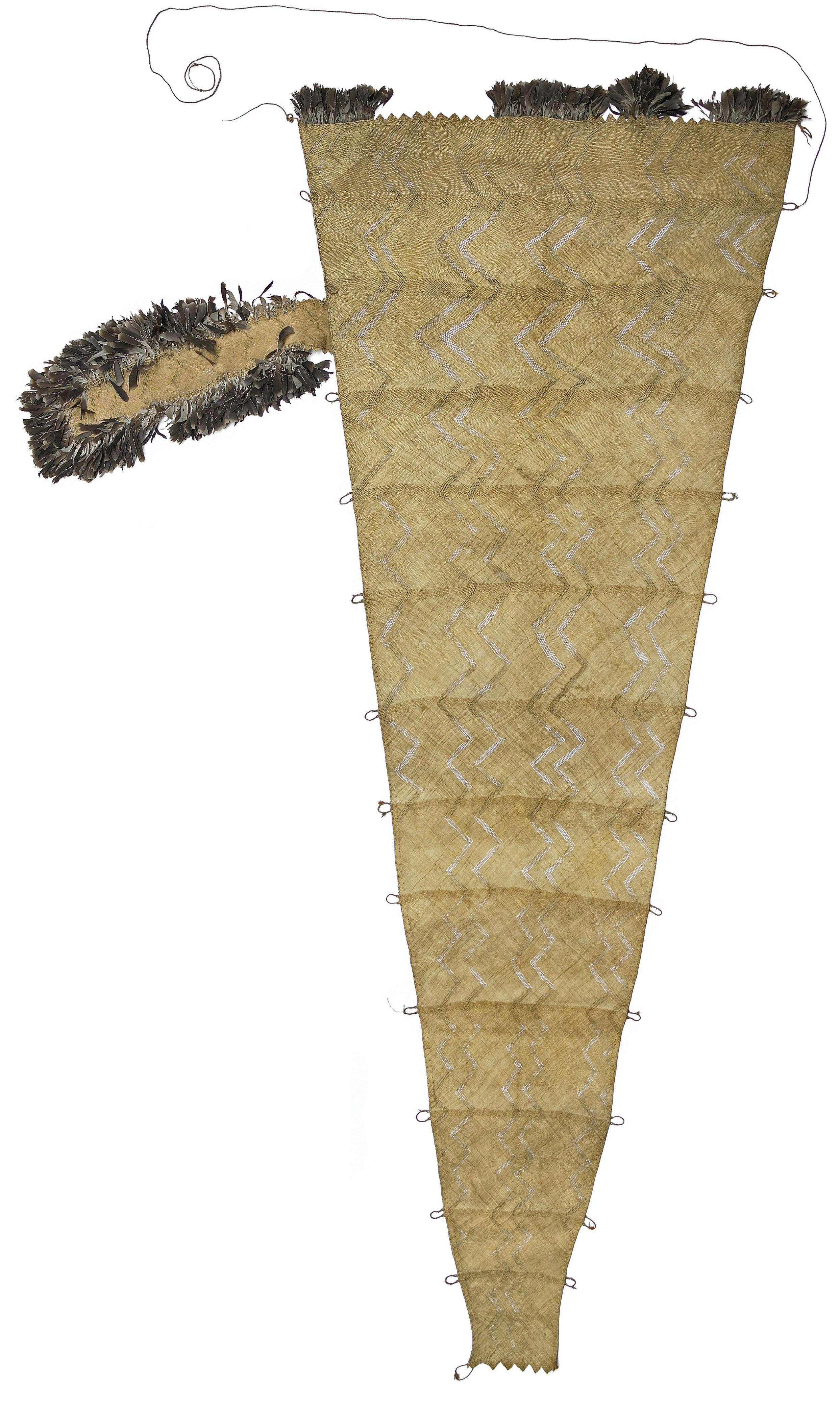
Canoe sail, Te Rā
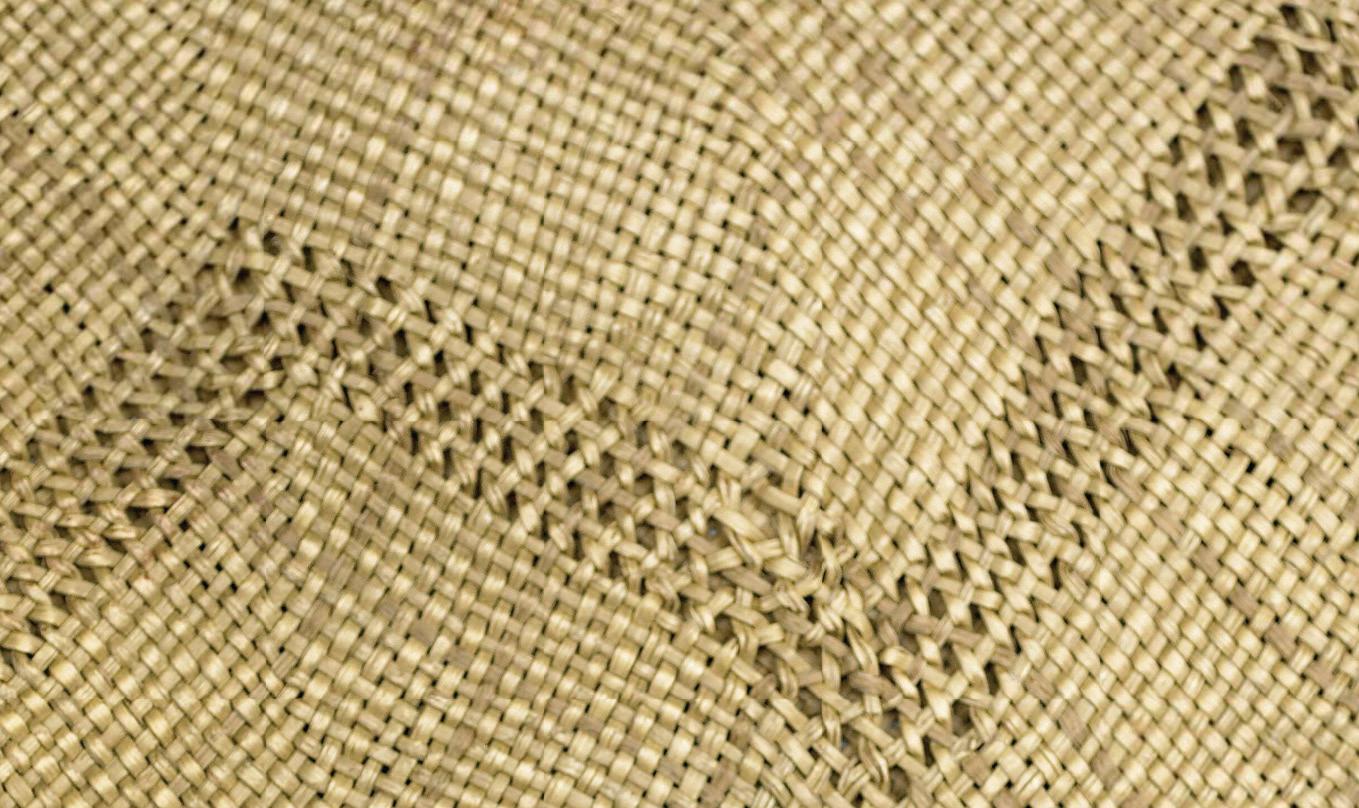
Woven from strips of harakeke (New Zealand flax), in thirteen panels joined together, with zigzag bands of hexagonal openwork three-directional plaiting. Along top edge and around the ‘streamer’ fringes of kahu (swamp harrier) and kereru (pigeon) feathers. Loops made of four two-ply, soft, flax-fibre strings wrapped with fine rolled cords; some loops still have kaka (parrot) feathers attached; two have small remnants of dog hair.
The Story of Te Rā
Te Rā is thought to date back to the 1700s, predating European contact in many parts of Aotearoa. It was collected in 1769 by Joseph Banks during Captain James Cook’s first voyage on the Endeavour, and later held in the collection of the British Museum.
For more than 250 years, this precious taonga lay largely forgotten on the other side of the world. But for Māori, Te Rā never stopped existing as a spiritual presence. It is only in recent years, through powerful acts of cultural reconnection, that Te Rā has come home, at least temporarily, to Aotearoa, and to her people.
Its return to Auckland Museum is more than a curatorial event; it is a homecoming, a reunion, a wānanga (deep learning session) between the past and present. For nonMāori readers, understanding this context is crucial. Te Rā is not simply a historical object. It is imbued with wairua (spirit), whakapapa (genealogy), and ongoing purpose.
Standing before Te Rā, one is immediately struck by its shape and structure. Made of finely woven harakeke, the sail takes a curved, elliptical form. Its panels are arranged with alternating patterns that reflect both functional aerodynamics and artistic expression. The materials used are completely organic—harakeke fibres prepared through traditional processes, softened, dyed, and knotted with astonishing precision.
From a Western sailing perspective, it may resemble a lateen or crab-claw sail, with its elliptical outline optimized for wind capture and maneuverability. But from a Māori viewpoint, the sail is not just a tool for navigation. It is a
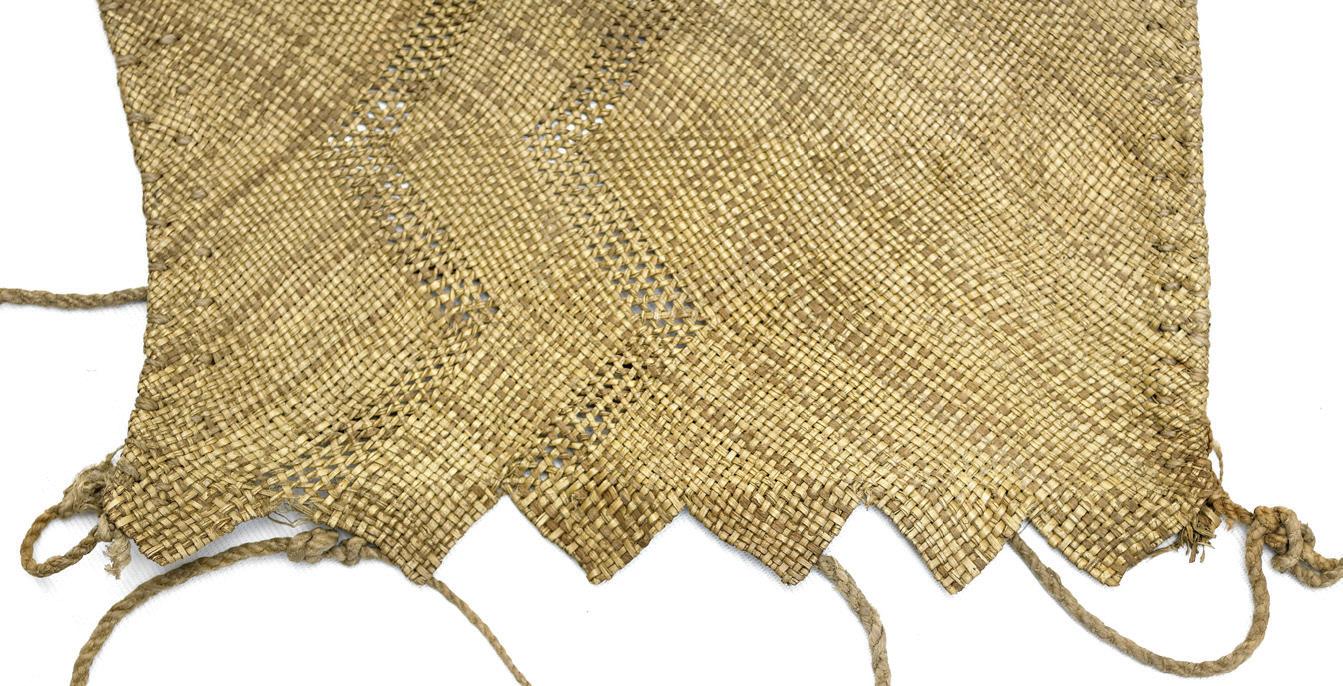
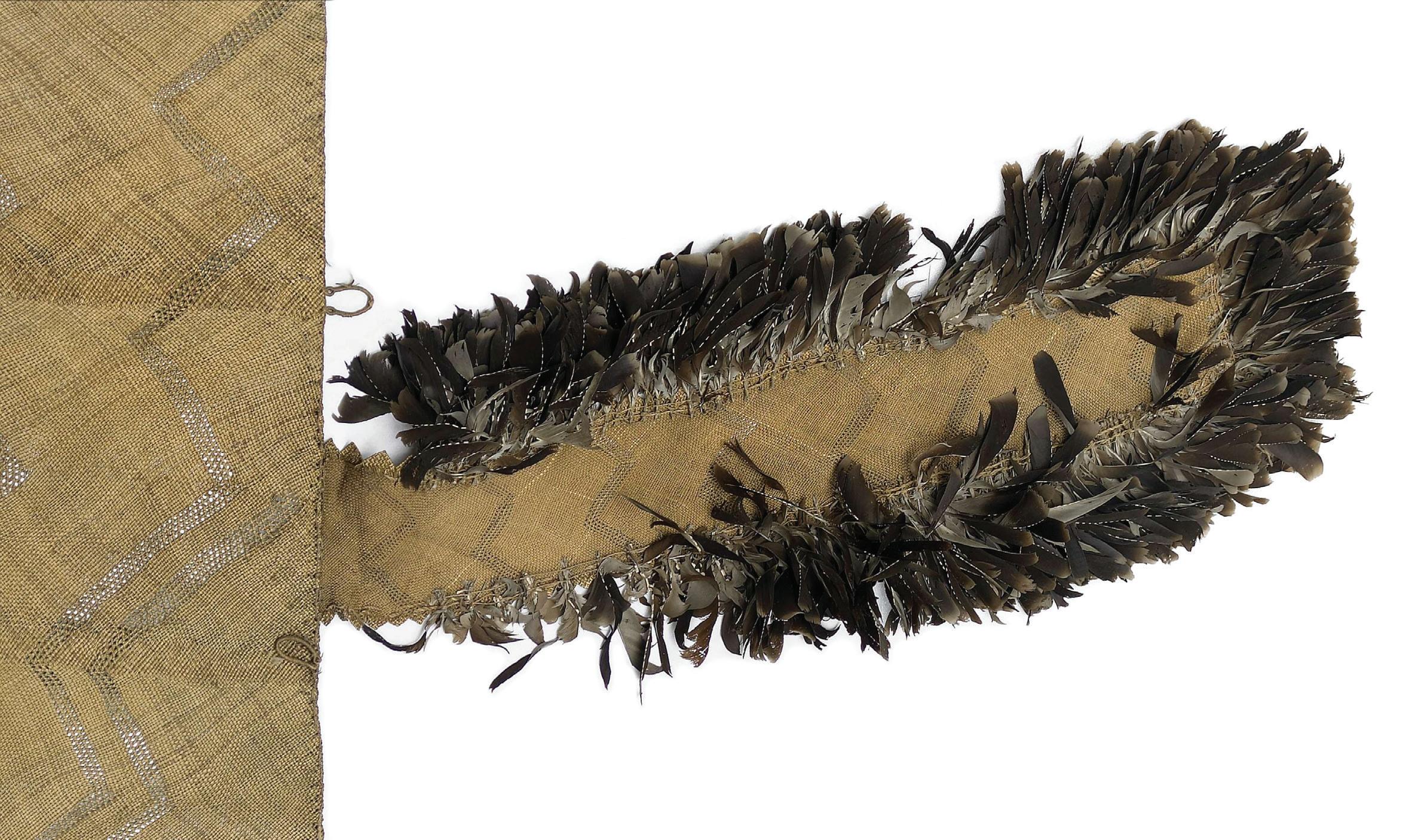
TOP: Feather streamer. The feathers helped to tell which way the wind was coming from at night time or in times of bad weather. They make a certain clicking sound when blown from one direction and then a different clicking sound from the other direction.
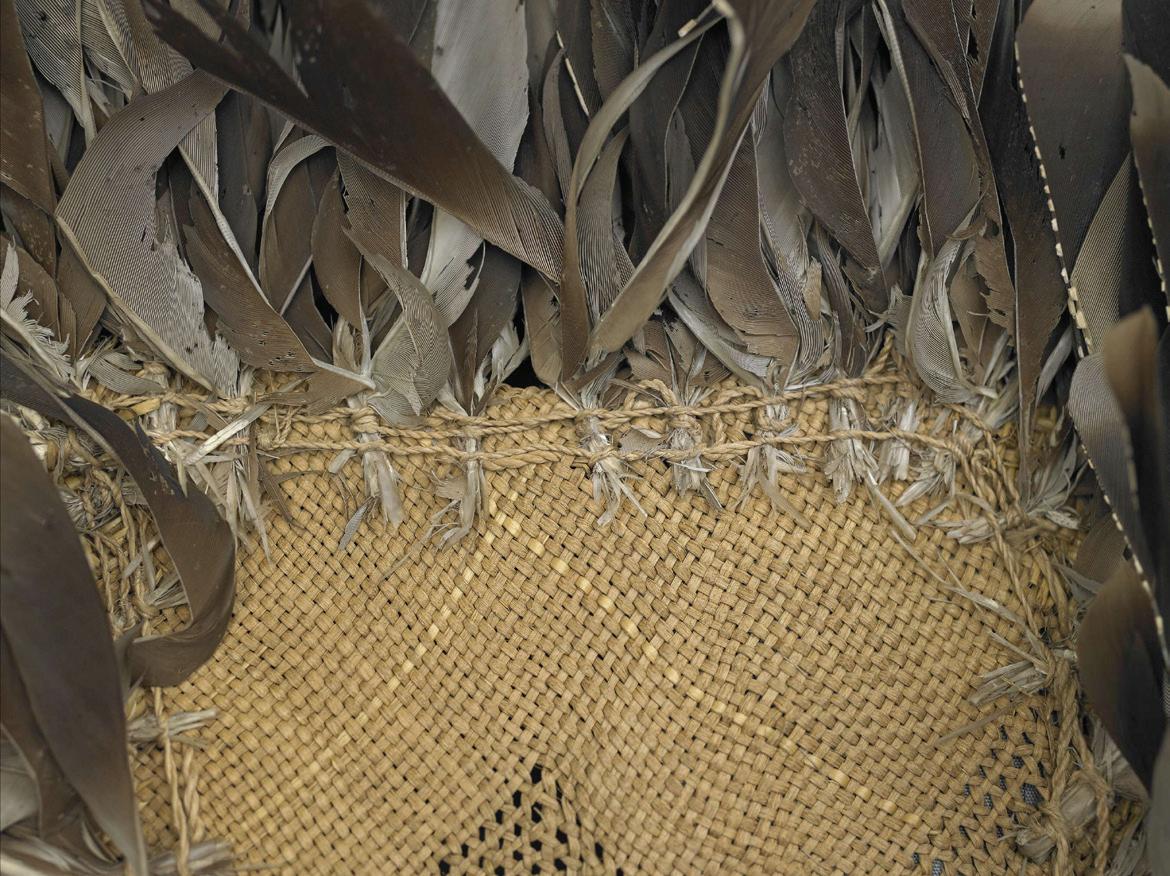
ABOVE: Detail of the kahu and keruru feather bindings. BOTTOM: Detail of the foot of Te Rā.
Images courtesy of the British Museum
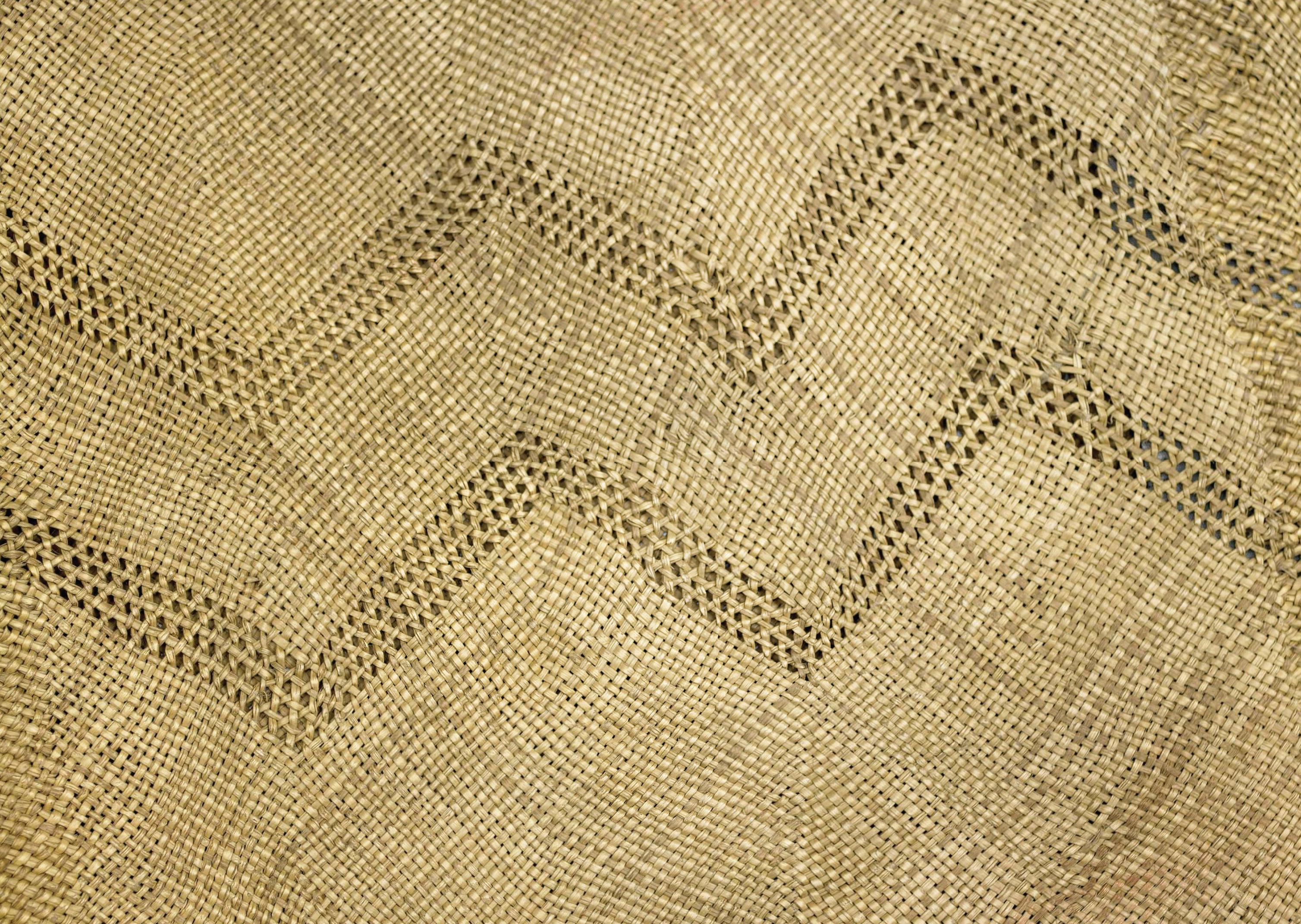
Everything had a purpose on the sail. Like the triangle ventilation design / niho taniwha holes which allowed the air to flow through so that the sail would not blow out but also because of the design of the sail as the air blows through it also helps to lift the sail.
In this way the sail acts like a bird’s wing.
manifestation of whakapapa—linking the weaver to the plant, to the land, to the waka (canoe), to the ocean, and ultimately to the ancestors who crossed vast expanses of the Pacific guided by the stars, currents, and intuition.
The design of Te Rā is not only beautiful but highly effective. Its curved elliptical shape creates a balance between lift and control, making it ideal for both long ocean voyages and intercoastal navigation. The lightness of harakeke, when properly processed, results in a strong, flexible structure that is resistant to the elements. It does not become brittle in salt air, and when maintained, harakeke sails can endure high wind loads and shifting weather conditions.
This efficiency was not accidental. Traditional Māori sail-makers understood the physical dynamics of pressure and lift, even without modern terminology. Based very much on the design of a bird’s wing. The tapering of the sail and its tight, durable weave provided excellent maneuverability, allowing waka to tack and gybe, changing direction efficiently. The low drag and high lift profile of Te Rā made it an indispensable technology for speed and agility.
This had enormous implications for navigation and trade. Waka hourua (double-hulled voyaging canoes) fitted with sails like Te Rā were capable of impressive speeds. Oral histories and modern reconstructions suggest that these waka could reach speeds of up to 10 to 15 knots under favourable conditions. That means travel from the northern tip of Te Ika-a-Māui (North Island) to the
southern coastlines could take only a matter of days—a significant reduction in time compared to paddling alone.
Sails like Te Rā played a vital role in traditional Māori trade networks. Inter-iwi trade and movement depended on swift, reliable waka. Greenstone (pounamu) from the South Island, obsidian from Tāupo, preserved foods, cloaks, and cultural items all moved along these marine highways. Waka with sails allowed for more cargo to be carried and for greater distances to be travelled efficiently. Some iwi maintained regular trade routes between key locations such as Hauraki, Tauranga Moana, Te Tai Tokerau, and Te Waipounamu. The sail transformed these journeys from arduous paddling expeditions into relatively rapid and manageable voyages. Furthermore, the use of sails expanded the range and capacity of communication, diplomacy, and social cohesion across dispersed hapū and iwi. Waka fitted with sails connected communities across geographic and ecological boundaries, enabling a thriving cultural network.
To understand Te Rā is to understand the deep ancestral roots of Māori voyaging. The ancestors of Māori were some of the greatest navigators the world has ever known. They traversed Te Moana-nui-a-Kiwa in double-hulled waka hourua, guided
by intricate knowledge systems that integrated astronomy, oceanography, meteorology, and spiritual intuition.
In Māori worldview, the sail was not merely a means of propulsion. It was a partner in the voyage, a living extension of the waka, which itself was a living being. Everything was imbued with mauri (life force). When Te Rā filled with wind, it was as if the ancestors were breathing life into the journey. The weaver who made the sail wove their own spirit into the flax; the sailor who raised the sail did so with karakia (prayer); and the wind itself was not random but a message from Tāwhirimātea, the atua (deity) of weather.
The return of Te Rā to Aotearoa has sparked renewed interest in traditional sail-making among Māori communities. For generations, this knowledge was disrupted—first by colonization, then by assimilation, and the near-erasure of many Indigenous technologies. But Māori are in a phase of renaissance.
Contemporary waka builders and navigators like Hoturoa BarclayKerr and the crew of Haunui and Te Aurere are reactivating ancient knowledge. Modern weavers are studying Te Rā not just for its beauty, but to decode its practical logic—the angle of the knots, the tension of the flax, the relationship between the lines and the wind.
Auckland Museum has hosted wānanga, or knowledgesharing sessions, where elders, craftspeople, scholars, and youth come together to examine Te Rā, not as passive observers, but as participants in a living dialogue. The sail has become a bridge across time, connecting generations in a shared effort to restore cultural memory.
For many Māori, placing Te Rā in a museum is fraught with complexity. On the one hand, it is a moment of pride and visibility. On the other, museums have long histories of removing Indigenous artifacts from their communities and treating them as curiosities rather than living legacies.
The curatorial team at Auckland Museum has worked closely with Māori experts to ensure that Te Rā is treated with the utmost respect. The exhibit includes karakia, interpretive panels written in both te reo Māori and English, and spaces for reflection. The aim is to create not just an exhibit, but a living encounter.
For non-Māori audiences, visiting Te Rā is an invitation to see beyond the surface. It is a chance to experience a different way of understanding technology, history, and identity—one that prioritizes relationship, responsibility, and reverence.
In an age of climate crisis, cultural disconnection, and digital overload, Te Rā offers quiet but powerful teachings. It reminds us of the importance of sustainable materials and relationships with the natural world. It shows us how knowledge can be encoded in fibre, in form, and in function. It calls us to reimagine progress not as innovation divorced from the past, but as a reconnection with ancestral wisdom.
It also reminds us of the value of resilience. Though it was taken from its homeland, Te Rā survived. It held onto its story. And now, it is helping a new generation of Māori rediscover their identity, their purpose, and their place in the world.
Te Rā is more than the sum of its woven panels. It is a map, a memory, a messenger. For Māori, it represents a continuum—the journey from Hawaiki to Aotearoa, from colonization to cultural revival, from the museum back into living practice. For non-Māori audiences, Te Rā offers a chance to witness Indigenous brilliance and to understand that there are many ways of knowing, making, and being.
So next time you step into the Auckland Museum and stand before that elegant, wind-shaped form, take a moment to imagine the hands that wove it, the winds that filled it, and the oceans it dreamed of crossing. Know that Te Rā is not just an object of the past—it is a sail still catching the wind of the future.
Auckland War Memorial Museum Tāmaki Paenga Hira. (2023–2025). Te Rā: The Māori Sail [Exhibition notes]. Auckland Museum.
https://www.aucklandmuseum.com/visit/exhibitions/te-ra Baker, M., & Smith, C. (2021). Whakarahia anō te Rā kaihau!: Revitalising Māori sail weaving traditions. University of Otago, Dunedin.
https://www.otago.ac.nz/news/news/otago801811.html British Museum. (2023). Te Rā (Oc, NZ.326). The Māori sail. Collection online.
https://www.britishmuseum.org/collection/object/E_OcNZ-326
Te Papa Tongarewa Museum of New Zealand. (2023). Māori navigation and waka traditions.
https://www.tepapa.govt.nz/discover-collections/read-watchplay/maori-navigation
Salmond, A. (1991). Two Worlds: First Meetings Between Māori and Europeans 1642–1772. Viking Press, Auckland.
Smith, C., Wikitera, T., & Baker, M. (2022). “Re-awakening Te Rā: Scientific and cultural perspectives on Māori sail technology.” Journal of Material Culture, 27(3), 312–334.
Tapsell, P. (2018). Ko Tawa: The Continuity of Māori Treasures. Reed Publishing, Auckland.
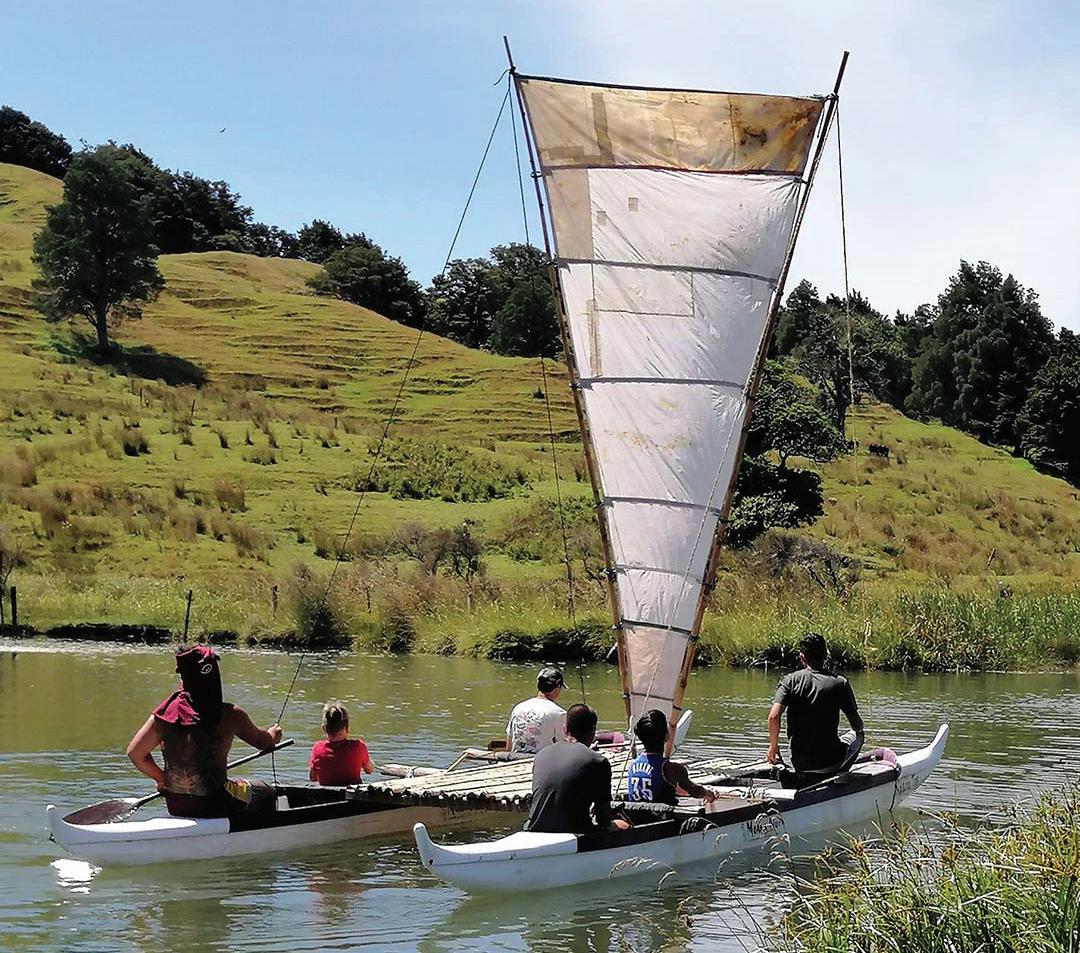
ABOVE:The shape and style of this sail although not made of Harakeke is a good example of the style of Te Rā.
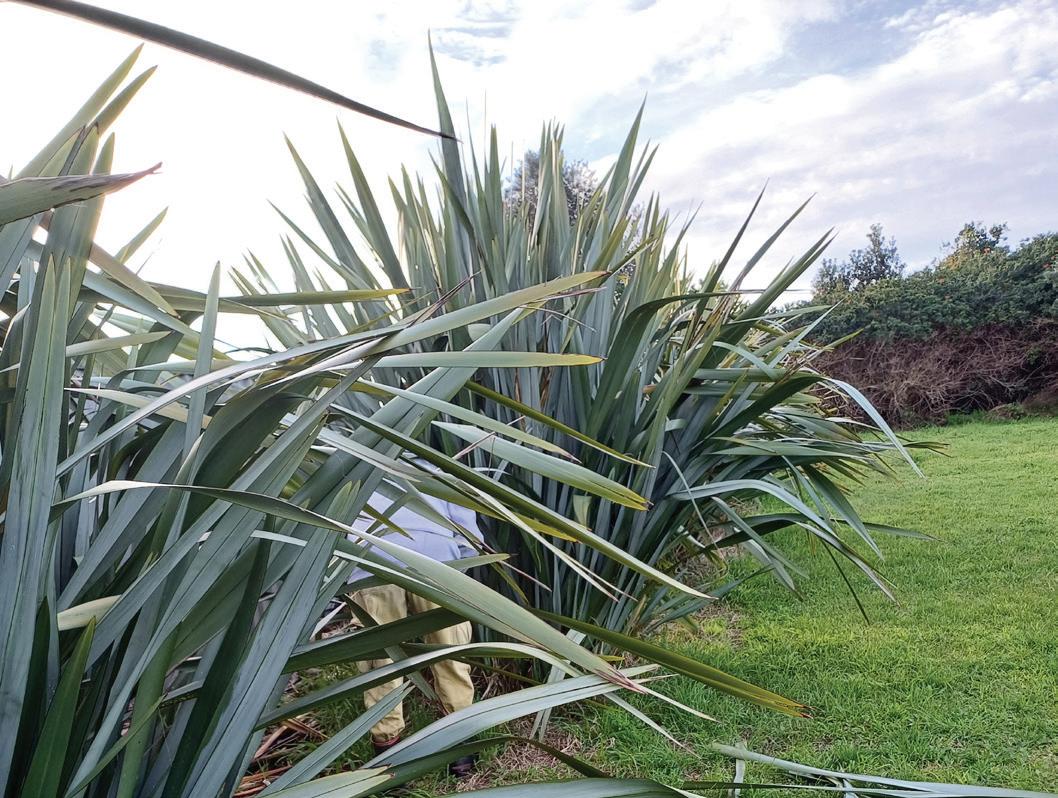
1/ Plant selection, must have the right amount of muka / fibre inside, in order to be strong & resilient.
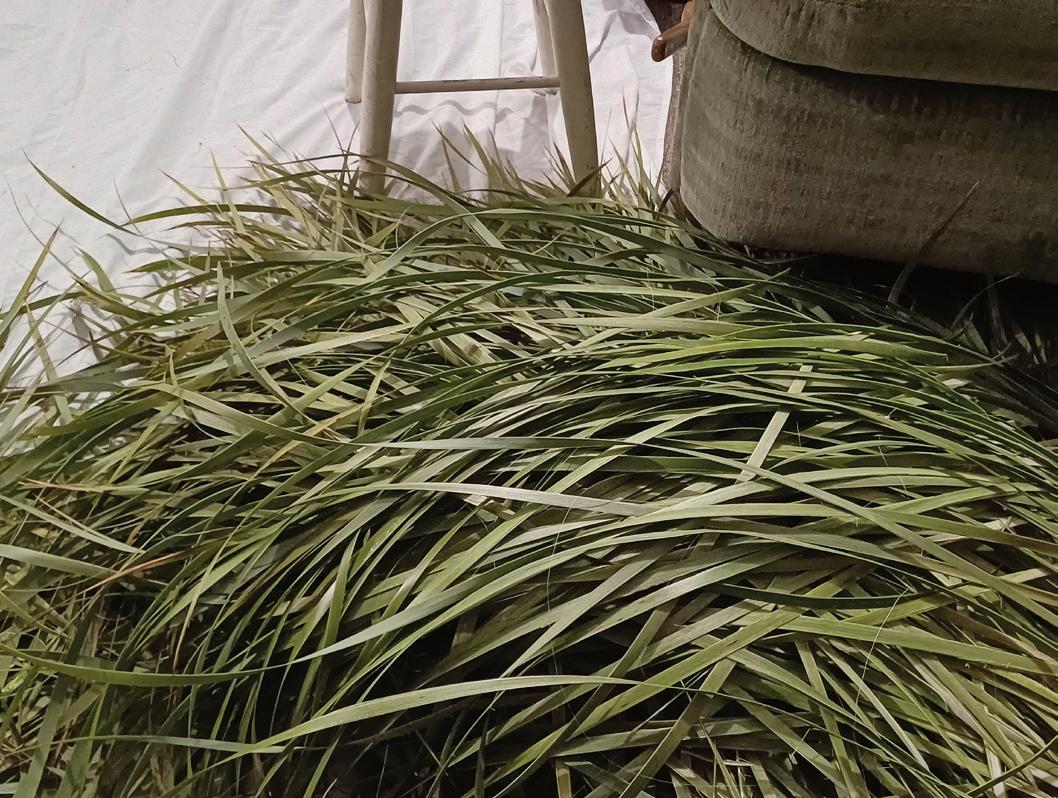
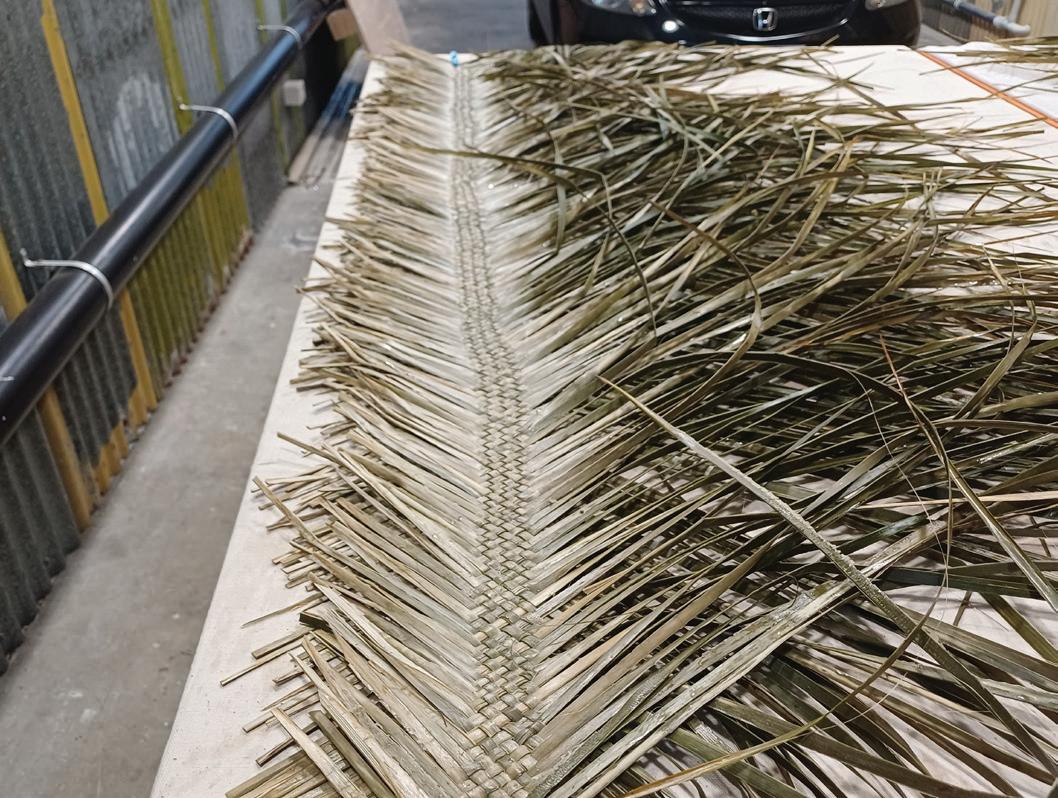
5/ Dry the bundles in the sun in order to bleach - must be dry before storing.
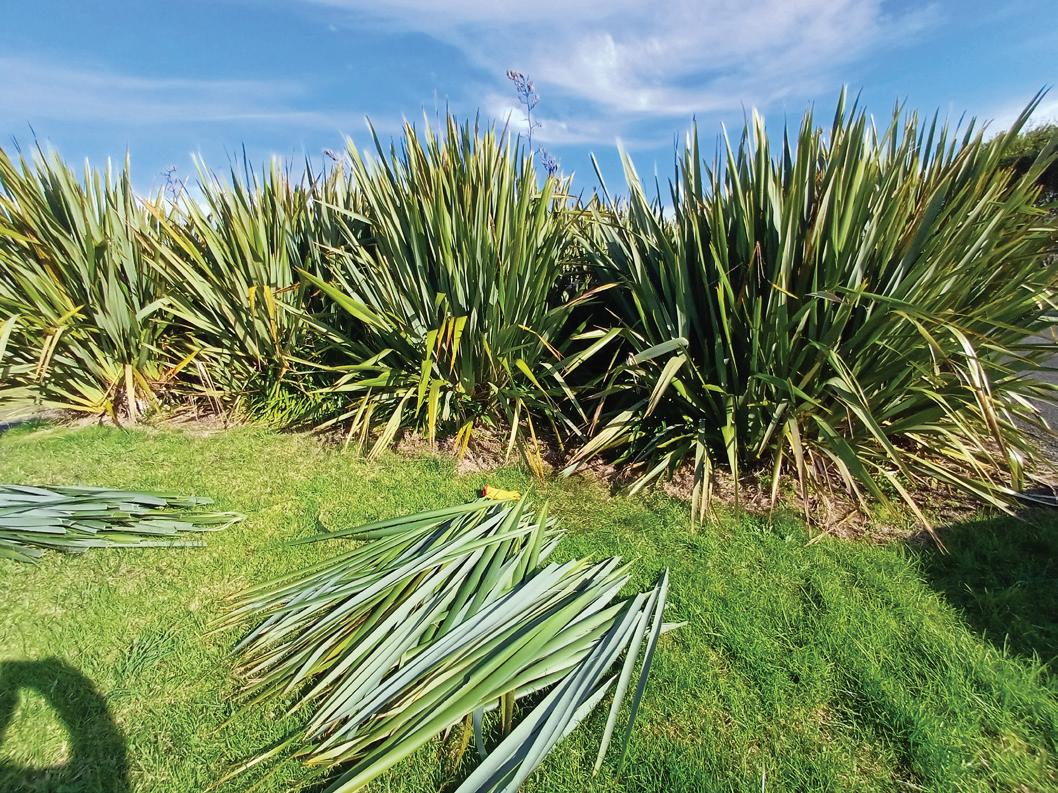
2/ Processing of harakeke, sizing the whenu - thread of harakeke, they all must be the same width & length.
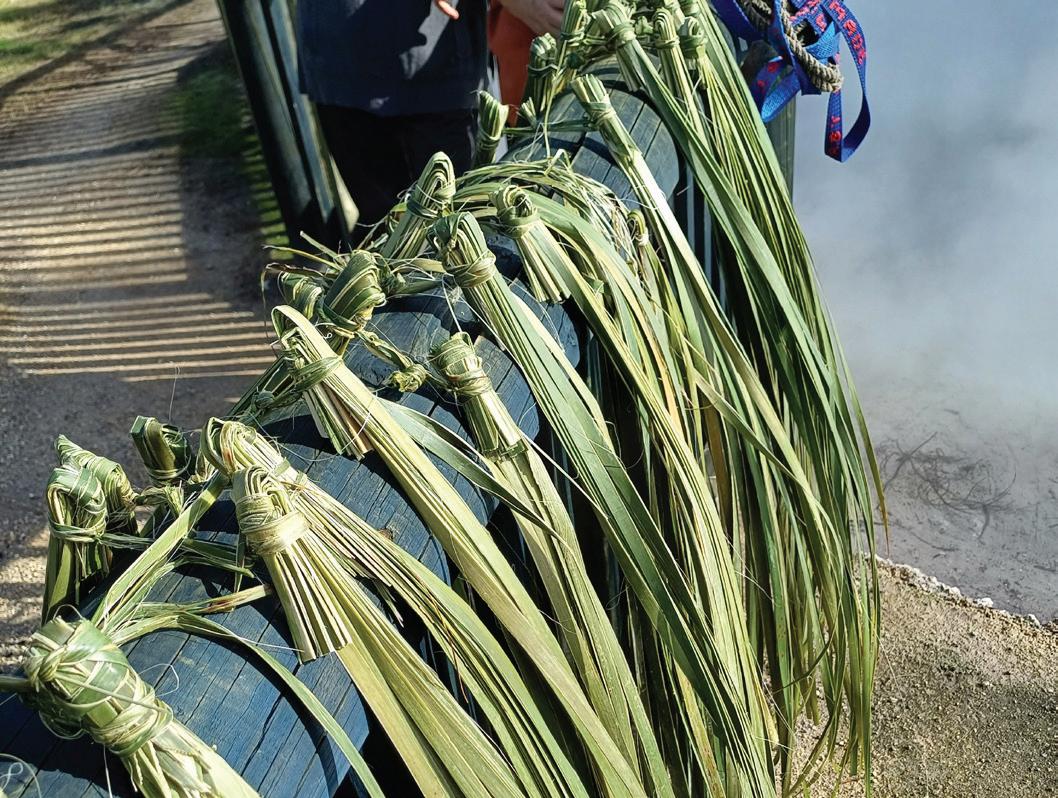
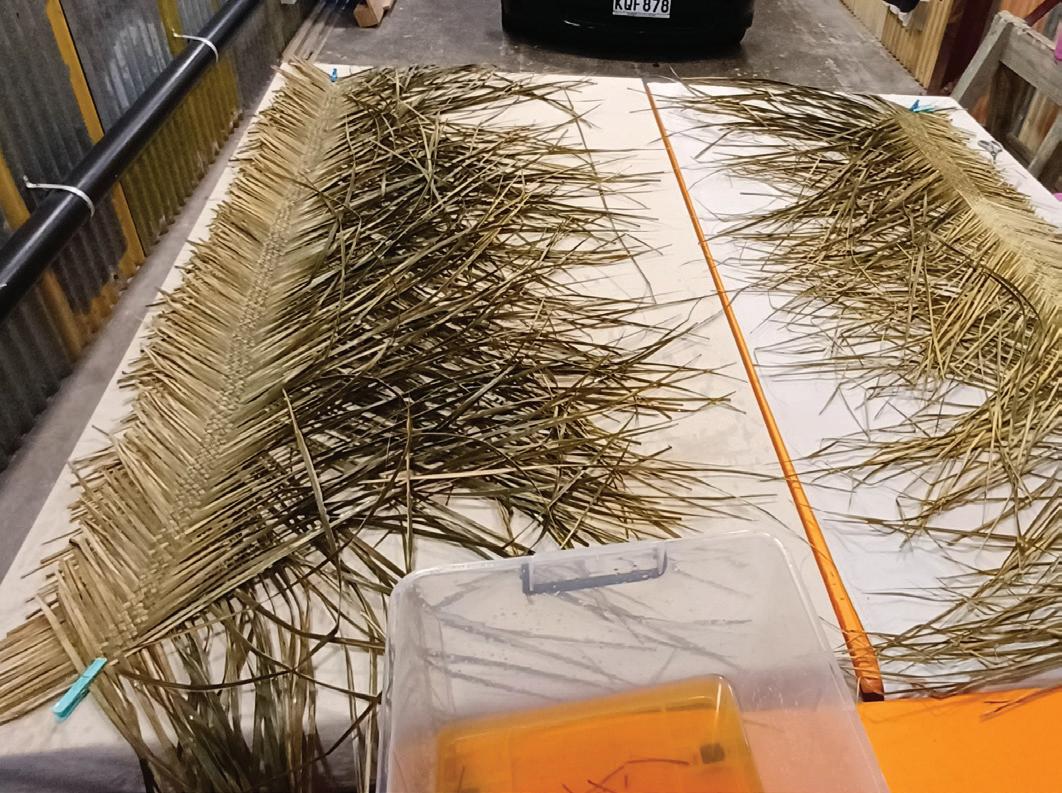
6/ Rehydrate bundles then start weaving.
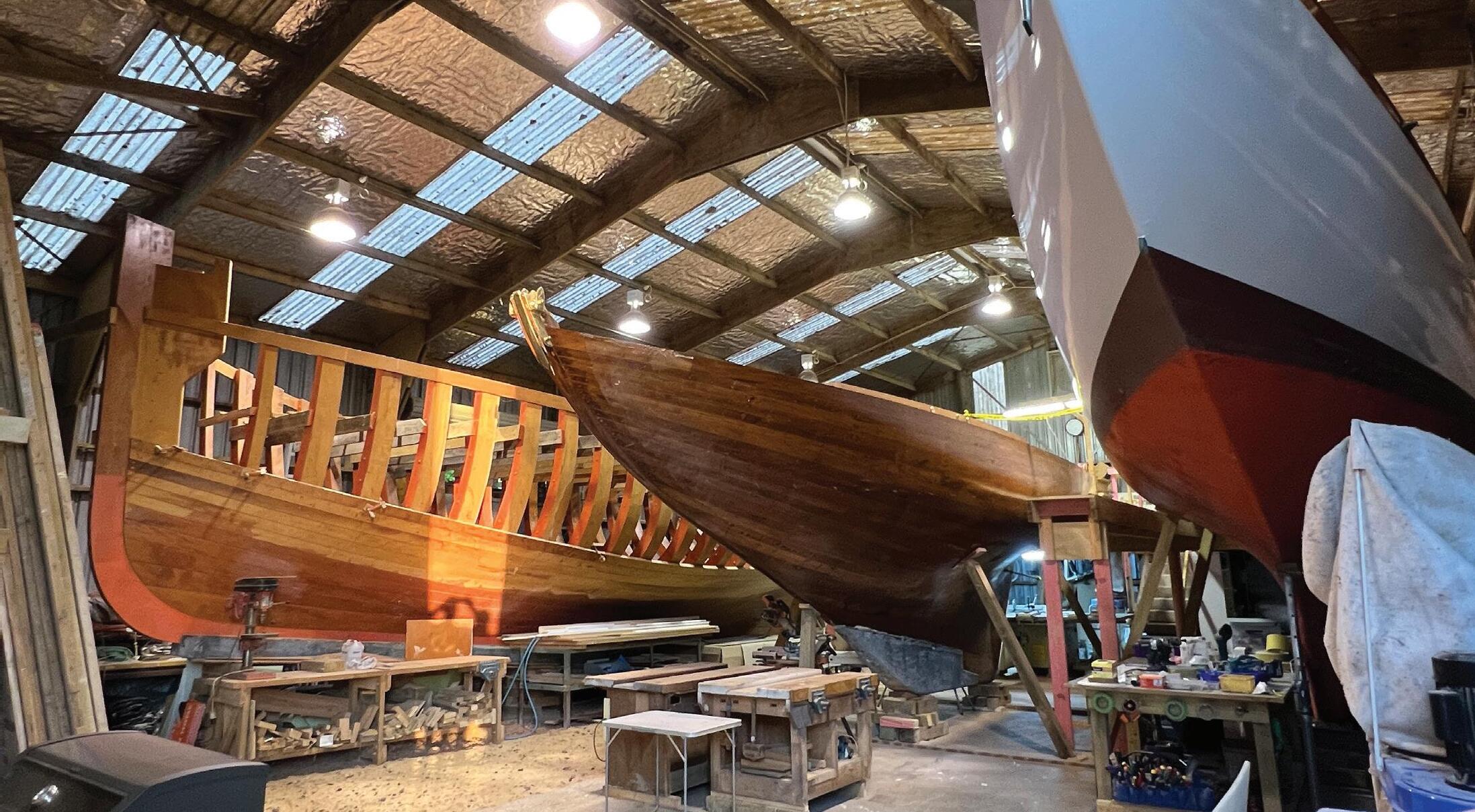
Wooden boatbuilder specialising in wooden yacht & launch restoration. Modern boats all types of boat work undertaken. New builds, refits, wooden spars, teak decks, planking, framing, painting and plumbing your one stop boat shop.
Only the best workmanship and materials used i.e. New Zealand Kauri, Teak, Copper and Bronze.
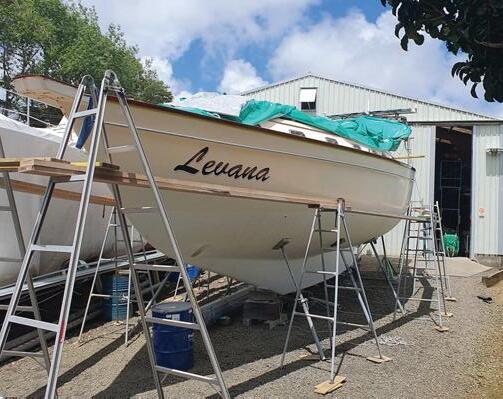
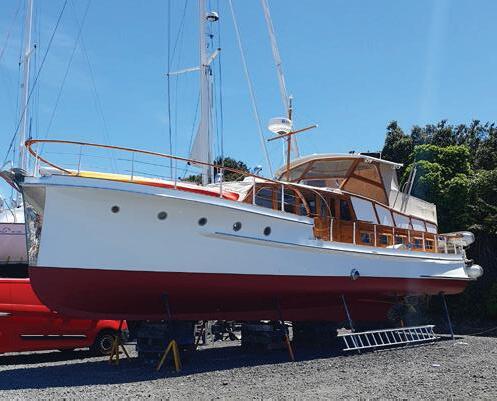
Undercover yard for boats up to 60ft, good rates and no charge for your space.
Advice on how to restore your old boat properly.

Brookes_resto
027 268 3754 • maryjb@xtra.co.nz www.classicboating.co.uk
to be a mission
Whether
Guthrie Bowron Warkworth –trusted by boaties, big and small.

WORDS & PHOTOS: Peter Bourke
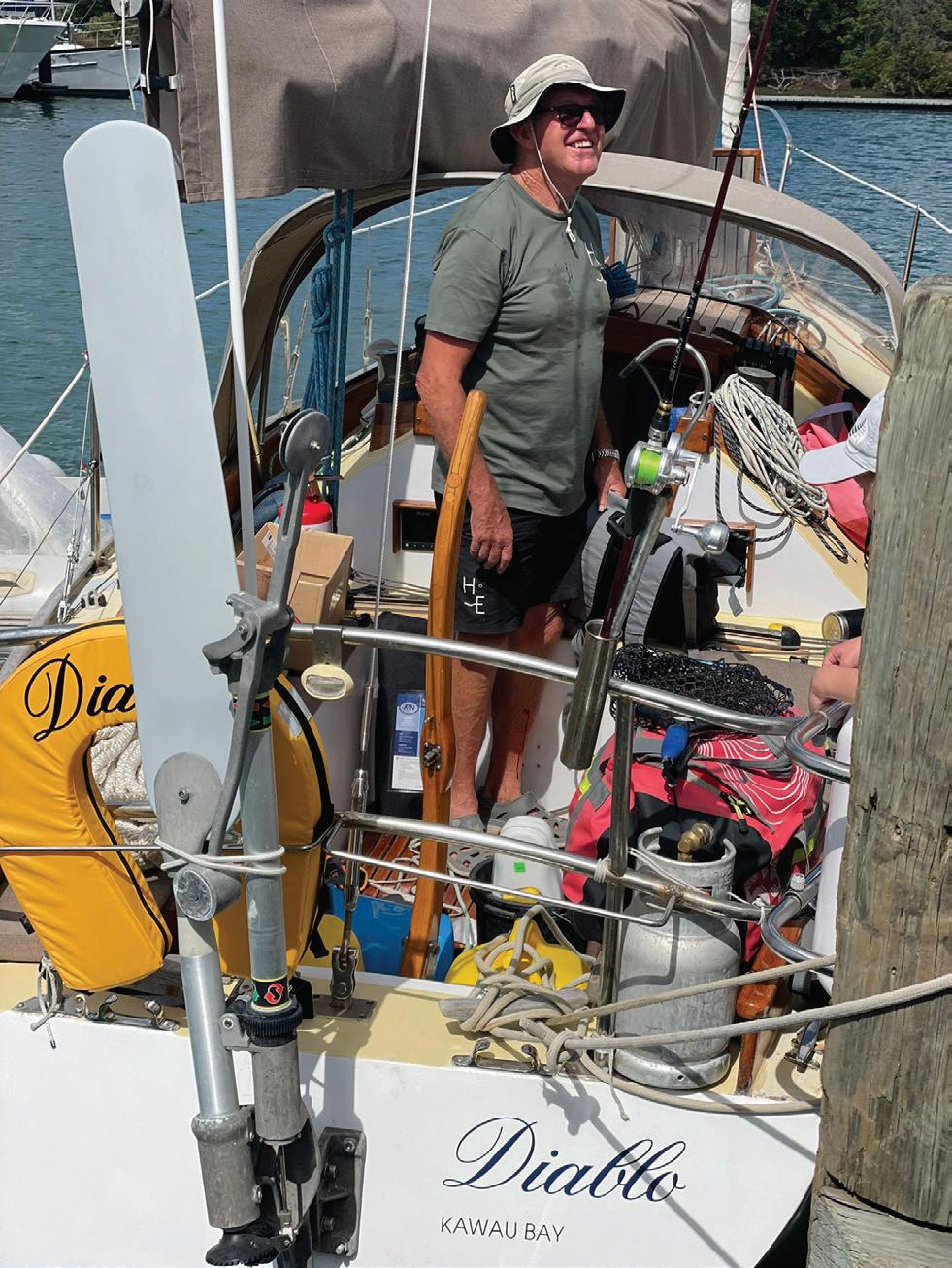
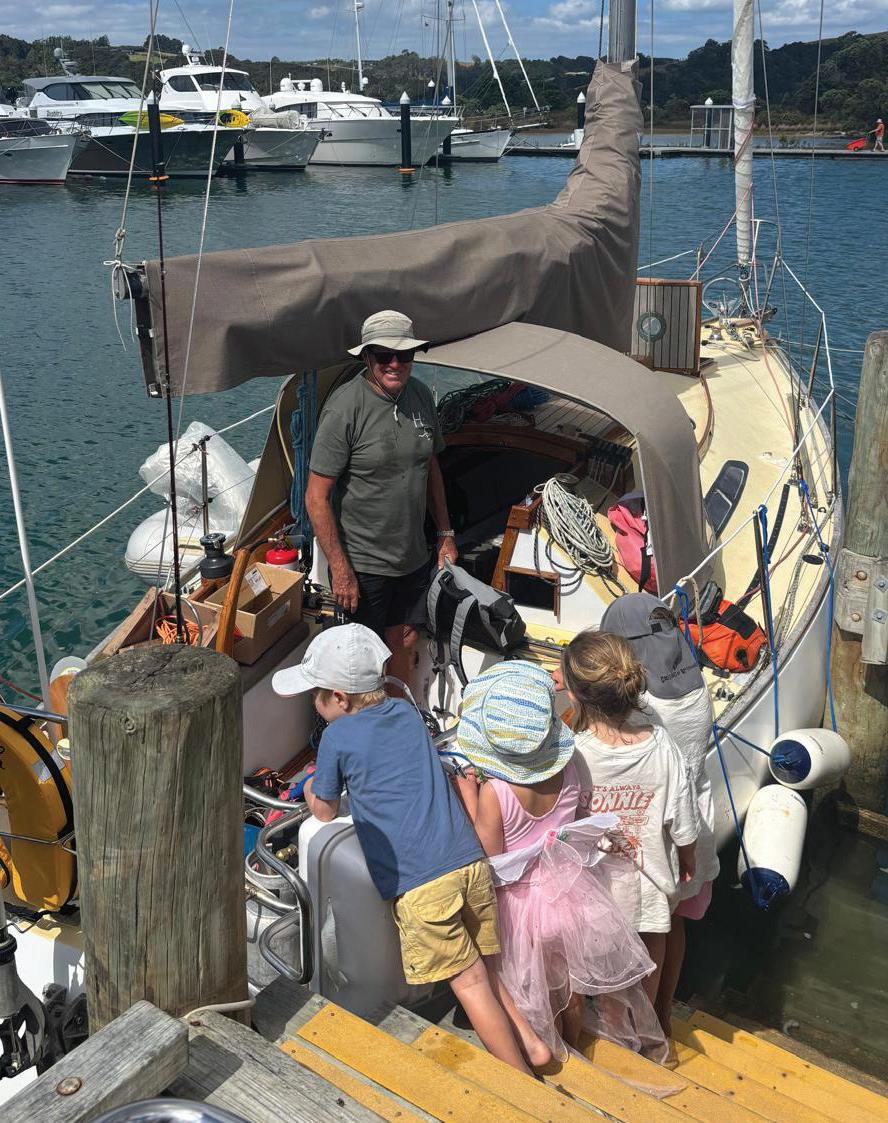
It was 4.30 on Thursday afternoon, the 23rd January 2025. Diablo was lying alongside the wharf in front of Sandspit Yacht Club. I started the motor. Time to push off. Five grandkids took flight. They’d been all over Diablo, pulling ropes, pushing the tiller, getting in the way. The first sound of the motor sent them scurrying, dead scared that they would be stuck with their grandfather on his mad adventure, never to be seen again.
Their parents and grandmother were relieved to see the children back on dry land as, while they expected grandfather would be seen again, there was still some room for doubt.
Local legend, Dave Jackson, a man of few words but plenty of wisdom, leaning on the wharf handrail, summed it up in his laconic way. “You need a bigger boat.”
Diablo and I motored down the outflow past Sandspit, surrounded by a clutter of stores and equipment for our coastal adventure: to circumnavigate Aotearoa New Zealand. I shouted myself a beer and celebrated this milestone in Diablo’s restoration. We headed for Kawau Island for a peaceful anchorage and to sort ourselves out for what lay ahead.
Going back to 2020, Diablo was posted for sale on TradeMe. I remembered her when she first arrived on the keelboat scene in Auckland in 1970 when IOR boats were all the rage. Our family yacht was a Cavalier 32 named Seeadler and my dad, brother and I raced her keenly in offshore races. I first saw Diablo at the start line for the Balokovic Cup. I remember how beautiful she looked in her maroon livery. The gun fired and that was the last we saw of her. She did a horizon job on us that day.
50 years on, I could still see the beautiful lines of the Diablo I remembered, but the rest of her was looking very tired. She was owned by a couple who couldn’t sail but were keen swimmers. They had her moored out front of their house at Opua, had bolted a ladder to her stern, and were using her as a swimming platform.
re-faired and glassed around the garboards, worked alongside the marine engineer to install a new motor, and later in the project, overhauled the rudder. Afterwards, she was as sound as a bell.
Matakana Marine installed a new Volvo 20hp motor and sail drive, Gulf Harbour Rigging gave the spars and rigging the once over, North provided a new set of sails, Harkin provided all deck hardware and ropes, and I did the rest.
The project wasn’t continuous as my wife, Bubbles, and I did some cruising, and we raced in classic regattas in the Modern Classic division.
I did my due diligence through rose-tinted glasses. I paid too much for her and grossly underestimated the cost and work involved in getting her back up to scratch. The standard I set was that she had to be sound, wellequipped, with everything working. She would be a modern boat on a 50-plus-year-old wooden hull. She was not going to be restored to as-new condition.
The work would be done like back in the day. I remember an earlier family yacht, Nimrod, one of the original wooden H28s, being hauled out every winter at Panmure Yacht Club for a full paint job. It wasn’t a question of whether the paint was one pot or two, or if it was sprayed or rolled and tipped. The only question was if the paint was Samson or Dulux. For Diablo, all paint work is by hand, brush strokes are acceptable, and old battle scars are left as a symbol of past adventure.
So, the restoration started with Lees Boatbuilders doing the basics. They removed some rot in the deck, re-sealed,
Three years into the project, I set a target. How about getting Diablo up to the standard to be able to do a circumnavigation of New Zealand? The target date would be the summer of 24/25. So, the rest of the project was governed by Category 2 standards, creating a sturdy little offshore keelboat.
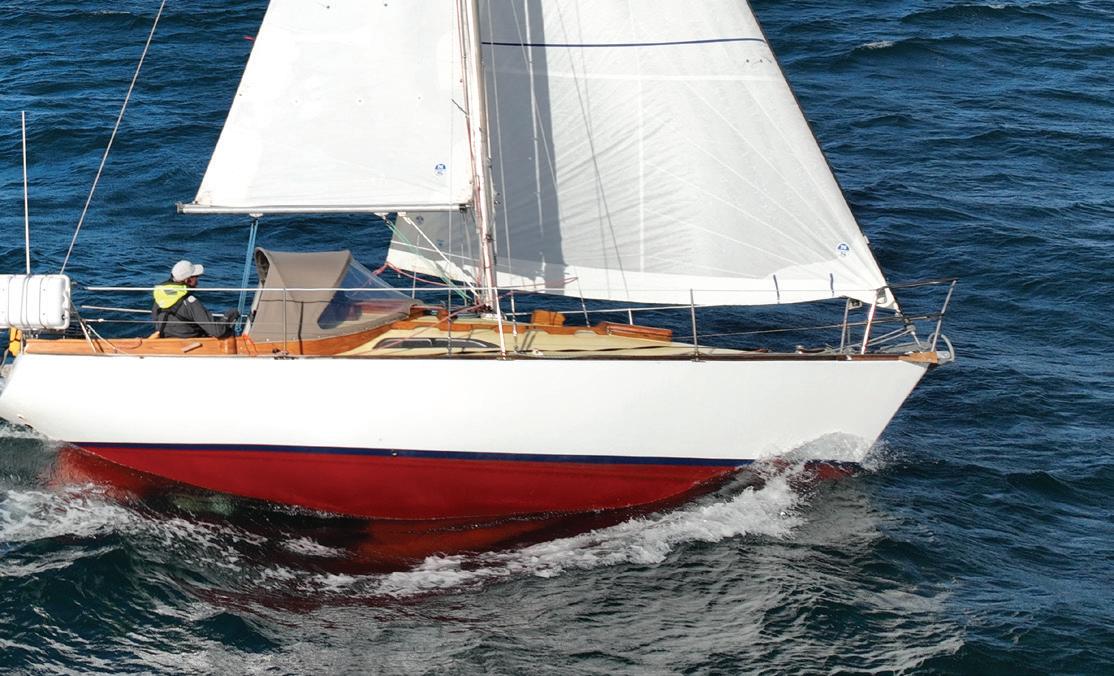
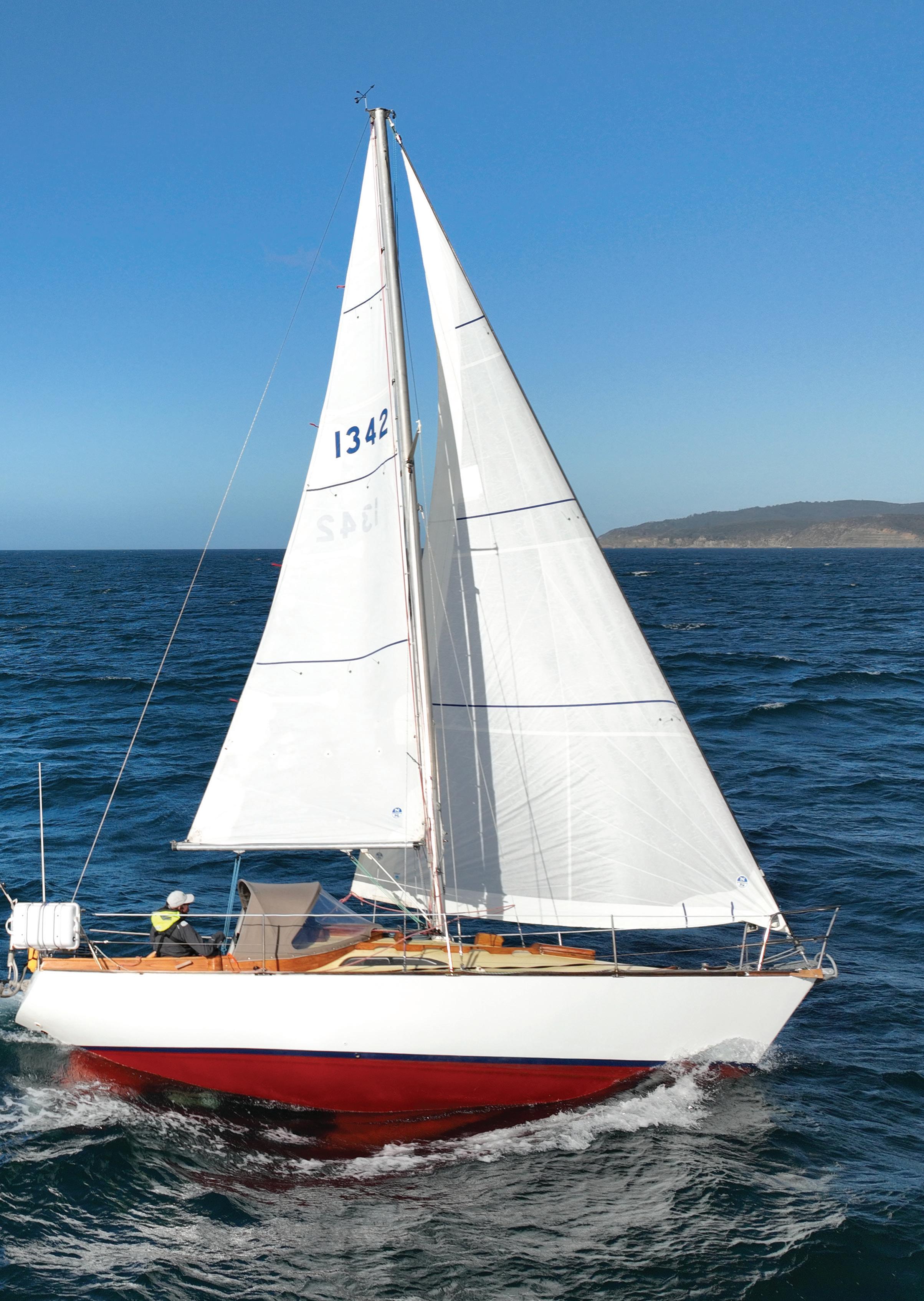
A bit about Diablo She’s an 8.7m (29 feet) long x 3.1m beam and 1.6m draft, Sparkman and Stephens half tonner, built by Keith Eade in double diagonal, cold moulded, NZ kauri in 1970.
I know, I know, she was designed by Mario Taraboccia. But Mario, who was a brilliant naval architect, worked for Sparkman and Stephens from 1960 to the mid 1980s when he retired. He had a short stint with an Italian America’s Cup challenger that never went sailing. He was described by a S&S senior staffer as Olin Stephens’ right hand man. He designed famous S&S yachts: Clarion of Wight, Running Tide and Saudade, as well as being deeply involved in the design and build of Intrepid that twice successfully defended the America’s Cup for USA. The point is, Diablo came out of the S&S stable and, having been designed by their Mario Taraboccia, has a tremendous pedigree.
Back to Kawau. The stores were stowed, equipment put in its right place, and I turned my attention to the great adventure.
The plan was to do a figure of eight circumnavigation starting in an anticlockwise direction around the North Island, then clockwise direction around the South Island, passing through Cook Strait twice. The reason for this was that it would keep our course close to the coast, we would pass through Cook Strait in a west to east direction (the best way to approach Cook Strait) and we would sail
OPPOSITE: A first night stop-over in Bon Accord was needed to sort the clutter.
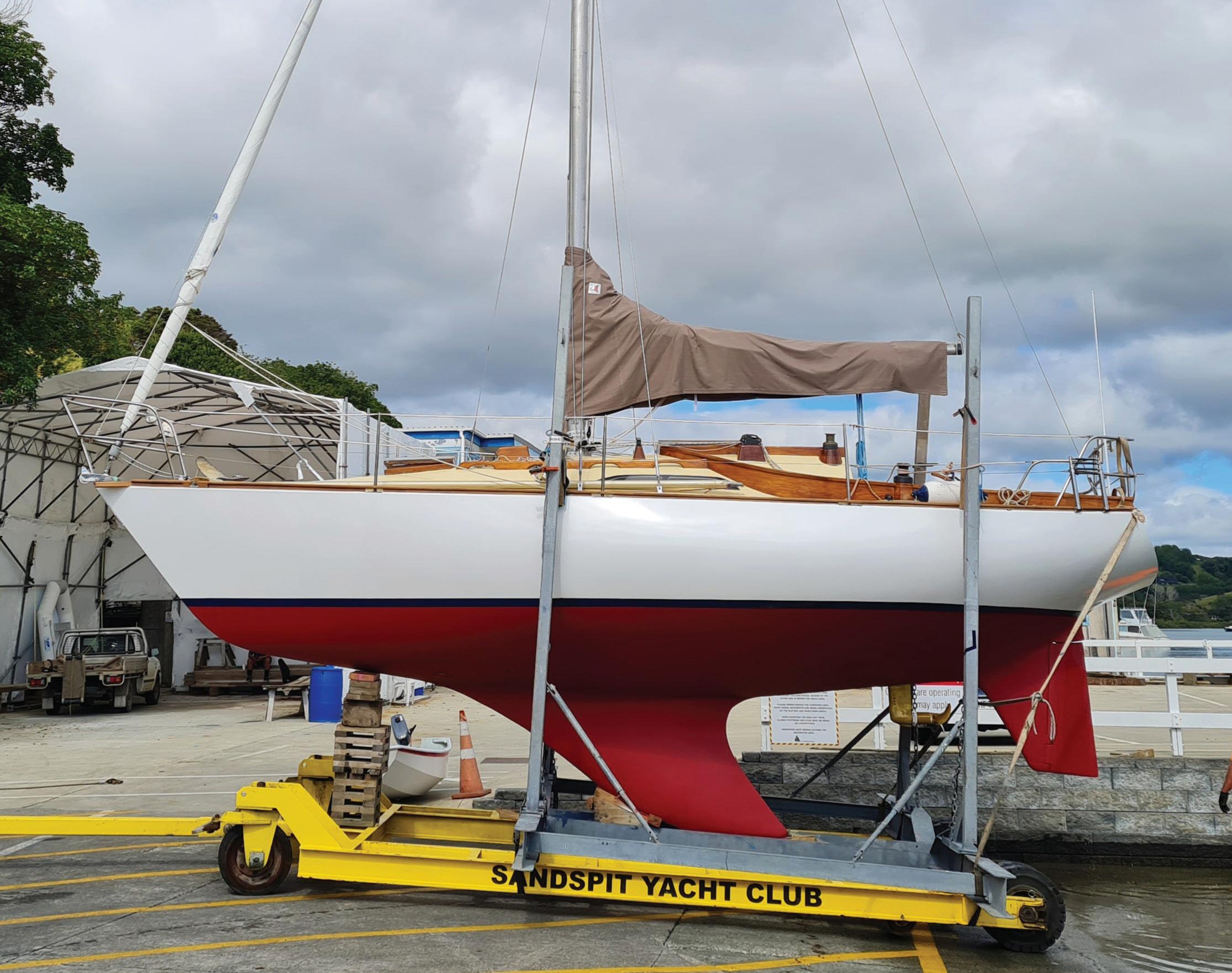
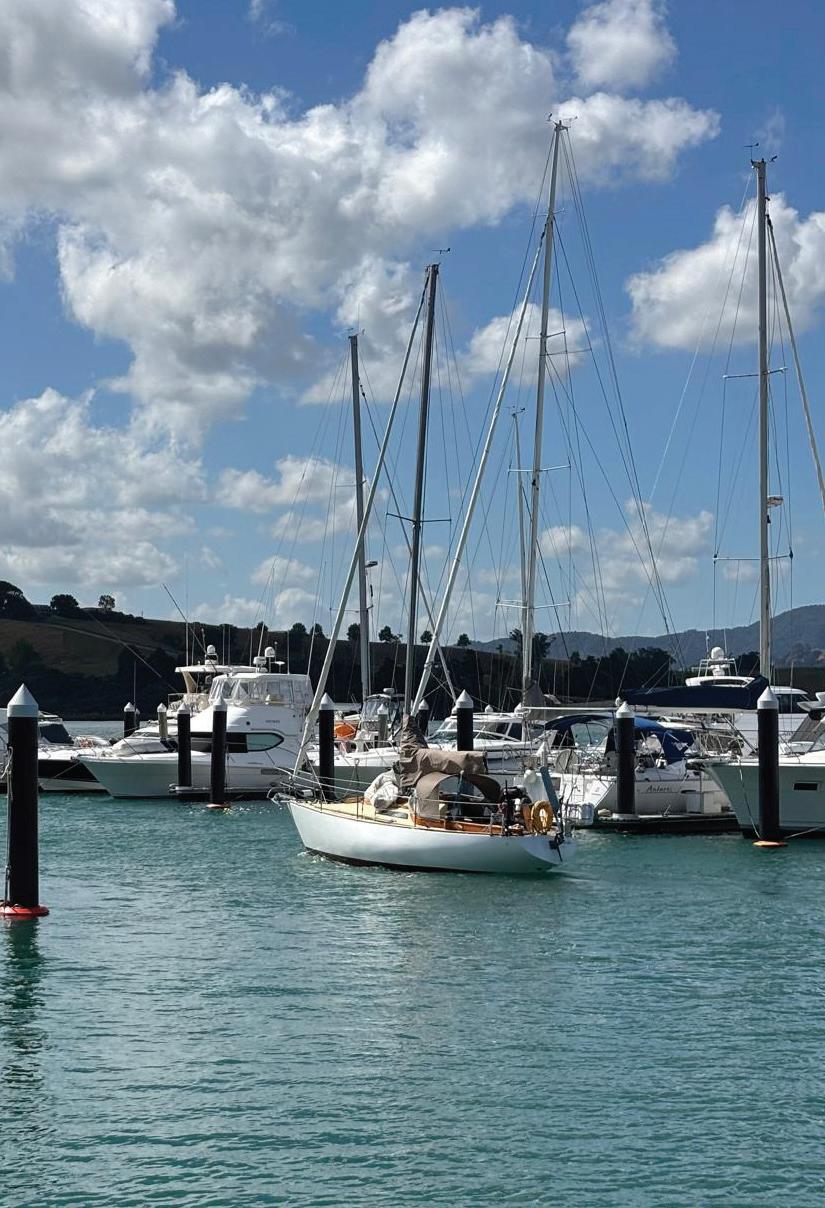
TOP LEFT CLOCKWISE: Diablo relaunching after extensive restoration; Departing from Sandspit Yacht Club; Sailing in the Mahurangi Cruising Club Regatta 2024; Grandkids asking the usual question, “Pete, what are you doing?”
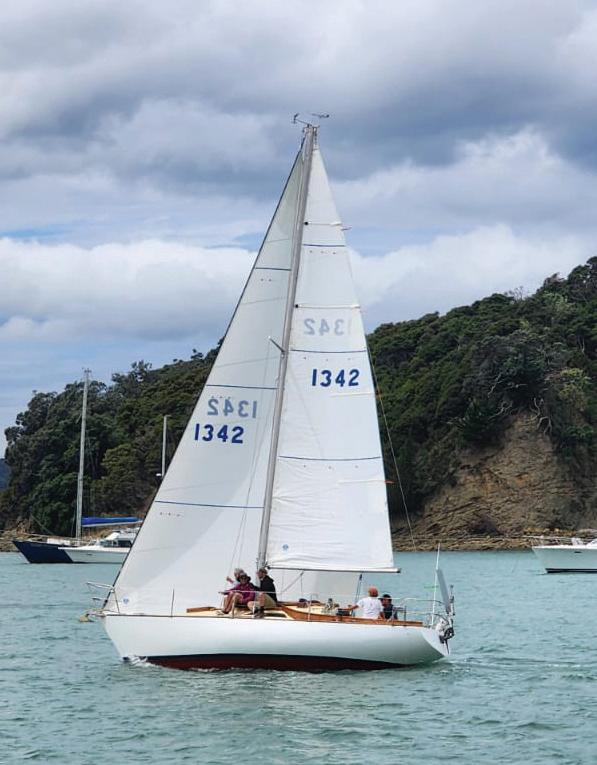
up the West Coast of the South Island with the prevailing wind and the northerly current. It made sense when I was planning the trip, and I’d still choose the figure of eight as the best course for a circumnavigation of Aotearoa New Zealand.
The only drawback of this course was that we would go from east to west through Foveaux Strait, against the current and prevailing wind, to get to Fiordland – a major hurdle on the South Island circumnavigation.
We left Kawau at 4 a.m., intending to get as far north as possible before the forecast NE gale arrived. Twentyfour hours later we arrived at Whangaroa Harbour, just ahead of the rising nor’easter. For four days, the northeast gale lashed the Far North coast. I made the most of it, doing jobs that should’ve been done on Diablo before departure, like installing a second and larger bilge pump,
fitting a ‘boom strut’ that would prove invaluable later, and resealing any suspect deck fittings to keep a dry ship. Ready to go!
The gale blew itself out during the night of the 28th. We cleared the harbour entrance before 6.00 the next morning and by 9.00 had the kite up for a beautiful run up to North Cape.
An easy reach across the top from North Cape to Cape Reinga in the afternoon, then at dusk we experienced the fury of the “corners” of the New Zealand coast, where the oceans, Pacific and Tasman, collide. West of Cape Reinga was a maelstrom of rips, breaking waves and steep sided pinnacles. We caught the current that drags the seabed from east to west to form shallows and banks that extend out over 20 miles southwest from the Cape. Stupidly, I
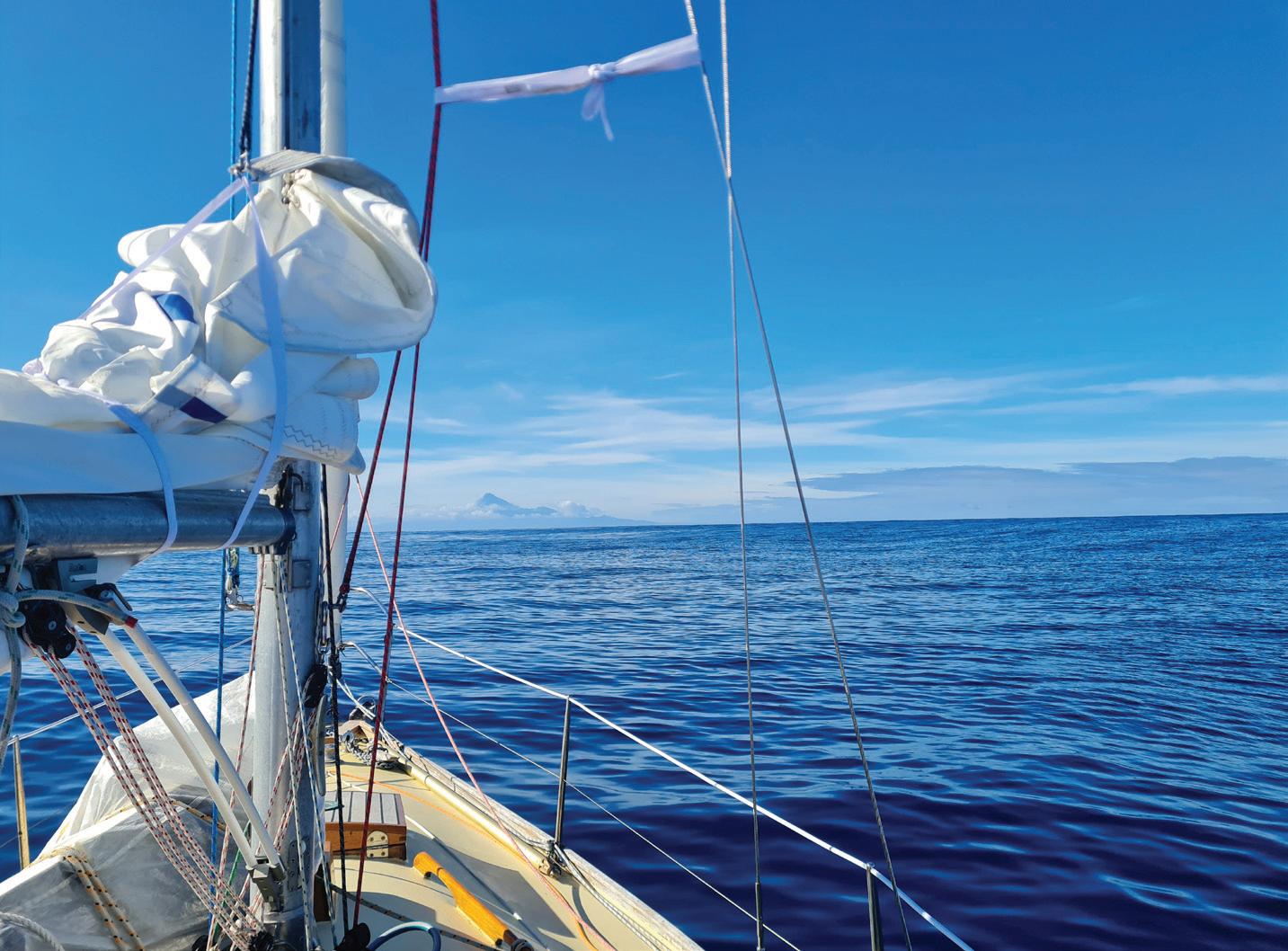
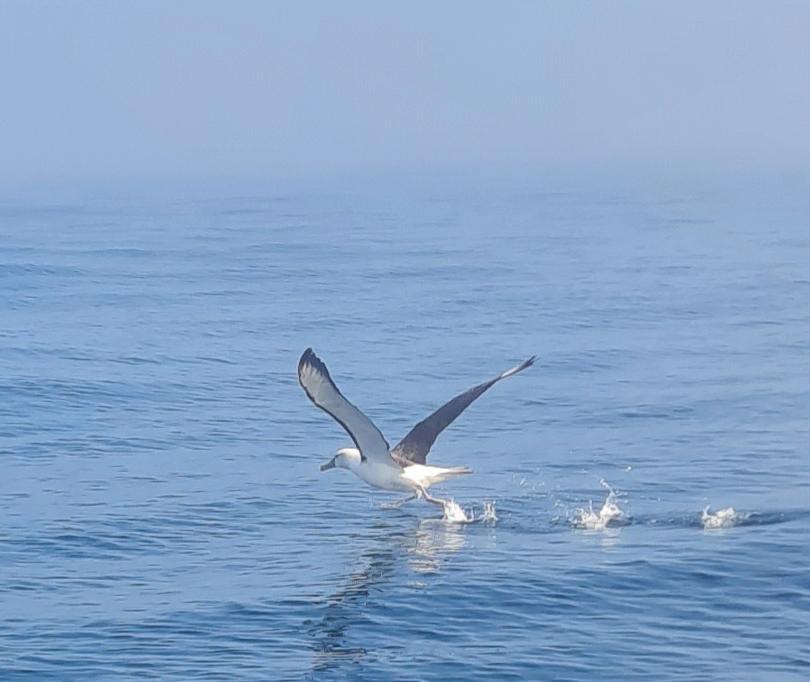
cut the corner and copped the worst sea conditions – an awakening of what lurks at these corners and a lesson of what not to do.
Once we cleared the banks and gave ourselves some sea room, I set a course for Cape Egmont, 300 miles away. Then the wind died.
We sailed/motor sailed southwards and after a couple of days realized we’d have to refuel before heading across the stretch from Cape Egmont to the South Island.
We approached New Plymouth on the morning of the third day and contacted Port Taranaki radio. They directed us to a visitors’ mooring where I could leave Diablo and go ashore to stock up diesel in jerry cans. This meant unpacking and inflating the dinghy, then two trips up to the nearest gas station. There’s no marine fueling facility at New Plymouth. Enter Alan, local cray fisherman. Quick as a flash he was there in his tender and offered to take me and my jerry cans ashore, then drive me up to the gas station in his ute, then back down to Diablo. The whole exercise took 40 minutes, and I was on my way. “Thanks Alan.”
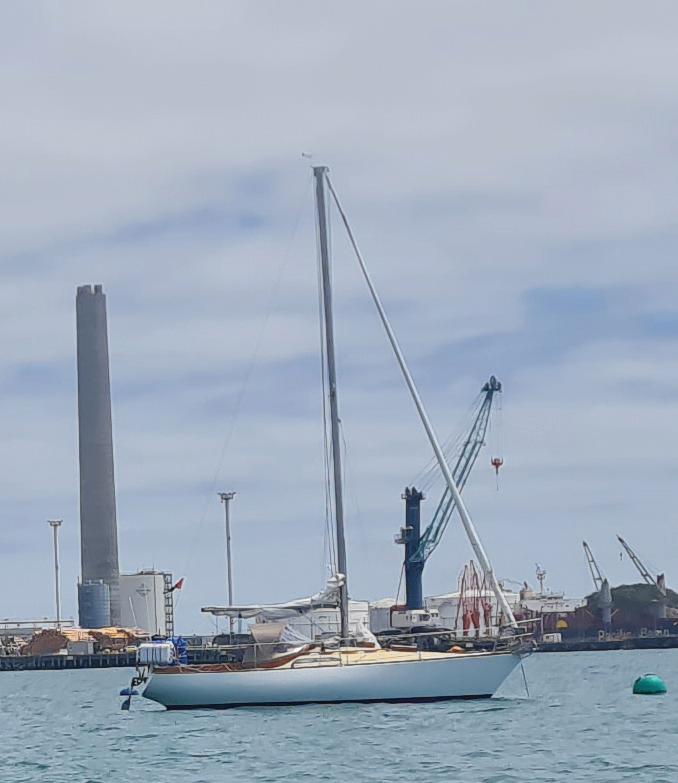
It’s 30 miles from New Plymouth to Cape Egmont from where we left the North Island coast bound for Stephens Island that evening. In the afternoon I got a text on the sat phone from Bob McDavitt who I’d arranged to give me weather advice for the trip, saying that I should stay at New Plymouth for two days. Too late, we were on our way. I texted Bob and told him we were heading for the South Island. He replied, “Fingers crossed!”
The breeze did get up to a solid 20 knots along with a building sea, but Diablo, on a broad reach, had the bit between her teeth and was eating up the miles across to Stephens Island. I should’ve put a reef in the main but was too comfortable down below, or lazy, and we roared across the 90-mile stretch, weaving our way through foreign fishing boats. It was the best sail of the whole journey, and we were across by dawn. Ninety miles in eleven hours.
On weather, I mainly relied on Maritime Radio for weather information. I have a full subscription with
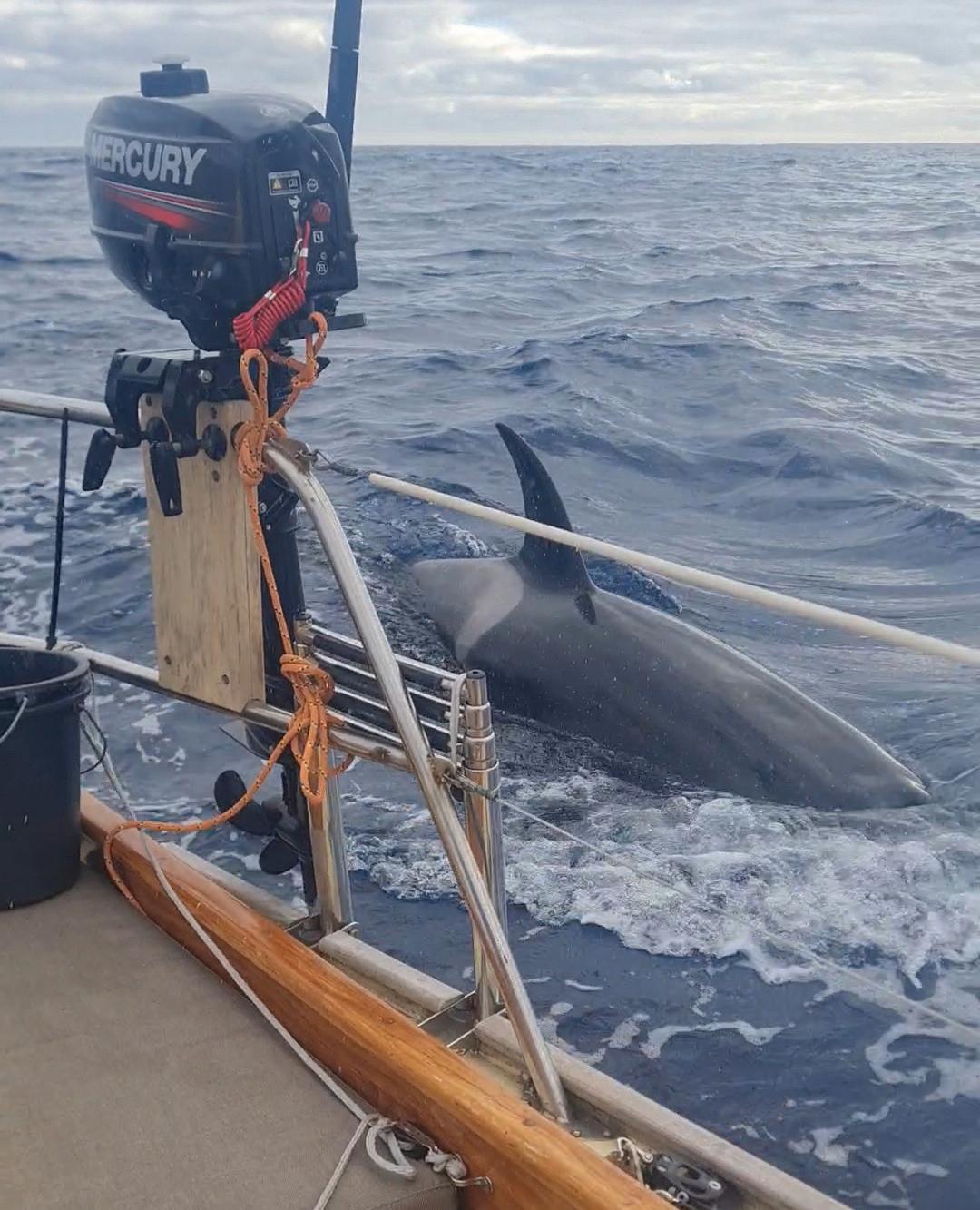
PredictWind and enjoyed using their “Sail Planning” function. Bob McDavitt, or MetBob, was a good sounding board, especially for a single-hander. Listening to the Maritime Radio weather forecast became my entertainment. I would chart the wind and sea conditions spanning across the marine weather sections of the coast, looking for weather windows for the various passages.
From Stephens Island we headed to Furneaux Lodge at Queen Charlotte Sound, where I met daughter Holly and two of her mates for the evening. The distance from Whangaroa to Furneaux is nearly 600 miles and gave us a great boost on our journey. Friends, following our progress on marine tracker, were impressed and expected we would be home in a few weeks. Not so. We would later get stuck at Stewart Island.
Next day we moved to Waikawa Marina. The motor had an issue that needed repairing. This was the first of four repairs along the way. It’s not to say that the motor was problematic. In fact, the motor ran very sweetly and apart from needing to replace the starter motor, covered
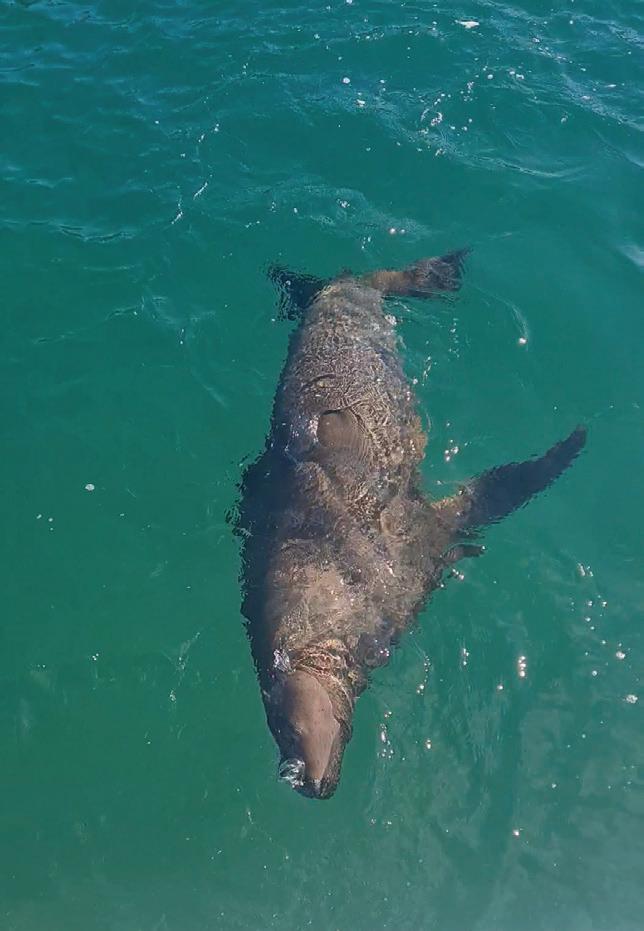
by warranty, the repairs were routine. In the process I think I became an un-ticketed marine engineer.
We were champing at the bit to head down the east coast of the South Island. Unintentionally, I devised a cunning plan: stop for the night in one of the bays in Tory Channel, then the following day arrive at the channel entrance at the top of the tide at 8.00 in the morning. The outflowing tide shot us out of the channel and on our way down Cook Strait towards Cape Campbell. The effect of the tide is far-reaching, and we covered the stretch to the Cape at speeds of 7 and 8 knots in calm conditions.
Our destination was Akaroa, 200 miles south of Tory Channel. All going well, we would be there by the end of the next day.
As we sailed down the Kaikoura Coast, marine life became more abundant. We didn’t see whales but dusky dolphins aplenty. Small and athletic. They seemed to cover square miles of the seascape. Seabird numbers and species increased as well. We started to see the magnificent royal
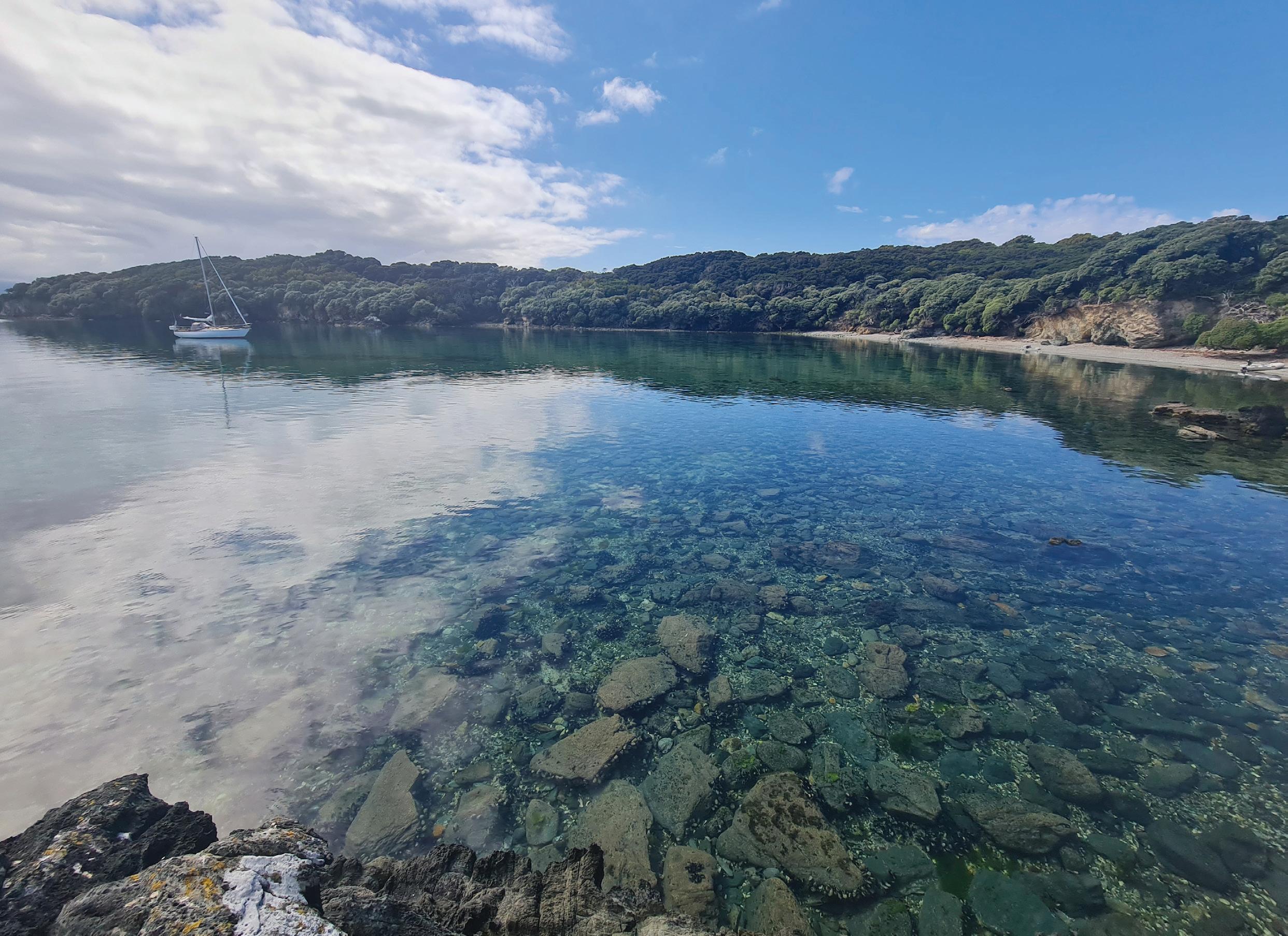
albatross, and their presence would grow as we made our way south.
Approaching Banks Peninsula, the forecast southerly arrived early. It would be a dead slog to Akaroa and we would arrive late at night. I changed plans and headed into Lyttleton for the night at Te Ana Marina.
Next morning, the southerly had died away and we headed for Akaroa. Our stay there was curtailed when our saltwater pump on the motor blew a seal. The best place to deal with this was back at Lyttleton. Next morning we backtracked forty miles. Thank goodness for Brian Bone from Mainland Marine Engineers. He met us at Te Ana Marina when we arrived at the end of the day, whipped off the pump, and was back the next morning with a completely overhauled pump, had the motor running by 8 a.m. and we were on our way to Otago Harbour by 8.30. “Thanks Brian.”
It was an easy sail down to Taiaroa Head at the entrance of Otago Harbour. A light beam reach. The royal albatross were everywhere. We had arranged a berth at Port Chalmers Marina and arrived on dusk. It was a no-frills berth but served our purpose and we enjoyed a couple of nights there waiting for a weather window to head into the Southern Ocean and on to Stewart Island.
I was anxious about this leg of the course. Just the thought of heading into the Southern Ocean, the remoteness of the Catlin coast and the seventy-mile
fetch to Stewart Island in a sou’westerly direction from the southeast corner of the South Island. The weather forecast was 20 knots NE. By evening, we were leaving the South Island coast, heading towards Stewart Island and the NE was building. The seas were being affected by the west to east current that flows across the bottom of the South Island and were standing up. I thought we were in for a tough night and reefed down.
Later that night fog rolled in. Fortunately, with it, the wind dropped and by morning we had dropped all sail and were motoring towards Stewart Island in a cold, wet, thick, pea soup. We broke out of the fog as we entered Paterson Inlet. We were met by a beautiful sunny day.
Stewart Island is a special place. The harbours, the people, and the wildlife are magnificent. But jeez, the weather is wild. Foveaux Strait is shallow, very tidal, and the prevailing wind funnels through, mainly from west to east.
We were one of five cruising boats waiting to get a good weather window to cross to Fiordland. Puysegur Point seemed to be the main obstacle and it’s rare to have settled and easy conditions extending from Foveaux to Puysegur and up to Dusky Sound. Patience is required. One of the five bailed and headed back up the east coast. It was tempting.
Finally, the weather gods all agreed on the same weather conditions across the three weather areas – Foveaux,
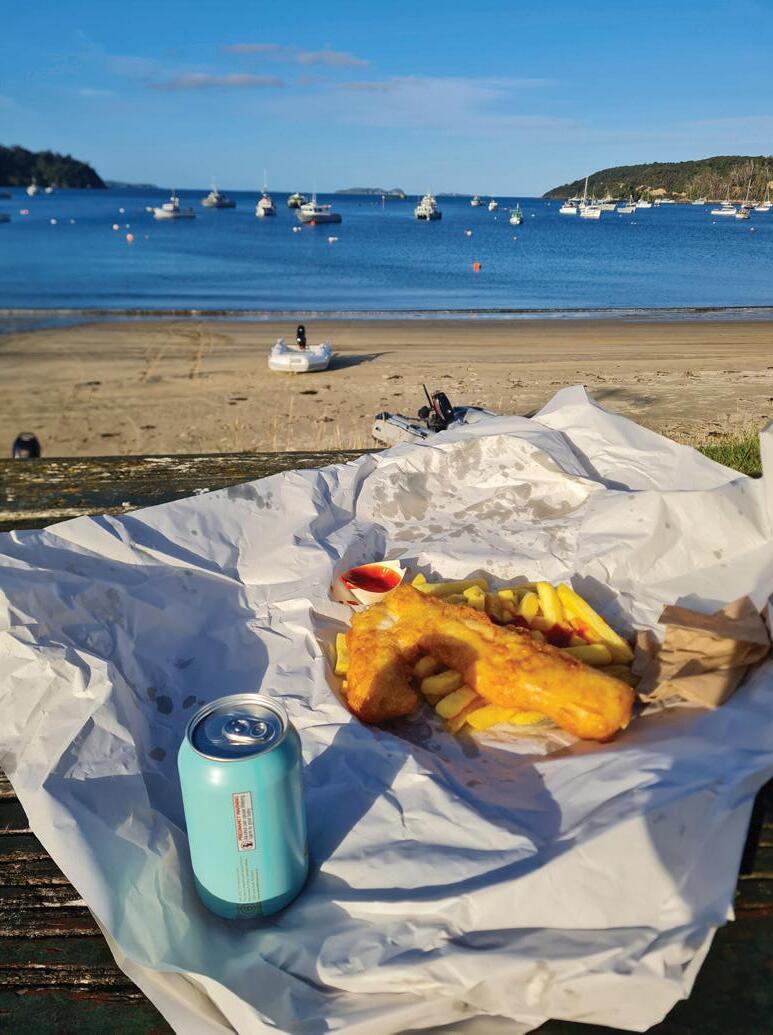
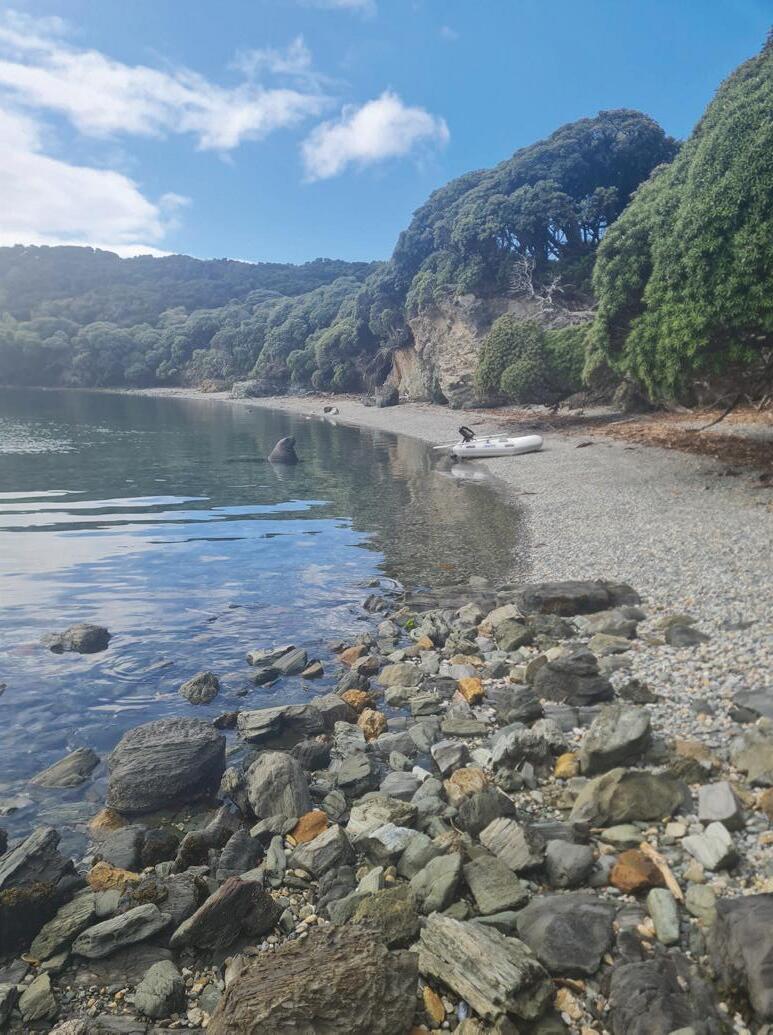
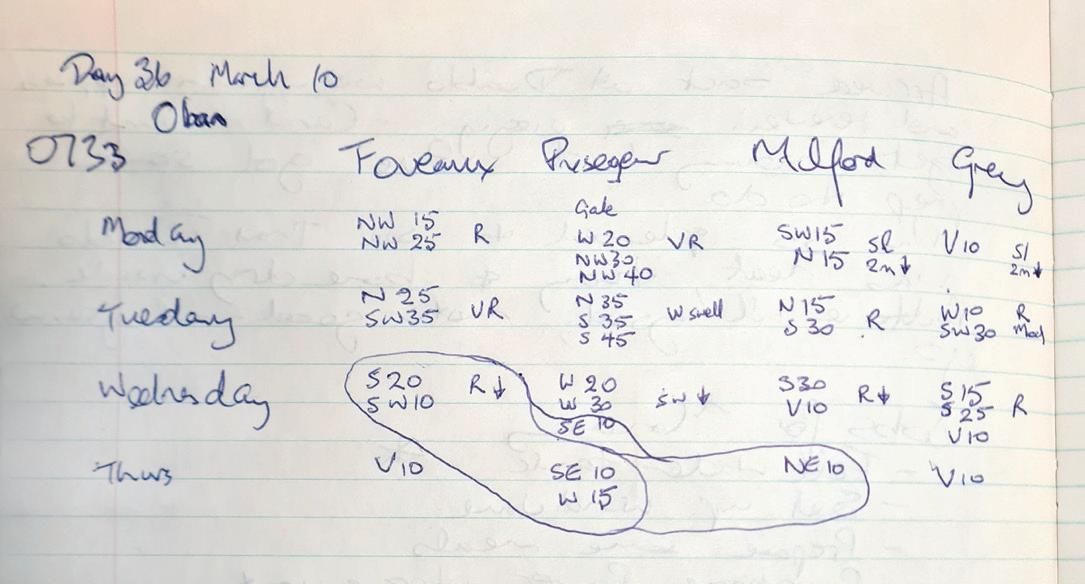
Puysegur and Milford. We left Oban at eight in the morning in a light southerly, heading for Dusky Sound.
By evening we were approaching Puysegur Point in a big lazy swell and lightish winds. Then it was like we hit a weather wall. As we passed Puysegur Point the wind rose, the sea was stirred up and we had our hands full. At around midnight, Diablo went through the lee and we crash gybed. I was down below and scrambled into the cockpit to find the boom broken and the mainsail at risk of being torn to shreds on the jagged edges of the boom pieces. I had to get the main off and the boom stowed pronto.
After about forty minutes on deck in a very rough sea, but with Diablo comfortably lying ahull, we had our errant boom and main under control and we were back on course, heading north up the Fiordland coast. I was more interested in getting the boom fixed than enjoying a cruise in the fiords, so pushed on northwards to Doubtful Sound.
Thank goodness for Pete from Engineering Services Te Anau. I arranged for Pete to either fix or rebuild the boom. He organized a berth at the fishing boat harbour at Milford Sound for Diablo, from where the broken boom was transported by local fishermen to Te Anau, and two days later a new boom arrived back at the boat harbour and we were ready to head north. “Thanks Pete. Great service.”
There had been a storm on the coast while we got re-boomed, and we cleared Milford Sound into a big
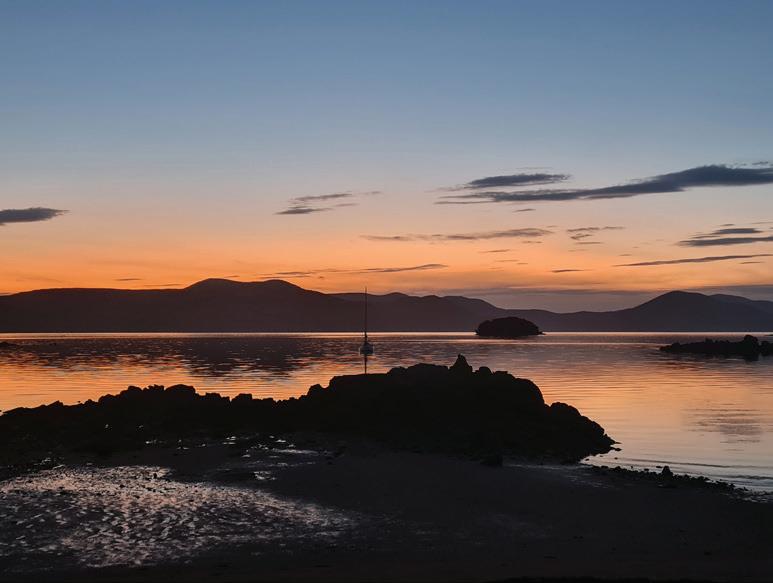
OPPOSITE: Paterson Inlet, Stewart Island. TOP LEFT CLOCKWISE: Blue Cod and chips, Oban; Bull Sea Lion eyeing up my inflatable; Sunset, Ulva Island; Finding a weather window for the leg from Stewart Island to Fiordland.
left-over sea. The forecast was for light winds, some head winds, and then 25 knots NE around Farewell Spit. This leg of the trip was around 350 miles.
The wildlife off the West Coast is spectacular. There were constant roaming albatrosses, and I found the Westland Petrels, with their long blade-like wings and graceful flight, magnificent. At one part, the sea was teeming with whales and dolphins, and an orca swam below Diablo for minutes, giving us a shove sideways from the pressure of every beat of its tail.
As we approached Whanganui Inlet, about 30 miles south of Farewell Spit, the wind started to build. It was supposed to be 25 knots NW, which would’ve been on our beam and manageable, but it was 35 knots SSW, right behind us. There are shallow banks on this part of the coast extending out eight miles, and strong currents sweeping in and out of Cook Strait. Another one of those treacherous corners.
By nightfall, the wind had built to a constant 50 knots and the seas were towering over us and were incredibly steep. With the wind directly behind us, I had dropped all sail and just had the motor ticking over to maintain steerage. We were doing 12 knots under bare poles surfing down what seemed like vertical faces of the waves. Scary but fast, running for shelter in the lee of Farewell Spit.
We found a quiet anchorage at Abel Tasman National Park at about 4.00 in the morning and it was great to wake the next morning knowing that the West Coast was “back there.” The leg from Stewart Island to Nelson is “Everest” of the circumnavigation. I felt at this point that the mission had been accomplished and now just wanted to get home.
We were long overdue for a service on the motor so spent a few days in Nelson getting ready for the homeward leg. It’s 500 miles up the east coast to Auckland and I planned to do it in one go.
We enjoyed two leisurely days sailing from Nelson to Queen Charlotte Sound. Going through French Pass was a lot of fun with 8 knot tidal flow. Like kayaking down the Waimak. We anchored again for the night at Tory Channel and next morning caught the outgoing tide to push us
across Cook Strait and on our way towards home.
It took four and a half days to sail up the east coast of the North Island. We snuck past those notorious headlands of Cape Palliser, Cape Turnagain, Cape Kidnappers, Mahia Peninsula and East Cape in light airs. Halfway across the Bay of Plenty the northeaster, that was the start of Cyclone Tam, was beginning to build. We made a fast passage up to Colville Channel and across the Hauraki Gulf to a wonderful welcome home at Sandspit Yacht Club.
The voyage took 58 days, including days at anchor, sailing 2,850 nautical miles (5,000 km).
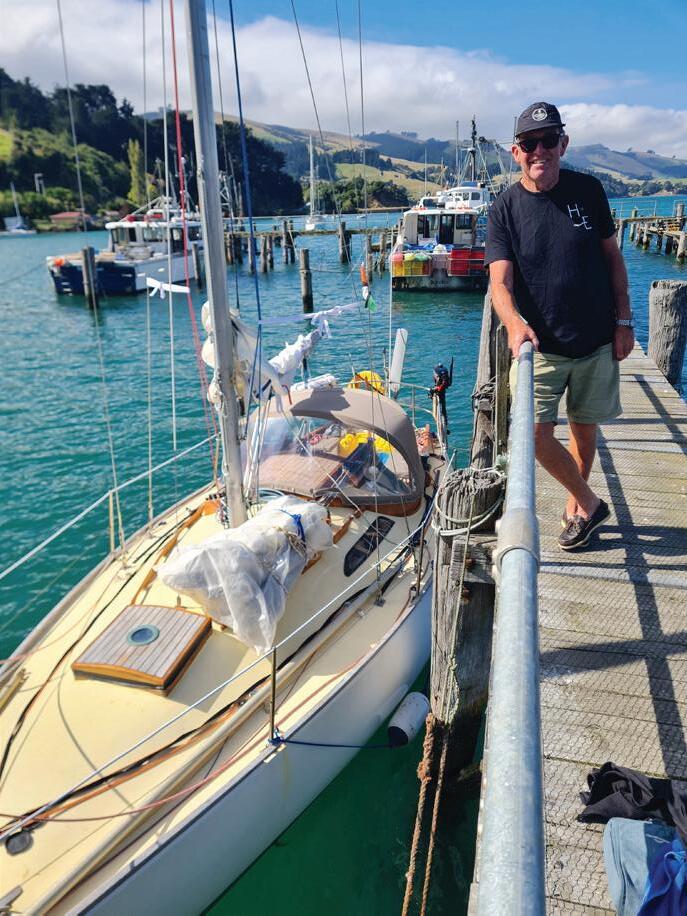
Diablo was outstanding. Apart from the few mechanical repairs and having to replace the main boom, she was reliable, steady, comfortable and dry. I would have bailed no more than half a bucket of water out of her bilge during the entire trip. She sails well, especially to windward, and is easy to handle. She proved she could look after herself when she lay ahull in very rough conditions at Puysegur Point and Farewell Spit. To me, she’s ideal for shorthanded sailing.
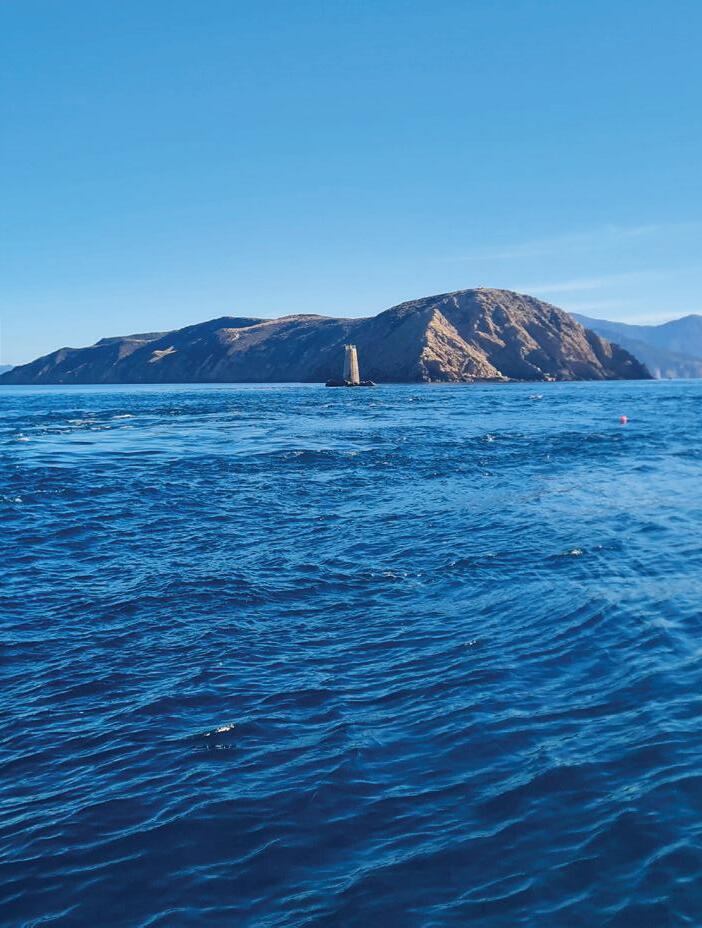
ABOVE: Time off Diablo, Port Chalmers; Cape Jackson, where I completed the circumnavigation of the South Island.
BELOW: A great welcome home.
The circumnavigation of Aotearoa New Zealand is a classic journey. The coast and marine life are magnificent. So varied and interesting. It gave me an entirely different perspective on this wonderful maritime country that we live in. I highly recommend it to adventurous sailors. It’s a voyage for the soul.
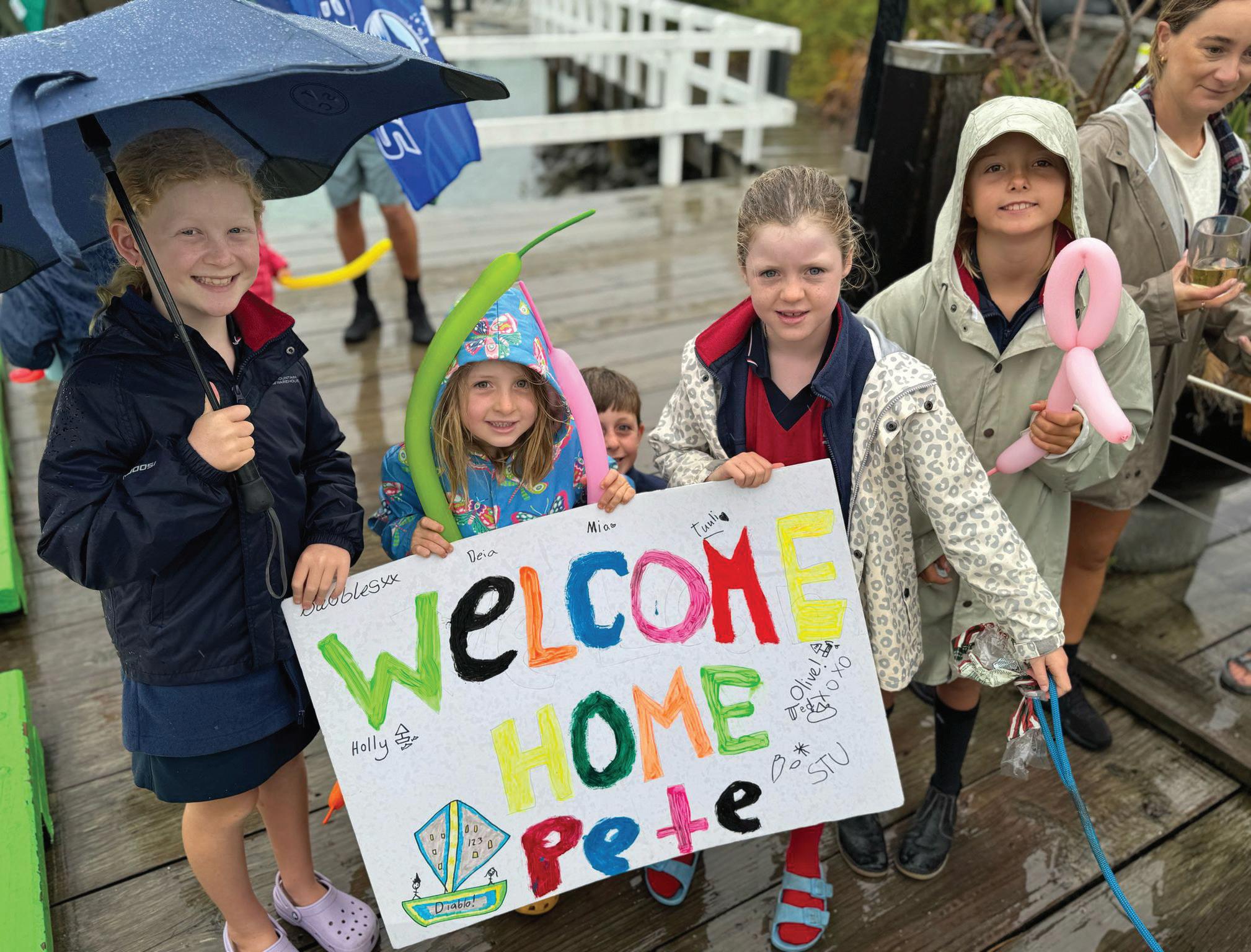
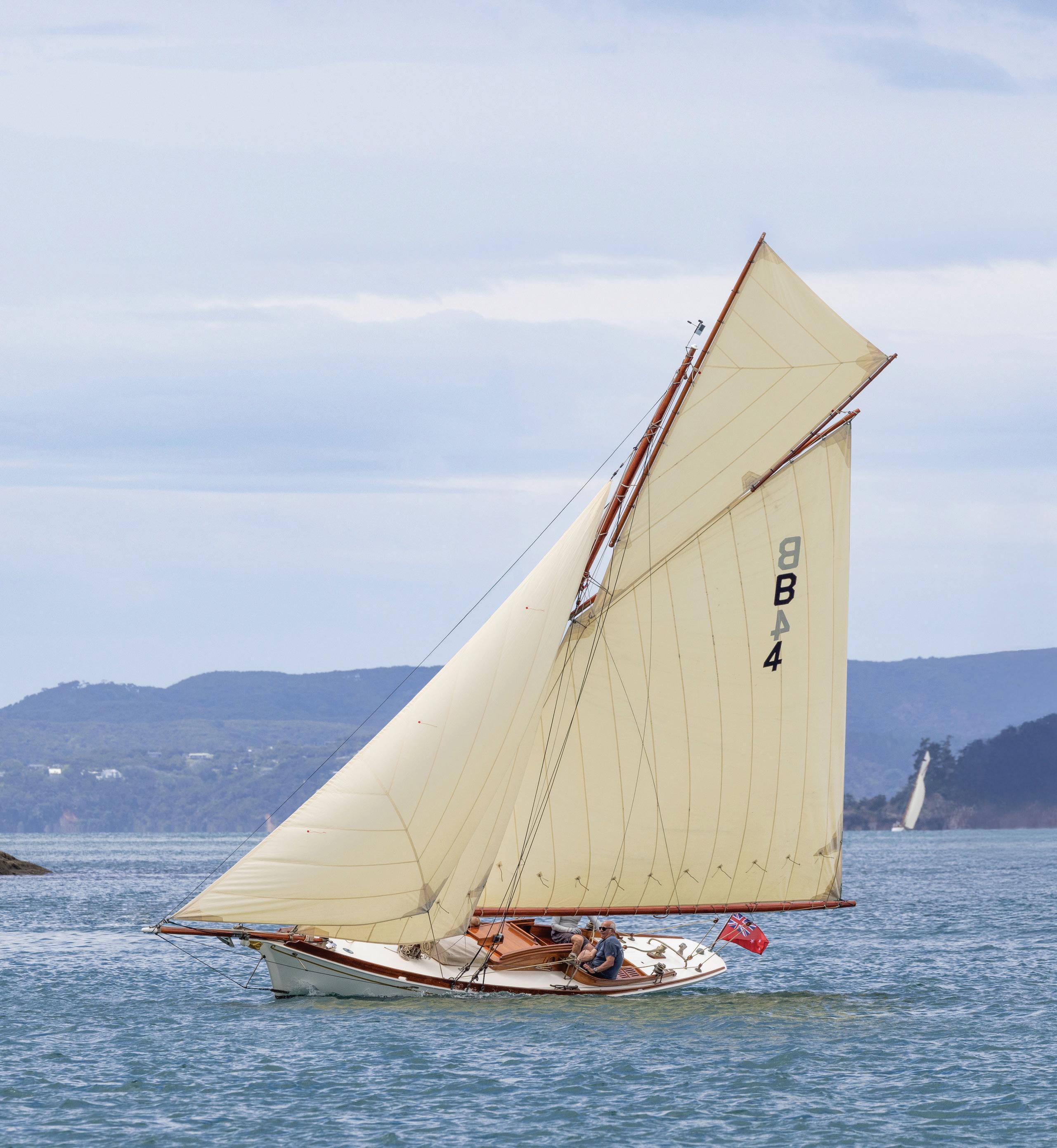
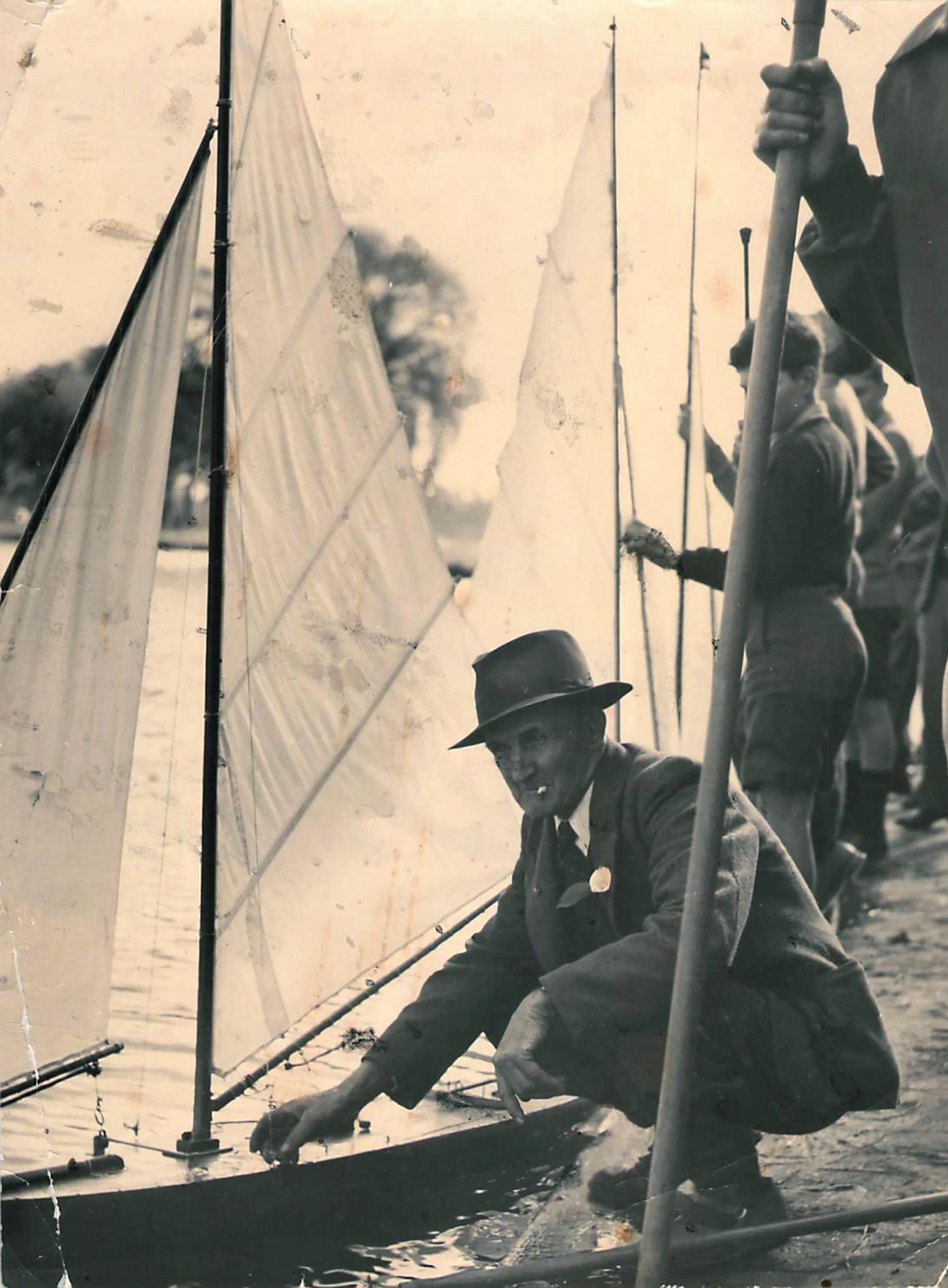
WORDS: Al Ross
Talk about niche and hardly-heard-of hobbies, model yachting is right there. Like so many sports, it is invisible to most people, and only poorly understood by those who may have heard of it.
Unless of course, it is your sport, and a whole new world is before you.
Al Ross, current secretary of Christchurch Model Yacht Club can testify to that. Returning home to retirement after several years overseas, he had a partly complete model yacht he thought might be fun to sail.
A visit to CMYC on a Saturday afternoon kicked off a huge new interest which has him now a competitive sailor in the club’s 100 plus fleet, and loving it.
“The Club welcomed me with open arms, helped me get the boat sailing, tolerated my bungling efforts to master RC (radio control) controls, and arm-twisted me to taking on the Secretary job” he says.
It wasn’t long before the Club’s 125th Anniversary came around (2023) and a major celebration was required.
The Club was founded in 1898 by some of Christchurch’s leading businessmen (who decided that, if London could have such a club, Christchurch should too) to establish cultural credentials and provide a spectacle for the residents and tourists.
The first meetings were held at Warners Hotel and the hand-written minutes are now archived at the Canterbury Museum. Beer and whisky purchases were noted.
A swampy area next to the Botanical Gardens was donated by one of them on the condition that it was reserved in perpetuity for the sport of model yachting, which it still is.
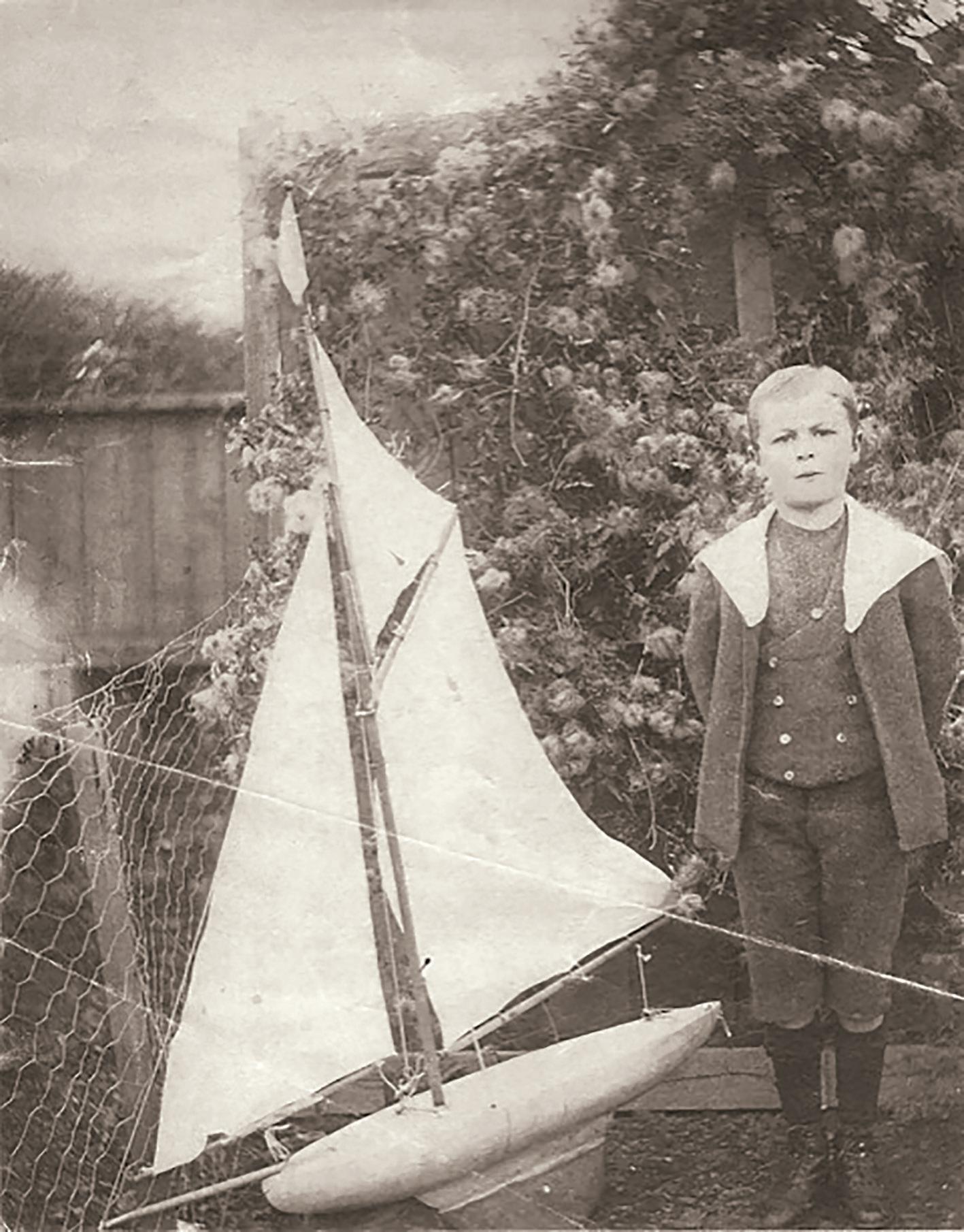
The swamp was drained and the base compacted by draught horses, wells were drilled, and that basic structure remains today.
Christchurch Model Yacht Club now has Victoria Lake as its designated sports ground in a prime spot of the sprawling Hagley Park.
The New Zealand Exhibition took it over for a while in 1906 and even included a somewhat terrifying water slide involving a modified dinghy and a timber chute.
Early model yachts were built for racing, as men are inclined to do. Willow logs from the surrounding trees were seasoned for up to a year immersed in water, then dried for up to another year before artisan woodworkers were hired to craft the boats.
The club still has a couple of those beauties. The chisel marks are visible inside the hulls, and the handcrafted brass fittings and rigs have mainly stood the test of time.
With the only control being wind-vane self steering, a lot of attention was paid to the intricate mechanics of those gadgets. School boys were paid pocket money to catch the boats on the far side of the lake and turn them round for the return leg.
In the true spirit of gentlemen sailing, owner-skippers are seen in the early photographs dressed in suits and ties and wearing nice hats.
On the occasion of the 125th Anniversary (Quasquicentennial is the correct term, and is used on a handsome brass plaque) a grand regatta was held. Historic
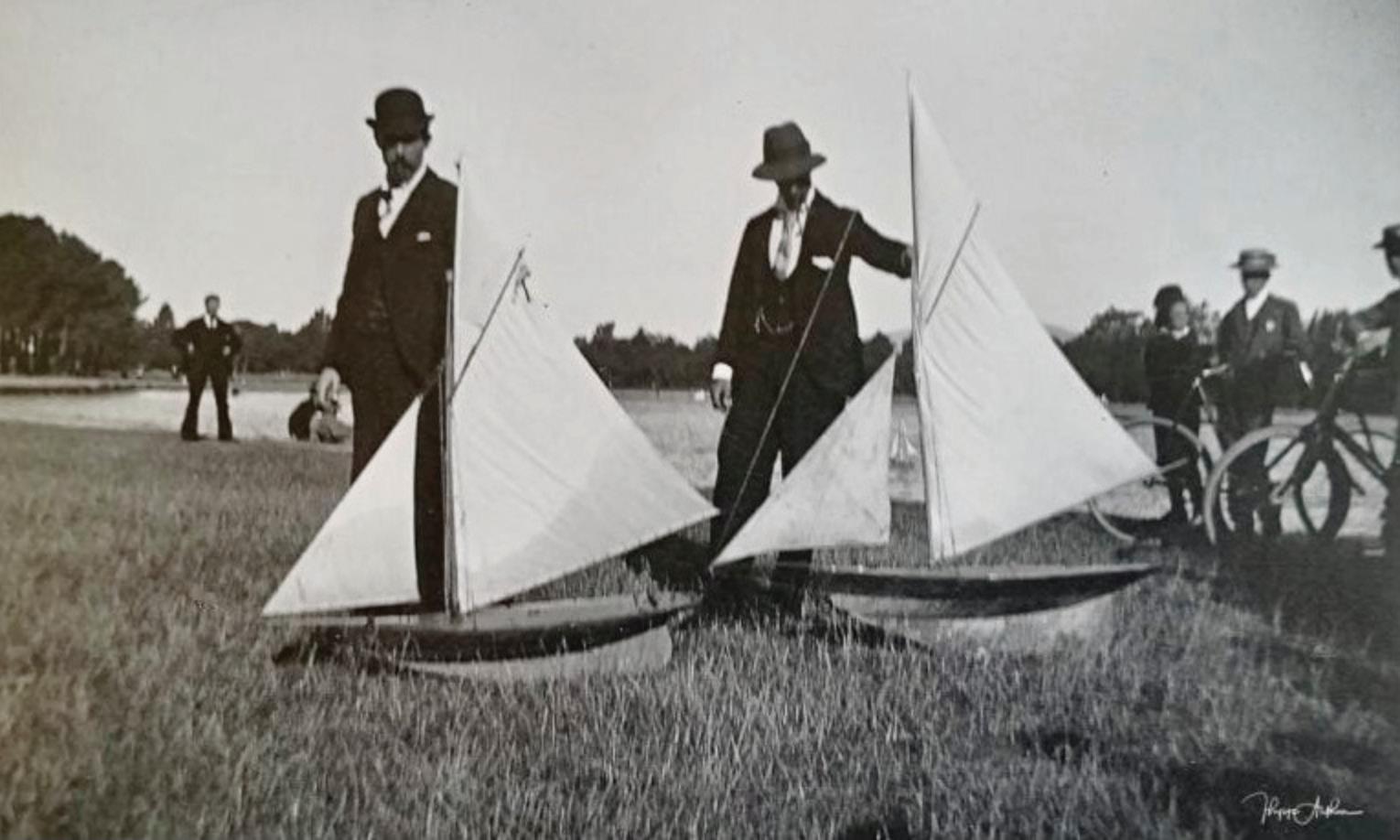
boats were cleaned up and displayed, speeches by the Mayor and the Commodore were made, a race for all boats took place, free food was eaten, the latest high-tech models also got displayed. Two TV channels and RNZ reported.
A terrible shower of rain at just the wrong time during the demonstration race didn’t affect the mood.
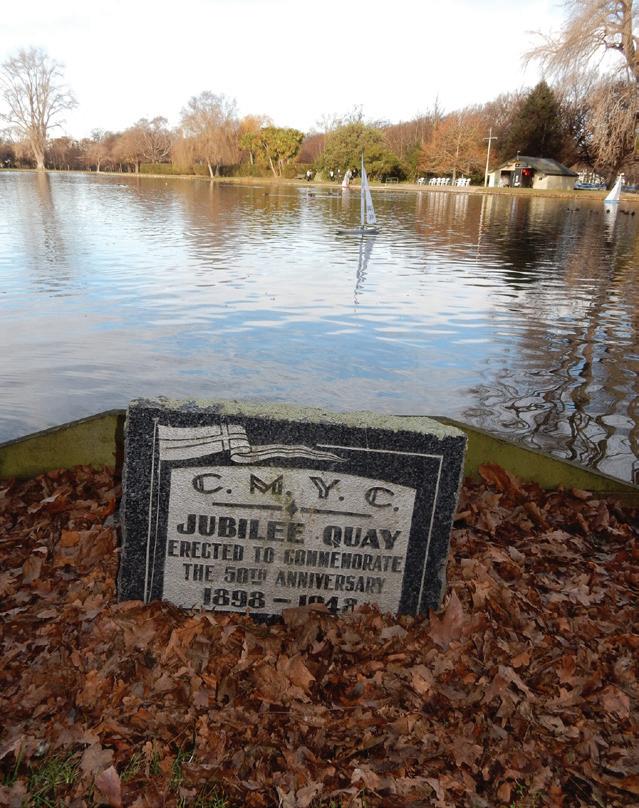
A big dinner at a restaurant included another speech by the Mayor, Phil Mauger, and the announcement of some new Life Members.
A book was written and published to add to the earlier ‘Victoria Waters’ published on the 100th anniversary.
Such an occasion is a great time to reflect on the survival and evolution of the Club.
CMYC is recognised as the second oldest continuously operating model yacht club in the world.
It has seen two world wars, the Depression, and even survived the 2011 earthquake.
The base of the lake was fractured and it drained completely into the Avon River. The Christchurch City Council, recognising the importance of the Club, undertook a complete refurbishment, which required
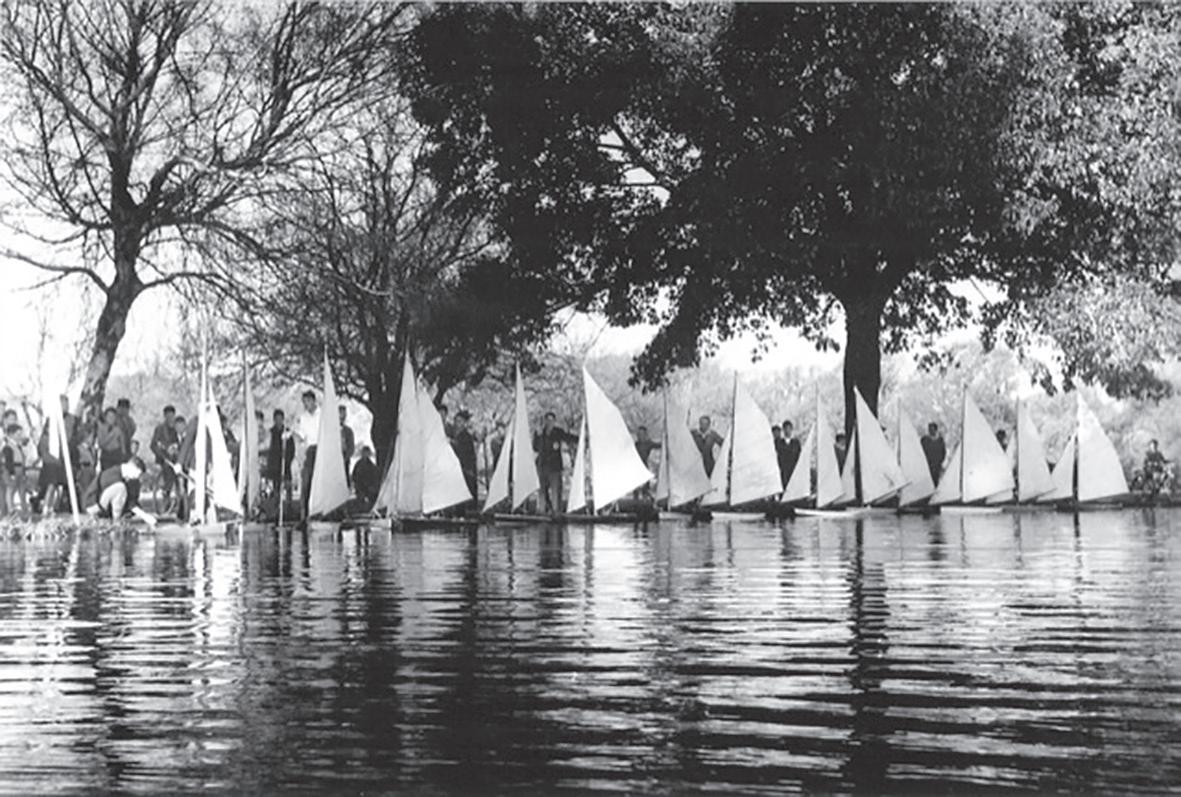
installing a new, impervious clay base and suitable retaining walls along the banks.
The current patron, Mayor Phil Mauger, at the time was a contractor engaged to carry out the work, and understands the Club well.
The Club has a modest storage shed which they bravely call a clubhouse, which has storage for about 50 boats, a loo, and water. Power is by solar panel, which keeps the dinghy batteries, the laptop and the security system charged.
The fleet has made a typical model yachting evolution from those early vane-steering one-offs. For many years there was a strong focus on design and building ever faster boats.
Early radio-control and the use of fibreglass hulls and synthetic sails were major steps ahead. The Club still displays the ‘frequency board’ which those early controls required – each sailor had to register a unique crystal frequency to avoid interference.
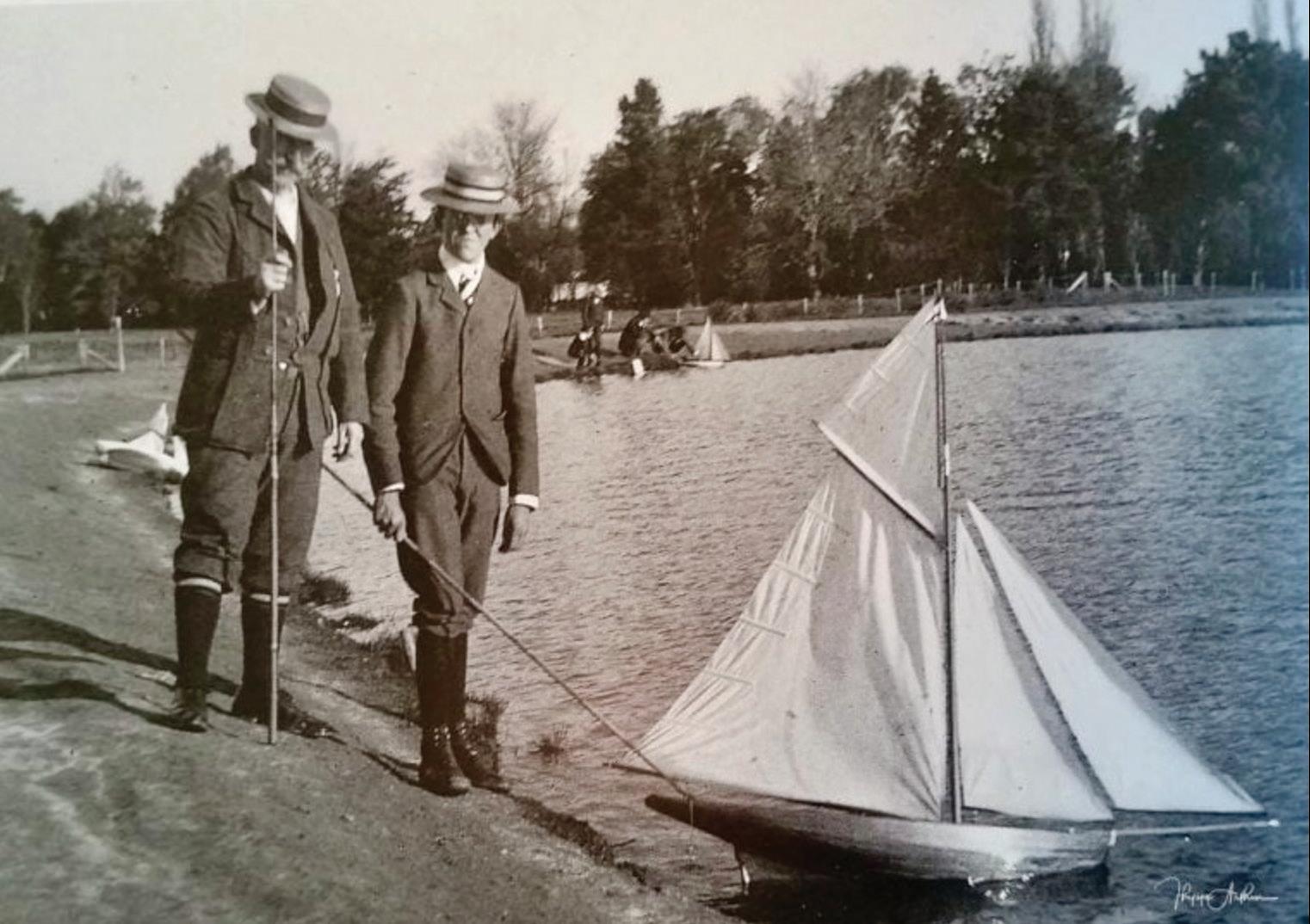
Boats of 1 - 2 metres began to emerge as classes internationally, and Marblehead, Witchcraft, EC12 boats were especially popular, and still have regular meets.
CMYC’s evolution has continued, driven by a combination of lake weed in the summer (which precludes bulb keels) and the emergence of the one-design Canterbury J Class.
It also helps that the J Class can fit, fully rigged, into most cars.
The J Class registrations are now almost 400 in total, with the majority of those in Canterbury itself.
The regular sailing days at the Club see fleets of 30 or more on a busy day.
Buoys are laid out for club racing, and fleet racing is recorded using a custom-built lakeside programme, which accumulates results and generates accurate Mark Foy handicaps, and presents the results based on handicaps and elapsed times.
More social sailing is held mid-week, where the results are not kept, except of course in the skippers’ heads… Typically this is ‘round the lake’ sailing, about 1 km per lap. The lake is surrounded by various trees and structures, and borders a golf course. Wind shifts and doldrums abound, making opportunities for experienced sailors to sneak ahead.
Some senior members have been sailing the lake for 40 years and know every shift for every wind direction and love to get away from the newer members.
Sailing in those events also counts as good exercise for the mostly senior skippers.
Perhaps this is part of the attraction, or challenge of the sport? After mastering the basics of controls and sail setting, the real task is successful fleet sailing and local knowledge of the wind channels. Luckily there is no tide to worry about.
The Club is run by an experienced Committee, which deals with the usual requirements of a sailing club, such as organising the weekly programme including race officers, repairs and maintenance, dealing with the Council, being an Incorporated Society.
Membership has been about 100 over recent years, 98% male, with an average age of 74….
What is obvious from a visit to the Club is that these guys don’t care how old you are or who you are or were. The vibe is friendly and helpful. Kind of like a Men’s Shed with water. Things get done. Problems get solved. Mates get looked after. Boats get fixed. Shoulders get cried on. Well maybe not quite, but as a group the camaraderie is obvious.
The Club operates a Monday Academy aimed at newcomers. Rules are explained, and lakeside tuition of sailing technique happens. Small fleets on a short course are great confidence builders for beginners.
Most of the members have a sailing background of some sort, ranging from the Olympics, Nationals, or just weekend sailing. There comes a point where the effort and cost can be too much, but model yacht racing can still provide the fix. 10 starts in an afternoon! Immediate results on the laptop. Banter among the competitors right there. Guiding the boat through wind shifts, mark
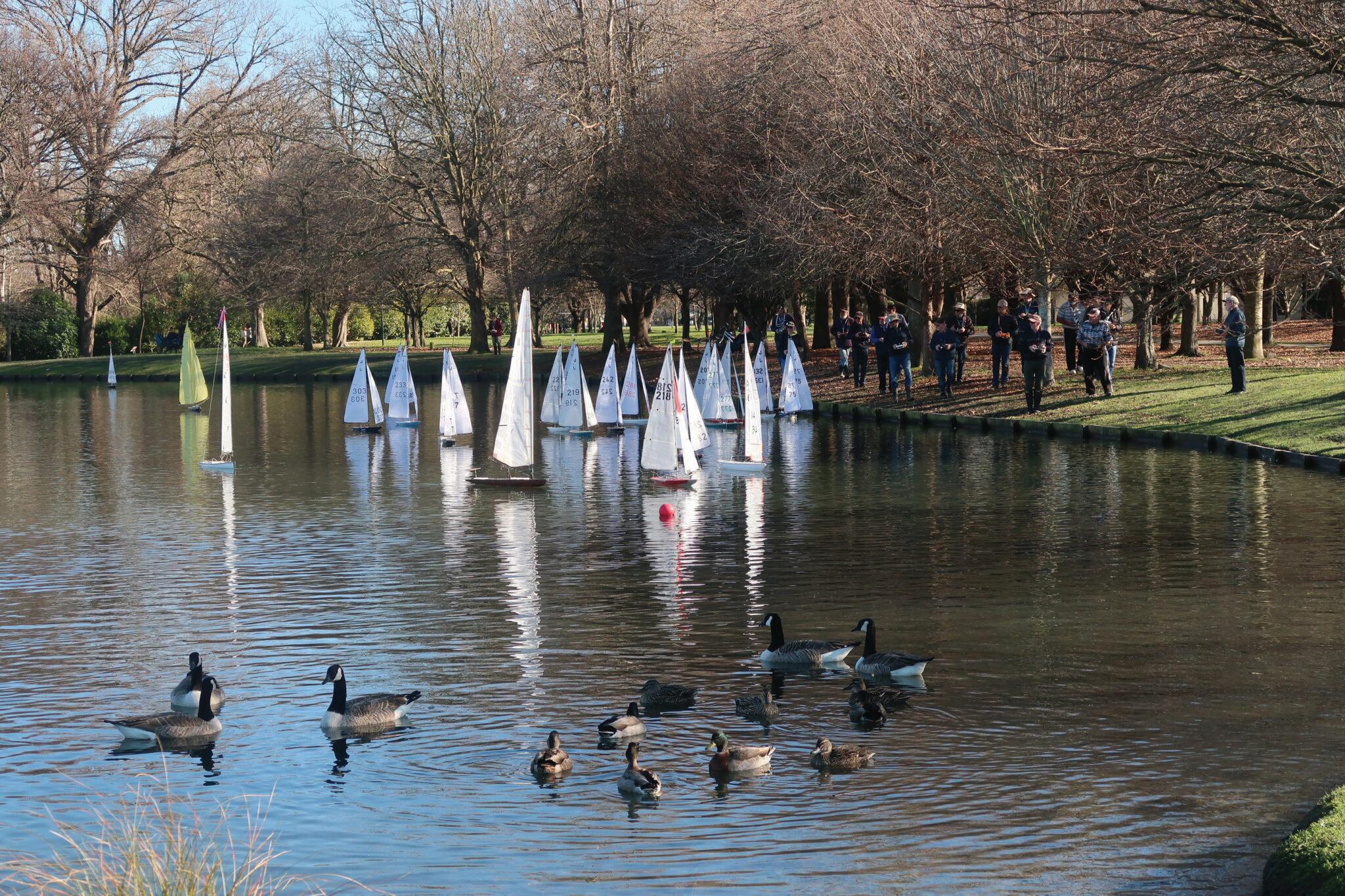
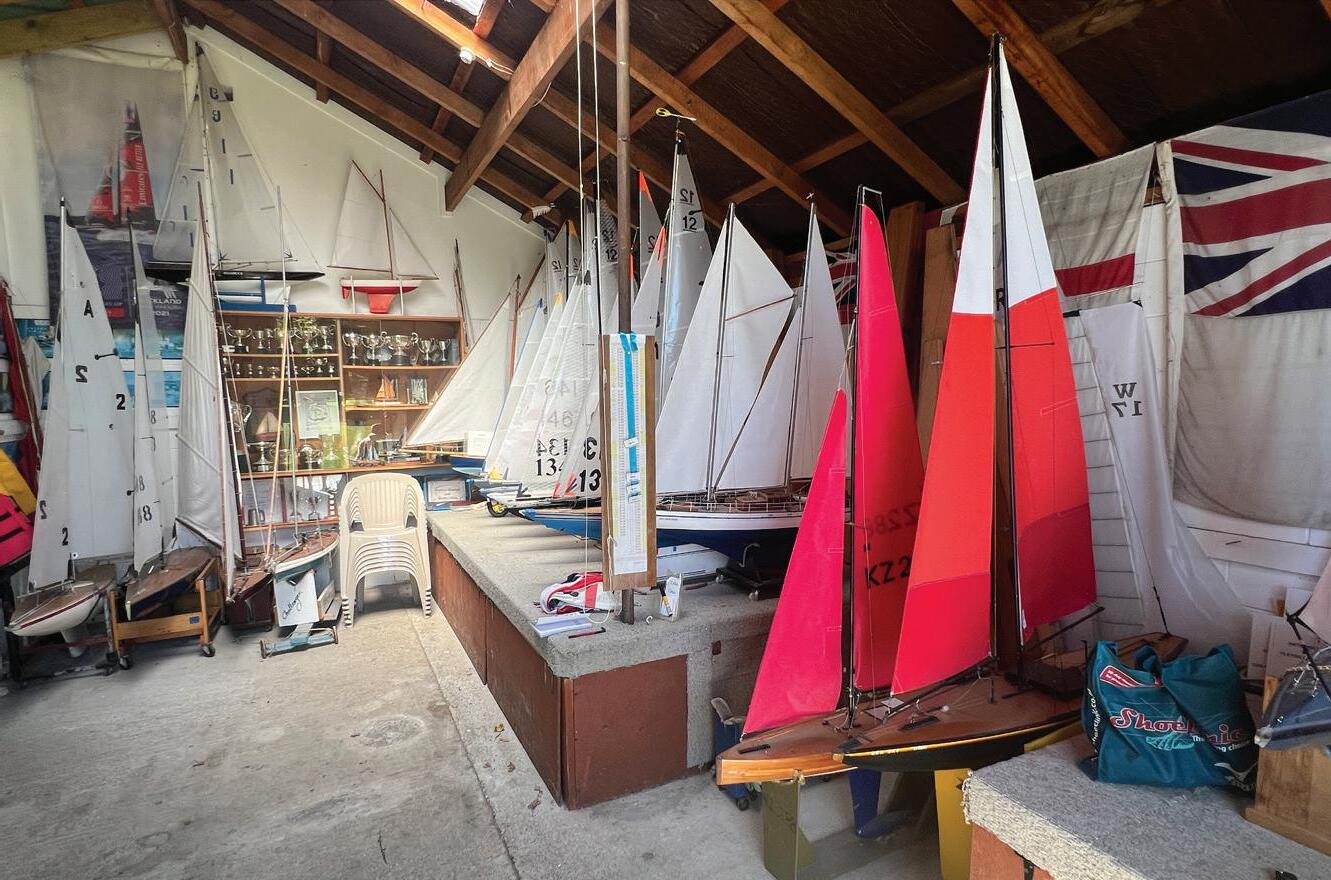
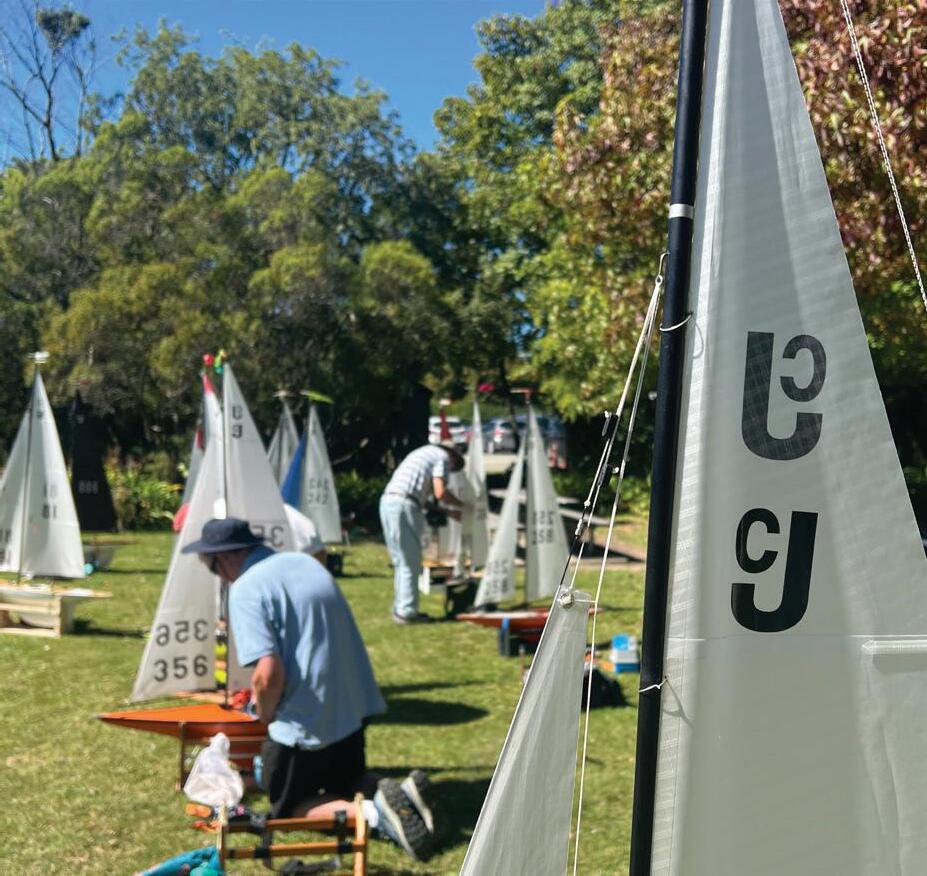
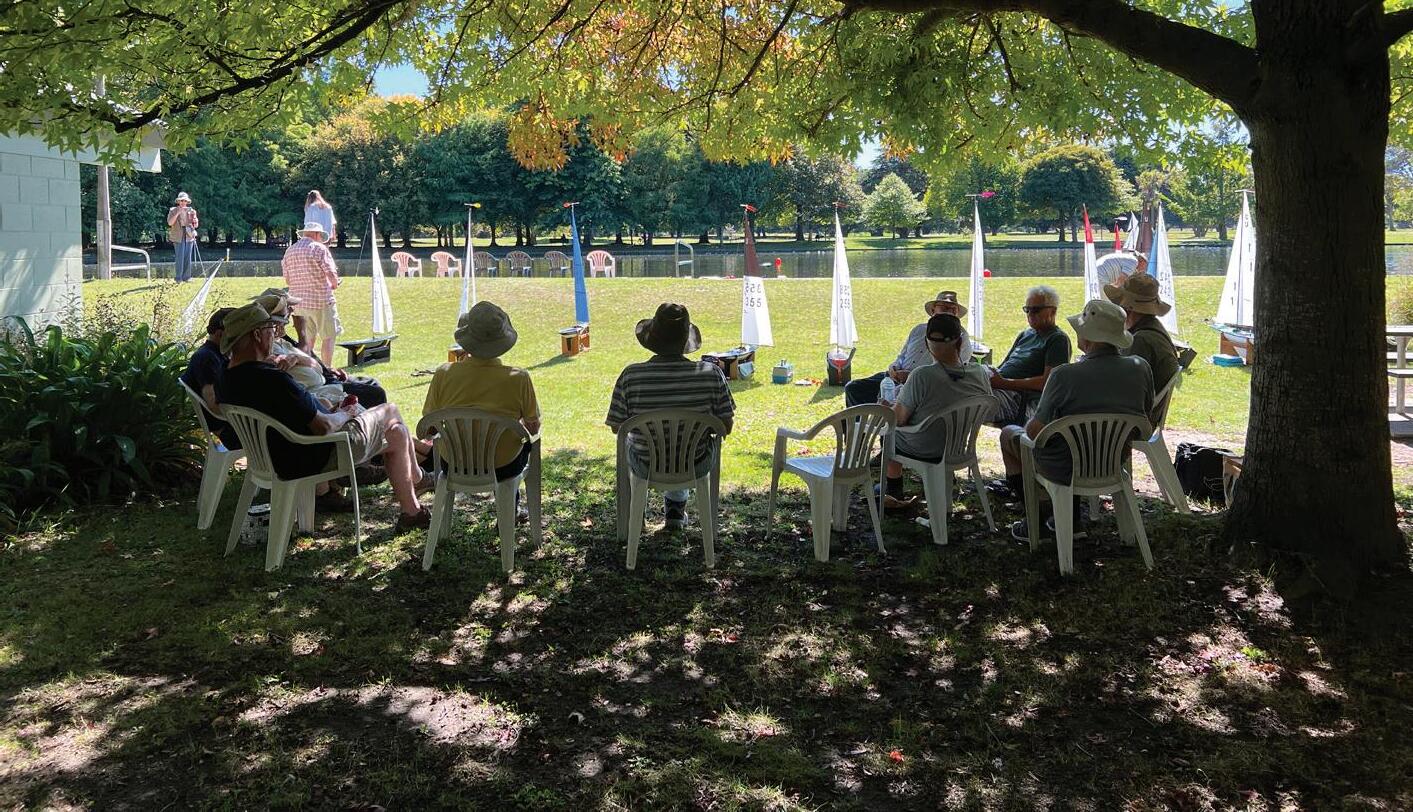
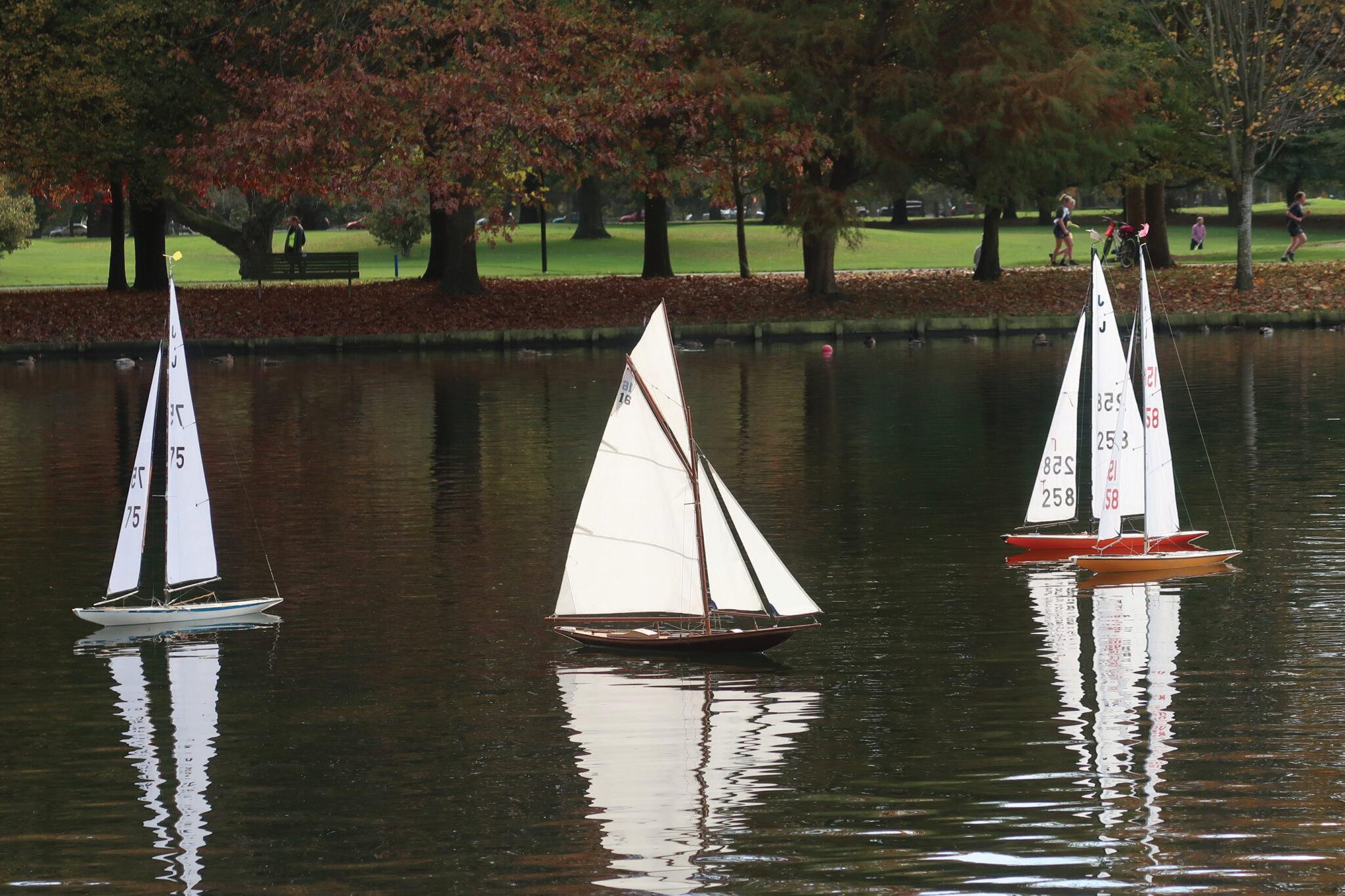
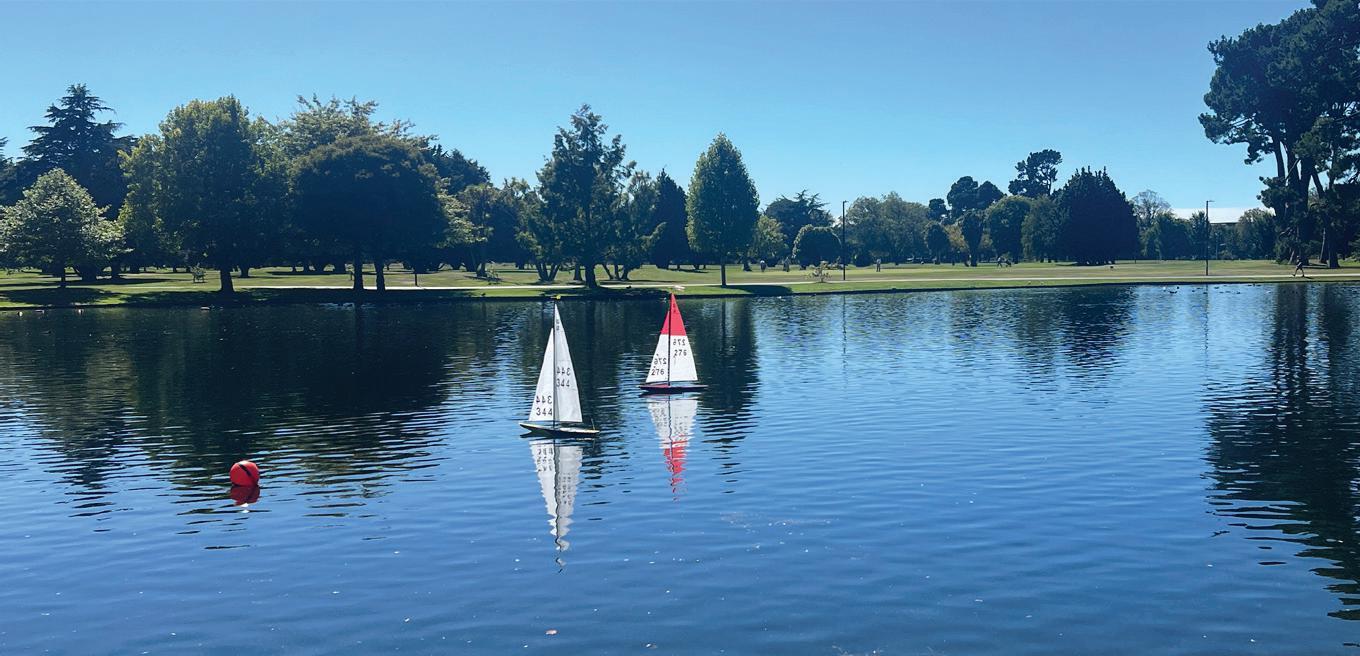
ABOVE:
rounding in a group and all that stuff is as mentally draining as the real thing. But the pack-up at the end of the day involves little more than switching off the battery and opening the boot of the car.
A hard day’s racing might include a protest or two, and some clever strategies, but it is all sorted out over a cup of tea and chocolate biscuits at the end.
All this explains why the many tourists who visit the lake are amused by so many old men totally transfixed by their RC boats as they pace slowly up and down the bank, occasionally calling ‘Starboard’ into the void.
The lake and the sailing are a fixed part of the
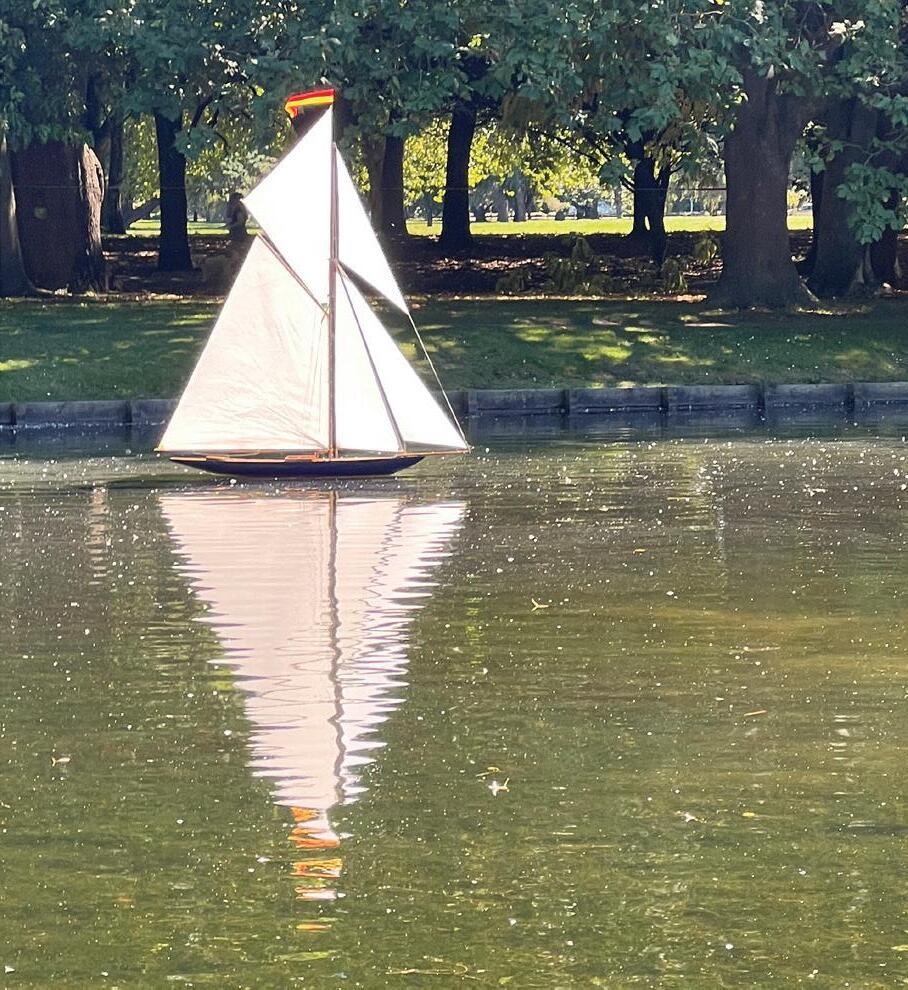
heritage of Christchurch, and the Club regularly takes part in heritage events, usually by offering ‘Try Sailing’ days. Anyone interested gets to sail an RC boat under supervision, and many videos and photographs are taken.
Curious visitors at any time are usually offered a go, and it is surprising how many come back for more and eventually buy a boat.
That’s sailing, it just gets into your blood and any chance of a fix can be hard to resist.
Christchurch Model Yacht Club is in good shape, and will be around for a long time yet.
Drop by if you are in town.
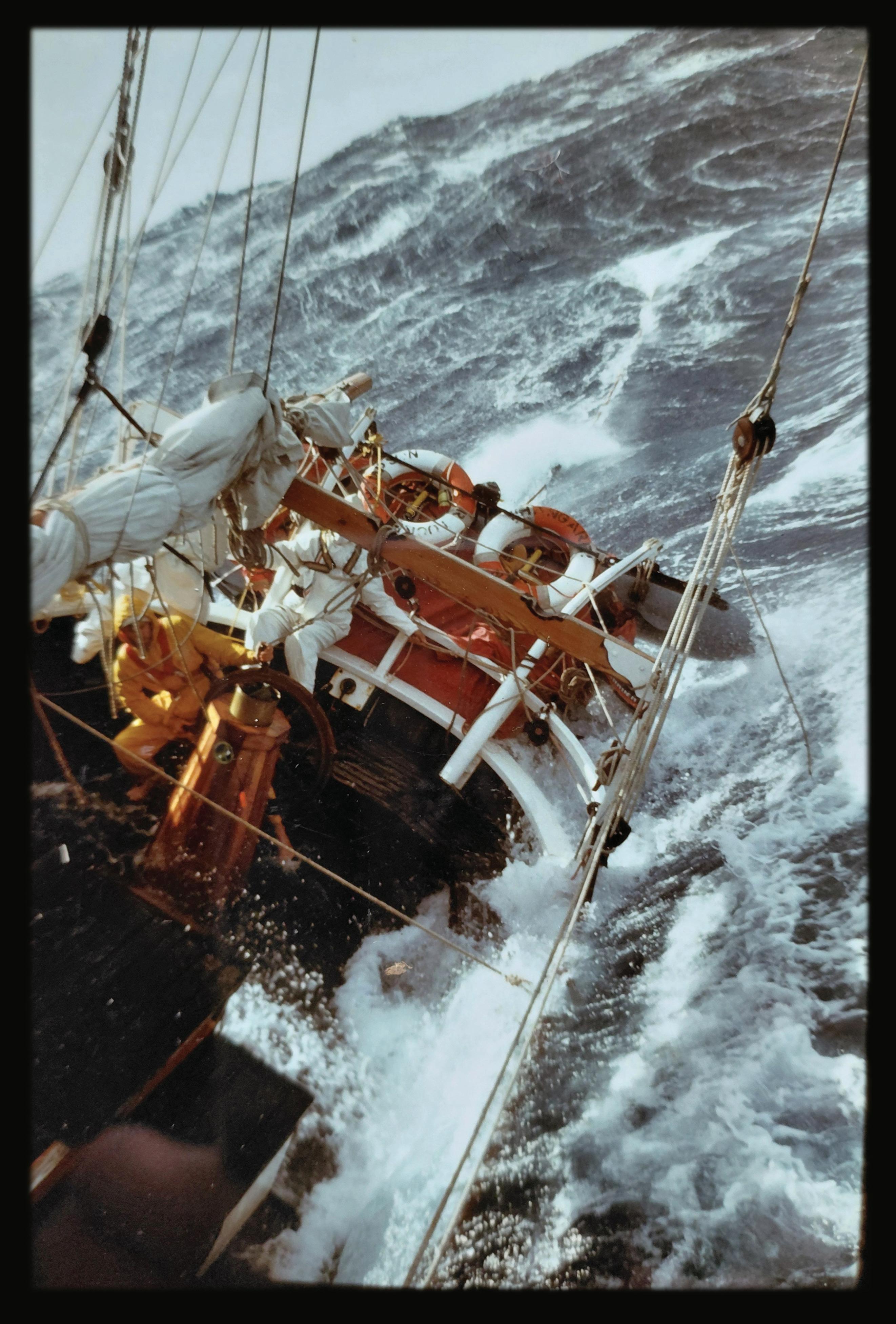
WORDS & PHOTOS: Rob Morton

By now the 60 tonne Tucker was surfing down the faces of huge waves, logging in excess of 20 kts.
We were under bare poles - no sail up. She was in real danger of broaching and rolling.
This all happened 40 years ago. We were trying to get a topsail schooner across the north Atlantic. Probably a bit too early in the season.
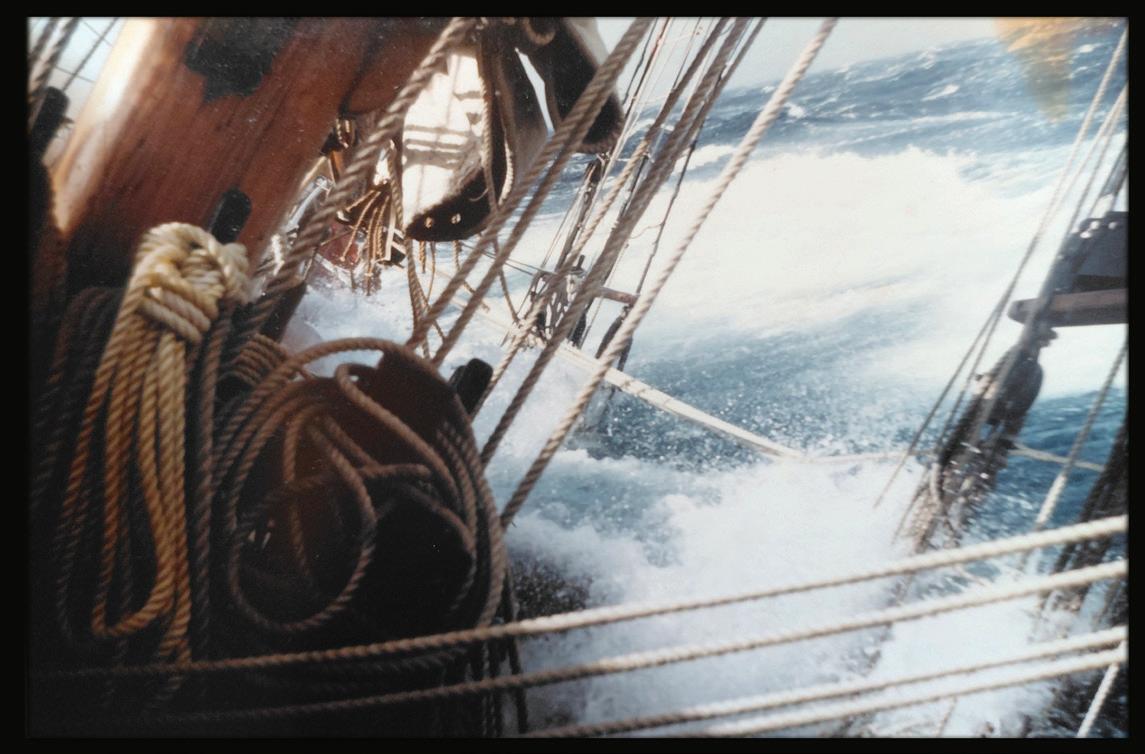
We had worked the R Tucker Thompson up from New Zealand, as far as Bermuda by early February 1987. We were sailing to London, for orders.
Leaving Bermuda, we quickly got about our business, heading north and east for the Azores. The Atlantic in February had a wintery feel to it, a harder sheen than we were used to.
You would have to admit that it was excellent sailing. Fresh westerlies day after day, as the depressions marched through to the north of us. We tagged along on their southern edge and knocked off 170, 180 nautical miles each day, running with squalls.
Todd, skippering, spent a lot of time pondering our position. Charts spread, and listening in to the scratchy High Seas Forecast out of America. He is a consumate seaman, and takes it seriously. His worry was justified as the forecast on the 23rd of February was warning of a “dangerous storm” just to the north of us. These winter lows are spawned in the frozen Arctic, and sweep east, out across the Atlantic.
There is a lot of talk in the almanacs about projected routes and favourable quadrants. But when one of these brutes comes hunting you, there are few options. This one was big and moving fast. We gybed away from it. Our barometer, always trustworthy, began its dive.
None of us had been in wind like that, and together we had a bit of offshore experience. My recollection is that when the blow first hit us, it flattened the sea right
and the sky begin? The sea was in the sky, a furious mixture of screaming wind and water. The bow of the ship was lost to sight. The big waves came soon enough.
We weren’t the only ones hard set. A stern trawler and two large cargo ships were overwhelmed behind us, closer to the storm’s centre. They sank or were broken up. Fourty eight sailors were lost that day.*
A US nuclear submarine the Scamp was the only possible rescue vessel in the area. She bravely stayed on the surface for 18 hours, in 50 foot waves, and managed to save just one, before she had to submerge, in real danger of foundering herself.
We could only listen helplessly to the ships’ mayday calls. We could offer no assistance, being unable to turn the ship around in those conditions. We had to keep her running dead before it and the sailors drowned behind us.
By now the 60 tonne Tucker was surfing down the faces of huge waves, logging in excess of 20kts. We were under bare poles - no sail up. She was in real danger of broaching and rolling. Luckily we had picked up a long length of fishing debris earlier in the trip. We streamed it astern, along with all our car-tyre fenders and an anchor. It brought us down to a safe 7 or 8 kts, and we could steer again.
The accompanying photo, taken from the foreyard, shows the gear dragging astern, the crew well harnessed. We were being periodically swept at this
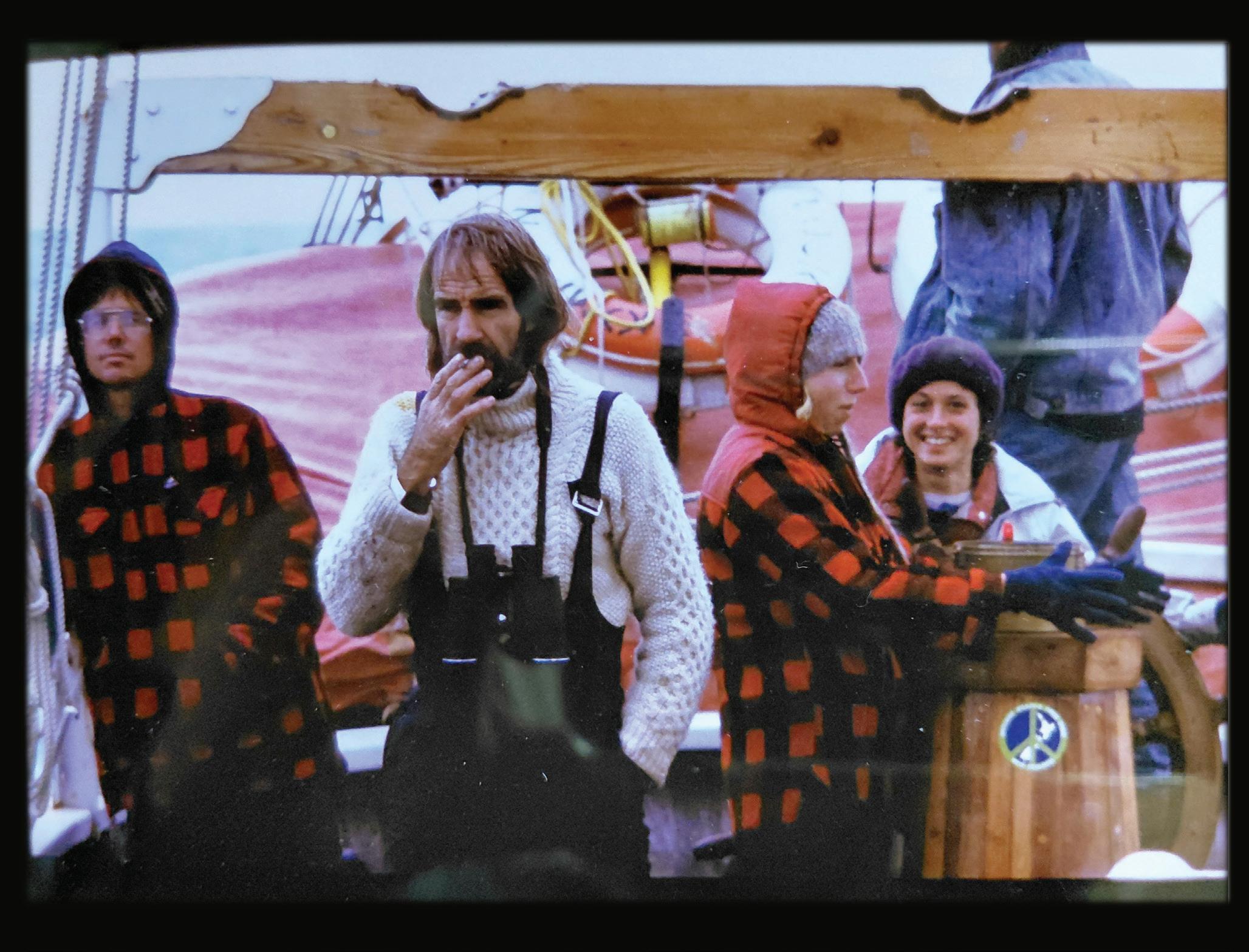

stage. Waves came climbing aboard, burying much of the ship. Luckily, she quickly freed herself. She ran rolling, throwing torrents of water from her freeing ports.
We did “watch-and-watch”, four on, four off for two days, and got what sleep we could manage. I began each of my watches by tying “soul and body lashings” over my wet weather gear. Lengths of light line at wrists, ankles, knees and waist. Anything to keep out the cold Atlantic. But within minutes of being on deck you’d be underwater, washing around on the end of your harness tether. The Tucker amazingly suffered no real damage. If you have to cross the North Atlantic in February, do so in a steel ship, strongly built by careful amateurs!
On the 1st of March we made Horta on the Portuguese island of Faial. We were the first vessel to arrive that season. The only foreigners in the famous Peter’s Bar. And there we waited, looking for a favourable slant up to England. But it was a lovely place to be wind-bound. It felt quaint and old to us colonials. Cobbled streets, cheap wine and we enjoyed ourselves. But we knew the end of our five month voyage was close and we soon grew impatient to be on our way. The wind blew steady and unfavourable. The daily ritual hardly varied. The first one awake would glance at the masthead flag and confirm the wind was
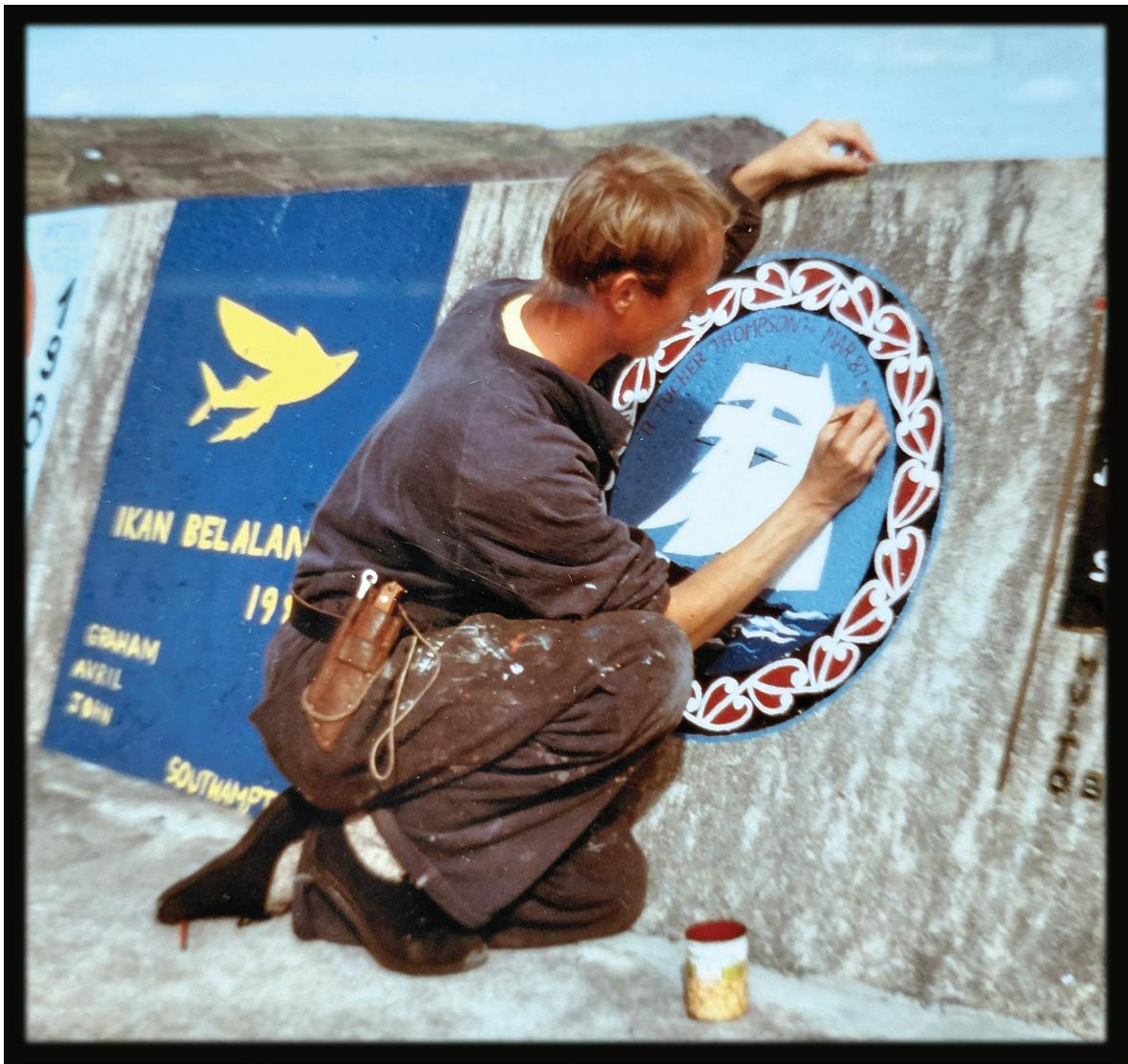
still from the north. The early riser would inform the sleeping crew and take a walk to the baker’s for bread.
One day we were ordered to send the topsail yards down and lash them on deck, to avoid windage aloft. Russell, skippering this leg, was sensibly preparing for heavy weather in the late winter, between the Azores and England. It’s one thing riding the sort of blow we had just experienced far out at sea. But this next leg would take us towards a bottleneck of land. So the Tucker was to sail “bald headed”!
There is an expression that “ships and men rot in port”. By the time we had been in Horta for two weeks we were getting a bit tired of one another. Strange how this happens once the sea-going routine stops. We were
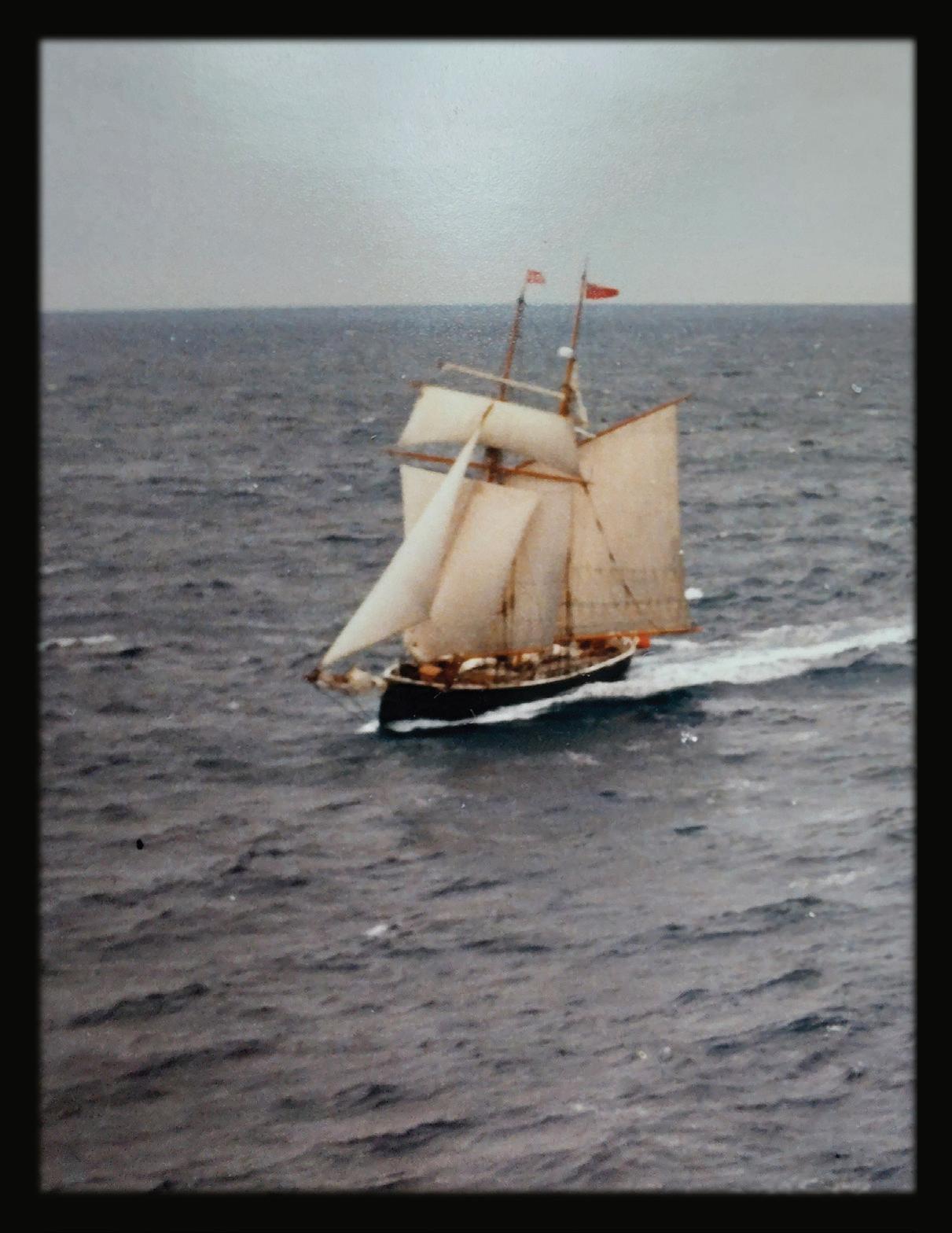
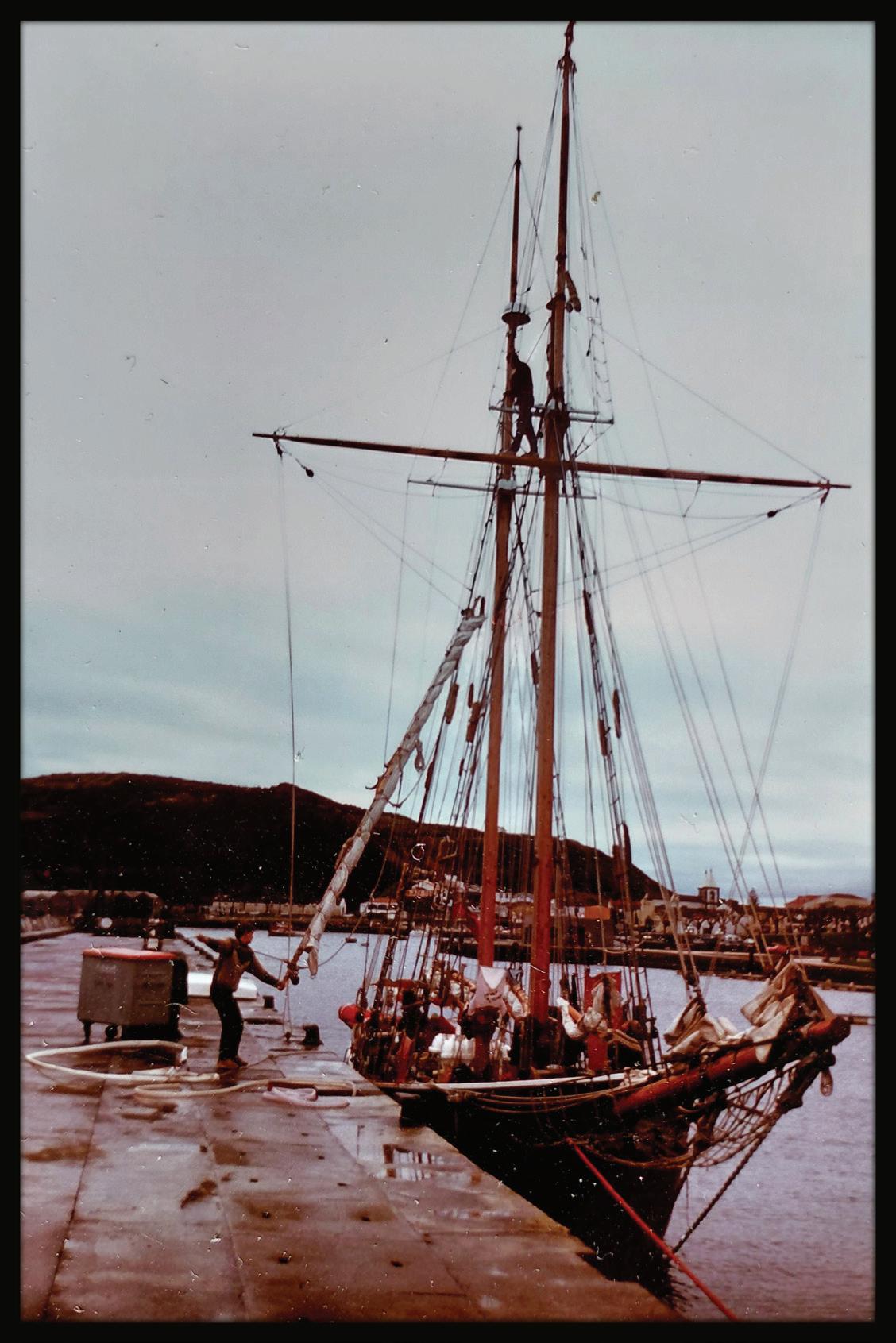
12 people on a smallish ship.
I took to going for long walks up on the side of the Caldiera, away in the cloud forest. I remember old stone walls and groves of rhododendrons up there, or perhaps they were camellias? And I am sure there were pretty girls tending cows, I think. But then, I was young and this was 40 years ago...
Our big Dutch crewman did what any sensible sailor would have done. At dawn on the 17th of March we woke to find the wind had turned fair! On the far side of Horta the Dutchman kissed his girlfriend goodbye. He strode back to the ship, through the wakening town, his seaboots loud on the cobbles.
We cleared Faial that morning, and by darkness the fine cone of Pico has disappeared below the horizon. It’s not really that far from the “Western Isles” to England. A hundred and fifty years ago the smart fruit schooners would run oranges up from the Azores in not much more than a week. Well, we were a solid halibut schooner and it took us a bit longer.
We seemed to be stuck in a grey windless high pressure system. We motored on, setting sail when it was useful, but never really getting a decent slant. It was slow going, and the Tucker seemed tired, as though she had lost heart after 10,000 miles at sea.
The Bay of Biscay held no terrors for us. On the 24th

of March, off the Scilly Isles, we entered the chops of the Channel, and found the bottom with the deep-sea lead. Or would have, if we had had one aboard. We fell in with the Penzance fishing fleet that night.
Two days later we ran in behind the Isle of Wight, as a strong sou’westerly gale came up the Channel. We tied up in the dark to a snug pontoon, listening to the wind and rain. Well here we were at last, but not allowed to go ashore until we had cleared. It felt a little anti-climactic. England! But where was everyone?
At last we saw a dark figure coming down the pontoon towards us! And then the voice of England spoke to us out of that appalling night.
It was a young policeman, and he was in a cheerful mood.
He took a look at us and said “’Allo! What’s all this then?”
* The ships lost on 24th Feb were:
The Tuxpan
The Balsa 24
The Dolores Marie
RIP their crews.
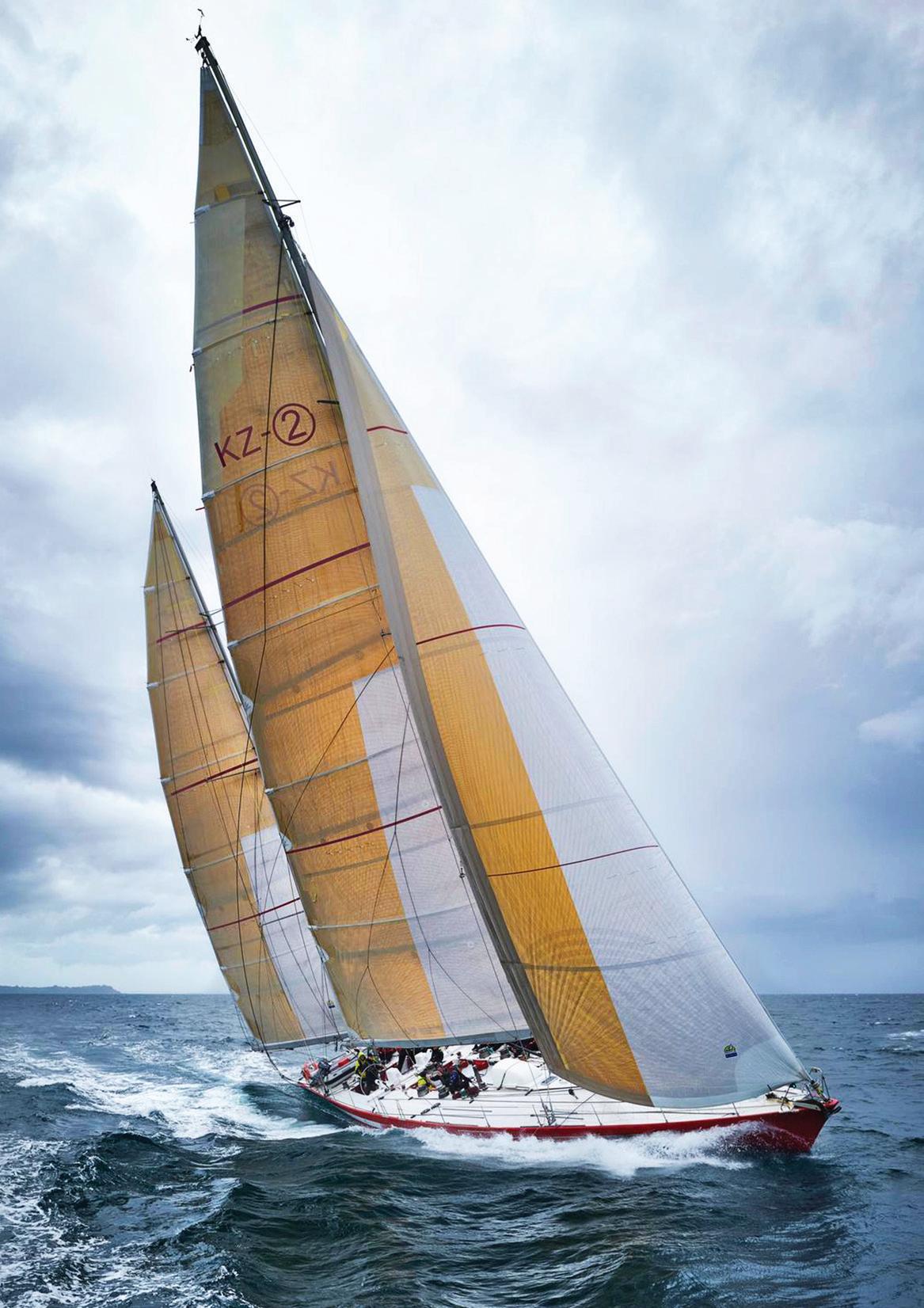
Not far offshore from Mahurangi Harbour, on one of the last days of 1989, the duel between Steinlager 2 and Fisher & Paykel was being taken down to the wire. Competing in the Whitbread Round the World Race the two Kiwi ketches had match-raced from Fremantle and deep into the Southern Ocean in a determined bid to be first into their home port. The infamous squall that hit the two boats, and what happened next within sight of the finish line, has been the stuff of legend ever since.
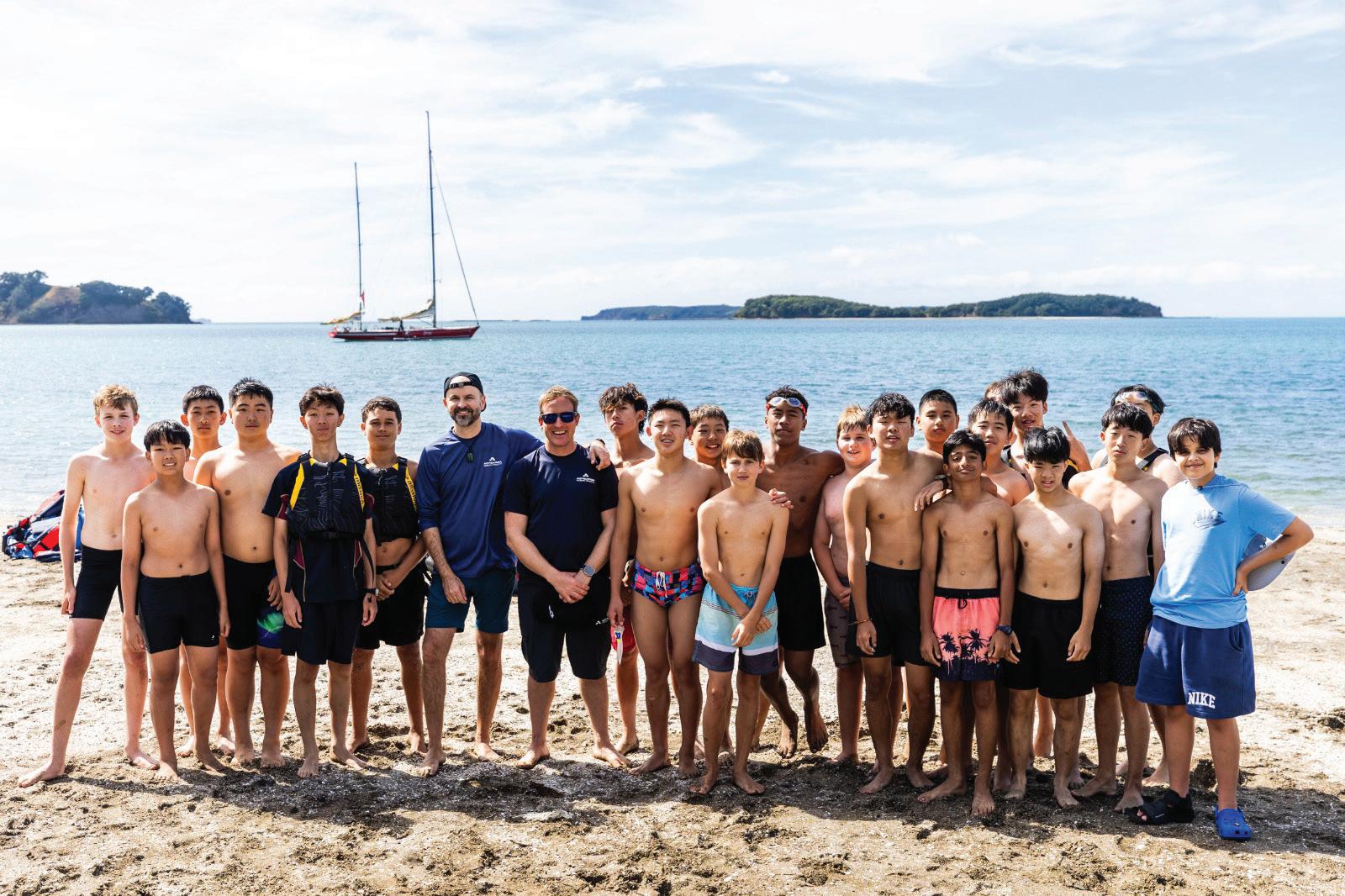
another 3 Beefeater trophies and set an unbeaten record for being the first boat on line and handicap into every port. Roll forward to today and Steinlager 2 is a regular visitor to the Mahurangi. She has made Sullivans Bay a favoured anchorage from which to board school students bound for sea-going adventures. To many readers, Steinlager 2 and Lion New Zealand will be familiar sights around the Gulf, and the question often asked is, what exactly is their role, now 35 years on?
Once both ketches were secured alongside Princes Wharf, a smiling Peter Blake was presented with a third Beefeater trophy, and Steinlager 2 was on her way into the history books. This was to be the closing of an era of Whitbread races of fully crewed maxi yachts pounding their way around the world. By the time Steinlager 2 reached the finish line in Southampton, she had acquired
The New Zealand Sailing Trust was formed in 2008 when Lion New Zealand was purchased. It was based on the conviction of the founding trustees - plus the generosity of those willing to finance her purchase and refit - that much could be achieved by giving youth the opportunity to go to sea in a seriously big ocean-going maxi yacht. Four years later, in 2012, Steinlager 2
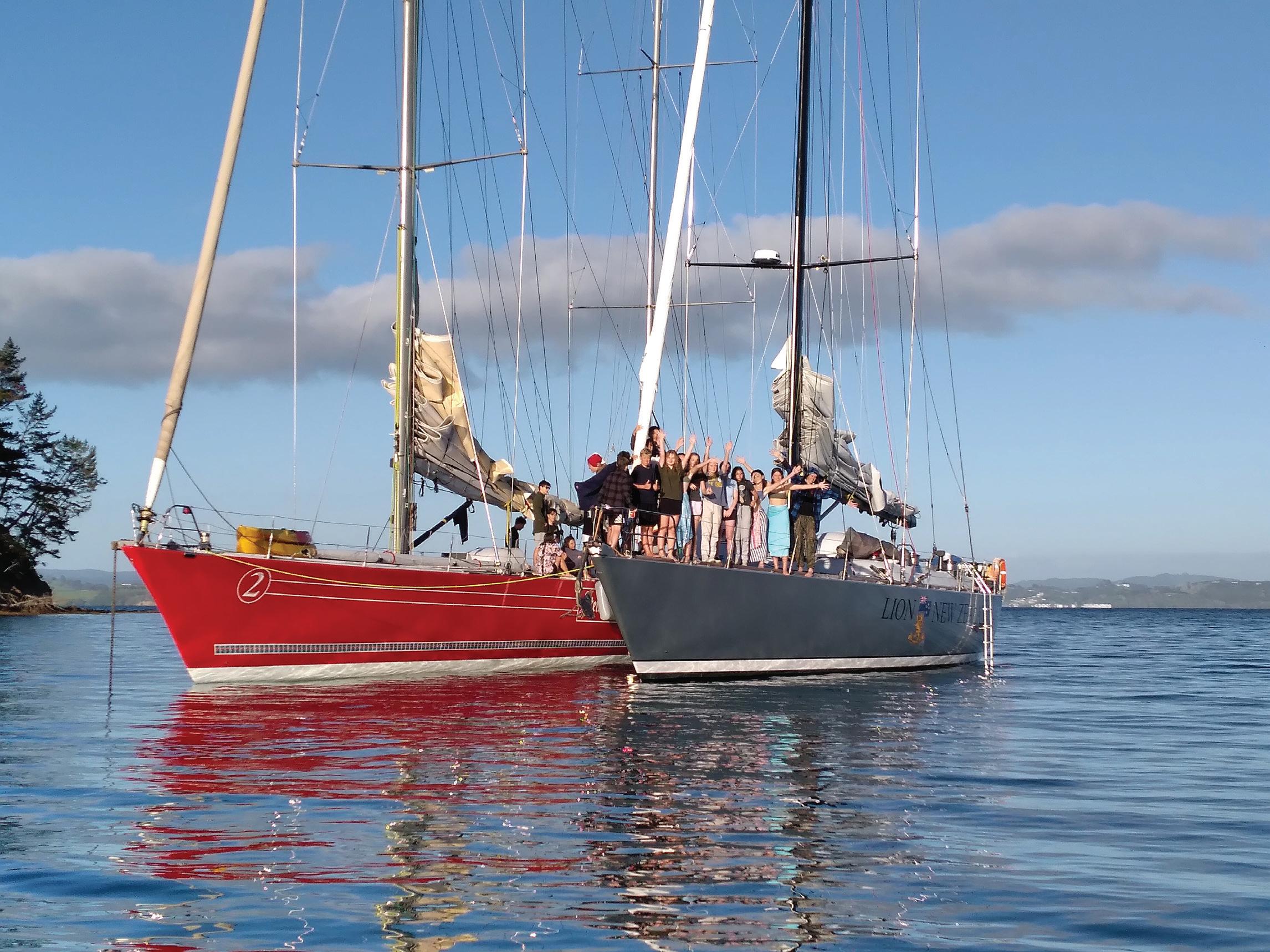
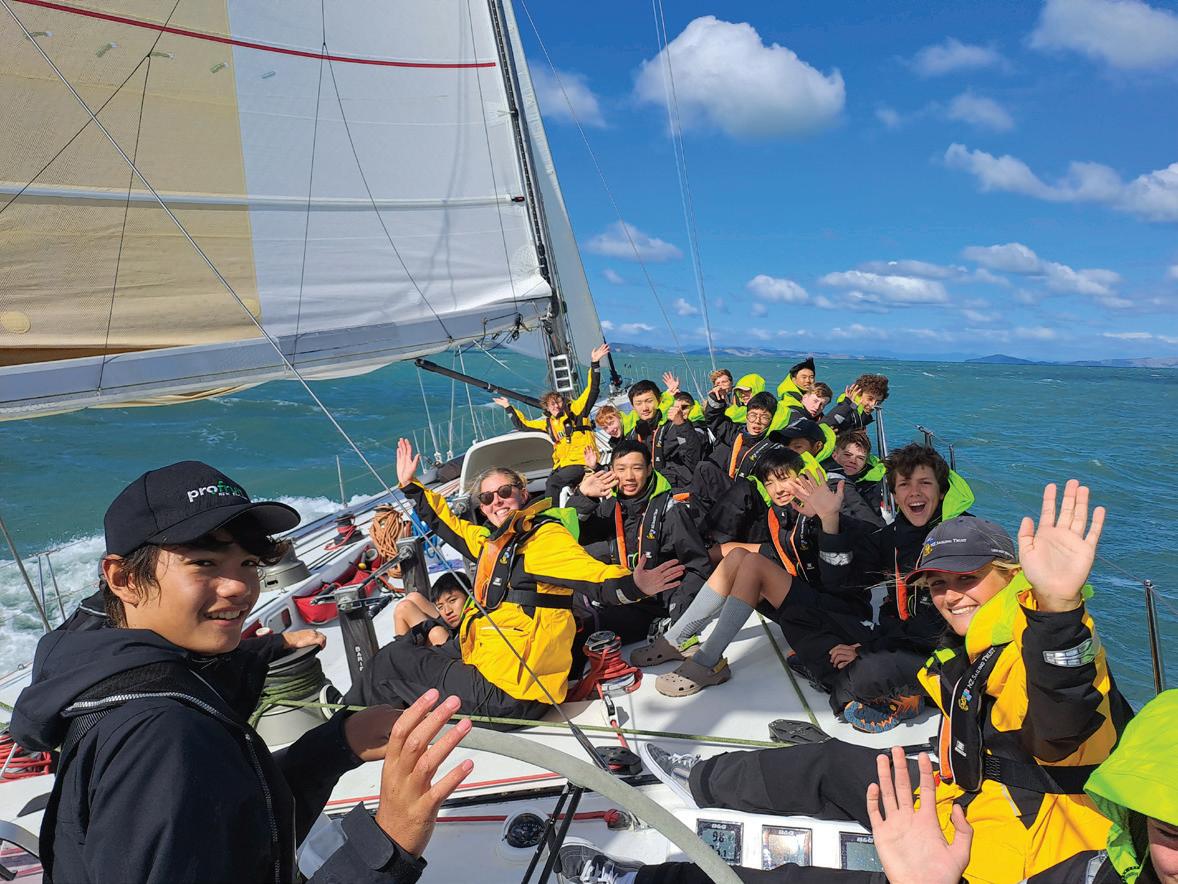
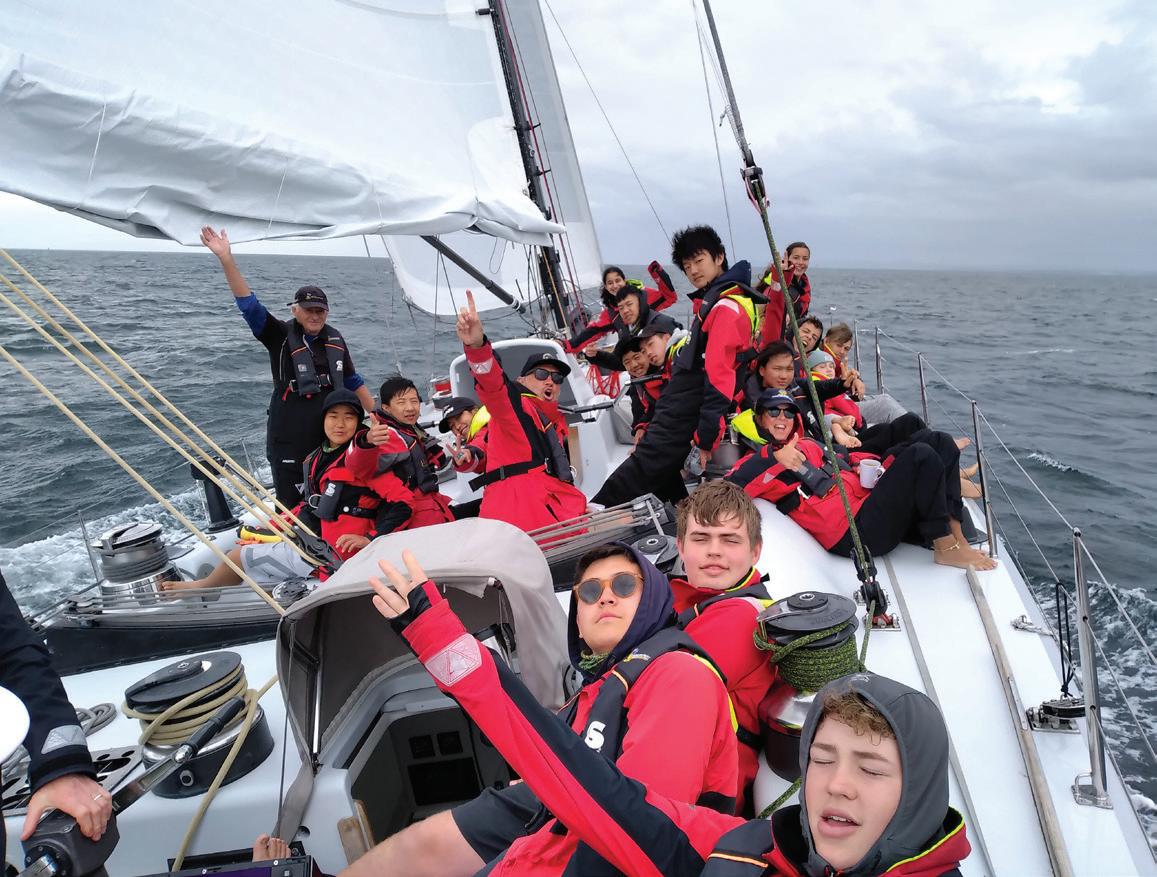
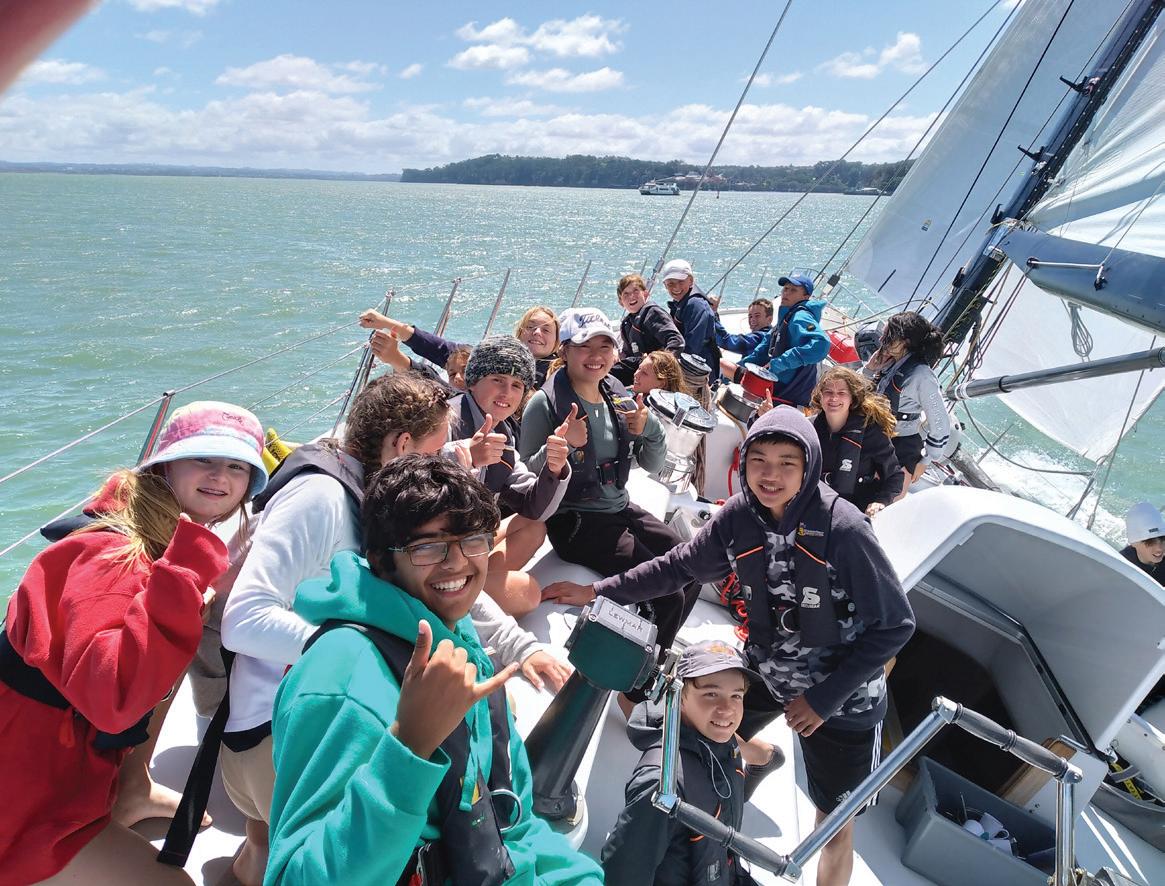
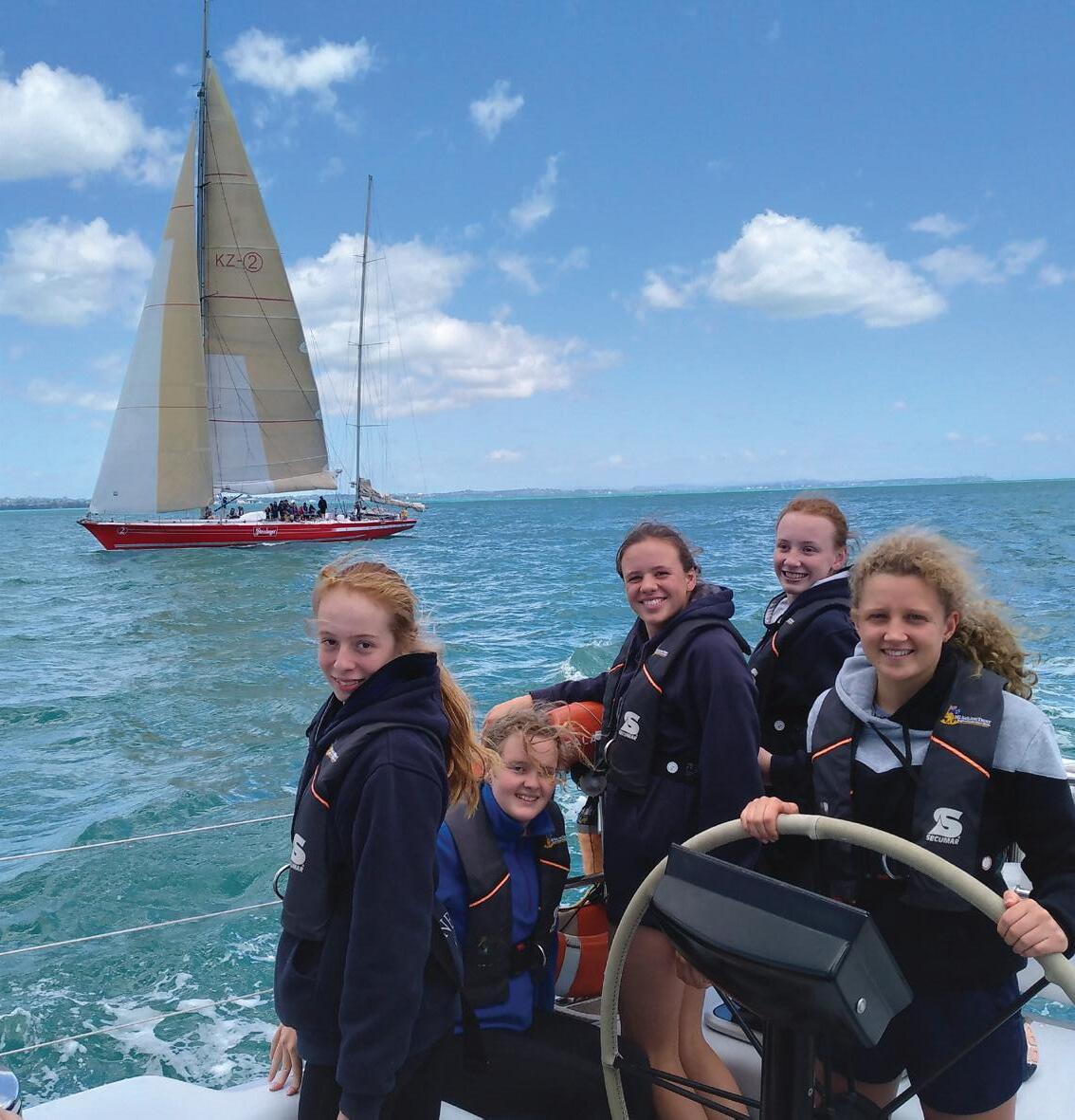
was also purchased by the Trust. She too needed love, which was provided once again in spades by Yachting Developments who formerly, as Southern Pacific Boatyard, had originally built her. Far from being dumbed down for her new role, Steinlager 2 still sports her original rig, while her trademark ‘Kevlar look’ sail wardrobe has been recreated by Doyles. Lion NZ, however, benefitted from a supercharged refit which included a fractional ex AC 72 carbon mast and a deeper bulb keel, which all-up achieved a 5-ton weight reduction. Doing so, shredded some of her ‘Urban Assault Vehicle’ reputation. Although Blakey (Sir Peter Blake) considered Lion a bit heavy, she still took line and handicap honours in the gruelling 1984 Sydney Hobart race, this while her paint was still wet. She then went on to be the second quickest boat around the world in the 84/85 Whitbread. Today she sails like a witch to windward, frequently giving Steinlager 2 a serious run for her money.
Naturally, it is the reputation of “Big Red” Steinlager 2 that attracts most attention out on the water, and while the Trust no longer receives any funding from the brewery,
it was considered wrong to rename her, even though that may be at odds with today’s socially sensitive advertising. After all, during the Whitbread era when the grandfathers of today’s students lined Princes Wharf, it was to welcome a fleet that read like a roll call of alcohol and tobacco companies.
Both yachts have now taken thousands of high school students to sea, and while school groups are the mainstay of the programme, corporate charters, The NZ Maritime School, the Blue Light organisation, ‘Oceans of Hope’ and even a few rum races all help to fund the programme and keep the boats busy.
Now four decades on, it is not surprising that few of today’s students will be familiar with the name Peter Blake or his achievements when they first come aboard, but after a few days at sea, it is clear that some of his inspiration has rubbed off on them.
It is a privilege to work with other skippers and crew who are truly passionate about their roll of giving youth the opportunity to challenge themselves in all the tasks of running a maxi yacht, and in all but the most severe
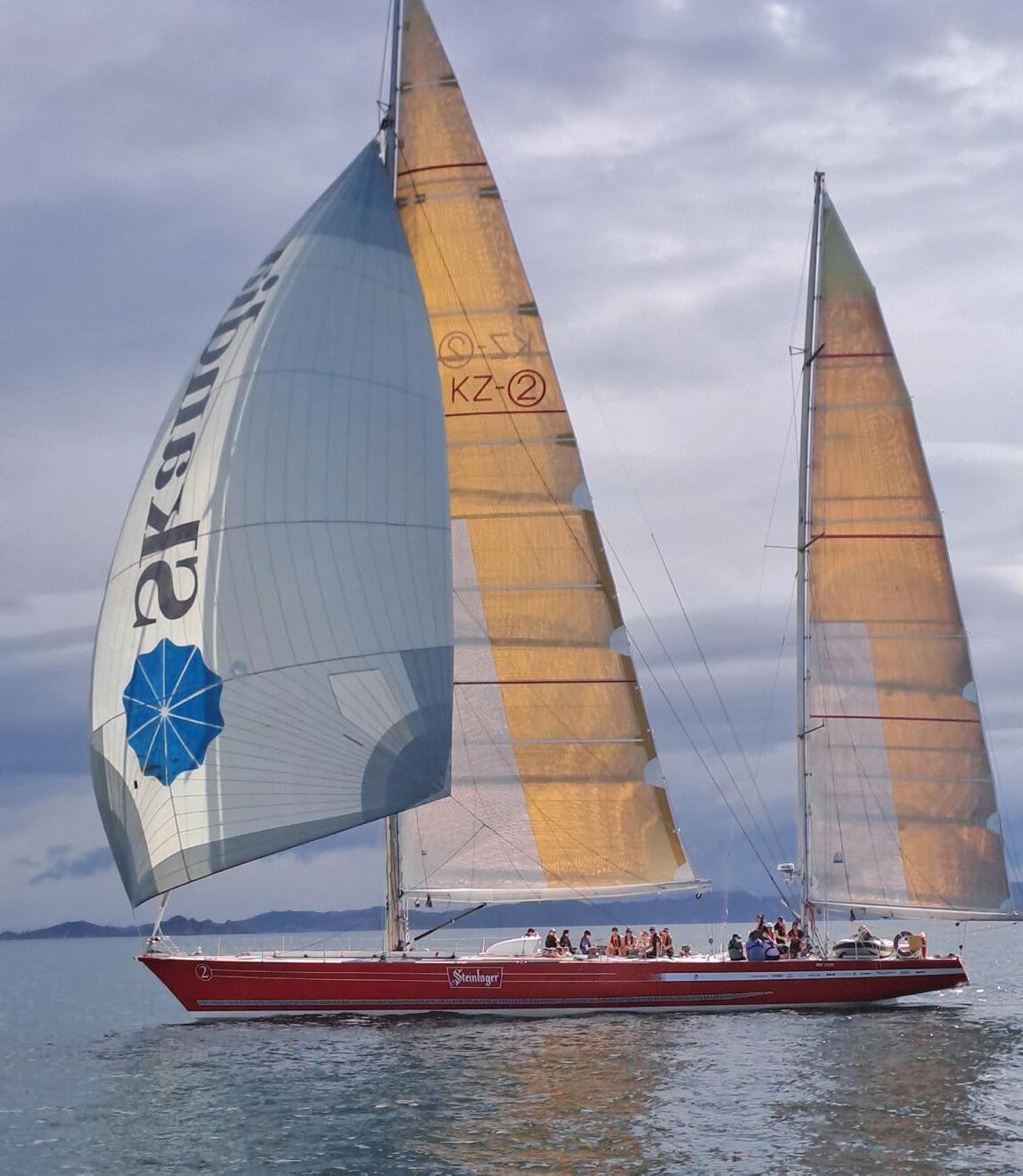
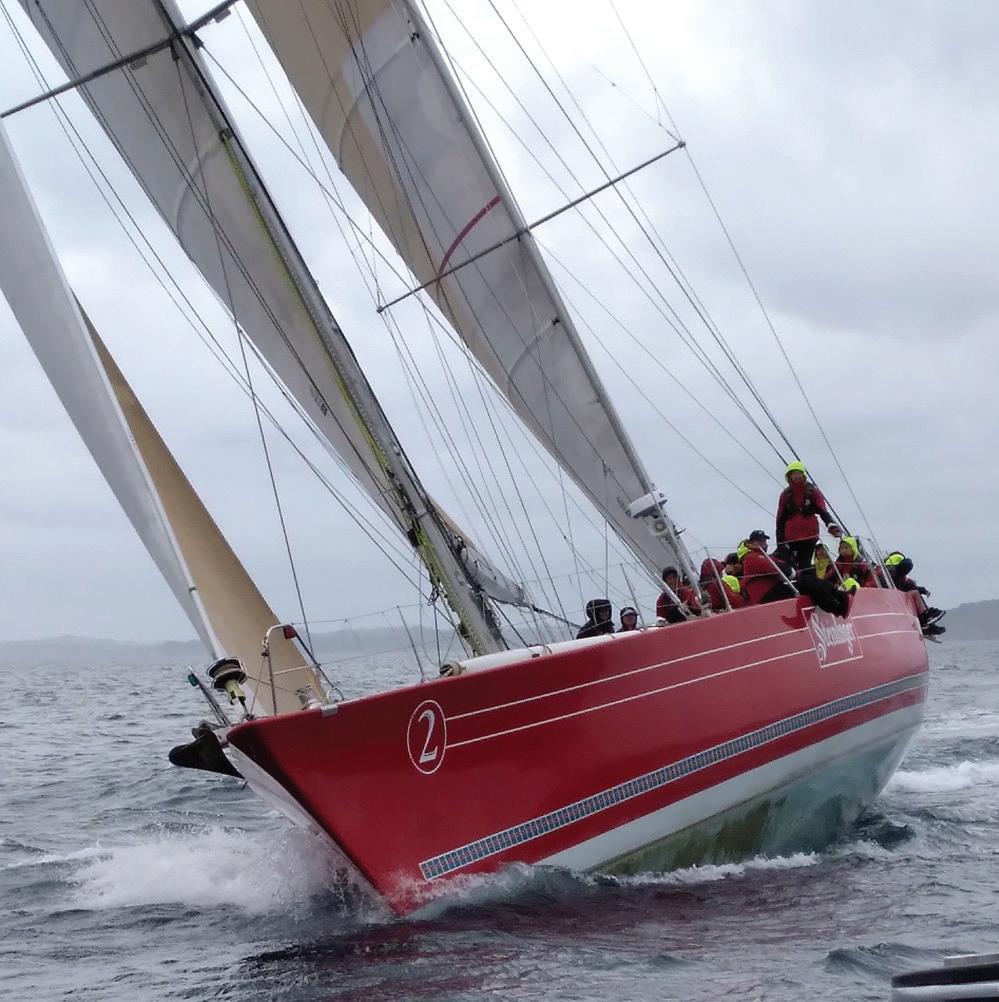
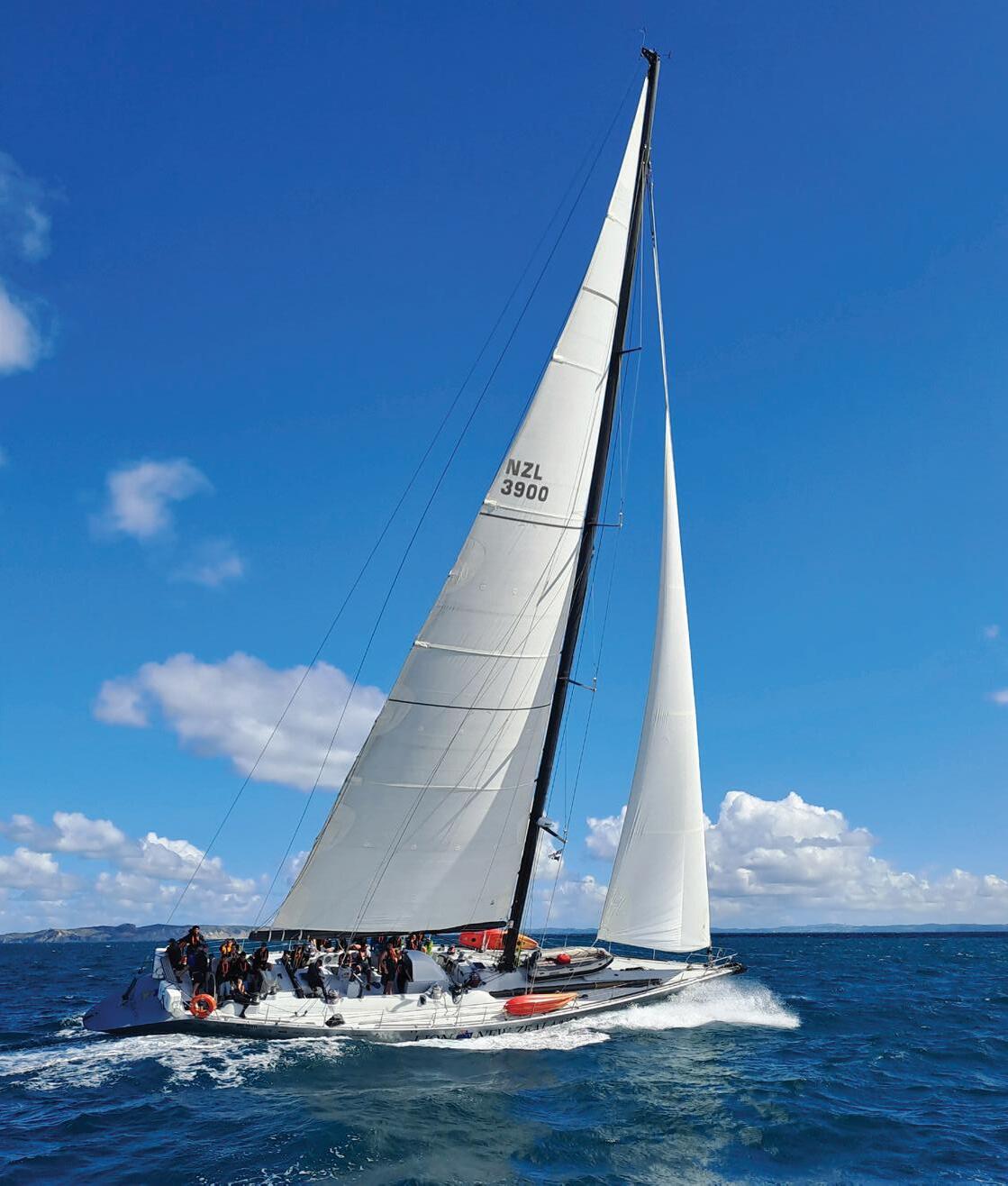
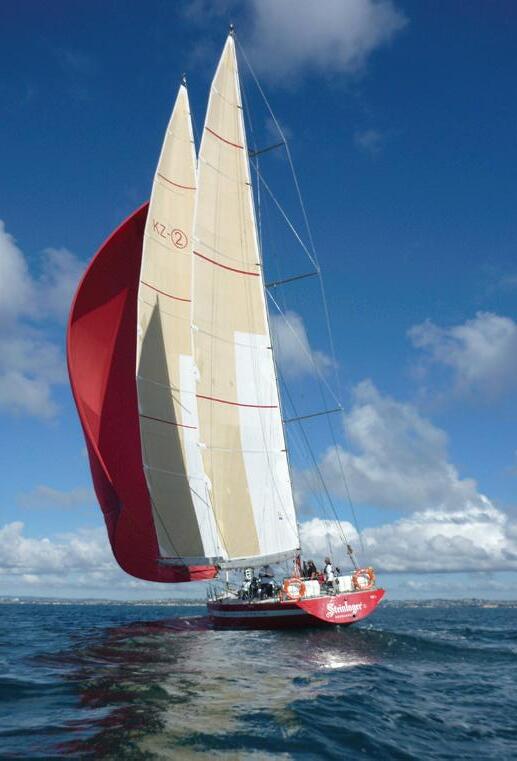
weather. I believe that in today’s increasingly mediocre world, we need opportunities to inspire our youth. I imagine there will be very few young folks who will ever get the opportunity to tramp to the foothills of Everest and look up to see what Ed Hillary achieved. However, for a girl or boy who has grown up on the farm to be able to take the helm in a fresh breeze, is as close as they could ever get to stepping into Blakey’s shoes. To see the grins on their faces when the anchor goes down after a good thrash out to Barrier is reward enough. Typically, a four or five-day voyage will circle the Gulf, with as many as 30 students and school staff aboard. The daily routine will start with a dawn swim, rotating watch groups will then clean, cook, navigate, and handle sailing. It is a good week when the students can bring the boats home on the last day. Once back alongside, during the debrief I often describe my job as the best ever, and tell them that I would never have imagined myself skippering a maxi yacht when I was of their age. Proof of the opportunity is that one of our current fully qualified commercial skippers first stepped aboard Steinlager 2 as a school student
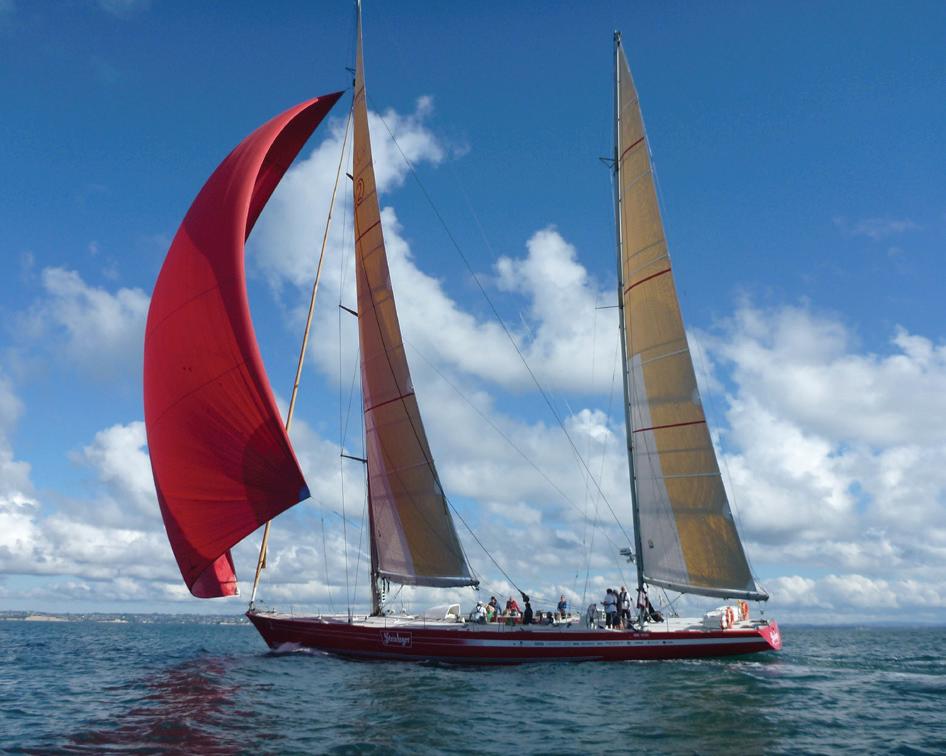
less than ten years ago. The Trust currently has a pool of professional crew comprising, skippers, first mates, deckhands, and volunteer crew.
For all of us, the experience of working together aboard these classic yachts is satisfying enough, but an added reward often comes in the form of written thanks from the students or their teachers.
School staff, Nellie: Wow, it was just incredible, where do I start? I have never been on a sailing boat, so I had no idea of what I was in for, but I knew it was going to be a real adventure. My highlight of the trip was the last two big sailing journeys, where the boat really did feel like it was powering through the waves and we all had to hang on super tightly on the high side of the boat. It was so exciting. As I watched Jo Jo skilfully navigate the (Viaduct) harbour to berth Steinlager and our journey was coming to an end, I was overcome with emotion because I didn’t really want it to end. There were a few tears.
Student, Tohu: It’s nice to have a good team that works together and listening skills is something you need to have.
Student, Niamh: As Sir Peter Blake said “Giving it a try is much better than sitting back and worrying what people might think if we fail”. Even though I feared that as a (dinghy) sailor who had never been on a larger boat, I might not have known as much or been as experienced as the other sailors aboard, I still gave it a try and wouldn’t change my decision for the world. It was truly an amazing once in a lifetime experience. No one felt uncomfortable at any point in the trip, thanks to the amazing crew who were always supportive and encouraged us to step outside our comfort zones. On the last day when we were in charge, we organised our own jobs for everyone. We had people on helm, lookout, navigation, lunch prep, music, as well as grinders and runners. Not only have we all learned and improved many skills, we’ve expanded our knowledge not just in sailing, but also in general. Even those who were seasick agreed they would do it all over again. I came back salty and exhausted, yet completely satisfied. It wasn’t just a sailing trip. It was a whole new way of living, even if just for a few days.
The Trust is on a mission to inspire the youth of New Zealand aboard two of New Zealand’s most iconic yachts. We all share Sir Peter Blake’s vision. In his words “To win, you first have to believe you can do it. You have to be passionate about it. You have to really ‘want’ the result.”
www.nzsailingtrust.com
BIO.
Charles Scoones is a regular competitor in the annual Mahurangi Regatta and, until recent years, was part owner of the Stewart 34 Princess. Charles’ other hat is as one of the summertime skippers aboard either Lion New Zealand or Steinlager 2 for the New Zealand Sailing Trust. He describes taking kids to sea on these iconic yachts as ‘the best job ever’.
Charles was born into a sailing family on the East Coast of England, moving to New Zealand in the 70s. After many years in the photographic industry then with a yacht charter company, he qualified and worked as an RYA Yachtmaster instructor. In more recent years Charles and his wife Annie have adopted a nomadic lifestyle skipping to the Northern Hemisphere during the New Zealand winters. After fitting out then running a hotel narrowboat in England for several seasons, they now live and cruise inland European waterways aboard their 14m motor yacht Antiope www.antiope.co.nz
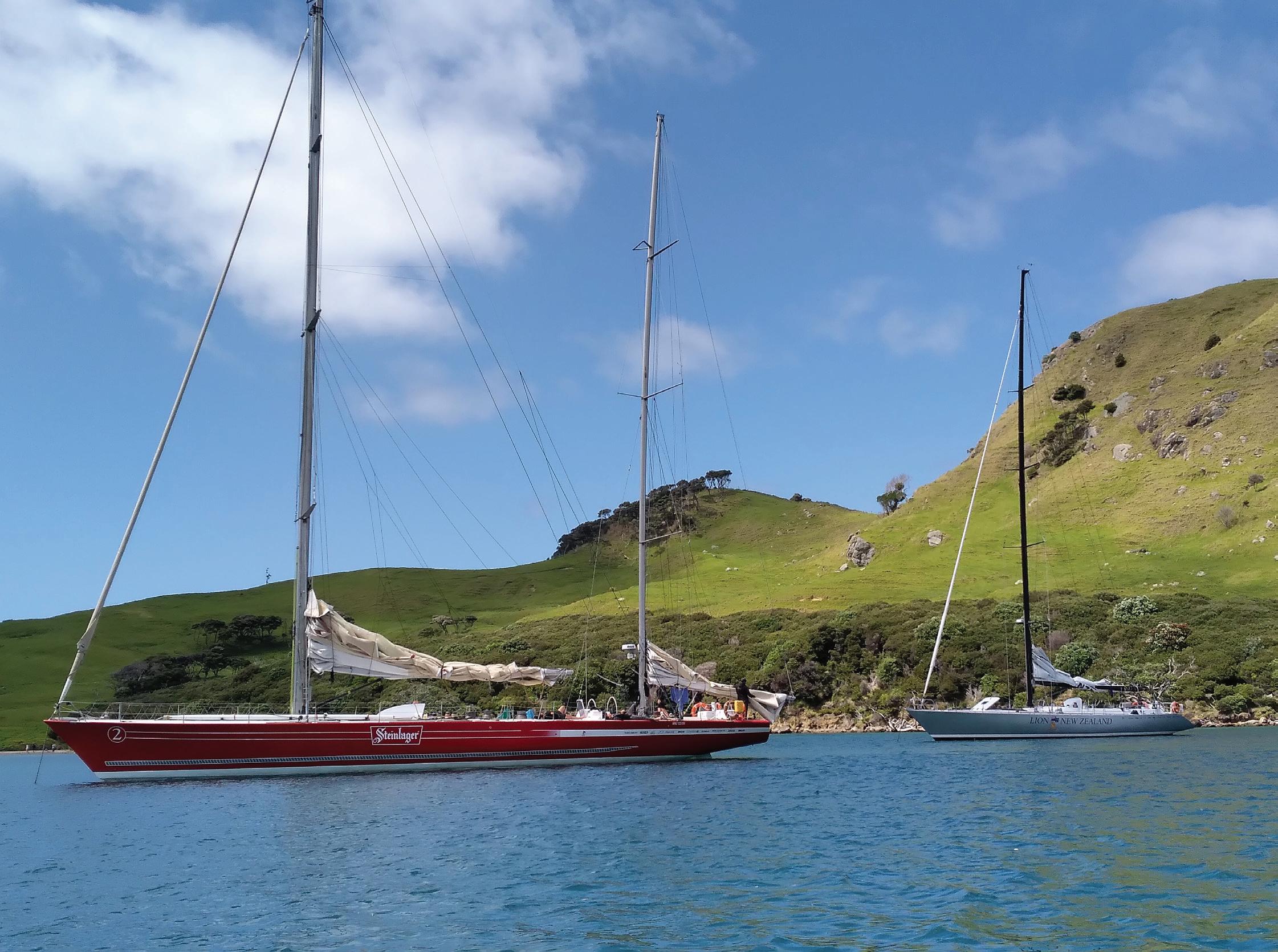
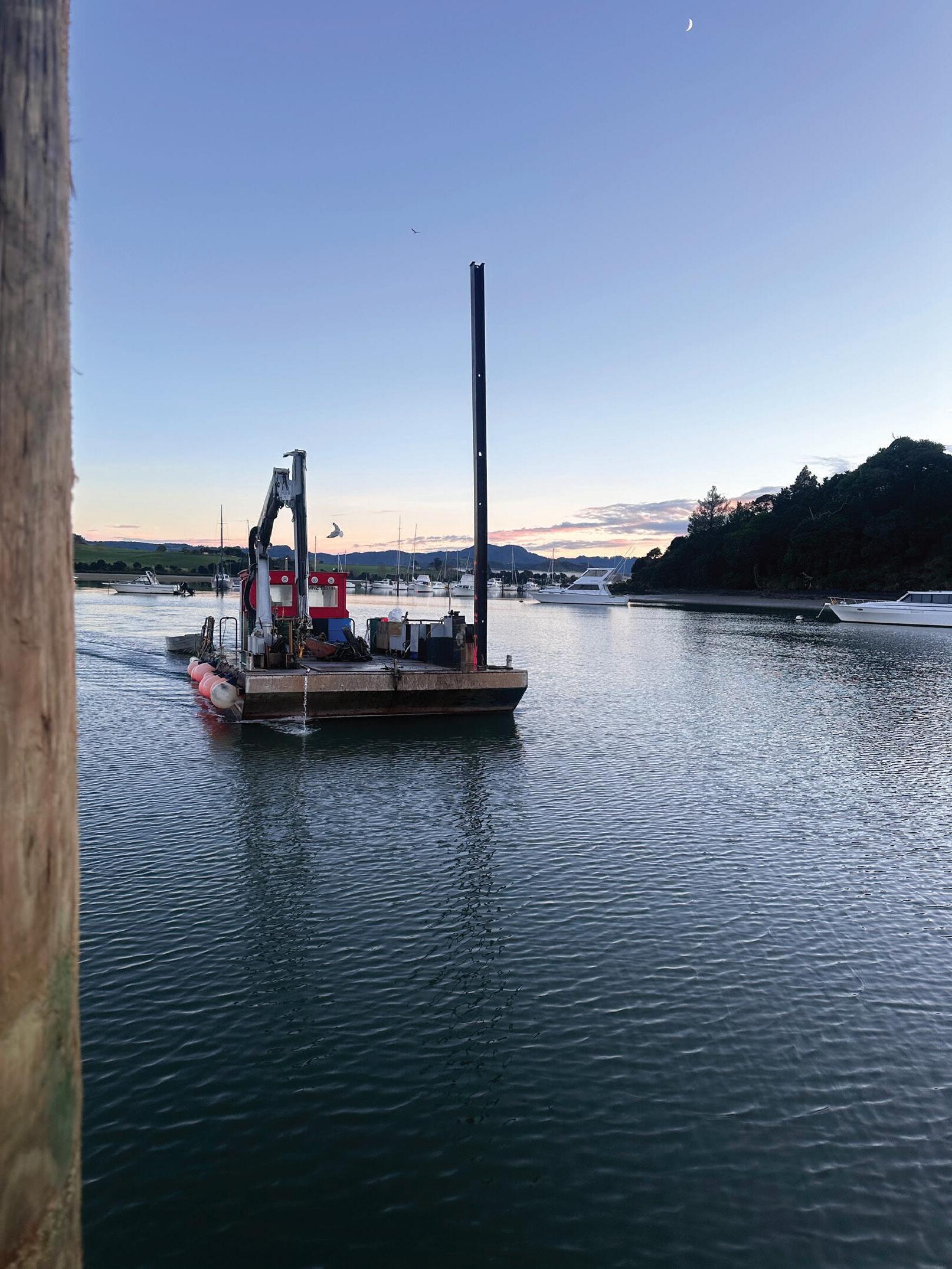
Rodney Moorings is a trusted and experienced swing mooring contractor, servicing the Rodney/Mahurangi and
Whether you need mooring Inspections, Service, Upgrades, repairs or a complete new installation, we're here to help with prompt, professional service. We ensure all moorings are maintained to the highest standard in full compliance with Auckland Transport/Harbour Master, to give you and your insurer confidence that your vessel is securely and safely moored.
WORDS: Gavin Pascoe PHOTOS: WCYT
Atalanta, or “Attie” as she is affectionately known, was launched in Auckland, 7th May 1894. She was built at the yard of Charles Jr. and Walter Bailey, no doubt under the watchful eye of their father, Charles Sr, for Napier clients Messrs J. H. Smith and J. Canning.
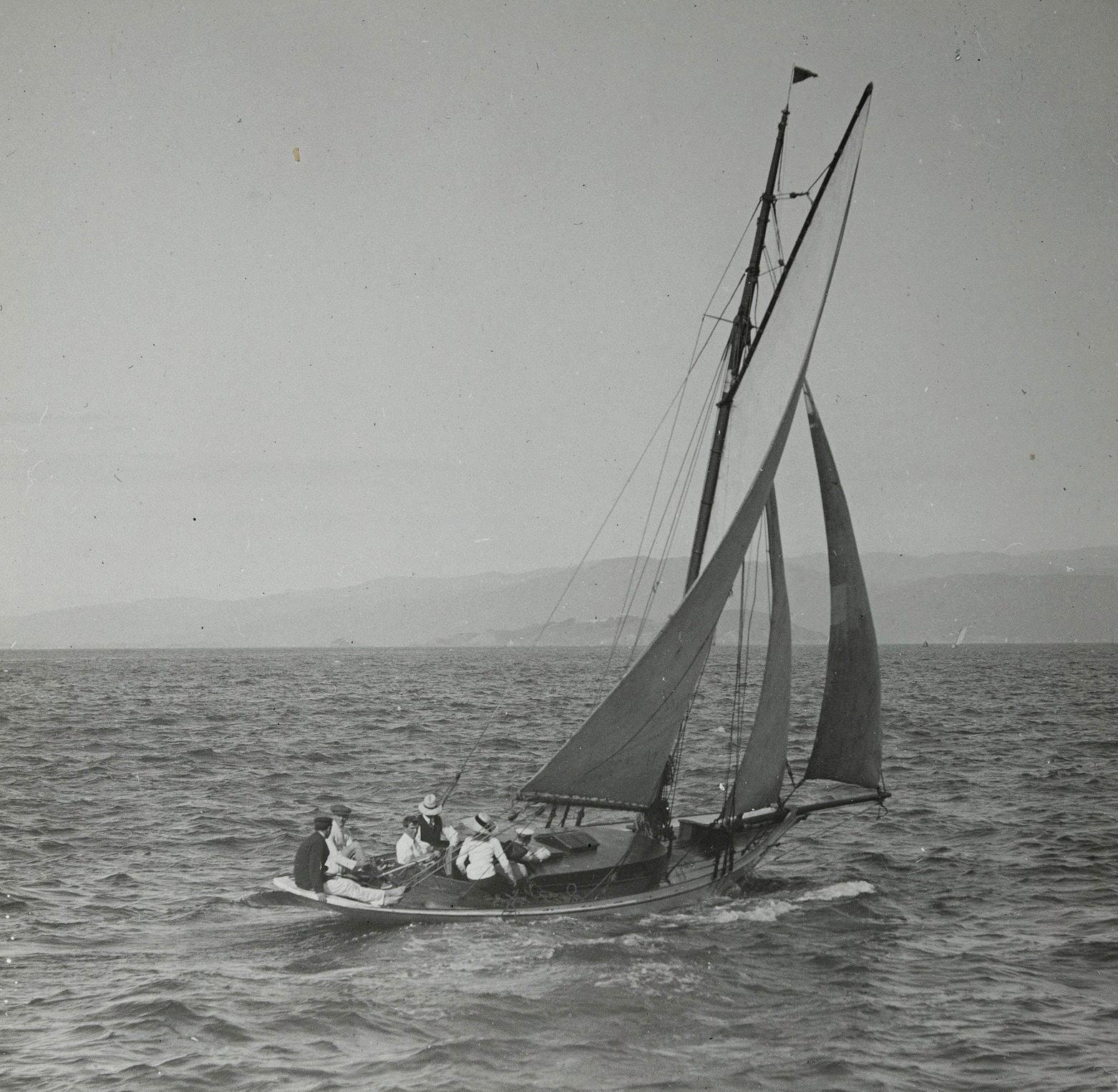
She was designed to fit the current racing rule of a 5-rater, and unusually for NZ racing yachts at the time, had a centreboard arrangement rather than external ballast deep keel – this so she could navigate the shallow waters of her intended home port of Napier. This design element resulted in a wider keelson and firmer turn of the bilge than similar racers.
The finish of the boat was highly praised, even in the “women’s pages” of the Napier Press. She was painted in white enamel picked out in gold, had teak cabin sides and fittings, her deck seams payed in white lead. The interior cabinetry was of mottled kauri, and the centrecase “tastefully” integrated into the cabin furniture.
Perhaps her most interesting innovation was that her chainplates were fitted internally, to ensure a smooth
racing hull. During restoration we have found evidence of these, though it appears from photographs that they were removed to the exterior reasonably early in her career.
Attie was not long for Napier. She was sailed down to Wellington to compete in the Wellington Anniversary Regatta, arriving 16th January 1895, the same day as the freshly launched Robert Logan Waitangi, built for a local syndicate to win the First-Class race (which she did). Logan also had his eye on the Second Class prize, and tweaked up the Rona (built by him in 1893 for Alexander Turnbull) to compete for what was to be her first of many Wellington regattas.
The Anniversary Regattas of the mid 1890s were, for
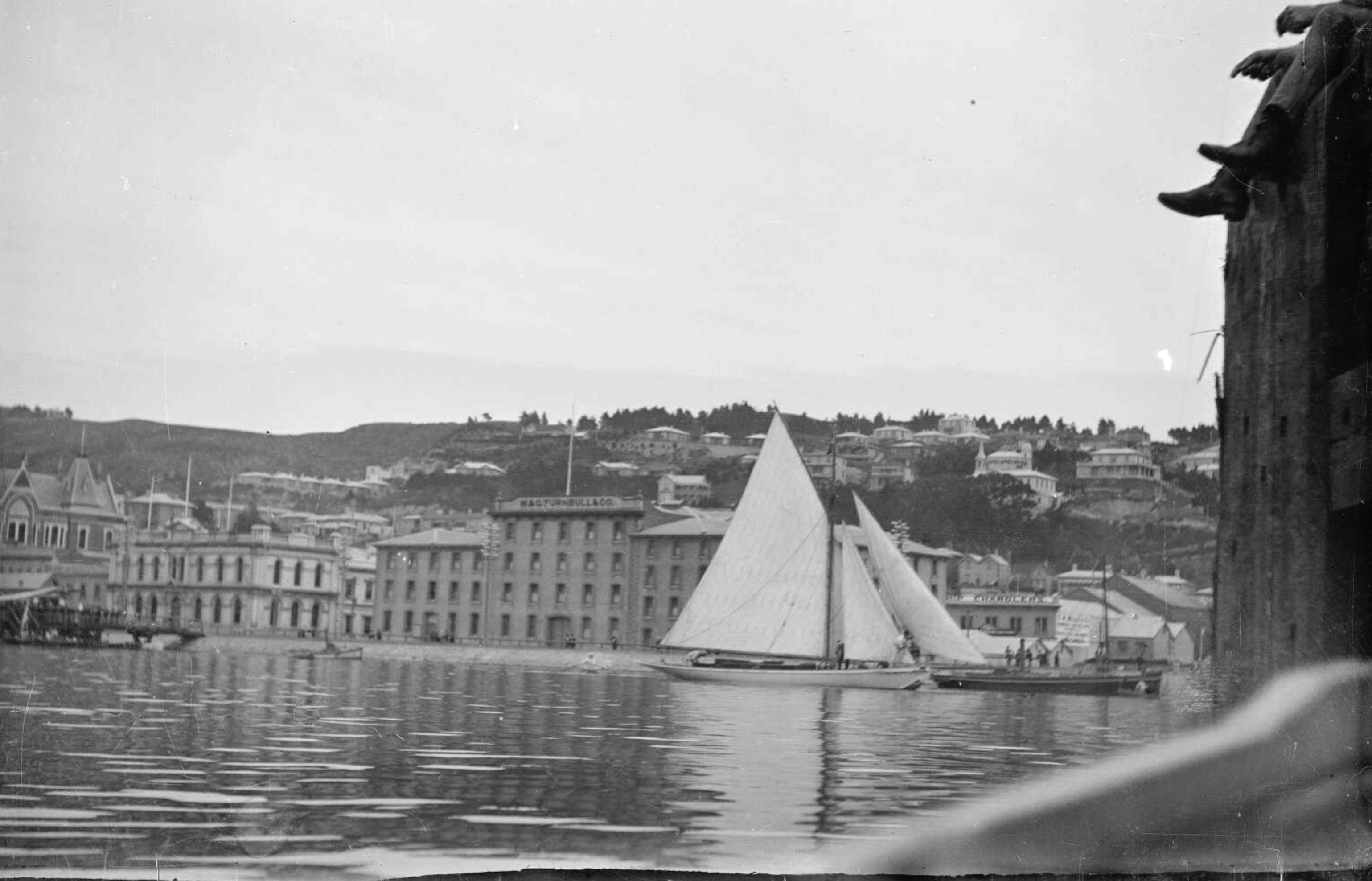
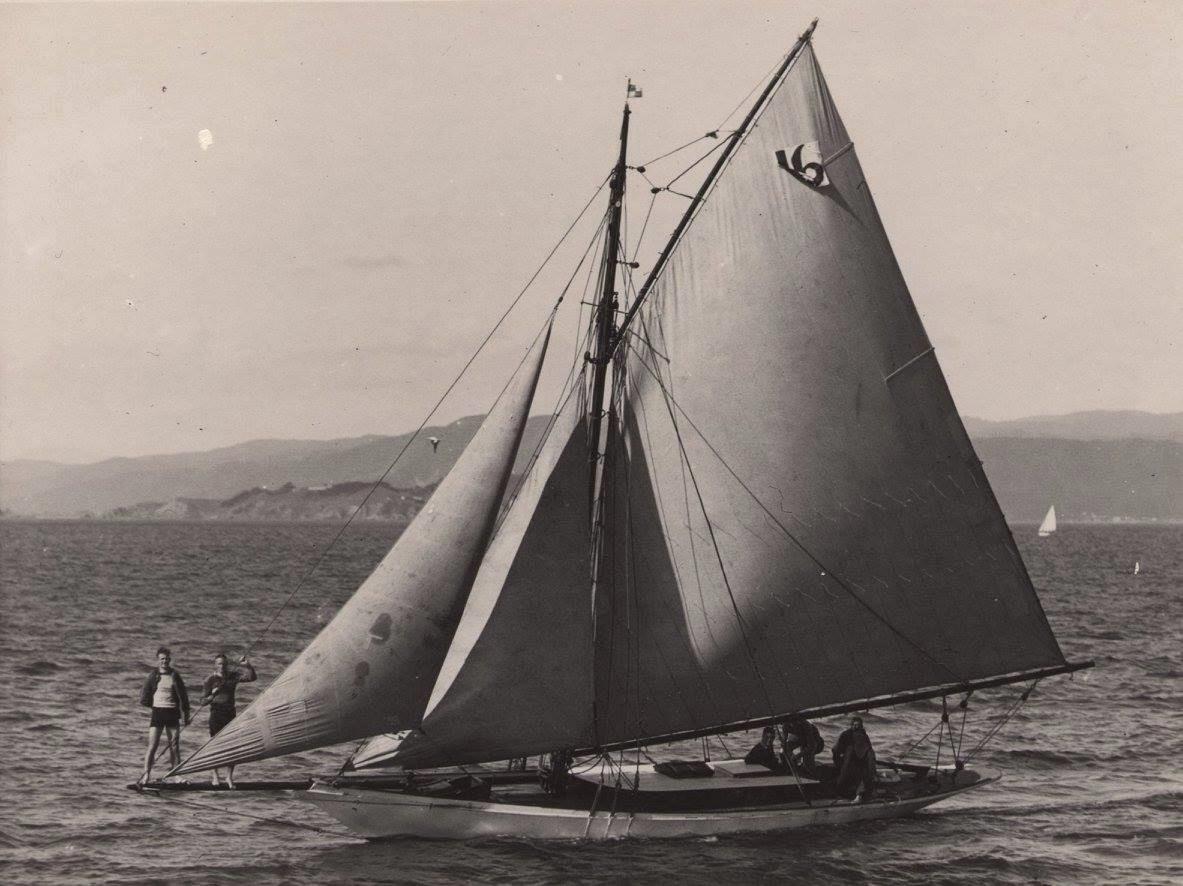
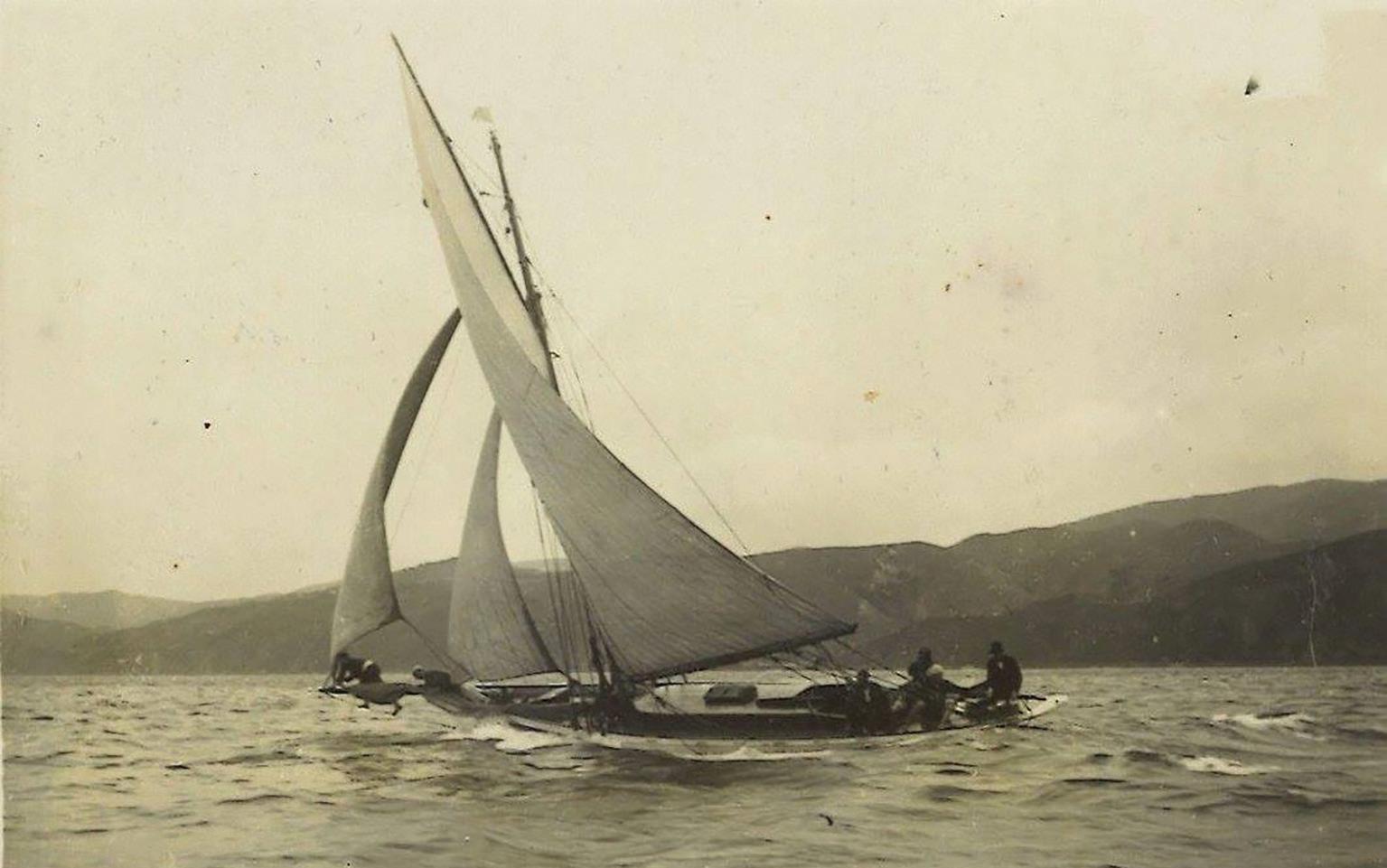
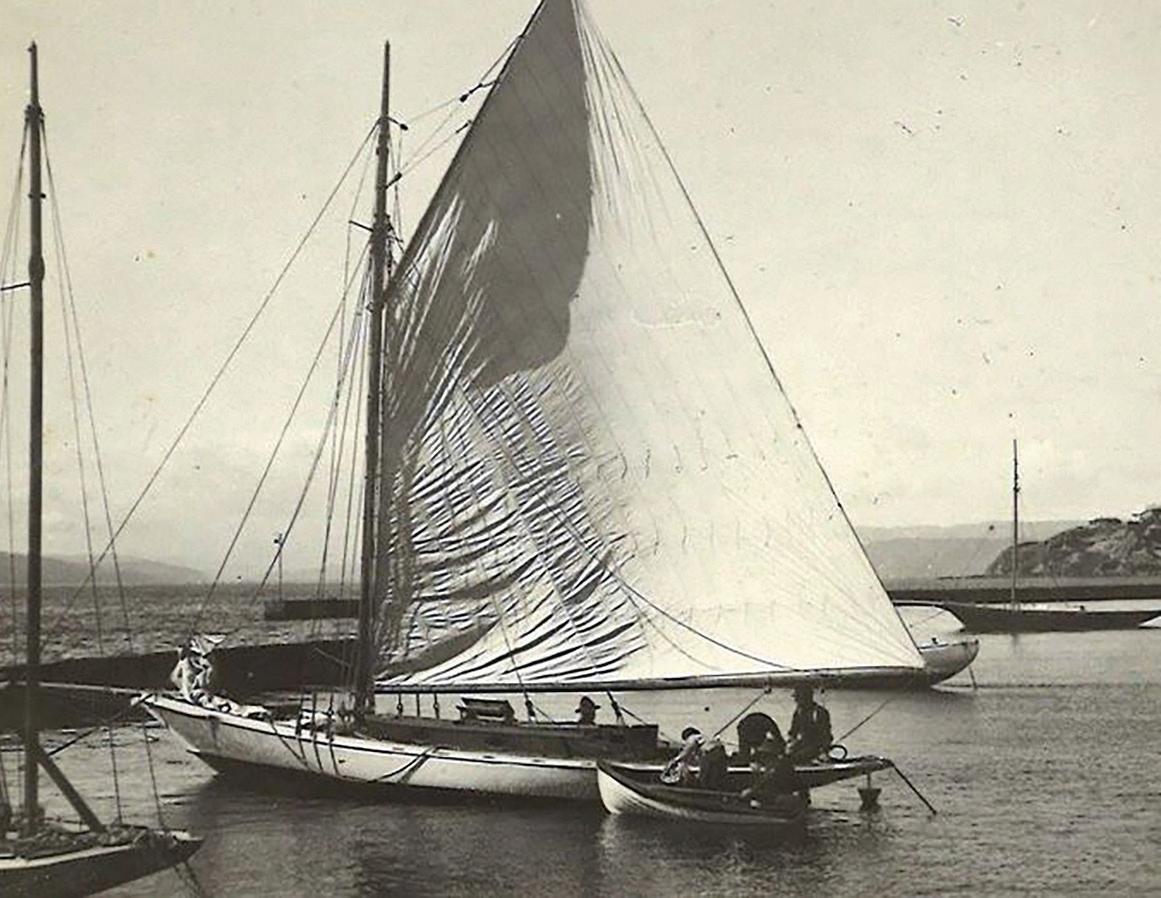
locals, the greatest sporting spectacle of the age. There was fleet racing for keel yachts, centeboarders, rowing, and swimming events. Boats from around the Dominion would come to compete, and thousands would line the waterfront or board spectator vessels to watch.
In 1895 the Second Class race was for boats rating above 2.5 and less than 5.0. Atalanta was rated 4.2. Canning had a new set of large racing sails, and briefly considered entering the First Class race (rating 5.0 and over) with them. He ultimately decided on staying in the Second Class, but asked the Regatta Committee to allow his bigger sails. This was declined, but he used them anyway. Atalanta won the race, but was disqualified. Turnbull's Rona therefore took the prize. This trophy was presented back to the Royal Port Nicholson Yacht Club in 1918 and is still competed for today.
Atalanta's owners returned to Napier, leaving her in Wellington up for sale.
Atalanta campaigned in most of the Wellington regattas during the following years, usually finishing in the top two, until the idea of a national championship fizzled out. Under a variety of owners and syndicates, she did a bit of club racing but was mostly used for cruising the Marlborough Sounds.
In 1914 Atalanta collided with a pilot boat. There was a great deal of argument and acrimony over the incident, and the NZ Yachtsman magazine ultimately had to ask people to stop writing in about it. The accident left Atalanta somewhat shaken and leaky. The opportunity was taken to replace her centreboard arrangement with external ballast – extending the deadwood down and bolting on a lump of lead.
Atalanta continued in local club racing through the 1920s and ‘30s. It was an era dominated by the boats of Le Huquet in the 1st and 2nd divisions - stiff and weatherly. Atalanta more than held her own against them.
She also maintained good results in offshore racing, where handicaps were of combined fleets, and she was handled well.
When Cliff Cunningham, owner of a slipway at Island Bay, purchased her in 1937 she got a second wind. Cunningham set about tightening her up by refastening her. Bruce Askew says he used bronze ringnails driven into the inner skins from the inside - not what anyone would recommend, but it worked. Many of these are still in evidence.
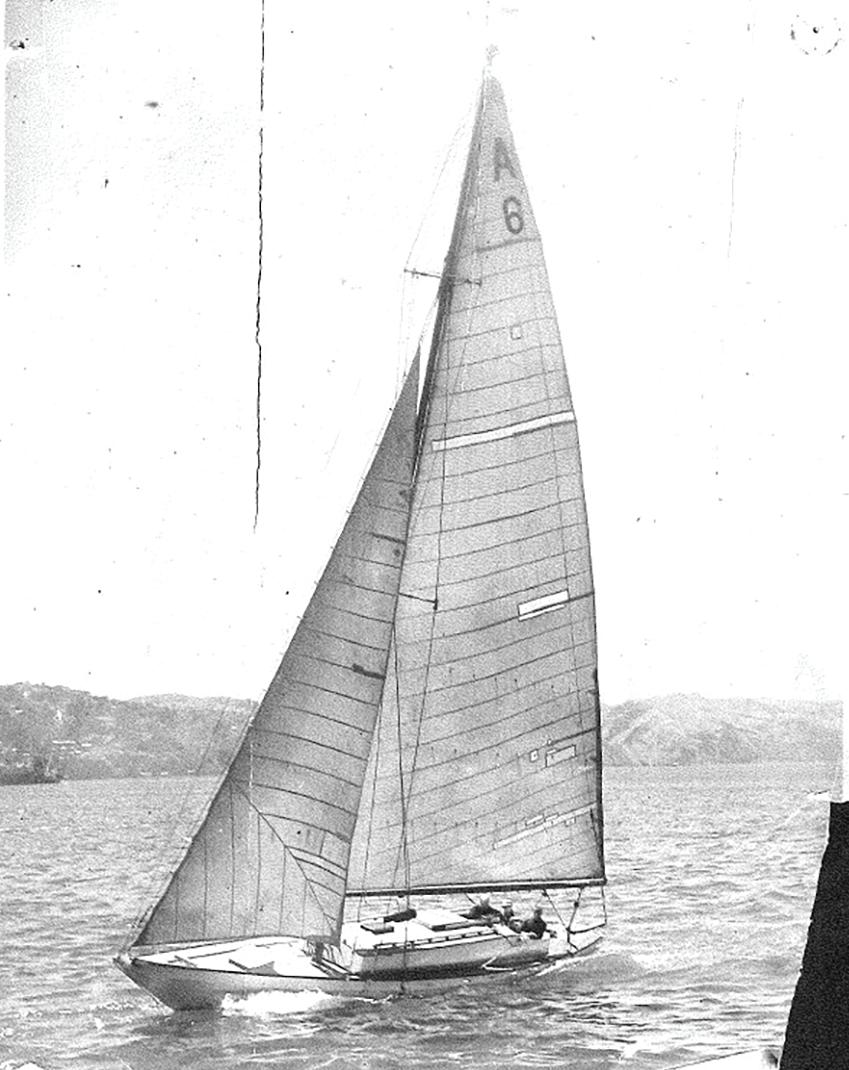
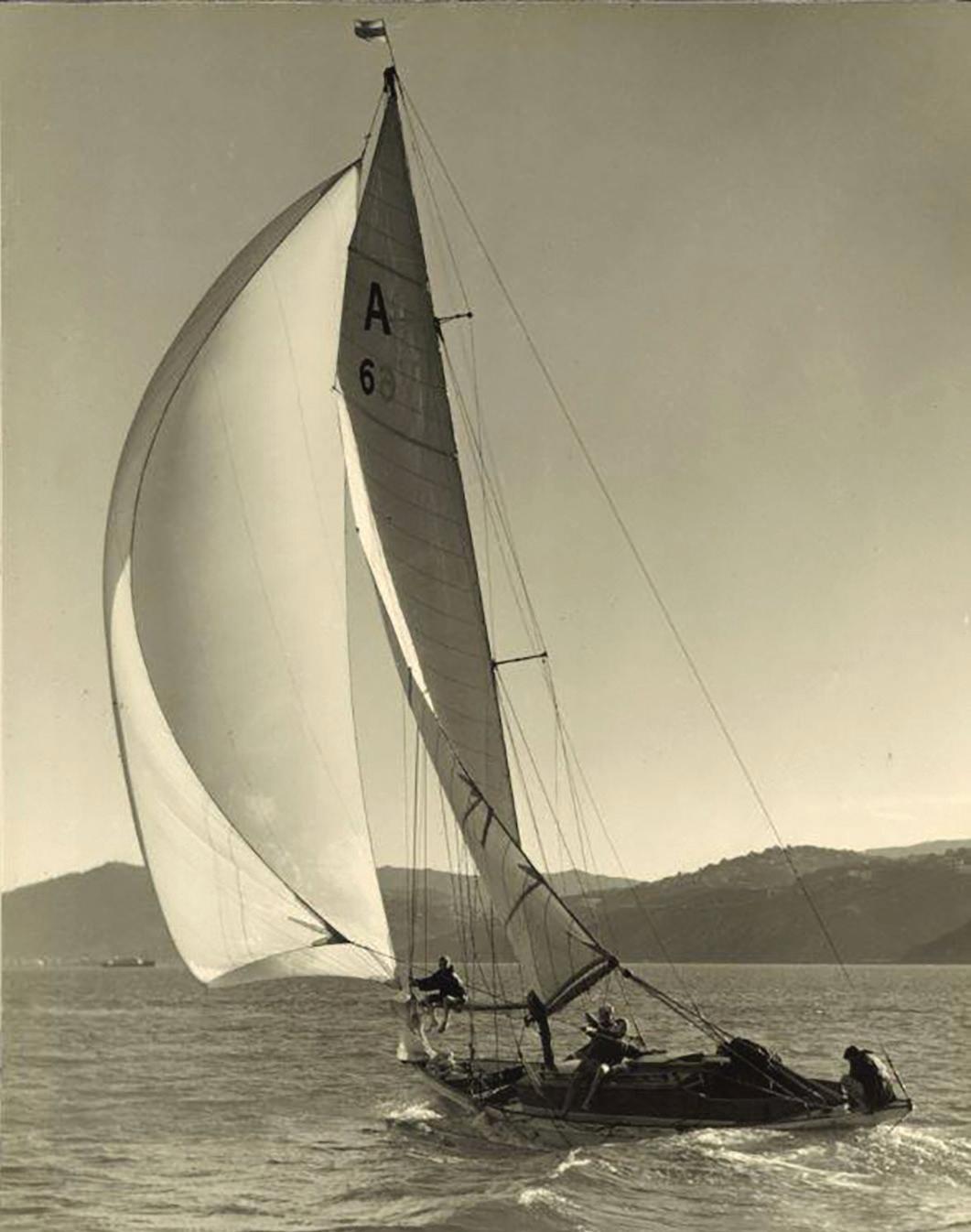
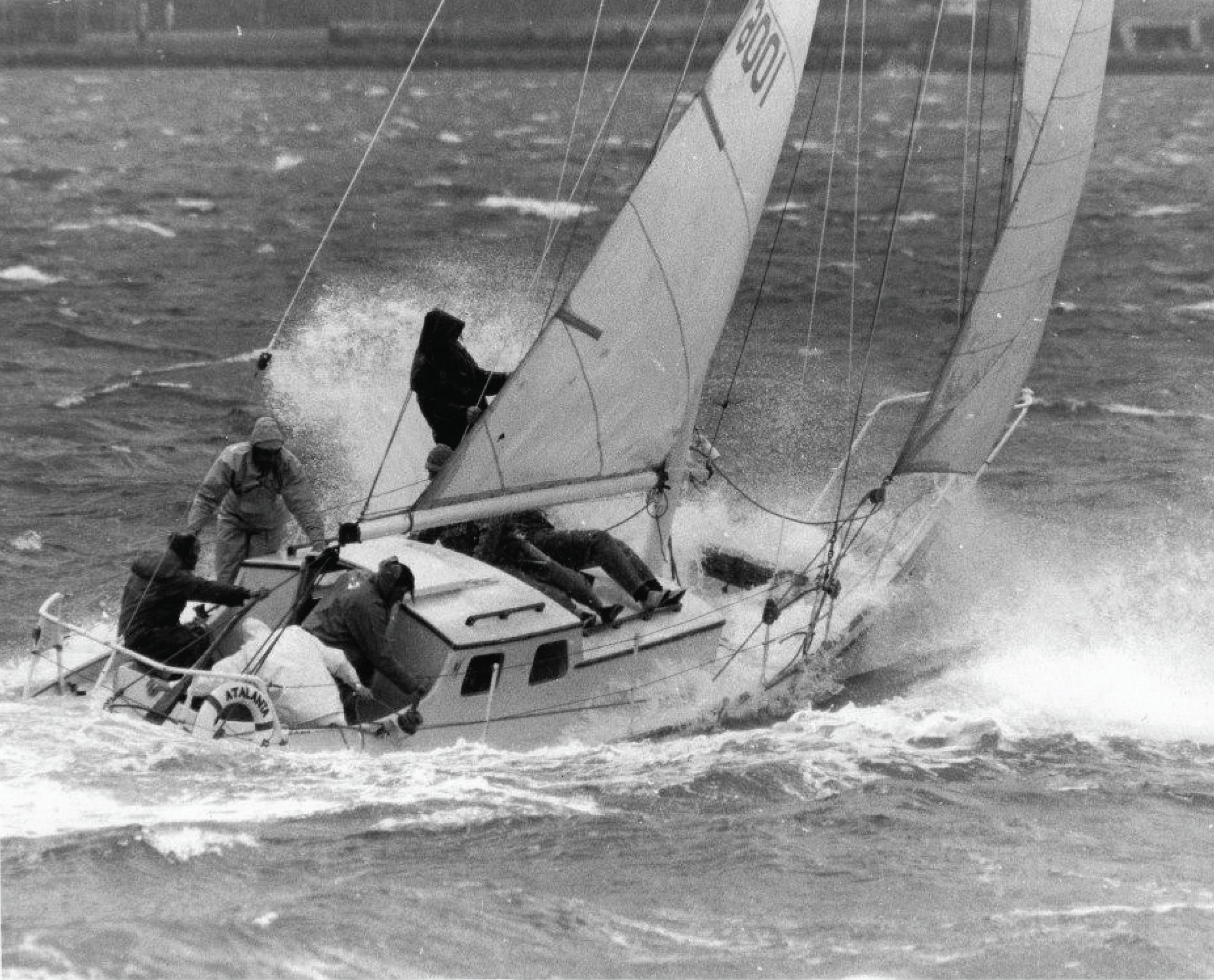
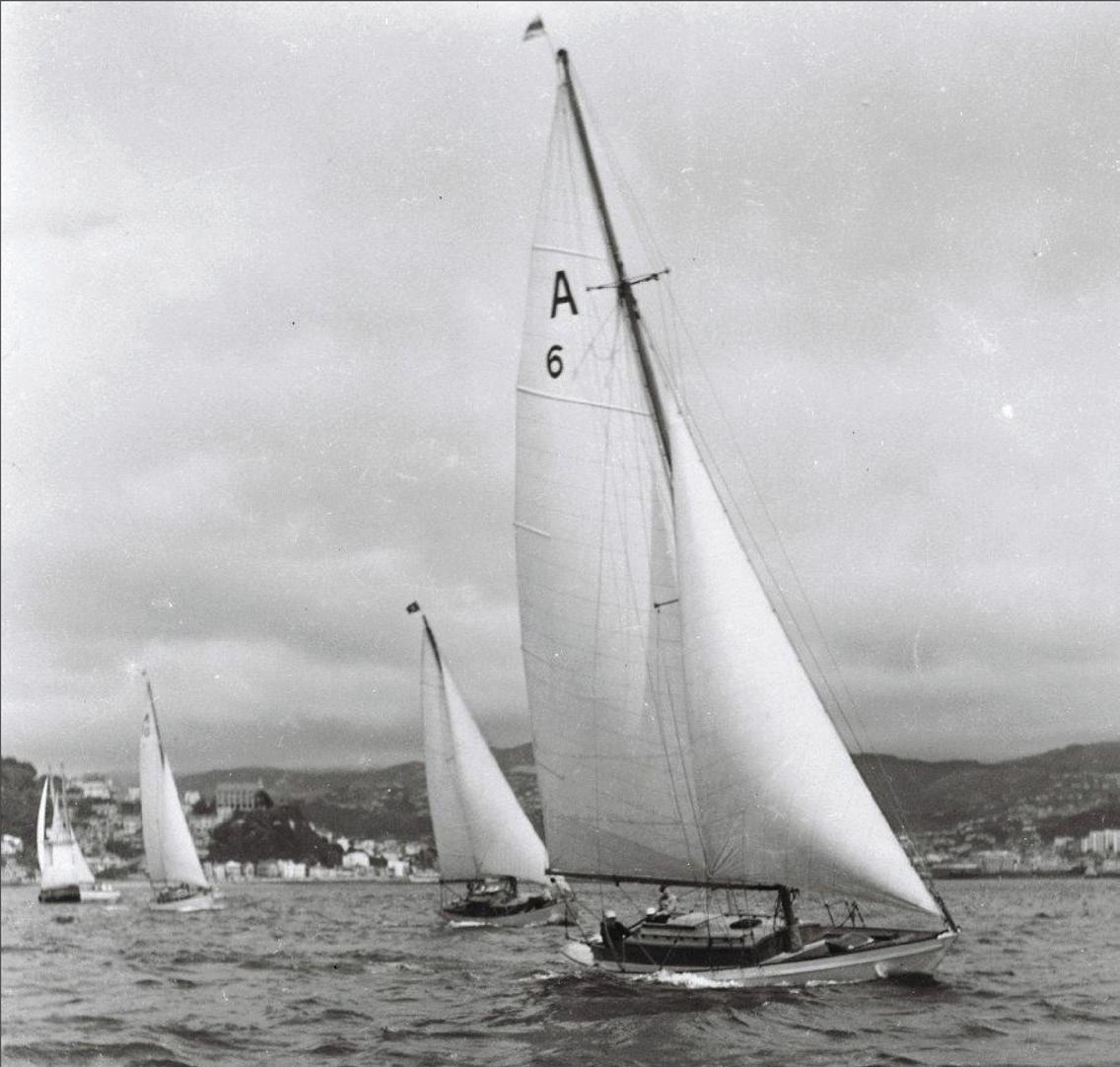
ABOVE: 1950s.
He then stripped her out completely, and removed her engine.
Cunningham also converted her from gaff rig to bermudan rig, and fitted the main with tapered full-length steel battens. Attie was once again the scratch boat.
After WWII, Atalanta was purchased by Hugh Askew. He put a new bermudan rig in her - this one towered over 60 feet, and was milled from a single length of douglas fir (oregon). He also further deepened the keel. His son, Bruce Askew, who became a successful designer of yachts, felt it was overdone. It didn't hurt her performance however.
The most prestigious cup in the Royal Port Nicholson Yacht Club is the Mills Askew trophy, which is for the best season aggregate for First Class yachts. When donated to the Club in the 1890s by E. C. E. Mills, it was known as the Mills Challenge Cup. If you managed to win the first division season aggregate three years running, or three times in five years, you could keep it indefinitely.
Hugh Askew achieved this with Atalanta in 1948 and was presented with the cup. He took it away, had an image representing Attie engraved large on it, and re-gifted it to the Club, on the proviso that it would remain the
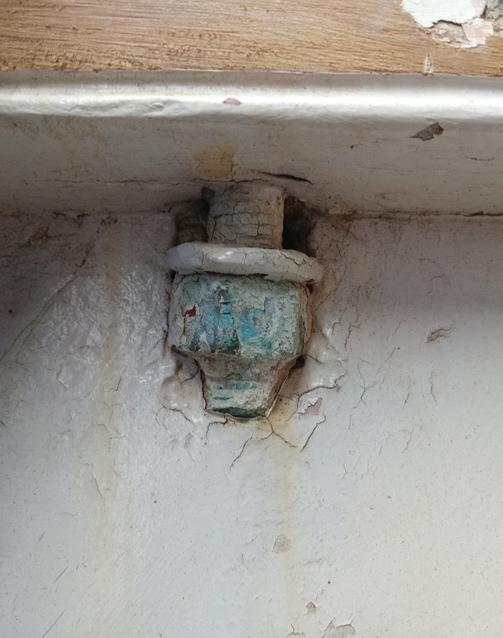
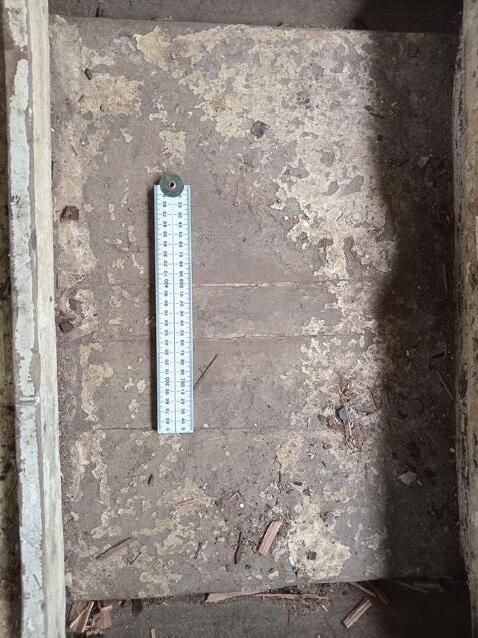
property of the Club. Since then it has been known as the Mills-Askew Trophy.
Askew sold Attie in 1951. She was subsequently owned by Cox and Cameron through the 1950s and between 1962-1974 by Pat Millar, who continued to race her in the first division with RPNYC and Evans Bay. Julian Matson purchased her in 1974 and took her first to Waikawa, then Dunedin when he moved there. She was raced hard during this time and embarrassed a lot of the local fleet of much more modern boats.
Matson donated Atalanta to the Wellington Classic Yacht Trust in 2013, and she is now in restoration at her spiritual home.
The first main task was to remove the twist in her hull. We lifted the deck aft of the cabin, took out a lot of hull fastenings, twisted her back into shape, and refastened the hull. We also rebuilt the counter, plugged the hole left by a prop shaft, and sundry bits and pieces, and put her in Clyde Quay Marina – coincidentally the same mooring she had a century ago, and one with a high level of public visibility. The next step was to raise funds for the replacement of the deck and the building of a new cabin to her original configuration. $16,000 was the estimated budget for this job. It’s been a long slog and Attie began to feature on such illustrious platforms as the “I’m rotting, please save me” facebook pages. In late 2024, eight years since last having her out of the water, we had raised about $7000, and figured “close enough”. As I write she has a new deck, and work is about to begin on building the cabin to the original profile.
Atalanta vital statistics - as built:
Centreboarder with a lead keel shoe
LOA 40ft
LWL 27ft
Beam 9ft 6in
Draught 3ft (centreboard raised), 5ft (centreboard down)
You can follow her progress on our facebook page: www.facebook.com/wgtnclassic www.wcyt.org.nz
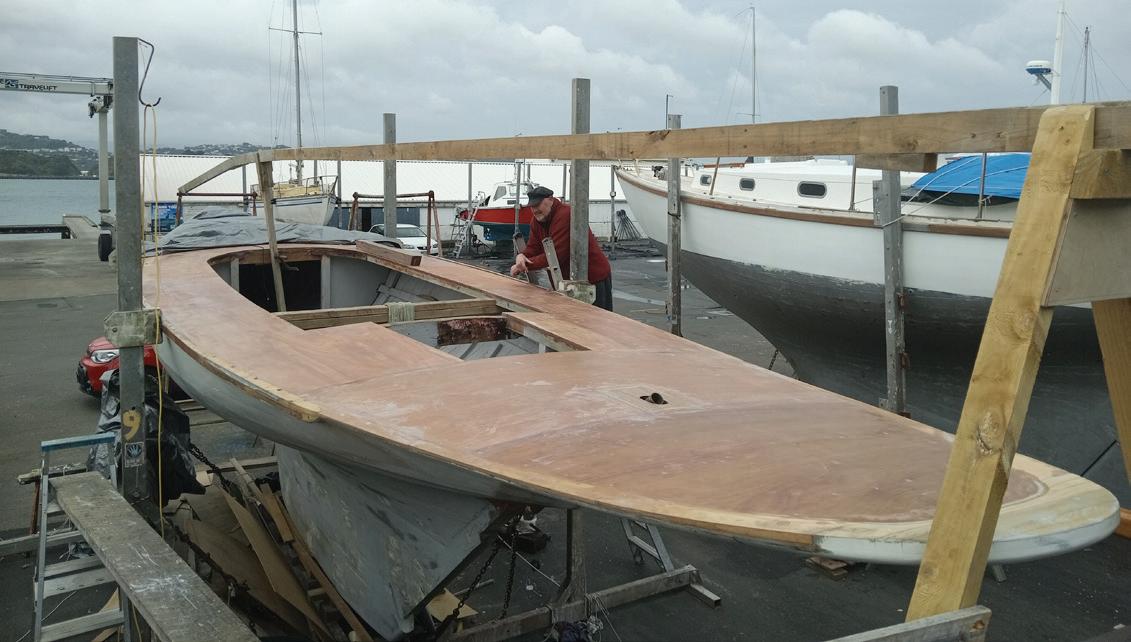
ABOVE L TO R: Bolt end for original chainplate; Evidence of the centreboard slot; Recently completed new ply deck.
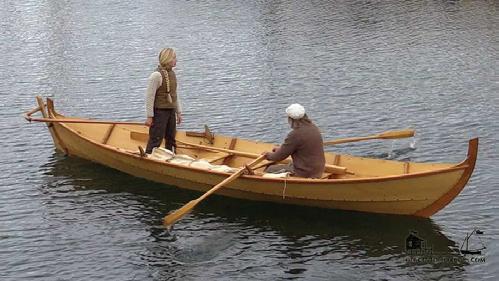
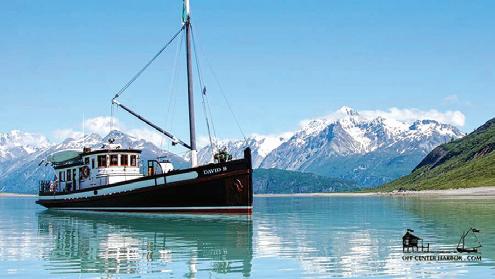
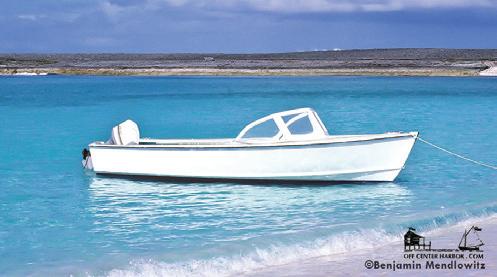
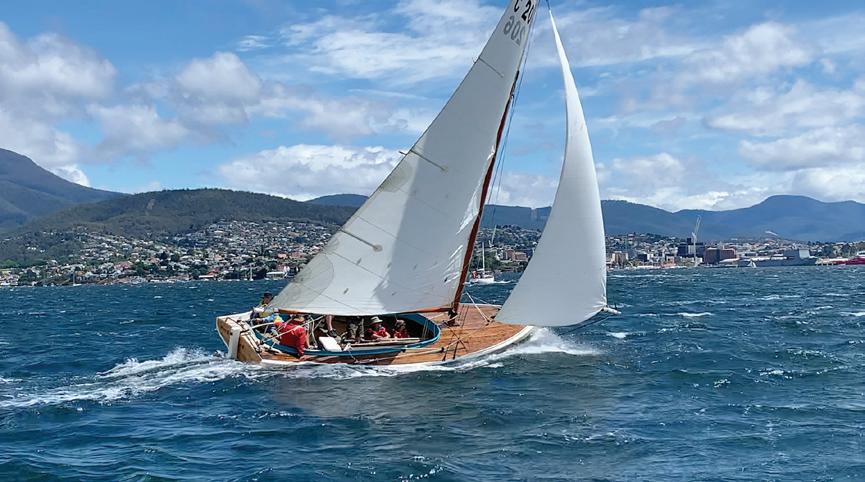
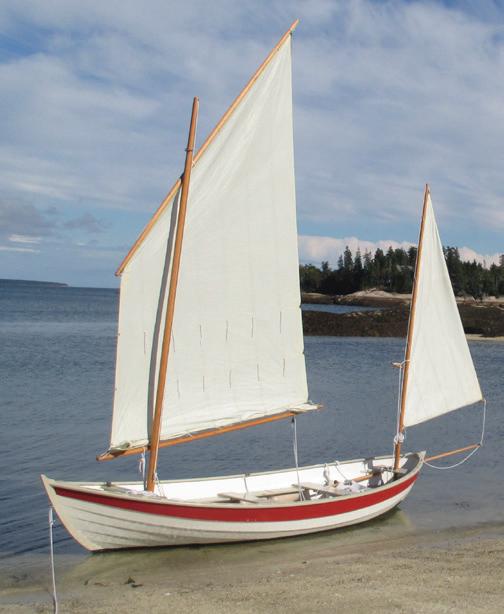
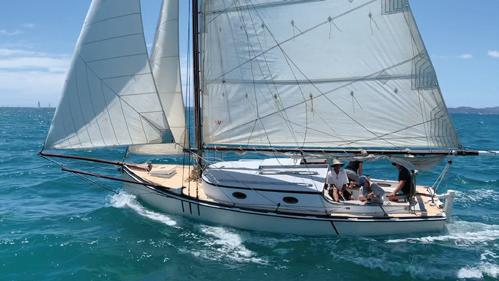
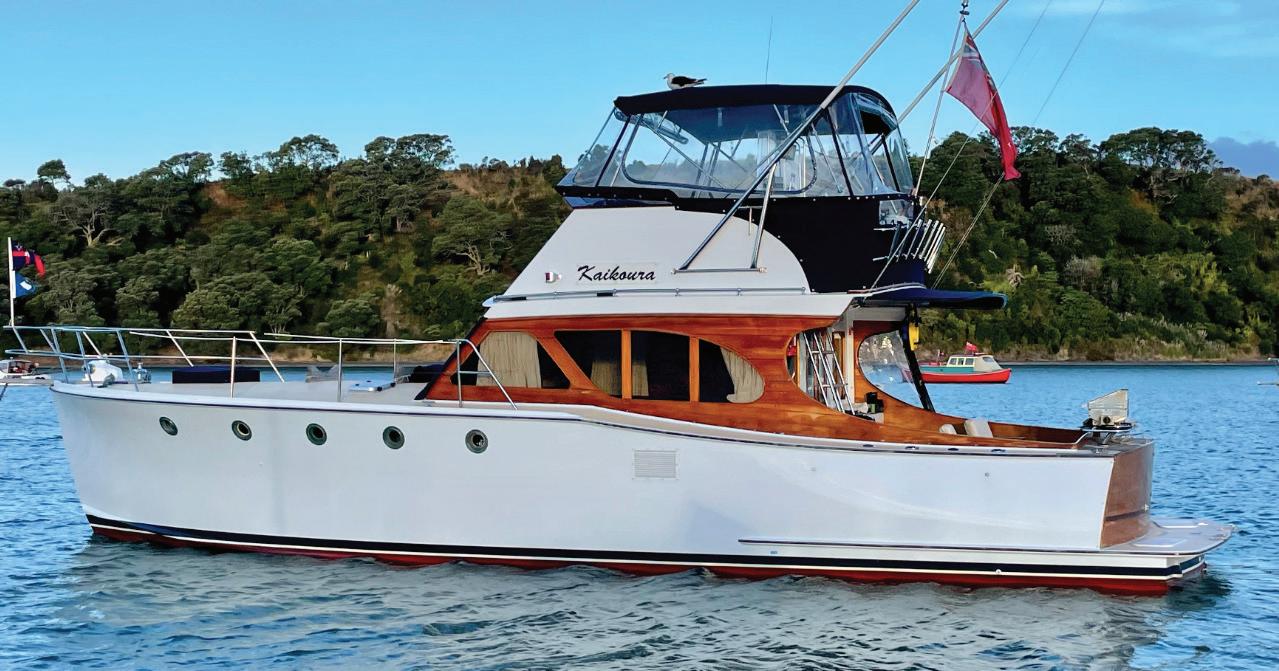
WORDS: Alan Houghton PHOTOS: Waitemata Woodys
In the world of New Zealand’s classic wooden launches, Kaikoura sits firmly among the aristocracy — a true blueblood. Designed and built in 1951 by the legendary Percy Vos at his Hamer Street yard in Auckland, she embodies everything that defines the golden age of wooden boatbuilding.
Measuring 40 feet in length with an 11-foot beam, Kaikoura was commissioned by A.H. Crawford, and it’s believed her name was inspired by Kaikoura Island, which stands guard at the entrance to Fitzroy Harbour on Great Barrier Island. Though always a pleasure launch, she earned her keep in her early years ferrying supplies between the island and downtown Auckland — a stylish workhorse in varnish and mahogany.
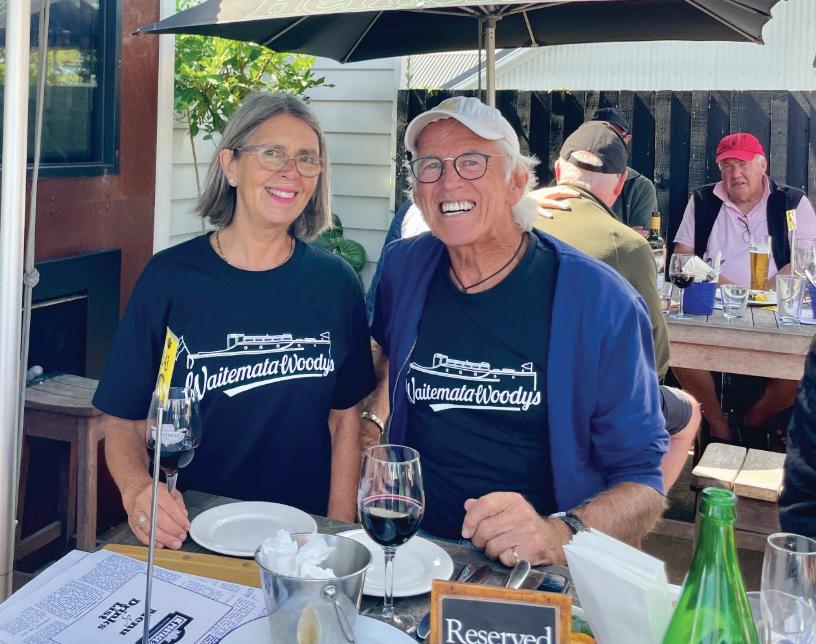
pair of Perkins 510 cubicinch V8s, keeping her among the fastest of New Zealand’s classic wooden fleet. Her current owner, Peter Jones, is a familiar sight at classic motorboat events around the country — and seldom far from the front of the pack.
A flying bridge was added around 1988, sympathetically designed and still in keeping with her original lines. A later canvas enclosure now adds comfort and all-weather versatility for the helmsman, though perhaps — to the purist’s eye — it edges a touch too modern. Thankfully, her gleaming varnished coamings restore the balance, ensuring she’s never mistaken for a JAWB — just another white boat.
When launched, Kaikoura was fitted with twin 165 hp Kenmouth Seamate petrol engines, which, combined with her sleek and modern hull form, gave her a remarkable top speed of 25 knots — an impressive figure for the early 1950s and one that set her apart from her peers.
Today, that spirit of performance lives on thanks to a
Always immaculately presented, Kaikoura continues to radiate the aura, character, and pedigree that make her one of the standouts of New Zealand’s classic boating scene. Blending traditional craftsmanship with discreet modern upgrades, she remains a shining example of how a wooden launch can age with grace, performance, and dignity.
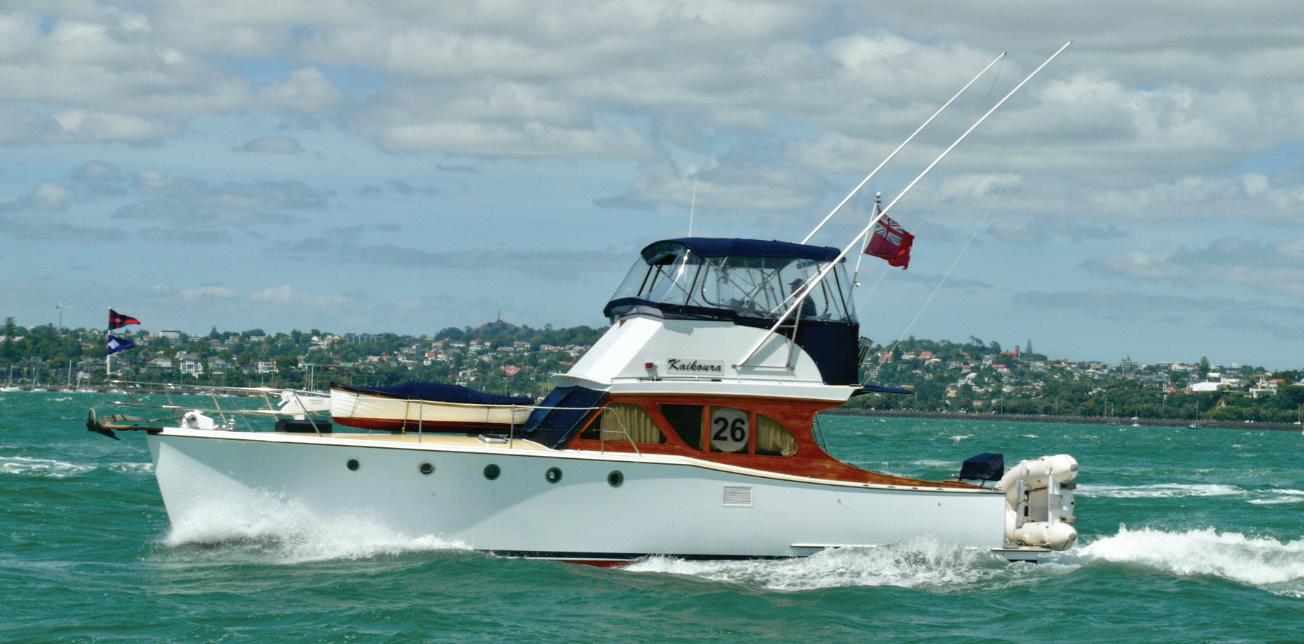
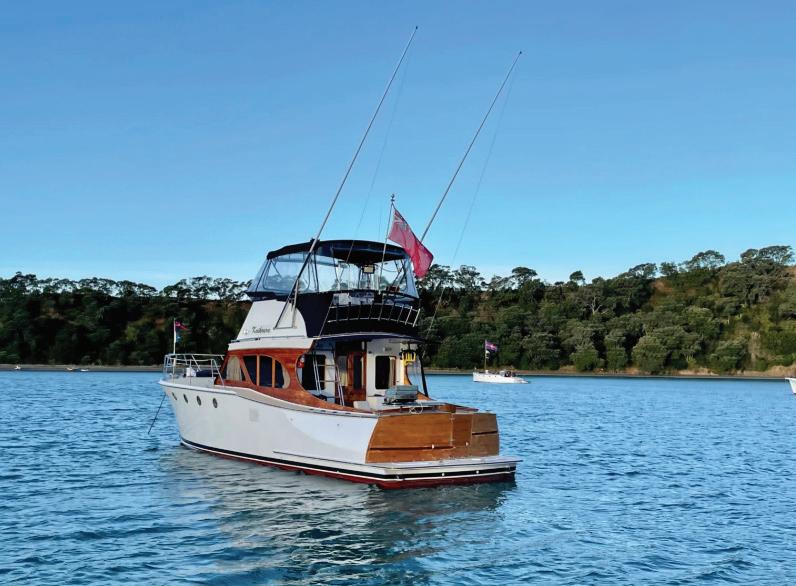
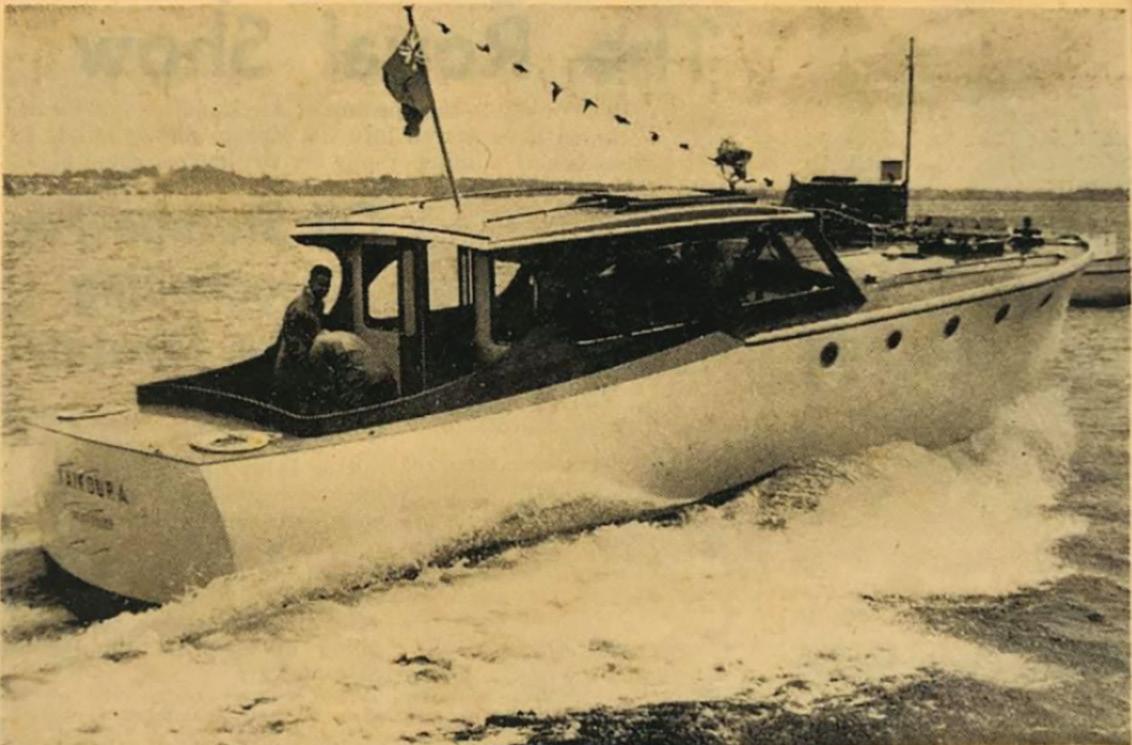
As
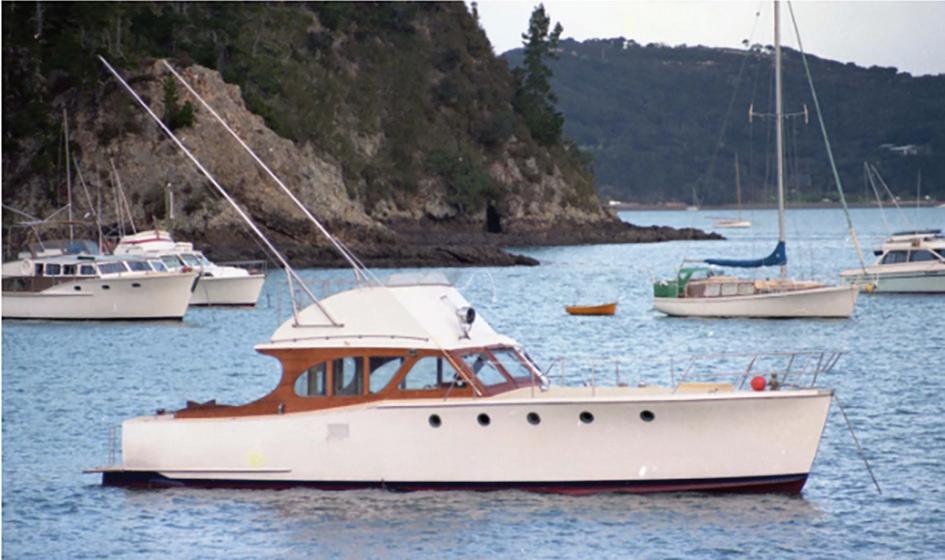
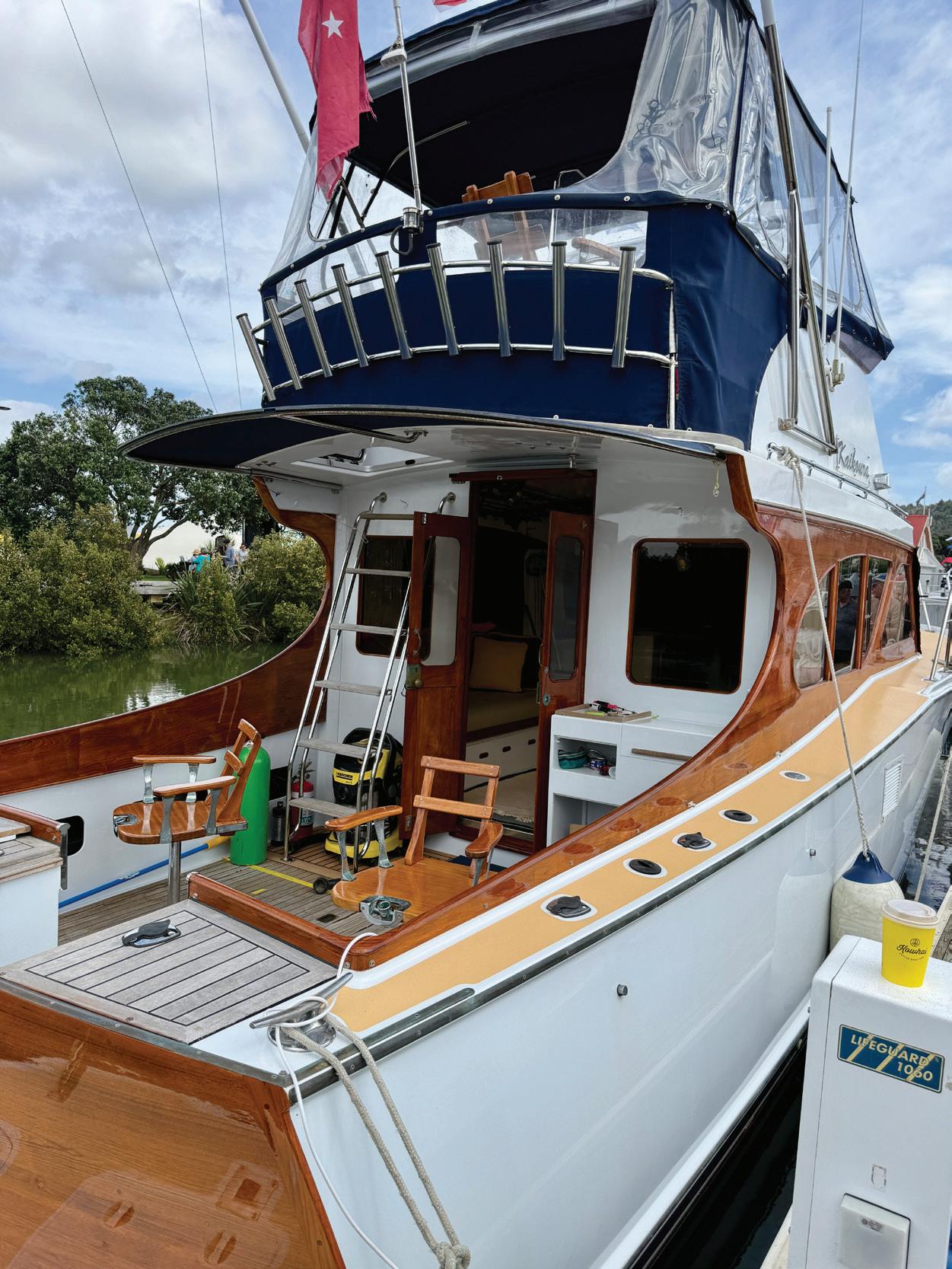
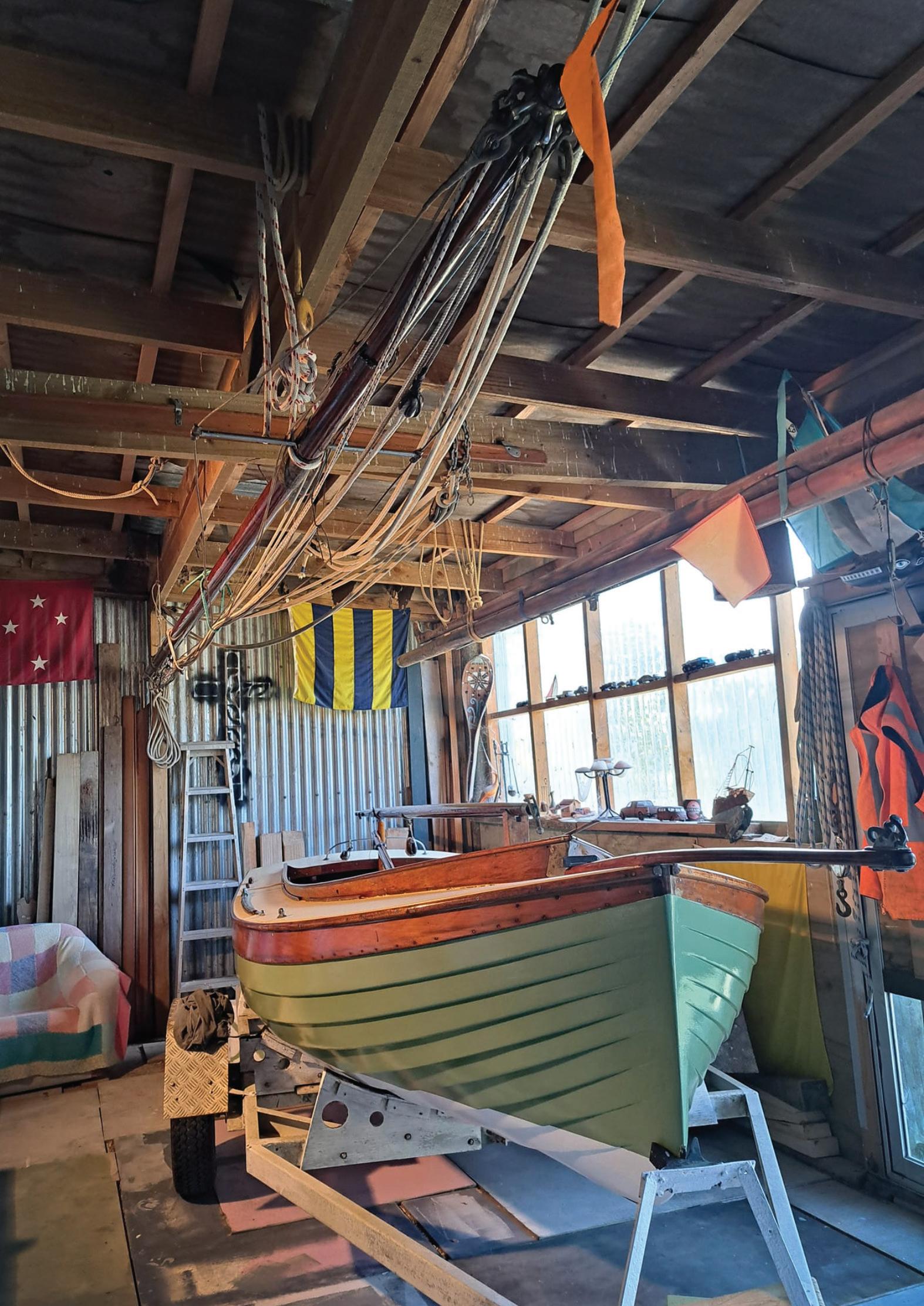
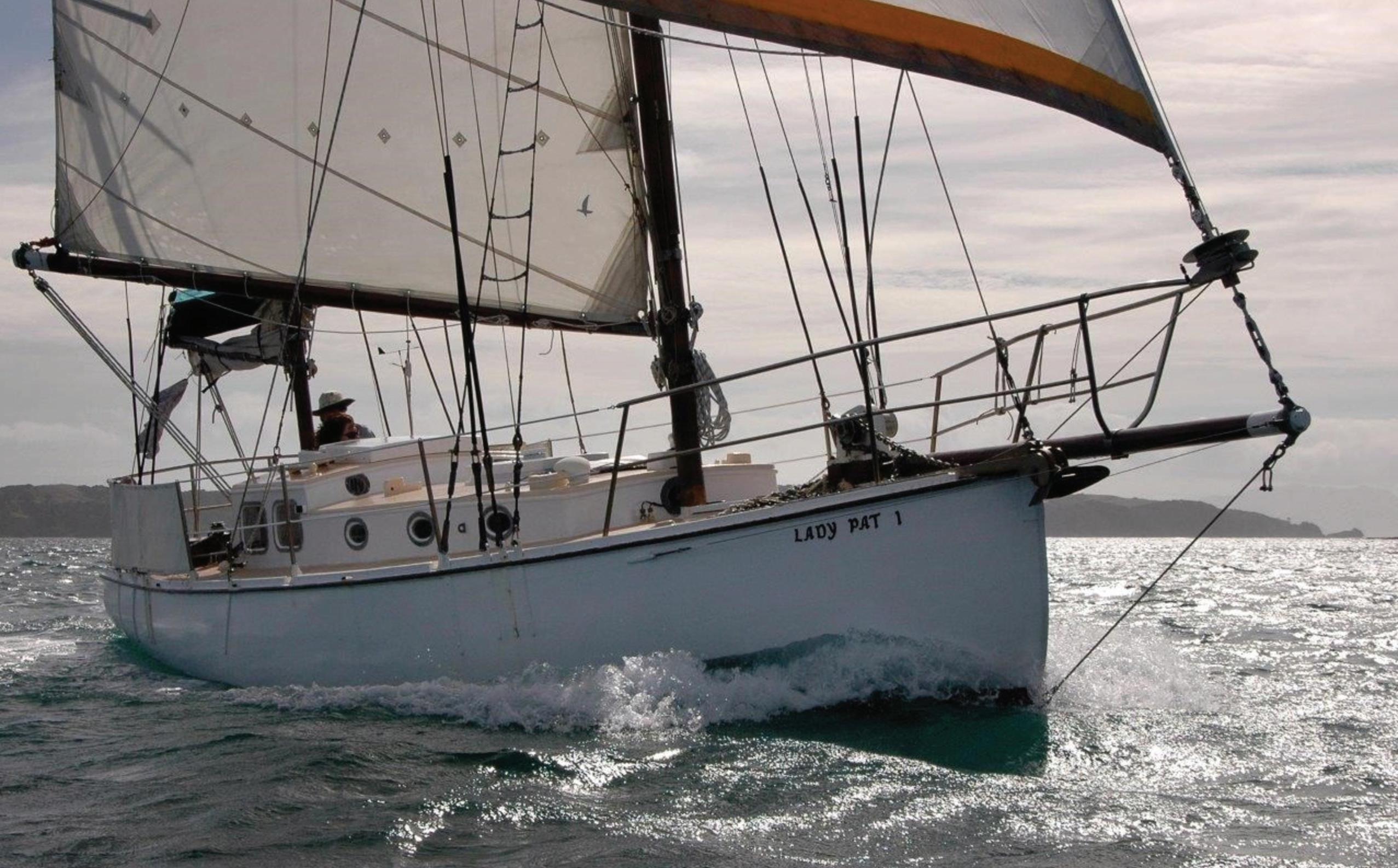
Achance meeting with Pamela Cundy from Whangateau
Boat Yard saw Scottie become the latest custodian of the X class dinghy Scintilla. Pam had started some restorative work on her and when she bumped into Scottie she convincingly told him it was his. How could he refuse?
Registered as X-16 in 1944 and built by Dave Marks at Mission Bay – she was quite possibly the very first boat he ever made after finishing his apprenticeship. During the War, Marks served his time at Shipbuilders, and worked on the Emmies built there that went up to the Islands for troops’ R&R. Dave Marks was a prolific builder of dinghies including Frostbites, Silver Ferns, R-Class, Q-Class, X-Class, and 18-footers. He built for some real legends too: Quartet for himself, Arrow, Daniel Boone, and Envy for Laurie Davidson, and Surprise (which went on to become World Champion in 1960) for Bernie Skinner. He even built the P-Class Tui (P181) in 1953 which was presented to Queen Elizabeth as a gift for the young Prince Charles.
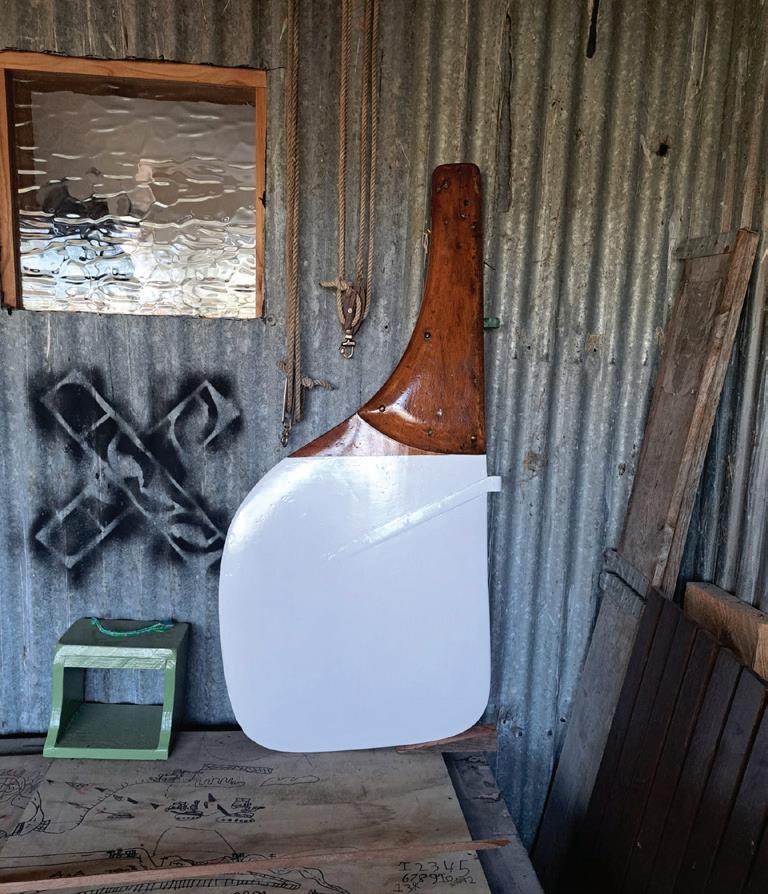
OPPOSITE: The finishing touches.
ABOVE: Lady Pat; The rudder has been lovingly varnished retaining that patina of many years sailing.
After Billy Rogers, Marks was considered one of Auckland’s best small boatbuilders. When smaller outboard motors became more readily available, he founded Marksply, producing 5–6 metre lapstrake ply runabouts.
Some of you might’ve seen Scottie out sailing his much-
loved Woollacott Lady Pat around the local waters when he owned her, and at Mahurangi Regattas, or even steering one of the old ferries from Sandspit to Kawau back in the day. If you’ve ever hopped on the glass-bottom boat at Goat Island to check out the massive snapper and blue maomao, chances are Scottie was at the helm there too. You could say he has salt water in his veins.
I’ve known Scottie for a few years now and every time we meet he’s always up for a good yarn. One of those yarns he told me was about Scintilla. Pam and George did some of the heavy lifting – scraping and priming the hull, refastening the deck, and giving it a Dynal sheath. Scottie completed the work. He’s left the original character in the brightwork – the little bumps and scuffs from over the years – and it just gives her so much charm. Scintilla practically hums with history. If only she could talk! We haven’t seen Scintilla make an appearance at the Regatta just yet – but I’m looking forward to the day she does.
He’s told me many tales of his sailing with his brother Peter and father, sailmaking with Hoods, Shrimping in Queensland. He also makes beautiful model boats, especially mulleties and other classics... but these are stories for another time.
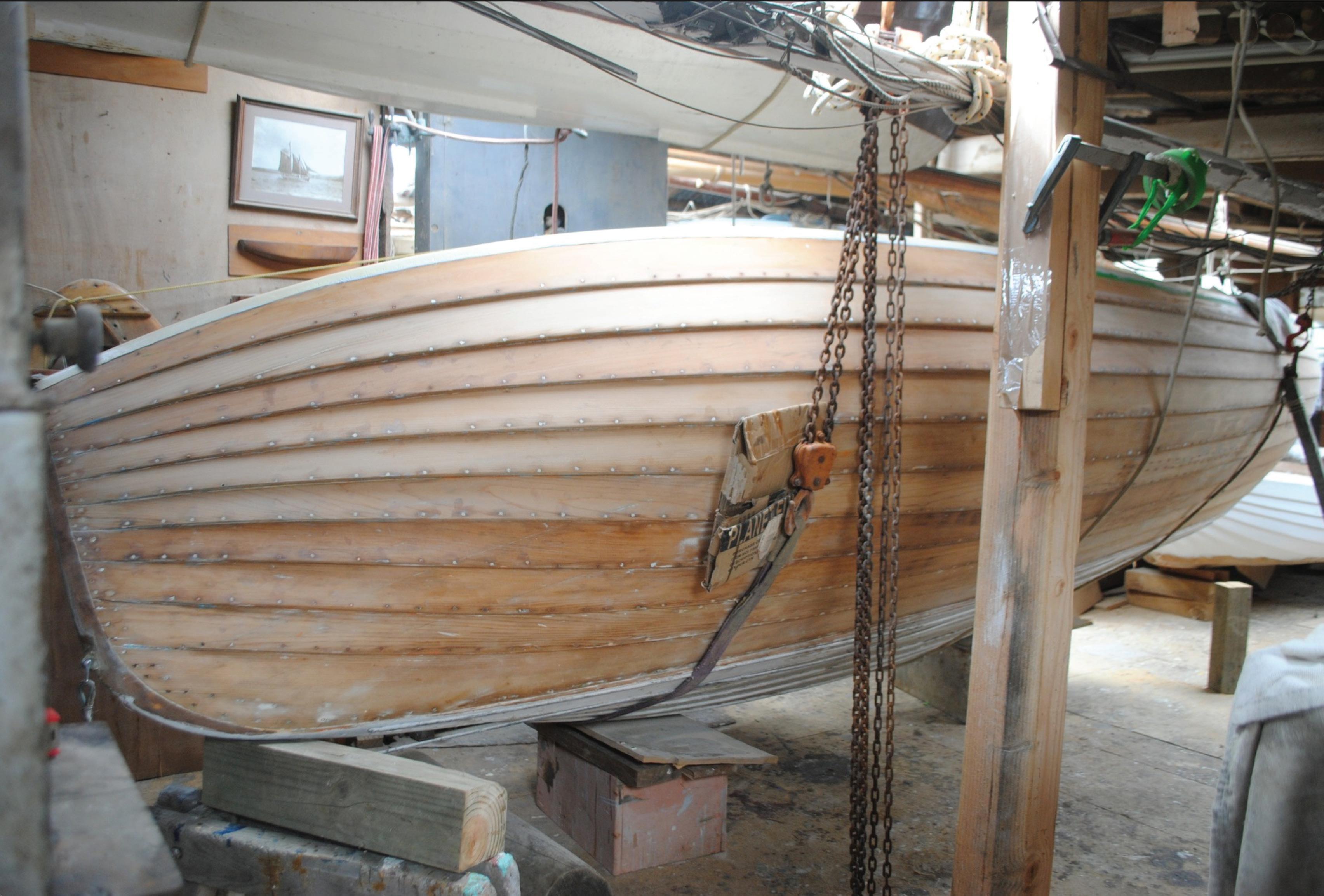
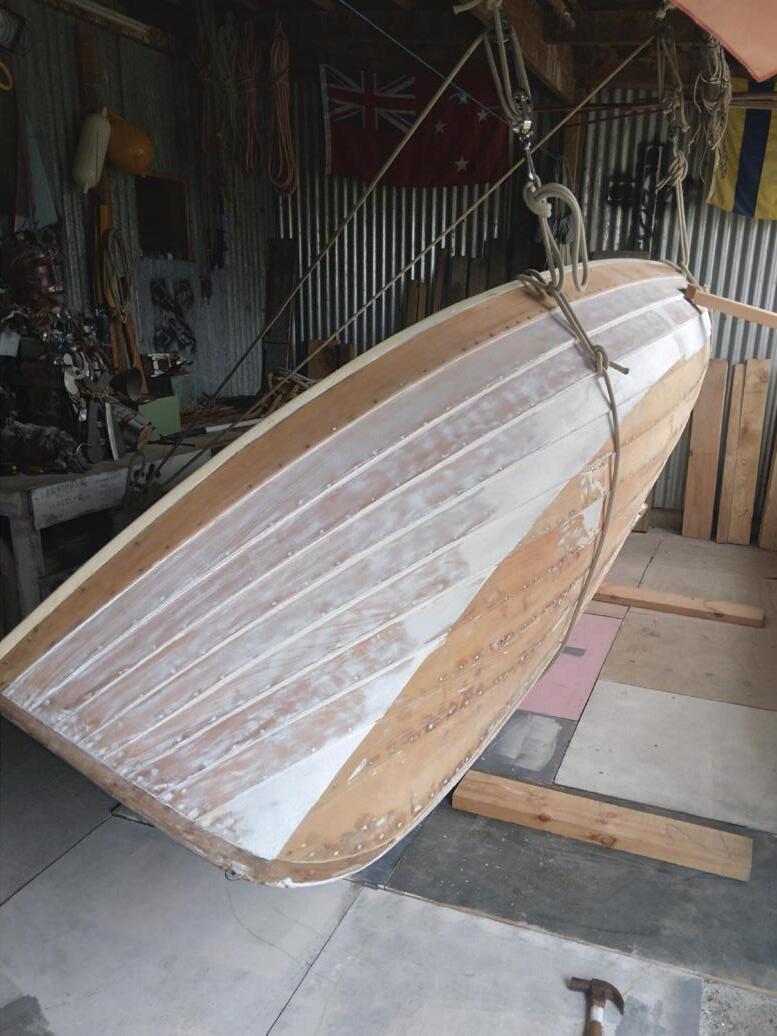
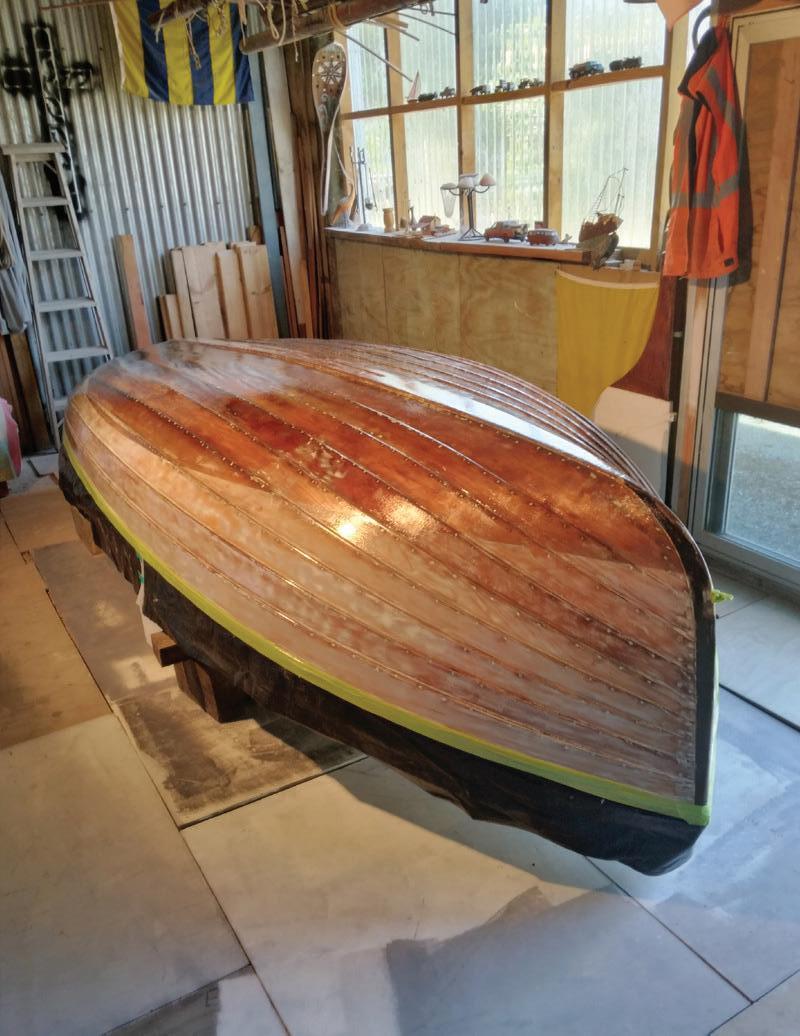
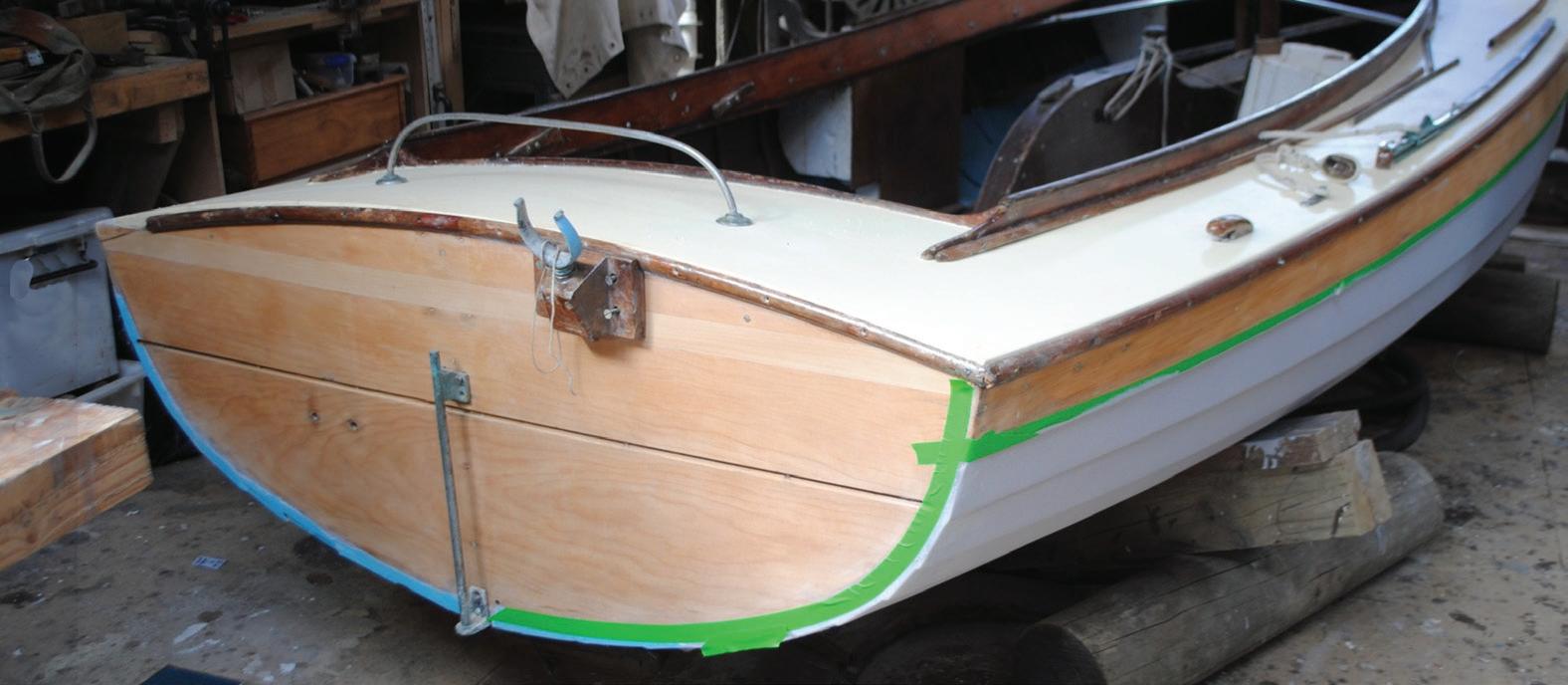
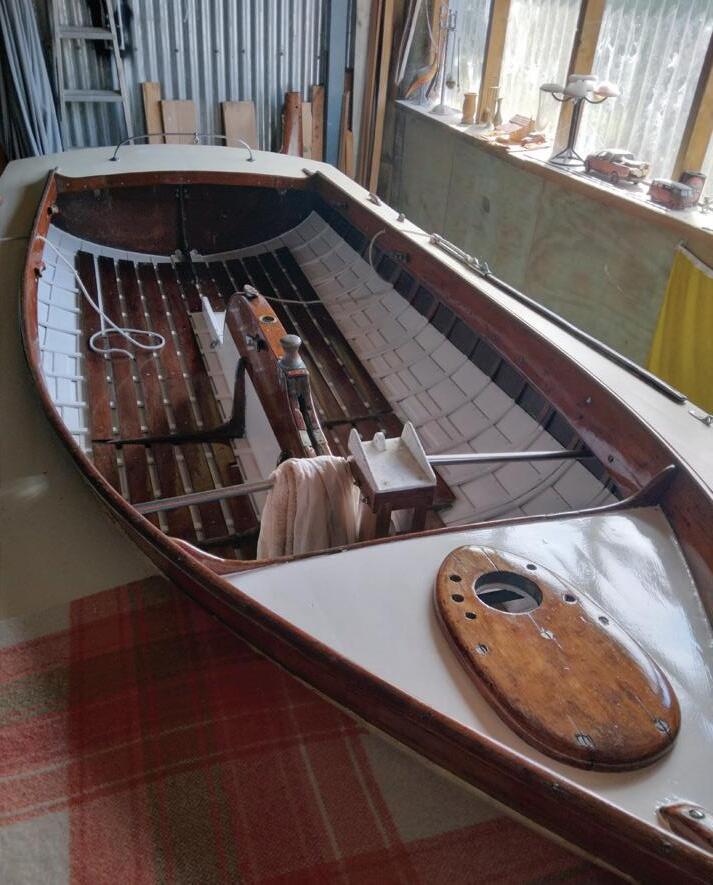
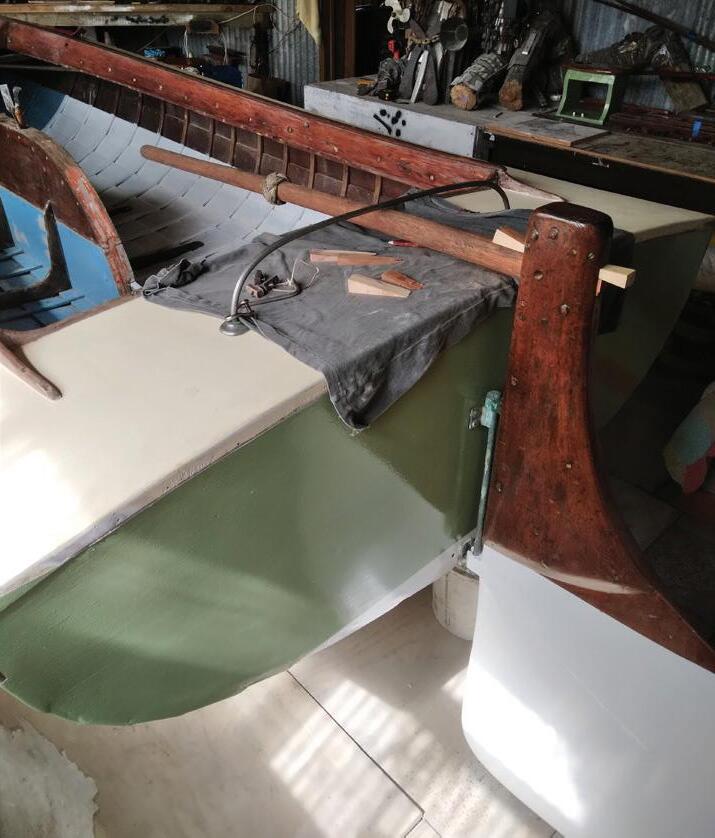
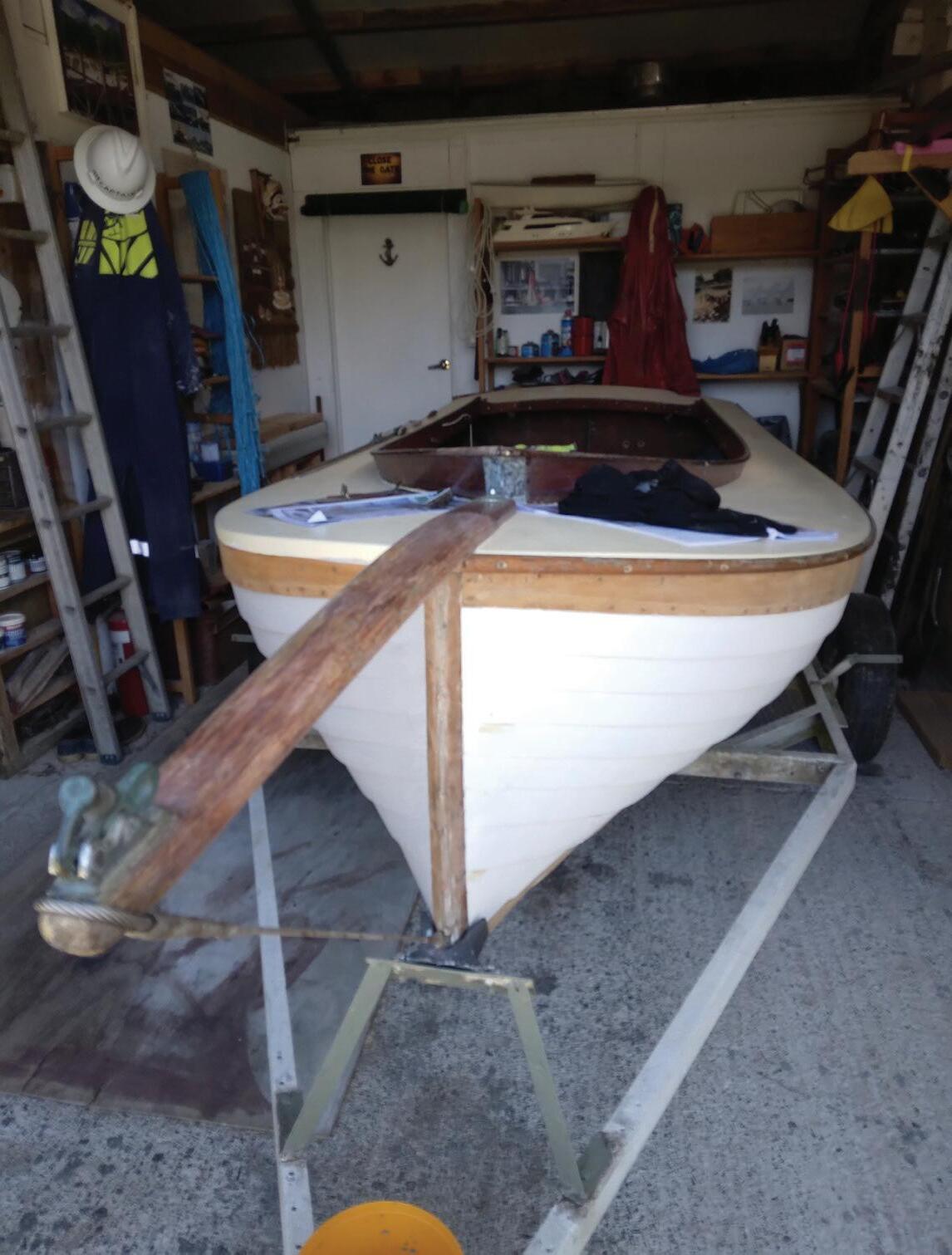
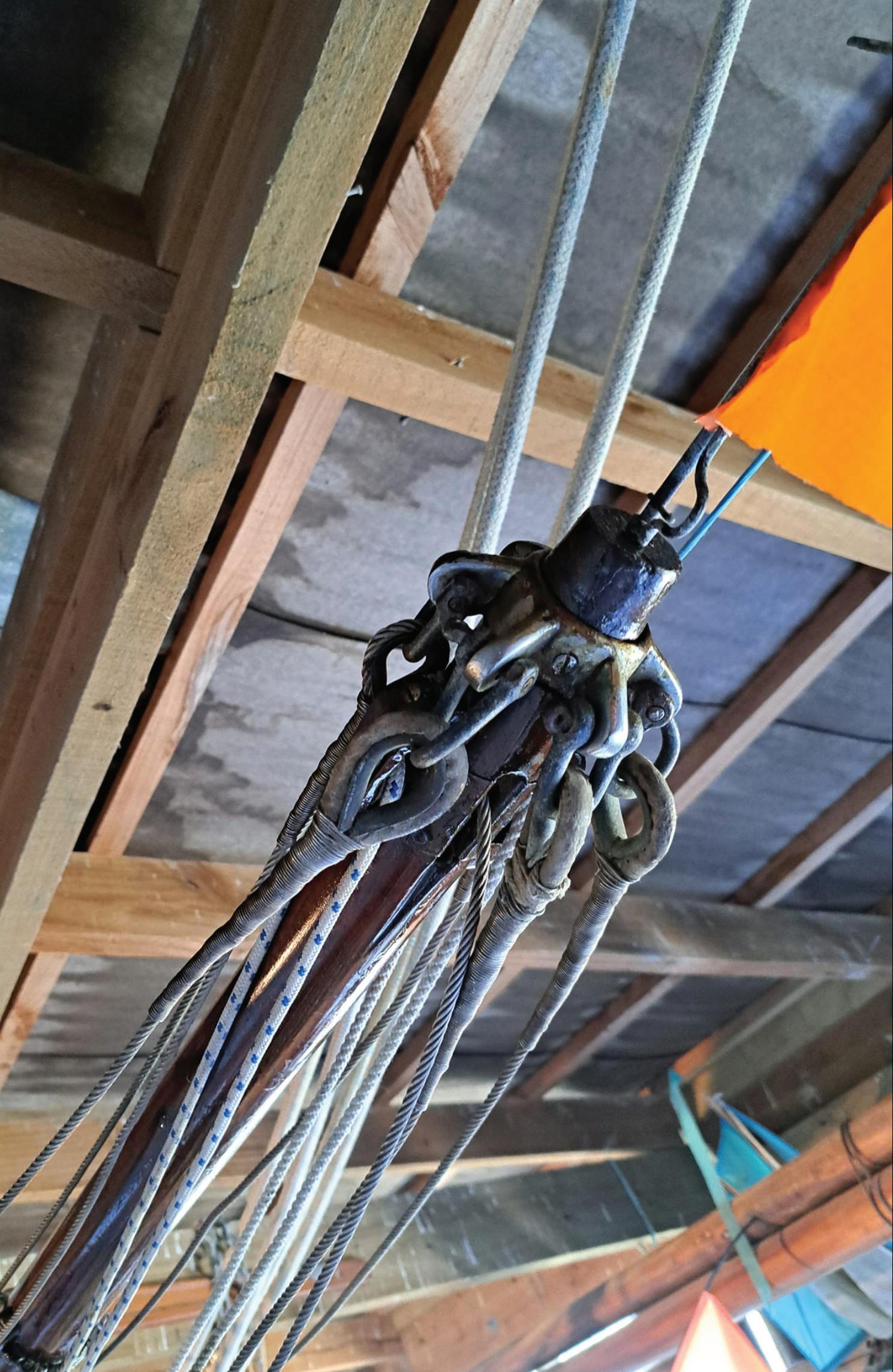
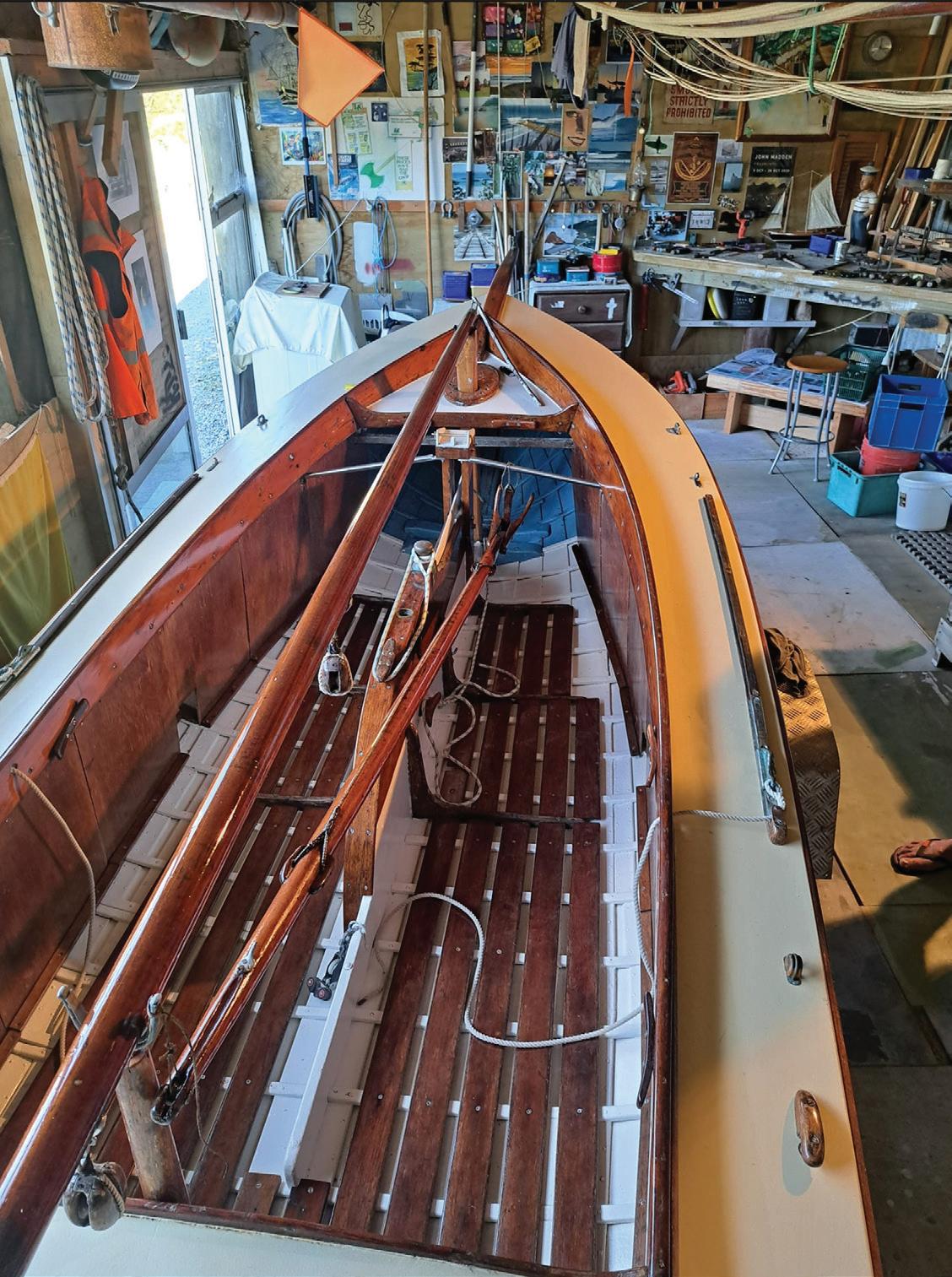
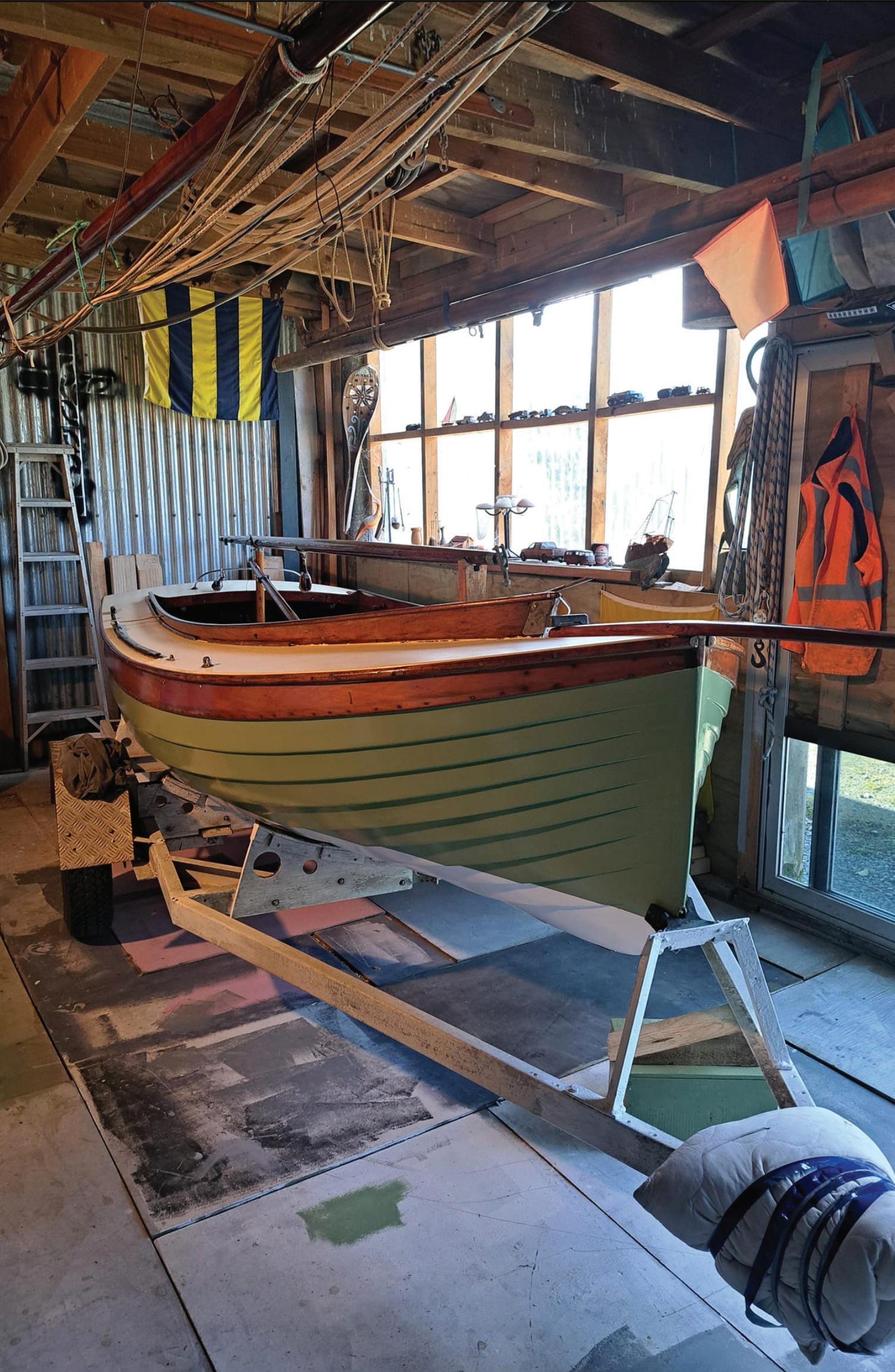
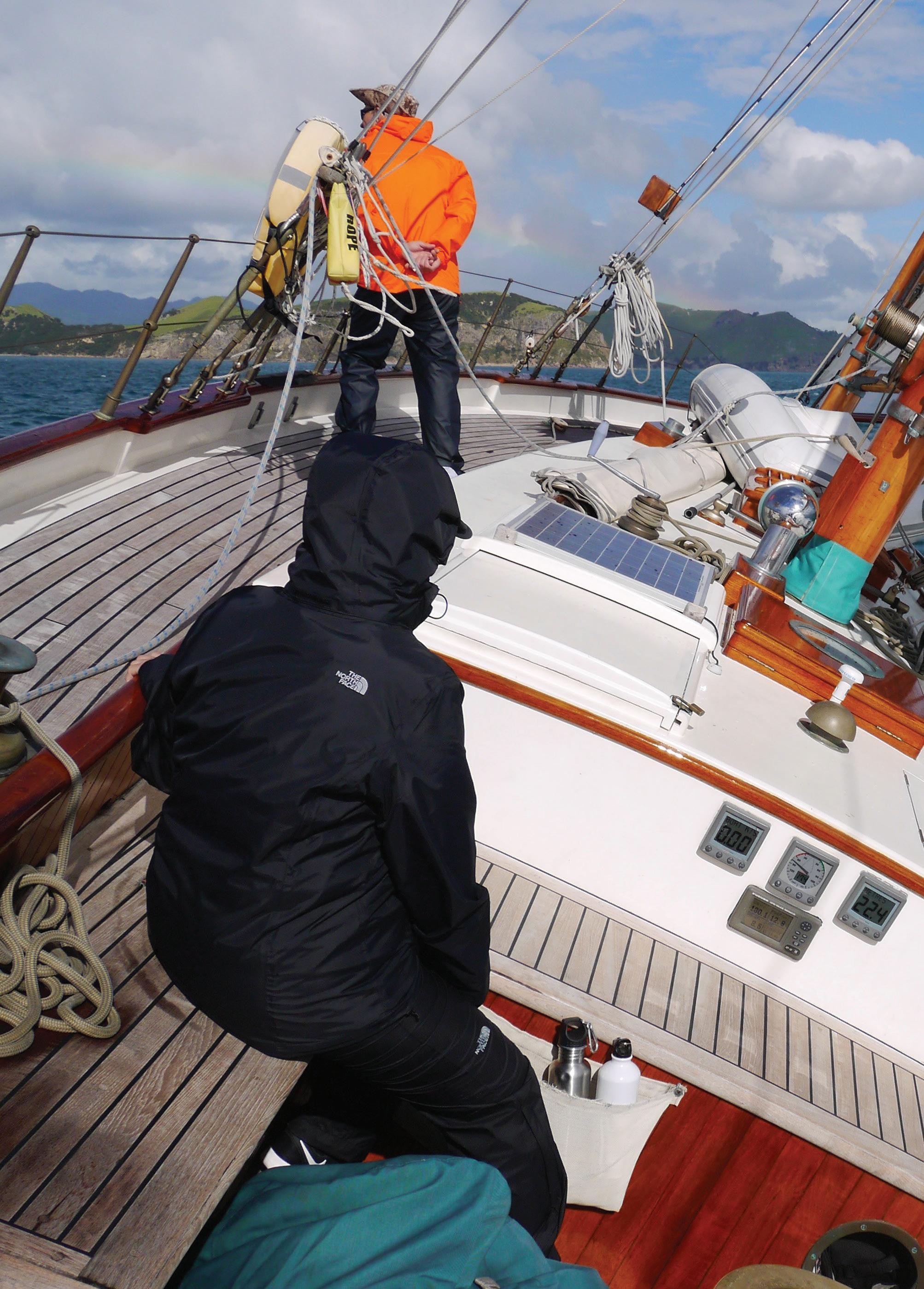
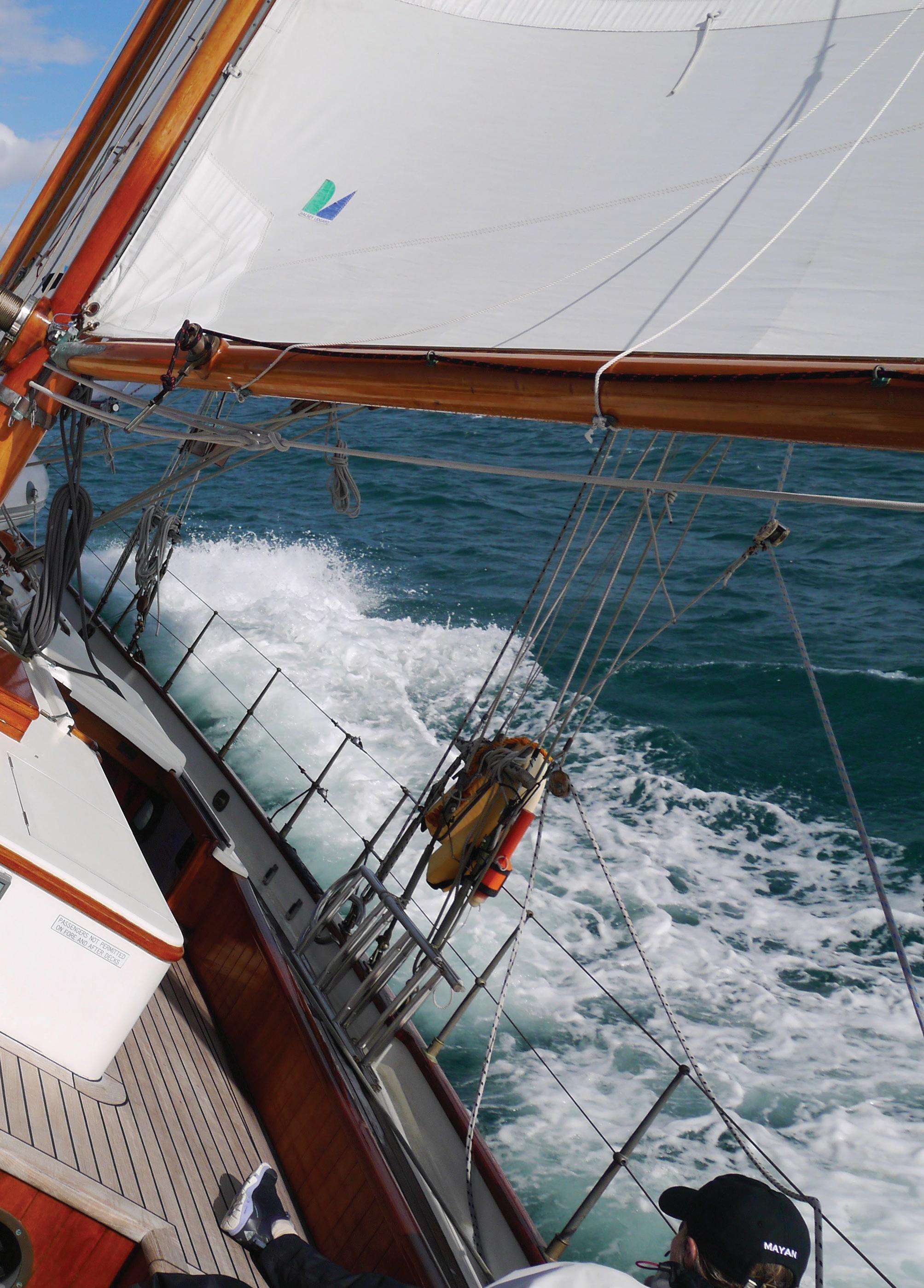
WORDS: Bruce Dunlop
“A lucky boat I say”. Gracing the waters of the Hauraki Gulf and Waitemata Harbour for the last 25 years, Arcturus is one of only nine boats from the John Alden 390 series.
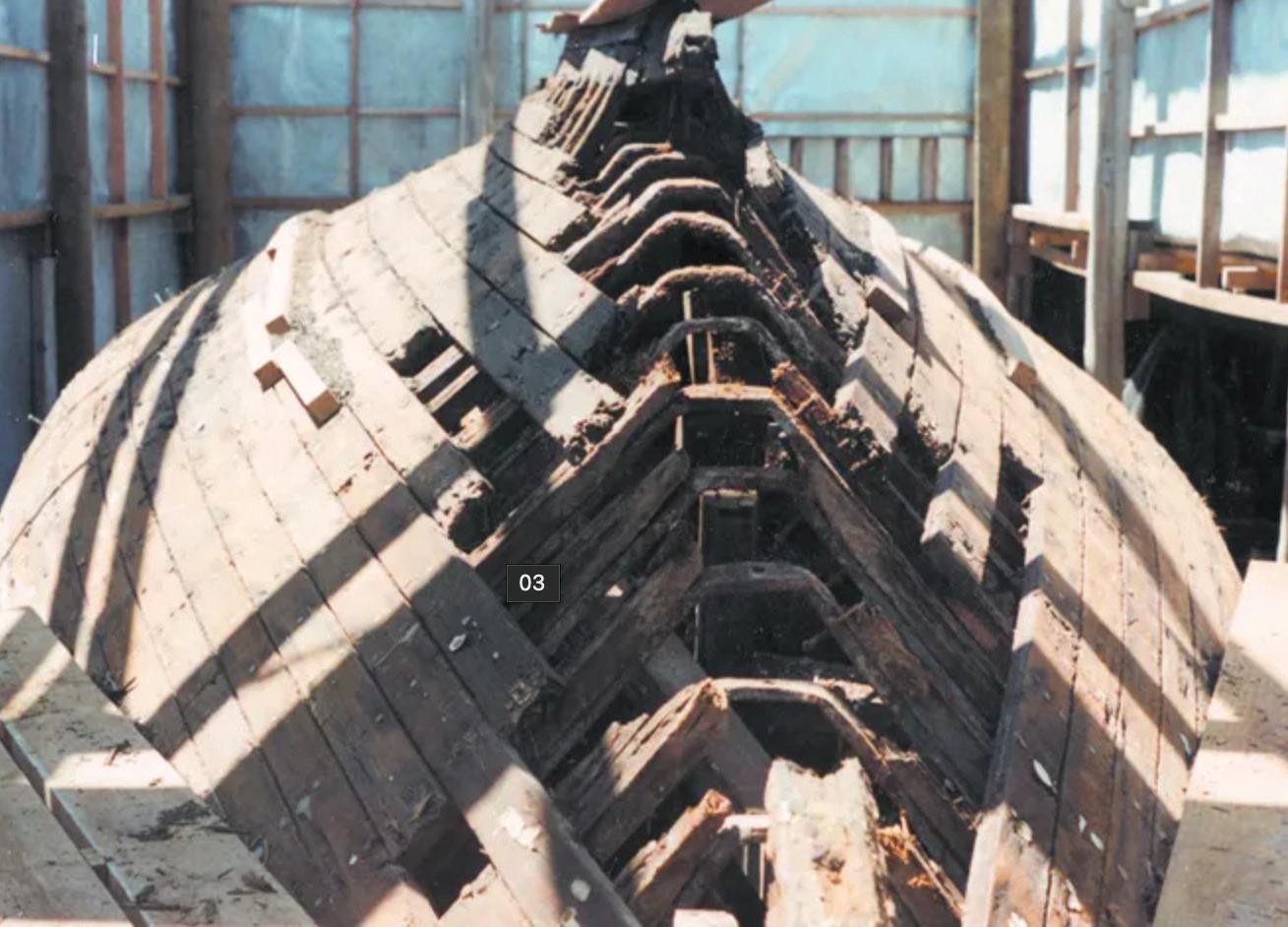
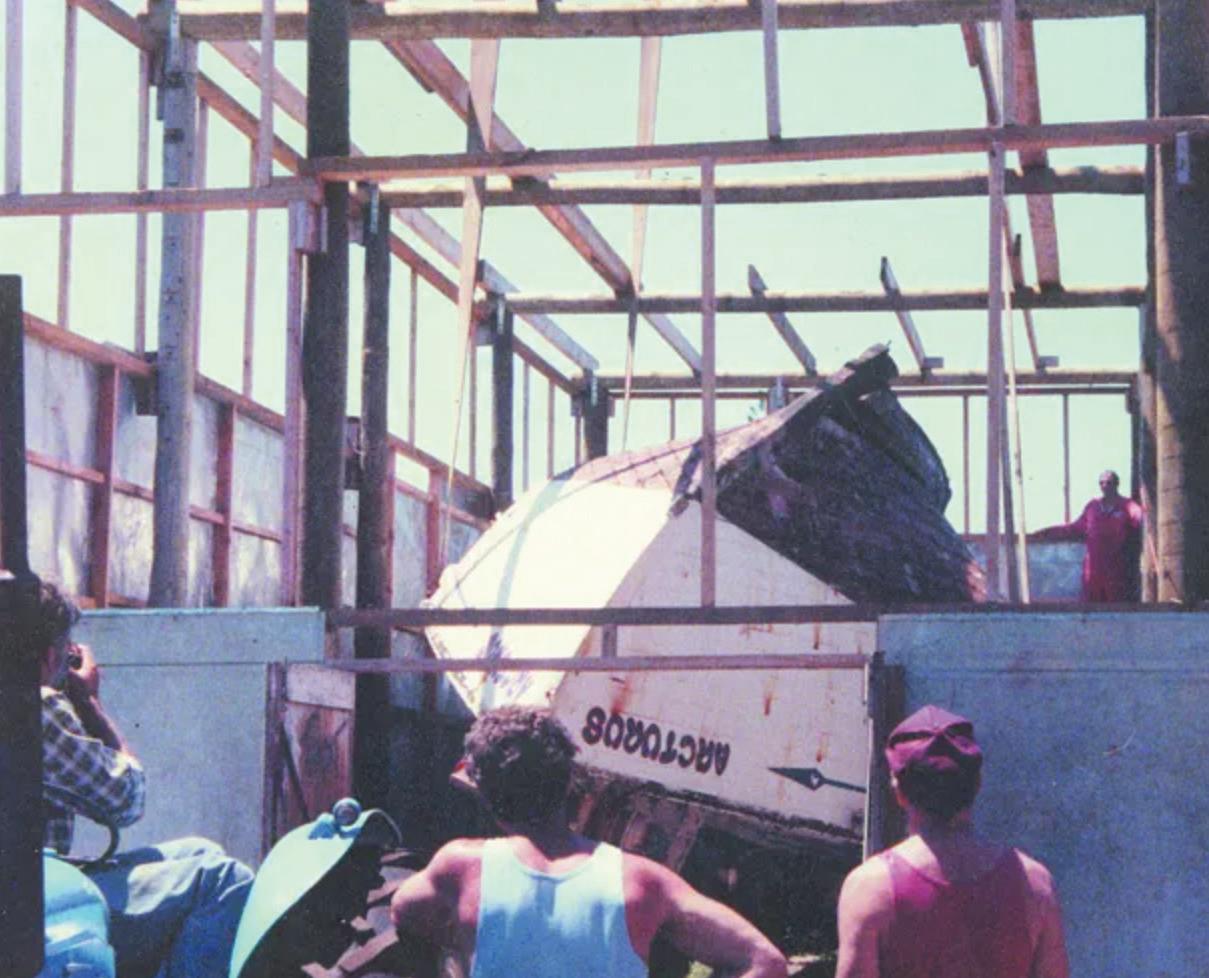
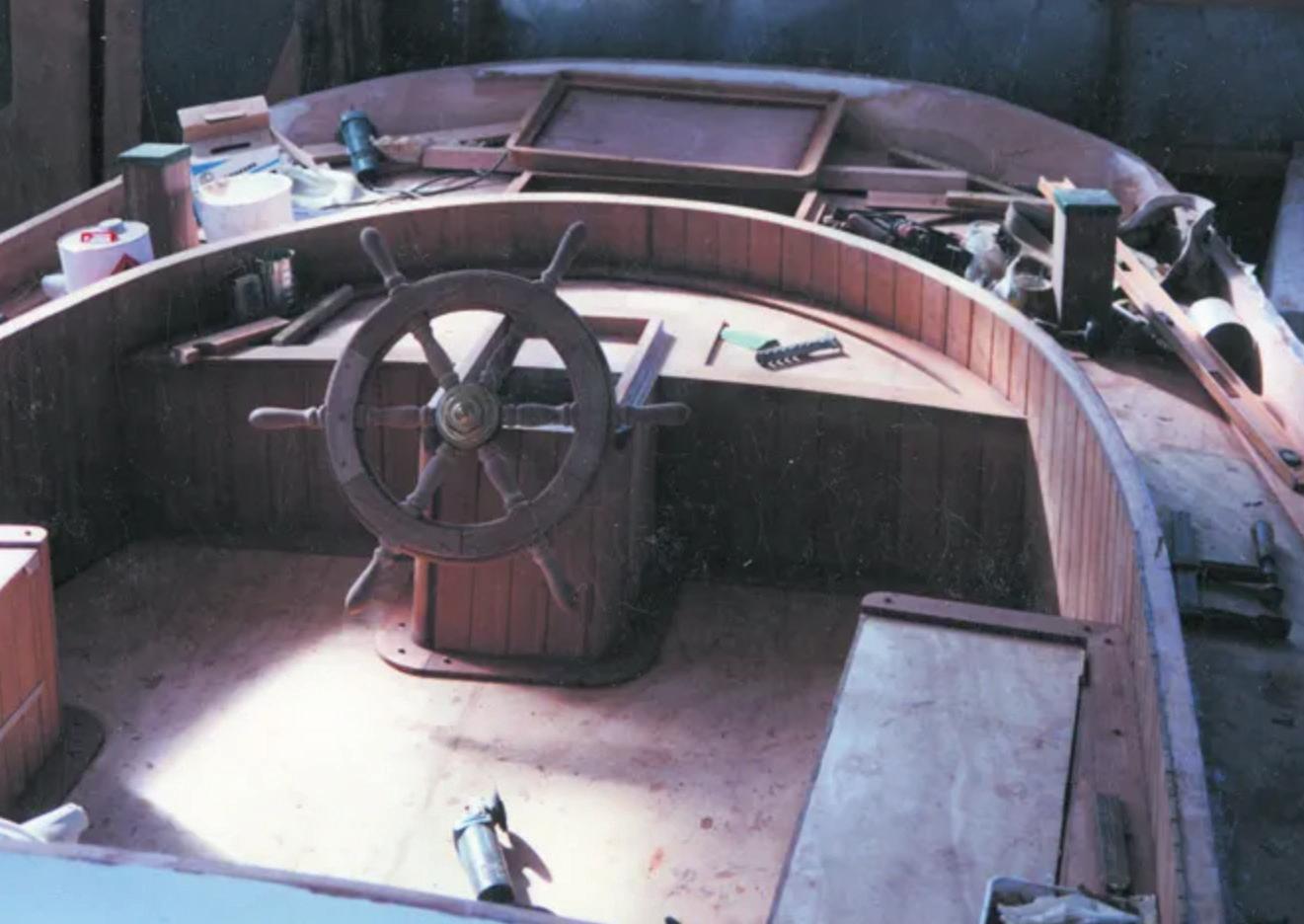
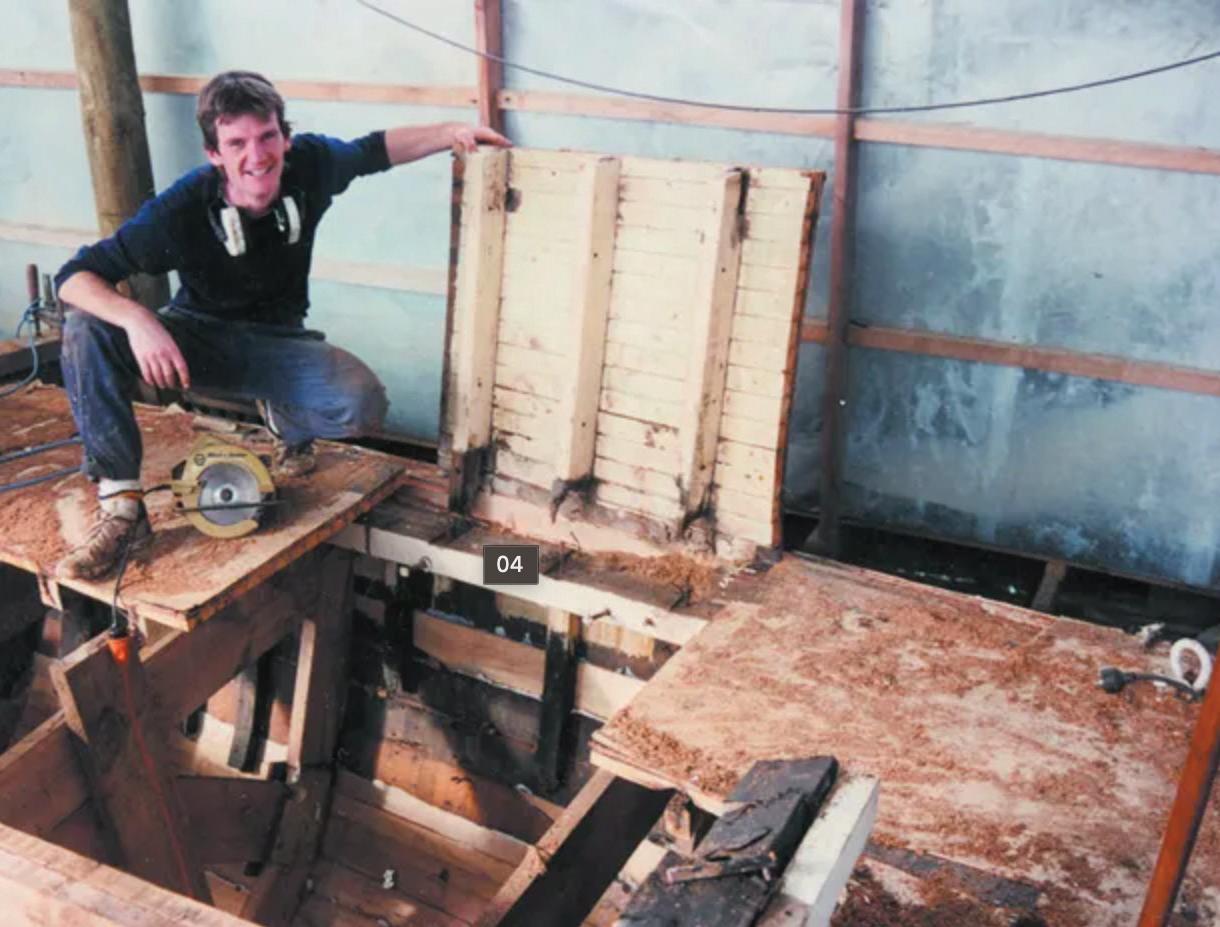
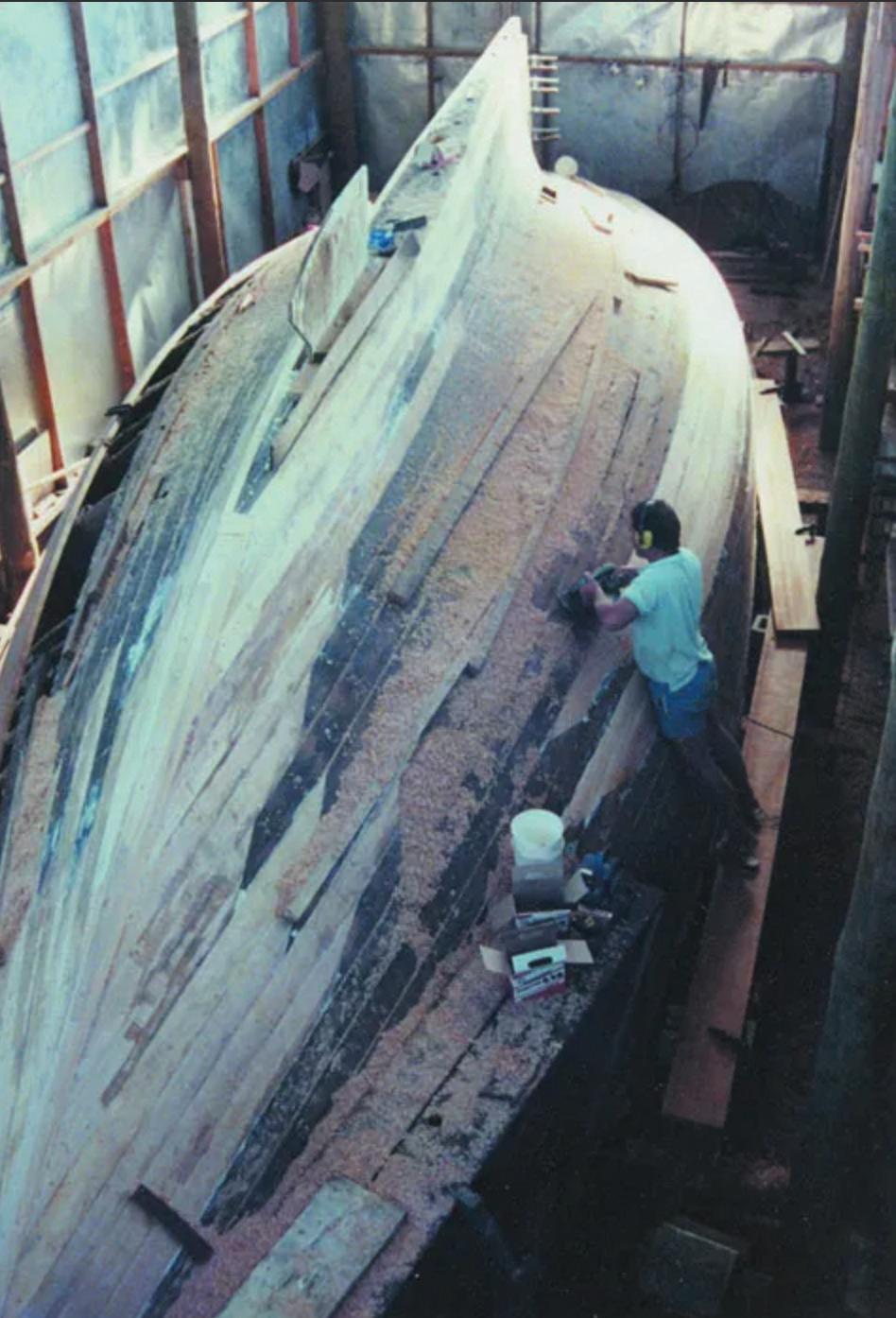
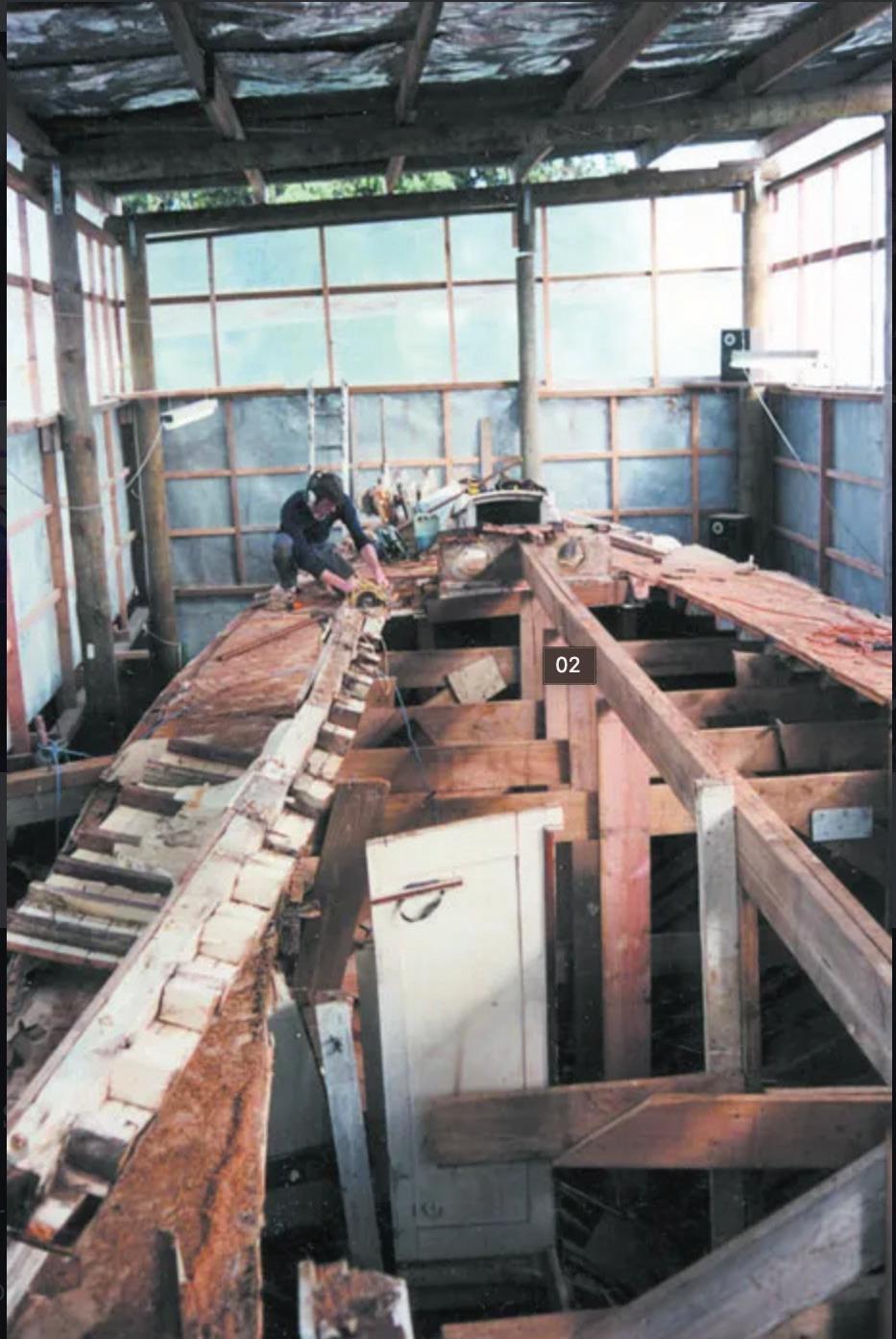
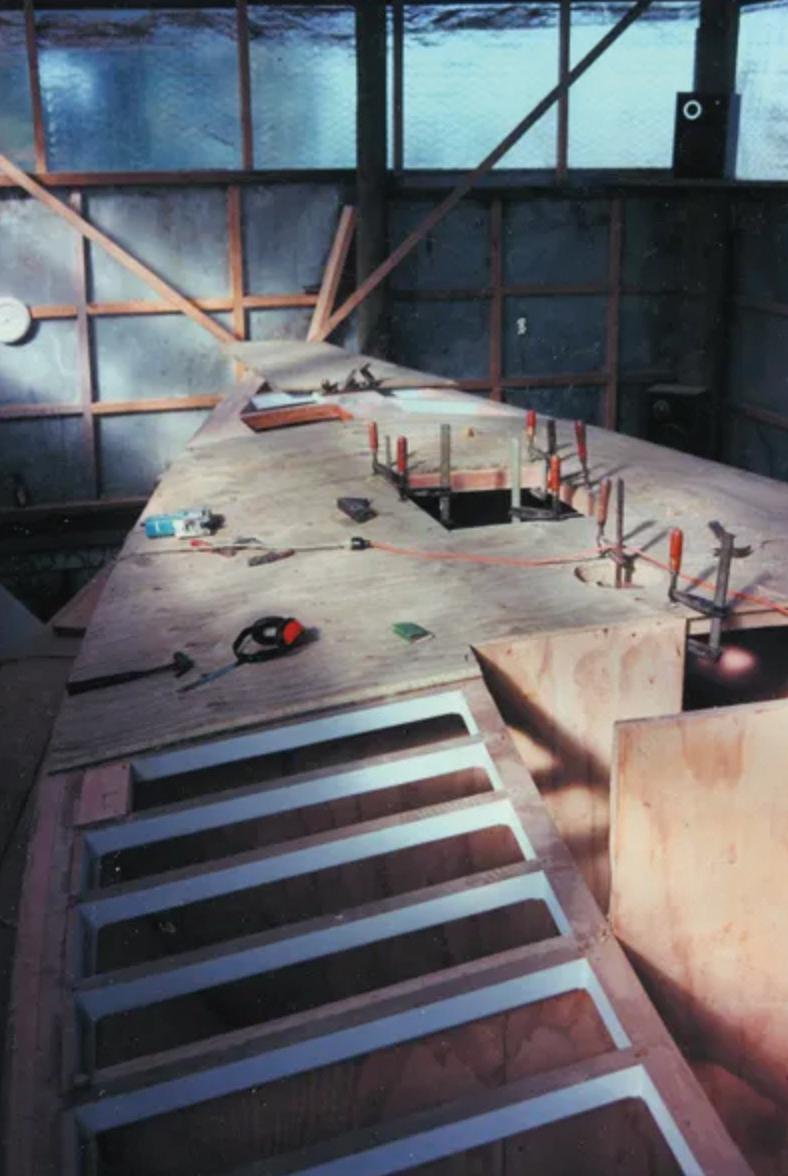
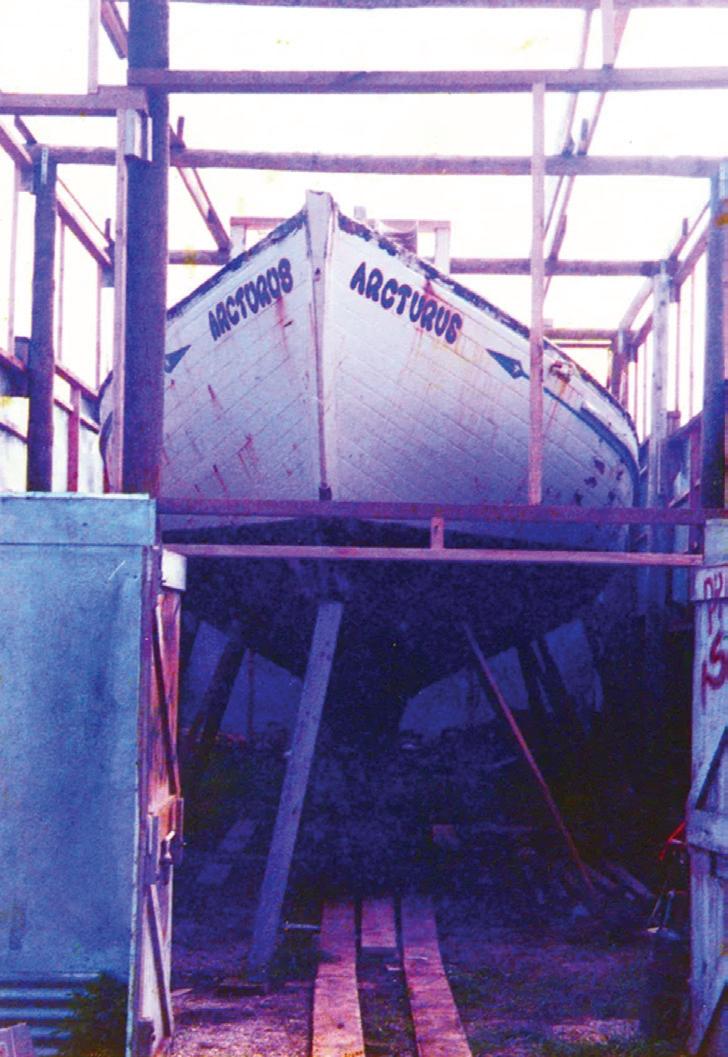
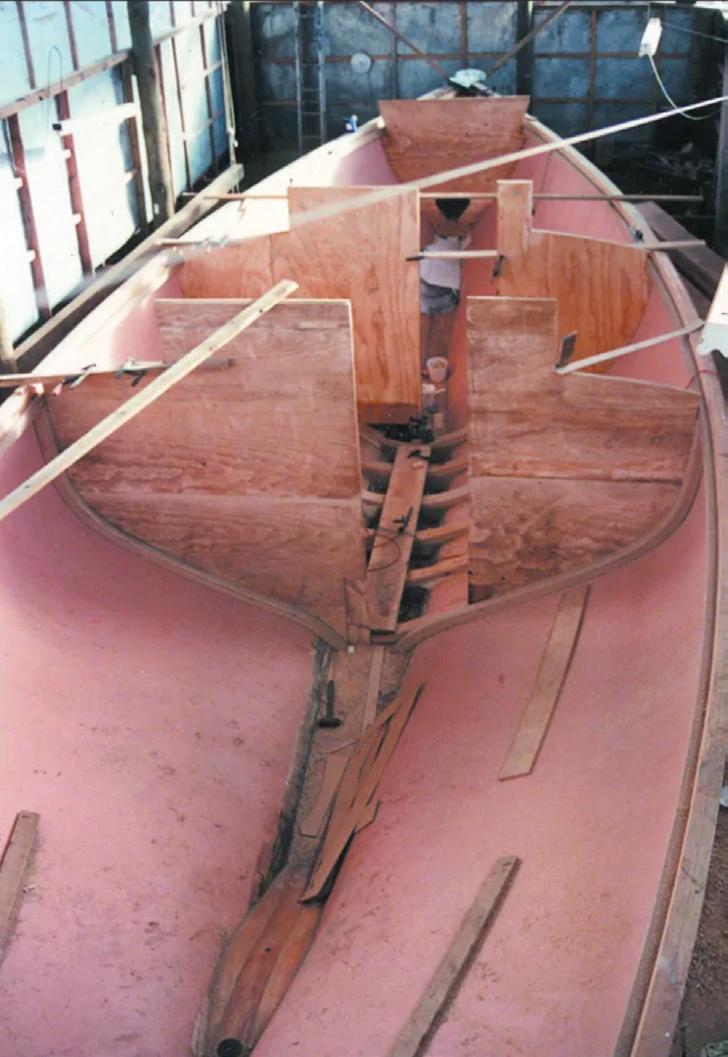
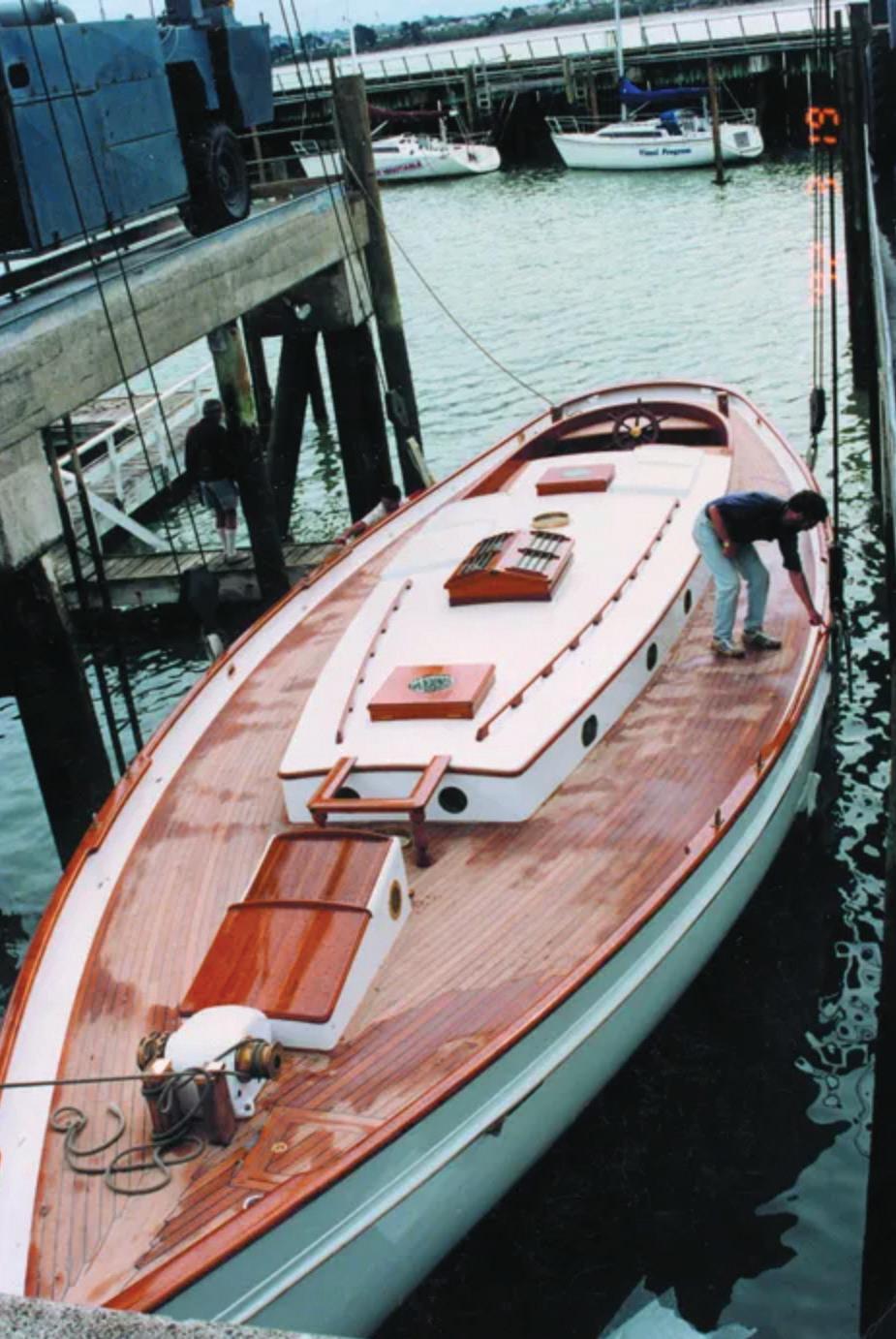
In an era of ocean racing on the East Coast of the US, General George Patton and his wife sailed the yacht to Hawaii where he was stationed. At a later date he sailed her back to the West Coast when war seemed imminent. Other owner family stories on the West Californian Coast and Hawaii have come to light as people have contributed as time has gone on due to the rebuilding of the vessel in New Zealand over 30 years ago now.
During the time Arcturus was based in the Viaduct Basin, I was approached on a couple of occasions by people who had a past connection. “I thought we would never see the boat again! She was the party boat in Hawaii and in worn condition”. “I conceived my daughter on the boat!”
We all love the stories these boats hold!
In the 1980s she was rescued by an American sailor, Lance Foreman, who nursed her along on a voyage from Hawaii to Auckland, New Zealand, where her state of disrepair became evident.
She ultimately came into the ownership of Don and Tim Armitage. Geoff, a Salthouse-trained boatbuilder, and a team took on the project. It was just in time as Arcturus was in a very bad state.
Working from Alden’s original plans, a 15,000-hour restoration commenced. The hull was stripped, the ballast keel removed and flipped! Carvel planked yellow pine with iron fastenings had no future so major structure planking was replaced with kauri and laminated floors.
Two skins of treated kauri were glued and sealed with glass cloth. A new sapele mahogany interior was beautifully crafted to original details and a new Ford 80hp diesel engine was fitted into a separate engine room. Refrigeration, plumbing and electrical were all installed to MSA charter standards.
Arcturus is now a beautiful practical classic schooner that is easily handled by two people, allowing for several guests to overnight charter. The rig was later changed to a staysail schooner from the original double gaff.
After the rebuild Arcturus was offered for sale and in 2000 this
is where the present owner Barry Williams became the owner and Bruce Dunlop the charter skipper.
In her years of sailing charter clients from her base in Viaduct Harbour Arcturus has become an impressive sight under sail or gracing anchorages.
Barry and Renata, and their son Raef came regularly every year in February-March with Barry using Arcturus to run, for some of his clients, a week-long workshop, ‘Dreaming at Sea’.
Barry Williams M.Div., Psy.D. is a Diplomate Jungian Analyst and, along with his wife and late child, is a mara ákâme (traditional healer) in the tradition of the Huichol people of Central Mexico. He lives in the southern Rocky Mountains near Taos, New Mexico. Barry offers a perspective insight from Swiss psychiatrist and scholar, Carl Jung, along with what he has learned from various indigenous elders he has been privileged to know.
“My biggest contribution to a community like this is to try to create a container that is strong and safe enough so that the archetypal energies can constellate within the group. If the container is held correctly, there can be the possibility of some transformation, of healing, or of people getting across thresholds in their lives. The dreams can emerge in an ever greater way, perhaps. The container is built on trust and understanding and the community feels it. The more we establish trust, the more the community feels it and the stronger the container. The stronger the container, the more trust, until we can be a community that’s sharing its deepest truth. That’s an extraordinary event”.
Hence the schooner becomes this container and the dreams that the crew discover on their voyage enables personal discovery and healing. A beautiful use of a vessel in my view of the preparation for the voyage and harnessing natural energies of the wind and water giving us respect and understanding and personal meaning that going to sea can bring.
Twentyfive years now and with certain other worldly commitments Arcturus is in a holding pattern with Barry seeking the next custodian for this timeless unique schooner.
www.classicboatcharter.com
bruce4sail@gmail.com
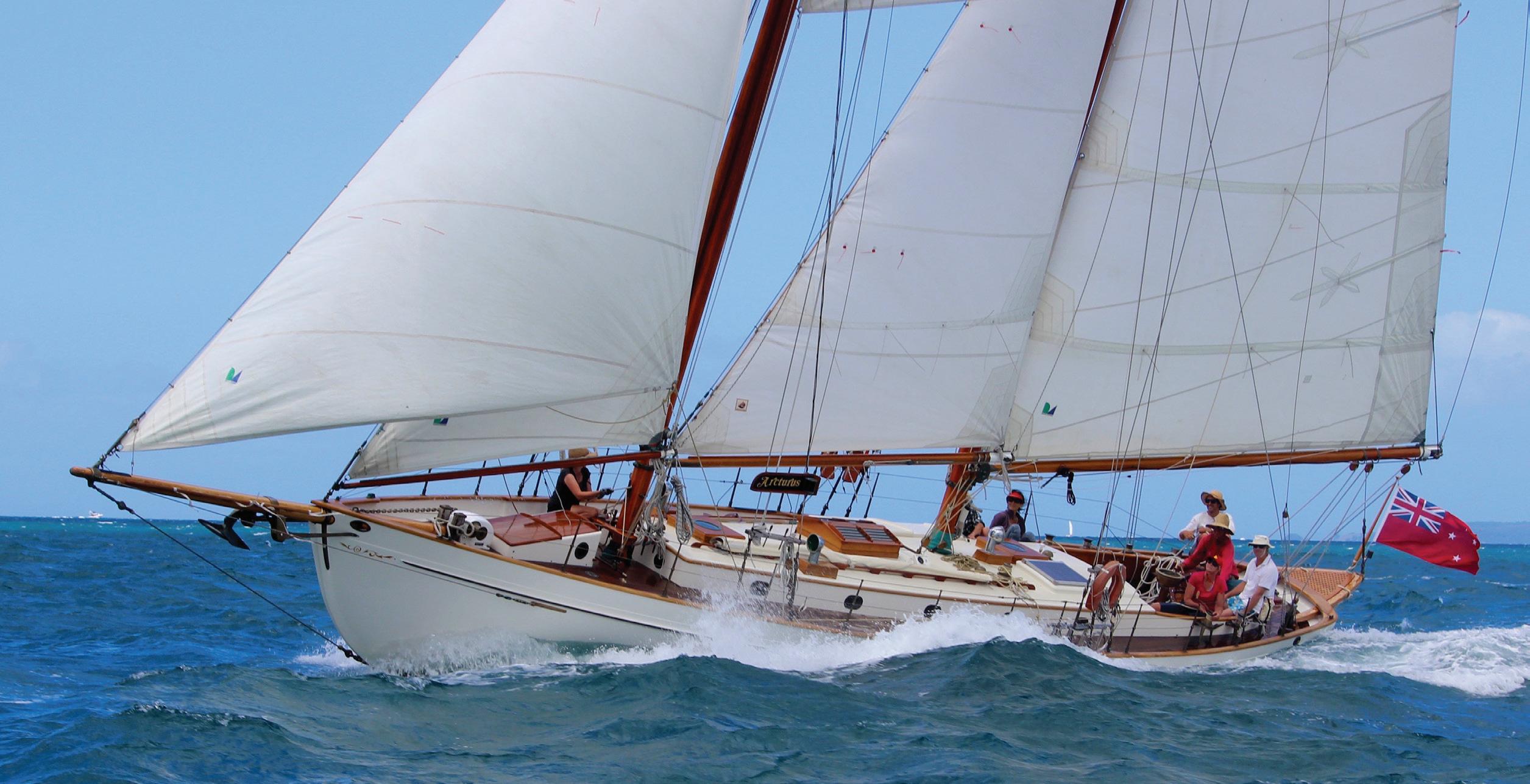
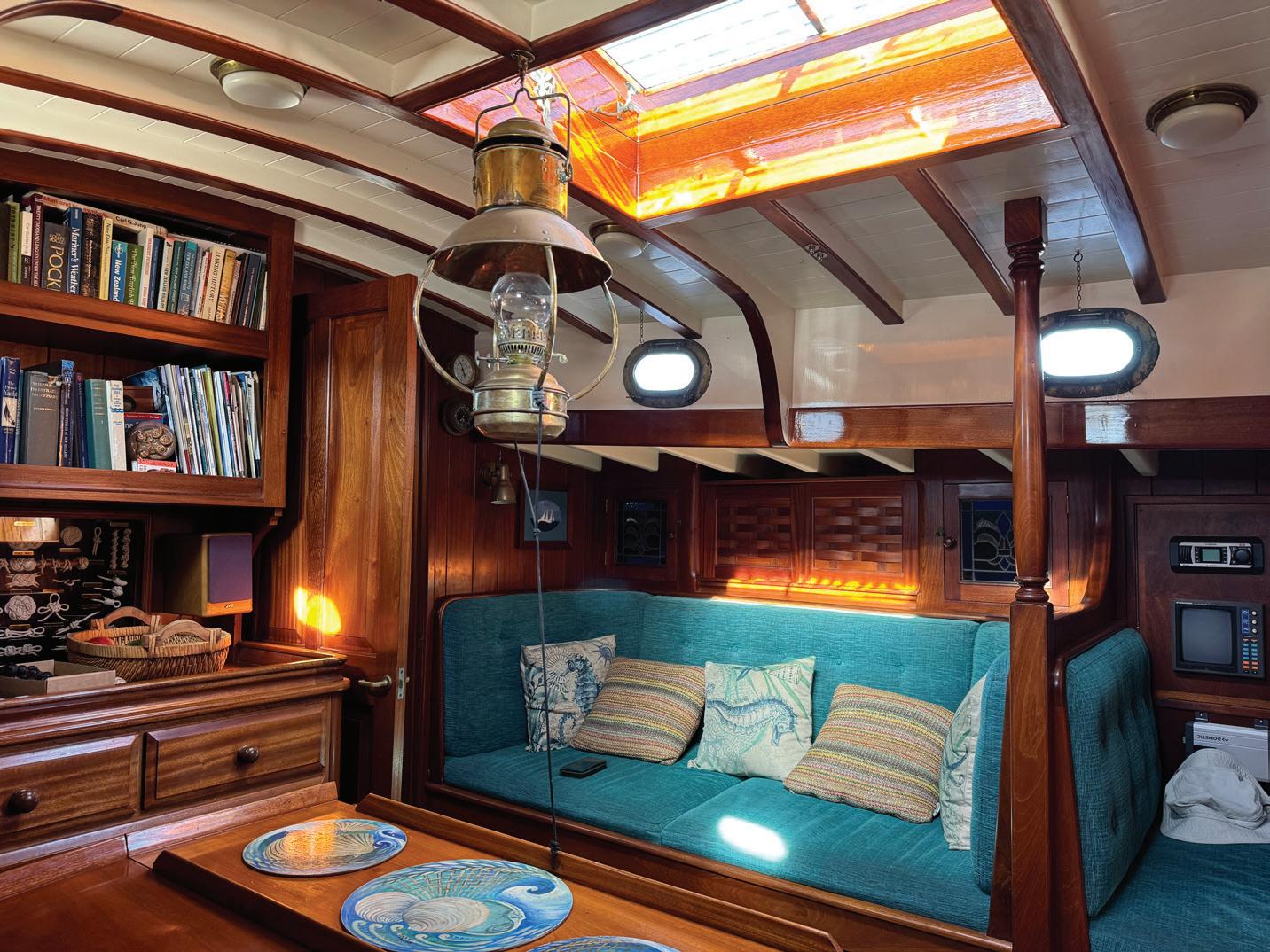
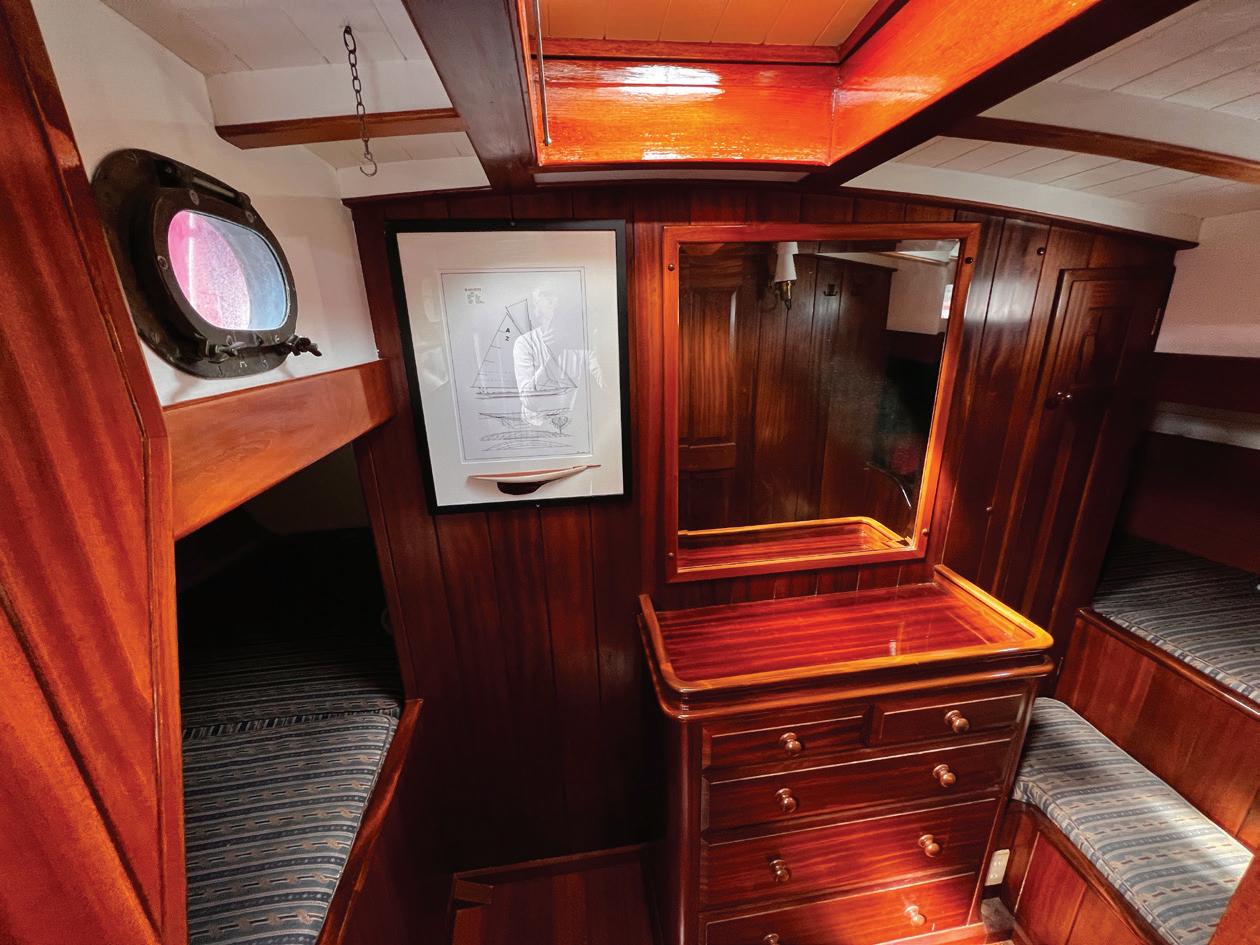
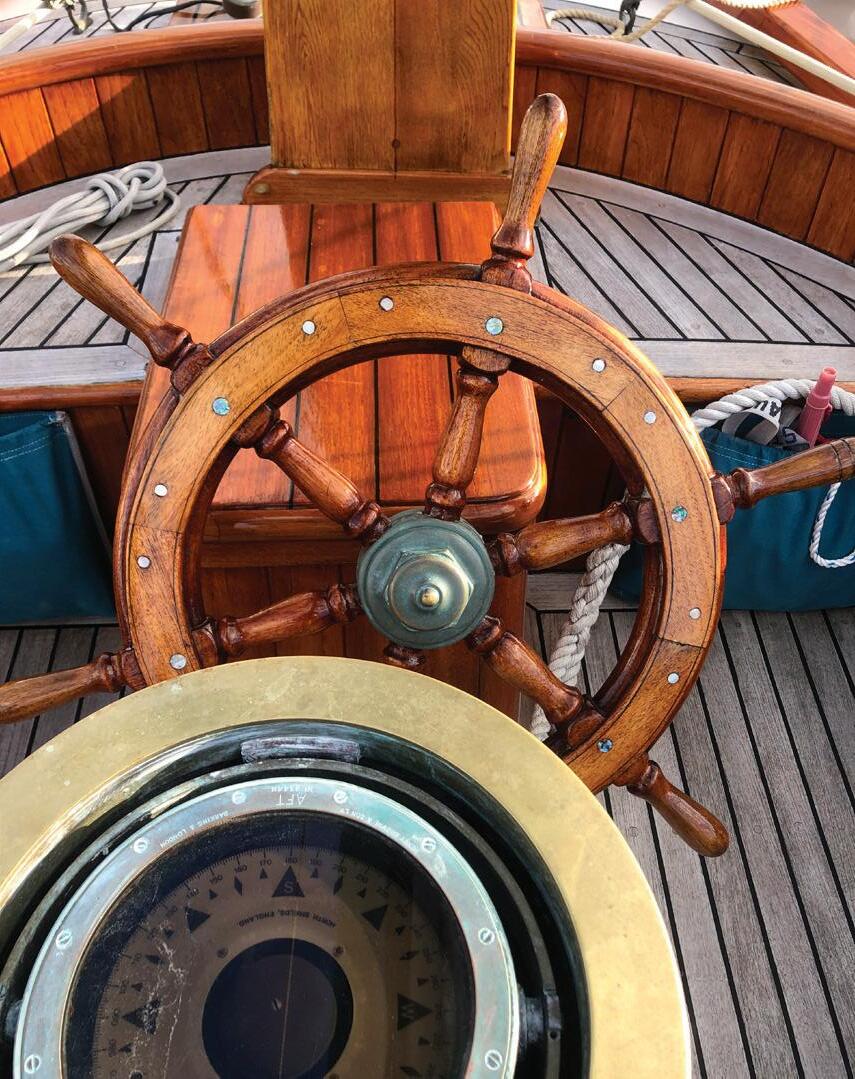
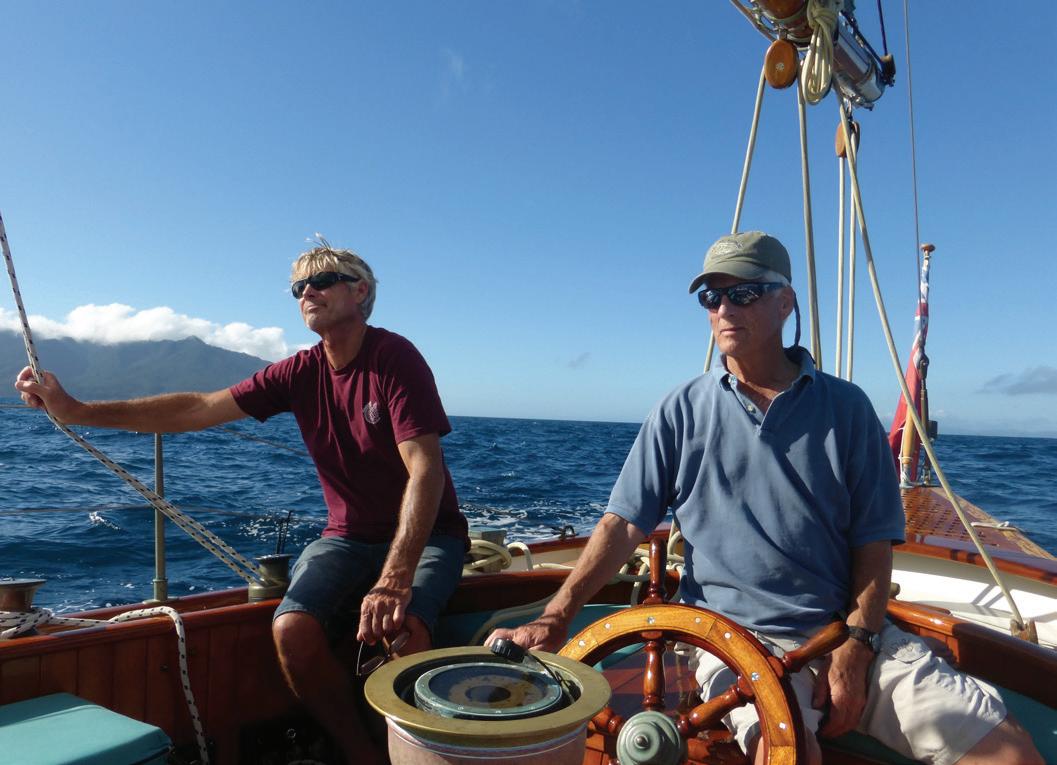
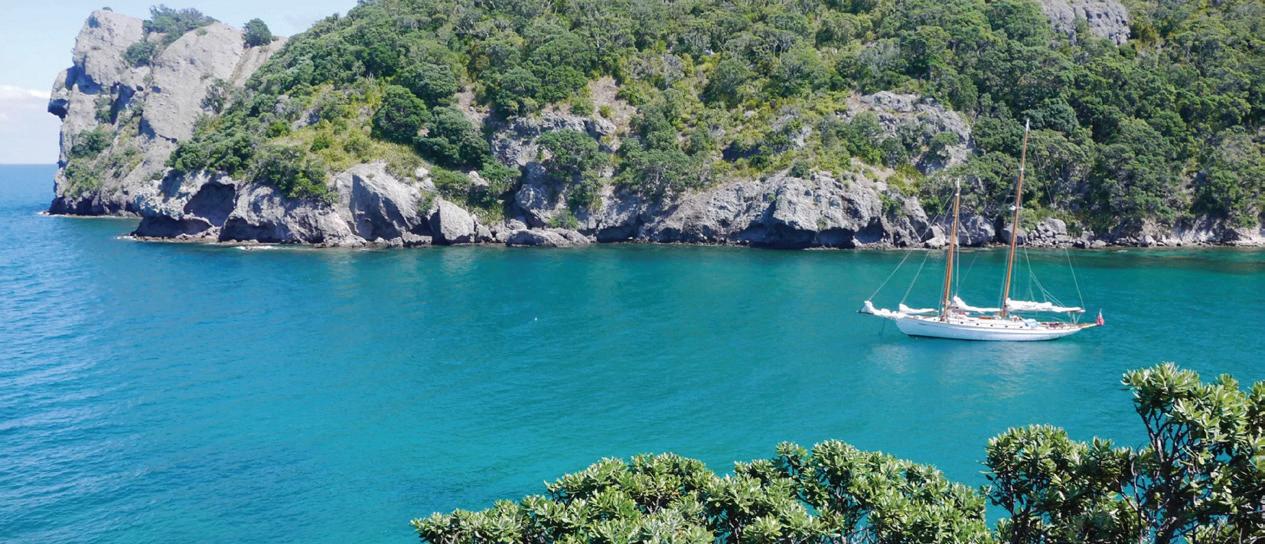
LOA 67ft ~ LOD 53ft ~ Beam 14ft 3in ~ Draft 7ft 6in.
Staysail Schooner
Sail Area 1600 sq ft.
Two skins of treated kauri epoxy glued diagonally over original repaired splined carvel pine planking
Oregon masts and spars
Ford 86hp diesel engine
Hot water cylinder heated from engine
Refrigeration engine compressor
Raymarine depth, speed, and wind gauges
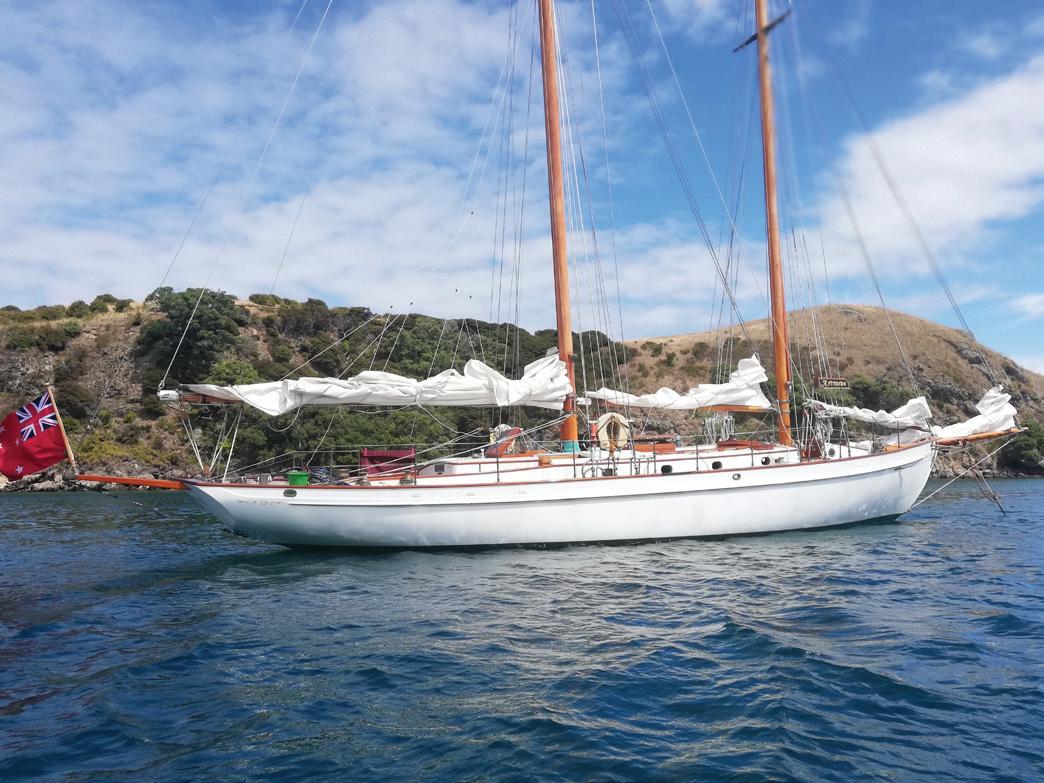
Icom VHF
Furuno Radar
Furuno GPS
Maxwell 3500 electric capstan
Anchors - 33kg Rocna - 12 mm chain
- 35 kg Delta - 60 metres 12 mm chain
Accommodation - Aft Cabin Double and 1 single berths
- Forward Cabin V berth 2 single berths
- Saloon 1 full single and 1 threequarter berth
Tankage - Water 1000 litres 5x S/S tanks
- Fuel 400 litres x2 aluminium tanks
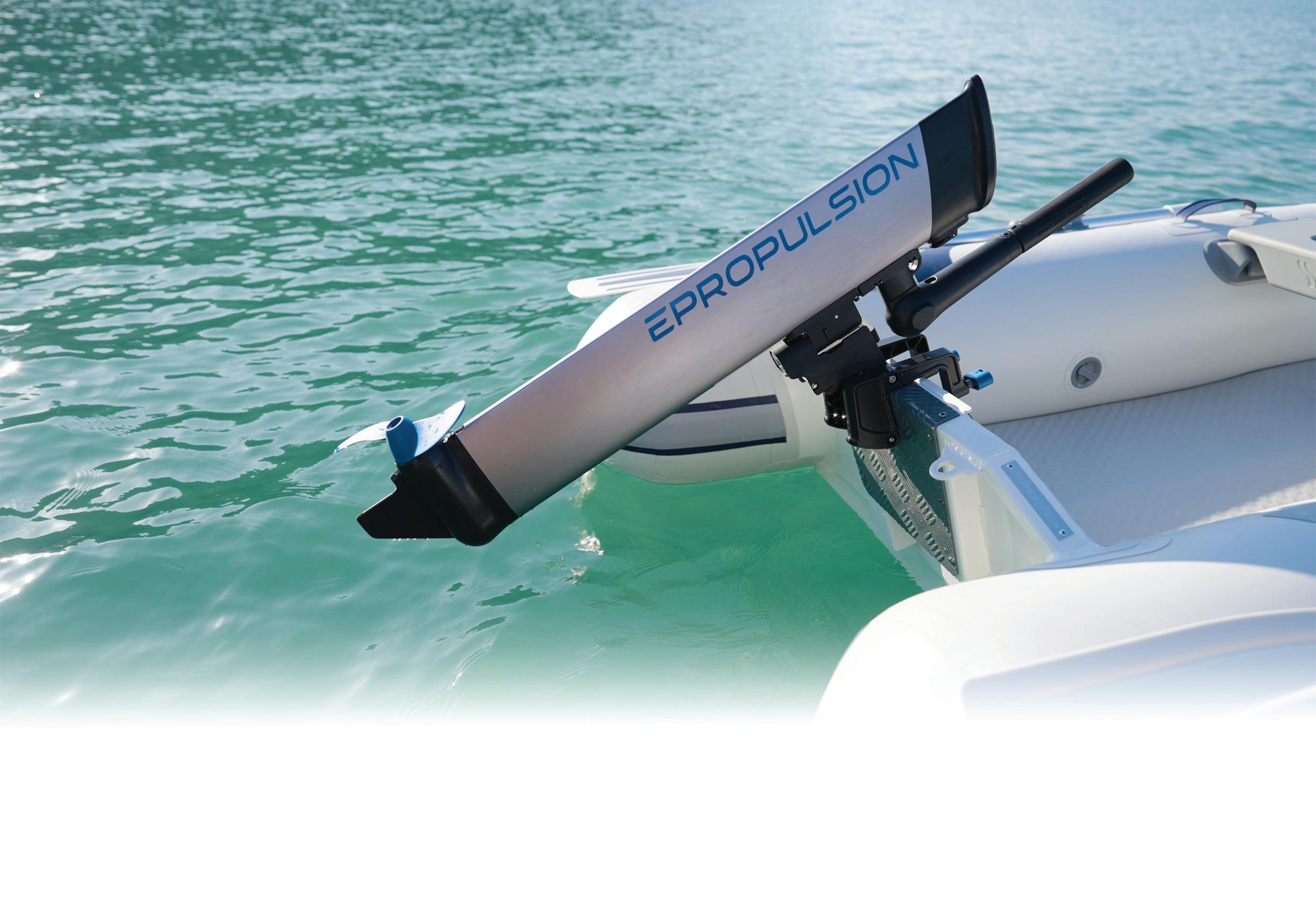
Compact, lightweight, and easy to use – the ePropulsion Elite and Spirit 1.0 Plus offer hassle-free, eco-friendly power for your adventures on the water.
Visit our range of ePropulsion outboards in our Westhaven Showroom.

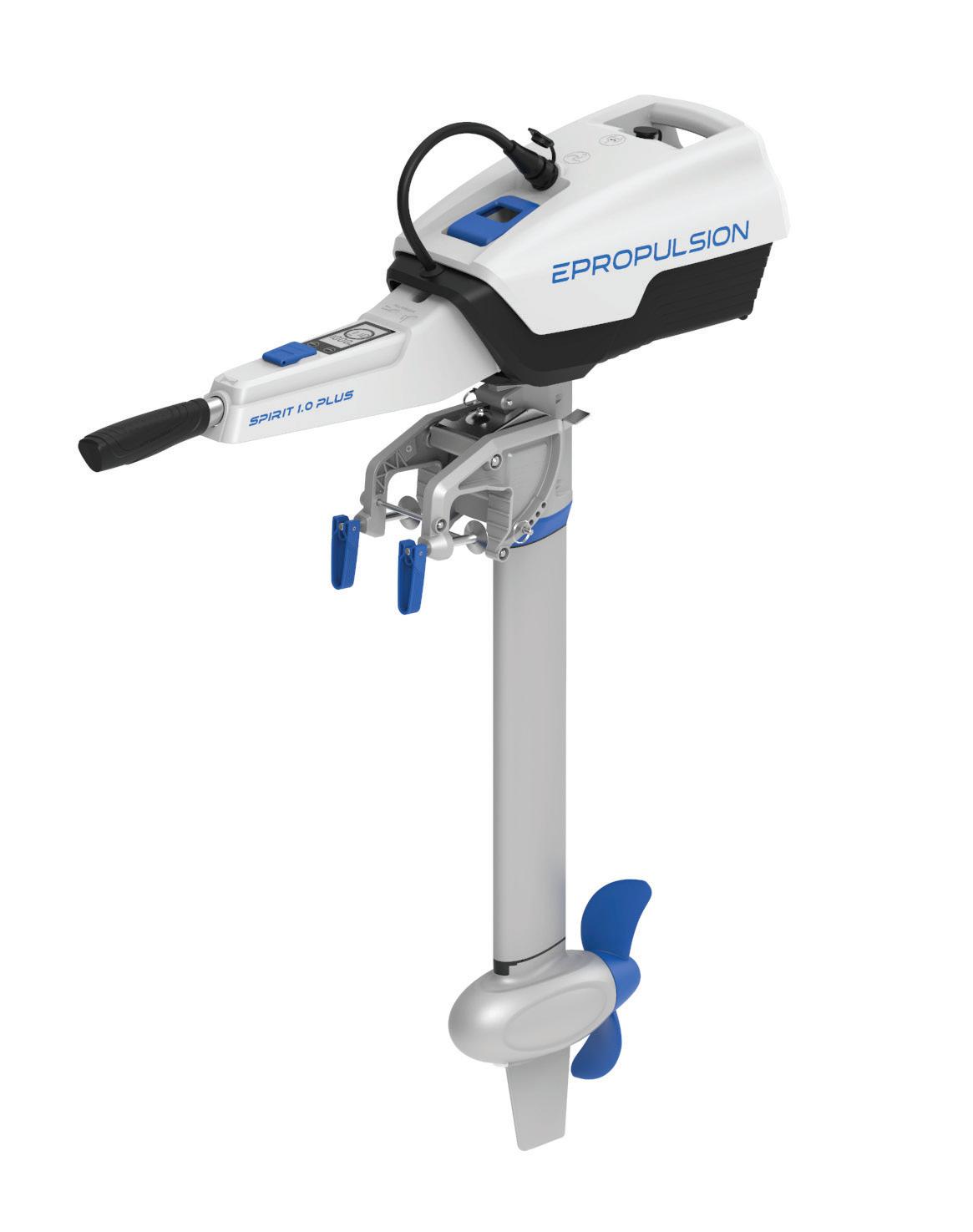
Manufacturers of quality marine hardware
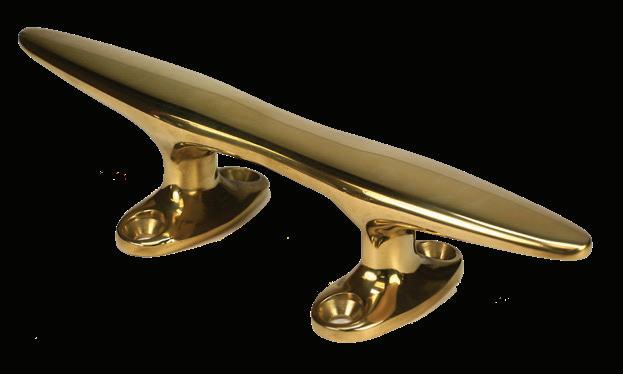
• Struts and Rudders
• Blue Water Shaft Seals
• Elite Rudder Seals
• Shaft machining
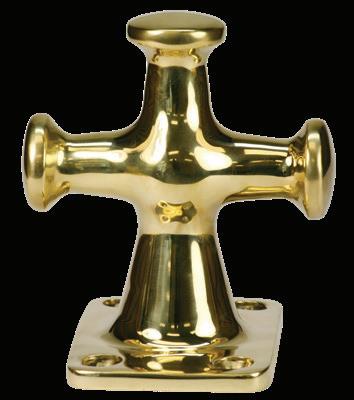
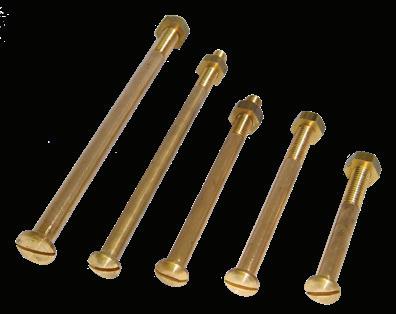
• New, refit and service work
• Quality deck hardware
• Game fishing brackets, poles and Elite game chairs
124 Sunnybrae Road, Hillcrest, Auckland, New Zealand.
+64 9 444 9031
sales@chatfieldmarine.co.nz chatfieldmarine.co.nz
MAHURANGI DIVISION - For wooden boats of pre-1955 design. Only all-wooden construction is permitted. Includes all Mullet Boats other than L Class.
LINE HONOURS - MINERVA CUP: Ngatira
1ST HANDICAP - MAHURANGI CUP: Julienne
OLD GAFFERS BELL: Frances
(First Gaff rigged boat on handicap)
OCTAVIAS CUP: Temptress (Eighth boat in Mahurangi Division)
LADY PAT TROPHY: Blithe Spirit (First Woollacott on handicap in Mahurangi Division)
LYLE HESS TROPHY: Scout
(First Lyle Hess Design - otherwise first 30-footer from Mahurangi Division - on handicap)
DAWDLE OF TE KAPA TROPHY: Temptress (10th to finish in the Mahurangi Division and Traditional Spirit combined)
A CLASS DIVISION - For yachts previously registered as A Class yachts and all other pre 1985 yachts over 12.20m (40ft) LOD unless an exemption is granted to sail in another division by the Regatta Committee. They sail for the A Class Trophy and the Logan Trophy.
LINE HONOURS - BOTTLE OF RUM: Kailua
1ST HANDICAP - ‘A’ CLASS ARIKI TROPHY: Ariki
LOGAN TROPHY: Ariki
CHARLES BAILEY TROPHY: Prize
MID-CENTURY
For yachts of any construction designed before 1985 and longer than six metres on deck and not eligible for the Mahurangi Cup Division or the Traditional Spirit Division. Includes Stewart 34 Class and Reactor 25 Class. One-design classes with five or more entrants will have prizes awarded.
LINE HONOURS - WINCH TROPHY: Pysche
1ST HANDICAP - TEAK CONSTRUCTION TROPHY: Juanita
STEWART 34 CLASS
LINE HONOURS - BOTTLE OF RUM: Pysche
1ST HANDICAP - PATIKI TROPHY: Phantasy
TRADITIONAL SPIRIT DIVISION - For boats of any age, type, material and construction which conform to the traditional spirit of a design predating 1955 and is not eligible for the Mahurangi Cup i.e. is a modern design but which is a close replica and built in the spirit of a traditional design but perhaps has more modern materials or construction. Includes H28 Class.
LINE HONOURS - SPIRIT OF JUSTICE TROPHY: Princess IOD
1ST HANDICAP - TRADITIONAL SPIRIT TROPHY: Heliotrope
HERRESHOFF TROPHY: Julienne
L CLASS 22’ MULLET BOATS DIVISION
LINE HONOURS - BOTTLE OF RUM: -
1ST HANDICAP - PCC TROPHY: -
TE HAUPA DIVISION - For traditional small sailboats under 20 feet length overall. This would include all traditional New Zealand Classes like Zeddies, IAs etc. but would not include modern fibreglass classes like Lasers. It also includes any other wooden traditional style of boat such as sailing outriggers, proas, sharpies and sailing dories.
LINE HONOURS - SORCERESS CUP: Ruby
1ST HANDICAP - TE HAUPA TROPHY: Kaiarahi
FROSTBITE CLASS
LINE HONOURS - AROUND TE HAUPA TROPHY: Kiteroa
HANDICAPPERS TROPHY - Awarded for any Regatta highlight, navigational moment, oversight, lapse etc.
Rainbow
WILL WATCH TROPHY - Decided by the Regatta Committee.
Ngatira
WALKER LOG TROPHY - Awarded by CYA to a participant in the Classic Launch Parade
Meola
JOHN COLE TROPHY - Awarded by Mahurangi Action for meritorious achievement.
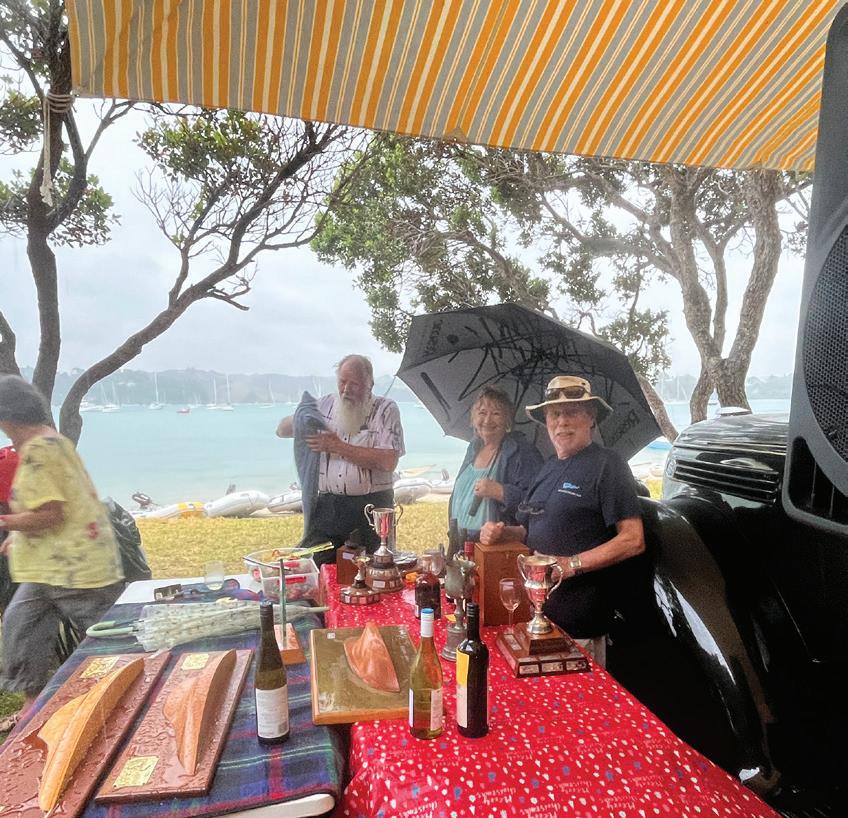
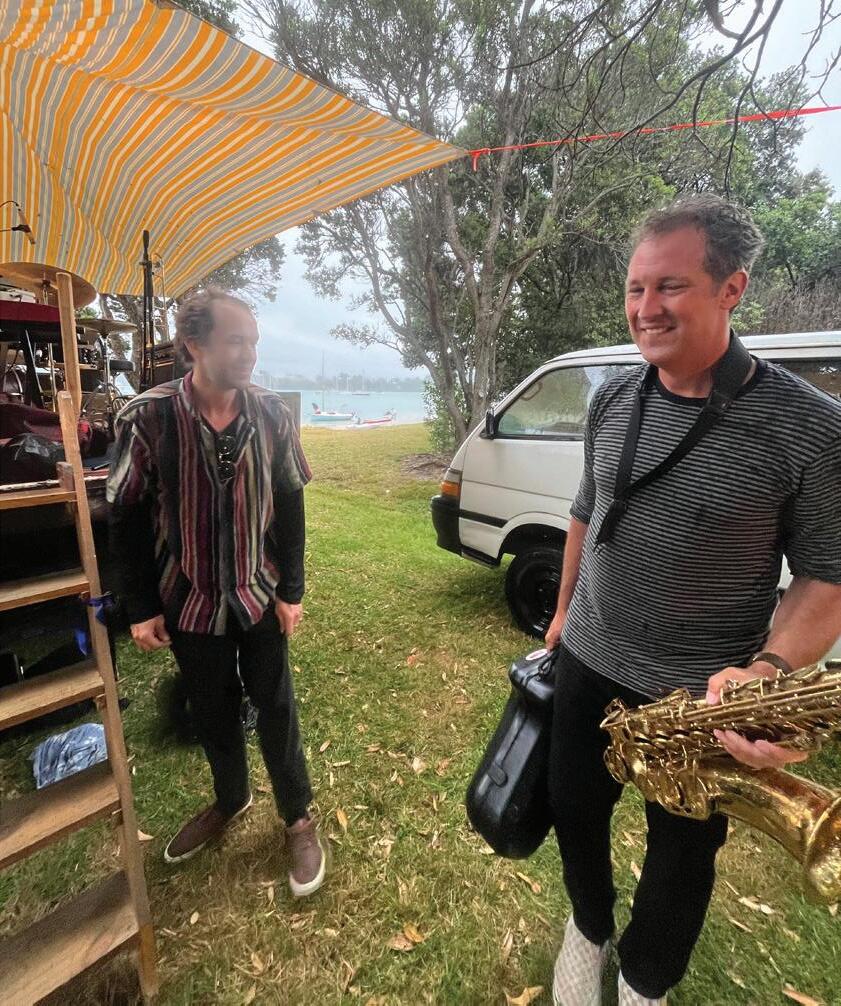
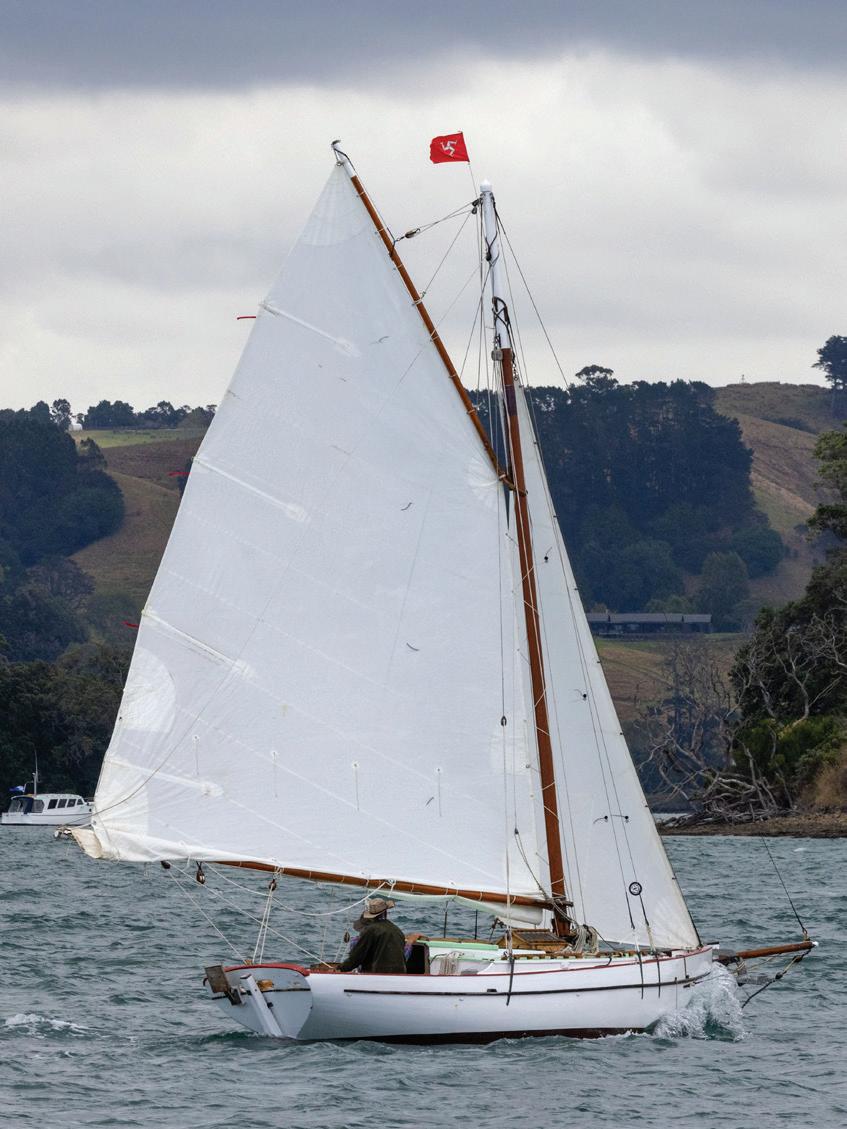
Bruce Trethewey
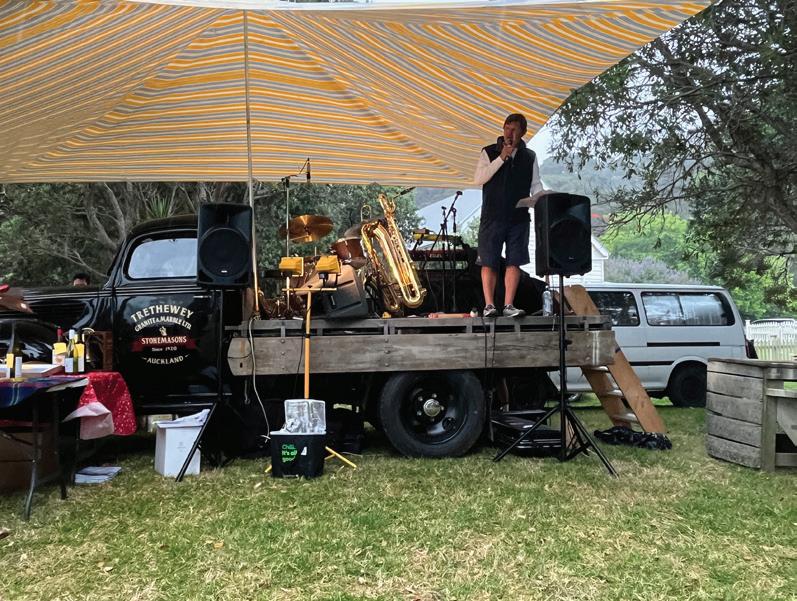
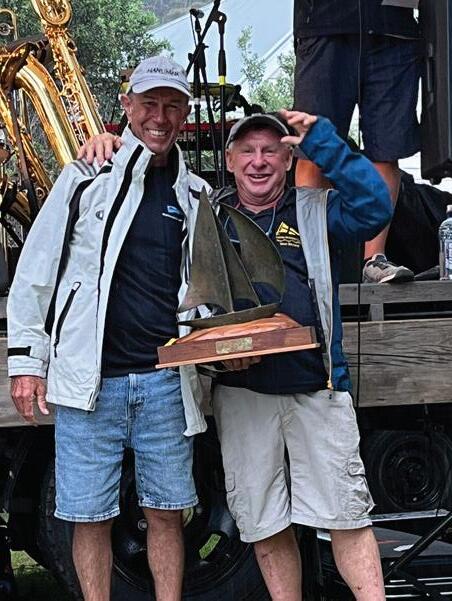
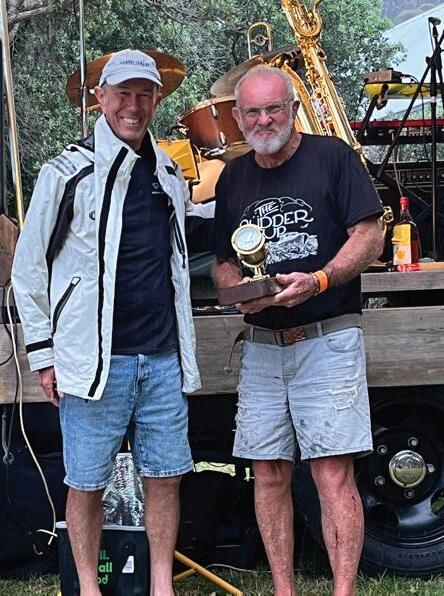
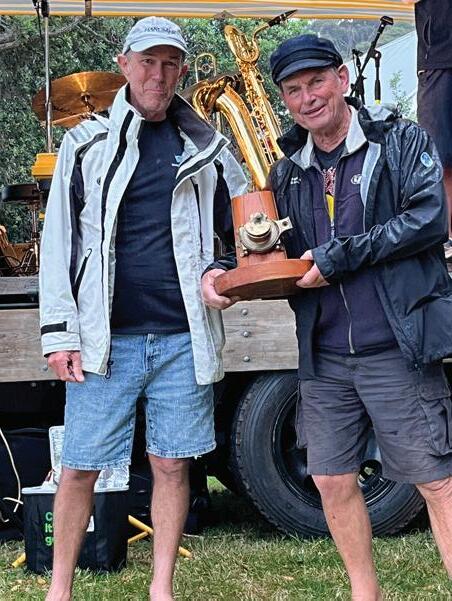
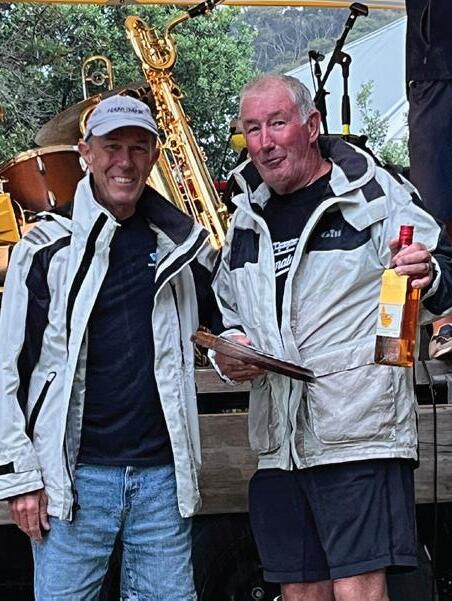
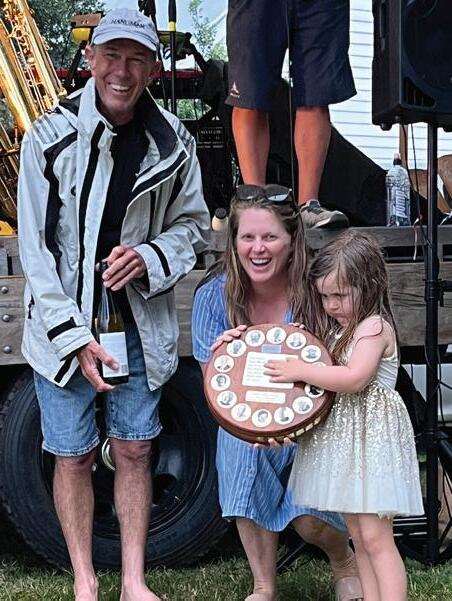
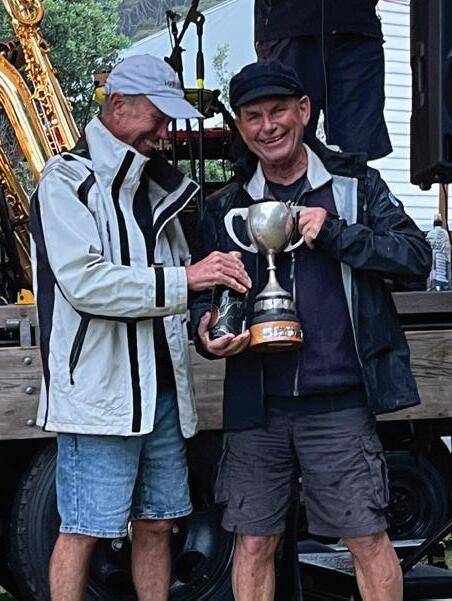
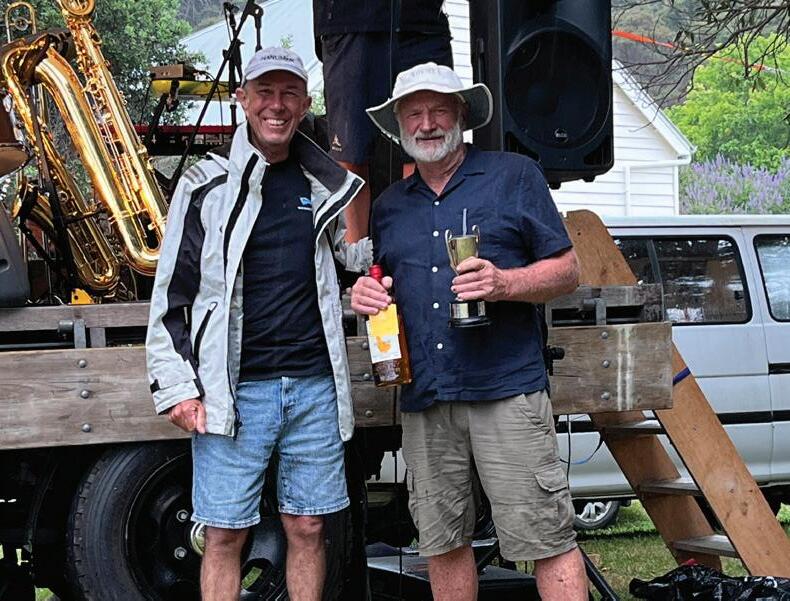
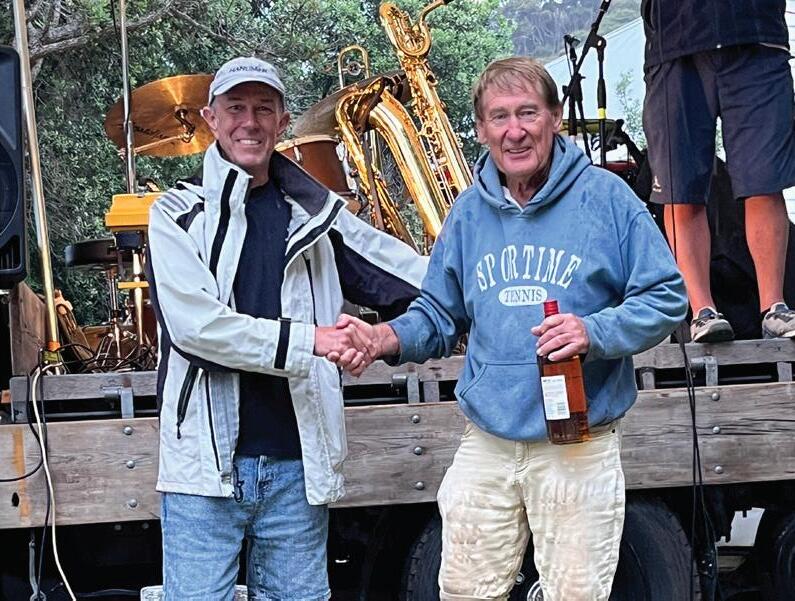
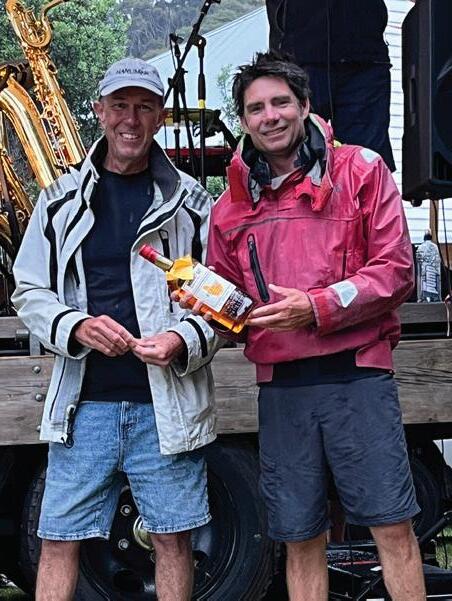
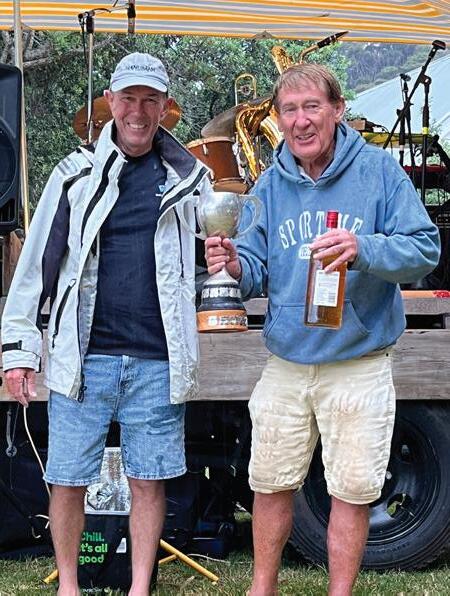
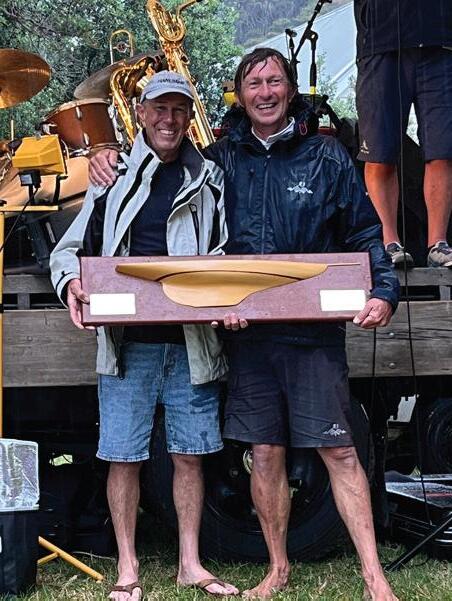
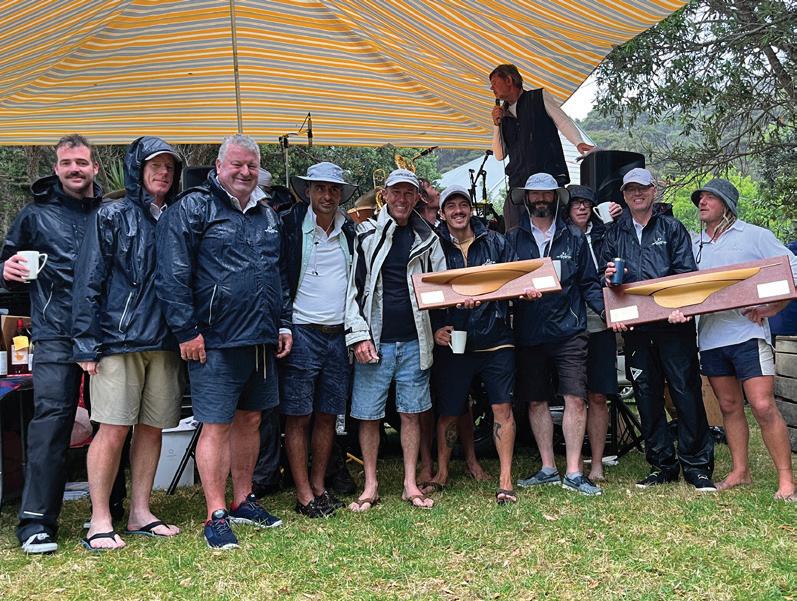
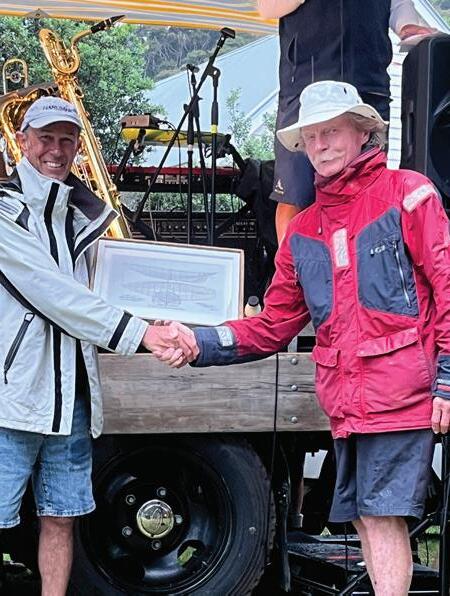
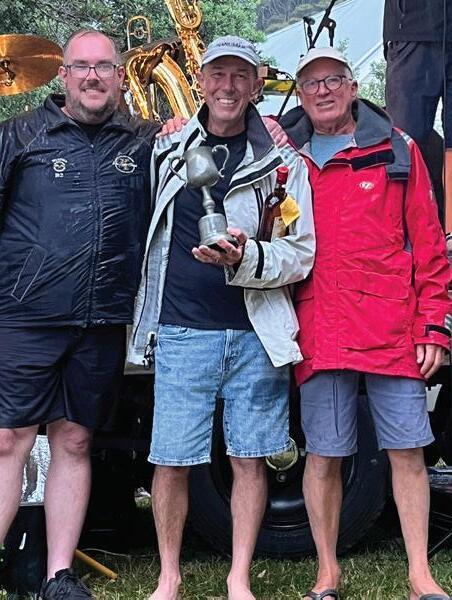
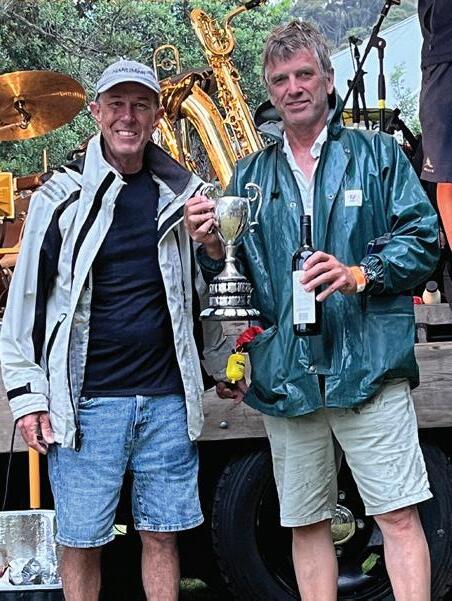
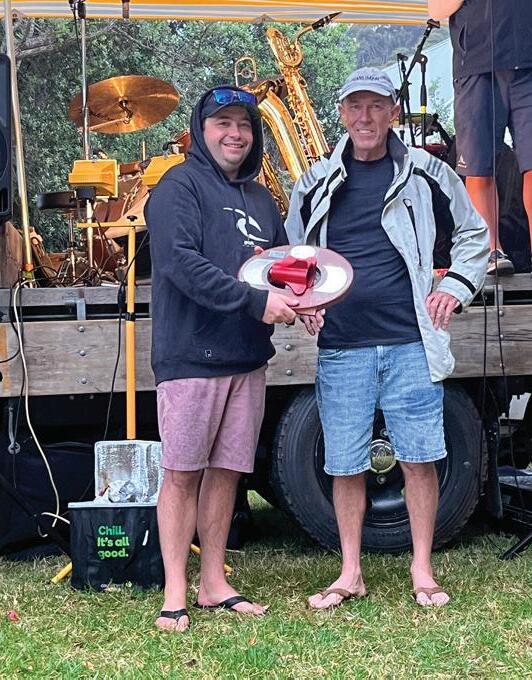
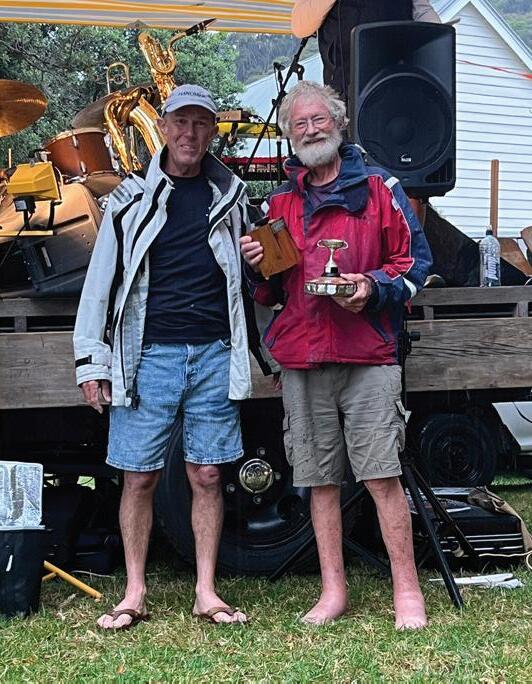
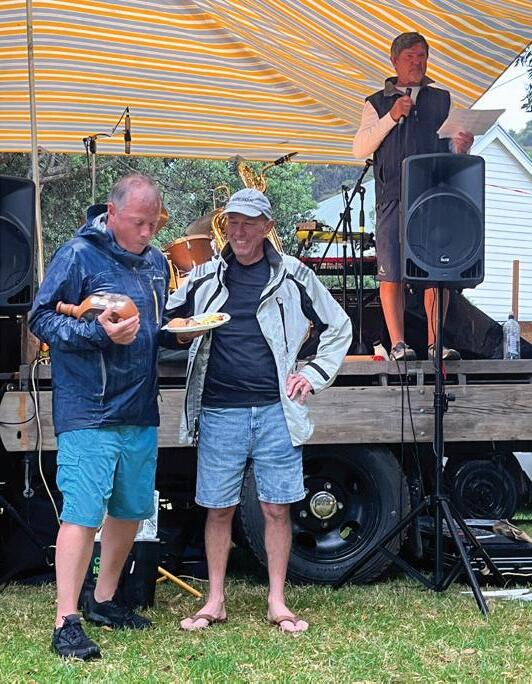
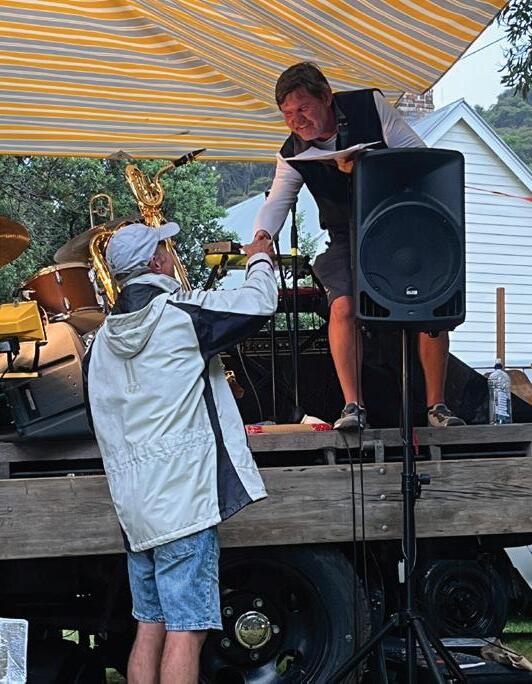
BOAT SAIL LOA DESIGN/BUILT, CLASS, DESIGN RIG
SKIPPER/OWNER NUMBER
Blithe Spirit 304 30ft 1954/1956 Bert Woollacott Bermudan Sloop Carl Willis
Corona H18 26ft 1936 Charles Collings Gaff Richard Allen
Frances B15 38ft 1905/1906 Arch Logan Gaff Cutter Paul Burton
Gypsy C46 34ft 1938/1939 Arch Logan Bermudan Cutter Dimitar Penchev
Jenanne K2 38ft 6in 1945/1950 Bill Couldrey Fractional Bermudan Peter Mence
Julienne H22 22ft 1929/2008 L. Francis Herreshoff Sloop Alfons Reitsma
Kate - 38ft 1898 E. Thompson & Son Former trading gaff cutter Bernard Rhodes
Ngatira B2 40ft 1904 Charles Bailey Jnr Gaff Cutter Stephen Horsley
Rogue B4 32ft 1892 Charles Bailey Jnr Gaff Cutter Pheroze Jagose
Scout NZL 1 32ft 1906/1909 Ewen Bros. 6M Bermudan Sloop Callum Jones
Temptress 788 31ft 6in 1951/1952 Fred Lidgard Bermudan Sloop Miles Bundle
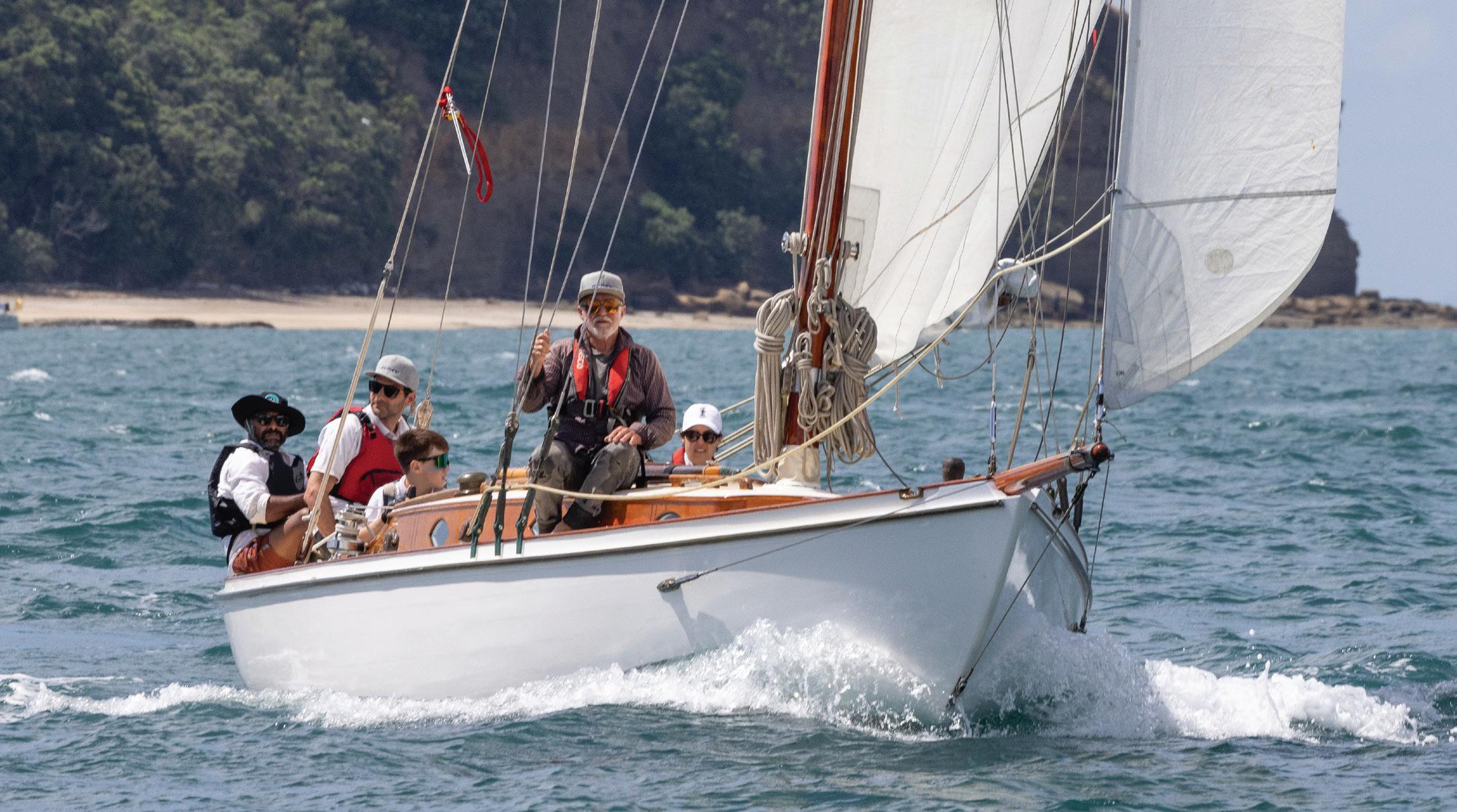
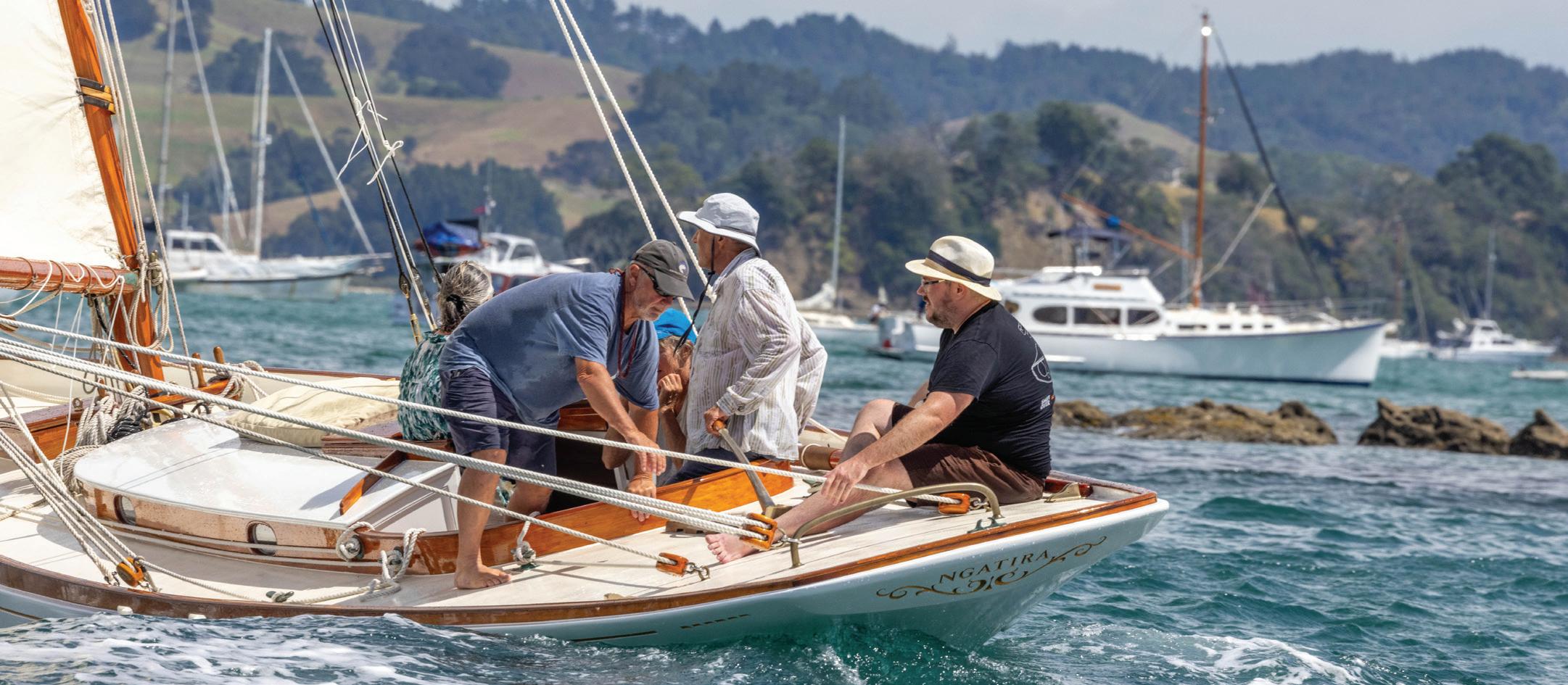
Yachts Designed and Built between 1955 and 1985
BOAT SAIL LOA DESIGN/BUILT, CLASS, DESIGN RIG SKIPPER/OWNER NUMBER SAIL LOA DESIGN/BUILT, CLASS, DESIGN RIG NUMBER
Allegro 842 32ft
Allons-y 635 26ft
1963/1964 Alan Smith Sloop Lucas Evans
1962/1964 Des Townson Serene Sloop Grant Cossey
Angara 3601 34ft 1965/1973 Des Townson Sloop Glenn Starr
Animal House 4432 22ft
Aoma 579 26ft
Apparition 5283 35ft
1962/1981 Des Townson Pied Piper Fractional Sloop Tim Snedden
1961/1962 Des Townson Bermudan Sloop Sibyl Bloomfield
1983/1984 Murray Ross Fractional Sloop Marcel Vroege
Arbitrator 5303 33ft 1984 Ray Beale Sloop Bryan Claridge
Belle Mer 4505 32ft
1980/1981 Peter Nelson Sloop Josh Edington-Lalande
Black Swan 5815 31ft 1984/1987 Gary Mull Bermudan Sloop Maree MacLean
Blue Sapphire 5666 27ft 7in
1979/1985 Alan Wright Fractional Sloop Mikhail Fokin
Cloud 4633 35ft 1978/1982 Des Townson Sloop Michael Eaglen
Finesse 876 30ft 1965 Des Townson Sloop Peter Lyell
Harmony 684 22ft
1962/1968 Des Townson Pied Piper Fractional Sloop Angus Adamson
Juanita 178 36ft 1967 Des Townson Sloop Reuben Cameron
Korora 1360 32ft 1970/1972 Des Townson Sloop Kim Dovey
Love 17 26ft 10in 1964/1975 Jan Herman Linge Soling Fractional Sloop Charlie McKenzie
Starlight 936 32ft 8in
1969/1970 Des Townson Bermudan Sloop Richard Dodd
Sweet Reason 4454 36ft 1972/1981 Bruce Clark Sloop Tom Harold
Talent 3116 33ft 11in 1976/1978 Des Townson T34 Bermudan Sloop Chris Gudgeon
Te Muri 3694 36ft
Woodstock 999 22ft
1976/1977 Des Townson Bermudan Sloop Graham Russell
1962/1984 Des Townson Pied Piper Fractional Sloop Guy Gager
Zeppo 3374 30ft 7in 1970/1977 Gary Mull Bermudan Grant Daniel
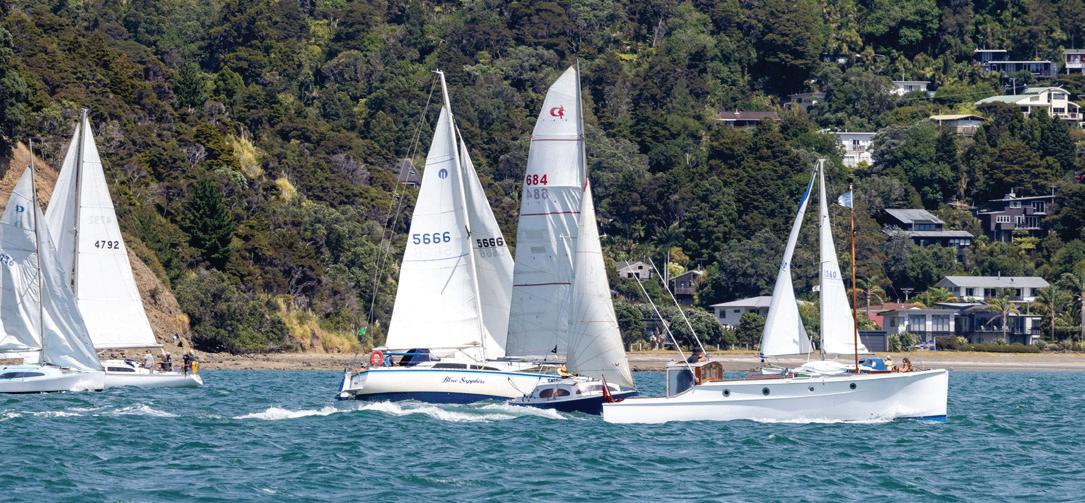
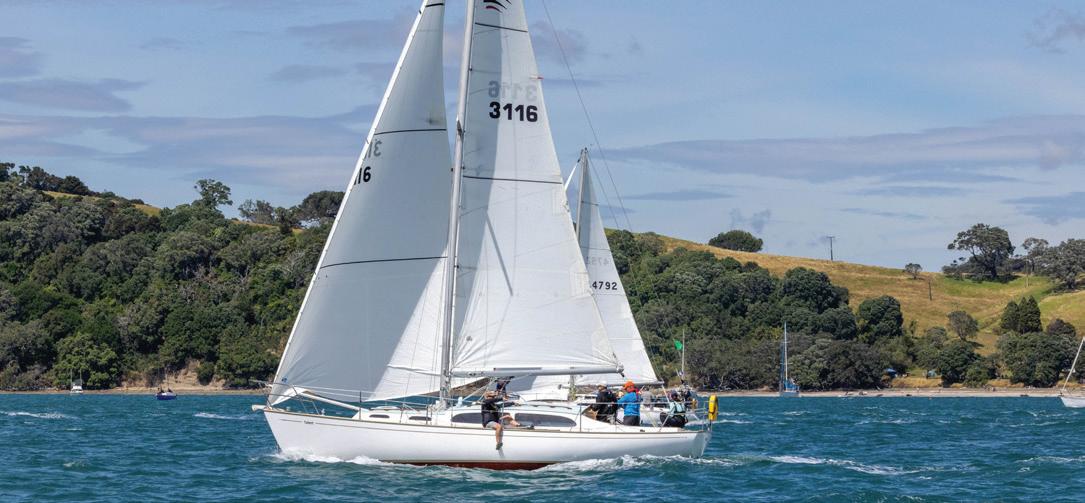
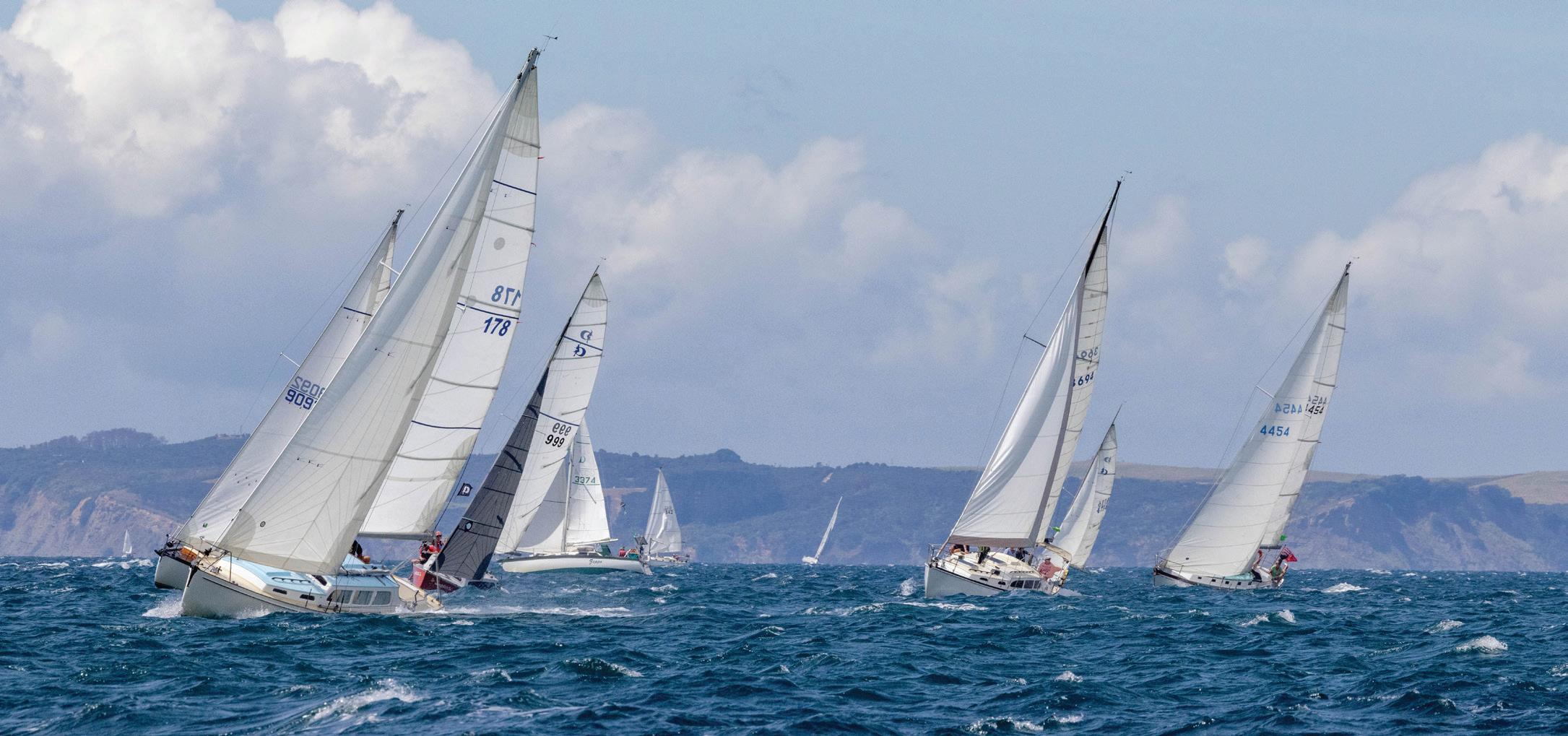
BOAT SAIL LOA DESIGN/BUILT, CLASS, DESIGN RIG SKIPPER/OWNER NUMBER
Patere 4760 34ft
1959/1984 Bob Stewart
Phantasy 5451 34ft 1959/1985 Bob Stewart
Pia 9092 34ft 1959/1972 Bob Stewart
Portrait 4727 34ft 1959/1981 Bob Stewart
Precedent 1880 34ft
Prince Hal 41 34ft
1959/1973 Bob Stewart
1959/1984 Bob Stewart
Prism 5333 34ft 1959/1984 Bob Stewart
Psyche 4642 34ft 1959/1981 Bob Stewart
Bermudan Sloop Alan Retter
Bermudan Sloop Rod Harris
Bermudan Sloop Kevin Mclaren
Bermudan Sloop Mike Maguire
Bermudan Sloop Mike Parker
Bermudan Sloop Brett Henshaw
Bermudan Sloop Tom Laurie
Bermudan Sloop Paul Groom
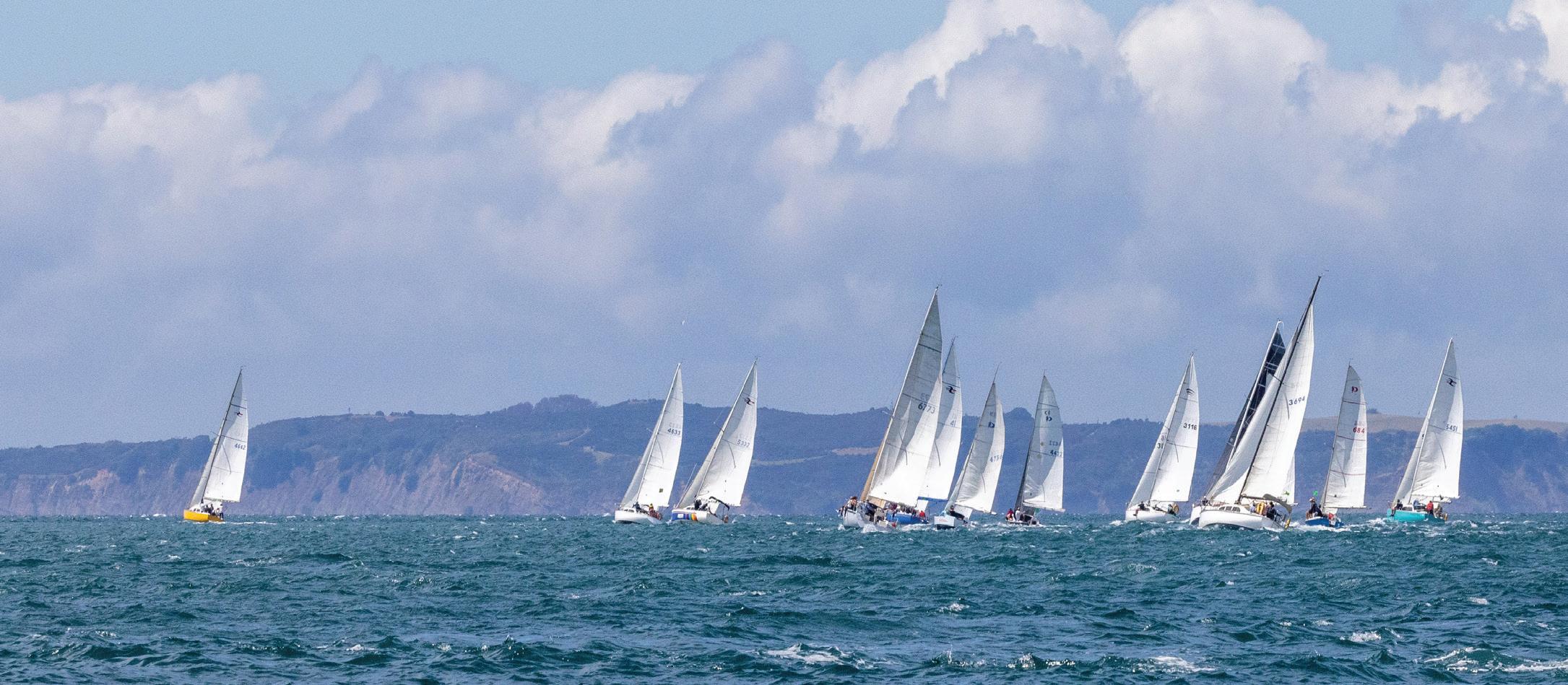
Including Yachts over 40ft Designed and Built before 1985
BOAT SAIL LOA DESIGN/BUILT, CLASS, DESIGN RIG SKIPPER/OWNER NUMBER
Achernar A66 41ft 2in 1965/1966 Bob Stewart
Bermudan Sloop James Buttle
Advantage 3445 42ft 8in 1975/1976 John Lidgard Fractional Sloop Derek Brandt
Ariki A3 54ft 1904/1905 Arch Logan Gaff Cutter Robin Kenyon
Arohia A27 46ft 1948/1949 Col Wild
Masthead Sloop Wade Lewis
Ida A11 44ft 6in 1895 Charles Bailey Jnr. Gaff Cutter Andy Ball
Imagine 2550 43ft 1982/1984 Jim Young Ketch John Arthur
Innismara A81 67ft 1969 Bernie Schmidt Sloop Dougal Bell
Kailua 1823 42ft 1973 Bruce Farr
Little Jim A16 42ft 10in 1934 Arch Logan
Ponsonby Scow NZL2075 52ft 1974/1985 Alan Mummery
Prize A15 43ft 1923 Chas Bailey Jnr
Rainbow A7 50ft 1898 Arch Logan
Rawhiti A2 54ft 1905 Arch Logan
Renown 5001 42ft 1979/1983 John Lidgard 42
Runaway Bay 5443 42ft 1980/1983 John Lidgard
Ta’ Aroa A50 61ft 1954/1964 Sparkman and Stephens
Tawera A18 50ft 1935/1936 Arch Logan
Bermudan Sloop James Frankham
Bermudan Sloop James Mortimer
Foresail Schooner Gray Dixon
Bermudan Cutter Chad Thompson
Gaff Cutter David Glen
Gaff Cutter Peter Brookes
Bermudan Cutter Geoff Evans
Fractional Philip Airey
Bermudan Sloop Wesley Gilfoyle
Bermudan Sloop Mike Mahoney
BOAT SAIL LOA DESIGN/BUILT CLASS, DESIGN, RIG SKIPPER/OWNER NUMBER
Bootstrap - 14ft 9in
Charmer 16 4.9m
2004 John Welsford, Navigator
1985 Geoff Entrican, Spritsail
Jonathon Michael 223 12ft 1950s Hartley & Brookes, Ketch
Kaiarahi 1 17ft 6in
Kuaka - 12ft 1in
lil’ Blew - 23ft
Lorax HY1 20ft
Morvarch 10043 18ft 8in
Native - 16ft 10in
Rose 3877 16ft
Rua Moutere - 15ft 5in
Ruby I 3 12ft
Sayorse - 15ft 5in
2005 John Welsford, Gaff yawl
1994 Sprit
Frank Pelin, Dory
1975 Philip Bolger, Humber Yawl
2022 Roger Dongray, Gaff
1959/1975 John Leather, Oyster Class balanced lug
1985/2019 Joel White, Sloop
1993/2019 Michael Storer, Balanced Lug
1927 Alf Harvey, Idle Along
1980s/2011 Philip Bolger, Lateen
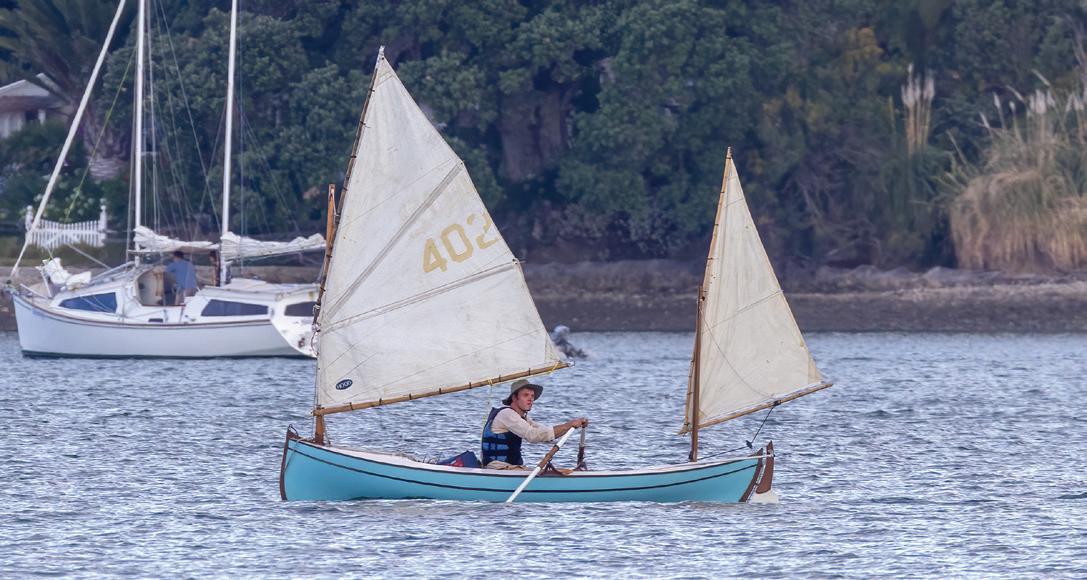
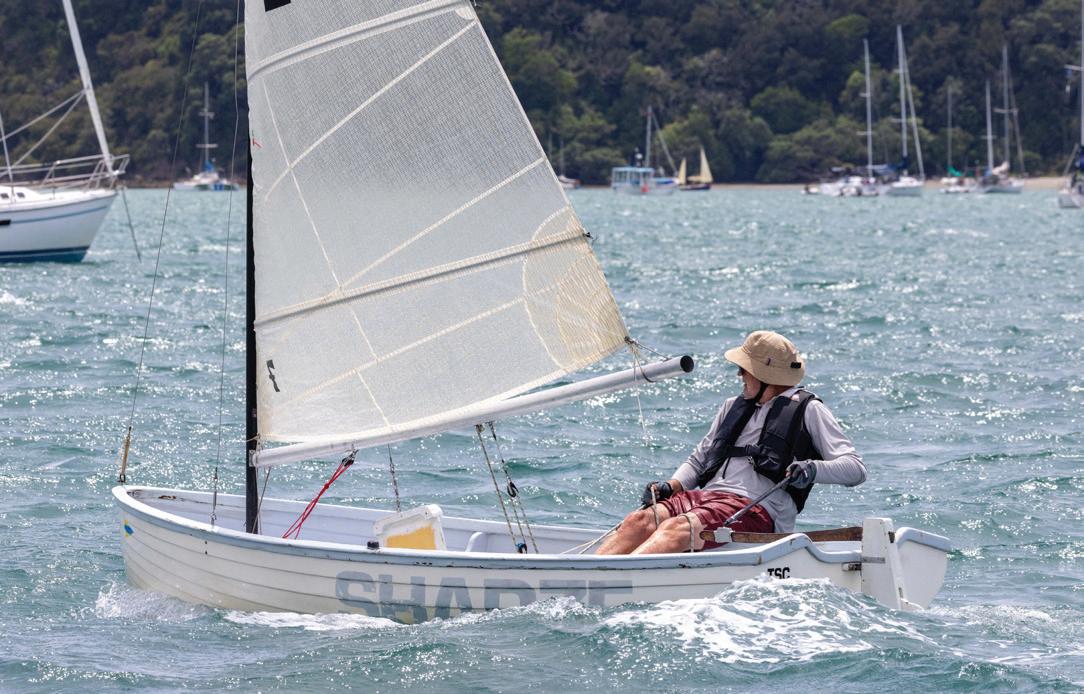
Richard Schmidt
Geoff Beresford
Graeme Raill
Simon Tucker
Jonathan Alexander Kennedy
Wayne Messina
Victor Hopwood
Keith Williams
Nigel Wright
Dave Jackson
Alan Moore
Lloyd Farrand
Lance Stephens
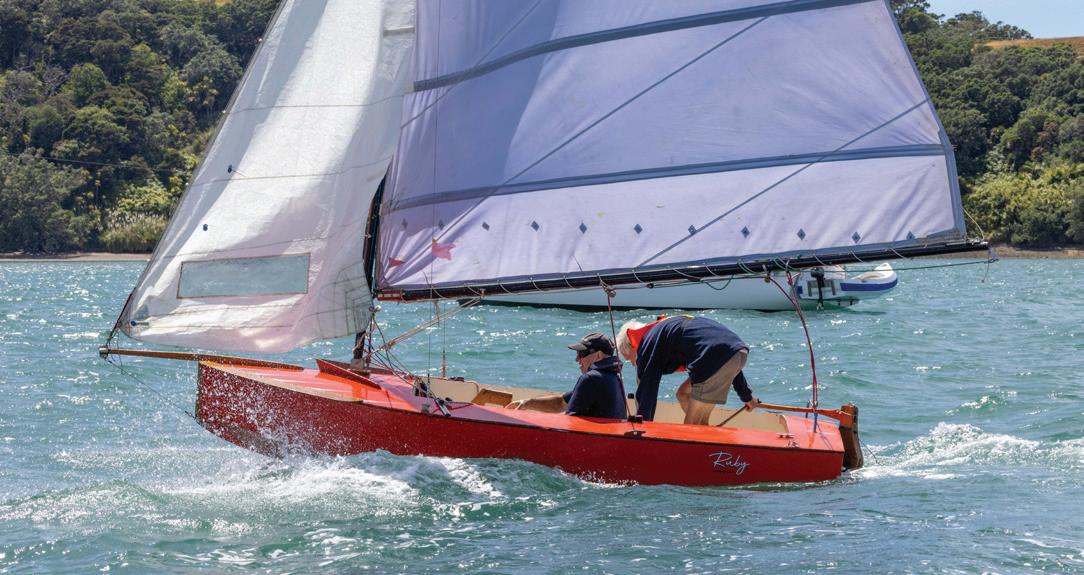
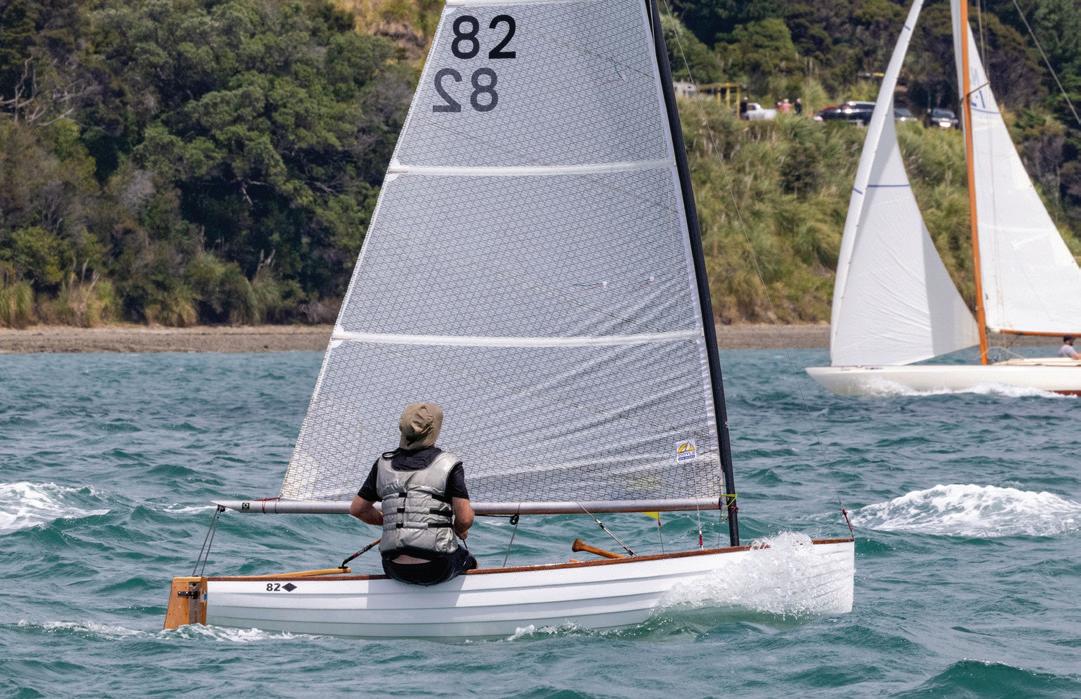
BOAT SAIL LOA DESIGN/BUILT CLASS, DESIGN, RIG SKIPPER/OWNER NUMBER
Amber 23 11ft 6in
Chilly 39 11ft 6in
Jabberwocky 124 11ft 6in
Kina 82 11ft 6in
Kiteroa 71 11ft 6in
Orca 187 11ft 6in
Phred Bare KZ237 15ft
Pollyanna 1282 11ft 6in
Shadze 206 11ft 6in
1937/1970 Jack Brooke, Frostbite, Cat Rig
John McShane
1937/1970 Jack Brooke, Frostbite, Cat Rig Pim Rademakers
1937/1995 Jack Brooke, Frostbite, Cat Rig
Brian Trubovich
1937/1960s Jack Brooke, Frostbite, Cat Rig Paddy O’Rourke
1937/1959 Jack Brooke, Frostbite, Cat Rig
Adrian Pawson
1937/1980 Jack Brooke, Frostbite, Cat Rig Ashok Magan
1949/1980 International Finn Dinghy, Cat Rig Graham Lambert
1937/1980 Jack Brooke, Frostbite, Cat Rig Robert Steenhuisen
1937/1987 Jack Brooke, Frostbite, Cat Rig Geoff Shearman
BOAT SAIL LOA DESIGN/BUILT, CLASS, DESIGN RIG SKIPPER/OWNER NUMBER
Buona Sera L43 22ft 1961/1965
Morrie Palmer Fractional Bermudan Michael Knuckey
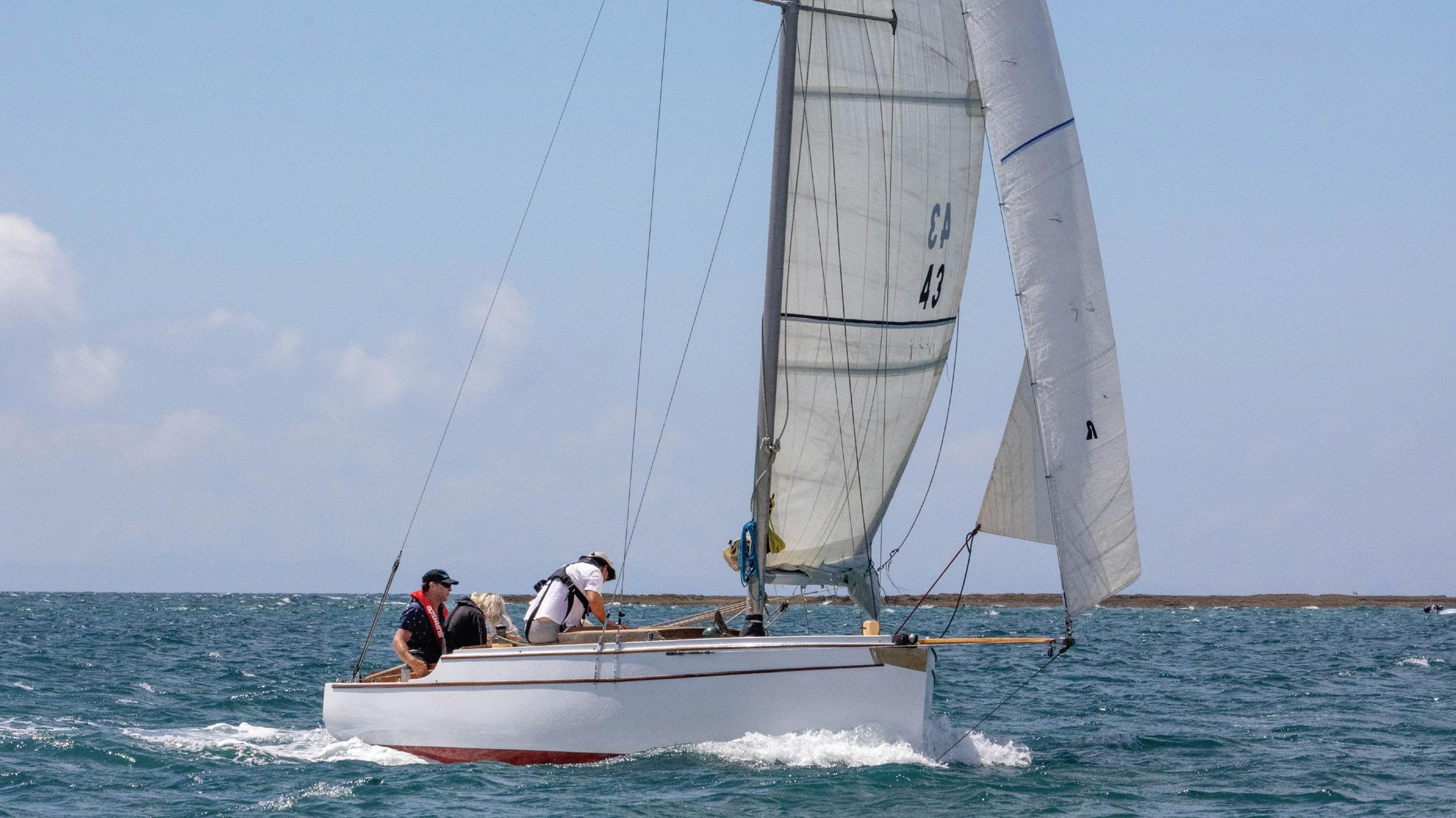
Yachts of any age and construction conforming to a traditional spirit in design
BOAT SAIL LOA DESIGN/BUILT CLASS, DESIGN, RIG SKIPPER/OWNER NUMBER
Heliotrope - 8.4m 1996/2006 Rob Beresford, Schooner Rob Beresford
Princess IOD 102 33ft 1936/1975 Bjarne Aas, International OneDesign, Fractional Sloop Chris Dickson
Sandbourne - 29ft 1942/1987 L. Francis Herreshoff, H28 sloop Carl Brett
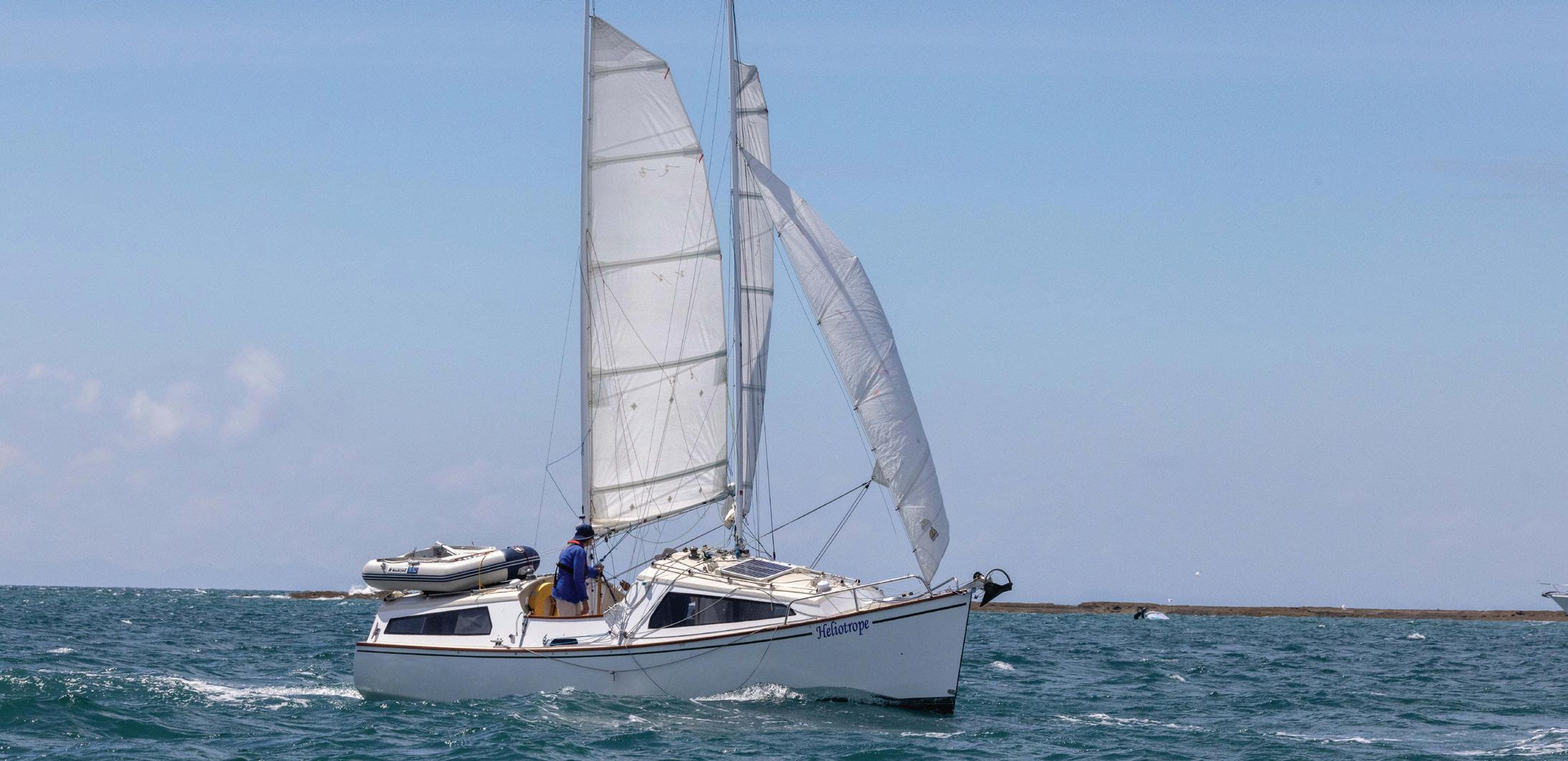





By Piia Wirsu and Mick Doleman.
Paperback, 0.46 kg, 154 x 234mm. 340 Pages, full colour photographs.
$40.00
1973: The incredible true story of the Blythe Star disaster, which left ten men shipwrecked and alone on the wild Southern Ocean off Tasmania. Almost two weeks later they were found on a remote trail on a southern peninsula, and their story would stun the nation … and leave a powerful legacy in its wake.
When the coastal freighter MV Blythe Star left Hobart on a routine trip, Mick Doleman was an 18-year-old deckhand working alongside nine other crewmen, all accustomed to the dangers of the sea. But nothing could prepare them for what happened less than 24 hours later.
In the early morning, the Blythe Star started listing, and swiftly sank. Miraculously, all the crewmen escaped, only to be crammed into a tiny life raft at the mercy of the ocean. The ship’s sinking sparked the largest sea and air search at the time, but the crew remained lost – and soon they were given up for dead.
Twelve days later, three ravaged and starving men, including Mick, found help on a remote logging trail in heavy bush on the Tasman Peninsula (Tasmania). Their story was shocking, and set the country alight with questions about their plight. How had they disappeared without trace? How had they survived the un-survivable?
This is an extraordinary story of human endurance in one of the most challenging environments on earth, written by Piia Wirsu, the producer and narrator of ‘From the Dead’, the award-winning season of the ABC podcast Expanse, with Mick Doleman, now the only surviving crewmember of the Blythe Star, who became a global influence in maritime safety.

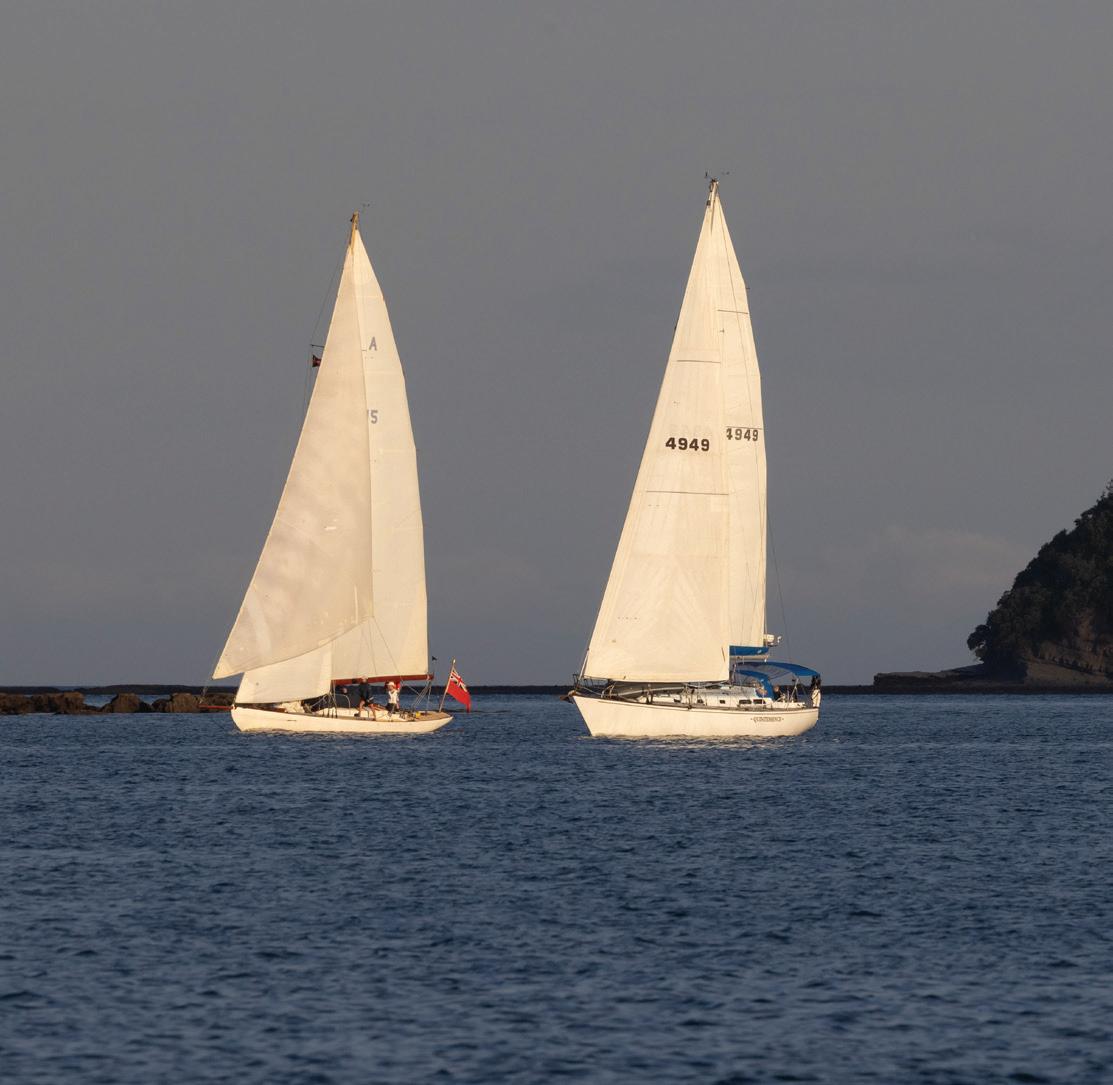
By Anne Pilcher Gough.
Paperback, 0.35kg, 130mm x 197mm. 360 pages, colour and black and white photographs.
$40.00
Having grown up by Sydney Harbour, Anne’s love affair with the sea and, later, ocean sailing was sealed from an early age. After living in three different countries with three different sailing partners, she eventually sailed around the world in the 36ft steel yacht ‘Kiwi Dream’ with her New Zealand partner, Alan Forrest.
Taking five years and doing 33,000 sea miles, visiting twentynine countries, hitting two whales, surviving a rat infestation, and wearing out two sets of sails, going a less usual route via Cape Horn (the Everest for sailors) until they were stopped by COVID-19 in the remote Patagonia Chilean channels in 2020, before finally returning to New Zealand.
Woven through the book are some of the author’s encounters during forty years of sailing and yacht deliveries. From crossing the Atlantic on a square-rigged ship to sailing the Northwest Passage and fighting hurricane force 4 winds in Antarctica.
By Al Brown.
Paperback, 0.61kg, 207mm x 265mm. 144 pages, full colour photographs.
$35.00
The ultimate guide to fishing for anyone, children or adults, beginners or those more experienced.
Whether you want to fish for sprats from a wharf, walk up a stream with a fly rod or cast a line from a boat or kayak, there’s a heap of handy information in here.
Learn how to tie knots, bait hooks, cast lures, and fillet and cook your catch.
Al Brown has a life-long love of fishing and Hooked includes ten of Al’s most-loved fish recipes, some of them Depot Eatery classics.
Fishing is a terrific outdoors experience that is challenging but also super exciting. And the learning never ends as your knowledge builds with each adventure and every time you head out. Hooked is a goto for all anglers!
By Chris Dixon and Jeremy K. Spencer. Hardback, 0.70kg, 185mm x 235mm. 350 pages, 200+ line drawings.
$80.00
The Ultimate Handbook of Nautical Knowledge.
An absolute treasure trove of information and inspiration for anyone with an abiding love for the ocean.
Featuring short-subject deep dives on topics like science, sailing, kayaking, surfing, diving, survival, and much more.
From experienced seafarers to ocean novices, for those about to ride their first wave, stand-up paddle, on a dive, or identify a bird that landed on the bow, The Ocean is rich with how-to advice and instruction.
Section Titles include:
· Boating · Surfing · Science · Survival
· Scuba and Snorkeling · Fishing
An entertaining, authoritative, and captivating guide to all activities involving the sea.
The ultimate gift book for sailors, fishers, surfers, beachcombers, and ocean lovers everywhere. Perfect for people who live in coastal areas, and love the ocean, sailing, and ships.
By Davey Jones
& Martin
Berthold. Paperback,
227mm x 207mm. 184 pages, colour and black and white.
$60.00 plus postage
Available: davey.h.jones@gmail.com
Davey Jones needs no introduction to people who love stories about wooden work boats and the people who cherish and operate them. To underpin this statement, over the last 50-plus years, Davey and his crews have cruised the coasts of New Zealand, the Western Pacific, the Tasman Sea, and the Eastern Coast of Australia in his two boats, Te Huia and Kelvin. And to go further down the line of tradition, both of these boats were powered by what would now be deemed “ancient marine engines”, namely JP Lister diesels.
By Greta Simmonds. Paperback, 210mm x 148mm. 108 pages, full colour photographs.
$29.00 including postage.
Email greta. simmonds@gmail.com
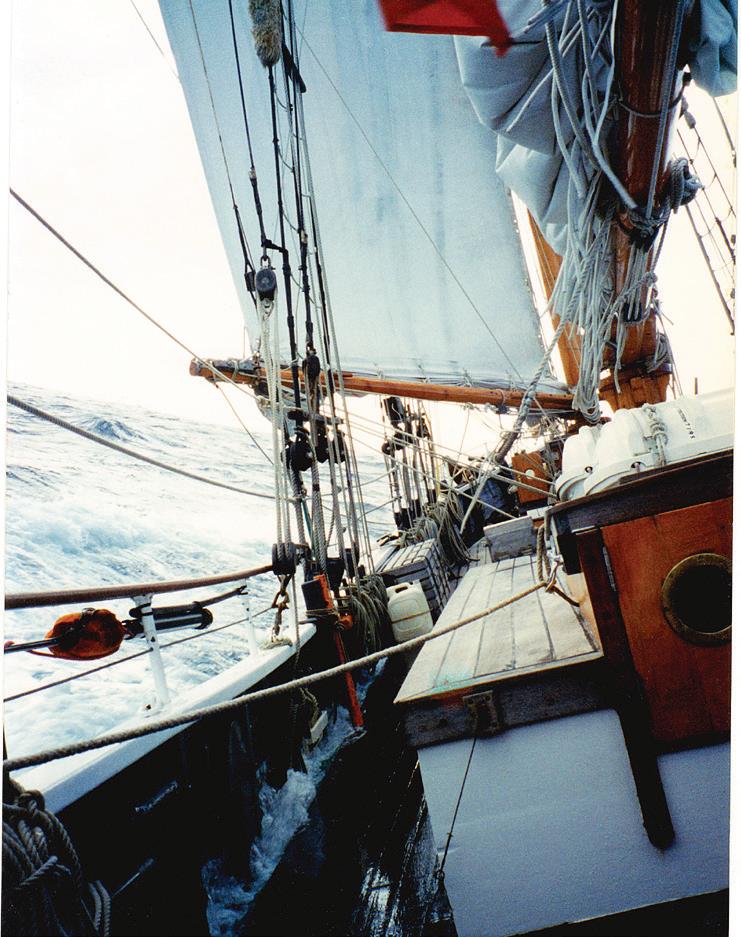
Topsail schooner R Tucker Thompson set sail from the Bay of Islands in the winter of 1995 to get in the way of France letting off nuclear bombs on Mururoa Atoll in French Polynesia. She joined a protest fleet off the Atoll, spending fifty days at sea, her crew of fourteen enduring trying sea conditions and harassment by the French military.
Sailing to the Bomb recounts that adventure. Former owner of the ship Greta Simmonds interviewed crew and pored over the ship’s log and news reports to put together this sea story. She colours in the characters that made up the crew, and their part in the tactics that sought to outsmart France. Read it to feel what it’s like to sail a tall ship across an ocean.
This book covers the happenings of a place that not many people have been to, but where everything centres around wooden work boats. Whakatahuri has ancient beginnings, going back to the days of Kupe. Around the turn of the century, one of the most wellknown families in the Sounds set up shop there. Enter the Wells family, who are steeped in maritime history and are a big part of this book. Davey has known these people his whole life and has been fascinated by their marine activities concerning their marine activities. In fact, they may have been the conduit to his life as a mariner and lover of all things to do with wooden boats. Another event that took place at Whakatahuri was the establishment of the Sounds Wrecking Company. The author of its history is Martin Berthold, who kindly handed his manuscript over to Davey to become a major part of this
This book stands out like no other in the field of recent New Zealand maritime history books due to the fact that all involved are maritime people. The stories are nice and light, factual and entertaining, and the photographic material is so appropriate and pleasing to the eye. But most of all, this book, with its many stories over many years, fits together perfectly due to the understanding work of Carol and Lynette Goulding (nee Wells).
Well done to all involved, you have captured a vital window of maritime history.
A must-read and own, but get in quick as the limited print run of 800 has nearly sold out. By Baden Pascoe.

Pontoon & Houseboats, Jetties, Swim/picnic rafts, Floating Docks , Walkways, Work barges, Aquaculture, Irrigation, Stable Boating for wheel chair & mobility scooters. The new Pontoonz Dinghy Tender - Row, Tow or Stow
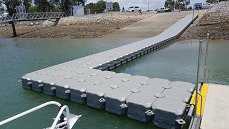
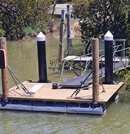


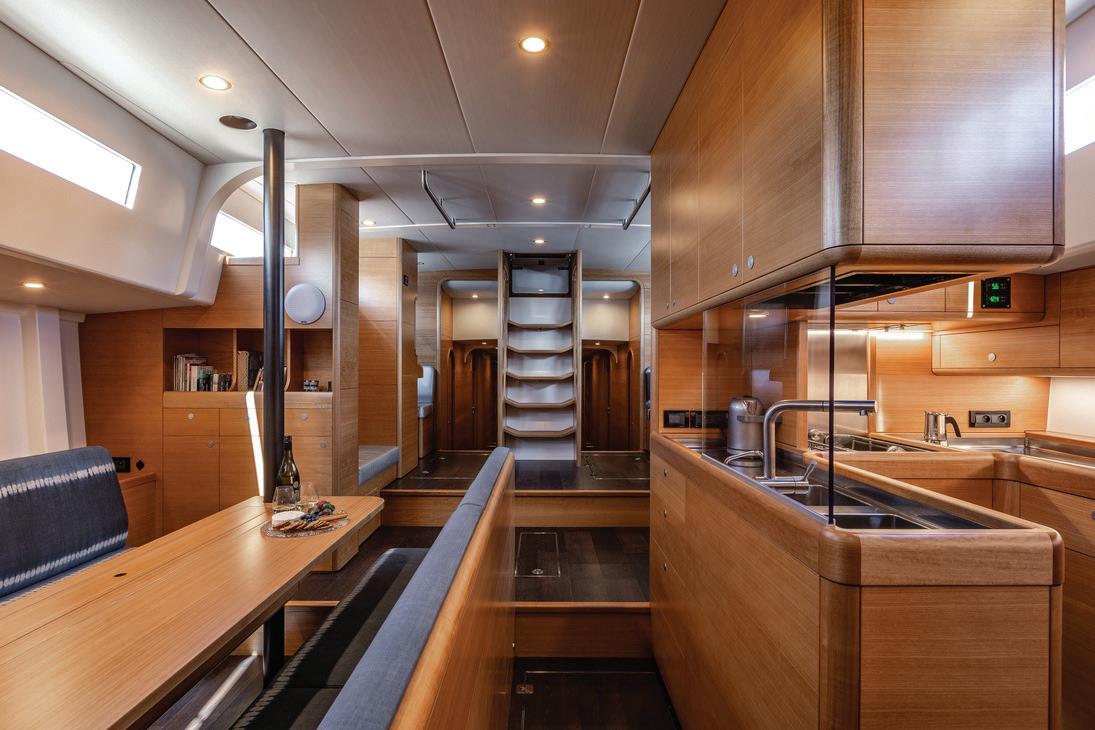
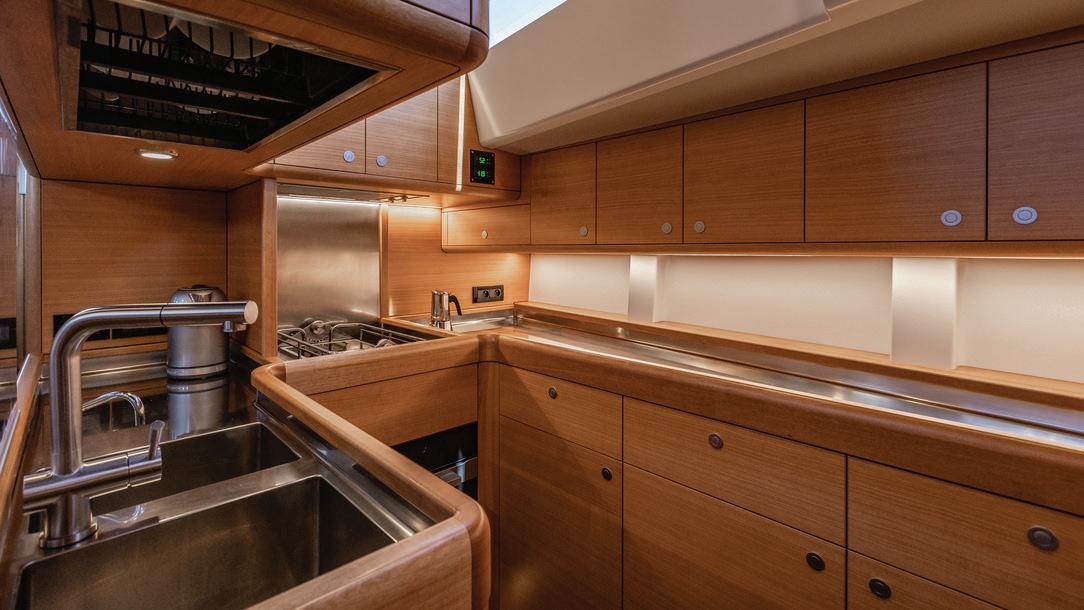







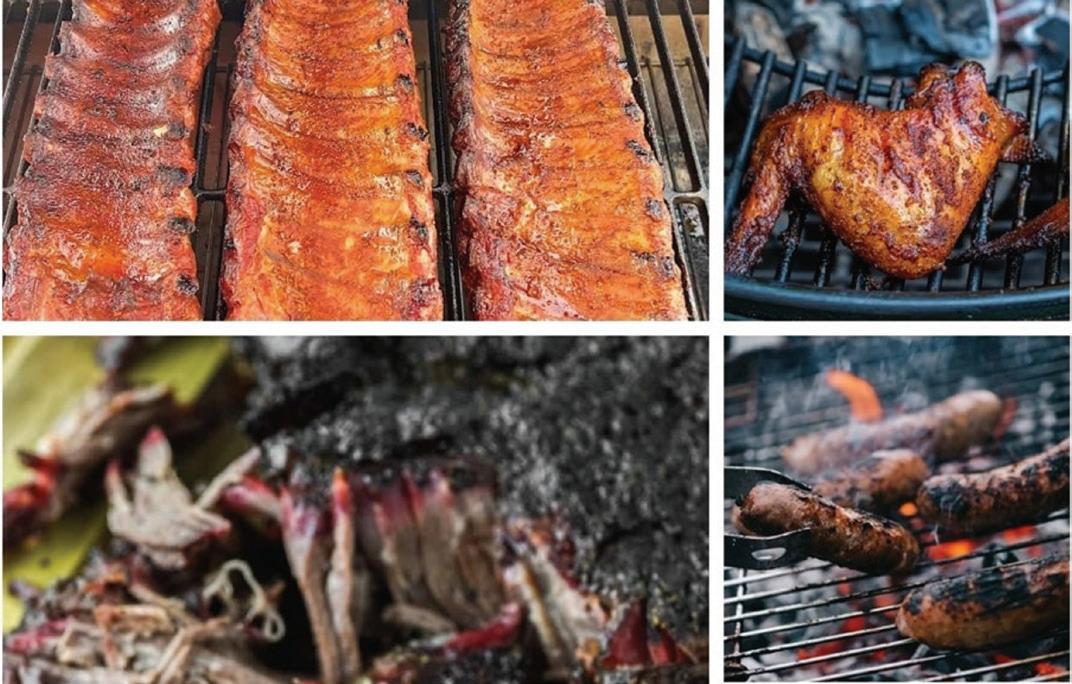

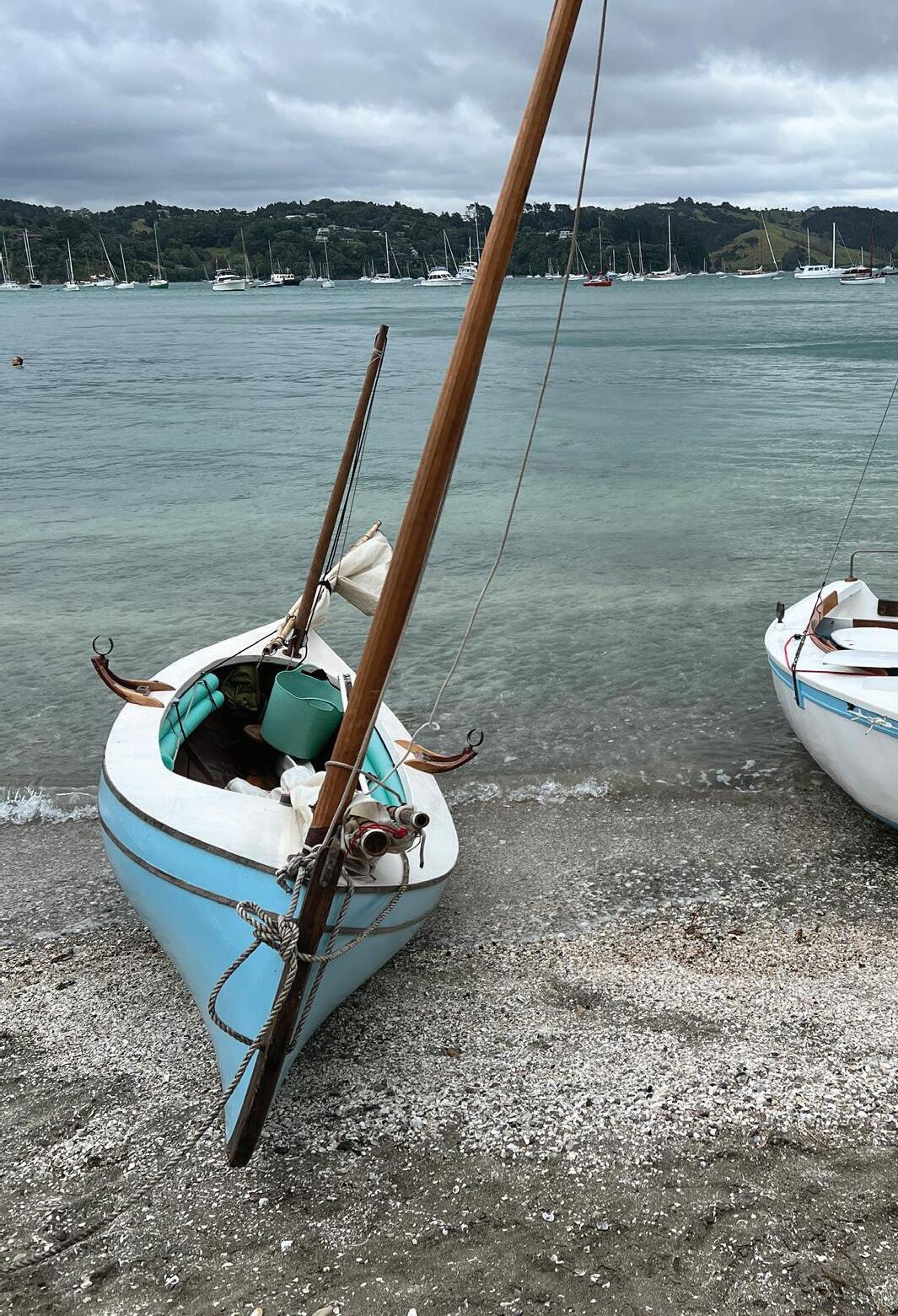
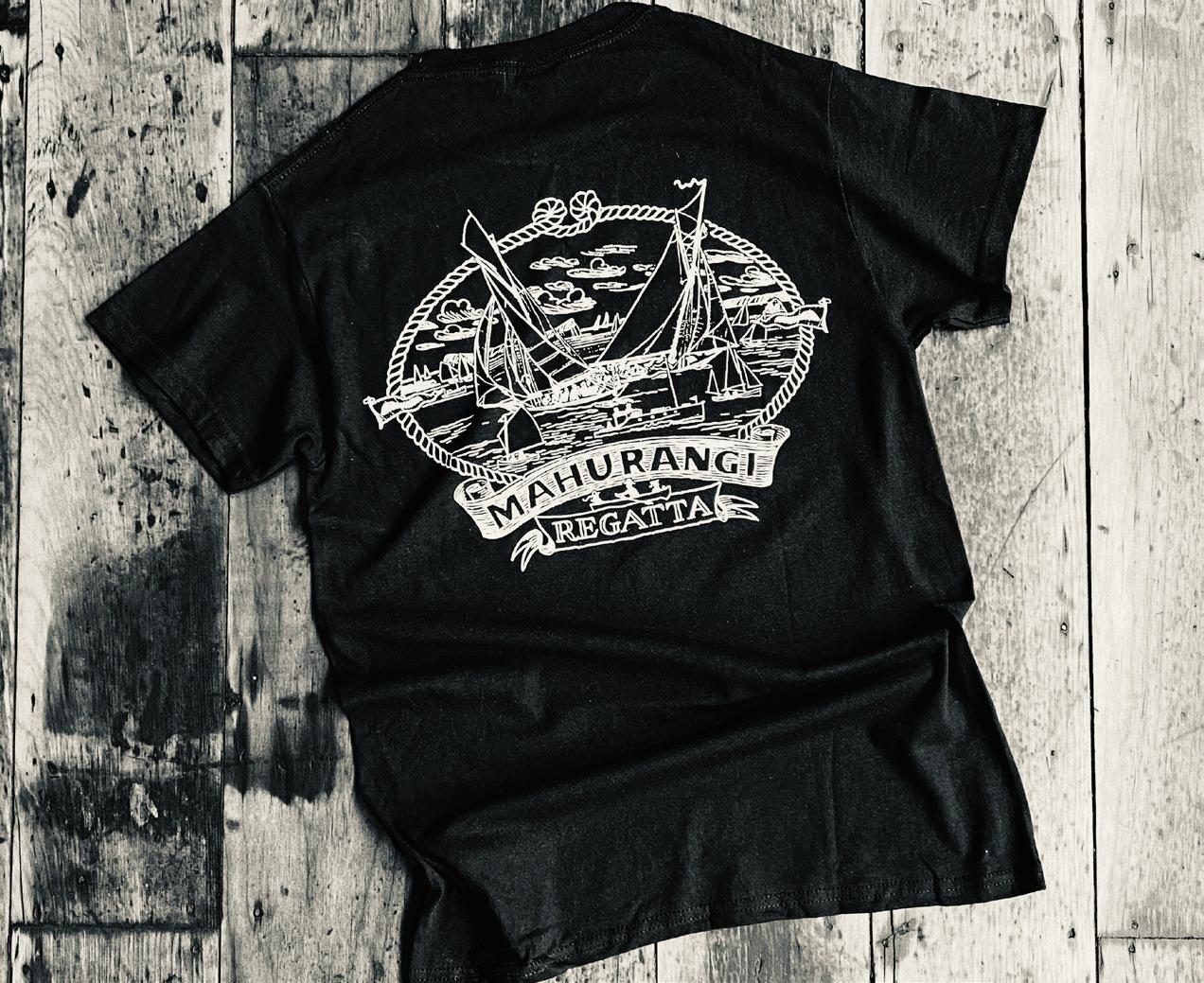
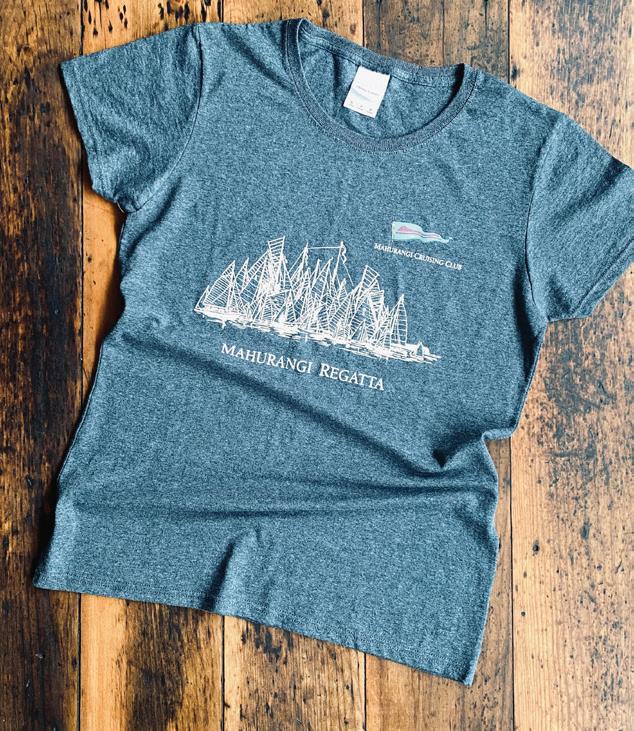
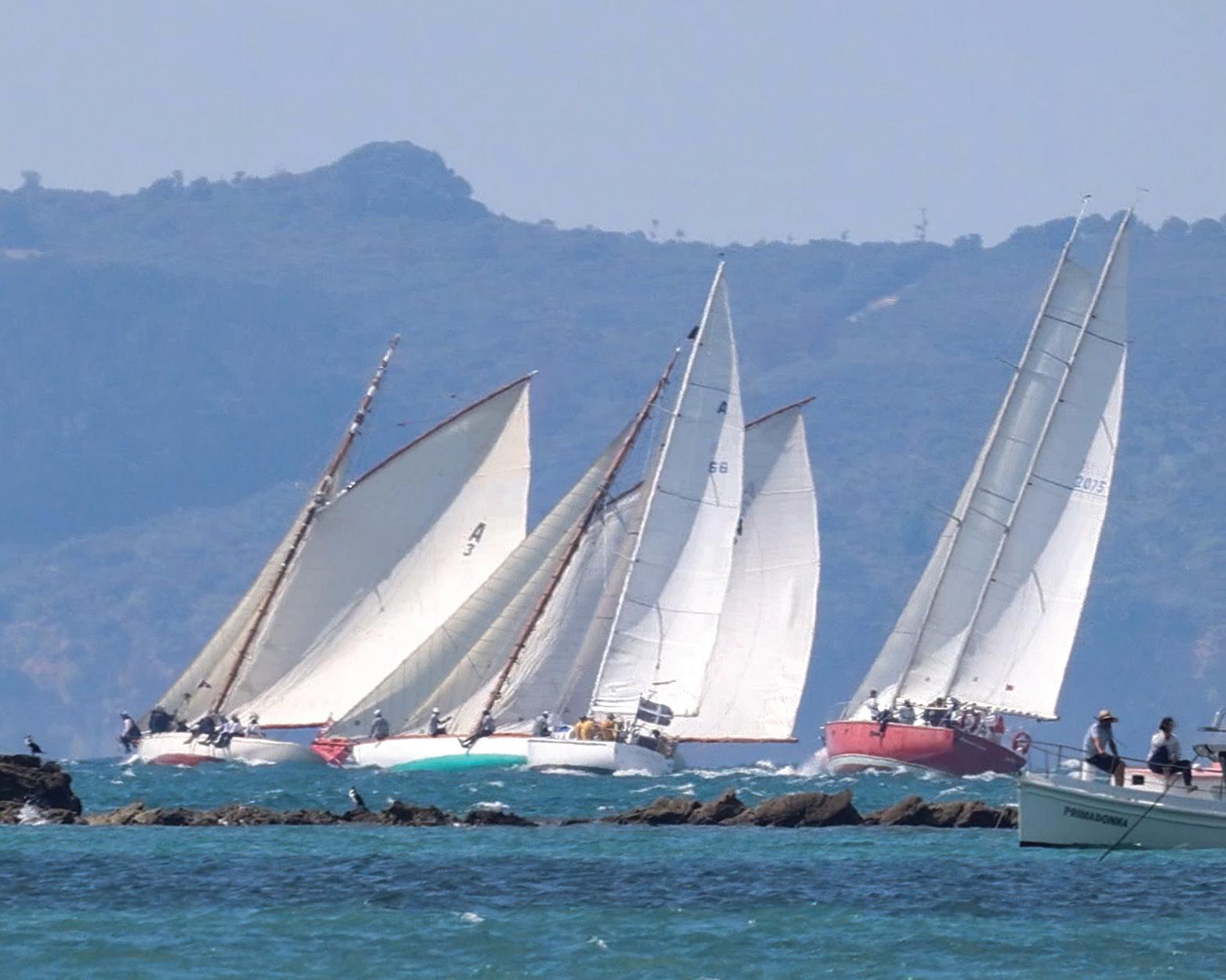

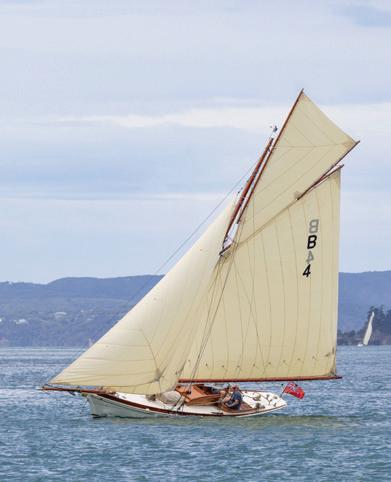

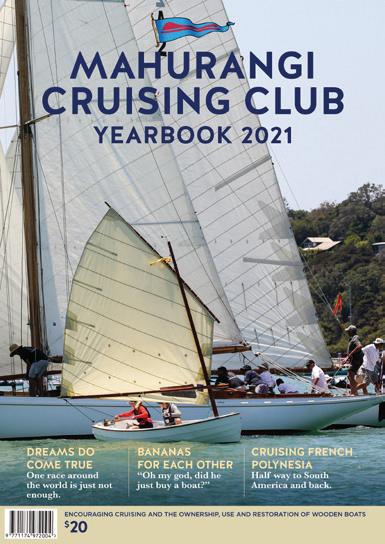

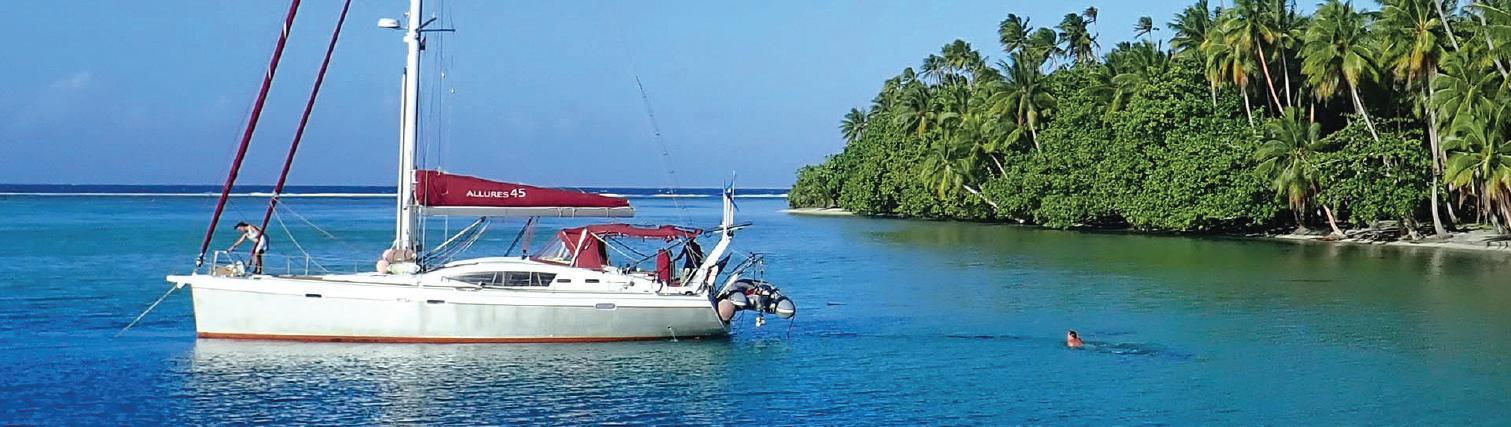
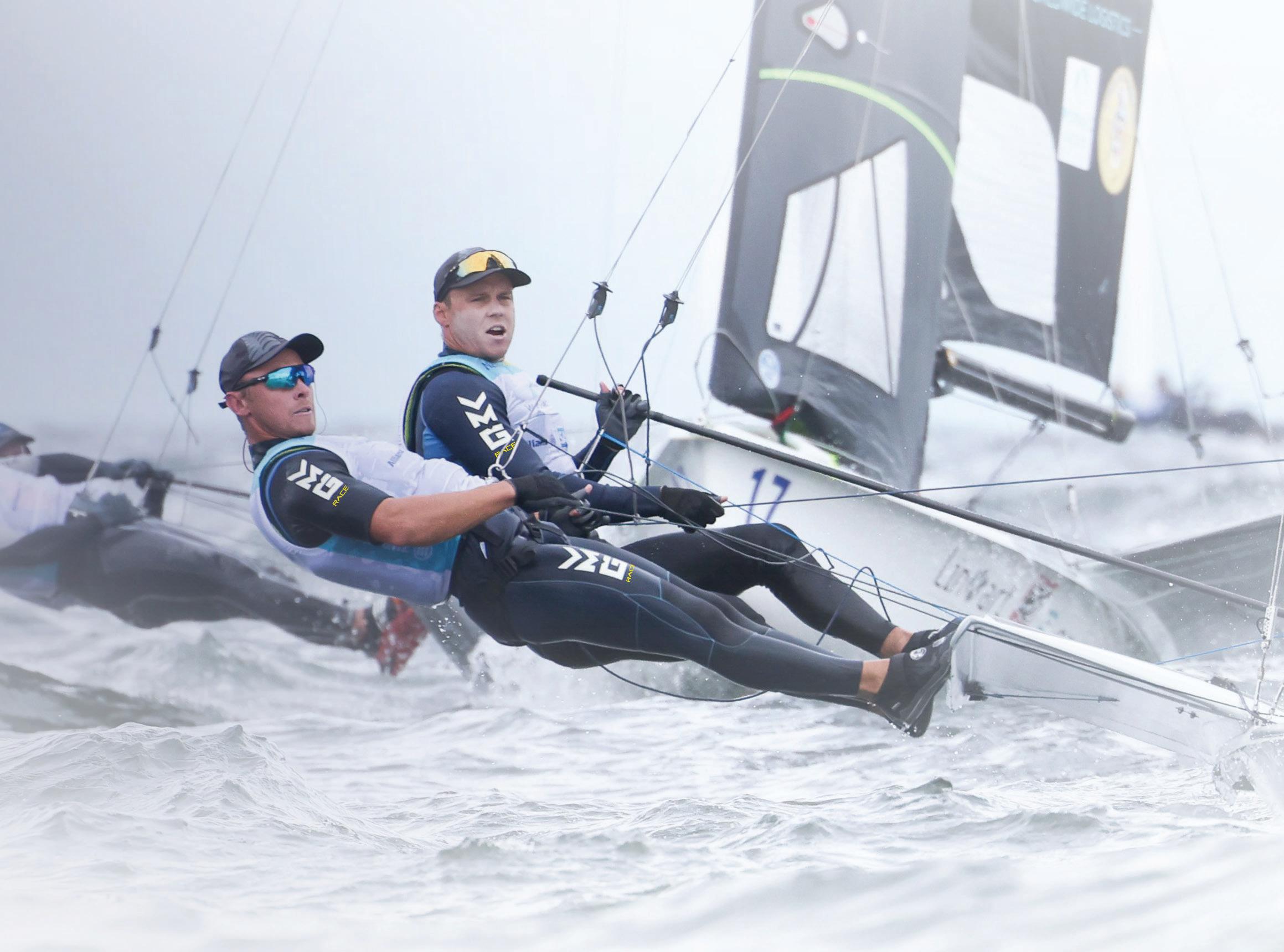

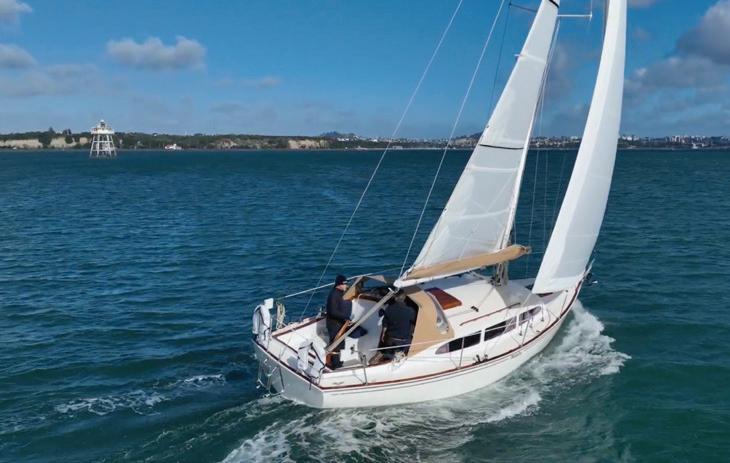
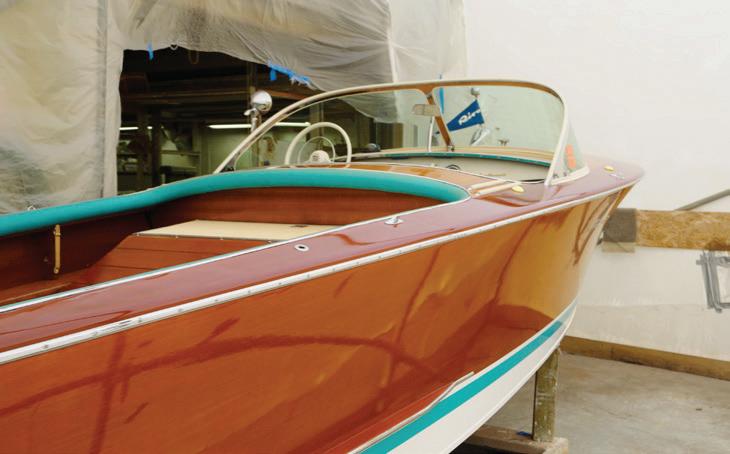
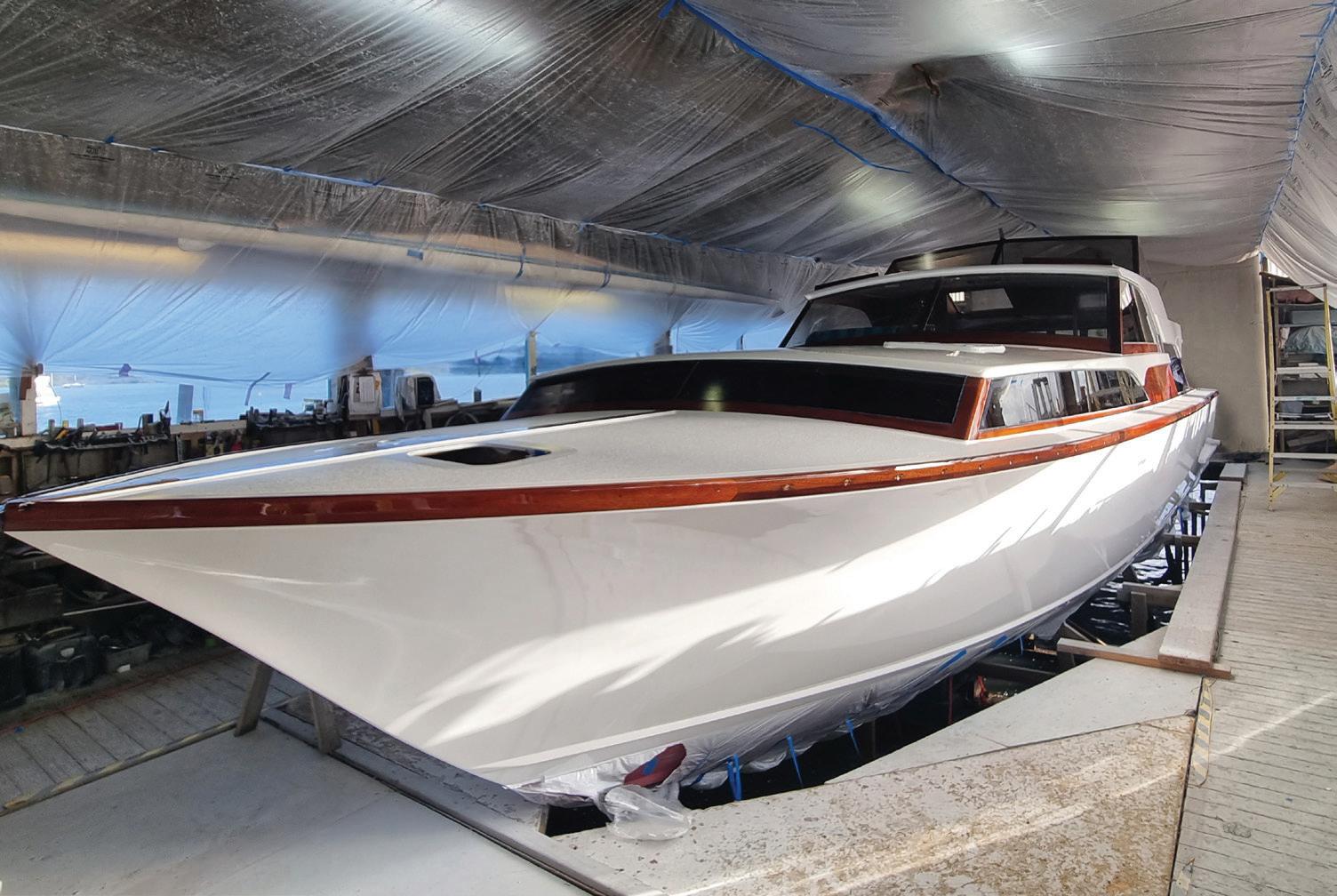
BOATBUILDING EXTENSIONS
RESTORATIONS
REFITS & REPAIRS
HARD
VARNISH
UNDERCOVER
ANTIFOULING
MARINE
SHIP CHANDLERY
BOAT GROOMING
www.leesboatbuilders.co.nz
info@leesboatbuilders.co.nz
Contact Greg Lees
09 425 8811 / 0274 757711