
We’re

We’re
Find a career with a purpose in a community committed to creativity.
• Union and non-union positions available in all areas.
• Exceptional benefits include comprehensive health and dental coverage, life and AD&D insurance, generous paid time off, flexible spending accounts, retirement contributions, tuition benefits, and more.

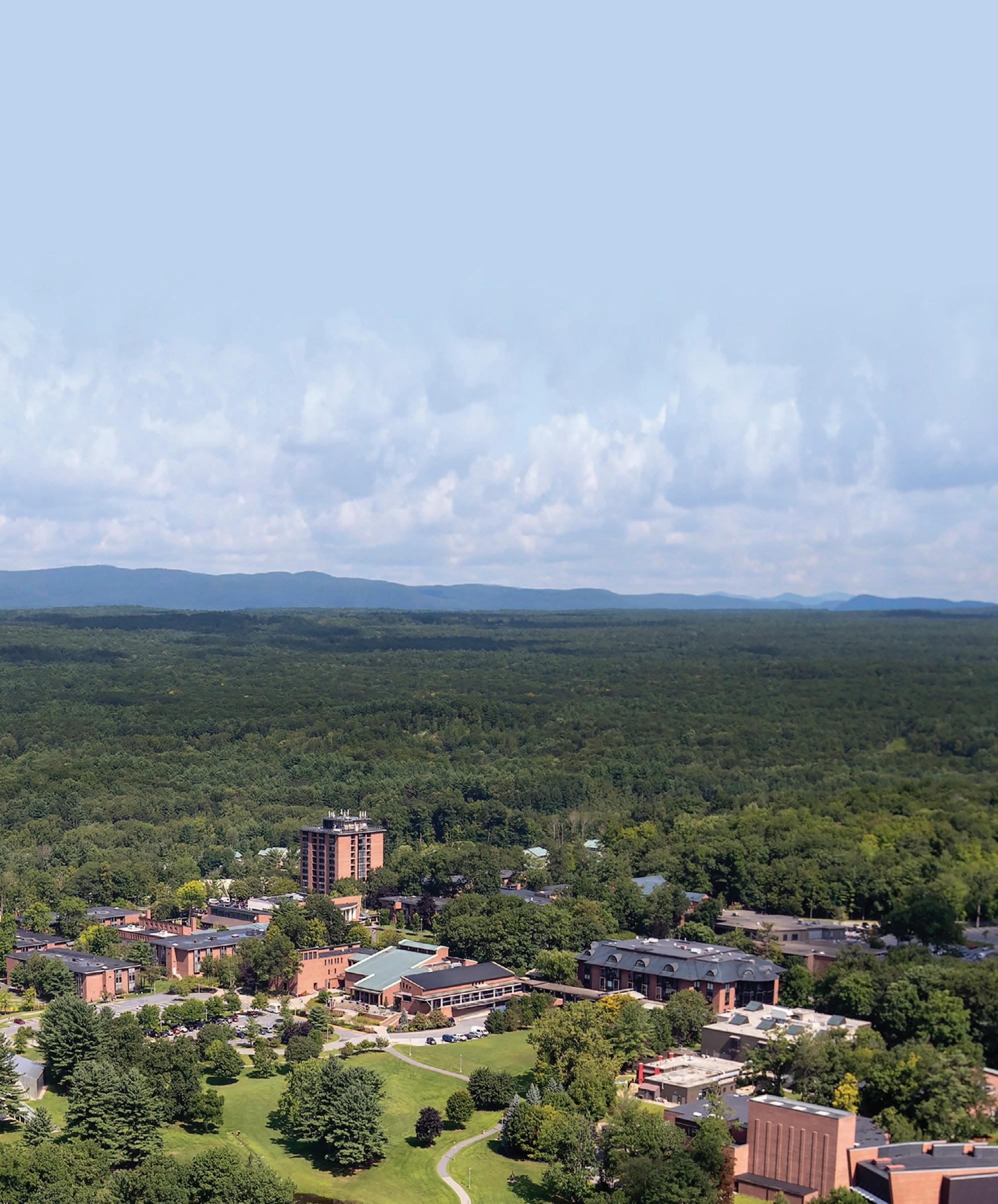

Learn what makes us different and apply to open positions at skidmore.edu/hr/careers.

PUBLISHER / FOUNDER
Stephanie Sittnick
COPY EDITOR
Elisabeth Allen
WEBMASTER
Tony Rivera
ADVERTISING SALES
Stephanie Sittnick - Director of Sales ( 860) 227-8199 advertising@518mag.com
CONTRIBUTORS
Carol St.Sauveur Ferris, Karen Richman, Rona Mann
Chandler Stevens, Lawrence White, Kirsten Ferguson, Alan Richer, Crystal Cobert Giddens, Nellie Ackerman-Vellano, Kristina Watrobski
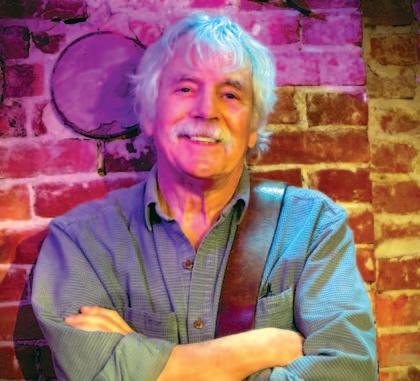
Tom Rush Returns to Caffe Lena Celebrating A Long-Term Relationship in American Folk and Blues Music
pg. 4
Yes it is time to celebrate the gorgeous month of May! The Sun is warming, the birds are chirping, the flowers are blooming, and the ga rden is growing. It is time to change out our closets full of winter clothes and replace them with short sleeves and sandals.
Welcome to our May issue! I must say, I had a ton of fun laying out these stories. Each talented artist within these pages, has a VERY lo ng history in the art world and they still find their craft as exciting and fulfilling as they did years ago. Each one of them are absolutely inspiring.
As always, our goal at 518 PROFILES, is always to focus on the g ood, the beautiful and the positive by publishing stories with heart and soul. We strive each month to deliver authentic and un ique content about creative people and interesting destinations
Please find a comfy, warm, sunny spot to relax and enjoy the issue!

Stephanie Sittnick Founder / Publisher
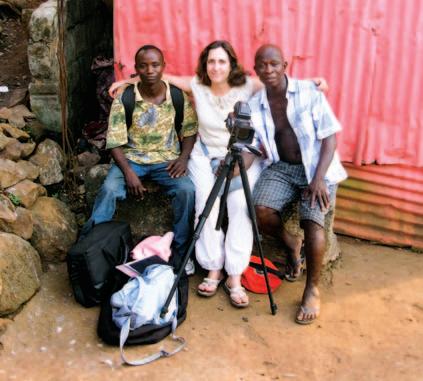
Masquerading Her Talent
Phyllis Galembo
pg. 12
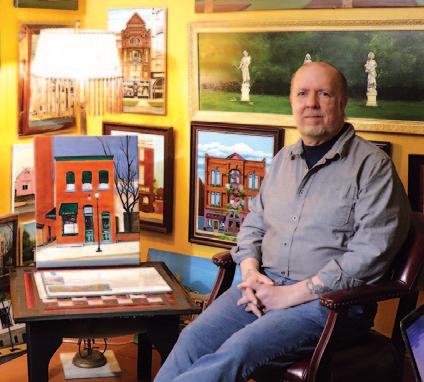
Telling the Story of a City Through Painting
Robert Wheaton: Artist
pg. 22
"Why Can't We Do That Here?"
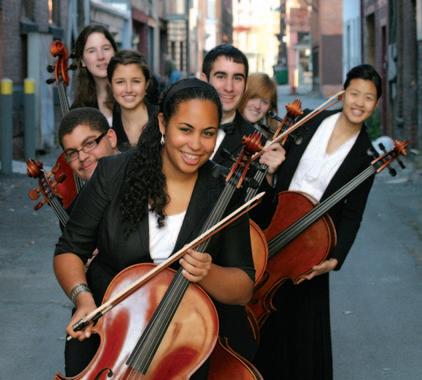
The Inspiring Story of The Empire State Youth Orchestra
pg. 30



By Lawrence White
I locked my doors, the sun went down Said goodbye to Boston town Mass Turnpike to Route 15
Take me on down to the New York scene
...Tom Rush – On the Road Again
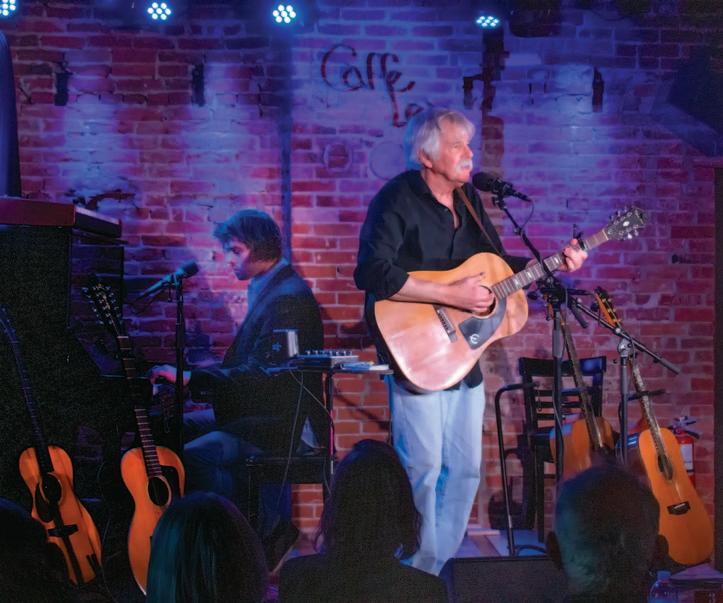

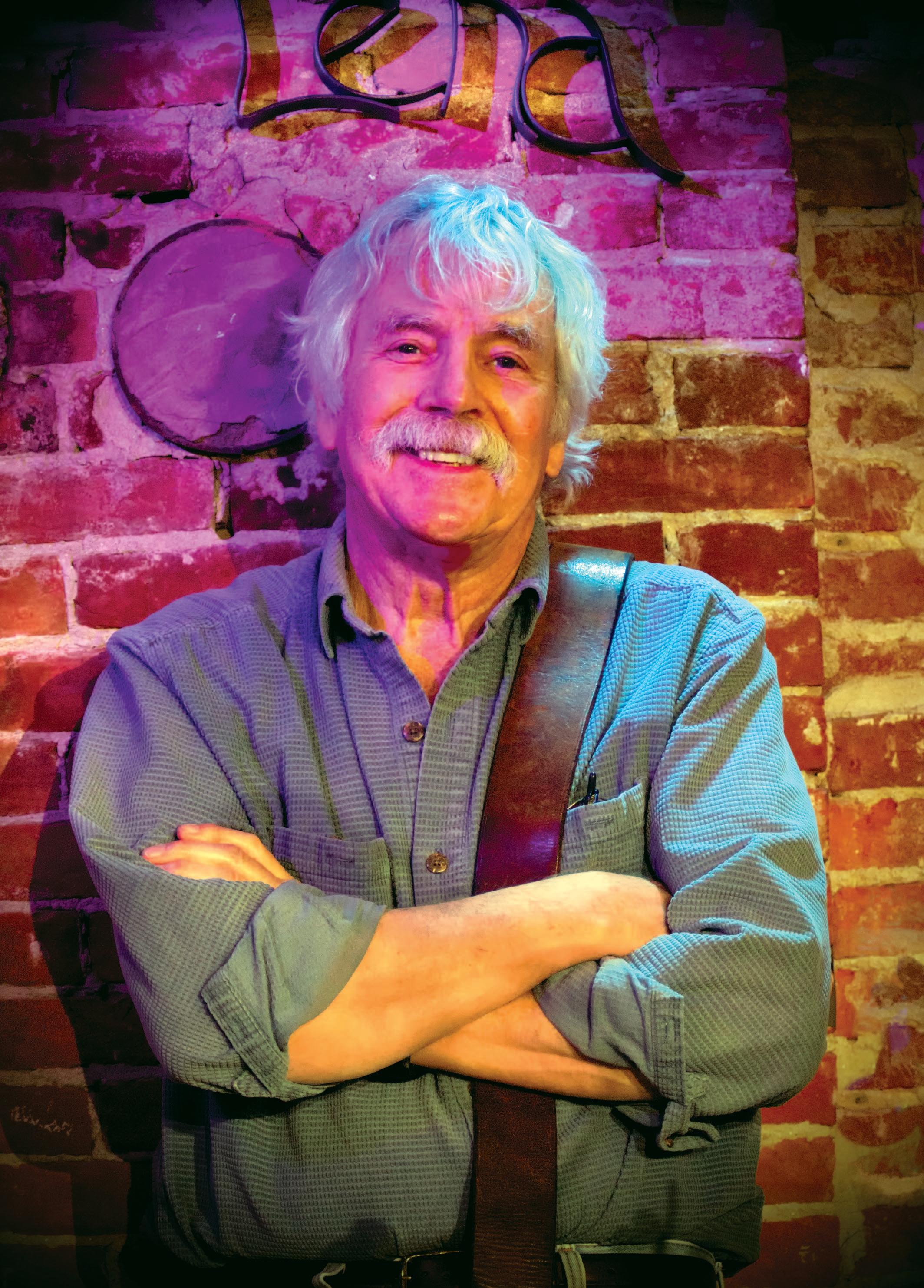
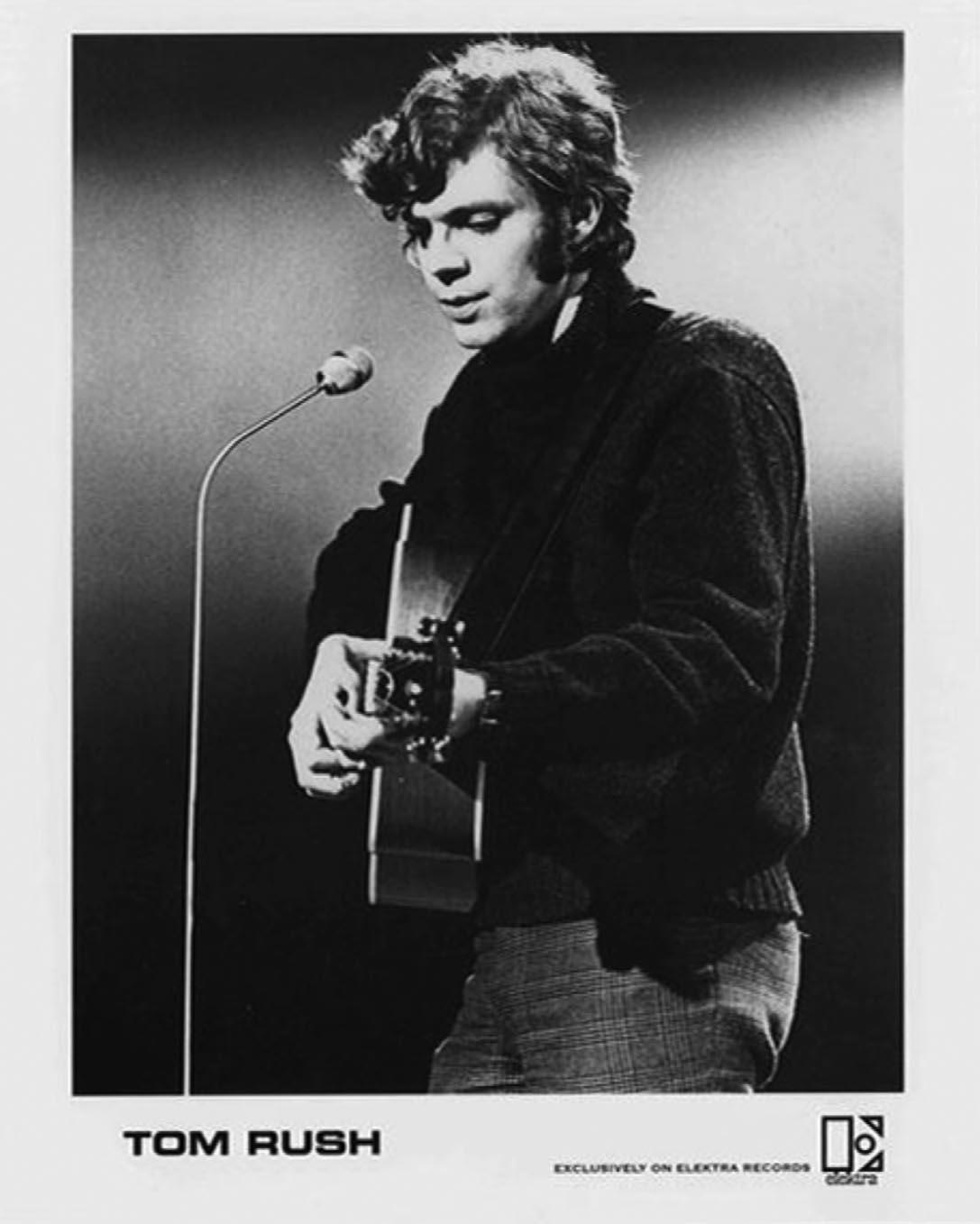
I ask renowned songwriter /performer Tom Rush why he keeps returning to Caffe Lena in Saratoga Springs, and there is no hesitation in his response. “The audiences,” he tells me with a smile. “They are knowledgeable and enthusiastic, and I enjoy sharing my music with them.”
When I ask Tom about working with Caffe Lena’s broadcast sound and camera tech Joel Moss and sound tech Joe Duel, he tells me, “They make my job easy. They are real pros, and it gives me confidence as a performer. Then Tom adds, “I liked the old room at Caffe Lena which was, shall we say, earthy, but the renovations opened it up and turned the space into a wonderfully intimate live performance venue.”
Tom has experienced a self-paced career that spans nigh on 60 years during which he recorded 17 albums. Over that period, Tom’s creative voice has been consistent and steady. His speaking and singing voice have gained a deeper, richer quality without losing any of the delightful tones that have always en hanced the delivery of his heartfelt lyrics and wonderful storytelling.
Tom’s inspiration for writing came at a very early age. “Two of my grammar school teachers in Groton, Massachusetts taught me how to put words together. Later, a friend of my father said that English Literature was a good foundation for just about everything, so my junior year at Harvard I switched majors. The problem is that for the rest of my life I have been forced to wonder if Blake would have said something as stupid as what I am writing. I am constantly comparing myself to the great masters and never quite measuring up,” Tom tells me with a wry smile.
Most would disagree strongly with Tom on that point. His writing is, in short, brilliant. His lyrics and his choice of songs by others reveal a lust for life, a deep understanding of the issues of the working person, great respect for the planet, and a healthy fixation on the mysteries of love.
The hours that were yours echo like empty rooms
The thoughts we used to share, I now keep alone I woke last night and spoke to you, not thinking you were gone It felt so strange to lie awake alone
...Tom Rush – "No Regrets"
Tom’s first experiences with music were not great. As he puts it, “My (adoptive) parents wished they had taken piano lessons, so they forced me into it.” Then with a great laugh, Tom adds, “It wasn’t pretty. It was ugly for me, it was ugly for the teacher, innocent bystanders were harmed. My piano teacher was known by her students as the Iron Lady and several times I reduced the Iron Lady to tears. It was grim.”
“But I had an older cousin named Bo who was a super-hero of mine. He could flip the lit end of a cigarette into his mouth, jump into a swimming pool and blow smoke bubbles from underwater. Really impressive stuff
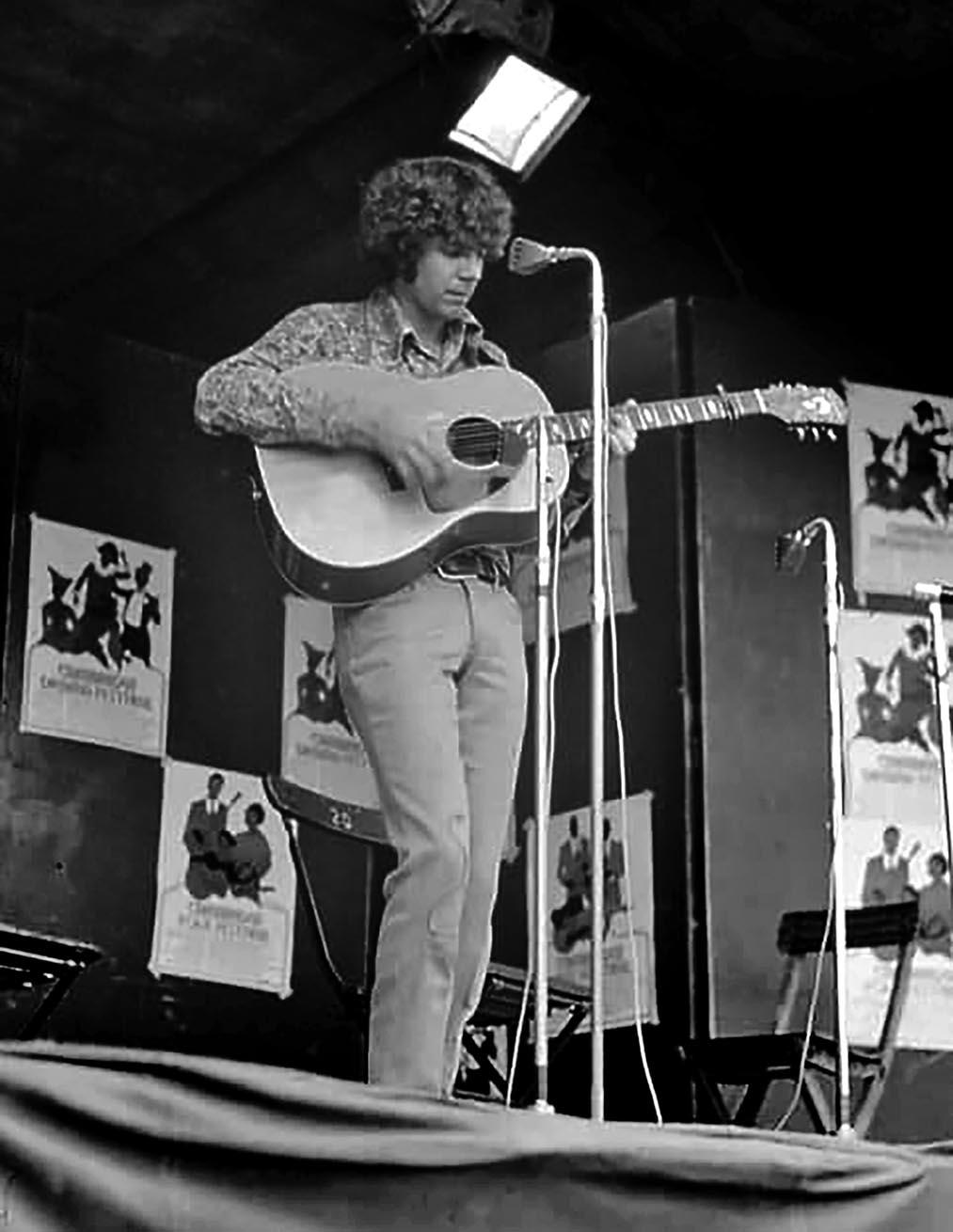
for a 10-year-old. Well, Bo had a ukulele, and he taught me how to play. Soon I was playing classics like "Abdul Abulbul Amir," and "K-K-KKaty." The piano was pain, but the ukulele was fun.”
I ask Tom if his parents were disappointed that he did not persist with the piano. With a huge laugh, he tells me, “I continued piano lessons and even studied on the pipe organ until I was kicked out of the chapel for playing boogie-woogie on the organ.”
Tom continues explaining his evolution with musical instrumentals, “At one point I decided to take up the guitar because it was more manly. I had
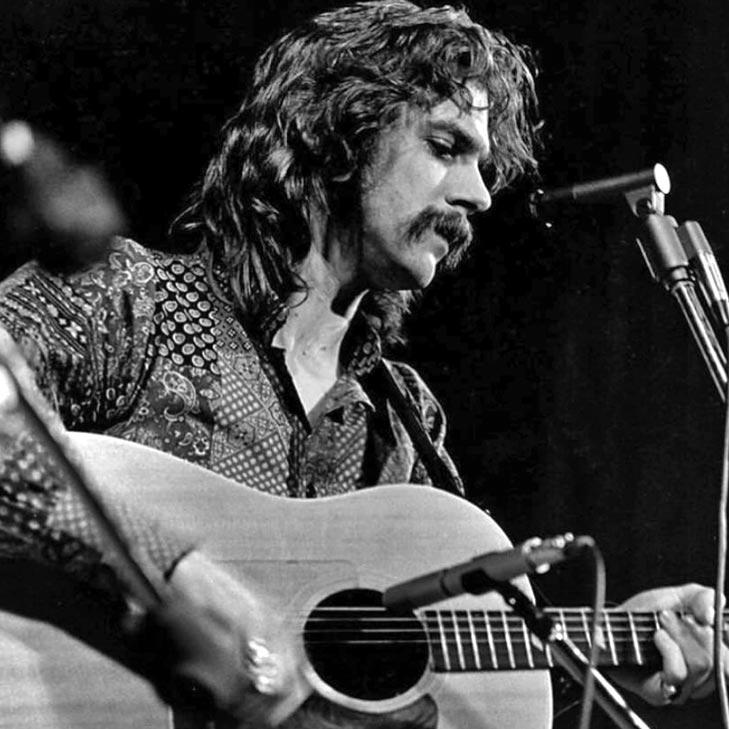
an old parade rifle, you know, a wooden stock with a piece of pipe for a barrel, and I traded this rifle that would not shoot for a guitar that would not play. The strings were so high off the neck it was impossible to make music.”
“Finally, when I was about 14, my father took mercy upon me and bought a bottom-of-the-line Martin guitar which was a very playable guitar, and that was the start of it.”
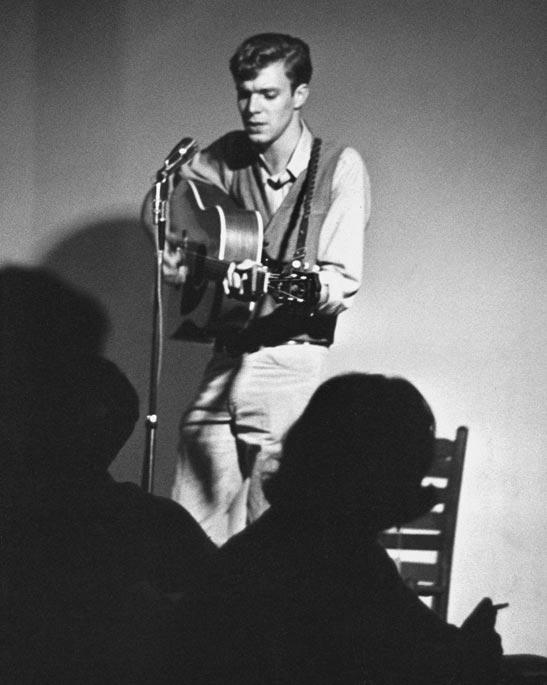
While Tom was attending Harvard, he had the opportunity to disc jockey at the college radio station. This allowed Tom to spend time in the local clubs in Cambridge and check out the talent. His strategy for entering the clubs without a cover charge was to carry his guitar case as if he were going to perform. At one point he was busted for this tactic by a club owner and forced on stage before a live audience for the first time. This twist of fate eventually led to Tom’s first recording.
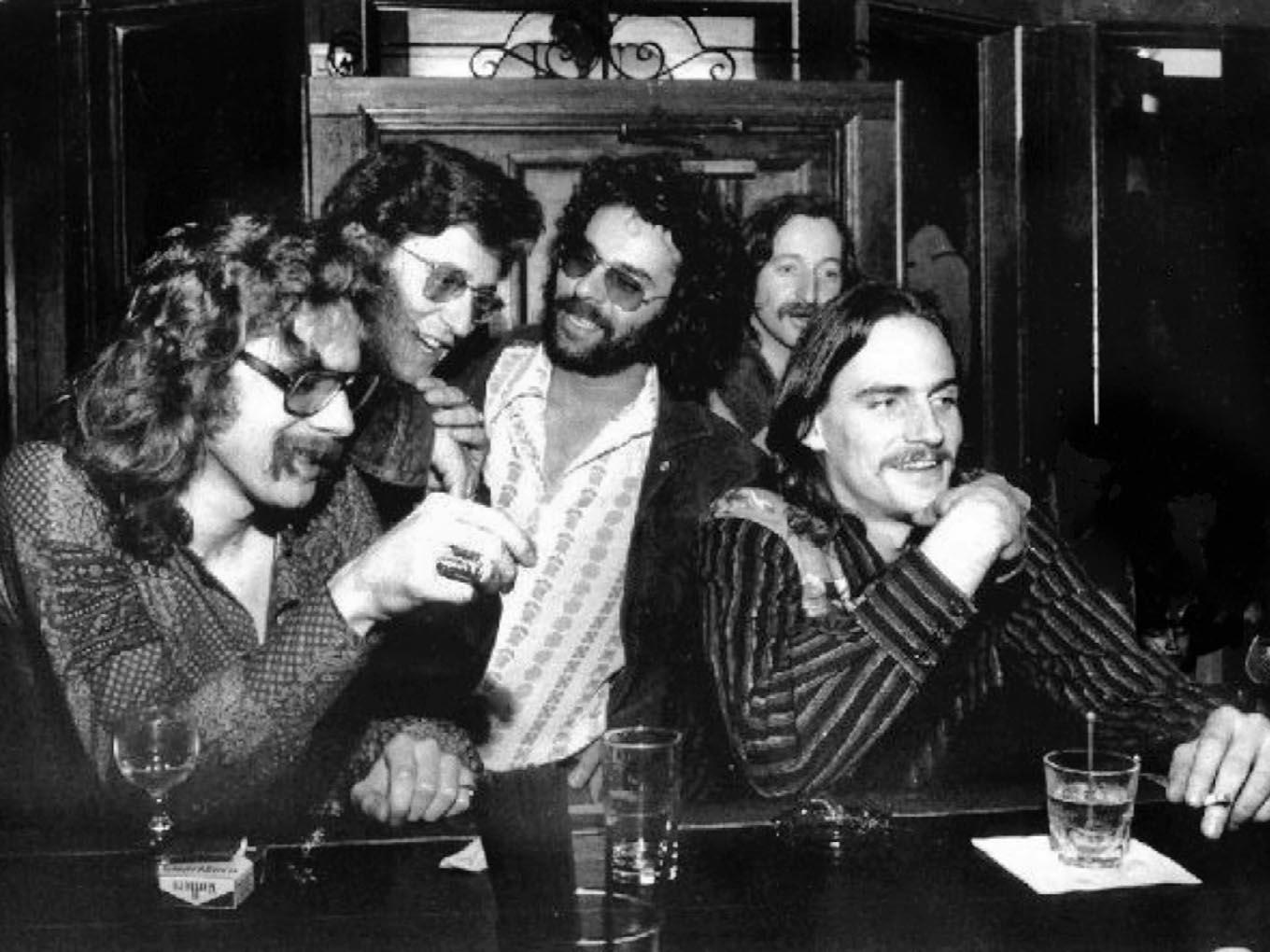
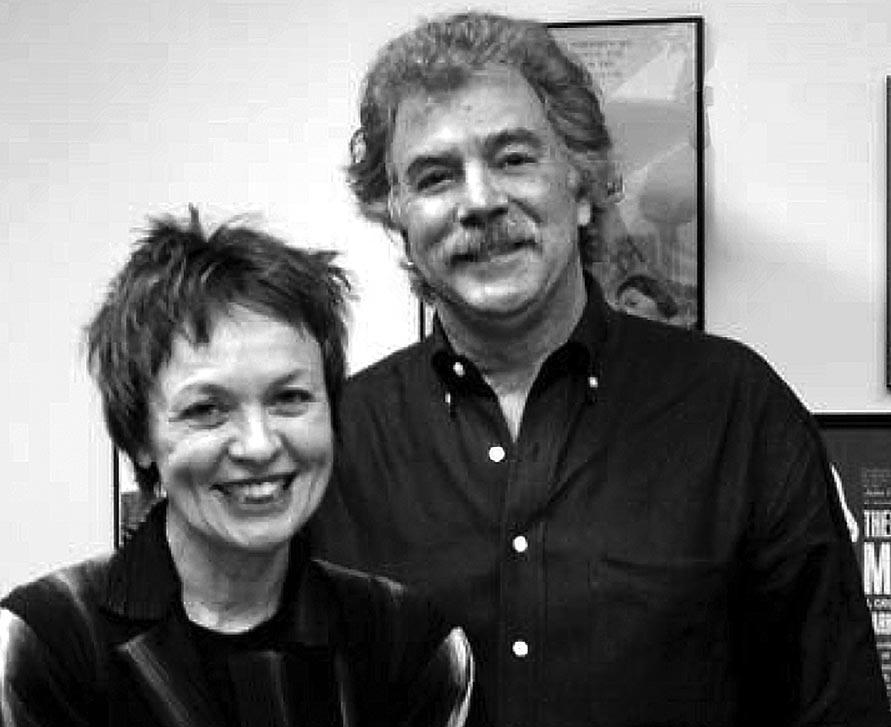
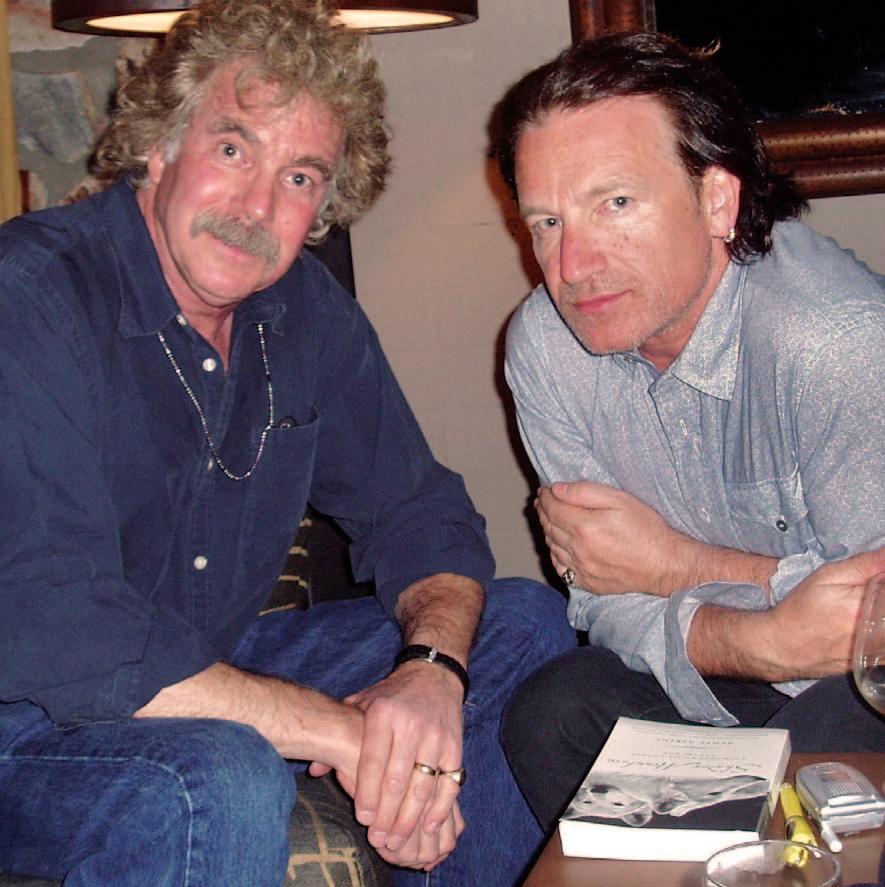
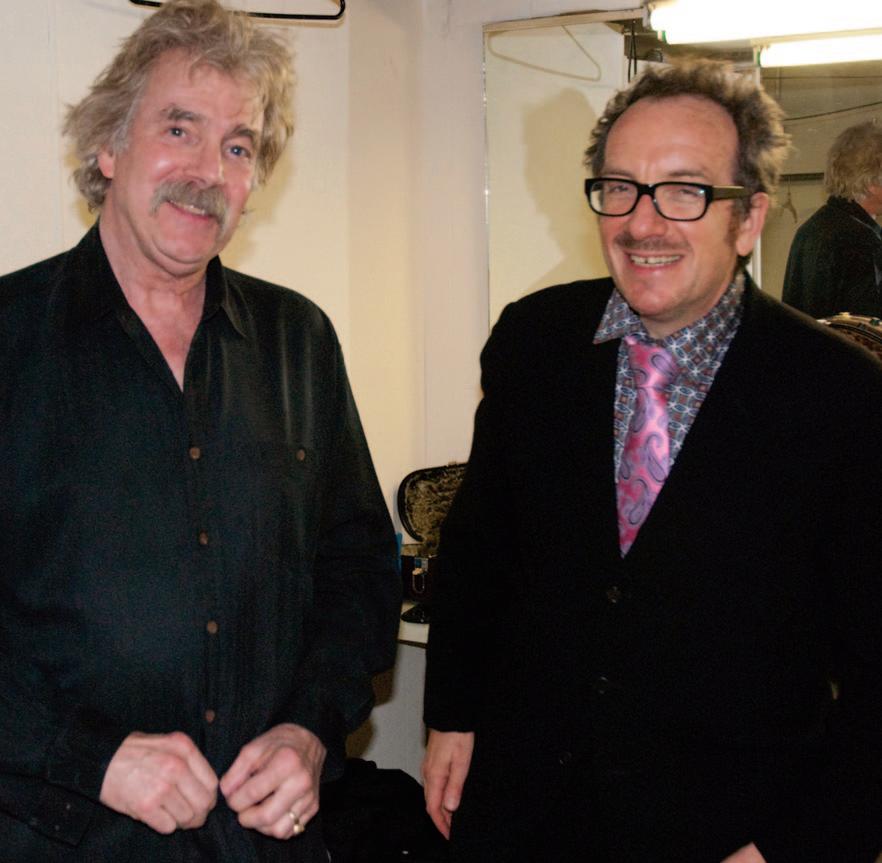
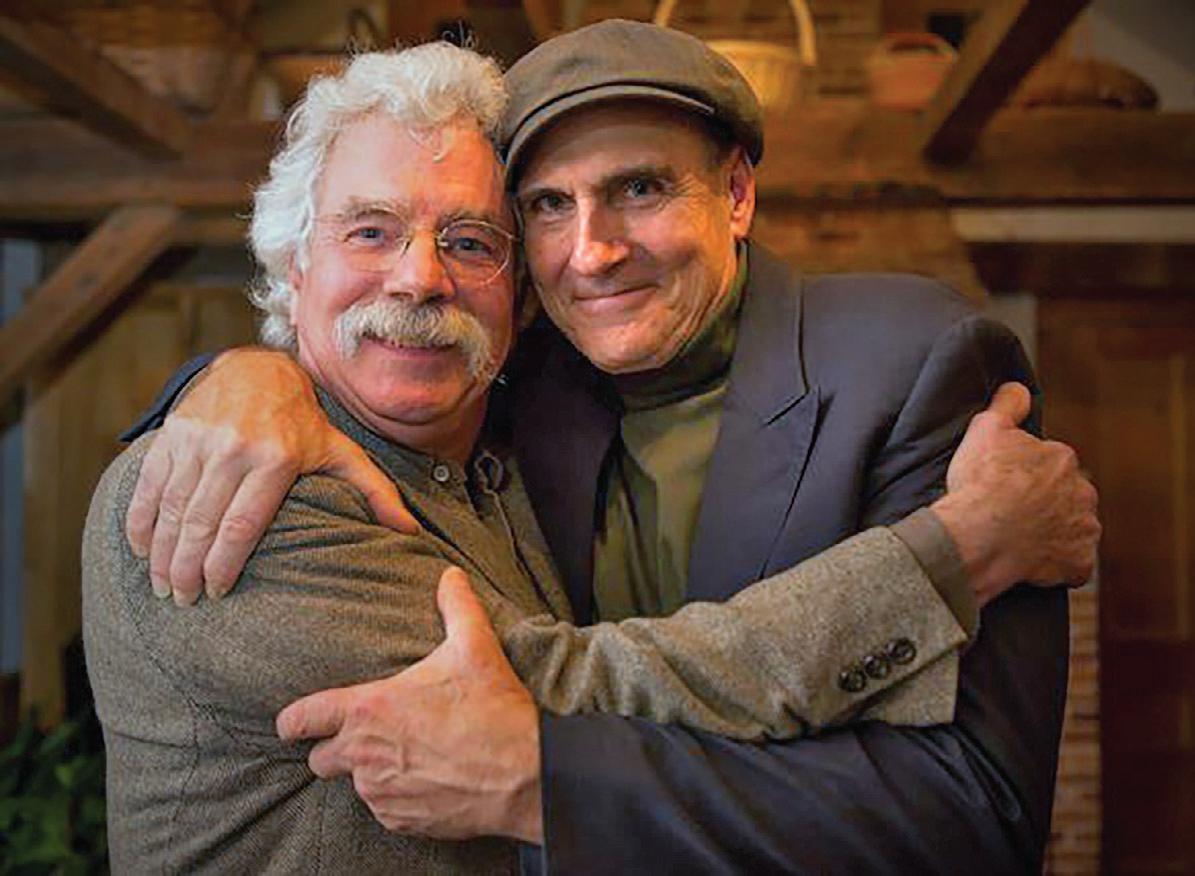
“A fellow came up to me at the Unicorn Coffeehouse in Cambridge with a tape recorder and asked if I wanted to make a live record. About 600 copies were all that we could afford to press.” Today, original copies of that album sell online for up to $500 or even more dependent upon the quality.
Through the decades, Tom’s songs have been covered by a long list of artists in cluding Harry Belafonte, Waylon Jennings, Olivia Newton-John, Emmylou Harris, James Taylor, Shawn Colvin, and U-2. Bob Dylan was rumored to be the pianist on Tom’s 1966 Elektra album, Take A Little Walk With Me under the pseudonym Roosevelt Gook.
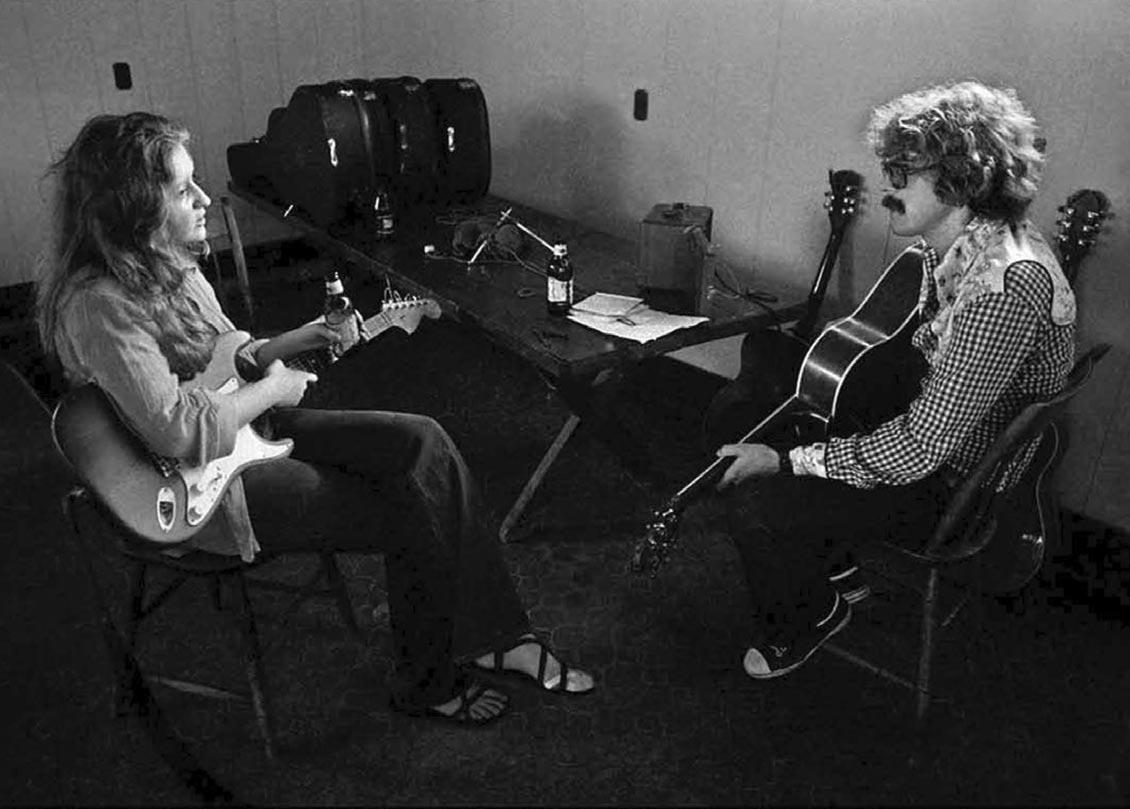
Tom’s versions of songs by artists early in their careers have helped boost several to prominence. Among them are James Taylor, Jackson Browne, and Joni Mitchell. During a 1970 interview for the now-defunct British publication, Zig Zag Magazine, Ms. Mitchell said, "Tom persuaded me to get out of Michigan. So, I went to New York and played at the Gaslight but didn't do all that well. Then Tom took my song "Urge For Going," he had Judy Collins in mind at the time. He took it to her, and she apparently didn't like it. One day I got a letter from him saying he was going to do Urge For Going. I don't think it's my kind of song but I'm going to try it anyway. And he had beautiful
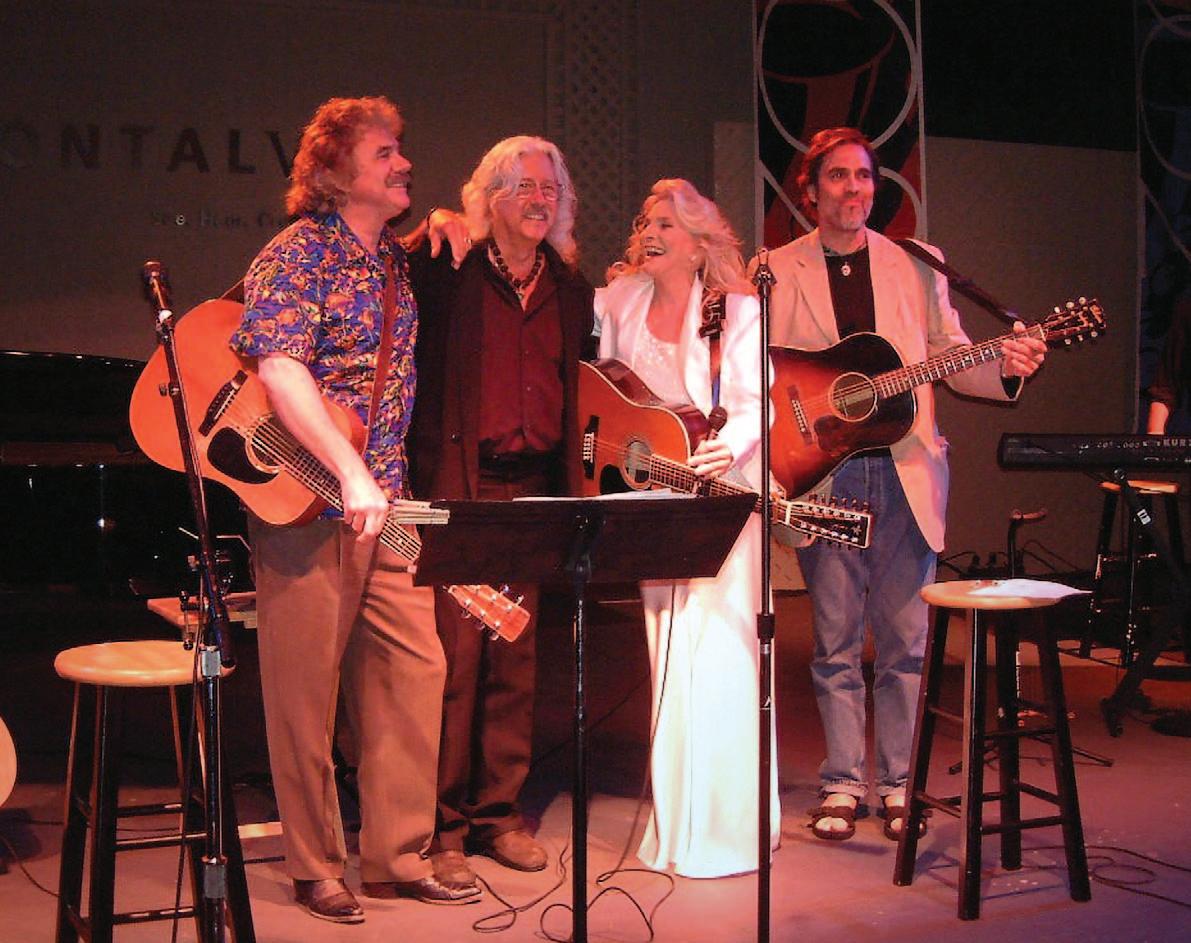
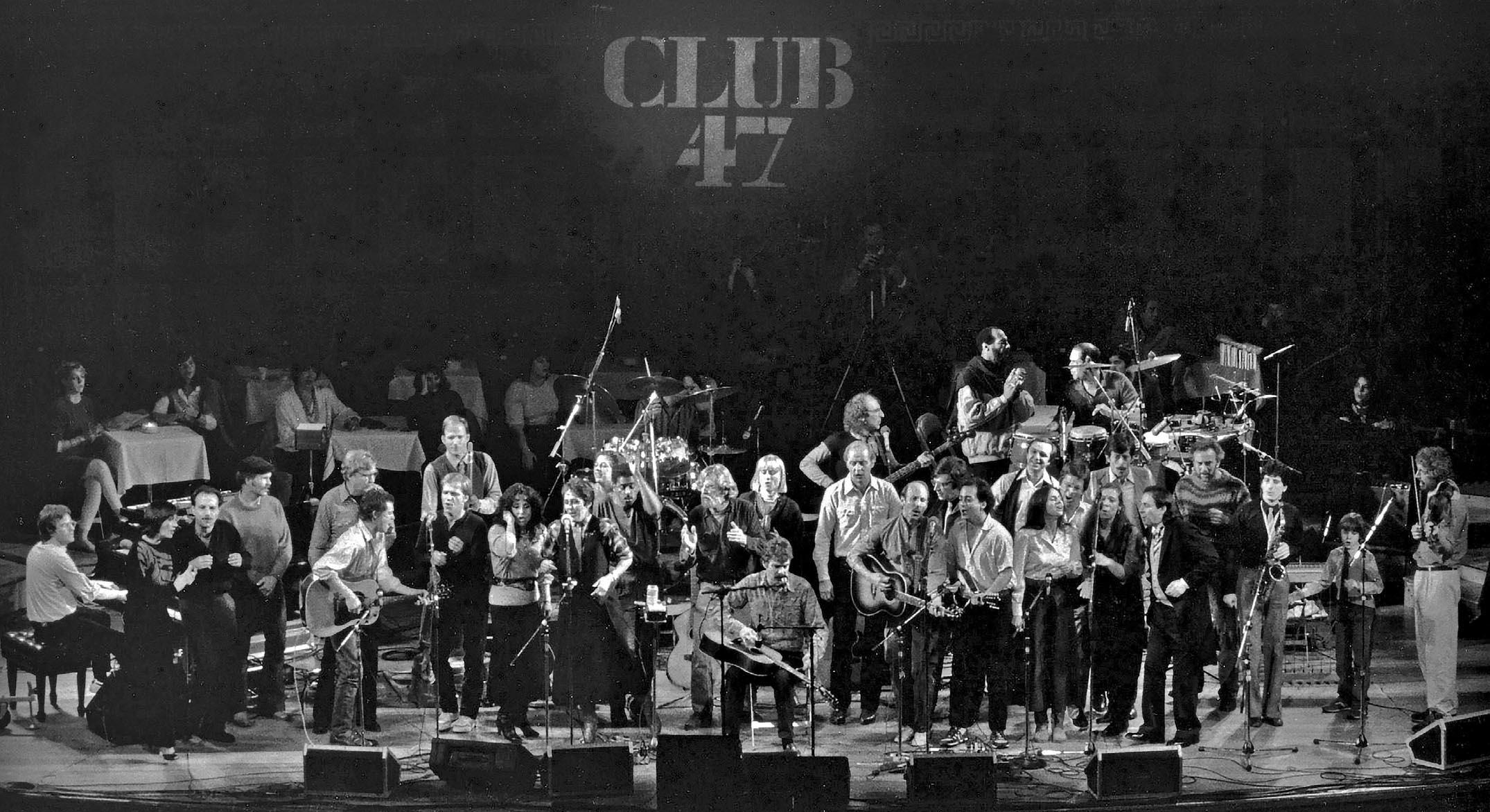
success with it, then he really started it. He opened doors, and the only way I got work was through Tom. He'd go into a club, and he'd stand up there and sing my song and build me up, and people would get curious. So, he really opened a whole new circuit for me. “
I ask Tom about the changes he has experienced while he has been in volved with the music business, and he tells me, “The business is unrecognizable from the time I started. When I began, if you did not have a record deal, you literally did not exist. The record companies got you on the radio and written up in the newspapers and that sold tickets and the stage is where most of us made our living. The internet has changed
all that in some ways that are good but in some ways that are harmful. Like everyone else, I have adapted.”
Currently, Tom is producing weekly podcasts he calls Rockport Sundays. The podcasts can be viewed on Patreon.com/TomRush . They feature down-home mostly acoustic songs captured with three cameras in Tom's living room by Mark Steele Productions. The performances include ac companiment by multi-talented musician Matt Nakoa on backing vo cals, guitars, and keyboards. Matt also backs Tom during his Caffe Lena shows. In some of the podcasts, they jam along with other artists who give insights into the music they are playing. The sessions are well worth the small fee charged and help the artists, particularly during times of COVID, which Tom has endured and defeated. He is very pro-vaccine, and his performance at Caffe Lena and elsewhere require proof of vaccine to attend.
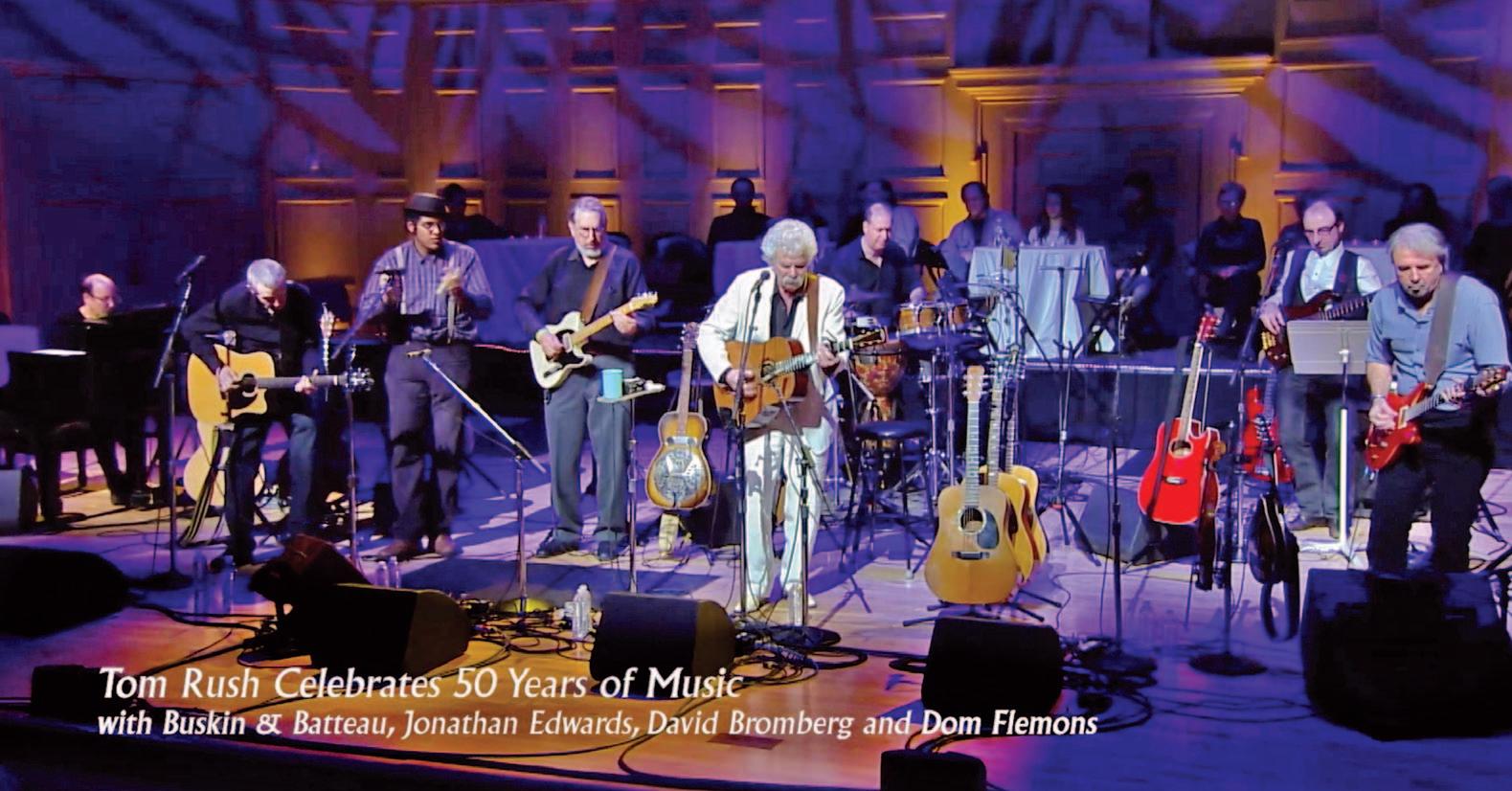
I ask Caffe Lena sound and camera tech, Joel Moss, about his impression of working with Tom, and he tells me, “Well, you know, Tom does not like to be called a 'legend,' but he is. He is one of the very few talents from the '60s who are touring and playing live shows, and he sounds terrific.”
That was evident to the crowd who enjoyed the performances in person at Caffe Lena and those who viewed online. There is an honesty in the way
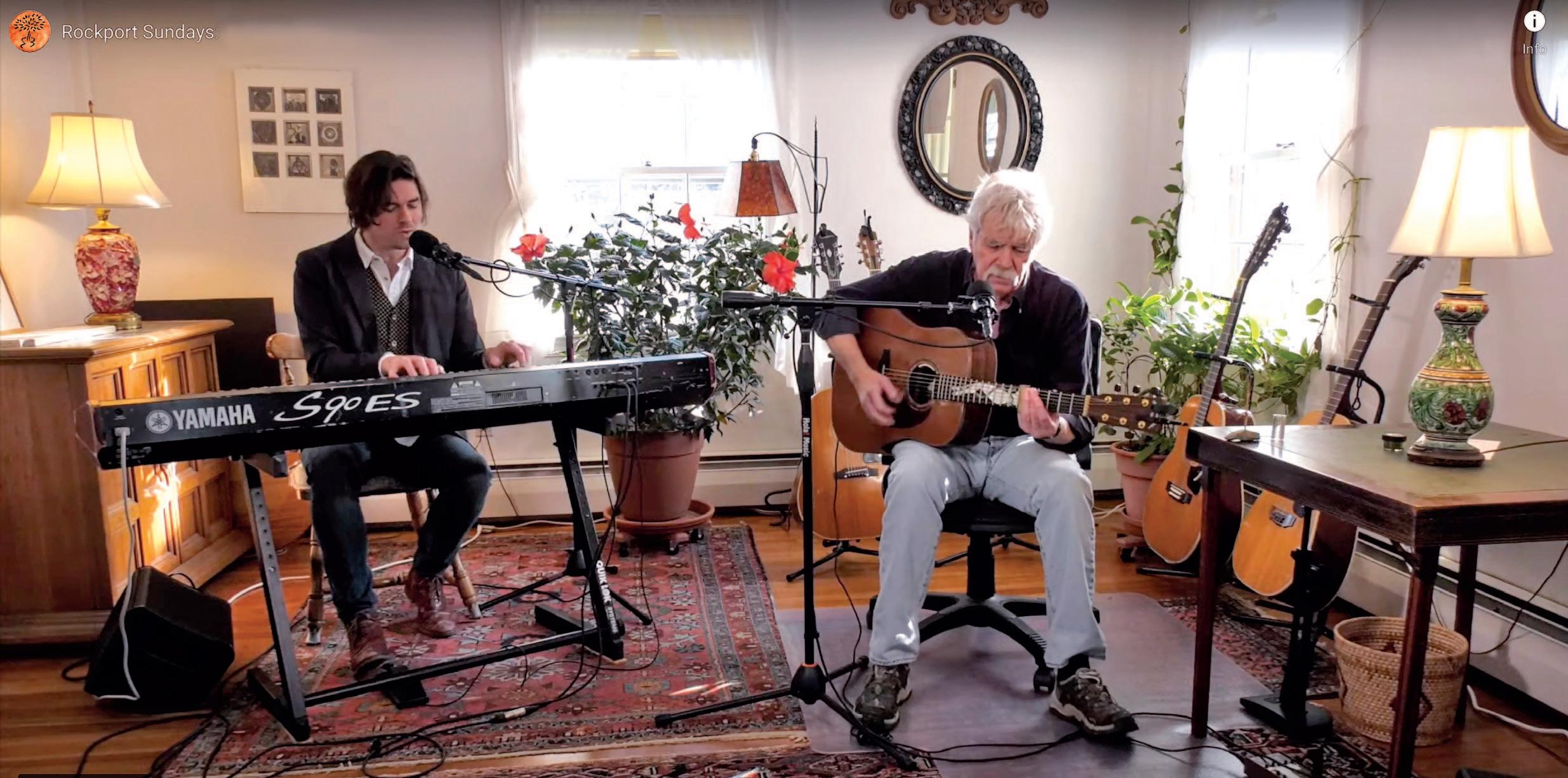
Tom puts forth a tune and that ability came through with clarity in both Caffe Lena performances. Tom’s voice is a vessel for vivid reflections that are conjured as each song echoes in the listener’s awakened imagination. It is simply impossible to not be impressed while in his presence.
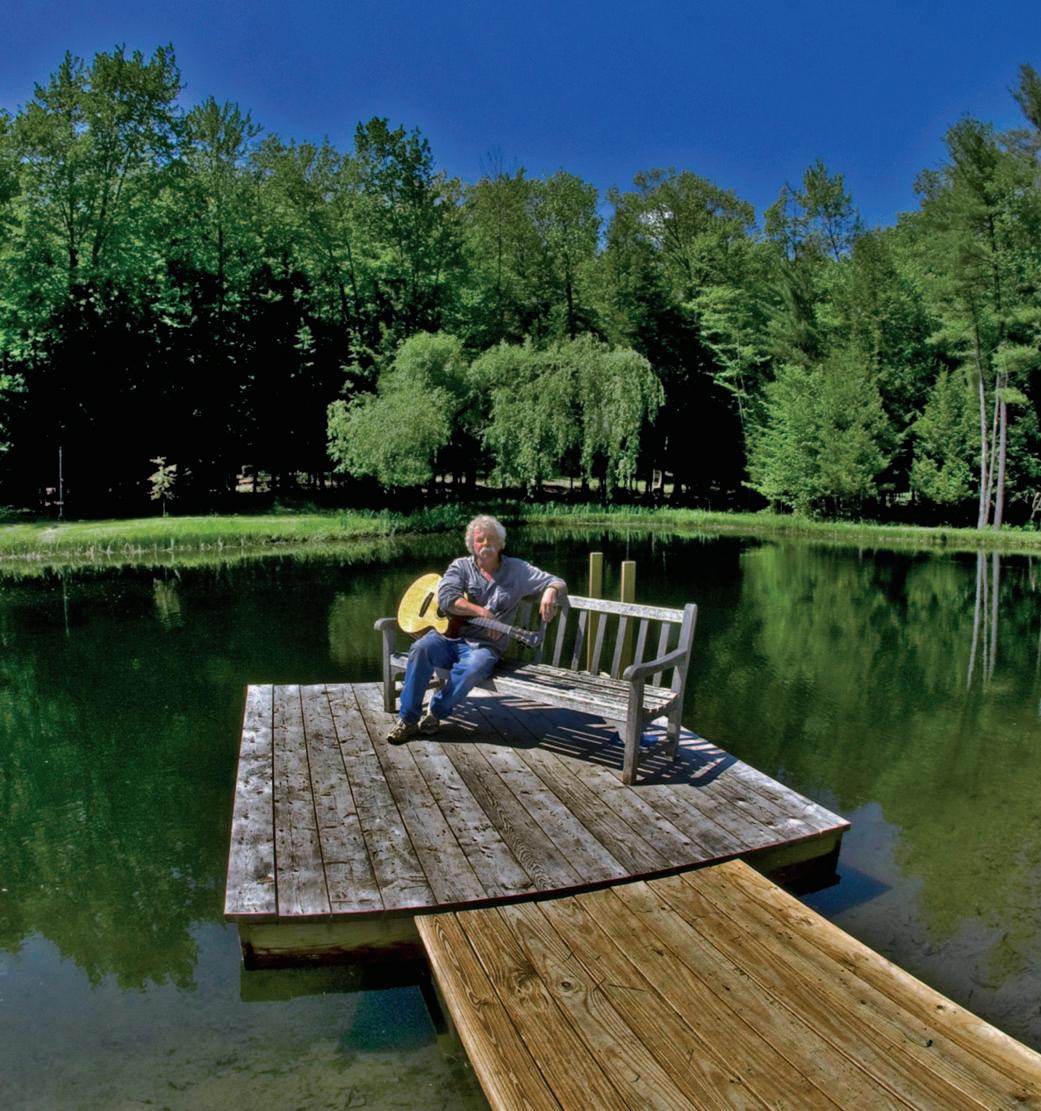
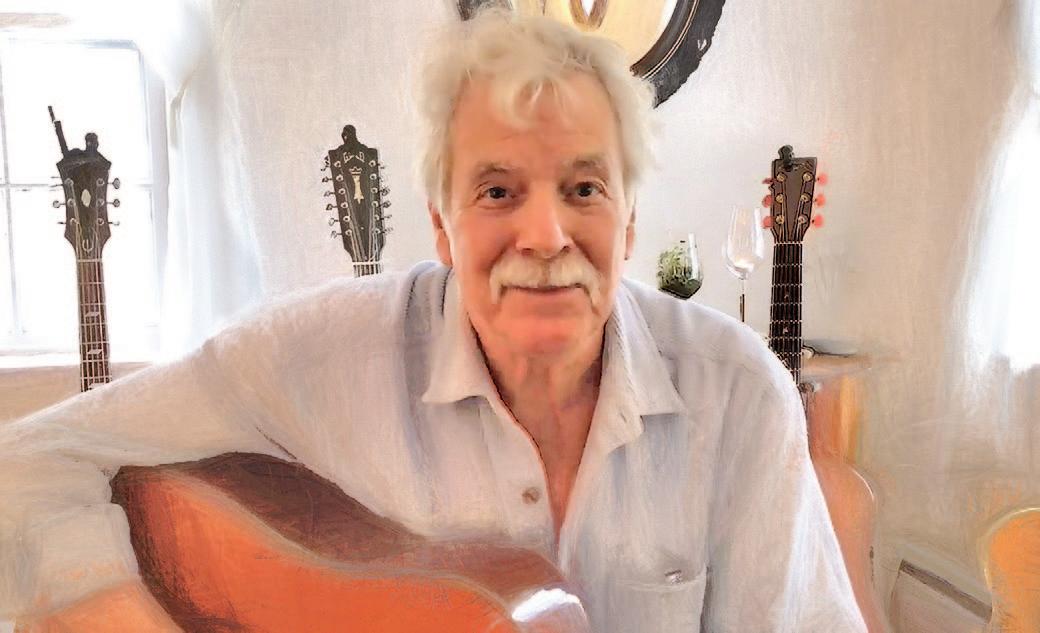
However, the truth is that Tom Rush is a humble, well-grounded man with natural talent and genuine easy-going charisma. He is an authentic artist with a sharp wit and deep respect for the heritage of the music he plays. He has served as our society's minstrel for decades, yet he continues to create music that delights us today. For those who wonder what gives Tom Rush the energy to keep producing at this high level, the answer is in his poetry:
Take your chances, take your shot, cause 50/50’s all you got Make each day the best you can, that’s a line I understand Live each moment like your last, cause life goes by you so damn fast Make a promise and keep it true, cause that is all a man can do
...Tom Rush, All a Man Can Do




By Alan B. Richer
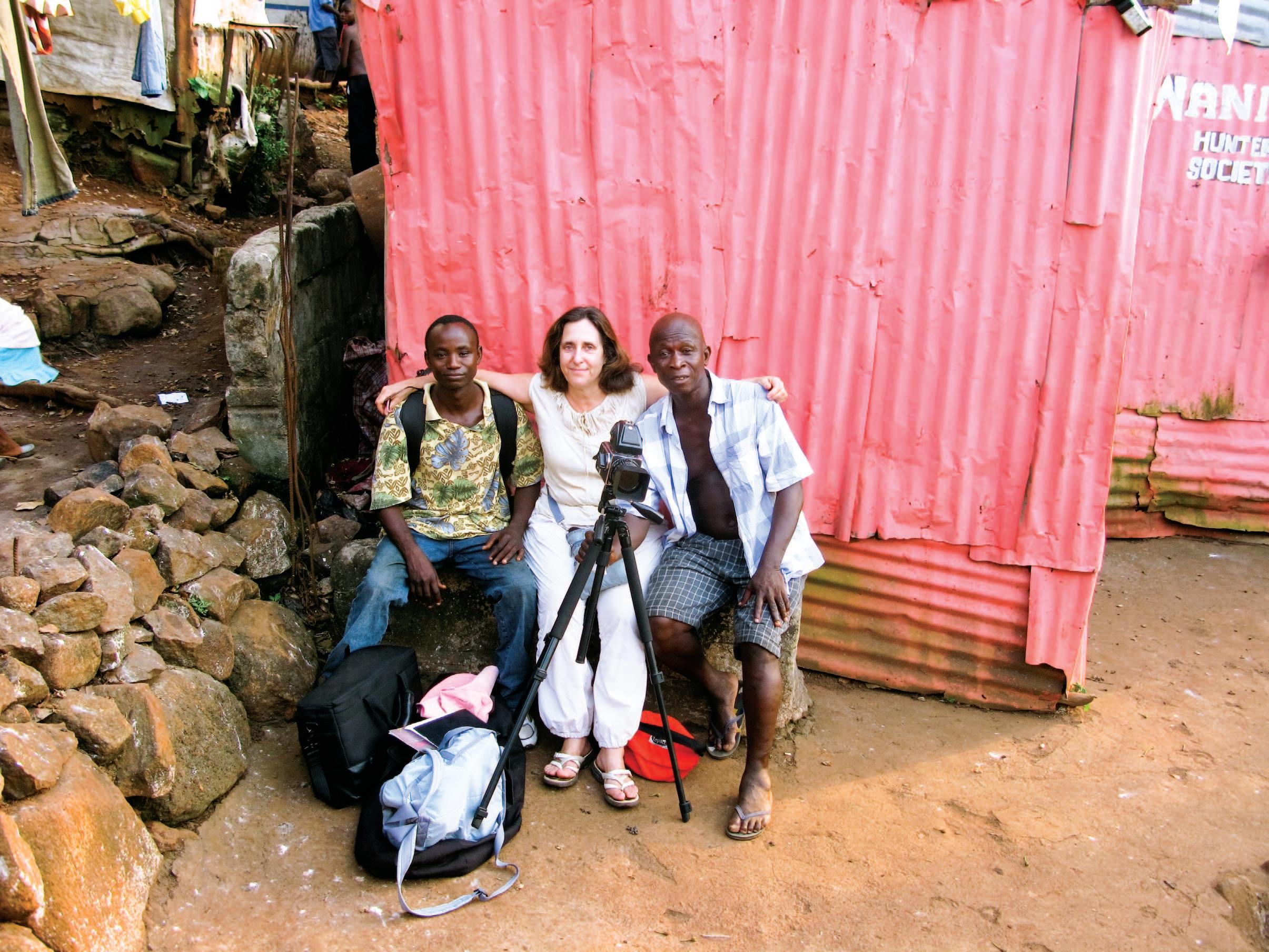
As a little girl growing up in Long Island, New York, Phyllis Galembo loved dressing up. “For [the Jewish holiday of] Purim I remember Queen Esther costumes my grandmother Ethel made from shiny fabric trims,” she recalled, “For Halloween, I often trick-or-treated as a beatnik wearing my father’s oversized shirt.” Galembo eventually wrote a book on Halloween costumes: Dressed for Thrills, 100 Years of Halloween/ Masquerade Costumes in America (2002).
In high school, Galembo took her first photography class. She then attended Boston University for a year, and from there, transferred to the University of Wisconsin at Madison. It was at Madison that she continued to take courses in photography. Galembo earned a bachelor’s degree in Education
and then stayed on to pursue a Master in Fine Arts in both Photography and Printmaking.
Galembo began her teaching career at SUNY Oswego in 1977 at a time when there were few female professors. After a year at SUNY Oswego, she was hired by the University at Albany’s Fine Arts Department. She stayed at the University at Albany for forty years. For the first twenty years, she was the sole professor of photography which included working in a dark room. As photography rose in popularity, Danny Goodwin was hired to help expand the photography department and together they added digital components. Before retiring Galembo modernized a large portion of the traditional darkroom.
During her teaching career, Galembo mentored many students and is still proud of their accom plishments. One, Marisa Scheinfeld, au thored a photography book: The Borscht Belt: Revisiting the Remains of America's Jewish Vacationland (2016). Loni Efron, an archivist and gallery director, opened Ilon Art Gallery in Harlem, New York City. Fabienne Powell be came Assistant Director & Chief Curator of the New York State Office of General Services Curatorial & Visitor Services.
Teaching provided Galembo with a base salary, affording her the artistic freedom to pursue her photography with less pressure. Initially, she focused on portraits of people, some in black and white. Galembo did some photographs of people
in the US wearing costumes and did some “funky, fun, and silly” setups including items such as boxing gloves, a loaf of bread, and cardboard signs. These were featured in her book Pale Pink (1983). After completing her work on this project, Galembo wanted to tran sition into more serious photography to record and capture items of substance.
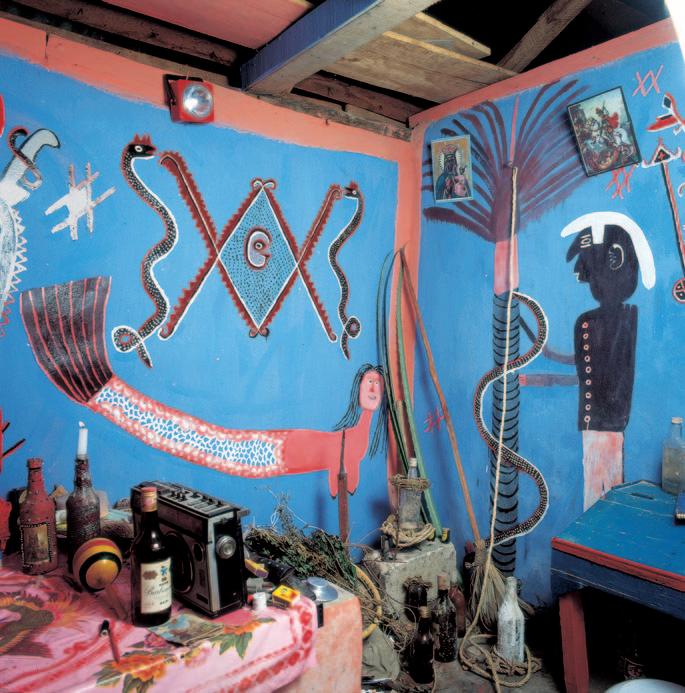
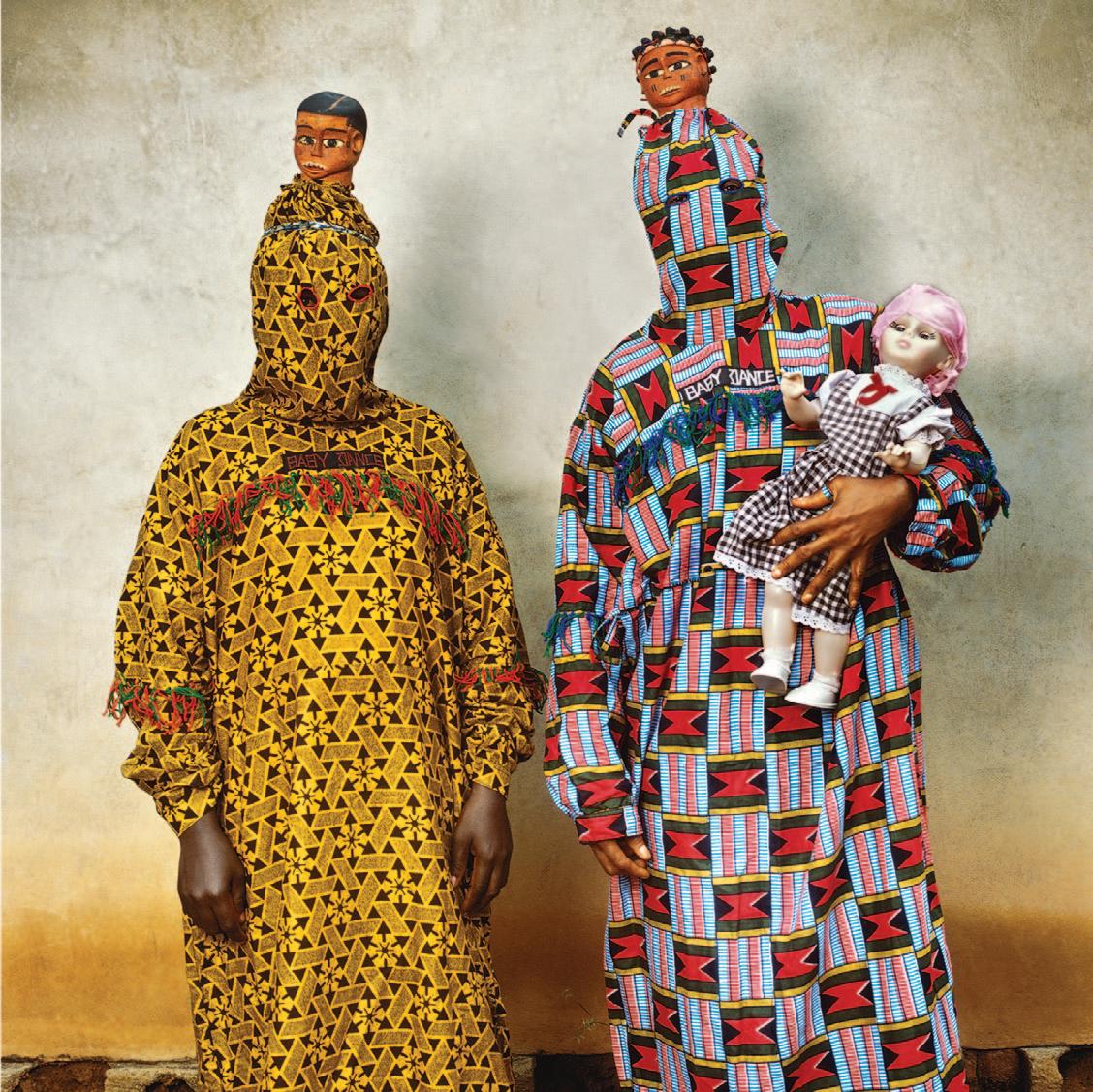
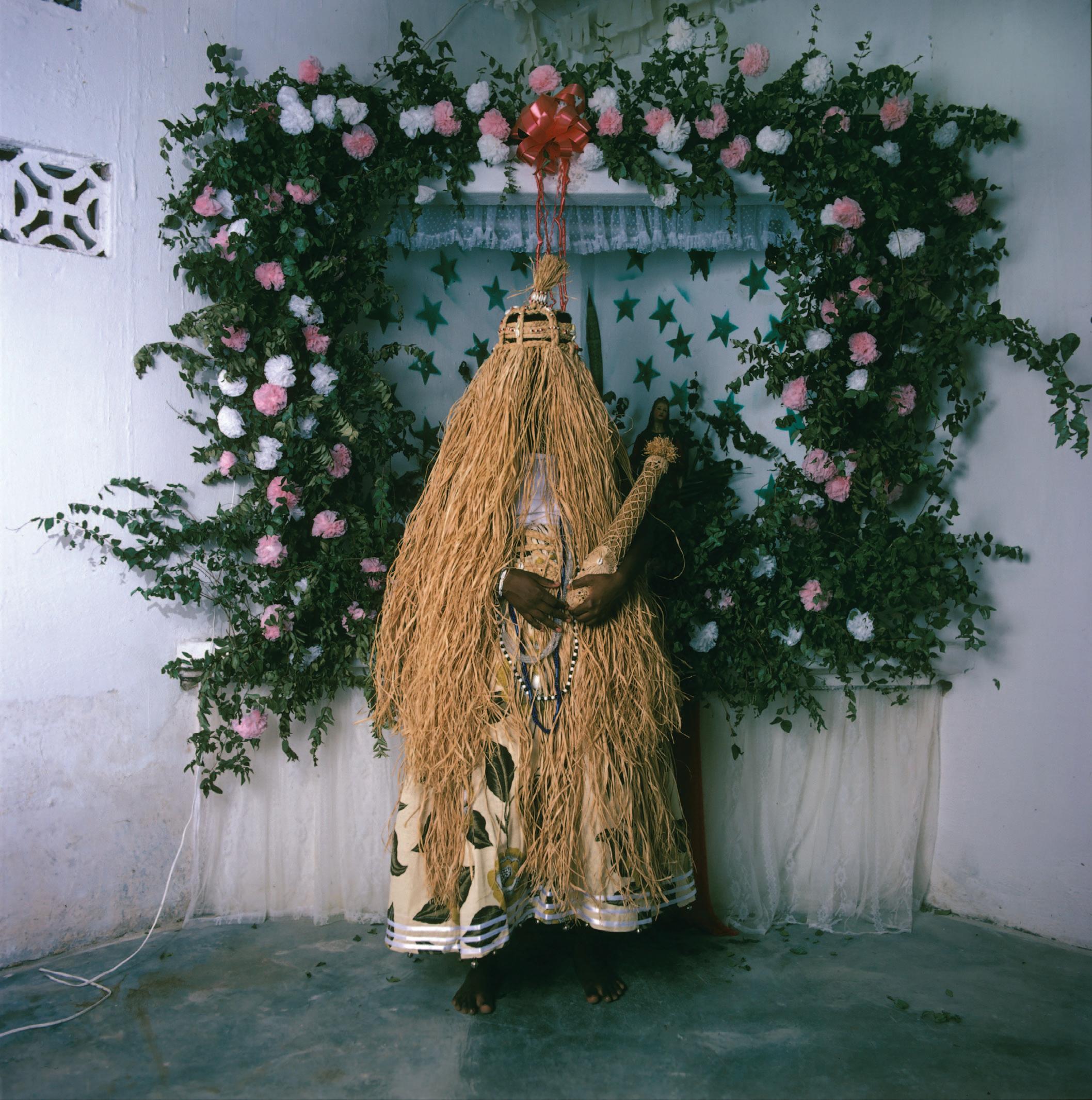
In 1985, a friend living in Nigeria researching textiles invited Galembo to visit her there. On her visit, Galembo took photographs of priests and priestesses documenting traditional religious and spiritual rituals including altars and ritual dress. The religions that she featured
believe that God is everywhere— in the air and all the natural elements. This was the start of her photography niche, documenting native religious and cultural rituals.
Galembo’s travels have taken her throughout Africa, the Caribbean, Central America, and South America. Her destination is not always pre-planned, and many of her trips occurred as circumstances pointed her in a certain direction. For example, the University at Albany asked her if she was interested in doing any projects in Brazil. She had studied how the slave trade migrated from Africa to Brazil and decided to use this opportunity to
travel to Brazil to trace this migration and the re ligion known as Candomblé. A trip to Sonora, Mexico was inspired by a suggestion from Jose Bedia, a Cuban artist, and Galembo traveled to Ja maica after gallery-owner, Randall Morris of Cavin-Morris Gallery recommended it to her. Other times, something she sees spikes her interest. She consults her idea file for inspiration.
Before embarking on a trip, a lot of research must be done to learn about the various customs, rituals,
and cultures of a particular country or region. Galembo does her own research, and recently the internet and YouTube videos have made this much easier than it was in the early days when she had to find books on these subjects. A lot of the rituals and religious ceremonies cannot be researched in advance and can only be learned once she’s in the country. Galembo searches for rare ceremonies and locations to showcase. “I don’t like to photograph things that have been photographed a lot,” Galembo, said. Sometimes, even the local assistants are amazed at the loca tions she identifies.
Getting access to particular areas and ceremonies can be both com plicated and challenging. You don’t always know in advance the permissions you need to re ceive in countries like Nigeria and Haiti. “Until you arrive, you ne ver know if you will get access. You are not allowed to photograph in some circumstances, so you need to find other locations or make alternative arrangements,” Galembo explained. Other times, she needs to work in private. “Any place can be dangerous, so you can never take anything for granted,” Galembo elaborated.
Galembo uses local assistants to help guide her to specific places where ritual ceremonies are p er formed. These assistants help with negotiating permission from local authorities, earn the trust of the locals, serve as translators, and keep an eye out for her safety.
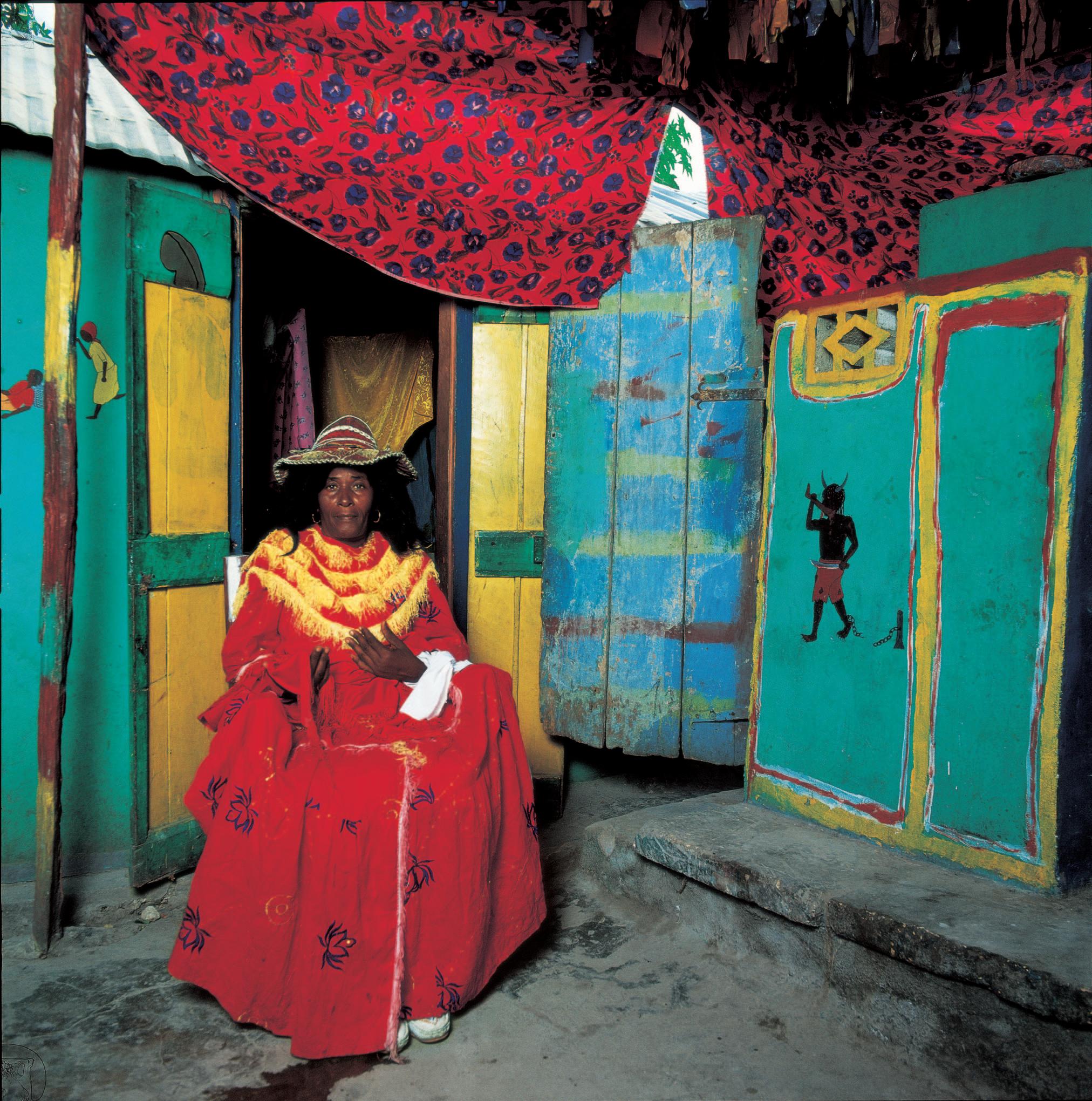
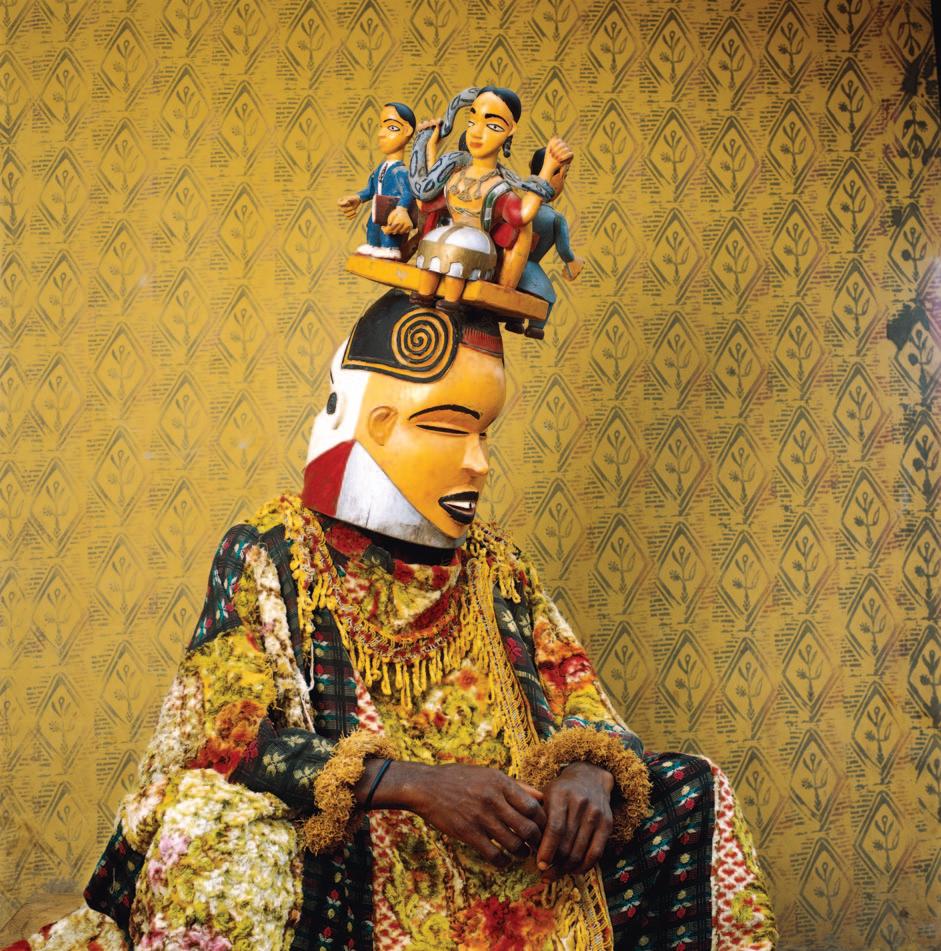
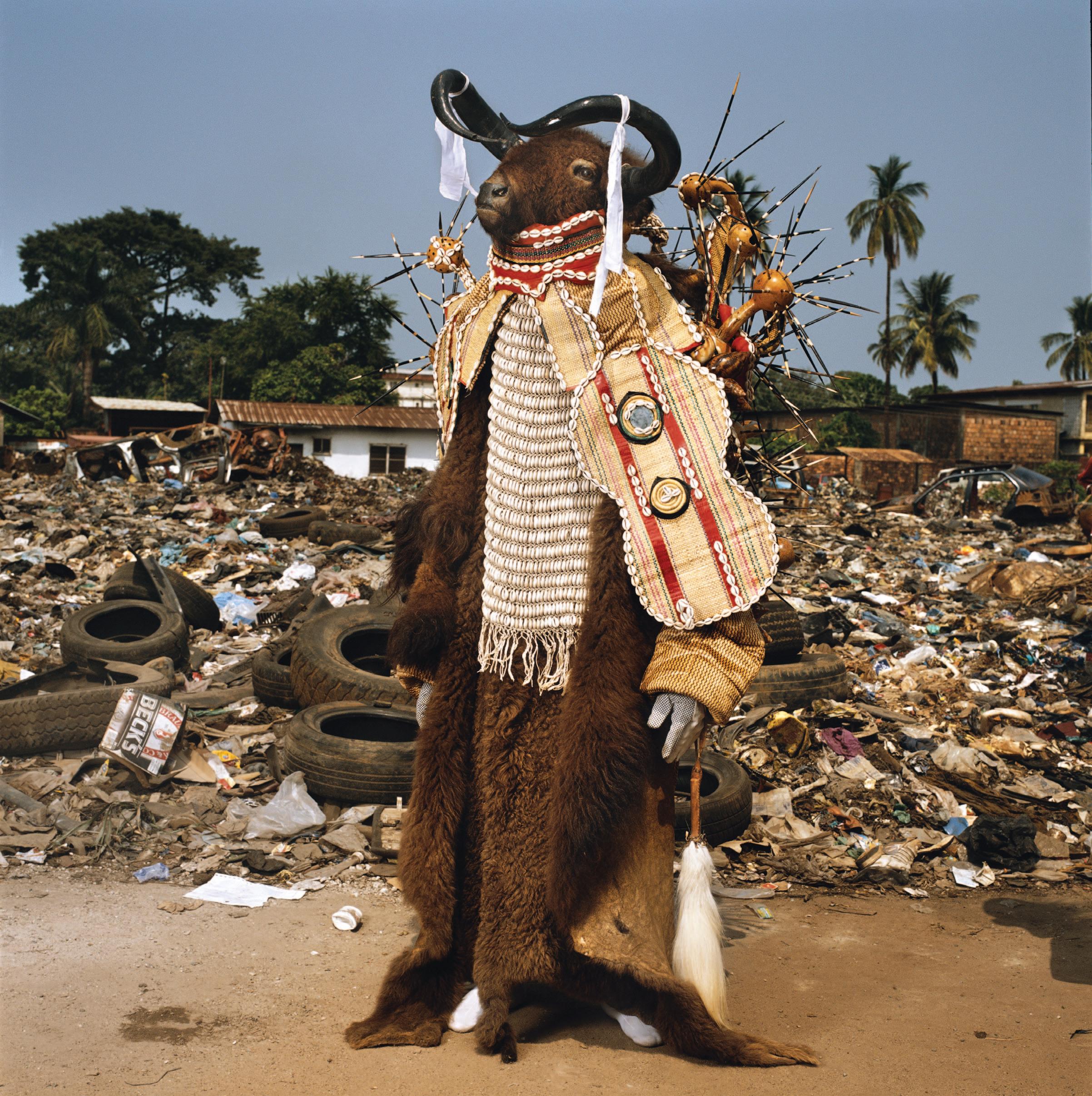
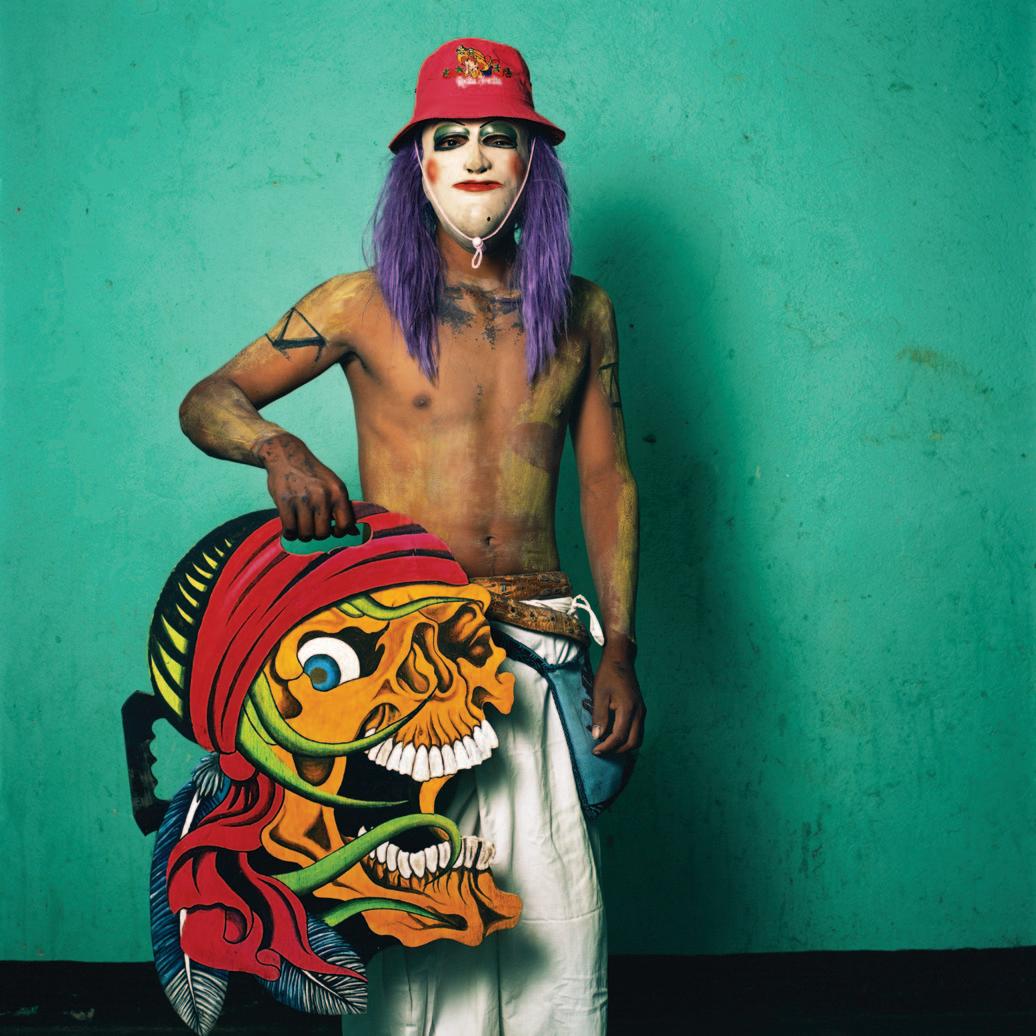
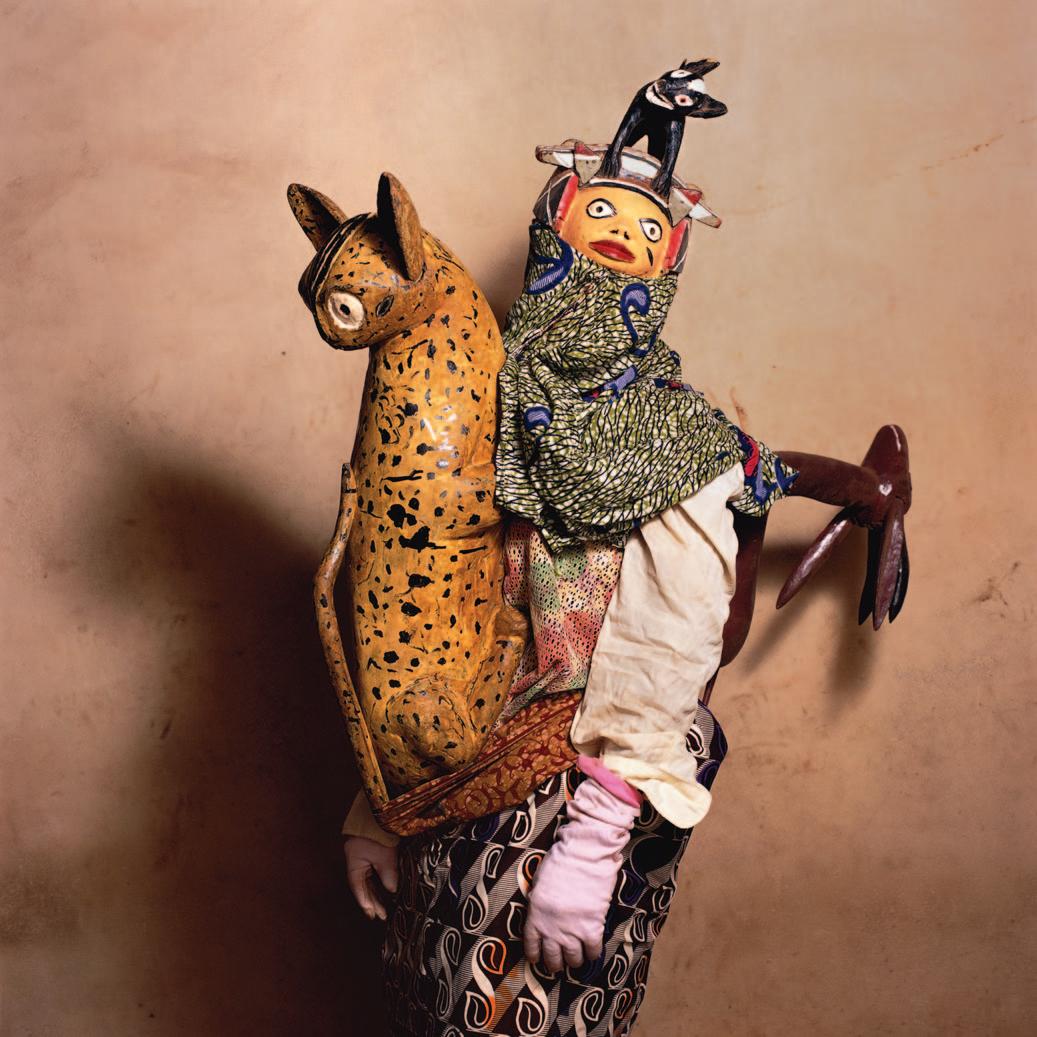
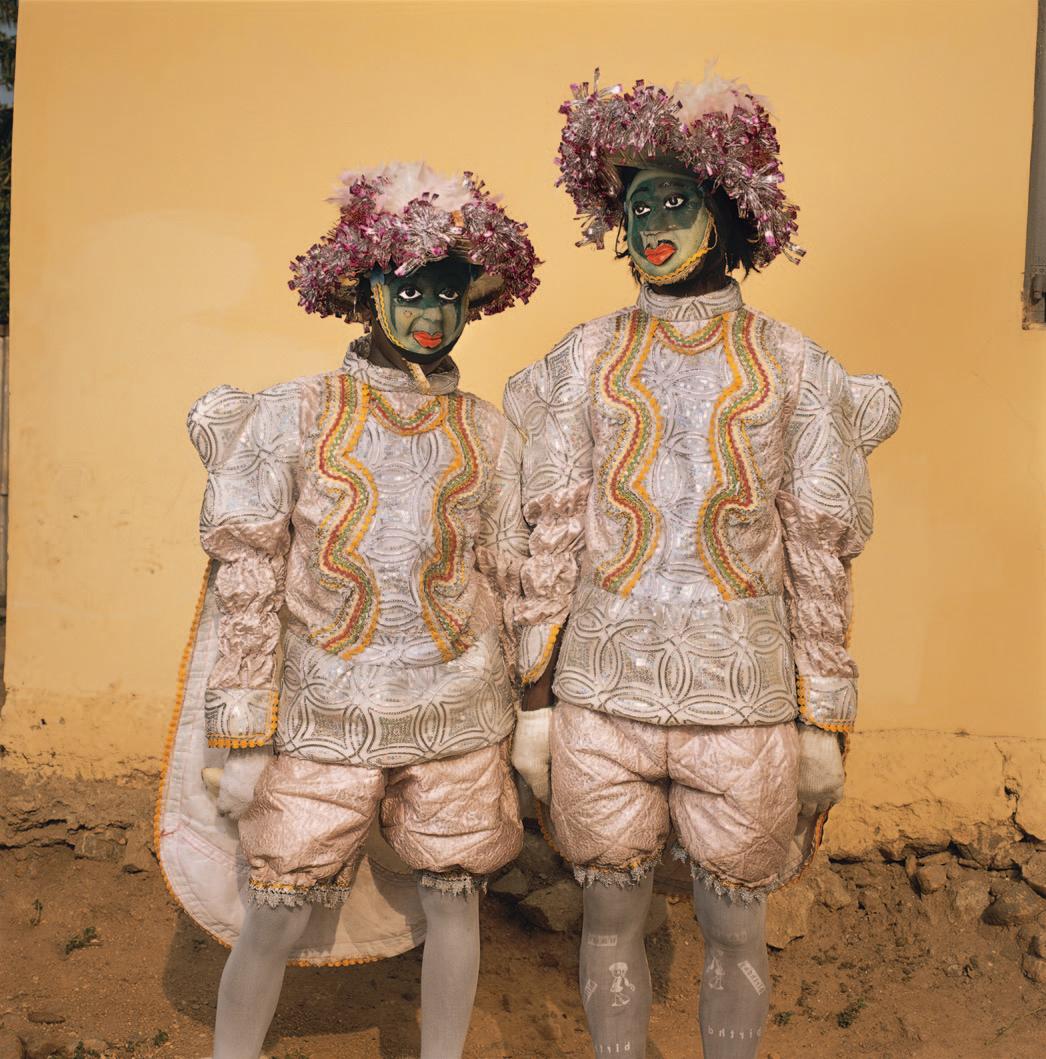
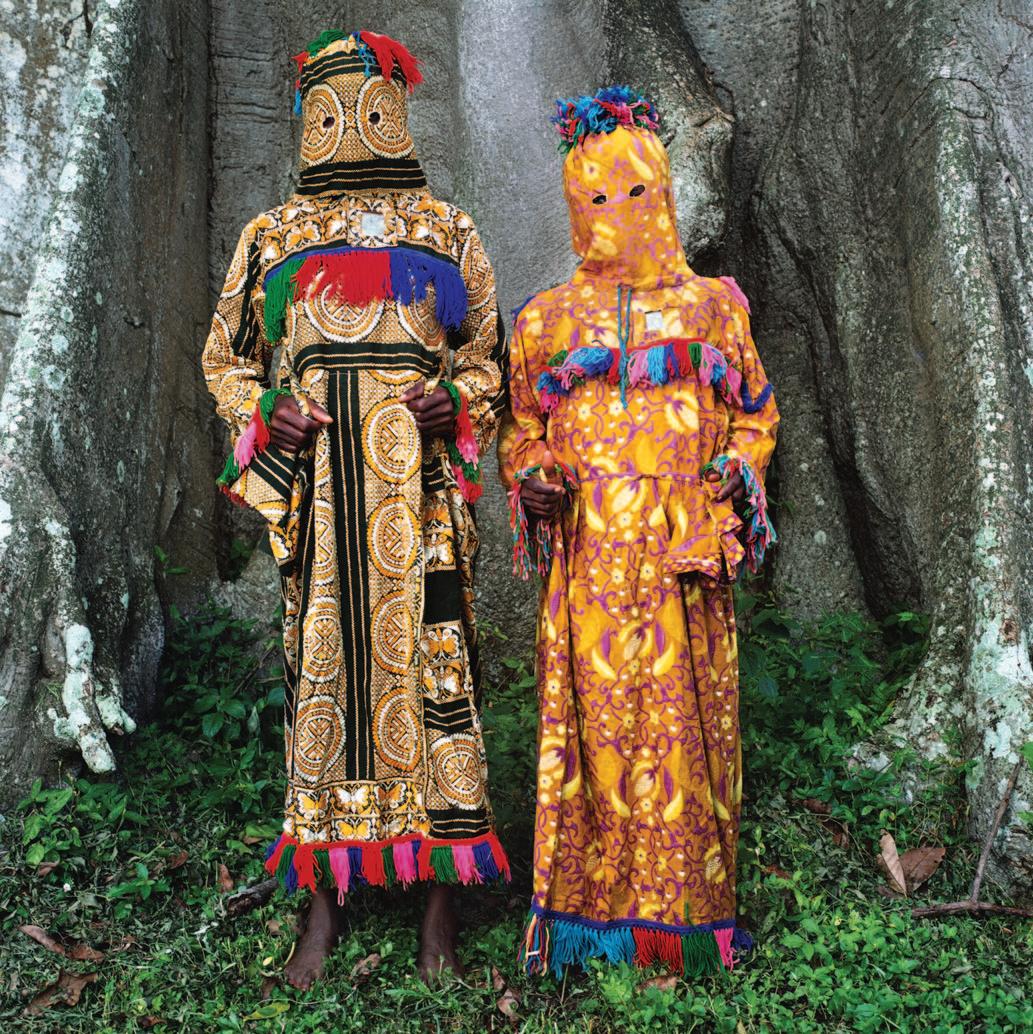
“I’ve been lucky to see so many beautiful things,” Galembo explained. The costumes she photographs are works of art. The workmanship and the craft in their creation is amazing. In some cases, they are a combination of old and new. A mask may be made of wood that is handed down from generation to generation and then combined with fresh cloth. In Sierra Leone, the costumes include old Christmas tree ornaments. The rituals are just as complex and intricate and often include dances. Songs performed as part of these rituals can be either traditional or new.
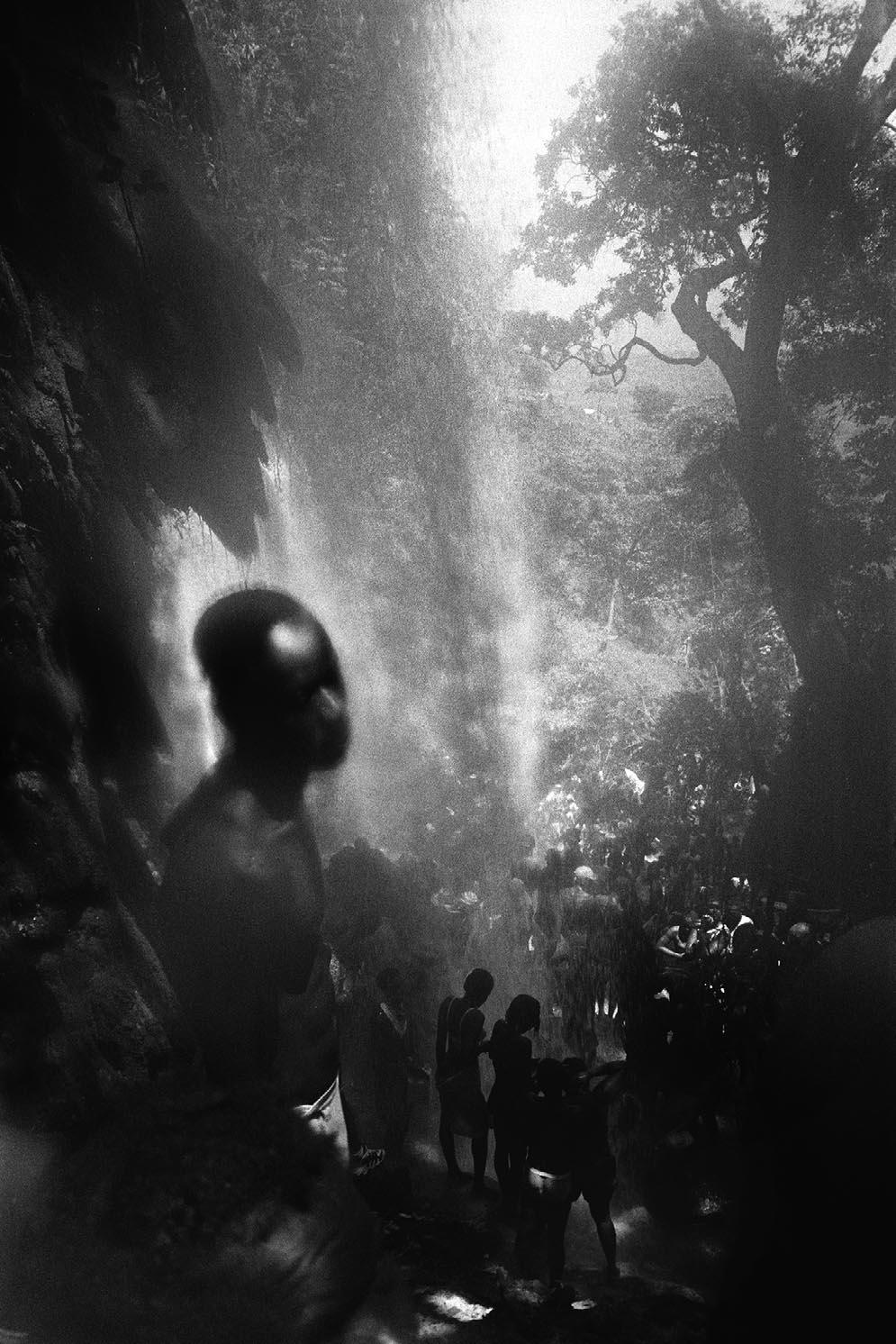
Galembo has captured Vodou priests and priestesses, known as Houngons and Mambos, in Haiti. They have joined her for public presentations complete with Vodou drummers and dancers She is currently working with Gaspar Louis, a Haitian choreographer, to arrange dances based on the images of her newest limited-edition book
SODO, Haiti 1999-2001which captures Haitian rituals performed in the sacred waterfall known as Sodo.
Galembo’s photographs have been acknowledged as influences in the fashion world and have also been featured in cartoons and television. Recently, Anderson Cooper contacted her to say he was a fan of her work.
When Galembo asked if it were actually Cooper, he sent her an image of him holding her book Maske. Famous entertainers such as Kanye West
have shown interest in Galembo’s work and met with her. She shares a common interest with David Byrne, frontman for the band Talking Heads, whom she first met in the late 1980s. Her work appeared on one of Byrne’s CD covers, and he contributed an essay to her book Divine Inspiration from Benin to Bahia (1993).
When it comes to photography equipment, Galembo is a traditionalist. She shoots with film on non-digital cameras, uses a tripod, and travels
with her own battery-operated lighting. Eventually, she will make the big switch to digital, which could be easier in certain respects. For ex ample, a light may not be required when photographing with a digital camera.
Although she has maintained a presence in New York City for most of her career, Galembo has also spent a lot of time in the Capital Region. She first maintained a home in New Baltimore with a view of the Hud son River and for the past decade has owned a house on Burden
Lake in Rensselaer County. “I am amazed how beautiful and rural the area is!” Galembo explained.
Galembo has watched the art scene in the area grow over the years. Her favorite local area art institutions include The Frances Young Tang Teaching Museum and Art Gallery at Skidmore College, Olona, Mass MOCA, the Albany Art and History, and the NY State Museum. Her highly recommended local hidden jewel is Jack Shainman’s Gallery known as the School in Kinderhook. Shainman is a New York City art
dealer who bought an old large school and transformed it into a gallery that resembles a museum. “It’s an incredible space,” said Galembo.
Galembo was a three-time New York Foundation for the Arts Fellow and a Guggenheim Foundation Fellow in 2014. She spent part of her Guggenheim fellowship in Gabon photographing in a Pygmy community. Her photographs have been featured in solo exhibitions at many presti gious museums including the Smithsonian Institution, the Tang Museum, and the American Museum of Natural History. Her work is also included in the collections of the Metropolitan Museum of Art, Philadelphia Museum of Art, Houston Museum of Art, International Cen ter for Photography, New York Public Library, Schomburg Center
for Research in Black Culture, Yale University Art Gallery, and the Library of Congress.
Galembo has published seven books of her photography. Maske (2010), has had the widest circulation and is used as a reference in costume de sign. Recently she published Mexico Masks/Rituals (2019) which looks at similar themes in Mexico.
When asked if she considers herself a photographer, an artist, or a d ocumenter of rituals, Galembo replied, “A little of all of those sounds good.”
See her website at http://www.galembo.com/ for additional information












by Carol St. Sauveur Ferris
The evolution of a city reads like a historic novel filled with people, places, and things connected by fact, fiction, and folklore. The setting in its earliest form may have started out as a need, an attraction, or even on a whim, but initially reflected the values and dreams of its founders. With every passing decade, gen erations of inhabitants and elected officials have shaped a city’s character and progress, for better or for worse, and with that, a new chapter to the novel is written. One need not look any further than the journals, meeting minutes, blueprints, and photos found at city halls or in museums around the country to read their stories.
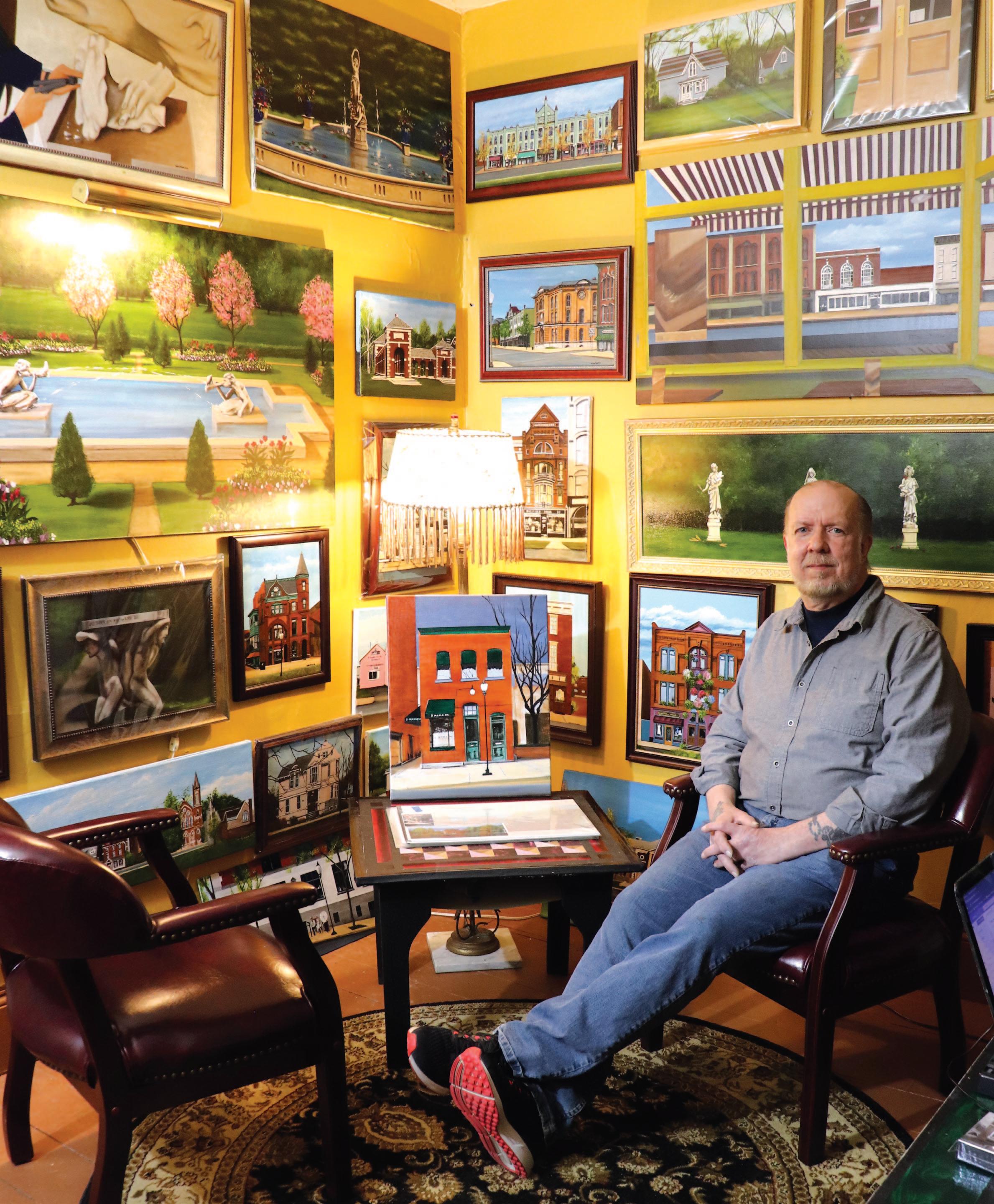
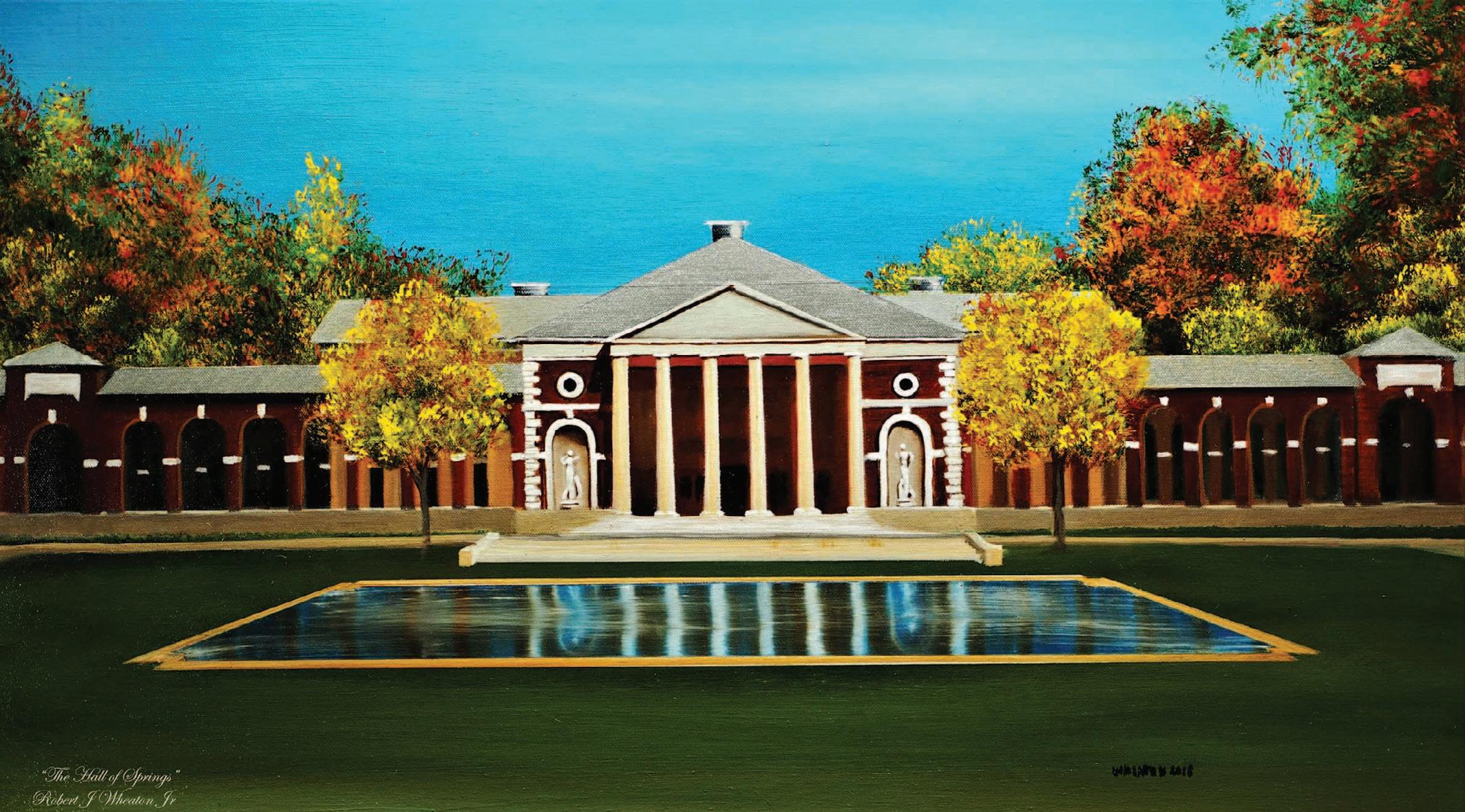
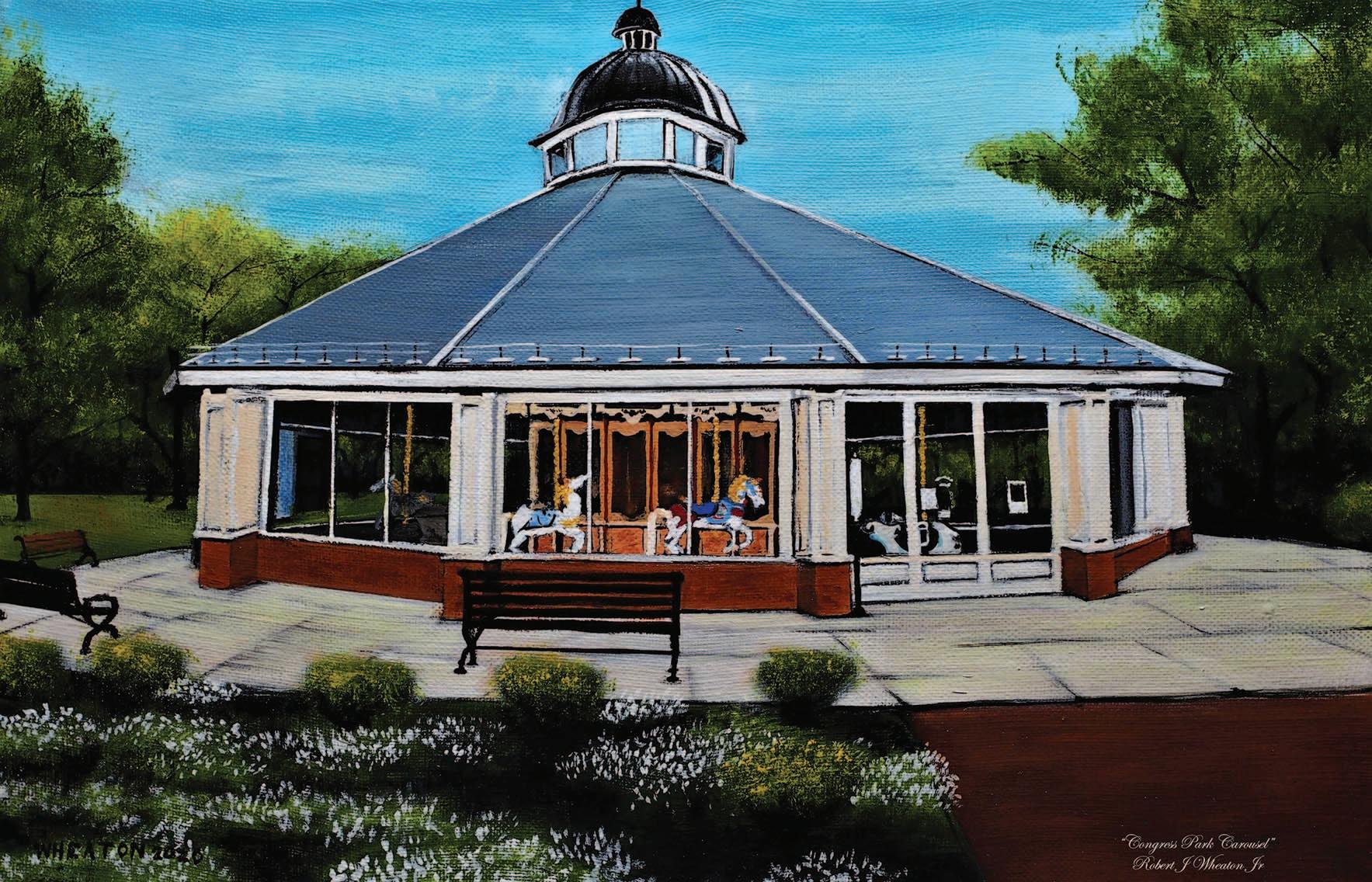
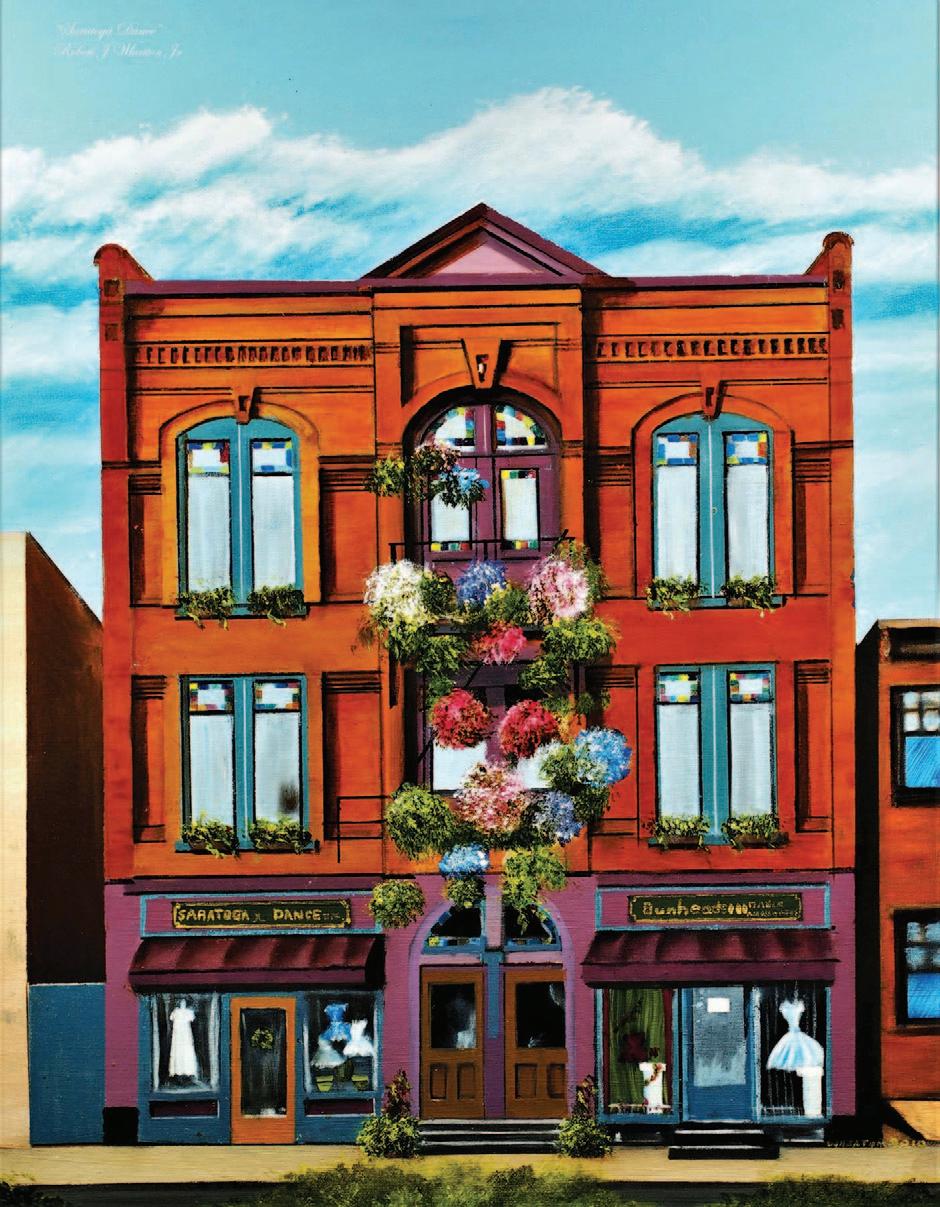
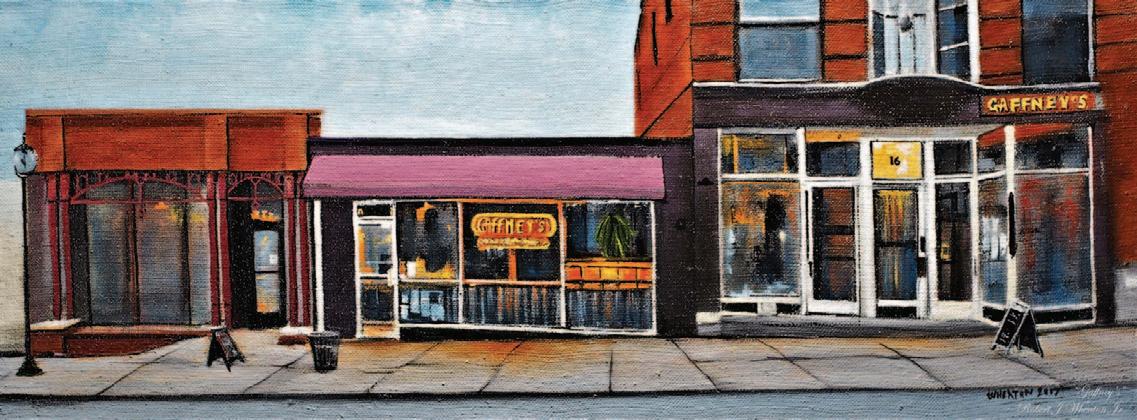
And in Saratoga Springs, New York, look no further than the oil paintings of Robert “Bob” Wheaton, Jr. They are a beautiful portrayal of the city’s buildings on canvas and tell stories of days gone by.
Wheaton is a native Saratogan and was a selfdescribed nerd as a child. Though he took art classes in high school, he is largely a self-taught artist, and he is one of the fortunate few who have a natural gift for drawing and painting. As a young person, he mainly drew people, cars, and small objects that captured his atten tion and found he enjoyed fantasy, art, and
surrealism. From there he went on to develop a fascination with drawing the human anatomy and the skeleton.
Now, the subjects for Wheaton’s anatomy drawings weren’t just of any run-of-the-mill figures. At 16 years old he just happened to find his father’s stash of Playboy magazines and quite happily drew the playmates of the month and more. Though he thought he hid those drawings very well, one day he noticed they were no longer where he had put them. Turns out his mother found them and much to his surprise and relief, she actually loved them.
Wheaton chuckled and wondered out loud whether he might have gotten his father in trouble that day.
After graduating high school in the '80s, Wheaton did not attend a trade school or college. He worked a variety of jobs until he was hired by Sheila Parkert and Gregg Siefker, the owners of the Adelphi Hotel, as their resident handyman and jack-of-all-trades con tractor. According to Wheaton, he never felt overwhelmed by any project requirements because he pretty much knew instinctively how things went together.
That can-do confidence came from the days when he used to literally
take apart his father’s tools, spread them out, and study them before putting them back together. And if he absolutely didn’t know the first thing about any project facing him, he went to the library to learn whatever he needed to know. It’s hard to imagine doing that these days, but remember, there was no Google or YouTube back then!
One memorable year the Adelphi’s owners traveled to Europe and stayed at a hotel in France that had beautiful murals painted on all the walls of their room. When they returned stateside, they showed pictures they took to Wheaton and asked if he could paint them in Room #12. They knew

he was able to draw and learned he was actu ally doing pastels at the time. Though he had never painted before, he decided yes, he could do it. “I went to Sherwin Williams. I bought their paint. Not really knowing about art stores and art paints, I figured it was this big room so why not use house paint? I didn’t know what I could do, but I did it.” He went on to paint multiple murals in private residences and other businesses as well. When asked if
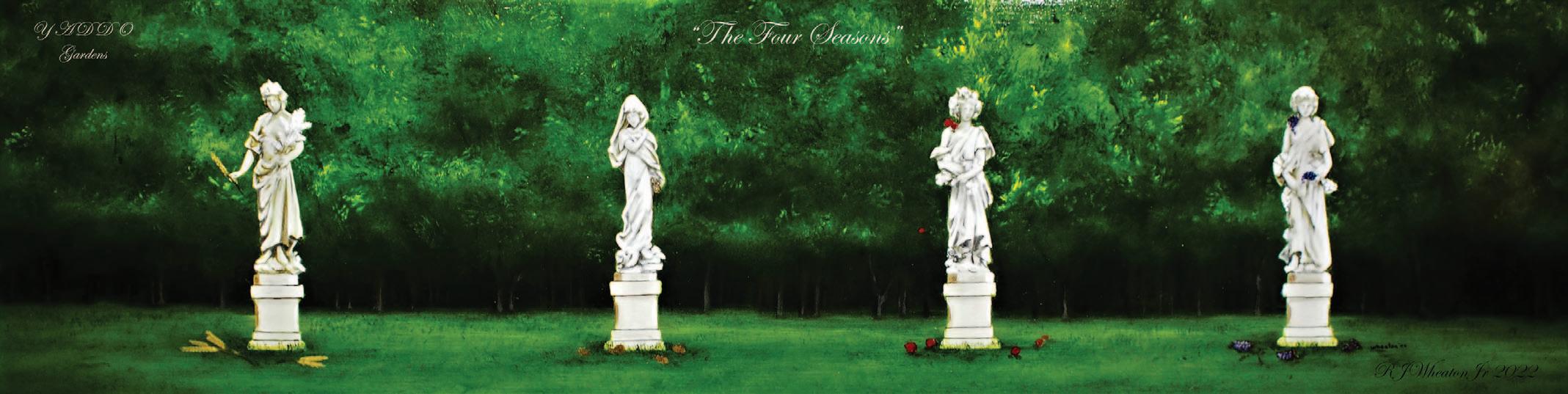
Gardens during all four seasons and others around Saratoga Springs for future paintings. His longtime fascination with Surrealism inspired him to bring the statues to life on his canvasses while still showing that they were statues during that early part of his career. While taking photographs of statues, he found himself taking photographs of buildings as well, which led him to start painting the unique architecture of Saratoga Springs.
he ever had any doubts about being able to paint, he said, “no, not at all."
Vito Soave, the owner of a wellknown art store called Soave Faire, only knew him as the renovator at the Adelphi, but upon seeing his beautiful murals he immediately contacted him. “He said he didn’t know I was a painter, and I said, neither did I'!” In short order, he set Wheaton up with paints and all the art supplies he would need to paint on canvas. For his first composition, he chose the statues at Yaddo Gardens and painted them to look absolutely real. Shortly after giving the completed 11”x14” piece to Soave, he received a phone call a week later telling him that it had sold. “And that’s when I de cided this is what I really want to do and how it all started."
Soon Wheaton was out and about photographing the statues at Yaddo
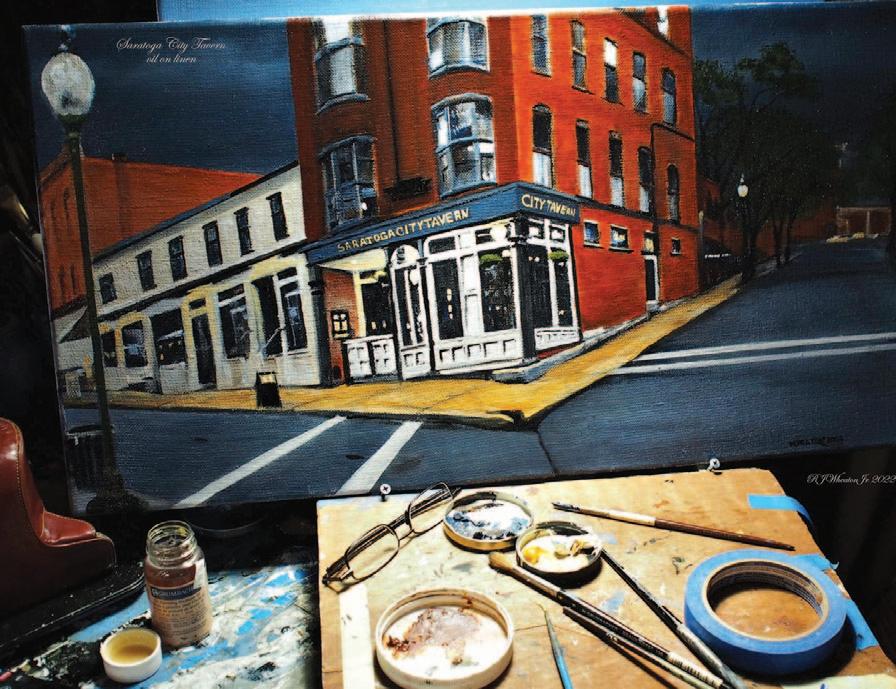
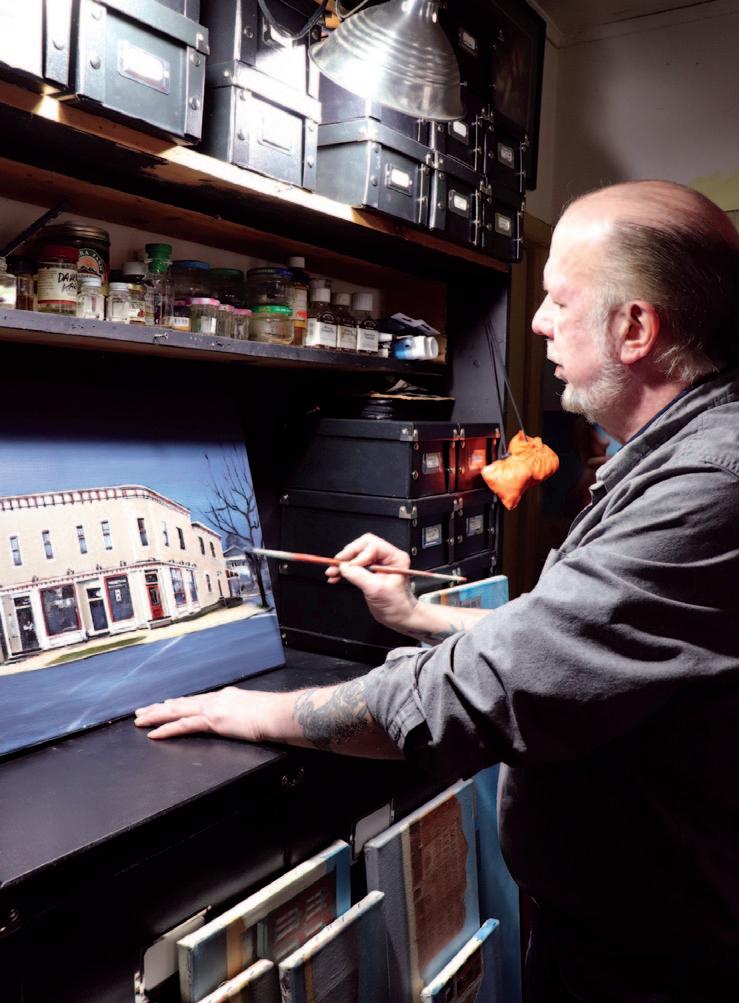
Wheaton paints primarily in oils. He admits to being a slow painter and likes that oils give him the flexibility of more time to work on a piece which can often take up to a couple of months. When painting architecture, he focuses on the anatomy of the buildings. He lays out his composition and draws in the details, purposefully l eaving out cars, people, and other time-sensitive components that w ill instantly date the piece. “The reason I do that is I want the piece to be timeless an d reflect the building as it was to people over all these years.”
Finding images of buildings that have been torn down and recreating them on canvas has been a passion of Wheaton’s, and many that burnt down because they were made of wood in the 1800’s have found their way to his can vases as well. Remarkably, and unlike today, the buildings of the 19th century were far more ornate and decorative, so Wheaton painstakingly includes every curve, bracket, soffit, and other architectural details to bring it to life on canvas. And while he might amp up the colors of leaves and flowers in the landscape, move a tree a bit or as he jokingly told a client, “I cut that tree down”, he stays true to the building. Every detail is authentic.
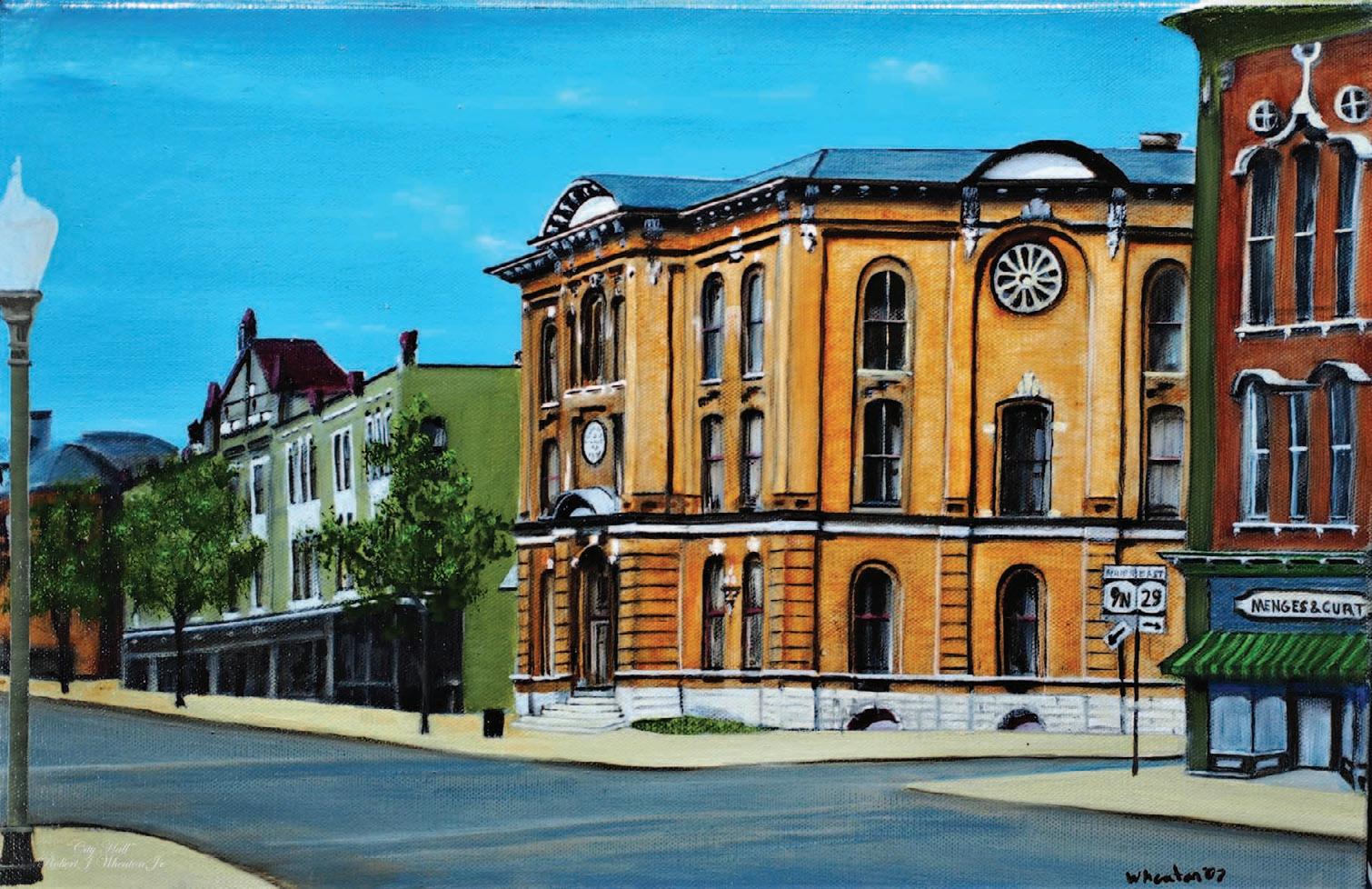
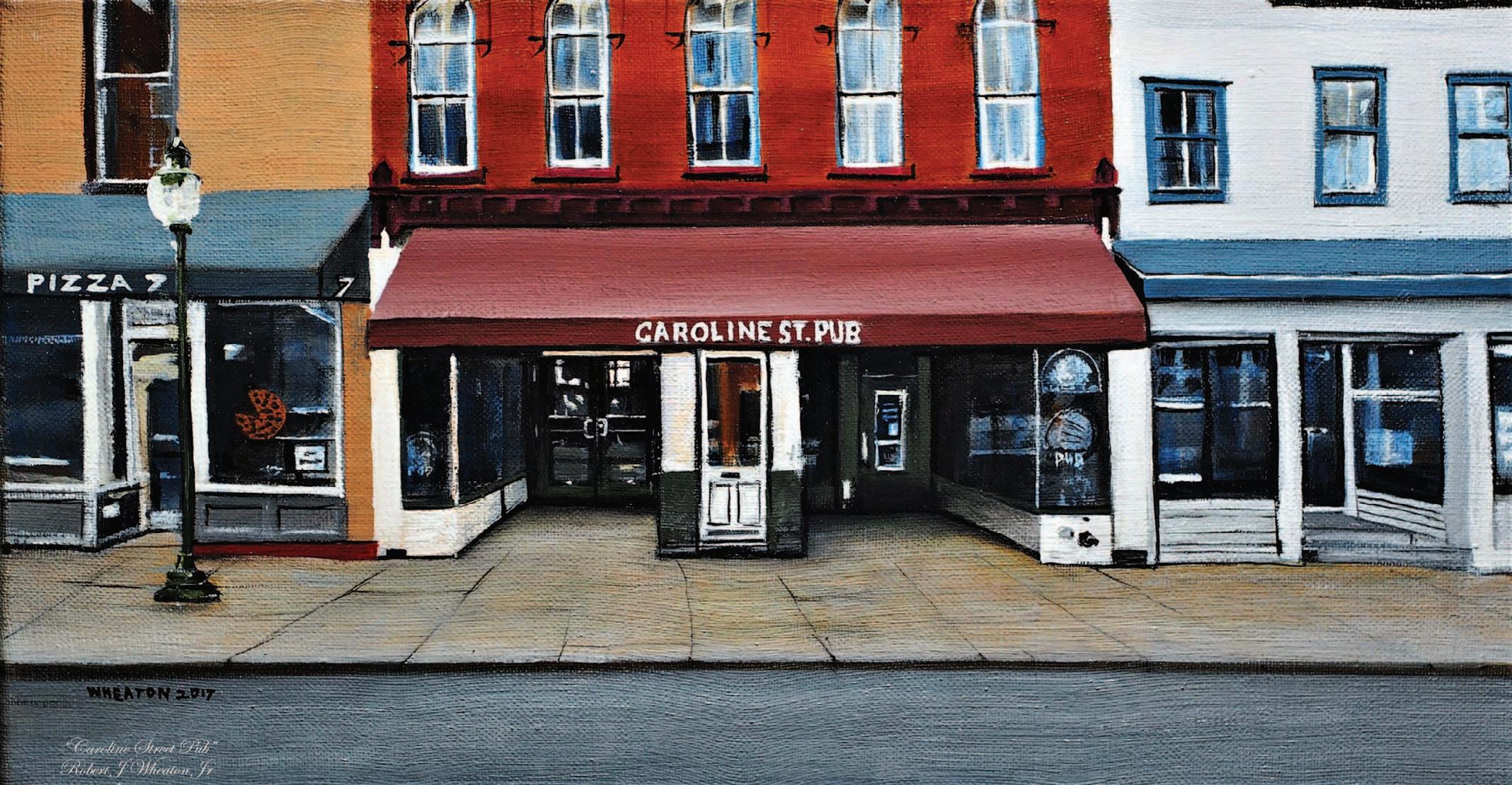
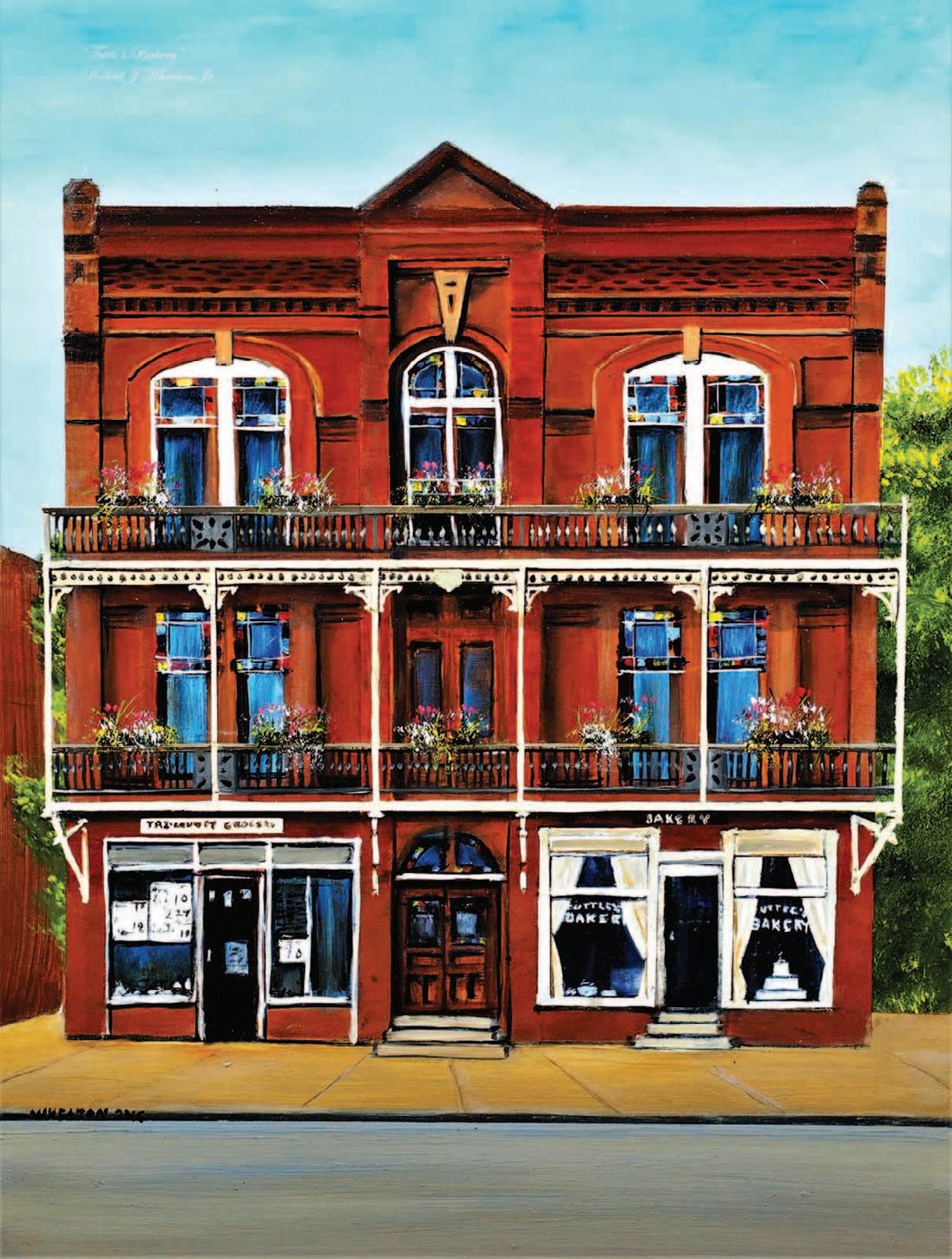
It’s clear that the architecture of Saratoga Springs is near and dear to his heart and a favorite subject for his work. If you are fortunate to visit his home studio called the Saratoga Room, you will be amazed at the number of beautiful canvasses covering the walls. They range in sizes from 11”x14” to 36”x60” and are both a history and art montage of the city. As he surveyed his studio walls, Wheaton shared, “I have
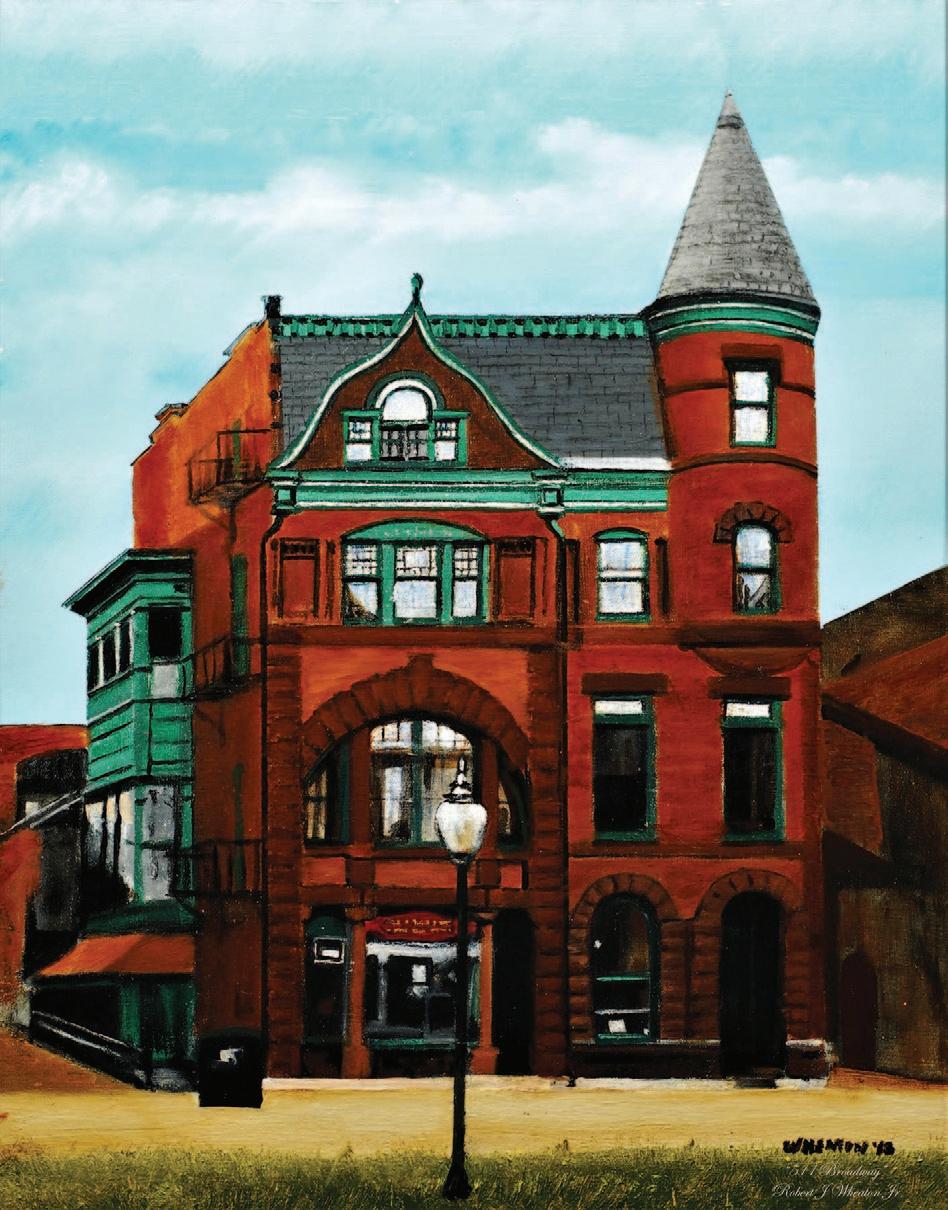
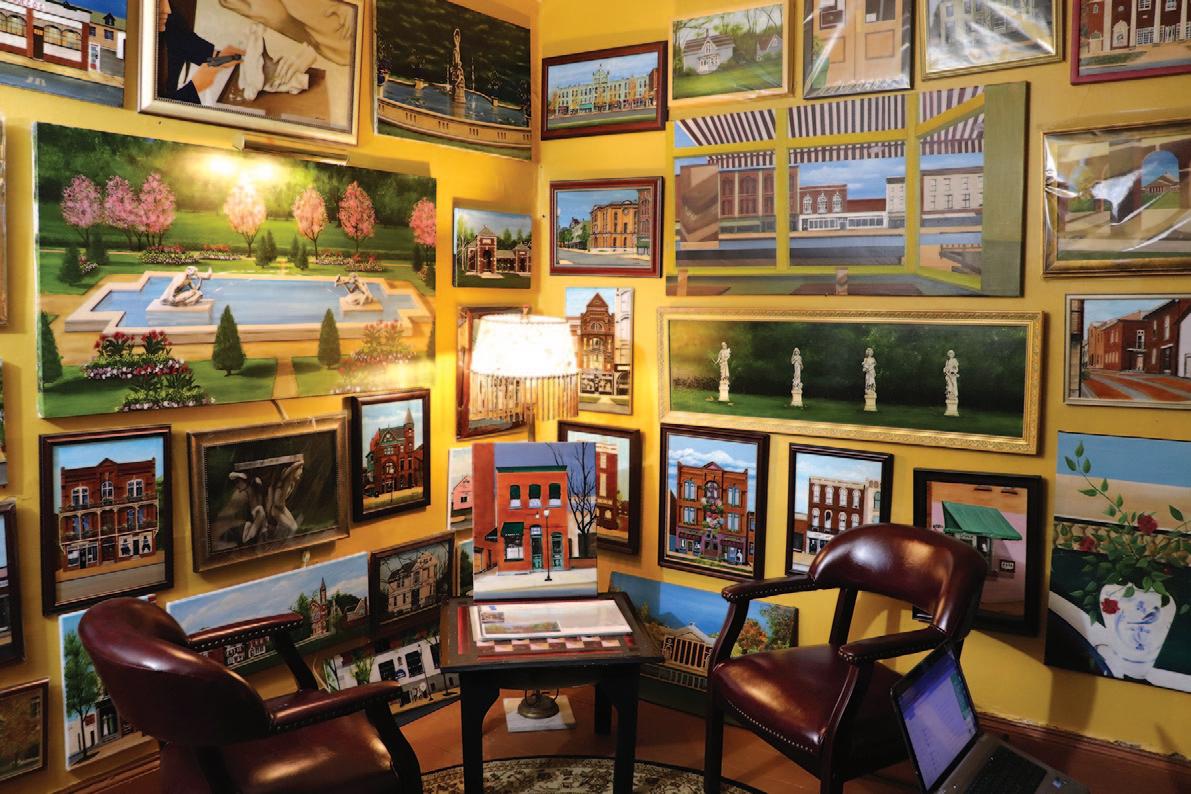
a hard time letting go of a piece, so I immediately have to fill up the empty space.” And that he does. Wheaton does not consider himself a historian but taken together, his more than 120 pieces depicting buildings of his beloved city say otherwise.
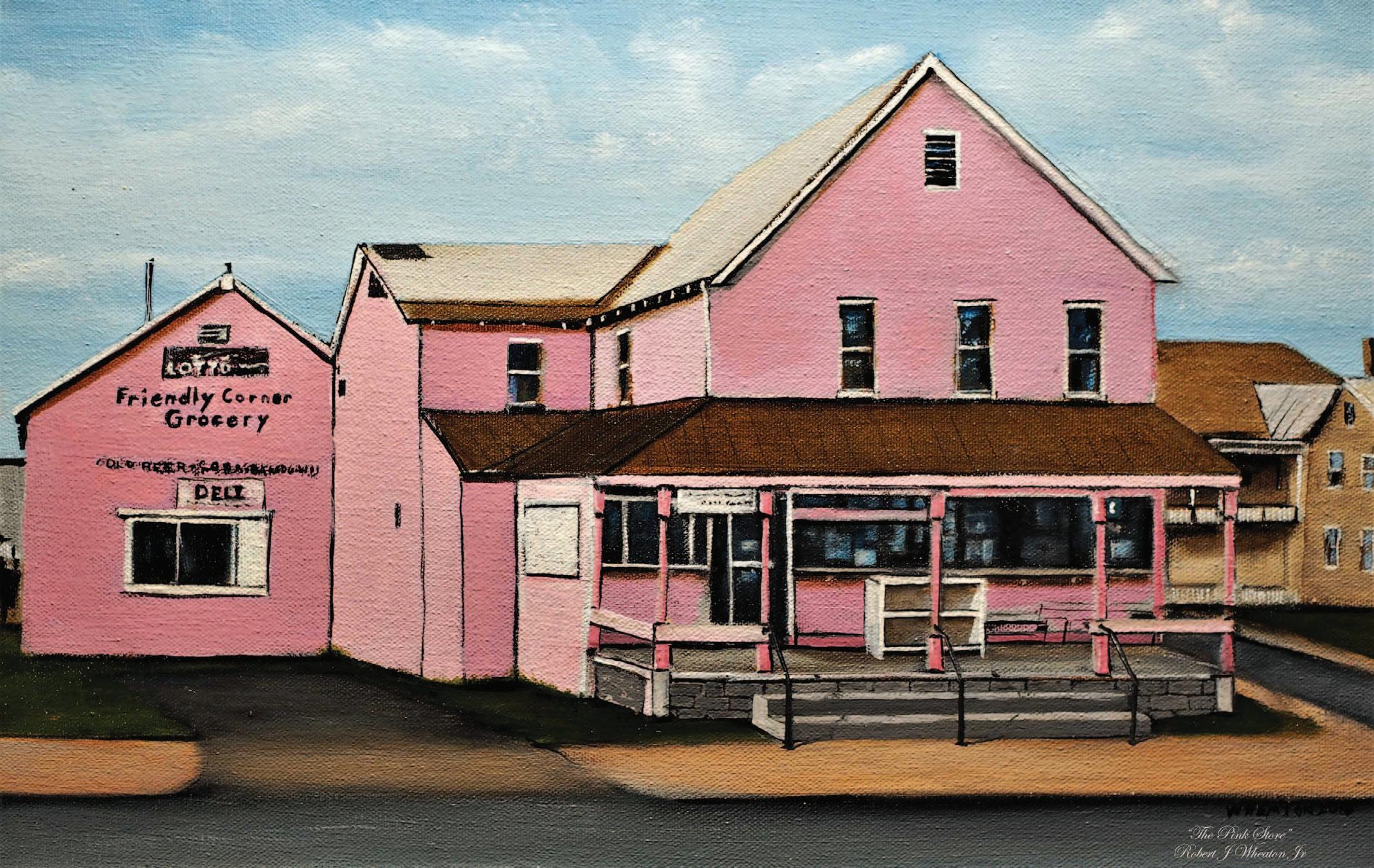
One of the more sentimental subjects for his compositions is old neigh borhood grocery stores. Having grown up on 2nd Street off of North Broadway, he remembers daily trips to these mom-and-pop stores, buying a glass bottle of soda, then promptly dropping it on his way home nearly every time. Wheaton also recalls a time when people literally turned their living rooms into markets with coolers and shelves of food
for neighbors to check out and buy while the matriarch of the house could be seen back in the kitchen cooking the family’s dinner. Sadly, with the advent of gentrification, new zoning laws, and specialized business districts came the demise of the local grocery store, prompting Wheaton to create a bucket list of buildings to paint that housed the neighborhood markets of his childhood.
Wheaton draws and paints by eye. He neither measures nor graphs out his buildings so no two paintings of the same building are exactly alike. For example, both the Tuttle Bakery and Saratoga Dance were located in the same building and in the same space at different times. If you compare the two paintings of this building, Wheaton acknowledges that you can see subtle differences, but that’s okay with him. Each painting is meant to be a representation of a particular time period and as such, can stand alone.
Most days you can find Wheaton at Soave Faire where he has happily worked for the last 17 years as manager of the art department. According to Wheaton, his sister is incredulous and wonders why he isn’t famous yet and pursuing his art full-time. He chuckles and notes that there are benefits to his day job. The owner is great, he enjoys a job that keeps him connected to the arts, and because of this job he can afford to pursue his passion for painting memorable Saratoga Springs buildings and architecture.
All in all, not a bad gig if you can get it.
Wheaton’s wonderful paintings may be viewed and purchased at www.saratogaartist.com and at https://saratogaartist.square.site. In addition to his oil paintings, Wheaton’s artwork appears on placemats, note cards, and postcards which are available for purchase as well.





by Rona Mann
If you listen, you can hear the music.
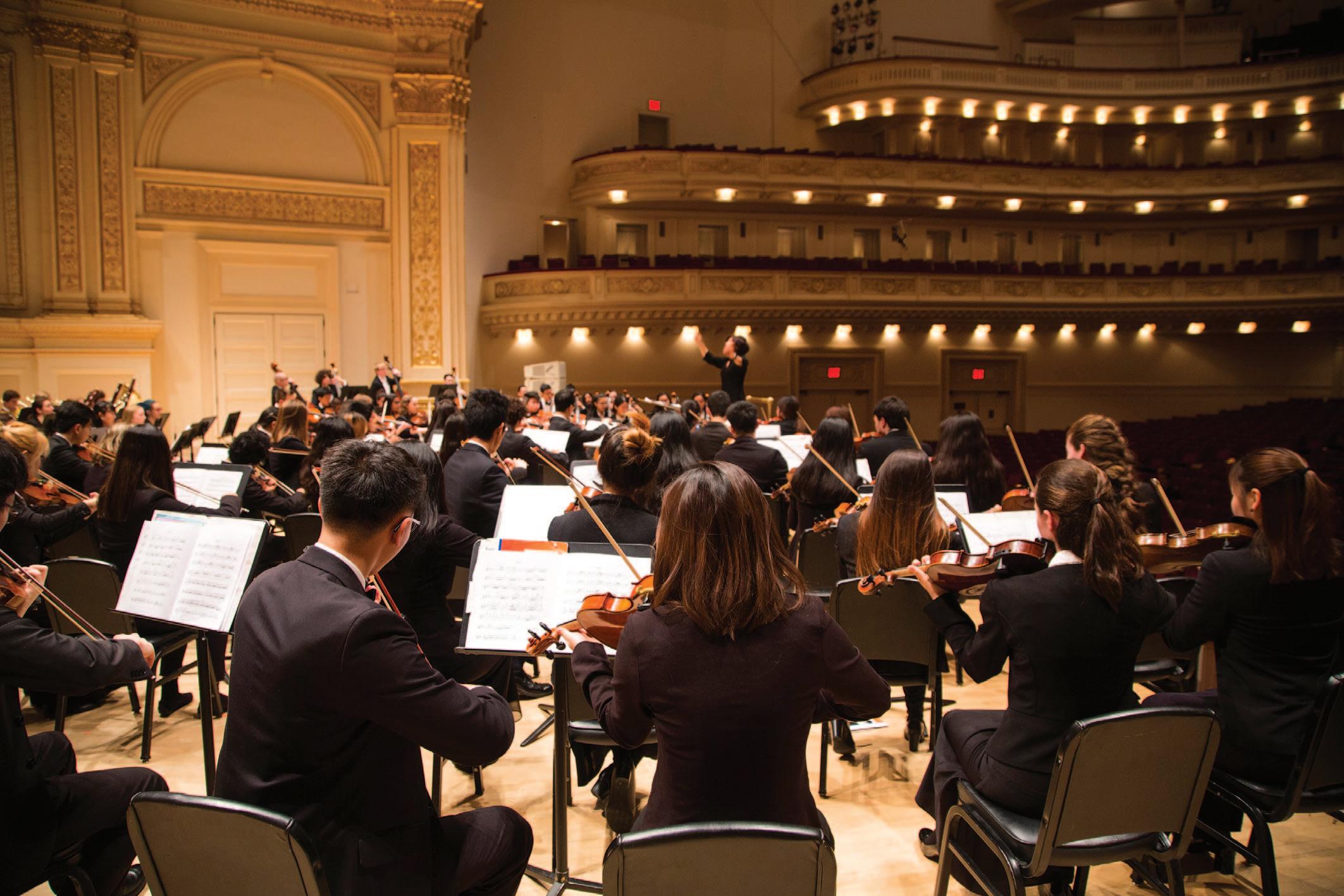
The conductor raises his hands in purposeful gesture, the inevitable hush washes over the room as bows are lifted, lips are pursed ready to press to wind instruments, the brass section readies their horns, and then as though it is speaking on the strength of one breath in one voice, the music begins.
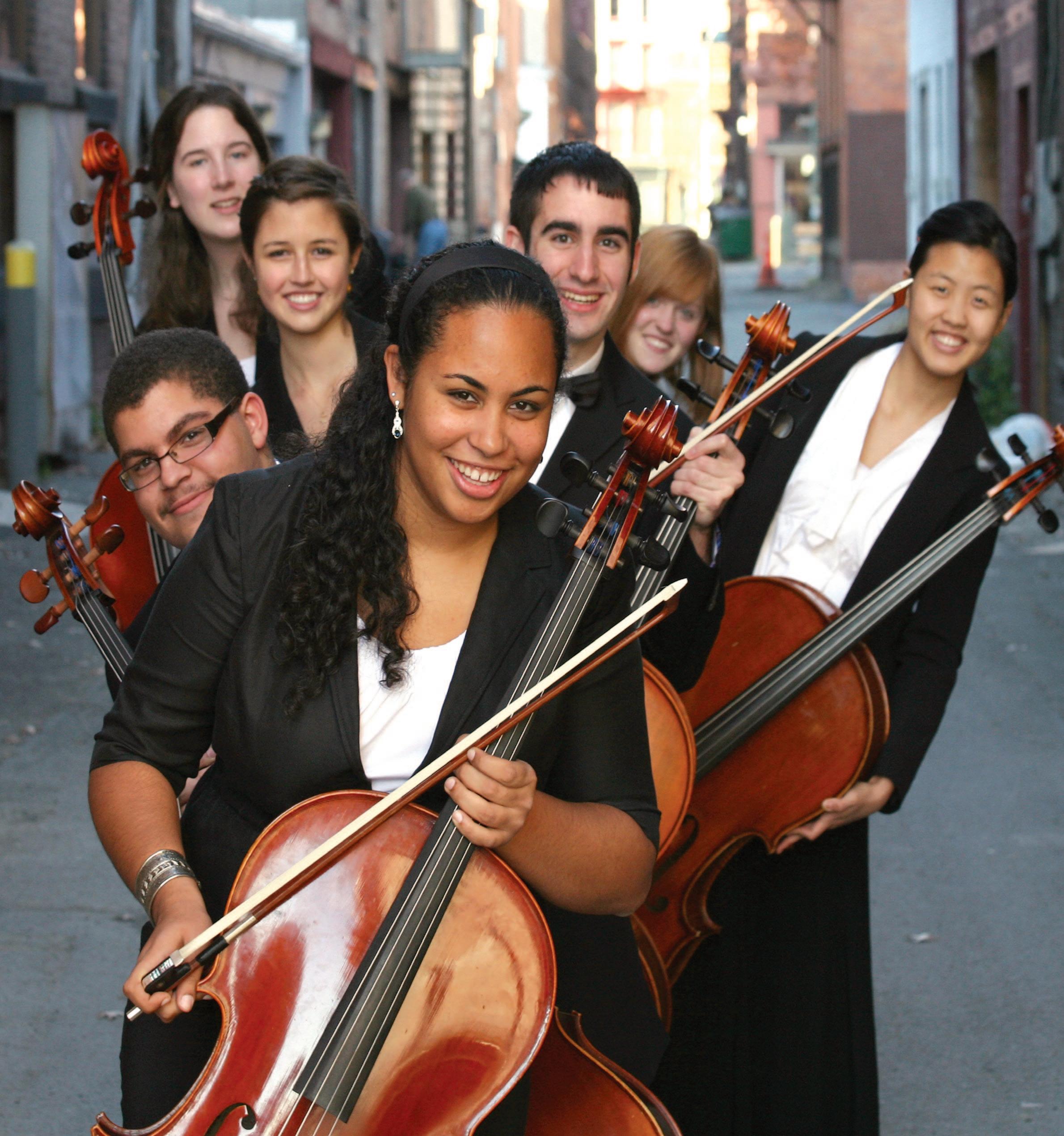
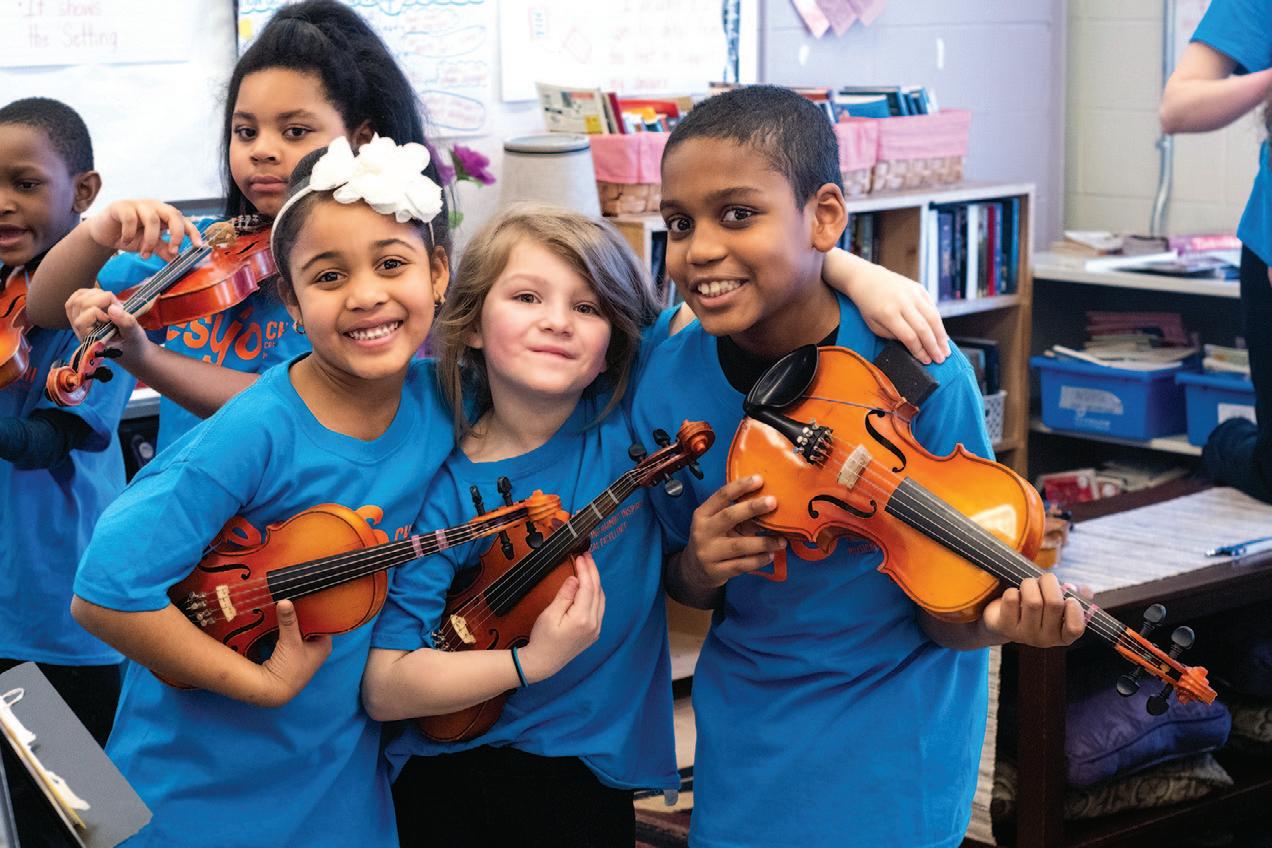
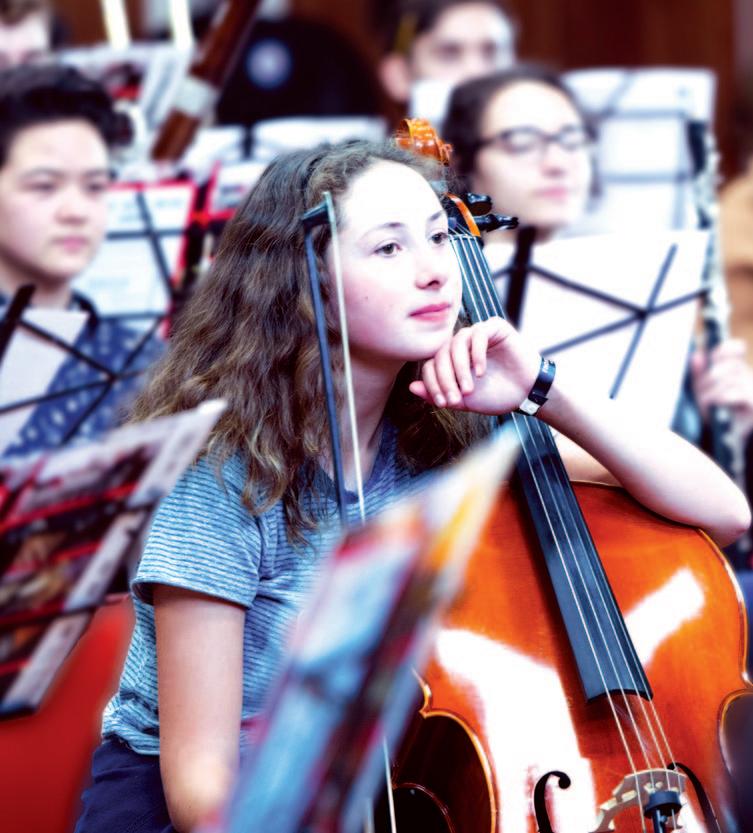
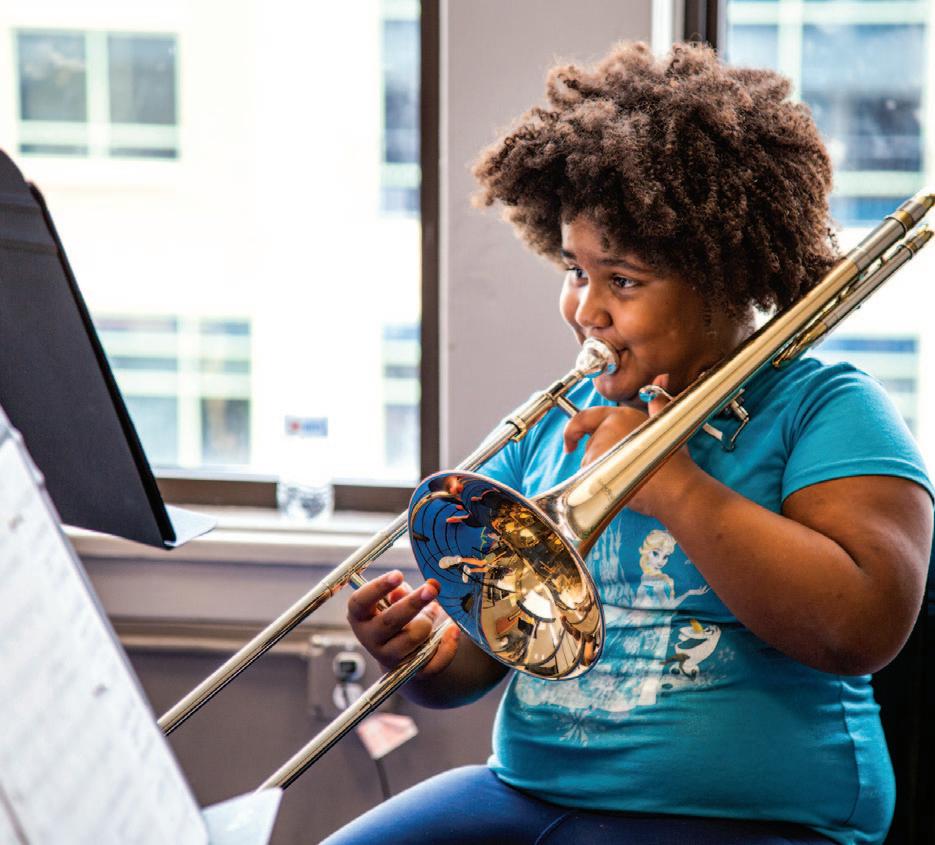
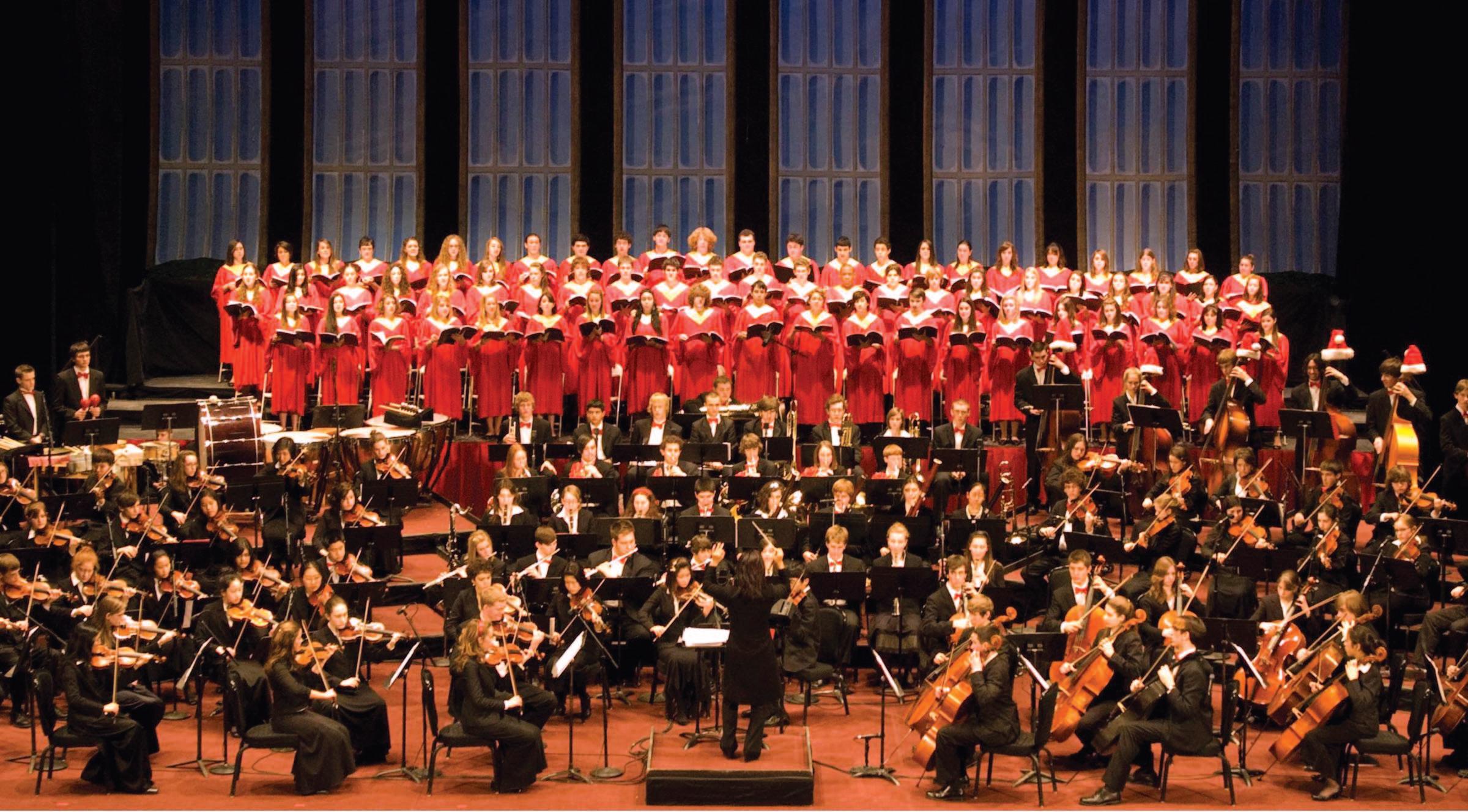
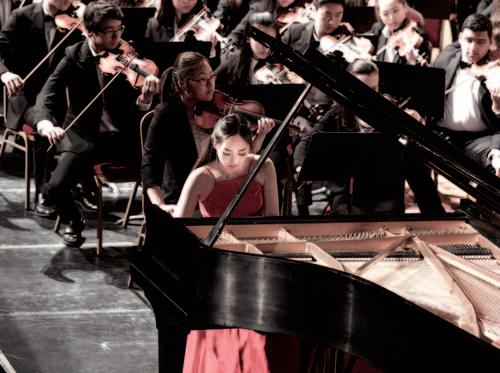
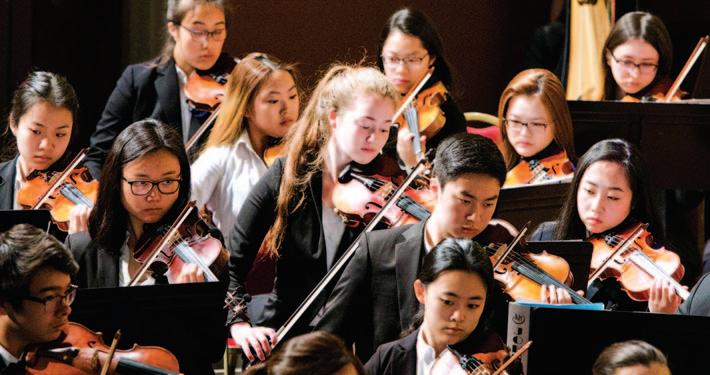
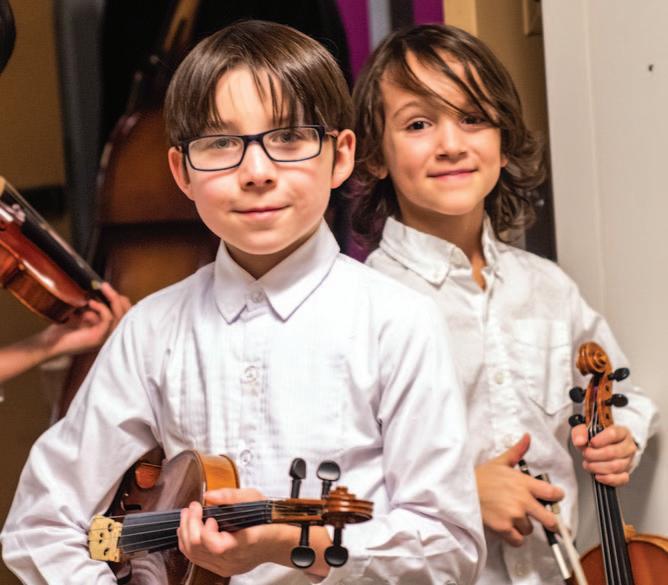
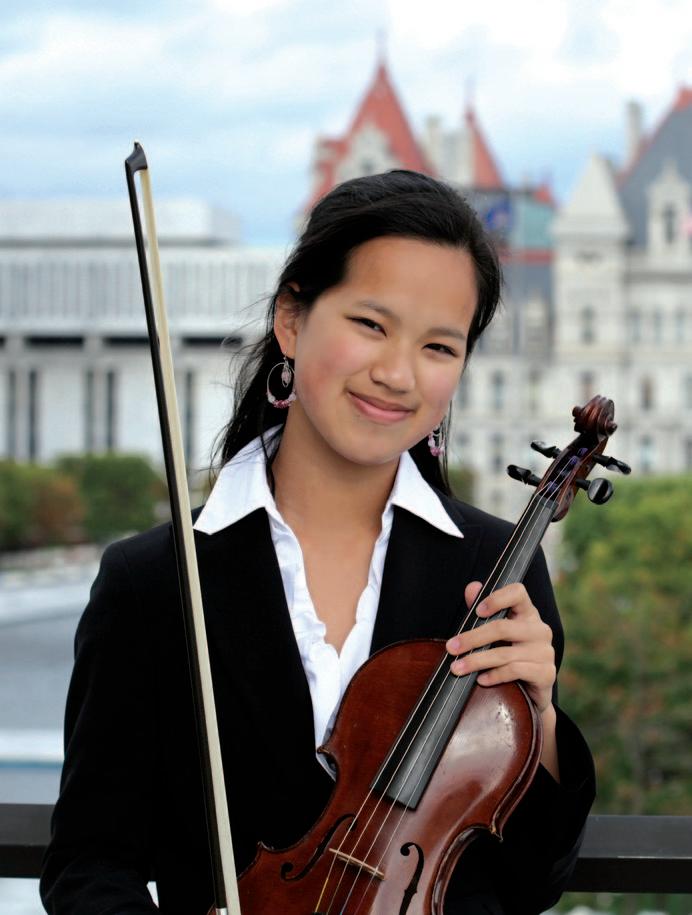
This is The Empire State Youth Orchestra, dedicated to young musicians not only throughout the Cap ital Region but extending to and including the talents of young people throughout Western New England.
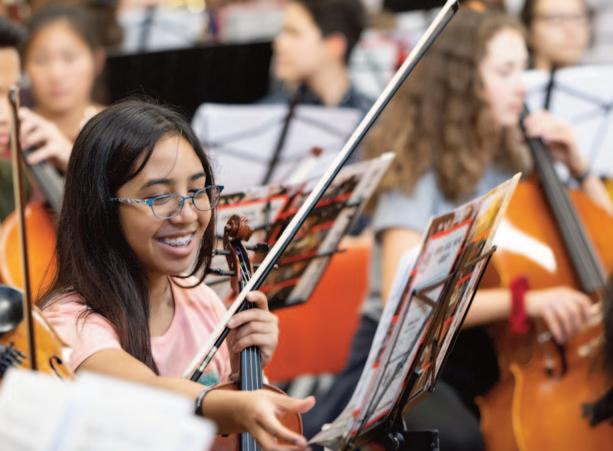
This is The Empire State Youth Orchestra, a place where 600 young people from primary grades through high school can learn and grow under the tutelage of the finest conductors and music educators in the world, learn to take chances in order to grow and never stop growing, blossoming into serious musicians.
We begin: Obbligato!
In classical music, obbligato is that which is indis pensable in performance.
For The Empire State Youth Orchestra, the “obbli gato” is Barry Richman. Although known to many as the owner of Pearl Grant Richmans, a legendary gift and home furnishings emporium in Albany, Barry Richman had a previous life as a professional musician. A graduate of the New England Conservatory of Music in Boston with concentrations in Performance and Percussion, he played with the Albany Symphony before making a decision to join the family business, Pearl Grant Richmans. But his life in music was hardly over. Barry and his wife had two daughters who were both violinists and spent their summers at the now-defunct Red Fox Music Camp in the Berkshires. "Every Sunday, all summer long, the camp would present a symphonic concert," begins Richman. "Those concerts were different each week and magnificent, the music having been
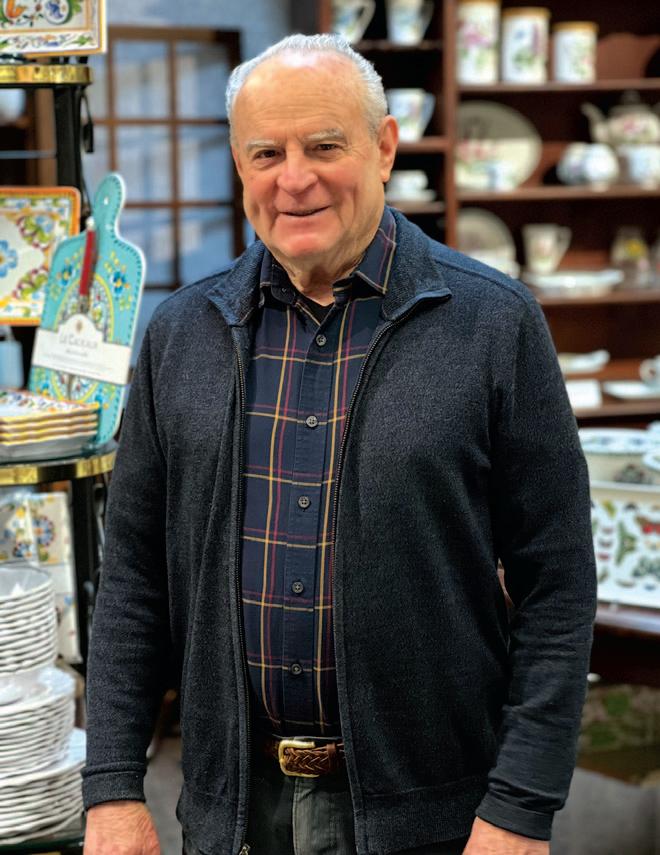
learned and perfected in just seven days." It wasn't long after attending these concerts week after week that Barry returned to the Capital District wondering, "Why couldn't we have a youth orchestra at that level all year long right here?"
Capriccio!
The musical term for quick, spirited, and im provisational describes perfectly what happened next.
The year was 1978, and Barry invited a group of parents, music educators, and the principal chairs and concertmaster from the Albany Symphony to his home to lay out his plan. Several of these teachers and business people immediately got involved and became members of the first Board of Directors. Shortly thereafter, auditions were announced at local schools, and what was initially called The Youth Orchestra had its initial concert in March of 1979. "Our first conductor was Burton Kaplan from the Manhattan School of Music," Richman informed adding, "all conductors since then have been chosen from internationally known and upcoming musicians."
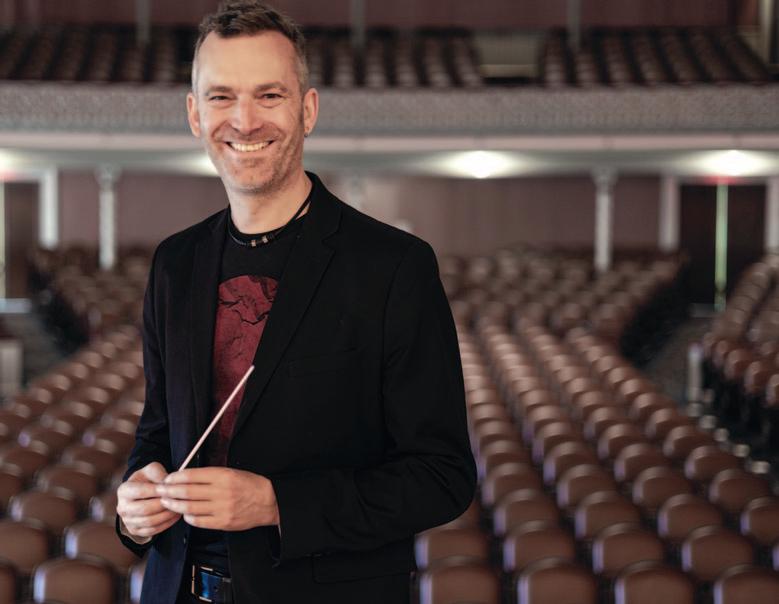
The current maestro is Etienne Abelin origi nally from Bern, Switzerland and bringing with him an enviable resume among which are kudos from the BBC Music Magazine as being one of the three greatest conductors of all time. His vision for ESYO focuses on empowering young musicians using an approach he calls "Music NOW," and he enthusiastically adds, "Music is full

of powerful stories and emotions. In addition to helping celebrate diverse heritages and their his tories, music can create bridges and belonging in our painfully polarized world..."I envision ESYO as a laboratory for this kind of musicianship and being where we'll work with dancers, ac tors, and artists of all kinds to become fully present and expressive."He continues, "I believe in using legacy to create something new, at times raw, at times tender. In doing so, we become 'NOW-musicians' and healers in a fractured world. I'm thrilled to embark on this journey with the fabulous young musicians and the wonderful team and board of ESYO."
Accelerando!
Onomatopoetic in sound, the meaning is exactly that: accelerating.
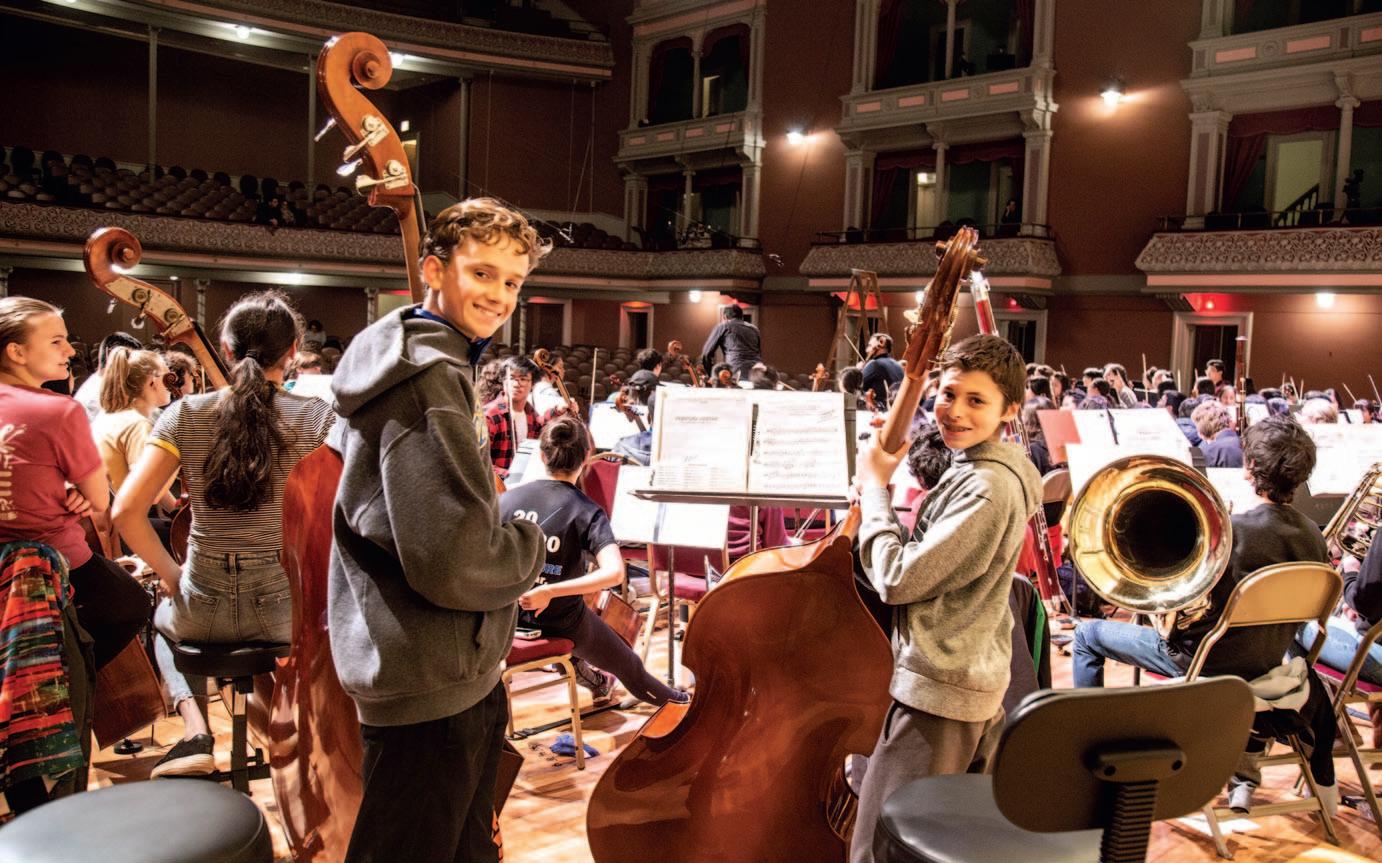
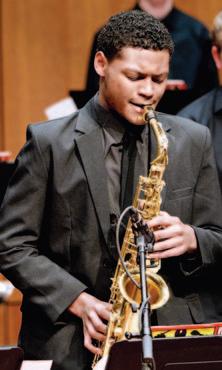
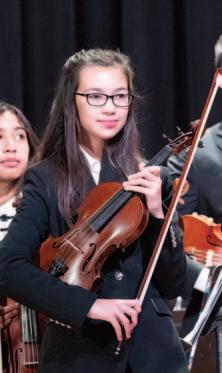
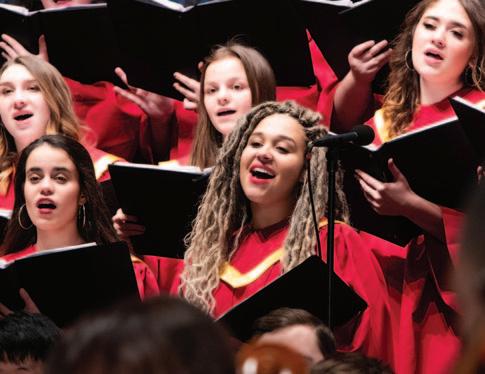
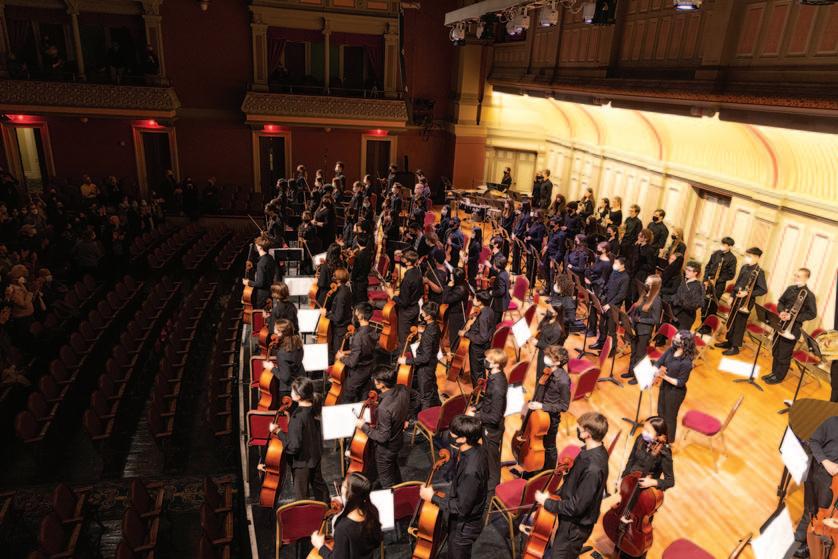
The Empire State Youth Orchestra was moving fast, growing from that first single orchestra to where now there are multiple ensembles: two full symphony orchestras, two string ensembles, two jazz ensembles, four percussion ensembles, a
and a chorale.
For the past four decades, the Youth Orchestra has partnered with WRGB-TV Channel 6, for Melodies of Christmas, four of which have been benefit concerts for the Melodies Center for Childhood Cancer at the Albany Medical Center's Children's Hospital. The concerts sell out immediately every year and have raised millions of dollars over the years for the Cancer Care Unit.
Allegro! Let Ring!
Live and Fast, Continuing
Not sitting on their laurels after 44 years, the Empire State Youth Orchestra continues to develop and thrill at a fast pace. In 2015 they made another big dent in music for everyone with CHIME, a Sistema-inspired program that now reaches more than 100 kids (historically from marginally communities) in the schools through daily instruction, support, and mentorship because learning
to love, appreciate, and play music has absolutely nothing to do with a bank balance.
Ask Barry Richman the age range for youth in the E SYO and he quickly responds, "Through high school." Ah, but we follow, how young may they start? The answer may at first surprise, but after you meet the powerhouse behind this beautiful musical movement you won't wonder. "They audition for us as young as they want. If they can cut it, they're in. We once had a nine-year-old concertmaster."
Fermata!
To hold a tone or rest.
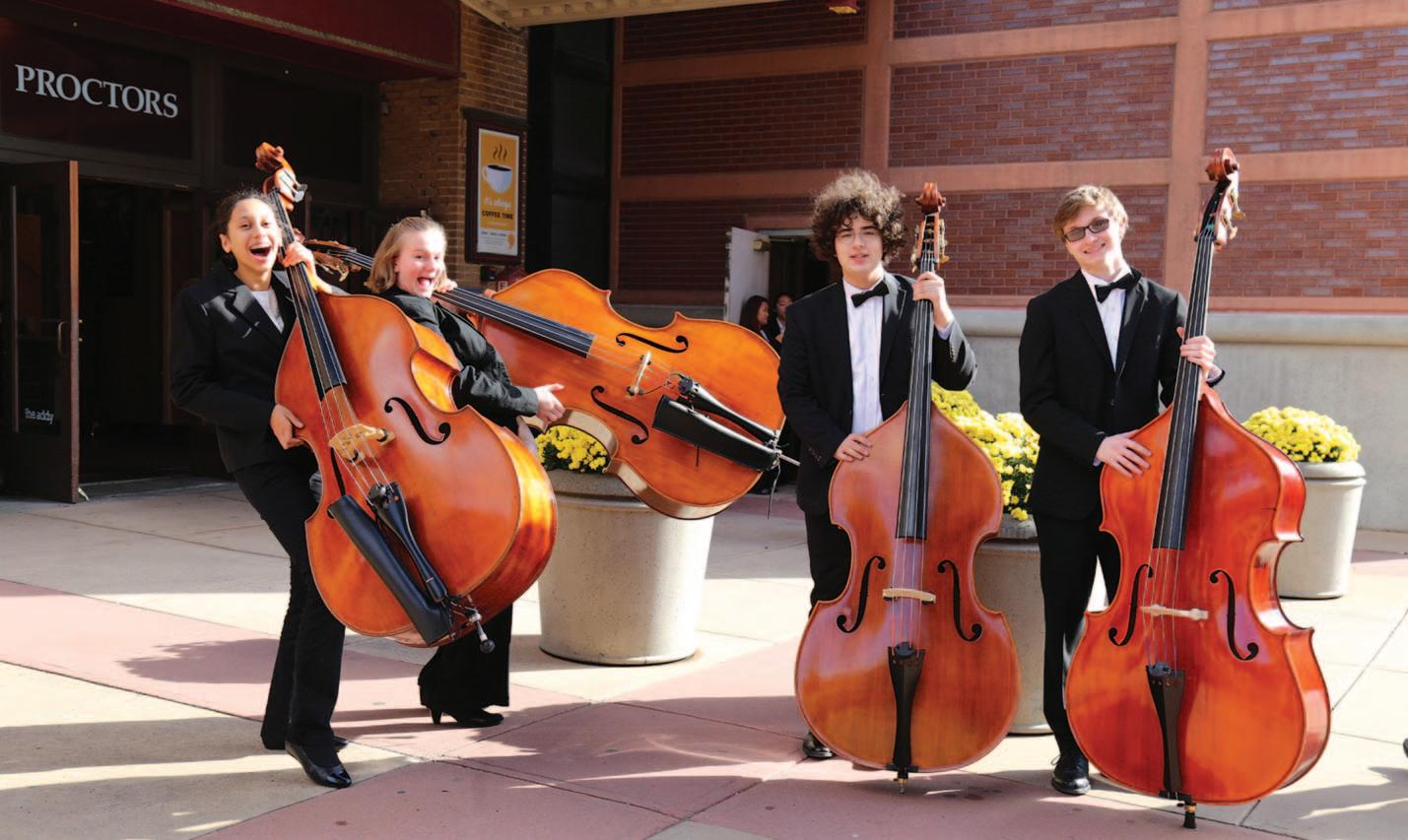
During the pandemic, nearly every arts organization in the country was forced to take a break, but the truly dedicated and determined always seem to find a way. Nothing was going to keep the ESYO down! As soon as they were able, they got inside Proctor's Theatre and with hearts filled with love and hands holding fast to their instruments, they presented a series of virtual concerts while they played under the protection of masks and mask sacs attached to their instruments. Although there was no audience visible in the seats, there were plenty of grateful and appreciative music lovers on zoom giving them a reason to play their hearts out. That was their beautiful story of survival.
A section of a larger composition made up of several significant sections such as a symphony.
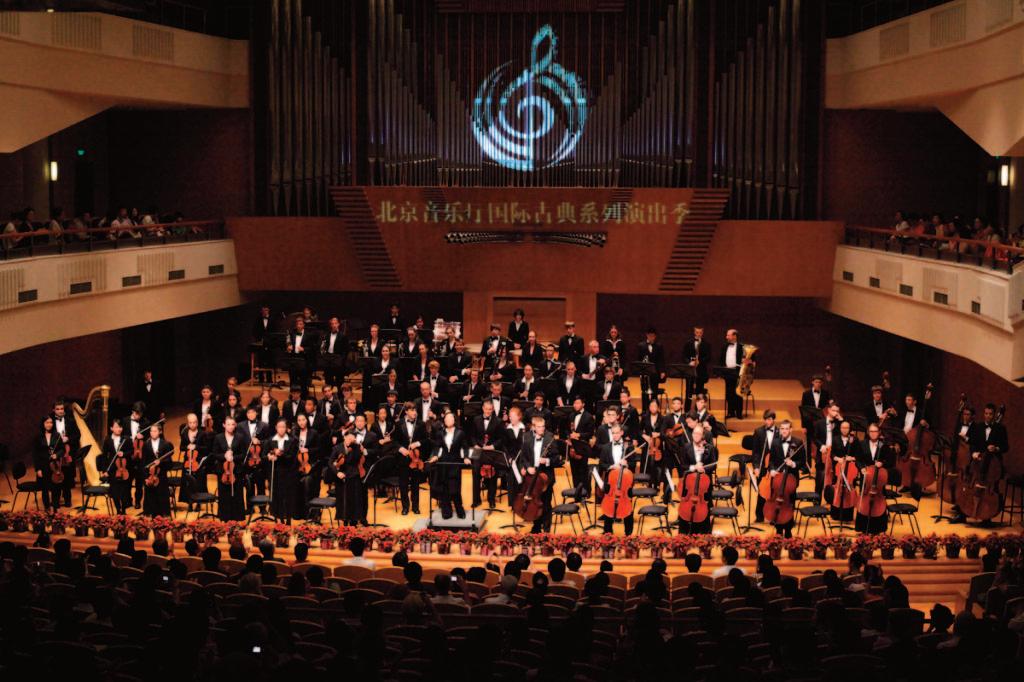
There is not enough space here to detail all the places the ESYO has performed from the Troy Music Hall, Carnegie Hall, Saratoga Performing Arts Center (SPAC), and Tanglewood upcoming this June; to worldwide performance venues in Austria, China, Spain, Hungary, South Korea, Portugal, and more. Impressed? You should be! Remember, these are kids, but insanely talented kids at that held to a high standard where the bar is always being raised and they are reaching to meet it.
The combining of individual but harmonizing melodies.
Barry Richman finds perfect harmony with the organization's Executive Director, Rebecca Calos. Since taking the helm in 2013 she has guided the organization through a period of dynamic growth, doubling the operating budget to 1.4 million
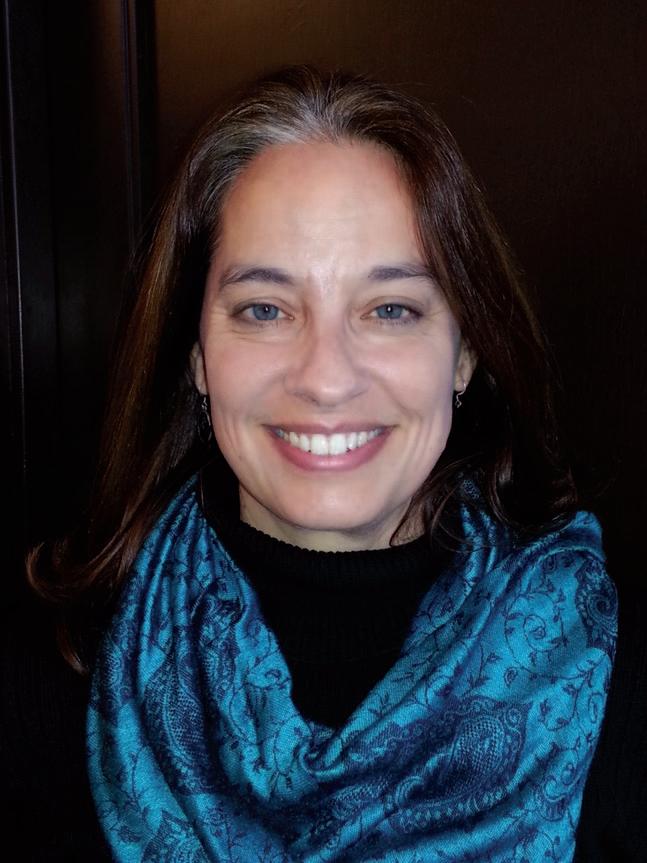
and expanding program offerings to serve more than 600 students within a two-hour radius of New York's Capital Region.
In an effort to provide a clear pathway to musical excellence for all children regardless of economic circumstances, Becky supported the creation of new, introductory ensembles in wind, brass, and strings targeting younger players and offers, "it is incredibly rewarding to bring hundreds of youth together from so many different communities and backgrounds to engage in a shared musical experience. Our ESYO team collaborates to offer these talented young musicians outstanding op portunities such as international tours, guest art residencies, and performances on renowned stages. Often, however, it is in a weekly rehearsal that the real magic happens, a new friendship is forged, a new skill mastered. I am so grateful to be part of this magic on a daily basis and look forward to sharing them with the community at large for some time to come."
"She is amazing," Richman says more than once. She certainly would have to be to take on all the above and do it all so very well.
This story is really all about dreams, dreams made real for young people, for audiences, and for the
creation of a legacy. It is about surmounting ob stacles and making a joyful sound, and it is at its very core yet another realization of a dream... one that began some 44 years ago with one man, two young violinists a camp, and the nagging question, "Why can't we do that here?"
And so, they did.
Ostinato! Repeated phrase.
If you listen, you can hear the music.
For more information about the Empire State Youth Orchestra, classes, performance schedule, donations, and more visit: www.esyo.org



by Nellie Ackerman-Vellano
Just before you round the bend heading up the hill leading towards the much loved Thatcher's Park where the leaves tell the most colorful story of summer transitioning into fall, you'll find a small plaza in the Village of Altamont that's hosting a hidden gem. A little Pakistani restaurant whose interior and flavors are just as vibrant as the autumns in New York.
The owner of Curry Patta, Nadia Raza, was born in Pakistan and moved to the USA when she was four years old and lived in Westchester County where she was raised in a Pakistani home with Pakistani foods influencing her as she grew up. Cooking for groups of friends and family since she was 15 years old, Nadia had always dreamed of owning her own restaurant one day.
After attending college in Albany, Nadia started working for a dental company. Five years later, she would travel back to Pakistan to visit family for two weeks, but her trip ended up lasting seven years. She had become a fashion designer traveling throughout Pakistan and India doing fashion shows and starting her family. It wouldn't be until 2010 that Nadia would return to the USA and reside in Rotterdam bringing back with her even more Pakistani culinary influences and recipes that she'd continue to share with her family and friends.
Nadia would also go back into dentistry as a regional manager for a large dental practice. She shared, "Even during my years in dentistry, I always ventured off into something food-related like hosting my very own booth at the Altamont Fair many times or providing the food at a Bollywood show at Proctors Theater in Schenectady." Making food and watching others enjoy her family recipes has always been a desire of hers.
In 2019 Nadia and her family found their dream home in Altamont and moved to the village. In April of 2020, after giving birth to her baby, she wanted to stay close to home and work near her family. It was then that Nadia started to think of ways

that she could share her passion for cooking with the community in which her children were growing up and make her lifelong dream of opening a Pakistani restaurant come true.
The timing could not have been better, as they didn't have to search long before finding the perfect location in the village of Altamont. Taking over a former Subway shop and using the team from the professional construction company owned by Nadia and her husband, they were able to build her dream restaurant in less than eight weeks.
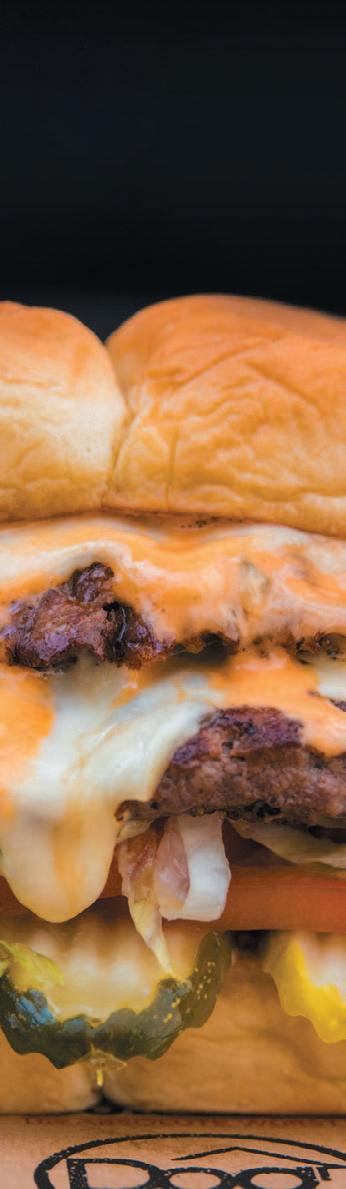
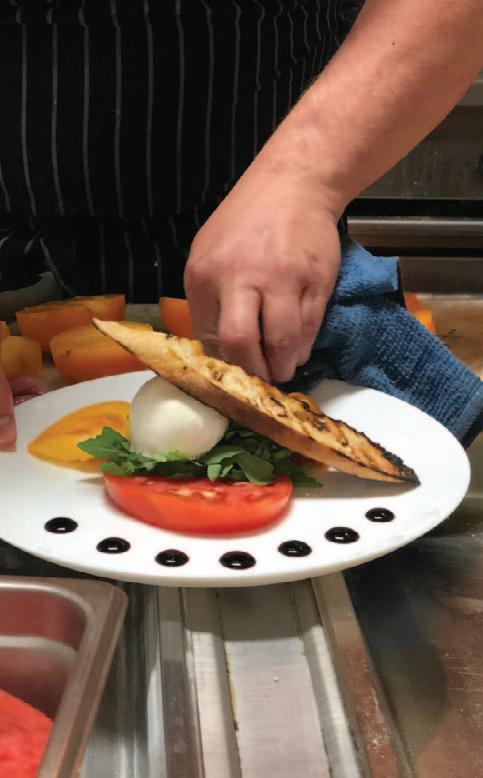
With a menu that also is thoughtful towards vegetarians and vegans, you will find something for all types of eaters here like the Chukandar Salad, a vibrant beet and feta cheese bowl with fresh cilantro and cucumbers.
Another tasty starter is the Pakoras. A plate of deep-fried vegetables in a batter of chickpeas.
I enjoyed an entire order of their handmade Chicken Samosas by myself. I shared them with no one, and I was so tempted to order more just for me. This deep fried pastry filled with ground chicken is being added to my list of favorites food in the Region.


All of their Nanns are housemade, and the Cheese Naan was a hit with my family.
The Samosa Chaat is a crispy pastry filled with potatoes, resting on a bed of chickpeas and yo gurt, garnished with onions and chutney and drizzled with a tamarind sauce. This was another wonderful dish that is full of flavor and filling.
The Boneless Chicken Tikka is a generous serving of tenderly marinated boneless chicken with spices and yogurt barbecued in a tandoor oven served on a sizzling skillet. A great dish to order for the table.
The Achar Chicken is a delicious entree cooked in curry sauce with spices and garnished with pickled carrots, mango, and lime.
I highly recommend the Thaali Platter if you are new to Pakistani foods, and not sure where to start. The menu says it serves two, but if you order starters first, you can share this with your table. It's served with your choice of three veggies (palak paneer, channa masala, bhindi, daal tadka, aloo gobi, lobia masala, veggie biryani) and two meats (chicken tikka masala, butter chicken, seekh kabab, achar chicken, chicken biryani). Naan, white basmati rice, and your choice of dessert (gulab jaman, suji ka halwa, and cheese cake) complete the meal. Our platter had Palak Paneer, Aloo Gobi, Butter Chicken, Chicken Biryani, Chicken Tikka Masala, and everything was incredibly delicious.

If you're looking for an authentic Pakistani food experience, I really feel you'll enjoy Curry Patta.
Located at 187 Main St, Altamont, NY 12009 - 518-595-5062
www.currypattacuisine.com
Happy Eating!
Nellie Ackerman-Vellano, Feed Me 518®
Instagram: @FeedMe518® www.facebook.com/FeedMe518 Website: www.FeedMe518.com
































by Karen Richman
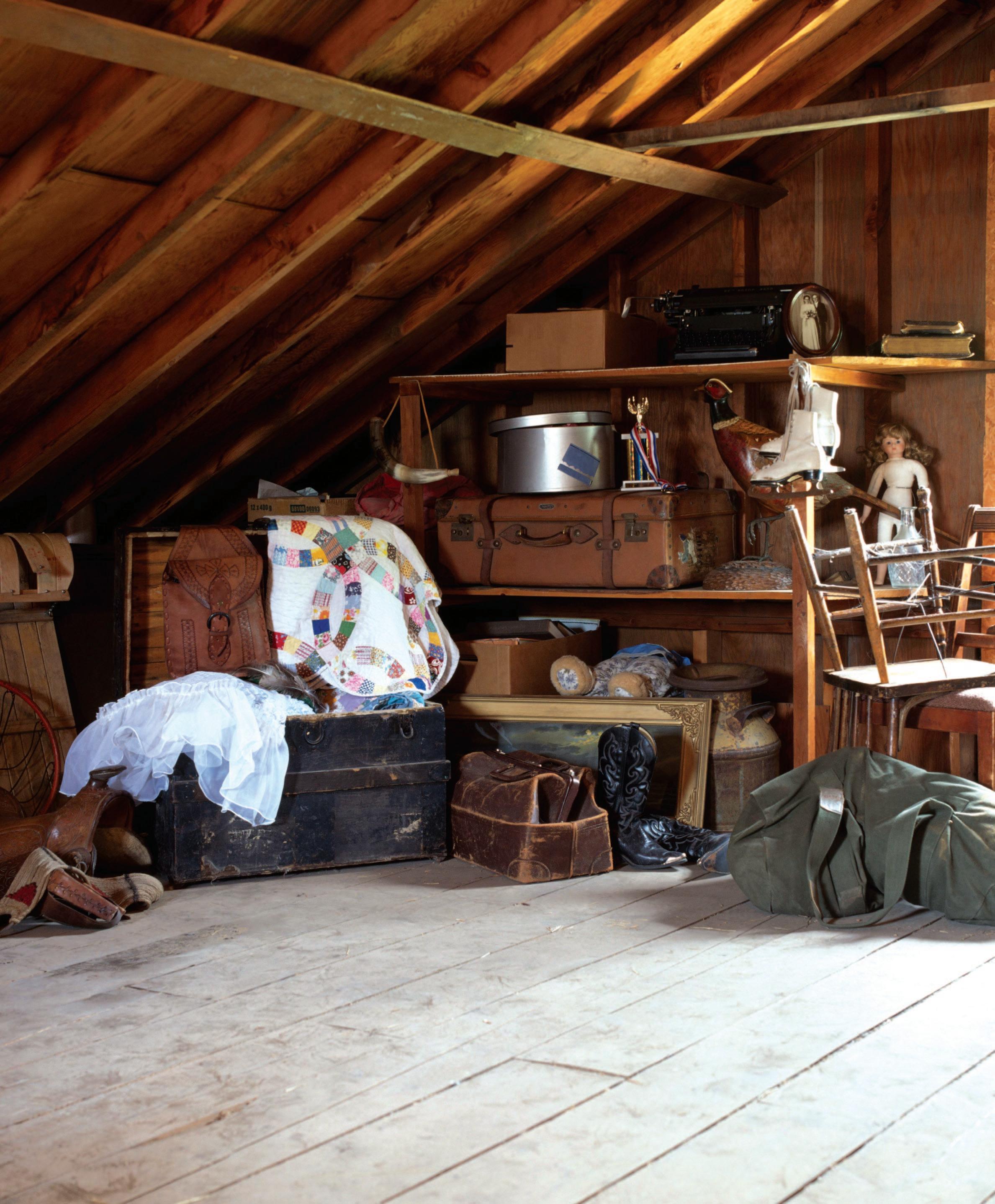
It was the attic in the white colonial on Gregory Avenue, framed with black shutters and enclosed by a picket fence with trellis.
The attic was a place that was dusty and smelled like old people and old things. The space where the floor always creaked no matter how carefully you walked across it, making me think that the bogeyman lived in one of the dark corners up there and might jump out at any moment to grab me.
My friend, Vickie, who was mysterious because she had had scarlet fever, and I didn't know anyone who ever had scarlet fever, told me that most attics had ghosts, and in many ways that was more scary to me than the bogeyman. Yet, there was a certain deliciousness about pulling down the rickety wooden stairs and climbing up to the attic to discover treasures I hadn't noticed before. Pawing through the boxes and piles of stuff I un covered dusty dreams and curious oddities that were fodder to a little girl with a wild imagination.
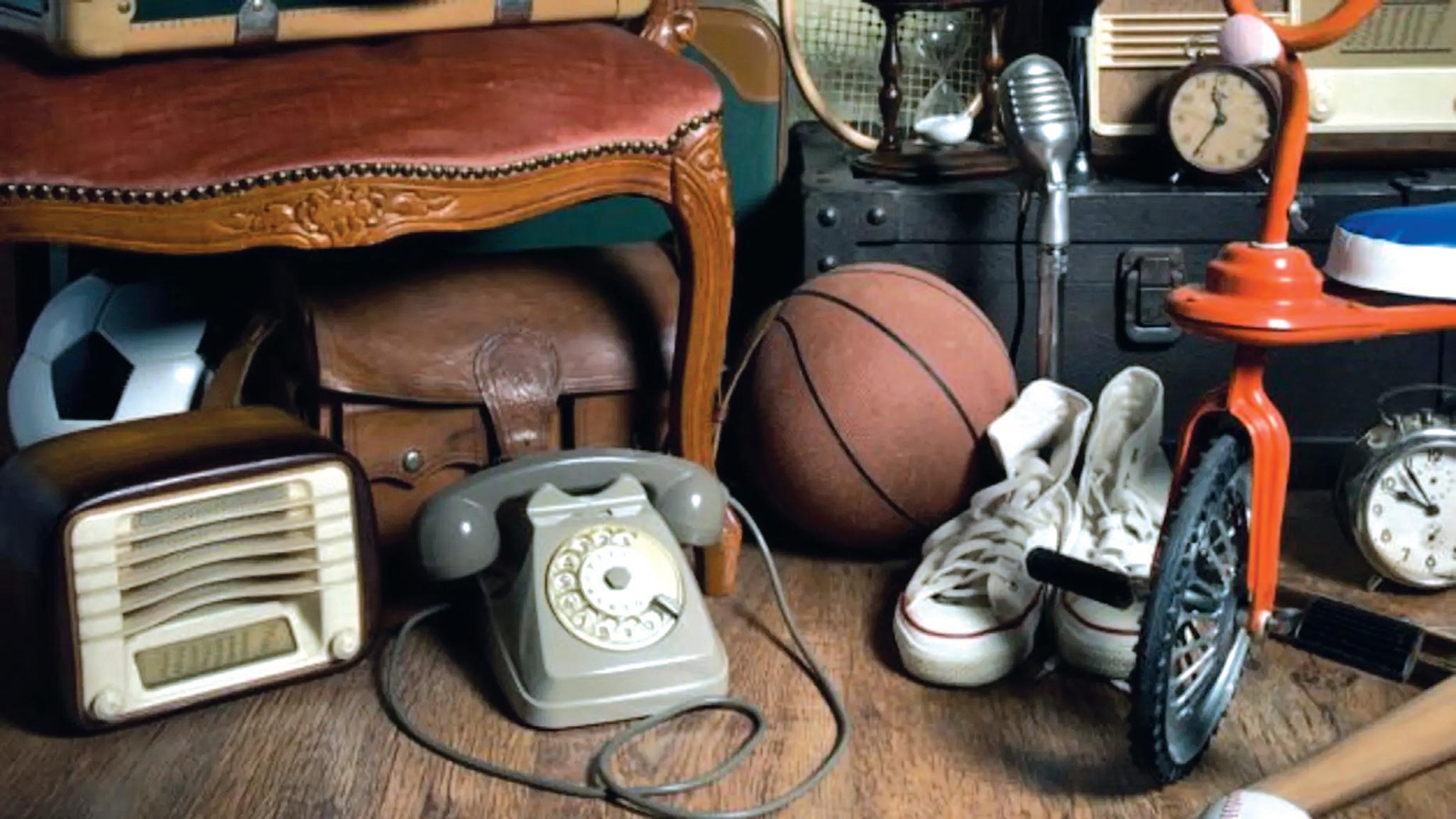
Going through the "stuff" in the attic was like reading stories of people's lives, many of them gone, some I had never even met. But there were also stories of my life and my parents' lives as well. Old baby clothes and bronzed baby shoes carefully packed in boxes, two wicker picnic baskets filled with black and white photographs, a clock that was missing the little hand, stacks of Look and Life Magazines, Christmas ornaments, and dusty old vases. All these things had been used before, had once been part of every day in the house below. They represented the past, a past stacked up like forgotten memories, but I could bring them down to be enjoyed again. Sometimes I'd find a photo that was unmarked on the back and ask my mother or father who the person was, and sadly the response too often was, "Sorry, honey, I just don't remember."
There was a sorrow in the attic of things past and unremembered, but there was also a joy. A joy of finding an assortment of vinyl records...45s, 78s, even 33 rpm albums. There were toys there as well. A teddy bear from long ago, now sitting alone against an old steamer trunk, his face once
covered in childish kisses and slobber now covered in cobwebs. A large doll much prized because it could walk now lay immobile next to a pile of old letters tied in ribbons. I glanced at them briefly, but had no desire to loosen the ribbons and read the tiny handwriting. Now I yearn for that opportunity, but they're gone. Were they love letters? Letters from wartime? Did they represent a history of this family or opinions of the times? I'll never know.
The house on Gregory Avenue was sold in 1964, but it still stands on the corner of Gregory and Mitchell Streets and looks very much the same. Whoever lives there now has kept the same white facade with black shutters. The picket fence has been replaced by a sturdier, brown log affair, but new coats of paint, a new roof, and a different fence cannot erase the memories. There still is an attic. I wonder if there might be children or grandchildren who enjoy pulling down that staircase to explore the wonders of the attic? Perhaps not. Perhaps children today are bored by dust, and their only bogeymen are action figures that are part of video games. Perhaps there is no interest in old stuff anymore like there was for me. Probably now that's the sort of stuff that would make today's kids roll their eyes and yawn.
But it was a wondrous place indeed. A place to get lost on a rainy day, to hear the pitter-patter of the drops on the roof above and smell something delicious cooking on the stove down below. The attic was a special place where a child could get lost for hours in those dusty dreams, where a hungry imagination was satiated, and where indeed there were ghosts...those in the photographs with forgotten names, but visages still well intact... those who wrote the letters in perfect handwriting using a fountain pen, the words now faded, but the memories secure under the perfectly tied ribbons... and maybe, just maybe, when I climbed down the stairs to eat the supper that cooked below, washed away the dust, and went to bed, the bogeyman might have come out of the attic corner to dance on the creaky floor and wink at the sleeping child down below.

Crystal Cobert-Giddens, LE
When I was little, I would play with my mom’s blush and eyeliner. Mom was always glamorous...with her teased, blonde hair and that heavy eyeliner that everyone wore in the late 60’s.
I loved makeup, but my mom would only allow me to wear mascara and lip gloss until I turned 16. Of course, I would apply black pencil eyeliner once I got on the school bus. Makeup was everything when we were teenagers.
The story of makeup spans about 7000 years and is present in almost every culture on earth. There is archeological evidence showing Egyptians used some form of color on their faces as early as 4000 B.C.
Used by both men and women of all social classes, the Egyptians believed kohl had important medicinal, magical and religious qualities. They would wear green malachite and black galena (lead sulphide) in bold designs to exaggerate their eyes and enhance their beauty. They created eye shadows or eye paints by grinding kohl in a pestle and mortar and mixing the powder with oils or animal fats. Malachite was added to the kohl paint and applied to the eyes using a small stick. The completed look included adding a plain kohl mixture to the area around their eyes, in an almond shape, for the purpose of making the eyes look even larger.
Kohl contained multiple ingredients that added shine to the eye paint and also provided some medicinal benefit. Zinc oxide is a powerful sunblock, neem has astringent properties and also possesses anti-viral activity. Silver leaf, fennel and saffron were often used to fight many eye diseases.
In popular plays of medieval Europe, actors painted their faces white, red or sometimes gold. Women in Japan wore white powders on their skin and red pigments on their lips. During the Renaissance period, popular characters in French farce whitened their faces with cooking flour. Greasepaint was one of the first true, skin toned makeups developed for the stage, and was invented by Ludwig Leichner. Ludwig was an opera singer that wanted to hide the line of demarcation from his skin to his wig. He played around with pigments and oils until he could match his skin tone.
Panchromatic makeup was the first type of makeup that was developed specifically for the incandescent lighting used by Hollywood filmmakers. Panchromatic film had a tendency to make the actors look too blurry; their facial expressions difficult to interpret. They used makeup to accentuate their features to make it easy for the audience to “read” their expressions while on stage.
In 1916 women decided they wanted to look like the movie stars they saw on the big screen. Maksymilian Faktorowicz, aka Max Factor, started sell ing eyebrow pencils outside the movie studios and theaters. This was the first time these “movie star” products were made available to everyone. Four years later, Max created his first retail makeup line.
Makeup is made with less than desirable ingredients, including chemicals that are known to irritate skin. Reading and deciphering labels is difficult and time consuming. So, here’s a little cheat sheet. These ingredients are A BIG NO:
Parabens ~ Parabens are preservative chemicals that mimic estrogen, so they mess with your hormones. Their use is linked to breast and skin can cer. Look for the word paraben or a combination word, like methylparaben, on the ingredient label. If it’s listed in the ingredients, put it back on the shelf.
Formaldehyde ~ This is a known skin sensitizer, allergen and carcinogen. This one is really tricky because some companies will use a combination of chemicals that turn into formaldehyde as they decompose. Look for: Diazolidinyl urea, Methenamine, Quaternium-15, Bronopol, DMDM hy dantoin. If it’s nearly impossible to pronounce, put it back on the shelf.
Sodium Laureth Sulfate ~ This is commonly found in foundation and concealer and helps skin absorb product. It causes respiratory issues and is a known skin irritant and is toxic to aquatic life. It is actually approved for use in household cleaning products.
Petroleum distillates ~ Usually found in mascara and can cause contact dermatitis.
Phthalates ~ Chemicals found in color cosmetics. They tend to be en docrine disrupters, cause developmental and reproductive toxicity and are linked to cancer. They are banned in the European Union, but not here in the US.
Retinyl palmitate, Retinyl acetate, Retinoic Acid and Retinol ~ Retinol products are popular but also super irritating to the skin when used im properly. What most people don’t know is that when a Retinol product or Vitamin A derivative is used as part of your daytime routine, and you’re in the sunlight, it’s carcinogenic. Stay away from anti-aging formulas during the day and use them during the evening only. Make sure you use a mineral based SPF every day.
This is a small list of ingredients to avoid. You can always try to find makeup companies that advertise, “No phthalates, no petroleum, etc. There are several good makeup companies out there. Many will have the leaping bunny, coral reef safe or no parabens symbol right on the package. If you need help or have other questions, give me a call. Maybe I can point you in the right direction.
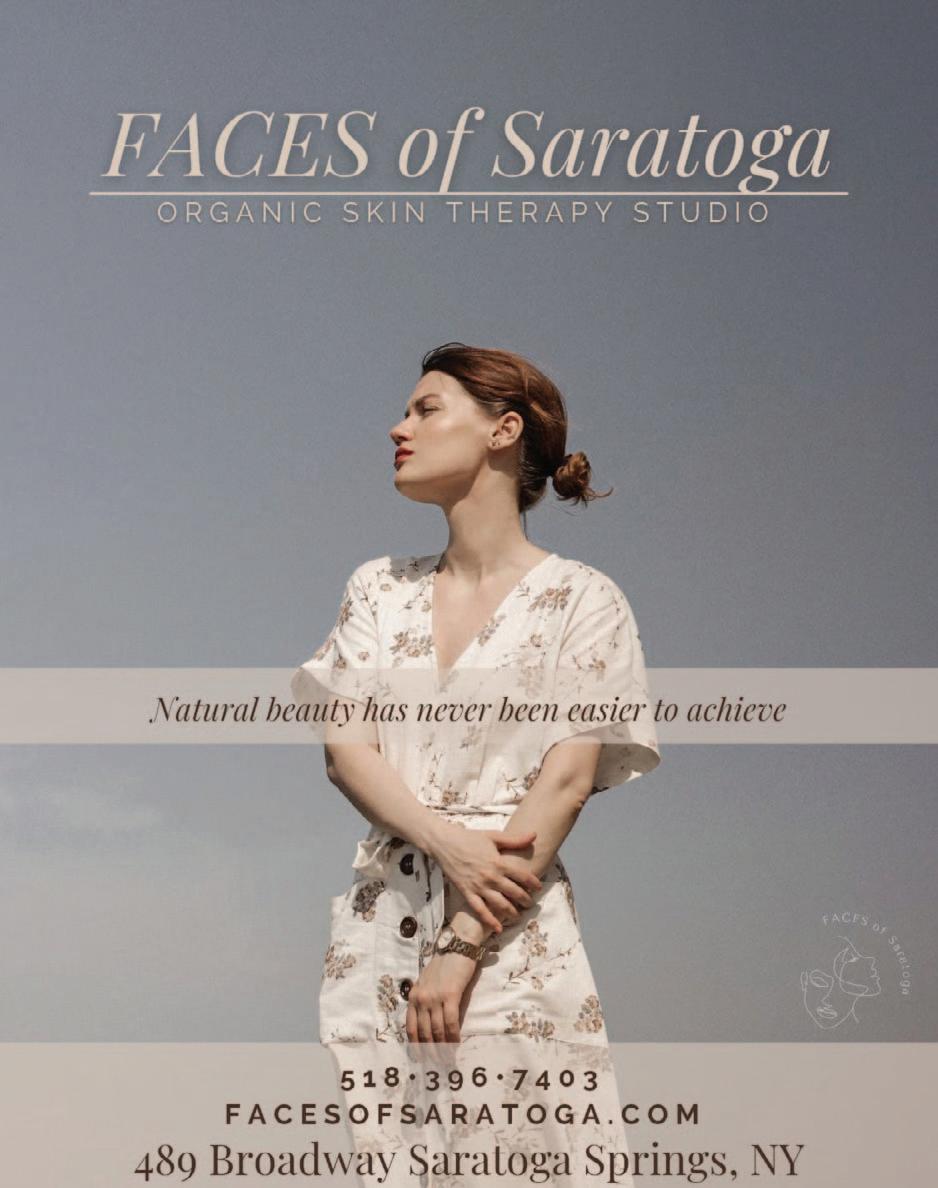
Crystal Cobert Giddens FACES of Saratoga Organic Skin Therapy Studio 489 Broadway, Saratoga Springs, NY (518) 396-7403 facesofsaratoga.com



INSTINCTIVELY DIFFERENT>>
May 1 - June 18 Albany
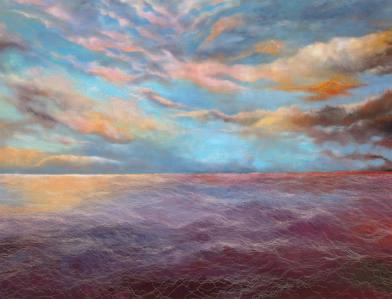
Leigh Li-Yun Wen: Constant Motion and Currents. Constant Motion and Currents by Taiwanese artist Leigh Li-Yun Wen explores the four elements of nature: water, fire, earth, and air. The exhibition reflects different phases throughout her 35+ year career. Wen has exhibited nationally and internationally since the early 1980s. Albany Institute of History & Art, 125 Washington Avenue, Albany, NY 12210 www.albanyinstitute.org
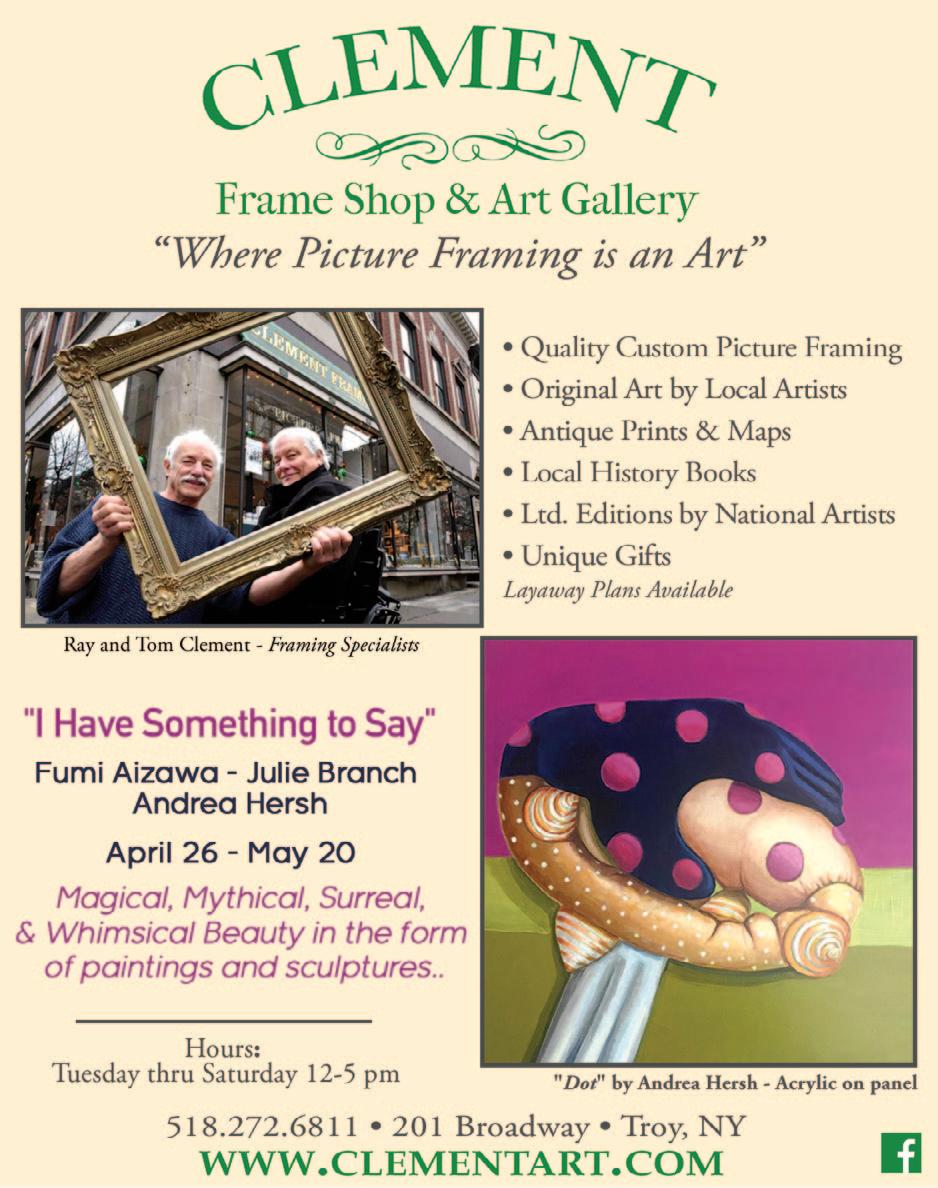
May 1 - 20 Troy
"I Have Something to Say" Fumi Aizawa - Julie Branch - Andrea Hersh. Three artists explore the Magical, Mythical, Surreal, & Whimsical beauty in the form of paintings and sculpture. The Clemen Art Gallery, 201 Broadway Troy, NY 518-272-6811

May 1 Ballston Spa
“Quilts of New York and New England with Quilt Expert Deb Grana" Learn about the fascinating history of quilts and quilting in the northeast. View original quilts from the presenter’s collection.
May 1-15 Troy
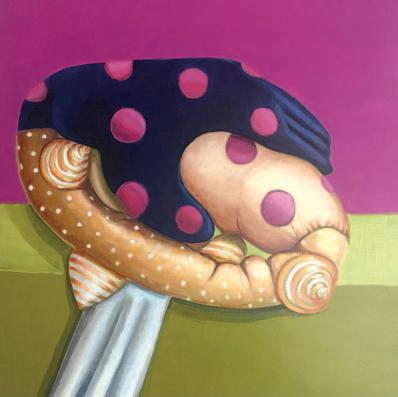
Fredda Merzon - Retrospective, Fredda is a well known local sculptor. She uses found o bjects and her work resembles botanical forms, both real and imagined. For her 80th birthday, we are happy to have a retrospective of 40 years of her work. Pause Gallery, 501 Broadway #106, Troy, NY 12180

Participants are welcome to bring your own antique quilts to share with the group and to discover more about their origins. This is a free in-person event, sponsored by the Saratoga County History Center, that will take place at 1pm at Brookside Museum, located on 6 Charlton Street in Ball ston Spa, NY 12020.
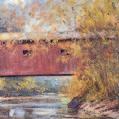



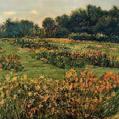

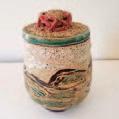
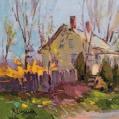
May 1 - June 5 Schuylerville Nature’s Voice. Featuring: Ann Larsen, Clarence King, David Lussier, George Van Hook, Harry Orlyk, James Coe, Jane Bloodgood-Abrams, Leslie Black Vogel, Margaret Horn and Mikel Wintermantel.
Gallery hours: ThursdaySunday 12pm -5pm. The Laffer Gallery, 96 Broad Street, Schuylerville, NY.
May 1-21 Glens Falls
Mountain Gallery will be hosting an exhibit of works from the Guild of Adirondack Artists Mountain Gallery, 21 Bay St, Glens Falls, NY
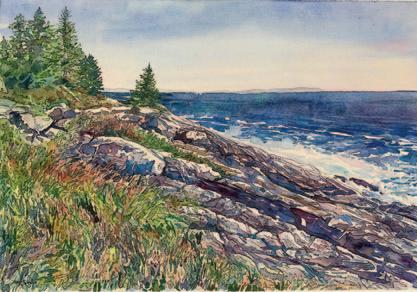
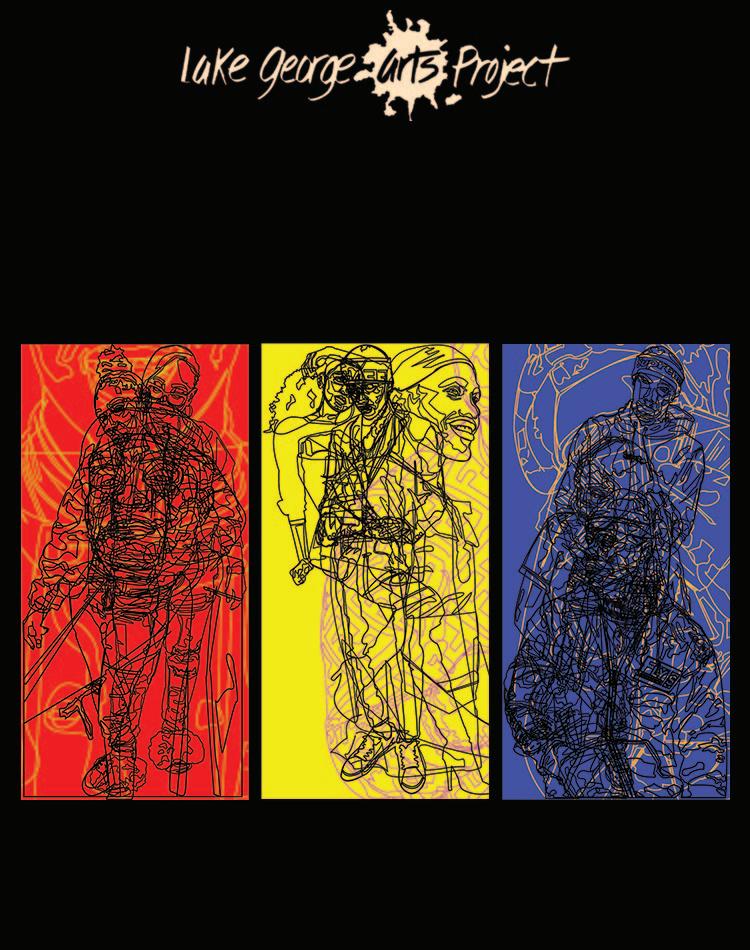
May 4 – June 4 Lake George Courthouse Gallery Community, a solo exhibition of works by Bugzdale (AKA Anthony Jackson) Dur ing scheduled exhibitions in-person office and gallery hours are Wednesday through Friday 12 – 5 pm, Saturday 12 – 4 pm, or by appointment. Contact Laura Von Rosk, Gallery Director, laura@lakegeorgearts.org. Lake George Art Project,1 Amherst St, Lake George, NY, 518-323-5499

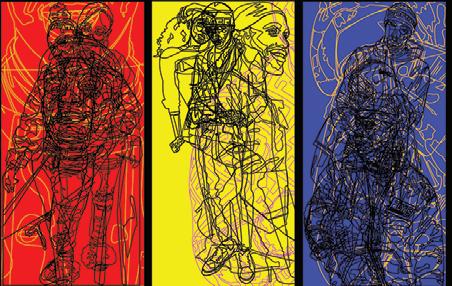
May 5 Saratoga Springs
Saratoga Arts First Thursday Performance Featuring the Jonesville Jukers. The First Thursday of each month, Saratoga Arts facilitates performances across all genres of art, music, dance, poetry, and theater to celebrate our vibrant cultural community and sup port artists and performers financially. Join Saratoga Arts in welcoming the Jonesville Jukers as our May performers for the First Thursday concert series. A pop, rock, americana, and blues-based trio, it is sure to be an exhilarating evening. This event is free and open to the public. Thursday, May 5, 2022, 5:30PM. Saratoga Arts, 320 Broadway, Saratoga Springs, NY
May 6 Saratoga Springs
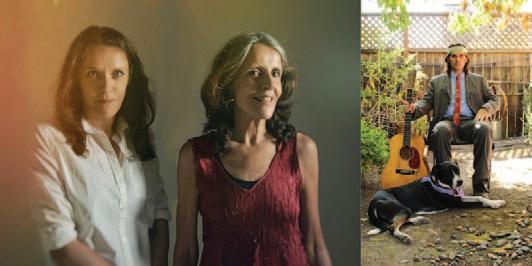
Su zzy Roche and Lucy Wainwright Roche with opener Stash Wyslouch. Suzzy is the founder of The Roches, a sister band last seen on the Caffe Lena stage in the late ‘70s. The ensuing decades have seen her release 15 albums, write songs for film and television, publish a novel and teach performance at NYU and Princeton. Opening the show will be Polish-Colombian Stash Wyslouch. Stash is an avant-garde Bluegrass guitarist, singer and songwriter. His music delights in story-telling, improvisation and outer-space worthy composition. Fri, May 6, 2022, 8:00 PM EDT. Doors at 7:30 PM. Caffe Lena, 47 Phila Street, Saratoga Springs, NY

May 6 - June 4
Albany
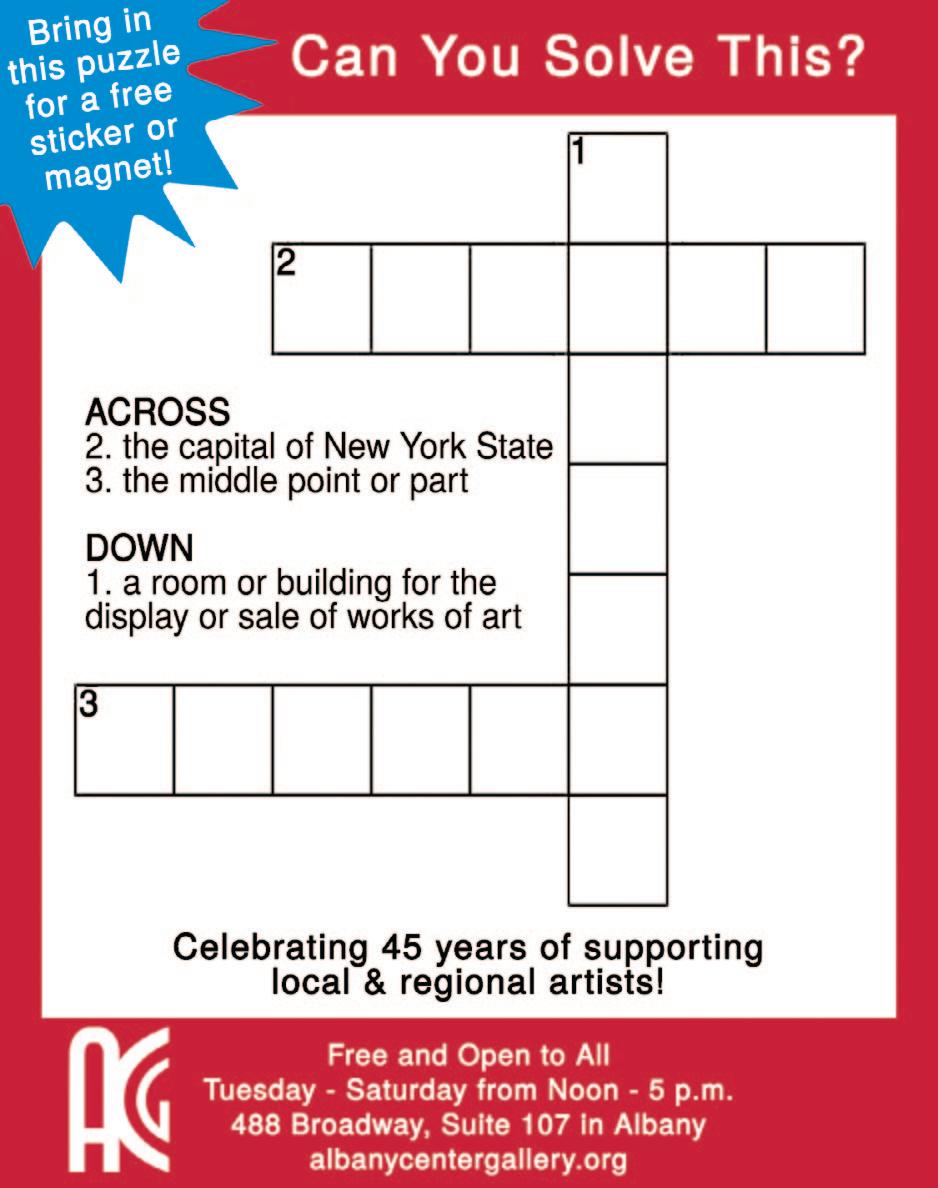
Albany Center Gallery (ACG) presents the 2022 MohawkHudson Regional Invitational exhibition (MHRI), featuring the work of 7 regional artists Donnabelle Casis, Ann Ledy, Laura Moriarty, Huê Thi Hoffmaster, Catalina Viejo Lopez de Roda, Hanna Washburn, and Wendy Williams. From May 6 to June 4, 2022. Reception on Friday, May 6, 5 - 8 p.m. Open to the public Tuesday – Sat urday, Noon – 5 p.m. Please visit al banycentergallery.org for full details on COVID19 safety restrictions. 488 Broadway, Suite 107, Albany, NY 12207. Tuesday - Saturday Noon - 5pm, Or by appointment
May 7 - June 11 Glens Falls
Expressions 2022. A Juried Art Exhibition. Open Thursday to Saturday, 12-5. This is an open call opportunity; media may include sculpture, photography, painting, printmaking, pastel, digital art, pottery, mixed media, etc. Maximum Frame Dimensions: 48 inches on longest side Sculpture: 48 inches on longest side. Work must be ready to hang or display. Works not ready to hang will not be included.
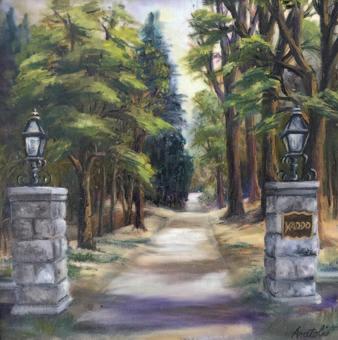
Original artwork only. Opening and awards, Saturday, May 7, 5pm to 7pm. NCA Gallery at the Shirt Factory, 71 Lawrence St #120, Glens Falls, NY

May 7 Saratoga Springs Dog Days Celebration. Celebrates Na tional Be Kind To Animals Week (May 2-8). We created this event to help educate! H.O.P.E. Animal Rescue, Wellspring (Safe Pet Partnership Program), some treat makers join us on this day to celebrate our four legged friends! Impressions of Saratoga, 68 Broadway, Saratoga Springs, NY 12866. Phone (518) 587-0666
May 7 Saratoga Springs
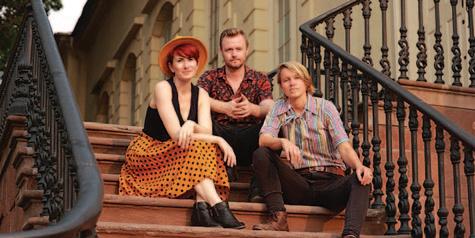
House of Hamill. Whether they’re ripping through a set of original jigs and reels, adding lush three-part har monies into traditional folk bal lads, or cracking up an audience with stories from the road, House of Hamill puts on a show that captivates audiences from the very first note. The Pennsylvania-based band is a fixture on festival stages across the US, and have shared their music and stories on the country’s premier folk stages. Sat, May 7, 2022, 8:00 PM EDT. Doors at 7:30 PM. Caffe Lena, 47 Phila Street, Saratoga Springs, NY
May 11 Glens Falls
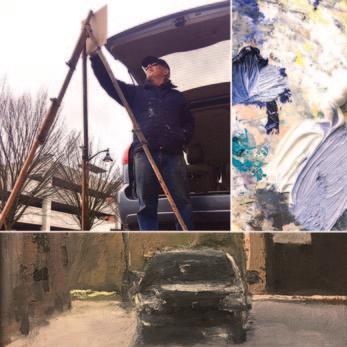
Painting in the Urban Landscape. Matt Chinian Workshop. Plein air painting in the urban landscape.In this workshop I will introduce the “sight-size” technique in this unique urban lo cation. You will learn a basic concept in obser vational realism and how to apply it to painting urban landscapes. We will also work on composition and use of mass and line in painting, value and color. We will also work on color mixing and application. May 11th 10- 3pm, Rain date - May 18th. Mountain Gallery 21 Bay St, Glens Falls, NY
May 13 Glens Falls
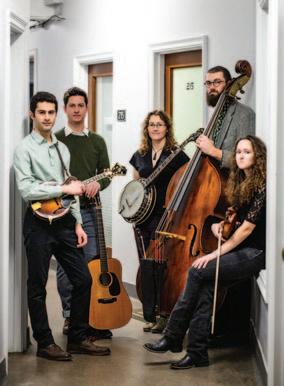
Mile Twelve is a modern string band from Boston, Massachusetts. Winners of the 2020 IBMA New Artist of the Year award, they have been making waves in the acoustic music community with their seamless blend of expertly-crafted songs, creative arrangements, and virtuosic execution. With members based in Boston, New York and Maine the lineup in cludes Evan Murphy (guitar, vocals), Catherine “BB” Bowness (banjo), Nate Sabat (bass, vocals), Ella Jordan (fiddle, vocals), and Korey Brodsky (mandolin). @ 8:00 pm - 10:00 pm $20 – $25. Doors: 7pm | Showtime: 8pm. The Park Theater, 14 Park Street Glens Falls, NY
May 14 Saratoga Springs
Join Saratoga Arts in celebrating our 2022 Com munity Arts Regrant Program grant recip ients. This year’s grantees represent both individual artists as well as arts educa tion and community arts programs happening now in Fulton, Montgomery & Saratoga counties. This year Saratoga arts was able to distribute more than $140,000 to our communities. Coffee, pastries, and good times will be had and a photo-op with our grantees will occur at 11:30 AM following brief remarks. Saturday, May 14, 2022, 10:30AM-12:00PM at Saratoga Arts, 320 Broadway, Saratoga Springs, NY 12866. RSVP for this event by going to saratoga-arts.org
May 14 Delmar
Artists Outdoor Market. Saturday, May 14 10-3:00, rain or shine.Sponsored by Merriman and Pfister's Marketplace. We are blessed, in our community, to have such an abundance of talented artistsartists manipulating every kind of medium, from oil and watercolor paints, to pottery, to fibers, found objects, and photo images.
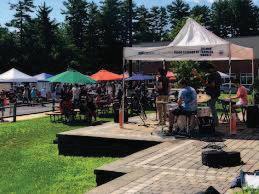
Artists transforming wood, metals, stones and shells into barn quilts, furniture, jewelry and wall art. Support our local artists, while basking in the warmth of a beautiful Spring Day On the grounds of the Delmar Reformed Church, 386 Delaware Ave Delmar. For information 518-588-7268
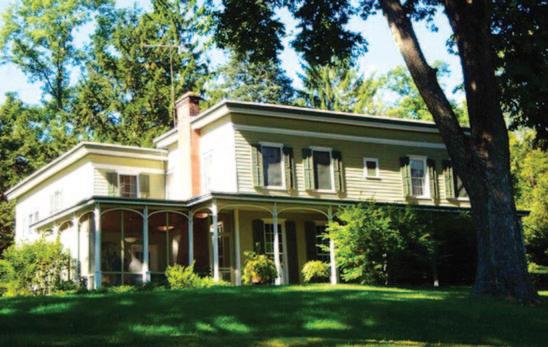
May 14 Schuylerville Women In War Symposium in Schuylerville. The Marshall House’s Women in War: Military history has traditionally emphasized the exploits of men in war but neglected the roles of women. This conference explores the experiences and actions of some of the extraordinary women in the American Revolutionary War. The speakers are leading experts on the subject. A Symposium will be held on May 14, 2022. 9 AM to 4 PM. Registration is $50 per person for the full day and includes a luncheon and refreshments. There will be an invitation to Symposium registrants to visit the Marshall House following the event. The Marshall House, 136 Route 4 North, Schuylerville, New York 12871. 518-695-3765
May 22-June 12 Troy
Paula is a Troy Street photographer who has been documenting events, people and places for more than 15 years in Downtown Troy. This is a celebration of her work by her friends. Artist reception, May 27th. Pause Gallery, 501 Broadway #106, Troy, NY 12180

May 24 - Clifton Park
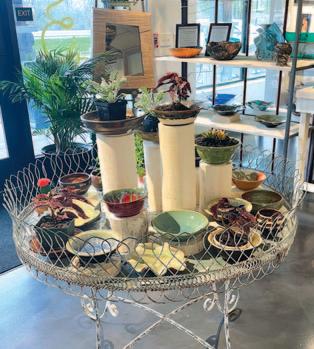
The Blooming Artist welcomes you to the premier of our next exhibit, "Let it Grow," on Tuesday, May 24th. This exhibition is a tribute to the wonderful Spring season and features the works of over a dozen local artists and artisans. Our public reception will follow on Friday, June 3rd from 6-8pm; we invite you to join us for this community celebration of our artists and their artwork (and as always, please expect live music and light provisions). The Blooming Artist Gallery & Instruction, 675 Grooms Rd, Clifton Park, NY 12065 www.thebloomingartist.gallery
May 25 Glens Falls
Rochmon Record Club – Paul Simon –“Graceland” The Rochmon Record Club will converge to listen, learn about Paul Simon’s 7th solo album “Graceland” at The Park Theater
Released in 1986 “Graceland” features some of Simon’s most beloved songs and includes performances by over 40 musicians, 13 of them drummers. The Listening Party begins at 7pm with a live audio & video presentation by Chuck Vosganian aka “Rochmon”. We’ll listen to “The Captain & Me” on The Park Theater’s state of the art sound system. By listening together, we hear the album again for the first time. May 25 @ 7:00 pm - 9:30 pm
The Park Theater, 14 Park Street Glens Falls