Stephanie Sittnick - Director of Sales ( 860) 227-8199 advertising@518mag.com
CONTRIBUTORS
Carol St.Sauveur Ferris, Karen Richman, Rona Mann
Chandler Stevens, Lawrence White, Kirsten Ferguson, Susan Brink, Vanessa G. Ahern, Joseph Raucci, Crystal Cobert Giddens, Nellie Ackerman-Vellano, Kristina Watrobski
WELCOME TO THE MAY ISSUE!!! May is known as the month of transition. The spring flowers are blooming, birds are chirping, and life is starting to seem a little more joyful day by day! It’s the season to brighten our porches and patios with a generous helping of flowering hanging baskets and digging our hands into the earth to spice up our gardens with vegetables and bulbs.
Our May issue is busting at the seams with creative artists and entrepreneurs who are a testament that if you can dream it, you can do it! So pull out that favorite lawn chair, find a warm sunny spot, and enjoy the May issue.
As always, our goal is to deliver authentic, and unique content about creative people and interesting places. We hope you love this issue as much as we do.
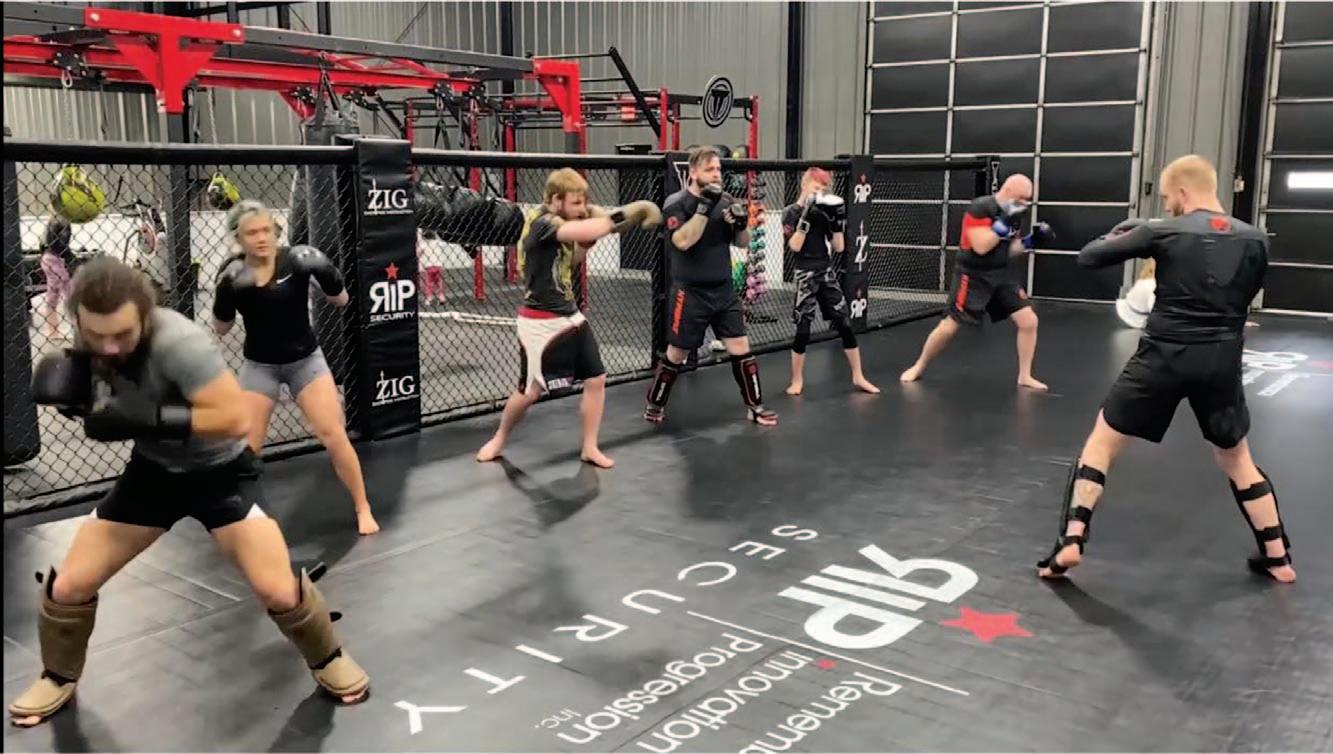
"We Help Make the World Better by Bettering Ourselves" The RiP Security Group pg. 34
518 PROFILES 587 Grand Ave, Saratoga Springs, NY 12866
FeedMe518 pg. 30
Traditional Continental Cuisine Served With Contemporary Creative Flair
Upstate Beat pg. 42
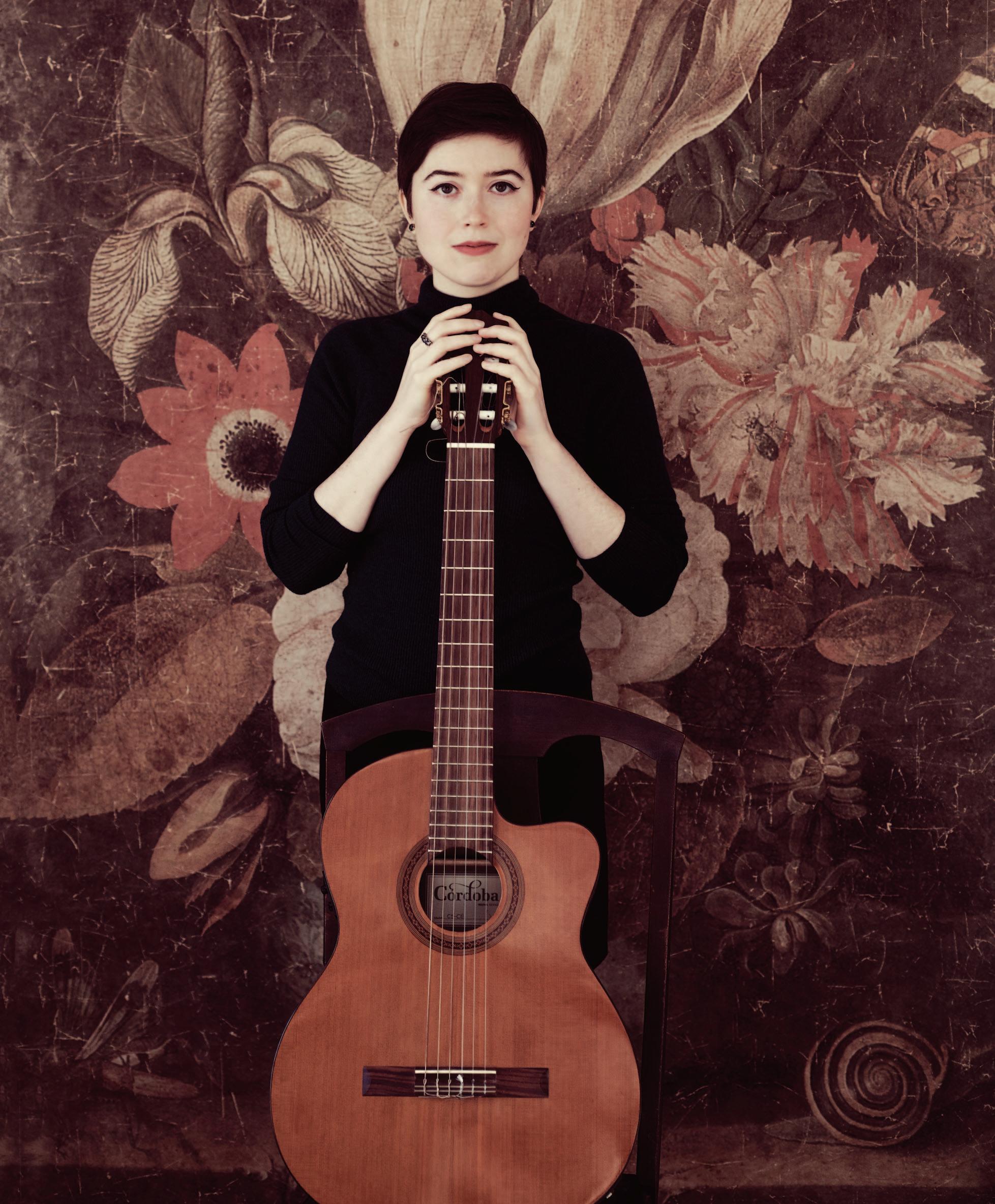
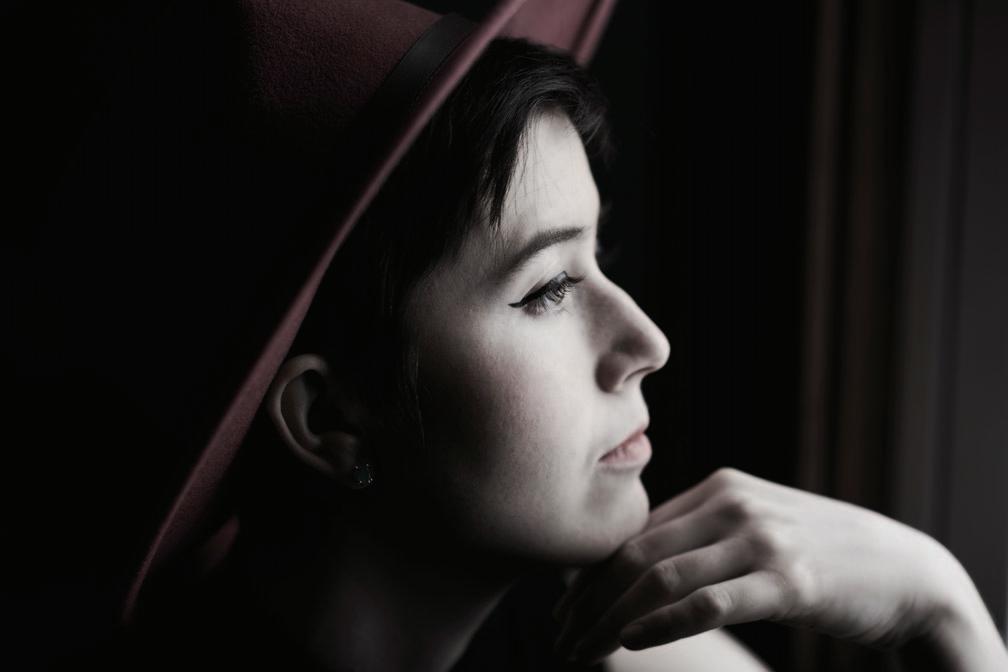
Talented indie-folk singer Belle-Skinner takes her name from a humanitarian and music collector who lived centuries ago.
Sweet Nostalgia pg. 44
The 50’s “Picture Show!” LIFEspa pg. 46 10 Things You Need To Know About Achieving Perfect Wedding Day Skin
Creating Community with Clay
by Carol St.Sauveur Ferris
It was September 26, 2019 when we last spoke, and what an incredibly challeng ing 18 months it has been since that day. The words COVID-19 and pandemic quickly became a normal part of our vocabulary, while the 24-hour news cycle fed our worst fears. Overnight the world became bigger than life in every living room yet smaller than ever as we tried to go about the day confined within our homes’ four walls. There seemed to be no escaping it. Yet through it all, the human spirit rose above the noise and found moments of joy.
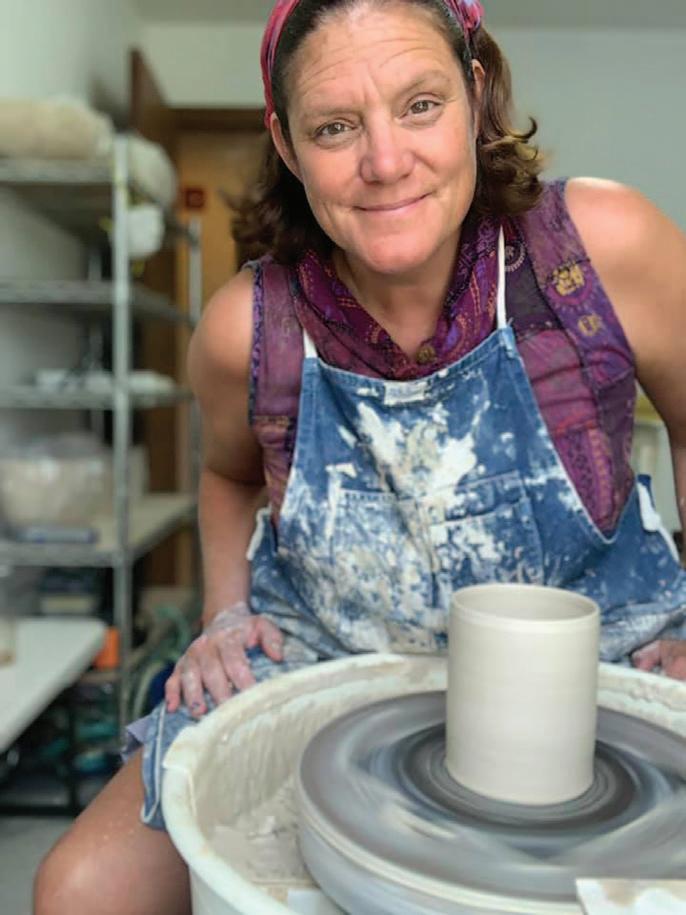
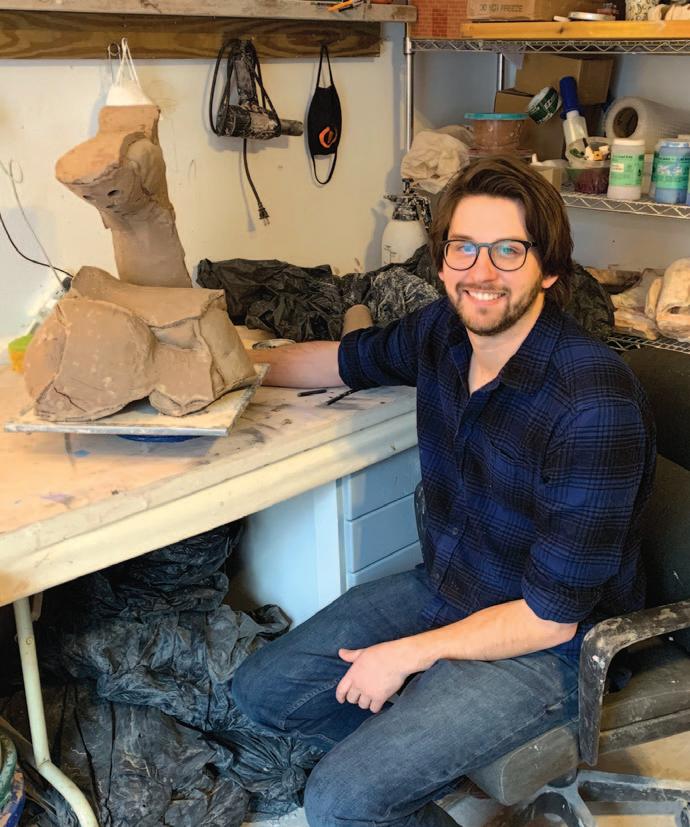
Jill Fishon-Kovachick, Director of the Saratoga Clay Arts Center, was looking forward to a year filled with workshops, classes, shows at the Schacht Gallery and more. Plans for 2020 had been made, and schedules were set until early March when she made the decision to immediately close the Center and sus pend all classes because of the pandemic. When she locked the front door, Jill had no idea what would happen next, and she was in good company.
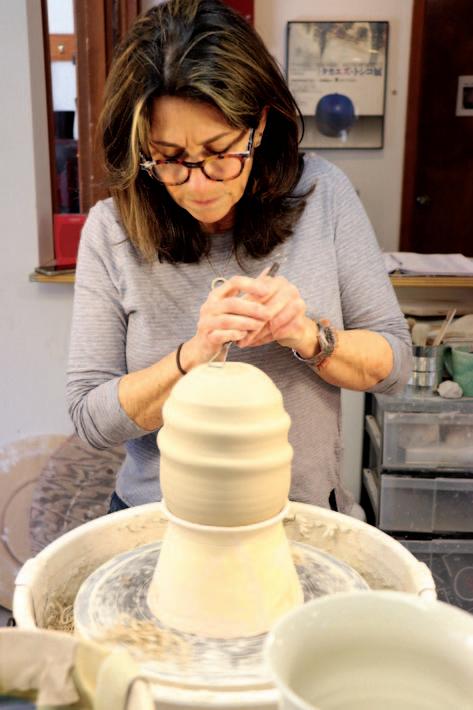
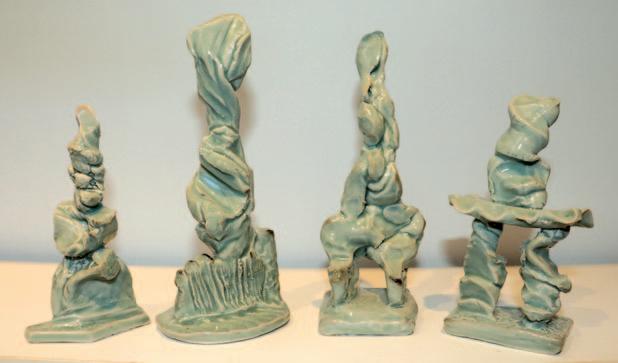
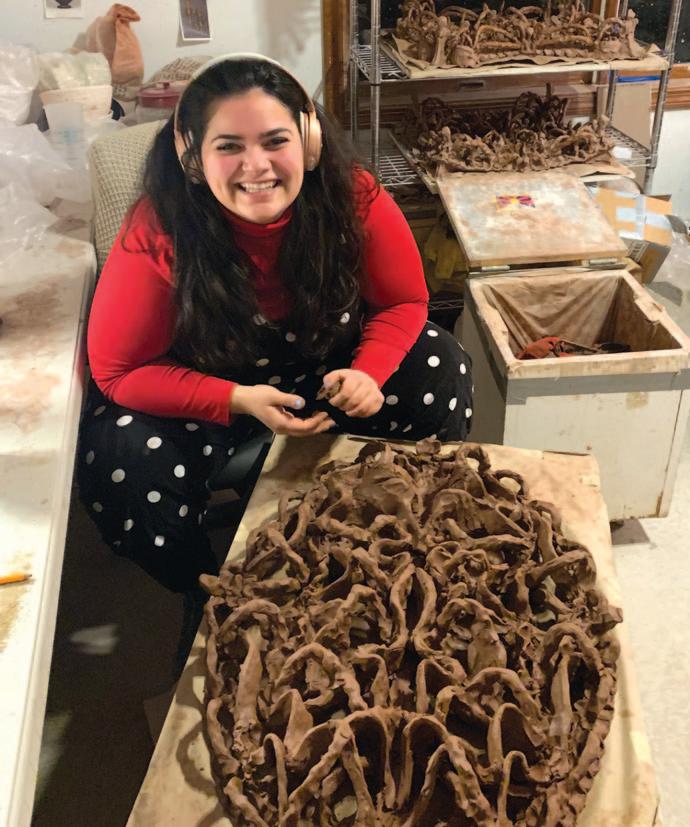
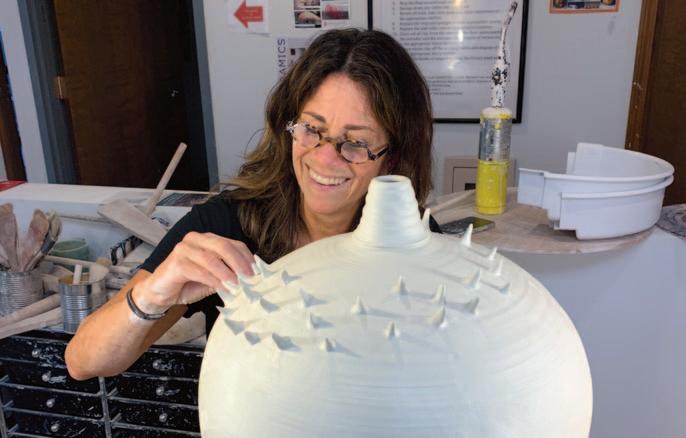
To combat the incredible uncertainty and long days of total isolation, Jill turned to her medium of choice and let the emotions speak through her hands. Mounds of clay were slowly transformed. Some became porcelain figures of warriors, a metaphor for the times, representing the need to stay strong and fight the war against COVID-19. It was therapeutic and allowed her to consider what lay ahead and how best to manage the Center’s future and those who depended on it.
Jill Fishon-Kovachick
Because the artists’ studios are housed in the Ce nter, they were seriously affected by the closing. Unable to work and needing that outlet, Jill had the locks changed to an FOB system so they would be touch-free, allowing the resident artists to go to their individual studios and continue to create. Masks and social distancing were still required, but that was a small price to pay. Just being in their studios, working the clay, made isolation far less burdensome.
Jill stayed up-to-date with the governor’s mandates and constantly reassessed the options for the
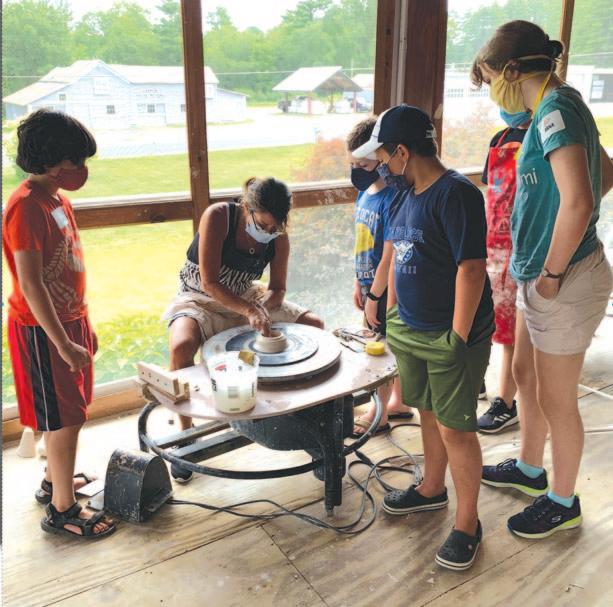
Center. In June 2020 she reopened Saratoga Clay Arts Center to the public. Classes were held outside under tents and on the porch. All safety precautions were enforced including dis infecting restrooms and surfaces, wearing masks, and six-foot social distancing. They filled up quickly, demonstrating the burgeoning need so many people had for freedom, connection, and self-expression. Unfortunately, New York twice experienced a surge in COVID-19 cases, forcing Jill to make the decision to close the Center both times.
Despite this new business model requiring the ability to pivot and adapt to total uncertainty, Jill, the resident artists, and the Center staff reached out to the public through several social media platforms. And with the expert help of Jack Hyndman and Artistic Director, Leigh Taylor Mickelson, their website was completely re designed. It wasn’t long before the Saratoga Clay Arts Center went global.
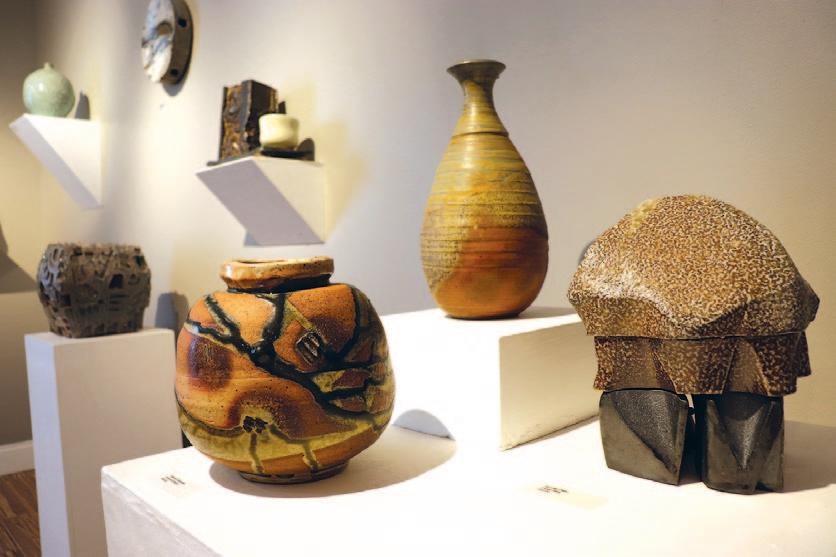
The Schacht Gallery was also forced to reinvent itself. On March 21, 2020, ERGO, an exhibit featuring the work of clay artists, Matt Mitros
Resident Artist Paige O’Toole
Shop Mgr & SCAC Artist - Teacher Emily Crawford Resident Artist Mark Tarabula
and Bruce Dehnert was launched on line for clay art enthusiasts and col lectors to enjoy. While the typical in-person opening reception had to be cancelled, viewers from around the world were able to enjoy an engaging virtual presentation on opening night. A hidden benefit of this format was a full recording of the gallery opening made available for future viewing, which included rarely seen behindthe- scenes images of the exhibition set- up. And for serious collectors, ex traordinary pieces from Mitros and Dehnert’s sculptural vessels were available for purchase through the Center’s online shop.
Since then, virtual workshops have been regularly scheduled featuring live demonstrations from world-class artists’ studios. Ceramic artist Jeremy Randall led the first virtual workshop in May 2020. It was a 2½ hour demonstration called Flat Patterns and Full Pots focused on the art of hand-building clay. And as an extra added bonus, Randall provided his recipe for Thom Thom cocktails that attendees were encouraged to make and enjoy during the Q&A session.
Next up was a virtual demonstration workshop, with Texas potter Lisa
Orr, called When More is MORE: Embossing, Sprigging, and Slip Trailing. Artists and students from as far away as Aus tralia signed up for this one, officially making Saratoga Clay Arts Center a global destination! And on the heels of this workshop came one more by Jeremy Randall titled, Lay ering Surfaces for LowFired Ceramics. By this time, it was clear that despite the pan demic, The Center was surviving and reinventing itself along the way.
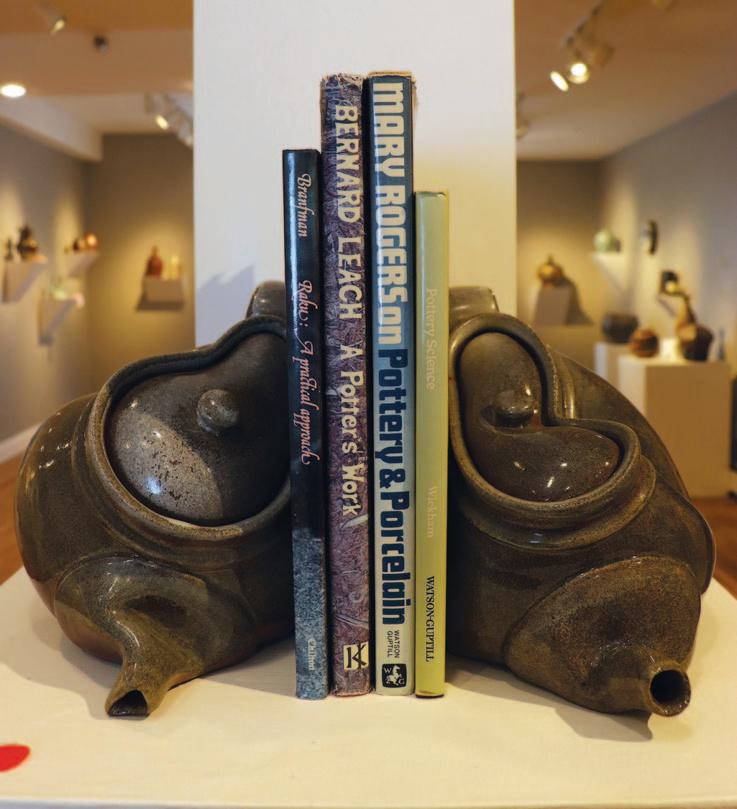
The Schacht Gallery
Workshops, both in-person and virtual, with recordings available for later viewing, have since been taught by a roster of accomplished clay artists including Doug Peltzman, Peter Callas, Hayne Bayless, and Zoey B. Scheler.
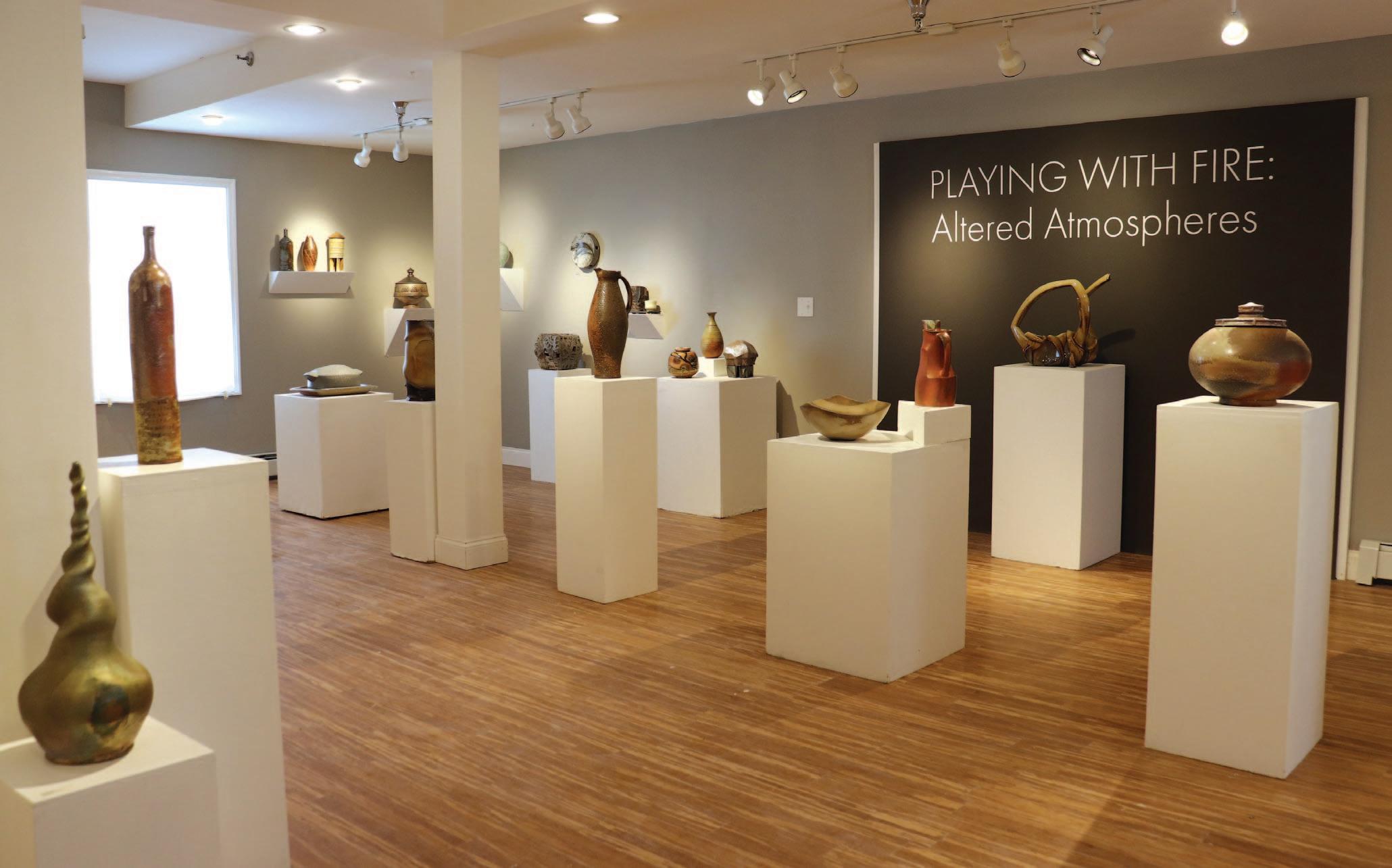
In addition, successful juried shows were held for in-person and virtual viewing, including LIP SERVICE, juried by Mary Barringer; and PLAYING WITH FIRE: Altered Atmospheres, juried by Mark Shapiro. Both clay artists held workshops as well.
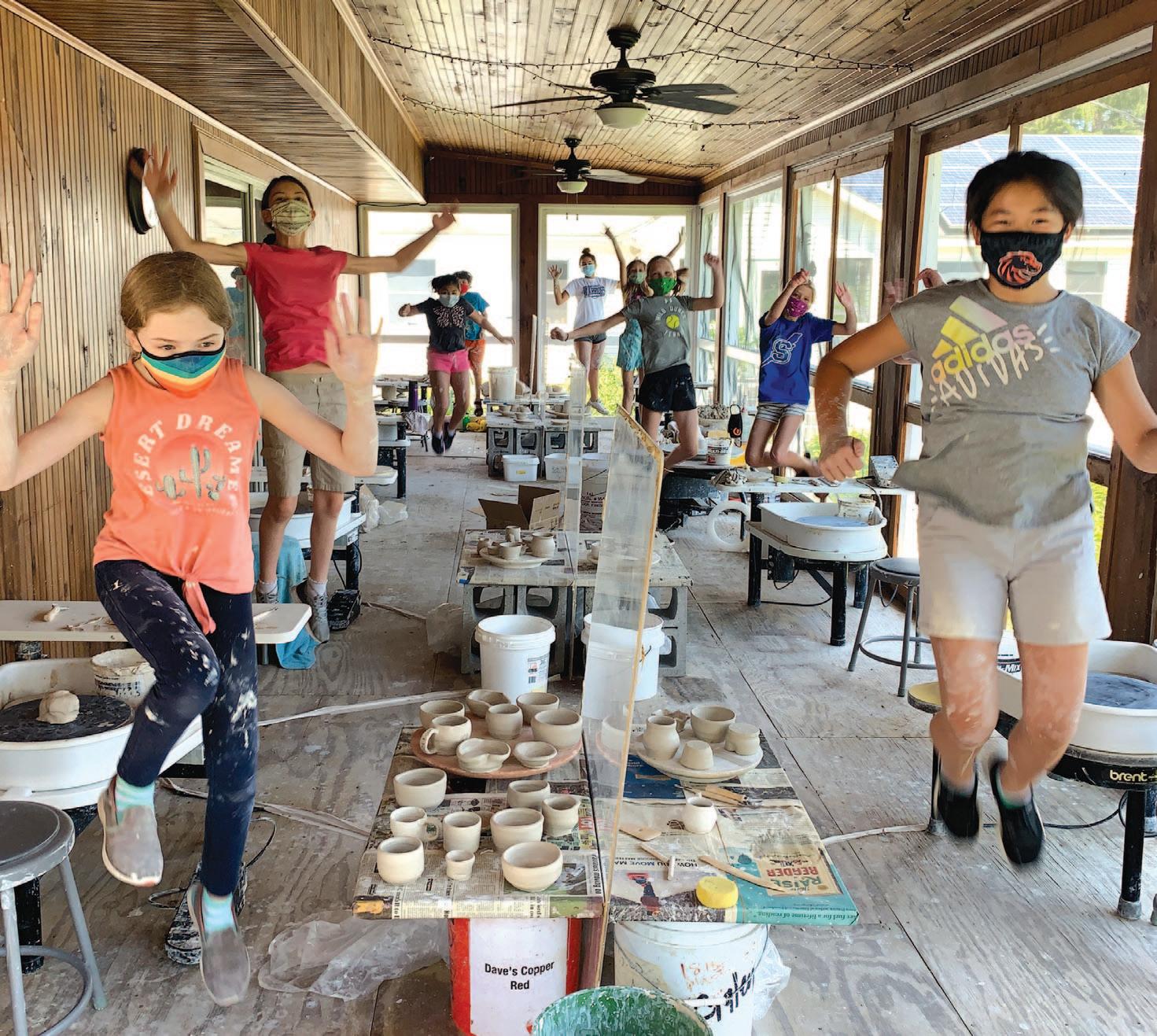
And with safety guidelines in place, all 2020 Summer Camps were filled to capacity. One very cool camp was called Around the World in Clay for ages 6 and up. The kids had the opportunity to explore a different country; learn about that country’s unique culture; then create a project depicting that particular cul ture using a variety of coil, slab, and pinch
hand-building methods. After months of iso lation, the summer camps proved to be a fabulous experience for all those who participated.
The pandemic is still a very real and serious consideration in 2021 planning as businesses slowly reopen, discover, and redefine their new normal. Jill be lieves that “there are many people who are very anxious to get out and be creative.” Accordingly, she and her team at Saratoga Clay Arts Center have made it their mission to provide a wide variety of virtual and in-person workshops, camps, and exhibitions.
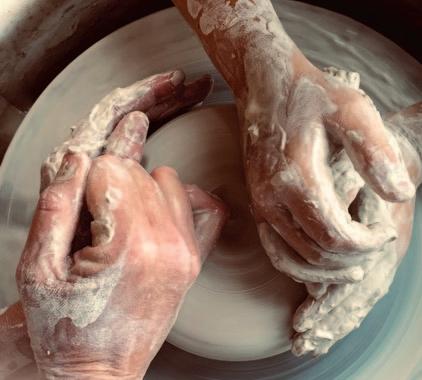
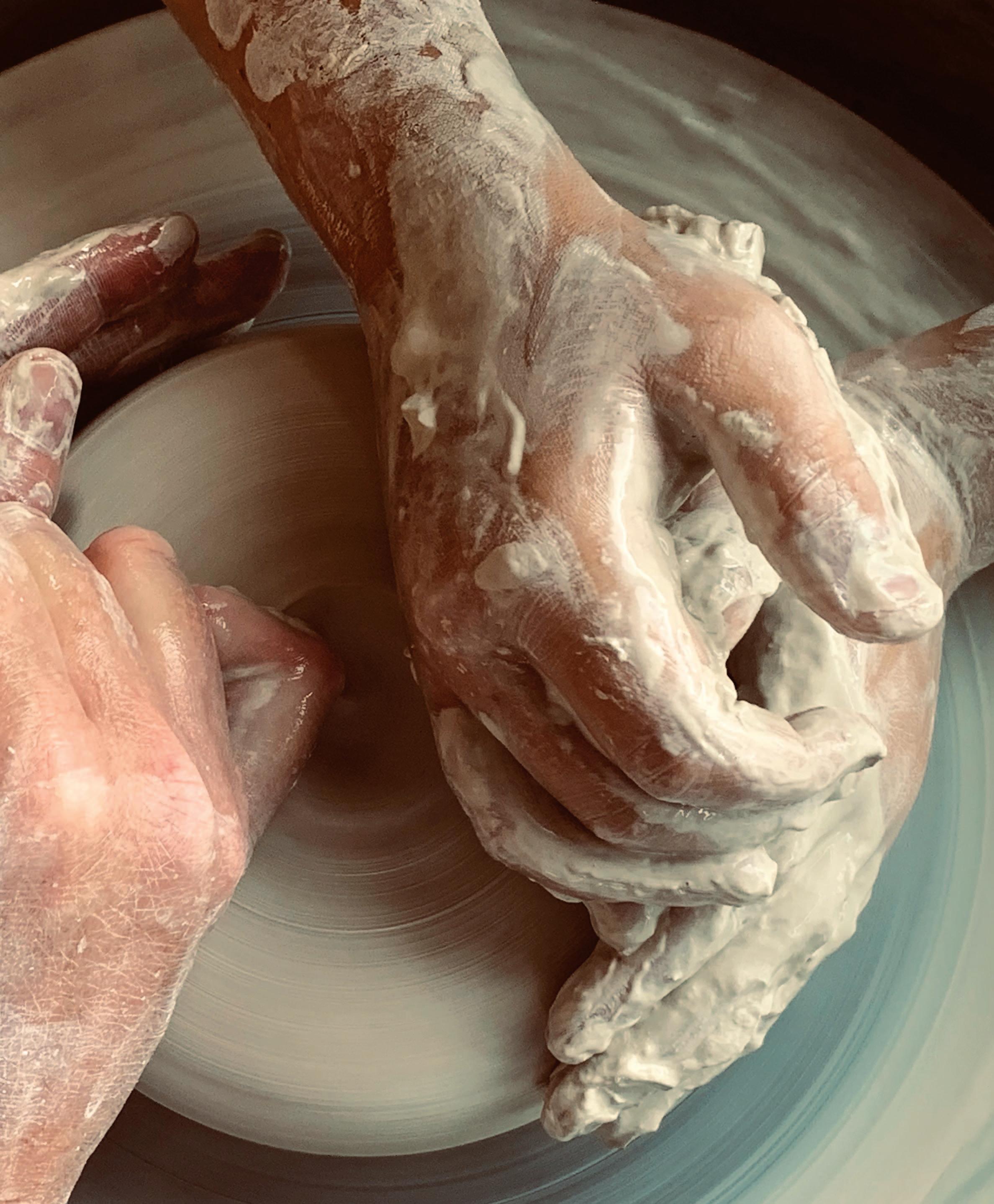
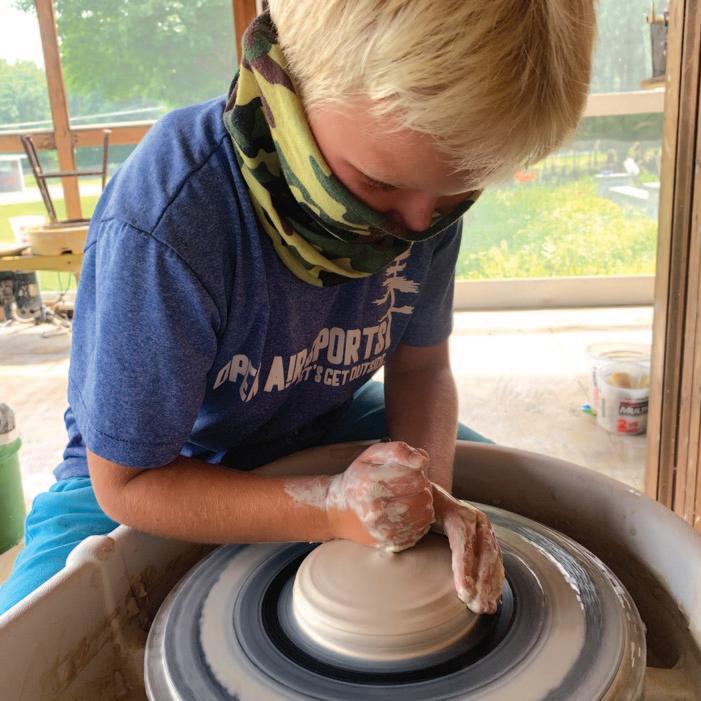
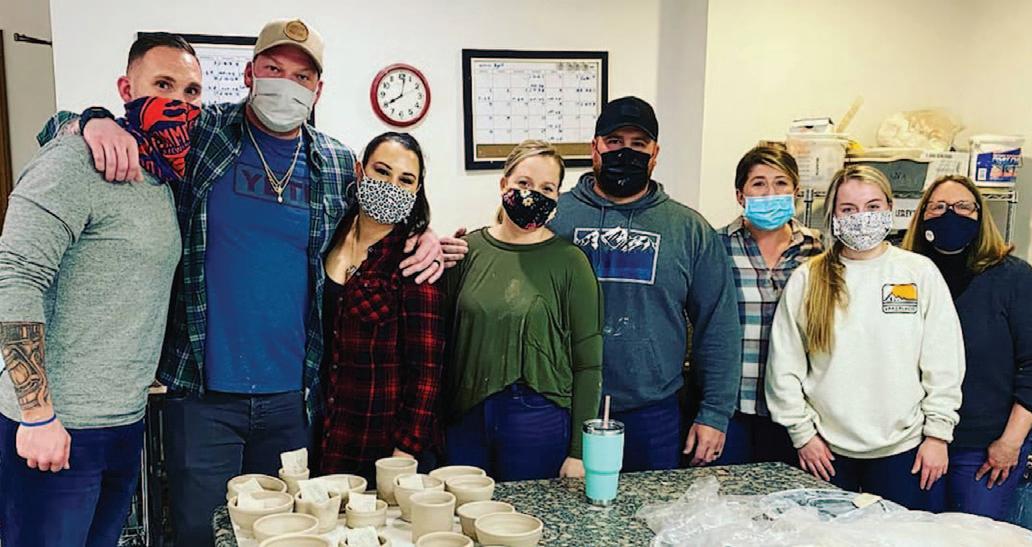
Learning opportunities abound at the Center. For example, there’s a fun, 2-hour class for adults called Clay Night Out. Here you’ll learn to throw on a potter’s wheel and create a bowl that will be glazed and fired for you at a later date. Due to COVID-19, the class is re stricted to 8 people and masks are required. It fills up quickly.
Wheel Bootcamp
If you are more serious about clay and willing to commit the time, there is a fascinating 5-week class called Fun with Handmade Decorative Tiles. It’s a hands-on opportunity for students to make a 16”x16” pictorial tile, or several smaller ones, using a variety of techniques and glazing. Your tiles can be used for display or incorporated into a backsplash, fireplace surround, and mirror frames. You choose.
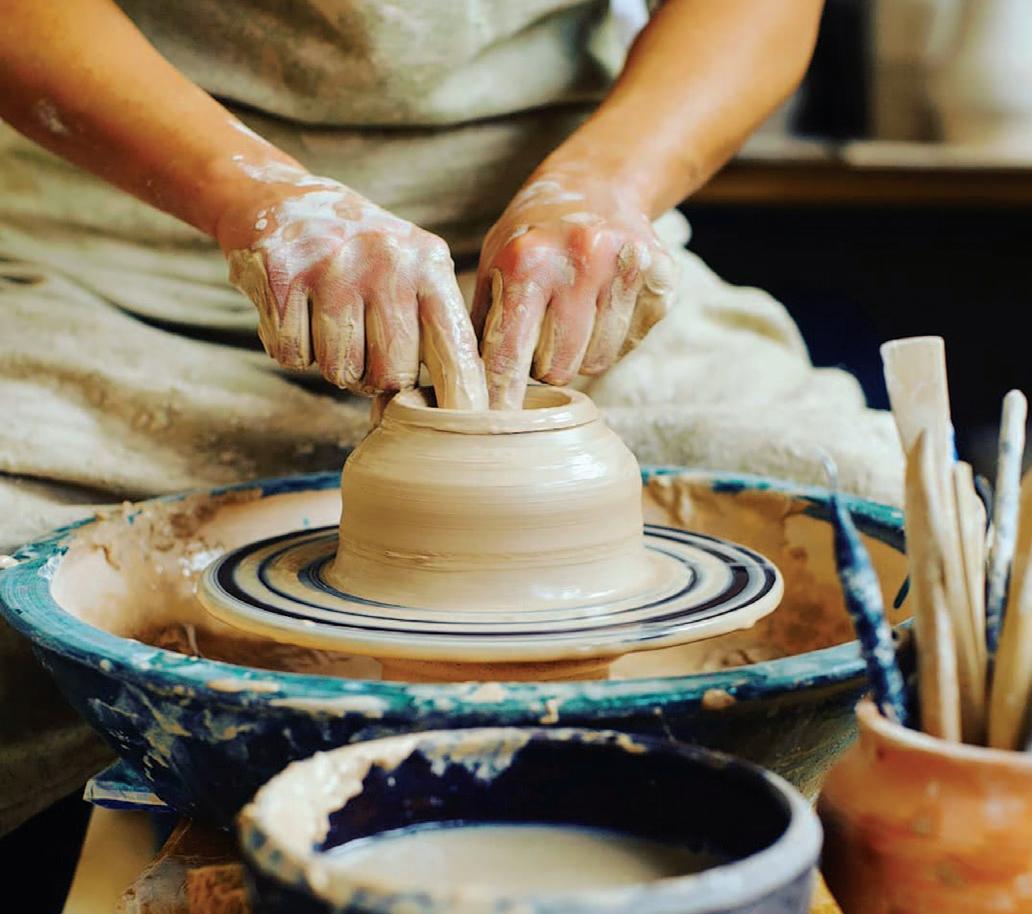
There’s also a 6-week Sunday morning class called Sunday Clay where adults can learn wheel throwing basics. In addition to Sunday mornings, the class includes unlimited open studio time to work at your leisure. And your first 25 pounds of clay and firing time are included in the cost of the class. Just bring your coffee and enjoy a relaxed environment making a wonderful mug, bowl, or cup.
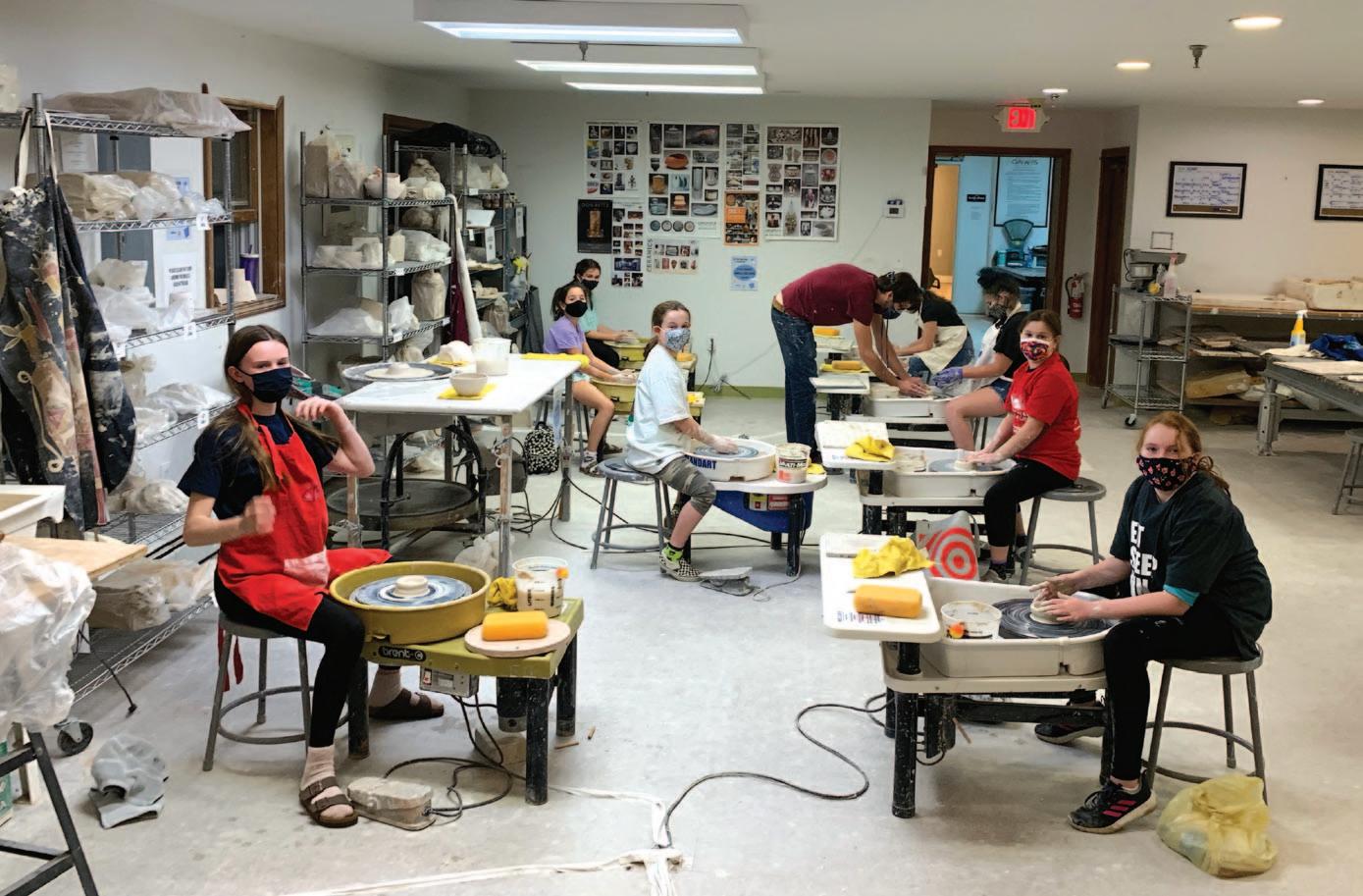
The exciting 2021 lineup for Children’s Summer Camps includes 14 themed, half-day, week-long sessions outdoors or a combination of both morning and afternoon for a full-day camp experience. Eight lucky kids per class will be taught coil construction, glazing, pinch pots, slab proj ects, firing techniques, wheel throwing, and more. All skill levels are welcome. The focus is on fun, exploration, and creativity.
Youth After School Classes are just that, an opportunity to have fun and explore the world of clay after school. They run for 2-hours, one day a week, teaching hand-building and wheel throwing. And they are a great opportunity for kids to unwind from their school day.
The Center’s Family Workshops run 2½ hours on selected Saturdays and are a great way to chill together with no pressure. Each member of the
At the Schacht Gallery, there is an incredible lineup of exhibits to visit when you can including:
MARK CHATTERLEY: I Am Still Here, a solo exhibit featuring the work of Michigan artist Mark Chatterley, which will run from Saturday, May 1, 2021 – Saturday, June 12, 2021.
REVERSAL: Red, a solo exhibition featuring the work of SCAC 2020-21 Artist-in-Residence Mark Tarabula, which will run from Saturday, June 12, 2021 – Saturday, July 17, 2021.
PAIGE O’TOOLE: 2020-21 Artist in Residence Solo Exhibition, featuring work by Paige O’Toole, which will run from Saturday, July 24, 2021 –Saturday, August 21, 2021.
TERRA/FLORA: New Work by Matt Hyleck and Brenda Quinn, a duo exhibition featuring Maryland potter, Matt Hyleck and New York potter, Brenda Quinn, which will run from Saturday, August 28, 2021 – Saturday, October 2, 2021.
family creates a unique mug of their own and depending on how many in the family participate, you just might end up with a complete person alized set. Following the workshop, the Center will glaze and fire your mugs at a later date for pick up in 2-3 weeks.
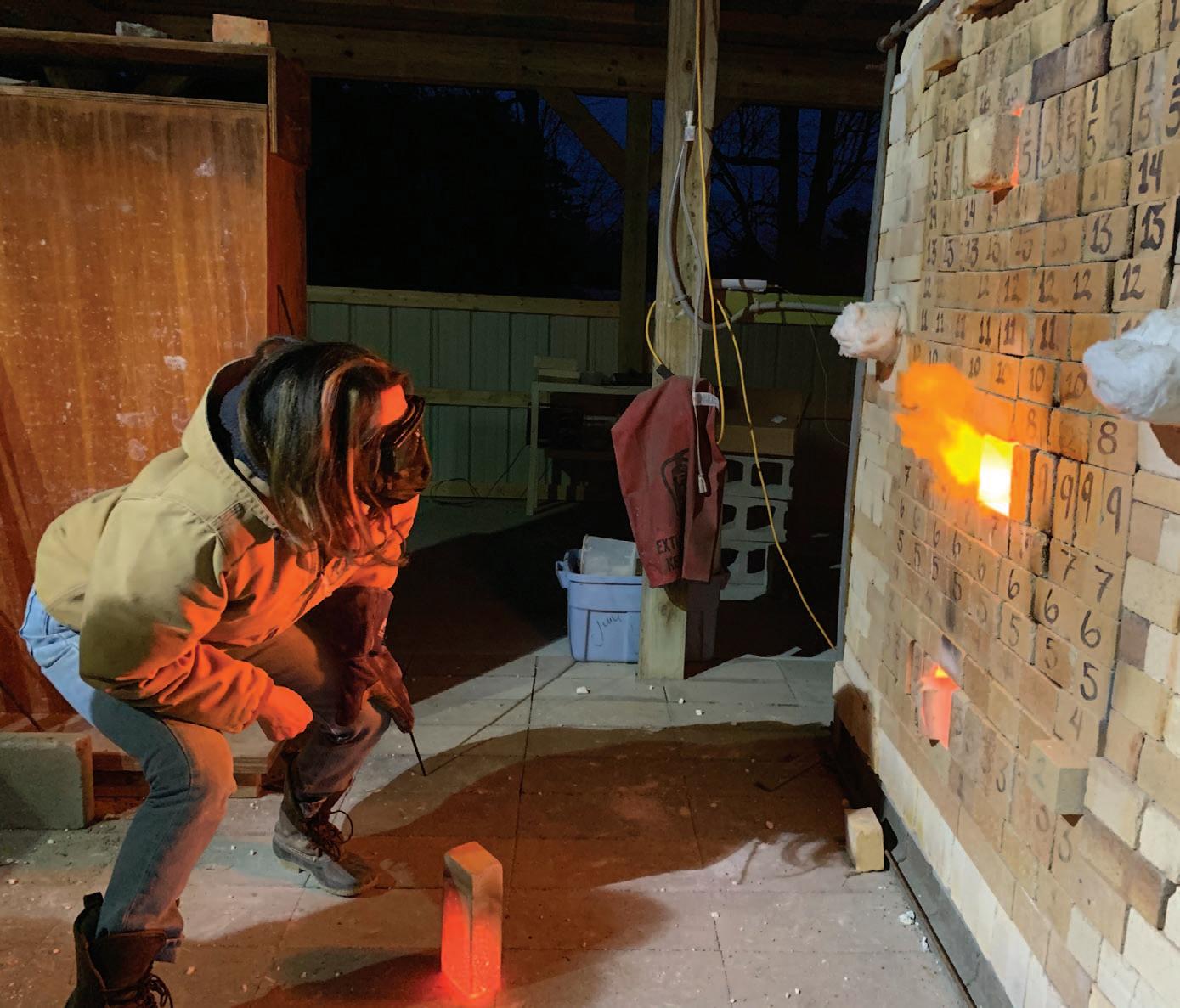
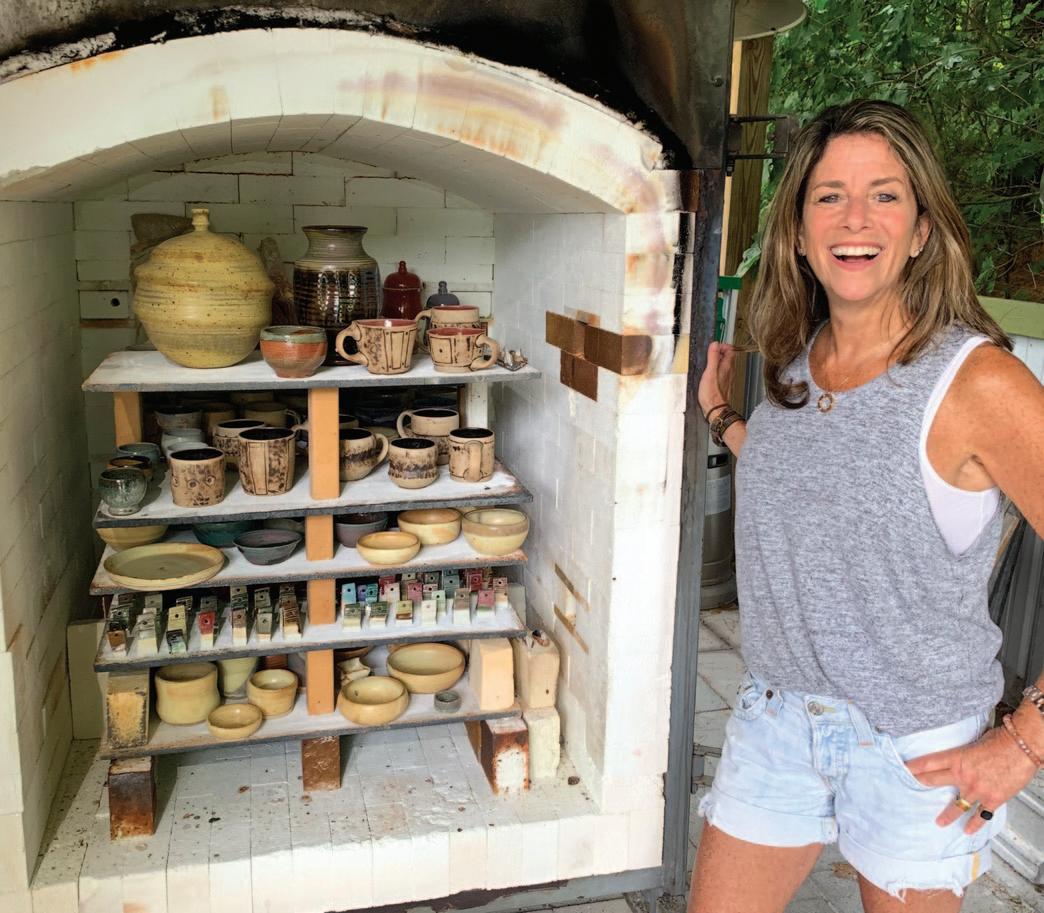
Beyond planning classes and workshops, managing the business side of the Saratoga Clay Arts Center and working on her own clay art, Jill Fishon-Kovachick is looking to the future. This is the Center’s 10th anniversary and there is so much to look forward to. In fact, with a new atmospheric kiln being added to the Center, Jill is now eyeing the down stairs of the building for new classrooms to accommodate more workshops and more people.
For Jill, that people have an aching need to be together has never been more clear. She shares with deep conviction that, “it’s all about connection and community, and we need this!" No doubt, we can all agree.
SARATOGA CLAY ARTS CENTER
167 Hayes Road, Schuylerville, NY, 12871 (518) 581-CLAY (2529) www.saratogaclayarts.org Schacht Gallery Hours: Mon - Sat 11am - 4pm and by appointment
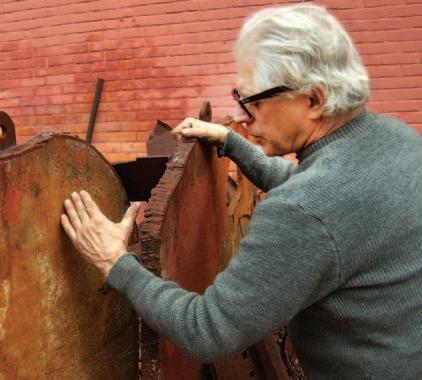
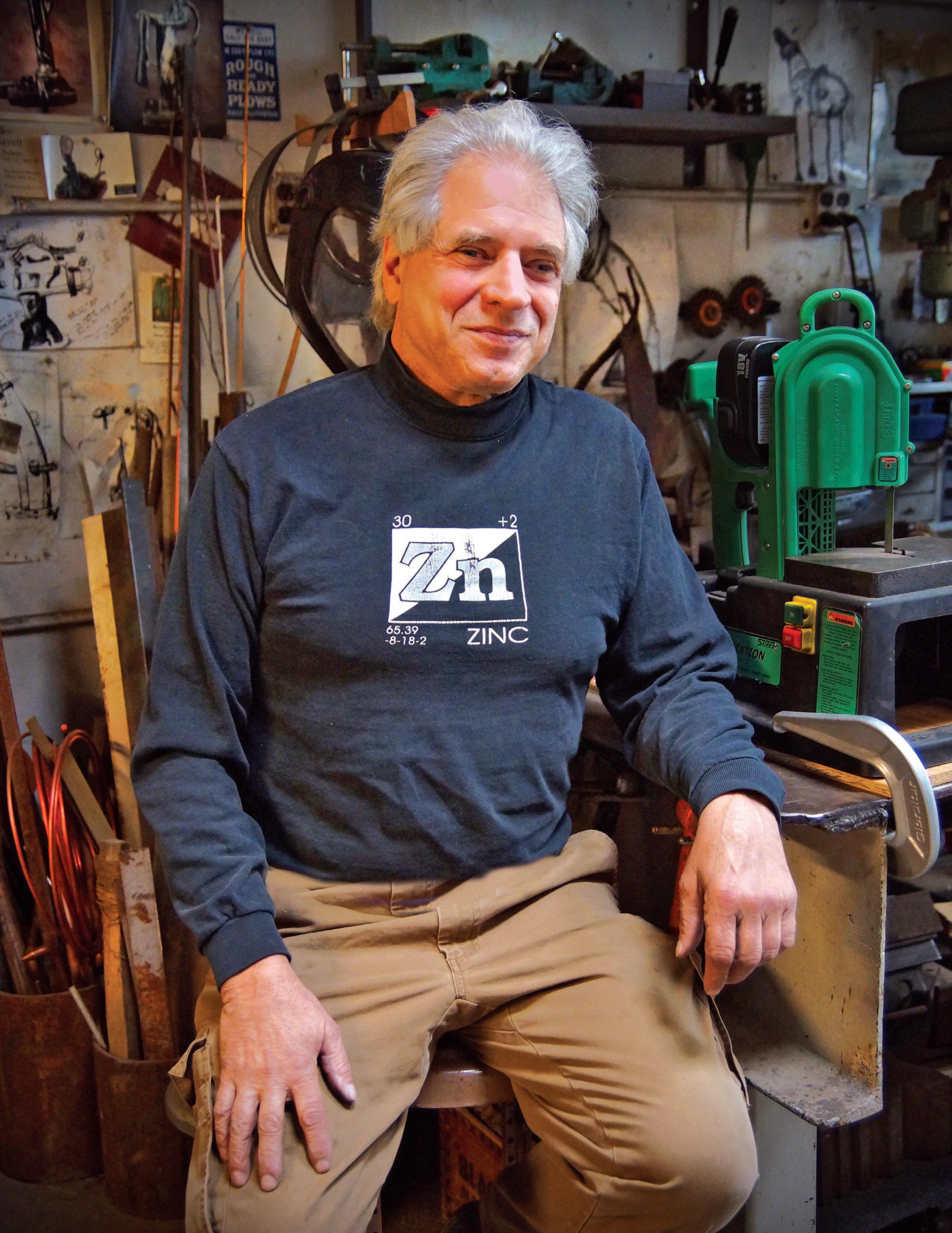
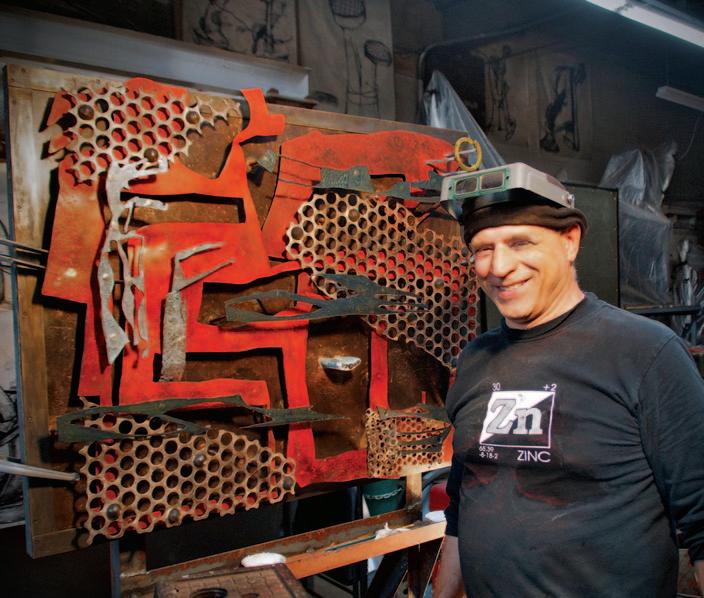
Sculptor Noah Savett is a happy man these days with an easy smile and relaxed manner. The Utica, New York native exudes well-being and contentment, which is well earned. Not long ago, he closed his successful ironworks business, NS Associates, which afforded him
the ability to move and work with steel on a large scale but was extremely stressful and required his careful attention round the clock. He sold his house in town and moved a bit further outside of Schuylerville, New York, where he enjoys a lot more land to cultivate and
curate. His son is now in college, his daughter happily settled in Southeast Asia teaching English to elementary school children and pursuing her own artwork, and he found a wonderful woman to share his life. There’s a confluence that he recognizes and deeply appreciates, all things coming together. He is ready for this, he has earned this.
Savett was exposed to art at an early age - his mother was very active at Utica’s Munson Williams Proctor Art Institute and head of the Board of Di rectors of Sculpture Space. In his senior year of high school, he was profoundly af fected after reading the 1961 biographical novel of Michelangelo Buonarroti, The Agony and the Ecstasy, authored by Irving Stone. This connection inspired him to major in fine art at Antioch College in Ohio. Savett explained, “Antioch pioneered the idea of internship.
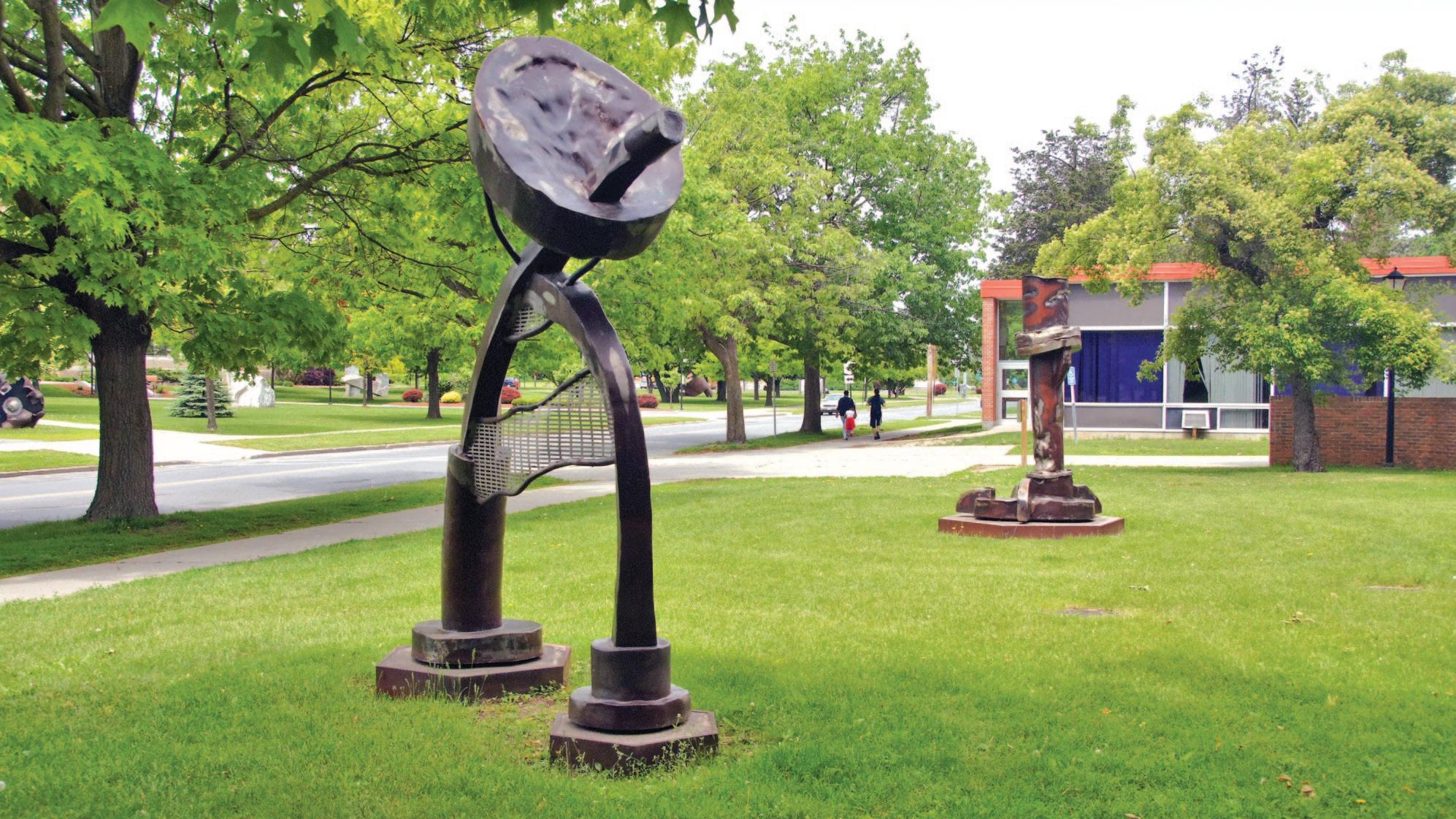
“Center of the Universe” installed next to Saratoga Arts
Every semester of study was followed by a se mester of work, so I had 90 weeks of work experience under my belt when I graduated.”
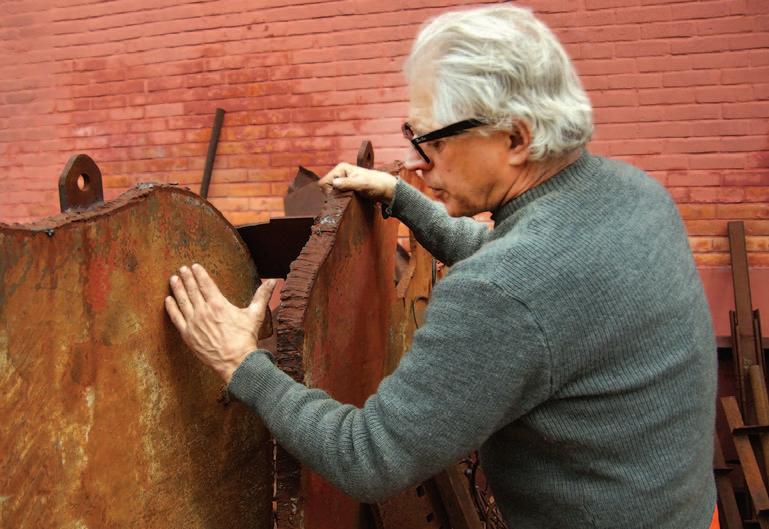
He cites David Smith (American, 1906-65) as an important influence, especially his fabricated work and use of found material. As a child, the viewing of Smith’s 1950 work, The Letter, at Munson Williams Proctor stayed with him, in spiring Savett’s 2008 work, The LetterHom age to David Smith. “I like artists that bring a sense of humor to their work, like Claes Oldenberg or Jean Tinguely, artists of that pe riod, like Picasso’s sculpture, Giacometti - all those people were influential on me because of their use of materials, the kind of raw use of material, not so much hard-edge linear stuff. This is a bit of a contradiction for David Smith, because his work grew into that style, but his
earlier stuff was more found object and the work fluid,” Savett said. He continued, “Years ago, I rented a house on Lake George, in Bolton Landing (where Smith had a studio) for a week with other people in the arts. None of them had ever heard of David Smith, a preeminent American sculptor. That’s what you’re faced with when you do sculpture; you’ve got an au dience of one-thousandth of one percent
of the population. Nobody else knows or cares.”
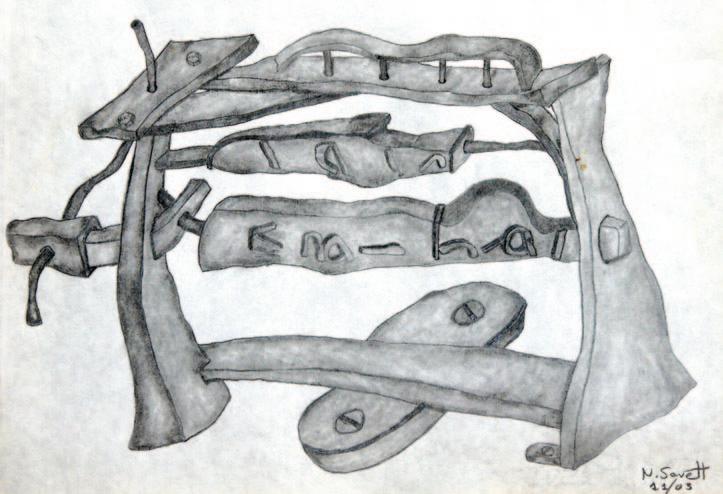
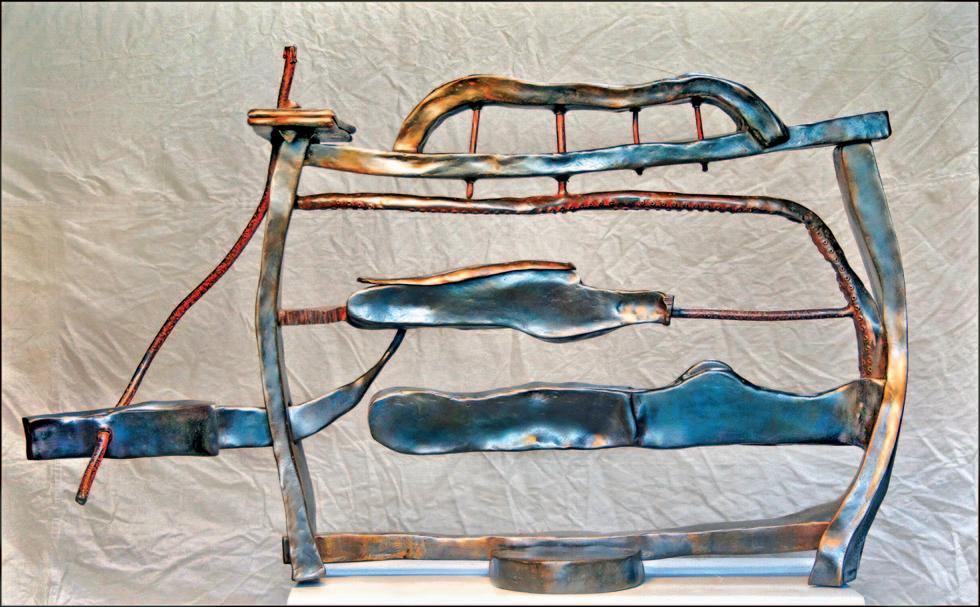
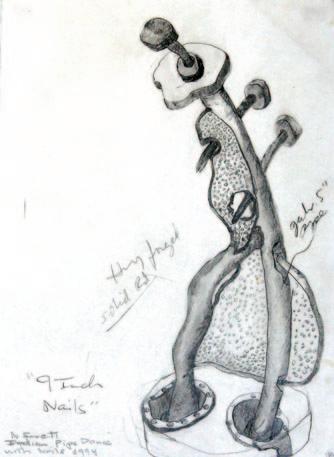
The work starts as thumbnail sketches done quickly, often when he is on the phone or some specific ma terial catches his eye or imagination. He does m any of these jewels a year. Per haps one in ten is e xpanded upon, meticulous little drawing in graphite or pen and ink. He develops the ones that speak to him sculpturally, the drawings becoming larger and more detailed. His fabricated pieces can take up to five years to complete, and they all have a story. By way of example, Savett explained, “Like that fish sketch behind you on the wall. Ac tually, a friend of mine who’s a very avid sportsman, spends a lot of time Florida. He has a place there, and he never had children, but he spent a lot of time having great adventures with my son and me, so I did that as a return. He has that over the entrance of his yard.”
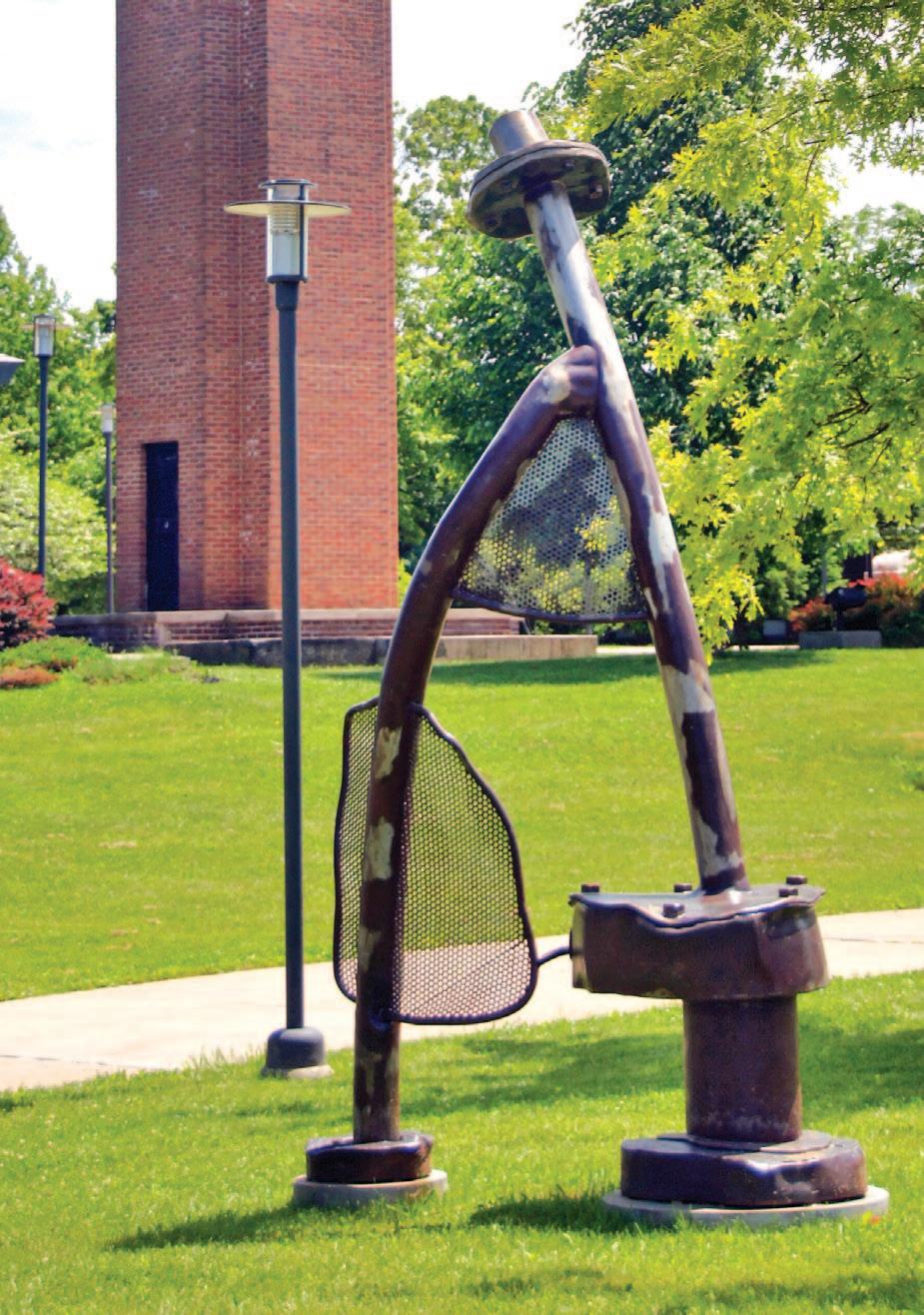
“Indian pipe dance” installed in the courtyard of Fulton Montgomery Community College
Noted art historian, James Kettlewell, who is a former curator of the Hyde Collection in Glens Falls, taught at Harvard and Skidmore Colleges and is a beloved Saratogian writes, “Consider the objective facts which produce the expressive power of Noah Savett’s sculpture. The material is steel, but steel made into flesh. The surfaces are hard, but vibrant with organic life. Shapes are abstract, and at the same time
hover on the edge of recognition. The scale is large, the details infinitely subtle. Dense, mate rial mass strikes the consciousness, while the mass gleams in de-materializing light. These inherent paradoxes wrench in opposite emotive directions, putting into dramatic use the ‘complexities and contradictions’ which characterize Postmodernism in art. Explosive tensions are generated between centrifugal and centripetal effects, giving to these works an
in credible raw power, a raw power canceled then, by the artist, into the emotional content. But these complexities and contradictions are bound together by a unifying rhythm and tex ture. This is a power controlled by aesthetic design, so the forms are beautiful, however discredited that term might be today. And it is this strong design of formal relationships, (structure amidst the deconstructed), which achieves in Savett’s work the best of both the worlds of Modern and Postmodern art. I see this synthesis as the style for the new millennium.”
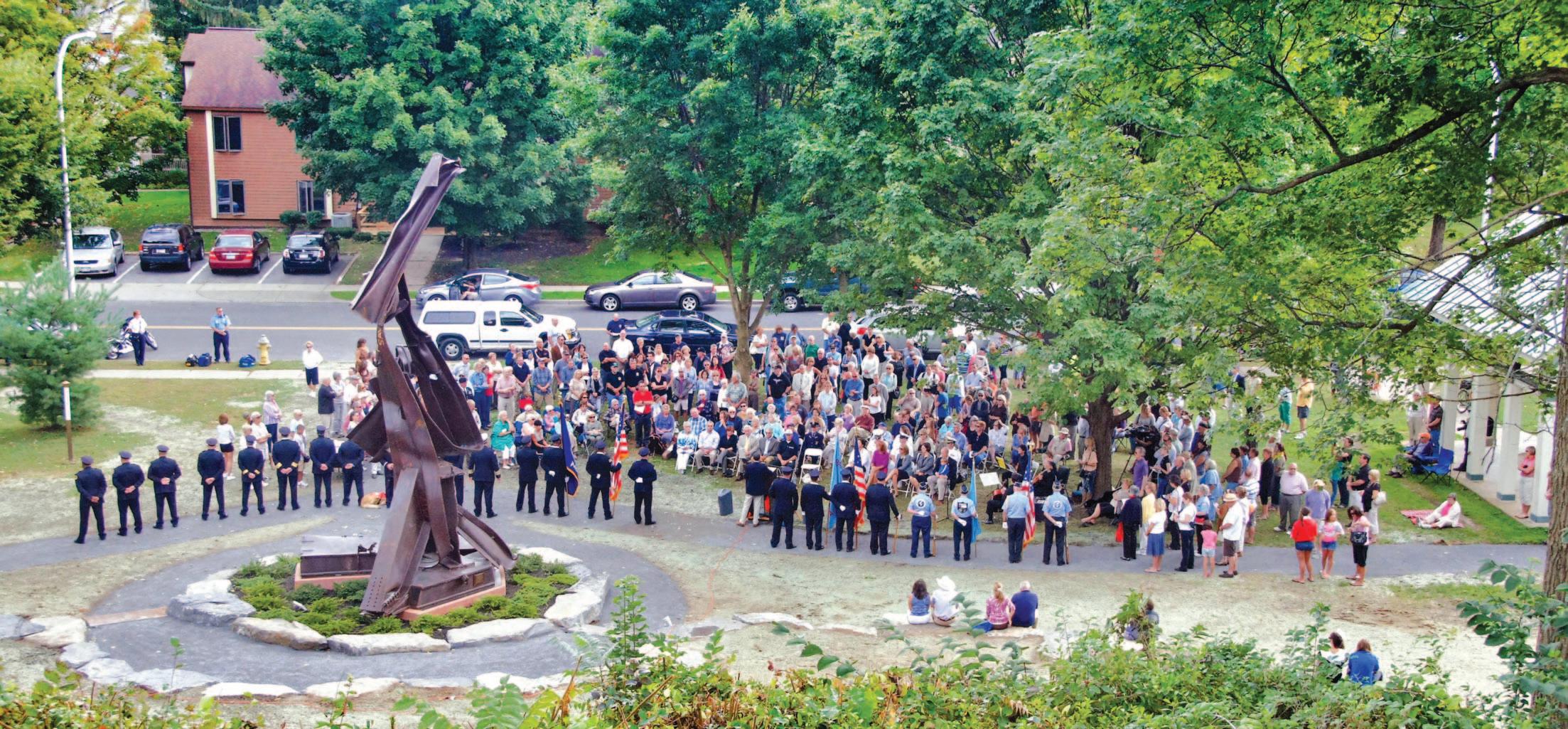
In 2010, the Saratoga Arts Council secured structural steel beams from the wreckage of the North and South tower of the World Trade Center and commissioned both Savett and fel low sculptor John Van Alstine to create a memorial. Tempered by Memory is a 25-foottall contemporary piece, weighing 13 tons, dedicated to the memory of the national tragedy that befell us on September 11, 2001. The sculpture is housed in a beautifully designed, contemplative, memorial space within the historic High Rock Park in Saratoga Springs.
“Strange Fruit”
“A Dance”
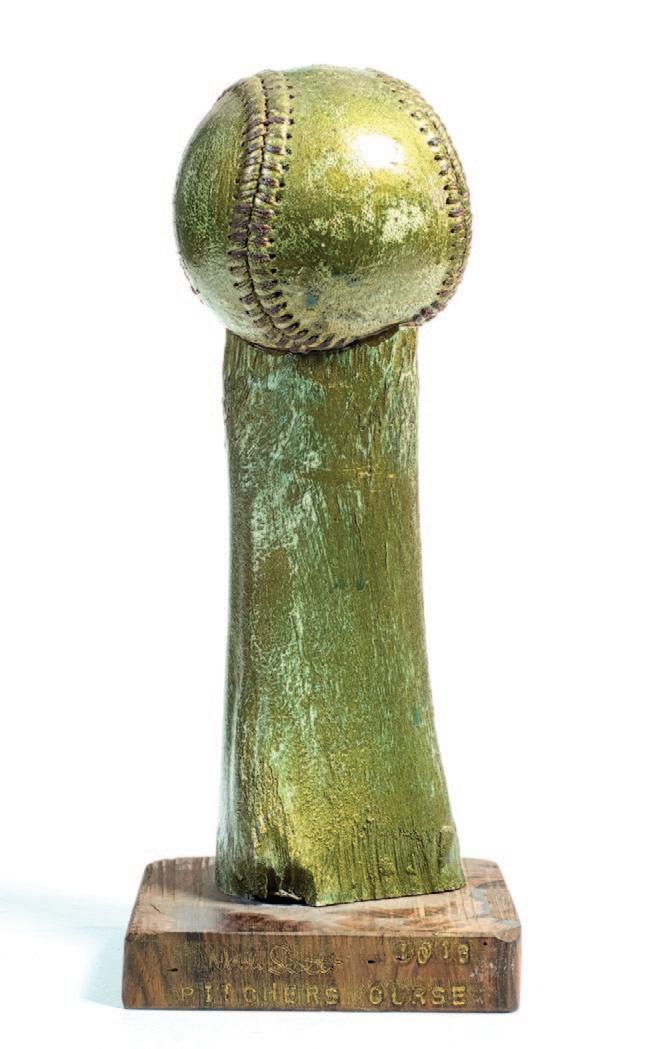
“Pitchers Curse”
“Big Mama Drill”
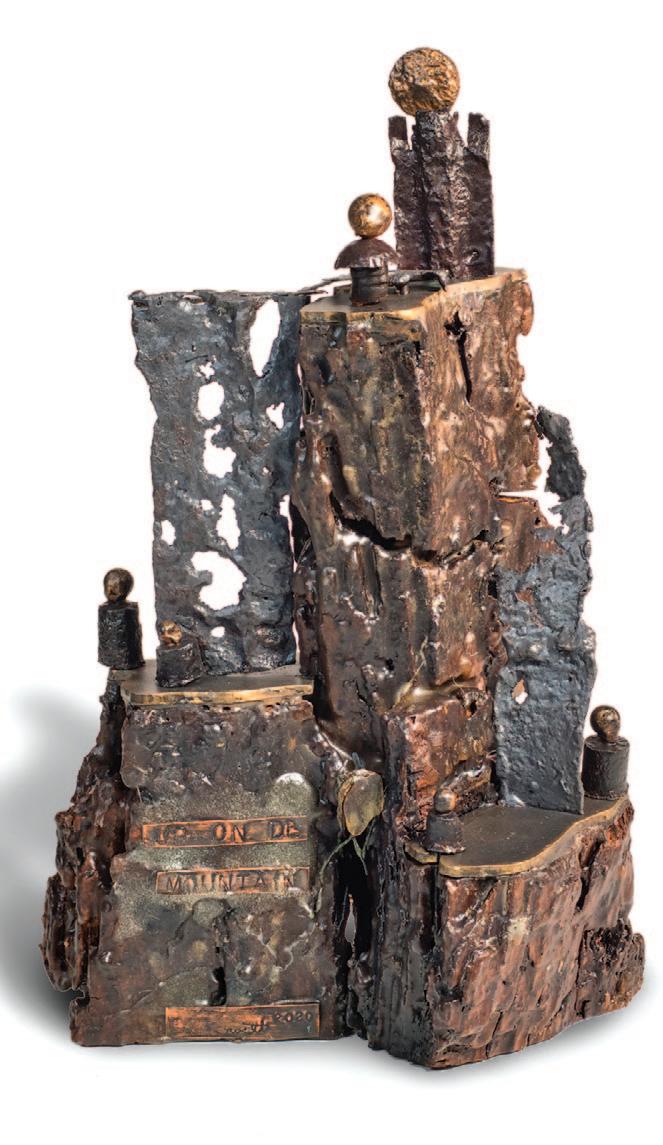
“Up On DE Mountain” Photos
Savett said just after the installation in 2011, “It’s been a really great honor from the time I was chosen, to see the involvement, the willing involvement, of all the people - ironworkers and crane operations and companies that do nated their time - it was just a wonderful experience. It was very emotional to be there and see how this has become a real part of the fabric of Saratoga and embraced by the community.”
And it is true, the memorial has, over the last nine years, become an important part of the fabric downtown. Besides the well-attended annual 9/11 remembrance, people seem drawn to that area of the park, to sit quietly, parents explaining what happened on that date, children leaving flowers at the sculpture’s base. It is an oasis of calm contemplation amid the bustle of city life.
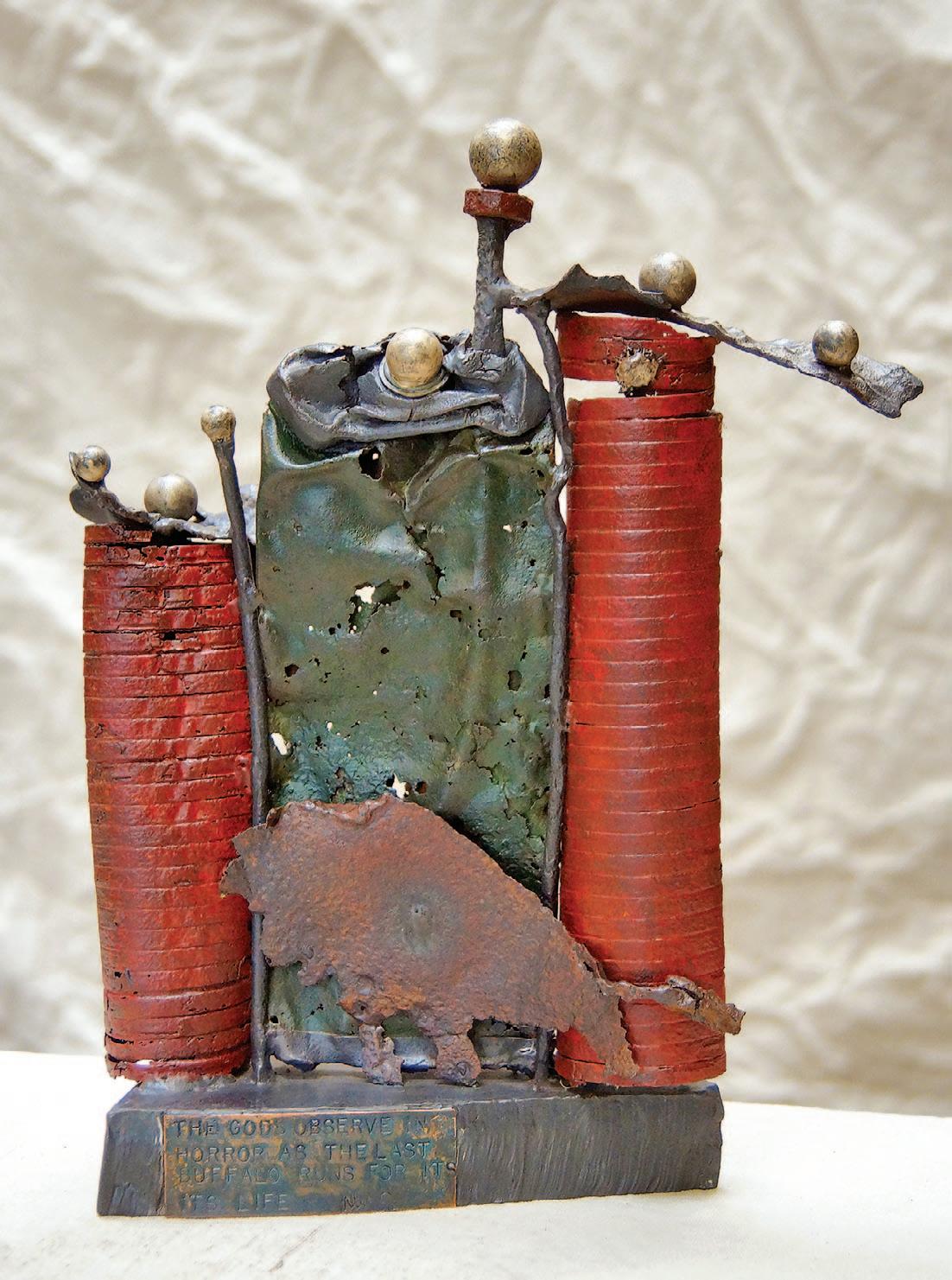
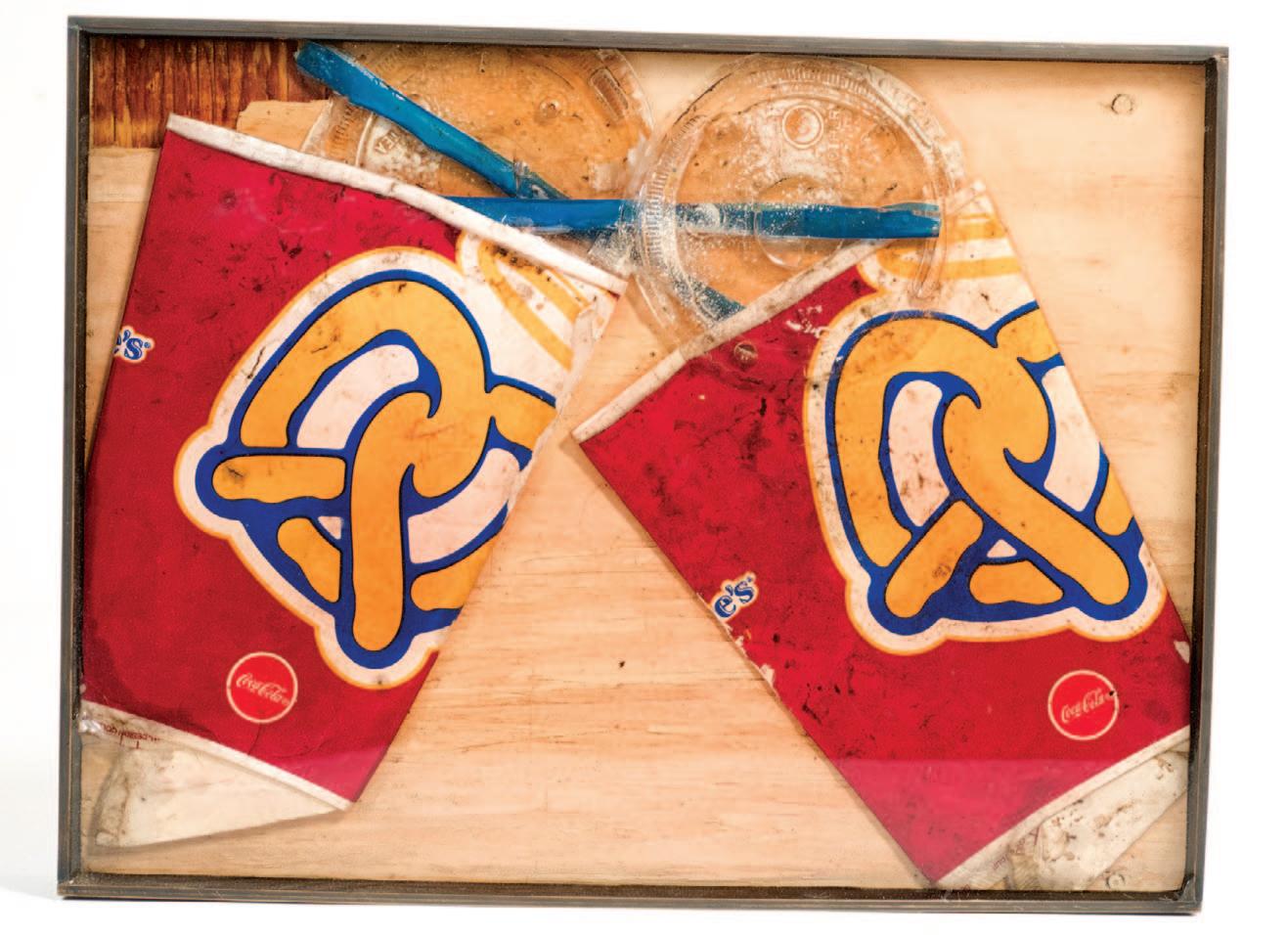
The last few years he’s been working on smaller pieces, many intended to hang on a
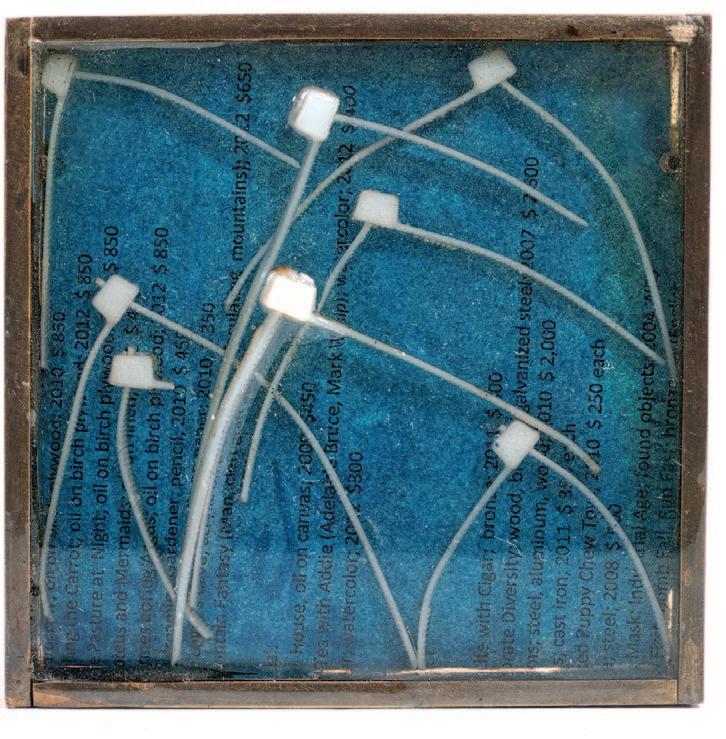
tell a story, raise a smile, or relay a bit of wit and wisdom. Savett explained, “They’ve been fun to do because they’re not what I usually do, they’re something different. I’ve always been in trigued by the intrinsic of found objects. I think more than anything, during the last five years after the 9/11 me morial I did with John Van Alstyne, I was feeling overwhelmed by my business, so this kind of thing kept my hand in it.”
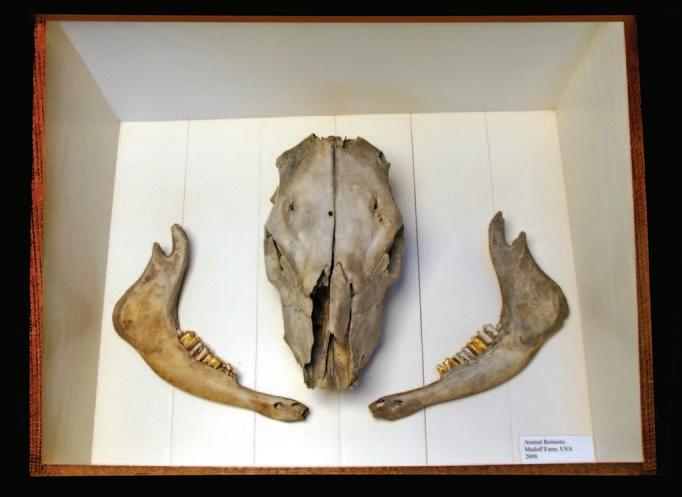
When asked about his piece, Animal Remains, Madoff Farm, 2008 ” he said, “This is not a new, new piece. My son found a horse skull and jaws on some property I owned near Vt. The background is I wanted this to look like an archeology exhibit. Actually, when I was in lege, I worked one summer for the Archeology Museum at Harvard. I had a master cabinet maker created the display case. He researched this meticulously and discovered that a number of the display cases that were at the Harvard Archeology Museum had been donated to The Pember Museum in Granville. He went there and replicated the design precisely.”
en asked what brings him joy, he responded, “In a low-key way, not worrying about the business. But besides my family, I would have to say my garden and my studio.” He is a terful gardener, the profusion of color, scent, and texture throughout the seasons is a pleasure to behold. He’s already started to plant for this season.
Savett’s work can be found in private collec tions, and he has loaned pieces for pub lic display at various locations including the Skidmore College Campus, SUNY Adiron dack, and The Fulton-Montgomery Community College Campus. His Center of the Universe is located in front of Saratoga Arts Center and Chaplinesque Totem and Warrior are dis played at the State University at Plattsburgh Sculpture Park. His many solo shows include The Kirkland Art Center in Clinton NY, Ho bart College in Geneva, NY, RPI, Ten Broeck Mansion in Albany, Proctors Theatre Gallery in Schenectady, and Burke Gallery at SUNY, Plattsburg and he has been in numerous group exhibitions.
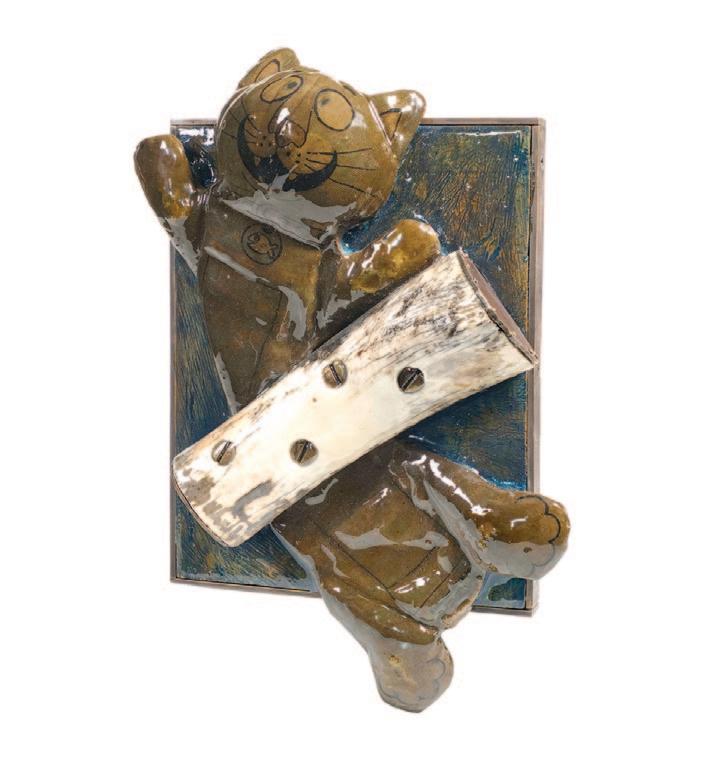
“Chew Toy With Bone” photo by Richard Kline
9-11 Memorial, Tempered by Memory, dedication ceremony, High Rock Park, Sept. 2012
“Animal Remains”, Madoff Farm, 2008
Creative Reinvention: Skidmore College
by Carol St.Sauveur Ferris
It’s no secret that 2020 was a year of challenges for everyone. People were forced into nesting mode. The future was uncertain. And most were afraid. Small businesses, corporations, schools, and government institutions found themselves in uncharted waters. Employees were now working from home while sharing space with their children who were also adjusting and learning how to learn very differently.
Through it all, the indomitable human spirit rose to the challenges. Creative solutions for every task, hobby, job, and possible interest were everywhere on our devices via platforms like YouTube, Twitter, Insta gram, and Pinterest. Tik Tok became mainstream and, seemingly overnight, Zoom went from an action word to a proper noun in the English language. Americans proved once again that adversity brings innovation and invites new connections.
It was March 2020 when Skidmore College was thrust into this new pandemic universe. Known for its engagement with students, faculty, and staff, Skidmore found itself reinventing college life from the start of COVID-19. On every level, the impact of the pandemic was pro found, but Skidmore staff and faculty remained undeterred and maintained their strong connection with both students and the com munity. Skidmore’s new president, Marc C. Conner, who officially joined the college on July 1, 2020, has been guiding Skidmore through these historic times ever since.
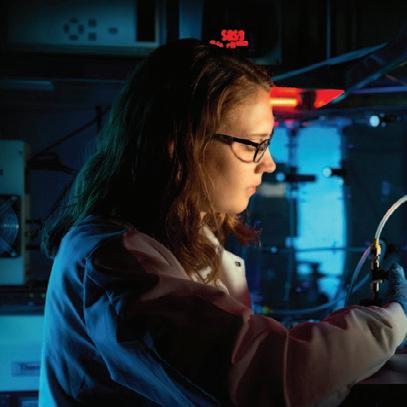
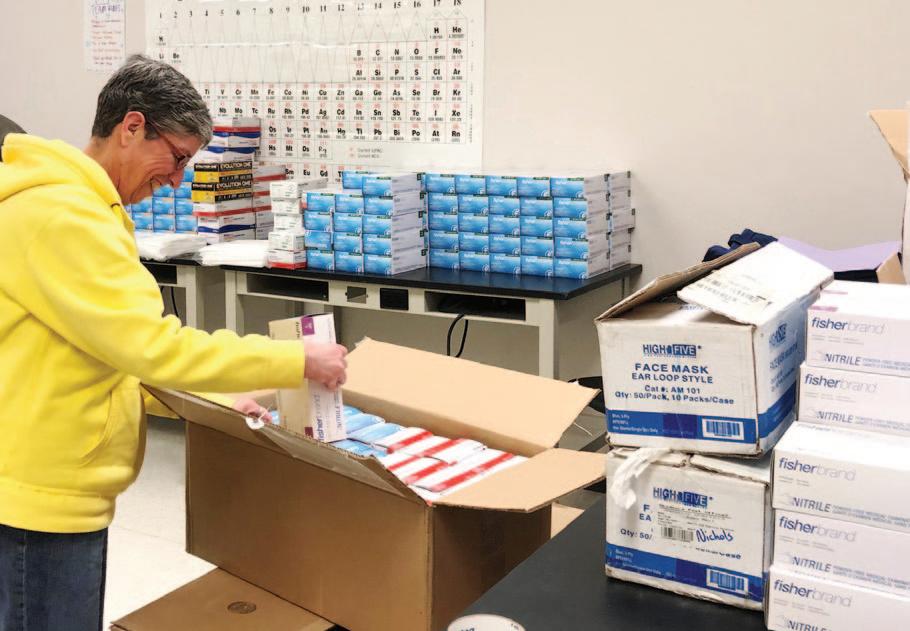
At the outset of COVID-19, Skidmore supported area medical facilities with PPE donations. Because the college had switched to remote learning, a wide variety of unused supplies now sat in storage closets, labs, and classrooms. A call to action saw every staff member scour their departments for lab coats, scrubs, gloves, masks, disinfecting sprays, wipes, hand sanitizers, cleaning products, UV lamps, face shields, goggles, vacuum pumps, and dozens of filtration units. The Tang Teaching Museum joined the PPE donation efforts as well by gathering up N95 masks, shoe covers, and hundreds of pairs of gloves. Together their combined efforts filled two pickup trucks and three cars full of desperately needed supplies which were delivered to Saratoga Hospital. In addition to PPE donations, the college itself lent a bio-safety cabinet to support the hospital during unprecedented times. Angelo Calbone, Saratoga Hospital’s President and CEO, called Skidmore “a wonderful partner and neighbor – and an extraordinary asset to the Saratoga Region.”
This was just the beginning.
Skidmore Cares, a community service program founded in 2006, has distributed more than 53,000 food items, toiletries, and school supplies to Saratoga community organizations and schools. In 2020, the pandemic created urgent needs not seen before, depleting supplies very quickly. Many more families now relied on community food pantries for groceries and supplies, and the size of the typical family grew due to adult chil dren moving back in with their parents, increasing need as well. Through Skidmore Cares, members of the Skidmore community pro vided food donations, school supplies, and over 2,100 facemasks to many Saratoga County community organizations to help fill the gaps.
For Skidmore Health Services, the mission has always been to provide high-quality, accessible health care to the student population. The pan demic created a unique crisis for the d epart ment which called upon them to respond quickly and confidently. Their immediate task was to help coordinate Skidmore’s COVID-19 pandemic response and provide guidance as things evolved, but with their ties to many health institutions in the community, they were also an integral part of the region’s emergency preparedness team. As members of the Saratoga County Medical Reserve Corps they have assisted over the years with several Point of Dispensing (POD) site drills for vaccines and antibiotics. More recently they have helped distribute and administer COVID-19 vaccines to front-line workers, educators, and those eli gible for the vaccine in the local community. Today, they continue to provide surveillance testing, contact tracing, quarantine, and isola tion services on campus as well. Because of the efforts of Patty Bosen, director of Skidmore
Health Services and her team of medical professionals, Skidmore’s students, faculty, and staff are staying safe as they wait for their turn to be vaccinated. According to President Conner, “The Health Services staff on campus are our very own health care heroes.”
While supporting the Saratoga community from the outset of COVID-19 in various ways, Skid more College empowered its faculty and staff to create vir tual academic programs and to reach out with inspiring cultural presentations. They also had to reimagine and convert many oncampus events to virtual events. The results were impressive.
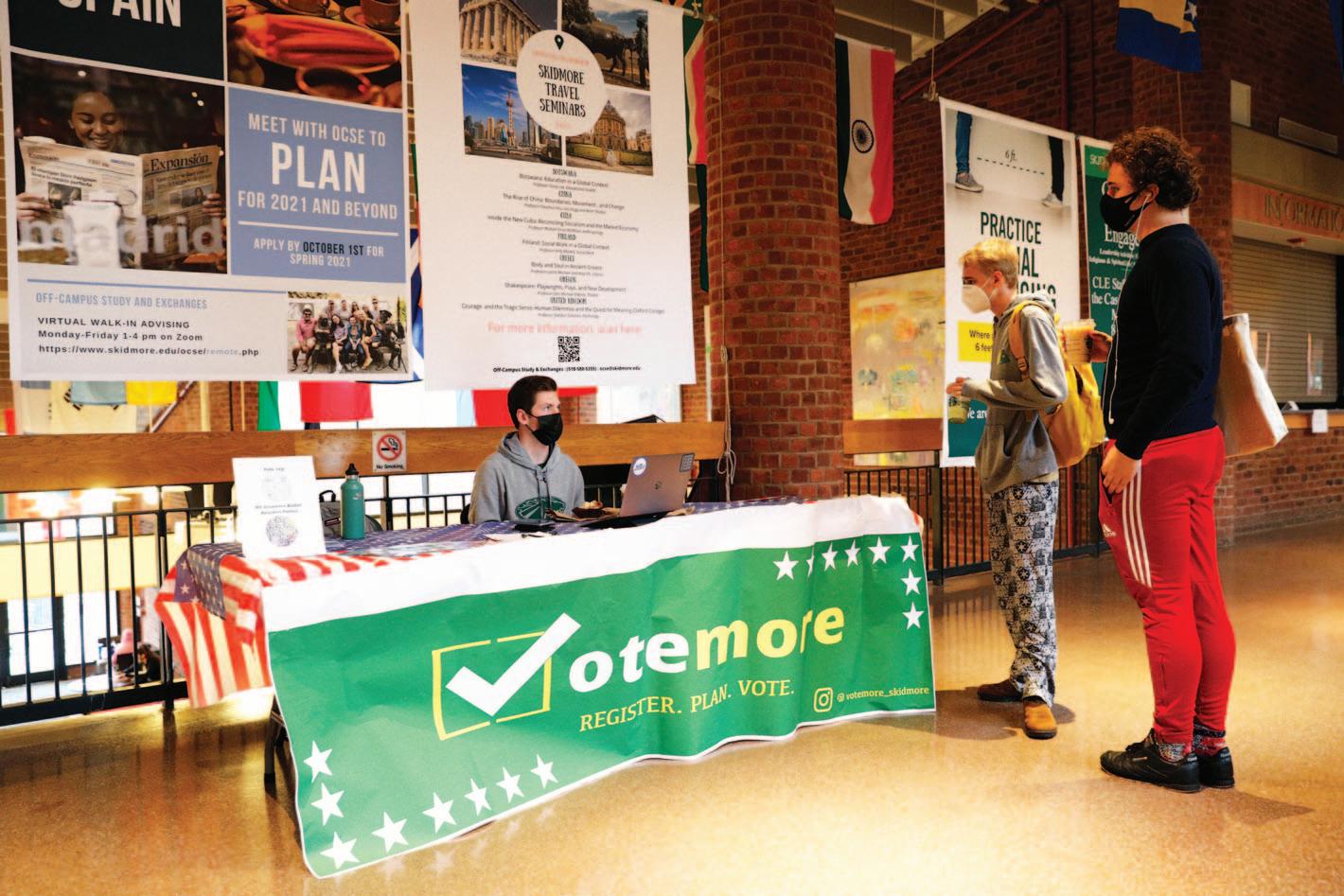
In addition, Skidmore redesigned its admissions tools to introduce and welcome prospective students to campus through virtual tours and workshops. And, amid a historic election, fac ulty experts shared their perspectives with the campus community and local citizens through virtual expert panels.
Skidmore’s Career Jam, launched in 2009 by the Career Development Center, is a muchan ticipated annual on-campus networking event. It became a perfect example over the last year of Skidmore’s creative approach to redesigning a learning opportunity in response to the pandemic. The new 2020 format was en tirely virtual and extended over a five-day
period. Each day focused on a different career category including arts, media, and communication; business and finance; health and biomedical sciences; government and law; and education and social impact. In total, 35 unique Zoom sessions were held, enabling 300 students and 54 parents and alumni from all over the world to meet and network. According to Kim Crabbe, associate dean of the Center, “The silver lining is that the new format allowed parents and alumni from all over the country
PPE donations to Saratoga Hospital
Skidmore Cares - A 15 year tradition that continues to give back to our communities
and the world to meet, network, and guide students without ever having to step foot on campus. The students loved it.”
Another highly anticipated academic experience is Ensemble Connect, a two-year fellowship program that “prepares the next generation of prom ising classical musicians in the United States for careers that combine musical excellence with teaching and community engagement.” It is a unique program partnership with The Julliard School, Carnegie Hall, the Weill Music Institute, and the New York City Department of Education. Ensemble Connect’s classically trained musicians participate in two, five-day residencies at Skidmore. The fellowship program typi cally involves in-person visits to local schools, but this past October they conducted six virtual class visits to local elementary schools instead. They also virtually visited Skidmore classes including Professor Anthony Holland’s Music Composition class, which was composing music for a woodwind quintet for which the fellows would record and provide feed back. The remote nature of the fellowship did not diminish the ex perience for the fellows or the participating students. Cellist Laura Andrade probably spoke for the entire Ensemble when she said, “I am looking forward to making the most out of being so far apart and
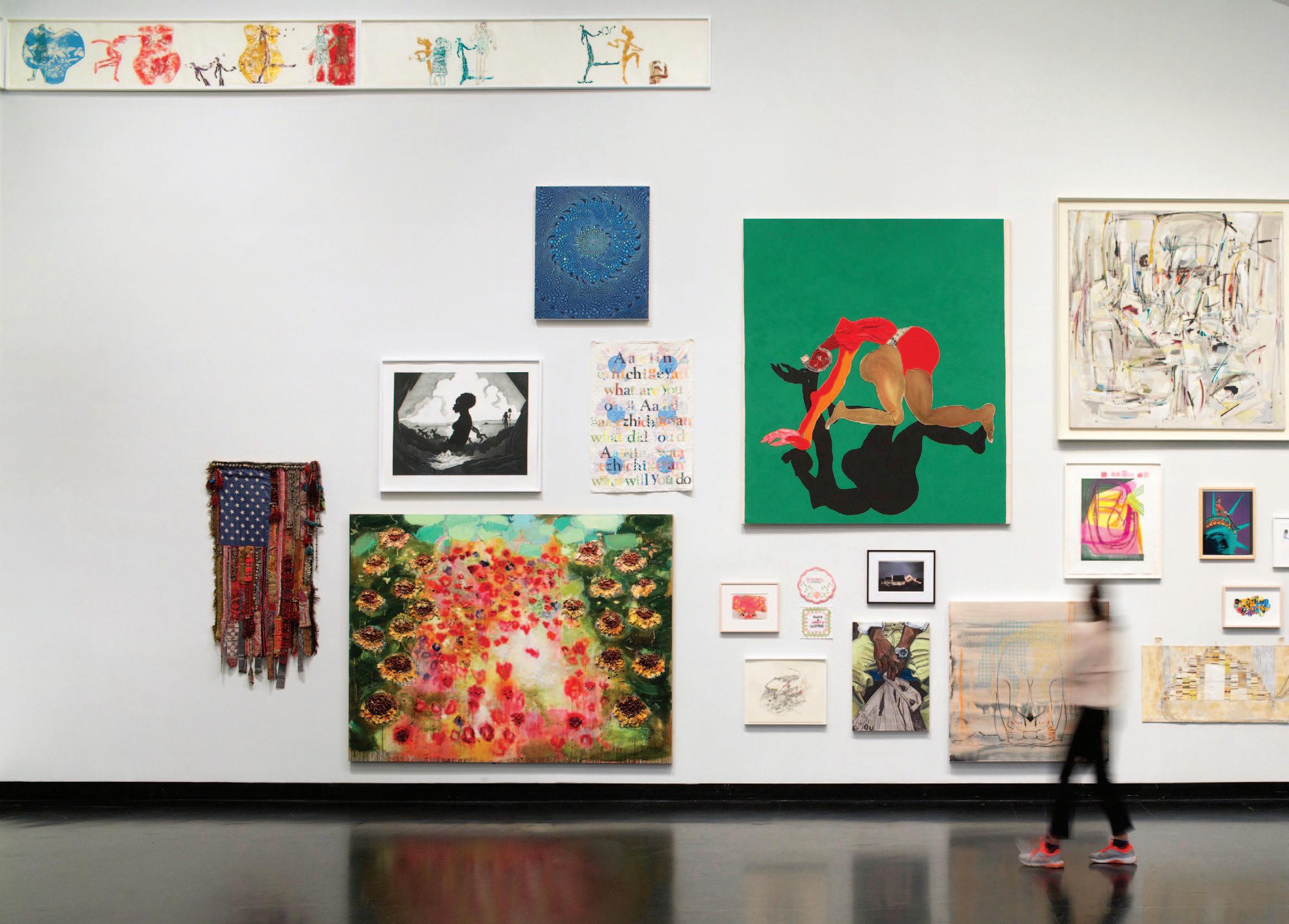
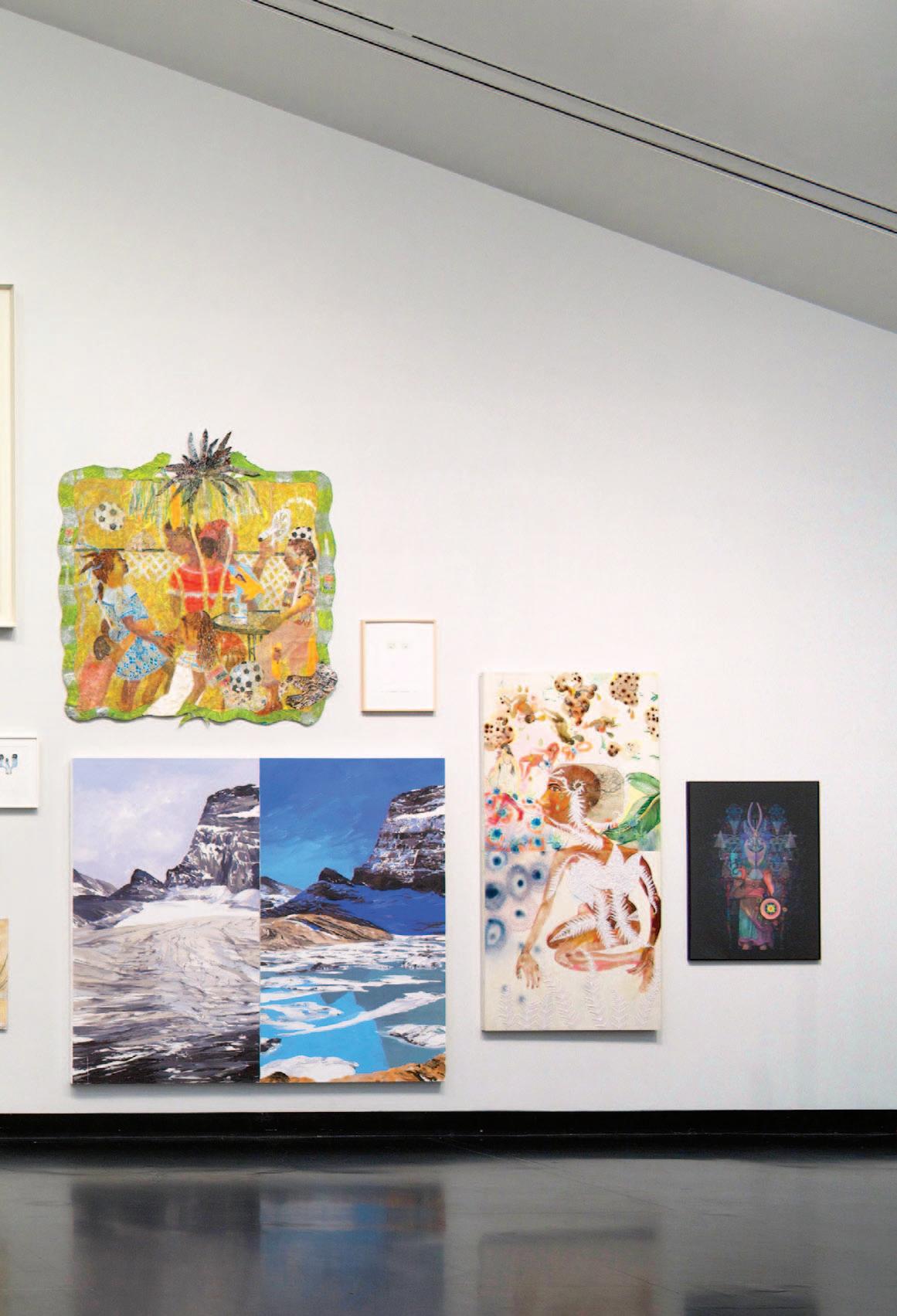
“Never Done: 100 Years of Women in Politics and Beyond” on view through June 6, 2021 at the Tang
em bracing the challenges that it brings. This is such a wonderful oppor tunity to celebrate our most universal experiences and bring them to life!” So once again, Ensemble Connect brought the magic of classical music to students of all ages.
Unfortunately, the pandemic forced Frances Young Tang Teaching Mu seum and Art Gallery to close the building to the public, but the mu seum was able to successfully shift its exhibits and programming online to continue offering a variety of cultural opportunities. The sudden closing required featured artist, Nicole Cherubini to reimagine her “Shaking the Trees” exhibit, which had initially invited collaboration with other creatives to establish a community space for contemplation and conversation. At the same time, Cherubini also felt compelled to respond to the desperate need for masks for essential workers. She reached back to her sewing skills learned from her grandmother who was a bridal dress designer, and along with her artist friends, worked day and night to make and donate masks. It wasn’t long before she founded MASKS4PEOPLE with artists Kristen Dodge, Laleh Khorramian, and Becca Van K. Soon thereafter, masks became an integral part of her “Shaking the Trees”
exhibit. The exhibit masks were designed and sewn by the artists with quotations on the inside, like messages in a fortune cookie. At the close of the Tang exhibit, Skidmore students were the lucky recipients of these masks that offered protection and an opportunity for reflection.
How a student learns has been impacted in multiple ways on college campuses across the country. Skidmore is no exception, but its ability to adapt to these changes while always prioritizing the health and safety of its students, faculty, and staff and the surrounding community has been a true success story.
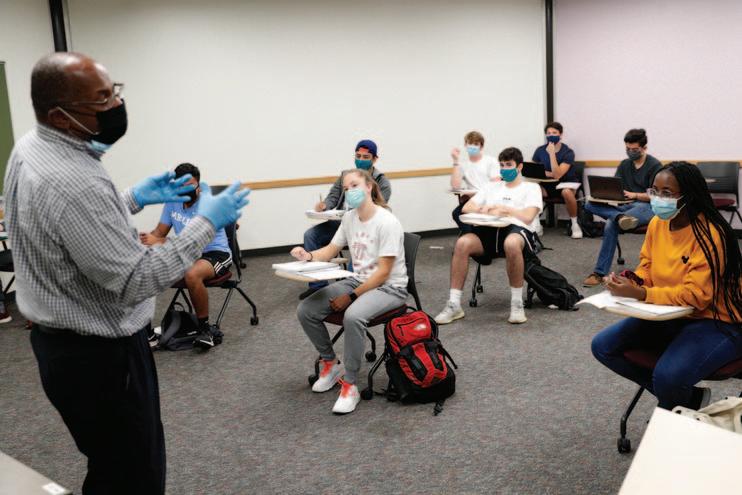
The residential learning experience is an important aspect of a Skidmore education, and Skidmore was able to bring back to campus nearly all of its student body for fall 2020 and again for spring 2021, in accordance with all health and safety guidelines. Upon pivoting to virtual learning at the beginning of the pandemic in March 2020, however, its faculty and staff began developing creative new ways to maintain engagement and deliver inspiring learning opportunities through remote and hybrid in- person formats as well. For instance, professors have taught their students how to utilize materials in their homes to create art projects; have taken virtual trips to museums here and abroad; challenged conventional thinking on many topics in the context of the pandemic; asked students to adopt a river in their hometown and then create a video presentation of what they learned; and more. Even a time capsule is being built by the Art Department to be opened by the Class of 2024 upon graduation. Hopefully it will inspire new beginnings and dialogue despite the losses of the pandemic.
As students have returned to safe, socially distanced classroom settings, Skidmore has been able to offer new, improved facilities for learning and research. The North Wing of its new Center for Integrated Sciences opened in the fall and features state-of-the-art labs and equipment. The entire project, which is the largest academic initiative in the college’s history, is still on track to be completed in 2024.
Without question, the COVID-19 pandemic has had a huge impact on tra ditional classroom teaching methods, giving way to virtual classes; in- person classes while wearing masks and social distancing; or a combi nation of the two. Undaunted, the Skidmore staff, faculty, and ad ministration have creatively restructured, redesigned and often rein vented the conventions of teaching and learning. The result has been nothing short of extraordinary and a world-class example of how Creative Thought Matters.
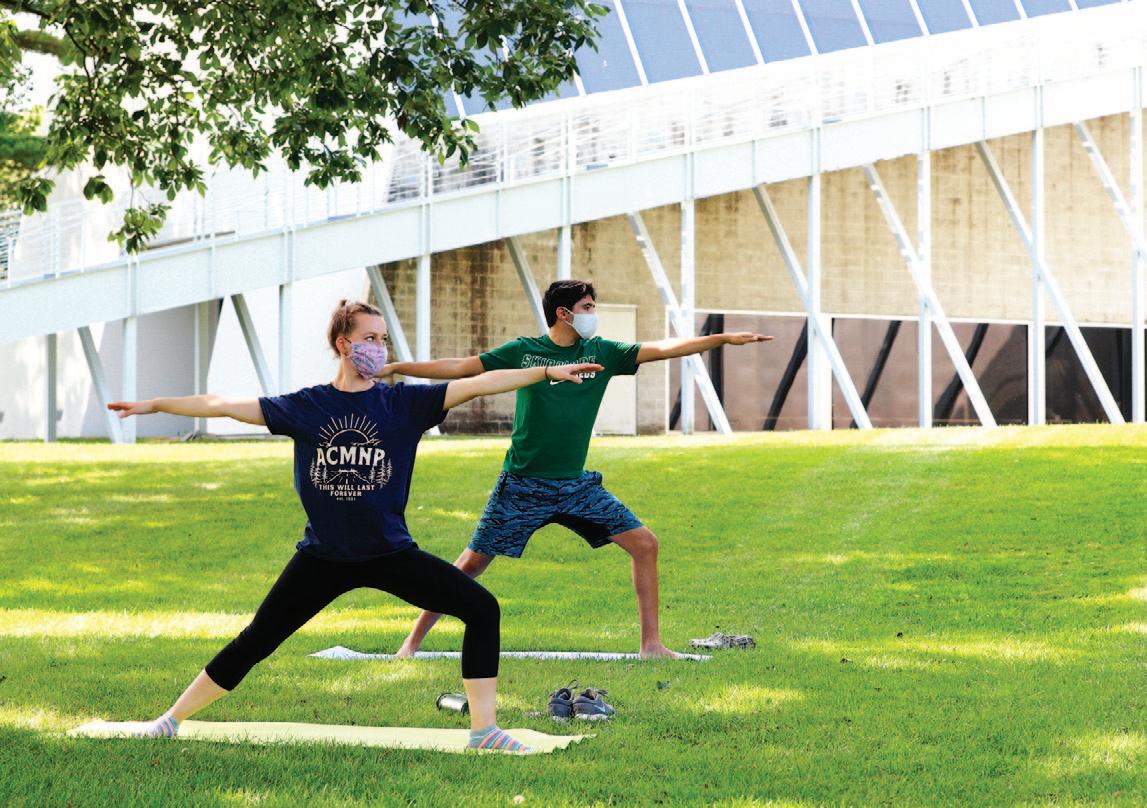
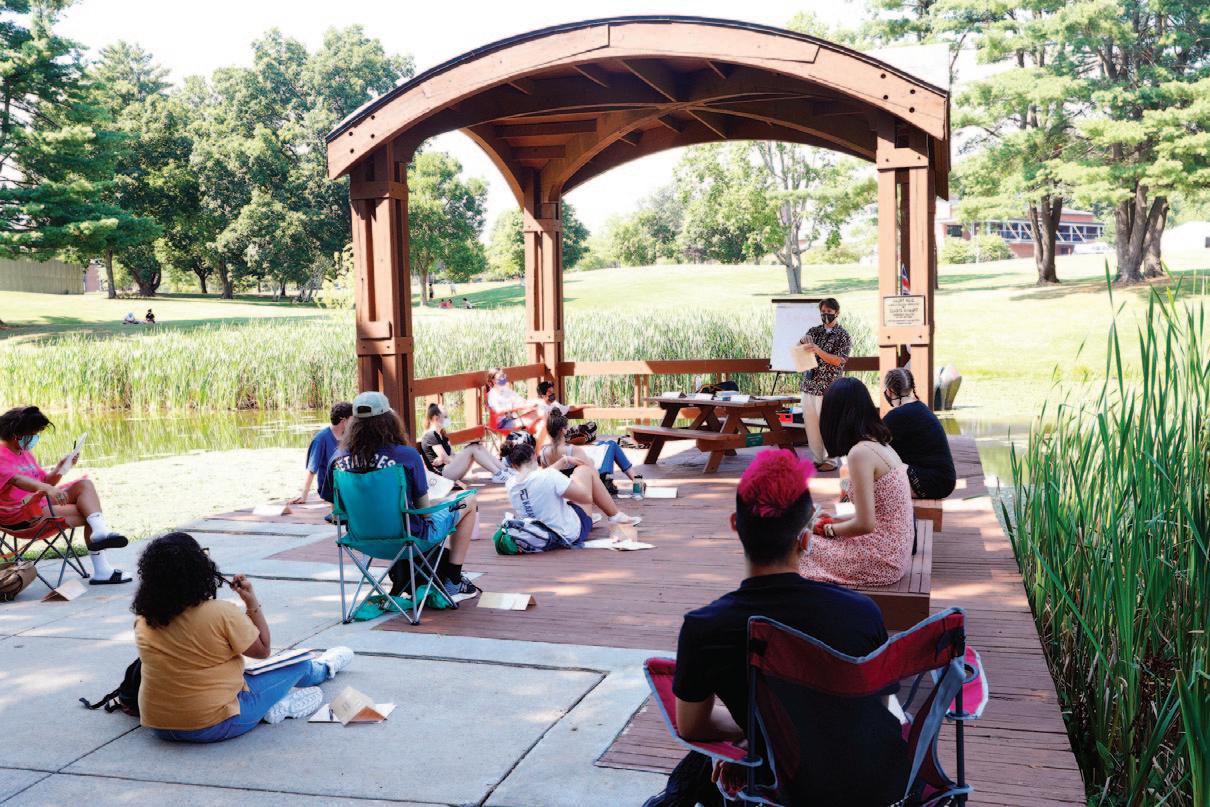
Fall outdoor classes
Traditional Continental Cuisine Served With Contemporary Creative Flair
Chicken Liver Pate with cornichons, whole grain mustard and crostini
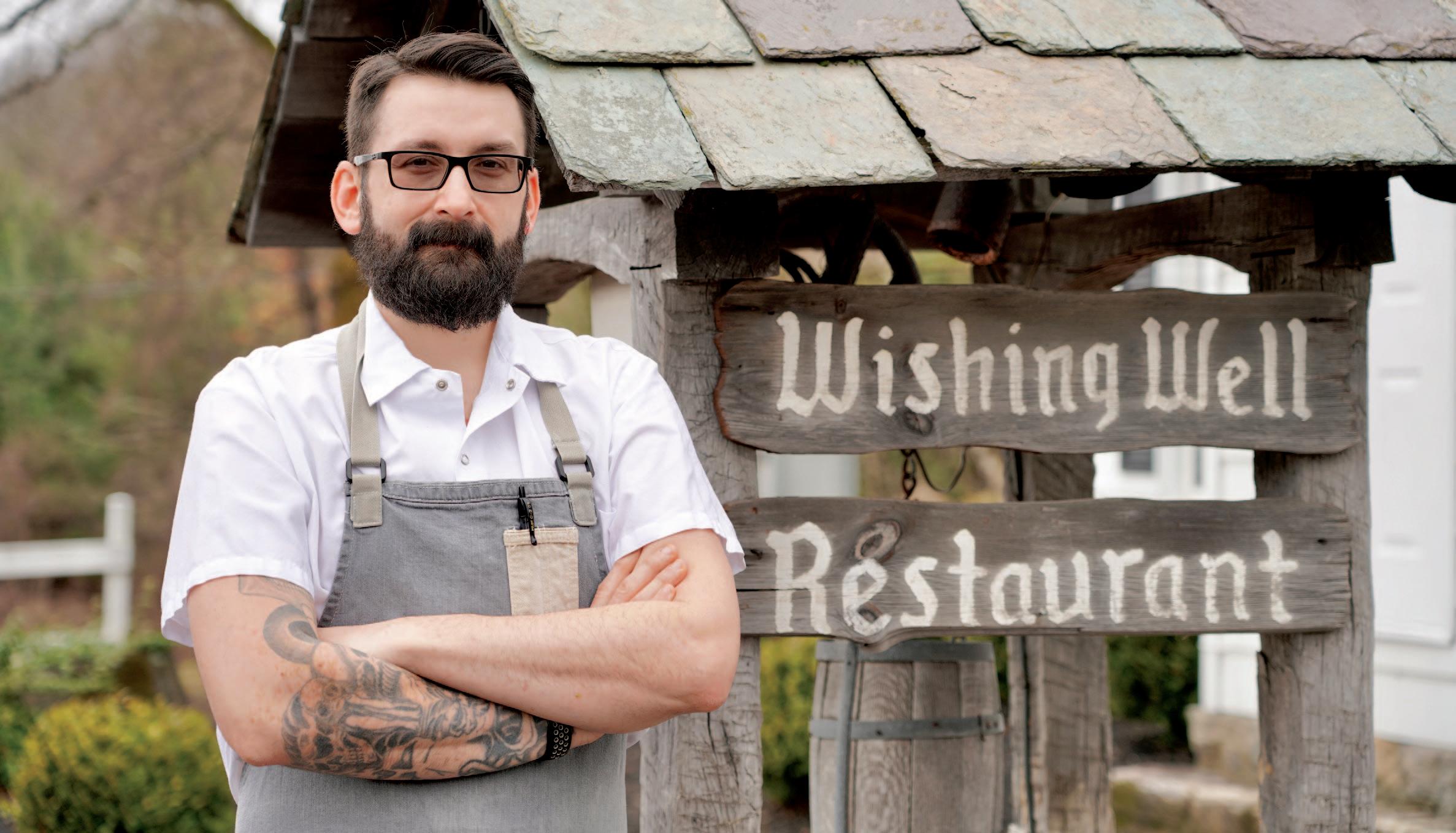
I met Bob Lee, the owner of the Wishing Well Restaurant years ago at his other venue, the Brook Tavern when it had first opened. He was mingling with customers, laughing and interacting with everyone. He's just that type of guy. He's genuinely a nice person, and everyone says, "they know Bob" because they actually do. Bob is everyone's friend, and he genuinely wants to know who his guests are when they dine at his venues.
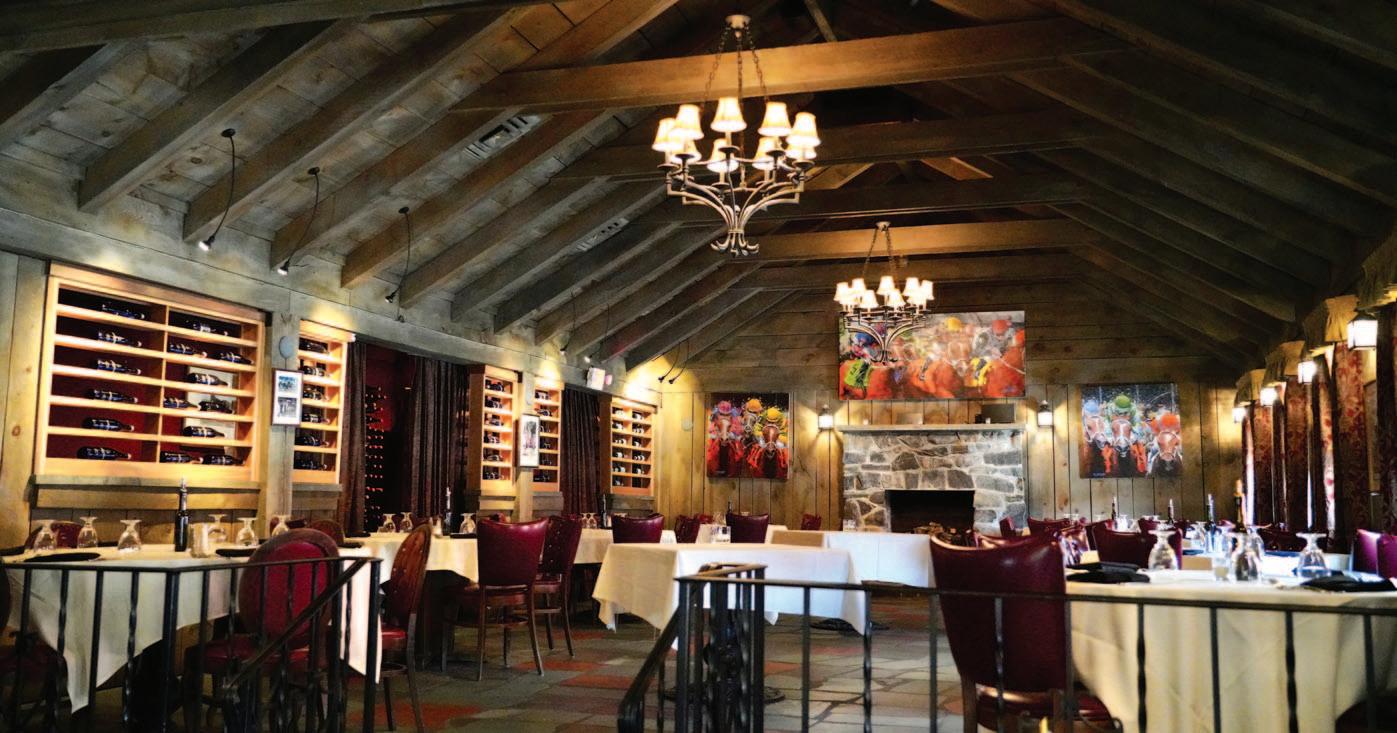
Opening in 1936, passing through the hands of many owners, Bob's family purchased The Wish ing Well in 1968. "It was a classic story, par ents running the restaurant downstairs while the kids were in the living quarters upstairs. We grew up working in the restaurant," Bob shared. "Some people come for the history, others for the food, the convenience, or the relationship to our family. But for whatever reason they are here, we like to think that we provide the hospitality they are seeking. Guests recognize familiar faces when they arrive," expressed Bob.
"Our menu is a reflection of Continental Cuisine. Our goal is to take that foundation and expand upon it, both from a seasonal ingredient as well as a presentation standpoint." Bob tells me, "Our chef, Patrick Brown, has been instrumental in moving the restaurant forward from a culinary perspective while showing great respect for the traditional dishes people enjoy. Inspiration takes many forms, and Chef Patrick embraces new concepts and techniques in a way that has been well received."
It was truly a pleasure to meet Head Chef, Patrick Brown and experience his incredibly creative and stunning gastronomic dishes. Chef Pat started as a dishwasher at Longfellows in the '90s working his way up to chef de cuisine, added Mirror Lake Inn, Interlaken Inn, and restaurants in Boston to his resume before coming back home where he has been Head Chef at the Wishing Well for the past three years.
When I asked Chef Pat what inspires him, he shared, "Mostly, I draw from the chefs that I’ve apprenticed with, trying to revisit and refine dishes that I’ve done in the past. My dishes are constantly changing. Inspiration comes from everywhere if you just slow down enough to listen, smell, or even taste. Most of the time I think of a dish and ask, “Why is this product like this?” “How can I incorporate another product into the dish that can change the experience as a whole? A lot of the time, however, I connect to the dish in its original classic form. Some things just weren’t meant to be changed." said Chef Pat.
I must say that the food here is creative, plated beautifully, and unbelievably delicious. I'm now adding the Chicken Liver Pate with cornichons, whole grain mustard and crostini to my favorites list. I need to go back just to eat this again.
The Lobster Bisque, made with a lite cream and large chunks of lobster is delicious and offers the most delicious aromatic experience.
If you like burrata, you will truly enjoy the Maplebrook Burrata with pine nuts, arugula, pesto, and crostini. I may have eaten this entire starter by myself. Let's just say that I didn't share it with anyone.
The Heirloom Tomato Carpaccio is a refreshing and creative dish served with mixed greens with a roasted tomato emulsion and olives.
I love when I don't have to add salt or pepper to a steak that is served to me. The prime sirloin steak with a Cabernet demi glace topped with house made chips was seasoned perfectly. The flavor was great.
I've mentioned a few times before, I love duck. The Slow Roasted Duck, drizzled with a raspberry duck glaze, topped with an arugula salad, and accompanied with golden beets is excellent.
Dessert is served! Taking into consideration that Chef Pat is not a pastry chef, he figured out on his own how to make dinner decadence for those with a sweet tooth. Like his stunning Blueberry Mousse with blueberry gel mirror glaze over al mond lemon cake.
The Wishing Well, located at 745 Saratoga Road, Wilton, New York, is not only well known, but is truly a well loved restaurant by many. If you haven't had the pleasure to dine here yet, make your reservation soon.
Blueberry Mousse with blueberry gel mirror glaze over almond lemon cake.
"We Help Make the World Better by Bettering Ourselves"
The
RiP Security Group
by Rona Mann
Before you can understand the realization, you have to understand the dream.
To accomplish great things, we must not only act, but dream, so when young Duztin Watson dreamed and others told him to stop dreaming big or he'd find himself one day at age 50 with nothing but his dreams, he ignored them. In stead he threw himself into a lifelong pas sion for learning and married that learning
with hard work to support those dreams and whatdaya know? His dreams came true and are continuing to do so every day of his life.
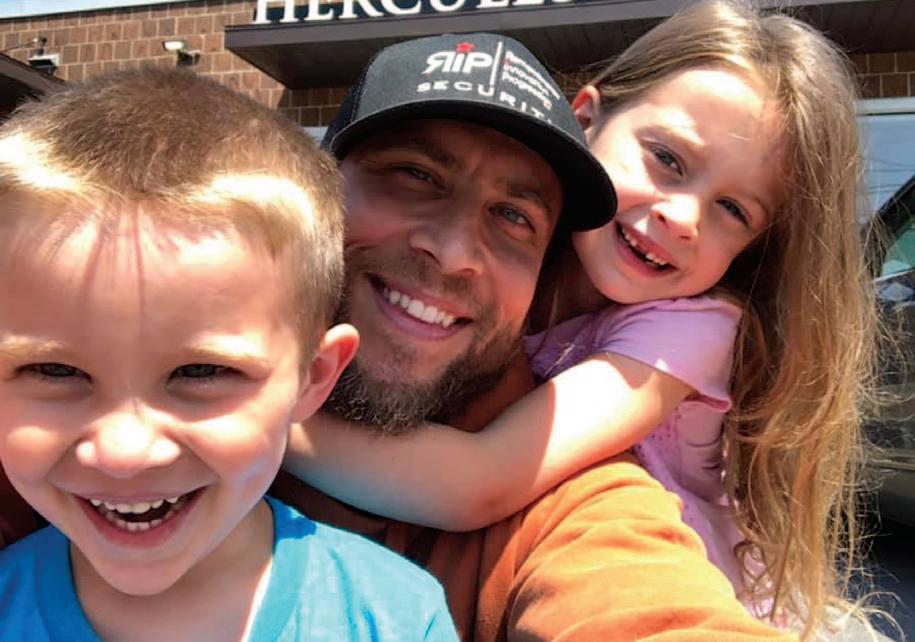
Before you can understand those dreams, their reality, and how they came to benefit so many, you have to first meet the man...Duztin Watson. No, this is not a printer's typo. His name is Duztin. It's different, unique, makes you remember him, and perhaps that's exactly what was intended. Because who he is, how he approaches his work, the people he employs, the ones he meets along the way, and the deep and abiding love of his family and country make him that unique individual.
love to learn. I wake up every day wanting to learn something new."
Not everything Watson touched in his life turned to gold. Admittedly, he had several business failures along the way, but true to the way he does things, "I learned from them. I
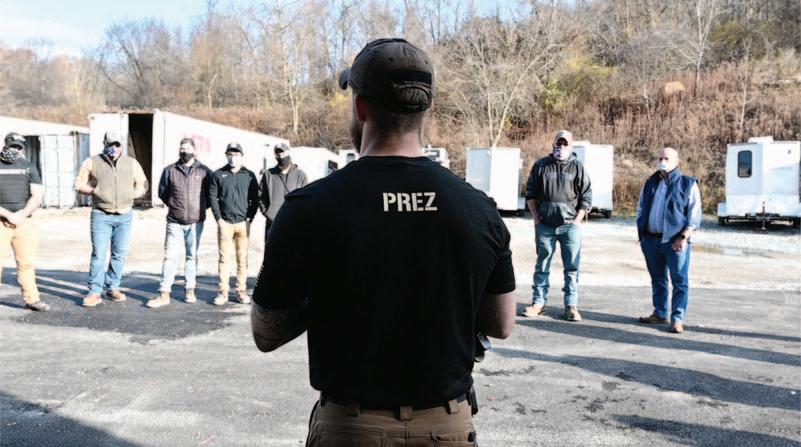
Early on, Duztin identified as a protector. As a young child in school when others were bul lied, he was there ready to step in, help the victim, and de-escalate the situation, although at that age he didn't even know the meaning of the word. He just did it. In high school, when others were offering drugs and alcohol, Duztin was offering help when needed. "I was always driven to be a responder, and I knew my future would be determined by the deci sions I made. So when a mentor told me to figure out what it was I did best and
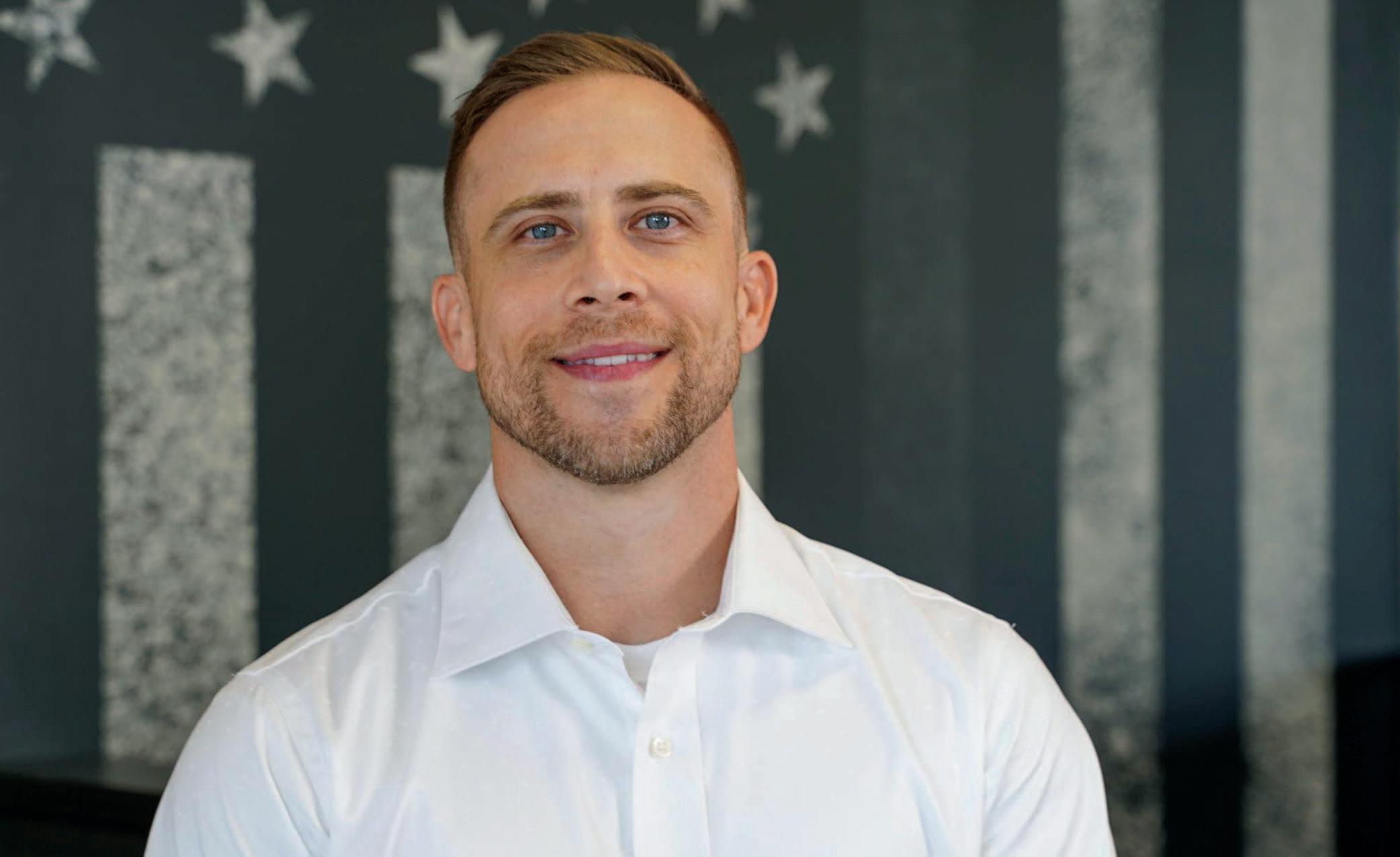
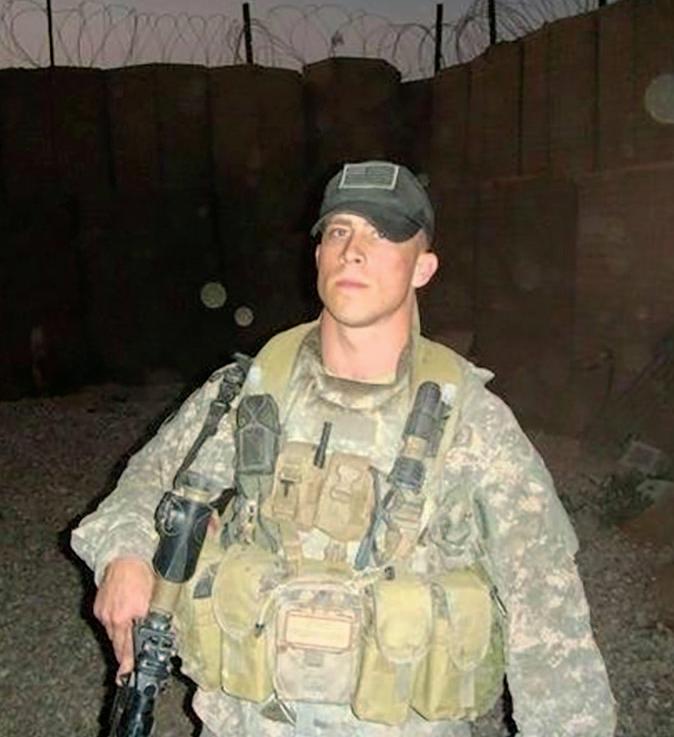
Duztin Watson - President of The RIP Security Group
then go in that direction, I did exactly that because what I did best was an alyzing risk and putting together the pieces to ensure safe outcomes."
Raised in Houston, his growing up years were rough for many reasons, divided between a mother who lived in a rural area and a "rugged" father whose home was more in the city. "I couldn't look at them as my role models and adapt, so I learned to read the world on my own."
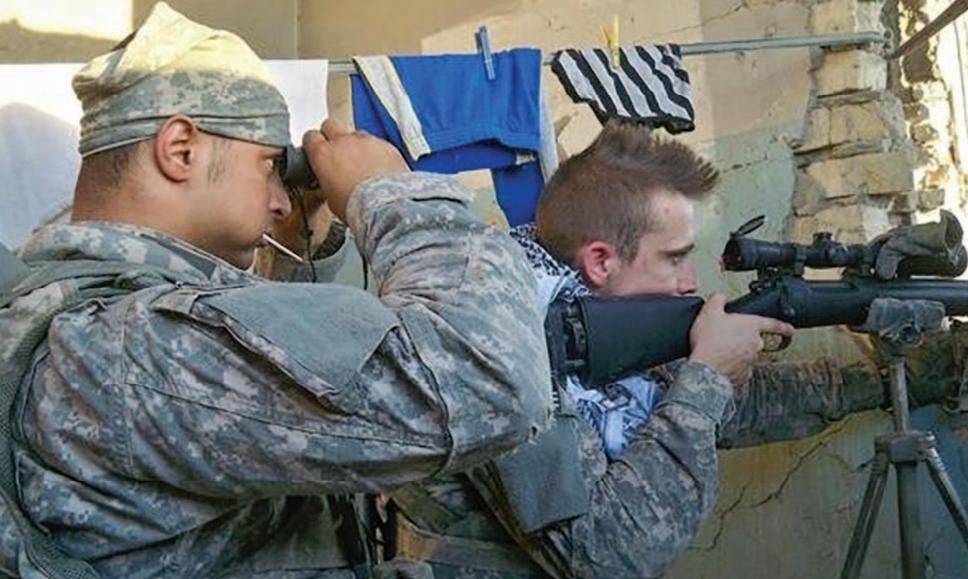
Watson did not go to college, but instead enlisted in the service and became a qualified United States Army Scout Sniper during Oper ation Iraqi Freedom. He says little about this except, " It was an interesting time in my life. I loved the preparation and the training, but then you find yourself in a war zone, and it gets real."
He did not stay in the military beyond his tour of duty because he felt he could do more good in the private sector, however, when he came back in 2007 he could not shake the memory of the friends who were not as fortunate and never came home. "I kept wondering, how do I pay respect to the friends I lost overseas? So I started my company, The RiP Group as a living memorial to them to help make secure and protect others. I kept wondering how would they want to live their lives, so I created my company as a platform dedicated to being supportive and caring of people."
Today the RiP Group has grown exponentially protecting individuals and businesses throughout the United States and internationally as well. It would be impossible to describe in these pages the entire scope of services Watson's company offers, but we will generalize. You will have
to personally contact RiP to allow them to consult with you, find out specifics needs, and then tailor a plan to meet those needs...and then go beyond. Here is something to whet your security appetite. To get you thinking not only about what you believe is needed for protection, but also those things you don't yet know that The RiP Group can provide.
Safety and security is more important in our world today than ever before. Whether it's the threat of porch pirates grabbing packages or something far more substantial, it is not to be looked upon as, "Oh, it won't happen to us." It happens to people every day from the middle class homeowner to the major corporations, which is why RiP operates under five major braches:
RiP Security... providing legally licensed, bonded, certi fied, and insured individuals to protect people and property, tailored for individual needs. This is not hiring a hulk to stand at the door of your nightclub and check IDs! It is facility, mobile, remote, rapid response, event, corporate, and personal services.
2 Six Advisors...professional health and safety consulting
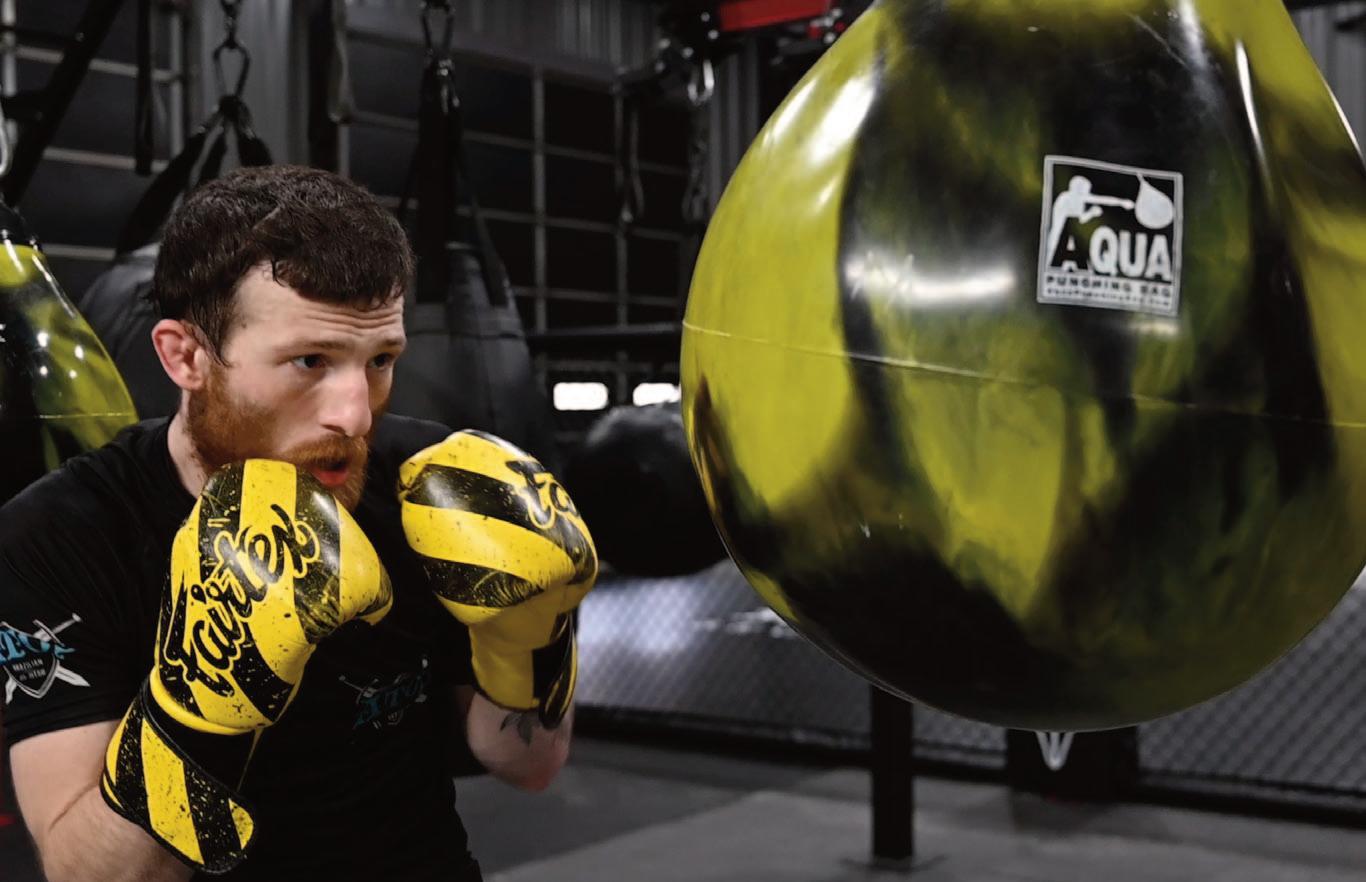
Zig Sacrifice Instruction Group...comprehensive training for your employees with both mental and physical components covering a wide swath from unarmed readiness to firearm safety, CPR, stop the bleed, jiu jitsu, and tactical emergency care.
RiP Rentals...temporary rentals of security equipment to ascertain what may work best for your specific needs
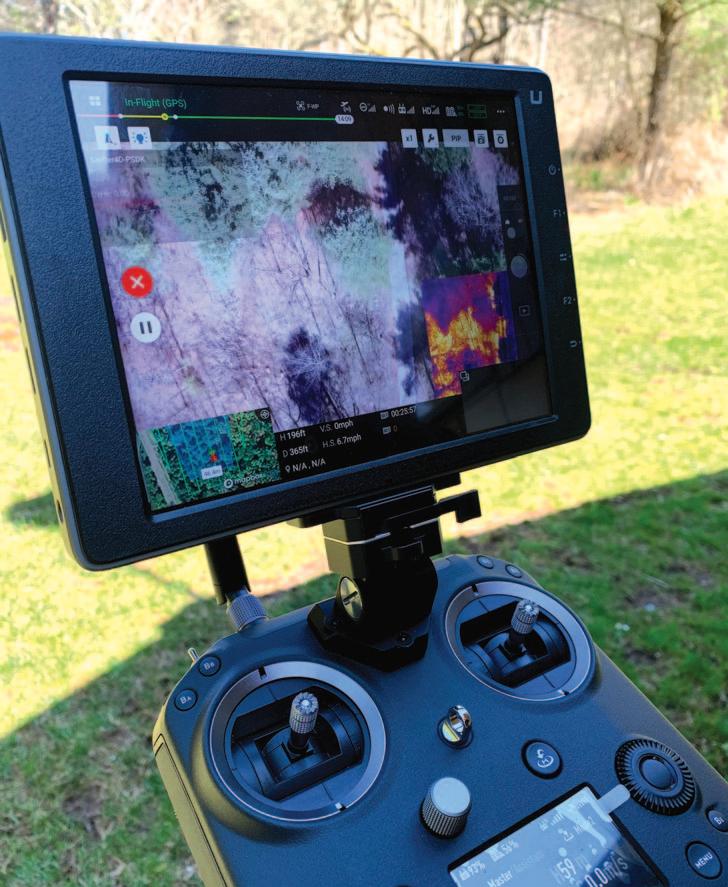
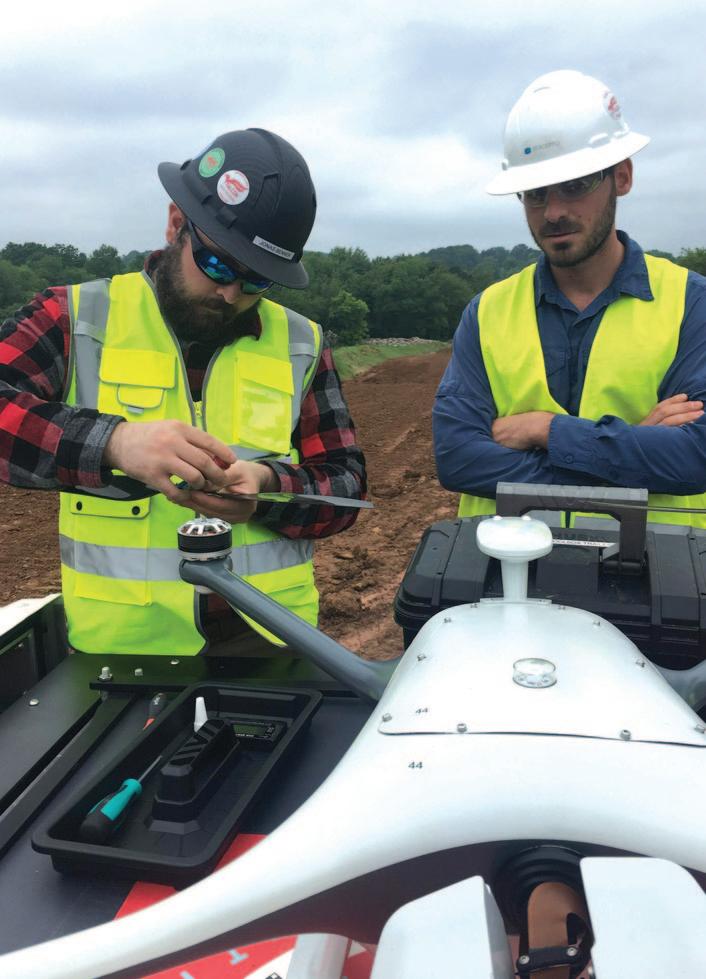
RiP Aviation...this is both drone and aviation security, and RiP can either provide pilots or provide the necessary training and instruction
RiP at present carries open security licenses in New York, Pennsylvania, Ohio, and West Virginia, but can work nationwide as well as OCONUS (outside the continental United States). They thrive in the business to business world with high level legal involvement, and in the 10-plus years they've been protecting people, their company, their team of
highly trained professionals, and their reputation for results have grown. The little boy who grew up hating bullies and wanting nothing more than to create a platform of protecting and securing to pay homage to his fallen buddies has now come full circle.
He's still nearly a decade away from his 50th birthday, that milestone year he was warned early on would come, and he might find himself with nothing achieved, sitting only on a pile of dreams. Well, they were half right. When Duztin Watson reaches the age of 50 he will still be dreaming be cause that's precisely what powers him, what keeps his insatiable hunger for learning going, what lights the fires deep within his soul. He admits he lies awake at night dreaming, planning, fine-tuning his company to find the best ways to protect and keep safe individuals, companies, and the world.
"We help make the world better by bettering ourselves. That's what I believe in. That's why we do it, and therefore I believe we are the best trained security company in the United States."
And that's why it's good have BIG dreams.
To start learning even more about how The RiP Group can protect and secure you and all of your needs, whether personal or business, visit: www.ripusa.com or call (800) 833-INeedRiP
INSTINCTIVELY DIFFERENT>>
A Rare and Gifted Spirit
Talented
indie-folk singer Belle-Skinner takes her name from a humanitarian and music collector who lived centuries ago.
By Kirsten Ferguson
Photos by Mila Kapustina/milakapustina.com
The Belle Skinner born in 1866 was a classical music lover who led a rehabilitation effort in France after World War I. Described as a “rare and gifted spirit,” Skinner amassed a collection of rare instruments from around the world during her life. At Vassar College in Poughkeepsie, where she graduated as class president, the Skinner Hall of Music bears her name.
Belle-Skinner is also the moniker of indie-folk musician Maria Brosgol, a Troy native and Vassar alum. She first learned of the original Belle Skin ner from a plaque in the entry to Skinner Hall, a French Gothic building on the Vassar campus. Inside, the beautiful concert hall mir rors the Loire Valley style of the ancient town in France that Skinner reconstructed.
While at Vassar, Brosgol studied classical guitar and received a fellowship to study music pro duction in London. “My last year at Vassar, I started to get into music a lot, so I was spending every day at Skinner Hall,” she says. “I made an EP there, and I almost named it Belle Skinner. Later on, I was thinking of going by a moniker, and that name was always meaningful to me. It’s funny because the algorithm confused Google, which feels like a triumph because they say that I’m a nineteenth- and twentieth-century philanthropist who died in Paris, but I also have albums on Spotify.”
The Belle-Skinner name seems to fit a singersongwriter who is often described as “darkly nostalgic” and grew up listening to everything from Joni Mitchell and Radiohead to iconic French pop singer Françoise Hardy. Her most recent EP, “There Grows a Tree in Paradise,” recorded live to tape just before the pandemic, is
a collection of covers featuring an eclectic mix of artists, in cluding Dolly Parton, Joan Baez and Bob Dylan.
Belle-Skinner’s previous full-length album, “Violets,” shares a sparse, lyrical and sometimes ghostly vibe in the vein of haunted British songwriter Nick Drake, a nother influence. Jason Brown of Saratoga Springs’ Starling Studios recorded the album, which features an array of instruments performed by local musical mastermind Eric Margan.
“I have a classical background, so I really focus on melody more than anything,” Brosgol says. “I do write happy songs, but I also write dark subject songs or songs with an ironic twist. I think that's where the darkly nostalgic description comes from.” She points out that the Belle Skinner name combines a lovely sounding word with a word that has more ominous undertones. “That was kind of a coincidence, but later on I realized why the name works,” she says.
Born in Troy, Brosgol lived in Queens, Albany and Brooklyn before graduating from high school. Her parents are from Russia, a background that surely brought a cultural influence to bear on her music. “My mom lis tened to a lot of European music, not just Russian music but French music as well,” she says. “I went to a Russian camp growing up, and we sang a lot of Russian folk songs. Somebody said to me a couple of years ago, ‘Your music sounds like it’s inspired by Russ ian Orthodox choir music.’ I sing in a Russian choir, so maybe there is something to that.”
In late April, Belle-Skinner per formed at Troy Savings Bank Music Hall, a National Historic Landmark renowned for its acoustics. The show, where Bros gol stood on a balcony and sang to an empty theater, was part of the hall’s recent UpLift se ries, which commissioned
mu sicians to create new music reflecting their emotions and experiences over the past year of the pandemic. Each song was filmed and premiered online.
For the series, Belle-Skinner debuted “It Must Be Spring,” a tune that contrasts seasonal renewal to the darkness of winter. “I had about a month to write something,” Brosgol says. “I wrote a bunch of songs, but they didn’t really seem to fit, and then like three days before, I was inspired to write a song that seemed perfect because it con trasts spring to the hopelessness of winter. The parallel [to the pandemic] is pretty apt.”
For Brosgol, whose future plans include more recording, the pandemic presented both positives and negatives. “Because of live streams, I’ve been able to perform in some really cool places and get exposed to different audiences that might not have seen me otherwise,” she says. At the same time, the isolation and winnowing of options were fruitful at times.
“Modern life is just a big hamster wheel, and social media kind of gives you the illusion that you’re busy and doing something important,” she adds. “I think having everything slowed down a little bit gives the opportunity to work on other things that maybe you were neglecting.”
The 50’s “Picture Show!”
by Karen Richman
Back then they weren’t called “movies” very often.
Even Hollywood-types referred to them as “pictures,” a shortened form of “motion pictures,” which was already a derivation of “moving pictures.” But we just called them “the movies,” and there was ab solutely nothing better to do on a Saturday afternoon than going to the movies.
Back then, awash in the innocence of growing up in the ‘50s, there was almost a new show to look forward to every week because unless they were super blockbusters, movies came and went every seven days. So if we read in Photoplay or Modern Screen magazines – the popular “movie magazines” of the era - that a special movie had just been re leased and would be in theatres soon, we kept our eyes and ears wide open, so as not to miss it.
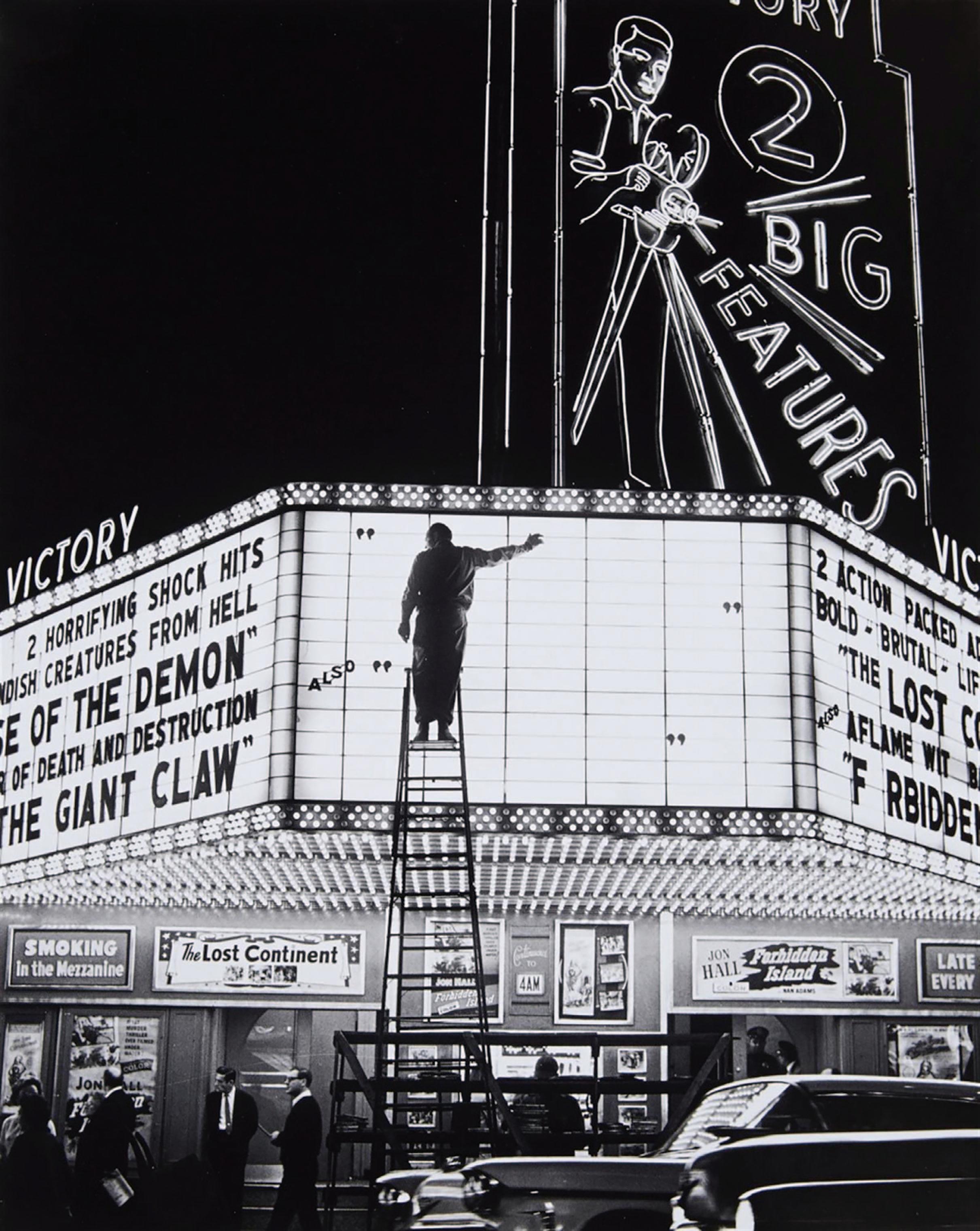
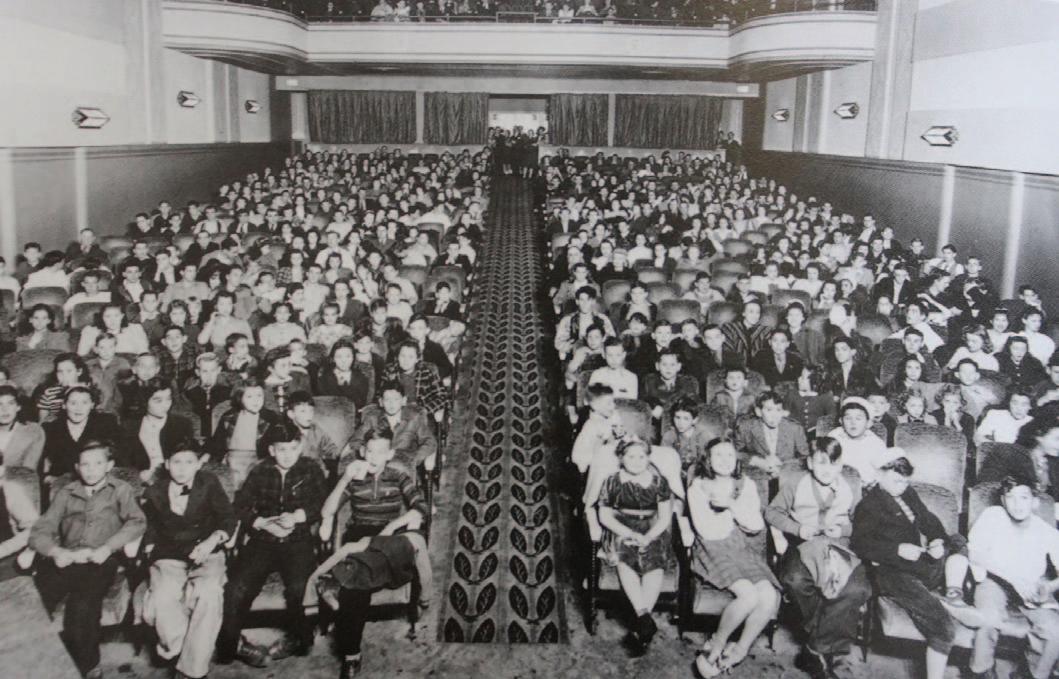
There were three movie theatres near my home: The Palace, The E m bassy, and The Hollywood. Actually, there was another, the Ormont, but they showed mostly foreign films, some of which were considered “not for children,” so we never went. But really, The Palace, The Embassy, and The Hollywood fulfilled our entertainment cravings just fine. They all had ornate marquees announcing what movie was playing that week and who starred in it, and The Hollywood had a Spanish style facade on the outside and a glass partition inside at the rear of the orchestra section. It was held together with detailed brass posts and was obviously a throwback to those days when the theatre had live acts and would be sold out to “standing room only.”
I remember movies being 25 cents for children 12 and under, 50 cents for teens; if I went with my mother, she had to come up with an extra dollar for herself. But the most fun was going by myself with a giggly girlfriend in tow. We thought ourselves very grown-up, even though we were being dropped off and picked up by parents, but we still pretended to be two single women out on their own.
Outside every theatre on each side of the building were two glass en closures that held posters, one for the movie that was currently playing and one that was “Coming Soon.” These were enormous color
posters with photos of the stars: Rock Hudson, Doris Day, John Wayne, Gene Kelly, Tab Hunter, William Holden, Clark Gable, Kim Novak, Vincent Price, Marilyn Monroe, all our faves. The box office was al ways located outside the theatre, encased in a glass booth, and that always made me wonder how hot and miserable the lady inside that booth would get in summer or how cold she probably was in winter. Even if it were apparent that it was just me and my best friend, Jane standing in front of her, she routinely asked, “How many?” We would giggle, look around for a minute to drive her crazy, then cheerfully holler, “Two, please!”
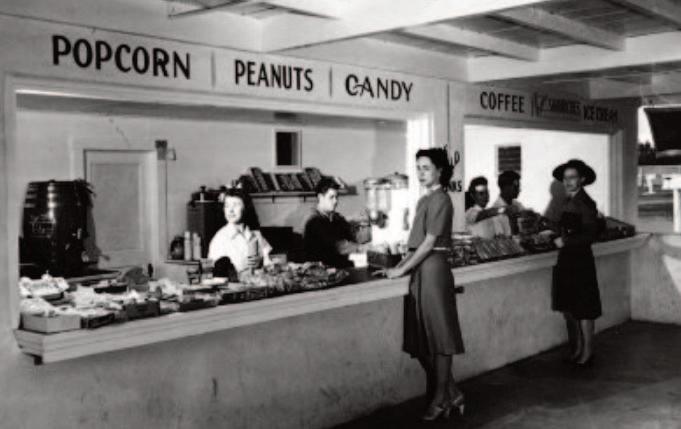
The moment we entered the theatre, the magic began. Velvet curtains, thick maroon carpeting slightly stained with soda drips, heavy crowd ropes hanging from steel partitions, and always that wonderful, intox icating smell of freshly popped popcorn. Behind the counter in some theatres they had hot dogs rotating inside an enclosed heating element, giving off that wonderful hot dog smell. There were also Clark Bars and Chocolate Babies and Spearmint Leaves, Junior Mints, and Good and Plenty by the box.
In the 1950s ushers were de rigueur at all movie theatres and always were immaculately attired. The ushers were always men and wore dark pants with a strip of satin going up the side of each leg. The rest of their uniform consisted of a white dress shirt, a bow tie, and either a vest or double-breasted Eisenhower jacket. They maintained strict quiet as they patrolled the aisles with their flashlights at the ready, waiting to quiet a noisy group or “cool down” an overly amorous couple.
Jane and I loved to sit way upfront, even though it usually meant a stiff, sore neck at the end of the movie, but we didn’t care. We got to look deep into Rock Hudson’s big brown eyes, and that made our pain all the more worthwhile.
We sure got our money’s worth back then. It wasn’t just one movie. It was Movietone News of the Day, a selected short subject or two, coming attractions that whetted our excitement for the ensuing weeks, a cartoon, and sometimes even a second feature! There were no multiplexes with recliners, nor hot pizza being made to order, ac companied by wine and beer; no pinball machines and other games in the lobby...there was just a screen, rows of attached seats with faded maroon suede bottoms, and a whole world of make-believe...an after noon of escape supplied by the movie stars we pretended to know as friends.
It was innocent fun, it was sweet - a unique, pleasurable experience that will not come again. But it did for a time, and as I look over my shoulder, I can see two young prepubescent girls with stars in their eyes looking up at the marquee and posters in silent wonder, then paying the woman in the outdoor ticket booth, and entering paradise.
Photo by Jenelle Rodriguez Photography
10 Things You Need To Know About Achieving Perfect Wedding Day Skin
By: Crystal Cobert Giddens, LE, INHC
You said yes. You have the ring. You’re excited and overwhelmed and SO EXCITED! There’s a lot to do and so much to think about and your lists have lists to make sure everything on the lists get done and…I’m out of breath already. How are you holding up?
I absolutely believe that the most important part of your face is your skin. Soft. Glowing. Healthy…it’s the canvas for your makeup on your big day and everyone will have their eyes on you.
My first and most important piece of advice? Find a professional to help you on your skin care journey.
Please don’t rely on store bought masks, DIY facial parties, your aunt’s ad vice about baking soda and vinegar (yes, it happened) to get your skin glowing and healthy. Find someone you can trust to help you. I cannot tell you how many last minute, com pletely panicked brides (and moms) have called me the week be fore the wedding because they over exfoliated, used a harsh peel or went into a picking frenzy and now their skin is red, inflamed and ANGRY. Everyone’s skin is different, and what work’s for your best friend or that beauty blogger on IG may not be the best fit for you and your skin. Sometimes it can take MONTHS for the skin to calm down after it’s been over stimulated or triggered.
So, let’s avoid that, shall we? Here is a cheat sheet of the top 10 things you should know about achieving your best skin before your big day:
6. Thinking about lash extensions? Get your first set at least 2 months in advance. Dermal filler? 6 months in advance. Botox or other neurotoxins? 3 to 6 months before your big day so those expression lines have time to soften. Lip Blush, Powder Brows, Microblading or any semi-permanent enhancement? 6 months in advance so everything has time to heal and you have time for a touch up if needed. First time waxers? 2 months in advance please.
7. PLEASE don’t over-tan or go crazy with the self tanners. A little sun kissed glow is lovely…but you still want to look like YOU. Please use your SPF and consider wearing a hat while you’re outdoors.
8. Eat Super Foods for Super Skin. All skin types - oily, dry, normal or combination - crave water and oil. Yes, healthy fats are essential for glowing, supple skin. Avocados, almonds and olive oil are a great place to start. Need a little more water in your diet? Snack on naturally hydrating foods like wa termelon, cucumber and grapes. Sip on water with a little lemon, berries and a touch of honey or add fresh basil with some sliced strawberries to your water bottle. Leafy greens contain Vitamin K and can help promote skin healing after a br eakout. Try kale, spinach, any let tuce or cabbage. These greens con tain a lot of water which also helps with hydration. Try eating more salads and load them up with your favorite veggies and fruit.
1. Prioritize skin care over makeup. Thank goodness the heavy, contoured, quadrupled layered makeup looks are on their way OUT. Healthy, radiant skin is what we are finally seeing again. Nothing makes you feel more confident on your big day than beautiful, glowing skin. The right treatments paired with the perfect skin care can make a huge difference. I promise.
2. See a professional 10 to 12 months before your big day to figure out exactly what your skin needs. If you don’t routinely get facials, then find a licensed esthetician with a lot of experience and a great reputation to evaluate your skin and discuss options.
3. Maskne is real. Friction from wearing a mask everyday, plus the stress of a pandemic combined with bacteria = breakout city…aka MASKNE. We can help you eliminate it if you give us a little time.
4. Long baths, facials, massages, manis and pedis…any type of treatment for the body, are not luxuries; they are essentials - no matter how busy your life is at the moment. Feeling good is as important as looking good.
5. Pamper your lips. Make sure you exfoliate at least once a week. You can mix raw coco butter, or shea butter, with a little sugar to form a paste and gently scrub away dead, flaky skin. Follow up with a natural lip balm and you’ll be ready when they say, “you may kiss the bride”.
9. Avoid foods that are known to cause irritation, redness or allergies. Dairy has been shown to cause tummy issues and breakouts. Wheat can cause bloating and itchy skin. Spicy foods and too much alcohol can turn skin that tends to be flushed and a little red into really pouty skin that can take weeks to calm down.
10. Start taking your vitamins. Zinc helps with acne. Collagen helps maintain skin’s firmness. Vitamin C is found in high levels in the epidermis (outer layer of your skin) as well as the dermis (inner layer of skin). Taking Vitamin C enhances the effectiveness of your sunscreen, is a powerful an tioxidant that helps boost your immune system and is a key ingredient in fighting the signs of aging because of its vital role in the body’s natural col lagen synthesis. Vitamin D3 helps promote beautiful new skin cells, en hances repair and metabolism. It enhances the skin’s immune system and helps destroy free radicals that can cause premature aging.
There, you have it! Now go find the perfect dress or outfit. Order that bou quet and taste those cakes. Schedule those facials and get the right skincare. Find your makeup and hair people and book that trial. Get your manis and pedis and schedule that massage. Find a professional that listens to your wants and needs. We are out here and truly want to help you have the most amazing wedding…ever!
Crystal Cobert Giddens LE, INHC FACES of Saratoga - 489 Broadway, Suite 3, Saratoga Springs, NY www.facesofsaratoga.com - 518-396-7403