Stephanie Sittnick - Director of Sales ( 860) 227-8199 adver tising@518mag com
CO
Carol St Sauveur Ferris, K aren Richman, Rona Mann
Adirondack Winer
Two Stones
Look ing for ward, Look ing Back, Sculptor Noah Savett
pg. 4
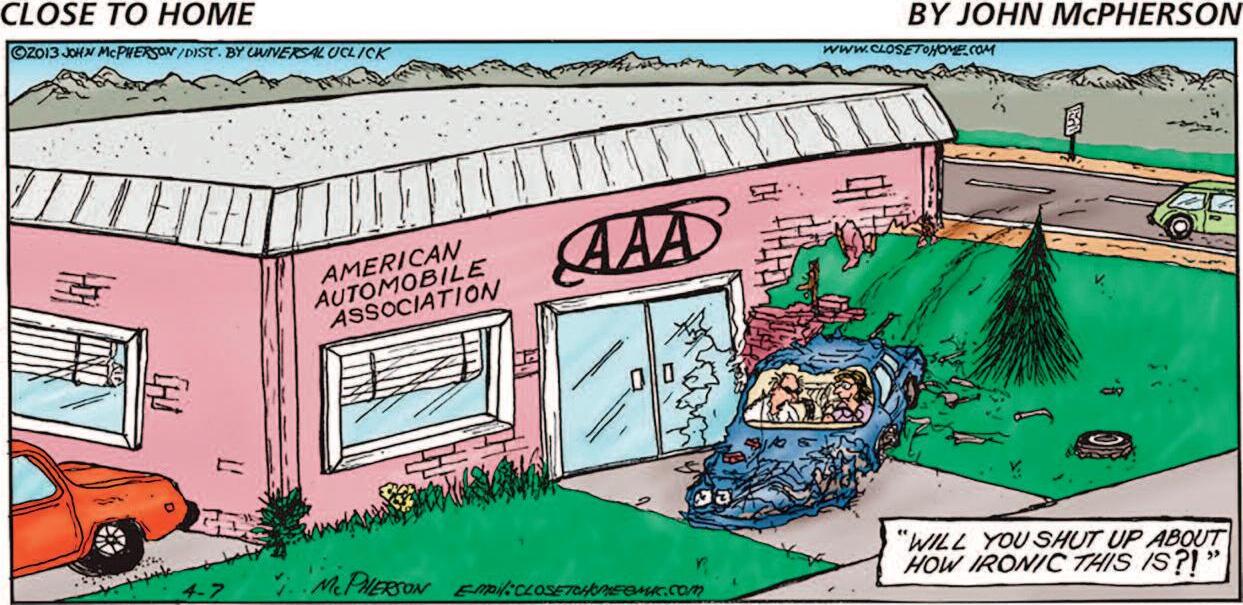
Small Town Boy Keeps It Close to Home John McPherson, the Best Known Anonymous Guy in Town!
pg. 12
5 1 8 PROFILES has adapted to our surroundings This digital issue will reach readers with one click to enjoy in the safet y of their homes and also allow them to share it online with their friends and fellow business owners
P
f a vorite restaurant is more impor tant then ever at this time Are the storefronts you frequent closed? Please go to their website and shop online
We want to enhance the sense of community and we would like yo u t o
c re ative people and interesting places, and we are not going to slow down now.
Enjoy the issue!
Stephanie Sittnick Founder / Publisher
518 PROFILES 587 Grand Ave Saratoga Springs, NY 12866 w w w.518profiles.com P U B L I S H E R / F O U N D E R
pg. 20
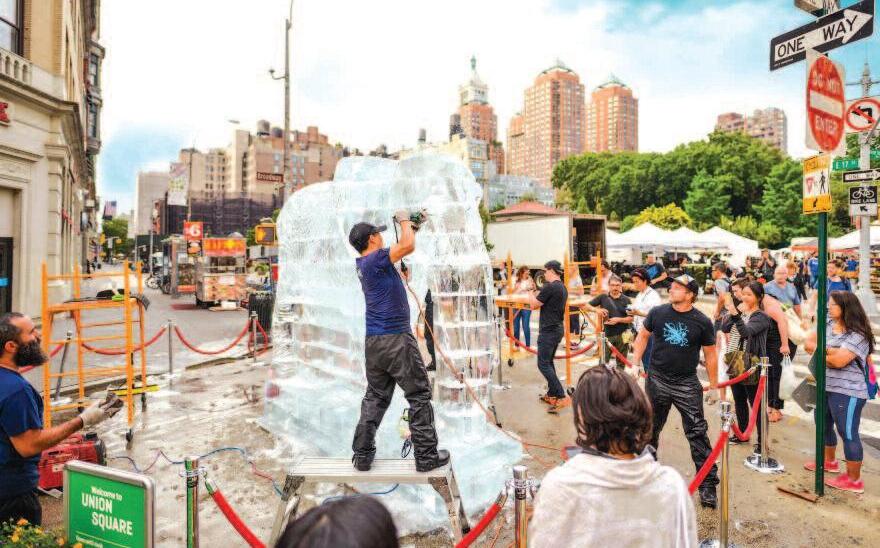
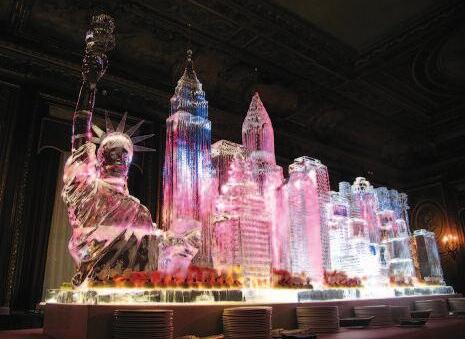
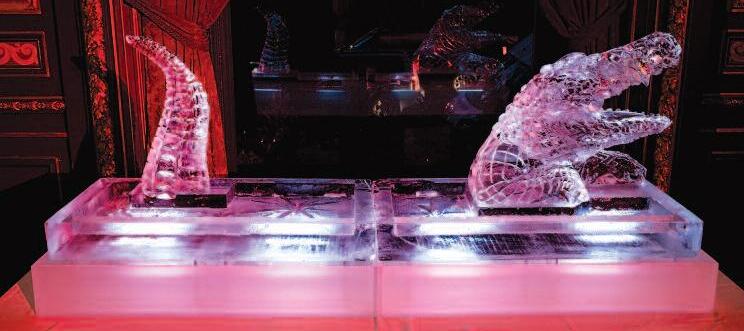
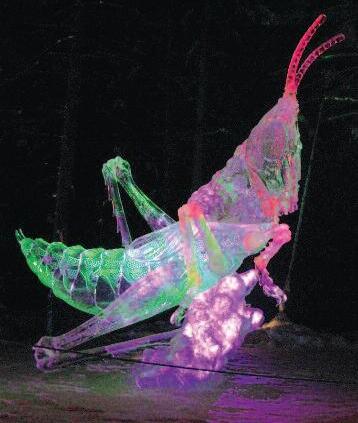
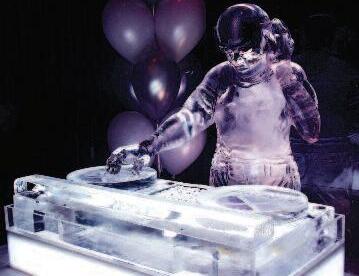
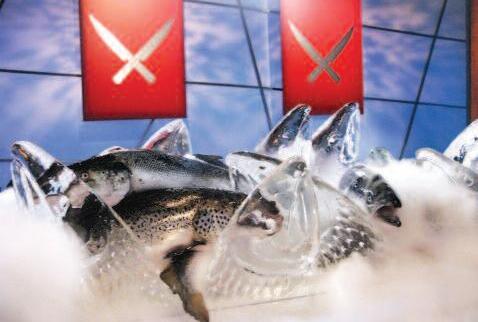
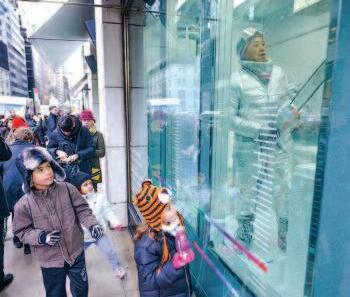
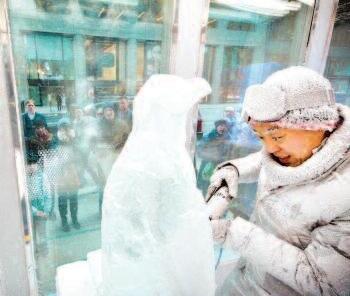
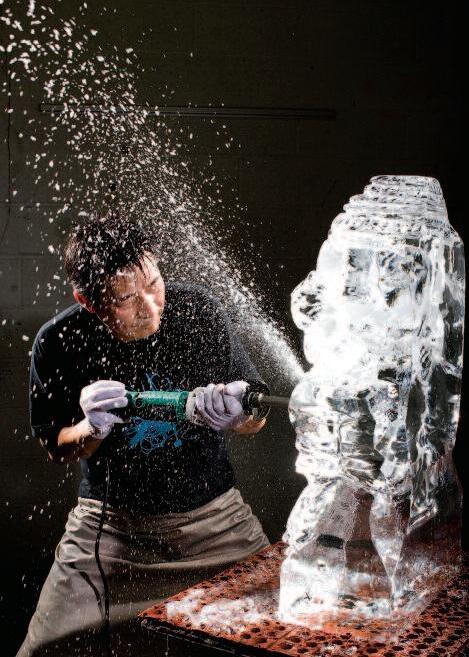
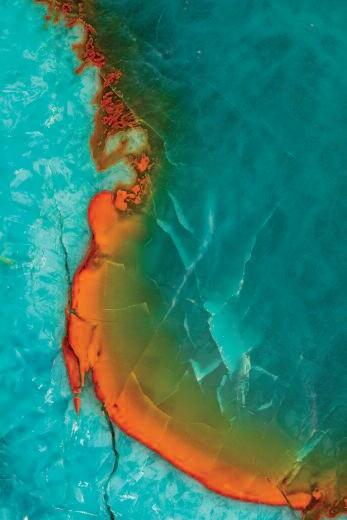
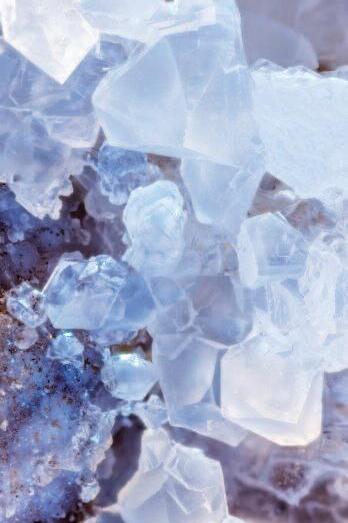
“Living in the Moment of Ice” The Ephemeral Ar t of OKAMATO Studio
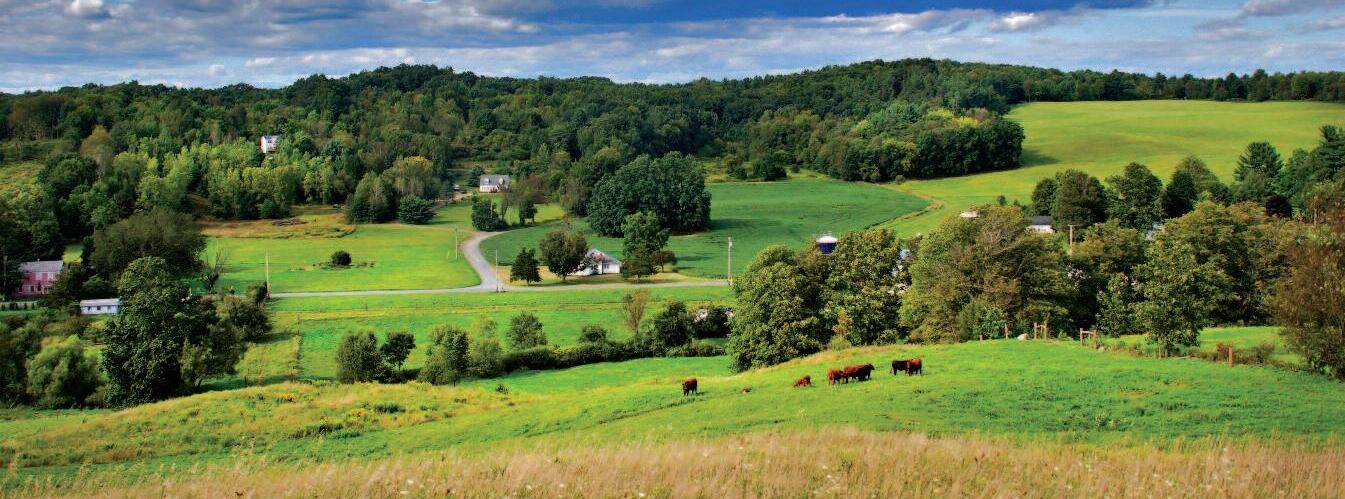
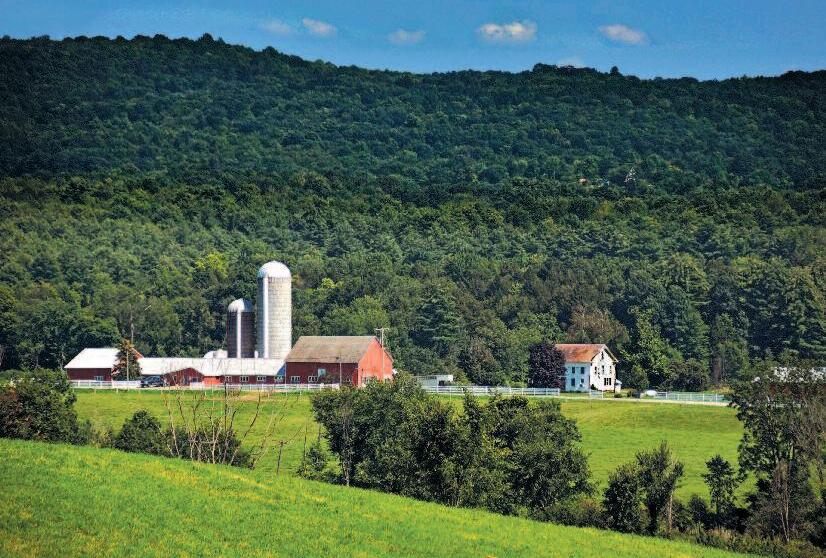
pg. 30 The Guardians of the Soil How the Agricultural Stewardship Association is protecting precious local farmland from development
518.695.3181 | 96 Broad Street Schuylerville, NY
Located just minutes from downtown Saratoga Springs. The Laffer Gallery is a contemporary fine art gallery and full-service custom frame shop. Exhibitions ranging from realism to abstraction rotate every 4 – 6 weeks, with opening receptions for each exhibit.
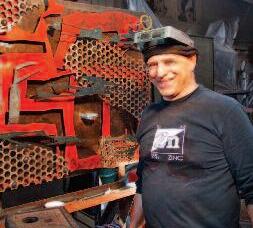
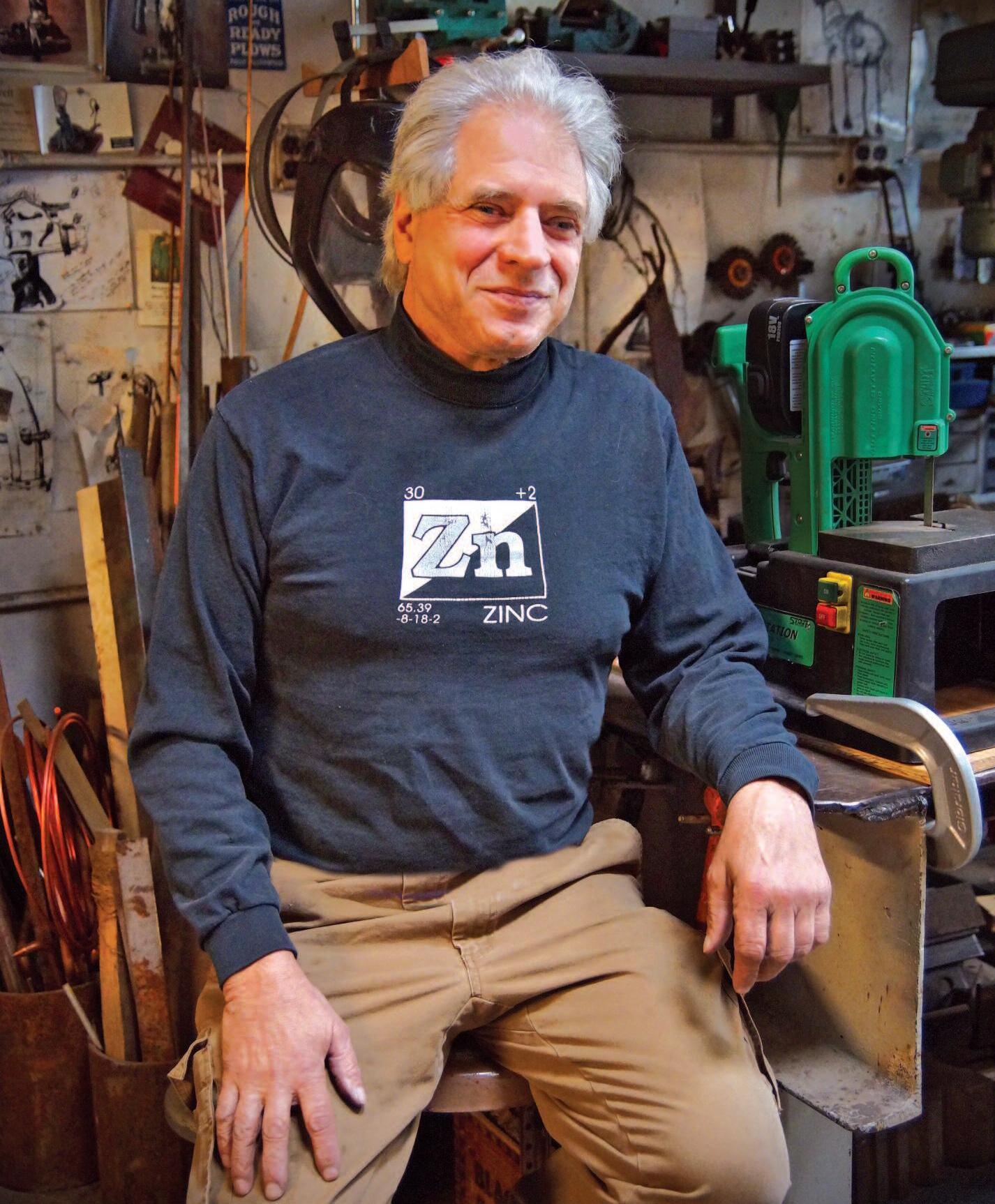
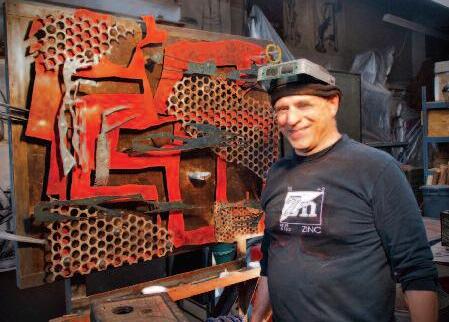
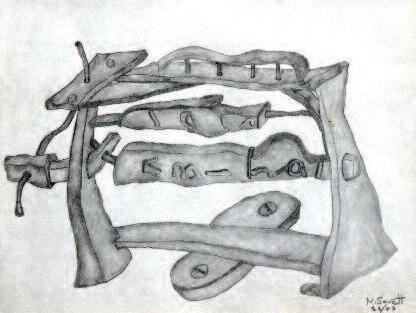
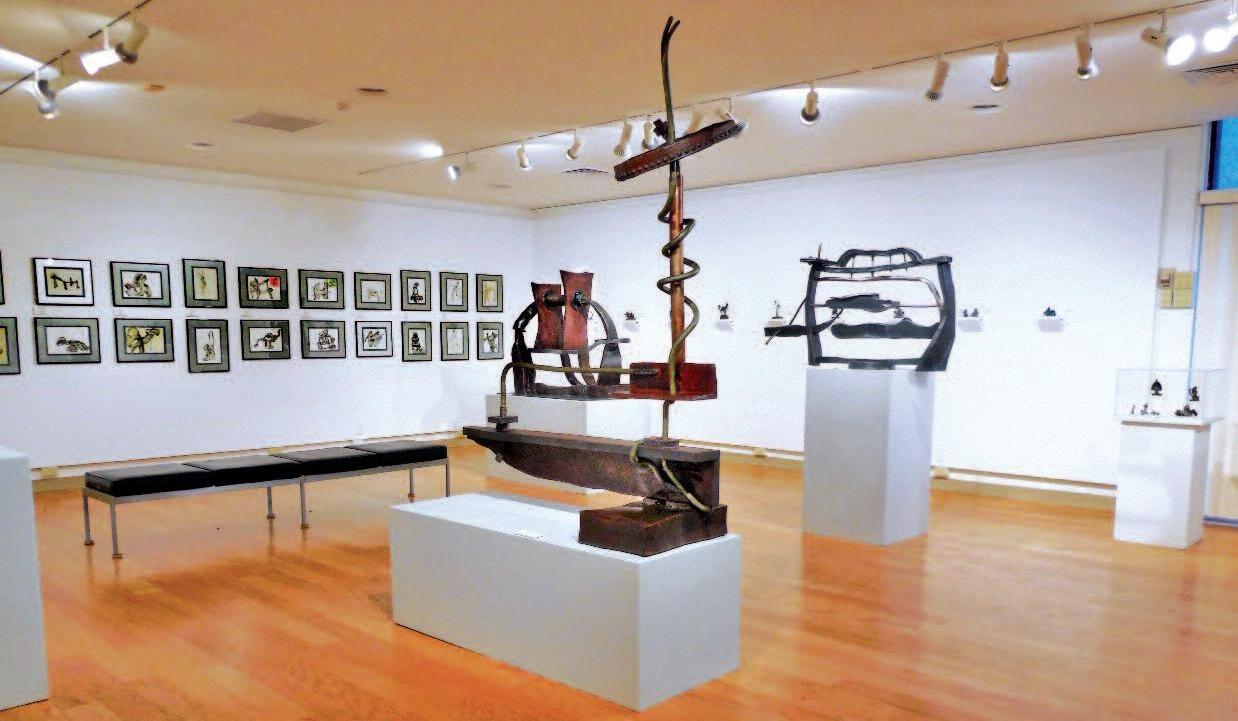
Sculptor Noah Savett is a happy man these days with an easy smile and relaxed manner. The Utica, New York native exudes well being and contentment, which is well earned. He’s re c e n t l y c l o s e d h i s s
b u s i ness, NS Associates, which afforded him
cultivate and curate. His son is now a junior in high school, his daughter happily settled in Southeast Asia, teaching English to elementary school children. He’s found a wonderful
the ability to move and work with steel on a l a rg e s c a l
n d required his careful attention round the clock. He’s put his house in town up for sale and moved a bit further outside of Schuylerville, New York, where he enjoys a lot more land to
e n gaged to be married come autumn There’s a confluence that he recognizes and deeply appreciates, all things coming together He is ready for this, he has earned this, he’s a man in full
He was exposed to art at an early age - his mother was very active at Utica’s Munson Williams Proctor Art Institute a n d
D i rectors of Sculpture Space In his senior year of high s
b i o g raphical novel of Michelangelo
E c stasy,” authored by Irving Stone. This connection inspired him to major in fine art at Antioch College in Ohio.
Savett explained, “Antioch pioneered the idea
o f i n t e r n s h i p E v e r y s e m e s t e r o f s t u d y w a s f o l lowed by a semester of work, so I had 90 weeks of work experience under my belt when I graduated ”
He cites David Smith (American, 1906-65) as an important influence, especially his fabricated work and use of found material. As a child, v i e w i n g S m i t
Letter, at M u n s o n Wi l l i a m s P
, i n spiring Savett’s 2008 work
T h e L e t t e
- H o m age to David Smith “I like artists that bring a sense of humor to their work, l
G
cometti
s , t h e kind of raw use o f material, not so much hard e d g e l i n e a r s t u ff This is a bit of a contradiction for David Smith, b e c a u s e h i s w o r k g r e w i n t o
t h a t s t y l e , b u t h i s earlier stuff w as more found o b ject a n d t h e w o r k f l u i d , ” S a v e t t s a i d H e c o n t i n u e d , “ Ye a r s a g o , I re n ted a house on Lake George, in Bolton Landing (where Smith h a d a s t u dio) for a week with other people in
t h e a r t s N o n e o f t h e m h a d e v e r h e a rd o f David Smith, a preeminent American sculptor
catches his eye or imagination He does a b o u t o n e
t h o usand o f these
j e w e l s a y e a r
Perhaps one in ten is e x p a n d e d upon, m e t i c ulous
l i t t l e d r a w i n g i n
T h a t ’ s what you ’ re faced with when you do sculpture; y o u ’ v e g o t a n a u d i e n c e
o f o n e - t h o u s a n d t h o f o n e p e r cent of the population. N o b o d y e l s e k n o w s o r cares ”
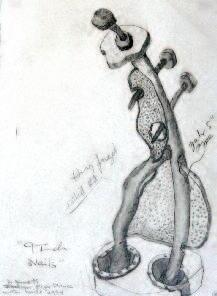
The work starts as thumbnail sketches done quickly, often when he is on the phone or something
g r a p h i t e o r p e n and ink. He develops the ones that speak to him sculpturally, t h e d r a w i n g s b e c o m i n g l a r g e r
a n d m o r e d e t a i l e d u n t i l t h e y a r e a l m o s t
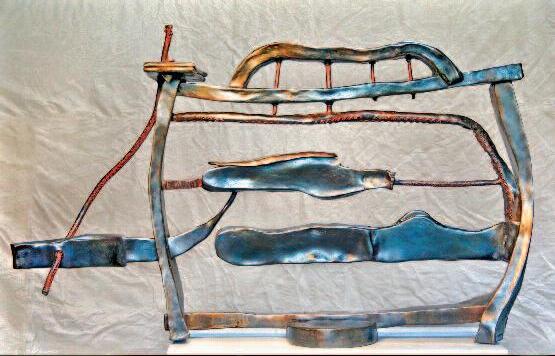
l i f e - s i z e d H i s f a b ricated pieces can take up to f i v e y e a r s t o c o m p l e t e , a n d t h e y a l l h a v e a
story B y w a y o f e x a m p l e , S a v e t t e x p l a i n e d ,
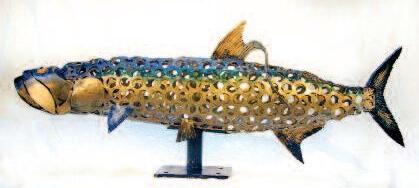
“ L i k e t h a t f i s h s k e t c h b e h i n d y o u o n
t h e w a l l . A c t u ally, a friend of mine who’s a very avid sportsman, fishing in particular, spends a lot of time in Apalachicola Florida. He has a place there, and he never had children, but he spent a lot of time having great adventures with my son and me, so I did that as a return He has that over the entrance of his yard ”
Noted art historian, James Kettlewell, who is a former curator of the Hyde Collection in Glens Falls, taught at Harvard and Skidmore Colleges, and is a beloved Saratogian writes, “Consider the objective
f a c t s w h i c h p ro d u c e t h e e x p re s s i v e
p o w e r o f N o a h S a v e t t ’ s s c u l p t u re T h e
m a t e r i a l i s steel, but steel made into flesh
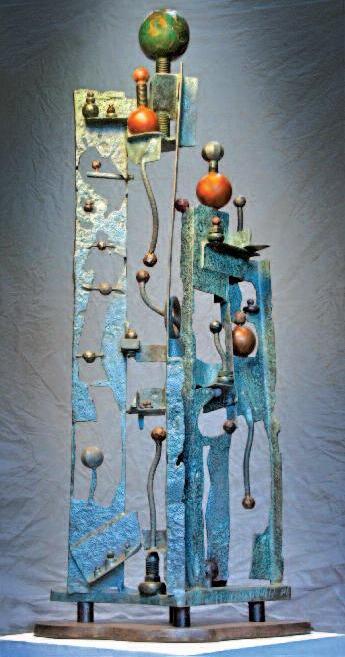
T h e s u r f a c e s a re h a rd , b u t v i b r a n t w i t h organic life Shapes are abstract, and at the same time hover on the edge of recognition
The scale is large, the details infinitely subtle. Dense, material mass strikes the consciousness, while the mass gleams in dematerializing light. These inherent p a r a d o x e s w re n c h i n o p p o s i t e e m o t i v e d i rections, putting into dramatic use the ‘complexities and contradictions’ which c h a r a c t e r i z e P o s t m o d e r n i s m i n a r t E x p l o sive tensions are generated between centrifugal and centripetal effects, giving
to these works an incredible raw power, a raw power canceled then, by the artist, i n t o t h e e m o t i o n a l c
t B u t t h e s e c o m plexities and contradictions are bound together by a unifying rhythm and t e x t u re T h i s i s a p o w e r c o n t ro l l e d b y a e sthetic design, so the forms are beautiful, however discredited that term might be today And it is this strong design of formal r e l a t i o n s h i p s , ( s t r u c t u r e a m i d s t t h e d e c o n structed), which achieves in Savett’s work the best of both the world’s o f M o d e r n a n d P o s t m o d e r n a r t . I s e e t h i s s y n t h e s i s a s t h e s t y l e f o r t h e n e w millennium.” Indeed.
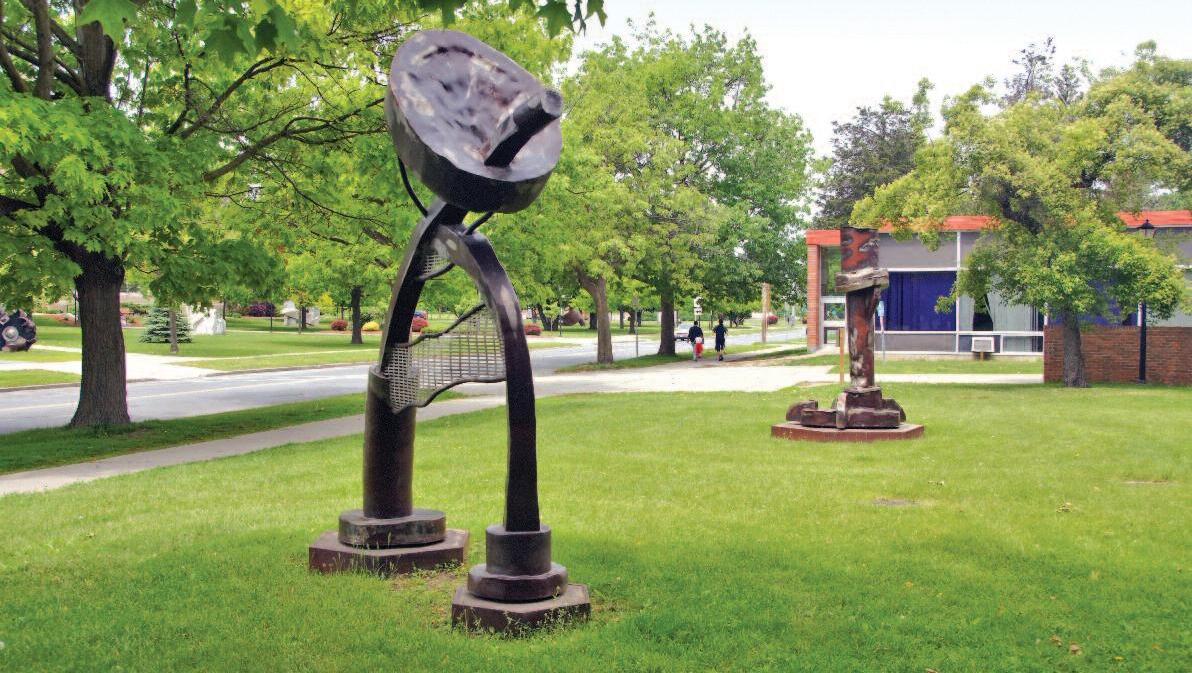
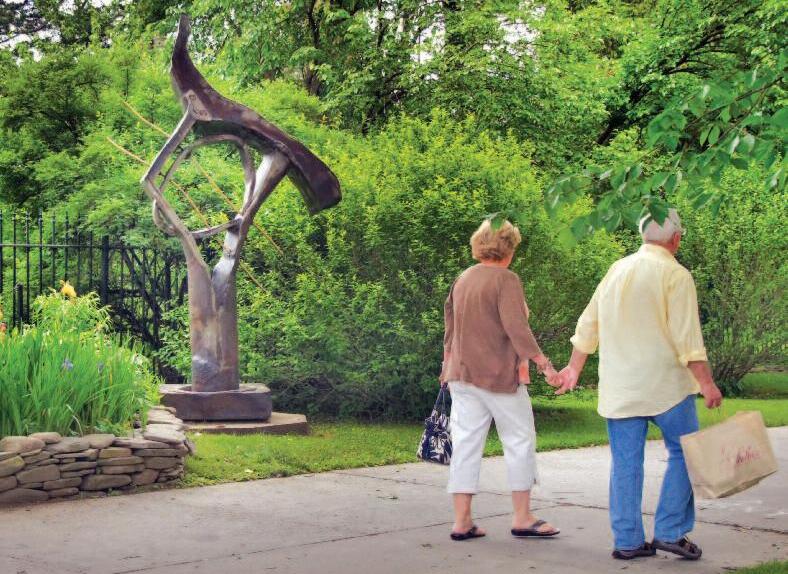
“Indian pipe dance” installed in the courtyard of Fulton Montgomery Community College
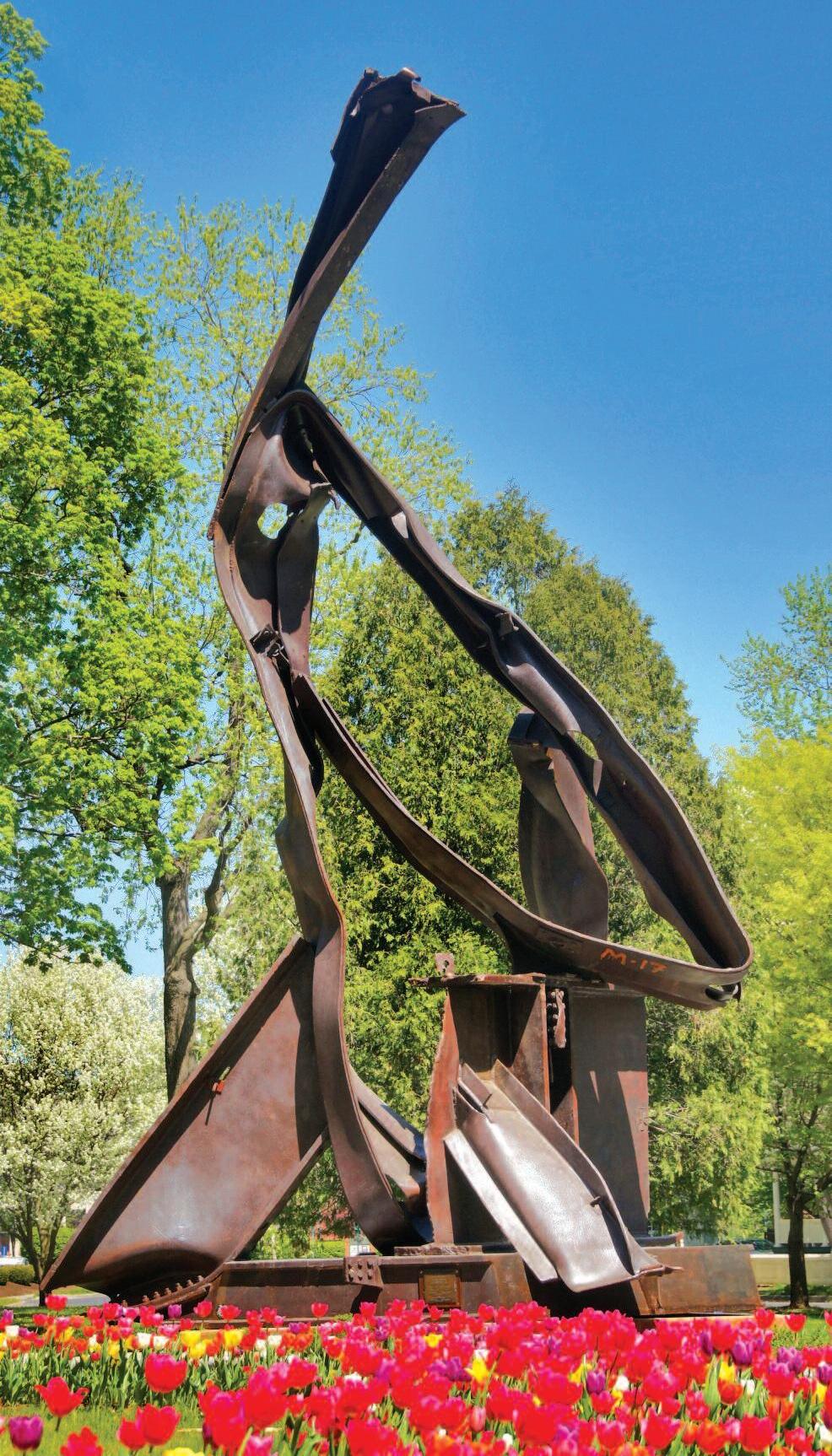
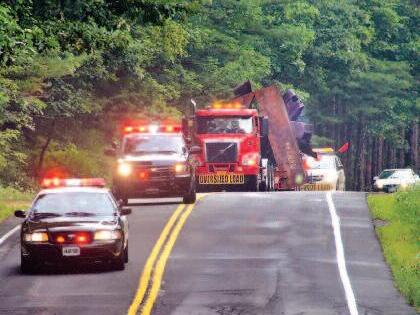
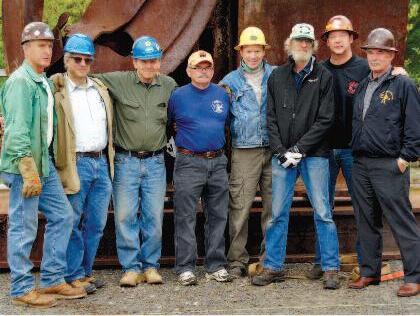
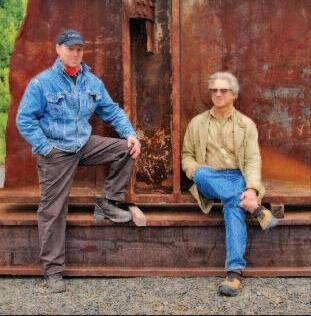
In 2010, the Saratoga Arts Council secured structural steel beams from the wreckage of the North and South tower of the World Trade Center and commissioned both Savett and fellow sculptor John Van
A l s t i n e t o c r e a t e a m e m o r i a l
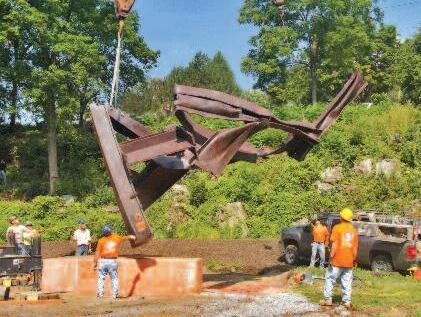
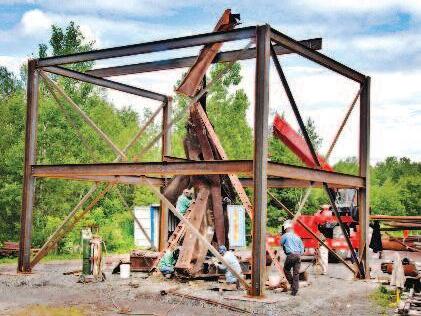
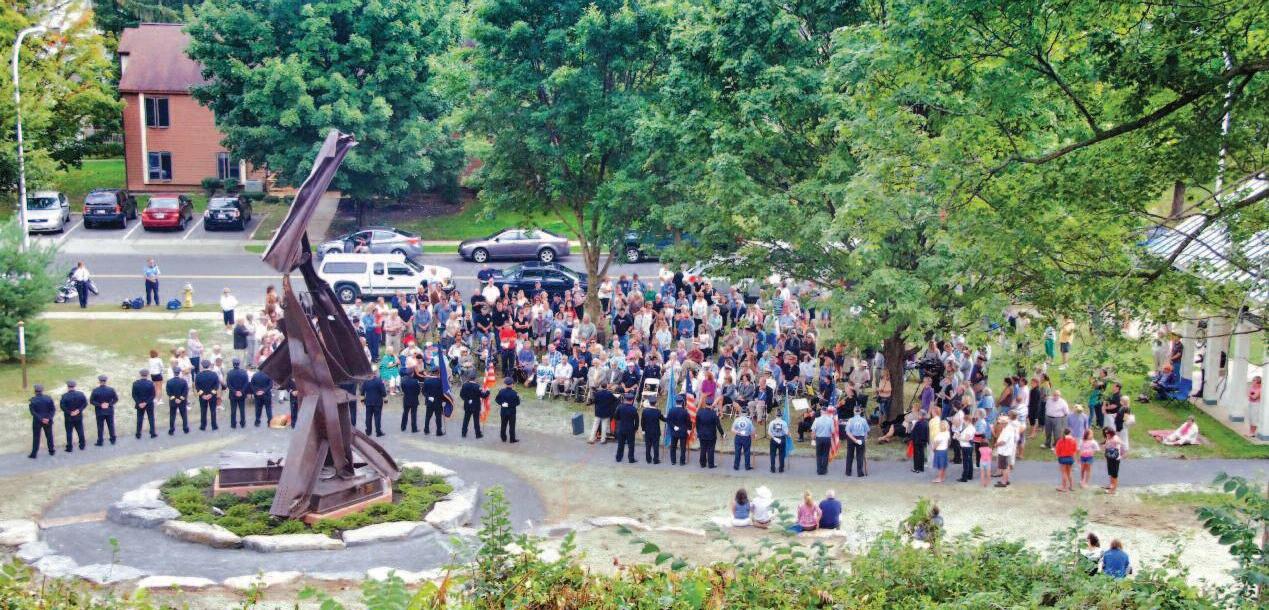
Te m pered by Memory is a 25-foot tall contemporary piece, weighing 13 tons, dedicated to the memory of the national tragedy that befell us on September 11, 2001 The sculpture is housed in a beautifully designed, contemplative, memorial space within the historic High Rock Park in Saratoga Springs
Savett said just after the installation in 2011, “It’s been a really great h
o p erations and companies that donated their time - it was just a w o n d
s e e how this has become a real part of the fabric of Saratoga and embraced by the community ”
And it is true, the memorial has, over the last nine years, become an important part of the fabric downtown Besides the well attended annual 9/11 remembrance, people seem drawn to that area of the park, to sit quietly, parents explaining what happened on that date, children leaving flowers at the sculpture’s base It is an oasis of calm contemplation amid the bustle of city life
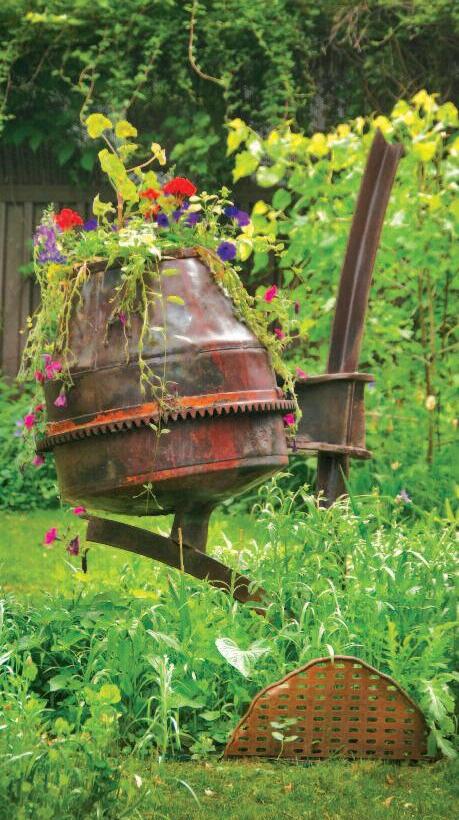
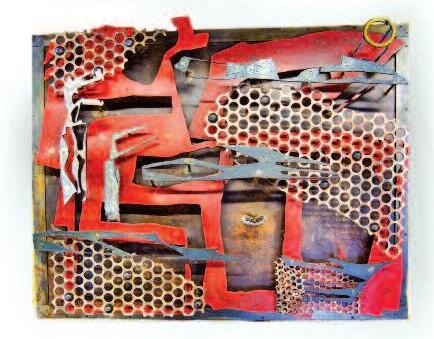
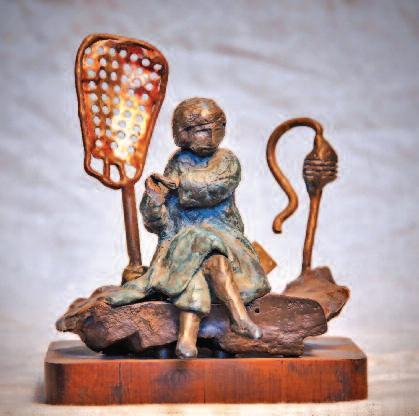
T h e l a s t f e w y e a r s h e ’ s b e e n w o r k i n g o n s m a l l e r p i e c e s , m o s t i n tended to hang on a wall These works can incorporate a dog’s old chew toy or metal work – found objects that tell a story, raise a smile, or relay a bit of wit and wisdom Savett explained, “They’ve b e e n f u n t o d o b e c a
y ’
s o m e thing different I’ve always been intrigued by the intrinsic, not necessarily beauty, of found objects I think more than anything,
during the last five years after the 9/11 memorial I did with John Van Alstyne, I was feeling overwhelmed by my business so this kind of thing kept my hand in it ”
When asked about his less serious work, he said “This is somewhat playful, not a new, new piece My son found some skulls and jaws on some property I owned near Vt The background is I wanted this to look like an archeology exhibit Actually, when I was in college, I worked one summer for the Archeology Museum at Harvard I had an expert cabinet maker make this – we went to the Harvard website and discovered that a lot of the display cabinets that were there when I was there were donated to The Pember Museum in Granville He went there and made this exactly like they were made ” The work has brass-plating, precise labelling and is a tongue in cheek commentary on our times
When asked what brings him joy, he responded, “In a low key way, not worrying about the business. But besides my family, I would have to say my garden and my studio.” He is a masterful gardener, the profusion of color, scent, and texture throughout the seasons is a pleasure to behold. He’s already started to plan for planting at his new home.
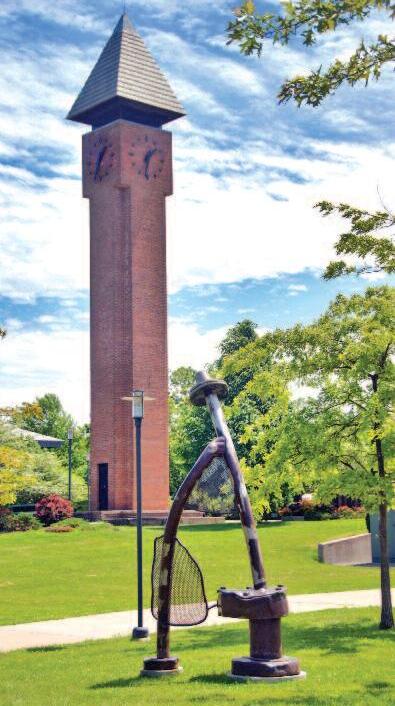
S a v e t t ’ s w o r k c a n b e f o u n d i n p r i v a t e c o l l e c tions, and he has loaned p i e c
o r p u blic display at various locations including t h e S k i d
A d i ro n dack and The Fulton-Montgomery Community College Campus His Center of the Universe is located in front of Saratoga
A r t s C e n t e r a
d isplayed at the State University at Plattsburgh
S
C o l l e g e , a n d a t R P I a n d h e h a s b e e n i n n u merous group exhibitions He says with a smile, “I have time now I can stay focused, and more work will come up ”
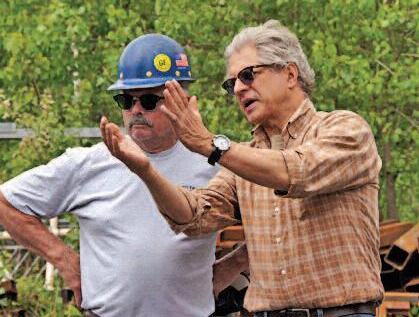
John Van Alstine & Noah Savett
9-11 Memorial, Tempered by Memory, dedication ceremony, High Rock Park, Sept 2012
Moments
LAKE GEORGE ARTS PROJECT
STAY IN TOUCH: Read
A year-round, not-for-profit located in the heart of Lake George village. Courthouse Galler y exhibitions | Summer Concert Series in Shepard Park | Lake George Jazz Weekend All free and open to the public lakegeorgearts.org
Small Town Boy Keeps It Close to Home
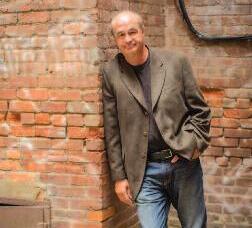
John McPherson, the Best Known Anonymous Guy in Town!
By Rona Mann
Photos by Stephanie Sittnick and John McPherson
“The secret of getting ahead is getting started.”
...Mark Twain
His words and images travel worldwide every day, but he prefers to live quietly in a small space, doing precisely what he wants to do and loving what it is he does every single day
He was never meant to draw cartoons for a living, but damn, if it weren’t so much more fun than mechanical engineering!
As a young man he spent much of his time reading the comics in the newspaper and burying himself in comic books, “but I wasn’t attracted to superheroes I liked Dennis the Menace, Bugs Bunny, things like that.”
During his teenage years growing up in Corning, New York, John McPherson found himself drawn to the work of Mark Tw a i n ,
d h i m self in Twain’s writing, envisioning himself becoming a humorist, “like Twain or Dave Barry,” he recounts of yet another of his role models.
A 1983 graduate of Bucknell University
double-majored in English and Mechanical Engineering, but wasn’t really sure what he was going to do with either of them since there were not many openings for engineers in the early ‘80s
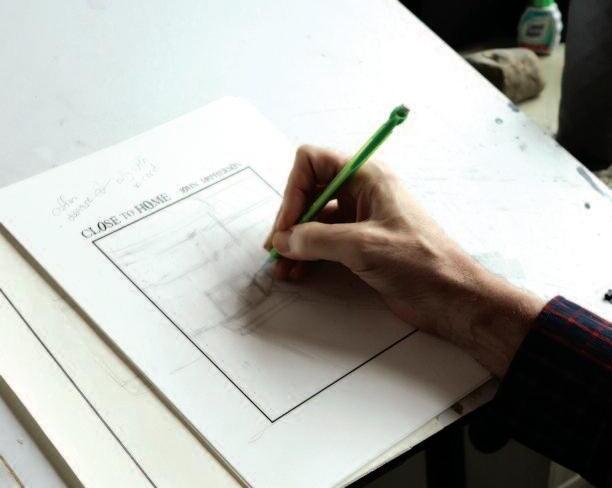
“I started playing with cartoons just as a hobby,” McPherson said “My early cartoons
ting it down ”
Eventually, an engineering job opened up in the Capital District, and in 1985 McPherson moved out of his parents’ home in Painted Post near Corning and up to the big city of Albany After putting in a full day, in the evenings he worked “enthusiastically on cartooning.” When he thought he had something worth sending, he started making frequent trips to the post office sending packets of cartoons to every newspaper he could find. He was aided in this quest by his trusty copy of Artists’ Market, the reference “bible” for struggling artists trying to break into the business, hoping to make a career in any one of the many phases that comprise the art world
His first foray into this professional life came when the Glens Fall Chronicle b o u g h t o n e o f h i s c a r t o o n s f o r $ 5 M c P h e r son laughs, “I was excited It kept me going just to see my work published The Chronicle continued to use those
e a r l y c a r t o o n s o n a b i - m o n t h l y b a s i s , a n d M c P h e r s o n
c o n t i n ued to be buoyed by those $5. checks. But now he was empowered to work even harder to get into magazines because “they paid more than newspapers for cartoons, usually $25. or even $50.”
Scuba Diving, a monthly publication, was the first magazine to purchase McPherson’s work “I had to be very specific in my
cartoons to fit their subject matter, still I wound up doing that for a year and a half.” Next, he decided t o t r y a m o re d i v e r s i f i e d m a r k e t , s e n d i n g o u t m o r e p a c k e t s o f h i s w o r k t o d i ff e re n t t y p e s o f magazines and wound up getting 160 rejection letters. But John M c P h e r s o n i s n o t h i n g i f n o t p e r s e v e r a n t
r e sponse #161 came in, it was not a rejection! The affirmation came from Campus Life magazine which initially bought two cartoons, and that became the start of a long and successful re lationship McPherson “connected” with the editor, and s o o n , C a m p u s L i f e
m o n t h McPherson developed a strong following among the p u b l i c a t i o n ’ s h i g h s c h o o l a
b e fore long became the magazine’s featured cartoonist
Now the cartoonist was being approached by o t h e r p u b l i c a t i o n s w i t hout having to make as m a n y t r i p s t o t h e p o s t o f fice After a year, he was making $400-$700 per month, “which paid the mortgage.” Then Yankee Magazine came calling, and he was soon gaining national prominence, not to mention a bit more than $5. per cartoon. “They paid $100 per, and I was on cloud nine!”
However, McPherson has never been one to sit back on his laurels Matter of fact he doesn’t sit for very long “I was having a blast, but I have always been very driven, a n d t h i s j u s t g o t m e g o i n g e v e n m o r e I enjoyed meeting all the different editors o f t h e p u b l i c a t i o n s t h a t w e re c a r r y i n g m y work ”
By 1989 John McPherson was making more money as a cartoonist than he ever did
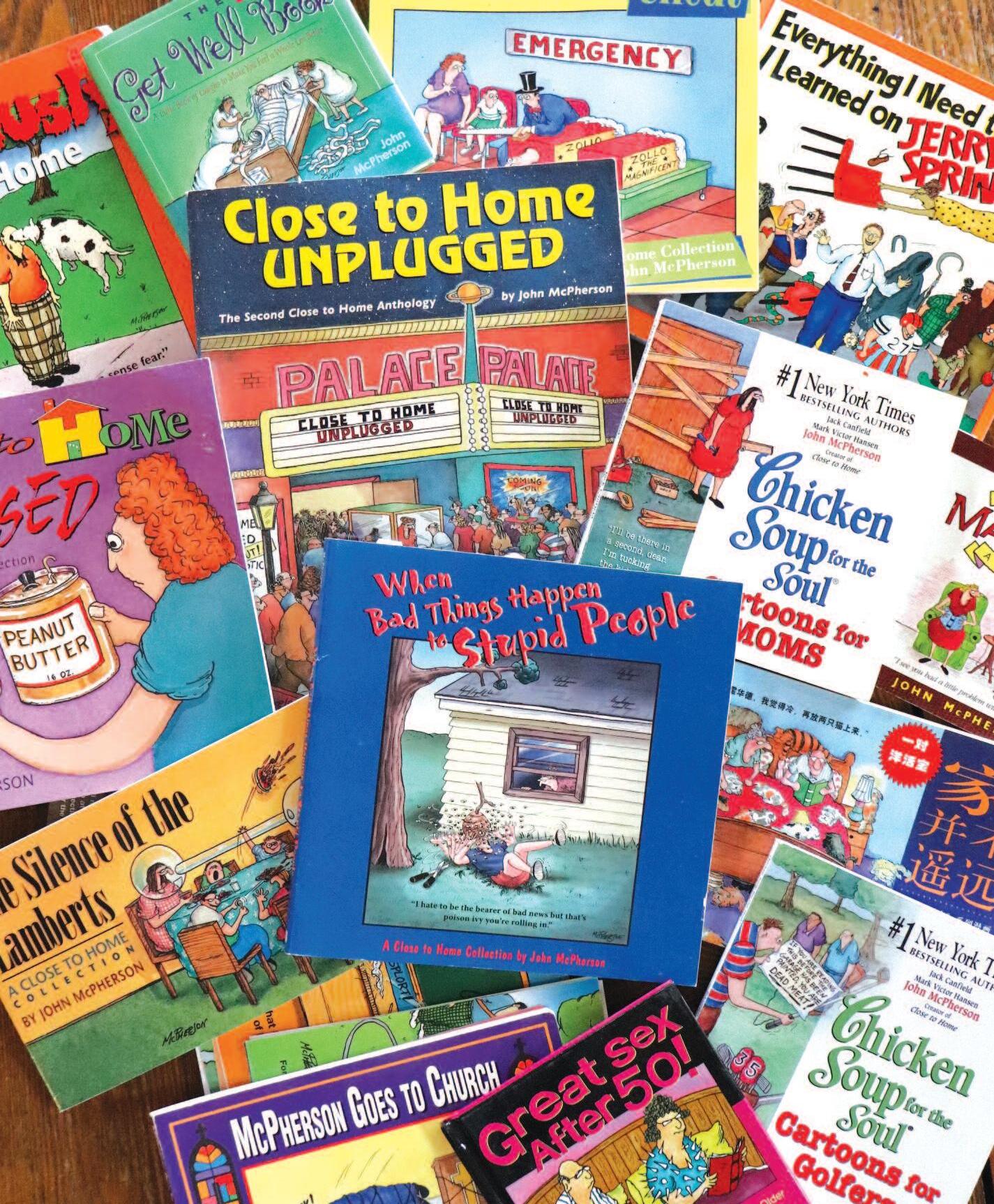
as an engineer and s o o n w a s b e i n g a p proached by book publishers He wrote two b o o k s : o n e w i t h a c h u rc h t h e m e ( M c P h e r son Goes to Church) and one w i t h a s c h o o l t h e m e ( C h i c k e n S o u p f o r the Soul – Cartoons for Teachers) with great success. “They launched me, ” says McPherson.
In addition to Mark Twain, McPherson was drawn to the work of Gary Larson and his wildly popular comic, The Far S i d e “ I h a d t o b e c a
f
l , t h o u g h , n
t o c o p y h i m , ” M c P h e r s o n s a i d “ I l i k e d h
b e him ” What McPherson wanted t o b e w a s
i g i n a l , a n d h e a c complished that, drawing and perfecting a style of characters that are immediately recognizable on the page (“You’re dealing in humor, so you ’ ve got to make them funny-looking”), whether t h a t p a g e b e a b o o k , a c a l e n d a r, o r his daily single-panel cartoon, now running in 700 newspapers b o t h nationwide and around the world. Since 1992 he has been syndicated by Universal Press Syndicate.
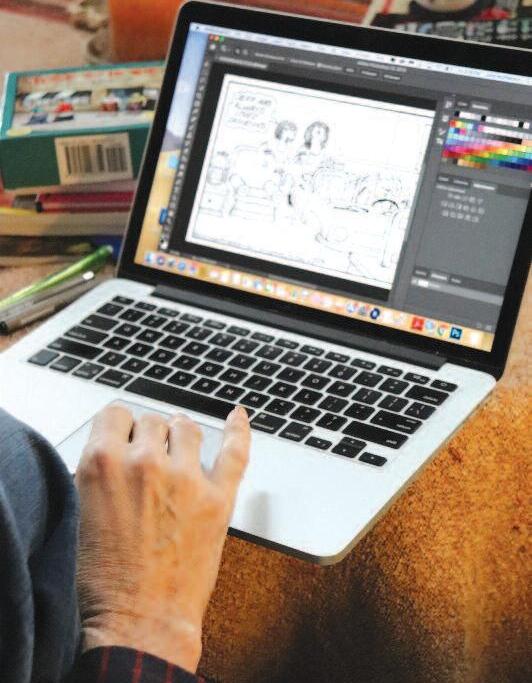
“I’m not that diligent about when I work, but I do have very intense deadlines,” the cartoonist admits
“I work some in the morning, then I may play golf, then I work at night I’m a real night owl, often working until one in the morning ”
So from where do John McPherson’s ideas come, those memorable one-liners
uttered by those silly-looking people with the strange-sounding names? “Many ideas do indeed come from home,
from friends, from what I observe. I have notebooks and notebooks of ideas, more than 30 or 40 of them by now. They’re 5” x 7” spiral notebooks, and I have about 700 ideas written in them; I always carry a notebook with me. ”
W h a t ’ s n e x t i n t h
i n g s u c c
s p e r p e trated by this small-town guy? It would b e e a s y w h e n y o u ’ v e a c h i e v e d such an enviable level of accomplishment, t o m e re l y s i t b a c k , c o n t e n t t o c o l l e c t c o m pliments as well as checks and grow as round in the belly and long in the tooth as many of the Close to Home characters, but that’s not John McPherson
“There are basically two types of people: people who a c c o m p l i s h t h i n g s a n d p e o ple who claim t o h a v e a c complished things . The first group is less crowded.”
Mark Twain
As though Twain himself were the guiding l i g h t a n d m e n t o r t o J o h n M c P h e r s o n , i t ’ s why he never stops working, why he carries that notebook, why his stringent deadlines empower him, and why he loves living in Saratoga where it’s quiet m o s t o f t h e y e a r, w h e re t h e re i s a r t a n d education and sports and fun people and funny people, all of which make up John McPherson’s world, the world he chooses to thrive in, close to home.
The Guardians of the Soil
s s
o
c i ation
is protecting precious local farmland from development
Story and Photos by Lawrence White
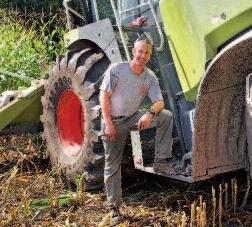
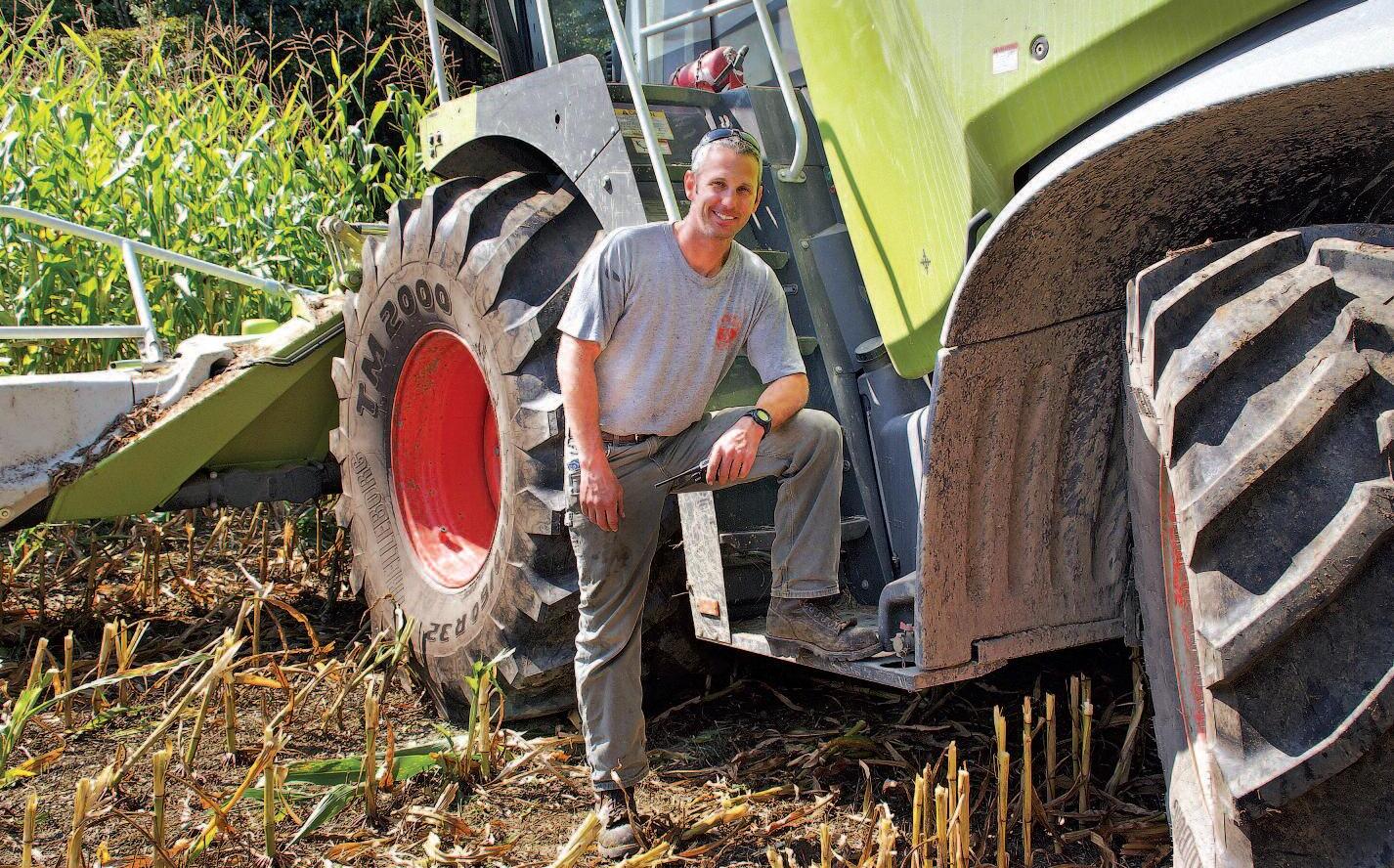
I was recently traveling with an old friend who is a 3rd-generation Saratoga farmer when we were stopped for road work on Rt 29 not far from Fish Creek. My friend looked out the side window and motioned at a new strip of asphalt covering a large area off the road.
“You see that?” He said with obvious sadness “I used to farm that piece of land Best bottom soil in the entire country “He paused briefly, then turned away “Once was, anyway ” Then with a sense of resolve added, “It sure ain't anymore ”
Unfortunately, that is the course our society too often sets Instead of thoughtful conservation, we choose the irretrievable destruction of precious natural resources for short term gains Left alone, the land would be there for eons to come, while
that which replaces the land often lasts a couple of decades at the very most.
And what do we lose? The phrase, “ no farms, no food,” comes to mind. Time after time we are selling our future and getting nothing in return.
The good news is there are those who have taken up the cause of protecting these resources and have developed a working strategy that is effective and geared for the long run
A s sociation (ASA) based in Greenwich NY They have helped conserve 22,328 acres on 133
o u n ties in the Upper Hudson River Valley They are associated with the American Farmland
Trust (AFT) which is the national policy group advancing many of the same issues as ASA such as more state and federal funds to help protect farmland in Saratoga County
ASA offers several options to landowners who are interested in permanently protecting their land from development They can help farmers apply for government funding to reimburse them for giving up their development rights in perpetuity. This can be a significant financial
h o w m
profession and the land A
not
d o nate their development rights by giving
up those rights to the organization at no cost which will likely provide the landowner certain tax advantages
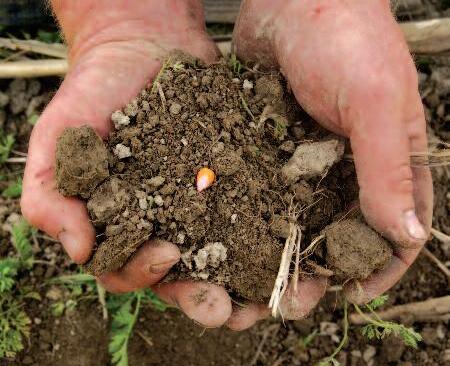
When I ask ASA Executive Director, Teri Ptacek how important farmland is in these uncertain times she responds, “Local farmland is essential if we want to have access to locally produced food Think of it as an enormously valuable and limited resource that once developed is gone forever That’s why it’s critically important to protect as much local farmland as possible so that we always have a nearby land base for farmers to produce food for us and for future g e n
i m portant that we support our farmers so that they can stay in business Buy and eat locally produced food and also support organizations like ASA that help farm families conserve their land and keep America strong.”
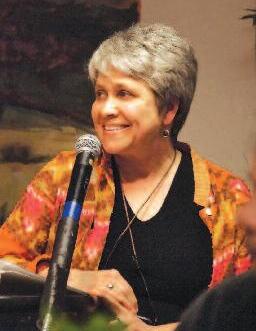
Teri Ptacek
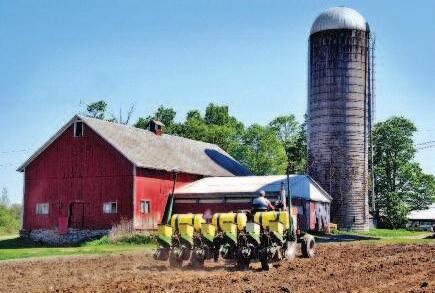
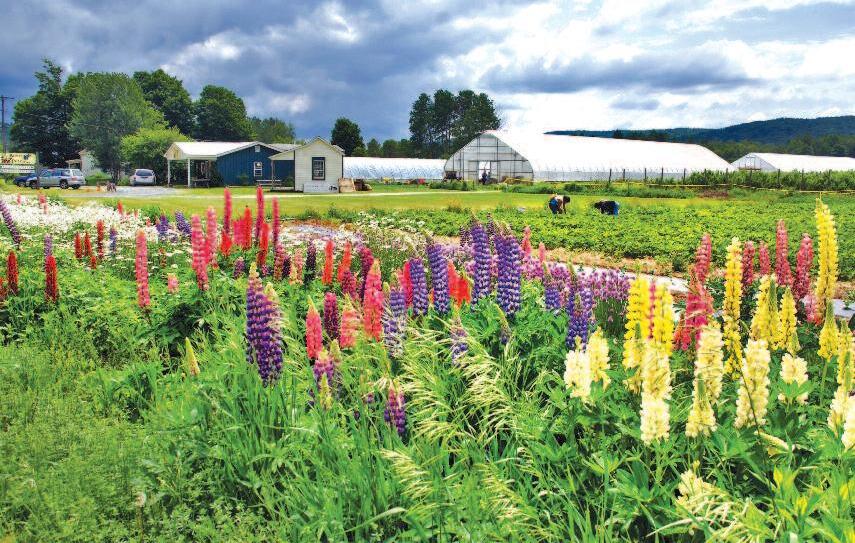
Otter Creek Farm
Stone Wall Hill Farm
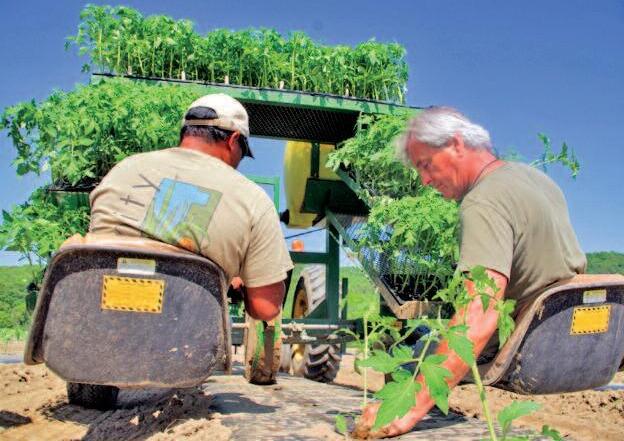
Planting tomatos at Moses Farm
Ms Ptacek continues, “ASA is a community-supported organization that’s here for the long haul We rely on the generosity and compassion of our supporters, friends, and neighbors to help us, particularly now that the world is in crisis ”
I a s k a b o u t t h
re sponds, “Farms help maintain open land and a balance with nature
a s w e l
t o cropland.”
“Considering all that farming provides in terms of food, farmland also provides massive environmental benefits such as food and habitat for l o c a l w
p ro vide What’s more, healthy soils can play a huge role in offsetting the effects of climate change On the other hand, converting farmland to development has detrimental long-term impacts on the quality of our environment and drastically diminishes the positive effects that open land provides ”
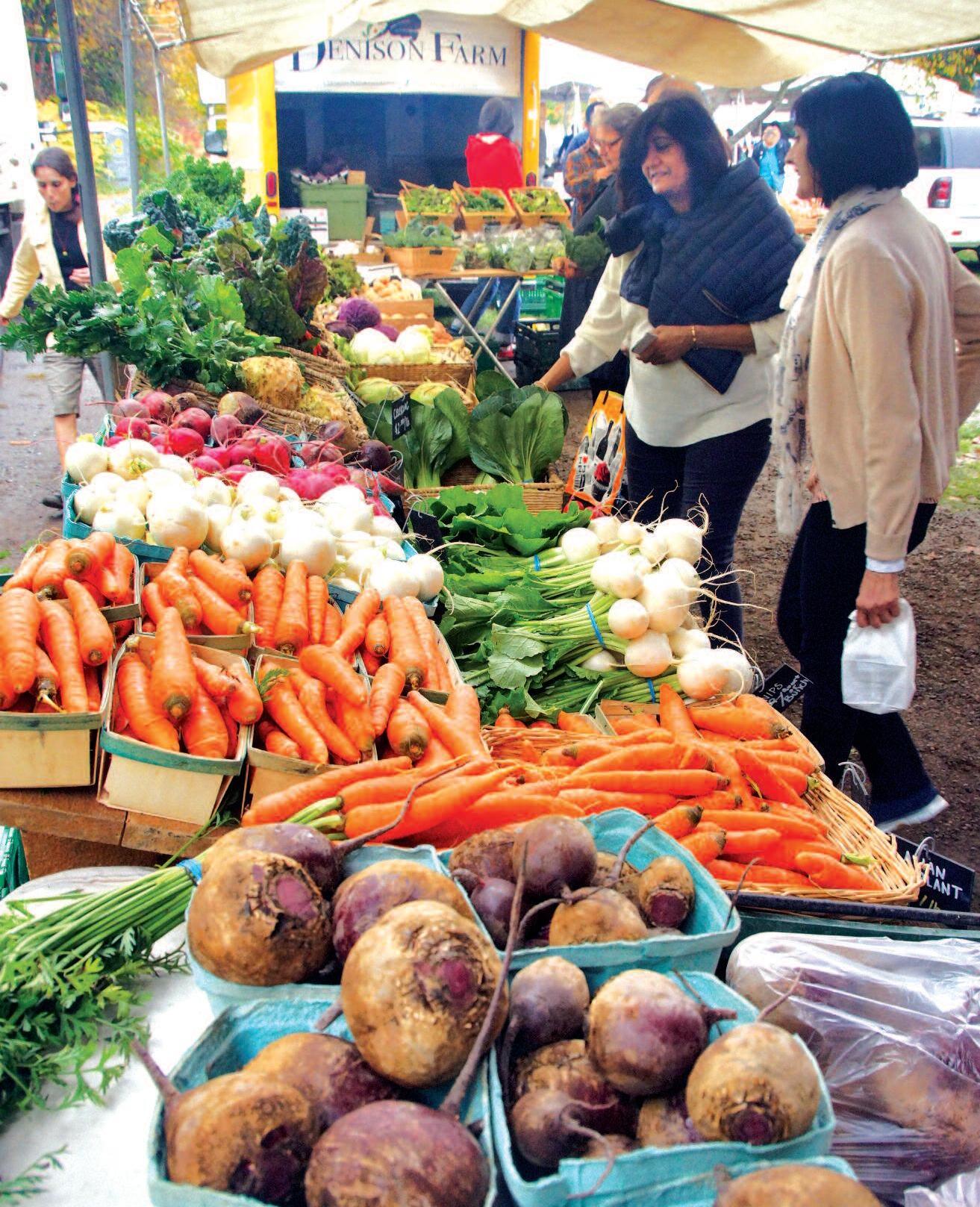
With true passion, Ms Ptacek declares, “It’s more critical than ever to support local farms by buying their products directly from farms and farmers markets and at grocery stores Those who are interested should continue to follow ASA on social media and help support our initiatives and programs Once the coronavirus has passed and it is safe, we hope to see more people volunteer to help us. It is not only vital to the cause; it is fulfilling to know you are doing something meaningful and positive in
a world with problems that too often seem beyond us ”
In a heartfelt appeal, Ms Ptacek states, “The urgency and need for farmland protection have been steadily growing, outpacing our ability to serve farmers. Now with the coronavirus, it’s even more important to be able to meet this need. We recognize that everyone is hurting, but farms and forests are an important part of our local food system, health, and local community and our help are needed now more than ever before.”
When I ask Ms Ptacek about some of the farms, t h e y w o r k w i t h s h e m e n tions Simply Grazin Farm in Washington
C o u n t y “ T h e y a r e a v e r y large operation that h a d b e e n s q u e e z e d b y d e v e l o p m e n t i n N e w J e r sey and Virginia and chose our area to locate their farms and headquarters because of the wonderful land and highly developed farming
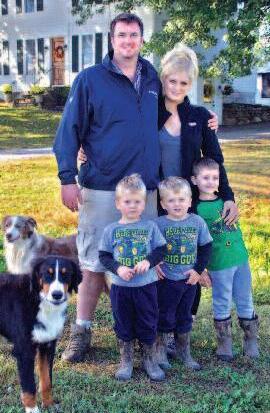
Richview Family
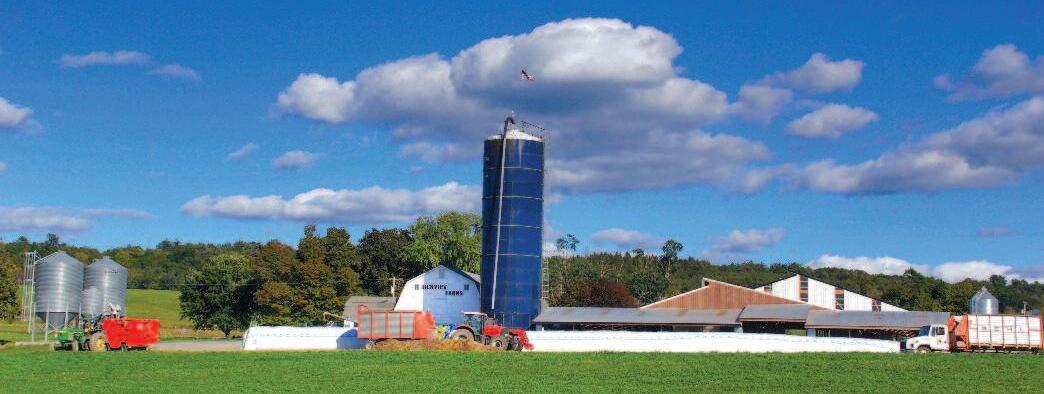
Richview Farm Barn
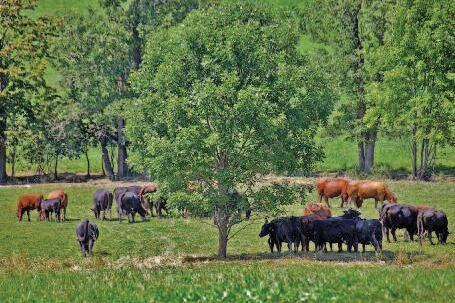
Simply Grazin Farm
infrastructure. Now, since protecting two farms already, they are working towards protecting two more They sell their meat to most of the resellers on the east coast including Whole Foods, Fresh Direct, Applegate and Wegmans ”
“Another great farm is the Gibson Family Farm in Valley Falls,” she continues with enthusiasm “This a true family farm that practices regenerative, sustainable agriculture They believe in a
farming method that improves the health of the soil. It is a
T h e y sell meats including beef, chicken, and pork that have
m a i n tained ecologically ”
When I ask Ms Ptacek about how they are reaching out to t
“Educating the next generation and their families is crucial M
Gibson family
Denison Farm
c o n nection to them Too often we take our food for granted and don’t even understand the important role farms and farmers play in providing the food we eat Therefore, we offer a variety of programs to engage children from farm tours, farm photography lessons and visits to local fairs and farmers’ markets. One of our more popular is our Farm to Fork program where we take kids from Troy to different farms, learn about and cook with the products p
p u r chase food ” E
s u p ply Farmers are our friends and neighbors, many of whom have been here for generations Young people want to farm, but they can’t compete with development prices That’s one of the reasons why protecting farmland and making sure it’s there for the generation is so important ”
Author Ruth Leys, Ph D , Harvard and Professor Emerita of the Humanities at John Hopkins and Michael Fried, noted art critic and professor emeritus of art history at John Hopkins,
donated the 62-acre piece of land they own together and currently lease at low prices to various farmers in Rensselaer County. When I ask Ms. Leys her impression of the work ASA is doing her comments truly sum it all up
"The staff at ASA are terrific It is an enormous satisfaction to both Michael and myself, to know that the land is now safe for farming forever and cannot and will not be developed The beauty of the kind we enjoy here in upstate NY is so precious -- indeed, so remarkable -yet so fragile and so easily ruined that conservation is the way we can make sure that the loveliness of the landscape, as well as the farms and farmers, will be preserved for future generations "
Agricultural Stewardship Association www.agstewardship.org
Michael Fried Ruth Leys
Fuller Farm
Patrica and Douglas Fuller
A Master and Journeyman
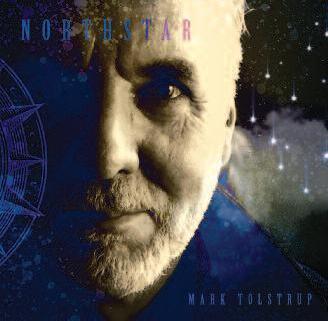
Saratoga Springs musician, Mark Tolstrup, Both Tai Chi and the Delta Blues Embody Focus
By Kirsten Ferguson
Photos by Joseph Deuel and Mark Tolstrup
Raw emotional fervor was a hallmark of early blues musicians like Son House and Robert Johnson, who played a primal form of early Delta blues originating in the deep South The connection
b
p
M a r k To l
journeym
b o t h d i s c i plines, lies in focus and concentration
“ Ta i C h
d
m u l t i - instrumentalist and vocalist “Everything works together the b re a t h , t h e b o d y, a n d t h e m i n d I n t h e s a m e w a y, w h e n
I ’ m p l a y ing music, I’m focused only on that There’s a release from day-to-day tensions and worries It’s a total commitment In my world, the blues and martial arts combine it’s all part of who and what I am. ”
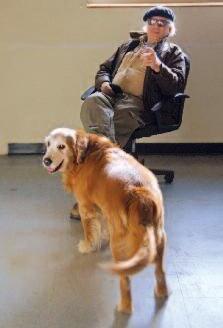
Tolstrup sits in his office at the light-filled Tai Chi Center in downtown Saratoga Springs, where large windows overlook Phila Street and neighboring Caffè Lena A rack of swords lines the wall near his head A fourth-degree black belt in Shaolin K e n p o K a r a t e , To l s t r u p r u n s t h e c e n t e r w h e re h e h a s t a u g h t m a r tial arts for 30 years.
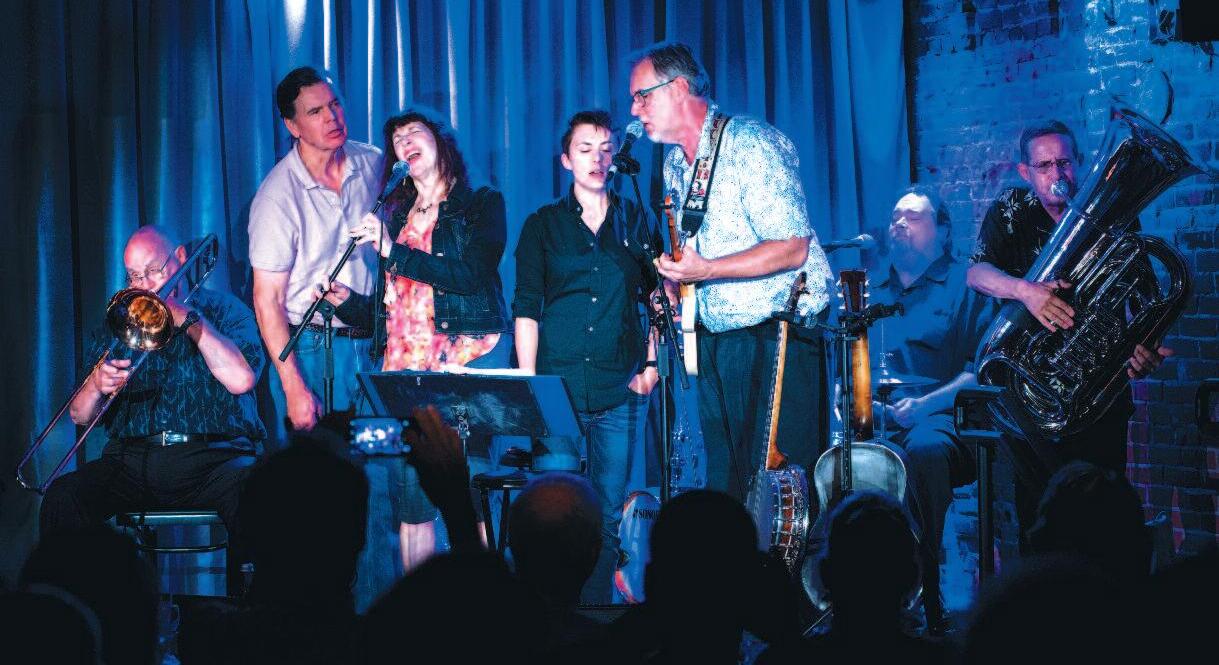
Later that night, Tolstrup will swap his loose Tai Chi clothes for a suit to jam with his New Orleans jazz and blues combo at The Mouzon House, the family-run, farm-to-table restaurant next to High Rock Park in Saratoga S p r i n g s E v e r y o t h e r F r i d a y, To l s t r u p p l a y s t h e re in the cozy bar area with a rotating cast of players, which includes fiddler Frank Orsini and trombonist Woody Strobeck The group often plays music inspired by Tolstrup’s collection of early jazz recordings from the 1920s and 1930s, which he owns on 78 rpm records
In addition to Tolstrup’s original tunes, there might be a Fats Waller number like “I’m Gonna Sit Right Down and Write Myself a Letter,” or something from legendary blues composer W C Handy or possibly an early jazz tune from Hoagy Carmichael “The set list is fluid depending on my mood or the mood of the crowd,” he says “I like the unfiltered, raw, emotional quality of the blues. There’s an honesty to it. The songs have stories to them. I don’t like music that’s too smooth or contrived. The early New Orleans jazz b a n d s t o o k c h a n c e s . T h e y w e re n ’ t a f r a i d t o m a k e mistakes.”
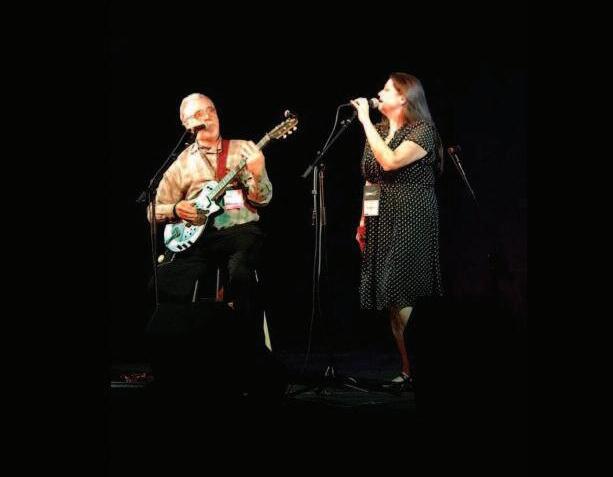
Tolstrup also plays in the blues duo Mark & Jill with Texas native
J i l l B u r n h a m , w h o s e p o w e r f u l , s u l t r y v o i c e b r i n g s t o g e t h e r
e l e m e n t s o f S o u t h e r n g o s p e l , b l u e s , a n d c o u n t r y m u s i c I n
J a n u ary, the pair recorded a live album at Caffè Lena called Mark & Jill Sing the Blues, slated for release later this year After the d u o w o n t h e C a p i t a l R e g i o n B l u e s N e t w o r k c o m p e t i t i o n l a s t fall, they traveled to Memphis on January 28 to compete in the International Blues Challenge in the duo category They didn’t win but enjoyed the experience as well as Memphis’ legendary barbecue joints. “Memphis is a great town. I would definitely go back,” Tolstrup says.
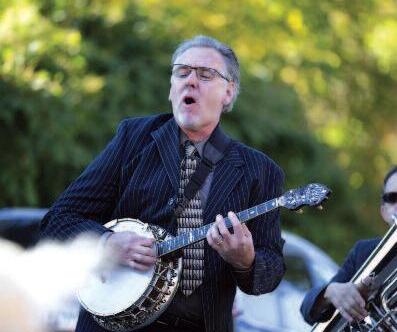
A native of the Boston area, Tolstrup g o t h i s f i r s t g u i t a r a s a n 11 - y e a r- o l d k i d enamored with the Beatles and the Monkees By high school, his tastes had shifted to Delta blues, a n d s l i d e g u i t a r b e came his focus His father, an amateur folk musician, took him to live music clubs like Club 47, a fixture of the folk-rock music scene in Cambridge’s Harvard Square. There he heard artists like blues harmonica player Sonny Terry and Dave Van Ronk, who melded everything from ragtime and swing to blues, gospel, and New Orleans jazz.
“I heard that and thought, ‘That’s what I like,’” says Tolstrup, a New York Blues Hall of Fame inductee “Sometimes when people ask me what I play, I say American music All American music is influenced by the blues ”
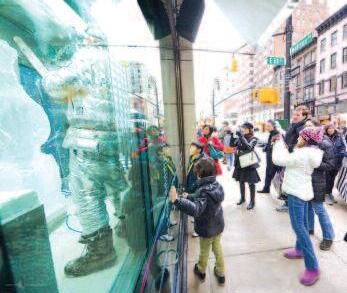
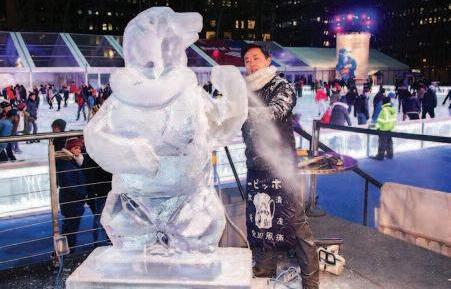
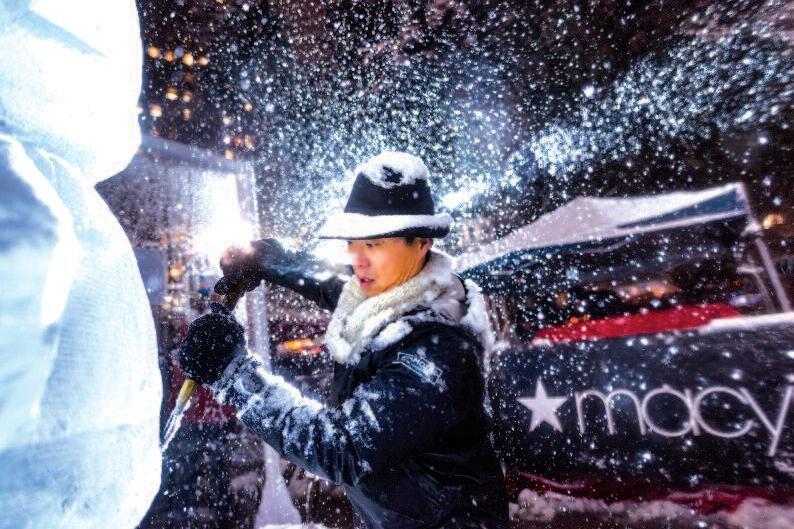
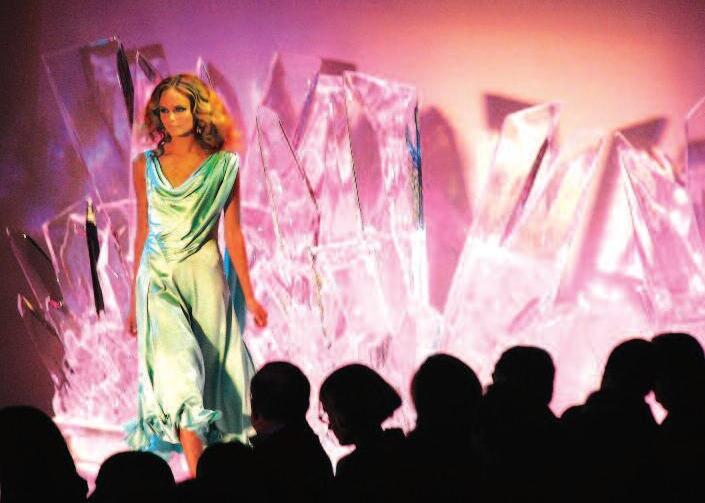
“Living in the Moment of Ice” The Ephemeral Art of OKAMATO STUDIO
by Carol St.Sauveur Ferris
It is known that Japanese culture is steeped in
t r a d i t i o n y e t c o n s i s t e n t l y r e m a i n s a t t h e f o r e front of innovation and technology For the people of Japan, it is truly a cultural dichotomy with the past effortlessly intersecting with the future. Shintaro Okamoto is a perfect example
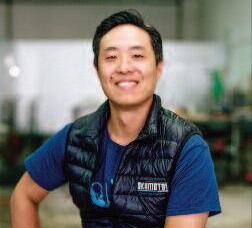
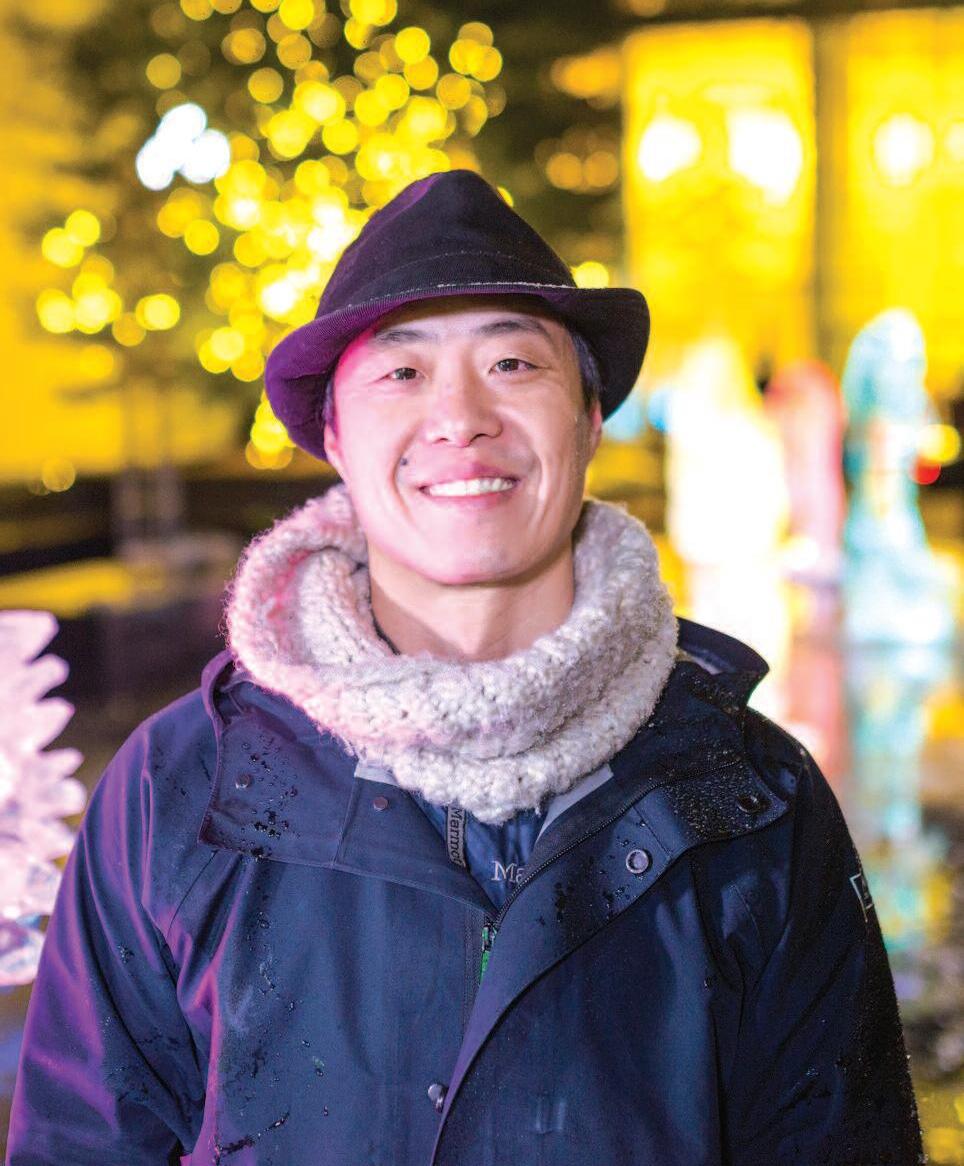
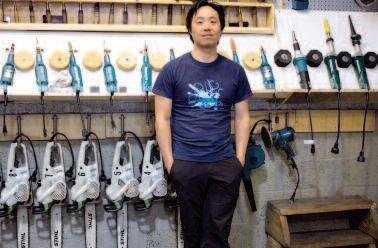
o f t h i s , a n d h e i s a s h i p a s h e i s h u m b l e . H e re cently spoke with great reverence and pride about his father, family, and education when sharing the journey that brought him to New York and to the forefront of ice sculpting
Shintaro was born on April 5, 1974 in Fukuoka Prefecture in Japan His father, Takeo Okamoto, had a huge influence on him According to Shintaro, “He epitomized the Renaissance Man” Takeo designed and built their family home and landscape with his own hands He was an exceptionally talented painter and sculptor, and a professionally trained sushi chef as well
When Shintaro was just nine years old, his father moved the family to Anchorage, Alaska to take over and manage a sushi restaurant. He often helped his father at the restaurant and quickly learned the ins and outs of the hospitality industry and
D u r ing his free time he explored his great love for animals and wildlife, which inspired and i n formed his extraordinary talent in drawing and painting throughout his young years
At school, young Shintaro was fortunate to be embraced by an art teacher who recognized his gift and encouraged him to paint and draw It came as no surprise to anyone when he went on to win an art competition before he could even speak English And by the sixth grade Shintaro was chosen for a drawing internship, meeting and studying under a professional wildlife artist twice a week In high school he took first place in the National Foundation for the Advancement of the Arts (NFAA) competition. He was also selected as a US Presidential Scholar, one of the nation’s highest honors g
ademic excellence. And as a US Presidential
Scholar Shintaro had the privilege of visiting the White House in Washington, DC.
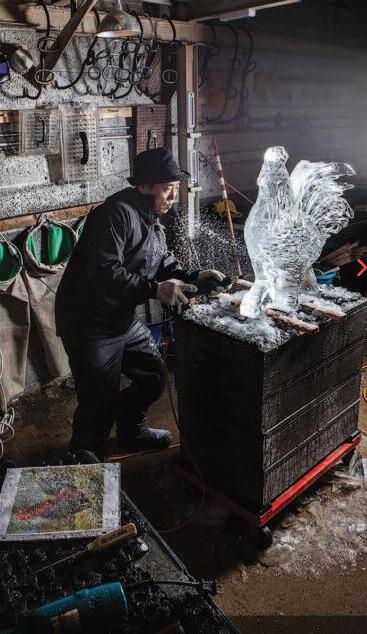
During his culinary career, Takeo’s skills and artistry found their way into ice sculpting. He embraced it and was a true pioneer in this novel and impermanent art form. In the early days he shared his sculptures with friends which eventually led him to creating extraordinary
ties that he was catering This then led to him competing in ice carving competitions as well While Shintaro was still in grade school, he had the honor of being his father ’ s partner in one of the ice carving competitions but as it turns out, his only job was in the shadows, shoveling excess ice that fell away from the sculpture his father was carving “It was tough work and very humbling”, according to Shintaro Eventually he learned the skills needed for ice
carving, was “promoted” to full partner, and traveled with his father in the United States and Europe for a number of competitions
While in high school, Shintaro found he was interested in both art and medicine He took night classes at a community college and did
a n e x t e r n s h i p w i t h a l o c a l p l a s t i c s u rg e o n
H e also had the unusual opportunity to shadow a general surgeon and draw medical illustrations for him which allowed Shintaro to observe his work Upon graduation, Shintaro left Alaska for the East Coast to attend Brown University where he continued to study fine arts and premed Ultimately his undergraduate degree was in fine arts followed by a masters from Hunter College in New York
I n 2 0 0 3 , w h i l e s t i l l a t t e n d i n g g r a d u a t e
s c h o o l at Hunter College, Shintaro opened
O K A M O T O S T U D I O C u s t o m I c e i n L o n g
I s land City, New York. His father, who had visited him on several occasions, closed his Alaskan sushi restaurant and moved to New York to join his son. Initially the Okamotos promoted their ice carving business on a very
T h e y also patiently built an excellent reputation with caterers by coming to their rescue at the last minute, creating and delivering beautiful ice sculptures just in time for an event Slowly but surely business grew and the expertise of O K A M O TO S T U D I O w a s s o u g h t b y h i g h profile designers, event planners, celebrities a n d c o r p
Having a shared background in the restaurant and hospitality business and a commitment to delivering good service, father and son made a wonderful team Their extraordinary artistry and vision, with ice as their medium, set them apart from the rest
Ice sculpting has evolved a great deal since its earliest days when records show that ice was initially used as a means for survival N
t h e most widespread aboriginal people in the world, living in the harsh climate of Greenland, Canada, Alaska and Eastern Siberia. The harsh artic conditions made it difficult to grow crops so they were forced to leave their animal skin tents to hunt for seals and other mammals along the coastlines To
protect themselves from the frigid weather, they built dome-shaped shelters out of snow and ice we call igloos These were one-person and multi-person igloos that could be joined together to form temporary compounds They were occupied until seasonal weather changes caused melting and risked them collapsing on their occupants into a slushy mess, forcing their return to their animal skin tents
Historical records dating back to 600 BC, show farmers in North Western China routinely flooding their fields, then harvesting blocks of ice that they later stored in ice houses These early refrigerators were used during the warm months to preserve their seafood catches and other perishables In ancient Rome and Greece, wealthy citizens and aristocrats were known to enjoy fruit juices mixed with chipped i c e , w h i c h
d b e c o n s i d e re d t h e p re cursors to today’s sorbet and slushies. And in the 1600s, Chinese fisherman in the town of Harbin, sculpted lanterns out of ice made from buckets of water and left outside to freeze When turned over and carved, they inserted candles, creating beautiful s
e
f
A n
i n
a r l y 1 7 0 0 s , the Empress Anna Ivanovna commissioned the first palace ever built from blocks of ice which were
harvested from the frozen River Neva, in St Petersburg Russia
The first know piece of sculpted ice is attributed to Auguste Escoffier in 1892 He was a famous French chef who carved an elegant swan to cradle his custom dessert creation called
“ P e c h e M
N e w O
Nellie Melba It wasn’t long before ice carving became a major part of the culinary arts world w i t h i c e s c u l p t u re
f e a ture in food presentation.
Iconic ice carved swans on the buffet table of the early days have long given way to elaborate
i
p e o ple And those that carve these incredible p i e c e s a r e s p e c i
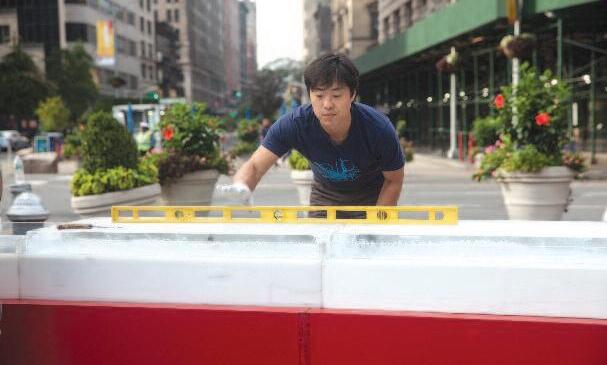
S h i n taro and Takeo, New York’s ice-carving dream team, were gifted artists and meticulous carvers, universally admired for their uncanny ability to execute intricate details in ice While their incredible talent separated them from
other carvers, it was their value system and philosophy that grew their business and set them apart from the rest
Today OKAMOTO STUDIO continues to build
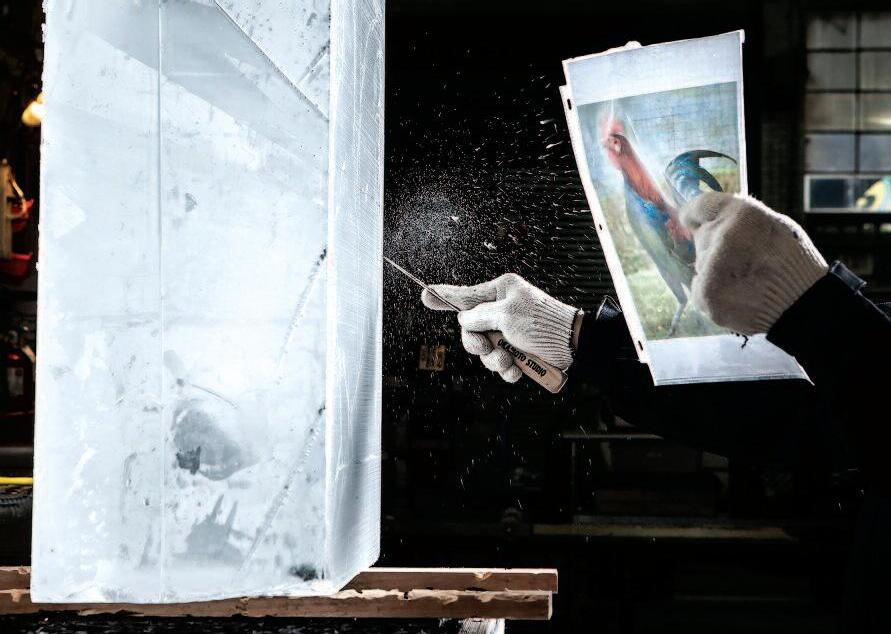
a n d educating their clients from the very beginning of a new project Initial consultations allow them to discover their vision and goals In turn, clients discover that a simple block of ice holds many design possibilities and begin to explore what those might be. The Okamoto team then confers and develops a conceptual design that represents their vision for the client. Once approved, plans are developed that detail how a simple block of ice will be t r a n s f o r m
re fully depicting the event’s theme and conveying the client’s message
B
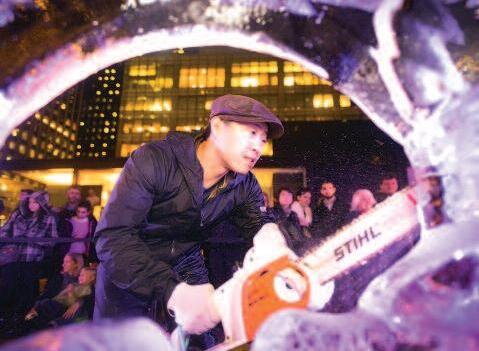
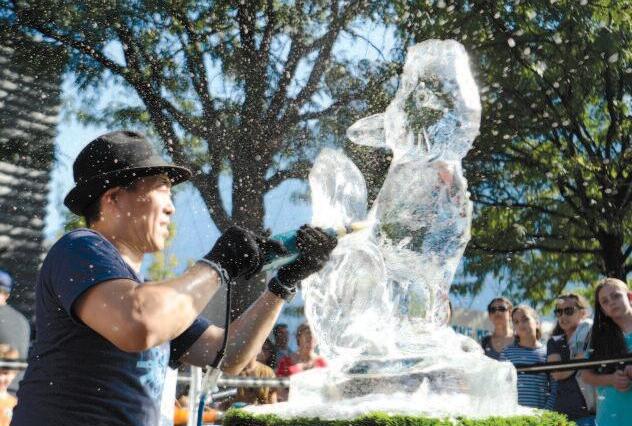
i n cluded ice picks, hammers, razor sharp chisels and handsaws While these tools are still in the mix, today’s carvers ’ also use a w
including chain saws, lathes, d r
s , a n d p re c i s i o n c u t t i n g C N C m a chines And of course there’s the ice The ideal block of ice is made from pure, clean water but in actuality, the freezing process has more to do with the final transparency
of the ice Clear ice can now be made using s p
z i n g p ro c e s s while removing air bubbles and any impurities Once carved, ice takes on an opaque effect so the carver will often apply heat from a Propane or Mapp Gas cylinder to bring back the clarity of the ice But the most i m p o r t
d i n t h e t o o l box Ice carvers who have the instincts and abilities to interpret, create and execute a breathtaking piece for a client are born with t h e s e e x c e p t i o n a l t
l s a n d a
d i c e sculptors. The Okamotos are the very definition of ice sculptors.
To fully appreciate the depth and breadth of their work, a visit to the OKAMOTO STUDIO
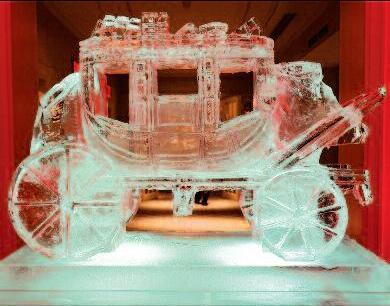
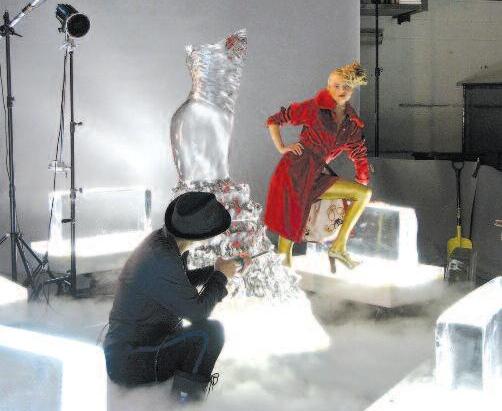
website is a must It’s like taking a virtual field trip into a fantasy world of ice – exotic, thought provoking, remarkable, and breathtakingly beautiful Gorgeous images of ice sculptures that they have created for a wide range of clients including titans of Wall Street a n d m a j o r c o r p o r a t i o n s t o t h e n e i g h b o r ’ s children about to become a bar/bat mitzvah or say their “I dos” fill their site. It’s clear that every client is unique and as important as the other to the Okamotos
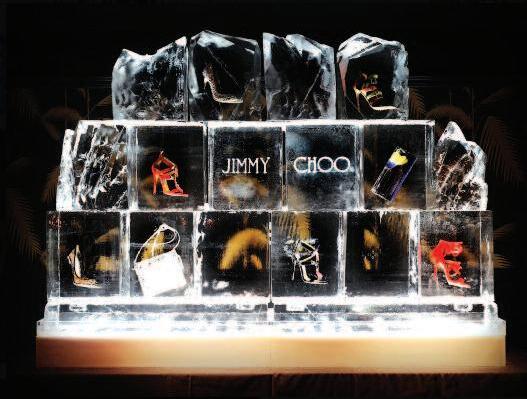
A m e r ican fashion designer Zac Posen; delicately carved polar bears for jewelry designer David Yurman’s holiday store
w
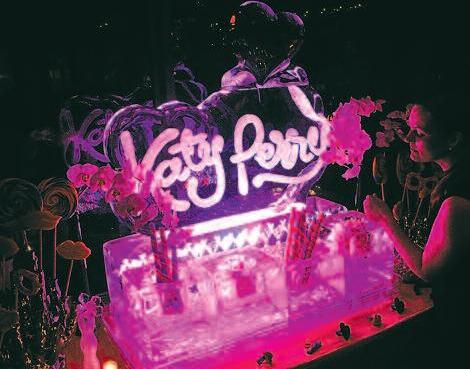
d i s play wall of Jimmy Choo handbags and shoes floating in stacked blocks of ice. There are images of sculpted logos enhanced with special lighting for corporate giants like LEGO, Ruelala, Yahoo, Spotify, and Embraer
r e p r e sented as well, including the New York Knicks, Def Jam Recordings, NBC, Warner Brothers, Notorious BIG and Katy Perry
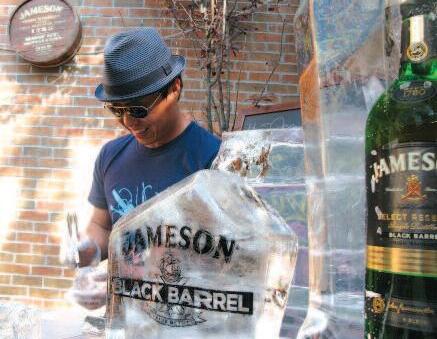
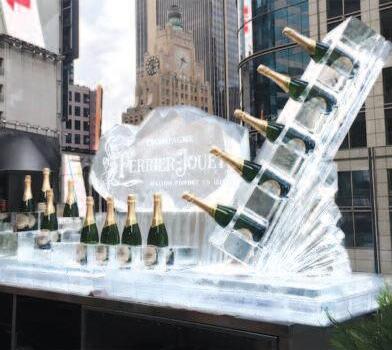
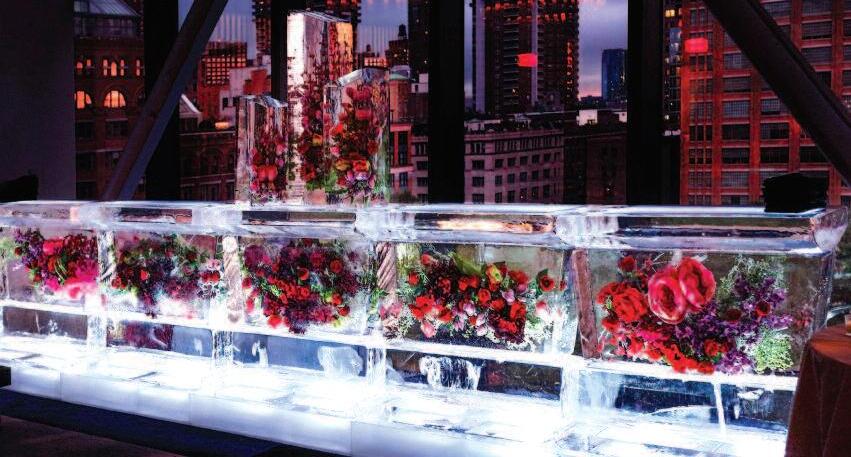
Pictures of colorful florals and spectacular individual flowers, seemingly floating in carved ice which have graced many wedding, gala, mitzvah and holiday tables as centerpieces are also featured on the site And an extensive collection of images featuring contemporary ice bars with dedicated nooks for top shelf liquor bottles and glasses; fun luges of all shapes and sizes that serve up icy cold, signature drinks which are incredibly popular a
f u n nel/siphon drinking days of
frat parties; crystal clear cocktail ice
s p e cial events; and all sorts of culinary
holiday parties and more It would seem that whatever a client can imagine, OKAMOTO STUDIO will create
Sadly, in 2012, Shintaro’s father passed away from cancer, but not before seeing OKAMOTO STUDIO Custom Ice achieve well-deserved recognition and success The business values that Takeo imbued in Shintaro as a child including humility, hard work, exceptional customer s
h
m self, are fundamental to the continuing s
S h i n taro, he “looks at the world at large, sees needs and opportunities that are relevant to the studio, then challenges himself”. And as a new father of a young son of his own, it is safe to say that Shintaro will teach him the same values he was taught, ensuring that the Okamoto legacy will live on
More information on OKAMOTO STUDIO
Custom Ice can be found at www.okamotostudionyc .com, on FB at facebook.com/okamotostudioice and on IG @okamotostudio.
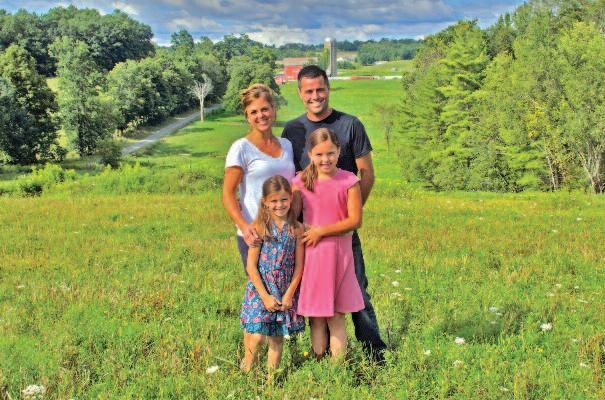
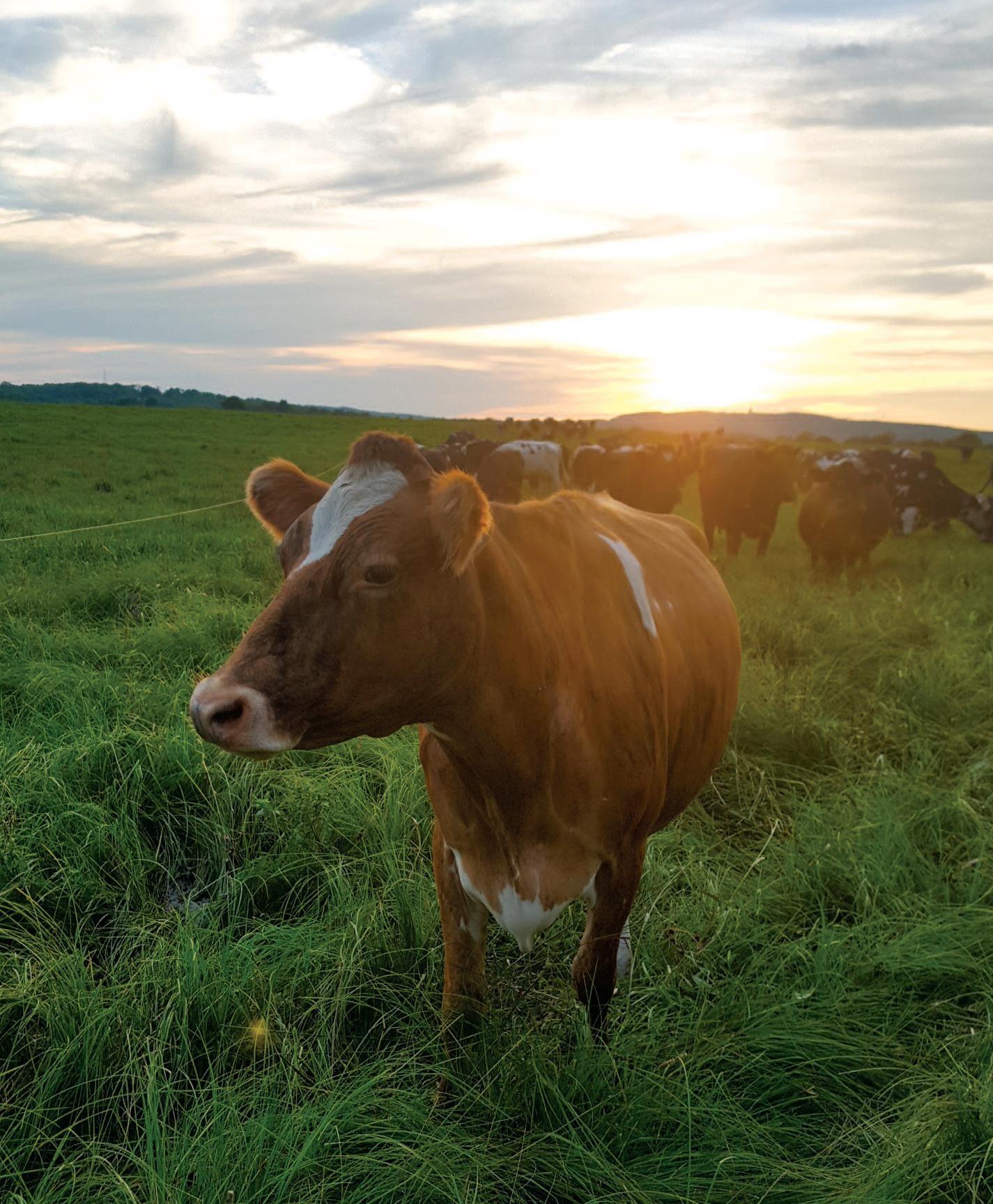
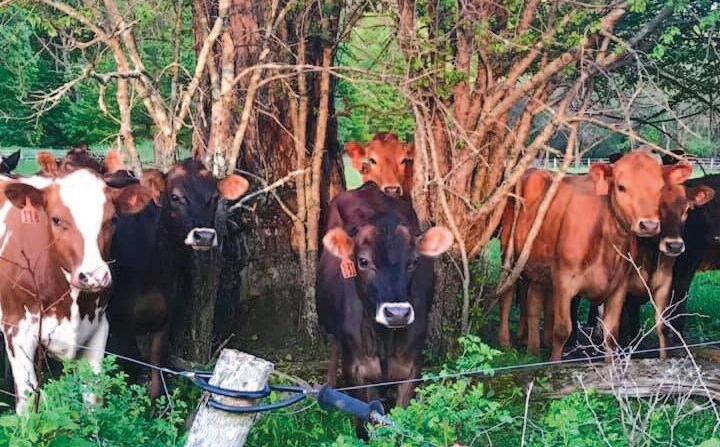
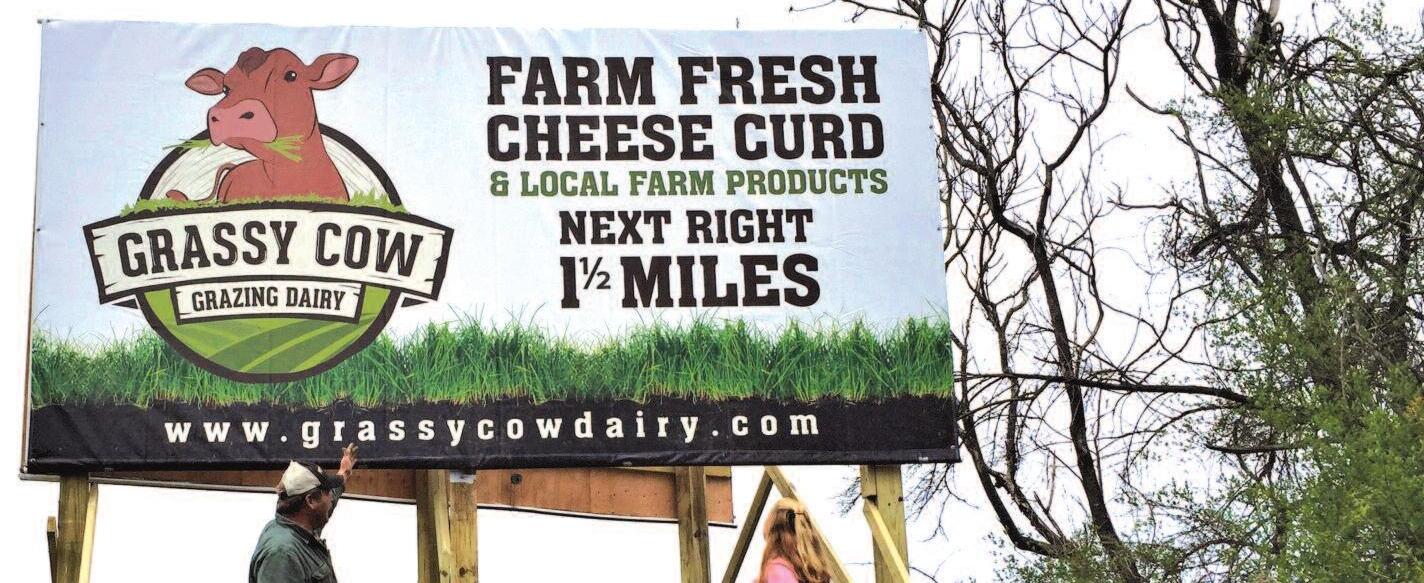
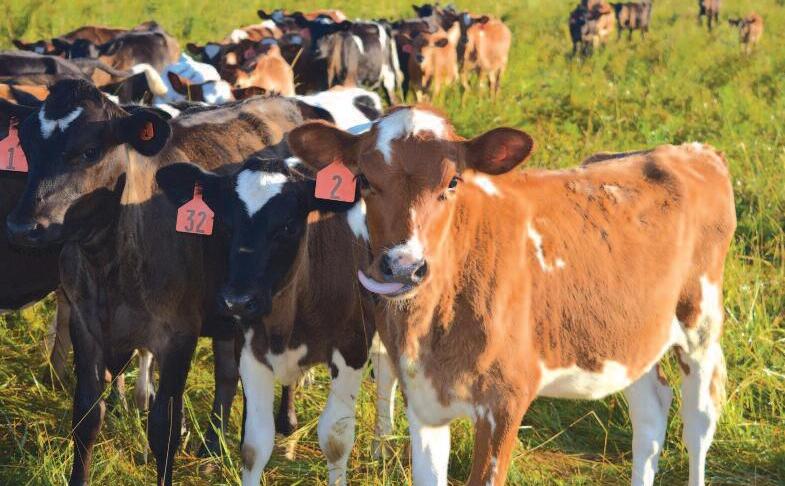
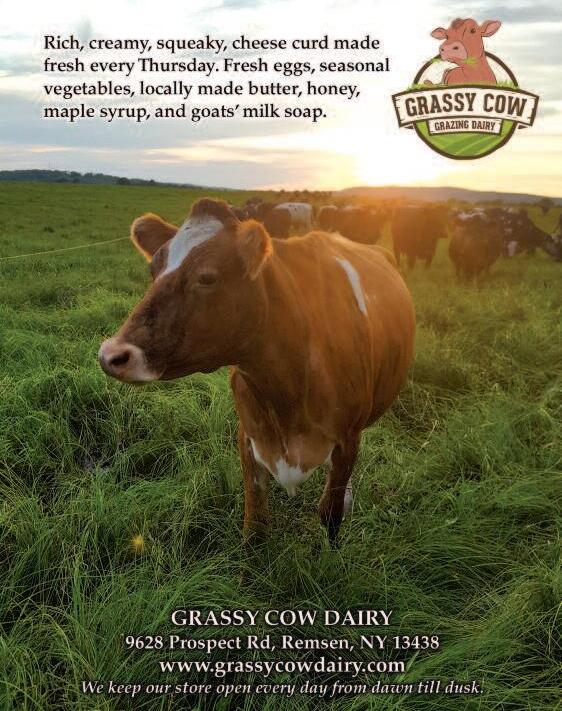
Grassy Cow Dairy is nestled in the quaint Central New York town of Remsen It is at the edge of the Adirondack Mountains, sixty miles northeast of Syracuse and is owned by Leon and Angela Atwell Leon, a true farmer since childhood, began his own dairy farm in Remsen in 1997 Leon and Angela met in 1999 and were married in 2003 joining together a lifelong dairy farmer and a career accountant. This proved to be just the beginning of their unique journey. It is well known that every great farmer needs t o h a v e a l o v e f o r t h e l a n d a n d a l o v e o f a n imals In turn, farmland improvement is a priority at Grassy Cow Dairy Also, you will find a variety of farm animals there as
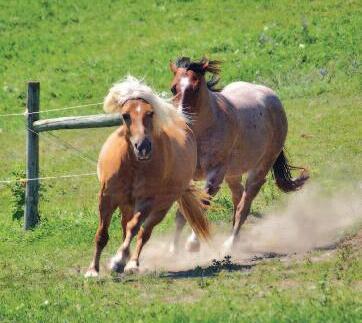
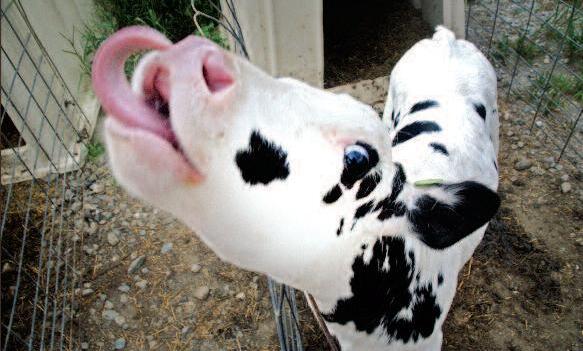
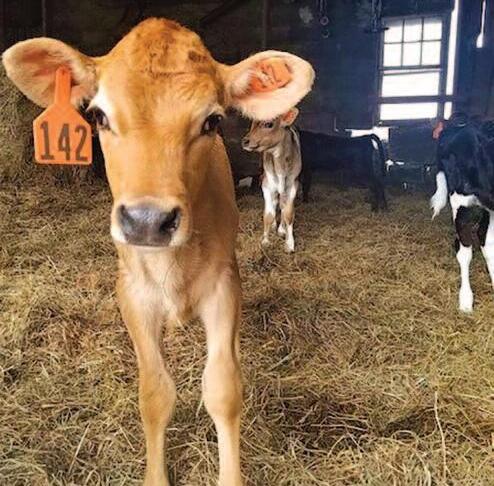
well including chickens and chicks, pigs and piglets, horses, miniature donkeys, dogs, cats, and of course cows and calves
To g
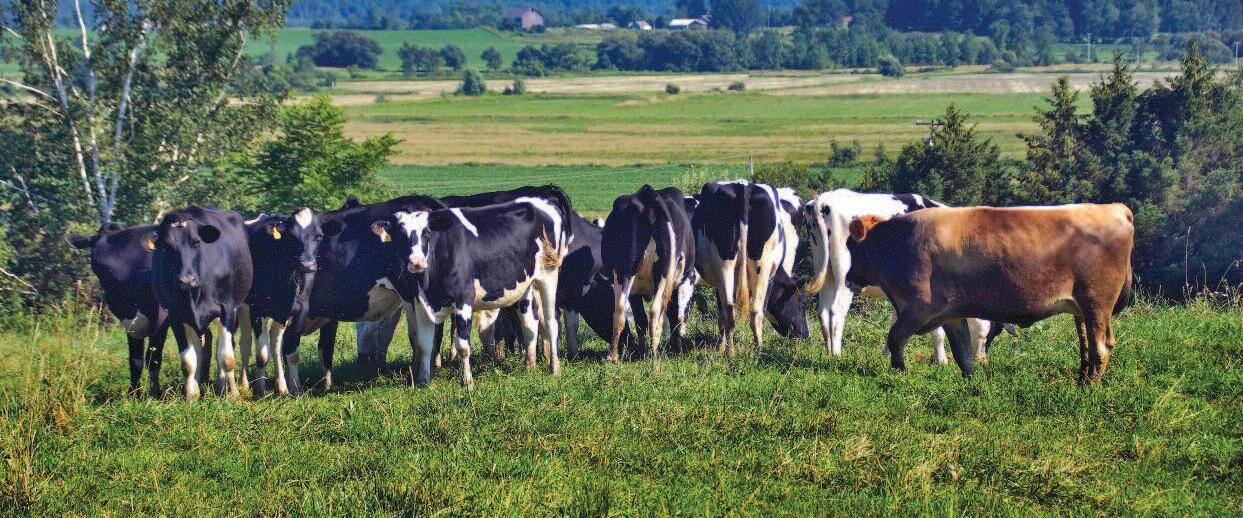
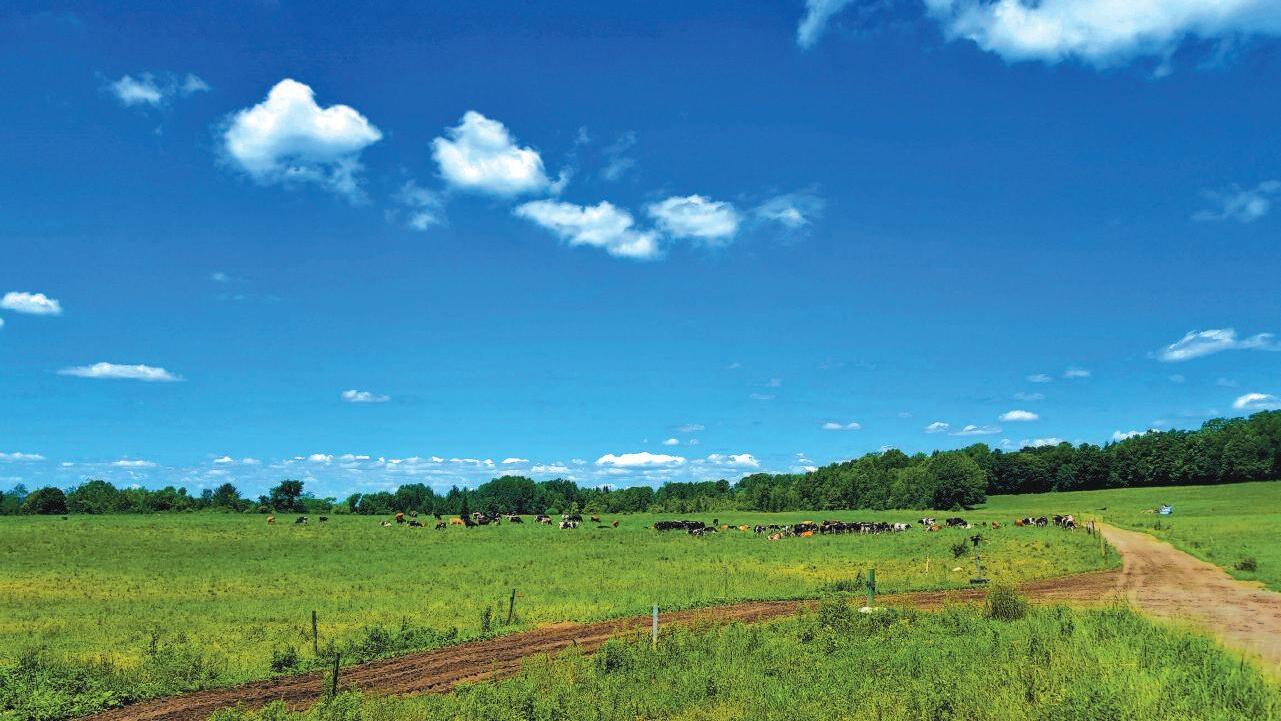
A n gela transitioned from a conventional dairy to a completely seasonal dairy in 2013 focusing on intensively grazing a 160 cow dairy herd.
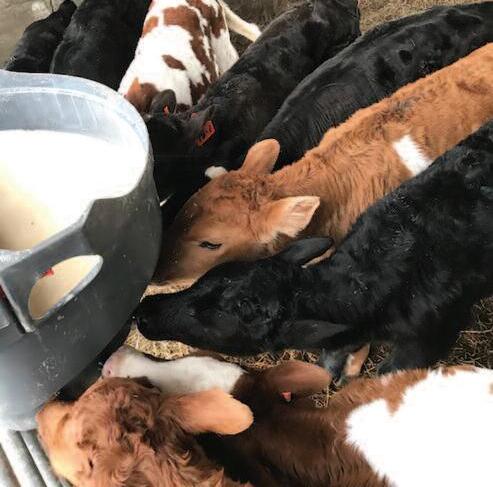
With an unconventional herd of cows, they have introduced several dairy breeds that h
a grazing environment Over the past decade, they’ve added Norwegian Red, Jersey and M o n t b
p r i m a r i l y H o l stein Herd The farmland is carefully
pasture every day Seasonal daily rotation of cows in fresh paddocks of grass contributes t o q u a l
animal health and exercise, and producing quality milk for cheese making
Th
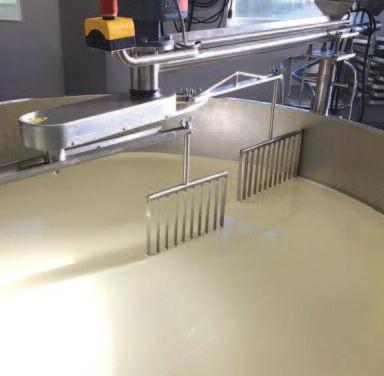
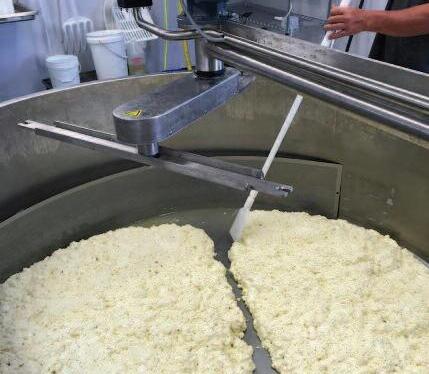
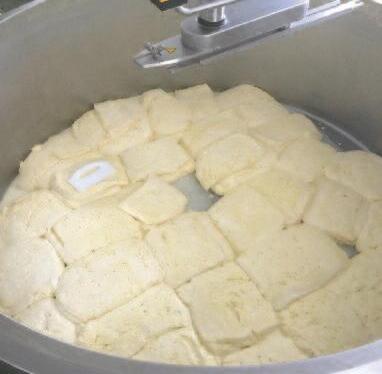
l i k e cheese! They are actually fascinated by cheese! They learned the proper handling of milk, sanitation techniques, microbiology of milk, and were introduced to the art of the c h e e s e m a
U n i versity Over a six-year period, the idea
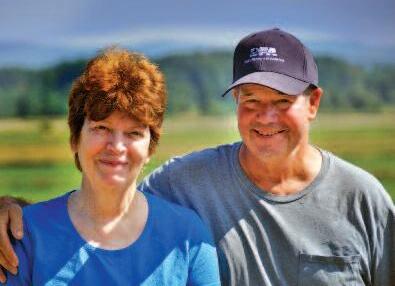
Angela and Leon Atwell
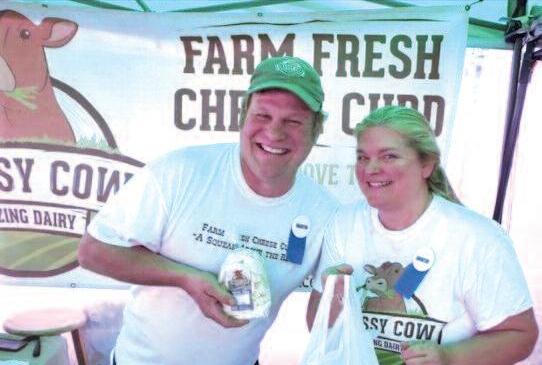
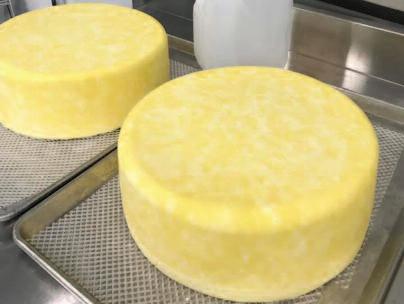
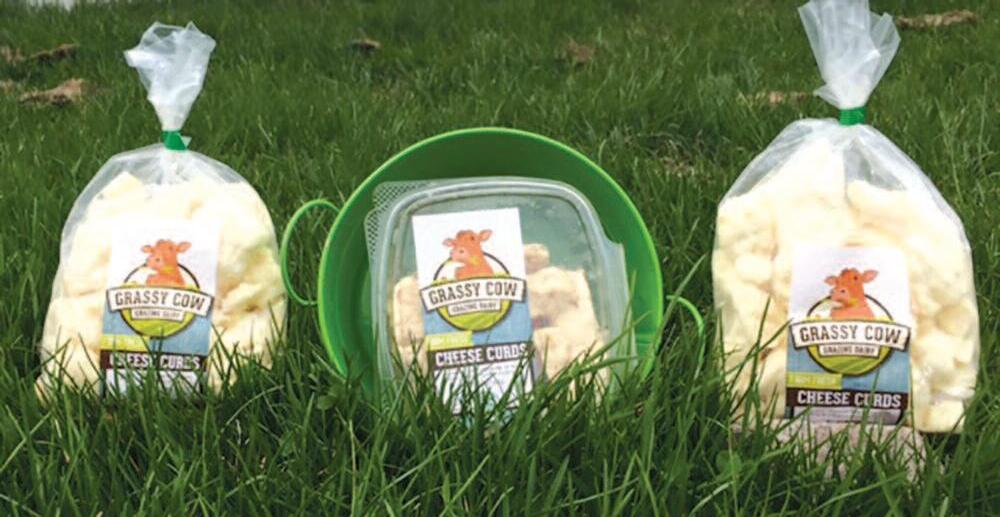
grew from making batches of cheese in their kitchen to a solid business producing several thousand pounds a year. Fresh cheese curd is the niche they decided to pursue and they now have a variety of 20 different flavors of cheese curd.
stead cheeses in different flavors as well
C
always on their minds. Possibilities and dreams, however, will need to be met with more help since each day consists of only 24 hours and two people only have a total of four hands!
In March of each year, their seasonal farm quickly starts with a flurry of activity with about
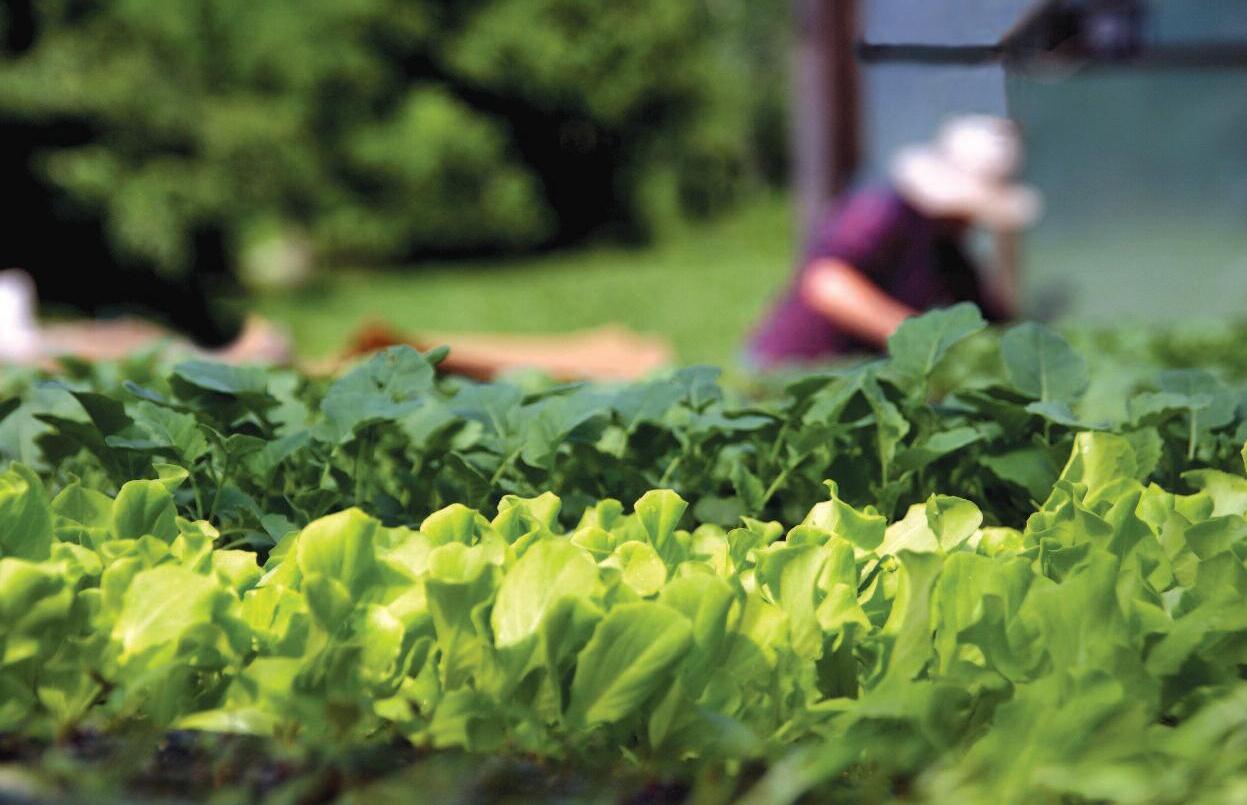
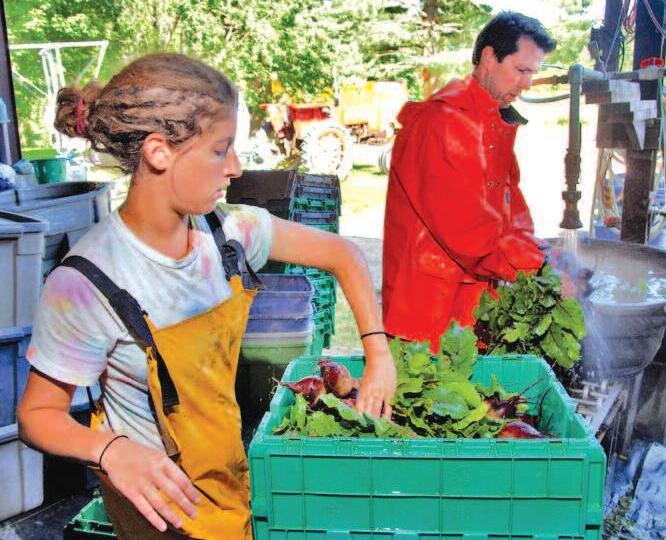
M a ternity and “calf watch” tasks continue all day and night until all of the calves are born The cheese making season begins in April Local customers and community have boosted this small business since it opened in April of 2015 into the success that it now is Customers come to the farm store weekly looking to buy their fresh cheese curd, aged cheeses, farm raised ground beef and eggs, and locally made items such as honey, butter and maple syrup The business has blossomed and continues to grow
a r kets, and weekly deliveries. As the fall and Christmas season ends, both the farm activity and sales marketing begin to quiet down creating
i n ning of March This is the time where the cows have a “milking free” rest period prior to having their calves Leon and Angela also find time for a little more rest while still attending to all of the projects that need finishing However, calming their enthusiasm and anxious minds f ro m c re a t i n g t o o m a n y n e w p ro j e c
s
n d n e w e n deavors for the next season is always their biggest challenge
Grassy Cow Dairy
9628 Prospect Rd, Remsen, NY 13438 www grassycowdairy com
I Never Knew The Knife Man’s Name
by Karen Richman
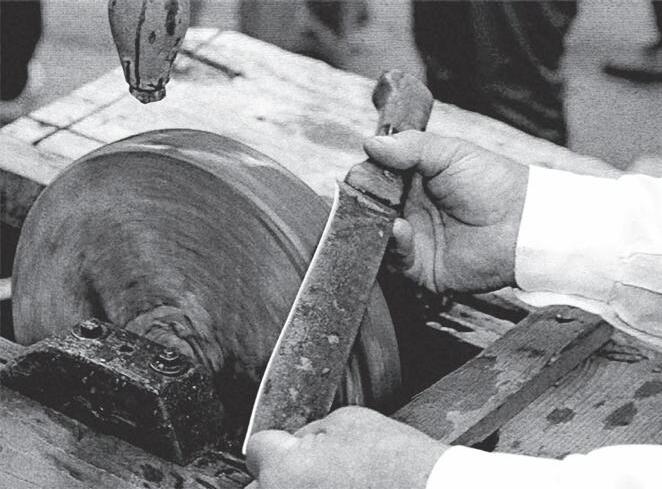
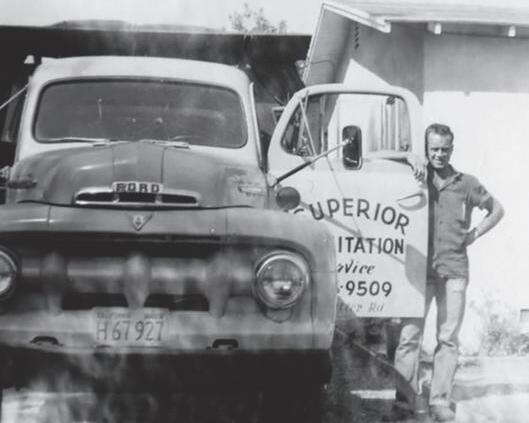
I never knew the knife man ' s name I don't think anybody did. He was simply the “knife man; " and when you heard the unmistakable clang of the bell as his truck rounded the corner, you knew you had only a few seconds to gather up your dulledged knives and scissors and run out to the street
d o w n B u t
re ally, there was no need for it His transactions were simple: You had a dull utensil He fixed it Cash only T
“ D r y Cleaning Man” who delivered the cleaning in paper bags,
every Thursday morning promptly at eleven. That was the thing
their timing.
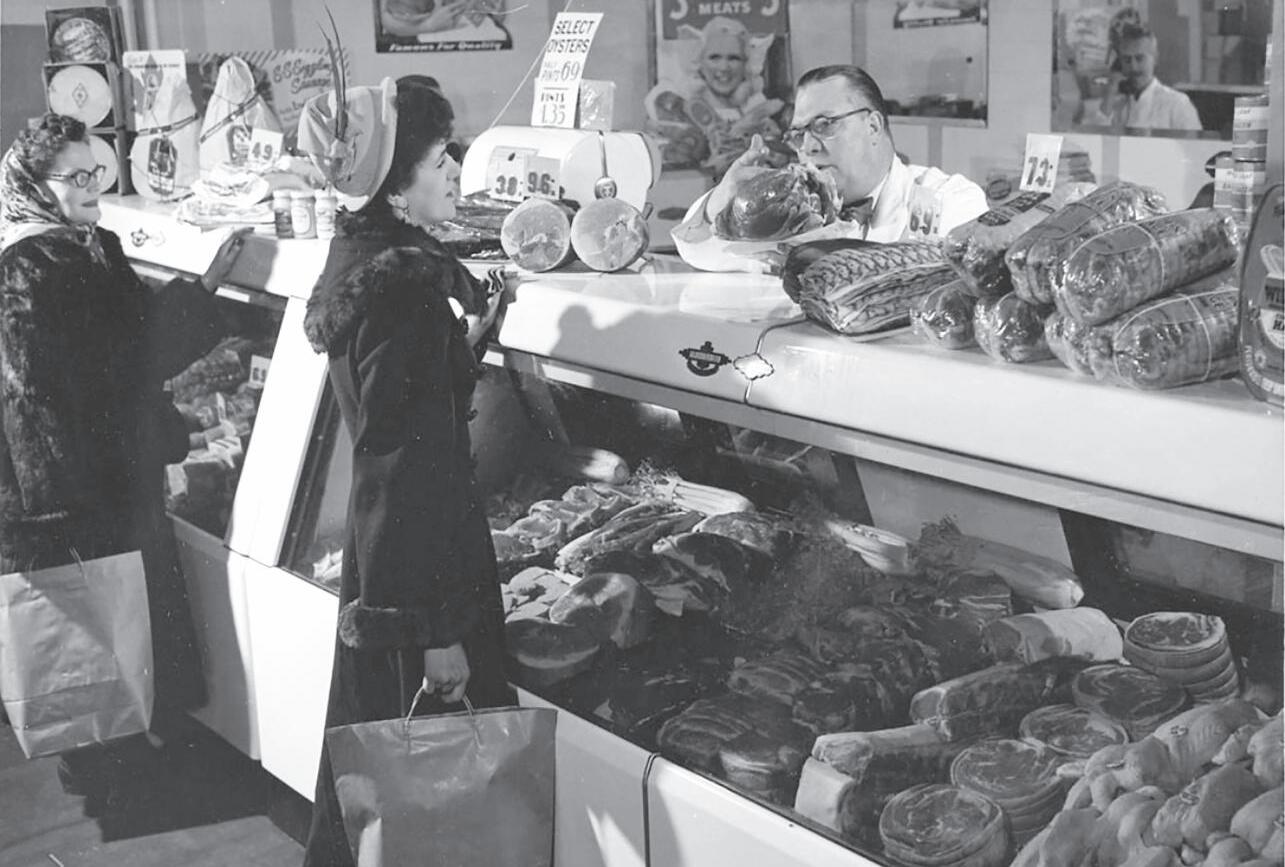
Then there was "Al the Butcher." When I was a kid I never thought any of these people had last names because I never heard any They just weren't necessary "Al the Butcher" was really all one
needed it told you what to call him and what he did for a living
S i m p l e Yo u p h o n e d y o u r o rd e r i n , a n d a f e w h o u r s l a t e r A l h i m self would deliver at no extra charge - everything wrapped in brown butcher paper with black grease pen markings on top telling you what was within
One of my very favorite delivery people was a character known as "Louie the Garbageman " That's precisely how you said his name all together as though it were one single word, and Louie l o v e d i t We h a d o u r g a r b a g e c a n p e r m a n e n t l y i n s t a l l e d i n - ground in the backyard To open the receptacle you had only to tap the lever with your foot, then deposit your bag into the hole and let it slam shut It was simple, clean, and eliminated odor problems, dogs ripping the bags open, and big messy cans in the kitchen In addition to his one-piece blue uniform, Louie always wore a smile He never complained about weather, being underpaid, or union woes He obviously enjoyed his work, his title, and being Louie the Garbageman to our neighborhood.
wanted fresh eggs, sour cream, butter, or even ice cream, just a note in the little gray wooden milk box would ensure a tip of the cap, a smiling, "Yes, ma ' am, " and a trip back out to the truck with absolutely no complaint
I w a s s i c k
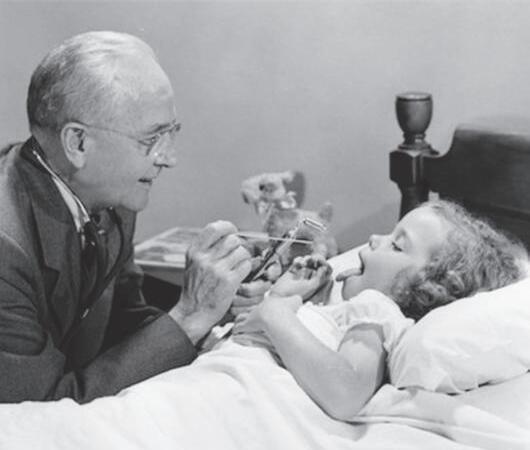
d i s ease; and when that happened, Dr Baime, the pediatrician, always came to our house He wouldn't think of having a child sick with fever, bundle up against the winter chill to log time in his waiting room, thereby infecting others If a prescription were needed, a call to the local drugstore brought the big blue and tan station wagon up the hill to our home, carrying awful tasting liquid concoctions that would cure you quick, but make you beg for ice cream "to get rid of the taste "
Sadly, we don't really need Louie the Garbageman any longer We have trash compactors and nameless, faceless men in garbage trucks you rarely get to know. The milkman in his pure white
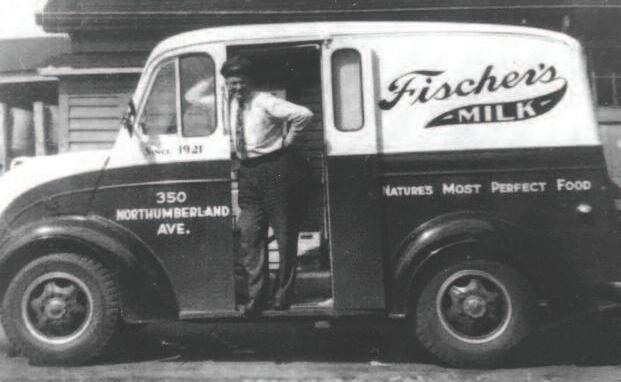
Fred the Milkman always looked like he came straight out of central casting His persona and his uniform were as clean and white to me as the milk he carried in the glass bottles...the same milk that if you pulled off the cardboard cap, had a thick covering of real cream on top, just waiting to be licked. If my mother
starched uniform is all but obsolete because we have convenience stores and drugstores selling everything from milk to books and unfinished furniture. Dry cleaning delivered to the home? It's over... a product of the stores with "in-by-nine-out-by-five service, one hour martinizing, and bring- in-five-shirts-get-onefree promotions And who needs Al the Butcher when you have mega-supercenters that cover the meat in plastic and label calorie content, fat content, USDA approvals, and cholesterol numbers? Except after all that, you know what? It just doesn't taste as good as it used to
But life is better, they say Easier Filled with the f i n e s t a n d m o s t u p t o d a t e c o n v e n i e n c e s M o re m o d ern Maybe But every time I look at a dull knife in the drawer, I still cock my head expectantly, as if to hear just one more time in the distance, the sweet clanging of a solitary bell
The Truth About New York Wine
By Roberto Cruz - Photos by Adirondack Winery
It might come as a surprise to some, but New York wines have become
a s r e p u t a b l e a s t h o s e m a d e i n t r a d i t i o n a l “ w i n e c o u n t r y, ” s u c h a s
C a l i fornia’s Napa and Sonoma counties
In fact, New York’s Finger Lakes region was recently named the Best Wine Region in country, according to USA Today’s 10Best com – and that’s far from the only recognition the Empire State has received for tremendous wine making From the Finger Lakes region to the Hudson Valley and Long Island, New York wine and wine tourism has grown e x ponentially over the past decade In fact, New York’s wine tourism a c counts for a whopping $4 8 billion in economic benefits annually, thanks to its 1,600 family vineyards and 400 wineries
O f c o
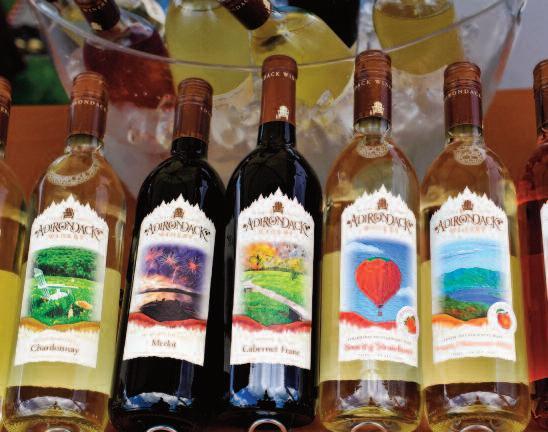
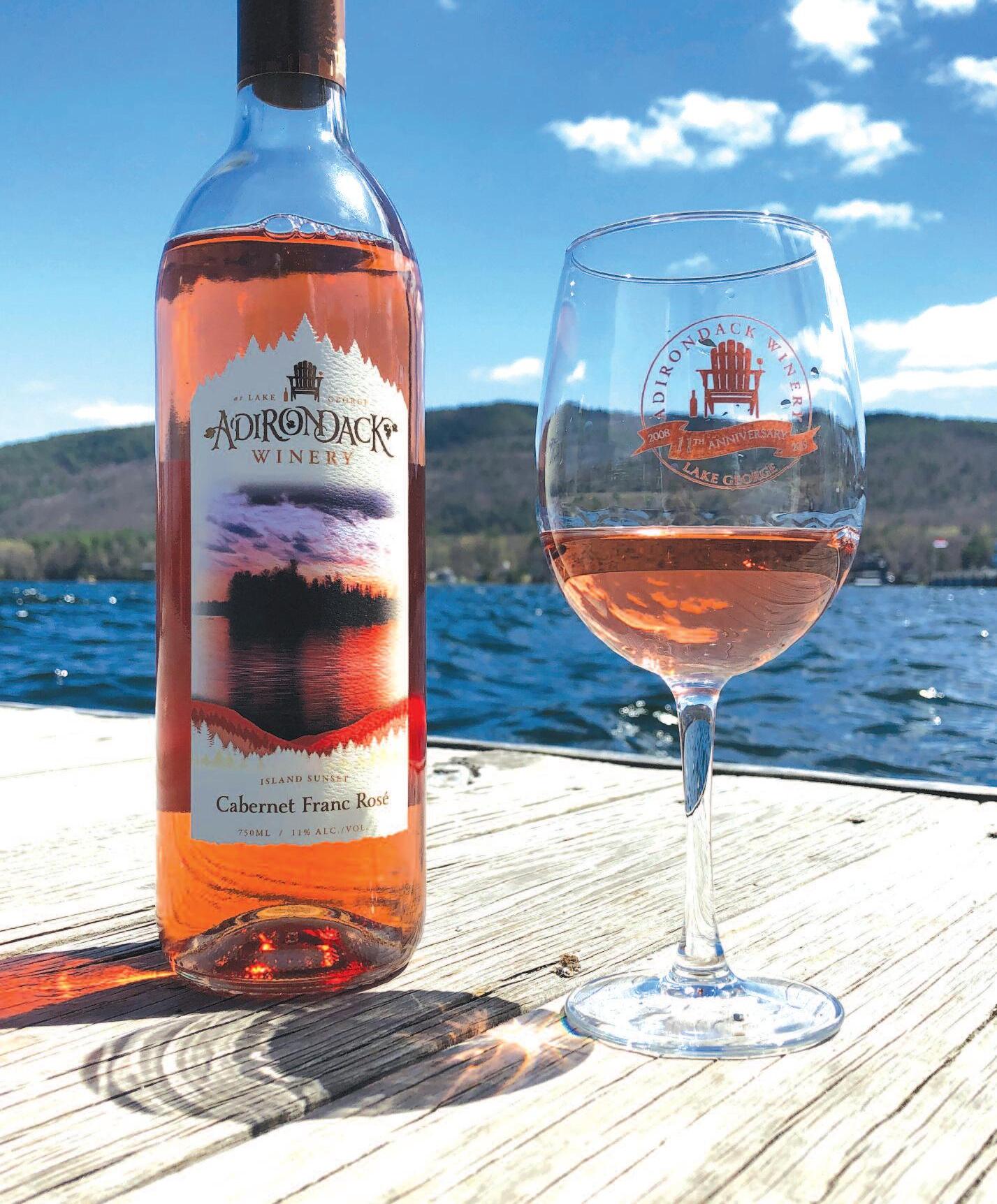
F o r t u nately, New York’s fruit of the vine is among the world’s best “While many people are aware of wines from traditional hot bed areas of California, they sleep on or are simply uneducated on the wines from New York state,” said Brad Casacci, winemaker at Adirondack Winery. New York wines really offer a glimpse of the terroir of where a grape was grown. Not just what county it is from, but from what vineyard and even down to a block of grape vines. The focus is on the land it comes from and how that land really dictates the structure of each row of grape vines and the eventual grapes.
A classic example is Riesling, New York's premiere wine and a wine that h a s a n i n t e r n a t i o n a l f o l l o w i n g t h a t r i v a l s t h e i n f a m o u s R i e s l i n g s o f
G e r many If you look at one vineyard’s Riesling compared to another from just down the road, you'll see unique differences in their wines based on soil content and average temperature ranges that will give you different acidities and flavor profiles These types of differences are what make New York wines fun and exciting and give them as bright of a future as the Dry Riesling in your glass
Grapes native to New York include Catawba and Concord varietals, which are more known to some for their use in grape juice and grape j e l l y H
t o p ro duce high-volume sellers like their Red Ruby, a concord grape fruitinfused red wine
You’ll also find many New York wineries use Seyval Blanc, Cayuga, Vidal and Vignoles – the latter which is often used to produce late harvest ice wines (a style of wine that’s created when grapes are frozen on the vine and crushed while still frozen). Some New York wineries, like Adirondack Winery, also take great pride in making wines with lesser known grapes, like Baco Noir.
Baco Noir is a French-American hybrid grape with origins dating back to 1894, when New York François Baco crossed a grape known as Folle Blanche with an unknown grape from the Vitis riparia family of grapes with the intention of creating more pest-resistant vines
The result is an oaky, smokey dark, dry red with delicious plum and blackberry notes in every sip It’s a great point of pride to offer a style of wine not every winery has, and customers love it too, says Sasha Pardy, c o - o w n e r a n d p re s i d e
semi-sweet wines and award winning traditional dry varietal wines that are higher quality than someone would expect from the large national brands they’re used to ”
New York’s proud winemaking history can be traced as far back as the 1 6 0 0 s T h
P l e a s ant Valley Wine Company, and the oldest operating winery in the nation, Brotherhood Winery, which produced its first commercial vintage in 1839 Perhaps the state’s biggest leap forward came in the 1950s, when Ukranian-born Dr Konstantin Frank started growing European vinifera grapes in the Finger Lakes region, producing high-quality grapes with a more refined taste.
Today, New York’s wine industry relies on a mix of native grapes like Concord, French-American hybrids and traditional European varietals –which for wine lovers means more variety, and more enjoyable styles to try It’s not uncommon for wineries to carry over a dozen styles of wine, and in some cases, like with Adirondack Winery, 25- to 30-plus depending on the time of year D
T h e region’s 60 wine producers attract more than 1 3 million visitors every year, with vineyards cooled by ocean breezes and climates like t h o s e y o u ’ d f i n d i n F
t e m peratures help certain grapes flourish, such as the area ’ s Merlot, which is particularly well regarded
And whether you ’ re fortunate enough to vacation in the Hamptons, or you ’ re simply visiting a friend from college, the wineries on Long Island are particularly fun to visit in the summer, as you enjoy the warm weather sitting outside the vineyard and play games like cornhole as you sip you ’ re favorite chilled white wine
Hudson Valley wineries are no slouch either when it comes to taste or experience. When you ’ re ready to wind down with some wine after a day of hiking, the Hudson Valley region has more than a dozen wineries to choose from, including the Warwick Valley Winery, where in addition to an incredible Cabernet Franc and Pinot Noir, you’ll find the awardwinning Doc’s Cider and Black Dirt Bourbon
The Hudson Valley is aided by its many hills, which help the grapes s u r vive bouts with cold and keep the grapes cooler in the summer months New York state may be the fourth largest in the nation in terms of size, but these days, its quality and craftsmanship is second to none There are many reasons why its wines have become so celebrated over the past 10 years, and that taste and quality will keep them at the top for decades to come
Enjoy!
Roberto Cruz, Adirondack Winery
Tasting Rooms: 285 Canada Street, Lake George, NY 12845
4971 Lake Shore Drive, Suite 2 Bolton Landing , NY 12814
INSTINCTIVELY DIFFERENT>>
Driving Economic Growth in New
York and its Capital Region
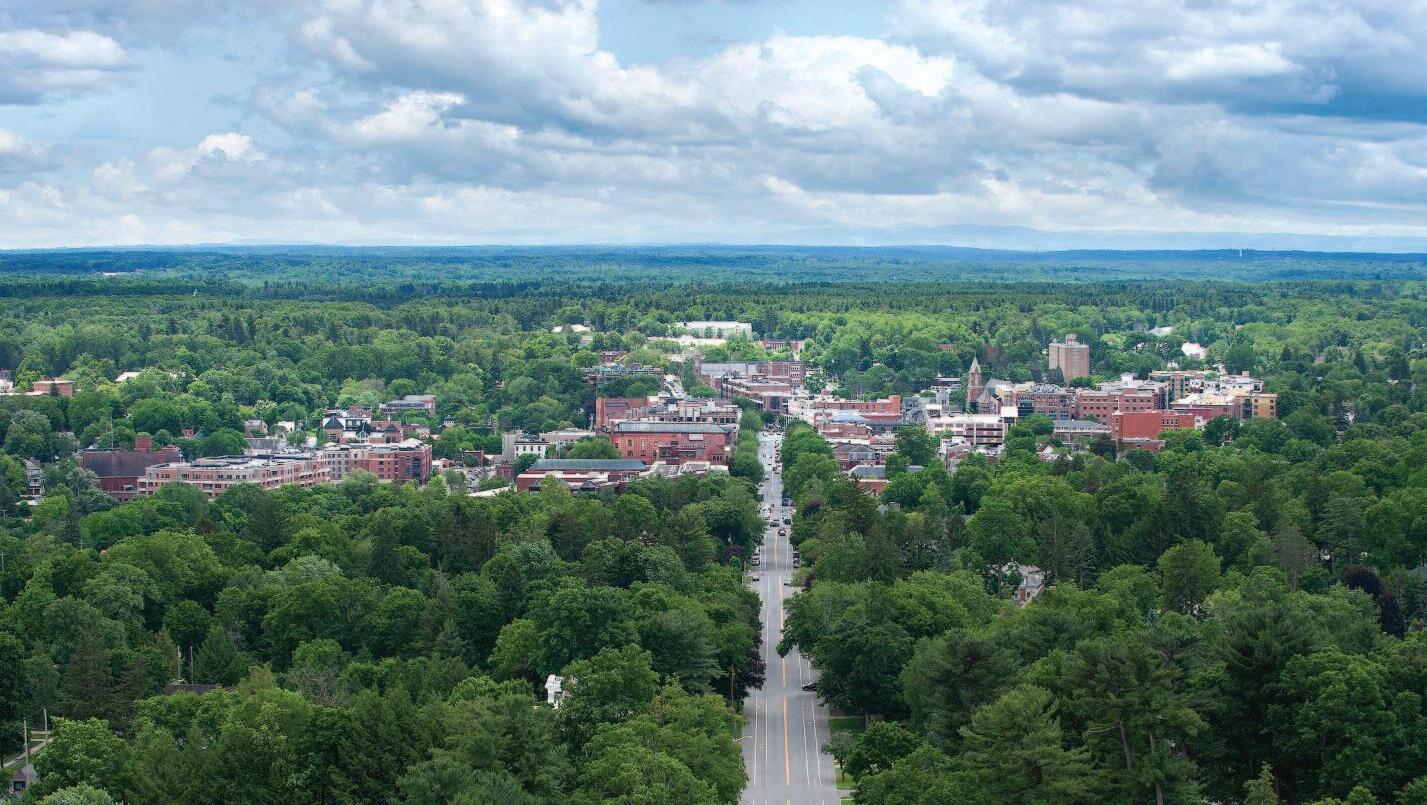
Skidmore College generates more than $382 million in economic impact to New York State. In the Capital District, Skidmore is among the top employers with an estimated 2,380 jobs through either direct or spillover employment.
GRAND
TOTAL ECONOMIC IMPACT* (direct and spillover): $382,800,000
Estimated Annual Average Construction Spending $13,800,000
EMPLOYMENT (direct and spillover) 2,380 JOBS NYS TAX REVENUE (personal income, state, local) $10,800,000
SKIDMORE IN THE COMMUNITY
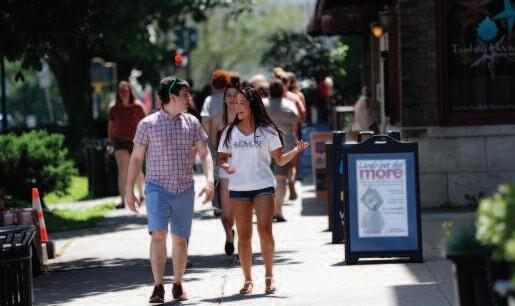
Skidmore Cares, an annual College initiative founded in 2006, has provided more than $122,000 in monetary gifts and 45,000 food items, school supplies and personal care items to community agencies.
Thousands of volunteer hours are invested in Saratoga County each year by Skidmore students, faculty and staff.
100+ Skidmore students intern in Saratoga County each year.
25,000 guests attend events at the Zankel Music Center each year.
Over 350 local residents age 55+ participate in Skidmore Encore, an annual seven-week lecture series.
40,000 people visit the Tang Teaching Museum and Art Gallery each year.
8 miles of trails are available to the public in Skidmore’s North Woods.